The West African Gas Pipeline Company Limited (WAPCo) has announced a reduction in gas volumes available for transportation, citing ongoing maintenance works by one of its gas producers in Nigeria.
In a press release dated June 12, signed by its Director of Corporate Affairs, Isaac Adjei Doku, WAPCo stated, “One of the producers of the natural gas WAPCo transports from Nigeria has shut down its facility for a three-week maintenance, resulting in a decrease of gas available for WAPCo to transport to customers in Togo, Benin, and Ghana.”
The company emphasized that the current situation is beyond its control and assured stakeholders that it continues to transport gas from the Western Region of Ghana to Tema, also in Ghana.
It expects normalcy to return after the maintenance activities are completed.
The announcement comes amidst concerns about the impact of the gas shortage on the affected countries’ energy supply and highlights the importance of regular maintenance and infrastructure upgrades in the energy sector.
The African Development Bank (AfDB) has reported that Ghana’s youth unemployment rate reached 7.16% in 2023, with the issue being particularly severe among those aged 15 to 24.
This information comes from the AfDB’s updated 2024 Africa Economic Outlook, which underscores a significant gender disparity in youth unemployment rates.
According to the report, unemployment is notably higher among young women than their male counterparts. Female youth unemployment reached 36.7%, while the rate for males was 29.3%.
The report also highlights a slight increase in multidimensional poverty, rising from 46% in 2017 to 46.7% in 2022, a trend largely attributed to the lingering effects of the Covid-19 pandemic.
Rising youth unemployment in Ghana has become a growing concern, leading to calls for intensified structural transformation.
The AfDB report points out that productivity in the services sector, the largest employer in the country, has stagnated. Meanwhile, gains in industry and agriculture have remained modest.
The report notes a significant shift in employment shares across sectors. Agriculture’s share of employment fell from 53.9% in 2007 to 29.8% in 2019. In contrast, industry’s share increased from 14.1% to 21.0%, and the services sector saw its share rise from 31.9% to 49.2%.
To accelerate Ghana’s structural transformation, the AfDB suggests several measures. These include enhancing competitiveness by addressing infrastructure bottlenecks, accelerating agro-industrialization through skills development and value addition, and bolstering private sector growth.
Additionally, the report emphasizes the need for a robust policy framework to support technology adoption and innovation.
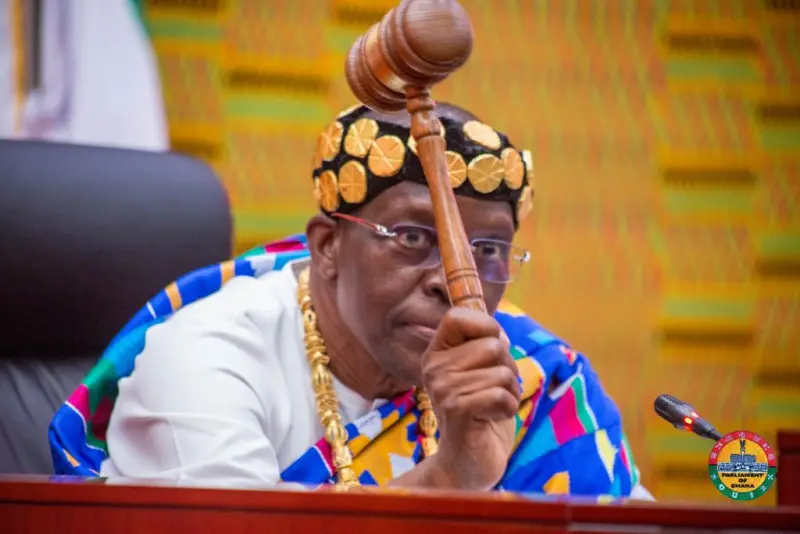
The Speaker of Parliament, Alban Bagbin, has expressed deep concern about the escalating issue of youth unemployment in Ghana, cautioning that this could have significant implications for the upcoming elections.
Speaking before Parliament, Speaker Bagbin emphasized the pressing need for swift and decisive action from political leaders to tackle this critical challenge.
He called for a united front to address the situation urgently, warning of severe consequences for the country if effective measures are not promptly implemented.
“The joblessness, the homelessness and the hopelessness of the youth cannot be taken lightly. We must act together and now to prevent a journey to calamity or a journey of no return,” he stated.
The African Development Bank (AfDB) has reported that Ghana’s youth unemployment rate was 7.16% in 2023, with a particularly acute issue among individuals aged 15 to 24.
In its updated 2024 Africa Economic Outlook, the bank highlighted that unemployment was notably higher among women in this age group compared to men.
The report also indicated a slight increase in multidimensional poverty, rising from 46% in 2017 to 46.7% in 2022, largely attributed to the lingering effects of the Covid-19 pandemic.
Data revealed that female youth unemployment reached 36.7%, while the rate for males was 29.3%.
The rising youth unemployment in Ghana has become a growing concern, leading to calls for intensified structural transformation.
Speaker Bagbin also urged the government to restrict the military’s role in overseeing the upcoming election, emphasizing that their involvement should be limited to assisting the police only when necessary.
“We don’t want to see the military during elections. When there is the need to call them, they will be called. But they should not be at polling or voting centres,” he added.
Vice President Dr. Mahamudu Bawumia has reaffirmed his commitment to serving the people of Ghana with dedication and integrity should he be elected President in the upcoming 2024 election.
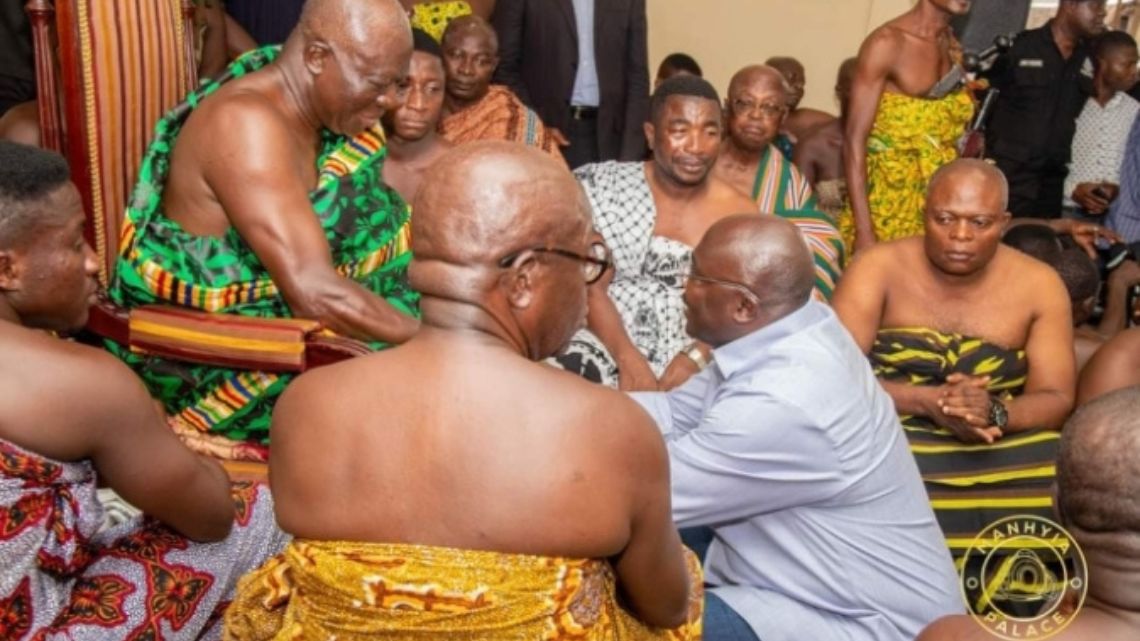
Dr. Bawumia made this assurance during a visit to the Manhyia Palace as part of his tour of the Ashanti region.
During his visit, Dr. Bawumia emphasized his profound respect for the chieftaincy institution and its pivotal role in fostering peace, unity, and development. Seeking the blessings and wisdom of the Asantehene, Otumfuo Osei Tutu II, the Vice President reiterated his unwavering dedication to the welfare of all Ghanaians.
Recognizing the importance of engaging stakeholders ahead of the election, Dr. Bawumia vowed not to disappoint the people of Ghana if given the mandate to lead the country.
Drawing on his extensive experience in both public service and private sector management, he expressed confidence in his ability to deliver effective governance and drive meaningful change.
Dr. Bawumia elaborated on key aspects of his vision for Ghana, which include enhancing economic growth, improving access to quality education, strengthening healthcare delivery, boosting agricultural productivity, expanding industrial capacity, ensuring energy security, and reinforcing good governance practices.
He believes these themes resonate deeply with the aspirations of many Ghanaians seeking improved living conditions and greater opportunities.
The Asantehene, Otumfuo Osei Tutu II, offered words of encouragement and advice during the visit, commending Dr. Bawumia for his diligent approach to national issues. He implored the Vice President to prioritize the welfare of Ghanaians above partisan interests and to avoid inflammatory rhetoric in his political campaigning.
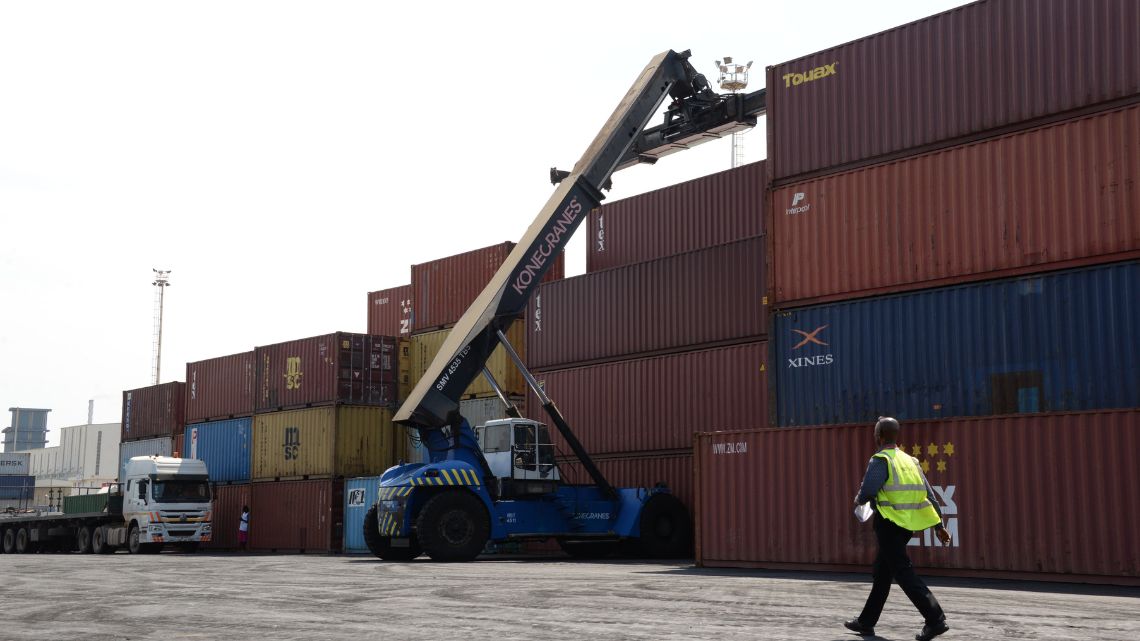
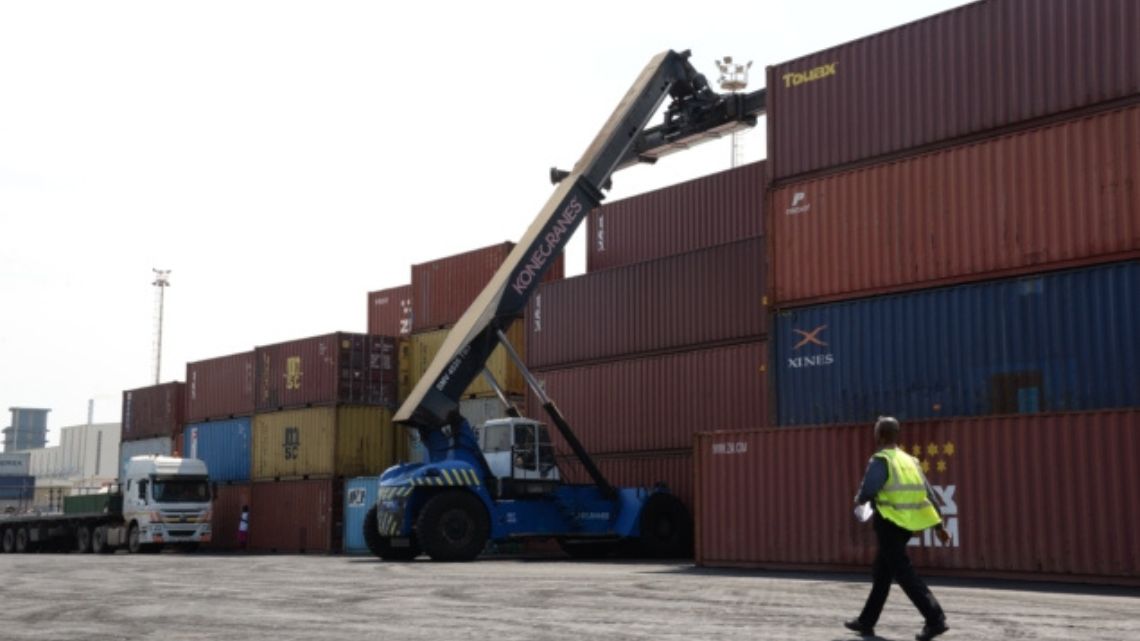
The Ministry of Health has refuted allegations that the locked containers from the Global Fund at Tema port contain essential medications for tuberculosis (TB) and HIV/AIDS treatment.
This denial comes after concerns were raised by health-focused civil society organizations (CSOs) regarding potential negative consequences from the Global Fund, which has threatened to withdraw its support to Ghana if the containers are not cleared swiftly.
In response to the CSOs’ claims that the drugs inside the containers are deteriorating at the port, Isaac Offei Baah, the Ministry’s Public Relations Officer, clarified that the locked containers primarily contain mosquito nets and not TB or HIV/AIDS medications.
He emphasized that the Ministry remains firm on this clarification amid the ongoing controversy.
“I want to put it on record that we have mosquito nets, and we don’t have anything like HIV drugs or TB drugs [locked up at the port].”
“Once it is something that has been given to the people of Ghana, we are working towards getting them out and putting them to good use.”
“So for clarity sake, we don’t have any HIV drugs locked up at the port that we have not cleared. All those ones were cleared somewhere last April,” he said.
A Deputy Finance Minister, Dr. Alex Ampaabeng, has proposed the taxation of online trading companies as a measure to increase Ghana’s revenue.
Emphasizing the significant income generated by both local and international online businesses from Ghanaian consumers, Dr. Ampaabeng highlighted the need to incorporate these entities into the nation’s tax system.
In an interview with Channel One TV on Wednesday, June 12, Dr. Ampaabeng pointed out that online businesses and content creators represent promising sources of revenue for the country.
He criticized the existing discrepancy where local businesses are taxed while global social media giants like YouTube and Facebook, which earn substantial revenue through advertisements, remain untaxed in Ghana.
Dr. Ampaabeng underscored that social media platforms profit from hosting ads, and online trading companies such as Jiji, Jumia, and Tonaton generate significant income through their products and services.
He remarked on the extensive market presence of these online trading platforms, noting that they often surpass many physical marketplaces in scale and economic impact within Ghana.
“I can’t think of a country which has not gotten a digital service tax system of some sort, so Ghana is long overdue. Just to make an example so that people will appreciate where I’m coming from. Go to YouTube and play a video, within one or two minutes, you are going to watch about two, or three adverts.”
“What it tells you is that Facebook or YouTube is making profits right here in Ghana. Go to your Facebook account, and you are going to see a number of adverts on your right and left. What it is telling you is that Facebook is making profits right here in Ghana and not being taxed. Meanwhile, there are companies operating in Ghana, for jurisdiction reasons, of course, that are being taxed,” he said.
“So then, it comes to the question of the application of our tax laws. Revenues generated in Ghana are subject to taxes. We have Facebook, TikTok and all those players, these are digital platform owners,” he added.
Mr. Frimpong was released on Wednesday evening after the police took a statement from him regarding his comments in a viral video.
The candidate’s arrest followed the circulation of a video in which he appeared to urge miners to retaliate against police officers and soldiers who attempt to extort money from them.
In the video, Mr. Frimpong purportedly claims that government initiatives such as #OperationGalamStop, #OperationVanguard, and #OperationHalt I & II have been suspended, implying a green light for galamsayers to mine without interference from law enforcement.
Furthermore, Mr. Frimpong was seen promising to establish a WhatsApp platform for miners to report encounters with uniformed personnel, including soldiers, and pledging swift action from local authorities. He allegedly encouraged galamsayers to confront any officer attempting to halt their activities.
Ernest Frimpong has denied these allegations, asserting that he did not endorse illegal mining or encourage miners to fight military personnel.
He claimed that his remarks were taken out of context from a two-hour engagement with artisanal small-scale miners and emphasized that his intentions were misrepresented.
Meanwhile, the Municipal Chief Executive for Wassa Amenfi East, Frederick Korankye, has condemned Frimpong’s comments.
Mr Korankye urged miners to cooperate with security officers as part of efforts to eliminate illegal mining activities in the community.
“The government is ready to facilitate the documents for you to do your work according to the guidelines set out in the mining laws. So that is what I will plead with the miners. In fact, the land belongs to us so we cannot look unconcerned for them to destroy it the way it is.”
“So once a while, the military will come and then make sure that they do the right thing. At the beginning of every year, there are rampant armed robbery cases over here, and when it happens like that, we rely on these security services to come and assist, so we cannot be attacking them and then later come and call them to come and help us,” he said.
The High Court in Accra is poised to make a critical decision today on whether to admit an audio recording involving the Attorney-General and businessman Richard Jakpa as evidence in the ongoing ambulance case.
This decision follows a contentious legal battle over the relevance and admissibility of the recording.
The controversy erupted when lawyers for Minority Leader Dr. Cassiel Ato Forson sought to introduce the audio recording into evidence. The Attorney-General objected, questioning both the foundation and relevance of the recording.
The 16-minute audio recording had previously played a pivotal role in the trial judge’s decision regarding a mistrial on June 6, 2024. Defense lawyers are now reintroducing the recording, arguing that it is crucial to the charges of causing financial loss to the state against the Attorney-General.
Dr. Aziz Bamba, lead counsel for Dr. Forson, emphasized that the recording pertains to an agreement between the Ghanaian government and a subsequent Letter of Credit. Dr. Bamba argued that the Attorney-General’s conduct, as captured in the recording, constitutes oppression of the accused and undermines the integrity of the trial process.
“The audio recording is pertinent as it indicates the case was not pursued in good faith, and suggests procedural irregularities in the Attorney-General’s handling of the matter,” Dr. Bamba stated.
In response, the Attorney-General challenged the admission of the recording, asserting that its relevance is inadequately supported. The Attorney-General pointed to the trial judge’s previous dismissal of the mistrial application, which was primarily based on the recording, as evidence of its limited relevance.
Furthermore, the Attorney-General questioned whether the recording addresses the essential elements of the alleged financial loss to the state, arguing that it does not substantiate the charges against the accused. The prosecution echoed these sentiments, additionally accusing Richard Jakpa of violating the Attorney-General’s right to privacy by recording their conversation.
The court’s ruling on the Attorney-General’s objection is eagerly awaited, as it will determine the next steps in this closely watched legal proceeding. The trial will resume following the court’s decision, which is expected to have significant implications for the case and the parties involved.
This case, involving prominent political figures and high-stakes allegations, continues to captivate public attention and underscore the complexities of legal proceedings in matters of state financial management.
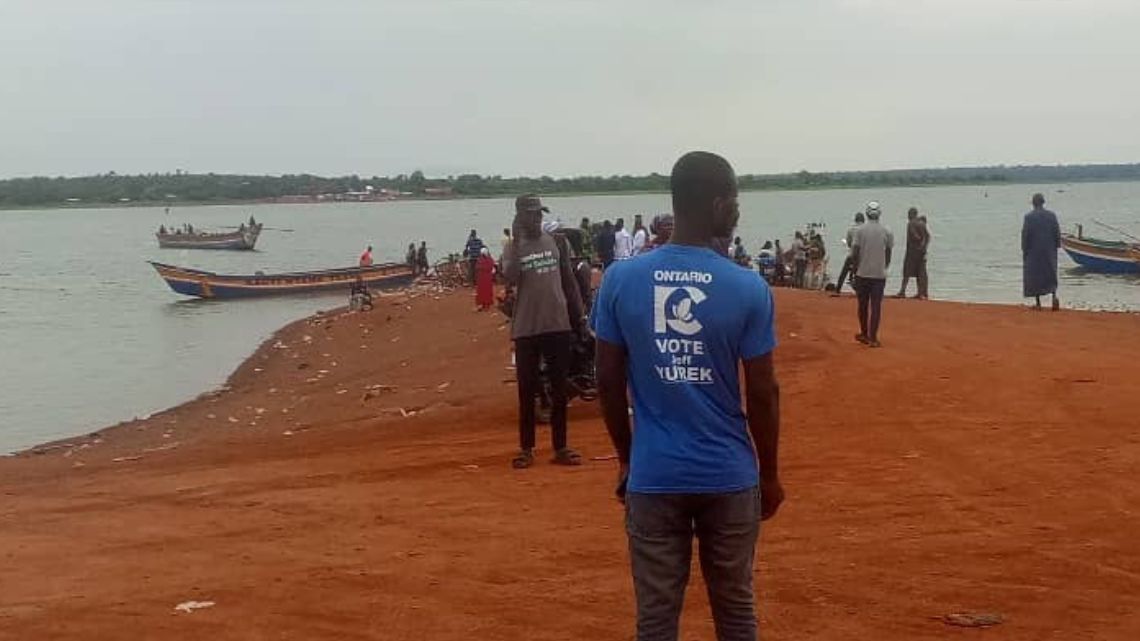
On Tuesday evening, eleven people, including two minors, lost their lives when a boat they were travelling in capsized on the Oti River.
The accident occurred as the boat, which had departed from Dambai and was headed towards Njari, a farming and fishing community under the Krachi East Municipality of the Oti Region, overturned.
Reports indicate that six individuals have been rescued so far, while five others remain missing.
The Assembly member of Dambai Lakeside, Mr. Emmanuel Atali, stated that a swift rescue operation was launched by Navy officials and local boat operators following the incident.
Four women, including a baby girl, were immediately found and rushed to the Dambai Health Centre for intensive care.
The passengers on board the ill-fated boat were reportedly returning from the Dambai market, which is active every Monday and Tuesday.
The Chairman of Boat Operators, Mr. Clement Kwasi Checki, expressed deep grief over the incident, highlighting the community’s shock and sorrow at the loss of lives in the tragic event.
Authorities are continuing their search and rescue efforts to locate the remaining missing persons.
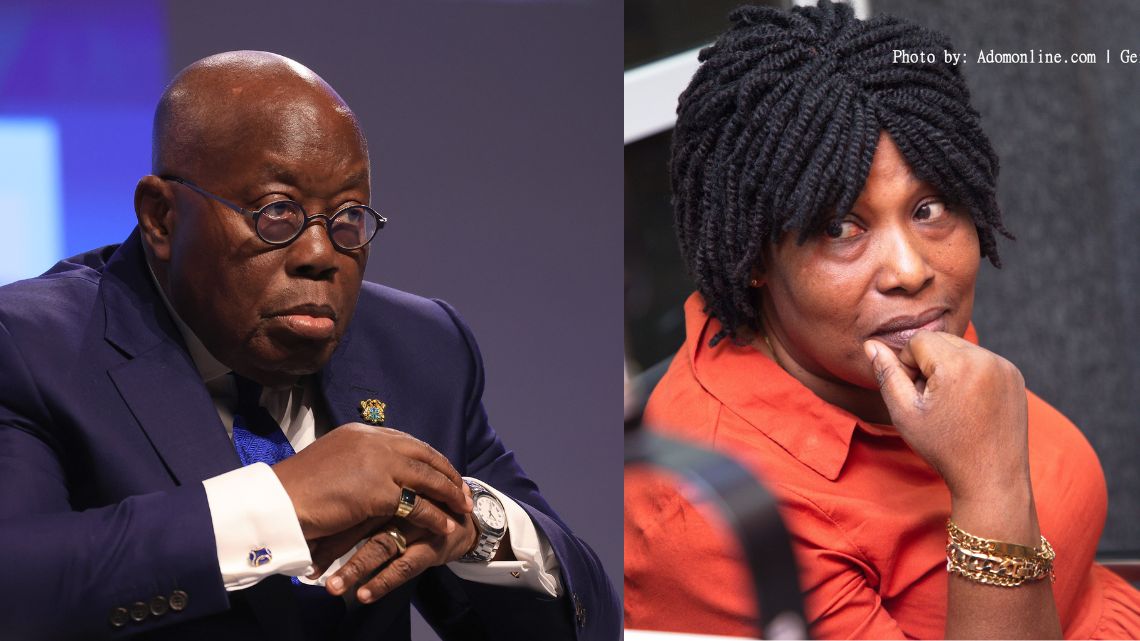
Former General Secretary of the Convention People’s Party (CPP), Nana Yaa Jantuah, has disclosed her role in protecting President Akufo-Addo from potential arrest during their political activism days.
Speaking at a Thought Leadership programme organized by Onua FM on Wednesday, June 12, 2024, Madam Jantuah shared insights into her upbringing in a politically active household, where her father and uncles were deeply involved in politics.
She recounted how members of the Movement for Freedom and Justice, a significant political group at the time, frequently convened meetings at her father’s residence in Asokwa, a suburb of Kumasi, the Ashanti Regional capital.
During these gatherings, prominent figures such as Paa Willie of the Big Six, Akufo-Addo, Afrifa, and others were in attendance.
Amidst the political fervor of the era, Madam Jantuah found herself entrusted with the custody of important documents belonging to the movement. She vividly recalled moments when the police would raid her father’s home in an attempt to arrest the leadership of the Movement.
In those tense situations, she was tasked with ensuring the safety of Akufo-Addo and other key figures by facilitating their escape through the back gate to evade arrest.
Madam Jantuah revealed that her father emphasized the importance of safeguarding individuals like Akufo-Addo, as they harbored aspirations of assuming the presidency one day.
“I remember the Movement for Freedom and Justice, they used to meet in our house so their documents were in my custody. So whenever I take their documents, my father will tell me that I’ve seen Paa Willie, I have seen Nana Addo, Bomti, my uncle KSP, and will tell me their lives are in my hands so whenever the police come on raid, I will keep the documents and send them away through the back gate,” she recounted.
“So, what they used to do was that, they said Nana Addo was going to be president so he wasn’t supposed to be arrested so whenever the police use the front gate, then I escape with him through the back gate. They used to raid our home in Asokwa. Afrifa and others were all part. So my father always told me to be bold,” she added.
It was considered taboo for someone with such ambitions to be arrested, highlighting the gravity of the situation and the measures taken to protect their political futures.
Recalling those challenging times, Madam Jantuah reflected on her role in ensuring the safety and security of her father’s guests, including Akufo-Addo, amidst the ever-present threat of police raids.
Many years down the line, Nana Akufo-Addo managed to become Ghana’s president after several failed attempts. In 2016, he led the New Patriotic Party (NPP) to beat the National Democratic Congress’ (NDC) candidate, John Mahama to become president.
In 2020, he was re-elected President and is expected to hand over power on January 7, 2025.
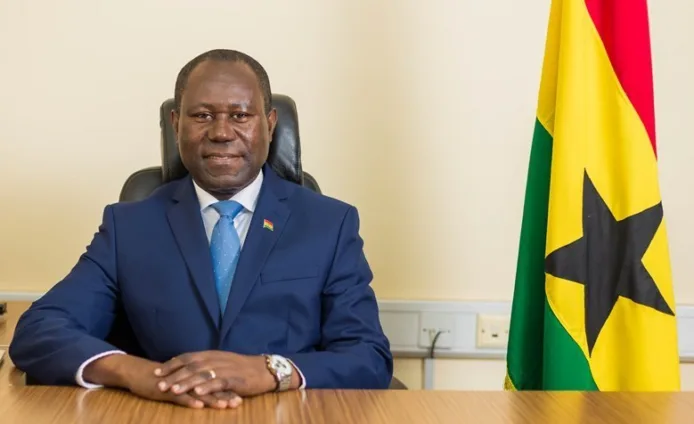
Joseph Boahen Aidoo, the Chief Executive Officer of the Ghana Cocoa Board (Cocobod), has revealed that the organization recorded a significant profit of over GH₵2 billion for the 2022/2023 fiscal year.
This announcement comes as a stark contrast to Cocobod’s financial performance in 2021, when it recorded a loss of GH₵2 billion.
Mr. Aidoo explained that despite facing significant financial challenges when he assumed office, Cocobod has turned the corner to generate more revenue for the cocoa industry.
He attributed this success to strategic decisions made by the organization, including maintaining farmer payments despite financial strain.
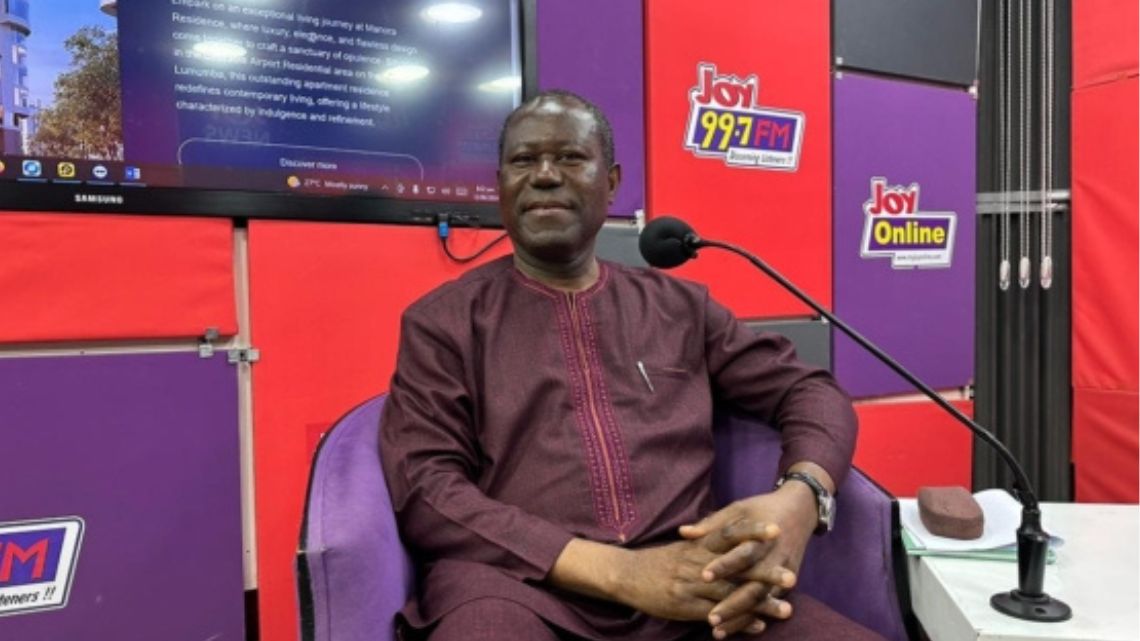
“It was a nationally prudent decision that Cocobod maintained the money it paid to farmers which resulted in losses for Cocobod. This is because we were torn between the national interest and the Cocobod interest. The national interest here is the cocoa industry itself,” Mr. Aidoo explained in an interview on Joy FM’s Super Morning Show.
Describing the cocoa industry as Ghana’s backbone and oxygen, Mr. Aidoo noted that Cocobod was justified in prioritizing national interest over its immediate financial interests to prevent further erosion of the cocoa farming sector.
The sector has faced numerous challenges, including adverse weather conditions, bean diseases, and illegal gold mining activities that displace cocoa farms.
Additionally, Ghanaian farmers have been smuggling more cocoa beans to neighboring countries to sell them at higher prices than those offered by the state purchasing price, further diminishing the available crop for delivery in Ghana.
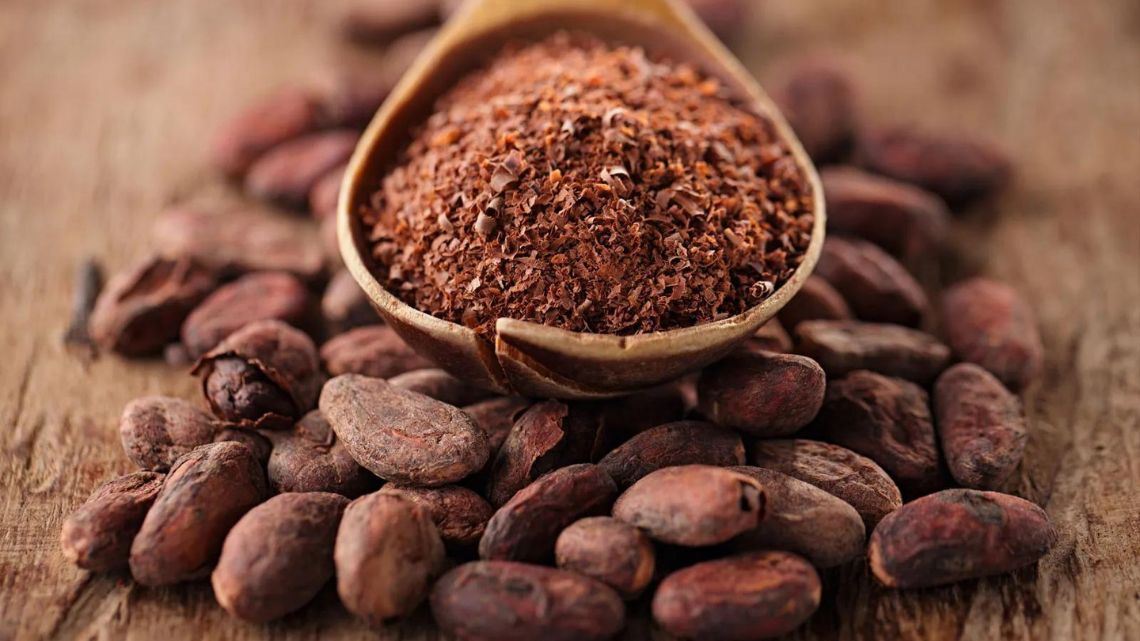
Reports indicate that Ghana, the world’s second-largest cocoa producer, is considering delaying the delivery of up to 350,000 tons of beans to the next season due to poor crop yields.
This situation has led chocolate makers worldwide to raise prices for consumers, as the value of cocoa has more than doubled this year following a third consecutive year of poor harvests in Ghana and Ivory Coast, which together account for 60% of global production.
Chief Executive Officer of the Ghana Cocoa Board (Cocobod), Joseph Boahen Aidoo, has disclosed that the previous administration he took over from secured. $1.8 billion in 2016.
Speaking on Joy FM’s Super Morning Show, Mr. Aidoo, while sharing the significant financial challenges he encountered when he took office in January 2017, disclosed that despite this there were no funds left when he assumed leadership of Cocobod.
According to Mr. Aidoo, the money had been spent on purchasing cocoa and covering other operational costs.
“They bought about 600,000 metric tonnes before we came in. With cocoa, the peak harvest period is October, November, December, and January. So within the first quarter of the season, from October to December 2016, the previous administration bought over 600,000 metric tonnes,” he explained.
“When we assumed office, there was no money, meanwhile, we had to buy cocoa till the end of the season from January to September,” he continued.
This left Cocobod in a precarious position, needing to continue cocoa purchases without any available funds.
Faced with this daunting task, Mr. Aidoo and his team sought assistance from the Bank of Ghana.
“We were forced to go to the Bank of Ghana to borrow. Within that period, we bought over 300,000 metric tonnes and we had to pay the farmers, we had to pay for haulage, the buyer’s margin, and operational costs,” he said.
The Bank of Ghana acted as an intermediary between Cocobod and consolidated banks, facilitating a loan of over GH₵2 billion to keep operations running.
The cocoa industry in Ghana has been beset by numerous challenges, including adverse weather conditions, bean diseases, and illegal gold mining activities that displace cocoa farms.
Additionally, Ghanaian farmers have been smuggling more beans to neighboring countries to sell them at higher prices than those offered by the state purchasing price, further diminishing the available crop for delivery in Ghana.
Recent reports indicate that Ghana, the world’s second-largest cocoa producer, is considering delaying the delivery of up to 350,000 tons of beans to the next season due to poor crop yields.
This situation has led chocolate makers worldwide to raise prices for consumers, as the value of cocoa has more than doubled this year following a third consecutive year of poor harvests in Ghana and Ivory Coast, which together account for 60% of global production.
Dr. Mahamudu Bawumia, the New Patriotic Party’s (NPP) flagbearer, in a fervent appeal to Ghanaians, has emphasized his extensive contributions as Vice President, asserting that his hard work qualifies him to be the nation’s next President.
Speaking at the Youth Connect event in the Ashanti Region, Dr. Bawumia confidently compared his achievements to those of his predecessors.
“The reason why I want to become President is that I’ve worked so hard as a Vice President. My work speaks for itself. If you compare the various Vice Presidents under the Fourth Republic, you can tell that my work rate stands out,” he declared to a charged crowd.
Dr. Bawumia highlighted his track record by challenging former Vice President and current presidential candidate John Mahama. “If you ask John Mahama to point out even one policy initiative he spearheaded as Vice President, he can’t point out. I have 33 policies I’ve spearheaded. So the score is 33-0. So please promote me to become president because I’ve passed as Vice President,” he said.
He further stressed the importance of accountability, noting his eight-year term compared to John Mahama’s potential four years.
Dr. Bawumia argued that he would be more accountable to the people, as he would still need their mandate in 2028.
“I stand to be more accountable for my actions since I will still need the people of Ghana when I seek their mandate in 2028. Therefore, it is best to vote for someone who will be accountable than someone who has asked for a honeymoon even though he has just four years to be president.”
The Vice President’s remarks come at a crucial time as the nation gears up for the upcoming elections.
Reports have it that recent investigations by OpenSource Investigations have revealed scrutiny surrounding former Finance Minister Ken Ofori-Atta’s involvement with American company ExxonMobil in the exploration of the Cape Three Point oil block.
Despite resigning from office following criticism of his performance, Ofori-Atta’s connections to lucrative ventures under President Akufo-Addo’s government persist.
Reports suggest that Ofori-Atta, through his companies Data Bank and Enterprise Life Assurance Company (ELAC) Limited, holds a stake in the Deepwater Cape Three Point oil block exploration project.
This intricate shareholding involves Ghana Oil (GOIL) and a partnership with ExxonMobil, facilitated during Ofori-Atta’s tenure as Finance Minister.
Allegations point to a maneuver orchestrated by former Energy Minister John Peter Amewu to allegedly influence ExxonMobil’s choice of local partner in the oil business.
This purportedly led to the exclusion of Griffon Energy Africa Limited, owned by prominent businessman Dr. Sam Jonah, in favor of GOIL, in which Ofori-Atta has direct interests.
Initially, ExxonMobil had selected Griffon Energy as its local partner in accordance with Ghana’s local content participation regulations, designating a 5% stake for an indigenous company alongside GNPC’s 15% stake in the block. However, under pressure from the Energy Minister, ExxonMobil switched to GOIL, allegedly influenced by Ofori-Atta’s connections.
The saga unfolds as ExxonMobil, mandated to have a local partner as part of Ghana’s local content participation requirements, originally selected Griffon Energy for a 5% stake in the multi-billion dollar venture. The maneuvering behind the scenes paints a picture of political influence and potential conflicts of interest.
Chief Executive Officer of the Ghana Cocoa Board (Cocobod), Joseph Boahen Aidoo, recently shared the significant financial challenges he encountered when he took office in January 2017.
Speaking on Joy FM’s Super Morning Show, Mr. Aidoo disclosed that despite the previous administration securing $1.8 billion in 2016, there were no funds left when he assumed leadership of Cocobod.
According to Mr. Aidoo, the money had been spent on purchasing cocoa and covering other operational costs.
“They bought about 600,000 metric tonnes before we came in. With cocoa, the peak harvest period is October, November, December, and January. So within the first quarter of the season, from October to December 2016, the previous administration bought over 600,000 metric tonnes,” he explained.
“When we assumed office, there was no money, meanwhile, we had to buy cocoa till the end of the season from January to September,” he continued.
This left Cocobod in a precarious position, needing to continue cocoa purchases without any available funds.
Faced with this daunting task, Mr. Aidoo and his team sought assistance from the Bank of Ghana.
“We were forced to go to the Bank of Ghana to borrow. Within that period, we bought over 300,000 metric tonnes and we had to pay the farmers, we had to pay for haulage, the buyer’s margin, and operational costs,” he said.
The Bank of Ghana acted as an intermediary between Cocobod and consolidated banks, facilitating a loan of over GH₵2 billion to keep operations running.
The cocoa industry in Ghana has been beset by numerous challenges, including adverse weather conditions, bean diseases, and illegal gold mining activities that displace cocoa farms.
Additionally, Ghanaian farmers have been smuggling more beans to neighboring countries to sell them at higher prices than those offered by the state purchasing price, further diminishing the available crop for delivery in Ghana.
Recent reports indicate that Ghana, the world’s second-largest cocoa producer, is considering delaying the delivery of up to 350,000 tons of beans to the next season due to poor crop yields.
This situation has led chocolate makers worldwide to raise prices for consumers, as the value of cocoa has more than doubled this year following a third consecutive year of poor harvests in Ghana and Ivory Coast, which together account for 60% of global production.
Majority Leader Alexander Kwamina Afenyo-Markin has highlighted the Akufo-Addo administration’s unique achievement in Ghana’s 4th republic by implementing a reduction in electricity tariffs.
He emphasized that this significant action reflects the government’s dedication to easing the burdens faced by the citizens of Ghana.
Speaking on the floor of Parliament on June 11, he said “This government acknowledges that our people face various forms of challenges. It is in light of this that history will remember this government as the only government in the 4th republic to reduce electricity tariffs. In 2018, the government of Ghana announced various tariff reductions ranging from 18 to 30 per cent. It is a matter of record, and this has never happened in the history of Ghana.”
His claim is yet to be accepted or debunked by the Minority in Parliament. Presently, the Public Utilities Regulatory Commission (PURC) has announced an increase in Electricity and Water tariffs, effective July 1 to September 30, 2024.
The Commission has stated that there will be a 3.45% increase in electricity tariffs for lifeline consumers (0-30kWh); a 5.84% increase for all other residential consumers who are not part of the lifeline category bracket (31 kWh and above), as well as the non-residential category.
In a statement signed by its Executive Secretary Dr Ishmael Ackah, dated Friday, May 31, the PURC explained that consumers in the industrial category will experience an increase in electricity tariffs of 4.92%.
PURC indicated that Water Tariffs will increase by 5.16% for all customer classes for the period under review.
Mr Afenyo-Markin also revealed that the government is set to introduce a bill to parliament soon to regulate the Free Senior High School (SHS) policy. This initiative is designed to secure the sustainability of the Free SHS program in light of concerns about potential changes by future administrations.
The Free SHS policy, a key element of the Akufo-Addo government’s educational reforms, offers free secondary education to all Ghanaian students. The proposed legislation aims to solidify the policy’s framework, protecting it from possible modifications that could jeopardize its goals.
Residents of Bole in the Savannah Region have imposed a self-initiated curfew to protect themselves from a series of horrific serial killings in the area.
The victims have been discovered with mutilated bodies, often missing parts, and left in public locations.
So far, four deaths have occurred under these alarming circumstances. Despite increased security efforts, the community remains doubtful about their safety.
In an interview with JoyNews, Abu Hassan, the Assembly Member for Mempeasem, described how Bole’s streets empty out before 8 pm, creating an atmosphere of fear and anxiety within the community.
“As I am speaking, I am also in my room because of the way the killings started. Before we realised, in a month, three people had been murdered in my area, and even what made people more fearful was the last one who was killed and a red towel was placed on him.
“In fact, it was disturbing so because of that, nobody wants to be the next victim and that is why the whole town, after 8 pm movement ceases.
“You will not see any movement and the whole place will become quiet,” he said.
Another resident said, “When it is 8 pm, you will not see anybody roaming about because of the insecurity in Bole town. After we recorded the first killing, within a week, two people died. Because of that we just imposed self-curfew although there are security personnel in town”.
Meanwhile, the Ghana Police Service has deployed a specialized team to Bole and its surrounding areas in the Savannah Region.
This team will support the Regional Police Command in investigating the reported cases of unnatural deaths that have occurred over the past six months.
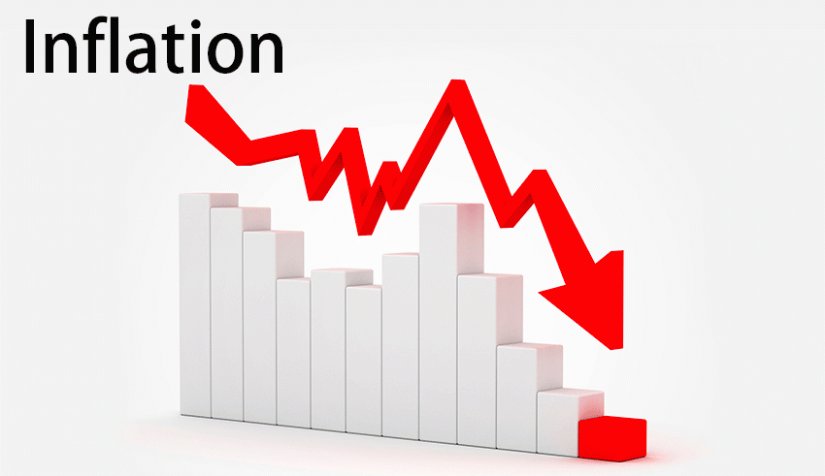
Inflation for May 2024 has seen a substantial decline, dropping to 23.1% from 25.0% in April 2024, marking a 1.9 percentage point reduction.
The Ghana Statistical Service attributes this overall decrease to a reduction in food inflation, which fell to 22.6% from 26.8% the previous month.
Conversely, non-food inflation experienced a slight increase, rising to 23.6% in May 2024 from 23.5% in April 2024. Inflation rates for both locally produced and imported items also decreased, with locally produced items falling to 24.7% and imported items to 19.6%.
Addressing journalists in Accra, Government Statistician Professor Samuel Kobina Annim emphasized the need for policymakers to address transportation costs, which saw a month-on-month inflation rate of 10.5%, rather than focusing solely on food inflation as the main driver of the overall inflation rate.
“In this case what I want the media and policymakers to engage is not food inflation but in this case, transport where we are seeing month-on-month transport inflation of 10.5% when overall month-on-month is 3.2% and we all do appreciate how transport permits across the other items that we have in the basket for the competition.
“So the conversation that I really wish will be on the table going forward is how do we ensure that the consistent but slow increases in prices of food at other points would slow down and possibly see reduction going forward.”
The Chief Executive Officer of Labianca Company Limited, Eunice Jacqueline Buah Asomah-Hinneh, passed away on Tuesday, June 11, 2024, at the International Maritime Hospital (IMAH) in Tema following a brief illness.
Asomah-Hinneh, who led one of the largest frozen food import companies in West Africa, leaves behind a legacy of substantial contributions to both business and public service in Ghana.
With over 35 years of experience in product management, new business development, entrepreneurship, partnership development, supplier/vendor relations, strategic planning, and growth, Asomah-Hinneh was a pioneering entrepreneur.
She founded Labianca Company Limited and transformed it from a sole proprietorship into a well-established limited liability company within seven years. Under her leadership, the company grew to employ over 300 individuals, making a significant impact on Ghana’s economic landscape.
In addition to her entrepreneurial achievements, Asomah-Hinneh was a dedicated public servant. At the time of her death, she was the representative of the Western Region on the Council of State.
Her commitment to public service was also evidenced by her tenure on the Board of Directors of the Ghana Ports and Harbours Authority (GPHA) from 2017 to 2021. Her roles in these positions highlighted her dedication to the development and governance of Ghana.
However, Asomah-Hinneh’s career was not without controversy. On August 3, 2022, the Office of the Special Prosecutor (OSP) released a report implicating her and the Labianca Group of Companies in corruption-related offences.
The report alleged that Asomah-Hinneh, along with another official, used their positions to secure favorable tax treatment for Labianca Company, her frozen foods business. This led to intensified calls for her resignation by August 9, 2022.
The accusations also involved Colonel Kwadwo Damoah, a former Commissioner of the Customs Division at the Ghana Revenue Authority (GRA), and Joseph Adu Kyei, a former Deputy Commissioner of the Division.
However, a significant turn of events occurred when the High Court in Accra quashed portions of the OSP’s report, clearing Kwadwo Damoah and Joseph Adu Kyei of wrongdoing and ordering the OSP to pay GHC10,000 in costs.
The cocoa processing industry in Ghana is grappling with significant operational challenges due to a decreased supply of cocoa beans, resulting from recent low cocoa production and escalating cocoa prices on the international market.
This situation has strained many local cocoa processing firms, forcing them to alter their business operations to minimize expenses amid squeezed profit margins, according to reports from Citi Business News.
The industry is facing a looming crisis as local cocoa processing companies are hit hard by the low yields of cocoa beans, leading to a substantial reduction in production levels.
The limited availability of cocoa beans has compelled numerous firms to cut back on production, resulting in the underutilization of machinery, inefficiencies, and higher per-unit costs. The disruption in processing schedules is also causing operational instability.
Confectionery items such as chocolates, spreads, and pebbles produced by these companies have experienced a significant decline of 30 percent due to their inability to increase the processing of cocoa beans. Processed cocoa beans production has fallen by 50 percent, with the production of cocoa liquor, butter, and powder dropping from 3,000 to 1,400 metric tonnes.
The decline in production is occurring at a time when the Cocoa Processing Company has already recorded a US$ 6 million loss in the first quarter of 2024. The downturn in cocoa production has been attributed to the detrimental effects of illegal mining, adverse weather conditions, and the swollen shoot disease. Additionally, some farmers are exchanging large acres of cocoa farms for as low as GHS 50,000, and the smuggling of cocoa to neighboring countries remains a significant challenge.
Ghana’s cocoa output for the 2023/24 season is projected to be nearly 40% below the target of 820,000 metric tonnes, with global cocoa prices reaching US$ 10,000 per tonne this year. In the first four months of 2024, Ghana’s trade balance narrowed as cocoa exports dropped, with a year-on-year comparison showing cocoa output falling by about 50%.
The repercussions of this situation are being felt by consumers, with chocolate lovers in Ghana experiencing a sharp increase in prices. For instance, the price of a 100g bar of Kingsbite chocolate has risen to over GHS 20, up from GHS 14 a few months ago. The upward price adjustments are seen as an attempt by the Cocoa Processing Company to raise revenue and mitigate financial losses. However, consumers are shifting to cheaper alternatives, impacting the sales volumes of other businesses which may not be able to meet the demand.
Other cocoa processing companies, including Niche, Chocomac, and Cargill, are facing varying degrees of operational bottlenecks due to the scarcity of cocoa beans. Should this situation persist, it could lead to massive job losses and the potential shutdown of some cocoa processing companies.
The decline in cocoa production has not only affected the processing industry but also Ghana’s overall economic outlook, given the importance of cocoa as a major export commodity. Efforts to address the challenges within the sector are crucial to ensuring the sustainability and growth of the cocoa processing industry in Ghana.
Kennedy Agyapong, the Member of Parliament for Assin Central, has urged Ghanaians to reject the National Democratic Congress (NDC) in the upcoming elections, describing it as a dangerous political party.
He made these remarks while addressing traders at the Kejetia Market, emphasizing the NPP’s commitment to Ghana’s development.
Mr Agyapong dismissed claims that the New Patriotic Party (NPP) has lost its connection with the people of the Ashanti Region, a traditional stronghold for the party.
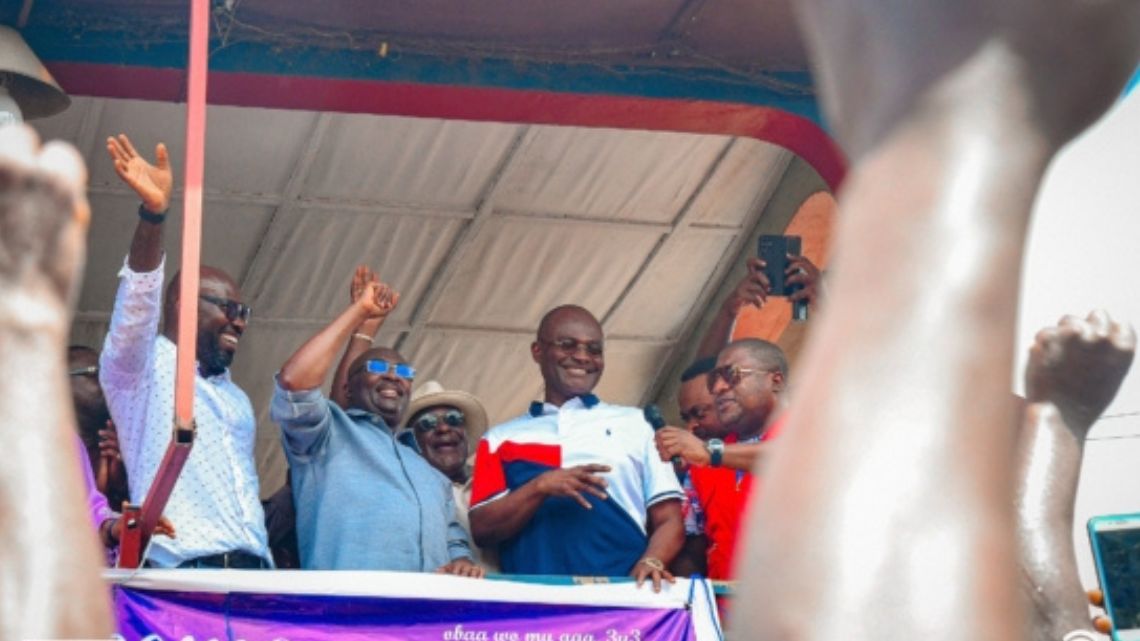
He pointed to the enthusiastic reception that the NPP’s flagbearer, Dr Mahamudu Bawumia, received during his recent visit to the region as evidence of the party’s sustained popularity.
He warned against supporting the NDC, labeling it as “dangerous” and urged voters to remember the NDC’s past governance.
“As a businessman and politician, I understand both politics and business. I acknowledge the current hardships, but when you vote, remember that the NDC is not a viable option—they are very dangerous. Be cautious,” he warned.
He highlighted the achievements of the Akufo-Addo-Bawumia administration, particularly the implementation of the Free Senior High School (SHS) policy, which has significantly benefited many students.
Mr Agyapong emphasized that even in developed countries, governments do not provide uniforms for students, highlighting the government’s efforts in education.
He urged voters to recognize the progress made under the current administration and to support Dr Bawumia in the upcoming elections.
“Under the Akufo-Addo-Bawumia government, we’ve covered fees under Free SHS and even provided uniforms for your children.
“Even in developed countries, governments don’t buy uniforms for students. So, I urge all of you to recognise that even developed countries are facing economic crises. Don’t be deceived by false promises. Remember the NDC’s past governance. Let’s all support Bawumia,” he said.
The Ministry of Roads and Highways has initiated discussions with key stakeholders to finalize the decision to reinstate road tolls in Ghana.
According to the sector minister, Francis Asenso-Boakye, the reintroduction of road tolls is necessary to aid the government in repairing the country’s deteriorating roads.
In 2021, the Ministry of Roads and Highways directed the cessation of toll collection nationwide, effective November 18, 2021. This decision was made to alleviate traffic congestion at toll booths and in anticipation of the introduction of the e-levy, which was met with mixed reactions from the public.
Speaking on the matter, Mr. Asenso-Boakye emphasized the importance of seeking the buy-in of key stakeholders before reintroducing road tolls.
“[Road] maintenance also means money. In many countries, they use the tolls that they collect from road tolls to finance maintenance. But in our case, we have suspended it, and I think it is a good time for us to start the discussion to bring these road tolls back and get money to maintain our roads.
“That is very important, and we have started the process by engaging the various stakeholders to get their buy-in to make sure that we bring the road tolls back,” he said.
The ministry is engaging with various groups to ensure that the decision is well-received and understood by all parties involved.
The reinstatement of road tolls is expected to provide the government with additional revenue to fund road maintenance and improvement projects across the country.
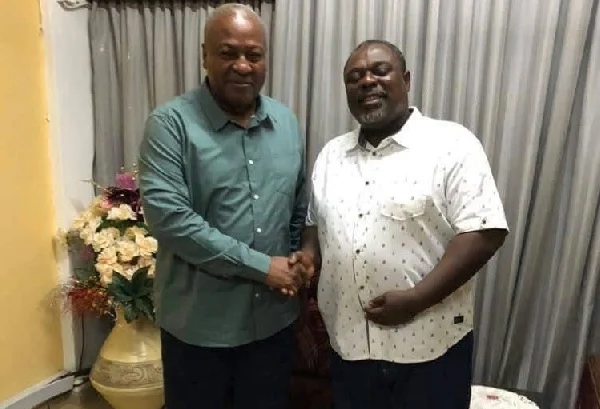
Former Deputy General Secretary of the National Democratic Congress (NDC), Koku Anyidoho has revealed the only condition that must be met for him to throw his support behind the party’s flagbearer, John Dramani Mahama.
Mr Anyidoho is an ardent critic of former President Mahama. He has in a series of posts criticised his actions and inactions.
According to Mr Anyidoho, all these will stop should Mr Mahama makes amends with the dearly departed party bigwigs and former statesmen, Jerry John Rawlings and John Evans Fifi Atta Mills.
He made this known in a post on X when he expressed excitement over Assin Central MP, Ken Agyapong’s decision to support his one time contender for the NPP flagbearership position, Vice President Dr Mahamudu Bawumia.
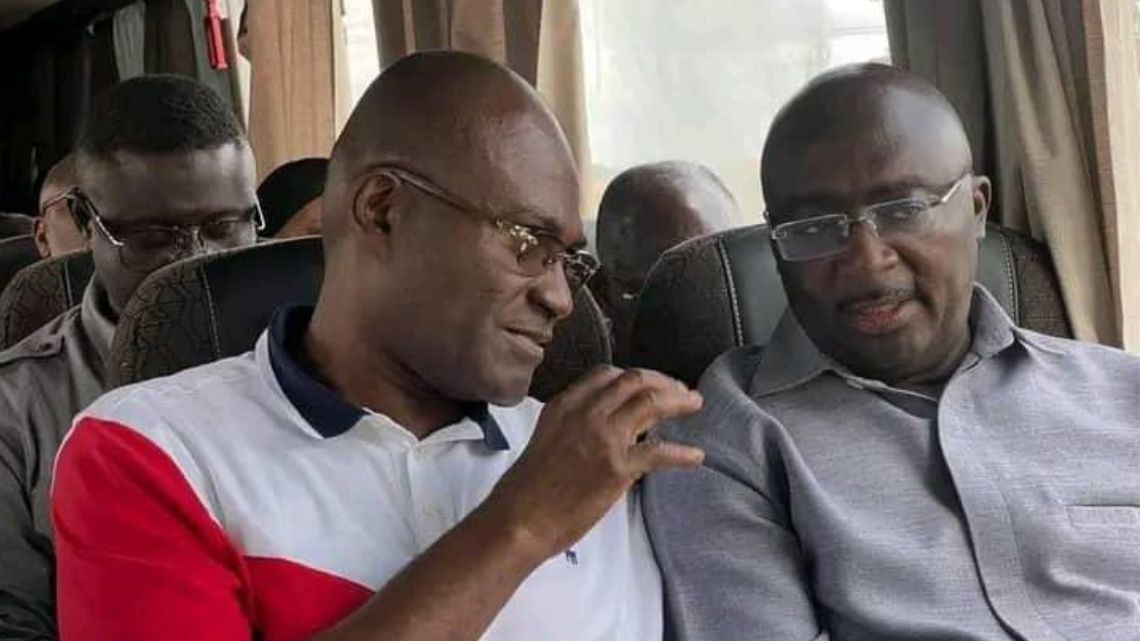
“In unity lies strength. Kennedy joins the “It Is Possible” bus with Bawumia. Maybe one day, when JM makes the move to reconcile with the souls of Papa J & Prez Mills, I will join his bus,” he wrote.
Mr Anyidoho believes that Mr Mahama was unfair to the duo while they were alive.
In unity lies strength💪💪💪. Kennedy joins the “It Is Possible” bus with Bawumia. Maybe one day, when JM makes the move to reconcile with the souls of Papa J & Prez Mills, I will join his bus 😂 pic.twitter.com/9EKWdHRJTI
— Samuel Koku Anyidoho🇬🇭 (@KokuAnyidoho) June 11, 2024
Assin Central Member of Parliament, Kennedy Agyapong, has joined the New Patriotic Party’s flagbearer, Dr. Mahamudu Bawumia’s campaign team in the Ashanti Region, ahead of the country’s upcoming polls.
Earlier, Alex Tetteh, a prominent figure in Kennedy Agyapong’s campaign and the convener for Citizen Eye, Ghana revealed that the MP would be joining the party’s flagbearer.
Mr Agyapong left the United States to bolster the New Patriotic Party’s efforts towards securing a victory.
“Kennedy Agyapong is in the United States of America currently. He will be back soon and he will join the campaign to get Dr Mahamudu Bawumia to become President. He said after the primaries that he will join the campaign and that is what he will do,” he said.
On Monday, Dr Mahamudu Bawumia began a three-day tour of the Ashanti Region as part of campaign activities.
Former Deputy General Secretary of the National Democratic Congress (NDC), Koku Anyidoho has expressed excitement over Assin Central MP, Ken Agyapong’s decision to support his one time contender for the NPP flagbearership position, Vice President Dr Mahamudu Bawumia.
“In unity lies strength. Kennedy joins the “It Is Possible” bus with Bawumia,” he wrote in a post on X.
Assin Central Member of Parliament, Kennedy Agyapong, has joined the New Patriotic Party’s flagbearer, Dr. Mahamudu Bawumia’s campaign team in the Ashanti Region, ahead of the country’s upcoming polls.
Earlier, Alex Tetteh, a prominent figure in Kennedy Agyapong’s campaign and the convener for Citizen Eye, Ghana revealed that the MP would be joining the party’s flagbearer.
Mr Agyapong left the United States to bolster the New Patriotic Party’s efforts towards securing a victory.
“Kennedy Agyapong is in the United States of America currently. He will be back soon and he will join the campaign to get Dr Mahamudu Bawumia to become President. He said after the primaries that he will join the campaign and that is what he will do,” he said.
On Monday, Dr Mahamudu Bawumia began a three-day tour of the Ashanti Region as part of campaign activities.
Meanwhile, Mr Anyidoho has revealed the only condition that must be met for him to throw his support behind the party’s flagbearer, John Dramani Mahama.
Mr Anyidoho is an ardent critic of former President Mahama. He has in a series of posts criticised his actions and inactions.
According to Mr Anyidoho, all these will stop should Mr Mahama makes amends with the dearly departed party bigwigs and former statesmen, Jerry John Rawlings and John Evans Fifi Atta Mills.
“Maybe one day, when JM makes the move to reconcile with the souls of Papa J & Prez Mills, I will join his bus,” he wrote.
Mr Anyidoho believes that Mr Mahama was unfair to the duo while they were alive.
In unity lies strength💪💪💪. Kennedy joins the “It Is Possible” bus with Bawumia. Maybe one day, when JM makes the move to reconcile with the souls of Papa J & Prez Mills, I will join his bus 😂 pic.twitter.com/9EKWdHRJTI
— Samuel Koku Anyidoho🇬🇭 (@KokuAnyidoho) June 11, 2024
Member of Parliament for the Akatsi North Constituency, Peter Nortsu-Kotoe, has emphasized the importance of allowing the Minority Leader, Dr. Ato Forson, to perform his constitutional duties without hindrance.
Nortsu-Kotoe stated that when the Minority Leader is absent from parliament due to court proceedings, it is not appropriate for the minority members to be present in the house.
He defended the decision of NDC legislators to stay away from parliament whenever the Minority Leader is required in court for the ongoing ambulance procurement trial.
“The NDC Minority caucus will only be available for the business of parliament after proceedings of the court have ended on the days scheduled for the hearing of the ongoing ambulance case trial,” the NDC said in a statement.
Dr. Cassiel Ato Forson is facing prosecution for allegedly causing a financial loss of 2.3 million Euros in the procurement of ambulances for the country. The case has sparked controversy, with Attorney General Godfred Dame being accused of witness tampering in an alleged attempt to secure a conviction against the Minority Leader at all costs.
Speaking on the JoyNews AM show, Mr Nortsu-Kotoe said, “He [Minority Leader] has some constitutional duties to perform, and we are saying that allow him time to do his work.”
He added that, by consensus, the judge could allow Dr Ato Forson to fulfil his constitutional duties and attend court proceedings later.
“We are not saying we won’t come to parliament; anytime he is attending to court, we will follow him to court,” he added.
Dormaahene Osagyefo Oseadeeyo Dr. Agyemang Badu II has announced plans to welcome mining companies into his traditional areas to increase employment opportunities for his people.
However, he has stipulated that he will only accept a 50% share of the profits for the government of Ghana to contribute to development.
The state’s current 10% carried interest in mining operations, according to the Ghana Extractive Industries Transparency Initiative (GHEITI), has yielded insignificant returns over the years. GHEITI has proposed that this share be converted into mineral resources rather than dividends.
Under the current mining arrangements, private parties are granted mineral rights, giving them the right to mine minerals in the ground, with the government entitled to a 10% equity interest in the mineral operations, even if it does not make a financial contribution.
This share is usually received as dividends, which can be limited if companies decide to channel funds into other projects.
To address this issue, GHEITI suggests converting the government’s share or interest in mining contracts into minerals. This move aims to support initiatives such as the Bank of Ghana gold reserve drive and the Gold for Oil barter scheme.
The mining and quarrying sector’s share in Ghana’s GDP reduced marginally from 7.8% in 2019 to 7.6% in 2020. However, it remains a significant economic activity, ranking as the country’s second-largest economic activity after retail trade at the end of 2022. Its share of GDP increased from 4.5% in 2021 to 7.6% in 2022.
Dormaahene’s proposal aims to ensure that mining activities in his areas benefit both the local communities and the government, contributing to overall development and improvement in the quality of life for his people.
Dormaahene Osagyefo Oseadeeyo Dr. Agyemang Badu II has announced plans to welcome mining companies into his traditional areas to increase employment opportunities for his people. He asserted that he will only accept a 50% share of the profit for the government of Ghana to help… pic.twitter.com/UN24lcNV13
Attorney General and Minister of Justice, Godfred Yeboah Dame, has expressed dismay over the infrastructural and logistic challenges faced by his ministry, including state attorneys operating from shipping containers.
Speaking at the commissioning of a 12-storey building named The Law House, which will serve as the new Office of the Attorney General and Ministry of Justice in Accra, Mr. Dame described the previous conditions as deplorable and unacceptable.
“I considered it very deplorable. I deem it unacceptable for attorneys who assist important institutions of state navigate the myriad of legal challenges they are confronted with, and some of whom were Ivy League Scholars to be using containers as their offices.”
“I daresay that the era where regional offices of the Office of the Attorney and Ministry of Justice and other agencies of the Ministry perch in the corner of buildings belonging to other government institutions or were sometimes thrown out of premises in which they are licensees should be over soon,” he said.
He emphasized the need for every regional office of the Ministry of Justice to own at least a three-storey office, indicating discussions with the World Bank for possible funding of such projects.
The Attorney General also pledged efforts to secure funding for a modern permanent office for the Legal Aid Commission, and announced plans to relinquish the use of the former office block for the Commission’s use.
Mr. Dame highlighted the ministry’s focus on enhancing the litigating capacity of attorneys, particularly in civil litigation, international arbitration, and cases in foreign courts and tribunals. He noted that Ghana has emerged victorious in all international arbitration cases in recent years.
The commissioning of The Law House marks the beginning of a digitized working environment for the Office of the Attorney-General and Ministry of Justice, with the operationalization of the Integrated Information Management System to reduce paper clutter and improve efficiency.
President of the Ghana Bar Association (GBA), Mr. Yaw Boafo, commended the investment in The Law House, calling for similar infrastructure in regions and districts. He emphasized the need for more attorneys to handle prosecutorial functions currently undertaken by the police, suggesting that this would lead to more positive outcomes in legal matters.
Chief Justice Gertrude Sackey Torkornoo also called for the replication of similar edifices across the country to improve the working conditions of legal professionals.
Mr Peter Nortsu-Kotoe, the Ranking Member on Parliament’s Education Committee, has expressed criticism towards the government’s proposal to introduce a bill on Free Senior High School (SHS), calling it unnecessary.
Mr Nortsu-Kotoe questioned the rationale behind the need for a law to regulate or entrench the Free SHS program, noting the absence of an official policy document on free SHS despite requests made to both previous and current education ministers over the past several years.
In contrast, Majority Leader Alexander Afenyo-Markin argued that enacting a Free SHS Act would elevate the policy from a mere aspiration to a justifiable right, enabling citizens to seek legal redress if the policy is not implemented.
However, in an interview with JoyNews on June 11, Mr Nortsu-Kotoe cited the constitution’s provision, Act 25 (1b), which mandates that secondary education, including technical and vocational training, should be progressively made free—a process that commenced in 2015.
He suggested that the current government’s implementation of the Free SHS policy aligns with public expectations, implying that additional legal protections are unnecessary.
“There is no need for any law to regulate or entrench the Free SHS programme. As a committee on education, we have asked the previous minister and the current one that we want to see a Free Senior High School policy or document and for seven to eight years now we have not been able to provide the committee with the policy document. If you don’t even have a policy on what basis are you going to pass the law?” Nortsu-Kotoe questioned.
He further explained, “In any case, the constitution has a provision, Act 25 (1b), that secondary education in all forms including technical and vocational should be progressively made free and that is what we started in 2015.
“So, for this government to have come to office and implemented it as they wanted, I don’t think any Ghanaian has a problem with that. For me, enacting a law to protect it or whatever is neither here nor there.”
Speaker of Parliament, Alban Bagbin, has emphasized the necessity of keeping the military away from polling stations in the upcoming December 7 general elections.
Bagbin announced plans to engage with the President, political party flagbearers, security services, and other stakeholders to implement measures ensuring free, fair, and credible elections.
In his opening remarks in Parliament on Tuesday, June 11, Bagbin stressed that the military should not be present at polling or voting centres unless summoned to address specific situations.
“We don’t want to see [the] military during the election. When there is a need to call them, they will be called, but they should not be at polling or voting centres.
“Honourable members, the clergy and notable civil society leaders will be actively involved. The signs and signals of happiness in the country are not those of assurance and hope.”
Under the National Elections Security Taskforce Architecture, The Ghana Police Service works with all other security services including the Ghana Armed Forces to ensure peace, security, law and order, before, during and after elections.
According to the Ghana Police Service, the approach to the 2024 general elections will be no different.
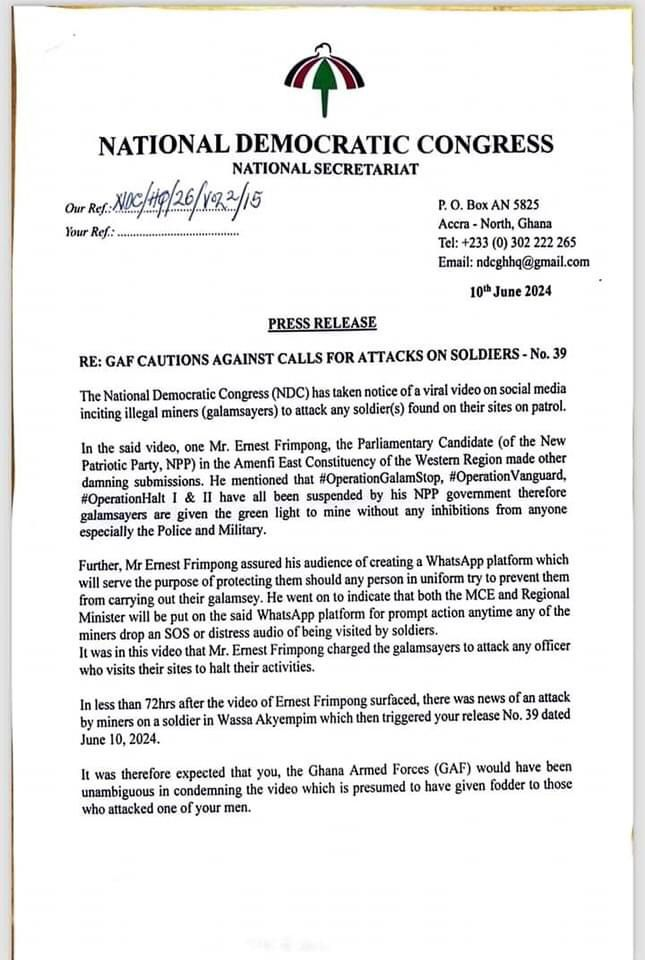
The National Democratic Congress (NDC) has strongly condemned the Ghana Armed Forces (GAF) for their response to a viral video involving Ernest Frimpong, a New Patriotic Party (NPP) parliamentary hopeful, inciting attacks against soldiers patrolling illegal mining sites.
The controversy erupted after a video surfaced showing Frimpong advising individuals, believed to be illegal miners, to resist military officers. Following the video’s release, a soldier was reportedly attacked, raising concerns about the security and stability of such patrols.
In its response, the GAF issued a statement urging the public to refrain from attacking soldiers. However, the NDC found this response insufficient, expecting a more direct condemnation of Frimpong’s actions. The party’s press release questioned the integrity of the GAF, suggesting that its stance may have been influenced by political affiliations.
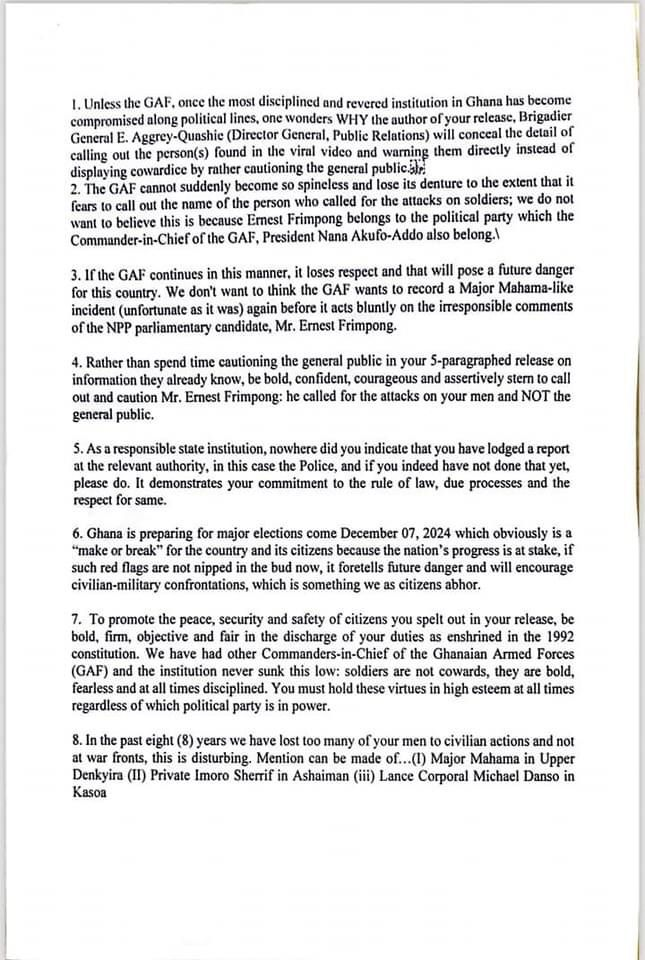
“Unless the GAF, once the most disciplined and revered institution in Ghana, has become compromised along political lines, one wonders why Brigadier General E. Aggrey-Quashie (Director General, Public Relations) would conceal the detail of calling out the person(s) in the viral video and warning them directly instead of displaying cowardice by cautioning the general public,” the NDC stated.
The NDC warned that the Armed Forces risk losing public respect and could endanger the nation’s security if such incidents continue unchecked.
The party emphasized the need for the GAF to address threats at their source and report them to relevant authorities, such as the police, to prevent tragedies like the Major Mahama incident.
“Rather than spending time cautioning the general public in your five-paragraph release on information they already know, be bold, confident, courageous, and assertively stern in calling out and cautioning Mr. Ernest Frimpong. He called for the attacks on your men, not the general public,” the NDC added.
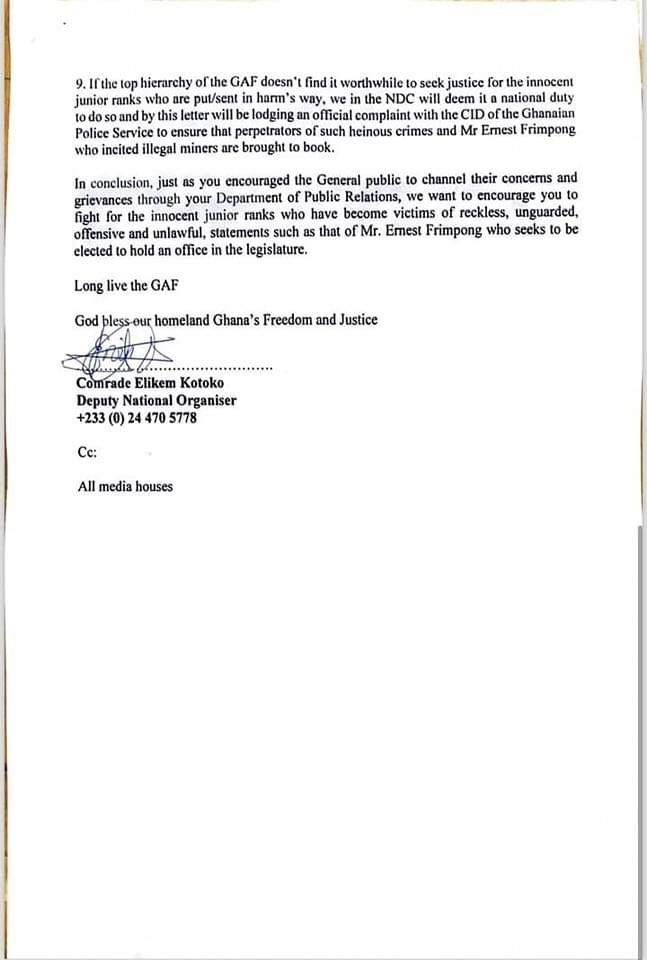
The party also urged the GAF to demonstrate its commitment to the rule of law by lodging a formal report with the police if it has not already done so.
With the upcoming elections, the NDC stressed the importance of addressing such red flags to prevent civilian-military confrontations and promote peace and unity.
In response to the controversy, Ernest Frimpong retracted his comments, asserting that they were taken out of context. He admitted to being the person in the video but denied engaging with illegal miners, claiming he was addressing miners within the community.
The GAF, in its statement, reiterated that calls to attack soldiers are unlawful and pose significant risks to security. The release also highlighted that soldiers have the right to self-defense, warning that those who choose to attack military personnel may end up harming themselves.
Members of the Ghana Country Coordinating Mechanism (Ghana CCM) of the Global Fund have threatened to stage a street protest on June 25, 2024, to express their dissatisfaction over the government’s alleged failure to clear the remaining consignment of medical supplies donated by the Global Fund.
The group expressed concern that despite the presence of 120 containers of medication at the port, the government was not addressing the issue with the urgency it required.
Earlier in April, a coalition of Civil Society Organizations (CSOs) had raised similar concerns about the backlog of donated commodities from the Global Fund. These commodities included medications for Tuberculosis, Malaria, insecticide-treated nets, and rapid diagnostic test kits.
According to the Ghana CCM, only 14 out of the 182 containers have been cleared by the government, with an additional 48 containers released later. However, some containers are still awaiting clearance at the port, leading to shortages of essential medical supplies in health facilities across the country.
In an open letter to the president dated June 11, 2024, the acting Chair of Ghana CCM, Mr. Ernest Amoabeng Ortsin, emphasized that the government’s delay in clearing the remaining medical provisions had raised concerns among members of the international community.
“Some are asking whether the government of Ghana no longer has control over its ports, because they [international agencies] do not understand how a sovereign State cannot clear commodities from its port,” he stated.
The acting Chair emphasized the urgent need for government intervention, noting that the delay could potentially strain relations between Ghana and the Global Fund.
“Global Fund is a very strategic partner of Ghana and we need to desist from inaction that may jeopardise our relations with the Fund. Since 2002, Ghana has never experienced this kind of challenge in receiving Global Fund commodities. So what has changed?”he asked.
Mr Ortsin said Ghana CCM was aware of the government’s financial challenges, but that should not be “an excuse for the current situation we find ourselves.
“We are not enthused about government’s handling of the matter. As a country, we should not have sunk so low to this level where we have now become the butt of international jokes and gossips,” he stated.
Ghana CCM, therefore, urged the government to support the Ministry of Health to “work out a lasting solution” to the difficulty in clearing the outstanding medical supplies from the port.
Mr. Ortsin stated that during the demonstration on June 25, 2024, the group would exercise its civic rights and present a petition to the government highlighting “a litany of issues” affecting Ghana’s relations with the Global Fund and other donors.
Africa Education Watch (Eduwatch), a leading educational policy think tank, has expressed apprehension regarding the proposed government Free Senior High School (SHS) Bill, suggesting that it is being positioned more as a political legacy than a sustainable educational reform.
The bill, slated to be presented to Parliament soon, aims to regulate the Free SHS policy and ensure its long-term sustainability.
This policy, a cornerstone of the Akufo-Addo administration, aims to eliminate financial barriers to secondary education by covering fees, textbooks, boarding, and meals.
While the initiative has garnered praise for improving access to education, particularly for girls, Eduwatch contends that the timing of the bill and the government’s approach suggest a focus on political gains rather than long-term educational benefits.
In an interview on Eyewitness News on Citi FM, Kofi Asare, the Executive Director of Eduwatch, pointed out that the Free SHS policy was already covered under the Pre-Tertiary Education Act. Therefore, he questioned the necessity for a new law on the matter.
Asare also highlighted that the bill was addressing the least of the challenges faced by the Free SHS policy, emphasizing the need for urgent attention to more pressing issues.
“I am a bit lost because in December 2020 Parliament passed a law called the Pre Tertiary Education Law which is Act 10(49). This law which was assented on 29th December 2020 has free SHS captured under section 3 which says that ‘Secondary education in its different forms including TVET shall be free and accessible to all eligible candidates. So this provision in the pre-tertiary education law is to give legal effect, is to give binding effect.”
“…I think that perhaps the only reason is, it is a legacy reason. It looks more political legacy kind of style. But in reality, if you ask me the top 10 challenges or problems that require urgent attention on the Free SHS policy, the law would not be in the [space] of 10,” he stated.
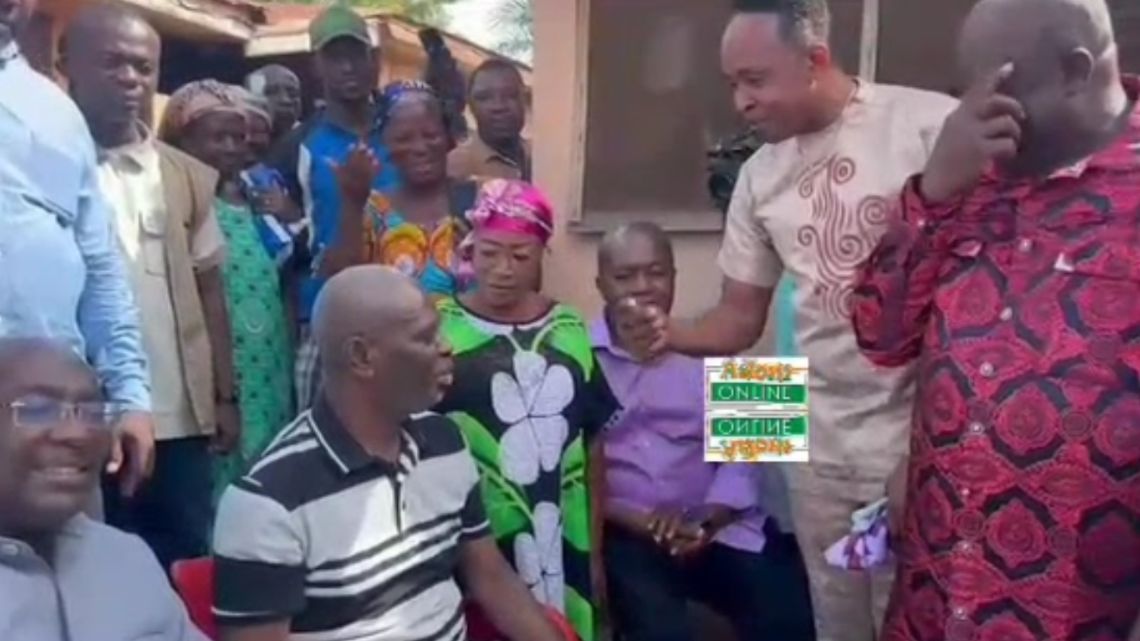
Dr. Mahamudu Bawumia, the 2024 flagbearer of the governing New Patriotic Party (NPP), recently visited gospel musician Yaw Sarpong, who has been unwell for some time.
Concerns about the legendary musician’s health surfaced in March 2024, worrying many of his fans.
While on a campaign tour in the Ashanti region, the Vice President took the opportunity to visit Mr. Sarpong on Tuesday, June 11, 2024.
Dr. Bawumia was joined by prominent NPP figures, including National Chairman Stephen Ntim and Ashanti NPP Regional Chairman Antwi-Boasiako, also known as Wontumi.
Gospel musicians Nicholas Omane-Acheampong and Tiwaah, from Yaw Sarpong and Asomafo fame, were also present and led the gathering in singing the popular song “Wo haw ne sen.”
Cristiano Ronaldo netted two goals, leading Portugal to a 3-0 victory over Ireland on Tuesday in their final warm-up match before Roberto Martinez’s squad heads to the European Championship in Germany.
The 39-year-old Ronaldo’s second-half brace came after Joao Felix opened the scoring at Aveiro Municipal Stadium, located south of Porto.
Next Tuesday, Portugal will face the Czech Republic in Leipzig. The team will also compete against Turkey and Georgia in Group F.
Ronaldo, who missed last week’s friendlies against Finland and Croatia, hit the post with a free kick in the 22nd minute shortly after Felix’s goal. He then found the net in the 50th and 60th minutes.
The Government of Ghana has reached an agreement on a Memorandum of Understanding (MoU) with its Official Creditor Committee (OCC) in its debt restructuring efforts.
This development pertains to the debt treatment plan agreed upon in January 2024. The OCC, co-chaired by China and France, was instrumental in reaching this milestone.
The MoU formalizes the agreement in principle established with Official Creditors in January, representing a critical step towards restoring Ghana’s long-term debt sustainability.
“The financial terms of the agreement remain unchanged, providing significant debt service relief during the Fund-supported program period,” the Finance Minister, Dr Mohammed Amin Adam, said.
This relief will enable the redirection of financial resources towards critical sectors such as infrastructure, healthcare, and education.
The formalization of the OCC agreement is expected to pave the way for the IMF Executive Board to approve the second review of the Fund-supported Post-COVID-19 Programme for Economic Growth (PC-PEG).
This approval will facilitate the disbursement of the next tranche of IMF financing, amounting to US$360 million.
Furthermore, the IMF Board’s approval is anticipated to trigger additional financial assistance from development partners, particularly the World Bank.
The agreement will also strengthen ongoing discussions with private creditors, with whom Ghana is committed to securing a comparable agreement as soon as possible.
“Each official creditor will now follow its internal procedures to sign the MoU. Once signed, the agreed terms will be implemented through bilateral agreements with each OCC member.
“We call upon our official creditors to fast-track their internal processes towards the signing of the bilateral agreements,” Dr Adam said.
Dr. Adam expressed his gratitude to the OCC members, especially the committee’s co-chairs, China and France, for their unwavering support.
“This landmark agreement marks an extraordinary milestone in Ghana’s debt restructuring journey and will further strengthen our ambitious reform agenda with the strong support of our development partners,” he noted.
This landmark agreement is anticipated to lay a solid foundation for Ghana’s economic recovery and sustainable development, reinforcing the nation’s commitment to transforming its economy beyond reliance on aid.
Popular actor in comic TV series, Junka Town, Osuman Idrees, has thrown the entertainment industry into a state of mourning following his untimely demise.
Osuman popularly known as Yogot is said to have died due to an undisclosed illness.
Connect FM reported: “He passed on this morning at Great Faith Clinic inside the Efua Crentsil Building at Effiakuma in Takoradi.”
Also, renowned Ghanaian blogger Fiifi Adinkra, the founder of GhanaNdwom, has in some posts on his Facebook wall and X page confirmed Yogot’s sudden passing as well.
Throughout his life, Yogot was a standout character in Junka Town, a show set in the infamous Effia Kuma area, renowned for producing top Ghanaian talents like Kofi Kinaata.
Minority Leader Dr. Cassiel Ato Forson has openly criticized the Electoral Commission (EC) for its latest decisions, including the initial barring and subsequent reinstatement of political party agents in the ongoing voter transfer process.
Dr. Forson asserted that the EC’s actions reflect a lack of independence, describing the decisions as “outrageous and unwise.”
During the Parliamentary session on Tuesday, June 11, he made it clear that the Minority will not tolerate the EC making decisions that could endanger Ghana’s democracy.
He urged Parliament to ensure the Electoral Commission is held accountable, underscoring the vital role of parliamentary oversight in maintaining national peace and stability. Dr. Forson stressed the need for Parliament to prevent the EC from engaging in actions that could compromise democratic procedures.
Furthermore, Dr. Forson revealed that the Minority will call for an urgent committee of the whole to thoroughly address these pressing issues with the Electoral Commission before they escalate.
He pressed for immediate measures to be taken to resolve these concerns and protect the integrity of the electoral process.
“While we acknowledge that the Electoral Commission is an independent body, it must be pointed out in no uncertain terms to the Electoral Commission that it does not have the independence to make dangerous, ridiculous and outrageous decisions that can affect the peace and stability of our country and this democracy.”
“It is therefore imperative that Parliament calls the Electoral Commission to order to save this democracy and protect the peace and stability of our dear country.”
“Mr Speaker, the NDC minority caucus want to use this forum to demand an urgent committee of the whole to iron out these grave concerns with the Electoral Commission before it is too late,” he said.
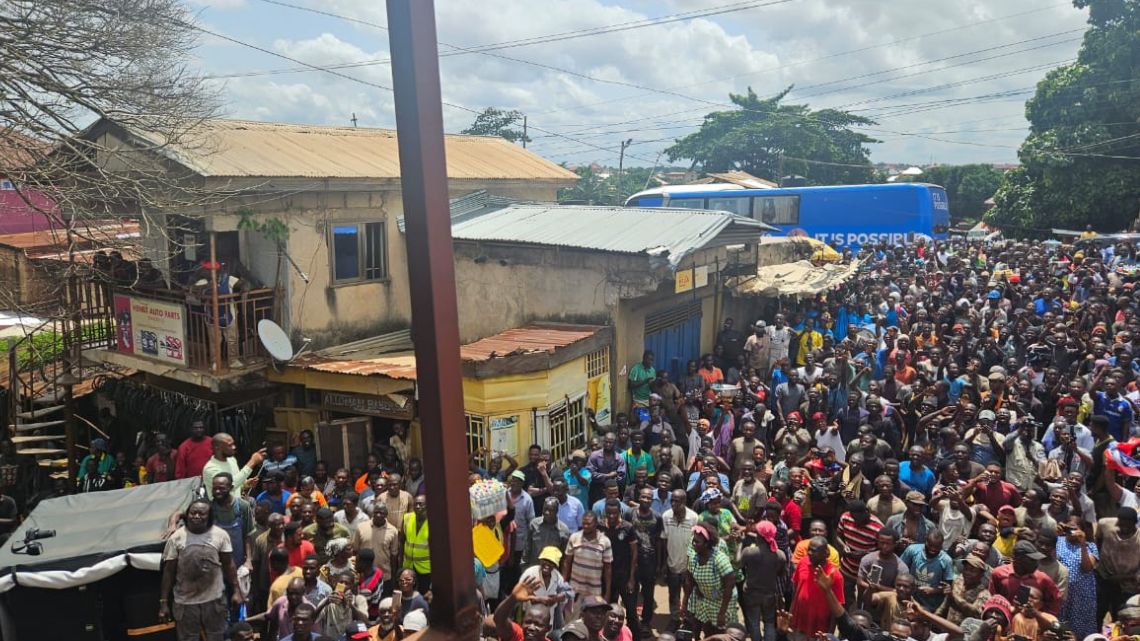
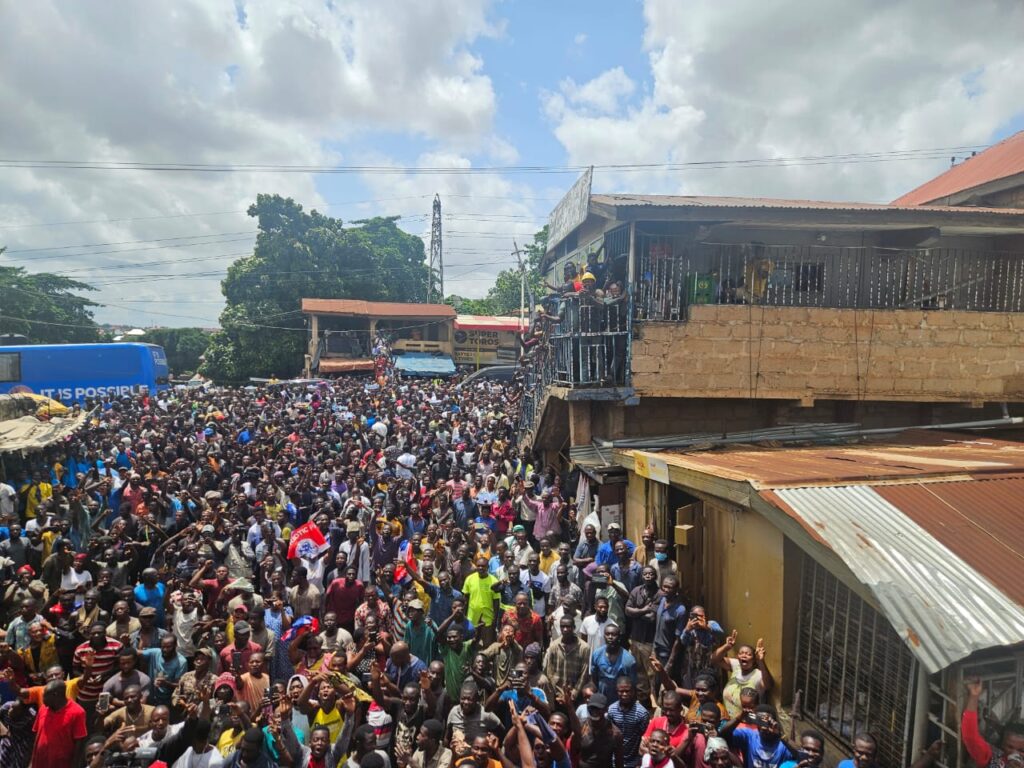
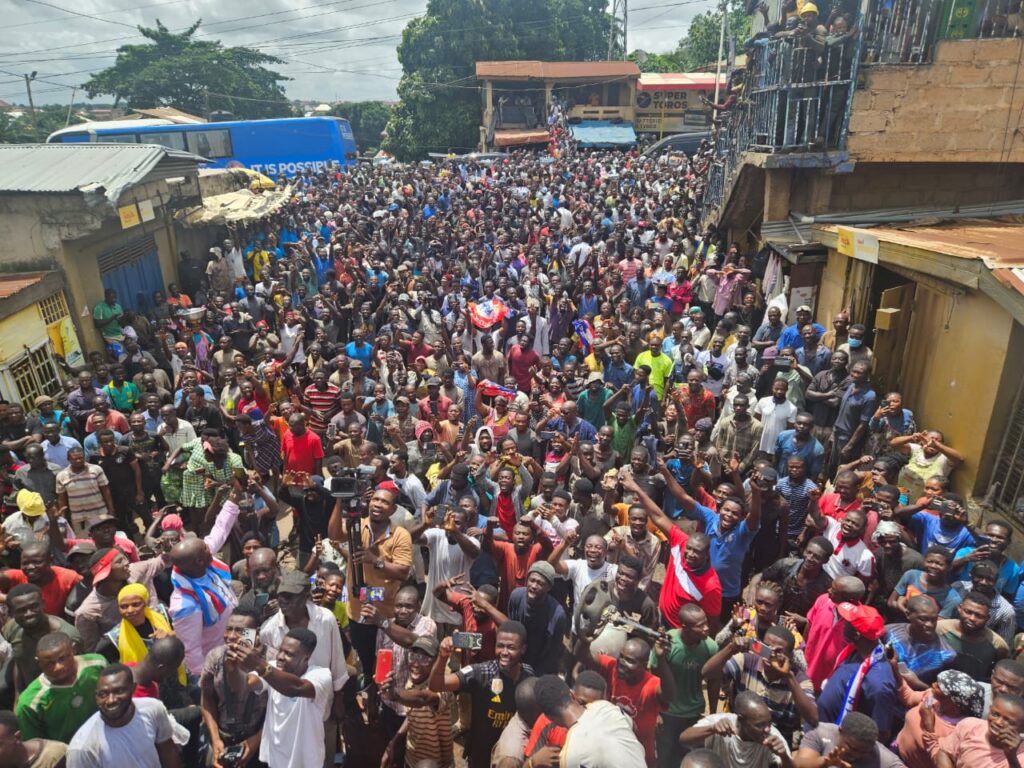
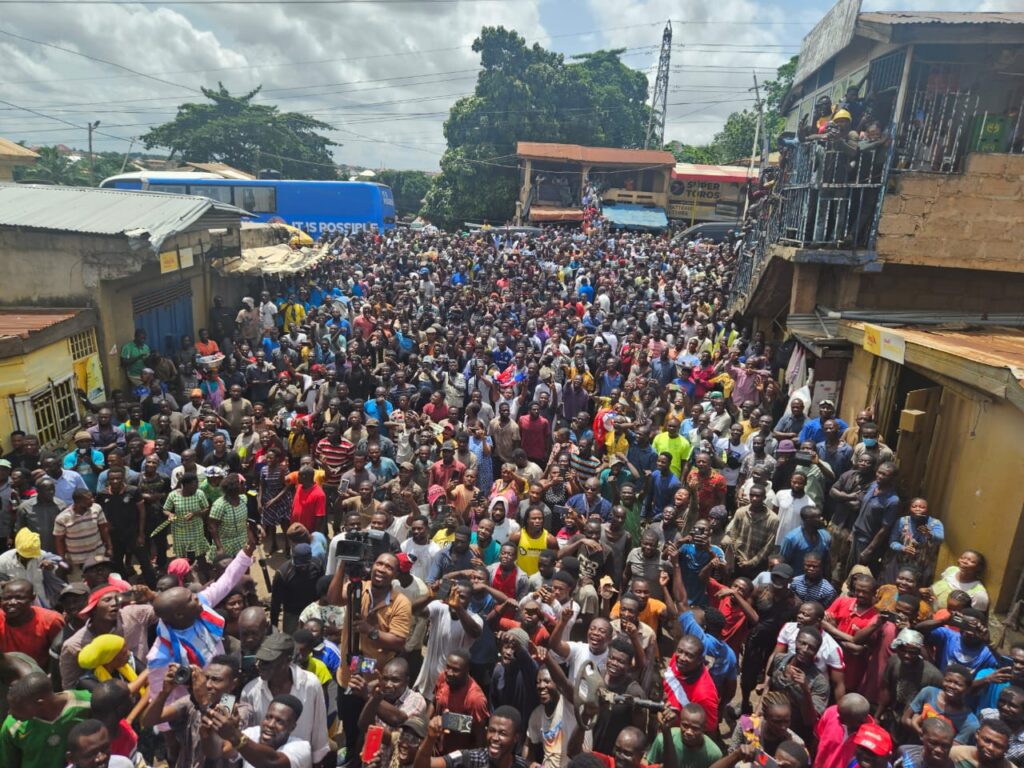
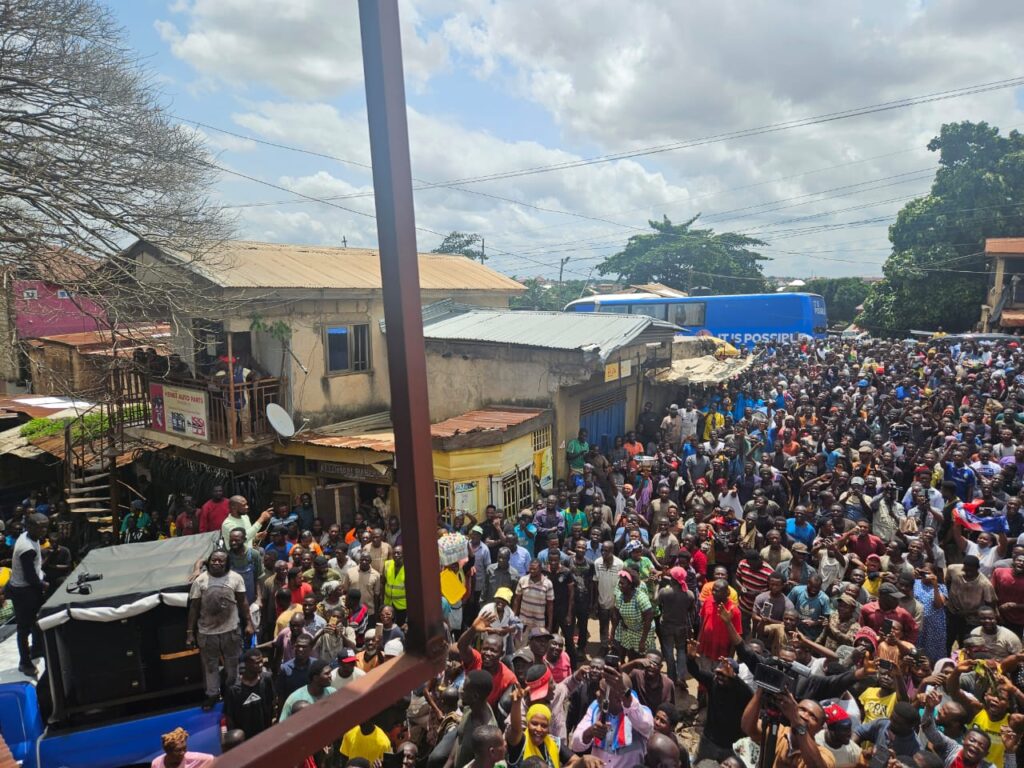
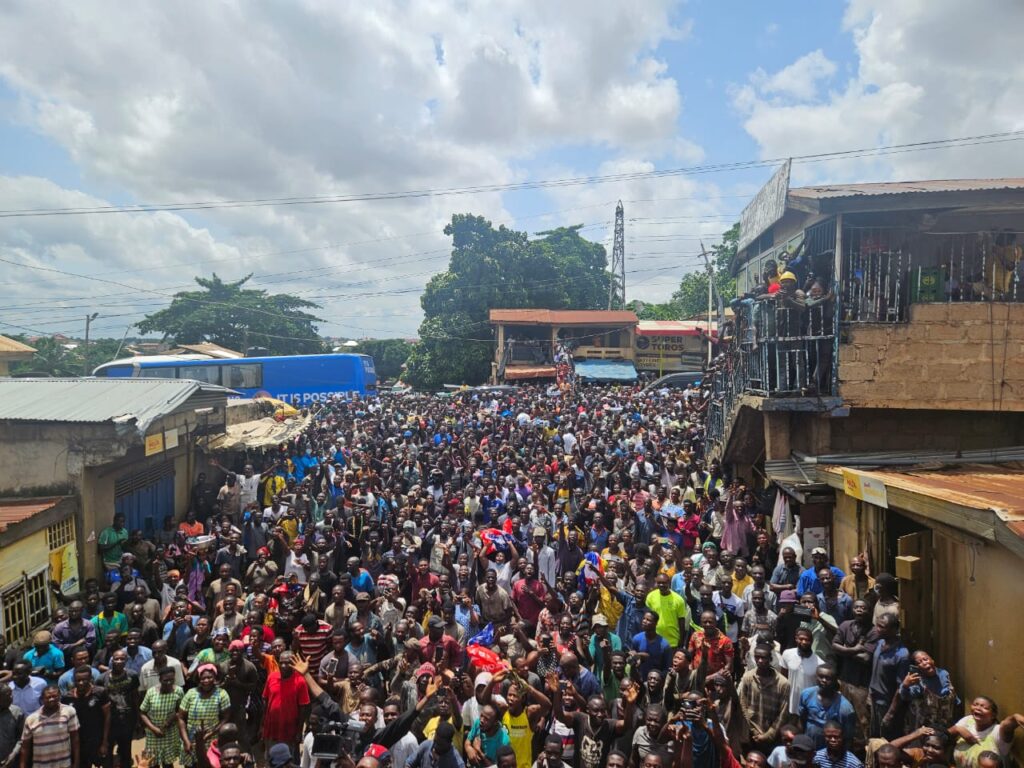
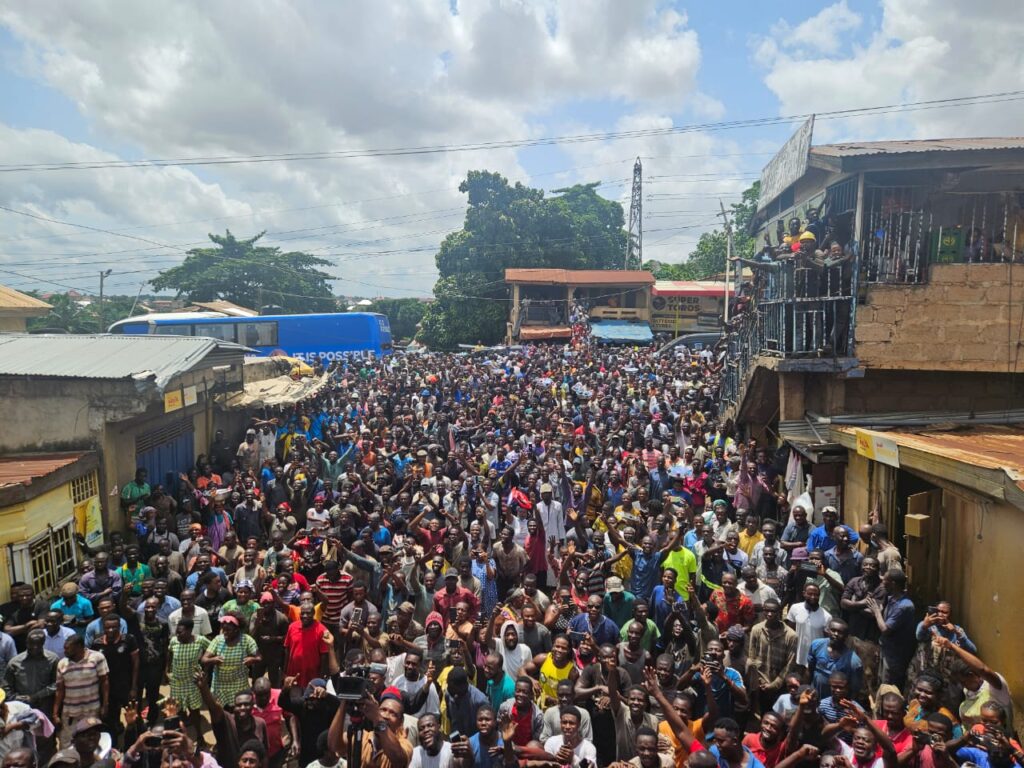
The flagbearer of the governing New Patriotic Party (NPP), Dr. Mahamudu Bawumia, was warmly received by the residents of the Ashanti Region as he embarked on a three-day campaign tour aimed at consolidating support ahead of the 2024 elections.
Dr. Bawumia’s tour drew massive crowds who gathered to show their support for the NPP presidential candidate. His itinerary included meetings with local leaders, community members, and various professional bodies, all of whom expressed strong support for his candidacy.
The tour commenced with a meeting at the Ashanti Regional House of Chiefs, where Dr. Bawumia discussed his vision for both the region and the nation.
The chiefs praised his efforts to bring development projects to the area, particularly the 500-bed Afari Military Hospital and the 250-bed Sewua Hospital. These projects, once completed, are expected to alleviate pressure on the Komfo Anokye Teaching Hospital and significantly improve healthcare delivery in the region.
Dr. Bawumia also addressed a gathering of market women, traders, and small business owners, reiterating his commitment to supporting local businesses through favorable policies and financial assistance. The market women voiced their appreciation for the government’s initiatives to stabilize the economy and create opportunities for growth. Dr. Bawumia assured them that under his leadership, the NPP would continue to prioritize economic development and job creation.
In addition to these engagements, Dr. Bawumia visited several educational institutions, interacting with students and teachers. He emphasized the importance of education in national development and pledged to enhance educational infrastructure and resources. The students and faculty members responded positively to his message, expressing hope for continued improvements in the sector. Dr. Bawumia’s engagement with the youth underscored his commitment to building a brighter future for the next generation.
Expressing gratitude for the warm reception, Dr. Bawumia thanked the people of Ashanti for their unwavering support and promised to work tirelessly to address their needs.
He highlighted the achievements of the NPP government and outlined his plans for further development.
The overwhelming reception he received in the Ashanti Region demonstrated the strong backing he enjoys as he seeks to lead the country in the upcoming elections.
One of the requirements for winning a government contract was that, a company must have a SSNIT clearance certificate. Busy Internet did not have this because it owed its employees over GHS3 million in SSNIT payments between December 2018 and 2022.
In 2018, Busy Internet was a company in severe distress. As an internet service provider struggling against industry giants, it faced dwindling revenue, increasing liabilities, and growing staff discontent.
Adding to its troubles, the company owed millions of cedis in unpaid taxes and social security contributions.
It seemed imminent that the company might shut down. At this critical juncture, staff were informed that Busy Internet had been acquired by Aguila Holdings.
A few weeks later, they were further astonished and delighted to learn that Busy Internet had secured a major government contract to supply Wi-Fi services to secondary schools and Ghana Education Service offices nationwide.
This contract was particularly surprising because Busy Internet should not have been eligible to bid. With its significant tax liabilities and unpaid social security contributions, the company lacked the necessary tax and Social Security and National Insurance Trust (SSNIT) clearance certificates, mandatory for bidding on government contracts.
Despite these clear disqualifications, Busy Internet secured the multi-million government contract through a sole-sourcing arrangement.
A former staff member of Busy Internet, intimately familiar with the contract but requesting anonymity, stated, “What I know for sure is that during that time we did not have a SSNIT clearance certificate nor a GRA tax clearance certificate,” to The Fourth Estate.
Moreover, Busy Internet was not registered with the Public Procurement Authority (PPA) as a supplier, contrary to PPA procurement rules, as confirmed by searches on the PPA website.
The five-year contract was awarded without the required parliamentary approval under Ghana’s Public Financial Management Act.
“It was good news,” says a former employee of Busy Internet who wishes to remain anonymous for fear of victimisation. “At the end, we were all of this conviction that the MOE [Wi-Fi] contract was going to end the woes of Busy Internet. We were sinking as a company and salaries were not being paid.”
The parent company of Busy Internet and Lifted Logistics, CEO of Aguila Holdings, Horpe Omotayo-Ojo, assured staff that their jobs were secure and efforts would be made to pay off Busy Internet’s debts and restore profitability. However, these promises were unfulfilled, and many employees were laid off as the company began installing internet connectivity devices in senior high schools across the country.
Despite being considered more suitable than industry leaders like MTN, which had just been licensed to provide 4G internet services, and Surfline Ghana Limited, another 4G internet service provider, Busy Internet secured the contract.
The Free Senior High School Coordinator, William Darkwa, explained that the major players were not interested due to concerns about delayed government payments.
Screenshot
After securing the contract, Busy Internet subcontracted MTN Ghana and AirtelTigo to provide the services it had agreed to supply. Initially, the Wi-Fi system worked, and some schools had internet access. However, connectivity issues soon arose. The Fourth Estate found that out of 50 schools visited in 2023, 48 had been without internet for several months. Complaints to Busy Internet’s customer service were largely unaddressed, leaving schools frustrated and angry.
The investigation revealed that Busy Internet, despite being unqualified, was awarded a major government contract through sole-sourcing. The initial contract cost between Busy Internet and the Ministry of Education was GHS84.4 million, with the Ministry also obligated to pay a monthly recurrent cost of GHS6.4 million for internet connectivity to schools and educational offices.
The Wi-Fi for schools project fulfilled a 2016 manifesto promise by the governing New Patriotic Party to provide free Wi-Fi for senior secondary and tertiary institutions nationwide. As of February 2024, over 1,000 institutions were connected to the internet under this contract.
The Fourth Estate’s investigation revealed that internet services to these schools and offices were unreliable, with many lacking internet for months, while the Ministry of Education paid GHS56 million for services barely provided.
In May 2023, the PPA approved a name change from Busy Internet to Lifted Logistics Ghana, although Lifted Logistics was not a licensed internet service provider at the time. The PPA also approved an increase in the monthly recurring cost from GHS6.5 million to GHS11.5 million, nearly doubling the government’s cost for a poorly delivered service.
“If it is a joint venture and there is a new entity borne out of this joint venture, you need to have the mandatory requirements,” Mr Sarpong said. “There is a clause that if you are subcontracting any portion of this contract, you need to inform the principal so that due diligence is done on the subcontractor to check if everything of theirs is good.”
Former employees raised concerns about the transfer of Busy Internet’s license to another entity, but the NCA confirmed in March 2023 that Busy Internet’s license had not been transferred or reassigned. Procurement Consultant Collins Agyemang Sarpong noted that sub-contracting to an unregistered internet service provider raised further questions about the arrangement’s legitimacy.
The Fourth Estate contacted the PPA for clarification on approving a multi-million contract for an unqualified company and the subsequent increase in monthly costs but received no response.
The New Patriotic Party’s (NPP) flagbearer, Dr. Mahamudu Bawumia, has pledged to offer greater accountability to Ghanaians compared to his chief rival, former President John Mahama, should he win the presidential election on December 7.
Dr. Bawumia emphasized that his commitment to accountability stems from his intention to seek re-election after his first term.
Speaking to professional bodies in Kumasi during his three-day tour of the Ashanti Region, the Vice President contended that Mr. Mahama, on the other hand, would lack the same level of accountability as he would not be pursuing re-election.
“I also believe that if you make me a president, I will be more accountable to you because I will be looking for an 8-year term. An 8-year term means that you are first going to give me a 4-year term, this means I have to work very hard to justify why you have to give me another four years.
“And so I will be more accountable. I will come back to you and say this is what I have been able to do and then you can you will renew my license and I will drive the vehicle so we go forward.
“I believe that my main opponent is only looking for a four-year term, that means immediately you give it to him and he goes on his honeymoon and he comes back you will not see him again. there will be no accountability but for me, you will get accountability.”
The Vice President also revealed that the Ministry of Finance is preparing to reimburse clients of companies that were liquidated by the Securities and Exchange Commission (SEC) during the financial clean-up exercise.
Dr. Bawumia stated that this initiative aims to provide relief to affected investors while ensuring transparency and accountability in the financial market.
“It looks like the Minister of Finance is looking forward to making some payment to customers of the liquidated companies.”
“In the case of Gold Coast Securities and others, it is something on our agenda and I believe that the Ministry of Finance will look at it. We have engaged affected customers and we look forward to the payment”.
The Chief Executive Officer (CEO) of Labianca Company Limited, Eunice Buah Asomah Hinneh, has reportedly passed away.
Sources indicate that the CEO of the prominent frozen foods distribution company, who was also a member of the Council of State, died in the early hours of Tuesday.
Since its establishment in 2008, Labianca Company Limited has been a major player in the importation and distribution of frozen chicken, beef, pork, mutton, turkey, fish, and more.
On August 8, 2022, the Office of the Special Prosecutor (OSP) published an investigative report revealing that Labianca Group of Companies, owned by Eunice Jacqueline Buah Asomah-Hinneh, had evaded import duties. The OSP recovered a sum of ¢1.074 million, representing a shortfall in import duties paid to the state.
The report, signed by Special Prosecutor Kissi Agyebeng, alleged that influence-peddling by Ms. Asomah-Hinneh led to a reduction in the tax liabilities for Labianca Company Limited. It was contended that Ms. Asomah-Hinneh used her position as a member of the Council of State and the Board of Directors of the Ghana Ports and Harbours Authority (GPHA) to secure favorable decisions from the Customs Division.
A Deputy Commissioner of Customs in charge of Operations, Joseph Adu Kyei, was also cited by the OSP for issuing what was described as an unlawful customs advance ruling. This ruling reduced the benchmark values of goods imported by Labianca Limited, translating to reduced tax obligations for the company to the state.
The Founder and Presidential Candidate for the Movement for Change, Alan Kwadwo Kyeremanten, has reiterated his commitment to waiving import duties on spare parts during the first two years of his administration if elected in the upcoming 2024 elections.
During a meeting with artisans at the Tamale Industrial area, part of his Northern Regional tour, Kyeremanten emphasized that the spare parts industry has suffered due to high import duties.
He believes his policy will benefit consumers by making replacement parts more affordable.
“The work that you do depends on the availability of spare parts, but the cost of spare parts alone is keeping you out of business.
“And that is why I have made a commitment that if Alan becomes President by the grace of Allah, within the first two years, there will be no duties on spare parts,” he said on Tuesday.
The Movement for Change leader has commenced his regional tour in the Northern Region with a series of meetings with various groups.
He highlighted that despite the country’s wealth of natural resources, there has been minimal progress in transforming these resources into finished products.
“Those of you who are into fabrication, you need metal sheets to fabricate the things that you produce. Ghana has bauxite, out of bauxite we can get aluminum. Ghana has iron, out of iron we can get steel, Ghana has oil and gas out of these we can get plastics.
“So if we can add value to bauxite, aluminum and iron, we can get all the raw materials you need for your work and this is what Alan is going to do for you,” he stated.
Mr. Kyerematen argued that the two major political parties have not met the needs of the masses, indicating a pressing need for change.
He further asserted that the belief that an independent candidate cannot win an election is unfounded.
“It will depend on you to make history and make Alan Kyerematen the first independent candidate to become president in Ghana,” he said.
The government is preparing to introduce the Free Senior High School (SHS) Bill to Parliament in the coming days, with the goal of regulating the policy and ensuring its long-term sustainability.
This initiative addresses concerns about potential cancellation by future administrations and the various challenges the programme currently faces.
Educational stakeholders, including EduWatch, have proposed that parents who choose boarding facilities should be responsible for covering the associated costs.
Additionally, EduWatch has recommended focusing the policy on children from low-income households, using data from the Livelihood Empowerment Against Poverty (LEAP) programme to identify eligible families.
During a Leaders’ Media Briefing on Tuesday, June 11, the Majority Leader, Alexander Afenyo-Markin, announced that the forthcoming bill aims to enhance the effectiveness and sustainability of the Free Senior High School (SHS) policy, aligning it with the aspirations outlined in Chapter 5 of the Constitution.
Afenyo-Markin emphasized that although these constitutional provisions are not currently enforceable by law, the government intends to make them justifiable through the proposed legislation.
“I’m also able to report that the Education Minister will present the Free SHS Bill to Parliament. The chapter five of the Constitution provides some aspirational indicatives. Those are not justiciable, but once by a policy of the government, an aspiration as a message by the constitution is put into action then to make it justiciable, you enact.”
“In other words, there are provisions in the constitution that you cannot enforce, you cannot claim the right to those provisions. The fact that they are there does not mean that you can apply to the court to enforce those rights, they are aspirational,” he said.
The National Democratic Congress (NDC) marked its 32nd anniversary with a flag-raising ceremony at its headquarters in Accra, celebrating its history and reaffirming its commitment to the upcoming December 2024 elections.
The NDC, founded by the Late Jerry John Rawlings, held the event to commemorate its establishment in preparation for the 1992 elections, which saw Rawlings elected as president.
The ceremony was attended by notable party members, including Running mate Professor Jane Naana Opoku Agyeman, Chairman Johnson Asiedu Nketiah, General Secretary Fiifi Fiavi Kwetey, National Youth Organizer George Opare Addo, National Vice Chairman Professor Joshua Alabi, and MP for Klottey Korle Dr. Zenator Rawlings.
Addressing attendees, National Chairman Johnson Asiedu Nketiah emphasized the party’s focus on winning the upcoming elections rather than on festivities. He highlighted the challenges faced by the party, describing their opponent as formidable, especially when considering the collaborators working against them.
Reflecting on the NDC’s history, Mr. Nketiah acknowledged that while the party hasn’t achieved all its goals, it has not failed in its 32 years of existence. He cautioned against undoing the progress made, warning of efforts to destabilize the country’s foundation.
Mr. Nketiah also raised concerns about the militarization of the electoral process, citing instances where military personnel have intimidated citizens during voter transfers, calling for voices of conscience to speak out against such injustices.
General Secretary Fiifi Fiavi Kwetey urged party members to prioritize genuine love for the party over loyalty to individuals, emphasizing that loyalty to the party should come first. He warned against aligning too closely with specific individuals, as this could lead to struggles when those individuals are no longer present.
The NDC’s anniversary celebration was a reminder of its commitment to its founding principles and its determination to secure victory in the upcoming elections.
Michael Abeku Afenyi, aged 28, is currently fighting for his life after being beaten by a father and son in Low Cost, Winneba, located in the Central Region.
Eyewitnesses reported that Michael was quickly transported to the hospital by some good Samaritans who intervened in the attack.
The altercation began when Michael was accused of threatening the wife of the older man, who then, along with his son, attacked and severely injured him.
A witness told TIGpost, “They beat him like an animal. Michael is a good boy known to everyone in this area, and I don’t know what would warrant such a wicked attack on him.”
The incident has been reported to the Low Cost Police in Winneba. However, TIGpost’s inquiries with the police Criminal Investigation Department (CID) revealed that while they claim to be investigating the case, no arrests have been made.
Some locals allege that the police have been bribed, leading to their apparent inaction.
TIGpost will continue to monitor this situation and provide further updates.
The Minority in Parliament has declared their intention to boycott parliamentary proceedings whenever their leader, Dr. Cassiel Ato Forson, is required to attend court sessions for the ongoing ambulance trial.
This decision was made in response to the High Court judge, Justice Afia Serwah Asare-Botwe, denying a request from Dr. Ato Forson’s lawyers for a leave of absence to attend important parliamentary business on Tuesday, June 11, 2024, when the House resumes its third meeting of the fourth session.
In a press release issued by the NDC MPs and signed by Chief Whip Governs Agbodza, they expressed their dissatisfaction with the judge’s rejection of an earlier request by Parliament for Dr. Ato Forson to participate in a crucial Parliamentary Service Board meeting and other legislative activities.
The statement highlighted that the Minority Leader is expected to deliver a resumption address, engage with the press, and carry out other significant duties as part of his legislative mandate, which he will be unable to fulfill due to the court proceedings.
The Minority argues that their decision aims to counter what they perceive as an attempt by the trial judge, Justice Afia Serwah Asare-Botwe, to hinder Dr. Ato Forson’s ability to fulfill his constitutional responsibilities as an elected Member of Parliament and the Leader of the Minority Caucus.
“The NDC Minority Caucus has taken notice of this worrying trend that shows an attempt by the trial judge, Justice Afia Serwah Asare-Botwe, to prevent the Minority Leader from performing his constitutional duties as an elected Member of Parliament and the Leader of the Minority Caucus.”
“In the light of the above, and the continuous persecution of the Minority Leader, the NDC Minority will continue to solidarise and stand by its Leader anytime he is due to appear in court.”
“The NDC Minority Caucus further reserves the right to apply all other tools available to us in our approach to business on the floor,” an excerpt of the statement said.
Media personality Bridget Otoo has taken on the Ghana Armed Forces for what she believes to be a political response to calls for attacks on military personnel sighted at mining sites.
The Ghana Armed Forces (GAF) has issued a stern warning to the public in response to the spread of viral videos on social media that promote attacks on soldiers and other security personnel.
In a viral video, Frimpong is seen addressing a group, presumably illegal miners, encouraging them to resist military officers who are patrolling the area and trying to evict them.
He stated that no military personnel had been authorized to manage the mining sites at this time and urged miners to defend themselves if necessary.
Western Regional Minister Kwabena Okyere Darko-Mensah, who also heads the region’s Security Council, was also present at the forum.
In response, GAF highlighted that such actions are illegal and pose a significant threat to national security and stability.
GAF warned that the repercussions of such confrontations could be severe, stressing the importance of avoiding such incidents.
They reiterated that assaulting or attacking soldiers is a serious crime punishable by law and urged all citizens to respect, cooperate with, and support the Armed Forces.
Reacting to this, Bridget Otoo questioned the GAF for not explicitly calling out Ernest Frimpong, but rather treating the matter with a general view.
She believes that the GAF failed to do so because Mr Frimpong is a member of the ruling party.
“You are spineless! Call out the person and leave the public out! You’ve lost your denture because it is an NPP person who called for assault on soldiers!
“If it is Ashaiman, you would have been there with 5,000 brawn !!!,” she wrote in a post on X.
The GAF statement called for public cooperation to avoid engaging in or promoting violence against soldiers.
The Ghana Armed Forces reaffirmed their commitment to professionalism, integrity, and service to the nation. They emphasized their cooperation with other security agencies to safeguard Ghana’s interests while respecting citizens’ rights and dignity.
GAF encouraged the public to voice their concerns or grievances through the Department of Public Relations, maintaining an open-door policy for addressing issues constructively.
You are spineless! Call out the person and leave the public out! You’ve lost your denture because it is an NPP person who called for assault on soldiers!
Former Deputy General Secretary for the National Democratic Congress (NDC), Koku Anyidoho, has accused the party of not holding any event to commemorate its 32nd anniversary.
According to him, the opposition party also failed to observe the 45th anniversary of the June 4th Revolution, a significant event in Ghana’s history.
According to him, the ethos of the June 4 coup forms the foundation of the NDC, and anyone who claims to be a member of the party must commit to observing June 4 and abiding by its principles.
As such he chided the party’s flagbearer, John Dramani Mahama, holding him responsible for the party’s alleged failure.
“So, the NDC did not hold any Event yesterday to mark our 32nd birthday? They ignored June 4, days ago & they have ignored this one too. The “Regime Change” media houses shd get it into their heads that if JM continues to disrespect the soul of the NDC he will suffer for it,” he wrote in a post on X.
So, the NDC did not hold any Event yesterday to mark our 32nd birthday? They ignored June 4, days ago & they have ignored this one too. The “Regime Change” media houses shd get it into their heads that if JM continues to disrespect the soul of the NDC he will suffer for it.
— Samuel Koku Anyidoho🇬🇭 (@KokuAnyidoho) June 11, 2024
Meanwhile, flagbearer for the National Democratic Congress (NDC), John Dramani Mahama has stated that the next NDC government will build a Ghana united in purpose, stable in governance, and developed in opportunity for all.
In his message for the NDC’s 32nd anniversary on June 10, the former President assured the rank and file of the party of his commitment to the NDC’s powerful campaign message of “Building the Ghana we want together.”
According to him, the message is not just a slogan but a call to action that echoes the party’s motto.
“Our party’s motto, ‘Unity, Stability, and Development’, is not just a slogan but a guiding principle for our daily work. It reminds us that only by coming together as one nation can we achieve the stability and development that we all aspire to.
“As we prepare for the December elections, I am reminded of our powerful campaign message: Building the Ghana we want together. This message is not just a slogan but a call to action that echoes our party’s motto. It underscores the crucial role of unity in propelling our country forward, the necessity of stability in our political and economic landscape, and our unwavering commitment to development for all our citizens.
“Our supporters are the backbone of the NDC, and I want to assure you that we remain steadfast in our commitment to these principles. Together, we will build a Ghana that is united in purpose, stable in governance, and developed in opportunity for all. Your unwavering support fuels our determination to work tirelessly towards these goals and create a brighter future for every Ghanaian.”
Assin Central Member of Parliament, Kennedy Agyapong, has joined the New Patriotic Party’s flagbearer, Dr. Mahamudu Bawumia’s campaign team in the Ashanti Region, ahead of the country’s upcoming polls.
Earlier, Alex Tetteh, a prominent figure in Kennedy Agyapong’s campaign and the convener for Citizen Eye, Ghana revealed that the MP would be joining the party’s flagbearer.
Mr Agyapong left the United States to bolster the New Patriotic Party’s efforts towards securing a victory.
“Kennedy Agyapong is in the United States of America currently. He will be back soon and he will join the campaign to get Dr Mahamudu Bawumia to become President. He said after the primaries that he will join the campaign and that is what he will do,” he said.
On Monday, Dr Mahamudu Bawumia began a three-day tour of the Ashanti Region as part of campaign activities.
Ghana’s new Minister of Roads and Highways, Francis Asenso-Boakye, has announced plans to reintroduce road tolls, noting that many countries use toll proceeds to fund road maintenance.
The decision to suspend toll collection under the former Minister, Amoako Atta, has raised concerns about the impact on road maintenance, given the country’s deteriorating road network.
Previously, toll collection contributed to funding road maintenance. However, the Ministry of Roads and Highways abruptly halted toll collection nationwide in 2021, effective November 18, to reduce traffic congestion at toll booths and in anticipation of implementing the e-levy.
The decision to scrap toll collection was made with the expectation that the e-levy would generate sufficient funds. However, the e-levy has not met expectations, prompting the need to reintroduce road tolls.
In an interview on TV3 on Monday, June 10, the Bantama MP stressed the importance of tolling roads, noting that tolling is common practice in many countries.
“In many countries, they use the toll that we collect from the roads to finance maintenance. So, at our ministry, we have started the process by engaging the various stakeholders to get their buy-in to make sure that we bring the road toll back. This is very important. I have never seen any serious country where they don’t toll their road,” he said.