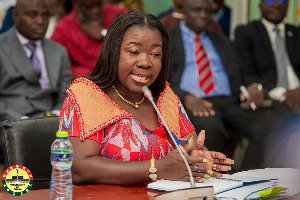
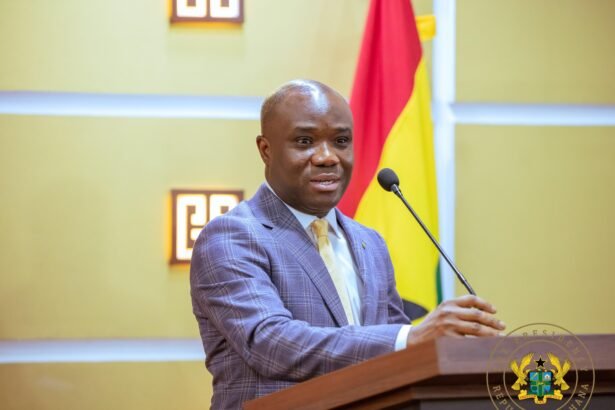
Parliament is presently debating the 2025 budget statement presented to Parliament on March 11 by Finance Minister Dr Cassiel Ato Forson.
The Majority side of Parliament believes the budget has strategic initiatives to turn around the fortunes of the economy. The Minority side however are displeased with the 2025 budget.
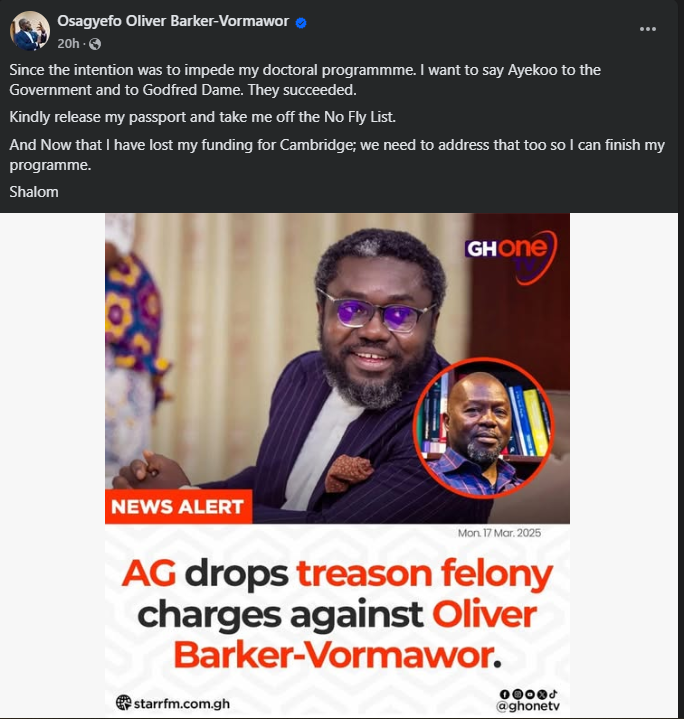
Activist and lawyer Oliver Barker-Vormawor has lamented the impact of his legal battle on his academic future, revealing that he has lost funding for his doctoral studies at Cambridge University.
Barker-Vormawor was arrested in 2022 by National Security operatives and charged with treason felony over remarks suggesting a coup if Parliament passed the controversial E-Levy bill.
After more than two years of legal proceedings, the Attorney General, Dr. Dominic Ayine, discontinued the case, leading to the charges being struck out by Justice Mary Ekua Yanzu on Tuesday, March 18.
Following the court’s decision, Barker-Vormawor took to social media to express his frustration, sarcastically acknowledging the government’s success in derailing his academic pursuits.
“Since the intention was to impede my doctoral programme, I want to say Ayekoo to the Government and to Godfred Dame. They succeeded. Kindly release my passport and take me off the No-Fly List,” he stated.
He further disclosed the financial toll the case had taken on him, stating:
“Now that I have lost my funding for Cambridge, we need to address that too so I can finish my programme.”
Barker-Vormawor’s trial was one of several high-profile cases discontinued under Dr. Ayine’s tenure, alongside those involving Dr. Stephen Opuni, businessman Seidu Agongo, and former Bank of Ghana Governor Dr. Johnson Asiama.
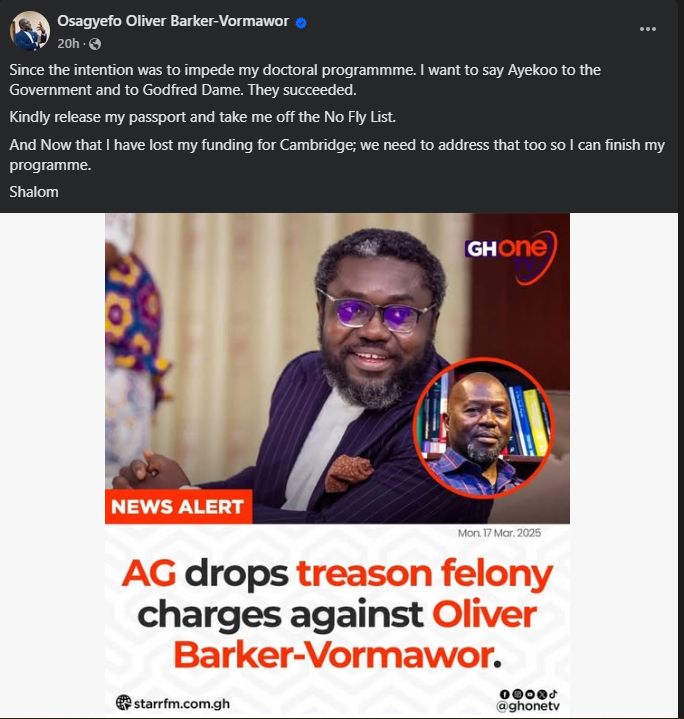
Activist and lawyer Oliver Barker-Vormawor has criticized the government and former Attorney General Godfred Dame, accusing them of deliberately disrupting his academic pursuits following the dismissal of treason felony charges against him.
Barker-Vormawor had been facing trial for over two years after being arrested in 2022 by National Security operatives for remarks suggesting a coup if Parliament passed the controversial E-Levy bill, which later became law.
However, on Tuesday, March 18, the Attorney General, Dr. Dominic Ayine, withdrew the charges, leading to the case being struck out by Justice Mary Ekua Yanzu.
Although Barker-Vormawor was not present in court, Principal State Attorney Esi Dentaa Yankah represented the prosecution team, filing a nolle prosequi to formally discontinue the case.
Reacting to the development, Barker-Vormawor took to social media, sarcastically acknowledging the government’s success in derailing his academic career.
“Since the intention was to impede my doctoral programme, I want to say Ayekoo to the Government and to Godfred Dame. They succeeded. Kindly release my passport and take me off the No-Fly List,” he stated.
He further lamented the financial burden caused by the prolonged trial, revealing that he had lost funding for his Cambridge University studies.
“Now that I have lost my funding for Cambridge, we need to address that too so I can finish my programme,” he added.
The dismissal of Barker-Vormawor’s case follows a series of high-profile trial withdrawals under Dr. Ayine, including cases involving Dr. Stephen Opuni, businessman Seidu Agongo, and former Bank of Ghana Governor Dr. Johnson Asiama.
Activist and lawyer Oliver Barker-Vormawor has called on the government to release his passport and remove his name from the No-Fly List following the dismissal of treason felony charges against him.
“Since the intention was to impede my doctoral programme, I want to say Ayekoo to the Government and to Godfred Dame. They succeeded. Kindly release my passport and take me off the No-Fly List,” he stated.
The charges, which had kept him entangled in a legal battle for over two years, were formally dropped by Attorney General Dr. Dominic Ayine on Tuesday, March 18.
Barker-Vormawor had been arrested in 2022 by National Security operatives after he made comments suggesting a coup if Parliament approved the controversial E-Levy bill, which was later passed into law.
During the brief court hearing, Principal State Attorney Esi Dentaa Yankah appeared before Justice Mary Ekua Yanzu to file a nolle prosequi, leading to the case being struck out. Neither Barker-Vormawor nor his legal representatives were present in court.
The decision to drop the case follows a broader trend under Dr. Ayine, who has discontinued several high-profile prosecutions, including those involving Dr. Stephen Opuni, businessman Seidu Agongo, and former Bank of Ghana Governor Dr. Johnson Asiama.
Reacting to the development, Barker-Vormawor took to social media to express frustration over the impact of the case on his academic and personal life.
He further lamented the financial strain caused by the prolonged legal battle, revealing that he had lost funding for his studies at Cambridge University.
“Now that I have lost my funding for Cambridge, we need to address that too so I can finish my programme,” he added.
A recent study conducted by researchers at the Kwame Nkrumah University of Science and Technology (KNUST) suggests that older men who consume green tea regularly may have a lower risk of prostate cancer, alongside improved weight and cholesterol levels.
Led by Dr. Emmanuel Amankwah Ntim from the Department of Physiology at the KNUST School of Medical Sciences, the research examined over 400 men aged 40 and above, dividing them into two groups: those who drank green tea and those who did not.
The study assessed their weight, cholesterol levels, and PSA (Prostate-Specific Antigen) levels—a key marker for prostate cancer risk.
The findings, published in the Journal BMC Nutrition, revealed that regular green tea drinkers were more likely to maintain a healthy weight and better cholesterol levels. Additionally, men aged 60 and above who consumed green tea displayed lower PSA levels, suggesting a potential reduced risk of prostate cancer.
This trend, however, was not observed in younger participants. The research also indicated a link between lower weight and reduced PSA levels among older men.
While the results point to a possible protective effect of green tea against prostate cancer in older men, the study does not establish a direct cause-and-effect relationship. Instead, it highlights a strong association that warrants further investigation.
Surge in prostate cancer cases
The Ghana Health Service (GHS) has said that prostate and liver cancers are among the leading causes of death in the country.
In 2022, a total of 2,395 cases of prostate cancer were recorded in the country, with 1,233 deaths, representing 52 per cent mortality while liver cancer affected a total of 2,656 men in 2022, with 2,390 deaths, representing 90 per cent mortality.
Data also suggests that only 20 percent of men above 40 have had a prostate cancer screening while 60% of the cases are mostly presented at advanced stages.
Stakeholders at a maiden National Prostate Cancer Dialogue in 2024 reiterated the need for prostate cancer treatment to be captured on the National Health Insurance Scheme (NHIS) to reduce the cost burden on patients.
There are less than one hundred urologist-specialists in the country, influencing treatment gaps at the district and regional levels.
Professor of Urology and Head of Department of Surgery at the Korle Bu Teaching Hospital and President of the Ghana Association of Urological Surgeons, Professor James Edward Mensah, is calling for the training of more specialists in the discipline.
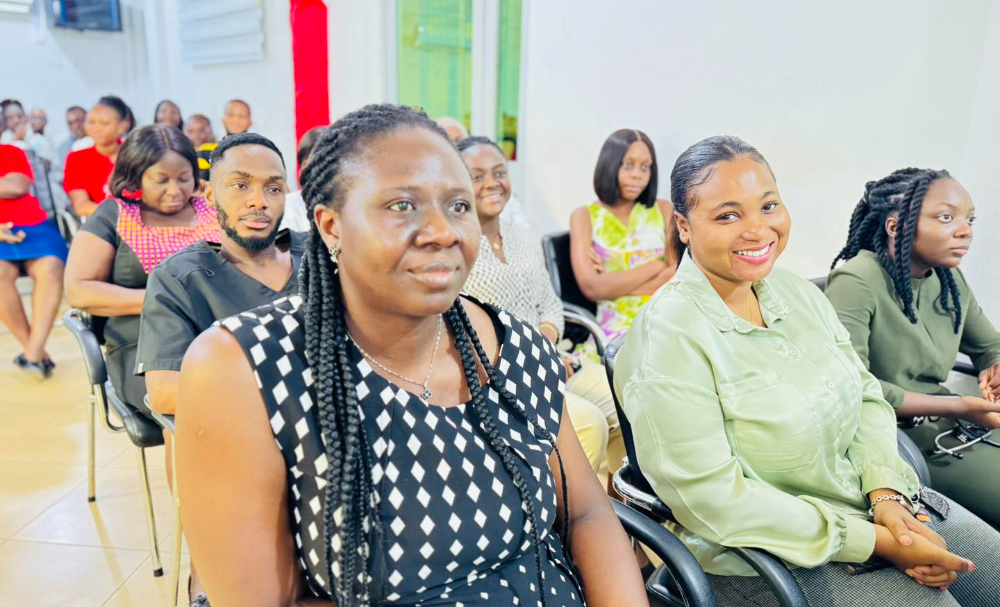
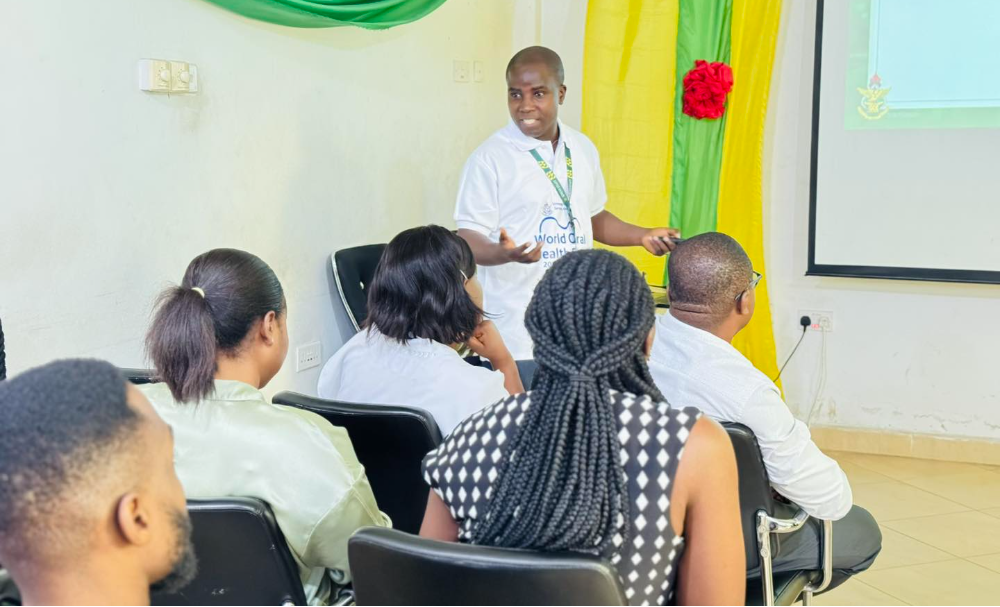
The University Health Services has officially commenced World Oral Health Week 2025, marking the beginning of a year-long initiative aimed at raising awareness about oral hygiene and preventive dental care.
The celebration kicks off with World Oral Health Day, a global campaign encouraging individuals, schools, and healthcare professionals to take proactive steps in maintaining oral health and preventing dental diseases.
This year’s theme, “A Happy Mouth is… A Happy Mind,” underscores the vital link between oral health and overall well-being, particularly mental health.
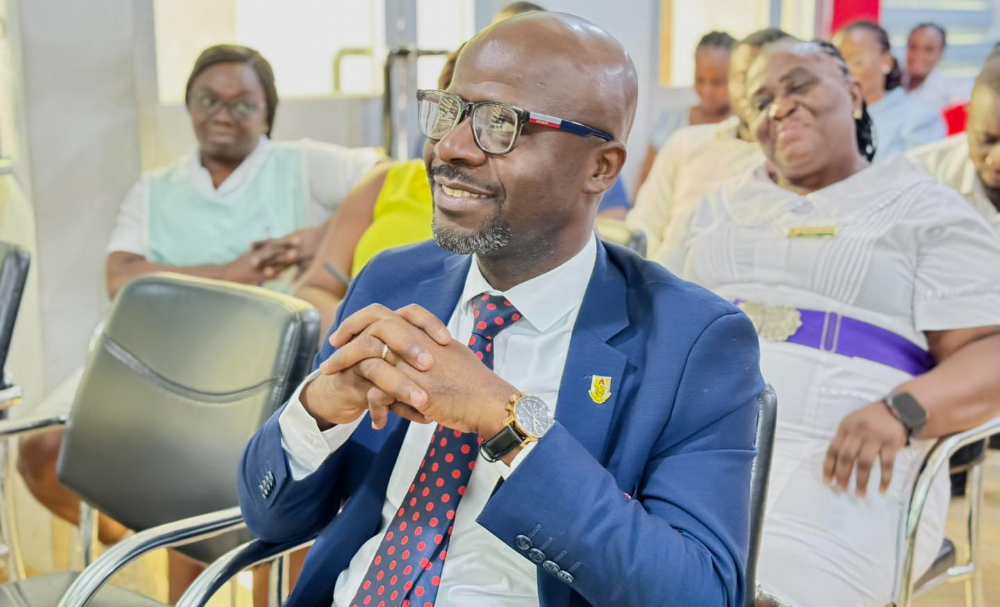
“A healthy mouth can significantly boost positivity and confidence. Conversely, poor oral health can hinder social interactions, restrict dietary choices, and contribute to stress and anxiety, all of which are essential for a happy mind,” stated Dr. Emmanuel Kwadwo Owusu, Medical Officer (Dental) and Chairman of the Subcommittee of Public Health for the Celebration of WOHD 2025.
Dr. Emmanuel Kwadwo Owusu, Dental Officer and Chairman of the Subcommittee for World Oral Health Day 2025, addressing the audience.
As part of the campaign, the hospital has planned a series of activities to promote dental care. From Tuesday to Friday, hospital staff will receive free dental screenings and polishing. Dr. Owusu hinted at plans to expand these services to the entire university community in the coming year.
In addition, on Thursday, the dental health team will visit Weweso M/A JHS to educate students on oral hygiene and proper dental care practices.
With these efforts, the University Health Services aims to emphasize the importance of good oral hygiene in fostering overall well-being throughout the year.
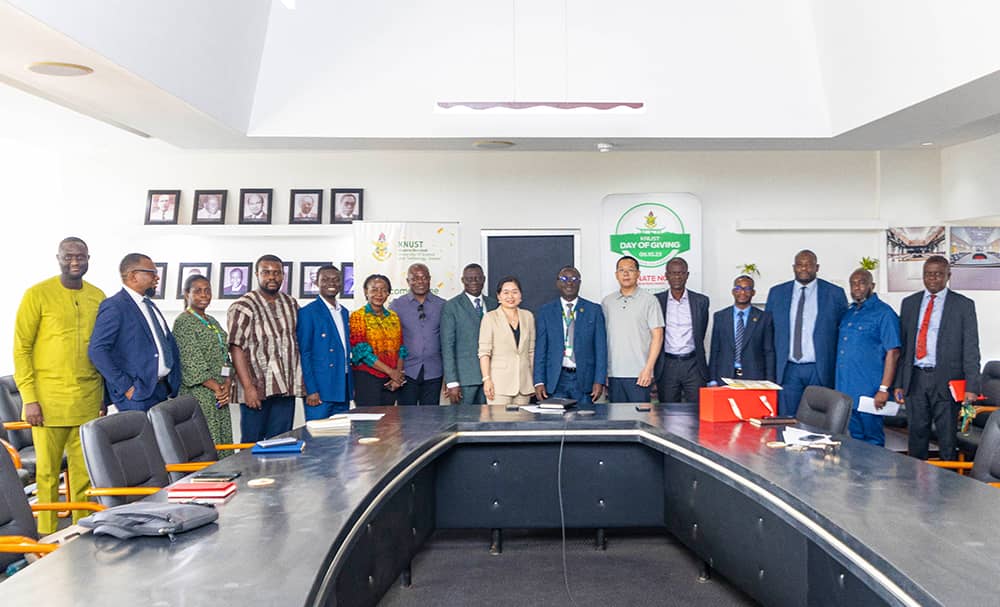
The Minerals Development Fund (MDF) and Tenglong Group have initiated discussions with the management of Kwame Nkrumah University of Science and Technology (KNUST) to develop a 20,000-room hostel facility to address the university’s growing student accommodation crisis.
Speaking on the project, the Director of Operations at MDF, Mr. Frank Kwesi Hayford, revealed that the initial plan was to construct an 8,000-room hostel, but the proposal was expanded to 20,000 rooms due to the increasing demand for student housing.
He emphasized that MDF and its financial partners are currently in talks with KNUST’s leadership to finalize the next steps for the project’s implementation.
“To ensure the smooth execution of this project, we want to establish a joint committee between the Minerals Development Fund and the university. Our goal is to have the first batch of students housed in the new hostel by 2027,” he stated.
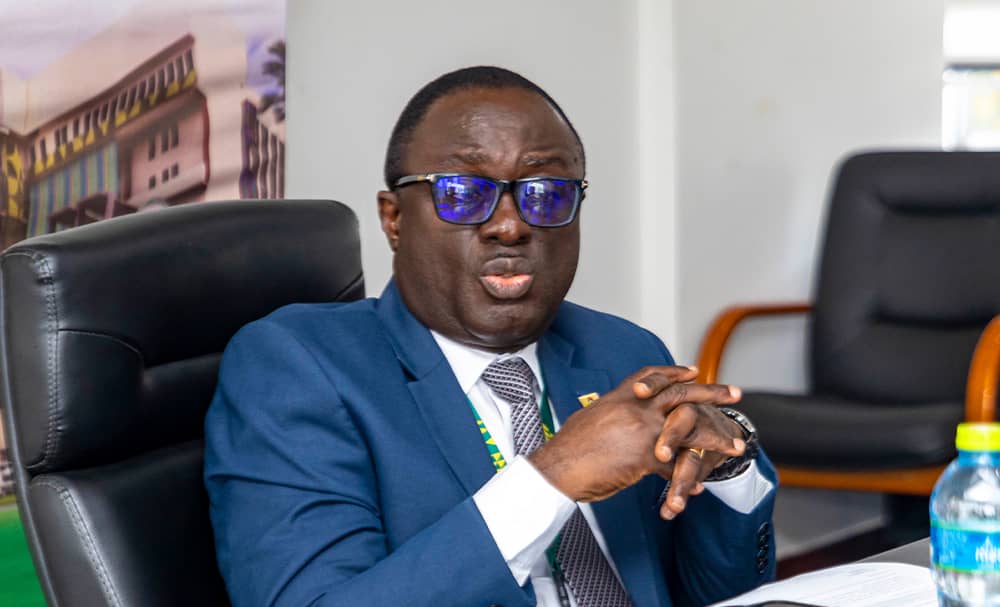
Expressing the university’s appreciation, KNUST Pro-Vice-Chancellor, Professor David Asamoah, commended the government for prioritizing student housing. He reaffirmed KNUST’s commitment to working closely with MDF and Tenglong Group to ensure the project’s timely completion.
Pro-Vice-Chancellor, Professor David Asamoah.
“This initiative will significantly bridge the gap in student accommodation and ease the challenges many students face in securing a place to stay on campus,” he noted.
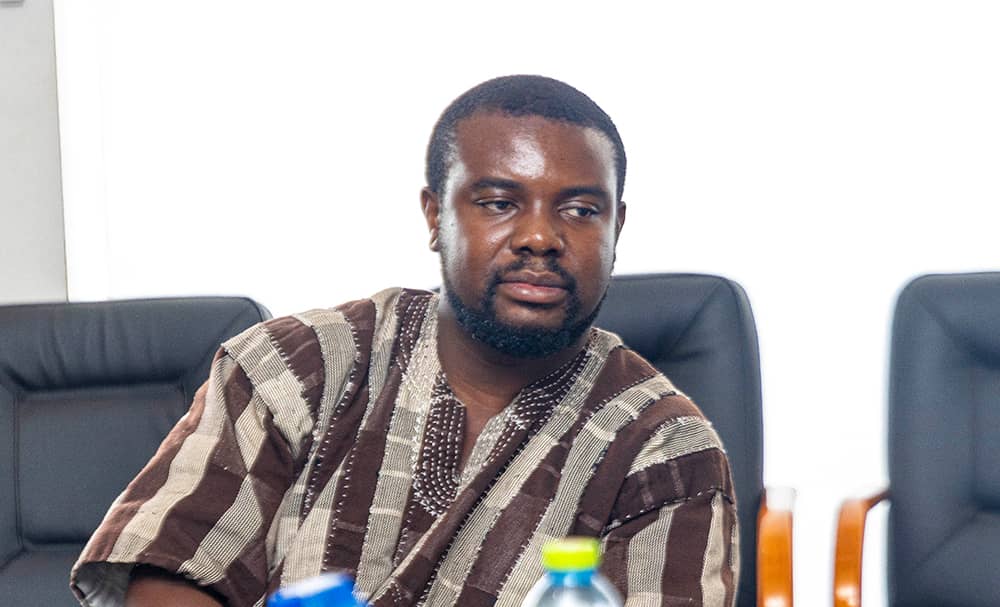
Mr. David Johnson Attafuah, Director of Administration and Human Resources at MDF, explained that the project aligns with the government’s “Bed for All” policy, which seeks to provide adequate on-campus accommodation for tertiary students.
Mr. David Johnson Attafuah, Director of Administration and Human Resources at MDF.
He further stated that MDF plans to sign a Memorandum of Understanding (MoU) with KNUST to establish long-term collaboration, including funding specific projects within the College of Engineering to support the university’s critical needs.
With this partnership, KNUST is set to take a major step toward resolving its student housing deficit and improving campus living conditions.
The Speaker of Parliament, Rt. Hon. Alban Sumana Kingsford Bagbin, has officially inaugurated the 9th Parliamentary Service Board, urging its members to uphold transparency, foster bipartisan cooperation, and ensure responsive governance.
Addressing the newly constituted Board, Speaker Bagbin emphasized its crucial role in strengthening the legislative arm of government, enhancing institutional integrity, and maintaining public trust in Parliament. He highlighted the need for effective collaboration to tackle national challenges through a strong and accountable parliamentary framework.
Composition of the 9th Parliamentary Service Board
The Board, chaired by Speaker Bagbin, comprises the following members:
Ebenezer Ahumah Djietror – Clerk to Parliament
Mahama Ayariga – MP for Bawku Central and Majority Leader
Alexander Afenyo-Markin – MP for Effutu and Minority Leader
Alexander Afenyo-Markin
Angela Oforiwa Alorwu-Tay – Former MP for Afadjato South
Angela Oforiwa Alorwu-Tay
Dr. Mark Assibey-Yeboah – Former MP for New Juaben South
Dr. Mark Assibey-Yeboah
Additionally, the First and Second Deputy Speakers of Parliament are part of the Board. Two MPs—Hon. Bernard Ahiafor (MP for Akatsi South) and Hon. Andrew Asiamah (MP for Fomena and Second Deputy Speaker)—have been co-opted as members.
A 28-year-old driver, Samuel Issah Abdulai, who was arrested on his wedding day for allegedly defrauding multiple individuals under the pretense of securing visas, has been granted bail.
The Accra Circuit Court, presided over by Mr. Samuel Bright Acquah, admitted him to bail in the sum of GHC150,000 with three sureties, one of whom must justify their worth.
Abdulai, facing three counts of defrauding by false pretenses and forgery of documents, pleaded not guilty. The court also ordered him to report to the police every two weeks as part of his bail conditions.
Abdulai was tracked down at his wedding ceremony in Nkawie, Ashanti Region. They apprehended him and handed him over to the Teshie Police.
According to the prosecution, led by Chief Inspector Daniel Danku, Abdulai and an accomplice identified as Antwi allegedly advertised visa services online between September and December 2024. The duo claimed to facilitate travel to destinations such as Belarus, Andorra, Albania, and Malaysia, promising employment opportunities.
At the time, Abdulai reportedly misrepresented himself as being in Belarus, convincing unsuspecting victims of his credibility. Three complainants—Ohenewa Sarah and Matilda Ayaaba, both traders, and Aisha Ahamed, a businesswoman—contacted him for visa assistance.
The prosecution stated that Abdulai collected GHC47,000 from Sarah, GHC55,000 from Matilda, and GHC250,000 from Aisha, who had gathered funds from eleven other individuals hoping to travel. These transactions were done via mobile money, with the payments linked to Abdulai’s registered number.
However, after receiving the funds, Abdulai allegedly disappeared. In December 2024, he resurfaced and sent what he claimed were electronic visas via WhatsApp. The complainants, suspecting fraud, conducted further checks.
“Further checks on the electronic visas at the Immigration DFEC Unit revealed that all the visas were fake,” the prosecution stated.
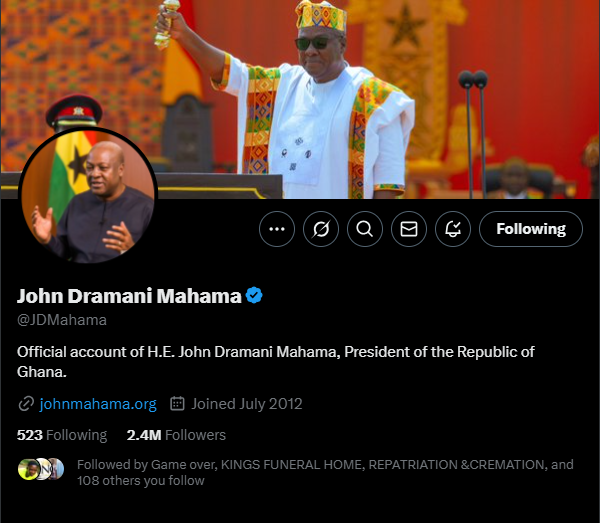
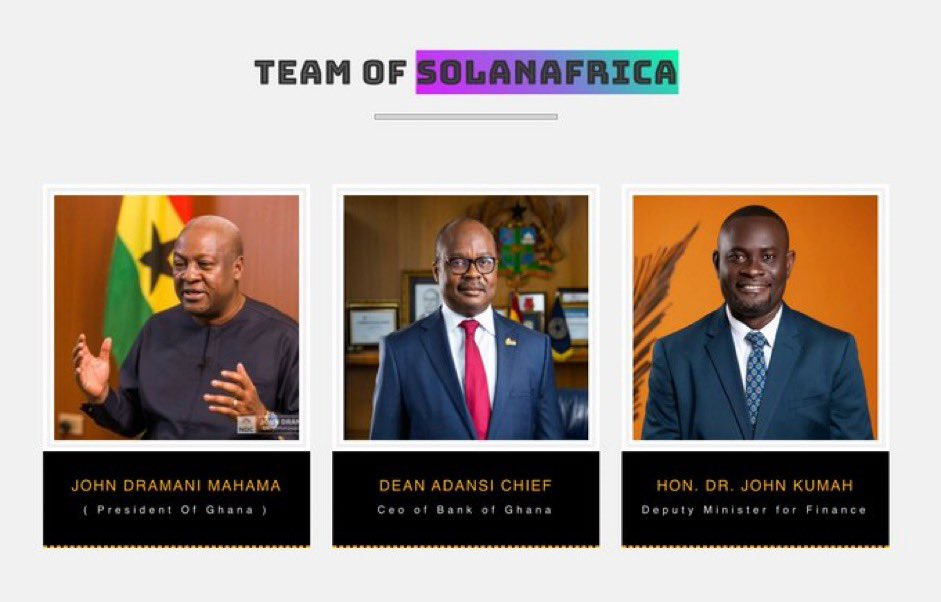
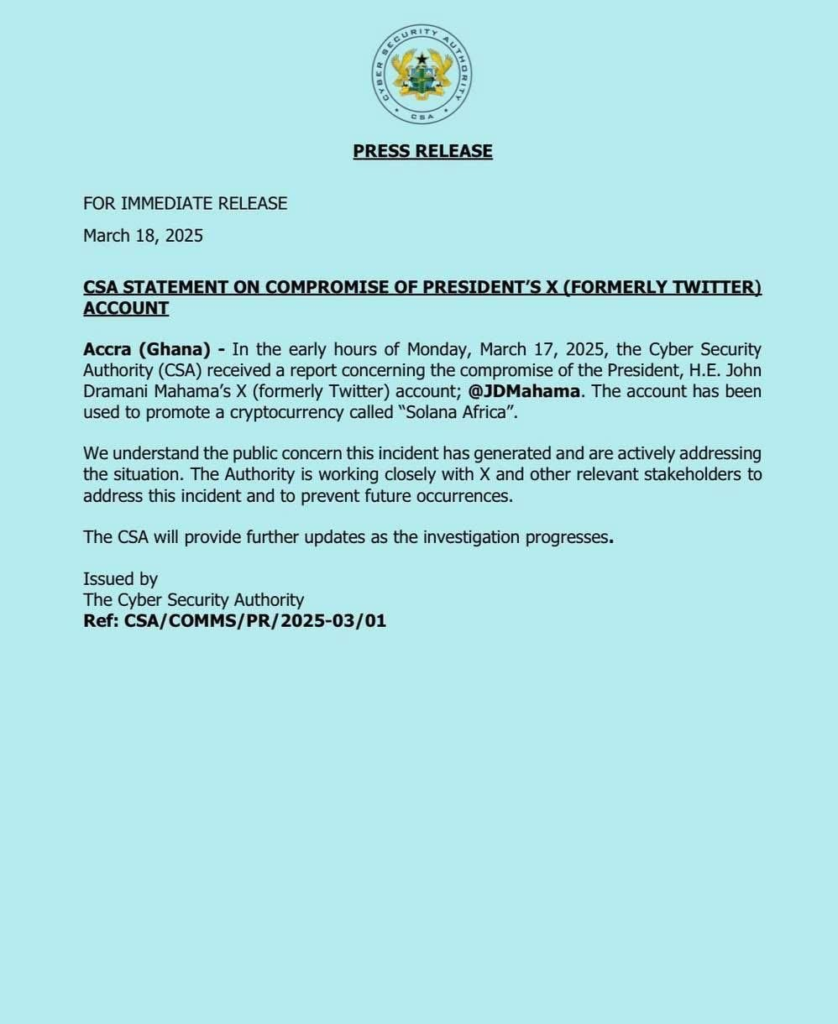
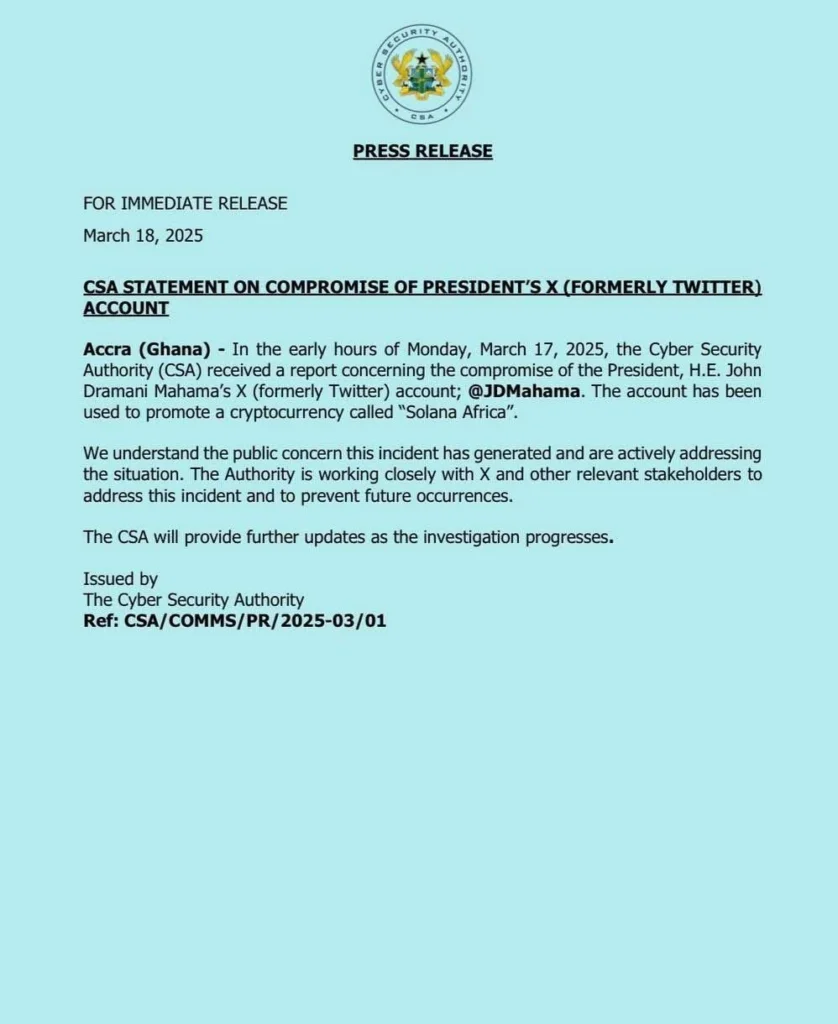
In the early hours of Monday, March 17, the Cyber Security Authority (CSA) received a report concerning the compromise of the President, H.E. John Dramani Mahama’s X (formerly Twitter) account; @JDMahama.
The account was used to promote a cryptocurrency called “Solana Africa.” This incident generated public concern.
Meanwhile, the authority says it is working closely with X and other relevant stakeholders to address this incident and prevent future occurrences. CSA will provide further updates as the investigation progresses.
For years, the West African country has been battling cyber fraud. Ghana’s revision of its National Cybersecurity Policy and Strategy provides clear guidance for continued growth in the field.
The country has also demonstrated a commitment to cybersecurity awareness through initiatives such as the annual National Cyber Security Awareness Month, which, alongside capacity-building programs for law enforcement, the public sector, and academia, reflects Ghana’s dedication to enhancing cybersecurity skills.
Internationally, Ghana has earned recognition as a hub for training and capacity-building, particularly in partnership with organizations such as the European Union, Council of Europe (COE), the World Bank, and ECOWAS.
Ghana’s commitment to international cooperation is further highlighted by its ratification of the Second Additional Protocol to the Budapest Convention and its contributions to the adoption of the recent UN Convention on Cybercrimes.
Ghana and 18 other African countries apprehended a total of 1,006 suspects behind ransomware, business email compromise (BEC), digital extortion, and online scams, according to the 2024 Africa Cyber Threat Assessment Report by INTERPOL.
Operation Serengeti, which spanned from 2 September to 31 October, dismantled 134,089 malicious infrastructures and networks thanks to a joint operation by INTERPOL and AFRIPOL against cybercrime.
During the operation, more than 35,000 victims were identified, and the cases have been linked to nearly USD 193 million in financial losses worldwide.
Ghana has been awarded Tier 1 status in the 2024 Global Cybersecurity Index (GCI), released by the International Telecommunication Union (ITU), positioning the country as a global leader in cybersecurity.
The GCI ranks countries based on a five-tier system that assesses their cybersecurity frameworks, with Tier 1 being the highest level of recognition. Ghana’s placement in this category, known as the “Role Modelling” tier, underscores its advanced cybersecurity measures, serving as a benchmark for other nations.
This prestigious ranking highlights the robustness of Ghana’s cybersecurity infrastructure, which is vital in safeguarding its growing digital ecosystem. With a remarkable score of 99.27%, Ghana is the second-highest ranked country in Africa, after Mauritius, and is among only five African nations that have reached Tier 1. Globally, Ghana is part of a select group of 46 countries in this top category.
Minority Leader Alexander Afenyo-Markin has refuted claims that his recent remarks on parliamentary security and healthcare were calls for extravagant benefits for Members of Parliament.
He clarified that his comments had been taken out of context and misrepresented by sections of the media.
Speaking during the inauguration of the Parliamentary Service Board for the ninth Parliament, Afenyo-Markin highlighted the urgent need for infrastructure improvements to enhance security and ensure better healthcare services for MPs and parliamentary staff.
“Indeed, when I visited the British Parliament, even within the chamber, there is enhanced security. Here in the public gallery, anybody at all can throw anything at an MP, and there is no security,” he remarked, underscoring the vulnerability of lawmakers.
He further stated, “Mr Speaker, I am therefore looking forward to an enhanced security regime, and I am pleased to depart from this infrastructure. We can begin a conversation for a new chamber befitting the legislative arm of government.”
However, his comments were met with criticism from the Majority Leader, Mahama Ayariga, who rejected the proposal, citing the nation’s ongoing financial constraints.
Matthew 7:16 (KJV)- Ye shall know them by their fruit.
Hon @AfenyoMarkin will never stop amazing Ghanaians with his comments/actions. Any MP or politician who seeks to serve himself/herself should have no business occupying public office.
Following public backlash, Afenyo-Markin took to the X platform on Tuesday, March 18, to clarify his position. He expressed disappointment in how his remarks had been reported, stating, “Unfortunately, much of the media coverage on my comments has been misleading, creating gross misconceptions about my position. The discussion was centered on broader institutional needs, yet selective reporting has misrepresented the intent behind my remarks.”
He explained that his comments were in response to concerns initially raised by Speaker of Parliament Alban Bagbin about security threats faced by MPs and parliamentary staff. “The Speaker bemoaned the state of insecurity in Parliament, highlighting the vulnerability of MPs and Parliamentary Service staff to potential threats,” he noted.
“In response, I suggested that if enhancing security within the current chamber is not feasible, we may have to consider a new chamber with the necessary security features to ensure a safer working environment,” he added.
Regarding healthcare, Afenyo-Markin emphasized that he was merely supporting the Speaker’s concerns about the state of medical care for MPs and staff. “While Parliament currently has a clinic, I suggested that it could be upgraded into a Parliamentary Hospital—similar to the 37 Military Hospital, Police Hospital, Bank of Ghana Hospital, Cocoa Clinic, and SSNIT Hospital.”
He stressed that such a facility would not only serve MPs and parliamentary staff but also extend services to retired officers, former MPs, and, where necessary, the general public. “Although these hospitals by some State Agencies are dedicated to their staff, they are equally open to the general public,” he explained.
Afenyo-Markin also pointed out that many MPs and parliamentary staff struggle with accessing healthcare due to confidentiality concerns. “Establishing a well-equipped medical facility within Parliament is a standard practice in many democratic nations, ensuring that those who serve the country can access prompt, confidential, and cost-effective healthcare when needed.”
“This proposal should, therefore, not be misinterpreted as a call for special privileges, but rather as a functional necessity, just as other critical institutions—such as the military, police, SSNIT, COCOBOD, and Bank of Ghana—have their own dedicated medical facilities. That said, I welcome further engagements on the matter.”
Meanwhile, Speaker Alban Bagbin has reiterated his concerns about the security of lawmakers and parliamentary staff, citing increasing attacks by unknown individuals within the parliamentary enclave.
Speaking at the inauguration, Bagbin disclosed that intruders had previously gained access to the premises, assaulted MPs and staff, and fled by scaling the perimeter wall into a nearby forest. He stressed the urgent need to strengthen security to ensure Parliament functions smoothly.
“One of the challenges that need to be addressed is to secure the parliamentary enclave to ensure the safety of members and staff. This has been a worrying matter for Parliament for some time now, we are actually insecure here.”
He warned that Parliament remains vulnerable to potential attacks, stating, “We are not safe. Sometimes people can come in and attack us or staff and anytime there is an attempt to apprehend them, they scale over the wall and escape into the forest.”
The Speaker urged the Parliamentary Service Board and leadership to prioritize security improvements, noting, “This is vital for the functioning of Parliament. I believe the ninth board will work assiduously to make this a reality. I will call on the leaders of the House to follow up on this matter.”
I have noted the concerns raised regarding my comments on security and healthcare in Parliament during the inauguration of the 9th Parliamentary Service Board.… pic.twitter.com/JMaeDl08DV
— Osahen Alexander Kwamena Afenyo-Markin (@AfenyoMarkin) March 18, 2025
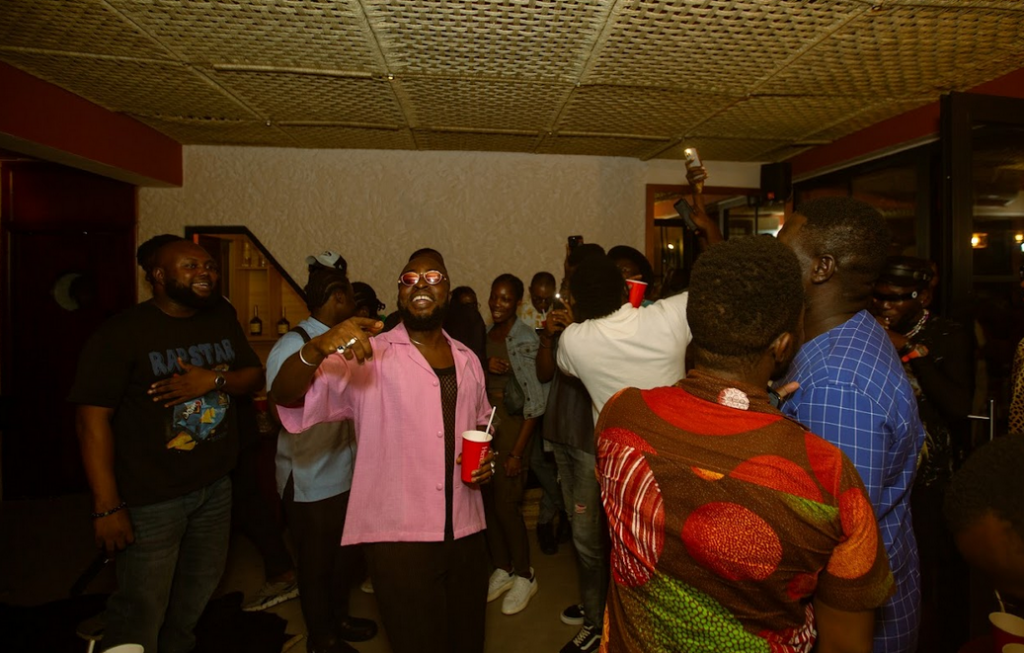
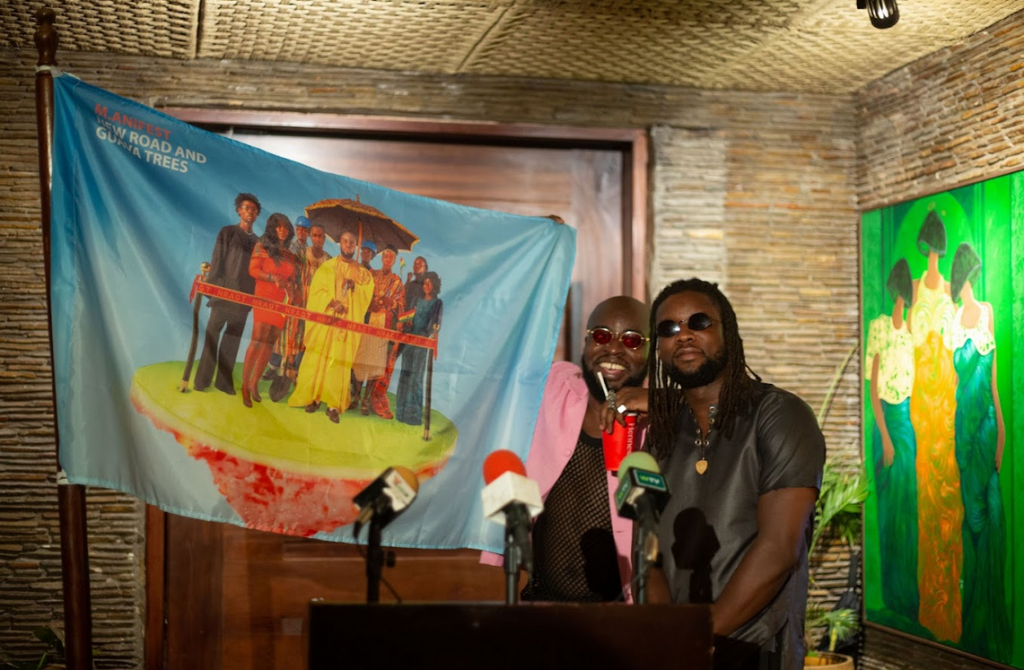
Ghanaian rap heavyweight M.anifest brought together fans and fellow artists for an electrifying celebration of his latest album, New Roads and Guava Trees (NRAGT), at a special release party in Accra.
Held on March 13, the event attracted a lively crowd eager to experience the highly anticipated project, which officially dropped earlier that day. Fans and industry colleagues filled the venue, creating an atmosphere charged with excitement and admiration for the celebrated lyricist.
M.anifest and Worlasi
M.anifest took center stage, delivering an unforgettable performance with tracks from NRAGT, much to the delight of his audience.
Kofi Kinaata
The night was further elevated by appearances from some of Ghana’s most revered musicians, including Kofi Kinaata, Worlasi, and Sekyerewa, who came out to show their support and contribute to the evening’s energy.
My new album 💿 NEW ROAD AND GUAVA TREES is out now 💚
Adding to the event’s vibrancy, renowned Joy FM presenter Kofi Hayford expertly moderated the night, keeping the crowd engaged and ensuring that the momentum remained high.
Fondly known as the God MC, M.anifest shared his appreciation for the unwavering support from his fans and collaborators, describing NRAGT as a deeply personal and meaningful project.
With NRAGT now streaming on all major platforms, fans have wasted no time in praising it as one of M.anifest’s finest works yet, cementing his reputation as one of Ghana’s most influential hip-hop artists.
The Ghanaian government, through the Ministry of Lands and Natural Resources, has introduced the Blue Water River Guard training program, an ambitious effort under the Blue Water Initiative aimed at protecting the country’s water bodies.
The initiative will train 2,000 young men and women, equipping them with the skills necessary to combat illegal mining and preserve Ghana’s vital rivers.
The program’s initial phase will see 400 recruits undergo intensive training led by the Ghana Navy Riverine Command, with oversight from the Minerals Commission. This rigorous preparation will enable them to identify and counter illegal activities threatening the nation’s water resources.
Launching the initiative in Ezinlibo, located in the Jomoro Municipality of the Western Region, the Minister of Lands and Natural Resources, Hon. Emmanuel Armah-Kofi Buah, MP, delivered a keynote address on behalf of President John Dramani Mahama. He underscored the significance of the Blue Water Initiative in tackling the menace of illegal mining and called on the recruits to take their roles seriously.
“The protection of our river bodies is being entrusted to you. You cannot afford to be complacent or irresponsible in the discharge of your duties,” he stressed. He further emphasized the critical role of rivers in Ghana’s survival and development, vowing that the government would take every necessary measure to restore degraded water bodies and prevent further destruction.
Highlighting the far-reaching importance of clean water sources, he added, “Our rivers are more than just bodies of water; they are the lifelines of our communities. They provide drinking water, support agriculture, sustain fisheries, drive tourism, and facilitate transportation. Yet, the selfish actions of illegal miners are robbing us of these vital resources. The Blue Water Initiative is our response—a comprehensive strategy to safeguard our water bodies and promote sustainable practices.”
Hon. Armah-Kofi Buah outlined the key responsibilities of the Blue Water Guards, urging them to uphold fairness and diligence in their duties. “You will be responsible for monitoring the health of our rivers, identifying areas of concern, and reporting any illegal activities for timely interventions. You are expected to prevent pollution in our rivers and enforce laws and regulations related to river use, with the support of law enforcement agencies,” he stated.
Calling for collective national support, he emphasized, “The success of the Blue Water Guards hinges on the support of every Ghanaian. This is not just a government initiative; it is a national call to action. We must all play our part in protecting our water resources. Today’s launch is only the first step. In the coming weeks, the Ministry is committed to recruiting 2,000 River Guards across mining communities nationwide.”
Western Regional Minister, Hon. Joseph Nelson, highlighted the importance of the Western Region in Ghana’s extractive industry and commended the government for selecting it as the launch site. He lamented the severe impact of illegal mining on water sources, citing the shutdown of the Bonsa Water Treatment Plant in Tarkwa due to heavy contamination.
“The Western Region holds one of the three major water systems in the country and has the highest concentration of water pollution caused by illegal small-scale mining activities. The Ghana Water Company Limited (GWCL) was forced to shut down the Bonsa Water Treatment Plant, which produces 75% of potable water for Tarkwa and surrounding communities after efforts to treat the heavily polluted water proved futile,” he explained.
He also noted the cross-border ramifications of water pollution, with contaminated rivers flowing into neighboring Ivory Coast and creating tensions between the two nations. Applauding the initiative, he called for nationwide backing to ensure its success.
A Deputy CEO of the Minerals Commission, Mr. Emmanuel Kwamena Anyimah, affirmed that the program aligns with the Commission’s commitment to the sustainable management of Ghana’s mineral resources. He described the initiative as a crucial intervention in protecting the country’s water bodies from the devastating consequences of illegal mining.
Madam Constance Aning, Senior Water Management Officer at the Water Resources Commission’s Ankobra Basin office, also endorsed the initiative, emphasizing its timeliness. Drawing from her experience in monitoring water bodies, she highlighted the severe impact of illegal mining on the Ankobra Basin and expressed confidence that the Blue Water Guards would play a vital role in curbing water pollution.
With the launch of the Blue Water River Guard initiative, the government has set the stage for a comprehensive effort to reclaim and safeguard Ghana’s rivers, ensuring they continue to serve future generations.
In the early hours of Monday, March 17, the Cyber Security Authority (CSA) received a report concerning the compromise of the President, H.E. John Dramani Mahama’s X (formerly Twitter) account; @JDMahama.
The account was used to promote a cryptocurrency called “Solana Africa.” This incident generated public concern.
Meanwhile, the authority says it is working closely with X and other relevant stakeholders to address this incident and prevent future occurrences. CSA will provide further updates as the investigation progresses.
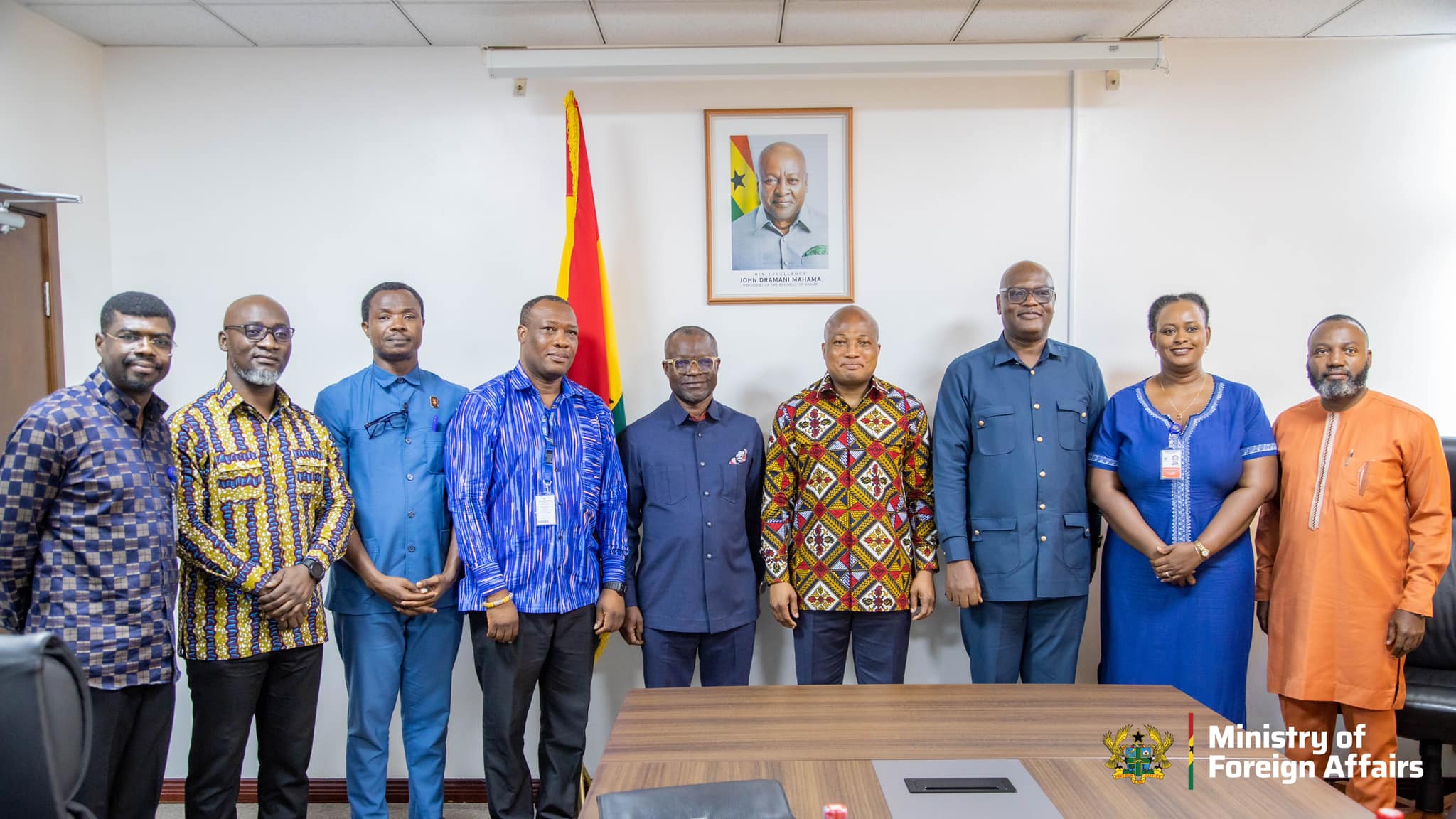
Foreign Affairs Minister Samuel Okudzeto Ablakwa has held what he describes as crucial discussions with key leaders from the Ghana Export Promotion Authority (GEPA), the Ghana Investment Promotion Centre (GIPC), and the Diaspora Office at the Presidency.
The meeting, which took place last Friday, focused on strengthening collaboration between the Ministry of Foreign Affairs and these institutions to advance Ghana’s Economic Diplomacy Agenda.
In a Facebook post, Ablakwa emphasized the significance of these strategic partnerships in driving investment, boosting industrialization, and creating sustainable jobs.
“We are forging close partnerships which must ultimately attract more investments into Ghana, accelerate industrialization, increase FDI, create sustainable jobs and position Ghana as the preferred destination in Africa,” he stated.
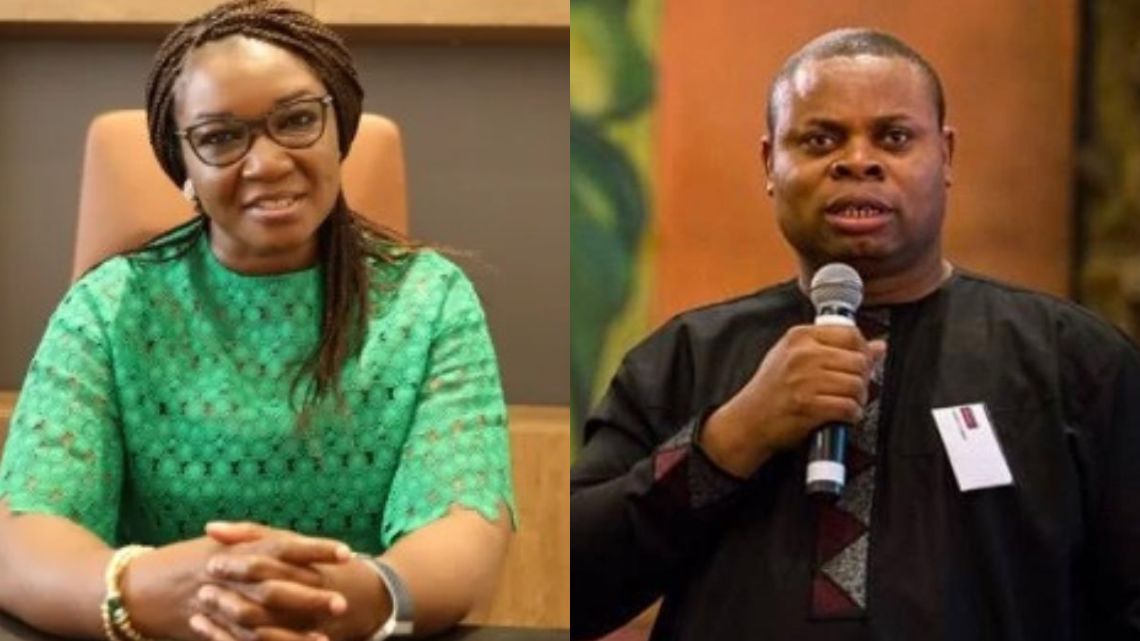
He also extended his best wishes to the newly appointed heads: Francis Kojo Kwarteng Arthur, Esq of GEPA, Simon Madjie of GIPC, and Kofi Okyere Darko of the Diaspora Office.
“We won’t let President Mahama and the good people of Ghana down,” he assured.
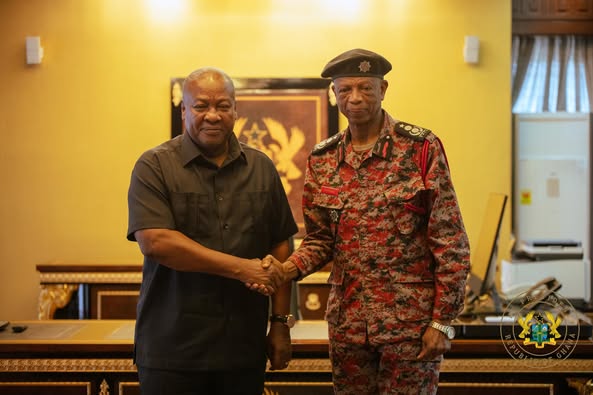
Outgoing Inspector General of Police, Dr. George Akuffo Dampare, was noticeably absent when President John Mahama met with departing security chiefs on Monday, March 17.
The meeting, held to acknowledge the contributions of the outgoing officers, included former Ghana Prisons Service boss Isaac Kofi Egyir, former Fire Service chief Julius A. Kuunuor, and ex-Immigration Service head Kwame Asuah Takyi.
Dr. Dampare’s absence remains unexplained, fueling speculation over his nonattendance at a gathering meant to bid farewell to key security personnel following changes in leadership.
The meeting followed recent appointments by President Mahama, who named DDGP 3 Patience Baffoe-Bonnie as Director-General of Prisons, DCFO Daniella Mawusi Ntow Sarpong as Chief Fire Officer, and DCI Samuel Basentale Amadu as Comptroller-General of Immigration.
Expressing gratitude to the outgoing officials, President Mahama took to Facebook on March 17, stating his appreciation for their service and dedication to national security.
Meanwhile, the decision to replace Dr. Dampare has stirred controversy, with security analysts condemning the move, particularly as a Supreme Court ruling on his removal is still pending. Critics argue that appointing COP Christian Tetteh Yohuno as the new IGP before the court’s verdict amounts to undermining judicial authority.
IMANI Ghana, along with security analyst Prof. Kwesi Aning, has petitioned the Supreme Court, seeking an injunction against the removal of security heads until a final ruling on the matter is delivered in May 2025. The plaintiffs insist that dismissing these officers ahead of the ruling would be unjust and could set a dangerous precedent.
Asantehene, Otumfuo Osei Tutu II, has called on all factions involved in the Bawku conflict to put an end to the violence and embrace dialogue as a path to lasting peace.
He assured that efforts to resolve the longstanding dispute are progressing, with discussions ongoing among key stakeholders.
Speaking at the Manhyia Palace when he received a delegation led by the Ashanti Regional Minister, Dr. Frank Amoakohene, on Monday, March 17, 2025, the Asantehene expressed optimism that peace could soon be restored in Bawku.
“We are still on the Bawku issue. Now gun violence is on the low. I have invited the leaders of the parties involved; Bawku Naaba and the Nayiri. I have also spoken with the Mossi and Hausa ethnic groups,” he disclosed.
He further indicated that ongoing consultations would continue, including engagements with representatives of the Nayiri, who was unable to attend due to ill health.
“The Nayiri was not feeling very well, but I am waiting for a representative from his palace to come and see me on Tuesday. Then we can all have a conversation about the conflict,” he added.
Reiterating his call for peace, the Asantehene urged all involved to lay down their arms and commit to finding solutions through dialogue.
“I want to appeal to everyone in Bawku to lay down their weapons. I told all the stakeholders to inform their people to lay down their tools. We are discussing addressing all the historical challenges, which is fuelling the conflict.”
His call comes amid ongoing efforts to mediate between the feuding parties and restore stability to the conflict-prone area.
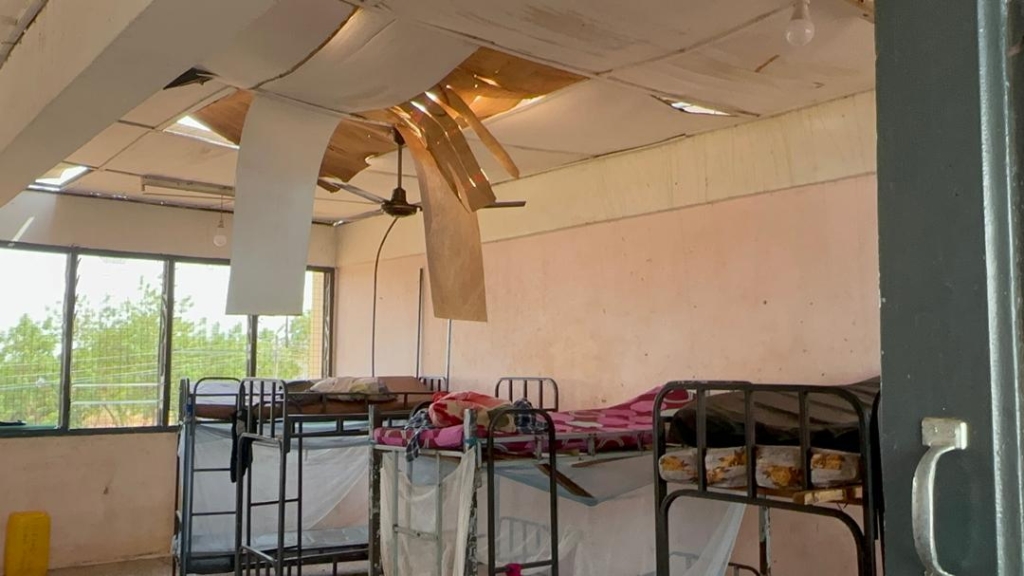
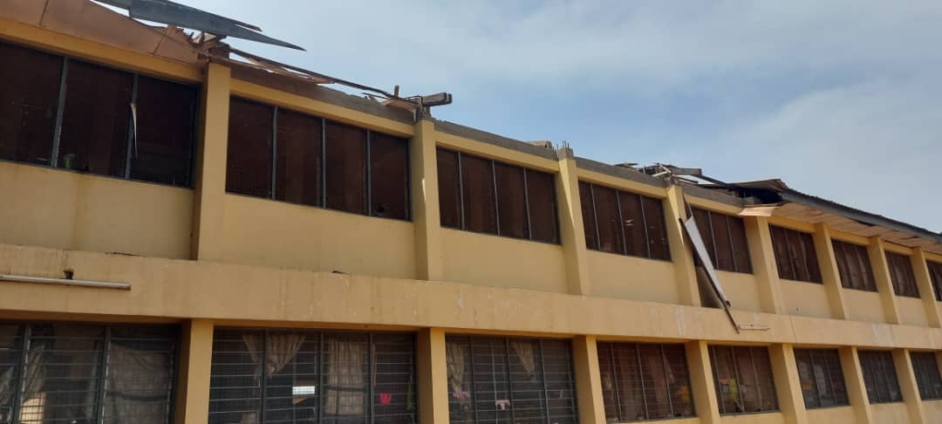
A powerful windstorm has wreaked havoc in the Kpandai District of the Northern Region, leaving a trail of destruction in its wake. This marks the third such disaster to hit the area within a month, worsening the plight of residents and institutions.
Several schools, including Kpandai Primary School, Lessing Primary, Kpandai DA, New Nkanchina, and Balia Basic School, have suffered severe structural damage. The destruction has forced a halt to academic activities, with school authorities calling for urgent assistance to repair their facilities and resume classes.
Beyond the schools, the storm devastated over 20 homes, displacing families and causing substantial financial losses. Many residents are now left struggling to rebuild their lives after losing their properties.
Among the hardest-hit institutions is ASASE 91.5 FM, an affiliate of Adom 106.3 FM. The storm brought down its transmission tower, rendering the station unable to broadcast.
“The entire tower has been destroyed,” the station manager confirmed. “We are appealing for support to get back on air.”
As the community grapples with the aftermath, affected institutions and residents are hoping for swift intervention to restore normalcy.
A major breakthrough has reportedly been made in the long-running investigation into the murder of investigative journalist Ahmed Suale.
It is reported that the Ghana Police Service has arrested a key suspect linked to the case.
The suspect, identified as a former close associate of the late journalist,according to JoyNews, is believed to have played a role in exposing his identity before his assassination. Reports suggest that he allegedly shared Suale’s photographs with a prominent Ghanaian politician prior to the killing.
Ahmed Suale was shot dead near his residence in Madina on January 16, 2019, by unidentified gunmen. His murder came shortly after he collaborated with the BBC on an investigative piece. Before his death, he worked with Tiger Eye Private Investigations, where he had a professional relationship with the suspect until the latter’s dismissal from the organization.
Authorities have revealed that the suspect, Daniel Owusu Koranteng, also known as Akwasi Amakye, fled the country after the police gathered intelligence on his possible involvement. His movements were tracked following an investigation by the FBI in the United States, which uncovered crucial phone records showing communication between him and the deceased just days before the murder.
As part of the probe, Suale’s mobile devices were sent to the U.S. for forensic analysis, leading to the discovery of vital information that strengthened the case against the suspect.
A source within the police Criminal Investigations Department (CID) disclosed that Amakye, who was a frequent visitor to Suale’s Madina residence, left Ghana hurriedly when law enforcement officials began closing in on him.
“He used to visit the deceased regularly. But when the police picked up leads on his role in the case, he relocated to the U.S.,” the source revealed.
The suspect was apprehended last week upon his return to Ghana. He was arrested at a hair-plaiting salon in Amasaman-Adease, where he had been hiding.
However, concerns have emerged within the police service regarding potential interference in the case. A senior police officer is reportedly pushing for the suspect to be released on police enquiry bail rather than being put before the court, a development that has stirred unease at the police headquarters.
Ahmed Suale’s murder sent shockwaves through Ghana’s media and investigative journalism community. His work, particularly with Tiger Eye PI, was instrumental in exposing corruption in African football, including in Ghana, making his assassination a case of both national and international interest.
Criminologist and University of Cambridge professor, Justice Tankebe, has expressed concern over a significant decline in the conviction rate of police officers facing disciplinary proceedings in Ghana.
He noted that the rate dropped by 10 percentage points, from 17% in 2020 to just 7% in both 2021 and 2022.
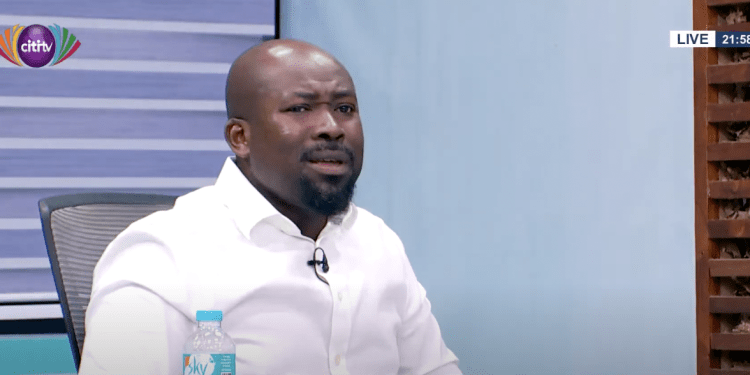
Speaking on the Citi Breakfast Show on Monday, March 17, Prof. Tankebe stressed the need for closer examination of the factors behind this decline.
“Another area that we have to consider is police professionalism, but it is difficult to get the data. But one data we can consider will be complaints against police officers, and that becomes interesting,” he said.
He explained that analyzing complaints lodged against officers could offer insight into the state of police accountability. “You will expect that those who have issues with the police will file complaints, and we can see what proportion of those complaints are upheld and how many officers are convicted when they undergo disciplinary proceedings,” he noted.
Citing available records, Prof. Tankebe pointed out the sharp drop in convictions. “Unfortunately, the data that we have shows that in 2020, the proportion of officers who were convicted after disciplinary hearings was 17%, and that dropped to 7% in 2021 and 2022. So, there is an interesting discussion to be had as to why the sharp drop,” he observed.
His comments come amid ongoing discussions about police professionalism and accountability. With the recent appointment of COP George Alex Mensah Yohuno as Inspector General of Police, expectations are high for reforms aimed at improving public trust and strengthening internal disciplinary processes within the Ghana Police Service.
The Ministry of Roads and Highways has announced that plans for the Ho bypass are nearing completion, paving the way for procurement and construction to commence soon.
This development is expected to bring significant relief to commuters and residents in the Volta Region.
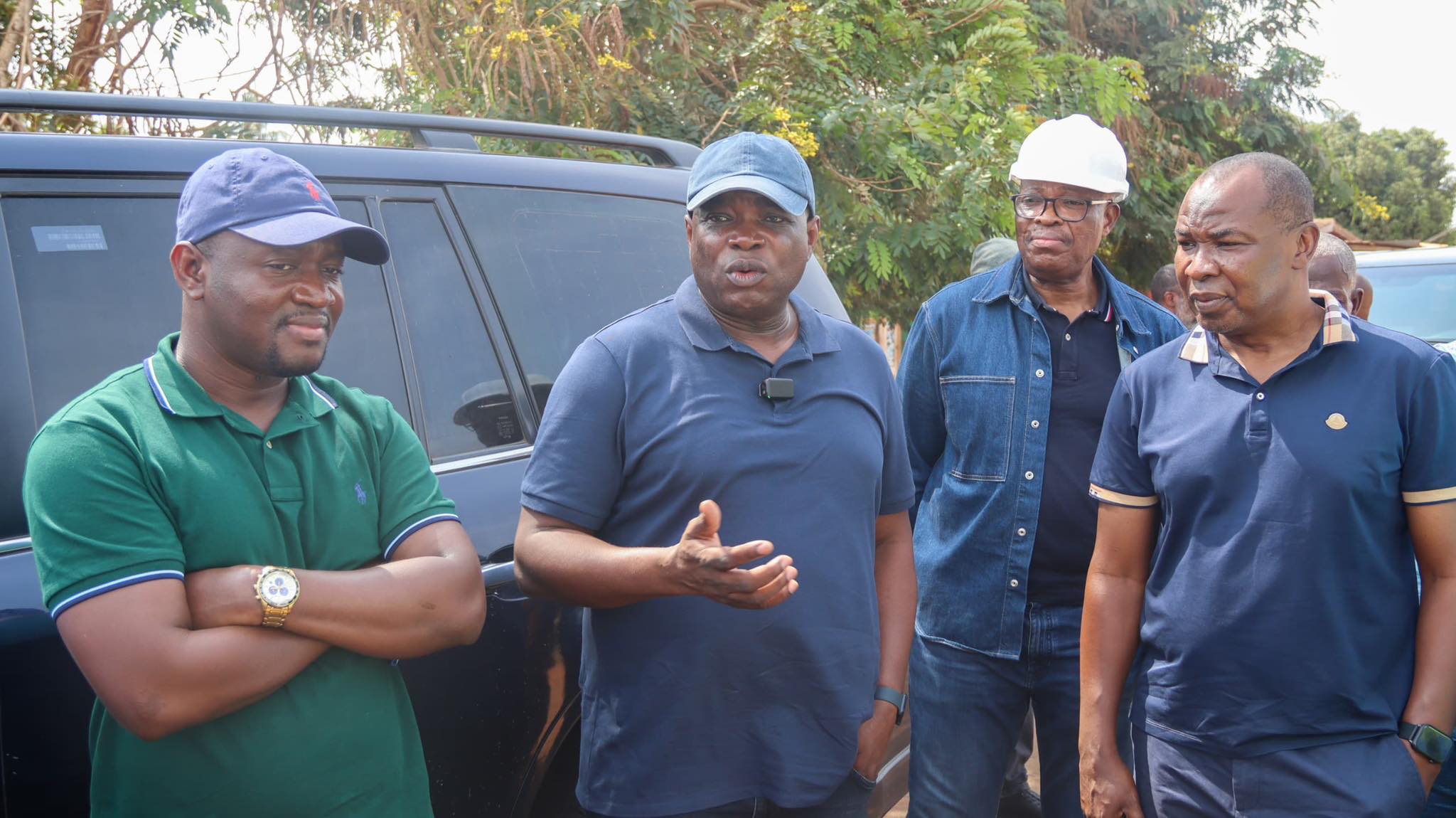
During a visit to assess key road networks in the region, a team of engineers from the Ministry of Roads and Highways and the Ghana Highway Authority, led by Kwame Agbodza and Suhuyini, evaluated the current conditions and outlined intervention measures.
Kwame Agbodza, in his address, assured residents that the much-anticipated reconstruction of the Ho-Aflao Road would be executed under President John Mahama’s Big Push Agenda, which aims to revamp major infrastructure projects. Additionally, the rehabilitation of the Weta–Afiadenyigba–Havedzi Road is expected to be financed through the Roads Ministry’s 2025 budgetary allocation.
He further disclosed that feasibility studies, designs, and technical drawings for the Ho bypass are at an advanced stage, with preparations for procurement and construction set to begin soon.
Residents and commuters who have long endured deteriorating road conditions are hopeful that these projects will improve transportation, enhance economic activities, and ease travel challenges within the region.
Minority Leader Alexander Afenyo-Markin has revealed that his assertive style in Parliament was a necessary response to the relentless attacks from the opposition.
According to him, he often had to single-handedly defend the government against a group of experienced National Democratic Congress (NDC) MPs who were actively shaping political narratives against the ruling party.
Speaking on The KSM Show, the Effutu MP explained that his parliamentary role required him to be outspoken and forceful, as the NPP faced a formidable opposition.
“When you have about 10 strong opposition MPs constantly challenging government policies and setting the agenda, you can’t afford to stay silent,” he said. “Many of our strongest members were in government, and some MPs on our side didn’t have the same energy to push back. It fell on me to respond.”
He recalled his early years in Parliament, where he was initially positioned as a backbencher but was later moved to the middle bench to take on a more active role in defending the party. “I started in the back rows, but leadership pushed me forward because they needed people to take on the opposition directly,” he noted.
Even when the NPP transitioned from opposition to government, Afenyo-Markin said he had to maintain his confrontational style in debates. “If you don’t counter the opposition, you’ll always be on the defensive,” he emphasized.
He also acknowledged that his aggressive approach has drawn criticism but insisted that it was necessary. “People call me boisterous, and I accept it. But in Parliament, you don’t win debates by being passive,” he explained.
Afenyo-Markin credited former Majority Leader Osei Kyei-Mensah-Bonsu for preparing him for major debates. “He understood parliamentary rules and strategy, and he relied on my legal background for advocacy. He would brief me on key issues and say, ‘This is your fight,’” he recalled.
He described the NDC’s parliamentary team as highly skilled and persistent, listing figures like Samuel Okudzeto Ablakwa, Alhassan Suhuyini, Rockson-Nelson Dafeamekpor, and Mahama Ayariga as some of the toughest opponents he faced. “They had a strong leadership and could all hold their ground in debates. If you didn’t fight back, you’d be overrun,” he stated.
Reflecting on the last parliamentary term, he noted that the near-equal distribution of seats made debates even more intense. “With a 137-137 split, it was a daily battle. They had the numbers and the energy, and I had to rise to the occasion to keep the government’s position strong,” he added.
Afenyo-Markin maintained that his parliamentary approach was a strategic necessity, not just a personal trait. “It was never about being loud for the sake of it. It was about ensuring that the NPP’s voice was heard and that government policies were defended against opposition attacks,” he concluded.
Minority Leader Alexander Afenyo-Markin has explained why he adopts a calm demeanor outside Parliament but appears more aggressive during parliamentary debates.
According to him, his assertive nature in Parliament is a deliberate strategy to defend the New Patriotic Party (NPP) government from relentless opposition attacks.
Speaking on The KSM Show, the Effutu legislator recounted how his role in Parliament evolved over the years, shaping his public persona.
“I started as a backbencher in 2013, but I was soon moved to the middle bench because the party needed people to push back against the opposition,” he explained. He noted that during his early years in Parliament, his responsibility was to engage in rigorous advocacy for the party while in opposition.
Even after the NPP assumed power, Afenyo-Markin said he had to maintain his combative stance, despite not securing a leadership role. “If you don’t push back, your back will always be against the wall. That was my assignment, and I played my part,” he emphasized.
His transition into a leadership role as Deputy Majority Leader further reinforced his approach. He credited then-Majority Leader Osei Kyei-Mensah-Bonsu for preparing him for major parliamentary debates.
“He understood procedure and the rules, but he needed my legal advocacy skills, so we worked on debate strategies together,” he disclosed.
Afenyo-Markin also acknowledged that his intense parliamentary demeanor has drawn criticism. “Some say I’m boisterous, and I accept that because it was a necessary role,” he admitted.
Explaining the dynamics of parliamentary debates, he pointed out the strength of the opposition, particularly the National Democratic Congress (NDC). “The NDC is a grassroots party with roots in the revolution, while the NPP is more middle-class. If you take a gentlemanly approach with them, you’ll remain in opposition forever. You have to know when to negotiate, when to hit back, and when to hold back,” he remarked.
Reflecting on the previous parliamentary term, Afenyo-Markin highlighted the intense battle between both sides, given the 137-137 equal split in seats. He praised the resilience of NDC MPs, including Samuel Okudzeto Ablakwa, Alhassan Suhuyini, Rockson-Nelson Dafeamekpor, and Mahama Ayariga, describing them as a formidable force.
“On any given day, about 10 NDC MPs would be attacking the government, setting all kinds of political agendas. Many of our strongest men were in government, and others didn’t have the same energy to match the opposition. I was often left to take them all on alone. So if I seemed boisterous, it was because the situation demanded it,” he stated.
Afenyo-Markin maintained that his approach was crucial in countering the NDC’s aggressive tactics, ensuring that the NPP government was not drowned out in parliamentary debates.
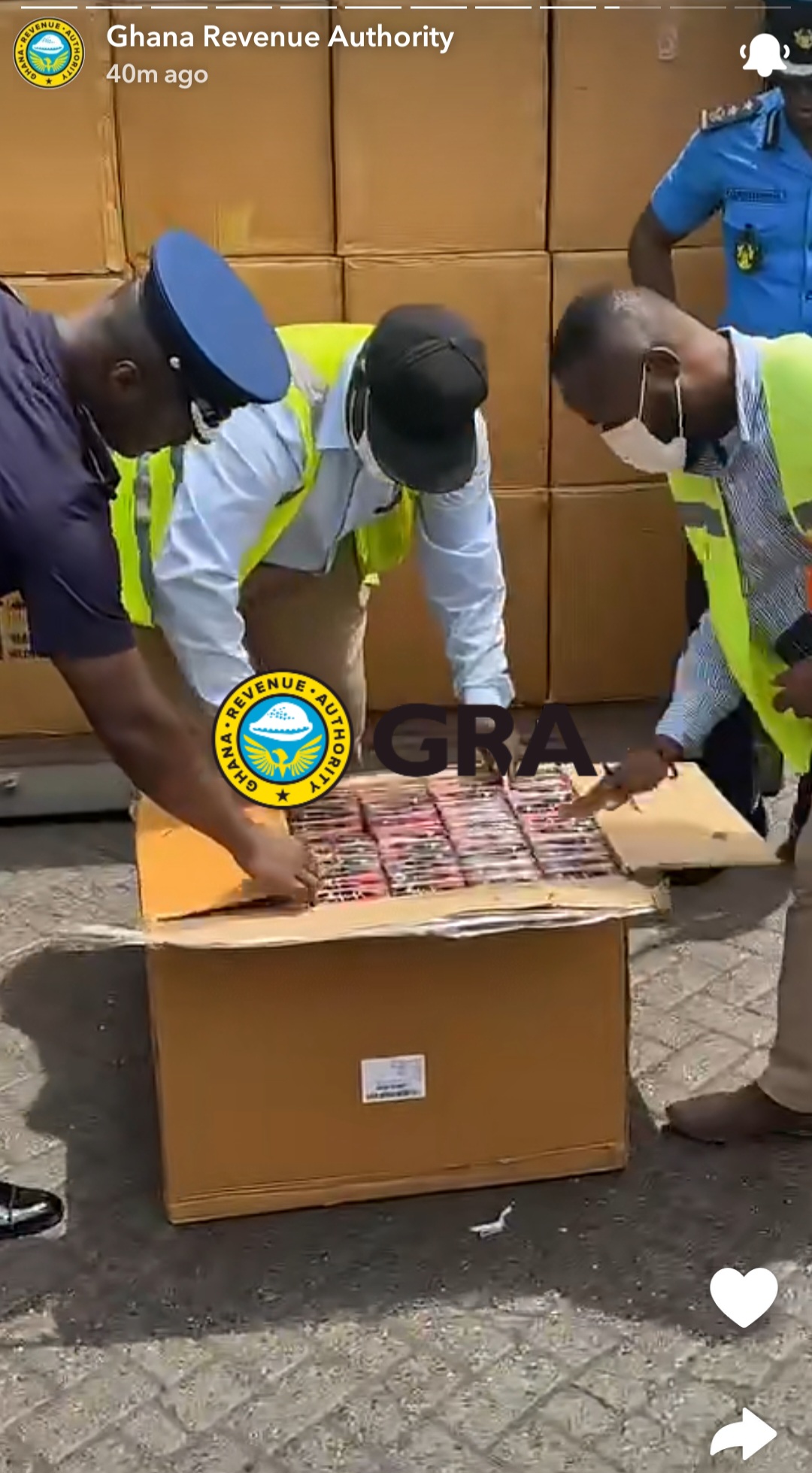
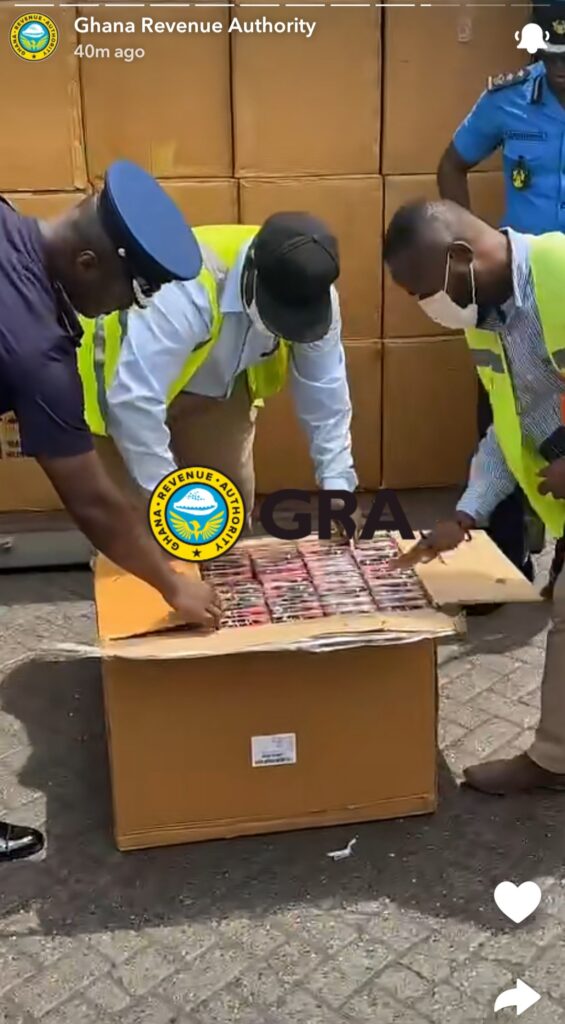
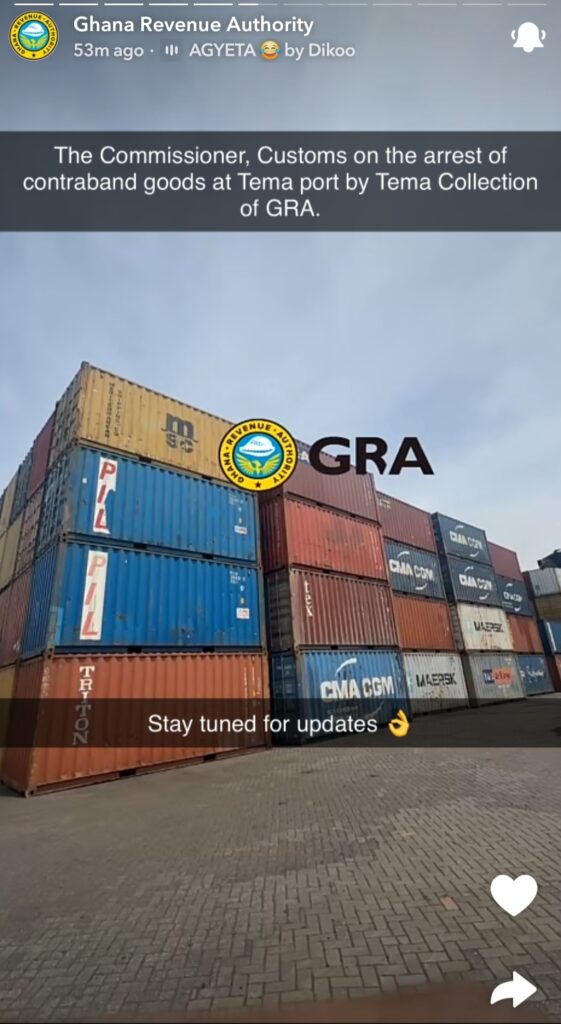
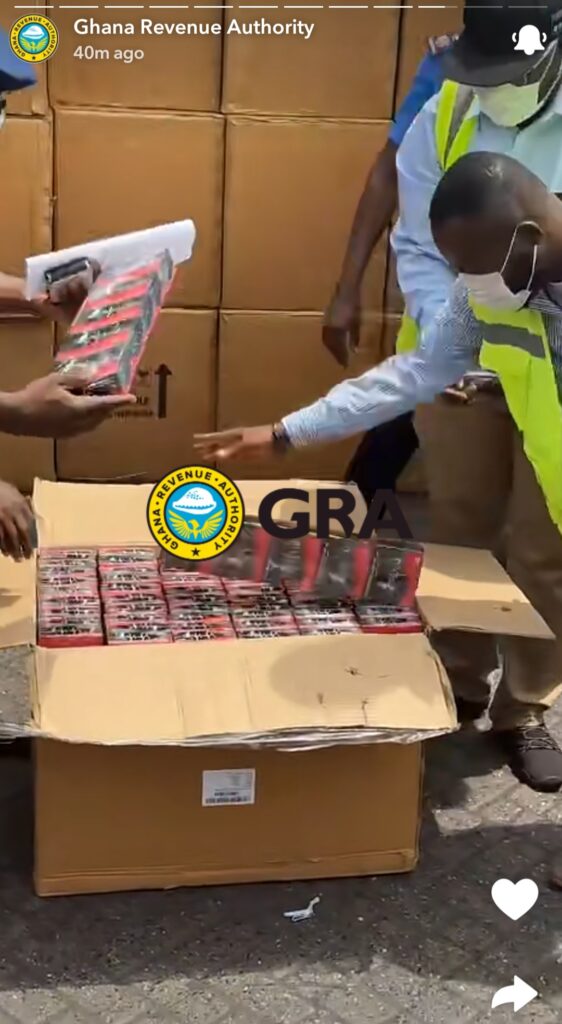
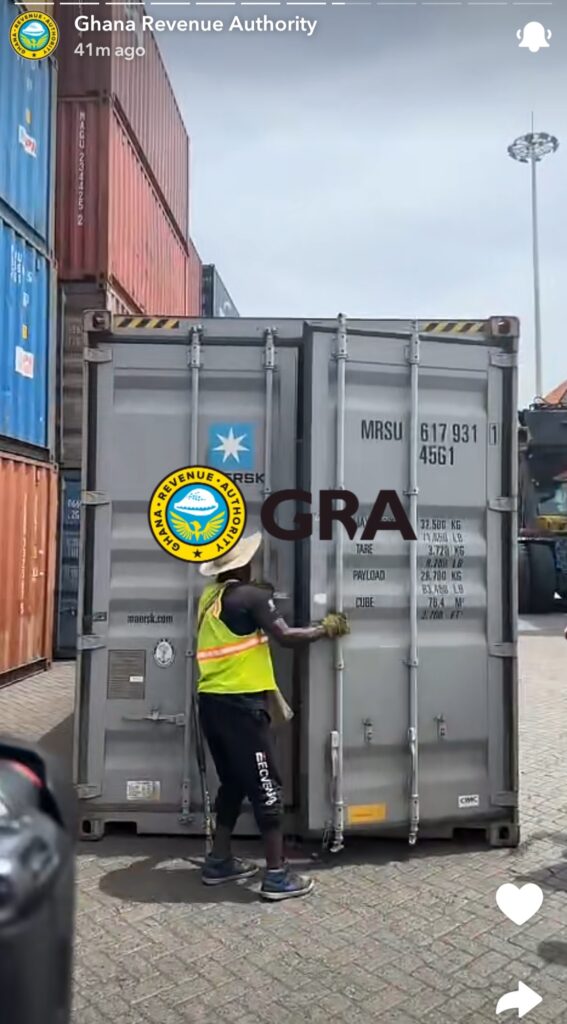
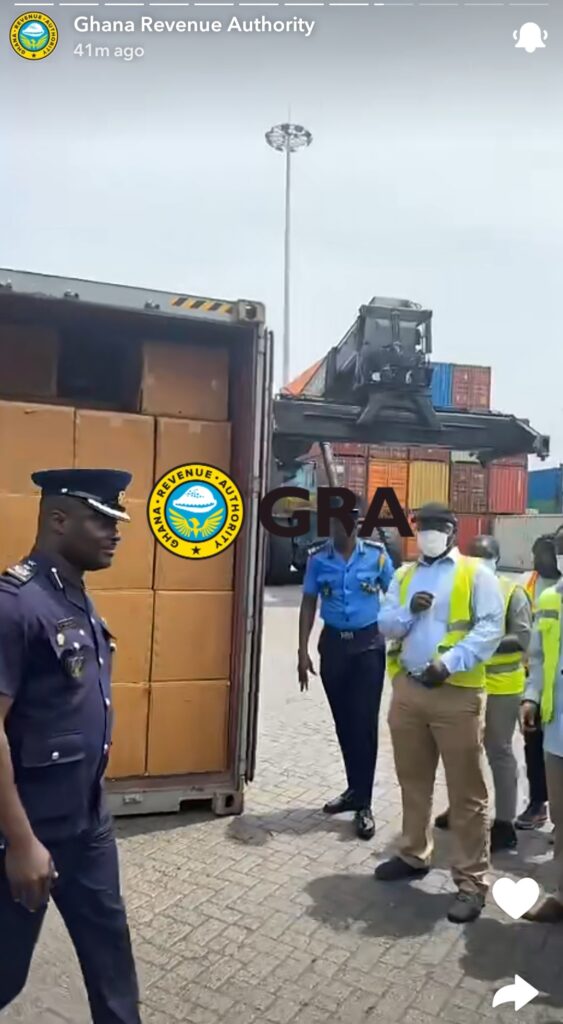
The Ghana Revenue Authority (GRA) Customs Division has intercepted contraband goods at Tema Port.
Boxes containing opioids were confiscated before noon today. There were 26 cartons of Rahol Tapentadol 250 mg, 160 cartons of Tafradol Tapentadol 120 mg, 40 cartons of Timaking Tapentadol 120 mg, 4 cartons of Timaking Tapentadol 250 mg, 190 cartons of Diazole Lp[eramide 2 mg and 320 cartons of Chlorpheniramine Maleate.
The drugs are worth approximately GH₵20 million. The shipment was en route to Niger, its final destination.
Engaging the media, Health Minister Mintah Akandoh condemned the use of land borders to smuggle drugs and announced that the impounded consignment would remain in the safe custody of the Authority.
“There are only two designated areas for the import and export of medication—Tema Port and Kotoka International Airport. Drugs are not imported through our land borders,” he said.
He called on stakeholders and security agencies to confiscate any drugs brought in through the land borders.
The Health Minister indicated that authorities would swiftly seek a court order for the proper disposal of the consignment.
The government and GRA have launched a manhunt for the individual(s) responsible for the boxes of opioids found at Tema Port.
Today’s operation comes at a time when the country has intensified its efforts to curb the importation of opioids.
A BBC Africa Eye investigation uncovered that Aveo Pharmaceuticals, based in Mumbai, has been producing unlicensed, highly addictive opioids that are illegally exported to West Africa. These drugs, packaged to resemble legitimate medications, contain a dangerous combination of tapentadol, a powerful opioid, and carisoprodol, a muscle relaxant banned in Europe due to its addictive properties.
This combination, which is not licensed for medical use anywhere in the world, can cause severe side effects, including respiratory distress, seizures, and fatal overdoses. Despite these risks, the drugs have gained popularity as cheap, readily available street substances in Ghana, Nigeria, and Côte d’Ivoire.
The Pharmaceutical Society of Ghana (PSGH) has condemned the illegal importation of dangerous opioids and called for a thorough investigation into the matter.
The Society has urged multiple agencies—including the FDA, the Pharmacy Council, the Ghana Revenue Authority (GRA) Customs Division, the Criminal Investigation Department (CID) of the Ghana Police Service, the Narcotics Control Authority, and the National Intelligence Bureau—to probe the issue and hold those responsible accountable.
“If any local pharmaceutical company is found to have breached regulatory protocols, appropriate sanctions should be enforced to maintain the integrity of the pharmaceutical supply chain in Ghana,” PSGH stated in a press release issued on February 24.
Ghana’s Food and Drugs Authority (FDA) has revoked the Good Manufacturing Practices (GMP) certification of Aveo Pharmaceuticals, an Indian pharmaceutical company, after investigations linked it to the illegal distribution of opioid-based medications in West Africa.
As part of the crackdown, the FDA has also directed Samos Pharma, a Ghana-based importer, to terminate all business relations with Aveo Pharmaceuticals and Westfin International. Additionally, the registration of six products from Masters Pharmaceutical Limited, which intended to use Aveo as a contract manufacturer, has been suspended.
Below are photos taken during the arrest.
Today’s operation comes at a time when the country has beefed up its efforts to end the importation of oipoids.
A BBC Africa Eye investigation uncovered that Aveo Pharmaceuticals, based in Mumbai, has been producing unlicensed, highly addictive opioids that are illegally exported to West Africa. These drugs, packaged to resemble legitimate medications, contain a dangerous combination of tapentadol, a powerful opioid, and carisoprodol, a muscle relaxant banned in Europe due to its addictive properties.
The combination, which is not licensed for medical use anywhere in the world, can cause severe side effects, including respiratory distress, seizures, and fatal overdoses. Despite these risks, the drugs have gained popularity as cheap, readily available street substances in Ghana, Nigeria, and Côte d’Ivoire.
The Pharmaceutical Society of Ghana (PSGH) has condemned the illegal importation of dangerous opioids and called for a thorough investigation into the matter.
The Society has urged multiple agencies—including the FDA, the Pharmacy Council, the Ghana Revenue Authority (GRA) Customs Division, the Criminal Investigation Department (CID) of the Ghana Police Service, the Narcotics Control Authority, and the National Intelligence Bureau—to probe the issue and hold those responsible accountable.
“If any local pharmaceutical company is found to have breached regulatory protocols, appropriate sanctions should be enforced to maintain the integrity of the pharmaceutical supply chain in Ghana,” PSGH stated in a press release issued on February 24.
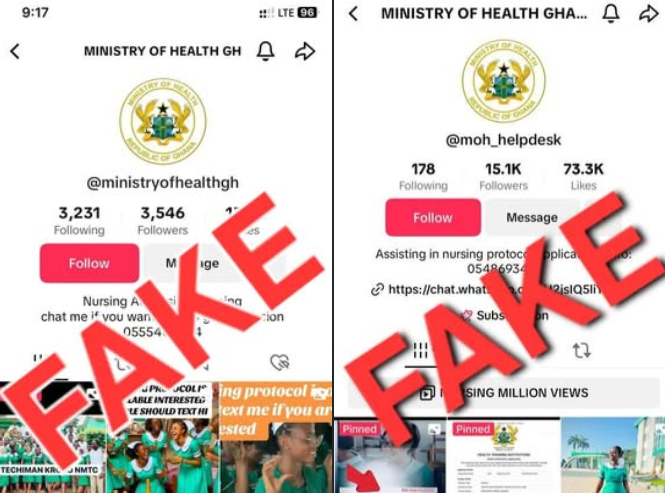
The Ministry of Health has drawn the attention of the general public to dishonest individuals using the Ministry’s name and images to defraud unsuspecting people.
These individuals, according to a post on the Ministry’s Facebook page, are carrying out such activity via the TikTok platform.
“Please note that the Ministry of Health does not have a TikTok account,” the Ministry indicated.
The Health Ministry has entreated the general public to “stay vigilant and ignore any suspicious communications that appear to be from the Ministry.”
“Do not respond to these messages, as they are scams,” the Ministry added.
Trade Minister Elizabeth Ofosu-Adjare has commenced consultations with stakeholders in the automobile industry as part of efforts to amend the Customs (Amendment) Act 2020, which bans the importation of salvaged vehicles into Ghana.
The move aligns with President John Mahama’s campaign promise to review the law, which prohibits the importation of vehicles that have been wrecked, damaged by fire, water, or collision. The President had argued that the ban negatively impacted artisans and transport operators who rely on salvaged vehicles for their livelihoods.
To fulfill this commitment, the Trade Minister has been engaging key players in the sector, gathering insights and concerns to guide the amendment process. She has so far met with brand-new car dealers, second-hand vehicle importers, and vehicle assemblers in Accra.
Her latest consultation took place in Kumasi, where she met with the Suame Magazine Industrial Development Organisation (SMIDO), a coalition of trade associations within the Suame Magazine enclave, one of Ghana’s largest automobile hubs. Addressing the artisans, Mrs. Ofosu-Adjare reaffirmed the government’s determination to deliver on its promise.
“President Mahama promised that within 120 days of his assumption of office, he will start processes to amend the Act, but I am very sure that we are even finishing within the 120 days,” she assured.
She further emphasized her commitment to addressing concerns raised during the engagement, stressing that industrial growth remains a priority for the government.
In response to a request for a foundry to support local production, the Minister assured the artisans that she would engage the President on the matter to explore ways to enhance operations at Suame Magazine.
“This is a one-stop shop for automobiles, and I think that as a country, we need to pay attention to Suame Magazine. That is exactly what President Mahama has asked me to do,” she stated.
The Ashanti Regional Minister, Dr. Frank Amoakohene, who was present at the meeting, lauded the initiative, describing it as a testament to the government’s commitment to inclusive development.
He noted that the National Democratic Congress (NDC) administration values the support of Ghanaians and remains dedicated to prioritizing policies that serve the collective interest of the nation.
SMIDO’s General Secretary, Anthony Owusu Akyaw, expressed appreciation for the government’s proactive approach, stating that empowering artisans would significantly contribute to economic growth.
The Minister is expected to wrap up her stakeholder consultations with a final engagement at Kokompe in the coming days before proceeding with the amendment process.
Finance and Economic Policy Analyst Senyo Hosi has expressed confidence in the potential success of the Ghana Gold Board (GoldBod), emphasizing that its effectiveness will depend on sound governance and operational structures.
The GoldBod, established by the government, is responsible for overseeing and strengthening Ghana’s gold industry. Its primary goal is to ensure efficient and sustainable management of the sector, driving economic growth while positioning Ghana’s gold competitively on the global market.
In an article titled “Our Gold and the GoldBod” published on March 15, Hosi outlined the board’s potential in improving quality assurance and branding Ghana’s gold internationally. He asserted that, unlike COCOBOD, GoldBod could thrive if built on strong governance, transparency, and accountability.
“I do not see the GoldBod becoming a failure like COCOBOD if the fundamental governance, transparency, and accountability structures are competently woven in its implementation,” Hosi stated.
He stressed that the board’s success hinges on a regulatory framework that aligns with industry standards while ensuring market adaptability. He further highlighted that maintaining commercial viability will be crucial, particularly in a market where gold transactions typically involve discounts ranging from 5% to 15% based on pre-financing terms.
Hosi suggested that if GoldBod integrates these market conditions and offsets the 1.5% gold export tax, it could avoid becoming a government monopoly and instead serve as a strategic commercial partner for small-scale miners and aggregators.
Hosi also urged GoldBod to leverage its influence to deter gold smuggling, making it not only illegal but financially unattractive. Drawing an analogy to the African Star Apple, locally known as Alasa, he remarked:
“The sweetness is in the sucking. We should focus efforts on how the GoldBod is structured to win. For it fills a begging gap.”
As part of its mandate, GoldBod will facilitate foreign exchange inflows and gold reserve accumulation. The board is expected to regulate, oversee, and execute various gold-related activities, including purchasing, assaying, refining, and exporting.
To support its operations, the government will provide a cedi equivalent of US$279 million as a revolving fund, enabling GoldBod to purchase and export at least three tonnes of gold weekly from small-scale miners, Finance Minister Dr. Cassiel Ato Forson has announced.
The government has surpassed its Treasury bill auction target once again, raising GHS 8.77 billion against a projected GHS 8.26 billion.
This represents an oversubscription of 6.22%, signaling strong investor demand for short-term government securities.
According to the latest auction results from the Bank of Ghana (BoG), the 91-day Treasury bill received bids totaling GHS 6.2 billion, all of which were accepted. The 182-day bill attracted GHS 1.83 billion in bids, with GHS 1.80 billion accepted. However, for the 364-day bill, the government accepted only GHS 746 million out of the GHS 1.2 billion tendered.
Despite the oversubscription, Treasury bill rates continue to trend downward. The 91-day bill recorded a 186-basis point decline to settle at 15.88%, while the 182-day bill dropped by 204 basis points to 16.93%. The 364-day bill also saw a reduction, falling by 101 basis points to 17.98%.
The drop in yields aligns with the government’s ongoing efforts to reduce borrowing costs and manage debt more efficiently. While lower rates typically discourage some investors, demand for T-bills has remained resilient, reflecting confidence in the short-term instruments.
Looking ahead, the government aims to raise GHS 6.14 billion in the upcoming auction. Market participants will be monitoring rate movements closely, assessing whether the declining trend will persist and how it might impact future investments.
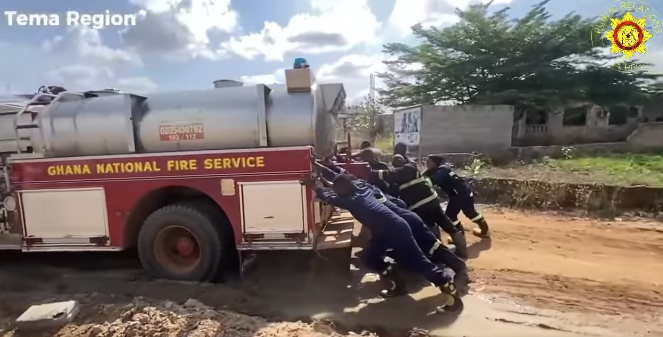
The Ghana National Fire Service (GNFS) has partly attributed delays in emergency response to the poor state of roads across the country.
According to the service, bad road conditions significantly hinder their ability to reach accident scenes and fire outbreaks on time, often affecting rescue efforts and endangering lives.
The GNFS expressed this concern in a Facebook post when it shared video footage of a challenge encountered when a fire appliance from Gbetsile was responding to a fire call at Ashaiman Washington. It got stuck in the clayey mud, halting its progress to the scene.
While teamwork and external help resolved this challenge, the GNFS noted that “it serves as a clear call for action to improve our road infrastructure, ensuring that those who put their lives on the line to protect others can do so without unnecessary obstacles.”
Deputy Minister for Roads and Highways, Alhassan Suhuyini, has reaffirmed the government’s commitment to prioritizing road maintenance amid significant financial constraints in the sector.
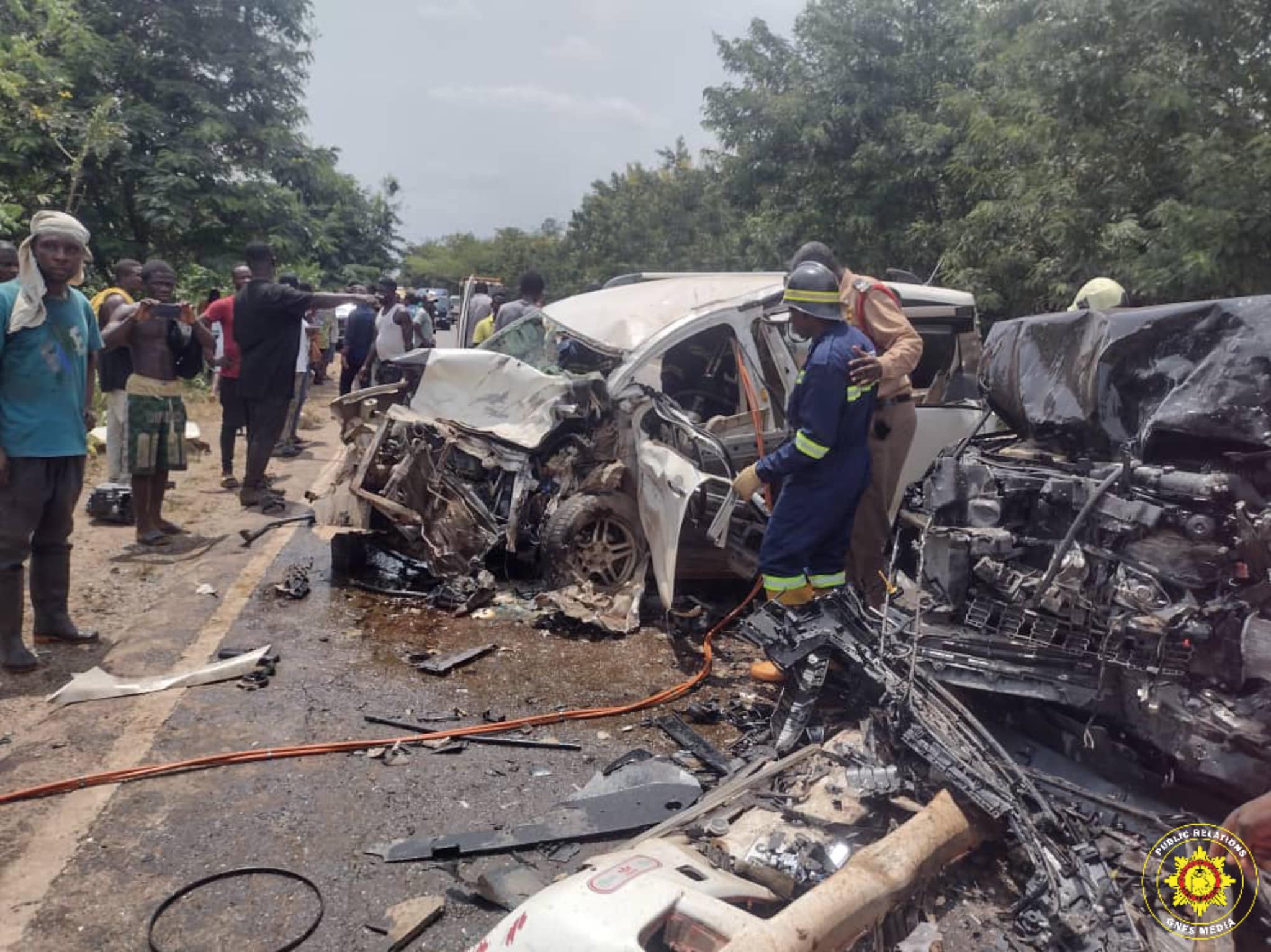
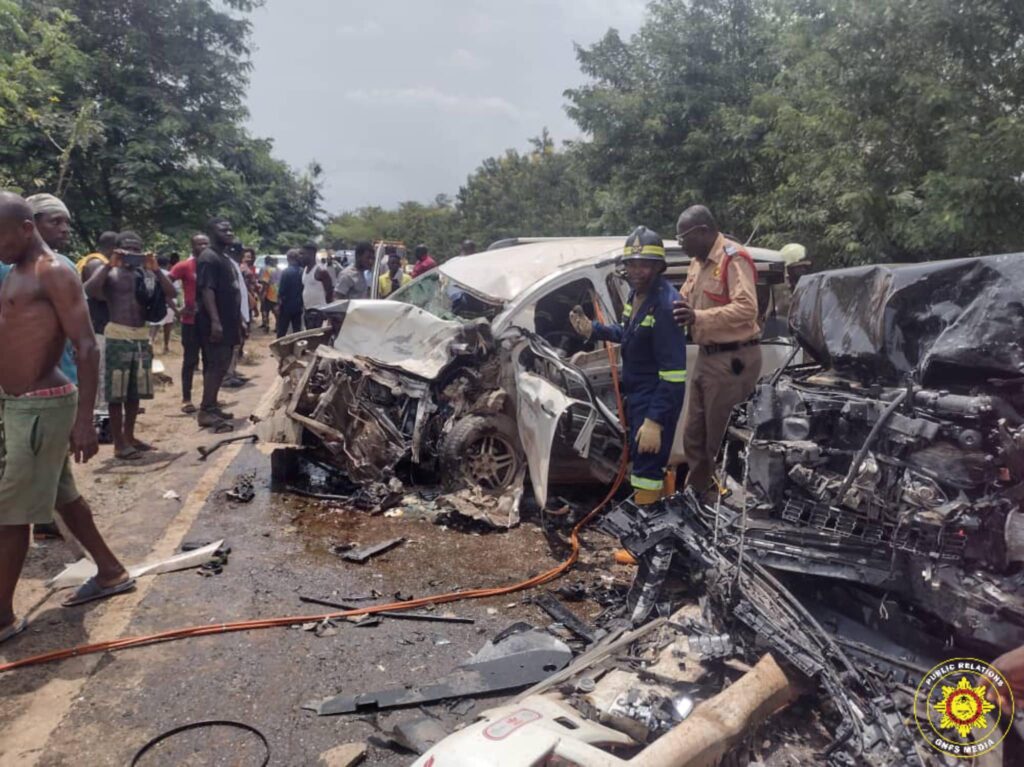
The Ghana National Fire Service (GNFS) has confirmed the death of one person following a fatal accident on the Apam-Mankessim Highway at Gomoa Assin. Another individual survived the crash.
According to the GNFS, the accident involved three vehicles—a Toyota Land Cruiser (GR 2544-25), a Toyota Sienta (AS 5853-19), and a Nissan Urvan (AS 3747-25). Emergency responders from the Apam Fire Station arrived promptly to assist in the rescue efforts.
Firefighters extricated the driver of the Toyota Sienta, who had been trapped in the mangled wreckage and was unconscious. He was handed over to the police and rushed to St. Luke Hospital in Apam, where doctors later pronounced him dead.
Eyewitnesses recounted that the accident occurred when the Toyota Land Cruiser, traveling from Cape Coast to Accra, attempted to overtake another vehicle. In the process, it crashed head-on into the oncoming Toyota Sienta before also colliding with the Nissan Urvan. The impact left both the Land Cruiser and the Sienta severely damaged.
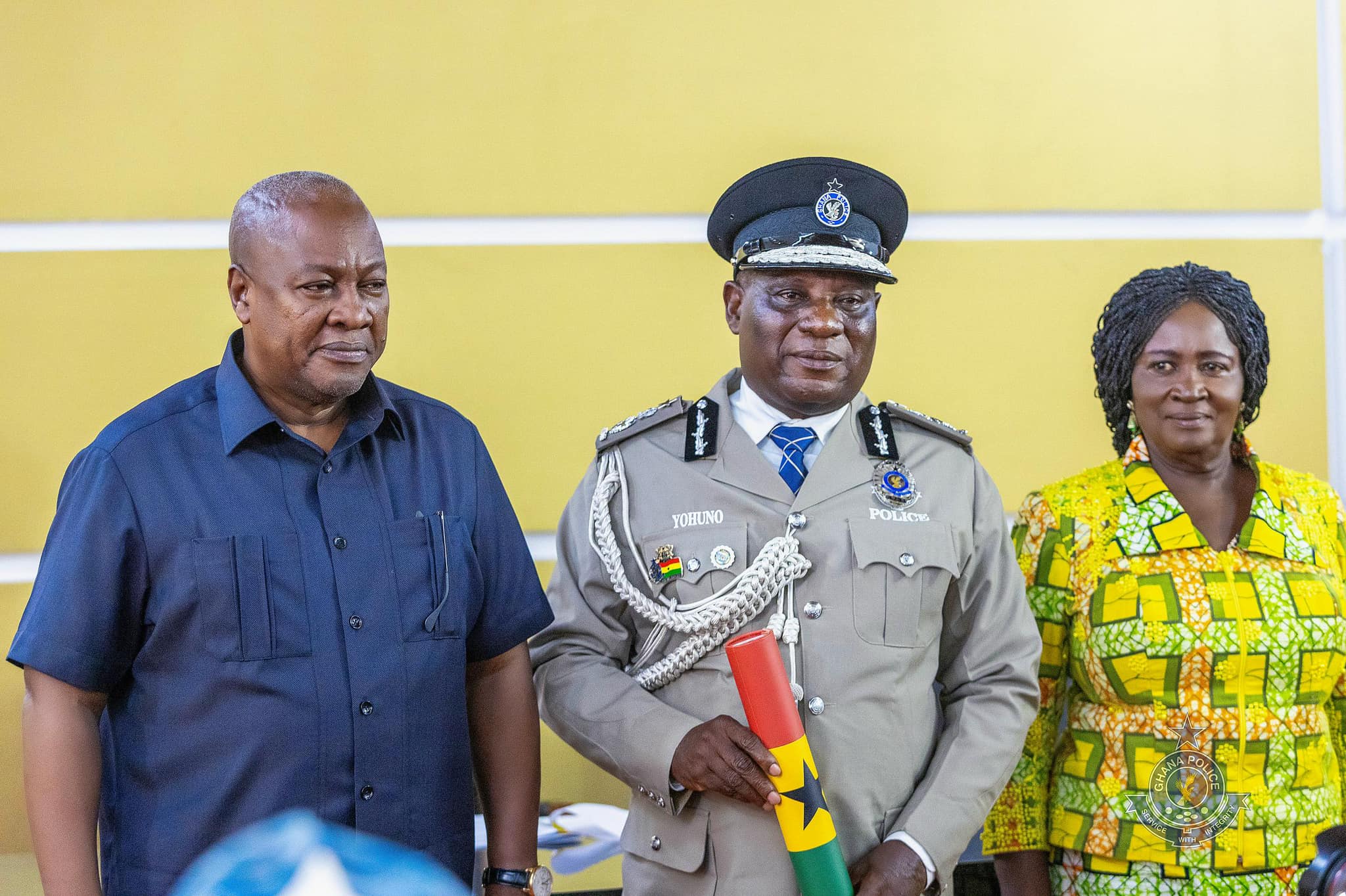
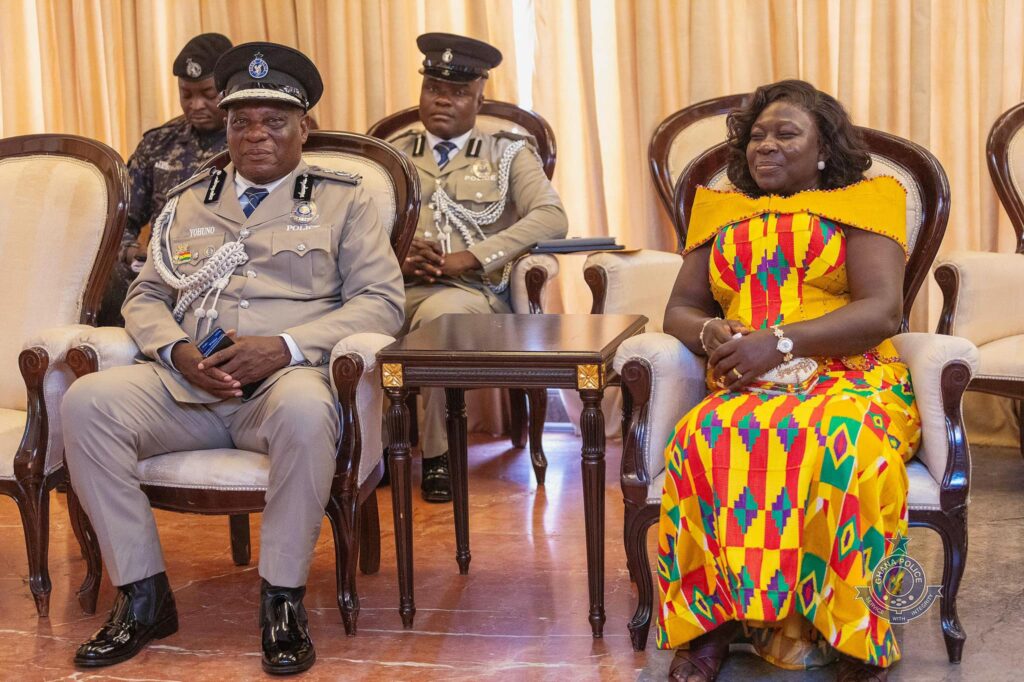
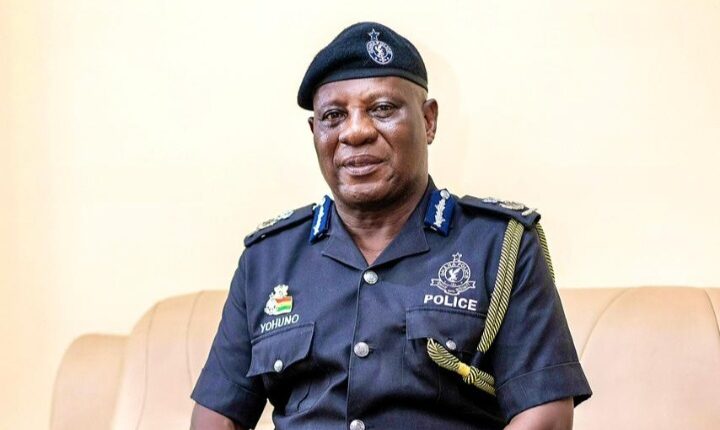
The President of the Republic of Ghana, His Excellency John Dramani Mahama, on March 14, swore Mr. Christian Tetteh Yohuno into office as the 31st Inspector-General of Police (IGP).
With this appointment, IGP Christian Tetteh Yohuno becomes the 25th Ghanaian to lead the esteemed Ghana Police Service since independence.
President John Mahama has urged COP Christian Tetteh Yohuno, the newly sworn-in Inspector-General of Police (IGP), to ensure that the Ghana Police Service operates with integrity, fairness, and without undue influence.
COP Yohuno’s appointment follows the replacement of former IGP Dr. George Akuffo Dampare, who served in the role since 2021. During his tenure, Dampare implemented several reforms aimed at enhancing public trust and improving security operations across the country.
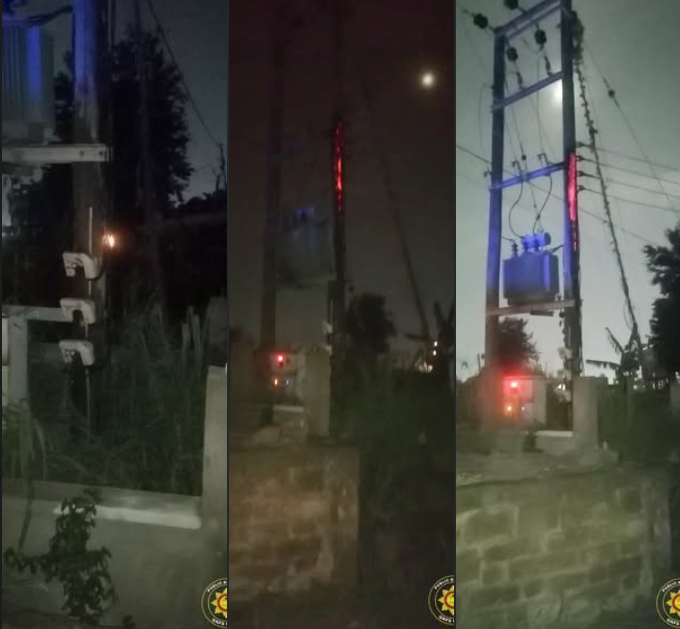
A fire outbreak in Debrahkrom, Koforidua, caused partial damage to an electric pole and power cables in the early hours of March 12.
Emergency responders from the ERHQ Sub-Station arrived at the scene at 2:30 a.m., shortly after receiving a distress call. Upon arrival, they found flames and smoke rising from the transformer pole, with reports of loud explosions before the area experienced a blackout.
Firefighters worked swiftly to contain the blaze, bringing it under control by 3:00 a.m. and fully extinguishing it four minutes later. Their prompt intervention helped prevent extensive damage to the transformer, averting a potential power crisis in the area.
Authorities are assessing the extent of the damage while efforts are underway to restore stability to the local power supply.
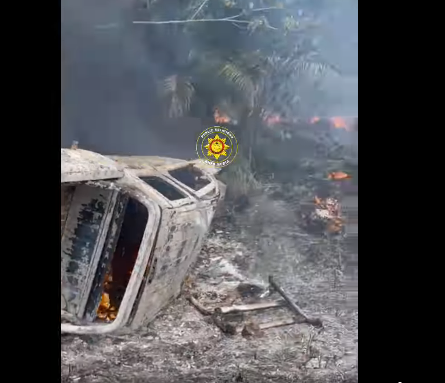
Three people sustained minor injuries after a Nissan Frontier lost control, crashed into a tree, and overturned into a bush in Brekumanso on March 10.
The incident, which resulted in a fire outbreak, prompted a swift response from a firefighting crew from Asamankese, with additional support from Suhum Fire Station. Firefighters managed to bring the flames under control and fully extinguish them by 1:45 p.m.
The blaze destroyed the vehicle and scorched nearby vegetation before being contained.
The injured victims, including the driver and a female passenger, received treatment at the Asamankese Government Hospital.
Authorities have reiterated their commitment to improving emergency response efforts in the region.
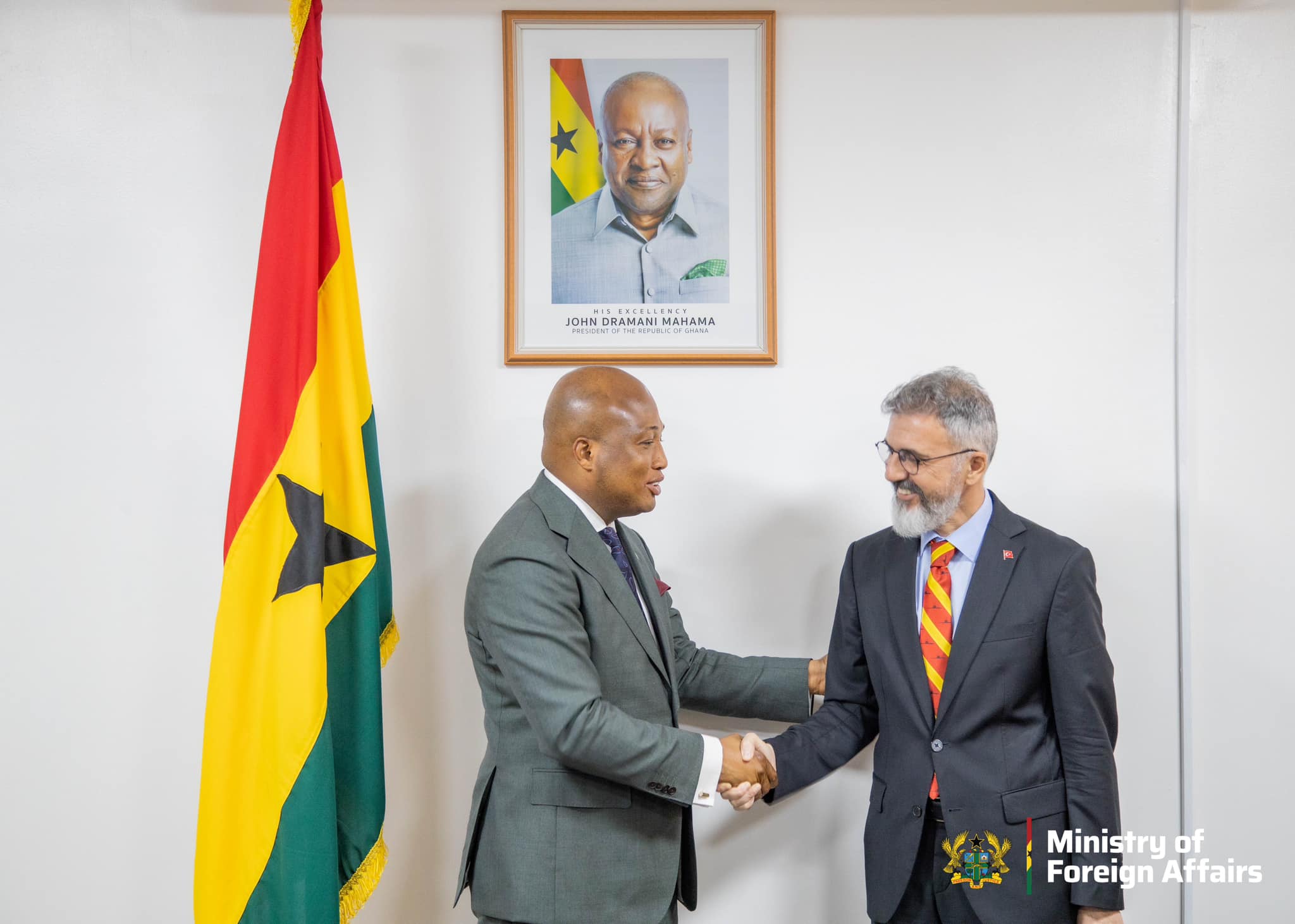
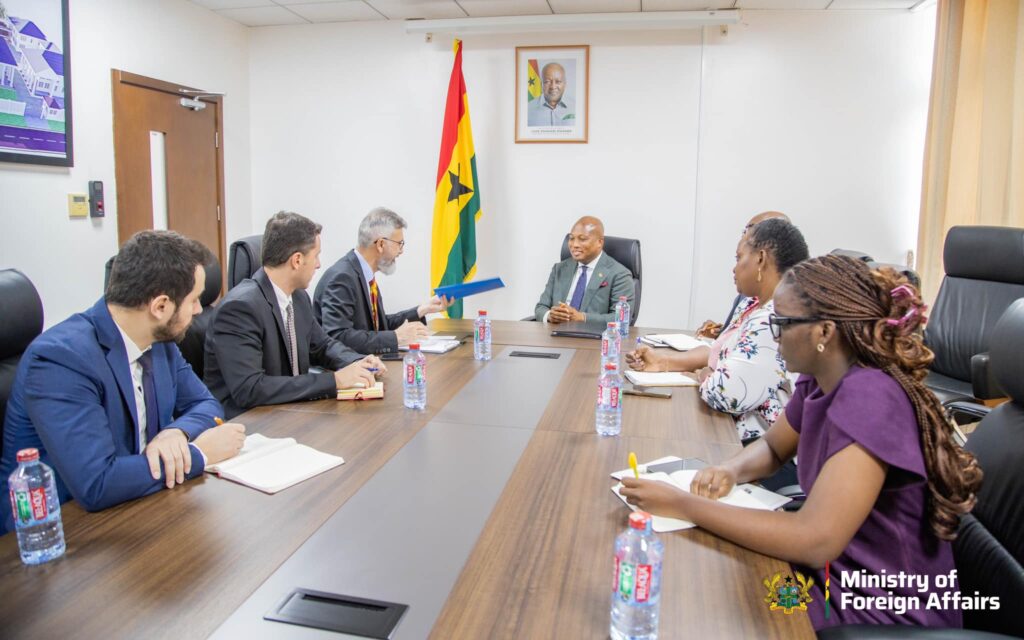
Foreign Affairs Minister Samuel Okudzeto Ablakwa has reaffirmed Ghana’s commitment to deepening diplomatic and economic relations with Türkiye following a productive meeting with the Turkish Ambassador to Ghana, His Excellency Hüseyin Güngör.
The discussions centered on expanding mutually beneficial projects between the two nations, strengthening cooperation, and increasing the number of scholarships available for Ghanaian students in Türkiye.
Highlighting the strong partnership between Ghana and Türkiye, Ablakwa recalled the successful completion of major projects, including the award-winning Terminal 3 at Kotoka International Airport in 2016, as a testament to the fruitful collaboration between the two countries.
“We welcome the global community to partner with us in resetting Ghana,” he stated in a social media post.
With both nations keen on exploring new areas of cooperation, the meeting is expected to pave the way for more investments, infrastructure development, and educational opportunities for Ghanaians.
Ghana has secured a $13.44 million grant from Japan to improve electricity supply in Tamale, the capital of the Northern Region.
The funding, facilitated through the Japan International Cooperation Agency (JICA), aims to boost the region’s energy infrastructure, ensuring a more stable and reliable power supply for residents, businesses, and essential services.
Finance Minister Dr. Cassiel Ato Forson, who announced the agreement on his official Facebook page on Friday, March 14, 2025, described the partnership as a significant investment in Tamale’s power network.
Under the agreement, Ghana’s government and JICA will collaborate on the construction of a new power substation and the expansion of electricity distribution lines. The initiative is expected to strengthen the region’s energy framework, reducing disruptions and supporting economic growth.
The signing ceremony saw Dr. Forson represent Ghana, while JICA’s Chief Representative, Her Excellency Suzuki Momoko, signed on behalf of Japan.
Speaking on the significance of the project, Dr. Forson highlighted its potential to drive economic progress, create jobs, and enhance the overall quality of life in the Northern Region.
“This project represents a major milestone in our commitment to economic development, job creation, and enhanced livelihoods in the Northern Region.
“By ensuring uninterrupted electricity supply, we are providing businesses, households, and critical services with the energy security they need to thrive,” he stated.
He further commended Japan for its ongoing support, emphasizing that strategic collaborations such as this play a vital role in addressing Ghana’s energy challenges and fostering industrialization.
Upon completion, the project is expected to significantly transform Tamale’s power landscape, supporting local enterprises and improving the region’s overall development.
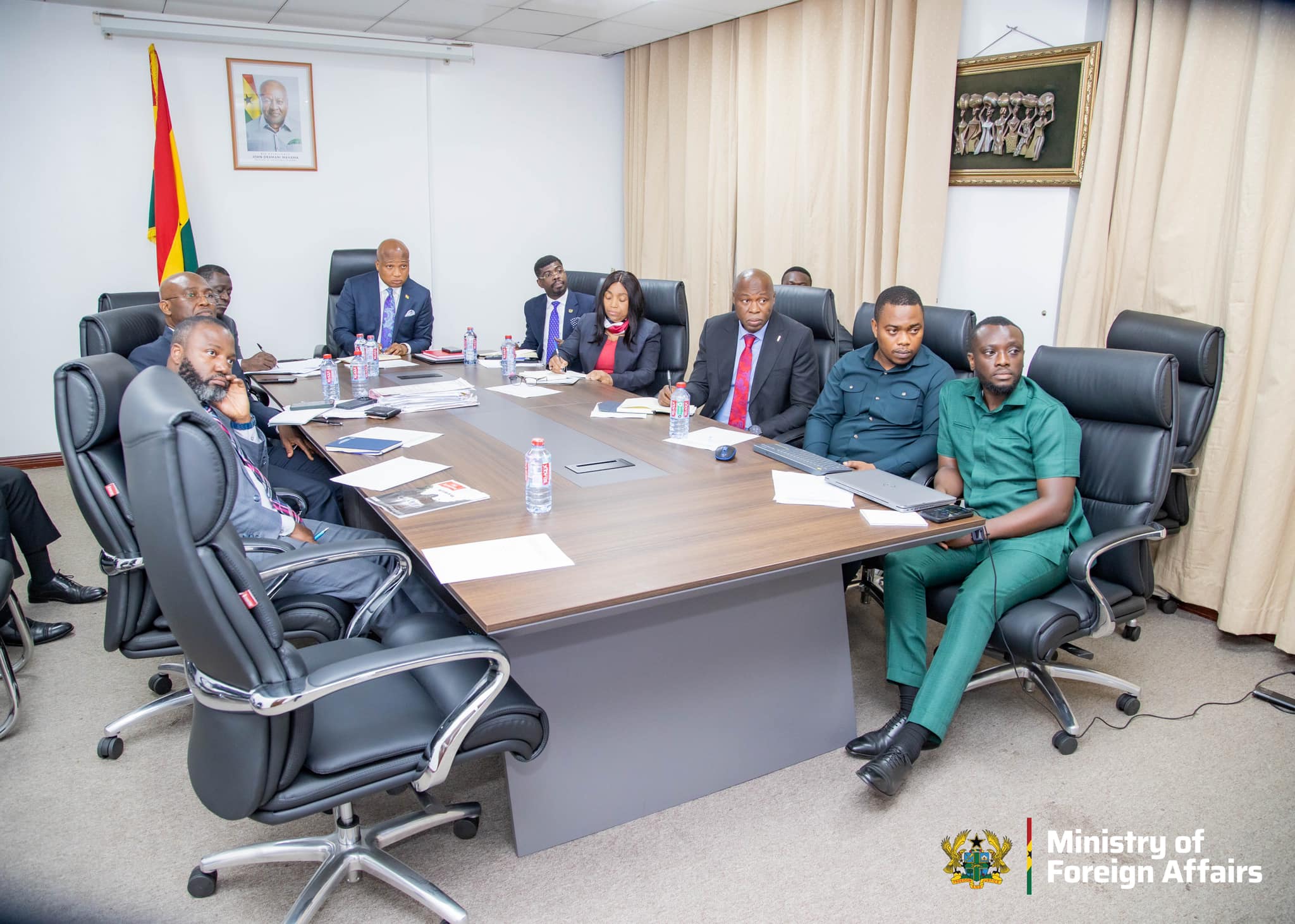
Foreign Affairs Minister, Samuel Okudzeto Ablakwa, has called on Ghana’s envoys to be more proactive in addressing the concerns of Ghanaians living abroad.
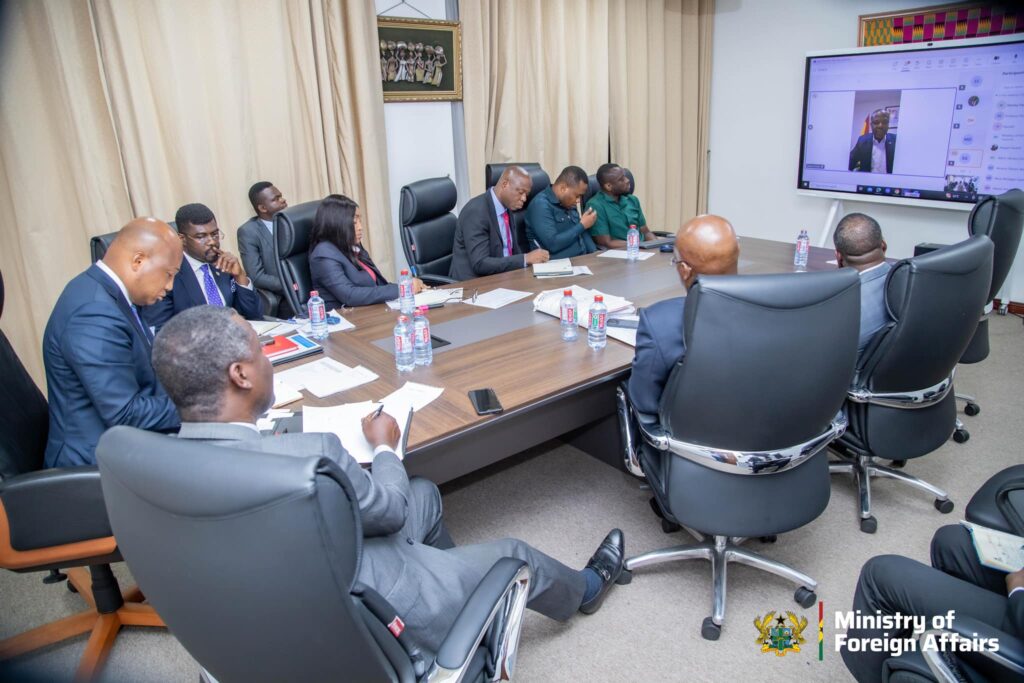
During a virtual engagement on Thursday with all 71 Ambassadors, High Commissioners, Heads of Missions, and Consul-Generals across the world, Ablakwa emphasized the need for improved responsiveness and commitment to the welfare of Ghanaian nationals in the diaspora.
“Ghanaians out there must truly feel we care for them,” he stressed.
The meeting also provided an opportunity to outline key reforms and strategic initiatives aimed at enhancing the effectiveness of Ghana’s diplomatic missions. Ablakwa commended the envoys for their dedication to national service and briefed them on President Mahama’s vision for the Foreign Service.
“We discussed President Mahama’s vision, ongoing institutional reforms including creating a delivery unit to improve the performance of the foreign service, KPIs for envoys, strategies to better serve Ghanaians living abroad, passport reforms, conditions and welfare of staff in our diplomatic missions,” he shared in a Facebook post.
He reiterated the government’s commitment to strengthening Ghana’s diplomatic presence and ensuring that foreign missions operate efficiently to support both the nation’s interests and its citizens abroad.
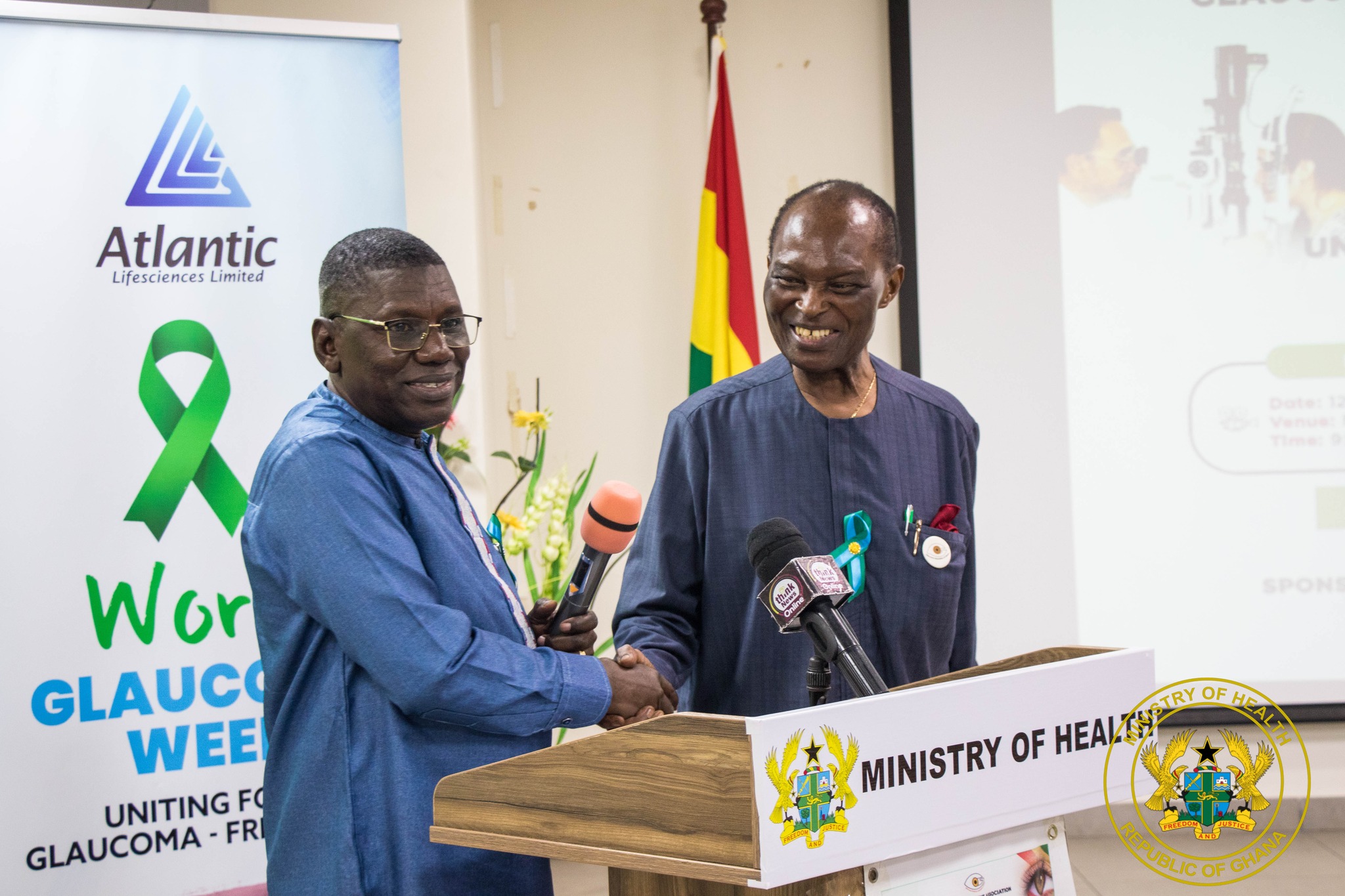
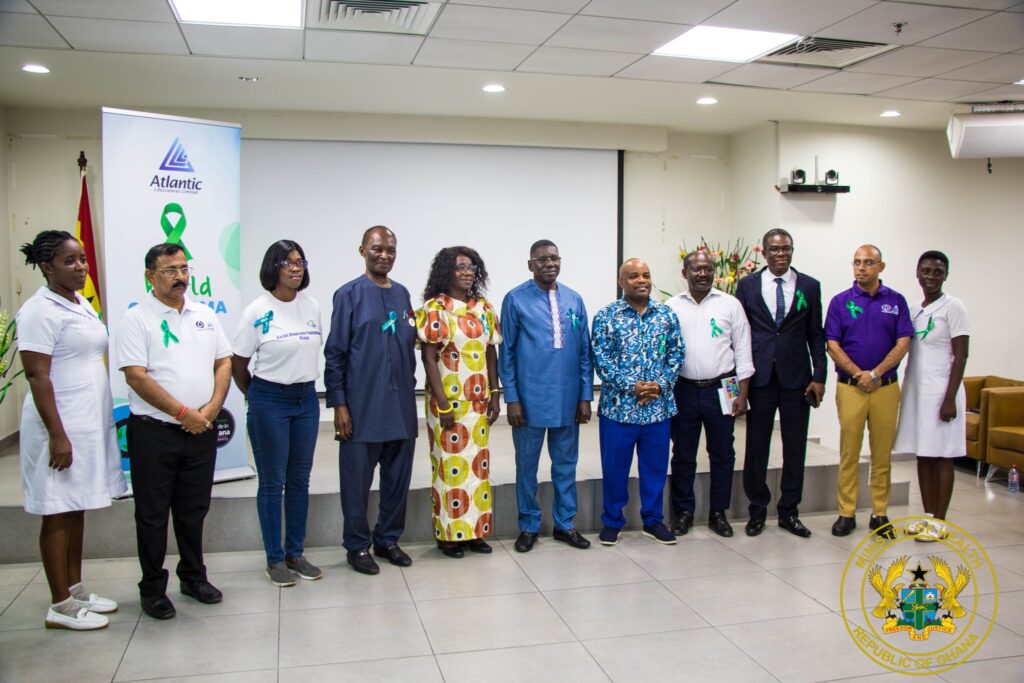
The Ministry of Health, in partnership with the Glaucoma Patient Association of Ghana, has rolled out activities to mark the 2025 World Glaucoma Week, an initiative aimed at combating preventable blindness caused by glaucoma.
Under the theme “United for a Glaucoma-Free World,” the campaign seeks to mobilize public support in raising awareness about the disease and encouraging early detection through regular eye and optic nerve screenings.
Speaking at the launch, Dr. Hafez Adam, Acting Director for Technical Coordination at the Ministry of Health, reaffirmed the Ministry’s commitment to improving eye health services nationwide.
“The Ministry is expanding access to eye care services, especially at primary healthcare levels, by equipping health facilities with the necessary diagnostic tools and trained personnel,” he said.
He further noted that World Glaucoma Week is a global initiative spearheaded by the World Glaucoma Association and the World Glaucoma Patients Association of Ghana. According to him, the observance serves as a crucial reminder for individuals to prioritize regular eye check-ups to detect glaucoma early and prevent irreversible vision loss.
Dr. Hafez emphasized that the Ministry is intensifying public education campaigns to ensure that more people understand the risks associated with glaucoma and take proactive steps to protect their vision.
Commissioner of Police (COP) Christian Tetteh Yohunu is being officially sworn in as Ghana’s new Inspector General of Police (IGP) at a ceremony presided over by President John Dramani Mahama.
COP Yohunu’s appointment follows the replacement of former IGP Dr. George Akuffo Dampare by President Mahama after he served in the role since 2021.
During his tenure, Dampare implemented several reforms aimed at enhancing public trust and improving security operations across the country.
As the incoming IGP, Yohunu is expected to build on these efforts by modernizing the Ghana Police Service, strengthening law enforcement, and addressing emerging security challenges.
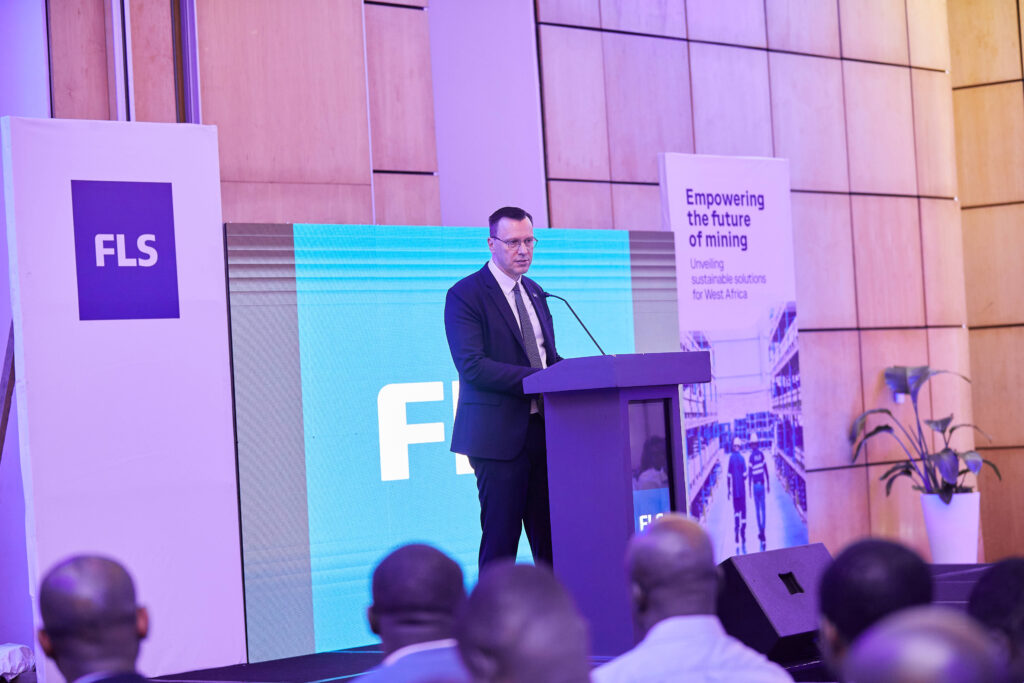
FLSmidth, a global leader in mining technology and services, is strengthening its presence in key mining regions with the establishment and expansion of multiple service centres worldwide.
As part of its CORE’26 mining strategy, the company is set to enhance its service capabilities, with Ghana emerging as a strategic location for its latest investments. FLSmidth’s investment signals confidence in the country’s mining sector and its potential for sustained growth.
In 2025, FLSmidth will launch new service centres in Accra, Ghana; Surabaya, Indonesia; and Dammam, Saudi Arabia, broadening its footprint to better support mining operations.
Additionally, its Mackay, Australia facility will be relocated to a larger site, while existing centres in Parauapebas, Brazil; Karaganda, Kazakhstan; and Ulaanbaatar, Mongolia will undergo significant upgrades. Another expansion is already underway in Chloorkop, South Africa, with completion slated for 2026.
The move is designed to bolster FLSmidth’s capacity to provide on-the-ground support for mining companies, improving efficiency and minimising equipment downtime. The service centres will serve as hubs for equipment maintenance, repairs, and spare parts distribution, ensuring faster turnaround times for customers operating in these regions.
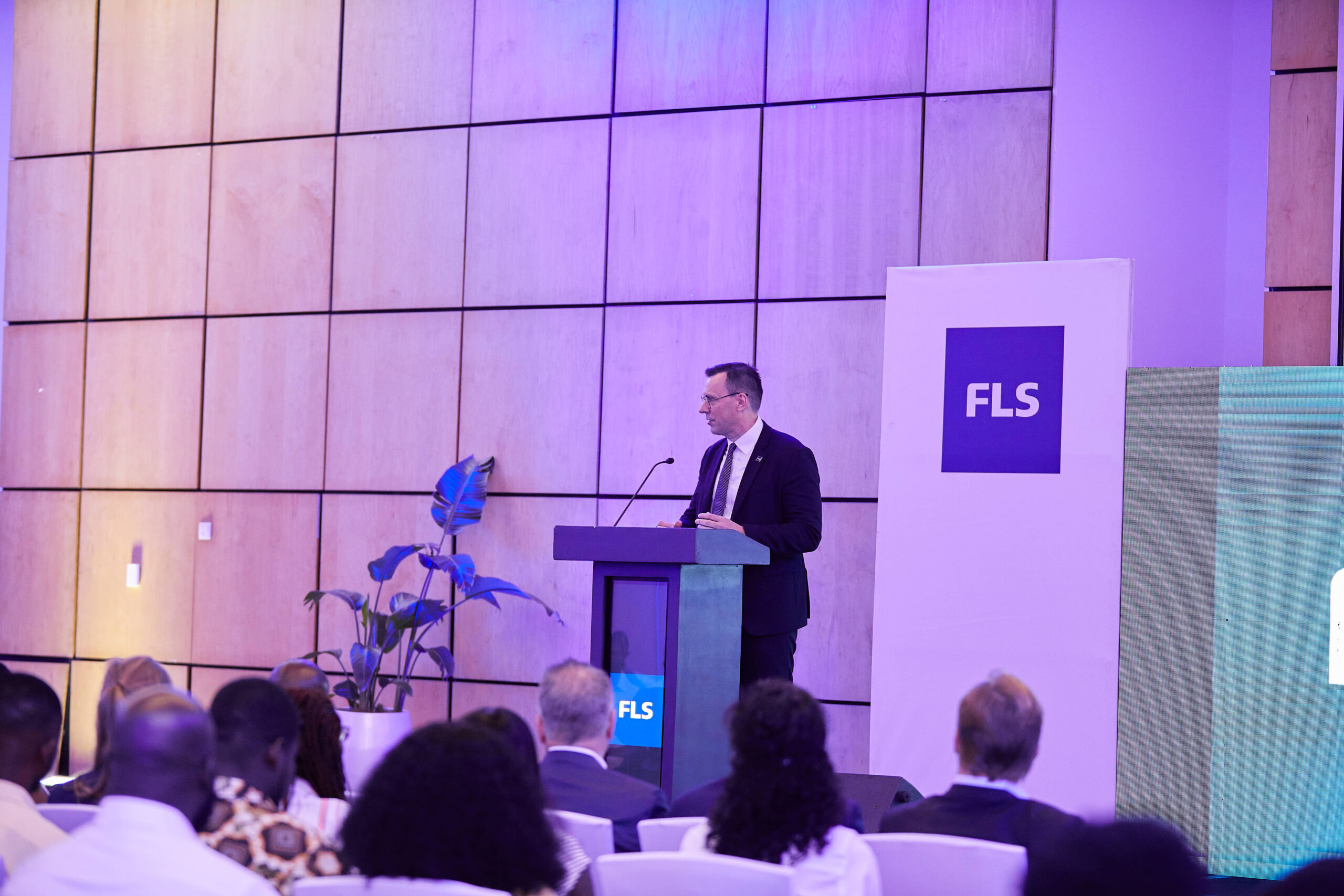
Christian Fabry, Head of Professional Services at FLSmidth, emphasised the company’s commitment to enhancing customer support.
Christian Fabry, Head of Professional Services at FLSmidth
“Our service centres serve primarily as workshops for improving or repairing customer equipment and can also have warehousing capabilities for distribution. With these new openings and expansions, we further strengthen our service capabilities and best-in-class service offerings to customers. We can do that by shortening the operational downtime for customers thanks to the service centres’ strategic proximity to mine sites and greater availability of spare and wear parts to local customers,” he said.
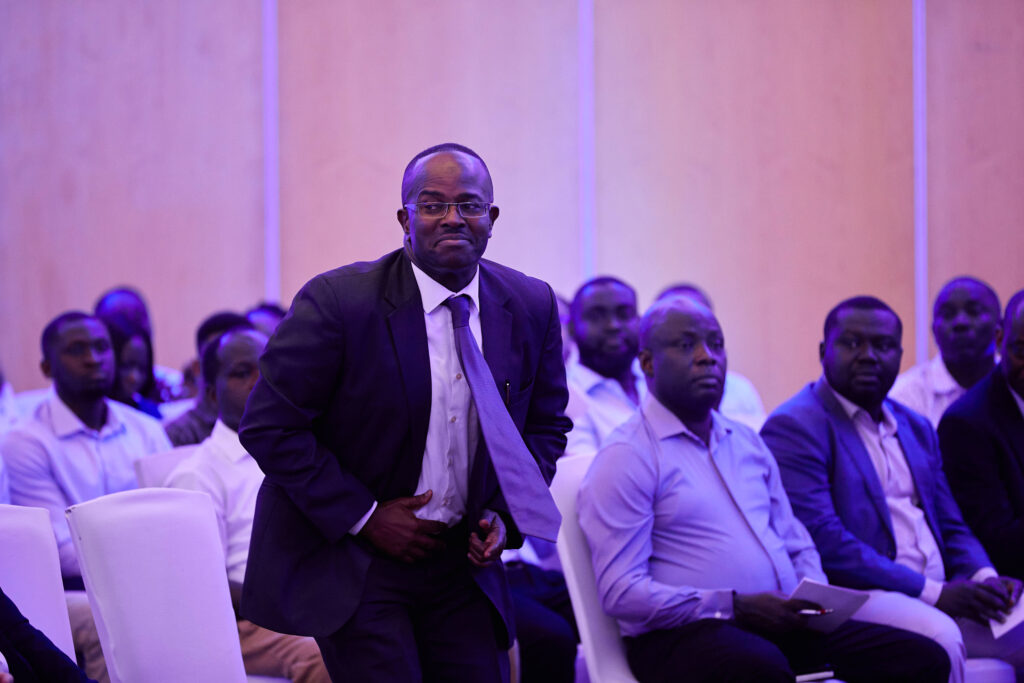
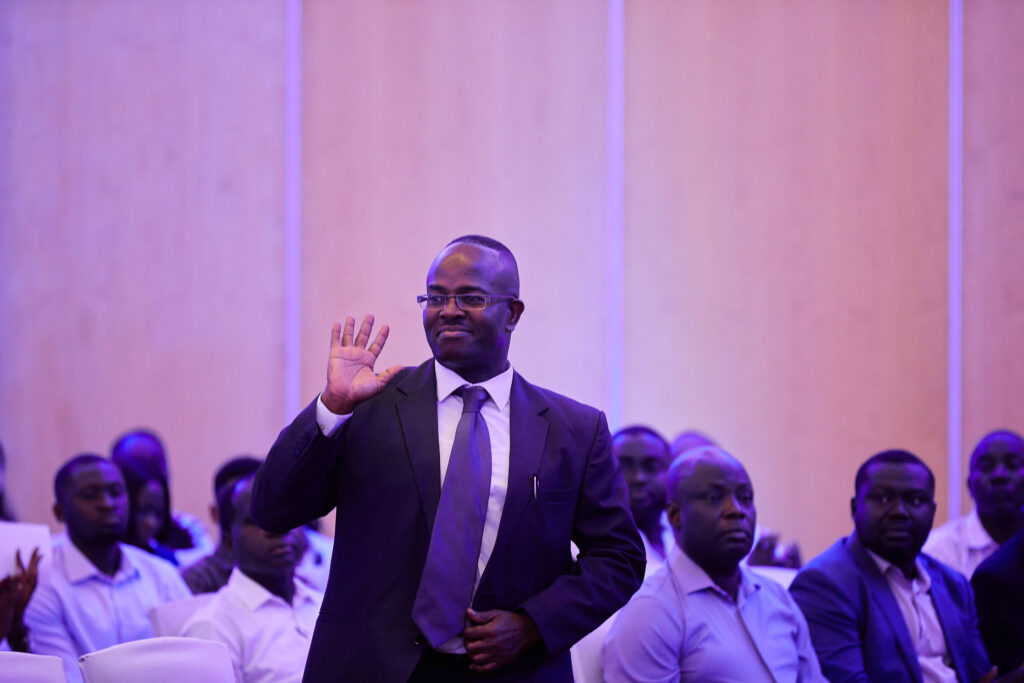
On his part, Mr. Sulemanu Koney, Executive Director of the Chamber, welcomed the establishment of a service centre by FLSmidth, noting that such strategic investment that will enhance the efficiency of Ghana’s mining industry.
Mr. Sulemanu Koney, Executive Director of the Chamber
According to him, the sector remains the country’s largest source of export revenue, providing essential foreign exchange earnings to sustain the economy.
Gold alone accounted for over 50 percent of total export revenue, reinforcing Ghana’s position as Africa’s leading gold producer in 2024. The Executive Director pointed out that the minerals sector contributed over 60 percent of total export earnings, exceeding revenues from crude oil, cocoa, and inward remittances.
Mr. Sulemanu Koney, Executive Director of the Chamber
“Therefore, the greatest impact of the mining sector on job creation is through its relationship with mining support service providers such as FLSmidth,” he said.
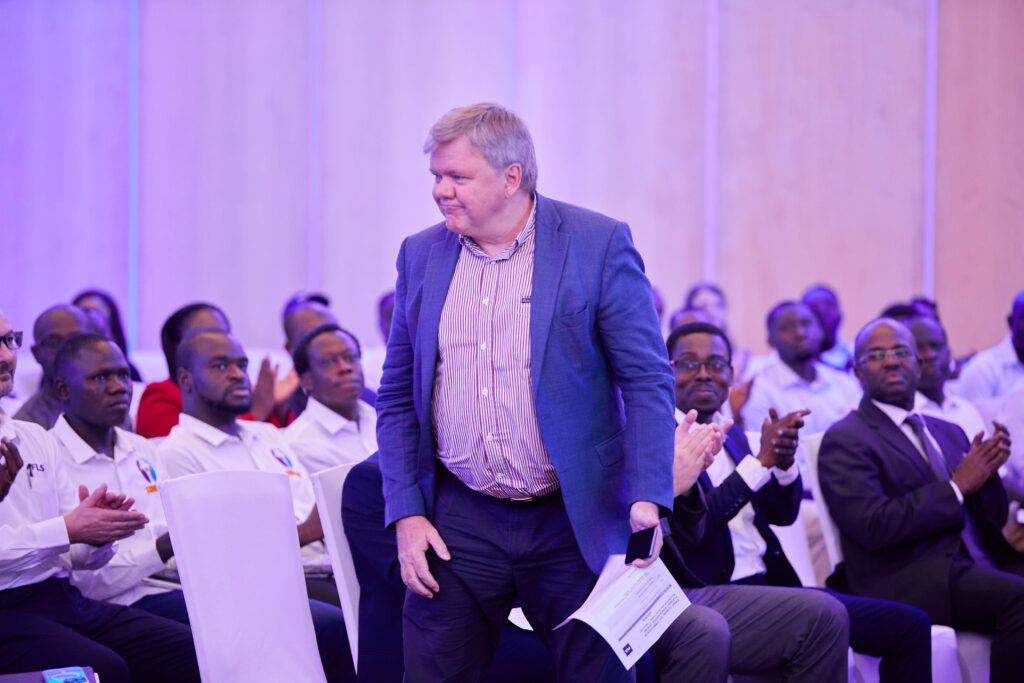
Present at the event was Denmark’s Ambassador to Ghana, Mr. Tom Nørring, who acknowledged FLSmidth’s latest investment as a reflection of the company’s strong confidence in the West African country’s mining industry.
Denmark’s Ambassador to Ghana, Mr. Tom Nørring
FLSmidth is dedicated to delivering cutting-edge mining solutions that optimise productivity and operational efficiency. Its expanded service network will provide mining companies with critical support, including:
A robust inventory of OEM spare parts and consumables at regional service centres
A network of highly skilled field engineers offering both on-site and remote support
Advanced mineral laboratory services for precise testing and analysis
Upgrades, rebuilds, and exchange services to extend the lifespan and efficiency of mining equipment
Finance Minister Dr Cassiel Ato Forson has laid before Parliament a bill to abolish several taxes, including the Electronic Transaction Levy (E-Levy), the COVID-19 Levy, and the 10% tax on lottery winnings, commonly referred to as the betting tax.
Finance Minister Dr. Cassiel Ato Forson earlier emphasized the need for a swift legislative process to abolish the taxes.
He expressed confidence that repealing these taxes would be straightforward due to their simplicity.
“Repealing the taxes will be one clause each. Repealing the betting tax is very easy, the e-levy and all of those things we are repealing are quite easy,” he added.
The Finance Minister explained that since the bills fall under revenue legislation, they qualify to be laid before Parliament under a certificate of urgency.
“It’s a revenue bill, and under the Constitution, you have any way to lay finance bills under a certificate of urgency,” he explained.
The proposal to eliminate these taxes aligns with the Mahama-led government’s commitment to scrapping what it describes as “nuisance taxes” implemented by the previous Akufo-Addo administration.
While presenting the 2025 Budget Statement to Parliament on March 11, Dr. Forson officially announced the plan to repeal multiple taxes.
“Mr. Speaker, we will abolish the 10% withholding tax on winnings from lotteries, otherwise known as the ‘betting tax.’ We will abolish the Electronic Transfer Levy (E-Levy) of 1%. We will abolish the emission levy on industries and vehicles. We will abolish the VAT on motor vehicle insurance policies. And we will abolish the 1.5% withholding tax on the sale of unprocessed gold by small-scale miners,” he stated.
He noted that these tax removals aim to alleviate financial burdens on households while boosting business growth and improving tax compliance.
“…the removal of these taxes will ease the burden on households and improve their disposable incomes. In addition, it will support business growth and improve tax compliance,” he added.
So far, the government has announced the removal of six taxes: the 10% betting tax, the 1% E-Levy, the emission levy on industries, VAT on motor insurance, the 1.5% withholding tax on unprocessed gold sales, and the COVID-19 levy. These tax repeals will take effect once the 2025 budget is passed by Parliament.
Despite the anticipated relief for individuals and businesses, some experts and analysts have raised concerns about the potential impact on Ghana’s already struggling economy. In response, the government has outlined measures to mitigate the revenue shortfall, including adjustments to the tax refund ceiling.
“Mr. Speaker, by reducing the ceiling on the tax refund from 6% to 4%, we will save GH¢3.8 billion. This amount is enough to close the revenue shortfall from the removal of the E-Levy, amounting to GH¢1.9 billion, and the betting tax of GH¢180 million,” Dr. Forson stated.
Meanwhile, government revenue reports indicate that by the end of 2024, approximately GH¢6.4 billion had been collected from the COVID-19 Health Recovery Levy, GH¢246.9 million from the E-Levy, and about GH¢120 million from other levies.
The fate of the proposed tax abolitions now rests with Parliament, as the government pushes for an expedited legislative process to implement these changes.
There is controversy over the sacking of Dr George Akuffo Dampare as Inspector General of Police (IGP).
On March 13, Policy think tank IMANI Africa and security analyst Professor Kwesi Aning have jointly filed an injunction at the Supreme Court to prevent President John Dramani Mahama from dismissing the Inspector-General of Police (IGP) Dr. George Akuffo Dampare and other heads of security services.
The injunction, filed at the Supreme Court, seeks to challenge the President’s authority to terminate the appointment of key public officers without proven misconduct.
The plaintiffs, IMANI Africa and Professor Kwesi Aning, argue that the removal of the IGP, along with other heads of uniformed security services, should only occur in cases of established misconduct or misbehaviour.
They emphasise that the President does not have the power to make fresh appointments to these positions unless the current officeholders are deceased, incapacitated, or have resigned.
The motion for an interlocutory injunction was filed on March 13, 2025, at 11:00 AM, at the Registrar of the Supreme Court of Ghana. The plaintiffs are seeking an order to restrain the Attorney-General, the President, and the respective councils of the Ghana Immigration Service, Ghana Police Service, National Fire Service, and Ghana Prisons Service from removing, terminating, dismissing, or suspending the heads of these services pending the final determination of the case.
Now, President Mahama has appointed Commissioner of Police (COP) Christian Tetteh Yohunu as the new IGP, in line with Articles 91 and 202 of the 1992 Constitution and in consultation with the Council of State.
This is what the said law stipulates on “INSPECTOR-GENERAL OF POLICE AND APPOINTMENT OF MEMBERS OF POLICE SERVICE”
(1) The Inspector-General of Police shall be appointed by the President acting in consultation with the Council of State. (2) The Inspector-General of Police shall be head of the Police Service and shall, subject to the provisions of this article and to the control and direction of the Police Council, be responsible for the operational control and the administration of the Police Service. (3) Subject to the provisions of this Constitution, the power to appoint persons to hold or to act in an office in the Police Service shall vest in the President, acting in accordance with the advice of the Police Council (4) The President may, subject to such conditions as he thinks fit, delegate some of his functions under this article by directions in writing to the Police Council or to a committee or to a member of the Council.
The dismissal of Inspector-General of Police (IGP) Dr. George Akuffo Dampare has sparked debate, with a notable exchange between Special Aide to President John Dramani Mahama, Joyce Bawah Mogtari, and IMANI Africa President Franklin Cudjoe on social media.
Tensions arose following an injunction filed at the Supreme Court by IMANI Africa and security analyst Professor Kwesi Aning on March 13. The application sought to prevent President Mahama from removing heads of security services, including the IGP. However, by the evening, Dr. Dampare was relieved of his post.
Taking to the X platform on Thursday night, Joyce Bawah Mogtari questioned the legal challenge against Dampare’s removal, stating:
“They sat aloof and watched askance as our country was mismanaged, and looked on as former President Akufo-Addo made reckless financial decisions and just as many frivolous appointments. Now they run to the Supreme Court to stop President Mahama from sacking IGP Dampare. Indeed it is trite learning that Leaders have to appoint persons loyal to them, especially when it comes to the safety and security of the country.”
Responding to her statement, Franklin Cudjoe emphasized that IMANI’s legal action was not a reaction to Dampare’s removal but part of a long-standing case filed months prior. He explained:
“This case began in March 2024, not today. JM was not president. Please read below… Alright, folks, the President has decided that he no longer requires the services of Dr. Dampare as the IGP. He may well be within his rights to do so, and no one can begrudge him for making his decision. However, l would like to clarify that this morning’s injunction filed by our lawyers was in furtherance of a suit filed by IMANI and Prof. Kwesi Aning LAST YEAR, MARCH 2024 at the Supreme Court, 9 months before the December elections. It is not a fresh case.”
He further clarified that their legal argument was centered on constitutional interpretations, stating:
“We were asking the apex court to issue a declaration that upon a true and proper interpretation of the letter and spirit of Articles 200, 202(1), 202(2), 202(3), 205, 207(1), 207(2), 207(3), 190(1), 191,196, 199, and 269 of the 1992 Constitution of Ghana, the President of the Republic of Ghana has no authority to terminate the appointment or removal from office heads of the agencies unless only upon proven stated misconduct or misbehavior established against these office holders.”
Bawah Mogtari later clarified her comments, stating that her initial post was not meant to undermine IMANI Africa’s position but rather to express her disagreement with opposing views on Dampare’s removal. She responded:
“My Boss, let me first state that this was a general statement and a reference to other commentaries on the subject matter. My comment is not calculated to undermine your position, and work or the outcome of the case before the SC. Yes, I have heard you raise several points about matters of great importance, including the fact that you have been in court since 2024. Yes, even at the time, I said that we should allow a president to appoint, especially to the security agencies, individuals aligned to his/her vision.”
In response, Franklin Cudjoe questioned her earlier assertion, stating:
“You mean IMANI sat aloof and watched Nana Addo make reckless decisions? Really? Thanks.”
Meanwhile, the government has appointed Commissioner of Police (COP) Christian Tetteh Yohunu as the new IGP, in line with Articles 91 and 202 of the 1992 Constitution and in consultation with the Council of State. A government statement highlighted Yohunu’s four decades of experience and noted that he “is expected to oversee the modernization and transformation of the Ghana Police Service.”
Prior to his appointment, COP Yohunu served as the Deputy IGP, a position he was appointed to by former President Akufo-Addo in July last year.
They sat aloof and watched askance as our country was mismanaged, and looked on as former President Akufo Addo made reckless financial decisions and just as many frivolous appointments. Now they run to the Supreme Court to stop President Mahama from sacking IGP Dampare.
Minister of State for Government Communications, Felix Kwakye Ofosu, has dismissed claims by the Minority Caucus that GHS78 million was allocated solely to his office, clarifying that the funds are meant for three established state agencies under his supervision.
The Minority, during a press briefing on Thursday, March 13, questioned the budgetary allocation for government communication, led by Kwakye Ofosu and deputized by Shamima Muslim, arguing that the amount was excessive and unjustified.
Tano North Member of Parliament, Gideon Boako, voiced his concerns, stating:
“We have government communication headed by Felix Ofosu Kwakye, deputized by Shamima Muslim. Let’s say they have two or three research assistants helping them, scrolling through social media and GhanaWeb to see what is happening there to respond—they are giving them a goods and services budget of GHS8.8 million.”
“Maybe they will use some to buy internet data to go to the internet to respond to what the Minority is saying, and they are giving them GHS70 million, making GHS78.8 million,” he added.
Responding to these claims on Citi FM’s Eyewitness News, Kwakye Ofosu clarified that the allocation was not for his personal office but for three key agencies under his ministry.
“Let me put it on record that my office has not been allocated GHS78 million. It is the three agencies under my purview who have been given GHS8.8 million in goods and services allocation and GHS70 million in capital expenditure allocation,” he stated.
He further explained that the Ghana Broadcasting Corporation (GBC), the Information Services Department (ISD), and the Ghana News Agency (GNA) are well-established institutions with a long history of serving the public.
“GBC, the Information Services Department, and GNA are long-standing state agencies. ISD has been in existence for 85 years, same as GBC, same as GNA. So it is not like they are new creations that President Mahama has made,” he explained.
Kwakye Ofosu reiterated that the funds are strictly for the operations of these agencies and not his personal office.
“GHS78 million has been allocated to them for goods and services, not my office,” he clarified.
Energy and Green Transition Minister, John Jinapor, has inaugurated a five-member committee to investigate the aftermath of the Akosombo Dam spillage in September 2023, as part of efforts to address its environmental and socio-economic consequences.
The committee, chaired by Ing. Kirk Koffi, has been tasked with examining the circumstances that led to the spillage, assessing the response efforts, identifying affected communities, and evaluating the challenges encountered in managing the crisis. Additionally, the committee will propose measures for immediate relief and long-term solutions to mitigate future risks.
At the inauguration ceremony, Minister Jinapor underscored the need for a coordinated and strategic approach to addressing the flooding’s impact.
“If there ought to be compensation, how does the Government go about it?” he questioned, emphasizing the need for a structured response framework.
He further called on key stakeholders, including local government authorities, environmental experts, and community leaders, to provide relevant insights to aid the committee’s work. He also stressed the importance of sustainable flood management strategies to prevent similar occurrences in the future.
The Chairman of the committee, Ing. Kirk Koffi, expressed gratitude to the Minister for entrusting them with this critical assignment. He assured that the committee would diligently execute its mandate within the stipulated timeline.
The other members of the committee include Mr. Kwame Jantuah, Ing. Kofi Ellis, Ing. Kwaku Akosa, and Ms. Georgette Emefa Fugah, who serves as the secretary. The committee has been given one month to submit its findings and recommendations.
Commissioner of Police (COP) Christian Tetteh Yohunu has officially taken over as Ghana’s Inspector-General of Police (IGP), bringing to the role a wealth of experience spanning over four decades in law enforcement.
His appointment, announced on March 13, by President John Dramani Mahama, signals a new phase in the leadership of the Ghana Police Service.
Career Journey and Experience
COP Yohunu joined the Ghana Police Service on August 1, 1985, as a lance corporal. Through diligence and commitment, he climbed the ranks, taking on various leadership roles that refined his expertise in security operations and institutional governance. Over the years, he has served in key positions, including Accra Regional Commander, Director-General of the Motor Traffic and Transport Department (MTTD), and Director-General of Administration.
Before his elevation to IGP, Yohunu was the Deputy Inspector-General of Police in charge of Operations, a role he assumed on July 17, 2024, under former President Nana Addo Dankwa Akufo-Addo. His career trajectory reflects a deep understanding of national security challenges and a strong ability to implement reforms.
Key Achievements and Leadership Style
Throughout his career, COP Yohunu has made significant contributions to crime-fighting and public safety. In 2011, he was honored with the Grand Medal, one of Ghana’s highest civilian awards, for his exceptional service in tackling armed robbery and other serious crimes. As Director-General of the MTTD, he introduced crucial reforms that improved road safety and traffic management.
His tenure as Accra Regional Commander (2013–2015) further cemented his reputation as an effective leader, particularly in managing complex security situations in the capital. Known for his proactive leadership and strategic decision-making, Yohunu has consistently advocated for professionalism within the police force.
Education and Professional Development
COP Yohunu’s leadership is reinforced by a strong academic background. A former student of Presbyterian Boys’ Secondary School, he pursued higher education at the University of Ghana, earning a Bachelor’s degree. To deepen his expertise in security administration and institutional management, he later obtained an Executive MBA in Project Management from the University of Professional Studies, Accra (UPSA). His commitment to lifelong learning has shaped his progressive approach to modern policing.
Vision and Expectations as IGP
Stepping into the role of IGP at a critical time, Yohunu is expected to focus on modernizing the Ghana Police Service, enhancing professionalism, and addressing emerging security threats such as cybercrime. Strengthening public confidence in law enforcement and improving community-police relations will also be high on his agenda.
Additionally, he faces the challenge of maintaining the police force’s neutrality, given the political transition from the Akufo-Addo administration to that of President Mahama. His longstanding service under multiple governments suggests a professional approach, but navigating this shift will require careful leadership and diplomacy.
COP Yohunu’s appointment marks a crucial chapter in Ghana’s law enforcement landscape. As he takes the helm, expectations are high for his leadership to drive impactful reforms, reinforce security, and enhance the credibility of the Ghana Police Service.
President John Dramani Mahama has in accordance with Articles 91 and 202 of the 1992 constitution and in consultation with the Council of State, appointed Commissioner of Police (COP) Christian Tetteh Yohunu as the Inspector-General of Police.
He replaces COP Dr. George Akuffo Dampare, who has held the position for about four years.
In a statement issued by Spokesperson to the President, the government noted that COP Yohunu brings forty years of experience to the position of IGP and “is expected to oversee the modernization and transformation of the Ghana Police Service.”
Prior to the recent appoint, COP Christian Tetteh Yohunu was the Deputy IGP, following his appointment by former President Akufo-Addo in July last year.
Profile of Dampare
Dr. George Akuffo Dampare is the youngest Inspector–General of Police (IGP) to be appointed in the Fourth Republic and the eighth youngest since Ghana gained independence. Prior to this appointment, he was the most senior police officer after the just retired IGP. Dr. George Akuffo Dampare is the current Inspector-General of Police.
He has been acting since 1st August, 2021 as directed by the President, H. E. Nana Addo Dankwa Akufo Addo until his confirmation and swearing-in on 8th October, 2021.
He joined the Ghana Police Service (GPS) as a Constable in December, 1990 at age 20 and rose through the ranks to become Commissioner of Police (COP) 24 years later at age 44 in 2014, the rank he held until his appointment.
In 1991, on completion of his recruit training, Dr. Dampare was adjudged the overall Best Recruit at the National Police Training School and won all awards except the award for the ‘Best Marksman’. Again in 1996, he emerged the overall Best Cadet for the 32nd Cadet Officers’ Course at the Ghana Police Academy (formerly, Police College) and won all awards, including Excellence in Professional Police Subjects and Excellence in Academic Subjects.
During his over thirty-year career as a police officer, Dr. Dampare has made significant contributions to policing in Ghana and beyond as enumerated below:
At the leadership and management level, Dampare has had the rare privilege of serving as the Head (Director-General) of almost every major department, giving him greater insight into the administration of policing in Ghana. Specifically, Dr. Dampare has been Director-General for Administration and Director-General for Welfare twice. He has also served as Director-General for MTTD, Director-General for Research & Planning, Director-General for Operations, Director-General for ICT, Director-General for Finance and Director-General for National Patrol Department (Police Visibility Department).
Other leadership positions Dr. Dampare previously held include Commandant of the Police Command and Staff College, Accra Regional Police Commander, Regional Commander for Railways, Ports and Harbour (now Police Marine Department), Municipal Commander for Cape-Coast and Chief Internal Auditor of the GPS.
Between 2010 and 2015, under the leadership of two IGPs, Messrs. Paul Tawiah Quaye and Mohammed Ahmed Alhassan, Dampare led and coordinated the ‘National Anti-armed Robbery Reward to Informant Initiative’, which saw the arrest and prosecution of many notorious armed robbers across the country.
As the Director-General for National Operations, Dr. Dampare created an efficient system where fragmented units were consolidated to create effective and complete departments such as the establishment of an Anti-armed Robbery Unit (the COMBAT Unit) to aggressively fight robbery and other violent crimes. He also created the Intelligence Unit within the National Operations Department, which later informed the creation of a Police Intelligence Department at the national level.
As Accra Regional Police Commander, Dampare introduced an innovative and proactive policing strategy called the “Continuous Stakeholder Engagement Programme” where all stakeholders were included and involved in policing the Region. For the first time, through this initiative, the Ghana Police Service under his leadership, visited Political Parties in their offices to engage them.
As Director-General in charge of Welfare, Dr. Dampare introduced an innovative social welfare scheme where he led officers from the Department to visit the homes of scores of sick and bedridden police officers across the country and introduced strategic medical interventions to facilitate their wellness.
Still at Welfare, Dampare initiated a process at Dodowa and Kasoa to reclaim lands owned and paid for by police officers. The matter had become a national security threat as many officers were angry at the failure of the leadership of the police administration to intervene in the situation which had lasted for close to a decade.
In 2013, under the leadership of the then Inspector-General of Police (IGP), Mr. Mohammed Ahmed Alhassan, Dr. Dampare led a team of officers, working day and night, to restructure the Armoured Car Squadron (ACS) Unit into the Formed Police Unit (FPU) within a record time of ten (10) weeks. This task had remained impossible for over fifteen years. The FPU has now become one of the police units undertaking internal police operations and international peacekeeping missions under the United Nations and African Union.
As the Director-General of the National Patrol Department (Police Visibility Department) and under the leadership of the then IGP, Mohammed Ahmed Alhassan, Dampare supervised the implementation of the novel “Police Visibility” programme which saw the presence of police personnel at most intersections and communities in Ghana.
Again, during the implementation of the vision of the then IGP, Mohammed Ahmed Alhassan, for the creation of the Police Service Command and Staff College at Winneba and the Police Service Public Safety Training School at Pwalugu, Dr. Dampare was the leader of the technical teams that ensured the full operationalization of these two specialist training institutions.
Dampare is credited with the idea that led to the establishment of the office of the Armourer-General which serves as the central point for accounting for arms and ammunitions within the Ghana Police Service as well as the establishment of the Service Enquiry Monitoring Unit (SEMU) with the responsibility of managing the GPS disciplinary system.
As Coordinator of the National Inter-Ministerial Task Force for the 2007 Ghana Floods which was under the overall leadership of Dr. Mrs. Mary Chinnery-Hesse (then Chief Advisor to H.E. President J.A. Kufuor), Dr. Dampare led a team, within a seven-month period, to develop and implement a National Disaster Management Model, which brought all United Nations Agencies, Red Cross and Civil Society organizations, among others, together, to successfully manage the disaster.
As Director-General for Finance, Dampare led a Police Technical Implementation Team to work with the Fair Wages and Salaries Commission, to migrate the Police Service onto the Single Spine Salary Structure as the first institution in the country to successfully complete the migration.
Still as Director-General for Finance, Dampare also introduced the payment of recruits’ allowances through the bank by getting them bank accounts as well as ATM cards. He also engaged the banks and got them to build ATMs at the Police Training Schools at no cost to the Government.
Under the visionary instructions of the then IGP, Mr. Paul Tawiah Quaye, Dampare also led a team to establish the Procurement Unit of the GPS and ensure full implementation of the Procurement Act. He introduced cost-saving measures in the repair of Service vehicles and the use of hotel accommodation, among others.
Dampare led a team of officers to use mostly donations from the private sector to give a facelift to the Police Headquarters by constructing a Public Affairs building, the Integrity Square, the Police Fitness and Social Centre and a Helipad. The CID Headquarters building was also refurbished under his leadership.
As Accra Regional Commander, Dampare raised sufficient capital from the private sector to complete a new office complex and re-roofed 90% of all office buildings at the Regional Headquarters which had been in a deplorable state for years.
During his policing career, Dr. Dampare has undertaken numerous law enforcement courses at tactical, operational, strategic leadership and management levels, making him an all-round police officer with the required skills and competences commensurate with his rank.
Aside his policing, Dr. Dampare previously worked as a Research Fellow and lecturer at King’s College London, University of London. He also lectured at the University of Cape-Coast (UCC), Ghana Institute of Management and Public Administration (GIMPA), Regent University College and the Data Link University College. He is also one of the pioneer lecturers at the Business School of the Kwame Nkrumah University of Science and Technology (KNUST), Kumasi.
Having passed the GCE Ordinary and Advanced level examinations as a private candidate in 1989 and 1992 respectively, Dr. Dampare proceeded to study accountancy and became a Chartered Accountant in 1996 at age 25. He also holds a Doctor of Philosophy (Ph.D.) degree in Finance and Management from the King’s College, London, University of London, and has two Master of Science degrees with distinction in Accounting & Finance, from London South Bank University, UK and Business Systems Analysis & Design from City University of London, UK.
Dr. Dampare also has a certificate in High Impact leadership from the Institute for Sustainability Leadership, University of Cambridge, UK and a certificate in Leadership and Management from the Aresty Institute of Executive Education, The Wharton School, University of Pennsylvania, USA.
Dr. Dampare is a member of a number of professional associations including the International Association of Chiefs of Police (ICP), International Association of Crime Analysts (IACA), the Institute of Chartered Accountants (ICA) and the Ghana Journalists Association (GJA).
Dr. Dampare has also served and continues to serve on several boards including the Economic and Organized Crime Office (EOCO) Governing Board, Data Link University College Council, Police Central Disciplinary Board and the Pumpkins Foundation Board (a philanthropic organization for underprivileged children, including those with autism).
A fierce windstorm on Wednesday night has affected over 1,000 students of the Northern School of Business Senior High School (NOBISCO) in Tamale after their dormitory was severely damaged.
In response, the school’s management has relocated the affected students by adjusting accommodation arrangements. The boys have been moved to other male hostels to make space for the displaced girls. However, this has further worsened the already dire congestion in the school.
Headmaster Hassan Issah Dokurugu described the situation as critical, emphasizing that the school was already grappling with overcrowding before the storm struck.
“The congestion situation in the rooms in fact can be likened to what is seen in the ant hill. They are literally lying on each other. Every small space in the room and on the veranda is used,” he said.
With high temperatures recorded in the area, Mr. Dokurugu fears the lack of proper accommodation could negatively impact students’ well-being and academic performance. He has therefore called for urgent intervention to address the crisis.
One of the affected students, Mohammed Adisa Mantinso, recounted the terrifying moment when the storm struck around 4:30 PM.
“The rain started yesterday in the evening around 4:30, even though it didn’t rain much, the wind was so strong that it removed the roof and it fell inside the room, blocking them from running out. It was after the rain that the boys came and removed the roof, and we came out. They have moved the boys, and we are now occupying one of the boys’ dormitory,” she narrated.
Another student voiced concerns about the worsening congestion in classrooms and dormitories, noting that spaces meant for 10 students now accommodate over 25. She urged the government to intervene swiftly to prevent further hardships.
The school’s management and students are appealing for immediate support to restore the damaged facility and ease the congestion crisis.
Three Ghanaians in the United States are set to be deported on commercial flights later this month and in early April, according to Foreign Affairs Minister Samuel Okudzeto Ablakwa.
Briefing Parliament on the latest developments, Mr. Ablakwa revealed that the affected individuals are scheduled to depart the U.S. on March 19, March 28, and April 1.
“None of the affected Ghanaians are in detention as we speak. 50 out of the 150 individuals have received final deportation orders for court. Their deportation is expected to take place by mid-year. The remaining 100 cases are either under appeal or have been dismissed,” he stated.
He further disclosed that one Ghanaian was granted release on medical grounds following discussions with U.S. authorities. Additionally, ten others have been interviewed by Ghana’s Embassy to verify their nationality and ensure they received fair legal representation before their removal. Their deportation now depends on the U.S. Department of Homeland Security securing flight tickets.
Last month, concerns arose over mass deportations of Ghanaians from the United States, with reports suggesting that over 6,000 could be affected. Addressing these claims, Mr. Ablakwa provided clarification during his appearance before Parliament’s Appointments Committee in February.
“There have been reports suggesting that about 6,200 Ghanaians will be affected by the mass deportation from the United States. However, based on the official brief I have received from the Ministry of Foreign Affairs, the actual number currently communicated to us from Washington, D.C., stands at 156, not 6,200,” he clarified.
The Minister assured Parliament that the government remains committed to ensuring the humane treatment of deportees and continues to engage with U.S. officials through Ghana’s consulate.
“We will not leave them to struggle on their own. The government of Ghana and its people care about their plight, and we are doing our best to extend consular assistance to them,” he added.
The ongoing deportations are part of an intensified immigration enforcement effort by U.S. authorities, which began on January 26. The crackdown, led by the Immigration and Customs Enforcement (ICE) agency, has so far resulted in nearly 1,000 arrests, focusing on individuals considered threats to public safety and national security.
The Ghanaian government has pledged to continue monitoring the situation and providing necessary support to affected nationals.
Foreign Affairs Minister Samuel Okudzeto Ablakwa has disclosed that out of 150 Ghanaians previously detained across various U.S. immigration centers, 100 have had their cases either dismissed or are currently under appeal.
Briefing Parliament on Thursday, March 13, Mr. Ablakwa clarified that 50 of the affected individuals have received final deportation orders and are set to be repatriated by mid-year.
“None of the affected Ghanaians are in detention as we speak. 50 out of the 150 individuals have received final deportation orders for court. Their deportation is expected to take place by mid-year. The remaining 100 cases are either under appeal or have been dismissed,” he stated.
The minister further revealed that the government had successfully intervened in the case of a Ghanaian detainee who was released on medical grounds to seek treatment.
Additionally, three Ghanaians have completed processing and are scheduled to return home on commercial flights on March 19, March 28, and April 1, respectively. Meanwhile, ten others have undergone interviews with the Ghanaian Embassy to confirm their nationality and ensure they receive due process before deportation. Their return is now pending ticket arrangements by the U.S. Department of Homeland Security.
The latest update follows earlier concerns about mass deportations of Ghanaians from the United States. Last month, reports suggested that as many as 156 Ghanaians were facing imminent removal due to stricter immigration enforcement policies.
During his appearance before Parliament’s Appointments Committee in February, Mr. Ablakwa addressed these concerns, stating:
“There have been reports suggesting that about 6,200 Ghanaians will be affected by the mass deportation from the United States. However, based on the official brief I have received from the Ministry of Foreign Affairs, the actual number currently communicated to us from Washington, D.C., stands at 156, not 6,200.”
He assured Parliament that the government, through Ghana’s consulate in the U.S., is closely coordinating with American authorities to oversee a smooth deportation process and provide necessary consular assistance.
“We will not leave them to struggle on their own. The government of Ghana and its people care about their plight, and we are doing our best to extend consular assistance to them,” he added.
The U.S. Immigration and Customs Enforcement (ICE) has intensified deportation efforts following an immigration crackdown initiated on January 26. The operation, involving multiple federal agencies, has led to nearly 1,000 arrests so far, targeting individuals deemed threats to public safety and national security.
The Ghanaian government remains actively engaged with U.S. authorities to monitor the situation and ensure the well-being of its citizens affected by these deportations.
Ghana’s Foreign Minister, Samuel Okudzeto Ablakwa, has disclosed that 50 Ghanaians currently facing deportation from the United States are expected to be deported by mid-2025.
Updating Parliament on the situation, he revealed that a total of 150 Ghanaians have been implicated in immigration-related offenses, including illegal entry, internet fraud, and rape.
“None of the affected Ghanaians are in detention as we speak. Fifty out of the 150 individuals have received final deportation orders for court. Their deportation is expected to take place by mid-year. The remaining 100 cases are either under appeal or have been dismissed,” he stated.
He further noted that the Ghanaian government had successfully intervened in one case involving an individual in need of urgent medical care, leading to their release.
Additionally, three Ghanaians have been processed and are set to return on commercial flights on March 19, March 28, and April 1, respectively.
Ten more individuals have undergone verification interviews at Ghana’s Embassy to confirm their nationality and ensure they received due process. They are now waiting for the U.S. Department of Homeland Security to finalize their travel arrangements before deportation is executed.
Earlier reports suggested that about 156 Ghanaians were at risk of deportation due to heightened immigration enforcement. However, in a previous engagement with Parliament’s Appointments Committee, Mr. Ablakwa dismissed exaggerated figures, clarifying that the official number communicated from Washington, D.C., was 156, not 6,200 as had been speculated.
“There have been reports suggesting that about 6,200 Ghanaians will be affected by the mass deportation from the United States. However, based on the official brief I have received from the Ministry of Foreign Affairs, the actual number currently communicated to us from Washington, D.C., stands at 156, not 6,200,” he clarified.
The Foreign Minister assured Parliament that the government, through its consulate in the U.S., is closely monitoring the situation and will continue to offer necessary consular support to affected individuals.
“We will not leave them to struggle on their own. The government of Ghana and its people care about their plight, and we are doing our best to extend consular assistance to them,” Mr. Ablakwa assured.
Meanwhile, the U.S. continues its nationwide immigration enforcement operation, launched on January 26. The operation, spearheaded by Immigration and Customs Enforcement (ICE), has led to the arrest of nearly 1,000 individuals, with authorities prioritizing cases deemed threats to public safety and national security.
The Ghanaian government remains in dialogue with U.S. officials to monitor developments and safeguard the rights of its citizens throughout the deportation process.