In a historic move to promote investigative journalism, North Eastern University (NEU) in Gombe, Nigeria, has unveiled an ultra-modern multimedia centre named after Ghanaian investigative journalist and lawyer, Anas Aremeyaw Anas.
The centre, a first of its kind in the region, is dedicated to fostering fearless journalism and enhancing multimedia storytelling.
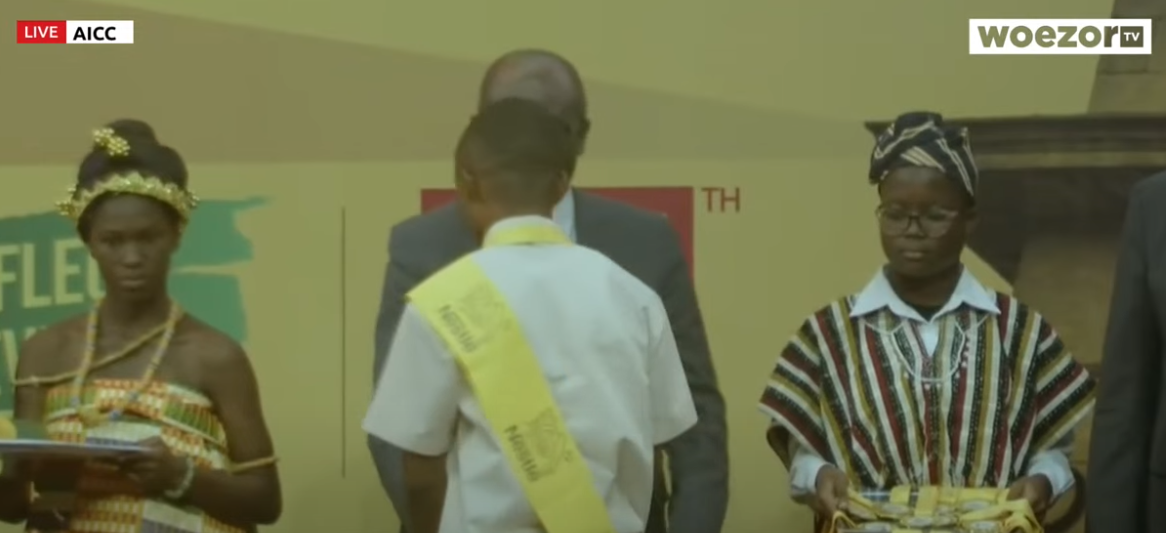
The facility, officially named the Anas Aremeyaw Anas Multimedia Contents Creation and Innovation Centre, was commissioned during the International Conference on Trends in Investigative Journalism in Northern Nigeria, a one-day event jointly organized by WikkiTimes, NEU, and the Tiger Eye Foundation Ghana.
Equipped with advanced audio and video production zones, professional recording equipment, green screens, and DSLR cameras, the centre is designed to provide journalists with cutting-edge resources. It also features sections for graphics, animation, and photography, high-performance computers for digital content creation, live streaming and virtual reality labs, as well as motion capture technology for immersive storytelling. Secure storage systems ensure data protection, while ergonomic workspaces promote efficiency and creativity.
Anas, renowned for his undercover investigative work exposing corruption, joined top academics and media professionals to inaugurate the facility. He described the recognition as a major step toward inspiring the next generation of journalists.
“I hope to see, in the coming years, courageous journalists whose work will stand the test of time and shine a light on corruption in our society,” he said.
Delivering a keynote address, Anas emphasized the responsibility of journalism in fostering positive societal change.
“There is no point in doing journalism if it does not benefit society. Our investigative journalism should be tailored toward uplifting communities and fostering development. If we fail to do this, then we have failed as journalists,” he asserted.
He also highlighted the challenges of the profession, cautioning aspiring journalists about its demands.
“You have to psyche yourself. It’s like a heated kitchen—if you don’t have the energy to stand the heat, you get out.”
WikkiTimes, an independent investigative news platform, played a key role in the event. Co-publisher Ajibola Amzat revealed that since its establishment in 2018, the publication has faced multiple lawsuits but remains resolute in its mission to expose corruption and promote accountability.
“We founded WikkiTimes to bring about change in Northern Nigeria. Despite legal battles and threats, we continue to hold power accountable. I call on stakeholders and the academic community to support our efforts to ensure transparency and good governance,” Amzat stated.
Haruna Mohammed, another co-publisher of WikkiTimes, reiterated the organization’s dedication to nurturing fearless journalists.
“We are committed to nurturing fearless journalists who will hold power to account and promote developmental journalism,” he said.
Professor Umaru Pate, Vice Chancellor of Federal University Kashere, underscored the urgent need for investigative journalism in tackling corruption, which he described as a major hindrance to Nigeria’s development.
“Corruption is a multifaceted problem that hinders our nation’s progress. We must retrace our steps and change the way we operate if we are to overcome these challenges,” Pate noted.
Dr. Hamid Adamu Mohammed, Dean of the School of Communication, Management, and Social Sciences at NEU, emphasized the importance of investigative journalism in addressing pressing issues in Northern Nigeria.
“The North is grappling with numerous issues that require in-depth investigative reporting. Most investigations focus on government corruption, but other critical areas—such as the activities of clerics and traditional institutions—remain underreported,” he observed.
He also stressed the need for journalists to incorporate local languages in their reporting to ensure broader audience engagement.
Victoria Bamas, Editor at the International Centre for Investigative Reporting, highlighted the need for greater female representation in journalism.
“Women’s voices are often marginalized in our societies. We need to amplify these voices and strive for gender balance in newsrooms to ensure that all perspectives are represented,” she said.
The commissioning of the Anas Aremeyaw Anas Multimedia Studio represents a landmark moment for investigative journalism in Nigeria, equipping the next generation of journalists with the tools and training necessary to drive accountability and transparency.