Author: Andy Ogbarmey-Tettey

  • 150 Ghanaians in US detention centres awaiting deportation – Ablakwa

    150 Ghanaians in US detention centres awaiting deportation – Ablakwa

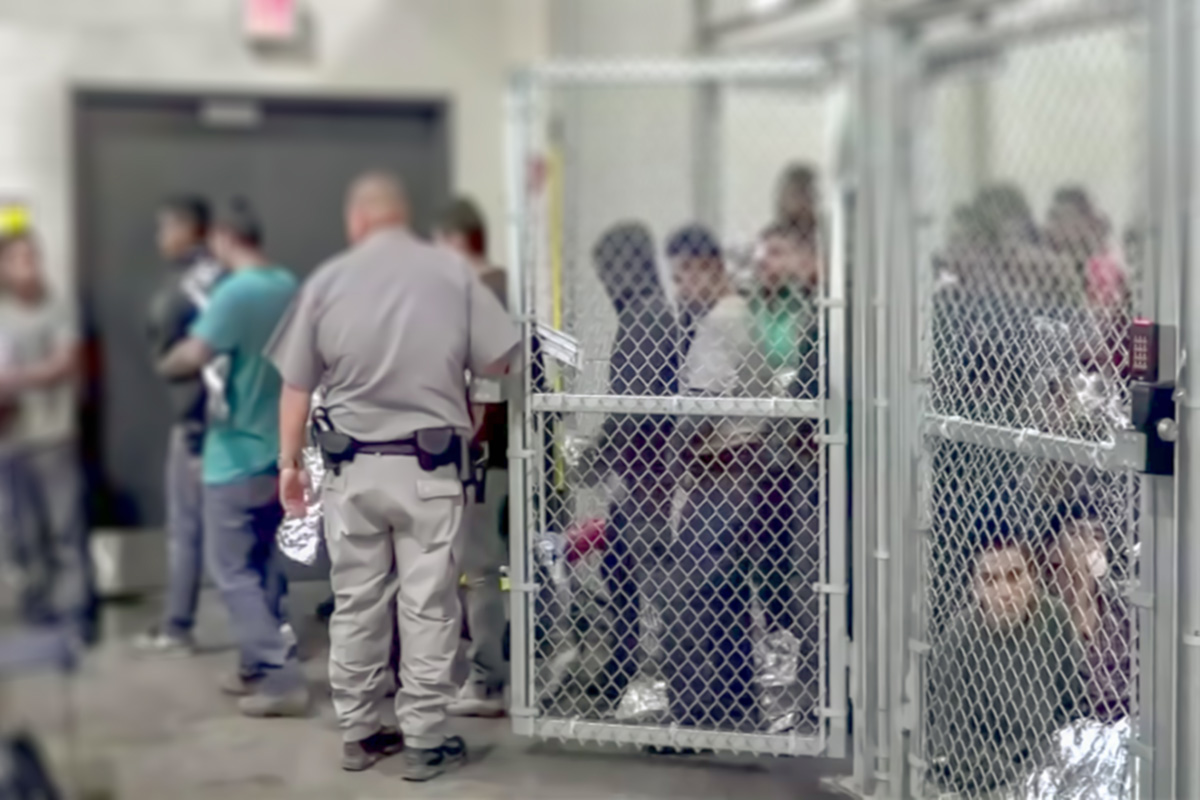
    Update from Washington Mission indicates that there are currently 150 Ghanaians in detention across various centres in the United States of America (USA) who are awaiting deportation.

    Briefing Parliament today, Minister for Foreign Affairs, Samuel Okudzeto Ablakwa, noted that these compatriots have been accused of unlawful activities such as rape, internet fraud, and illegal entry.

    “None of the affected Ghanaians are in detention as we speak. 50 out of the 150 individuals have received final deportation orders for court. Their deportation is expected to take place by mid-year. The remaining 100 cases are either under appeal or have been dismissed,” he said.

    He added that representations have been made to US authorities on behalf of one Ghanaian on the ground of ill health, and he has been released to seek medical care.

    Three Ghanaians have also been processed and are scheduled to depart from the US on commercial flights on the 19th of March, 28th, and 1st of April, respectively.

    Ten Ghanaians have also been interviewed by the Embassy to verify their nationality and ensure that they have received a fair hearing. They are now awaiting the Department of Homeland Security to purchase their flight ticket before their deportation can be issued.

    A month ago, it was reported that approximately 156 Ghanaians are facing imminent deportation from the United States following an executive order by former U.S. President Donald Trump to deport illegal immigrants.

    This was revealed by Foreign Affairs Minister Samuel Okudzeto Ablakwa in February during his interaction with Parliament’s Appointments Committee. He emphasized that the government is closely monitoring the situation to safeguard the rights of the affected individuals.

    “There have been reports suggesting that about 6,200 Ghanaians will be affected by the mass deportation from the United States. However, based on the official brief I have received from the Ministry of Foreign Affairs, the actual number currently communicated to us from Washington, D.C., stands at 156, not 6,200,” he clarified.

    Mr Ablakwa further noted that the government is working in collaboration with Ghana’s consulate in the U.S. to facilitate the deportation process and ensure its smooth execution. He reassured the affected individuals of the government’s commitment to providing them with the necessary support.

    “We will not leave them to struggle on their own. The government of Ghana and its people care about their plight, and we are doing our best to extend consular assistance to them,” he assured.

    Meanwhile, on January 26, President Trump initiated a comprehensive immigration enforcement operation, enlisting multiple federal agencies. According to U.S. Immigration and Customs Enforcement (ICE), this operation has already resulted in the arrest of nearly 1,000 individuals.

    As part of a broader strategy to strengthen immigration enforcement, ICE agents, supported by officials from various Justice Department agencies, have been targeting individuals classified as threats to public safety and national security. The operation is expected to continue in the coming weeks.

    The Ghanaian government remains engaged with U.S. authorities to monitor developments and ensure the well-being of its citizens affected by the ongoing deportations.

  • You’ll be sacked if your performance doesn’t align with the reset agenda – Mahama to CEOs of SOEs

    You’ll be sacked if your performance doesn’t align with the reset agenda – Mahama to CEOs of SOEs

    President John Dramani Mahama has issued a stern warning to Chief Executive Officers (CEOs) of State-Owned Enterprises (SOEs), making it clear that underperformers will not be spared as his government pushes for a complete overhaul of the sector.

    Addressing CEOs of specified entities under the State Interests and Governance Authority (SIGA) on Thursday, March 13, President Mahama emphasised that SOEs must operate efficiently and contribute meaningfully to the national economy. He warned that any enterprise failing to align with his administration’s reset agenda would face tough decisions, including mergers, privatisation, or closure.

    “I will assess you based on your performance. If you do not align with the pace of the reset agenda, you may be asked to step aside. If that adds to the horror movie, so be it,” he declared.

    He stressed that the days of financial mismanagement, unaccountability, and inefficiency in SOEs were over.

    “The era of impunity, mediocrity, and financial recklessness must end today,” he asserted.

    President Mahama’s remarks follow Finance Minister Dr. Cassiel Ato Forson’s revelation that several SOEs remain financially weak and continue to be a drain on the economy.

    Dr. Forson expressed deep concern over their ongoing losses, noting that their underperformance does not reflect their true potential.

    “Unfortunately, some of them are posing significant fiscal risk to the economy of Ghana. The two most threatening, worrisome are the ECG, COCOBOD. We must implement a bold turnaround strategy that transforms loss-making SOEs into financially viable and self-sustaining institutions,” he stated.

    The Finance Minister outlined three key strategies aimed at improving SOE performance:

    1. Capacity building to strengthen leadership and ensure effective management.
    2. Enhanced corporate governance training to enforce regulatory compliance.
    3. Financial discipline and strategic decision-making to restore profitability.

    He urged the CEOs to fully embrace the government’s vision of reforming SOEs into productive entities that contribute to national development.

    “I want to end by urging all stakeholders, State-Owned Enterprises, and heads of state institutions to buy into your vision. A vision to restore hope, a vision to work in transparency and the determination that you have always led us – a determination to the people of the Republic of Ghana,” Dr. Forson said.

    With these directives, the Mahama administration has signaled its commitment to driving efficiency and accountability in the management of state enterprises, ensuring that only those who meet performance expectations retain their positions.

  • Frequent adjustments of tariffs could place additional burden on citizens – Oppong-Nkrumah to govt

    Frequent adjustments of tariffs could place additional burden on citizens – Oppong-Nkrumah to govt

    Ranking Member of Parliament’s Economy and Development Committee, Kojo Oppong Nkrumah, has cautioned that the government’s decision to review electricity tariffs every three months could worsen the financial strain on households and businesses.

    Addressing a press conference on Thursday, March 13, Mr. Oppong Nkrumah acknowledged the government’s justification for the move but warned that it may impose further economic hardships on Ghanaians.

    “While the government argues that this is necessary for sustainability, we must also consider how it affects ordinary Ghanaians. Frequent adjustments could place an additional burden on citizens,” he stated.

    He explained that the periodic tariff revisions were designed to account for fluctuations in fuel costs, exchange rates, and other production expenses. However, he questioned whether this approach was the best way to ensure the sustainability of the power sector.

    “The adjustment of electricity tariffs every three months is meant to reflect changes in production costs, fuel prices, and exchange rate fluctuations,” he noted.

    Mr. Oppong Nkrumah also criticised the government for failing to implement measures that could cushion consumers from the impact of frequent tariff hikes.

    He argued that relying on periodic increases without addressing inefficiencies in the energy sector could undermine economic growth, making businesses less competitive and worsening the cost-of-living crisis.

    “The government must prioritise efficiency in the energy sector rather than relying on periodic tariff increases as a solution,” he urged.

    He further called for greater transparency in how tariffs are determined, stressing the need for a broader conversation among stakeholders to find a balance between cost recovery and affordability for consumers.

  • 5 envoys present credence letters to Mahama

    5 envoys present credence letters to Mahama

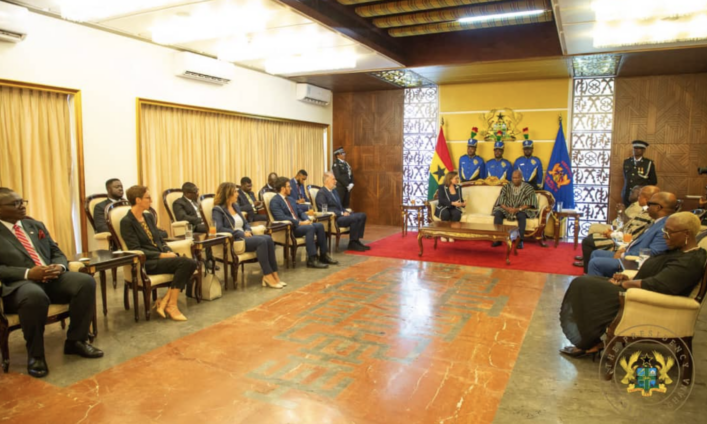
    President John Dramani Mahama on Wednesday formally received five newly appointed envoys representing Italy, Cuba, Liberia, the United Arab Emirates (UAE), and Iran, as they presented their letters of credence at the Presidency in Accra.

    The diplomats, who also submitted letters recalling their predecessors, included Madam Laura Ranalli of Italy, Mr. Julio Enrique Pujol Torres of Cuba, Mrs. Musu Jatu Ruhle of Liberia, Dr. Abdulla Muraid Sulaiman Mohammed Al Mandoos of the UAE, and Mr. Ali Ghomshi of Iran.

    During separate meetings with each envoy at the Credentials Hall, President Mahama reaffirmed Ghana’s commitment to strengthening its diplomatic ties with their respective countries, emphasizing the mutual benefits of cooperation in various sectors.

    Addressing Madam Laura Ranalli, the Italian Ambassador, President Mahama noted the significance of the ceremony, as she was the first envoy he was receiving since assuming office on January 7.

    “Our relations have been historical, and Ghanaians have a very high regard for our cooperation with Italy,” he said.

    Highlighting Ghana’s collaboration with Italian energy giant Eni, President Mahama recalled his recent discussions with its Chief Executive Officer, Claudio Descalzi.

    “We had very good discussions. They had some issues during the previous administration. Happily, we’ve been able to resolve them, and so he indicated that they were willing to go ahead with their investment in Ghana,” he stated.

    “We have had a good partnership with them, and currently almost 60 per cent of our total gas supply for power generation is coming from Eni, and they have the possibility of ramping that up with the other compartments that we gave them.”

    He also highlighted Italy’s role in Ghana’s energy sector, citing projects such as the Akosombo and Kpone Hydro-electric Dams, and expressed optimism about further collaboration in engineering and technology.

    On agriculture, President Mahama stressed its importance to national development, emphasizing that food security must be a priority for any responsible government. He also provided updates on Ghana’s economic outlook, noting that inflation had dropped from 54 per cent to 22 per cent, with hopes of further decline.

    Additionally, he announced the upcoming launch of Ghana’s Labour Export Policy, which aims to facilitate the export of skilled labour to other countries.

    Madam Ranalli congratulated President Mahama on his electoral victory and welcomed the renewed cooperation between Ghana and Eni, which she said had sparked significant interest in Italy.

    “With regard to agriculture, Bonifiche Ferraresi, Italy’s largest company in the sector has committed to investing in Ghana through the establishment of model farms,” she revealed.

    “These farms are designed to promote regenerative agriculture, develop sustainable, scalable, and innovative agroindustrial value chains, enhance food security, and foster the education of human capital to generate lasting employment.”

    The ceremony underscored Ghana’s ongoing efforts to deepen its international partnerships and attract foreign investment across multiple sectors.

  • Economic indicators confirm healthy economy we handed over – Minority

    Economic indicators confirm healthy economy we handed over – Minority

    The Minority in Parliament has defended the economic record of the previous New Patriotic Party (NPP) government, insisting that key indicators prove they left behind a strong and stable economy before handing over to the National Democratic Congress (NDC) administration.

    Addressing a press conference on Thursday, March 13, former Finance Minister and Ranking Member of Parliament’s Finance Committee, Dr. Mohammed Amin Adam, accused Finance Minister Dr. Cassiel Ato Forson of distorting fiscal data to create a false impression of economic mismanagement under the previous government.

    “Ladies and gentlemen, as you know, the manipulation of the fiscal data notwithstanding, the strong health of the economy the NPP handed to the new NDC government continues to be vindicated by other economic indicators,” he stated.

    Dr. Amin Adam pointed to Ghana’s Debt-to-GDP ratio, which stood at 61.8% at the end of 2024, as proof of prudent economic management. He attributed this achievement to “skilled negotiations and the implementation of a good debt strategy” by the previous administration, criticizing Dr. Forson for omitting this in his budget speech.

    “The Hon. Minister could not even acknowledge this important development by the imminent absence of this ratio in his budget speech. Sad!” he remarked.

    He further argued that the NPP’s economic policies had positioned Ghana for long-term growth, dismissing claims that the previous administration left the economy in distress.

    Concluding his remarks, Dr. Amin Adam expressed confidence that history would recognize the achievements of the Akufo-Addo government.

    “Whether we like it or not, it is historic, and history indeed will be kind to the Nana Akufo-Addo government,” he declared, urging the current administration to build upon the solid foundation laid by its predecessor.

  • 2025 budget lacks credibility – Amin Adam

    2025 budget lacks credibility – Amin Adam

    The Minority in Parliament has questioned the credibility of the 2025 Budget Statement, arguing that inconsistencies between the Finance Minister’s verbal presentation and the official budget documents undermine its reliability.

    Speaking at a press conference on Thursday, March 13, Dr. Mohammed Amin Adam, former Finance Minister and Ranking Member of Parliament’s Finance Committee, criticized the budget’s accuracy, citing discrepancies in key figures.

    “As I have always said, the real details of any budget is in the appendixes and as the Finance Minister said that he is going to grow revenue by 17.2% of tax to GDP ratio but when you come into the appendixes and it is 16.1%. Clearly, there is a credibility issue with our budget,” he stated.

    Dr. Amin Adam argued that such inconsistencies raise concerns about transparency and accountability in the government’s fiscal planning.

    Adding to the criticism, former Minister of State at the Finance Ministry, Abena Osei-Asare, accused Finance Minister Dr. Cassiel Ato Forson of presenting conflicting data, warning that this could erode public trust in the government’s economic policies.

    The Minority Caucus has called on the government to provide clarity on the inconsistencies, stressing that the 2025 budget should reflect the actual state of the economy.

    They cautioned that a lack of transparency in financial reporting could harm investor confidence and slow down Ghana’s economic recovery efforts.

    “So, you see, if you cook figures to create a narrative to run your country down, international investors will show you where power lies,” Dr Amin Adam remarked.

  • Road maintenance is govt’s key focus in road sector – Suhuyini

    Road maintenance is govt’s key focus in road sector – Suhuyini

    Deputy Minister for Roads and Highways, Alhassan Suhuyini, has reaffirmed the government’s commitment to prioritizing road maintenance amid significant financial constraints in the sector.

    His comments come in response to the 2025 budget statement presented by Finance Minister Dr. Cassiel Ato Forson, which revealed that the government owes contractors a total of GH¢67.5 billion. This figure includes GH¢49.2 billion in unpaid Interim Payment Certificates and invoices from Ministries, Departments, and Agencies (MDAs), as well as GH¢18.3 billion in outstanding Bank Transfer Advice at the Controller and Accountant-General’s Department.

    Speaking to The Independent Ghana on Tuesday, Suhuyini acknowledged the challenge of settling these debts but assured contractors that some payments would be made.

    “They should have absolute confidence that we will settle some of the debts,” he assured. “However, we obviously cannot clear everything at once. The total financial commitment stands at about GH¢100 billion, with unpaid certificates alone amounting to GH¢21 billion. The decision to uncap the Road Fund is a step in the right direction, but it will only make GH¢2 billion available—far from enough to cover even the unpaid certificates.”

    He stressed that the government’s focus on road maintenance is essential to preserving existing infrastructure, which has suffered due to neglect.

    “The minister has stressed that a significant portion of these funds will be directed toward road maintenance. This is a smart move because our poor maintenance culture has resulted in roads deteriorating within 8 to 10 years instead of lasting longer,” he explained.

    Suhuyini also pointed to the broader infrastructure agenda under the ‘Big Push’ initiative, which has been allocated between GH¢10 billion and GH¢13 billion, with many of the projects focusing on roads.

    “If you look at the Big Push and the amount that is allocated, about GH¢10 to GH¢13 billion, many of the projects under the Big Push are road projects, so that will enable us, you know, start new projects and also retire some of the old debts,” he stated.

    According to the 2025 budget, GH¢5.75 billion is owed by the Road Fund, with an allocation of GH¢2.81 billion programmed for road maintenance. This represents a 155.5% increase from the 2024 allocation of GH¢1.1 billion, underscoring the government’s emphasis on sustaining Ghana’s road network.

    With Ghana’s economy valued at GH¢1.2 trillion, stakeholders are closely monitoring how the government will balance infrastructure expansion with financial obligations.
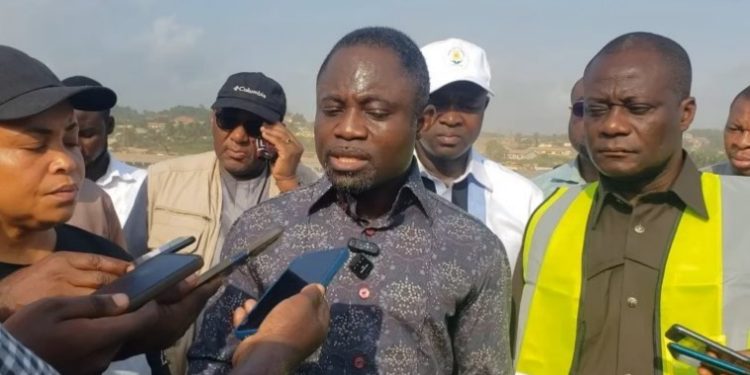
  • LIVESTREAMING: Mahama engages CEOs of specified entities

    LIVESTREAMING: Mahama engages CEOs of specified entities

    At Kempinski today, President John Mahama is engaging Chief Executive Officers of specified entities for restting and realignment.

    President Mahama is expected to share his vision for resetting and realigning SOEs to ensure they operate with greater efficiency and effectiveness.

    This initiative is part of broader efforts to enhance the role of SOEs in driving Ghana’s economic growth.

  • Level 400 student in Gamba killed in attack linked to Bawku conflict

    Level 400 student in Gamba killed in attack linked to Bawku conflict

    A final-year student of Gambaga College of Education in the North East Region has been shot dead in what authorities suspect may be linked to the ongoing violence in Bawku.

    The student’s lifeless body was discovered outside the school’s perimeter fence with suspected gunshot wounds, prompting an immediate response from both school authorities and security agencies.

    Following the incident, academic activities at the college have been suspended as students and staff come to terms with the tragedy.

    While the motive behind the attack remains unclear, sources suggest the killing could be connected to the prolonged tensions in Bawku, which have resulted in sporadic outbreaks of violence in recent months.

    The police have been notified and have begun investigations into the incident. Meanwhile, the Chief of Gambaga has summoned the Principal of the college for discussions on the matter.

    Authorities are urging calm as efforts are made to unravel the circumstances surrounding the killing and ensure the safety of students on campus.

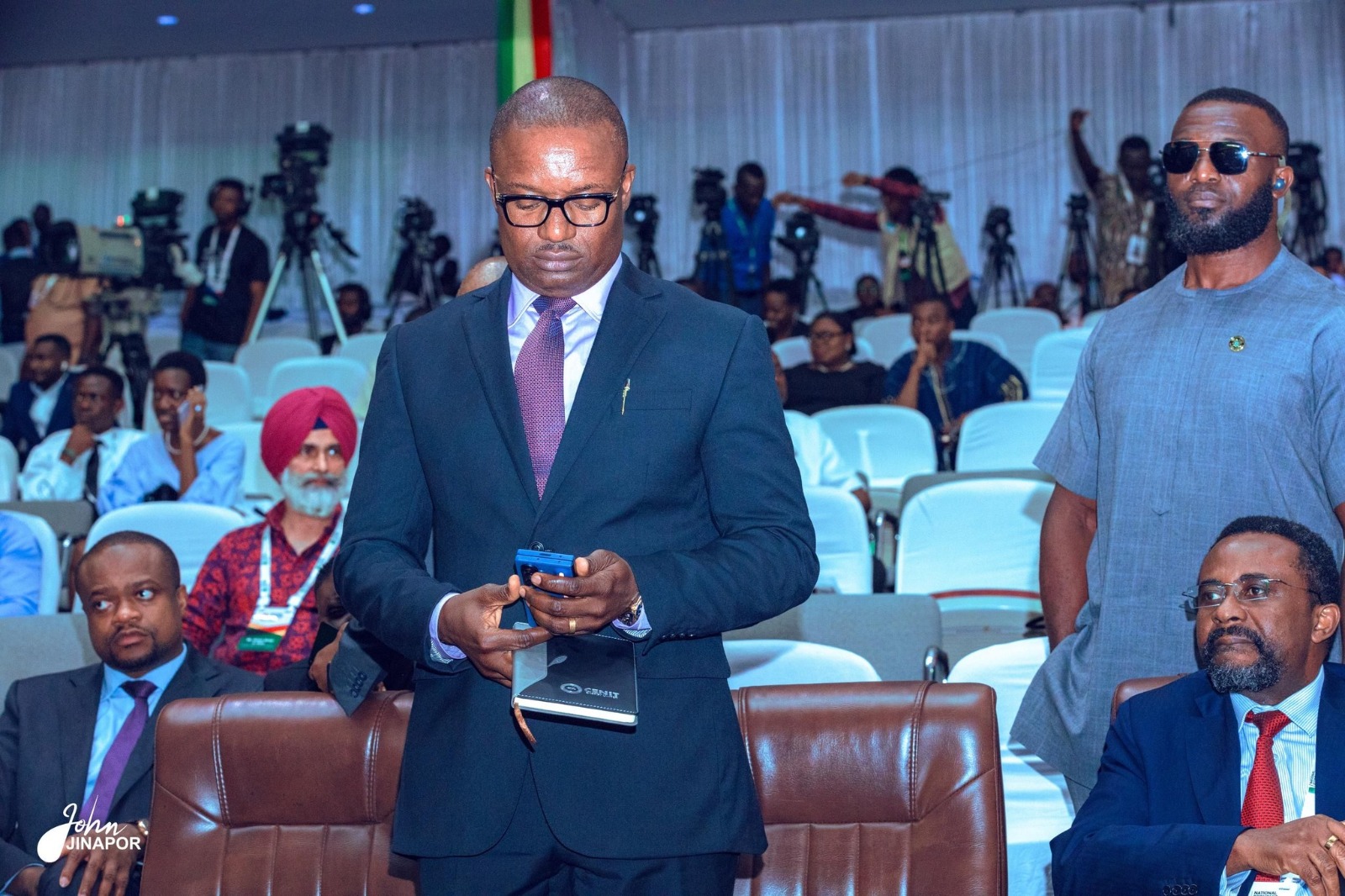
  • We’re committed to enhancing bilateral relation – Turkish Ambassador to Energy Minister

    We’re committed to enhancing bilateral relation – Turkish Ambassador to Energy Minister

    Turkey’s Ambassador to Ghana, H.E. Huseyin Gungor, has reaffirmed his country’s commitment to strengthening diplomatic and economic ties with Ghana, particularly in the energy and sustainability sectors.

    During a courtesy call on the Minister for Energy and Green Transition, John Abdulai Jinapor, the Ambassador highlighted the longstanding cooperation between Turkey and Ghana, emphasizing the need for deeper collaboration in tackling global challenges like climate change and energy security.

    “Turkey, as a development partner, is committed to enhancing this relationship through the efforts of institutions such as TIKA, which continues to carry out impactful projects, as well as through the active presence of Turkish NGOs on the ground,” he remarked.

    Touching on trade and investment, the Ambassador revealed that bilateral trade between the two nations currently stands at approximately $700 million. He noted that Turkey was the second-largest investor in Ghana in 2023, with major companies such as Yilport, Cimpor, and Karpowership actively contributing to the local economy.

    To further boost economic cooperation, he advocated for the establishment of double taxation agreements, investment promotion frameworks, and the creation of a joint economic cooperation council to facilitate trade and SME collaboration.

    Minister John Abdulai Jinapor, in response, expressed appreciation for Turkey’s continued support in Ghana’s energy sector and underscored the importance of international partnerships in achieving a successful energy transition.

    “As we navigate the challenges of energy transition, collaboration on innovative technologies and policies is essential to reducing losses in the distribution sector. We will learn from Turkey and focus on renewable energy to address both energy needs and environmental concerns more effectively,” the Minister stated.

    Both parties reaffirmed their commitment to ongoing dialogue and cooperation, recognizing the opportunity to leverage each country’s expertise in addressing energy transition challenges.

    The meeting marks another step in strengthening Ghana-Turkey relations, reinforcing a shared vision for a more sustainable and energy-efficient future.

  • Energy Ministry, GCB, Ghana Gas enter partnership to revamp GCMC

    Energy Ministry, GCB, Ghana Gas enter partnership to revamp GCMC

    The Ministry of Energy and Green Transition has partnered with Ghana Commercial Bank (GCB) and the Ghana National Gas Company (Ghana Gas) to revive the Ghana Cylinder Manufacturing Company (GCMC) and enhance its operational capacity.

    At a high-level meeting chaired by Energy Minister John Abdulai Jinapor, stakeholders explored strategies to restore GCMC’s full-scale production and strengthen its role in the local manufacturing sector. The discussion focused on mobilizing financial and technical support to boost the company’s efficiency and contribution to Ghana’s clean energy drive.

    Mr Jinapor underscored GCMC’s potential to be a major player in producing high-quality LPG cylinders for domestic and industrial use.

    “We must rejuvenate the company and position it as a key player in the production of high-quality LPG cylinders for both domestic and industrial use,” he emphasized.

    As part of the revitalization efforts, a special committee has been set up to draft a roadmap for cabinet approval. If approved, a Joint Project Implementation Committee—comprising representatives from the Ministry of Energy, Ghana Gas, GCMC, and the Ministry of Finance—will be tasked with executing the plan.

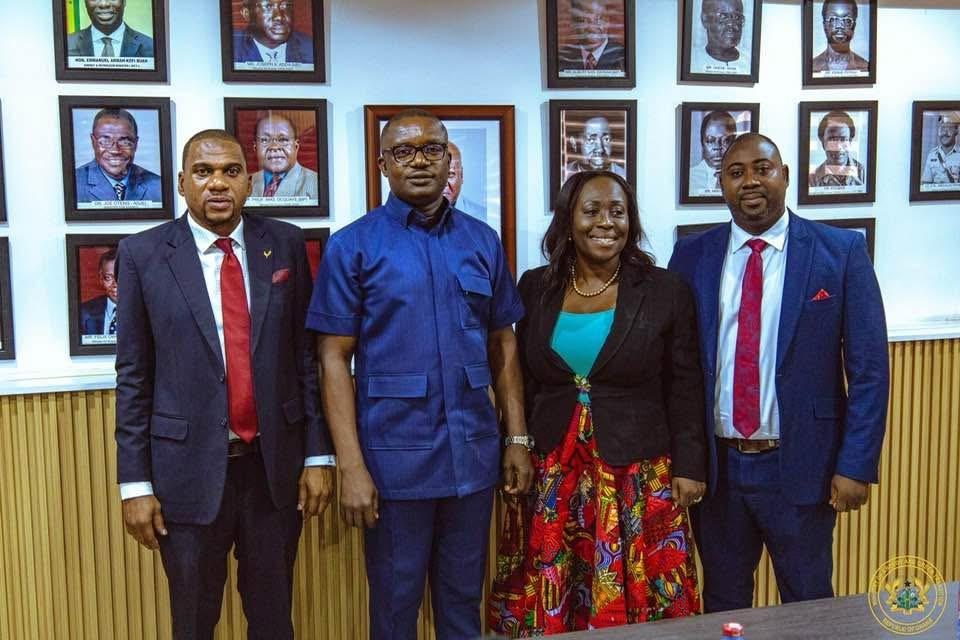
    Key stakeholders present at the meeting included Abdul-Rahman Mankir, Acting Managing Director of GCMC; Madam Judith Blay, Acting CEO of Ghana Gas; Dr. Robert Lartey, Deputy CEO of Ghana Gas; Alhaj Farihan Alhassan, Managing Director of Ghana Commercial Bank; and officials from the Ministry of Energy and Green Transition.

    The Ministry reaffirmed its commitment to strengthening local manufacturing, ensuring energy security, and promoting sustainable industrial development in Ghana.

  • Services sector mainly responsible for 5.7% economic growth in 2024 – GSS

    Services sector mainly responsible for 5.7% economic growth in 2024 – GSS

    The Ghana Statistical Service (GSS) has attributed the country’s 5.7% economic growth in 2024 to the strong performance of the services sector, particularly the increased use of data and SMS under the Information and Communication Services category.

    Addressing Parliament on Wednesday, March 11, Government Statistician Professor Samuel Kobina Anim emphasized that services contributed the most to the overall growth, surpassing other sectors.

    “Of the 5.7% growth rate that we saw in GDP, the services sector contributed the most, 2.51% of the 5.7% GDP growth rate that we saw for 2024.

    “Followed by the industry sector, which mining and quarrying is part of, which gold is part of, contributed to 2.24% of that.

    “Within the service sector, what is driving the service sector is information and communication. And in this case, it’s data and SMS messages that we are using,” he stated.

    This clarification counters an earlier assertion by Finance Minister Dr. Cassiel Ato Forson, who, during the presentation of the 2025 budget, credited the economic expansion primarily to illegal small-scale mining, known as galamsey.

  • Betting isn’t the most desirable of occupations but there is hardship – Felix Kwakye Ofosu

    Betting isn’t the most desirable of occupations but there is hardship – Felix Kwakye Ofosu

    Government spokesperson Felix Kwakye Ofosu has acknowledged that although betting may not be an ideal occupation, economic hardship has pushed many young Ghanaians into it as a means of survival.

    Speaking on JoyNews on Wednesday, March 12, during discussions on the 2025 budget, Kwakye Ofosu defended the government’s decision to scrap taxes on betting winnings. He argued that taxing bettors’ earnings in the current economic climate would only worsen their financial struggles.

    “We find that there were many youth who were driven into that activity because of hardship and the need for them to find something to do to make ends meet,” he stated.

    “It is not the most desirable of occupations, or if you like hobbies, but at the moment, many people are finding solace there.”

    He explained that, given the lack of sufficient job opportunities, it would be unfair to impose taxes on the little winnings bettors make.

    “Do you create difficulty for them by going to tax their meagre winnings when you have not been able to give them employment and they are struggling to find their feet?” he questioned. “We believe that it is important to remove that particular tax on winnings.”

    However, he made it clear that while bettors will no longer be taxed on their earnings, betting companies will continue to be taxed like any other business.

    “Government is taxing betting companies on their earnings like any other business, so they pay corporate income tax like any other business and are subject to any other taxes charged on businesses,” he assured.

    “But as for the betting companies, there’s no way they are escaping taxation.”

    Kwakye Ofosu added that the removal of the tax on winnings has been met with widespread approval, indicating that it was a burden on many young people.

    “I think that it is something that has been widely received, well received by people, and it shows that it was something that was really suffocating people and we needed to do something about it,” he concluded.

  • Gas supplied to Ghana by WAPCo reduced over $20m debt

    Gas supplied to Ghana by WAPCo reduced over $20m debt

    The West African Gas Pipeline Company (WAPCo) has cut down gas supply to Ghana due to an outstanding $20 million debt, deepening concerns over the country’s ongoing energy crisis.

    Energy Minister John Jinapor confirmed the situation, explaining that the reduction in supply comes amid mounting financial pressures in the energy sector. He noted that independent power producers and ENI have also warned of possible supply disruptions due to unpaid debts.

    According to the minister, Ghana’s energy sector is grappling with a massive GHS 80 billion debt, a situation that threatens the stability of power generation.

    Despite these challenges, Mr. Jinapor reassured Ghanaians that the government remains committed to preventing a return to prolonged power outages, popularly known as “dumsor.”

    “This is a supply situation; no load management will be required during this period. This is the official report I receive on a daily basis, so we are not shedding load. There is no load shedding, so we cannot publish a load shedding schedule when we are not shedding load,” he stated.

    He also acknowledged the frailty of the country’s power infrastructure, attributing sporadic outages to a weak transmission grid. “Admittedly, we have inherited a very weak system; the transmission grid is very weak, and so, at the slightest opportunity, you will see some areas going off,” he said.

    To address these financial hurdles, Mr. Jinapor disclosed that the 2025 budget includes plans for a substantial tariff increase this year, aimed at stabilizing the Electricity Company of Ghana (ECG) and improving service delivery.

  • Eastern Reg. Police Commander accused of meddling in Boso Chieftaincy dispute

    Eastern Reg. Police Commander accused of meddling in Boso Chieftaincy dispute

    The Abusuapanin of the Boso Traditional Area in the Eastern Region, Festus Roland Abenney, has accused key police officials of interfering in an ongoing chieftaincy dispute in the community.

    He alleges that the Eastern Regional Police Commander, DCOP Emmanuel Twumasi-Ankrah, along with Akosombo Divisional Commander C/Supt. Doris Akua Grant and District Commander Supt. David Kumah, have worsened tensions in the area by failing to act impartially. According to him, the officers’ handling of the situation suggests a vested interest in the matter rather than a commitment to maintaining law and order.

    Speaking on Peace FM on Tuesday, Abusuapanin Abenney called on Inspector-General of Police (IGP) Dr. George Akuffo Dampare to intervene before the situation escalates further.

    “From the way things are going, it is obvious the Regional Commander and the Akosombo Command are the ones pulling the strings from behind. Instead of enforcing the law to keep the peace, they have taken active interest in instigating tension in the community,” he asserted.

    He further expressed concerns about the diminishing trust in the local police authorities. “The Boso community is increasingly losing confidence in the regional and district Commanders. A police commander is supposed to engender confidence among the people and not stoke tension among them. We are calling on the IGP to call the commanders to order before things get out of hand,” he stated.

    Abusuapanin Abenney also acknowledged the IGP’s efforts to maintain professionalism within the police service but stressed that some of his commanders were failing in their duties. “We know the IGP is doing his best, but some of his commanders are not professional in their dealings, and he must call them to order,” he emphasized.

    He noted that the community would wait for the IGP’s response before deciding on their next course of action.

  • We’ll settle part of the GHS67.6bn owed to contractors and suppliers – Suhuyini

    We’ll settle part of the GHS67.6bn owed to contractors and suppliers – Suhuyini

    Deputy Minister for Roads and Highways, Alhassan Suhuyini, has acknowledged the significant financial burden facing the government to clear outstanding debts owed to contractors and suppliers.

    His remarks follow the presentation of the 2025 budget by Finance Minister Dr. Cassiel Ato Forson, who disclosed that the government’s total commitments to contractors stand at a staggering GH¢67.5 billion.

    This amount comprises GH¢49.2 billion in unpaid Interim Payment Certificates and invoices from Ministries, Departments, and Agencies (MDAs), as well as GH¢18.3 billion in outstanding Bank Transfer Advice at the Controller and Accountant-General’s Department.

    Speaking to The Independent Ghana on Tuesday, Suhuyini admitted that while the government is committed to addressing some of these debts, it cannot clear the full amount immediately.

    “They should have absolute confidence that we will settle some of the debts,” he assured. “However, we obviously cannot clear everything at once. The total financial commitment stands at about GH¢100 billion, with unpaid certificates alone amounting to GH¢21 billion. The decision to uncap the Road Fund is a step in the right direction, but it will only make GH¢2 billion available—far from enough to cover even the unpaid certificates.”

    He emphasized the importance of prioritizing road maintenance, a sector that has suffered due to poor upkeep. “The minister has stressed that a significant portion of these funds will be directed toward road maintenance. This is a smart move because our poor maintenance culture has resulted in roads deteriorating within 8 to 10 years instead of lasting longer,” he explained.

    Suhuyini noted that, in addition to paying off some existing road maintenance debts, the government is looking at a broader infrastructure push. “With GH¢10 to GH¢13 billion allocated under the ‘Big Push’ initiative, several new road projects will commence while some outstanding debts will also be retired,” he added.

    As Ghana’s economy is valued at GH¢1.2 trillion, stakeholders are keen on seeing how the government will balance infrastructure development with financial obligations. if you look at the big push and the amount that is allocated, about GHC10 to GHC13 billion, many of the projects under the big push are road projects so that will enable us, you know, start new projects and also retire some of the old debts,” he said.

  • LIVESTREAMING: Mahama swears in Deputy Ministers

    LIVESTREAMING: Mahama swears in Deputy Ministers

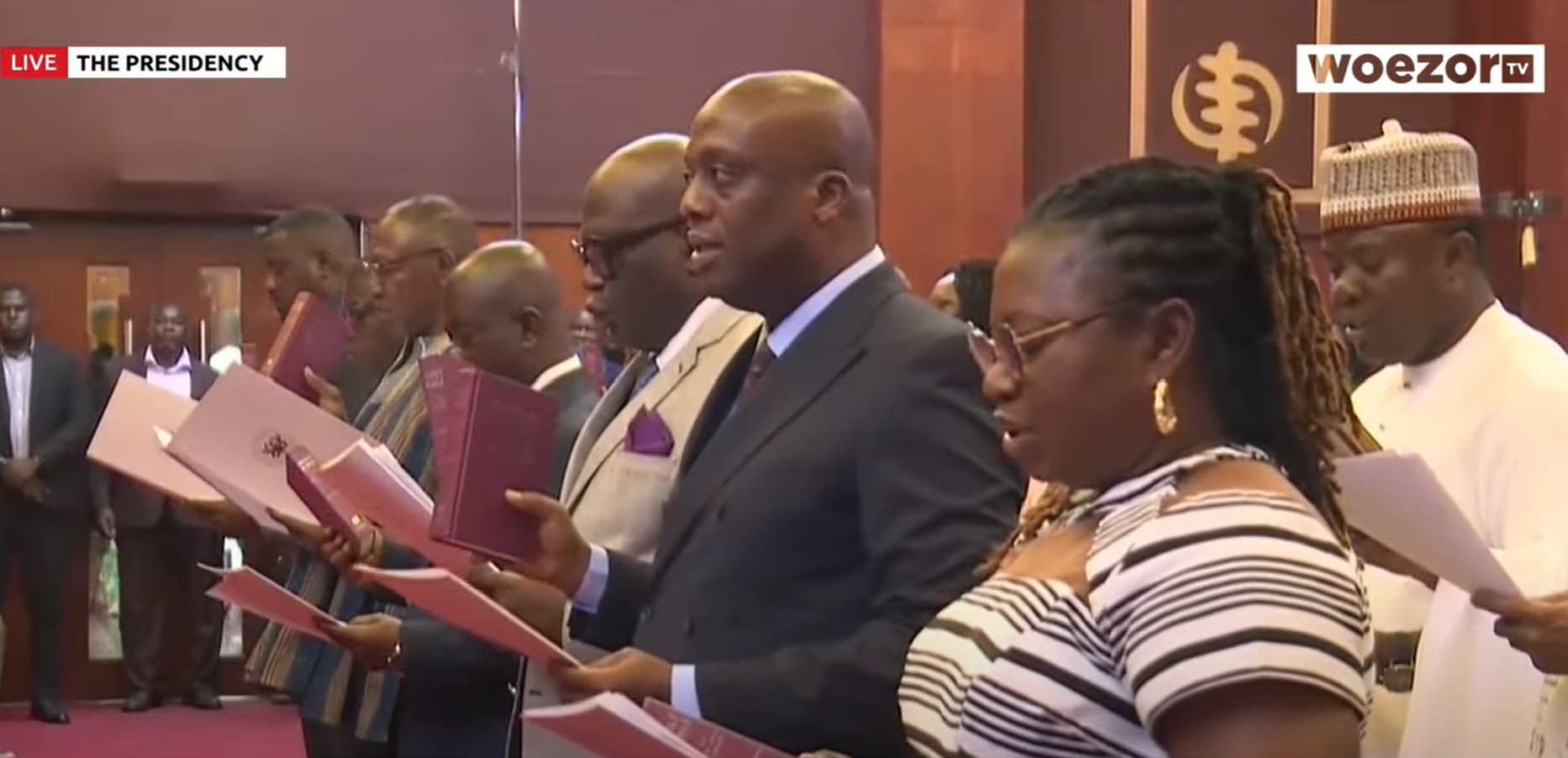
    President John Mahama is swearing in seven deputy ministerial nominees and one Minister of State who received Parliamentary approval following their successful vetting weeks ago.

    The ceremony is taking place at the Jubilee House.

    The nominees were recommended for approval by consensus, paving the way for them to officially assume their respective roles.

    The confirmation of these officials was announced by First Deputy Speaker Bernard Ahiafor on Friday, March 7, 2025.

    Lydia Akanvariba has been confirmed as the Minister of State in charge of Public Sector Reforms. She is expected to lead initiatives aimed at improving efficiency and productivity within the public sector.

    The approved deputy ministers will serve in various key ministries to support the government’s agenda. They include:

    • Thomas Ampem Nyarko – Deputy Minister for Finance
    • Ebenezer Terlabi – Deputy Minister for Interior
    • Samson Ahi – Deputy Minister for Trade, Agribusiness, and Industry
    • Clement Apaak – Deputy Minister for Education
    • Richard Gyan Mensah – Deputy Minister for Energy
    • John Dumelo – Deputy Minister for Food and Agriculture
    https://www.youtube.com/watch?v=iaAnHyitYgA
  • Local businesses will be contracted to provide free pads to female students in schools – Trade Minister

    Local businesses will be contracted to provide free pads to female students in schools – Trade Minister

    The government has reaffirmed its commitment to supporting local industries by ensuring that the production of sanitary pads for its free distribution initiative will be sourced from Ghanaian manufacturers.

    Minister for Trade and Agro Business, Elizabeth Ofosu-Agyare, emphasized this approach while addressing the economic impact of the policy. Her comments come in response to the GH₵292.4 million allocation announced by Finance Minister Dr. Cassiel Ato Forson in the 2025 budget, aimed at providing free sanitary pads to female students in primary and secondary schools.

    Speaking in an interview with The Independent Ghana, Minister Ofosu-Agyare underscored the initiative’s broader economic significance beyond menstrual health support.

    “This is a good budget,” she stated. “It is good in the sense that there is something in it for everybody. And let me tell you one thing—free pads are not just for the benefit of the girl child. No. This policy is also beneficial to the industry because His Excellency John Dramani Mahama has made it clear that the government will use its purchasing power to support locally made products. That means nearly GH₵300 million will remain in the economy to benefit the private sector since we will source all the pads from Ghana.”

    She further highlighted how the policy will contribute to job creation and economic stability by reducing dependency on imports.

    “We are going to create more jobs. It means we will stabilize our cedi because we won’t have to exchange money to import pads. And when local manufacturers profit, they will expand and even export more,” she explained.

    In addition to prioritizing local production, the budget includes measures to strengthen collaboration between the government and private businesses, particularly in addressing industry concerns regarding taxation and financial regulations.

    “One of the challenges industries have raised is access to the Finance Ministry and GRA,” the minister noted. “Now, the minister has stated that there will be quarterly meetings between the GRA, the Finance Ministry, and the private sector. Guess what? I will always be there to champion the cause of the private sector.”

    She assured businesses that these engagements would create a more transparent and supportive regulatory environment.

    “This will give a lot of confidence to businesses operating in Ghana. They will have direct access to the Ministry of Finance and GRA so that tax issues affecting their sectors can be resolved quickly,” she added.

    The minister reaffirmed that the government’s push for industrial growth extends beyond sanitary pad production, emphasizing its long-term commitment to strengthening local manufacturing.

    “We have set the tone well, and the resetting agenda has begun. Ghana is ready for business,” she concluded.

    The decision to support local manufacturers aligns with ongoing advocacy efforts to make menstrual hygiene products more accessible. In September 2023, a private member’s bill was introduced in Parliament to amend the VAT (Amendment) Act, 2022 (Act 1082), seeking the removal of the 15% Value Added Tax (VAT) on sanitary pads and tampons.

  • Free sanitary pads initiative to spur growth of Ghana’s private sector – Trade Minister

    Free sanitary pads initiative to spur growth of Ghana’s private sector – Trade Minister

    Minister for Trade and Agro Business, Elizabeth Ofosu-Agyare, has highlighted the economic benefits of the government’s decision to distribute free sanitary pads to female students in primary and secondary schools.

    As part of the 2025 budget presented in Parliament on Tuesday, Finance Minister Dr. Cassiel Ato Forson announced that GH¢292.4 million has been allocated to support this initiative.

    Reacting to this development in an interview with The Independent Ghana, Minister Ofosu-Agyare described the budget as inclusive, emphasizing that the policy goes beyond addressing menstrual health challenges.

    “This is a good budget,” she said. “It is good in the sense that there is something in it for everybody. And let me tell you one thing—free pads are not just for the benefit of the girl child. No. This policy is also beneficial to the industry because His Excellency John Dramani Mahama has made it clear that the government will use its purchasing power to support locally made products. That means nearly GH¢300 million will remain in the economy to benefit the private sector since we will source all the pads from Ghana.”

    She further explained that producing sanitary pads locally will boost job creation and stabilize the cedi by reducing the need to import such products.

    “We are going to create more jobs. It means we will stabilize our cedi because we won’t have to exchange money to import pads. And when local manufacturers profit, they will expand and even export more,” she stated.

    The minister also pointed out that the budget includes measures to enhance collaboration between the government and private businesses.

    “One of the challenges industries have raised is access to the Finance Ministry and GRA,” she noted. “Now, the minister has stated that there will be quarterly meetings between the GRA, the Finance Ministry, and the private sector. Guess what? I will always be there to champion the cause of the private sector.”

    She assured that these engagements would foster a business-friendly environment where tax-related concerns are addressed promptly.

    “This will give a lot of confidence to businesses operating in Ghana. They will have direct access to the Ministry of Finance and GRA so that tax issues affecting their sectors can be resolved quickly,” she added.

    The government’s commitment to industrial growth, she said, extends beyond sanitary pad production. “We have set the tone well, and the resetting agenda has begun. Ghana is ready for business,” she concluded.

    The free sanitary pad initiative comes amid longstanding calls for tax relief on menstrual hygiene products. In September 2023, a private member’s bill was submitted to Parliament seeking an amendment to the VAT (Amendment) Act, 2022 (Act 1082), to remove the 15% Value Added Tax (VAT) on sanitary pads and tampons.
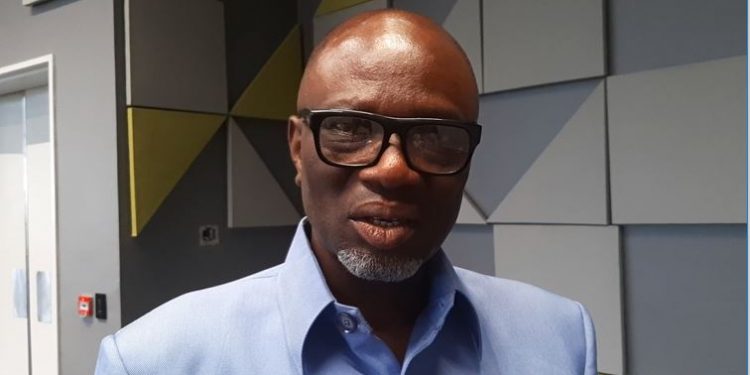
  • Govt uncaps GETFund, NHIL, Road Fund to increase investment in health, educational, road sectors

    Govt uncaps GETFund, NHIL, Road Fund to increase investment in health, educational, road sectors

    The Mahama-led government has removed expenditure restrictions on the Ghana Education Trust Fund (GETFund), the National Health Insurance Levy (NHIL), and the Road Fund to strengthen financing for critical sectors, including education, healthcare, and road infrastructure.

    Finance Minister Dr. Cassiel Ato Forson announced this policy shift while presenting the 2025 Budget Statement to Parliament on Tuesday, emphasizing the government’s commitment to improving essential public services.
    “Mr. Speaker, we have uncapped the National Health Insurance Levy (NHIL). An amount of GH¢9.93 billion has been programmed for the National Health Insurance Scheme (NHIS),” Dr. Forson stated.
    He explained that the NHIS funds would cover claim payments, essential medicines, vaccine procurement, Free Primary Healthcare, the newly introduced Ghana Medical Care Trust (MahamaCares), and bridging the USAID financing shortfall.

    As of July 2024, GH¢5.4 billion had been disbursed to support the Livelihood Empowerment Against Poverty (LEAP) programme, the School Feeding Programme, the Capitation Grant, and the NHIS since January 2023.

    On education, Dr. Forson highlighted a significant boost in funding for the Free Senior High School (SHS) programme, with GH¢3.5 billion allocated in the 2025 budget.

    “Mr. Speaker, this year, the budget for the free secondary education programme is GH¢3.5 billion. By uncapping the GETFund, we will be making available an additional GH¢4.1 billion to the GETFund,” he disclosed.

    The government aims to assess the state of Ghana’s education system and introduce evidence-based reforms, prompting a call for a National Education Conference.

    As of November 2024, the previous government had spent over GH¢12 billion on implementing the Free SHS policy since its inception in 2017.

    Dr. Forson also announced increased funding for road maintenance to improve the country’s road infrastructure.

    “Mr. Speaker, we have also uncapped the Road Fund. An amount of GH¢2.81 billion has been programmed for the Ghana Road Fund to be used solely for road maintenance. This represents an increase of 155.5% over the 2024 allocation of GH¢1.1 billion,” he stated.

    Addressing challenges in the road sector, the minister revealed that by the end of December 2024, total central government arrears/payables had reached GH¢67.5 billion, representing 5.2% of GDP, with the road sector alone accounting for GH¢21 billion.

    Upon assuming office on January 23, the Ministry of Finance was inundated with payment requests from government contractors and suppliers. To determine the total outstanding claims for all Ministries, Departments, and Agencies (MDAs), the Finance Ministry formally requested, on January 28, that MDAs submit information on all arrears/payables as of the end of 2024. The ministry then held special hearings with MDAs to validate the submitted figures.

    The removal of expenditure caps on these funds is expected to enhance the government’s ability to address financing gaps in key sectors, ensuring uninterrupted services and improved infrastructure.

  • Bill to abolish e-levy, others must be taken through a certificate of urgency – Ato Forson

    Bill to abolish e-levy, others must be taken through a certificate of urgency – Ato Forson

    Finance Minister Dr. Cassiel Ato Forson has emphasized the need for a swift legislative process to abolish several taxes, including the Electronic Transaction Levy (E-Levy), the COVID-19 Levy, and the 10% tax on lottery winnings, commonly referred to as the betting tax.

    Dr. Forson revealed that the bills to repeal these taxes would be presented to Parliament on Wednesday, March 13, under a certificate of urgency to ensure a speedy passage.

    “Tomorrow morning, I will be going to Parliament to submit the bills, and I expect Parliament to take them through a certificate of urgency,” Dr. Forson stated during an interview on JoyNews PM Express on Tuesday, March 11.

    He expressed confidence that repealing these taxes would be straightforward due to their simplicity.

    “Repealing the taxes will be one clause each. Repealing the betting tax is very easy, the e-levy and all of those things we are repealing are quite easy,” he added.

    The Finance Minister explained that since the bills fall under revenue legislation, they qualify to be laid before Parliament under a certificate of urgency.

    “It’s a revenue bill, and under the Constitution, you have any way to lay finance bills under a certificate of urgency,” he explained.

    The proposal to eliminate these taxes aligns with the Mahama-led government’s commitment to scrapping what it describes as “nuisance taxes” implemented by the previous Akufo-Addo administration.

    While presenting the 2025 Budget Statement to Parliament on March 11, Dr. Forson officially announced the plan to repeal multiple taxes.

    “Mr. Speaker, we will abolish the 10% withholding tax on winnings from lotteries, otherwise known as the ‘betting tax.’ We will abolish the Electronic Transfer Levy (E-Levy) of 1%. We will abolish the emission levy on industries and vehicles. We will abolish the VAT on motor vehicle insurance policies. And we will abolish the 1.5% withholding tax on the sale of unprocessed gold by small-scale miners,” he stated.

    He noted that these tax removals aim to alleviate financial burdens on households while boosting business growth and improving tax compliance.

    “…the removal of these taxes will ease the burden on households and improve their disposable incomes. In addition, it will support business growth and improve tax compliance,” he added.

    So far, the government has announced the removal of six taxes: the 10% betting tax, the 1% E-Levy, the emission levy on industries, VAT on motor insurance, the 1.5% withholding tax on unprocessed gold sales, and the COVID-19 levy. These tax repeals will take effect once the 2025 budget is passed by Parliament.

    Despite the anticipated relief for individuals and businesses, some experts and analysts have raised concerns about the potential impact on Ghana’s already struggling economy. In response, the government has outlined measures to mitigate the revenue shortfall, including adjustments to the tax refund ceiling.

    “Mr. Speaker, by reducing the ceiling on the tax refund from 6% to 4%, we will save GH¢3.8 billion. This amount is enough to close the revenue shortfall from the removal of the E-Levy, amounting to GH¢1.9 billion, and the betting tax of GH¢180 million,” Dr. Forson stated.

    Meanwhile, government revenue reports indicate that by the end of 2024, approximately GH¢6.4 billion had been collected from the COVID-19 Health Recovery Levy, GH¢246.9 million from the E-Levy, and about GH¢120 million from other levies.

    The fate of the proposed tax abolitions now rests with Parliament, as the government pushes for an expedited legislative process to implement these changes.

  • We will fix the economy with discipline, transparency – Finance Minister

    We will fix the economy with discipline, transparency – Finance Minister

    Ghana’s economic recovery will demand sacrifices, discipline, and honesty from all stakeholders, Finance Minister Dr. Cassiel Ato Forson has said. 

    Presenting the 2025 Budget Statement to Parliament on Tuesday, he acknowledged the deep financial challenges facing the country but assured that the government is committed to taking bold measures to turn things around.

    Dr. Forson stressed that restoring stability requires a responsible approach, starting with the government itself. He maintained that truthfulness and transparency would be central to the administration’s efforts to rebuild the economy.

    “Rt. Honorable Speaker, it is what it is. The state of our economy is troubling, but we will fix it. We will fix it, but Mr. Speaker, it will require some sacrifices, truthfulness, transparency, and discipline. We will take strong measures to confront the situation head-on. The sacrifice must come from all stakeholders, beginning with the government,” he stated.

    He blamed the country’s economic distress on excessive debt, financial sector obligations, and what he described as reckless spending by the previous New Patriotic Party (NPP) administration. He argued that these factors had derailed fiscal consolidation efforts, even under the International Monetary Fund (IMF) programme introduced in 2023.

    “Mr. Speaker, hands on heart, we inherited an economy in deep crisis. Mr. Speaker, an economy hit with debt… and financial sector payments. Re-commitment control and reckless spending have reversed the progress made in fiscal consolidation even under the IMF programme that commenced in the year 2023,” he said.

    Despite efforts to stabilize the economy through the IMF-backed programme, Dr. Forson admitted that the nation remains in financial distress. He noted that while some progress had been made, the burden of economic mismanagement continues to weigh heavily on Ghanaians, especially domestic bondholders, external creditors, and taxpayers.

    “Mr. Speaker, notwithstanding the gains made under the IMF-supported programme that was to be achieved through the painful sacrifice of domestic bondholders, external creditors, and taxpayers, the economy remains in distress,” he added.

    Ghana’s economic landscape entering 2025 has been a mix of progress and persistent challenges. The cedi, which struggled against major trading currencies in 2024, recorded a 2.06% depreciation against the US dollar, British pound, and euro in January, according to the Bank of Ghana. This marked an improvement compared to December 2024, when the cedi depreciated by 19.2% against the dollar, 17.8% against the pound, and 13.7% against the euro.

    Inflation has also shown a slight decline, dropping to 23.1% in February 2025 from 23.5% in January. However, the rate remains well above the central bank’s target range of 6% to 10%.

    As part of the government’s broader economic plan, several key macroeconomic targets have been set for the 2025 fiscal year. The government aims to achieve a real GDP growth rate of at least 4.0%, with non-oil real GDP growth projected at 4.8%.

    Inflation is expected to drop further to 11.9% by the end of the year. Additionally, the government is targeting a primary balance surplus of 1.5% of GDP, while maintaining gross international reserves sufficient to cover at least three months of imports.

    Dr. Forson assured Parliament and the public that with the right policies and a commitment to responsible governance, the government is determined to navigate Ghana out of its current economic turmoil.

  • Cocoa production has dropped by 50 percent in the last 3 years – Finance Minister

    Cocoa production has dropped by 50 percent in the last 3 years – Finance Minister

    Ghana’s cocoa industry has experienced a sharp decline, with production dropping by 50% over the past three years, raising concerns about the country’s economic stability and export commitments.

    Finance Minister Dr. Cassiel Ato Forson made this revelation while presenting the 2025 Budget Statement to Parliament on March 11. He highlighted the challenges facing the sector, particularly its inability to meet international supply demands.

    Dr. Forson disclosed that during the 2023/2024 crop season, the Ghana Cocoa Board (COCOBOD) was unable to deliver 330,000 tonnes of cocoa required to fulfill contractual agreements.

    “This under-supply has been rolled over for subsequent supply by the new administration,” he stated, emphasizing the impact of the production shortfall on Ghana’s export commitments.

    He further stressed the need for urgent policy interventions to revive the sector, noting that cocoa remains a pillar of Ghana’s economy.

    “Cocoa production has dropped by nearly 50% over the past three years,” he told Parliament, acknowledging the mounting concerns of industry stakeholders.

    To address the crisis, Dr. Forson assured lawmakers that the government is committed to implementing strategies aimed at boosting productivity and ensuring the stability of cocoa exports.

  • Salary arrears of over 300 pharmacists will be paid – Govt

    Salary arrears of over 300 pharmacists will be paid – Govt

    The government has pledged to address the salary arrears of more than 300 pharmacists who have gone unpaid since their recruitment in June 2023.

    Minister for Finance, Dr. Cassiel Ato Forson, made this assurance while presenting the 2025 Budget to Parliament on March 11, acknowledging the financial hardships faced by the affected health workers and committing to swift action.

    He revealed that the issue was first brought to his attention through an online engagement with young people before the budget presentation.

    “During my engagement with the youth, it was revealed that 321 pharmacists who were employed since June 2023 have not received their salaries. We will take urgent steps to remedy this situation immediately,” he assured.

    Dr. Forson reiterated the government’s commitment to improving conditions in the health sector, noting that salary delays continue to be a challenge for many workers. He stressed that timely payment of wages is crucial to maintaining efficiency and morale within the healthcare system.

    Reflecting on his discussions with the youth, he described them as insightful and emphasized the need for policymakers to incorporate young people’s perspectives in decision-making.

    “This conversation strengthened my belief that the voices of the youth matter in designing policies that directly and indirectly impact their lives and future,” he noted.

  • Ghanaian economy is valued at GHC1.2 trillion – GSS

    Ghanaian economy is valued at GHC1.2 trillion – GSS

    Ghana’s economy has been valued at approximately GH¢1.2 trillion in 2024, according to provisional data from the Ghana Statistical Service (GSS).

    This figure includes GH¢1.098 trillion from oil Gross Domestic Product (GDP) and GH¢77.80 billion from net indirect taxes.

    The data shared by Government statistician, Professor Samuel Kobina Annim further indicates that the Services sector remains the dominant contributor to the economy, accounting for GH¢515.85 billion. Industry follows with GH¢338.8 billion, while Agriculture contributes GH¢243.74 billion.

    Economic growth also saw a notable improvement in 2024, with the country’s GDP expanding by 5.7%, a significant rise from the revised growth rate of 3.1% recorded in 2023.

    The Industry sector led the growth trajectory, recording an impressive 7.1% expansion. Within this sector, the Construction sub-sector experienced the highest growth at 9.6%, followed closely by the Mining and Quarrying sub-sector, which grew by 9.4%. Manufacturing also saw moderate growth, expanding by 3.9%.

    The Services sector registered a 5.9% year-on-year growth, with Information and Communication emerging as the fastest-growing sub-sector at 15.8%. Financial and Insurance Activities also performed strongly, expanding by 7.6%. However, the Other Personal Services Activities sub-sector saw a decline.

    Agriculture, despite its crucial role in the economy, recorded a modest growth rate of 2.8%. The Livestock sub-sector posted the highest expansion within Agriculture at 3.5%, while Crops followed with 3.2%. Cocoa, however, faced a severe contraction of 22.4%, marking a significant setback for the sector.

    https://twitter.com/ghonetv/status/1899060917943353833

  • Credit fundamentals see positive development – Stanbic Bank’s Karen Kwarteng

    Credit fundamentals see positive development – Stanbic Bank’s Karen Kwarteng

    Karen Kwarteng, Head of Global Market Sales at Stanbic Bank, has highlighted positive shifts in Ghana’s credit fundamentals describing it as a strong foundation for economic transformation.

    Karen Kwarteng shared this on an interview with CNBC Africa when she discussed economic expectations ahead of the Government of Ghana’s presentation of the 2025 budget on Tuesday, March 11.

    Reflecting on the country’s current economic landscape, Madam Kwarteng identified some encouraging signs of recovery especially in Ghana’s credit fundamentals. “We’re seeing positive developments, such as surplus in the current account and a rebound in foreign exchange reserves, which now stand at $8.9 billion. These indicators provide a strong foundation for the government to build on as it seeks to implement its economic transformation agenda,” she said.

    She further stressed the importance of fiscal discipline in the upcoming budget, commending the government’s efforts to minimize overspending, reduce waste, and enhance tax mobilization. “The market sentiment suggests a leaning towards austerity measures to ensure fiscal stability. This will be critical in maintaining investor confidence and fostering long-term economic resilience.” 

    A key focus of the budget, according to her, should be on bolstering the agricultural sector, and streamlining government tax revenues. “The implementation of the Ghana card system is a pivotal step in widening the tax net to include more individuals and businesses, especially within the informal sector,” she said. 

    Digitalization, Kwarteng added, will play a crucial role in enhancing tax compliance and attracting foreign direct investment. “By leveraging technology, Ghana can create a more transparent and efficient tax system,” she explained. “This will not only boost revenue but also improve the ease of doing business in the country.” 

    On the global front, she highlighted the need for Ghana to maintain a stable currency regime and shield itself from external shocks. “With emerging economies facing challenges due to a strong US dollar and global uncertainties, it is essential for Ghana to adopt measures that safeguard reserves and uphold currency stability. This will create a conducive environment for businesses and attract foreign investments.” 

    She expressed optimism about Ghana’s progress under its International Monetary Fund (IMF) programme. With the fourth review based on fiscal data ending December 2024 underway, Kwarteng expressed confidence that Ghana has met the IMF’s targets. 

  • We will get to a ‘paperless’ Parliament in the near future – Speaker

    We will get to a ‘paperless’ Parliament in the near future – Speaker

    Speaker Alban Bagbin is optimistic about Parliament becoming a fully digitalized state institution.

    According to the Speaker, during sitting on Tuesday, March 11, the current infrastructure used by the House, built in the 1900s, is fraught with many challenges that make it difficult for Parliament to operate in a ‘paperless’ manner.

    When the Member of Parliament representing the Yapei-Kusawgu constituency, John Jinapor, raised concerns about some legislators not receiving a hard copy report of a vote count, the Speaker noted that there are challenges in uploading all relevant information onto the devices used by MPs, which is expected to become the norm.

    He also cited some electrical challenges that Parliament is grappling with. The Speaker revealed that, at present, Parliament is unable to do much due to budget constraints.

    However, Speaker Bagbin remains optimistic that Parliament will transition to a paperless system in the near future.

    The digitalization drive has been well received by government agencies and the general public, as it enhances efficiency and ensures the timely delivery of desired outcomes.

    Additionally, Chief Justice Gertrude Sackey Torkornoo has affirmed that the digitization agenda for the courts will proceed without interruption.

  • GAFCSC holds matriculation ceremony for MDIP, MSS programmes

    GAFCSC holds matriculation ceremony for MDIP, MSS programmes

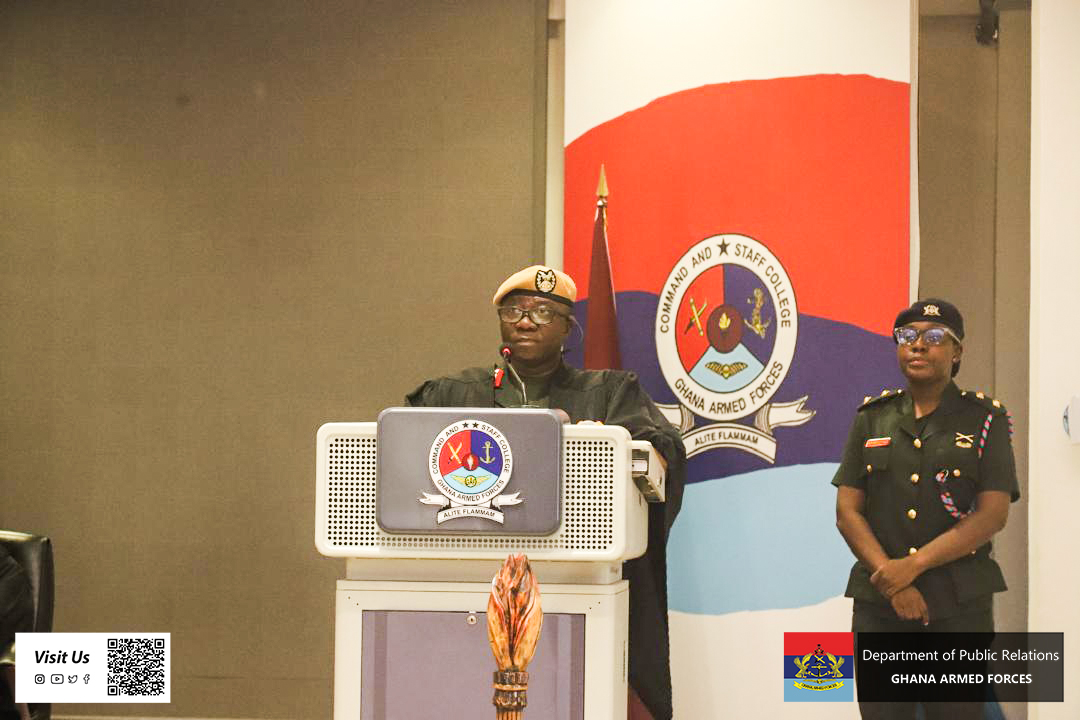
    The Ghana Armed Forces Command and Staff College (GAFCSC) has held a matriculation ceremony for the Master of Science in Defence and International Politics (MDIP) and Master of Science Degree in Security Studies (MSS) Programmes.

    The Commandant GAFCSC, Major General Matthew Essien, in his remarks, entreated the students to display tenacity and endurance as the programme demands intellectual rigour, critical thinking and a deep sense of responsibility. He urged them to approach the course with a sense of purpose and dedication.

    Major General Matthew Essien further stated that the programmes are designed to equip students with the necessary tools to navigate the complexities of international politics, defence and security.

    Dean of Academic Affairs, Dr Napoleon Kurantin, in his remarks, emphasised the commitment of the University to achieving academic excellence and also instilling moral uprightness in students.

  • Ghana to mark World Glaucoma Week 2025 with public screenings

    Ghana to mark World Glaucoma Week 2025 with public screenings

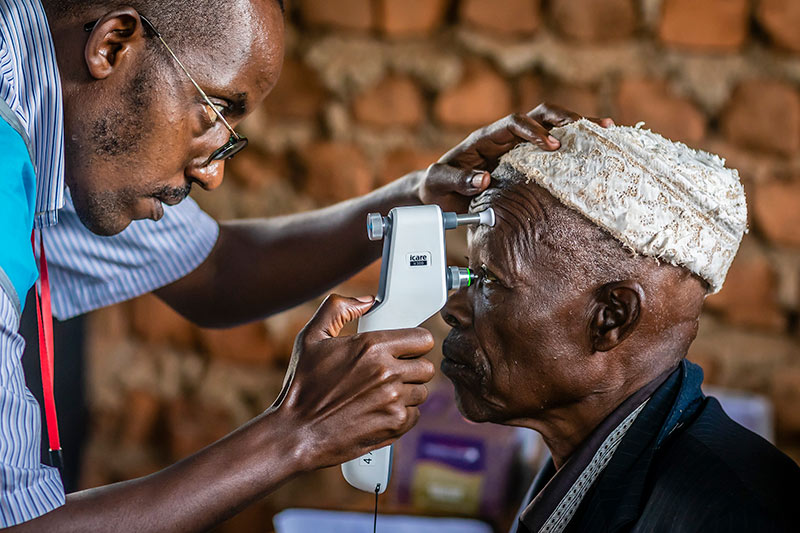
    The Glaucoma Patient Association of Ghana (GpAG), in collaboration with the Ministry of Health, has announced the World Glaucoma Week 2025 celebration, which commenced on Sunday, March 9, to Saturday, March 15.

    This initiative aims to raise awareness about glaucoma, a leading cause of irreversible blindness, and promote early detection and treatment.

    The theme for this year’s observance is “Uniting for a Glaucoma-Free World.” The campaign seeks to educate the public about the dangers of untreated glaucoma, encourage routine eye screenings, and support individuals affected by the condition.

    A press launch will take place on Tuesday, March 12, at the Ministry of Health Conference Room from 9AM to 12:00 Noon.

    As part of the campaign, a free public glaucoma screening has been scheduled for Saturday, March 15, at the ICGC Restoration Temple from 9:00 AM to 2:00 PM. This screening offers an opportunity for individuals to check their eye health and receive medical advice on glaucoma management.

    Additionally, the organizers have announced that free public screenings will be conducted throughout the week, ensuring that more people have access to early diagnosis and treatment options.

    For more details, visit www.worldglaucomaweek.org.

  • Some areas to experience power outage as ECG undertakes 2-day maintenance works

    Some areas to experience power outage as ECG undertakes 2-day maintenance works

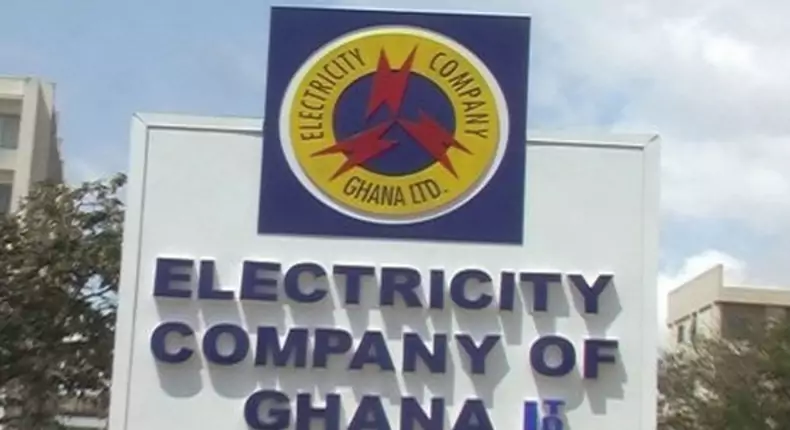
    The Electricity Company of Ghana (ECG) has commenced a two-day maintenance works to ehnance the delivery of service.

    On March 11 and 12, several areas will experience intermittent power outages.

    On Tuesday, the township of Tsito and its surrounding areas in the Volta Region will experience power outages between 9am and 2pm.

    Two maintenance exercises are expected in the Ashanti Region. The first phase of maintenance works will affected areas including Darko, Bebu, Ampabame No.2, Trede, Sabin Akroform, and parts of Pakyi No.2  from 9am.

    Atwima Agogo, Abuakwa, Mankranso, Kunsu, Sepaase, Nkawie, Afari, Abakomade, Kasapreko, Nerebehi, parts of Tanoso, Pokukrom, Seidi, Hiaw Besease, Atwima Koforidua, Ntensere, Tabre, Mpasaetia, Asempanaye, and surrounding areas will be impacted during the second phase. Power will be out from 9am and 6pm.

    The Greater Accra Region will be impacted on day 2 of the maintenance works. Pokuase Pharmacy, Ayawaso, Nii Ayi, Odumase, Amanfrom, Nsakina, Agbogba, Pantang Royal, and nearby areas will be without power from  9:00 am and 5:00 pm.

    In the Tema Region, maintenance work will take place from 9:00 am to 4:00 pm, affecting High Tension, Golf City, Community 17, Fafali, Cambodia, HFC Estates, and surrounding areas.

     Residents and businesses in the affected areas are advised to plan accordingly as the ECG apologises  for the inconvenience caused. 

  • GHC2 isn’t enough, but we will still manage it – School Feeding Caterers

    GHC2 isn’t enough, but we will still manage it – School Feeding Caterers

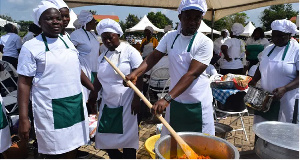
    The School Feeding Caterers Association has acknowledged the government’s decision to increase the feeding grant for basic school students from GHC1.50 to GHC2.00, describing it as a positive step, though inadequate to meet the rising cost of food supplies.

    The Finance Minister, Dr. Cassiel Ato Forson, disclosed the increment during a social media engagement on March 9, where he interacted with young people and media professionals ahead of the 2025 budget presentation on March 11.

    The announcement comes in response to persistent calls from caterers and education stakeholders for a review of the feeding grant.

    Reacting to the development, the National President of the School Feeding Caterers Association, Nana Otu Sakyi-Amo Twafohene, welcomed the adjustment but emphasized the need for further improvements.

    “We were really happy when we heard that the fee will be increased. We are praying that the JHS will also have a fair share of the roll-out very soon.

    “It’s every government’s priority to sustain a school feeding program, and one of the important things that a government can implement to sustain the program is increasing the fee per child.

    “We say thank you to H.E John Dramani Mahama for listening to caterers. We have been crying for this increment for a long time. 2 cedis is not enough, but we will still manage it,” she stated.

    The increment is expected to take effect in the third term, beginning in April, as caterers continue to push for further improvements in the school feeding program.

  • Gifty Oware-Mensah released from NIB custody after questioning over NSA scandal

    Gifty Oware-Mensah released from NIB custody after questioning over NSA scandal

    Former Deputy Executive Director of the National Service Authority (NSA), Gifty Oware-Mensah, has been released by the National Investigations Bureau (NIB) after being questioned in connection with an ongoing probe into the ghost names scandal at the NSA.

    Per reports, she was discharged on Saturday after several hours of questioning. Sources say she was granted bail but the terms and disclosed amount are unknown.

    Gifty Oware-Mensah was arrested on March 7,  following her return to Ghana on March 5  after being named a suspect in  an ongoing probe into a ghost-name scandal after the release of an investigation by The Fourth Estate.

    It is reported that Madam Oware-Mensah was detained despite multiple efforts to secure her bail. Sources say former New Patriotic Party (NPP) General Secretary, John Boadu, attempted to intervene to facilitate her release. However, she was later moved from the NIB premises to an undisclosed location.

    The former NSA boss following the 2024 elections had been abroad for a few months, taking a post-election break.

    Prior to her arrest, Minority Leader in Parliament, Alexander Afenyo-Markin assured that Oware-Mensah was willing to cooperate with the NIB’s investigations. Her legal team was reportedly arranging for her to meet with investigators when she was taken into custody.

    The Fourth Estate’s investigation has exposed major payroll irregularities, including the fraudulent use of “ghost names” to inflate the payroll and divert funds. It revealed that officials bypassed mandatory validation processes, enabling thousands of nonexistent individuals to be added to the payroll. 

    In some cases, names were duplicated multiple times, with one appearing as many as 226 times. Among the falsely listed beneficiaries was a 72-year-old Kenyan, Kwame Donkor, along with other foreign nationals.

    Consequently, President John Dramani Mahama, in his first State of the Nation Address, directed law enforcement agencies to take firm action against those implicated.

    This has led to intensified investigations and a series of arrests. Aside from Gifty Oware-Mensah, former Deputy Director of Operations at NSA,  Kwaku Ohene Gyan was arrested on February 22, and subsequently released.

  • Japan aids Ghana with $13m for Tamale electricity stabilization

    Japan aids Ghana with $13m for Tamale electricity stabilization

    Ghana has secured a $13 million grant from the Japanese government to enhance and stabilize electricity supply in Tamale, a major urban hub in the Northern Region.

    The Minister for Foreign Affairs, Samuel Okudzeto Ablakwa, announced that he had signed an Exchange of Notes with Japan’s Ambassador to Ghana, His Excellency Yoshimoto Hiroshi, to formalize the grant agreement.

    The funding, amounting to 1.92 billion Japanese Yen, will be directed toward improving Tamale’s power infrastructure to ensure a more reliable electricity supply.

    Expressing his satisfaction with the development, Mr. Ablakwa highlighted the importance of the initiative in addressing the city’s growing energy demands.

    “This project and many others under discussion highlight the outstanding bond of friendship between Ghana and Japan,” he stated.

    Meanwhile, concerns over power theft in the Northern Region have been raised by the Acting Managing Director of the Northern Electricity Distribution Company (NEDCo), John Okine Yamoah. He disclosed that five out of every ten houses in the Northern Area are likely engaged in illegal power connections, with most cases recorded in the Tamale Metropolis and Yendi Municipality.

    https://twitter.com/S_OkudzetoAblak/status/1899050979766452564

    According to Mr. Yamoah, NEDCo suffers significant financial losses due to power theft, with 45% of distributed electricity lost each month in the region. He further revealed that illegal connections account for 70 to 80% of these losses, exacerbating challenges in the local electricity sector.

    The $13 million grant from Japan is expected to play a vital role in stabilizing Tamale’s power supply, but authorities acknowledge that addressing power theft remains a pressing issue in ensuring sustainable electricity distribution.

  • GHC140m needed to operationalise Bokoro Agenda 111 Hospital – Health Minister

    GHC140m needed to operationalise Bokoro Agenda 111 Hospital – Health Minister

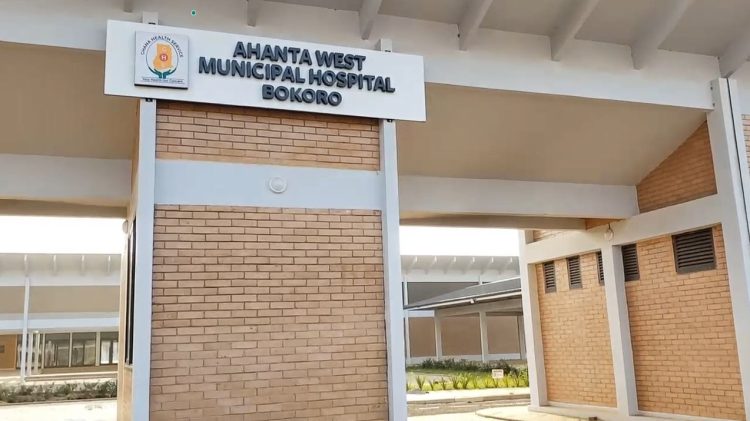
    Minister for Health, Kwabena Mintah Akandoh, has disclosed that an estimated GHC140 million is required to make the Bokoro Agenda 111 Hospital in the Ahanta West Municipality of the Western Region fully operational.

    Despite being commissioned three months ago, the facility remains non-functional due to the lack of essential medical equipment.

    During an inspection tour on Monday, March 10, Mr. Akandoh revealed that only 10% of the necessary medical equipment had been installed, rendering the hospital unfit to serve the public. He stressed the urgency of allocating funds to complete the installations and ensure the facility meets operational standards.

    The hospital was inaugurated by former President Nana Akufo-Addo just two days before the December general elections. However, Mr. Akandoh stated that at the time of its commissioning, the facility was far from being ready.

    “Completing the project is one thing, and paying for the project to become a property of the state is also another thing. As we speak, we need to cough not less than $9 million for this particular project alone,” he stated.

    He further explained that a hospital is more than just its physical structure, emphasizing that essential departments and medical equipment are critical to its functionality.

    “When we talk about a hospital being in operation, it is not just the brick and mortar. That is why I was requesting to see certain departments in the places. You cannot commission a project without hospital equipment being installed,” he added.

    The Health Minister urged the government to prioritize funding for the facility, highlighting the need to bridge the gap between commissioning and actual service delivery to the people of Ahanta West.

    https://twitter.com/Channel1TVGHA/status/1899050214222184554

  • African Political Parties Initiative to strengthen democratic governance launched by Mahama

    African Political Parties Initiative to strengthen democratic governance launched by Mahama

    President John Dramani Mahama has launched the African Political Parties Initiative (APPI), a new platform aimed at fostering cross-party collaboration and strengthening democratic governance across the continent.

    The initiative was unveiled on Friday, March 7, at the Accra International Conference Centre, drawing participation from distinguished political leaders across Africa. It serves as a precursor to the African Political Parties Summit, scheduled for July this year.

    In his keynote address, President Mahama highlighted the initiative’s significance, framing it as an opportunity for Ghana to reaffirm its pan-African commitment. He emphasized its alignment with the vision of “an integrated, prosperous, and peaceful Africa, driven by its own citizens, representing a dynamic force in the international arena.”

    Commending the Africa Governance Centre for spearheading the initiative, Mahama praised its focus on fostering dialogue and cooperation across political lines. “It is my pleasure to also voice support for the APPI, and congratulate the team of the Africa Governance Centre for this great initiative,” he stated.

    The former president stressed that the initiative was timely, given the complex challenges facing global and African governance. These include conflicts, pandemics, populism, climate change, and the rapid evolution of digital technologies. He expressed optimism that APPI’s approach—anchored on non-partisan, inter-party engagement—would provide a much-needed framework for addressing these challenges collectively.

    “The African Political Parties Initiative’s vision of a non-partisan and non-ideological inter-party dialogue and a truly pan-African approach to how political parties reflect on and address the challenges of development will be an invaluable component of how Africa embraces its present challenges and considers them as opportunities for growth.

    Indeed, this is a rightly groundbreaking initiative, which provides a rare opportunity to break cultures of mistrust and deep divisions across political parties that undermine our capacity to confront challenges that require a collective response.”

    Mahama further urged political parties to prioritize national development over partisan gains, warning against politics driven by polarization, misinformation, and obstructionist tactics.

    Also speaking at the event, the Chair of the Advisory Board of the Africa Governance Centre underscored the importance of building capacity and fostering meaningful interactions among political parties across the continent.

    He noted that in the face of rising geopolitical instability, economic marginalization of youth and women, and the climate crisis, Africa must seize the moment to offer a new vision for inclusive growth.

    “Africa stands on the precipice and can provide the world a refreshing lens to escape from this deep impasse and find imaginative ways of securing meaningful inclusive growth,” he asserted.

    The Advisory Board Chair also stressed the need for governance to be built on cooperation rather than conflict, arguing that Africa’s full economic potential could only be realized through unity.

    Taking the stage, Ms. Benedicta Lasi, Chairperson of the Executive Council of the Africa Governance Centre, outlined the APPI’s goals and the extensive groundwork already laid. She emphasized the Centre’s role as a strategic hub for promoting democratic governance, economic transformation, and institutional development across Africa.

    Ms. Lasi also detailed key focus areas of the initiative, including leadership development, policy research, advocacy, communication, and public engagement. These, she said, would be complemented by robust monitoring and evaluation mechanisms.

    Despite being unable to attend in person, Ambassador Bankole Adeoye, the African Union Commissioner for Political Affairs, Peace, and Security, addressed the gathering virtually. He commended African political parties for their role in advancing democracy, highlighting the increasing number of peaceful elections across the continent.

    “We (The Africa Union) consider the year 2024 a super year for elections. Fifteen member states held presidential and parliamentary elections seventeen times. That is indeed a record, and in many of our electoral processes, we continue to see huge great leaps forward in terms of improvement in electoral practices,” he noted.

    Ambassador Adeoye called for both continental and global support for APPI to consolidate these democratic gains.

    In her closing remarks, H.E. Edite Ten Jua, former Minister of Justice and Foreign Affairs of São Tomé and Príncipe and Executive Secretary of the upcoming African Political Parties Summit, reinforced the call for sustained collaboration among political parties to drive Africa’s development.

    She extended appreciation to all attendees, particularly President Mahama and other high-ranking dignitaries, while urging political stakeholders to actively participate in the summit slated for July 2025.

    The African Political Parties Initiative, convened by the Africa Governance Centre, is a flagship program dedicated to strengthening political leadership, governance, and party systems across the continent. Beyond its annual summit, APPI includes a range of governance-focused activities such as the Youth in Politics Forum, Women Political Leadership Summit, Political Leadership Academy, Political Parties Governance Index, and the Diaspora Political Parties Exchange.

  • Finance Minister presents 2025 budget statement tomorrow

    Finance Minister presents 2025 budget statement tomorrow

    Minister of Finance Dr. Cassiel Ato Baah Forson is set to present the Budget Statement and Economic Policy of the government for the year to Parliament tomorrow, Tuesday, March 11.

    The presentation, in accordance with Article 179 of the 1992 Constitution, was announced last Friday by Deputy Majority Leader Kweku Ricketts-Hagan during the presentation of the Business Statement for the ninth week, ending Friday, March 14.

    “Mr. Speaker, the minister responsible for finance, on the authority of the President of the Republic, will present to this House the Budget Statement and Economic Policy of the Government of Ghana for the year ending December 31, 2025, in accordance with Article 179 of the 1992 Constitution, tomorrow, Tuesday, March 11, 2025,” he stated.

    He urged Members of Parliament (MPs) to take note of the date and ensure their attendance.

    Additionally, Mr. Ricketts-Hagan, the National Democratic Congress (NDC) MP for Cape Coast South, emphasized the need for the Ministry of Finance, along with other ministries and agencies, to promptly submit their sectoral estimates to Parliament for review and approval.

    “Mr. Speaker, in view of the presentation of the budget, a post-budget workshop will be scheduled for the participation of all MPs. The venue and time will be communicated in due course,” the Deputy Majority Leader stated.

    The budget is expected to provide a detailed assessment of the economy and outline policy measures aimed at steering Ghana’s economic transformation in line with President John Dramani Mahama’s vision.

    Speaking to the media after the government’s first Cabinet meeting held last week Friday, Minister for Government Communications Felix Kwakye Ofosu disclosed that the policies to be included in the budget are based on recommendations from the National Economic Dialogue held on March 3 and 4.

    Mr. Kwakye Ofosu further indicated that the initial Cabinet meeting primarily focused on setting key performance benchmarks for ministers. Discussions also covered security briefings, the roadmap for the 24-hour economy initiative, strategies for agricultural transformation, and an assessment of the current economic landscape.

    Ahead of the budget presentation, there have been calls for the removal of draconian taxes that are impeding business growth.

    According to the business statement for the upcoming week, 30 questions have been scheduled for responses from seven ministers appearing before Parliament. Out of these, 29 will be oral questions, while one has been categorized as urgent.

    The ministers expected to appear before the House include those responsible for Energy and Green Transition; Local Government, Chieftaincy, and Religious Affairs; Gender, Children, and Social Protection; Lands and Natural Resources; Health; Foreign Affairs; and Roads and Highways.

    Additionally, the Government Statistician will engage Members of Parliament on Ghana’s statistical products, with a focus on digital platforms.

  • Demand for T-bills plummets interest rates to 17%

    Demand for T-bills plummets interest rates to 17%

    Surging investor appetite for treasury bills has driven interest rates to new lows, with the 91-day bill dropping sharply to 17.71%, according to the latest auction results from the Bank of Ghana.

    The decline in rates follows an oversubscription of government’s T-bill issuance, with total bids reaching GH¢10.30 billion—far exceeding the GH¢5.73 billion target. However, the Treasury accepted only GH¢6.22 billion, rejecting GH¢4.56 billion worth of bids.

    The 91-day bill saw the biggest interest, attracting bids worth GH¢6.009 billion, with GH¢4.43 billion accepted. The 182-day bill recorded bids of GH¢2.89 billion, but only GH¢842 million was taken. Meanwhile, the one-year bill had bids totaling GH¢1.404 billion, out of which GH¢947 million was accepted.

    Interest rates on all tenors declined significantly, with the 182-day bill falling to 18.96% from 22.98% the previous week. The yield on the 364-day bill also dipped to 19.98%, marking a 271-basis point drop.

    This sharp decline in rates is a major win for the government as it reduces domestic interest payments, easing pressure on public finances.

    With investors continuing to favor treasury bills, market watchers anticipate further rate adjustments in the coming weeks.

  • We’re not expecting new taxes – GUTA to govt

    We’re not expecting new taxes – GUTA to govt

    The Ghana Union of Traders’ Association (GUTA) has urged the Mahama administration to avoid introducing new taxes in the 2025 Budget, stressing that traders are already burdened by existing levies.

    With the Finance Minister, Dr. Cassiel Ato Forson, set to present the budget on March 11, GUTA President Dr. Joseph Obeng emphasized that businesses cannot withstand additional tax pressures. His remarks follow a recent engagement between the minister and traders to discuss their concerns.

    “We’re not expecting new taxes. We’re also not going to be worried when new taxes are tailored to bring in people outside the tax net to pay. That one, we will not be worried. But what we will be worried about is just compounding the taxes on a few of us who pay,” Dr. Obeng stated in an interview with Channel One News’ Charles Owusu Kumi.

    While welcoming the government’s decision to remove some levies, including the betting tax and e-levy, Dr. Obeng stressed the need for a broader tax base rather than imposing additional burdens on compliant taxpayers.

    “Expanding the tax net is welcomed. And whichever means they do to rope in a lot more people who are outside the tax net to come in is also a welcome news,” he added.

    He further praised the Finance Minister’s initiative to engage traders ahead of the budget, describing it as a step in the right direction.

    “It’s the best thing to do. It gives me hope; it’s very worthwhile and refreshing, and I’m happy about that. It’s the best thing that could ever have happened to us, and we’re very grateful,” Dr. Obeng said.

    As traders brace for the upcoming budget, they remain hopeful that their concerns will be taken into account in shaping policies that promote business growth.

  • GAF’s Northern Command trains 58 soldiers in Tygra APC operations

    GAF’s Northern Command trains 58 soldiers in Tygra APC operations

    The Headquarters Northern Command of the Ghana Armed Forces (GAF) has successfully trained 58 soldiers in the operation of Tygra Armoured Personnel Carriers (APCs) through an intensive five-week orientation programme.

    The training, which involved personnel from the 10, 11, and 12 Mechanised Battalions, combined both theoretical and practical sessions aimed at enhancing their ability to operate the Tygra APCs effectively within the Command’s area of responsibility.

    Speaking at the closing ceremony, the General Officer Commanding (GOC), Northern Command, Brigadier General Frank Nartey Tei, underscored the significance of the training. He noted that improving troops’ proficiency in APC operations and weapons handling was crucial for strengthening security in the Northern Sector.

    The exercise aligns with the Command’s broader strategy to enhance operational readiness and ensure troops are well-equipped to respond to security threats in the region.

  • Ghanaian troops honoured for Peacekeeping efforts in The Gambia

    Ghanaian troops honoured for Peacekeeping efforts in The Gambia

    Ghanaian troops serving with the ECOWAS Mission in The Gambia (ECOMIG) were decorated with ECOWAS medals in recognition of their exceptional service and contribution to peace and stability in The Gambia. 

    The medal presentation ceremony, held at the contingent’s base in Barra, North Bank Region, featured a vibrant parade and was attended by high-ranking officials, dignitaries, and members of the local community.

    The event coincided with Ghana’s 68th Independence Anniversary, commemorated on Thursday 6 March 2025 under the theme ‘Reflect, Review, Reset’, with the troops organisng cultural performances and showcasing made-in-Ghana products as part of the Medal Presentation ceremony.

    The ceremony was graced by the presence of the ECOMIG Head of Mission, Her Excellency Madam Miatta Lily French, who was the Guest of Honour and Reviewing Officer, alongside the Minister for Defence of The Gambia, Honourable Sering Modou Njie, the Special Guest of Honour. Both officials praised the Ghanaian contingent for their professionalism, resilience, and dedication to ECOMIG’s mandate.

    HE Madam Miatta Lily French highlighted GHANCOY 8’s pivotal role in maintaining peace and security in the North Bank Region, emphasizing their collaboration with the Gambia Defence and Security Forces (GDSF) in executing critical operations. 

    She also commended the contingent for their impactful Civil-Military Cooperation (CIMIC) activities, including blood donation drives, Tobaski donations, and community sports engagements as well as participation in last year’s Pink October awareness efforts, which she said had strengthened ties with the local communities.

  • Mahama engages Niger’s General Abdourahamane on enhancing security cooperation

    Mahama engages Niger’s General Abdourahamane on enhancing security cooperation

    On Sunday, President John Dramani Mahama travelled to Niamey, Niger to hold talks with General Abdourahamane Tchiani, President of the National Council for the Safeguard of the Homeland.

    The two leaders held closed-door meetings and later an expanded bilateral meeting with their delegations in the presidential palace.

    A communique issued after the engagements confirmed that discussions focused on enhanced security cooperation in the Sahel and West African region to combat terrorism, improved and unimpeded trade between the two countries, and strengthening bilateral ties.

    President Tchiani raised the need for collaboration and recognition of the Alliance of Sahel States by the Economic Community of West African States (ECOWAS), with President Mahama emphasising the need for greater collaboration to fight terrorism, which threatens not only the Sahel region but also countries further down towards the coast.

    Mr Mahama used the occasion to thank his Nigerien counterpart for sending a delegation to his inauguration on January 7, 2025, noting that Ghana and Niger have for many decades cooperated in the areas of trade as Ghana imports many agricultural products from Niger.

    On Saturday, Mahama met with Malian Transition President General Assimi Goita during a closed-door meeting as part of his friendly visit to the country.

    Although his visit was primarily to express gratitude to President Goita for sending Prime Minister Abdoulaye Maiga to attend his inauguration on January 7 in Accra, the two leaders also took the opportunity to deliberate on ways to enhance cooperation.

    “…We took the opportunity to discuss issues of bilateral cooperation, trade, and economic relations between our two countries. For a very long time, our countries have traded with each other, and our people travel freely between Ghana and Mali. A significant Malian population resides in Ghana, engaging in business and integrating peacefully,” Mahama stated.

    He also underscored the importance of improving trade routes, particularly the transit corridor that facilitates the movement of goods between the two nations.

    “A lot of long-distance drivers, both Malian and Ghanaian, transport goods from our ports to Mali and bring goods from Mali back to our ports for export. We discussed how we can remove obstacles to ensure these drivers operate without difficulty,” Mahama noted.

    Mahama further disclosed that security and the fight against terrorism in the subregion were key aspects of the discussions. He emphasized the need for stronger defense cooperation between Ghana and Mali as part of broader efforts to combat terrorism in West Africa.

    Ghana and Mali engage in significant trade, particularly in agricultural and industrial goods. Ghana exports processed food products, manufactured goods, and petroleum to Mali, while Mali supplies Ghana with livestock, cotton, and shea butter. Ghana’s ports serve as a key transit point for Malian imports and exports, making trade relations between the two nations crucial to their economic stability.

    The discussions also took place against the backdrop of Mali’s suspension from the Economic Community of West African States (ECOWAS), along with Burkina Faso, Niger, and Guinea, following military takeovers between 2021 and 2024. The suspension has had significant economic and diplomatic consequences, restricting trade and regional cooperation while exacerbating security vulnerabilities.

    Mali continues to grapple with terrorism, as extremist groups linked to Al-Qaeda and the Islamic State carry out attacks on civilians, security forces, and government installations, particularly in the northern and central regions. The resulting instability has led to mass displacement, economic hardships, and a worsening humanitarian crisis.

    This growing instability underscores the need for regional security discussions, such as the one between Ghana and Mali, aimed at fostering collaboration in intelligence sharing, border security, and military cooperation to counter extremist activities.

  • Mark Carney becomes Canada’s next PM, vows to win trade war against US

    Mark Carney becomes Canada’s next PM, vows to win trade war against US

    Mark Carney has been elected as Canada’s next Prime Minister, pledging to take a tough stance against US President Donald Trump in an ongoing trade dispute.

    Speaking to a crowd of supporters after securing a decisive victory in the leadership race, Carney, a former governor of the Bank of England and Bank of Canada, made it clear that his administration would not back down in the face of US trade policies.

    “Americans should make no mistake: in trade, as in hockey, Canada will win,” he declared.

    Carney, 59, will be sworn into office in the coming days and has already outlined plans to impose retaliatory tariffs on US goods. He insists these measures will remain in place “until Americans show us respect.”

    Despite never having held elected office, Carney won the leadership race with an overwhelming 86% of the vote. He is expected to call a general election soon, though polls indicate a narrowing lead for his party over the Conservative opposition.

    His victory comes after Justin Trudeau stepped down in January, ending a nine-year tenure as Prime Minister.

    Who is Mark Carney?

    Born in the Northwest Territories and raised in Edmonton, Alberta, Carney is an economist with a track record of navigating financial crises. He previously served as governor of the Bank of Canada, helping the country weather the Great Recession, before being recruited to lead the Bank of England in 2013—becoming the first non-British person to hold the role in its three-century history.

    Most recently, Carney worked as a special economics adviser to Justin Trudeau, helping shape Canada’s fiscal policies. Now, as Prime Minister, he faces one of his biggest challenges yet—leading Canada through an escalating trade standoff with its largest trading partner.

    “In a situation like this, you need experience in terms of crisis management, you need negotiating skills,” he said during a leadership debate last month.

    As he takes office, all eyes will be on how he handles tensions with Washington and whether his economic expertise can translate into political success.

  • We need a framework to create stable exchange rate, inflation, and economy – Finance Minister

    We need a framework to create stable exchange rate, inflation, and economy – Finance Minister

    Finance Minister Dr. Cassiel Ato Forson has stressed the need for a well-structured economic framework to restore Ghana’s financial stability.

    Speaking during a youth engagement session on X Spaces, hosted by social media influencer KalyJay on Sunday, March 9, Dr. Forson noted that tackling inflation, stabilizing the exchange rate, and fostering overall economic resilience would be the government’s key priorities.

    “What we can do is to put together a framework where there will be a stable exchange rate, stable inflation, and a stable economy,” he said.

    Despite recent measures to address Ghana’s economic difficulties, Dr. Forson acknowledged that the country’s financial situation remains precarious. He warned against any assumption that the economy had fully recovered.

    “Let me make this point: let’s not deceive ourselves that the country is out of the woods yet. Our economy is still in distress, and the first thing we will need to do is to take measures to bring us back to the stability that we deserve,” he cautioned.

    Outlining some of the government’s policy directions, he highlighted plans to cut domestic borrowing and reduce government spending to allow the private sector greater access to financial resources.

    “It is very critical for the government to cut expenditure and reduce its appetite for borrowing. In doing so, there will be a lot more resources for the private sector to benefit from,” he stressed.

    Dr. Forson also reassured the public that their concerns would be factored into the 2025 Budget and Policy Statement. Following his recent interactions with traders at Accra’s Central Business District, he emphasized that the government was actively listening to citizens’ input.

    “I do not take the people of Ghana for granted. I am not here because I just wanted to. I am here because I want to hear your take—ignore the propaganda out there,” he affirmed.

    The 2025 budget, set to be presented on March 11, is expected to outline key policies aimed at stabilizing the economy and laying a foundation for long-term recovery.

  • Bridge Power Ltd, N-Gas Ltd assure gas supply after engagement with govt

    Bridge Power Ltd, N-Gas Ltd assure gas supply after engagement with govt

    Bridge Power Co. Ltd and N-Gas Limited have reaffirmed their commitment to supplying gas to Ghana following negotiations with the government to address outstanding arrears.

    Energy and Green Transition Minister John Abdulai Jinapor announced the development while addressing the press, revealing that both companies have resumed operations.

    “I am happy to announce to you that they (Bridge Power Co. Ltd) are back online. We have also been able to work and negotiate with them, and gas supply has resumed and is increasing from N-Gas. What we need to do is to mobilize additional resources in order to procure more fuels and to hold the power sector running,” he stated.

    The minister met with Bridge Power Co. Ltd executives on March 4, following Early Power Limited’s (EPL) recent shutdown due to the Electricity Company of Ghana’s (ECG) inability to clear seven months’ worth of outstanding payments. In response, Mr. Jinapor directed that EPL be classified as a Tier 1 power producer to ensure prioritized payments.

    Meanwhile, N-Gas Limited had earlier notified the Volta River Authority (VRA) of its intention to suspend gas supply starting March 6 over arrears exceeding $75 million. In a letter to VRA’s Managing Director dated February 18, N-Gas highlighted its financial struggles, citing an inability to settle debts with suppliers and transporters since November 2024.

    Despite the challenges, the recent government engagement has reassured stakeholders of continued gas supply, easing concerns within Ghana’s power sector.

  • Dumelo, Apaak, 5 others approved by Parliament after vetting

    Dumelo, Apaak, 5 others approved by Parliament after vetting

    Parliament has given the green light to seven deputy ministerial nominees and one Minister of State following their successful vetting last week.

    The nominees were recommended for approval by consensus, paving the way for them to officially assume their respective roles.

    The confirmation of these officials was announced by First Deputy Speaker Bernard Ahiafor on Friday, March 7, 2025.

    Lydia Akanvariba has been confirmed as the Minister of State in charge of Public Sector Reforms. She is expected to lead initiatives aimed at improving efficiency and productivity within the public sector.

    The approved deputy ministers will serve in various key ministries to support the government’s agenda. They include:

    • Thomas Ampem Nyarko – Deputy Minister for Finance
    • Ebenezer Terlabi – Deputy Minister for Interior
    • Samson Ahi – Deputy Minister for Trade, Agribusiness, and Industry
    • Clement Apaak – Deputy Minister for Education
    • Richard Gyan Mensah – Deputy Minister for Energy
    • John Dumelo – Deputy Minister for Food and Agriculture

    It is expected that they would be sworn in by President John Mahama in the coming days.

  • GCNM inaugurates 3rd Rector, inducts new specialist residents

    GCNM inaugurates 3rd Rector, inducts new specialist residents

    The Ghana College of Nurses and Midwives (GCNM) has officially inaugurated its third Rector and inducted a fresh cohort of specialist residents in a ceremony themed “Nursing and Midwifery Specialization: A Tool for Improved Quality Care.”

    At the event, Minister for Health, Honorable Kwabena Mintah Akandoh, commended the outgoing Rector for a decade of impactful leadership that has significantly enhanced professional development, research, and capacity building at the College.

    Reaffirming the government’s commitment to strengthening the healthcare system, Hon. Akandoh assured the College of continued collaboration to advance training, research, and policy development. He emphasized that this collective effort would drive equitable and high-quality healthcare delivery across the country.

    The Minister pledged his full support to the new Rector, Dr. Gloria Achempim-Ansong, in her mission to build a highly skilled and resilient healthcare workforce. He also urged the newly inducted specialist residents to uphold excellence in patient care and contribute meaningfully to the nation’s healthcare system.

    Delivering a welcome address, Professor Mrs. Victoria Bam, Chairperson of the ceremony and Head of the Department of Public Health Nursing, described the occasion as a milestone in the professional journeys of the inductees. She noted that their specialized training equips them with critical expertise to support Ghana’s healthcare goals and contribute to global health objectives.

    Dr. Achempim-Ansong, in her inaugural speech as Rector, expressed gratitude for the opportunity to lead the institution. Outlining her vision for the College, she highlighted key priorities such as enhancing academic training, fostering strong partnerships with healthcare institutions, and promoting research and innovation. She also appealed to the Health Minister for support in acquiring a permanent facility to improve the College’s operations.

    The event was attended by several dignitaries, including the Vice-Chancellor and Professor of Nursing at the University of Health and Allied Sciences, regional representatives of the College, senior academic directors, and faculty heads.

  • There would be no sale of ECG, NEDCo – Energy Minister

    There would be no sale of ECG, NEDCo – Energy Minister

    Minister for Energy and Green Transition, John Abdulai Jinapor, has dismissed speculations that the government plans to sell the Electricity Company of Ghana (ECG) and the Northern Electricity Distribution Company (NEDCo).

    Speaking at a press briefing on Friday, March 7, at Jubilee House, the minister emphasized that there is no move to privatize these key state-owned power distributors. He clarified that the government is only considering strategic partnerships to enhance revenue collection in the sector.

    “Let me be clear: the government has not made any decision to sell ECG or NEDCo. What we are exploring is a partnership to enhance the efficiency of revenue collection, which remains a key challenge for the power distributors,” Mr. Jinapor stated.

    He reassured the public that ECG and NEDCo will remain under state ownership, and any initiative pursued will focus on strengthening their financial sustainability.

    “We acknowledge the concerns raised, but I assure Ghanaians that ECG and NEDCo remain public assets. Any intervention we undertake will be aimed at improving their efficiency, not privatising them,” he added.

    The minister further urged the public to disregard misinformation regarding the alleged sale of the power distributors, stating that the government’s priority is to ensure a more efficient and reliable energy supply for all Ghanaians.

  • Energy Minister debunks calls for load shedding timetable

    Energy Minister debunks calls for load shedding timetable

    Energy Minister John Jinapor has dismissed demands for a load-shedding timetable, asserting that Ghana is not undergoing systematic power rationing.

    At a press briefing on Friday, March 7, Mr. Jinapor clarified that the recent power outages are not part of a planned load management exercise. He emphasized that Ghana has sufficient power generation capacity and is even supplying electricity to neighboring countries.

    “Today let me put on record that we are not shedding load, and so the demand of the Minority and some people that we publish a load shedding timetable is mute. When you are not shedding load, there is no need for a timetable. In fact, as we speak, we are exporting 300 megawatts of power to Burkina, Benin and neighboring countries,” he said.

    His response follows mounting pressure from the Minority in Parliament, led by former Finance Minister Mohammed Amin Adam, who argued that a timetable would help businesses and households better manage ongoing power disruptions.

    While acknowledging difficulties in the energy sector, the minister reassured Ghanaians that steps are being taken to strengthen power generation and distribution. He announced plans to establish a second gas processing plant to improve fuel supply and enhance energy security.

    “Our gas today is inadequate to meet our fuel requirement; consequently, Cabinet has approved… measures aimed at tackling the situation. In the medium, long or even the short term, Cabinet has approved that in partnership with the Finance Ministry, it will take immediate steps to construct a second gas processing plant,” he stated.

    “This gas processing plant will augment the shortfall and increase supply security,” he added.

    Ghana’s energy sector continues to face financial difficulties, with debts exceeding $2 billion. These challenges have hindered infrastructure development and placed pressure on power producers, raising concerns about long-term sustainability.

  • Ghana to construct second gas processing plant to increase supply security – Energy Minister

    Ghana to construct second gas processing plant to increase supply security – Energy Minister

    Energy and Green Transition Minister John Abdulai Jinapor has announced plans by the government to construct a second gas processing plant.

    Addressing the press today, he said, “In the medium-long term, Cabinet has approved that in partnership and in conjunction with the Finace Ministry, with immediate steps to construct a second gas processing plant.”

    According to the minister, “this gas processing plant will augment the short fall and increase supply security.”

    His comment comes at a time when there is growing concerns over the sector’s financial sustainability and operational efficiency.

    Ghana’s energy sector continues to grapple with mounting debt and liquidity constraints, which have strained power generation and distribution. The financial burden, estimated to exceed US$2 billion, has impeded investment in infrastructure and technological advancements necessary for a sustainable energy supply.

    However, John Abdulai Jinapor has reaffirmed the government’s commitment to implementing innovative financial solutions to address the ongoing crisis in Ghana’s energy sector.

    The minister has also shot down a request by the Minority in Parliament for a load shedding timetable due to the intermittent power outages being experienced in some parts of the country.

    He noted that there is enough power, hence there would be no need for such a timetable.

    After four years of preparatory and construction work on the onshore gas processing plant, Ghana officially joined the comity of gas processing countries in September 2015 when then President John Dramani Mahama inaugurated the Atuabo Gas Processing Plant operated by the Ghana National Gas Company (Ghana Gas).

  • Health Ministry reviews progress under the Global Fund’s Grant

    Health Ministry reviews progress under the Global Fund’s Grant

    The Ministry of Health has conducted a first-quarter review to assess the progress of the Global Fund’s Grant (GC7) and the Resilient and Sustainable Systems for Health (RSSH) initiative.

    The meeting brought together key stakeholders to evaluate the implementation of the grant and explore strategies to enhance accountability and efficiency in managing health sector resources.

    Health Minister, Hon. Kwabena Mintah Akandoh, acknowledged the critical role of the GC7 grant in Ghana’s efforts to combat HIV, tuberculosis, and malaria. He reaffirmed the Global Fund’s importance as a development partner in strengthening the country’s healthcare system.

    Health Minister, Hon. Kwabena Mintah Akandoh

    However, he also pointed out challenges such as delayed procurements and inefficient fund absorption under the RSSH initiative. He stressed the need for reprogramming measures to improve resource utilization and ensure that funds are effectively deployed to support life-saving interventions.

    Chief Director of the Ministry, Alhaji Hafiz Adams, called for improved accountability and alignment of Global Fund resources with Ghana’s national health priorities. He underscored the need for greater efficiency in grant management to maximize impact.

    Director-General of the Ghana Health Service, Prof. Samuel Akoriyea Kaba, assured stakeholders of his commitment to strengthening healthcare delivery through effective coordination and collaboration. He emphasized that optimizing Global Fund support would yield significant benefits for the country’s health sector.

    Representatives from key health programs—including the Ghana Health Service, National Malaria Elimination Program, National AIDS Control Program, and National TB Control Program—presented updates on the grants, highlighting achievements and persistent challenges.

    Stakeholders urged the Ministry to develop more sustainable financing strategies to bridge funding gaps and maintain the momentum of Ghana’s health initiatives.