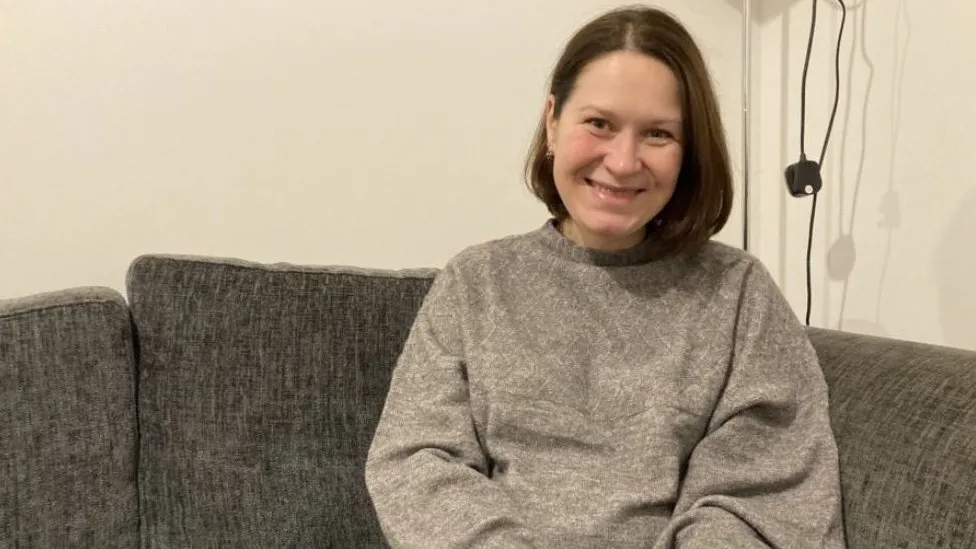
A woman from Ukraine is thankful to the people who helped her move to a new house.
Vicky Yurchenko, 37, just moved into her own place after living with a family in Worcester since 2022.
Her new home had very few things, so her previous host, Geoff Sansome, asked for help. Many people donated furniture, pots, and pans to help her.
The help was really nice because Mrs. Yurchenko is going to have another baby.
She and her daughter Kate left Kyiv a few weeks after the fighting with Russia started, leaving her husband Max behind. But, after visiting Ukraine for two weeks in the summer to see him, she became pregnant.
“He gave me a large gift for our summer vacation,” she said.
“We didn’t expect it, but we are really happy. ”
On BBC Hereford & Worcester, Mrs Yurchenko said she was surprised by how much the people living there helped her.
She got new things for her home like chairs, sofas, wardrobes, a cooker, curtains, pots and pans, plates and a TV because of people giving things.
She said, “You begin to understand and value this after going back home for visits. ”
“Our top priority is making sure it is safe. “
Author: Chris Kodo
-
Ukrainian mother appreciative of locals’ furniture assistance
-
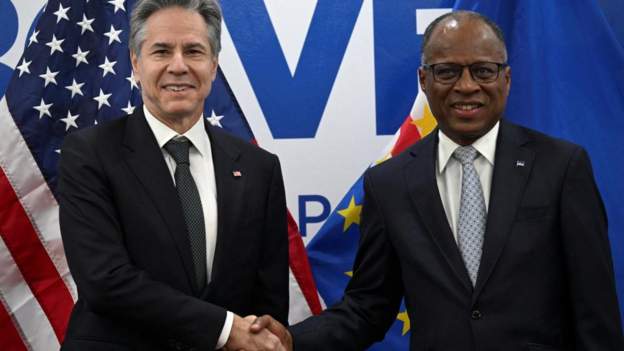
America remains dedicated to Africa – Blinken
The US Secretary of State, Anthony Blinken, is visiting four countries in Africa. He started in Cape Verde and said that it is a very stable country in a region that has a lot of problems. He thinks it is a good example for other countries.
Mr Blinken will also travel to Ivory Coast, Nigeria, and Angola.
In 2022, US President Joe Biden wanted to show how much he cares about Africa by inviting African leaders to a summit in the US.
He said he would go to Africa in 2023 but he never went.
Mr Blinken visited the continent last March. He has been dealing with the conflict in the Middle East.
President Biden said in Cape Verde that he supports Africa, according to the AFP news agency.
“We are all connected in our futures and our success, and African people are now playing a bigger role in leading and influencing global discussions,” he said. -
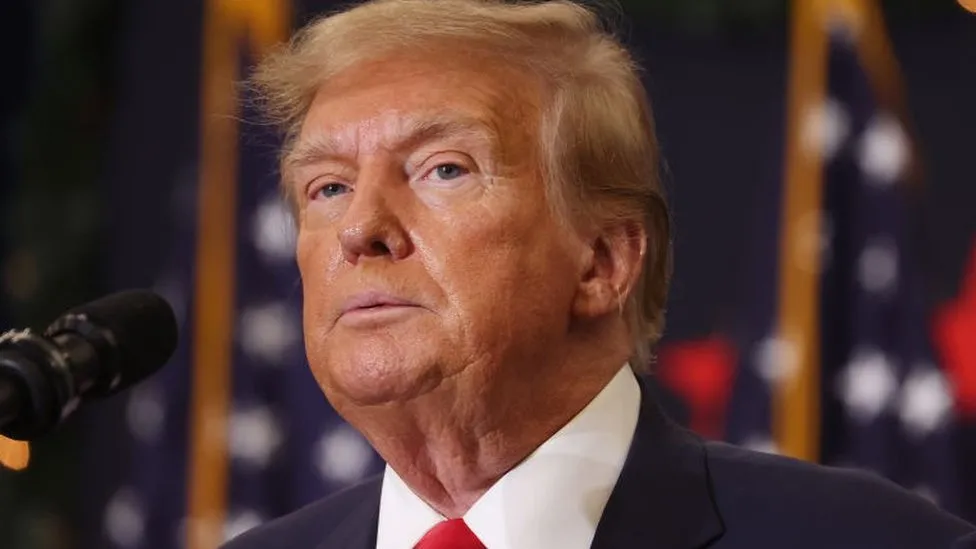
Trump runs to court as Carroll wants $10 million for defamation
Donald Trump might go to a court in New York and might have to speak as part of his defence in a trial where a writer, E Jean Carroll, is suing him for saying something bad about her.
In an earlier trial, a group of people decided that Carroll was hurt by Trump in the 1990s, but now she’s suing him for things he said when he was president.
A judge said Trump’s words were mean, and now the jury will decide how much money he has to give. Carroll wants $10 million because she says Trump’s comments hurt her reputation and caused a lot of death threats.
Trump says he did nothing wrong. There are several legal problems happening with Trump while he is trying to become the Republican presidential candidate.
He will be in New Hampshire tonight before the primary on Tuesday.
-
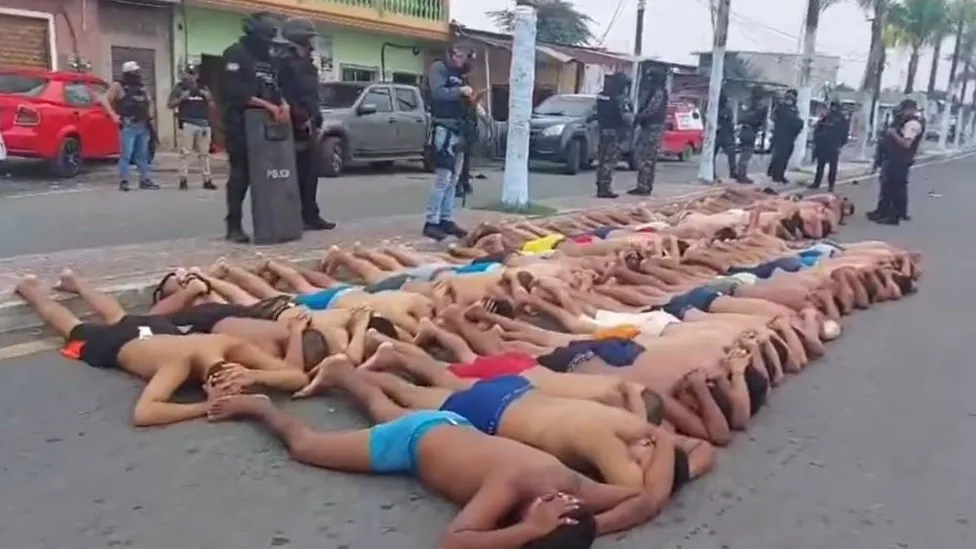
Ecuadorian criminals detained following hospital break-in
Ecuadorian police captured 68 gang members after they attacked a hospital in Yaguachi, Guayas province.
Officials said the men tried to control the building, where one of their gang members was getting help.
The police said that the intruders wanted to protect the patient from possible attacks by their enemies.
In the past, gang members have been attacked while in the hospital.
In 2022, seven armed men were caught after they attacked a hospital in Chone looking for a rival gang member who was very sick.
During that bad situation, the nurses and hospital workers were captured by the men while they fought with the police.
We still don’t know which gang attacked the Yaguachi hospital on Sunday, or who the injured man they were trying to protect was.
The police said he came to the hospital early on Sunday with gunshot wounds. He passed away from those injuries, they said.
After making the hospital safe, the security forces also searched a nearby “rehabilitation center”.
Gangs often use drug rehab centres as a cover. Authorities said this place was used as a command center for their illegal activities, and also as a brothel.
The police are doing a big operation because there is a lot of crime and violence in the area.
Over 2,700 people have been arrested since Mr. Noboa said there was a war between criminal groups and security forces on January 9th.
The president did something surprising because some gunmen took the people at a TV station as hostages while they were on live TV.
Since then, soldiers have been sent to help police stop the fighting, which had moved from the prisons to the streets of Ecuador’s big cities.
Based on the government, 201 prison guards and workers who were kept as hostages by rioting inmates have been released.
However, it seems like the gangs have increased their attacks.
In a very surprising event, a prosecutor looking into the attack on the TV station, César Suárez, was killed while on his way to a hearing in the city of Guayaquil on Wednesday. -

I will restore hope – Liberia’s new president
Joseph Boakai became the new president of Liberia’s capital, Monrovia, and there was a big party to celebrate. He narrowly won against the current president, George Weah, in November.
“Mr Boakai said in his first speech that now that the elections are done, we need to work together for the progress of Liberia. ”
Liberians are very determined to protect their votes, and this shows that things cannot continue as they have been.
The new president said he wants to bring back our hopes. He also said we need to bring back dignity in public service and follow the rules of the law.
Mr Weah was there with important people from other countries, like the President of Ghana and the US Ambassador to the UN.
Mr Boakai, who is 79 years old and used to be the vice-president, has the difficult job of trying to end poverty and stop corruption.
The country is still hurting from the civil war and Ebola outbreak that happened 20 years ago. -

Bank of Ghana governor optimistic about drastic inflation reduction
Governor of the Bank of Ghana, Dr Ernest Addison, has conveyed optimism regarding a substantial reduction in inflation as the Central Bank remains steadfast in its efforts to implement sound policies. Dr Addison expressed confidence that the Bank’s measures will lead to a drastic decline in inflation, with the ultimate goal of anchoring expectations toward a single-digit target.
Speaking at a recent meeting involving the Country Representative of the International Monetary Fund (IMF) and the Minister of Finance, Ken Ofori-Atta, Dr. Addison highlighted the commitment of all stakeholders in achieving price and financial stability. He emphasized the importance of continuous monitoring of both domestic and external developments to sustain the observed downward trajectory in inflation without compromising economic growth.
Reflecting on the economic landscape in 2023, Dr. Addison noted a robust reduction in inflation and stronger growth, citing it as an instructive experience. A year ago, inflation stood at a daunting 54% (January 2023). Through rigorous policies, tight monetary conditions, and exchange rate stability, the Governor revealed that inflation has been more than halved by the end of 2023, currently reported at 23.0%.
Several factors contributed to this disinflation process, including the monetary policy stance throughout 2023, stability in crude oil prices leading to favorable impacts on transportation costs, a relatively stable exchange rate environment, increased foreign exchange reserve accumulation from the gold for reserve program, and favorable climatic conditions benefiting the food supply chain process.
Looking ahead, Dr. Addison addressed the successful conclusion of the first review of the IMF Programme, urging consideration for the second review and beyond. While tentative indications suggest sound policy implementation through December 2023, the Governor emphasized the need for vigilance and commitment in 2024 to execute all structural reforms envisioned under the program. He concluded by underscoring the critical role of implementing these reforms to ensure the effective functioning of the economy.
The Governor’s positive outlook and commitment to economic stability signal potential resilience and recovery for Ghana’s economy in the coming years.
-
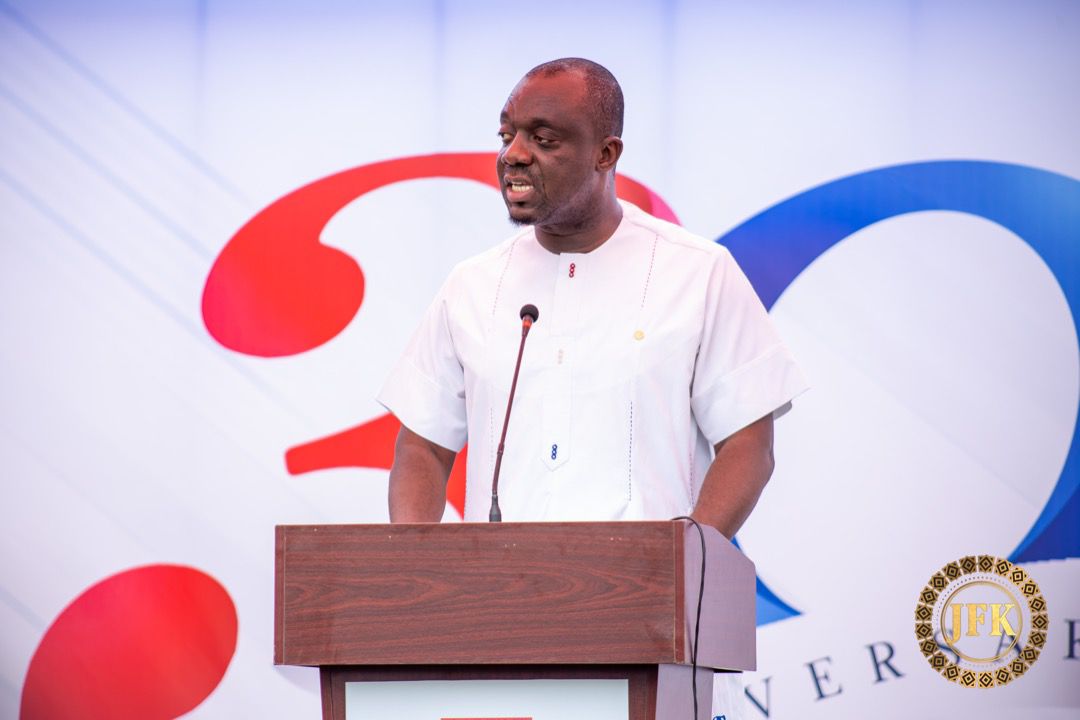
Kumasi International Airport to be commissioned by 2nd quarter of 2024 – NPP assures
The New Patriotic Party (NPP) has promised to complete and commission for use the Kumasi International Airport by the second quarter of 2024.
This is according to the General Secretary of the party, Justin Kodua.
Speaking at a press conference, he noted that: “I can assure you, the good people of the Ashanti Region, that before the end of the second quarter, the Kumasi International Airport will be commissioned for flights to move from outside Ghana to the Kumasi International Airport.”
He noted that progress is also advancing consistently on various projects, including the Boankra Inland Port.
Approximately 400 individuals have acquired forms to partake in the upcoming Parliamentary race of the NPP, and of these, 376 are currently undergoing the vetting process.
After deliberations by the NEC, 17 aspiring candidates have been disqualified from participating in the party’s parliamentary primaries scheduled for January 27.
Moreover, 322 candidates have successfully met the criteria for the parliamentary primaries, three aspirants have voluntarily withdrawn from the race, 33 individuals are running unopposed, and one aspirant’s application is currently undergoing a court process.
Ahead of the Saturday event, the General Secretary advised against the camping and transportation of delegates to voting grounds.
The directives are aimed at ensuring free and fair polls.
-
IMF forecasts 15.0% year-end inflation for 2024, anticipates 8.0% for 2025
The International Monetary Fund (IMF) has forecasted a 15% year-end inflation rate for 2024, signaling potential economic dynamics and challenges ahead.
The IMF is extending its forecast, foreseeing an 8.0% year-end inflation rate not only for 2025 but also for the subsequent years 2026 and 2027. This outlook shapes expectations for the medium-term economic landscape, guiding attention to potential trends and considerations.
This implies a deceleration in the upward trajectory of prices for goods and services, with a notable slowdown expected in the current year and a more significant reduction anticipated over the next three years.
The revelation was captured in the Fund’s latest document dubbed “Ghana: Selected Economic and Financial Indicators, 2022–28”.
Year-on-year inflation fell significantly by 30.4 percentage points in 2023 to 23.2% in December 2023. In January 2023, Ghana’s inflation rate stood at 53.6%.
According to the figures from the Ghana Statistical Service, food inflation drove down the overall inflation with a rate of 28.7% in December 2023, compared with 32.2% in November 2023. The non-food inflation also went down to 18.7% in December 2023 from 21.7% in November 2023.
Inflation for locally produced items stood at 23.8% in December 2023, whilst inflation for imported items was 21.9%.
Six divisions recorded inflation rates higher than the national average.
They were Alcoholic Beverages, Tobacco and Narcotics (38.2%); Personal Care, Social Protection and Miscellaneous Goods and Services (31.1%); Food and Non-Alcoholic Beverages (28.7%); Restaurants and Accommodation Services (28.0%); Furnishings, Household Equipment and Routine Household Maintenance (26.9%) and Recreation, Sports and Culture (24.9%).
-
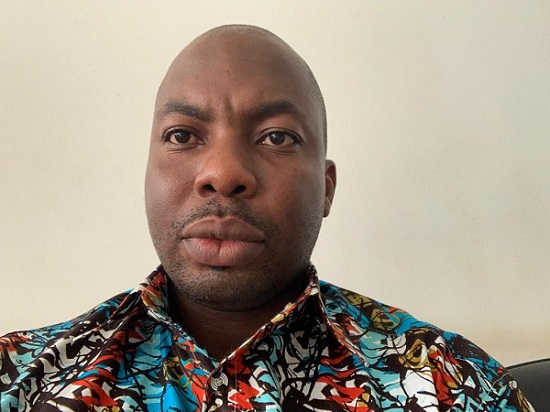
CEO of IPPs Chamber raises concerns over 21% VAT on electricity
Energy Specialist Dr Elikplim Kwabla Apetorgbor has highlighted the imminent rise in electricity costs for consumers in Ghana due to the imposition of a 21% Value Added Tax (VAT) on electricity.
Dr Elikplim Kwabla Apetorgbor warned that this move could potentially erode Ghana’s competitiveness in the West Africa Power Pool (WAPP), as neighboring countries with lower electricity costs might gain a comparative advantage.
In an article titled “21% VAR on End User Electricity Tariff is Retrogressive and Makes Ghana Unattractive in the Regional Electricity Market”, Dr. Apetorgbor who also doubles at the Chief Executive Officer of the Chamber of Independent Power Operators Ghana, said, a 21% VAT on electricity consumption in Ghana can be counterproductive and have countless adverse effects on the overall economy and the electricity sector of Ghana.
“The imposition of VAT increases the cost of electricity for consumers in Ghana. This could make Ghana less competitive compared to neighboring countries in the WAPP that have lower electricity costs. Investors and businesses often seek locations with lower operational costs, including energy expenses. At a stage where the Regional Electricity Market is through so much competition with regards to tariff affordability, Ghana is walking out of competition. This is very injurious to economic recovery”.
“If Ghana’s electricity becomes more expensive due to VAT, it could reduce the attractiveness of the country as a trading partner within the regional electricity market”, he said, adding. “Neighboring countries might prefer to engage with partners offering more competitive prices”.
Below is the statement:
21% VAR ON END USER ELECTRICITY TARIFF IS RETROGRESSIVE AND MAKES GHANA UNATTRACTIVE IN THE REGIONAL ELECTRICITY MARKET
It is essential for policymakers to carefully assess the broader economic consequences of the 21% VAT imposition on end user electricity tariffs and consider a more balanced approach that protects the sustainability of the power sector, support economic recovery, stability and industrialization. In line with the efforts being made towards economic recovery, imposing a 21% VAT on electricity consumption in Ghana can be counterproductive and have countless adverse effects on the overall economy and the electricity sector of Ghana:
Reduced Demand and Increase in compensation for Idle Charge: To cope with higher costs, households might reduce their energy usage, which could lead to under-utilization of essential appliances, affecting their quality of life and productivity. Higher prices can lead to a decrease in electricity consumption as consumers and businesses seek to minimize costs. This reduced demand can affect the overall revenue generation of the sector. Consumers and businesses might shift to alternative energy sources like solar to reduce dependence on the grid, which could lead to under-utilization of existing infrastructure and challenges in grid management. The principal effect in this circumstance is the upsurge in the compensation for Idle Capacity to the Independent Power Producers.
Impact on Economic Growth: High electricity costs can be a deterrent to economic growth. Industries and businesses facing high operational costs due to expensive electricity may reduce production, delay expansion, or relocate to areas with cheaper energy costs. Reduced spending power due to higher utility bills can contribute to a slowdown in economic activity, as consumer spending is a key driver of economic growth.
Energy Poverty: The increased cost might push more households into energy poverty, where a significant portion of their income is spent on energy bills, leading to tough choices between electricity and other necessities. Elevated tariffs can exacerbate energy poverty, where a significant portion of the population cannot afford adequate energy services. This leads to broader social issues and can widen economic disparities.
Investment Disincentives: High tariffs can deter investment in the sector. Potential investors might be cautious about entering a market where high costs could lead to reduced demand or regulatory interventions.
Financial Stress on Utilities: Utilities may face financial stress if high tariffs lead to bill defaults, late payments, or increased instances of electricity theft. If the electricity sector is not able to balance the revenue from high tariffs with investment in infrastructure, it could lead to quality of service issues, such as frequent outages and poor maintenance. Grid Instability: If a significant number of consumers move to off-grid solutions, it could lead to instability in the electricity grid due to fluctuating demand and supply patterns.
Regulatory and Political Challenges: High tariffs can lead to regulatory and political challenges, including public discontent, protests, and pressure on governments to intervene, which can lead to regulatory uncertainty.
Quality of Service Issues: Barriers to Electrification Efforts: In regions where electrification is still underway, high tariffs can be a significant barrier to extending electricity services to underserved or rural areas.
Inflationary Pressure: The increased cost of electricity can contribute to inflation. Since electricity is a fundamental input for many sectors, its cost increase can cascade through the economy affecting prices.
The West Africa Power Pool (WAPP) or Regional Electricity Market (REM) in view
Imposing VAT (Value Added Tax) on end-user electricity tariffs in Ghana could make the country less attractive within the context of the mission of the West African Power Pool (WAPP) or the regional electricity market for several reasons:
Higher Prices for Consumers: The imposition of VAT increases the cost of electricity for consumers in Ghana. This could make Ghana less competitive compared to neighboring countries in the WAPP that have lower electricity costs. Investors and businesses often seek locations with lower operational costs, including energy expenses. At a stage where the Regional Electricity Market is through so much competition with regards to tariff affordability, Ghana is walking out of competition. This is very injurious to economic recovery.
Reduced Cross-Border Energy Trade Appeal: If Ghana’s electricity becomes more expensive due to VAT, it could reduce the attractiveness of the country as a trading partner within the regional electricity market. Neighboring countries might prefer to engage with partners offering more competitive prices. It is country’s goal to make Ghana a net exporter of power and the electricity hub of West Africa, hence the collaborations with the Independent Power Producers to invest in the generation infrastructure.
Impact on Regional Competitiveness & Potential Disincentive for Foreign Investment: Ghana’s overall competitiveness in the region could be affected. High electricity costs can influence not just the energy sector but also manufacturing, services, and other sectors that are significant for the economy. Investors often consider energy costs when making investment decisions. Higher electricity costs in Ghana could discourage foreign direct investment, which is crucial for economic growth and development.
Strain on Regional Integration Efforts: The West African Power Pool aims to create an integrated regional electricity market. Disparities in energy pricing due to VAT could create imbalances and strain these integration efforts.
Challenges in Achieving Economies of Scale: The regional power pool’s effectiveness relies on economies of scale and the efficient distribution of energy resources across borders. Different tax regimes, like Ghana’s VAT on electricity, could complicate these dynamics.
Understanding these implications is crucial. It’s not just about domestic policy but also about how these policies position Ghana within the larger regional energy landscape. Balancing domestic fiscal needs with the goals of regional energy integration and competitiveness is a key in this context.
-

Cameroon starts first widespread malaria vaccination globally
Cameroon has started giving a regular vaccine for malaria to children. This is the first time this has been done in the world. It is expected to save many children’s lives in Africa.
A baby girl named Daniella got her first vaccine at a health center near Yaoundé on Monday. This is an important step to help keep her healthy.
Every year, 600,000 people in Africa die from malaria, according to the World Health Organization (WHO).
At least 80% of the people who die are children under five years old.
Cameroon is giving the RTS,S vaccine for free to all babies up to six months old.
Patients need to take four doses in total.
According to US researchers, the jab works in at least 36% of cases and could save more than one in three lives.
The rollout is a relief and helps save lives, but it doesn’t work great, according to Willis Akhwale at End Malaria Council Kenya.
But doctors say it is an important tool to help fight malaria. Shalom Ndoula, a doctor from Cameroon, helped introduce this tool in his country.
“We can greatly reduce the number of malaria cases and deaths and speed up getting rid of the disease,” he said in an interview with the BBC.
It took 30 years for the British drug-maker GSK to research and develop the RTS,S vaccine.
The World Health Organization said the vaccine is good and they are happy that it is being used in Cameroon to fight against a disease spread by mosquitoes. They think this is a very important moment in the world’s fight against the disease.
It happens after test campaigns in Kenya, Ghana and Malawi were successful.
Twenty more countries plan to start the programme this year, according to the global vaccine alliance, Gavi. Some of the countries are Burkina Faso, Liberia, Niger, and Sierra Leone.
The WHO says that in Cameroon, there are about six million cases of malaria every year. About 4,000 people die from malaria in hospitals, and most of them are children under five years old.
Babies who are six months old and live in 42 areas with the highest rates of sickness and death will get four doses of medicine before they turn two years old.
In 2021, most of the malaria cases and deaths in the world happened in Africa. -

World Bank Group applauds debt restructuring agreement
The World Bank Group, in principle, has endorsed the accord on fundamental parameters of Ghana‘s proposed debt restructuring, as reached by the official creditors’ committee under the G20 Common Framework
This agreement, aligning with the Joint WB-IMF Debt Sustainability Framework, marks a pivotal step towards reinstating debt sustainability within the nation.
“This agreement will help unlock financial support by international financial institutions, including a US$300million budget support operation supported by IDA that will be considered by the World Bank’s Board of Executive Directors next week. This will help Ghana in its recovery, attracting investments and restoring a sustainable growth path,” said Ousmane Diagana, World Bank Vice President for Western and Central Africa.
The Resilient Recovery Development Policy Operation, the initial installment in a trilogy amounting to US$900 million, stands as a key component of the expansive World Bank commitment to bolster crisis response and resilience efforts in Ghana.
The nation channels US$4.3 billion in World Bank commitments through a range of national and regional projects, emphasizing private sector development, job creation, inclusive service delivery, and sustainable, resilient development.
-
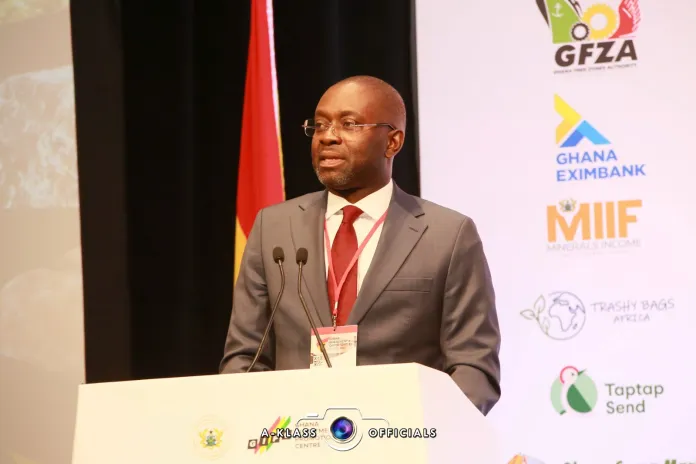
MIIF seeks collaborations with North American investors to explore new avenues in Ghana’s mining industry
Ghana’s Sovereign Minerals Fund, MIIF, is intensifying endeavors to entice North American collaborators into the realm of Ghanaian mining.
Established by law, MIIF is mandated to oversee the Government of Ghana’s equity stakes in mining entities and effectively administer mining royalties owed to the state, with the primary objective of directing these funds towards strategic investments.
Positioning North America as a pivotal hub for co-investments and strategic partnerships, Ghana’s Sovereign Minerals Fund (MIIF) is actively leveraging the growing interest of major mining companies in the region.
Notably, industry leaders like Newmont and Piedmont are expanding their ventures in Ghana, with Piedmont venturing into lithium mining through Atlantic Lithium—a company listed in Australia and the UK, set to serve as a crucial offtake conduit for Tesla.
MIIF has recently finalized a substantial $32.9 million equity investment in Atlantic Lithium, slated to commence production in 2024.
Furthermore, MIIF successfully secured an equity position in Asante Gold Corporation, a Canadian-listed company, in 2021, and acquired Kinross Chirano Mine, a prominent Canadian mining company, in 2022. These strategic moves underscore MIIF’s commitment to fostering growth and collaboration within the mining sector.
Building North American ties
“MIIF is working alongside our international partners, especially in Canada and the USA, to strengthen the value-offering of Ghana’s mining industry”, says Edward Koranteng, CEO of MIIF. North America is interesting to MIIF because of its extensive history of mining and related capital activities, which have created more value from the mineral wealth in the region.
“Canada provides some clear best practice principles, especially in developing its capital markets. Ghana must still glean the benefits that come from our mineral wealth the way Canada has done”, says Edward Koranteng. The wealth creation that comes from activities on the capital markets through initial public offerings (IPOs), stock trading and exchange-traded funds (ETFs) are of particular interest to Ghana. Ml IF is working on a gold-backed ETF to be listed on the Ghana Stock Exchange, with discussions alongside the Bank of Montreal for a listing on the Toronto Stock Exchange.
MIIF’s interest in North America was piqued after acquiring over 20 million shares in Asante Gold, a Vancouver-based company operating mines in Ghana. The company recently acquired the Chirano Gold Mine and operates Bibiani Mensin Gold Mine. Other projects in its portfolio are the Kubi, Betenase and Fahiakoba mines. Incorporated in 2011, the company is listed on the Canadian Securities Exchange and has seen its market capitalization grow to $647 million in 12 years, thanks to its operations in Ghana. Asante Gold is considering further investments in the country, including 2006 through the Ahafo and Akyem mines. Newmont’s board recently approved a further investment in excess of $1 billion in a project in North Ahafo.
Diversifying the base
The country’s potential as an electric vehicle (EV) manufacturing hub – thanks to lithium and manganese de posits – could be interest ing to American investors. Tesla, through Piedmont Lithium, looks to off-take Ghanaian lithium for their EVs. With eight automotive companies already setting up assembly plants in Ghana including Toyota (Japan), Nissan (Japan), Volkswagen (Germany), Suzuki (Japan), Peugeot (France) and Sinotruck (China) – Ghana has been earmarked as a high-potential EV hub.
MIIF is readying itself to invest $30 million into what is potentially sub-Saharan Africa’s largest salt project – the electro chem Ada Songhor industrial salt operation. This 41,000-acre area could mine over ten million tons of 99.9%-quality industrial salt.MIIF is open to co-investment options in this project which is set to be listed on the Ghana Stock Exchange.
MIIF has grown its assets under management from $170 million in 2021 to $ 320 million in 2022, and 2023 projections set at $1 billion. By 2030 to portfolio could top $ 6 billion. “Good governance, good treasury management, sound business development initiatives, and an aggressive miningroyalty collection approach have been crucial to M11F’s success;’ says Edward Koranteng.
For Koranteng, MIIF’s focus on sustainable development is central to the fund’s mission: “As a sovereign fund, sustainability is central to our business decisions. Partnering with North American investors who equally value.
-

Irish weather alert still in effect despite delays
More than 200,000 homes and businesses in Ireland don’t have electricity after Storm Isha.
Several roads in the country are closed because trees and power lines have fallen. This is causing problems for some people who are trying to travel after the storm.
A warning for strong winds is still in place for six counties until 7:00 pm on Monday.
ESB Networks reported that around 235,000 buildings have been impacted, with the worst problems in the northwest of the country.
Technicians have been working since early morning to fix the power where it’s safe to do so.
“We want to make sure our customers get their electricity back as soon as possible, while keeping them safe. This is our main focus,” someone said.
“We thank you for being patient and understanding as we deal with the difficulties caused by Storm Isha. ”
Strong winds with speeds of over 80mph (130km/h) were measured in County Donegal during the night.
Valentia Island, which is far west in Ireland, had wind gusts of 71mph. Cork Airport had wind gusts of 66mph.
Dublin Fire got a lot of calls on Sunday because of trees and poles falling down.
“Improved image” for air travel.
Storm Isha’s damage has caused more problems for people trying to travel.
On Sunday, the company that operates Dublin Airport, DAA, said that 166 flights were cancelled because of strong winds.
Graeme McQueen, who works for the company, said the last day has been really tough.
But on Monday morning, the wind changed direction and it was a “much better picture,” he said on BBC NI’s The Nolan Show.
“However, there is still some chaos – many airlines have their planes in the wrong places today because of yesterday’s situation. ”
On Monday morning, 29 flights were canceled, but Mr. McQueen said he hoped there wouldn’t be many more.
“He said we’ll have to wait and see what happens for the rest of the day. ”
The storm damaged some Irish Rail services, causing disruptions.
The train service between Dublin Connolly and Belfast is running late, and other trains have fewer seats available.
Another warning for strong winds has been announced for the Republic of Ireland on Tuesday.
It will start in seven counties in the northwest and west of the country from 12:00 until early on Wednesday morning.
The rest of the country will have a yellow alert starting at 5:00 PM. -

NCA tasked with upholding broadcasting standards
Stakeholders have urged the National Communications Authority (NCA) to enhance broadcasting standards by strategically allocating spectrums.
This initiative aims to guarantee that the content reaching consumers maintains high-quality standards.
During a stakeholders’ engagement and the unveiling of a research report by the Ghana Center for Democratic Development (CDD) in Accra, Member of Parliament for Ningo-Prampram, Samuel Nartey George, emphasized the importance of elevating standards.
He noted that this would foster accountability among media platform owners, subsequently promoting the creation and dissemination of responsible and high-quality content.
“What we have currently in the media space as a country is a secondary market because the standards for operating a media platform are low,” he said.
He acknowledged that even though a media platform does not need a licence to operate, it would be encouraging if spectrums are made premium and certain rules and regulations established when authorising media outlets to operate.
The Minister of Information, Kojo Oppong Nkrumah, on his part, reiterated government’s commitment to tackling misinformation and disinformation in the media space, citing the Broadcasting Bill which is yet to be passed by parliament.
Explaining the delay in passing the bill, he said the last draft needs some reconsideration and amendments.
Mr. Nkrumah hinted that the bill, when passed, would deal with media literacy where the public would be heavily educated on how to use media tools, especially how to fact check information by journalists.
He added that the bill is considering a public broadcasting fund which will support media houses that are doing public broadcasting.
Speaking on the current expansive network of media houses, the sector minister said that it is good for democracy while still economically viable. He urged media outlets to consider mergers and acquisitions in order to reduce cost of operations.
He noted that mergers and acquisition of networks would encourage sustainability of media houses, adding: “But this is up to the media houses to consider and examine how to go about it”.
The event, themed ‘Ensuring Accountability in the Governance of Media and the Internet’, saw the launch of a report on Ghana’s changing media landscape, the influence of rapid growth of the Internet and social media on the business model of traditional media, the threat disinformation and misinformation poses to democracy, and the possible infringement of digital rights and free speech by state and non-state actors in tackling possible dangers.
-

Tanzania’s largest metropolis devastated by floods
The torrential downpour in Dar es Salaam, Tanzania resulted in collapsed houses and damaged roads and bridges. – The floods swept away a woman, and the local radio interviewed relatives searching for a missing child.
The flooding caused the most damage in neighborhoods near the rivers that flow into the Indian Ocean. Due to the road closures, several children and employees were unable to leave their homes on Monday.
Many families are checking their homes for damage and trying to find their things.
There was a lot of rain in the city on Saturday and Sunday. The areas that got the most rain were Kinondoni and Ilala. – Flooding caused the closure of the bridge connecting to the city center, where the President resides, on Sunday.But now it’s open again because the water has gone down.
The weather agency in Tanzania says there will be a lot of rain for the rest of the month. The president has asked people to go to safer places if they live where there might be a flood.
The authorities haven’t said how many people were hurt or killed, but one man said his wife was taken by the water, and another family is looking for their son who is missing.
They don’t know if he was carried away by the water or if he is okay and being taken care of by another family.
Flooding is a big problem in Tanzania. It affects a lot of people every year.
Last month, over 80 people died in Tanzania’s Hanang district because of floods and landslides. -

Government advocates increased Chinese Business presence
Finance Minister Ken Ofori-Atta has conveyed the government’s deliberate efforts to position the country as a favored hub for Chinese businesses across the African continent.
In a pivotal engagement held in Accra, Finance Minister Ken Ofori-Atta disclosed the government’s commitment to fostering stronger ties with the Chinese Business Community in Ghana. The occasion was part of the Ghana Mutual Prosperity Partnership, signaling a strategic effort to enhance collaboration between the two entities.
“We want to use this platform to tease out the problems you face, equip you for the challenges of the future and increase Ghana’s attractiveness as a base for Chinese businesses on the continent,” Mr Ofori-Atta stated.
The Finance Minister underscored Ghana’s economic resurgence, steady exchange rates, and decreasing interest rates as advantageous elements for businesses eyeing exports to China. Additionally, he highlighted the encouraging trajectory of the Bank of Ghana’s Business Confidence Index, signifying a growing confidence in the overall economic conditions of the country.
Ghana Investment Promotion Centre (GIPC) is developing an Investment Code to expand incentives for both domestic and foreign strategic investments, with the aim of promoting a predictable and favourable environment for investment.
China holds a crucial position in Ghana’s trade and investment landscape, with an FDI stock of approximately US$1.1 billion. Ghana stands as the 4th largest buyer of Chinese goods on the African continent, consuming approximately US$7.9 billion of Chinese exports in 2022, underlining the strong trade ties between the two nations.
Reflecting on this enduring relationship, Mr Ofori-Atta expressed gratitude for China’s support during challenging times, notably as the first responder for anti-pandemic supplies during the “once-in-a-generation” pandemic. China’s leadership in supporting Ghana’s bid to restructure bilateral debts also showcased commitment to Ghana’s economic recovery efforts, he said.
Chinese businesses play a vital role in driving infrastructure development in Ghana, particularly in sustainable business growth, energy and aviation sectors. Contracts underscore the importance of responsible business practices.
Ambassador Lu Kun of The People’s Republic of China in Ghana highlighted the significance of the two nations’ 60-year diplomatic relations and the role of Ghana in China’s Belt and Road Initiative. Bilateral trade volume reached US$9 billion in the first 10 months of 2023, marking a year-on-year increase of 7.8 percent . Ambassador Lu Kun reiterated China’s commitment to sincere cooperation and shared interests.
Chairman Yang Qun of the China Enterprises Chamber of Commerce in Ghana recognized the pivotal role of Chinese business investments in Ghana’s progress. Addressing challenges and acknowledging existing investments, he emphasized the positive impact of Chinese enterprises on Ghana’s economic landscape, contributing to sustainable development and community engagement.
As Ghana and China enter the Chinese New Year, both nations express optimism for a prosperous year ahead, building on their historical partnership and commitment to mutual growth.
-
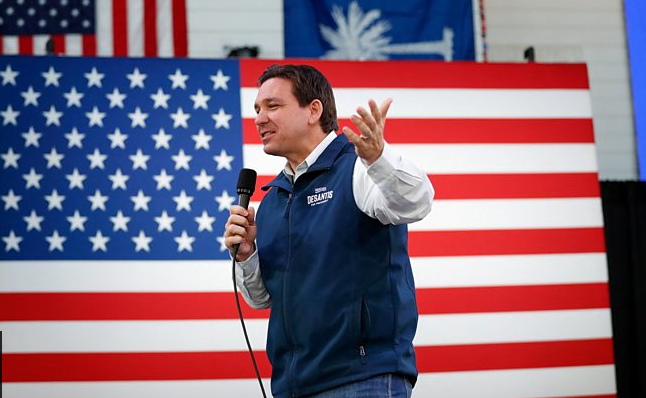
Ron DeSantis withdraws from presidential contest to support Trump
Florida Governor Ron DeSantis says he will not run for president in 2024. Instead, he is supporting Donald Trump.
He left the Republican primary election in New Hampshire before it happened because he was only getting a small amount of support in the polls.
Mr DeSantis was once thought to have a good chance of winning the party’s nomination. But on Sunday, he said that he didn’t see a way for him to win.
Nikki Haley, the last person running against Mr. Trump, said she was the only one who could defeat President Joe Biden.
Ms Haley and Mr Trump will compete in New Hampshire on Tuesday. This is part of a series of contests to choose the Republican nominee for the November election.
In a video on X, Mr. DeSantis said his campaign tried very hard.
He said he would do anything to make his campaign successful, like doing more events and interviews. He ended his campaign after seven months.
The governor of Florida said he supports Mr. Trump, who is doing really well in the election after winning 51% of the vote in Iowa. DeSantis said that most Republican voters want to give Donald Trump another opportunity.
He said he had some differences with the old president, but he thinks Mr. Trump is better than Mr. Biden, who will probably be the Democratic candidate in the November election.
“I promised to support the Republican candidate, and I will keep that promise,” stated Mr.
Many people in New Hampshire clapped and cheered when Mr. Trump talked about Mr. DeSantis’s decision to withdraw and support him.
Later, when speaking to a crowd at a gathering, Mr. Trump said his old enemy is a great person and did a really good job running for election. He said it’s not easy to run a good campaign.
Mr DeSantis said he was the Republican candidate who could make Mr Trump’s ideas happen without any problems.
One of the speakers at the event, Florida Representative Matt Gaetz, called him “diet Trump”. Many of Trump’s supporters told the BBC that they liked the Florida governor, but they didn’t think this was the best time for him to run for office.
Lynne Mason, who is 60 years old, thought that Mr. DeSantis’s campaign was not very strong. She was hoping for more from him. She said that Mr. Trump is the only person who can help our country right now.
BethAnne Tatro, another person from the area, supports Mr. -

Over 90 people killed following severe winter storms in the US
Over 90 people have died because of bad weather in the US. Winter storms have been hitting the country hard for the past week.
At least 25 people died in Tennessee and 16 people died in Oregon after severe ice storms. Oregon is still under a state of emergency.
Many people in large areas of the country are still without electricity.
The cold and icy weather should get better in a few days.
According to CBS, 92 people have died because of the weather in the past week.
Many people have died in Tennessee and Oregon, but also in places like Mississippi, Illinois, Pennsylvania, Washington, Kentucky, Wisconsin, New York, New Jersey, and other areas.
Last Wednesday in Portland, Oregon, three people died from electric shock when strong winds knocked down a power line and it hit the car they were in. The baby in the car lived.
Other deaths are still being looked into, including the death of a person in a five-car crash in Kentucky and four in Illinois.
Five people, most likely without a home, died in Seattle in just four days, says the Associated Press.
The weather in Mississippi has caused officials to tell drivers to only drive if they really need to and to be careful of ice on the roads. The colleges and universities in the state have made students come back later from winter break because of the weather.
The number of people who have died in the state went up to 11 after three more deaths were reported on Sunday.
Mississippi officials are looking into whether people were told there might not be enough water because of the storm, and that’s why they put water in their bathtubs. The change made the water pressure go down for a little while and many people in Jackson couldn’t get water from their faucets. This city has had water problems for a long time.
Water problems are still happening in Tennessee. About 400,000 people have to boil their water because of broken pipes in Memphis. This is happening in almost 30 other areas too. The local utility fixed 41 big water pipes and over 4,000 smaller ones because of the cold weather.
The company said to use boiled or bottled water for drinking, making ice, brushing teeth, washing dishes, and preparing food until they say it’s okay to use tap water again. “It’s safe to use tap water for bathing and showering, just don’t drink it. ”
Restaurants and bars in the southern city of the US used bottled water to serve customers on Sunday. Some had to close or change their menus.
Many places in the US have their electricity back after the winter storm, but many people still don’t have power.
On Sunday evening, 45,000 people in Oregon didn’t have electricity. More power cuts happened in Pennsylvania, California, New Mexico and Indiana.
The National Weather Service says there will be an ice storm on Monday in some parts of Arkansas and Oklahoma. Driving will be very dangerous in many areas of the country on Monday.
Later, the snow will melt, and some weather experts say that warm air and rain might make some areas in the Midwest and north-eastern US flood.
By the end of the week, it may be hotter than usual in some eastern parts of the country. -

25,000 people have died in Gaza since the start of Israeli-Hamas offensive – Hamas-run health ministry
Over 25,000 people have died in Gaza because of Israel’s attack, according to the Hamas-run health ministry.
It was reported that 178 people died in the last day, which makes it one of the deadliest days in the war.
As the fighting kept happening, Israel’s leader Benjamin Netanyahu said no to making a country for the Palestinians.
The White House said that the US and Israel have different views on a two-state solution.
Israel started attacking after an incident on October 7th, when Hamas fighters killed 1,300 people in southern Israel and took over 240 people as hostages.
Hamas said the attack in October was necessary to fight against Israel and to free Palestinian prisoners.
Israel is concentrating its air and ground operation in southern Gaza, where they believe top leaders of Hamas are hiding in or under the city of Khan Younis.
The Israel Defense Forces found a long tunnel with traps and doors in it. It was about 830m (2,700ft) long.
The IDF video showed a tunnel with beds and rooms inside. Israel thinks about 20 people, including kids, were kept there at different times. No one was found when the tunnel was discovered.
Israeli soldiers are being attacked again in the northern part of the Gaza Strip. Hamas has taken control of an area near the town of Jabalia while Israel has sent troops and tanks south.
For over three months, Israel has been facing strong opposition from Gaza, even though their army is much stronger than Hamas’s.
According to US intelligence agencies, the Israeli military has killed about one-fifth to one-third of Hamas fighters. However, this is much less than what Mr. Netanyahu wanted, which was to completely destroy the armed group.
The secret report also says that Hamas still has enough weapons to keep attacking Israel and Israeli forces for several months. This could lead to a long war where Israel could get stuck.
The slow progress in capturing or killing top Hamas leaders, and the 130 Israeli hostages still missing, is making people in Israel more and more angry at the government.
Families of people held by Hamas are protesting and asking Mr Netanyahu to focus on getting their loved ones released instead of trying to destroy Hamas, which may be very difficult. A small group of people who are against war are showing how upset they are about the large amount of destruction caused in Gaza by a very intense and damaging military attack.
Many Israelis support their flag, but most don’t support their prime minister. A recent poll shows that only 15% of the public think the prime minister should remain in office after the war.
Mr Netanyahu and Israel’s allies disagree on how it will end. The Israeli leader said no to a future country for the Palestinians again after talking to the US president for the first time in almost a month.
In a message on X (formerly Twitter), he said that Israel should keep “security control over the whole area to the west of the Jordan River”, including the occupied West Bank territory.
Mr Netanyahu has always strongly disagreed with the idea of a Palestinian state during his time in politics. The prime minister keeps saying the same thing over and over again, even though most people don’t agree with him. He thinks most people in the country don’t want a separate country for Palestinians because they are too upset about the attacks.
He seems to be trying to stay in power, but his efforts are making Israel’s friends very frustrated. They want the violence to make both sides talk and find a way to have two separate countries that can survive.
UK Defense Secretary Grant Shapps said on the BBC that he was not happy with Mr. Netanyahu’s position The White House and Israel have different views.
Antonio Guterres, the leader of the United Nations, said it is not okay to reject a Palestinian state. He said it would make the fight last longer and be a big problem for the world’s peace and safety. -

Rice sufficiency ambitions in jeopardy as 2024 deadline approaches
With just a year left to fulfill the Ministry of Food and Agriculture’s (MoFA) self-sufficiency goal in rice production, the current scenario paints a picture of domestic production lingering at approximately 40 percent. The proximity to the deadline adds a sense of urgency and concern regarding the achievement of the set target.
Despite a slight uptick in local production from 30 percent in 2015, there is growing concern among stakeholders that the Ministry of Food and Agriculture (MoFA) might fall short of meeting the National Rice Development Strategy II (NRDS – II) target. This policy, reintroduced in 2022 with the aim of achieving rice production self-sufficiency by the end of 2024, has prompted apprehension due to the incremental nature of recent production increases.
The policy, among its objectives, was implemented to secure the sustainability and holistic advancement of the rice crop. It serves as a framework guiding all projects and interventions within the sector.
The target – previously set by government to be achieved by 2023 – was moved to December this year.
Former sector minister, Dr Owusu Afriyie Akoto, said government has invested in harvesters, other farming implements and brought in four different types of solar-powered milling machines from China to improve on production and meet the target by end of this year.
He said this during an interaction with farmer groups and value chain operators in the agricultural sector of Bono, Bono East and Ashanti Regions during May 2020.
Despite the supposed progress made, about 60 percent of rice consumed in Ghana is imported – with an associated import bill of more than US$500million per year, according to the United States Department of Agriculture (USDA).
Meanwhile, rice value chain stakeholders – including the Ghana Rice Inter-Professional Body (GRIB), have been sceptical about the target; citing numerous issues including the lack or unavailability of good seeds, capital, mechanised systems of farming, agronomic inputs and land development as among the challenges farmers continue facing with no end in sight.
For instance, Deputy Minister of Agriculture in charge of Crops, Yaw Frimpong Addo, admitted that the country is still having teething challenges in both the rice-seed and grain value chains.
He said farmers continue to encounter challenges during the post-harvest stage in maintaining quality standards that make domestic rice competitive.
Some of the challenges, according to him, include inadequate processing infrastructure and modern milling machines; insufficient silos for storing paddy before milling; inadequate quality standard testing for both seed (paddy) and milled rice, among others.
Being the first countries in the sub-region to launch the first-ever National Rice Development Strategy I, Ghana has already missed out on its local rice production agenda as part of the Coalition for African Rice Development Strategy.
That strategy – which was first unveilled in May 2008 as the National Rice Development Strategy for the period 2009-2018 – aimed at increasing domestic production up to 70 percent, and promoting consumption through quality improvement and targetting both the local and international markets.
The initial strategy ended five years ago, and rather achieved an opposite result of 70 percent imports; with the Ghanaian consuming public still largely dependent on foreign rice brands.
Data from MoFA show rice consumption continues to increase due to population growth, urbanisation and change in consumer habits.
MoFA indicates that between 2008 and 2020, paddy-rice production was in the range of 302,000 metric tonnes to 987,000 metric tonnes (181,000 to 622,000mt of milled rice) with large annual fluctuations.
The total rice consumption in 2020 amounted to about 1,450,000 metric tonnes which is equivalent to per capita consumption of about 45kg per annum, according to MoFA.
-
PIAC expresses alarm over delayed payments for projects financed by oil revenue
The Public Interest and Accountability Committee (PIAC) has voiced apprehension regarding the prolonged delays in the disbursement of funds for projects financed by oil revenue nationwide.
Emphasizing the adverse repercussions on the punctual culmination of these vital endeavors, the committee underscores the pressing need for prompt resolution.
Following a thorough examination of projects partially funded by the Annual Budget Funding Amount (ABFA) – the allocation of oil revenue dedicated to supporting the national budget, the Public Interest and Accountability Committee (PIAC) has expressed apprehension over a persistent pattern of delayed payments.
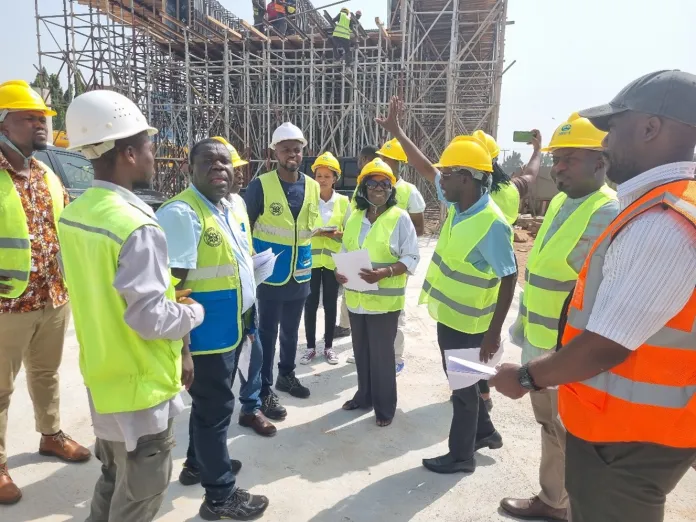
This concern came to the forefront during on-site inspections in Accra, where contractors emphasized the impact of these delays on the progress of the projects.
PIAC, serving as a public overseer for the utilization and administration of oil revenues, has asserted that the blending of petroleum funds with other resources for projects, resulting in prolonged delays, is not indicative of judicious management of oil revenues.
In its pursuit of ensuring timely project completion, the Committee is advocating for the prompt and ample allocation of petroleum revenues explicitly designated for project funding.
Top of Form
The Committee’s Chairperson, Emerita Professor Ardayfio-Schandorf, lamented that the sums allocated to some ongoing infrastructure projects are woefully insufficient.
She said the allocated funds, which are channeled to these projects through the ABFA, do not represent significant contributions to these projects’ total funds.
PIAC, she said, will continue to make its case for more prudent use of oil revenue, to ensure enough funds are committed to complete earmarked projects.
Furthermore, she said the Committee remains committed to promoting transparency and accountability in the management of oil revenues, as enshrined in the Petroleum Revenue Management Act (PRMA).
Inspection
In the Greater Accra Region, PIAC inspected the Rehabilitation of selected roads in Teshie Camp, Southern Command and MATS (Ghana Military Academy); construction of Teshie Link; and construction of a flyover at the Tema Motorway from the Spintex Road Flowerpot Roundabout.
These three projects, located in the Ledzokuku municipality, are at different stages of completion and received funds from the ABFA between 2019 and 2022.
The contract for rehabilitating roads, constructing a car park and parade ground within the Southern Command in Teshie was awarded in July 2020 – and was supposed to have been completed within 24 months. But at the time of PIAC’s visit, the project was only 24 percent physically complete.
Of the GHS145.8million total contract sum, GHS7.4million of petroleum revenue representing 5.07 percent was disbursed to the project in 2022.
With the construction of the 7.5-kilometre Teshie Link, it was disclosed that the project involved constructing a new road and drainage structures, with earthworks and asphaltic-concrete surfacing.
The project was awarded in October 2019 and had an original contract duration of 18 months. Of the GHS87.9million original contract sum, GHS29.7million of petroleum revenue representing 33.84 percent was disbursed to the project from 2019 to 2021.
At the time of PIAC’s visit, 95 percent of all drainage works had been completed, together with the asphaltic binder and wearing course laid on the road.
However, the PIAC team was informed that the contractor suspended work due to non-payment of funds. Outstanding work includes installation of traffic signals and road markings to ensure a controlled intersection. The absence of these has resulted in many car crashes in the area.
Similarly, on the construction of the flyover over the Tema Motorway from the Flowerpot Roundabout, of the revised GHS284.7million contract sum, a total GHS141,093,767 representing 49.56 percent was disbursed from the ABFA in 2022.
The project is located at the Flowerpot Roundabout, Spintex, and East Legon; and involves creating access from the Motorway to Boundary Road Roundabout and an exit into Cantonments from the Giffard Road Interchange. It consists of one mainline bridge, two ramp-bridges, four auxiliary roads and ancillary works.
At the time of PIAC’s visit, the infrastructure was estimated to be about 70 percent complete. Similar concerns about delays in releasing funds were reported at all projects sites.
-

Japan believes sunlight may rescue damaged Slim Moon lander
Japan’s space agency says it might be able to save its Moon lander if it gets enough sunlight in the right spot.
The Slim spacecraft was turned off shortly after it landed on the moon to save its energy.
The engineers found out that the solar panels were facing the wrong way and couldn’t make power.
However, the team on the mission now thinks the situation might get better as the lighting changes.
The Jaxa statement said that if the Sun shines on the Moon in the future, they think they could make power from it. They are getting ready for that.
The Slim mission, also called “Moon Sniper” because it used precise landing technology, made Japan the fifth country ever to land softly on the moon.
However, the happiness of watching the spacecraft safely land was replaced by concern as the power levels decreased.
Instead of turning off the system completely, it was decided to put the craft to sleep.
Jaxa said they disconnected the battery with 12% power left following their procedures. They did this to make sure the restart of the lander would not be a problem.
The spacecraft was turned off at 02:57 on Saturday in Japan or 17:57 on Friday in GMT.
Before the shutdown, the mission control gathered information about Slim’s situation and got pictures and data of its landing on the moon.
Jaxa said they are happy and starting to feel excited because they have collected a lot of information.
The agency said they would give us more information during the week.
Moon missions aim to land on the moon when the sun rises in the east, at the beginning of the lunar day. This means that a spacecraft gets light for about two weeks, and then it is dark for two weeks.
It’s morning at Slim’s landing spot near Shioli Crater. If the solar cells on the spacecraft are pointing west, then it might have to wait until the lunar afternoon for the cells to get enough light to start charging the batteries.
Slim was holding two small rovers. The data shows that it was able to release them as planned right before landing.
The vehicle also has a special camera that uses infrared light to study the rocks and soil in the area. We don’t know how much can be investigated if the power levels are restored.
Statistically, it’s really difficult to reach the Moon. Only around 50% of the attempts have been successful.
Before Slim, only the US, Russia, China and Japan had successfully landed on the surface.
An American mission from a private company had to stop trying to land on another planet because their spacecraft had a problem with its engines soon after it launched from Earth. Another business from the United States will attempt to succeed in late February. -
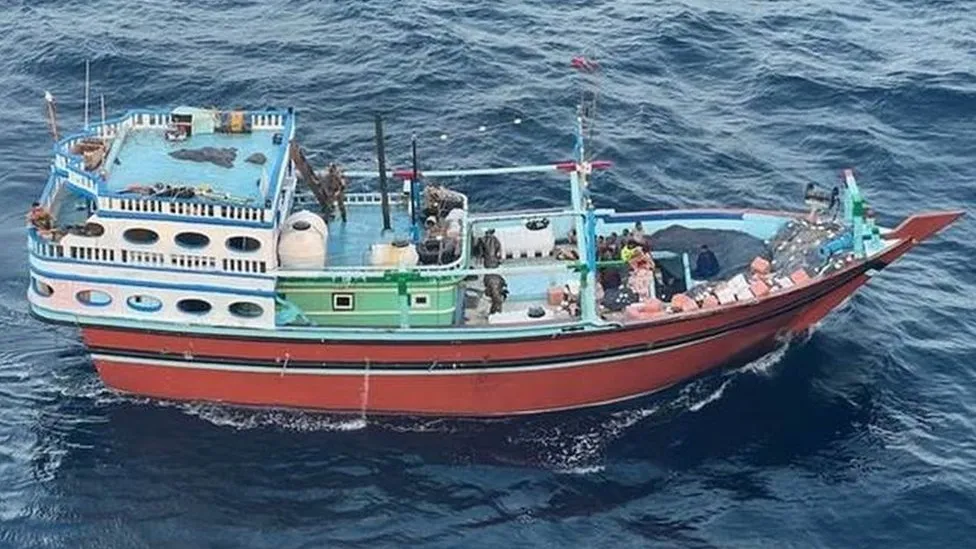
US Navy Seals believed to have died during anti-Huthi mission
Two members of the US Navy Seals who were lost during a mission to capture weapons made in Iran and intended for the Houthis in Yemen are now believed to have died, according to the US military.
The event happened on January 11th when soldiers were getting on a boat near the coast of Somalia.
According to the news, one person was carried away by something and the second person jumped in after them, following the rules.
The US Central Command is trying to get back the bodies now.
“We are sad about the deaths of our two Navy special forces soldiers, and we will always remember their sacrifice and the good example they set,” said Gen Michael Erik Kurilla, who is in charge of Centcom.
Ships and planes from the US, Japan, and Spain looked for 10 days in a big area to find the commandos. They had help from scientists who study the ocean and weather.
Navy Seals are people in a very skilled military group that works in the ocean. They do secret missions and gather information for the military.
Last week, US Central Command (Centcom) said they seized warheads for Houthi missiles and parts for air defense systems from a traditional sailing ship called a dhow during an operation on January 11th.
It was reported that the parts are for missiles used by the Iran-backed Houthis to attack ships in the Red Sea.
Selling, giving, or moving weapons to the Houthis breaks a rule made by the United Nations in 2015, and also breaks worldwide laws.
Many ships have been attacked by the Houthis, so now many cargo ships and tankers are changing their routes to avoid getting attacked.
The Houthis are targeting ships connected to Israel because they support Hamas during the war in Gaza. However, some of the ships they have attacked have no obvious link to Israel.
They started attacking ships from the US and UK after both countries bombed Houthi positions in Yemen in response to the Red Sea attacks. The group is in charge of the northern part of the country, the capital city Sanaa, and the Red Sea coastline.
The US and UK don’t want to fight with the Houthis. They just want to keep the international trade route safe. -
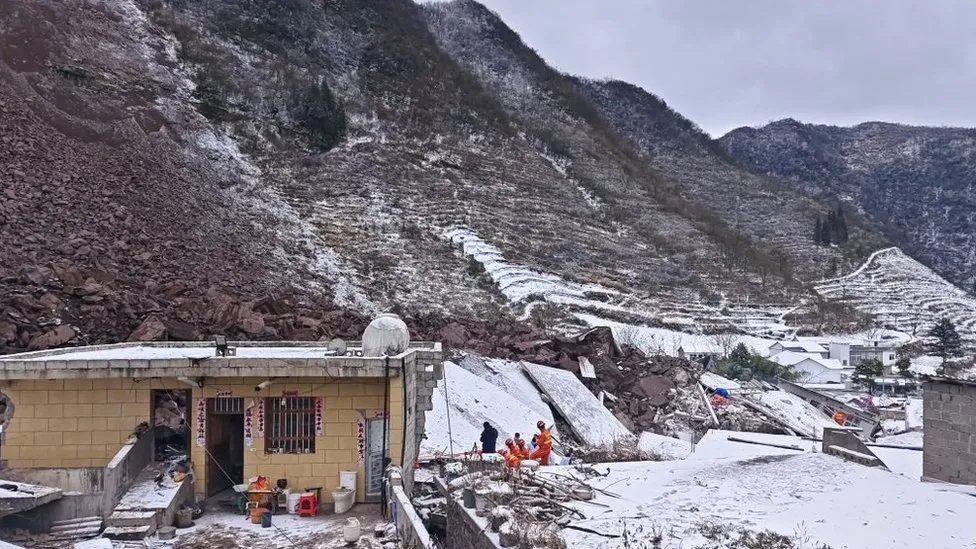
China: Yunnan landslide leaves hundreds missing and two dead
At least two people have died and many others are missing after a landslide happened in China’s Yunnan province.
A big slide of rocks and dirt happened in Zhaotong city at 05:51 in the morning on Monday. It trapped 47 people.
President Xi Jinping has directed a full effort to rescue people in an area with very cold temperatures.
State-owned TV channel CCTV said that two bodies were found in the collapsed building and they were not responsive.
Someone from Liangshui village told Jimu News that the landslide happened while they were sleeping.
“It was really loud, and there was also shaking, it felt like a huge earthquake,” she said.
Videos on social media showed people walking on piles of rubble with snow-covered mountains in the background. I see things like clothes and stuff mixed up with the broken bricks.
The landslide happened in a remote area of mountains, where landslides are common because of the location. The reason for this particular landslide is not known. Floods happen a lot.
The place also has a lot of coal mines.
News China said that a person from the village said that most of the people living there are old or young.
Chinese Deputy Prime Minister Zhang Guoqing is leading a group of workers to the site to help with the rescue efforts.
In January 2013, a landslide in Zhenxiong county killed at least 18 people.More update on this story soon.
-
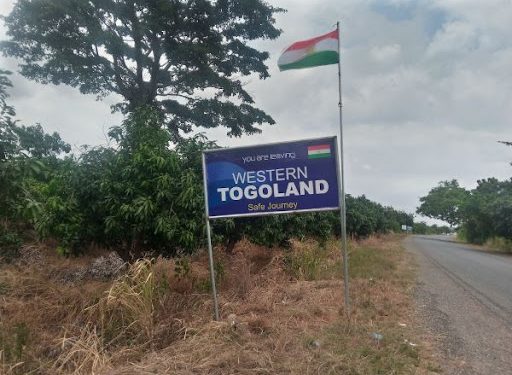
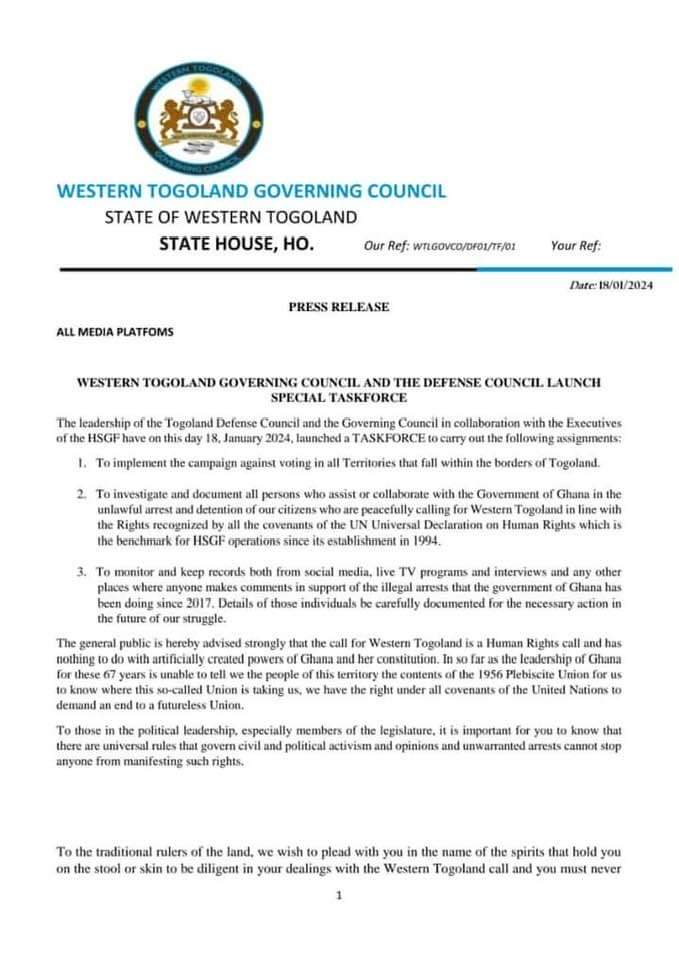
Western Togoland unveils new taskforce to address voting irregularities and Human Rights violations
The Western Togoland Governing Council and Defense Council have introduced a specialized task force to execute three pivotal assignments, marking a significant development in the region.
In an official statement, the Council clarified that the task force, inaugurated on January 18, 2024, will undertake a campaign opposing voting in areas encompassed by Western Togoland, scrutinize and compile information on individuals assisting or cooperating with the Ghanaian government in the illegal apprehension and confinement of Western Togoland activists, and observe and document endorsements of the Ghanaian government’s actions.
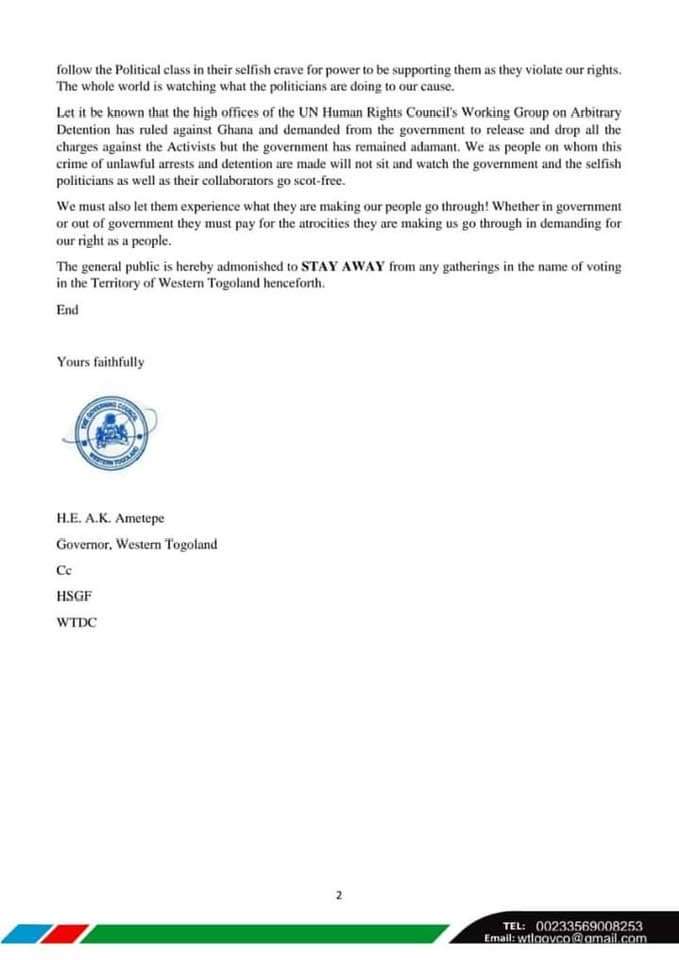
The leadership of the council has urged the public to stay away from any gatherings related to voting in Western Togoland.
The move comes as the UN Human Rights Council’s Working Group on Arbitrary Detention has ruled against Ghana and demanded the release of Western Togoland activists, but the Ghanaian government has failed to comply.
The task force’s actions are a response to what the council consider to be violations of human rights and a futureless Union with Ghana.
Traditional rulers were also urged to be diligent in their dealings with the Western Togoland cause and not follow politicians who violate human rights.
-
Senior Staff Strike forces UCC to shut down hospital
University of Cape Coast (UCC) has taken a drastic action to shut down its hospital following a strike action embarked by its Senior Staff.
The Senior Staff Association of the Public Universities in Ghana (SSA-UoG) and the Federation of Universities Senior Staff (FUSSAG) on Wednesday 17 January 2024, declared an indefinite nationwide strike due to the alleged neglect of their welfare by the government.
The Association disclosed that the government has not fulfilled the payment of their two-tier pension and overtime allowances for an extended period.
The strike has resulted in the withdrawal of various services, including healthcare, administration, and security leading to the closure of the University’s hospital effective today.
According to the University’s Communication team, students, during this time are advised to seek care for minor conditions at their respective hall infirmaries.
Also, Severe conditions are to be referred to the school student’s clinic located near the Sam Jonah Library.
The Clinic, it said, would be working from eight in the morning to six in the evening every day excluding weekends.
The usual ongoing medical exam for fresh students has also been suspended until further notice.
-
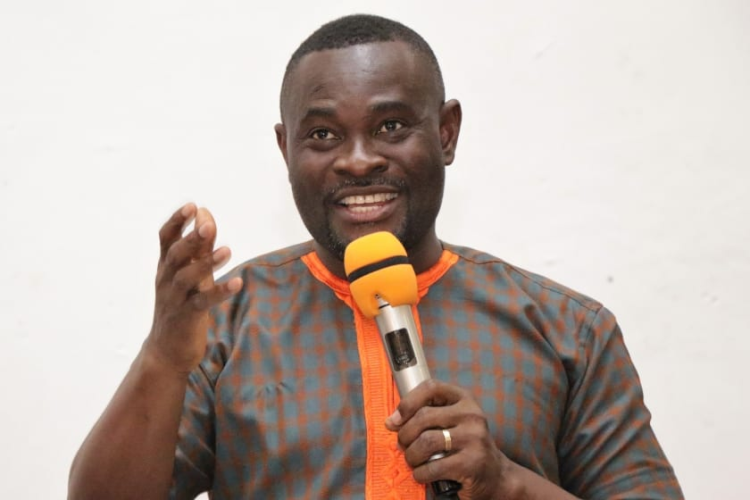
NPP has turned the corner around – John Kumah defends govt’s achievement
Deputy Finance Minister Dr John Kumah has affirmed that Ghana‘s economy has effectively navigated recent challenges, positioning itself for sustainable growth to the benefit of its citizens.
The Deputy Finance Minister highlighted Ghana’s achievement in a Facebook post dated January 19, emphasizing the unanimous approval of the country’s request for debt treatment under the G-20 Common Framework.
Buoyed by the unanimous approval of Ghana’s request for debt treatment under the G-20 Common Framework, he expressed optimism, considering this development as the cornerstone for the nation’s positive economic trajectory.
Expressing gratitude, Dr. Kumah commended the people of Ghana for their unwavering support of the government’s measures and policies.
He specifically acknowledged their role in mitigating the adverse impacts brought about by the COVID-19 outbreak and the Russia-Ukraine war.
With optimism, the Ejisu Member of Parliament anticipates a brighter future for the country.
He emphasised that the approved debt treatment sets the stage for sustained economic progress and ultimately benefits the citizens of Ghana.
“An essential prerequisite for the IMF Programme was a confirmation that Ghana’s public debt was on a sustainable trajectory.”
“Subsequently, Ghana embarked on the restructuring of both domestic and external debt. The Domestic Debt Exchange Programme (DDEP) launched on 5th December 2022 has successfully been completed with over 90 percent participation. The OCC’s approval of bilateral debt treatment is expected to provide the impetus for the ongoing commercial debt (Eurobonds) negotiations,” a portion of his Facebook post said.
Dr Kumah added that “the past week was marked by a significant development in the public debt trajectory following the unanimous approval of Ghana’s request for debt treatment under the G-20 Common Framework for Debt Treatment Beyond the Debt Service Suspension Initiative (CF-DSSI).”
“The government has been combining both fiscal prudence and debt restructuring measures to contain growth in public debt with the view of bringing the debt levels to moderate debt level from high risk of debt distress. The Official Creditor Committee’s (OCC) decision to support the grand efforts of government is commendable, refreshing and worth celebrating. We, however, do so with caution given that more work needs to be done going forward.”
The Managing Director of the International Monetary Fund (IMF), Kristalina Georgieva, has stated that Ghana’s economic policies under its programme are beginning to yield the desired outcomes.
She emphasised that the policy and reform commitments outlined in Ghana’s deal with the Bretton Woods Institution are in the best interest of the Ghanaian people.
In a post on X (formerly Twitter) on Tuesday, January 16, she expressed the satisfaction of the IMF board with the assurances received from Ghana’s external creditors.
“Wonderful to see President Nana Addo Dankwa Akufo-Addo and Ghana’s Finance Minister, Ken Ofori-Atta at #WEF24. The policy and reform commitments under Ghana’s economic program are starting to bear fruit,” she posted.
-
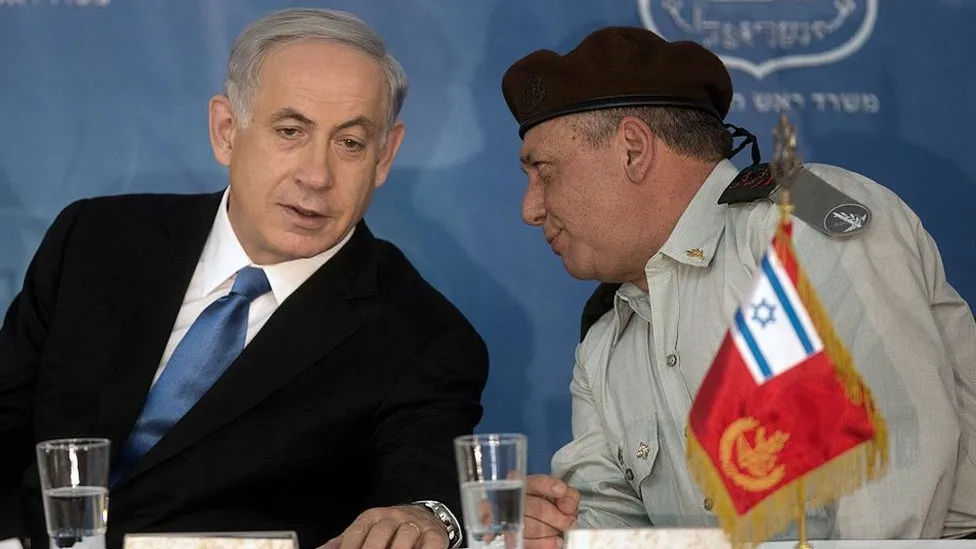
Leading Israeli military officer confronts Netanyahu on Gaza policy
A key figure in Israel’s military leadership is alleging that Prime Minister Benjamin Netanyahu is not accurately portraying the country’s objectives in Gaza.
Gadi Eisenkot, whose son died in Gaza, said people who want to completely defeat Hamas are not telling the truth. This comes after Mr Netanyahu said the US proposal for a future Palestinian state is not good and the fighting will continue until they win completely.
The former general said that Mr Netanyahu is partly to blame for not keeping the country safe on 7 October. He thinks there should be new elections because people don’t trust the current leaders.
Hamas attacked southern Israel and killed about 1,300 people. They also took 240 hostages.
There is disagreement among the government leaders, as the prime minister and Defence Minister Yoav Gallant are not talking to each other. This is happening while Israel is having more and more problems with its Western allies.
After Netanyahu talked about the Palestinian state, John Kirby, who works for the White House, said that the United States and Israel have different views on the issue.
Mr Kirby said that we can’t solve Israel’s security problems without a Palestinian state.
But it’s not surprising that Mr. Netanyahu said what he did.
Throughout his career, he has opposed the idea of a Palestinian state and recently said that he was proud to have stopped it from happening.
The Biden Administration is facing criticism again, which will make people feel like he is becoming more and more isolated from other countries. The number of deaths in Gaza is getting close to 25,000, according to the health ministry run by Hamas.
The US has tried many times to change the way Israel fights in this war. They want Israel to use more precise attacks in Gaza instead of just bombing everything. They also want Israel to hold off on sending troops into Gaza or to not do it at all. The US also wants to talk about having two separate countries – Israel and a future Palestine. The Palestinian Authority would also have a say in this.
Mr Netanyahu often says no to requests from US officials in meetings, which makes some Americans more frustrated with President Biden’s strong support for Israel.
Israel’s friends want to bring back the two-state plan in the hope of making peace, despite all the death in the conflict.
Mr Netanyahu wants something different than what he seems to be saying. He probably wants a position that would be more in line with Donald Trump’s future administration. He may have said this to give his supporters in the US something to be excited about during an election year.
In Israel, the prime minister, who is not liked by many people, is relying more on the far-right to support his government.
A new survey showed that only 15% of Israelis want him to stay in his job after the war.
Most Israelis still want to use the army against Hamas, but now more people want to focus on getting the remaining hostages back instead of trying to completely destroy Hamas.
His recent remarks about a future Palestinian state also show that he does not support Arab efforts to help solve the conflict.
Saudi Arabia offered him the chance to make peace with Israel and reach a deal that would create two separate states.
Israel’s leader has put all his effort into staying in power by taking a tough stance against the Palestinian people.
He can no longer pretend to be very good at keeping people safe after the worst attacks in Israel’s history happened while he was in charge.
Now it’s “Mr No Independent Palestine”: he thinks this matches how the public feels. They are not happy with their prime minister and are too upset to think about having a Palestinian state nearby. -

Diplomatic relations between Iran and Pakistan restored after strikes
Anwaar-ul-Haq Kakar’s office stated that Pakistan and Iran maintain a friendly relationship.
After the two countries attacked each other’s bases with drones and missiles, this happened.
Because of the back-and-forth attacks, Iran and Pakistan took back their ambassadors from each other’s capitals.
Both ambassadors are going back to their jobs after having discussions.
Iran said that the attacks on Thursday killed nine people in a village near its border, and four of the people who died were children. Pakistan said that on Tuesday an attack from Iran caused the death of two kids.
Iran has not yet said anything about the talks.
Earlier today, Pakistan said it is ready to work with Iran on “all topics” after their foreign ministers talked on the phone.
The Foreign Minister of Pakistan said that they are ready to work with Iran on all issues with trust and cooperation.
“They also agreed to calm down the situation. ” The ambassadors from both countries going back to their home countries was also talked about.
The counterattacks happened while there is a lot of tension in the Middle East because of multiple problems happening at the same time.
Israel is in a fight with the Palestinian group Hamas in Gaza and is shooting at Iran-supported Hezbollah in Lebanon.
At the same time, groups supported by Iran in Iraq and Syria are attacking US forces. The US and UK also attacked the Iran-supported Houthis in Yemen, who have been attacking ships.
On Thursday, Pakistan’s foreign ministry said it attacked near the Iranian city of Saravan because they had good information that there were going to be big terrorist activities.
The ministry said it completely respects Iran’s control over its own land.
Pakistan’s army used drones, rockets, and long-range missiles to attack and target the Balochistan Liberation Army and the Balochistan Liberation Front.
Both groups have been fighting for more control over Balochistan, a faraway area in southwest Pakistan, for many years. -

Ofori-Atta vows full commitment to fiscal discipline in 2024 Election Year
Finance Minister, Ken Ofori-Atta, has affirmed his dedication to maintaining fiscal discipline, assuring the prevention of budget overruns in the year 2024 as the country approaches the December elections. This commitment comes as part of efforts to ensure sound economic management during the election period.
“We have moved inflation from over 54.1% in December 2022 to about 23.2% in December 2023 and you think that did not come with exercising some fiscal prudence? The Ministry of Finance is not here to be loved, but to make sure that the community crosses the Jordan”, he told George Wiafe on PM Express, Business Edition on January 18, 2023.
He further mentioned that the Bank of Ghana is actively fulfilling its role in ensuring that monetary policy tools are effectively utilized to sustain the ongoing efforts to reduce inflation.
“We want to ensure that the right things are done going forward as a country. If the expenditure does not fall in line with the budget, I will not sign the cheque”, he said.
He emphasized that the government is fully committed to adhering strictly to its fiscal policies to achieve the outlined targets in the 2024 budget.
“I think the country is aware of the cost of inflation and cedi depreciation and we are going to do everything on our part to ensure that things don’t go bad”.
Containing inflation rate for 2024
Mr. Ofori-Atta emphasized that all government officials have been reminded to uphold fiscal prudence.
He revealed that the government has implemented stringent measures to control spending, resulting in a decline in inflation.
He believes that the right policies can be pursued to help the government achieve its end-of-year inflation target of 15% in 2024.
“If we should look at 2022 and 2023, we cannot forget about what government has done when it comes to expenditure and we intend to continue. It is an election year, we will not let our eyes off the ball when it comes to fiscal discipline”, he reiterated.
-
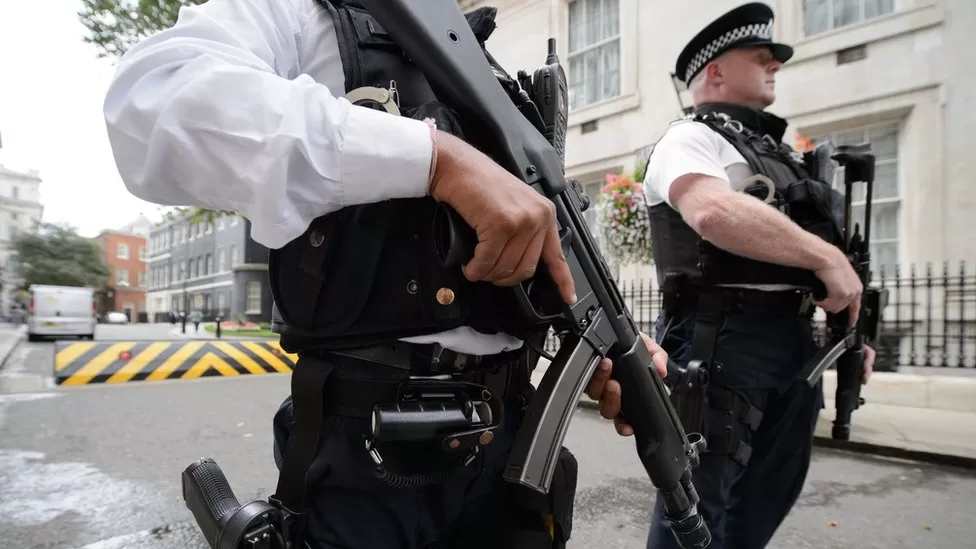
Gaza War was catalyst for radicalization – UK police
The war between Israel and Gaza has made more people in the UK support terrorism, according to the head of counter-terrorism police.
Matt Jukes said that there is a lot of online comments that are not true and are being spread by fake images, which is causing a big problem.
He said the conflict had a similar effect as the wars in Iraq, Afghanistan, and Syria.
33 people have been arrested for terrorism related to Israel-Gaza.
These are people who are taken by the police because of things they said or wrote during protests. Police didn’t say if they found any plans for a terror attack.
The government thinks a terrorism attack is likely, but not certain.
Metropolitan Police Assistant Commissioner Matt Jukes told reporters that a counter-terrorism unit has received 3,000 reports of suspicious activity online.
700 people had been found to have a connection to the UK, and they might have been breaking the law. A few kids, some as young as 11 and 12, were having worrisome talks.
“Matt Jukes said that all the stuff online is creating a dangerous atmosphere. ” It had caused a big change in people’s thinking, possibly leading them towards terrorism.
“He said this is not just empty talk, we are seeing clear signs of a big danger. ”
In 2023, more people were referred to the government’s Prevent program, which tries to stop radicalization and help those at risk. The number of referrals went up by 13%.
Mr Jukes said that terrorist attacks might not happen right away and that becoming radicalized can take a long time.
He said, “When I sit in my seat, I see that some things are not going well. ”
Detectives are most worried about the possibility of an attack from one person who might be unstable and have mental health issues.
Unit that deals with crimes committed during wars.
A group of over 20 officers is focused on looking into possible war crimes, including claims about Israel-Gaza.
This has gotten 92 people talking about the conflict, with 73 of them being against Israel and 19 against Hamas. Research is still in the early stages of review.
The police are being criticized for using their time and money to investigate serious crimes like torture, genocide, and other human rights violations.
However, high-ranking officers say that out of every £100 spent on counter-terrorism policing, only 30p is used to investigate war crimes.
Mr Jukes said that we should not let the UK be a safe place for people who have committed crimes during a war.
High-ranking officials also state that the UK must help the International Criminal Court and investigate the deaths of British people.
Detectives have a problem because they might get some evidence that war crimes happened, but no one saw it happen.
Information usually comes from law firms, charities, and people involved in a conflict.
Unfriendly countries
The counter-terrorism team is also facing a greater danger from unfriendly countries, mostly Russia, Iran, and China.
An Austrian man named Magomed-Husejn Dovtaev was sent to prison for three years. He was caught by security guards doing suspicious activities at an Iranian media company in Chiswick, London. The media company had received threats because of its reporting on Iran.
The police are worried that other countries are hiring criminals in the UK to do illegal things. This is because criminal groups can easily work in different countries and transport weapons.
A new team has been created to stop unfriendly countries from causing harm. They work closely with the security and secret intelligence services, MI5 and MI6. -
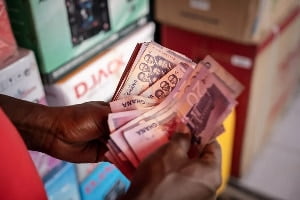
Money is not Africa’s problem – Dr Adeyemi
Renowned Pastor and CEO of Global Leadership Consulting, Dr Sam Adeyemi, delivered a powerful message on the importance of inclusive leadership at the 2024 Jospong Leadership Conference held on January 15, 2024.
Addressing the audience at the Pentecost Convention Centre in Gomoah Fetteh, Dr Adeyemi emphasized the need for African leaders to prioritize human life over financial considerations.
In his keynote address on “Inclusive Leadership,” Dr. Adeyemi asserted, “Africa’s problem is not finance; Africa is where it is because most leaders do not place enough value on human life.”
He went on to highlight a critical issue, stating, “Most African leaders do not believe that the average African deserves better, and that’s why its development is slow and often discriminatory.”
Advocating for a change in mindset, Dr. Adeyemi urged African leaders to love without discrimination. “Africa’s problem is not money but a lack of love,” he emphasized. Citing inclusive leadership as a solution, he stated, “Love is the essence of inclusive leadership in the relationship of a leader-follower since it remains the foundation and delivers solid business results.”
Acknowledging the challenges that divide the continent, Dr. Adeyemi challenged African leaders to treat every individual with the same dignity. Reflecting on the characteristics of a great leader, he stressed the importance of leaders admitting weakness. “Leaders are not perfect, and admitting mistakes builds trust in the followers,” he noted.
Commending the Jospong Group for organizing the conference, Dr. Adeyemi described it as “phenomenal for an African institution to organize a leadership conference for its staff.”
The conference also featured insights from Mr. Edward Ato Sarpong, a business and leadership consultant, who identified five enablers for effecting change in society using the ‘APPLE’ analogy – Anger, Pressure, Possibilities, Learning and lessons, and Environment.
The 11th edition of the Jospong Leadership Conference brought together leaders and staff of the Jospong Group of Companies, with the theme “Driving Business Excellence through Innovation, Sustainability, and Empowerment.” The conference underscored the importance of innovation in achieving the Group’s vision of becoming a leading business in Africa.
The Jospong Academy’s role in designing innovative learning programs was highlighted as a critical factor contributing to the conglomerate’s growth.
The conference addressed crucial aspects of leadership, fostering a platform for knowledge exchange and promoting inclusive practices that can drive positive change in Africa’s business landscape.
-

Head of Seoul police accused of tragic Halloween crush
The leader of the police in Seoul has been accused of not doing his job after a Halloween accident that killed 159 young people in South Korea.
Kim Kwang-ho is the top police officer who has been accused in connection to the tragedy, as reported by the local news.
He is being blamed for not having enough police officers in Itaewon, central Seoul, on October 29, 2022.
Over 100,000 people were in that place that night.
Some of the families of the victims are glad that someone was charged, but they think it should have been done sooner.
Mr Kim, who is in charge of the Seoul Police, was not working on 29 October when something bad happened. He was at home.
Authorities say that 137 police officers were sent to Itaewon that night.
There were a lot more young people in the Itaewon entertainment district than there were police officers.
Something seemed wrong in 2022 just after 6:30 pm, a few hours before the deadly crowd accident happened in a side street.
Most of the people who died that night were in their twenties.
In January 2023, a report said that city and emergency responders did not plan well and did not respond to emergencies correctly.
It was found that nothing was done to prevent the emergency, and the right actions were not taken after people asked for help.
Investigators also said that because people didn’t understand what was happening, they didn’t share information on time and different groups didn’t work together.
Map picture 2 . -
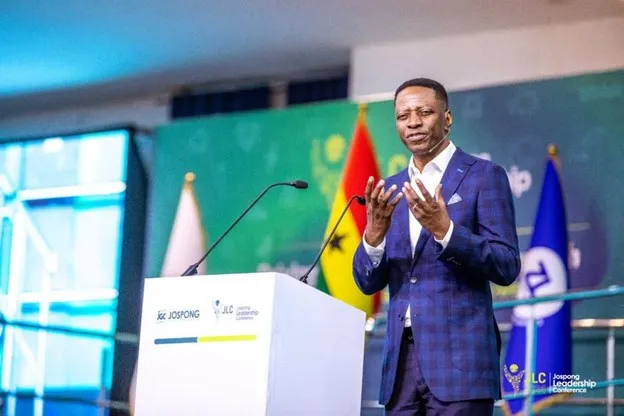
Jospong Leadership Conference 2024: Dr Sam Adeyemi urges African Leaders to prioritize human life over finances
Renowned Pastor and CEO of Global Leadership Consulting, Dr Sam Adeyemi, delivered a powerful message on the importance of inclusive leadership at the 2024 Jospong Leadership Conference held on January 15, 2024.
Addressing the audience at the Pentecost Convention Centre in Gomoah Fetteh, Dr Adeyemi emphasized the need for African leaders to prioritize human life over financial considerations.
In his keynote address on “Inclusive Leadership,” Dr Adeyemi asserted, “Africa’s problem is not finance; Africa is where it is because most leaders do not place enough value on human life.”
He went on to highlight a critical issue, stating, “Most African leaders do not believe that the average African deserves better, and that’s why its development is slow and often discriminatory.”
Advocating for a change in mindset, Dr. Adeyemi urged African leaders to love without discrimination. “Africa’s problem is not money but a lack of love,” he emphasized. Citing inclusive leadership as a solution, he stated, “Love is the essence of inclusive leadership in the relationship of a leader-follower since it remains the foundation and delivers solid business results.”
Acknowledging the challenges that divide the continent, Dr Adeyemi challenged African leaders to treat every individual with the same dignity. Reflecting on the characteristics of a great leader, he stressed the importance of leaders admitting weakness. “Leaders are not perfect, and admitting mistakes builds trust in the followers,” he noted.
Commending the Jospong Group for organizing the conference, Dr. Adeyemi described it as “phenomenal for an African institution to organize a leadership conference for its staff.”
The conference also featured insights from Mr. Edward Ato Sarpong, a business and leadership consultant, who identified five enablers for effecting change in society using the ‘APPLE’ analogy – Anger, Pressure, Possibilities, Learning and lessons, and Environment.
The 11th edition of the Jospong Leadership Conference brought together leaders and staff of the Jospong Group of Companies, with the theme “Driving Business Excellence through Innovation, Sustainability, and Empowerment.” The conference underscored the importance of innovation in achieving the Group’s vision of becoming a leading business in Africa.
The Jospong Academy’s role in designing innovative learning programs was highlighted as a critical factor contributing to the conglomerate’s growth.
The conference addressed crucial aspects of leadership, fostering a platform for knowledge exchange and promoting inclusive practices that can drive positive change in Africa’s business landscape.
-

Scott Peterson: Famous US murder case taken on by Los Angeles Innocence Project
The Los Angeles Innocence Project is helping Scott Peterson, who was found guilty in 2004 of killing his pregnant wife.
The non-profit organization helps people who were accused of a crime they didn’t do. They are looking for new evidence to prove their innocence from their first trial.
It said in legal papers that it is “looking into his claim that he didn’t do the crime”.
Laci Peterson was going to have a baby soon when she disappeared on Christmas Eve 22 years ago.
“We are really happy that the lawyers from the LA Innocence Project are going to help prove that Scott is innocent,” said Pat Harris, who is Scott Peterson’s lawyer. This was reported by CBS, the BBC’s partner in the US.
In April, Peterson’s lawyers asked the court to investigate the jury for not following the rules at his trial. They also said they had new evidence that showed Peterson is not guilty. This information was in court documents filed on Wednesday.
The lawyers said Peterson murdered Laci and threw her body into the ocean on Christmas Eve 2002. Then he tried to make it look like she was missing to cover up the crime.
Four months later, they found her body when it came up on the shore.
During the trial, Peterson’s lawyers said that a burglar was the one who killed his wife.
The jury said he did a bad thing and he was given the punishment of death a year later.
In 2020, the California Supreme Court cancelled his death sentence because the judge in the first trial had sent away some jurors unfairly.
The next year, he was given a life in prison sentence with no chance of getting out. -
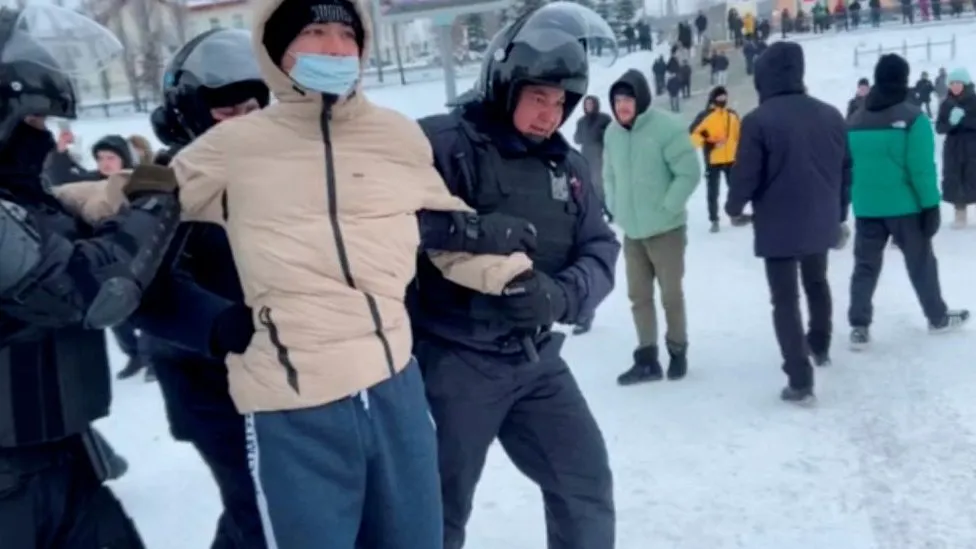
Russia region witnesses rise in protests for imprisoned activists
At least 10 people have been arrested after many protesters gathered in the capital of Russia’s Bashkortostan republic to support jailed rights activist Fail Alsynov.
A video from a news outlet called Sota Vision showed police moving protesters in the city of Ufa.
This was the third protest this week to support Alsynov. It was the first one in the capital of the region.
On Wednesday, he was told he has to spend four years in a prison far away from home.
He said he did not encourage hate against migrant workers and that his words were not translated well into Russian.
Around 1,500 people gathered in Ufa on Friday, even though authorities had warned them not to protest.
The leader of Bashkortostan, Radiy Khabirov, said he would show the real intentions of the protesters and accused them of trying to cause trouble and getting support from other countries.
Recordings showed police standing in Salavat Yulaev square in the middle of the city and directing protesters to leave.
In another part of the video, the crowd was fighting with the police when they took a protest sign from a woman who was being taken away by the police.
The protests started two days ago in Baymak, near the Mongolian border, because Fail Alsynov was sentenced to four years in jail.
Many people marched in a small town, about 400km from the regional capital, to show their anger. It was one of the largest protests since Russia invaded Ukraine nearly two years ago.
Police reportedly used tear gas and batons on protesters, and protesters were seen throwing snowballs back at the police.
Kremlin spokesperson Dmitry Peskov said the protests were just a few isolated events and that it’s up to local officials to deal with them.
The police are looking into the people who were protesting in Baymak. They are being charged with “mass rioting,” which can lead to up to 15 years in jail.
Singer Altynai Valitov was visited by local authorities in Ufa because he asked people on Instagram to protest in Bashkortostan and other parts of Russia.
Fail Alsynov was found guilty of being mean to people who moved here, at a protest against digging for gold. But his friends say it’s payback for him stopping soda mining in a special spot to the people who live here.
He called people from Central Asia and the Caucasus region “black people”, which is a mean word in Russia. These people make up most of Russia’s migrant population.
However, he keeps saying that the words he used in the Bashkir language actually mean “poor people” and were translated incorrectly into Russian. He plans to ask for a different decision.
Alsynov previously criticized military gathering in the region as a “genocide” of the Bashkir people, who are closely related to the Tatars and live in the southern Ural mountains.
There are people saying that a lot of ethnic minorities in Russia are being sent to fight in Ukraine.
Alsynov was the leader of a group called Bashkort, which wanted to protect the culture of the Bashkirs. But in 2020, the government said it was too extreme and banned it.
A map is a picture of an area that shows where different things are located, like streets and buildings. -
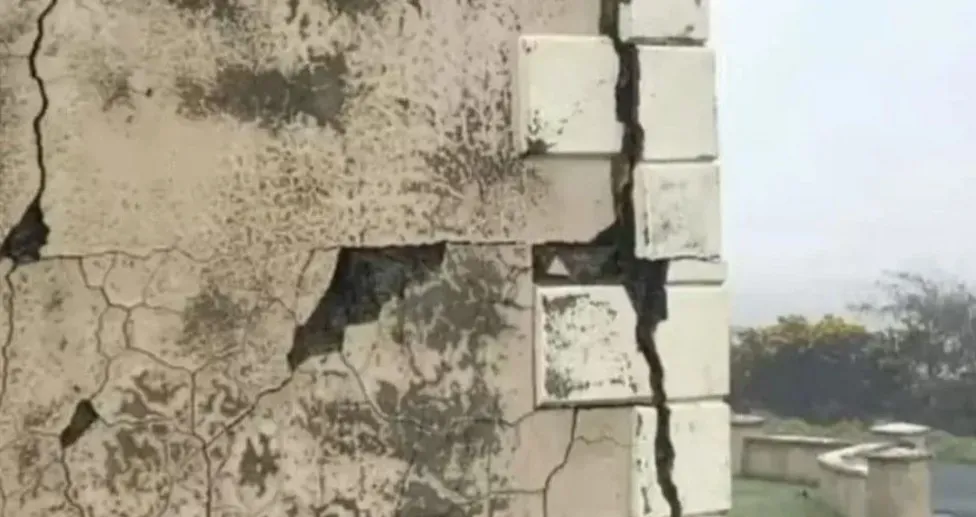
Rebuilding homes grant programme needs improvements – Report
A plan to help people in old, falling apart homes needs to get better, a first version of a report said.
A group from the European Parliament’s Petitions Committee went to the Republic of Ireland to learn about the problem of bad concrete blocks used in houses.
Many houses are falling apart because they used blocks with too much mica in them. Mica soaks up water and makes the walls crack and break.
The European delegation’s report has given the government six suggestions for improving the mica redress scheme.
This means we need to make the plan happen faster and have less paperwork involved.
It also said that a problem with building blocks should never happen again in Ireland or any other EU country.
‘Serious problems’
In 2016, a group of experts was formed in Ireland to look into issues with houses damaged by mica and pyrite.
In 2019, the Irish government said yes to a plan to fix things that cost €20m (£17. 2m)
However, lots of homeowners said the plan was not suitable and asked to be fully compensated.
Under the old plan, homeowners who qualified had to pay 10% of the repairs and any money still owed on their mortgage, while the government paid for 90% of the cost.
In September, the Irish government said they would add 10% tax to concrete blocks.
In November 2021, the government made a lot of changes to the old plan.
The improved plan gives up to €420,000 (£357,500) to each household in Counties Donegal, Mayo, Clare, and Limerick to help homeowners who have been affected.
The Mica Action Group, which speaks for homeowners who are affected, said that the improved plan is still not good enough and there are still big problems.
‘Urgently addressed’
The Europe Parliament’s draft report says that the state’s grant scheme is good, but it needs to be made available to more people and be easier to get.
It also said we need to know exactly who is responsible for this and hold them accountable.
It was also discovered that the bad blocks caused very serious problems for people’s health, money, and relationships, and these problems need to be fixed right away.
The Petitions Committee will talk about the report’s results when they meet in Brussels next Tuesday. -
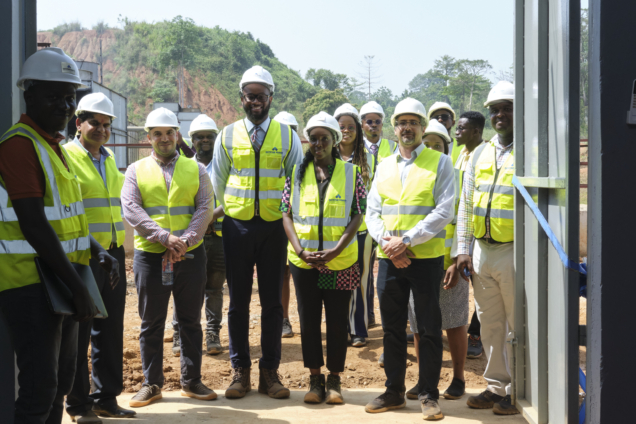
4.3MW solar system commissioned for Rider Steel’s Kumasi factory
Daystar Power, a leading provider of hybrid solar power solutions, has successfully commissioned a 4.3MW solar system to meet the energy needs of Rider Steel’s factory in Kumasi. The solar installation marks a significant step toward sustainable and clean energy solutions for industrial operations in Ghana.
This installation stands out as the most extensive distributed solar power project implemented for an industrial manufacturer in Ghana.
In the rooftop-exclusive installation, Daystar utilized 7,524 units of 580Wp PV modules mounted on the 30,000m2 factory roof. The solar panels are integrated with a remote monitoring system, facilitating preventive maintenance. The implementation of the new solar system is expected to result in the offsetting of 49,900 tons of CO2 emissions over the installation’s 20-year lifespan.
“We’re delighted to inaugurate this solar system for Rider Steel, which is by far our largest project in Ghana. It’s a compelling example that shows solar energy can power heavy industry and integrate well with the grid,” said Jasper Graf von Hardenberg, CEO of Daystar Power.
“Rider Steel Group acknowledges and is dedicated to fostering a sustainable, eco-friendly future by minimizing our carbon footprint. We are thrilled to announce the inauguration of a unique 4.3MW solar facility in collaboration with our partners, Daystar. This solar installation will enable us to procure 20% of our electricity requirements from clean and sustainable energy sources, and underscores our commitment to promoting sustainable steel recycling in Ghana and across West Africa. We express our gratitude to Daystar and its dedicated team for their tireless efforts in ensuring the timely completion of this project,” said Walid Al-Alami, Director of Rider Steel Ghana.
Daystar Power is a leading off-grid power service provider, offering hybrid power solutions to commercial and industrial businesses in sub-Saharan Africa. Daystar Power’s solutions “Solar-as-a-Service” (100% solar power) and “Power-as-a-Service” (hybrid power solutions with battery storage) provide clean and reliable power while significantly reducing clients’ overall power costs.
Daystar Power’s clients pay a flat monthly fee or a variable tariff (per kilowatt hour) for premium power services, which include a power audit and assessment of energy needs, a bespoke proposal, installation, and full operation & maintenance. Clients do not incur any capital expenditure and do not pay up-front costs. By outsourcing the management of their power systems, Daystar Power clients can focus on running their core businesses.
Founded in 2017, by the African venture builder Sunray Ventures, Daystar Power counts the region’s leading industrial and commercial companies among its client base and is active in Nigeria, Ghana, Côte d’Ivoire, Senegal, Togo, Tanzania, and South Africa. With over 400 projects completed in seven countries, Daystar has 100MW of power-generating assets. Daystar Power is part of the Shell Group.
-

World Bank praises key progress in Ghana’s Debt Restructuring talks
World Bank Group has commended the Official Creditors’ Committee under the G20 Common Framework for reaching an agreement in principle on the fundamental terms of the proposed debt restructuring for Ghana.
In a released statement, the World Bank noted that the agreement, aligning with the Joint World Bank-International Monetary Fund Debt Sustainability Framework, marks a significant milestone in the journey towards re-establishing debt sustainability in Ghana.
“This agreement will help unlock financial support by international financial institutions, including a $300 million budget support operation supported by IDA, which will be considered by the World Bank’s Board of Executive Directors next week.
This will help Ghana in its recovery, attracting investments and restoring a sustainable growth path,” said Ousmane Diagana, World Bank Vice President for Western and Central Africa.
The Resilient Recovery Development Policy Operation constitutes the initial phase of a comprehensive series of three operations, amounting to $900 million. This initiative is a crucial aspect of the broader World Bank commitment to assist Ghana in crisis response and enhance resilience.
Ghana is set to actualize $4.3 billion in commitments from the World Bank, channeling these funds into national and regional projects aimed at fostering private sector development, job creation, inclusive service delivery, and sustainable resilient development.
-

72% of companies believe Ghana trails behind in business competitiveness – UKGCC Survey
Findings from the UK Ghana Chamber of Commerce (UKGCC) 2023 Ghana Business Environment and Competitiveness Survey indicates that significant majority of firms in Ghana, amounting to 72%, have expressed their perception that the nation’s business environment falls behind its global counterparts,
The report indicated that a notable 72% of firms believed that Ghana’s business environment witnessed a decline in 2023, in contrast to the 47% who expressed a similar sentiment in 2022.
Additionally, there is a widespread perception that other countries in the sub-region are navigating the aftermath of COVID-19, the Russian-Ukraine war, and the resulting supply chain disruptions more effectively than Ghana.
Furthermore, an overwhelming 75% of the respondents continued to view corruption as an ongoing obstacle to business operations, despite a decline in corruption trends compared to 2022.
It was also observed that the cost of labor, both unskilled and skilled, remains affordable for most businesses.
Moreover, the government’s support for international trade and the presence of high-quality transport infrastructure – two crucial components for the country’s economic partnership and international trade and investment objectives – were ranked second and third, respectively, on the list of least favorable business components.
The survey also analyzed the business components that have witnessed the most significant deterioration over the years, along with identifying the most expensive business costs.
A third of respondents flagged cost of capital as the most deteriorated business component over the last five years, with cost of land being the most expensive business cost.
Over a third of respondents reported though that they are not exploiting the opportunity platform inherent in the African Continental Free Trade Area (AfCFTA) despite having the requisite capacity.
Respondents suggested reforms such as the government’s lowering of perceptions of corruption and improving transparency, as well as assuring the safety and security of investments, tax cuts, accessible infrastructure, and government incentives would promote ease of doing business in Ghana.
Regarding favourable business components assessed, the respondents favourably highlighted the availability of telecom facilities as one of the advantageous aspects of the Ghanaian business environment. It was the perception that telecom facilities and advanced technology have persistently seen the greatest improvements. It was also perceived that cost of labour—unskilled and skilled—remains affordable to most businesses that participated in the 2023 survey.
Report presents clear roadmap for action – UKGCC
Anthony Pile MBE, UKGCC Executive Council Chairman, remarked that “this report presents a clear roadmap for action. Lowering corruption, prioritising infrastructure upgrades, addressing regulatory burdens, and investing in skills development are not just numbers on a page – they are the keys to unlocking a brighter future for Ghanaian businesses”.
He urged “the government to embrace these reforms and work hand-in-hand with the private sector to build a competitive and prosperous nation.”
Commenting on the report, Vish Ashiagbor, Country Senior Partner of PwC, a UKGCC Platinum member company and consultants/advisors for the report, noted that “Ghana is in a difficult place. Over the past three years, our economy has been buffeted by events, some of which are external and beyond the control of Government and businesses alike—COVID-19, global financial crisis, and the Russian-Ukraine war which spawned global supply chain hiccups that amplified the economic and business difficulties already triggered by the global financial crisis.
There is no doubt that Government is aware of the role that business plays in its quest to bring about socio-economic development. Indeed, the introduction of the Mutual Prosperity Dialogue is testament to this awareness and acknowledgement. We hope that, in the spirit of transparency, this report is considered objectively by Government, and working with UKGCC, considers what interventions can be implemented in the medium-to-long term to help improve the business environment.”
Over 690 businesses, including UK Ghana Chamber of Commerce members and non-member companies from 16 industries, ranging from small to large companies, participated in the survey.
D
-

Former leader of Sierra Leone departs amid accusations of treason
Sierra Leone’s old leader is going to Nigeria for medical care even though he is supposed to be on trial for his part in a coup attempt last year.
The High Court gave Ernest Bai Koroma permission to leave for up to three months on Wednesday.
The president of Sierra Leone said this is a “kind act to help people in need”.
Many people think that Mr. Bai Koroma has agreed to leave the country and go into exile.
He will go to trial for betraying his country in March.
Mr Bai Koroma was the leader of Sierra Leone for 11 years until 2018. Then, President Julius Maada Bio was elected.
A plane from Nigeria with the ex-president on board was spotted leaving the airport in Freetown on Friday afternoon.
There are rumors that Ecowas has made a deal with Sierra Leone so the 70-year-old can go to Nigeria to help calm things down after the trouble in November.
In a speech on TV, President Julius Maada Bio said the decision about his predecessor is up to the courts.
“The courts have allowed the former President to leave the country for medical reasons, and his trial will be paused while he is away,” President Bio said. He also reassured that this decision does not lessen the significance of the trials, and shows that they are focused on uncovering the truth about the events of November 26, not on politics.
The attack happened when armed people broke into a military base and prisons, and let around 2,000 prisoners go free, according to the authorities. At least 21 people died in the fighting.
The government said it was an attempt to overthrow it, and more than 80 people were arrested in the following weeks – many of them were from Sierra Leone’s military.
The daughter of the ex-president, Dankay Koroma, has been listed as a suspect in the police investigation of the failed coup. She has not said anything.
A group of people tried to take over the government five months after the president was re-elected in a close election.
Mr Koroma’s All People’s Congress did not accept the results. Foreign observers also said the elections were not fair because the vote counting process was not clear. -
Corruption identified as the most significant hurdle to business operations – UKGCC 2023 Business Survey
The UK Ghana Chamber of Commerce (UKGCC) 2023 Ghana Business Environment and Competitiveness Survey Report has revealed that corruption, identified as the most poorly rated component in 2022, remains the top priority for attention this year.
In 2023, 75% of respondents identified corruption as a hindrance to business operations in Ghana, marking an increase from 56% in 2022.
The survey participants emphasized the importance of government assistance in international marketing, deeming it crucial to enhance the advantages of the African Continental Free Trade Agreement (AfCFTA) for local businesses.
The survey also pointed out that the availability of telecom facilities appears to be the best-rated business component over the years and 2023 is no different.
Respondents list the availability of labour, water and power as having been good throughout the year. Labour costs also appear to be good for businesses this year.
The report stated that “it is good to note that the availability of telecom facilities, water and power have consistently been rated positively for the last three years”.
Cost of capital rate as most declined business component
Unlike 2022, the business component that was rated as most declined was the cost of capital – which was the fifth rated then.
Good quality infrastructure, a stable political system and access to capital were also rated as having declined over the past five years in Ghana. It appears corruption had also declined over the period despite it not being the worst decline according to respondents.
Nonetheless, the availability of advanced technology and telecom facilities seem to have improved the most over the last five years. Like 2021, the availability of power supply and training facilities are listed as having improved the most over the last five years.
39% of respondents also believe the tax policy of the country has improved over the same period which is a good step for easing the pressures on businesses.
Cost of land most expensive business cost
Cost of fuel was previously the most expensive business cost.
However, respondents this year suggested that the cost of land exceeds fuel costs.
Cost of power, machinery and the cost of capital continue to be a part of the top five most expensive business costs.
Cost of labour, raw materials most affordable business costs
Cost of general labour and locally sourced raw materials appear to have reduced from the respondents’ perspectives.
Cost of skilled labour, domestic marketing costs and cost of certifications and quality control remain among the most affordable business costs.
Over the past three surveys conducted, the report said it seems similar costs have been classified as being affordable giving some credibility to responses received.
Over 690 businesses, including UK Ghana Chamber of Commerce members and non-member companies from 16 industries, ranging from small to large companies, participated in the survey.
Majority of respondents this year had a turnover of below $0.5 million while companies with revenues of over $10 million were least represented. In 2022, most respondents were from companies with revenue figures between $0.5 million and $1 million.
-
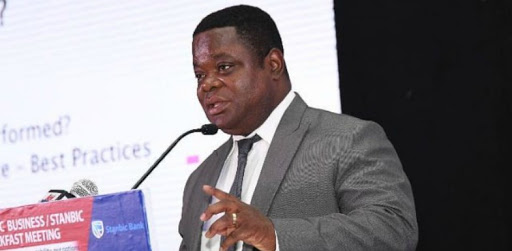
Invest IMF fund into productive activities not consumption – ISSER tells govt
Director of the Institute of Statistical, Social, and Economic Research (ISSER), Professor Peter Quartey, has emphasized the significance of strategically investing funds obtained from the International Monetary Fund (IMF) into productive sectors.
During an interview on JoyNews’ PM Express, Prof Quartey emphasized that the funds received from the IMF should not be considered as “free money.” Instead, he stressed the importance of directing investments towards sectors that would spur economic growth and generate sustainable income.
Prof. Quartey underscored the importance of steering clear from using the resources for consumptive purposes, as such an approach could impede the country’s capacity to fulfill repayment obligations in the future.
The Director emphasized that top priority should be accorded to infrastructure development, specifically highlighting the significance of investing in roads. These road investments should focus on facilitating the efficient transportation of goods from production areas to consumption centers and ports for export.
He argued that well-maintained roads would not only reduce travel time but also enhance productivity, particularly in key production areas like Kumasi.
Prof Quartey advocated for diversifying the use of funds into areas such as agricultural support, credit, and agricultural insurance.
He also mentioned the significance of adding value to production and supporting initiatives like “Planting for Food and Jobs 2.0.”
However, he stressed the importance of ensuring that these funds are allocated judiciously to the right individuals and sectors that contribute positively to the country’s Gross Domestic Product (GDP).
“Some of the funds can go into that but we should make sure that they go into the right areas and be dispersed to the right kind of people who will produce and add to our GDP. And also add value to whatever we produce,” he said on Thursday.
-
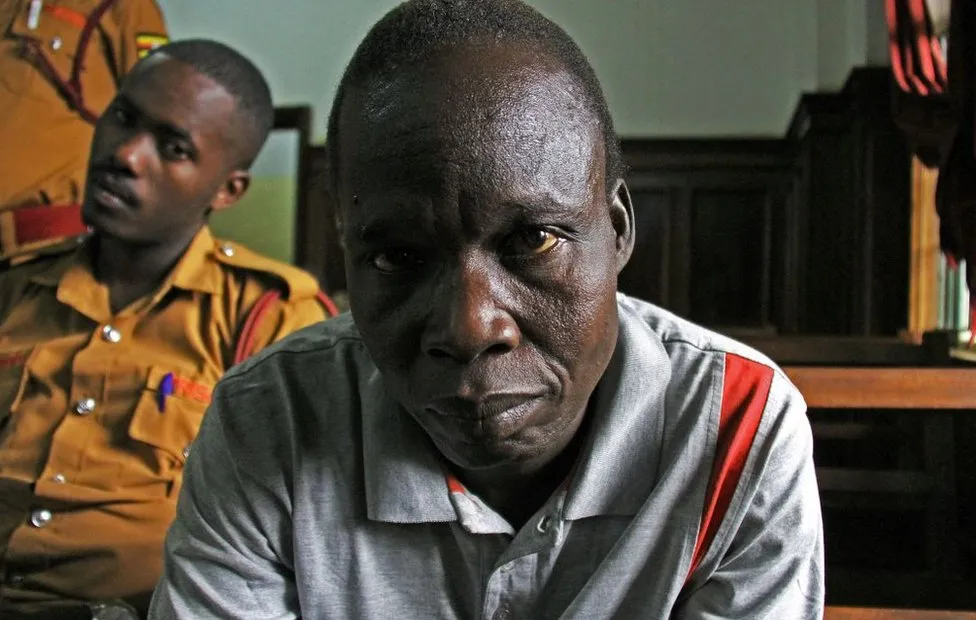
Thomas Kwoyelo: Uganda investigates commander of rebel Lord’s Resistance Army
The trial of a former child soldier who became a commander in the Lord’s Resistance Army has started in Uganda after a long wait.
Thomas Kwoyelo is accused of doing many bad things like killing people, hurting others, and making kids become soldiers.
He is the first LRA leader to be tried in a Ugandan court, which is a very important moment for the country’s legal system.
In 2011, when Mr. Kwoyelo went to court, he said he didn’t do the things he was accused of.
He has been in jail for 14 years before his trial because the crimes he is accused of are very serious and complicated, according to experts.
More than 20 years ago, Joseph Kony started the LRA in Uganda. He said he was fighting to create a government that follows the rules written in the Bible.
The group was well known for cutting off people’s arms and legs and taking children to be soldiers and for bad things. Hundreds of people had to leave their homes because of the fighting.
It started in northern Uganda, then moved to the Democratic Republic of Congo where Mr Kwoyelo was arrested in 2009, and later to the Central African Republic.
Friday’s trial is happening at the International Crimes Division of the High Court in Gulu. This is similar to Uganda’s own version of the International Criminal Court in The Hague.
Mr Kwoyelo has been to court before for pre-trial hearings, but the case has been delayed many times.
Several people will tell the court what they saw happen.
Human Rights Watch said that there have been long delays in this case, and generally, not enough people have been held responsible for the bad things that happened during the 25-year war in Uganda, including bad things done by the Ugandan government.
In 2021, the ICC gave Dominic Ongwen a 25-year jail sentence because he was a commander in the LRA. They didn’t give him the harshest punishment because he had been kidnapped as a kid and trained by rebels who had killed his parents.
Mr Kwoyelo says he was kidnapped by LRA fighters when he was a young teenager, while he was on his way to school.
Many people who used to be part of the LRA have been forgiven and allowed to go free under a law in Uganda, after they left and said they didn’t want to be part of the rebel group anymore.
But Mr Kwoyelo was not allowed to choose that, leading to claims that the denial was based on politics.
As his court case continues, people are worried that the money to support it could run out. This would make the process even longer for the people who say they were hurt by him and want justice. -

Ernest Bai Koroma: Former president of Sierra Leone travels to Nigeria for health care
Sierra Leone’s ex-president is going to Nigeria for medical care even though he is supposed to go on trial for his alleged involvement in a coup attempt last year.
The High Court allowed Ernest Bai Koroma to leave for up to three months on Wednesday.
Many people think that an agreement has been made for him to leave the country.
His trial for betraying his country is supposed to start in March.
“Mr Bai Koroma was the leader of Sierra Leone for 11 years until 2018. Then Julius Maada Bio became the new President. ”
A plane from Nigeria with the ex-president on board was spotted leaving Freetown International Airport on Friday afternoon.
This is happening while people are guessing that Ecowas has made an agreement with Sierra Leone’s government to let the 70-year-old move to another place to reduce tension after the trouble in November. -
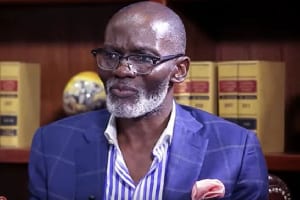
Are you the only educated family fit to be in govt? – Bola Ray asks Gabby
A prominent member of the New Patriotic Party (NPP) and a close confidant of President Nana Akufo-Addo, Gabby Otchere-Darko, found himself in the hot seat as Ghanaian media personality and host of Starr Drive, Bola Ray, pressed for clarity on the allegations of nepotism and the pervasive issue of “family and friends” within the government.
The debate over nepotism in government appointments is not new to Ghanaian politics. Over the past years, successive governments have been accused, especially by their opponents, of employing their family and friends to occupy key positions in the government.
The current administration is no exception to governments that have been accused of nepotism. Speaking on the subject, Otchere-Darko, who is a cousin of President Akufo-Addo defended the current administration on the number of relatives associated with the President who are occupying key government positions.
He asserted that his grandfather fathered over 100 children whom and many grandchildren he made sure to educate and of whom all are qualified to occupy key positions in government.
“My grandfather had over 100 children and we have his diaries. In his diaries, he made sure he educated all his children…and most of us [members of his family] have dedicated our lives to public service,” he said.
In view of his remarks Bola Ray questioned whether Gabby’s family was the only qualified family to be in government.
“Are you the only people who are good to be in government because you have the numbers?” Bola queried.
Bola Ray’s question reflects the broader sentiment among Ghanaians, who seek transparency and fairness in the appointment of officials.
-
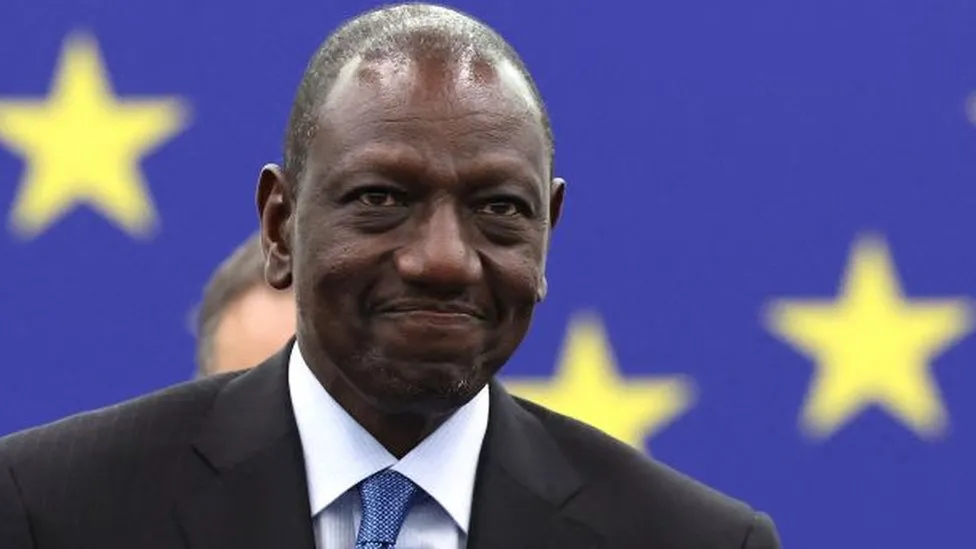
Ruto wins as Kenyan court removes health levy ban
The Kenyan Court of Appeal has approved a healthcare insurance levy that was previously banned.
President William Ruto wants to make sure that every person in Kenya can get healthcare they can afford. This is called the Social Health Insurance Fund (SHIF).
But a lot of people don’t like it because they think it’s a new tax.
Critics say the fee will make the cost of living higher, which caused a lot of protests last year.
The SHIF launch was stopped by the High Court last November because businessman Joseph Enock Aura filed a petition against parts of the program.
This made President Ruto upset, along with the suspension of a controversial housing tax. He recently accused some judges of corruption in public. He said the courts were teaming up with the other party to stop his government’s plans, which made lawyers protest.
The SHIF is replacing the old National Health Insurance Fund because a lot of money from taxpayers has been lost due to corruption.
On Friday, a group of judges ended the ban because they thought it was a threat to the health rights of many people who were not involved in the case.
However, the court stopped the parts that made it necessary for people to sign up for the program.
All employees need to give 2. 75% of their pay to the new health fund.
The new rule doesn’t say what happens if people can’t pay, but President Ruto promised that the government would cover the costs for them.
People who don’t like the new health plan say that the 2. 75% deduction is a big increase from what they used to pay to the NHIF. This is in addition to the recent increase in fuel prices and living costs.
Some people worry that the new healthcare organization will use most of the money it collects for things like paperwork and office expenses, instead of using it for actual healthcare.
Last year in June, Mr. Ruto approved a new law called the Finance Act. This new law made both employers and employees pay a 1. 5% housing levy, which many people did not like.
The government wants to offer housing that low-income people can afford. The levy is being disputed in court. -

€55 million ketamine cache found in Netherlands
Dutch police found a lot of ketamine hidden away, worth a lot of money. It’s the biggest find they’ve ever had.
Police found a lot of boxes with two tonnes of drugs in a shed in Googweg, in Muiderberg, east of Amsterdam. They were told about it by someone.
A 55-year-old man was taken into custody while he was living in a house on the property.
In the Netherlands, ketamine is not against the law, but you need to register and keep track of it if you want to sell or store it.
If you trade without registering, you could go to jail for up to six years.
Police think the stuff they found is worth about €55 million or £47. 2 million if sold on the streets.
“It’s the most ketamine ever found in the Netherlands,” said a statement.
They found a supply of strong drugs, including ketamine, and took it away to be destroyed.
The police say that the buying and selling of ketamine is often connected to other crimes, like hiding illegal money and having weapons.
The Netherlands has a large transportation system, relaxed drug laws, and is close to many profitable markets. This has made it a center for drug trading to grow.
Ketamine is sometimes called a “party drug” because it can make people see things that aren’t really there. Using it this way can hurt your body a lot and even kill you.
Using drugs or substances for fun can cause problems with your memory, make it hard to control your bladder, and can even make your muscles stop working.
Doctors use the drug to make people sleepy, reduce pain, and numb an area for surgery. It is also often used on animals.
Doctors can use ketamine as an anaesthetic in some countries. They can also prescribe it for depression even though it is not officially approved for this use. This is happening in small hospitals in the US and the UK. -
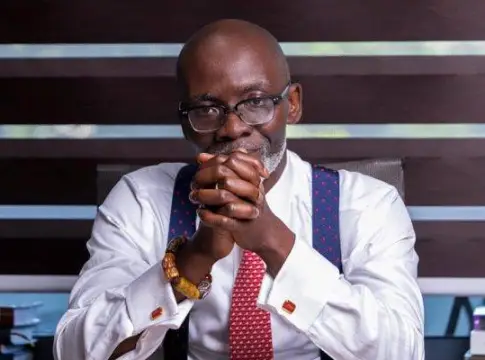
My grandfather has over 100 children and many are in public service – Gabby justifies ‘friends and family’ govt
My grandfather has over 100 children and many are in public service – Gabby justifies “Friends and family” govt
A leading member of the New Patriotic Party (NPP) and a close associate of President Nana Akufo-Addo, Gabby Otchere-Darko, has offered a unique perspective on the much-debated issue of “friends and family” in government appointments.
Otchere-Darko defended the Akufo-Addo-led administration, citing his grandfather’s extensive family network while shedding light on the family’s significant presence in public service.
Gabby Otchere-Darko acknowledged that his grandfather has a remarkable legacy, having fathered over 100 children, many of whom have found themselves in various roles within the public service.
Additionally, he said his grandpa made sure to educate all his children, hence, their heavy presence in the public sector.
“My grandfather had over 100 children and we have his diaries. In his diaries, he made sure he educated all his children…and most of us [members of his family] have dedicated our lives to public service,” he said.
While some critics argue that this situation perpetuates a system of nepotism and cronyism, Otchere-Darko emphasized the importance of recognizing the talents and capabilities of individuals within the family.
He argued that the sheer size of his grandfather’s family naturally leads to a broader representation in different sectors, including public service.
Otchere-Darko maintained that family connections should not automatically be viewed as a negative influence on governance, highlighting that competence and expertise should be the primary considerations in appointments.
“Let me take my family, for instance. My own grandfather was a member of the legislative council, one of the first Africans in the council. I am talking about the history of the public service, my uncles and grandfather, including J.B. Danquah, Paa Willy, and all of them, they ended up being called the Big Six not because they contributed to independence, but because they were the front liners. Three of my family members are part of the six,” he added.
-

Nelson Mandela auction: South Africa aims to stop sale due to dispute about heritage
The government of South Africa is trying to prevent a controversial sale of 70 personal items that belonged to Nelson Mandela, who fought against apartheid.
They have hearing aids, an ID card, presents from world leaders, and some of the clothes worn by the first democratic president, like his “Madiba” shirts.
Makaziwe Mandela, the oldest daughter, is selling the items in the US.
However, the government of South Africa says that the items belong to the country.
Under the law in South Africa, things that are considered part of the country’s history and culture cannot be taken out of the country.
The South African Heritage Resources Agency, which is responsible for protecting the country’s history and culture, said it has asked to stop the sale.
The appeal got help from the ministry of sports, arts and culture. Minister Zizi Kodwa supports the case to protect the country’s important history.
He said stopping the sale was important because Mandela is a big part of South Africa’s history.
It is important to keep alive the memory of former President Mandela and make sure that future generations in the country learn from his example.
The government did not approve of the auction when it was first announced in 2021. They said that some of the things being sold were important to our country.
So, the first auction that was supposed to happen in 2022 was cancelled and then there was a two-year fight in court.
Last month, the High Court in Pretoria said Ms Mandela can sell the items, even though the government said they are important to the country.
Mr Kodwa says the auction should not happen because Sahra and the culture ministry want to appeal the decision from last month. They say the items were not allowed to be taken out of the country to be shown or sold.
The auction is supposed to start on January 22, but we don’t know if the government’s appeal will stop it.
The New York-based Guernsey’s auction house has already put the items up for sale. The hearing aids could sell for up to $20,000 and one shirt might sell for up to $70,000.
Ms Mandela and others in the Mandela family and the Nelson Mandela Foundation have not given their thoughts on the government’s latest opposition.
She said that the money from the auction will be used to create a special garden to remember Mandela, close to where he is buried.
The auction in South Africa has made a lot of people upset. Some think the government should not sell the valuable items.
But some people think that Mandela’s family should decide about the issue.
Mandela passed away in 2013 when he was 95 years old. He was the leader of the African National Congress and fought against a system called apartheid, where racism was allowed by the law. He was in prison for 27 years.
He was chosen as the first president of South Africa in 1994 through a fair voting process.