Author: Phoebe Martekie Doku

  • Work on Tema Motorway expansion to be completed by August 2027 – Project Manager

    Work on Tema Motorway expansion to be completed by August 2027 – Project Manager

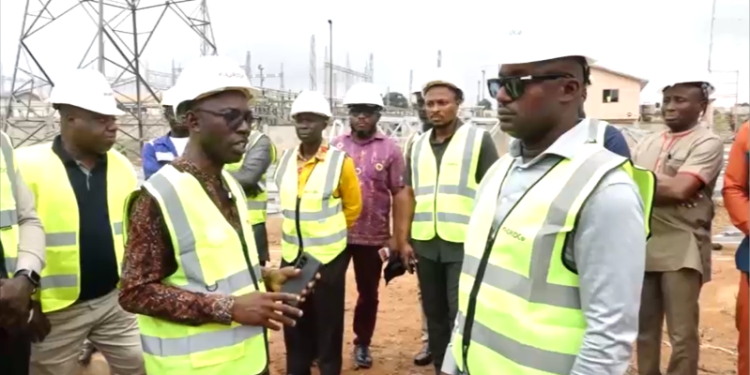
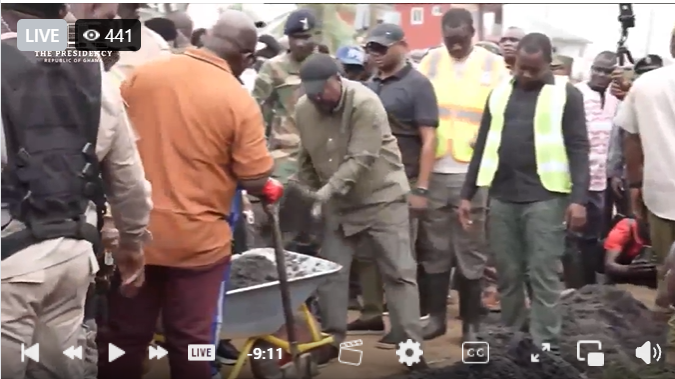
    Completion of the Accra-Tema Motorway expansion has been scheduled for August 2, 2027, according to Project Manager Engineer Ben Sackey. He made the disclosure during an on-site inspection led by the Minister of Roads and Highways, Kwame Agbodza, on Tuesday, March 31.


    According to him, “We have not programmed for an extension, so we are trusting that we can maintain the same completion date of August 2, 2027”. Meanwhile, contractors on the project has noted that the relocation of utility lines, could potentially delay the scheduled timeline.


    The Minister for Roads and Highways, Governs Kwame Agbodza, on the other hand has projected a two-year timeline for the completion of all current and upcoming road projects under the government’s “Big Push” initiative.


    In an interview with the media on Friday, July 31, Mr Agbodza stated that when road projects were abandoned midway are over, as the government is committed to completing all ongoing and future works within the stipulated time frame.


    According to him, all “Big Push” projects will begin by the end of the month August, excluding the Dambai Bridge, which will commnce once its structural has been finalized.


    “The average Ghanaian has come to accept something that is completely unacceptable, because they see road projects start around their backyard, and no one can tell them when it will be completed. We want to reset. ‘Reset’ means we need to change that narrative.


    “All the projects have been deliberately structured to span two years, 24 months, and we will not go beyond that,” he said.


    “Sometimes, a contractor is awarded 100 kilometers of road. People forget that constructing 100 kilometers is not a small undertaking. There may be people who are more interested in how much it costs — they focus on the money involved. So contractors take the job, and for seven or eight years, they do nothing. We want to avoid that,” he added.


    Parliament on July 30 unanimously endorsed the government’s proposal to divert all royalties that will be received from oil revenues and mineral royalties to support the implementation of the Big Push Programme.
    This comes after the government requested Parliament approve committing funds to assist in the construction of certain road projects.


    Mr Isaac Adongo, the Chairman of the Parliament’s Finance Committee, while presenting the report by the Budget and Finance joint committee to the plenary, said, “the Committee has carefully considered the Referral, and it is of the opinion that the request is in the right direction.”


    The Committee also noted that Parliament had already approved the policy and the allocation to the “Big Push” Programme in the 2025 Budget Statement. Granting the request would enable the Government to enter into multi-year contracts to execute the road infrastructure projects under the Programme.


    “The Committee accordingly recommends to the House to approve the Request for the multi-year commitments for the selected road projects under the “Big Push” Programme contained in the Mid-Year Fiscal Policy Review of the 2025 Budget Statement and Economic Policy of the Government of Ghana, in accordance with Section 33 of the Public Financial Management Act, 2016, (Act 921),” Mr Adongo said.


    The initiative aimed at improving road infrastructure across the country is estimated at GHC13.8 billion, and it is expected to be completed by 2028 with support from the country’s own financial resources.
    According to the 2025 budget, GH¢5.75 billion is owed by the Road Fund, with an allocation of GH¢2.81 billion programmed for road maintenance.


    This represents a 155.5% increase from the 2024 allocation of GH¢1.1 billion, underscoring the government’s emphasis on sustaining Ghana’s road network.


    The Minister for Roads and Highways, Kwame Governs Agbodza, on Wednesday, July 30, revealed that his ministry has undertaken studies and prepared comprehensive engineering interventions and cost estimates for road projects under the Big Push Programme.


    The Ministry of Finance has since issued commitment authorizations for some twenty-nine (29) road infrastructure projects under the Big Push Programme which include: Upgrading of Akosombo-Gyakiti-Kudikope Road, Road Dualization of Winneba-Mankessim Road, Rehabilitation of Mankessim-Ajumako-Breman Asikuma-Agona Swedru, Construction of nchi-Elubo Road, and Rehabilitation of Atimpoku-Asikuma Junction Road.


    The government has also selected a number of abandoned road projects, for which no dedicated funding was allocated by the previous administration.

    They include rehabilitation and upgrading of Kasoa-Winneba Road, construction of Suame Interchange and Local Roads, reconstruction of Navrongo-Chuchuliga-Sandema Road, and upgrading of Tumu-Chuchuliga-Navrongo, including construction of a 36m span reinforced concrete bridge over the Kanyibie River and a 24m span reinforced concrete bridge over the Bechelihu river.


    The government will, by the end of July, settle GHC4 billion out of the large debt owed to road contractors. Currently, the government owes road contractors GHC21 billion, according to the Roads Minister.

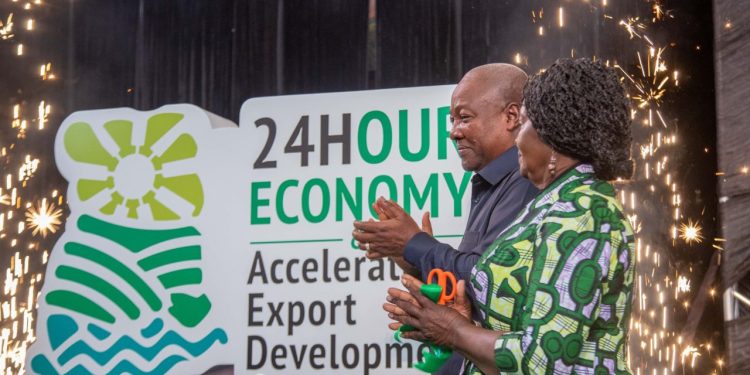
    President John Mahama emphasized his government’s commitment to infrastructure development under his administration’s 24-hour economy agenda. On his part, prioritising road construction and the swift resumption of stalled road projects holds the key to promoting economic growth and productivity by ensuring adequate regional connectivity.


    The announcement has been met with excitement and optimism by many stakeholders in the construction sector. The Ghana Institute of Engineers and the Association of Road Contractors have largely welcomed the president’s announcement, but they have called for transparency.


    They have called on the government to publish clear timelines and payment schedules to ensure that contractors can plan and mobilize resources effectively.


    In March this year, Deputy Minister for Roads and Highways Alhassan Suhuyini acknowledged the significant financial burden facing the government to clear outstanding debts owed to contractors and suppliers.


    His remarks followed the presentation of the 2025 budget by Finance Minister Dr. Cassiel Ato Forson, who disclosed that the government’s total commitments to contractors stand at a staggering GH¢67.5 billion.


    He emphasized the importance of prioritizing road maintenance, a sector that has suffered due to poor upkeep. “The minister has stressed that a significant portion of these funds will be directed toward road maintenance.


    This is a smart move because our poor maintenance culture has resulted in roads deteriorating within 8 to 10 years instead of lasting longer,” he explained.


    Mr Suhuyini noted that, in addition to paying off some existing road maintenance debts, the government is looking at a broader infrastructure push.


    “With GH¢10 to GH¢13 billion allocated under the ‘Big Push’ initiative, several new road projects will commence, while some outstanding debts will also be retired,” he added.

  • Middle East tensions won’t disrupt Ghana’s energy supply – President Mahama

    Middle East tensions won’t disrupt Ghana’s energy supply – President Mahama

    President John Mahama has assured that Ghana will not be affected by the ongoing the conflict in the Middle East country now relies more on natural gas instead of imported liquid fuels.

    He mentioned that expanding domestic gas supply from the ENI Sankofa field and the Jubilee Field has strengthened Ghana’s energy security and reduced reliance on imported fuels.


    President Mahama gave the comments while speaking at the Presidential Dialogue with Civil Society Organisations at the Jubilee House on Monday, March 30. “The current resilience is because we are consuming more gas than fuel,” President Mahama stated.

    In February this year, the price of fuel saw a sharp rise with speculated threats of shortage globally following the Israel-US corporate attack on Iran, which disrupted oil supplies from one of the world’s most energy-rich regions.

    Crude oil jumped from about $67 per barrel before the war (Feb 28) to nearly $97 by March 10, sending gasoline, diesel, and jet fuel prices soaring worldwide.


    Ghana, being one of the dependents of the global oil supply, stakeholders began to express concerns about a possible shortage of fuel across the country.

    However, the Corporate Affairs Officer of the Tema Oil Refinery (TOR), Godwin Mahama Ayaba, during an appearance on March 11, indicated that Ghana is unlikely to experience fuel shortages despite rising tensions in the Middle East, citing the country’s diversified sources of petroleum imports and growing local refining capacity.


    According to him, the NPA recently issued a statement indicating that the situation in the Middle East will not lead to shortages of petroleum products in the country.


    “The National Petroleum Authority, which is the regulator, some three to four hours ago issued an official statement assuring all of us that as for shortage, there is no way the Iran–Israel conflict is going to affect us,” he said.


    Mr Ayaba explained that Ghana’s fuel import structure significantly reduces the risk of supply disruption because the country imports most of its finished petroleum products from Europe.


    “Ghana largely imports from two different areas: Europe and the Arabian region. Where we import most is Europe. We import about 80 per cent of our finished petroleum products from Europe and about 20 per cent from the Arabian region, where this conflict may have an impact,” he noted.


    While acknowledging that the Middle East tensions could affect that 20 per cent supply, he said Ghana’s domestic refining capacity is expected to fill the gap.


    “So we are likely to lose that 20 per cent, but with TOR coming on stream, we will be able to block that gap,” he said.


    Mr Ayaba revealed that the refinery is currently producing about 28,000 barrels and expects output to increase significantly after ongoing upgrades.


    “Currently, we are producing about 28,000 barrels. After the tie-in, we will move to about 45,000 and further move to 60,000,” he explained.
    He added that increased output from other refineries in the country will also contribute to stabilising supply.


    “Sentuo is doing around 36,000 to 40,000 barrels a day, Akwaaba is doing somewhere less than 10,000, and Platon is around a little below 3,000. Together, all these companies will be able to block that 20 per cent that would have come from the Arabian region,” he stated.


    Mr Ayaba emphasised that Ghana will still maintain the bulk of its imports from Europe, further ensuring supply stability.


    “We will still have the 80 per cent from Europe coming in,” he said.
    He therefore urged the public not to panic, reiterating the assurances provided by the National Petroleum Authority.


    “I will add my voice to the official communiqué from the NPA that we should rest assured that we are not going to record fuel shortages,” he stated.


    Meanwhile, in a separate interview, Mr Ayaba revealed that TOR is eyeing a sixty-one (61%) percent increase in its production capacity as part of renewed efforts to strengthen operations and improve output at the facility.


    Currently, the refinery seeks to expand its crude distillation capability from 28,000 barrels per stream day to 45,000 barrels per stream day.
    Speaking during an interview on Citi FM’s Eyewitness News on Monday, March 9, he stated that,


    “The refinery is currently undertaking technical processes aimed at expanding its processing capability from 28,000 barrels per stream day to 45,000 barrels per stream day. This represents a sixty-one percent increase in capacity, and it forms part of our broader plans to revitalise operations and enhance TOR’s contribution to Ghana’s petroleum sector.”


    He continued that, the planned increase will be achieved through the integration of an additional processing unit, known as the F61 unit, which will operate alongside the existing F1 unit.

    Both units will be connected to the refinery’s crude distillation system to improve overall efficiency and output.


    Mr Mahama also noted that engineers are currently carrying out some temporary technical steps to connect a new unit to the refinery’s main processing system, which is expected to increase the refinery’s output from the current level.


    The refinery is presently operating under a tolling arrangement, a system in which private companies supply crude oil to the facility for processing.


    Under this arrangement, the refinery refines the crude and charges a processing fee, while the refined petroleum products are returned to the companies that provided the crude.He explained that under the tolling system, the refinery does not control the marketing or distribution of the finished products, as those decisions are taken by the crude oil suppliers.


    Mr Ayaba added that while the refinery’s current nameplate capacity stands at 28,000 barrels per stream day, the introduction of the F61 unit will push output to 45,000 barrels per stream day.


    He further indicated that management is also considering plans to expand capacity to about 60,000 barrels per stream day in the medium term.


    After several years of inactivity, the management of Tema Oil Refinery announced the resumption of operations. The resumption was possible following the completion of extensive Turnaround Maintenance (TAM) works on the refinery’s Crude Distillation Unit (CDU).

    Maintenance works began on August 1 and on October 30 in 2025. This information was contained in a press statement released by the management on Saturday, December 27.


    TOR’s resumption was expected to boost energy security, industrial growth and national development, potentially saving Ghana up to $10.2 billion in oil import bills annually.

  • Let’s address basic needs first, not Anti-LGBTQ Bill – President Mahama urges

    Let’s address basic needs first, not Anti-LGBTQ Bill – President Mahama urges

    President John Dramani Mahama has clarified that, although he would not hesitate to sign the Human Sexual Rights and Family Values Bill, popularly known as the anti-gay Bill which is currently before parliament into law, he believes Ghana must first address its pressing issues.

    During a Presidential Dialogue with Civil Society Organisations at Jubilee House in Accra on Monday, March 30, president Mahama urged restraint and constructive engagement in ongoing national discussions on LGBTQ+ issues.

    “LGBTQ+ issues it remains a highly emotive and a sensitive issue even in the most advance liberal democracies. I explained during my recent engagement with the World Affairs Council that it is not the most important issue we face as a nation, we are still grappling with the provisions of basic needs of education, healthcare, jobs, food, clothing and shelter.

    “Nevertheless, the private bill introduced in Parliament has sparked a complex and sensitive national conversation. Our position is guided by our constitution, respect for human rights and dignity for all persons and the need to preserve social cohesion. While there are strong and differing views within our society, we believe that issues must be addressed through democratic processes, our core values, dialogue, and the rule of law.

    “I am also mindful of reactions from my international partners including the recent development such as Lincoln University’s withdrawal of their honorary decorate. These developments underscore the importance of continuous dedication and mutual respect and situating our national decisions within our constitutional and cultural context,” he said.

    https://www.facebook.com/share/v/1B4C5JcG4m/

    Meanwhile, president Mahama has stressed that Ghana’s policies are shaped by its legal framework, cultural values, and national consensus, therefore, international partners must respect Ghana’s sovereignty and democratic processes.

    According to President Mahama, the passage of the bill will be driven by the Ghanaian people, not imposed by his government.

    “What the eventual nature of the bill would be, nobody can second-guess Parliament, and I, as President, cannot anticipate Parliament in respect of that bill. But I believe that our democracy will work out. Memoranda are being accepted from people from all walks of life.

    “Civil Society Organisations are presenting their papers to Parliament and I believe that the representatives of the people will make the will of Ghanaians reflect in whatever eventually comes out.

    “That level of tolerance in the political atmosphere is what has given Ghana the advantage it has. We have a relatively independent judiciary that we have confidence will adjudicate matters fairly,” he added.

    President Mahama made the statement after receiving the ‘International Statesperson Award’ from the World Affairs Council of Philadelphia.

    His comment was a reaction to a recent decision taken by the Lincoln University in the United States (U.S.) against him.

    Management of Lincoln University in the United States (U.S.) on Tuesday, March 24, took a u-turn over its decision to confer an honorary doctorate (honoris causa) on President John Dramani Mahama.

    According to the University, revocation follows calls from one group alleging President Mahama’s view on Ghana’s Human Sexual Rights and Family Values Bill, popularly known as the anti-gay Bill.

    However, Ghana’s Embassy in the United States expressed profound disappointment following the development.

    The embassy in n a statement released on Tuesday, March 24, noted “It is both surprising and regrettable that such concerns have surfaced at this late stage, particularly with the President already in the United States in anticipation of the visit”.

    President Mahama was expected to have paid a visit the Lincoln University on Wednesday, March 25. President Mahama on several occasions has pledged to sign into law the anti-gay Bill.

    Having expired with the conclusion of the previous 8th Parliament’s session, the Speaker of Parliament, Alban Bagbin, has directed the Business Committee to schedule the reintroduced bill for parliamentary deliberation.

    The bill, which aims to outlaw LGBTQ+ activities and criminalise their promotion, advocacy, and funding, was previously passed by the 8th Parliament.

    Meanwhile, President John Dramani Mahama has confidently stated that he will sign anti-LGBTQ bill once it is successfully approved by parliament.

    During a courtesy visit by the Christian Council of Ghana on Tuesday, November 18, at Jubilee House, the president mentioned all the factors that must come to play for him to assent to the bill.

    “I believe that we have no questions or equivocations about what we believe. I believe that we are completely aligned with the Christian Council in terms of your belief. We agree with the Speaker to relay the bill and let Parliament debate it.”

    “And if there are any amendments or adjustments that need to be made, if the people’s representatives in Parliament endorse the bill, vote on it, and pass it, and it comes to me as president, I will sign it,” President Mahama said.

    Before his return to office, President Mahama had already expressed a cautious approach toward the bill, emphasizing the need for a constitutional review.

    Speaking with BBC Africa on December 4, he elaborated: “It is not an anti-LGBTQI Bill; it is a Family Values Bill. It was approved unanimously by our Parliament. [LGBTQI] is against our African culture, it is against our religious faith, but I think we must look at the Bill, and the president must indicate what he finds wrong with that bill and send it back to Parliament or alternatively he must send it to the Council of State and get the Council of State’s advice.”

    When asked if he would sign the bill into law if elected, Mahama responded cautiously, stating, “It depends on what is in the Bill.” He emphasized that any decision would be based on a thorough examination of the bill’s content and legal compliance. “That is what I would have done,” he affirmed.

    While proponents argue the bill is necessary to safeguard Ghanaian cultural and moral values from external influences, human rights advocates have raised concerns, stating it infringes on freedoms of expression, association, and equality under the law.

    The bill previously faced legal opposition from journalist Richard Dela Sky and academic Dr. Amanda Odoi, who contested its passage, citing a lack of parliamentary quorum.

    The Supreme Court, however, dismissed their challenge, with Justice Lovelace Johnson clarifying that a bill can only be subject to constitutional scrutiny after receiving presidential assent.

  • Petrol now GHS13.30, diesel GHs17.10 per litre as GOIL, others implement new pricing

    Petrol now GHS13.30, diesel GHs17.10 per litre as GOIL, others implement new pricing

    Petrol and diesel are selling at GH¢13.30 and GH¢17.10 per litre, respectively, at the pumps today, Tuesday, March 31.  In a social media post, GOIL announced that petrol is now selling at GH¢13.30 per litre from GH¢12.24 and diese from GH¢15.69 to GH¢17.10 per litre.

    Star Oil, has increased from GH¢12.19 to GH¢13.49 per litre. It has also increased the price of Diesel from GH¢14.25 to GH¢17.97. The adjustment follows a new price floor announced by the National Petroleum Authority (NPA) on March 30, directing Oil Marketing Companies (OMCs) to implement the changes from Wednesday, April 1.

    On Monday, March 16 petroleum products at the pumps will saw an increase following adjustment by the NPAfor the second pricing window for the month.

    As a result, petrol priced at GHȼ10.46 per litre will now be sold at GHȼ11.57. The price floor for diesel has jumped from GH¢11.42 to GH¢14.35 per litre, and LPG has risen from GH¢9.38 to GH¢10.67 per kilogramme. Meanwhile, Ghana’s petroleum sector recorded a decline in the second half of 2025.

    The data from the Bank of Ghana (BoG), contained in the Central Bank’s Semi-Annual Report on the Petroleum Holding Fund (PHF) and shared on Tuesday, February 3, shows total receipts of US$399.65 million, significantly lower than returns recorded during the same period in 2024.

    The report explains that the amount represents combined inflows from crude oil liftings and petroleum-related taxes. However, it fell below the US$369.25 million realised from crude oil liftings alone in the second half of 2024, pointing to weaker overall performance in the sector.

    “The total amount received into the PHF account for H2 2025 was US$399.65 million (crude oil lifting total of US$198.25 million and other total income of US$201.40 million),” the report indicated.

    The report further indicates that revenue between July 1 and December 31, 2025, was drawn from two main sources. Crude oil liftings from the Jubilee and Sankofa Gye Nyame (SGN) fields generated US$198.25 million, following the lifting of two Jubilee cargoes and one SGN cargo by the Ghana Group, represented by the Ghana National Petroleum Corporation (GNPC).

    Ghana earned US$201.40 million from petroleum-related taxes and interest during the period. The bulk of this amount, US$198.09 million, came from corporate income taxes, while US$3.31 million was earned as interest on the Petroleum Holding Fund.

    The BoG also explained that revenue from the 25th cargo from the TEN field, valued at US$60.79 million, was not included in the report because the funds had not been received by the end of 2025, even though they were expected in November.

    Even though Ghana received less new money from oil during the period, it still spent and distributed a total of US$493.40 million. The spending was cushioned by savings accumulated by the government from previous years to cover the shortfall.

    According to the report, the government used about 57.8% of the total US$493.40 million, amounting to US$285.06 million, to fund its projects and programmes through the national budget. About 23.5%, representing US$115.99 million, was saved to stabilise the economy during difficult times, while US$49.71 million was saved for future generations. Another US$42.63 million was given to the Ghana National Petroleum Corporation to help cover its operational and investment costs.

    The report further showed positive investment performance for Ghana’s petroleum savings. The Ghana Petroleum Funds recorded a net realised income of US$28.11 million, with returns of 2.28 per cent for the Heritage Fund and 2.51 per cent for the Stabilisation Fund.

    As of December 31, 2025, total petroleum reserves stood at US$1.55 billion, with the Heritage Fund accounting for US$1.38 billion.

    Looking ahead, the Bank of Ghana adopted a cautious outlook for 2026, noting that Brent crude prices declined from US$66.61 to US$60.81 per barrel by the end of 2025.

    While the International Monetary Fund projects global growth of 3.3 per cent, the report warned that Ghana’s petroleum revenues remain exposed to geopolitical developments in the Middle East and OPEC+ production decisions, with oil prices expected to average about US$62.13 per barrel in 2026.

    Meanwhile, in a related development, motorists have started the New Year on a good note, with less pressure on their pockets, as several Oil Marketing Companies (OMCs) have effected a reduction in fuel prices at their respective pumps across the country in the January pricing window.

    The price cuts, which took effect in the early hours of the New Year, signify a continued downward trend in petroleum costs, offering much-needed breathing room for both commercial and private transport users.

    Among the first OMCs to effect the reduction was market leader Star Oil. It set the pace and a benchmark for other OMCs as it adjusted its digital displays, reflecting a marginal dip from previous prices.

    Petrol is now selling at GH¢10.86 per litre, diesel is priced at GH¢11.96 per litre, and RON 95 is selling at GH¢13.56 per litre.

    According to Star Oil management, the reduction in oil prices is a result of a “favourable domestic and external cost environment,” citing the cedi’s appreciation and a dip in international refined product prices.

    It said the current reductions may only be the tip of the iceberg for January. The Chamber of Oil Marketing Companies (COMAC) projected a robust outlook for the month, suggesting that competitive pressures will force more OMCs to follow suit in the coming days.

    In its January pricing outlook, COMAC provided a breakdown of the expected percentage declines. It projected that petrol would fall by up to 4.80 per cent, while diesel was also estimated to drop by approximately 3.77 per cent. LPG, on the other hand, was expected to see a reduction of roughly 2.19 per cent.

    Industry analysts believe that if the cedi maintains its current trajectory and international crude prices remain below US$80 per barrel, Ghanaians could see even more substantial relief by the second pricing window in mid-January.

    While fuel prices are dropping, Ghanaians have had to brace themselves for an increase in utility tariffs, which took effect on January 1, 2026.

    Following the announcement, there was widespread disapproval, particularly from stakeholders and the general public.

    On December 2, 2025, the Public Utilities Regulatory Commission (PURC) announced an imminent increase in tariffs, with the new rates set to take effect from January 1, 2026. The Commission said the increases—9.86 per cent for electricity and 15.92 per cent for water—had become necessary to meet utility investment needs, respond to macroeconomic pressures, and ensure the long-term stability of the sector.

  • Accra Newtown rubble: All victims successfully rescued – NADMO

    Accra Newtown rubble: All victims successfully rescued – NADMO

    All persons who were trapped beneath the collapsed building near the Newtown Experimental D/A School, which occurred on Sunday, March 29, have been successfully rescued, the Director-General of the National Disaster Management Organisation (NADMO), Major (Rtd) Dr Joseph Bikanyi Kuyon, has confirmed.

    While the Ghana National Fire Service (GNFS) initially reported the rescue of twenty-three individuals, three individuals were confirmed dead as a result of the unfortunate incident.

    Unfortunately, the collapse occurred while the service was ongoing, trapping several individuals beneath the rubble.

    According to reports, 23 individuals, comprising 15 females and 8 males, including three minors were caught in the collapse.Ghana has witnessed multiple fatalities and severe injuries resulting from devastating building collapses.

    These incidents have raised significant concerns among professionals in the built environment about construction standards, prompting calls for immediate action.

    In 2024, four individuals lost their lives after a three-storey building at Kasoa New Market in the Awutu Senya East Municipality in the Central Region collapsed.

    Eyewitnesses described the tragic event, noting that the victims included young workers and trainees. “The sad incident happened at Kasoa. This three-storey building collapsed, and four people have died; may their souls rest in peace. This is so sad. Some are young girls learning a trade as well as workers. This happened at the Kasoa New Market.”

    According to eyewitnesses, the three-storey building caved in while workers were on the second floor. Among the deceased was a carpenter who died on the spot. The other deceased persons lost their lives while being transported to the hospital.

    A mason in his early forties lost his life on July 17, 2024, while working on a two-storey building in Sewua in the Ashanti Region. The deceased, Kwaku Gyemfi, was the lead constructor at the site. Witnesses reported that Gyemfi was attempting to reinforce collapsing pillars when the structure failed.

    His assistant had warned him of the impending collapse, but he was trapped before he could escape.

    A school building in Adeiso in the Upper West Akim District of the Eastern Region collapsed on February 15, 2024, during a rainstorm. The collapse injured 10 out of 50 students present, with four suffering severe injuries.

    Despite ongoing concerns about the building’s deteriorating condition, no preventive measures were taken. The incident occurred as students and teachers sought shelter during a sports event.

    In West Legon, Accra, a two-storey shop complex collapsed during a fire incident, injuring four firefighters from the Legon Fire Station. The fire service had responded to a distress call about a blaze at the location.

    The collapse occurred as they were working to extinguish the fire. Two of the injured firefighters were treated at the University of Ghana Medical Centre for their critical conditions.

    Earlier this month, the Ghana National Fire Service (GNFS) spent more than two hours rescuing a construction worker trapped under a collapsed building at the Kasoa New Market in the Central Region. The old residential structure was reportedly undergoing renovation by masons hired by the building’s owner.

    In a similar development, a pit collapse at an illegal mining site at Kasotie in the Atwima Mponua District of the Ashanti Region on Wednesday night, October 1, claimed the lives of seven illegal miners who were trapped underground.

    According to reports, the pit collapse, which occurred on Wednesday night, October 1, also left four injured, while several miners were feared trapped. Meanwhile, rescue efforts were carried out by the National Disaster Management Organization (NADMO) in collaboration with emergency services and local volunteers.

    For years, the country’s efforts to nip the canker in the bud have not yielded the needed results. Among recent measures taken to protect water bodies from illegal miners is the deployment of the National Anti-Illegal Mining Operations Secretariat (NAIMOS).

    The Secretariat includes the Ghana Armed Forces, the Ghana Police Service, the Ghana Immigration Service, the National Intelligence Bureau (NIB), the Narcotics Control Commission, and the National Security Secretariat.

    Addressing the security forces, the Minister for Lands and Natural Resources, Emmanuel Amarh Kofi-Buah, directed the team to ruthlessly counter the activities of galamsey operators as they are the enemies of the state.

    “Any recalcitrant entering into these zones is not merely a trespasser. They are an enemy of the state. You are to be firm. You are to be resolute. You are to be ruthless.

    “And please, take it from me, you will take no obstructionist instruction from any big man. Remember, the biggest man in Ghana is the President of the Republic, and he’s the one who has sent you,” Mr. Kofi-Buah charged.

  • Rans Logistics repays GHS19.1m to state after A-G exposes overpayment

    Rans Logistics repays GHS19.1m to state after A-G exposes overpayment

    Recently, a report by the Auditor-General (A-G) revealed that Rans Logistics, a company providing travel agency services, had been overpaid after being awarded a government contract under the Akufo-Addo administration.

    The company was tasked by the then government to transport large consignments of rice and maize across the country under a grain distribution contract. The A-G report uncovered overpayments and discrepancies between delivered quantities and invoiced quantities.

    However, while engaging the Public Accounts Committee on Monday, March 30, Deputy Finance Minister Thomas Nyarko Ampem confirmed that Rans Logistics has returned the excess funds, GH₵19.1 million to the state.


    “I just want to give one example to show the importance of the audit to us as a nation. Exactly a week after, on 17 March, one of the companies identified with some of the infractions responded.Rans Logistics was the company stated to have been overpaid for the transportation of grains. Exactly a week after the presentation, the company has refunded GH¢19.1 million to the state,” he told the committee.

    As part of the revelations, the company failed to account for over 7,000 metric tonnes of rice paid for by the previous government. Nonetheless, the Deputy Finance Minister has assured that steps are being taken to ensure reimbursement.


    “We are expecting the value of these 7000 metric tonnes of rice to be reimbursed as well. The Attorney General is working with his team to recommend the right course of action for all identified infractions. This example shows the importance of the audit. It was intended to protect state resources, and it is already beginning to achieve its purpose,” he said.

    Meanwhile, Government is set to receive more cash in its coffers as President Mahama’s flagship anti‑corruption initiative Operation Recover All Loots (ORAL) pursue it’s asset and cash recovery efforts.

    This was announced by the Attorney-General and Minister of Justice, Dr Dominic Ayine, during an appearance on JoyNews Newsfile on Saturday, January 10. Dr Ayine revealed that preliminary checks have already been done on the amount of money that can realistically be recovered within the year.

    He said, “We have developed estimates of what is capable of being collected. Very soon, this year, I am sure things will start flowing into the government’s coffers. Money will start flowing into the government chest with respect to ORAL.”

    While he anticipates the cash and assets, he is unable to state mathematically whether the amount expected to be recovered in full under the ORAL initiative. GH¢21 billion is projected to be recovered under the anti-corruption drive.

    However, the Attorney-General cautioned that he could not state with absolute certainty whether the government would recover the full GH¢21 billion projected under the initiative.

    “The question of whether we will be able to get exactly the 21 billion projected is one that I cannot answer with mathematical certainty at this point,” he added.

    President Mahama officially launched ORAL on December 18, 2024, barely two-weeks after he won the 2024 elections. Ghanaians have received the Operation Recover All Loot (ORAL) initiative with a mix of optimism and scepticism. While many welcomed it as a bold anti‑corruption drive to reclaim billions in stolen assets, others criticised it as politicised, slow, and more of a performance than a genuine legal process.However, Dr Ayine clarified that his outfit, in collaboration with the Economic and Organised Crime Office (EOCO) and the National Intelligence Bureau (NIB) are working both locally and internationally to track and recover misappropriated state funds.

    He noted that, very soon, their coordinated efforts would produce tangible results and the anticipated results Ghanaians want to see, and in turn draw some money into state coffers, reinforcing the government’s commitment to accountability and the protection of public resources.

    “Extensive work is currently underway, both locally and internationally, to track and recover misappropriated state funds. On the local front, my office is working closely with the Economic and Organised Crime Office (EOCO) and the National Intelligence Bureau (NIB). In addition, there is a special clandestine investigations team that reports directly to me. I am confident that the coordinated efforts of local agencies and foreign partners will soon translate into tangible financial recoveries for the state, reinforcing our commitment to accountability and the protection of public resources.”

    Meanwhile, President John Dramani Mahama in June last year, stated that in due course, 33 former government appointees have been implicated in corruption-related cases in the Operation Recover All Loot (ORAL) Team report will face prosecution.

    President Mahama, while addressing the African Union Advisory Board Against Corruption at the Jubilee House on Tuesday, 3 June, noted that the Attorney General (A-G), Dr Dominic Ayine, is preparing the cases for judicial proceedings.

    “We set up the ORAL Committee, and they have identified 33 cases, which were handed over to the Attorney General. We have created special investigative teams to investigate each of them,” he said.

    “Some of them have found a lot of evidence of the procurement of properties with illicit wealth. With many of them, they are just at the point of beginning prosecution. Some have also started the prosecution, and others are being lined up.”

    Operation Recover All Loot (ORAL)is an initiative set up by the president to gather information on corruption to the appropriate government institutions for further investigation.

    The committee is chaired by Samuel Okudzeto Ablakwa, who also serves as the Member of Parliament (MP) for North Tongu.

    The other members include former Auditor-General Daniel Domelevo, retired Police Commissioner Nathaniel Kofi Boakye, legal practitioner Martin Kpebu, and investigative journalist Raymond Archer — all renowned for their integrity and strong stance against corruption.Currently, the hundreds of issues presented by the ORAL team to President John Mahama are being investigated by the Attorney-General and Minister for Justice, Dr. Dominic Ayine.

    Additionally, its work has increased public awareness about the importance of protecting state resources.

    The committee’s report has revealed that approximately $21.19 billion in potential recoveries are from misappropriated state assets and undervalued land transactions.

    ORAL Chairman Samuel Okudzeto Ablakwa has indicated that “If we are successful in recoveries, we can retrieve as much as 20.49 billion United States dollars.”

    Among the key cases cited were the National Cathedral project, the Power Distribution Services (PDS) deal, and the Saltpond decommissioning project.

    Meanwhile, President Mahama has dismissed allegations that ORAL is being used for political vendettas, reassuring that the initiative is purely intended to strengthen Ghana’s anti-corruption efforts.

  • Traders call for immediate increase in local tomato production amid price hike

    Traders call for immediate increase in local tomato production amid price hike

    There is growing pressure from Agbogbloshie Market traders in Accra on the government to boost domestic tomato production. The call comes with rising costs that are dampening consumer demand. Tomatoes, which used to sell at GH¢18 and GH¢22, are now selling at GH¢32, GH¢38, and even GH¢40. 


    Addressing the media on Monday, March 30, a trader at Agbogbloshie Market attributed the price increase to the export restrictions imposed by Burkina Faso.

    Burkina government, in a formal communique dated March 16, and signed by both the Trades and Agriculture ministers of the Francophone country, announced that a ban has become necessary to feed the country’s national processing units.

    This sparked widespread concerns about its potential to worsen Ghana’s tomato supply crisis, as Ghana imports approximately 70-80% of its tomatoes from Burkina Faso, worth about $400 million annually.

    Consequently, the Government of Ghana has announced plans to engage authorities in Burkina Faso, given the potency of its impact on supply in the Ghanaian market.

    In a statement shared on Friday, March 20, the Ministry of Trade, Agribusiness and Industry said the engagement will focus on resolving concerns surrounding the ban while exploring a mutually beneficial outcome for both countries.

    It said, “The engagement will focus on resolving concerns surrounding the ban while exploring a mutually beneficial outcome for both countries, given the longstanding trade ties and Ghana’s reliance on tomato imports from Burkina Faso”.

    The government also continued that, “The government reiterates its commitment to working with stakeholders to boost local tomato production under the ‘Feed Ghana’ and ‘Feed the Industry’ programmes, aimed at increasing output to meet demand on the domestic market”.

    The Ministry also urged tomato traders and the general public to remain calm while it makes an effort to reach an amicable resolution to restore normal trade flows between the two countries.

    Statement on the baon export by the Burkina Faso govt

    Also, the Burkina government says the issuance of Special Export Authorisations (ASE) has also been suspended. The Special Export Authorisations (ASE) are official permits issued by the government that allow traders to export certain goods,

    “Economic operators and the public are hereby informed that, to ensure the supply of national processing plants, the export of fresh tomatoes is suspended throughout the national territory until further notice. Consequently, the issuance of Special Export Authorisations (ASE) is suspended.

    The letter also stated that operators holding valid fresh tomato export permits have two (2) weeks from the date of signature of the communiqué to complete their export procedures. After two weeks, the permit will be considered invalid.

    “Economic operators holding valid fresh tomato export authorisations have two (2) weeks from the date of signature of this communiqué to complete their export procedures. After this period, the authorisation will be considered invalid”, the statement continued.

    The Burkinabé government warned that any violator of the directive will be sanctioned in accordance with applicable regulations.

    “Furthermore, any goods seized in violation of this measure will be returned, free of charge, to the fresh tomato processing plants established under the popular shareholding scheme,” the letter translated to English noted.

    It continued that, “The Government is counting on the understanding and cooperation of all stakeholders in the tomato sector, as well as all state technical services, particularly border control services and security forces, to ensure the proper implementation of the terms of this communiqué”.

    Kumasi vendors express frustration

    The impact of the ban is being felt well before any formal shortage sets in.

    Some tomato vendors at the Racecourse Market in Kumasi are already expressing frustration over the development, warning that prices could spike if the situation is not quickly addressed.

    The vendors are using the occasion to call on the government to prioritise the local tomato industry by revamping irrigation systems and investing in local processing facilities, longstanding concerns that have left Ghana’s tomato sector heavily dependent on imports from neighbouring countries, particularly Burkina Faso.

    Ghana has historically relied on cross-border produce flows from Burkina Faso to supplement domestic tomato supply, especially during lean seasons when local harvests are insufficient to meet demand.

    A sudden and indefinite halt to those exports is therefore expected to tighten supply significantly, with knock-on effects on prices at markets nationwide.

    Northern Ghana, which serves as the main corridor for produce trade with Burkina Faso, is expected to feel the shortage most acutely in the short term.

    Before this ban, Ghana was hit with the sad news of a fatal terrorist attack on tomato traders in mid-February.

    A truck carrying Ghanaian tomato traders was attacked by terrorists in Titao, Burkina Faso, on Sunday, February, 15. This was contained in a press release issued to media houses and signed by the Minister for the Interior and National Security, Muntaka Mohammed-Mubarak.

    In a joint statement issued in Ouagadougou on Thursday, March 19, the Burkinabè government announced an immediate nationwide halt to tomato exports “until further notice,” explaining that the move is intended to prioritise domestic supply for local processing industries.

    The directive, signed by the country’s trade and agriculture ministries, also suspends the issuance of Special Export Authorisations (ASE), effectively shutting down formal export channels for tomatoes.

    Traders with existing permits have been granted a two-week window to complete ongoing transactions, after which all authorisations will be revoked. The government warned that any breach of the directive would attract sanctions under existing laws, adding that seized consignments would be redirected to local processing factories to support domestic agro-industrial production.

    Ghana and Burkina Faso has since shared a long border. Burkina Faso remains deeply affected by insurgent violence, with cross-border implications for neighboring countries like Ghana.

    Northern Burkina Faso has faced persistent insecurity due to jihadist groups linked to al-Qaeda and ISIS. Attacks often target military posts, civilians, and traders moving across borders, disrupting local economies and cross-border trade.

    Burkina Faso remains deeply affected by insurgent violence, with cross-border implications for neighboring countries like Ghana. In 2025, Burkina Faso’s military government’s banned grain and cereal exports.

    To demonstrate their commitment, Burkinabe authorities have agreed to lift restrictions on 23 trucks carrying beans that were previously seized. Additional shipments of cereals meant for Ghana are also expected to be released in the coming days.

    Ghana, which depends on imports from Burkina Faso, had faced concerns over possible supply shortages and rising prices due to the ban.

    However, after President Mahama’s diplomatic engagements in the AES region, Gbevlo-Lartey is confident that relations between both countries have been strengthened.

    During an interview with Blessed Sogah on Connect Africa, he explained: “President Mahama has successfully addressed the situation, and further discussions between key stakeholders from both sides will ensure a concrete resolution. The issue is largely settled. For instance, 23 trucks that had been held up have been released, and the Burkinabe authorities have assured President Mahama that the remaining eight will also be let through shortly.”

    Meanwhile, on January 29, the Economic Community of West African States (ECOWAS) confirmed that Mali, Burkina Faso, and Niger had officially exited the bloc after the end of their six-month grace period due to diplomatic tensions after military takeovers and due to economic and social failures by past governments.

    The military juntas of these countries are led by Captain Ibrahim Traoré, General Assimi Goïta, and General Abdourahmane Tchiani, respectively.The trio accused the ECOWAS of failing to safeguard member states and deviating from founding principles and Pan-African spirit.

    In response to these claims, ECOWAS revealed that it did not receive formal notice before their withdrawal; therefore, it called for a dialogue to address their concerns. “The ECOWAS Commission remains seized with the development and shall make further pronouncements as the situation evolves,” it added.

    President John Dramani Mahama extended invitations to the military leaders of Mali, Burkina Faso, and Niger to participate in the official launch of ECOWAS’s 50th anniversary celebrations, which took place in Accra on April 22.

    The invitation to the Sahelian states was part of Ghana’s broader efforts to rebuild relations and enhance cooperation for a stable and united West African region.International Relations Analyst Dr. Yaw Gebe endorsed President John Dramani Mahama’s decision, describing the gesture as a positive step toward regional reconciliation.

    He, however, advised the ECOWAS to critically reflect on the underlying reasons behind the exit of the Sahel nations and emphasised the need for the bloc to adopt a more inclusive and problem-solving approach going forward.

    “My prayer and longing is that whatever the Nigerian President, Bola Tinubu or President John Mahama are doing, they should be conscious of the problems or challenges these countries are facing. The ECOWAS must be willing and ready to tackle those problems collectively. And that is a major shortcoming on the part of ECOWAS,” he said.

    Despite the formal withdrawal of Burkina Faso, Mali, and Niger from the Economic Community of West African States (ECOWAS) on January 29, citizens from these countries will still be able to use their national passports and identity cards bearing the ECOWAS logo for travel within the region.

    ECOWAS has assured that in the interest of regional cooperation and to prevent unnecessary disruptions, all relevant authorities within and outside the bloc’s member states should continue to recognize these travel documents until further notice.

    Additionally, trade and economic activities involving these three nations will not face immediate restrictions. Goods and services from Burkina Faso, Mali, and Niger will continue to receive the same treatment under the ECOWAS Trade Liberalization Scheme (ETLS) and investment policy.

    Citizens from the affected countries will also retain their right to visa-free movement, residence, and establishment across ECOWAS states, ensuring that travel and cross-border activities remain unhindered.

    Furthermore, officials from Burkina Faso, Mali, and Niger working within ECOWAS will be given full support and cooperation in carrying out their assignments.These measures will remain in place as ECOWAS leaders work on defining the future relationship between the bloc and the three nations.

    A special structure has been put in place to facilitate discussions on the next steps. The regional body emphasized that these transitional arrangements aim to maintain stability, minimize confusion, and support the people and businesses affected by the withdrawal.

  • Three dead after building crumbles in Accra Newtown, 20 rescued

    Three dead after building crumbles in Accra Newtown, 20 rescued

    The collapse of an uncompleted four-storey building near the Experimental D/A School in Accra Newtown on Sunday, March 29, has claimed the lives of three. A total of 20 have been rescued after being trapped.

    The victims were part of a group of worshippers who had gathered inside the structure for service. Unfortunately, the collapse occurred while the service was ongoing, trapping several individuals beneath the rubble.

    According to reports, 23 individuals, comprising 15 females and 8 males, including three minors were caught in the collapse.

    Ghana has witnessed multiple fatalities and severe injuries resulting from devastating building collapses.

    These incidents have raised significant concerns among professionals in the built environment about construction standards, prompting calls for immediate action.

    In 2024, four individuals lost their lives after a three-storey building at Kasoa New Market in the Awutu Senya East Municipality in the Central Region collapsed.

    Eyewitnesses described the tragic event, noting that the victims included young workers and trainees. “The sad incident happened at Kasoa. This three-storey building collapsed, and four people have died; may their souls rest in peace. This is so sad. Some are young girls learning a trade as well as workers. This happened at the Kasoa New Market.”

    According to eyewitnesses, the three-storey building caved in while workers were on the second floor. Among the deceased was a carpenter who died on the spot. The other deceased persons lost their lives while being transported to the hospital.

    A mason in his early forties lost his life on July 17, 2024, while working on a two-storey building in Sewua in the Ashanti Region. The deceased, Kwaku Gyemfi, was the lead constructor at the site. Witnesses reported that Gyemfi was attempting to reinforce collapsing pillars when the structure failed.

    His assistant had warned him of the impending collapse, but he was trapped before he could escape.

    A school building in Adeiso in the Upper West Akim District of the Eastern Region collapsed on February 15, 2024, during a rainstorm. The collapse injured 10 out of 50 students present, with four suffering severe injuries.

    Despite ongoing concerns about the building’s deteriorating condition, no preventive measures were taken. The incident occurred as students and teachers sought shelter during a sports event.

    In West Legon, Accra, a two-storey shop complex collapsed during a fire incident, injuring four firefighters from the Legon Fire Station. The fire service had responded to a distress call about a blaze at the location.

    The collapse occurred as they were working to extinguish the fire. Two of the injured firefighters were treated at the University of Ghana Medical Centre for their critical conditions.

    Earlier this month, the Ghana National Fire Service (GNFS) spent more than two hours rescuing a construction worker trapped under a collapsed building at the Kasoa New Market in the Central Region. The old residential structure was reportedly undergoing renovation by masons hired by the building’s owner.

    In a similar development, a pit collapse at an illegal mining site at Kasotie in the Atwima Mponua District of the Ashanti Region on Wednesday night, October 1, claimed the lives of seven illegal miners who were trapped underground.

    According to reports, the pit collapse, which occurred on Wednesday night, October 1, also left four injured, while several miners were feared trapped. Meanwhile, rescue efforts were carried out by the National Disaster Management Organization (NADMO) in collaboration with emergency services and local volunteers.

    For years, the country’s efforts to nip the canker in the bud have not yielded the needed results. Among recent measures taken to protect water bodies from illegal miners is the deployment of the National Anti-Illegal Mining Operations Secretariat (NAIMOS).

    The Secretariat includes the Ghana Armed Forces, the Ghana Police Service, the Ghana Immigration Service, the National Intelligence Bureau (NIB), the Narcotics Control Commission, and the National Security Secretariat.

    Addressing the security forces, the Minister for Lands and Natural Resources, Emmanuel Amarh Kofi-Buah, directed the team to ruthlessly counter the activities of galamsey operators as they are the enemies of the state.

    “Any recalcitrant entering into these zones is not merely a trespasser. They are an enemy of the state. You are to be firm. You are to be resolute. You are to be ruthless.

    “And please, take it from me, you will take no obstructionist instruction from any big man. Remember, the biggest man in Ghana is the President of the Republic, and he’s the one who has sent you,” Mr. Kofi-Buah charged.

  • Ghana Navy’s special boat squadron intercepts 37 sacks of narcotics at sea

    Ghana Navy’s special boat squadron intercepts 37 sacks of narcotics at sea

    The Special Boat Squadron (SBS) of the Ghana Navy successfully intercepted a canoe conveying suspected narcotics during a maritime operation conducted on Fri 27 Mar 26.

    The seized items were subsequently conveyed to Eastern Naval Command for further action.

    Acting on credible intelligence, SBS operatives tracked, pursued, and intercepted the suspect canoe as it beach-landed approximately 950 yards South of Sege.

    A thorough search of the canoe revealed 37 sacks containing compressed botanical material suspected to be Indian hemp. The canoe and exhibits were towed to Tema Fishing Harbour and formally handed over to the Narcotics Control Commission (NACOC) by the Eastern Naval Command for further investigation, forensic examination, and procedural documentation. Also recovered during the operation were 2 gallons of premix fuel, 5 empty gallons and an outboard motor. Preliminary examination by the NACOC indicated an estimated 70 parcels per sack

    The operation underscores the Ghana Navy’s sustained vigilance in the conduct of maritime security operations and its resolve to combat illicit drug trafficking and transnational organised crime within Ghana’s maritime domain.

    The successful interdiction reaffirms the commitment of the Ghana Armed Forces to safeguarding national security and maintaining the integrity of the maritime environment.

    By Sarah Ofori Dei Appiah, 1 GAR PR Det

  • Suspected armed robber killed in police shootout at Atebubu

    Suspected armed robber killed in police shootout at Atebubu

    A police shootout in Atebubu has left a suspected armed robber, Osman Amadu, popularly known as Manu, dead.

    The police have been on the lookout for Osman Amadu, who has been on the run since March 14 due to his alleged involvement in a robbery incident along the Atebubu-Ejura highway.

    However, on March 18, the Police through an intelligence gathering stormed Osman’s hideout in Ejura.

    According to the police, in an attempt to flee the scene, Osman allegedly opened fire at them. In defence, the police discharged their weapons, resulting in his death.

    Last year, a shootout between suspected armed robbers and the Ghana Police Service at Atebubu in the Bono East region on July 30 led to the demise of two suspects.

    On that fateful day, a team of police officers who were on patrol duty, according to the Ghana Police Service, came across a robbery attack on some commuters along the Atebubu Highway.

    The suspects started firing towards the police officers upon sighting them. The suspects who got hit during the shootout were rushed to a hospital but were pronounced dead upon arrival.

    The other suspects are currently at large after escaping into some nearby bushes. A search at the scene led to the retrieval of a shotgun loaded with two live cartridges, four spent cartridges, and a machete.

    Intensive efforts are underway to apprehend the remaining suspects, the Ghana Police Service has assured.

    An intelligence-led operation by the Police Intelligence Directorate (PID) foiled a robbery attempt by five armed men en route to rob a foreign national at Cantonments on July 15.

    In a statement, the Police noted that they received credible intelligence that the five armed men were lodging at a hotel in Labadi.

    While en route to the location in a Toyota Yaris vehicle, the suspects opened fire on a police team after detecting police surveillance. An officer got shot. A shootout ensued, and two of the suspects succumbed to gunshot wounds after being rushed to the Ghana Police Hospital.

    The officer who sustained gunshot wounds to his arm and legs has been hospitalised and is responding to treatment, according to the Police. The Police retrieved from the scene two pump-action guns loaded with ammunition, live cartridges, three mobile phones, talismans, and other items.

    Meanwhile, a manhunt is underway to arrest the remaining three suspects currently at large. This incident preceded a shootout between officers of the Tema Regional Police Command and a group of 10 suspected robbers during a robbery incident at the Tema Industrial Area that led to the demise of three suspects.

    The incident occurred on July 21 when the police patrol team responded to a distress call and exchanged gunfire upon arrival at the scene during a confrontation with the suspects.

    Three of the suspected robbers succumbed to gunshot wounds, but seven others, some of whom are believed to have been wounded, managed to evade arrest. The police are on a manhunt for these suspected robbers. The remains of the three suspected robbers have been deposited at the Police Hospital Morgue for identification, preservation, and autopsy.

    Exhibits recovered from the scene include a Bruni mod foreign pistol, a double-barrelled locally manufactured pistol with 2 rounds of ammunition and 11 live BB ammunition. The Ghana Police Service has commended its officers at the Kpone District Command for their efforts in managing the robbery incident.

    What the law says about robbery and stealing

    Section 149 of the Criminal Offences states that a person who commits robbery commits a first-degree felony. Per Section 150, “a person who steals a thing commits robbery (a) if in, and for the purpose of stealing the thing, that person uses force or causes harm to any other person, or (b) if that person uses a threat or criminal assault or harm to any other person, with intent to prevent or overcome the resistance of the other person to the stealing of the thing.”

    Section 124 of the Criminal Offences Act indicates that a person who steals commits a second-degree felony. Where the court that finds a person guilty of stealing is satisfied that on not less than two previous occasions the accused was found guilty of stealing, the court shall order that the whole or a part of a term of imprisonment imposed by it shall be spent in productive hard labour.

    A person in respect of whom the court makes an order under subsection (2) is disqualified for election to Parliament or to a District Assembly within the meaning of the Local Government Act, 1993 (Act 462), for a period not exceeding five years.

    Productive hard labour means labour in a state farm or state factory or any other public co-operative or collective enterprise specified by the Minister.

    Police efforts in combatting robbery

    In recent years, the Ghana Police Service has made some strides in curtailing the activities of robbers as well as seeing to the prosecution of those arrested during their line of work. The police this month managed to secure a conviction for an armed robbery incident that occurred in Atonsu Kuwait, Kumasi, four years ago.

    The Kumasi Circuit Court sentenced two individuals to 15 years imprisonment for the violent armed robbery incident. The convicted persons are Abass Kasim (26) and Daniel Morro, a.k.a. “China” (25). 

    They were part of a group of five that attacked a resident at his Atonsu Kuwait, Kumasi home on July 31, 2021, at about 2:30 am. The gang, wielding a pistol and cutlasses, shot the victim in the abdomen, inflicted multiple cutlass wounds, and robbed him of personal effects.

    Items stolen during the attack included one iPhone 11 mobile phone valued at GHS 5,500, one Samsung phone valued at GHS 500, two Apple Watches valued at GHS 3,000, and two M.K. ladies’ handbags. 

    An unspecified quantity of jewelry, $600, and an unspecified amount of Ghana cedis were also stolen. Following police investigations, Abass Kasim was arrested on August 12, 2021, and during interrogation, he admitted his involvement and subsequently led officers to the arrest of Daniel Morro, and a pistol used in the attack was later retrieved.

    On Thursday, August 19, 2021, they were arraigned before Kumasi Circuit Court 4, where they were initially remanded into custody after pleading not guilty. The two reappeared in court on Wednesday, July 9, 2025, and were convicted and sentenced to 15 years imprisonment on each count.

    This included conspiracy to commit robbery, robbery, and unlawful entry. Abetment of crime and possession of firearms without authority. All sentences are to run concurrently. 

    The convicts have since been transferred to the Central Prisons in Kumasi to begin serving their prison sentence. Meanwhile, the three accomplices are currently at large, and the police have intensified efforts to locate them.

    The police reported another victory after an armed robber, Paul Avortide, was jailed for 19 years with hard labour for robbery. The 25-year-old convict, on May 21, at about 4:00 am, at Tsikpota near New Housing, Ho, with a machete in his hand, threatened a pregnant woman by the name of Ogechi Chidiebere, a Nigerian resident in Ho.

    Paul Avortide robbed the victim of her Gh¢ 3,000 and her Tecno Spark 30c mobile phone valued at Gh¢2,500 when she was on her way to attend antenatal care at the Ho Municipal Hospital.

    On June 19, at about 6:00 pm, the Regional Police Intelligence team arrested Harmony Nbonu at the Ho Main Market, who was in possession of the stolen phone. During interrogations, he mentioned Paul Avortide as the one who sold the phone to him at the cost of Gh¢ 850.00.

    Coordinated efforts between the Police and the suspect, Hormony Nbonu, led to the arrest of the convict, Paul Avortide, at Matse, a suburb of Ho, when he was running away from Ho Township. After police investigations, Paul Avortide was charged with the offence of robbery contrary to Section 149 of the Criminal Offences Act, 1960 (Act 29), as amended by the Criminal Offences (Amendment) ACT, 2003 (ACT 646).

    Harmony Nbonu, on the other hand, was charged with the offence of Dishonestly Receiving Contrary to Section 146 of the Criminal Offences Act, 1960 (Act 29). The two were arraigned before Ho Circuit Court presided over by His Honour, Osman Abdul Hakeem, Esq., on Tuesday, July 1.

    The first accused person (A1), Paul Avortide, pleaded guilty to the charge of robbery and was convicted on his own plea and sentenced to a prison term of 19 years in hard labor. The second accused person, (A2), Harmony Nbonu, was acquitted and discharged. The convict has since been handed over to the Ho Regional Prison authorities to begin to serve his prison term.


  • Govt to terminate contract of Big Push contractors delaying projects – Deputy Roads Minister

    Govt to terminate contract of Big Push contractors delaying projects – Deputy Roads Minister

    Contractors assigned to work under the Big Push projects but are failing to execute their responsibilities risk the termination of their contracts, the Deputy Minister for Roads and Highways , Alhassan Suhuyini has hinted.

    He made the disclosure while addressing the public over the state of the Big Push projects.

    According to him, the government is not “toying with quality but with pace”. He added that 50 per cent of the projects have reached completion

    He noted, “There is no project that has been awarded under the Big Push that is not being pushed. Almost all contractors are on site”.

    So far the programme has received financial support from the African Development Bank (AfDB). This information was made public following an agreement signed between the Bank and the Minister for Finance, Dr Cassiel Ato Forson on Thursday, January 29.

    The US$12.83 million grant will support detailed feasibility studies, including full designs, costings, and environmental and social impact assessments.

    Last year, the government allocated GH¢30.8 billion to its flagship Big Push road construction initiative in the 2026 national budget. President John Dramani Mahama revealed this while cutting the sod for the Wa Big Push Project on Tuesday, November 11.

    The allocation is more than double the funding for the same program this year, which was GH¢13.8 billion. According to President Mahama, the recent allocation is aimed at reviving stalled projects, specifically in the northern transport corridors, as well as developing new road networks.

    “This initiative is a cornerstone of our long-term national development agenda,” he declared, emphasising that the success of the Big Push depends on quality work, fiscal discipline, and public accountability.

    “To our contractors and engineers, let me be clear: the day of poor construction, inflated claims, and abandoned projects is over. Ghana deserves better. You must deliver quality on schedule and within budget, and the Ghanaian taxpayer must see value in every kilometre of road we construct,” President Mahama said.

    Meanwhile, the Minister for Roads and Highways, Kwame Governs Agbodza, has projected a two-year timeline for the completion of all current and upcoming road projects under the government’s “Big Push” initiative.

    In an interview with the media on Friday, July 31, Mr. Agbodza stated that the days when road projects were abandoned midway are over, as the government is committed to completing all ongoing and future works within the stipulated timeframe.According to him, all “Big Push” projects will begin by the end of August, excluding the Dambai Bridge, which will commence once its structural work has been finalised.

    “The average Ghanaian has come to accept something that is completely unacceptable, because they see road projects start around their backyard, and no one can tell them when it will be completed. We want to reset. ‘Reset’ means we need to change that narrative. All the projects have been deliberately structured to span two years, 24 months, and we will not go beyond that,” he said.

    “Sometimes, a contractor is awarded 100 kilometres of road. People forget that constructing 100 kilometres is not a small undertaking. There may be people who are more interested in how much it costs — they focus on the money involved. So contractors take the job, and for seven or eight years, they do nothing. We want to avoid that,” he added.

    Parliament on July 30 unanimously endorsed the government’s proposal to divert all royalties received from oil revenues and mineral royalties to support the implementation of the Big Push Programme.

    This comes after the government requested Parliament to approve committing funds to assist in the construction of certain road projects.

    Mr. Isaac Adongo, the Chairman of the Parliament’s Finance Committee, while presenting the report by the Budget and Finance joint committee to the plenary, said, “The Committee has carefully considered the Referral, and it is of the opinion that the request is in the right direction.”

    The Committee also noted that Parliament had already approved the policy and the allocation to the “Big Push” Programme in the 2025 Budget Statement. Granting the request would enable the government to enter into multi-year contracts to execute the road infrastructure projects under the programme.

    “The Committee accordingly recommends to the House to approve the Request for the multi-year commitments for the selected road projects under the ‘Big Push’ Programme contained in the Mid-Year Fiscal Policy Review of the 2025 Budget Statement and Economic Policy of the Government of Ghana, in accordance with Section 33 of the Public Financial Management Act, 2016 (Act 921),” Mr. Adongo said.

    The initiative, aimed at improving road infrastructure across the country, is estimated at GH¢13.8 billion, and it is expected to be completed by 2028 with support from the country’s own financial resources. According to the 2025 budget, GH¢5.75 billion is owed by the Road Fund, with an allocation of GH¢2.81 billion programmed for road maintenance.

    This represents a 155.5% increase from the 2024 allocation of GH¢1.1 billion, underscoring the government’s emphasis on sustaining Ghana’s road network.

    The Minister for Roads and Highways, Kwame Governs Agbodza, on Wednesday, July 30, revealed that his ministry has undertaken studies and prepared comprehensive engineering interventions and cost estimates for road projects under the Big Push Programme.

    The Ministry of Finance has since issued commitment authorisations for some twenty-nine (29) road infrastructure projects under the Big Push Programme, which include: Upgrading of Akosombo-Gyakiti-Kudikope Road, Dualization of Winneba-Mankessim Road, Rehabilitation of Mankessim-Ajumako-Breman Asikuma-Agona Swedru, Construction of Enchi-Elubo Road, and Rehabilitation of Atimpoku-Asikuma Junction Road.

    The government has also selected a number of abandoned road projects for which no dedicated funding was allocated by the previous administration.

    These include rehabilitation and upgrading of Kasoa-Winneba Road, construction of Suame Interchange and local roads, reconstruction of Navrongo-Chuchuliga-Sandema Road, and upgrading of Tumu-Chuchuliga-Navrongo, including construction of a 36m-span reinforced concrete bridge over the Kanyibie River and a 24m-span reinforced concrete bridge over the Bechelihu River.

    The government will, by the end of July, settle GH¢4 billion out of the large debt owed to road contractors. Currently, the government owes road contractors GH¢21 billion, according to the Roads Minister. President John Mahama emphasized his government’s commitment to infrastructure development under his administration’s 24-hour economy agenda.

    He noted that prioritising road construction and the swift resumption of stalled road projects is key to promoting economic growth and productivity by ensuring adequate regional connectivity.

    The announcement has been met with excitement and optimism by many stakeholders in the construction sector. The Ghana Institute of Engineers and the Association of Road Contractors have largely welcomed the president’s announcement, but they have called for transparency.

    They have urged the government to publish clear timelines and payment schedules to ensure that contractors can plan and mobilise resources effectively.

    In March this year, Deputy Minister for Roads and Highways, Alhassan Suhuyini, acknowledged the significant financial burden facing the government to clear outstanding debts owed to contractors and suppliers.

    His remarks followed the presentation of the 2025 budget by Finance Minister Dr. Cassiel Ato Forson, who disclosed that the government’s total commitments to contractors stand at a staggering GH¢67.5 billion.

    He emphasized the importance of prioritising road maintenance, a sector that has suffered due to poor upkeep. “The minister has stressed that a significant portion of these funds will be directed toward road maintenance. This is a smart move because our poor maintenance culture has resulted in roads deteriorating within 8 to 10 years instead of lasting longer,” he explained.

    Mr. Suhuyini noted that, in addition to paying off some existing road maintenance debts, the government is looking at a broader infrastructure push. “With GH¢10 to GH¢13 billion allocated under the ‘Big Push’ initiative, several new road projects will commence, while some outstanding debts will also be retired,” he added.

  • Highway robbery cases drop from 312 to 228 – Interior Minister

    Highway robbery cases drop from 312 to 228 – Interior Minister

    The Minister for the Interior, Muntaka Mohammed-Mubarak, has commended the Criminal Investigations Department (CID) for recording a notable decline in violent crime, particularly armed robbery.

    He presented the commendation during the Department’s WASSA 2025 celebration at the CID Headquarters, praising officers for their dedication to improving public safety.

    “The Minister highlighted a 5.1% decrease in armed robbery cases, which totalled 1,142 for the period under review compared to the previous year. He added that highway robbery saw an even sharper drop, falling from 312 to 228 cases,” the Ministry stated in a Facebook post.

    According to the Minister, the reduction in highway robbery incidents is largely attributed to intensified and targeted security operations along major transport corridors, which have helped deter criminal activities and protect commuters.

    He noted that the progress made reflects the effectiveness of strategic policing and intelligence-led operations deployed by the CID in tackling violent crime across the country.

    Mr. Mohammed-Mubarak further encouraged personnel of the CID to sustain the momentum and build on the gains achieved, stressing the need for continued vigilance and innovation in crime-fighting efforts.

    He also reaffirmed the government’s commitment to equipping security agencies with the necessary logistics and support to enhance their operational capacity and ensure the safety of all citizens.

    The Ghana Police Service have announced its readiness to face any criminal network and criminal activities with rigour after the boost that comes with the government handing over forty armoured vehicles.

    President Mahama handed over the vehicles yesterday, Thursday, December 4, in a handing-over ceremony held at the Ghana Police Headquarters in Accra, and in response to this, the IGP, Christian Tetteh Yohunu,  in an acceptance speech, sent a word of caution to all who seek to disrupt national security and peace that his outfit will relentlessly pursue and apprehend anyone involved in criminal activities.

    “Let me use this opportunity to send a strong word of caution to persons who have decided to threaten the security of this country: we are coming for you. You can run all you want and hide wherever you wish, but we will surely get you,” taunting the police service’s achievements so far under his leadership.

    “We have made several breakthroughs. In addition to numerous robbery attempts that have been foiled through sustained intelligence operations, we have successfully arrested suspects who operated under the illusion that they could get away with crime. These include the suspect behind the rural bank robberies, the robbery of the Radiance Filling Station, the robbery at Enfasatia, attacks on mobile vendors, the Wire and Bullet serial murders, vehicle theft syndicates, and perpetrators behind fake online food-delivery platforms,” he mentioned.

    The IGP, also assured that the vehicles would be strategically deployed and properly maintained to achieve their intended objectives, commending the government for its intervention.

    “We wish to sincerely express our profound gratitude to the government for thinking about us and prioritising our welfare. Our assurance to you is that the vehicles will be well-maintained and strategically deployed to achieve the intended objectives,” he said.

    He also assured the president that with vehicles, his outfit will tear down any criminal syndicate and launch a “robust and targeted operation throughout the country”.

    “Your Excellency, these vehicles are going to completely change the face and dynamics of police operations. With these vehicles, we are going to launch very bold, robust, and targeted operations throughout the country. We will dismantle any existing criminal networks, most of whom have gone into hiding due to our intensified activities against them”, he noted.

    President Mahama, in his speech, commended the police for their hard work and efforts in bringing criminals to book, citing their resolve in tackling several cases of murder, armed robberies and other crimes in the country.

    He said, “And you have dealt with them, people who robbed banks and attacked people’s residences.

    You have chalked up many victories in bringing them to justice. Let me commend the CID, too.

    In the past, there were many unsolved murders. I’m happy to note that recently, many of the murders that occurred have been resolved. With good police intelligence, you’ve been able to bring the suspects to book”.

    He noted that the 40 armoured vehicles given to the Service are only the first of many his government will hand over to the law enforcement agency, adding that two tow trucks and patrol pickups will also be supplied to police districts.

    “These 40 vehicles are just the first batch of what you will be receiving. By the end of this month, you will receive two tow trucks so that anytime any of these vehicles becomes immobilised anywhere, you can pick it up and bring it back to base. You will also get 10 covert operational vehicles, which I have been cautioned not to talk about. It is only you who will know you have them. In addition, we want to give every police district a normal pickup for patrol duties”, the President said.

    The event also saw the presence of  Interior Minister Muntaka Mubarak and numerous senior police officers, highlighting the government’s commitment to supporting law enforcement agencies.

    The Interior Minister, speaking at the commissioning, also mentioned that the enhanced security capacity of security services in the country should block all chances of criminal networks from operating and doing so effectively.

    “Your time is up. The state is prepared. The police are prepared. The tools are ready. The intelligence is improving. And the public is increasingly vigilant.”

    He said that security agencies will deal decisively with those involved in violent and organised crime. “Whether it is armed robbery, banditry, illegal mining, violence, trafficking, kidnapping, gang activities or terrorism, know that we will find you, we will stop you, and you will face the full force of the law”, adding that Ghana, being described as a peaceful country, doesn’t mean it is defenceless.

    “Ghana is a peaceful nation, but we are not defenceless.”

    The Minister explained that the new armoured vehicles would be deployed based on crime data and operational needs. He said the Interior Ministry will work closely with the Police Administration to ensure the vehicles are used effectively.

    “Some will support high crime zones, others will reinforce highway patrol, others will be integrated into rapid response teams and special operations. Deployment will be guided by intelligence, operational need and proper chain of command,” he said.

    He also highlighted the shift towards a more technology-driven policing model, supported by a new real-time crime centre being developed under the Inspector-General of Police.

    “We are moving towards a policing model that is predictive, data-driven and technology-enabled. In this new era, crime will be confronted not only with courage, but with smart intelligence and modern tools.”

  • Respect Ghana’s LGBTQ stance, we can handle it – President Mahama to international partners

    Respect Ghana’s LGBTQ stance, we can handle it – President Mahama to international partners

    President John Dramani Mahama has stressed that Ghana’s policies are shaped by its legal framework, cultural values, and national consensus, therefore, international partners must respect Ghana’s sovereignty and democratic processes.

    According to President Mahama, the passage of the bill will be driven by the Ghanaian people, not imposed by his government.

    “What the eventual nature of the bill would be, nobody can second-guess Parliament, and I, as President, cannot anticipate Parliament in respect of that bill. But I believe that our democracy will work out. Memoranda are being accepted from people from all walks of life.

    “Civil Society Organisations are presenting their papers to Parliament and I believe that the representatives of the people will make the will of Ghanaians reflect in whatever eventually comes out.

    “That level of tolerance in the political atmosphere is what has given Ghana the advantage it has. We have a relatively independent judiciary that we have confidence will adjudicate matters fairly,” he added.

    President Mahama made the statement after receiving the ‘International Statesperson Award’ from the World Affairs Council of Philadelphia.

    His comment was a reaction to a recent decision taken by the Lincoln University in the United States (U.S.) against him.

    Management of Lincoln University in the United States (U.S.) on Tuesday, March 24, took a u-turn over its decision to confer an honorary doctorate (honoris causa) on President John Dramani Mahama.

    According to the University, revocation follows calls from one group alleging President Mahama’s view on Ghana’s Human Sexual Rights and Family Values Bill, popularly known as the anti-gay Bill.

    However, Ghana’s Embassy in the United States expressed profound disappointment following the development.

    The embassy in n a statement released on Tuesday, March 24, noted “It is both surprising and regrettable that such concerns have surfaced at this late stage, particularly with the President already in the United States in anticipation of the visit”.

    President Mahama was expected to have paid a visit the Lincoln University on Wednesday, March 25. President Mahama on several occasions has pledged to sign into law the anti-gay Bill.

    Having expired with the conclusion of the previous 8th Parliament’s session, the Speaker of Parliament, Alban Bagbin, has directed the Business Committee to schedule the reintroduced bill for parliamentary deliberation.

    The bill, which aims to outlaw LGBTQ+ activities and criminalise their promotion, advocacy, and funding, was previously passed by the 8th Parliament.

    Meanwhile, President John Dramani Mahama has confidently stated that he will sign anti-LGBTQ bill once it is successfully approved by parliament.

    During a courtesy visit by the Christian Council of Ghana on Tuesday, November 18, at Jubilee House, the president mentioned all the factors that must come to play for him to assent to the bill.

    “I believe that we have no questions or equivocations about what we believe. I believe that we are completely aligned with the Christian Council in terms of your belief. We agree with the Speaker to relay the bill and let Parliament debate it.”

    “And if there are any amendments or adjustments that need to be made, if the people’s representatives in Parliament endorse the bill, vote on it, and pass it, and it comes to me as president, I will sign it,” President Mahama said.

    Before his return to office, President Mahama had already expressed a cautious approach toward the bill, emphasizing the need for a constitutional review.

    Speaking with BBC Africa on December 4, he elaborated: “It is not an anti-LGBTQI Bill; it is a Family Values Bill. It was approved unanimously by our Parliament. [LGBTQI] is against our African culture, it is against our religious faith, but I think we must look at the Bill, and the president must indicate what he finds wrong with that bill and send it back to Parliament or alternatively he must send it to the Council of State and get the Council of State’s advice.”

    When asked if he would sign the bill into law if elected, Mahama responded cautiously, stating, “It depends on what is in the Bill.” He emphasized that any decision would be based on a thorough examination of the bill’s content and legal compliance. “That is what I would have done,” he affirmed.

    While proponents argue the bill is necessary to safeguard Ghanaian cultural and moral values from external influences, human rights advocates have raised concerns, stating it infringes on freedoms of expression, association, and equality under the law.

    The bill previously faced legal opposition from journalist Richard Dela Sky and academic Dr. Amanda Odoi, who contested its passage, citing a lack of parliamentary quorum.

    The Supreme Court, however, dismissed their challenge, with Justice Lovelace Johnson clarifying that a bill can only be subject to constitutional scrutiny after receiving presidential assent.


  • President Mahama envisioned my potential and gave me the job – Sammy Gyamfi on Gold Board appointment

    President Mahama envisioned my potential and gave me the job – Sammy Gyamfi on Gold Board appointment

    Sammy Gyamfi has revealed that his appointment as Chief Executive Officer of the Ghana Gold Board was the result of John Dramani Mahama recognising a potential in him that he had not even discovered himself.

    Speaking on PM Express Business Edition with George Wiafe, Gyamfi said the President’s decision to hand him the role went beyond expectation, noting that many—including himself—did not anticipate such an appointment.

    “So what he may see in you, you may not even have seen in yourself. Maybe many never expected that, upon winning power, I would find myself where I am,” he said.

    He explained that prior to the appointment, public perception largely placed him in a communications role due to his visibility and work for the party while in opposition.

    Gyamfi, however, stressed that the President’s choice reflected a deeper confidence in his abilities, beyond the obvious.

    He further described the appointment as a privilege, especially considering the number of capable individuals within the party who could have been selected for the role.

    While acknowledging the weight of the responsibility, he expressed appreciation for the trust reposed in him and pledged to justify that confidence through hard work.

    Gyamfi also highlighted the importance of the gold sector to the President’s broader economic agenda, noting that the focus is not only on extraction but also on ensuring Ghana retains greater value from its natural resources.

    He added that with support from Finance Minister Cassiel Ato Forson, efforts are underway to address long-standing challenges in the sector, including revenue leakages and low foreign exchange repatriation.

    According to him, the ultimate goal is to ensure that Ghanaians maintain control over both the exploitation and trading of mineral resources, while maximising benefits to support the country’s economic transformation.

  • My celebacy journey has scared more than 10 men away – Vicky Zugah

    My celebacy journey has scared more than 10 men away – Vicky Zugah

    Ghanaian actress Vicky Zugah has revealed that many men tend to withdraw from her life whenever she expresses a desire for a relationship without sex, as she continues her celibacy journey from December 2025 to March 2026.

    In a video posted on her TikTok page on March 26, 2026, she explained that since late 2025, she has made it clear to men she meets or goes on dates with that she is not interested in engaging in sexual relationships.

    She indicated that this decision came after she noticed a recurring pattern in the kind of men she had been attracting over time.

    “For somewhere December last year, I thought about my sexual relationships and I realised that I was attracting the same type of men. So I decided by myself, on my own, I was going to change the pattern by taking sex out of the table. So my subsequent relationships, I’ve been going on dates with men, I’ve been talking to potential partners, but I take sex out. Since December till today,” she said.

    The actress further disclosed that she has interacted with around 10 men since December 2025, explaining that while she met some of them physically, others remained online connections because they were not based in Ghana.

    She pointed out that most of these men initially did not take her stance seriously when she mentioned abstaining from sex.

    According to her, many assumed she would eventually change her mind, but once they realised she was firm in her decision, they gradually stopped communicating without offering any explanation.

    She also advised women to consider embracing celibacy, highlighting its benefits in identifying genuine intentions.

    “Celibacy helps you to take your time to see beyond everything and filter out serious people. If you really want to see how many people approach you just because they want your body without any genuine intentions, try celibacy. In a world where people can live with just anybody, where sex is readily available all over the place, I mean, one of the cheapest things you can find today is sex,” she urged.

    @vickyzugah

    The celibacy journey so far. Is it something you’d want to consider or you can explain? 😂 #vickyzugah #tiktokghana🇬🇭 #creatorsearchinsights

    ♬ original sound – Vicky Zugah
  • Gbese court clears way for Abu Trica’s Extradition to United States

    Gbese court clears way for Abu Trica’s Extradition to United States

    The Gbese District Court has approved the extradition of Frederick Kumi, popularly known as Abu Trica, to authorities in the United States following his indictment over an alleged involvement in an online romance scam valued at more than $8 million.

    However, he and his lawyers have been given a 15-day period to contest the ruling.

    Ghanaian socialite Abu Trica rearrested by NACOC

    This implies that the extradition process will be suspended until the 15-day window for filing a habeas corpus application has passed.

    The court also threw out allegations suggesting political motivation and entrapment.

    Reacting to the ruling on Friday, March 27, 2026, a member of Abu Trica’s legal team, who identified herself as Rosemary, said the court had dismissed a number of preliminary objections submitted in the extradition proceedings.

    “I’m a lawyer in the case of the Republic v. Frederick Kumi. We filed various preliminary legal objections regarding his extradition, but the court has dismissed them. It’s actually part of the process,” she said.

    She went on to clarify how extradition cases typically proceed, noting that the defence had taken steps to delay the process in the interest of their client.

    “Extradition processes are usually very fast, but we’ve managed to delay it slightly to protect his interests. Still, the court continues to dismiss our applications,” she said.

    Commenting on the most recent hearing, she outlined a particular application submitted by the defence and the court’s decision on it.

    “We filed a preliminary objection requesting disclosure of the items seized, arguing that they do not belong to Frederick Kumi and are unrelated to the extradition offence. The court, however, ruled against us. The case was adjourned for 15 days, during which we are expected to file a habeas corpus application,” she added.

    Rosemary expressed guarded optimism, stating that the legal team remains hopeful of presenting a more compelling case in the next phase of proceedings.

    “We believe that when we file the habeas corpus, we’ll be able to present our arguments fully and explain why Frederick cannot be extradited. Our hopes are cautious, but we remain optimistic,” she concluded.

    Background

    Abu Trica is facing charges of conspiracy to commit wire fraud and conspiracy to engage in money laundering. His legal team, led by Oliver Barker Vormawor, filed a preliminary objection challenging the legal foundation of the extradition process, arguing that the offences cited are not included in the 1931 extradition treaty between Ghana and the United States.

    The defence maintained that wire fraud and money laundering are not specifically listed as extraditable offences under the treaty, adding that the conspiracy clause applies only to certain offences that are unrelated to the current matter.

    They also argued that Ghana cannot depend on more recent domestic legislation to broaden the scope of the treaty, insisting that any extradition must strictly comply with the offences agreed upon by both countries.

    Following the withdrawal of earlier charges by the state, Abu Trica was re-arrested by the Narcotics Control Commission (NACOC) after he and his co-accused were discharged by the Gbese District Court on January 26, 2026.

    Prosecutors later brought new charges against him, including money laundering and conspiracy to defraud by false pretence.

    The case is ongoing to determine whether he should be extradited to the United States to face trial. He was first arrested on December 11, 2025, after being indicted by US authorities for his alleged involvement in a large-scale online romance scam estimated at over $8 million.

    Gbese Court to rule on Abu Trica’s extradition to US on March 25

    Based on unsealed records from the US Attorney’s Office for the Northern District of Ohio, he is alleged to have been part of a criminal syndicate that targeted elderly individuals across Ohio and other parts of the United States beginning in 2023.

    Prosecutors claim the group used artificial intelligence to create fake profiles and build online relationships with elderly victims through social media and dating platforms, later tricking them into sending money and valuables under false pretences.

    The indictment also alleges that he assisted in facilitating the movement and distribution of funds from Ohio to accomplices in Ghana and other locations. He is facing charges including conspiracy to commit wire fraud, conspiracy to launder money, and a forfeiture specification.

  • Calm restored in Daddy Lumba’s family after public dispute

    Calm restored in Daddy Lumba’s family after public dispute

    After several months of intense drama on social media, it appears that the family of the late Ghanaian Highlife legend, Daddy Lumba, has finally found common ground to resolve their differences.

    Ernestina Fosu, the musician’s senior sister, had earlier returned to Ghana to participate in activities marking his life and was later spotted at the funeral of the son of her younger sister, Faustina Fosu.

    At the ceremony, which took place on March 26, 2026, Ernestina Fosu attended to mourn her nephew, Derrick, and was observed having a discussion with Faustina Fosu.

    While speaking to journalists at the event, Ernestina Fosu indicated that harmony has been restored within the family, noting that any previous misunderstandings between the two sisters have been resolved.

    She explained that she has never had any personal conflict with Faustina, emphasizing that their relationship remains solid despite recent tensions, even though Faustina had earlier been linked to the faction of the removed Abusuapanyin, Kofi Owusu, during their legal battles.

    “Faustina and I have never fought. Our mother gave birth to only three of us, and we did everything together. Even when I gave birth, it was my mother who took care of me. Some people may have tried to create confusion, but as long as God lives, we are blood, and nothing can separate us,” she said.

    The sisters also appeared to deliver a veiled message directed at the dismissed Abusuapanyin.

    “In this world, being respectful is very important. If someone deliberately tries to prevent me from mourning my brother, there is God. This person did not allow me to see my brother’s body… When we were going through difficulties in life, where were you?

    “We have handed the matter over to God because we do not have the strength to fight, but God will judge you,” they said.

    The family head of the late highlife icon Daddy Lumba, Abusuapanyin Kofi Owusu, has been invited to appear before the Spiritual Overlord of the GaDangme people following reports that the musician was buried at his private residence in East Legon.

    A letter dated March 10, 2026, issued by the office of Gborbu Wulomo-Shitsɛ of the Nungua Traditional Area, instructs Abusuapanyin Kofi Owusu to present himself before Wor Lumor Konor Nuumo Borkete Laweh Tsuru at the Nungua palace on March 13, 2026, at 11:30 a.m.

    The invitation follows reports—also acknowledged by the family head—that the late singer was interred at his residence in East Legon.

    “This summons arises in connection with reports and public concerns regarding the alleged burial of the late Charles Kojo Fosu (Daddy Lumba) at his private residence located in East Legon, Accra,” part of the statement read.

    According to the Ga traditional authorities, the development has sparked concern among sections of the GaDangme community, prompting the issue to be referred to the Spiritual Overlord for clarification and traditional review.

    They explained that the situation has generated strong reactions within the community, making it necessary for the traditional leadership to examine the circumstances surrounding the burial in line with established customs and traditions.

    Wor Lumor Konor Nuumo Borkete Laweh Tsuru noted that the presence of the family head is required to provide clarification on the matter in accordance with customary procedures.

    “As the Family Head (Abusuapanyin) of the late Charles Kojo Fosu, your presence is required to provide the necessary explanation and engagement on the matter in accordance with customary protocols and to assist in addressing the concerns raised,” the statement indicated.

    The letter further called on the family head to fully cooperate with the traditional authorities as they work to address the issue and provide clarity.

    “Your cooperation in this matter is highly expected in the interest of maintaining harmony, respect for tradition, and peaceful resolution of the issues raised. Kindly treat this summons with the urgency and respect it deserves,” the statement further indicated.

    This image has an empty alt attribute; its file name is image-8.png

    The final funeral rites of Ghanaian highlife legend Charles Kwadwo Fosu, popularly known as Daddy Lumba, were held in Kumasi at the Baba Yara Sports Stadium.

    Lumba died at age 60 in Accra at The Bank Hospital on July 26. Shortly after his passing, a dispute emerged between his maternal and paternal families, as well as between his two wives. On the family front, members of the maternal side accused the paternal family head of sidelining them from the funeral planning and the management of funds.

    The disagreement persisted from around August to early December, eventually leading to legal action. The Accra High Court later granted an injunction halting the funeral that had been scheduled for December 13, and also restrained Transitions Funeral Home from releasing the body, citing the alleged exclusion of the immediate family from the arrangements.

    The court subsequently recalled the lawyers involved in the case and directed the party seeking to stop the funeral to deposit GH¢2 million by 2:00 p.m. to cover potential costs should the burial be delayed. The court indicated that failure to meet the deadline would allow the funeral to proceed as planned.

    The opposing party failed to meet the deadline, and as a result, Daddy Lumba’s funeral went ahead as scheduled.

  • Talk show host Stephen Colbert to write new Lord of the Rings film

    Talk show host Stephen Colbert to write new Lord of the Rings film

    US TV host Stephen Colbert has announced his next move after his late-night talk show ends – co-writing a new Lord of the Rings film.

    Colbert, who is well-known to be a JRR Tolkien superfan, will adapt an early section of the first Lord of the Rings novel, The Fellowship of the Ring, with his son, screenwriter Peter McGee.

    In a clip of a call with director Peter Jackson, Colbert said it would “be its own story that could fit into the larger story”, and remain “completely faithful to the books while also being completely faithful to the movies that you guys had already made”.

    TV network CBS announced the cancellation of Colbert’s late-night show last summer, and it will end in May after 33 years.

    Colbert said he came up with the idea for the film, reportedly titled The Lord of the Rings: Shadow of the Past, but “did not think I would have the time” to work on it.

    “As much as I love it, I knew I couldn’t do that [film] and do the show at the same time. But it turns out I’m going to be free starting this summer.”

    Getty Images Colbert with Peter Jackson and Benedict Cumberbatch
    Colbert (right) showed his love for The Lord of the Rings when he hosted a panel with Peter Jackson and Benedict Cumberbatch at Comic-Con in 2014

    Colbert is planning to adapt chapters three to eight of The Fellowship of the Ring, in which Frodo and his fellow hobbits begin their epic quest.

    “You know what the books mean to me and what your films mean to me,” Colbert told Jackson.

    “But the thing I found myself reading over and over again were the six chapters early on in the Fellowship that y’all never developed into the first movie back in the day.”

    He added: “I started talking it over with my son Peter, who’s also a screenwriter, and we worked out what we thought would work, especially as a framing device for that story.”

    The film’s official synopsis says: “Fourteen years after the passing of Frodo, Sam, Merry and Pippin set out to retrace the first steps of their adventure. Meanwhile, Sam’s daughter, Elanor, has discovered a long-buried secret and is determined to uncover why the War of the Ring was very nearly lost before it even began.”

    Colbert told Jackson it “took me a few years to scrape my courage into a pile to give you a call”, but he did so two years ago and Jackson liked his idea.

    Colbert is now working with McGee and Philippa Boyens, who co-wrote the previous Lord of the Rings and Hobbit films.

    Boyens is also co-writing the next Lord of the Rings-related release, The Hunt for Gollum, which is being directed by Andy Serkis and is scheduled for release in 2027.

    Jackson directed the hugely successful Lord of the Rings film series more than 20 years ago, winning best director and best picture at the Oscars for The Return of the King in 2004.

    That was followed by the Hobbit film trilogy and a big-budget Amazon Prime TV spin-off.

    Source: BBC

  • I don’t know about my alleged appointment as Defence Minister – Zenator reacts

    I don’t know about my alleged appointment as Defence Minister – Zenator reacts

    The Member of Parliament for Klottey Korle, Zanetor Agyeman-Rawlings, has dismissed circulating reports suggesting she has been appointed as Ghana’s next Minister for Defence.

    The speculation, which has gained traction on social media and within political circles, claims that President John Dramani Mahama has selected her for the key security portfolio. However, the lawmaker says she has no knowledge of any such decision.

    Her reaction comes after a brief but telling encounter with journalists at Parliament on Wednesday, March 25, 2026. As she exited the chamber, some reporters greeted her with chants of “incoming Minister of Defence,” reflecting the growing rumours surrounding her alleged appointment.

    In a video that has since circulated widely online, Dr Agyeman-Rawlings appeared amused by the claims. Smiling as she adjusted her scarf, she responded casually to the remarks, saying, “Guy, I don’t know about this,” before continuing on her way.

    Her response, though lighthearted, appears to cast doubt on the authenticity of the reports, as she neither confirmed nor gave any indication that such an appointment had been communicated to her.

    The rumours come at a time when discussions around potential ministerial appointments under the Mahama administration continue to dominate public discourse, with several names being floated for key positions.

    While Dr Agyeman-Rawlings remains one of the prominent figures within the National Democratic Congress (NDC), her latest reaction suggests that, at least for now, the claims about her heading the Defence Ministry remain unverified.

    Seven Ghanaian traders were killed in a terrorist attack in Titao on Sunday, February 15 and have already been laid to rest in northern Burkina Faso. The victims were burnt beyond recognition during the attack.

    Earlier, the Minister for the Interior and National Security, Muntaka Mohammed-Mubarak, revealed that an investigation had been launched into the unfortunate incident, which also left three men injured, while one woman remains in critical condition.

    But speaking to the media, the Minister disclosed that the victims were buried due to the state of decomposition of their bodies. According to the minister, the deceased were a part of a group of 18 Ghanaian tomato traders and truck drivers.

    “The seven bodies have been burnt beyond recognition. As at yesterday, we agreed they had begun decomposing and had to be buried. So the Burkina Faso authorities told us [Ghanaians] that they would bury them at 10 a.m today. But our women who are not really injured can go and witness and take as many pictures as possible,” he added.

    Additionally, the minister noted that “And the sad thing is that we lost seven of our men. Three of them got injured. One woman was critically injured, and others were not badly injured”.

    Ghana and Burkina Faso has since shared a long border. Burkina Faso remains deeply affected by insurgent violence, with cross-border implications for neighboring countries like Ghana.

    Northern Burkina Faso has faced persistent insecurity due to jihadist groups linked to al-Qaeda and ISIS. Attacks often target military posts, civilians, and traders moving across borders, disrupting local economies and cross-border trade.

    Burkina Faso remains deeply affected by insurgent violence, with cross-border implications for neighboring countries like Ghana. In 2025, Burkina Faso’s military government’s banned grain and cereal exports.

    To demonstrate their commitment, Burkinabe authorities have agreed to lift restrictions on 23 trucks carrying beans that were previously seized. Additional shipments of cereals meant for Ghana are also expected to be released in the coming days.

    Ghana, which depends on imports from Burkina Faso, had faced concerns over possible supply shortages and rising prices due to the ban.

    However, after President Mahama’s diplomatic engagements in the AES region, Gbevlo-Lartey is confident that relations between both countries have been strengthened.

    During an interview with Blessed Sogah on Connect Africa, he explained: “President Mahama has successfully addressed the situation, and further discussions between key stakeholders from both sides will ensure a concrete resolution. The issue is largely settled. For instance, 23 trucks that had been held up have been released, and the Burkinabe authorities have assured President Mahama that the remaining eight will also be let through shortly.”

    Former Defence Minister and Bimbilla MP, Dominic Nitiwul, criticised President John Dramani Mahama over what he described as a dangerous leadership gap in Ghana’s security architecture following the absence of a substantive Defence Minister.

    Speaking on the recent terrorist attack on Ghanaian tomato traders at Burkina Faso, Mr. Nitiwul argued that Ghana’s national security response had been weakened because the Defence Ministry remains without a substantive head at a critical moment.

    “That is why I kept on calling that the President should have appointed a Defence Minister, because by this time the minister for defence should have been on the flight to Burkina Faso with his team,” he stated.

    According to him, the responsibility of engaging Burkina Faso authorities and coordinating a military-level response does not fall within the mandate of the Interior Minister.

    “This is not the job of the Interior Minister. He is my friend, but unfortunately, that is not his job. If he goes there, he will go and meet the Defence Minister. It is soldiers who are fighting the terrorists. It is not the Interior Minister’s job,” he stressed.

    Mr. Nitiwul further explained that the Interior Ministry’s jurisdiction does not extend beyond Ghana’s borders, particularly in matters requiring military intelligence and cross-border defence coordination.

    “Unfortunately, the Interior Minister’s job ends at Paga, the border. It doesn’t go beyond the border. It is the duty of the Minister for Defence with defence intelligence and national security to have gone, set up a team to have gone there, find out what happened, investigate, and make sure that they find out the circumstances that led to it, and also find out what is the best way to ensure that it does not happen again,” he added.

    The former Defence Minister maintained that failure to appoint a substantive Defence Minister at such a time exposes Ghana’s security system to avoidable risks, especially as terrorism threats continue to affect parts of the Sahel region.

    His comments add to the growing debate over Ghana’s preparedness and institutional coordination in responding to cross-border security threats.

  • Military orientation for NSS personnel nationwide slated for July 2026 – NSA Authority announces

    Military orientation for NSS personnel nationwide slated for July 2026 – NSA Authority announces

    Chief Executive Officer of the National Service Authority, Ruth Dela Seddoh, has revealed plans to roll out a nationwide military orientation programme for National Service personnel by July 2026.

    The announcement was made at a ceremony hosted by TDC Ghana Ltd to graduate National Service personnel who had completed a two-week intensive military boot camp at the 1BN, Michel Camp.

    She explained that the programme seeks to promote discipline, build patriotism, and enhance the physical fitness of young graduates.

    “I am happy to announce that management and board of the national service authority are putting things together, to get the program started on a national scale latest by July 2026,” Madam Ruth Dela Seddoh indicated.

    She further noted that the military orientation for NSPs forms part of a newly introduced model by the National Service Authority designed to promote discipline and nationalism among service personnel.

    The orientation programme is intended to build discipline, encourage national pride, improve physical fitness, develop leadership abilities, enhance time management, and equip personnel with essential emergency response skills.

    She also praised the Managing Director of TDC Ghana Ltd, Courage Makafui Nunekpeku, along with his management team for the initiative, urging other institutions to adopt similar approaches.

    In total, 40 personnel completed the programme, made up of 22 males and 18 females.

    Sharing a word at the ceremony, Mr Nunekpeku encouraged the graduates to make meaningful contributions, urging them to stand out through their leadership and impact

    The late Minister of Defence, Edward Omane Boamah, clarified that the National Service Emergency Response Readiness Programme, which was scheduled to begin within weeks, would be optional rather than mandatory.

    “10,000 national service volunteers were expected to kick-start this initiative with plans to increase the numbers substantially next year. They’re volunteers. It is not compulsory,” the minister said.

    Speaking to the media on July 21 as part of the government’s accountability series, he explained that the basic military and emergency response training formed a six-week orientation programme, which was planned to run in two batches from August to October that year.

    The training areas were outlined to include basic military orientation, first aid, basic life support, disaster or fire management, nationalism and patriotism, loyalty and discipline, leadership, mentorship, and physical training, among others.

    The programme, which was under discussion between the National Service Authority (NSA) and the Military High Command at the time, was aimed at equipping service personnel with foundational military drills and instilling a sense of national duty.

    At a high-level meeting held on April 23, the Director-General of the NSA, Felix Gyamfi, described the initiative as crucial for nurturing patriotism and resilience among the youth.

    “The introduction of this military training is a step in the right direction and must be embraced by all and sundry as one of the indicators for resetting the country, particularly the youth,” Gyamfi noted.

    He further confirmed that all National Service Personnel (NSPs) were expected to undergo basic military drills and orientation during their service, describing the programme as a key element of national development and identity building.

    Representing the Ghana Armed Forces, Brigadier General Amoah-Boakye affirmed the military’s full commitment to the initiative and assured the NSA of its readiness to support and implement the training upon its rollout.

    The initiative reflected the vision of President John Dramani Mahama, who had outlined the programme during his maiden State of the Nation Address to Parliament on February 27, 2025. It formed part of a broader agenda to instill discipline, national pride, and physical preparedness among graduates.

    “To achieve a legally robust regime to govern National Service, I have also tasked the Minister for Youth Development and Empowerment to coordinate and present to Parliament a Legislative Instrument (L.I.) to support the implementation of the newly passed National Service Authority Act 2024 (Act 1119),” President Mahama stated.

    Ghana was noted to have joined countries such as Sweden, Denmark, Norway, and China, which had incorporated some form of military training into their national service systems. These models ranged from mandatory conscription in places like Russia to more limited or symbolic forms of service, as seen in the United States.

    The NSERRP initiative was expected to provide practical survival and leadership skills to service personnel while fostering a stronger sense of duty and discipline among the country’s youth. Further legal and operational frameworks were to be detailed in the forthcoming Legislative Instrument.

    Separately, the National Service Authority (NSA) announced the release of PIN codes for 132,393 prospective national service personnel ahead of the 2025/2026 service year.

    This was contained in a press release issued by the Authority on June 17, which indicated that the intake had declined by an average of 26% compared to the previous three years, including a 36% drop recorded in the 2022/2023 period.

    The NSA disclosed that it had received 135,990 submissions from 122 tertiary institutions, out of which 3,597 were pending verification due to accreditation issues.

    “This figure is part of a total of 135,990 final-year Ghanaian students submitted by 122 tertiary institutions across the country.

    “However, 3,597 of these submissions, representing graduates from 22 institutions, had not been processed, as those institutions were not accredited and remained unknown to the Ghana Tertiary Education Commission (GTEC),” the statement added.

    Affected institutions were given a 30-day period to resolve their accreditation challenges with GTEC, while 908 PIN codes for private applicants remained pending final verification.

    Prospective service personnel were required to activate their PIN codes by paying GHS 40 at any ADB Bank Ltd branch or GHS 41 via MTN Mobile Money before proceeding with registration on the NSA portal.

    As part of efforts to enhance transparency, the NSA introduced new enrolment features, including mandatory facial biometric verification linked to Ghana Card data and the submission of verified Ghana Post GPS addresses to aid in postings.

    The National Service Authority, established in 1973 under the Ministry of Education, remained mandated to deploy skilled manpower from tertiary institutions to support national development in both the public and private sectors.

    Meanwhile, the Presidency Communications Office had announced the rollout of the Government Accountability Series, which began on July 14. The initiative was designed to promote transparency, with sector ministers providing updates on their performance three times a week.

    The series was inaugurated by the Minister for the Interior, Muntaka Mohammed-Mubarak, who also served as the Minister responsible for National Security.

    The initiative fulfilled President Mahama’s commitment to accountability during his second term, having earlier directed his appointees to remain answerable to the Ghanaian public.

  • MIIF records historic GHS5.43bn mineral royalties in 2025

    MIIF records historic GHS5.43bn mineral royalties in 2025

    The Minerals Investment and Income Fund (MIIF) received GH¢5.43 billion from mineral royalties in 2025, making it the highest amount the fund has earned since it was created.

    This is higher than the GH¢4.9 billion it recorded in 2024, showing an increase of about 10.8%.

    The Chief Executive of MIIF, Justina Nelson, shared this information at an event in Accra.

    She explained that the strong performance was due to better internal systems and good leadership.

    “Performance is the outcome of disciplined enforcement, strategic oversight, and firm institutional resolve,” she said.

    Madam Nelson explained that the achievement came in spite of pressures from currency movements.

    “It is important to know that this was achieved in a year when the cedi appreciated significantly against major trading currencies, particularly the United States Dollar,” she said.

    She further indicated that the Fund remained strong despite these challenges.

    “We still delivered GH¢5.43 billion, a significant record since the Fund began operations, demonstrating the strength and resilience of Ghana’s mineral revenue framework,” she said.

    She also identified improved internal controls as a major contributor to the strong performance.

    She noted that reforms tied to changes in the Public Procurement Act and the Public Financial Management Act have helped protect the institution from procurement breaches within her first year in office.

    In her view, these changes have placed the Fund in a strong position going into the next year.

    “I can confidently say that the Fund has entered 2026 from a position of strength,” she said.

    She emphasised the Fund’s dedication to accountability and creating long-term value.

    “We are also committed to transparency and determined to ensure that Ghana’s mineral wealth delivers enduring value for present and future generations,” she added.

    Ghana has a long history of gold extraction dating back to the colonial era, yet the anticipated transition from gold to diamonds and later to oil has not produced the deep structural transformation many had hoped for.

    This has repeatedly raised concerns about the real benefits the country has derived from its mineral resources and why these assets have not been fully harnessed to drive accelerated development.

    In contrast, countries endowed with natural resources such as Canada, Australia, Botswana, and South Africa seem to have achieved more meaningful and enduring gains from their resource wealth than Ghana.

    Interestingly, Ghana operates one of the more sophisticated mining fiscal systems in the world.

    Through royalties, corporate taxes, and a range of additional levies, the government secures a considerable portion of profits generated by the mining sector.

    Within the gold industry, the average effective tax rate after deductions surpasses 50% of company earnings, while the Natural Resource Governance Institute (NGRI) estimated an effective rate of roughly 58% for the yet-to-take-off lithium project.

    This positions Ghana among nations with a comparatively high share of government revenue from mining activities.

    At face value, royalty rates may appear low because they are calculated based on revenue rather than profit.

    Typically, large-scale gold mining firms pay about 5% of their total revenue as royalties, although three major companies operate under special development agreements with rates ranging between 3% and 5% to account for their investment obligations.

    However, when additional taxes are factored in, the government’s overall share increases significantly.

    These charges include a 35% corporate income tax, a 3% growth and sustainability levy, alongside import duties, withholding taxes, surface rents, mineral rights fees, and Pay As You Earn (PAYE) contributions.

    Together, these obligations raise the effective tax burden on mining firms to well above 50%.

    Unlike the petroleum sector, where revenues are ringfenced and monitored by the Public Interest Accountability Committee (PIAC), most income from gold and other minerals is paid directly into the Consolidated Fund.

    There are no separate accounts dedicated to mineral revenues outside the oil industry, and once these funds are absorbed into the Consolidated Fund, it becomes challenging to track how they are spent, thereby weakening oversight and accountability.

    One of the few revenue streams that can be consistently monitored is mineral royalties, which represent the 3% to 5% payments on revenue made by large-scale mining companies across minerals such as gold, bauxite, and manganese, excluding oil.

    Among these, gold contributes the largest portion.

    Data from the Finance Ministry indicates that between 2011 and the end of 2025, Ghana earned more than GHS 23 billion solely from mineral royalties.

    This amount does not include corporate taxes, levies, and other payments from mining companies, suggesting that the total contribution of the sector is much higher, though more difficult to isolate within government accounts.

    Since 2011, mineral royalties alone have consistently made up approximately 6% to 7% of Ghana’s total tax revenue from income and property.

    Despite this, it remains unclear how the GHS 23 billion generated has been utilised.

    Under the existing framework, royalties are first paid into the Minerals Income Holding Account.

    From there, 78% is transferred into the Consolidated Fund, 2% is allocated to the Minerals Income Investment Fund, and the remaining 20% goes to the Minerals Development Fund, which distributes resources among traditional authorities, district assemblies in mining communities, and regulatory institutions.

    As a result, the majority of these funds ultimately end up in the Consolidated Fund.

    To improve accountability in the mining sector, Ghana could adopt a system that separates and clearly tracks all revenues generated from mining activities.

    Such funds could then be ringfenced and directed toward specific projects or sectors, enabling citizens to monitor how mineral wealth is utilised.

    This approach is already applied in the oil sector, although even there, the expected transformation has been modest.

    Notably, gold royalties and the wider fiscal contributions from mining companies exceed those generated by the petroleum sector.

    Applying similar ringfencing and reporting standards to non-oil minerals would likely enhance transparency and build greater public trust.

    Parliament may therefore need to review and harmonise the management of both oil and non-oil mineral revenues, while strengthening reporting systems to ensure that Ghana fully benefits from its natural resource wealth over the long term.

  • We welcome recognition of chattel enslavement of Africans as crime against humanity – Amnesty International

    We welcome recognition of chattel enslavement of Africans as crime against humanity – Amnesty International

    Amnesty International has welcomed the United Nations General Assembly’s adoption of a resolution recognizing chattel enslavement of Africans as a crime against humanity, describing the move as a landmark victory for legal recognition and reparative justice.

    Following the vote, a statement from the global human rights organization commended the resolution tabled by Ghana on behalf of the African continent and people of African descent. The measure passed with 123 member states in favour, three against, and 53 abstentions.

    “Amnesty International welcomes the recognition of chattel enslavement of Africans as a crime against humanity at the U.N General Assembly, following a resolution tabled by Ghana on behalf of the African continent and people of African descent,” the organization said.

    Highlighting the enduring impact of history, the statement stressed that the legacy of slavery and colonialism continued to inflict harm on communities worldwide, more than a century after the transatlantic slave trade was formally abolished.

    “Across the world, people are still suffering the long-lasting effects of slavery and colonialism, manifesting in today’s racism and global inequality, while States and private actors profited from these historical injustices,” Amnesty International noted.

    Describing its significance, the organization said the resolution marked a pivotal development in the decades-long push for reparatory justice, arguing that it establishes a clear basis for accountability and redress.

    “Today’s resolution is a momentous step forward for legal recognition and reparations for those who have suffered the enduring harms of chattel enslavement around the world,” Amnesty said.

    Spearheaded by Ghana’s Foreign Minister Samuel Okudzeto Ablakwa, the resolution formally declares slavery and the transatlantic slave trade as one of the greatest injustices against humanity. It calls on former slave-trading nations to engage in dialogue with African states and the African Union to address historical wrongs through concrete measures, which may include financial compensation, debt cancellation, development assistance, and the return of looted cultural artifacts.

    Adding weight to the development, Amnesty International’s endorsement reflects a growing consensus among human rights organizations that reparatory justice is an essential component of addressing historical and ongoing racial inequality.

    Underscoring broader responsibility, the statement also pointed to the role of both states and private entities that profited from slavery, signalling that accountability may extend beyond governments to corporations and institutions whose wealth was built on the exploitation of enslaved Africans.

    Despite being non-binding, the resolution’s adoption with a commanding majority, coupled with strong endorsements from major human rights groups, is expected to intensify pressure on former colonial and slave-trading powers to engage substantively with reparations demands.

    Here is the full text of President Mahama’s speech at the UN to commemorate International Day of Remembrance of victims of slavery

    Madam President, Excellencies, Heads of State and Government, Distinguished Delegates, Ladies and Gentlemen

    Progress is made in steps. It’s the forward motion toward something better, and the changes are often incremental. Today marks the International Day of Remembrance of the Victims of Slavery and the Transatlantic Slave Trade.

    It is a day on which we honour the memory of the approximately 13 million African men, women and children who were enslaved over the course of several centuries.

    We remember them through articles and oral histories, through broadcast programmes, books, music, visits to museums, monuments, and memorials, such as the Ark of Return, located right here at the Visitors Plaza of the United Nations Headquarters.

    Through these activities, we do more than remember. We document and educate; we gain a greater perspective; we find the delicate balance of learning from history so we do not repeat it, while leaving the pain behind. In doing so, we begin to heal, individually, within our immediate communities, and within the global community.

    This day of remembrance did not happen by accident. In 2006, our global community gathered here, just as we have done today, and resolved to designate the 25th of March of the following year, a Day of Remembrance. It marked progress.

    Then the following year, in 2007, we decided to make the event an annual one, so the 25th March of every year would be the International Day of Remembrance of the Victims of Slavery and the Transatlantic Slave Trade. That marked an additional step in our forward motion.

    It is, indeed, fortunate to be here today, two decades later, addressing the General Assembly on behalf of the African Group, regarding the draft resolution entitled “Declaration of the Trafficking of Enslaved Africans and Racialised Chattel Enslavement of Africans as the Gravest Crime Against Humanity.”

    In September last year, at the 80th session of the General Assembly, I stated that Ghana would move a motion to declare the transatlantic slave trade the gravest crime against humanity.

    This draft resolution is the result of months of consultation and consensus-building by continental bodies, nations, experts, scholars, and jurists, with the sole aim of achieving a united front and grounding the final outcome in truth, compassion, and moral conscience, remembrance, education, and dialogue.

    Today, we come together in solemn solidarity to affirm truth and pursue a route to healing and reparative justice. The adoption of this resolution serves as a safeguard against forgetting.

    I conclude with two significant quotes by two great leaders, one white, one black.

    Former President of the United States of America, Theodore Roosevelt, said, “With a great moral issue involved, neutrality does not serve righteousness; for to be neutral between right and wrong is to serve wrong.” Civil rights leader, Dr Martin Luther King, also reminds us that “the arc of the moral universe is long, but it bends toward justice.”

    We have travelled the long road, each step guided by a desire to be better, to do better; each step bringing us closer to the kind of world we would like to leave for our children.

    On this beautiful day in March, we are called to stand on the right side of history. Let it be recorded that when history beckoned, we did what was right for the memory of the millions who suffered the indignity of slavery.

    Let our vote on this resolution restore their dignity and humanity. I thank you.

  • Two in police custody over violent jewellery shop robbery at Dzorwulu

    Two in police custody over violent jewellery shop robbery at Dzorwulu

    Two suspects, Abubakar Mamoud and Mahmoud Abdul Aziz, also known as Justin Martin, have been arrested by the police in connection with a 2025 armed robbery at a jewellery shop in Dzorwulu.

    In a statement released on March 25, 2026, the Criminal Investigation Department (CID) said the suspects attacked the shop and fled with valuables.

    “On September 11, 2025, two armed men on a motorbike attacked a shop, assaulted an attendant, broke the glass door, and made away with assorted jewellery from the shop,” it said.

    After several months of intelligence gathering, the police indicated that the suspects were apprehended.

    In a separate development, a farmer has been arrested in connection with the murder of an 80-year-old woman.

    “Following months of sustained intelligence gathering, a team from the Criminal Investigation Department Headquarters arrested the suspects on February 24, 2026, at Anyaa in the Greater Accra Region,” the statement indicated.

    A search at the suspects’ residence, according to the police, led to the retrieval of items believed to have been used in carrying out the robbery.

    “These included a hammer, a black face mask, a toy pistol, a gold detector, a gold weighing scale, a diamond detector, a backpack, hand gloves, a helmet, and two motorbikes,” the statement said.

    During interrogation, the police revealed that both suspects admitted their involvement in the robbery and provided information about another individual connected to the case.

    “During interrogation, the suspects admitted to the offence and mentioned one Eddy of Oyarifa as the receiver of the stolen items. Efforts are underway to locate and arrest him,” it noted.

    The police added that the suspects are scheduled to appear before court on Thursday, March 25, 2026.

    One such incident occurred in September 2024, when an officer was ambushed and killed by armed robbers at Kwame Peprakrom in the Central Region. In response, the government introduced a GHS 50,000 insurance scheme for officers who lose their lives while on duty.Meanwhile, the Police has assured the public of its commitment to ensuring security, law, and order across the country.,

  • UN endorses landmark resolution declaring slave trade a crime against humanity

    UN endorses landmark resolution declaring slave trade a crime against humanity

    The United Nations General Assembly has agreed on a new decision saying the transatlantic slave trade was a very serious crime against humanity.

    This decision was strongly pushed by John Dramani Mahama, who has been leading calls for compensation and justice for African countries and people whose ancestors were enslaved.

    The decision was approved on Wednesday, March 25, 2026. Out of all the countries, 123 voted in support, 3 voted against it, and 53 chose not to vote.

    The Assembly described the slave trade as a terrible event that caused long periods of pain, violence, and economic hardship for millions of Africans and their descendants.

    It also called on countries that were involved in the slave trade in the past to sit down and have serious discussions with African countries and the African Union to find ways to address these historical wrongs.

    Overall, Mahama’s efforts at the global level have helped bring renewed attention to the issue of reparations and the need for justice over the slave trade.

    Here is the full text of President Mahama’s speech at the UN to commemorate International Day of Remembrance of victims of slavery

    Madam President, Excellencies, Heads of State and Government, Distinguished Delegates, Ladies and Gentlemen

    Progress is made in steps. It’s the forward motion toward something better, and the changes are often incremental. Today marks the International Day of Remembrance of the Victims of Slavery and the Transatlantic Slave Trade.

    It is a day on which we honour the memory of the approximately 13 million African men, women and children who were enslaved over the course of several centuries.

    We remember them through articles and oral histories, through broadcast programmes, books, music, visits to museums, monuments, and memorials, such as the Ark of Return, located right here at the Visitors Plaza of the United Nations Headquarters.

    Through these activities, we do more than remember. We document and educate; we gain a greater perspective; we find the delicate balance of learning from history so we do not repeat it, while leaving the pain behind. In doing so, we begin to heal, individually, within our immediate communities, and within the global community.

    This day of remembrance did not happen by accident. In 2006, our global community gathered here, just as we have done today, and resolved to designate the 25th of March of the following year, a Day of Remembrance. It marked progress.

    Then the following year, in 2007, we decided to make the event an annual one, so the 25th March of every year would be the International Day of Remembrance of the Victims of Slavery and the Transatlantic Slave Trade. That marked an additional step in our forward motion.

    It is, indeed, fortunate to be here today, two decades later, addressing the General Assembly on behalf of the African Group, regarding the draft resolution entitled “Declaration of the Trafficking of Enslaved Africans and Racialised Chattel Enslavement of Africans as the Gravest Crime Against Humanity.”

    In September last year, at the 80th session of the General Assembly, I stated that Ghana would move a motion to declare the transatlantic slave trade the gravest crime against humanity.

    This draft resolution is the result of months of consultation and consensus-building by continental bodies, nations, experts, scholars, and jurists, with the sole aim of achieving a united front and grounding the final outcome in truth, compassion, and moral conscience, remembrance, education, and dialogue.

    Today, we come together in solemn solidarity to affirm truth and pursue a route to healing and reparative justice. The adoption of this resolution serves as a safeguard against forgetting.

    I conclude with two significant quotes by two great leaders, one white, one black.

    Former President of the United States of America, Theodore Roosevelt, said, “With a great moral issue involved, neutrality does not serve righteousness; for to be neutral between right and wrong is to serve wrong.” Civil rights leader, Dr Martin Luther King, also reminds us that “the arc of the moral universe is long, but it bends toward justice.”

    We have travelled the long road, each step guided by a desire to be better, to do better; each step bringing us closer to the kind of world we would like to leave for our children.

    On this beautiful day in March, we are called to stand on the right side of history. Let it be recorded that when history beckoned, we did what was right for the memory of the millions who suffered the indignity of slavery.

    Let our vote on this resolution restore their dignity and humanity. I thank you.

  • Scrapping GHS1 fuel levy risks financial strain on energy sector – IES

    Scrapping GHS1 fuel levy risks financial strain on energy sector – IES

    A senior Research and Policy Analyst at the Institute for Energy Security (IES), Smith Prosper Boahene, has noted that it would be ‘premature’ for the government to scrap the GH₵1 fuel levy amid growing calls for its abolition.

    Addressing the media on Wednesday, March 25, explained that although there’s a recent drop in global oil prices, it will be dangerous for the government to scrap the levy.

    He added that the GH₵1 fuel levy is crucial to Ghana’s energy sector which is already at the verge of collapsing.

    “IES from the commencement has been against it; that call is premature.The levy is there to serve a very critical purpose… to replenish the debt that has been accumulating in the sector,” he added.

    The researcher argued that calls should rather be directed towards the temporary suspension of the Price Stabilisation and Recovery Levy (PSRL) to help reduce fuel prices and ease the burden on consumers.

    Meanwhile, global crude oil prices have dipped by about 5%, falling from around $104 per barrel to approximately $98.95, while gas prices in Europe have also declined by roughly 8%.

    Last year, the President John Dramani Mahama government implemented GH¢1 fuel levy on petroleum products. This move comes under the Energy Sector Levies (Amendment) Act, 2025 (Act 1141), which was assented to by President on June 5 to settle energy sector shortfalls, reduce legacy debts, and stabilize power supply across the country, following parliamentary approval.


    The government insists the levy is crucial for the financial recovery of Ghana’s energy sector. President John Mahama, while speaking at the presentation of the final report of the National Economic Dialogue 2025 on June 4, announced the government’s decision to clear the accumulated legacy debts in the power sector with part of the revenue generated by the yet-to-be-implemented levy.


    He stated that “initially much of this revenue will go to the purchasing of fuel to ensure stable power of electricity.”


    The government will also reduce the use of liquid fuel in the energy mix as it expects more gas from the ENI, Sankofa, Jubilee, and TEN fields, as well as the West African Gas Pipeline.


    “At that stage, the resources generated by this increased levy will be channeled to pay accumulated legacy debts in the power sector,” he added.


    He assured Ghanaians that funds generated from the newly approved GHC1 fuel levy will undergo regular audits. He explained the move is to ensure accountability and transparency.


    “Funds from this levy will not be subject to the hazards of the Consolidated Fund. The fund will be regularly audited and audit reports made public to ensure its transparent use.”


    Energy and Green Transition Minister, John Abdulai Jinapor, has defended government’s move despite opposition from some stakeholders in the energy sector.


    He noted that the timing of the introduction of the levy is apt as the cedi continues to appreciate against major trading currencies.
    The minister projects to generate revenue ranging between GH¢5 billion and GH¢6 billion to support the procurement of liquid fuel.


    “Fuel was around GH¢16.00, and a sensitive government will not slap a tax when fuel is GH¢16.00. You couldn’t have imposed that tax around that time when fuel was still very high, and so you needed to work to bring fuel down to this level and share the gain with Ghanaians. At that time, if we had increased it, you can imagine the impact on Ghanaians, but today, the net effect is that you are still having a reduction of GH¢3.00 on a litre of fuel.


    “It is better to do it today than to (have done) it yesterday, when it would have eroded your income; today, your purchasing power has increased because of the reduction of the value of the dollar,” he said while speaking on JoyFM.


    Some stakeholders in the energy sector have expressed their displeasure over the approval of the Energy Sector Levy (Amendment) Bill, 2025, by Parliament and its pending implementation.


    On the matter, Chief Executive Officer of the Association of Oil Marketing Companies (AOMCs), Dr Riverson Oppong Peprah, warned that the implementation of the levy could drive fuel prices higher, adding further strain on consumers and the downstream sector.


    “When fuel prices began to fall, it wasn’t because the cedi gained stability; rather, it was due to a drop in plant prices caused by the decline in West Texas Intermediate (WTI) crude oil prices. Only after that did the cedi stabilise and support the downward trend.”


    “As we speak today, plant prices are already rising again. So, I urge the government to reconsider this levy since there are other options,” he counselled.


    Also, Executive Director of the Centre for Environment and Sustainable Energy Benjamin Nsiah has raised similar concerns, calling the introduction of the levy “unfair.”


    “This approach is not only tired but unfair. We’ve seen this playbook before. The Energy Sector Levies Act (ESLA) and the Energy Sector Recovery Levy have provided a lasting solution to the underlying issues. It’s not about collecting more. It’s about managing what’s already collected,” he added.

  • Lincoln University degree revocation an honor to President Mahama – Assemblies of God

    Lincoln University degree revocation an honor to President Mahama – Assemblies of God

    The Assemblies of God Church, Ghana, has spoken out following Lincoln University’s decision to revoke the honorary doctorate that was to be conferred on President John Dramani Mahama.

    On Wednesday, March 25, the General Secretary, Rev Ernest Birikorang, in a press statement, encouraged President John Dramani to remain steadfast and focused despite the revocation of his honorary doctorate.

    The church noted that the revocation rather sets President John Dramani apart from others and highlights his unique position.

    Part of the statement read,  “From our perspective, Lincoln University’s decision does not dishonour, but rather honours President Mahama… it resonates with the biblical scenario… when the apostles rejoiced because they had been counted worthy of suffering disgrace”.

    “Within the leadership and membership of Assemblies of God, Ghana, there is nothing but joy… because our member has been found worthy of global disdain for his ironclad stand against LGBTQ+ practices”.

    It concluded that, “We urge all our members… to never compromise their spiritual principles or moral values under any circumstances.”

    Management of Lincoln University in the United States (U.S.) on Tuesday, March 24,  took a u-turn over its decision to confer an honorary doctorate (honoris causa) on President John Dramani Mahama.

    According to the University, revocation follows calls from one group alleging President Mahama’s view on Ghana’s Human Sexual Rights and Family Values Bill, popularly known as the anti-gay Bill.

    However, Ghana’s Embassy in the United States expressed profound disappointment following the development.

    The embassy in n a statement released on Tuesday, March 24, noted “It is both surprising and regrettable that such concerns have surfaced at this late stage, particularly with the President already in the United States in anticipation of the visit”.

    President Mahama was expected to have paid a visit the Lincoln University on Wednesday, March 25. President Mahama on several occasions has pledged to sign into law the anti-gay Bill.

    Having expired with the conclusion of the previous 8th Parliament’s session, the Speaker of Parliament, Alban Bagbin, has directed the Business Committee to schedule the reintroduced bill for parliamentary deliberation.

    The bill, which aims to outlaw LGBTQ+ activities and criminalise their promotion, advocacy, and funding, was previously passed by the 8th Parliament.

    Meanwhile, President John Dramani Mahama has confidently stated that he will sign anti-LGBTQ bill once it is successfully approved by parliament.

    During a courtesy visit by the Christian Council of Ghana on Tuesday, November 18, at Jubilee House, the president mentioned all the factors that must come to play for him to assent to the bill.

    “I believe that we have no questions or equivocations about what we believe. I believe that we are completely aligned with the Christian Council in terms of your belief. We agree with the Speaker to relay the bill and let Parliament debate it.”

    “And if there are any amendments or adjustments that need to be made, if the people’s representatives in Parliament endorse the bill, vote on it, and pass it, and it comes to me as president, I will sign it,” President Mahama said.

    Before his return to office, President Mahama had already expressed a cautious approach toward the bill, emphasizing the need for a constitutional review.

    Speaking with BBC Africa on December 4, he elaborated: “It is not an anti-LGBTQI Bill; it is a Family Values Bill. It was approved unanimously by our Parliament. [LGBTQI] is against our African culture, it is against our religious faith, but I think we must look at the Bill, and the president must indicate what he finds wrong with that bill and send it back to Parliament or alternatively he must send it to the Council of State and get the Council of State’s advice.”

    When asked if he would sign the bill into law if elected, Mahama responded cautiously, stating, “It depends on what is in the Bill.” He emphasized that any decision would be based on a thorough examination of the bill’s content and legal compliance. “That is what I would have done,” he affirmed.

    While proponents argue the bill is necessary to safeguard Ghanaian cultural and moral values from external influences, human rights advocates have raised concerns, stating it infringes on freedoms of expression, association, and equality under the law.

    The bill previously faced legal opposition from journalist Richard Dela Sky and academic Dr. Amanda Odoi, who contested its passage, citing a lack of parliamentary quorum.

    The Supreme Court, however, dismissed their challenge, with Justice Lovelace Johnson clarifying that a bill can only be subject to constitutional scrutiny after receiving presidential assent.

  • Fuel prices to hit GHS18 per litre in April – COPEC

    Fuel prices to hit GHS18 per litre in April – COPEC

    The Chamber of Petroleum Consumers (COPEC) has projected that fuel prices will rise in the first pricing window of April.

    According to the Executive Secretary of COPEC, Duncan Amoah,  COPEC, fuel prices could rise to between GH¢17 and GH¢18 per litre if BOST Energies, a Ghanaian state agency under the Ministry of Energy and Petroleum, fails to store adequate fuel reserves.

    “April will be very okay, because there is enough in-country. Prices may differ, but you may not be so lucky a month after, because clearly, the global supply situation is grinding slowly. What you have now that has even sustained us is because the G7 and America itself have decided to put out reserve stock.They will not have that stock forever. They will not be able to put out that stock, I mean, in perpetuity. So it calls for us as a country to start looking for strategic stock immediately.

    “I have said, and I would repeat, it will be better to sustain the Ghanaian petroleum prices at the GHȼ15, GHȼ14, GHȼ13 region than to wait for it to get to GHȼ17, GHȼ18, which is probably what you are going to see in the next window, or wait for it to get even worse before you plan. So whatever can be done, if the finance minister can find some contingency funds and help BOST to get some product to store, it is high time we do so now.

    “We are around GHȼ15, GHȼ16 almost. It is potentially likely you could be doing about GHȼ17, GHȼ18 by the first window in April. That should not be the only worry. The supply disruptions that is happening within the Gulf could also bite so badly if it persists to such a time that cargoes are no longer coming in as planned,” he added.

    His comments come amid ongoing tensions in the Middle East. The tensions have been linked to the death of Iran’s Supreme Leader, Ayatollah Ali Khamenei.

    Ayatollah Ali Khamenei was reportedly killed in strikes by the United States (U.S.) and Israel. This development is significantly impacting travelers from Ghana to Asia, Europe, and North America, as Dubai is a major transit hub connecting travelers through the United Arab Emirates.

    Ghana, being one of the dependents of the global oil supply, stakeholders began to express concerns about a possible shortage of fuel across the country. However, the Corporate Affairs Officer of the Tema Oil Refinery (TOR), Godwin Mahama Ayaba, during an appearance on March 11, indicated that Ghana is unlikely to experience fuel shortages despite rising tensions in the Middle East, citing the country’s diversified sources of petroleum imports and growing local refining capacity.

    According to him, the NPA recently issued a statement indicating that the situation in the Middle East will not lead to shortages of petroleum products in the country.

    “The National Petroleum Authority, which is the regulator, some three to four hours ago issued an official statement assuring all of us that as for shortage, there is no way the Iran–Israel conflict is going to affect us,” he said.

    Mr Ayaba explained that Ghana’s fuel import structure significantly reduces the risk of supply disruption because the country imports most of its finished petroleum products from Europe.

    “Ghana largely imports from two different areas: Europe and the Arabian region. Where we import most is Europe,” he noted.

    “We import about 80 per cent of our finished petroleum products from Europe and about 20 per cent from the Arabian region, where this conflict may have an impact.”

    While acknowledging that the Middle East tensions could affect that 20 per cent supply, he said Ghana’s domestic refining capacity is expected to fill the gap.

    “So we are likely to lose that 20 per cent, but with TOR coming on stream, we will be able to block that gap,” he said.

    Mr Ayaba revealed that the refinery is currently producing about 28,000 barrels and expects output to increase significantly after ongoing upgrades.

    “Currently, we are producing about 28,000 barrels. After the tie-in, we will move to about 45,000 and further move to 60,000,” he explained.

    He added that increased output from other refineries in the country will also contribute to stabilising supply.

    “Sentuo is doing around 36,000 to 40,000 barrels a day, Akwaaba is doing somewhere less than 10,000, and Platon is around a little below 3,000,” he stated.

    “Together, all these companies will be able to block that 20 per cent that would have come from the Arabian region.”

    Mr Ayaba emphasised that Ghana will still maintain the bulk of its imports from Europe, further ensuring supply stability.

    “We will still have the 80 per cent from Europe coming in,” he said.

    He therefore urged the public not to panic, reiterating the assurances provided by the National Petroleum Authority.

    “I will add my voice to the official communiqué from the NPA that we should rest assured that we are not going to record fuel shortages,” he stated.

    Meanwhile, in a separate interview about 3 days ago, Mr Ayaba revealed that TOR is eyeing a sixty-one (61%) percent increase in its production capacity as part of renewed efforts to strengthen operations and improve output at the facility.

    Currently, the refinery seeks to expand its crude distillation capability from 28,000 barrels per stream day to 45,000 barrels per stream day.

    Speaking during an interview on Citi FM’s Eyewitness News on Monday, March 9, he stated that,

    “The refinery is currently undertaking technical processes aimed at expanding its processing capability from 28,000 barrels per stream day to 45,000 barrels per stream day. This represents a sixty-one percent increase in capacity, and it forms part of our broader plans to revitalise operations and enhance TOR’s contribution to Ghana’s petroleum sector.”

    He continued that, the planned increase will be achieved through the integration of an additional processing unit, known as the F61 unit, which will operate alongside the existing F1 unit.

    Both units will be connected to the refinery’s crude distillation system to improve overall efficiency and output.

    Mr Mahama also noted that engineers are currently carrying out some temporary technical steps to connect a new unit to the refinery’s main processing system, which is expected to increase the refinery’s output from the current level.

    The refinery is presently operating under a tolling arrangement, a system in which private companies supply crude oil to the facility for processing.

    Under this arrangement, the refinery refines the crude and charges a processing fee, while the refined petroleum products are returned to the companies that provided the crude.He explained that under the tolling system, the refinery does not control the marketing or distribution of the finished products, as those decisions are taken by the crude oil suppliers.

    Mr Ayaba added that while the refinery’s current nameplate capacity stands at 28,000 barrels per stream day, the introduction of the F61 unit will push output to 45,000 barrels per stream day.

    He further indicated that management is also considering plans to expand capacity to about 60,000 barrels per stream day in the medium term.

    After several years of inactivity, the management of Tema Oil Refinery announced the resumption of operations. The resumption was possible following the completion of extensive Turnaround Maintenance (TAM) works on the refinery’s Crude Distillation Unit (CDU). Maintenance works began on August 1 and on October 30 in 2025. This information was contained in a press statement released by the management on Saturday, December 27.

    TOR’s resumption was expected to boost energy security, industrial growth and national development, potentially saving Ghana up to $10.2 billion in oil import bills annually.

  • SIM re-registration exercise won’t be funded by taxpayers – Sam George

    Taxpayers will not incur the cost of the government’s upcoming nationwide SIM card re-registration exercise, Minister for Communication, Digital Technology and Innovations, Samuel Nartey George has assured.

    Addressing the media on Tuesday, March 24, Sam George noted that the government already has a plan in conducting the exercise and that does not include placing any financial burden on taxpayers.

    “Part of the reason the Public Procurement Authority invited me to appear with my ministry is that we have written to the PPA and stated that this will be at no cost to the government. The commitment authorisation we received from the Finance Ministry for both the CERR and the SIM registration platform was to the effect that it will be at no cost to the Ghanaian taxpayer. When it is not borne by the taxpayer, you need to justify how it will be done,” he said.


    As part of efforts to combat fraud in upcoming nationwide SIM re-registration exercise, the National Communications Authority (NCA) has announced stringent measures.

    According to the Authority, it will include a one-time password (OTP) verification to the process, this is to confirm the identity of SIM card owners, while enhancing the overall security of the registration process.


    The Director-General of the NCA, Edmund Yirenkyi Fianko, gave the announcement on Sunday, March 22, while speaking to the media.


    He added, “We are saying that you should not use your card to register numbers for others because you must give your consent. With the new system, you will receive an OTP, and by using it, you are confirming that you have approved the registration”.


    On Monday, March 9, the Cabinet gave the green light for a completely new SIM registration exercise following an extensive review of the previous process.


    This was announced by the Communication Minister, Samuel Nartey George, during high-level discussions with the Ghana Chamber of Telecommunications and the National Communications Authority on March 9.


    Between 2021 and 2023, the erstwhile government ordered a SIM registration exercise in Ghana, which required all mobile subscribers to re‑register their SIM cards using the Ghana Card; an exercise aimed at checking fraud and enhancing national security, but was plagued by weak biometric enforcement, data inconsistencies, long queues, and widespread complaints, leaving many citizens frustrated and some SIMs blocked over incomplete processes or unsuccessful registration process.


    Consequently, the Ningo Prampram MP stated that the upcoming exercise will not be a continuation of the previous one undertaken by the former government, but will be a completely new reset exercise.


    How different is this exercise from the previous one?Detailing the difference between the previous registration and the yet to be conducted one, Mr Nartey noted that the imminent exercise will feature centralised data under the National Communications Authority, strict biometric enforcement, cross‑network fraud prevention, and new legislation.


    The Minister said, “A Central Equipment Identity Register (CEIR) will be introduced to enable cross-network blocking of stolen or fraud-linked devices”, adding that, “a revised Legislative Instrument (L.I.) is being prepared to regulate the exercise.”


    Telecom operators who participated in the meeting welcomed the initiative but raised some operational concerns.However, it is not yet clear when the new registration exercise will commence or who will bear the cost of implementing it.


    Meanwhile, NCA has emphasized that the decision for the re-registration exercise is to establish a more reliable subscriber database while correcting irregularities identified during earlier registration processes.


    This information was disclosed by the Director-General of the National Communications Authority, Edmund Yirenkyi Fianko on Monday, March 9.


    He noted that, “What we want to do is to have a single source of truth. We want to ensure the ID details are correct and that the person who brought the ID is indeed the person”.


    According to him, documents submitted by subscribers during the first registration exercise conducted in 2011 did not meet verification standards, leading to inconsistencies in the subscriber database.


    “This will be the third official registration process. The first one was done in 2011. The challenge with it is that there was no verification at all of the IDs. What we did was a manual verification of some limited cases along the way,” he said.


    He added, “There was supposed to be verification of the ID card; we did one part of it, but the second part didn’t happen. The policymaker, NIA, couldn’t get alignment to do the second phase, which was the validation of the biometric.There are cases, including fake photos, where the same name is used by a different person. We saw fake IDs used to register”.

  • Middle-East war slows Ghana’s economic growth to 5.5% – Fitch

    Middle-East war slows Ghana’s economic growth to 5.5% – Fitch

    Fitch Solutions has revised its 2026 real Gross Domestic Product (GDP) growth forecast for Ghana to 5.5%, down from the previous 5.9%.

    The UK-based firm said the adjustment is due to the war in the Middle East and the effective closure of the Strait of Hormuz, which it described as having “dimmed Ghana’s near-term growth outlook.”

    “While the country’s external and fiscal positions will remain largely insulated from the oil price shock – partly due to record-high gold prices – it will push inflation higher. Indeed, major oil marketing companies in Ghana raised petrol and diesel pump prices by around 8–11% in early March, which will add upside pressure to the transport component of the inflation basket and feed through to higher food prices and utility costs,” Fitch said in its article Strong Quarter 4 2025 For Ghana, But Iran Conflict Dims 2026 Growth Outlook.

    The agency also revised Ghana’s average inflation forecast to 7.8%, up from the previous 7.3%.

    “Our base case remains that the conflict will be relatively short-lived and that global energy prices will correct fairly quickly. As such, we have modestly revised up our 2026 average inflation forecast to 7.8% from 7.3%, implying a negative but manageable drag on private consumption,” Fitch explained.

    It added that while the ongoing conflict in the Middle East and elevated global energy prices cast doubt on further monetary easing by the Bank of Ghana, the cumulative rate cuts of 1,250 basis points since mid‑2025 “should still feed through into stronger credit uptake in 2026, even if the policy rate remains on hold at the current 15.50%.”

    “As a result, we maintain our view that materially lower borrowing costs than in previous years will underpin stronger gross fixed capital formation in 2026,” the report stated.

    Fitch noted that stronger output growth in Ghanaian oil and gold production “will provide some tailwinds to exports and support headline economic growth this year.”

    Ghana recorded a 6.0% GDP growth rate in 2026, buoyed by the services sector.

    On the contrary, Ghana’s economy had been expected to expand modestly in the following year, with Fitch Solutions projecting annual Gross Domestic Product (GDP) growth to rise slightly from 5.8% in 2025 to 5.9% in 2026.

    According to the UK-based firm, “We expect annual GDP to edge up from 5.8% this year to 5.9% in 2026 as easing price pressures lift private consumption, tempered by fiscal consolidation, slow credit pass-through and a firmer cedi.”

    Fitch noted that the slight growth increase resulted from easing price pressures that boosted private consumption, even as fiscal tightening and slower credit pass-through limited the pace of expansion.

    The firm’s November 2025 Sub-Saharan Africa Outlook also highlighted robust economic performance during the year, with Ghana recording a 6.3% year-on-year growth in the second quarter. This was up from a revised 5.7% in the same period in 2024 and was driven by household consumption, fixed investment, and a significant drop in inflation.

    The services sector—which includes finance, insurance, trade, and education—grew by 9.9% in the quarter compared to just 2% a year earlier, underscoring its contribution to the country’s economic resilience.

    Fitch’s projection had signaled cautious optimism for Ghana’s economy as it balanced fiscal discipline with measures to sustain private sector growth. In November, the firm projected that the Bank of Ghana (BoG) would lower its monetary policy rate to 16.50% by the end of 2026, citing sustained currency stability and a continued decline in inflation.

    At the 2026 PricewaterhouseCoopers (PwC) Post-Budget Forum in Accra, Mike Kruiniger, an Assistant Director at Fitch Solutions, explained that Ghana’s improving macroeconomic outlook created room for further monetary easing. “Rates have remained elevated, but the Bank of Ghana launched a decisive easing cycle this summer, cutting by 650 basis points so far — the fastest monetary easing cycle globally this year,” he said.

    According to Kruiniger, inflation’s return to the central bank’s target range, combined with firm foreign exchange inflows and a stable currency, formed the basis for Fitch’s projection that the policy rate would ease to 16.50% by the end of 2026.

    Ghana’s relatively stable cedi, easing inflation, and strong agricultural performance had also earned the country an upgrade in growth forecasts by Fitch Solutions. In its September 2025 Monthly Outlook report, the firm raised Ghana’s economic growth projection from 4.2% to 4.9%, citing renewed macroeconomic stability supported by falling inflation, a steady cedi, and resilient agriculture.

    The report noted that the economy was still grappling with challenges, including tight fiscal consolidation, high interest rates, and stagnant oil output, but emphasized that Ghana remained firmly on a recovery path.

    The upgrade followed a strong performance in the agricultural sector, which had boosted growth in the first quarter of 2025. Between January and March, GDP grew by 5.3%, compared to 4.7% during the same period in 2024. Fitch expected this momentum to continue into 2026, predicting the economy would expand by around 5.0%, supported by slower inflation, potential interest rate cuts, and increased government spending as the IMF-supported program concluded.

    However, new data from the Ghana Statistical Service (GSS) showed that growth slowed in July 2025 to 4.5%, compared to 8.3% a year earlier. Agriculture remained the strongest sector, growing by 8.0%, far higher than the 2.4% growth seen in July 2024.

    Inflation for September 2025 fell to 9.4% from 11.5% in August, marking the ninth consecutive month of decline since October 2021. GSS attributed the slowdown mainly to slower food price increases. By June, inflation had dropped to 13.7%, down from 18.4% in May. Food inflation fell by 6.5 percentage points to 16.3%, while non-food inflation dropped by 3 percentage points to 11.4%.

    Regionally, the Upper West recorded the highest inflation at 32.3% due to food and utility costs, while the Bono Region had the lowest at 8.4%. Later data showed Upper West’s rate declined to 24.8%, still more than twice the national average of 12.1%, while the Central Region recorded the lowest at 7.7%.

    Before the GSS data release, economic research firm IC Research had projected that Ghana’s inflation rate would fall to 16% by the end of June, partly due to the cedi’s appreciation and a reduction in fuel prices easing inflationary pressures.

    “The June 2025 Consumer Price Index (CPI) data window recorded a 29.5% month-on-month and 35.3% year-on-year appreciation of the Ghanaian cedi against the US dollar. This exerted downward pressure on prices of imported items, with notable declines in petroleum prices and transport fares. The announced 15.0% reduction in commercial transport fares continued to restrain transport inflation, with downward spillovers for other items.

    “Additionally, we estimate that the lower transport cost likely eased the month-on-month pressure observed for vegetables and tubers last month, potentially sustaining food disinflation in June 2025. Consequently, we forecast a 240-basis-point decline in the June 2025 annual inflation to 16.0%, with the month-on-month rate at 0.8%,” IC Research added.

  • We can work, we are capable – Disabled graduates cry out to govt

    We can work, we are capable – Disabled graduates cry out to govt

    Scores of unemployed, qualified persons with disabilities staged what they described as a peaceful demonstration, calling for equal job opportunities and stricter enforcement of inclusive labour policies.

    Marching from the Accra Rehabilitation Centre in Adabraka on March 24, the group urged both the government and private employers to prioritise fairness and inclusivity in recruitment practices.

    Carrying placards that read “We need jobs; enough is enough,” “Break the barriers, not our spirit,” and “We can work, we are capable,” the protesters demanded urgent action to address their employment concerns.

    When speaking to JoyNews, participants voiced their deep frustration over the scarcity of job opportunities for persons with disabilities, despite holding academic qualifications and being ready to contribute to national development.

    One visually impaired, unemployed graduate reflected on the personal impact of long-term unemployment. “Unemployment has really been a big problem amongst persons with disabilities, especially because personally it’s very difficult to depend on the people that have taken care of you from childhood at this big age of mine,” she lamented.

    The emotional burden of ongoing joblessness was also highlighted by another protester. “It’s very difficult for me. I’ve not been myself; I’ve been looking for employment, and it has become a problem,” she said.

    A third participant drew attention to the loss of independence experienced by many in similar situations. “You have to depend on your guardian for every single thing you want, and I don’t like it that way. So I wish the government would come to our aid and grant us employment so that we can work,” she added.

    The demonstrators concluded by urging authorities to implement tangible and sustainable measures, insisting that qualified individuals with disabilities must be given equal opportunities to work and contribute to Ghana’s socio-economic growth.

    Meanwhile, Parliament is working around the clock to pass the Persons with Disability (Amendment) Bill, aimed at strengthening legal protections and improving the rights and welfare of persons with disabilities (PWDs) in Ghana.

    The government had also announced plans to introduce a Legislative Instrument (LI) to enhance the implementation of the Persons with Disability Act, 2006 (Act 715), ensuring stronger enforcement of disability rights.

    President John Dramani Mahama reaffirmed the government’s dedication to disability inclusion while delivering his State of the Nation Address in Parliament on Thursday. He emphasized the need for equal employment opportunities and the importance of ensuring PWDs had access to education, social protection, and sustainable livelihoods.

    As part of this commitment, Mahama stated that the government was determined to enforce the law requiring both public and private sector employers to allocate five per cent of their job vacancies to persons with disabilities.

    This push aligned with a Private Member’s Bill tabled in Parliament by Francis-Xavier Sosu, the Member of Parliament (MP) for Madina, on September 5, 2022. The proposed bill sought to make it mandatory for all public and private institutions to employ PWDs while addressing broader issues related to disability rights.

    Beyond employment, Mahama reiterated the government’s commitment to expanding access to education and financial support for persons with disabilities.

    “… I want to reiterate our commitment to ensuring that individuals with disabilities have access to free tertiary education and equal opportunities to pursue their academic and professional ambitions,” he stated.

    To further enhance social protection, the government was also expanding the Livelihood Empowerment Against Poverty (LEAP) Programme under its “Big LEAP” initiative.

    “As we worked towards completing the Ghana National Household Data Census by 2025, we would reassess the status of LEAP beneficiary households to facilitate the enrolment of new beneficiaries,” Mahama added.

    The passage of the Persons with Disability (Amendment) Bill was expected to provide stronger legal backing for disability rights, ensuring greater inclusion and equal opportunities in all sectors of the economy.

    Ghana Health Service (GHS) instructed all Regional Directors of Health to take immediate steps to enhance disability-friendly healthcare services across the country, with compliance set to be a key factor in performance evaluations.

    A directive issued by Acting Director-General, Prof. Samuel Kaba Akoriyea, outlined specific measures aimed at improving accessibility and inclusivity for persons with disabilities in hospitals.

    The directive followed discussions with Regional Directors on February 13, 2025, where the need for improved disability-friendly facilities had been highlighted.

    Following this, GHS engaged with the National Disability Council and the Ghana Federation of Disability Organizations to develop strategies for strengthening rehabilitation services and implementing critical modifications in healthcare facilities.

    Citing Section 33 of the Disability Act, the directive underscored the legal obligation of health institutions to provide equal access to healthcare for persons with disabilities. These requirements included making structural adjustments, ensuring priority care for individuals with disabilities, and providing sign language interpreters where necessary.

    To drive these reforms, Regional Directors were instructed to activate and reinforce existing structures in hospitals, ensure functional social welfare offices, update peer review checklists to include inclusivity measures, and reorient disability focal persons at regional and district levels.

    Prof. Akoriyea emphasized that adherence to these directives would be closely monitored and reflected in performance assessments, reinforcing GHS’s commitment to ensuring equitable healthcare access for all.

  • Gov’t to set up National Command Centre to reduce emergency response time – Korle Bu Board Chair

    Gov’t to set up National Command Centre to reduce emergency response time – Korle Bu Board Chair

    The government is set to establish a National Command Centre as part of efforts to significantly reduce emergency response time and improve patient outcomes across Ghana’s healthcare system.

    Board Chairman of the Korle Bu Teaching Hospital, Prof. Titus Beyuo, said the proposed centre will enable real-time coordination of emergency cases, ensuring patients are directed to hospitals with available beds instead of overcrowded facilities.

    He disclosed the plan amid growing concerns about congestion at major referral hospitals, particularly Korle Bu Teaching Hospital, which continues to receive a high volume of emergency cases.

    Speaking on the Joy Super Morning Show on Tuesday, March 24, Prof. Beyuo explained that the command centre forms part of a broader emergency patient management system being developed to streamline care delivery nationwide.

    “We need the ambulance service to relocate their call centre to this national command centre. We need to get physicians and other people at the command centre who will do an online sorting of patients and redirect them,” he explained.

    The initiative is expected to transform how the National Ambulance Service operates, as ambulance teams will no longer send patients automatically to facilities like Korle Bu Teaching Hospital or Komfo Anokye Teaching Hospital without confirming bed availability.

    Instead, emergency cases will be routed based on real-time data from the command centre, a move expected to reduce delays that often worsen the condition of critically ill patients.

    A key challenge the system seeks to address is the lack of visibility on bed availability across hospitals, which frequently results in patients being taken to already overstretched facilities.

    Prof. Beyuo indicated that for the system to function effectively nationwide, all of Ghana’s over 200 ambulances must be integrated into the platform—an effort that is currently ongoing.

    He added that the command centre will help distribute emergency cases more efficiently across healthcare facilities, easing pressure on major hospitals while improving survival chances.

    Prof. Beyuo also credited the Minister of Health for driving the initiative forward, describing the minister as “very committed” to ensuring its implementation.

    However, he noted that no timeline has been set for the rollout of the command centre, citing the complexity of the infrastructure, training requirements, and coordination needed across multiple agencies.

    Dr. Asare Offei, Chairman of the Korle-Bu Teaching Hospital Doctors’ Association, has raised concerns over the occupational hazards faced by healthcare workers as a result of Ghana’s persistent “no-bed syndrome.”

    Speaking on Joy FM Super Morning Show on Tuesday, March 24, Dr Offei explained that the lack of hospital beds forces patients to be treated on the floor, putting doctors and nurses under physical strain during care delivery.

    He noted that in such situations, medical professionals are often compelled to bend or squat for extended periods while attending to patients—an unhealthy posture that can lead to serious long-term health complications.

    He warned that repeated exposure to such conditions could result in chronic spinal problems, potentially requiring specialist intervention.

    “In the long term, if a patient is on the floor and you have to squat or bend to be able to do something for the patient as a nurse or a doctor, you won’t feel it now, but in the near future you are going to be with the spine surgeon and that is a very huge occupational risk,” he lamented.

    Dr Offei stressed that the ongoing shortage of hospital beds not only undermines quality patient care but also puts the health and wellbeing of medical practitioners at risk.

    “We think that doctors and nurses should not be taken through this as a routine…” He called for steps to solve the challenge. “The steps that need to be taken to ensure that this can be reduced or even solved should be taken.”

    Meanwhile, Health Minister Kwabena Mintah Akandoh pledged that the government would resolve the no-bed syndrome once and for all after he personally visited the Korle Bu Teaching Hospital (KBTH) following fresh public outrage over a viral video showing patients receiving treatment on the floor of the facility’s Accident and Emergency Centre.

    The video, which circulated on social media on March 20, 2026, showed patients described as frail and in need of urgent care lying on hard hospital floors amid an acute bed shortage. The footage reignited public anger over a crisis that had already cost lives earlier in the year.

    During his on-site assessment, the minister was briefed by hospital management, who disputed the footage. The Chief Executive Officer of KBTH, Dr. Yakubu Seidu Adam, acknowledged that the emergency unit had recorded a surge in patient numbers but maintained that no one had been left on the floor.

    He said some patients had been made to sit in chairs, insisting that at no point were patients made to sleep on the floor. Dr. Adam went further, suggesting the video might have been artificially generated, a claim that drew scrutiny from observers given the documented context of overcrowding at the facility.

    The minister nonetheless acknowledged the structural dimensions of the problem. The no-bed crisis at Korle Bu had not begun with the video. In February 2026, a 29-year-old engineer, Charles Amissah, died after emergency medical technicians from the National Ambulance Service spent nearly three hours ferrying him between the Police Hospital, Ridge Hospital, and Korle Bu, all of which had declined to admit him due to the unavailability of beds.

    That tragedy triggered the interdiction of two doctors and two nurses at KBTH, the formation of a seven-member Ministry of Health investigation committee, and a presidential directive ordering health workers to admit emergency patients even when beds were unavailable.

    That directive led nurses to admit patients despite the lack of beds, creating conditions where some were seated or placed on the floor while awaiting treatment, giving the viral footage a credible institutional context regardless of its origin.

    The government outlined plans to complement new emergency guidelines with accelerated hospital capacity investment, including the implementation of Ridge Hospital Phase II, completion of the Police Hospital project, La General Hospital, the Sewua Regional Hospital, and the Afari Military Hospital in the Ashanti Region.

    The Health Minister assured the public that these commitments were being actively tracked and that the no-bed syndrome would not be allowed to continue as a recurring feature of Ghana’s public health system.

  • President Mahama’s honorary doctorate degree from Lincoln University withdrawn over LGBTQ stance

    President Mahama’s honorary doctorate degree from Lincoln University withdrawn over LGBTQ stance

    Management of the Lincoln University has withdrawn an honorary doctorate degree, honoris causa, conferred on President John Dramani Mahama.

    According to the University, revocation follows calls from one group alleging President Mahama’s view on Ghana’s Human Sexual Rights and Family Values Bill, popularly known as the anti-gay Bill.

    However, Ghana’s Embassy in the United States has expressed profound disappointment following the development.

    The embassy in n a statement released on Tuesday, March 24, noted “It is both surprising and regrettable that such concerns have surfaced at this late stage, particularly with the President already in the United States in anticipation of the visit”.

    President Mahama was expected to have paid a visit the Lincoln University on Wednesday, March 25. President Mahama on several occasions has pledged to sign into law the anti-gay Bill.

    Having expired with the conclusion of the previous 8th Parliament’s session, the Speaker of Parliament, Alban Bagbin, has directed the Business Committee to schedule the reintroduced bill for parliamentary deliberation.

    The bill, which aims to outlaw LGBTQ+ activities and criminalise their promotion, advocacy, and funding, was previously passed by the 8th Parliament.

    Meanwhile, President John Dramani Mahama has confidently stated that he will sign anti-LGBTQ bill once it is successfully approved by parliament.

    During a courtesy visit by the Christian Council of Ghana on Tuesday, November 18, at Jubilee House, the president mentioned all the factors that must come to play for him to assent to the bill.

    “I believe that we have no questions or equivocations about what we believe. I believe that we are completely aligned with the Christian Council in terms of your belief. We agree with the Speaker to relay the bill and let Parliament debate it.”

    “And if there are any amendments or adjustments that need to be made, if the people’s representatives in Parliament endorse the bill, vote on it, and pass it, and it comes to me as president, I will sign it,” President Mahama said.

    Before his return to office, President Mahama had already expressed a cautious approach toward the bill, emphasizing the need for a constitutional review.

    Speaking with BBC Africa on December 4, he elaborated: “It is not an anti-LGBTQI Bill; it is a Family Values Bill. It was approved unanimously by our Parliament. [LGBTQI] is against our African culture, it is against our religious faith, but I think we must look at the Bill, and the president must indicate what he finds wrong with that bill and send it back to Parliament or alternatively he must send it to the Council of State and get the Council of State’s advice.”

    When asked if he would sign the bill into law if elected, Mahama responded cautiously, stating, “It depends on what is in the Bill.” He emphasized that any decision would be based on a thorough examination of the bill’s content and legal compliance. “That is what I would have done,” he affirmed.

    While proponents argue the bill is necessary to safeguard Ghanaian cultural and moral values from external influences, human rights advocates have raised concerns, stating it infringes on freedoms of expression, association, and equality under the law.

    The bill previously faced legal opposition from journalist Richard Dela Sky and academic Dr. Amanda Odoi, who contested its passage, citing a lack of parliamentary quorum.

    The Supreme Court, however, dismissed their challenge, with Justice Lovelace Johnson clarifying that a bill can only be subject to constitutional scrutiny after receiving presidential assent.

  • Ghana’s economic recovery and job creation stalled by IMF conditions – Financial analyst

    Ghana’s economic recovery and job creation stalled by IMF conditions – Financial analyst

    Former Finance Minister, Seth Terkper, has indicated that the government’s efforts to tackle the unemployment rate in Ghana are being affected by the International Monetary Fund (IMF) programme.

    Speaking to the media on Monday, March 24, the situation has forced the government to depend largely on short-term borrowing through treasury bills.

    “If you look at the NDC manifesto, there’s a plan to create jobs already. But when you come into an economy where, under the IMF programme we inherited, compared to what we handed over, all you can do is borrow T-Bills. You’ve been shut out of your own domestic bond market, which we set up. You’ve been shut out of the external bond market because you’ve defaulted,” Terkper noted.

    Ghana’s programme with the global lender is scheduled to end in May 2026, following a final review slated for April 2026. However, should the IMF’s recommendations be approved, the programme would be extended through August 2026.

    Part of the IMF report reads, “The extension through August 16, 2026, would help reach an understanding on the policies supporting completion of the 6th review, while allowing sufficient time to prepare and circulate Board documents.”

    So far, Ghana has secured about US$2.8 billion following the successful completion of the fifth programme review. The new development is expected to trigger the release of a sixth tranche of US$380 million. Reacting to the approval, the Minister for Finance, Dr Cassiel Ato Forson, noted that the approval represents meaningful progress in the country’s broader economic recovery agenda.

    IMF’s Resident Representative in Ghana, Dr Adrian Alter, has declared Ghana’s programme “solid and on track”.

    His comments come nearly a month after the IMF Executive Board completed the fifth review of Ghana’s Extended Credit Facility (ECF) arrangement on 18 December 2025.

    During an appearance on Joy News’ PM Express Business Edition on Thursday, January 15, Dr Alter mentioned disbursements and affirmed confidence in Ghana’s economic recovery path.

    “Ghana’s program remains solid and on track, with the fifth review completed and the disbursement made at the end of December,” he said.

    According to him, following a board meeting at which Ghana’s performance was assessed, it was concluded that “the IMF Board has met and approved the programme on December 17 and categorised the overall performance of Ghana as generally satisfactory,” with all indicative and performance criteria targets met and most of the reform agenda implemented.

    He disclosed that total disbursements under the ECF programme had now reached about $2.8 billion.

    “All indicative and performance criteria targets have been met,” Dr Alter said. “Most of the reform agenda has been concluded and implemented.”

    His comments come amid public debate over whether Ghana’s performance under the programme reflects real economic progress or favourable treatment by the IMF.

    Responding to that concern, Dr Alter said the assessment was grounded in measurable outcomes and recent policy actions by the authorities.

    “The authorities implemented strong corrective actions in the aftermath of the 2024 fiscal slippages,” he said, adding that “the 2025 macroeconomic outcomes have been better than expected.”

    He pointed to improvements across key economic indicators.

    “Inflation came down faster than expected,” he said. “Growth exceeded expectations. Reserves have improved. The currency appreciated and stabilised.”

    Dr Alter said the gains were occurring alongside progress on debt restructuring.“There are many, many macroeconomic indicators that perform very well at the same time the debt restructuring progress has been advanced,” he said.

  • Government assures probe into Ibrahim Mahama’s assault case

    Government assures probe into Ibrahim Mahama’s assault case

    The Minister for Tourism, Culture and Creative Arts, Abla Dzifa Gomashie, has revealed that she has held talks with the Interior Minister to ensure that those responsible for the alleged assault on Ibrahim Mahama are traced and prosecuted.

    She voiced strong concern over the reported attack on the Ghanaian artist, describing the development as both troubling and unacceptable.

    Her comments follow reports that Mahama, founder of the Savannah Centre for Contemporary Art and Red Clay Studio in Tamale, was allegedly assaulted on March 21, 2026, by individuals suspected to be members of the Inspector-General of Police’s Special Operations Team, popularly known as “Black Maria.”

    The incident is said to have left the artist with dental injuries, including a missing tooth, while his uncle, who was behind the wheel at the time, also suffered injuries.

    In a Facebook post dated March 22, 2026, Dzifa Gomashie conveyed her sympathy and support to the artist.

    “Dear Mr Ibrahim Mahama, it is with deep concern and regret that I write to you, upon learning of the unfortunate incident involving your reported assault.

    “On behalf of the Ministry of Tourism, Culture and Creative Arts, and in my personal capacity, I wish to express my heartfelt sympathy and solidarity with you during this difficult time,” she stated.

    She added that the alleged attack raises critical issues relating to justice and human rights, which must be addressed promptly.

    “It is therefore deeply troubling to hear of any circumstance that undermines your dignity and personal safety. As a nation that prides itself on upholding justice, human rights, and the rule of law, such incidents must be addressed with the seriousness they deserve,” she said.

    The minister further disclosed that she had engaged the Interior Minister to facilitate a thorough probe into the matter.

    “It is in view of this that I have held discussions with the Hon. Minister for the Interior, who has assured me of his utmost support in unravelling the people behind this cowardly act,” she added.

    She also assured the artist of the government’s continued support, emphasizing that his safety and contributions to the creative industry remain highly valued.

    “Please be assured that we stand with you; your safety, well-being, and your priceless contributions to the creative sector remain of utmost importance to Ghana and the world,” she added.

  • Action hero Chuck Norris is dead

    Action hero Chuck Norris is dead

    Veteran, martial arts world champion, action hero and early 2000s Internet meme inspiration, whose rugged demeanor was immortalized on hit show “Walker, Texas Ranger,” has died. He was 86.

    “It is with heavy hearts that our family shares the sudden passing of our beloved Chuck Norris yesterday morning,” read a message credited to the Norris family posted to Instagram and Facebook Friday morning. “While we would like to keep the circumstances private, please know that he was surrounded by his family and was at peace.”

    Norris had an unidentified medical emergency in Hawaii on Thursday, according to news reports. The family thanked fans for their prayers during his hospitalization.

    “He lived his life with faith, purpose, and an unwavering commitment to the people he loved,” the post read. “Through his work, discipline, and kindness, he inspired millions around the world and left a lasting impact on so many lives.”

    CNN has reached out to representatives for the actor for comment.

    The ultimate tough guy, Norris’ first memorable acting role was as Bruce Lee’s formidable opponent in the 1972 film “The Way of the Dragon,” before he landed his first leading role five years later as a truck driver searching for his missing brother in “Breaker! Breaker!”

    Throughout the 1970s and ’80s, Norris made a name for himself as a rugged action hero in movies like “Missing in Action” and “Delta Force,” marking his place in pop culture with an always-stoic countenance and lines like, “My kind of trouble doesn’t take vacations” (from 1983’s “Lone Wolf McQuade”).

    With his film career cooling off in the ’90s, Norris made the switch to television. He won new fans with his long-running series “Walker, Texas Ranger,” which ran from 1993 to 2001.

    In the show, Norris played Cordell Walker, a veteran Texas Ranger who fights crime in Dallas and throughout the Lone Star State. Norris was nominated for a TV Guide Award as favorite actor in a drama in 1999.

    Carlos Ray “Chuck” Norris was born in Ryan, Oklahoma, to Irish American and Cherokee Native American parents. Following his parents’ divorce, Norris, his mother and two younger brothers relocated to Prairie Village, Kansas, and then to Torrance, California, according to his Walk of Fame profile.

    Norris became acquainted with the world of martial arts while stationed in Korea with the US Air Force in the late 1950s, according to the military. “I started training over there, and then I came back and got out of the service and started teaching. And to get students in my school, I became a karate fighter,” Norris once told Mike Douglas on CNN’s “People Now.”

    He even founded his own style of karate, the Chuck Norris System™, originally based on his Tang Soo Do training while serving in Korea.

    Among Norris’ many students were Priscilla Presley, the Osmonds, Steve McQueen and Bob Barker, who famously recounted incurring cracked ribs after being kicked in the side by Norris during training.

    “I retired as the world karate champion, and I was looking for something to get involved in, a new goal for myself. And I thought about acting,” Norris told CNN in 1982. “I talked to Steve McQueen about it, and he encouraged me to pursue it. He said, if I would apply myself like I did the martial arts, that I would maybe have a chance at it.”

    Norris went on to appear in several films highlighting his martial arts background, as well as TV’s “Walker, Texas Ranger” for eight seasons.

    “The type of films I want to do is — a good story, with good acting, with good direction, and with martial arts scenes inserted when it’s emotionally right,” Norris once told David Letterman. “The difference between violence and action is the philosophy of when you use it. And if a person tries to avoid a violent confrontation — but he’s finally pushed into the corner where there’s no way out — well, then we want to have the ability to cope with it. And that’s basically the character I project on the screen, is the guy that tries to avoid it.”

    In a nod to Norris’ television character, the “Walker, Texas Ranger” action hero and executive producer was named an honorary member of the Texas Rangers, the elite Texas law enforcement force, by Texas Governor Rick Perry in 2010, according to CNN affiliate WFAA.

    Norris’ tough-guy persona also inspired an early social media trend often referred to as “Chuck Norris facts,” an ever-growing list of hyperbolic “factoids” about Norris, highlighting his rugged reputation, according to People.

    “A kid from Brown University started sending these Chuck Norris facts around via e-mail,”Norris told Time in 2008. “I’m reading them and going, hey, these are pretty doggone funny. My favorite was, ‘They wanted to put Chuck Norris on Mt. Rushmore, but the granite wasn’t tough enough for his beard.’ I figured they’d just last a couple weeks; it amazes me this has gone on for so long.”

    A devout Christian and longtime Republican who twice endorsed Mike Huckabee for president, Norris also told Time that military members stationed in Iraq and Afghanistan at the time started developing their own Chuck Norris facts. “That’s actually how I got to Iraq in the first place — the troops started bugging their commanders,” he said. “When I arrived in Iraq, I saw a sign that said, ‘Chuck Norris is here. We can now go home.’ Man, I wished that was the truth,” he said.

    With his trademark hard-boiled persona, Norris even made multiple cameos in projects where he simply played a version of himself. One of his last big-screen appearances was in 2012’s “The Expendables 2,” where he played opposite fellow action icons Sylvester Stallone, Jason Statham and Jet Li.

    With the help of then-President George H. W. Bush in 1990, Norris founded Kickstart Kids, an award-winning in-school character development program that uses karate to “teach life-changing values” to middle school and high school students.

    “KSK has prevented more crime and freed up more prison space than any program I have seen in 35 years of law enforcement,” Tarrant County, Texas Sheriff, Bill E. Waybourn, said about the program.

    Norris once said that he believed if everyone knew karate, there would be less violence in the world. “Everyone thinks of karate strictly as a physical application, but what it does is — it strengthens you mentally, psychologically, and emotionally, because most violence is stemmed from insecurity, trying to prove something to yourself,” he told Letterman. “And when a person develops this inner security, and this goal, seeking knowledge that the martial arts teaches you to do, it overcomes a lot of violent confrontations.”

    Source: BBC

  • $10m raised for Black Stars ahead of World Cup qualifiers

    $10m raised for Black Stars ahead of World Cup qualifiers

    An amount of at $10m at launch of Black Stars fundraising campaign organised on Monday, March 23 ahead of World Cup qualifiers.

    This information was disclosed by the Deputy Finance Minister and Chairman of the Fundraising Committee, Thomas Nyarko Ampem.

    “The fundraising target is $30 million, and if you listen to the pledges and donations, on day one of the launch, we got about $10 million. We are going to put together other events, and we believe that the contributions that are coming in from the short code as well,” he said.

    The launch event was attended by high-profile individuals, including President John Dramani Mahama, Sports Minister Kofi Adams, and Ghana Football Association President Kurt Okraku.

    Meanwhile, President John Dramani Mahama has announced that the government will not sponsor the travel of supporters to the 2026 FIFA World Cup to prevent unnecessary pressure on the already strained public purse.

    Speaking at the Ghana World Cup fundraising campaign on Friday, March 20, at Kempinski Hotel Gold Coast City in Accra, the President noted that the decision has been informed by recommendations from the Dzamefe Report, which advised the government to discontinue sponsoring fans to such tournamnets using taxpayers’ money.

    “In consonance with the Dzamefe Report, the government has no plans to allocate public funds to fly supporters to the World Cup,” he said.

    It was an investigative report prepared by the Commission of Inquiry, chaired by Justice Senyo Dzamefe, set up in July 2014 by President John Mahama. Its purpose was to examine the scandals that unfolded during the tournament and recommend reforms for Ghana’s football administration.

    The President explained that not even a handful of supporters can be sponsored, citing that flying and accommodating just 200 supporters could cost close to $2 million, which would heavily impact the government’s purse.

    “The logistical support required to fly and accommodate even just 200 supporters is staggering,” he added, while acknowledging the importance of boosting the Black Stars’ morale during the tournament. However, he said the government must prioritise the prudent use of public resources.

    “We all want to see our fans in the stands, but we must be responsible in how we use public resources,” he added, stressing the need to channel funds into critical areas such as job creation.

    The decision means that supporters who wish to travel to the tournament in the United States, Canada, and Mexico will have to rely on private funding, sponsorships, or other fundraising efforts.

    Sports Minister’s earlier remarks on the government’s sponsorship

    Sports Minister, Kofi Adams, announced a new twist in supporters’ sponsorship by the government for the 2026 FIFA World Cup.

    Ghana sealed their place at the 2026 World Cup with a hard-fought 1-0 victory over Comoros in their final Group I qualifier at the Accra Sports Stadium on Sunday, October 12, marking the country’s fifth appearance at football’s biggest tournament, which will be hosted in the United States, Mexico, and Canada.

    Past governments have mostly offered some form of financial support, be it full or partial, for supporters who travel to attend the World Cup. However, it has become a challenge over the years due to financial constraints.

    Consequently, in early November last year, Kofi Adams noted that, although it has been a long-standing practice, he “doesn’t recommend” it.

    However, in a radio interview on Asempa FM’s Ultimate Sports Show in Accra on February 5, he acknowledged the tradition of sponsoring fans to support the Black Stars, adding that it is for that reason that his outfit has set up a fundraising committee.

    “The policy that we should take for fans is clear. We should work at it, and that is why we have set up a fundraising committee. The number we would take ultimately will depend on how much we raise,” he stated.

    He explained that the government seeks to sponsor some Ghanaian fans for the 2026 World Cup so Ghana will have strong support at the tournament.

    https://youtube.com/watch?v=qs58JLmfVDE%3Frel%3D0%26modestbranding%3D1

    The government believes Ghana should not only be represented by its team but also by its fans. However, he detailed that the number of supporters will be heavily dependent on the funds available to the government.

    He continued that, as part of the fundraising committee’s task, is to raise resources to cover travel and accommodation for supporters who will journey to back the Black Stars at the tournament.

    He acknowledged, however, that the plan requires significant financial backing, prompting the government to appeal to the private sector and the general public for support.

    “This is why we are appealing to corporate bodies, companies, mining firms and well-meaning individuals to come on board and support this initiative,” he said.

    Earlier, Mr Adams explained his objection to the government funding supporters to the World Cup, citing the need for the government to prioritise investment in the country’s sports infrastructure instead of spending it on fan sponsorship.

    “We are in a period of austerity. We need money to build sports infrastructure in Ghana. If we are going to spend money to transport supporters all the way to America, that same amount can build five multipurpose parks in some communities,” he stated.

    While confirming that government funding is off the table, Mr Adams encouraged individuals and corporate organisations to step in.

    “I believe there are a lot of Ghanaians in those areas. Anyone who wants to go should find their own resources; we can facilitate their travel documents. Or we can mobilise support from corporate bodies — both private and public, to assist the fans.

    “Government can collaborate with corporations to support, which would be a good idea, but putting government money into the budget to take supporters, I don’t think so,” he added.

    In a related development, reviewing and rationalising the Black Stars’ budget has saved the country about $700,000, the Sports and Recreation Minister, Kofi Adams, has said.

    According to him, the savings come after a directive from President Mahama that the budget for the national team be made public ahead of the resumption of the 2026 FIFA World Cup qualifiers.

    In compliance, the Buem Constituency Member of Parliament (MP) made it public after the Black Stars’ recent doubleheader against Chad.

    The decision by the Buem Member of Parliament drew criticism from sections of the football fraternity, who questioned the disclosure of the team’s financial details.

    However, speaking to the media after Vice President Jane Naana Opoku Agyemang paid a working visit to the Ministry of Sports and Recreation, Mr Adams defended the policy, describing it as prudent and beneficial.

    “We worked closely with the FA to rationalise the budgeting and disbursement processes, and this has saved close to $700,000 across two Black Stars matches,” he said.

    Mr Adams stressed that the cost-cutting measures did not negatively affect the team, noting that players and the technical staff received all their entitlements.

    “These measures have gone a long way to build confidence. The players did not suffer, and the technical team did not suffer. They continued to receive what was due them, even with the savings,” he added.

    The Vice President’s visit saw the presence of Ghana Football Association (GFA) President Kurt Okraku, Deputy Directors of the National Sports Authority, Veronica Commey and Gideon Hammond, as well as Sports Ministry Chief Director Wilhelmina Asamoah.

  • Akwaboah drops ‘Same Same’ World Cup anthem ahead of 2026 Tournament

    Akwaboah drops ‘Same Same’ World Cup anthem ahead of 2026 Tournament

    Ghanaian highlife singer and songwriter Akwaboah Jnr has released a World Cup-themed anthem ahead of the 2026 FIFA tournament, set to be hosted in the United States.

    The new track, “Same Same (We Are One)”, officially dropped on March 20, 2026, and is already gaining traction among football fans and music enthusiasts.

    Built around themes of unity and equality, the song highlights football’s power to bring people together across different races, cultures, and backgrounds, reinforcing the idea of global oneness.

    The release is accompanied by animated visuals that reflect its message of togetherness and shared identity, sparking conversations on social media where fans have praised its uplifting tone and timely relevance ahead of the global tournament.

    The single also marks Akwaboah’s continued involvement in football-inspired music, following his 2022 World Cup-related composition, “Bring Back the Love.”

    Speaking about the inspiration behind the project, Akwaboah emphasised the unifying power of the sport, stating that the song was created to remind the world that “we are one people, regardless of where we come from.”

    @officialakwaboah

    Akwaboah-Sane Same 🌏🇬🇭⚽️⚽️⚽️ SayNoToRacism #SameSame #Akwaboah @FIFAWorldCup @FIFAcom @GhanaBlackstars @ghanafaofficial @fifamedia @SportyTV @sportybetgh

    ♬ original sound – AKWABOAH

    Ghanaian singer Kuami Eugene also released a special tribute song to help raise funds for the burial of late Togolese music legend Omar B.

    The tribute, a rendition of Omar B’s classic hit Awoo Mawugné, was inspired by Kuami Eugene’s admiration for the late artist’s talent and impact.

    He revealed that a friend introduced him to Omar B’s music, highlighting their shared ability to write, sing, and produce. However, upon further inquiry, Kuami Eugene learned that Omar B had passed away suddenly at the peak of his career, leaving behind a young family.

    Determined to honor his legacy and support his family, Kuami Eugene decided to rework Awoo Mawugné, dedicating all proceeds from the release to covering expenses related to Omar B’s burial.

    “After I got the translation of the song from some friends, I realized he had put together some powerful lyrics, so I decided to do a rendition in his honor,” he said.

    Stressing that the project is purely out of love and respect, Kuami Eugene stated, “This is not for profit. I have no intention of exploiting this work. All revenues generated from this upload will go directly to Omar B’s family.”

    The artist hopes the tribute will garner significant support, helping to raise enough funds to assist with burial costs and provide relief to Omar B’s loved ones.

    Omar B, celebrated for his musical ingenuity, was a major influence in the Togolese music scene. His third album, Me, Myself and I, was released in 2019, but his promising career was cut short when he tragically passed away from a heart attack on February 20, 2020, at the age of 35.

    As the 2024 general election drew closer, Ghana’s political landscape took on a musical twist, with prominent musicians unveiling campaign songs for key political figures.

    Diana Asamoah, a known supporter of the New Patriotic Party (NPP) and its flagbearer Mahamudu Bawumia, hinted at a campaign song she was preparing in honour of the vice president.

    In an interview on Kingdom FM, she offered a preview of the composition and expressed her conviction that Dr. Bawumia represented hope for Ghana’s challenges at the time.

    Although details such as the title and release date of the song were not disclosed, Asamoah’s freestyle performance during the interview set the tone for what was expected to be a musical endorsement of the NPP’s campaign.

    Meanwhile, Nacee confirmed that he had completed a campaign song for the National Democratic Congress (NDC) and its former president, John Dramani Mahama.

    According to him, the song was undergoing review by the NDC ahead of its official release.

    With both major political parties embracing music as part of their campaign strategies, the 2024 election period evolved into not only a contest of policies but also a battle of musical influence.

    As musicians aligned themselves with political ideologies, the blend of politics and music took centre stage, adding a distinct rhythm to the national discourse.

  • Govt working to rescue Ghanaian citizens caught in Russia-Ukraine war – Ablakwa

    Govt working to rescue Ghanaian citizens caught in Russia-Ukraine war – Ablakwa

    The Foreign Affairs Minister, Samuel Okudzeto has disclosed that Ghanaian citizens caught in the Russia-Ukraine war will soon be repatriated.

    He noted that the government is almost done with negotiations with the Ukraine government.

    “It is absolutely important that the international community recognizes what has happened to young people in Africa. A lot of young Africans have been lured into this conflict, a conflict which is not our conflict. We didn’t ask for this conflict.”

    “In Ghana’s case, we have evidence that about 272 Ghanaians have been lured against their will. Fifty-five have died, very, very sadly. Tragic. This should never have happened,” the Minister said while addressing the press.

    At least 55 Ghanaians have been killed fighting in the war in Ukraine, with two others currently being held as prisoners of war.

    Ukrainian authorities presented the figures during high-level discussions in Kyiv between Ghanaian representatives and Ukraine’s Foreign Minister, Andrii Sybiha.

    According to Mr Ablakwa, intelligence from Ukraine shows that 272 Ghanaians have been drawn into the war since 2022 through cross-border criminal trafficking networks. In addition, wider data shared at the meeting indicated that 1,780 Africans from 36 different countries are suspected to have been recruited in similar ways to fight against Ukraine.

    In a social media post reacting to the revelations, the minister described the development as heartbreaking, stating: “These are not mere statistics; they are Ghanaian lives cut short, and families shattered.”

    He emphasised that Ghana cannot afford to ignore the increasing exploitation of its young people in overseas conflicts.

    “This is not our war. We cannot allow our young people to be used as human shields in a conflict that does not concern Ghana,” he said.

    Signalling a stronger response at home, Mr Ablakwa announced plans to step up public awareness campaigns and take firm action against recruitment syndicates.

    “We are determined to track and dismantle every illegal recruitment scheme operating within our jurisdiction, including those on the dark web,” he stated.

    As part of the trip, Ghanaian officials placed wreaths at Kyiv’s Wall of Remembrance to honour victims of the war and engaged in talks aimed at deepening cooperation between the two countries, especially in the fight against human trafficking and unlawful recruitment.

    Meanwhile, the two detained Ghanaians who were given consular access are said to have warned others back home not to be tempted by offers of money, describing conditions on the battlefield as extremely dangerous.

    Concluding his remarks, Mr Ablakwa noted that measures are being strengthened to safeguard vulnerable youth and stop further loss of Ghanaian lives.

    The minister also disclosed that the two Ghanaian nationals detained in Ukraine are alive and in good health, describing his recent engagement as a major diplomatic breakthrough toward securing their release.

    The Minister revealed that he was granted rare access to a tightly secured detention facility where the two men are being held after being captured in the ongoing war in Ukraine. He described the visit as an important step in efforts to bring them home.

    “I can confirm that our citizens are alive and well. Their rights under international law have been commendably respected by Ukrainian authorities,” Mr Ablakwa stated.

    He expressed appreciation to Ukrainian President Volodymyr Zelenskyy and the country’s Foreign Minister Andrii Sybiha for approving what he characterised as an extraordinary request. The Minister noted that the approval is believed to mark the first time an African foreign minister has been permitted such access.

    According to him, Ukraine’s decision reflects the cordial relations between Accra and Kyiv and strengthens optimism that ongoing negotiations will yield positive results.

    “This significant gesture gives me more confidence that our negotiations for their release will be successful,” he said.

    For security considerations, the identities of the detainees have not been disclosed. However, the Minister indicated that both men have expressed a strong desire to turn their experience into advocacy against human trafficking networks.

    “It is refreshing to hear our two compatriots say that they are determined to become advocates against the modus operandi of trafficking networks and willing to devote the rest of their lives educating vulnerable Africans how to avoid such predicaments,” he added.

    Mr Ablakwa’s visit to Kyiv formed part of wider diplomatic engagements between Ghana and Ukraine. During the trip, he also held discussions with President Zelenskyy, with talks reportedly centred on bilateral cooperation and humanitarian concerns relating to the detained Ghanaians.

    The development signals notable progress in Ghana’s efforts to secure the safe return of its citizens and underscores the government’s commitment to protecting nationals caught up in conflicts beyond its borders.

  • “No DNA, no burial” – Mohbad’s father maintains stance

    “No DNA, no burial” – Mohbad’s father maintains stance

    Joseph Aloba, the father of late Nigerian singer Mohbad, has once again stressed that his son will not be laid to rest until a DNA test is carried out to confirm the paternity of the child left behind.

    A Magistrate Court in Ikorodu, Lagos State, had previously directed that a Deoxyribonucleic Acid (DNA) test be conducted to determine whether Liam Aloba is indeed the biological child of the deceased. The order was issued by Magistrate Adefisoye Sonuga while delivering a ruling on an application filed by Aloba.

    In a video shared on his TikTok page and sighted by PUNCH Metro on Sunday, Joseph Aloba alleged that some powerful individuals were working behind the scenes to derail the process.

    “Some powerful people have connived to use Mohbad’s death to frustrate me. After the toxicology was done, nothing came out of it, and now they have gone to pick a questionable DNA centre,” he claimed.

    He further revealed that he is considering seeking a transfer of the case from Lagos State to Ekiti State, pending discussions with his lawyer.

    “If possible, we will seek to transfer the case from Lagos to Ekiti State. I will consult my lawyer on that,” he added.

    Maintaining his stance, Aloba appealed to the Lagos State Government to permit the burial of his son but insisted that the DNA test must first be completed as it forms a crucial part of the evidence.

    “I am calling on the Lagos State Government to allow me to bury my son, but without DNA, we cannot proceed. It is part of the evidence,” he said.

    He also called on the public to back his demand, emphasising that establishing the truth about the child’s paternity is essential.

    Earlier reports by PUNCH Metro indicated that the family’s legal team had raised concerns about the capability of some laboratories selected for the DNA test. According to the family’s lawyer, Oladayo Ogungbe, the court on February 24, 2026, ordered that the test be conducted across three mutually agreed laboratories to ensure credibility and transparency.

    The facilities listed include DNA Diagnostics Centre, AlphaBiolabs, and Advanced Histopathology Laboratory Limited. However, preliminary assessments reportedly raised questions about the technical capacity of some of these labs.

    Mohbad died in September 2023 under controversial circumstances, triggering widespread public outrage and legal battles over his estate, royalties, and the paternity of his child.

    His son, Liam, was born in April 2023, just months before his death, and the unresolved paternity issue continues to draw significant public attention.

    The autopsy report on late singer Ilerioluwa Aloba, known as Mohbad, has revealed a suspected drug reaction as a potential cause of his unexpected passing.

    Conducted at the Lagos State University Teaching Hospital, the autopsy and toxicology tests suggested the possibility of a severe allergic reaction or drug response contributing to Mohbad’s death.

    Anaphylactic shock, a severe allergic reaction with potentially fatal outcomes, was identified as a possible factor.

    Samples from the late singer’s stomach contents, blood, bone marrow, liver, kidney, and lung underwent toxicology screening.

    The results showed the presence of Diphenhydramine, an antihistamine often used for treating allergies, gastrointestinal issues, colds, and anxiety.

    Despite finding Diphenhydramine in Mohbad’s bloodstream, the levels were considered too low to be lethal.

    Anatomical and pathological examinations revealed minor injuries on Mohbad’s right forearm and moderate to severe decomposition due to his body being exhumed eight days post-burial.

    However, no significant findings directly linked to his death were discovered.

    The autopsy highlighted the importance of timely blood sampling for diagnosing fatal anaphylactic shock, a step hindered by Mohbad’s early burial.

    The report stated, “The cause of death could not be conclusively determined. Nonetheless, the possibility of a fatal anaphylactic shock (drug reaction) cannot be ruled out, given the absence of significant post-mortem and toxicology findings.”

    Mohbad, a 27-year-old artist formerly affiliated with Naira Marley’s record label, Marlian Music, tragically passed away on September 12, 2023, under controversial circumstances, sparking nationwide debate and scrutiny.

    In response, the Lagos State Police Command formed a 13-member special investigation team on September 18, 2023, to probe the incident, resulting in the apprehension of Naira Marley, Balogun Eletu, also known as Sam Larry, and other individuals.

  • I told my husband to visit Opambour if he wants me out of prison – Agradaa

    I told my husband to visit Opambour if he wants me out of prison – Agradaa

    Evangelist Patricia Asiedua Asiamah, widely known as Nana Agradaa, has revealed that she instructed her husband to seek intervention from Ebenezer Adarkwa Yiadom while she was in prison, insisting it was key to her eventual release.

    Speaking to congregants during a visit to Opambour’s church on Sunday, March 22, 2026, Agradaa said she was convinced through divine revelation that only the prophet’s prayers could secure her freedom.

    “I told my husband that if he wants me to be released from prison, he has to visit Opambour. The Spirit of God revealed to me that without his prayers and favour, I will never come out,” she stated.

    According to her, the directive was not merely personal but spiritual, claiming she received clear instructions from divine sources.

    “I told him, if you want me out, go to Opambour, the nation’s prophet. If you don’t, then continue whatever you are doing. The Spirit and angels of God told me to send him to that man,” she added.

    Agradaa noted that after her husband, Angel Asiamah, followed through with the instruction and visited the prophet, events turned in her favour.

    “With his prayers and favour, I came out. So I told my husband to go to him and tell him I sent him,” she said.

    The controversial evangelist was initially sentenced to 15 years’ imprisonment on July 3, 2025. However, her legal team successfully appealed the ruling at the Amasaman High Court, which reduced the sentence to 12 calendar months, describing the original punishment as excessive.

    Her eventual release came after serving two-thirds of the revised sentence, in accordance with Ghana’s remission policies.

    She broke silence following the completion of her nine-month sentence.

    Agradaa was originally sentenced to 15 years but had her sentence reduced to 12 months for charges two and three after several hours of legal proceedings.

    In an audio clip that has since gone viral, Agradaa said she never imagined she would survive to complete her sentence. According to her, “I was scared when I was going into prison. I thought that was the end for me. On my way, I felt I might die in prison. When I reached the prison gate, the only thing I could say was, God, I surrender myself to You,’ because I did not know what awaited me inside. I asked Him to have mercy, held my Bible tightly, and walked in”.

    Court document has shown that convicted preacher Evangelist Patricia Asiedua (popularly known as Nana Agradaa), through her lawyers, expressed remorse and begged for her actions in court.

    Presiding judge His Lordship Solomon Oppong-Twumasi noted Agradaa’s lawyers informed the court that their client was extremely fearful ahead of the hearing, to the point where she could not sleep at night and was even afraid to attend the final sentencing.

    This, among others, he explained accounted for the reduction of Agradaa’s jail term from 15 years to 12 months.

    “The Appellant, through her lawyers, showed a lot of remorse to the extent that she was said to have been afraid to attend the sentencing hearing and could not sleep for days.

    “Her lawyers then went down on their knees to beg the court to spare the Appellant a custodial sentence, pleading that as a mother with young children, such a sentence would affect not only the Appellant but also her innocent children,” part of the judgment noted.

    His Lordship Oppong-Twumasi explained that although five people alleged they had been defrauded by Agradaa, only two individuals were recognised as victims in the case and supported the prosecution. He indicated that the total sum involved was GH¢4,000, and Agradaa had been directed to refund GH¢1,000 to the victims.

    The ruling also pointed out that the Circuit Court failed to factor in the 32 days Agradaa spent in custody before sentencing, describing the initial 15-year jail term as unduly severe.

    Meanwhile, her lawyer maintains that being labelled an ex-convict does not affect her role or calling as a minister of God.


    Background

    Agradaa is serving a prison term at the Nsawam Female Prison after an Accra Circuit Court sentenced her to 15 years on July 3, 2025, for charlatanic advertisement and defrauding by false pretences.

    She was accused of taking money from church members after claiming she had spiritual powers to double cash.

    The prosecution built its case on her broadcasts on Today’s TV and posts across social media, where she promoted the scheme and invited the public to an all-night church service with promises of multiplying their money through spiritual means.

    Reports indicate that over 1,000 people attended the event and handed over significant amounts of money, but the promise was never fulfilled, leaving several victims in financial difficulty.

    Agradaa, together with her legal team, later challenged the conviction and made her first appearance before the Amasaman High Court on December 4, 2025.

    Agradaa, through her lawyers, argued that the trial was unfair, that the evidence did not support the ruling, and that the 15-year sentence was excessive.

    On Thursday, February 5, 2026, the Amasaman High Court delivered a landmark judgment, reducing her original 15-year prison term to 12 months.

    The ruling means Nana Agradaa will serve a one-year sentence under the revised judgment unless further legal action is pursued.
    Last month, the Tema High Court directed evangelist Patricia Asiedua, to pay GH¢100,000 in damages to gospel musician Empress Gifty Adorye following a defamation action.

    The decision concluded a legal battle that started in May 2025, when Empress Gifty instituted a GH¢20 million lawsuit, accusing Nana Agradaa of making defamatory remarks about her.

    The matter was determined at the Tema High Court “A”, with Justice Janet Marfo presiding, after both parties reached an agreement to resolve the case outside the courtroom.

    As part of the settlement, the court further ordered Nana Agradaa to withdraw all claims made against Empress Gifty and render an unreserved public apology.

    According to Adom News reporter Mike Two, the ruling effectively brought the dispute between the two personalities to an end
    Nonetheless, Nana Agradaa, has been slapped with a fine of GHS12,000 for displaying nude photos of fellow pastor Emmanuel Appiah Fumum, also known as Osofo Biblical.

    She has been further ordered to pay GHS50,000 as compensation to the complainant. Agradaa’s conviction resulted from a plea bargain agreement with the State, concluding a legal battle that had dragged on for nearly three years.

  • Medikal labelled me an old coin over a feature request – Mzbel

    Medikal labelled me an old coin over a feature request – Mzbel

    Ghanaian singer Mzbel has alleged that rapper Medikal insulted her by referring to her as an “old coin” after she attempted to secure a music collaboration with him.

    Speaking on United Showbiz and monitored by GhanaWeb on March 22, 2026, Mzbel recounted her unsuccessful efforts to reach Medikal for a feature, saying even attempts through his wife proved futile.

    According to her, the situation escalated after she publicly mentioned in an interview that she had been unable to contact the rapper. She claimed Medikal subsequently released a song in which he allegedly took a swipe at her, branding her an “old coin.”

    “I tried reaching out to him directly but couldn’t, so I contacted him through his wife, yet I still couldn’t get through. Later, during an interview, I mentioned that I had tried to reach him without success. The next moment, he released a song about me, referring to me as an ‘old coin,’” she said.

    Despite expressing disappointment over the alleged jab, Mzbel maintained her admiration for Medikal’s craft, describing him as the best rapper in the world.

    She explained that his lyrical style and delivery make his music appealing and easy for listeners to understand, adding that she remains open to collaborating with him in the future.

    “I am disappointed but I am still open to working with him because I understand how the game works. His rap style would fit well with my music,” she noted.

    Mzbel further revealed that although she felt hurt by the incident, songs by Medikal are still played at her workplace, and she has no intention of stopping that. She emphasised that she would be willing to collaborate if the rapper ever reaches out.

    Mzbel has acknowledged that after 20 years in the music industry, she has not received any awards but does not hold anyone responsible.

    She believes her lack of recognition is due to poor branding on her part.

    Reflecting on her journey, she admitted that a lack of proper branding affected her career.

    “I am not blaming anybody. I think it is the branding. If I were starting music today, I would put more effort into my branding. The branding wasn’t put together well. I was just put out like that—no proper branding. I would go on radio and say anything, put on any outfit, go where I was not supposed to,” she made this remark while discussing what she would do differently if she were to start her music career afresh.

    Mzbel, who gained fame in 2004 with her debut album Awoso Me, was one of the biggest female artistes during her prime.

    Despite the strides she’s made for herself, She noted that “I have been in the industry for 20 years; I’ve never received any award.”

    She also had a strong following in several African countries, including Nigeria, Liberia, Ivory Coast, and Kenya. While she received appreciation from these nations, she claims Ghana never honored her with an award.

    Mzbel, known for her outspoken personality, also clarified that she has not retired from music. She is currently working on a new song that highlights the issue of bad friends.

    She is recognized for hit songs such as 16 Years, Awoso Me, Yopoo, Edey Be, Twe Ma Me, Braa Fiifi, and My Bonnet.

    She had shared what she describes as the most embarrassing moment of his life with involved the late Nana Konadu Agyeman Rawalings.

     In an interview with media personality Emmanuel Agyemang, the singer narrated that she was invited to join several others to celebrate the late JJ Rawling’s birdthay when he was still alive.

    Mzbel said that was the moment she had the shock of her life.

    “She did something that really pained me. I don’t know what I did, but during the 2016 election campaign, I was reckless. I didn’t know anything about politics, so I was talking anyhow, and I think she didn’t like it. She was annoyed with me.”

    “It was JJ Rawlings’ birthday and we were all invited. I was excited when I saw JJ Rawlings and decided to hug and take pictures with him. When I got there, Nana Konadu pushed me aside. This was at the National Theatre. That was the biggest embarrassment of my life,” Mzbel recalled.

    Ghana is currently mourning the death of former First Lady Nana Konadu Agyemang Rawlings.

    This information was made public by the Presidency in a press statement today, Thursday, October 23. She passed away at the age of 76.

    The cause of her death is yet to be made known. However, reports suggest that she died at the Ridge Hospital in Accra in the early hours of Thursday. Meanwhile, the Rawlings family and government representatives have yet to issue an official statement regarding her passing at the time of this report.

    Born on November 17, 1948, in Cape Coast to the late J.O.T. Agyeman and his wife, Nana Konadu Agyemang Rawlings served as the First Lady of Ghana from June 4, 1979, to September 24, 1979, during the presidency of Jerry John Rawlings.

    She held the same position again from December 31, 1981, to January 7, 2001. She earned a Bachelor’s degree in Graphic Design at the University of Science and Technology (now KNUST), after specialising in Textiles. She furthered her education at the London College of Arts, where she obtained a Diploma in Interior Design.

    Nana Konadu Agyemang Rawlings did not stop there; she went on to pursue a Diploma in Advanced Personnel Management from Ghana’s Management Development and Productivity Institute in 1979. At GIMPA, she received a Certificate in Development. She later attended Johns Hopkins University in Maryland, USA, where she pursued a Senior Fellow Diploma in Policy Studies.

    Prior to her involvement in politics and social activism, she worked with the Ghana Tourist Board, the Union Trading Company (UTC) in Accra, and several other organizations.

    As a formidable advocate for women’s rights and social justice, she founded the 31st December Women’s Movement in 1982. The influential non-governmental movement aimed at promoting women’s education, economic empowerment, and legal reforms. Through Nana Konadu Agyemang Rawlings’ efforts, the Intestate Succession Law (PNDCL 111) was enacted to protect the inheritance rights of widows and children.

    In Ghanaian politics, she is recognized as the founder of the National Democratic Party (NDP), through which she ran for president in 2016. She was succeeded by Mohammed Frimpong, who led the party after she stepped down in 2024.

    She parted ways with the National Democratic Congress (NDC) in 2012, following her defeat to the late President John Atta Mills in the party’s 2011 flagbearer race. She was elected as the NDC’s First Vice Chairperson in 2009.

    In 2018, she launched her book titled It Takes a Woman, which captures her journey in politics and advocacy. Scores of Ghanaians have poured in with their tributes following her passing.

    Recently, she was seen at the Forecourt of the Jubilee House to honour the eight public servants who passed away following the helicopter crash that occurred on August 6 at Adansi in the Ashanti Region. She was also spotted during the Dote Yie funeral rites for the late Asantehemaa, Nana Konadu Yiadom III.

    Nana Konadu Agyemang Rawlings got married to the late Jerry John Rawlings in 1977 after they both met at Achimota School. The couple had four children — three daughters and one son.

    Their children include Zanetor Agyeman-Rawlings, a medical doctor and Member of Parliament for the Klottey Korle Constituency; Kimathi Rawlings; Yaa Asantewaa Rawlings; and Amina Rawlings. Unfortunately, Jerry John Rawlings passed away in November 2020 at the age of 73. He was confirmed dead after a short illness at the Korle Bu Teaching Hospital.

    Mrs. Nana Konadu Rawlings’ death comes at a time when the country is still recovering from the loss of eight victims in the tragic military helicopter crash. The deceased included Dr. Edward Kofi Omane Boamah, Minister for Defence; Minister for Environment, Science, Technology and Innovation, Dr. Ibrahim Murtala Mohammed; Acting Deputy National Security Coordinator in charge of Human Security, Alhaji Muniru Limuna Mohammed; Vice Chairman of the National Democratic Congress, Samuel Sarpong; and Deputy Director-General of NADMO, Samuel Aboagye.

    Others included Squadron Leader Peter Analaa of the Ghana Air Force, Flying Officer Tsum Ampadu of the Ghana Air Force, and Sergeant Ernest Addo of the Ghana Air Force.

    Meanwhile, investigations into the Z-9 helicopter crash have officially begun following the establishment of an investigative board, as announced by the Ministry of Defence.

    The board is chaired by the National Security Coordinator, with members drawn from the Ghana Air Force and the Aircraft Accident and Incident Investigation and Prevention Bureau of the Ghana Civil Aviation Authority (GCAA).

    President John Mahama earlier disclosed that the flight data and cockpit voice recorders of the Z-9 Air Force helicopter had been retrieved. He made this announcement during his national address on Thursday, August 7, a day after the incident.

    In the United States, the authority responsible for investigating aircraft accidents is the National Transportation Safety Board (NTSB). The NTSB is an independent federal agency mandated by Congress to investigate every civil aviation accident in the U.S. as well as significant incidents in other modes of transportation, including railroad, transit, highway, marine, pipeline, and commercial space.

    Since its establishment in 1967, the NTSB has investigated more than 153,000 aviation accidents and thousands of surface transportation events. Its mission is to determine probable causes, examine safety issues, and develop recommendations to prevent similar accidents in the future.

    To date, the Board has issued more than 15,500 safety recommendations to over 2,470 recipients, with an implementation rate of 82 percent for the more than 12,700 recommendations that have been closed.

    In Ghana, the Aircraft Accident and Incident Investigation and Prevention Bureau (AIB) is responsible for investigating plane crashes. On July 6, 2020, former President Nana Akufo-Addo granted executive approval for the laying before Parliament of the Aircraft Accident Investigation and Prevention Bureau Bill, 2020.

    The bill sought to establish an autonomous Bureau to conduct investigations into aircraft accidents and incidents in line with International Civil Aviation Organization (ICAO) Standards and Recommended Practices (SARPs).

  • SIM re-registration: NCA to verify identities with OTP, biometrics

    SIM re-registration: NCA to verify identities with OTP, biometrics

    As part of efforts to combat fraud in upcoming nationwide SIM re-registration exercise, the National Communications Authority (NCA) has announced stringent measures.

    According to the Authority, it will include a one-time password (OTP) verification to the process, this is to confirm the identity of SIM card owners, while enhancing the overall security of the registration process.

    The Director-General of the NCA, Edmund Yirenkyi Fianko, gave the announcement on Sunday, March 22, while speaking to the media.

    He added, “We are saying that you should not use your card to register numbers for others because you must give your consent. With the new system, you will receive an OTP, and by using it, you are confirming that you have approved the registration”.

    On Monday, March 9, the Cabinet gave the green light for a completely new SIM registration exercise following an extensive review of the previous process.

    This was announced by the Communication Minister, Samuel Nartey George, during high-level discussions with the Ghana Chamber of Telecommunications and the National Communications Authority on March 9.

    Between 2021 and 2023, the erstwhile government ordered a SIM registration exercise in Ghana, which required all mobile subscribers to re‑register their SIM cards using the Ghana Card; an exercise aimed at checking fraud and enhancing national security, but was plagued by weak biometric enforcement, data inconsistencies, long queues, and widespread complaints, leaving many citizens frustrated and some SIMs blocked over incomplete processes or unsuccessful registration process.

    Consequently, the Ningo Prampram MP revealed that the imminent exercise will not be a continuation of the previous one, which was undertaken by the former government, but will be a completely new reset exercise.

    How different is this exercise from the previous one?Detailing the difference between the previous registration and the yet to be conducted one, Mr Nartey noted that the imminent exercise will feature centralised data under the National Communications Authority, strict biometric enforcement, cross‑network fraud prevention, and new legislation.

    The Minister said, “A Central Equipment Identity Register (CEIR) will be introduced to enable cross-network blocking of stolen or fraud-linked devices”, adding that, “a revised Legislative Instrument (L.I.) is being prepared to regulate the exercise.”

    Telecom operators who participated in the meeting welcomed the initiative but raised some operational concerns.However, it is not yet clear when the new registration exercise will commence or who will bear the cost of implementing it.

    Meanwhile, NCA has emphasized that the decision for the re-registration exercise is to establish a more reliable subscriber database while correcting irregularities identified during earlier registration processes.

    This information was disclosed by the Director-General of the National Communications Authority, Edmund Yirenkyi Fianko on Monday, March 9.

    He noted that, “What we want to do is to have a single source of truth. We want to ensure the ID details are correct and that the person who brought the ID is indeed the person”.

    According to him, documents submitted by subscribers during the first registration exercise conducted in 2011 did not meet verification standards, leading to inconsistencies in the subscriber database.

    “This will be the third official registration process. The first one was done in 2011. The challenge with it is that there was no verification at all of the IDs. What we did was a manual verification of some limited cases along the way,” he said.

    He added that, “There was supposed to be verification of the ID card; we did one part of it, but the second part didn’t happen. The policymaker, NIA, couldn’t get alignment to do the second phase, which was the validation of the biometric.”

    “There are cases, including fake photos, where the same name is used by a different person. We saw fake IDs used to register”.

  • You will continue to enjoy uninterrupted power supply – ECG assures GAF

    You will continue to enjoy uninterrupted power supply – ECG assures GAF

    The Electricity Company of Ghana (ECG) has pledged to maintain a steady power supply to military installations and barracks to support the operations of the Ghana Armed Forces.

    Giving the assurance, Mr. George Amoah, Ashanti West Regional General Manager of ECG, noted that the military remains a key institution that is consistently prioritised in electricity distribution across the country.

    He indicated that the company would continue to take steps to guarantee reliable power supply to all military facilities.

    Mr. Amoah made these remarks when he led a regional delegation to the Fourth Infantry Battalion (4BN) in Kumasi.

    The purpose of the visit was to reinforce the strong working relationship that already exists between ECG and the military.

    The engagement also formed part of broader efforts by the company to strengthen ties with stakeholders and enhance service delivery both in the region and nationwide.

    During discussions, both parties examined challenges affecting the military’s operations, particularly issues related to power stability in the area.

    Mr. Amoah disclosed that ECG engineers had conducted patrols along the power lines serving the 4BN to detect faults affecting supply reliability.

    According to him, the inspection uncovered issues such as weak jumpers, deteriorated poles, overgrown vegetation, and undersized conductors.

    He assured that these faults would be promptly fixed to ensure consistent, safe, and high-quality electricity supply to the military base.

    Mr. Amoah further revealed that the feeder supplying power to the command has been classified as an essential distribution line.

    He added that the company would soon roll out interventions aimed at strengthening the network to ensure uninterrupted supply.

    He also expressed appreciation to the 4BN for supporting ECG’s asset digitisation exercise under the Customer Assets and Information Management System (CAIMS) project in recent years.

    Lieutenant Colonel Jenuni Emmanuel Wumbiedow, Commanding Officer of the 4BN, commended ECG for improving its communication with both the public and the military command.

    He also praised the company for its responsiveness whenever power outages affected the battalion.

    “As military personnel, we need constant electricity supply, as our operations would be difficult without it, especially, at night when we have to safeguard our equipment,” Lt Col. Wumbiedow said.

    He assured ECG of the military’s readiness to collaborate in any way necessary to ensure improved electricity supply to the command and the wider region.

    Ghana’s former power distributor, Power Distribution Services (PDS), has failed in its attempt to secure a judgement debt against the Electricity Company of Ghana (ECG) at an international arbitration panel in London.

    A report carried by citinewsroom.com indicates that the tribunal rejected every allegation PDS levelled against ECG in a legal battle that has dragged on for close to three years.

    The dispute began after PDS dragged ECG to the tribunal over the cancellation of the much-debated concession deal, which was introduced to inject private-sector performance into the management of Ghana’s electricity distribution system.

    That agreement, approved under President Nana Addo Dankwa Akufo-Addo’s administration, was first suspended and later cancelled when it was discovered that the financial guarantees submitted by PDS were not genuine.

    PDS later claimed that ECG had no lawful basis to end the deal and demanded a declaration from the arbitration body that the termination was unlawful.

    The company further requested nearly $390 million in compensation — including direct expenses of about $39.4 million and an estimated $351.5 million in supposed lost profits.

    Lawyers for ECG, however, insisted that ending the arrangement was necessary and justified, arguing that PDS failed to verify the legitimacy of the guarantees that formed the foundation of the concession.

    In its final ruling, the tribunal sided with ECG, confirming that the fraudulent documents were sufficient grounds to cancel the agreement and dismissing all of PDS’s financial claims.

    In 2019, the Electricity Company of Ghana Limited (ECG) terminated the Private Sector Participation Transaction Agreements with Power Distribution Services Ghana Limited (PDS).

    ECG therefore assumed full operational and financial control of the electricity distribution business in the Southern Zone of Ghana with immediate effect, a statement issued by the company on Wednesday, October 23, said.

    Consequently, all activities including metering, billing, distribution and reconciliation of bills, revenue collection and new service connections, which were hitherto undertaken by PDS have reverted to ECG, the statement added.

    He other activities are

    Disconnections and reconnections

    Faulty meter replacements

    Network faults and repairs

    Network Operations, Maintenance, Expansion and Rehabilitation

    Complaints and fault reporting to the call centres and any other related services

    In this regard, all payments in respect of power purchases and other related activities should take place at ECG Regional and District Offices, ECG existing Customer Service Centres, ECG licensed vending stations, ECG operated cash points and ECG authorised Banks.

    The statement added that, all assets currently in the name of PDS revert to ECG with immediate effect and will be rebranded in accordance with the decision over the next few weeks.

    The Minister for Energy and Green Transition, John Abdulai Jinapor, has indicated that greed and political interference led to the collapse of the Power Distribution Services (PDS) deal.

    Speaking at the Government Accountability Series in Accra on Wednesday, July 16, Mr. Jinapor noted that private companies becoming a third party in the country’s electricity distribution services was not the issue.

    However, the selfish decision by certain individuals corrupted the whole process.

    “We are not going to use the PDS approach in bringing in the private sector. PDS was not a bad approach in terms of private sector involvement. The only bad thing was that a few greedy individuals decided to cannibalise the process and to sell the shares among themselves,” he said.

    The PDS scandal traces back to October 2019 when the Government of Ghana abruptly terminated a concession agreement with Power Distribution Services (PDS) Limited. This agreement had involved the takeover of the Electricity Company of Ghana’s (ECG) assets for electricity distribution across southern Ghana.

    The termination followed a forensic audit by the Millennium Challenge Corporation (MCC), which revealed serious breaches of contract and concerns over the integrity of the process.

    In 2014, the Government of Ghana signed a Millennium Challenge Compact with the MCC, aiming to stimulate private-sector investment in the power distribution sector. Meralco, a company based in the Philippines, was selected as the concessionaire through an international tender process.

    To meet Ghana’s local content laws, Power Distribution Services (PDS) Limited was established, with Meralco holding a 30% stake and various Ghanaian and Angolan entities holding the remaining shares.

    As part of the agreement, PDS was required to meet 41 conditions precedent, five of which were critical for ensuring transparency and protecting Ghanaian taxpayers. Among these, Conditions Precedent 24 and 31 mandated that PDS provide payment securities in the form of a Demand Guarantee or a Letter of Credit issued by a qualified bank.

    However, the audit revealed that PDS secured an insurance guarantee instead—allegedly facilitated by a meeting chaired by ex-Vice President Dr Mahamudu Bawumia.

    A group of concerned Ghanaian citizens formally petitioned the Office of the Special Prosecutor (OSP) to investigate Dr Bawumia

    The petitioners’ request to the Special Prosecutor highlights a key meeting, reportedly chaired by Dr. Bawumia, where the decision was made to accept a downgrade of the required bank guarantee to an insurance guarantee.

    This meeting was also reportedly attended by the Chief of Staff, the Minister of Finance, and the Minister of Energy.

    The petition alleges that this decision led to the eventual transfer of ECG’s assets to PDS under questionable circumstances.

    The insurance guarantee in question was purportedly issued by Al Koot Insurance and Reinsurance, a Qatari firm.

    However, subsequent investigations revealed that the guarantee was fraudulent, with the signatory, Yahaya Al Nouri, lacking the authority to bind the company to the deal. Despite this, the transfer of ECG’s assets proceeded, violating the agreement’s terms and international best practices.

    The petition further outlines the financial losses Ghana suffered due to the botched PDS deal. The audit report revealed that PDS’s local shareholders spent approximately $12.25 million to procure the fraudulent insurance guarantee, with $4.25 million allegedly taken from ECG’s operating accounts after the illegal takeover of its assets.

    The termination of the PDS agreement also resulted in Ghana losing $190 million in funding from the Millennium Challenge Corporation, which was intended for critical infrastructure and financial recovery in the energy sector.

    In their petition, the citizens call on the Special Prosecutor to investigate Dr. Bawumia’s involvement in the decision to downgrade the payment security requirements, which they argue directly led to the fraudulent acquisition of ECG’s assets by PDS.

    They also demand an investigation into the circumstances surrounding the entire PDS deal, including the misuse of $4.25 million from ECG’s accounts and the overall cost to Ghanaian taxpayers.

    The petitioners argue that under the 1992 Constitution of Ghana and the Office of Special Prosecutor Act, they have the right to request such an investigation. They emphasize the importance of holding those responsible accountable to prevent similar occurrences in the future.

  • Parliament passes Security and Intelligence Agencies Bill to strengthen national security framework

    Parliament passes Security and Intelligence Agencies Bill to strengthen national security framework

    Parliament on Wednesday, March 18, 2026, approved the Security and Intelligence Agencies Bill, 2025, aimed at reinforcing Ghana’s internal and external security systems in line with government policy.

    The legislation introduces the Office of the National Security Coordinator as a key component of the country’s security and intelligence structure, while repealing the existing Security and Intelligence Agencies Act, 2020 (Act 1030).

    Under the new arrangement, the President will designate a Minister to take charge of national security matters.

    The Bill is designed to enhance coordination among security and intelligence agencies by clearly defining their roles and aligning their operations within a unified national security framework.

    It also outlines provisions relating to the National Security Council, including the creation of Regional and District Security Councils, and identifies the institutions responsible for implementing government policies on national security.

    Comprising 46 clauses and a schedule, the law addresses key areas such as the composition of the National Security Council in accordance with Article 83 of the 1992 Constitution, procedures governing its meetings, its functions as stated in Article 84, as well as its committees and ministerial oversight.

    Officials say the passage of the Bill marks a major step toward strengthening Ghana’s security governance system and enhancing the country’s capacity to respond effectively to both domestic and external threats.

    The 24-Hour Economy Authority Bill, 2025, proposed by the administration of President John Dramani Mahama, has received parliamentary approval. The House gave the nod after extensive deliberations and debate between the Majority and Minority caucuses on Friday, February 6.

    During the debate, members of the Minority caucus cautioned that if not carefully implemented, the policy could pose security challenges and cause inconvenience to Ghanaians.

    In response, the Majority caucus argued that the government has put in place adequate regulatory measures to ensure the smooth and effective implementation of the policy.

    The Association of Ghana Industries (AGI) adds to the majority who are pessimistic about the success of the government’s 24-hour economy policy.

    AGI has pointed to the increases in utility tariffs. Speaking to Citi News, Greater Accra Regional Chairman of AGI, Tsonam Akpeloo, said businesses that will participate in the programme will run at a loss as they will consume much electricity.

    According to him, “If you’re talking about a 24-hour economy, you’re asking industry to work beyond the usual eight hours and continue through the night. That means higher electricity consumption. The cost of power will increase—possibly doubling what we’ve previously paid.”

    “A 2.5% increase under normal production is one thing, but with extended hours, the actual cost impact will be far greater,” he added.

    About the 24-hour economy

    The government’s 24-hour economy policy, a key promise during President John Mahama’s campaign in 2024, was launched today, Wednesday, July 2, 2025.

    The policy’s objective is to enhance economic productivity by encouraging businesses to operate continuously, creating more job opportunities, boosting revenue generation, and improving service delivery.

    Sectors such as manufacturing, transportation, retail, healthcare, hospitality, and financial services stand to benefit significantly from this model.

    Presenting the policy to the Speaker of Parliament, Kingsford Sumana Alban Bagbin, last year, July, Mr Goosie Tanoh, the Presidential Advisor on the 24-hour economy policy, mentioned the move is to officially inform ‘the people’s representatives’ about the government’s readiness to roll out the programme.

    On some details on the policy, Mr Goosie Tanoh said the programme is expanded into three anchors: “production transformation, supply chain and market efficiency, and human capital development.” The three anchors, according to him, are supported by eight sub-programmes.

    “Roll 24 – which is the agricultural component, Make 24 – which is the manufacturing component, Connect 24 – the supply chain component, Aspire 24 – which is the mindset change, the resetting of the Ghanaian and Ghanaian bureaucracy with a strong and powerful attitude to work and productivity,” he explained.

    According to him, the government was set to include strong digital technology training in the TVET curriculum to train and equip an employable workforce with the requisite skills for employment opportunities.

    Another component, dubbed ‘Show Ghana,’ is also set to focus on an intentional effort and approach by the government to give visibility to Ghana’s rich cultural heritage to the rest of the world, to attract more tourists and increase revenue generation through tourism.

    Speaker Alban Bagbin, in response, mentioned that the team’s arrival had been anticipated and his outfit would call on them for any clarity when the need be, urging the legislation to back the programme.

    Earlier, President John Dramani Mahama stated that the 24-Hour Economy Policy is a long-term goal that will keep the country productive on a 24/7 basis, alongside stabilising the economy through the creation of more jobs.

    According to him, the final draft of the policy has undergone review by him, and he is confident it will realise its objectives.

    Meanwhile, Speaker of Parliament, Alban Bagbin, noted that the Parliamentary Service will begin operating under the 24-hour economy policy.

    This initiative, according to the Speaker, will enhance national productivity and address unemployment. He made this known during the presentation of the 24-hour economy policy document.

    He bemoaned the lack of time to tackle the numerous tasks in Parliament and expressed optimism in addressing this issue with the 24-hour economy policy.

    “This means they are going to work more hours; they will be reporting at 8:00 a.m. and may be going home at 10:00 p.m. or sometimes 11:00 p.m., particularly those in the official division of the House.

    This will allow more people to work here and will help reduce unemployment. I can assure you that the load of work here is unimaginable,” Bagbin stated.

  • Ghana rejects ‘one-way’ system that sends suspects only to the West for trials

    Ghana rejects ‘one-way’ system that sends suspects only to the West for trials

    Deputy Attorney-General Justice Srem Sai has expressed strong opposition to arrangements that allow cybercrime suspects to be extradited exclusively to Western countries.

    Speaking on the opening day of the Global Fraud Summit, Justice Sai stated that Ghana will not support any international framework on global fraud that creates a one-way system for sending suspects to the West.

    “We will, however, support and be part of an arrangement which has a corresponding mechanism for quicker extradition, surrender of political corruption suspects or recovery of loots back to Africa,” he wrote on his X page after his address.

    The summit, convened under the auspices of the UN Office on Drugs and Crime and INTERPOL, aims to explore the establishment of a global legal framework to combat cross-border fraud.

    Justice Sai’s remarks come at a time when Ghana is seeking the extradition of former Finance Minister Ken Ofori-Atta from the United States over decisions taken during his tenure in office.

    In addition, Ghana has received a formal request from U.S. authorities for the extradition of Frederick Kumi, popularly known as “Abu Trica”, to face charges including conspiracy to commit wire fraud and conspiracy to commit money laundering.

    The Gbese District Court has scheduled a ruling on Wednesday, March 25, regarding a preliminary objection filed in Abu Trica’s extradition case.

    Lawyers for Abu Trica, led by Oliver Barker Vormawor, have questioned the legal basis of the extradition request, arguing that the offences cited are not covered under the 1931 extradition treaty between Ghana and the United States.

    According to the defence, the treaty does not explicitly include wire fraud or money laundering as extraditable crimes, and its provisions on conspiracy apply only to specific categories that do not cover the current charges.

    They further insisted that Ghana cannot rely on later domestic laws to expand the scope of the treaty, stressing that any extradition must strictly adhere to the terms originally agreed upon by both countries.

    Ghana has encountered a complex legal challenge in prosecuting a Russian national accused of secretly filming and distributing intimate videos of Ghanaian women, with criminologist Dr. Jones Opoku Ware highlighting the difficulties posed by the absence of an extradition treaty between the two countries.

    “We are looking at a foreign citizen who entered Ghana to commit a crime. If this person leaves the country, getting them back will be a very tall order because Ghana does not have any existing extradition agreements with Russia,” Dr. Opoku Ware told Joy FM’s Top Story.

    The government has launched efforts to bring the suspect to justice, using both legal and diplomatic channels to ensure prosecution under Ghana’s cybersecurity laws, according to Samuel Nartey George, Minister for Communication, Digital Technology and Innovation.

    Dr. Opoku Ware warned that without a formal treaty, Ghana’s options are limited to diplomatic engagement, and that legal protections in Russia could complicate the process further.

    “The government is exploring all possible options to ensure justice for the victims. At this point, we may have to appeal to the conscience of the Russian Republic to achieve some form of reparations or compensation,” he added.

    Minister George also cautioned the public against sharing or profiting from the viral videos, stressing that such actions constitute criminal offences under Ghanaian law.

    “Do not share, download, circulate, or monetise this illegal content. Doing so constitutes a criminal offence,” he emphasised at a press briefing alongside officials from the Ministry of Gender, Children and Social Protection.

    Authorities are actively tracing and securing relevant digital and financial evidence, while also warning that Ghanaians who redistribute the content could face prosecution.

    Benjamin Madugu, Director of Communication, International Cooperation, and Strategic Partnership at the Cyber Security Authority (CSA Ghana), condemned the suspect’s actions as a breach of Ghanaian cyber and privacy laws.

    “It is unacceptable for a foreign national to come into our country and, for some reason, decide to record our ladies in the manner that he did. That is not acceptable, and it is condemnable. It is also an offence under the Cybersecurity Authority Act to record intimate images that both parties had agreed to capture at the time and then leak those images online,” Madugu said.

    The CSA is prioritising efforts to locate the suspect, warning that even if he leaves Ghana or hides in another country, legal action will continue.

    “For those who think, ‘I’m not the one who recorded the video; the video is already out, and I’m only sharing it,’ if the affected individuals decide to make an official complaint to the Cybersecurity Authority, such persons can be brought to book,” Madugu added.

  • Stop paying retired officials like they’re still working – Prof Prempeh tells gov’t

    Stop paying retired officials like they’re still working – Prof Prempeh tells gov’t

    Executive Director of the Ghana Centre for Democratic Development (CDD-Ghana), Professor H. Kwasi Prempeh, has called for the abolition of “retirement on salary” payments in the public sector, describing the practice as unique to Ghana and unsustainable.

    “We must scrap the ‘retirement on salary’ compensation practices in our public sector. Do we know any other place in the world where this sort of thing happens as commonly as it does here? We are just ridiculous!” Prof. Prempeh wrote on Facebook.

    His comments came in reaction to figures disclosed by Finance Minister Dr. Cassiel Ato Forson, showing that Ghana spent 44 percent of its total tax revenue on public sector wages in 2025—far above the ECOWAS-recommended ceiling of 35 percent.

    At a high-level meeting between President John Mahama and organised labour, Dr. Forson explained the growing pressure of the wage bill on government finances. Out of a total tax revenue of GH¢183 billion, statutory obligations—including transfers to DACF, GETFund, NHIL, and debt servicing—consumed GH¢122.1 billion, leaving only GH¢61.9 billion for other government operations.

    The Minister further revealed that the wage bill alone reached GH¢78.9 billion, forcing the government to borrow roughly GH¢17 billion just to meet salary obligations. He emphasised that the combined burden of wages, debt, and statutory transfers exceeds total tax revenue, crowding out spending on critical infrastructure such as schools, hospitals, and roads.

    While noting that fair remuneration remains a constitutional obligation, Dr. Forson cautioned that the current trajectory of public sector compensation represents a structural risk to fiscal sustainability and service delivery.

    He stressed the importance of careful management of wage growth alongside broader fiscal reforms to restore balance and create room for development spending.

    Prof. Prempeh’s call to end the practice of paying retirees as if they were active employees aligns with concerns about Ghana’s ballooning wage bill and the pressure it places on the nation’s finances.

    In 2024, a Ghanaian think tank, Solidaire Ghana, opposed the government’s practice of renewing contracts for public officials approaching retirement.

    This criticism arose in response to the Akufo-Addo administration’s decision to extend the tenure of Auditor-General Johnson Asiedu, despite his nearing retirement age.

    Additionally, the government extended contracts for other key figures such as Police Chief Mr. James Oppong Boanu, former Commissioner General of the Ghana Revenue Authority Rev. Amishaddai Owusu-Amoah, and the then Commissioner General Ms. Julie Essiam.

    These actions sparked controversy within the affected state institutions, raising concerns about nepotism and the potential for increased corruption.

    Alexander Twum-Barimah Esq., Director for Policy and Planning at Solidaire Ghana, has condemned these extensions, arguing that they could detrimentally impact institutional dynamics.

    Mr Twum-Barimah emphasized that allowing retiring officials to depart as scheduled would open opportunities for fresh perspectives and innovative leadership, essential for organizational growth and effectiveness.

    According to the legal practitioner, allowing officers due for retirement to leave “provides an opportunity to introduce fresh perspectives and innovative ideas into the organization.”

    “New leaders can bring different approaches and strategies, fostering a culture of creativity and progress in institutions such as the Ghana Revenue Authority and the Ghana Police Service, among others,” he added.

    He urged the Akufo-Addo government to prioritize effective succession planning, which he believes is crucial for ensuring the long-term sustainability of public institutions.

    Mr Twum-Barimah stressed that ending contract extensions would foster a culture of advancement for younger employees, enabling them to contribute meaningfully to organizational success.

    Last year, John Dramani Mahama stated that 33 former government appointees implicated in corruption-related cases in the Operation Recover All Loot (ORAL) Team report would, in due course, face prosecution.

    Addressing the African Union Advisory Board Against Corruption at the Jubilee House on Tuesday, June 3, he noted that the Attorney-General and Minister for Justice, Dominic Ayine, was preparing the cases for judicial proceedings.

    “We set up the ORAL Committee, and they identified 33 cases, which were handed over to the Attorney-General. We created special investigative teams to handle each of them,” he said.

    He added that some of the cases had uncovered significant evidence, including the acquisition of properties through illicit wealth, with several at advanced stages of prosecution while others were being prepared.

    Operation Recover All Loot (ORAL) was an initiative established by the President to gather information on corruption and channel it to the appropriate state institutions for further investigation.

    The committee was chaired by Samuel Okudzeto Ablakwa and included former Auditor-General Daniel Domelevo, retired Police Commissioner Nathaniel Kofi Boakye, legal practitioner Martin Kpebu, and investigative journalist Raymond Archer.

    At the time, the numerous cases submitted by the ORAL team to President Mahama were being investigated by the Attorney-General, Dr Ayine.

    The committee’s work also increased public awareness about the need to safeguard state resources.

    Its report further revealed that about $21.19 billion could potentially be recovered from misappropriated state assets and undervalued land transactions.

    ORAL Chairman Ablakwa indicated that if the recovery efforts were successful, the state could retrieve as much as $20.49 billion.

    Key cases cited in the report included the National Cathedral project, the PDS deal, and the Saltpond decommissioning project.

    Meanwhile, President Mahama dismissed claims that ORAL was being used for political vendettas, maintaining that the initiative was aimed solely at strengthening Ghana’s anti-corruption drive.

  • Bank of Ghana’s policy rate no longer influences markets – Prof. Bokpin

    Bank of Ghana’s policy rate no longer influences markets – Prof. Bokpin

    Economist Professor Godfred Bokpin has indicated that the Bank of Ghana’s policy rate no longer influences market behaviour, arguing that borrowing costs remain artificially high despite falling inflation.

    Speaking on Joy FM’s Super Morning Show on March 19, Prof. Bokpin observed that headline inflation has dropped to just 3.3%, while the Bank of Ghana maintains a policy rate of 14%, a level he says is far removed from market realities.

    “You cannot have inflation as low as 3.3% and have your policy rate at 14%. It has lost its signalling power in the market,” he said bluntly.

    The economist explained that although a rate cut is widely expected, the more pressing issue is the central bank’s lag in responding to economic trends. He highlighted the unusual situation in which the Government of Ghana is borrowing short-term from the market at rates lower than the Bank’s own policy corridor.

    “If the Central Bank believes that the economic turnaround evidenced by low inflation is systematic and predictable, their policy rate should have been in single digits by now,” Prof. Bokpin added.

    Ghana’s headline inflation of 3.3% represents a steep decline from the hyperinflationary peaks of over 50% recorded in 2022 and 2023. The Bank of Ghana’s medium-term target for inflation ranges between 6% and 10%, indicating that current inflation is already below the lower bound.

    Prof. Bokpin further noted that the Bank of Ghana itself acknowledged in a recent Monetary Policy Committee release that disinflation had proceeded faster than expected, reinforcing the disconnect between the policy rate and prevailing economic conditions.

    The economist’s comments follow remarks by President John Mahama, who asserted that Ghana’s economy remains resilient enough to withstand shocks from the ongoing Israel–US–Iran conflict.

    Prof. Bokpin emphasised that unless the Bank of Ghana adjusts its policy rate to align with current economic realities, distortions in credit pricing could persist, potentially slowing investment and broader economic activity.

    Dr. Johnson Asiama, has sought to reassure stakeholders that the central bank’s recent 150-basis-point reduction in its policy rate to 14 percent will not threaten the country’s economic stability, even as tensions in the Middle East continue to affect global markets.

    Speaking to the press after Wednesday’s Monetary Policy Committee (MPC) meeting, Dr. Asiama emphasised that the decision to lower the Monetary Policy Rate to 14% was grounded in Ghana’s improving macroeconomic fundamentals and does not endanger the nation’s growth trajectory.

    “The adjustment of 150 basis points in our policy rate does not pose a risk to the economy,” Dr. Asiama said. “Our inflation trajectory remains sound, and our policy stance continues to support both price stability and sustainable growth regardless of disruptions originating from the Middle East.”

    His reassurance comes amid international concern that the ongoing conflict in the Middle East has pushed up oil prices and created fresh uncertainty in global inflation, pressures that have complicated central bank decisions around the world.

    Dr. Asiama noted that while external geopolitical shocks may impact trade and financial conditions, Ghana’s economy remains resilient.

    “While we remain mindful of external risks, including those from distant conflict zones, the recent policy decision reflects a careful balance one that safeguards domestic stability while supporting economic activity.”

    He further underscored that the Bank of Ghana will maintain close observation of international developments and adjust policy measures as needed to preserve economic stability.

    “Our focus is on ensuring that the economy continues on a stable path. That requires both vigilance in the face of global uncertainties and confidence in the progress we have achieved,” the Governor added.

    Meanwhile, the Ghana Union of Traders Association (GUTA) has voiced frustration over the sustained high interest rates charged by commercial banks, despite reductions in the central bank’s policy rate.

    GUTA noted that lending rates between 22% and 24% are disproportionately high and do not reflect the current monetary stance of the Bank of Ghana.

    During discussions with the Minority Caucus on Thursday, March 19, GUTA President Clement Boateng urged the central bank to enforce stricter measures to ensure banks lower their interest rates.

    “Ghana’s banks continue to lend at double-digit rates. As the policy rate comes down, I expect the regulator to ensure commercial banks follow suit so that the business community and private sector can access affordable credit to expand their operations,” he said.

    He further raised issues with the present VAT system, pointing out that commercial lending has not been responsive to policy rate adjustments.

    “Just yesterday, the policy rate, which is 5%, was again reduced, yet lending rates remain around 14%. This situation is not ideal for businesses,” he added.

  • Don’t force unity, let artistes grow individually first – Stonebwoy on collaboration with Shatta Wale and Sarkoedie

    Don’t force unity, let artistes grow individually first – Stonebwoy on collaboration with Shatta Wale and Sarkoedie

    Afro-dancehall artiste Stonebwoy has stated that he is open to sharing a stage with Shatta Wale and Sarkodie, but insists that such a collaboration should happen naturally and not be forced.

    Speaking in an interview with content creator Kobe Boujee, the musician emphasised that individual progress must take precedence before any joint performance can be meaningful.

    “I believe individual growth affects collective growth. Each one of us has to grow, and that is the most important thing, rather than forcing growth together. It’s important for each of us to be progressing, and when the time comes, we can share one stage at a time,” Stonebwoy said.

    He explained that prioritising headline-making collaborations over personal artistic development is misguided, noting that strong individual success forms the foundation for any collective achievement.

    To support his point, he referenced African music stars such as Wizkid, Shatta Wale and Sarkodie, and Davido, who built their careers independently before collaborating.

    The artiste further highlighted the need for genuine support within the industry, expressing concern about the lack of goodwill among some musicians.

    “If there are people who do not want the well-being of others, how can they come together and perform? They said we have to become a group right now to succeed. Meanwhile, individual success is important. How we relate to each other’s success also tells a lot.

    He added: “It speaks a lot about how we can do collectively. When you have a system where you find out that, individually, you can clearly draw that there are persons who do not seek the well-being of others. How then can we now collectively come together when individually there’s so much envy?”

    While reiterating his willingness to share a stage with his peers, Stonebwoy maintained that mutual respect and organic growth must guide any such collaboration.

  • “Why must TGMA incentivise Highlife award winners?” -Amandzeba quizzes

    “Why must TGMA incentivise Highlife award winners?” -Amandzeba quizzes

    Veteran highlife musician and Chairman of the Telecel Ghana Music Awards Board, Amandzeba, has questioned calls for special incentives for winners in the highlife categories, asking why such measures should be introduced.

    Speaking at Joy FM’s 8th Showbiz Roundtable on March 14, 2026, he rejected proposals suggesting that artistes who win highlife awards at the TGMA should receive additional prize packages.

    “I totally disagree. Why should you incentivise people to do what they have to do? Highlife is ours and has been with us. The problem we are facing currently is, there are not too many of us who do highlife so if we are in the minority does it mean we should go and whip people to come and do highlife? No. In actual fact every aspect of our career is a calling. Why would I be so stubbornly entrenched in what I do? Because where I come from and I know that the Ghanaian must be the proudest person in the whole world,” he said.

    His remarks come amid ongoing conversations about how best to sustain and promote highlife as Ghana’s indigenous music genre.

    Previously, highlife musician Dada Hafco proposed that elevating highlife to the ultimate award category at the TGMA could help preserve the genre.

    Similarly, music producer Appietus has argued that introducing special prize packages for highlife winners could motivate more artistes to venture into the genre.

    The 8th edition of the Showbiz Roundtable explored the theme ‘Preserving highlife as Ghana’s music heritage.’

    Hosted by arts and culture journalist Kwame Dadzie, the programme aired on Joy 99.7 FM, Joy Prime, and Joy News as part of Ghana Month activities.

    The discussion panel featured Professor John Collins, ethnomusicologist; Amandzeba; Beatmenace (Kofi Boachie-Ansah); Adina; and veteran producer Jonas Bibi Hammond.

    Delivering the keynote address, the CEO of the Ghana Tourism Authority, Maame Efua Houadjeto, stressed the importance of maximising the value of highlife while safeguarding it for future generations.

    Also present was UNESCO’s National Professional Officer for Culture, Carl Ampah, who spoke on the significance of highlife being recognised as part of Ghana’s intangible cultural heritage.

    The event attracted a live audience of musicians, journalists, producers, executives, and other creative industry stakeholders, including Asah Nkansah, Dela Botri, Yaw Darling, Seven Xavier, and Tilly Akua Nipaa.

    The Showbiz Roundtable, produced by Joy Entertainment, is part of the award-winning Showbiz A-Z programme, which won the 2025 GJA Entertainment Programme of the Year.

    https://www.facebook.com/share/v/1ArUYa75ay

  • Bank of Ghana recapitalisation process begins with gov’t support

    Bank of Ghana recapitalisation process begins with gov’t support

    Steps have been initiated by the government to recapitalise the central bank, with a bond already issued to support the process, according to the Governor of the Bank of Ghana, Johnson Pandit Asiama.

    He explained that the government, as the majority shareholder of the central bank, is legally required to restore its capital base.

    “Government has given us a bond to kick-start the recapitalisation process. Government is the main shareholder, and the law mandates the government to recapitalise the Bank of Ghana, and there is an Memoranda of Understanding to that effect,” he stated.
    This recapitalisation drive comes after the impact of the Domestic Debt Exchange Programme, which resulted in losses on the central bank’s holdings of government securities and weakened its balance sheet. The programme was part of broader fiscal and monetary reforms aimed at stabilising the economy.

    Dr Asiama noted that issuing the bond forms part of a coordinated strategy between the central bank and government to gradually rebuild capital buffers and maintain financial strength.

    He assured that in spite of the setbacks, the central bank remains focused on its core responsibility of ensuring macroeconomic stability.

    “We will continue to meet our mandate of price and exchange rate stability,” he emphasised.
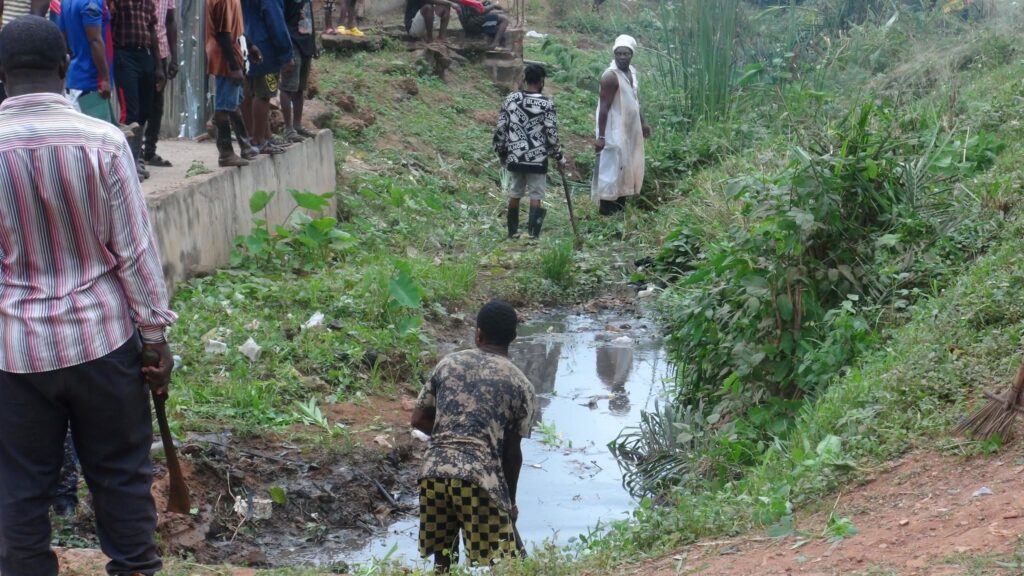
    He also indicated that recent policy decisions, including a 150 basis points reduction in the policy rate to 14 percent, signal increasing confidence in the country’s economic recovery.

    According to him, declining inflationary pressures, relative stability in the exchange rate, and stronger external sector performance have created the conditions for such adjustments.

    The Bank further reported gains within the financial sector, noting an increase in total industry assets and a decline in non-performing loans due to a reduction in impaired loan stock. However, lending to the private sector remains weak, underscoring the need for continued policy measures to boost credit growth.

    Overall, the recapitalisation initiative is expected to strengthen the Bank of Ghana’s capacity to sustain recent economic progress, promote financial sector stability, and improve the effectiveness of monetary policy in supporting growth.

    Last year, the Bank of Ghana assured that banks facing financial shortfalls will follow procedures to raise the needed funds to remain stable.

    This came at a time when the economy had outperformed expectations, with broad gains delivering positive spillover effects to the banking sector.

    In its January 2025 Monetary Policy Report, the central bank said it would closely monitor banks to ensure they address the issue of bad loans, which could threaten the stability of the industry.

    The report also noted that better economic conditions should make it easier for businesses and households to repay their debts, helping to reduce the number of bad loans.

    At the same time, loans to the private sector are gradually recovering to levels seen before the economic challenges of 2022.

    The value of private sector loans grew by 26.3% in December 2024, compared to 10.7% growth in December 2023.

    Adjusted for inflation, this represents a modest 2.0% increase, a significant improvement from the 10.2% decline recorded the previous year.

    In 2025, banks invested more in treasury bills than in 2024. This is according to the Bank of Ghana’s January 2026 Monetary Policy Report.

    According to the BoG, its share increased from 40.3% in December 2024 to 62.3% in December 2025, whereas the share of long-term securities declined from 59.3% in December 2024 to 37.2% in December 2025, marking a 37.3% year-on-year decline.

    This was in line with the growth moderation recorded during the reference period. The report also stressed that the share of equity investments remained negligible but increased marginally from 0.4% percent in December 2024 to 0.5% in December 2025.
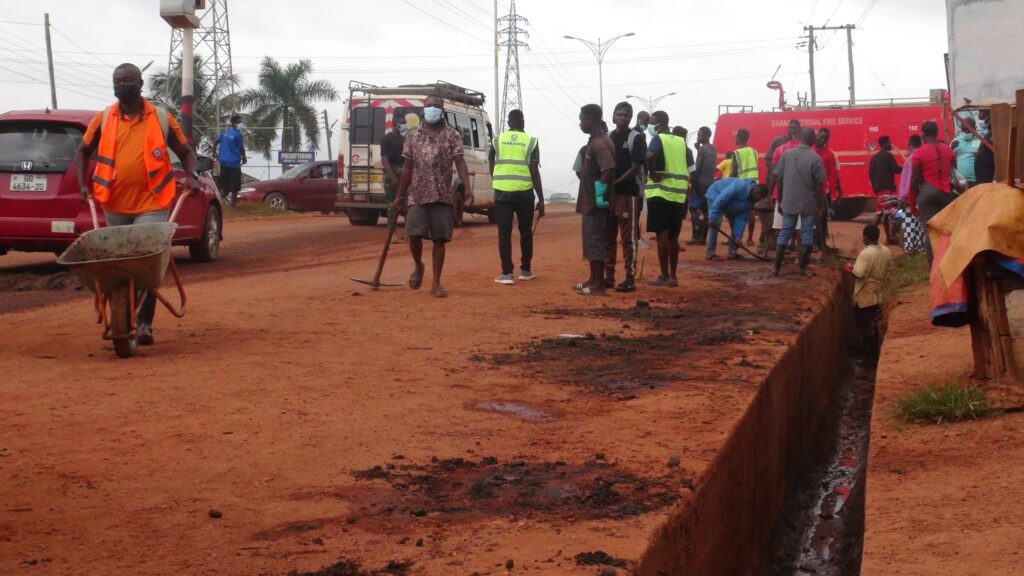
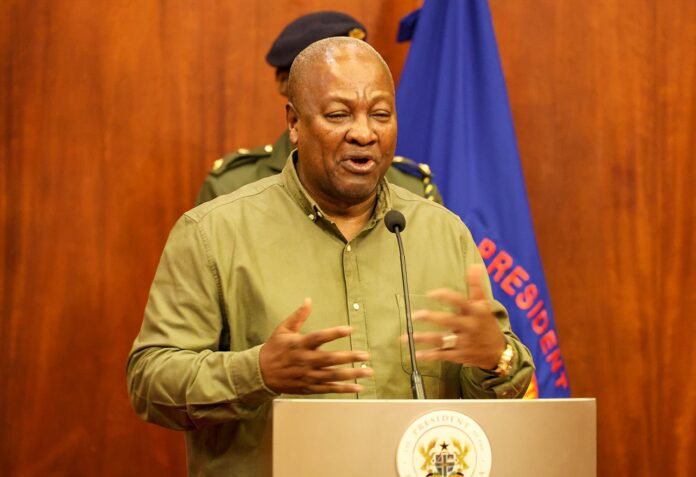
    Meanwhile, the share of deposits in banks’ liabilities and shareholders’ funds decreased to 72.8% in December 2025 from 75.1% in December 2024, reflecting the slowdown in deposit growth in 2025.

    The increase in borrowings, however, translated into an increased share of 8.5% in December 2025 from 7.6% in December 2024.

    The proportion of shareholders’ funds in banks’ total funding also improved to 13.1% in December 2025 from 10.8% a year earlier, while the share of other liabilities declined from 6.3% to 5.4% during the same comparative period.

    Investor interest and confidence in government treasuries remain high as the treasury bill auction exceeds the target by over 60%.

    In auction results posted by the Bank of Ghana, the government accepted GH¢12.8 billion in bids at the latest auction, above its GH¢9.8 billion target, although investors submitted bids worth GH¢15.9 billion.

    The reports also show that the majority of investors preferred the 364-day (one-year) treasury bill, for which they offered about GH¢7.4 billion, making up nearly half of all the money investors offered.

    Out of this amount, the government accepted just over GH¢5.0 billion.

    Also, for the 182-day (six-month) treasury bill, investors offered about GH¢4.29 billion, and the government accepted almost all of it, around GH¢4.28 billion.

    For the 91-day (three-month) bill, investors offered about GH¢4.1 billion, of which the government accepted about GH¢3.4 billion.

    On the other hand, interest rates continued to rise at the longer end of the yield curve.

    The yield on the 91-day bill remained at 11.19%.

    That of the 182-day bill, however, went up to 12.66% from 12.64% the previous week.

    Additionally, the yield on the 364-day bill increased by eight basis points to 13.06%.

    Meanwhile, the iversubscription has been a trend in the last few months.Government saw another significant oversubscription in its primary T-bill auction, the Bank of Ghana (BoG) announced, following its August 1 auction last year.

    This comes after demand surged 42.07 percent above the target.