Author: Phoebe Martekie Doku

  • Private sector will lead 24-hour programme, govt to facilitate – President Mahama

    Private sector will lead 24-hour programme, govt to facilitate – President Mahama

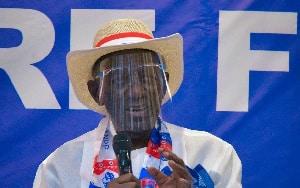
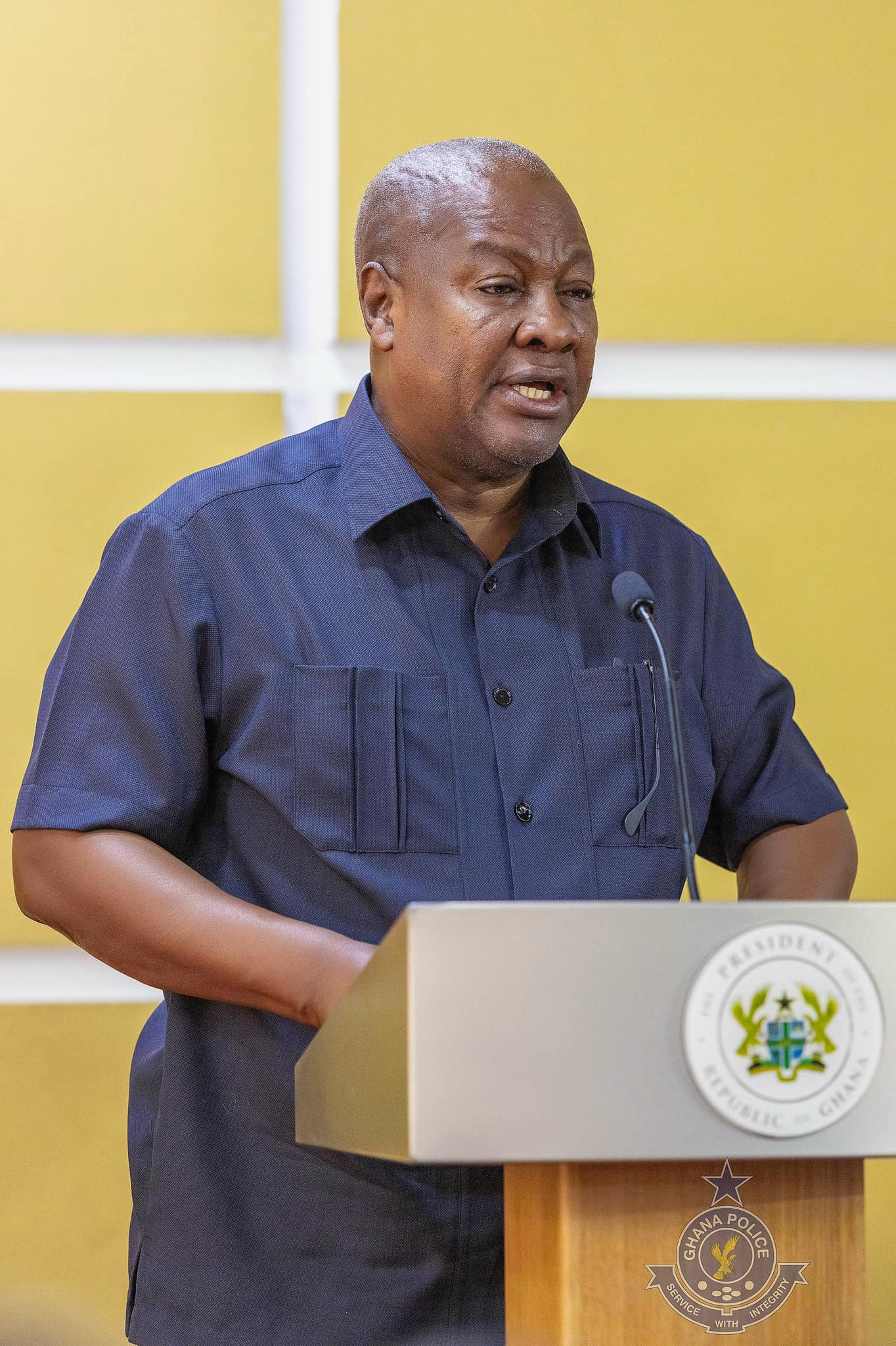
    His Excellency, President John Dramani Mahama, has indicated that the government does not plan to heavily interfere in its flagship programme, the 24-Hour Economy policy.

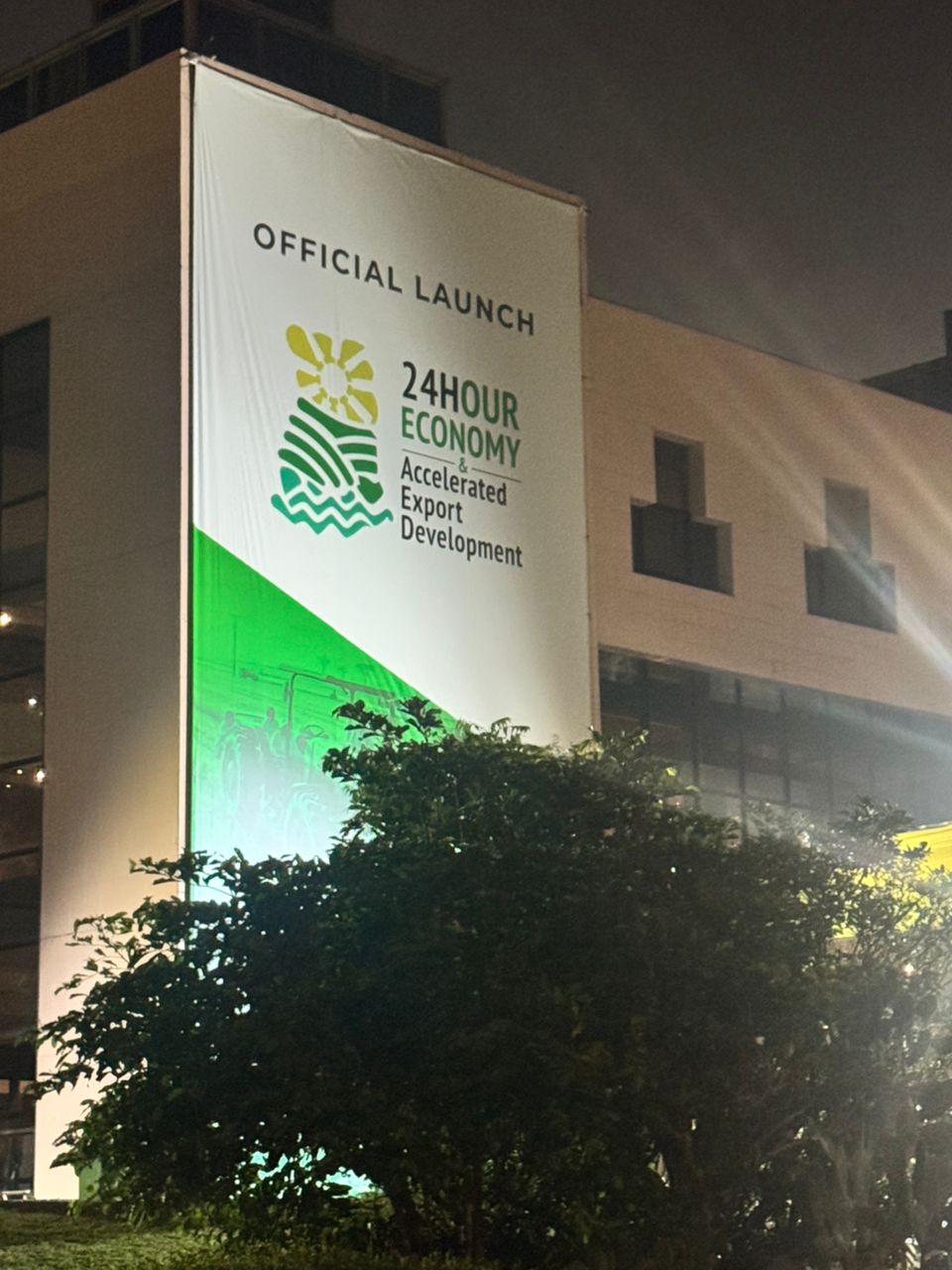
    Speaking at the official launch of the programme in Accra on Wednesday, July 2, President Mahama noted that the actual driving force will be private sector actors.

    “The private sector will lead the 24-Hour Plus programme. Government will facilitate and not dominate,” the President stated.

    According to him, “Any government funding in 24-hour plus will be catalytic, serving as seed funding for the 24-hour plus authority and support bulk infrastructure”.

    The policy is one of the key promises made by the ruling party, the National Democratic Congress (NDC), while in opposition in 2024.

    The policy’s objective is to enhance economic productivity by encouraging businesses to operate continuously, creating more job opportunities, boosting revenue generation, and improving service delivery.

    Sectors such as manufacturing, transportation, retail, healthcare, hospitality, and financial services stand to benefit significantly from this model.

    Mr Goosie Tanoh, the presidential advisor on the 24-hour economy policy, has revealed that the programme is expanded into three anchors: “production transformation, supply chain and market efficiency, and human capital development.”

    The three anchors, according to him, are supported by eight sub-programmes.

    “Roll 24 – which is the agricultural component, Make 24 – which is the manufacturing component, Connect 24 – the supply chain component, Aspire 24 – which is the mindset change, the resetting of the Ghanaian and Ghanaian bureaucracy with a strong and powerful attitude to work and productivity,” he explained.

    According to him, the government is set to include strong digital technology training in the TVET curriculum to train and equip an employable workforce with the requisite skills for employment opportunities.

    Another component, dubbed ‘Show Ghana,’ is also set to focus on an intentional effort and approach by the government to give visibility to Ghana’s rich cultural heritage to the rest of the world to attract more tourists and increase revenue generation through tourism.


  • National Day of Prayer: Gratitude without patriotism is hollow – Dr Asah-Asante

    National Day of Prayer: Gratitude without patriotism is hollow – Dr Asah-Asante

    Political Scientist and Senior Lecturer at the University of Ghana, Dr. Kwame Asah-Asante, has indicated that a national prayer without actions is meaningless in transforming the country.

    Speaking to the media, Dr. Asah-Asante noted that although uniting in prayers and worship is necessary, it is not enough to resolve national challenges.

    “There is nothing wrong with the national prayer. At some point, we must remember our Maker and give thanks; that is undeniable. But hear this: Gratitude without patriotism is hollow or empty.”

    “Thanks without dedication to work, without hard work, without discipline, without people who are truly results-driven, that kind of thanks is meaningless,” he said.

    He argued that prayers must be matched with responsible leadership and citizen action to make a lasting impact.

    “And most importantly, thanks without holding our leaders accountable, without standing firm against corruption—I’m afraid that is a waste of everyone’s time.”

    “If we have leaders like this, and men of God cannot look our Heads of State in the eye and tell them, ‘You are going wrong’ when the need arises, then we have a serious problem. Too often, they merely watch and seek to glorify those in power. No more! The time for change is now. Men of God must stand firm and speak truth boldly, that is what sets them apart from you and me,” he stated.

    National Day of Prayer is a new initiative under the Mahama-led administration that will bring Ghanaians together to pray, worship, unite, and reflect for the nation’s prosperity.

    The service was grouped into two sessions; the Christian service will take place at the forecourt of the State House at 8:00 am.

    It was led by His Eminence Peter Cardinal Kodwo Appiah Turkson, the Chancellor of the Pontifical Academy of Sciences and Social Sciences.

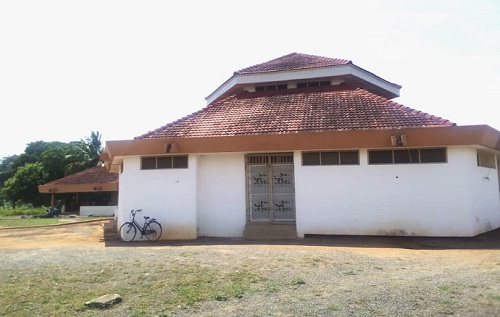
    While the Muslim service was held at the National Mosque in Kanda at 12:30 pm and led by Chief Imam, His Eminence Dr. Sheikh Osman Nuhu Sharubutu.

    Tuesday, 1st July, Republic Day has been reinstated as a statutory public holiday after Parliament on Wednesday, June 25, passed the Public Holidays and Commemorative Days (Amendment) Bill, 2025, which amends Act 601.

    However, the government has noted that statutory holidays that fall on Tuesday, Wednesday, or Thursday will be commemorated on Monday or Friday. As such, the government’s decision to declare July 4 a holiday.

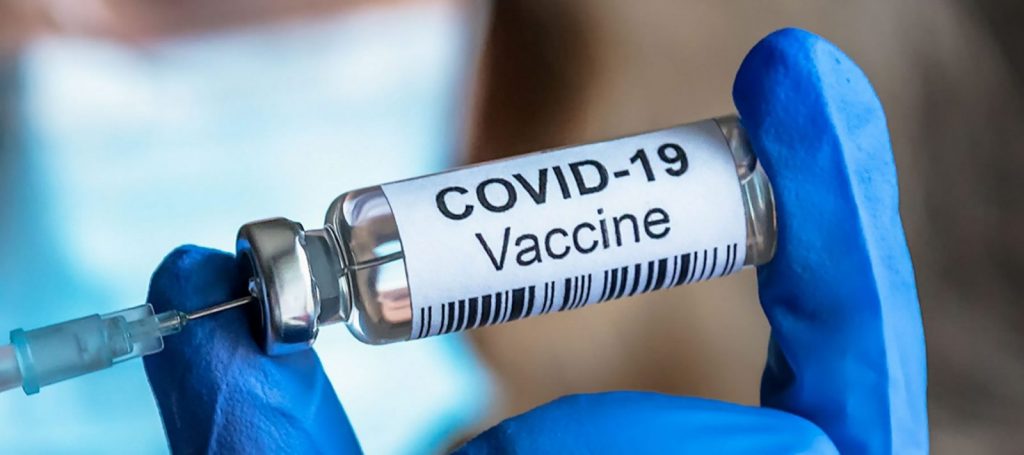
  • Vaccination remains our best defence against COVID-19 – Virologist to Ghanaians

    Vaccination remains our best defence against COVID-19 – Virologist to Ghanaians

    Head of Virology at the Noguchi Memorial Institute for Medical Research, Professor Kofi Bonney, has called for collaborative efforts to curb the resurgence of COVID-19.

    As such, he has admonished Ghanaians to willingly take the COVID-19 vaccine shots should the government start administering them.

    “The vaccines boost immunity, but the efficacy reduces at a point. So people who have already taken the vaccines must do well to get the boosters to build the immune system.”

    “Ghana Health Service is working to secure the vaccines, and we must all try and take it when it comes,” he said.

    Meanwhile, the Minister for Health, Kwabena Mintah Akandoh, has allayed the fears of the general public over the resurgence of the COVID-19 virus, indicating that no cases have been recorded outside the country’s capital.

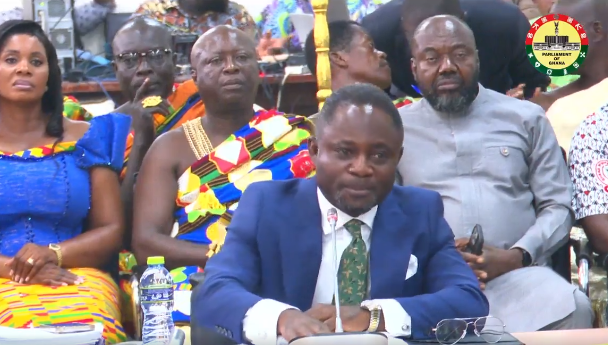
    The sector minister made this known when he appeared before Parliament to provide an update on the resurgence of COVID-19 in the country on Tuesday, July 1.

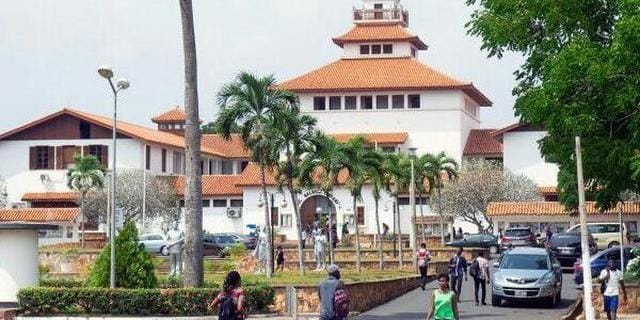
    In his delivery, the sector minister noted that as of July 1, 107 out of 316 suspected cases within the University of Ghana community have been confirmed as COVID-19.

    Currently, no deaths have been reported, and no individual is currently on admissions.

    Honourable Akandoh noted that the outbreak is limited to the University of Ghana community, adding that “it has not spread widely to other parts of Accra or the rest of the country.”

    He noted that these cases have been traced to a familiar variant—the Omicron sub-variant.The cases were detected through Ghana’s influenza surveillance system and confirmed by the Noguchi Memorial Institute for Medical Research.

    This national network of sentinel sites operates across all 16 regions.

    He therefore assured Ghanaians that, should there be any cases outside the university campus, “our surveillance system remains active and ready to detect and respond effectively.”

    The Ghana Health Service (GHS) has revealed that the current COVID-19 cases recorded in the University of Ghana are of mild magnitude.

    The Health Services Directorate of the University of Ghana has reactivated its COVID-19 Response Protocols, including screening and triage measures at health facilities.

    The preventive measures include wearing face masks properly, especially in enclosed or crowded spaces, and washing hands frequently with soap under running water or using alcohol-based hand sanitizers.

    Subsequently, all staff, students, and visitors are strongly advised to remain vigilant and strictly adhere to recommended preventive measures to reduce the risk of infection and community spread.

    In light of this, management of the University of Ghana, Legon, has suspended all social gatherings on campus, excluding official university activities and lectures, to quell the spread of COVID-19 cases

    Professor Kofi Bonnie, has warned that the rainy season could trigger the resurgence of COVID-19. Speaking to Joy News, the virologist explained that influenza-like illnesses surge during rainy days.

    COVID-19 is the disease caused by the SARS-CoV-2 coronavirus. It usually spreads between people in close contact.

    COVID-19 vaccines provide strong protection against severe illness and death. Although a person can still get COVID-19 after vaccination, they are more likely to have mild or no symptoms.

    According to the World Health Organisation (WHO), COVID-19 symptoms typically appear 5 to 6 days after exposure and can last between 1 and 14 days, ranging from common symptoms like fever, chills, and sore throat to less common ones such as muscle aches, severe fatigue, nasal congestion, headache, sore eyes, dizziness, a persistent cough, chest pain, shortness of breath, hoarseness, numbness, appetite loss, nausea, vomiting, abdominal pain, diarrhoea, altered taste or smell, and difficulty sleeping.

    In 2020, COVID-19 was declared a public health emergency of international concern. In March of the period in question, Ghana recorded its first case.

    In May 2023, the UN World Health Organization declared an end to COVID-19 as a public health emergency, stressing that it does not mean the disease is no longer a global threat.According to the Ghana Health Service (GHS), significant portions of the population remain either partially vaccinated or unvaccinated, posing ongoing vulnerability to the disease.

    In July 2024, the GHS initiated a nationwide COVID-19 vaccination campaign where it administered 500,000 doses of COVID-19 vaccines to all individuals aged 18 years and above, intensifying efforts to bolster vaccination rates.

    Vaccination teams operate at hospitals, clinics, and health centers, ensuring accessibility to COVID-19 vaccines.

    Additionally, teams conduct outreach activities at residences, markets, places of worship, workplaces, and other venues to facilitate widespread access.

    According to GHS, COVID-19 vaccination is now a routine for adults, available at all vaccination sites nationwide.

    As of 2023, the cumulative cases worldwide stood at 765,222,932, with nearly seven million deaths. As of 30 April, a total of more than 13.3 billion vaccine doses have been administered worldwide.

    According to data provided by the UN WHO, Europe recorded the highest number of confirmed cases, approaching 300 million, whereas Africa recorded the least. The highest number of deaths, exceeding 2.5 million, was recorded in Europe. Africa recorded the least number of death cases.

  • Our speech must reflect the Ghana we want – President Mahama to public

    Our speech must reflect the Ghana we want – President Mahama to public

    His Excellency President John Dramani Mahama has urged Ghanaians to lead truthful and impactful lives as they contribute to nation-building.

    During the National Day of Prayer and Thanksgiving, the President appealed to the public to choose words that mend and uplift, not words that divide.

    “Let us remember this: true thanksgiving is not spoken only with the lips – it must be lived in our very lives. As James says in Chapter 2 verse 17, ‘Faith by itself, if not accompanied by action, is dead.’

    “On this sacred day, therefore, as we pray and give thanks, it is also a time to renew our commitment to living out our faith through truth, love, and service to our nation. Let us speak words that heal, not words that harm,” he urged.

    Cardinal Peter Appiah Turkson has also charged Ghanaians to participate in the transformation of Ghana by taking personal responsibility and supporting national initiatives.

    He noted that the onus of making Ghana a better place does not solely depend on President John Dramani Mahama but on every citizen.

    He urged Ghanaians to rally behind President Mahama as he works to achieve his goals and plans for the development and improvement of the country.

    “The transformation of this land will not be a task for just the president. With all the good intentions that he may have, the transformation of this land depends on us. We must not only be religious but also spiritual. So for all of us gathered here, I just like to tell you that biblical religious says one thing about all of us. It means that our belief in God entails our vision of the world and our place in that vision,” he said.

    “So, anyone who believes in God must also formulate for himself his vision of the world, and must go on to formulate his place in this vision. Whatever vision of Ghana we have gathered here to express, we need to recognise that it will suffice to formulate and express a vision; we need to go ahead and formulate our own place also within the vision. That just means that we are looking for virtues in Ghanaians who develop virtue and live by virtue.”

    “Otherwise, greed will dominate this land, and when that happens, there will be negative externalities to be borne by all of us,” he added.

    National Day of Prayer is a new initiative under the Mahama-led administration that will bring Ghanaians together to pray, worship, unite, and reflect for the nation’s prosperity.

    The service was grouped into two sessions; the Christian service will take place at the forecourt of the State House at 8:00 am.

    It was led by His Eminence Peter Cardinal Kodwo Appiah Turkson, the Chancellor of the Pontifical Academy of Sciences and Social Sciences.

    While the Muslim service was held at the National Mosque in Kanda at 12:30 pm and led by Chief Imam, His Eminence Dr. Sheikh Osman Nuhu Sharubutu.

    Tuesday, 1st July, Republic Day has been reinstated as a statutory public holiday after Parliament on Wednesday, June 25, passed the Public Holidays and Commemorative Days (Amendment) Bill, 2025, which amends Act 601.

    However, the government has noted that statutory holidays that fall on Tuesday, Wednesday, or Thursday will be commemorated on Monday or Friday. As such, the government’s decision to declare July 4 a holiday.

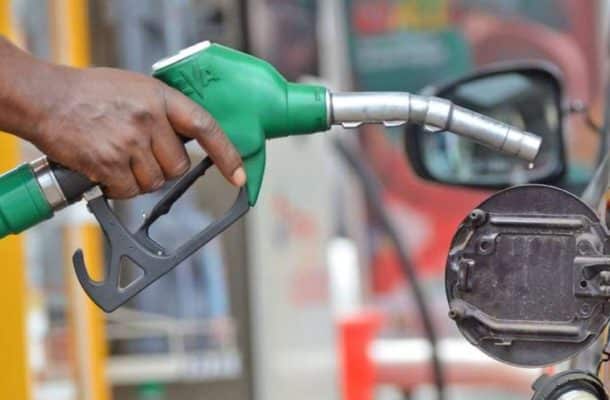
  • GRA sets July 16 for GHC1 fuel levy implementation

    GRA sets July 16 for GHC1 fuel levy implementation

    The implementation of the new GHS1 Energy Sector Shortfall and Debt Repayment Levy on petroleum products commences on Wednesday, July 16, according to the Ghana Revenue Authority (GRA).

    All petroleum sector stakeholders have been directed by the GRA to comply strictly with the new rates.

    This move comes under the Energy Sector Levies (Amendment) Act, 2025 (Act 1141), which was assented to by President John Dramani Mahama on June 5 to settle energy sector shortfalls, reduce legacy debts, and stabilize power supply across the country, following parliamentary approval.

    GRA had announced earlier implementation of the levy; however, it was postponed after strong opposition from oil marketing companies.

    Initially set to take effect on Monday, June 9, it was rescheduled to start on Monday, June 16. It was then rescheduled again due to the tensions between Iran and Israel.

    According to Tariff Interpretation Order (TIO) No. 2025/003, issued by the GRA, the new levy affects several key fuel products.

    The levy on petrol (motor spirit, super) and diesel (gas oil) will rise from GHS0.95 and GHS0.93 respectively, to GHS1.95 and GHS1.93 per litre.

    Marine gas oil (local) will increase from 0.3 to 0.23, Marine gas oil(foreign) from 0.93 to 1.93, and heavy fuel oil 0.04.

    Petroleum products lifted before June 9, 2025, will be charged the old levy rates.

    However, all cash-and-carry transactions where products are lifted on or after the effective date will attract the revised levies.

    The government insists the levy is crucial for the financial recovery of Ghana’s energy sector. President John Mahama, while speaking at the presentation of the final report of the National Economic Dialogue 2025 on June 4, announced the government’s decision to clear the accumulated legacy debts in the power sector with part of the revenue generated by the yet-to-be-implemented levy.

    He stated that “initially much of this revenue will go to the purchasing of fuel to ensure stable power of electricity.”

    The government will also reduce the use of liquid fuel in the energy mix as it expects more gas from the ENI, Sankofa, Jubilee and TEN fields, as well as the West African Gas Pipeline.

    “At that stage, the resources generated by this increased levy will be channeled to pay accumulated legacy debts in the power sector,” he added.

    He assured Ghanaians that funds generated from the newly approved GHC1 fuel levy will undergo regular audits. He explained the move is to ensure accountability and transparency.

    “Funds from this levy will not be subject to the hazards of the Consolidated Fund. The fund will be regularly audited and audit reports made public to ensure its transparent use.”

    Energy and Green Transition Minister, John Abdulai Jinapor, has defended government’s move despite opposition from some stakeholders in the energy sector.

    He noted that the timing of the introduction of the levy is apt as the cedi continues to appreciate against major trading currencies.

    The minister projects to generate revenue ranging between GH¢5 billion and GH¢6 billion to support the procurement of liquid fuel.

    “Fuel was around GH¢16.00, and a sensitive government will not slap a tax when fuel is GH¢16.00. You couldn’t have imposed that tax around that time when fuel was still very high, and so you needed to work to bring fuel down to this level and share the gain with Ghanaians. At that time, if we had increased it, you can imagine the impact on Ghanaians, but today, the net effect is that you are still having a reduction of GH¢3.00 on a litre of fuel,” he explained.

    “It is better to do it today than to (have done) it yesterday, when it would have eroded your income; today, your purchasing power has increased because of the reduction of the value of the dollar,” he said while speaking on JoyFM.

    Some stakeholders in the energy sector have expressed their displeasure over the approval of the Energy Sector Levy (Amendment) Bill, 2025, by Parliament and its pending implementation.

    On the matter, Chief Executive Officer of the Association of Oil Marketing Companies (AOMCs), Dr Riverson Oppong Peprah, warned that the implementation of the levy could drive fuel prices higher, adding further strain on consumers and the downstream sector.

    “When fuel prices began to fall, it wasn’t because the cedi gained stability; rather, it was due to a drop in plant prices caused by the decline in West Texas Intermediate (WTI) crude oil prices. Only after that did the cedi stabilise and support the downward trend.”

    “As we speak today, plant prices are already rising again. So, I urge the government to reconsider this levy since there are other options,” he counselled.

    Also, Executive Director of the Centre for Environment and Sustainable Energy Benjamin Nsiah has raised similar concerns, calling the introduction of the levy “unfair.”

    “This approach is not only tired but unfair,” Nsiah said. “We’ve seen this playbook before. The Energy Sector Levies Act (ESLA), and the Energy Sector Recovery Levy have provided a lasting solution to the underlying issues. It’s not about collecting more. It’s about managing what’s already collected.”

  • Govt launches 24-Hour Economy policy today

    Govt launches 24-Hour Economy policy today

    The government’s 24-hour economy policy, a key promise during President John Mahama’s campaign in 2024, will be officially launched today, Wednesday, July 2.

    The policy’s objective is to enhance economic productivity by encouraging businesses to operate continuously, creating more job opportunities, boosting revenue generation, and improving service delivery.

    Sectors such as manufacturing, transportation, retail, healthcare, hospitality, and financial services stand to benefit significantly from this model.

    Presenting the policy to the Speaker of Parliament, Kingsford Sumana Alban Bagbin, last week, Mr Goosie Tanoh, the Presidential Advisor on the 24-hour economy policy, mentioned the move is to officially inform ‘the people’s representatives’ about the government’s readiness to roll out the programme.

    On some details on the policy, Mr Goosie Tanoh said the programme is expanded into three anchors: “production transformation, supply chain and market efficiency, and human capital development.” The three anchors, according to him, are supported by eight sub-programmes.

    “Roll 24 – which is the agricultural component, Make 24 – which is the manufacturing component, Connect 24 – the supply chain component, Aspire 24 – which is the mindset change, the resetting of the Ghanaian and Ghanaian bureaucracy with a strong and powerful attitude to work and productivity,” he explained.

    According to him, the government is set to include strong digital technology training in the TVET curriculum to train and equip an employable workforce with the requisite skills for employment opportunities.

    Another component, dubbed ‘Show Ghana,’ is also set to focus on an intentional effort and approach by the government to give visibility to Ghana’s rich cultural heritage to the rest of the world to attract more tourists and increase revenue generation through tourism.

    Speaker Alban Bagbin, in response, mentioned that the team’s arrival had been anticipated and his outfit would call on them for any clarity when the need be, urging the legislation to back the programme.

    Earlier, President John Dramani Mahama stated that the 24-Hour Economy Policy is a long-term goal that will keep the country productive on a 24/7 basis, alongside stabilising the economy through the creation of more jobs.

    According to him, the final draft of the policy has undergone review by him, and he is confident it will realise its objectives.

    Meanwhile, Speaker of Parliament, Alban Bagbin, has noted that the Parliamentary Service will begin operating under the 24-hour economy policy.

    This initiative, according to the Speaker, will enhance national productivity and address unemployment. He made this known during the presentation of the 24-hour economy policy document.

    He bemoaned the lack of time to tackle the numerous tasks in Parliament and expressed optimism in addressing this issue with the 24-hour economy policy.

    “This means they are going to work more hours; they will be reporting at 8:00 a.m. and may be going home at 10:00 p.m. or sometimes 11:00 p.m.—particularly those in the official division of the House.

    This will allow more people to work here and will help reduce unemployment. I can assure you that the load of work here is unimaginable,” Bagbin stated.

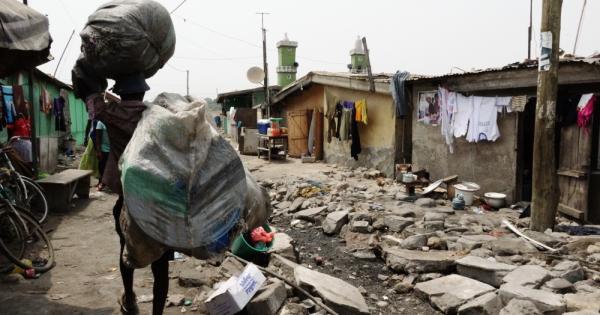
  • 2.2m households facing poor sanitation, overcrowding and unsafe housing – GSS

    2.2m households facing poor sanitation, overcrowding and unsafe housing – GSS

    A recent report by the Ghana Statistical Service (GSS) has revealed a worrying statistic: two million and two hundred thousand households in the country face poor sanitation, overcrowding, and unsafe housing.

    Speaking at the launch of the report ‘The New Slums and Informal Settlements Thematic Report’ on Monday, June 30, the Government Statistician, Dr. Alhassan Iddrisu, noted that these individuals have established their homes in slums and informal areas.

    According to him, nearly one in three city dwellers in Ghana, representing 4.8 million, live in slums, emphasizing that other countries experience even higher rates of slum habitation, particularly within the sub-Saharan African region.

    “Roughly 30.8% of the urban population or 4.8 million people are living in slums, a ratio that exceeds the global average of 24.7% but lower than the Sub-Saharan Africa average of 53.9%.”

    “46.1% of urban households, or over 2.2 million households, are living in slum conditions. That means nearly 1 in every 2 urban households is facing one or more of the four deprivations,” he added.

    He indicated that many households in urban areas are in environments that do not support housing and proper urban development. The data revealed that the Greater Accra and Ashanti regions are heavily challenged with slum conditions.

    With the Greater Accra Region recording 52.5 percent and the Ashanti Region 51.8 percent, the report noted that all of these dwellers live in rented accommodation. The other regions reported significantly lower proportions, highlighting a stark regional disparity.

    “The Northern Region (4.2%), followed by Savannah (3.6%) and Oti (1.1%), recorded the highest extreme slum intensities. By extreme slum intensity, we mean the proportion of neighbourhoods that exhibit all four slum characteristics in the region.

    “But even in more developed regions like Greater Accra and Ashanti, over half of slum households live in rented accommodations,” parts of the report read.

    The Service has described the findings in the report as alarming and called for a collaborative national effort to address growing housing and sanitation challenges.

    To check the rise in slum communities, the GSS has called on the local government to implement strategies in districts and municipalities.

    In February this year, Member of Parliament for Ahanta West, Mavis Kuukua Bissue, noted that sanitation issues, homelessness, and the proliferation of slums remain critical challenges undermining the health, dignity, and economic potential of our citizens, particularly the youth.

    She cited inadequate housing across the country, economic hardship, unemployment, poverty, rapid rural-urban migration, et cetera, as contributory factors to the expansion of slums, homelessness, and streetism, which have also given rise to improper and indiscriminate waste disposal practices and the poor sanitation situation we have on our hands. 

    “We cannot continue to downplay the severity of this challenge, seeing the very danger it poses to our survival as people,” she noted.

    Honourable Bissue proposed that there be a national dialogue on rural-urban migration and economic empowerment, deliberation on housing and urbanisation strategy for rural communities, a national drive on proper waste segregation and disposal, public-private partnerships, provision of labelled litter bins at designated areas and public spaces, and enforcement of sanitation laws, among others.

    https://twitter.com/StatsGhana/status/1939658946198872424/photo/4

  • President Mahama can’t transform Ghana alone; get involved – Cardinal Turkson to Ghanaians

    President Mahama can’t transform Ghana alone; get involved – Cardinal Turkson to Ghanaians

    Cardinal Peter Appiah Turkson has charged Ghanaians to participate in the transformation of Ghana by taking personal responsibility and supporting national initiatives.

    Speaking at the National Prayer and Thanksgiving Service held at the forecourt of the State House, he noted that the onus of making Ghana a better place does not solely depend on President John Dramani Mahama, but on every citizen.

    He urged Ghanaians to rally behind President Mahama as he works to achieve his goals and plans for the development and improvement of the country.

    “The transformation of this land will not be a task for just the president. With all the good intentions that he may have, the transformation of this land depends on us. We must not only be religious but also spiritual. So for all of us gathered here, I just like to tell you that biblical religious says one thing about all of us. It means that our belief in God entails our vision of the world and our place in that vision,” he said.

    “So, anyone who believes in God must also formulate for himself his vision of the world, and must go on to formulate his place in this vision. Whatever vision of Ghana we have gathered here to express, we need to recognise that it will suffice to formulate and express a vision; we need to go ahead and formulate our own place also within the vision. That just means that we are looking for virtues in Ghanaians who develop virtue and live by virtue.”

    “Otherwise, greed will dominate this land, and when that happens, there will be negative externalities to be borne by all of us,” he added.

    President Mahama, on the other hand, has stressed the need for citizens to embrace unity and respect in efforts to reset Ghana.

    “Let us remain vigilant against the voices of tribalism, the voices of religious extremism and against the poison of political division. These are the seeds of division that we must never let take root in our precious nation, Ghana,” he declared.

    National Day of Prayer is a new initiative under the Mahama-led administration that will bring Ghanaians together to pray, worship, unite, and reflect for the nation’s prosperity.

    The service was grouped into two sessions; the Christian service will take place at the forecourt of the State House at 8:00 am.

    It was led by His Eminence Peter Cardinal Kodwo Appiah Turkson, the Chancellor of the Pontifical Academy of Sciences and Social Sciences.

    While the Muslim service was held at the National Mosque in Kanda at 12:30 pm and led by Chief Imam, His Eminence Dr. Sheikh Osman Nuhu Sharubutu.

    Tuesday, 1st July, Republic Day has been reinstated as a statutory public holiday after Parliament on Wednesday, June 25, passed the Public Holidays and Commemorative Days (Amendment) Bill, 2025, which amends Act 601.

    However, the government has noted that statutory holidays that fall on Tuesday, Wednesday, or Thursday will be commemorated on Monday or Friday. As such, the government’s decision to declare July 4 a holiday.

  • SHS students in Nkwanta will be relocated to write 2025 WASSCE if conflict escalates – GES

    SHS students in Nkwanta will be relocated to write 2025 WASSCE if conflict escalates – GES

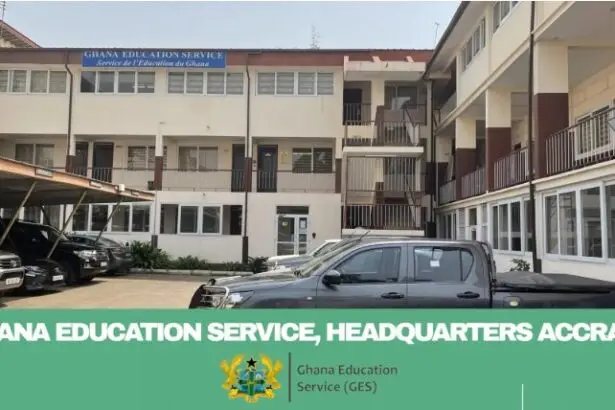
    The Ghana Education Service (GES) has insisted that final-year Senior High School (SHS) students in the Nkwanta South Municipality of the Oti Region will participate in the 2025 West African Senior School Certificate Examination (WASSCE) despite chaos in the area.

    Speaking to the media on Monday, June 30, the Head of Public Relations at GES, Daniel Fenyi, indicated that the Service is in discussions with stakeholders to ensure candidates are not affected regardless of the risk.

    “Three Senior High Schools (SHS) will be writing the WASSCE, but definitely, if the conflict persists, that means they wouldn’t be able to write in Nkwanta township. So meetings are ongoing, and we hope to finalize our discussions as soon as possible to come out with the modalities on when, how, and where our children can write the WASSCE.”

    According to him, one of the measures is to ensure students write the exams in the safest environment possible.

    “But the assurance they can get from us is that they won’t miss the WASSCE. We are putting in place every measure to ensure they write the WASSCE with their colleagues.”

    “The assurance they can get from us as the Ghana Education Service is that they won’t miss the WASSCE. We are putting in place every measure to ensure that they write the WASSCE with their colleagues all across the country, and we are making sure that the conflict goes beyond them so they can’t be punished for what they didn’t cause. So I can assure them that they will not miss this examination,” he said.

    The 2025 WASSCE is scheduled to take place from August 4 to September 19.

    Nkwanta and its surrounding towns have experienced protracted conflict involving the Akyode, Adele and Chala.

    The conflict has escalated in recent years, resulting in the loss of lives and the destruction of property. A curfew was placed on the area by the government.

    The violent incidents that were recorded on June 26 and 27 affected three students.

    Two female students of Nkwanta Senior High School (SHS) were recently hit by gunshots while en route to school.

    A male student was also killed by a stray bullet while seated in his classroom during mock examinations.

    SHS schools in Nkwanta South have been shut down until further notice.

    In response, the police service has captured some eight individuals for their roles in recent clashes in Nkwanta that have taken the lives of students.

    Currently, there is a total ban on all persons in the Nkwanta Township and its environs in the Nkwanta South Municipality of the Oti Region from carrying arms, ammunition, or any offensive weapons.

    Any person found with any arms or ammunition will be arrested and prosecuted.

    The government continues to urge chiefs, opinion leaders, youth, and people of the area to exercise restraint in the face of the challenges confronting them and to use non-violent means to channel their energies into ensuring peace in the area.

  • Health Minister to appear before Parliament over COVID-19 resurgence

    Health Minister to appear before Parliament over COVID-19 resurgence

    Minister for Health, Kwabena Mintah Akandoh, will appear before Parliament today, Tuesday, July 1, to provide an update on the resurgence of COVID-19 in the country.

    Parliament’s invitation is a response to the recent discovery of the coronavirus disease by the Health Services Directorate of the University of Ghana (UG).

    In light of this, the Health Services Directorate has reactivated its COVID-19 Response Protocols, including screening and triage measures at health facilities.

    Subsequently, all staff, students, and visitors are strongly advised to remain vigilant and strictly adhere to recommended preventive measures to reduce the risk of infection and community spread.

    The preventive measures include wearing face masks properly, especially in enclosed or crowded spaces, and washing hands frequently with soap under running water or using alcohol-based hand sanitizers.

    But the Head of Biology at the Noguchi Memorial Institute for Medical Research (NMIMR), Professor Kofi Bonnie, has indicated that the virus is not only on the UG campus but across several regions of the country.

    “It is not a localised resurgence. In fact, we have other regions reporting. So, if the university has come out with a circular cautioning the community in the university and its environs, it’s not just for us. I think the nation should take it up—everybody—especially during this time of the year,” he added.

    He has called on the government to take proactive measures to prevent a potential surge in infections.

    “It is not a localised resurgence. In fact, we have other regions reporting,” he said.

    “So, if the university has come out with a circular cautioning the community in the university and its environs, it’s not just for us. I think the nation should take it up—everybody—especially during this time of the year,” he added.

    COVID-19 is the disease caused by the SARS-CoV-2 coronavirus. It usually spreads between people in close contact.

    COVID-19 vaccines provide strong protection against severe illness and death. Although a person can still get COVID-19 after vaccination, they are more likely to have mild or no symptoms.

    According to the World Health Organisation (WHO), COVID-19 symptoms typically appear 5 to 6 days after exposure and can last between 1 and 14 days, ranging from common symptoms like fever, chills, and sore throat to less common ones such as muscle aches, severe fatigue, nasal congestion, headache, sore eyes, dizziness, a persistent cough, chest pain, shortness of breath, hoarseness, numbness, appetite loss, nausea, vomiting, abdominal pain, diarrhoea, altered taste or smell, and difficulty sleeping.

    In 2020, COVID-19 was declared a public health emergency of international concern. In March of the period in question, Ghana recorded its first case.

    In May 2023, the UN World Health Organization declared an end to COVID-19 as a public health emergency, stressing that it does not mean the disease is no longer a global threat.

    According to the Ghana Health Service (GHS), significant portions of the population remain either partially vaccinated or unvaccinated, posing ongoing vulnerability to the disease.

    In July 2024, the GHS initiated a nationwide COVID-19 vaccination campaign where it administered 500,000 doses of COVID-19 vaccines to all individuals aged 18 years and above, intensifying efforts to bolster vaccination rates.

    According to data provided by the UN WHO, Europe recorded the highest number of confirmed cases, approaching 300 million, whereas Africa recorded the least. The highest number of deaths, exceeding 2.5 million, was recorded in Europe. Africa recorded the least number of death cases.

    Meanwhile, Professor Kofi Bonnie has warned that the rainy season could trigger the resurgence of COVID-19. Speaking to Joy News, the virologist explained that influenza-like illnesses surge during rainy days.

  • AT, Telecel increase data offers by over 10%; MTN by 15%

    AT, Telecel increase data offers by over 10%; MTN by 15%

    Telecommunication companies in Ghana have increased their data packages by 10 to 15 percent effective today, Tuesday, July 1.

    The new development follows a directive by the Minister of Communications and Digitalisation, Sam Nartey George.

    Airtel Tigo (AT) and Telecel have increased their data offers by over 10%, whereas MTN has reviewed its data offers by 15%.

    AT’s GHC400 data package, providing 195 GB, is now 236 GB. Telecel’s GHC400 data package is worth 250 GB and not 190 GB.

    MTN has reintroduced its GHC399 data package with a 214GB offer.

    The Ministry of Communication and Digital Innovations earlier assured Ghanaians of reducing the cost of data by the end of 2025.

    A committee that was set up in February had developed a roadmap meant to drive plans for data reduction.

    A section of Ghanaians had been chiding the sector minister for failing to reduce data costs immediately after he assumed office some months ago.

    Mr George, during his vetting as a minister-designate, pledged to ensure the cost of data packages is revised to ensure subscribers are provided value for money and quality services.

    “Look, we are dealing with 8 years of the distortion of the market. I wish I could fix it arbitrarily. But it takes a very calculated attempt not to create further distortions by acting irrationally,” Mr George said in reaction to calls for immediate reduction in data prices.

    Meanwhile, the minister has arranged for cheaper data bundles on five national holidays in the year.

    These selected holidays are Independence Day, May Day, Republic Day, Founders’ Day, and Farmers’ Day.

    According to him, the initial plan was to offer discounted packages on all 18 public holidays in the year, but this proved unfeasible as telecommunications companies pushed back against the proposal.

    Nonetheless, Ghanaians enjoyed discounted data bundles for the first time on a public holiday, starting with March 6th (Independence Day).

    A similar offer was made on May 1 (May Day), and the public is assured of enjoying the same benefit for the three remaining selected holidays ahead in the year.

    Meanwhile, Samuel Nartey George has vowed to impose financial penalties on Mobile Network Operators (MNOs) that fail to meet service quality standards before the end of the year.

    According to Mr George, 40 percent of the fines imposed on telecom companies that fail to provide quality services will be used to provide data or call-time bonuses to affected customers.

    A nationwide service quality test, covering all district capitals, is expected to be conducted by the NCA in the third quarter of 2025. Based on its findings, the government will take “decisive action” if no significant improvements are seen.

    With regard to the spectrum rollout, the minister noted that “the Ghanaian people must feel the impact by the end of this year.”

    “We know you can’t complete upgrades in three months, but we must see that the process has begun,” he added, providing a short-term deadline of June 30.

    On their part, the executives of the telcos provided their strategies and investments made so far to provide quality services.

    MTN Ghana CEO Stephen Blewett revealed that the company had invested $230 million in 2024 to strengthen its network and IT systems.

    Plans include launching 300 new franchise outlets, hiring 400 new staff, and rolling out secure self-service tools for SIM swaps and PIN resets.

    Telecel Ghana COO Mohamad Ghaddar revealed that the company has over 400 retail shops, and there are ongoing plans to add 100 more. He also noted the company’s commitment to supporting customers with special needs and welcomed regulatory engagement.

    AT CEO Leo Skarlatos said significant network upgrades are underway, and by the first quarter of 2026, customers will begin to observe the impact.

  • Govt to pay NIA staff outstanding salaries in July

    Govt to pay NIA staff outstanding salaries in July

    Arrears owed to the National Identification Authority (NIA) staff will be paid in July, the authority has assured.

    Speaking to Citi News, Head of Media Relations at the NIA, Dorah Badu Acheampong, indicated that the arrears from January to June will be settled in July but will reflect in their accounts by August.

    “The arrears from January to June will be paid in July. So that is the timeline that we have, but as was in the statement, between July and August the staff should receive the arrears being paid,” she said.

    The assurance comes after a recent strike by staff members demanding their 20% operational support allowance.

    According to the union, the Ministry of Finance has failed to provide a definitive commitment or timeline regarding the payment of the operational support allowance, the only allowance NIA staff get to supplement their meagre basic pay.

    This allowance was the outcome of extensive negotiations concluded in July 2024 between the government’s team comprising the Fair Wages and Salaries Commission and the Ministry of Finance, and representatives of the Union.

    “In line with the agreement reached, payment of the allowance commenced in August 2024 and continued through to December 2024. Unfortunately, these payments have stalled since January 2025,” the union revealed in a statement dated June 23.

    The union had a final round of engagement with the Ministry of Finance on June 23 after receiving assurances from NIA Management, who communicated that tireless efforts were being made to resolve the matter and resume payments.

    According to the union, “despite this and many assurances, as of today, especially after a crunch meeting at the Finance Ministry, no concrete steps or timelines have been provided to address the matter.”

    “Repeated follow-ups, constructive engagement, and our demonstrated willingness to cooperate in good faith have regrettably not been met with the urgency and seriousness this issue demands,” it added.

    Despite acknowledging the efforts of stakeholders, the union stated that “the absence of concrete action from the Ministry of Finance has left our members spread across the Head Office, Regional Offices, Premium Centres, and District Offices-under severe financial and emotional strain.”

    “Consequently, all PSWU members at the NIA are directed to withdraw their services indefinitely, starting Tuesday, June 24, 2025, until our legitimate concerns are addressed and outstanding payments resumed,” the statement consequently added.

    The union urged its members to remain united, peaceful, and law-abiding throughout this period.

    The Union, nonetheless, noted that it was open to constructive dialogue, provided such discussions lead to prompt and full payment of the Operational Support Allowance as negotiated, agreed and signed.

    The governing board and management of the National Identification Authority (NIA) reacted to the decision by the NIA Division of the Public Services Workers’ Union (PSWU) of TUC (Ghana) to embark on an indefinite strike action.

    However, on June 30, the union resumed work after calling off its strike over the weekend after the National Labour Commission’s (NLC) directive, describing the strike as unlawful.

  • National Day of Prayer to be led by President Mahama today

    National Day of Prayer to be led by President Mahama today

    The inaugural edition of the National Day of Prayer, slated for today, Tuesday, July 1, will be led by President John Dramani Mahama.

    National Day of Prayer is a new initiative under the Mahama-led administration that will bring Ghanaians together to pray, worship, unite, and reflect for the nation’s prosperity.

    The service has been grouped into two sessions; the Christian service will take place at the forecourt of the State House at 8:00am.

    This will be led by His Eminence Peter Cardinal Kodwo Appiah Turkson, the Chancellor of the Pontifical Academy of Sciences and Social Sciences.

    While the Muslim service will be held at the National Mosque in Kanda at 12:30pm and will be led by Chief Imam, His Eminence Dr. Sheikh Osman Nuhu Sharubutu.

    Tuesday, 1st July, Republic Day has been reinstated as a statutory public holiday after Parliament on Wednesday, June 25, passed the Public Holidays and Commemorative Days (Amendment) Bill, 2025, which amends Act 601.

    However, the government has noted that statutory holidays that fall on Tuesday, Wednesday, or Thursday will be commemorated on Monday or Friday. As such, the government’s decision to declare July 4 a holiday.

    During his Thank You tour in the Western Region on February 5, President Mahama revealed not only does he plan to declare July 1 a statutory holiday but also a day Ghanaians will gather and pray.

    This proposed day would provide an opportunity for Ghanaians to reflect on and appreciate the country’s achievements and progress.

    “We will have the opportunity as a nation soon to pray and give thanks to the Almighty God, as enjoined by the Holy Book that says, ‘In all things, give thanks,’” he stated.

    Former President Nana Akufo-Addo has called on Ghanaians to support President John Dramani Mahama’s declaration of July 1 as a National Day of Prayer and Thanksgiving.

    “All of us have to support this initiative. It is a worthwhile initiative that we have this one day where all of us come together to give thanks to the Almighty for the many, many blessings He has bestowed upon us,” former President Akufo-Addo said.

    To facilitate a seamless observance, President Mahama has established a committee of religious leaders responsible for coordinating the event’s preparations.

  • Govt to tackle impersonation issues impacting work of anti-galamsey task force

    Govt to tackle impersonation issues impacting work of anti-galamsey task force

    The Ministry of Lands and Natural Resources has revealed plans to introduce an identification system to address concerns of impersonation affecting the work of the task force combatting illegal mining activities (galamsey) in the country.

    Engaging the media, Director of Communications at the Ministry of Lands and Natural Resources, Mawusi Mawuenyaefia, stated that this will aid in distinguishing between legitimate individuals and those impersonating them.

    “As part of our efforts to clamp down on illegal mining, we are working closely with local communities and have engaged regional ministers. We will soon introduce an identification system to clearly distinguish legitimate taskforce members,” she said.

    The recent decision comes after the Ghana National Association of Small Scale Miners (GNASSM) reported persistent intimidation and extortion by alleged task force.

    Speaking to the media on Monday, June 30, the Ashanti Regional Secretary of the Association, Michael Adu-Gyamfi, said these individuals act in the guise of working with the National Anti-Illegal Mining Operation Secretariat.

    “I have five zones under my jurisdiction. Each zone is a full district, and on some days, you can have three or four different teams showing up at a site, all claiming to be there for inspections”.

    “Some say they’re from the national level, others from the region or district. This unregulated situation has led to intimidation and extortion of our members,” he added.

    The government set up the National Anti-Galamsey Taskforce to tackle the menace of illegal mining.

    Efforts by the task force are aimed at regulating the mining industry to ensure operations are both responsible and environmentally sustainable.

    The Ministry of Lands and Natural Resources, Emmanuel Armah-Kofi Buah, has revealed that over 500 arrests have been made from January to May this year in response to efforts to combat illegal mining, locally known as galamsey.

    He attributed the achievement to the government’s renewed efforts.

    According to him, the previous government faced challenges due to its inability to convict the suspects.

    “From 2022 to 2024, out of 845 arrests we made, we couldn’t even prosecute. Only 35 were prosecuted, and that is 4%, and that is really the challenge we had to face,” he noted.

    The government recently announced that it has reclaimed eight out of nine forest reserves that are known as no-go zones and controlled by illegal miners (galamseyers).

    Speaking at the Global Mining Summit on Monday, June 2, President Mahama noted that the recent development marks a significant milestone in Ghana’s ongoing efforts to rehabilitate mined lands and foster sustainable mining practices.

    “Let me be clear at this juncture: artisanal miners are not enemies of the state. If properly trained and supported, they can be allies in our development. Working together with the small-scale mining sector, we will reclaim our forest reserves and restore the purity of our water bodies,” the President said.

    According to President John Dramani Mahama, the government plans to reclaim 10,000 hectares of mined-out lands from illegal mining activities.

    The Ghana Police Service, in recent times, has embarked on several operations to crack down on illegal mining activities.

    Its special Anti-Galamsey Taskforce seized more than 100 excavators, along with weapons, chanfang machines, bulldozers, and other illegal mining equipment.

    The police’s efforts have also resulted in the arrest of numerous individuals who are undergoing legal proceedings.

    Meanwhile, President John Dramani Mahama has announced that the government, in the coming days, will approve the importation of excavators except through a valid permit.

    “We will track excavators to know whether they are being used for illegal mining. Ghana currently has more excavators than the rest of Africa combined. The new permitting regime will not allow you to import any excavator unless you have a valid permit to do so,” President Mahama stated.

    A few months ago, the Lands and Natural Resources Minister, Emmanuel Armah-Kofi Buah, announced the rollout of a system to monitor excavator imports and usage, involving port tagging and digital tracking in partnership with several state agencies.

    The third most valuable item imported into this country is excavators, and it is worth GHC6.2 billion, according to the sector minister.

    The joint Military-Forestry Commission task force that conducted targeted operations in high-risk districts across the Ashanti, Western, and Western North Regions led to the seizure of 100 excavators, three bulldozers, and four vehicles.

    Excavator owners and operators who have failed to register their machines with the Driver and Vehicle Licensing Authority (DVLA) risk losing them to the state, as the government intensifies efforts to clamp down on illegal mining activities.

    The Chief Executive Officer (CEO) of the DVLA, Julius Neequaye Kotey, issued the directive in Accra, warning that effective June 1, any excavator not registered with the DVLA will be confiscated.

    Speaking at a press briefing, Mr. Kotey announced that the Ghana Police Service and the DVLA’s operational team will begin nationwide enforcement after the deadline, arresting and impounding excavators being used at mining sites or for commercial purposes without proper documentation.

    “This exercise will help identify every excavator that enters the country and trace how it is being used. The goal is to ensure we can monitor and hold people accountable,” Mr. Kotey said.

    The directive falls in line with Section 38 of the Road Traffic Act, 2004 (Act 683), which mandates the registration of all motor vehicles and trailers, including farm and heavy-duty equipment. Despite the law, the DVLA has found many unregistered excavators operating in mining areas, some of which have been used in illegal activities.

    Mr. Kotey emphasized that the DVLA, with its 34 offices nationwide, has the capacity to register all excavators and farm machinery within the two-week period and is ready to strictly enforce the directive.

    He stressed the environmental toll caused by unregulated excavator use in illegal mining, saying, “Excavators in the hands of illegal miners have worsened the destruction of our environment. This is why we must act.”

    To further control the situation, the DVLA, in collaboration with key agencies like the Minerals Commission, National Security, the Ghana Ports and Harbours Authority (GPHA), and the Customs Division of the Ghana Revenue Authority (GRA), has started tagging all newly imported excavators.

    In addition to tagging new imports, the Minerals Commission has been tasked to lead a team that will tag all excavators already in the country. Legal small-scale mining sites have also been geo-fenced, with their site coordinates integrated into the Ghana Mine Repository and Tracking software for better oversight.
  • Rainy season could trigger COVID-19 comeback – Virologist cautions

    Rainy season could trigger COVID-19 comeback – Virologist cautions

    Head of Biology at the Noguchi Memorial Institute for Medical Research (NMIMR), Professor Kofi Bonnie, has warned that the rainy season could trigger the resurgence of COVID-19.

    Speaking to Joy News, the virologist explained that influenza-like illnesses surge during rainy days.

    His warning comes after a recent discovery of the Coronavirus disease by the Health Services Directorate of the University of Ghana (UG).

    In a statement dated June 23, the Directorate noted that there are a few suspected and confirmed cases reported in the immediate vicinity.

    In light of this, the Health Services Directorate has reactivated its COVID-19 Response Protocols, including screening and triage measures at health facilities.

    Subsequently, all staff, students, and visitors are strongly advised to remain vigilant and strictly adhere to recommended preventive measures to reduce the risk of infection and community spread.

    The preventive measures include wearing face masks properly, especially in enclosed or crowded spaces, and washing hands frequently with soap under running water or using alcohol-based hand sanitizers.

    But the Virologist has indicated that the virus is not only on the UG campus but across several regions of the country.

    “It is not a localised resurgence. In fact, we have other regions reporting. So, if the university has come out with a circular cautioning the community in the university and its environs, it’s not just for us. I think the nation should take it up—everybody—especially during this time of the year,” he added.

    He has called on the government to take proactive measures to prevent a potential surge in infections.

    “It is not a localised resurgence. In fact, we have other regions reporting,” he said.

    “So, if the university has come out with a circular cautioning the community in the university and its environs, it’s not just for us. I think the nation should take it up—everybody—especially during this time of the year,” he added.

    COVID-19 is the disease caused by the SARS-CoV-2 coronavirus. It usually spreads between people in close contact.

    COVID-19 vaccines provide strong protection against severe illness and death. Although a person can still get COVID-19 after vaccination, they are more likely to have mild or no symptoms.

    According to the World Health Organisation (WHO), COVID-19 symptoms typically appear 5 to 6 days after exposure and can last between 1 and 14 days, ranging from common symptoms like fever, chills, and sore throat to less common ones such as muscle aches, severe fatigue, nasal congestion, headache, sore eyes, dizziness, a persistent cough, chest pain, shortness of breath, hoarseness, numbness, appetite loss, nausea, vomiting, abdominal pain, diarrhoea, altered taste or smell, and difficulty sleeping.

    In 2020, COVID-19 was declared a public health emergency of international concern. In March of the period in question, Ghana recorded its first case.

    In May 2023, the UN World Health Organization declared an end to COVID-19 as a public health emergency, stressing that it does not mean the disease is no longer a global threat.According to the Ghana Health Service (GHS), significant portions of the population remain either partially vaccinated or unvaccinated, posing ongoing vulnerability to the disease.

    In July 2024, the GHS initiated a nationwide COVID-19 vaccination campaign where it administered 500,000 doses of COVID-19 vaccines to all individuals aged 18 years and above, intensifying efforts to bolster vaccination rates.

    According to data provided by the UN WHO, Europe recorded the highest number of confirmed cases, approaching 300 million, whereas Africa recorded the least. The highest number of deaths, exceeding 2.5 million, was recorded in Europe. Africa recorded the least number of death cases.

  • Price of petrol to surge by 2%, diesel by 5% from July 1 – COMAC

    Price of petrol to surge by 2%, diesel by 5% from July 1 – COMAC

    Effective tomorrow, Tuesday, July 1, fuel prices are projected to increase at retail stations.

    This was projected by the Chief Executive of the Chamber of Oil Marketing Companies (COMAC), Dr. Riverson Oppong.

    Engaging the media in Accra, Dr. Riverson Oppong noted that petrol prices may rise by 2% and diesel by 5%.

    “Even before the implementation of the amended Energy Sector Levy which has been suspended, our projections indicate that pump prices may be going up.

    “I can say petrol is likely to go up by 2 percent, LPG may witness a little above 1 percent, and diesel will likely increase by 5 percent. This is after taking all factors into consideration, including NPA price build-ups,” he said.

    Meanwhile, the Chamber of Petroleum Consumers (COPEC) has also projected an increase in fuel prices in the coming days.

    Speaking to Citi, the Executive Secretary of COPEC, Duncan Amoah, indicated that the ongoing conflict between Iran and Israel could disrupt the global supply of oil.

    According to him, the impact on global oil supply will create supply issues in Ghana, as the country imports its fuel.

    “This week is likely to see a lot of activity on the international front as far as fuel pricing or petroleum pricing is concerned and Ghana clearly cannot be excused that possibility of paying more for fuel.

    “What I see happening locally is that the BDCs may take a cue, knowing well that it is riskier landing cargo than it was a week before due to the tensions on the strait, and so I will not be surprised that in the course of the week some BDCs will adjust their prices upwards, and once that happens some of the OMCs will have to follow because they buy directly from the BDCs,” he said.

    Iran and Israel exchanged missiles on Saturday night, June 14, and early on Sunday, marking the third consecutive day of attacks between the two countries after Israel initially attacked Iran on Friday morning.

    The escalating missile exchanges between Israel and Iran are contributing to rising global crude oil prices, posing a potential threat to Ghana’s fuel costs and overall economic stability.

    Meanwhile, President John Dramani Mahama has directed the Ministers for Finance and Energy, Dr Cassiel Ato Forson and John Abdulai Jinapor, respectively, to closely monitor the unfolding conflict between Israel and Iran and provide proactive measures to safeguard the country’s recent economic gains from external shocks.

    “I have instructed the Ministers of Finance and Energy to keep a close eye on the developments and model the possible impact on our petroleum prices. They must prepare appropriate measures to safeguard the gains we’ve made,” the president said during his Thank-You Tour of the Savannah Region on Saturday, June 14.

    Amid the conflict, the government has declared the immediate closure of the embassy in Tehran.

  • Confirmed Mpox cases in Ghana rise to 133

    Confirmed Mpox cases in Ghana rise to 133

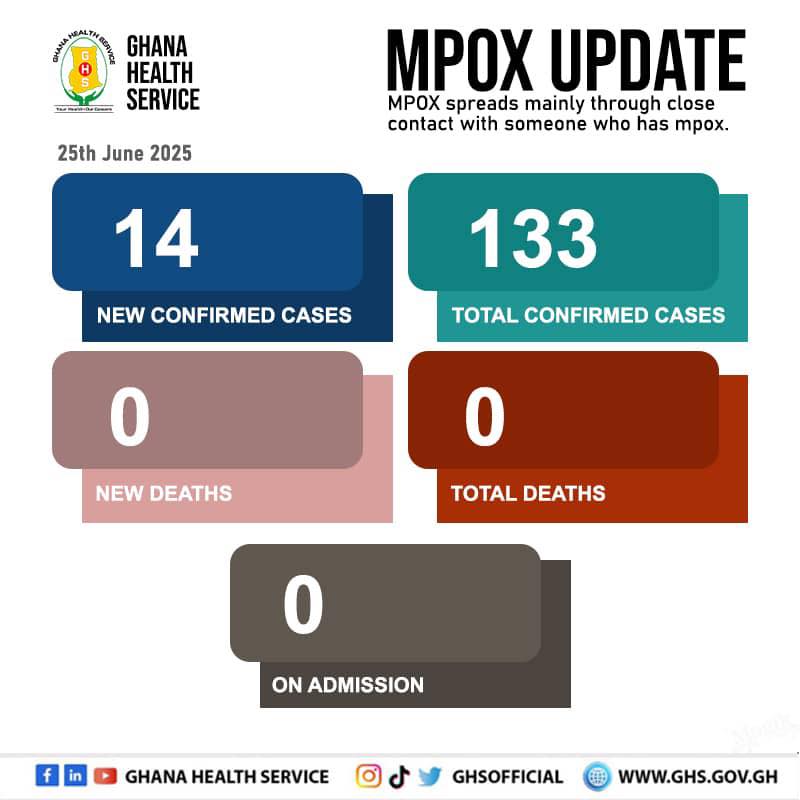
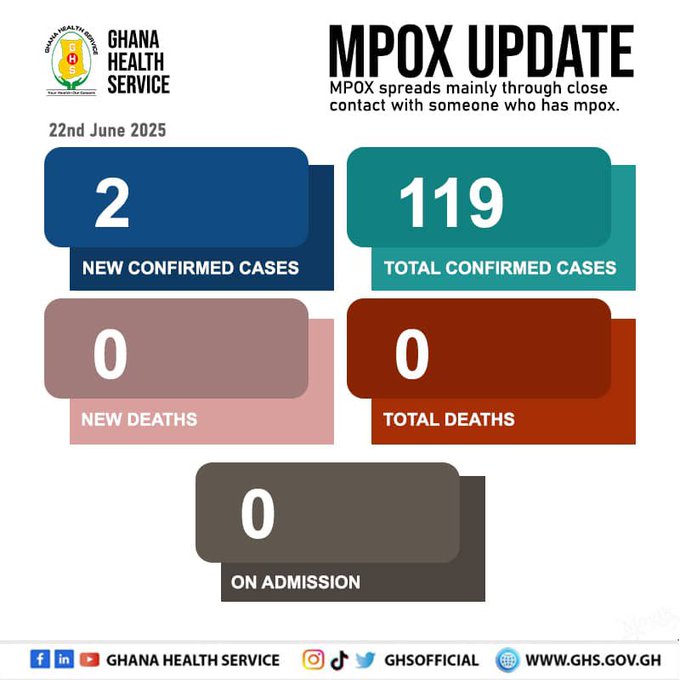
    Monkeypox (Mpox) cases in Ghana have risen to 133, the Ghana Health Service (GHS) has noted after recording 14 new cases.

    Over the period, the GHS has observed an increasing rate in contraction of the disease.

    Two new cases were confirmed as of June 22, bringing the total number of confirmed cases to 119.

    As of June 12, the number of confirmed cases rose to 91 from 79 reported as of June 6, with no reports of fatalities.

    The Western Region is experiencing a sharp rise in infections, according to the Regional Health Director.

    Addressing attendees at a Regional Development Retreat at Western Region, Essipong on Saturday, June 21, Kwadwo Okyere Apenteng said: “the Western Region is number one; we have taken over. 71% of the cases in the country are coming from the Western Region.”

    “As it stands, we have 187 suspected cases and 43 confirmed cases,” Mr Apenteng stated.

    As of June 20, confirmed cases stood at 117, according to the Ghana Health Service (GHS).

    The government is engaging international organizations for assistance in procuring vaccines to be able to curb the surging number of cases being reported.

    The World Health Organization (WHO) Ghana has provided laboratory PCR reagents to enhance the country’s diagnostic capacity.

    The donation was officially handed over to the Ghana Health Service (GHS) at the National Public Health Reference Laboratory.

    Receiving the supplies on behalf of the GHS, Acting Deputy Director General, Dr. Caroline Reindorf Amissah expressed gratitude for WHO’s ongoing logistical and technical support.

    “We promise from our end to do our bit, collaborate, go out there, and look for the cases to make sure that this is really brought under control,” she stated.

    WHO Country Representative Dr. Fiona Braka emphasized that the organization hopes the reagents will enable rapid diagnosis and prompt public health responses.

    The supplies are capable of testing 3,400 suspected mpox samples, and additional kits provided will allow clade determination for 625 confirmed positive cases.

    Ghana recorded the first Mpox case in June 2022, with five cases, and by November 2023, health authorities had confirmed a total of 34 cases. Despite the increase in cases, Ghana has not recorded any Mpox-related deaths.

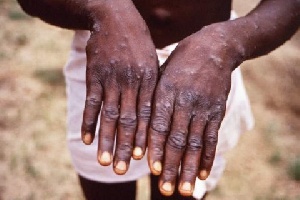
    Mpox is a viral illness similar to smallpox. It typically causes fever, swollen lymph nodes, and a rash. The virus spreads through direct contact with an infected person’s skin or bodily fluids, including through sexual contact.

    To reduce your risk, avoid close contact with symptomatic individuals, maintain proper hand hygiene, and refrain from sharing personal items.

    Symptoms may include fever, rash or lesions, tiredness, headaches, muscle and back pain, and swollen glands.

    The Government of Ghana has assured its commitment to safeguarding public health by implementing appropriate measures to protect the health and well-being of all residents.

  • House of Bonakye Chief burnt amid Nkwanta clashes

    House of Bonakye Chief burnt amid Nkwanta clashes

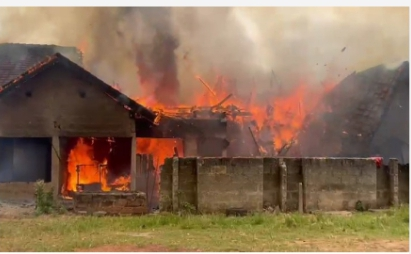
    The house of the chief of Akyode in Bonakye, Oti Region, has allegedly been razed down by fire by a group of unidentified angry youth.

    The incident is believed to be linked to the ongoing renewed clashes in the Nkwanta South Municipality.

    Nkwanta and its surrounding towns have experienced protracted conflict involving the Akyode, Adele and Chala.

    The conflict has escalated in recent years, resulting in the loss of lives and the destruction of property. A curfew was placed on the area by the government.

    The violent incidents that were recorded on June 26 and 27 affected three students.

    Two female students of Nkwanta Senior High School (SHS) were recently hit by gunshots while en route to school.

    A male student was also killed by a stray bullet while seated in his classroom during mock examinations.

    In response, the police service has captured some eight individuals for their roles in recent clashes in Nkwanta that have taken the lives of students .

    Meanwhile, there is a total ban on all persons in the Nkwanta Township and its environs in the Nkwanta South Municipality of the Oti Region from carrying arms, ammunition, or any offensive weapons.

    Any person found with any arms or ammunition will be arrested and prosecuted.

    The government continues to urge chiefs, opinion leaders, youth, and people of the area to exercise restraint in the face of the challenges confronting them and to use non-violent means to channel their energies into ensuring peace in the area.

  • Bawku conflict: Otumfuo to meet Kusaug Traditional Council today

    Bawku conflict: Otumfuo to meet Kusaug Traditional Council today

    The Asantehene, Otumfuo Osei Tutu II, is expected to meet with the Kusaug Traditional Council today, Monday, June 30 as part of ongoing efforts to restore peace in Bawku.

    This information was contained in a press release issued by the Manhyia Palace on Sunday, June 29.

    “His Majesty Otumfuo Osei Tutu II, Asantehene, will meet with the Kusaug Traditional Council on Monday, 30th June, 2025,” the release said.

    Bawku, which had remained relatively peaceful for a period, saw conflict erupt once more in late 2024. The resurgence of violence was largely sparked by the return of Alhaji Seidu Abagre, a Mamprusi chief who had been enskinned in 2022, only to be exiled later when his enskinment was ruled illegal. 

    His return to Bawku followed the withdrawal of an arrest warrant against him by a Kumasi High Court in October 2024, reigniting tensions between the Kusasi and Mamprusi communities.

    The renewed violence has resulted in deadly confrontations, including attacks on both civilians and security forces.

    On April 15, Otumfuo formally announced that the critical mediation sessions would take place from April 28 to May 1 at the Manhyia Palace in Kumasi.

    However, it was postponed due to the complexity of the dispute in the locality.

    Otumfuo Osei Tutu II’s involvement in the peace process has been met with widespread approval, with many hopeful that his leadership will play a critical role in restoring peace and stability to the troubled Bawku region.

    Colonel Festus Aboagye (Retired), a distinguished security expert, has called for greater support for Otumfuo’s initiative, stressing the importance of embracing multi-track diplomacy to strengthen the peace process.

    Colonel Aboagye urged a more inclusive approach to the mediation, calling for the involvement of various national stakeholders such as diaspora leaders, youth advocates, and women’s peacebuilding networks.

    He believes that a broader, multi-dimensional strategy will result in a more sustainable and inclusive solution to the conflict.

    “Support Otumfuo Osei Tutu II’s mediation through multi-track diplomacy, incorporating diaspora leaders, youth influencers, and women’s peacebuilding networks,” he proposed.

    He also cautioned that traditional diplomatic efforts alone might not be enough to resolve the deep divisions that have fueled the protracted conflict.

  • Govt to bridge healthcare gaps with 600 CHPS compounds by 2025 – Felix Kwakye

    Govt to bridge healthcare gaps with 600 CHPS compounds by 2025 – Felix Kwakye

    New Community-based Health Planning and Services (CHPS) compounds are expected to be constructed by the government in the coming days.

    Approximately 600 CHPS, projected to span across the country, will be built by the end of this year.

    Addressing the media, Minister of State in Charge of Government Communications, Felix Kwakye Ofosu, revealed that each district will receive two new CHPS.

    According to him, the government plans to build more than 2,000 CHPS before the end of President John Dramani Mahama’s tenure.

    “Each district is required to construct two new CHPS compounds this year. Altogether, that amounts to about 600 CHPS compounds in 2025 alone. If we sustain this momentum, we could exceed 2,000 CHPS compounds over the next four years,” he stated.

    He explained that the government’s decision forms part of efforts to strengthen primary healthcare, improve disease surveillance.

    In early June, a collaboration with the Ghanaian U.S. Embassy and technical support from a nonprofit organization for international health, Jhpiego, resulted in the commissioning of a 10,000-litre capacity oxygen plant at LEKMA Hospital in the Greater Accra Region.

    The newly launched plant adds to the ten oxygen plants to be installed in strategic health facilities across the country.

    Director of the Health Administration and Support Services Division, Dr. Ebo Hammond, at GHS, who was speaking at the commissioning event, lauded the government for its timely and impactful intervention.

    The US Embassy’s Chargé d’affaires, Rolf Olson, also commended the United States Government’s long-standing commitment to enhancing health systems in Ghana, particularly in maternal and neonatal care.

    He also revealed the US government’s plans to supply the plant with liquid oxygen for a year to ensure its continued operation.

    Also, the Country Director at Jhpiego, Dr. Pearl Nanka Bruce, noted that biomedical engineers and fire service personnel have undergone specialized training to ensure the plant’s proper maintenance.

    Recently, the LEKMA Hospital received medical equipment, consumables, and pharmaceuticals from the 14th Chinese Medical Team to Ghana.

    The items were donated to support two critical initiatives: the minimally invasive surgery project (laparoscopic surgeries) and the Beautiful World Charity project.

    Health Minister Mintah Akandoh urged the leadership of LEKMA Hospital, under the capable direction of Dr. Akua Gyimah Asante, to ensure that this equipment is used effectively, maintained diligently, and serves its intended purpose, providing better health outcomes for the people of Ghana.

    This donation represents another tangible demonstration of support from the Chinese government to both the government of Ghana and the Ghanaian people.

    The U.S. Embassy has expressed commitment to strengthening health services through collaboration, innovation, and sustained investment in primary healthcare.

    As such, the embassy, under its Ghana Integrated Health Program (IHP) donated some 104 motorbikes to the Ghana Health Service (GHS) and the Christian Health Association of Ghana (CHAG).

    The donation is meant to strengthen primary healthcare, improve disease surveillance, and enhance maternal and child health outreach by equipping frontline workers with reliable means of transport.

    Of the total, 90 bikes were allocated to GHS and 14 to CHAG. Receiving the motorbikes on behalf of the Director-General of the Service, Director for Health Administration and Support Services at GHS, Dr. Ebo Hammond, expressed profound appreciation for the support and described the motorbikes as vital mobility tools that will boost frontline health workers’ ability to reach hard-to-access areas.

    Dr. Hammond highlighted that motorbikes form 90% of GHS’s transport fleet, making them especially effective when visiting hard-to-reach areas, and assured the U.S. Embassy of the effective use and maintenance of the donated items.

    He commended the US embassy for past interventions, especially during the COVID-19 pandemic. Delivering remarks on behalf of the U.S. Embassy, Ms. Kimberley Rosen emphasized the strong partnership between Ghana and the U.S. in healthcare delivery.

    She noted that the handover reflects America’s continued investment in Ghana’s health system, praising healthcare workers for their dedication.

  • ‘No Fees Stress Policy’ to be unveiled on Friday

    ‘No Fees Stress Policy’ to be unveiled on Friday

    The government’s flagship initiative, the No Fees Stress policy, will be launched on Friday, July 4.

    This information was made known by the Vice President, Professor Naana Jane Opoku-Agyemang, at the 58th Special Congregation of the Kwame Nkrumah University of Science and Technology (KNUST).

    According to her, more than 100,000 students have finalized their applications.

    “The government continues to implement funding models that improve access to quality education. One of these is the No Fees Stress policy, under which first-year students in public institutions are exempt from paying academic user fees.

    “Data from the Students Loan Trust Fund, which manages the programme, shows that by mid-June, nearly 130,000 students had accessed the portal, with over 100,000 completing their applications,” she said.

    The “No-Fee Stress” initiative was a major campaign promise by then-presidential candidate John Dramani Mahama, who pledged to absorb academic fees for all Level 100 students within the first 120 days of his administration.

    To support the rollout of the “No-Fee Stress” policy, GH¢499.8 million has been allocated under the 2025 national budget, which was presented to Parliament by Finance Minister Dr. Cassiel Ato Forson on Tuesday, March 11.

    Meanwhile, 35,608 tertiary students across 130 public and private institutions nationwide have received financial support from the Students Loan Trust Fund (SLTF) for the 2024/2025 academic year.

    The SLTF, conversely, has reiterated its resolve to release funds on time to allow students to gain admission into their preferred tertiary institutions without financial hindrance.

    Earlier this year, the Fund approved financial aid for 9,433 students enrolled in 62 public and private tertiary institutions nationwide.

    The Ministry of Education has made accessible a registration portal to help first-year students at public tertiary institutions in Ghana apply for financial assistance under the government’s new No-Fees-Stress Policy.

    Launching the portal on Monday, April 29, Education Minister Hon. Haruna Iddrisu described the policy as a bold and strategic move by the government to improve access to tertiary education and invest in the country’s future workforce.

    The SLTF explained that the new system will make it easier for eligible students to register, submit their details, and be assessed for financial support. 

  • Govt to launch 24-hour economy policy on Wednesday

    Govt to launch 24-hour economy policy on Wednesday

    The government’s 24-hour economy policy will be officially launched on Wednesday, July 2.

    The policy was a key promise during President Mahama’s campaign in 2024.

    The initiative aims to enhance economic productivity by encouraging businesses to operate continuously, creating more job opportunities, boosting revenue generation, and improving service delivery.

    It also seeks to extend working hours nationwide. Sectors such as manufacturing, transportation, retail, healthcare, hospitality, and financial services stand to benefit significantly from this model.

    Presenting the policy to the Speaker of Parliament, Kingsford Sumana Alban Bagbin, Mr Goosie Tanoh, the Presidential Advisor on the 24-hour economy policy, mentioned the move is to officially inform ‘the people’s representatives’ about the government’s readiness to roll out the programme.

    On some details on the policy, Mr Goosie Tanoh said the programme is expanded into three anchors: “production transformation, supply chain and market efficiency, and human capital development.” The three anchors, according to him, are supported by eight sub-programmes.

    “Roll 24 – which is the agricultural component, Make 24 – which is the manufacturing component, Connect 24 – the supply chain component, Aspire 24 – which is the mindset change, the resetting of the Ghanaian and Ghanaian bureaucracy with a strong and powerful attitude to work and productivity,” he explained.

    According to him, the government is set to include strong digital technology training in the TVET curriculum to train and equip an employable workforce with the requisite skills for employment opportunities.

    Another component, dubbed ‘Show Ghana,’ is also set to focus on an intentional effort and approach by the government to give visibility to Ghana’s rich cultural heritage to the rest of the world to attract more tourists and increase revenue generation through tourism.

    Speaker Alban Bagbin, in response, mentioned that the team’s arrival had been anticipated and his outfit would call on them for any clarity when the need be, urging the legislation to back the programme.

    Earlier, President John Dramani Mahama stated that the 24-Hour Economy Policy is a long-term goal that will keep the country productive on a 24/7 basis, alongside stabilising the economy through the creation of more jobs.

    In a meeting with some stakeholders in Accra in May, President Mahama indicated that the policy is a comprehensive programme that requires strategic planning and collaborative efforts.

    According to him, the final draft of the policy has undergone review by him, and he is confident it will realise its objectives.

    “I have authorised the 24-hour economy secretariat to begin detailed programme design and investment packaging. The draft programme document will be released publicly on Tuesday for broader consultation.”

    “I have reviewed it, and I’m confident we now have a coherent and actionable framework with which to deliver the results. An effective catalyst for the 24-hour economy policy is a stable macroeconomic environment, which we are achieving through close coordination between the monetary and fiscal authorities,” he added.

  • Thank you for reinstating July 1, September 21 as statutory holidays – CPP to President Mahama

    Thank you for reinstating July 1, September 21 as statutory holidays – CPP to President Mahama

    The Convention People’s Party (CPP) has applauded the Mahama-led administration for reinstating July 1 and September 21 as statutory holidays.

    In a statement issued on Friday, June 27, the party noted that the new development marks a significant milestone for Ghanaians.

    July 1 had been marked as a statutory public holiday until 2019, when former President Nana Addo Dankwa Akufo-Addo assented to the Public Holidays (Amendment Act) 2019 (Act 986).

    Every July 1 was recognized as a day for remembrance under the Akufo-Addo government.

    The CPP had repeatedly called for a repeal of the law, which changed the status of July 1 and September 21 to a commemorative one instead of a statutory one.

    In 2024, President John Dramani Mahama expressed regret over his predecessor, former President Akufo-Addo’s decision to abolish Republic Day as a public holiday, and pledged to reinstate it.

    He wrote on Facebook, “It is most regrettable that the current government has scrapped commemorating this important day as a public holiday. However, as we reflect on the significance of Republic Day, let us use this as a rallying call to rekindle the spirit of dedication and commitment that our forebears demonstrated. We must continue building a better, renewed Ghana, where opportunities are created for everyone to thrive.

    During his Thank You tour in the Western Region on February 5, President Mahama revealed not only does he plan to declare July 1 a statutory holiday but also a day Ghanaians will gather and pray.

    Keeping to his promise, the government led by President Mahama ensured that July 1, was reinstated as a statutory public holiday after Parliament on Wednesday, June 25, passed the Public Holidays and Commemorative Days (Amendment) Bill, 2025, which amends Act 601.

    Reacting to the recent development, the CPP noted that the events of 1st July 1960, when Ghana transitioned from a parliamentary system with a Governor-General to a republic with Osagyefo Dr Kwame Nkrumah as its first president, “is indeed worthy as a day of rest, celebration, and sober reflection.”

    “Today, exactly a fortnight after the 76th anniversary of the formation of the Convention People’s Party at Saltpond by Osagyefo Dr Kwame Nkrumah, the Party has been given another reason to celebrate, as a result of the reinstatement of 1st July as Republic Day and 21st September as Founder’s Day.”

    The Convention People’s Party therefore expressed “its sincere thanks to the President of Ghana, President John Dramani Mahama, the National Democratic Congress Government, and the Parliamentarians of the 9th Parliament of the Republic of Ghana for this enactment.”

    While presenting the motion for the adoption of the committee’s report, Interior Minister and Member of Parliament for Asawase, Mohammed Mubarak Muntaka, explained that the government had reviewed the number of public holidays in line with its earlier commitments to reform and streamline the holiday calendar.

    He emphasized that Republic Day holds great significance in Ghana’s history, which is why the government is reinstating it as a full public holiday.

    According to him, Ghana would continue to observe key holidays such as New Year’s Day on January 1, Constitution Day on January 7, Independence Day on March 6, Good Friday and Easter Monday in March or April for Christians, Labour Day on May 1, and Republic Day on July 1.

    The bill was introduced to Parliament by Mohammed Mubarak Muntaka in his capacity as Interior Minister last week and was passed under a certificate of urgency after its first reading.

    Meanwhile, Akufo-Addo has called on Ghanaians to support President John Dramani Mahama’s declaration of July 1 as a National Day of Prayer and Thanksgiving.

    “All of us have to support this initiative. It is a worthwhile initiative that we have this one day where all of us come together to give thanks to the Almighty for the many, many blessings He has bestowed upon us,” former President Akufo-Addo said.

  • 24-hour market centres to be piloted soon – Local Gov’t Ministry

    24-hour market centres to be piloted soon – Local Gov’t Ministry

    The Ministry for Local Government, Chieftaincy and Religious Affairs, has announced its intention to run a 24-hour economy market centres pilot in selected metropolises, municipalities, and districts.

    Speaking to the media, the sector minister, Ahmed Ibrahim, indicated that his outfit will liaise with Regional Coordinating Councils (RCCs) and the Metropolitan, Municipal and District Assemblies (MMDAs) for the trial.

    According to him, the Women’s Development Bank will provide financial support to assist the ministry.

    “We are creating the policy environment, providing security infrastructure, and working with RCCs and MMDAs to pilot 24-hour market centres with provision for the Women Development Bank,” he stated.

    Meanwhile, Presidential Advisor on the 24-Hour Economy Policy, Goosie Tanoh, on Thursday, June 26, presented the 24-hour economy policy to the Speaker of Parliament, Kingsford Sumana Alban Bagbin.

    The 24-hour economy policy, which was a key promise during President Mahama’s campaign in 2024, is set to be launched on July 2, according to Goosie Tanoh.

    The initiative aims to enhance economic productivity by encouraging businesses to operate continuously, creating more job opportunities, boosting revenue generation, and improving service delivery.

    It also seeks to extend working hours nationwide. Sectors such as manufacturing, transportation, retail, healthcare, hospitality, and financial services stand to benefit significantly from this model.

    In his presentation yesterday, Mr Tanoh mentioned the move is to officially inform ‘the people’s representatives’ about the government’s readiness to roll out the programme.

    On some details on the policy, Mr Goosie Tanoh said the programme is expanded into three anchors: “production transformation, supply chain and market efficiency, and human capital development.” The three anchors, according to him, are supported by eight sub-programmes.

    “Roll 24 – which is the agricultural component, Make 24 – which is the manufacturing component, Connect 24 – the supply chain component, Aspire 24 – which is the mindset change, the resetting of the Ghanaian and Ghanaian bureaucracy with a strong and powerful attitude to work and productivity,” he explained.

    According to him, the government is set to include strong digital technology training in the TVET curriculum to train and equip an employable workforce with the requisite skills for employment opportunities.

    Another component, dubbed ‘Show Ghana,’ is also set to focus on an intentional effort and approach by the government to give visibility to Ghana’s rich cultural heritage to the rest of the world to attract more tourists and increase revenue generation through tourism.

    Speaker Alban Bagbin, in response, mentioned that the team’s arrival had been anticipated and his outfit would call on them for any clarity when the need be, urging the legislation to back the programme.

    Earlier, President John Dramani Mahama stated that the 24-Hour Economy Policy is a long-term goal that will keep the country productive on a 24/7 basis, alongside stabilising the economy through the creation of more jobs.

    In a meeting with some stakeholders in Accra in May, President Mahama indicated that the policy is a comprehensive programme that requires strategic planning and collaborative efforts.

    According to him, the final draft of the policy has undergone review by him, and he is confident it will realise its objectives.

    “I have authorised the 24-hour economy secretariat to begin detailed programme design and investment packaging. The draft programme document will be released publicly on Tuesday for broader consultation.”

    “I have reviewed it, and I’m confident we now have a coherent and actionable framework with which to deliver the results. An effective catalyst for the 24-hour economy policy is a stable macroeconomic environment, which we are achieving through close coordination between the monetary and fiscal authorities,” he added.

  • U.S. to deport 188 Ghanaians – Foreign Minister confirms

    U.S. to deport 188 Ghanaians – Foreign Minister confirms

    Some 188 Ghanaians are officially on a United States (U.S.) deportation list for repatriation to Ghana, as reported by the Ministry of Foreign Affairs.

    Engaging the media on Thursday, June 26, the sector minister, Samuel Okudzeto Ablakwa, said the number was made known through an official communication with U.S.

    Their deportation follows an executive order by U.S. President Donald Trump to deport illegal immigrants.

    He added that the government is working to ensure the safe return of the repatriates.

    “We have so far been formally notified of 188 Ghanaians on President Trump’s deportation list. Our embassies in New York and Washington are cooperating with U.S. counterparts, and travel certificates are being promptly issued,” Mr Ablakwa said.

    Ablakwa assured the government’s commitment to providing the affected individuals with the necessary support.

    “We will be at the airport to welcome our compatriots and ensure they are properly integrated,” he assured.

    “This will be done discreetly to protect their dignity, especially since many are returning under distressing circumstances—some without personal belongings or savings”.

    On January 26, President Trump initiated a comprehensive immigration enforcement operation, enlisting multiple federal agencies. According to U.S. Immigration and Customs Enforcement (ICE), this operation has already resulted in the arrest of nearly 1,000 individuals.

    As part of a broader strategy to strengthen immigration enforcement, ICE agents, supported by officials from various Justice Department agencies, have been targeting individuals classified as threats to public safety and national security. The operation is expected to continue in the coming weeks.

    Across the country, more international students particularly from Africa are being blindsided by sudden visa revocations and unexpected deportation notices.

    The trend has left many shocked and scrambling, with dozens of students from Ghana and Nigeria recently informed by U.S. immigration authorities that their visas had been revoked and that they must leave the country within seven days.

  • Over 4,000 personnel recruited for DRIP workforce

    Over 4,000 personnel recruited for DRIP workforce

    A total of 4,460 personnel have been recruited for the government’s District Road Improvement Programme (DRIP).

    The newly recruited personnel are expected to support road enhancement projects in the country.

    This was revealed by the National Coordinator of the programme, Edwin Nii Lante Vanderpuye, on Friday, June 27.

    Speaking to Citi News, he noted that a comprehensive training programme is being organized for the recruits to equip them with the necessary skills to operate road equipment.

    He added that a team of 17 staff has been designated to each district, comprising one coordinator and 16 equipment operators.

    According to him, all recruits will be employed under the local government system.

    “Some of the people who were handling the equipment were not sufficiently trained.

    “You know some of the tipper trucks — you must know the level you should go, and there are so many things you have to learn in managing the equipment. So, we have to take our time now,” he said.

    Edwin Nii Lantey Vanderpuye, who was a former Odododiodio Member of Parliament (MP) was appointed by President Mahama in February.

    He has been mandated to lead efforts to upgrade roads nationwide, a crucial aspect of Ghana’s development agenda.

    DRIP, introduced in July 2024 under ex-President Nana Akufo-Addo, aims to enhance road infrastructure in all 275 constituencies.

    The programme is designed to empower Metropolitan, Municipal, and District Assemblies (MMDAs) with the tools and equipment necessary for efficient road construction and maintenance.

    By decentralising infrastructure projects, DRIP seeks to give local authorities greater control over road development, ensuring projects are completed effectively and with accountability.

  • Mpox confirmed cases in Ghana rise to 119

    Mpox confirmed cases in Ghana rise to 119

    Ghana has recorded two new confirmed monkeypox (Mpox)cases as of June 22, making the total number 119.

    As of June 20, confirmed cases stood at 117, according to the Ghana Health Service (GHS).

    Over the period, the GHS has observed an increasing rate in contraction of the disease. The total number of confirmed cases as of June 16 was 98. As of June 12, the number of confirmed cases rose to 91 from 79 reported as of June 6, with no reports of fatalities.

    The Western Region is experiencing a sharp rise in infections, according to the Regional Health Director.

    Addressing attendees at a Regional Development Retreat at Western Region, Essipong on Saturday, June 21, Kwadwo Okyere Apenteng said: “the Western Region is number one; we have taken over. 71% of the cases in the country are coming from the Western Region.”

    “As it stands, we have 187 suspected cases and 43 confirmed cases,” Mr Apenteng stated.

    The government is engaging international organizations for assistance in procuring vaccines to be able to curb the surging number of cases being reported.

    The World Health Organization (WHO) Ghana has provided laboratory PCR reagents to enhance the country’s diagnostic capacity.

    The donation was officially handed over to the Ghana Health Service (GHS) at the National Public Health Reference Laboratory.

    Receiving the supplies on behalf of the GHS, Acting Deputy Director General, Dr. Caroline Reindorf Amissah expressed gratitude for WHO’s ongoing logistical and technical support.

    “We promise from our end to do our bit, collaborate, go out there, and look for the cases to make sure that this is really brought under control,” she stated.

    WHO Country Representative Dr. Fiona Braka emphasized that the organization hopes the reagents will enable rapid diagnosis and prompt public health responses.

    The supplies are capable of testing 3,400 suspected mpox samples, and additional kits provided will allow clade determination for 625 confirmed positive cases.

    Ghana recorded the first Mpox case in June 2022, with five cases, and by November 2023, health authorities had confirmed a total of 34 cases. Despite the increase in cases, Ghana has not recorded any Mpox-related deaths.

    Mpox is a viral illness similar to smallpox. It typically causes fever, swollen lymph nodes, and a rash. The virus spreads through direct contact with an infected person’s skin or bodily fluids, including through sexual contact.

    To reduce your risk, avoid close contact with symptomatic individuals, maintain proper hand hygiene, and refrain from sharing personal items.

    Symptoms may include fever, rash or lesions, tiredness, headaches, muscle and back pain, and swollen glands.

    The Government of Ghana has assured its commitment to safeguarding public health by implementing appropriate measures to protect the health and well-being of all residents.

  • Financial sector grows as banks make GHC4.3bn profit in April – BoG

    Financial sector grows as banks make GHC4.3bn profit in April – BoG

    The banking sector recorded a significant increase in profit in April 2025 compared to the same period last year, the Bank of Ghana (BoG) has reported.

    In its Banking Sector Development Report, BoG revealed that banks collectively made a profit of GH¢4.3 billion in April this year, reflecting a 22.0% increase from the GH¢3.5 billion recorded during the same month in 2024.

    The report explained that banks earned more from their activities, such as interest income, fees, commissions, and other revenue streams, than they did in April 2024.

    Expounding further, the central bank noted that although net interest income was lower than the 22.4% in April 2024, it grew by 15.5% to GH¢9.2 billion in April this year.

    It indicated that interest income performed at a slower pace, GH¢13.9 billion up from GH¢12.0 billion in April 2024, representing a 15.9% increase relative to 19.4% in year-on-year terms.

    The report explained that the slower growth in interest income was partly because banks earned less from money market investments and also had to lower their lending rates, largely due to current economic conditions.

    Interest expenses in April 2025 picked up to GH¢4.7 billion, up 16.5% from 14.0% recorded this year. According to BoG, the volume of loans issued by the banks also played a major role in the increase in interest expenses.

    Fees and commissions in April generated more funds for banks than they did during the same period the previous year, showing a significant increase in growth.

    In April 2025, banks’ non-core income sources reversed the declines recorded during the same period in the previous year and saw a strong rebound. Profitability indicators for the banking sector, including return-on-assets (ROA) and return-on-equity (ROE), slightly weakened.

    BoG concluded that, while banks remained profitable, their efficiency in generating returns on equity and assets declined compared to 2024.

    As per the Monetary Policy Report, from January to June 2024, the banking industry gained a profit-after-tax of GH¢5.4 billion, which represents a 25.5% increase compared to the profit they made in June 2023.

    Prior to tax deductions, the total profit made by banks increased by 22.8%, reaching GH¢8.1 billion. The report attributed the lower growth in profit during this period to the increases in income sources such as interest income and other revenue streams.

  • Ghana and Côte d’Ivoire working on 330kV transmission line 

    Ghana and Côte d’Ivoire working on 330kV transmission line 

    A 330-kilovolt (kV) double-circuit transmission line is expected to be constructed by Ghana and Côte d’Ivoire in the coming days.

    The 243-kilometre cross-border project is part of the West Africa Power Pool (WAPP) initiative to improve electricity flow between the two countries as well as across West Africa.

    Based on prior assessments, the project, at a cost of €154.4 million, has been deemed technically and financially viable within Ghana. The cost includes project management, social and environmental impact mitigation, and construction supervision.

    Speaking at a ministerial committee meeting on Wednesday, June 25, Chief Executive Officer of the Ghana Grid Company Limited (GRIDCo), Engineer Mark Baah, emphasized that the project is necessary at a time when the country is working to ensure a more reliable and efficient electricity system.
    “It will connect the existing Biahoué (Bijave) substation in Côte d’Ivoire to the upcoming Dunkwa 2 substation in Ghana. While there is currently a Dunkwa 1 substation, it operates at 161kV. This new facility in Dunkwa will operate at 330kV.”
    “Beyond enhancing bilateral energy trade, this project is expected to contribute to grid reliability across West Africa. It has been deemed both technically sound and environmentally manageable,” he added.
    Ghana’s energy sector has been confronted with a number of challenges that continue to outpace available generation capacity. This has prompted calls by members of the general public for immediate fixing by the government.
    Meanwhile, the Minister of Energy and Green Transition, John Jinapor, revealed that the energy sector loses GHS2 billion monthly due to ECG’s inability to retrieve money owed by its customers.
    “We will be looking at their work, plan, and vision for the sector. They are the distributors of power. Currently, we are meeting with the generators, and we met with the transmitters yesterday. Everybody knows it is the ECG that brings power into their homes. So, they should come and tell us, why we are not getting power in our homes.

    “The generators say they have enough generating capacity and that the problem will have to do with financing. ECG is the final distributor who receives finance from customers and pays it to the others so they should come and tell us what their problem is,” he stated.

    In a related development, John Abdulai Jinapor has admonished the newly appointed governing board of the Volta River Authority (VRA) to improve the Authority’s operations.

    At the inauguration of the new board on Tuesday, June 24, the Energy Minister indicated that VRA must position itself as the leader in Ghana’s power generation sector.

    “The fortunes of VRA have stagnated and dwindled over the years as a result of government policies. We will provide strategic guidance and direction to bring VRA back as the lead power generator in the sub-region and Africa.”

    “This board has been entrusted with the task of improving VRA’s operations, optimising hydro and thermal assets, and firmly anchoring renewable initiatives within the Authority’s core mandate. VRA must work to be the lead institution when it comes to power generation,” he said.

  • Parliament approves bill to reinstate July 1 as a public holiday

    Parliament approves bill to reinstate July 1 as a public holiday

    July 1 has been reinstated as a statutory public holiday after Parliament on Wednesday, June 25, passed the Public Holidays and Commemorative Days (Amendment) Bill, 2025, which amends Act 601.

    This followed the assessment by the Committee on Defence and Interior, along with the leadership of the Committee on Constitutional and Legal Affairs, who deemed the bill urgent.

    While presenting the motion for the adoption of the committee’s report, Interior Minister and Member of Parliament for Asawase, Mohammed Mubarak Muntaka, explained that the government had reviewed the number of public holidays in line with its earlier commitments to reform and streamline the holiday calendar.

    He emphasized that Republic Day holds great significance in Ghana’s history, which is why the government is reinstating it as a full public holiday.

    According to him, Ghana would continue to observe key holidays such as New Year’s Day on January 1, Constitution Day on January 7, Independence Day on March 6, Good Friday and Easter Monday in March or April for Christians, Labour Day on May 1, and Republic Day on July 1.

    The bill was introduced to Parliament by Mohammed Mubarak Muntaka in his capacity as Interior Minister last week and was passed under a certificate of urgency after its first reading.

    In 2024, President John Dramani Mahama expressed regret over his predecessor, former President Akufo-Addo’s decision to abolish Republic Day as a public holiday, and pledged to reinstate it.

    He wrote on Facebook, “It is most regrettable that the current government has scrapped commemorating this important day as a public holiday. However, as we reflect on the significance of Republic Day, let us use this as a rallying call to rekindle the spirit of dedication and commitment that our forebears demonstrated. We must continue building a better, renewed Ghana, where opportunities are created for everyone to thrive.

    During his Thank You tour in the Western Region on February 5, President Mahama revealed not only does he plan to declare July 1 a statutory holiday but also a day Ghanaians will gather and pray.

    This proposed day would provide an opportunity for Ghanaians to reflect on and appreciate the country’s achievements and progress.

    “We will have the opportunity as a nation soon to pray and give thanks to the Almighty God, as enjoined by the Holy Book that says, ‘In all things, give thanks,’” he stated.

    Former President Nana Akufo-Addo has called on Ghanaians to support President John Dramani Mahama’s declaration of July 1 as a National Day of Prayer and Thanksgiving.

    “All of us have to support this initiative. It is a worthwhile initiative that we have this one day where all of us come together to give thanks to the Almighty for the many, many blessings He has bestowed upon us,” former President Akufo-Addo said.

    To facilitate a seamless observance, President Mahama has established a committee of religious leaders responsible for coordinating the event’s preparations.

    Meanwhile, the amended Act grants an additional holiday for the Muslim community, Shaqq Day, a statutory public holiday to be observed the day after Eid-ul-Fitr.

    In the same vein, August 4 has been removed from the list of public holidays as Founders’ Day, and instead, September 21 will now be observed as Founder’s Day.

  • Over 1,600 join Fire Service

    Over 1,600 join Fire Service

    The Ghana National Fire Service (GNFS) has welcomed a total of 1,658 recruits following an eight-month training programme at the Fire Academy and Training School in Jamestown, Accra.

    843 men and 815 women were officially inducted into the service on Friday, June 20, at Recruit Course 55.

    The graduation ceremony witnessed a parade and live demonstrations from the firefighters.

    In a speech, Reviewing Officer and Special Guest of Honour, Minister for the Interior, Hon. Muntaka Mohammed-Mubarak, applauded the recruits for undergoing a successful training.

    He reiterated the government’s commitment to enhance welfare and morale within the service.

    According to him, firefighters who experience non-permanent injuries in the line of executing their duties are entitled to GHS50,000.

    With those who may die or suffer permanent injuries will on duty, will receive GH₵100,000.

    In addition, if a firefighter dies from a non-duty-related incident and is still serving, their family will receive GHS50,000 compensation.


    Four exceptional recruits were honored for their outstanding performance during the course. Recruit Fireman Samuel Kenneth Ayibontey was named the Overall Best Recruit for excelling across all training modules.

    Prior to the minister’s insurance announcement, the GNFS bemoaned the absence of an insurance package that ensures its officers who get injured in the line of duty are catered for.

    Recruit Fireman Anamfo Gerrard Adombila received the award for Best in Academics.

    Recruit Fireman Emmanuel Addo Ahunu was recognized as Best in Foot Drill. Recruit Firewoman Anita Awagah earned the Commandant’s Award for Best Conduct.


    The Ghana Medical Trust Fund (MahamaCares), an initiative aimed at providing financial assistance to individuals living with chronic diseases across the country, continues to receive major support from stakeholders.

    Some 11 agencies under the Ministry of the Interior have collectively donated GH¢1 million to the Ghana Medical Trust Fund at a short ceremony at Jubilee House in Accra.


    Muntaka Mohammed-Mubarak, who led the team for the donation, explained that it was a gesture of goodwill, as sickness knows no boundaries and can affect anyone.


    The breakdown of the contributions made by the agencies is as follows: Ghana Police Service (GH¢580,000), Ghana Immigration Service (GH¢100,000), Ghana National Fire Service (GH¢50,000), National Disaster Management Organization (NADMO) (GH¢50,000), and the Ghana Prisons Service (GH¢50,000).
    Others include the Narcotics Control Commission (NACOC) (GH¢10,000), National Identification Authority (NIA) (GH¢50,000), Gaming Commission (GH¢50,000), Ghana Refugees Board (GH¢5,000), National Peace Council (GH¢5,000) and the Small Arms and Light Weapons Commission (GH¢10,000).
    `
    The Minister for the Interior and National Security, Alhaji Mohammed Mubarak Muntaka, also made a personal contribution of GH¢50,000, while the Deputy Minister for the Interior, Mr. Ebenezer Okletey Terlabi, also donated GH¢30,000.


    President John Dramani Mahama expressed his gratitude to the Ministry of the Interior and its agencies for their support, emphasizing that the initiative is rooted in compassion, equity, and shared national responsibility.
    The Cabinet had approved a bill for the Mahama Cares Fund.

  • OSP files appeal challenging High Court ruling in former Juaben MCE nominee bribery case

    OSP files appeal challenging High Court ruling in former Juaben MCE nominee bribery case

    A ruling by the High Court in Kumasi, which acquitted and discharged Alexander Kwabena Sarfo Kantanka, 2021 nominee for Municipal Chief Executive (MCE) of Juaben, Ashanti Region, is being challenged by the Office of the Special Prosecutor (OSP).

    In a post on the X platform on Wednesday, June 25, the OSP argued that “the judgment is inconsistent with the weight of the evidence and that the trial judge erred on key legal and factual issues”.

    According to the OSP, “justice was not served and has taken steps to challenge the decision at the appellate level”.

    In 2022, the OSP leveled 26 counts of corruption against Alexander Kwabena Sarfo Kantanka under the Akufo-Addo-led government, following a viral video of him demanding money he had given to assembly members to gain approval for his nomination.

    Sarfo Kantanka ‘s demand came after failing to secure the needed votes to become the MCE for the Juaben Municipal Assembly in the after two rounds of voting in September and November.

    The OSP’s charges were in respect of a public election contrary to Section 256 (1)(2) of the Criminal Offences Act, 1960 (Act 29) as amended by Section 9 of the Criminal Offences (Amendment) Act, 2020 (Act 1034) by the Office of the Special Prosecutor.

    The suspect allegedly gave the elected members of the assem­bly GH¢5000 each and gave GH¢2,500 to each of the govern­ment appointees.

    The trial commenced at the Kumasi High Court on 20 October. The following year in July, the OSP closed its case. Four months later, the then-accused filed a Submission of No Case.

    On November 29, the OSP filed a written response to the Submission of No Case by the accused. The court on April 9, 2024, dismissed the Submission of No Case.

    This prompted Mr. Sarfo-Kantanka to file an appeal at the Court of Appeal and concurrently file for a stay of proceedings at the Kumasi High Court, but both failed.

    The trial judgment was delivered on May 26, which was initially ready for delivery in November 2024 after the presiding judge was transferred.

    The Republic vs. Alexander Sarfo Kantanka legal tussle that spanned 2 years and 11 months came to an end with the latter emerging victorious.

    The court ruled that the video evidence does not show that he gave money to influence assembly members.

  • Lectures excluded from social gatherings ban – UG

    Lectures excluded from social gatherings ban – UG

    Management of the University of Ghana, Legon, has clarified that its ban on social gatherings does not include lectures.

    In a recent report, the UG said it has taken drastic measures to quell the spread of COVID-19 cases that have resurged within its vicinity.

    As such, all student bodies, including the Graduate Students’ Association of Ghana (GRASAG), Students’ Representative Council (SRC), Junior Common Rooms (JCRs), and departmental and school associations, have been directed to halt all week celebrations.

    In a statement dated June 23, the Health Services Directorate of UG noted that a few suspected and confirmed COVID-19 cases in the immediate vicinity.

    In light of this, the Health Services Directorate has reactivated its COVID-19 Response Protocols, including screening and triage measures at health facilities.

    Subsequently, all staff, students, and visitors are strongly advised to remain vigilant and strictly adhere to recommended preventive measures to reduce the risk of infection and community spread.

    The preventive measures include wearing face masks properly, especially in enclosed or crowded spaces, and washing hands frequently with soap under running water or using alcohol-based hand sanitizers.

    The university community has been instructed to maintain physical distancing of at least one metre where possible as well as avoid large gatherings unless absolutely necessary.

    “Ensure good ventilation in offices, lecture halls, and meeting rooms,” one of the preventive measures mandates.

    Individuals who experience any flu-like symptoms are advised to stay at home and seek prompt medical attention.

    The Directorate noted that it is monitoring the situation closely and will provide regular updates, while calling on all and sundry to “work together to protect ourselves and our community.”

    COVID-19 is the disease caused by the SARS-CoV-2 coronavirus. It usually spreads between people in close contact.

    COVID-19 vaccines provide strong protection against severe illness and death. Although a person can still get COVID-19 after vaccination, they are more likely to have mild or no symptoms.

    According to the World Health Organisation (WHO), COVID-19 symptoms typically appear 5 to 6 days after exposure and can last between 1 and 14 days, ranging from common symptoms like fever, chills, and sore throat to less common ones such as muscle aches, severe fatigue, nasal congestion, headache, sore eyes, dizziness, a persistent cough, chest pain, shortness of breath, hoarseness, numbness, appetite loss, nausea, vomiting, abdominal pain, diarrhoea, altered taste or smell, and difficulty sleeping.

    In 2020, COVID-19 was declared a public health emergency of international concern. In March of the period in question, Ghana recorded its first case.

    In May 2023, the UN World Health Organization declared an end to COVID-19 as a public health emergency, stressing that it does not mean the disease is no longer a global threat.According to the Ghana Health Service (GHS), significant portions of the population remain either partially vaccinated or unvaccinated, posing ongoing vulnerability to the disease.

    In July 2024, the GHS initiated a nationwide COVID-19 vaccination campaign where it administered 500,000 doses of COVID-19 vaccines to all individuals aged 18 years and above, intensifying efforts to bolster vaccination rates.

    Vaccination teams operate at hospitals, clinics, and health centers, ensuring accessibility to COVID-19 vaccines.

    Additionally, teams conduct outreach activities at residences, markets, places of worship, workplaces, and other venues to facilitate widespread access.

    According to GHS, COVID-19 vaccination is now a routine for adults, available at all vaccination sites nationwide.

    As of 2023, the cumulative cases worldwide stood at 765,222,932, with nearly seven million deaths. As of 30 April, a total of more than 13.3 billion vaccine doses have been administered worldwide.

    According to data provided by the UN WHO, Europe recorded the highest number of confirmed cases, approaching 300 million, whereas Africa recorded the least. The highest number of deaths, exceeding 2.5 million, was recorded in Europe. Africa recorded the least number of death cases.

  • Every claim in petitions against me are false – CJ Torkornoo

    Every claim in petitions against me are false – CJ Torkornoo

    The suspended Chief Justice, Gertrude Araba Esaaba Sackey Torkornoo, has refuted the claims outlined in petitions calling for her removal.

    She has described them as baseless and untrue, adding that she has evidence to prove her innocence.

    Addressing the press on Wednesday, June 25, she noted that the ongoing proceedings set a dangerous precedent for judges in the country, adding that it violates CI 47.

    “The clear danger is that in light of flagrant violation of CI 47, the very rules the Committee claims to be using, and the darkness of the current proceedings being held in camera, my lawyers and I can come to the end of proceedings; the evidence will show that every allegation in the Petitions that were given to me by the President on 27th March 2025 is unfounded and untrue.”

    She raised concerns about transparency concerning the venue for the hearings being conducted.

    “It is clear that the choice of venue, against the background of the secrecy of proceedings, was intended to intimidate me and to prevent any citizen of Ghana from knowing how the proceedings are being conducted,” she added.

    Justice Torkornoo was suspended on Tuesday, April 22, by President John Dramani Mahama following the establishment of a prima facie case based on separate petitions calling for her removal. The action was in accordance with Article 146(6) of Ghana’s 1992 Constitution and comes after consultations with the Council of State.

    Engaging the press today, Wednesday, June 25, Justice Gertrude Torkornoo reiterated allegations of unconstitutionality with regard to the process of her removal, as well as infringement of her rights during the hearing by the committee set up by the president.

    She expressed her displeasure over the use of the Adu Lodge during hearings as well as the alleged refusal of the committee to give her copies of the petitions presented to them by the President.

    “There has never been a hearing for the removal of the Chief Justice. One would have therefore hoped that if such a process becomes necessary, it will provide good guidance and precedent for nation building.

    Unfortunately, every step of the removal process being undertaken against me is being done in a manner that breaks every rule on how justice is delivered in our country

    This is why I find the need to draw the nation’s attention to the serious violations of the constitution and law in the process and the danger it holds for the development of the nation’s democracy”

    Background

    On May 21, Justice Torkornoo filed an injunction application, which, among other things, questioned the constitutionality of the committee’s formation and the legality of her suspension announced in April.

    The five-member committee includes Justice Gabriel Scott Pwamang—Supreme Court Justice (Chairman), Justice Samuel Kwame Adibu-Asiedu—Supreme Court Justice, Daniel Yaw Domelevo—Former Auditor-General Major Flora Bazwaanura Dalugo, Ghana Armed Forces Representative Prof. James Sefah Dzisah, and Associate Professor at the University of Ghana.Justice Torkornoo requested the apex court to bar Gabriel Scott Pwamang and Samuel Adib-Asiedu from sitting on the case, citing a conflict of interest.

    She again argued that Justice Samuel Kwame Adibu-Asiedu also served as a Supreme Court panel member who presided over a related injunction application.

    The suspended Chief Justice also raised questions about the eligibility of the three remaining committee members, Daniel Yao Domelovo, Major Flora Bazwaanura Dalugo, and Prof. James Sefah Dzisah, under Articles 146 (1), (2), (4), 23, and 296 of the Constitution and sections of the Oaths Act, 1972.Article 23—This article guarantees administrative justice, stating that all administrative bodies and officials must act fairly and reasonably and comply with the law.

    Article 296—This provision regulates the exercise of discretionary power by public officials, requiring them to act fairly, transparently, and without bias. It prevents arbitrary decision-making and ensures that discretion is exercised within legal limits.

    Oaths Act, 1972—This law governs the oaths of office taken by public officials, ensuring they uphold their duties with integrity.

    The Attorney-General, in response to Madam Torkonoo’s interlocutory injunction, also filed an affidavit on May 26, stating that there is no basis in law for the two Supreme Court judges to be restrained from participating in the petition probe.

    The Supreme Court on May 28 dismissed a supplementary affidavit filed on May 26, where the suspended Chief Justice made allegations of rights abuse by the committee.

    Justice Torkonoo alleged she was subjected to mental torture at the hearing. According to her, upon her arrival at the venue set for her hearing, she was made to go through a body search, her phones and laptops were collected, and her spouse and children were denied access to the room.

    According to the apex court, the events referenced happened before the committee investigated the petitions for her removal — proceedings that, by law, are expected to be held in camera.

    Making a case for the chair of the committee, Justice Pwamang, argued that his participation in cases put before the courts by one of the petitioners cannot constitute evidence of bias.

    Regarding Justice Samuel Adibu Asiedu, the Attorney-General indicated that he did not participate in the injunction hearing and can therefore not be barred.

    The Attorney-General further noted that members of the committee have all taken the necessary oath of office, contrary to claims by the Chief Justice.

    So far, the Supreme Court has dismissed four suits filed against the petitions seeking the removal of the Chief Justice.

    Justice Torkornoo was appointed as Ghana’s 15th Chief Justice in June 2023, succeeding Justice Kwasi Anin-Yeboah. Her appointment marked her as the third woman to serve in the role in Ghana’s history.

  • Proceedings to probe petitions against CJ not politically motivated – Felix Kwakye

    Proceedings to probe petitions against CJ not politically motivated – Felix Kwakye

    The government has refuted recent claims made by the suspended Chief Justice, Gertrude Torkornoo, amidst investigations and petitions for her removal.

    According to the government’s spokesperson, Felix Kwakye Ofosu, the Chief Justice’s suspension aligns with the constitution.

    Engaging the press today, Justice Gertrude Torkornoo reiterated allegations of unconstitutionality with regard to the process of her removal, as well as infringement of her rights during the hearing by the committee set up by the president.

    However, in response, the government’s spokesperson noted, “The Chief Justice, more than anybody else, perhaps in this country, should be aware of the platform that is available to address such threats. If today, someone sends you a threat, you know where to go to seek redress in the matter, and that is what I will say about it”.

    Justice Torkornoo was suspended on Tuesday, April 22, by President John Dramani Mahama following the establishment of a prima facie case based on separate petitions calling for her removal. The action was in accordance with Article 146(6) of Ghana’s 1992 Constitution and comes after consultations with the Council of State.

    In her engagement with the press, Justice Torkornoo expressed displeasure over the use of the Adu Lodge during hearings, which she believes is being used to make her insecure, as it served as a site where plans were made to kill judges on June 30, 1981, as well as the alleged refusal of the committee to give her copies of the petitions presented to them by the president.

    “There has never been a hearing for the removal of the Chief Justice. One would have therefore hoped that if such a process becomes necessary, it will provide good guidance and precedent for nation building.

    Unfortunately, every step of the removal process being undertaken against me is being done in a manner that breaks every rule on how justice is delivered in our country

    This is why I find the need to draw the nation’s attention to the serious violations of the constitution and law in the process and the danger it holds for the development of the nation’s democracy,” she added.

    Chief Justice Torkornoo has noted that she has received threats to resign from her position.

    “I have also received threats and veiled threats to the effect that if I fail to resign or retire voluntarily, I will be made to suffer some harm or the other,” she told the media on June 25.

    Background

    On May 21, Justice Torkornoo filed an injunction application, which, among other things, questioned the constitutionality of the committee’s formation and the legality of her suspension announced in April.

    The five-member committee includes Justice Gabriel Scott Pwamang—Supreme Court Justice (Chairman), Justice Samuel Kwame Adibu-Asiedu—Supreme Court Justice, Daniel Yaw Domelevo—Former Auditor-General Major Flora Bazwaanura Dalugo, Ghana Armed Forces Representative Prof. James Sefah Dzisah, and Associate Professor at the University of Ghana.Justice Torkornoo requested the apex court to bar Gabriel Scott Pwamang and Samuel Adib-Asiedu from sitting on the case, citing a conflict of interest.

    She again argued that Justice Samuel Kwame Adibu-Asiedu also served as a Supreme Court panel member who presided over a related injunction application.

    The suspended Chief Justice also raised questions about the eligibility of the three remaining committee members, Daniel Yao Domelovo, Major Flora Bazwaanura Dalugo, and Prof. James Sefah Dzisah, under Articles 146 (1), (2), (4), 23, and 296 of the Constitution and sections of the Oaths Act, 1972.Article 23—This article guarantees administrative justice, stating that all administrative bodies and officials must act fairly and reasonably and comply with the law.

    Article 296—This provision regulates the exercise of discretionary power by public officials, requiring them to act fairly, transparently, and without bias. It prevents arbitrary decision-making and ensures that discretion is exercised within legal limits.

    Oaths Act, 1972—This law governs the oaths of office taken by public officials, ensuring they uphold their duties with integrity.

    The Attorney-General, in response to Madam Torkonoo’s interlocutory injunction, also filed an affidavit on May 26, stating that there is no basis in law for the two Supreme Court judges to be restrained from participating in the petition probe.

    The Supreme Court on May 28 dismissed a supplementary affidavit filed on May 26, where the suspended Chief Justice made allegations of rights abuse by the committee.

    Justice Torkonoo alleged she was subjected to mental torture at the hearing. According to her, upon her arrival at the venue set for her hearing, she was made to go through a body search, her phones and laptops were collected, and her spouse and children were denied access to the room.

    According to the apex court, the events referenced happened before the committee investigated the petitions for her removal — proceedings that, by law, are expected to be held in camera.

    Making a case for the chair of the committee, Justice Pwamang, argued that his participation in cases put before the courts by one of the petitioners cannot constitute evidence of bias.

    Regarding Justice Samuel Adibu Asiedu, the Attorney-General indicated that he did not participate in the injunction hearing and can therefore not be barred.

    The Attorney-General further noted that members of the committee have all taken the necessary oath of office, contrary to claims by the Chief Justice.

    So far, the Supreme Court has dismissed four suits filed against the petitions seeking the removal of the Chief Justice.

    Justice Torkornoo was appointed as Ghana’s 15th Chief Justice in June 2023, succeeding Justice Kwasi Anin-Yeboah. Her appointment marked her as the third woman to serve in the role in Ghana’s history.

  • Let’s elect an un-baised leader – Kufuor to NPP ahead of its presidential primaries

    Let’s elect an un-baised leader – Kufuor to NPP ahead of its presidential primaries

    Former President John Agyekum Kufuor has sent a word of advice to the members of the New Patriotic Party (NPP) ahead of the party’s flagbearer race.

    Speaking at the launch of the party’s new think tank, the Patriotic Institute, on Wednesday, 25 June, Mr Kufuor called on party supporters to elect a leader who is not influenced by religious and tribal bias.

    “We are a democratic party and we uphold common humanity. In a democracy, we don’t go for tribe or religion or gender but the individual. It is one man, one vote, and if we want power, we have to present a person who will be convincing to the generality of the electorate,” he added.

    He explained that the flagbearer should be one who can diligently serve the people of Ghana.

    “We’ve been brushed by our opponents as a tribal party — and these days, we are even adding religion. If these things come from our own mouths, then I tell you, we are perpetuating it ourselves,” he lamented.

    “Tell the truth to ourselves” and focus on selecting a leader who can unify the country and “help solve the problems of the community at large, so it benefits and spreads across the board for all,” he stated.

    The NPP will hold its presidential primaries on Saturday, January 31, 2026.

    The decision was taken at a crucial meeting of the party’s National Executive Committee (NEC) held on Tuesday, 17th June 2025, and later confirmed by the party’s General Secretary, Justin Frimpong Kodua and also in an official statement.

    “And the National Council today also made the decision that the date for our presidential primaries is set for January 31, 2026. That will be the date that we shall hold our presidential primaries” parts of the statement said.

    This sets the stage for a decisive contest to elect the party’s flagbearer for the 2028 general elections.

    The statement also revealed that “the Committee also spoke about the time for our presidential primaries. And again, the Committee agrees that that decision does not warrant amendment of our Constitution”.

    The primaries are anticipated to attract significant interest from both longstanding members and new contenders seeking to lead the NPP into the next electoral cycle.

    Party officials also noted that nomination guidelines, timelines for campaign activities, and the code of conduct for aspirants will be released in the coming weeks, with the NEC promising party members a transparent and credible process that upholds the democratic values of the NPP.

    Also speaking in an interview with Channel One TV on Tuesday, June 17, Deputy General Secretary of the New Patriotic Party (NPP), Haruna Mohammed, explained that the seemingly early date slated for the party’s primaries is intentional.

    He noted that it is meant to give the chosen flagbearer a head start in policy communication and to foster stronger connections with both the international community and the business sector.

    He believes this will reposition the party as a credible and prepared alternative ahead of the 2028 general elections.

    “It is going to market the candidate enough, particularly in terms of building contacts with the international community, the business community, and stakeholders across the globe,” he noted.

    “We will have sufficient time to communicate our policies effectively and hold the government accountable.”

    Also, given the NPP’s current minority status in Parliament, with only 88 seats, he believes an early start will help intensify external engagements.

    “We need someone who can rise above internal distractions and rally support nationally and beyond to keep the government in check,” he added.

  • ‘Goodbye’ was written in my mum’s kitchen – Sarkodie

    ‘Goodbye’ was written in my mum’s kitchen – Sarkodie

    Multiple award-winning Ghanaian rapper, Sarkodie, has shared how his song, ‘Goodbye’, was composed.

    According to him, the idea and the inspiration for the lyrics came to him while at his mum’s kitchen.

    “Wrote this particular song in my mums kitchen (Tema),” Sarkodie tweeted in response to a video of a lady jamming to infectious rythms and lyrics of the 2019 song.

    ‘Goodbye’ is a track from Sarkodie’s 2012 album Rapperholic and was produced by Kill Beatz and features Mugeez.

    The song tells a touching story with a focus on love, regret, and separation.

    Over the years and to date, Sarkodie has received admiration from many Ghanaians and across the globe.

    He has been hailed as a source of inspiration for numerous artists and music enthusiasts across Africa.

    Recently, Dancehall artiste Shatta Wale labeled Michael Owusu Addo, known as Sarkodie, the greatest rapper in the country’s history.

    He explained that while Samuel Adu Frimpong, known as Medikal, remains his favourite rapper, he believes Sarkodie tops the chart of musicians with consistency and lyrical excellence.

    “My favourite rapper is Medikal. His music is for Gen Z, but if we are talking about the best of all time, I would give it to Sarkodie,” Shatta Wale stated.

    In 2012, Sarkodie continued his success with his Rapperholic album, securing 12 nominations and winning three awards, including ‘Artiste of the Year’ and ‘Most Popular Song of the Year’ for “U Go Kill Me.”

    Although he missed out on the Artiste of the Year nomination in 2013, Sarkodie began an impressive streak starting in 2014, with his Sarkology album earning eight nominations.

    Since then, he has consistently been a major contender, especially in the Artiste of the Year category.

    However, 2025 marks the year he has been absent from that category.

    Despite missing out on the top honour, Sarkodie has earned other nominations at the awards, including Best Hiplife Song, Best Rap Performance, Best Hiphop Song, and Best Hiplife/Hiphop Song.

  • Sarkodie raps better than  them all – Shatta Wale

    Sarkodie raps better than them all – Shatta Wale

    Dancehall artiste Shatta Wale has labeled Michael Owusu Addo, known as Sarkodie, the greatest rapper in the country’s history.

    He explained that while Samuel Adu Frimpong, known as Medikal, remains his favourite rapper, he believes Sarkodie tops the chart of musicians with consistency and lyrical excellence.

    “My favourite rapper is Medikal. His music is for Gen Z, but if we are talking about the best of all time, I would give it to Sarkodie,” Shatta Wale stated.

    In an interview with U.S.-based Ghanaian fashion critic Firestick, the dancehall artiste positioned Medikal as the most rap legend after Sarkodie.

    “Medikal will be able to succeed Sarkodie hands down. What Medikal does is what most of the boys learn. The way Medikal raps is how plenty of the boys also rap. It’s just that we don’t speak the truth here,” he said.

    According to him, Medikal is talented, as such most of the young rappers in the country have adopted his style of rapping.

    Additionally, Shatta Wale mentioned that Medikal is talented as international rappers like Central Cee and Lil Baby.

    He explained that succeeding in Ghana’s music industry relies heavily on connecting with local tastes, which is why Medikal has intentionally crafted his lyrics to suit the Ghanaian market in order to sustain his career.

    “The way we have Lil Baby and Central Cee, Medikal is also on their level, just that we are in Ghana that’s why he gives those lyrics for the Ghanaian market. If he doesn’t make his lyrics to suit the Ghanaian market, he won’t eat,” he said.

    Shatta Wale and Medikal initially launched the Freedom Wave Concert in 2021, following their legal entanglements that led to their incarceration.

    They continued this successful venture with a second edition in 2022, where they received acclaim from the 40,000-strong audience for filling the stadium to capacity.

    These two artists have consistently shown unwavering support for each other over the past few years, collaborating on various projects, including their joint album, ‘Cross Roads.’

  • Celestine Donkor to minister at ‘Exceptional Gratitude’ concert in Italy

    Celestine Donkor to minister at ‘Exceptional Gratitude’ concert in Italy

    Ghanaian gospel minister Celestine Donkor is expected to perform at an upcoming concert, the Exceptional Gratitude concert in Teatro Cittadella in Modena, Italy.

    The anticipated event will take place on Saturday, 28 June, is organised by TAG Events.

    The upcoming event will be the second edition featuring guest ministers, including McDaniels OB from Düsseldorf, Germany, Lizzy and Gloria Sarfowaa from Sassuolo, Italy, and Minister Felix from Modena, Italy.

    Red carpet session starts at 15:00 DST with the main event at 16:00 DST.

    Pre-sale tickets are going for €25, with gate admission costing €30. A discounted family bundle is also available at €50 for two adults and two children under ten years old.

    Meanwhile, Celestine Donkor’s management has debunked claims purporting the cancellation of the programme.

    Her management has emphasized that it is an attempt to undermine the programme.

    “This is an evil attempt by some individuals to obstruct the show,” said Kofi Donkor, the singer’s manager.

    “The general public, especially fans of Celestine Donkor in Germany and Italy, should ignore the rumours and prepare for the event,” he added.

    Celestine Donkor, celebrated as one of Ghana’s foremost gospel voices, is widely admired for her powerful vocals and soul-stirring worship style.

    She is the visionary behind the popular Celestial Praise concert and is known for hit songs such as Agbebolo (Bread of Life), Final Say, and Only You.

    Her music ministry has reached audiences across Africa, Europe, and North America, where she continues to spread messages of hope, faith, and gratitude.

    The upcoming Exceptional Gratitude concert is expected to attract gospel music enthusiasts from across Europe, especially members of the Ghanaian and broader African diaspora in Italy and neighbouring countries.

  • Alabaster Box secures court’s approval to serve Medikal writ by alternative means

    Alabaster Box secures court’s approval to serve Medikal writ by alternative means

    Gospel group, Alabaster Box, has been granted permission by the Accra High Court to serve Ghanaian rapper Samuel Adu Frimpong, known as Medikal, via court documents through the court’s notice board, social media, and his manager.

    The court gave the order after unsuccessful attempts to reach out to the rapper through conventional means.

    Earlier this year, Alabaster Box took legal action against Medikal, for allegedly using part of their song without permission.

    The group is demanding GHC15 million in damages, claiming Medikal copied the first ten seconds of their 2002 hit Akwaaba in his new track Welcome to Africa.

    In a court document, Alabaster Box says the rapper used the sample without asking for their approval.

    They are asking the court to stop the use of the song, order compensation, and require Medikal to share all earnings made from the track.

    The lawsuit also mentions that even after sending a demand letter to Medikal, the song is still being played on major streaming platforms like Apple Music, Boomplay, Spotify, and Audiomack, and is also getting radio airplay.

    Alabaster Box is seeking to protect their intellectual property, creative work, and years of effort. The group had hoped for an amicable resolution and made five clear demands to Medikal before pursuing a lawsuit. However, their efforts were reportedly ignored.

    A written apology to the group, acknowledging the infringement and their concerns.

    Immediate removal of Welcome to Africa from all streaming platforms and media channels.

    Public acknowledgment that the song contains an unauthorized sample from Akwaaba.

    Financial compensation for the alleged use of their intellectual property.

    Sharing revenue reports detailing earnings made from the song.

    Medikal’s failure to act on these demands

    Instead of responding to Alabaster Box’s demands or trying to open a dialogue, Medikal made changes only to the YouTube version of his song Welcome to Africa, removing the first 10 seconds. However, the track remains unchanged on other major streaming platforms like Spotify, Apple Music, Audiomack, and Boomplay—still including the part the group claims was taken from their song Akwaaba without permission.

    Alabaster Box says Medikal’s action is not just insufficient but also shows a lack of respect for their work. Their legal team called it “an admission of guilt” and “a clear indication that Medikal is aware of his infringing conduct.”

    “Plaintiff avers that defendant following the receipt of plaintiff’s demands, and in admission of his infringing conduct, edited the infringing song on his YouTube channel to remove portions relating to Plaintiff’s copyrighted work,” the writ read.

    More importantly, the group stated in their lawsuit that Medikal made this change without so much as a phone call, email, or any form of communication with the group or their lawyers.

    In the writ submitted to the court, Alabaster Box pointed out that despite being served with formal demands, Medikal “ignored and refused to honour” them.

    They further stated that while the YouTube version had been edited, the infringing version was still being promoted and distributed, from radio airplay to streaming platforms, the song is still out there and the group’s copyright is still being infringed, in their view.

    “Plaintiff repeats paragraph 25 above and says further that defendant nonetheless maintained and continued to promote the version of the song with plaintiff’s infringing copyright work on other digital platforms such as Apple Music, Spotify, Audiomack, Boomplay and for airplay on radio stations despite plaintiff’s demands,” the writ continued.

  • Redevelopment of Tema Children’s Park undermined by private interests – Former Mayor

    Redevelopment of Tema Children’s Park undermined by private interests – Former Mayor

    Former Mayor for Tema, David Annan, has attributed the prolonged rehabilitation works on the Tema Children’s Park to the interest of private developers.

    Speaking to the media on Tuesday, June 24, he explained that some private developers are relentlessly trying to claim the Park, even though it remains a government asset.

    According to him, he turned down proposals to renovate the space while in office because they failed to serve the park’s intended purpose.

    “Our challenge is that private interest is overriding the public interest with which the area was reserved. When private individuals enter, the place will be developed, yes—but not for the purpose it was intended. It becomes concrete, not green.”

    “When private individuals enter, the place will be developed, yes—but not for the purpose it was intended. It becomes concrete, not green,” he added.

    Once a lively and strategically located park in the heart of Accra, it is now in a state of neglect.

    The collapse of the state-owned Tema Children’s Park shows no signs of improvement.

    In its heyday, the park was a hub of activity, attracting many families who brought their children there for fun, especially on public holidays and weekends. The facility also hosted various events such as the award-winning Italian IL Florilegio Circus, fun fairs, and more.

    However, for over a decade, the once lively park has remained inactive. This stands in stark contrast to private parks in the national capital, which are well-maintained and continue to draw visitors.

    In 2023, residents in Tema voiced displeasure over a supposed attempt by the Tema Metropolitan Assembly (TMA) and the Tema Development Corporation (TDC) to sell the Tema Library and Children’s Playground .

    The concerned residents vowed to oppose any efforts, adding that these vital community assets, which have faithfully served the area for over three decades, are purportedly being sold to a private developer for the construction of a shopping mall or casino.

    Their opposition is rooted in the belief that the park should not be repurposed for commercial use.

    They have made a resolute pledge to stage protests and demonstrations until all ongoing work is brought to a complete halt.

    Meanwhile, the former Mayor of the area has called on local authorities and city planners to protect the property from encroachment by prioritizing its swift renovation.

  • Having 7 justices at a time cannot be allowed – Minority

    Having 7 justices at a time cannot be allowed – Minority

    The nomination of seven justices to the Supreme Court has been opposed by the Minority in Parliament.

    The seven justices were appointed by President John Dramani Mahama to aid the operations of the judiciary.

    During Parliamentary proceedings on Tuesday, June 24, Ranking Member on the Constitutional and Legal Affairs Committee, Kwame Anyimadu-Antwi, acknowledged the competence of the judges but expressed concern about their number.

    According to him, giving them the nod will violate the principles of the Constitution and represent an unprecedented event in the country’s history.

    He added that, “It’s not that the justices are not competent, we do not doubt their competence, but Mr Speaker, it’s flooding the box. This is the first time we are having 7 justices at a time. … This is unprecedented, it has never happened in the country, and this must not be allowed”.

    So far, Justice Sir Dennis Dominic Adjei, Justice Gbiel Simon Suurbaareh, Justice Senyo Dzamefe, Justice Philip Bright Mensah, Justice Janpere Bartels-Kodwo, Justice Kweku T. Ackaah-Boafo and Justice Hafisata Ameleboba have been vetted.

    Their vetting comes after the Speaker of Parliament Alban Kingsford Sumana Bagbin on May 27 referred the nominees to the Appointments Committee for vetting and subsequent approval.

    This is in accordance with Article 144(2) of Ghana’s 1992 Constitution, which mandates that Supreme Court nominees undergo parliamentary scrutiny before their appointments are confirmed.

    About the nominees

    Justice Sir Dennis Dominic Adjei – A Court of Appeal judge since 2010, he was elected to the African Court on Human and Peoples’ Rights in 2022 for a six-year term. He has served as Director of the Judicial Training Institute and Dean of the Faculty of Law at GIMPA. He is an Adjunct Professor of Law at multiple universities.

    Justice Gbiel Simon Suurbaareh – Appointed to the Court of Appeal in 2010, he previously served as the Supervising High Court Judge in the Eastern Region and is known for his expertise in constitutional and administrative law and represents Court of Appeal judges on Ghana’s Judicial Council.

    Justice Senyo Dzamefe – A Court of Appeal judge since 2010, he chaired the Dzamefe Commission, which investigated Ghana’s performance at the 2014 FIFA World Cup. He was elected President of the Association of Magistrates and Judges of Ghana (AMJG) in 2018.

    Justice Kweku Tawiah Ackah-Boafo – A Court of Appeal judge, has emphasised the need for legal education reforms and has advocated for the integration of artificial intelligence into Ghana’s legal system to enhance efficiency and transparency.

    Justice Philip Bright Mensah – Known for his contributions to appellate jurisprudence, he recently presided over a Court of Appeal panel that directed the Accra High Court to adopt proceedings from a previous trial in the Republic vs. Stephen Kwabena Opuni case.

    Justice Janpere Bartels-Kodwo – A Court of Appeal judge, he has been nominated to strengthen the Supreme Court’s capacity amid increasing demands on Ghana’s judiciary.

    Justice Hafisata Ameleboba – A Court of Appeal judge, she has been involved in key judicial decisions and reforms. Her nomination is expected to bring diversity and expertise to the Supreme Court.

  • Inflation projected to drop sharply to 16% in June – IC Research

    Inflation projected to drop sharply to 16% in June – IC Research

    An economic research firm, IC Research, has projected that Ghana’s inflation rate will experience a significant decline, dropping to 16% by June ending.

    According to IC Research, the projected improvement is partly driven by the appreciation of the local currency and a reduction in fuel prices, both of which are easing inflationary pressures.

    “The June 2025 CP [Consumer Price Index]I data window recorded a 29.5% month-on-month and 35.3% year-on-year appreciation of the Ghanaian cedi against the US dollar.

    “This exerted downward pressure on prices of imported items with notable declines in petroleum prices and transport fares. The announced 15.0% reduction in commercial transport fares will continue to restrain transport inflation with downside spillovers for other items.”

    “Additionally, we estimate that the lower transport cost likely eased the month-on-month pressure observed for vegetables & tubers last month, potentially sustaining food disinflation in June [2025]. Consequently, we forecast a 240 basis points decline in the June 2025 annual inflation to 16.0% with the month-on-month rate at 0.8%”, IC Research added.

    Inflation eased to 18.4% on a year-on-year basis, marking a 2.8% decrease in the rate of increase.

    This marks the fifth consecutive reduction in the inflation rate this year so far.

    As of May 2025, the country recorded an 18.4% rate, a 2.8% decline from the 21.2% reported in April. This is also the lowest rate recorded since February 2022.

    The decline stems from the significant drop in transport fares and non-food inflation, according to the Government Statistician Alhassan Iddrisu.

    Ghana ended the year 2024 with 23.8% inflation. In January 2025, inflation slightly declined to 23.5%. And since then it has continued to ease. In February inflation declined to 23.1%; it saw another decrease in March to 22.4% and declined again in April to 21.2%.

    Discussing improvement with macroeconomic variables – exchange rate—the cedi has appreciated by approximately 24% against the US dollar, contributing to a decline in inflation.

    The current inflation rate marks a significant milestone, as Ghana’s inflation rate skyrocketed to 31.26 percent in 2022 due to disruptions and cedi depreciation.

    President Mahama has projected that single-digit inflation will be reported by the country at the end of the first half of the year.

    In an address at the Ghana-EU Business Forum held at the Kempinski Hotel in Accra yesterday, President Mahama stated that his government will achieve this feat by effecting a tighter monetary policy rate, cutting expenditure, and reducing debt accumulation.

    “Inflation, which peaked at 23.8% at the end of 2024, has begun to ease, falling to 21.2% in April 2025 largely due to moderation of both food and nonfood inflation and prudent fiscal management. We’re projecting to achieve a single-digit inflation trajectory by the middle of 2026.”

    President Mahama noted there are positive signs that the country is recovering in a disciplined and inclusive way, pointing to the fact that Ghana’s international reserves have increased from $8.9 billion in December 2024 to $10.6 billion by April 2025. This is equivalent to almost five months of import cover.

    “This reflects enhanced export earnings, particularly from gold and non-traditional exports, as well as timely disbursements for our multilateral partners. These figures, though early in the year, are clear signs of a disciplined and inclusive economy,” the president added.

    He stressed that the government is enforcing contract sanctity and implementing firm measures to safeguard investor rights.In March, the Monetary Policy Committee by a majority decision, decided to raise the Monetary Policy Rate by 100 basis points to 28.0 percent to re-anchor the disinflation process. As inflation becomes firmly anchored, the Committee noted that it will reassess the scope for a gradual easing in the policy stance.

    During the 2025 budget presentation on March 11, Finance Minister Dr. Cassiel Ato Forson announced the government’s objective to reduce inflation to 11.9% by the end of the year. The president’s projection suggests that the government may have to re-evaluate its earlier inflation projection.Fitch Solutions has also forecasted a more conservative outlook, predicting Ghana’s inflation will average 18.8% in 2025 and end the year at 13.6%. This projection suggests that while inflation may decrease, it might not reach the government’s ambitious target.The International Monetary Fund (IMF) also provided its assessment, projecting Ghana’s inflation to end 2025 at 17.5%, which is also higher than the government’s target.

    With the unprecedented performance of the cedi in recent times and the calls for reduction in prices of goods and services to reflect the gains in the cedi, stakeholders continue to monitor the financial sector to observe how the country’s inflation rate will be affected.

  • NYA registers over 150,000 youth under national apprenticeship programme

    NYA registers over 150,000 youth under national apprenticeship programme

    More than 150,000 Ghanaians have enrolled in the National Apprenticeship Programme, organised by the National Youth Authority (NYA).


    The National Youth Authority initially projected 10,000 participants for the first phase of the initiative.


    In an interview with Citi News on Tuesday, June 24, Deputy CEO for the NYA, Jacob Adongo, indicated that applicants have begun registration and assessment.

    According to him, the Authority in July will equip individuals with various apprenticeship skills and resources.


    “The young people of this country are very resilient; they are not lazy, and all they need is opportunity, and this type of opportunity has been made available. We want you to take advantage of this opportunity and learn. Strike very hard, let us reduce the alcohol intake, drugs and take advantage of the opportunity,” he advised.


    Launched on March 19, the National Apprenticeship Programme is managed by the National Youth Authority (NYA) and focuses on delivering hands-on vocational and technical training.


    It also supports individuals recovering from substance abuse and those affected by illegal mining activities, offering them a renewed path toward sustainable livelihoods.


    The initiative is a component of the flagship Adwumawura Programme, which was officially launched on Monday, April 28.


    The Adwumawura Programme is dedicated to supporting young entrepreneurs by offering business training, mentorship, funding, and technological resources.


    With a goal of incubating and accelerating 10,000 businesses each year, the initiative targets Ghanaian youth aged 18 to 35.


    Participants will gain a wide range of support, such as skills training, mentorship, start-up capital, and essential machinery and equipment to help them launch and grow their businesses.


    President Mahama, speaking at the event, highlighted youth unemployment as a major challenge for Ghana and emphasized the programme’s importance in addressing this issue.


    He reaffirmed the government’s commitment to generating sustainable, quality job opportunities for young people, aligning with the National Democratic Congress (NDC)’s broader focus on economic growth and innovation.


    “This programme is not like others that were announced in the recent past with a lot of fun fair but proved to be mirages without adequate funding to sustain them. Adwumawura is fully funded with adequate allocation proved by the Finance Ministry in the 2025 budget. It is designed to be inclusive, youth led and Ghanaian owned,” the president said.


    Funded through a GH₵100 million provision in the 2025 Budget Statement, the initiative received its financial backing from Finance Minister Cassiel Ato Forson.


    Meanwhile, the Youth Development and Empowerment Minister George Opare Addo urged the country’s young people to take full advantage of the programme, noting its potential to transform their lives and contribute to Ghana’s progress.

  • Improve VRA’s operations to lead power generation in Ghana – Energy Minister charges new Board

    Improve VRA’s operations to lead power generation in Ghana – Energy Minister charges new Board

    Minister for Energy and Green Transition, Hon. John Abdulai Jinapor, has admonished the newly appointed governing board of the Volta River Authority (VRA) to improve the Authority’s operations.

    At the inauguration of the new board on Tuesday, June 24, the Energy Minister indicated that VRA must position itself as the leader in Ghana’s power generation sector.

    “The fortunes of VRA have stagnated and dwindled over the years as a result of government policies. We will provide strategic guidance and direction to bring VRA back as the lead power generator in the sub-region and Africa.”

    “This board has been entrusted with the task of improving VRA’s operations, optimising hydro and thermal assets, and firmly anchoring renewable initiatives within the Authority’s core mandate. VRA must work to be the lead institution when it comes to power generation,” he said.

    He warned the board against letting down President John Dramani Mahama and assured them of the government’s full backing to ensure the successful execution of their duties.

    “The Ministry will give you the needed support to deliver on your mandate. His Excellency the President has absolute confidence in the capabilities of the members of this board. As a board, you should lead VRA to champion the reforms in the power sector.”

    The members of the new governing board are Ing. Jabesh Amissah-Arthur (Chairman), Ing. Edward Ekow Obeng-Kenzo (Ag. Chief Executive), Dr. Lawrence Ofosu Adjare, Hon. Collins Dauda, Hon. Fred Kwesi Agbenyo, Lawyer Wonder Victor Kutor, Awulai Attibrukusu III, and Lawyer Peggy Addo.

    The VRA, which was established in 1961 under the Volta River Development Act, is responsible for the generation, transmission, and distribution of electricity in Ghana.

    Its core mission is to power economies and improve living standards by providing reliable and environmentally responsible energy services.

    It is confronted with significant challenges such as increasing debt, limited cash flow, and the need for improved operational efficiency.

    The Ghana National Gas Company Limited (GNGLC) is facing a debt crisis, and this is due to the inability of the Volta River Authority to meet its debt service obligations. GNGLC’s debt to the Ghana National Petroleum Corporation (GNPC) as of June 30, 2024, was over $626 million from an excess of $559 million in the same period two years ago.

    Contributing to its financial strain are delayed remittances from power distributors, costly and inefficient power purchase deals, as well as surging operational expenses.

    The Authority also drew sharp criticism following the 2023 Akosombo Dam spillage, which led to major flooding and the displacement of thousands across affected communities.

    The flood, which began mid-September and lasted over six weeks, displaced approximately 38,624 residents and wreaked havoc on properties, schools, health centres, and farmlands in communities such as North, Central, and South Tongu, Ada, and Kpong. Nearly 1,247 homes, 94 schools, and 17 health facilities were destroyed, while agricultural losses were estimated at $78 million. 

    President Mahama tasked a five-member committee to investigate the 2023 Akosombo Dam spillage. The committee concluded its probe with a report highlighting how poor preparedness and communication by the Volta River Authority (VRA), the National Disaster Management Organisation (NADMO), and local authorities intensified the devastating impact of the disaster.

  • Budget allocation secured for newly posted teachers – GES

    Budget allocation secured for newly posted teachers – GES

    The Ghana Education Service (GES) has asked newly posted teachers to remain calm as budgetary allocations have been made to settle their unpaid salaries.

    This was revealed in a press release issued by the GES’ Public Relations Officer, Daniel Fenyi, on Tuesday, June 24.

    “It is important to note that significant progress has already been made. The Service assures all affected staff that every effort is being made to rectify the situation and ensure that all genuinely recruited teachers receive their due remuneration,” parts of the statement read.

    On Monday, June 23, over 100 aggrieved newly trained teachers picketed at GES’ headquarters in Accra, demanding the payment of months of unpaid salaries.

    The intended peaceful protest turned chaotic, prompting the intervention of the police. However, the teachers refused to comply.

    Defiant, the protesting teachers have vowed to intensify their actions.

    “We’ll be here overnight so that by morning, we can go to the Finance Ministry and then proceed to Parliament,” one protest leader said.

    “When MPs arrive, we’ll let them know what the government is putting us through. All we ask is for our staff IDs and the money owed to us.”

    According to the Service, it has formally requested an extension of the expired financial clearance salaries from the Ministry of Finance to enable the payment of outstanding salaries and issuance of staff IDs.

    Out of the 12,807 graduates recruited from the Colleges of Education last year, about 2,113 of them are yet to receive their salaries due to the expiration of financial clearance.

    The Service has attributed this to inconsistencies in the affected teachers’ Ghana Card details, SSNIT numbers, and instances of self-reposting.

    Article image 1

    In response, the GES has noted that it has established a technical committee to rectify the anomalies.

    “Letters have been sent through the Minister for Education to the Ministry of Finance requesting an extension of the expired financial clearance to allow for payment processing. Fortunately, a budgetary allocation was made in the 2025 budget statement.

    “The present GES Management, upon assuming office, immediately undertook a nationwide staff validation exercise from 7th-14th March 2025 to confirm the genuinely recruited teachers and clean up recruitment anomalies,” it added.

    Meanwhile, the Service has called for calm while assuring the Service’s commitment to resolving the matter.

    “It is important to note that significant progress has already been made. The Service assures all affected staff that every effort is being made to rectify the situation and ensure that all genuinely recruited teachers receive their due remuneration,” parts of the statement read.

  • We are working to resolve your concerns – GES to newly trained picketing teachers

    We are working to resolve your concerns – GES to newly trained picketing teachers

    The Ghana Education Service (GES) has stated that it is working to resolve months of unpaid salaries and other matters raised by newly posted teachers.

    This was revealed in a press release issued by the GES’ Public Relations Officer, Daniel Fenyi, on Tuesday, June 24.

    According to the Service, it has formally requested an extension of the expired financial clearance salaries from the Ministry of Finance to enable the payment of outstanding salaries and issuance of staff IDs.

    Out of the 12,807 graduates recruited from the Colleges of Education last year, about 2,113 of them are yet to receive their salaries due to the expiration of financial clearance.

    The Service has attributed this to inconsistencies in the affected teachers’ Ghana Card details, SSNIT numbers, and instances of self-reposting.

    Additionally, the GES has noted that it has established a technical committee to rectify the anomalies.

    “The present GES Management, upon assuming office, immediately undertook a nationwide staff validation exercise from 7th-14th March 2025 to confirm the genuinely recruited teachers and clean up recruitment anomalies,” it added.

    On Monday, June 23, over 100 aggrieved newly trained teachers picketed at GES’ headquarters in Accra, demanding the payment of months of unpaid salaries.

    The intended peaceful protest turned chaotic, prompting the intervention of the police. However, the teachers refused to comply.

    Defiant, the protesting teachers have vowed to intensify their actions.

    “We’ll be here overnight so that by morning, we can go to the Finance Ministry and then proceed to Parliament,” one protest leader said.

    “When MPs arrive, we’ll let them know what the government is putting us through. All we ask is for our staff IDs and the money owed to us.”

    Meanwhile, the Service has called for calm while assuring the Service’s commitment to resolving the matter.

    “It is important to note that significant progress has already been made. The Service assures all affected staff that every effort is being made to rectify the situation and ensure that all genuinely recruited teachers receive their due remuneration,” parts of the statement read.


  • Campaign with integrity – Kwabena Frimpong to NPP flagbearer hopefuls

    Campaign with integrity – Kwabena Frimpong to NPP flagbearer hopefuls

    Deputy Director of Protocol for the New Patriotic Party (NPP), Kwabena Frimpong, has urged flagbearer hopefuls to conduct their campaigns with respect and decorum.

    He warned that internal divisions fueled by personal attacks could jeopardise the party’s strength and electoral success in 2028.

    “The unity of the party after these internal contests will be critical to our success in 2028. If campaigns are based on insults and personal vendettas, it will be difficult for those who lose to join hands with those who win, and that puts our collective goal at risk,” he added.

    The NPP will hold its presidential primaries on Saturday, January 31, 2026.

    The decision was taken at a crucial meeting of the party’s National Executive Committee (NEC) held on Tuesday, 17th June 2025, and later confirmed by the party’s General Secretary, Justin Frimpong Kodua and also in an official statement.

    “And the National Council today also made the decision that the date for our presidential primaries is set for January 31, 2026. That will be the date that we shall hold our presidential primaries” parts of the statement said.

    This sets the stage for a decisive contest to elect the party’s flagbearer for the 2028 general elections.

    The statement also revealed that “the Committee also spoke about the time for our presidential primaries. And again, the Committee agrees that that decision does not warrant amendment of our Constitution”.

    The primaries are anticipated to attract significant interest from both longstanding members and new contenders seeking to lead the NPP into the next electoral cycle.

    Party officials also noted that nomination guidelines, timelines for campaign activities, and the code of conduct for aspirants will be released in the coming weeks, with the NEC promising party members a transparent and credible process that upholds the democratic values of the NPP.

    Also speaking in an interview with Channel One TV on Tuesday, June 17, Deputy General Secretary of the New Patriotic Party (NPP), Haruna Mohammed, explained that the seemingly early date slated for the party’s primaries is intentional.

    He noted that it is meant to give the chosen flagbearer a head start in policy communication and to foster stronger connections with both the international community and the business sector.

    He believes this will reposition the party as a credible and prepared alternative ahead of the 2028 general elections.

    “It is going to market the candidate enough, particularly in terms of building contacts with the international community, the business community, and stakeholders across the globe,” he noted.

    “We will have sufficient time to communicate our policies effectively and hold the government accountable.”

    Also, given the NPP’s current minority status in Parliament, with only 88 seats, he believes an early start will help intensify external engagements.

    “We need someone who can rise above internal distractions and rally support nationally and beyond to keep the government in check,” he added.

  • COPEC predicts fuel price hike in July amid Israel-Iran tension

    COPEC predicts fuel price hike in July amid Israel-Iran tension

    Fuel prices could increase in the first pricing window of July, due to rising tensions in the Middle East, per the Chamber of Petroleum Consumers (COPEC).

    Speaking to Citi, the Executive Secretary of COPEC, Duncan Amoah, indicated that the ongoing conflict between Iran and Israel could disrupt the global supply of oil.

    According to him, the impact on global oil supply will create supply issues in Ghana, as the country imports its fuel.

    “This week is likely to see a lot of activity on the international front as far as fuel pricing or petroleum pricing is concerned and Ghana clearly cannot be excused that possibility of paying more for fuel.

    “What I see happening locally is that the BDCs may take a cue knowing well that it is riskier landing cargo than it was a week before due to the tensions on the strait and so I will not be surprised that in the course of the week some BDCs will adjust their prices upwards and once that happens some of the OMCs will clearly have to follow because they buy directly from the BDCs,” he said.

    The executive secretary of COPEC has asked the government to revive Tema Oil refinery to help reduce Ghana’s dependence on imported fuel.

    Iran and Israel exchanged missiles on Saturday night, June 14, and early on Sunday, marking the third consecutive day of attacks between the two countries after Israel initially attacked Iran on Friday morning.

    The escalating missile exchanges between Israel and Iran are contributing to rising global crude oil prices, posing a potential threat to Ghana’s fuel costs and overall economic stability.

    Meanwhile, President John Dramani Mahama has directed the Ministers for Finance and Energy, Dr Cassiel Ato Forson and John Abdulai Jinapor, respectively, to closely monitor the unfolding conflict between Israel and Iran and provide proactive measures to safeguard the country’s recent economic gains from external shocks.

    “I have instructed the Ministers of Finance and Energy to keep a close eye on the developments and model the possible impact on our petroleum prices. They must prepare appropriate measures to safeguard the gains we’ve made,” the president said during his Thank-You Tour of the Savannah Region on Saturday, June 14.

    Amid the conflict, the government has declared the immediate closure of the embassy in Tehran.

    The Minister for Foreign Affairs, Samuel Okudzeto Ablakwa, announced the immediate evacuation of Ghanaians living in Iran on Monday, June 16.

    According to Mr Ablakwa, the evacuation through land borders covers all Ghanaian diplomats, students, professionals, and other compatriots.

    In a post on Facebook, the sector minister noted that the decision has been taken to “guarantee the safety of our embassy staff.”

    The government has again instructed that embassy operations in Tel Aviv be reduced to the barest minimum.

    The government noted that it is keenly following developments in Israel and will advise shortly.

    In the meantime, Ghanaians in Israel have been advised to maintain close communication with the country’s consular department.

    “Government assures that no effort would be spared in protecting Ghanaian lives and keeping all Ghanaians out of harm’s way,” the sector minister assured.

    The Government of Ghana has reiterated its demand on both parties to pursue diplomatic options and end hostilities.

    In a related development, Israel is urging Ghana to reconsider its neutral position after the country abstained from voting in support of or against charges brought against Iran for violating its nuclear non-proliferation obligations.

    The voting took place on Thursday, June 12, during a closed-door meeting of the 35-member Board of Governors of the International Atomic Energy Agency (IAEA) which is currently being chaired by Ghana. The session was held at the IAEA headquarters in Vienna, Austria.

    The vote, which was the first of its kind in nearly 20 years, saw the 35-member IAEA Board formally declare that Iran is in breach of its nuclear non-proliferation obligations. The resolution was supported by 19 countries and opposed by three—Russia, China, and Burkina Faso—while 11 nations, including Ghana, abstained.

    The resolution, submitted by the United States, Britain, France, and Germany, concluded that Iran had failed to provide the IAEA with full and timely cooperation since 2019 concerning undeclared nuclear material and activities. It marks a significant escalation in the agency’s standoff with Tehran.

    In what Israel describes as a friendly and respectful request, the Israeli Ambassador to Ghana, Roey Gilad, during a media engagement in Accra, though acknowledging the legitimacy of Ghana’s abstinence due to its chairmanship position, called on the government to re-evaluate its longstanding non-aligned foreign policy position in critical global matters, particularly where international peace and security are concerned.

    “The formal reason is that Ghana is the chair of the board of the IAEA, but we felt this is something that is so crucial to Israel, which has to do with the future of Israel—that the state that is a member of the United Nations, Iran, is completely for the destruction of the Jewish sovereign state in Israel

    As much as we have full respect for the sovereign decision-making process in Ghana, including the Foreign Affairs [Ministry], we believe in the traditional policy of non-alignment that has existed here since 1957 under Nkrumah…I personally believe that maybe the policy of non-alignment should be re-evaluated,” the Israeli Ambassador said.

  • Kwadee is healing but… – Ohemaa Woyeje

    Kwadee is healing but… – Ohemaa Woyeje

    Hiplife musician, Okomfour Kwadee, is showing signs of mental recovery after months of psychiatric care, according to Ghanaian entertainment pundit, Ohemaa Woyeje.

    However, she noted that Kwadee needs a conducive environment to avoid going back to his old deeds.

    “Currently his condition is okay, he looks very fine. But we don’t know the person who sent him to the care home. Like I said he is fine. But you know since he is stable right now he doesn’t have to stay there.

    “His mother even called me to ask me if there is any place he can stay so that he won’t go back to the drugs anymore.

    “His mother is in Accra right now. I spoke to the MUSIGA president and the funds Kwadee received are with him. So we are looking for a place that can accommodate him. A place where people won’t get access to him. And influencing him into doing drugs again,” she added.

    Kwadee, once a dominant figure in Ghanaian music, has battled mental health issues for years, reportedly linked to substance abuse.

    In 2020, former rapper-turned-pastor Lord Kenya took him to a rehabilitation center after a severe breakdown. However, in 2022, his mother revealed that he had been abandoned at the facility, pleading with the public for support.

    Concerns about his well-being resurfaced in 2024 when a video of him looking frail while drinking pito and freestyling among friends circulated online.

    The claims made by Pope Skinny have reignited discussions about Kwadee’s condition, though the musician himself has not publicly responded to the allegations.

    “This is what Okonfo Kwdee told me” I did not know that he was dating Akosua Puni. When I went to cantoment, Okonfuo’s house was at the back and Akosua Puni was in the main house. we were there when Akosua become pregnant. Okomfo felt he was the father. A big woman who lived with his family at Kantoment who was managing an artist. Akosua Puni was dating an ex-president, hence her level was not tallying with Okonfuo.

    “Okomofour told me, skinny, I was in my room when they came for me. They took me to the Titanic beach at dawn. They stripped me naked and took pictures of me. they broke my nails and a part of the hair on my head. My hair and nails were then kept on top of a nightclub somewhere. It was a famous nightclub. Okomofour Kwadee is the one who disclosed this to me. Okomofour Kwadee’s issue is quite similar to the issue of Funny Face,” he added.