Tag: ECG

  • $500k fraud exposed in ECG equipment auction

    $500k fraud exposed in ECG equipment auction

    Energy Minister John Abdulai Jinapor has exposed what he describes as corrupt dealings within the Electricity Company of Ghana (ECG), particularly in the management of crucial equipment.

    Jinapor explained that ECG has persistently failed to clear essential electrical supplies from the port, leading to avoidable financial losses.

    He disclosed a $500,000 fraud at ECG, where key equipment was auctioned for only GHC100,000 and then repurchased by ECG at $300,000.

    He emphasized a troubling case where valuable equipment was left unclaimed and later auctioned off at a drastically reduced price.

    “I checked with the port, and the security report I received shows that a container worth about $500,000 was imported. ECG couldn’t clear it, and somehow, someone was able to buy it at auction for 100,000 cedis, then resell it to ECG for $300,000,” he revealed during an interview on TV3.

    outraged by the situation, the minister vowed to put an end to these practices, pledging to overcome any opposition.

    “It will stop. And I mean it will stop. Whatever it takes to stop that, no matter how unpopular that may be, we must take action,” he declared.

    The revelation has raised significant doubts about the accountability of ECG, prompting calls for urgent reforms to curb further financial mismanagement.

    In light of this, John Abdulai Jinapor has established a committee to scrutinize the procurement activities of ECG under the Akufo-Addo administration.

    “So we’ve commissioned a committee to investigate ECG’s procurements and the cost of these containers stuck at the ports. The committee is doing a very good job,” he added.

    Jinapor further mentioned that, based on early findings, previous ECG leadership failed to follow the appropriate procurement rules and procedures.

    “So far, the preliminary reports I have gotten indicate that there’s massive rot at ECG.”

    In light of these findings, the Minister revealed plans to conduct a comprehensive audit of the energy sector, covering both human resources and technical aspects.

    “But beyond that, there will be another technical report. What the PwC has done is a financial audit. We want to do a human resource audit, a deeper audit of the entire energy sector, which will then give us a clear picture of the inefficiencies so that we can tailor that in terms of our policy objective and policy directive to address this.” Jinapor disclosed.

  • Committee to probe ECG procurements under Akufo-Addo gov’t set up

    Committee to probe ECG procurements under Akufo-Addo gov’t set up

    The Ministry of Energy and Green Transition has launched an investigation into the Electricity Company of Ghana’s (ECG) procurement activities during the Akufo-Addo administration, following concerns over excessive spending and financial mismanagement.

    Energy Minister John Abdulai Jinapor revealed that ECG’s procurement practices resulted in thousands of containers being held at the ports, incurring demurrage costs estimated at GHS 1.5 billion.

    “It’s all because they are engaged in what I call very frivolous procurements. Now, they have about 3,000 containers stuck at the ports, generating demurrage of about GHS 1.5 billion, which is very unacceptable. Some of the things they’ve procured will last them ten years, some will even expire in five years,” Jinapor stated in an interview on TV3.

    To address the issue, he announced the formation of a committee tasked with scrutinizing ECG’s procurement decisions and assessing the financial impact of the stranded containers.

    “So we’ve commissioned a committee to investigate ECG’s procurements and the cost of these containers stuck at the ports. The committee is doing a very good job,” he added.

    According to Jinapor, early findings indicate that past ECG management engaged in improper procurement practices, exacerbating inefficiencies within the company.

    “So far, the preliminary reports I have gotten indicate that there’s massive rot at ECG.”

    As part of broader reforms, the Minister disclosed plans for a comprehensive audit of the energy sector, including human resource and technical assessments.

    “But beyond that, there will be another technical report. What the PwC has done is a financial audit. We want to do a human resource audit, a deeper audit of the entire energy sector, which will then give us a clear picture of the inefficiencies so that we can tailor that in terms of our policy objective and policy directive to address this.”

    With these measures, the Ministry aims to curb inefficiencies, enforce accountability, and enhance the sector’s overall performance.

  • ECG’s loot and share plans spearheaded by Akufo-Addo’s Energy, Finance Ministries – Jinapor alleges

    ECG’s loot and share plans spearheaded by Akufo-Addo’s Energy, Finance Ministries – Jinapor alleges

    Minister of Energy John Jinapor has accused the former Energy Ministry and Finance Ministry of being the masterminds behind the unlawful spending of the Electricity Company of Ghana’s (ECG) under-declared revenue of five billion Ghana Cedis (5bn).

    He made these allegations during an interview aired on Sunday, February 16, 2025, on TV3’s HostIssues. Speaking about the financial mess within power producing companies following the PwC report, which highlighted the financial disarray and looming power crisis, the Minister revealed he was shocked after requesting the first month’s report from ECG.

    He discovered that “ECG collects about 1.5 billion, and about 5 million is not declared as far as the cash waterfall is concerned. What ECG does is, of the 1.5bn they keep five hundred million first before they move in to take more from the 1bn, which is in contravention of the Cash Waterfall Mechanism policy. There is a Cash Waterfall Mechanism committee being reconstituted, with the Ministry of Finance representing the ministry.

    They will determine the formula to apportion the money. So, if ECG decides to apportion the money, it means they keep the money and spend it in-house. This 5bn we are talking about are monies that are collected but ECG fails to declare and then appropriates to spend,” Mr. Jinapor stated.

    In light of this, Independent Power Producers (IPPs) and other power supply companies are threatening power cuts over the ballooning debts owed to them by the government. “When they do that, the IPPs would not be paid, generators would not be paid, transmission grid companies would not be paid, even the statutory levies would not be paid,” Mr. Jinapor said.

    Mr. Jinapor also criticized ECG’s careless procurement deals and contractual obligations, which he believes contributed to the energy sector’s crisis. “And so far, what we are realizing is that they have entered into many contractual obligations. Many banks deduct their money at source. They have just contracted what they call a super vendor that takes 5% at source, and they have contracted a certain payment app that deducts 3% at source. They have a lot of deductions at source that eat away a chunk of the money,” he concluded.

  • CSOs urge TUC to oppose ECG privatisation plans

    CSOs urge TUC to oppose ECG privatisation plans

    A coalition of civil society organisations and concerned individuals has formally petitioned the Trade Union Congress (TUC) to urge the government to abandon its plans to privatise the Electricity Company of Ghana (ECG).

    The petition, spearheaded by groups such as the Moving Africa Pan-Africanist Movement, Ghana in Planet Repairs Action Dialogue (GIPRAD), the African Continental Unity Party (ACUP), and activists from the Convention People’s Party (CPP), was submitted to TUC General Secretary Alhaji Iddrisu Fuseini on January 28.

    In their letter, the petitioners outlined their strong opposition to the privatisation plan, encapsulated in a campaign titled “Civic Action Alert: Ghanaian Citizens Against Privatisation of Utility Companies.” They warned that such a move could have far-reaching consequences for public access to essential services and called on the TUC to intervene.

    Critics of the privatisation policy have strongly opposed the move, arguing that it would deepen socioeconomic disparities, drive up utility costs, and limit public access to essential services.

    In a statement signed by Explo Nathaniel Nani-Kofi, Chairman of the Moving Africa Pan-Africanist Movement, the group cautioned that going ahead with privatising the Electricity Company of Ghana (ECG) could lead to increased costs for basic utilities, job losses, reduced accountability, and a weakening of national sovereignty.

    Rather than selling off the state-owned power distributor, the petitioners urged the government to prioritise anti-corruption reforms, invest in modernisation, and enforce transparent governance measures to sustain ECG’s operations.

    They emphasised that publicly managed utilities play a critical role in community development and warned that privatisation could shift the focus from public welfare to profit-making.

    Addressing President John Mahama and his administration, the petitioners called for their concerns to be taken seriously, reminding the government that they were exercising their constitutional right to voice their objections.

    In response to the debate, the government has formed a seven-member committee to assess the privatisation proposal and recommend the best course of action.

    Energy Minister John Jinapor has instructed the newly constituted committee to engage with key stakeholders in the power distribution sector and deliver a detailed roadmap within a month.

    Comprising energy experts and industry representatives, the committee has been tasked with formulating strategies for transitioning ECG to private sector management with the goal of enhancing operational efficiency and service delivery.

  • Adidome residents want power supply challenges fixed in 14 days

    Adidome residents want power supply challenges fixed in 14 days

    Residents and business owners in Adidome, within the Central Tongu District of the Volta Region, have issued a 14-day ultimatum to the Electricity Company of Ghana (ECG) to address persistent power supply challenges in the area.

    In a statement released by the office of the Assembly Member, Guggisberg Fiagbenu, the residents expressed frustration over unreliable electricity, which they say is crippling businesses and making life difficult.

    One of their major concerns is the continued use of estimated billing since the Akosombo Dam spillage in 2023. According to them, these bills often exceed their actual consumption, worsening the financial burden on already struggling households and businesses.

    “The situation is even more difficult for those who were victims of the flood disaster,” the statement read.

    Another pressing issue is the lack of public education on ECG’s virtual platform. Many residents claim they are unable to access accurate information about their bills or lodge complaints effectively, as they are constantly referred to the mobile application without proper guidance.

    Residents also decried ECG’s poor communication, particularly the absence of prior notice before power cuts. They argue that these unannounced outages are severely affecting economic activities, with about 49% of businesses remaining closed on a daily basis due to the unstable electricity supply.

    Additionally, concerns were raised about the attitude of some ECG staff in the area, with allegations of rude customer service and unprofessional conduct when residents seek explanations for the outages.

    To resolve these issues, the residents are demanding that ECG ensures a stable power supply within the next two weeks, provides advance notice before outages, and organizes educational programmes on how to use its virtual services. They are also calling for disciplinary action against ECG staff found to have mistreated customers.

    Failure to meet these demands, they warn, will lead to further action from the community.

  • ECG vows tough action against perpetrators, beneficiaries of meter tampering – ECG

    ECG vows tough action against perpetrators, beneficiaries of meter tampering – ECG

    The Acting Managing Director of the Electricity Company of Ghana (ECG), David Boadi Asamoah, has issued a strong warning against individuals involved in the illegal practice of tampering with electricity meters, stressing that strict legal action will be taken against offenders, including electricians and ECG contractors.

    Speaking at a press conference in Accra on Monday, February 3, 2025, Mr. Asamoah highlighted the detrimental impact of meter tampering on ECG’s finances, noting that such practices lead to significant revenue losses for the power distribution company.

    “As a company, we are committed to investigating these offenses thoroughly. There are laws in this country, and once our investigations are complete, law enforcement, including the police, will step in,” Mr. Asamoah stated.

    He further cautioned, “ECG will not spare anyone—whether they are contractors, electricians, or any individual caught tampering with meters. The law will take its course, and both the perpetrators and those benefiting from the illegal activities will face legal consequences.”

    Mr. Asamoah revealed that about 10% of the 70,000 meters installed in Dansoman had been tampered with, resulting in inaccurate readings of electricity consumption, which in turn causes revenue loss for ECG.

    He reassured the public that anyone caught in the act will face prosecution, underscoring that meter tampering is a criminal offense with severe repercussions.

    The Acting MD also pointed out that such illegal activities disrupt ECG’s financial operations and pose a challenge to the government’s efforts to mobilize revenue effectively.

  • We didn’t cause fire outbreak at Koforidua residential facility – ECG after disconnection

    We didn’t cause fire outbreak at Koforidua residential facility – ECG after disconnection

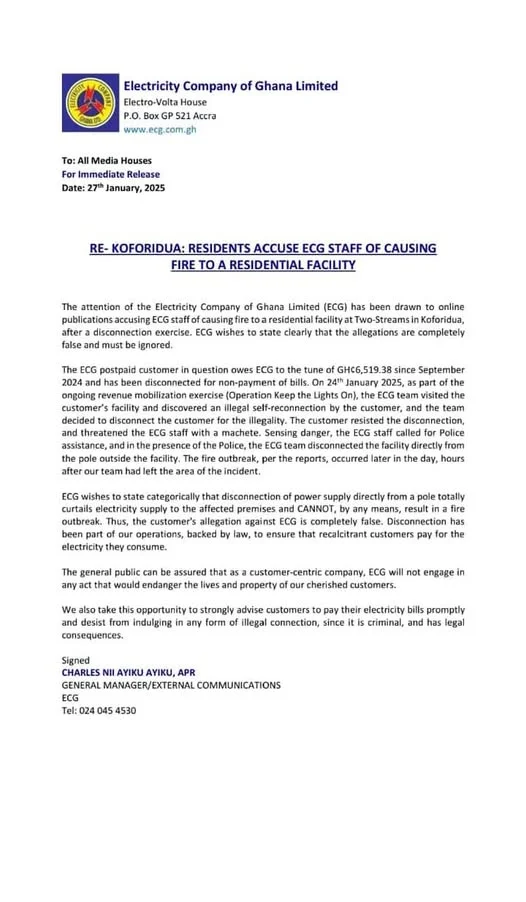
    The Electricity Company of Ghana (ECG) has denied claims that its personnel were responsible for a fire at a residence in the Two-Streams area of Koforidua following a disconnection operation.

    In a statement issued by the company’s General Manager of External Communications, Charles Nii Ayiku, ECG dismissed the allegations as unfounded and called on the public to disregard them.

    The company clarified that the incident involved a customer with an unpaid bill of GH¢6,519.38, which had been overdue since September 2024. As part of the ongoing “Operation Keep the Lights On” campaign to collect outstanding payments, ECG staff visited the property on January 24, 2025, and discovered that the customer had illegally reconnected their power.

    The team proceeded to disconnect the supply due to this violation.

    ECG reported that the operation encountered resistance, with the customer allegedly threatening the staff with a machete. Police assistance was required to safely complete the disconnection, which was performed directly from the pole outside the property.

    The company explained that the fire started later in the day, after ECG had completed the disconnection, and reaffirmed that disconnecting power from a pole does not cause fires. The statement emphasized that the allegations made by the customer were entirely false.

    ECG reiterated its commitment to maintaining safety and professionalism in all its operations and assured the public that it would never take actions that could endanger lives or property.

    The company also encouraged customers to settle their bills on time and avoid illegal reconnections to prevent similar incidents in the future.

  • Former ECG MD justifies under-declaring revenues, he says it’s not a criminal offence

    Former ECG MD justifies under-declaring revenues, he says it’s not a criminal offence

    Former Managing Director of the Electricity Company of Ghana (ECG), Samuel Dubik Mahama, has stated that under-declaring revenues is not a criminal offence.

    He responded to a recent report claiming that ECG had failed to account for millions of generated revenue, saying there was no issue with this.

    In an interview with JoyNews’ Kofi Kyei on The Pulse on Thursday, January 16, Mahama defended his time at ECG, explaining that discrepancies occurred because the company had to cover its expenses, like salaries, before submitting revenue to the government.

    “Let’s look at the salary bill of ECG. Let’s consider how much ECG needs to keep the lights on in your districts, including maintenance on the lines. Where do you expect ECG to get that money from if ECG gives all the money it receives away?” he argued.

    Mr. Mahama also explained that the under-declaration was due to several factors, such as fluctuations in foreign exchange rates, where the rising value of the US dollar increases the cost of the cedi.

    The 2025 Ghana Energy Sector Recovery Programme (GESRP) report reveals that ECG under-declared a total of GH₵490 million between October and December 2023.

  • ECG operates 84 bank accounts with 20 different banks despite centralization directive – Report

    ECG operates 84 bank accounts with 20 different banks despite centralization directive – Report

    The Electricity Company of Ghana (ECG) has been found to be operating 84 bank accounts across 20 different banks, despite directives to manage a single account for all revenue collections and disbursements, according to a PricewaterhouseCoopers (PwC) audit report.

    The audit, part of Ghana’s IMF-supported program, revealed that ECG’s financial practices contradict the requirement to consolidate all financial activities under one account. This measure was aimed at enhancing financial transparency and efficiency in the state-owned power distribution company.

    “We observed through our validation procedures that ECG operates multiple bank accounts (84 accounts) with 20 different banks. This scattered approach to banking is inconsistent with the directive to centralize all financial activities under a single collection account,” stated the PwC report.

    PwC also recommended that ECG consider consolidating its banking operations by selecting a financial institution with a broader branch network. This, they noted, would minimize the need for multiple accounts and improve operational efficiency.

    Additionally, the audit raised concerns about ECG’s payment practices, noting consistent delays in payments to Independent Power Producers (IPPs) and regulatory bodies. The PwC report emphasized that ECG’s failure to meet its monthly payment obligations, as required by the Cash Water Management (CWM) guidelines, could result in financial strain for the company.

    “Untimely payments to IPPs and regulatory bodies have led to delays and disruptions in the energy sector, undermining the smooth operation of Ghana’s power distribution system,” the report added.

  • There is already private sector participation in ECG – Fmr MD

    There is already private sector participation in ECG – Fmr MD

    Former Managing Director of the Electricity Company of Ghana (ECG), Samuel Dubik Mahama, has emphasized that private sector involvement already exists within ECG’s operations, specifically at the metering level.

    Speaking on Channel One TV’s ‘The Point of View’ with Bernard Avle, Mahama questioned the necessity for further privatization, noting that significant progress has been made during his tenure.

    “I do admit that there are a few inefficiencies in the company, and in the same way, there are a few efficiencies. Now before you do any private sector privatization, what are the benchmarks? Let’s not forget there is already private sector participation in ECG,” Mahama stated.

    He highlighted a loss reduction initiative under which ECG collaborated with seven local metering companies, eliminating the need for large capital expenditure on meter procurement.

    Mahama further explained, “What we then did was to give them a locality to install their meters. And that is private sector participation. If you do the math very well, you realise that it saved us a lot. More than almost 50% in how much you now have to borrow and all those administrative costs.”

    Addressing broader financial challenges facing ECG, Mahama pointed to foreign exchange constraints. “The first one is forex… you buy the electricity in dollars and you come to sell it in cedis. And you go and look for requisite dollars to go and pay,” he said.

    He raised concerns about the sustainability of the current model, particularly the capacity to secure sufficient foreign exchange to pay Independent Power Producers (IPPs).

  • ECG’s ‘Operation Keep The Lights On’ to rake in revenue kick-starts today

    ECG’s ‘Operation Keep The Lights On’ to rake in revenue kick-starts today

    The Electricity Company of Ghana Limited (ECG) will commence a nationwide revenue mobilisation exercise dubbed “Operation Keep The Lights On” from today, January 15 to Friday, January 31, 2025.

    The power distributor announced the 17-day initiative in an official statement on January 14, 2025. The exercise aims to recover outstanding arrears from all categories of customers and inspect prepaid meters to verify their integrity.

    As part of the campaign, ECG reminded customers that self-reconnection after disconnection is a criminal offence, warning defaulters to avoid such illegal practices.

    During the exercise, ECG’s regional and district offices will operate with reduced staff, focusing only on essential services to allow full participation by top management and staff.

    “In this regard, the regional and district offices will operate with a lean staff pool who will provide essential services to customers during this exercise to enable total participation by top Management and staff,” the statement noted.

    ECG further emphasized that the Public Utilities Regulatory Commission’s Legislative Instrument (LI 2413) grants the company full access to all installations, urging customers and the public to cooperate with staff during the exercise.

    The revenue mobilisation effort comes as ECG struggles with a massive debt owed to nine Independent Power Producers (IPPs) supporting Ghana’s energy sector.

    To address these financial challenges, Energy Minister-designate John Abdulai Jinapor has committed to establishing a comprehensive framework for private sector participation in ECG’s operations by the end of 2025.

    He explained that the initiative aims to enhance operational efficiency and improve power distribution across the country. A committee will assess global best practices to determine whether a concession model or full privatization would be most suitable for ECG’s operations.

    Mr. Jinapor assured that the process would be transparent and free from political interference to ensure optimal results.

  • Framework for ECG-Private sector participation to be completed before end of 2025 – Jinapor

    Framework for ECG-Private sector participation to be completed before end of 2025 – Jinapor

    Energy Minister-designate John Abdulai Jinapor has set a target to establish a comprehensive framework for private sector participation in the operations of the Electricity Company of Ghana (ECG) before the end of 2025.

    This initiative, he explained, is aimed at enhancing efficiency and improving power distribution in the country.

    Speaking during his vetting before Parliament’s Appointments Committee on Monday, January 13, Mr. Jinapor highlighted the importance of transparency and expert input in the process.

    “We believe there should be private sector participation. What we intend to do is to form a seven-member committee, comprising technical experts, legal minds, financial analysts, industry players, and even a consumer representative,” he stated.

    The committee will assess global best practices to determine whether a concession model or full privatization would be more suitable for ECG’s operations. Mr. Jinapor assured the committee that the government would avoid political interference, relying on an open and transparent process.

    “My target is to push for six months, but I do not want to stampede the committee. However, give or take, within this year, we should complete the framework,” he said.

    The Minister-designate emphasized that the government would not resort to sole-sourcing but would adopt a competitive tender process. He added that the initiative would prioritize local content and include Key Performance Indicators (KPIs) to ensure accountability.

    “Once we get the buy-in of Ghanaians, we can proceed with a Request for Proposal (RFP) or competitive tender process. Our approach ensures we incorporate private sector expertise while safeguarding national interests,” Mr. Jinapor explained.

    He also addressed broader challenges in the energy sector, revealing that the sector’s debt has risen to $3 billion. He underscored the urgency of reform, stating that lessons learned from previous concessions would guide the government’s approach.

  • ECG embarks on ‘Operation Keep The Lights On’ from Jan 15-31

    ECG embarks on ‘Operation Keep The Lights On’ from Jan 15-31

    The Electricity Company of Ghana Limited (ECG) has announced the commencement of a nationwide revenue mobilisation exercise dubbed “Operation Keep The Lights On,” scheduled from Wednesday, 15th to Friday, 31st January.

    The exercise will cover all ECG operational areas. The focus of this massive campaign will be on recovering arrears from all categories of customers while also inspecting prepaid meters to verify their integrity.

    Customers are reminded that self-reconnection after disconnection is a criminal offence. To ensure full participation, ECG’s regional and district offices will operate with a lean staff pool during the exercise, providing only essential services to customers.

    ECG has emphasized that the Public Utilities Regulatory Commission’s LI (2413) grants them full access to all installations. Customers and the general public are encouraged to cooperate fully with ECG as it fulfills its mandate.

  • ECG directed to halt all supply payments to help stabilize power

    ECG directed to halt all supply payments to help stabilize power

    Minister-Designate for Energy, John Jinapor, has directed the Electricity Company of Ghana (ECG) to immediately suspend all payments for supplies as part of efforts to address inefficiencies and stabilize the power sector.

    Speaking on Eyewitness News on Thursday, January 9, 2025, Jinapor emphasized the severity of the issue, revealing that ECG has been experiencing significant revenue losses. He attributed these challenges to the management of over 70 separate accounts, which has made effective monitoring and financial control difficult.

    Jinapor issued a stern warning to the staff of ECG, particularly those within the finance directorate, cautioning that there would be serious consequences for non-compliance with the directive.

    “The challenge of money emanates from inefficiencies. Because if ECG loses over 40% of its power generated, no matter what you do, you cannot find a solution. Other countries are doing just about 2-4% losses. So, with this $100 worth of power, you buy and sell, you collect only 60% and even with that, there are so many contracts, quality assurance, IT, provision and others.

    “They are all deducting monies at the source. So, I have told the ECG, and this is also an instruction from the Chief of Staff, to seize all payment for supplies and I mean it. I have told them and if anybody is listening and is within ECG, whether the finance directorate, this was the instruction we gave them yesterday.

    “Please don’t and I mean it, because there are serious consequences if you flout this directive. We need some serious buffers to anchor the system. All those numerous accounts will be closed. They have over 70 accounts and they cannot monitor that, so we need to reform that sector and we will reform that sector,” he stated.

    The Minister-Designate reaffirmed his commitment to implementing comprehensive reforms to streamline ECG’s operations and improve its efficiency, ensuring better service delivery and power sector stability.

  • Ghana to engage World Bank for technical advice on privatizing ECG – Mahama

    Ghana to engage World Bank for technical advice on privatizing ECG – Mahama

    President John Dramani Mahama has revealed plans to engage the World Bank for technical expertise on the possible privatisation of the Electricity Company of Ghana (ECG) to address inefficiencies in the country’s power distribution system.

    Speaking during a meeting with a delegation from the World Bank on Wednesday, January 8, 2025, at his private office in Accra, Mahama highlighted that private sector involvement in the management of ECG could help resolve operational inefficiencies, financial mismanagement, and inadequate service delivery.

    “If we don’t fix the Electricity Company of Ghana, we will continue to have a major problem with our whole power value chain. So, going ahead with privatising the last point of electricity distribution, bringing in private sector efficiency is something that we want to take up again. We want to speak with the World Bank to get the expertise to be able to do that,” he stated.

    Mahama indicated that the move would be part of a broader strategy to modernize and enhance the performance of the energy sector, emphasizing the importance of efficient energy distribution to support national development goals. He assured stakeholders that any decision on ECG’s future would involve thorough consultations to balance public interest with the need for improved performance.

    https://twitter.com/ghonetv/status/1877051914895937627

    Calls for the privatisation of ECG have gained traction in recent times due to the inefficiency of ECG and disruption in power supply. In August last year, the Africa Sustainable Energy Centre (ASEC) argued that involving private investors could allow ECG to focus on its core technical duties, such as maintaining and upgrading infrastructure, while administrative and commercial responsibilities would be transferred to investors.

    However, some industry players have raised concerns. The Chief Executive Officer (CEO) of Independent Power Generators Ghana, Dr. Elikplim Kwabla Apetorgbor, warned that privatisation could undermine the accessibility, affordability, and stability of electricity services, which are crucial for national development.

    He argued that retaining public ownership ensures accountability, equitable access, and strategic governance control over this vital national asset.

  • Power supply returns to nomalcy as WAPCO restores gas supply – ECG, GRIDCo

    Power supply returns to nomalcy as WAPCO restores gas supply – ECG, GRIDCo

    The Ghana Grid Company Ltd (GRIDCo) and the Electricity Company of Ghana (ECG) have announced the restoration of gas supply from the West African Gas Pipeline Company (WAPCO) to thermal power plants in Tema.

    This development has brought much-needed relief to affected customers, as all previously shutdown power plants have resumed operations, ensuring the restoration of electricity supply across the country.

    In a joint press statement released on Friday, December 13, 2024, the two organizations reassured stakeholders of their commitment to providing uninterrupted power.

    “With the return to normalcy, GRIDCo and ECG wish to assure that we will continue our collaborative efforts to ensure continued reliable supply,” the statement noted.

    GRIDCo and ECG also expressed their appreciation to customers and stakeholders for their patience and understanding during the disruptions caused by the gas supply challenges.

    “We thank our stakeholders and customers for their patience and understanding,” they added.

  • ECG, GRIDCo announce limited load management over closure of some power plants in Tema

    ECG, GRIDCo announce limited load management over closure of some power plants in Tema

    The Ghana Grid Company (GRIDCo) and the Electricity Company of Ghana (ECG) have announced limited load management across parts of the country following the temporary shutdown of some thermal power plants in Tema.

    The shutdown was triggered by operational issues at the Tema Regulatory and Metering Station, caused by ongoing pipeline cleaning by the West African Gas Pipeline Company (WAPCo) in Nigeria.

    In a joint statement released Wednesday, GRIDCo and ECG explained that the shutdown has resulted in a shortfall in electricity generation. “This has caused a shortfall in power supply, requiring some limited load management in parts of the country,” the statement read.

    The issue stems from WAPCo’s cleaning and inspection of a 56km x 30” onshore pipeline section between Itoki and Badagry in Nigeria, which forms part of the West African Gas Pipeline (WAGP). During the process, a larger-than-expected volume of liquids and debris was received at the Lagos Beach Compressor Station. This triggered operational upsets at WAPCo’s Tema facility, necessitating the temporary closure of some thermal power plants for safety and investigation.

    WAPCo, in its update, noted that investigations are ongoing to resolve the challenge. “During the cleaning exercise, a larger-than-expected volume of liquids and debris was received at the Lagos Beach Compressor Station. This has triggered some operational upsets at our Tema Regulatory & Metering Station requiring a temporary shutdown for safety reasons and investigation,” the company stated.

    Both GRIDCo and ECG expressed optimism that WAPCo will resolve the issue soon to allow gas supply to resume and power generation to normalize. “We are optimistic that WAPCo will soon resolve the challenge and restore gas supply,” they stated.

    They assured affected customers that the situation is being monitored closely and updates will be provided as necessary. “We express our gratitude to our key stakeholders for their patience during this process and apologize for any inconvenience caused,” the statement added.

    In the meantime, GRIDCo and ECG have urged customers to conserve power where possible and stay informed through official updates.

    WAPCo reaffirmed its commitment to addressing the operational challenges and thanked all stakeholders for their understanding during the process.

  • ECG facing debt crisis due to fluctuating Forex rates – MD

    ECG facing debt crisis due to fluctuating Forex rates – MD

    The Electricity Company of Ghana (ECG) is indebted to the nine Independent Power Producers (IPPs) that supply the state-owned energy sector, owing millions of US dollars.

    One of the IPPs, Sunon Asogli, was forced to halt operations in October because of a $259 million debt. The remaining eight IPPs have also raised concerns over the government’s failure to settle payments for the electricity they have generated and supplied to the country.

    During an interview on Joy News’ Newsfile on Saturday, November 23, with Samson Lardy Ayenini, the Acting Managing Director of ECG, Ing. Asamoah David, explained that the debt crisis has intensified, exacerbated by fluctuations in the foreign exchange market.

    “The truth is that the majority of these debts are a result of a forex shortfall.

    “Each month, just from forex, we lose about 37 million. So, if you get the money and pay, getting the dollars becomes a problem. Sometimes, you will even make a payment, and it will take days or weeks before the IPPs receive it because of the dollar,” he further noted.

    Ing. Asamoah further clarified that if payments were made in cedis, the debt issue would not exist.

    He added that the company is making every effort to address the payment challenges and overcome the issue.
    “If it were in cedis, I would pay. But now, when I pay the money, the banks have to get the dollars and convert them before they pay the IPPs. And by the time they pay, if the dollar increases, it means we still have a shortfall.”

    The Managing Director also pointed out that the IPPs have consented to resume operations smoothly under the new agreement.

    He confirmed that Sunon Asogli would restart its operations in the next few weeks, and the other IPPs that had cut back on their power supply would also ramp up production.

    These IPPs are private energy companies that generate additional power to supplement the output of the state-owned Akosombo plant.

  • We’re in talks with IPPs to ensure uninterrupted power supply – ECG

    We’re in talks with IPPs to ensure uninterrupted power supply – ECG

    The Electricity Company of Ghana (ECG) has assured the public of a steady power supply following successful negotiations with Independent Power Producers (IPPs) over unpaid arrears.

    This assurance follows threats by IPPs to shut down several power plants over the weekend due to delayed payments from the government. The potential shutdown had raised fears of a return to power outages, commonly known as dumsor.

    Addressing the media, ECG’s External Communications Manager, Nii Ayiku, confirmed that the discussions had averted the looming crisis.

    The government reportedly reached a temporary agreement with the IPPs, settling part of the arrears and establishing a payment plan for the remainder. This move is expected to stabilize electricity generation and ease tensions within the energy sector.

    “We are engaging with the IPPs to make sure that the outages that were experienced over the weekend won’t continue. It is not just about the IPPs that are having issues with the ECG, but as indicated by the Acting Management Director, we are in full engagement with the IPPs, and we are very sure and hopeful that everything will fall into place.”

    Despite ECG’s commitment to uninterrupted power, industry stakeholders have emphasized the need for a sustainable financial framework to prevent recurring disputes and strengthen the reliability of Ghana’s energy infrastructure.

  • Purchase a month worth of prepaid amid upgrade to avoid disruption – ECG to Nuri meter users

    Purchase a month worth of prepaid amid upgrade to avoid disruption – ECG to Nuri meter users

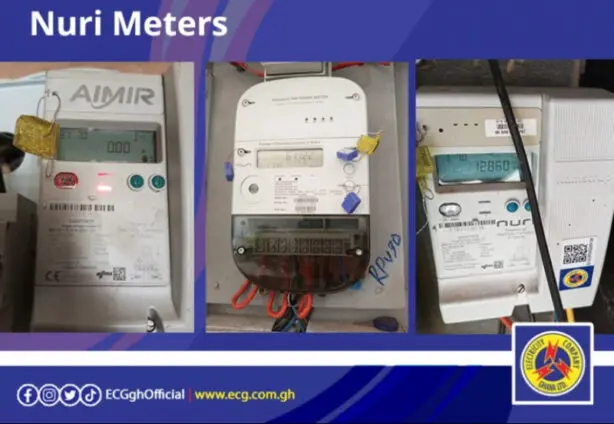
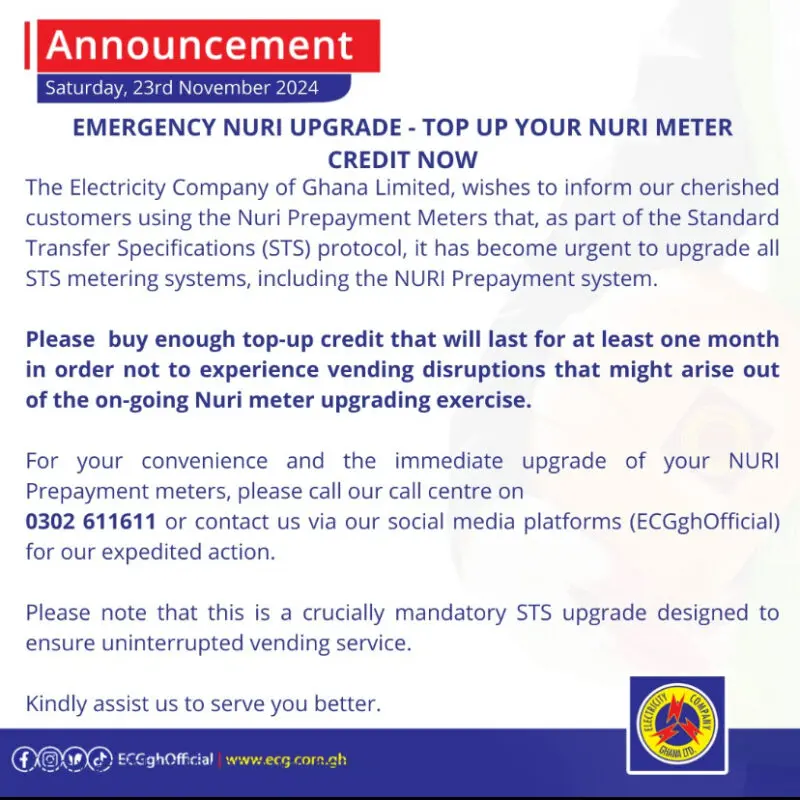
    The Electricity Company of Ghana (ECG) has urged customers using Nuri Prepayment Meters to purchase sufficient top-up credit to last at least one month as it embarks on a mandatory upgrade of its Standard Transfer Specifications (STS) metering systems.

    In a public announcement, ECG explained that the upgrade, which includes the Nuri Prepayment system, is necessary to ensure uninterrupted vending services. Customers are advised to stock up on prepaid credits to avoid potential disruptions during the process.

    “Please buy enough top-up credit that will last for at least one month in order not to experience vending disruptions that might arise out of the ongoing Nuri meter upgrading exercise,” the statement read.

    The company encouraged customers to reach out for immediate upgrades and assistance by contacting ECG’s call center on 0302 611611 or through its official social media platforms (@ECGghOfficial).

    ECG assured customers that the STS upgrade is a crucial step in improving the functionality of its metering systems, emphasizing the importance of timely compliance.

    “Please note that this is a crucially mandatory STS upgrade designed to ensure uninterrupted vending service,” the statement concluded.

  • Cedi depreciation, shortage of dollars worsening our debt – ECG reveals

    Cedi depreciation, shortage of dollars worsening our debt – ECG reveals

    The Electricity Company of Ghana (ECG) has attributed its worsening debt situation to the instability of the forex market and the depreciation of the cedi.

    This revelation comes amid a deepening energy crisis, with nine Independent Power Producers (IPPs) owed $1.7 billion for the power they generate and supply to the national grid.

    Speaking on Joy News’ Newsfile on Saturday, November 23, the acting Managing Director (MD) of ECG, Ing. Asamoah David, explained that forex challenges significantly contribute to the company’s debt accumulation.

    “The truth is that the majority of these debts are a result of a forex shortfall,” he stated. “Each month, just from forex, we lose about 37 million. So, if you get the money and pay, getting the dollars becomes a problem. Sometimes, you will even make a payment, and it will take days or weeks before the IPPs receive it because of the dollar.”

    Ing. Asamoah further clarified the role of currency conversion in the delays, saying, “If it were in cedis, I would pay. But now, when I pay the money, the banks have to get the dollars and convert them before they pay the IPPs, and by the time they pay, if the dollar increases, it means we still have a shortfall.”

    As of November 22, the Bank of Ghana reported that the dollar was selling at a little less than GHC16 and the pound selling a little less than GHC20.

    Despite these challenges, the MD assured the public that ECG is making efforts to address the payments issue. “So, for the payments, we are doing our best to pay. We have an agreement with them now on how it’s going to be paid. ECG will pay part, and the Ministry will come in. Just yesterday [Friday], they sent me a message saying they have agreed.”

    The energy sector’s troubles escalated when Sunon Asogli, Ghana’s largest IPP, completely shut down operations on October 8 due to a $259 million debt. Dr. Elikplim Kwabla Apetorgbor, CEO of the Chamber of Independent Power Producers, Distributors, and Bulk Consumers (CIPDiB), warned of further shutdowns if no intervention occurs.

    “I can confirm that all is not well. If there is no intervention before Friday [November 22], I can tell you that by Monday, three key power plants will be off the grid. It is a serious matter, not fun,” he cautioned.

    The financial strain has also affected the operations of other IPPs, which supplement power generated by the state-owned Akosombo plant. However, with a new payment agreement in place, Ing. Asamoah revealed that the IPPs have agreed to resume smooth operations, and Sunon Asogli is expected to resume production in the coming weeks.

    Other IPPs that had scaled down their power output will also increase their supply. The unresolved debt crisis continues to threaten the stability of Ghana’s national grid, with urgent measures needed to avert widespread power outages.

  • Shut down of Amandi power plant not due to debts owed but maintenance – ECG

    Shut down of Amandi power plant not due to debts owed but maintenance – ECG

    The Electricity Company of Ghana (ECG) has clarified that the recent shutdown of the Amandi power plant is not due to outstanding debts but rather an annual maintenance operation.

    Acting Managing Director of ECG, Ing. David Asamoah, explained that Amandi’s cessation of operations is part of a routine maintenance process typically carried out in November.

    Speaking on Joy News’ Newsfile on Saturday, November 23, Ing. Asamoah said, “Amandi has gone off not because of the fact that we owe them, but because they are undertaking their annual maintenance, which is usually done in November.”

    He further explained that although ECG had tried to negotiate with Amandi to postpone the maintenance, the company could not do so due to insurance concerns. “We met with them [Amandi] and tried to negotiate, but their explanation is that if they delay the maintenance, they will lose their insurance cover for their materials,” he added.

    The shutdown of Amandi, along with the earlier cessation of operations by the Sunon Asogli power plant in October, has contributed to a reduction in Ghana’s power supply, leading to the frequent power outages known as “dumsor.”

    Meanwhile, other Independent Power Producers (IPPs), including Karpowership Energy, AKSA Energy, and Cenit Energy Limited, have reduced their power supply, prompting concerns that they might also shut down soon, exacerbating the power supply crisis. However, Ing. Asamoah reassured the public that the situation is not as dire as it seems.

    Regarding Karpowership Energy, he explained that the reduction in power generation was due to a maintenance issue with their pressure control valve. “They have a problem with their pressure control valve, but the good news is that they have flown in an expert to fix it, and it is my hope that by the weekend, if they are able to fix it, Karpowership should be back,” he said.

    Currently, Karpowership, which is contracted to supply 450 megawatts to ECG, is only providing 54 megawatts due to the valve issue. Ing. Asamoah emphasized that the reduced supply is not a result of debt but the ongoing repairs.

    Despite these challenges, the acting ECG MD assured the public that the three power producers—Karpowership, AKSA Energy, and Cenit Energy—are not expected to shut down, alleviating some fears of further disruptions in power supply.

  • 32-year-old woman dies from electrocution at Fetteh Kakraba

    32-year-old woman dies from electrocution at Fetteh Kakraba

    A tragic incident has occurred at Fetteh Kakraba in the Gomoa East area of the Central Region, where a 32-year-old woman was electrocuted.

    The incident happened on Friday, shortly after staff from the Electricity Company of Ghana (ECG) disconnected her power supply.

    According to local residents, ECG personnel had disconnected the woman’s electricity but left the cable linking the pole to her meter unsecured and hanging.

    The woman, identified as Appiawaa, returned home and attempted to adjust the loose cable to prevent potential hazards, but she was electrocuted in the process.

    Eyewitness Sister Esi reported that Appiawaa passed away shortly after being rushed to St. Gregory Hospital.

    In response, residents have expressed their anger and threatened to confront any ECG staff who come to inspect or disconnect meters in the area again.

  • We’re yet to receive $30m from Controller – Sunon Asogli

    We’re yet to receive $30m from Controller – Sunon Asogli

    Sunon Asogli Power Ghana Limited, an independent power producer, has announced that it has yet to receive any portion of the $30 million allocated by the Ministry of Finance for disbursement by the Controller and Accountant General’s Department (CAGD), despite prior assurances from the government.

    This revelation comes in the wake of Sunon Asogli shutting down its 560MW power plant, which is attributed to an outstanding debt of $259 million owed by the Electricity Company of Ghana (ECG).

    In an interview with Citi Business News, Dr. Elikplim Apetorgbor, the Business Development Manager at Sunon Asogli Power, indicated that attempts to negotiate the debt settlement in instalments have not yielded any significant outcomes so far.

    “We received notification from the Controller and Accountant General’s Department in the first week of our shutdown. They informed us that the Ministry of Finance authorized them to pay us $30 million. But they are having some challenges.

    “It was in the week of salary payments and they have to split this payment into five or six tranches. We are in November, and not even one tranche has been received but the assurance was that they will try and pay one tranche in their week of salary payment and the rest will come before the end of October. Here we are, not even one of the tranches has been paid.

    “It is unfortunate the Ministry of Finance has been reduced to an official propaganda office. It is such a sensitive office to be used for that. I will advise that whatever information the Finance Minister provides or shares with the public, kindly double check to ensure that you are dealing with the right information,” he said.

  • Govt engages private sector to address ECG’s financial deficit

    Govt engages private sector to address ECG’s financial deficit

    The government is taking decisive steps to increase private sector participation in the Electricity Company of Ghana (ECG) as part of a comprehensive reform aimed at stabilizing the sector’s finances and ensuring its sustainability over the long term.

    At the recent IMF/World Bank meetings, Finance Minister Dr. Mohammed Amin Adam emphasized the urgency of these reforms, declaring that the energy sector’s annual deficit of $1.2 billion is “not acceptable.”

    “Funds that should be allocated to essential services like healthcare and education are being diverted to cover losses in a sector that should ideally attract market-based solutions.”

    Dr Adam stated that restoring investor trust is crucial, noting, “People have lost confidence in our ability to manage the energy sector due to financial issues.”

    To enhance the financial stability of the government is introducing the “cash waterfall” mechanism, which aims to ensure equitable revenue distribution across the energy value chain.

    Finance Minister Dr. Mohammed Amin Adam emphasized the importance of restoring investor confidence, stating,

    Recent negotiations with IPPs, including Sunon Asogli—whose 560MW plant was temporarily shut down due to a $259 million payment dispute—indicate progress, though challenges persist.

    Dr. Adam reassured the public that power supply has not been affected, saying, “If one plant shuts down and the others continue to operate, it simply means that we have enough to supply our people.”

    Furthermore, new agreements have already been signed with Cenit and AKSA, two of the six IPPs involved in the restructuring discussions. These agreements do not require parliamentary approval, facilitating a smoother path for operational continuity.

    Negotiations with Sunon Asogli have encountered challenges, particularly regarding the company’s request for an extra $30 million in payment, which the government has declined.

    This setback underscores the complexities of the discussions as the government seeks to stabilize the energy sector while managing its financial commitments to IPPs.

    “While we initially agreed to a $30 million one-off payment, Sunon Asogli later demanded another $30 million. This was not part of our settlement terms,” Dr Adam stated.

    He firmly stated that no funds would be disbursed until the agreement is finalized. Discussions are also ongoing with other Independent Power Producers (IPPs) such as Karpowership.

    However, their recent request for an extra $70 million was also rejected by Dr. Adam, who emphasized the government’s dedication to prudent financial management.

    “We have to negotiate and sign before I make any payment. Ghana is not just a street-country,” he declared.

    Pending agreements with Cenpower and Amandi Energy are awaiting ratification by Parliament. Dr. Adam has urged Parliament to reconvene and approve these essential reforms.

    “This is one of the effects the suspension has on government business because we were expecting parliament to approve these renegotiated agreements.”

    Through these reforms, the government aims to restore trust, stabilize the energy sector, and secure Ghana’s energy infrastructure for its long-term objectives.

  • PURC rakes GH411.4m from consumers on behalf of ECG

    PURC rakes GH411.4m from consumers on behalf of ECG

    Greater Accra Regional Manager of Public Utilities Regulatory Commission (PURC), Gifty Bruce-Nelson, has disclosed that an amount of GH¢11,441,875.55 has been re­covered from consumers indebted to the Electricity Com­pany of Ghana (ECG) between January and September this year,

    The disclosure follows complaints lodged by ECG to PURC regarding consumer bill payments.

    Mrs Bruce-Nelson made this announcement during a training workshop for Assembly members and Unit Committee members in Accra yesterday, which aimed to engage the public through participants on PURC operations.

    The programme, organised by the Greater Accra Region PURC, brought together 50 participants from the Agbogba electoral area and Ga East Municipal.

    Mrs Bruce-Nelson reported that the region received a total of 1,126 complaints against regulated utilities by September this year.

    Of these, she stated that, 876 complaints (74.3 per cent) were tools.

    He said, the programme was a livelihood empowerment one, and that, “the GNPC is respon­sible for giving out the start-up tools, but the examination and certification is conducted and done by NVTI.”

    The initiative, he point­ed out, was geared towards empowering 2,135 individuals across the country.

    He stressed that, “the programme is aimed at empow­ering the dreams and impact lives which targets the informal sector for its beneficiaries.”

    Mr Benefo advised benefi­ciaries not to sell the start-up tools when given to them upon graduation but work with them to the benefits of their de­pendents and Ghana as whole towards the reduction of un­employment, especially among the youth in the country.

    The SAP is a livelihood empowerment programme that trains and equips young artisans with vocational skills and tools.

    It includes proficiency ex­amination from the NVTI.

    lodged against ECG, while Ghana Water Company recorded 153 complaints (12.98 per cent).

    The Regional Manager listed various types of complaints, including damaged property, unlawful disconnection, payment issues, quality of service con­cerns, metering problems, billing disputes, and consumer service delivery matters.

    She further explained that PURC is an independent body established under the Public Regulatory Commission Act 1997 (Act 538) to regulate and oversee the provision of utility services in the country.

    “The regulator provides guide­lines for rates to be charged for utility services, examines and ap­proves utility rates, among other responsibilities,” she added.

    Mrs Bruce-Nelson said the training was designed to educate participants about PURC opera­tions and related issues.

    Moreover, she mentioned that similar training would be replicat­ed in other communities across the region to help consumers better understand the Commis­sion’s work.

    She also noted that PURC conducted public education programmes in schools and communities to inform the public about “best practices” and their activities.

    The Director of Regional Op­erations and Consumer Services at PURC, Alhaji Jabaru Abukari, emphasised that assembly mem­bers and unit committee members were important stakeholders in ensuring consumers receive quali­ty service from utility companies.

    Alhaji Abukari urged con­sumers to report activities that affected utility companies’ operations and advised them to conserve energy.

    He also encouraged the public to contact certified ECG personnel whenever they experi­enced service problems, warning that those who violated regula­tions would face sanctions.

    The Assembly Woman of Ga East Municipal at Abokobi, Ms Vida Tangwam, speaking on behalf of the participants, commended the Commission for the initiative and called for more such collaborations.

    She described the training as timely and assured that partici­pants would share their acquired knowledge in order to ensure consumers receive quality ser­vice from utility companies.
  • Discussions on ECG-NEDCo merger bill must be suspended – Energy Ministry to Parliament

    Discussions on ECG-NEDCo merger bill must be suspended – Energy Ministry to Parliament

    The Ministry of Energy has requested that Parliament pause discussions on the contentious Ghana Energy Regulatory Authority Bill.

    This bill proposes the merger of the Electricity Company of Ghana (ECG) with the Northern Electricity Distribution Company (NEDCo) and the establishment of an independent Thermal Power Authority from the thermal plants of the Volta River Authority (VRA).

    In a statement issued by the Minister of State at the Energy Ministry, Herbert Krapah, the ministry emphasized the need for additional consultations before moving forward.

    “The Ministry respectfully requests Parliament to suspend consideration of the aforementioned Bill to enable us to hold further consultative,” part of the statement read.

    This Energy Bill includes several critical legislative proposals, such as the Ghana Thermal Authority Bill, 2024, Ghana Hydro Authority Bill, 2024, Ghana Power Distribution Authority Bill, 2024, and the Ghana Energy Regulatory Authority Bill, 2024.

    However, it has faced growing opposition from various stakeholders, notably senior staff at the VRA.

    These VRA senior staff have expressed serious concerns regarding the proposed merger, arguing that it could jeopardize the authority’s operational efficiency and stability.

    They have staged protests to voice their displeasure, warning that the merger could hinder the VRA’s ability to effectively manage resources and deliver reliable energy services.

  • Looming dumsor as Sunon Asogli halts operations over ECG debt

    Looming dumsor as Sunon Asogli halts operations over ECG debt

    Sunon Asogli Power (Ghana) Limited has shut down its 560MW power plant due to the Electricity Company of Ghana’s (ECG) failure to meet overdue payment obligations, significantly hindering the company’s ability to fund its operations.

    In a statement on October 16, 2024, Sunon Asogli reported that ECG owes a staggering $259 million (excluding fuel) as of the end of September 2024.

    Despite opting not to invoice ECG for idle capacity, the outstanding debt has increased by 23% between January and September 2024.

    Additionally, only 22.6% of the invoices during this period have been settled through the Cash Waterfall Mechanism.

    “Sunon Asogli Power (Ghana) has over the years been very considerate in its dealings with ECG and the government, and, unlike other independent power producers, has not even invoiced ECG for accrued idle capacity charges.

    “Despite this, ECG owes Sunon Asogli a net (excluding fuel) receivable amount of $259 million as of the end of September 2024.

    “Our debt has grown by 23% on the net balance, between January 2024 and September 2024 and only 22.6% of the invoices for the period have been paid by ECG from the Cash Waterfall Mechanism,” he stated.

    Expressing regret over the shutdown’s impact on the national power supply, Sunon Asogli emphasized the lack of alternatives. The company has called upon the Ministry of Finance to intervene and facilitate a resolution that will enable it to resume operations promptly.

  • $67m revenue losses recorded by ECG monthly – ACEP

    $67m revenue losses recorded by ECG monthly – ACEP

    The Africa Centre for Energy Policy (ACEP) has raised concerns over the Electricity Company of Ghana’s (ECG) monthly revenue losses, revealing that the company is losing approximately $67 million every month due to unpaid bills.

    ACEP attributes these losses to the ECG’s low revenue recovery rate, which currently stands at 57 percent.

    Kodzo Yaotse, Policy Lead for Petroleum and Conventional Energy at ACEP, emphasized that improving the ECG’s revenue collection must be prioritized by both the government and the company itself.

    He warned that the continued failure to collect these revenues would only worsen Ghana’s growing energy sector debt and strain the Independent Power Producers (IPPs), who are already owed significant sums as part of the country’s legacy energy debt.

    “ECG is making 43 percent [revenue] collection rate. That means there is some 57 percent that is not collected that must be paid, and that translates into some $67 million every month, which if not paid, would only go up to add to what is already owed to the IPPs in terms of legacy debt. So we have to find a way to be able to ensure that there is optimal revenue collection,” Yaotse said.

    ACEP’s call comes at a time when the financial sustainability of Ghana’s energy sector is increasingly under threat, urging swift action to prevent further damage.

  • ECG’s system operators undergo training ahead of December polls

    ECG’s system operators undergo training ahead of December polls

    The Electricity Company of Ghana (ECG) has initiated a training program for its control engineers and system operators to ensure they are well-prepared to manage any emergencies during and after the December elections.

    Hosted by the Ashanti Sub-Transmission Region at the Boadi Regional Office in Kumasi, this three-day in-house capacity-building workshop aims to equip participants with the skills and confidence necessary to perform their duties effectively in crisis situations.

    The program featured intensive training sessions, where participants, primarily controllers and system operators, were divided into smaller groups for focused learning.

    Facilitator Ing. Peter Fletcher emphasized ECG’s commitment to delivering quality, safe, and reliable electricity, stating, “With this training and preparations underway, ECG assures the general public that, as a stakeholder in the socioeconomic development of Ghana, it is committed to providing quality, safe, and reliable electricity. It stands ready to ensure supply reliability to meet all energy needs,” the Facilitator, Ing Peter Fletcher said.

    Among the facilitators were Ing. Kurt Festus Plange, the General Manager for the region, and Ing. Christopher Anafo, Manager for Protection and Control of Ashanti Sub-Transmission, who both contributed to the program’s instruction.

    This rigorous training initiative is designed to position ECG staff to effectively support electricity supply during the upcoming elections.

  • ECG will remain efficient despite Mahama’s absence – Afenyo-Markin

    ECG will remain efficient despite Mahama’s absence – Afenyo-Markin

    The Board Chairman of the Electricity Company of Ghana (ECG), Alexander Afenyo-Markin, has assured stakeholders that the resignation of Dubik Mahama as Managing Director will not affect the company’s operational efficiency.

    Mr. Mahama’s recent decision to step down raised concerns about potential disruptions in service delivery, but Afenyo-Markin emphasized the resilience of ECG’s processes.

    He stated that the company’s well-structured management team is equipped to maintain performance standards, regardless of leadership changes.

    During a press conference on Thursday, September 26, Afenyo-Markin reassured stakeholders that systems are in place to ensure a seamless transition and continued operations. He reiterated ECG’s commitment to enhancing services, particularly in meeting customer needs and improving the overall efficiency of the electricity distribution network.

    “The board has received the support of management in its decision and we are here to assure you that the fact that we have had changes in management will not mean that you are going to have some interrupted power supply. The entire system of the company is in place and the company will continue to provide the essential services that it provides for Ghanaians and the country,” he stated.

    Afenyo-Markin also highlighted that the company’s focus will remain on long-term strategic goals, unaffected by changes in leadership.

  • This is why ECG boss resigned – MP reveals

    This is why ECG boss resigned – MP reveals

    The Member of Parliament for Yapei Kusawgu, John Abdulai Jinapor, has shed light on the circumstances that reportedly led to Samuel Dubik Mahama’s exit from his role as Managing Director of the Electricity Company of Ghana (ECG).

    In a September 26, 2024 interview on Metro TV’s Good Morning Ghana, Jinapor, who had previously hinted at Mahama’s ‘removal’ on social media, suggested that the former ECG boss was essentially pressured to resign. The reason? He stood firm on ensuring that the government, under Nana Addo Dankwa Akufo-Addo, adhered to proper procedures for the procurement of crude oil for electricity generation.

    Jinapor explained that Mahama opposed a process championed by Ken Ofori-Atta, the former Minister of Finance and now Senior Advisor to the President on the Economy, which put Ofori-Atta in charge of crude oil procurement—bypassing the established protocols.

    According to Jinapor, Dubik Mahama’s insistence on doing things by the book, despite pressure from a presidential family member, ultimately led to his downfall.

    “I posted about five or ten minutes before the announcement came out because I had gotten information that some people related to the president insisted on procuring light crude oil in a certain manner, which Dubik, the MD for ECG, resisted… Now, demand has tripped for the supply of gas and so there’s a deficit of about 60 mm scf. So, they have to procure light crude oil at about $40 million every month. That translates to about $180 million by the time this year ends. But that is not even the problem. The key problem is who procures the light crude oil. We’ve maintained that VRA, being the lead agency in the generation sector, should rather be procuring the light crude oil for the other entities.
    “But when Ken Ofori-Atta was minister, he insisted that the procurement be done directly under his instructions and that ECG be instructed to pay directly without recourse to the Cash Waterfall mechanism. And you and I recall that PURC has been up in arms with ECG because when they do that, they no longer adhere to the principle of the Cash Waterfall mechanism. And so recently, Dubik has tried to exercise his authority and to do what is right and proper,” the MP said.

    He added, “That has led to the decision to kick him out. He was determined to do what is proper, what is right, and restore the Cash Waterfall mechanism such that if anybody wanted to buy fuel, it would reflect in the Cash Waterfall mechanism, and we would know those behind the procurement of fuel so that we could track it. But he was asked to exit and unfortunately, he exited. And that is why he cited personal reasons for his decision to exit. But the painful thing is that by the end of the year, we have a debt of about $480 million on account of light crude oil,” he said.

    About the ECG boss resignation:

    In a letter addressed to the Board Chairman of the Electricity Company of Ghana (ECG), Alexander Afenyo-Markin, Samuel Dubik Mahama formally announced his resignation as Managing Director of ECG.

    Mahama, who was appointed by President Nana Addo Dankwa Akufo-Addo, assumed his role on May 16, 2022. Prior to his appointment, he had served as a non-executive director at ECG and brought with him a wealth of experience from both the private and public sectors.

  • Let us embrace reforms to improve ECG, not board dissolution – Afenyo-Markin

    Let us embrace reforms to improve ECG, not board dissolution – Afenyo-Markin

    The Board Chairman of the Electricity Company of Ghana (ECG), Alexander Afenyo-Markin, has rejected the recent demands for the board’s dissolution, calling them unwarranted and misguided.

    The Africa Centre for Energy Policy (ACEP), which has been at the forefront of these calls, cites claims of mismanagement and growing financial losses within the company which has increased from GH¢295 million in 2017 to GH¢9.7 billion by 2022.

    In response to these calls during the appointment of David Asamoah as the acting Managing Director, ECG Board Chairman Alexander Afenyo-Markin emphasized that what is necessary for the efficient operation of the company is stakeholder engagement, rather than board dismissal.

    “I think that is a misplaced position. However, I accept the fact that we must place our shoulders to the wheel for reforms. I mean, from outside and coming in. I think that ECG can be very efficient if we subject ourselves to reforms. And reform would involve engaging all stakeholders internally and communicating these to the external stakeholders.

    “So it is an all-inclusive matter and I don’t want this blame game approach that we are blaming the public and the public is also blaming us,” the board chair indicated.

    News came in during the late hours of September 25, 2024 that the Managing Director of the Electricity Company of Ghana (ECG), Samuel Dubik Mahama, resigned from his position.

    The now former ECG boss is said to have resigned in a letter to the Board Chairman of the Electricity Company of Ghana, providing no official reason for the resignation.

    There had not been any prior information to his resignation as people close to the matter have been tight-lipped about it.

    This has come as a surprise to many as Mahama has only been in office for the past two years.

  • G/R: 3-day downtime as ECG begins Clou Prepayment Server maintenance work

    G/R: 3-day downtime as ECG begins Clou Prepayment Server maintenance work

    The Electricity Company of Ghana (ECG) has announced a planned emergency maintenance exercise on the Clou Prepayment Server, which will affect customers using Clou Prepayment meters.

    This maintenance is scheduled to begin on Friday, 27th September 2024, at 11:00 pm and is expected to be completed by Sunday, 29th September 2024, at 11:00 pm.

    During this period, customers in several districts within the Greater Accra Region, including Afenya, Nungua, Tema North, Tema South, Ablekuma, Bortianor, Korle-Bu, Nsawam, Ashaiman, Amasaman, Kaneshie, and Dansoman, will experience a downtime in their prepayment systems.

    ECG has urged affected customers to purchase sufficient credits ahead of the maintenance to cover their electricity needs during the exercise.

    The ECG regrets any inconvenience caused by this essential maintenance work and assures the public of a swift and smooth restoration of services once the maintenance is completed.

    For further updates and inquiries, customers can stay connected through ECG’s official social media platforms and website.

  • Recent power outage due to challenge with GNGC gas processing plant – GRIDCo, ECG

    Recent power outage due to challenge with GNGC gas processing plant – GRIDCo, ECG

    The Ghana Grid Company Ltd. (GRIDCo) and the Electricity Company of Ghana (ECG) have attributed the recent power outages experienced by some customers to a challenge at the Ghana National Gas Company (GNGC) Gas Processing Plant (GPP) located in Atuabo.

    A pipeline runs from the gas processing plant near Atuabo to the Takoradi Thermal Power Station, in Aboadze, in Western Region. The Takoradi Thermal Power Station which started operation in 1997 was initiated by the Volta River Authority to complement the existing Hydro Plant at Akosombo and Kpong.

    In a joint press release, both companies informed the public that the challenge has limited the gas supply for power generation, causing intermittent power supply to certain areas.

    Engineers from GNGC are actively working to address the technical difficulties at the processing plant and are making efforts to restore the full supply of gas as soon as possible.

    This week, several parts of the Greater Accra Region such as Dome, and Adenta have recorded intermittent power outages that lasted for several hours.

    GRIDCo and ECG have extended an apology for the inconvenience this disruption has caused, emphasizing their commitment to resolving the issue.

    The public is encouraged to remain patient as work continues to restore uninterrupted electricity supply.

    In a related event, the Minority in Parliament has raised concerns over a reported load shedding, being downplayed by GRIDCo due to dubious contracts signed by the government through the Ghana Gas Company.

    Ranking Member on the Energy Committee of Parliament, John Jinapor, alleges that there is pressure on the Ghana Gas Company from the Presidency to sign an $800 million contract with the Phoenix Park Gas Processors Consortium under questionable circumstances, without parliamentary approval.

    The Minority caucus reveals that a power deficit of over 500 megawatts was recorded on Tuesday, September 24, negatively impacting customers.

  • Samuel Dubik Mahama resigns as MD of ECG

    Samuel Dubik Mahama resigns as MD of ECG

    Managing Director of the Electricity Company of Ghana (ECG), Samuel Dubik Mahama, has stepped down from his role.

    Mahama reportedly submitted his resignation in a letter to the Board Chairman of ECG, without offering an official explanation for his decision.

    His departure came without prior notice, as those familiar with the situation have remained tight-lipped.

    The resignation has surprised many, given that Mahama had only been in the position for two years.

    Appointed by President Nana Addo Dankwa Akufo-Addo, Mahama assumed office on May 16, 2022.

    He had previously served as a non-executive director at ECG and brought with him extensive experience from both the private and public sectors.

    Mahama’s professional background includes roles as a non-executive director at GIHOC Distilleries, country representative for Gulfsouth Forest Products, and partner at Dubik & Associates and Wilkins Engineering, among others.

    In addition, he is a legal practitioner and an alumnus of the University of Ghana.

  • We never said ECG is going bankrupt – PURC clarifies

    We never said ECG is going bankrupt – PURC clarifies

    The Public Utilities Regulatory Commission (PURC) has dismissed media reports claiming that the Electricity Company of Ghana (ECG) is on the verge of bankruptcy, describing these claims as misreported.

    According to PURC, the reports inaccurately attributed the warning of ECG’s financial collapse to the Commission’s Executive Secretary, Dr. Ishmael Ackah. In a statement signed by its commissioners, PURC clarified that it had not issued any such warning regarding ECG’s bankruptcy.

    The Commission emphasized that the reports circulating in the media on September 18, suggesting that ECG was in financial crisis, were incorrect and misrepresented. The misreported claims originated from several media outlets, which alleged that PURC had expressed concerns over ECG’s dire financial state.

    However, PURC explained that the concerns about ECG’s finances were first raised in a letter sent by ECG’s management to the presidency and the Minister of Energy. The Commission urged the public to seek accurate information and not to rely on misleading reports.

    “The ECG in a letter to the Honourable Minister of Finance, referenced MD/MOF/V.10/018 and dated 26th August 2024, with the subject: ‘Request for Buffer Period for Cash Build-Up,’ expressed serious concerns regarding their current financial situation and warned that ‘this situation, if not addressed promptly, could lead to severe financial instability and potential bankruptcy for ECG.’”

    “The media publications wrongly created the impression that the Commission on its own originated the issue of bankruptcy without an initial appeal from ECG.”

  • IES calls for reconsideration of ECG-PDS deal 

    IES calls for reconsideration of ECG-PDS deal 

    Executive Director of the Institute for Energy Security (IES), Nana Amoasi VII, suggests revisiting the old agreement between the Electricity Company of Ghana (ECG) and Power Distribution Services (PDS) following the Public Utilities Regulatory Commission’s (PURC) concerns about ECG’s financial instability.

    The previous concession deal between ECG and PDS was terminated after a forensic audit revealed issues with the Payment Security for the transaction.

    Nana Amoasi advocates for reviewing the agreement with modifications to minimise risks and find a sustainable solution to ECG’s current challenges.

    “All possible forms of private sector participation can be considered but we must revisit the situation again because things have worsened since we introduced the PDS-ECG arrangements.
    So we should re-access and make sure that we take the right risk assessments and get a fair solution to that,” he said during an interview on Ghana Tonight.
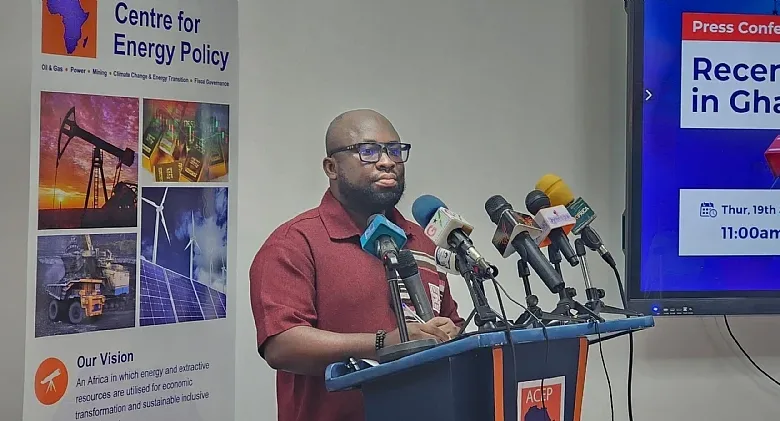
    Nana Amoasi VII believes that revisiting the concession between the Electricity Company of Ghana (ECG) and Power Distribution Services (PDS) could address ECG’s current financial challenges.

    He stresses that private sector involvement is crucial for securing necessary funding. Although the initial PDS arrangement introduced billing and management expectations, it was dissolved due to questionable dealings.

    His comments come after a Public Utilities Regulatory Commission (PURC) report highlighted ECG’s severe financial crisis, with revenue plunging below 42% of required funds, raising concerns about bankruptcy across the energy sector.

  • ECG embarks on 3-day maintenance on meters in Tema, Accra West, Eastern region

    ECG embarks on 3-day maintenance on meters in Tema, Accra West, Eastern region

    The Electricity Company of Ghana’s (ECG) maintenance exercise on its MBH meters begins today.

    The maintenance will run for three days, from 11:00 pm tonight, through to 11:00 pm on Sunday, September 22, 2024.

    This operation will affect customers using the MBH meters in Tema, Accra West, and parts of the Eastern Region. ECG explained that the maintenance is necessary to ensure the smooth operation of the MBH meter system and to enhance overall service delivery.

    In its statement, ECG advised affected customers to plan ahead by purchasing sufficient electricity credits before the maintenance period.

    “All MBH customers are therefore being advised to purchase enough credit that will last for the period of the downtime,” ECG urged.

    The company expressed its apologies for any inconvenience caused and emphasized that the planned works are essential for improving the reliability of the electricity supply.

    ECG also encouraged customers to stay informed and make necessary arrangements to avoid disruptions. For further assistance or information, customers are advised to contact ECG’s customer service hotlines or visit the nearest ECG office.

  • ECG management has failed; they must be sacked – ACEP

    ECG management has failed; they must be sacked – ACEP

    The Africa Centre for Energy Policy (ACEP) is calling for the removal of the management of the Electricity Company of Ghana (ECG) due to alleged mismanagement.

    According to ACEP, revenue losses have surged significantly, rising from GH¢295 million in 2017 to GH¢9.7 billion by 2022.

    During a press conference on Thursday, September 19, ACEP’s Policy Lead on Petroleum and Conventional Energy, Kodzo Yaotse, urged the dismissal of ECG’s management, citing their poor performance in revenue mobilisation.

    “The growing fiscal burden imposed on the economy by ECG’s poor performance has become a ticking time bomb that can undermine the progress made after the domestic and international debt restructuring to keep Ghana solvent.

    “With the level of debt accumulation and the intervention required of the state, it is just a matter of time before Ghana is plunged into another debt crisis. With IPP debt mounting and gas suppliers and transporters demanding payments, the pressure on the government to sacrifice social investment is high.”

    Mr. Yaotse also called for an end to what he described as the wasteful use of state resources, stating that such inefficiency cannot be allowed to continue.

    “The political lethargy to enable ECG to deliver value to the people of Ghana continues to hurt Ghana’s budget and, by extension, development efforts. The Energy Sector Recovery Programme (ESRP) estimates that realised power sector shortfalls between 2019 and 2023 were about US$8.25 billion.

    “This is a sheer waste of public resources that cannot persist. In light of the above.”

  • ACEP calls for the dismissal of Management of ECG over GH¢9bn loss

    ACEP calls for the dismissal of Management of ECG over GH¢9bn loss

    Africa Centre for Energy Policy (ACEP) is calling for the removal of the Electricity Company of Ghana’s (ECG) management, citing poor leadership and alleged mismanagement.

    ACEP highlights that revenue losses have surged dramatically, rising from GH¢295 million in 2017 to a staggering GH¢9.7 billion in 2022.

    During a press conference on Thursday, September 19, ACEP’s Policy Lead on Petroleum and Conventional Energy, Kodzo Yaotse, urged for the dismissal of ECG’s management due to their failure to effectively improve revenue collection.

    “The growing fiscal burden imposed on the economy by ECG’s poor performance has become a ticking time bomb that can undermine the progress made after the domestic and international debt restructuring to keep Ghana solvent.

    “With the level of debt accumulation and the intervention required of the state, it is just a matter of time before Ghana is plunged into another debt crisis.

    With IPP debt mounting and gas suppliers and transporters demanding payments, the pressure on the government to sacrifice social investment is high.”

    Mr. Yaotse also called for an end to what he said is a wasteful use of state resources, which he said cannot be allowed to persist.

    “The political lethargy to enable ECG to deliver value to the people of Ghana continues to hurt Ghana’s budget and, by extension, development efforts.

    The Energy Sector Recovery Programme (ESRP) estimates that realised power sector shortfalls between 2019 and 2023 were about US$8.25 billion.

    “This is a sheer waste of public resources that cannot persist. In light of the above.”

  • ECG ‘fights’ PURC’s latest report on its CWM operations

    ECG ‘fights’ PURC’s latest report on its CWM operations

    The Electricity Company of Ghana (ECG) has expressed disappointment with the recent report by the Public Utilities Regulatory Commission (PURC) concerning its operations, particularly as they relate to the Cash Waterfall Mechanism (CWM).

    In a statement issued on Thursday, ECG argued that the PURC report misrepresents several key aspects of its operations. The company specifically took issue with how its fuel costs, a vital component for maintaining operations, were labeled as a “variance” in the report.

    ECG highlighted that it has made considerable progress under its current leadership, including the independent procurement of fuel, which should be acknowledged rather than framed negatively.

    The ECG further pointed out that the report overlooks forex losses and the delays in payments to Independent Power Producers (IPPs), portraying an incomplete picture of the company’s operational challenges.

    A major point of contention is the PURC’s labeling of ECG’s fuel costs as a “variance.” The ECG maintains that fuel procurement is essential to its operations and has been managed effectively under its current management. In the past, the company faced difficulties in securing fuel, but recent strides have allowed ECG to procure fuel independently—an achievement the company believes should be celebrated, not dismissed as a negative variance.

    “Unlike previous years, ECG has taken strides to ensure its ability to procure fuel independently, a significant achievement that should be acknowledged rather than downplayed,” the statement said.

    Forex Losses and Payment Delays to IPPs

    The ECG also raised concerns about the report’s treatment of payments to Independent Power Producers (IPPs). According to the company, delays in payments were mainly to settle outstanding amounts from previous months, a standard practice in account management. The company stressed that it had complied with payments to Tier 2 beneficiaries, including the PURC itself, throughout the period under review.

    Additionally, the ECG emphasized that the report overlooks the impact of foreign exchange losses on its ability to meet financial obligations. Discrepancies between the PURC’s exchange rate and the market or Bank of Ghana (BoG) rates have led to significant forex losses when making payments to IPPs and WAPCo. In July 2024, for example, ECG paid WAPCo US$3 million, which amounted to GHS48 million. However, the PURC recorded this as GHS43 million, failing to account for forex fluctuations.

    Call for Constructive Leadership and Accurate Reporting

    ECG’s statement urged the PURC to adopt a more constructive approach in its assessments, one that reflects the progress being made within the energy sector. The company emphasized that mischaracterizing fuel procurement and downplaying improvements in operations could mislead the public and detract from the advancements made under the current leadership.

    “By framing necessary costs like fuel procurement as variances, the PURC risks confusing the public and detracting from the real improvements made by ECG and other players in the sector,” the company noted.

    ECG called for greater collaboration and transparency, stressing the need for accurate reporting that would foster progress in the energy sector as Ghana moves toward future challenges, including forex fluctuations and fuel procurement issues.

    In conclusion, ECG urged the PURC, under the leadership of Dr. Ishmael Ackah, to focus on clarity, constructive leadership, and the recognition of genuine progress in Ghana’s energy sector.

  • Purchase enough credit to last for 3 days – ECG tells MBH meter users

    Purchase enough credit to last for 3 days – ECG tells MBH meter users

    The Electricity Company of Ghana (ECG) has advised customers using MBH meters in certain regions to purchase enough credit ahead of a planned three-day maintenance exercise.

    The maintenance, scheduled to begin on Friday, September 20, 2024, at 11:00 pm, will end on Sunday, September 22, 2024, at 11:00 pm.

    The affected areas include Tema, Accra West, and parts of the Eastern Region. The emergency maintenance will involve works on the MBH server, which may result in service interruptions for users in these regions.

    In a statement, ECG urged all MBH meter customers to ensure they purchase sufficient credit before the server downtime. “All MBH customers are therefore being advised to purchase enough credit that will last for the period of the downtime,” the company said.

    The ECG apologized for any inconvenience the maintenance may cause but emphasized that the exercise is necessary to enhance the functionality of the MBH meter system.

    Customers are encouraged to contact ECG customer service hotlines for further assistance or inquiries during the maintenance period.

  • ECG to begin 3-day MBH meters maintenance works in Tema, Accra West on Friday

    ECG to begin 3-day MBH meters maintenance works in Tema, Accra West on Friday

    The Electricity Company of Ghana (ECG) has announced that it will carry out emergency maintenance on the MBH meters starting this Friday, September 20, 2024. The scheduled works will run from 11:00 pm on Friday through to 11:00 pm on Sunday, September 22, 2024.

    The maintenance will affect customers using the MBH meters in Tema, Accra West, and parts of the Eastern Region. According to ECG, the exercise is necessary to ensure the smooth functioning of the MBH meter system and improve service delivery to customers.

    In a statement, ECG urged affected customers to prepare for the server downtime by purchasing enough electricity credits in advance.

    “All MBH customers are therefore being advised to purchase enough credit that will last for the period of the downtime,” the statement read.

    ECG also expressed regret for any inconvenience the planned maintenance may cause, assuring customers that the works are critical for improving service reliability.

    The company further advised its cherished customers and the general public to remain informed during this period and make necessary arrangements to avoid disruptions in electricity supply.

    For further information or assistance, ECG urged customers to contact its customer service hotlines or visit nearby ECG offices.

  • ECG risks brankruptcy – PURC tells Presidency

    ECG risks brankruptcy – PURC tells Presidency

    The Public Utilities Regulatory Commission (PURC) has issued a warning that the Electricity Company of Ghana (ECG) is at risk of bankruptcy due to severe financial difficulties.

    In a letter addressed to the Presidency, the Energy and Finance Ministers, and other key stakeholders, PURC’s Executive Secretary, Dr. Ismael Ackah, outlined the financial crisis, which is also impacting the operations of the Volta River Authority (VRA), Ghana Grid Company (GRIDCo), and the Bui Power Authority.

    According to Dr. Ackah, the ongoing challenges have caused delays in salary payments and difficulties in meeting administrative costs, emphasizing the need for immediate action to avoid further decline.

    Despite initiatives aimed at improving cash collection through digital and metering programmes, as well as significant tariff increases of over 75% since September 2022, ECG’s financial instability persists.

    Financial Crisis at ECG

    PURC’s letter reveals that ECG’s revenues for June and July 2024 stood at GHS 884.2 million and GHS 857 million, respectively—insufficient to cover the monthly $47 million Tier A plus WAPCo’s bill under the Cash Waterfall Mechanism. The situation worsened in August 2024, with revenues dropping below GHS 800 million, representing only about 42% of the expected revenue needed to pay sector players.

    A report from PURC on ECG’s compliance with the Cash Waterfall Mechanism also highlighted an approximately GHS 860 million shortfall in payments to independent power producers, further exacerbating the crisis. This shortfall has left Tier B companies—including Ghana Gas, VRA, GRIDCo, ECG, Bui, and regulators—struggling to meet staff salaries and administrative costs.

    Dr. Ackah stressed that the issues facing ECG require more than tariff adjustments, calling for deeper introspection and structural reforms.

    Comparative Solutions from the Sub-Region

    PURC’s letter also points to successful interventions from neighboring countries facing similar challenges:

    • Kenya Power and Lighting Company: Listed approximately 50% of its equity on the stock exchange, raising non-tariff funding for critical investments.
    • Tanzania Electric Supply Company Limited (TANESCO): The Tanzanian government converted a government on-lend loan of 2.4 trillion Tanzanian shillings into equity. Since 2022, TANESCO has consistently declared profits, reducing both technical and non-technical losses to around 9% as of June 2024.
    • Uganda’s Umeme Concession: Involved the private sector in metering, billing, and collection services, achieving a collection rate of 98.7%.

    Recommendations for Structural Reforms

    PURC suggests that similar innovative measures could help stabilize ECG, but any intervention should include stringent performance indicators, such as:

    • Drastic reductions in technical and commercial losses;
    • Enhanced fiscal discipline, ensuring ECG avoids non-core activities;
    • A reassessment of power purchase agreements and exchange rate regimes to reduce the burden on consumers;
    • Independent economic and technical audits to evaluate ECG’s true financial and technical position.

    Fuel payments are also affecting ECG’s financial sustainability. PURC has recommended that the Ministry of Energy, in collaboration with ECG, the State Interests and Governance Authority (SIGA), the Ministry of Finance, the Ministry of Public Enterprises, and other key stakeholders, undertake a comprehensive review of the root causes of ECG’s financial difficulties. The objective of this exercise would be to transform ECG and protect the broader energy sector.

    PURC also calls for greater transparency from ECG on critical issues, including revenue collection versus Cash Waterfall Mechanism (CWM) declarations, major contracts, monthly commitments, commercial and technical losses, and non-core activities that are impeding the company’s financial sustainability.

    Finally, PURC emphasized that privatization should be considered as a viable option to ensure ECG’s long-term financial stability and safeguard the energy sector in Ghana.

  • FPSO John Agyekum Kufour shutdown will not cause power outages – ECG

    FPSO John Agyekum Kufour shutdown will not cause power outages – ECG

    The Electricity Company of Ghana (ECG) has guaranteed that the closure of FPSO John Agyekum Kufour will not lead to power outages.

    The shutdown is planned from September 12 to 18 for maintenance purposes.

    ECG has assured that alternative fuel arrangements are in place to reduce any potential impact on power generation.

    However, the company also noted that should there be any effect on power supply, the public will be notified immediately.

    “Eni Ghana Exploration and Production Limited and partners will be undertaking a planned maintenance of the FPSO John Agyekum Kufuor, and its ancillary infrastructure from Thursday, 12th September Wednesday, 18th September, 2024. This activity will lead to curtailment in gas supply from these facilities during the period.

    “Government has made alternative arrangements for fuel to mitigate the impact of the shutdown on power generation. We do not therefore, anticipate power outages as a result of this exercise. However, in the unlikely event that power generation is impacted, the public will be duly informed,” a press statement from the ECG said.

  • Don’t politicise power; stop calling politicians to plead – ECG MD to debtors

    Don’t politicise power; stop calling politicians to plead – ECG MD to debtors

    Managing Director of the Electricity Company of Ghana (ECG), Samuel Dubik Mahama, has urged Ghanaians with outstanding debts to refrain from seeking help from politicians to settle their dues.

    He expressed frustration over the practice of individuals relying on political figures to intercede on their behalf, describing it as inappropriate.

    Mahama also lamented the tendency of some to politicize electricity matters because of their connections with influential leaders.

    “I will appeal that we don’t politicise power. You go and take your money, then they try to call big politicians to intervene; let us not politicise power,” he is quoted as saying by 3news.com.

    Meanwhile, speaking on how digitalisation has made their services easier and more convenient for Ghanaians, he noted that customers can now receive a new meter within just 7 days.

    He,therefore, warned Ghanaians not to fall victim to middlemen who charge large amounts of money for their services.

    “The online application for matter is effective, you can use *226 to apply. With the loss reduction programme, it should take you a minimum of one week to acquire the metre after payment. This is for a new service connection, you build a new house and need a meter, you will get it in seven days.

    “We know that there are goroboys in the system and so we have started our premium service. If you need a meter immediately don’t pay to any goroboy.

    “Under PURC single face, you pay GHC 1200 to ECG, you pay this online. The 3-phase metre is GHC 2300. I will urge the public to use the app or go to the ECG offices and pay what the PURC has approved. Let us use the right channels,” he added.

  • It’s risky to merge VRA, ECG, others  than beneficial – IES

    It’s risky to merge VRA, ECG, others than beneficial – IES

    The Institute for Energy Security (IES) has called on the government to reconsider a contentious draft bill that seeks significant reforms in the nation’s power sector, citing huge risk factors.

    The proposed bill includes plans to merge the Volta River Authority (VRA) with the Bui Power Authority, consolidate the Electricity Company of Ghana (ECG) with the Northern Electricity Distribution Company (NEDCo), and establish a new, independent Thermal Power Authority.

    Staff groups from the VRA have expressed strong objections to these restructuring plans, contending that they could adversely affect the power sector and diminish the VRA’s operational efficiency.

    In a statement released on Sunday, September 8, 2024, and signed by its Executive Director, Nana Amoasi VII, the IES outlined the potential dangers associated with the proposed changes.

    “While the proposed merger and restructuring of Ghana’s power sector may have its proponents, we believe that the risks far outweigh the benefits in its current form,” the statement noted.

    It stressed the need to strengthen the current institutions rather than dismantling them.

    “The focus should be on stabilising and strengthening the existing institutions such as the VRA, Bui Power Authority, ECG, and NEDCo, rather than dismantling them,” the statement added.

    The IES therefore urged the government to reconsider the draft bill and explore alternative solutions that will protect Ghana’s energy security, affordability, and long-term sustainability.

  • Accra East ECG apologizes for meter replacement issues

    Accra East ECG apologizes for meter replacement issues

    The Electricity Company of Ghana (ECG) has expressed regret for any disruptions caused by its current initiative to replace outdated meters with smart meters.

    The company has acknowledged encountering some difficulties during the transition and is asking for Ghanaians’ patience as it strives to improve efficiency in power distribution.

    Miss Mary Opong Eshun, the Public Relations Officer for Accra East ECG, issued the apology during an interview on the Ghana Yensom morning show, hosted by Otafrigya Kayire Kwesi Apea-Apreku and Odehyeeba Kofi Essuman, on Accra 100.5 FM on Wednesday, September 4, 2024.

    Ms. Eshun explained that this initiative is focused on removing meters that have surpassed their ten-year lifespan and are no longer functioning effectively.

    “Some of these expired meters have become inefficient over the years, necessitating their replacement,” she explained.

    She reassured customers that the rollout of smart meters is aimed at improving electricity management rather than exploiting them.

    She detailed that when ECG staff replace old meters with new smart meters, they document all relevant information. Existing credit is transferred to the new meter, and any outstanding balances are also carried over.

    Ms. Eshun noted that the smart meters can be controlled remotely via the ECG app, which should help decrease the long wait times commonly experienced at vending locations.

    She also advised customers to inspect their property’s earthing and wiring if they find that their credit depletes faster than usual on the new meters.

    “Some properties have outdated wiring systems or damaged earthing, which can lead to faster credit consumption,” she noted.

    Ms Eshun called on customers to report any challenges they encountered as a result of the exercise for prompt resolution.

  • ECG receives GHS6.3m SCADA Facility from Energy Ministry

    ECG receives GHS6.3m SCADA Facility from Energy Ministry

    The Ministry of Energy officially handed over a cutting-edge Supervisory Control and Data Acquisition (SCADA) Centre to the Eastern Regional Office of the Electricity Company of Ghana Limited (ECG) on Wednesday.

    This GH¢6.3 million facility is set to greatly enhance the operational efficiency of the ECG in the region. The SCADA Centre will facilitate improved fault detection, streamline switching processes, and expedite fault resolution, which are crucial for ensuring a reliable power supply.

    In a speech delivered by the Director of Power, Mr. Solomon Adjetey, on behalf of the Minister of State at the Ministry of Energy, Herbert Krapah, the government reaffirmed its commitment to enhancing power reliability nationwide.

    According to Mr. Krapah, the project, which began in 2020, is part of a larger initiative that also includes similar developments in ECG’s Western and Tema operational areas. He highlighted that the completion and handover of the SCADA project’s first phase in the Eastern Region represent a significant milestone and encouraged ECG to leverage the new facility to reduce power outages.

    John Gemegah, ECG’s General Manager of Supervisory Systems, shared that four primary substations in Koforidua, Mpraeso, Nkawkaw, and Akim Oda have already been integrated into the SCADA system.

    He noted that the Eastern Region is currently leading in system reliability and expressed confidence that the new SCADA Centre would further enhance their performance.

    Sariel Adobea Etwire, ECG’s General Manager for the Eastern Region, provided additional insights into the region’s power infrastructure, noting that the Eastern Region has 66 distribution and express feeders, along with nine primary substations. She expressed optimism that the new SCADA Centre would elevate power reliability in the region to new levels.

    Mrs. Etwire also extended her gratitude to the government and the Ministry of Energy for their support. She assured the public of ECG’s commitment to maintaining a stable power supply and urged customers to pay their bills promptly so the company can continue to improve its services.

    The project contractor, Prince John Abakah, expressed his appreciation to the Ministry and ECG staff for their cooperation throughout the project’s implementation.

    The event was attended by key officials, including ECG’s General Manager of Sub-Transmission, Francis Atsyatsya; Eastern Regional Engineer, Mr. Emmanuel Appoe, and other managers and staff from both the Head Office and the Eastern Region.