Tag: Ghana

  • 6-member Ugandan delegation on 5-day study visit to Ghana’s Parliament

    6-member Ugandan delegation on 5-day study visit to Ghana’s Parliament

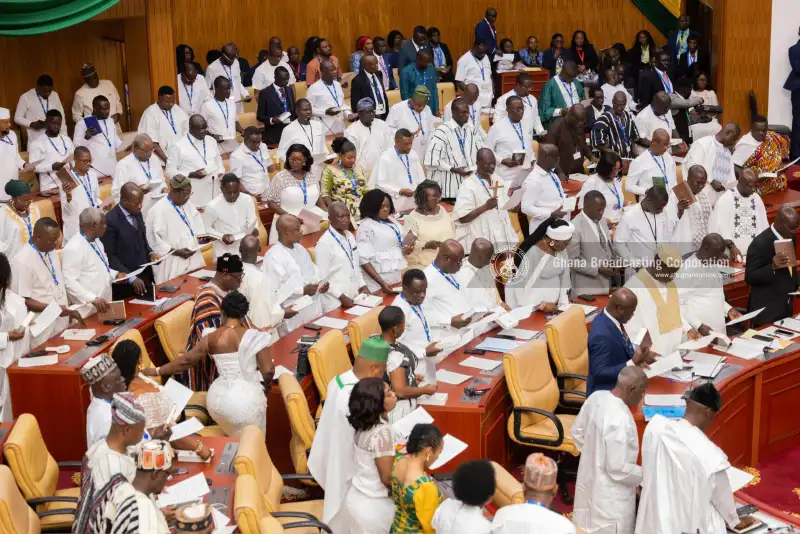
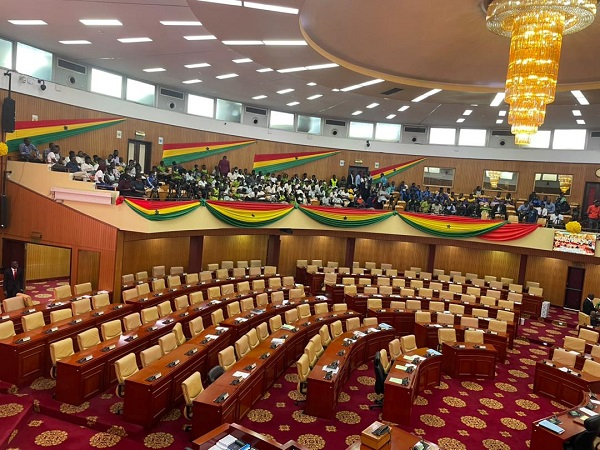
    A delegation of six senior officers of the Department of Research Services of the Parliament of Uganda is on a five-day study visit to the Parliament of Ghana to exchange knowledge and share best practices on researching for legislative bodies in Africa.

    At the beginning of their learning and knowledge-sharing, the delegation paid a courtesy call on the Deputy Clerk of Parliament in charge of the Information Management Services.

    The deliberations on Monday, among other critical issues, touched on key practices, experiences, and methods of evidence use in the legislative processes.

    The Coordinating Director of Media Relations, Public Engagement and Parliamentary Broadcasting, Ms Kate Addo assisted the Deputy Clerk to receive the delegation.

    Officials at Parliament of Ghana
  • Ghana hosts high-level regional consultation on enhancing National Public Health Agencies

    Ghana hosts high-level regional consultation on enhancing National Public Health Agencies

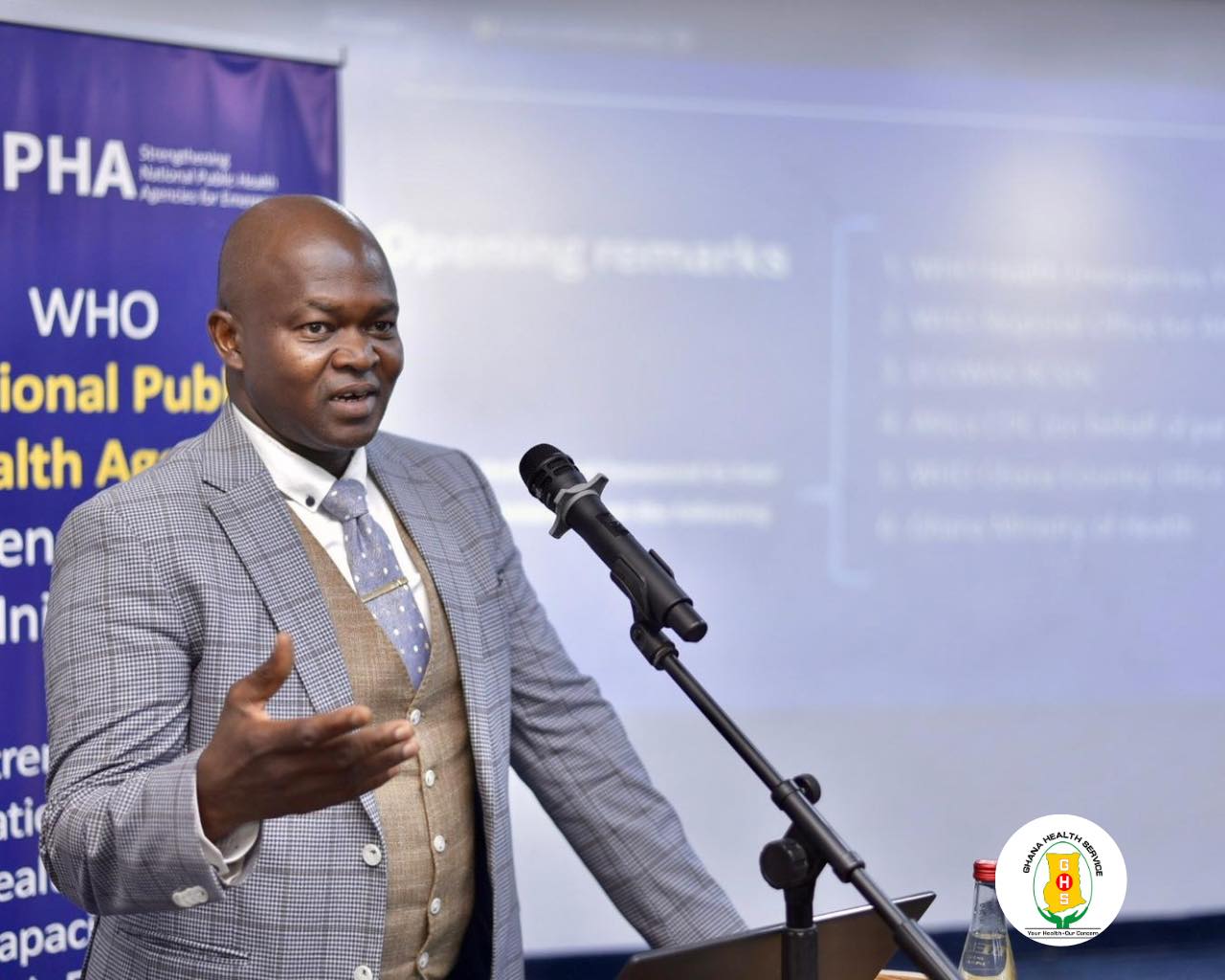
    Ghana has taken center stage in advancing Africa’s public health preparedness, as leading health officials, technical experts, and key stakeholders from across the continent gathered in Accra for a crucial regional consultation on strengthening National Public Health Agencies (NPHAs).

    The high-level meeting, organized by the World Health Organization (WHO) African Region on February 5, focused on reinforcing the role of NPHAs in ensuring the continent’s health security.

    With public health emergencies becoming more frequent and complex, NPHAs are instrumental in disease surveillance, outbreak response, laboratory diagnostics, and risk communication. However, their effectiveness depends on robust governance, sustainable funding, and strategic collaboration. The consultation provided an opportunity for African public health experts to refine governance models and explore innovative financing mechanisms to enhance the efficiency of NPHAs.

    Speaking at the opening session, Dr. Frank Lule, Officer in Charge at WHO Ghana, emphasized the broader impact of the meeting. “This meeting goes beyond defining technical capacities; it’s about rethinking governance models, strengthening partnerships within emergency management,” he stated, urging participants to contribute meaningfully to the discussions.

    A key focus of the gathering was the autonomy of NPHAs while ensuring close coordination with Ministries of Health and other relevant institutions. Through a series of in-depth discussions, attendees assessed strategies to improve technical capacity, optimize resource allocation, and fortify regional cooperation between NPHAs, WHO, the Africa Centres for Disease Control and Prevention (Africa CDC), and other global health organizations.

    Prof. Samuel Kaba Akoriyea, Director General of the Ghana Health Service, highlighted the importance of the initiative in addressing Ghana’s own public health challenges. “As Ghana faces pressing public health challenges, this programme comes at a crucial time. I look forward to the insights that will emerge from this meeting to strengthen our response,” he noted.

    The consultation concluded with a renewed commitment to empowering NPHAs and enhancing their role in Africa’s public health framework. Key outcomes included:

    • A comprehensive assessment of the current state of NPHAs in Africa and their contributions to health emergency preparedness.
    • Refinement of core operational frameworks, integrating African perspectives and experiences.
    • Strengthened partnerships between NPHAs, WHO, Africa CDC, and other key stakeholders to foster regional collaboration.
    • Development of actionable steps for WHO, governments, and partner organizations to enhance NPHAs’ effectiveness in health emergency preparedness and response.

    By fostering stronger governance structures and strategic alliances, the consultation has laid the groundwork for a more resilient health emergency preparedness system in Africa. As the recommendations from the meeting take shape, NPHAs are expected to play a more proactive role in safeguarding public health and responding to future crises with greater efficiency and coordination.

  • Ghana’s anti-corruption efforts decline in 5 years; ranked 80th out of 180 countries – Report

    Ghana’s anti-corruption efforts decline in 5 years; ranked 80th out of 180 countries – Report

    Ghana’s fight against corruption has suffered a setback over the past five years, with the country ranking 80th out of 180 nations in the latest Corruption Perceptions Index (CPI) released by Transparency International.

    The report, presented by the Ghana Integrity Initiative (GII), revealed that Ghana scored 42 out of a possible 100 in the 2024 index, marking a decline from 43 in the previous year and reinforcing concerns about the country’s ability to combat corruption effectively.

    “Ghana’s performance remains below the average threshold of 50, a score indicating serious corruption concerns,” the report stated. Since 2015, Ghana has lost five points on the CPI, reflecting persistent governance challenges despite policy interventions and institutional reforms. The findings suggest that existing legal, policy, and administrative frameworks require urgent review and strengthening.

    Among 49 Sub-Saharan African nations included in the index, Ghana placed 11th, tying with Albania. However, the country lagged behind regional leaders such as Seychelles, which scored 72, Cabo Verde with 62, Botswana and Rwanda with 57 each, and Mauritius with 51. It fared better than Burkina Faso, South Africa, and Tanzania, each of which recorded a score of 41.

    The report also noted that the Sub-Saharan African region continues to register the lowest average score globally, standing at just 33 out of 100, with 90 percent of countries in the region failing to reach the 50-point mark.

    Highlighting broader global trends, Transparency International observed that over two-thirds of countries worldwide scored below 50, underscoring deep-rooted corruption issues in the public sector. The global average remains at 43, showing little progress over the past decade. François Valérian, Chair of Transparency International, warned that corruption is not only an obstacle to development but also a major driver of democratic decline, instability, and human rights violations.

    “The international community and every nation must make tackling corruption a top and long-term priority,” he stated. “The dangerous trends revealed in this year’s Corruption Perception Index highlight the need to follow through with concrete action now to address global corruption.”

    This year’s CPI also draws attention to the link between corruption and the climate crisis. The report pointed out that corruption weakens climate policies by diverting crucial resources meant for environmental protection.

    It also noted that in many countries, high levels of corruption contribute to weaker enforcement of environmental laws, leaving land and environmental defenders vulnerable to attacks. Since 2019, Global Witness has documented over 1,000 murders of environmental defenders, with nearly all occurring in countries that scored below 50 on the CPI.

    In Ghana, corruption remains a major concern, particularly in the mining sector. The report referenced the recent attack on three journalists from the Multimedia Group, including Erastus Asare Donkor, by armed men allegedly linked to Edelmetallum Resources Limited, a mining firm in the Ashanti Region. The incident highlights the dangers faced by journalists and the broader implications of corruption in natural resource management.

    The GII has recommended a series of urgent reforms to reverse Ghana’s declining anti-corruption performance. It urged Parliament to strengthen its financial oversight responsibilities by enhancing the powers of the Public Accounts Committee and establishing a Budget and Fiscal Analysis Department.

    It called on the Judiciary to set up a specialized anti-corruption court to expedite corruption-related cases, similar to the model in Tanzania, which has seen significant progress in prosecuting corrupt officials.

    The report further recommended that the Executive depoliticize the civil and public services by instituting a merit-based appointment system overseen by an independent commission to minimize politically motivated appointments. It stressed the need for stronger legal protections for whistleblowers and journalists, ensuring a safer environment for those exposing corruption. Additionally, it called for the passage of the Conduct of Public Officers’ Bill and the Internal Audit Agency Bill to enhance asset declaration, curb conflict of interest, and empower authorities to conduct lifestyle audits.

    On the issue of climate finance, the report urged government agencies to develop standardized systems for tracking climate funds, expenditures, and outcomes. It also called for a review of political party financing laws to minimize undue influence on governance.

    Despite the grim assessment, the report highlighted examples of African nations making progress in the fight against corruption. Tanzania, for instance, has gained 10 points on the CPI since 2014, largely due to efforts to hold corrupt officials accountable. High-level public officials suspected of corruption are swiftly removed from office, and a specialized court has been set up to handle economic crimes.

    Ghana’s performance, however, suggests that more decisive action is needed to curb corruption and restore public confidence in governance. Transparency International and the Ghana Integrity Initiative stress that without urgent reforms, the country risks further decline on the global corruption index, with broader implications for democracy, development, and social stability.

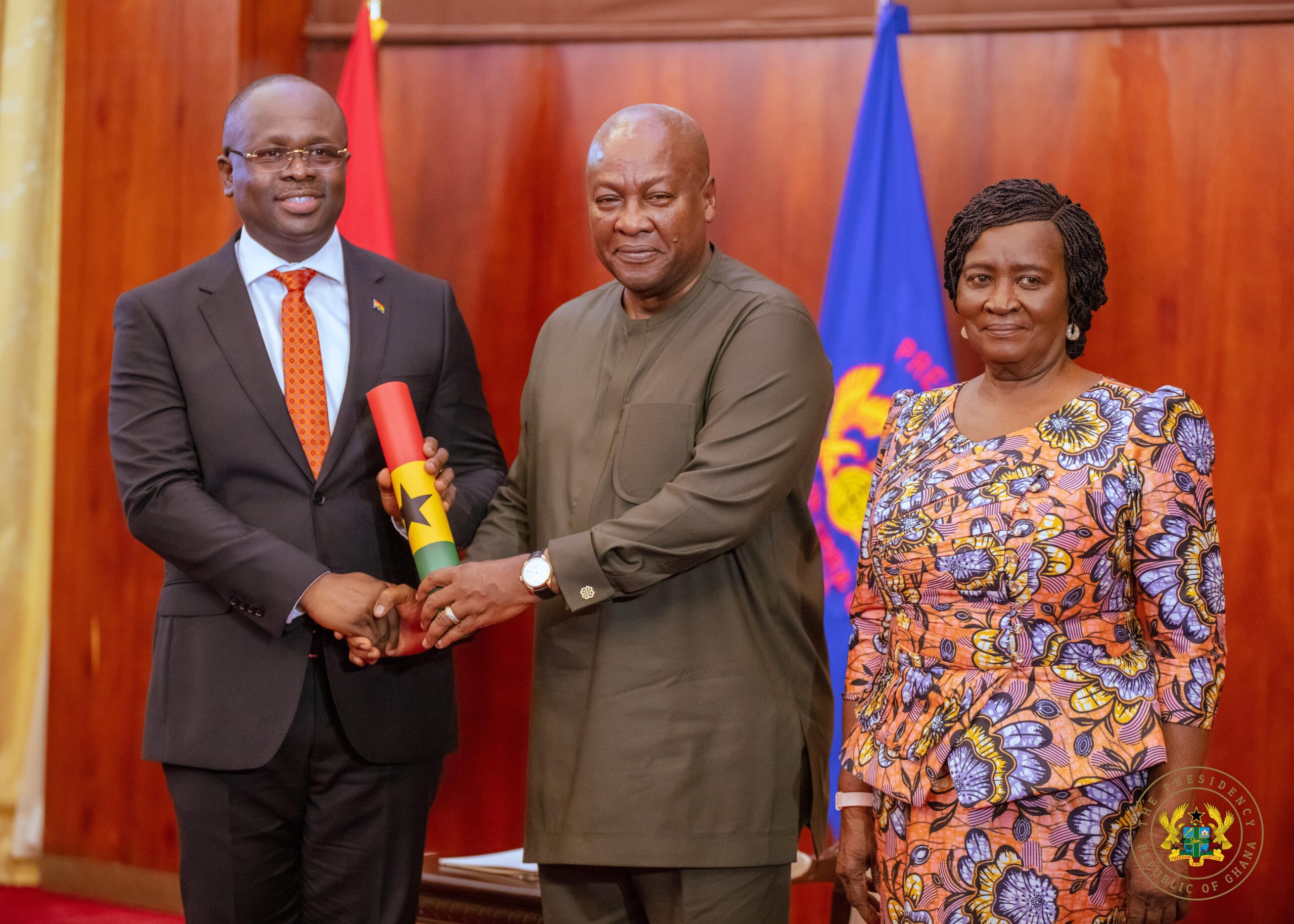
  • Restore Ghana to its pride of place in Africa and World sports – Mahama charges Sports Minister

    Restore Ghana to its pride of place in Africa and World sports – Mahama charges Sports Minister

    President John Dramani Mahama has tasked newly appointed Minister for Sports and Recreation, Kofi Adams, with the responsibility of revamping Ghana’s sports sector and reclaiming the nation’s dominance on the continental and global stage.

    During the swearing-in ceremony for 17 newly appointed ministers at the Jubilee House on Friday, February 7, Mahama emphasized the urgent need for reform, urging Adams to introduce transparency, professionalism, and modern management practices into the sector.

    The President stressed the importance of developing all sporting disciplines while prioritizing the restructuring of the Ghana Football Association (GFA) to restore the Black Stars’ lost glory.

    “Hon. Kofi Adams, I don’t envy your job. You have the monumental task of restoring Ghana to its pride of place in Africa and World sports. The shambles that are Ghana’s sports today are completely unacceptable for a country with our pedigree. And I expect that you inject transparency, professionalism, and modernity into the management of the sector.

    “I expect that you concentrate on building up all the sports disciplines, and I know the Ghana Football Association would be a good place to start to work to make sure that we return the Black Stars to its glory days.”

  • U.S. Army Major jailed 70 months for smuggling firearms to Ghana

    U.S. Army Major jailed 70 months for smuggling firearms to Ghana

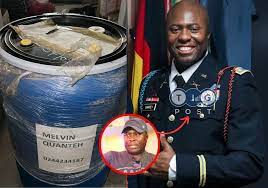
    U.S. Army Major Kojo Owusu Dartey has been sentenced to 70 months in prison and three years of supervised release for smuggling firearms to Ghana and making false statements to federal authorities.

    The 42-year-old, based at Fort Liberty, was found guilty by a jury on April 23, 2024, on charges including conspiracy, illegal firearm dealing, false declarations in court, and exporting firearms without a license.

    According to court records and trial evidence, Dartey orchestrated a firearms smuggling operation by purchasing seven firearms in North Carolina and instructing a U.S. Army Staff Sergeant at Fort Campbell, Kentucky, to buy three more and send them to him.

    He then concealed the weapons inside blue barrels filled with rice and household goods before working with an Army Chief Warrant Officer to smuggle them through the Port of Baltimore, Maryland.

    The barrels were shipped to the Port of Tema, Ghana, where Ghanaian authorities later seized them and alerted the DEA attaché in Ghana and the ATF Baltimore Field Division.

    Dartey was also linked to a 16-defendant marriage fraud scheme involving soldiers at Fort Liberty and foreign nationals from Ghana. He provided information that led to its prosecution but later lied to federal law enforcement and under oath in court about his relationship with a defense witness during the U.S. v. Agyapong trial between June 28 and July 2, 2021.

    His sentencing was announced by Acting U.S. Attorney for the Eastern District of North Carolina, Daniel Bubar, following an investigation by the Bureau of Alcohol, Tobacco, Firearms and Explosives (ATF), the Army Criminal Investigation Division (CID), and the Department of Commerce’s Office of Export Enforcement. Assistant U.S. Attorney Gabriel J. Diaz prosecuted the case.

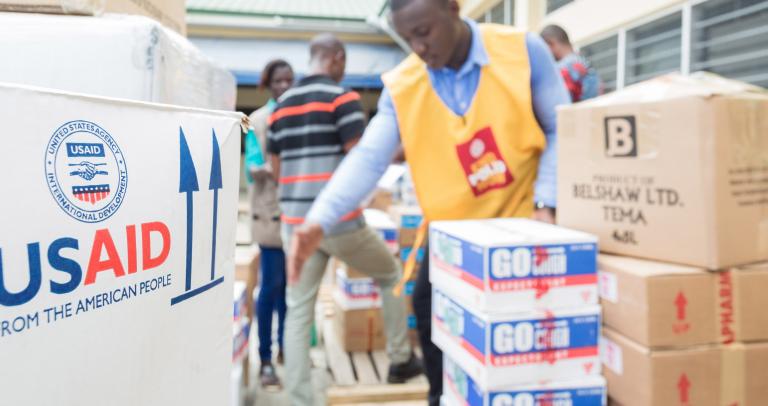
  • Northern part of Ghana cut off global procurement supply chain by USAID via chemonics

    Northern part of Ghana cut off global procurement supply chain by USAID via chemonics

    The Ghana Health Service (GHS) in the Northern Region has confirmed that the United States Agency for International Development (USAID) has suspended its support for the Global Procurement Supply Chain through Chemonics.

    This decision directly affects the Last Mile Distribution (LMD) of health commodities, which ensures the delivery of essential medicines and supplies to healthcare facilities.

    Dr. Abdulai Bukari, the Northern Regional Director of the GHS, described the situation as a major setback for healthcare delivery in the Northern, North East, and Savannah regions. “This development means that SkyNet Express, the logistics company responsible for transporting health commodities, has been directed to freeze its services for 90 days,” he stated.

    The suspension follows an executive order issued by U.S. President Donald Trump, triggering a global freeze on U.S. foreign aid. This decision has disrupted the supply chain of essential health products, creating an urgent need for alternative solutions.

    Among the immediate concerns are:

    • Stockouts of Essential Medicines and Vaccines: The halt in LMD services poses a risk of severe shortages in medicines, vaccines, and critical health supplies, potentially crippling healthcare facilities.
    • Weakened Procurement and Supply Chain Management: The loss of technical support from Chemonics affects inventory tracking, reporting, and overall supply chain efficiency.
    • Disruptions to Public Health Programs: Key USAID-funded health initiatives, including maternal and child healthcare, malaria prevention, family planning, and HIV/AIDS treatment, are at risk of service interruptions.

    In response, the Regional Health Management Team (RHMT) held an emergency meeting with District Health Management Teams (DHMTs) and Budget Management Centre (BMC) heads to assess the impact and explore solutions. After deliberations, they considered a temporary measure to sustain deliveries. “While we seek long-term solutions, SkyNet Express, which was engaged by USAID for LMD, could serve as a stop-gap measure to maintain scheduled distributions in 2025,” a statement from the meeting revealed.

    Health officials are calling for urgent intervention to prevent a full-blown crisis. “We urgently seek guidance on possible interventions to bridge supply chain gaps and ensure uninterrupted access to essential health commodities,” Dr. Bukari emphasized. He further appealed for engagement with development partners and key stakeholders to explore alternative funding and distribution mechanisms to sustain critical health services.

    Authorities are now looking to the government and donor agencies for immediate action to mitigate the crisis and prevent disruptions to healthcare in northern Ghana.

  • EU assures Omane Boamah of stronger defence ties with Ghana

    EU assures Omane Boamah of stronger defence ties with Ghana

    The European Union (EU) has pledged to deepen its security collaboration with Ghana following the appointment of Dr. Edward Omane Boamah as the country’s new Minister for Defence.

    The EU Delegation to Ghana extended its congratulations to Dr. Omane Boamah, who was officially sworn into office last week by President John Dramani Mahama, marking a new chapter in Ghana’s defence and security leadership.

    Reaffirming its commitment to Ghana’s security, the EU emphasized its longstanding role as a “trusted and reliable security partner” to the country.

    Over the years, the EU has played a crucial role in supporting Ghana’s military through strategic partnerships in peace, security, and defence. This collaboration has facilitated the supply of essential military equipment and resources tailored to strengthen Ghana’s defence operations and regional stability.

    As part of this continued partnership, discussions are expected between the Minister and the EU delegation regarding the delivery of military equipment at the end of February, forming part of a €50 million defence package aimed at enhancing Ghana’s security infrastructure.

  • 6 people succumb to meningitis in Upper West Region, 17 suspected cases recorded

    6 people succumb to meningitis in Upper West Region, 17 suspected cases recorded

    Six lives have been lost to cerebrospinal meningitis (CSM) in the Upper West Region, with health authorities confirming 17 suspected cases across six districts.

    This was disclosed by Dr. Collins Boateng Danquah, Deputy Director of Public Health, as he urged residents to prioritize preventive measures and seek early medical care.

    The Nadowli/Kaleo District and Nandom Municipality are the hardest-hit areas, recording the majority of cases. CSM, a potentially fatal disease common in Ghana’s meningitis belt, typically peaks during the dry season from October, claiming lives across the Upper West, Upper East, and Northern Regions.

    Dr. Danquah emphasized the importance of staying vigilant and taking precautions. “The public is advised to take preventive measures, such as avoiding overcrowded areas, ensuring proper ventilation in living spaces, and staying hydrated to maintain healthy skin,” he stated.

    Symptoms of CSM, including headaches, fever, and neck pain, should prompt immediate medical attention, he advised. “Early treatment is crucial in managing this disease and reducing fatalities,” Dr. Danquah added.

    Despite the rising numbers, health officials have yet to declare an outbreak, citing the current situation as below the threshold for a mass vaccination campaign. The strain of bacteria responsible for the reported cases has not been identified, but authorities remain on high alert.

    Speaking to Channel One News, Dr. Danquah assured the public that the region is prepared to handle the situation. “The region is well-prepared to contain the disease’s spread,” he stated, adding that measures are in place to provide care for suspected and confirmed cases.

  • Liberian footballer Amara Kamara passes away while traveling to Ghana for medical care

    Liberian footballer Amara Kamara passes away while traveling to Ghana for medical care

    Liberian footballer Amara Kamara has sadly passed away while on his way to Ghana for surgery following an injury he sustained during a Division One League match.

    Kamara and his family were travelling to Ghana for medical treatment after he was diagnosed of a spinal cord injury.

    However, upon reaching Ivory Coast, the 17-year-old died, leaving Liberia football in a state of mourning.

    “It is with immense sadness and a heavy heart that we announce the untimely passing of our beloved player, Amara Kamara, who tragically departed from us in Ivory Coast while being transported to Ghana for advanced medical care,” a statement from the club’s secretary George Elliot read.

    “Kamara was not just a player but a family member, a role model, and an embodiment of the Blackman Warriors spirit. His dedication to the club and his love for the game inspired us all. His loss leaves a void that will never be filled. We extend our heartfelt condolences to his family, teammates, friends, and the entire Blackman Warrior community.”

    The teen sensation, who plays for Blackman Warriors FC collapsed moments after scoring in their 3-3 draw against Bea Mountains on January 8, 2025.

    He was rushed to two hospitals before later sent to the St Joseph’s Hospital, where he was diagnosed of the spinal cord problem which needed surgery.

    However, the hospitals in Liberia were not equipped to perform the procedure, leading to a decision to transport him to Ghana for treatment.

    The club and his family tried to arrange a flight for his travel to Ghana but that failed and were forced to travel via an ambulance.

    “Our club’s CEO requested a transfer to the Catholic Hospital for more specialized care after Kamara’s diagnosis at JFK. We hired Dr. Alvin N. Doe, who cut short his vacation abroad to attend to Kamara,” Nelson Meanyeah, the club president disclosed.

    “When Dr. Doe arrived and assessed the situation, he determined that Liberia lacked the necessary equipment for the surgery. He recommended transferring Kamara to Ghana, where the required medical attention could be provided.”

    “We were told that only Asky Airlines had an airbed mattress for disabled passengers,” Meanyeah added.

    “Despite filling out the necessary forms, we faced delays and were eventually told that no space was available on the flight.”

  • ‘Without proper accountability, financial dominance will continue to dictate political outcomes’ – Mpraeso MP

    ‘Without proper accountability, financial dominance will continue to dictate political outcomes’ – Mpraeso MP

    Member of Parliament for Mpraeso, Davis Ansah Opoku, has raised alarm over the growing influence of money in Ghana’s political landscape.

    He warned that the unchecked role of financial resources risks eroding the foundations of the country’s democracy.

    Addressing Parliament, Mr. Opoku expressed concern about the weak enforcement of the Political Parties Act, 2000 (Act 574), which has created loopholes that allow financial power to overshadow merit in the selection of political candidates.

    “Without proper accountability, financial dominance will continue to dictate political outcomes,” he cautioned, pointing to the escalating cost of political campaigns as a significant barrier for competent individuals who lack substantial financial backing.

    Highlighting the need for urgent reforms, Mr. Opoku proposed a series of measures aimed at ensuring transparency in political party funding and reducing the undue influence of money in politics.

    He recommended the introduction of campaign spending limits, mandatory public disclosure of political donations, and strict penalties for violations of funding regulations. Such reforms, he argued, are essential to ensuring that candidates are selected based on their qualifications and abilities rather than their financial resources.

    “These reforms will help ensure that political competition is driven by merit, not by wealth,” he stated.

    In addition to these measures, Mr. Opoku advocated for the creation of a public funding mechanism to support political campaigns. According to him, this system would level the playing field by reducing candidates’ dependence on private financiers, thereby promoting a fairer and more inclusive electoral process.

  • I will lead the charge to reset Ghana here in Parliament – Majority Leader

    I will lead the charge to reset Ghana here in Parliament – Majority Leader

    Majority Leader Mahama Ayariga has pledged to lead the charge in fulfilling President John Dramani Mahama’s national agenda to reset Ghana.

    Mr Ayariga, who succeeds Dr. Cassiel Ato Forson, emphasized his commitment to continuity in leadership, guided by the precedents set by his distinguished predecessors.

    “I am guided by the illustrious precedents set by former distinguished leaders of our caucus…” Ayariga said, naming notable leaders like Rt. Hon Alban Bagbin, Cletus Avoka, and Haruna Iddrisu.

    Mr Ayariga reassured Ghanaians that the NDC caucus would rigorously pursue the agenda to reset Ghana, consistent with President Mahama’s mandate. “As Leader of the House and Leader of Government Business, I assure the people of Ghana that we will…pursue the agenda to reset Ghana…” he stated.

    He promised a collaborative approach to governance, striving for inclusivity, consensus-building, and upholding principles of probity and accountability. “Although we constitute an overwhelming majority, we will…foster national unity, advance democracy, and ensure equitable development.”

    Mr Ayariga expressed optimism despite anticipating challenges, saying, “The road ahead will not be without challenges, but I am confident that…we can overcome any obstacles and deliver on our collective vision.”

  • Ghana is open for business – Ato Forson tells investors

    Ghana is open for business – Ato Forson tells investors

    Finance Minister, Dr Cassiel Ato Forson, has sent a strong message to the global business community, declaring Ghana’s readiness to partner with investors for sustainable economic growth.

    “Ghana is open for business. We welcome partnerships and investments that will drive sustainable development and prosperity for all,” he affirmed, signaling the government’s commitment to creating an investor-friendly environment.

    Parliament’s approval of Dr. Forson’s nomination on Tuesday, January 21, marks a significant step in the Mahama administration’s agenda to revitalize the economy. His appointment reflects a broad endorsement of his expertise and vision for steering the country’s financial sector.

    Taking to social media shortly after his confirmation, Dr. Forson expressed heartfelt gratitude to God, President John Dramani Mahama, Parliament, and the citizens of Ghana for the trust reposed in him.

    “I am deeply humbled and grateful to the Almighty God for this opportunity to serve Ghana in the capacity of Finance Minister,” he wrote.

    In his role, Dr. Forson has pledged to address critical economic challenges with a focus on inclusivity and resilience. He outlined his plans to stabilize the national currency, curb inflation, and create jobs, emphasizing the need for collective effort.

    “Together, we will work to bring down inflation, stabilise the Cedi, create jobs, foster inclusive growth, and create opportunities for all Ghanaians,” he assured.

  • Ghana likely to seek more funds from IMF due to poor T-bills performance – Ato Forson

    Ghana likely to seek more funds from IMF due to poor T-bills performance – Ato Forson

    The government could seek additional funding from the International Monetary Fund (IMF) during its ongoing three-year programme to stabilize the economy.

    Finance Minister-designate Dr Cassiel Ato Forson disclosed this on Thursday, emphasizing the government’s commitment to working with the IMF while seeking further financial support.

    “We are committed to work with the IMF, but we also want to ensure that we can raise financing; additional finance, working with IMF and other domestic, international partners,” Forson said ahead of a meeting with an IMF team currently in Accra.

    “The reliance on Treasury bills and others has not been very helpful,” added Forson, who previously served as deputy finance minister.

    The IMF has yet to comment on this development.

    The 46-year-old chartered accountant also outlined plans to cut public spending to reduce inflation further.

    “There is a lot of wastage in the system and we will cut them,” he said, noting that the measures would help the government resume domestic bond issuance by mid-year.

    Ghana defaulted on most of its external debt in 2022, leading to a restructuring process nearing its conclusion. Forson confirmed that the government aims to finalize agreements with non-Eurobond commercial creditors.

    President Mahama, who previously led the country from 2012 to 2017, had campaigned on renegotiating the terms of Ghana’s IMF bailout. However, market analysts suggest limited flexibility in altering the current programme.

    Mahama’s commitment mirrors similar pledges by reformist leaders elected in emerging markets last year, such as Sri Lanka’s Anura Kumara Dissanayake, who vowed to reassess IMF terms.

    The president has moved swiftly to form a government, appointing John Abdulai Jinapor as Energy Minister and Dominic Akuritinga Ayine as Attorney General and Justice Minister. Ministerial nominees must receive approval from Parliament, where the NDC holds a two-thirds majority.

    Forson also highlighted plans to overhaul the cocoa sector, which has faced significant challenges.

    “We need to look at the issues of funding, diseased crops, and production very well. The whole sector needs an overhaul,” he stated.

  • Ghana’s diplomatic relations with Sahrawi Arab Democratic Republic suspended

    Ghana’s diplomatic relations with Sahrawi Arab Democratic Republic suspended

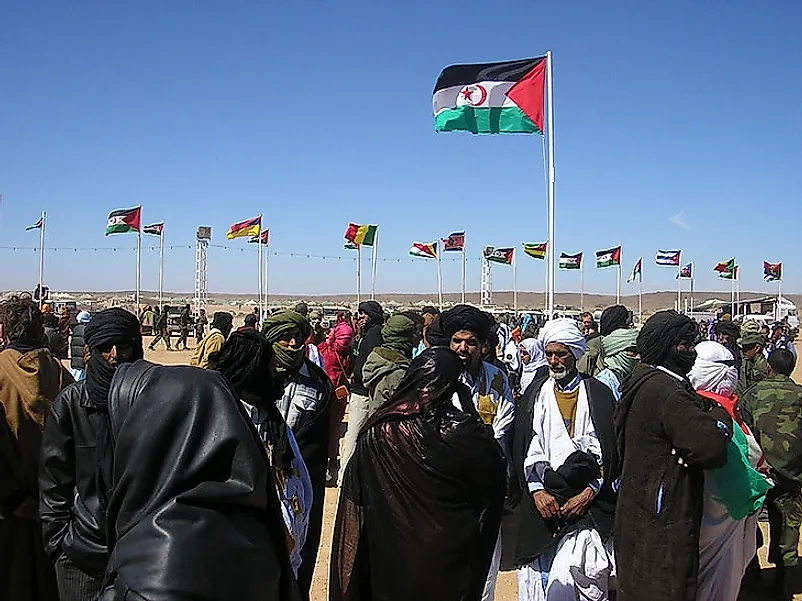
    The Republic of Ghana has officially suspended its diplomatic relations with the Sahrawi Arab Democratic Republic (SADR), aligning with the positions of several other nations on the matter.

    Per reports, a statement from the Ministry of Foreign Affairs, African Cooperation, and Moroccan Expatriates of the Kingdom of Morocco confirmed the development. It disclosed that the Ghanaian government communicated this decision through an official document from its Ministry of Foreign Affairs and Regional Integration to Morocco’s Ministry of Foreign Affairs.

    Ghana further assured that it would notify the African Union, the United Nations, and Morocco through formal diplomatic channels.

    In the official communication, Ghana reaffirmed its support for Morocco’s efforts in seeking a “mutually agreeable solution” to the Moroccan Sahara dispute, commending what it described as Morocco’s “good-faith initiatives.”

    Ghana first recognized the SADR in 1979. However, this suspension now aligns the country with 46 other nations, including 13 African states, that have either cut or suspended diplomatic relations with the SADR since 2000.

    The decision also highlights Morocco’s diplomatic progress under the leadership of His Majesty King Mohammed VI, who has consistently advocated for Morocco’s position on the Sahara issue in global forums.

  • Invest in the youth to build Ghana – Mahama told

    Invest in the youth to build Ghana – Mahama told

    Yobu Hussein Muhammad, a Nigerian Peace Ambassador, has urged President John Dramani Mahama to prioritize youth development as a key driver of national progress.

    Speaking at the inauguration ceremony on Tuesday, Muhammad emphasized the critical role of empowering the younger generation in securing Ghana’s future. “Carry the youth along. If you carry them along and build them, the youth will build the nation. If you destroy the youth, you destroy the nation. The youth supported you to win the elections, so help them to get jobs,” he told The Independent Ghana during an interview.

    Muhammad also extended his call to other African leaders, urging them to tackle the pressing issue of youth unemployment across the continent. “This message is not only for John Mahama but for all African leaders. We need to focus on creating jobs and opportunities for the teeming unemployed youth. Their future determines the future of our nations,” he said.

    Describing Ghana as his “second home,” the ambassador commended the country’s peaceful transition of power and expressed optimism about its prospects under Mahama’s leadership. “We are praying for Ghana to remain in a good state, with peace and economic development. This is a moment of celebration, and I am confident that success will follow,” Muhammad added.

    The inauguration ceremony, which marked Mahama’s return to the presidency, attracted dignitaries from across Africa, with many stressing the need for policies that promote economic growth and social inclusion.

  • We shall reset Ghana by redefining our governance, economic strategies – Mahama

    We shall reset Ghana by redefining our governance, economic strategies – Mahama

    President John Dramani Mahama has pledged to reset Ghana by redefining the nation’s governance and economic strategies, emphasizing his commitment to addressing the pressing challenges facing the country.

    Speaking at his inauguration as the 6th President of the 4th Republic on January 7 at the Black Star Square, Mahama stressed the need for leadership that delivers tangible results for all citizens.

    “If democracy is to be celebrated as the best form of governance, then its outcomes must be evident in the daily lives of citizens,” he declared.

    Reflecting on the country’s current struggles, Mahama acknowledged the severe economic difficulties Ghanaians have faced in recent years but assured them that the hardships were not insurmountable.

    “We have endured severe economic hardships, moving from one crisis to another in recent years. But there is hope on the horizon,” he said, urging citizens to stay resilient as his government works towards transformative change.

    Mahama further called for a comprehensive national reset, emphasizing the importance of restoring faith in democratic governance and ensuring it benefits all Ghanaians.

    “Today marks the beginning of a new opportunity—an opportunity to redefine our governance and economic strategies. Together, we shall reset our beloved nation, Ghana,” he affirmed.

    The President concluded by reiterating his optimism for the future, assuring Ghanaians that his administration would be focused on policies that foster national development and uplift the standard of living for all citizens.

  • Jane Naana Opoku-Agyemang officially becomes Ghana’s first female Veep

    Jane Naana Opoku-Agyemang officially becomes Ghana’s first female Veep

    Prof. Jane Naana Opoku-Agyemang has officially made history as Ghana’s first female Vice President, a landmark achievement in the country’s political landscape.

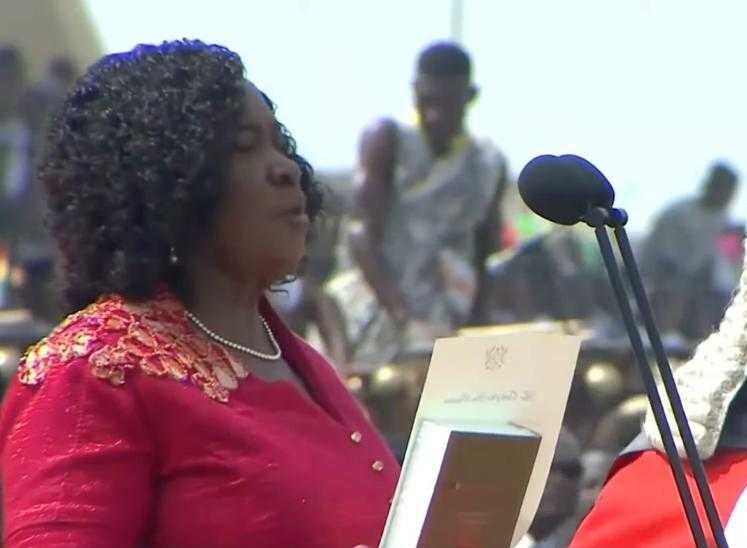
    She was sworn into office on Tuesday, January 7, 2025, at the Independence Square in Accra by Chief Justice Gertrude Torkornoo, marking a historic milestone in Ghana’s leadership.

    Prof. Opoku-Agyemang’s journey to this momentous role reflects a life dedicated to education, leadership, and the empowerment of women and youth. Her career has spanned academia, politics, and public service, with her commitment to social change leaving an indelible mark on Ghana.

    Born on November 22, 1951, in Cape Coast, Central Region, Prof. Opoku-Agyemang’s academic pursuits began at Wesley Girls’ High School, followed by higher education at the University of Cape Coast (UCC), where she earned a Bachelor’s degree in English and French, and later a Master’s in English. Her academic journey continued at York University, Canada, where she earned a PhD in English Literature.

    Her remarkable academic career at UCC spanned over three decades, culminating in her appointment as the university’s first female Vice-Chancellor from 2008 to 2012. During her tenure, she implemented key reforms and overseen significant infrastructure developments at the institution.

    Prof. Opoku-Agyemang’s political career began in 2013 when she was appointed Minister of Education under President John Mahama. As Education Minister, she played a key role in the implementation of the Free Senior High School program and worked to enhance the welfare of teachers.

    In 2020, she broke barriers again when she was selected as the running mate to President John Mahama, inspiring women and girls across the country. Although the 2020 election ended in defeat, Prof. Opoku-Agyemang’s dedication to Ghana’s progress earned her a second opportunity, leading to her historic inauguration as the nation’s first female Vice President.

  • Find out the leadership of the 9th Parliament

    Find out the leadership of the 9th Parliament

    Alban Sumana Kingsford Bagbin has made history once again as the Speaker of Ghana’s 9th Parliament under the Fourth Republic.

    The Member of Parliament for Akatsi South, Bernard Ahiafor, has been elected as the 1st Deputy Speaker of Parliament. His nomination by the National Democratic Congress (NDC) was seconded by the Deputy Minority Leader.

    The MP for Fomena, Andrew Amoako Asiamah, has retained his role as the 2nd Deputy Speaker, a position he has held since January 2021.

    The NDC leadership for the 9th Parliament includes:

    • Majority Leader: Cassiel Ato Forson (MP for Ajumako Enyan Essiam)
    • Deputy Majority Leader: Emmanuel Armah-Kofi Buah (MP for Ellembelle)
    • Majority Chief Whip: Governs Kwame Agbodza (MP for Adaklu)
    • Deputy Majority Chief Whip: Ahmed Ibrahim (MP for Banda)

    The Minority leadership includes:

    • Minority Leader: Alexander Afenyo-Markin
    • Deputy Minority Leader: Patricia Apiagyei
    • Chief Whip: Frank Annoh-Dompreh
    • First Deputy Minority Whip: Habib Iddrisu
    • Second Deputy Minority Whip: Jerry Ahmed Shaib

    https://twitter.com/GTV_Ghana/status/1876446982203756975

  • Ghana’s economy defies global challenges with 6.3% growth in first 9 months of 2024

    Ghana’s economy defies global challenges with 6.3% growth in first 9 months of 2024

    Despite global challenges, Ghana’s economy exceeded expectations, with key indicators performing better than predicted for several months.

    Data from the Ghana Statistical Service (GSS) shows that the country recorded an average GDP growth of 6.3% for the first nine months of the year, compared to 2.6% during the same period in 2023.

    This growth was fueled by quarterly increases of 4.8% in the first quarter, 7% in the second quarter, and a remarkable 7.2% in the third quarter – the highest in five years.

    The non-oil sector also played a major role, achieving an average growth rate of 6.2%, up from 2.6% last year. Quarterly growth in this sector was 4.3%, 6.6%, and 7.7% for the first, second, and third quarters respectively.

    These numbers suggest that Ghana is on track to surpass the 4% GDP growth target set under the IMF program.

    Consumer inflation

    Inflation continued to rise in 2024, reaching 23% in November, up from 22.1% in October, according to the Ghana Statistical Service (GSS).

    Although inflation dropped from a high of 54.1% at the end of 2022 and 23.2% in December 2023, it remained unstable and failed to hit the government’s initial target of 13% to 17%.

    From 20.4% in August, inflation steadily climbed due to rising food prices and the lingering effects of earlier currency depreciation. It now seems likely that inflation will stay above 20% in December 2024.

    In January 2024, the Bank of Ghana (BoG) lowered its key policy rate by 1% (100 basis points) to 29%, marking the first cut since 2021. The decision was based on a decline in inflation.

    The policy rate stayed unchanged for most of the year until it was reduced again by 2% (200 basis points) in September due to inflation trends. However, in November, it was maintained at 27%.

    As a result, borrowing costs remained high, with average lending rates exceeding 30% due to persistent economic risks.

    The Ghana Reference Rate, which was 31.31% at the start of the year, gradually dropped to 28.84% in early November but was raised slightly to 29.31% for December 2024.

    IMF-supported programme

    The Post-COVID-19 Programme for Economic Growth (PC-PEG), supported by the IMF, has delivered significant results.

    Ghana successfully secured an additional SDR 269.1 million (US$360 million) after the IMF Executive Board approved the third review of the programme, bringing total disbursements to US$1.92 billion.

    The country achieved all six key performance benchmarks and four indicative targets set for June 2024, marking a major achievement. Efforts to streamline government spending have also paid off, with the primary balance improving from a 4.3% deficit of GDP in 2022 to a surplus of 0.4% by mid-2024.

    Foreign currency reserves grew to US$7.7 billion in October 2024, up from US$5.2 billion in October 2023, offering 3.5 months of import coverage.

    Funding for social programmes also increased, benefiting initiatives such as the National Health Insurance Scheme, school feeding programmes, and the Livelihood Empowerment Against Poverty (LEAP) project.

    Debt restructuring

    Significant milestones were recorded in the nation’s debt restructuring efforts during the year under consideration. Agreements were reached with the Official Creditor Committee under the G20 Common Framework to restructure US$5.1billion in bilateral loans, securing debt service relief of US$2.8billion between 2023 and 2026. Additionally, Eurobond holders agreed to restructure US$13.1billion in debt, resulting in a US$4.7billion cancellation and US$4.4billion in debt service savings.

    Consequently, the debt-to-GDP ratio fell from 79.2 percent in September to 74.6 percent in October 2024, resulting in a much-needed reduction in public debt stock. The IMF confirmed that these restructuring efforts align with programme parameters, marking Ghana as a model for swift and successful debt negotiations under the Common Framework.

    Energy sector reforms

    After years of negotiations, the government reached agreements with Independent Power Producers (IPPs) to restructure legacy arrears and power purchase agreements (PPAs). This initiative is expected to provide fiscal relief and ensure reliable power supply. The restructuring includes amendments to PPAs and master gas supply arrangements between the Electricity Company of Ghana (ECG) and the Ghana National Petroleum Corporation (GNPC).

    Banking developments

    The industry’s total assets surged by 42.4 percent to reach GH¢367.2bn in the year to October, a marked acceleration from the modest 3.2 percent growth recorded in the previous year.

    Private sector credit expansion accelerated markedly to 28.8 percent year-on-year in October, representing a substantial reversal from the previous year’s contraction. Banking sector resilience improved moderately, with capital adequacy ratios strengthening to 11.1 percent, though asset quality deteriorated as the non-performing loan ratio climbed to 22.7 percent.

    The industry’s outlook remains contingent upon earnings recovery and adherence to recapitalisation requirements. Notably, real credit growth turned positive at 5.5 percent, following the previous year’s significant 31.6 percent decline.

    SME support

    The government deployed nearly GH¢2.1billion under the SME Growth and Opportunity (GO) programme to support small and medium enterprises (SMEs). The Ghana Exim Bank received GH¢700million to provide subsidised financial assistance, while the Ghana Enterprises Agency (GEA) and the Development Bank Ghana (DBG) allocated GH¢230million and GH¢1.4 billion, respectively, to support high-growth SMEs and MSMEs.

    Currency performance

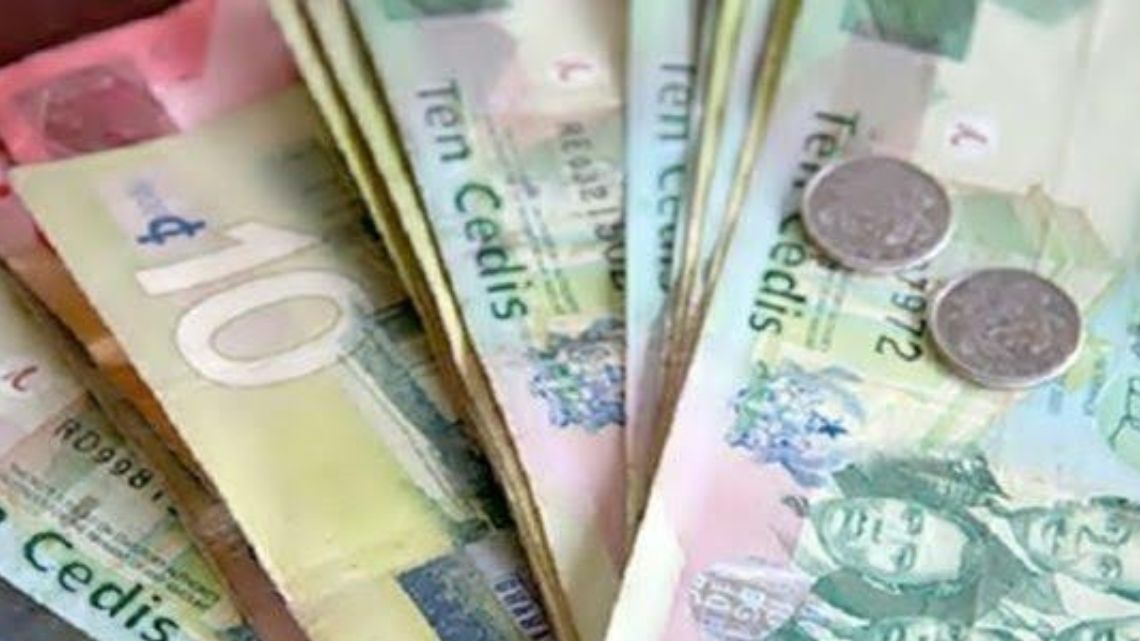
    The cedi faced continued pressure in 2024, depreciating by 28 percent against the US dollar, compared to last year.

    This was attributed to strong domestic demand for foreign currency and a stronger dollar globally. This decline contrasted with a 9.78 percent depreciation in the same period in 2023.

    The unit has clawed back some gains, following the central banks injection of more than US$800million into the market in November.

    Fixed income market

    The fixed income market showed mixed performance in 2024. While treasury bills attracted strong investor interest due to attractive yields, the secondary bond market remained below pre-Domestic Debt Exchange Programme (DDEP) levels. Yields on 91, 182 and 364-day treasury bills declined, reflecting reduced inflation and a cumulative 300-basis-point cut in the monetary policy rate.

    The secondary market began picking up as government was able to meet it obligations. As of end-November 2024, traded volumes reached 153.52 billion, marking a 87.97 percent increase over the 81.67 billion traded in the corresponding period last year. This corresponded to a value traded of GH¢126.58billion.

    On the equities front, the value of shares traded from January to November 2024 amounted to GH¢1.996billion, approximately GH¢ billion, marking a 165.44 percent increase compared to the GH¢752million recorded during the same period in 2023.

    This surge was accompanied by a 71.29 percent rise in traded volumes, which reached 952.72 million shares during the period. As a result, the market capitalisation climbed to GH¢108.4billion, significantly higher than the GH¢74.2billion recorded by the end of November 2023.

  • Ghana’s gold production set to increase by 3% in 2025

    Ghana’s gold production set to increase by 3% in 2025

    Ghana’s gold production is expected to rise by 3% in 2025, reaching 136 tonnes, up from an estimated 132 tonnes in 2024.

    This increase in production is largely due to a $525 million investment in expanding production at Asante Gold’s Bibiani and Chirano mines, as well as the start of operations at the Ahafo North gold mine.

    In 2023, Ghana produced 128 tonnes of gold.

    According to Deloitte’s West Africa in Focus Report, higher gold output combined with stronger global gold prices will result in increased gold revenue for the country.

    Gold prices are expected to rise further in 2025, as major economies like the U.S. and the U.K. implement more supportive monetary policies, making gold more attractive as an investment during times of low interest rates.

    On the other hand, Ghana’s cocoa exports, the second-largest export after gold, will continue to face challenges.

    These include the spread of the swollen shoot virus, bad weather, smuggling, and fluctuations in global commodity prices.

    Cocoa production for the 2025/2026 season is expected to increase to 527,000 tonnes, up from the 2024/2025 estimate of 500,000 tonnes.

  • Ghana may face severe cholera outbreak next year – Minority

    Ghana may face severe cholera outbreak next year – Minority

    The Minority in Parliament has warned that Ghana risks a cholera outbreak before the next administration assumes office unless the Akufo-Addo government takes urgent measures.

    The caucus reported that as of December 17, 2024, the Western Region had recorded 123 cases and 15 fatalities, including 15 health workers who became infected while treating patients.

    Speaking to journalists in Accra on Friday, Kwabena Mintah Akandoh, the Ranking Member of the Health Committee, criticized the government for what he described as blatant negligence. He argued that the same failure to act, which contributed to the NPP’s electoral defeat, is now aggravating the nation’s public health crisis.

    “Without immediate and decisive interventions, Ghana risks facing a full-blown cholera epidemic before the incoming administration takes over from the outgoing NPP regime,” Akandoh warned.

    He added, “It is deeply concerning that what could have been a minor cholera outbreak has instead exposed the fragility of our healthcare system. This outbreak, which should have been controlled weeks ago, continues to escalate due to systemic neglect and inefficiency.”

    Mr Akandoh called on the government to respond promptly and effectively by allocating sufficient resources and equipping health workers with the necessary support to manage the outbreak.

  • Ghana grabs 17 trophies at 2024 UCMAS International Competition in India

    Ghana grabs 17 trophies at 2024 UCMAS International Competition in India

    Ghana’s young academic prodigies have once again made the nation proud, winning an impressive 17 trophies at the 2024 UCMAS International Competition held in India.

    This remarkable achievement marks a significant leap from the four trophies secured in 2023—a staggering 325% improvement in performance.

    The competition required students to solve 200 arithmetic questions in just eight minutes, a rigorous format designed to test mathematical skills, visual memory, concentration, and overall academic excellence.

    Ghana’s 28-member contingent showcased exceptional mental arithmetic and abacus skills, competing against over 6,000 participants from 30 countries in the 31st edition of the competition. The team excelled across four categories—A1, A2, B, and D—emerging as a standout force.

    At the awards ceremony, Ghana’s contingent secured three championship trophies, six 1st runners-up trophies, and nine 2nd runners-up trophies, sparking jubilant celebrations among supporters in attendance.

    The journey to this historic achievement was filled with months of intense preparation and dedication. Even during their two-day flight to India, the students remained focused, honing their mental math skills to deliver an outstanding performance on the global stage.

    In a special acknowledgment, Roger Ohemeng, Director for Business Development at Maurya Education Limited, was honoured with a plaque for his contributions to advancing the UCMAS initiative in Ghana.

    Ghana’s triumph at the UCMAS International Competition underscores the power of perseverance, discipline, and unwavering commitment to academic excellence.

  • Ghana to end 2024 with 18% inflation rate – IMF

    Ghana to end 2024 with 18% inflation rate – IMF

    Ghana’s inflation rate is projected to reach 18% by the end of 2024, the International Monetary Fund (IMF) has revealed in its latest Country Report. This marks an upward revision from its earlier estimate of 15%, reflecting persistent price pressures caused by a weaker cedi and the ongoing dry spell.

    The IMF noted that despite these challenges, Ghana’s macroeconomic outlook remains positive, buoyed by stronger-than-expected GDP growth in the second quarter of 2024. The Fund has consequently revised its 2024 growth projection upward to 4.0% from the earlier forecast of 3.1%, made during the second Economic Credit Facility (ECF) review.

    “Continued tight monetary policy will bring inflation back to the Bank of Ghana’s target band (8±2 percent) by end-2025,” the IMF stated, underlining the importance of maintaining fiscal discipline to curb inflationary pressures.

    The IMF’s analysis also highlighted ongoing fiscal consolidation efforts and the anticipated completion of Ghana’s debt restructuring as critical measures for ensuring public debt sustainability. It further projected that the country’s current account deficit would remain balanced until 2026, with international reserves expected to reach three months of import coverage.

    Despite the improved outlook, the IMF cautioned that significant downside risks remain. Externally, heightened geopolitical tensions in regions such as Ukraine and the Middle East, coupled with commodity price volatility, could adversely affect Ghana’s economy. These factors may lead to higher imported inflation and increased investor risk aversion.

    On the domestic front, the IMF warned of potential policy slippages ahead of the 2024 general elections or during the political transition period. Such setbacks, it said, could undermine macroeconomic stability, complicate debt restructuring discussions, and worsen domestic financing conditions.

    “If protracted, weak cocoa harvests could affect exports and growth prospects. More generally, Ghana is subject to risks related to climate shocks,” the IMF added.

    The Fund also expressed concerns that the disinflationary process is progressing at a slower pace than anticipated in the first half of 2024, while exchange rate volatility remains elevated.

    Former Finance Minister Seth Terkper has weighed in on the IMF’s latest assessment, describing it as a positive signal for Ghana’s economy.

    However, he emphasised that these improvements do not imply that all sectors of the economy are performing well.

    Ghana’s inflation outlook remains central to its economic recovery strategy, with policymakers expected to maintain tight monetary policies to steer inflation back to target levels. As the year progresses, the government’s ability to navigate risks and implement prudent economic policies will determine the resilience of Ghana’s recovery.

  • Ghana to receive $14million from Switzerland to foster local governance

    Ghana to receive $14million from Switzerland to foster local governance

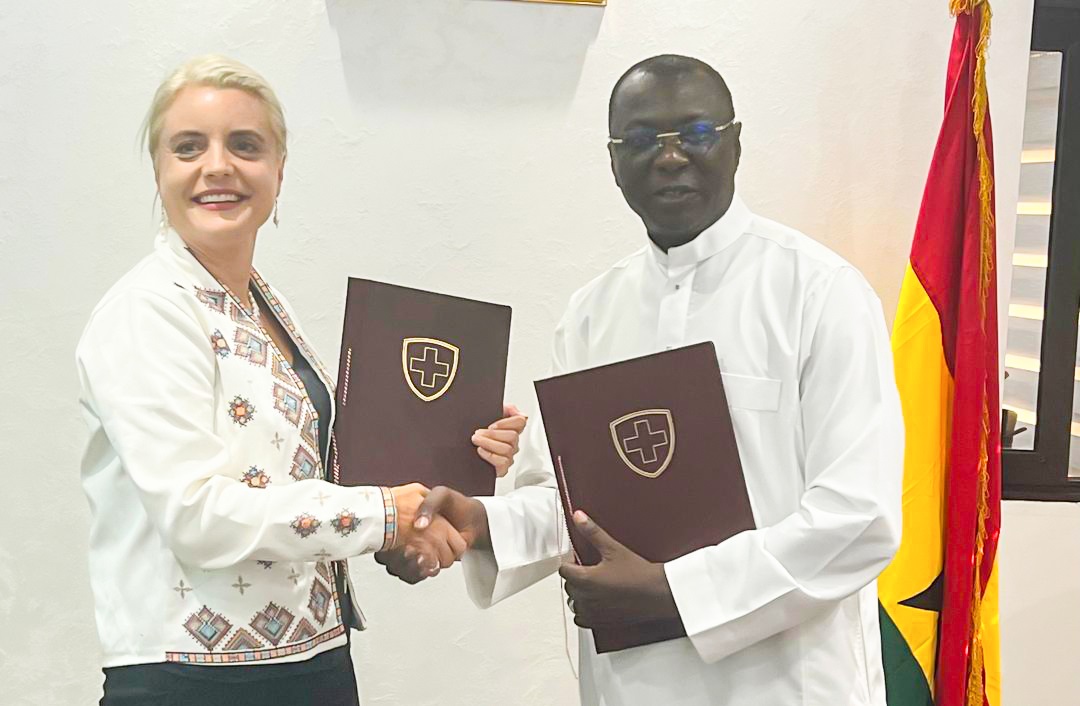
    The Government of Ghana and Switzerland have signed a CHF 12 million (about USD $14 million) grant agreement to support the implementation of the District Assemblies Common Fund Responsiveness Factor Grant (DACF-RFG).

    The DACF-RFG is a performance-based grant system designed to incentivize Metropolitan, Municipal, and District Assemblies (MMDAs) to improve efficiency, transparency, and accountability in local governance.

    The landmark signing ceremony, held in Accra, was attended by Ghana’s Minister for Finance, Dr Mohammed Amin Adam, the Swiss Ambassador to Ghana, Simone Giger, and other key stakeholders.

    The grant seeks to strengthen decentralized governance, enhance accountability, and improve the delivery of essential services at the local level.

    Speaking at the event, Ghana’s Minister for Finance, Dr Mohammed Amin Adam, expressed profound gratitude to the Swiss Government for its unwavering support of Ghana’s development agenda.

    “Switzerland’s financial contribution of CHF 12 million to the DACF-RFG underscores the strong and enduring partnership between our two nations,” the Minister noted.

    He highlighted Switzerland’s commitment to the DACF-RFG framework, describing it as, “a testament to her shared vision for sustainable development and effective decentralization in Ghana.”.

    Dr. Amin Adam acknowledged challenges such as delays in fund disbursement that have occasionally hindered the program’s effectiveness. However, he expressed optimism about the progress made and the commitment of stakeholders to addressing these issues.

    Swiss Ambassador Simone Giger emphasized that local governance and decentralization were key pillars of Switzerland’s cooperation with Ghana.

    “From my visit to some project sites in 12 regions of the country, it was clear citizens were direct beneficiaries of the support from the government of Switzerland, a situation she described as, ‘heart-warming’,” Ambassador Giger remarked.

    She commended Ghana for the judicious use of the DACF-RFG, highlighting its impact and reaffirming Switzerland’s commitment to the program’s success.

  • Investigate the deaths of electorates in 2024 elections – US to Ghana

    Investigate the deaths of electorates in 2024 elections – US to Ghana

    The United States has called on Ghanaian authorities to investigate the deaths of electorates during the country’s 2024 general elections.

    This follows reports of violence that claimed “at least four confirmed deaths” and left several others injured.

    In a statement, U.S. Secretary of State Antony J. Blinken extended condolences to the families of the victims and urged accountability. “The United States extends our condolences to the families of those killed and urges a full investigation and accountability,” Blinken said.

    Despite the isolated incidents of violence, the United States congratulated President-elect John Mahama on his successful election campaign and Vice President-elect Naana Jane Opoku-Agyemang for making history as Ghana’s first female vice president.

    “We commend the Electoral Commission, its hundreds of thousands of poll workers, civil society, and the country’s security forces, who helped ensure a peaceful and transparent process,” the statement noted. Secretary Blinken also praised Vice President Mahamudu Bawumia for his “gracious acceptance of the results.”

    The United States reaffirmed its commitment to Ghana, stating, “We are proud of our enduring partnership and friendship with the people and government of Ghana. We look forward to working closely with President-elect Mahama to carry our historic relationship into the future.”

    Meanwhile, Ghana’s police have arrested 89 individuals in connection with violent activities during the elections. According to the police, “40 suspects are directly linked to incidents of vandalism, looting, and the destruction of properties” across the country.

    The security agencies assured the public that all suspects will be processed for court, adding, “perpetrators will not escape the law.” Citizens have also been cautioned to refrain from any further acts of violence to ensure peace and stability in the post-election period.

    https://twitter.com/USEmbassyGhana/status/1866386300800270443

  • What an accountant-turned mechanic says about Ghana’s election

    What an accountant-turned mechanic says about Ghana’s election

    Unable to get a job as an accountant since graduating five years ago, Ghanaian Nathaniel Qainoo has been forced to swap his calculator for a spanner.

    The 29-year-old was busy repairing a taxi under the shade of a mango tree when the BBC met him at his home in the small town of Kasoa, about 30km (18 miles) from the capital Accra.

    He often spoke of “the hardship” – a phrase that has become common in Ghana since the nation plunged into a deep economic crisis in 2022.

    This was the year when the government defaulted on its debt repayments, international rating agencies downgraded Ghana’s creditworthiness to “junk status,” and inflation skyrocketed to 54%. To add to the woes of Ghanaians, their currency, the cedi, has lost 70% of its value in the past eight years.

    This forced Ghana to secure a $3bn (£2.4bn) bailout from the International Monetary Fund (IMF). The economic recovery efforts have been costly, resulting in significant losses for pensioners and investors who held government bonds.

    All this has made Mr. Qainoo so despondent that he does not intend to vote in Saturday’s presidential and parliamentary elections, though the electoral commission is confident that voter turnout will be high.

    “I don’t know how this country is going to be saved from this crisis,” Mr. Qainoo told the BBC.

    His mind is on emigrating to North America or Europe.

    “I would like to leave the country, go outside, live better, work harder,” Mr. Qainoo added.

    He is not alone. Many young people – who make up almost 40% of the population, according to the 2021 census – want to quit Ghana.

    They see few job prospects in a country with an unemployment rate of 14%.

    So it is not surprising that the economy has dominated the election campaign.

    The two main presidential front-runners are:

    • Former President John Mahama, who is hoping to barrel his way back to power like Donald Trump, and

    • Mahamudu Bawumia, who feels the time has come for him to step into the president’s shoes after eight years as vice-president.

    The two are vying to succeed President Nana Akufo-Addo. He is stepping down at the end of his two terms, with Ghanaians hoping for a smooth transfer of power to ensure that Ghana retains its reputation as a stable democracy.

    Contesting the election under the banner of the governing New Patriotic Party (NPP), Bawumia’s major handicap is incumbency.

    Holding a master’s in economics from the UK’s prestigious Oxford University, he heads the government’s economic management team, and the collapsing economy has tarnished his reputation as an “economic whizzkid.”

    He was mocked in 2023 as “our Maguire” – a reference to Manchester United footballer Harry Maguire, who had been performing badly on the pitch at the time.

    On the campaign trail, Bawumia preferred to call himself “the driver’s mate” – a phrase used in Ghana to describe a commercial vehicle driver’s assistant, as he sought to distance himself from decisions taken under Akufo-Addo’s watch.

    “We may be tired of hearing it, but there is no avoiding the fact that the Covid-19 pandemic and the Russia-Ukraine war resulted in the greatest economic depression in the world since the 1990s with most countries recording negative GDP growth,” he said.

    Bawumia has criss-crossed the country in a blue-coloured bus, with his image emblazoned on it alongside his campaign slogan: “It is possible” – a reference to the fact that he can win and stimulate economic growth.

    No party in Ghana has ever won more than two consecutive terms since the country restored democracy in 1992, a tradition the NPP says it is determined to break by ensuring that it wins a parliamentary majority and Bawumia the presidency.

    The centrepiece of his campaign is a promise to create a “digital economy,” with skills training for one million young people in a bid to put a dent in the unemployment rate.

    “Dr. Bawumia’s government plans to invest in a digital economy hub and provide venture capital funding for tech start-ups,” his campaign website says.

    “This will include creating innovation hubs, providing regulatory incentives, and supporting tech entrepreneurs with mentorship and business development resources,” it adds.

    Ghanaian political analyst Clement Sefa Nyarko told the BBC that Bawumia’s promise to create a “digital economy” was his biggest electoral drawcard.

    “Bawumia has transitioned from being a so-called economic whizzkid to a digitalisation champion and I think that’s one of the big things he is riding on,” Dr. Nyarko said.

    “In fact, if you see his posters in town, he has this symbol of digitalisation, suggesting that he is the man to take Ghana forward,” he added.

    As for Mahama, his campaign has focused on a promise to “reset” the economy, with the essence of his message being, as Dr. Nyarko put it: “Give me a chance. At least the economy didn’t crash under my watch despite the difficulties.”

    But his critics have doubts, pointing out that Ghana plunged into an electricity crisis when he was in office from 2014 to 2017, so they do not see how a man who could not keep the lights on can reset the economy.

    This – along with the fact that his government was dogged by corruption allegations, which he dismissed as politically motivated – led to him failing to win a second term in 2017.

    The power cuts were so bad that Mahama joked at the time that he was known as “Mr. Dumsor” – dum means off and sor means on in the local Twi language.

    In this campaign, Mahama – the flagbearer of the National Democratic Congress (NDC) – has promised to make Ghana a “24-hour economy” through the creation of night-time jobs in both the public and private sectors.

    “All the major and most prosperous economies in the world operate various degrees of 24-hour economies.

    “They include the United States, where nearly 30% of the labour force work at night; the United Kingdom (19%); Germany (12%) and France (7%). In Africa, Kenya is contemplating a 24-hour economy,” a document outlining his economic strategy says.

    In order to ease the cost-of-living crisis, both candidates have also promised to scrap some taxes, including the much-criticised electronic levy on mobile transactions and the levy on the carbon emissions produced by petrol or diesel-powered vehicles.

    Economist, Prof. Godfred Bokpin told the BBC it was unclear how the two candidates would fulfil their promise as it would create a “fiscal gap,” at a time when Ghana was under an IMF-backed economic recovery programme that required the government to increase its revenue and slash expenditure.

    “They will face a challenge in terms of navigating within the IMF-supported programme,” he added.

    Political analyst, Asa Asante told the BBC that he expected a close race between Mahama and Bawumia.

    “Politics is nothing but a contest of ideas and a referendum of your work. People are going to see which one will really work the magic and of course what are their records,” he added.

    The political odds appear to be in Mahama’s favour, with an opinion poll released on Monday by Global InfoAnalytics giving him 52% of the vote to Bawumia’s 41.3%.

    But with the poll having a margin of error of 1.9%, some analysts say Mahama could fall short of crossing the 50% mark, forcing a run-off.

    Bawumia’s campaign team has dismissed the poll as skewed, saying they are confident of propelling him to the presidency on Saturday – and making history by giving Ghana its first Muslim president.

    DISCLAIMER: Independentghana.com will not be liable for any inaccuracies contained in this article. The views expressed in the article are solely those of the author’s, and do not reflect those of The Independent Ghana.

    Source: GhanaWeb

  • Ghana’s Gross International Reserves improves to $7.92 billion – BoG

    Ghana’s Gross International Reserves improves to $7.92 billion – BoG

    Ghana’s Gross International Reserves (GIR) saw an increase, climbing from $7.83 billion in September 2024 to $7.92 billion in November, according to data released by the Bank of Ghana (BoG).

    The BoG highlighted that from January to the end of September 2024, the country managed to accumulate reserves amounting to $1.91 billion. This brought the reserves to $7.83 billion, equivalent to 3.5 months of import cover, and further growth pushed the figure to $7.92 billion by November.

    The Bank noted that this significant growth in reserves has strengthened Ghana’s external financial position considerably in 2024. The announcement followed the 121st regular meeting of the Monetary Policy Committee (MPC).

    But on its website, the Finance Ministry, in an article dated December 4, reported Ghana’s external reserves improved to $7.7 billion in November. This information was announced by Dr. Mohammed Amin Adam at a Monthly Press briefing where he highlighted Ghana’s restored macroeconomic stability and accelerated growth.

    According to the Bank of Ghana (BoG), the improved external position was supported by a higher current account surplus and a reduction in net financial outflows, leading to a strong external reserves build-up.

    “The current account surplus increased to $2.2 billion in the first nine months of the year, compared with a surplus of $912 million over the corresponding period in 2023,” the Central Bank revealed.

    It said the strong current account surplus was supported by increased gold and crude oil exports as well as robust remittance inflows.

    “This development, together with a lower net outflow of $414 million in the capital and financial account (relative to a net outflow of $1.4 billion in 2023), contributed to an improved balance of payments position in the first three quarters of the year,” the statement indicated.

    Gold exports significantly contributed to this total, with a value of $9,551.1 million, maintaining its position as the country’s top export earner. Cocoa exports also demonstrated resilience, with October 2024 figures amounting to $1,150.8 million.

    Similarly, oil exports were robust, standing at $3,331.3 million, driven by higher global oil prices and consistent production levels. Other exports, encompassing non-traditional goods, reached $2,450.1 million in October.

  • Ghana could be sold under the next NDC govt – Mahama mistakenly says

    Ghana could be sold under the next NDC govt – Mahama mistakenly says

    National Democratic Congress (NDC) flagbearer, John Dramani Mahama, made an inadvertent remark during a rally, suggesting Ghana could be sold under the next NDC administration.

    The former president, in what appeared to be a slip of the tongue, made the comment while criticizing the current government’s performance and reflecting on the country’s future.

    “He says we should laud him for doing well. I say, if we make a mistake and NDC wins power again, God forbid but will happen is, someone will one day say, they have sold the country,” Mahama stated.

    The former president is campaigning on a platform of economic recovery and reform, contrasting his track record with the current administration’s performance.

    Despite the slip, Mahama remains a leading contender in the 2024 elections, with promises to address pressing issues such as unemployment, infrastructure development, and corruption.

  • All our materials are on the field, we are ready – EC on Dec 7 polls

    All our materials are on the field, we are ready – EC on Dec 7 polls

    The Electoral Commission (EC) has announced its readiness for the 2024 general election scheduled for December 7, with all election-related processes, deployments, and training set to conclude today, November 29.

    Speaking to Joy News on the sidelines of a peace ceremony in Accra, where all 12 presidential candidates pledged to uphold peace, EC Chairperson Jean Mensa reaffirmed the Commission’s commitment to transparency and fairness.

    “On the part of the Commission, we commit to carrying out transparent, robust electoral processes and elections, and as indicated during my presentation, we will announce the will of the people that is expressed at the polls. And we entreat all the presidential candidates to accept the outcomes of the result. I think we are ready. All our materials are on the field, our training is taking place. We are ready,” she stated.

    The assurance comes amid reports of a shortage of presidential and parliamentary ballot papers for five constituencies in the Volta Region: Keta, Ketu North, Ho Central, Hohoe, and Ho West.

    To address the shortfall, the EC has outlined plans to print additional ballots at Acts Commercials Printing House in Accra. In a letter to the representatives of all presidential candidates, the Commission detailed its resolution strategy and invited political parties and independent candidates to send two representatives each to observe the process.

    The observation, set for Friday morning, aims to ensure transparency and build trust in the electoral process. Samuel Tettey, the EC’s Deputy Chair of Operations, assured the public that the Commission is taking all necessary steps to uphold the credibility of the elections.

    “The Commission is committed to conducting a free, fair, and credible election,” he emphasized.

    This proactive approach, coupled with calls for peace from the EC and presidential candidates, underscores the importance of ensuring a smooth electoral process as Ghanaians prepare to cast their votes.

  • 1,006 arrested for cyber fraud worth $193M in Ghana,18 other African countries – INTERPOL

    1,006 arrested for cyber fraud worth $193M in Ghana,18 other African countries – INTERPOL

    In two months, Ghana and 18 other African countries apprehended a total of 1,006 suspects behind ransomware, business email compromise (BEC), digital extortion, and online scams, according to the 2024 Africa Cyber Threat Assessment Report by INTERPOL.

    Operation Serengeti, which spanned from 2 September to 31 October, dismantled 134,089 malicious infrastructures and networks thanks to a joint operation by INTERPOL and AFRIPOL against cybercrime.

    During the operation, more than 35,000 victims were identified, and the cases have been linked to nearly USD 193 million in financial losses worldwide.

    In Angola, authorities arrested 150 individuals and seized 200 computers and over 100 mobile phones, thereby dismantling a global criminal network running a virtual casino in Luanda that targeted Brazilian and Nigerian gamblers. The operation, which promised commission-based incentives for recruiting new members, defrauded hundreds.

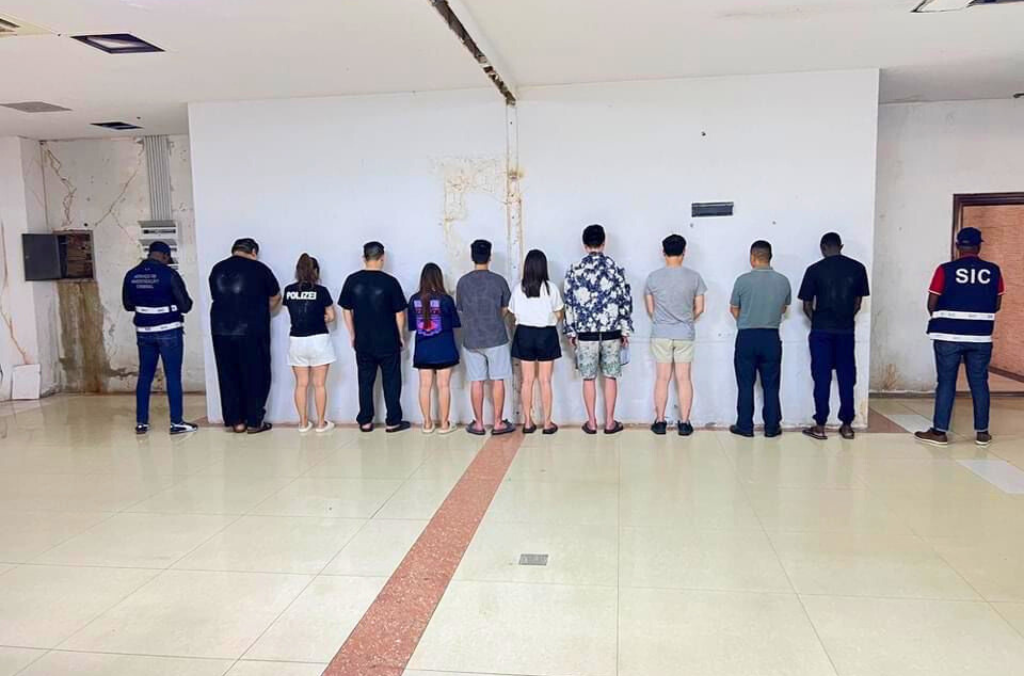
    Eight individuals, including five Chinese nationals, were apprehended in Senegal for operating a USD 6 million Ponzi scheme that defrauded 1,811 victims. A search of their residence revealed over 900 SIM cards, USD 11,000 in cash, electronic devices, and identification documents belonging to their victims.

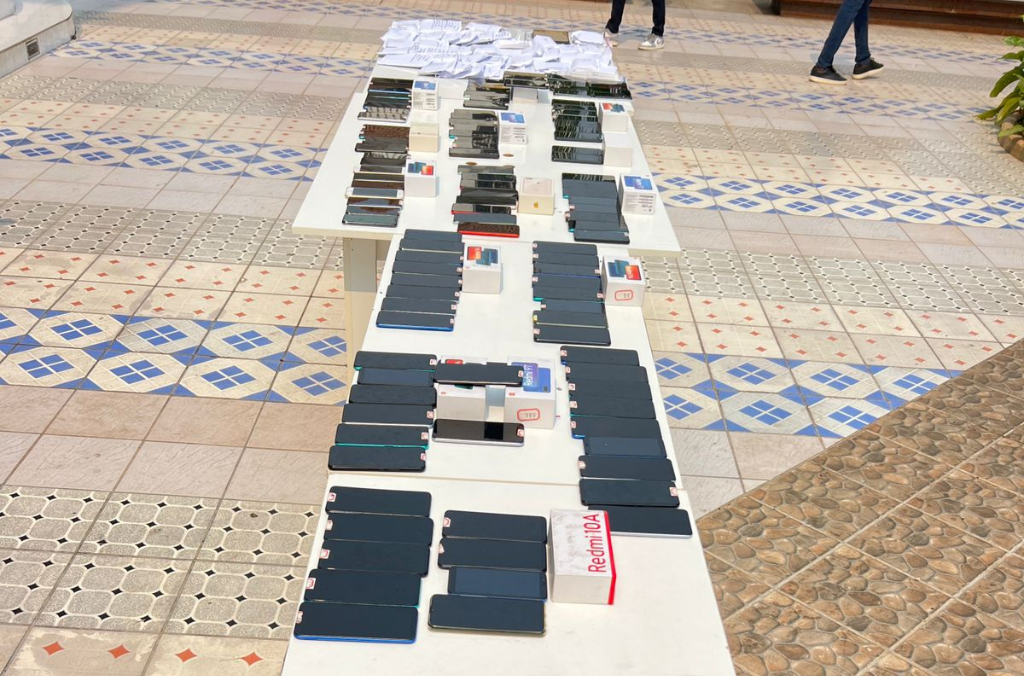
    Multiple phones recovered as part of evidence

    In Cameroon, a group that operated a scheme that generated over USD 150,000 in membership fees was arrested for trafficking victims from seven countries to operate a deceptive multi-level marketing scheme. Victims were required to pay membership fees and were promised jobs or training, only to be held captive and forced to recruit others to secure their release.

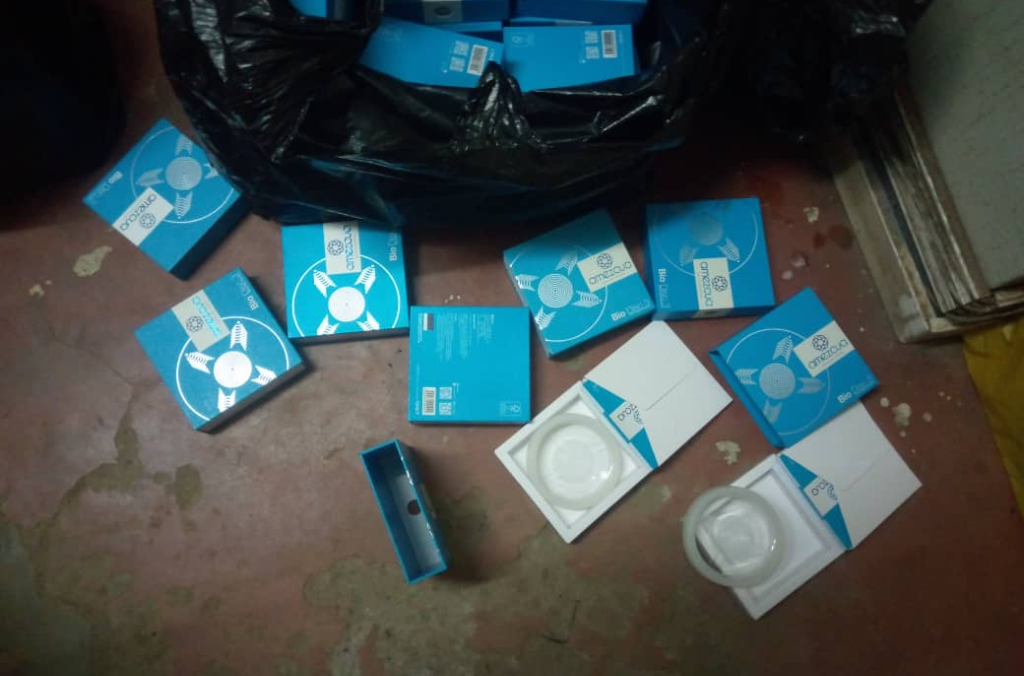
    Items recovered in Cameroon. Credit – INTERPOL

    Kenyan authorities uncovered a significant online credit card fraud operation responsible for USD 8.6 million in losses. The criminals manipulated banking system security protocols to run fraudulent scripts, transferring stolen funds via SWIFT to businesses in the UAE, Nigeria, and China, as well as to regulated digital asset institutions across multiple jurisdictions. Nearly 20 suspects have been arrested in connection with the scheme.

    Also, Nigerian authorities detained a man accused of running fraudulent online investment schemes, amassing more than USD 300,000 by promising high returns on cryptocurrency investments via messaging platforms.

    According to INTERPOL, information provided by participating countries including Rwanda, Mauritius and Mozambique, of ongoing cases fed into 65 Cyber Analytical Reports that were produced to ensure actions on the ground were intelligence-led and focused on the most significant actors.

    “Private sector partners, including Internet Service Providers, also played a vital role by sharing intelligence, supporting analysis and disrupting criminal activities. They provided on-site support and offered round-the-clock remote assistance to patch vulnerabilities and secure critical infrastructure for the participating member countries,” INTERPOL noted.

    Valdecy Urquiza, Secretary General of INTERPOL, has bemoaned the increasing volume and sophistication of cybercrime attacks, indicating that it “is of serious concern” due to the movement from multi-level marketing scams to credit card fraud on an industrial scale.

    “Operation Serengeti shows what we can achieve by working together, and these arrests alone will save countless potential future victims from real personal and financial pain. We know that this is just the tip of the iceberg, which is why we will continue targeting these criminal groups worldwide.”

    Ambassador Jalel Chelba, AFRIPOL’s Executive Director said although his outfit has facilitated key arrests and deepened insights into cybercrime trends, “our focus now includes emerging threats like AI-driven malware and advanced attack techniques.”

    Operation Serengeti was carried out with funding of the UK’s Foreign, Commonwealth and Development Office, the German Federal Foreign Office and the Council of Europe.

    On a global scale, an operation involving law enforcement from 40 countries, territories and regions has ended with the arrest of over 5,500 financial crime suspects and the seizure of more than USD 400 million in virtual assets and government-backed currencies.

    The five-month Operation HAECHI V (July – November 2024) targeted seven types of cyber-enabled frauds: voice phishing, romance scams, online sextortion, investment fraud, illegal online gambling, business email compromise fraud and e-commerce fraud.

    INTERPOL also issued a Purple Notice during Operation HAECHI V to warn countries about an emerging cryptocurrency fraud practice involving stablecoin. Member countries were alerted to the “USDT Token Approval Scam” which allows fraudsters to access and control victims’ cryptocurrency wallets.

    The two-step approach first lures in victims using romance baiting techniques, instructing them to buy popular Tether stablecoins (USDT Tokens) via a legitimate platform. Once the scammers have gained their trust, the victims are provided with a phishing link claiming to allow them to set up their investment account.

  • Ghana, other countries to receive US$300bn annual support to implement climate actions

    Ghana, other countries to receive US$300bn annual support to implement climate actions

    A financial package totaling US$300 billion per year for the next decade has been allocated to developing countries, including Ghana, to help implement climate actions and strengthen resilience against the effects of climate change.

    While this package is three times larger than the previous pledge of US$100 billion, it falls short of the US$1.3 trillion that developing countries had initially requested.

    COP29 President Mukhtar Babayev announced the agreement at the closing plenary on Sunday, 24th November 2024, in Baku, stating that the deal resulted from months of intricate, complex, and often controversial negotiations.

    The central theme of COP29 focused on climate finance, with nearly 200 countries gathering in Baku, Azerbaijan, to finalize a landmark agreement.

    Formally named the New Collective Quantified Goal on Climate Finance (NCQG), the agreement was reached after two weeks of intense negotiations and years of preparatory work, with all nations needing to unanimously approve every detail.

    Babayev emphasized that this agreement, along with other key decisions, represents a crucial step toward creating a path that will help reduce global temperatures to 1.5 degrees.

    “When the world came to Baku, people doubted that Azerbaijan could deliver. They doubted that everyone could agree. They were wrong on both counts. With this breakthrough, the Baku Finance Goal will turn billions into trillions over the next decade. We have secured a trebling of the core climate finance target for developing countries each year.”

    “The Baku Finance Goal represents the best possible deal we could reach, and we have pushed the donor countries as far as possible…The science shows that the challenges will only grow. Our ability to work together will be tested. The Baku breakthrough will help us weather the coming storms.”

    Mr Simon Stiell, the Executive Secretary of UN Climate Change, described the new finance goal as an insurance policy for humanity amid worsening climate impacts hitting every country. 

    “But like any insurance policy, it only works if premiums are paid in full and on time. Promises must be kept to protect billions of lives,” he said.

     The deal, he noted, would keep the clean energy boom growing, helping all countries to share in its huge benefits – more jobs, stronger growth, cheaper and cleaner energy for all. 

    “So this is no time for victory laps; we need to set our sights and redouble our efforts on the road to Belém. Even so, we’ve shown the UN Paris Agreement is delivering, but governments still need to pick up the pace,” he said.

    Dr. Antwi-Boasiako Amoah, a prominent member of the Africa Group of Negotiators, expressed that while developing countries were deeply disappointed, they ultimately accepted the outcome.

    He explained that the G77, a coalition representing developing countries in the United Nations, had advocated for a financial package of US$500 billion, but the developed nations deemed it unfeasible.

    The new financial package is expected to be sourced from government grants and the private sector, including banks and businesses, to help countries transition from fossil fuel-based energy to renewable sources.

    COP29 also achieved an agreement on carbon markets, a milestone that several previous COPs had been unable to reach. These agreements will enable countries to accelerate the implementation of their climate plans and make faster progress toward reducing global emissions, as required by scientific guidelines.

    In Baku, decisions were also made regarding the least developed countries (LDCs), including the creation of a support program to aid in the implementation of National Adaptation Plans (NAPs). Extensive discussions took place on the second five-year assessment of NAPs, with plans to continue these discussions in June 2025.

  • Ghana draws against South Africa in 2024 WAFCON

    Ghana draws against South Africa in 2024 WAFCON

    Ghana’s Black Queens have been drawn in Group C alongside defending champions South Africa for the 2024 Women’s Africa Cup of Nations (WAFCON).

    The draw held on Friday also placed Ghana in competition with Mali and Tanzania as they make their long-awaited return to the tournament after missing out on the last two editions.

    In other groups, record champions Nigeria will contend with Tunisia, Algeria, and Botswana in Group B, while hosts and 2022 finalists Morocco face Zambia, Senegal, and DR Congo in Group A.

    The tournament format will see the top two teams from each group advance to the quarterfinals, alongside the two best third-placed teams.

    The Black Queens are not only aiming for continental glory but also seeking to end an 18-year absence from the FIFA Women’s World Cup. A semifinal finish at WAFCON would secure them a spot at the global tournament.

    The 2024 WAFCON will take place from July 5 to 26, offering a competitive platform for Africa’s top women’s football teams.

  • X users react to young Ghanaian girl carrying 5 bags of rice

    X users react to young Ghanaian girl carrying 5 bags of rice

    A viral video of a young Ghanaian girl carrying five 25 kg bags of rice at once has sparked widespread concern and debate on X (formerly Twitter).

    The footage, showing the girl offloading the bags from a truck, has drawn reactions from users worried about the physical strain and long-term health implications of such labor.

    Many users expressed shock over the sheer weight the girl was carrying, estimated at 125 kg. One user wrote, “Is that 125kg on the spinal cord?? Eeii asem ben kraa nie. Why should anybody work like this before they can eat.”

    Another added, “125kg weight on the skull and neck is no joke. That’s far more than they can support.”

    The incident has also reignited conversations about modernizing traditional labor methods in Ghana. Some users highlighted the availability of tools that could simplify such tasks and reduce physical harm.

    One user commented, “There are simple tools that help offload this type of goods very fast but Ghanaians prefer man power. Eiii.”

    Others highlighted how this circumstance serves as testament to the many risky jobs the Ghanaian youth undertake in order to provide for themselves and their families.

    “I hope our leaders visit our market at night to see how the market women sleep waiting for their goods and also day time the struggles they go through . I think it will help shape them in decision making. People struggling just to feed home.God bless our hustle,” a user wrote.

    https://twitter.com/eddie_wrt/status/1858948877446963221

  • Tribunal throws out GHC4bn GCNET arbitration, awards $2.2m to Ghana

    Tribunal throws out GHC4bn GCNET arbitration, awards $2.2m to Ghana

    An international arbitration tribunal seated in London has dismissed the claims of Ghana Community Network Services Limited (GCNet), instituted against the Republic of Ghana under Article 18 of the Arbitration Rules of the United Nations Commission on International Trade Law of 1976 (the UNCITRAL Rules).

    The Tribunal, in a 202-page award dated November 18, ordered GCNet to pay Ghana US$2,185,983.21 in legal fees. This comprises US$1,744,050.42 in legal representation and US$441,932.79 for fees and expenses of Ghana’s expert witness together with interest on the aggregate amount of US$2,185,983.21 as simple interest from 30 days following the date of the Tribunal’s Award until payment at the rate of USD SOFR + 1%.

    GCNet was represented by an English law firm called Quinn Emanuel Urquhart & Sullivan, LLP and two Ghanaian firms – Beyou and Co. and ENS Africa. Ghana was represented by the Office of the Attorney-General led by the Attorney-General, Godfred Yeboah Dame. It did not have recourse to foreign counsel, saving the nation millions of US dollars in legal fees.

    Factual background

    By a notice of arbitration dated 30 June 2022, GCNET challenged the right of the Government of Ghana to terminate a Service Agreement it had with the Government by which GCNET was granted the exclusive right to develop, customise, update and operate an electronic system for processing customs payment and trade documents at ports in Ghana. Under the agreement, GCNet was authorised to charge all users of the services a fee equivalent to 0.40% of the Final Invoice FOB value of all import transactions and 0.15% of all export transactions which pass through the CMS and TradeNet portion of the Services.

    The agreement was initially entered into in 2000 and became effective in 2002. It was for an initial term of 10 years, up to 2012. Following its expiry in December, 2012, the Minister for Trade and Industry, Hanna S Tetteh, by a letter dated 30 November 2012, extended the agreement for one year. In 2013, by an agreement dated 26th August, 2013, the Minister for Trade and Industry, Haruna Iddrisu, extended the life of the agreement for five (5) years, ensuring that it would end in December, 2018. Before the lapse of the 5 years, in October, 2016, another Minister for Trade and Industry, Ekwow Spio-Garbrah, extended the duration of the agreement by a further 5 years. Thus, the agreement was set to end in December, 2023.

    All the extensions made by the various Ministers for Trade working under the John Mahama administration were without the requisite statutory approval of the Public Procurement Authority or recourse to any of the procedures for public procurement set out in the PPA law.

    The NPP administration which took office in 2017, terminated the GCNet agreement on 28 April 2020 after a comprehensive value-for-money assessment. In the termination notice given to GCNet, the Government indicated that it would pay to the company the compensation stated in the agreement for early termination. GCNet rejected this offer, claiming compensation on various heads far above and beyond what is stated in the agreement.

    Following a breakdown of attempts by GCNet to reach an amicable resolution with the Government, GCNet commenced the arbitration proceedings pursuant to Article 13.2 of the Agreement with Ghana. The company asserted that the contract was unlawfully terminated by the Government of Ghana and sought 3.3 billion Ghana Cedis in damages from the Government. The amount comprised compensation of GHC2,114,041,098 (over GHC2.1billion) for what it alleged was the wrongful termination of the agreement and GHC1,190,614,711 (GHC1.19billion) for past alleged breaches of the agreement when the Government granted exemptions and discounts to importers pursuant to government policy during the life of the agreement. The company also sought to recover pre-award interest of GHC2.015billion and about US$4 million in legal fees from the Government if the tribunal ruled in its favour.

    Ghana’s case

    Ghana roundly rejected GCNet’s claims and invited the Tribunal to hold that the country had validly terminated the agreement between the parties. The Attorney-General asserted that the Agreement between the parties included an express and exhaustive regime for assessing GCNet’s entitlements to damages after termination, and thus, provided no scope for for the application of common law principles on the measure and assessment of unliquidated damages.

    Ghana alleged that by Article 9.4 of the Agreement in the event of early termination of the Agreement by the Government, it was required to compensate GCNET for any losses in accordance with a reducing scale of compensation, which did not exceed US$ 6.0 million. Ghana argued that the Tribunal was supposed to give effect to the agreement between the parties and disregard all the exorbitant claims by GCNet. In Ghana’s view, the interpretation it placed on the relevant provisions of the Agreement reflected the intention of the parties and was consistent with commercial common sense as it made the compensation payable by the Government in the event of a termination, determinable.

    Regarding GCNet’s claim for losses occasioned by the Government policy on exemptions granted to some importers, Ghana argued that GCNet had no contractual right that was violated. The mere fact that a government policy had negatively impacted a company’s profit does not mean the government has breached a contractual obligation. The A-G argued that Article 4 of the Agreement permitted the government to exclude imports from GCNet’s services.

    According to the Attorney-General, even if GCNet had a contractual right to be protected against the effect of the government policy on exemptions, GCNet had by its conduct, irrevocably waived that right and was precluded from basing a claim on it. Once a right is waived it cannot be revived, especially after the relevant limitation period allowed by Ghana law had expired. The A-G asserted that by not giving notice of the retraction of the waiver before the statutory limitation period expired or the termination of the Service Agreement, GCNet remained bound by the waiver. Therefore, GCNet was precluded from obtaining a relief in respect of its claims for lost fees as a result of the exemptions policy implemented by Ghana.

    On GCNet’s claims for losses resulting from a discount policy operated by Ghana in favour of some imports, Ghana argued that just like the exemptions policy, the discount policy was subject to the laws of Ghana. The Discount Policy was applicable on all computations presented by importers in order to arrive at “a final assessed value”, and therefore was not discriminatory. The A-G indicated that Article 174(2) of the Constitution of Ghana had given Parliament the power to waive or vary a tax exercised by any person or authority in Ghana. The Customs Act also supported the implementation of a policy of discounts on some goods in Ghana. Article VII of the World Trade Organisation’s General Agreement on Tariffs and Trade 1994 allows for adjustments to the price actually paid or payable and such adjustments include the applications of discounts in line with policies like the Discount Policy.

    Ghana submitted that the Benchmark Value Discount Policy was intended to drive up the volume of imports at the ports and invariably increase revenues to the two parties – Ghana and GCNet, and therefore invited the Tribunal to dismiss the Claimant’s submissions on this head too.

    Ghana finally urged the Tribunal to reject GCNet’s application for the award of compound intertest on any sum to be awarded against Ghana. According to the Attorney-General, awarding simple interest was an appropriate exercise of the Tribunal’s discretion because the Agreement between the parties is governed by Ghanaian law, which required that simple interest be adopted. The execution and performance of the Service Agreement was in Ghana, and the Claimant was obligated to performs services for the benefit of the Government.

    The Attorney-General submitted that Ghana’s new Contracts (Amendment) Act, 2023 (Act 1174)forbids the application of compound interest in transactions to which Ghana is a party. Even though Act 1174 is not retroactive, it reflects a firm policy in Ghana against compound interest regarding contracts with the Government. He therefore submitted that simple interest must be awarded on any sum payable by any of the parties to the dispute.

    The proceedings

    The oral hearing was conducted over a period of one week in London in April, 2024 after which the Tribunal adjourned for filing of post-hearing briefs, submissions on costs and delivery of an award.

    Determination by the tribunal

    The Tribunal unanimously decided that Ghana had validly terminated the Agreement on 28 April 2020, within the meaning of Article 11.3, and the termination was lawful.

    The Tribunal also unanimously decided that GCNet waived its rights to seek damages for the impact of the exemptions and discounts on its fees. The Tribunal found by a majority decision that the impact of the exemptions and discounts on GCNet fees did not breach the Service Agreement.

    The Tribunal upheld Ghana’s submission that, as stated in the agreement, GCNet should be awarded compensation of $5.4 million for the Government’s early termination of the agreement.

    The Tribunal also found that GCNet was the “unsuccessful party in the arbitration” and that Ghana had “expended money and time in defending a claim that the Tribunal has held to be ill-founded”. It therefore ordered that GCNet shall pay a total of Ghana US$2,185,983.21 in legal fees.

  • Ghana pushes for Climate Finance innovation at COP29 amid global economic strain

    Ghana pushes for Climate Finance innovation at COP29 amid global economic strain

    Director of the Climate Financing Division in Ghana’s Ministry of Finance, Mrs. Phyllis Adwoa Fraikue, has underscored the country’s bold aspirations to secure climate finance despite ongoing global economic challenges.

    At a side event titled “Finance Day” during the ongoing COP29 in Baku, Azerbaijan, under the theme “Collaborative Pathways to Green Growth: Revolutionizing Climate Finance in a World of Fiscal Challenges,” Mrs. Fraikue highlighted the pressing need for climate-resilient development in a post-COVID-19 world.

    She emphasized Ghana’s commitment to tackling climate risks while maintaining fiscal discipline and reiterated the importance of the newly created Climate Financing Division.

    According to Mrs. Fraikue, this division plays a vital role in Ghana’s Climate Prosperity Plan, which aligns the nation’s development agenda with global climate objectives and aims to draw both public and private sector investments for sustainable green growth.

    “The division’s vision,” Mrs. Fraikue emphasized, “is to foster a sustainable financial ecosystem that will drive low-carbon development, enhance resilience, and position Ghana as a model for climate finance.”

    Amidst Ghana’s ongoing fiscal struggles, worsened by global economic disruptions since 2022, Mrs. Phyllis Adwoa Fraikue, Director of the Climate Financing Division in the Ministry of Finance, highlighted the need for innovative financial solutions like debt-for-climate and debt-for-nature swaps.

    During her address at the “Finance Day” side event at COP29 in Baku, Azerbaijan, she introduced the Finance Ministry’s newly developed Ghana Green Finance Taxonomy, a strategic framework designed to channel investments into environmentally sustainable projects, positioning Ghana as a leader in green finance across the region.

    Mrs. Fraikue emphasized that through these new tools and targeted sector-based incentives, Ghana aims to unlock private sector capital for low-carbon growth while simultaneously easing the strain on the national debt.

    In closing, she called for stronger partnerships, greater transparency, and enhanced accountability in the management of climate finance, to ensure the protection of both natural resources and the country’s infrastructure.

    “Let us seize this moment to foster collaboration, leverage innovation, and build a sustainable future for all,” she urged.

    She mentioned that the Ministry of Finance has been actively working with stakeholders to foster stronger financial and technical collaborations aligned with the Nationally Determined Contributions.

    The event highlighted Ghana’s dedication to securing climate finance resources and underscored its cooperative strategy to enhance resilience and promote sustainable development.

    The Finance Day at COP29 is anticipated to spark continued dialogue on innovative financial solutions and the future of climate finance, especially in the context of global fiscal challenges.

  • Measles cases surge by 20%, infecting 10.3 million people in 2023 – WHO

    Measles cases surge by 20%, infecting 10.3 million people in 2023 – WHO

    Global measles cases surged by 20% in 2023, infecting an estimated 10.3 million people, according to new data from the World Health Organization (WHO) and the U.S. Centers for Disease Control and Prevention (CDC).

    The rise in cases, attributed to inadequate vaccination coverage, underscores the urgent need to address global immunization gaps.

    Despite the availability of an effective vaccine, more than 22 million children missed their first dose in 2023. Only 83% of children worldwide received the first dose of the measles vaccine last year, while just 74% received the critical second dose. WHO stresses that 95% coverage of two doses is necessary to prevent outbreaks and safeguard communities from this highly contagious disease.

    “The measles vaccine has saved more lives than any other vaccine in the past 50 years,” said WHO Director-General Dr. Tedros Adhanom Ghebreyesus. “To stop this deadly virus and protect the most vulnerable, we must ensure immunization for everyone, no matter where they live.”

    Death Toll

    Measles remains deadly, with an estimated 107,500 people—mostly children under five—dying from the disease in 2023. While this represents an 8% decrease from 2022, the high mortality rate emphasizes the dire consequences of vaccination gaps. Survivors of measles often face severe complications, including blindness, pneumonia, and encephalitis, leading to long-term health issues.

    Ghana’s Immunization Response

    In Ghana, the fight against measles took center stage last month when the Ghana Health Service launched a nationwide vaccination campaign targeting children aged nine to 59 months. The campaign, held from October 2 to October 6, 2024, aimed to prevent outbreaks following eight confirmed cases in the Volta Region earlier this year.

    Regional and Global Impacts

    Large or disruptive outbreaks were reported in 57 countries in 2023, nearly a 60% increase from 36 countries in 2022. The WHO African, Eastern Mediterranean, and South-East Asia regions were hardest hit, with Africa accounting for nearly half of the significant outbreaks.

    While 82 countries achieved or maintained measles elimination by the end of 2023, progress remains fragile. Recent successes, such as Brazil’s revalidation as a measles-free country, highlight the importance of high vaccination coverage and robust health systems.

    Strengthening Global Efforts

    WHO and CDC emphasize the need for urgent and targeted vaccination campaigns, particularly in fragile and conflict-affected regions. Strengthening disease surveillance and improving routine immunization programs are critical to mitigating outbreaks and accelerating progress toward global measles elimination.

    The alarming increase in measles cases calls for collective global action to protect vulnerable populations and meet the elimination goals outlined in the Immunization Agenda 2030.

  • We’re positioning Ghana as a model of climate-smart agriculture in Africa – Akufo-Addo

    We’re positioning Ghana as a model of climate-smart agriculture in Africa – Akufo-Addo

    President Akufo-Addo has affirmed Ghana’s commitment to leading the way in climate-smart agriculture on the African continent during the 40th National Farmers’ Day celebration on November 8.

    Under the theme “Building Climate-Resilient Agriculture for Sustainable Food Security,” Akufo-Addo outlined measures to address the urgent threats that climate change poses to Ghana’s food security, emphasizing that the government is actively building resilience within the agricultural sector to ensure sustainability and productivity in the face of erratic weather patterns.

    “Climate change is no longer a distant threat; it is a pressing reality that our farmers confront every day,” Akufo-Addo stated, emphasizing the importance of equipping farmers with innovative tools and resources.

    Key initiatives include the Programme for Planting for Food and Jobs (PFJ 2.0), solar-powered boreholes to support irrigation, and the Ghana Agriculture and Agribusiness Platform (GhAAP) for real-time data access.

    “By investing in water management, soil health, climate-resilient crops, and infrastructure, we are positioning Ghana as a model of climate-smart agriculture on the continent,” he declared, reaffirming the government’s vision for a thriving and sustainable agricultural sector that secures livelihoods and food supply for generations to come.

    Agroforestry and reforestation efforts form part of Ghana’s broader climate-resilience strategy. Agroforestry, which integrates trees into farming landscapes, reduces soil erosion, improves soil fertility, and provides shade for crops. The Planting for Exports and Rural Development (PERD) module under PFJ 1.0 has supported the planting of tree crops such as cashew, rubber, and oil palm, contributing to both the economy and environmental stability.

  • Amin Adam pleads with French businesses to stay in Ghana

    Amin Adam pleads with French businesses to stay in Ghana

    Finance Minister Dr. Mohammed Amin Adam has appealed to French businesses to remain in Ghana, assuring them that the government is working to improve the business climate, including addressing concerns about tax-related challenges and alleged harassment by Ghana Revenue Authority (GRA) officials.

    At the Annual Cocktail event with the French business community and the launch of the France-Ghana Economic Report 2023-2024, held at the French Ambassador’s residence in Accra, Dr. Amin Adam urged members of the French Chamber of Commerce to reconsider any plans to relocate their operations. He emphasized that measures are being taken to resolve issues affecting foreign investors.

    “I want to appeal to you to continue to stay in Ghana because we are addressing all the issues that you have raised with me,” Dr. Amin Adam said.

    He highlighted government action taken to withdraw GRA officials accused of harassing businesses. “Issues relating to taxes and harassment of businesses by tax collectors, you will notice, have been resolved. We’ve had to withdraw all the tax collectors who were allegedly harassing businesses from those centres of operation, and so you won’t see them anymore,” he added.

    The Finance Minister’s remarks were part of ongoing efforts to reassure foreign investors that the government remains committed to creating a supportive, stable environment for business growth in Ghana.

    https://twitter.com/FranceandGhana/status/1855003224874328445

  • I mean business – Bawumia tells electorates

    I mean business – Bawumia tells electorates

    Dr. Mahamudu Bawumia, flagbearer of the New Patriotic Party (NPP), has assured Ghanaians of his dedication to fostering business development, affirming that “Bawumia means business.”

    Speaking at the Ghana CEO Presidential Gala at the Movenpick Hotel on Thursday, 7 November, Bawumia highlighted his commitment to building a thriving economy driven by resilient businesses.

    Bawumia emphasized that successful national economies are built on strong business foundations, which are essential for job creation, innovation, and sustainable development. He pointed out that a robust business environment is crucial for addressing Ghana’s economic challenges and achieving lasting prosperity.

    “Ladies and gentlemen, as you may all be aware, Bawumia means business! From being a banker to Vice President to Presidential candidate of the NPP, my commitment to business development has been consistent,” he said.

    “The reason is simple. When businesses do well, the economy does well, and vice versa. Show me a buoyant national economy in any part of the world, and I’ll show you strong and resilient businesses behind it,” Bawumia added.

    The NPP flagbearer also outlined the steps his administration has taken to support businesses, including policies aimed at boosting entrepreneurship, expanding access to credit, and advancing digitalisation. These efforts, he noted, are intended to bolster the resilience and competitiveness of Ghanaian businesses.

    He closed his remarks by pledging that, if elected president, he would continue prioritizing business growth to ensure Ghana’s private sector remains dynamic, innovative, and competitive on the global stage.

  • Ghana, others’ reparation demands exploitative – Tory leader Kemi Badenoch

    Ghana, others’ reparation demands exploitative – Tory leader Kemi Badenoch

    British Conservative Party leader Kemi Badenoch has described reparation demands as exploitative, arguing that calls for financial redress from the United Kingdom are attempts to manipulate guilt over colonial history.

    While acknowledging the British Empire’s flaws, she emphasized the importance of recognizing its positive contributions as well. Badenoch suggested that the British Empire’s role in abolishing the Atlantic slave trade should be more widely discussed.

    In a GB News debate in October, then Conservative leadership candidates Robert Jenrick and Kemi Badenoch shared their views on the demand for reparation by some African countries.

    Kemi Badenoch dismissed calls for reparations as misguided and said people in former colonies may not view Britain as negatively as some left-leaning critics suggest but urged the UK to consider how it could assist other nations in meaningful ways moving forward.

    “There are many things the British Empire got wrong. But there are many amazing things the British Empire also did and we need to be honest about that and stop pretending that it was all bad. The British Empire ended slavery, the Atlantic Slave Trade. We need to talk about that more.

    “I grew up in a Commonwealth country. Many people in these countries don’t normally carry the barrage that a lot of the left-leaning comments want to put on our country. We need to look at how we can help other countries best as they can. We did a lot to help those countries, we can do more again. I would like to see that but the answer is no reparation.

    “We don’t need to be embarrassed by our colonial past. Every country in this world, at one point or the other either colonised or attempted to colonise another group of people. This is the past, we need to talk about the future. There are many countries now who want to use guilt to try to exploit the UK. They ask for reparation. I saw it as Trade Minister. I was at the WTO, I wouldn’t want to name the Minister from another country but he was telling me that we needed to give up some of the things we were doing because of colonialism and because they needed time to develop. These arguments are a scam. Don’t fall for it. We need to make sure that we put this country first,” she said.

    The 44-year-old is now the first black woman to lead a major political party in the UK after fellow right-winger Robert Jenrick, 42, by 12,418 votes following a marathon contest to replace Rishi Sunak, who led the party to the biggest defeat in its history in July’s general election.

    African and Caribbean countries have called for paying reparations or making other amends for slavery during the trans-Atlantic slave trade.

    Per reports, from the 15th to the 19th century, at least 12.5 million Africans were kidnapped and forcibly transported by European ships and merchants and sold into slavery. Those who survived the brutal voyage ended up toiling on plantations under inhumane conditions in the Americas, mostly in Brazil and the Caribbean, while European settlers and others profited from their labour.

    Ghana then Gold Coast was colonised by the British in the late 19th century. Ghana gained independence from Britain in 1957, becoming the first sub-Saharan nation to break free from colonial rule.

    Ghanaian President Nana Akufo-Addo has indicated that financial reparations are long overdue to Africans and the diaspora as compensation for the enslavement of people of African descent.

    “No amount of money can restore the damage caused by the transatlantic slave trade. But surely, this is a matter that the world must confront and can no longer ignore.”The entire period of slavery meant that our progress, economically, culturally, and psychologically, was stifled. There are legions of stories of families who were torn apart. You cannot quantify the effects of such tragedies, but they need to be recognised,” President Akufo-Addo said at the launch of a four-day reparations conference in Accra in November last year.

    Delegates at the reparations summit agreed to establish a Global Reparation Fund to push for overdue compensation for millions of Africans enslaved centuries ago during the trans-Atlantic slave trade.

    The United Nations has indicated that countries could consider making financial payments among other forms of compensation, but cautioned that legal claims are complicated by the time passed and the difficulty in identifying perpetrators and victims.

    Activists such as the Director of the U.S.-based Reparation Education Project, Nkechi Taifa, have said reparations should go beyond direct financial payments to also include developmental aid for countries, the return of colonized resources and the systemic correction of oppressive policies and laws.

  • This is why Sister Derby relocated from UK to Ghana

    This is why Sister Derby relocated from UK to Ghana

    Ghanaian singer and socialite Sister Derby has opened up about her struggles to find a job after completing her master’s degree in the UK.

    During a segment on the Big Conversation aired on 3 Music TV, the artist, known for her hit “Kakalila Love,” recounted the difficulties she faced after losing a £700 internship.

    Despite submitting numerous job applications, she has been unable to secure a position, highlighting the challenges many graduates encounter in the job market.

    “I applied for so many jobs, but I couldn’t get one. So, I spoke to one of my professors, and she told me that due to the recession in the UK, they are employing citizens before other nationalities.

    “I went to so many job interviews in big publishing companies, but I wasn’t called… I registered with a lot of different agencies for jobs, but I wasn’t called too, so I decided to come back to Ghana,” she said.

    Sister Derby shared that despite attending several job interviews with prominent publishing companies, she did not receive any job offers. Additionally, she registered with various employment agencies, but her efforts yielded no results.

    “When I decided to return to Ghana and look for a job here, I happened to be on the last Ghana Airwaves flight, I think somewhere in January 2010,” she disclosed.

  • 430 new officers graduate from Police Academy to beef up security

    430 new officers graduate from Police Academy to beef up security

    In a milestone event for the Ghana Police Service, 430 officers graduated from the Ghana Police Academy on Wednesday, October 30, 2024.

    Vice President H.E. Alhaji Dr. Mahamudu Bawumia commissioned the officers into the Senior Officer Corps during a ceremony that marked the academy’s largest cadet intake in history, with 305 male and 125 female officers.

    Known as Cadet Course 53, this group surpasses the record set by Cadet Course 52, which previously saw 344 officers commissioned. Cadet Officer Achiburi Issah was recognized as the Overall Best Cadet Officer among the graduates.

    The newly inducted officers would significantly bolster the Police Service’s capacity, especially as Ghana prepares for the 2024 general elections.

    Already, IGP Dr Akuffo Dampare has reaffirmed the Police Administration’s commitment to deploying officers across all polling centres to ensure a secure and peaceful election.

    The IGP also urged all stakeholders, including political parties, to cooperate fully with law enforcement to maintain peace throughout the electoral process. He emphasized that the new officers would play a crucial role in upholding order and ensuring the safety of citizens nationwide.

  • Cedi depreciation intensifies, worsening economic challenges for Ghana

    Cedi depreciation intensifies, worsening economic challenges for Ghana

    Major trading currencies, including the US dollar, continue to gain ground against the cedi.

    After experiencing pressure throughout the year, the cedi showed relative stability in July, while inflationary pressures eased.

    However, GhanaWeb Business checks as of 7:25 AM on October 29, 2024, reveal that the cedi is currently trading at GH¢16.85 to the dollar, GH¢21.75 to the pound, and GH¢18.20 to the euro at some major forex bureaus nationwide.

    This depreciation of the cedi is expected to exacerbate challenges for the Ghanaian economy, especially with rising business pricing practices.

    Bloomberg reports that the cedi has fallen nearly 1% against the dollar over the past month and has lost almost 24% of its value so far this year.

  • Ghana will be vulnerable to terrorism if we don’t join forces with Burkina Faso – Ambassador

    Ghana will be vulnerable to terrorism if we don’t join forces with Burkina Faso – Ambassador

    Ghana’s Ambassador to Burkina Faso, Boniface Gambila Adagbila, has warned that without collaborative efforts to combat terrorism with Burkina Faso, Ghana risks becoming vulnerable to attacks.

    His remarks come in response to a Reuters report alleging that Islamist militants are using northern Ghana as a covert base for logistical and medical support.

    The report claims that these militants are crossing into Ghana to obtain essential supplies such as food and fuel, as well as medical treatment for injured fighters. It also suggests that local authorities might be ignoring these incursions to avoid potential threats to Ghana’s security.

    Speaking on Joy FM’s Top Story, Ambassador Adagbila dismissed these allegations, emphasizing the importance of supporting Burkina Faso in its ongoing battle against insurgents linked to groups like al-Qaeda and the Islamic State. He noted that Burkina Faso has been enhancing its counter-terrorism strategies and urged travelers to follow proper procedures when crossing the border.

    “Burkina Faso has been improving daily in its combating of terrorism, and we normally advise people not to move in anyhow but through the proper channels of traveling to and from Burkina Faso because you don’t know what can happen at any time,” he stated. “One of the objectives of these insurgents or terrorists is to take control of the world. Burkina Faso is between the Sahel and Ghana, so if we don’t support Burkina Faso to win the terrorism battle and the terrorists capture Burkina Faso, which country will be their next target? Logically, Ghana will be vulnerable to terrorism,” he told host Samuel Kojo Brace on Friday.

    The ambassador underscored the gravity of the situation, noting that Burkina Faso has lost a considerable portion of its territory to these militants.

    He called for regional collaboration, asserting that supporting Burkina Faso is essential for preventing the spread of terrorism into Ghana and neighboring countries.

    His statements highlight the escalating threat of terrorism in the region and stress the necessity for Ghana to bolster its border security while actively engaging in counterterrorism initiatives with Burkina Faso.

    “Burkina Faso, for us, is fighting terrorism, and we need to support them so that they can win that fight. Security-wise, we can be preventive and proactive,” he concluded.

    While Ghana has thus far managed to avoid significant terrorist attacks, the potential for insurgency remains a serious concern.

  • Islamic militants using northern part of Ghana as support facility – Reuters

    Islamic militants using northern part of Ghana as support facility – Reuters

    Islamist militants fighting in Burkina Faso are discreetly using northern Ghana as a logistical and medical base to support their expansion efforts across West Africa, according to Reuters.

    Ghanaian security officials, diplomats, and others close to the issue report that militants linked to al Qaeda—primarily the group Jama’at Nasr al-Islam wal Muslimin (JNIM)—are quietly crossing into Ghana to gather supplies, including food, fuel, and explosives, and even seeking treatment for their injured fighters in local hospitals.

    The presence of militants in northern Ghana comes as Burkina Faso has lost control of more than half its territory to insurgent groups like JNIM. The Netherlands Institute of International Relations, Clingendael, recently published a report suggesting that Ghana might have entered an unspoken non-aggression pact with JNIM, based on insights from high-ranking sources within the Ghanaian government.

    According to Kars de Bruijne from Clingendael, JNIM has been documented discreetly passing through Ghana, making supply runs, and occasionally recruiting in the region. “This should serve as a wake-up call,” de Bruijne emphasized, warning of the potential risks if militants establish a foothold in Ghana.

    Despite this, Ghanaian officials deny any formal arrangement with the militants. Ghana’s ambassador to Burkina Faso dismissed reports of a non-aggression agreement, stating that the country remains committed to working with its neighbours to curb the insurgent threat. The Information Ministry in Ghana has not publicly commented on the situation.
    “Ghana wants to ensure safe elections and knows the risks posed by extremists. They are determined to prevent any attacks,” said a security expert. The expert added that, from JNIM’s perspective, avoiding confrontation in Ghana is likely strategic, as maintaining a safe supply line would be in their interest.

    With nearly 400 miles of shared border, Ghana and Burkina Faso are deeply connected and mutually affected by the insurgency that has destabilized Burkina Faso, killing thousands and displacing millions. The Sahel region as a whole is now seen as a global terrorism hotspot, as militant groups aligned with both al Qaeda and ISIS seek to extend their reach. A JNIM leader recently told France’s RFI that the group is intent on expanding its influence into Ghana, Togo, and Benin.

    While Togo and Benin have experienced militant attacks, Ghana has not yet seen any major incidents. However, the militants’ ability to exploit porous borders raises concerns about Ghana’s security.

    The current wave of insurgency, which began two decades ago, has seen multiple West African nations attempt similar non-aggression pacts with militants, often with temporary success. Many of these arrangements have crumbled as insurgent groups gained strength, leading to further destabilization, with some governments ultimately shifting to Russian-backed security solutions as Western military support declined.

  • Akufo-Addo receives 1st copy of Oxford Business Group’s “The Report: Ghana 2024

    Akufo-Addo receives 1st copy of Oxford Business Group’s “The Report: Ghana 2024

    Ghana’s President Nana Addo Dankwa Akufo-Addo has officially received the inaugural copy of Oxford Business Group’s (OBG) annual economic report titled “The Report: Ghana 2024.”

    The report was presented during a meeting involving the President, the Oxford Business Group, and the Ghana Investment Promotion Centre (GIPC) in Accra on Tuesday, August 27, 2024.

    This publication delves into the factors contributing to Ghana’s positive economic growth trajectory, noting that the IMF has revised its 2024 GDP growth forecast to 3.1% due to favorable fiscal and structural reforms and sound monetary policies.

    It also examines the effects of these policy changes and offers insights into how Ghanaian businesses are leveraging efforts to enhance regional economic growth and integration in the emerging African Continental Free Trade Area.

    Presenting the first copy to President Akufo-Addo underscores the report’s significance as a valuable resource for the country’s leadership and economic strategists.

    The report delivers a detailed analysis of Ghana’s economic landscape, highlighting growth drivers, investment prospects, and the overall economic outlook. It also assesses the influence of government policies on the business climate and Ghana’s role in regional economic integration.

    Notably, the report addresses recent advancements in infrastructure development and their effects on Ghana’s economic productivity and export capabilities.

    Ramona Tarta, OBG’s Country Director for Ghana, emphasized the importance of the report and the collaborative efforts with the Ghanaian government and the Ghana Investment Promotion Centre (GIPC).

    “The Report: Ghana has long been a reference for decision-makers both in Ghana and around the world. It is therefore fitting that we were able to present the President himself with the first copy of this important and detailed economic research on Ghana’s economy, along with our partners GIPC, who were instrumental in all our research activities in Ghana,” Tarta said.

    “The report is distributed directly to Oxford Business Group subscribers via the OBG terminal, and through its partners: Dow Jones Factiva, Bloomberg Professional Services, Refinitiv Eikon, among others. GIPC is distributing the digital report to their entire database of over 10,000 entrepreneurs, businesses, diplomats in Ghana and around the world.” She added.

    President Akufo-Addo acknowledged the report’s importance, stating, “FDI inflows are a critical pillar of Ghana’s economic development, as our dynamic growth is simply not possible without the presence of international investors. Business leaders’ access to accurate information and analysis is a key driver of the global interest in our economy. Therefore, we thank Oxford Business Group for including Ghana in your portfolio of countries and offer you warm congratulations on completing another annual report on our economy.”

    “The GIPC takes great pride in its ongoing partnership with the Oxford Business Group (OBG) in producing the very informative Ghana Report.” said Yaw Amoateng Afriyie, Deputy CEO of GIPC, who was also in attendance at the meeting. “It is packed with reliable insights on the Ghanaian economy across various sectors, the OBG Report has become an essential tool for promoting Ghana. It serves as a trusted reference guide for both international and domestic businesses, attracting new investors and empowering those already established here.”

    “Ghana is at a pivotal moment in its economic trajectory. A number of key international actors are creating continent-wide cross-border payment systems to boost economic integration and growth in Ghana and across Africa more widely, with a longer-term commitment to boosting prosperity for all.” Mike Ogbalu, Mike Ogbalu, CEO of PAPSS.

    As Ghana continues to pursue ambitious economic goals aimed at sustainable development and attracting foreign investment, The Report: Ghana 2024 serves as an essential tool for investors, policymakers, and businesses looking to navigate the evolving market dynamics.

    Produced in partnership with GIPC, the report is expected to contribute to informed decision-making among business and political leaders. Oxford Business Group would also like to thank its partners: Afreximbank, Africa Prosperity Network, Minerals Income Investment Fund, Association of Ghana Industries, PwC, and Koranteng & Koranteng for their important contributions to The Report.

  • Why GBC couldn’t broadcast Ghana-Sudan match

    Why GBC couldn’t broadcast Ghana-Sudan match

    The Ghana Broadcasting Corporation (GBC) was unable to broadcast the Sudan-Ghana game.

    In a statement, it noted that this situation arose due to New World TV, the Free-to-Air (FTA) rights holder in Sub-Saharan Africa, failing to provide the feed to all FTA takers across the continent.

    GBC confirmed that it had fully paid for the broadcasting rights, but it understood that unresolved issues between New World TV and CAF contributed to the current predicament, leading to the inconvenience caused to viewers.

    The match, which took place at the Accra Sports Stadium on Thursday, was the first leg of a doubleheader qualifier against the Falcons. Despite the Black Stars dominating possession and creating several opportunities, they failed to convert any chances into goals, placing the four-time African champions in a challenging situation.

    Ghana’s next challenge is set against Libya in the return leg on Monday, October 14, at the Martyrs of February Stadium. A victory in this match is deemed essential for improving their chances of qualifying for the tournament scheduled to be held in Morocco.

    Black Stars find themselves in third place in Group F, having accumulated only two points from three matches.

  • IMF, Ghana reaches staff-level agreement on 3 review of credit facility

    IMF, Ghana reaches staff-level agreement on 3 review of credit facility

    The International Monetary Fund (IMF) and Ghana have finalized a staff-level agreement concerning the third review of Ghana’s US$3 billion extended credit facility.

    This agreement follows Ghana’s recent achievement of 98% participation and consent from Eurobond holders in the restructuring of the country’s external debt.

    Stéphane Roudet, the IMF Mission Chief for Ghana, stated that overall performance under the IMF-supported program has been satisfactory.

    Furthermore, all quantitative targets set for the end of June 2024 have been met, and progress on essential structural reforms has continued, despite some delays in specific areas.

    Addressing the press on Friday, October 4, 2024, Stéphane Roudet said, “The IMF staff and Ghanaian authorities have reached a staff-level agreement on the third review of Ghana’s economic program under the Extended Credit Facility arrangement.”

    “Performance under the IMF-supported program has been generally satisfactory. All end-June 2024 quantitative targets were met, and progress on key structural reforms has continued notwithstanding delays in a few areas. The authorities’ policy and reform efforts under the program have continued to deliver encouraging results,” he added.

    To stabilize the economy and curb soaring inflation, the government announced its decision on July 1, 2022, to seek a $3 billion financial bailout from the International Monetary Fund (IMF).

    Following this, an IMF team visited Ghana from July 6 to July 13, 2022, to discuss a potential economic support program with Ghanaian authorities.

    In December 2022, a staff-level agreement was reached between the Government of Ghana and the IMF.

    On May 17, 2023, the IMF’s executive board approved Ghana’s $3 billion loan facility, with the first $600 million tranche disbursed to the Bank of Ghana (BoG) on May 19, 2023.

    In January 2024, the second tranche of $600 million was released after Ghana reached a debt restructuring agreement with bilateral creditors.

    By July 2024, the government received an additional $360 million as part of the third tranche, credited to the Central Bank’s account on July 2, 2024, following the IMF Executive Board’s approval of the second review.

    So far, Ghana has received a total of $1.56 billion from the $3 billion IMF bailout, aimed at restoring macroeconomic stability, safeguarding debt sustainability, and achieving broader economic goals.

  • Review high import duties at ports – Kwaku Manu pleads with gov’t

    Review high import duties at ports – Kwaku Manu pleads with gov’t

    Kumawood actor Kwaku Manu has voiced his frustration over the steep import duties on vehicles in Ghana.

    In a social media post, he recounted seeing a BMW at a Ghanaian auction for $10,000 but was stunned when he discovered the import duty was a staggering $30,000.

    Manu expressed disbelief at the disparity, questioning why a car priced at $10,000 would require triple that amount in duties to bring into the country.

    He also compared Ghana’s duty rates to neighboring nations like Burkina Faso and Togo, where import fees are significantly lower despite lacking ports.

    “I was interested in it so I decided to check the duties I would have to pay if I was to import it to Ghana.

    “The duty was $30,000. The white man has decided to sell a car for $10,000 but I have to pay $30,000 as duties to ship it?” he quizzed.

    In Burkina Faso, for instance, a car valued at $30,000 would only incur a $10,000 duty charge.

    “Even Burkina Faso, which doesn’t have a harbour, has a lower duty rate than Ghana. A $30,000 car would only attract duties of $10,000 in Burkina Faso and even Togo,” he noted.

    He further emphasized that Ghana’s reliance on imports, combined with the high taxes, is driving up the cost of living.

    Urging the government to revise these tariffs, Manu called for relief to ease the financial strain on citizens.

    “It doesn’t help that almost everything in this country is imported nowadays. It’s one of the reasons why the country is hard right now. So, the government should try and help,” he said.

    Watch video below:

  • Ghana’s 2-year tenure as Chair of CVF, V20 Group of Ministers ends

    Ghana’s 2-year tenure as Chair of CVF, V20 Group of Ministers ends

    Ghana has successfully concluded her two-year tenure as the Chair of the Climate Vulnerable Forum (CVF) and the Vulnerable Twenty (V20) Group of Finance Ministers.

    Under the distinguished leadership of H.E. President Nana Addo Dankwa Akufo-Addo, Ghana steered the CVF and V20 toward building a more equitable global climate governance framework, focusing on transforming the financial architecture to better serve the 1.74 billion people in climate-vulnerable countries.

    During this period, significant institutional developments took place, including the establishment of a permanent independent CVF and V20 Secretariat, headquartered in Accra, Ghana.

    This move solidifies the CVF as an intergovernmental organization, enhancing its coordinating capacity in global climate action. Ghana also oversaw the expansion of CVF membership from 56 to 68, strengthening the coalition’s influence and amplifying its voice on the global stage.

    As a reform advocate, Ghana led several initiatives, including the operationalisation of the Central Bank Governors Working Group, which focuses on liquidity support, inclusive finance, and greening financial systems.

    These actions align with the transformative Climate Prosperity Framework, which continues to deliver National Climate Prosperity Plans aimed at mobilizing and leveraging financing, while creating a pipeline of bankable projects. These Plans are securing targeted investments in adaptation and mitigation projects for CVF member countries.

    Of particular significance is Ghana’s leadership in highlighting the disproportionate impact of the global debt crisis on CVF members. This led to critical engagements with the IMF and World Bank to reform the global financial architecture, ensuring that CVF members can access affordable financing despite the challenges of unsustainable debt.

    Reflecting on his term as V20 Chair, Dr. Mohammed Amin Adam, Ghana’s Finance Minister and outgoing Chair, expressed gratitude to his predecessor, Mr. Ken Ofori-Atta, for his leadership.

    Dr. Adam remarked, “Our advocacy for reforms in the global financial architecture is not just about numbers—it is about unlocking opportunities for our people to thrive in a world increasingly affected by climate impacts. As we pass the torch to Barbados, I remain hopeful that our collective efforts will continue to break the barriers that prevent our nations from securing a climate-resilient future.”

    With the leadership transition to Barbados, both the CVF and V20 are poised for continued success. President Akufo-Addo, in handing over the Chair, expressed confidence in Barbados’ new leadership, stating, “We are proud of the foundation we have laid, and we are confident that Barbados, under the intrepid and visionary leadership of Prime Minister Mia Amor Mottley, will build on our achievements. Together, we will continue to push for climate justice and prosperity for our people.”

    Ghana will continue to play an active role as part of the Troika for CVF and V20, advocating for stronger global financial systems that prioritize the needs of climate-vulnerable nations. The leadership transition to Barbados will maintain momentum in the efforts to build a just, resilient, and prosperous future for all climate-vulnerable countries.