Tag: Ghana

  • This is how the French Embassy reacted to call for Sarkodie’s exclusion from Paris Olympics

    This is how the French Embassy reacted to call for Sarkodie’s exclusion from Paris Olympics

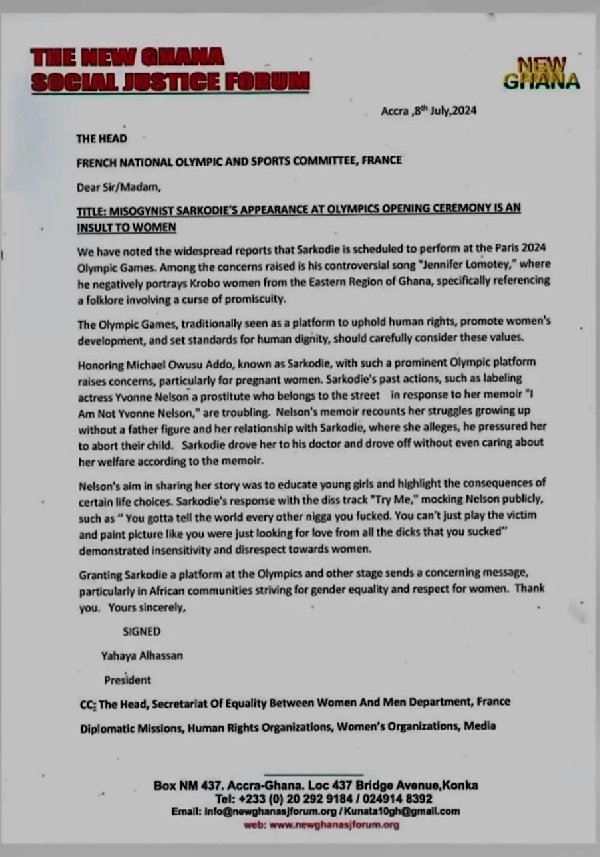
    A letter from the French Embassy in Ghana has surfaced online, responding to a petition from the New Ghana Social Justice Forum, an NGO.

    The Forum had requested the exclusion of rapper Sarkodie from the opening ceremony of the 2024 Paris Olympics.

    The petition, dated July 8, 2024, was directed to the French National Olympic and Sports Committee, labeling Sarkodie as “misogynistic” based on lyrics from his song “Jennifer Lomotey” and allegations from actress Yvonne Nelson’s memoir, which claimed he forced her to abort a pregnancy.

    The Forum argued that allowing Sarkodie to perform would be inappropriate, particularly given his past actions and statements concerning women.

    In a response dated July 19, 2024, Ambassador Jules-Armand Aniambossou clarified that Sarkodie, whose real name is Michael Owusu Addo, is not scheduled to perform at the opening ceremony of the Paris 2024 Olympic Games.

    Instead, his performance is set for August 9, 2024, at the Africa Fan Zone “Station Afrique,” an independent cultural event occurring alongside the Olympics.

    The Embassy’s letter stated: “Sarkodie (known in private life as Michael OWUSU ADDO) will not be performing at the opening ceremony of the Paris 2024 Olympic Games. His performance is scheduled to be part of the Africa Fan Zone ‘Station Afrique’ which will be held on 9th August 2024 at Stade Robert César-L’Île-Saint-Denis. Station Afrique is an independent cultural event running concurrently with the Olympic games.”

    The Embassy acknowledged the concerns raised by the NGO and emphasized its commitment to equal human rights, gender equality, and women’s empowerment, clarifying that it does not support any form of discrimination.

    See post below:

  • Give me 2 weeks, I’ll quit acting – Dr. Likee

    Give me 2 weeks, I’ll quit acting – Dr. Likee

    Ebenezer Akwasi Antwi, known professionally as Dr Likee, has revealed that he plans to end his acting career shortly after returning to Ghana from the UK.

    In a recent interview shared on GhKwaku’s Instagram, Dr Likee explained that ongoing stress and frequent false accusations have driven his decision.

    Despite his dedication and hard work to support emerging actors and content creators on YouTube, he expressed frustration with the negative criticism directed at him.

    He mentioned that, following his return, he will cease both acting and producing films.

    He cited the demanding nature of his job, where he works from 6am to 6pm, and the constant accusations of favoritism as key reasons for his retirement.

    Dr Likee emphasized that he has always strived to collaborate with a wide range of creators and denied claims that he only works with select individuals.

    He believes stepping away will prevent him from being unjustly blamed or criticized in the future.

    Dr Likee has played a significant role in revitalizing the Kumawood movie industry and has helped many up-and-coming actors gain recognition through his popular YouTube skits.

    Notable talents like Kyekyeku, 39/40, C-confion, Jordan, and Sobolo have gained fame thanks to his support.
    He said, “Two weeks after I return to Ghana, I won’t do it again. I am not going to act nor will I produce movies again. As I prepare to return home, there are about 50 producers and creators who want me on their sets. I work from 6am in the morning to 6pm in the evening and the stress is too much. I am tired.

    “Also, the accusations that I have my preferred people I work with is very false. Present all the creators here and point out who I have not worked with before. So, you see, it is because of these accusations and more that I want to quit.”

    He noted that, “When I quit, I won’t be accused or blamed for anything.”

    Watch video below:

  • I funded my marriage by doing quick side jobs – Broda Sammy

    I funded my marriage by doing quick side jobs – Broda Sammy

    Gospel artist Broda Sammy recently addressed speculation about his marriage and how he funded the wedding during an interview on UTV’s UCook with Empress Gifty on July 28, 2024.

    He confirmed that he is indeed married to someone who resides outside Ghana, but chose to keep details about his spouse private.

    Broda Sammy clarified that he financed his marriage himself, revealing that he supported himself through various side jobs at the time.

    He emphasized, “The money for my marriage came from my own efforts, and I was working side gigs to make it happen.”

    He also dismissed rumors suggesting he married for a visa, asserting, “My marriage was based on love, not for visa purposes. If I had married for a visa, I would have left long ago. My commitment is genuine.”

    Watch video below:

  • This is how Mahama used Kennedy Agyapong’s words to ‘lash’ Bawumia at NDC’s campaign launch

    This is how Mahama used Kennedy Agyapong’s words to ‘lash’ Bawumia at NDC’s campaign launch

    To emphasize the critical nature of Ghana‘s current economic challenges and his capability to resolve them, National Democratic Congress flagbearer John Dramani Mahama referenced statements from prominent officials of the ruling New Patriotic Party.

    During the launch of the NDC’s campaign on July 27, 2024, Mahama cited remarks by President Nana Addo Dankwa Akufo-Addo and Kennedy Agyapong, Member of Parliament for Assin Central, to illustrate the nation’s dire situation and argue for his leadership in the upcoming December 7, 2024, elections.

    Mahama highlighted Kennedy Agyapong’s viral statement from an interview with KSM, saying, “A member of the New Patriotic Party, a friend, and a former colleague MP, said, ‘It’s not Ghana that needs change, it’s change that needs Ghana.’

    That is Honourable Kennedy Agyapong.” He connected this to the Afrobarometer survey, where over 80% of Ghanaians felt the country was heading in the wrong direction, underscoring the necessity for change on December 7.

    Additionally, Mahama recalled President Akufo-Addo’s 2016 campaign promise, suggesting that electing Akufo-Addo was a mistake that shouldn’t be repeated with Bawumia, who is campaigning with a similar ‘try me’ message.

    He warned against wasting another four years under the same leadership, emphasizing that the youth cannot afford further delays in progress.

    Mahama asserted his readiness to guide the country onto the right path, arguing that the next four years are pivotal.

    He expressed confidence in his ability to reset Ghana’s trajectory, drawing on his experience and expertise.

    “Several years ago, somebody came and said ‘Try me,’ and the result is what we are seeing today. Now, another person is repeating the same message. The youth of this country don’t have four years to waste,” Mahama concluded.

    Watch video below:

  • Herbert Krapa appeals to financial institutions for expansion of solar projects in Ghana

    Herbert Krapa appeals to financial institutions for expansion of solar projects in Ghana

    Herbert Krapa, Ghana‘s Minister of State for Energy, has called on the International Finance Corporation (IFC) to increase its support for solar energy projects in Ghana.

    He emphasized that additional funding for renewable energy, similar to what is available in other sectors, is crucial for advancing cleaner, greener energy solutions for the country’s industrial and manufacturing sectors.

    Mr. Krapa made this appeal during the inauguration of a significant rooftop photovoltaic solar project in the Tema Free Zone Enclave, which has a capacity of 16.82 megawatts peak (MWp) and is valued at one million US dollars.

    This project, developed by Helios Solar Company Limited a subsidiary of HML Holdings represents the largest solar installation in Africa and the second largest globally. It was completed in just eight months, supported by a US$17 million investment from the IFC.

    He pointed out that despite Africa’s vast potential in solar, wind, and hydro energy, the continent lags behind Europe in solar installations due to financing challenges.

    In Europe, solar installations typically cost less than two percent of a business’s capital, whereas in Africa, the cost averages around 20 percent or more.

    The Minister praised the IFC for its contribution to the solar rooftop project and urged the organization to continue expanding its investment in renewable energy.

    He highlighted that such projects could significantly reduce operational costs for businesses, leading to industry growth and job creation.

    Mr. Adlai Opoku-Boamah, Managing Director of LMI, revealed that in December 2023, the IFC Board approved a US$110 million facility for LMI Holding.

    This funding will be used to develop an additional 150 MWp of solar energy at Dawa. This solar park will serve two major projects: the Dawa City Project and the Dawa Industrial Zone.

    The Dawa City Project aims to be Ghana’s first smart and green city, while the 4,000-acre Industrial Zone will support various sectors, including textiles, pharmaceuticals, food, and technology.

    Businesses within the Dawa Industrial Zone will benefit from a reliable power supply and a 10 percent discount on electricity tariffs for five years, ensuring both operational efficiency and cost savings.

  • Voting out NPP is the best way to address rising public debt – Amaliba

    Voting out NPP is the best way to address rising public debt – Amaliba

    Private legal practitioner, Abraham Amaliba ,a leading commentator criticized the New Patriotic Party (NPP) administration, argued that a change in government is essential to address Ghana’s escalating public debt crisis.

    He accused the current administration of prioritizing personal interests over the needs of Ghanaians and suggested that removing them from office is a crucial first step in stopping the economic decline.

    “When you vote people into government you expect them to think for the people but these people think for their stomachs. The first step to stop the bleeding is to let this government go.

    “Then what the next government should focus on are the areas we import so much and use hard currencies to import, let us begin to deal with those sectors,” he said on the Big Issue on TV3 Friday, July 27 while commenting on Ghana’s public stock which stood at GH¢742 billion, representing US$50.9 billion as of June 2024, according to the Finance Minister Dr Mohammed Amin Adam.


    The Finance Minister, Dr. Mohammed Amin Adam, reported that as of June 2024, Ghana’s public debt has reached GH¢742 billion (approximately US$50.9 billion), constituting 70.6% of the country’s Gross Domestic Product (GDP).

    This debt is divided into GH¢452 billion in external debt and GH¢290 billion in domestic debt, representing 60.9% and 39.1% of the total debt stock, respectively.

    The debt increased by 22% due to the depreciation of the cedi and ongoing disbursements from creditors.

    Dr. Adam assured that the government is adhering to its budgetary constraints, having managed expenditures within the 2024 budgetary limits and exceeded midyear revenue targets by 0.2% as of June 2024.

    He also highlighted the government’s commitment to achieving a primary surplus of 0.5% of GDP by the end of the year.

    Further, he noted the successful completion of the second review of Ghana’s Extended Credit Facility with the IMF, which resulted in a third tranche disbursement of US$360 million, bringing the total to about US$1.6 billion.

    The debt restructuring with the Official Creditor Committee (OCC) has yielded US$2.8 billion in debt relief, eliminating debt servicing from 2023 to 2026.

    Negotiations with Eurobond holders have also led to a US$4.7 billion debt cancellation and US$4.4 billion in debt service relief for the same period.

  • Cedi falls 19.6% against the US Dollar as of July 2024 – BoG

    Cedi falls 19.6% against the US Dollar as of July 2024 – BoG

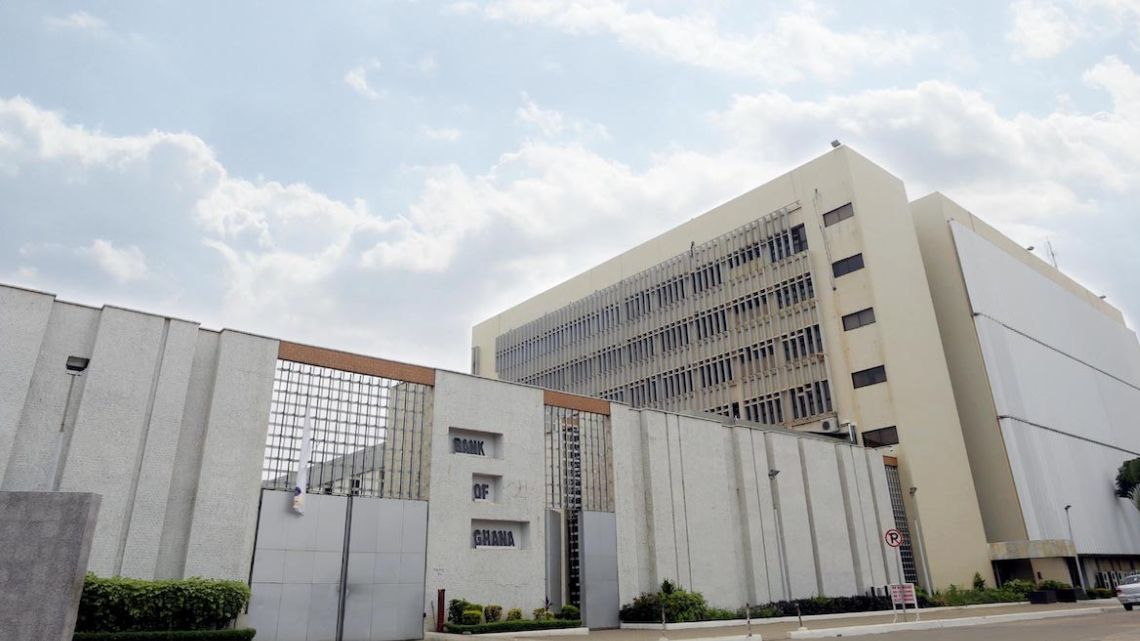
    As of July 2024, the Ghana cedi has experienced a depreciation of approximately 19.6% relative to the US dollar on the interbank forex market, as reported by the Bank of Ghana (BoG).

    This is a slightly smaller decline compared to the 21% drop observed in the retail market.

    The Bank of Ghana’s July 2024 Summary of Financial and Economic Data highlights that the cedi’s value fell by 7.7% against the dollar in March 2024, followed by a 10.5% decrease in April.

    The cedi then continued its downward trend with a 15.9% depreciation in June and an 18.6% drop in July.

    On the retail market, the cedi is currently trading at an average of GH¢15.60 per dollar, whereas the interbank rate stands at GH¢14.78 per dollar.

    In relation to the British pound, the cedi has depreciated by 20.8%, with the current exchange rate at GH¢19.10. It has also fallen by 18.4% against the euro, with a rate of GH¢16.09.

    Recently, the cedi has shown signs of stabilization against the dollar, buoyed by increased corporate demand and market anticipation of a potential rate cut by the US Federal Reserve, which has contributed to a weakening of the American dollar.

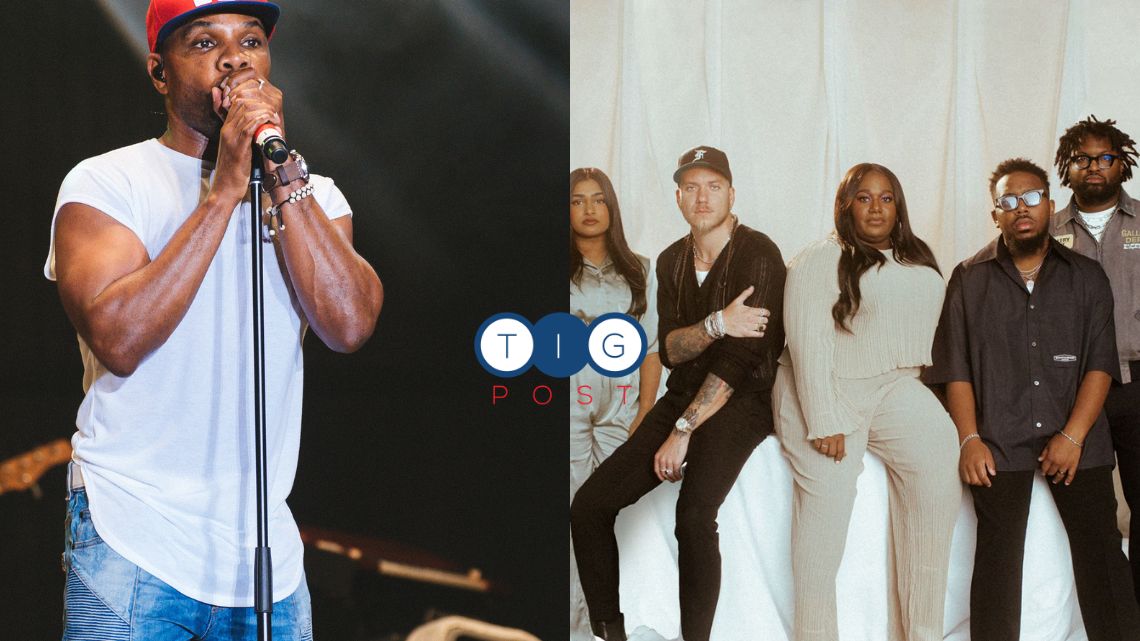
  • Grammy Award-winning gospel group Maverick City Music, Kirk Franklin to host concert in Ghana

    Grammy Award-winning gospel group Maverick City Music, Kirk Franklin to host concert in Ghana

    Grammy Award-winning gospel group Maverick City Music is set to perform in Accra, Ghana, as part of their highly-anticipated Kingdom World Tour.

    The concert, featuring the renowned gospel artist Kirk Franklin, will take place at ICGC Christ Temple East (Teshie Rasta Road) on Sunday, August 18, 2024.

    Organizers describe the event as a unique worship experience designed to bring together thousands of worshippers and gospel enthusiasts.

    They promise an evening of powerful performances that aim to deepen attendees’ spiritual connections and offer a transformative worship experience.

    The Kingdom World Tour is celebrated for uniting worshippers across the globe through moving performances and heartfelt lyrics.

    This tour represents a significant opportunity for spiritual renewal and unity, showcasing Maverick City Music’s innovative blend of contemporary and traditional gospel music.

    Maverick City Music has gained considerable popularity in Africa, particularly among young Christian audiences, thanks to their fresh take on gospel music and their ability to break conventional boundaries within the genre.

    Kirk Franklin, who began his career in the early 1990s with the Texas-based choir The Family, has significantly influenced modern gospel music over the past three decades.

    Known for his leadership in urban contemporary gospel and his frequent chart-topping gospel albums, Franklin’s contributions continue to resonate deeply with fans and fellow artists alike.

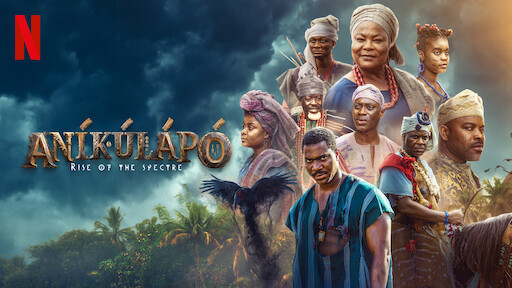
  • Kunle Afolayan scouts locations in Ghana for season 2 of Aníkúlápó filming

    Kunle Afolayan scouts locations in Ghana for season 2 of Aníkúlápó filming

    Renowned African filmmaker Kunle Afolayan has shared photos on Instagram from his location scouting trip in Ghana for season 2 of the Netflix series, Aníkúlápó.

    This follows his June announcement to film parts of the new season in Ghana, made during the Nigeria International Film and TV Summit (NIFS) in Cannes, France.

    The summit saw attendance from notable industry figures, including Juliet Yaa Asantewaa Asante, CEO of Ghana’s National Film Authority.

    Location scouting, or recce, is a vital pre-production step in filmmaking where potential filming sites are evaluated to match the creative vision and logistical needs of the project.

    Ghana is actively inviting international filmmakers to utilize its picturesque landscapes and advanced facilities through the “Shoot in Ghana” initiative by the National Film Authority.

    This initiative aims to showcase Ghana’s rich heritage and culture while generating local employment. Juliet Asante expressed her enthusiasm on Instagram, encouraging global filmmakers to capture Ghana’s beauty in their productions.

    The National Film Authority is excited to collaborate with Afolayan, a prominent figure in African cinema, for the filming of Aníkúlápó scenes in Ghana.

    Aníkúlápó, a four-part series, serves as a sequel to the 2022 Netflix original film and follows the story of Saro, a traditional textile weaver who arrives in Oyo and becomes involved in a complex romantic affair with Queen Arolake.

    Watch video below:

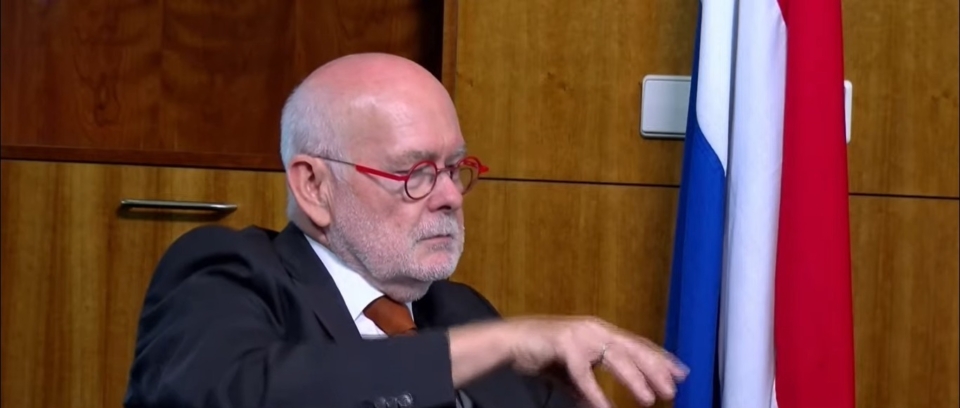
  • Ghana’s galamsey fight has been unsuccessful – Netherlands Ambassador to Ghana

    Ghana’s galamsey fight has been unsuccessful – Netherlands Ambassador to Ghana

    The Netherlands Ambassador to Ghana, Jeroen Verheul, has voiced his concerns regarding Ghana’s ongoing struggle with illegal mining, also known as “galamsey.”

    According to Ambassador Verheul, the lack of effective law enforcement is a significant factor contributing to the persistence of this issue.

    During an interview on JoyNews’ AM Show with Benjamin Akakpo on Thursday, Mr. Verheul expressed his observations.

    “There is not a lot of success in combating illegal mining, and if I speak to organizations that are forcefully opposing illegal mining, they tell me it is very difficult to get enforcement. For example, if the police act and arrest somebody, that person is often out of prison very soon,” he said.

    Despite an increase in gold production in Ghana, Mr. Verheul noted that this growth is primarily occurring within the informal sector rather than the formal, regulated sector. He pointed out that this shift further complicates the battle against illegal mining activities.

    Mr. Verheul also shared his preference for describing the issue as “small-scale illegal mining” rather than using the term “galamsey.”

    He explained, “I avoid using the term ‘galamsey‘ because it implies something cultural or uniquely African, which I believe is inaccurate.”

    Addressing the root of the problem, the Ambassador emphasized the need for substantial effort to combat illegal mining. However, he expressed skepticism about the feasibility of curtailing the menace, suggesting that some parties likely benefit from the continuation of illegal mining and therefore have a vested interest in its persistence.

    “I do not have the knowledge and expertise to indicate who those parties might be, but if there was a general political will and if there was an enforcement capacity, then Ghana would be able to solve this issue, but it is not happening,” Mr. Verheul stated.

    Illegal mining poses several significant challenges for Ghana, impacting both the environment and socio-economic conditions.

    Such activities often result in severe environmental damage. Forests are cleared, and rivers are polluted with toxic chemicals such as mercury and cyanide used in gold extraction. This contamination affects water sources, posing health risks to local communities and disrupting ecosystems.

    The informal nature of illegal mining means that the government loses potential revenue from taxes and royalties. This loss of income can impact national development projects and the overall economy.

  • Whichever candidate I endorse will become president till I die – Agradaa

    Whichever candidate I endorse will become president till I die – Agradaa

    Evangelist Patricia Asiamah, also known as Agradaa, the Leader and Founder of Heaven’s Way Ministries International, has made some bold statements regarding the upcoming 2024 elections in Ghana.

    Although she initially declared her intention to stay away from politics, she has now reversed that decision and plans to publicly announce her support for a candidate.

    Addressing her congregation, Agradaa emphasized her influence and the weight of her endorsements. “I had decided not to follow politics, but now I feel the need to state where I stand. So, in 2024, I, Agradaa, will choose the party I support,” she proclaimed.

    She further asserted that her backing has never failed and confidently stated, “The person I decide to support will become president, whether you like it or not, and once they take the presidential seat, they will remain there unless I am no longer alive. This is a directive from God.”

    Agradaa also highlighted the power of her social media presence, claiming it would significantly amplify her endorsement. “From now on, the battle lines are drawn because when I speak, it has a significant impact. Among all the people on social media who speak for presidents, no one is louder or has a wider reach than me,” she declared.

    She concluded with a resolute message, indicating the importance of the upcoming election and her commitment to active participation: “The 2024 election is a do-or-die affair. We are all going to get involved, and we won’t stay silent anymore.”

  • Ghana’s oil income climbs to $840m in first half of 2024

    Ghana’s oil income climbs to $840m in first half of 2024

    Ghana’s oil revenue soared to $840 million in the first half of 2024, reflecting a 36% increase from the $540 million reported during the same period in 2023.

    This total revenue includes earnings from oil liftings, corporate taxes, surface rentals, and interest on the Petroleum Fund account.

    The Petroleum Holding Fund report from the Bank of Ghana indicates that the bulk of the revenue—$470 million—came from oil liftings across six fields.

    Corporate taxes contributed $350 million, surface rentals amounted to $580,000, and interest earnings were $7 million.

    During this period, allocations to the Ghana Petroleum Funds included $91 million to the Ghana Stabilization Fund and $39 million to the Ghana Heritage Fund, totaling around $130 million.

    The report, issued in accordance with section 28 of the Petroleum Revenue Management Act, 2011 (Act 815), offers a comprehensive breakdown of Ghana’s crude oil liftings and the distribution to the Ghana Petroleum Funds.

    The Bank of Ghana is legally responsible for receiving and managing the country’s petroleum revenue.

  • TikTok pays me more than my regular job – TikToker Guy Quecy

    TikTok pays me more than my regular job – TikToker Guy Quecy

    Guy Quecy, a popular TikToker from Ghana, has shared that his earnings from TikTok can sometimes exceed his three-month salary from his full-time job.

    In an exclusive interview with ZionFelix, Quecy mentioned that despite having a well-paying 9-to-5 job, the benefits he gains from TikTok are substantial.

    He revealed that TikTok has become a significant income stream for him.

    When asked about leaving his current job, Quecy said he would consider it if his brand’s demand soared to new heights.

  • Ghana to export petroleum products to Senegal and Gambia

    Ghana to export petroleum products to Senegal and Gambia

    The National Petroleum Authority (NPA) has recently secured an agreement with Senegal and Gambia for the importation of petroleum products from Ghana.

    This development expands Ghana’s export portfolio, which already includes Mali, Niger, Burkina Faso, Cote D’Ivoire, and Togo.

    In 2023, the volume of petroleum products re-exported and transited to these neighboring countries amounted to an impressive 385,154,100 liters.

    Speaking at the Ghana International Petroleum Conference (GhiPCon), themed “The Petroleum Industry: Building a Future for Growth, Efficiency, and Sustainability,” Dr. Mustapha Abdul-Hamid highlighted the increase in export volumes as evidence of NPA’s success in curbing illicit fuel activities in the country.

    The Ghanaian petroleum industry has registered over 3,000 service providers, featuring significant local participation.

    Annually, the industry delivers over four million metric tonnes of petroleum products domestically and internationally, positioning itself as a key contributor to Ghana’s GDP growth.

    Dr. Abdul-Hamid noted, “We estimate that the sector had a monetary value of over GHC 71 billion, representing about 84% of the country’s 2023 GDP. In the past seven years, the industry returned an average annual value of over GHC 35 billion.”

    Emphasizing the dynamic nature of the downstream petroleum industry, the NPA is committed to leveraging technology and innovation.

    The NPA has implemented various strategies and policies to ensure efficiency, profitability, and value for consumers. One such initiative is the transparent automatic price adjustment formula, which has reformed pricing from an annual regulated price with unpaid subsidies to bi-weekly and daily regulations.

    The NPA has also declared zero tolerance for toxic fuel, with Ghana, Kenya, Tanzania, Uganda, and Morocco now consuming low-sulfur fuels. The typical import contains less than 50 ppm, with a roadmap for local refineries to comply.

    To ensure the integrity of the quality and quantity of petroleum products delivered to consumers, the NPA has rolled out several technology-based projects. These include the petroleum marking scheme, bulk road vehicle tracking project, electronic cargo tracking system, and enterprise relational database management software.

    During the conference, the Minister of Energy, on behalf of Vice President Dr. Mahamudu Bawumia, praised the NPA for its strategic management of the “Gold for Oil” program and the Cylinder Recirculation Model (CRM), which have boosted investor confidence in the sector. These efforts, combined with a robust policy framework, have encouraged private sector investment, contributing significantly to Ghana’s policy target of 50% LPG penetration by 2030.

    The Minister challenged the NPA to continue investing in infrastructure, leveraging cutting-edge technology, and enhancing supply chain resilience to secure Ghana’s energy future. He emphasized that strategies must be robust, innovative, and adaptable to geopolitical tensions, technological advancements, and environmental concerns.

  • Ghana’s paracycling team members abscond upon arrival at Oslo for marathon

    Ghana’s paracycling team members abscond upon arrival at Oslo for marathon

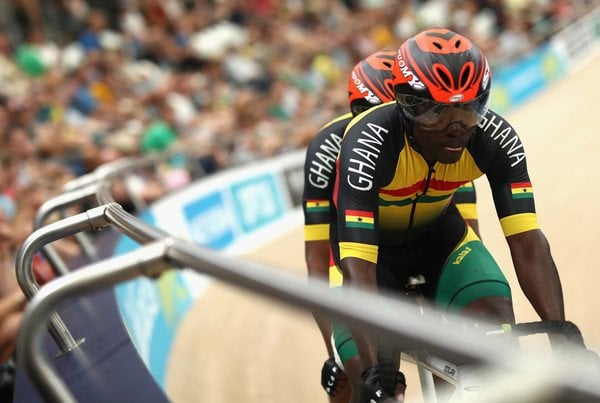
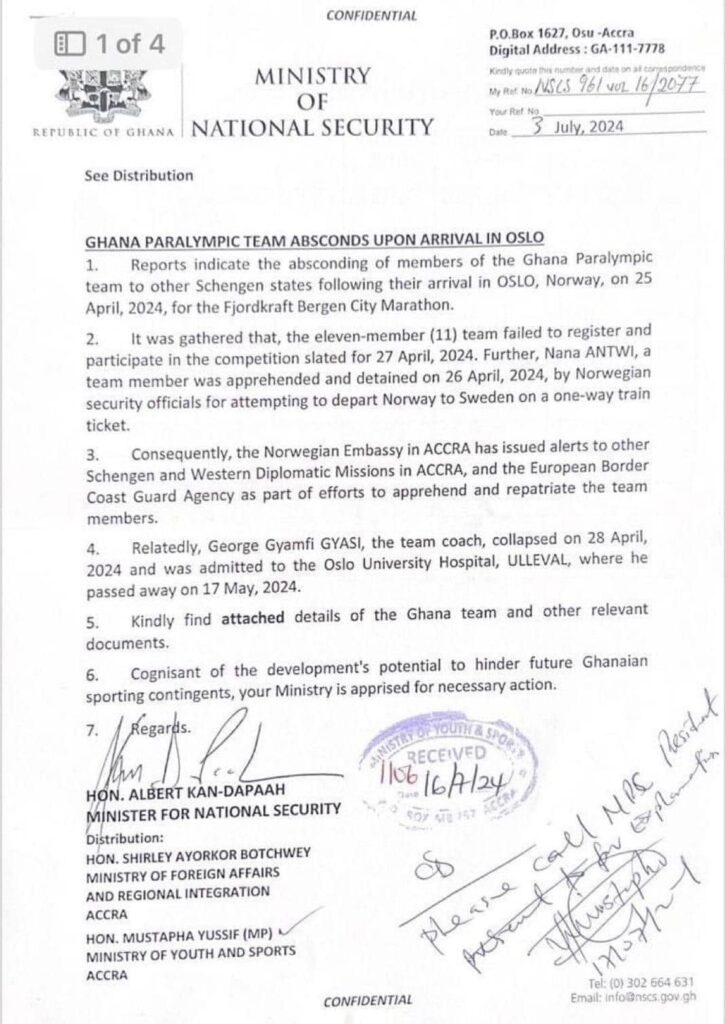
    Members of Ghana’s paracycling team have absconded to various Schengen states after arriving in Norway earlier this year to prepare for the Fjordkraft Bergen City Marathon.

    The 11-member team failed to register and participate in the marathon, which was scheduled for late April in Norway.

    According to a document released by the National Security Authority on July 3, 2024, one member of the team was apprehended and detained by Norwegian security officials in late April while attempting to travel to Sweden.

    The document also revealed the tragic demise of the team coach, George Gyamfi Gyasi, who collapsed and was admitted to Oslo University Hospital, where he passed away on May 17, 2024.

    In response to the absconding team members, the Norwegian embassy in Accra has issued alerts to other Schengen and West Diplomatic Missions in Accra to assist in apprehending and repatriating the team members. The search for the absconded members is ongoing.

    The National Paralympic Committee of Ghana has distanced itself from the group, stating that they have no affiliation with the absconded team. Additionally, the Committee has indefinitely suspended Mr. Theodore Mawuli Viwotor, Mr. Ernest Yaw Ayisi, and the Enestay Foundation for their involvement in the incident.

  • Ghana beefs up measures for terrorism fight with UNOCT agreement

    Ghana beefs up measures for terrorism fight with UNOCT agreement

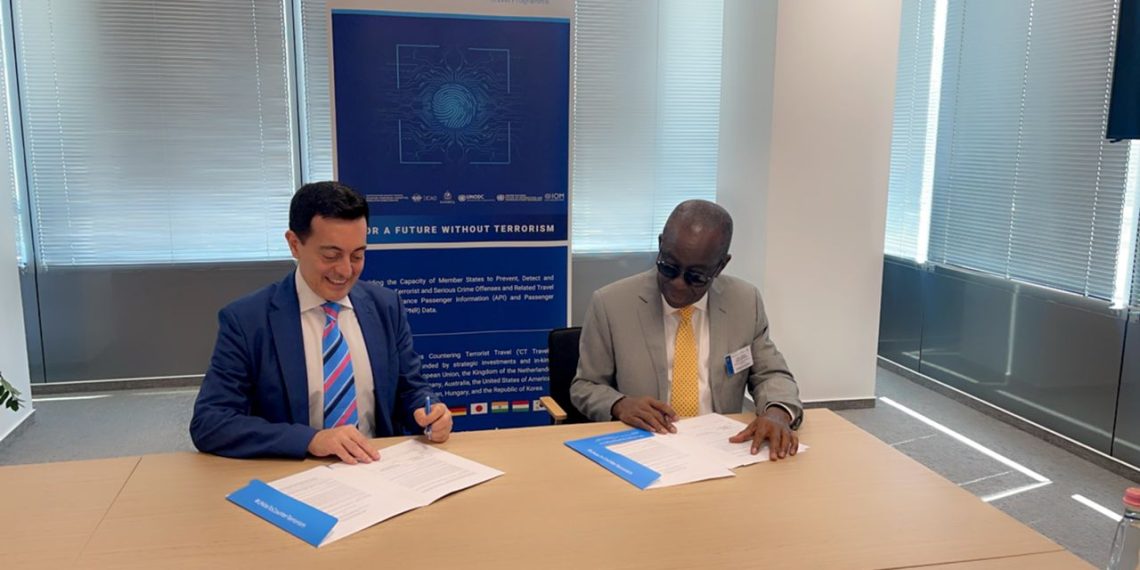
    Ghana has formalized a strategic partnership with the United Nations Office of Counter-Terrorism (UNOCT) through the signing of a Letter of Agreement (LoA).

    This collaboration is aimed at strengthening efforts against terrorism and addressing its links with transnational organized crime.

    The LoA will facilitate technical support for Ghana under the United Nations Countering Terrorist Travel (‘CT Travel’) Programme. This initiative is focused on enhancing national capacities to manage threats associated with terrorist travel, leveraging Advance Passenger Information (API) and Passenger Name Records (PNR).

    The agreement was signed by Mauro Miedico, Director of UNOCT, and Albert Kan-Dapaah, Ghana’s Minister for National Security. The signing ceremony took place in Budapest, Hungary, during the Forum celebrating the 5th Anniversary of the UN’s Countering Terrorist Travel Programme.

    Miedico expressed appreciation for Ghana’s ongoing cooperation and robust engagement with UNOCT, highlighting the significance of this partnership in bolstering both national and regional security.

    Kan-Dapaah, in turn, recognized the valuable support from UNOCT and reiterated Ghana’s commitment to implementing the agreed measures effectively.

    The LoA will support the UN in assisting Ghana to enhance its abilities to detect and intercept terrorists and other criminal elements. This aligns with Security Council resolutions 2178 (2014), 2396 (2017), and 2482 (2019), which require Member States to ensure airlines operating within their jurisdictions provide API and PNR data to national authorities.

    Launched in 2019, the UN Countering Terrorist Travel (‘CT Travel’) Programme is a global initiative aimed at equipping Member States with tools to prevent, detect, investigate, and prosecute terrorist and serious crimes.

    It involves the collection and analysis of passenger data in line with Security Council resolutions, international standards, best practices, and human rights considerations.

    The Programme, led by UNOCT, employs a “One-UN” approach to deliver tailored and comprehensive assistance to Member States.

    It collaborates with various UN bodies and international organizations to support 76 Member States, 57 of which receive direct technical assistance. The initiative also fosters regional cooperation by sharing insights and best practices on passenger data exchange.

  • Supreme Court Judge criticises FDA’s ban on celebrities advertising alcoholic beverages

    Supreme Court Judge criticises FDA’s ban on celebrities advertising alcoholic beverages

    Justice Barbara Ackah-Yensu, a member of Ghana‘s Supreme Court, has indicated that the Food and Drugs Authority (FDA) guideline banning celebrities from advertising alcoholic beverages is unconstitutional.

    The directive, which prohibited the use of well-known personalities in such advertisements, was regarded as discriminatory by Justice Ackah-Yensu, who argued that it unfairly infringed upon individuals’ economic rights and interests.

    In her dissenting opinion, joined by Justice Prof. Henrietta Mensa-Bonsu, she criticized Guideline 3.2.10 of the FDA’s 2016 regulations as inconsistent with the Constitution.

    She stated that the guideline be struck down and barred the FDA from enforcing it, stressing that the FDA should find a constitutional way to achieve its public health goals without discrimination.

     “No well-known personality or professional shall be used in alcoholic beverage advertising,” is “unconstitutional,” she stated.

    Justice Ackah-Yensu also suggested that existing laws like the Liquor License Act already address concerns about responsible alcohol consumption, and that if more restrictions are needed, they should be enacted through Parliament.

    In contrast, the majority of the Supreme Court judges, led by Chief Justice Gertrude Sackey Torkornoo, upheld the FDA’s directive, concluding that it was within the FDA’s authority under the Public Health Act, 2012, to regulate such advertising to safeguard public health.

    The majority found the guideline reasonable and not in violation of the Constitution.

    The case was dismissed, supporting the FDA’s stance on the issue.

    The directive, initially introduced in 2015 to protect minors and public health, faced legal challenge from Mark Darlington Osae, an artiste manager, who argued it was discriminatory against the creative industry.

  • Azumah Nelson@66: 6 key things you need to know about the iconic boxer

    Azumah Nelson@66: 6 key things you need to know about the iconic boxer

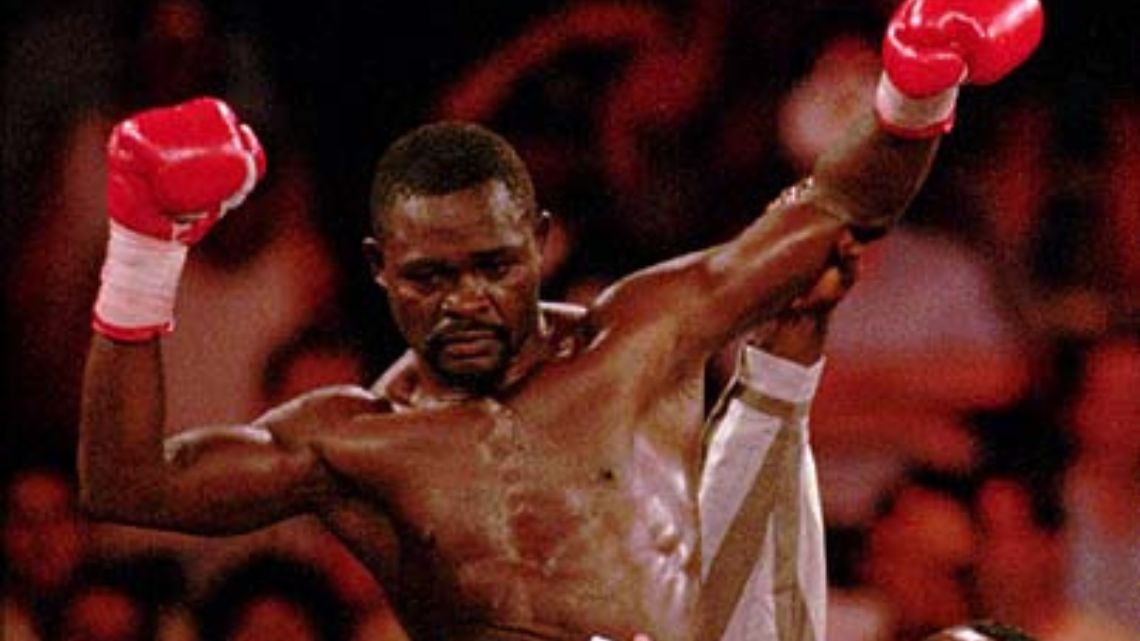
    Known as the ‘Professor,’ Azumah Nelson stands as Ghana’s premier boxing icon, whose remarkable achievements in the 80s and 90s elevated Ghanaian boxing to global prominence. His matches were so captivating that Ghanaians often stayed up late to witness his impressive performances.

    Nelson, a two-weight world champion, held the WBC featherweight title from 1984 to 1987 and secured the WBC super-featherweight title twice, between 1988 and 1997. He also competed for the unified WBC and IBF lightweight titles in 1990.

    On July 19, 2024, we celebrate the 66th birthday of this boxing legend, born on July 19, 1958. His illustrious career spanned from 1979 to 2009.

    Here are six notable records of Azumah Nelson:

    Three-Time World Champion: Nelson earned world titles in both the WBC featherweight and WBC super-featherweight divisions. He held the WBC featherweight title from 1984 to 1987 and won the WBC super-featherweight title twice, in 1988 and 1997.

    WBC’s Greatest Super Featherweight Boxer of All Time: In 2004, the WBC named him the Greatest Super Featherweight Boxer of All Time, recognizing his dominance in the division.

    2004 Boxing Hall of Fame Inductee: Nelson became the only Ghanaian boxer inducted into the Boxing Hall of Fame in 2004.

    2020 Nevada Boxing Hall of Fame Inductee: In 2020, he was also inducted into the Nevada Boxing Hall of Fame, further cementing his legacy as a distinguished boxer.

    Africa’s Greatest Boxing Champion: Nelson is celebrated as Africa’s Greatest Boxing Champion.

    Gold Medalist at the 1978 Commonwealth Games: At the 1978 Commonwealth Games and All-Africa Games, Nelson won gold medals in the featherweight division, earning the title of Amateur Boxer of the Year from the Sports Writers Association of Ghana (SWAG).

  • Poor sound quality hindering the international recognition of Ghanaian music – Appietus

    Poor sound quality hindering the international recognition of Ghanaian music – Appietus

    Appietus, a well-known sound engineer and music producer, has criticized the rise of self-taught sound engineers in Ghana.

    He argued that those who learn their skills through online resources like YouTube are negatively affecting the quality of music production in the country.

    “You have to understand sound engineering, the frequency range listeners can hear, the decibel range you can go, the dynamics, and all the technicalities. You need to understand all these things. It’s only in our industry that you find people saying, ‘Oh, I learned sound engineering on YouTube,’” Appietus argued.

    Appietus, whose full name is Appiah Dankwah, suggests that the prevalence of untrained engineers is leading to lower production standards, which, in turn, hampers the international success of Ghanaian music.

    He advocates for formal training and education for sound engineers to ensure they meet industry benchmarks.

    He drawed an analogy with the medical profession, stating that just as becoming a doctor requires formal education beyond online tutorials, sound engineering also demands thorough, professional training.

    “For you to become a medical doctor or a surgeon, you cannot go and learn it on YouTube. Nobody is going to lie down and say, okay, this is my stomach, operate on me because you learned it on a social platform. But in Ghana, we have people saying, ‘Oh, I learned it on YouTube, so I know.’ Come on, please. These internet communities cannot teach you the real thing,” he disclosed.

    Appietus emphasizes that the global music industry expects high-quality production, and work that fails to meet these standards is likely to be overlooked. He urges self-taught engineers to seek out proper training to elevate their skills and enhance Ghana’s music industry on the world stage.

    “Works from these amateurs are a contributory factor to why most of our songs are not breaking the global market. The international marketplace knows good quality, so if it’s low, they will not accept it. There’s something called industry standard in sound; if you do not have it, come on, they will just throw your music away.”

  • Ghana music industry facing significant crisis due to substandard work by self-taught sound engineers – Appietus

    Appietus, a prominent sound engineer and music producer, has raised concerns about the impact of self-taught sound engineers in Ghana.

    He believes that those who acquire their skills through online platforms like YouTube are compromising the quality of music production in the country.

    “You have to understand sound engineering, the frequency range listeners can hear, the decibel range you can go, the dynamics, and all the technicalities. You need to understand all these things. It’s only in our industry that you find people saying, ‘Oh, I learned sound engineering on YouTube,’” Appietus argued.

    According to Appietus, whose real name is Appiah Dankwah, the surge of untrained engineers is leading to a decline in the standard of Ghanaian music.

    This, he argued, is hindering the industry’s potential to gain global recognition. He underscores the necessity of formal education and hands-on training for sound engineers to meet professional standards.

    Appietus compares the need for proper training in sound engineering to the rigorous education required for medical professionals. He asserts that just as one cannot become a doctor through online courses, mastering sound engineering requires a thorough and structured approach.

    He warns that the international music market has high expectations for production quality, and anything that falls short is unlikely to be accepted. Appietus calls on self-taught engineers to pursue formal training to enhance their skills and help boost Ghana’s presence on the global music stage.

    “For you to become a medical doctor or a surgeon, you cannot go and learn it on YouTube. Nobody is going to lie down and say, okay, this is my stomach, operate on me because you learned it on a social platform. But in Ghana, we have people saying, ‘Oh, I learned it on YouTube, so I know.’ Come on, please. These internet communities cannot teach you the real thing,” he disclosed.

    “Works from these amateurs are a contributory factor to why most of our songs are not breaking the global market. The international marketplace knows good quality, so if it’s low, they will not accept it. There’s something called industry standard in sound; if you do not have it, come on, they will just throw your music away.”

  • 6 Ghanaians caught by FBI engaging in money laundering, ‘sakawa,’ other crimes

    6 Ghanaians caught by FBI engaging in money laundering, ‘sakawa,’ other crimes

    Ghana is internationally recognized as a peace-loving country, a beacon of democracy, and home to some of the most welcoming citizens in the world.

    However, in recent months, the image of the country has been somewhat tarnished by the actions of a few individuals.

    Since 2023, some Ghanaians have been involved in various illicit activities such as money laundering, romance scams (sakawa), and gun smuggling.

    In the United States alone, over 10 Ghanaians have been arrested for engaging in illegal activities.

    Here are some notable cases of Ghanaians whose arrests in the US have made headlines.

    Abdul Inusah

    The son of a former Minister of Lands and Natural Resources and former Member of Parliament for Tamale Central, Inusah Fuseini, was sentenced by an American court to two years in prison, to be followed by three years of supervised release in 2023.

    The 32-year-old Abdul Inusah was sentenced after being found guilty for his role in a Huntington-based scheme that defrauded individuals in multiple states through false online personas and was also ordered to pay $128,000 in restitution.

    The details, culled from a statement from the US Attorney’s Office Southern District of West Virginia, said that the trial was decided by a federal jury after three days in court.

    Eric Nana Kofi Ampong Coker

    A Ghanaian based in Columbia, Maryland, Eric Nana Kofi Ampong Coker, pleaded guilty to illegally exporting firearms to Ghana from the US in 2023.

    According to the United States Attorney’s Office of the District of Maryland, Ampong Coker, on Thursday, June 8, 2023, confessed to exporting firearms to Ghana without the required licence or written approval to export the weapons.

    The district attorney’s office indicated that Ampong Coker, since 2017, has purchased at least 81 firearms from three separate Maryland Federal Firearms Licensees (“FFLs”).

    Hajia4reall

    On Wednesday, February 21, 2024, Ghanaian socialite, Mona Faiz Montrage, widely known as Hajia4Reall, pleaded guilty in a $2 million romance scam case in the United States of America (USA) and was subsequently jailed.

    According to the United States Attorney for the Southern District of New York, Hajia4Reall was part of a notorious ‘sakawa’ empire which operates in Ghana and West Africa, known as ‘The Enterprise.’ – a cyber-fraud criminal gang that ripped off victims to the tune of $50 million from various parts of the US.

    The other members of the gang, including Farouk Appiedu, Fred Asante, Celvin Freeman, Lord Aning, Sadick Edusei Kissi, and Faisal Ali, most of them linked to Ghana, were arrested in 2021.

    Major Kojo Owusu Dartey

    A Ghanaian soldier with the United States Army, Major Kojo Owusu Dartey, has also been found guilty of smuggling guns to Ghana, using blue barrels containing rice and home goods.

    According to a report by the United States Attorney’s Office, Eastern District of North Carolina, dated April 29, 2024, Major Kojo Dartey faces a maximum of 240 months in prison.

    The sentencing, according to the report, will be delivered on July 23, 2024.

    Former MD of Tema Oil Refinery, Asante Kwaku Berko

    Former Managing Director of Tema Oil Refinery, Asante Kwaku Berko, is the latest to be prosecuted by the government of the US.

    He is accused of bribing Ghanaian government officials using the financial system of the United States and was extradited from the United Kingdom to the US on Monday, July 15, 2024.

    According to a press release by the US Attorney’s Office, Eastern District of New York, Kwaku Berko has been indicted for allegedly violating the Foreign Corrupt Practices Act (FCPA) and money laundering after he bribed Ghanaian government officials to secure a power plant deal and laundered the payments through the US financial system.

  • Ghana’s cocoa production declines, 429,323 metric tons recorded in June – Report

    Ghana’s cocoa production declines, 429,323 metric tons recorded in June – Report

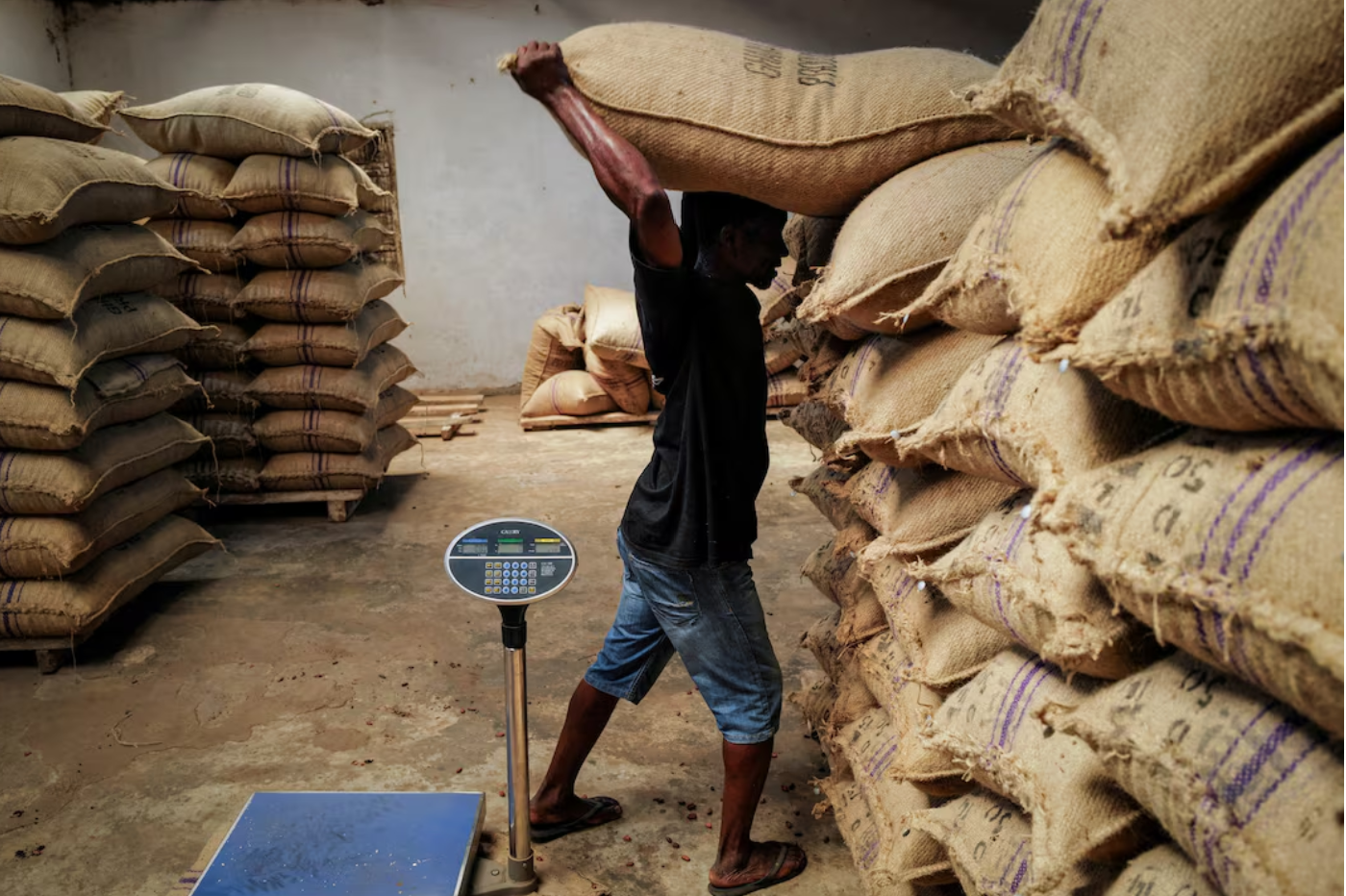
    Ghana’s cocoa production for the season ending in June has been reported at 429,323 metric tons, marking a significant decline from its average seasonal output, according to data released by the Ghana Cocoa Board (Cocobod) and reported by Reuters.

    This figure underscores the challenges faced by the world’s second-largest cocoa producer due to adverse weather conditions, prevalent tree diseases, and illicit activities.

    The latest cocoa harvests from Ghana and Ivory Coast, the top global producers, have contributed to rising cocoa prices worldwide since the beginning of the year. Together, these nations typically supply about 60% of the global cocoa market. The reduced production from Ghana highlights a critical issue affecting global cocoa supply chains.

    Ghana’s cocoa sector has been adversely affected by adverse weather patterns and diseases such as Swollen Shoot Disease (CSSVD). Moreover, illegal artisanal gold mining, known locally as galamsey, has posed significant challenges by damaging cocoa farms and diverting labor away from agricultural activities. These factors have particularly impacted regions like Ashanti and Western South, traditionally key contributors to Ghana’s cocoa output.

    By the end of June, the Ashanti region produced 103,976 metric tons of cocoa beans, a notable decrease from the previous season’s 160,855 tons.

    Similarly, the Western South region recorded 96,810 tons, down from 152,277 tons in the preceding season. The Western North and Western South regions, as well as the Volta/Oti region bordering Togo, remain vulnerable to smuggling activities that further hinder cocoa production.

    The production shortfall has also affected Ghana’s ability to meet its contractual obligations with international traders and exporters. Cocobod reportedly faces difficulties in fulfilling its forward sales contracts, potentially necessitating delays in delivering up to 350,000 tons of cocoa beans to the next season.

    While Cocobod remains optimistic about a rebound in cocoa output to over 800,000 tons for the upcoming season starting in October, industry analysts caution that achieving this target may prove challenging amid ongoing production constraints.

  • Cedi expected to regain value – Fitch

    Cedi expected to regain value – Fitch

    London-based financial analysis firm, Fitch Solutions has projected a 9% recovery in the value of the Ghanaian cedi against the US dollar by the end of 2024.

    This forecast comes amidst challenging conditions for the cedi, which has depreciated by approximately 20% so far this year, making it one of the worst-performing currencies globally.

    Factors contributing to the cedi’s decline include weak capital inflows due to subdued market sentiment and ongoing debt restructuring negotiations.

    However, Fitch Solutions anticipates improved performance in the second half of 2024, supported by an economic recovery.

    In an article titled “Sub-Saharan Africa Currency Round-Up: Greater Stability Ahead in Second Half of 2024,” it is predicted that external conditions will provide more support to Sub-Saharan African currencies in the coming quarters.

    Ghana‘s real GDP growth accelerated from 3.8% in Q4 2023 to 4.7% year-on-year in Q1 2024, which has bolstered demand for foreign exchange.

    Despite these challenges, Ghana’s recent agreement with international bondholders to restructure $13 billion of external debt, expected to conclude by September 2024, is seen as a positive development.

    “We expect the Ghanaian cedi to fare better in H2 [second-half of 2024]. In the year to date, the cedi has lost 19.2% of its value against the US dollar, positioning it among the worst performing currencies globally. Subdued market sentiment amid debt restructuring negotiations has kept capital inflows weak, while the start of an economic recovery – real GDP growth accelerated from 3.8% in Q4 [quarter 4] 2023 to 4.7% year-on-year in quarter 1 2024 – has increased demand for foreign exchange.”

    Fitch Solutions highlights that Ghana’s international reserves, covering just 2.5 months of imports as of March, and IMF agreements allowing market-driven exchange rate adjustments have limited foreign exchange interventions by the Bank of Ghana this year.

    “Furthermore, Ghana’s international reserves have remained low, covering just 2.5 months of imports in March. Combined with IMF [International Monetary Fund] agreements to allow the exchange rate to adjust to market conditions, this has led to limited foreign exchange intervention by the Bank of Ghana in the year-to-date”, it added.

  • Stabilizing the Cedi with cash received from IMF is not sustainable – Kwakye

    Stabilizing the Cedi with cash received from IMF is not sustainable – Kwakye

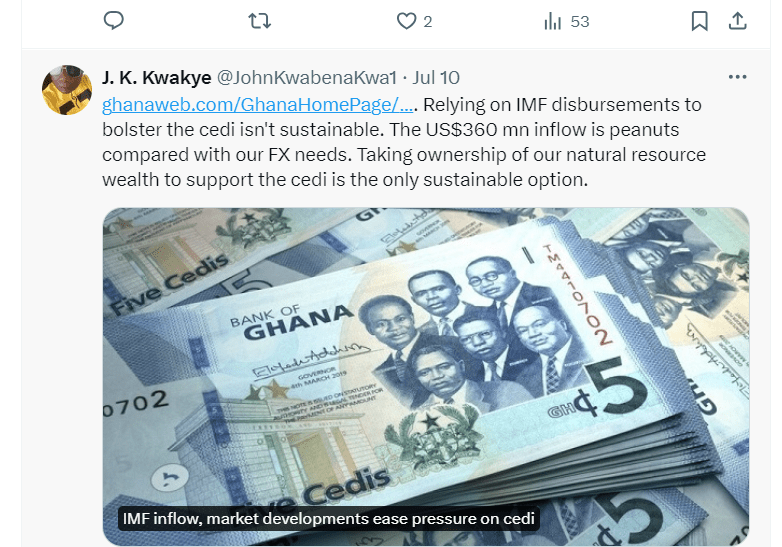
    Dr. John Kwaye of the Institute of Economic Affairs has criticized Ghana‘s reliance on IMF disbursements to stabilize the Cedi, deeming it unsustainable.

    He advocates for leveraging Ghana’s natural resources for foreign exchange instead, emphasizing the need for the country to assert greater control over its resource wealth.

    This stance comes amid recent efforts, including an International Monetary Fund (IMF) disbursement and eased corporate demand, which have temporarily stabilized the Cedi against the US dollar.

    The Cedi is reported to have held steady against the US dollar (US$), buoyed by improved market sentiments as FX demand eased.

    This stability follows the IMF board’s approval and subsequent release of funds after the second review of its 36-month Extended Credit Facility (ECF).

    The Finance Minister Dr Mohammed Amin Adam had announced on Monday that the third tranche was expected to hit the Bank of Ghana account by the close of today Monday, July 1.

    “The Cedi has been under pressure in recent times, however, the exchange rate has largely stabilised since 2023. Year-to date depreciation of the cedi against the US$ is 18.4% compared to 22.0% recorded in the same period in 2023.

    “The key measures we are implementing to deal with the recent depreciation include: tight monetary policy by the BoG; deepening the ongoing fiscal consolidation programme; intensifying the gold-for-oil programme and the BoG’s gold-for-reserves programme; and anticipated Forex inflows from disbursements from our multilateral and bilateral institutions as well as private sector financial institutions.

    “These include the IMF 3rd Tranche of US$360 million which will be disbursed to Ghana by close of business today Monday 1st July 2024, following the IMF Executive Board approval of the 2nd Review last Friday; the IMF 4th Tranche of US$360 million expected in Q4 of 2024 after IMF Executive Board approves the 3rd Review; the World Bank DP02 tranche of US$300 million expected in Q3 of 2024; and disbursements from bilateral institutions/financial institutions including the World Bank GARID Project (US$150 million), EBID facility of US$200 million for SME support, and anticipated proceeds from 2024/2025 Cocobod syndication of up to US$1.5 billion in Q4 of 2024.”

  • I once worked at a beach in Ghana – Nigeria’s Rema reveals

    I once worked at a beach in Ghana – Nigeria’s Rema reveals

    Nigeria’s Afrobeat sensation, Rema, has disclosed that his initial job experience was working at a beach bar in Ghana.

    The 24-year-old shared that he had to grow up fast after the passing of his father and brother.

    “At some point, things got hard, and I had to man up. My past life has the same effect on my present life. I had to work hard because I lost my brother and I lost my dad, and I was the only one; things were left to me. I had to put things in place. So, I had to work hard; I did all sorts of things.

    “I worked at a beach bar; that was my first job in Ghana,” he stated during an interview on Capital Xtra.

    Rema, born Divine Ikubor on May 1, 2000, in Benin City, Edo State, Nigeria, is a Nigerian singer, rapper, and songwriter.

    He gained global recognition with his hit track “Calm Down,” which includes a remix featuring pop star Selena Gomez.

    Read post below:

  • Ghana included in top 25 countries sending students to the US

    Ghana included in top 25 countries sending students to the US

    A report from Open Doors, published on Monday, November 13, 2023, has it that over 6,400 Ghanaian students pursued studies in the United States during the 2022-2023 academic year.

    The Institute of International Education (IIE) releases the Open Doors Report annually, examining the statistics of international students in the United States.

    “U.S. colleges and universities offer world-class educational opportunities and Ghanaian students in the United States are deepening the ties of friendship, family, and business between our countries.  We are so happy to see Ghanaians seeking to learn, develop their skills, and return to Ghana to benefit their communities,” said U.S. Ambassador to Ghana Virginia Palmer.

    Ghana has entered the top 25 countries globally for sending the highest number of students to the United States.

    In the 2022-2023 academic year, the report indicates that a record 6,468 Ghanaians pursued studies in the United States, marking a significant 31.6 percent increase.

    Among them, 4,140 were enrolled in graduate degree programs, positioning Ghana as the 14th largest source of graduate students to the United States, with a notable 38 percent rise from the previous year.

    In the same period, Ghanaian students secured nearly $9 million in scholarships across 700 educational institutions spanning all 50 states.

    To meet rising demand, the U.S. Embassy processed a record number of student visa applications in the last fiscal year.

    The United States remains the leading destination for international students, hosting over one million (1,057,188) in the 2022-2023 academic year, reflecting a 12 percent increase from the prior year.

    The majority of international students in the United States are pursuing degrees in Science, Technology, Engineering, and Math (STEM), with mathematics and computer science standing out as the most popular fields of study.

    This year, the U.S. Embassy in Ghana organized the largest-ever EducationUSA college fairs in Accra and Kumasi, attracting over 13,000 students, parents, and academic professionals.

    Through EducationUSA, the U.S. Embassy in Ghana assists qualified individuals in navigating the college application process successfully, with advising centers in Accra and Kumasi at ACE Consult in Asokwa.

    EducationUSA advisers offer personalized guidance both in-person and online to support Ghanaian students in their applications to accredited U.S. higher education institutions.

    Over the past year, advisers from these centers facilitated applications for admission to hundreds of U.S. universities and colleges for thousands of Ghanaian students.

  • Ghana currently holds 6th position in Africa for highest food inflation rates

    Ghana currently holds 6th position in Africa for highest food inflation rates

    Ghana currently holds the 6th position in Africa for the highest food inflation rates.

    In May 2024, Ghana recorded a food inflation rate of 22.6%, according to the World Bank’s Food Security Update.

    Malawi and Nigeria topped the list with food inflation rates of 40.7% and 40.7%, respectively.

    Following closely, Sierra Leone (32.4%), Egypt (31.0%), Ethiopia (25.5%), Angola (18.5%), and Zambia (16.2%) occupied the 3rd, 4th, 5th, 7th, and 8th positions.

    The World Bank reports that numerous African countries continue to struggle with persistently high inflation rates, particularly in food prices.

    “Domestic food price inflation remains high in many low- and middle-income countries. Inflation higher than 5% is experienced in 59.1% of low-income countries (no change since the last update on May 30, 2024), 63% of lower-middle-income countries (no change), 36% of upper-middle-income countries (5.0 percentage points higher), and 10.9 percent of high-income countries (3.6 percentage points lower)”.

    Inflation, marked by a persistent rise in the overall prices of goods and services, carries significant consequences for any nation affected by it. Moreover, one area profoundly impacted by inflation is the food sector.

    High food inflation poses severe implications for African nations, where food constitutes a significant portion of household expenditures.

    Escalating food prices heighten the risks of hunger and malnutrition in affected regions.

  • Rita Dominic in Ghana to film Sparrow Studio’s ‘Two of a Kind’ movie

    Rita Dominic in Ghana to film Sparrow Studio’s ‘Two of a Kind’ movie

    Celebrated Nollywood actress Rita Dominic has arrived in Ghana to join the cast of Shirley Frimpong-Manso’s new film, “Two of a Kind,” produced by Sparrow Studios. The actress expressed her enthusiasm for the project during a press launch in Accra on Saturday, July 7.

    “This is a lovely script. It’s about love, it’s about life, and kind of deals with some of the issues people are dealing with,” Dominic said. “So, I like that it touches on everything. It’s a feel-good movie and I think it will cut across different generations. I’m looking forward to the success.”

    Director Shirley Frimpong-Manso praised Dominic’s fresh approach to her characters, stating it was exactly what the production needed. Frimpong-Manso, known for films like “Adam’s Apples,” “The Perfect Plan,” and “Devil in the Detail,” is excited about this collaboration.

    “Two of a Kind” also features stars like Gloria Sarfo and Adomaa, and it will premiere at Silverbird Cinemas this Christmas. The film is expected to create a vibrant and compelling cinematic experience, thanks to the collaboration between Dominic and the talented Ghanaian cast.

    Additionally, Sarkodie, King Promise, and Darko Vibes are set to perform at the Africa Fan Zone during the Paris Olympics, as announced by the French Embassy.

  • Sarkodie, King Promise, Darko Vibes to perform in Paris ahead of 2024 Olympic Games

    Sarkodie, King Promise, Darko Vibes to perform in Paris ahead of 2024 Olympic Games

    Cooperation Attachée with the French Embassy to Ghana, Madam Marine Hayem announced that Ghanaian artists Sarkodie, King Promise, and Darko Vibes will perform at a show leading up to the 2024 Paris Olympic Games.

    This announcement was made during a presentation by the French Embassy and Republic Bank to the Ghana Olympic Committee (GOC) on July 9, 2024.

    A special day dedicated to Ghana is scheduled for August 10th, featuring performances by these renowned artists to highlight Ghana’s rich musical heritage.

    Additionally, an African fan zone called Station Afrique will open on July 20th, celebrating various African cultures.

    Ghana is also preparing for the Olympics with a pre-camp in Strasbourg, France, where athletes and para-athletes will train using top-notch facilities.

    Watch video below:

  • Inflation rate slows down from 23.1% to 22.8% in June 2024

    Inflation rate slows down from 23.1% to 22.8% in June 2024

    Ghana‘s annual inflation rate slowed again, decreasing from 23.1 percent in May to 22.8 percent in June 2024.

    This marks a month-on-month inflation rate of 2.9 percent over the same period.

    According to recent data from the Ghana Statistical Service, consumer prices showed their slowest increase since March 2022. Food inflation, a significant driver, rose to 24.0 percent in June from 22.6 percent in May, reflecting a month-on-month inflation rate of 5.1 percent.

    In contrast, non-food inflation declined to 21.6 percent in June from 23.6 percent in May. Locally produced items saw inflation of 25.0 percent, while imported items had an inflation rate of 17.5 percent.

    These figures indicate progress towards the government’s disinflation goals for the year. The Bank of Ghana, which maintained its 29 percent interest rate in its 118th meeting in May, may consider a rate cut.

    The next decision from the Bank’s Monetary Policy Committee is expected on July 29, 2024.

  • 2024 elections will test the strength of Ghana’s democracy – Archbishop Duncan Williams

    2024 elections will test the strength of Ghana’s democracy – Archbishop Duncan Williams

    Archbishop Nicholas Duncan-Williams of Action Chapel International delivered a poignant sermon on July 7, 2024, emphasizing the critical significance of Ghana‘s upcoming 2024 elections.

    He called upon all stakeholders, including major political parties like the National Democratic Congress (NDC) and the New Patriotic Party (NPP), to ensure that the electoral process truly reflects the will of the Ghanaian people.

    Expressing deep concern about the potential repercussions of any attempt to manipulate or undermine the election results, Archbishop Duncan-Williams cautioned against actions that could lead to unrest, citing examples from other nations. He urged both political parties to uphold democratic principles and refrain from tactics that could subvert the electorate’s wishes.

    The Archbishop stressed the importance of the 2024 elections in shaping Ghana’s democratic future and warned against electoral malpractice. He emphasized the need for transparency and integrity among electoral officials, highlighting severe consequences for those who seek to compromise the process for personal gain.

    Archbishop Duncan-Williams underscored that the peaceful and fair conduct of the 2024 elections is crucial for Ghana’s democratic standing. He urged all parties to respect the sanctity of the electoral process, warning of dire implications if the will of the people is disregarded.

    “If anyone attempts to manipulate the outcome through conspiracies, spiritual means, or any other method that disrespects the will of the people, the consequences will be severe. This upcoming election is one that we cannot afford to mishandle. It is a test of our democratic credentials,” he emphasized.

    Watch video below:

  • Gyan, Bawumia launch All Regional Games at Baba Yara stadium

    Gyan, Bawumia launch All Regional Games at Baba Yara stadium

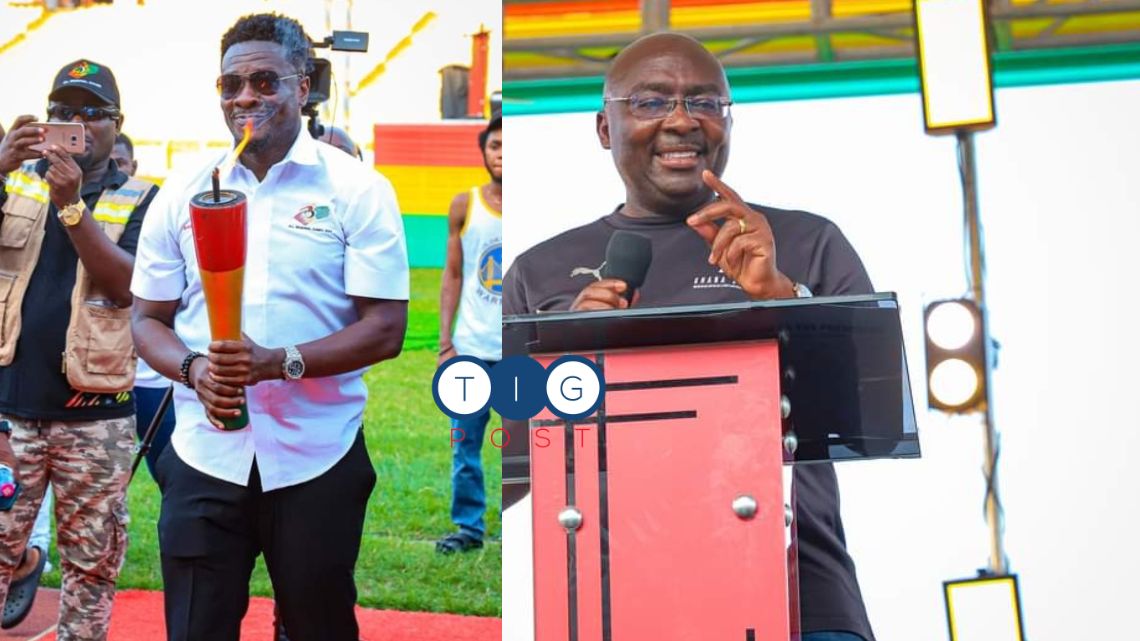
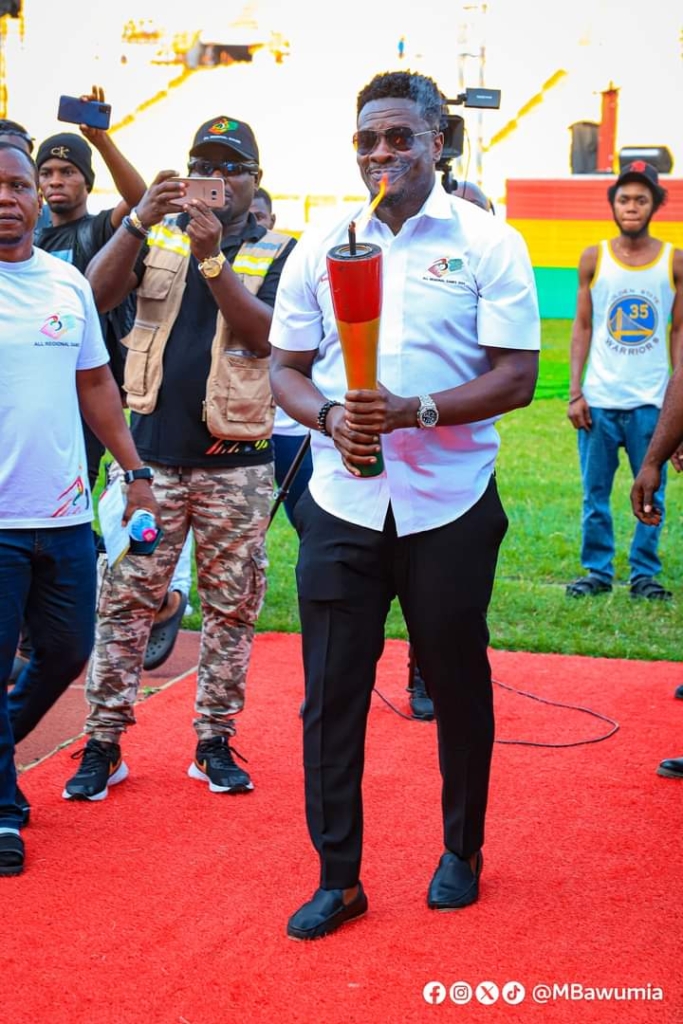
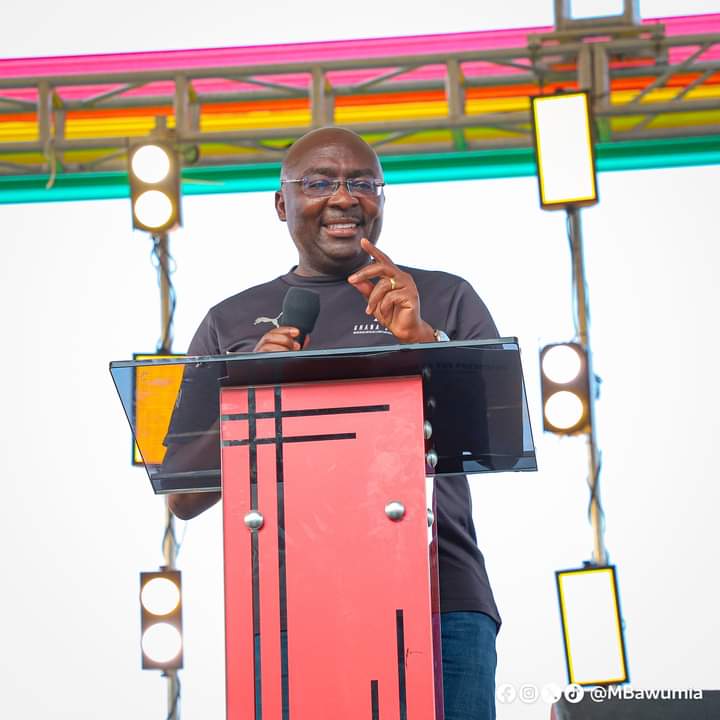
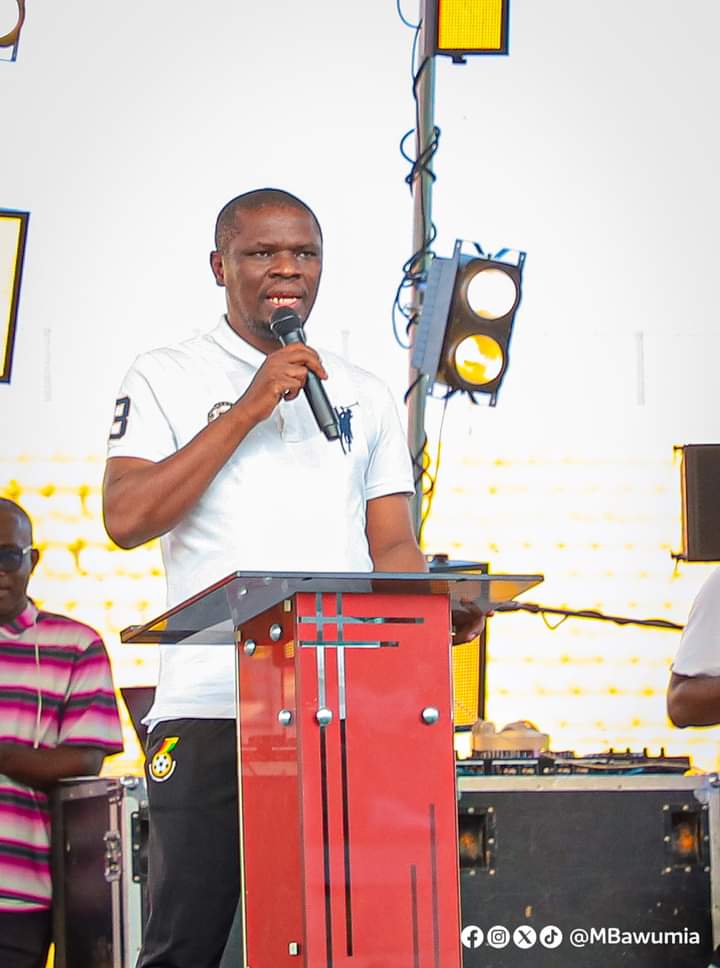
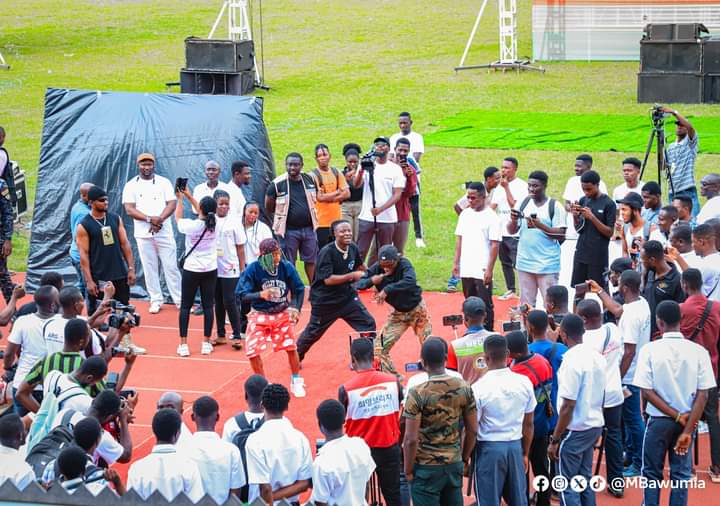
    On Saturday, July 6, 2024, former Ghana international Asamoah Gyan and his team officially launched the All Regional Games at the Baba Yara Stadium in Kumasi.

    This new competition aims to discover and develop talent across various sporting disciplines, including football, athletics, volleyball, basketball, tennis, table tennis, boxing, Esports, and arm-wrestling.

    The event, which had been generating excitement among fans for weeks, featured Vice President of Ghana and New Patriotic Party flagbearer Dr. Mahamadu Bawumia as the special guest.

    Other notable attendees included Sports Minister Mustapha Ussif, Director General of the National Sports Authority Numekevor Dodzie, and several of Gyan’s former teammates.

    Adding to the event’s vibrancy, comedian Ras Nene (also known as Dr. Likee) and musicians Fancy Gadam, Guru, and Wendy Shay entertained the crowd.

    The launch drew hundreds of fans eager to support the former Black Stars captain’s new initiative.

    Earlier, during a press launch in April, Gyan and his team announced that each region would conduct trials to identify their top athletes, aged 18 to 23, who will then compete against counterparts from other regions.

    The competition dates are yet to be announced.

    See images below:

  • Acknowledge our significant economic and social contributions – Used Clothing Dealers Association

    Acknowledge our significant economic and social contributions – Used Clothing Dealers Association

    The Ghana Used Clothing Dealers Association (GUCDA) is urging Ghanaians to acknowledge the significant economic and social contributions of the nation’s thriving second-hand clothing industry, locally known as “obroni wawu.”

    This call was made during a live LinkedIn session hosted by Channel One’s Umaru Sanda Amadu and Brands, Communication, and Marketing Professional, Jannice Tagoe.

    The discussion centred on the social and environmental benefits of the second-hand clothing industry.

    GUCDA representatives highlighted that millions of Ghanaians depend on the affordable clothing provided by this market, which fulfils a basic need and drives significant economic activity. Women play a crucial role in this sector, making up a substantial portion of the workforce.

    Addressing misconceptions that the second-hand trade is solely waste disposal, GUCDA’s General Secretary, Edward Antobrah Benkley, clarified that less than 5% of imported clothing is waste.

    “GUCDA actively collaborates with stakeholders, including the Accra Metropolitan Assembly (AMA) and the Environmental Protection Agency (EPA), to ensure the safety of Ghanaians and the environment.

    “GUCDA’s industry report, authored by Stephen Odonkor, Metropolitan Research Education Bureau, and E-volution International, and independent reports by GIZ confirm that waste levels are minimal, around just 2%, in contrast to the misleading images circulated. Such narratives could lead to harmful regulations threatening millions of livelihoods,” he stated.

    Mr. Benkley emphasised GUCDA’s commitment to quality.

    “Importers adhere to strict standards, and collaboration with the Ghana Customs Service ensures compliance. Beyond affordability, we foster a circular economy.

    “By reusing existing garments, we reduce the demand for resource-intensive new clothing, benefiting the environment,” he added.

    Marlvin Owusu, an Executive Member of GUCDA, emphasised that the industry is committed to protecting the economy, preserving the environment, and promoting sustainability for the benefit of future generations.

    Established over four decades ago, GUCDA has been a steadfast advocate for the positive impacts of the second-hand clothing industry, which fuels economic growth, empowers countless individuals, and employs approximately 2.5 million Ghanaians.

    The Ghana Used Clothing Dealers Association calls for continued support of this vital industry.

    The second-hand clothing trade demonstrably uplifts countless Ghanaians, drives economic growth, and fosters a more sustainable future.

  • Chef Smith used our logo without authorization – Chef Association of Ghana

    Chef Smith used our logo without authorization – Chef Association of Ghana

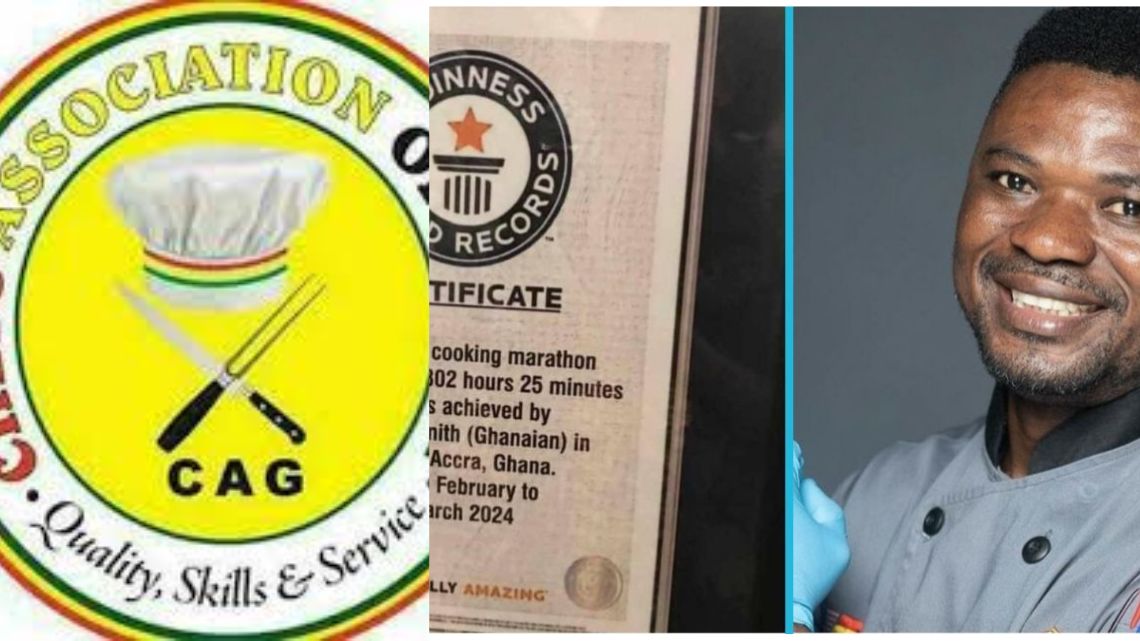
    Chef Ebenezer Smith recently faced scrutiny after it was revealed that he is not a member of the Chefs’ Association of Ghana, despite prominently displaying the association’s logo during his attempt to set a Guinness World Record for the longest individual cooking session.

    Wearing a jacket adorned with the association’s logo, Mr. Smith gave the impression that he was affiliated with and endorsed by the group.

    However, Peter Agbovi, the National Secretary of the Chefs’ Association, clarified that Mr. Smith has never been a registered member.

    The association notified Mr. Smith to rectify the situation by formally joining, but he did not comply. “We observed he was wearing a jacket with our logo and contacted him, explaining that he must become a registered member to use it,” Agbovi explained in an interview with GHOne TV. “He did not share his videos on our social media platforms because he wasn’t an official member and ignored our registration request. We only heard from him yesterday, during his press conference.”

  • GIPC CEO justifies decision to scrap capital requirements for foreign businesses

    GIPC CEO justifies decision to scrap capital requirements for foreign businesses

    Chief Executive of the Ghana Investment Promotion Centre (GIPC),Yofi Grant has defended the recent decision to eliminate the capital requirements for foreign businesses under Section 28 of the GIPC Act.

    Previously, foreign individuals entering joint ventures in Ghana were mandated to invest a minimum of $200,000, while those entering the retail sector needed $1 million.

    Speaking at the second Ghana EU Business Forum in Accra, Grant emphasized that this change aims to enhance competitiveness and attract more investors to Ghana.

    He clarified, “There was a misunderstanding because the required capital remains with the company, not deposited anywhere. Our research shows nearly every foreign investor ultimately brings more than $500,000.”

    Grant highlighted concerns about the psychological barrier the requirement posed, especially for SMEs in joint ventures. He noted, “In a 50-50 joint venture, if the foreign partner contributes $200,000, the local investor is expected to match. Unfortunately, many SMEs lack sufficient capital.”

    However, some local trading associations have criticized the revision, claiming it favors foreign, particularly Asian, entities and disadvantages Ghanaian traders.

  • The younger generation seems to enjoy this fast-paced music culture – Kwabena Kwabena

    The younger generation seems to enjoy this fast-paced music culture – Kwabena Kwabena

    Ghanaian music star Kwabena Kwabena recently discussed the rise of ‘fast music’ in Ghana‘s industry during a July 3, 2024 interview on Hitz FM.

    He attributed this trend to the growing influence of social media and TikTok challenges, where songs quickly gain popularity only to be replaced by the next big hit.

    Kwabena Kwabena expressed concern that this rapid turnover prevents music from becoming evergreen.

    However, he acknowledged that the younger generation embraces this fast-paced culture, seeing it as entertainment.

  • Dr. Likee spotted in town cruising in a brand-new white Lexus RX350

    Dr. Likee spotted in town cruising in a brand-new white Lexus RX350

    Ghanaian actor Dr Likee has left fans thrilled after being spotted driving a brand-new white Lexus RX350 in town.

    A video capturing the moment shows Dr Likee behind the wheel, and a close associate recorded the encounter, sharing it on TikTok where it quickly went viral. Fans were excited to see their favorite actor enjoying his success.

    Known off-screen as Ebenezer Akwasi Antwi, Dr Likee is a rising star in Ghana, especially on social media. His comedic talents on YouTube have garnered significant attention, helping him build a large following.

    Dr Likee’s popularity surged thanks to his unique ability to speak and understand multiple languages, including Kotokoli (Tem), Dagbani, Hausa, Twi, and English.

    His success story includes receiving his first major payout of approximately $20,000 from YouTube, thanks to fellow YouTuber Wode Maya’s assistance.

    In an interview with Emelia Brobbey, Dr Likee shared how Wode Maya sent him a document to present at the bank, leading to the unexpected windfall.

    This story has further endeared him to fans, who admire his journey from YouTube skits to mainstream success.

    Watch video below:

  • GWR deactivates longest cooking marathon (individual) category

    GWR deactivates longest cooking marathon (individual) category

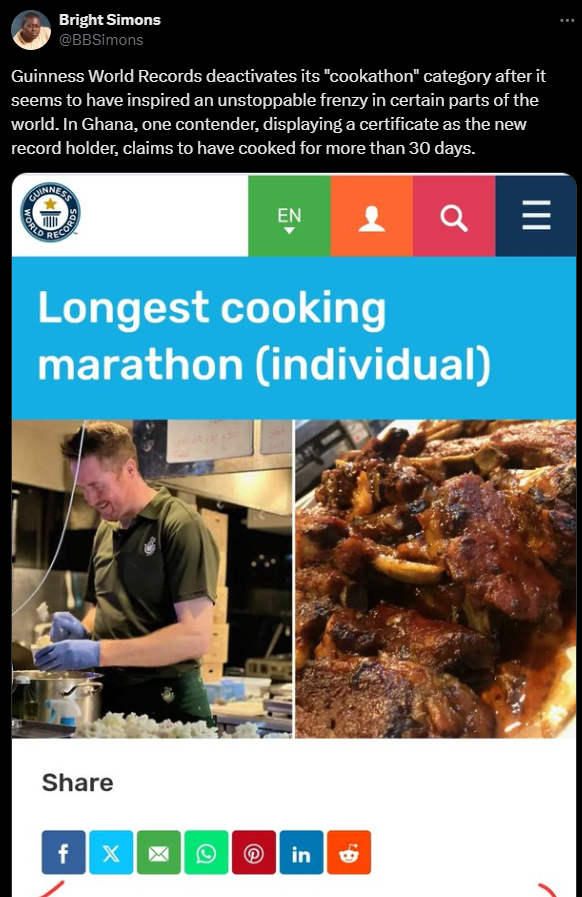
    Guinness World Records (GWR) has stated that the longest cooking marathon (individual) record category is no longer active.

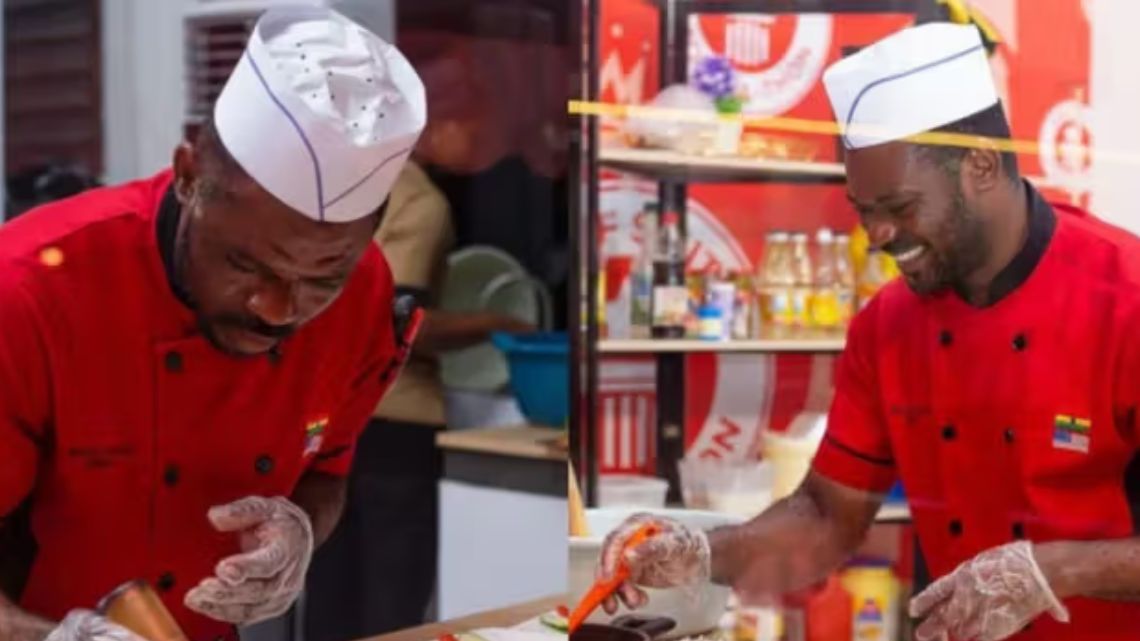
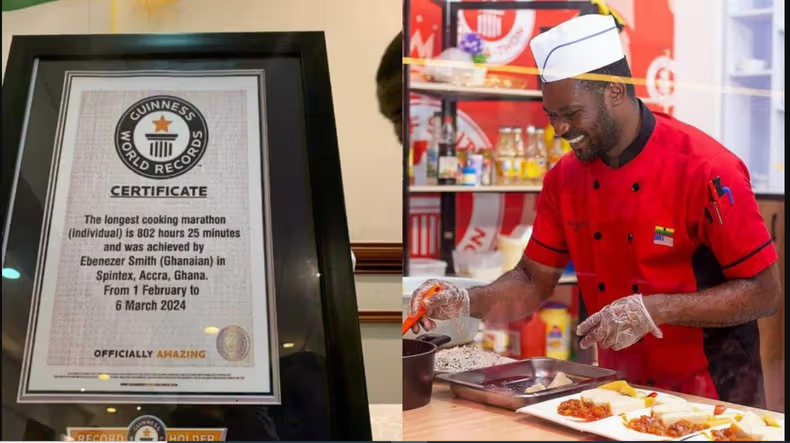
    Ghana began its second cooking marathon attempt with Chef Ebenezer Smith stepping in after Failatu Abdul Razak’s unsuccessful bid.

    Chef Smith cooked for 35 days in Spintex, clocking 820 hours and concluding his attempt on 1 March.

    Recently, Chef Smith announced himself as the West African record holder at a press conference, stirring excitement in Ghana after Afua Asantewaa’s singing marathon.

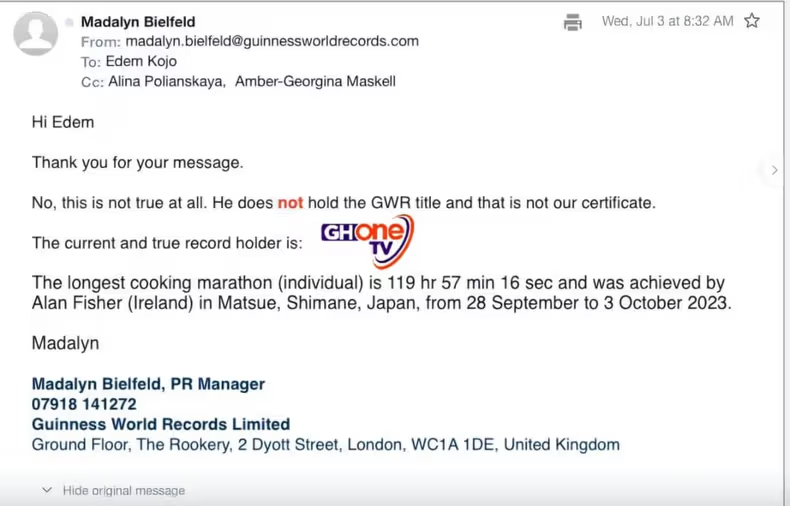
    However, Guinness World Records (GWR) refuted this claim in an email sent by GHone TV, clarifying that Chef Smith does not hold the title and that his certificate is not legitimate.

    According to GWR, the current record holder for the longest cooking marathon (individual) is Alan Fisher of Ireland, who achieved 119 hours 57 minutes 16 seconds in Japan from 28 September to 3 October 2023.

    They have deactivated several records for various reasons, often citing the difficulty in measuring or judging certain achievements.

    Following his controversial press conference, Chef Smith, known as Millennium Chef, ended up at the police station.

    Reports indicate he was chased out of the conference by men in police and military uniforms, brought by Nana Boroo over an alleged breach of contract between him and Smith.

    See post below:

  • IMF expresses worry over impact of 2024 elections on Ghana’s economic recovery programme

    IMF expresses worry over impact of 2024 elections on Ghana’s economic recovery programme

    The International Monetary Fund (IMF) has expressed concerns about potential risks posed by Ghana‘s upcoming general elections in December 2024, which could impact the gains achieved under its program with the country.

    The IMF emphasized the importance of maintaining progress in domestic revenue mobilization and tightening expenditure controls to prevent any policy setbacks ahead of the elections.

    Despite these concerns, the IMF noted Ghana’s overall strong performance under the program, meeting quantitative targets and implementing structural reforms aimed at enhancing economic resilience and improving public finances.

    The IMF also praised Ghana for measures taken to stabilize inflation and bolster foreign reserves.

    “These efforts should be supported by continued progress in improving tax administration, strengthening expenditure control and management of arrears, enhancing fiscal rules and institutions”, the IMF advised.

  • Ghana’s economy to grow by 3.1% in 2024 – IMF

    Ghana’s economy to grow by 3.1% in 2024 – IMF

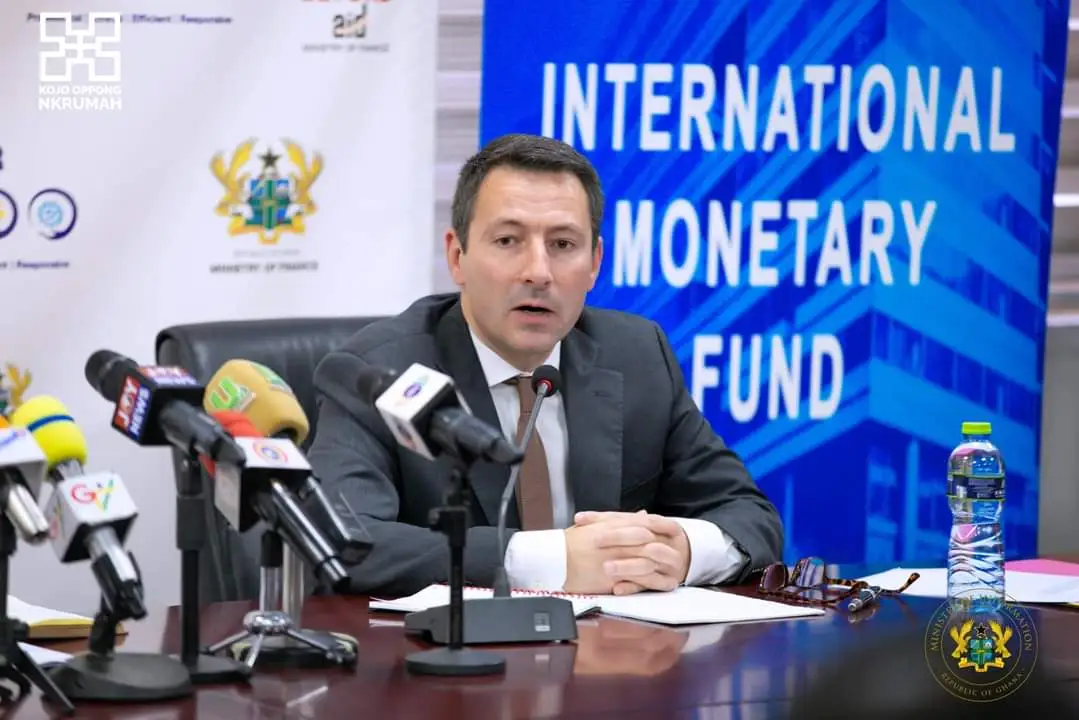
    The International Monetary Fund’s (IMF) Mission Chief for Ghana, Stéphane Roudet, has noted that his outfit has revised its projection for Ghana’s economic growth this year.

    The Fund earlier projected that Ghana’s economy will grow 2.8 per cent this year and 4.4 per cent next year on the back of on-going reforms. 

    Stéphane Roudet has however noted that due to the sustained growth in the economy, the Fund projects a 3.1% growth for the country in 2024.

    He made this known when he announced that the IMF Executive Board has completed the second review of Ghana’s 36-month Extended Credit Facility Arrangement.

    This allows for the immediate disbursement of SDR 269.1 million (about US$360 million).

    Ghana’s performance under the program has been generally strong, according to the Fund.

    “All quantitative performance criteria for the second review and almost all indicative targets were met. Good progress is being made on the debt restructuring, and key structural reforms are advancing.”

    “The authorities’ reform efforts are paying off. Growth has proven more resilient than expected, inflation has declined rapidly from its 2022 highs, and the fiscal and external positions have improved significantly,” the IMF noted.

    On June 11, 2024, the authorities reached agreement with Ghana’s Official Creditor Committee (OCC) under the G20’s Common Framework on a Memorandum of Understanding (MoU) formalizing the agreement in principle on a debt treatment, which was reached in January 2024.

    This agreement on a debt treatment, consistent with program parameters, provided the financing assurances necessary for the second review under the ECF Arrangement to be completed.

    The authorities have also recently reached agreement in principle with representatives of Eurobond holders on a restructuring consistent with program parameters, subject to confirmation on comparability of treatment by the OCC. 

    Ghana’s primary fiscal balance improved by over 4 percent of GDP last year. Looking ahead, the authorities are committed to further advancing fiscal consolidation, including by achieving primary fiscal surpluses of ½ percent of GDP this year and 1½ percent of GDP in 2025.

    These efforts are underpinned by reforms to bolster revenue mobilization and streamline non-priority expenditures, while expanding social protection programs to mitigate the impact of fiscal adjustment on the most vulnerable.

    The authorities are also taking steps to strengthen tax administration, expenditure controls and management of arrears, fiscal rules and institutions, and SOEs management—including in the energy and cocoa sectors. 

  • Tax policies on products like tobacco, alcohol with negative public health consequences beneficial – FDA

    Tax policies on products like tobacco, alcohol with negative public health consequences beneficial – FDA

    Chief Executive of Ghana’s Food and Drugs Authority, Delese Mimi Darko emphasized the positive impact of tax policies on products like tobacco and alcohol, which have adverse public health effects.

    Speaking at the first National Forum on Tobacco Taxation in Accra, themed “Strengthening the Evidence for Effective Tobacco Taxation for Health and Development in Ghana,” organized by Vision for Alternative Development – Ghana (VALD-Ghana), she highlighted that these taxes not only promote health equity and prevent diseases but also save lives and generate revenue for the national budget.

    This revenue, she noted, could bolster Universal Health Coverage efforts.

    Madam Darko underscored the significance of Ghana‘s adoption of the Excise Duty Amendment Act, 2023 (Act 1096), transitioning from an ad-valorem tax structure to a mixed tax structure for tobacco products.

    This change, she explained, aligns with global standards set by the WHO Framework Convention on Tobacco Control (WHO FCTC) and aims to curb youth initiation by making tobacco less affordable.

    Globally, tackling tobacco use is pivotal to achieving the Sustainable Development Goals (SDGs), particularly SDG Target 3.4, which aims to reduce premature mortality from non-communicable diseases (NCDs) by one-third by 2030.

    Madam Darko emphasized that beyond health benefits, tobacco control efforts in Ghana also contribute to poverty reduction, economic strengthening, and sustainable development.

    Deputy Commissioner of the Ghana Revenue Authority, Dr. Charles Addai highlighted that the Excise Duty (Amendment) Act 2023 (Act 1108) supports revenue generation and aims to reduce the consumption of harmful products like tobacco through increased tax rates and the inclusion of e-cigarettes in the tax regime.

  • We never agreed to a haircut – IPP debunks Finance Minister’s claims

    We never agreed to a haircut – IPP debunks Finance Minister’s claims

    CEO of the Chamber of Independent Power Generators, Ghana (IPPS), Dr. Elikplim Kwabla Apetorgbor has strongly rebutted claims by Finance Minister Dr. Mohammed Amin Adam that an agreement has been reached regarding debt restructuring with IPPs after six years of negotiations.

    Apetorgbor emphasized that no such agreement has been finalized since the last engagement in April 2024.

    He criticized the Minister’s statements as misleading and urged for transparent communication going forward.

    “It has come to our attention that the Minister of Finance has made public statements indicating that a deal has been reached with Independent Power Producers (IPPs) regarding debt restructuring. We must categorically state that this assertion is misleading and inaccurate”.

    “The last engagement with some of the IPPs and the Government of Ghana’s negotiating team occurred in April [2024] and since then, no agreement on any terms has been reached. The posture and generalisation that the government has secured a debt restructuring agreement with the IPPs are misleading and amount to public deception”, he added.

    “We urge the Minister of Finance to refrain from making such inaccurate statements and to engage in transparent and honest communications”, he pointed out.

    Only CenPower and Amandi among the IPPs reportedly accepted the government’s debt restructuring proposal, while others like Karpowership, Twin City Energy, Sunon Asogli, Cenit Energy, and AKSA rejected it.

  • Fall of Cedi to blame for increasing prices in Ghana – Cement Manufacturers

    Fall of Cedi to blame for increasing prices in Ghana – Cement Manufacturers

    Producers of cement in Ghana attribute the rising prices of cement to the depreciation of the Cedi.

    Executive Secretary of the Cement Manufacturers Association of Ghana (CMAG), Rev. Dr. George Dawson-Ahmoah expressed on TV3’s “Key Points” program on Saturday, June 29, that the rapid fall of the local currency has significantly affected their operations.

    This, in turn, has forced them to increase cement prices, as clinker, a key component in cement production, is imported and thus directly impacted by the Cedi’s depreciation.

    Rev. Dr. Dawson-Ahmoah emphasized that while other factors contribute to price hikes, the main current issue is the currency depreciation.

    “It has a huge impact on the pricing of cement. There are other factors but currently this is a major concern now and that is what has motivated the Minister to rush to parliament to regulate prices. Why didn’t he do it last year?” He said.

    He questioned why the Trade Minister, KT Hammond, only recently rushed to Parliament to regulate prices, implying that similar action wasn’t taken the previous year.

    “Why is the Minister avoiding or just running away from this discussion? Previously, our position has been that these prices of cement, the increase of prices of cement, it is not done in a vacuum. It is not done just because we wake up in the morning and do it,” he said.
    “It is as a result of a negative trend in the economy, which is warranting such increases, and that is the issue. And like I said, what is happening now with cement prices is just because of the rapid and consistent depreciation of the cedi against the foreign currencies.

    “We don’t know anything about it. And with my common knowledge in legislative instruments, don’t you involve stakeholders before it gets to Parliament? Don’t you involve stakeholders in the process?” he quizzed on Tuesday.

    Dawson-Ahmoah argued that regulation through a Legislative Instrument (L.I.) is unnecessary and criticized the lack of consultation with industry stakeholders regarding the L.I.

    KT Hammond responded by stating that he had engaged with the cement manufacturers, urging them to address the price issues.

    “I asked them to ensure that something was done about it. In my absence, I was told that the minister wasn’t going to be able to do anything.

    “They would not listen, they wouldn’t do it, and they would go the way they want. “Encouraging them to do it is a moral persuasion. If moral persuasion fails, there is a system in the country, there’s a constitution, and we are preyed by a rule of law. If we don’t accept the moral principle, at least some sort of economic principle, the good people of Ghana must benefit. I don’t think it is fair for the way they are pricing and the way, haphazardly each one of them decides and dictates how much a bag of cement should be sold for.

    “This is quite apart from the quality that they are producing. Some of the companies are producing substandard products. We have had to deal with this matter,” he said.

    However, he noted their reluctance to comply, indicating that moral persuasion had failed, and emphasized the need for regulatory measures to ensure fair pricing for Ghanaians. He also raised concerns about some companies producing substandard cement products.

    An attempt to present the document in Parliament on Tuesday, June 26, was blocked by the Minority, who insisted that the L.I. should be discussed before proceeding.

  • More Ghanaians contracting HIV; new cases surge by 7%

    More Ghanaians contracting HIV; new cases surge by 7%

    New data from the Ghana AIDS Commission reveals a concerning surge in new HIV cases recorded.

    In 2023, 17,774 individuals contracted the virus.

    This marks a 7% increase compared to the previous year. Ghana recorded a decline in new HIV infections in 2022, with 16,574 cases reported compared to 18,036 in 2021.

    Females accounted for a significant majority of new infections in 2023, with 11,317 women newly infected, representing 63.67% of the total, while 6,457 males were infected, representing 36.32%.

    Among the newly infected individuals, 4,869 were youths aged 15 to 24, 1,698 were children under 15, 1,520 were adolescents aged 10 to 19, and 16,076 were adults over 15. This data highlights the need for targeted prevention strategies, especially among young people and adolescents.

    As of 2023, an estimated 334,095 people in Ghana were living with HIV, with females outnumbering males. This includes 17,550 children under 14, 16,381 adolescents aged 10 to 19, 33,245 young adults aged 15 to 24, and 316,545 adults aged 15 and above.

    Despite progress in treatment availability, 12,480 Ghanaians died from AIDS-related illnesses in 2023, highlighting the need for increased access to appropriate treatments and care.

    The Ghana AIDS Commission remains committed to achieving the global 95-95-95 targets by 2025, aiming to have 95% of people living with HIV aware of their status, 95% of those diagnosed on antiretroviral therapy (ART), and 95% of those on ART achieving viral suppression. In 2023, Ghana achieved 65.3%, 69.4%, and 89.0% for the respective targets.

    Dr. Kyeremeh Atuahene, Director General of the Ghana AIDS Commission, has called for increased efforts to combat AIDS, particularly among the economically active population aged 15 to 49. He emphasized that addressing the AIDS epidemic should be a national priority in Ghana.

    Causes of HIV and Prevention:
    HIV is transmitted through contact with certain body fluids, such as blood, semen, vaginal fluids, and breast milk, from a person who has HIV. The most common ways HIV is transmitted include:

    1. Unprotected sexual contact with an infected person.
    2. Sharing needles or syringes with someone who has HIV.
    3. Receiving contaminated blood products or organ transplants.
    4. From mother to child during childbirth or breastfeeding.

    Prevention efforts include:

    1. Practising safe sex by using condoms consistently and correctly.
    2. Getting tested and knowing your partner’s HIV status.
    3. Avoid sharing needles or syringes.
    4. Take pre-exposure prophylaxis (PrEP) if you are at high risk of HIV.
    5. Ensuring access to antiretroviral therapy (ART) for those living with HIV to achieve viral suppression and reduce the risk of transmission.

    Education, awareness, and access to healthcare services are crucial in the fight against HIV/AIDS. It is essential for individuals to know their status, seek appropriate care and treatment, and adopt preventive measures to reduce the spread of HIV.

  • Eurobond holders agree to restructure Ghana’s $13bn international debt

    Eurobond holders agree to restructure Ghana’s $13bn international debt

    Ghana is on the verge of finalizing an agreement in principle with its Eurobond holders for the restructuring of $13 billion worth of international debt, Reuters reported on Thursday, citing three sources.

    This development follows a recent deal concluded with official creditors earlier this month.

    The restructuring deal is expected to involve bondholders accepting a haircut on principal of up to 37% and the lengthening of the maturity of the bonds, according to two of the sources.

    Ghana faced challenges with its external debt, defaulting on most of its $30 billion debt in 2022 due to the strain of the COVID-19 pandemic, the war in Ukraine, and higher global interest rates leading to surging debt levels.

    Similar to Zambia, Ghana sought debt treatment under the G20 Common Framework, a process aimed at facilitating quick debt overhauls and involving China, the newest large bilateral lender.

    “We can expect an announcement by next week,” said one of the sources, while the other two indicated that an announcement could come as soon as Friday. The finance ministry of Ghana and the Paris Club, an alliance of creditor nations, could not be immediately reached for comment.

    Formal talks with two groups of bondholders began in mid-March, including Western asset managers, hedge funds, and regional African banks. However, negotiations stalled in April after the proposed deal did not meet the International Monetary Fund’s (IMF) debt sustainability analysis requirements, prompting both sides to regroup.

    According to the sources, the deal now aligns with a revised IMF debt framework for Ghana, leading to the agreement in principle. Earlier this month, Ghana reached an agreement with its official creditor committee to formalize a debt restructuring deal reached in January.

    These developments pave the way for the IMF executive board to convene on June 28 to consider a second review of Ghana’s $3 billion loan, three-year package, and the release of the next tranche of $360 million.

    Ghana, the world’s second-largest cocoa producer, is navigating a complex debt restructuring process as it seeks to address its debt challenges and ensure financial stability.

  • The year Ghana had 3 Heads of State, top military men executions

    The year Ghana had 3 Heads of State, top military men executions

    The year 1979 was a landmark period in Ghana’s political history where the country experienced extraordinary political upheavals, characterized by multiple Heads of State, coup attempts, executions of top military leaders, and the eventual transition to civilian rule.

    It was also the year that the name Flt. Lt. Jerry John Rawlings – who will go on to give Ghana its current republic; the most stable, become a household name.

    Here’s a detailed account of the significant events that unfolded during this tumultuous year:

    General Fred Akuffo

    At the beginning of 1979, Ghana was under the military rule of General Fred Akuffo, who had come to power in a palace coup in July 1978, ousting General Ignatius Kutu Acheampong.

    Akuffo’s regime faced widespread dissatisfaction due to economic decline and corruption.

    He was Chief of the Defence Staff of the Ghana Armed Forces from 1976 to 1978, and Chairman of the ruling Supreme Military Council in Ghana from 1978 to 1979.

    He became leader of the government in a palace coup against General Kutu Acheampong, but was overthrown and executed in another military coup less than a year later.

    Fred Akuffo was born at Akropong in the Eastern Region of Ghana.

    He completed his secondary education in 1955 at the Presbyterian Boys’ Secondary School at Odumase Krobo.

    He then enlisted in the Ghana Army in 1957 and trained at the Royal Military Academy, Sandhurst, UK, among others, receiving his commission in 1960.

    He was married to Emily Akuffo. He also attended the National Defence College in India in 1973.

    He was executed along with other senior military officers on June 26, 1979, at the Teshie Military Range.

    Flight Lieutenant Jerry John Rawlings

    On June 4, 1979, Flight Lieutenant Jerry John Rawlings led a successful coup that overthrew General Akuffo’s regime.

    Rawlings came to power in Ghana as a Flight Lieutenant of the Ghana Air Force following a coup d’état in 1979.

    Prior to that, he led an unsuccessful coup attempt against the ruling military government on Tuesday, May 15, 1979, just five weeks before scheduled democratic elections were due to take place.

    After handing power over to a civilian government, he overthrew the democratically elected government through a military coup on Thursday, December 31, 1981, as the Chairman of the Provisional National Defence Council (PNDC).

    In 1992, Rawlings resigned from the military, founded the National Democratic Congress (NDC), and became the first president of the Fourth Republic. He was re-elected in 1996 for four more years.

    After two terms in office, the limit according to the Ghanaian constitution, Jerry John Rawlings endorsed his vice-president John Atta Mills as a presidential candidate in 2000.

    Dr Hilla Limann

    Following the coup and a brief period of military rule under Rawlings and the Armed Forces Revolutionary Council (AFRC), Ghana transitioned to civilian rule.

    Dr Hilla Limann was elected president in the general elections held later that year and was inaugurated on September 24, 1979.

    He stood for the elections following the disqualification of Alhaji Imoru Egala by the then-ruling Supreme Military Council and won 62% of the popular vote in the second round of voting.

    Dr. Limann assumed office as president on September 24, 1979. He was an economist and supported democratic values and Pan-Africanism.

    He was, however, deposed in another coup by JJ Rawlings on December 31, 1981.

    He, thus, was the only president of the third republic of Ghana.

    In 1992, at the end of the PNDC military rule that overthrew him, Dr. Limann once again found himself involved in politics and stood as the candidate of the People’s National Convention, a new party he founded, in the presidential election that year.

    He received 6.7% of the popular vote in the elections, coming third. He remained active among the Nkrumahist political movement in Ghana until his death.

    Source: Nimatu Yakubu Atouyese

  • 7.3m Ghanaians experiencing multidimensional poverty – GSS report

    7.3m Ghanaians experiencing multidimensional poverty – GSS report

    The recently released Ghana Multidimensional Poverty Report by the Ghana Statistical Service (GSS) highlights the significant impact of employment and living conditions on poverty levels nationwide.

    In most regions, employment and living conditions are the largest contributors to multidimensional poverty, with contributions ranging from 47.8 percent to 12.7 percent and 35.9 percent to 15.5 percent respectively.

    Omar Seidu, Director of Social Statistics at the GSS, noted that the primary causes of this complex poverty are frequently connected to the educational attainment of household heads.

     “Four out of ten households where the head of household has no education, then that household is multidimensionally poor,” he explained.

    Key Findings: Widespread Poverty

    The report revealed that 7.3 million Ghanaians, comprising 24.3% of the household population, are classified as multidimensionally poor.

    Multidimensional poverty encompasses deprivation across various dimensions such as education, health, and living standards. Among these individuals, 43.8% are facing severe poverty.

    Rural vs. Urban

    Multidimensional poverty affects a significant portion of the rural population, with 36.7% of rural residents falling below the poverty threshold. The severity of poverty is nearly identical in rural (44.0%) and urban (43.4%) areas.

    Regional Disparities

    The Savannah Region stands out with the highest proportion of households experiencing multidimensional poverty, at 49.5%, nearly double the national average of 24.3%.

    Despite this, the Ashanti Region has the largest number of individuals living in multidimensional poverty, totaling 959,031.

    Seidu emphasized, “However, in terms of the actual number of multidimensionally poor individuals, the Ashanti Region ranks the highest (18%) due to its large population. This exceeds that of most other regions.”

    According to the Multidimensional Poverty report, nine regions exhibit concerning poverty levels, with over a quarter of their populations facing multiple deprivations. These regions include Savannah (49.5%), North East (48.1%), Upper East (43.0%), Oti (40.8%), Northern (38.4%), Upper West (37.4%), Volta (27.3%), Western North (27.0%), and Western (25.7%).

    Employment and Living Conditions

    Employment contributes 32.6% and living conditions 27.9% to multidimensional poverty, making them the primary factors. Health insurance also plays a critical role, accounting for 21.5% of the poverty indicators.

    Demographic Insights

    Poverty is notably more prevalent among female-headed households, with a rate of 27.0%, compared to male-headed households, which have a rate of 23.0%. Additionally, younger household heads below 25 years and older heads above 60 years are also more vulnerable to poverty.

    Educational Disparities

    Educational attainment significantly affects poverty levels. “Four in ten multidimensionally poor persons have never attended school,” the report indicates. Households whose heads have only basic education have a poverty incidence of 20.0%, which is 12.9 percentage points higher than those with tertiary education (7.1%).

    Sectoral Impact

    Households led by individuals engaged in agriculture experience the highest poverty rates, at 34.3%, compared to those in the services sector, who are over 5.5 times better off, and those in the industry sector, who are 3.8 times better off.

    These findings emphasize the necessity of focused interventions to tackle the underlying causes of multidimensional poverty. Improving educational access, enhancing living standards, and establishing sustainable employment opportunities are essential steps toward reducing poverty and promoting equitable development in Ghana.

  • IMANI Ghana uncovers ‘shady’ deal between ECG and Genser Energy

    IMANI Ghana uncovers ‘shady’ deal between ECG and Genser Energy

    Honorary vice president of IMANI Ghana, Bright Simons, says his uniform has uncovered what appears to be another instance of preferential treatment and questionable deals in Ghana‘s energy sector.

    The focus of scrutiny is Genser Energy, a private power producer that has allegedly secured advantageous agreements with the Electricity Company of Ghana (ECG) at the expense of fair market practices.

    At the heart of the issue is the pricing disparity between what large mines in Ghana typically pay for high-voltage power and the rates at which Genser Energy is obtaining electricity from ECG.

    While mines are accustomed to paying approximately 28 cents per kilowatt-hour (KWh), Genser has reportedly negotiated a deal to acquire power at a significantly reduced rate of 8.2 cents per KWh.

    The concern deepens as it is revealed that Genser Energy benefits from heavily subsidized gas prices, courtesy of the Ghana National Petroleum Corporation (GNPC).

    Despite market rates suggesting gas should be priced at around $7.5, Genser is allegedly receiving gas at less than $3, allowing them to generate electricity at a fraction of the expected cost.

    This advantageous pricing structure raises questions about fair competition and market integrity, particularly when gas supplies are under strain.


    The fear is that such deals could lead to power shortages, commonly referred to as ‘dumsor,’ as resources are diverted to fulfill Genser’s contracts instead of meeting the broader energy demands of the country.

    IMANI Ghana and ACEP have long been vocal about the need for transparency and accountability in Ghana’s energy sector.

    They argue that these sweetheart deals not only undermine fair business practices but also contribute to financial instability within the sector.

    When power producers struggle to be paid and fuel procurement becomes challenging, the repercussions are felt nationwide, impacting both businesses and citizens alike.

    The situation has prompted calls for a thorough investigation into the alleged preferential treatment extended to Genser Energy and similar entities.

    Additionally, there are growing demands for reforms to ensure that such practices are curbed, and the energy sector operates on principles of fairness, sustainability, and accountability.

    As Ghana navigates its energy challenges, the spotlight remains firmly on addressing these systemic issues to secure a reliable and equitable energy future for all.

    See post below:

  • Ghana is yet to fully tap into its tourism potential – GTA CEO

    Ghana is yet to fully tap into its tourism potential – GTA CEO

    The CEO of the Ghana Tourism Authority (GTA), Akwasi Agyemang, highlighted that Ghana has yet to fully exploit its tourism potential.

    While acknowledging the significant progress made, he emphasized the substantial opportunities for further growth.

    Agyemang mentioned that international arrivals, which reached around 1.1 million by the end of 2019, saw a decline in 2020 due to COVID-19.

    However, by 2023, the industry had not only recovered but exceeded pre-pandemic levels.

    He also noted the remarkable increase in domestic tourism.

    In 2017, approximately 500,000 Ghanaians engaged in local tourism, a number that surged to 1.4 million by 2023, reflecting a substantial rise in local tourist activity.

    Speaking on the JoyNews AM show, Agyemang highlighted the sector’s growth in cruise tourism, stating that there was a time when a cruise ship might dock at Ghana’s ports, Tema or Takoradi, only once every two years. In contrast, nearly 10,000 cruise passengers arrived in 2023 alone.

    These statistics, he noted, demonstrate the positive impact of the GTA’s efforts in marketing, licensing, and regulation. Yet, Agyemang believes that much more can be done to fully realize Ghana’s tourism potential.

    He pointed out the interconnected nature of tourism with other sectors such as road infrastructure and sanitation. “People are beginning to understand that the impact on tourism cannot be isolated from health, sanitation, or road conditions,” he said.

  • Kobbie Mainoo addresses rumours surrounding his interest to play for Ghana

    Kobbie Mainoo addresses rumours surrounding his interest to play for Ghana

    England and Manchester United rising star Kobbie Mainoo has revealed the thought process behind his decision to choose between representing Ghana or England.

    The 19-year-old, born in England to Ghanaian parents, had a breakthrough season under United manager Erik Ten Hag, appearing in 32 matches across all competitions and scoring 5 goals.

    His impressive performances attracted interest from both the Ghana Football Association and the England Football Association, with Mainoo ultimately opting to play for England.

    After making his competitive debut for England in their 1-0 victory over Serbia in the Euro 2024 opener, Mainoo explained the factors that influenced his choice.

    “Obviously I’m proud of my Ghanaian heritage and there was speculation and what not but It has always been a dream to play for England so I’m happy to be here.

    I considered but I want to play for England.” he said in an interview with Sky Sports”.