Tag: Ghana

  • Ghana is not a happy country; ranks 120th out of 150 countries

    Ghana is not a happy country; ranks 120th out of 150 countries

    The 2024 World Happiness Report places Ghana in the 120th spot for happiness among countries worldwide.

    Ghana got 4,289 points and failed to make it into the top 10 happiest countries in Africa.

    All 54 countries in Africa failed to make it to the first fifty countries on the list of the World Happiness Report once again.

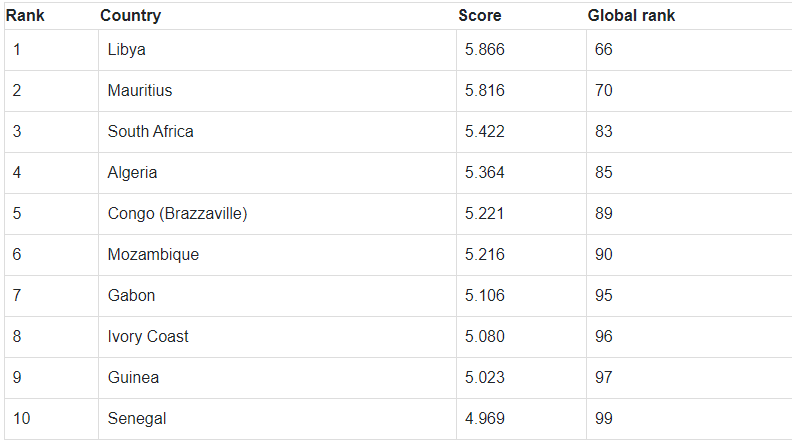
    Libya deemed the most joyful country in Africa, achieving a happiness score of 5.866, is ranked 66th globally.

    In 2023, Mauritius, ranked the happiest African country, took the 52nd position.

    The World Happiness Report has once again ranked Finland as the happiest country for the third consecutive year. The United States went down to 23rd place from 15th place. Afghanistan, Lebanon and Lesotho were at the end of the list.

    John Helliwell, a Canadian economist and founding editor of the World Happiness Report, said on Wednesday that younger people are not as happy as they were 10 or 12 years ago.

    “The older people have not experienced many changes, and their life circumstances have stayed the same. This is causing them anxiety. ”

    The report looks at information from 140 countries and uses six important factors to understand how people feel about their lives: how much money they have, how much support they get from others, how long they are expected to live, how much freedom they have, how generous they are, and how they feel about corruption.

    The 2024 report was the first to rank people by age, showing big differences between young and old in some countries.

    The top 20 list

    1. Finland;
    2. Denmark;
    3. Iceland;
    4. Sweden;
    5. Israel;
    6. Netherlands;
    7. Norway;
    8. Luxembourg
    9. Switzerland;
    10. Australia;
    11. New Zealand;
    12. Costa Rica;
    13. Kuwait;
    14. Austria;
    15. Canada;
    16. Belgium;
    17. Ireland;
    18. Czechia;
    19. Lithuania; and
    20. United Kingdom


  • Size of Ghana’s economy reached GHC841.63bn in 2023 – GSS

    Size of Ghana’s economy reached GHC841.63bn in 2023 – GSS

    The Ghana Statistical Services (GSS) has unveiled the remarkable growth of Ghana‘s economy in 2023, reaching GH¢841.63 billion, a substantial leap from GH¢614.33 billion in 2022.

    This surge includes net indirect taxes totaling GH¢58.74 billion, indicating a robust economic performance.

    The services sector emerged as the primary driver, contributing GH¢357.34 billion, which accounts for 45.6% of the GDP.

    Following closely is the industry sector with GH¢247.941 billion (31.7% GDP contribution), and agriculture at GH¢177.606 billion (22.7% GDP contribution).

    Key sub-sectors fueling this growth include Crops (19.4%), Trade & Household Goods Repair (18.3%), Mining and Quarrying (12.9%), Manufacturing (12.1%), and Transport & Storage (6.0%).

    The last quarter of 2023 marked the highest real GDP growth rate at 3.8%, with the industry sector notably shifting from contraction to a 1.6% expansion.

    Despite these gains, Gross National Income per capita, while doubling since 2018 in local currency (from GH9,813 to GH25,349), has stagnated in US dollars, ranging between $2,453 and $2,126 over the past six years.

    The overall GDP growth for 2023 stood at 2.9%, surpassing the Finance Ministry’s revised estimate of 1.5%, albeit slightly below the 3.1% recorded in 2022, showcasing Ghana’s resilience and economic dynamism amidst global challenges.

  • I’ll not allow any political party buy my integrity with money – Adjetey Anang

    I’ll not allow any political party buy my integrity with money – Adjetey Anang

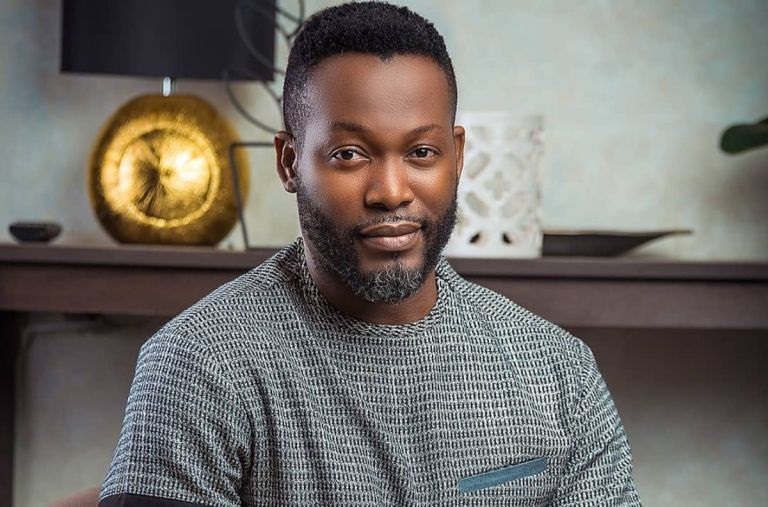
    Renowned for his contributions to the film and entertainment industry, Ghanaian actor Adjetey Anang, recently made headlines by turning down financial offers from political parties.

    In a candid revelation on GhOne Television, Anang expressed his commitment to upholding integrity and putting the country’s interests above personal gain.

    Anang recounted how he was approached by individuals representing political parties, urging him to join their ranks in exchange for monetary incentives.

    Despite the tempting opportunity, the actor remained steadfast in his decision, emphasizing that he prioritizes the well-being of Ghana over any financial gains or partisan affiliations.

    During the interview, Anang articulated his belief in the importance of having competent and ethical leaders in positions of authority.

    He emphasised the need to focus not just on personal benefits but also on the quality of governance that will propel the nation forward.

    “I have been approached by two people, but I’m not swayed solely by money. We have a responsibility to ensure that capable individuals lead us. Therefore, I am not only thinking about what I stand to gain personally but also about the caliber of leadership that will steer us toward progress,” Anang stated, highlighting his unwavering commitment to ethical principles in the political landscape.

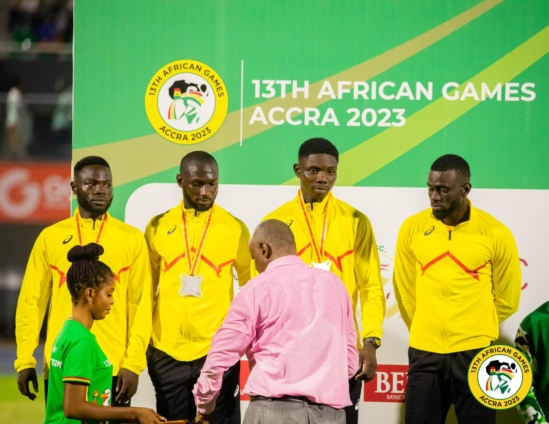
  • African Games: Nigeria beats Ghana to grab gold in men’s 4x100m relay

    African Games: Nigeria beats Ghana to grab gold in men’s 4x100m relay

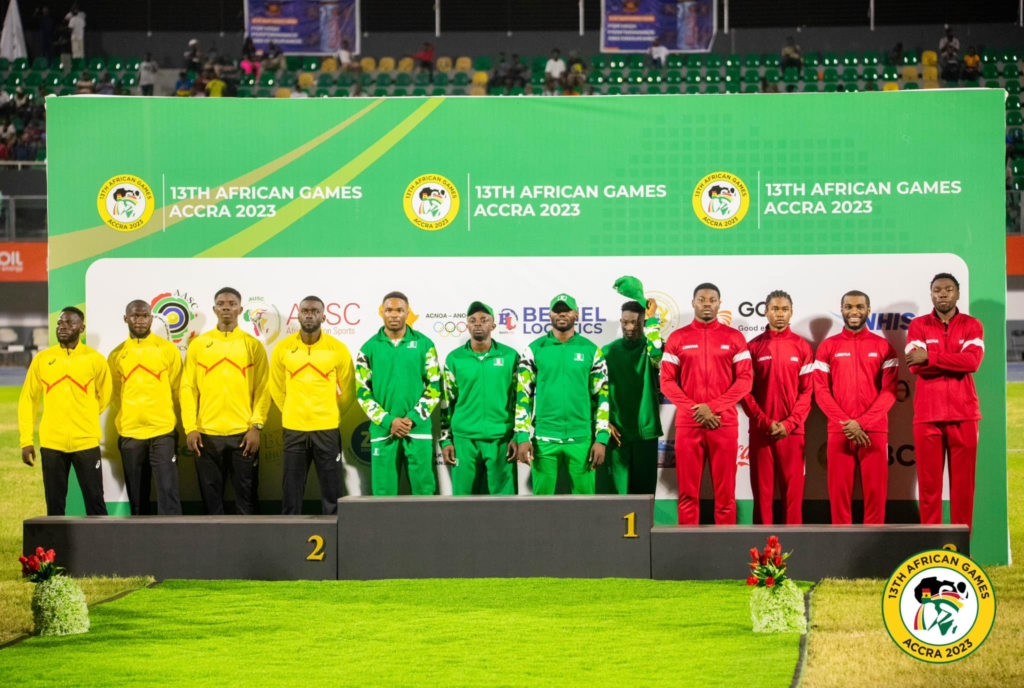
    Ghana’s 4x100m relay team settled for silver in the men’s 4x100m relay final after a baton change mix-up handed the advantage to Nigeria, who claimed gold.

    Despite being favorites to defend their title after posting the fastest qualifying time, the Ghanaian team faced disappointment. Edwin Gadayi and Benjamin Azamati executed the first and second legs brilliantly, putting Ghana in a strong position.

    Solomon Hammond maintained the lead with a decent bend, but the baton changeover with anchor leg runner Joseph Paul Amoah allowed Nigeria to overtake. Despite Amoah’s determined chase, Nigeria’s Itsikiri Utsheoritse held on for the win.

    Ghana missed out on gold by just 200th of a second, with Nigeria finishing in 38.41s and Ghana in 38.43s.

    The victory was sweet revenge for Nigeria, who lost to Ghana in 2019 and in 2003 when Nigeria hosted the event in Abuja.

    Liberia’s men also impressed, with Joseph Fahnbulleh anchoring them to a silver in a new National Record of 38.73s.

  • Do not prioritize media house payments as a source of revenue – Fiifi Coleman to movie producers

    Do not prioritize media house payments as a source of revenue – Fiifi Coleman to movie producers

    A prominent Ghanaian movie producer and actor, Fiifi Coleman has highlighted the significant challenges faced by filmmakers in Ghana due to the high cost of production juxtaposed with the perceived value placed by media houses on locally produced content.

    During an interview on Daybreak Hitz with Andy Dosty, Coleman emphasised the need for producers to shift their focus away from the monetary offers made by networks.

    He expressed that creating content solely based on the payment received would compromise the quality of the work produced.

    “If I’m going to create a project based on how much a network is going to give me, I’m not going to do the work. Because if you are going to pay me a thousand cedis, I’m going to make a thousand cedis worth of creativity work,” Coleman remarked.

    He urged fellow movie producers to prioritise establishing effective distribution channels to ensure they can recoup their investments.

    Coleman cautioned against expecting substantial financial returns from local media houses, emphasising the importance of having independent avenues for revenue generation.

    Coleman’s comments were made in response to actor Mikki Osei Berko’s advocacy for holding media houses accountable for airing international telenovelas during prime time slots.

    Coleman advised against producing content with the expectation of securing prime time slots, emphasising that television stations control prime time programming.

    “If Ghanaian movie producers wanted their content to be aired during prime time, they would have to produce content to match the foreign telenovelas,” Coleman added, underscoring the need for competitive and compelling local content.

    In summary, Coleman’s insights shed light on the complex dynamics between production costs, content value, and distribution strategies within Ghana’s film industry.

  • Unemployment highest threat to Ghana’s economic development – World Economic Forum

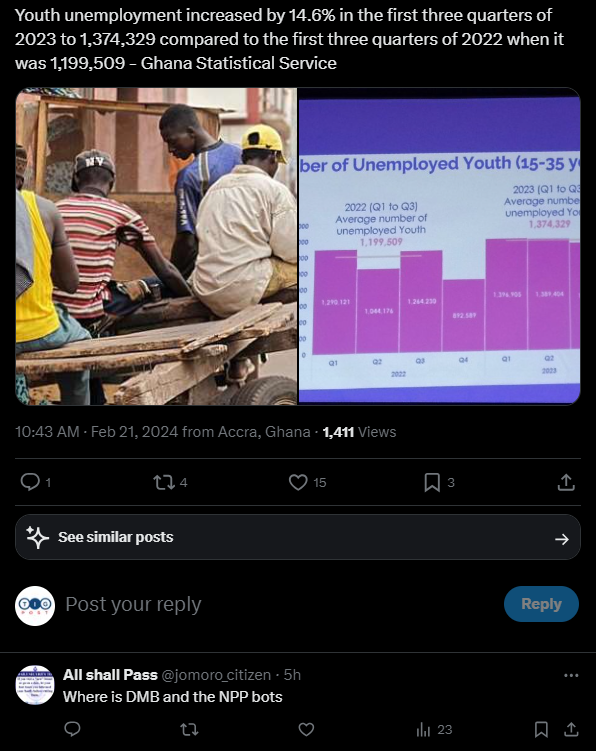
    Ghana has been grappling with an alarming rise in unemployment rates, reaching a staggering 1.85 million unemployed individuals in the third quarter of 2023 according to the Ghana Statistical Service.

    Despite this concerning trend, the President’s silence on the matter during the 2024 State of the Nation Address has raised eyebrows about the government’s response to this critical issue.

    Adding to the gravity of the situation, the World Economic Forum‘s 2024 Global Risk Report has now identified “unemployment” as the highest risk factor in Ghana.

    This signifies a significant structural decline in work prospects and standards, encompassing issues such as erosion of workers’ rights, stagnant wages, increased unemployment and underemployment, as well as challenges stemming from automation or the green transition, all contributing to stagnant social mobility.

    The latest labour statistics from the Ghana Statistical Service paint a worrisome picture, showing an upward trajectory in Ghana’s unemployment rate from 5.3% in 2010 to a concerning 14.7% by the third quarter of 2023.

    This translates to approximately 1.85 million Ghanaians facing joblessness.

    Beyond unemployment, the report highlights other pressing risks such as public debt, inflation, cybercrime, and economic downturn, ranking them in descending order as the 2nd, 3rd, 4th, and 5th risk factors respectively.

    Ghana’s current public debt stands at GHS 567.3 billion, averaging GHS 18,300 per capita, while inflation remains in double digits at 23.2% as of February 2024.

    Addressing cybersecurity concerns, Ghana ranks third in cyber security readiness in Africa, according to the International Telecommunications Union.

    However, reports from the Media Foundation for West Africa and the Bank of Ghana highlight significant financial losses due to cybercrime, underlining the urgent need to bolster cybersecurity measures.

    The Global Risk Report underscores the multifaceted nature of risks faced by Ghana, spanning economic, environmental, geopolitical, societal, and technological realms, encompassing 34 risk factors in total.

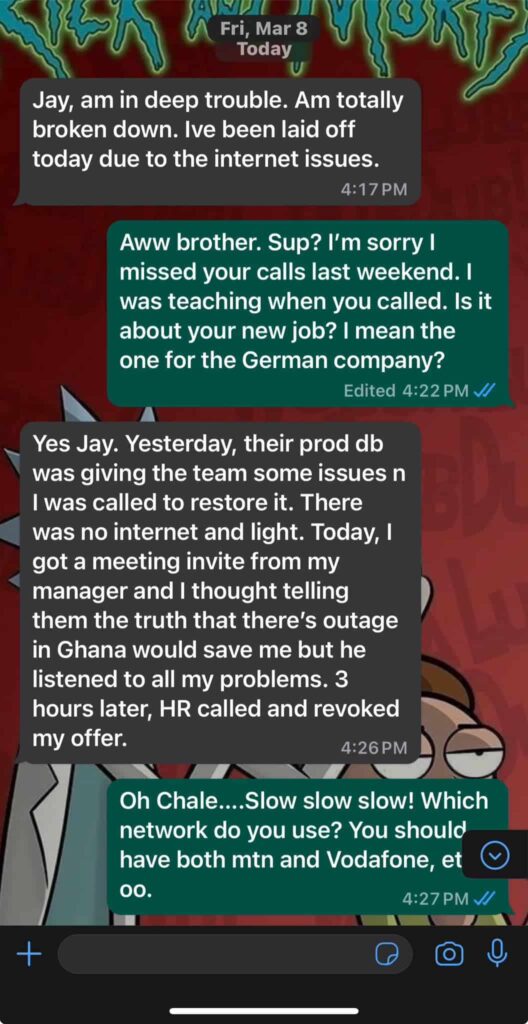
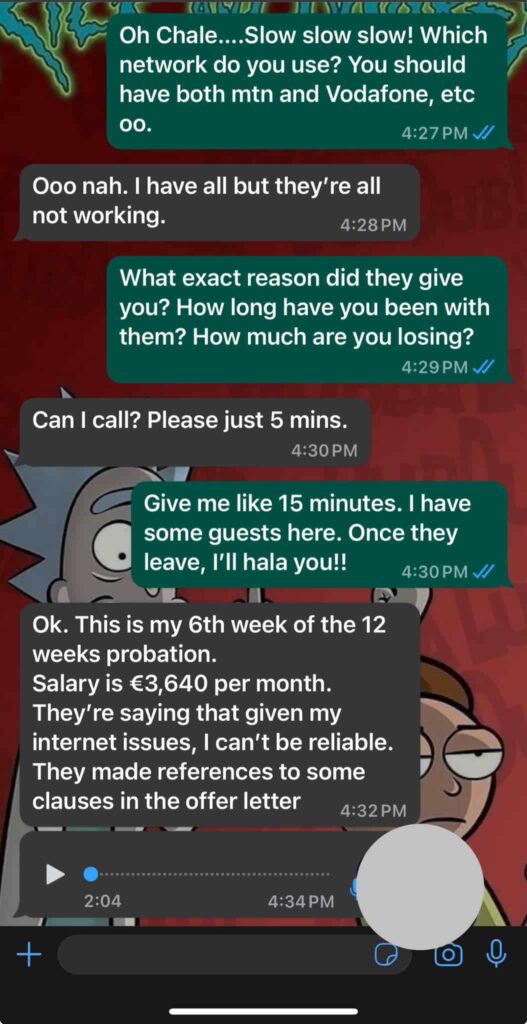
  • Man loses €3k online job due to internet outage in Ghana

    Man loses €3k online job due to internet outage in Ghana

    A man’s remote job that promised a salary of €3k was abruptly terminated due to recent internet issues in the country (Ghana).

    Although the internet outage was a significant factor, the man also mentioned that power outage known locally as Dumsor played a role in the termination of his contract.

    The man had secured a remote job in Germany with the attractive salary package but was unexpectedly informed of the termination via phone call.

    Initially hoping for sympathy, he was instead notified that his contract was being terminated due to concerns about his reliability.

    See post below:


  • Ghana month: Here are 7 female history makers under Fourth Republic

    Ghana month: Here are 7 female history makers under Fourth Republic

    In celebration of Ghana Month this March, the media reflects on trailblazing individuals who have shattered barriers across various sectors of Ghanaian society throughout its history.

    From the realms of politics to religion, academia to finance, music to business, diplomacy to entrepreneurship, these figures have left an indelible mark.

    This edition specifically highlights the groundbreaking achievements of ten women during the Fourth Republican Constitution era. They were pioneers in roles traditionally held by men, breaking new ground and paving the way for future generations.

    While Ghana is yet to see its first female vice president and president, significant progress has been made with women occupying key public positions across various sectors.

    The ten women and their respective positions are as follows:

    1. Joyce Adeline Bamford-Addo – Speaker of Parliament

    2. Georgina Theodora Wood – Chief Justice

    3. Charlotte Osei – Electoral Commissioner

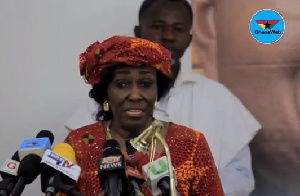
    4. Naana Jane Opoku-AAgyemang – Female Vice Chancellor of public university (UCC)

    5. Akosua Frema Osei Opare – Chief of Staff under President Nana Addo Dankwa Akufo-Addo

    6. Late Constance Ama Emefa Edjeani-Afenu – First woman Brigadier-General in Ghana Army

    7. Elizabeth Sackey – Mayor of Accra

    8. Nana Konadu Agyemang-Rawlings – First female presidential aspirant (National Democratic Party)

    9. Shirley Ayorkor-Botchwey – Foreign Minister

    10. Betty Mould Iddrisu – Attorney General and Minister of Justice

  • Ghana, Ivory Coast scaling down cocoa production over high cost of beans – Reports

    Ghana, Ivory Coast scaling down cocoa production over high cost of beans – Reports

    Cote d’Ivoire and Ghana, the world’s largest cocoa producers, have either halted or reduced processing in major plants due to soaring bean costs, leading to a global increase in chocolate prices, Reuters has reported.

    The two West African nations, which together produce nearly 60% of the world’s cocoa, have been grappling with extreme weather changes and cocoa pod diseases for several months, according to a report by the African Export-Import Bank (Afreximbank) published on Tuesday.

    Cocoa supplies from Cote d’Ivoire between October 2023 and February 2024 dropped by approximately 39% compared to the previous year, totaling 1.04 million metric tons, Afreximbank reported. Meanwhile, Ghana’s exports decreased by about 35% to 341,000 metric tons between September 2023 and January 2024.

    Benchmark cocoa futures for March delivery on the Intercontinental Exchange (ICE) in New York surpassed $6,000 per metric ton last Friday before easing to around $5,880 per ton, still surpassing the previous record high of $5,379 set in 1977.

    Industry analysts have warned that bean prices could continue to rise due to the global supply threat posed by the weather phenomenon El Nino, which caused droughts in West Africa in the third quarter of 2023 and is expected to persist until April.

    “We need massive demand destruction to catch up with the supply destruction,” Reuters quoted Steve Wateridge, director of Tropical Research Services, as saying.

    Transcao, a state-owned cocoa processor and one of Ivory Coast’s nine plants, has stated that it cannot afford to purchase beans at current prices and is relying on existing stock. Global trader Cargill has also faced challenges in sourcing beans for its major processing plant in Ivory Coast, leading to a shutdown of operations for about a week last month, according to anonymous sources cited by Reuters.

    In Ghana, the world’s second-largest cocoa grower, the majority of its eight plants, including the state-owned Cocoa Processing Company (CPC), have repeatedly suspended operations for weeks since last October, as reported by the news agency. CPC has indicated that it is operating at only about 20% capacity due to the shortage.

    Last week, Michele Buck, CEO of American candy giant Hershey and one of the world’s largest chocolate manufacturers, forecasted that “historic cocoa prices” would restrict earnings growth in 2024, potentially resulting in product price increases.

  • YouTuber Kai Cenat from America visits Ghana

    YouTuber Kai Cenat from America visits Ghana

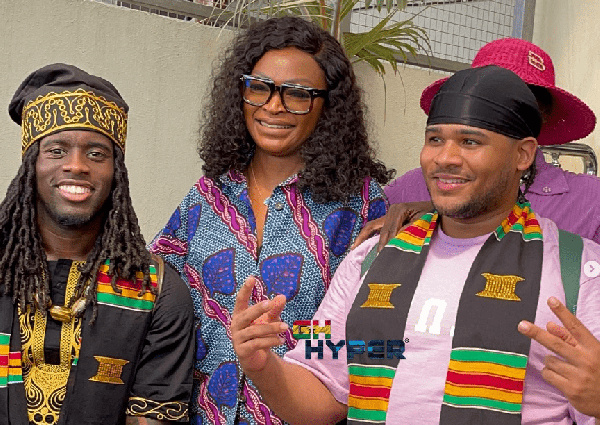
    American online personality Kai Cenat arrived in Ghana on March 13 after spending four days in Nigeria.

    At Kotoka International Airport, he was greeted with a warm welcome, including a performance of the ‘Adowa’ dance.

    Nadia Adongo Fynn, Deputy Director for Diaspora Affairs, led the reception team, joined by content creator Made in Ghana.

    While the purpose of his visit remains undisclosed, Kai Cenat is expected to explore Ghana’s attractions.

    This visit aligns with the government’s Beyond The Return initiative to boost tourism and cultural exchange.

    Excited fans gathered at the airport to witness his arrival, which featured an energetic ‘Adowa’ dance performance.

    Social media videos show Kai learning the dance moves and being adorned with colorful kente cloth.

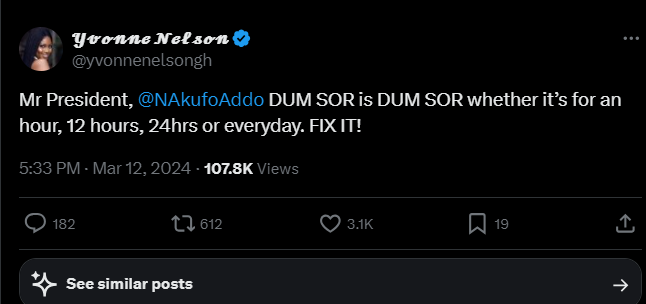
  • Mr. President, fix your ‘dumsor’; whether it’s an hour or everyday – Yvonne Nelson to Akufo-Addo

    Renowned Ghanaian actress, model, and film producer, Yvonne Nelson, has taken to social media to voice her concerns about the ongoing power outages plaguing Ghana.

    Known locally as “Dumsor,” Nelson expressed frustration at the frequent blackouts affecting citizens across the country.

    In a direct message to President Nana Akufo-Addo, Nelson emphasized the urgency of the situation, regardless of the duration of the outages.

    Whether lasting for an hour, 12 hours, or a full day, she stressed the need for immediate resolution to the persistent power challenges faced by Ghanaians.

    Nelson’s plea for swift action underscores the gravity of the situation, highlighting the importance of addressing the power crisis to ensure the well-being and stability of the nation.

    See post below:

  • Ghana, Togo ink deal for free roaming services to commence in 2024 – Bawumia announces

    Ghana, Togo ink deal for free roaming services to commence in 2024 – Bawumia announces

    Vice President Mahamudu Bawumia has revealed that Ghana and Togo have agreed to initiate free roaming services starting this year.

    He highlighted the government’s proactive move towards implementing the ECOWAS Free Roaming Services.

    Despite being adopted in 2016, Ghana’s agreement on free-roaming services with Cote D’Ivoire in June 2023 marks the first of such arrangements.

    “Ghana has also signed an agreement with Togo to begin free roaming services between the two countries this year.”

    Speaking at the official outdooring of Telecel Ghana, he said, “The National Communications Authority (NCA) is also engaging Benin and Gambia to establish similar bilateral agreements”.

    Dr. Bawumia commended Telecel Group’s investment in Ghana’s telecommunications sector and urged the multinational corporation to maintain exemplary standards of ethics, transparency, and corporate governance.

    The introduction of Telecel Ghana follows Telecel Group’s acquisition of a controlling stake in Vodafone Ghana. Consequently, the company has been rebranded as ‘Telecel’ to enhance economic access to communication services.

    Telecel Ghana has assumed responsibility for Vodafone’s fixed-line telephony, internet provision, voice and data services, as well as financial transfer and other business offerings.

    Dr Bawumia said, “In the ever-evolving technological landscape, innovation remains key to staying afloat,” he said, and entreated the telecom firm to provide its customers with accessible, safe, affordable and reliable network always.

    “In today’s fast-paced world, access to reliable and efficient communication is not just a luxury; it is a necessity for socio-economic development.”

    “Additionally, we have introduced technology neutrality, which has allowed increased capacity within the industry to serve more customers using existing spectrum allocation,” Dr Bawumia said.

    “Telecel has leveraged this opportunity to introduce its 4G+ spectrum.”

    Mobile money

    In 2023, mobile money transactions hit a record GHC199.3 trillion, which represented a 64.3% increase from the previous year.

    The opportunities that the mobile money platform, backed by the introduction of mobile money interoperability, had created was enormous, he added.

    Dr Bawumia commended Vodafone Ghana’s role in the mobile money transactions and urged Telecel to strive to do more since mobile money was one of the surest ways to promote financial inclusivity.

    He expressed delight to see the emphasis placed on inclusivity and accessibility in services as Ghana, like in many parts of the world, still had underserved communities with limited access to telecommunications infrastructure.

    “By expanding your reach and investing in infrastructure development, you are not only expanding access to communication but also creating opportunities for economic growth and social empowerment for the underprivileged”.

    “I applaud your commitment to corporate social responsibility through the Telecel Foundation and Africa Start-Up Initiative Programme (ASIP).

    “Your initiatives to support education, healthcare, and support for start-ups reflect your dedication to making a meaningful impact beyond business success.

    “This aligns perfectly with our government’s vision of building a more equitable and prosperous society for all Ghanaians”.

    He challenged Telecel to look beyond physical infrastructure and make sure that corporate social responsibility included a deliberate investment and development of the digital capabilities and capacities of young Ghanaians across the country at all levels.

    “As we celebrate this momentous occasion, remember that you also have a role in shaping the future of our nation.”

    “I have no doubt that this brand will not only thrive but also contribute significantly to the advancement of our nation’s telecommunications sector.”

    Patricia Obo-Nai, the chief executive officer, of Telecel Ghana, recalled the trajectory of the telecom company, dating back to 1974 as P&T and transitioned to Vodafone Ghana in 2009.

    It currently has more than six million customers using its mobile telephone network with over 200,000 on fibre and thousands of others patronising its cash transfer services.

    Obo-Nai assured the company’s numerous customers of its readiness to provide innovative services to them and impact more lives in the coming years.

  • NPP and Nigeria’s APC strengthen ties for regional development

    NPP and Nigeria’s APC strengthen ties for regional development

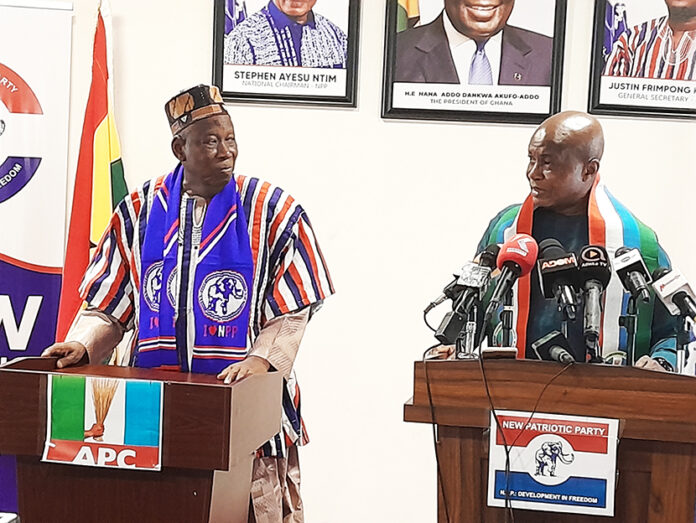
    On Friday, March 8, 2024, the New Patriotic Party (NPP) of Ghana and Nigeria’s All Progressives Congress (APC) announced their commitment to collaborating towards the progress of their respective populations following a high-level meeting in Accra aimed at enhancing their bilateral relations.

    During a joint press briefing immediately after their closed-door discussions, the two political entities expressed their solidarity and mutual determination to work together towards shared objectives, underlining the advantages of their reinforced cooperation.

    “This is to let you know that something good is about to happen”, with his customary composure and a wide grin, Stephen Ayesu Ntim, the National Chairman of the NPP, exchanged glances with Dr. Abdullahi Umar Ganduje, the National Chairman of the APC, during their meeting.

    This gathering of the two ruling political parties follows a recent trip to Abuja by the NPP Chairman, aimed at initiating discussions to fortify their longstanding alliance.

    Alhaji Ganduje, also speaking to the press, emphasized the importance of formalizing the relationship between the two parties, given the prevailing political uncertainties in the region.

    “We have to have engagements between the two political parties. We have to share our experiences. We have to share our challenges because as ruling parties in development countries we have peculiar challenges.

    The challenges of providing dividends for our people with diverse interests; the challenges of opposition; the challenges of holding friendship of political parties – small, big and medium; and the challenges of external influences in our democracies,” he noted.

    The obstacles that political parties face in governance are so great that in order to address the needs of both the diverse interest groups that make up the party and the people they represent, strategic initiatives and programs must be introduced.

    “In Nigeria, our party, we have constituted a progressive institute for the education of our members who must be conversant with all issues pertaining to democracy for sustainable political development.

    “This institute is working very hard to ensure that we consolidate internal democracy. A ruling party has the problem of internal progress because of the interest of internal groups. You have power in your hands – how to manage the power you need a powerful institution like a strong political party”, he underscored.

    Alhaji Ganduje, who was extremely passionate about the growth of the two political parties in the subregion, stated that in order to further solidify their gains, they must constantly learn from one another and acknowledge the contributions of their predecessors.

    He felt that doing so will inspire party members to put in more effort and accomplish more for their parties.

    “We believe when we are conducting our elections, international observers, the international community, and civil society organizations from foreign countries do come to our countries to see what we are doing. But, can’t we have that one between ourselves as African countries?

    “If Ghana is conducting an election, we need our ruling party in Nigeria to be here in Ghana. The same thing if we are conducting an election, we need your party in Nigeria because the experience you learn are more important than the experience that the foreign countries are coming here to learn in Nigeria because we have different political contest, different political background, different political aspirations but we as Africans we have similar political challenges”, he concluded.

  • Ghana holds 10th position in Africa as country with affordable fuel prices

    Ghana holds 10th position in Africa as country with affordable fuel prices

    GlobalPetrolPrices.com’s recent analysis positions Ghana as the 10th African country with the most economical fuel prices as of March 2024.

    Globally, Ghana secures the 39th spot for its notably affordable fuel rates.

    Currently, petrol prices in Ghana fluctuate between GH¢12.02 and GH¢13.29 per liter, while diesel ranges from GH¢13.21 to GH¢14.60 per liter, showing a slight uptick from previous levels.

    With an average fuel price of GH¢13.03, Ghana’s rates remain below the global average of $1.30 per liter, offering significant advantages for both consumers and businesses. This advantageous pricing fosters greater purchasing power and bolsters seamless economic activities.

    The report underscores the importance of maintaining low fuel costs, particularly in economies with lower income brackets, acknowledging their manifold effects on global economic landscapes.

    While Ghana’s status as the 10th most affordable fuel provider in Africa brings numerous benefits, it also poses challenges for the petroleum sector.

    The report recommends implementing strategic measures centered on efficiency, tax diversification, and infrastructure enhancements to address potential drawbacks and capitalize on this ranking to cultivate a mutually beneficial environment for all stakeholders.

    Meanwhile, several nations offer petroleum products at rates lower than the global average, highlighting the crucial role of affordable fuel prices in driving economic prosperity and sustaining essential operations across diverse sectors.

  • Bawumia is a gift to Ghana; we need his type in every sector- ‘American Borger’

    Bawumia is a gift to Ghana; we need his type in every sector- ‘American Borger’

    A widely circulated video on social media features an old man whose name is undisclosed praising Vice President Dr. Mahamudu Bawumia, declaring him a valuable asset to Ghana.

    The unnamed individual, identified as an American Borger, emphasizes the potential loss to the nation if former President John Dramani Mahama is elected.

    In the video, set against the backdrop of a construction site, the American Borger commends Vice President Bawumia for his exceptional leadership skills, expressing the belief that with adequate support, Bawumia can elevate Ghana to greater heights.

    “We need Bawumia’s type to occupy various positions in Ghana, he is a gift to Ghana, we will make a big mistake if we vote back Mahama,” the American Borger stated.

    Advocating for individuals of Bawumia’s calibre to assume various roles across the country, the speaker asserts that choosing otherwise by voting for Mahama would be a significant mistake.

    Watch video below:

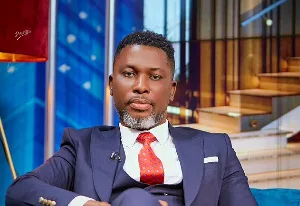
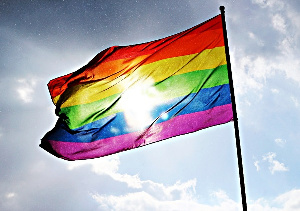
  • Akufo-Addo cannot assent to the anti-LGBTQ+ bill – Kwame A-plus

    Akufo-Addo cannot assent to the anti-LGBTQ+ bill – Kwame A-plus

    Renowned musician Mr. Kwame Asare Obeng, popularly known as A-plus, has voiced skepticism over Ghana‘s ability to pass the anti-LGBTQ+ bill recently approved by parliament.

    A-plus contends that President Akufo-Addo is unlikely to assent to the bill, citing Ghana’s reliance on foreign aid as a significant impediment to true independence.

    During a recent interview, A-plus emphasised that Ghana’s dependence on financial assistance from first-world countries compromises its autonomy.

    He argued that until Ghana develops robust domestic policies, the West will continue to exert influence and dominance over the nation.

    “Akufo-Addo cannot assent to the bill due to Ghana’s dependence on foreign aid. Without financial support from the international community, Ghana struggles to achieve true independence,” asserted A-plus.

    The musician’s remarks underscore a broader concern about the impact of external influences on Ghana’s legislative decisions.

    A-plus maintained that the Western culture would persist in shaping Ghana’s policies unless the country takes decisive steps towards self-sufficiency.

    In conclusion, A-plus delivered a stark prediction, asserting, “Whether Ghana likes it or not, the anti-LGBTQ+ bill would not be passed. We are bound to accept Western culture as long as we remain dependent on foreign aid.”

    As discussions surrounding the bill intensify, A-plus’s perspective adds a unique dimension to the discourse, highlighting the complex interplay between national autonomy and international support.

    Watch video below:

  • Ghana secures 9th spot among Africa’s safest countries for women

    Ghana secures 9th spot among Africa’s safest countries for women

    Ghana has secured the 9th position among Africa’s top 10 safest countries for women to visit in the latest Global Women Peace and Security Index 2023.

    This index, which assesses 177 countries based on criteria like women’s inclusion, justice, and security, highlights the Seychelles as Africa’s top-ranking country, with Ghana closely trailing behind.

    Other countries featured in the top 10 list include Cape Verde, South Africa, Mauritius, Tunisia, Rwanda, Botswana, Tanzania, and Sao Tome and Principe.

    Each of these nations is recognised for their commendable efforts in ensuring the safety and security of women.

    Conversely, the report identifies the Central African Republic as the most unsafe country to visit, with additional countries like the DR Congo, South Sudan, Burundi, Eswatini, Somalia, Niger, Sudan, Chad, and Nigeria ranking poorly. This signals significant challenges concerning safety and security for women travellers.

    Ghana’s inclusion in the top 10 reflects the nation’s dedication to advancing women’s rights, safety, and inclusivity. This encourages travellers to explore Ghana’s diverse landscapes and vibrant culture with confidence.

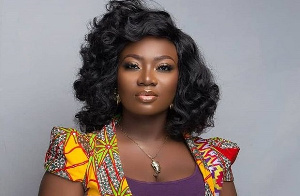
  • I’m waiting for an era when a woman will become President of Ghana – Stacy Amoateng

    I’m waiting for an era when a woman will become President of Ghana – Stacy Amoateng

    Renowned television presenter and media consultant, Stacy Amoateng, emphasized the nation’s readiness for a female president while highlighting the challenges women face in entering politics.

    Amoateng expressed her confidence in Ghana‘s preparedness for a female leader but raised concerns about the hesitancy of women to actively engage in politics and leadership roles.

    She questioned whether Ghanaians are fully ready to support and invest in female candidates, challenging societal norms.

    During her speech at the event organised by DMAC Foundation, supported by Star Ghana and Botnar Foundations, Amoateng remarked, “We are working more than the men. We are in an era where women are making more money than men. We are in an era where women are more daring than men sometimes, and I am just waiting for the era when a woman will become President of Ghana.”

    The celebration, themed ‘Invest in women; Accelerate Progress,’ featured insights from key figures such as Juliana Abbeyquaye, the Eastern Regional Director of the Department of Gender.

    Abbeyquaye emphasised the pivotal role of empowering women in overcoming socio-economic and health barriers, believing that such investments would propel women to higher positions.

    Nana Darteh Asamani Kumi, Kyidomhene of Okorase, who chaired the program, expressed concern about the rising rates of teenage pregnancies and called for interventions to secure the future of young girls.

    The Executive Director of DMAC Foundation, Edmund Atweri Duodu, outlined initiatives like The Kofcity Youth We Dey Project, part of the broader “Our City Project” by Star Ghana Foundation.

    Through this project, youth, including females, are actively participating in local governance to influence decision-making and address the needs of women and the youth.

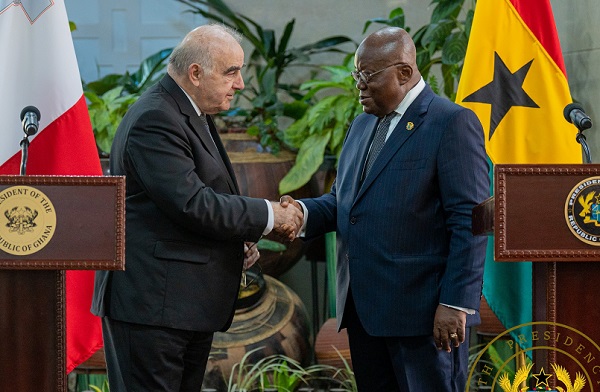
  • “Malta is willing to create further opportunities for more Ghanaians” – Maltese President

    “Malta is willing to create further opportunities for more Ghanaians” – Maltese President

    President George Vella of Malta has affirmed his commitment to fostering meaningful collaboration with Ghana.

    During his three-day state visit, he assured that both countries are keen on strengthening ties, particularly by facilitating exchanges between their private sectors and civil societies.

    The two nations expressed mutual interest in expanding cooperation across various sectors, including trade, agriculture, fisheries, financial services, tourism, culture, climate change, environment, and pharmaceuticals.

    President Vella highlighted the establishment of a joint commission to oversee progress in these areas, with ongoing negotiations covering higher education, health services, migration, hospitality sectors, and trade.

    President Vella, welcomed with military honors at the Jubilee House, shared insights into the growing diplomatic relationship, emphasizing the symbolic significance of Malta opening its first sub-Saharan office in Ghana.

    He underscored Malta’s commitment to fostering relations with African countries through its Africa strategy.

    “Malta is willing to create further opportunities for more Ghanaians to study, specialize and upscale at higher educational institutes in Malta”.

    Anticipating increased collaboration, President Vella expressed hope for enhanced educational opportunities for young Ghanaians in Malta.

    He emphasized Malta’s role as a constructive member in relations between Ghana and the European Union, pledging continued support for deeper cooperation between Ghana and the EU to promote regional peace and security.

    President Akufo-Addo, during the joint press briefing, highlighted key discussion points, including trade volumes, mutual support for candidates in international organizations, migration issues, global organization reforms, and intensified political consultations on mutual concerns.

    Both leaders pledged to advocate for each other’s interests, with Ghana facilitating enhanced economic engagement between Malta and ECOWAS members.

    This visit marks the second time a Maltese President has visited Ghana in their 50-year bilateral relationship, with the first occurring in 2017.

  • African Games: “Strive for excellence, showcase the immense talents Africa possesses” – President Akufo-Addo

    African Games: “Strive for excellence, showcase the immense talents Africa possesses” – President Akufo-Addo

    President Nana Addo Dankwa Akufo-Addo has called on Ghanaians to seize the opportunities presented by the 13th African Games for the benefit of future generations.

    Speaking at the opening ceremony held at the Legon Sports Stadium in Accra, the President emphasised the importance of cherishing the unique contributions of participating countries with their diverse cultures, traditions, and identities.

    President Akufo-Addo expressed his delight at witnessing the unifying power of sports on the continent, urging athletes to recognize the inspirational impact of their efforts across Africa.

    “As you compete in the games in the coming days, remember that your efforts inspire countless individuals across the continent.Strive for excellence, push your limits and showcase the immense talents that Africa possesses,” President Akufo-Addo stated.

    He encouraged participants to strive for excellence, push their limits, and showcase the immense talents inherent in the African continent.

    Highlighting the values of integrity and sportsmanship, the President called on participating countries to compete with fairness and mutual respect throughout the competition.

    He also extended congratulations to all involved, acknowledging their dedication and determination in making the 13th African Games a prestigious event.

    “I extend my heartfelt congratulations for your dedication and determination in reaching this prestigious game.”

    Ghana, having won the bid to host the games in 2018 for the first time in its history, is currently welcoming over 6,000 athletes from 53 countries competing in 29 disciplines.

    The diverse array of sports includes Armwrestling, basketball, boxing, chess, football, volleyball, handball, athletics, table tennis, tennis, badminton, among others, making this edition of the African Games a memorable and significant occasion.

  • Ghana will be under severe attack, there will be a ‘spiritual’ war – Pastor Anosike

    Ghana will be under severe attack, there will be a ‘spiritual’ war – Pastor Anosike

    Pastor John Anosike, the President and Senior Pastor of New World Faith Ministries (Spirit Revelation Church), has issued a solemn warning about an impending spiritual war in Ghana.

    During a sermon, Pastor Anosike emphasized the urgent need for this warfare, stating that until it occurs, Ghana will remain under severe attack.

    “I have a special assignment in Ghana. There is a war that is required in Ghana. Until that warfare is done, Ghana as a country and ministries in Ghana will be under severe attack,” Pastor Anosike declared.

    In his sermon, Pastor Anosike also made alarming claims about Ghana’s spiritual landscape, alleging that the country hosts the strongest temple of occult in the entire African continent.

    “There are seven powerful demonic temples, the strongest temple of occult in the whole Africa is in Ghana,” he asserted.

    According to Pastor Anosike, these temples house the greatest principalities, which he believes operate from Ghana to influence other countries in Africa and beyond. He claimed to have been instructed by God to address this spiritual threat, despite acknowledging the presence of a key individual hindering his mission.

    “I know the realm they operate from. What we are going to do is to disconnect. There is a light, frequency like an electrical light that is powering these temples. I am coming to Ghana,” Pastor Anosike proclaimed.

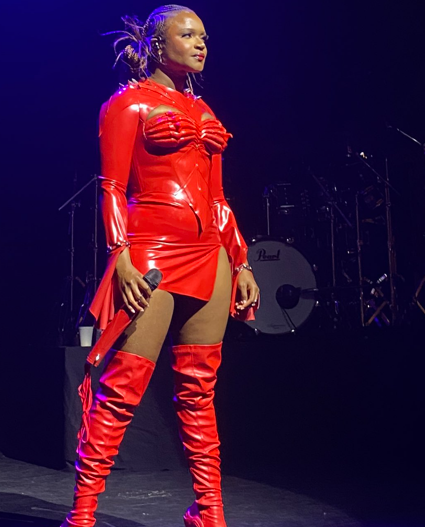
  • Ghana’s Amaarae shuts down concert in Paris, France

    Ghana’s Amaarae shuts down concert in Paris, France

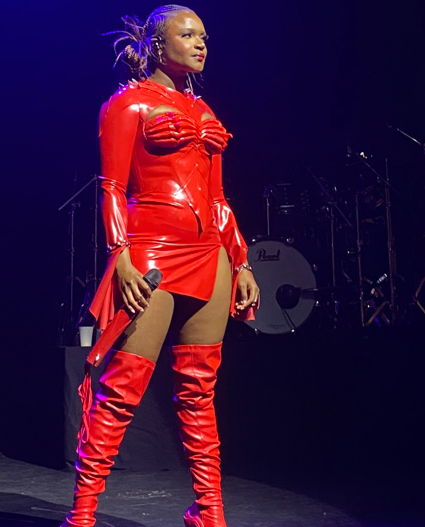
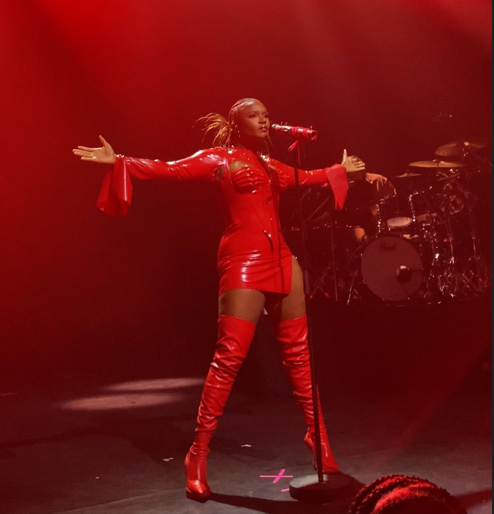
    Ghanaian-American sensation Amaarae, also known as Ama Serwah Genfi, has stolen the spotlight with her mesmerizing performance in Paris, France, captivating audiences from Ghana and around the world.

    Renowned for her unique blend of Pop, R&B, Afrobeats, Alté music, and her groundbreaking exploration of gender and sexuality in her songs, Amaarae has consistently pushed artistic boundaries.

    Following collaborations with local artists and the release of non-album singles, she made waves with her debut EP, “Passionfruit Summers,” in 2017.

    In 2020, Amaarae received critical acclaim for her debut album, “The Angel You Don’t Know,” with the hit track “Sad Girlz Luv Money” featuring Moliy gaining immense popularity on TikTok. The remix of the song, featuring Kali Uchis, soared on global charts in 2021.

    Earning Pitchfork’s coveted “Best New Music” label and securing the 19th spot on the list of the best albums of 2020, Amaarae continued her ascent.

    On June 9, 2023, she delighted fans by unveiling her highly anticipated second album, “Fountain Baby,” receiving rave reviews for her continued innovation and artistic brilliance.

    Watch video below:

  • I have not betrayed the mandate of the good people of Ghana- Akufo-Addo

    I have not betrayed the mandate of the good people of Ghana- Akufo-Addo

    President Nana Akufo-Addo showcased the remarkable achievements of his government, underlining his unwavering dedication to the mandate entrusted to him by the people of Ghana since assuming office in 2017.

    President Akufo-Addo expressed confidence in his administration’s performance across various sectors, citing substantial advancements in economic management, education, healthcare, infrastructure, and the ongoing battle against corruption.

    “I can say in all good conscience that I have not betrayed the mandate that the good people of Ghana conferred on me,” affirmed President Akufo-Addo during an address to the Diplomatic Corps in Peduase.

    The President highlighted the economic strides made under his leadership, emphasising sustainable growth and effective financial management.

    He pointed to improvements in the education sector, healthcare accessibility, and the implementation of robust infrastructure projects as key pillars of his government’s success.

    Akufo-Addo also reiterated his administration’s commitment to combating corruption, citing tangible progress in the fight against malpractices.

    He emphasized the importance of transparent governance and accountability in building a prosperous and equitable nation.

    The Diplomatic Corps, present at the gathering, listened attentively as the President outlined the “enormous achievements” that he believes characterize his government’s effective stewardship. 

  • “The Lord’s council will stand” – Moses Bliss’ wife express appreciation to God after wedding in Ghana

    “The Lord’s council will stand” – Moses Bliss’ wife express appreciation to God after wedding in Ghana

    Moses and his Ghanaian-British wife enchanted Accra, Ghana, with their stunning white wedding ceremony.

    The couple tied the knot in a traditional ceremony that gracefully combined Ghanaian and Nigerian customs on February 29.

    Marie Wiseborn, now known as Marie Bliss, shared delightful images of her bridal moments on her official Instagram page today, March 5.

    Overflowing with appreciation for their wedding’s success, Marie expressed heartfelt gratitude alongside the photos.

    “There are many plans in a man’s heart, Nevertheless the LORD’s counsel—that will stand. Proverbs 19:21. Lord, your daughter is grateful for all you have done. #foreverbliss #mmbliss24.”

    At the Bliss Experience 2024 on Friday, March 1, love filled the air as Nigerian Gospel artist Moses Bliss shared the story of how he met his wife, Marie Wiseborn.

    While the popular narrative suggests that Marie caught Moses’ attention by dancing to his song “Miracle No Dey Tire Jesus,” Moses revealed that there was a deeper connection.

    Reflecting on events from a year ago, Moses shared how he believed divine intervention played a role in finding the perfect partner to support him in his mission to advance the kingdom of God.

  • What Nkrumah said about being ousted in 1966 by Kotoka

    What Nkrumah said about being ousted in 1966 by Kotoka

    In 1966, Colonel Emmanuel Kwesi Kotoka and Major Akwasi Amankwa Afrifa staged a coup d’état against Ghana’s first President, Kwame Nkrumah.

    Nkrumah was out of the country during the ousting. As Ghana celebrates its 66th Independence Day today, we take a look at Nkrumah’s reaction to his overthrow.

    “I left Accra on 21st February 1966. I was seen off at the airport by most of the leading government and Party officials, and by service chiefs.

    I recall the handshakes and the expressions of good wishes from Harlley, Deku, Yakubu, and others.

    These men, smiling and ingratiating, had all the time treason and treachery in their minds.

    They had even planned my assassination on that day, though they later abandoned the idea.

    I remember shaking hands with Major-General Barwah—to be murdered in cold blood three days later when he refused to surrender to the rebel army soldiers.

    I little thought then that I would never see him again, or that Zanerigu, Commander of the Presidential Guard Regiment, Kojo Botsio, Kofi Baako and other ministers who were there at the airport, would be shortly seized by renegade soldiers and policemen and thrown into prison.

    After a week of so-called “manoeuvres,” the operation began early in the morning of Wednesday, 23rd February 1966 when the garrison at Kumasi, numbering 600 men, was ordered to move southwards to Accra.

    On the way, the convoy of some 35 vehicles was met and halted by the two arch-traitors Colonel Emmanuel Kwesi Kotoka, Commander of the Second Infantry Brigade Group, and Major Akwasi Amankwa Afrifa of the Second Brigade.

    Kotoka had only recently been put in charge of the Kumasi garrison, and I had not yet confirmed his appointment.

    Kotoka, Commander of the Second Infantry Brigade Group, and Major Akwasi Amankwa Afrifa of the Second Brigade.

    Kotoka had only recently been put in charge of the Kumasi garrison, and I had not yet confirmed his appointment.

    Afrifa was left in command while Kotoka went to Accra to report progress to Commissioner of Police, John Willie Kofi Harlley and to find some soldier better known than himself to be the nominal head of the revolt.

    The man chosen was Major-General Ankrah even though the conspirators had thought so little of his abilities than they had not previously troubled to consult him?

    He was, however, one of the few officers who had held even the rank of major in colonial days and had seen service in the world war if only as a quartermaster.

    In the Congo he had shown some bravery and, at least, routine ability and I had decorated him for his services but essentially he was of mediocre calibre.

    He held the post of second in command in the armed forces after independence through seniority, not ability.

    He would not have been appointed even to this post but for the death shortly before of another senior officer.

    In 1965, I retired him. Undoubtedly, it was his lack of understanding of what was going on around him which recommended him as a figure-head to those manipulating the ‘coup’.

    The troops were then told that I intended sending them to fight in Vietnam and in Rhodesia, and that I had deserted Ghana taking with me £8 million.

    There was, they were told, no government left in Ghana, and it was their duty to assume control of the country to maintain law and order.

    Already, it was said, Russian planes were landing on a secret airs rip in northern Ghana.

    Furthermore a secret tunnel had been made from Flagstaff House, the presidential residence, to Accra airport, and for days Russians had been arriving.

    The only way to save Ghana, and to avoid being sent to fight in Vietnam, the troops were told, was to take Flagstaff House.

    Several days after the military seizure of power, Kotoka and Afrifa appeared on Ghana TV congratulating themselves on their easy success.

    One remark stood out unmistakable and clear: “And you know, we didn’t find any Russians at all— not one! Nor could we find any trace of that tunnel.” This was followed by peals of laughter at the poor soldiers who had believed their story.

    The first object of the military operation was to force the surrender of Major-General Barwah, Army Chief of Staff and Deputy Chief of Defence Staff, who was in command of the Ghana Army in the absence from the country of the Chief of Defence Staff. General Aferi.

    At the same time, Brigadier Hasan, Head of Military Intelligence, and Colonel Zanerigu. Commander of the Presidential Guard Regiment, and Owusu-Sekyere, former head of the C.I.D. and in charge of the Special Branch, were to be arrested.

    This stage of the operation was badly bungled. Hasan was arrested, but Zanerigu, when confronted, escaped through a window of his house and drove to Flagstaff House to warn the Presidential Guard Regiment.

    Barwah could not be intimidated. Woken from his sleep in the early hours of the morning of the 24th by the arrival of Kotoka and some 25 men, he courageously refused either to join the traitors or to surrender.

    Thereupon, Kotoka shot him dead at point-black range in cold blood in the presence of his wife and children.

    The seven security officers who were stationed at Barwah’s house were also murdered on the spot on Kotoka’s orders.

    Kotoka subsequently boasted of his killing of Barwah but said because he was protected by a “juju” he was able to catch the bullets which Barwah fired in his defence and to throw them back at him.

    When the counter coup of April 1967 took place Kotoka’s “magic” could not save him.

    Unlike Barwah, he surrendered without protest or struggle to those who had captured him at his headquarters.

    His “juju” did not prevent him being shot in his turn. Barwah’s murder was one of the most disgraceful and ghastly crimes ever committed in Ghana’s history.

    In an attempt to wipe the blood from their hands the so-called N.L.C.‘ gave Barwah and the security officers a military burial a few days later.

    What a mockery, and what hypocrisy! Yet these terrible, cold-blooded murders were only the first of many which occurred on 24th February and during subsequent days.

    They set the tone, as it were, of the whole operation which was characterised throughout by cowardice, bloodshed and criminal stupidity.

    By 6 a.m. on the 24th, the Accra police, acting on Harlley’s orders, had rounded up most of the ministers and other key political figures, and fighting had broken out at Flagstaff House between members of the Presidential Guard Regiment and rebel army units.

    There were about thirty members of the Guard Regiment at Flagstaff House when the alarm was raised.

    These were soon joined by others who managed to slip in by a back entrance to reinforce their comrades.

    Although heavily outnumbered they successfully held up the rebel detachment sent to seize the Ghana radio station a short distance from Flagstaff House.

    Only eight of the 124 detailed for this operation managed to get through.

    These captured the radio station, apparently without incident, and at 6 a.m. Kotoka arrived to broadcast that the army and police had taken over the government of Ghana.

    The announcement was premature. At 7 a.m. resistance was actually increasing at Flagstaff House, as the defenders, less than a hundred of them, fought fiercely back against some 600 rebel troops.

    By this time a battalion in Accra under Ocran had joined them, not knowing what the fighting was all about.

    Thus the rebels were able to gain control of the airport, cable office, radio station, and all the approach roads to Accra.

    Kotoka had established a combined H.Q. with the police at Police Headquarters, and from there the order was given for the 2nd Battalion to go into action at Flagstaff House.

    The Guard Regiment fought on, though their position was now-hopeless.

    The outside walls of Flagstaff House had been open, and the defenders had retreated behind the second gate. Still they refused to surrender.

    It was only after the rebels threatened to blow up the family residence at Flagstaff House in which my wife and three young children were sheltering that they finally gave in.

    The fierce fighting at Flagstaff House at this time was in striking contrast to the failure at the time of the April 1967 counter-coup of Kotoka’s bodyguard to defend his headquarters.

    He had made Flagstaff House into a strong point from which he commanded the army.

    Yet when it was attacked by a small detachment of some 25 men the garrison immediately surrendered as did that of the Broadcasting Station which was also only attacked by a force of similar size.

    Again a small group of soldiers, not more than 50 in all, were sufficient to capture the Castle at Osu from which the “N.L.C.” conducted their government.

    Ankrah the Chairman’ of the “N.L.C.” was the first of its defenders to run away, jumping over the Castle wall, plunging into the sea and wading down the shore.”

    Excerpt from “Dark Days in Ghana”, originally published by Zed Books in 1968.
  • We will comment on anti-LGBTQ+ bill after it becomes a law – IMF

    We will comment on anti-LGBTQ+ bill after it becomes a law – IMF

    The International Monetary Fund (IMF) has announced that it will provide comments on the Proper Human Sexual Rights and Ghanaian Family Values Bill after it is officially signed into law.
    The IMF states that its evaluation will specifically focus on the economic and financial consequences of the legislation.

    In a released statement, the IMF emphasized its commitment to diversity and inclusion as integral values. “We cannot comment on a bill that has not yet been signed into law and whose economic and financial implications we have yet to assess.”

    The institution underscores its internal policies prohibiting discrimination based on personal characteristics, including gender, gender expression, or sexual orientation.

    “Diversity and inclusion are values that the IMF embraces.”

    “Our internal policies prohibit discrimination based on personal characteristics, including but not limited to gender, gender expression, or sexual orientation. Like institutions, diverse and inclusive economies flourish,” the statement from the Fund added.

    The IMF asserts that diverse and inclusive economies thrive, aligning with its principles.

    This statement follows the recent passage of the bill by Ghanaian lawmakers on March 28, with support from both the ruling party and the opposition.

    The legislation aims to criminalize LGBTQ+ activities, along with their promotion, advocacy, and funding.

    Offenders may face jail terms ranging from 6 months to 5 years, depending on the nature of the violation.

    Acknowledging the significance of the situation, the IMF states that it is closely monitoring developments in Ghana. However, it refrains from commenting on a bill that has not been signed into law, pending a comprehensive assessment of its economic and financial implications.

    Ghana, facing economic challenges and seeking an IMF bailout, may see uncertainties in securing the third tranche due to the recent legislation.

    The country’s dollar bonds have experienced a decline, ranking as the second-worst performers in an index monitoring emerging-market sovereign hard-currency debt.

    All 14 of Ghana’s dollar notes in the gauge saw a drop in value, with bonds maturing in 2034 experiencing the most significant impact.

    Pressure is mounting on President Akufo-Addo to assent to the bill amid these developments.

  • Flashback: I will make Ghana prosperous once again – Akufo-Addo

    Flashback: I will make Ghana prosperous once again – Akufo-Addo

    Prior to becoming Ghana’s president, then New Patriotic Party (NPP) presidential candidate, Nana Akufo-Addo pledged to transform Ghana into a prosperous nation if elected in the 2016 general election.

    Expressing concern over the challenges faced by many Ghanaians, including unemployment hindering access to education and a collapsing health insurance system, he emphasized the need for change.

    He made these remarks during his ‘rise and build’ tour in Tamale, where he met with regional and constituency executives to strategize for the election.

    Nana Addo highlighted the NPP’s commitment to improving infrastructure, agriculture, and healthcare to enhance the quality of life for Ghanaians. He assured that the NPP has competent individuals who will govern the country effectively, aiming to address issues of corruption and mismanagement associated with the National Democratic Congress (NDC).

    “We are not going to steal the resources of the nation like the NDC has done because we have honest men and women who will not steal from the purse of the nation.”

    Akufo-Addo emphasized the need for a new electoral register to ensure the credibility of the upcoming elections. He pointed out that Nigeria had successfully replaced its bloated electoral register before their elections, suggesting that Ghana should follow suit to promote peace and unity.

    He recalled the post-2012 election challenges faced by the NPP when they contested the results in court, highlighting the importance of an accurate and reliable electoral register to avoid similar situations in the future.

  • Ghanaian woman to break GWR record for longest painting marathon

    Ghanaian woman to break GWR record for longest painting marathon

    Ghana is making headlines not just for its prowess in marathons but also for a different kind of endurance challenge.

    Construction Project Manager and painter Sharon Dede Padi popularly known as Padiki, has set her sights on breaking the Guinness World Record (GWR) for the longest painting marathon.

    Marathons have become a normal part of life in various African countries, with Ghana standing out as a hub of activity.

    However, Padiki is stepping into uncharted territory with her ambitious attempt to break the record with a staggering 160 hours of continuous painting.

    In an interview with Doreen Avio on Daybreak Hitz, Padiki shared the journey that led her to this remarkable endeavour.

    She revealed that she initially attempted to apply for the marathon a year ago but was told she couldn’t use paintings she had already completed.

    Undeterred, she revisited the idea in December after learning that the existing record was set at 100 hours.

    Padiki disclosed, “It wasn’t until this December when we realised that someone had broken the record within a hundred hours, did I also tell my daughter to apply for me. It was just a joke.”

    The marathon, according to Padiki, is not just about breaking records but aims to collaborate with various ministries to unearth hidden talents across the country.

    She expressed her intention to work with the Ministry of Education, Tourism, Sports, and Gender to organise workshops and painting sessions in villages.

    “I will be collaborating with the Ministry of Education, Tourism, Sports, and Gender. Through workshops and painting sessions, we will visit the villages, and you will be surprised by the number of artists there that we haven’t heard of,” she explained.

    Highlighting the broader purpose behind her endeavour, Padiki emphasised the importance of providing platforms for talented individuals, especially in schools and institutions.

    She appealed to Ghanaians to support her in this journey, asserting, “I need a lot of support from Ghanaians. They should not get tired now! Mine is yet to come, so please don’t get tired. My attempt is a means of teaching as well as a profession, and I need all the support I can get.”

    As Padiki prepares for her marathon, the nation watches with anticipation, ready to rally behind her and witness a new chapter in Ghana’s growing reputation for extraordinary achievements.

  • 92% of women-led businesses in Ghana have never exported – Survey

    92% of women-led businesses in Ghana have never exported – Survey

    A research conducted by the Oxford Africa Women Leadership Institute (OAWLI) reveals that 92% of women-led businesses in Ghana have never engaged in exporting.

    Of the respondents surveyed, only 9.0% (31 out of 386) have exported their products, with 13 out of the 31 lacking export certificates.

    Nearly half of those who exported did so through informal channels like family and friends.

    Alarmingly, 92% (355 out of 386) of respondents without export experience were asked if they were aware of the necessary certifications for future exports, with only 20% (71 out of 355) indicating awareness.

    Furthermore, 78% (260 out of 355) were found to be completely unaware of the required certifications, while 6% (22 out of 355) were uncertain.

    The report underscores the necessity to enhance export readiness among women-led Small and Medium Enterprises (SMEs) and stresses the importance of determining export readiness accurately.

    Women entrepreneurs are encouraged to proactively seek information to become export-ready.

    In conclusion, the report advocates for support mechanisms to assist businesses in obtaining export certifications.

  • Ghana to mark 67th Independence Day on March 6

    Ghana to mark 67th Independence Day on March 6

    The Ministry of the Interior has officially designated Wednesday, March 6, 2024, as a public holiday to mark Ghana’s 67th Independence Day celebration.

    In commemoration of this significant day, government offices, agencies, schools, and businesses are slated to remain closed as a mark of respect.

    Henry Quartey, the Minister for the Interior, emphasized the importance of observing the day, stating in a release, “The general public is hereby informed that Wednesday, 6th March 2024, which marks Independence Day, is a Statutory Public Holiday and should be observed as such throughout the country.”

    Independence Day is a poignant occasion for Ghanaians, symbolizing the sacrifices made by the country’s forefathers for freedom and sovereignty.

    During this celebration, citizens engage in various activities, including flag-raising ceremonies, cultural performances, and national and district parades, fostering a sense of patriotism and unity.

    This year’s national anniversary festivities are scheduled to take place at the Youth Resource Centre in Koforidua, Eastern Region.

    “The general public is hereby informed that Wednesday, 6th March 2024 which marks Independence Day, is a Statutory Public Holiday and should be observed as such throughout the country.”

  • How Ghanaian Police officer, Emmanuel Ekow Addison, saved the life of Liberia’s Vice President

    How Ghanaian Police officer, Emmanuel Ekow Addison, saved the life of Liberia’s Vice President

    Vice President of Liberia, Jeremiah Koung, recently visited Ghana on a thank-you mission to express gratitude to a Ghanaian police officer, Emmanuel Ekow Addison, who saved his life 24 years ago.

    Addison, now retired, showed remarkable professionalism to prevent a potential lynching and killing of Koung and his friends. They were falsely accused and arrested on suspicion of being armed robbers.

    In an interview with Accra-based JoyNews alongside the retired police officer, the Liberian vice president recounted the traumatic ordeal from the late 90s. He shared that during a period of heightened civil unrest in Liberia, he and five friends traveled to Togo on a business trip to purchase vehicles for resale in Liberia.

    Their trip took an unexpected turn when they made a stop in Ghana to buy gas cylinders. This decision changed their lives forever.

    “We were a group of five who arrived in Accra from Danale in Côte d’Ivoire between 1:00am and 2:00am on a bus belonging to an Ivorian transport company named STIF, which was on the way to Togo. We should’ve gone to Togo but we used to buy cylinders in Ghana and take them to Liberia to sell so, we made a stop in Ghana.

    “Upon arrival into Ghana at the time [2:00am], one of my friends suggested we head to a nearby entertainment centre called ‘Yakiki’ to spend the night instead of lodging into a hotel,” he narrated.

    Jeremiah Koung added that at around 4:00 am on Sunday morning, he and his friends boarded a bus they believed was heading to Togo. However, they soon realized they had mistaken two individuals in the bus as the drivers’ assistants.

    After a long night of partying and consuming alcohol, the five friends were completely exhausted and fell asleep during the journey, unaware of the looming danger ahead.

    During the journey, Koung said a vigilant Togolese in the bus quickly alerted them to the suspicious behavior of the driver and his two accomplices, who were plotting to conduct a robbery.

    “While we were asleep, the driver and his two accomplices engaged in a conversation in Twi, plotting a robbery during the journey. However, the Togolese understood the conversation and subsequently raised an alarm, which prompted a confrontation,” he narrated.

    This led to some of the passengers shouting at Koung and his friends, labeling them as criminals because they seemed out of place on the bus.

    “These are criminals,” Koung recounted the words as he said some of the passengers kept repeating them.

    Soon after, they realized that the driver and his two accomplices had abandoned the vehicle in the middle of the road and fled into a nearby bush.

    This forced Koung’s friend to drive the vehicle to the nearest police station to report the matter. Upon their arrival, they learned that the driver and his accomplice had also fled to a nearby naval base and falsely alleged that some Liberians had robbed a Ghanaian driver of his vehicle.

    However, this SOS message had been sent to the very police station they went to report the matter, where they met Officer Emmanuel Ekow Addison. He listened to their ordeal and assisted them in filing a police report.

    Jeremiah Koung said Officer Addison committed to properly investigating the matter, which later led to their exoneration. He shared that the police officer ensured that every valuable piece of information was properly sourced and investigated.

    “Officer Addison followed us to the crime scene and also took us to the Naval base to find out about the incident but when we got there, one of the officers confirmed and told them the Togolese and another friend were picked up as suspects and sent to the Fishing Port Police Station. It was there that me and my friends were arrested and placed behind bars as suspects who escaped.

    “But during the investigations, I was able to prove that we were indeed businessmen. I had to lead the police officer to a spot where we had buried an amount of US$40,000 meant for our trading activities in Togo,” he recalled.

    Koung emphasized that the discovery of hidden money provided crucial evidence of their innocence and led to their release from police custody.

    After being released, they attempted to express gratitude to Officer Addison by offering him a monetary gesture of US$3,000. However, Koung said Addison refused the gift, emphasizing that he was simply doing his duty as an officer of the law.

    Now, 24 years later, Jeremiah Koung was determined to locate Officer Addison to properly show his appreciation to the Ghanaian police officer who demonstrated exemplary conduct and commitment to justice.

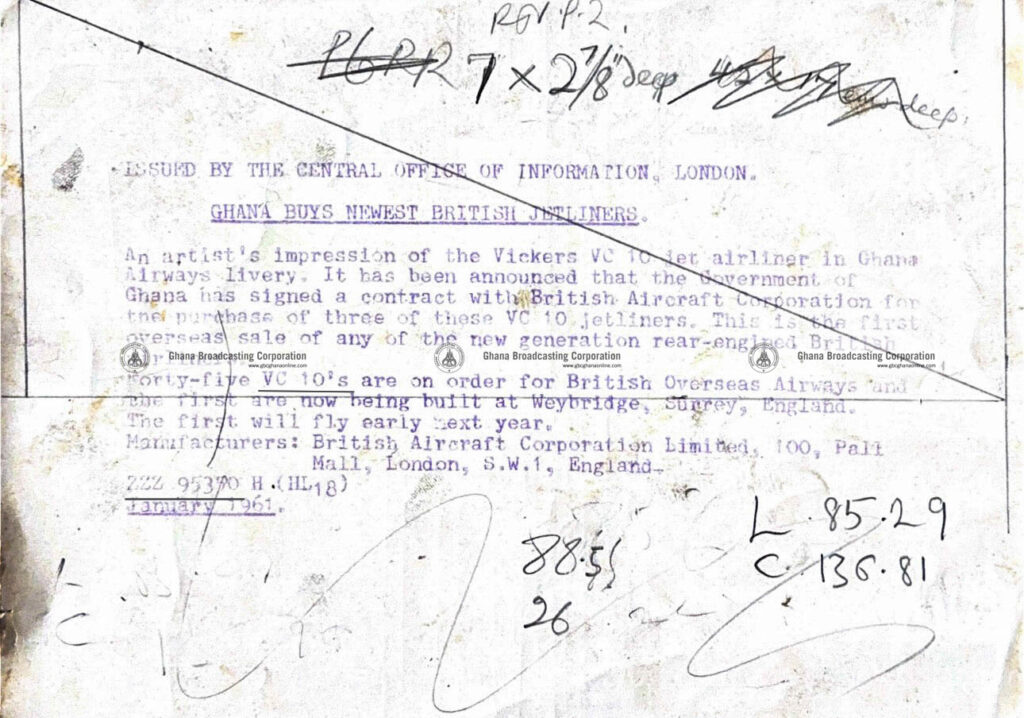
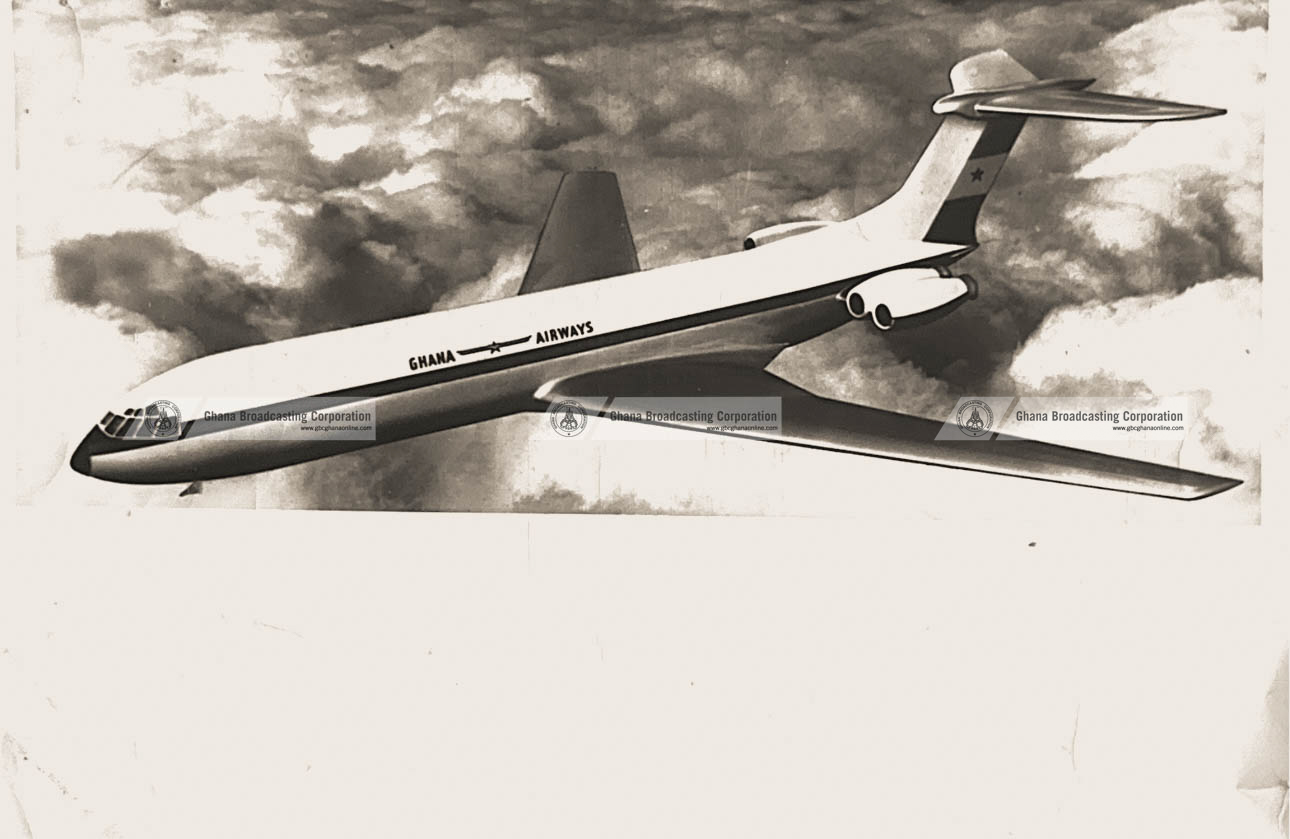
  • Photo: British Jetliners Ghana bought in 1961

    Photo: British Jetliners Ghana bought in 1961


    In January 1961, Ghana made a significant investment in modern aviation by purchasing three Vickers VC 10 jetliners from the British Aircraft Corporation.

    This move marked a milestone in the country’s aviation history, as the VC 10 was among the newest and most advanced jet airliners of its time.

    The decision to acquire these jetliners was a strategic one, aimed at modernizing Ghana’s air transport infrastructure and enhancing its international air connectivity.

    The VC 10 was known for its speed, efficiency, and comfort, making it an ideal choice for Ghana’s growing aviation needs.

  • We will stop sending you money if anti-LGBTQ bill is passed into law – US warns Ghana

    We will stop sending you money if anti-LGBTQ bill is passed into law – US warns Ghana

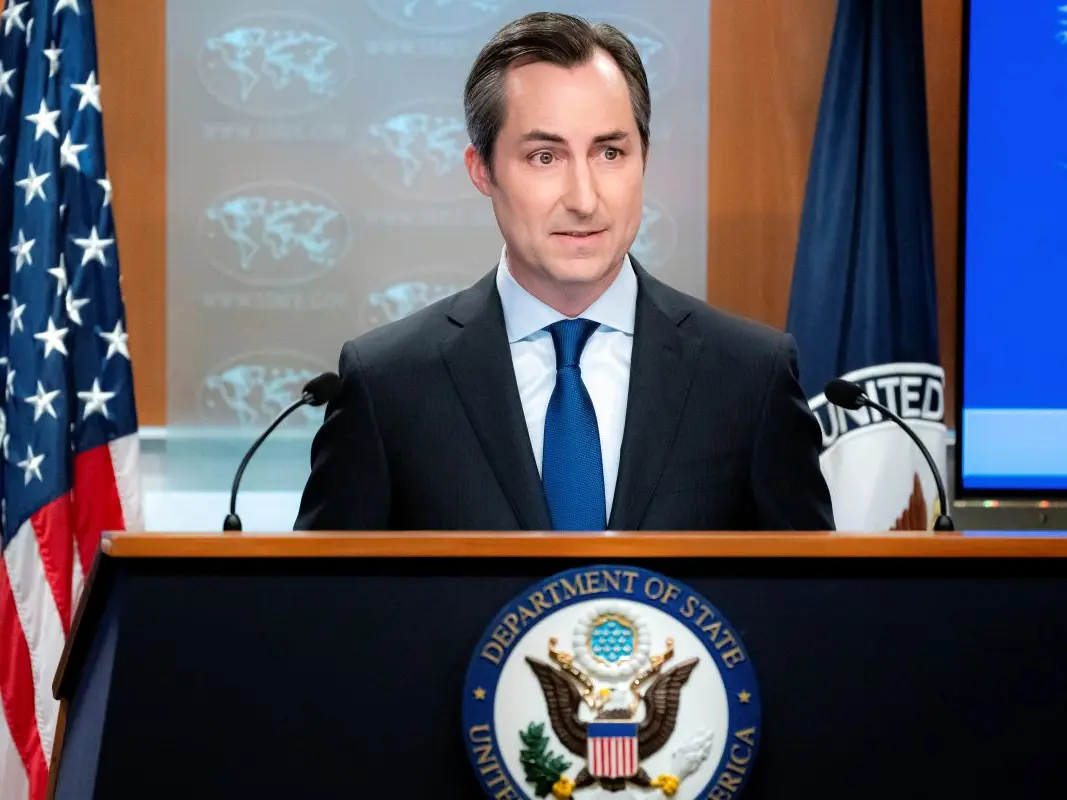
    US State Department spokesperson Matthew Miller has indicated that the US government will restrict foreign aid to Ghana if the country approves the Proper Human Sexual Rights and Family Values Bill, also known as the anti-LGBT Bill.

    Engaging the press, Mr Miller said, “If this bill becomes law, it will only have a chilling effect on investment. For instance, in Ghana, you’ve seen that same chilling effect bear fruit in Uganda, which passed a very similar law in the past. I can say that should the bill pass, it would potentially have ramifications for US assistance in the country.”

    He noted that both governments have had intensive conversations on the matter, which were done behind closed doors.

    The US provided over $211 million in assistance to Ghana in fiscal year 2022, supporting various sectors including agriculture, malaria prevention, and AIDS combat efforts.

    The United States has expressed deep concern over the passage of stringent anti-LGBTQ+ legislation in Ghana, stating that it threatens constitutional freedoms.

    The new bill, passed on Wednesday, imposes a prison sentence of up to three years for anyone convicted of identifying as LGBTQ+. It also imposes a maximum five-year jail term for forming or funding LGBTQ+ groups.

    The bill will be presented to President Nana Akufo-Addo, after which he’ll have seven days to sign it into law or refuse to assent to it, according to Ghana’s constitution.

    The passage of the bill has been criticized by rights organizations and other groups.

    “The bill would also undermine Ghana’s valuable public health, media and civic spaces, and economy,” the US State Department spokesperson Matthew Miller said in a statement.

    Also, UNAids executive director Winnie Byanyima said the bill, if it becomes law, could incite violence by Ghanaians against their fellow citizens.

    She said that it will “obstruct access to life-saving services, undercut social protection, and jeopardise Ghana’s development success.”

  • “I’m LGBTQ+ in Ghana, I need a US Visa, they want to kill me!” – Stonebwoy fan appeals to international community

    “I’m LGBTQ+ in Ghana, I need a US Visa, they want to kill me!” – Stonebwoy fan appeals to international community

    A Twitter user shared concerns about personal safety in Ghana following the recent passage of the LGBTQ+ bill.

    Seeking assistance to acquire a visa to the USA, the user expressed fear and alleged threats, prompting a call for support through direct messages.

    “ I am LGBTQ+ in Ghana and I don’t feel safe here. Can you help me acquire a visa to the USA. They want to kill me, Kindly reach out to me in my DM.”

    Parliament has passed the Promotion of Proper Human Sexual Rights and Ghanaian Family Values Bill also known as the anti-LGBTQ bill after three years following its introduction.

    During Wednesday’s Parliamentary session  Majority Leader Alexander Afenyo-Markin sought to make amendments to the bill during the second consideration stage citing human right infringement.

    However, the Minority rejected his request, prompting the Speaker to push for the third consideration stage.

    Speaker Alban Bagbin put the bill to a voice vote and the ayes had it. 

    As it stands now, Parliament has tabled the bill to the President’s desk for President Akufo-Addo to assent to the bill to become law.

    The Anti-LGBTQ+ bill aims to criminalise LGBTQ+ activities in Ghana. It proposes strict penalties, including imprisonment, for individuals engaged in activities related to homosexuality and LGBTQ+ advocacy. 

    Additionally, the bill seeks to prohibit the promotion of LGBTQ+ rights, organisations, and events in Ghana.

    Prior to its passage, there had been several amendments to the bill.

    After deliberation, Parliament decided that the minimum custodial sentence has been set at three years, with a maximum of five years for promoters and sympathisers.

    Additionally, individuals caught directly engaging in these activities will face a minimum sentence of six months, extendable to a maximum of three years.

    Ghana is among many African countries that are working to rid LGBTQ activities in the society.

    Uganda enacted one of the world’s harshest anti-gay laws in May, which calls for the death penalty for certain same-sex acts.

    Following this, the country faced sanctions from international communities.

    The U.S. imposed a first round of visa restrictions on Ugandan officials in response to the law in June, and the World Bank halted new lending to the country in August.

    The concern now is Ghana could face similar sanctions and be blocked from receiving financial aid from countries that uphold LGBTQ rights but Parliamentarians have noted that Ghana is poised to withstand whatever pro-LGBTQ countries throw at them.

    Already, the UN High Commissioner for Human Rights, Volker Türk, has described the passage of bill as “profoundly disturbing.”

    A portion of the UN Human Rights statement read “I call for the bill not to become law. I urge the Ghanaian Government to take steps to ensure everyone can live free from violence, stigma and discrimination, regardless of their sexual orientation or gender identity. Consensual same-sex conduct should never be criminalized.”

    See post below:


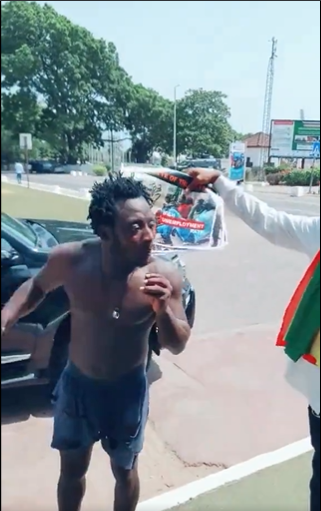
  • Video: “Apart from Accra, there is no Ghana” – Half-naked man protests at premises of parliament

    Video: “Apart from Accra, there is no Ghana” – Half-naked man protests at premises of parliament


    An unidentified man passionately expressed his frustration over the glaring disparities in development across Ghana, singling out the capital city, Accra, as the sole recipient of recognition.

    Dressed in tattered shorts and half-naked, the impassioned young man bemoaned the lack of development in regions outside Accra.

    He emphasized that other areas, such as Prestea in the Western Region, known for its gold resources, are noticeably deprived of essential development.

    The unnamed individual argued for a more equitable distribution of development, urging authorities to address the imbalance and ensure that progress reaches all corners of the nation.

    As the video gained traction online, it sparked discussions on social media about the need for inclusive and widespread development strategies in Ghana.

    “A place like Prestea in the Western Region which boasts of Gold lacks development.”

    Watch video below:

  • Ghana is not out of the woods – Prof Bopkin to Akufo-Addo

    Ghana is not out of the woods – Prof Bopkin to Akufo-Addo


    A Finance Professor at the University of Ghana Business School, Godfred Bokpin, has challenged President Akufo-Addo’s assertion that Ghana’s macroeconomic indicators are on the right path.

    During this year’s State of the Nation Address, President Akufo-Addo claimed a stronger macro-economy in 2023, but Prof. Bokpin, speaking on JoyNews’ PM Express, expresses skepticism about the country’s economic growth.

    Highlighting Ghana’s prolonged “laying a foundation” phase since the Fourth Republic’s inception, Prof. Bokpin questions the lack of clear progress towards sustainable development.

    He remarks, “I don’t know what kind of building we want to put up on that foundation that it has taken us 32 years, and we are still laying a foundation, restoring, and rebuilding.”

    The Professor emphasizes the recurring theme of rebuilding and restoring every four years during political cycles, urging a focus on measurable improvements in the standard of living and poverty reduction.

    Prof. Bokpin drew attention to economic shifts from Q3 2021, leading to the Domestic Debt Exchange Program (DDEP), emphasizing its unprecedented nature and the need to assess its impact alongside the burden of numerous taxes on Ghanaians.

    Observing a growing desire among professionals to leave the country, he raises questions about perceived progress and quality of life.

    Despite acknowledging infrastructure projects, Prof. Bokpin underscores a disconnect in understanding how these developments collectively enhance citizens’ lives, stating, “At the center of it all, whether we like it or not, all of it is for human beings.”

  • 4.5 million ounces of gold to be produced annually by Ghana – Akufo-Addo

    4.5 million ounces of gold to be produced annually by Ghana – Akufo-Addo


    President Akufo-Addo envisions Ghana boosting its gold production to approximately 4.5 million ounces annually, citing the ongoing construction of three large-scale mines in the Ahafo, Upper-East, and Upper-West Regions.

    The mining firm Cardinal Namdini is expected to commence gold pouring in the Upper-East in the last quarter of 2024.

    Ghana reclaimed its status as Africa’s leading gold producer last year, surpassing South Africa with a record-breaking production of four million ounces.

    President Akufo-Addo, in a State of the Nation Address, attributed this success to progressive government policies, including the revival of dormant mines like Obuasi and Bibiani, as well as the expansion of existing ones.

    The President highlighted the positive impact of reducing withholding tax on unprocessed gold by small-scale miners from three percent to one-and-a-half percent, resulting in a remarkable nine-hundred percent increase in gold exports from the small-scale sector over the last two years.

    Anticipating economic growth, President Akufo-Addo emphasized the strategic importance of advancements in the gold sector.

    Despite Ghana’s abundant mineral resources, past policies have left many mining communities grappling with severe infrastructural deficits.

    To leverage these resources, the government introduced the innovative ‘Gold for Oil Policy,’ accounting for approximately thirty percent of the country’s total crude oil consumption.

    Additionally, a 400-kilogram capacity gold refinery has been constructed through a public-private partnership, with ongoing negotiations for a London Bullion Market Association (LBMA) Certificate.

    President Akufo-Addo also highlighted the policy framework for the exploitation and management of green minerals, including lithium, aiming for comprehensive benefits across the value chain of these critical minerals.

    “For our green minerals, including lithium, we have put in place a policy for their exploitation and management, to ensure it is beneficial across the value chain of these critical minerals,” the President noted.

  • I am responsible for Ghana’s economic mess – Akufo-Addo

    I am responsible for Ghana’s economic mess – Akufo-Addo

    President Akufo-Addo has taken full responsibility for the current state of the economy, acknowledging his role as the executive authority.

    He emphasized that there should be no confusion regarding who bears the consequences of any decision implemented among the population.

    While delivering the State of the Nation Address (SONA) 2024 in Parliament on Tuesday, 27 February, he said, “under the Constitution, the executive power of the state is vested in the President of the Republic. He or she is the executive. There’s no ambiguity about where the buck stops when it comes to responsibility for what happens in government. It stops with the President.”

    He added: “Of course, a member of the government might turn an idea generated by the President or an official into a huge success, and the honours will be claimed or shared when public perception is favourable,” 

    “But ultimately, the President is responsible and therefore takes the credit or the blame for whatever happens in his or her government.”

    This admission follows a recent remark by Vice-President Mahamudu Bawumia, also the New Patriotic Party (NPP) flagbearer, where he compared himself to a “driver’s mate”, distancing himself from the country’s current economic crisis. 

    This comment faced criticism from the opposition, accusing him of trying to distance himself from the failures of the Akufo-Addo government.

    Vice-President Bawumia outlined his vision for Ghana on Wednesday, 7 January 2024, expressing his desire to be in the “driver’s seat” with constitutionally mandated authority if he were to become President. 

    He emphasized the need for a vision that accommodates all Ghanaians, tapping into their resourcefulness and talents, irrespective of ethnic, political, or religious backgrounds.

  • Confirmed! FBI agents are in Ghana for investigation

    Confirmed! FBI agents are in Ghana for investigation

    Officials from the Chicago Field Office of the Federal Bureau of Investigation (FBI) in the United States have conducted a working visit to meet with the Executive Director, COP Maame Yaa Tiwaa Addo-Danquah and the management of the Economic and Organised Crime Office (EOCO) in Ghana.

    EOCO recently announced its plan to conduct lifestyle audits targeting celebrities and individuals suspected of having unexplained wealth, a decision made public on February 23, 2024.

    This initiative comes in the wake of concerns raised after Ghanaian social media influencer and musician Mona Montrage (Hajia4reall) pleaded guilty in a $2 million romance scam case, highlighting challenges in addressing illicit enrichment.

    The visiting team from the Chicago Field Office includes a Forensic Accountant and two Special Agents, aiming to assist EOCO in ongoing forensic investigations.

    During a meeting held on Tuesday, February 20, COP Maame Yaa Tiwaa Addo-Danquah briefed the officials on EOCO’s mandate, highlighting the longstanding relationship between the two institutions and the effectiveness of past collaborations in investigations.

    She expressed EOCO’s eagerness to collaborate again on the current investigations.

  • Unemployment in Ghana must be addressed with practical solutions – Lecturer to govt

    Unemployment in Ghana must be addressed with practical solutions – Lecturer to govt

    A Senior Lecturer in the Department of Economics at the University of Ghana, Dr. Priscilla Twumasi Baffour, has advocated for a solution-oriented approach to tackle the country’s unemployment challenges.

    Emphasizing the importance of addressing challenges in the production sector, she believes it is crucial for restoring the economy and curbing unemployment.

    Responding to the proposal of a 24-hour economy by John Mahama as a potential solution, Dr. Twumasi Baffour asserts that additional measures need implementation.

    She questioned the proposed policy’s impact on removing hurdles faced by small and medium-sized enterprises and its focus on enhancing the education, training, and skills of individuals entering the labor market.

    “What is the intervention doing in terms of removing challenges that small and medium-sized enterprises face in this country?

    “What is the proposed policy doing in terms of the supply side, the education, training and skills of the people that are moving into the labour market?” .

    “Skills in terms of digital skills, soft skills and all the relevant skills that the changing labour market requires in this economy,” she added.

    Dr. Twumasi Baffour highlights the rapid influence of technology on production organization and stresses that any policy intervention should deliberately eliminate barriers to production while equipping the workforce with essential skills. These skills encompass digital proficiency, soft skills, and other relevant abilities demanded by the evolving labor market.

    Background:

    The Ghana Statistical Service reported an average unemployment rate of 14.7% for the first three quarters of 2023, marking a 1.1% increase from the 2022 figure.

    Gender disparities were notable, with consistently higher unemployment rates among females.

    The report revealed a widening gap in unemployment rates between urban and rural areas, with the urban rate almost twice that of rural areas in the second and third quarters of 2023. Only four regions (Eastern, Bono East, Oti, and Upper West) recorded unemployment rates lower than the national average across all quarters.

  • International Cocoa Organisation warns Ghana over Cocoa Sector challenges

    International Cocoa Organisation warns Ghana over Cocoa Sector challenges

    The International Cocoa Organisation (ICCO) has issued a stark warning to Ghana, urging immediate action to address significant “structural issues” within its cocoa sector. 

    The organisation’s alert comes amidst a deepening supply crisis, with a notable 35 percent year-on-year drop in graded and sealed cocoa purchases recorded in January 2024.

    According to the ICCO, Ghana’s cocoa industry faces a multitude of challenges, including aged trees, diseases, inadequate farm gate prices, and climatic difficulties. 

    Of particular concern is the looming enforcement of the European Union’s deforestation regulation, which could further restrict cocoa production if farms fail to comply.

    “There is a general view that the ongoing supply tightness originated from structural issues,” stated the ICCO in its January cocoa market report. “With the leading producer taking strategic steps, major players must reconsider the structural challenges faced by the cocoa sector.”

    Reports from COCOBOD, Ghana’s cocoa sector regulator, indicate a significant shortfall in cocoa output for the 2023/24 season, with a projected 40 percent deficit from the targeted 820,000 metric tonnes. Factors contributing to this decline include adverse weather conditions, smuggling, illegal gold mining, and the widespread prevalence of swollen shoot disease.

    Efforts to address these production challenges are underway, including farm rehabilitation programmes and collaborative initiatives with security agencies to combat smuggling. However, the decline in cocoa production has propelled global cocoa prices to historic highs, with traders grappling with heightened demand and pricing fluctuations.

    The ripple effect of the cocoa industry’s downturn is evident, with major players like the state-owned Produce Buying Company Limited (PBC) and the Cocoa Processing Company (CPC) facing financial difficulties. PBC’s creditors, owed a total of GH¢495.4million, have been authorised by the court to sell off the company’s assets to recover their loans. Similarly, the CPC is struggling with stalled expected inflows, leaving the company on the brink.

    Policy analyst Bright Simons has called for urgent reforms within the CPC, citing its low share of processed cocoa exports and a low plant utilisation rate as evidence of operational inefficiencies. Despite recent efforts to enhance efficiency, Simons deems them inadequate and underscores the need for comprehensive reforms to salvage the company from its accumulated losses and financial woes.

  • Big Akwes returns to Ghana after 6-month stay abroad, abandons cleaner job offer

    Big Akwes returns to Ghana after 6-month stay abroad, abandons cleaner job offer

    Ghanaian actor Big Akwes has returned to Ghana following a six-month stint abroad with his wife. His visit to Germany, where his wife resides, led to some tension in their relationship.

    During his time overseas, Big Akwes frequently took to TikTok to share melancholic videos, which his wife found frustrating.

    She felt these videos portrayed her negatively and urged him to stop. Despite her efforts to secure him employment, he declined, citing his status as a celebrity.

    His somber videos stemmed from feelings of loneliness while his wife was at work, combined with observations of Ghanaians enduring difficult working conditions abroad.

    However, Big Akwes clarified that his trip was primarily for leisure and shopping, not for work.

    Now back in Ghana, Big Akwes plans to visit the Agradaa Love Palace in Obo, Kwahu. Agradaa, once known for her “sika gari” practices, was a significant figure in his life, with Big Akwes serving as her right-hand man during that time.

  • Black Queens lose 1-0 to Zambia in 2024 Olympic qualifiers

    Black Queens lose 1-0 to Zambia in 2024 Olympic qualifiers

    Ghana‘s senior women’s national team, the Black Queens, suffered a setback in their bid to qualify for the 2024 Olympic Games in a difficult encounter at the Accra Sports Stadium.

    The Zambian Copper Queens defeated the Black Queens 1-0 despite playing an attacking style of play, with Racheal Kundananji’s goal in the first half proving to be the game’s deciding factor.

    The Black Queens now have an uphill task in the second leg, which will be conducted in Zambia, as a result of the loss.

    See pictures below:

  • 1.96m Ghanaians experience severe food, malnutrition challenges – World Bank report

    1.96m Ghanaians experience severe food, malnutrition challenges – World Bank report


    Approximately 1.96 million Ghanaians face severe food insecurity, as reported by the latest World Bank Food Security Update.

    Ghana ranks 9th in West and Central Africa for the highest population experiencing food and nutrition insecurity.

    The report reveals that 34.7 million people in the region, representing 7.8% of the total population, are affected by acute food insecurity.

    Sierra Leone tops the list with 15.2%, followed by Chad with 12.1%, and Cameroon with 10.6%.

    Projections indicate a worsening situation during the upcoming lean season, with around 47 million people experiencing food insecurity, including 2.2 million in Ghana.

    Additionally, Burkina Faso, Mali, and Niger’s withdrawal from the Economic Community of West African States may impact intraregional trade and commerce, though the consequences remain uncertain.

  • Ghana grapples with $14.25bn annual climate finance gap

    Ghana grapples with $14.25bn annual climate finance gap

    Ghana’s efforts to mitigate the escalating impacts of climate change on its agricultural sector face a significant challenge due to a widening climate finance gap, estimated at around US$14.25 billion annually.

    Dr. Victor Antwi, Chief of Party at Feed the Future Ghana Mobilizing Finance in Agriculture (MFA) Activity, highlighted this concerning gap during the opening session of a three-day USAID Climate Finance Conference in Accra.

    Dr. Antwi emphasized the urgency of bridging this gap to ensure the implementation of robust measures to safeguard Ghana’s agricultural sector.

    He referenced a study by Pangea Global Ventures indicating that only five percent of Ghana’s annual US$15 billion climate finance requirements are currently met.

    He stressed the need for stakeholders to share information on the effects of climate change on Ghana’s agriculture and facilitate sustained flow of climate capital to both public and private sectors.

    The agricultural sector, according to Dr. Antwi, faces significant risks from climate change, including increased temperatures, changing precipitation patterns, and more frequent extreme weather events.

    These challenges threaten global food security and the livelihoods of farmers if agricultural systems are not made more resilient.

    Key barriers hindering the flow of climate finance include difficulties in designing bankable projects and challenges faced by smallholder farmers in accessing finance.

    Dr. Antwi called for an integrated approach to climate finance and action on agriculture, stressing the importance of adapting agricultural systems to climate change impacts, adopting mitigation measures, and building resilience for the future.

    The USAID Climate Finance Conference, hosted by the Feed the Future Ghana MFA Activity in collaboration with Policy LINK, Market Systems and Resilience, and Africa Trade and Investment Activities, aims to mobilize resources for adaptation and mitigation.

    Over the course of the event, stakeholders from the public and private sectors, as well as development partners, will share information, resources, lessons learned, and best practices to attract investment and better manage climate risks.

    USAID-Ghana Mission Director Kimberly Anne Rosen underscored the importance of responding effectively to the climate crisis to protect natural resources and provide opportunities for vulnerable populations. While Ghana has made strides in combating climate change, Madam Rosen acknowledged that the country requires additional resources to meet its Nationally Determined Contributions under the Paris Climate Agreement. She reaffirmed USAID’s commitment to supporting ambitious actions to address the climate crisis.

  • What can you save after being paid GHC500 in this economy – Berla Mundi quizzes

    What can you save after being paid GHC500 in this economy – Berla Mundi quizzes

    Renowned Ghanaian media personality Berlinda Addardey, popularly known as Berla Mundi has taken to social media to highlight the challenges posed by the current high cost of living in Ghana.

    On her official X page, the seasoned TV and radio host bemoaned the exorbitant expenses in the country, questioning the feasibility of saving for those earning between GH¢300 to GH¢500 a month, considering the prevailing economic hardships.

    Berla Mundi’s candid remarks spark a wave of responses from her fans and fellow Ghanaians, who share their own struggles in coping with the increasing financial burdens.

    The consensus among many is that the country’s economic landscape is proving to be exceedingly challenging, with blame directed at the government for factors such as high inflation, taxes, and utility tariffs.

    See post below and reactions:

  • Youth unemployment increased by 14.6% in 2023 – Ghana Statistical Service

    Ghana witnessed a notable 14.6% surge in youth unemployment, according to the Ghana Statistical Service.

    The overall unemployment rate for the period reached 14.7%, marking a 1.1% increase from the 2022 figure.

    Gender disparities became evident as female unemployment consistently outpaced male unemployment, leading to a widening gender gap compared to the previous year.

    This discrepancy was particularly notable due to a significant rise in female unemployment between Q4 2022 and Q1 2023, as highlighted in the 2023 Annual Household Income and Expenditure Survey Third Quarter Labour Statistics Report.

    The report also revealed a progressive widening of the unemployment gap between urban and rural areas throughout the initial three quarters of 2023.

    In the second and third quarters, urban unemployment rates were nearly double those in rural areas.

    Regionally, only Eastern, Bono East, Oti, and Upper West reported unemployment rates below the national average across all quarters, while Greater Accra and the Ashanti region consistently experienced rates surpassing the national average.

    The high unemployment in Ghana is attributed to a misalignment between education and the skills demanded by the labor market.

    See post below:

  • Even Akufo-Addo’s salary won’t be sufficient for you! – Hawa Koomson chides disgruntled nurse

    Even Akufo-Addo’s salary won’t be sufficient for you! – Hawa Koomson chides disgruntled nurse

    The Minister for Fisheries and Aquaculture Development, Mavis Hawa Koomson, has encouraged the public to maintain a positive outlook despite the economic challenges in the country.

    During an interview on Onua TV’s morning show on February 20, 2024, Hawa Koomson, who also serves as the Member of Parliament for Awutu Senya East, acknowledged the economic difficulties but emphasized that Ghana is comparatively better off than many other nations.

    Responding to a nurse’s complaint about inadequate salary, the minister attributed such concerns to the healthcare worker’s evolving needs. She clarified that even if the nurse’s salary were increased, it might still be deemed insufficient due to a corresponding rise in her requirements.

    “… as a Member of Parliament and where I reside, Kasoa, I know what is in the system. But when you compare Ghana to other countries, Ghana is doing far better. Let us not paint a picture to the world that indicates that Ghana has been destroyed completely.

    “One woman, a nurse, is saying that the government should come for her money… I thank her. It is true, I know that the money is not enough, but Nana Yaa (the host of the show), even if we give her the money of Nana Addo, it would not be sufficient for her,” the minister said.

    She added, “If we swap and give this nurse Nana Addo’s salary, that money would not be sufficient for her. Because the more she gets the money, the higher her priority, the higher her needs.”

  • Ghana, China Southern discuss direct flights from Accra to Guangzhou

    Ghana, China Southern discuss direct flights from Accra to Guangzhou

    The Ghanaian government has reportedly initiated preliminary discussions with China Southern Airlines regarding the possibility of establishing direct flight routes between Accra and Guangzhou.

    The objective behind this move is to strengthen bilateral trade connections and enhance travel accessibility from Ghana to other regions in West Africa and ultimately to China.

    Dr. Winfred Nii Okai Hammond, Ghana’s Ambassador Extraordinary and Plenipotentiary to China, disclosed in a statement that China Southern Airlines has expressed interest and is currently assessing the feasibility of this initiative.

    “It is very important for us to have this direct flight and we are praying that God will help us to get the right airline as we have the likes of China Southern in mind. They have indicated interest and looking at the feasibility.”

    “Discussions are far advanced with all relevant agencies and at the end of the day, it is in the interest of Ghana that we can link up with China in terms of commerce. Our businesses must consider must consider this a significant step,” Dr. Hammond said.

    He further mentioned that the Ministry of Transport issued a letter regarding this development subsequent to a government delegation’s visit to China, led by former Finance Minister Ken Ofori-Atta.

    During a media interaction, Ken Ofori-Atta emphasized that this collaboration aims to bolster Ghana’s aviation sector and foster stronger trade relations between Ghana and China.

    In the past three years, Ghana and China have forged a robust trade partnership, with an average trade volume of US$10 billion. However, Ghanaian traders continue to face challenges due to the absence of direct flights to China for conducting business.

    Currently, they rely on routes via Dubai, Addis Ababa, and Istanbul, as efforts by the government to establish a domestic carrier remain unresolved.

  • US Embassy in Ghana to list surplus properties for sale

    US Embassy in Ghana to list surplus properties for sale

    The US Embassy in Ghana has announced plans to auction surplus properties, including vehicles, to the public.

    In a post shared on X on Wednesday, February 21, 2024, the embassy revealed that the online auction is scheduled to run from Monday, February 26, 2024, to Wednesday, February 28, 2024.

    According to the announcement, interested individuals can participate in the auction by submitting bids online at https://online-auction.state.gov.

    Bidding will commence at 8:00 am on February 26, 2024, and conclude at 8:00 pm on February 28, 2024.

    “The US Embassy will conduct an online auction of surplus properties and vehicles. Bidding opens at 8:00 am on Feb 26, 2024, and closes at 8:00 pm on Feb 28, 2024.

    “All bids must be submitted online at https://online-auction.state.gov. Instructions for bidding and the lots available for purchase can also be viewed on this site,” part of the post reads.

    The embassy also mentioned that physical viewing of the auction items, including vehicles, will be possible at its Accra premises on Thursday, February 22, and Friday, February 23, 2024, from 9:00 am to 12:00 pm each day.

    It emphasized that there is no warranty for all auction items and encouraged inquiries to be directed to accraonlineauction@state.gov.