Tag: Ghana

  • Staying in Ghana is like living in Europe – Nigerian man

    Staying in Ghana is like living in Europe – Nigerian man

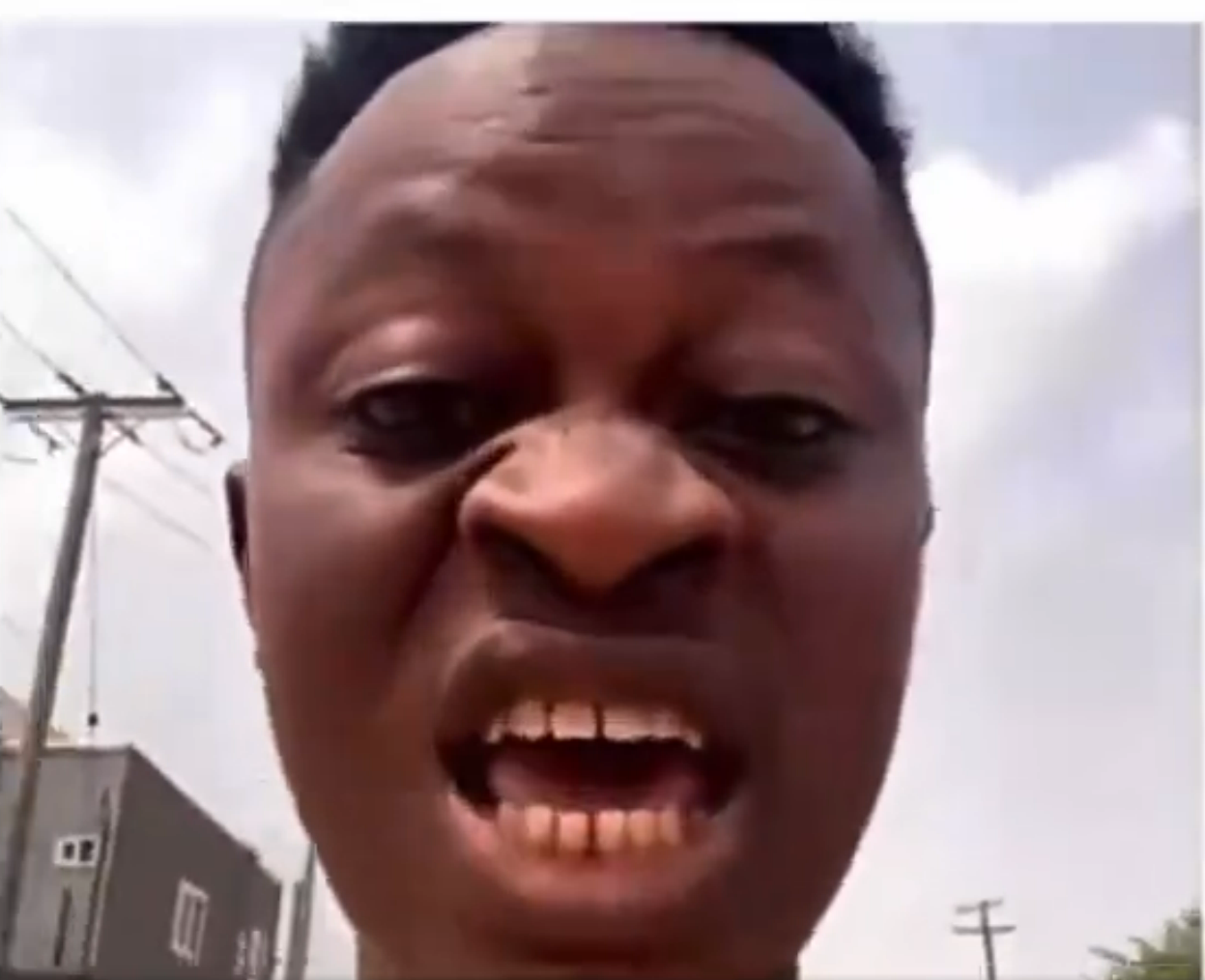
    A Nigerian man residing in Ghana has claimed that the neighboring country has transformed into the Europe of Nigeria.

    Despite potential skepticism from fellow Nigerians, the individual insists on sharing compelling reasons behind this assertion, backed by personal experiences in Ghana.

    In a viral video, the Nigerian resident attested to a level of civic amenities and responsiveness that align with the standards one might associate with a European setting. 

    Notably, the Nigerian man  highlighted having access to reliable electricity through an ECG number, with prompt responsiveness from the service provider when issues arise.

     Similarly, the individual emphasised the efficiency of utilities, citing responsive water services that promptly address concerns when reported.

    “I know a lot of Nigerians will not accept this but as a Nigerian living in Ghana let me tell you Ghana is now the Europe of Nigeria, whether you like it or not. Ask me why and I will prove it,” he added. 

    Perhaps more significantly, the Nigerian resident underscored the accessibility of emergency services, citing a readily available police number for urgent situations. 

    Going beyond conventional expectations, the resident even noted instances where the police provided transportation assistance.

    His comparison extended to the economic realm, with the claim that Ghana’s currency currently holds a favorable position against the Nigerian currency.

    “As I dey Ghana like this. I get an ECG number if I don’t have light, if I call them they will answer me.  If my water is not working I call and they will answer. I have police number to call for an emergency. They will even give lift. Ghana’s current money beats Nigeria’s money. I hope I have convinced my fellow Nigerians that Ghana is the Europe of Nigeria,” he emphasised.

  • VIDEO: Man leaves schooling in the UK to come and hawk in Ghana

    VIDEO: Man leaves schooling in the UK to come and hawk in Ghana

    A Ghanaian street hawker, whose academic journey once led him to Preston Hill in South East London, United Kingdom (UK), has become the focus of a viral video circulating on social media.

    In the footage, he recounts his early years, sharing that he pursued education in the UK at a tender age, ultimately earning his A-level qualifications.

    Despite this academic background, his current reality involves navigating the challenges of street vending in Ghana.

    Watch video below:

  • I have faith in Mahama, he will not disappoint Ghana –  Alhaji Sinare

    I have faith in Mahama, he will not disappoint Ghana – Alhaji Sinare

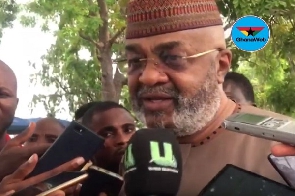
    A former National Vice Chairman of the opposition National Democratic Congress (NDC), Ambassador Said Sinare, has urged Ghanaians to repose faith in the party’s leader, John Mahama, and vote for him in the upcoming December polls.

    Mr Sinare asserted that unlike President Akufo-Addo, who, in his view, has led many Ghanaians into poverty, former President John Mahama, the NDC’s flagbearer, will perform better and enhance the lives of the citizens.

    During an interview on Dwaboase on TV XYZ with Kwame Minkah, Alhaji Sinare expressed confidence that John Mahama, if elected, will exceed his previous performance and bring positive change to the country.

    Sinare emphasized that Mahama, despite having only one term to serve if elected, is well-prepared to address the country’s challenges.

    He assured, “John will not fail the good people of this great country. When John comes back to power, he will double what he did when he came to power in 2012.”

    Regarding how a future NDC government would revitalize the economy, Sinare mentioned that Mahama and the party have outlined policies to tackle wastage, corruption, and rebuild the economy.

    He underscored the importance of discipline and economic structure, criticizing what he perceives as “wastage” in the governance of the NPP. Sinare highlighted the NDC’s commitment to transforming the health sector and improving healthcare accessibility.

    Mr Sinare questioned the concentration of the country’s only dialysis center in Accra and pledged that the NDC government would establish dialysis centers in government hospitals nationwide.

    Discussing plans for Zongos (predominantly Muslim communities), Alhaji Sinare stressed that the NDC, despite having already delivered projects in Zongo communities, is committed to continuing these initiatives if they win the 2024 elections.

    He criticized the current government for allegedly failing to fulfill promises to Zongo communities, except for astro turfs. Sinare pledged that under Mahama’s leadership, the NDC would focus on improving lives, boosting employment, and addressing infrastructure needs in Zongo communities.

    “I m a Zongo boy. All the promises the government has made to the Zongo communities, they have failed to fulfil them. Apart from the astro turfs, what have they done?” Alhaji Sinare quizzed. “They have totally failed; they have not done anything for Zongos.”

    He added, “We are going to improve their lives, we are going to make sure we put money in peoples’ pockets, we will tackle unemployment in the Zongo communities….And the health facilities for instance, their roads facilities, their schools. These are the basic things the Zongo needs. I know John Mahama will not disappoint.”

  • Stop accepting cash from politicians during elections, vote for competence – ACEPA boss to Ghanaians

    Stop accepting cash from politicians during elections, vote for competence – ACEPA boss to Ghanaians

    The Executive Director of the African Center for Parliamentary Affairs (ACEPA), Dr. Rasheed Draman, has admonished Ghanaians who will cast their votes in the 2024 elections to desist from selling their rights to politicians.

    According to him, accepting cash from some politicians in the bid to secure seats in parliament comes with repercussions in the future.

    He argued that Ghana is experiencing a crisis due to the act of accepting cash from politicians during elections since most of them are not competent for the role.

    Vote buying involves contestants in an election using monetary or other incentives to sway the electorate in their favor.

    According to Dr. Draman, it is evident that individuals with substantial financial resources are winning over voters, sidelining experienced and competent candidates. He believes this trend is detrimental to democracy.

    “I can tell you on authority that some of the people who have decided not to contest, some of them lament that those who have come with big moneys to replace them, are people who perhaps are ill-prepared, with very little no education to go into parliament. You get them in there, and certainly quality is going to be affected.

    Dr. Draman highlighted that some individuals who opt not to run for office lament that those with significant financial backing replacing them may lack adequate preparation and education for parliamentary duties. This, in turn, could compromise the overall quality of parliamentary proceedings.

    Speaking on Ghana Tonight on TV3 with Alfred Ocansey on January 29, Dr. Draman warned of the potential infiltration of drug money into the democratic system if vote buying is not addressed.

    He emphasized that allowing democracy to become a bidding war may lead to funds from illegitimate sources influencing the political landscape, posing significant national security implications.

    Expressing concern for the future, Dr. Draman predicted a crisis in the next two election cycles if the issue is not tackled promptly. He envisioned a scenario where financially well-endowed individuals dominate parliamentary seats, potentially sidelining experienced MPs who lack substantial financial backing. Dr. Draman called for scrutiny into the funding sources of these wealthy candidates and questioned the motives behind such financial support, emphasizing the need to assess its impact on the quality of democracy.

  • Ghana has made no progress in fighting corruption since 2020 – Report

    Ghana has made no progress in fighting corruption since 2020 – Report

    Transparency International has released the latest Corruption Perceptions Index, ranking Ghana 70th out of 180 countries in terms of corruption.

    Ghana scored 43 out of 100, the same since 2020. In Sub-Saharan Africa, Ghana scored better than 39 countries, including Burkina Faso (41), South Africa (41), Côte d’Ivoire (40), Tanzania (40), and Lesotho (39).

    However, it ranked lower than seven countries in the region, including Mauritius (51), Namibia (49), and Sao Tome and Principe (45). The average score for African countries remains low, at 33 out of 100, with 90% of Sub-Saharan African nations scoring below 50.

    The Board Chairman of TI, François Valérian, stated that, “Corruption will continue to thrive until justice systems can punish wrongdoing and keep governments in check. When justice is bought or politically interfered with, it is the people who suffer. Leaders should fully invest in and guarantee the independence of institutions that uphold the law and tackle corruption. It is time to end impunity for corruption.”

    The Rule of Law Index indicates a global decline in the functioning of justice systems, and countries scoring low on the index also rank poorly on the Corruption Perceptions Index (CPI).

    This correlation highlights the close relationship between access to justice and levels of corruption, suggesting that improvements in the former could lead to improvements in the latter.

    The Akufo-Addo-led government has been accused of setting a conducive space for all manner of corrupt activities to take place.

    Flagbearer of the opposition National Democratic Congress (NDC), John Dramani Mahama, has taken a swipe at the alleged corrupt dealings of the current government, stating that corruption is currently on the loose and running all over the country without control.

    Mahama, during his tour of the Volta region, said the New Patriotic Party (NPP) lacks the ability to eradicate corruption because its own people are engaged in the canker.

    “Now, corruption has broken loose and if it was in the IGP’s custody, it has broken the jail and is running all over the country. It’s obvious that the NPP has no desire or the ability to check corruption because their own people are involved in the corruption, and they cannot deal with it.”

    Addressing weaknesses in the justice system should be a key focus of anti-corruption efforts and GII has recommended the following:

    • The Executive should urgently take steps to lay the Conduct of Public Officers’ Bill in Parliament ensuring that provisions on assets declaration require verification and come with severe sanctions for non-compliance while GII also calls on the Legislature to attach an equal level of urgency to its timely passage.
    • The Executive and the Legislature must take steps to bridge the legal gaps necessary for the prosecution of selected corruption cases outside our current legal framework. These anti- corruption frameworks include unexplained wealth, influence peddling, and all aspects of the UNCAC, among others.
    • Government must give the justice system the resources and transparency needed to effectively punish all corruption offenses and provide checks and balances on power. Where necessary, they must also introduce better procedures and laws to help justice institutions shield themselves from and target corrupt acts.
    • Laws that criminalise defamation or give judges discretion to award crippling compensation in libel cases inhibit the media from investigating and reporting suspected criminality and should be reformed. Journalists must be able to comment fairly on legal proceedings and report suspected or actual corruption or bias.
    • The Judicial Service should institute limited immunity for judges in matters related to judicial duties while excluding immunity in corruption or criminal cases. Expand, strengthen and increase knowledge of the public on the Public Relations and Complaint Unit (PRCU) of the Judicial Services. This will ensure a confidential and rigorous whistleblower policy for reporting suspected breaches, ensuring the involvement of lawyers, court users, prosecutors, police, media, and civil society.

  • Ghana recorded mobile money transactions worth GHC1.912 trillion in 2023 – Report

    The mobile money landscape in Ghana witnessed an unprecedented surge in 2023, reaching a record-breaking total transaction value of GHS1.912 trillion, according to the January 2024 Summary of Economic and Financial Data released by the Bank of Ghana

    This substantial increase marked a significant rise from the GHS1.07 trillion recorded in the previous year, highlighting the growing reliance on mobile money services in the country.

    The report detailed that the first 10 months of 2023 alone saw a remarkable GHS1.527 trillion in mobile money transactions. December 2023 emerged as a standout month, recording the highest monthly transaction value of GHS199.3 billion.

    The data from the Bank of Ghana further revealed a consistent upward trend in mobile money transactions throughout the year. Every month in 2023 witnessed transactions surpassing GH¢100 billion, signifying the integral role mobile money plays in the financial landscape.

    In January 2023, the mobile money transactions amounted to GHS130.1 billion, a substantial increase from GHS76.2 billion in the same period in 2022. The momentum continued, with transactions reaching GHS134.0 billion in February 2023 (compared to GHS76.5 billion in February 2022) and further escalating to GHS147.5 billion in March 2023 (March 2022: GHS90.5 billion).

    Although there was a slight dip to GHS138.8 billion in April 2023 (compared to GHS87.7 billion in April 2022), the figures quickly rebounded. May 2023 saw a surge to GHS159.7 billion (May 2022: GHS71.4 billion), followed by GHS149.4 billion in June 2023 (June 2022: GHS77.1 billion).

    July 2023 marked a significant milestone with a record-breaking transaction value of GHS169.6 billion. Subsequent months showed fluctuations, with GHS161.8 billion in August 2023, GHS157.0 billion in September 2023 (compared to GHS88.2 billion in September 2022), and an all-time high of GHS179.2 billion in October 2023.

    The upward trajectory continued, reaching GHS185.9 billion in November 2024. Despite this impressive performance in the mobile money sector, it remains uncertain whether the government is meeting its Electronic Transfer Levy (E-Levy) target for 2023, given the current E-Levy rate of 1.0%.

    The surge in mobile money transactions underscores the increasing reliance on digital financial services in Ghana and sets the stage for further advancements in the country’s financial technology landscape.

  • ‘Broke’ Ghana budgeted $8.5M when Zambia approved $2.1M for 2023 AFCON – Ablakwa

    ‘Broke’ Ghana budgeted $8.5M when Zambia approved $2.1M for 2023 AFCON – Ablakwa

    North Tongu’s Member of Parliament, Samuel Okudzeto Ablakwa, has registered his spleen over the government’s gross expenditure despite being in debt distress, as noted by the International Monetary Fund (IMF).

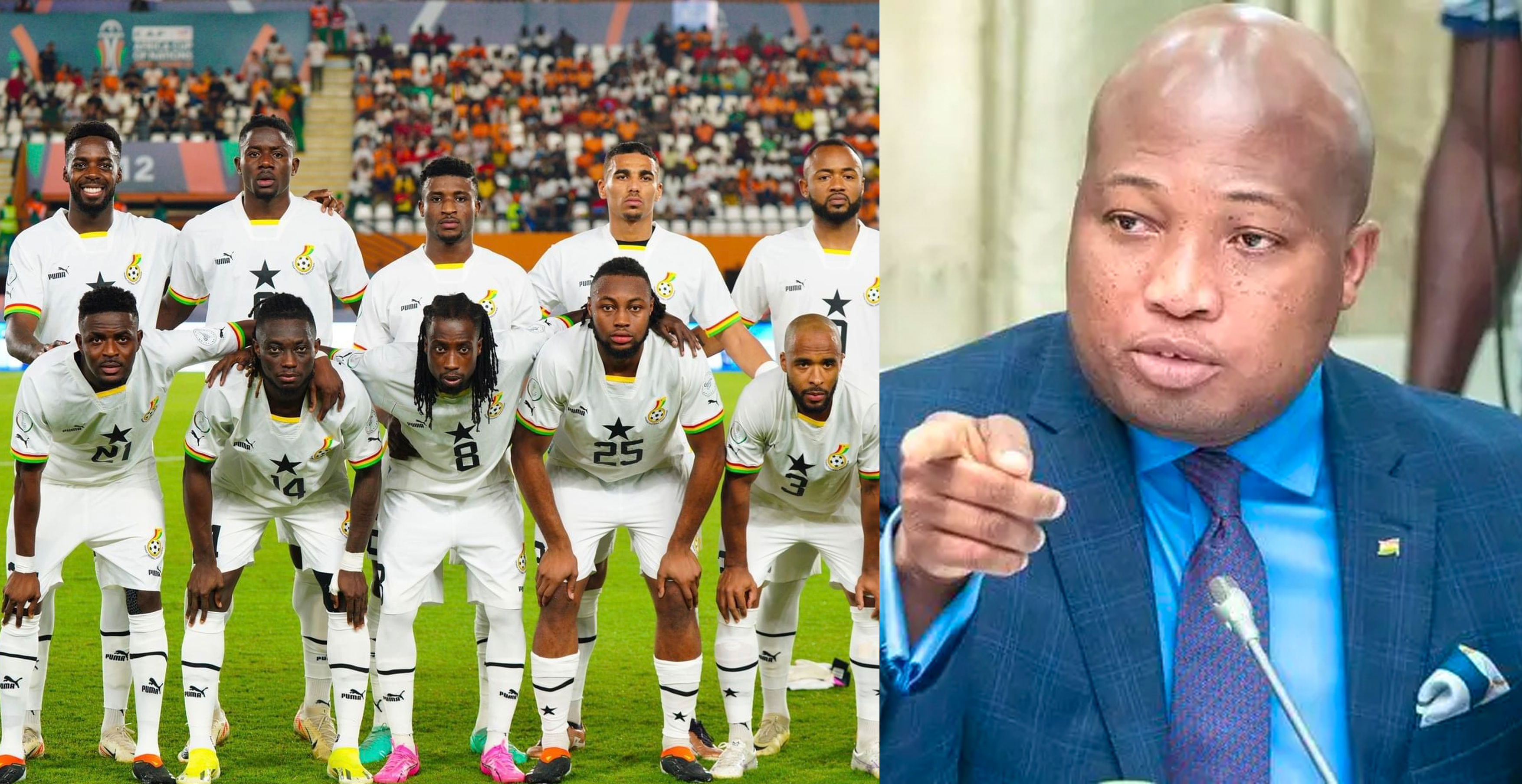
    In his recent disclosure, Mr. Ablakwa highlighted that the government allocated a substantial sum of US$8,506,450 for the Black Stars’ involvement in the ongoing African Cup of Nations (AFCON) in Ivory Coast.

    Should Ghana not have been prematurely kicked out of the AFCON tournament and won this year’s trophy, the Black Stars would have earned $7 million.

    For Mr Ablakwa, it is beyond reasoning that the government would plan to spend more that it would generate from the tournament. He is also peeved by the fact that Zambia approved a total budget of only US$2.1million for its national team.

    “This hefty US$8.5million translates into a colossal GHS105million at current exchange. Note that the GHS105 million is entirely separate from the GHS27.9million spent on the qualifiers. What this means is that even if the Black Stars had won the trophy, the public officials who put this budget together were determined to ensure that Ghana made losses in excess of US$1.5million,” the North Tongu legislator wrote.

    Mr Ablakwa referenced an intercepted letter from the Ministry of Youth and Sports, dated 2nd January, 2024 which was addressed to the Minister of Finance requesting part payment of US$5,071,840.36 from the total Black Stars budget of US$8,506,450.00.

    The request letter in issue was signed by the Chief Director of the Ministry of Youth and Sports, Mr. William Kartey, on behalf of the Minister, Hon. Mustapha Ussif, he added.

    “A painful addition to the scandalous GHS105million budget is that it did not guarantee success on the pitch either. It would be interesting to know what thought processes went into a scary US$8.5million budget for a bankrupt country which has defaulted on its loans and is desperately seeking an IMF bailout,” Mr Ablakwa added.

    The Confederation of African Football (CAF) announced a 40% increase in the prize money for the winner of the AFCON 2023, from $5 million to $7 million. The runner-up will receive $4 million, while the losing semifinalists will get $2.5 million each. The quarterfinalists will pocket $1.3 million each, and the third-placed team will earn $2 million.

    Unfortunately, Ghana could not earn any of the aforementioned amounts as it failed to even progress beyond the group stages. Ghana lost to Cape Verde in its opener, drew with Egypt and Mauritania.

    Subsequently, Chris Hughton, who led the Black Stars to the 2023 AFCON tournament quit his job, and now Ghana is in search of a new head coach for the senior national team.

  • Document shows GFA budgeted $8.5m for AFCON when prize money for overall winner is $7m

    Document shows GFA budgeted $8.5m for AFCON when prize money for overall winner is $7m

    Member of Parliament for North Tongu, Samuel Okudzeto Ablakwa, has provided information that once again proves government’s penchant for exorbitant expenditure despite being in debt distress, as announced by the International Monetary Fund (IMF).

    In his recent exposé, Mr Ablakwa indicated that the government budgeted a colossal amount of US$8,506,450 for the Black Stars’ participation in the ongoing African Cup of Nations (AFCON) in Ivory Coast.

    “This hefty US$8.5million translates into a colossal GHS105million at current exchange. Note that the GHS105 million is entirely separate from the GHS27.9million spent on the qualifiers,” the North Tongu legislator wrote.

    Mr Ablakwa referenced an intercepted letter from the Ministry of Youth and Sports, dated 2nd January, 2024 which was addressed to the Minister of Finance requesting part payment of US$5,071,840.36 from the total Black Stars budget of US$8,506,450.00.

    The request letter in issue was signed by the Chief Director of the Ministry of Youth and Sports, Mr. William Kartey, on behalf of the Minister, Hon. Mustapha Ussif, he added.

    Should Ghana not have been prematurely kicked out of the AFCON tournament and won this year’s trophy, the Black Stars would have earned $7 million.

    For Mr Ablakwa, it is beyond reasoning that the government would plan to spend more that it would generate from the tournament. He is also peeved by the fact that Zambia approved a total budget of only US$2.1million for its national team.

    “What this means is that even if the Black Stars had won the trophy, the public officials who put this budget together were determined to ensure that Ghana made losses in excess of US$1.5million.

    “I have been wondering how government and FA officials in a country like Zambia can approve a total budget of only US$2.1million for the same AFCON competition and be fine, but Ghana has to live large and ostentatious — a bankrupt country undergoing debt restructuring and unable to construct resettlement homes for victims of VRA’s catastrophic spillage from the Akosombo and Kpong dams.

    “A painful addition to the scandalous GHS105million budget is that it did not guarantee success on the pitch either. It would be interesting to know what thought processes went into a scary US$8.5million budget for a bankrupt country which has defaulted on its loans and is desperately seeking an IMF bailout,” he added.

    The Confederation of African Football (CAF) announced a 40% increase in the prize money for the winner of the AFCON 2023, from $5 million to $7 million. The runner-up will receive $4 million, while the losing semifinalists will get $2.5 million each. The quarterfinalists will pocket $1.3 million each, and the third-placed team will earn $2 million.

    Unfortunately, Ghana could not earn any of the aforementioned amounts as it failed to even progress beyond the group stages. Ghana lost to Cape Verde in its opener, drew with Egypt and Mauritania.

    Subsequently, Chris Hughton, who led Black Stars to the 2023 AFCON tournament quit his job and now Ghana is in search of a new head coach for the senior national team.

  • Major Boakye-Gyan goes home

    Major Boakye-Gyan goes home

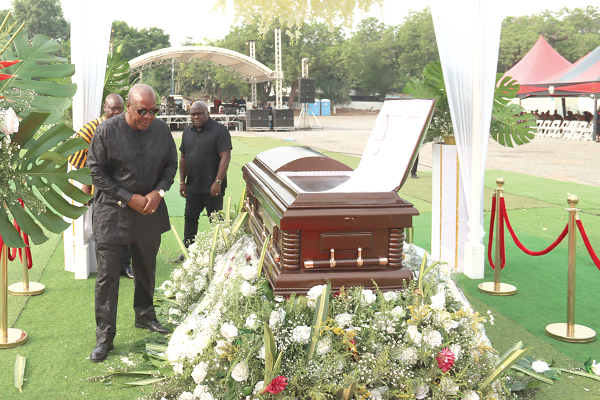
    A distinguished military officer and key figure in Ghana‘s history, Major Boakye-Djan, was laid to rest today. 

    The funeral service, attended by family, friends, colleagues, and dignitaries, paid tribute to a man whose life left an indelible mark on the nation.

    Major Boakye-Djan, who played a significant role in Ghana’s military and political landscape, passed away on August 30, 2023, in Accra, leaving behind a legacy of service, dedication, and commitment to the ideals of the nation.

    In attendance was former President, John Dramani Mahama.

    The service reunited old military colleagues, including Captain Nkrabea Effah Dartey (retd) and Brig. Mensah Nunoo (retd).

    Also present was former President John Dramani Mahama; the Chairman of the National Democratic Congress (NDC), Johnson Asiedu Nketia; a former Ambassador to the UK, Victor Smith, and former Chief of Staff, Julius Debrah.

    Veteran journalist, Kweku Baako, who had a close relationship with Major Boakye-Djan, was also in attendance.

    Ministration 

    In his sermon, the General-Secretary of the Christ Apostolic Church International, Apostle Dr Samuel Addai-Kusi, urged mourners to make strategic decisions into eternity.

    Basing his sermon on Luke 16: 27-31, where the famous Lazarus and the rich man’s story is told in the Bible, Apostle Dr Addai-Kusi said “it is important to live a life that will be to the benefit of making it into eternity”.

    “I present to you life and death, and I will admonish you to choose life,” he said.

    The Apostle also quoted the famous John 3:16, to lead “unsaved” mourners to Christ.

    Tributes

    The common thread that ran through the tributes from siblings, traditional rulers, children and other personalities and groups was praise for Major Boakye-Djan for his courage, generosity, compassion and boldness to question the status quo.

    There were also tributes from former President Mahama, the NDC Chairman, siblings of Major Boakye-Djan, the Abrofohene, Nana Abena Yeboah Djan; the Abrofohemaa, the Drobo Traditional Area, and the Mponoa Akwamuhene, Obrempong Naña Boah Kofi Agyeman II.

    Captain Effah Dartey brought the ceremony alive with his signature song, Ma hwe Ewurade Anim, to wrap up his tribute.

    His tribute brought back fond memories tracing how he, together with Rawlings and Boakye-Djan, met at Legon and had their hot political debates leading to the 1979 coup (although he, Effah Dartey, did not take part).

    About Major Boakye-Djan

    Known as Osahene, Major Boakye-Djan was credited for masterminding the June 4, 1979 coup that brought the late Flight Lieutenant Jerry John Rawlings to power.

    A journalist, a soldier and a statesman, Osahene’s relationship with Rawlings later became frosty and went beyond repairs.

    He was the 19th of 56 siblings, and named after the father’s (Nana Kofi Twene Djan) distinct relative, Kwame Yiadom Boakye, who was a Paramount Chief of Berekum.

    A product of both Opoku Ware and Achimota schools, Osahene entered the University of Ghana, Legon, to study English Literature, Linguistics, Sociology and African Studies.

    He joined the Ghanaian Times newspaper after university where his journalism talent was honed.

    The military officer had the opportunity, under the Thompson Foundation Course, to study at Cardiff, Wales.

    He also became a lecturer at the Ghana Institute of Journalism, and later joined the Daily Graphic (Graphic Communications Group Ltd) and, eventually, the Public Relations Unit of the Ghana Armed Forces.

  • Ghana is still broke and in debt distress – IMF

    Ghana is still broke and in debt distress – IMF

    The International Monetary Fund (IMF) has disclosed in its Staff Report on Ghana, titled “2023 Article IV Consultation,” that Ghana is still in debt distress, with the current position assessed as unsustainable.

    “Pending completion of the debt restructuring, the attached Debt Sustainability Analysis (DSA) continues to show large and protracted breaches to the standard thresholds”, the IMF said.

    As part of the ongoing debt restructuring efforts and in light of substantial and prolonged breaches to the Debt Sustainability Analysis (DSA) thresholds, the International Monetary Fund (IMF) stated in its Staff Report submitted to the Executive Board that Ghana remains in debt distress. The DSA assessment indicates that the debt remains unsustainable and has not changed since the publication in May 2023.

    A meeting between a team from the IMF and the Government of Ghana took place on October 6, 2023, to discuss policies supporting the IMF arrangement under the Extended Credit Facility (ECF) program.

    In 2023, the Ghanaian government initiated a debt restructuring program to bring the country’s debt to sustainable levels, a prerequisite for securing the IMF program. The comprehensive debt restructuring strategy aimed to restore a “moderate” risk of debt distress within the IMF-World Bank Debt Sustainability Framework for low-income countries (LIC-DSF).

    The restructuring efforts targeted external debt service relief during the program from 2023 to 2026 to address the external financing gap, and domestic debt restructuring was designed to significantly reduce domestic financing pressures.

    The International Monetary Fund (IMF) emphasized that the macroeconomic framework serves as the foundation for the Debt Sustainability Analysis. The staff baseline scenario is aligned with the macroeconomic trajectory outlined in the Fund-supported program, aimed at reinstating macroeconomic stability and ensuring debt sustainability in the medium term.

    Ghana experienced significant deterioration in its fiscal and external positions due to the impacts of the Covid-19 pandemic, global financial tightening, and the conflict in Ukraine. These external shocks, coupled with existing fiscal and debt vulnerabilities, resulted in a notable increase in both public and external debt. Consequently, Ghana faced challenges accessing international markets in late 2021, and the macroeconomic situation further complicated in 2022, marked by substantial losses.

    The Fund highlighted that the large fiscal deficits and the economic slowdown induced by the pandemic led to a surge in public debt from 63.0% of Gross Domestic Product (GDP) in 2019 to 93.3% of GDP by the end of 2022. Domestic debt also reached 50% of GDP in 2022, with 16.0% of GDP held by the Bank of Ghana, while public external debt stood at 43.3% of GDP.

    To address these challenges, the authorities have been implementing a comprehensive debt restructuring strategy. The objective is to achieve debt sustainability and a moderate risk of debt distress under the LIC-DSF framework by bringing down both debt stock and flow ratios to their respective thresholds.

    This includes “reduction in the PV of total debt-to-GDP and external debt service-to-revenue ratios to 55% and 18%, respectively, by 2028”.

    The report was also of the view that the Ministry of Finance should increase its surveillance of debt issuance by State Owned Enterprises and other public entities “Monitor and prevent over collateralization of debt issuance”.

  • Pay your debt on time and stop borrowing – IMF tells gov’t

    Pay your debt on time and stop borrowing – IMF tells gov’t

    The International Monetary Fund (IMF) has cautioned the Ghanaian government to strictly restrict borrowing on non-concessional terms and ensure timely debt payments.

    The Fund also suggested that the authorities should formulate and disclose a medium-term debt management strategy and an annual borrowing plan following the completion of external debt restructuring.

    In its 2023 Article IV Consultation, the IMF acknowledged the government’s commitment to the fiscal objectives of the program and its readiness to implement contingency measures if necessary.

    “Specifically, on the revenue side, some of the measures identified in our MTRS could be brought forward in case of unexpected underperformance,” the IMF added.

    On the spending side, the IMF noted that the budget allocations for Ministries, Departments, and Agencies (MDAs) would be reduced during the year if necessary.

    Despite expressing concerns, the IMF acknowledged that Ghana’s program has remained on track, with all indicative targets being met.

    “All quantitative performance criteria for the first review and almost all indicative targets and structural benchmarks were met”.

    The staff report added that Ghana is on track to reduce the fiscal primary deficit on a commitment basis by approximately 4 percentage points of Gross Domestic Product in 2023, aligning with the authorities’ commitments under the Fund-supported program.

    It further stated that spending has remained within program limits, and on the revenue side, Ghana has achieved its non-oil revenue mobilization target.

    It said sound policies and reforms should foster recovery and further reduce inflation over the medium term, adding, “downside risks include slippages in programme execution, delays in restructuring debt, and a deterioration in the external environment.”

    “The authorities have reoriented their macroeconomic policies, made progress in restructuring their debt, and initiated wide-ranging reforms,” the IMF concluded.

  • We have reduced armed robbery in Ghana – Police

    We have reduced armed robbery in Ghana – Police

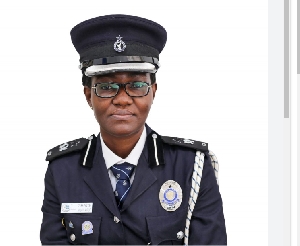
    The decline in robbery incidents in the country is credited to the dedicated efforts of the current police administration, according to the Director of the Police Public Affairs Directorate, ACP Grace Ansah-Akrofi.

    In an interview with Umaru Sanda Amadu on Face to Face on Citi TV, ACP Ansah-Akrofi highlighted that the administration prioritized addressing violent crimes, particularly robberies, upon assuming leadership of the Ghana Police Service.

    She noted the establishment of specialized anti-robbery teams strategically positioned in areas prone to robberies, resulting in improved outcomes and a decrease in violent crimes in those regions.

    “A lot of work has gone into fighting robberies. When the current administration and board members took over the affairs of the Police Service, one of the areas that they knew required tackling was fighting crime, especially robberies, and so special teams were set up in robbery-prone areas to ensure that they put in place operations to control such crimes.”

    “We have also done a lot of intelligence work so our intel teams across the country continue to work to get information on criminal gangs and networks, and we move on them as and when necessary. In most of our releases, when there is a robbery, our response and determination to go after the suspects and arrest them have been largely successful, so we are leaving no stone unturned.”

    ACP Ansah-Akrofi emphasized the concerted efforts to combat crime, stating, “A lot of work has gone into fighting robberies.”

    Furthermore, she mentioned the ongoing commitment of the Police Service to enhance intelligence gathering nationwide.

    ACP Ansah-Akrofi affirmed the Service’s determination to combat criminal activities through intelligence teams that gather information on criminal gangs and networks, allowing swift and successful responses to incidents.

  • Ghana plans to allow visa-free entry for all Africans worldwide – Akufo-Addo

    Ghana plans to allow visa-free entry for all Africans worldwide – Akufo-Addo

    President Akufo-Addo has announced his government’s commitment to implementing a visa-free policy for all Africans traveling to Ghana in 2024.

    During the opening of the 2024 Africa Prosperity Dialogue on January 25, the President revealed that the necessary processes for the policy’s execution have been initiated.

    In his address to participants, he acknowledged the visa requirements for attending the event and highlighted a special arrangement made for the conference, reducing the visa acquisition fee by 50%.

    “We reduced the visa acquisition fee by 50%, and we were thus able to receive your visa on arrival. The Government of Ghana is committed to ensuring visa-free access for all Africans travelling into our country, and the process has begun to implement the policy this year.”

    President Akufo-Addo emphasized the Government of Ghana’s dedication to providing visa-free access to all Africans visiting the country, with the implementation process set to commence this year.

    Encouraging a critical examination of such dialogues, the President stressed their importance in meeting the demands of the private sector.

    “These dialogues have to examine critically the responsibilities and expectations of the private sector and demand the same of the public sector and expect that both can work as partners to achieve the Africa we want. We must strengthen our resolve to work hand in hand with our governments in free and fair democratic systems of governance that promote safe and sound, legal, and institutional frameworks. Let us work to get the buy-in of the small trader, builder, farmer, and seamstress and make them believe that having a single market can benefit them as well,” he entreated.

    He called for collaboration among Africans to strengthen their governments within a free and fair democratic system.

    Additionally, he urged concerted efforts to secure the support of small traders and farmers for the concept of a unified African market, emphasizing its potential benefits for them.

    The two-day Africa Prosperity Dialogue, themed “Developing Prosperity in Africa: Produce, Add, Value, and Trade,” is being held at the Peduase Lodge. Organized by the APN in collaboration with the Africa Continental Free Trade Area Secretariat and the Government of Ghana, the event serves as an annual platform for business executives, thought leaders, and political figures to collaborate on advancing the goal of building the world’s largest single market in Africa.

    The Africa Prosperity Dialogues were officially adopted by the African Union on February 19, 2023, as a crucial instrument for mobilizing private sector support for the continent’s AfCFTA project.

    This decision was made during the 36th Ordinary Session of the Assembly of Heads of State and Government.

  • Ghanaian doctor in the US shares harrowing experience of losing $50K in a fraudulent land sale and investment scam

    Ghanaian doctor in the US shares harrowing experience of losing $50K in a fraudulent land sale and investment scam

    A Ghanaian medical practitioner based in the United States has come forward to share her distressing experience of falling victim to a fraudulent land sale and investment scam in Accra, resulting in a substantial loss of nearly $50,000.

    The victim, who wishes to remain anonymous, narrated her ordeal to graphic.com.gh, exposing a web of deceit orchestrated by an individual identified as Harry. The fraudster allegedly exploited the doctor through manipulative tactics, deception, and the use of counterfeit documents and checks over a period of ten months.

    The doctor’s misadventure began in December 2021 during a visit to Ghana, where she encountered Harry, a relative of a mutual friend. Discussions about investing in the Ghana film industry led to a partnership involving the victim, Harry, and a third party. The trio committed to contributing personal funds to produce a film in Ghana.

    However, as the doctor fulfilled her investment obligations, suspicions arose regarding the legitimacy of the project. Demands for proof of payments and documents were met with evasive responses from Harry, culminating in the doctor’s loss of confidence in both the film production venture and her substantial investment.

    Simultaneously, Harry presented the opportunity to invest in land in Katapo, claiming his church was selling plots. The doctor, guided by Harry’s recommendations, transferred a significant sum for the land purchase. Subsequent visits to Ghana to inspect the purportedly purchased land revealed a shocking revelation – the documents provided by Harry were fraudulent, and the plots had been sold to others.

    In an attempt to recover her losses, the doctor reported the case to the Ghana Police in December 2022. Harry was subsequently arrested on charges of fraud, admitting to diverting the funds into his nightclub business. Despite assurances and several deadlines, Harry failed to fully reimburse the doctor, leading to increased frustration and legal actions.

    The victim emphasized the emotional toll the ordeal has taken, underscoring the importance of sharing her story to prevent others from enduring a similar fate. The case serves as a stark reminder of the risks associated with fraudulent schemes targeting unsuspecting individuals, urging heightened caution in financial transactions and investments.

    As investigations continue, the doctor seeks justice and hopes her story serves as a cautionary tale against falling prey to elaborate scams.

  • Asante Gold: UK to return Ghana’s stolen “crown jewels”

    Asante Gold: UK to return Ghana’s stolen “crown jewels”

    The UK is returning some of Ghana’s valuable treasures that were taken from the king’s court 150 years ago.

    A gold peace pipe is one of 32 things that will be returned on loan for a long time, the media has found out.

    The V&A museum is giving 17 things and 15 of them are from the British Museum.

    Ghana’s main negotiator said he wants better cultural cooperation after many years of anger.

    Some national museums in the UK, like the V&A and the British Museum, are not allowed to permanently return disputed items in their collections. Instead, they can lend the items to other countries as a way to give them back temporarily.

    However, some countries that say they own disputed artifacts are worried that by borrowing them, it will seem like they agree that the UK owns them.

    Tristram Hunt, who is in charge of the V&A museum, told the media that the gold items used by the court are like our important Crown Jewels.

    The things that will be borrowed include a special sword and gold badges. These were taken during wars in the 1800s between the British and the Asante. The badges were worn by officials who had the job of helping the king.

    Mr Hunt said that when museums have things taken from wars and military campaigns, they should think about sharing them more fairly with the countries they came from.

    “I don’t think our museums will be in danger if we form partnerships and trade with others. ”

    However, Hunt said the new cultural partnership is not a way to give back permanent ownership to Ghana.

    The loans will last for three years, and there is a possibility to extend them for another three years. They are not with the government of Ghana, but with Otumfo Osei Tutu II, who is the current Asante king. He is also known as the Asantehene and attended the Coronation of King Charles last year.

    The Asantehene still has an important ceremonial role, even though his kingdom is now part of Ghana’s modern government.

    The things will be shown at the Manhyia Palace Museum in Kumasi, the main city of the Asante region, to honor the Asantehene’s 25th anniversary.

    The Asante gold artifacts are very important to the Asante royal government. People think they have the spirits of past Asante kings in them.

    They are very important to Ghana just like the Benin Bronzes. The Benin Bronzes are thousands of sculptures and plaques that were taken by Britain from the palace of the Kingdom of Benin, in southern Nigeria. Nigeria has been asking for them to come back for many years.

    Nana Oforiatta Ayim, who helps the culture minister in Ghana, said to the media: “These items are not just things, they are also very important for spiritual reasons. ” They are an important part of the country’s spirit. “It’s parts of us coming back. ”

    She said that the loan was a good way to start and a sign that some healing and remembering of the violence that happened is beginning.

    British museums have a lot of stuff from Ghana, like a gold trophy head that is a well-known piece of Asante royalty.

    The Asante people created a strong and powerful state in West Africa. They traded gold, textiles, and enslaved people.

    The kingdom was well known for being strong and rich because of its army and money. Even today, when the Asantehene greets people on important events, he wears so many heavy gold bracelets that he sometimes needs someone to help hold up his arm.

    Europeans went to a place in Africa called the Gold Coast because they heard there was a lot of money there. The British had many fights with the Asante people during the 1800s.

    In 1874, British soldiers attacked Kumasi as punishment for an Asante attack. They looted the city and took many valuable items from the palace.

    Many of the things the V&A is giving back were purchased at an auction on 18 April 1874 at Garrards, a London jewelry store that looks after the UK’s Crown Jewels.

    They are three heavy gold items called ‘soul washers’ badges (Akrafokonmu), which were worn around the necks of important officials at court. Their job was to cleanse the soul of the king.

    Angus Patterson, who works at the V&A museum, said that taking these things in the 19th Century wasn’t just about getting rich, but it was a part of it. It’s also about getting rid of signs of the government or signs of people in charge. “It’s a very political action”.

    The British Museum is giving back 15 items that were taken during a war in 1895-1896. One of the items is a special sword called the Mpomponsuo.

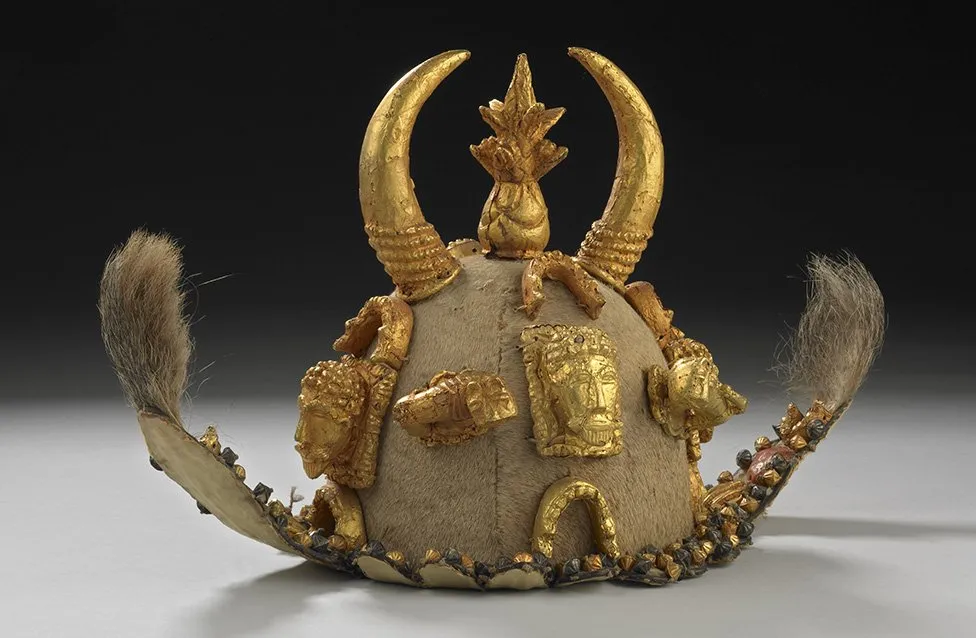
    There is also a special hat called a Denkyemke, which is decorated with lots of gold ornaments. High-ranking officials like lords or ladies wore it at important events like coronations and big celebrations.

    The British Museum is sharing a gold model of a lute-harp called Sankuo. It’s almost 200 years old and has a connection with the Asantehenes. This model was not stolen or taken and will be on display.

    In 1817, the British writer and diplomat Thomas Bowdich was given a sankuo as a gift from the Asantehene. The gift was meant to show how rich and powerful the Asante nation was.
    “Solve the problems without getting involved in the politics. ”

    Can you give back things to a country that says you took them without permission.

    This is a solution to rules in the UK that some countries may not like because they are trying to fix something bad that happened in the past.

    The Parthenon Sculptures, also known as the Elgin Marbles in the UK, is the most well-known example of this issue.

    Greece has been asking for the old sculptures in the British Museum to be given back. The leader of the trustees, George Osborne, recently said he wants to find a practical and sensible solution. He is considering a partnership that sets aside the question of who really owns the ancient sculptures.

    This deal with the Asantehene is like another version of that; a fair agreement that works for the Asante king and follows the laws of Britain.

    Nigeria probably wouldn’t take a loan of the Benin Bronzes, and Ghana’s government would have had a hard time accepting this kind of agreement.

    But Hunt said the agreements between the V&A, the British Museum, and the Manhyia Palace Museum “go beyond politics. ” “It doesn’t fix the problem, but it starts the talk. ”

    Ms Oforiatta Ayim, who advises the culture minister of Ghana, said that it is natural for people to be upset about the idea of a loan. They hope to see the items eventually returned to Ghana for good.

    “We know that the things were taken during a violent event, and we know that they belong to the Asante people,” she said.

    The British government keeps things that are disputed and explains why they are kept.

    Neither the Conservative or Labour parties want to change the laws. The British Museum Act of 1963 and the National Heritage Act of 1983 stop museum leaders at important museums from selling or getting rid of things in their collections.

    Mr Hunt wants to make a new law. He wants museums to have more freedom, but also a committee to approve returning items.

    Some are worried that British museums might have to give away some of their most valuable items in the future. Or, as Michelle Donelan, a former culture secretary, told me about the return of the Parthenon Sculptures, it could lead to a discussion about everything in our museums.

    But Hunt said that very few people have argued about who owns the V&A’s 2. 8

    Another worry is that things that are borrowed and fought over might not be given back.

    Ghana’s main negotiator, Ivor Agyeman-Duah, denied that. “He said you always keep your promises and never break them. ”

    There are more pretty Asante gold things in the UK. The Wallace Collection has the trophy head, which is one of the most well-known Asante treasures. The British forces took it and bought it at the 1874 auction.

    The Royal Collection also has a mask made of gold, which looks like a trophy head. This item showed that enemies had been beaten. It was attached to ceremonial swords in the state’s special equipment.

    Is there a chance that they will be shown in Ghana in the future. Agyeman-Duah is being careful and patient in making it happen.

    As Britain is dealing more and more with its history of ruling other countries, these agreements could be a good way to talk about the past and improve relationships in the future, as long as both sides agree.

  • Ghana coup plot: Six soldiers have been sentenced to death by hanging

    Ghana coup plot: Six soldiers have been sentenced to death by hanging

    Six people from Ghana, including three soldiers, have been given the punishment of death by hanging for their part in planning a takeover of the government three years ago.

    This was the first time someone was tried for treason in Ghana since 1966 when the leader of the country after gaining independence, Kwame Nkrumah, was removed from power.

    Six people were taken into custody in 2021 for trying out weapons in the capital city of Accra. It’s believed they were planning to overthrow the government.

    The group, which had a gun maker, said they were not guilty during a trial that caught the nation’s attention.

    The lawyers for the defense said they will ask a higher court to review the decision.

    Three more people, including a high-ranking police officer and two military officers, were found not guilty.

    A lot of police were outside the High Court in Accra when the decision was made on Wednesday.

    The court decided that the six people were guilty of trying to betray their country and planning to betray their country.

    The men were caught with guns made nearby, homemade bombs, and AK-47 rifles, according to papers from the court.

    The prosecutors said the group wanted to arrange protests to try to overthrow President Nana Akufo-Addo’s government before the 2020 elections.

    The court said it found strong evidence against the men, such as intercepted messages and testimonies.

    Lawyer Godfred Yeboah Dame, who was in charge of the case, said that the court’s decision is very important.

    MrDame said that the constitution of Ghana is the most important law in the country. It keeps the country stable. It is very serious and not allowed to try to remove the government. This is called treason and it is punished by death.

    Ghana did not execute anyone from 1992 when they had democracy.

    Lawmakers decided to get rid of the death penalty for regular crimes last year. Instead, they chose to give people a life sentence.

  • 2024 Hajj Pilgrimage fee set at GH75K

    2024 Hajj Pilgrimage fee set at GH75K

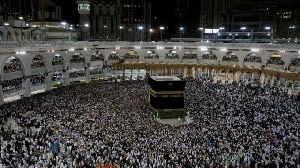
    Ghanaians aspiring to embark on the 2024 Hajj Pilgrimage to Saudi Arabia will be required to pay a fee of GHS75,000, according to an announcement made by the chairman of the board, Ben Abdallah Banda, during a news conference at the Hajj Village in Accra.

    Over 4,000 Ghanaians are expected to participate in this year’s pilgrimage to Mecca in the Kingdom of Saudi Arabia, maintaining the same fare as the previous year. The decision to maintain the cost was emphasized last year, regardless of potential fluctuations in the exchange rate between the Cedi and the dollar.

    Chairman Ben Abdallah Banda reaffirmed the board’s commitment to ensuring a seamless and organized exercise for all participants. He assured prospective pilgrims that any discrepancies in the cost estimation would not be transferred to them, and the board is dedicated to upholding the promise made during the previous year’s announcement.

    The deadline for payment is set for mid-March 2024, taking into account the timeline for various activities such as the submission of passports, visa issuance, and the preparation of flight schedules.

    “When the package was announced last year, we did say that we would maintain the same cost irrespective of whether the Cedi loses its value against the dollar or not. Today, we are happy to announce that we are making good on our promise. The gaps that have obviously cropped up in costing the package will not be borne by the pilgrims,” stated Chairman Abdallah Banda.

    This announcement comes as the Hajj Board aims to facilitate a smooth and efficient process for Ghanaian citizens participating in the sacred pilgrimage. The decision to maintain the previous year’s fare reflects the board’s dedication to providing accessibility and stability for those embarking on this significant religious journey.

  • I make $20 dollars hourly for clearing snow in Canada – Ghanaian man brags, blasts govt over unemployment in Ghana

    I make $20 dollars hourly for clearing snow in Canada – Ghanaian man brags, blasts govt over unemployment in Ghana

    A Ghanaian residing in Canada has passionately chastised the leadership in Ghana for what he perceives as a failure to address the pressing issue of unemployment. 

    The individual, who disclosed his identity as Grandpa, expressed frustration over the disparity in earnings and opportunities between Ghana and his current location in Canada.

    In the video, the man highlighted the stark contrast in employment conditions, emphasizing that in Canada, individuals earn a substantial $20 per hour for snow removal work. 

    Drawing a pointed comparison, he underscored that working just 10 hours a day would yield $200—a figure surpassing the monthly salary of many Ghanaians.

    The frustrated individual urged Ghana’s leaders to take a more serious stance in managing the country’s affairs, particularly focusing on the urgent need to create employment opportunities for citizens. 

    He emphasized the economic challenges faced by many Ghanaians and called for a proactive approach to address unemployment, a critical issue affecting the livelihoods of countless citizens.

  • January 2024 inflation to hit to 22.4% – Report

    January 2024 inflation to hit to 22.4% – Report

    In its latest report, IC Research predicts a decline in inflation to 22.4% in January 2024 from the December 2023 figure of 23.4%.

    The research firm attributes this anticipated decrease to improved foreign exchange outcomes in late December 2023 and early January 2024, which are expected to mitigate upward price pressures.

    “Our forecast shows a modest decline in the annual inflation rate to 22.4% y/y in January 2024 as the improved FX outturn in late December 2023 into early January 2024 sustains the lid on price pressures”.

    The report notes that domestic energy prices exhibited stability with a downward bias during the January 2024 Consumer Price Index window compared to the same period in 2023.

    Additionally, IC Research expects the lagged impact of the recently implemented lower electricity tariff to contribute to the disinflation trend in January 2024.

    However, the report cautions that the introduction of Value Added Tax (VAT) on residential electricity usage above the lifeline threshold (>30kWh) from January 1, 2024, coupled with new taxes outlined in the 2024 budget, may weaken the pace of disinflation in early 2024.

    This, in turn, could make the Bank of Ghana exercise caution in deciding when to initiate cuts in the policy rate.

    The report highlights a significant drop in headline inflation to 23.2% in December 2023, marking a 320 basis points decrease.

    This outcome surpassed market expectations and the 25.4% outer band of the lower limit specified in the International Monetary Fund (IMF) program target.

    The report acknowledges that the end-2023 annual inflation rate significantly outperformed projections, experiencing a cumulative decline of 30.9 percentage points within a 12-month cycle, following its peak at 54.1% in December 2022.

  • 1 arrested in clash between SSA-UoG and TEWU in ongoing strike

    1 arrested in clash between SSA-UoG and TEWU in ongoing strike

    A clash unfolded between protestors and law enforcement persons during the ongoing strike action initiated by the Senior Staff Association of Universities of Ghana and TEWU (Teachers and Educational Workers’ Union).

    The strike, aimed at addressing the concerns and demands of the Senior Staff Association and TEWU members, took an unexpected and tumultuous turn when a confrontation ensued between the police and demonstrators. 

    In a video making rounds on social media, the protestors can be seen in a tense struggle with the police officers. 

    Eventually, one person was arrested by the police officers. 

    It is unclear what resulted in the clash, however, officials from both the Senior Staff Association and TEWU expressed their dismay at the turn of events. 

    The crux of their protest lies in the government’s failure to fulfill commitments regarding their tier two pension and the abrupt cancellation of overtime allowances.

    The effects of the strike have been felt on various campuses as most of the schools are not in operation. 

    Teachers at the University of Ghana for instance deserted their office as the task force moved meticulously from department to department, ensuring total compliance with the strike.

    Key areas such as the School of Graduate Studies, Internal Audit, Cash Office, and even the University Primary school have all been affected by the strike.

  • Africa’s unity is a threat to our enemies – Julius Malema

    Africa’s unity is a threat to our enemies – Julius Malema

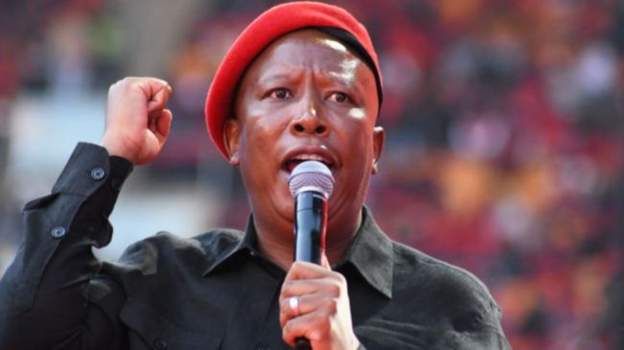
    South African firebrand politician Julius Malema has delivered a powerful message during his recent visit to Ghana, emphasizing the urgent need for African unity. 

    In a stirring address, Malema highlighted the enduring challenges faced by Ghana and other African nations in achieving true independence, particularly in the economic sphere.

    He asserted that while countries like Ghana have advanced in terms of democracy, it continues to rely on outdated economic structures that perpetuate dependency on entities with historical ties to colonial powers. 

    Malema commended Ghana’s long-standing democracy, recognizing it as one of the oldest on the continent. However, he drew attention to the persistent issue of economic control, pointing out that the means of production in Ghana are still largely owned by entities with colonial ties. The discrepancy between political freedom and economic dependence, he argued, renders the former meaningless without the latter.

    “Ghana’s democracy is very old compared to other democracies in the continent but the means of production are still owned by those who previously colonized us and how do we go beyond that because political freedom without economic emancipation is meaningless and this type of engagement seek to ensure that the people of Africa are aware that if we stand divided only the imperialist and colonialist stands to benefit,” he stated. 

    “The unity of Africa is a threat to the enemies of Africa,” Malema passionately declared, emphasizing the importance of solidarity among African nations in the face of external pressures. 

    He warned against division, asserting that a fragmented Africa only serves the interests of imperialists and colonialists who continue to benefit from economic disparities.

  • Julius Malema visits Ghana; advocates economic emancipation for Africa 

    Julius Malema visits Ghana; advocates economic emancipation for Africa 

    South African politician Julius Malema has emphasized the need for Africa to move beyond mere political freedom and strive for economic emancipation. 

    He made the call on his visit to Ghana on January 23, 2024.  

    Acknowledging Ghana’s long-standing history of democracy on the continent, Malema pointed out the persistent challenge of economic control, which he believes remains in the hands of those who previously colonized the nation.

    Known for his outspoken stance on economic justice and pan-African unity, Julius Malema underscored the significance of breaking free from economic dependencies that trace their roots to the colonial era. 

    “…political freedom without economic emancipation is meaningless,” he asserted, challenging the prevailing status quo that has left many African nations grappling with economic structures established during the colonial period.

    During his address, Malema highlighted the fact that Ghana’s democracy stands as one of the oldest on the continent, yet economic power remains concentrated in the hands of entities with historical ties to colonial powers. This, he argued, hampers the true realization of independence and hinders the progress and prosperity of the African people.

    “Ghana’s democracy is very old compared to other democracies in the continent but the means of production are still owned by those who previously colonized us,” Malema pointedly stated, urging African nations to reassess their economic frameworks and explore strategies for reclaiming control over their resources. The South African politician believes that economic autonomy is essential for the continent to achieve genuine sovereignty.

    Malema’s message resonates with the broader sentiment across Africa, where discussions about economic independence have gained prominence. Advocates have argued that a united front is crucial in breaking the chains of economic exploitation, with the belief that only through collaboration and solidarity can African nations truly prosper.

    “The unity of Africa is a threat to the enemies of Africa,” Malema emphasized, highlighting the importance of fostering a sense of unity among African nations. He stressed that a divided Africa only serves the interests of external powers, perpetuating a cycle of economic dependency.

  • Political freedom without economic emancipation is meaningless – Julius Malema tells Ghanaians upon visit to Ghana

    Political freedom without economic emancipation is meaningless – Julius Malema tells Ghanaians upon visit to Ghana

    South African politician, Julius Malema, has delivered a compelling message during his recent visit to Ghana, asserting that political freedom without economic emancipation is meaningless. 

    Known for his passionate advocacy for economic justice and pan-African unity, Malema addressing the media, emphasized the need for Ghana and other African nations to break free from economic constraints inherited from the colonial era.

    He drew attention to the rich democratic history of Ghana, labeling it as one of the oldest on the continent. However, he challenged the prevailing economic landscape, asserting that despite political independence, the means of production in Ghana are still predominantly controlled by entities with colonial roots.

    “Ghana’s democracy is very old compared to other democracies in the continent but the means of production are still owned by those who previously colonized us,” he stated. 

    He further underscored the inherent disconnect between political sovereignty and economic control.

    “And how do we go beyond that because political freedom without economic emancipation is meaningless and this type of engagement seeks to ensure that the people of Africa are aware that if we stand divided only the imperialist and colonialist stands to benefit,” he added.

    Also, he noted that Ghana, despite its democratic achievements, has not been immune to economic challenges.

    He urged Ghanaians to critically examine the structures that perpetuate economic dependency and to actively pursue avenues for economic self-determination.

    Additionally, he stressed that a united Africa poses a threat to external forces that have historically benefited from a divided continent. 

    He, thus, called for solidarity among African nations, suggesting that only through collective action could the continent overcome economic exploitation.

    “The unity of Africa is a threat to the enemies of Africa,” he stated.

  • IMF affirms strong performance by Ghana under fund programme, meeting quantitative and indicative targets

    IMF affirms strong performance by Ghana under fund programme, meeting quantitative and indicative targets

    International Monetary Fund (IMF) has acknowledged Ghana’s robust performance under the Fund programme, revealing that the country has successfully met all quantitative performance criteria for the first review, along with almost all indicative targets and structural benchmarks.

    Following the Executive Board’s conclusion of the 2023 Article IV Consultation with Ghana and the First Review under the Extended Credit Facility Arrangement, the IMF stated that Ghana’s commitment to the Fund-supported programme is evident in its progress toward reducing the fiscal primary deficit by approximately 4 percentage points of GDP in 2023.

    The IMF highlighted several key achievements, emphasizing that spending has remained within program limits. Additionally, the authorities, comprising the Ministry of Finance and the Bank of Ghana, have significantly expanded social protection programs to mitigate the impact of the crisis on the most vulnerable populations. On the revenue front, Ghana has successfully met its non-oil revenue mobilization target.

    The statement further noted that the Ghanaian authorities are making substantial headway in their debt restructuring strategy. The domestic debt restructuring was completed in the summer, and an agreement with the Official Creditor Committee (OCC) under the G20’s Common Framework was reached on January 12, 2024, aligning with Fund program parameters.

    Ambitious structural fiscal reforms are contributing to the positive trajectory, enhancing domestic revenues, improving spending efficiency, strengthening public financial and debt management, ensuring financial sector stability, fostering governance and transparency, and creating an environment conducive to private sector investment.

    The IMF acknowledged the tangible results of these reform efforts, citing signs of economic stabilization, resilient growth in 2023, declining inflation, and improved fiscal and external positions.

    Looking ahead, the IMF stressed the importance of steadfast policy and reform implementation to fully and durably restore macroeconomic stability and debt sustainability, fostering higher and more inclusive growth. The government’s plans to reduce deficits, mobilize additional domestic revenue, streamline expenditure, and finalize comprehensive debt restructuring were highlighted as critical steps.

    The IMF emphasized the need for continued efforts to protect the vulnerable and create space for higher social and development spending. Reforms in tax administration, expenditure control, management of arrears, fiscal rules, institutions, and state-owned enterprises (SOEs) management were identified as crucial for lasting adjustment.

    The Deputy Managing Director and Acting Chair, Bo Li, concluded by highlighting the government’s decisive steps to rein in inflation, rebuild foreign reserve buffers, and mitigate the impact of domestic debt restructuring on financial institutions. The IMF encouraged maintaining an appropriately tight monetary stance and enhancing exchange rate flexibility to achieve the program’s objectives. Reforms to create a conducive environment for private investment and promote a green recovery were also emphasized.

    Ghana’s exposure to climate shocks was acknowledged, and promoting a green recovery by advancing adaptation and mitigation agendas was underscored as a priority. The IMF affirmed its commitment to supporting Ghana’s economic recovery and sustainability.

  • Mozambique will beat Ghana if they score the first goal – Eagle Prophet

    Mozambique will beat Ghana if they score the first goal – Eagle Prophet

    Renowned Ghanaian prophet, Prophet Reindolph Oduro Gyebi, popularly known as Eagle Prophet, has predicted a win for Mozambique in the clash against the Black Stars today.

    Ghana is gearing up for its final Group B game against Mozambique at 8 pm today, and for Prophet Reindolph Oduro Gyebi, Ghana’s best chance would be to strike first.

    According to him, it would be game over for the senior national team should Mozambique score the first goal.

    “The dangerous aspect is, once Mozambique scores Ghana, it will be difficult for Ghana to equalize. They will score another. I’m prophesying and not predicting.

    “The only thing is Ghana should not sit down,” he said.

    He also alleged that there is a spirt of confusion around the Black Stars camp.

    “Once they drop the confusion and theh succeed, even those 2 goals will be little. They will be able to score 5 goals,” he added.

  • My love for Ghana forced me to leave $10,000 salary job for $500 a month – Spio-Garbrah

    My love for Ghana forced me to leave $10,000 salary job for $500 a month – Spio-Garbrah

    A committed member of the National Democratic Congress (NDC), Ekwow Spio-Garbrah, has disclosed that his love for Ghana motivated him to forgo a well-paid position at an international organization, opting instead to serve the country for a significantly reduced salary.

    During an interview on TV3’s Hot Issues program on Sunday, January 21, Spio-Garbrah shared insights into his decision to take a substantial pay cut when accepting a ministerial role in Ghana.

    Despite earning $10,000 per month at the Africa Development Bank, he chose to receive a monthly salary of only $500 as a government minister.

    Reflecting on his choices, Spio-Garbrah posed the question, “Will you accept to leave a $10,000 salary at Africa Development Bank to take a $500 a month as a minister? There have been opportunities I have lost because of my passion and dedication to my country and continent.”

    He served as Minister for Trade and Industry from 2014 to 2017 in the Mahama administration and has previously held ministerial roles in the Rawlings administration, including Minister of Communications, Minister of Education, and Acting Minister of Mines & Energy.

    Spio-Garbrah also has a history of diplomatic service, having served as Ghana’s ambassador to the United States and Mexico.

  • Ghana and Cuba mark 64 years of diplomatic ties

    Ghana and Cuba mark 64 years of diplomatic ties

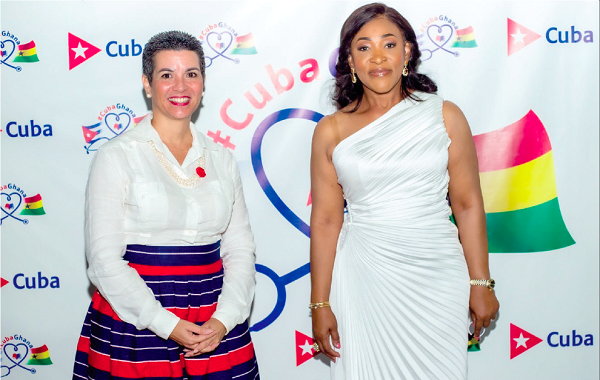
    Cuba and Ghana marked the 64th anniversary of their diplomatic relations, commemorating Cuba’s National Day.

    The diplomatic ties were initiated on December 23, 1959, with Ghana being the first Sub-Saharan African nation to establish relations with Revolutionary Cuba.

    The foundation of this relationship was laid by the visionary leader Dr. Kwame Nkrumah and Commander Fidel Castro Ruz, fostering brotherhood ties and mutual cooperation.

    Ghana has consistently supported Cuba in international matters, condemning the U.S. blockade and illegal sanctions imposed by Donald Trump during the COVID-19 pandemic.

    The celebration highlighted the deep cultural and historical ties between the two nations, emphasizing principles of South-South and Pan-Africanist cooperation.

    Ambassador Anette Chao Garcia expressed gratitude for Ghana’s support and highlighted the enduring partnership, spanning various sectors like medicine, sports, education, and more.

    She emphasized Cuba’s willingness to resume and expand collaboration in multiple areas.

    The Minister for Foreign Affairs and Regional Integration, Shirley Ayorkor Botchwey, acknowledged the profound relationship, noting its growth despite challenges.

    “We gave ourselves to Africa with many of our children who fought for independence, sovereignty, territorial integrity and the training of human resources.”

    “In these 64 years, Cuba has collaborated in the medical sector, at this time, with 28 specialists from a Medical Brigade; Likewise, we had offered collaboration in sports, education and in the application of biolarvicides to combat the mosquito that transmits Malaria,” she added. 

    The healthcare sector emerged as a key collaboration, with Cuban specialists supporting Ghana’s health system. Political consultations, facilitated through joint commissions, have addressed diverse issues, promoting mutual goals and enhancing citizens’ well-being.

  • Majeed Ashimeru likely to play Mozambique game – Chris Hughton hints

    Black Stars head coach Chris Hughton is optimistic about the fitness of Majeed Ashimeru and believes the signs are positive for him to be ready for the upcoming game against Mozambique.

    Ghana is set to face Mozambique in their final group game of the 2023 Africa Cup of Nations (AFCON) on Monday evening, aiming to secure progression to the next round.

    There were concerns about Ashimeru’s fitness after he sustained a knock during the previous game against Egypt.

    However, Chris Hughton, addressing the press ahead of Monday’s crucial encounter, confirmed that the Anderlecht midfielder should be fine and available for the game against Mozambique.

    “We are still assessing him [Ashimeru], but the signs are good, he will train with the team, today [Sunday], but the signs are good that he will be fine,” he said.

    “This was the situation in the game against Egypt where we had to bring him off.”

    Majeed Ashimeru has started both of Ghana’s group games in the Africa Cup of Nations (AFCON) held in Ivory Coast, playing against Cape Verde and Egypt. However, he has not completed a full game in either of these fixtures due to an injury concern.

    Despite his injury-related substitutions, Ashimeru has been one of the standout performers for Ghana in the competition. His availability for the upcoming game against Mozambique is considered crucial for the team’s success.

    The match against Mozambique is scheduled for today, with kickoff at 8:00 pm.

  • We must avoid the small mistakes when we face Mozambique – Denis Odoi

    We must avoid the small mistakes when we face Mozambique – Denis Odoi

    Ghana defender Denis Odoi has issued a warning to his teammates, urging them to avoid repeating mistakes as they prepare to face Mozambique in the 2023 Africa Cup of Nations (AFCON).

    Ghana, currently with just one point in Group B, is set to play against Mozambique in their final group stage match, with hopes of advancing to the knockout stages still alive.

    The Black Stars experienced missteps in their previous two games, including a late collapse against Cape Verde and individual errors leading to a draw against Egypt.

    Odoi highlighted the importance of avoiding mistakes, citing miscommunication and individual errors from previous matches. He emphasized the need for the team to stay focused and maintain concentration throughout the upcoming crucial encounter against Mozambique.

    “If we lose, we do not lose as individuals, we win together and we lose together. I don’t think it is due to the pressure. At this level, you make certain mistakes,” the right-back said.

    “In the upcoming game, we have to try and avoid the small mistakes and be very ready and focused throughout the game.”

    Chris Hughton’s men are hopeful a win on Monday, January 22, will be enough to take them through to the last 16.

  • Ukrainian Peace Formula: Ghana called to join team working on ending Russia-Ukraine war

    Ukrainian Peace Formula: Ghana called to join team working on ending Russia-Ukraine war

    Ghana has received an invitation to participate in the implementation of the Ukrainian Peace Formula, a ten-point plan designed to bring an end to the Russia-Ukraine war.

    Ukrainian President Volodymyr Zelenskyy, during a meeting with Ghanaian President Akufo-Addo at the 2024 World Economic Forum (WEF) in Davos, Switzerland, emphasized the importance of Ghana’s involvement in the peace process.

    The Ukrainian Peace Formula focuses on key aspects such as food and energy security, territorial integrity, environmental safety, the release of prisoners, withdrawal of Russian troops from Ukraine, and the prevention of future aggression.

    Ghana, known for its peace and political stability in the sub-region, has established diplomatic ties with both Russia and Ukraine, particularly in education, science, and technology.

    During the meeting, the leaders discussed ways to strengthen relations between Ukraine and Ghana, as well as with other African countries. They also explored the possibility of Ghanaian students studying in Ukrainian higher educational institutions and the potential for creating logistics hubs for the trans-shipment of Ukrainian agricultural products to African nations.

    President Zelenskyy commended Ghana for its support of Ukraine’s sovereignty and territorial integrity on the international stage. The ongoing conflict between Russia and Ukraine has led to global price increases, especially for oil, natural gas, and food items like wheat, of which Ukraine and Russia contribute significantly to global exports.

    President Zelenskyy called on the global community to remain united in supporting Ukraine against Russian aggression during his address at the WEF. He announced plans for a global summit to advocate for peace, with hopes of it taking place in Switzerland.

    Ghana’s delegation, led by President Akufo-Addo, actively participated in various meetings with high-level stakeholders and global leaders at the Forum. Discussions covered key themes such as achieving security and cooperation in a fractured world, creating growth and jobs for a new era, artificial intelligence as a driving force for the economy and society, and a long-term strategy for climate, nature, and energy.

  • Ghana’s economic performance exceeds expectations – IMF

    Ghana’s economic performance exceeds expectations – IMF

    The International Monetary Fund (IMF) has revealed that Ghana’s performance under the Fund program has been robust, with all quantitative performance criteria for the first review and nearly all indicative targets and structural benchmarks being met.

    In a statement following the Executive Board Concluding of the 2023 Article IV Consultation with Ghana and First Review under the Extended Credit Facility Arrangement, the Fund commended Ghana for being on track to lower the fiscal primary deficit by about 4 percentage points of GDP in 2023.

    The statement highlighted that spending remained within program limits, and the authorities (Ministry of Finance, Bank of Ghana) significantly expanded social protection programs to mitigate the impact of the crisis on the most vulnerable population. Ghana also met its non-oil revenue mobilization target on the revenue side.

    “Spending has remained within program limits. To help mitigate the impact of the crisis on the most vulnerable population, the authorities [Ministry of Finance, Bank of Ghana] have significantly expanded social protection programmes. On the revenue side, Ghana has met its non-oil revenue mobilization target”, the statement pointed out.

    Moreover, the statement acknowledged Ghanaian authorities’ progress on their debt restructuring strategy, emphasizing the completion of domestic debt restructuring and an agreement with the Official Creditor Committee (OCC) under the G20’s Common Framework. This agreement paved the way for the Executive Board review to be completed.

    The IMF noted that ambitious structural fiscal reforms in Ghana are enhancing domestic revenues, improving spending efficiency, strengthening public financial and debt management, preserving financial sector stability, enhancing governance and transparency, and creating a more conducive environment for private sector investment.

    The statement pointed out that the authorities’ reform efforts are yielding positive results, with signs of economic stabilization such as resilient growth in 2023, declining inflation, and improvements in the fiscal and external positions.

    Looking ahead, the IMF stressed the importance of steadfast policy and reform implementation for fully restoring macroeconomic stability, debt sustainability, and fostering sustainable economic growth and poverty reduction.

    Deputy Managing Director and Acting Chair, Bo Li, acknowledged Ghana’s economic performance amid significant volatility. He emphasized the positive results of the authorities’ efforts to reorient macroeconomic policies, restructure debt, and implement wide-ranging reforms. Bo Li highlighted the need for continued efforts, including reducing deficits, finalizing comprehensive debt restructuring, protecting the vulnerable, and implementing reforms to improve tax administration, fiscal rules, institutions, and SOEs management.

    He also emphasized the importance of maintaining an appropriately tight monetary stance, enhancing exchange rate flexibility, and addressing issues in the financial sector to achieve the program’s objectives. Bo Li concluded by stressing the need for reforms to create a conducive environment for private investment and promoting a green recovery to address Ghana’s exposure to climate shocks.

  • Tribalism allegations against me are to tarnish my image – Fifi Kwetey

    Tribalism allegations against me are to tarnish my image – Fifi Kwetey

    The General Secretary of the National Democratic Congress (NDC), Fifi Fiave Kwetey, has refuted allegations of promoting tribalism between the Ashantis and Ewes, dismissing them as misrepresentations aimed at tarnishing his image.

    Mr Kwetey accused the New Patriotic Party (NPP) of distorting his statements made during a retreat in January 2023, responding to a circulating video on social media that seemed to portray him making divisive remarks about Ashantis and Ewes.

    In a statement released on Friday, January 19, 2024, Mr Kwetey asserted that the quoted remarks accompanying the video were inaccurate, clarifying that his statements had been misinterpreted.

    He clarified that he encouraged the people of the Volta Region to view the NDC Party as a unifying force, drawing parallels with political loyalty in the United States.

    Mr Kwetey emphasized that the NDC is not merely a party but also a family.

    Blaming the NPP for adopting divisive strategies involving religion and tribal politics, he labeled it a deliberate attempt to manipulate public perception and tarnish his reputation.

    He urged Ghanaians to disregard the alleged desperation of the NPP and treat such publications with disdain.

  • Ghana has successfully met its revenue mobilization target – IMF

    Ghana has successfully met its revenue mobilization target – IMF

    The International Monetary Fund (IMF) has lauded Ghana’s successful attainment of all targets outlined for the $3 billion three-year extended credit facility.

    In a statement released on Friday, January 19, 2024, the IMF emphasized, “Ghana’s performance under the program has been strong,” highlighting the fulfillment of quantitative performance criteria and nearly all indicative targets and structural benchmarks during the first review.

    The IMF acknowledged the positive outcomes of the authorities’ reform efforts, noting emerging signs of economic stabilization.

    The growth in 2023 was resilient, inflation declined, and both fiscal and external positions improved.

    Additionally, the IMF disclosed that Ghana is progressing to “lower the fiscal primary deficit on a commitment basis by about 4 percentage points of GDP in 2023.” The government’s adherence to spending limits throughout the program was also noted.

    To address the crisis’s impact on vulnerable populations, the Ghanaian authorities expanded social protection programs significantly. In terms of revenue, Ghana achieved its non-oil revenue mobilization target.

    The statement highlighted the country’s advancements in debt restructuring, including the completion of domestic debt restructuring.

    On January 12, 2024, an agreement was reached with the Official Creditor Committee (OCC) under the G20’s Common Framework, aligning with Fund program parameters. This agreement facilitated the necessary financing assurances for the completion of the Executive Board review.

    The IMF’s positive remarks followed the approval of the second tranche of the bailout program, providing Ghana with an immediate disbursement of $600 million, constituting the second part of the $3 billion extended facility.

    Below is the full press statement from the IMF

    IMF Executive Board Concludes 2023 Article IV Consultation with Ghana and Completes First Review under the Extended Credit Facility Arrangement

    The Executive Board of the International Monetary Fund (IMF) completed today the First review of the $3 billion, 36-month Extended Credit Facility (ECF) Arrangement, which was approved by the Board on May, 17, 2023 , as well as the 2023 Article IV Consultation with Ghana. The completion of the first ECF review allows for an immediate disbursement of SDR 451.4 million (about US$600 million), bringing Ghana’s total disbursements under the arrangement to about US$1.2 billion.

    Ghana’s economic performance has been marked by significant volatility over the years. Episodes of strong growth and overall macroeconomic stability were undermined by rising inflation, exchange rate depreciation, and loss of external buffers, in turn largely reflecting overly accommodative fiscal policies. Most recently, severe external shocks compounded pre-existing fiscal and debt vulnerabilities, exacerbating such volatility and leading to acute economic and financial pressures in 2022.

    The authorities’ reform program has been designed to respond to immediate pressures and pave the way for a more resilient and prosperous economy. The ECF arrangement has provided a framework to implement the authorities’ policy and reform strategy to restore macroeconomic stability and debt sustainability, address long standing vulnerabilities, and lay the foundations for higher and more inclusive growth.

    Ghana’s performance under the program has been strong. All quantitative performance criteria for the first review and almost all indicative targets and structural benchmarks were met.

    Consistent with the authorities’ commitments under the Fund-supported program, Ghana is on track to lower the fiscal primary deficit on a commitment basis by about 4 percentage points of GDP in 2023. Spending has remained within program limits. To help mitigate the impact of the crisis on the most vulnerable population, the authorities have significantly expanded social protection programs. On the revenue side, Ghana has met its non-oil revenue mobilization target.

    The Ghanaian authorities are also making good progress on their debt restructuring strategy. Their domestic debt restructuring was completed over the summer. On January 12, 2024, the authorities reached an agreement with the Official Creditor Committee (OCC) under the G20’s Common Framework on a debt treatment that is in line with Fund program parameters. This agreement provided the financing assurances necessary for the Executive Board review to be completed.

    Ambitious structural fiscal reforms are bolstering domestic revenues, improving spending efficiency, strengthening public financial and debt management, preserving financial sector stability, enhancing governance and transparency, and helping create an environment more conducive to private sector investment.

    The authorities’ reform efforts are bearing fruit, and signs of economic stabilization are emerging. Growth in 2023 has proven resilient, inflation has declined, and the fiscal and external positions have improved.

    Looking ahead, fully and durably restoring macroeconomic stability and debt sustainability and fostering a sustainable increase in economic growth and poverty reduction will require steadfast policy and reform implementation.

    At the conclusion of the Executive Board’s discussion, Mr. Bo Li, Deputy Managing Director and Acting Chair, issued the following statement:

    “Ghana’s economic performance has been marked by significant volatility over the years. Most recently, severe external shocks compounded pre existing fiscal and debt vulnerabilities, leading to acute economic and financial pressures in 2022. The authorities’ efforts to reorient macroeconomic policies, restructure debt, and initiate wide ranging reforms are already generating positive results, with growth more resilient than initially envisaged, inflation declining, the fiscal and external positions improving, and international reserves increasing.

    “Fully and durably restoring macroeconomic stability and debt sustainability and fostering higher and more inclusive growth require steadfast policy and reform implementation. The government’s plans to further reduce deficits by mobilizing additional domestic revenue and streamlining expenditure and to finalize its comprehensive debt restructuring are critical to underpin debt sustainability and ease financing constraints. Continued efforts to protect the vulnerable and to create space for higher social and development spending are also key. Reforms to improve tax administration, strengthen expenditure control and management of arrears, enhance fiscal rules and institutions, and improve SOEs management are needed to ensure lasting adjustment.

    “The authorities took decisive steps to rein in inflation and rebuild foreign reserve buffers. Maintaining an appropriately tight monetary stance and enhancing exchange rate flexibility are key to achieving the program’s objectives.

    “Bank of Ghana had deployed its regulatory and supervisory tools to mitigate the impact of the domestic debt restructuring on financial institutions. The authorities’ strategy aimed at maintaining a sound financial sector, drawing on new resources from the private sector, government, and multilaterals to rapidly rebuild financial buffers, is welcome. Ensuring full implementation of bank recapitalization plans and addressing legacy issues in the financial sector will be important.

    “Reforms to create an environment more conducive to private investment are needed to enhance the economy’s potential and underpin sustainable job creation. Given Ghana’s exposure to climate shocks, promoting a green recovery by further advancing the adaptation and mitigation agendas should also remain a priority.”
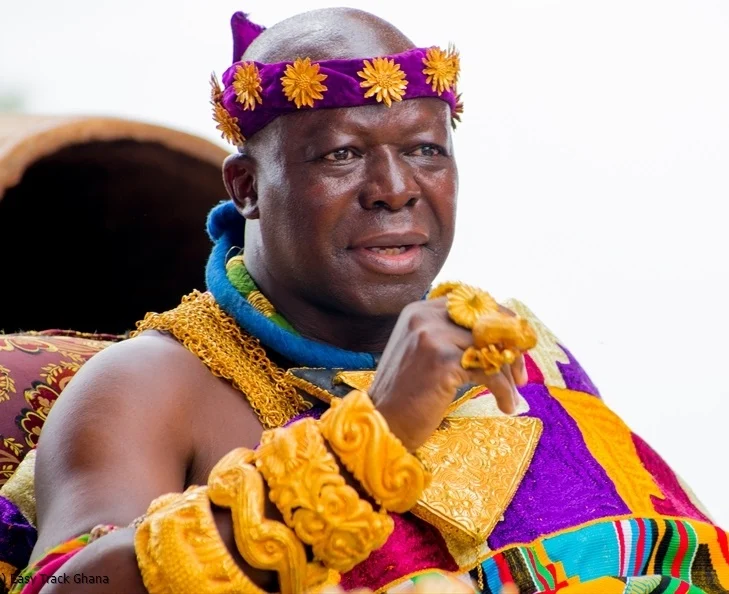
  • IMF endorses first review of programme with Ghana, set to release $600m

    IMF endorses first review of programme with Ghana, set to release $600m

    The Finance Ministry has disclosed that Ghana is poised to receive the second tranche of $600 million from the International Monetary Fund (IMF) in the near future.

    Finance Minister Ken Ofori-Atta stated that the IMF has granted approval for all necessary financing assurances from Ghana’s Official Creditors.

    The minister clarified that the IMF board’s endorsement of the initial review of Ghana’s loan programme would facilitate the prompt disbursement of approximately $600 million as part of its $3 billion bailout programme.

    “It is with great honour that I can announce to you that earlier today, the International Monetary Fund endorsed the first review of our programme. This is a resounding affirmation that the programme is advancing steadily and our reform trajectory remains steadfast”.

    “Consequently, the endorsement has unlocked a $600 million disbursement from the IMF and will pave the way for an additional $300 million disbursement from the World Bank under the development policy operation financing,” he said.

    Mr Ken Ofori-Atta, addressed a joint press conference with the IMF, the Finance Ministry, and the Bank of Ghana on January 19, 2024, where he shared updates on Ghana’s financial situation.

    In addition, Mr Ofori-Atta is scheduled to meet with the World Bank on Tuesday, January 23, to engage in discussions regarding the possibility of securing an additional $250 million. This funding is intended to further support and boost the country’s economy.

    “The World Bank will meet on Tuesday, January 23. In addition, we expect the World Bank to approve $250 million to support the Ghana Financial Stability Fund. These resources, in total $1.15 billion, will significantly booster our economic recovery effort,” he added.

    In 2023, Ghana encountered a delay in receiving the second tranche of the $3 billion bailout package from the International Monetary Fund (IMF) due to ongoing debt rework negotiations with external creditors. The country had set a November 1 deadline in line with the IMF program, but negotiations hampered the timeline.

    Ghana was actively engaged in talks with external creditors, seeking debt relief totaling $10.5 billion. Proposals had been submitted to commercial creditors, aiming for a potential haircut of up to 40%. Additionally, negotiations for additional debt restructuring were underway with bilateral creditors, including China and the Paris Club.

  • NPP has turned the corner around – John Kumah defends govt’s achievement

    NPP has turned the corner around – John Kumah defends govt’s achievement

    Deputy Finance Minister Dr John Kumah has affirmed that Ghana‘s economy has effectively navigated recent challenges, positioning itself for sustainable growth to the benefit of its citizens.

    The Deputy Finance Minister highlighted Ghana’s achievement in a Facebook post dated January 19, emphasizing the unanimous approval of the country’s request for debt treatment under the G-20 Common Framework.

    Buoyed by the unanimous approval of Ghana’s request for debt treatment under the G-20 Common Framework, he expressed optimism, considering this development as the cornerstone for the nation’s positive economic trajectory.

    Expressing gratitude, Dr. Kumah commended the people of Ghana for their unwavering support of the government’s measures and policies.

    He specifically acknowledged their role in mitigating the adverse impacts brought about by the COVID-19 outbreak and the Russia-Ukraine war.

    With optimism, the Ejisu Member of Parliament anticipates a brighter future for the country.

    He emphasised that the approved debt treatment sets the stage for sustained economic progress and ultimately benefits the citizens of Ghana.

    “An essential prerequisite for the IMF Programme was a confirmation that Ghana’s public debt was on a sustainable trajectory.”
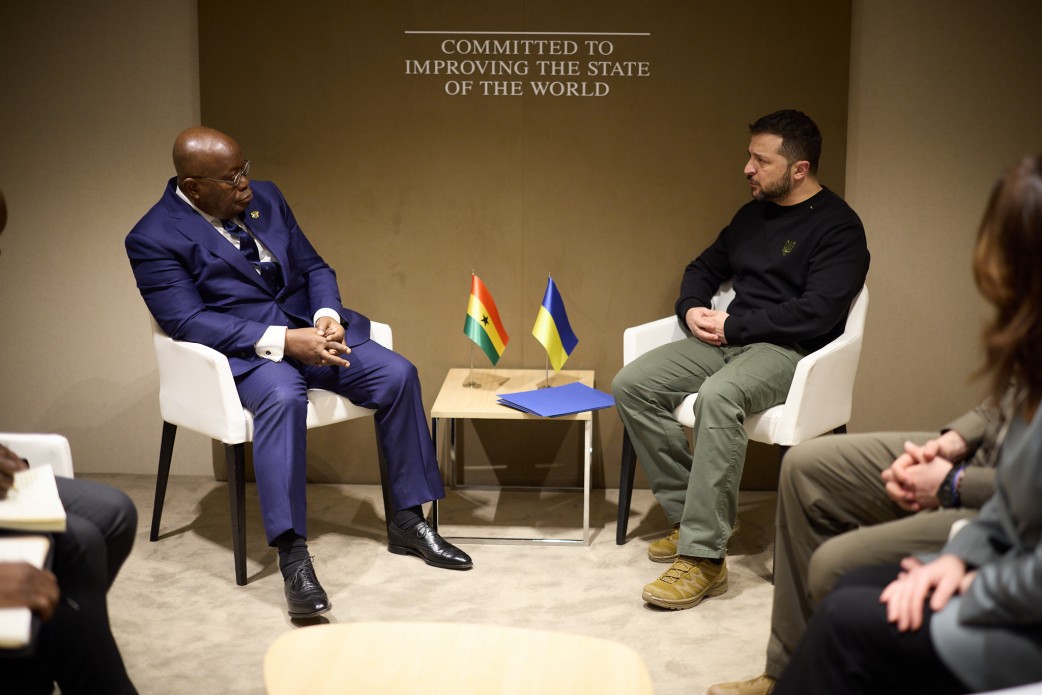
    “Subsequently, Ghana embarked on the restructuring of both domestic and external debt. The Domestic Debt Exchange Programme (DDEP) launched on 5th December 2022 has successfully been completed with over 90 percent participation. The OCC’s approval of bilateral debt treatment is expected to provide the impetus for the ongoing commercial debt (Eurobonds) negotiations,” a portion of his Facebook post said.

    Dr Kumah added that “the past week was marked by a significant development in the public debt trajectory following the unanimous approval of Ghana’s request for debt treatment under the G-20 Common Framework for Debt Treatment Beyond the Debt Service Suspension Initiative (CF-DSSI).”

    “The government has been combining both fiscal prudence and debt restructuring measures to contain growth in public debt with the view of bringing the debt levels to moderate debt level from high risk of debt distress. The Official Creditor Committee’s (OCC) decision to support the grand efforts of government is commendable, refreshing and worth celebrating. We, however, do so with caution given that more work needs to be done going forward.”
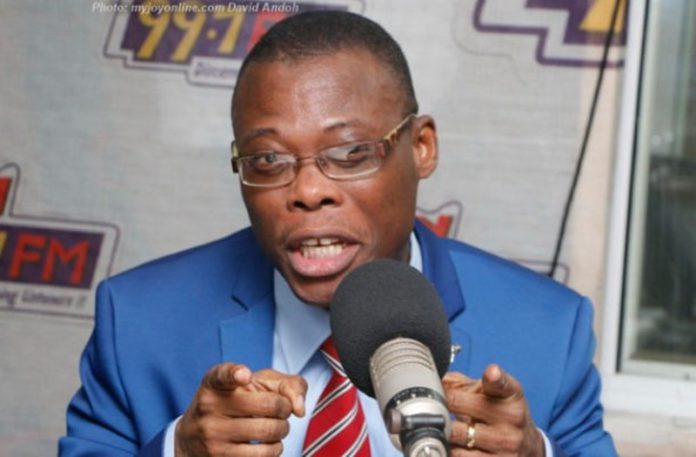
    The Managing Director of the International Monetary Fund (IMF), Kristalina Georgieva, has stated that Ghana’s economic policies under its programme are beginning to yield the desired outcomes.

    She emphasised that the policy and reform commitments outlined in Ghana’s deal with the Bretton Woods Institution are in the best interest of the Ghanaian people.

    In a post on X (formerly Twitter) on Tuesday, January 16, she expressed the satisfaction of the IMF board with the assurances received from Ghana’s external creditors.

    “Wonderful to see President Nana Addo Dankwa Akufo-Addo and Ghana’s Finance Minister, Ken Ofori-Atta at #WEF24. The policy and reform commitments under Ghana’s economic program are starting to bear fruit,” she posted.

  • Egypt capitalised on our mistakes, we must limit them even though they are part of the game – Chris Hughton

    Egypt capitalised on our mistakes, we must limit them even though they are part of the game – Chris Hughton

    Ghana’s head coach, Chris Hughton, refrained from singling out individuals for blame after the Black Stars‘ 2-2 draw against Egypt.

    The four-time Africa Cup of Nations champions experienced a pulsating draw against the North African side, with Mohammed Kudus scoring a brace in his AFCON debut.

    Despite Kudus’ efforts, the Ghanaian team was unable to secure all three points, as errors from the players allowed Omar Marmoush and Mostafa Mohamed to capitalize and equalize for Egypt.

    In a departure from placing blame on specific individuals, Hughton opted to downplay the errors, stating that they are a part of the game.

    “As a coach of a group of players, you feel frustrated because in performance…mistakes in the game are part of the game and you hope you make less mistakes than the other,” he said after the game.

    “Sometimes teams can make a lot of mistakes and the opposition doesn’t capitalise on them. Unfortunately, through the mistakes we made today, the opposition was able to capitalise on them.

    “But we have to accept [it’s] part of the game. You have to try to limit the amount of errors or mistakes that you make. And of course, the team that limits it the most is a team that has a better chance of winning.”

  • Ghana drew with Egypt due to our “silly mistakes” – Kudus

    Ghana drew with Egypt due to our “silly mistakes” – Kudus

    Ghanaian midfielder Mohammed Kudus expressed his belief that the Black Stars deserved a better outcome in their match against Egypt at the 2023 Africa Cup of Nations (AFCON).

    Despite Kudus’s efforts, Ghana twice relinquished their lead, ultimately settling for a 2-2 draw against the Pharaohs.

    Kudus, making his AFCON debut and playing for West Ham United, scored the opening goal for Ghana in the first half. However, a misjudged back pass from Inaki Williams led to Omar Marmoush intercepting the ball, rounding goalkeeper Richard Ofori, and slotting it into an empty net, leveling the score.

    In the 71st minute, Kudus once again restored the lead for Ghana, showcasing his individual brilliance. Unfortunately, the celebrations were short-lived as Osman Bukari, who had replaced Williams, was dispossessed, allowing Mostafa Mohamed to draw the North Africans level and deny the Black Stars a victory.

    After the game, Kudus, who was also named the Man of the Match, expressed his frustration over Ghana’s inability to secure all three points, indicating a sense of disappointment for not achieving a more favorable result.

    “We got a point today,” said the 23-year-old. “I felt we deserved more because the goals [Egypt] scored were from some silly mistakes from us which we need to learn from.”

    Following the 2-2 draw against Egypt, Ghana has accumulated one point from two games in the 2023 Africa Cup of Nations (AFCON) tournament. Their opening fixture resulted in a loss to Cape Verde.

    Looking ahead, Chris Hughton’s team is set to face Mozambique in their final Group B game on Monday, January 22. Despite the challenges faced in the initial group stage matches, Ghana remains hopeful of securing a victory in the upcoming game, aiming to advance to the knockout stages of the tournament. The outcome of the match against Mozambique will play a crucial role in determining Ghana’s fate in the 2023 AFCON competition.

  • 2023 AFCON: Ghana in last position in Group B after draw with Egypt

    2023 AFCON: Ghana in last position in Group B after draw with Egypt

    West Ham United’s standout player, Mohammed Kudus, scored two goals as Egypt and Ghana settled for a 2-2 draw.

    Despite the shared points, Rui Vitoria’s team climbed to the second position in the Group B standings, amassing two points from two matches.

    In contrast, Ghana finds itself in the last position, with only one point earned from two games. Both teams have yet to secure a victory in their initial two group-stage matches of the tournament.

    The result adds to Egypt’s earlier 2-2 draw with Mozambique, while Ghana suffered a 2-1 defeat against Cape Verde in their respective opening matches.

    With the competition unfolding, both sides will be eager to secure victories in their upcoming group-stage clashes to enhance their prospects of advancing to the next stage of the tournament.

  • ‘Star boy’ Kudus shines bright but not enough for Ghana to outshine Egypt

    ‘Star boy’ Kudus shines bright but not enough for Ghana to outshine Egypt

    In their second group-stage match at the 2023 Africa Cup of Nations (AFCON), the Black Stars faced Egypt and experienced a rollercoaster of events, ultimately settling for a 2-2 draw despite initially holding a lead.

    The encounter saw Mohammed Kudus shine with a brilliant performance, netting two goals for Ghana. However, lapses in concentration and individual errors proved costly for the Black Stars, leading to them relinquishing their advantage and sharing points with the Pharaohs.

    Ghana started the game with an aggressive approach, pressing the Egyptians, but struggled to break through their solid defense. Kudus had an early attempt from outside the box, easily dealt with by the opposing goalkeeper.

    Throughout the first half, both teams created few scoring opportunities, with Egypt dominating possession. The dynamic of the match shifted when Liverpool forward Mohamed Salah had to be substituted due to a suspected hamstring injury, forcing Ghana’s coach Rui Vitoria into a first-half change.

    Shortly after Salah’s departure, Kudus seized the opportunity to make a significant impact. The West Ham United player received a well-timed pass from Salis Abdul Samed and skillfully maneuvered past his marker to score a sensational debut goal in the AFCON, giving Ghana the lead with a sublime curling shot.

    In the second half, Egypt nearly clawed their way back into the game, but their goal from a setpiece was disallowed due to an offside decision. Ghana’s goalkeeper, Richard Ofori of Orlando Pirates, was then called into action, making a crucial save to deny the Egyptian side.

    The Pharaohs eventually found the equalizer when Marmoush seized an opportunity created by a back pass from Inaki Williams. Marmoush rounded off the goalkeeper and calmly slotted the ball into an empty net, leveling the score.

    However, Ghana quickly responded, with Kudus showcasing his scoring prowess once again. This time, he received a well-timed pass from Denis Odoi and efficiently restored the Black Stars’ lead. Unfortunately, Ghana struggled to hold on to their advantage for the second time in the match.

    Trezeguet made a decisive play by dispossessing substitute Osman Bukari and setting up a teammate for the equalizing goal, making it 2-2. Despite late attempts from both sides, neither team could secure a victory by the end of full time, and the match concluded with the points being shared.

    With the drawn result, the Black Stars now face a crucial situation, relying on their upcoming match against Mozambique to secure qualification to the next round of the competition. The outcome of this final group-stage game will play a pivotal role in determining Ghana’s fate in the 2023 Africa Cup of Nations.

  • Black stars supporters in Ivory Coast spotted in intense prayer ahead of Egypt game

    Black stars supporters in Ivory Coast spotted in intense prayer ahead of Egypt game

    In anticipation of the crucial match against Egypt, a video circulating on social media captures the sight of Ghanaian fans in the Ivory Coast engaging in open prayers, hoping for success for the national team.

    Ghana is set to face Egypt in their second Group B match of the ongoing tournament after a disappointing loss to Cape Verde in their opening game.

    The Black Stars are in need of a swift response to boost their chances of advancing to the knockout stages, as another defeat would be a significant setback.

    Meanwhile, there have been reports that some Ghanaian supporters, who were transported by the government to the Ivory Coast for the AFCON, have been compensated with $400.

  • BNI Ghana inaugurates 2nd chapter in Accra to extend networking opportunities

    BNI Ghana inaugurates 2nd chapter in Accra to extend networking opportunities

    Business Network International (BNI) Ghana, a prominent business networking organization, celebrates a momentous achievement as it inaugurates its 2nd chapter at the prestigious Marriott Hotel in Airport City, Accra.

    The launch event, graced by the presence of the newly appointed patron for BNI Ghana, Professor Robert Ebo Hinson, featured as the keynote speaker. The gathering witnessed the active participation of 24 esteemed members.

    The recently established chapter demonstrated swift effectiveness by facilitating the passing of 32 referrals in just three weeks. This noteworthy achievement translated into an impressive revenue generation exceeding GHS560,000 for the members, highlighting the tangible business benefits of BNI’s referral system.

    The core ethos of BNI is succinctly captured in the phrase ‘Givers Gain’.

    This principle embodies the philosophy that by actively contributing to the success of others’ businesses, one can expect to receive reciprocal support. This approach emphasises the intrinsic value of fostering mutually beneficial relationships without the need for kickbacks or percentage cuts, aligning with BNI’s commitment to ethical and collaborative business practices.

    BNI’s inclusive approach extends an open invitation to local business leaders who are eager to harness the power of referrals as a primary marketing tool to expand their businesses and cultivate a global network. This emphasis on leveraging referrals for business growth and global networking underscores BNI’s dedication to providing a platform for professionals to forge meaningful connections and drive sustainable business development.

    The successful launch of the 2nd chapter of BNI in Accra serves as a testament to the organisation’s impact in catalyzing business growth and fostering collaborative partnerships among its members.

    With its overarching ethos of reciprocity and collaboration, BNI continues to play a pivotal role in empowering businesses and professionals to thrive in an interconnected global marketplace.

  • Kudus trains with team ahead of Egypt clash

    Kudus trains with team ahead of Egypt clash

    The Ghana Football Association’s Communications Director, Henry Asante Twum, has provided an update on Mohammed Kudus’ fitness ahead of the Black Stars’ second group game against Egypt in the 2023 Africa Cup of Nations.

    Kudus, who missed the opening game against Cape Verde due to a slight knock, is reportedly making good progress in his recovery.

    According to Twum, Kudus has been actively working with the physiotherapists and has already participated in full-team training with the squad.

    While the medical team is still evaluating his condition, Twum expressed optimism that Kudus will be ready for the crucial match against Egypt, with expectations for him to be available by Wednesday or Thursday.

    Given the importance of the upcoming game and the need for a victory, Kudus’ potential return is seen as a positive development that could bolster the Black Stars’ chances of advancing to the next round in the tournament.

  • Ghana, Zambia likely to emerge from default on foreign-currency debt in 2024 – Fitch

    Ghana, Zambia likely to emerge from default on foreign-currency debt in 2024 – Fitch

    Ghana and Zambia are to emerge from default on their foreign-currency debt this year, according to the rating agency Fitch.

    In its Regional Sub-Saharan African Sovereigns Outlook for 2024, Fitch stated that both countries are anticipated to successfully restructure their debts during the year.

    “We forecast gradual fiscal consolidation due to financing constraints and fiscal reform efforts, which, in many cases, are linked to IMF [International Monetary Fund] programmes. This consolidation will help government debt/GDP to broadly stabilise”.

    “We expect Ghana and Zambia to emerge from default on their foreign-currency debt in 2024, although, in both cases, the debt restructuring process under the Common Framework is vulnerable to further delays”, it added.

    The UK-based firm continued to highlight that the macroeconomic outlook for sub-Saharan Africa in 2024, including Ghana, suggests stable median real Gross Domestic Product (GDP) growth and lower average inflation. However, it noted that inflation remains high across several sovereigns in the region.

    “The macro outlook for sub-Saharan Africa (SSA) in 2024 points to stable median real GDP growth and lower average inflation, which nonetheless remains high across a number of sovereigns”. 

    Ghana’s inflation rate stood at 23.2% at the end of 2023. Despite the positive outlook on economic indicators, Fitch anticipates that financing challenges will persist for many Sub-Saharan African sovereigns.

    The report notes that most of these countries lack affordable access to international capital markets without credit enhancements. Fitch emphasized that multilateral funding will continue to be a crucial support mechanism across the region. However, the report also highlighted that risks remain tilted to the downside.

  • The New Force is in for Ghanaian youth – Cheddar

    The New Force is in for Ghanaian youth – Cheddar

    The leader of the New Force, Nana Kwame Bediako, has pledged to empower Ghanaian youth by involving them in the country’s decision-making processes when he assumes power in the 2024 elections.

    Speaking in an interview with Bernard Avle on The Point of View on Citi TV, Bediako expressed concern that the youth have been denied such opportunities for the past four decades.

    He criticized the prevailing practice where politicians only use the youth during elections, offering monetary incentives in exchange for votes.

    Mr Bediako emphasized the New Force’s commitment to representing the youth, stating, “I think that the New Force is standing for the youth in this country. We believe that in the past four decades, the youth should have the right to be a part of the decision – how and who is going to lead us and how they are supposed to lead us… In the past four decades, between NDC and NPP, there hasn’t been any young person who has stood up with the courage to say that I am coming in, and I am going to become the unifier.”

    “That is what I am. I am the unifier between the youth and the government. I am going to be a president who will give the opportunity to young people, first of all, to be a part of the decision of how this country is choosing leaders.”

    Highlighting the absence of a young unifying figure in the past four decades between NDC and NPP, Bediako asserted, “I am the unifier between the youth and the government.”

    He outlined his vision to be a president who provides opportunities for young people to actively participate in choosing the country’s leaders.

    Mr Bediako aims to address the issue of politicians enticing the youth with money for votes, stating, “So we want to eradicate and get rid of people going to the same youth and give them money instead, and after that, there is no development, there is no job creation”.

    Through this initiative, he envisions breaking the cycle of reliance on financial incentives during elections and fostering a more engaged and empowered youth in the political process.

  • AFCON 2023: I’m only supporting Black Stars because I am a Ghanaian, we are not expecting anything big – ‘Hopeless’ fanatic

    AFCON 2023: I’m only supporting Black Stars because I am a Ghanaian, we are not expecting anything big – ‘Hopeless’ fanatic

    A Ghanaian football fanatic has indicated that he is not clinging to the hopes of Ghana making any significant display in the ongoing 2023 AFCON tournament.

    According to him, he now supports the senior national team because he is a Ghanaian and it is patriotic to do so.

    His hopes for the Black Stars have dwindled due to their lack of impressive performances at subsequent tournaments.

    “I started watching Cup of Nations from the year 2000. In 2000, Ghana and Nigeria hosted it and at quarter finals stage, we were knocked out. 2002, I think we were in Mali. We were knocked out. In 2004, we couldn’t qualify. 2006, we were in Egypt, we couldn’t even make it out of group stages.

    In 2008, we were in Ghana. We were third. In 2010, Angloa, finals, we couldn’t take it. I think in 2012, we were knocked out by Zambia.

    In 2013, we were in South Africa. We couldn’t do anything. In 2015, we went to the finals beaten by La Cote Divoire on penalty. In 2017, Equatorial Guinea, we couldn’t do anything. 2019, nothing.

    2021, we wouldn’t make it out of the group stages, and we are here. So I am not expecting anything big from our team.. We can only pray and hope that the players will do well,” he said.

    He further bemoans the absence of “big players” such as John Paintsil, John Mensah, Issah Ahmed, Michael Essien, Stephen Appiah, Sulley Muntari, Laryea Kingston.”

    He also criticised Mohammed Kudus for showing up with staff of West Ham. According to him, Kudus has decided to pick West Ham.

    “Kudus Mohammed is our star player but he prefers to play for West Ham than Ghana. He came just three days ago and what pains me is that when he was coming with staff of West Ham. Really, for what reason? Look at him; he is on the bench. So our team, I’m supporting them because I’m a Ghanaian. We are not expecting anything. If we are able to make it, halleluyah.”

    Nonetheless, he notes that he will jubilate should the team surprise him and advance to significant stages of the competition.

  • Corruption hasn’t made Ghana poorer – Freddie Blay tells Afari-Gyan


    Former Chairman of the ruling New Patriotic Party, Freddie Blay, has voiced disagreement with the assessment by former Chairman of the Electoral Commission, Dr. Kwadwo Afari-Gyan, that Ghana has become poorer due to corruption.

    Blay acknowledged the imperative to curb corruption but rejected the notion that Ghana is now poorer due to this issue.

    He emphasized, “Corruption is a canker that we must all fight, but I disagree with him that we have become poorer.

    This country has not gone poorer. We are not rich; we are inching towards a middle-income country among the comity of nations.”

    During an interview on the January 14 edition of Hot Issues with Keminni Amanor, Blay contested Afari-Gyan’s assertion made during the Constitution Day Public Lecture.

    Mr Afari-Gyan had stated, “Over the years, we have become poorer as a nation and as a people, mainly due to pervasive corruption, particularly in the public sector.”

    Mr Blay stressed that while Ghana may not be as affluent as some countries, it is not definitively poorer.

    He expressed the belief that governance should focus on reducing poverty and enhancing the quality of life for the people, stating, “We can do better, I believe.”

  • Ghana’s next president will have a tough time – Franklin Cudjoe

    Ghana’s next president will have a tough time – Franklin Cudjoe

    The President of IMANI Africa, Franklin Cudjoe, has conveyed his empathy for Ghana’s future leader in light of the continuous imposition of taxes by the current New Patriotic Party (NPP) government.

    With the recent introduction of the Value Added Tax (VAT) on residential electricity consumption effective January 1, Mr. Cudjoe foresees the potential for additional taxes, given the government’s expressed need for increased revenue.

    Speaking on The Big Issue on Citi TV over the weekend, Mr. Cudjoe underscored the significance of prudent economic management. He expressed apprehension for the upcoming president, who will grapple with the challenges posed by numerous tax policies.

    “I think it is important to be very careful about how we want to deal with this economy. I pity the next president of this country because what it means is that you are going to deal with this nonsense of taxes and there will be no breathing room at all,” he articulated.

  • Castle in Western Region allegedly sold to British descendant; getting renovated for AirBnb

    Castle in Western Region allegedly sold to British descendant; getting renovated for AirBnb

    Dixcove Castle, a historical landmark in the Western Region of Ghana, is currently embroiled in controversy as reports have surfaced that the property is now in the hands of a British descendant seeking to turn it into an Airbnb or restaurant. 

    A tourist who visited the area blew the whistle on the controversy. 

    She alleged that the castle, with its roots tracing back to the colonial era, is being rented by a white British individual. 

    The said individual is reported to be a descendant of the first governor who once resided in the castle during the colonial period.

    “I hear that the people who are renting this place, this castle Dixcove castle at the Western Region. 

    “And the person who is renting this place is still a white person, a British and a descendant of the first person who owned this castle or the first governor who used to live in this castle. And they are trying to turn this place into AirBnB or a restaurant,” she remarked.

  • OEC trade data shows how Ghana spent $349m on importing toilet paper in 3 years

    OEC trade data shows how Ghana spent $349m on importing toilet paper in 3 years

    Over the years, Ghana has consistently been identified as a nation heavily reliant on imported goods.

    Ghana imports various essential commodities, including toothpicks, toilet paper, rice, ceramic tiles, tomatoes, sugar, poultry, and bottled water.

    While some question the duration of reliance on imports, others argue that these goods are necessary to supplement local production and prevent shortages.

    According to the recent OEC trade statistics report, Ghana expended approximately $349 million on the importation of toilet paper.

    This amount was spent between 2017 to 2021.

    The report highlighted that Ghana’s average import bill on toilet paper stood at about $70 million annually.

    In a chart shared by Joy News and sighted by GhanaWeb Business, a total of $101 million was used to import toilet paper in 2017.

    In 2018, it moved to $97 million while in 2019, it reduced to $58 million.

    Then in the year 2020, the bill stood at $51 million and in 2021, $42 million.

    Per the chart, there has been a downward trend in the money used in the importation of the toilet paper.

  • Ghana will be prosperous before I leave office – Akufo-Addo

    Ghana will be prosperous before I leave office – Akufo-Addo

    President Akufo-Addo has confidently stated that Ghana will be in a favorable state by the time he completes his term and hands over in 2025.

    He pledged to construct a prosperous nation and enhance the well-being of all citizens before the conclusion of his term.

    Speaking at the annual Jubilee House thanksgiving service in Accra, the president affirmed that Ghana is poised to witness progress and prosperity in the coming year.

    He said, “At the end of my time in office, as it nears, or be it with one year to go, I am still optimistic and determined, with the support of the Ghanaian people and the guidance of the Almighty God, I am confident that we will achieve our goal of creating a progressive and prosperous Ghana for all.”

    “It is a mission that requires not only political understanding but also heavenly inspiration and grace,” he added

    In the meantime, President Akufo-Addo has called upon Ghanaians and pertinent stakeholders to collaborate in guaranteeing that the upcoming 2024 elections maintain fairness and transparency.

    Emphasizing that functional democracies rely on credible elections worldwide, the President highlighted the need for all citizens to prioritize this as December’s general elections draw near.

    Addressing the nation on the 30th anniversary of the 4th Republic, Akufo-Addo advocated for expanded cooperation and stressed the importance of upholding the established rules and regulations governing electoral conduct in the country.

    “Democracies are grounded on viable elections, and, this year, like we have done on eight (8) other preceding occasions, we will go to the polls to elect the President and my successor. No true democrat can disregard the importance of elections and the sanctity of the ballot,” he stated.

    “It must, thus, be in our collective interest to ensure that the rules and regulations for the conduct of this year’s elections are fair and transparent and that we all develop respect for them, a respect that should not be a function of whether you win or lose,” he added.

    He further emphasized that the key to reinforcing the nation’s democracy, peace, and stability is through collaborative efforts among all stakeholders to solidify Ghana’s democratic foundations.

    The president mentioned that, “All stakeholders, that is the Electoral Commission, the political parties and their leaders, the electorate, and citizenry, should work to assure the consolidation of Ghanaian democracy and help us maintain our pride of place on the continent as a model of democracy in Africa.

    “At the end of it all, there should be no lingering doubt about the legitimacy of the election, and the winning candidates, on the conclusion of the process, should receive the unalloyed support of all. That is how we can strengthen our democracy and the peace and stability of our nation,” he added.