Thomas Partey and Arsenal physiotherapist Simon Murphy have traveled to Ghana’s training facility in America as the Black Stars get ready for friendlies against Mexico and the USA.
On Thursday, Murphy was seen in training alongside Ghana’s in-house medical staff and Dr. Prince Pambo, the Black Stars’ team doctor.
His presence is believed to be associated with monitoring Thomas Partey, who has recently recovered from a groin injury.
Partey had been sidelined for six weeks between late August and early October, and he made his comeback as a substitute in Arsenal’s 1-0 victory against Manchester City the previous Sunday.
This isn’t the first time that Murphy has accompanied Partey to the Ghana camp for international duty. In March 2022, the Arsenal physiotherapist also joined the midfielder for the World Cup playoffs against Nigeria.
In the upcoming fixtures, Partey will take on the role of captain for Ghana, filling in for Andre Ayew.
The Black Stars will face Mexico at the Bank of America Stadium in Charlotte on Saturday, October 14, and then take on the USA on Tuesday, October 17, 2023, in Nashville, Tennessee.
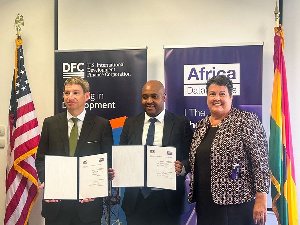
The USA’s International Development Finance Corporation (DFC) has designated a $300 million investment to facilitate the establishment of data centers in Africa, including Ghana.
The Africa Data Centres (ADC) project aligns with the US government’s efforts to support Ghana’s digital transformation and government’s digitalization agenda.
During the signing of a Memorandum of Understanding (MoU) involving ADC, Cassava Technologies, and DFC in Accra on October 12, the CEO of DFC, Scott Nathan, emphasized that the establishment of a data center in Ghana will serve as a crucial hub for secure, reliable, and trusted ICT networks and infrastructure.
He revealed that Ghana, South Africa, and Kenya will be the main locations for the data centers.
“Data centres can help attract data-driven companies looking for a foothold or to expand their operations in growing African economies. Markets with trusted technology and dependable data storage are magnets for businesses that create jobs and opportunity,” Nathan said.
“When the data centre becomes operational, it will help enable development and economic growth here in Accra, for communities, across the country and in the wider region of Africa,” he added.
Additionally, Scott Nathan underlined the significance of open, safe, and secure information technology networks as the cornerstone for the growth of any thriving economy.
“They are a vital part of the infrastructure that allows a dynamic private sector to grow and thrive,” the DFC CEO concluded.
According to Finhai Munzara, chief financial officer of Africa Data Centres, the project will leverage up to 15%, or US$50 million, for the data center in Ghana to further support the government’s objective to fully utilize the potential of the nation’s technological industry.
“We have secured a site in Ghana within the Trade Fair which is also around the landing stations. We know from internet statistics that Ghana is becoming a hub for internet connectivity and we are seeing today that Ghana is using 20 percent of the West Africa regions internet and we believe that will continue to grow further upwards”.
Following the recent visit to Ghana by US Vice President Kamala Harris, US Ambassador to Ghana Virginia Palmer reaffirmed the US government’s commitment to assisting Ghana in its attempts to undergo a digital revolution.
“Ghana is harnessing the potential of the digital economy and we applaud its vision and commitment to building a strong digital ecosystem,” Ambassador Palmer noted.
The Memorandum of Understanding (MoU) also emphasizes their shared commitment to enhancing the ICT infrastructure in Africa.
Additionally, it enables ADC to leverage a portion of its current $300 million DFC finance commitment to build Ghana’s first data center of its sort.
The World Bank has allocated approximately $70 billion to support digital infrastructure development in Ghana and other developing nations.
The Bank is actively engaging in research and communication with African and other developing countries to identify investment needs and provide necessary assistance.
During a panel discussion at the WBG/International Monetary Fund (IMF) Annual Meetings in Marrakech on the topic “Building foundations for an inclusive digital future,” Mr. Axel Van Trostsenburg, Senior Managing Director, Development Policy and Partnership at the World Bank, emphasized the importance of bridging the digital divide between advanced and low-income countries. He stressed that a financial commitment is essential, as digital infrastructure cannot be built on hope alone.
In response to this need, the International Development Association (IDA), a subsidiary of the World Bank, is making $70 billion of its $93 billion replenishment available to Africa to support digital infrastructure and other developmental projects.
Trostsenburg highlighted the importance of developing physical digital infrastructure and connecting it to the objectives of the African Continental Free Trade Area (AfCFTA), emphasizing the potential for significant economic growth through regional integration under AfCFTA.
He called for a multifaceted approach, including regulatory support, infrastructure development, and mobilizing private sector finance to foster digital development.
Ursula Owusu-Ekuful, Ghana’s Minister of Communications and Digitalisation, shared Ghana’s challenges in digital acceleration, citing insufficient access to finance due to global economic difficulties. The government is exploring Private-Private Partnerships (PPPs) to increase high-speed internet access.
Despite challenges, Ghana has launched various programs to benefit people of all backgrounds, from students to the working population, including farmers and individuals with disabilities. These initiatives have led to remarkable progress, with individuals who had never encountered computers now becoming software and robotic engineers.
Ghana is set to host the first global cybersecurity capacity-building conference in November 2023, aimed at strengthening capacities in the global south and reducing reliance on costly consultants for managing digital infrastructure.
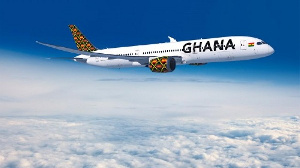
Over a year has passed since Ashanti Airlines, in partnership with the Government of Ghana (GoG), won the bid to establish a new domestic carrier for Ghana. However, Ashanti Airlines, along with its financial partner, Zotus Group, has made little tangible progress in bringing this project to fruition.
Despite missed target dates in 2022, the government had provided assurances that the new airline, named Ghana Airlines, would initiate ticket sales in April and May 2023, with commercial flights commencing by June or July of the same year.
Ashanti Airlines, initially holding an Air Carrier License (ACL) but not yet a full-fledged airline at the time of the bid, secured the contract ahead of strong competitors such as Ethiopian Airlines, EgyptAir, and JNH Group, a company with a group net worth exceeding $1.5 billion but lacking an Air Carrier License (ACL) and an Air Operator’s Certificate (AOC).
Although Ashanti Airlines had demonstrated early enthusiasm in the acquisition of an AOC from the aviation sector regulator, the Ghana Civil Aviation Authority (GCAA), it has faced prolonged delays in the process, stretching back to the previous year, according to a well-informed source cited by Aviationghana.com.
With just around 14 months remaining in the Nana Akufo-Addo-led government’s tenure, there is a growing urgency to address the nearly seven-year-long pursuit of a new national flag carrier.
Kwame Governs Agbodza, the Minority Chief Whip and Member of Parliament for Adaklu Constituency in the Volta Region, feels his earlier skepticism is justified: “When it was awarded to Ashanti Airlines, I warned them that this would not succeed because they lack the expertise. Running an airline is not akin to buying an expensive car and parking it in your driveway.”
Ghana has been without a national airline since the collapse of Ghana International Airlines in 2010, following the earlier demise of Ghana Airways in 2004. Successive governments since 2010 have attempted, albeit unsuccessfully, various approaches to establish a new flag carrier.
Given Ghana’s reputation as one of Africa’s stable democracies and business-friendly nations, the quest for potential partners in this venture has garnered interest from some of the industry’s most reputable names over the past decade.
Lufthansa, Qatar Airways, Ethiopian Airlines, EgyptAir, Airbus, Boeing, South Africa Airways, Embraer, and others have all, at one point or another, expressed interest in collaborating with the GoG on this project.
Ethiopian Airlines, set to become the largest international carrier servicing Accra’s Kotoka International Airport with 14 weekly flights starting from October 29, 2023, may offer a mutually beneficial solution to Ghana’s quest for a new flag carrier. Mr. Lemma Gudeta, the Chief Commercial Officer of Ethiopian Airlines, indicated in an interview with AviationGhana.com in Accra, Ghana, that his company would be open to revisiting discussions about the project if the Government of Ghana invites them back to the table.
“Yes, we used to engage with the Government of Ghana for the establishment of a national carrier here. We participated in a bid and we were one of the companies shortlisted to go for further discussion. There were issues that happened in between, but Ethiopian Airlines feels that it is our national obligation as an African carrier to support any start-up national carriers in Africa.
Therefore, whenever the Ghanaian government is ready, and if they believe that Ethiopian Airlines can make a difference, we will be more than happy to assist, because it’s not about business or commercial venture. It is all about making Africa self-sufficient in air transport, therefore it is strongly our obligation, and we will be more than happy to be part of the journey that the Ghanaian government is going to do in establishing the national carrier.”
The United States Government, in collaboration with the U.S. Agency for International Development (USAID), has introduced a $60 million initiative aimed at enhancing educational accountability in Ghana.
Referred to as the “Strengthening Accountability in Ghana’s Education System” (SAGES) initiative, this program aims to enhance the provision of primary education services throughout a new five-year duration.
The official launch of this initiative took place in Accra and was led by Kimberly Rosen, the Director of USAID Ghana Mission, and Rev John Ntim Fordjour, the Deputy Minister for Education.
Its primary objective is to assist the Ministry of Education, its associated bodies, and collaborators in reinforcing the framework for educational accountability within the primary education sector.
“It would also improve the performance of education system actors and improve the effectiveness of their interactions with each other, in support of education accountability,” the statement said.
Madam Rosen said: “A strong educational foundation opens doors for young people. Education is the cornerstone of progress and development, and it is with immense pride that we join hands with our Ghanaian partners to enhance accountability within the educational system,” she said.
The SAGES initiative will also enhance education management and community engagement in 17 districts spanning the Northern, North East, Upper East, and Upper West regions.
This comprehensive SAGES effort comprises two interrelated components that center on accountability. The $60 million grant, spanning five years, includes $10 million in direct assistance to the Ministry of Education for the implementation of Ghana’s Education Accountability for Learning Framework.
CARE Ghana, with financial backing from the United States Agency for International Development (USAID), will offer technical support to the Ministry of Education, its affiliated organizations, and partners to ensure effective accountability and improved learning outcomes in Ghana’s primary schools.
The implementation of the SAGES System Strengthening Activity by CARE Ghana involves collaboration with five sub-awardees: AfriKids, Community Development Alliance (CDA), Crown Agents (CA), Ghana National Education Campaign Coalition (GNECC), and School for Life (SfL).
The Health Facilities Regulatory Agency (HeFRA) has revealed that there are only 14 registered dialysis centers in the country. Out of these, seven are publicly owned, and the remaining seven are privately operated.
These facilities include Riverwoods Medical Equipment and Dialysis Company, Accra Kidney Clinic Limited, Sahel Health Ghana Limited, Kidney Specialist Center LTD, Eastern Regional Hospital, Effia Nkwanta Regional Hospital, Central Dialysis, Komfo Anokye Teaching Hospital, Korle-Bu Teaching Hospital, Tamale Teaching Hospital, Maritime Hospital Ghana Limited, First Dialysis, Sage Medic Center, and Peace & Love Hospitals.
Among these, eight are located in the Greater Accra Region, three in the Ashanti Region, and one each in the Northern, Eastern, and Western Regions.
Dialysis is a medical procedure that helps remove excess fluid and waste products from the blood when the kidneys are unable to do so.
Patients typically require three dialysis sessions per week for a normal life. Ms. Christabel Nuhoho, the Head of Public Relations at HeFRA, confirmed that these licensed facilities provide dialysis services in the country.
“We have some facilities that are registered, but yet to be licensed. It is also possible some are not known to us at all,” she added.
Ghana reportedly has approximately 15,400 patients in need of dialysis treatment. However, only about 1,195 individuals, which accounts for 7.8 percent of the estimated number, are currently receiving this critical medical treatment. Despite the significant number of individuals suffering from End Stage Renal Disease (ESRD) or kidney failure in the country, there are only ten nephrologists—medical specialists who diagnose and treat kidney conditions—in Ghana, according to Medpages online, a research platform.
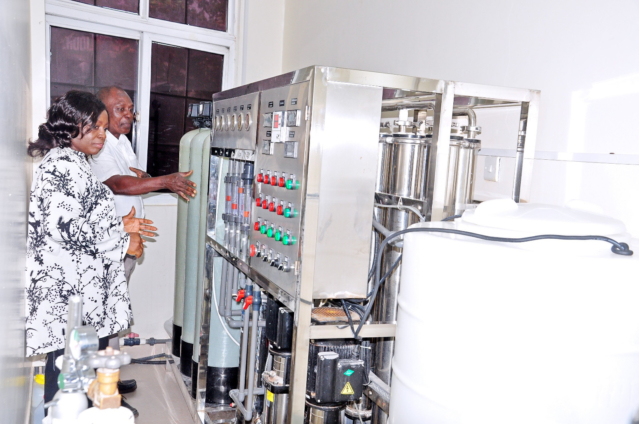
Ms. Nuhoho further explained that to obtain a license for operating dialysis services, a facility is required to meet specific minimum requirements.
These include having a minimum of two dialysis machines, two dialysis beds, a water treatment plant, a blood pressure apparatus per machine, and an emergency trolley equipped with essential emergency medications.
The International Monetary Fund said that Ghana will need a debt relief agreement from its official creditors to qualify for further disbursements under a $3 billion extended credit facility program.
The Washington-based lender reached a staff-level deal with Ghana on the first review of the program that started in May, Stéphane Roudet, IMF mission chief, said in a statement Friday.
Ghana’s dollar bonds rose and were among the best performers in emerging markets. Notes maturing in 2049 gained 0.2 cents to 41.07 cents on the dollar by 2:14 p.m. in London.
To complete the review, which will give the West African nation access to another $600 million disbursement, bilateral creditors must agree on specific terms of debt treatment, in line with the financing assurances they provided five months ago, he said.
The financing assurance enabled IMF to approve Ghana’s program, with an initial $600 million disbursement.
“We’re now in the first review so we’re moving from a general commitment to a specific credit commitment on terms of debt restructuring,” Roudet said at a press conference in the capital, Accra. This will also inform the specific terms for external commercial creditors, he said.
The lender is treating Ghana like Zambia, which also has an IMF program.
Earlier this year, the IMF insisted that Zambia’s official creditor committee sign a memorandum of understanding to unlock the next disbursement, but later backed down and approved the payment after the bilateral lenders in June announced an agreement in principle to restructure $6.3 billion of debt.
“We are confident that the official creditor committee agreement will come through in time for the executive board’s approval in November,” Minister of Finance Ken Ofori-Atta said in an interview, on the sidelines of the press conference.
Ghana’s policy reform commitment under the program is bearing fruit, Roudet said. Economic growth has proven more resilient than earlier thought, fiscal and external positions have improved, the exchange rate has stabilized and the inflation rate has declined, he said.
Ghana’s inflation slowed to 40.1% in August, its lowest level in 10 months. The cedi, which weakened as much as 21% earlier this year has pared its losses against the dollar to 13%.
The country is restructuring almost all of its $50 billion debt to make it sustainable under the IMF program. It has successfully completed its domestic debt rework. The next step is to revamp about $13 billion in Eurobonds.
Ghana sought IMF help in July 2022 after its dollar bonds plunged and spending cuts failed to convince investors it will be able to repay debt.
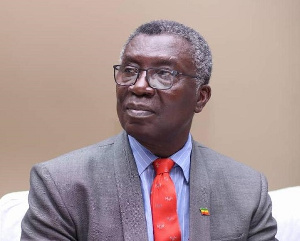
Former Minister of Environment, Science Technology, and Innovation, Professor Kwabena Kwabena Frimpong-Boateng, has issued a warning that the upcoming year, 2024, is poised to bring significant economic challenges to Ghana.
In an opinion piece authored by the distinguished cardiologist and member of the ruling New Patriotic Party, he emphasized that, “prominent and credible economists have predicted that considering the miserable and near hopeless state of the national economy, it might take Ghana at least 30 years to witness any semblance of recovery”.
He further noted that given the current challenges posed by the economic crisis, other knowledgeable and equally credible economists have suggested “no country has witnessed an economic recovery from a malaise similar to what the NPP has visited on the country.”
“The year 2024 will be turbulent economically, I am told,” he added.
He however bemoaned the posture of the current government [NPP] which seems certain it will be given the nod in the upcoming general elections in 2024 despite the economy in disarray.
“Instead of addressing the challenges confronting us, the government appears to have resigned itself as if it had finished its job and Ghanaians should wait for the next administration to address the myriad of problems facing the country. NPP, HOW DID WE GET HERE?” he questioned.
Meanwhile, Ghana’s economy is presently operating within the framework of a three-year IMF-supported program known as the Extended Credit Facility.
Additionally, the ruling NPP has been facing extensive protests regarding living conditions and has been contending with demands from labor unions, civil society organizations, and a broad spectrum of Ghanaian citizens.
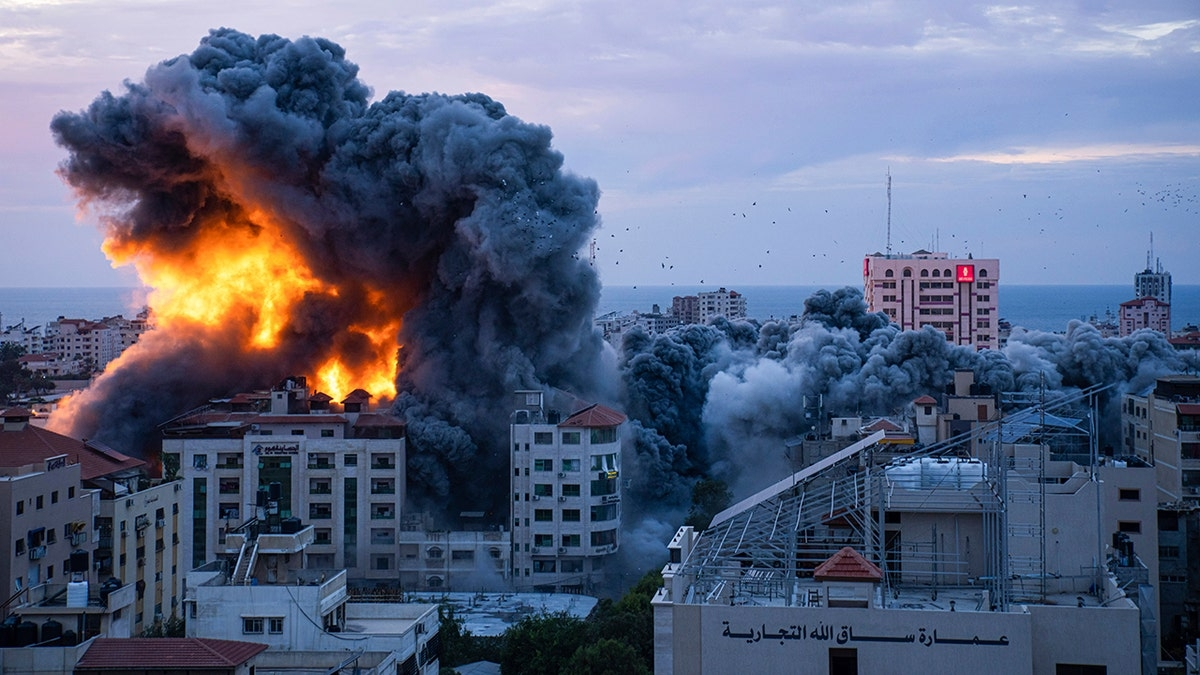
Amidst the recent escalation of tensions between Israel and Palestine concerning the Gaza Strip, the Ghanaian government has reiterated its support for Israel following a deadly attack by Hamas militants on southern Israel.
Hamas militants from the Gaza Strip reportedly crossed into southern Israel, launching an assault on innocent Israeli civilians.
Israel has reported over 600 casualties and 100 abductions in the wake of these attacks.
Meanwhile, in Gaza, Palestinian officials have stated that at least 313 people have lost their lives due to retaliatory Israeli airstrikes.
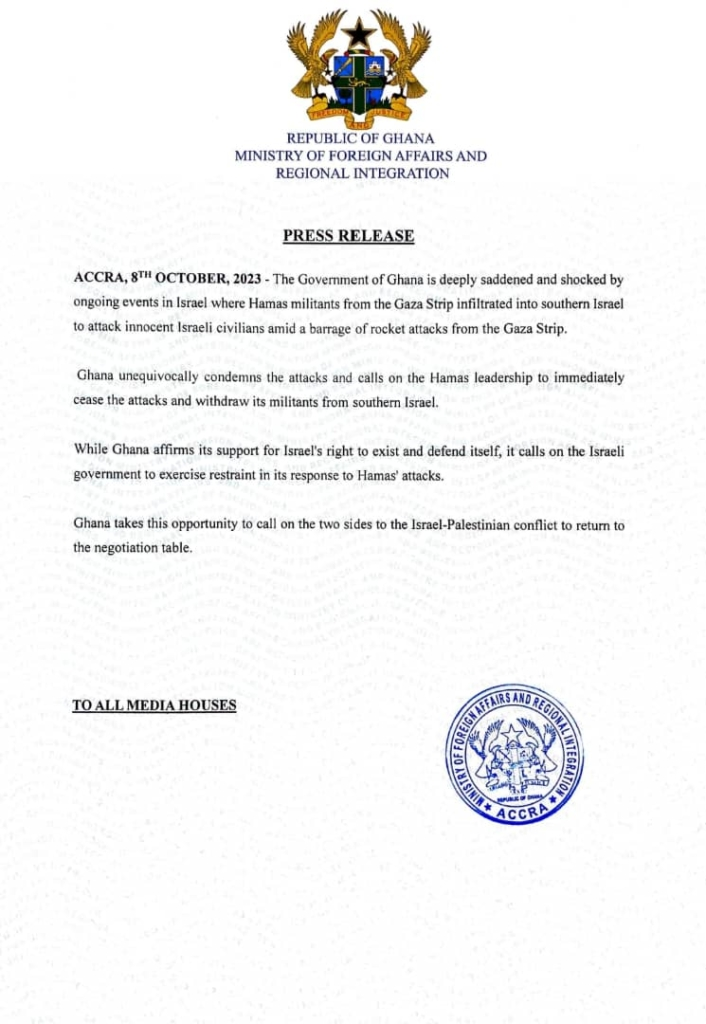
In a statement released on Sunday, October 8 by Ghana’s Foreign Affairs Ministry, the government said, “Ghana unequivocally condemns the attacks and calls on the Hamas leadership to immediately cease the attacks and withdraw its militants from southern Israel.”
“While Ghana affirms its support for Israel’s right to exist and defend itself, it calls on the Israeli government to exercise restraint in its response to Hamas attacks” the statement noted.
However, the government of Ghana has issued a call for both sides involved in the Israeli-Palestinian conflict to come back to the negotiating table.
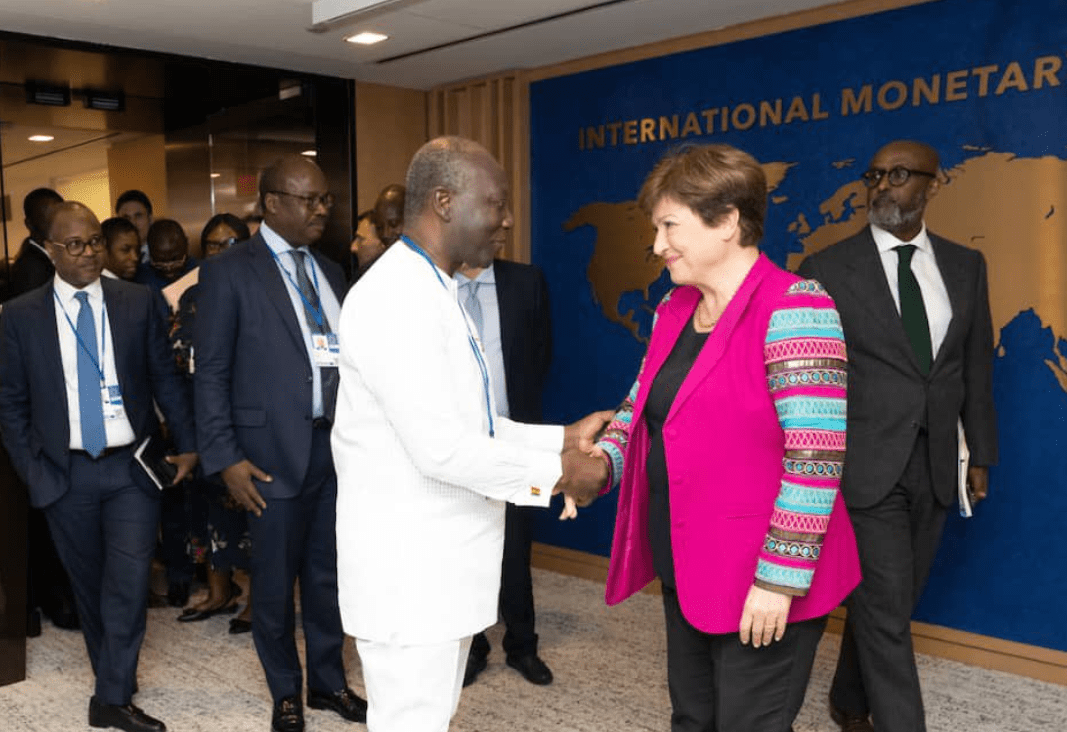
The Managing Director of the International Monetary Fund (IMF), Kristalina Georgieva, has expressed her strong anticipation of the upcoming disbursement of a $600 million second tranche of IMF funds, scheduled for November.
She emphasized the importance of this disbursement in instilling confidence in Ghana’s economic stability.
Georgieva acknowledged a favorable outlook for Ghana’s economy, noting significant improvements in the country’s economic performance over the past month.
“Ghana is doing actually quite well. You have seen that their position has improved over the last month, and the economy is in a much better place. I would very much hope that we can have the disbursement,” she said referring to a $600 million tranche of IMF money.
Ghana recently secured a $3 billion IMF support package and is currently undergoing its first program review, with the conclusion of the review expected in November.
During an interview, Georgieva also touched upon the advancements achieved by Zambia and Ghana, both of which experienced debt defaults but are currently making notable progress under their respective IMF programs.
Furthermore, she offered guidance to Tunisia, suggesting that although immediate restructuring may not be imperative, the country should swiftly implement measures to strengthen its economy.
President’s Advisor on Health, Dr. Anthony Nsiah Asare, has called on Ghanaians to consider donating portions of their bodies to those in need.
This, he believes, can aid in the resolution of the country’s renal failure problems.
He added that it might also help Ghana become a medical tourism destination in West Africa.
“People should also know how to donate parts of their bodies. You know we have two kidneys and normally we need out one kidney to carry out all the processes so you can easily donate,” he said.
He further said that, “To me, the most important thing is the eye. When anyone is about to die and your eye is good, you can remove your eyes and then donate the cornea to somebody because after all when you die, you close your eyes so when the eyes are not there, nobody would even notice.”
Mr. Nsiah Asare shared this statement during his participation in the Kidney Health Matters discussion on JoyNews on Thursday, October 5, 2023.
When questioned about actions taken regarding organ donation, the former Director General of Ghana Health Service mentioned that legislation would be enacted to address this matter.
“There is a document which is being reviewed so that we have a law… so that we can harvest the organ, store the organ and also donate it. It is not only for kidneys,” he said.
He also noted that the government is building the capacity of surgeons in that area.
He further challenged hospitals with renal dialysis units to buy essentials in bulk to save cost.
Dr. Asare also advised pharmaceutical companies to go into the manufacturing of consumables that will decrease the cost of dialysis.
President of the Ghana Kidney Association, Prof. Sampson Antei, has expressed concern over the high cost of kidney dialysis, noting that it is an expensive treatment that many patients worldwide cannot afford out of their own pockets.
“Affordability has been the major challenge and this has existed over all these years,” he said while contributing to Kidney Health Matters on JoyNews on Thursday, October 5, 2023.
Mr. Antei stated that the Ghana Kidney Association is working to reduce the cost of dialysis. This discussion arose after the Korle Bu Teaching Hospital raised the per-session dialysis cost for individuals with kidney conditions by more than 100%.
An announcement on the department’s door had indicated, “the cost of dialysis has been increased from GH¢380 to GH¢765.42.”
However, the hospital attributed the steep increase to high taxation. Following significant opposition, the hospital management was compelled to reverse its decision.
The president of the Ghana Kidney Association also expressed the hope that no kidney patients progress to the end stage. He emphasized the critical nature of this stage, where patients may face life-threatening circumstances without access to an artificial kidney.
He explained that kidney disease has five stages, and the condition can be managed up to the first four stages. However, once it reaches stage five, it signifies that the kidney has completely ceased to function, and patients may need to rely on an artificial kidney.
“We know everywhere in the world that the cost of treatment of getting an artificial kidney what we call kidney replacement therapy i.e. dialysis or kidney transplant is so expensive yet that is the solution. It is a solution to what otherwise being a dead end would.”
For this reason, he said, “We pray that people with kidney disease do not get to what we call the end stage.”
The body of the late former distinguished Member of Parliamentfor Ningo-Prampram, Enoch Teye Mensah, will be brought to Ghana on Saturday, October 7, 2023.
Mr. Mensah, popularly known as E.T. Mensah, passed away in South Africa after a prolonged battle with illness.
At the time of his passing, he was 77 years old.
E.T. Mensah’s extensive political career spanned two decades, from 1997 to 2017, during which he also held the position of Minister of Youth and Sports in the Rawlings administration. Alongside his political commitments, he was a devoted family man, blessed with a spouse and seven children.
In the era of the Provisional National Defence Council(PNDC), he served as the Chief Executive of the Accra Metropolitan Assembly (AMA) and remained a steadfast member of the National Democratic Congress (NDC).
Notably, President John Evans Atta Mills appointed E.T. Mensah as Minister for Employment and Social Welfare in January 2010. Subsequently, he was elected to the Council of State in February 2021, representing the Greater Accra Region.
The passing of E.T. Mensah has plunged the nation into sorrow, as tributes pour in, honoring his dedicated and lengthy service to the people of Ghana. Detailed arrangements for his funeral and memorial service are presently in progress.
Former Minister for Tourism and Chief of Agomeda, Nene Nagai Kassa VIII, also known as Mike Gizo, has called for a reevaluation of Ghana’s leadership structure to ensure that qualified and responsible individuals are entrusted with the country’s governance.
Mr Gizo expressed concerns about the current political landscape in Ghana, where individuals from diverse backgrounds are able to assume leadership roles without the necessary qualifications.
He emphasized the need to reconsider the selection and preparation of leaders in the country.
During an interview with the media Mr Gizo remarked,“I think we should go back and look at the people that we are producing for our leadership. You can’t do this in other places except for Africa and Ghana.”
Furthermore, Gizo dispelled rumors suggesting that E.T. Mensah had a “bossy” demeanor, explaining that Mensah’s approach to his work aligned with his responsibilities.
In paying tribute to the late Council of State member, Gizo described E.T. Mensah as a hard-working politician with exceptional organizational skills.
He highlighted Mensah’s grassroots connection and his ability to mobilize and communicate effectively with people, even though some later perceived him as somewhat authoritative, a trait that Mr Gizo attributed to the demands of the job.
“ET Mensah was a very active person, very knowledgeable, he was a grassroots man. Even though he was a top man, his organisational capacity was something because he could organise a thousand people for you within just a few minutes. He knew how to deal with the grassroots, he knew how to talk to people. Later on, people thought he was somehow a bit bossy, but it came with the work,” he added.
There appears to be an upsurge in traffic at the country’s ports, which appeared nearly deserted at the start of the year due to reduced trade volumes.
According to data from the Composite Index of Economic Activity, around 57,000 containers passed through ports as of July 2023.
“While this figure represents a substantial decline compared to July 2021, it marks a significant improvement over the approximately 40,000 containers recorded in January of this year,” Citi News reported.
The report also stated that Customs House Agents credited the modest improvement to the stabilization of the local currency, the cedi, along with other positive macroeconomic developments.
Yaw Kyei, President of the Customs House Agents Association, identified high port tariffs and foreign exchange costs, among other challenges encountered by importers.
He emphasized the importance of ensuring efficient port services to facilitate growth, highlighting the pivotal role of ports in trade and commerce.
The Cyber Security Authority has reported that Ghana incurred a loss of GH¢49.5 million in the first nine months of 2023 due to cyber fraud.
Dr. Albert Antwi-Bosiako, the Director-General of the Cyber Security Authority, disclosed that the cases reported to the Authority encompassed various cybercrimes such as cyberbullying, online loan app scams, shopping fraud, romance scams, and identity theft, among others.
He emphasized that the recent surge in cyber fraud activities underscores the pressing need to intensify efforts in combatting such criminal activities.
Dr. Antwi-Bosiako further stated that the Authority is actively working on implementing a series of regulatory measures to enhance cybersecurity throughout the country.
Additionally, the Authority has made significant progress in developing a comprehensive cybersecurity framework.
He assured the public of the Authority’s dedication to enhancing online safety and safeguarding the information of both individuals and businesses.
Dr. Antwi-Bosiako also cautioned individuals and organizations to remain vigilant, adopt best practices in cybersecurity, and collaborate with authorities to effectively combat cyber threats.
The country in West Africa is going through its worst economic difficulties in a long time. There is a big problem with prices going up a lot, making it expensive to live there. The country also owes a lot of money to the public.
The government made some strict changes, such as raising prices for services and taxes, to make more money within the country.
The Government of the Republic of South Korea has donated 22 KIA vehicles to the Ministry of Foreign Affairs and Regional Integration in support of Ghana’s preparations for the upcoming 2023 UN Ministerial Meetings scheduled for December.
This donation comprises twelve saloon vehicles and ten vans, which were officially handed over by Korea’s Ambassador to the Republic of Ghana, H.E. Jung-Taek Lim, during a ceremony at the Foreign Ministry on Monday, October 2, 2023.
In his remarks, Ambassador H.E. Jung-Taek Lim reiterated the commitment of the Korean government to strengthen its collaboration with Ghana in the United Nations and other international forums.
Foreign Minister, Shirley Ayorkor Botchwey and Ambassador H.E. Jung-Taek Lim
He expressed hope that these vehicles, in addition to the IT products provided in July of this year, would contribute to Ghana’s successful hosting of the UN Peacekeeping Ministerial Conference in December.
On her part, the Foreign Minister, Shirley Ayorkor Botchwey, who received the vehicles on behalf of the Government of Ghana, noted that “the occasion symbolises the strength of the relations between Ghana and the Republic of Korea and further underscores the importance Ghana attaches to the longstanding friendship”.
The Minister thanked the Government of Korea for extending support to Ghana in its preparations towards bringing the entire peacekeeping community into the country.
Madam Ayorkor Botchwey also took the opportunity to commend Ambassador Lim for his role in securing Korea’s support for Ghana for the upcoming 2023 UN Ministerial meetings in December.
UN Peacekeeping Ministerial Meetings focus on securing concrete commitments from Member States to fill critical gaps, leverage new technologies and address key priorities to improve the operational effectiveness of peacekeeping missions.
With missions navigating unprecedented challenges and threats, this year’s event will focus on critical issues such as the protection of civilians, strategic communications and addressing misinformation and disinformation, safety and security, mental health of uniformed peacekeepers and the pivotal role of women in peacekeeping.
Highlighting the significance of the Ministerial Meeting taking place in Africa and the importance of partnerships, Atul Khare, Under-Secretary-General for Operational Support said: “Ghana’s and Africa’s contributions to peacekeeping are advancing beyond troop contributions to offering a vital forum in which countries can unite and collaborate on innovative strategies to address current challenges and discuss the future of peacekeeping. I look forward to the formation of partnerships amongst participants to enhance the effectiveness of our peacekeepers, elevate the quality of their medical care and foster environmentally responsible operations.”
“In addition to the myriad challenges currently before us, United Nations peace operations are also at a critical juncture in preventing and addressing misconduct as a central element of performance,” said Catherine Pollard, Under-Secretary-General for Management Strategy, Policy and Compliance.
In the lead-up to this year’s Ministerial Meeting, a series of preparatory meetings on key areas identified by UN Member States have set the stage for discussions.
These included preparatory conferences on women in peacekeeping operations, co-hosted by Bangladesh, Canada and Uruguay; mental health support for uniformed personnel, co-hosted by Ghana, Republic of Korea and the United Nations; and safety and security, co-hosted by Japan and Pakistan. In October, a meeting on protection of civilians and strategic communications will take place in Kigali, co-hosted by Indonesia, Netherlands, Rwanda and the United Kingdom.
The Office of the Registrar of Companies (ORC) has successfully restored its software application system, which had been temporarily offline since September 25, 2023.
This development follows the ORC’s previous announcement regarding the temporary shutdown of the system, which is primarily used for facilitating, upgrading, and registering businesses due to technical difficulties.
In a statement released by the ORC and shared with GhanaWeb Business on September 29, it was confirmed that “the system has now been fully restored, and the Office has resumed all of its services as of today, September 29, 2023.”
The ORC expressed gratitude to its clients and stakeholders for their patience and reaffirmed its commitment to being a reliable business partner in Ghana.
The ORC, a statutory entity derived from the Registrar-General’s Department, is entrusted with the vital responsibilities of company and business registration, as well as providing advisory services.
As an autonomous body, the ORC handles the registration of various types of businesses, including private and public companies limited by shares, private and public companies limited by guarantee (including churches, schools, NGOs, CSOs, associations, unions), external companies, and professional bodies.
Security Policy Expert, Anthony Acquaye, affiliated with the Centre for Security Dialogue and Peace Advocacy, has urged the Ministry of National Security to adopt a proactive strategy in preventing potential terrorist attacks within the country.
This call follows the recent arrest of individuals believed to be terrorists by the police in Burkina Faso on September 28, 2023. These alleged terrorists have reportedly been hiding in Fatchu, located in the Sissala West District of Ghana.
In a statement, Anthony Acquaye emphasized the necessity of close collaboration and intelligence-sharing with neighboring countries, particularly Burkina Faso, to effectively address the shared threat of terrorism that impacts the entire sub-region.
Highlighting the importance of robust border security, the expert stressed the need to fortify security measures along Ghana’s borders, especially in regions with porous borders.
“Much as the security and intelligence architectures of the state are doing their best to safeguard citizens from the threat of terrorism, it is important to strengthen the country’s border security to prevent terrorists from entering the country.
“Having studied the modus operandi of the terrorists, who look for weak and porous areas to operate, and with Ghana having so many unapproved roots at our various borders which can make it easy for terrorists to have their way into the country, through the northern enclave, which is very tricky due to rise in terrorists’ operations in Burkina Faso, in which Ghana shares border with at the north. It is important to deploy strong interoperability security measures and a critical collaborative proactive intelligence network among the two countries, and their other neighbouring countries to help tackle the common threat of terrorist attacks that have engulfed the sub-region,” he noted.
While recognizing Ghana’s security and intelligence services’ efforts to protect residents from terrorist threats, Anthoney Acquaye advocated for the adoption of comprehensive interoperable security measures and proactive intelligence networks across Ghana and its neighbors.
“The Ministry of National Security is not helping the general public by not informing and educating them about the actual type of threats of terrorism identified or anticipated by their outfit that Ghana seem to be facing, including its threats level at the district bases, regional bases and the nation at large, through their website, social media Platforms or their normal text massaging mechanism,” the statement read.
This approach, he said, will help the public to remain more alert of the danger, and the actual type of threats posed to them and to tell any suspicious activities to the state security agencies through an active phone number.
Also, Security Policy Expert also criticized the Ministry for adopting a terrorism awareness slogan that he believes do not align with Ghana’s specific threat landscape.
“Let me register my disappointment with the laziness approach of the Ministry of National Security in not being able to create its own Strategic Terrorism Awareness Campaign Slogan coupled with active contact number for citizens to reach up in any event of suspicious activities, but chose to copy the slogan proposed by executive Allen Kay from New York City which was used by the United States after their 9/11 terrorism attack, and adding to it an inactive (999) phone or contact number, which can be reach when citizens call.
“Until the Ministry proves that the type of terrorism threat, identified or anticipated to be faced by Ghana is the same as that of the United States, there is no point in adopting a Plagiarized slogan which does not concur with the combating of Ghana’s type of terrorism threat. In the United Kingdom, for instance, the M15 created their own terrorism threat campaign awareness slogan, termed (SCaN) meaning See, Check and Notify. In that, if you see anything check and notify the security agency,” he stated.
He continued “It is also imperative to state on record that, the Ministry of National Security is doing its best to help prevent any act of terrorism that may befall the country through the launch of the Terrorism Awareness Campaign slogan “If you see something, say something” with gospel musician Empress Gifty as the brand ambassador, which I have my reservation on her appointment,” he added.
The International Monetary Fund (IMF) has reiterated its optimism regarding the possibility of the Official Creditor Committee and the Ghanaian government reaching an agreement on external debt restructuring in the near future.
Ghana’s total debt, which amounts to $52.3 billion, has over half of it owned by external creditors, including Eurobond holders and certain banks. Consequently, a substantial reduction from external creditors is seen as crucial for the country’s efforts to significantly reduce its debt burden.
During a press conference, Julie Kozack, Director of Communications at the IMF, emphasized the importance of the Ghanaian government finalizing the restructuring of its domestic debt.
Both UK-based Fitch Solutions and the Economist Intelligence Unit (EIU) share the belief that Ghana will reach an agreement with the Official Creditor Committee by the end of the year, paving the way for the commencement of external debt restructuring.
However, IMF wants the agreement done soon.
“The next steps on debt restructuring are for the Official Creditor Committee to agree with the authorities on the specific modalities of debt relief and for the authorities to continue to engage with their external private creditors for relief on their external debt. These discussions are ongoing, and we hope that the OCC, the Official Creditor Committee, and the Ghanaian authorities will find an agreement soon. The government has recently finalized the restructuring of its domestic debt”, Julie Kozack said.
Madam Kozack also mentioned that an IMF Mission is presently in Accra, Ghana, to evaluate performance and engage in discussions regarding policies for the first review of the program. The objective is to present this review to the Executive Board in November 2023.
Ghana’s program encompasses three key goals: restoring macroeconomic stability, ensuring the sustainability of debt, and establishing the groundwork for increased and more inclusive economic growth. The program includes a comprehensive set of reforms aimed at enhancing resilience while safeguarding the most vulnerable segments of the population.
Regarding the sub-Saharan Africa region, Julie Kozack mentioned that the Fund will be publishing its regional economic outlook in the forthcoming weeks.
“We will be releasing that outlook and that will contain detailed information on the region. I think it’s fair to say that the region is still undergoing what we called in April [2023] the big funding squeeze. The region has been very much affected by the succession of shocks, the pandemic, the cost of living crisis, food insecurity. And in addition, the region has been affected, of course, by tightening global financial conditions, and that has led to what we’re calling the funding squeeze”.
“All of that has happened in a situation where the region is facing also, in some countries, high debt. So the challenges, of course, are very significant in Africa. But I would be remiss if I don’t also mention the opportunities in the sense that Africa is a continent with a youthful population, which presents tremendous opportunities for the region as well”.
In Parliament, the Minority is sounding a cautionary note to the management of the Ghana National Petroleum Corporation (GNPC). They are advising against seeking approval for a $431 million loan facility.
The concern raised by the NDC MPs revolves around suspicions that the government is pressuring GNPC into obtaining this loan from a company called Litasco, using oil as collateral.
Isaac Adongo, the Ranking Member for the Finance Committee, addressed the media on September 28, asserting that this arrangement runs afoul of the conditions set by the existing IMF program.
Specifically, it violates the stipulation prohibiting the government from acquiring commercial loans with collateral.
“They should not even dare to invite parliament to consummate the illegality they are about to undertake. The conduct so far suggests that they are keen to breach the agreement they signed with the IMF. Otherwise, they would not even go to the GNPC Board to approve any term sheet, go to Ministry of Energy [to] go and get no objection, go to Ministry of Finance…and Ken Ofori-Atta you don’t even read the agreement you signed then you give no objection and the president approved it… They can do it there.”
He added, “They don’t even respect the laws of Ghana. So they should just stay there and do it. Then we will know that they don’t respect Parliament. But they should not even invite us to be part of that process that “
Minority Leader Dr. Cassiel Ato Forson, for his part, has warned that his party will not vote on an agreement that he claims is in flagrant violation of Ghana’s 17th IMF plan.
Ghana-China trade to hit a record-high level of US$10.2 billion in 2022, up from US$6.67 billion in 2017.
More crucially, Ghana’s exports to China surged by 60% last year, according to the Chinese Ambassador to Ghana, Lu Kun.
During the commemoration of the 74th anniversary of the People’s Republic of China in Accra, the ambassador revealed that collaboration and alliances between China and Ghana are yielding concrete advantages for both nations.
“Since this year, China-Ghana cooperation has yielded fruitful results, delivering tangible benefits to the Ghanaian people. In March, construction began on a China-aided annex building for the foreign affairs ministry in Accra. In May, China joined the official creditor committee for Ghana as co-chair and helped Ghana secure the IMF US$3 billion deal in record time.
“In June, construction began on a China-aided military building. In July, the 43rd fleet of the Chinese People’s Liberation Army Navy visited Ghana. The Embassy donated relief items to flood victims in the Volta Region and a Chinese medical team in Ghana provided free clinical services. In August, the China Visa Application Centre in Accra officially opened. Therefore, China will remain Ghana’s largest trading partner and major foreign investments source for years to come,” he stated.
Dependable partner in socio-economic development
As a guest speaker at the occasion, Finance Minister Ken Ofori-Atta hailed China for its ongoing contributions to Ghana’s socioeconomic development.
‘Let me indeed extend our sincerest appreciation to China for the strong show of support demonstrated in helping Ghana secure the US$3billion extended credit facility from the International Monetary Fund,” he stated.
China stands as Ghana’s foremost trading partner and the primary contributor to recent foreign direct investments. Mr. Ofori-Atta emphasized that the Ghanaian government remains committed to creating a favorable environment that facilitates the activities of Chinese companies within the nation and aims to attract additional investments from China.
New opportunities to deepen trade
While recognizing the two countries’ excellent trade ties, the finance minister emphasized the significance of achieving a balanced trade and investment partnership between the two countries.
In this regard, he has recommended the investigation of new economic routes to promote continuing growth and the enhancement of the two countries’ commercial partnership.
“We believe that by fostering a win-win cooperation with the People’s Republic of China, Ghana will have a greater chance of realising its developmental objectives,” he stated.
Trade in 2023
As of June 2023, China’s exports to Ghana amounted to a total of US$747 million, while its imports from Ghana reached US$183 million. This resulted in a positive trade balance of US$563 million for the Asian giant, as reported by the Observatory of Economic Complexity (OEC), a leading tool for visualizing international trade data.
China’s primary exports to Ghana in June 2023 included coated flat-rolled iron (valued at US$32.4 million), pesticides (US$29.5 million), rubber footwear (US$17.6 million), large construction vehicles (US$15.4 million), and motorcycles and bicycles (US$14.8 million).
Conversely, the top imports from Ghana to China during the same period were dominated by crude petroleum (valued at US$159 million), manganese ore (US$49.7 million), sawn wood (US$1.44 million), cocoa paste (US$1.16 million), and rough wood (US$1.09 million).
However, according to OEC data, China’s exports saw a decline of US$158 million (-17.5 percent), dropping from US$905 million to US$747 million between June 2022 and June 2023. Imports also experienced a decrease of US$123 million (-40.2 percent), decreasing from US$307 million to US$183 million during the same period.
In 2022, the trade relationship between Ghana and China achieved an unprecedented milestone, reaching a record high of US$10.2 billion, compared to the 2017 figure of US$6.67 billion.
What’s even more noteworthy is that Ghana’s exports to China surged by an impressive 60 percent in the previous year, as revealed by the Chinese Ambassador to Ghana, Lu Kun.
He made this announcement during the celebration of the 74th anniversary of the People’s Republic of China in Accra, underscoring the substantial benefits resulting from the collaborative efforts and partnerships between the two nations.
“Since this year, China-Ghana cooperation has yielded fruitful results, delivering tangible benefits to the Ghanaian people. In March, construction began on a China-aided annex building for the foreign affairs ministry in Accra. In May, China joined the official creditor committee for Ghana as co-chair and helped Ghana secure the IMF US$3 billion deal in record time.
“In June, construction began on a China-aided military building. In July, the 43rd fleet of the Chinese People’s Liberation Army Navy visited Ghana. The Embassy donated relief items to flood victims in the Volta Region and a Chinese medical team in Ghana provided free clinical services. In August, the China Visa Application Centre in Accra officially opened. Therefore, China will remain Ghana’s largest trading partner and major foreign investments source for years to come,” he stated.
Ambassador Lu Kun emphasized the tangible outcomes of China-Ghana cooperation throughout the year. This included the commencement of construction on a China-aided annex building for Ghana’s foreign affairs ministry in Accra in March.
In May, China took on the role of co-chair in the official creditor committee for Ghana, contributing to the swift securing of a US$3 billion deal with the IMF.
In June, construction began on a China-aided military facility, and in July, the 43rd fleet of the Chinese People’s Liberation Army Navy visited Ghana.
Additionally, the Chinese Embassy donated relief items to flood victims in the Volta Region, and a Chinese medical team provided free clinical services in Ghana. August marked the official opening of the China Visa Application Centre in Accra.
Ambassador Lu Kun affirmed that China would continue to be Ghana’s largest trading partner and a major source of foreign investments for years to come.
During the event, Finance Minister Ken Ofori-Atta, as the guest speaker, expressed gratitude to China for its consistent support in advancing Ghana’s socio-economic development.
He specifically acknowledged China’s instrumental role in facilitating Ghana’s access to a US$3 billion extended credit facility from the International Monetary Fund.
Given China’s status as Ghana’s primary trading partner and a key source of foreign direct investments, Minister Ofori-Atta committed the Ghanaian government to create a favorable environment for Chinese companies operating in the country and to attract further investments from China.
Minister Ofori-Atta also stressed the importance of achieving a balanced trade and investment partnership between the two nations. He encouraged the exploration of new economic opportunities to ensure sustained growth and an enhanced commercial partnership.
As of June 2023, China’s exports to Ghana totaled US$747 million, while its imports from Ghana amounted to US$183 million, resulting in a positive trade balance of US$563 million for China, according to data from the Observatory of Economic Complexity (OEC), a leading tool for visualizing international trade data.
China’s primary exports to Ghana in June 2023 included coated flat-rolled iron (US$32.4 million), pesticides (US$29.5 million), rubber footwear (US$17.6 million), large construction vehicles (US$15.4 million), and motorcycles and bicycles (US$14.8 million).
Conversely, China’s top imports from Ghana during the same period were dominated by crude petroleum (US$159 million), manganese ore (US$49.7 million), sawn wood (US$1.44 million), cocoa paste (US$1.16 million), and rough wood (US$1.09 million).
It’s worth noting that China’s exports saw a decrease of US$158 million (-17.5 percent), declining from US$905 million to US$747 million between June 2022 and June 2023, as per OEC data.
Imports also experienced a decrease of US$123 million (-40.2 percent), dropping from US$307 million to US$183 million during the same period.
Desperate times not only calls for desperate measures, but desperate people, who are ready to sneak their necks out and help save a larger society.
Ace Annan Ankomah needs no introduction, if any at all he is a man who works like a bull and pay his taxes.
Ace used to be a voice of reason, true son of the land, who believes that any injustice done to the least among us, is an injustice done to the whole society.
He fought the ills in society, he was called names and described in unpalatable words for speaking his mind and saying it as it is.
He was an astute lawyer, whose voice did not only echo in the four walls of a courtroom, but in the court of public opinion.
For anyone to believe in the project Ghana, people like Ace Ankomah made it possible.
I read somewhere, where it was stated that any life without principle is not worth living. Principles do not change with time, but rather timeless regardless of who is in power.
Ace Ankomah was a thorn in the flesh of former president John Dramani Mahama and his administration, he was a citizen from 2013 to 2016 and not a spectator, he made his voice heard.
He could not be silence by criticism and name calling, he saw what was going wrong and he stood up to be counted. He joined by many like-minded persons poured into the streets and demanded that, not only must things be fixed, but must be done right.
What we witnessed and people like Ace Ankomah, could not endure under the four years of John Dramani Mahama, could best be described as a child’s play, compared to what we are living through under the leadership of Nana Addo Dankwa Akufo Addo.
if there ever was a time in the history of this country for people to speak up, this is certainly the time.
Unfortunately for many voiceless and powerless citizens, who saw Ace as their hero, this is the time he conveniently chose to keep quiet. Is it a case of observing table manners or he has lost the zeal because like all of us, he is also overwhelmed?
Ghana, has derailed from the era of patriotism to a theme of shame. The system is naturally toxic and afflicted with a leadership disaster.
Ace Annan Ankomah, is one of the most celebrated lawyers in this country, who pretended to be working in the interest of Ghana, unknown to Ghanaians at the time it suits his interest.
He rose from a sandstorm to be become a so-called “super hero” by criticizing the erstwhile John Mahama government. As a result of his criticism he became a public figure with whom everybody tried to relate with.
He became another things a reference for a model citizen, and Ghanaians are thankful for his vociferous and veracious attack on the NDC government.
Who he was and the façade behind all that was not known to the public then, the media rushed to interview and invite him on their shows based on the record he set for himself.
Meanwhile, this self-acclaimed “super hero” has played on the intelligence of the average Ghanaian who saw him as their role model.
The Chickens came home to roost, immediately after the 2013 elections when Nana Akufo-Addo, was declared the validly elected president of the country. The once upon a time, camera loving and studio loving Ace, suddenly lost his voice and like a Tortoise crawled into his shell.
The country in the last six years, has been pillage, raped, looted, pauperized and abandoned to lick its sores. Never in the history of this country, has the people been taken for granted and treated like they are second class citizens.
The reasons that compelled Ace Ankomah, to vacate the comfort of his office to join thousands of Ghanaians to march on the street of Accra in what was dubbed ‘Occupy Flagstaff House”, is very much with us and have actually gone up.
The scandals have hit the fan and at this juncture, if we do not call out people like Ace Ankomah to as a matter of urgency lend their voices once again to the mismanagement being visited on the people, the upcoming generation won’t forgive us.
Ghanaians voted for president Akufo-Addo, with the hope of enjoying great leadership, but the reverse is now the case as things are not in any way getting better.
Considering the numerous challenges facing the country, one ought to have thought that the president and his party, the New Patriotic Party, would brainstorm to get the country out of the quagmire it currently finds itself in, but unfortunately political sycophants are now distracting people’s attention from this government’s failures by focusing on the 2024 presidential elections, with ‘Breaking the 8’.
In all his campaigns for president, from 2008, until 2016 when he eventually won, Nana Akufo-Addo, ran the platforms of building a resilient economy that will create jobs for the teeming youth, as the fight against corruption. He even promised in that regard to use the Anas principle.
Everywhere he went, he affirmed with tired, clichéd reductionism that all the problems of Ghana boiled down to corruption and job. He argued that the powers of the highest office in the land must be exercised in an earnest war to create opportunities to recover its promise of its founding fathers.
That was his rallying cry, Ghanaians heard him and gave him the mandate¸ only for them to be serve an antidote that is making their lives worse.
Six years after becoming president, the news cycle, both traditional and social media, is furnishing cause for fears that corruption is killing the presidency of the presumed corruption slayer.
His kitchen cabinet has been frothing poisons instead of the antidote. And his minimalist response to the scandals all but testifies that that he has enough hypocrisy in him to nurse in his inner circle the corruption plague he affects to be invested in eradicating from the body politic. And to think with all what is going on, Ace Ankomah, has taken a leave of absence. So much for caring for Ghana and Ghanaians.
Just imagine, it was John Dramani Mahama in power, and he decided despite all opposition and voices of reason, decides to build a national Cathedral, Ace Ankomah, will remind us why after working as a Bull and paying his taxes, it should not be used for such a fruitless venture.
Imagine again that, it was John Mahama in office and he decides to pursue the Domestic Debt Exchange programme after reckless borrowing, what will Ace Ankomah be telling the world. I am sure he will organize the mother of all demonstrations to register his displeasure.
Ace Annan Ankomah, should remember one of the quotes of an American author and journalist, Anna Quindlen, who says, “Look back, to slavery, to suffrage, to integration and one thing is clear. Fashions in bigotry come and go. The right thing lasts.”
The Association of Ghana Industries – Energy Service Centre (AGI-ESC), with support from the Deutsche Gesellschaft für Internationale Zusammenarbeit (GIZ) GmbH, is launching an Energy Efficiency Network in Ghana.
This pioneering network, as outlined in a joint statement, aims to promote collaborative sustainability in advancing energy efficiency and renewable energy in the country’s industrial sector.
The Energy Efficiency Network, the first of its kind in Ghana, is expected to yield energy and financial savings while contributing to climate protection.
It will serve as a comprehensive platform for industries in the Greater Accra Region to enhance energy efficiency, reduce costs, lower carbon emissions, and boost competitiveness, particularly within the framework of the African Continental Free Trade Area (AfCFTA).
This initiative will run until December 2025 and will include the participation of 13 large industries. Participating companies will receive essential technical support, including a comprehensive energy audit compliant with ISO 50002:2014 standards.
“This enables companies to assess their energy and CO2 savings potential, estimate the cost of the required investments, analyze the economic benefits of the measures, individual energy savings targets and the return on investment for each measure,” the statement said.
“The companies will also be provided with additional support to implement these recommended measures in their production processes. The platform will facilitate knowledge exchange, best practice sharing, and capacity-building to equip participants with innovative energy-saving techniques and technologies,” it added.
Chief Executive Officer of the AGI, Seth Twum-Akwaboah on his part said, “the Energy Efficiency Network represents a pivotal moment for Ghana’s industrial landscape. The AGI is proud to partner with GIZ to strengthen our commitment to sustainable development and energy conservation.”
“By empowering our members to adopt energy-efficient practices, we can drive positive change, achieve cost savings, and bolster Ghana’s position in the global market,” he added.
In the meantime, the Accra Holiday Inn Hotel will host the official launch of the Energy Efficiency Network on September 28, 2023.
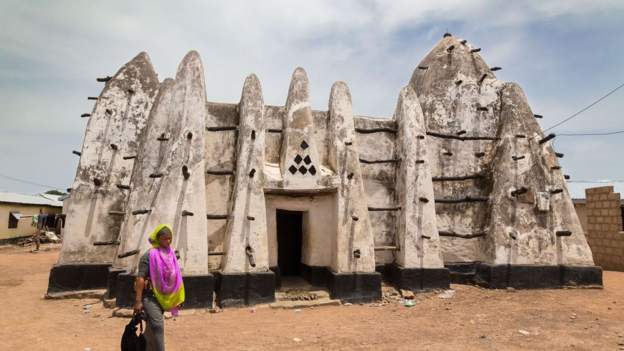
The mud roof of the Bole Mosque fell apart because it was not taken care of for a long time and had lots of termites inside.
Officials in Ghana’s museum said that an invasion of termites made the wooden rafters weak, and this caused them to collapse when there was a heavy rainstorm.
The religious site was mainly made of mud and was built during the late 1800s and early 1900s.
Authorities said the broken mosque could be fixed with help from residents familiar with its design and construction.
The people who take care of the Ghanaian museum said that people should not destroy the old mosque to make a new one.
The mosque collapsed because it was not taken care of properly and because termites ate away at it. Some people also think that using modern materials like cement for repairs and maintenance contributed to the collapse.
The Bole Mosque has a unique and special design, just like the famous Larabanga Mosque in Tamale.
It is made of mud placed on wooden poles that form a framework. Small pieces of poles that stick out are put into the supports of the mosque, which makes the mosque look special.
This building shows how Sudanese culture influenced the creation of mostly Islamic communities in northern Ghana, particularly in the Wala and Gonja states.
There are mud mosques in nearby West African countries like Mali.
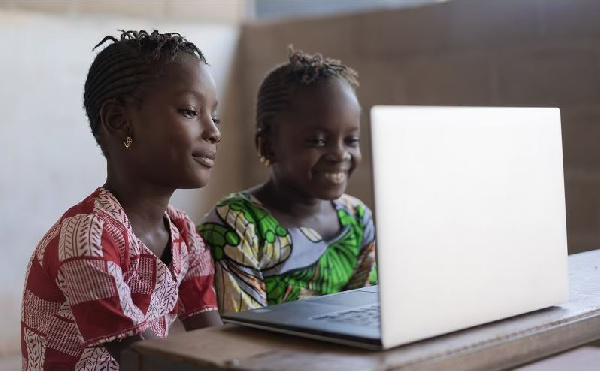
The UNESCO-Huawei tech-enabled open school systems project, is anticipated to profit approximately 3,000 students from Ghana.
Its primary objective is to ensure the consistency and quality of learning, both in typical educational settings and during emergency situations.
This initiative involves the development, evaluation, implementation, and expansion of resilient systems that can seamlessly connect classroom instruction with remote learning.
Furthermore, the project is expected to provide digital inclusion and sustainability benefits to 1,000 teachers in Ghana.
Referred to as TECH4ALL, this collaborative effort between UNESCO and Huawei is a partnership involving the education ministries and associated partners of Ghana, Egypt, and Ethiopia. It aligns with the United Nations Sustainable Development Goals and focuses on addressing significant global challenges in the realms of education, environmental conservation, healthcare, and rural development.
Initiated in 2020, the project is scheduled for completion in July 2024. Ken Hu, the Rotating Chairman of Huawei Technologies, emphasized during Huawei Connect 2023 that TECH4ALL aims to promote inclusivity by empowering marginalized individuals with the skills and resources necessary to fully harness digital technology in their daily lives.
“In particular, we provide digital skills training for underserved groups for people with disabilities, women and remote communities while we continuously enhance the accessibility of our products and services.”
He added, “to date, we have provided training for over 220,000 people around the globe and more that 5.2 million people make use of the accessibility features on Huawei deices every month.”
For his side, Diaby Moustapha Mamy (Ing.), Senior Advisor, ICT and Digital Transformation, African Union Commission Office of the Deputy Chairperson, thinks that digital inclusion is the key to releasing Africa’s full digital potential. In a statement, he claimed that the African continent is realizing the importance of maximizing its potential in every area of life.
Moustapha Mamy noted, “One of the seven aspirations of Africa’s Agenda 2063 is to build a prosperous Africa based on inclusive growth and sustainable development. The continent’s digital transformation can achieve that goal based on six priority sectors set by the African Union; industry, trade, financial services, government, education, health, and agriculture. The strategy built on existing frameworks and initiatives and is designed to create an empowered and skilled population”.
Huawei’s mission and vision, to bring digital to every person, home, and organization for a fully connected, intelligent world, serve as the inspiration for TECH4ALL.
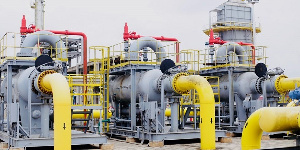
In order to strengthen Ghana’s energy security, the Chief Executive of the Ghana Upstream Petroleum Chamber, David Ampofo, has emphasized the crucial need of improving domestic gas utilisation and developing the country’s gas infrastructure.
He pointed out that despite natural gas’ crucial role in the nation’s energy system, its full potential has yet to be realized.
He emphasized that one of the major obstacles is the urgent requirement for a clear gas pricing mechanism. This degree of clarity is thought to be crucial for directing investments, facilitating effective planning, and supporting coordinated implementation within the sector.
“There is no business to be done if there is no agreed price for goods and services. Domestic gas supplies need harnessing and some big decisions need to be made that enable the required investment to take place,” he stated.
He pledged Upstream Petroleum Chamber’s commitment to facilitating a favorable business environment for both local and international investors venturing into the oil and gas sector.
The industry holds immense untapped potential, both onshore and offshore. Realizing its full potential begins with exploration.
In this context, he emphasized the increasing importance of harnessing natural gas, alongside oil, to ensure energy self-sufficiency, acknowledging that work remains to be done in this regard.
Additionally, Energy Minister Matthew Opoku Prempeh acknowledged the influence of the global transition towards cleaner energy in the oil and gas sector.
“Businesses operate within a policy framework that determines to a large extent how they thrive. The more detailed, predictable and consistent government policy is, the better for industry. Oil and gas companies are keen to work with government to address constraints facing the industry,” he added.
He pledged Upstream Petroleum Chamber’s commitment to facilitating a favorable business environment for both local and international investors venturing into the oil and gas sector.
The industry holds immense untapped potential, both onshore and offshore. Realizing its full potential begins with exploration.
In this context, he emphasized the increasing importance of harnessing natural gas, alongside oil, to ensure energy self-sufficiency, acknowledging that work remains to be done in this regard.
Additionally, Energy Minister Matthew Opoku Prempeh acknowledged the influence of the global transition towards cleaner energy in the oil and gas sector.
He said: “The energy transition is increasingly influencing investments and strategies are diverging. Funding for petroleum projects has become scarce, whereas that for clean energy is abundant.”
As a result of these limitations, he observed that numerous International Oil Companies (IOCs) and international financial institutions, which were traditionally pivotal in supporting exploration and production activities in Africa, have been compelled to shift their business priorities towards cleaner energy projects due to security concerns.
In light of these challenges, including technical capacity constraints affecting the oil and gas sector, he emphasized the necessity of turning to indigenous companies, including local financial institutions, to advance hydrocarbon resource development.
Nevertheless, he lamented that the majority of these indigenous companies lack the comprehensive capabilities required for oil and gas exploration and production, and even the few that possess such capabilities tend to be risk-averse.
Among other things, the minister also observed that if the demand and support from Western countries (for hydrocarbon products) is not forthcoming: “It might be difficult if not impossible for us to continue exploring and producing our hydrocarbon resources”.
This issue was attributed to the insufficient market and infrastructure available across the continent for the processing, storage, transportation, and transformation of hydrocarbons.
However, he emphasized that progress could be achieved by enhancing market and infrastructure development, which would enable support and trade among African nations.
Samuel Atta Akyea, Chairman of the Parliamentary Select Committee on Mines and Energy, also underscored the economic potential of the oil and gas industry during the event. While acknowledging the significance of ongoing discoveries, including those in the Voltaian Basin, he expressed frustration with the pace of resource development and urged private-sector partnerships to expedite the process.
This year’s Ghana Oil and Gas Conference, an annual gathering of industry stakeholders to address emerging challenges, revolved around the theme ‘Ghana’s Oil and Gas Industry: Prospects and Opportunities.’
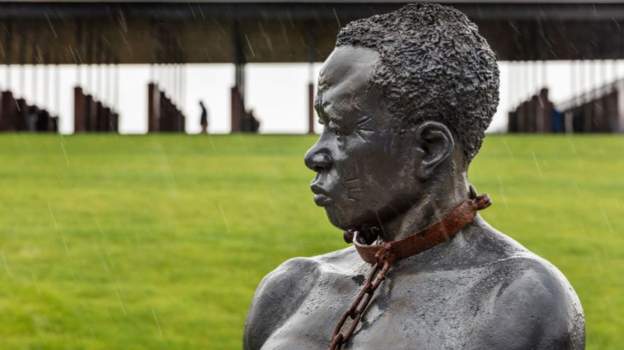
He spoke at the UN General Assembly and said that now is the right time to focus on reparations.
He said that for many centuries, the world has not wanted or been able to deal with the effects of slave trade.
”It’s time to openly recognize that a lot of Europe and the United States have been built using the immense wealth gained from the hard work, suffering, and terrible experiences of the transatlantic slave trade.
He stated that reparations should be given. He mentioned that even though no amount of money could fully make up for the terrible experiences of the slave trade, it would highlight the fact that millions of hardworking Africans were forced to work without being paid.
The Ghanaian president has talked about reparations before. Last year, he said it was time to have more serious discussions about the topic.
He asked European countries to say sorry officially for their involvement in the slave trade. He also encouraged the African Union to involve the dispersed African population in supporting the reparations movement.
The transatlantic slave trade was a very big and cruel event in history where millions of Africans were forcefully taken away from their homes and treated very badly. The United Nations (UN) says it was the biggest forced movement of people ever and one of the most terrible.
Many Africans left their homes and went to different parts of the world for 400 years.
Many people who were forced into slavery in West Africa started their journey from Ghana.
The government of Ghana finds itself in dire financial straits and has sought assistance from the International Monetary Fund (IMF) for the 17th time since gaining independence in 1957.
Emmanuel Cherry, the CEO of an association representing Ghanaian construction companies, calculates that government entities owe contractors approximately 15 billion cedis, or roughly $1.3 billion, without including interest.
This backlog of payments has led to layoffs and financial stress for contractors and their workers.
Various sectors in Ghana, including teacher trainees and independent power producers, report being owed substantial sums by the government.
This financial crisis has been exacerbated by factors such as the COVID-19 pandemic, Russia’s invasion of Ukraine, and rising food and fuel prices. This familiar cycle of crises and bailouts has affected numerous low and middle-income countries across Africa, Latin America, and Asia for decades.
While the IMF has provided a detailed rescue plan for Ghana, including measures to address debt, control spending, raise revenue, and protect the most vulnerable, the question remains whether this time will be any different from previous attempts to stabilize the country’s finances. Despite past successes, Ghana has once again found itself in dire need of assistance.
Several challenges persist, including the looming threat of climate change, which will require substantial financing in the coming decade to mitigate its impact on developing nations.
Ghana’s debt burden, which includes both foreign and domestic creditors, presents a complex challenge, with thousands of creditors involved, each with its own objectives and regulations.
The situation is further complicated by the proliferation of lenders in distressed countries worldwide, making debt resolution a challenging and multifaceted endeavor. The effects of inflation and currency depreciation have also taken a toll on households and businesses, making it difficult for them to cope.
Fundamental issues, such as the government’s fiscal inefficiency and the lack of diversified revenue streams, contribute to the ongoing crisis. Ghana’s economy heavily relies on exports of raw materials like cocoa, oil, and gold, which are subject to price fluctuations. A lack of investment in manufacturing and other sectors capable of providing stable employment and export opportunities compounds the problem.
The need for financing remains a pressing concern, and governments often turn to international capital markets for funding. However, this reliance on foreign borrowing can lead to financial crises when economic conditions deteriorate or foreign lenders become hesitant.
Addressing these challenges requires a multifaceted approach, including low-cost lending from multilateral institutions, debt forgiveness, improved transparency in loan terms and usage, and strategies to stabilize volatile commodity markets.
Despite the hurdles, there is hope for Ghana’s recovery, but finding sustainable and affordable sources of investment capital remains a critical question. Breaking the cycle of debt crises will be a complex and ongoing endeavor for Ghana and other developing nations.
Chartered economist, Bernard Oduro Takyi, has alleged that Ghana is facing a 32-month suspension from the international bond markets due to allegations of economic mismanagement and the implementation of the Domestic Debt Exchange Programme (DDEP).
This suspension has effectively prevented Ghana from accessing funds through international bond markets. Mr. Takyi made this revelation in response to the Finance Minister’s claim that the Ghanaian economy is rebounding, which has led to continued loans from donor partners.
He challenged the Finance Minister to try borrowing from the bond market if the economic situation is as positive as claimed.
During an interview on Accra 100.5 FM’s mid-day news on September 18, 2023, Mr. Takyi emphasized that there is a 32-month injunction on Ghana’s ability to access the international bond market.
He expressed concern that it could take Ghana approximately 50 years to recover from the current economic challenges, which he attributed to the actions of the Finance Minister, the Bank of Ghana, and other state institutions.
Mr. Takyi also criticized the Finance Minister for engaging in public relations efforts on behalf of the Bank of Ghana, especially in light of allegations that the bank had printed around 38 billion Ghana Cedis for the government.
“The Finance Minister in an article titled: ‘Citizens – Standing Strongly With The Bank of Ghana’, hinted at certain corporate governance amendments at the central bank.
“As the Minister of Finance, I do have opinions about the reforms needed to strengthen the governance of many financial institutions including the Bank of Ghana”, he said, indicating: “But this requires a positive and sober national debate on the governance structure”.
The analyst said that the country’s economic development, which was tallied under the National Democratic Congress administration led by former President John Dramani Mahama, was cosmetic rather than true growth.
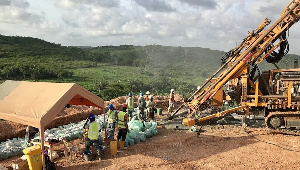
Preparations are underway to establish a lithium refinery in the Western Region of the country. Lithium Resources Ghana Limited, a joint venture between UK-based CAA Mining Ltd and local company Empire Rare Earth and Metals Group Ltd, is currently assessing potential and strategic locations for the refinery.
Justice Amekudi, the Geographic Information System (GIS) and Data Manager of Lithium Resources Ghana Limited, made this announcement during a presentation at Ekumfi Assaman in the Ekumfi District of the Central Region. The presentation took place as the company’s team offered assorted items and cash to the chiefs and residents of Enyan Abaasa during the Akwanbo festival celebration.
The company also made a similar donation during the Akwanbo festival celebrations in three communities: Attakwaa, Ekumfi Ekrawful, and Otabanadze in the Ekumfi District of the Central Region.
Amekudi explained that the company’s strategy involves an integrated approach of exploring, mining, and refining lithium chemicals within Ghana. This approach aligns with the Ghanaian government’s new policy and strategy for strategic minerals, including lithium.
He noted that the company is currently conducting reconnaissance and exploration activities for lithium in the country as part of feasibility studies to assess the commercial viability of lithium deposits in the area.
Amekudi further emphasized that discovering a lithium deposit is just the initial phase of a multifaceted supply chain with various opportunities that can contribute to the nation’s development. The company’s agenda is to produce a lithium mineral concentrate within the country, thereby addressing the critical missing downstream steps in the African battery supply chain.
He stated that the company aims to change the prevailing narrative of processing or refinery facilities being located outside Africa by establishing a lithium refinery within the country.
The Reverend Dr. Kennedy Owiredu, who serves as the Translation Manager at the Bible Society of Ghana, has recommended that Christians acquire a Bible in their native dialects to attain a more precise comprehension of the Scriptures. He stressed that this practice would additionally contribute to the preservation and transmission of their local languages to the succeeding generation.
Reverend Dr. Owiredu shared these insights during the 2023 Translation and Trauma Healing Seminar held at Sefwi-Dwenase Pentecost Central in the Waiwso Municipality of the Western North Region.
The seminar attended by pastors, church leaders and Local Council of churches within the Western North Region was on the theme: “Bible Translation and Mother -tongue Interpretation for Pulpit Ministry.”
Reverend Dr. Owiredu emphasized that one of the primary responsibilities of the Bible Society of Ghana is to translate the Bible into local languages. He encouraged pastors, church leaders, and religious groups to adopt the use of the local Bible in their respective congregations. He expressed concern that without practical measures, many local languages would gradually fade away, as the present generation fails to pass them down to the youth, who represent the future.
Reverend Owiredu also expressed apprehension about the growing trend in some churches that completely disregard the use of the local Bible during their services. He advised such churches to begin incorporating the local Bible into their worship, stating, “The Lord we serve communicates in all our local dialects.”
He called upon the media to support the campaign for Bible translation into various languages by reaching out to the Bible Society for relevant information.
Miss Afua Addae Adjeii-Authur, the Western North Regional Manager of the Bible Society of Ghana, added that they had identified groups supporting people in learning and writing the Sehwi language. Since 2020, they had graduated three groups in Wiawso, Bekwai, and Nkwadum areas, with plans to extend to Akontombra and surrounding areas. This initiative aimed to encourage residents to utilize the Bible, which had been translated into the Sehwi language. She further expressed hopes that the Sehwi language would become a subject in the Basic Education Certificate Examination (BECE) and mentioned engagement with traditional authorities and stakeholders to make this a reality.
Participants interviewed by the Ghana News Agency commended the Bible Society of Ghana for the seminar and expressed support for the idea of translating the Bible into local languages. They also urged church leaders to make an effort to incorporate the local Bible into their worship services.
Professor John Gatsi, the Dean of Cape Coast University Business School, has called upon the government to provide a comprehensive account of Ghana’s financial situation.
This request comes in light of the government’s decision to reopen the Domestic Debt Exchange Programme (DDEP).
The Ministry of Finance issued a statement explaining that the reopening of the program aims to accommodate holders who were unable to participate in the February 2023 exercise.
Professor Gatsi, speaking on the matter during an interview on Morning Starr with Francis Abban, suggested that the reopening of the program might be due to the government’s failure to achieve its targeted debt level.
He emphasized that the key issue is not how the DDEP was conducted but whether the government has fully disclosed the fiscal state of the country.
Professor Gatsi expressed skepticism, stating that even with a 100 percent successful debt exchange program, it wouldn’t be sufficient to resolve the country’s problems because Ghana’s financial situation is deeply troubled.
Furthermore, he accused the government of not being transparent about the true economic condition of Ghana.
Ghana has not done as well as it should have done since President Kwame Nkrumah was unconstitutionally ousted from office through a military coup by the National Liberation Council on February 24, 1966.
Ghana has had three other interruptions of governments. The present 4th Republic, dominated by the National Democratic Congress (NDC) and the New Patriotic Party (NPP), has not brought the transformational change that will put the country on a path of sustainable development and prosperity for its people.
I dare say that the fight ahead of Ghana is greater than the fight for political independence and it cannot be won with leaders who lack the zeal, commitment, and conviction to confront their own demons and other forces and headwinds that are against the development of the country.
It is always said that one cannot reinvent the wheel and I believe in that old adage. I present here examples of what happened elsewhere on this planet not too long ago. I personally believe that the country can make progress when we get leaders who exhibit the qualities in the examples that follow.
The first example of transformational leadership is from Singapore. When the government of Lee Kuan Yew took office in 1959 it set out to have a clean administration. The Prime Minister said that “we were sickened by the greed, corruption, and decadence of many Asian leaders” and “We had the deep sense of mission to establish a clean and effective government”. This was a solid commitment from the newly elected Prime Minister. With determination and a credible program committed to scientific and technological development, Lee Kuan Yew and his team were able to live up to their good intentions and Singapore, which in 1819 was a village with 120 fishermen without natural resources and hinterland, propelled itself from third world squalor to first world affluence in just 35 years. This was commitment and a sense of mission personified.
The second example is from China. The economic development taking place in China is the result of an initiative taken by four scientists. On the 3rd of March 1986, four of China’s top weapons scientists: WANG Daheng, WANG Ganchang, YANG Jiachi, and CHEN Fangyun, jointly sent a private letter to Deng Xiaoping, the leader of the country, with a warning that decades of relentless focus on militarization had crippled the country’s civilian scientific establishment. They recommended that China must join the world’s “new technological revolution,” or it would be left behind.
They called for an élite project devoted to technology ranging from biotech to space research. Mr. Deng Xiaoping agreed, and scribbled on the letter, “Action must be taken on this now.” This was China’s “Sputnik moment,” and the project was code-named the 863 Program, for the year and month of its birth. In the years that followed, the government pumped billions of dollars into labs and universities and enterprises, on projects ranging from cloning to underwater robots. The program initially focused on seven key technological fields: Biotechnology, Space technology, Information technology, Laser technology, Automation, Energy, and Advanced Material Sciences.
Two more fields were brought under the umbrella of the program: Telecommunications (1992) and Marine Technology (1996).
In 2006, Chinese leaders redoubled their commitment to new energy technology; they boosted funding for research and set targets for installing wind turbines, solar panels, hydroelectric dams, and other renewable sources of energy that were higher than goals in the United States. China doubled its wind power capacity that year and then doubled it again the next year, and the year after. The country had virtually no solar industry in 2003; five years later, it was manufacturing more solar cells than any other country, winning customers from foreign companies that had invented the technology in the first place.
Korea transformed itself from a stagnant agrarian society into one of the most dynamic industrial economies of the world within 40 years. In the early 1960s when Korea first launched its industrialization efforts, it was a typical poor developing country with poor resources and production base and small domestic market. Korea’s Gross National Product (GNP) in 1961 was only $2.3 billion (in 1980 prices) or $87 per capita which came mainly from the primary sectors. The manufacturing sector’s share of GNP remained at a mere 15%. International trade was also at a very infant stage: in 1961, Korea’s export volume was only $55 million and imports were $390 million. As late as 1970, the three top exports were textiles, plywood, and wigs. South Korea now has established world prominence in such technology areas as semiconductors, Liquid Crystal Display (LCD), telecommunication equipment, automobiles, shipbuilding, and many more. Indeed, it has emerged as one of the key international players in the global economy and is considered the 13th largest economy and one of the major trading countries of the world.
The last example is from the United States of America. When the 56 signatories of the Declaration of American Independence met in the State House of Pennsylvania in Philadelphia on the 4th of July 1776 to append their signatures to the famous document Declaration of America’s Independence this is what they said: “And for the support of this Declaration, with a firm reliance on the protection of divine Providence, we mutually pledge to each other our Lives, our Fortunes and our sacred Honor”.
The signers of the American Declaration of Independence, twenty-three lawyers, fifteen merchants, five plantation owners, four physicians, three scientists, two land speculators, one farmer, one military man, one lawyer/musician and one Minister, showed tremendous courage and bravery by willingly putting their names on that document. They knew full well that they were committing treason against England and they knew the penalty was death. Their commitment to the United States of America led to the creation of what is still the richest and most powerful country in the world.
Ghana has not yet seen the type of closed, united, committed, focused, and dedicated leadership that is ready to sacrifice for future generations of Ghanaians. We have not had leaders who see beyond the next elections and plan for future generations. If a few leaders of this country, relying on the protection of divine providence, would mutually pledge their lives, fortunes, and sacred honour for the development of Ghana, there would be a palpable change within 2 years. Maybe there is no sacred honour or fortune to pledge on.
The political corruption that is gradually gaining root in Ghana is very disturbing. When it comes to choosing leaders to run the political parties and the nation it is no more a question of looking for selfless and competent individuals who have what it takes to move the nation forward. It is more of who is loyal to powerful individuals who want their interests to be served after the power is won.
I expect anyone who wants to lead this country to tell the nation now how things are going to be done differently so that young people would begin to have hope and a stake in this country.
Our leaders have devalued themselves to the extent that they think only foreigners can help us out of our misery. How can someone tell us that he is waiting for a loan from some other country before roads, schools and other infrastructural projects can be executed?
Our leaders seem to know it all and can develop this country without Ghanaians. After all, they do not need Ghanaians to travel around looking for loans, grants, and handouts. They do not need Ghanaians to build the infrastructural projects. As it is, those who give out the loans also provide highly qualified and skilful workers from their country to get the work done.
Our leaders’ understanding of development seems to be only the provision of infrastructure. No country ever developed by borrowing to build infrastructure. ‘Something’ else must be built on the infrastructure. That something is the true development.
As far as I am concerned the many roads, interchanges, schools, hospitals, wells, electricity, and other infrastructural projects, erroneously called development projects, do not alone determine the success of a Government. Rather the success of true leadership is measured by what extent the people can be mobilized to lead independent lives: to feed, shelter, clothe, heal, and defend themselves, and also produce tools, implements, spare parts and machines they require for daily living, so that if for one reason or the other ships and airplanes are unable to access the country the citizens can stand on their own and survive.
We need attitudinal change. We should realize that the overall development of the nation, including the economic, social, cultural, and technological development is the responsibility of the Ghanaian. Mr. Future President, the men, and women to solve the myriads of problems facing us are here at home and in the diaspora. They have to be found and encouraged to perform. The task of political leadership is to unearth the actors needed to transform the nation. If we say we have the men, let us use the men and not the boys.
We should exorcise the ‘beggar mentality’ from our lives and accept that our poverty is self-inflicted and it is absolutely unnecessary.
We pride ourselves on having been endowed with abundant natural resources. That is true but it is also important to know that natural resources have no natural owners. The real owners are those who have the technology, skills, and financial power to exploit those resources. They are the ones that take 90% of the mineral and other resources and leave a mere 10% for the host country.
It really beats my understanding that our leaders do not seem to realize that the real difference between the developed countries of America, Europe, Asia and the Far East and the underdeveloped countries of Africa lies in their technological capability. This capability has been defined as the extent to which countries access, utilize, and create science and technology for the solution of socio–economic problems. Technology has a track record of solving developmental problems. Our modern world is driven by technology. Energy, agriculture, medicine and health, clean air and water, transportation, sanitation, management, utilization, and conservation of natural resources — all are based ultimately on science and technology. So, it is obvious that to be a part of that world, there must be science and technology elements in the development process.
Despite efforts to alleviate poverty, Ghana still exhibits a chronic inability to alleviate poverty. Poverty alleviation means, for many people, being able to afford nutritious food, access to clean water and sanitation, energy, safe shelter, education, and a healthy environment. Since science and technology have a historical record of providing solutions to poverty problems, any efforts to alleviate poverty will not succeed without innovations in food production, water, energy, and health provision and in general economic growth.
We must understand that Science, Engineering and Technology will give us the capacity to manufacture machines, develop processes and materials and exploit our abundant natural resources for national development. If we do not develop the capacity to manufacture machines that will work for us, we should as well forget about any dream of developing the Nation. No country ever developed without the capacity to manufacture machines. If we characterize Ghana as an agricultural nation, we do so by default because we cannot do anything else. We will continue to run the Adam and Eve, Cain, and Abel economy: planting yams and rearing animals.
We have not advanced to Noah’s economy. He built a sophisticated ship that saved humanity and other forms of life. About 2200 years ago, the Chinese built the over 6300km Great Wall of China, without any assistance from the World Bank but we in the 21st Century have closed our minds to technology and need assistance to construct everything, including toilets. We need to constantly remind ourselves that the POVERTY GAP is a TECHNOLOGY GAP.
Again, our development should be driven by our ability to understand, interpret, select, adapt, use, transmit, diffuse, produce, and commercialize scientific and technological knowledge in ways appropriate to our culture, aspirations, and level of development.
Ghana needs a new brand of leadership. It is unacceptable that about 80% of inputs into agriculture, education and health are from foreign sources. It is a shame that a major thrust of our economic policy is to try as much as we can to attract foreign investors. Good as foreign investments are we just cannot sit down and think that without confronting our problems ourselves we can still be prosperous.
To my mind, Ghana is unable to attract significant Foreign Direct Investments (FDI). Any country that does not take the development of its human capital seriously finds it difficult to attract Foreign Direct Investments (FDI). The high-income developed countries with well-developed human capital are not only the major source of direct investment, but they are also the major recipients. China and the United States of America are the major recipients of FDIs in the world.
There is ample evidence that multinationals are more active primarily between similar, high-income countries and that outward direct investment, in particular, is associated with skilled labour abundance. Even when a multinational decides to invest in a developing country with a low human capital base the type of investment is the vertical one in which the production process is geographically fragmented by stages, the capital-intensive intermediates being produced in the
home country of the multinational and the labour-intensive stage produced in the host country. This is in contrast to the horizontal investments in which the multinational carries on basically the same activity in the host country as at home, for example, German investors producing the same cars in the United States of America as they do in Germany. This type of investment is almost non-existent in Ghana.
Finally, Mr. Future President, I believe that the greatest asset of a nation is the trust and confidence of its people. This should, however, not be taken for granted. Leadership must also fight for this great asset by working hard with even-handedness for the people in all honesty. This asset has been and still is being squandered through misgovernment and corruption to the extent that leaders are not trusted and citizens do not see that they have a stake in their country and its future.
Most Ghanaians do not see any virtue in working for the future of their country. Our leaders have not been able to invoke in the citizens the spirit of nation-building. Mr. Future President how are you going to rectify this situation?
God bless our homeland Ghana and make our nation great and strong.
Prof. Kwabena Frimpong-Boateng September 13, 2023
DISCLAIMER: Independentghana.com will not be liable for any inaccuracies contained in this article. The views expressed in the article are solely those of the author’s, and do not reflect those of The Independent Ghana
Former Ghanaian Environment Minister, Prof. Kwabena Frimpong-Boateng, has expressed concern about Ghana’s enduring development challenges since gaining independence.
This respected medical professional and scholar attributes Ghana’s ongoing difficulties to the pivotal year of 1966 when the First Republican constitution was overthrown.
“Ghana has not done as well as it should have done since President Kwame Nkrumah was unconstitutionally ousted from office through a military coup by the National Liberation Council on February 24, 1966,” he wrote in an open letter to The Future President of Ghana.
“Ghana has had three other interruptions of governments. The present 4th Republic, dominated by the National Democratic Congress (NDC) and the New Patriotic Party (NPP), has not brought the transformational change that will put the country on path of sustainable development and prosperity for its people,” he added.
In an open letter addressed to “The Future President of Ghana,” he contends that Ghana hasn’t fully realized its potential since President Kwame Nkrumah’s unjust removal from office due to a military coup by the National Liberation Council on February 24, 1966.
Prof. Frimpong-Boateng observes that Ghana has experienced three other government interruptions, and the current 4th Republic, dominated by the National Democratic Congress (NDC) and the New Patriotic Party (NPP), has failed to deliver the transformative change required for sustainable development and prosperity.
In the letter, he emphasizes that the challenges facing Ghana today hold greater significance than the pre-1957 struggle for liberation from British colonial rule.
He asserted that overcoming these challenges demands resolute leadership, which should surpass the fight for political independence and address internal and external obstacles to the country’s development.
“I dare say that the fight ahead of Ghana is greater than the fight for political independence and it cannot be won with leaders who lack the zeal, commitment, conviction to confront their own demons and other forces and headwinds that are against the development of the country,” he added.
Drawing parallels with global giants like Singapore, China, and the United States, he highlights the potential for Ghana to achieve a much-needed turnaround.
Prof. Frimpong-Boateng has tasked the future president with taking decisive measures to alleviate the suffering experienced by citizens.
In conclusion, he underscores that a nation’s most valuable asset is the trust and confidence of its people. He calls upon leaders to work diligently, impartially, and with integrity to preserve and enhance this asset, which has been eroded by mismanagement and corruption.
He notes that leaders must inspire citizens with a sense of nation-building, as many Ghanaians currently lack the motivation to contribute to their country’s future. He challenges the Future President to address and rectify this situation.
“Finally Mr. Future President, I believe that the greatest asset of a nation is the trust and confidence of its people. This should, however, not be taken for granted.
“Leadership must also fight for this great asset by working hard with even-handedness for the people in all honesty. This asset has been and still is being squandered through misgovernment and corruption to the extent that leaders are not trusted and citizens do not see that they have a stake in their country and its future.
“Most Ghanaians do not see any virtue in working for the future of their country. Our leaders have not been able to invoke in the citizens the spirit of nation building. Mr. Future President how are you going to rectify this situation?” his letter concluded.
Ghana’s sovereign wealth fund is set to make a substantial investmentof nearly $33 million into a local lithium mine and acquire a minority interest in Atlantic Lithium, the company announced on Friday.
The Minerals Income Investment Fund (MIIF) of Ghana will procure a 6% ownership stake in Atlantic Lithium’s various projects within the country, which notably includes the Ewoyaa mine, expected to become Ghana’s inaugural lithium-producing facility. The investment amounts to $27.9 million, according to Atlantic Lithium’s official statement.
This move underscores the growing trend of heightened interest in companies involved in the production of critical electric vehicle battery materials, driven by the global shift toward clean energy solutions.
Additionally, MIIF will secure a 3.05% ownership stake in Atlantic Lithium for $5 million. This agreement also grants MIIF the opportunity to compete for the supply contract of lithium produced by the Ewoyaa project through a competitive bidding process.
“There is a competitive process (for the offtake) which MIIF will also participate in, but on a commercial level,” said Atlantic Lithium chairman Neil Herbert.
“There is an open field of chemical converters, OEMs and major trading groups,” he said.
About 80% of her company’s operations have been shuttered, according to Chief Executive of FC Beauty Group of Companies, Dr. Mrs. Grace Amey-Obeng.
“I have closed 80 percent of my businesses, and I have laid off 70 percent of staff. We are now working three days a week. The situation is too stressful.
“We want our Ghana back. This is not the Ghana we want. We cannot be paying people for no work done,” she lamented.
Read the full story originally published on September 30, 2022 by GNA
CEO of FC Beauty Group of Companies, Dr. Mrs. Grace Amey-Obeng, has lamented the heavy toll of the recent economic crisis on her business empire.
As the founder and leader of the nation’s top beauty and cosmetics conglomerate, Dr. Amey-Obeng disclosed that she has been compelled to close a significant percentage of her enterprises, resulting in profound repercussions for many of her employees. These measures were implemented in response to the ongoing global economic challenges.
Dr. Amey-Obeng shared these revelations during her address at a memorial lecture held in Ho to commemorate the tenth anniversary of the passing of President John Evans Atta Mills. The event took place at the Cedi Auditorium of the University of Health and Allied Sciences (UHAS).
“I have closed 80 per cent of my businesses, and I have laid off 70 per cent of staff. We are now working three days a week. The situation is too stressful.
“We want our Ghana back. This is not the Ghana we want. We cannot be paying people for no work done,” she lamented.
The Group CEO, who collaborated with the late President on a number of programs to support women, said he would be remembered for his support for the advancement of gender, which she highlighted was reflected in several high-profile appointments he made while in office.
She argued that a country’s ability—or lack thereof—to honor its heroes had an impact on that growth, and she pushed everyone to imitate Prof. Mills’ all-encompassing kindness.
“In these times, the old President is like Christ,” Dr Amey-Obeng stated.
The memorial lecture was organised by the JEA Mills Memorial Heritage, and was titled “The Man John Evans Atta Mills, Ten Years On.”
Political figures from the past and present, traditional figures, students, and members of the general public all participated.
The University should be renamed in honor of the late President, according to Professor Fred Newton Binka, the Foundation Vice Chancellor of UHAS.
He asserted that President Mills’ unwavering legacy, who passed away while in office in July 2012, should be solidified to help the country realize its aspirations for growth and reform, and that the University he fervently founded would be the best way to honor him.
“The legacy of Professor Mills is so critical and important in today’s Ghana,” he said while eulogising the memory of the late President in layers of praise.
Alex Segbefia, Chairman of the memorial heritage, said it was established as a “nonprofit, non-partisan, independent organisation” aimed at preserving and promoting the ideologies of Prof. Mills.
“We work and incorporate the values and principles that President ills lived for,” he said.
A film documentary showcasing his legacy was shown, along with poetry readings and cultural exhibitions.
At the ceremony, a book called “Atta Mills Speaks” was released and put up for sale. It contains his addresses, including State of the Nation Addresses.
Founder and leader of Alabaster International Ministry, Prophet Kofi Oduro, has placed responsibility for the current economic difficulties faced by the country squarely on President Nana Akufo-Addo.
According to the man of God, President Akufo-Addo’s tenure, which began on January 7, 2017, has witnessed a regression in Ghana’s economic stability.
Prophet Kofi Oduro went on to assert that resolving these economic challenges cannot rely solely on the president’s expertise; instead, he emphasized the need for divine intervention.
Furthermore, he made a bold prediction that unless these hardships see significant improvement before President Akufo-Addo’s term concludes in December, history will likely remember him as the worst president in Ghana’s Fourth Republic.
“I want to tell my president that your expertise cannot fix this problem. From now until December 7, Your Excellency, you will go down in history as the worst president in the Fourth Republic. It has been six and half years of pain and agony, six and half years of bleeding and bloodshed. We need help,” he stressed.
Ghana has been facing significant economic challenges since 2022, with the government attributing them to factors such as the COVID-19 pandemic and the Russia-Ukraine war.
These economic difficulties have resulted in a striking year-on-year inflation rate of 54.1% as of January 2023, with food inflation at 59.7% and soaring transport costs at 71.4%.
In response to the escalating debt crisis, the government initiated a $3 billion IMF bailout and a domestic debt exchange program.
During a valedictory service for Rev. Dr. Seth Kissi in the Eastern region, President Akufo-Addo called upon Ghanaians to pray for him and his appointees as they carry out their duties with humility and integrity. He expressed his desire to conclude his presidency with a sense of accomplishment, having diligently served the nation.
President Akufo-Addo also stressed the importance of unity, progress, and prosperity for Ghana. He emphasized the role of faith and appropriate policies in advancing the country’s fortunes.
The person in charge of finances in Ghana, Ken Ofori-Atta, believes that Ghana will receive $600m as part of a financial aid package from the International Monetary Fund (IMF) by the end of the year.
In May, Ghana agreed to receive a new financial assistance plan worth $3 billion for the next three years in order to alleviate its economic difficulties.
It got $600 million at first, but the government had to do some things to get more money later.
In November, there will be a review. Ofori-Atta said the country has made progress in improving its finances and balancing payments.
The government has made the tax net bigger by adding new rules. One of these rules is that people who win money from betting or the lottery have to pay 10% of their winnings as tax. They did this to get more money, which was a requirement from the International Monetary Fund (IMF).
The IMF has stated that the economy of Ghana is getting better, because there are now more foreign reserves, the exchange rate is not changing as much, and the inflation rate is going down.
Ghana’s Minister of Information, Mr. Kojo Oppong-Nkrumah, stressed the urgent need for a strategic transformation of Ghana’s structures during a speech at the International Advertising Association’s (IAA) 6th Africa Rising Conference. This was done to guarantee that the country was prepared for a promising future.
The Information Minister emphasized the critical need for Ghana to adopt creative and adaptive structures in his speech on Tuesday, September 5, 2023.
He drew comparisons between the development of the country and the tactics used by business brands to survive a continually shifting environment.
Under the theme “Building Future-Ready Brands,” the Minister stressed that just as corporate brands must define their purpose, Ghana as a nation must articulate its overarching purpose. This process, he explained, requires the courage to confront challenging questions and make bold decisions, all for the greater benefit of the country.
“Just as we are asking corporate brands to introspect and answer these critical questions to shape their purpose and be future-ready, we as a nation must do the same,” the Information Minister stated. He emphasised that, whether corporate or national brands, both must face difficult considerations.
In order to prepare Ghana for the future, he advised the people to be unafraid of letting go of outdated customs.
“We must take the tough decisions to take new paths without regard to whose ox is gored so that we stand a better chance of being ready for the future rather than champions of the past,” he asserted.
In order to become a “Brand Ghana” prepared for the future, Mr. Oppong-Nkrumah emphasized the significance of prioritizing forward-thinking above clinging to the past. He emphasized that this required guts and a willingness to confront the current quo, regardless of who may be harmed.
“We work for Brand Ghana, not political parties, religious groups, or ethnic divisions,” the Minister noted. He further emphasised the necessity of defining a unified purpose for Brand Ghana that resonates with all citizens, not just a select few.
“We must do better at setting out and upholding a set of norms that all of us, not some, will live by,” the Information Minister urged. He stressed values such as community, integrity, responsibility, and entrepreneurship, calling for a collective commitment to these principles.
Sasan Saeidi, Chairman and World President of the IAA, Andrew Ackah, President of the Advertising Association of Ghana, Steve Babaeko, CEO of X3M IDEAS, Andrew Takyi-Appiah, Co-founder and MD of Zeepay, were among the speakers at the conference.
The Africa Rising conference has been a key event on the MarCom calendar on the continent ever since it started in 2015. With more than 400 attendees each year, it has continuously drawn powerful marketing communications professionals from Africa and other parts of the world. Africa Rising has been crucial in fostering a vibrant MarCom sector throughout the continent while furthering the IAA’s mission there.
Finance Minister Ken Ofori-Atta has stated that Ghana is on course to receive the second installment of the IMF bailout funds in December, aimed at bolstering the government’s balance of payments for the years 2023 and 2024.
Speaking at the 3rd GIPC-CEO breakfast meeting held in Accra, Mr. Ofori-Atta affirmed that the government is prepared for its initial review with the IMF scheduled for November, as they anticipate the arrival of the second tranche of $600 million.
“We are ready for the mission that comes at the end of September so that we can try and get the staff level agreement, while the mission is here, and then we go to the board in November for the release of the 2nd tranche which will be $600 million. In addition to that, there are certain things we need to do with the World Bank so that we can get our DPO, which will be another $300 million. I believe that we are on course to maybe get a billion dollars to support Bank of Ghana’s balance of payment issues.”
He also expressed optimism about finalizing discussions with the Paris Club and its bilateral creditors by the end of this year.
In May 2023, Ghana received the initial portion of its $3 billion bailout package from the International Monetary Fund (IMF). This three-year extended credit facility was intended to resuscitate the country’s struggling economy.
However, in August 2023, the International Monetary Fund (IMF) issued a caution to the Bank of Ghana, underscoring the importance of adhering to its policy mandates despite the financial challenges experienced in the fiscal year ending in 2022. The IMF stressed the necessity for the central bank to implement decisive measures to steer inflation back towards its targeted rate of 8 percent.
“The loss the BoG incurred in the process has contributed to reducing its net equity to a negative value. Importantly, however, this does not prevent the BoG from fulfilling its policy mandates and ensuring inflation gradually returns towards its 8-percent target”, the IMF said in a press release.
Nonetheless, the IMF has endorsed the Bank of Ghana’s GHS 60 billion loss, asserting that the impairment, a result of the government’s Domestic Debt Exchange (DDE), was imperative to “reestablish macroeconomic stability and public sustainability.”
According to the Bank of Ghana’s June 2023 Economic and Financial Stability Report, the country’s balance of payments at the end of June 2023 registered a deficit of $107.8 million, equivalent to about 0.1% of GDP. This deficit is notably lower than the one recorded during the same period in the previous year.
The United Kingdom government has announced a £15 million financial commitment aimed at supporting healthcare personnel recruitment and retention in Ghana, Kenya and Nigeria.
The amount from the dedicated Official Development Assistance (ODA) budget for the 2022–2025 period will be allocated to enhance, build, and reinforce the healthcare workforce in the aforementioned countries.
According to the UK government’s official website, this funding recognizes the vital role of the healthcare workforce in low- and middle-income countries in improving health outcomes and achieving universal health coverage. The goal is to ensure that individuals in Kenya, Nigeria, and Ghana have access to a comprehensive range of healthcare services when needed.
It has been emphasized that the COVID-19 pandemic has underscored the need for the UK to collaborate closely with international partners to address global health threats. This has put significant pressure on the UK’s National Health Service (NHS), and the pandemic has exacerbated challenges related to retaining healthcare workers worldwide, all while the demand for healthcare personnel has surged.
Furthermore, it was highlighted that effectively addressing critical workforce issues is essential for strengthening healthcare systems and improving global preparedness for future pandemics. This is crucial to ensure the safety and well-being of people worldwide, including those in the UK.
The World Health Organization (WHO) has projected a shortage of 10 million healthcare workers globally by 2030. This shortage poses a threat to achieving universal health coverage on a global scale and has the potential to worsen health inequalities worldwide.
According to the UK’s Health Minister, Will Quince, highly skilled and resilient healthcare staff are the backbone of a robust healthcare service.
“So I’m delighted we can support the training, recruitment and retention of skilled health workforces in Kenya, Nigeria and Ghana.”
Mr Will clarified that the main goal of the funding is to make a meaningful difference in bolstering the efficiency of healthcare systems within each of the participating countries. This, in effect, will play a part in enhancing global preparedness for pandemic response and reducing disparities in healthcare access.
“The pandemic showed us that patients in the UK are not safe unless the world as a whole is resilient against health threats, and this will help us in delivering on that ambition.”
As part of this endeavor, the Department of Health and Social Care will administer a competitive grant scheme totaling £9 million over two years, designated for a non-profit organization. This organization will oversee partnership efforts in these countries, facilitating connections between UK institutions and local healthcare systems, promoting skill exchanges, and enhancing educational curricula, regulations, and guidelines within the mentioned African nations.
The selected organization to manage and fund these initiatives is the Tropical Health and Education Trust (THET). Their responsibility will be to drive enhancements in the quality and retention of healthcare personnel in Kenya, Nigeria, and Ghana, ultimately aiming to deliver improved healthcare outcomes for patients.
This funding builds upon a prior commitment of £5 million in Ghana, Uganda, and Somaliland, geared towards enhancing health workforce planning, offering training opportunities for refugees and displaced individuals, and fostering collaborations between NHS institutions and local healthcare establishments.
These countries were chosen for funding due to the substantial challenges they face in their healthcare workforce, including high mortality rates and shortages of adequately trained healthcare professionals, leading to unemployment among qualified health practitioners.
This initiative is part of the broader £15 million Global Health Workforce Programme, introduced on May 19, 2023, designed to address these issues and elevate healthcare systems in these countries.
The sale of petrol to private vehicles was formerly prohibited on weekends due to a fuel scarcity in Ghana.
The restriction was in place starting at 6 p.m. on Fridays and ending at 6 p.m. on Sundays as of October 22, 1975.
After the price of the commodity climbed, this was an effort to slightly reduce gasoline usage.
Read the full story below;
The vibrant streets of Accra on weekends became a thing of the past when General Ignatius Kutu (I.K) Acheampong’s government, in response to soaring oil prices, imposed a ban on the use of petrol by private vehicles during weekends.
This restriction, which took effect on October 22, 1975, applied from 6.00 pm on Fridays to 6.00 pm on Sundays.
The primary motive behind this petrol ban was the need to conserve fuel, a necessity prompted by a recent 10 percent hike in oil prices announced by the Organisation of Petroleum Exporting Countries (O.P.E.C.). Additionally, I.K. Acheampong’s government sought to curtail petrol consumption to alleviate Ghana’s balance of payments.
In a government statement clarifying the reasons for the ban, it was mentioned that the government would not pass on the full price increase, which was estimated to be between five and six million pounds sterling.
Effects of a rise in oil prices
An escalation in oil or petroleum product prices typically has repercussions on inflation and economic growth. Concerning inflation, oil price increases directly impact the costs of goods manufactured using petroleum products. This, in turn, affects expenses such as transportation and manufacturing.
The uptick in these expenditures can influence the prices of various goods and services since producers may transfer production costs to consumers. The extent to which oil price hikes trigger consumer price increases depends on the significance of oil in the production of specific goods or services.
Moreover, increases in oil prices can hamper economic growth by affecting the supply and demand for items beyond oil. Such price hikes can undermine the supply of other goods because they elevate the expenses associated with their production.
Between January and June of this year, Ghana recorded direct financial losses of GH¢49.5 million due to cyber fraud activities. These reported losses represent only a fraction of cases reported to government agencies, suggesting that the actual financial losses from unreported cases may be higher.
Director-General of the Cyber Security Authority, Dr. Albert Antwi-Boasiako, made this announcement during the media launch of the National Cybersecurity Awareness Month in Accra on Sunday.
The theme for this National Cybersecurity Awareness Month is “Promoting a Culture of Digital Safety.” Its goal is to raise awareness among Ghanaians and organizations about the opportunities and threats of cyberspace, promoting the responsible use of online resources for a safer environment.
Dr. Antwi-Boasiako emphasized the need to increase awareness, especially among young people, despite progress in educating the public about cybersecurity issues. He mentioned that the Cyber Security Authority received 41,285 complaints from the public related to cybercrime and other activities between October 2019 and July 2023. Of these, 41 percent were related to online fraud, including shopping fraud, romance fraud, online blackmail, and identity fraud.
Dr. Antwi-Boasiako called for collective and individual responsibility in protecting against digital fraud and encouraged the public to report online fraud issues to the Authority’s toll-free line at 292.
He also urged for better coordination among state agencies responsible for collecting statistics on arrests, prosecutions, and convictions of individuals involved in cyber fraud.
Dr. Antwi-Boasiako highlighted the impact of global digitalization trends on businesses and noted that the government is creating opportunities and interventions for economic growth in this digital era.
Internet penetration in Ghana has significantly increased, with 17 million users in 2022, representing 53 percent of the population. Cybersecurity awareness is part of a global initiative to promote best practices for online safety.
Ghana began its National Cybersecurity Awareness efforts in 2017, leading to the establishment of the National Cyber Security Week, which later evolved into a month-long event.
According to the GSMA Mobile Connectivity Index (MCI) 2023 report, Ghana is ranked fourth in Africa, with a score of 51.4%, showing substantial progress in connectivity over the past five years.
Ghana has also scored well in online security, with a score of 86.69% in the same report, consistent with its score on the ITU’s Global Cybersecurity Index (GCI).
Dr. Antwi-Boasiako emphasized that Ghana’s efforts to promote a culture of digital safety are based on the country’s cyberculture and societal dimension, as derived from cybersecurity assessments conducted in collaboration with the World Bank and the University of Oxford.
The assessments identified a lack of cybersecurity awareness among the Ghanaian public, inadequate security measures for government e-services, and knowledge gaps in fundamental cybersecurity concepts. The theme for this year’s National Cybersecurity Awareness Month, “Promoting a Culture of Digital Safety,” aims to address these concerns.
“We expect the media launch to set in motion a month-long national cybersecurity awareness creation that will assemble public and private sector players, cybersecurity professionals, the academia, and representatives from civil society organisations, in preparation for the NCSAM as we seek to encourage every Ghanaian to stay digitally alert,” Dr Antwi-Boasiako added.
In order to ensure the prudent, economical, and effective use of public resources and to create a streamlined mechanism for ensuring that cybersecurity service providers, establishments, and professionals in the nation carry out their duties in accordance with recognized international standards, he called for cooperative efforts to harmonize public procurement processes in the public service.
According to data from October 2019 to July 2023, 45% of recorded cases of internet fraud involved online shopping, investment fraud, romance scams, advance fee fraud, and fraud involving job applications. Cyberbullying (9%; Fake Loan Apps), illegal Access (10%; Account Takeover, Phishing, etc.), and Online Blackmail (13%).
Online Impersonation/Identity theft (8%)
The Point of Contact (PoC) portal has given citizens a way to fact-check information they find online and conduct due diligence before taking certain actions/decisions online, which can be attributed to the high numbers (37,559 (91%) for the direct advisories.
Therefore, people from all walks of life should contact the Cyber Security Authority through one of the channels listed below before making any online commitments, such as financial ones to buy a good, subscribe to a paid service, or make an investment of between GHC50 and thousands of Cedis. They should also avoid visiting or downloading malicious websites or downloading content that could disrupt business operations.
In a video posted by the Ghana Football Association (GFA), Mohammed Kudus has urged fans in Kumasi to gather at the stadium and show their support for the national team in their match against the Central African Republic.
“Kumasi fans this is Mohammed Kudus, I’m back in Kumasi on Thursday, come in your numbers to support us,” Mohammed Kudus said.
Mohammed Kudus checked in at the national team’s camp today in preparation for Ghana’s upcoming showdown with the Central African Republic.
The attacking midfielder, who currently plays for West Ham United, is among the 25 players chosen by Black Stars head coach Chris Hughton for the final round of qualifiers leading up to the 2023 Africa Cup of Nations (AFCON) tournament.
🗣️ Kudus Mohammed: “Come in your numbers to support us”
A total of 11 Black Stars players have reported to camp in preparation for Ghana’s upcoming match against the Central African Republic.
Ghana is gearing up to host their Group E opponent for the 2023 Africa Cup of Nations (AFCON) tournament on Thursday, September 4.
Today, Mohammed Kudus, one of the 25 players invited by Black Stars head coach Chris Hughton for the final round of AFCON qualifiers, has arrived at the training camp.
Ghana is scheduled to face the Central African Republic in a crucial fixture on Thursday, September 8.
The match is slated to commence at 16:00 GMT at the Baba Yara Sports Stadium in Kumasi.
The Black Stars require just one point to secure their qualification for the 2023 AFCON, which will be hosted in Ivory Coast.
In contrast, the Central African Republic must secure a victory against Ghana to maintain their chances of qualifying for the continental tournament.
🗣️ Kudus Mohammed: “Come in your numbers to support us”
Former President John Mahama has emphasized that the upcoming Presidential and Parliamentary elections on December 7, 2024, are of utmost significance, possibly the most crucial since 1992.
He believes that this election may represent the final chance to rekindle hope in constitutional governance for the people of Ghana.
Mr Mahama emphasized that in the event of the NDC returning to power in 2025, there is a pressing need to revolutionize the country’s economic prospects and generate opportunities that will reinvigorate faith in constitutional rule.
“I must say that election 2024 is going to be the most critical election since 1992 or may be in the history of our party. Because as I said earlier it is the last opportunity for us to restore the faith of our people in constitutional government in our country.”
He continued that “Let us not think that we are immune to what is happening in the sub-region. It cannot be business as usual as I said a little while ago. Any new government that takes over on 2025 7th January cannot do business as usual. We must sit up and do what our people expect of us.
“We must let them understand and let them appreciate that constitutional government can defend their interest, constitutional government can look after their human right, and constitutional government can guarantee that they can express themselves freely, but mostly importantly constitutional governments are able to create the opportunity that make them able to realize their full potential to live in dignity and prosperity.”
The NDC flagbearer delivered these remarks during the concluding session of the 3rd annual Lawyers conference organized by the NDC Lawyers Association via Zoom.
While acknowledging the challenging circumstances created by the Akufo-Addo administration, Mahama expressed optimism that the forthcoming NDC government will strive to overcome these difficulties and deliver positive outcomes for the nation.
“It is going to be an arduous task but we all must sit up and make sure we are able to discharge our responsibilities to our people. I am convinced that the NDC will win that election”.
Mr Mahama explained that extensive efforts are underway to craft policies and programs that can be swiftly implemented once the NDC takes office in 2025, ensuring a proactive start to their governance agenda.
“We must hit the ground running. I am not going to wait until I win the election to start to think about what to do. I know that several dedicated people under Prof. Danso Boafo organization we call the “LAB” looks at all the various sectors – governance, economy, trade, Agriculture, health, education and tourism and comes out with concrete policies we can put in effect as soon as we have taken over to make Ghana the Ghana we want”.
He urged NDC members to maintain a vigilant stance in the 2024 elections to secure a triumph for the party.
“While we prepare to go into that election, we must be vigilant and alert and indeed more than we were in Assin North. But aside from that, we must keep an eye on what we are going to do as soon as we come to power.
He said the “legal directorate and NDC Lawyers group are going to be critical towards winning this election. One of the things you need to do is to acquaint yourself with the electoral codes to watch the process to make sure the NDC is represented properly, that you understand the electoral process and that nothing untoward goes on in the polling stations. I believe that it is this end of sacrifice that is required of us so that we can win the election 2024. The prospects look very good for winning 2024 but we cannot rest on our ores. We need to be vigilant. We have an opponent who can take advantage of any list opportunity to manipulate the electoral process and so we need to be on our feet and make sure that we prevent anything like that from happening.”
Ghana’s efforts to lead child internet safety initiatives have been compared to a shining example for Africa and the rest of the world.
Afrooz Kaviani Johnson, the global chief child protection specialist at UNICEF’s headquarters in New York, applauded Ghana for establishing a legal framework to safeguard the rights of Ghanaian children online.
“I am happy Ghana has been able to put the fundamental structures in place for public education, social welfare, and awareness creation on child online protection. We really do look to Ghana as a case study example,” she said.
Afrooz Kaviani Johnson, leading a team from UNICEF Ghana, praised the Cyber Security Authority (CSA) Management during their visit to Accra. As part of her visit, Johnson participated in a stakeholder consultative meeting concerning the development of a Legislative Instrument (L.I.) related to the Cybersecurity Act, 2020 (Act 1038), focusing on Child Online Protection.
Since 2016, Ghana has collaborated with UNICEF and other stakeholders to address Online Child Sexual Exploitation and Abuse (OCSEA) and integrate targeted interventions into the National Child Protection systems.
During their visit to the CSA, the UNICEF team engaged with civil society organizations and other relevant state institutions to contribute to the development of the Legislative Instrument.
Ms. Johnson commended Hon. Ursula Owusu Ekuful, the sector Minister, and Dr. Albert Antwi-Boasiako, the Director-General of the CSA, for their leadership in safeguarding children against harmful online content. She also highlighted their collaboration on child online protection and cybersecurity issues.
Johnson stressed the importance of protecting vulnerable children, who make up a significant portion of the population in many African countries, from consuming inappropriate online content.
Dr. Antwi-Boasiako acknowledged UNICEF’s support in Ghana’s cybersecurity efforts. He cited the significant progress Ghana has made in cybersecurity readiness, attributing it to UNICEF’s collaboration and support. He praised Mrs. Ursula Owusu-Ekuful, the Minister for Communications & Digitalisation, for her dedication to child protection, which led to the establishment of Child Online Protection systems in Ghana.
The Director-General proposed that the collaboration between the CSA and UNICEF be expanded and institutionalized in various areas, including awareness creation, research on child online protection, support for criminal justice responses, and victim support services.
He commended UNICEF for its humanitarian efforts and described the staff at UNICEF Ghana as “faithful servants and advocates of children in Ghana” for their dedication to child online protection.
Johnson was accompanied by Miho Yoshikawa, Hilda Mensah, Joyce Odame, and Benjamin Kobina Amoah Dadson from UNICEF Ghana Country Office during the visit.