Tag: Ghana

  • To Japa or not; expecting the prospects of a sustainable labour export strategy amid politico-economic climate change

    To Japa or not; expecting the prospects of a sustainable labour export strategy amid politico-economic climate change

    Climate change! Global warming, food insecurity, rising temperatures, melting glaciers, sea-level rise, more frequent, severe weather events (hurricanes, droughts, and heatwaves), and disruptions to ecosystems and biodiversity – I bet you thought of these too.

    The discourse on climate change has rightly captured global attention, but the changing dynamics of our economic and political landscapes demand some attention. Previously, it would be herdsmen and migratory animals seeking greener fields to feed on, but today, the nation grapples with the challenge of losing skilled graduates, particularly nurses, to foreign lands in search of greener pastures. This development brings forward the need for the need for innovative strategies that encompass labor export, technological integration, and human security considerations.

    Conversations are rife on traditional and social media about the many – both young and old – relocating to settle abroad. Everybody dey japa! The average young person today is thinking of “japaing”, an adopted term from our Nigerian neighbours that speaks of travelling to a Western country for greener pastures. Climate change enthusiasts speak passionately about the deletion of the earth, but after we have saved the earth and our environments, who will tend to it?

    In my usual moments of reflection, my racing thoughts converged at the epicentre of developing a globally competitive workforce as a counter-mechanism for brain drain. After all, aren’t we taught to make good use of both the good and bad times.

    It is worth noting that while the brain drain challenge is multifaceted, solutions that are likely to be proffered may in themselves be nuanced. cannot be discounted. For instance, despite the government’s investment in nursing and teacher trainee allowances, the allure of “greener pastures” overseas persists – moreso when these trainees have to struggle for jobs after studies. I’d want to reserve the discussion on the payment of allowances for another time. Meanwhile, there is the need to adopt a strategy that capitalizes on the global demand for skilled labor while addressing the root causes of emigration.

    Labour export can become a strategic asset for Ghana. By identifying sectors with surpluses of trained professionals and forging partnerships with countries experiencing shortages, the country can create a virtuous cycle of economic growth and talent retention. Collaborative agreements can include skills development, mutual recognition of qualifications, and ethical labour migration policies.

    We must not lose sight, however, of the fact that technology rules the world today. The globally-competitive workforce we seek to build must be tech-savvy. Experts and relevant stakeholders in education must begin to look at ways of incorporating AI and technological education through AI literacy, sector-specific AI applications, and hands-on projects that foster innovation and problem-solving skills to train students. Ghana could be known as a hub for cutting-edge skills and innovation.

    Also, policymakers need to consider the broader implications of labour export and technological integration in education on citizens’ well-being, social cohesion, and access to basic services. We can begin to gather comprehensive data on emigration patterns, skills shortages, and global labour demands, and tailor our cultural and educational systems to suit them. While cultural integrity must be upheld, we cannot stand in deep waters and die thirsty. Isn’t culture in itself, dynamic?

    Investment in skill development programs that align with both domestic needs and international labour demands is needed for this cause. There have been numerous concerns about the harsh conditions under which some Ghanaian migrant workers in some advanced countries work. Government must begin to think of crafting ethical migration policies that protect workers’ rights, ensure fair wages, and provide social support systems. A collaboration with destination countries can ensure migrants’ wellbeing, and give government the power to request taxes from migrant workers.

    With the prevailing economic crisis, it’s about time our social justice advocates began raising awareness about the broader impact of talent migration and technological shifts on society. We must not, again, lose sight of the few patriotic ones who would want to stay and till the motherland, that it may bear fruits for all its citizens, home and abroad. A review of the current minimum wage, the establishment of robust social safety nets, and the regulatory mechanisms that ensure that businesses engage in ethical labour practices and responsible technological innovation that prioritize people’s well-being over profit could be useful in this regard.

    We cannot stop young people from leaving, especially when they suffer hunger while at home. We can create an opportunity out of it though, for maximum benefit. Where are our leaders? Arise and do something.

    DISCLAIMER: Independentghana.com will not be liable for any inaccuracies contained in this article. The views expressed in the article are solely those of the author’s, and do not reflect those of The Independent Ghana

  • Ghana Police labeled as most bribe takers

    Ghana Police labeled as most bribe takers

    An alarming corruption report from 2022 has brought attention to the pervasive issue of bribery within Ghana’s public sector.

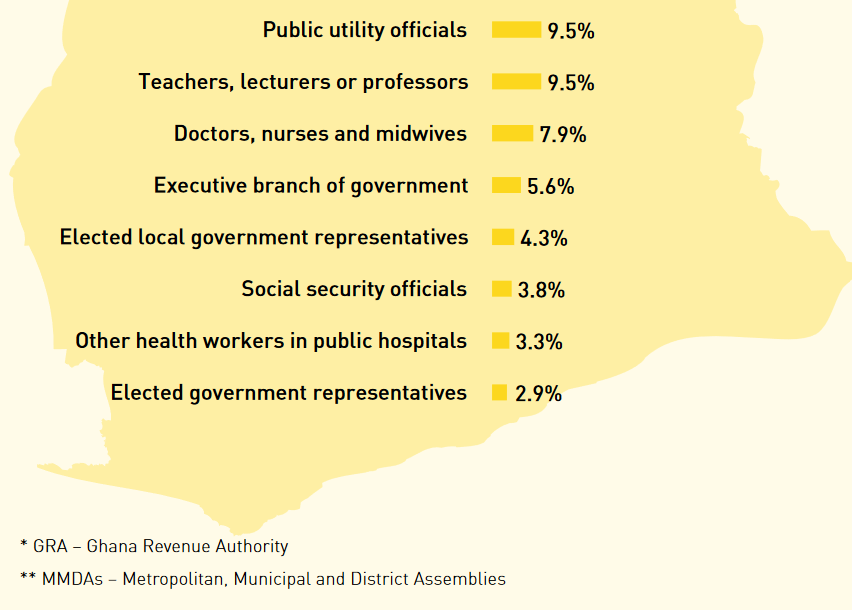
    The findings reveal that police officers have shown the highest vulnerability to bribery among all public officials, with an alarming prevalence rate of 53.2 percent.

    Conducted collaboratively by the United Nations Office on Drugs and Crime (UNODC), the Commission on Human Rights and Administrative Justice (CHRAJ), and the Ghana Statistical Service (GSS), the survey provides a troubling glimpse into the scope of corruption.

    Ghana Immigration Service (GIS) Officers and Ghana Revenue Authority (GRA) customs officers also stand out with significant bribery rates of 37.4 percent and 33.6 percent, respectively.

    Interestingly, elected government representatives exhibit notably lower involvement in bribery, registering a mere 2.9 percent.

    Different forms of bribes are given to public officials. A striking 84.8 percent of bribes in Ghana are in the form of cash. While the exchange of a public service for another service and offering food and drink are less common, rural areas (17.8 percent) show a higher tendency to use food and drink bribes compared to urban areas (10.1 percent).

    The cumulative value of cash bribes in Ghana nearly amounts to a third of the Ministry of Education’s 2021 budget.

    Urban cash bribes are 1.5 times larger than rural ones, with the national average bribe standing at 348 Ghanaian cedi. Considering approximately 17.4 million bribes were paid in Ghana in 2021, the annual sum for cash bribes to public officials is around 5 billion Ghanaian cedi, equivalent to 32.9 percent of the Ministry of Education’s 2021 budget.

  • What separates Ghana from Cote d’Ivoire

    What separates Ghana from Cote d’Ivoire

    Borders are a fundamental aspect of any nation’s geography. They signify the point where one country’s expanse concludes and another’s begins.

    These borders range from distinct lines to more ambiguous boundaries that might not be immediately evident.

    Recently, Ghana and Cote d’Ivoire engaged in a legal process to define their maritime boundary, a case that saw Ghana emerging victorious.

    Despite this legal tussle, the two nations have maintained a generally positive relationship over time.

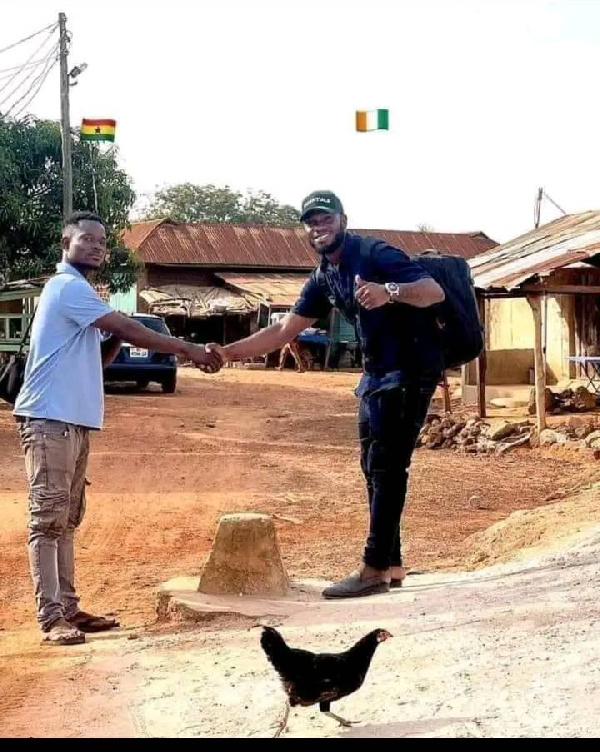
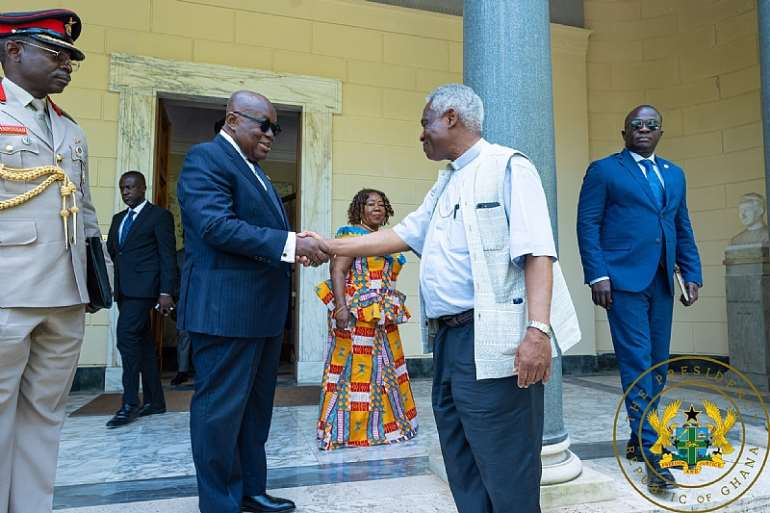
    Interestingly, some of these borders are not distant frontiers but mere steps away from each other. An intriguing image circulating online captures this proximity, prompting numerous individuals to share it.

    The photograph depicts two men stand on opposing sides of a modest concrete pillar, its height merely a few meters above the ground. In a symbolic gesture, they extend their hands to meet in a handshake, effectively highlighting the border’s demarcation.

    This snapshot is gaining traction due to its portrayal of the boundary between these two countries. Notably, this is not the first instance where a simple act, like a short stroll or a few meters, serves as a delineation between Ghana and its neighboring nations.

    Borders hold a unique significance in defining nations, and this image encapsulates the intriguing blend of geographical lines and diplomatic relations in an evolving global landscape.

  • Meet 11-year-old Samara Osae-Asare promoting Ghana around the world

    Meet 11-year-old Samara Osae-Asare promoting Ghana around the world

    The world is now a global village thanks to advancements in technology. Individuals from diverse backgrounds, be they religious, social, or political, are able to share a bit of who they are with the world.

    However, despite the devices available, many in the Western world are quite oblivious to the existence of the numerous countries in Africa and what their beliefs and ways of living are.

    Presently, a minor has taken it upon herself to contribute to the awareness of the West African state, Ghana, and Africa in general.

    11-year-old Samara Osae-Asare is the name on the lips of most Ghanaians, as she devotes her time to promoting Ghana to the world.

    From the diverse languages, the food mostly preferred by the locals, amazing tourist sites to behold, nothing skips the attention of the Ghanaian-American girl.

    In most of her interactions with celebrities, she teaches them a few words in the local parlance known as Twi.

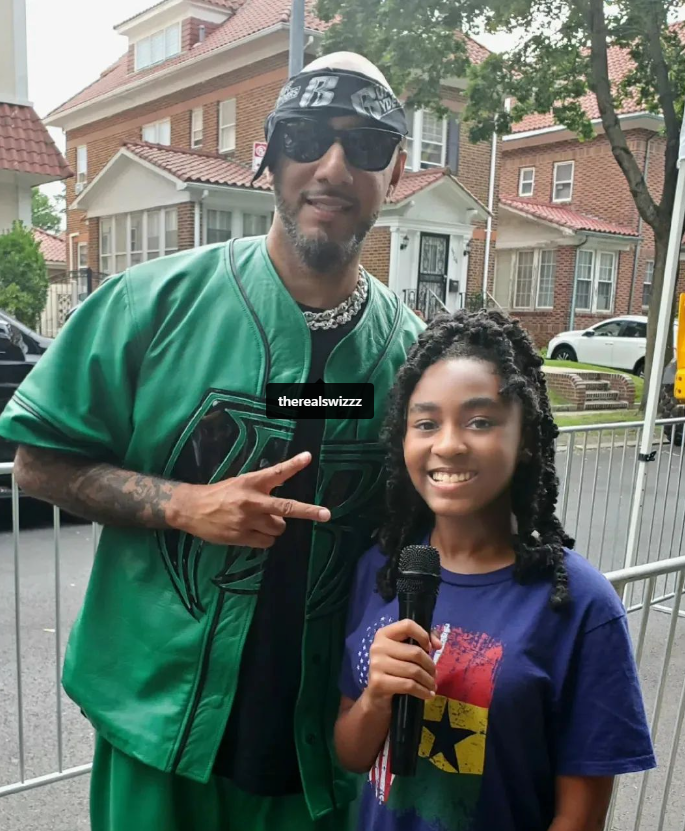
    Swizz Beatz, the American record producer, rapper, DJ and songwriter, is one of her beneficiaries.

    Swizz Beatz and Samara

    She has encouraged the likes of singer Usher, Black Panther actress, Letitia Michelle Wright, Erykah Badu, an American singer, Lauryn Hill, a sensational singer, rappers Ice Cube and Snoop Dogg, and others to visit Ghana.

    Usher has already had a taste of Ghana. Ahead of the Global Citizen Festival which took place on Saturday, September 24, 2022, he toured the country.

    The popular American Pop and RnB superstar, visited several sites in the Chorkor community, meeting with local traders and fishermen in the Greater Accra region.

    After the show, Usher promised to return to Ghana.

    Who is Samara Osae-Asare?

    At just 11 years old, Samara Osae-Asare stands out from the crowd. As the vibrant host of TV3’s Kidz Arena, she takes center stage, engaging in insightful interviews with celebrities spanning the globe.

    Her love for journalism and entertainment fuels her drive, setting her apart from her peers. Samara’s aspiration extends beyond her own achievements; she aims to ignite a spark of inspiration among fellow youngsters, encouraging them to fearlessly pursue their aspirations.

  • Freezy Mcbones to compete for Ghana in 2024 Olympic Games qualifying matches

    Freezy Mcbones to compete for Ghana in 2024 Olympic Games qualifying matches

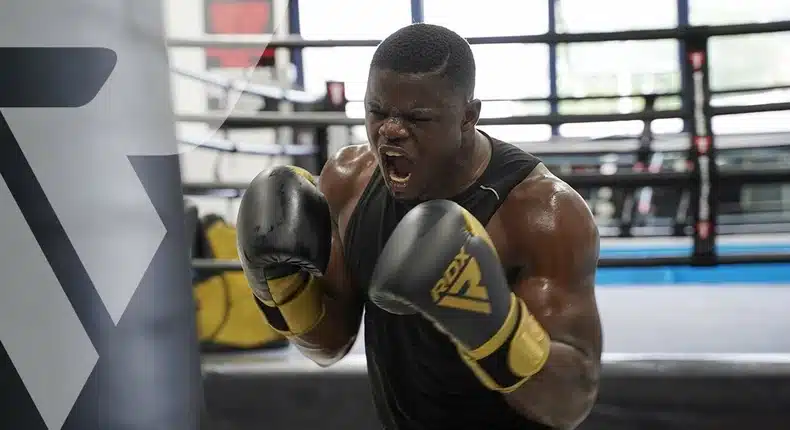
    Ghanaian-British boxing sensation Seth Gyimah, widely known as ‘Freezy Macbones’,has made a significant decision to support Ghana’s quest for qualification in the 2024 Paris Olympic Games.

    ‘Freezy Macbones’ gained prominence with his remarkable four-round knockout victory over a seasoned UK boxer at London’s Copper Box Arena.

    Having faced a dilemma regarding which nation to represent at the international level since his move in 2012, the 33-year-old has ultimately chosen to compete for Ghana.

    In an official statement released on Monday, August 14, the boxer confirmed his commitment to represent Ghana by joining the country’s amateur boxing team, commonly referred to as the Black Bombers.
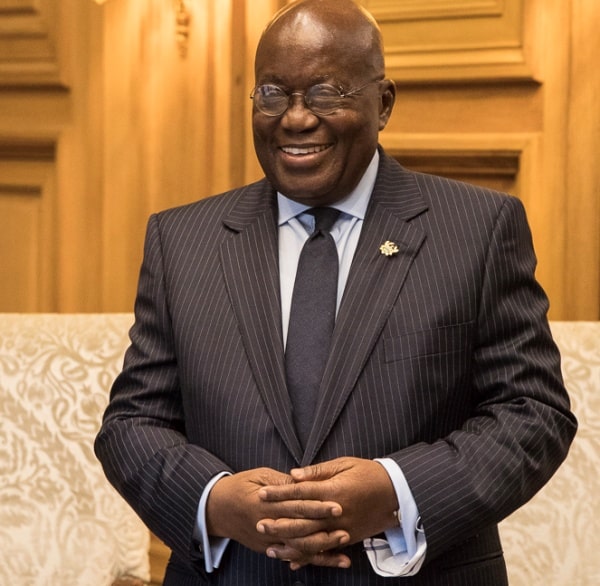
    “I have been called on to represent my country, Gahan, at the upcoming 2024 Olympic Games in Paris, France. This will commence after the African qualification bouts next month in Dakar, Senegal,” Freezy Macbones stated.

    The boxer, who has commenced training ahead of the qualifiers, noted that it would be a dream come true if he could qualify for the Olympic Games and win gold for the country.

    “I am currently training hard to make it past the qualifiers and bring back the Gold next year. This opportunity to represent my home country at the world’s biggest sporting event is a dream come true,” he added.

    The path to becoming a boxer for Freezy Macbones started during his time as a mason in Ghana, and his story has served as a source of inspiration for numerous individuals in the nation.

    Often likened to the iconic boxer Mike Tyson, Freezy Macbones has openly voiced his ambition to secure a world title in the near future.

  • Ghana-USA trade reaches historic high – US ambassador

    Ghana-USA trade reaches historic high – US ambassador


    The efforts undertaken by the governments of Ghana and the United States are anticipated to lead to an upsurge in trade volumes.

    In 2022, the trade in goods between Ghana and the United States of America reached an unprecedented peak of $3.7 billion, showcasing a favourable trade balance, as outlined in a fact sheet from the US Embassy in Accra.

    During that year, Ghana’s exports to the US totaled $2.7 billion, encompassing key commodities such as crude oil, cocoa (beans, paste, and butter), apparel, rubber, and cassava.

    Imports from the US stood at $1 billion in 2022, comprising significant items like automobiles, machinery, paper products, plastics, medical devices, fertiliser, and agricultural goods.

    Virginia E. Palmer, the US Ambassador to Ghana, stated that due to collaborative measures implemented by both the US Embassy and the Ghanaian government, trade volumes are projected to experience further growth in the forthcoming years.

    She emphasised that promising indicators point to substantial growth in various sectors, contributing to job opportunities in both Ghana and the United States, thereby fostering prosperity in both nations.

    “To give a straightforward answer, I would say trade volumes are expected to expand by billions. With US$3.7 billion in goods now, it is a lot,” she said when asked about Ghana-USA trade prospects.

    She spoke at the US – Ghana Business Expo held under the theme ‘Leveraging US trade relations for growth and prosperity’. The event took place in Accra.

    The Under-secretary of Commerce for International Trade of the United States of America, Marisa Lago, commenting on trade volumes between the two countries stated that: “Emerging from the pandemic, total USA-Ghana trade has been on an upward trajectory.

    “As our trade and investment relationship matures and continues to grow, we look forward to broadening the types of goods and services that we exchange; such as personal care products and apparel.”

    Ms. Lago urged participants to be open about challenges, as they are looking for opportunities as well as to identify inhibiting factors that hold businesses back from delivering greater trade and investment.

    Given the current global crises, she said, it is important to ensure that the business environment continues to support and foster entrepreneurship, innovation, investment, and trade.

    She mentioned that to further strengthen trade between both countries, she will hold discussions with counterparts in Ghana’s government and the private sector on how they can work together to achieve some shared objectives of improving the business environment and facilitating increased trade and investment.

    The Minister of Trade and Industry, Kobina Tahir Hammond, said the government has stepped up support for the private sector, both domestic and foreign, to enhance production and export capacity – particularly in the manufacturing sector, with notable opportunities for export into the US market.

    “We would like to see more export products from our shores into the US market, the most lucrative consumer market globally. We believe that this can be achieved through increased investment from the US, especially in respect of harnessing the considerable and largely untapped US market opportunities offered under the African Growth and Opportunity Act (AGOA) and the Prosper Africa Initiative of the US government.”

    The objective of the 2023 US Ghana Business Expo is to establish a platform that facilitates the development of mutual trade partnerships and economic advancement between the United States and Ghana.

    The event brought together prominent figures within various industries, entrepreneurs, government representatives, and business executives from both countries. The purpose was to uncover potential prospects, share insights, and cultivate alliances.

  • Trade between Ghana and US increased to $3.7 billion in 2022

    Trade between Ghana and US increased to $3.7 billion in 2022

    Trade interactions between Ghana and the United States (US) reached a remarkable sum of $3.7 billion in the year 2022, as highlighted in data divulged by the US Embassy situated in Ghana. This notable achievement solidified the US’s position as Ghana’s fourth most significant export destination, further affirming the substantial economic ties between the two nations.

    Ghana’s exports to the US in 2022 amounted to $2.7 billion and the main exports from Ghana include crude oil, cocoa (bean, paste, and butter), apparel, rubber, and cassava.

    Ghana’s imports from the US in 2022 amounted to $1 billion, and the major imports include cars, machinery, paper products, plastics, medical devices, fertilizers, and agricultural goods.

    Ghana’s trade surplus with the US in 2022 was $1.8 billion, while trade in services is also growing strongly, the information said.

    It also indicated that in that same year, US bilateral assistance to Ghana was over $150 million; and that went into financing health, economic growth, agriculture, education, human rights, governance, and security.

    The US government in 2022 provided over $32 million in agricultural assistance to Ghana.

    It stated that more recently, the US Development Finance Corporation announced new support for $25 million in financing for micro, small, and medium sized enterprises in the agricultural sector in Northern Ghana.

    “Supporting digital economic development, the United States recently announced a $300 million investment in data centers in Africa, including Ghana,” it added.
    Ghana registered a total of $421 million in foreign direct investment (FDI) from the US in 2021.

  • Ghana seeks to sign bilateral investment, anti-double taxation agreements with Trinidad, Tobago

    Ghana seeks to sign bilateral investment, anti-double taxation agreements with Trinidad, Tobago

    Representatives from the Ghana Investment Promotion Centre (GIPC) and the Ghana Export Promotion Authority (GEPA) have initiated discussions with authorities from Trinidad and Tobago to explore the possibility of implementing Double Taxation and Bilateral Investment treaties.

    The aim of these discussions is to bolster the trade exchange between the two nations.

    These deliberations took place during a meeting between the delegation and members of Trinidad and Tobago’s Chamber of Industry and Commerce (TT Chamber) in the previous week.

    The Ghanaian delegation also pinpointed key sectors within Trinidad and Tobago, particularly the manufacturing sector, as fertile ground for forging partnerships with Ghanaian small and medium-sized enterprises (SMEs).

    During the meeting, Mr. Yofi Grant, the CEO of the GIPC, expressed the viewpoint that a collaborative effort between the two countries holds the potential for mutually advantageous outcomes.

    He emphasized the significance of taking into account each nation’s economic circumstances and contributions.

    “For us in Ghana, partnerships for linkages and trade are key because we do have significant raw material for which we want to add value and then export, and I believe that T&T is really the industrial powerhouse of the Caribbean so there is a lot to learn. But there is also a lot to trade not only in goods but services, particularly in the oil and gas sector where Trinidad and Tobago seem to have built some capacity and experience which they can leverage in Ghana,” he said.

    The CEO of GEPA, Dr. Afua Asabea Asare also mentioned plans to establish a Ghana Trade House in Trinidad and Tobago “which will bring the cultural aspect, the trade aspect and everything together in a space where people can come in and see what Ghanaians offer”.

    The TT Chamber announced that it will undertake an audit of its members who are already conducting business in Africa in order to facilitate the collaboration between the two nations. This audit will serve as the basis for further engagements.

    The Chamber stated that in order to ensure efficient and successful collaboration, it will create a liaison with GIPC.

    According to the TT Chamber president, Kiran Maharaj “the opportunities in Ghana are very promising, and it is apparent that they have built an economy and business environment that attract investment from committed partners such as TT’s business community. There are several synergies regarding our culture and the way in which we do business. I am certain there will be many benefits to both countries, not just from the exchange of knowledge and expertise but from investment opportunities, partnerships, and other significant pathways”.

    The TT Chamber expressed interest and commitment in developing close relationships with Ghana and utilizing knowledge to advance manufacturing and economic development in both nations.

    Meeting with T&T Trade Minister

    The Ghanaian delegation furthered the conversations on exploring new trade and investment opportunities in a meeting with the Trade Minister of Trinidad and Tobago, Paula GopeeScoon, as well as other officials including; President of the Trinidad and Tobago Manufacturers’ Association (TTMA), Roger Roach, and CEO of the Trinidad and Tobago Chamber of Industry and Commerce, Stephen De Gannes.

    Minister Gopee-Scoon acknowledged the many opportunities for trade and investment between Trinidad and Tobago and Ghana. She noted that the bilateral engagements will foster mutually beneficial partnerships, cultural exchanges and economic growth across both nations.

    She reiterated T&T’s commitment to strengthening economic ties with Ghana, and by extension Africa.

    At the meeting, the CEO of GEPA, Dr Afua Asabea Asare discussed plans to export Ghana’s native fabrics and prints into the Caribbean, where there is considerable demand. The Centre’s CEO, Yofi Grant also negotiated agreements to have a Trinidad and Tobago steelpan band and masquerades participate in this year’s edition of the Taste of Ghana.

    Meanwhile, the TTMA, together with ExporTT, have committed to work towards a trade and investment mission to Ghana in early 2024.

    Further, a commitment has been made by both parties to accelerate the ongoing negotiations for a Reciprocal Protection and Promotion of Investments Agreement (RIPPA), with the aim of reaching an agreement by the end of 2023.

  • You could lose American investors if anti-LGBTQI bill is passed – US Ambassador to Akufo-Addo

    You could lose American investors if anti-LGBTQI bill is passed – US Ambassador to Akufo-Addo

    The United States Ambassador to Ghana, Virginia Palmer, has issued a cautionary message to Ghana regarding the pending anti-gay bill currently under consideration in Parliament.

    She emphasized that if the bill is approved, it could potentially deter investors, including those from the LGBTQI community and other American businesses, from engaging with Ghana.

    Palmer praised Ghana as a nation known for its inclusivity, tolerance, and social harmony, factors that contribute to its stability and attractiveness for investments.

    She expressed her hope that these qualities would continue to extend to the LGBTQI community.

    Palmer stressed the financial opportunities that exist, noting that money knows no color but green or red, and any form of discrimination could adversely impact not only LGBTQI investors but also other American companies considering Ghana for investment.

    In a recent interview on August 10th, Palmer shared her thoughts, stating, “Ghana’s strength lies in its welcoming and harmonious society. It would be advantageous for this stance to extend to the LGBTQI community. Discrimination or worse could deter not only LGBTQ investors but also other American enterprises.”

    Palmer’s comments come in light of the World Bank’s recent decision to suspend new loans to Uganda due to the controversial anti-LGBTQ law implemented in the country. The World Bank cited a commitment to principles of inclusion and non-discrimination as reasons for their action.

    One of the proponents of Ghana’s anti-gay bill, Rockson-Nelson Dafeamekpor, responded to the World Bank’s actions, asserting that Ghana would not be influenced by Uganda’s situation. Dafeamekpor stated that African countries cannot be coerced into accepting practices that are contrary to their values.

    He underscored that Africa comprises 54 distinct nations and that attempts by the World Bank to pressure the continent regarding LGBTQ issues would not succeed.

    Speaking on a televised news program on August 10th, Dafeamekpor commented, “Ghana remains steadfast and unaffected by recent events in Uganda.

    The World Bank’s influence is global, encompassing a variety of nations, and their attempt to impose LGBTQ acceptance on Africa is misguided. We stand firm today and will do so tomorrow.”

    It’s important to note that the wording has been adjusted to provide a more neutral and balanced tone while conveying the essence of the original message.

  • I hope Ghana continues to stay welcoming to LGBTQ+ – US Ambassador 
    I hope Ghana continues to stay welcoming to LGBTQ+ – US Ambassador 

    US ambassador to Ghana, Virginia Palmer, has commended the inclusivity of Ghana and its citizens while also warning about potential prejudice, particularly directed at the LGBTQ+ community.
    She noted that the nation’s strength and attractiveness as an investment hub primarily stem from its strong interfaith and inter-ethnic harmony.

    Nevertheless, Ambassador Palmer emphasized that any form of bias against LGBTQ+ individuals could convey an unfavorable message to American investors overall and should be prevented.

    “Ghana is a very welcoming tolerant society, lots of inter-religious, inter-ethnic harmony and that is what makes Ghana strong and stable and attractive for investment. I hope it stays that way with regards to the LGBTQ+
    community.

    “And again, there is money to be made, if the colour of your money is green or red, it is Ghanaian but there if there is discrimination or worse, then that will send a signal to not just LGBT investors but other American investors that Ghana is less welcoming than I am telling people that it is now. So, I hope it will stay welcoming,” she told journalists.
    She was speaking on the sidelines of the US-Ghana Business Expo which took place in Accra on August 10, 2023.

    “I want to send a signal that Ghana is open for business and its economic recovery has began,” she added.

    She revealed that the US group that had come to Ghana was a special trade delegation, the Global Diversity and Inclusion delegation that had reps from among others:

    National Black Chamber

    Women-owned businesses

    LGBT-owned businesses

    Native American owned businesses

    Washington has openly spoken in favour of the LGBTQ community and have spoken against Ghana’s anti-LGBTQ Bill which is due to be passed into law by Parliament during its next sitting.

  • US$8,000 is paid monthly to each independent director of BoG – Bright Simons

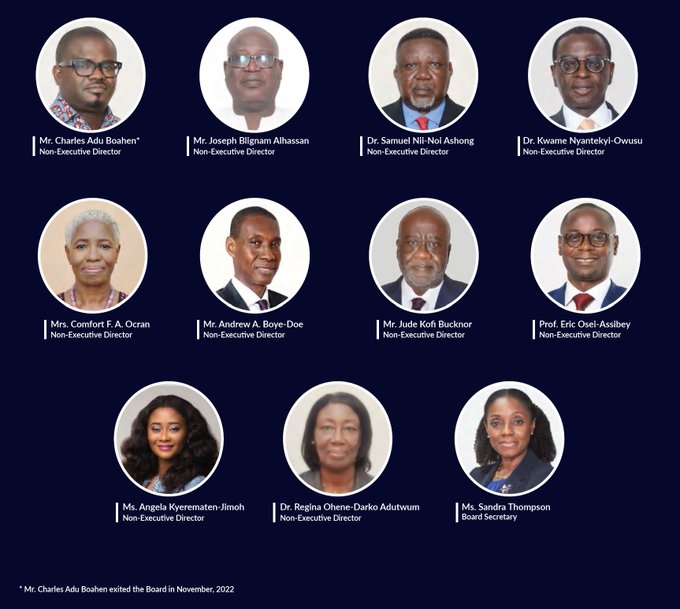
    Each independent director on the board of the Bank of Ghana is allegedly paid US$8,000 per month, according to Bright Simons of IMANI Africa.

    According to the Bank’s 2022 annual report, there are thirteen directors total, including the governor, his two vice presidents, and the remaining 10 directors.

    He points out that the number is higher than average compared to other African nations, particularly Kenya and Nigeria.

    His message was sent at a time when the Minority in Parliament is pressuring the bank’s leadership to leave due to a loss that, according to the most recent report, is equal to $6 billion USD.

    “The Bank of Ghana has 10 independent Directors. It seems some people, esp in the Political Opposition, are not happy that they are paid ~$8,000 a month (~86,000 GHS).

    Given the calibre of people needed to helm a central bank board, what would folks be comfortable with?” he quizzed.

    The ten independent directors are as follows:

    Dr. Samuel Nii-Noi Ashong – Non-Executive Director
    Mr. Joseph B. Alhassan – Non-Executive Director
    Dr. Kwame Owusu-Nyantekyi – Non-Executive Director
    Mr. Andrew Boye-Doe – Non-Executive Director
    Mrs. Comfort F. Ocran – Non-Executive Director
    Mr. Jude Kofi Bucknor – Non-Executive Director
    Dr. Regina Ohene-Darko Adutwum – Non-Executive Director
    Mr. Charles Adu Boahen – Non-Executive Director (Till 24/11/2022)
    Ms. Angela Kyerematen Jimoh – Non-Executive Director
    Prof. Eric Osei-Assibey – Non-Executive Director

  • Bagbin calls for adoption of a local dialect as official language

    Bagbin calls for adoption of a local dialect as official language

    Speaker of Parliament, Alban Sumana Kingsford Bagbin, has made a proposal that could reshape the linguistic landscape of the country, by calling for the adoption of a local dialect as the official language of Ghana.

    The speaker made the call during a courtesy call on the Paramount Chief of Essikado, Nana Kobena Nketsia V, at his palace, at Essikado in the Western Region.

    He justified his call with a claim that Ghana’s current official language – the English language belongs to another culture and that a society cannot progress using the language of another society.

    “No society develops with the language of another society,” he maintained. 

    He, thus, has called on stakeholders to formulate a national policy to adopt a local language as the country’s official language.

    “That is one of the challenges in Ghana, and we must get our language right as a country. For example, the Arabs are ahead of us in terms of development because they have adopted an official language of theirs which every citizen understands,” he stated.

    Additionally, he noted that it would be wise for the nation to embrace a distinctive national identity that would promote harmonious interactions among its citizens, thereby expediting the country’s progress and development.

    The Speaker’s visit constituted a portion of his interactions with essential stakeholders to garner their backing for the celebration of three decades of uninterrupted parliamentary democracy during the fourth republic.

    Mr Bagbin emphasised that Ghana should draw inspiration from East and South African countries, which have chosen to use a local language, like Swahili, as their official language.

    He mentioned that this approach would enhance inclusivity and involve all individuals in the nation’s endeavor to attain sustainable economic development.

    He expressed that after three decades of practicing democracy as a nation, it was essential to review and reformulate certain facets of the country’s democratic principles to ensure their ongoing maintenance.

    He pointed out that achieving this objective would require Parliament to actively interact with the public, understanding their perspectives and recommendations to shape policy revisions related to parliamentary affairs.

    Mr Bagbin highlighted the importance of increased participation of traditional authorities in the governance process, emphasising their role as guardians of the land. He mentioned that traditional leaders were the authentic leaders of Ghana and Africa, as they held the trust and allegiance of their followers.

    On his part, Nana Nketsia V commended the Speaker for his efforts to engage with stakeholders to consolidate and promote democracy in the country.

    Mr Bagbin was in the company of Mr Kwabena Okyere Darko-Mensah, Western Regional Minister, and Member of Parliament (MP) for Takoradi Constituency, Mr Emmanuel Armah-Kofi Buah, MP for Ellembelle Constituency, Mr Joseph Cudjoe, MP for Effia Constituency and Mr Eric Afful, MP for Amenfi West Constituency among other dignitaries, when he called on the Chief.

  • Ghana named among top 10 countries with highest food inflation globally

    Ghana named among top 10 countries with highest food inflation globally

    Ghana has been listed among the top 10 countries globally experiencing the highest food inflation rates.

    As indicated in the Food Security Report published by the World Bank, Ghana’s Nominal Food Inflation (year-on-year) of 54% positioned the country in the 8th rank.

    However, its Real Food Inflation (year-on-year) of 12% positioned it at the 9th spot.

    In the Nominal Food Inflation category, Venezuela claimed the first position with a year-on-year inflation rate of 414%. Following suit were Lebanon (280%), Zimbabwe (256%), Argentina (117%), Suriname (71%), Egypt (66%), and Sierra Leone (58%), in the 2nd to 7th rankings, respectively.

    Regarding Real Food Inflation, Zimbabwe (80%), Egypt (30%), Lebanon (26%), Turkey (16%), Rwanda (15%), Burundi (14%), Lao (14%), and Sierra Leone (13%) captured the 1st to 8th positions respectively, representing the countries with the most pronounced food inflation rates.

    According to the report, its latest data covering the period from February 2023 to May 2023, which includes food price inflation figures, reveals a notable surge in inflation across numerous low- and middle-income nations.

    In fact, inflation rates surpassing 5% were observed in 63.2% of low-income countries, 79.5% of lower-middle-income countries, and 67.0% of upper-middle-income countries. Many of these countries are also grappling with double-digit inflation rates.

    Furthermore, the report highlights that a substantial 78.9% of high-income countries are currently contending with elevated food price inflation. The regions most heavily affected by this trend span Africa, North America, Latin America, South Asia, Europe, and Central Asia.

    From a genuine economic perspective, the inflation rates for food prices have outpaced the overall inflation rates (measured by the year-on-year change in the Consumer Price Index) in a significant 80.1% of the 166 countries where both food CPI and overall CPI indices are available.

    Maize, wheat prices go up but rice price remains stable

    The report also revealed an increase in maize and wheat prices, which closed 12% and 14% higher, respectively, after declining in the first half of July 2023. It consequently drove the increase in the cereal price index, whereas rice prices have remained stable.

    On a year-on-year basis, maize and wheat prices are 15% and 17% lower, while rice prices are 16% higher. Maize, wheat, and rice prices are 8%, 11% and 3% higher, respectively, than in January 2021

    The 2023 State of Food Insecurity and Nutrition in the World report highlights the state of global hunger and food insecurity and the challenges and opportunities that urbanization presents in the context of agrifood systems.

    The report expressed concern about Russia’s withdrawal from the Black Sea Grain Initiative (BSGI) in global markets.  

    Wheat and maize prices rise, but rice prices stay the same

    The report also unveiled a rise in the prices of maize and wheat, which rebounded by 12% and 14%, respectively, following a decline in the first half of July 2023. This upswing played a pivotal role in driving an increase in the cereal price index, whereas rice prices have maintained their stability.

    In a year-on-year comparison, prices for maize and wheat have seen a decrease of 15% and 17% respectively, while rice prices have risen by 16%. Notably, current prices for maize, wheat, and rice are elevated by 8%, 11%, and 3% respectively compared to their levels in January 2021.

    The 2023 State of Food Insecurity and Nutrition in the World report offers insights into the global landscape of hunger and food insecurity, shedding light on the challenges and opportunities that come with urbanization in the context of agrifood systems.

    Of particular concern highlighted in the report is Russia’s withdrawal from the Black Sea Grain Initiative (BSGI) within the global markets.

  • Inflation rate in Ghana is 3 times higher than Ukraine in July 2023 – IMANI Africa president

    Inflation rate in Ghana is 3 times higher than Ukraine in July 2023 – IMANI Africa president

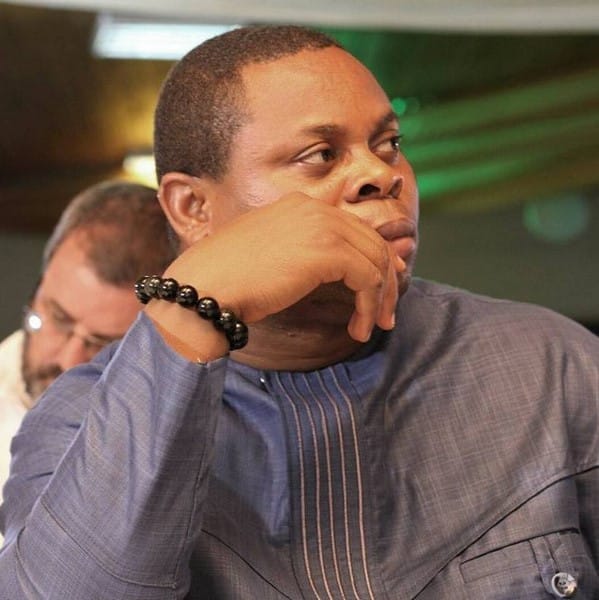
    President and Founder of IMANI Africa, Franklin Cudjoe, has highlighted that Ghana’s inflation rate for July 2023 is three times higher than the inflation rate in crisis-stricken Ukraine.

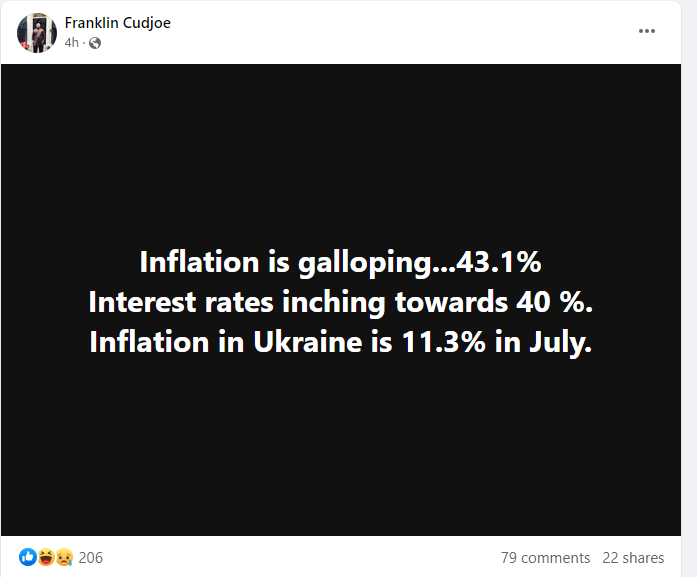
    Cudjoe pointed out that as of July 2023, Ghana’s inflation had reached 43.1%, with interest rates edging close to 40%.

    He further noted that Ukraine’s inflation rate for the same month, July 2023, was recorded at 11.3%, which is three times lower than Ghana’s inflation rate.

    In a Facebook post dated Thursday, August 10, 2023, the President of IMANI Africa emphasized the alarming pace at which Ghana’s economic situation is deteriorating.

    “Inflation is galloping… 43.1% interest rates inching towards 40%. Inflation in Ukraine is 11.3% in July,” he wrote on his Facebook page.

    Background

    As stated in its 2022 Annual Report and Financial Statement, the Bank of Ghana encountered a substantial loss primarily due to the Debt and Deficit Exchange Program (DDEP).

    As outlined in the report, the central bank underwent a restructuring of its holdings of government debt, while its non-marketable holdings of Government of Ghana instruments, which included long-term stocks, a COVID-19 Bond, and overdrafts, underwent a haircut of 50 percent.

    Similar terms were applied to the exchange of Bank of Ghana’s other claims (holdings of marketable instruments) as those of other financial institutions participating in the DDEP.

    This restructuring resulted in an impairment of GH¢48.40 billion in the year 2022.

    Additionally, the Central Bank experienced revaluation losses on its foreign assets and liabilities due to the depreciation of the exchange rate.

    The combined impact of impairments and revaluation losses led to a negative equity position amounting to GH¢55.12 billion for the year 2022.

    The report further indicated that despite a robust trade surplus, the balance of payments incurred a deficit of US$3.64 billion, attributed to significant net outflows in the capital and financial account.

    This situation prompted a drawdown of US$3.46 billion in Gross International Reserves, causing a decline from US$9.70 billion at the end of December 2021 to US$6.24 billion at the end of December 2022. This amount provided a cover for 2.7 months of imports.

    The substantial reduction in reserves exerted considerable pressure on the currency, leading to the reduction of the Common Equity Tier 1 capital ratio from 6.5 percent to 5.5 percent, and an increase in the maximum Tier 2 capital ratio from 2.0 percent to 3.0 percent of total risk-weighted assets.

  • Agric minister reveal plans to build one of Ghana’s biggest poultry farms by Despite, Ofori Sarpong

    Agric minister reveal plans to build one of Ghana’s biggest poultry farms by Despite, Ofori Sarpong

    Business partners Dr. Ernest Ofori Sarpong and Dr. Osei Kwame Despite intend to develop one of Ghana’s largest poultry farms, according to plans made public by the minister of food and agriculture, Bryan Acheampong.

    The minister claimed that after hearing his persuasive case for agriculture, and particularly chicken farming as a business, during a meeting, the businesspeople accepted the concept.

    “Your senior brothers, Despite and Ofori came to meet me that after our last meeting when we discussed something about the poultry industry, Ofori said myself and Despite can do poultry as a business and as means of feeding the country if this is what you are saying,” he told Kwame Sefa Kayi on Peace FM.

    The minister claims that the two have committed to the project after receiving his promise that they will be able to acquire land for such a large undertaking.

    “After showing them the numbers, they said I should give them land, so I am looking for a land for them at Dahwenya and they have assured me that they will build one of the biggest poultry farms in the country,” he stated.

    The minister further stated that the government would soon introduce a new iteration of the Planting for Food and Jobs initiative, which would strengthen the nation’s agricultural industry.

  • July’s inflation rate in Ghana increased to 43.1%

    July’s inflation rate in Ghana increased to 43.1%

    In July 2023, Ghana’s inflation rate has risen to 43.1%, marking an increase from 42.3% observed in June of the same year.

    Consequently, the cost of goods and services has seen a surge of 43% over this period.

    As reported by the Ghana Statistical Service, the prime driver of inflation was food, contributing to a rate of 55%, while non-food items accounted for 33.8%.

    In terms of inflation rates, locally produced goods experienced a rate of 37.5%, whereas imported items were subject to an inflation rate of 45.7%.

    Looking at regional variations, the Greater Accra region registered the lowest inflation rate at 31.8%, while the North-East region saw the highest inflation rate at 64%.

    Specifically, the categories of food and non-alcoholic beverages witnessed an inflation rate of 55%, whereas personal protection and miscellaneous goods and services recorded an inflation rate of 60.5%.

  • Zipline Ghana wins top logistics innovation award in Lagos

    Zipline Ghana wins top logistics innovation award in Lagos

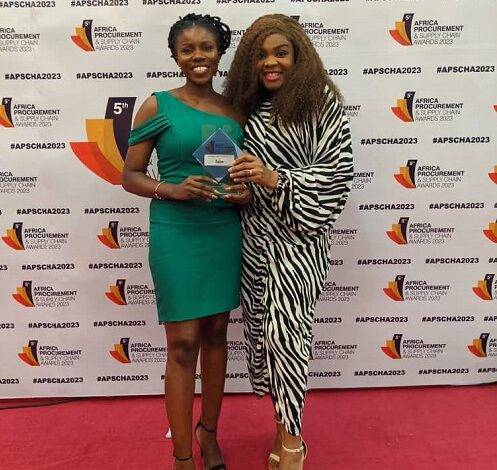
    Zipline Ghana has received a prestigious recognition as the “Most Digitized Logistics Provider of the Year” at the Africa Procurement and Supply Chain Awards event held in Lagos, Nigeria.

    This esteemed occasion, dedicated to acknowledging remarkable accomplishments within the logistics sector, witnessed Zipline’s remarkable ascent above its contemporaries, securing the highly coveted award in recognition of its unwavering commitment to innovation and operational efficiency.

    Zipline Ghana’s General Manager, Mawuli Atiemo, expressed that this accolade stands as a testament to the relentless determination and collective efforts of the entire Zipline team.

    He highlighted the company’s transformative impact on the logistics landscape through the implementation of digitization and cutting-edge technologies, which have significantly elevated the industry’s standards.

    “At Zipline, we have consistently pushed the boundaries of logistical capabilities, spearheading the utilization of advanced drone technology to facilitate the delivery of essential supplies to communities. Our resolute dedication to embracing innovation and executing ingenious solutions has been pivotal in shaping our success,” Mawuli emphasized.

    He further stated, “Our core belief centers on ensuring that logistics never hinder access to critical medical assistance and essential goods.

    Thus, our services are meticulously crafted to surmount logistical challenges and create a meaningful positive influence in the lives of individuals throughout the nation.”

    Having initiated its operations in Ghana in 2019, Zipline has emerged as a vital collaborator with the Government of Ghana, seamlessly complementing existing logistical pathways for the transportation of medical supplies, vaccines, and essential commodities to remote and underserved communities.

  • Ken Ofori-Atta justifies why Ghana’s economy has ‘turned the corner’

    Ken Ofori-Atta justifies why Ghana’s economy has ‘turned the corner’

    Ghana’s finance minister, Ken Ofori-Atta, has maintained that the country’s economy has “turned the corner” despite the country’s current economic difficulties.

    He claims that the government has made significant progress, proving that the economy has passed a critical threshold and is now showing signs of improvement.

    “We have seen progress, and for me, it’s marvellous in my own eyes where we are now as a country,” he made the remarks during an interview on GTV’s Talking Point segment on Sunday, August 6, 2023.

    The opposition in Parliament as well as prominent Ghanaian economists have harshly criticized the remarks, which were made for the first time by the finance minister in Parliament, but Ofori-Atta has stuck to his guns.

    However, according to a recent report by the World Bank, Ghana’s economy will return to normal levels by 2025.

    “Growth will further decelerate in the short term (2023-24) before returning to its potential after 2025,” the World Bank said in its 7th Ghana Economic Update titled ‘Price Surge: Un-ravelling Inflation’s Toll on Poverty and Food Security’.

    The annual analytical report, written by three World Bank economists—Kwabena Gyan Kwakye, economist; Paul Andres Corral Rodas, Senior Economist; and David Elmaleh, Senior Economist—examined Ghana’s prospects for economic growth.

    The World Bank research, which also concentrated on the effects of inflation on households, showed that Ghana’s economy recovered from the 0.5 percent post-COVID-19 growth rate to 5.3 percent in 2021.

  • First deputy Governor of Bank of Ghana urges for enhanced tax administration

    First deputy Governor of Bank of Ghana urges for enhanced tax administration

    First Deputy Governor of the Bank of Ghana, Dr. Maxwell Opoku-Afari, is advocating for an enhancement in the country’s tax administration.

    He pointed out that Ghana’s tax-to-GDP ratio ranks among the lowest when compared to its counterparts.

    Using the example of 2020, Dr. Opoku-Afari highlighted that the ratio of tax revenue to GDP was 13.4%, whereas the African average was 16%, Asia and the Pacific region was at 19.1%, Latin America and the Caribbean stood at 21.9%, and the OECD region had a considerably higher ratio of 33.5%.

    This discrepancy, he emphasized, underscores the necessity to broaden the tax base, upgrade tax policies, and refine revenue administration systems to boost revenue generation.

    During his address at the National Development Conference organized by the Church of Pentecost, he noted that expanding the tax base entails encouraging more individuals to fulfill their tax obligations and reducing tax exemptions.

    He also suggested introducing incentives for businesses that comply with tax requirements, thus fostering a culture of tax discipline. He asserted that the Revenue Assurance and Compliance Enforcement initiative would effectively reduce revenue leaks and augment domestic resource mobilization while ensuring adherence to tax obligations.

    Furthermore, Dr. Opoku-Afari indicated that the recent introduction of the Ghana card provides data on a greater number of employees and entities falling within the tax bracket. This situation demands that the Ghana Revenue Authority actively engage and incorporate these potential taxpayers into the tax system. The increased enrollment, he noted, could potentially alleviate the per capita tax burden by eliminating superfluous taxes, while simultaneously bolstering the tax-to-GDP ratio from a broader base.

    Addressing the efficiency of property tax collection, Dr. Opoku-Afari highlighted that Ghana has yet to fully exploit taxes such as property taxes. He opined that the rapidly growing real estate sector could significantly contribute to domestic revenue mobilization through efficient collection methods.

    He urged the government to leverage digital technologies to improve fairness, efficiency, and accountability in tax collection.

    Regarding taxation of the informal sector, the first deputy governor acknowledged that, akin to other African nations, Ghana faces uneven tax distribution due to a substantial informal sector that lies outside the tax net.

    Citing a World Bank study, he pointed out that nearly 90% of the labor force in Sub-Saharan Africa operates in the informal economy, in contrast to the OECD countries where the figure is less than 15%. Furthermore, the informal economy constitutes almost 40% of GDP in Sub-Saharan Africa, as opposed to just 18% in OECD countries. This situation poses challenges to the efficiency and fairness of the tax system, ultimately affecting tax morale and revenue.

    He stressed that a significant informal sector signifies that existing tax systems, inherited from Western countries, may not be effective in resource mobilization. Hence, he recommended introducing revenue administration reforms to improve tax collection.

    Drawing inspiration from Georgia, Dr. Opoku-Afari cited the introduction of a simplified tax regime based on annual revenues for Micro, Small, and Medium Enterprises. Micro enterprises were exempted from income tax, and Small Enterprises could opt for revenue-based taxation at rates of 3% or 5%, rather than profit-based taxation. This was among several tax reforms in Georgia, including the elimination of ineffective “nuisance taxes,” the replacement of progressive income tax rates with a flat rate of 20%, and a reduction in corporate income tax to 15%.

    He mentioned that the revenue lost due to lower tax rates was offset by a broader tax base, improved compliance, and stringent enforcement. While acknowledging that the specifics of the Georgia reforms might not be directly transferable to Ghana, he emphasized that tailored reforms could generate additional revenues to support government initiatives.

    Finally, Dr. Opoku-Afari strongly recommended addressing the issue of tax exemptions. He highlighted the IMF’s suggestions, which encompassed eliminating VAT exemptions (estimated at nearly 2% of GDP), phasing out tax holidays and exemptions, strengthening measures against profit shifting, and reducing customs exemptions. He also advised reviewing generous tax incentives offered to multinational corporations to attract investments, with the aim of ensuring a sustainable increase in tax revenue.

  • Michaela emerges winner at Miss Kidi Ghana 3

    Michaela emerges winner at Miss Kidi Ghana 3

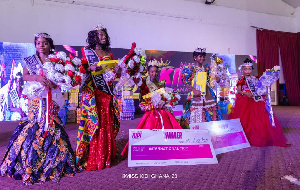
    Twelve-year-old Michaela Nana Yaa Sarpong Akuoko showcased exceptional intelligence across various aspects to secure the top position in season 3 of the Miss Kidi Ghana finals held at the Zenith University College auditorium on Saturday.

    Defying stiff competition from nine other contestants, the student of Says International School claimed the ultimate title.

    Her remarkable eloquence earned her the Miss Eloquent award, and her outstanding talent shone through in the Miss Talent category.

    In recognition of her exceptional performance, she was presented with a crown, sashes, educational materials, a tablet, products from sponsors, and a round-trip ticket for an international journey.

    Following closely behind was Muntom Ninsaw Lucita, a pupil of the Ministry of Health basic school, who also received a special cash prize, educational materials, a tablet, and a sash.

    Valerie Malgor Nareyore and Princess Kofituo Xornam secured the second and third runner-up positions, while Lisa Naa Adjeley Sugar Sowah claimed the fourth runner-up position.

    All of them were honored with sashes and special prizes for their remarkable efforts.

    The event, filled with entertainment, was judged by Nana Tiaah Ampem Darkoa I, Afua Asantewaa O Aduonum, and musician Kwabena Kwabena. The excitement grew as the field of ten contestants was narrowed down to five.

    The event was sponsored by Mcberry Biscuits, Flora Tissues, Top Choco, Angel Cola and Essential Cosmetics Patcy glam.

    Final results have yet to be published by the election authority.

  • Ghana has lost the spirit of patriotism, needs urgent rekindling – UoG lecturer

    Ghana has lost the spirit of patriotism, needs urgent rekindling – UoG lecturer

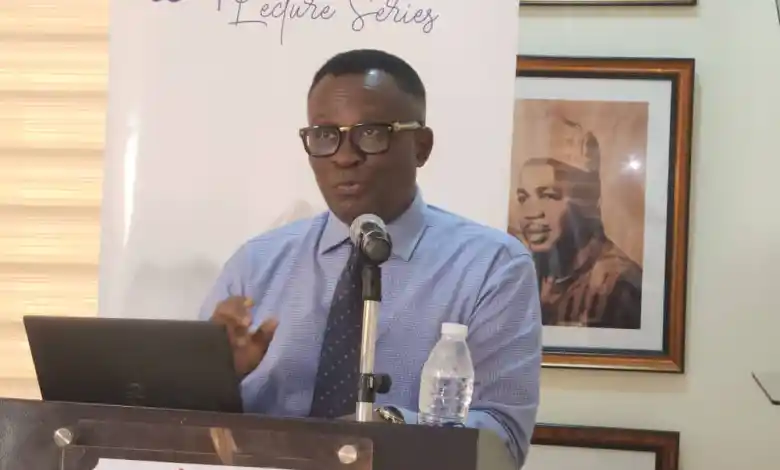
    Dr. Lawrence Boakye, a senior lecturer at the University of Ghana (UoG), claims that the spirit of patriotism that inspired Ghanaians’ ancestors to battle for our freedom and the right to self determination has been lost and needs to be rekindled.

    He made the comment while presenting a talk on “African Nationalism: A Road to Patriotism and the Attainment of Self-determination” as part of the Danquah Institute (DI) Founders’ Day lecture series today, August 4, 2023.

    African Nationalism

    Dr Boakye started his lecture by tracing the history of African Nationalism noting that it is “a subjective feeling of kinship or affinity shared by people of African descent. He explained further that Africa Nationalism “is a feeling based on shared cultural norms, traditional institutions, racial heritage, and a common historical experience”.

    Dr Antoinette Tsiboe-Darko, the Executive Director of DI, in discussion with Dr Lawrence Boakye at the Founders Day lecture series

    One enduring historical experience shared by nearly all Africans Dr Boakye said, “was colonial oppression”, stressing that “along with this sense of shared identity is a collective desire to maintain one’s own cultural, social, and political values independent of outside control”.

    “It is worth stressing that African nationalism, like nationalism elsewhere in the world, is not new; it is as old as ancient times. In fact, in Africa, contrary to a common view in Western scholarship of Africa, African nationalism predates colonialism” Dr Lawrence Boakye stated.

    Following his discussion on the continent of Africa’s struggle for independence, Dr. Boakye focused on Ghana and the “big six,” who are widely regarded as the founding fathers of the Republic of Ghana.

    Rekindle spirit of patriotism

    The UoG department for the study of religions lecturer in his presentation said “in our Gold Coast we discover the UGCC ( United Gold Coast Convention)  we remember the six leaders (Kwame Nkrumah, Ebenezer Ako-Adjei, Edward Akufo-Addo, Joesph Boakye Danquah, Emmanuel Obetsebi-Lamptey, and William Ofori Atta).

    “These founders of our dear nation understood that the continued existence of colonialism was going to prevent the development of international economic co-operation, impede the social, cultural, and economic development of our nation, and will militate against the ideals of universal peace.

    “For these reasons these men and many others risked their lives for this country. Today (4 August) as we celebrate these courageous compatriots, we reflect on their heroism, sacrifice, leadership, the restoration of patriotism, and the establishment of the foundation of our democracy” Dr Boakye said.

    “In our circumstances today, the only factor that can enkindle our passion to contribute magnanimously to the development and progress of our nation is our patriotic values. When we lack this quality, we throw our own destiny into chaos, dishonesty, apathy, and dismay, turning back our clock of development.

    “Our founders Day celebration comes with a clarion call to ask ourselves some vital questions regarding our country Ghana. As a people what are our aspirations, what do we lack as a nation, what is our vision for Mother Ghana. May the resilience of our past leaders continue to enkindle and awaken the civil consciousness, the desire for identity, freedom, unity, self-determination, and the restoration of the spirit of patriotism” he further stated.

    “Our Self-determination and our patriotism are integral to the realization of our freedoms. “It is only through the realization of this very basic right of people to determine, with no compulsion or coercion, holding onto their own future, political status and independence that we can begin to address other important factors such as dignity, justice, progress and equity,” Dr Lawrence Boakye added.

    Danquah Institute

     The Danquah Institute regards itself as guardians and ambassadors of the political and economic thought known as liberalism and how its promotion must benefit Africa and the African as members of the greater global community.

    Dr Antoinette Tsiboe-Darko, the Executive Director of DI, reviewing a document with Dr Lawrence Boakye

    DI seeks through its work to advance Danquah’s beliefs in individual freedom, rule of law, multiparty democracy, liberal economics and equality of opportunity and ensure they inform the actions of the democratically elected Government of Ghana and governments of other African states.

    Through the examination, evaluation, publication and promotion of alternative and novel policy approaches based on these principles, together with a critical analysis of existing political prescriptions, DI aims to improve the quality of the decision-making process and the efficaciousness of social, political and economic policies in Ghana and other African states.

    The Institute’s intention is to make a courageous, imaginative, constructive and coordinated contribution to nation-building and Africa’s development in general, with the purpose of enhancing the life of every individual citizen and, through this, the development of the Ghanaian, Ghana, the African and Africa.

    DI actively seek to promote its ideas, principles, values and ideals within Ghana and the African continent. In subscribing diligently, explicitly and conscientiously to those values of democracy, rule of law, human rights, free movements of people, ideas, cultures, knowledge, technology, goods and services, the institute can strengthen the building up of the power of Africa as an economic and peaceful, self-disciplined and cooperative community of opportunities and individual liberties, a force of reason and initiative to be reckoned with and emulated in the global arena.

    The institute aims to achieve this through public advocacy of the ideas and philosophy of J B Danquah, particularly among Ghana’s youth, as well as research into governance, the economy and the media.

    It also undertakes publication of research papers, seminar proceedings and a periodic journal, the DI Quarterly, organises events to provide a forum to debate and evaluate policy prescriptions, and networks with like-minded think tanks and groups across the African continent.

    DI has been a rich breeding ground for leaders of the New Patriotic Party (NPP), including its pioneers such as Nana Bediatuo Asante, Saratu Atta, Samuel Abu Jinapor, Dr Mustapha Hamid, Sophia Kokor, Eugene Arhin, Herbert Krapa, Dr Stephen Amoah, Annor Dompreh, and Ambassador Mike Oquaye Jr and many more.

  • John Ackah Blay-Miezah: Con artist from Ghana who defrauded the world in the 1970s

    John Ackah Blay-Miezah: Con artist from Ghana who defrauded the world in the 1970s

    John Ackah Blay-Miezah’s elaborate and deceitful scams gained international attention as he swindled high-profile personalities, including presidents, businessmen, politicians, and ordinary people.

    His story, chronicled in the book titled “ANANSI’S GOLD: The Man Who Looted the West, Outfoxed Washington, and Swindled the World” by Yepoka Yeebo, unfolds in the backdrop of Ghana’s economic crisis in the 1970s, with soaring inflation and dwindling cocoa production.

    Portraying himself as an affluent businessman with connections and vast wealth, Blay-Miezah lured victims with tales of hidden riches left behind by Ghana’s first president, Dr. Kwame Nkrumah.

    He claimed that Nkrumah had entrusted him to access tens of thousands of gold bars and immense sums of cash stored in Swiss accounts under strict conditions set by a Trust.

    Blay-Miezah’s narrative raised suspicions, leaving doubts about the authenticity of his tale. However, his ability to manipulate and read people, honed from a young age in a coastal village, helped him become a skilled con artist.

    A stint in prison exposed him to powerful elites and a radical chaplain, from whom he learned the art of projecting authority and affluence in his speech and mannerisms.

    Blay-Miezah’s audacious schemes extended beyond Ghana, attracting fraud accusations in Liberia and drawing the attention of U.S security operatives. Throughout his exploits, he sold the illusion of liberation and the chance to reclaim African ancestral wealth, while in reality, he was swindling and looting from unsuspecting investors.

    Despite being wanted for fraud and facing legal scrutiny, John Ackah Blay-Miezah continued to deceive and evade authorities, leaving a trail of loss and deception in his wake.

    “He’s full of lies,” a former Ghanaian diplomat said to U.S. prosecutors.

    Not only were John Ackah Blay-Miezah’s investment schemes fake, but they were also incredibly intricate, leading his American victims to view them as speculative investments, and others realizing that any returns would likely take years to materialize.

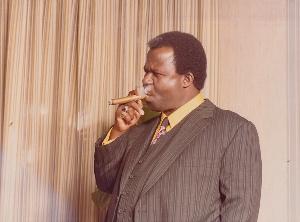
    Blay-Miezah was known for his lavish lifestyle, often seen wearing tailored suits, smoking cigars, and driving a white Rolls-Royce. He surrounded himself with a team of security personnel, reputedly former special forces soldiers.

    Over a span of 15 years, Blay-Miezah executed these fraudulent schemes, deceiving numerous individuals and amassing millions of dollars. One of his American partners, for example, defrauded at least 300 people, resulting in a total scam of $15 million.

    His crimes made him a fugitive, and at one point, a disgruntled investor even traveled to Accra in an attempt to personally confront and reclaim his investment, resorting to violence.

    Blay-Miezah’s deceit eventually caught up with him, and he was indicted on multiple counts of wire fraud. While the Ghanaian government showed willingness to extradite him, he managed to escape from a prison in Pennsylvania.

    In 1992, John Ackah Blay-Miezah passed away while under house arrest. Even in death, he caused confusion among his family members by convincing them of a non-existent $15 billion stashed in a foreign bank, further illustrating the depth of his deception and manipulation.

  • Trigmatic advocates global music expansion for Ghanaian artistes

    Trigmatic advocates global music expansion for Ghanaian artistes

    Enoch Nana Yaw Oduro-Agyei, known as Trigmatic, has emphasized the potential for Ghanaian artists to achieve international recognition and financial success by venturing beyond their local borders.

    In an with the media, Trigmatic addressed the habit of comparing Ghanaian and Nigerian musicians, urging a shift towards global outreach instead.

    He encourages Ghanaian artists to actively introduce their music to new audiences in countries like South Africa, Brazil, and Korea.

    Trigmatic believes that targeting specific regions can lead to rapid success and prosperity, citing the affinity of South Americans for African music.

    Trigmatic emphasizes the significance of collaborations with artists from these nations and the role of promoters in spreading Ghanaian music abroad.

    While acknowledging the challenges, he stresses unity among Ghanaian musicians. Trigmatic calls for collective efforts to engage with the government, seeking support to promote the music industry. He suggests that a unified front can address concerns and rally for government backing, as seen in other countries.

    Trigmatic’s advocacy underscores the potential of Ghanaian artists to thrive on the global stage through strategic expansion and collaborative efforts.

  • Ghana will have the greatest power penetration in all of Africa by 2024 – Transport minister

    Ghana will have the greatest power penetration in all of Africa by 2024 – Transport minister

    Deputy Minister of Transport, Hassan Tampuli, has revealed that data from the World Bank indicates that Ghana has one of the highest electricity penetrations in Africa.

    The government is further dedicated to increasing this figure to 90% by the end of 2023.

    Speaking at a stakeholder consultation on electric vehicle policy and implementation framework in Accra on Wednesday, August 2, 2023, the deputy transport minister highlighted that Ghana possesses substantial electricity reserve capacity, including hydro, thermal, and renewable sources, surpassing that of many other African countries.

    Hassan Tampuli added that, “Really and truly, our reserve capacity is way more than a lot of countries even in Africa…A lot of these countries; Burkina Faso has 19% penetration, Liberia 29%, Niger 18.6% and so on and so forth. The closest you have is Côte d’Ivoire which is 71.1% so we have enough. Sometimes we don’t realize what we have in this country until we compare with other countries.”

    “Almighty Rwanda is 48.7% and we sometimes hail Rwanda as the big boy of Africa but we have way more so we have more in terms of electricity capacity, hydro, thermal and renewables put together,” he stated.

    In alignment with global commitments and the National Energy Transition Plan 2022, the government, through the Ministry of Transport, has crafted a draft policy on Electric Vehicles (EV) with the objective of decarbonizing the transport sector.

    The policy’s primary aim is to establish standards, guidelines, and operational frameworks for managing the utilization of electric vehicles in the country.

    The Deputy Minister of Transport emphasized that electric vehicles will soon become prevalent in the Ghanaian market. He encouraged Ghanaians to prepare themselves for this development and the increasing presence of EVs.

    “A number of them are already in town, we do not have a policy yet so it’s very crucial that we run very fast.The electric vehicles will come whether we like it or not, so we better be prepared for it,” he said.

    Mr. Hassan Tampuli added that there is an alternative for owners to replace their internal combustion engines (ICE) with conventional engines or electric motors that are powered by rechargeable batteries to power electric vehicles, thus all vehicles with ICEs will not be phased out.

  • More disabled MPs needed in Parliament – Bagbin

    More disabled MPs needed in Parliament – Bagbin

    The Speaker of Parliament, Mr. Alban Bagbin, has reaffirmed Parliament’s dedication to disability and inclusion in Ghana.

    He emphasizes the importance of having physically challenged individuals as Members of Parliament and plans to establish a disability caucus by the end of the year.

    “We need to have a number of physically challenged persons as Members of Parliament, it is one of the benchmarks for assessing parliaments in the world,” he said.

    Members of the disability movement and the Ghana Federation of Disability Organisations (GFD) met with Mr. Bagbin to advocate for an official disability caucus in Parliament.

    The GFD aims to enhance discussions on disability issues at the parliamentary level and promote the re-enactment of the disability law.

    The GFD also highlights the need for Ghana to ratify the African Disability Protocol (ADP), a step toward addressing disability matters using African perspectives.

    Dr. Emmanuel Marfo, Mr. Clement Apaak, and Ms. Darkoa Newman, interim leaders of the disability caucus of Parliament, pledge their unwavering support to the disability movement and advocate for the formalization of the disability caucus.

  • Let’s work to make Ghana great – Akufo-Addo

    Let’s work to make Ghana great – Akufo-Addo

    President Akufo-Addo has urged citizens to honour the ideals of Ghana’s forebears and work towards the nation’s rightful place.

    Upholding the rule of law, individual liberties, human rights, and democratic accountability is crucial to realizing the vision for a free and independent nation.

    On Founders’ Day, Friday, August 4, President Akufo-Addo underscored the importance of appreciating the essence of the day and the collective efforts that led to Ghana’s liberation from colonialism.

    He acknowledged the sacrifices made by those who resisted oppressive legislation and the formation of the United Gold Coast Convention (UGCC) – the first political party advocating for independence.

    Reflecting on historical events, President Akufo-Addo emphasized the significance of honoring patriots who safeguarded land ownership and championed Ghana’s path to independence.

    He paid tribute to those who paved the way for Ghana’s democratic and stable identity in Africa.

  • Ghana’s Prince Annor Amponsah joins Stellenbosch FC in South Africa

    Ghana’s Prince Annor Amponsah joins Stellenbosch FC in South Africa

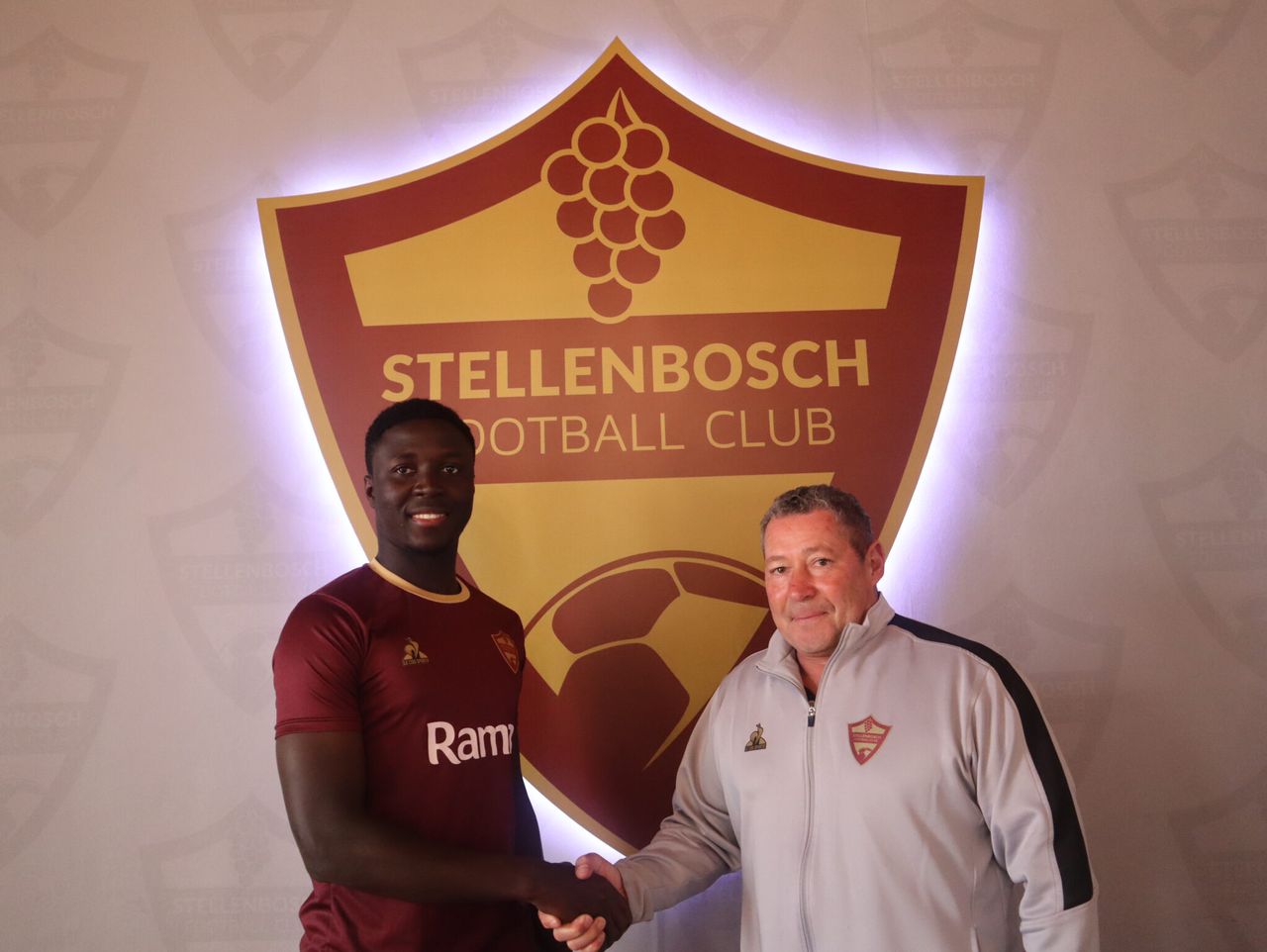
    A team in the South African Premier Soccer League, Stellenbosch FC, has officially announced the signing of Prince Annor Amponsah, a talented 18-year-old defender from Ghana. The club confirmed the long-term deal on its website.

    Amponsah’s journey to this professional contract began with his youth development at Scores Football Academy in Ghana, followed by a short stint at the Ubuntu FC Academy. His impressive performances at these clubs caught the attention of Stellenbosch FC, leading to a professional trial with the team.

    During his trial period, Amponsah showcased his skills and potential as a center-back. Notably, he was part of Stellenbosch FC’s U-21 squad that traveled to India to participate in the prestigious Premier League’s international NextGen tournament. There, he displayed excellent defensive abilities, helping the team secure a second-place finish.

    Impressed by his performances, Stellenbosch FC offered Prince Annor Amponsah a professional contract, securing his position in the team’s ranks. With his promising talent and dedication, the young Ghanaian defender looks set to make a significant impact in the South African football scene.

    “We are massively excited about the signing of Prince and his addition to our squad,” head coach Steve Barker said. He is a young player with huge potential,” the club wrote on its website after finalizing the deal.

    Stellenbosch FC added, “He has immense ability with the ball at his feet, a great passing range, and is all-round a really good defender, so we are excited to see him grow and develop with us at the club.”

    After signing a large contract with the club, Prince Annor Amponsah will be looking to make the first squad and establish himself as a regular.

  • West Africa has had no free and fair election in the last 20 years – Kwesi Pratt

    West Africa has had no free and fair election in the last 20 years – Kwesi Pratt

    Veteran Journalist, Kwesi Pratt has expressed his views on the state of elections in West Africa, stating that no country in the sub-region, including Ghana and Nigeria, has had a truly free and fair election in the past few decades.

    According to Pratt, the concept of free and fair elections collapsed a long time ago in West Africa.

    He pointed out that in the past 20 years, all elections held in the sub-region have been marred by rigging and other irregularities.

    Pratt questioned how many countries in West Africa have been able to conduct genuinely free and fair elections over such a period.

    Pratt further criticized the national elections in the sub-region, calling them a pretense of democratic elections. He described the electoral process as a farce and claimed that it lacks credibility.

    The journalist highlighted various issues that plague elections in West Africa, including vote buying, influence peddling, violence against unarmed civilians, and the distribution of tempting offers to voters.

    According to Pratt, these practices have become common in the region, undermining the credibility and integrity of the electoral process.

    “How many countries in West Africa have over 20 years organized free and fair elections?”

    “Elections have become a farce. Everybody is talking about it. Go to the streets. Take cameras to the street of Accra and asked people their opinion about elections. It’s a farce,” Kwesi Pratt added.

    He urged people to take to the streets and inquire about citizens’ opinions on elections to understand the disillusionment and skepticism surrounding the process.

    Overall, Pratt’s comments reflect his concerns about the state of democracy and electoral integrity in West Africa and the urgent need for meaningful reforms to restore public confidence in the electoral process.

  • Banks show commitment to restore economy to its pre-DDEP level by 2023 – Ghana Banking Study

    Banks show commitment to restore economy to its pre-DDEP level by 2023 – Ghana Banking Study

    Banks have shown their determination to rebuild the industry to its pre-Domestic Debt Exchange Programme (DDEP) level of financial soundness and regain a path of growth and profitability.

    The 2023 PwC Ghana Banking Survey indicates that the financial performance data reported in the first quarter of 2023 partially confirms that this journey has commenced.

    However, the banks acknowledge the need for internal improvements to strengthen their risk shields, enhance risk agility, and enable them to withstand potential future shocks similar to the impact of the DDEP.

    As they consider investments to increase their resilience, bank executives have highlighted key actions they would like to see from the government, economic managers, and the industry’s regulator to complement their own efforts.

    These actions include the government’s rapid implementation of the Ghana Financial Stability Fund and swift and rigorous policies to bring the country’s debt-to-GDP ratio to sustainable levels.

    Additionally, good macroeconomic and macro-financial sector management is sought to bring down interest rates, inflation, and currency depreciation to levels that encourage bank lending to the real economy, thus fueling economic growth.

    Lastly, apart from the Bank of Ghana, which is the industry’s regulator, the Ministry of Finance is urged to establish a permanent framework for regular or periodic dialogue with the banking sector.

    The survey highlights the impact of the DDEP on the performance of Ghanaian banks in 2022, expresses optimism among bank executives about their future performance, and acknowledges the necessity for adopting different approaches in the future.

  • Ghana champions financing mechanisms to build resilience for climate change

    Ghana champions financing mechanisms to build resilience for climate change

    Ghana is leading efforts to transform the Climate Vulnerable Forum and the Vulnerable 20 Group (V20) of Finance Ministers into a permanent Inter-Governmental Organization.

    The primary goal is to advocate for a “Fair Share” Agenda, seeking appropriate financing for 29 adaptation, mitigation, and loss and damage measures.

    Additionally, the country aims to leverage its natural resources to raise carbon financing, accelerate climate action, and ensure that the 1.5-degree Celsius temperature threshold is not exceeded.

    Finance Minister Ken Ofori-Atta shared these objectives while addressing Parliament during the 2023 Mid-Year Budget Review.

    Currently, Ghana’s President chairs the Climate Vulnerable Forum, while the Finance Minister leads the V20 Group—an organization representing 58 countries with a combined population of 1.5 billion people, predominantly in climate-affected regions of the world.

    Mr. Ofori-Atta revealed that Ghana has already formulated a framework for the V20 Climate Prosperity Plan, designed to attract climate investments from the private sector.

    It is estimated that climate change could cost Ghana approximately 1.7 percent of its GDP annually by 2030 if not adequately addressed.

    To attract foreign direct green investments and benefit local businesses, the government is actively working to secure carbon financing that will support its Nationally Determined Contributions (NDCs) and fulfill its commitments under the Paris Agreement.

    “As part of our efforts to address loss and damage from climate change, Ghana, as one of the first pathfinder countries, launched the in-country process for Ghana’s participation in the Global Shield against Climate Risk and the Global Risk Modelling Alliance. 

    “These initiatives will enable us to assess quantitatively our climate risk, design solutions informed by the data and facilitate access to resources from the Global Shield,” noted Mr. Ofori-Atta.

    The government, in partnership with the Green Climate Fund, has established the Ghana Shea Landscape Emission Reduction Project (GSLERP) at an estimated cost of US$54.5 million. 

    The Project will focus on the Shea Landscape and will address the country’s efforts to reduce emissions from deforestation and forest degradation (REDD+).

    “Additionally, government is implementing the Ghana Cocoa Forest REDD+ Programme (GCFRP), which covers 5.9 million ha – 79% off-reserve, 21% on reserve – in seven regions. The programme will benefit 12 million urban and rural residents,” said Ken Ofori-Atta. 

    Ghana became the second African country after Mozambique to receive FCPF REDD+ payments in January 2023.

  • Ban on rice importation by India, likely impact on Ghana, other African countries

    Ban on rice importation by India, likely impact on Ghana, other African countries

    The recent decision by India, the world’s largest rice exporter, to ban rice exports is expected to have a significant impact on rice prices in Ghana.

    This move by the Indian government, aimed at addressing domestic inflation concerns, has raised concerns about potential global food price increases.

    India accounts for more than 40% of the world’s rice shipments, making it the leading rice exporter. As a result of the export ban, rice prices from various Asian nations have already risen in the global markets, and traders predict further substantial increases in the near future.

    In 2022, Ghana imported rice worth $552 million, making it the 13th largest rice importer globally.

    Rice was the third most imported commodity in Ghana during that year. Notably, Ghana imported rice worth over $100 million from India, according to data from the Observatory of Economic Complexity (OEC).

    The repercussions of this export ban will soon impact Ghana, affecting not only the prices of non-basmati rice but also basmati rice varieties. Experts warn that this ban adds to the challenges faced by the global rice market, which has already experienced price hikes of 15%-20% since September 2022.

    Based on current trends, the cost of a 50kg bag of non-basmati rice, typically priced between GHC750 and GHC800, is expected to surpass GHC1000 in the coming days. As India plays a significant role as a major rice supplier to important markets in Asia and Sub-Saharan Africa, these regions are particularly vulnerable to disruptions in the rice market.

    Moreover, it is important to note that forty-two countries rely on India for over 50% of their total rice imports, making it difficult to easily substitute Indian imports with those from other major rice exporting nations like Vietnam, Thailand, or Pakistan. In Africa, India’s market share in 2022 surpassed 80% for several countries.

  • ‘First English slave fort in Africa’ located in Ghana by Archaeologists

    ‘First English slave fort in Africa’ located in Ghana by Archaeologists

    Ghana has once again captured the world’s attention as news emerged confirming the beginning of the story of slavery in Africa, particularly in Ghana.

    Leading an archaeological team, Prof. Christopher DeCorse, an archaeologist from Syracuse University in the United States of America, successfully uncovered the exact location of what is believed to be the first English slave fort in Africa.

    The team diligently worked under the ruins of Fort Amsterdam, carefully extracting remains of an older fort called Kormantine. Buried beneath the earth, the long-lost fort has kept the archaeologists busy as they methodically sift through distinct layers of soil, as reported by the BBC.

    Among the ruins, the team discovered significant artifacts such as gunflints used in old-fashioned guns, tobacco pipes, broken pottery, and the jawbone of a goat. These findings provide evidence of “the first English outpost established anywhere in Africa.”

    Prof. Christopher DeCorse expressed his excitement, stating that any archaeologist who claims not to be thrilled when making such discoveries is not entirely truthful. He announced this pivotal moment in the history of European involvement in Africa during the slave trade era with great enthusiasm.

    This archaeological discovery may shed light on the lives of early traders and the activities that took place, as well as the experiences of those who were sold as slaves and the impact on the surrounding community.

    According to the report, the slave trade began at the location of Fort Kormantine in 1663 when King Charles II granted a charter to the Company of Royal Adventurers of England Trading into Africa, later known as the Royal African Company. The company was given a monopoly on the trade of human beings.

    Two years later, the Dutch seized the fort, but it does not diminish the fact that Fort Kormantine played a crucial role in the early stages of the slave trade.

    “We don’t have that many details on exactly what these early outposts of the slave trade looked like, which is one of the things that make uncovering the foundations of Fort Kormantine interesting,” Prof DeCorse added.

  • Ivan Quashigah envisions Ghana becoming film production hub of Africa

    Chief Executive Officer of Farmhouse Productions, Ivan Quashigah, is certain that Ghana will soon become the hub of filmmaking on the African continent.

    He believes that the nation’s film sector has enormous potential and requires significant investment.

    Mr. Quashigah has a strong conviction that the National Film Authority’s present initiative would advance the growth of the film industry.

    “Corporate organisations should also look at the film sector. It’s going to be a very vibrant film industry. The structures that are being put in place, led by the National Film Authority, will make Ghana the hub of film production in Africa. Corporate organisations should look at the film area as a space they can work with,” Mr. Quashigah indicated.

    “Corporate organisations should also look at the film sector. It’s going to be a very vibrant film industry. The structures that are being put in place, led by the National Film Authority, will make Ghana the hub of film production in Africa. Corporate organisations should look at the film area as a space they can work with,” Mr. Quashigah indicated.

    During the third edition of Joy FM’s Showbiz Roundtable in Accra, the Creative Director expressed his views. The thought-leadership program delved into the dynamics of sponsorship within the creative space.

    The CEO of Farmhouse Productions highlighted that, in recent times, the movie sector has seemingly been overlooked compared to other creative sectors. Nonetheless, he expressed optimism that the tide is turning, urging businesses to consider investing in the film industry.

    He also mentioned the Film Authority’s comprehensive product placement packages, which corporate Ghana can leverage at discounted rates.

    Mr. Ivan Quashigah remained hopeful that with the right investments in the movie industry, Ghana will advance significantly as a major player in film production on the continent and even beyond.

  • Founders Day: Government declares August 4 public holiday

    Founders Day: Government declares August 4 public holiday

    The Minister for the Interior, Ambrose Dery, has officially proclaimed Friday, 4th August 2023, as a Statutory Public Holiday across the country.

    This special day, known as Founders’ Day, is dedicated to honoring the visionary leaders who played a pivotal role in Ghana’s journey to independence.

    Minister Ambrose Dery, in his formal announcement, called upon all citizens to observe this holiday with deep respect and gratitude for the nation’s founders.

    Founders’ Day holds profound historical significance, as it commemorates the courage and determination of Ghanaian heroes and heroines who tirelessly fought for their country’s liberation.

    According to the official statement, “The general public is hereby informed that Friday, 4th August 2023 which marks Founders’ Day, is a Statutory Public Holiday and should be observed as such throughout the country,” the official statement said.

  • Fitch Solutions predicts debt deal conclusion between Ghana, external creditors in Q2 of 2024

    Fitch Solutions predicts debt deal conclusion between Ghana, external creditors in Q2 of 2024

    Ghana will reach a debt deal with its external creditors in the second half of next year, according to Fitch Solutions.

    “Indeed, we believe that Ghana will reach a debt deal with its external creditors in H224 [half-year 2024],” Fitch indicated, adding that this would “provide tailwinds to the exchange rate and further limit imported price pressures”.

    The real Gross Domestic Product (GDP) growth is expected to remain well below trend on the back of fiscal consolidation efforts under the International Monetary Fund (IMF) programme.

    The Central Bank will however likely seek to lower interest rates to stimulate economic activity.

    Fitch Solutions, a UK-based firm, predicts that the Bank of Ghana will reduce its policy rate by 600 basis points to 22% by the end of next year. The reason behind this anticipated rate cut is the expected downward trend in inflation starting from the fourth quarter of this year.

    The firm forecasts that in 2024, the Bank of Ghana will continue its approach of easing monetary policy, leading to a 600 basis points reduction in the benchmark interest rate, bringing it to 22.00% by the end of the year. According to Fitch Solutions, inflation is projected to average at 17.1% in 2024, primarily due to high base effects, particularly in the first half of the year, and stable exchange rates.

    These factors are expected to result in interest rates being in a positive territory, providing favorable conditions for economic growth and investment.

    Risks to outlook

    On the risks to the outlook, Fitch Solutions, said risks to its forecast are skewed towards higher interest rates.

    “If external debt restructuring negotiations stagnate, investor sentiment towards Ghanaian assets will weaken, which would likely trigger another round of currency depreciation”, it explained

    In this scenario, it added that, inflation would remain higher for longer, prompting the central bank to adopt a more hawkish stance than our current baseline scenario assumes.

  • Private sector vital for Ghana’s growth – Yofi Grant

    Private sector vital for Ghana’s growth – Yofi Grant

    The CEO of Ghana Investment Promotion Centre (GIPC), Mr. Yofi Grant, has emphasized the pivotal role played by Ghana’s private sector in driving sustainable economic growth and development.

    Despite facing challenges, primarily from external factors, the government is committed to partnering with the private sector to address the economic issues.

    Speaking at the launch of the Centre’s Ghana Club 100 Awards and the inaugural Ghana Investment and Trade Week in Accra, Mr. Grant highlighted the importance of establishing a strong foundation for the private sector to thrive in an investment-friendly environment.

    He expressed confidence that through a robust partnership, the economy would exceed expectations.

    This year’s Ghana Club 100, themed “Accelerating Economic Growth: Amplifying Ghana’s Global Market Footprint through AFCFTA,” aims to provide a significant platform for promoting investment, trade, and knowledge exchange.

    The event includes a series of exhibitions and an investment summit, culminating in the highly anticipated Ghana Club 100 Awards ceremony on Friday, 27th October 2023, all hosted at the Accra International Conference Centre.

    Mr. Grant stressed the significance of private sector companies in international trade and investment, as their involvement can boost economic growth by creating export opportunities and attracting Foreign Direct Investment (FDI).

    He lauded the collaboration with the MIE Group, organizers of the Ghana Investment and Trade Week, as it would help showcase Ghana and Africa’s potential to a wider audience of potential investors from around the world, fostering valuable partnerships to accelerate development and economic growth in the country.

    Regarding the government’s efforts, Mr. Grant mentioned the Ghana Cares (Obaatampa) Programme, aimed at revitalizing enterprises with a capital injection of GH₵100 billion, 70 per cent of which comes from the private sector.

    Despite the challenges posed by the pandemic and the Russia-Ukraine war, he applauded the private sector’s commitment and the expected investment it would bring to the economy.

    Mr. Joshua Mortoti, the Executive Vice President and Head of the West Africa Region of Goldfields, praised the GIPC’s initiative and aligned Goldfields with Ghana Club 100 and other activities to promote Ghana as an investment destination of choice.

    He also commended the introduction of the Ghana Investment and Trade Week, emphasizing its role in fostering strategic partnerships, promoting investment opportunities, and showcasing Ghana’s potential for trade and investment.

    Mr. Mortoti emphasized the need for GIPC to intensify its advocacy efforts to ensure robust protection for both local and foreign investments in the country.

    He recognized the importance of a stable macroeconomic environment and predictable fiscal regime for businesses to thrive.

    Additionally, he urged the GIPC to advocate actively for safeguarding businesses that have already invested in Ghana, particularly in industries like mining that significantly contribute to the country’s economic development.

    In conclusion, Mr. Mortoti hoped that future Ghana Club 100 rankings would come with physical and other incentives to encourage flourishing businesses and further contribute to the nation’s development.

    “There should be more intentional efforts to give fuller expression to Ghana’s more friendly business accolade and I hope in future a Ghana Club 100 ranking will come with physical and other incentives to make business flourish and continue to contribute towards the building of our nation Ghana. ”

  • There is absolutely no need for having 16 regions — Kwesi Kyei Darkwah fumes

    Renowned broadcaster, Kwasi Kyei Darkwah, has reignited conversations about the creation of the new regions. 

    During an interview on Accra-based Power FM, he asserted that there is absolutely no need for the new regions created.

    “What do you need 16 regions in Ghana for? Ghana is just one state in Nigeria and 16 regions are totally needless,” he said. 

    According to him, the new regions are just an undue burden on the national purse. 

    “And with the creation of the 16 regions, you’re just telling me that we don’t have the mental capacity to manage a certain number of people because if you divide Ghana into just 6 regions, for 31 million people, and one region has 6 million people, then it makes sense to have a minister overseeing six million people. So why are we creating 16 regions?” he questioned. 

    He also asserted that the country lacks the needed resources to sustain the newly created regions.

    “While creating the regions and creating positions, do you have the resources to give to them to do the work?” he asked. 

  • Keeping huge sums of cash at home retards calculation of money supply in Ghana – Attuahene

    Keeping huge sums of cash at home retards calculation of money supply in Ghana – Attuahene

    The practice of keeping significant amounts of cash on hand at home has an impact on how the money supply aggregate in Ghana is calculated, according to a banking consultant Mr. Richmond Attuahene.

    “In Ghana, we have M1 and M2 which is all about the aggregation of money so far in the economy.

    “If somebody is holding such a quantum of money, it means all the figures we have been churning out in the M1 supply and M2 supply are not complete, so it makes it very difficult,” he made this statement during a media engagement on Wednesday, July 26, while discussing the situation where some foreign cash was found in the bedroom of former Minister of Sanitation and Water Resources, Cecilia Abena Dapaah.

    According to reports, Madam Cecilia Dapaah stored millions of unreported Ghana Cedis, $300,000, and $1 million at home.

    Furthermore, according to Mr. Attahene, the practice deprives banks of cash they could use to make loans to the private sector for economic development.

    He claimed that this approach has an impact on the monetary policy’s effectiveness.

    “It also deprives the banks. when we take deposits, we then churn them into investments and be lending to the private sector so we move the money from the surplus area to the deficit area to support the private sector in the growth of the economy.

    “So seriously, somebody hiding this money, it means that the economy is being deprived of money to be used in loanable funds to the private sector,” he said.

    The governor of the Bank of Ghana (BoG), Dr. Ernest Addison, previously stated that the central bank was concerned about the tendency of people keeping significant amounts of foreign currency, particularly dollars, in their houses.

    At the 113th Monetary Policy Committee (MPC) press conference in Accra on Monday, July 24, when asked if the BoG was concerned about Cecilia Dapaah’s situation, Dr. Addison responded, “It is a worry to all of us but it is matter in court so there is not much to say about it.”

  • Hold regional conferences to pray for Ghana’s growth – Speaker to Christian community

    Hold regional conferences to pray for Ghana’s growth – Speaker to Christian community

    The Speaker of Parliament, Alban Bagbin, has appealed to Christendom to organize prayer conferences across all 16 regions of the country.

    Stressing the significance of prayer in human affairs and its impact on the nation’s growth, especially in the current times, Bagbin believes this initiative will rejuvenate the minds and hearts of Ghanaians, leading to a better country.

    During the Moral Vision and National Development Conference 2023, hosted by the Church of the Pentecost at its Convention Center in Gomoa Fetteh, Central Region, Bagbin praised the Church for accepting and spearheading his proposal.

    “Last year, I had a conversation with a number of men of God and I did propose that there was urgent need for us to have prayer conferences from region to region in all the 16 regions.

    The two-day conference, starting on July 26, 2023, and ending on July 27, 2023, brought together various stakeholders, including Former Presidents John Agyekum Kufour and John Dramani Mahama, Chief Justice Gertrude Torkonoo, representatives from the National House of Chiefs, the Muslim community, and many others.

  • Ghanaian student’s PhD scholarship at Ohio University in danger over anti-LGBTQ+ comments

    Ghanaian student’s PhD scholarship at Ohio University in danger over anti-LGBTQ+ comments

    A Ghanaian student majoring in biological science at a university in the US runs the risk of losing his PhD funding due to a tweet shared about anti-Lesbians, Gays, Bisexual, Transgender, and Queer (LGBTQ+).

    Derrick Boadi Sakyi’s problems began when one of his tweets was reported on Twitter on June 21.

    A pro-gay rights activist in Ghana who identifies as “intersex,” Papa Kojo Ampofo, filed a petition with the school where Sakyi was enrolled.

    “One guy sent me death threats and I just checked his profile. He’s been inciting hate for years…in one of his most recent tweet, he confessed setting up gay men to be beaten and blackmailed and said if Ama allows him to correctively rape her, he’ll get get her to the bar.

    “I’ve found his name and details on LinkedIn and he moved to the US two weeks ago to start a PhD in Ohio. I want everyone to hold on tight because this TL is about to get bloody messy af in the coming days,” Ampofo tweeted on July 21.

    As per the Ohio-based institution’s statement, they have decided to suspend the Fellowship and Funding of an individual, Sakyi, until the investigation is completed. The matter is currently under the University’s jurisdiction.

    The university further revealed that Sakyi himself admitted to posting the tweets and sending anti-LGBTQ messages to activists via their inbox. Additionally, he has taken down the account associated with these actions.

    Ampofo, in response to Sakyi’s actions, shared screenshots of a petition he submitted to the school and the subsequent response. The response confirmed that Sakyi’s scholarship is at risk due to his expressed views.

    The institution clarified that the scholarship Sakyi received comes with an expectation that fellows will respect the rights of the LGBTQ+ community and other minority groups. As a result of his conduct, which contravened their guidelines, his scholarship is in jeopardy.

    “The goal of our fellowship and Funding is to provide access for minority groups including the LGBTQIA+ community, Applicants from the Global South, first generation students and people with disability.

    “Our decision to grant Fellowship and Funding to Mr Derrick Boadi Sakyi to fund his PhD in Biological Science went through stringent selection and interview process. His Fellowship and Funding was given on the basis that he remains a good representative of our school and advocate or an Inclusive and Diverse school and work environment,” the school added.

  • The peace in Ghana is crazy – Sarkodie tells America radio host

    The peace in Ghana is crazy – Sarkodie tells America radio host

    Ghana’s illustrious rapper, Sarkodie, took center stage to eloquently market his beloved homeland as a beacon of peace and tranquility. 

    During an interaction with renowned radio personality Angela Yee, on ‘Way Up with Angela Yee,’  the wordsmith extraordinaire masterfully painted a vivid picture of Ghana’s serene haven, leaving hosts of the show, Chella H and Angela Yee in awe of its allure.

    “It’s a beautiful spot to come to. If you want peace, and security wise. If you don’t want to care about walking at night with nobody bothering you, that’s Ghana. It’s extremely peaceful, beautiful and we love people coming from elsewhere into our country,” he said. 

    Amidst the rhythms of beats and the symphony of words, Sarkodie’s voice resonated with both passion and pride as he embarked on an ambitious mission – to showcase the untamed beauty of his homeland and dispel any misconceptions that may cloud the perception of this West African state. He also touched on the country’s exceptional hospitality. 

    “We really know how to host so a lot of your people are still staying there. They don’t want to come back since Christmas. They bought properties out there and they don’t want to come back ‘cus the peace out there is crazy,” he noted. 

    Ghana is indeed renowned for its peaceful nature and stability in a region that has faced various challenges. The country stands as a shining example of a nation that embraces harmony, cultural diversity, and peaceful coexistence among its citizens.

    Despite its abundance of natural resources, which could be a potential source of tension in some regions, Ghana has managed to maintain a peaceful atmosphere. 

    Moreover, the Ghanaian people themselves have shown a strong desire for peace, unity, and progress, transcending any potential divisions.

  • Akufo-Addo visits Pope Francis

    Akufo-Addo visits Pope Francis

    On Saturday, July 22, President Akufo-Addo paid a courtesy visit to Pope Francis in Rome to strengthen diplomatic ties between Ghana and the Vatican.

    This visit was a part of the President’s official four-day visit to Italy, aiming to reaffirm the friendship between the two nations.

    During the visit, the Ghanaian delegation was taken on a tour of the Pontifical Academies of Sciences at the Vatican by Cardinal Peter Kodwo Appiah Turkson, a respected Catholic priest of Ghanaian origin.

    Ghana shares the Holy See’s commitment to addressing critical issues such as the climate crisis, human trafficking, and promoting equality for all.

    On the occasion of Pope Francis’ 10th anniversary as Pope, which coincided with the National Day of the Holy See, President Nana Akufo-Addo lauded the Pope’s dedication to the betterment of humanity.

    Since 2013, Pope Francis has advocated for fairness, equality among nations, and has spoken against discrimination and exploitation.

    The Vatican has been a supportive partner in Ghana’s development efforts, particularly in areas like education, health, and youth development over the years.

  • Ghanaian with no documents deported from USA after friend ‘snitches’ to authorities

    Ghanaian with no documents deported from USA after friend ‘snitches’ to authorities

    A Ghanaian lady named Frimpongmaa faced deportation to Ghana from the United States of America after her friend reported her to the authorities.

    According to Freda Afriyie, who narrated the deportee’s ordeal on social media, Frimpongmaa had been working in the States using someone else’s Ghanaian documents, and as a result, her salary was being deposited into the account of the person whose papers she was using.

    Over time, Frimpongmaa had earned more than US$70,000, but unfortunately, her hard-earned money was locked up with the individual whose identity she had borrowed. Seeking her rightful earnings, Frimpongmaa visited the person’s house to request her money, but the woman claimed to be ill and requested a 2-month period before she could cash out the funds for Frimpongmaa.

    As a consequence of these circumstances, Frimpongmaa’s situation came to the attention of the authorities, leading to her deportation back to Ghana.

    “My money is with the sister and I told her to let’s go to the bank to withdraw the money for me. She said she doesn’t have time. She was sick, so I should give her 2 months and that the doctor said she should not go out. So the woman said, I’ll use Uber to pick you up to the bank. This led to an argument,” Frimpongmaa told Freda Afriyie.

    After the confrontations between Frimpongmaa and the debtor, the latter called her husband and the police, falsely claiming that she was under attack. Consequently, Frimpongmaa was arrested and subjected to an investigation.

    As she lacked the necessary documents to prove her legal stay in the USA, she was processed for court.

    Eventually, she faced deportation and was sent back to Ghana. Now back in her home country, Frimpongmaa is making a living as a dishwasher in a local chop bar

  • NRSA adopts technology to curb road crashes

    NRSA adopts technology to curb road crashes

    Acting Director General of the National Road Safety Authority (NRSA), David Osafo Adonteng, has revealed that his outfit has revised road safety interventions, emphasizing the adoption of technology to combat road crashes.

    The NRSA plans to install cameras and vehicle tracking devices to monitor motorists, ensuring compliance with speed limits and discouraging wrongful overtaking.

    Over speeding is a critical contributing factor to accidents, and the stringent measures aim to counter it.

    “We are adopting technology and that is the order of the day across the world, so, cameras are going to be fixed on major highways and selected locations to monitor those who jump red lights.  

    We are going to put speed limiters and tracking systems in all the vehicles so you cannot go beyond that limit and wherever you are we can see, when you are doing wrongful overtaking, we can see you,” Mr Adonteng explained. 

    The nationwide implementation of road safety technology is expected to make Ghana a success story in road safety management.

    The new NRSA Legislative Instrument empowers the authority to regulate passenger transport services, aiming to reduce accidents by licensing operators and enforcing standards.

    “We are going to license all the transport services operators, know where they are and give them some standards to operate within,” he indicated.

    Vehicles violating road traffic regulations will face sanctions, and unfit vehicles and unqualified drivers will be barred from operating.

    The NRSA collaborates with stakeholders to enforce these measures.

    The authority’s strengthened road safety management interventions have contributed to a reduction in road accidents and vehicle involvement in accidents in the first half of 2023 compared to 2022.

    Challenges like riding without helmets and underage riding, particularly in northern regions, are gradually being addressed.

    The Upper West Regional office of NRSA is commended for its efforts in improving road safety despite financial and logistical challenges.

    Mr. Adonteng appeals to stakeholders and the media to strengthen their activities for more effective road safety management.

  • Ghana, Italy renew cooperation ties

    Ghana, Italy renew cooperation ties

    Ghana and Italy have reaffirmed their commitment to strengthening cooperation and friendship between the two nations, exploring mutual interests for the benefit of their respective populations.

    This took place on July 21, 2023 after President Akufo-Addo‘s official 4-day visit to Italy, where he held bilateral discussions with President Sergio Mattarella at the Quirinal Palace in Rome.

    President Mattarella praised Ghana’s adherence to democracy, good governance, and the rule of law, making Ghana a beacon of stability in West Africa and Africa as a whole.

    President Akufo-Addo highlighted the longstanding strong relations between Ghana and Italy, citing successful Italian companies operating in Ghana, such as Impregilo, which constructed the Akosombo Dam.

    The leaders discussed collaboration in Ghana’s pharmaceutical and agro-based industries, and President Akufo-Addo expressed gratitude for Italy’s support in the restructuring of Ghana’s finances through the G20 Common Framework for Debt Treatments, securing a $3 billion Extended Credit Facility from the IMF.

    Both leaders stressed the importance of stability for economic development, and President Mattarella pledged Italy’s support to confront the jihadist threat in the Sahel and piracy in the Gulf of Guinea.

    “We are anxious that the matter of UN Reform be given priority on the global agenda. It is time to correct the longstanding injustice that the current structure and composition of the UN Security Council represent for the nations of Africa. We are encouraged, though, by the attitudes and sentiments of two (2) leaders of the five (5) Permanent Members of the Security Council, that is President Joe Biden of the United States of America and President Emmanuel Macron of the French Republic. Both of them are the first leaders of their respective countries to call publicly for reform. We look forward to the leaders of the three (3) other Permanent Members also throwing their support behind the reform process,” the Ghanaian President said.

    They also emphasized the need for global financial and economic architecture reform to address inequities, with both calling for United Nations Security Council reform, particularly for Africa.

    President Akufo-Addo is expected to deliver the keynote address at the 4th ECAM Summit in Rome, discussing healthcare and food safety challenges and opportunities in Europe, Africa, and the Middle East.

  • Here are Ghana’s top 10 highest-paying jobs for 2023

    Here are Ghana’s top 10 highest-paying jobs for 2023

    Ghana is currently facing economic challenges, which necessitates Ghanaians to align their incomes with the prevailing inflation rate.

    In June 2023, inflation edged up to 42.5% from the previous month’s 42.2%. This surge means that the prices of goods have risen by 42.5% within that month.

    Consequently, if incomes remain stagnant while prices of goods and services increase, consumers might find themselves burdened with debt or forced to cut back on spending.

    Though the immediate impact may not be readily apparent, over time, these developments can lead to a decline in the overall quality of life.

    Ghana’s minimum wage currently stands at GH¢14.88, and traditionally, it was believed that public service jobs offered better salaries compared to those in the private sector.

    However, with the rise of the private sector and entrepreneurship, the validity of this notion has become less clear.

    For the purpose of this article, the focus will be on identifying the best-paying jobs available in Ghana in 2023.

    1. Civil engineering Civil engineers deal with matters related to infrastructural projects. They handle creativity, design, supervision, construction, and maintenance. Since their jobs deal with infrastructure development, they are able to work remotely, for the private sector and public sector as well. Mostly, their jobs are also contract-based.

    2. Business Analysis
    Business analysis deals with everything that concerns businesses. Analysts help to assess every aspect of a business and come up with ways to improve or ensure the business’ growth. Analysts are paid quite decent salaries.

    3. University Professor
    The teaching profession may not be so rewarding at the lower levels but climbing up, University lecturers and professors earn quite decent salaries.

    4. Medical Doctor
    In recent times, Ghana has seen the exodus of medical doctors to other Western countries in search of greener pastures. However, the profession still remains one with quite decent paychecks.

    5. Lawyers
    Lawyers are also part of the high-salaried workers in Ghana. Usually, lawyers are highly sought-after due to the high rates they charge from their clients.

    6. IT specialist
    Players in the IT space have gained their position as part of the highest earners in Ghana due to the evolution of the internet.

    7. Network Engineering
    Network Engineers design, build, and configure networks. do a variety of tasks, including upgrading equipment, setting up nodes, and troubleshooting, among others.

    8. Human Resource Personnel
    HR managers are responsible for the general well being of employees of a company. They serve as recruiters and applicant screeners during each round of the hiring process. They also handle training and orientation of newly hired employees. They also handle scheduling, payroll, incident reports, and other relevant tasks.

    9. Product Management
    A Product Manager’s task is to find out what customers need. They gather this data through thorough market research, customer feedback, and surveys.

    10. Customer Service Representative
    Just like the name of the role, they handle the needs of customers and ensure that they are always satisfied.

  • Portugal’s President praises Ghana’s democracy

    Portugal’s President praises Ghana’s democracy

    The President of Portugal, Marcelo Rebelo de Sousa, has congratulated Ghana for developing a strong democratic culture.

    He praised Ghanaians for distinguishing out among African nations for their commitment to the rule of law, political stability, and peaceful cohabitation.

    “Ghana is not just another country in Africa. You are very special,” President Rebelo de Sousa noted.

    He was speaking at a joint press conference in Lisbon, Portugal, with President Akufo-Addo.

    President Nana Akufo-Addo is on a three-day State visit to strengthen the two countries’ long-standing diplomatic relations.

    The objective is to increase people’s political, cultural, and socioeconomic exchanges.

    The West African country wishes to strengthen multilateral collaboration, promote a better world, and solve global concerns related to the achievement of the Sustainable Development Goals (SDGs).

    Portugal maintains strong historical ties with Ghana, dating back to the 15th Century.

    President Rebelo de Sousa emphasized his country’s commitment to engaging in business with Ghana, given their shared development experiences and mutual interest in addressing global challenges.

    “With these, it is very easy to have good bilateral relations between the two countries,” he stated.

    President Akufo-Addo thanked the Portuguese government for its commitment to advancing Ghana’s voice and interests inside the European Union.

    He hoped that the State visit will give a more robust platform for economic engagement, increasing trade volumes and bringing development to the people.

    He stated that his administration was looking forward to expanding cooperation with the Portuguese government as Ghana sought assistance to decrease poverty to the bare minimum.

    In addition, the government will collaborate effectively with its European counterparts to eliminate irregular migration, insecurity, and human rights violations.

  • China tops Ghana’s trade partnerships – Ambassador Lu Kun

    China tops Ghana’s trade partnerships – Ambassador Lu Kun

    Ghana’s largest trading partner is China, and it remains a significant source of foreign investment, as stated by the Chinese Ambassador to Ghana, Mr. Lu Kun.

    Bilateral trade volume reached an unprecedented high of US$10 Billion, increasing by 7.3 per cent year-on-year.

    China has been Africa’s largest trading partner for 13 consecutive years.

    During the donation of relief items to flood disaster victims in the Volta region, Ambassador Lu Kun highlighted China’s commitment to improving Ghana’s economy and the well-being of its people.

    He mentioned various efforts and activities, including China’s involvement in the International Monetary Fund (IMF) arrangement, investment in various sectors, and support for infrastructure projects.

    Ghana was among the first countries in Sub-Saharan Africa to establish diplomatic relations with China, and during the COVID-19 pandemic, China was quick to provide medical supplies to Africa, with Ghana as one of the recipients.

    China and Africa have long-standing ties, supporting each other’s national independence and development.

    Mr. Stephen Ayensu Ntim, the National Chairman of the New Patriotic Party (NPP), acknowledged the strong ties between Ghana and China, strengthened by the NPP-Communist Party alliance for progress.

  • Ghana and Portugal ink Defence and Economic Agreements

    Ghana and Portugal ink Defence and Economic Agreements

    In a move to strengthen their bilateral relations, Ghana and Portugal have signed a cooperation agreements on Tuesday, aiming to enhance mutual ties between the two nations.

    They signed bilateral instruments of co-operation in defence, political consultation and trade.

    “This latest form of agreement will go a long way to strengthen the ties of friendship and the bonds of co-operation between Ghana and Portugal.” President Akufo-Addo said at a joint press conference with President Marcelo Rebelo De Sousa, as part of his three-day State Visit to Portugal.

    He said Ghana was determined “to turn our back on our old economy, which has been dependent on the production and export of raw materials, and also dependent on aid.”

    “We want to build a value-added, industrialised economy with a modernised agriculture, which is neither victim nor pawn of the world economic order. We want our relations with Portugal and, indeed, the rest of the world, to be characterised by an increase in trade and investment co-operation.

    “This is the way to develop healthy relations between our two countries and put Ghana at the high end of the value chain in the global marketplace, and create jobs for the teeming masses of Ghanaians, particularly the youth,” he stated.

    The President indicated that his discussions with his Portuguese counterpart also focused on boosting further political, cultural, people-to-people exchanges and cooperation at the multilateral level and on the need to promote a better world by addressing global issues relating to the attainment of the Sustainable Development Goals (SDGs).

    “We have noted with satisfaction the value that the Ghana-Portugal Business Forum scheduled to be held tomorrow will add to our investment initiatives, he said.”

    President Akufo-Addo disclosed that the President of Portugal had also resolved to give voice to Ghana’s cause and interests within the European Union.

    Ghana would also help to facilitate the provision of a platform for enhanced economic engagement between Portugal and the member countries of ECOWAS to boost the trade volumes.

    On global security, the President said Ghana and Portugal looked forward to Russia, China and the United Kingdom throwing their support behind United States of America and France towards the reform process of the United Nations Security Council in line with the Ezulwini consensus.

    He assured President De Sousa that Ghana will “collaborate with Portugal to find solutions to challenges such as the eradication of widespread poverty, elimination of irregular migration, insecurity and human rights violations, terrorism and violent extremism, human and drug trafficking, piracy, as well as climate change and its attendant, negative impact on the environment and livelihoods.”

    President Akufo-Addo later called at the Lisbon City Council, where he was handed the keys to the city of Lisbon by the Deputy Mayor, Filipe Anacoreta Correia.

    In his address, the President stated that history holds ample lessons that shows “that a rich trading partner, operating within a fair, trading system, brings prosperity to both sides, far more than the exploitation of a poor partner.”

    “I have come to Lisbon to advocate for increased investment and trade between our two nations. Trade relations between Ghana and Portugal have evolved through history, and a new paradigm has to be defined, which will be dependent on the structural transformation of the Ghanaian economy from a raw material producing and exporting economy, to a value-adding, industrialising economy.

    “This will enable Ghana trade at the high end of the global value chain, dealing in products we make and grow. Out of this, a robust trading system between Portugal and Ghana will be created, which will generate mutual prosperity for the peoples of the two countries,” he said.

  • Jesurun Rak-Sakyi hopes to play for Ghana

    Jesurun Rak-Sakyi hopes to play for Ghana

    Jesurun Rak-Sakyi, the promising winger from Crystal Palace, has expressed his aspirations of representing Ghana at the international level.

    Despite being born in Southwark, England, the talented footballer holds a strong desire to wear the Black Stars jersey and showcase his skills for his parents’ homeland.

    Rak-Sakyi’s decision to embrace his Ghanaian heritage and contribute to the nation’s footballing legacy adds an exciting new chapter to his burgeoning career. With his talent and potential, he could become a valuable asset for Ghana’s national team in the near future.

    Anthony Hayes, the first-team coach at Charlton Athletic and a former coach of Jesurun Rak-Sakyi, disclosed the player’s intention to represent Ghana.

    “Jes[urun Rak-Sakyi] has ambitions to play in the Premier League and represent Ghana, to play in World Cup,” he said.

    Having initially been part of Chelsea’s youth system, Rak-Sakyi made the switch to Crystal Palace in 2019, where he continued his development as a promising footballer.

    His first involvement with the Crystal Palace first-team came on 10 April 2021, when he was named as an unused substitute in a match against his former club. Just two days later, Rak-Sakyi signed his first professional contract with Crystal Palace, marking a significant milestone in his career.

    After a successful loan spell at Charlton Athletic, where he made 43 appearances, scored 15 goals, and provided 8 assists, the talented winger has now returned to Crystal Palace. His impressive performances during the loan spell have further showcased his potential and raised expectations for his future contributions at the club.