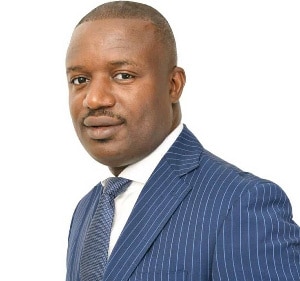
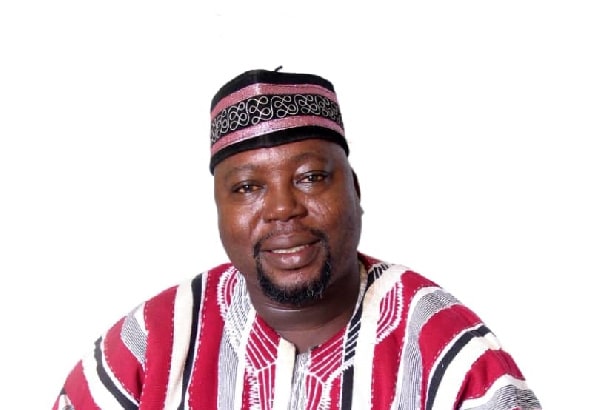
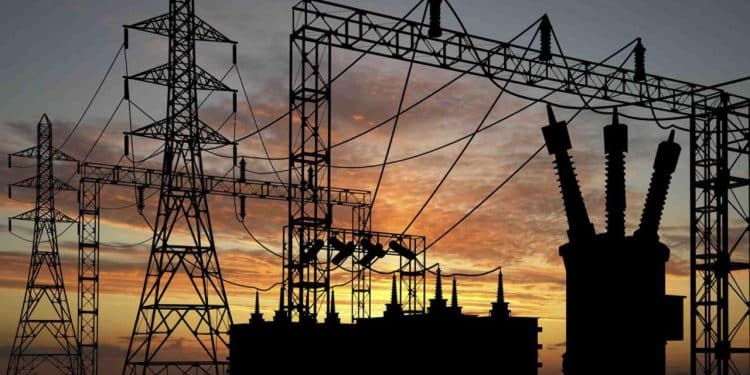
Ranking Member for Mines and Energy, John Abu Jinapor has pleaded with Independent Power Producers (IPPs) to reconsider their decision to shut down their plants on July 1.
This is in a bid to avert the impending power crisis.
He further urged the government to demonstrate commitment in resolving the outstanding debt issue that has led to this critical situation.
The IPPs, which account for 50 percent of Ghana‘s generation mix, have threatened to halt operations unless the government provides an interim payment of 30 percent of the outstanding debt amounting to $1.7 billion owed to them.
Recognising the gravity of the situation, Jinapor implored the IPPs to give the government and the nation more time to address their concerns.
“Please reconsider your decision towards shutting your plants on July 1. Please give the government and the nation some more time,” Jinapor appealed.
Expressing his dissatisfaction with the government’s handling of the matter, Jinapor criticised the Finance Minister’s approach, stating that selective and discriminatory payments were being made to preferred IPPs while neglecting others.
“The Finance Minister instead of dealing with the Chamber of IPPs is engaged in selective and discriminatory payment, selecting some preferred IPPs, paying them and leaving them to their own fate,” Jinapor remarked.
Highlighting the urgency of the situation, Jinapor called upon the government, particularly the President, to intervene promptly and ensure the swift resolution of the matter.
He also emphasised that the outstanding debt currently stood at approximately $1.7 billion, with mounting losses for the Electricity Company of Ghana (ECG) and substantial forex losses.
“The debt as we speak now is about $1.7 billion, and it keeps compounding. ECG’s losses today are over 30 percent, forex losses alone account for more than $300 million, fuel supplied that has not been paid runs into hundreds of millions of dollars,” Jinapor revealed during a press briefing in Accra.
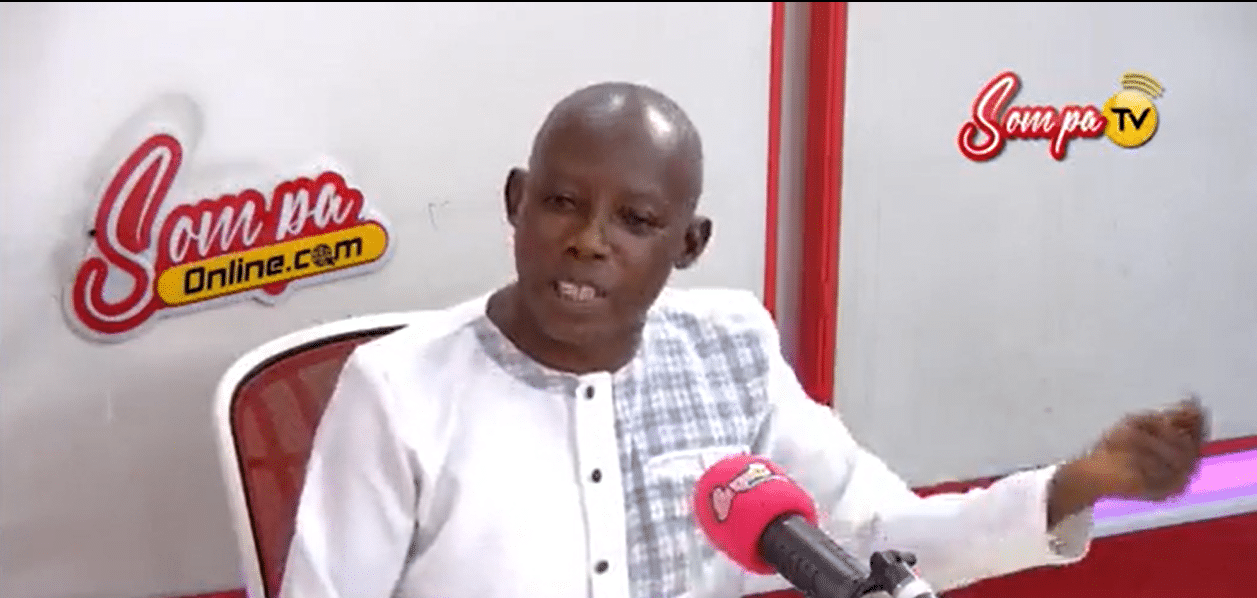
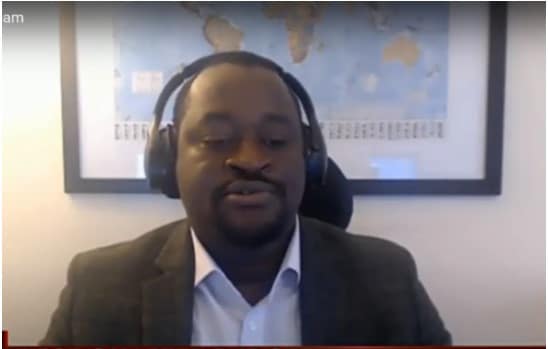
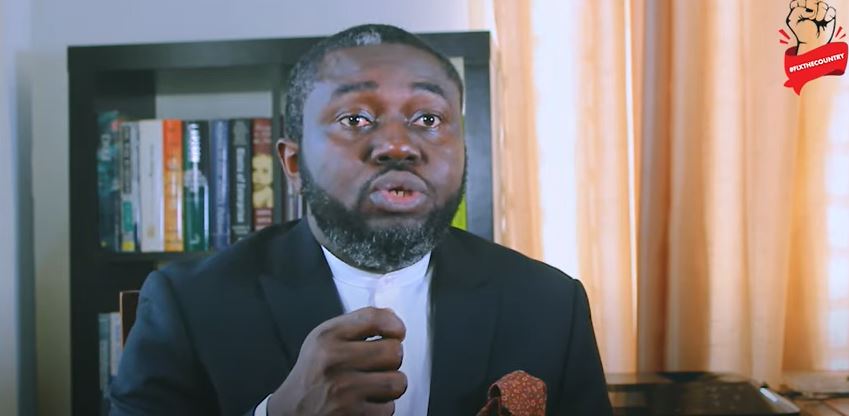
A prominent figure named K. Gyamera, who participated in a panel discussion on Sompa FM, a radio station based inKumasi, has expressed his frustrations over Ghana’s lack of development despite the nation’s abundant resources.
Since achieving independence, Ghana has faced difficulties in effectively managing its affairs without external intervention.
In a widely shared video, the man, appearing to be in his 40s, suggests that Ghana’s leaders have not fully exploited these resources and proposes that it may be more beneficial to allow foreigners, particularly individuals of Caucasian descent, to take charge, as Ghanaians themselves are not fully utilising their own resources.
During a media interview on Friday, June 30, Gyamera passionately remarked that other countries rarely experience economic hardships due to their ability to maximise the potential of their limited resources through effective strategies and utilisation.
“Given that we are failing to harness the potential of our lands, we should allow the Whites to use our bodies as fertiliser by excavating us,” he said passionately.
“The Whites have a knack for making the most of what they have. Just look at the quality of their water—does it appear discoloured? We, on the other hand, are plagued by mismanagement, which is why our water is discoloured,” he added.
Gyamera emphasised the need for Ghanaians to unite and work collaboratively to bring about positive change within the country and on a global scale.
Efforts have been made by successive governments to transform Ghana’s fortunes; however, challenges persist.
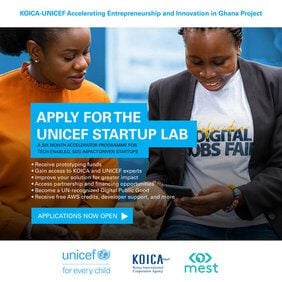
Approximately 20 innovative young entrepreneurs in the country have successfully completed the United Nations International Children’s Emergency Fund (UNICEF) StartUp Lab program.
This intensive six-month accelerator program focused on business and product development aimed to support businesses dedicated to advancing the United Nations Sustainable Development Goals (SDGs) for children and young people.
Led by UNICEF in Ghana and supported by KOICA through the “KOICA-UNICEF Accelerating Entrepreneurship and Innovation in Ghana” initiative, the program aimed to enhance the skills and capabilities of participating entrepreneurs, strengthen their products and businesses, and amplify their social impact.
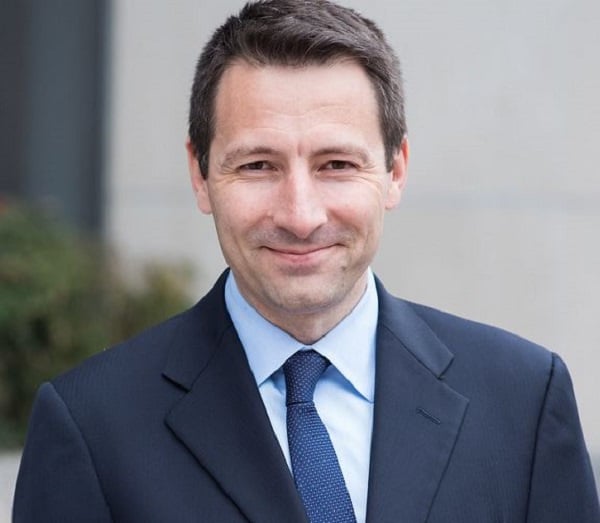
During the graduation ceremony held in Accra, Fiachra McAsey, the Deputy Representative of UNICEF in Ghana, commended the talented startups for their dedication and innovative use of digital technology and business acumen to address the pressing challenges faced by young people in Ghana.
McAsey emphasized that UNICEF will continue to be inspired by this new cohort of entrepreneurs and their commitment to creating new products and services that contribute to positive change. The 20 startups represent a group of resourceful, dedicated, and talented individuals from various regions of the country.
“It has been our pleasure to accompany them over the past six months through the UNICEF StartUp Lab Accelerator Programme, and we look forward to supporting them further, as they join our Alumni network, and continue to make a difference for children and young people in Ghana, and beyond,” he said.
Transformative power
The Acting Country Director of KOICA Ghana, Seungmin Oh, said KOICA firmly believes in the transformative power of entrepreneurship and innovation.
He said KOICA recognise the importance of creating an enabling environment that fosters creativity, provides necessary resources, and encourages collaboration.
He said KOICA was proud to have been a part of the journey of the 20 startups, and for that reason remain committed to supporting the growth of entrepreneurship and innovation in Ghana.
“We will continue to invest in programs that empower young entrepreneurs and equip them with the skills, resources, and networks needed to thrive in today’s competitive landscape,” he said.
Nurturing entrepreneurs
The Korea Ambassador to Ghana, Lim Jung-Taek, said Korea was honoured to have been a part of this transformative initiative, which has nurtured the seeds of entrepreneurship and paved the way for a brighter future for these talented individuals.
He said, “Korea has long been a testament to the power of technology-driven progress which has seen it invest more than four per cent of its GDP in research and development, fuelling groundbreaking discoveries and fostering an environment that thrives on innovation.”
He added that this commitment to technological advancement has yielded incredible results, giving rise to global companies that have left an indelible mark on various industries.
Significant guidance
The startups also gained valuable access to a network of experts from UNICEF, KOICA, and MEST, offering significant guidance and fostering networking and investment opportunities.
Moreover, qualified companies were given dedicated assistance towards achieving recognition as an UN-recognized Digital Public Good.
Throughout the programme, each selected startup was provided with up to GH¢25,000 in prototyping funding, in addition to immersive and hands-on business acceleration support.
Now in its third year, the UNICEF StartUp Lab has accelerated over 50 startups from across Ghana, including by investing over $100,000 in prototyping funding to support the development and impact of these businesses.
The UNICEF StartUp Lab has been instrumental in equipping Ghanaian startups with the necessary skills, resources, and support to address pressing challenges faced by children and young people in the country.
As the Chair of the Climate Vulnerable Forum’s V20 Group of Finance Ministers, Ghana has urged global leaders to establish a climate-responsive financial system in order to tackle the challenges posed by climate change.
By implementing such initiatives, the aim is to enhance the implementation of climate adaptation and mitigation measures, specifically targeting vulnerable nations.
Additionally, this will facilitate a transformation in the approach towards resolving climate-induced debt challenges faced by countries, while providing crucial support to nations seeking financial resources to enhance resilience and effectively adapt to climate-related issues.
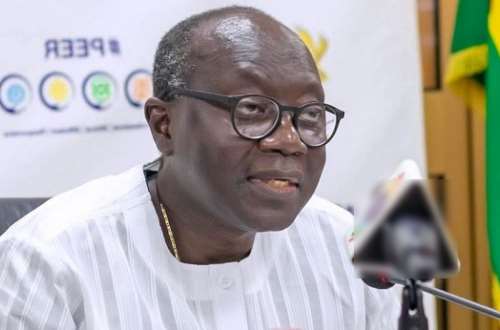
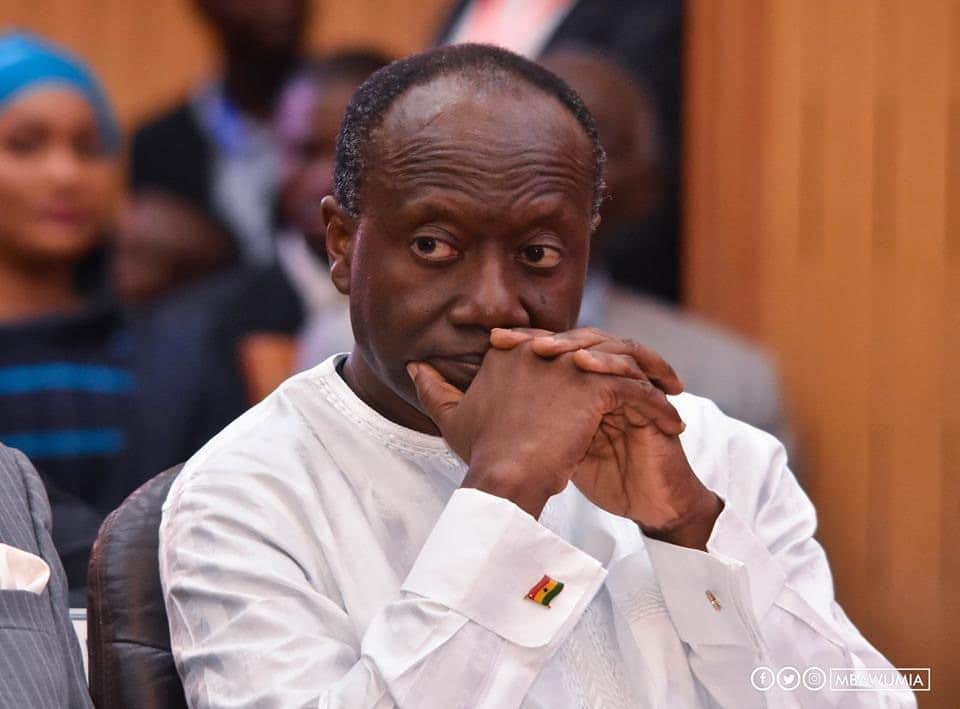
“We must develop powerful coalitions to fight for humanity as we coordinate our efforts to respond positively to the need for the development of a fit-for-climate global financial system,” Ghana’s Finance Minister, Mr Ken Ofori-Atta said.
Mr. Ofori-Atta made these remarks during the New Global Financing Pact summit, a two-day event hosted by the French government.
“It’s critical that we scale up the innovative climate financing mechanisms and speed up climate action to ensure that we maintain the 1.5-degree Celsius temperature limit,” he said.
The V20 Chair further emphasised the importance of enhancing national accountability in addressing climate change issues for the overall global benefit.
The finance minister noted that the world needed, “the kind of leadership the world saw that led to the abolishment of apartheid, the drive behind the civil rights movement and the development of the Breton woods institutions.”
He also reiterated President Nana Addo Dankwa Akufo-Addo’s call for support for global financial system reforms as advanced by the V20 Group of Finance Ministers of the CVF through the recently launched Accra-to-Marrakech Agenda (the A2M).
The Accra-to-Marrakech Agenda is a roadmap by the V20 to work to cement an international coalition behind a fit-for-climate global financial system, culminating at the Marrakech International Monetary Fund (IMF) and World Bank Annual Meetings in Marrakech later this year.
The New Global Financing Pact summit is to reconsider the global financial architecture and ways to mobilise financial support for developing and low-income countries facing challenges, including global warming, loss of biodiversity, debt, and pandemics.
It is centred on addressing the financing required to meet the global challenges, build solidarity amongst countries and all the critical stakeholders, as governments worked collectively towards a just green transition.
The summit brought together Heads of States and government, leaders of major international organisations, representatives of global financial institutions, and private sector and civil society representatives.
At the end of the summit, there was a call for collective global effort to mobilise additional financial resources from the private sector, including multilateral development banks to support vulnerable countries.
The call for transitioning into a net-zero economy by protecting the planet through shared goods and ensuring clean air, forests and oceans through systematic transformation was also accentuated.
It was noted that there was the need to stand united in international solidarity and win the battle against poverty by alleviating the debt burden of vulnerable countries through adequate renegotiations, restructuring and repayment.
The investment bank IC Securities’ research division, IC Research, has kept its prediction for Ghana’s Gross Domestic Product (GDP) growth for 2023 in the range of 1.9% to 2.9%.
It anticipates that the agriculture sector will expand as a result of continued momentum in the livestock and crops sub-sector, while ICT, transport & storage, and education will continue to support the expansion of the services sector.
On the downside, it pointed out that “we expect aggressive fiscal consolidation in the second-half of 2023 to weigh on the public sector drivers of growth while the price sensitive trades, hospitality and industry sector remain constrained by cost pressures in 2023”.
In the first quarter of 2023, Ghana’s overall real GDP growth exceeded expectations by registering a year-on-year expansion of 4.2%. This surpasses the consensus forecast of 2.6%.
The remarkable growth was primarily driven by the services sector, which expanded by 10.1%, and the agriculture sector, which saw a growth rate of 4.8%.
These positive performances outweighed the contractions observed in the price-sensitive industry sector, which experienced a decline of -3.2%.
The combined strength of the services and agriculture sectors propelled the overall growth of the economy beyond initial projections.
Services sector to falter in quarters ahead
IC Research said the services sector outperformed expectations but is likely to falter in the quarters ahead.
The services sector logged an impressive 10.1% year-on-year growth in the first quarter of 2023, on the back of jumbo growth rates in Public Administration & Defence (37.6%), Health & Social Work (31.6%), and Education (26.0%).
There were also more private sector-led growth in ICT (18.9%), Finance & Insurance (8.6%), Transport & Storage (6.4%), as well as Real Estate services (5.1%).
However, the price-sensitive Hospitality (-0.2% y/y) and Trade (-5.3% y/y) sub-sectors contracted in as a result of foreign exchange squeeze, removal of the benchmark discount policy at the ports, and utility tariff hikes since August 2022.
“Overall, we remain bullish on growth in ICT and Transport & Storage in 2023 due to the ongoing digitalization within the public and private sectors as well as emerging private transport and logistics businesses. However, we are bearish on public sector-led sub-sectors and cautious on finance & insurance activities as financial institutions prioritize post debt exchange recapitalisation in place of profit growth”, IC Research stressed.
Manufacturing sub-sector outlook remains bearish
Furthermore, it said it remains bearish on the manufacturing sector outlook both from the perspective of a tighter operating environment and softening consumer demand.
In addition to the FX pressures, “we expect the quarterly hikes in utility tariffs and the recent increase in excise duty to elevate the operating cost of manufacturing businesses. Despite the higher cost of operation, we believe distributors of consumer goods will be unable to fully pass on the cost implication of higher taxes and utility tariffs due to weak demand conditions”. Consequently, it foresee a contraction in profit margins, leading to weaker growth momentum for the manufacturing sector with negative spill over to the trade sector.
Japanese Ambassador to Ghana, Mr. Hisanobu Mochizuki, has reiterated Japan’s unwavering commitment to supporting Ghana’s efforts in advancing its socio-economic and infrastructure development.
The ambassador emphasized that Ghana occupies a strategically significant position in the West Africa Growth Ring Corridor Development, which aims to foster enhanced connectivity and stimulate economic activities within the sub-region. Japan recognizes the importance of quality infrastructure in achieving these objectives and remains dedicated to assisting Ghana in this endeavor.
“Japan as a nation is aware of the value of creating a solid infrastructure base and the role it can play in boosting and stimulating economies.
“This strengthens our resolve to help our colleagues in Africa develop their infrastructure to transform their economies,” the Ambassador assured.
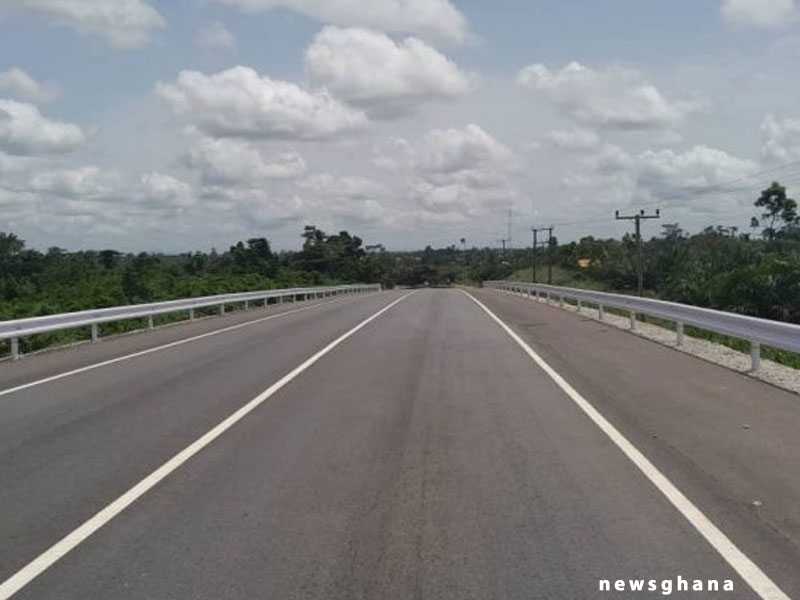
During the commissioning ceremony of the Assin-Fosu to Assin-Praso phase two road project in the Assin North District of the Central Region, Mr. Hisanobu Mochizuki, the Japanese Ambassador to Ghana, conveyed a statement on his behalf, underscoring Japan’s support for Ghana’s infrastructure development.
The construction of the 31.2 km national trunk road (N8) was made possible through a grant from the Japanese government and executed by Shimizu Dai Nippon Joint Ventures, a prominent Japanese Construction Firm.
Mr. Mochizuki emphasized that the Japanese government’s commitment to quality infrastructure development was aimed at bolstering the foundation of Ghana’s industrial growth, with a focus on sectors such as agriculture, health, and human resource development.
He highlighted the significance of transportation infrastructure in driving economic growth, attracting business and investment in Ghana. Without adequate transportation networks, he pointed out that the value of products and services would be diminished.
Furthermore, Mr. Mochizuki expressed his belief that improving transportation connectivity through well-constructed roads would open up economic opportunities for underserved communities and promote inclusive economic growth.
He also mentioned that Japan’s commitment to development assistance was further strengthened by a recent visit to Ghana by Japanese Prime Minister Fumio Kishida, with the aim of deepening bilateral relations and fostering mutual gains between the two countries.
The Japanese Government attached great significance to the promotion of business and investment in Ghana as a leading economic powerhouse in West Africa. “For instance, it is impossible to underline enough how strategically located this N8 highway is.
“I am confident that the massive opportunities that these rehabilitation efforts of the N8 would bring to Ghana will be realized because it is a crucial corridor for the transportation of essential export commodities,” the Ambassador noted.
To the people in the area, he said the road would undoubtedly reduce traffic, particularly on market days, and create more commercial opportunities in the surrounding communities. Notwithstanding, he recognized the contributions of the Japan International Cooperation Agency (JICA) for being a key conduit for the Japanese government’s strategic and all-encompassing approach to supporting Ghana’s infrastructure development.
Through JICA, Ghana has benefited from infrastructure projects, including the high-quality Phase One of the Tema Motorway roundabout project officially opened by President Akufo-Addo in 2020.
The sod-cutting by the Vice President, Dr. Mahamudu Bawumia for the commencement of Phase Two of the project which is scheduled for completion in December 2024.
Again, through the efforts of JICA, he said the Phase One Project of the NS between Assin-Praso and Asante-Bekwai was completed in December 2013.
An adviser to former president John Dramani Mahama, Joyce Bawah-Mogtari, has spoken out about alarming changes in Ghanaian society regarding how some people treat women.
She stated in a June 29 tweet that it was disturbing that such people engage in these acts in all facets of everyday life, doing so without seeing any wrong with it.
“Funny thing is that we still have some people who exhibit misogynistic attitudes, dominant chauvinism and patriarchy without making any bones about it.
“In our society, in schools, in politics, the church, the lyrics of our songs, the work place etc.” her tweet read.
One of the most topical issues in Ghana today has to do with the trending back and forth between actress and movie producer now author, Yvonne Nelson and musician Sarkodie.
Yvonne Nelson in her book ‘I am not Yvonne Nelson,’ recounted a relationship she had with the musician in 2010, which relationship led to a pregnancy she was forced to abort because Sarkodie was not ready to be a father.
In his riposte, the musician released a track ‘Try Me’ earlier this week stating his side of the story but his use of certain words and terminologies was seen as sexist.
Yvonne Nelson responded to it by calling on Sarkodie to ‘respect womanhood’ and not attenpt to diminish the pain a young lady experienced; which comment also drew critique vis-a-vis portions of Yvonne’s book and what she said of her mother.
See her tweet below:
Funny thing is that we still have some people who exhibit misogynistic attitudes, dominant chauvinism and patriarchy without making any bones about it. In our society, in schools, in politics, the church, the lyrics of our songs, the work place etc.
Businesses and investors are being urged to have hope that Ghana’s economy will recover by Yaw Amoateng Afriyie, the Deputy Chief Executive Officer of the Ghana Investment Promotion Centre.
He stated, government has initiated steps to ensure the current economic crisis is resolved.
According to him, the political environment and peace in the country should still attract the interest of investors to see Ghana as the destination for investment.
‘’Ghana has consistently been ranked as the safest place in the sub-region and the second most peaceful country in Africa. This means, in the midst of volatile region, Ghana is the beacon of hope for investors.’’
Speaking at the second edition of the Financial Economic Seminar, Mr. Afriyie indicated, the focus of GIPC post covid-19 and Russia-Ukraine war is to position the country to attract direct foreign investment to help restore the economy.
He stressed the need for investors to look at the vast opportunities in the country especially in the area of agriculture and the manufacturing sectors among others.
‘’We in GIPC view our current state of affairs with optimism and maintain that there is no better place to do business than here in Ghana because we see prospect for global and local businesses to benefit’’.
The second edition of the Financial Economic Seminar was put together to deliberate on impact of state policies on trade and industries.
It brought together experts from the banking sector, trade and industry as well as academia.
The long-standing relationship between Ghana and China has been strengthened with the visit of the 43rd Chinese Naval Escort Task Group to Tema Port, Ghana.
The 43rd Chinese Naval Escort Task Group consists of the Chinese war ship DDGH Nanning 162 Type 052DL guided-missile destroyer, the FFGH Sanya 574 Type 054A and a comprehensive supply ship AOR Weishanhu 887 Type 903, all of which have berthed on the territorial waters of Ghana.
The taskforce, with two ship-borne helicopters and over 700 troops, will voyage from Ghana on Saturday, July 1, 2023, after spending some time in Cote d’Ivoire as part of their escort mission.
The brief welcoming ceremony, characterised by performances from traditional Chinese masquerade dancers, also witnessed the assemblage of the Chinese community in Ghana, which continuously waved China and Ghana flags.
The 43rd Chinese Naval Escort Task Group, with women aboard in spotless white uniforms standing motionless with arms at the sides and feet together on the deck and outer parts of the ship, drew continuous applause from dignitaries and onlookers alike.
Performing their duty with bravery and loyalty during the past six months, the Escort Task Group has been on mission since January 10, 2023.
The group has successfully accomplished an escort mission in the Gulf of Aden, evacuated Chinese nationals from Sudan, fulfilled the international humanitarian obligations and protected the international sea lines of communication.
The Destroyer 162 berthed at the Tema Port, with the inscription “China-Ghana Friendship is Time-tested”.
It is one of the many Type 052DL guided-missile destroyers available to the Chinese surface fleet fitted with all-modern solutions to all-modern battlefield threats.
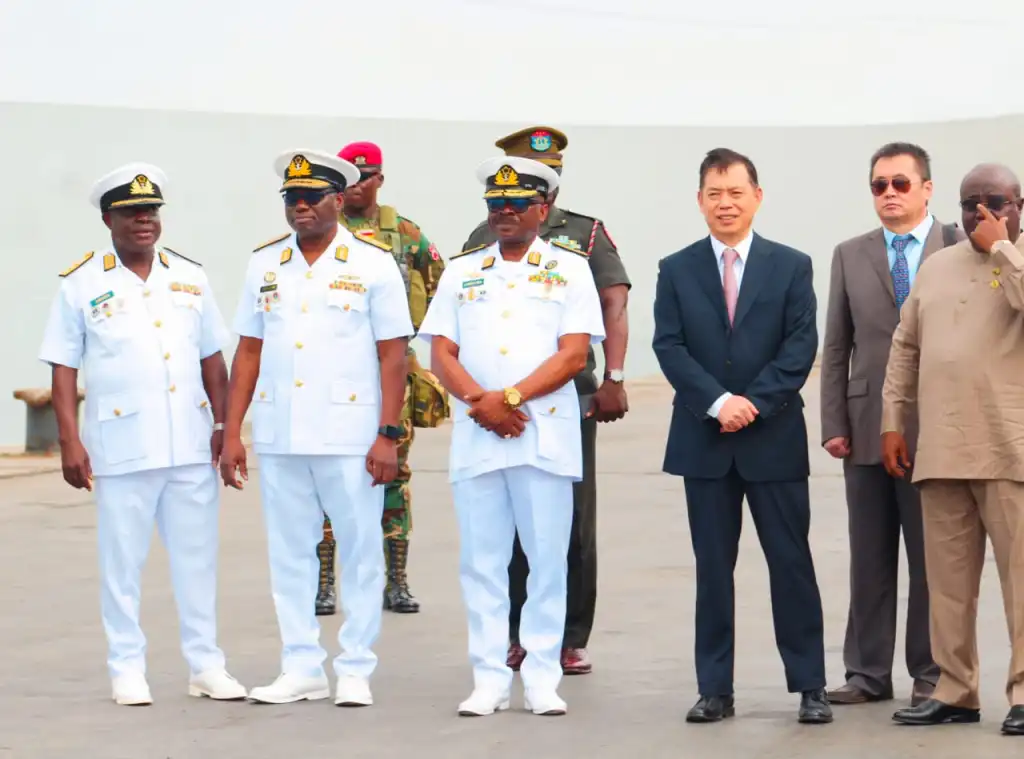
Dignitaries, including the Chinese Ambassador to Ghana, Mr Lu Kun; Mr Kofi Amankwa-Manu, Deputy Minister of Defence; Vice Admiral Seth Amoama, Chief of Defence Staff; Senior Naval Officers and the Chinese Community were given a guided tour of the Destroyer 162.
Mr Lu Kun, Chinese Ambassador to Ghana, said the task force’s escort mission in the Gulf of Aden and evacuation of Chinese nationals from Sudan, demonstrated that China was a responsible country and congratulated the team for the courage, dedication and outstanding achievement.
He said China-Ghana relations was getting enhanced with pragmatic cooperation flourishing, cultural ties increasingly closer, and military cooperation making considerable progress.
The Ambassador said the Armed Forces of Ghana and China had and resumed face-to-face exchanges after COVID-19 with the sod-cutting for the Chinese Military Aid Gratis Project for Ghana.
The port call, he noted, aimed at deepening understanding, and would further consolidate the Ghana-China friendship and expand cooperation.
He expressed optimism that the visit would open a new chapter for military relations and promote China-Ghana relations to a higher level.
China and Ghana, the Chinese Ambassador said, were both advocates and defenders of world peace and that last year, President Xi Jinping proposed the Global Security Initiative with China issuing the Global Security Initiative Concept Paper early this year.
“It states clearly that it is our common aspiration to achieve lasting world peace and China is ready to conduct bilateral and multilateral security cooperation with all countries and international and regional organisations under the framework of the Global Security Initiative…to jointly promote world peace and tranquillity,” he said.
Mr Kun said, “China supports the efforts of African countries, the AU 46 and sub-regional organisations to resolve regional conflicts, fight terrorism and safeguard maritime security”.
“Enhancing mutual exchanges and cooperation in the military field between our two countries is of positive significance. China is willing to explore cooperation with the Ghanaian side and jointly promote peace and tranquillity in the African Region and the world at large.”
The visit of the 43rd Escort Task Group in Ghana, Mr Kofi Amankwa-Manu, Deputy Minister of Defence, said was “appropriate and timely as the Government of Ghana is strategically deepening its relationship with its valued partners, including the People’s Republic of China to reshape our Maritime issues.”
He said over the past decades, the Ministry of Defence and the Ghana Armed Forces had benefited enormously from the Chinese Defence Cooperation Assistance in many areas, including training, platform acquisition, construction amongst others.
Mr Amankwa-Manu reiterated that the military relationship between the Ghana Armed Forces and the People’s Liberation Army had seen enormous cooperation, with the recent one being the 37 Military Hospital expansion project awarded to the China Shipbuilding Trading Company Limited.
Enhancing existing partnership between China and Ghana under a broader Defence Cooperation, he said, was important in the face of deteriorating security conditions within the West African sub-region.
“Enhanced security cooperation in the maritime domain will also help address some of the maritime security threats. Contemporary threats to security such as Terrorism, Violent Extremism, Climate Change, Pandemics, epidemics can only be addressed through cooperation and collaboration with each other,” he added.
Senior Captain ZHAO Lang and Senior YANG Yanhua, captains of the Destroyer 162, said the 43rd Chinese naval escort taskforce set sail for the Gulf of Aden and the waters of Somalia from a military port in Zhanjiang city, southeast China’s Guangdong province, on the morning of January 10, 2023.
Captain Zhao, who applauded the hard work of the task force, said in late April, an armed conflict broke out in Sudan and due to the severe and prolonged nature of the conflict, the task force rushed to Sudan and evacuated 1,171 people from nine countries successfully.
As the Chair of the Vulnerable Twenty (V20) Group, which consists of Finance Ministers from the Climate Vulnerable Forum, Ghana has urged world leaders to establish an effective financial framework tailored to climate challenges.
This initiative aims to enhance the implementation of climate adaptation and mitigation measures in countries facing vulnerability.
Additionally, it seeks to transform the approach to addressing climate-related debt issues and provide support to nations in need of funding for resilience-building and climate adaptation endeavors.
“We must develop powerful coalitions to fight for humanity as we coordinate our efforts to respond positively to the need for the development of a fit-for-climate global financial system,” Ghana’s Finance Minister, Ken Ofori-Atta said.
Ofori-Atta was speaking at the two-day New Global Financing Pact summit, organised by the French government.
“It’s critical that we scale up the innovative climate financing mechanisms and speed up climate action to ensure that we maintain the 1.5-degree Celsius temperature limit,” he said.
The Chair of the V20 also called for improved country responsibility in addressing the issues of climate change for global benefit.
The finance minister noted that the world needed, “the kind of leadership the world saw that led to the abolishment of apartheid, the drive behind the civil rights movement, and the development of the Breton Woods institutions.”
He also reiterated President Nana Addo Dankwa Akufo-Addo’s call for support for global financial system reforms as advanced by the V20 Group of Finance Ministers of the CVF through the recently launched Accra-to-Marrakech Agenda (the A2M).
The Accra-to-Marrakech Agenda is a roadmap by the V20 to work to cement an international coalition behind a fit-for-climate global financial system, culminating at the Marrakech International Monetary Fund (IMF) and World Bank Annual Meetings in Marrakech later this year.
The New Global Financing Pact summit is to reconsider the global financial architecture and ways to mobilise financial support for developing and low-income countries facing challenges, including global warming, loss of biodiversity, debt, and pandemics.
It is centred on addressing the financing required to meet the global challenges, and build solidarity amongst countries and all the critical stakeholders, as governments worked collectively towards a just green transition.
The summit brought together Heads of State and government, leaders of major international organisations, representatives of global financial institutions, and private sector and civil society representatives.
At the end of the summit, there was a call for a collective global effort to mobilise additional financial resources from the private sector, including multilateral development banks to support vulnerable countries.
The call for transitioning into a net-zero economy by protecting the planet through shared goods and ensuring clean air, forests, and oceans through systematic transformation was also accentuated.
It was noted that there was the need to stand united in international solidarity and win the battle against poverty by alleviating the debt burden of vulnerable countries through adequate renegotiations, restructuring and repayment.
Deputy Minister for Trade and Industry,Dr Stephen Amoah, has raised concerns about the potential negative impact of excessive interest rate hikes on trade and industry, particularly in light of the persistent inflationary pressures experienced in the country.
Dr. Amoah urged policymakers to exercise caution when adjusting interest rates, as their strategy could inadvertently worsen the goal of reducing inflation.
Addressing an audience of economists, policymakers, and industry experts at the 2023 Financial and Economics Seminar, Dr. Amoah highlighted the need for a nuanced approach to monetary policy, taking into account the underlying causes of inflation.
Drawing attention to the cost-push factors driving inflation in Ghana, he emphasized the pivotal role of interest rates in the cost structure of businesses, given the limited availability of equity financing in the country.
“By repeatedly increasing interest rates in an attempt to curb inflation, we risk exacerbating the challenges faced by trade and industry,” Dr. Amoah cautioned.
“If the rising cost of doing business, which is one of the main contributors to inflation, is already straining the sector, further interest rate hikes could inadvertently hamper growth and productivity.”
The Deputy Minister stressed that a holistic understanding of the macroeconomic landscape is essential to effectively combat inflation.
While acknowledging the importance of managing inflationary pressures, Dr. Amoah advocated for a balanced approach that considers the potential adverse effects on trade and industry.
The CEO of Ghana Incentive-based Risk Sharing System for Agricultural Lending (GIRSAL), Kwesi Korboe has stated that Ghana needs innovative solutions to unlock agricultural potential.
Speaking to the media on Tuesday, June 27, Mr Korboe said while progress has been made, there is still a long way to go to fully unlock the potential of agriculture in the country.
Mr Korboe emphasized that the agriculture sector in Ghana is in need of innovative solutions and increased investment to improve productivity, efficiency, and sustainability.
Access to modern farming techniques, advanced machinery, and quality inputs such as fertilizers and seeds is crucial for the growth of agribusiness in Ghana.
Another major challenge Mr Korboe highlighted is access to land for farming by the private sector. He added that insufficient road networks and limited access to markets make it difficult for people to invest in the agricultural sector.
Furthermore, Mr Korboe added that access to finance remains a significant hurdle for many small-scale farmers and agribusiness entrepreneurs. Limited access to credit, high-interest rates restrict the ability of farmers to invest in their operations, expand their businesses, and adopt modern technologies.
Korboe also highlighted the need for effective policies and supportive government interventions to promote agribusiness development. This includes policies that prioritize agricultural research and development, provide incentives for private-sector investments, and create an enabling environment for innovation and entrepreneurship in the sector.
Despite these challenges, Mr Korboe acknowledged the immense potential of Ghana’s agricultural sector.
The country, he said has favourable climatic conditions, fertile land, and a rich biodiversity that can support diverse agricultural activities. With the right investments, infrastructure development, and policy support, Ghana can harness its agricultural resources to drive economic growth, create employment opportunities, and ensure food security for its population.
Tuesday’s forum was under the theme ‘Understanding and leveraging Agribusiness Value Chain’.
This year’s edition of the Citi Business Festival is powered by Citi TV and Citi FM in partnership with Absa Bank and is proudly sponsored by MTN MOMO, MTN Business and Zeepay with support from GIRSAL.
Former Minority Leader Haruna Iddrisu has asserted that the Akufo Addo-led government’s mismanagement of the economy has reached such a critical point that only significant sacrifices combined with strict measures will enable it recover.
The International Monetary Fund in May 2023 approved a $3 billion three-year loan package for Ghana after nearly a year of negotiations.
About $600 million was released to Ghana immediately.
The loan comes as the country faces interlocking fiscal, currency, reserves and inflation crises, with the cedi falling rapidly almost against the dollar over the past year. The IMF package imposes tough conditions on the Central Bank, requiring it to cut inflation, end monetary financing and rebuild foreign.
Haruna Iddrisu who is also the Member of Parliament for Tamale South said a future NDC government will have to renegotiate the deal.
“The economy will only recover post Akufo-Addo government because there is no way this economy will stabilise under the watch of President Akufo Addo and Finance Minister, Ken Ofori-Atta, because they have lost it. And as I understand, the Paris Club and China are yet to finalise their position on what to do with Ghana’s unsustainable debt and the countrys request for a common framework agreement and this should tell you an economic redemption is practically impossible under Nana Akufo Addo”, he stressed.
Haruna Iddrisu’s comments come at a time Fitch Solutions has stated that Ghana’s International Monetary Fund Programme will not be suspended despite a higher-than-budgeted expenditure.
According to its latest assessment of Ghana Titled “Positive Shift in Ghana’s Political Risk Profile Following IMF Programme Approval”, the UK-based firm said there is a risk the government will fail to meet its IMF targets in 2024.
Since the start of this decade, total expenditure as a share of GDP increased by an average of 3.0 percentage points during election years, signaling that some level of fiscal slippage is likely in 2024.
Nonetheless, Fitch Solutions, said a higher-than-budgeted expenditure is unlikely to lead to a suspension of the IMF programme.
Fitch solutions also said the opposition NDC is likely to win Ghana’s 2024 general election.
In its latest publication, the UK-based organisation explained that the deteriorating state of the economy witnessed mainly in 2022 and the perception of slow fight against corruption are likely to be the deciding factors for the electorate.
This prediction is consistent with a similar one made by the Economist Intelligence Unit which had equally cited the same factors as swaying the electorate toward the NDC.
First Deputy Governor of the Central Bank, Dr Maxwell Opoku-Afari, has stated the inflation targeting framework has been universally recognized as the most durable strategy for formulating monetary policy.
According to him, the framework has impacted positively on the objectives of central banks, including the Bank of Ghana.
He made the remarks at the launch of a book titled “Central Banking in Ghana and the Governors (Institutional Growth and Economic Development)” which was authored by Ivor Agyeman-Duah.
Dr Opoku-Afari further shared that all narratives contained in the book about direct control and inflation targeting, expansionary and contractionary monetary policy stance and contemporary monetary strategies have also been insightful.
“Even though this book could be deemed as a mirror that reflects the work of all governors of the Bank since its establishment, but like the mirror, the reflection on the work of any of the governors may invariably differ depending on the reader’s economic philosophy or ideology,” he noted.
“I am certain that the discussion on monetary policy and many other contents of the book will provide a good basis for constructive and intellectual public discourse on the author’s views and assertions.
Similarly, I trust that the author, being a seasoned scholar and academic, will readily respond to any constructive critique and commentary that may arise from economists, academics and other reviewers of this book,” Dr Opoku-Afari added.
He, however, commended the author for extensively writing the book as part of efforts to fill the gap in the body of knowledge on the economic thinking of the various governors that have transitioned through the Bank.
“The Bank is indeed supportive of the book’s publication due to its contribution to the literature on central banking in Ghana, with emphasis on monetary policy, and regulatory and supervisory operations of the Bank.
We do acknowledge that books and articles written on the Bank of Ghana hardly touch on the individual governors who have led the institution and the philosophies that underpinned their economic and the monetary policy decisions,” he concluded.
Jonathan Lee Pratt, better known by his stage name “JZyNo,” a multi-award winning Liberian Afropop sensation based in Ghana, has delved deep into his humble beginnings.
Speaking to the media, the “Butta my bread” hitmaker revealed that coming from Liberia, a country where war had derailed the brighter future and opportunity for young people. He had no option than to come Ghana to seek a better life.
According to him, at the time he was in Liberia, he sold charcoal, gari and others to survive on the hustling field.
But, added that despite, having being in Ghana since 2015 to start his music career, he had his first hit song in 2019 when he returned to Monrovia.
Glory be to God, Jzyno has created a buzz in the music industry and captured the awareness of listeners with his breakthrough hit single “Butta My Bread.”
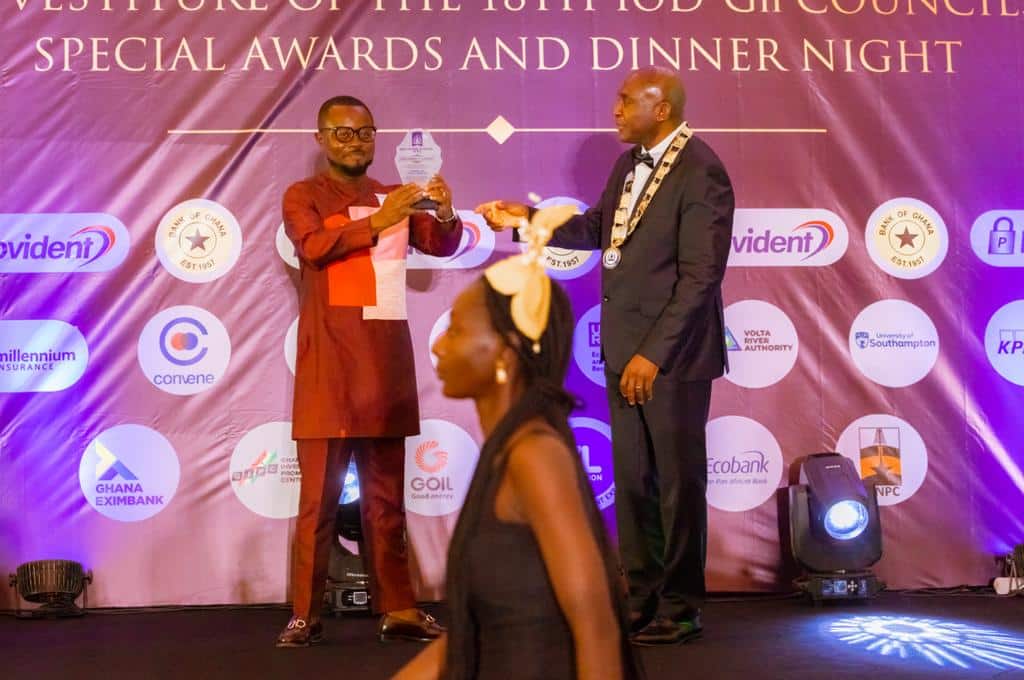
The Institute of Directors Ghana has officially confirmed Ernest De-Graft Eqyir as the Chief Executive Officer of Ghana CEO Network with an Honorary Award.
This is in recognition of his immense contributions to the cause of the institute and the promotion of good Corporate Governance in Ghana.
In accepting the special recognition award, Mr. Egyiri extended his sincerest regards from the Chief Executives Network Ghana.
Ernest De-Graft Egyir is an accomplished chief executive who has garnered a laudable reputation as a management consultant & an executive advisor to topmost CEOs in Ghana.
He is the Founder & CEO of the Chief Executives Network Ghana, an Accra-based CEO consultancy chamber with the overarching goal of empowering business leaders through peer-to-peer advisory, learning and networking conferences, CEO mentorship, and training to develop champions for growth and increased performance.
He is also the founder of the prestigious annual Ghana CEO Summit, the foremost business conference in Ghana. Among the key activities at the summit is the annual dialogue between the President of Ghana and selected topmost CEOs from the private and public sectors of Ghana.
Prior to founding the Chief Executives Network, Ernest had over 15 years of experience in corporate leadership roles with major global multinational franchises in Ghana, namely UCB Pharma Belgium, 1A Pharma, Germany, Denk Pharma, Germany, and Servier, France.
He holds an MBA in Project Management from University of Ghana Business School and BSc in Operations Management (First Class Honours).
He is a passionate philanthropist. Through the Ernest Egyir Foundation, he sponsors many university students from matriculation to graduation on various campuses in Ghana.
The foundation also sponsors many young people in Saltpond with various apprenticeship and skills development programmes. He rose to the occasion in the heat of the Covid-19 crises by leading the CEO Network to donate a substantial amount of money in support of the fight against the Covid-19.
The Ghana Health Service is putting pressure on airlines to charge an additional US$7 per passenger for each foreign flight purchased and send that money to the government organization as a fee for luggage fumigation.
AviationGhana sources revealed that the decision of the GHS was conveyed by the Ghana Airports Company Limited to airlines servicing Accra’s Kotoka International Airport at a meeting held on Thursday, June 22, 2023, in Accra.
Airlines, who are still recovering from the impact of the covid-19 pandemic, opposed the decision of the GHS and further pointed to the lack of local law for the planned charge.
If implemented, the imposition of the US$7 fumigation charge will lead to further increases in airfares, which already remain elevated due to high aviation fuel costs, a weak local currency, and a general economic squeeze since last year.
The impact of the COVID-19 pandemic cost the industry some US$180 billion over a three-year period. However, the International Air Transport Association (IATA) predicts that the rebound will lead to a US$2.25 revenue per passenger this year. This is a significant improvement from the -1.1 dollars per passenger loss recorded last year.
In Ghana, most international airlines began re-opening routes they suspended last year and are yet to reach the performance heights recorded in 2019.
Commencing July 1, 2023, commercial banks operating in the nation are anticipated to begin deploying armored bullion vans or trucks for Cash in Transit (CIT) activities.
This is according to the Association of Bullion Operators Ghana whose President, Alhaji Iddi Sumaila has disclosed that some banks, however are yet to finalize their respective agreements with the Association.
“By 1st of July we will see banks using armoured vehicles/bullion vans. However, other banks have not finalized the agreement with us,” he told Accra-based 3FM in an interview.
“We have about 150 bullion vans in the country. Most banks have signed contracts with us to deploy to them. It goes through a process for the banks to get it and that takes time,” Iddi Sumaila added.
Following a spate of robbery incidents on CIT vehicles in 2021, the Bank of Ghana issued a directive for financial institutions to procure armoured bullion vans.
Meanwhile, the recent disclosure by ABOG comes after a robbery attack on a CIT vehicle took place at a filling station in Ablekuma on June 22, resulting in the shooting and death of a police officer on duty.
A survey on government waste, shows that ghost names on the government payroll cost Ghana up to GH100 million annually.
This is contained in the Government Waste Report 2022 issued by the Institute of Liberty and Policy Innovation.
According to the report, after staff auditing in 2015, it was noted that about 2,913 ghost names were found on the Ghana Education Service Payroll alone.
“Approximately GH¢100 million is lost annually to payroll fraud. Consistently since 2011, whenever the International Monetary Fund (IMF) is contracted for a bailout and as part of restructurings, the government would conduct a nationwide employee audit on its payroll,” it said.
Regarding procurement fraud, the report explained what it entails.
“Any deceptive or corrupt practices involved in the acquisition of goods, services, or works by public or private entities are termed “Procurement fraud. Procurement fraud in Ghana is a challenge, and this has been a persistent issue in both the public and private sectors.
“The country has taken several measures to address this problem, including the establishment of anti-corruption agencies and the enactment of legislation to prevent fraud and promote transparency in procurement processes. However, the issue of procurement fraud still exists,” parts of the reports quoted by 3News read.
The report highlighted some of the practices that procurement fraud entails and how this is affecting government expenditures.
Some common forms of procurement fraud in Ghana, as highlighted by the report, include collusion (conspiracy between bidders to manipulate the bidding process by agreeing on prices, dividing contracts, or engaging in other anti-competitive practices).
Others are bid rigging (In bid rigging, individuals or companies agree in advance on who will win a particular contract, often by submitting non-competitive bids or excluding legitimate competitors from the bidding process), Kickbacks, and bribery. This form of fraud occurs when individuals or companies offer or accept bribes or kickbacks to influence the procurement process in their favour.
“Misrepresentation of qualifications or capacity (Fraudulent bidders may provide false information about their qualifications, experience, or resources to secure contracts for which they are not genuinely qualified) Invoice manipulation (This involves inflating the cost of goods, services, or works in the invoice or misrepresenting the quantity or quality of the delivered goods to obtain higher payments),” the report explained.
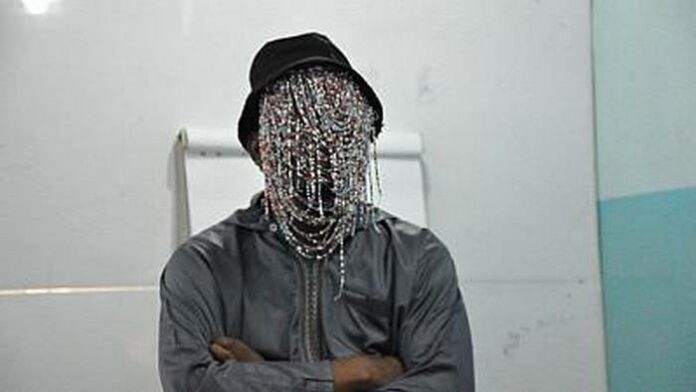
Director of research at the Institute of Economic Affairs (IEA), Dr. John Kwakye, has cautioned investigative journalist, Anas Aremeyaw Anasagainst setting up people to commit crimes in a way to expose them.
Dr Kwakye says setting people up to commit a crime is unacceptable and should be condemned.
His comments come after Anas said that he would be releasing a documentary on corruption in Ghana before the 2024 general elections.
Anas said this exposé will shake the foundation of the country.
He said these while answering questions in an interview on whether Anas was a ‘terrorist’ as was recently said by a High Court judge.
Anas defended his methods and talked about corruption in Africa.
He said “The work that I am doing now might be the last before we get into the [2024] elections. But already the signs are very clear and I can tell you that the foundation would be shaken once again.”
“There are a couple of international ones that are about to be released. But this one, talking to you as a Ghanaian, I mean the foundation of Ghana would be shaken,” he is reported to have said.
Commenting on this in a tweet, Dr Kwakye said “If Anas isn’t interested in cashing in on the elections, he should wait to publish his documentary after not before.
“Anas shouldn’t think that he can hold the whole country to ransom. No one is without blemish in this world. He himself isn’t an angel. Anas should work to catch people who commit actual crimes. He shouldn’t set people up to commit crimes. That’s unacceptable and should be condemned.
Ghana andZimbabwehave signed a historic general cooperation agreement, paving way for a formal framework to enhance political and socio-economic relations between the two countries.
The agreement was signed yesterday in Accra in the presence of Zimbabwean President Emmerson Dambudzo Mnangagwa.
The signing ceremony was attended by Finance and Economic Development Minister Professor Mthuli Ncube and Ghana’s Deputy Minister for Foreign Affairs, Kwaku Ampratwum Sarpong.
The event took place on the sidelines of the ongoing 30th Annual Meetings of the African Development Bank. The signing was also witnessed by Zimbabwe’s Ambassador to Ghana, Kufa Chinoza, and Ghana’s envoy to Harare, Ambassador Grant Ntrakwa.
Following the signing ceremony, Deputy Minister Sarpong emphasized the historic nature of the event. He noted that although Zimbabwe and Ghana have maintained relations for over 60 years, no formal agreements have been in place to enhance cooperation until now.
Deputy Minister Sarpong highlighted the significance of formalizing the relations between the two countries, allowing for a more focused approach to cooperation. Priority areas such as agriculture, tourism, and aviation will be explored for collaboration.
He emphasized the need for diligent implementation to elevate the bilateral relations between Ghana and Zimbabwe.
Ambassador Chinoza, speaking to the media after the signing ceremony, regarded the agreement as a crucial starting point.
He expressed the hope that it would eventually evolve into a comprehensive joint permanent and bi-national cooperation agreement.
Ambassador Chinoza emphasized the importance of further enhancing cooperation between the two countries.
The historical connection between Zimbabwe and Ghana traces back to their founding Presidents, Robert Mugabe and Kwame Nkrumah, both driven by the pan-Africanist ideology. The shared history includes Mugabe marrying in Nkrumah’s country.
Zimbabwe has been actively seeking to strengthen cooperation with various countries as part of its Second Republic’s engagement and re-engagement initiative.
This pursuit of collaboration comes after years of isolation resulting from sanctions imposed by the United States and the European Union, which aimed to isolate Zimbabwe from the international community due to its implementation of the Fast Track Land Reform program.
The program aimed to rectify colonial injustices related to land ownership and ensure equitable access to land for indigenous Zimbabweans.
President Mnangagwa returned to Zimbabwe following the signing ceremony, concluding his visit to Ghana.
The government has been urged by the Union of Professional Nurses and Midwives(UPNMG) to improve the working conditions for nurses in order to stop the migration of nurses to different countries.
According to the union, the current economic situation in the country is not encouraging nurses to stay and give off their best.
National President of the Union, Maxwell Oduro Yeboah at the first-ever meeting of the regional council in Tamale said members of the union remain committed to the service of humanity.
“As a union, we are confident that our members will continue to render the best quality service while we expect government to give better working conditions and services,” he said.
“We shall continue to engage our members who have the intention of leaving thecountry just as we expect that the economic hardship is lessened.”
UPNMG began operations in 2017 and can already boast of over 15,000 members nationwide, with 4,693 members in the northern region alone.
The Importers and Exporters Association of Ghanahas expressed dissatisfaction with government’s lack of action in addressing the high taxes imposed at the ports.
This, according to the Association, is believed to have resulted in Ghana losing a significant portion of its cargo traffic to Lomé.
The Association also believes that thegovernmenthas not treated players within the ports industry fairly, even after making several promises in the run-up to the 2016 elections to deal with excessive taxes at the ports.
In an interview with the media, the Executive Secretary of the Association, Sampson Asaki Awingobit, noted that they will collaborate with their sister associations to deepen their demands.
“They kept on compounding us with taxes, tariffs, and charges, and that led to a total sharp deduction. We have lost huge cargoes to Ivory Coast and Lomé, and that is true.
“We will collaborate with other organizations to ensure that the government does something about it.”
Ghana’s Finance Minister, Ken Ofori-Atta, has stated that State Owned Enterprises (SOEs) like COCOBOD and those in the energy sector account for around 25% of the country’s estimated debt load.
According to him, the government’s ability to institute better governance standards for these institutions will address their liabilities and promote their growth.
Speaking at a recent press conference, Mr. Ofori-Atta said all must remain committed to the agreed wide-ranging and strong structural reforms designed to address structural weaknesses and build resilience in key areas including tax policy and tax administration, expenditure commitment control and arrears clearance, financial stability, financial sector plans, review of statutory funds, governance and corruption, debt management, fiscal credibility, and energy sector/cocoa sector SOEs reformation.
Other structural reforms to entrench fiscal discipline and bolster transparency that the Finance Minister said include reforms to enhance revenue administration and tax policy, operationalisation of the Human Resource Management Information System, enhancing spending controls and prevention of arrears build-up, and streamlining of earmarked funds.
In addition, Mr. Ofori-Atta said the government is transitioning from central government reporting to general government, and from cash to accrual reporting.
Furthermore, he said “our commitment to these reforms is matched by our relentless pursuit of innovation and strengthened partnerships”.
He added that backed by the renewed drive for reforms, the government is working towards securing significant support from the country’s multilateral partners.
CEO of the National Health Insurance Authority (NHIA), Dr. Bernard Okoe-Boye, has stated that hospitals refusing to accept NHIA cards would soon lose their accreditation.
In his view, it is important for hospitals to provide healthcare to all persons including people with NHIA cards.
According to Dr Okoe-Boye, the refusal of hospitals to accept NHIA cards contradicts the principles upon which the authority was established and undermines the goal of achieving universal healthcare coverage and leaves vulnerable individuals without proper medical assistance.
“Before the end of the year, some hospitals are going to be decredentialed by us, decredentialed means that they are going to lose their credentials. Any hospital that is decredentialed, I would not be surprised would go and bring Chiefs to come and beg because 80 per cent of all hospitals in Ghana, survive with NHIA so when we withdraw the license they cannot operate.
“The IGF of 80 per cent of all hospitals in Ghana, as for government hospitals it is 90 per cent, they survive only because Health Insurance continues to pay them every month,” Dr Okoe-Boye said when speaking to the media on Tuesday, June 20.
Dr. Okoe-Boye also expressed his frustration with the constant negative portrayal of the NHIA and its services.
He believes that such criticism only serves to tarnish the reputation of an institution that has made significant strides in improving healthcare access for all citizens.
The former Deputy Health Minister acknowledged that there is always room for improvement within any organization, including the NHIA, however, he believes that continuous bashing and negative portrayals hinder progress and do not contribute to the betterment of the healthcare system.
He called for a change in the narrative and encouraged stakeholders to engage in constructive dialogue with the NHIA to address any concerns and improve the delivery of healthcare services.
Vice president, Dr. Mahamudu Bawumia has reiterated his dedication to propelling Ghana towards enhanced transformation and economic progress under his potential presidency.
Following the submission of his presidential nomination form at the party headquarters in Accra on Friday, June 16, Dr. Bawumia addressed enthusiastic party supporters and promised to change the fortunes of the country under his presidency.
He expressed his intent to build upon the strong foundation laid by the current administration led by President Akufo-Addo.
“I believe that it is time to move Ghana to the next level by building on the foundations we have put in place so far…Together with you, I want to see a Ghana where we leverage technology, data and systems for inclusive economic growth. I want to make Ghana the digital hub of Africa. I want us to bridge the digital divide and apply digital technology and artificial intelligence for the transformation of healthcare, education, and public service delivery amongst others”.
He further emphasized his unwavering dedication to the New Patriotic Party (NPP) and Ghana throughout his 22-year journey, spanning from his tenure as Deputy Governor of the Bank of Ghana during the Kufuor era to the present government.
“Over the last 22 years, I have worked hard with you for the NPP and for Ghana from during the Kufuor era as Deputy Governor of the Bank of Ghana, through our years in opposition and now in government.
“During this period, I have sacrificed for the party, I have defended the party in good times and in challenging times, I have never wavered nor slacked. Never! and I have built a solid track record of performance as Vice President with an unflinching loyalty to our party and government through rain or shine,” he added.
The Ghana Labour Market Information System (GLMIS) is scheduled to be commence operation in September 2023, according to the Ministry of Employment and Labour Relations (MELR).
The US$30 million World Bank-funded advanced technology platform is to serve as a one-stop shop for all labour market information and connect job seekers from both the formal and informal sectors of the economy to employers.
It would provide synchronised data from all State entities as well as private sector organisations on Ghana’s employment situation, including emerging trends, in-demand skills and training opportunities.
The GLMIS would also have accessibility features like text-to-speech, adjustable font sizes and keyboard navigations to enable persons with disabilities to access and utilise the platform.
Ghana’s move is in conformity with the standards of the International Labour Organisation (ILO), which encourages good practice in the development and use of labour market information for human resources development and programme planning and suggests strategies for overcoming the barriers to its use.
Nana Amoako Bonti Kakra Asante, a Management and Information System (MIS) Specialist for the Ghana Jobs and Skills Project at the Ministry, said the system would “allow jobs seekers and employers to trade and market themselves.”
“The whole idea is to make the system a one-stop platform so it will be easier for people who are seeking jobs while informing the government and other entities on policy-making decisions on employment and labour issues,” he said.
Nana Asante said this on Thursday when the Ministry engaged personnel from some media houses in Accra as part of its stakeholder interactions ahead of the official launch of the digital labour market information platform by September.
The engagement was to enlighten and inform the media of the new system to help them in championing the information dissemination process of GLMIS.
On cybersecurity issues, Nana Asante said the Ministry in collaboration with major stakeholders, including the National Information Technology Agency (NITA) and the Data Protection Agency, would secure all biodata and other information of users of the platform.
“We’re making sure that the data subject of those individuals who key in their information will be protected by the principles of the Data Protection Agency,” he assured.
He added that the platform would be scrutinised by officers of the Ministry to ensure that fraudulent persons did not have access to the platform to guarantee the safety of information for job seekers and employers.
Mr Bright Wireku-Brobbey, Deputy Minister, MELR, urged the media to support the Ministry with the dissemination of information about the GLMIS to reach a wider populace.
He said the Ministry would ensure timely implementation of GLMIS in fulfillment of their mandate to provide Ghanaians with information on labour and employment.
“This ground-breaking system represents a significant step towards fostering a more efficient and inclusive job market in Ghana and heralds a new era of connectivity and opportunity, empowering job seekers and employers alike,” the Minister said.
He said he was confident that with the implementation of the Ghana Labour Market Information System, disparities in labour and employment data in the country would be solved and called on all stakeholders to support it.
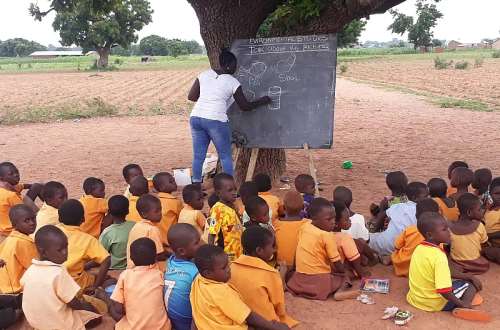
Only 17 of the 5,400 schools under trees have been completed by the Akufo-Addo-led-administration since 2021, according to some Civil Society Organisations and teacher groups.
A report put together by 10 CSOs including STAR-Ghana, CAMFEDand ActionAid added that at the current pace, it will take Ghana more than 300 years to eradicate the over 5,400 schools under trees, sheds and dilapidated structures.
“There are over 5,400 schools existing under trees, sheds and dilapidated structures, a situation which negatively affects, teaching, learning, and learning outcomes. The general learning environment is not only a disincentive for teachers to accept postings but also demotivates existing teachers while making school attendance unattractive to students.
“The government in 2021 announced a programme to replace all schools under trees, sheds and dilapidated structures with decent new school buildings by 2025. To date, only 17 have been completed. Given the current pace, it will take Ghana more than 300 years to eradicate the over 5,400 schools under trees, sheds and dilapidated structures, which is unacceptable.”
The report added that between 2015 and 2021, public basic schools grew by 12 per cent with private schools growing by 68 per cent but in the medium term 2018-2021, only an average of 0.8 primary schools were constructed each year per district.
The slow growth of public schools, due to the lack of adequate investment in basic school infrastructure suggests the government is shifting the responsibility of providing free compulsory universal basic education to the private sector, which is beyond the financial reach of the poor.
The CSOs and teacher groups also criticised thegovernment’s one student, one laptop initiative.
“Government’s plan to procure 1.3 million laptops to replace textbooks in Senior High Schools across the country does not represent efficient and prioritised use of public funds in the face of a heavily underfunded basic education sub-sector”.
The CSOs also made a number of recommendations they believe could help revive the country’s educational system if adhered to.
“The government must develop an emergency infrastructure expansion plan for overcrowded urban and peri-urban schools. The Plan must also include a purposive approach to bridging the 25 percent gap between primary and JHS while providing new schools for underserved communities. The government must deploy desks to all the 2.3 million pupils in underserved schools. Partnerships with the Forestry Commission and the private sector should be pursued,” the organisations recommended.
TheInternational Monetary Fund(IMF) has stated that Ghana’s economy is gradually recovering following the approval of the Fund-Supported program on May 17, 2023.
This was captured in a statement issued by the IMF after its Staff Mission led by Stephane Roudet, visited Ghana from June 8 to June 15, 2023.
The visit, according to the IMF, was part of its regulator engagements with Ghanaian authorities and other stakeholders.
Its Mission Chief, Stephane Roudet, in a statement noted that “the Ghanaian economy is showing signs of stabilisation, with softening inflation, an increase in international reserves, and a less volatile exchange rate.”
Mr Roudet noted that during their visit, the discussions focused on recent macroeconomic developments against a complex global economic backdrop.
The IMF was however quick to add that “timely restructuring agreements with creditors are essential to secure the expected benefits of theFund-supported programme.”
Issues discussed during the visit
The IMF statement also added that discussions focused on recent economic developments and implementation of the Fund-supported programme approved on May 17, 2023.
It also stated that “the Fund took stock of the authorities’ progress in meeting key commitments under the Fund-supported programme.”
The IMF maintained that these discussions were done in the context of the first first review of the Extended Credit Facility arrangement, which is expected to be undertaken in the Autumn that is November 1 2023.
It added that in discussing progress on the debt restructuring operations “we reiterated that timely restructuring agreements with creditors are essential to secure the expected benefits of the Fund-supported programme.”
Who did the IMF engage?
The IMF staff held meetings with President Akufo Addo, Vice President Dr Bawumia, Finance Minister Ken Ofori-Atta, and the Bank of Ghana Governor Dr Ernest Addison and their teams
The rest are representatives from various government agencies, the Parliament’s Finance Committee, the private sector, and civil society.
The Staff thanked the Ghanaian authorities and other stakeholders for their constructive engagement and support during this mission.
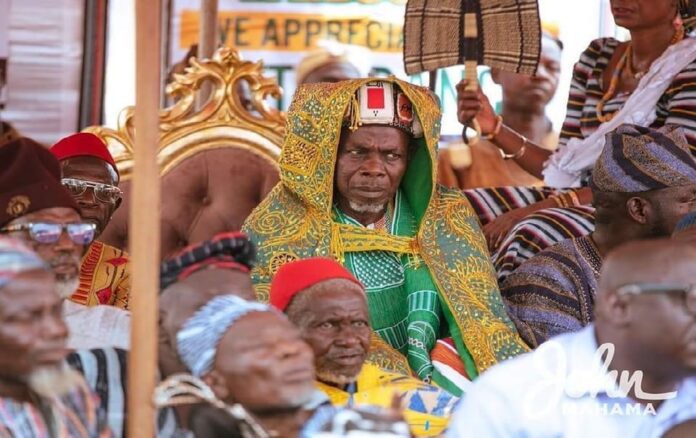
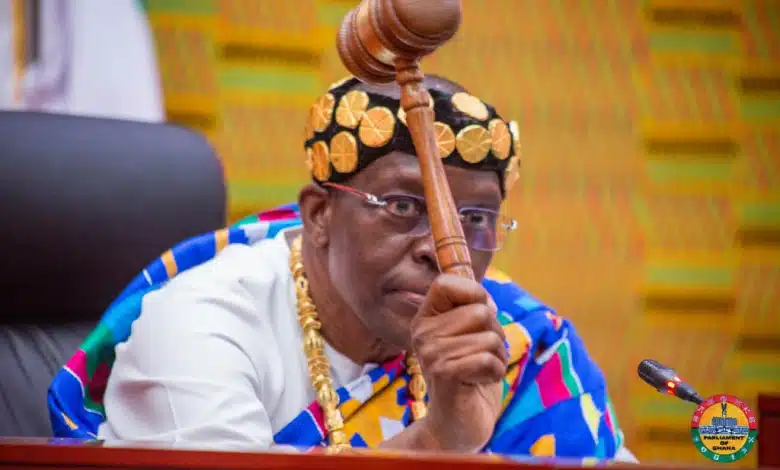
The Overlord of the Gonja Kingdom, Yabognwura BII Kunto Jewu Soale, has fervently appealed to the members of parliament to resist any attempt to accept the LGBTQcommunity in Ghana.
According to the king, the issue of LGBTQ pending before the Parliament of Ghana is an abomination and alien to the cultural practices and norms of Ghana.
“Our ancestors will never forgive us should we sit aloof and allow such a decision to be taken by the law makers to affirm LGBTQ,” he stressed.
“I am certain that, Ghana’s 8th Parliament of the Fourth Republic will unanimously disapprove the LGBTQ+ bill.”
The king made these remarks when the Speaker of Parliament paid a courtesy call on him at his private residence in Damongo as part of Parliament’s 30th anniversary celebrations.
Responding to the Yagbonwura’s call, Speaker Alban Sumana Bagbin stated emphatically his stand on the LGBTQ bill.
“I have said it and will say it again that I will rather perish than to see the LGBTQ+ bill approved under my watch though I don’t have a voting right.
“I administer the affairs of the House and I can assure you and the good people ofGhana that the LGBTQ+ bill will never be sanctioned to be in Ghana.”
The Promotion of Proper Human Sexual Rights and Ghanaian Family Values Bill, 2021, popularly referred to as the anti-LGBTQI+ bill is currently under review by the Parliamentary Select Committee on Constitutional, Legal, and Parliamentary Affairs.
The bill seeks to provide for human sexual rights and Ghanaian family values while seeking to prohibit the activities of gays, lesbians, bisexuals, transgender, and queers in Ghana.
According to the bill, a person found guilty could face up to 10 years imprisonment if the bill is passed into law.
Some Ghanaian students inUkrainewho are already traumatised by the impact of the Russia-Ukraine war seem doubly burdened as they simultaneously find themselves grappling with financial hardships due to unpaid allowances.
In a heartfelt plea to the Ghanaian government, these students expressed deep concern over the unusual delay in the release of their scholarship funds by the Ghana Scholarship Secretariat.
The students find themselves at risk of being withdrawn from their studies and potentially expelled from their educational institutions due to multiple notices received.
Seth Ofori Nyanzu, a final year student atDonetsk National Medical Universityin Ukraine, voiced his grievances and called upon the Ghana Scholarship Secretariat to intervene.
Nyanzu shared his personal experience, stating, “I’m a final year student in Ukraine and I happen to be a beneficiary of the Scholarship Secretariat in the year 2019/2020 when I was in my third year.
At that time, I had already been put on the expulsion list, and due to the fact that I did not pay my tuition fee, the school at that time – Donetsk National Medical University, had put me on the expulsion list. During that period, the Scholarship Secretariat had engaged us and had promised that they were going to offer some scholarships to needy students.
Fortunately, I was connected and I got that opportunity to benefit from the secretariat. That year, though the money came very late – that was when we entered 2020, but we were paid in full for 2019/2020, so I didn’t have any issues,” he said.
However, the situation worsened when the Russia-Ukraine war began. Nyanzu explained,
“The one for the 2020/2021 academic year also came but during that time, we didn’t receive the money until we got to the end of the academic year in 2021. They told us they were going to give us the stipend and the book allowances so we waited until that academic year was over and we entered into the 2021/2022 academic year. That was in my 5th year.
“We waited the whole of 2022 but the money didn’t come until we entered into 2022 and they promised they were going to pay. By then, we had had a series of meetings with the secretariat, with our coordinator, even with the scholarship administrator himself. There was even a time he was travelling and at the airport, he promised us that they were going to pay and that already, the money had been sent to the Ghana embassy in Berne and that they were going to pay us within that week that he was speaking with us. That was in January, and unfortunately in February, the war came,” he said.
Additionally, Nyanzu emphasized that due to financial constraints, he and many other disadvantaged students were unable to afford returning to Ghana.
“So, when the war came, there were issues with people moving from places to another, and about two weeks after the war, all lectures resumed normally in Ukraine but online, and for them, they were expecting us to pay our fees because they were offering us lectures. We communicated this to the Scholarship Secretariat, but through it all, after the several, countless meetings with promises after another, then there was an issue of they did not know whether to pay us or not, and that they did not know if we were attending the lectures and the fact that some had returned home and so there was no need for them to pay us.
“They then requested for evidence from us to show that we were still in school and we gave all the necessary documents and evidence, to the extent that we gave them the expulsion lists from the schools. In fact, we tried every other means but the secretariat, led by Hon Kingsley and Hon Joseph Djaba, who’s responsible for the Schengen countries and that of Ukraine, and they added another coordinator, Mr. Richard Gyamfi, several emails have been sent.”
He said while some of his colleagues have received approval for payment, those without political links have been left hanging.
“Sometimes, they have even told us not to text them again and that we should talk to the secretariat. Even those responsible to us are not ready to answer question, they are not willing to talk to us. Unfortunately for us, we only heard that some people among us have been given approval for payment, but for some of us without any strong political links, or someone to make a good case for us, we are left hanging.
“For me, for instance, I am a final year student and I’m just about to write my final exams and graduate, but because I’ve not paid my fees, my school wants to expel me to prevent me from writing my final exams, and for that matter, I may have to repeat one more year. For some of us, we couldn’t come back to Ghana to finish our studies because we only had one more year to complete, and the conditions for people to come to Ghana was that they were not going to admit anybody beyond third year or fourth year,” he added.
In an interview with the media, Nyanzu expressed hope that the Scholarship Secretariat would urgently provide assistance to enable them to complete their education. He pleaded, “…We are pleading through your medium, please the Scholarship Secretariat should pay, at least, some of us that we are depending on this for our survival. The money that is needed if our fees so that we can just graduate in peace because I can’t spend six, seven years in school and because of a year or two – and for two years now, the Scholarship Secretariat has not paid us students from Ukraine anything… and to some extent, we are even being threatened that we shouldn’t go to the media, but yet nothing has been done,” he said.
Rating Agency, Fitch, has stated that Ghana still needs to do more in restructuring its its debt of $400 billion.
According to the UK-based firm, there could be a second round of the Domestic Debt Exchange Programme (DDEP).
Ghana is seeking to get debt relief of about $10.5 billion from its external creditors for the next four years.
Speaking on key credit stories of African Sovereigns and Banks, Senior Director in charge of Emerging Market Economies at Fitch, Toby Iles, said, talks on the external debt restructuring have kept long.
“We haven’t had the official creditor committee meeting, so we still quite have a long way to go. Maybe the historic track record on the common framework is moving slowly…that is not great, maybe Ghana can be a bit different”.
“And there’s still quite a lot of work to do. And especially as mentioned, there may still be a lot happening on the domestic debt front”, he added.
Mr. Iles outlined further that the domestic debt exchange did not involve all domestic bonds.
“The domestic debt exchange in some way has been completed but there could still be more to come. In terms of the impact of that before moving to the external side [debt], this has clearly helped Ghana in terms of liquidity. So the interest due is much lower and the principal repayment will also be much lower in the near term. I think we are estimating that in 2023, this means 5% of GDP less in debt service interest in principal. So that’s quite meaningful”.
Again, the Senior Director in charge of Emerging Market Economies at Fitch, said despite liquidity improving, Ghana’s solvency issues have not been addressed.
“Though liquidity has improved, it doesn’t really address Ghana’s solvency issues. And so come three or four years from now, when coupon rates pick up again, repayment pick up again, the problem start again. That’s why there are these negotiations remaining with Eurobond holders which must be completed.”
In the ongoing debate concerning the legalization of LGBTQ+ activities in Ghana, Speaker of Parliament Alban Bagbin has expressed strong opposition, stating that he would rather face death than support such the move.
He explained that being Catholic, he would rather sit on the fence than be a part of the agenda to legalize the activities of the minority group.
“For you all to participate in it, count me out of Ghana because I will prefer to join my maker than to live. That is me I am a Catholic and I will not do anything that will end the world because God says the world is eternal until he comes back, we cannot do that to end the world,” a report by dailyguidenetwork.com quoted him.
The report added that Alban Bagbin made the comments during a press soirée in Tamale as part of Parliament of Ghana’s 30th anniversary celebration, on the theme: “Thirty(30) years of ParliamentaryDemocracy Under the Fourth Republic; The Journey thus far.”
Parliament is currently considering a Private Member’s Bill titled the Promotion of Proper Human Sexual Rights and Ghanaian Family Values Bill, 2021, popularly referred to as the Anti-LGBTQI+ Bill.
The bill is spearheaded by the Member of Parliament for Ningo-Prampram, Sam Nartey George.
Some Ghanaian medical students training abroad have a desperate concern about their futures as there has been an unusual delay in the release of their scholarship monies from the Ghana Scholarship Secretariat.
For a number of these students, several notices from their schools of studies have been given them, and soon, they could be withdrawn from their studies, and eventually from the school.
Speaking in an interview, one of the desperate students, Seth Ofori Nyanzu, a final year student of Donetsk National Medical University in Ukraine, pleaded with the secretariat to help him graduate.
He fears if the secretariat does not intervene soon, his six to seven years in medical school would have all gone to waste and that would mean that his life would become a mess.
Explaining the genesis of all these issues, Seth said that all seemed to be going well until the Russia-Ukraine War started in 2021.
“I’m a final year student in Ukraine and I happen to be a beneficiary of the Scholarship Secretariat in the year 2019/2020 when I was in my third year. At that time, I had already been put on expulsion list, and due to the fact that I did not pay my tuition fee, the school at that time – Donetsk National Medical University, had put me on expulsion list.
“During that period, the Scholarship Secretariat had engaged us and had promised that they were going to offer some scholarships to needy students. Fortunately, I was connected and I got that opportunity to benefit from the secretariat. That year, though the money came very late – that was when we entered 2020, but we were paid in full for the 2019/2020, so I didn’t have any issues,” he said.
He added that, “The one for the 2020/2021 academic year also came but during that time, we didn’t receive the money until we got to the end of the academic year in 2021. They told us they were going to give us the stipend and the book allowances so we waited until that academic year was over and we entered into 2021/2022 academic year. That was in my 5th year.
“We waited the whole of 2022 but the money didn’t come until we entered into 2022 and they promised they were going to pay. By then, we had had a series of meetings with the secretariat, with our coordinator, even with the scholarship administrator himself. There was even a time he was travelling and at the airport, he promised us that they were going to pay and that already, the money had been sent to the Ghana embassy in Berne and that they were going to pay us within that week that he was speaking with us. That was in January, and unfortunately in February, the war came,” he explained.
The final year medical student further stated that although the war brought a lot of people back to Ghana, he and a number of very needy students could not afford such a move.
He explained that such a move would have meant that they would have to backtrack another two years just so they can continue their education in Ukraine.
Besides, he added, he and others like him were already in their final years and the conditions presented by the Ukrainian authorities would not have helped them.
“So, when the war came, there were issues with people moving from places to another, and about two weeks after the war, all lectures resumed normally in Ukraine but online, and for them, they were expecting us to pay our fees because they were offering us lectures. We communicated this to the Scholarship Secretariat, but through it all, after the several, countless meetings with promises after another, then there was an issue of they did not know whether to pay us or not, and that they did not know if we were attending the lectures and the fact that some had returned home and so there was no need for them to pay us.
“They then requested for evidence from us to show that we were still in school and we gave all the necessary documents and evidences, to the extent that we gave them the expulsion lists from the schools. In fact, we tried every other means but the secretariat, led by Hon Kingsley and Hon Joseph Djaba, who’s responsible for the Schengen countries and that of Ukraine, and they added another coordinator, Mr. Richard Gyamfi, several emails have been sent.”
He said while some of his colleagues have received approval for payment, those without political links have been left hanging.
“Sometimes, they have even told us not to text them again and that we should talk to the secretariat. Even those responsible to us are not ready to answer question, they are not willing to talk to us. Unfortunately for us, we only heard that some people among us have been given approval for payment, but for some of us without any strong political links, or someone to make a good case for us, we are left hanging.
“For me, for instance, I am a final year student and I’m just about to write my final exams and graduate, but because I’ve not paid my fees, my school wants to expel me to prevent me from writing my final exams, and for that matter, I may have to repeat one more year. For some of us, we couldn’t come back to Ghana to finish our studies because we only had one more year to complete, and the conditions for people to come to Ghana was that they were not going to admit anybody beyond third year or fourth year,” he added.
Seth Nyanzu is hopeful that the Scholarship Secretariat would urgently come to their aid and help them complete this long journey of training to be doctors.
He also expressed great worry because he said that there have been instances where they have been warned against speaking with the media, but he said this is the only way he can get the attention of the right authorities in redressing his issue.
“So, we are pleading through your medium, please the Scholarship Secretariat should pay, at least, some of us that we are depending on this for our survival. The money that is needed if our fees so that we can just graduate in peace because I can’t spend six, seven years in school and because of a year or two – and for two years now, the Scholarship Secretariat has not paid us students from Ukraine anything… and to some extent, we are even being threatened that we shouldn’t go to the media, but yet nothing has been done,” he explained.
Professor of Applied Economics at Johns Hopkins University in the United States, Steve Hanke, has stated that the recently agreed IMF agreement won’t resolve Ghana’s issues.
The Economics Professor who has been monitoring the country’s economic performance for some time now said Ghana’s current inflation stands at 50% almost 5% higher than the rate announced by the Ghana Statistical Service in May 2023.
Prof. Hanke has bemoaned the fact that the computation by the Ghana Statistical Service does not reflect the true state of the country’s inflation.
He also added that another IMF deal will not solve Ghana’s problems since the country had been to the Fund severally without seeing any growth and improvement in the country.
On June 11, 2023, he wrote on Twitter: “Today, I measured inflation for #Ghana at 50%/yr. Another IMF program won’t save Ghana. After all, all of Ghana’s past IMF programs have failed. Why would a new one work?”
Ghana has secured a $3 billion loan facility from the International Monetary Fund to aid in its economic recovery.
The 3-year programme is expected to restore macroeconomic stability and boost the country’s balance of payments among other things.
Police in the Canadian city of Mississauga have seized eight stolen vehicles that were about to be shipped to Ghana.
According to a report by Insauga.com, detectives from the Regional Municipality of Peel executed a search warrant on Friday, June 9, 2023, leading to the recovery of the eight vehicles at a business location near Drew Road and Torbram Road in Mississauga.
The vehicles, estimated to be worth approximately $650,000 in total, were in the process of being shipped to Ghana.
The eight cars consist of a 2020 Mercedes GLEC, a 2021 Mercedes GBG TY, a 2021 Honda CRV, a 2020 Honda CRV, a 2021 Honda CRV, a 2020 Honda CRV, a 2020 Honda CRV, and a 2021 Honda CRV.
The report added that several of the cars have since been returned to their owners, while the police have issued a call for more information.
Ghana Is fast becoming a destination for stolen cars especially from Europe and America.
An investigation by Mariana van Zeller for the National Geographic Channel, published in April this year, exposed a sophisticated car smuggling syndicate traced to Ghana.
The investigation started in the United States of America, where the investigative journalist followed the activities of a gang involved in stealing of luxury cars.
Some of the gang members who spoke to Van Zeller explained how they carry out their activities and the structure of the international crime syndicate that sees stolen cars from the streets of America end up in third world countries like Ghana.
Van Zeller traveled to Ghana to meet some of the local players.
She met a hacker/black market trader and another person who handles the business aspect of the enterprise.
The two provided the journalist with insights into the local trade of stolen cars and how they are able to get the cars into the Ghanaian system without raising any red flags.
With import duties costing as much as 20% of the value of a car in Ghana, the hacker told Van Zeller that he can hack into the system of the Customs Division of the Ghana Revenue Authority to help the syndicate evade paying the required import duties.
“It is my duty to attack the Tema Harbour… We make it seem as if you’ve paid everything,” the hacker stated.
As the final destination, the Ghanaian syndicate is considered to be at the top of the international car smuggling syndicate.
Identifying himself as Ivan, a man who leads the importation and sale of stolen cars in Ghana, opened up about the gang’s operations to the journalist.
“It is possible that most of these cars are stolen. Most of the boys come here to hang out. There are top guys that are in the business now; the stolen cars business. This is how some family generations have made money,” Ivan told the journalist as they drove through areas in Accra where the nightlife is buzzing.
Overall, the investigation revealed that the Ghanaian players are at the pinnacle of the international car theft ring. They make the most money from a criminal enterprise that sees cars belonging to people in America stolen and shipped over six thousand miles away from their owners.
EOCO retrieves stolen cars from garages in Accra
In December 2022, the Economic and Organized Crime Office (EOCO) retrieved thirty-seven vehicles suspected to have been stolen from the United States of America (USA) and Canada.
The operation, carried out in collaboration with the Federal Bureau of Investigation (FBI) and Royal Canadian Mounted Police (RCMP), was based on an intelligence-led approach.
In a press statement, EOCO stated that the vehicles were recovered from garages in Ghana on December 9, 2022, and the suspects have since been questioned and granted bail.
“The Economic and Organized Crime Office (EOCO), in collaboration with the Federal Bureau of Investigation (FBI) and Royal Canadian Mounted Police (RCMP), has carried out an intelligence-led operation to retrieve various specifications of luxury vehicles suspected to have been stolen from the United States of America (USA) and Canada.
“On Friday, December 9, 2022, thirty-seven (37) such vehicles were retrieved from garages in Accra, during which ten (10) persons were arrested. The suspects have since been questioned and granted bail,” the statement further added.
Ghana is set to host it sixth Ghana Events Industry Conference in Takoradi, Western Region, in November.
The conference organized by the Event Vendors Association, Ghana (EVAG) would be on the theme: “A year of adaptability and implementation.”
Kate Hassan, President EVAG, said the theme for the conference was carefully chosen because event vendors played a very critical role in the event industry and the hospitality industry in general.
“Adaptability often includes skills such as problem-solving, communication, creativity, interpersonal skills, flexibility, self-awareness, open-mindedness, and organizational abilities as well as the ability to quickly learn new skills, the process of technologies, and the willingness to change or grow your business and its objectives.”
She said the key to the successful implementation of any idea was to create a plan that identified the specific needs of your business, including timelines, objectives, roles and responsibilities, and implementation strategy.
“Once the plan has been created, and approved, it is then important to execute it in a timely and effective manner, through the provision of adequate training, support, and resources to ensure the growth of your business.”
Hassan indicated that happenings in society were based on events, be they social or corporate, and there were lots of individuals who play critical roles in the value chain and contributed largely to the economic growth of the country.
She said the idea for the initiation of the conference was to build a formidable team to work together, build their capacity and encourage each other to learn new skills to become better in their field of work and impact the industry, for it to grow more stronger.
“Currently there are about 600 EVAG members across the country, so we decided to hold this year’s conference outside Accra for other members to also feel part of the fraternity, hence Takoradi was chosen.”
Hassan said the Conference would be preceded by the nominations for awards from July 3 to August 3, after which voting would start from September 4 to 30.
“Vetting for final winners will be from October 4 to 10, and the conference itself will start from November 6 to 8.”
Some activities lined up for the conference include a welcome party, the conference sessions, and the after-party.
“The awards night will be held in Accra on November 15.”
Caleb Kofie, National Secretary, Ghana Tourism Federation, said the event forms one of the biggest contributors to the hospitality sector and had a critical role to play in all aspects in all settings.
“Ghana is currently beginning to take and invest in events and has also now taken center stage in the Christmas festivities. Hence much more attention must be paid to the event vendors.”
Kofie said in order to really make an impact in the industry and be appreciated we must push the powers that be to put a spotlight on entities and brands such as EVAG, to maintain a particular standard for event organization in the country while promoting the industry.
“We have got a whole package as industry players but there are a lot of gaps in the system so we must work hard to complement efforts by other stakeholders in order to drive tourism excellence using the event brand.”
He assured EVAG of the continued support of GHATOF, saying “we are with you, you have our support. Whatever is required to ensure that we push EVAG to the highest level we are prepared to do it.”
Age, height, and family history are a few variables that may improve the likelihood of having twins if you want them.
Yourfood, nevertheless, might also play a significant part in making it possible.
According to studies, certain foods have been known to increase the chances of conceiving twins if eaten regularly.
Here are five of them:
1. Foods rich in folic acid
Folic acid also known as folate is a soluble vitamin that has many functions in the body. It is a supplement recommended for pregnant women as it promotes fetal growth and reduces the risk of birth defects in newborns.
Foods that contain folic acid include avocado, broccoli, brussels sprouts, cabbage, spinach, legumes, asparagus, liver, pasta and breakfast cereals.
Some studies have found some connection between folic acid and increased chances of conceiving twins.
It is believed that 40% of women who take extra folic acid while trying to get pregnant may have a slightly higher chance of giving birth to twins. It is however advised to consult your doctor for the recommended dosage.
2. Maca Root
Over the years, Maca root also known as Peruvian Ginseng has proven to be beneficial in boosting fertility. This fertility treatment which also helps balance and regulate women’s hormones is said to increase chances of getting pregnant with twins. It can be consumed by adding the dried or powdered form to your smoothie, tea or yoghurt.
3. Yam
Yams are a rich source of progesterone and phytoestrogens which may lead to hyper ovulation thus increasing your chances of multiple births. Hyper ovulation occurs when women release more than one egg during ovulation.
It is no surprise that Igbo-Ora, a town located in Oyo State, Nigeria has an unusually large number of twin births earning it the nickname “Twin Capital of the World”.
Studies show that the high amount of yam in their diet was a reasonable cause of twin or multiple births contributing to a twin birth rate four times higher than the entire global average.
4. Dairy products
A study in 2006 showed that women who regularly consume dairy products e.g milk, yoghurt, butter are five times more likely to have twins.
This may be as a result of Insulin Growth Factor (IGF), a growth protein that is present in cow milk and can also be gotten from other animal products.
When a woman consumes a larger quantity of dairy products, she is prone to release more than one egg during ovulation and this increases her chances of conceiving non-identical twins.
5. Cassava
Cassava like yam is also known for increasing fertility. It also helps increase the chances of getting pregnant twins due to its hyperovulation properties.
According to experts, natural hormones in cassava may trick the brain into thinking there is insufficient estrogen, causing the brain to naturally release more of a hormone called gonadotropin, which increases the ovulation rate.
Cassava can be consumed in the form of garri, tapioca, lafun etc.
The report highlights that approximately 35% of Ghana’s land is under imminent threat of desertification, necessitating immediate action to combat this growing crisis.
The environment has long been a crucial component of Ghana’s socio-economic development, providing natural resources, sustenance, and employment opportunities. However, improper management of these resources has resulted in detrimental consequences that undermine the country’s social and economic progress.
Using the Environmental Systems Framework, the ISSER report shed light on the continuous degradation of various environmental elements, including the atmosphere, freshwater, biodiversity, and land, between 2016 and 2022.
These findings exposed the pressing need for comprehensive policies and regulations to address the escalating environmental challenges in Ghana.
One of the concerning trends highlighted in the report was the rising temperatures experienced in the country over the years, with 2020 registering the highest increase, and closely followed by 2016.
Ghana’s greenhouse gas emissions have also seen a significant uptick, standing at 58.56 MtCO2e in 2019, representing a 16% surge compared to the baseline levels in 2016.
The issue of freshwater pollution has been exacerbated in recent years, primarily due to the prevalence of illegal small-scale mining, known as “galamsey.” This activity has resulted in severe contamination of water bodies, posing a significant threat to aquatic ecosystems and human health.
The report further highlights the critical state of Ghana’s wildlife, with several species, including the blue whale, common chimpanzee, Egyptian vulture, African grey parrot, and Baker’s wood mouse, being classified as endangered. This alarming trend underscores the urgent need for concrete efforts to protect Ghana’s unique biodiversity.
To address these environmental challenges, ISSER recommends a series of strategic measures and actions. These include expediting the implementation of the long-term National Development Plan of Ghana (2018-2057), empowering environmental sustainability enforcement bodies and institutions, promoting climate-smart agricultural practices, accelerating the implementation of the community mining module, and increasing public awareness about the importance of environmental resilience.
In light of the upcoming Green Ghana Day, ISSER also emphasises the need for meticulous monitoring of the growth of trees under the ‘Green Ghana Agenda.’ It is crucial for the government to track progress accurately to ensure the success of this initiative and combat deforestation effectively.
Policy Analyst and Economist, Dr. Theo Acheampong, cautions that Ghana may face difficulties in obtaining debt relief of around $10.5 billion from foreign creditors, including bilateral lenders.
According to him, experiences from Zambia and others suggest that the road ahead for the nation to secure $2.6 billion annually in debt relief for the next four years will be difficult.
The country has already submitted a proposal on debt restructuring to its official creditors.
But speaking to Africa News, Dr. Acheampong said the country may not get a favorable deal from the external creditors.
“What Ghana wants to do is over the course of the next three, four years under the IMF programme, get as much as 10 and half billion dollars of relief coming from the creditors. So more than half of the $20 billion debt is what it’s looking to get from them [external creditors] and that translates to about $2.6 billion every year that Ghana hopes to get in the form of relief or retrieve from these creditors.”
“It’s going to be a bit difficult because we’ve seen similar instances with the likes of Zambia. But there’s been a major contestation around how we treat certain creditor groups”, he explained.
He furthered that Ghana is too much exposed to Eurobonds and other commercial loans, adding, “So I think, the road ahead is going to be quite challenging in the sense that all the $2.6 billion they [creditors] need to get every year, it probably will not amount to that and this is just on the basis of some of the evidence we’ve seen with other countries that have attempted to go down this road”.
Continuing, Dr. Acheampong said “It does make it quite difficult largely because most of the commercial creditors have different obligations to their shareholders, but also because Ghana in a way defaulted on making the interest payment on a number of these debt obligations since December of last year”.
Again to him, it does make the process rather much more complicated since Ghana has already indicated that it is looking at haircuts of about 30% to 50%.
“I think that is going to be a bitter pill to swallow for a number of these commercial creditors”, he added.
Government sends proposal on debt restructuring to official creditors
The government is said to have sent a proposal on the restructuring of its external debt to its official creditors.
According to Reuters, the ‘working proposal’ is however not legally binding.
Ghana experienced a significant 32% surge in gold production last year, allowing it to reclaim its position as the largest gold producer in Africa from South Africa, the president of the mines chamber said on Friday, according to Reuters.
After experiencing a substantial decline in output, Ghana had relinquished the top spot to South Africa in 2021.
However, in 2022, gold production in Ghana rose to 3.7 million ounces, a notable increase from the previous year’s 2.8 million ounces. This growth can be attributed to advancements in both the large-scale and small-scale sectors of gold mining in the country.
“The large-scale gold sub-sector recorded its highest output in the country’s history in 2022,” Joshua Mortoti, the President of the Ghana Chamber of Mines, told members at the annual general meeting.
He said a combination of output and the expansion of production at existing mines drove the large-scale sector’s contribution to national gold output up by 13% to 3.1 million ounces last year from 2.7 million ounces in 2021.
Mortoti said member companies of the mines chamber had sold over 77,620 ounces of gold under the Domestic Gold Purchase Programme, a scheme launched by the Bank of Ghana to boost reserves.
A 3.4% decline in South Africa’s mining production in the second quarter of 2022 was led by a decrease in gold and coal mining – gold production was down by 11.7% and coal by 5.7%, according to reports.
According to Statistics South Africa (StatsSA), the domestic mining production decreased by 8.4% year-on-year in July 2022.
StatsSA said that largest negative contributors were gold (a decline of 19.7%, contributing -3.1 percentage points); platinum group metals (-12.2%, contributing -2.8 percentage points); and iron ore (-20.4%, contributing -2.7 percentage points).
Vice President, Dr. Mahamudu Bawumia, has praised Taptap Send Africa, an international money transfer firm based in Ghana, for its dedication to encouraging digital growth in remittances into Ghana.
Dr Bawumia commended the company when he visited their booth at the just ended 2023 Ghana Investment and Opportunities Summit in London, under the auspices of the Ghana Investment Promotion Authority.
The third edition of the Ghana Investment and Opportunities Summit (GHIOS), which took place at the London Hilton on Park Lane, on 6th and 7th June 2023, saw captains of industry and business leaders showcase Ghana to the world as the choicest investment destination in Africa.
Responding to the remarks by the Vice President, Mr Darryl Abraham Mawutor, the Growth Director in charge of Africa for Taptap Send Africa said they have been motivated to do more in their operations to increase remittances to Ghana.
He pledged that Taptap Send would intensity their public outreach on financial literacy, while improving customer experience across the world by addressing challenges that people face in transferring money to Ghana.
Taptap Send has established a call centre with a staff strength of 29 persons that speak Ghanaian and other international languages, to help satisfy the needs of customers in a marker of growing cybersecurity concerns.
Mr Mawutor said the effort by the company was to increase the confidence of customers and help increase remittances into Ghana, which stood at $4.7 billion in 2022 and projected to reach $5bn by the end of 2023.
Global remittances account for more than $500 billion annually, most of which moves into developing countries, with a market dominated by traditional services, which he said caused delays and limited reach.
“We’re therefore helping people to send money instantly and securely at no fee by deepening our connections in Ghana and positioning our operations to attract more remittances to support economic growth by making money transfer seamless and safe,” he said.
“The basis of what we’re doing is to create employment by increasing access to financial technology services, get people to make money and grow the Ghanaian economy,” he added.
The Growth Director said he was confident that when the Government and all stakeholders in the finance and technology sectors work more collaboratively, Ghana would become a hub to attract more fintech companies and remittances.
“There are a lot of people with the requisite skills who only need the opportunity to work with global companies with the right policies and conducive environment and support systems, and once we have this, Ghana’s finctech sector will transform,” Mr Mawutor said.
Taptap Send, which operates in the United Kingdom, United States, Canada and Europe supports payments into African countries including, Ghana, Senegal, Mali, Guinea, Kenya, Ivory Coast, and Zambia as well as Asia.
The venture-backed company has investors Reid Hoffman – an American internet entrepreneur and former co-founder of LinkedIn, the Omidyar Network – a social change investment firm, and Helois – a private investment firm.
Current Chairperson of the Convention People’s Party (CPP), Nana Akosua Frimpomaa Sarpong Kumankumah, has stated that her party was and continues to be the best in Ghana.
The CPP Chairperson conclusively added that no other political party in Ghana has been able to match or outdo Osagyefo Kwame Nkrumah’s CPP in terms of development.
To buttress her position, Nana Akosua Sarpong referred to the quality road networks (the motorway linking Tema and Accra Mall) the CPP government provided when they were in power.
She was speaking on Election Desk with Etsey Atisu on GhanaWeb TV.
“CPP is still the greatest party in Ghana. Do you know why? Nobody has matched our efforts. You see the motorway, till today, is the only road that really really has stood the test of time and it was done under the CPP government.
“Even though it was concrete, cement, after almost 60 years now, if there are potholes, they just use bitumen, ordinary coal tar to fill it and that’s the kind of factory we have,” she said.
The CPP flagbearer hopeful also chastised successive governments for allowing the country to deteriorate to its current state of unavailability of running factories.
“Something as basic as sugar that we all consume. Something even as basic as pencil, go to the pencil factory in Kumasi; it’s there and abandoned,” she added.
After serving a four-year prison sentence for stabbing a friend, Sam Safo, a popular Ghanaian musician and socialite known as Showboy, is set to be deported from US to Ghana.
Showboy who announced his release from prison today, June, 7, on Instagram yesterday said he wanted to be in Ghana.
“Follow my new snap chat-Ahantan. I wish I was in Ghana lol. Anyways, I’m getting released tomorrow 06/07,2023 … my last night in prison!(sic)”.
Showboy was sentenced to serve six years in prison in March 2019 for stabbing Junior US, a US based Ghanaian musician during a tussle.
Junior US survived the stabbing but was later killed in a robbery attack in 2021.
At the time of Junior’s death, many people accused Showboy’s “men” for carrying out the crime but that was disputed when the real culprits were later apprehended by the US Police.
Showboy had a good relationship with Criss Waddle
Even though Showboy was in detention, he was quite active on social media giving details of his life and events leading to his incarceration.
In one of his posts last year, he accused Criss Waddle, founder of AMG Record label, which he is said to be co-founder for setting him up.
“5yrs ago Criss Waddle sent junior us to my house (apartment) … they set me up..my life hasnt been the same since then. July 3,2016 . I never forget this day. U can read the statement and see the lies they told police, came to court and denied everything and said they scared of me,”
“Told court am a Gunsta .. prosecutor told me I got a Huge Ego and said I call the shot .. I was profiled .. if not Criss Waddle sending Junior to me to come pay me money he Criss Waddle owed ..all this never was going to happen .. Junior us was never my friend. That was Criss Waddle friend that hated on me out of jealousy .. I was set up by Criss Waddle and his friends. .thats the facts … still ain’t got no visit from Criss Waddle till today. .. haven’t seen him in 5yrs(sic),” he wrote at the time.
Perhaps, Showboy gave a hint of his deportation in April this year in a Facebook post.
This is what he said, “Dem want deport me ..a make sad rough. .. a taya for life … if a come Ghana too Boyz want beat me especially criss waddle and shatta wale in friends lol …. make a sign for deportation or sit for another 1yr or 2 for immigration detention to fight for ma stay and still be on 9yrs probation. .. or to just sign for the deportation n come face death or happineass in Ghana …… lol am stressed, I can’t think far ..
Sometimes I think God don’t like me”.
till today. .. haven’t seen him in 5yrs “
“Being doing time for almost 2 and half years now … still depressed ..still suffering mentally … I am not innocent ,I was attacked first and I defended myself by stabbing. .I dont have control off ma adrenaline ..I did whatever to survive at the moment. .THEY SET ME UP ..TOOK MY FREEDOM FROM ME …. U ASK WHY AM MENTALLY UNSTABLE..THIS IS .. I DONT HAVE NO FRIEND ,NOBODY TO TRUST … JUST FAKE LOVE ALL AROUND ME (sic)”.
The government has submitted a proposal to its official creditors regarding the restructuring of its external debt.
Although the ‘working proposal’ is not legally binding, according to Reuters, it marks a significant move by the government to engage the Official Creditor Committee, which includes the Paris Club formed in May 2023, in discussions about the country’s debt restructuring program.
This submission initiates a more comprehensive negotiation process that is expected to involve the exchange of several proposals.
It highlights the government’s participation in the Common Framework process, established by the G20 in 2020, aimed at facilitating joint negotiations for sovereign debt restructuring involving newer creditor nations like China.
Ghana is hoping to cut about $10 billion out of a total of $52 billion over the next three years to successfully implement the International Monetary Fund programme.
The country’s debt to China and members of the Paris Club is estimated at $5.4 billion. As of December 2022, the total external debt stood at $28.9 billion.
It has already completed a Domestic Debt Exchange Programme in February 2023 in which about 65% of bondholders took part in the exercise.
Staff from the International Monetary Fund (IMF) are scheduled to arrive in Accra this week for a mission visit aimed at monitoring the progress of Ghana’s Economic Recovery Programme.
During the visit, the IMF team will engage with various stakeholders involved in the implementation of Ghana’s programme.
This visit holds significance as it marks the first review since Ghana entered into a programme with the IMF on May 17, 2023.
However, it is important to note that this mission visit “ is not a review of Ghana’s Programme, but a regular Mission Visit to track progress of the country’s programme,” a source told Joy Business.
The mission visit to Ghana will be led by Stephane Roudet, the Mission Chief for Ghana from the Fund. As part of their visit, the team will hold meetings with key figures such as Vice President Dr. Mahamudu Bawumia, Finance Minister Ken Ofori-Atta, and representatives from the Bank of Ghana.
Furthermore, the IMF team will engage with the Finance Committee of Parliament and various interest groups. These meetings aim to ensure the participation and collaboration of all relevant parties in the implementation of the programme.
The IMF team will assess the government’s advancement in meeting the targets set for the end of June 2023. Their visit is expected to conclude by June 16, 2023.
Ghana has been grappling with a severe economic and financial crisis, characterized by an unsustainable debt burden.
The country has been significantly impacted by a combination of pre-existing vulnerabilities and external shocks, including the COVID-19 pandemic and the conflict in Ukraine.
These factors have contributed to mounting financing pressures, a devaluation of the national currency (cedi), diminishing international reserves, a slowdown in economic activity, and high levels of inflation. In view of this, the government ran to the IMF for assistance.
On May 17, 2023, the IMF Executive Board granted approval for a 36-month Extended Credit Facility (ECF) arrangement for Ghana, amounting to SDR 2.242 billion (approximately US$3 billion).
This decision paved the way for an initial disbursement of SDR 451.4 million (about US$600 million), with the remaining funds set to be disbursed in subsequent tranches every six months, subject to program reviews endorsed by the IMF Executive Board.
Diasporans, descendants of Africa dispersed across distant lands, are undertaking a transformative journey of repatriation, reconnecting with their roots and rediscovering the continent their forebears once called home.
Since 2019, after Ghana successfully hosted “The Year of Return” to encourage people of African descent across the world, particularly those in the diaspora, to visit Ghana and connect with their African roots, many have made what has now become the best decision of their life to relocate.
In this article, we look at the family of Daniel who have moved from the UK and plan never to return (with regards to permanent residency) but rather, make a home for themselves here in Ghana.
Daniel moved down to Ghana about three years ago and has since never regretted his decision. Engaging Ghanaian YouTuber, Capt Hayford, Daniel recounted the hardship he and his family encountered while in London just because of the colour of their skin.
When push came to shove, Daniel moved to Ghana and has since faired relatively well as he began working on a 52 acres land he acquired in “nowhere”.
According to Daniel, he had no one to look up to before settling down but has been able to do so much for himself and his entire family he hopes would join him soon.
“When I was coming, I was looking for families that have moved to Ghana and it was hard enough at that time. We are all here. We are not suffering,” he said.
To the many other diasporans out there yearning for belonging, he encouraged them to take the bold decision as it would be better “suffering here than the UK.”
“We came, we paved the way and now they are here. Not like it’s going to be easy but make the move. I’d rather suffer here than the UK. I mean it is cold. Let us suffer in the heat,” he said.
As Daniel relocated to Ghana some three years ago, he hoped to be joined by some of his family members. In May 2023, he was joined by his two daughters, son-in-law and his two grand children.
His eldest daughter, Jada and her husband, Kay, after pondering over moving down to Ghana in November 2022, finally took the step last month.
In their interactions, the couple noted that they felt some sort of relief immediately landed into the country.
Kay described feeling the air of Africa as amazing, whereas Jada said it was “a sigh of relief.”
“I was trying to smell the air. Feel the heat and I can’t describe the feeling. Pure excitement,” she added.
The duo who met on Tinder had a lot in common over what pushed them to make the life-changing decision.
For Jada, it was the cost of living coupled with issues of racism against herself and her children.
“Life in the UK, it was getting on top of us. The cost of living crisis and that was getting to us. There was lot of pressure being a 22 year old,” she said.
On the offense of being black, Jada said they were “not seen at equals”.
The photographer and videographer became teary-eyed as she recounted the harsh experience her son had to encounter – a situation of isolation.
“My son went to school for reception for about a term and I didn’t want to send him to a public school but I sent him and we have conversations about how your day at school. He told me I don’t have friends. He said the little boys in my school don’t want to be my friend because I am not white,” she recounted.
On his part, Kay, who had always thought about heading down to some part of Africa, as young as 14, but had no idea about the route he’d have to take shared some experiences of racism.
“I was playing a school football match and I’m the only black person on the pitch and there is a crowd of people on the sideline to get out of here and go back to where I come from. Telling me I’m dirty,” he agonizingly recalled.
According to him, he felt “powerless as a child”.
But now, the family have tasted inclusion and are elated to share their wonderful experiences here in Ghana.
Jada noted that she can execute her tasks as a mother happily as she would not be struggling to keep up with the bills, counsel tax among others as in the UK.
“Here, they have the space to run around and be free. In the UK, our house was so small. Playing football in the house and all those things, you can imagine how that goes,” she added.
Jay of Nigerian descent noted that Ghana was the best place to come instead of his home of origin due to the current insecurity, however, was optimistic of a better Nigeria in the not so distant future.
“I have family there. I have access to land and all that. But within me, I felt Ghana was the better place to come. In Nigeria, it is a bit of different situation at the moment. But I know in the future, they will have the same kind of peace and tranquility that there is in Ghana,” he shared.
Appreciating the peaceful ambience in Ghana and the great potential of Africa, he entreated all to return home, Africa, as “you are going to be seen for who you are”.
The Chamber of Petroleum Consumers Ghana (COPEC) has urged the initiation of a comprehensive audit to determine the current level of debt in Ghana’s power and energy sector.
This comes at a time when the Public Utility Regulatory Commission (PURC) has increased electricity tariff by 18.3 per cent and has since indicated of a further increment any time soon to help defray outstanding debts of the Electricity Company of Ghana.
In an interview with Citi Business News, the Executive Secretary of the Chamber of Petroleum Consumers Ghana (COPEC), Duncan Amoah, questioned the back lock of debts recorded in the power sector.
“One wonders where the monies we all pay through the ECG to be used to pay the services the IPPs have rendered go. Is it really being given to them or they collect the monies then people decide to do whatever they want to do with the money, accumulate back log of debt and then go to call about a certain debt restructuring?,” he quizzed.
“Whatever we are doing as country with the power and energy sector, we would need to probably have a thorough audit because it clearly baffles as there is a conversation of even increasing ECG charges again within a very short period of time”.
Meanwhile, the Independent Power Producers (IPPs) have stated that government’s failure to pay them their arrears will not boost investor confidence.
This comes as the IPPS have declined government’s proposal to restructure about $1.58 billion in arrears owed them by the state.
According to the IMF Staff Report on Ghana, there will be a renegotiation of contracts with the IPPs that are expected to further reduce costs.
The IMF has blamed shortfalls in Ghana’s energy sector on factors including low tariffs and excess capacity amid take-or-pay contracts, which it said had cost the central government some 2% of GDP per year since 2019.
The 3rd edition of Miss Kidi Ghana took off (launch) in style at the studios of TV Africa last Saturday.
But unlike the previous editions, this season has fused a cultural dimension aimed at equipping the 16 young delegates with their rich heritage.
The contestants with ages ranging between seven and 15 began their 13-week journey of the kids’ pageant reality show.
They gave a foretaste of what to expect this season with their respective top-notch performances which endeared them to the audience at the launch. Young artists – Fotocopy and Nana crowned the evening with spectacular deliveries.
CEO of ASKOF Productions Limited Afua Asantewaa O Aduonum summed up her speech by saying, “… it is a great platform to nurture our children who have pageantry at heart. Participants from the first two editions will bear me witness that they have become better versions of themselves after the pageant due to grooming sessions like public speaking. Expect the very best from us.”
The contestants include Lisa, Abiannah, Nhyira, Michealla, Muntom, Jessica, Britney, Lydia, Dela, Isabella, Valerie, Emmanuella, Puriel, Ewuradjoa, Xornam, Juanita, Nkunim and Dutches.
This season’s contest is in partnership with TV Africa and sponsored by Twellium Industrial Limited, Flora Tissues, Top Choco, Akorfa Designs, Mcberry Biscuits, Tule Fashions and Essential Cosmetics.
At stake for the winner is a crown, a sash an international trip, educational materials and products from sponsors, while first and second runners-ups would be entitled to crowns, sashes, an internal trip, educational materials and products from sponsors.
FixTheCountry convener Oliver Barker-Vormawor has been slapped with fresh treason charges.
The charges were filed by the Attorney-General of Ghana.
The youth activist is accused of plotting to overthrow government and was previously arraigned on the charge of Treason Felony.
His lawyers got the court to agree there were legal challenges with the processes filed against him. The AG as a result filed fresh charges. The new charges were read to the youth activist on Thursday, June 1, 2023.
However, the FixTheCountry convener has exercised his rights under Ghana’s laws to refuse to indicate whether he is guilty or not guilty in the fresh Treason Felony charges levelled against him.
“I want to exercise my rights to refuse to plead under section 238,” Mr Barker-Vormawor told the court.
Section 238 of Ghana’s Criminal and other offences (Procedure) ACT, 1950 (ACT 30) permits a permit to refuse to plead to a charge against him.
“Where an accused person who is arraigned on or charged with an indictment stands mute of malice or neither will nor by reason of infirmity can answer directly to the indictment, the court may cause a plea of “not guilty” to be entered on behalf of the accused.
A plea of “not guilty entered on behalf of the accused shall have the same effect as if the accused had so pleaded or else the court shall proceed to try the accused…”
The court, therefore, entered a “not guilty” plea in its records. The case has been adjourned to June 7.