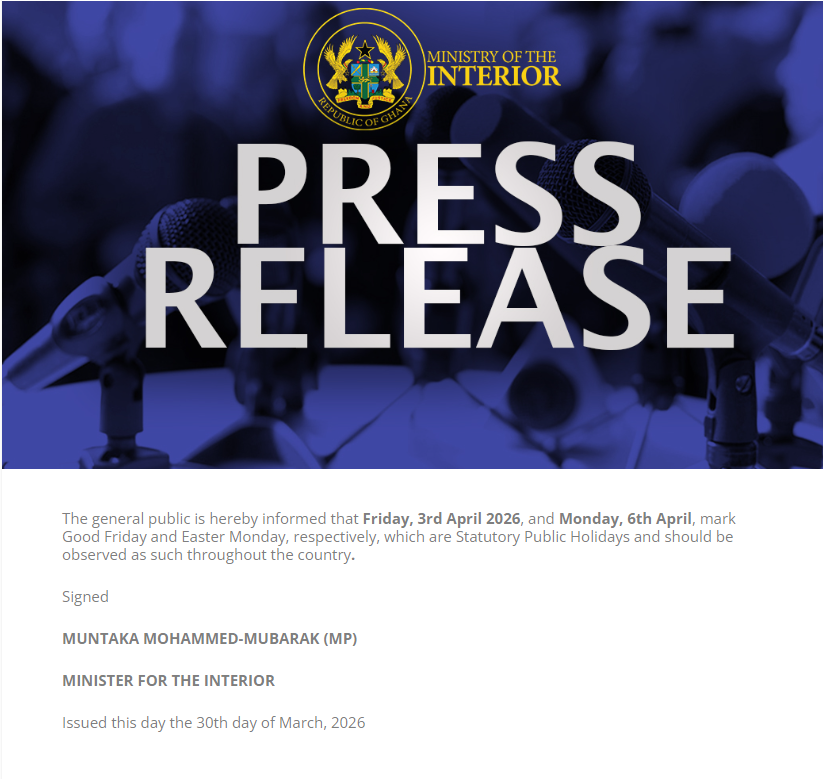
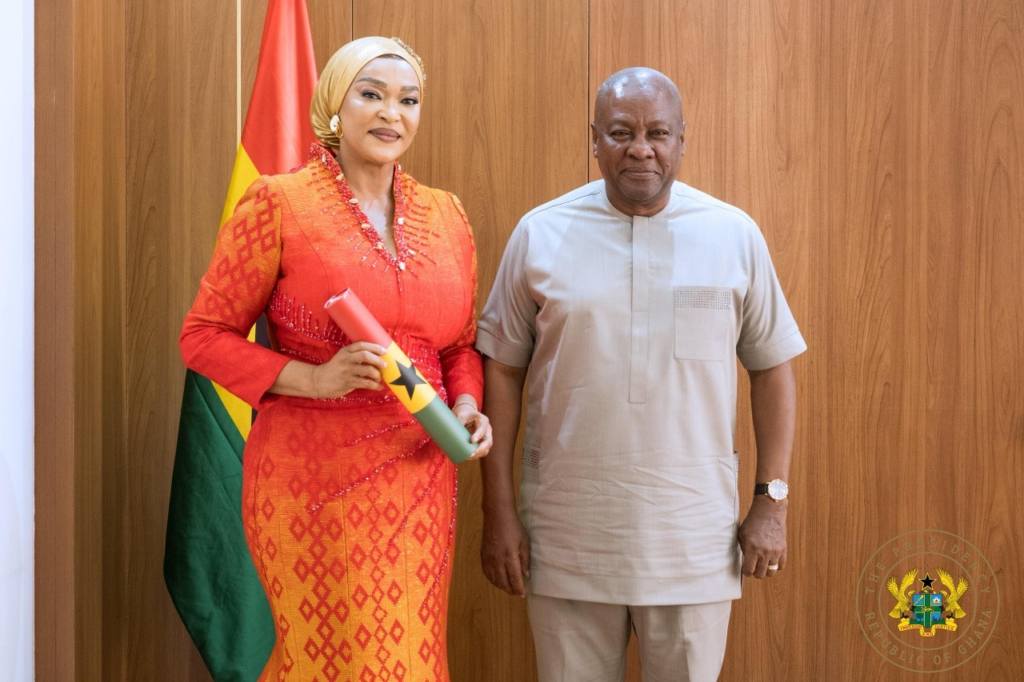
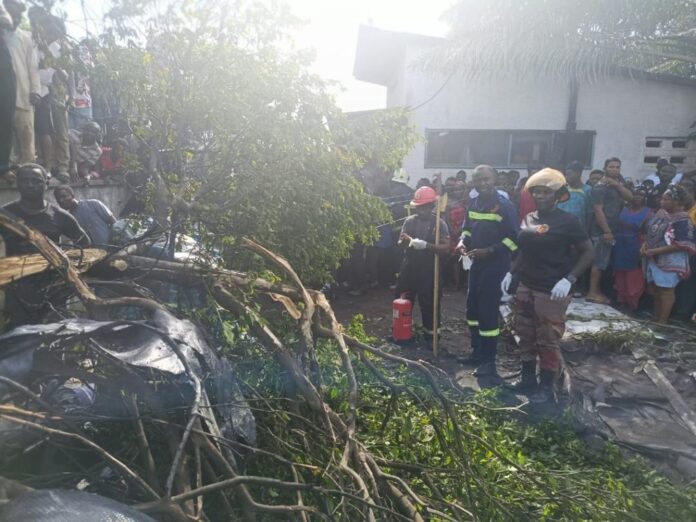
The government announced Friday and Monday, April 3 and 6, respectively, as public holidays.
This was formally communicated in a statement dated March 30 and signed by the Interior Minister, Muntaka Mohammed, which declared both days as nationwide holidays in commemoration of Good Friday and Easter Monday.
The statement read, “The general public is hereby informed that Friday, 3rd April 2026, and Monday, 6th April, mark Good Friday and Easter Monday, respectively, which are Statutory Public Holidays and should be observed as such throughout the country.”
Meanwhile, Tuesday, July 1, 2025, Republic Day, was reinstated as a statutory public holiday after Parliament, on Wednesday, June 25, passed the Public Holidays and Commemorative Days (Amendment) Bill, 2025, which amended Act 601.
However, the government noted that statutory holidays that fell on Tuesday, Wednesday, or Thursday would be commemorated on Monday or Friday. As such, the government declared July 4 a holiday.
The passage of the bill followed an assessment by the Committee on Defence and Interior, along with the leadership of the Committee on Constitutional and Legal Affairs, who deemed the bill urgent.
While presenting the motion for the adoption of the committee’s report, Interior Minister and Member of Parliament for Asawase, Mohammed Mubarak Muntaka, explained that the government had reviewed the number of public holidays in line with its earlier commitments to reform and streamline the holiday calendar.
He emphasized that Republic Day held great significance in Ghana’s history, which was why the government reinstated it as a full public holiday.
According to him, Ghana would continue to observe key holidays such as New Year’s Day on January 1, Constitution Day on January 7, Independence Day on March 6, Good Friday and Easter Monday in March or April for Christians, Labour Day on May 1, and Republic Day on July 1.
The bill was introduced to Parliament by Mohammed Mubarak Muntaka in his capacity as Interior Minister the previous week and was passed under a certificate of urgency after its first reading.
In 2024, President John Dramani Mahama expressed regret over his predecessor, former President Nana Akufo-Addo’s decision to abolish Republic Day as a public holiday and pledged to reinstate it.
He wrote on Facebook, “It was most regrettable that the current government had scrapped commemorating this important day as a public holiday. However, as we reflected on the significance of Republic Day, we used it as a rallying call to rekindle the spirit of dedication and commitment that our forebears demonstrated. We had to continue building a better, renewed Ghana where opportunities were created for everyone to thrive.”
During his Thank You tour in the Western Region on February 5, President Mahama revealed that he planned not only to declare July 1 a statutory holiday but also a day when Ghanaians would gather and pray.
The proposed day was expected to provide an opportunity for Ghanaians to reflect on and appreciate the country’s achievements and progress.
“We would have the opportunity as a nation to pray and give thanks to the Almighty God, as enjoined by the Holy Book that says, ‘In all things, give thanks,’” he stated.
Former President Nana Akufo-Addo also called on Ghanaians to support President Mahama’s declaration of July 1 as a National Day of Prayer and Thanksgiving.
“All of us had to support this initiative. It was a worthwhile initiative that we had this one day where all of us came together to give thanks to the Almighty for the many blessings He had bestowed upon us,” he said.
To facilitate a seamless observance, President Mahama established a committee of religious leaders responsible for coordinating preparations for the event.
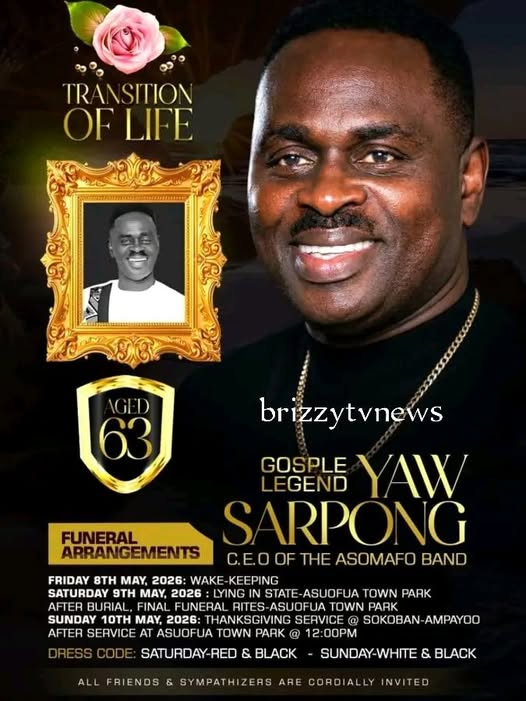
The final burial rites of legendary gospel musician Yaw Sarpong are set for May 9, the family has announced.
Yaw Sarpong, the legendary Ghanaian gospel musician and founder of the Asomafo group, died on 20th January 2026 in Kumasi at the age of 66 after a brief illness.
About two months down the line, he is scheduled to go home in May.
The rites
On Friday, May 8, the rites will begin with a wake-keeping and be followed by a lying-in-state on Saturday, May 9, at the Asuofua Town Park. The burial service and final funeral rites will also take place at the park.
A thanksgiving service is scheduled for Sunday, May 10, at Sokoban-Ampayoo, after which mourners will return to Asuofua Town Park at 12:00 pm for further proceedings.
The family has requested that attendees adhere to a dress code: red and black for Saturday’s burial, and white and black for Sunday’s Thanksgiving service.
His passing came a few weeks after the death of Maame Tiwa, a prominent member of the Asomafo group, whose loss shook the gospel music community.
Yaw Sarpong had been unwell for several years and had reduced his public appearances while undergoing treatment.
He is widely recognised as a towering figure in Ghana’s gospel music landscape, having led Yaw Sarpong and Asomafo to national prominence. The group played a significant role in shaping contemporary Akan gospel music, earning respect for its rich lyrical depth and disciplined, doctrine-based musical style.
Throughout his career, Yaw Sarpong and Asomafo released several well-known gospel songs, including Wo Haw Ne Hwan, Tie Obiaa, Aduro Yesu, and Awurade Kasa, which remain popular in churches across the country.
In recognition of his contribution to gospel music, Yaw Sarpong received the Lifetime Achievement Award at the 2025 Telecel Ghana Music Awards.
The family of the late gospel musician Yaw Sarpong has appealed to President John Dramani Mahama to grant him a state burial in recognition of his contributions to the nation.
In a video, the head of the family recounted the musician’s role in promoting peace during politically tense periods in Ghana’s history, particularly around elections under former President John Agyekum Kufuor and the late Jerry John Rawlings.
He said that at a time when the country was experiencing significant tension, Yaw Sarpong sold his private car to support efforts aimed at ensuring peaceful elections, driven by his desire to prevent violence similar to what occurred in Rwanda.
The family head also noted that the late musician used his music to raise funds to support the maternity unit at the Korle Bu Teaching Hospital, saying he was deeply concerned about the hardships women faced there. He added that Yaw Sarpong extended similar support to the prison system.
“On behalf of the family, we humbly ask President John Dramani Mahama to organize a state burial in honour of our cherished Yaw Sarpong,” the family head appealed.
About Maame Tiwaa
Maame Tiwaa was widely admired for her long-standing collaboration with Yaw Sarpong and the Asomafo Band, a partnership that earned her a revered place in Ghana’s gospel music community.
After four decades in the industry, she recently earned her first nomination at the 3Music Awards 2021, marking a significant milestone in her career.
Known for her distinctive and angelic voice, Maame Tiwaa featured in several popular songs, including Tenabea Foforo, Yen Nka Nkyere Yen Agya, Sumenaso, and other well-loved gospel hits.
Since news of her passing broke, social media platforms have been flooded with tributes from fans, with many expressing deep sorrow and extending condolences to Yaw Sarpong and the entire Asomafo family.
The musician’s family has not yet released an official statement. Further updates will be provided as more information becomes available.
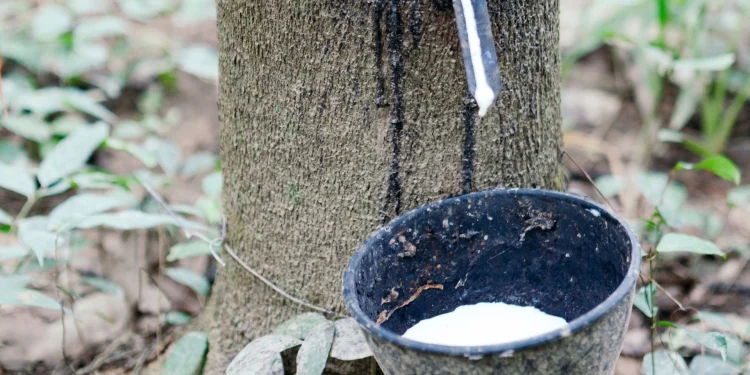
Within a year, Ghana lost about $70 million to under-declaration of export revenues and excess shipments beyond approved permits, according to a recent joint investigative audit conducted by the Ghana Revenue Authority (GRA) and the Tree Crops Development Authority (TCDA).
The report attributes the revenue loss to widespread under-invoicing and regulatory breaches in the sector, raising concerns about revenue losses and the survival of local processing firms.
According to GRA’s data, 89.68 million tonnes of raw rubber were exported in 2024; however, no permit had been issued by the Tree Crops Development Authority (the body controlling, monitoring, and issuing permits for exports of tree crops like rubber) for that year.
In 2025, although permits were granted for 13,000 tonnes, official export figures reached 39,000 tonnes, an excess of 26,000 tonnes.
The report highlighted significant under-invoicing, noting that while the TCDA set minimum prices at GH¢8.62 per kilogramme in 2024 and GH¢9.08 in 2025, exporters declared Free on Board prices as low as GH¢0.99 and GH¢1.91, respectively.
“This means that every kilogramme of exported raw rubber in 2024 and 2025 was under-invoiced by an average of GH¢7.63 and GH¢7.17, respectively,” the report said, adding that exporters declared only about 12% of the actual export value in 2024 and 22% in 2025.
According to Ghana’s Foreign Exchange Act, 2006 (Act 723), Section 15, exporters are required to send all the money they earn from selling goods abroad back to Ghana through official, licensed banks.
In 2024, exporters earned $55.83 million from rubber exports, but only $6.17 million of this money was sent back to Ghana through licensed banks. This means that $49.66 million, or about 89% of the earnings, was kept abroad instead of being repatriated.
In 2025, the situation was similar. Out of $26.03 million earned from exports, only $4.48 million was returned to the country. This means that $21.55 million, or roughly 83% of the earnings, remained outside Ghana.
The situation has also impacted the local industry. Despite having a combined processing capacity of over 171,000 tonnes annually, Ghana produced only about 110,800 tonnes of raw rubber in 2025, leaving a deficit of more than 60,000 tonnes.
This shortfall has forced local factories to operate below capacity, with production dropping to less than 40 percent and job cuts exceeding 35 percent. One processing company has reportedly halted operations entirely, while others have scaled down significantly.
Meanwhile, in 2022, the Management of the Ghana Rubber Estate Limited (GREL) said the current market arrangement on rubber continued to impact investment in the local rubber industry, as continuous exportation of the raw material derailed the chances of investors recovering their investments.
The diversion of unprocessed rubber by some farmers, selling to persons who exported the commodity mostly to the Asian market, affected local financial institutions that had financed the plantations.
Meanwhile, the development also denied the state some tax revenue from the commodity, given that there was no value addition.
Managing Director of GREL, Lionel Barre, during the presentation of a cheque for €668,750 as dividend payment to the Ministry of Finance in Accra, observed that exportation of the raw material compelled GREL to import rubber for processing.
This followed the company’s first phase of a €62 million rubber processing factory, which had started some two years earlier.
Barre noted that they could have developed bigger and faster than they were at the time, and expressed regret that after all those years, they were still focusing on supply chains instead of investing in value chains. He said this had encouraged more people to export raw material rather than adding value to the product.
He also highlighted that failing to ensure firm regulation of the rubber value chain could affect the future investment of GREL, especially since the situation was different in neighbouring countries.
Barre emphasized that GREL had created a supply chain for rubber but not the value chain, and that developing the value chain would encourage value addition before exportation.
GREL, a public-private initiative, was the leader in rubber production in Ghana, employing over 4,000 people directly with a target to increase the number to 6,000 in the coming years.
The company exported nearly 100 percent of its processed rubber produce abroad, earning millions of foreign exchange for the country.
Deputy Finance Minister, John Kumah, who received the payment, acknowledged the company’s challenges. He assured GREL management that the government would act on their concerns, while noting that policies were already being formulated to build a strong value chain in the rubber industry.
He also commended GREL for the prompt and regular payments of its dividend.
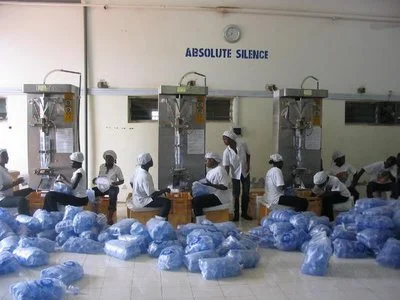
Ghanaians are set to brace themselves for a possible 50% increase in the price of 500ml sachet water, following the announcement by the National Association of Sachet and Packaged Water Producers (NASPAWAP) that prices will rise, effective Monday, April 6.
The trade association, in a formal statement issued on Thursday, April 2 and signed by the Director of Corporate Affairs, NASPAWA, mentioned that the escalating Middle East tensions have influenced the hike.
“The National Association of Sachet and Packaged Water Producers (NASPAWAP) regrets to announce an upward revision of the ex-factory and ex-truck prices of sachet water, effective Monday, April 6, 2026. These are recommended price reviews by the national body”, parts of the statement said.
Adding that, “this decision follows the global shortage of polymers and the sharp increase in their prices, exacerbated by the ongoing conflict in Iran. The rising costs have significantly impacted production, making it challenging for manufacturers to maintain current prices”.
The new prices are as follows: “Ex-factory price: GH¢8 per bag of 500ml x 30 sachets, Ex-truck price: GH¢10 per bag of 500ml x 30 sachets, Maximum retail price: GH¢15 per bag of 500ml x 30 sachets”
“This adjustment is necessary to sustain production and ensure the continuous supply of safe drinking water,” the association added. Consequently, they urged “retailers and consumers to adhere to these prices to ensure fair trade practices. We appreciate your understanding and cooperation during this challenging time”.
Last sachet water price increase
The last price increase in sachet water occurred about 4 years ago, i.e., in September 2022. NASPAWAP announced a price adjustment, raising the retail price of a bag of sachet water to around GHC 7–8, citing rising fuel and raw material costs.
However, before the September increase, the retail price of a bag of sachet water in Ghana was generally around GHC 5–6, indicating that the price had seen about 33% to 40% increase.
Barely a year later, another increase was announced by the association in April 2023, attributing the hike to continued cedi depreciation and higher polymer costs.
This shot the prices to GHC 10 per bag of 30 sachets of 500ml.
What is polymer, why is it affecting influencing pricing of sachet water in Ghana?
Polymer is a plastic used to package water into sachets because they are strong, lightweight, and water-resistant. It is an essential material in the production processes, as without it, there will be no packaging; hence, if the prices of the material go up, producers increase the commodity prices to make up for it as they experinece high production costs.
These plastics are often made from petroleum-based chemicals and are essential for packaging because they are strong, lightweight,.
Meanwhile, not only has the Middle East crisis affected the price of sachet water, but Ghana also currently faces the risk of high economic pressures. Consequently, the Governor of the Bank of Ghana (BoG), Dr Johnson Asiama, has warned that despite recent improvements in the country’s macroeconomic indicators, Ghana could face economic pressures if tensions in the Middle East intensify.
He gave the caution at the opening of the 129th meeting of the Monetary Policy Committee (MPC), Dr Asiama on Monday, March 16. Dr Johnson Asiama said the caution stems from tensions affecting key global energy and shipping routes, potentially causing volatility in global oil markets.
He added “Geopolitical uncertainty tends to support gold prices. Given the importance of gold in our export earnings, this could improve our trade balance”.
The ongoing tensions have been linked to the death of Iran’s Supreme Leader, Ayatollah Ali Khamenei. Ayatollah Ali Khamenei was reportedly killed in strikes by the Unites States (U.S.) and Israel. This development significantly impacting travelers from Ghana to Asia, Europe, and North America, as Dubai is a major transit hub connecting travelers through the United Arab Emirates.
Ghana, being one of the dependents of the global oil supply, stakeholders began to express concerns about a possible shortage of fuel across the country. However, the Corporate Affairs Officer of the Tema Oil Refinery (TOR), Godwin Mahama Ayaba, during an appearance on March 11, indicated that Ghana is unlikely to experience fuel shortages despite rising tensions in the Middle East, citing the country’s diversified sources of petroleum imports and growing local refining capacity.
According to him, the NPA recently issued a statement indicating that the situation in the Middle East will not lead to shortages of petroleum products in the country.
“The National Petroleum Authority, which is the regulator, some three to four hours ago issued an official statement assuring all of us that as for shortage, there is no way the Iran–Israel conflict is going to affect us,” he said.
Mr Ayaba explained that Ghana’s fuel import structure significantly reduces the risk of supply disruption because the country imports most of its finished petroleum products from Europe.
“Ghana largely imports from two different areas: Europe and the Arabian region. Where we import most is Europe,” he noted.
“We import about 80 per cent of our finished petroleum products from Europe and about 20 per cent from the Arabian region, where this conflict may have an impact.”
While acknowledging that the Middle East tensions could affect that 20 per cent supply, he said Ghana’s domestic refining capacity is expected to fill the gap.
“So we are likely to lose that 20 per cent, but with TOR coming on stream, we will be able to block that gap,” he said.
Mr Ayaba revealed that the refinery is currently producing about 28,000 barrels and expects output to increase significantly after ongoing upgrades.
“Currently, we are producing about 28,000 barrels. After the tie-in, we will move to about 45,000 and further move to 60,000,” he explained.
He added that increased output from other refineries in the country will also contribute to stabilising supply.
“Sentuo is doing around 36,000 to 40,000 barrels a day, Akwaaba is doing somewhere less than 10,000, and Platon is around a little below 3,000,” he stated.
“Together, all these companies will be able to block that 20 per cent that would have come from the Arabian region.”
The Supreme Court has set April 21 to hear a case challenging alleged religious practices at Wesley Girls Senior High School.
This comes after a dispute started when reports surfaced that Wesley Girls Senior High School was restricting Muslim students from practising their faith, i.e., fasting and prayers.
On November 28, Imam Sahamudeen Bamba publicly reignited the controversy, accusing Wesley Girls’ SHS of continuing to restrict Muslim students.
His accusations come on the back of a pending lawsuit which was filed at the Supreme Court of Ghana by lawyer Shafic Osman, challenging Wesley Girls’ SHS for allegedly restricting Muslim students from fasting and wearing hijabs.
Shafic argues that these actions constitute a violation of the rights of Muslim students.
Two separate applications have been filed in the case, one by the school’s Board of Governors, which is a party to the suit, and another by the Catholic Church of Ghana.
Reacting to the suit, the school’s Board of Governors have challenged their inclusion, citing that they are the wrong people to be sued, as the school is originally owned by the Trustees of the Methodist Church.
Osman, in response, contends that the board’s claim, citing the Ghana Education Service Act, which he says mandates the board to manage the affairs of the school, makes it a proper party to the suit.
He also implicates the Ghana Education Service and the Attorney General, and states that any attempt to strike out the writ based on the board’s alleged lack of legal capacity would be regarded as misguided.
Meanwhile, the Catholic Church has filed an application to participate in the case as a friend of the court.
In its submission, the Secretariat challenges the Supreme Court’s jurisdiction, arguing that the matter is a human rights issue that should be heard by the High Court.
On the substantive issues, it maintains that faith-based schools have the right to uphold their religious values, and that students of other faiths who voluntarily enrol in such institutions may be considered to have accepted certain limitations on practising their own religion.
The case was initially scheduled to be heard on Tuesday, but was relisted to April 21.
Meanwhile, following Sahamudeen’s allegations, he openly called on President Mahama to intervene.
Consequently, the President, speaking during a meeting with the National Peace Council on Wednesday, December 10, expressed his surprise at the tensions, citing that an MoU signed by these missionary schools clearly spell out the institution’s acceptance of recognition of diversity.
Hence, President Mahama expressed confidence in the Supreme Court’s ruling, saying, “There is a matter before the Supreme Court which is yet to be determined. If you read what the faith-based organisations agreed in their own MoU, I don’t see any point of dispute.
“They all accept that if there is a mission school, it has its faith orientation, but within that faith orientation, there must be recognition of diversity. It is right there in the MoU. I don’t want to suggest it, but I think the Supreme Court has its work cut out for it because the same people signed that MoU, so I don’t see what the contention there is”.
The President also referred to a part of the MoU that spelt out regulations about fasting for both the Christian and Islamic religions. According to him, the agreement was that in cases where a student, by religious obligation, sought to fast, it would be subject to the approval of their parents. Once approved, any repercussions or health implications resulting from the fast would be the responsibility of the parents and not the school.
“And there is even a section that talks about fasting because Christians fast and Muslims fast. You can find a Christian student in a Muslim school and a Muslim in a Christian school. And it says that yes, the student can fast if the parents approve. And if there are any health consequences from the fasting, the responsibility shall be that of the parent and not the school”, the President said.
It will be recalled that, in 2024, the National Peace Council facilitated the signing of a Memorandum of Understanding (MoU) between faith-based organisations and the Ghana Education Service, which was aimed at regulating and managing religious diversity in mission schools, covering practices like fasting, worship spaces, and dress codes.
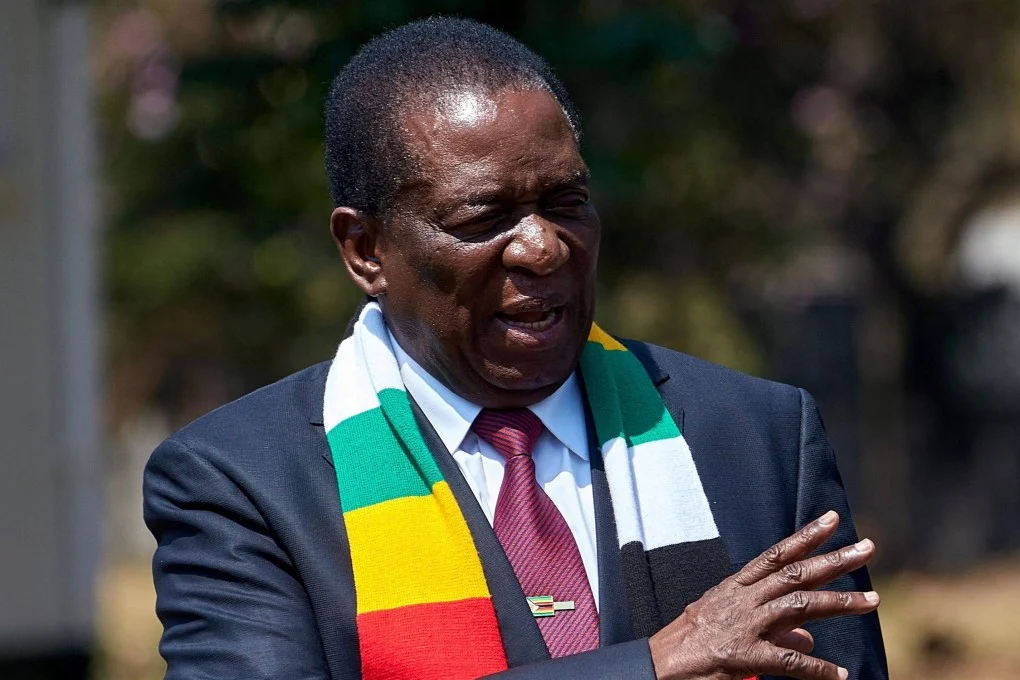
Ghana will welcome the President of Zimbabwe, Emmerson Mnangagwa, on Wednesday, April 1. His visit is aimed at strengthening bilateral ties between the two nations.
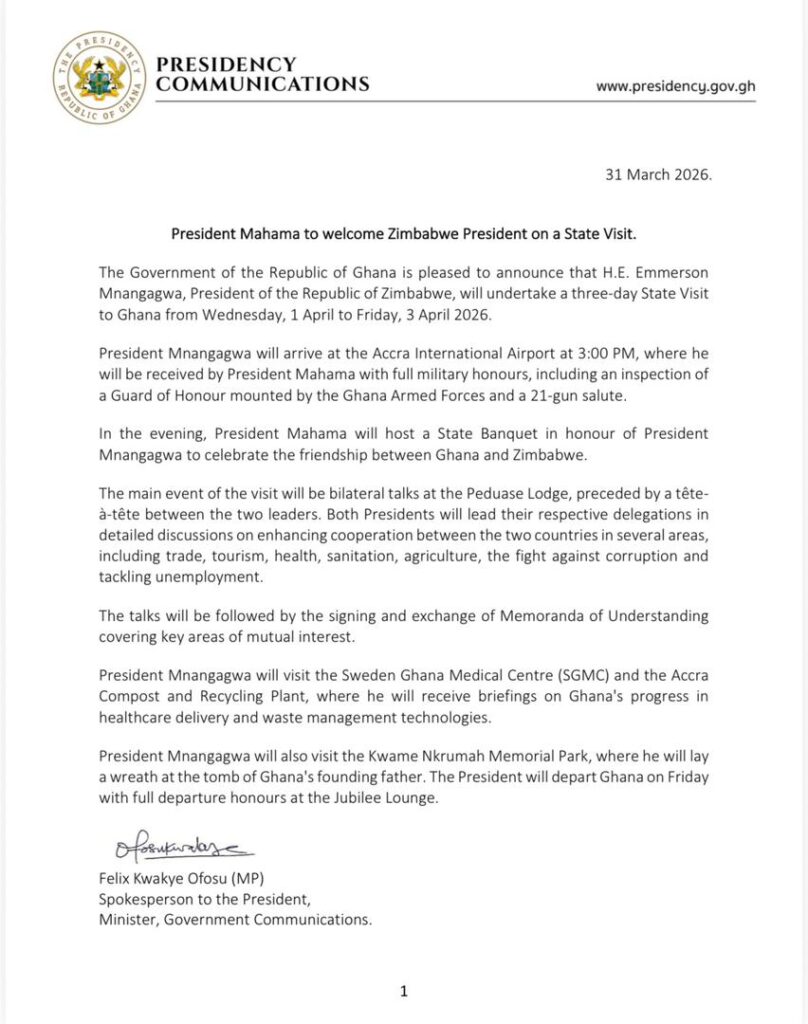
In a formal statement shared by the Spokesperson to President John Dramani Mahama and Minister for Government Communications, Felix Kwakye Fosu, on March 31, he indicated that His Excellency Emmerson will be hosted in Ghana for three days, from 1st to 3rd April, for a state tour.
“The Government of the Republic of Ghana is pleased to announce that H.E. Emmerson Mnangagwa, President of the Republic of Zimbabwe, will undertake a three-day State Visit to Ghana from Wednesday, 1 April to Friday, 3 April 2026.”
He is expected to arrive in Ghana at 3 pm and will be welcomed by President Mahama with ceremonial honours, as is traditionally done.
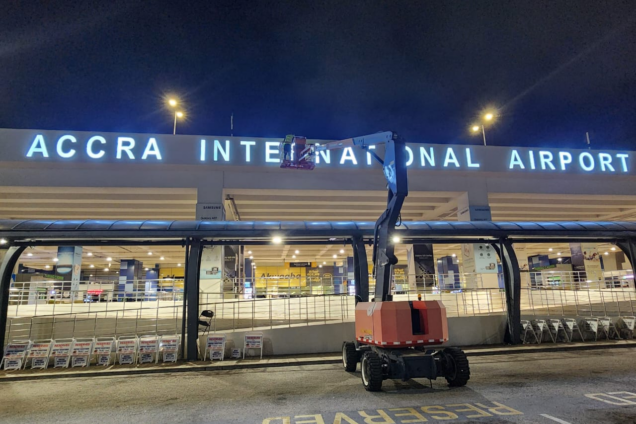
“President Mnangagwa will arrive at the Accra International Airport at 3:00 pm, where he will be received by President Mahama with full military honours, including an inspection of a Guard of Honour mounted by the Ghana Armed Forces and a 21-gun salute,” the statement said.
President Mnangagwa will engage in bilateral talks, official ceremonies and key site visits during his three-day state visit to Ghana.
President Mahama to welcome Zimbabwe president
Itinerary schedule
In the evening, President Mahama will host a State Banquet in honour of President Mnangagwa to celebrate the friendship between Ghana and Zimbabwe.
“The main event of the visit will be bilateral talks at the Peduase Lodge, preceded by a tête-à-tête between the two leaders. Both Presidents will lead their respective delegations in detailed discussions on enhancing cooperation between the two countries in several areas, including trade, tourism, health, sanitation, agriculture, the fight against corruption and tackling unemployment. The talks will be followed by the signing and exchange of Memoranda of Understanding covering key areas of mutual interest.
President Mnangagwa will visit the Sweden Ghana Medical Centre (SGMC) and the Accra Compost and Recycling Plant, where he will receive briefings on Ghana’s progress in healthcare delivery and waste management technologies.
“President Mnangagwa will also visit the Kwame Nkrumah Memorial Park, where he will lay a wreath at the tomb of Ghana’s founding father”.
Also, “The President will depart Ghana on Friday with full departure honours at the Jubilee Lounge.
President Mnangagwa is scheduled to depart on April 3, with full honours at the Jubilee Lounge, marking the conclusion of the visit.
In November last year, the German President, His Excellency Frank-Walter Steinmeier, arrived in Ghana for a three-day state visit, the Foreign Affairs Ministry announced.
In an X (formerly Twitter) post, the Foreign Affairs Minister, who also doubles as the Member of Parliament (MP) for the North Tongu Constituency, announced the arrival of the President, highlighting the impact of his visit on Ghana-Germany relations.
He arrived on the evening of Sunday, November 2, and was welcomed by the Minister of Foreign Affairs and an entourage of a cultural group at the Kotoka International Airport.
His post read, “An honour to welcome the President of Germany, His Excellency Frank-Walter Steinmeier, to Ghana on behalf of His Excellency John Dramani Mahama. Ghana is absolutely elated to host the German President on a three-day state visit. The inseparable bond between Ghana and Germany is about to get even stronger and more beneficial to the citizens of our two countries. God bless Ghana and Germany.”
On Monday, the President embarked on about seven activities, including holding bilateral talks with his host, President John Mahama, at the Presidency, after which a state luncheon was held in his honour. He later met IT specialists in Ghana and attended a reception at the German Ambassador’s Residence.
“The official programme commenced on Monday with President Steinmeier’s inspection of a full military Guard of Honour at the forecourt of the Presidency. President Steinmeier and his host, President Mahama, held a closed-door meeting before joining their respective delegations for bilateral talks in the Credentials Room. The discussions focused on strengthening Ghana-Germany relations, particularly in areas of trade, investment, technology, and development cooperation.
A state luncheon was held in honour of President Steinmeier and his delegation at the Presidential Banquet Hall in the afternoon. Later in the day, the German President was conducted on a guided tour of the Kwame Nkrumah Memorial Park, where he laid a wreath at the tomb of Ghana’s first President, Dr Kwame Nkrumah. He also engaged young Ghanaian IT specialists before attending a reception at the German Ambassador’s Residence,” the statement said.
On Tuesday, November 4, President Steinmeier travelled to Kumasi on the third day of his visit, where he performed a sod-cutting ceremony at the Kumasi Technical Institute. He also interacted with the Vice Chancellor, staff, and alumni of the Kwame Nkrumah University of Science and Technology (KNUST).
He also visited the Kumasi Centre for Collaborative Research before paying a courtesy call on the Asantehene, Otumfuo Osei Tutu II, at the Manhyia Palace.
After completing these activities, President Steinmeier departed Ghana on Tuesday evening.
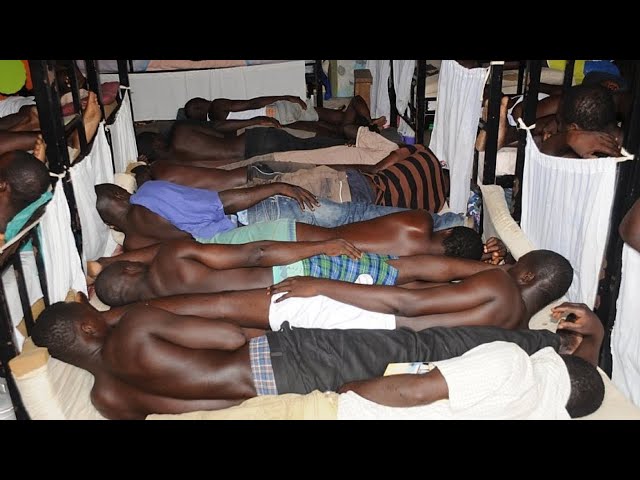
A former inmate has provided an insider’s view of life inside Nsawam Prison, shedding light on the internal hierarchy, strict rules, and alleged illegal activities within the facility.
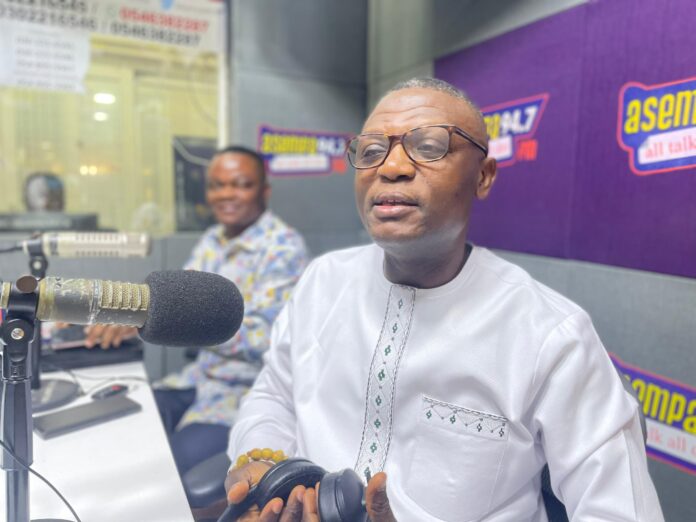
Speaking on Y’asetenam on Asempa FM, the ex-convict explained that power within the cells is largely controlled by “cell leaders,” who oversee daily activities and operations. Some of these leaders are reportedly involved in fraudulent activities, allegedly using smartphones to carry out such operations.
He noted that while many inmates possess mobile phones, most use basic keypad devices, as smartphones are more expensive within the prison environment.
The former inmate also described the role of “cell boys,” who are responsible for guarding the belongings of cell leaders, including money and phones.
These individuals rarely leave the cell, given their close monitoring duties. Despite certain privileges such as a designated sleeping area, many inmates avoid the role due to its demanding nature.
He further revealed the existence of strict internal regulations, referred to as the “99 laws,” which govern inmate behaviour. Inmates are expected to be in their cells by 6 p.m., and complete silence is enforced by 9 p.m., with punishments for any violations.
An informal economy also exists within the prison, he said, with inmates running businesses selling food items such as fufu, rice, and beans to fellow prisoners. These ventures are typically managed by inmates serving longer sentences or those considered influential within the prison system.
The ex-inmate’s account offers a rare glimpse into the inner workings of prison life, raising questions about discipline, control, and alleged illicit activities within Nsawam Prison.
The government has announced a new twist in its sponsorship of supporters for the 2026 World Cup, which is set for June.
This comes after President Mahama, while speaking at the Ghana World Cup fundraising campaign on Friday, March 20, at Kempinski Hotel Gold Coast City in Accra, announced that the government will not sponsor the travel of supporters to the 2026 FIFA World Cup to prevent unnecessary pressure on the already strained public purse.
The President noted that the decision has been informed by recommendations from the Dzamefe Report, which advised the government to discontinue sponsoring fans to such tournamnets using taxpayers’ money.
“In consonance with the Dzamefe Report, the government has no plans to allocate public funds to fly supporters to the World Cup,” he said.
However, following the government’s fundraiser, the Sports Minister, Kofi Adams, has revealed that the government plans to sponsor about 800 supporters to the 2026 FIFA World Cup.
He disclosed that the cost per supporter is estimated at $9,250, covering airfare, accommodation, and local transportation throughout the tournament.
“The cost is quite high, so we’re thinking about not doing more than 800. The Supporters’ Union are many; we can’t take all. If we’re successful at sending [this number], the calculations we did, even at the group stage, will cost you about $9,250 per head. We’re paying for their air tickets, accommodation, and transport,” he said in an interview with Bernard Avle on Channel One TV’s The Point of View on Monday, March 30.
According to him, the $9,250 per head expenditure does not include feeding and visa. He said these two would be handled by the supporters as a form of contribution.
“They have to pay for their visa fees, which should be their contributions, and feeding fees,” he added.
Mr Adams further revealed that the ministry has declined requests from individuals seeking contracts to provide meals for the supporters during the tournament.
“A lot of people have come to the ministry looking for a feeding contract, but I told them we’re not doing that,” he revealed.
Why fly supporters when Ghanaians are abroad to support Black Stars
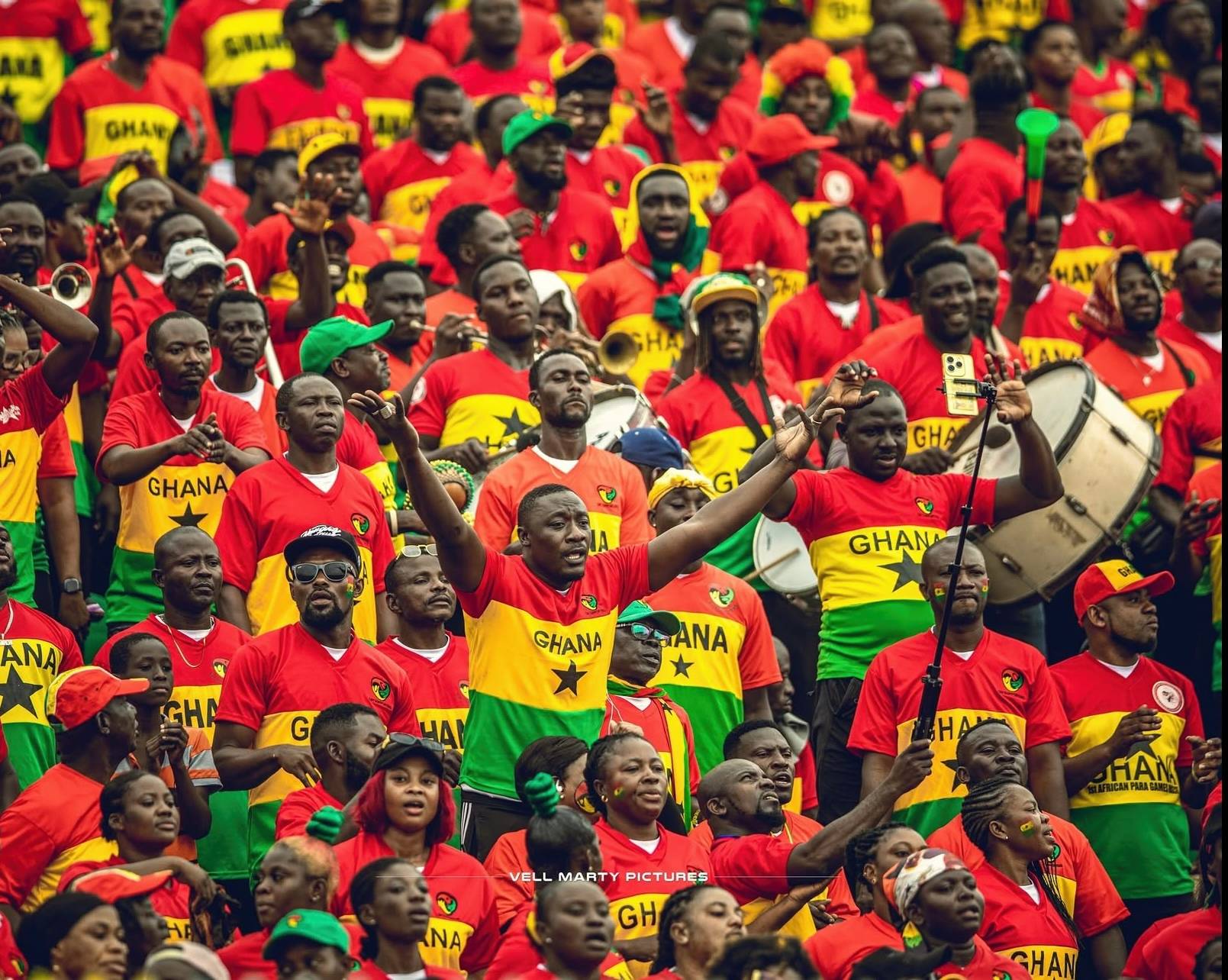
Citing the Dzamefe Report, which recommended that taxpayers’ money should not be used to sponsor fans for such tournaments, the Minister explained that the government is supporting the travel of members of the supporters’ union through funds raised at a recent fundraiser at the Kempinski Hotel. He emphasised the group’s critical role in energising and mobilising fans during the tournament.
“We are doing a fundraiser because, per the Justice Dzamefe Commission’s report, the state government is not to use budgetary funds to support fan participation in a tournament. But we know the role of these fans, organised fans, in tournaments such as this. You cannot go there empty and say you will mobilise individuals. You need a certain level of energy that will attract and bring on board the unorganised ones.
“So, we are preparing to send our supporters’ union that has been with us and loyal during the qualifying process. That organised group, through drumming and other activities, energises those you mobilise ordinarily to the stadium. When the supporters’ union starts singing, they energise the atmosphere, even when everyone else is tense. The report said we shouldn’t use state resources to send fans. Yes, so we have to raise funds, and the government’s white paper accepted this recommendation,” he continued.
Budget for the tournament
Mr Adams also revealed that his outfit has a budget for the tournament, which has been approved as part of the government’s official budget, and currently, an initial amount of GHC 160 million has been given to them, while the Ghana Football Association (GFA) hasn’t reported any developments that will require alterations to the budget.
“Yes, we have a budget, and you said that the 16 million is what has been given as an initial amount. So, this 16 million was proposed during the consideration of the 2026 budget, and this year, I have followed up and asked the FA if anything has happened that will throw this budget off track. They said no, so it means that we have a budget. So that’s about 170 million cedis. No problem. No, it’s about 150, per the current exchange rate,” he stated.
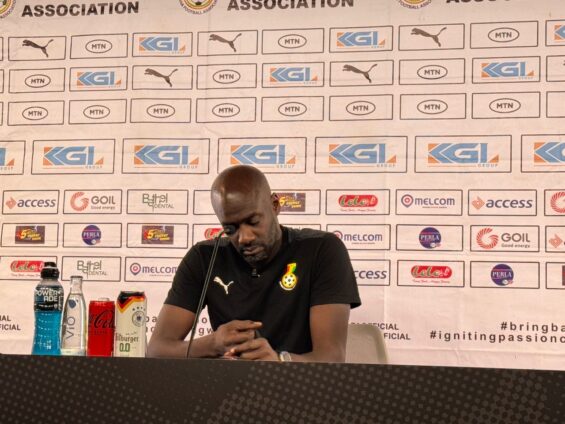
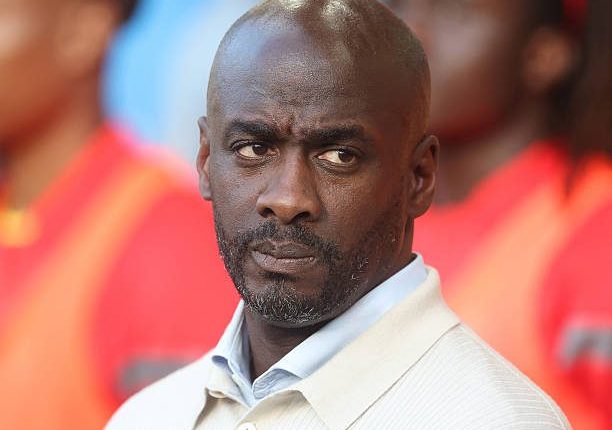
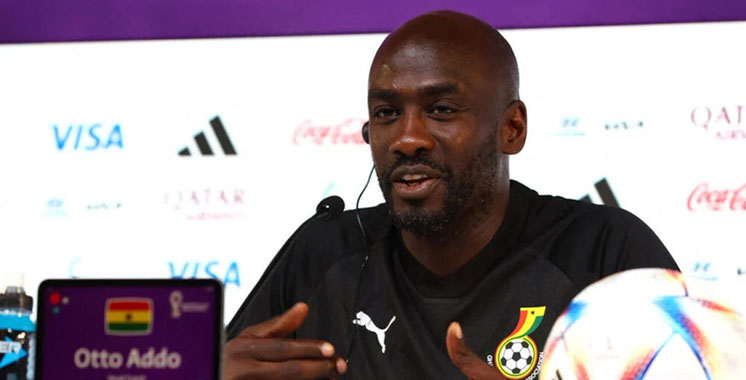
Otto Addo has been sacked as Ghana Black Stars head coach following his poor run of form, and especially after the team’s defeat to Germany in yesterday’s friendly.
In a formal statement shared on the Ghana Football Association (GFA) official social media platforms yesterday, Monday, March 30. It indicated that Ghana has parted ways with the former German scout.
“The Ghana Football Association (GFA) has parted ways with the Head Coach of the senior men’s national team (Black Stars), Otto Addo, effective immediately”, part of the statement read.
GFA expressed its appreciation to Otto Addo. “The Association wishes to thank Otto Addo sincerely for his contribution to the team and wishes him the best of luck in his future endeavours”
Addo’s departure marks another significant change in the technical setup of the national team as Ghana continues its preparations ahead of the upcoming FIFA World Cup 2026.
The Ghana FA said: The Ghana Football Association will communicate the new technical direction of the Black Stars in due course.”
Black Stars head coach Otto Addo admitted that his job was never secure, regardless of whatever results he achieves with the Black Stars.
He made these remarks after his side suffered a wanton 5-1 defeat to Austria during the international friendly on Friday, March 27, in Vienna.
The 50-year-old former Ghana international has faced mounting pressure since returning to the role, with concerns over the team’s inconsistent performances growing louder in recent months.
Despite increasing calls for his dismissal, Addo insists he remains focused and undistracted by public criticism.
“Even when we qualified for the World Cup, people were calling for me to step down. So, [my job] is always under threat, but I don’t really care,” the former Borussia Dortmund assistant coach said.
On his part, his focus is to give his best for the team and make the best out of the squad as well.
“For me, the most important thing is that I prepare my best for the team to the best,” he added.
Addo now turns his attention to Ghana’s next test against Germany in Stuttgart, where he will be hoping for a stronger response from his side.
The match, scheduled to kick off at 18:45 GMT, forms part of the Black Stars’ build-up to the 2026 FIFA World Cup, which will be staged in the United States, Canada, and Mexico.
Meanwhile, an amount of at $10m was raised at the launch of Black Stars’ fundraising campaign organised on Monday, March 23, ahead of the World Cup qualifiers.
This information was disclosed by the Deputy Finance Minister and Chairman of the Fundraising Committee, Thomas Nyarko Ampem.
“The fundraising target is $30 million, and if you listen to the pledges and donations, on day one of the launch, we got about $10 million. We are going to put together other events, and we believe that the contributions that are coming in from the short code as well,” he said.
The launch event was attended by high-profile individuals, including President John Dramani Mahama, Sports Minister Kofi Adams, and Ghana Football Association President Kurt Okraku.
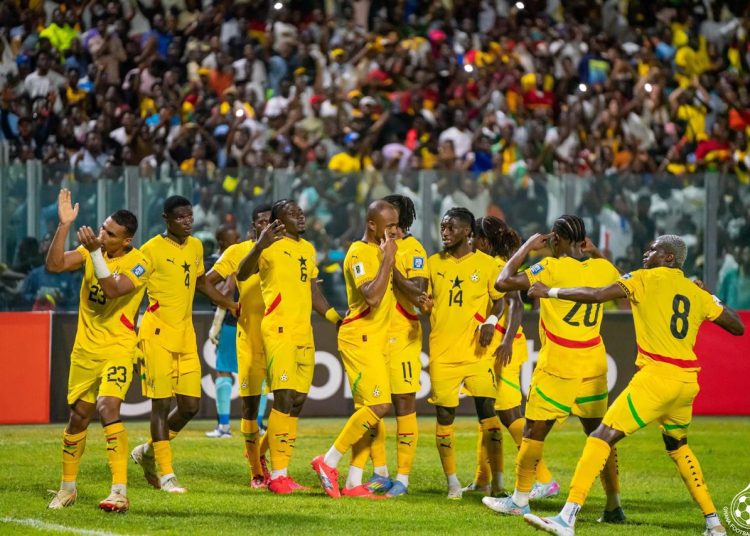
Ghana suffered a 5-1 defeat to Austria in Vienna on Friday, in the first of two pre-World Cup friendly matches. The Black Stars performed well in the first half but conceded four goals in the second to Ralf Rangnick’s side, after which coach Otto Addo spoke to the press.
The boss gave his opinion on the performance, the next match against Germany and more.
Read a full transcript below:
On the result
It was a very difficult game for us. We had some really, good situations where we could have scored. We knew that they are pressing high and once we win the ball and we try to get to a striker and who starts with great situations that we had. And yeah, out of three or four situations, we should have scored one. I think we were more intelligent in certain situations. I know this was difficult decisions. I think one or two could have been a penalty. But this is football and then at the end, we collect the goal where we must drop earlier to attack the ball better. Unluckily, it got to the hands of Jonas Adjetey and they got a penalty and scored. But also, before that, I think there was a foul. There was no ball play. He played the ball and we got an attack. But yeah, this is football. And still, then we must do better. The second half was a really, big disaster. Yeah, surely second goal was a good. And then I know it’s going to be tough here in Austria. We are behind 2-0. They brought in freshmen. I think also transition wise it was difficult after the third goal and that is where we must learn to do better.
On Second half performance
The second half was really, not good enough at all. I mean, everybody is playing for the World Cup. We need to play more intense, I think. And I’m not saying that we must foul the opponent, but we have to protect ourselves better. And they had a lot of fouls. And I think we saw some few. We got one yellow card. And I expect much, much more against the ball, especially to go with the men, with the one-on-one teams. We know what they were doing. And then we must do much, much better. So, the second half was not good.
On lessons
At the end, surely, I think it was a little bit too high. We could have had two halves. But there are big, big lessons to learn, especially for the young players. And now it doesn’t help to talk too much about it. We have to look forward to the upcoming match. And yeah, we’ll be even a tougher opponent. But we must put everything in that match to bring back the belief in our team and to show that we can compete at the highest level. And so yes, it was a difficult evening for us.
On disappointing night
I can’t say that we would have been so good. Of course, that’s a disappointment. But I have to say that it was a good first half and a bad second half. We had a lot of situations where we could have scored one or two goals. For example, Prince had quite good options. There were situations where we should have scored a goal. So there were tight situations. There was also a situation against Austria but was ignored. I also think that the penalty was relatively unfortunate. There was also a foul against our team. That means it was unfortunate. But I have to say that the second half was just not good at all. It was really like this that Austria was on fire after the 2-0. They had some fresh players. And after the third goal, the situation was not so good. It was a very intense game. We knew that the best would come from the Austrian team. There were also a lot of fouls. Of course, that also has to be improved when you look at the second half. We have to be able to expect more from Austria in the second half. But everything was not good enough in this sense. That means there are a lot of conclusions and things that young players can now take into account for the future. And it is as it is. We have to look ahead. We have another match that is coming. And that is a tougher opponent. That means we have to focus on the next match and draw conclusions accordingly.
On taking responsibility for the result
I take full responsibility when we win. I take responsibility. But we are all together. It’s not all about me. When we win, it’s not only about me. It’s also about the team. Everybody in the technical staff, the players. We all have to take responsibility. Surely, we have to do much better. It’s a matter of the team. If we win, we take responsibility. If we lose, we take responsibility. But it’s about the team. It’s a matter of taking responsibility from the team, from our teammates and from the players. The first two goals, surely avoidable.
On defensive problems
Defensively, we have problems. We have to be stable especially psychological. The third goal, we still have to keep our head up, keep the intensity. I can understand that the players were disappointed. But these are the situations where we still need to step up. We have to overcome this. Let’s talk about the defence. The first two goals were easy. In goal 3, 4 and 5, there was a lot of defensive issues. We have to work on that psychologically. The next step is to stay strong and stay focused. The players have to focus. Stay focused so that this doesn’t happen again.
On playing Caleb Yirenkyi at right back instead of his midfield role at club side
We have problems at that very position. We have a lot of midfielders. Our problem is at that side. We have to see for the future but at the moment, we don’t have many options on the right side unlike in midfield where we have a lot of options. There are others who are not called. That’s why he predominantly played there. Surely, it’s easy now to say he didn’t do well there especially when we won the World Cup qualifiers, he was so good. He is 20 years old. He has a lot of things to learn. Under this pressure, he has time to grow. I know he will have a great future. He is a great player. Today was not his day.
On visiting Edmund Baidoo at Red Bull Salzburg but not inviting him
He is a player who is clearly on my mind, and he is an option for the future.
On next match against Germany
This is my job. I try to give the boys a positive result all the time even in the midst of defeat. We have to analyse this game well even though we have little time. Tomorrow we will talk about some things. We have to improve them. We have to improve them quickly. I know that the team has the quality to keep up with Germany. There were a lot of things wrong today. We have to learn a lot. We have to learn from the head. We have to trust ourselves. We have to play our game. And it’s clear that we need to talk about things, things that have gone wrong tonight. But I have to work with the guys to keep up, that they have a good mindset, that they will be focused on the next match. So, we’re going to talk about that. And I know that we can do well against Germany, and we also have to get that into our heads. So, in this respect, I’m proud of the team.
On making six substitutions and switching to three back when we were down 3-0
So, with that very situation, to be honest, when you conceded the third goal. I think I just wanted to break the runs that Austria had after the third goal. We needed to try and stabilise the defence. Surely, it’s a situation where it’s not so easy to just continue like that. We have to give others a chance to show what they can do and to show how hard they really want to be in the World Cup. It would have been the same if we were leading and I would have made changes also. So, it’s easier to make these kinds of changes and the number of changes when the result is high. If it’s tight, you doubt to change, because surely, first, you want to win the game. But this is a situation where I think we needed fresh players. Austria changed it up during the half-time and wanted to bring fresh energy inside. It didn’t go the way we wanted, to be honest. Like I said, football is also a psychological thing. Sometimes, when you have chances, you don’t score and then you concede. It’s not easy to take this away, especially for young players. This is always the same.
On calls for his dismissal
This is the job of a coach. When we lose, people are mainly trying to bring you down. I don’t really read too many things. Even if we win, I’m not too much into social media or reading anything. Whatever people say, its normal, especially on an evening like this when the team didn’t play well and we also lost.
On impact of new technical team members
Surely, the more people you have… I had one assistant before, now, we have three. It’s easier, because it’s easier to delegate. There’s a lot of work to be done. Even now, after this evening, there’s even more work to be done. It’s easier to put it on more shoulders, so that we can divide ourselves. One for the set-pieces, one for the defence, one for the offence. I can have an overview about everything. It’s always good to get different opinions, different perspectives. In the end, we go out and analyse and give feedback to the players as well.
On performance of Lawrence Ati-Zigi
He had some good saves. I can’t say he played bad. He was a little unlucky. We want to use these games to give chances to other players and to have a competition in various positions. Like I said, we have a lot of things to analyse. I think the five goals were not his fault, especially the first two. There is nothing he can do. At the end, it was an unlucky evening for him as a goalkeeper. He didn’t deserve to concede five goals. But this is football. We have to learn and move on. This is the most important thing. It’s not about the goalkeeper or this player or that player, we all as a team have to learn and find a better solution for the problems we had this evening.
Black Stars head coach Otto Addo has admitted that his job is never secure, regardless of whatever results he achieves with the Black Stars.
He made these remarks after his side suffered a waton 5-1 defeat to Austria during the international friendly on Friday March 27 in Vienna.
The 50-year-old former Ghana international has faced mounting pressure since returning to the role, with concerns over the team’s inconsistent performances growing louder in recent months.
Despite increasing calls for his dismissal, Addo insists he remains focused and undistracted by public criticism.
“Even when we qualified for the World Cup, people were calling for me to step down. So, [my job] is always under threat, but I don’t really care,” the former Borussia Dortmund assistant coach said.
On his part, his focus is to give his best for the team nad make the best out of the squad as well.
“For me, the most important thing is that I prepare my best for the team to the best,” he added.
Addo now turns his attention to Ghana’s next test against Germany in Stuttgart, where he will be hoping for a stronger response from his side.
The match, scheduled to kick off at 18:45 GMT, forms part of the Black Stars’ build-up to the 2026 FIFA World Cup, which will be staged in the United States, Canada, and Mexico.
Meanwhile, an amount of at $10m at launch of Black Stars fundraising campaign organised on Monday, March 23 ahead of World Cup qualifiers.
This information was disclosed by the Deputy Finance Minister and Chairman of the Fundraising Committee, Thomas Nyarko Ampem.
“The fundraising target is $30 million, and if you listen to the pledges and donations, on day one of the launch, we got about $10 million. We are going to put together other events, and we believe that the contributions that are coming in from the short code as well,” he said.
The launch event was attended by high-profile individuals, including President John Dramani Mahama, Sports Minister Kofi Adams, and Ghana Football Association President Kurt Okraku.
Meanwhile, President John Dramani Mahama has announced that the government will not sponsor the travel of supporters to the 2026 FIFA World Cup to prevent unnecessary pressure on the already strained public purse.
Speaking at the Ghana World Cup fundraising campaign on Friday, March 20, at Kempinski Hotel Gold Coast City in Accra, the President noted that the decision has been informed by recommendations from the Dzamefe Report, which advised the government to discontinue sponsoring fans to such tournamnets using taxpayers’ money.
“In consonance with the Dzamefe Report, the government has no plans to allocate public funds to fly supporters to the World Cup,” he said.
It was an investigative report prepared by the Commission of Inquiry, chaired by Justice Senyo Dzamefe, set up in July 2014 by President John Mahama. Its purpose was to examine the scandals that unfolded during the tournament and recommend reforms for Ghana’s football administration.
The President explained that not even a handful of supporters can be sponsored, citing that flying and accommodating just 200 supporters could cost close to $2 million, which would heavily impact the government’s purse.
“The logistical support required to fly and accommodate even just 200 supporters is staggering,” he added, while acknowledging the importance of boosting the Black Stars’ morale during the tournament. However, he said the government must prioritise the prudent use of public resources.
“We all want to see our fans in the stands, but we must be responsible in how we use public resources,” he added, stressing the need to channel funds into critical areas such as job creation.
The decision means that supporters who wish to travel to the tournament in the United States, Canada, and Mexico will have to rely on private funding, sponsorships, or other fundraising efforts.
A report from Asempa FM indicates that Ghana’s head coach, Otto Addo, may face dismissal if he suffers another embarrassing defeat against Germany in the friendlies scheduled for tonight.
This comes after the Black Stars suffered a heavy 1-5 defeat to Austria on Friday, March 27, in a friendly, which sparked several concerns from fans and stakeholders over the team’s ability to succeed at the global tournament in June.
Otto Addo came under heavy pressure as many questioned his tactical prowess and capability to take the national team past the group stage or even go further in the tournament.
The Austria-Ghana friendly
Austria opened the scoring in the 12th minute when Marcel Sabitzer converted a penalty to make it 1–0. A return from the first half also saw another Austria goal from Michael Gregoritsch in the 51st minute, and just eight minutes later, Stefan Posch headed in Austria’s third goal, cementing their lead and firm control of the game.
Ghana’s Jordan Ayew managed to find the back of the net in the 77th minute, finishing off a rare attacking move to reduce the deficit to 3–1. However, just 8 minutes after Ayew’s goal, Carney Chukwuemeka scored to affirm their lead. In stoppage time, Nicolas Seiwald sealed the victory with a long‑range strike in the 92nd minute, completing Austria’s 5–1 win over the Black Stars.
This sequence of goals highlighted Austria’s dominance throughout the match, while Ghana struggled defensively and created very few chances. Jordan Ayew’s goal was the only bright spot in an otherwise difficult outing for the Black Stars.
Attention now turns to Ghana’s final friendly against Germany in Stuttgart tonight. The technical team, led by Addo, has been tasked with delivering a marked performance improvement.
Reports suggest that another poor result could prompt a review of Addo’s position. Kick off for the game is slated for 18:45 GMT.
The matches form part of Ghana’s build-up to the 2026 FIFA World Cup in the United States, Canada, and Mexico.
Following this window, the Black Stars are scheduled to face Mexico in May and Wales in June before heading to the tournament, where they will compete in Group L alongside Panama, England, and Croatia.
Black Stars robbed in Austria ahead of friendlies
Ahead of the game, Ghana’s national football team was targeted in a robbery incident in Vienna ahead of their international friendly against Austria on Friday, March 27.
Earlier reports had suggested that some team members were robbed during their stay. Two Rolex watches and $2,250 in cash, belonging to some management committee members and players, had been taken from their rooms.
“The report that came in indicates that two valuables have been stolen: $2,250 in cash and two Rolex watches. The report indicated that the cash belongs to management committee members, and the watches are for the players,” he said.
He added that the CCTV cameras at the hotel where the Black Stars were lodging were not functioning, making it difficult for Austrian police to quickly identify the alleged robbers.
“Regarding where the police are camping, the hotel indicated that their CCTV cameras are not functioning, which has made it difficult for the FA to furnish the Austrian police with proper evidence.”
Despite the incident, officials said the situation was under control, with players and technical staff remaining calm and focused ahead of the scheduled match.
The GFA said it was working closely with relevant authorities in Austria and would provide further updates as more information became available.
An amount of at $10m at launch of Black Stars fundraising campaign organised on Monday, March 23 ahead of World Cup qualifiers.
This information was disclosed by the Deputy Finance Minister and Chairman of the Fundraising Committee, Thomas Nyarko Ampem.
“The fundraising target is $30 million, and if you listen to the pledges and donations, on day one of the launch, we got about $10 million. We are going to put together other events, and we believe that the contributions that are coming in from the short code as well,” he said.
The launch event was attended by high-profile individuals, including President John Dramani Mahama, Sports Minister Kofi Adams, and Ghana Football Association President Kurt Okraku.
Meanwhile, President John Dramani Mahama has announced that the government will not sponsor the travel of supporters to the 2026 FIFA World Cup to prevent unnecessary pressure on the already strained public purse.
Speaking at the Ghana World Cup fundraising campaign on Friday, March 20, at Kempinski Hotel Gold Coast City in Accra, the President noted that the decision has been informed by recommendations from the Dzamefe Report, which advised the government to discontinue sponsoring fans to such tournamnets using taxpayers’ money.
“In consonance with the Dzamefe Report, the government has no plans to allocate public funds to fly supporters to the World Cup,” he said.
It was an investigative report prepared by the Commission of Inquiry, chaired by Justice Senyo Dzamefe, set up in July 2014 by President John Mahama. Its purpose was to examine the scandals that unfolded during the tournament and recommend reforms for Ghana’s football administration.
The President explained that not even a handful of supporters can be sponsored, citing that flying and accommodating just 200 supporters could cost close to $2 million, which would heavily impact the government’s purse.
“The logistical support required to fly and accommodate even just 200 supporters is staggering,” he added, while acknowledging the importance of boosting the Black Stars’ morale during the tournament. However, he said the government must prioritise the prudent use of public resources.
“We all want to see our fans in the stands, but we must be responsible in how we use public resources,” he added, stressing the need to channel funds into critical areas such as job creation.
The decision means that supporters who wish to travel to the tournament in the United States, Canada, and Mexico will have to rely on private funding, sponsorships, or other fundraising efforts.
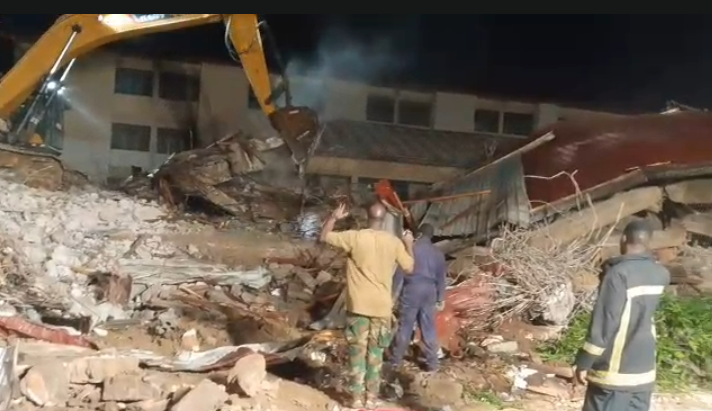
Yesterday, Sunday, March 29, a three‑storey building belonging to the Accra Newtown Experimental School collapsed after heavy rainfall in the early hours of the day.
Later in the evening, the building collapsed while it was being used as a makeshift church for worshippers.
A resident who claims to have lived in Accra New Town for about two decades said the collapse, which has claimed the lives of three (3) people (two females and one male), didn’t come as a surprise to him, as many of them knew the building wasn’t fit to be used.
“I have been living here for over 20 years, and this building was very, very weak. Everybody in the community knew it was unstable, yet they allowed services and activities inside, which is very bad,” the resident said.
Two people were earlier confirmed dead after confirmed dead after the structure caved in on Sunday, with rescue teams, including the Ghana Police Service, National Disaster Management Organisation (NADMO), and the Ghana National Fire Service (GNFS), using floodlights and heavy equipment to continue rescue operations after dark. Later reports confirmed another fatality, bringing the tally to three.
The Accra Mayor, Michael Kpakpo Allotey, confirmed the fatalities, and twenty people confirmed to be hospitalised after efforts by rescue teams. 23 persons (15 females, 8 males, including 3 minors) were trapped inside the building.
Another resident also indicated that, “They should have known that the building had collapsed. Very, very sad,” the resident lamented.
The cause of the collapse remains unclear, but the incident has already raised fresh concerns about safety standards and enforcement in the area.
Meanwhile, according to reports, the 14‑year‑old, three‑storey school block had already been declared unsafe by the Assembly and earmarked for demolition before it caved in on Sunday. Images showed it was not fully completed and structurally weak.
Similar cases of building collapse
In August 2024, a partially completed residential building collapsed in Madina, Accra. The incident occurred during construction and left several workers injured, requiring hospitalisation. Preliminary investigations pointed to poor construction practices, inadequate geological surveys, and weak supervision by municipal authorities as the main causes.
The collapse added to a string of similar incidents that year, including the Kasoa New Market tragedy, where four people died after a three‑storey building fell. In response, professionals in Ghana’s built environment called for mandatory geological surveys before permits are issued and stricter enforcement of building codes to prevent future disasters.
In early 2025, another collapse occurred in Adenta, Greater Accra Region, when a church building gave way during a worship service. Several congregants were trapped inside, though emergency services managed to rescue them.
The incident was attributed to structural weakness and poor maintenance, with visible cracks and incomplete reinforcements noted before the collapse. Public reaction was swift, sparking nationwide calls for stricter inspections of churches and public buildings, especially those hosting large gatherings.
Religious leaders, including Prophet Nigel Gaisie, publicly warned about unsafe structures in the Adenta–Pantang area, urging both spiritual vigilance and physical safety measures.
The Ghana Black Stars are in Austria for the 2026 World Cup preparatory match against the latter’s national team.
However, ahead of the game, Ghana’s national football team has been targeted in a robbery incident in Vienna ahead of their international friendly against Austria on Friday, March 27.
Earlier reports suggested that some team members were robbed during their stay. Two rolex watches and $2,250 cash owned by some management committee members and the players, had been taken from their rooms.
“The report that came in indicates that two valuables have been stolen. A $2,250 cash and two Rolex watches. The report indicated that cash belongs to management committee members, and the watches are for the players,” he said.
He added that the CCTV cameras at the hotel, where the Black Stars are lodging, were not functioning, making it difficult for the Austrian police to quickly identify the alleged robbers.
“Regarding where the police are camping, the hotel indicated that their CCTV cameras are not functioning, which has made it difficult for the FA to furnish the Austrian police with proper evidence.”
Despite the incident, officials say the situation is under control, with players and technical staff remaining calm and focused ahead of the scheduled match.
The GFA said it is working closely with relevant authorities in Austria and will provide further updates as more information becomes available.
Otto Addo names squad for Austria, Germany friendlies
On March 16, Otto Addo released the squad list for the upcoming friendlies against Austria and Germany this month, ramping up preparations for the 2026 FIFA World Cup.
The matches, set for Vienna on March 27 and Stuttgart on March 30, blend familiar faces from qualifiers with fresh talent to sharpen the team’s edge.
Addo handed debut call-ups to four promising players: defender Patrick Pfeiffer (SV Darmstadt), Derrick Luckassen (Pafos FC), wing-back Marvin Senaya (Auxerre), and forward Daniel Agyei (Kocalispor).
These inclusions signal Addo’s intent to build depth ahead of the global showpiece, injecting competition into key positions.
In goal, Lawrence Ati-Zigi (St. Gallen) leads alongside Benjamin Asare (Accra Hearts of Oak) and Joseph Anang (St. Patrick’s Athletic).
The defense features a robust mix, including Derrick Kohn (Union Berlin), Jerome Opoku (Istanbul Basaksehir), Caleb Yirenkyi (FC Nordsjaelland), Kojo Oppong Pepprah (OGC Nice), Jonas Adjetey (VFL Wolfsburg), Alexander Djiku (Spartak Moscow), and Gideon Mensah (Auxerre).
Midfield anchors Thomas Partey (Villarreal) with Elisha Owusu (Auxerre), Ibrahim Sulemana (Cagliari), and Kwasi Sibo (Real Oviedo), providing steel and creativity.
Up top, the attack bristles with firepower: Brandon Thomas Asante (Coventry City), Jordan Ayew (Leicester City), Prince Adu (Viktoria Plzen), Christopher Bonsu Baah (Al Qadsiah), Abdul Fatawu Issahaku (Leicester City), Inaki Williams (Athletic Bilbao), Antoine Semenyo (Manchester City), and Kamal Deen Sulemana (Atalanta).
How Black Stars qualified for the World Cup despite inconsistencies
Many Ghanaians gave up on the Black Stars due to their continuous dip in form and disappointing displays.
The teams’ decline in form became noticeable after the mid‑2010s, particularly following their runner‑up finish at AFCON 2015. Following this, the team kept losing its grip on its fans with the major blow being their failure to qualify for AFCON 2025, marking the lowest point in decades.
However, their qualification for the 2026 World Cup awakened fans’ hopes, and the Minister for Sports and Recreation, Kofi Adams, has indicated that his outfit adopted a strategy to make this happen. Under his term, the Black Stars out of the six matches played secured a win in five and one draw.
Speaking on the revival strategy, during an interview with Graphic Sports, he noted that the first strategy was to let the players know they were not going to be paid any bonuses, but to reward the broader objective of qualification.
“We started first by letting them know that we’re not going to pay them winning bonuses as it used to be… we want them to manage the team to make sure that we qualify,” he stated.
He acknowledged the waning confidence in the Black Stars before they qualified for the 2026 World Cup.
“There were a lot of people who gave up on Black Stars,” he said. “But through a certain strategic pull-up, we have been able to play six matches, won five and drawn one, and that made it possible for us to qualify, ” he added.
The government is set to reintroduce road tolls following its abolition in 2021 under the erstwhile government.
The National Democratic Congress (NDC) government first officially mentioned bringing back road tolls on January 13, 2025, during the vetting of Finance Minister-designate Dr Cassiel Ato Forson. He reaffirmed that reinstating tolls was part of the NDC’s 2024 manifesto promise.
One year after the mention of a reintroduction, it’s yet to be seen in effect raising questions from the Minority Caucus in Parliament.
Responding to the concerns of the Minority, the Roads and Transport Committee of Parliament, Chairman of the Committee and Member of Parliament for Wassa East, Isaac Adjei Mensah, revealed that the rollout of the road toll would begin in the last quarter of 2026.
He acknowledged the significance of the toll and the government’s move to restore a key source of revenue for road maintenance. The toll collection will no longer be manual but electronic.
“All feasibility studies and preparatory processes will soon be finalised,” he told the Parliamentary Press Corps, stressing that the rollout was on track.
He continued with a hit back at the Minority, noting that, “The Minority has no moral justification to criticise the pace of this policy,” he said.
Mr Adjei Mensah noted that before its abolition under the previous administration, road tolls generated about GH¢60 million monthly for the state.
He said the removal of the tolls created a significant revenue gap, weakening the country’s ability to fund road maintenance and infrastructure.
“Before its abolition by the previous administration, the road toll generated about GH¢60 million monthly for the state. The removal of the tolls created a significant revenue gap, weakening the country’s ability to fund road maintenance and infrastructure.”
The Committee also addressed concerns over road contracts awarded under the government’s “Big Push” infrastructure initiative, clarifying that only 44% of the 400 contracts were awarded through sole sourcing, with the remainder going through competitive bidding.
Other issues discussed included progress on the Boankra Inland Port project, the Mpakadan Railway System, plans to restructure the Road Fund into a Road Maintenance Trust Fund, and the part payment of GH¢107 billion in road arrears.
Mr Adjei Mensah said the electronic toll system would provide a sustainable and transparent mechanism for mobilising funds.
“This system will ensure efficiency in collection while restoring a reliable revenue stream for road infrastructure development,” he said.
Why was the toll abolished ?
Traffic congestion was one of the main reasons road tolls were abolished in Ghana. Long queues at toll booths slowed down movement significantly, creating delays for commuters and transport operators. The manual system of collection was inefficient and could not handle the growing volume of vehicles on the roads.
Another issue was inefficiency in the toll collection process. Manual handling of cash was prone to leakages and corruption, with revenue often not reflecting the actual number of vehicles passing through toll points. This undermined the purpose of tolls as a reliable source of funding for road maintenance.
Revenue mismanagement also raised concerns. There were questions about accountability and transparency in how toll funds were used. Many believed that the money collected was not being properly directed toward road infrastructure, which further weakened public trust in the system.
Social impact of the abolishment of tolls
One of the major effects of abolishing the tolls was unemployment, particularly among Persons with Disabilities (PWDs), many of whom were employed as toll booth operators and support staff.
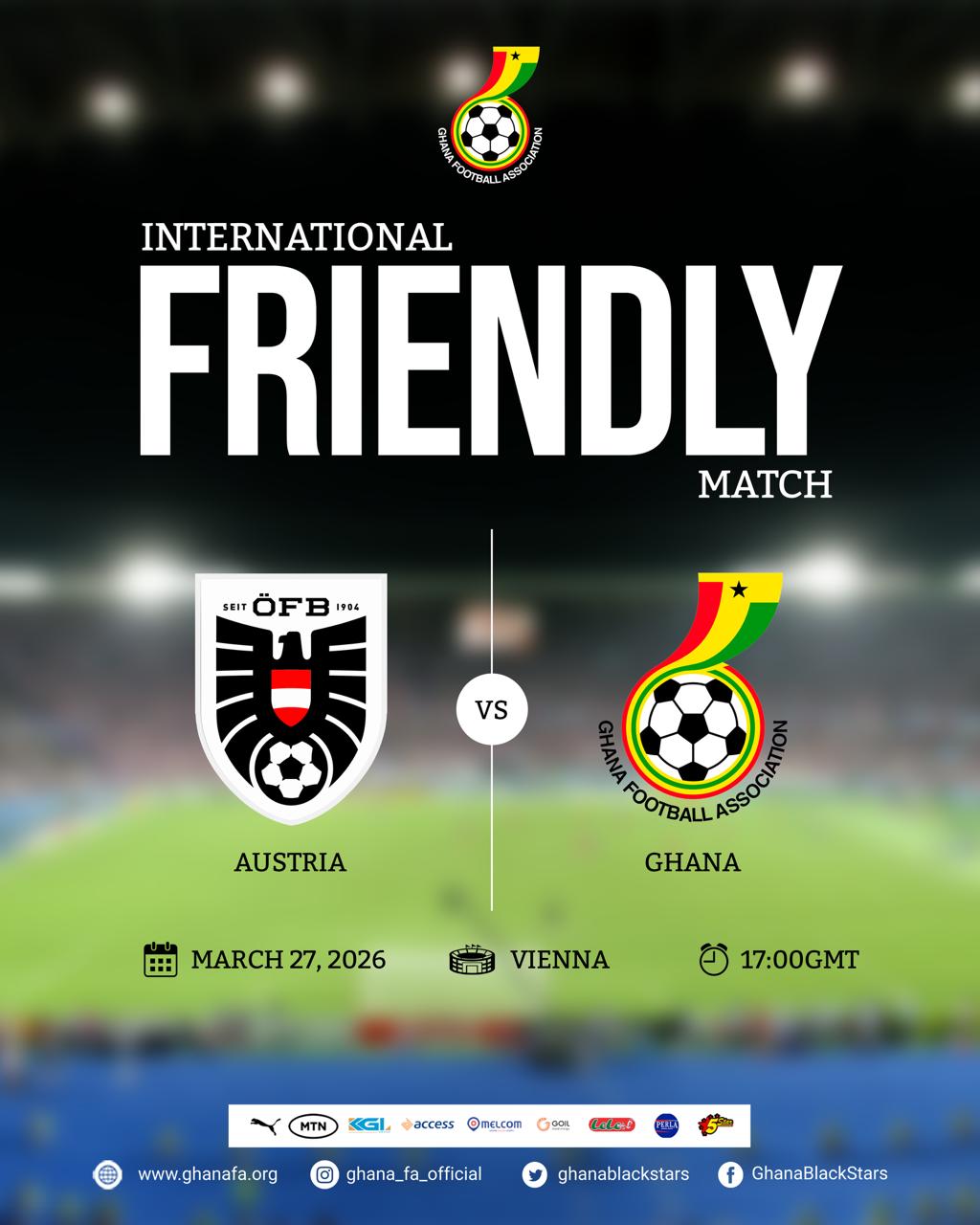
Ghana Black Stars’ friendlies with Austria are scheduled for today at the Ernest Happel Stadium in Vienna on Friday, March 27.
The game is set for 17:00 GMT, as part of preparations or warm-up for both teams to fine-tune their tactics as they await the main tournament, the 2026 FIFA World Cup in June.
For Ghana, the match will serve as a test of tactical effectiveness and an opportunity to assess the impact of debutants, as they look to justify their inclusion in the squad. Fans are expecting a contrast in styles, with Austria known for its disciplined, structured approach, particularly in midfield control, while Ghana’s strength lies in pace, flair, and quick counterattacking transitions.
For the Black Stars, the fixture presents an opportunity to test their attacking options against a well-organised European side and to sharpen defensive coordination against a team that thrives on possession and tactical discipline.
Austria, on the other hand, will look to assert dominance in midfield and dictate the tempo of the game, aiming to contain Ghana’s explosive forward play.
Otto Addo names squad for Austria, Germany friendlies
On March 16, Otto Addo released the squad list for the upcoming friendlies against Austria and Germany this month, ramping up preparations for the 2026 FIFA World Cup.
The matches, set for Vienna on March 27 and Stuttgart on March 30, blend familiar faces from qualifiers with fresh talent to sharpen the team’s edge.
Addo handed debut call-ups to four promising players: defender Patrick Pfeiffer (SV Darmstadt), Derrick Luckassen (Pafos FC), wing-back Marvin Senaya (Auxerre), and forward Daniel Agyei (Kocalispor).
These inclusions signal Addo’s intent to build depth ahead of the global showpiece, injecting competition into key positions.
In goal, Lawrence Ati-Zigi (St. Gallen) leads alongside Benjamin Asare (Accra Hearts of Oak) and Joseph Anang (St. Patrick’s Athletic).
The defense features a robust mix, including Derrick Kohn (Union Berlin), Jerome Opoku (Istanbul Basaksehir), Caleb Yirenkyi (FC Nordsjaelland), Kojo Oppong Pepprah (OGC Nice), Jonas Adjetey (VFL Wolfsburg), Alexander Djiku (Spartak Moscow), and Gideon Mensah (Auxerre).
Midfield anchors Thomas Partey (Villarreal) with Elisha Owusu (Auxerre), Ibrahim Sulemana (Cagliari), and Kwasi Sibo (Real Oviedo), providing steel and creativity.
Up top, the attack bristles with firepower: Brandon Thomas Asante (Coventry City), Jordan Ayew (Leicester City), Prince Adu (Viktoria Plzen), Christopher Bonsu Baah (Al Qadsiah), Abdul Fatawu Issahaku (Leicester City), Inaki Williams (Athletic Bilbao), Antoine Semenyo (Manchester City), and Kamal Deen Sulemana (Atalanta).
How Black Stars qualified for the World Cup despite inconsistencies
Many Ghanaians gave up on the Black Stars due to their continuous dip in form and disappointing displays.
The teams’ decline in form became noticeable after the mid‑2010s, particularly following their runner‑up finish at AFCON 2015. Following this, the team kept losing its grip on its fans with the major blow being their failure to qualify for AFCON 2025, marking the lowest point in decades.
However, their qualification for the 2026 World Cup awakened fans’ hopes, and the Minister for Sports and Recreation, Kofi Adams, has indicated that his outfit adopted a strategy to make this happen. Under his term, the Black Stars out of the six matches played secured a win in five and one draw.
Speaking on the revival strategy, during an interview with Graphic Sports, he noted that the first strategy was to let the players know they were not going to be paid any bonuses, but to reward the broader objective of qualification.
“We started first by letting them know that we’re not going to pay them winning bonuses as it used to be… we want them to manage the team to make sure that we qualify,” he stated.
He acknowledged the waning confidence in the Black Stars before they qualified for the 2026 World Cup.
“There were a lot of people who gave up on Black Stars,” he said. “But through a certain strategic pull-up, we have been able to play six matches, won five and drawn one, and that made it possible for us to qualify, ” he added.
He attributed the turnaround to a coordinated effort involving key stakeholders, including backing from the Presidency and renewed fan support, with supporters turning up in large numbers at the Accra Sports Stadium.
Assistant coach on Black Stars’ squad
The Black Stars’ assistant coach, John Paintsil, is confident Ghana has the ‘men’ to advance to the final stage of the 2026 FIFA World Cup slated for June.
The last time the Black Stars went close to getting to the semi-finals was in 2010 when they reached the semi‑finals of a FIFA World Cup in South Africa.
16 years down the line, the team’s assistant coach is optimistic that the squad to represent Ghana this year is more experienced now.
Reflecting on past setbacks, including group-stage exits in Brazil 2014 and Qatar 2022, Paintsil believes the squad is now better prepared to compete in the latter stages of the competition.
“We have enough experience to be in the semi-finals or final of the 2026 World Cup,” he noted during an interview with 3Sports.
Meanwhile, Ghana will open its campaign against Panama on June 17, 2026, face England on June 23, and conclude the group stage with a match against Croatia on June 27.
President John Dramani Mahama has for the first time spoken out after Lincoln University in Pennsylvania decided to withdraw an honorary doctorate that was to be conferred on him on 26 March, citing his leadership, public service, and advocacy for reparative justice.
On March 19, the University announced plans to confer the honour on President Mahama in a few days; however, on Tuesday, March 24, it released a formal statement indicating that it had rescinded its decision to confer, citing concerns raised internally about Mahama’s stance on LGBTQ+ issues.
Ghana’s Embassy in Washington confirmed the withdrawal, describing it as abrupt and regrettable.
Reacting to the development, President Mahama, speaking during an engagement with the Ghanaian community in Philadelphia on Thursday, March 26, stressed that Ghana’s ties with the university stand strong, despite “whatever disagreements have arisen”.
He said the school remains a sacred ground for him, as it was at Lincoln that Ghana’s most celebrated president was nurtured.
“Whatever disagreements have arisen, for me, Lincoln University holds a special place in my heart. It is where our first President, Dr Kwame Nkrumah, was nurtured intellectually and shaped in his Pan-Africanist struggle. It remains hallowed ground for Ghanaians and an integral part of our history,” he said.
He added that the relationship between Ghana and the university would endure despite the controversy.
“We cannot separate Lincoln University from the story of Ghana, and we will continue to hold the institution in the highest esteem,” he said.
President Mahama to sign anti-LGBTQ bill
President John Dramani Mahama had confidently stated that he would sign the anti-LGBTQ bill once Parliament successfully approve it.
During a courtesy visit by the Christian Council of Ghana on Tuesday, November 18, at Jubilee House, the President outlined the factors that had to be considered before he could assent to the bill.
“I believe that we have no questions or equivocations about what we believe. I believe that we are completely aligned with the Christian Council in terms of your beliefs. We agree with the Speaker to relay the bill and let Parliament debate it.
“And if there are any amendments or adjustments that need to be made, if the people’s representatives in Parliament endorse the bill, vote on it, and pass it, and it comes to me as president, I will sign it,” President Mahama said.
The controversial Human Sexual Rights and Family Values Bill, commonly referred to as the anti-LGBTQ bill, had been reintroduced in Parliament, according to Assin South MP, Reverend John Ntim Fordjour.
In an interview with The Independent Ghana on Thursday, February 27, Ntim Fordjour urged President John Dramani Mahama to sign the bill into law if Parliament approved it again.
He emphasised that the legislation reflected Ghanaian cultural values and called for swift action to ensure its implementation.
The bill, which aimed to outlaw LGBTQ+ activities and criminalise their promotion, advocacy, and funding, had previously been passed by the 8th Parliament. However, it did not receive Presidential assent under former President Nana Akufo-Addo’s tenure.
President John Dramani Mahama had also declared that the Anti-LGBTQ+ Bill, formally known as the Human Sexual Rights and Family Values Bill, was no longer active, as it expired with the previous Parliament’s session.
Speaking during a meeting with clergy, Mahama clarified the bill’s status, explaining, “As far as I know, the bill did not get to the President for assent. And so the convention is that all bills that are not assented to before the expiration of the life of Parliament expire, and so that Bill is effectively dead; it has expired.”
He underscored the importance of reinitiating discussions on the bill, suggesting a collaborative review process. “I do think that we should have a conversation on it again, so that all of us, if we decide to move that bill forward, move forward with a consensus,” Mahama stated.
Proposing a shift in the bill’s sponsorship, the former President argued that it should no longer be introduced as a private member’s bill but rather receive formal government backing. “I don’t know what the promoters of the bill want to do, but we should have a conversation about it again… probably it shouldn’t be a private members’ bill. It should be a government bill with government behind it after consultation with all the stakeholders to see how to move this forward,” he noted.
Before his return to office, Mahama had already expressed a cautious approach toward the bill, emphasising the need for a constitutional review. Speaking with BBC Africa on December 4, he elaborated: “It is not an anti-LGBTQI Bill; it is a Family Values Bill. It was approved unanimously by our Parliament. [LGBTQI] is against our African culture, it is against our religious faith, but I think we must look at the Bill, and the president must indicate what he finds wrong with that bill and send it back to Parliament, or he must send it to the Council of State and get the Council of State’s advice.”
Gold Board’s Chief Executive Officer, Sammy Gyamfi, has admitted his appointment came to him as a surprise.
Elected as the party’s National Communications Officer of the NDC and became the party’s chief spokesperson in 2018, he actively led the NDC’s communication strategy until he was announced CEO of GoldBoard in 2025 by President Mahama.
Speaking during an appearance on Joy News’ PM Express Business Edition on Thursday, March 26, Sammy Gymafi labelled his appointment as a humbling opportunity given to him by the president.
He said, “For me, it was an exciting call made by the president,” indicating that he anticipated an appointment to a communication role or to something similar due to his background and long-standing role as the party’s lead spokesperson. However, President Mahama, whom he said has been like a father to him over the years in his career, saw beyond what he could see as his capability.
“The president, to some of us, as a father figure, is not just a flagbearer. He’s not just our President, but somebody that I’ve enjoyed the father-son relationship with for some time now, and he’s a great visionary.
So what he may see in you, you may not even have seen in yourself. Maybe many never expected that, upon winning power, I would find myself where I am. I’m sure many have predicted that I may, I may have landed some communication-related job,” he said.
According to him, the President’s decision reflects a deeper confidence in his abilities, beyond public expectations.
“But the president, I think, saw something in me that many had not noticed at the time, and he decided to give me this opportunity,” he added.
Sammy Gyamfi also pointed to the support of Finance Minister Dr Cassiel Ato Forson, describing him as “like a brother,” as they work together to drive the President’s agenda for the gold sector.
He stressed that gold remains central to the government’s broader economic transformation plans, particularly in addressing long-standing challenges in the sector.
“Gold is very essential to the reset agenda of the President,” he said, explaining that the goal is to maximise national benefits and strengthen Ghana’s control over its mineral resources.
He highlighted concerns about “leakages” and “low repatriation of FX,” noting that the government is focused on ensuring that Ghanaians take charge of both extraction and trading, with proceeds returning to support the economy.
Despite acknowledging that many within the party are qualified for the role, Gyamfi described his appointment as a rare honour.
“So for me to have been given the opportunity was a rare privilege for which I am forever grateful to the president,” he said.
He added that his daily focus is to justify the trust placed in him.
“And every day when I wake up, my prayer is to work hard to justify the confidence he reposed in me and not to let him down.”
GoldBod added $3.8bn to formal gold exports
Meanwhile, a technical, independent report recently presented to GoldBod by economists from the University of Ghana (UG) and the University of Ghana Business School (UGBS)—Professor Festus Ebo Turkson, Professor Agyapomaa Gyeke-Dako, and economist Peter Junior Dotse—indicated that artisanal and small-scale mining (ASM) gold exports rose by 39.4 tons, increasing from 63.6 tons in 2024 to 103 tons in 2025.
According to the report, GoldBod had mitigated the rate at which gold was being smuggled out of Ghana; trading was now done officially through the proper channels, leading to an increase in the amount of foreign exchange flowing into the country. The benefits to the economy were much greater than the trading losses reported by the Bank of Ghana.
The report explained that each ton of gold was worth about US$96.5 million. Based on this value, the gold that was brought into the formal system was worth about US$3.8 billion in foreign currency.
This meant the benefits were 18 times greater than the US$214 million loss reported by the Bank of Ghana. In fact, the report stated that formalising just 2.2 tons of gold would have been enough to cover that loss.
Prof. Festus Ebo Turkson, one of the report’s authors, emphasised that “GoldBod converts illicit gold flows into formal FX, strengthens Ghana’s external position, and supports macroeconomic stability. Evidence shows it is a high-return policy intervention for the economy.”
The study also revealed that GoldBod’s initiatives reduced reliance on costly external borrowing. ASM exports facilitated by GoldBod in 2025 generated US$10.8 billion in FX inflows. Had Ghana borrowed equivalent funds externally at interest rates of 7–10%, it would have incurred annual interest costs of between US$756 million and US$1.08 billion.
Even when considering only the reduction in smuggling, the avoided annual interest costs ranged from US$266 million to US$380 million, creating a recurring economic benefit.
Last year, I took an English course in my ongoing programme that got me very close to the subject of the transatlantic slave trade. The course was a study of writings in the Reconstruction Era. We read Frederick Douglas’ fiction, Lincoln’s speeches, and watched heart-wrenching films such as “Slavery by Another Name.”
The harrowing tales I’d heard narrated by tour guides at Ghana’s slave castles and captured casually in textbooks I’d read growing up did not come close to the cruelty the slaves endured in the United States and elsewhere.
For this reason, I wholeheartedly agree with the declaration of slavery as the gravest crime against humanity.
President John Dramani Mahama and Samuel Okudzeto Ablakwa deserve immense commendation for pushing and securing the United Nations’ passage of the resolution declaring slavery as the gravest crime against humanity.
At the end of the semester, we were to produce a seminar paper. I proposed to my professor that, instead of doing a paper on how the slaves were treated in the United States, I wanted to explore how the slaves got onto the slave ships in the first place.
The literature I read for my paper, including from Africans such as Ghana’s Professor Akosua Perbi, showed that Africans were at the forefront of capturing their fellow Africans and selling them to the European slave traders who were based mainly along the coast. The Europeans conducted some raids, but they were minimal. One source estimated that 90% of the slaves captured and shipped abroad were captured by Africans.
The slave trade boomed whenever there were wars among African ethnic groups. Some wars were waged for the purpose of capturing and selling slaves. The powerful kingdoms made money by selling slaves, which they used to buy powerful weapons to fight and capture more slaves.
When the British abolished the slave trade, some powerful African kings, including some in Ghana, were unhappy that their source of wealth was being stifled.
I also read that some African countries, such as Benin, have formally apologised for their role in capturing and selling their own people into slavery.
Ghana subtly acknowledged its role when it launched the Joseph Project during the celebration of Ghana’s 50th independence anniversary. (In the Bible, Joseph was sold by his own brothers.)
That brings us to the second part of the push: the payment of reparations. If reparations are to be paid, countries such as Ghana should also be required to pay them for their role in the slave trade.
It will not be right to pay reparations to those who took part and benefited from the slave trade, even though the benefits and exploitation of the enslaved people were disproportional.
The descendants of the slaves in America, the Caribbean, and elsewhere legitimately deserve reparations, but the African countries whose people captured and sold slaves are accomplices, not victims.
In 100 years, it will be untenable for Ghana to demand reparations from China for destroying our forests in the illegal mining scourge. Without tacit support in fronting for the Chinese illegal miners (sometimes providing state security protection), they would not have succeeded in destroying our forests.
We need to tell ourselves the hard truth and learn from how we have hurt ourselves through selfishness and greed.
Parliament has finally passed the Legal Education Bill, 2025, after over three months of parliamentary deliberations since it was introduced by the Attorney General (AG) and Minister for Justice, Dr Dominic Ayine, on 3 December 2025.
The passage of the bill marks the end of the Ghana School of Law’s monopoly over professional legal training and opens the sector to accredited universities, among other significant reforms in the country’s legal education system.
Provisions of the Bill
The new law establishes a Council for Legal Education and Training, which will be responsible for regulating legal education and setting curriculum standards across institutions.
Under the new framework, a Law Practice Training Course will be introduced and offered by approved universities to prepare eligible candidates for a National Bar Examination.
During a speech on the floor of Parliament, the Majority Leader, Mahama Ayariga, noted that the passage of the Bill fulfils the National Democratic Congress (NDC)’s commitment to promoting equity, fairness, and improved access to legal education in Ghana.
“As has been typical of the NDC, promises made are delivered. We promised law students that if they vote for us, we will carry out reforms that will ensure equity, fairness and access to legal education,” he said
While the Minority acknowledged the significant milestone, it, however, charged the government to fulfil other promises, such as establishing a bank for women.
The Minority Leader, Alexander Afenyo-Markin, indicated that it has been nearly two years since the government took office, yet one of its flagship manifesto promises, establishing a women’s bank, remains unfulfilled.
“All of us have participated. This is not a bill that is identified with a particular party. I concede that indeed they made it a campaign promise. Mr Speaker, however, they equally promised that they were going to set up a bank for women. We are done with year one, year two, we have not seen the Women Bank,” he said.
Meanwhile, the passage of this bill has been quite swift compared to other major bills which were introduced over the years.
Examples of such bills include the Right to Information Act, the Petroleum Revenue Management Act, and the Affirmative Action Bill.
Ghana’s Parliament passed the Affirmative Action Bill on July 30, 2024. It received Presidential assent in September 2024, nearly two decades after it was first drafted in 2011, and was officially launched on July 31, 2025, at the Accra International Conference Centre.
The Right to Information Act (RTI) was first drafted in 1999, but was only passed on 26 March 2019. It was assented to on 21 May 2019 and came into force on 1 January 2020. This means it took about 20 years from introduction to passage. The long delay was due to political disagreements, concerns about implementation, and repeated postponements.
The Petroleum Revenue Management Act (PRMA) was drafted in 2009 after Ghana’s oil discovery and passed in 2011 as Act 815. It took about two years from drafting to passage. The delay was mainly because of the need for extensive stakeholder consultations to ensure transparency and accountability in how oil revenues would be managed.
The Plant Breeders’ Bill was introduced in 2013; as of 2026, it has still not been passed. The main reason for this delay is strong opposition from farmer groups and civil society organisations. They argue that the Bill threatens seed sovereignty and could favour multinational corporations over local farmers.
In short, while the Legal Education Bill, 2025, moved through Parliament in under four months, these other bills show how reforms can take years, or even decades, when there are political disagreements, complex stakeholder interests, or strong public resistance.
Ghana’s economy has been affected by oil price shocks amid Middle East tensions, and the escalating tensions are gradually taking a similar toll on gold prices as well.
Consequently, the Bank of Ghana has warned that the country may struggle to deal with a second shock, that is, the shocks from the oil price fluctuations, if the conflict continues.
Speaking during an interview with Accra-based TV station, on Channel One TV’s The Point of View with Bernard Avle on Wednesday, March 25, Dr Johnson Asiama said recent movements in gold prices reflect growing uncertainty in global markets.
“If you look at gold prices from last week, it appears we’re in a different world. Things are changing; not only are we facing shocks from oil, but we’re also likely to face a shock from gold,” he said.
The concerns are centred mainly on the unpredictability of the nature of the market now, citing that even though gold prices had declined sharply in 2025, it remains unclear whether current trends will be short-lived.
“The question is whether this is going to be a short-term phenomenon. We don’t know; we can only conjecture at this stage,” he explained.
Gold, being one of the significant commodities to the strength of the economy in terms of export earnings, the BoG governor highlighted the need for its stability as far as pricing is concerned.
“Gold constitutes a majority of our export earnings currently, and we cannot afford to have a second shock coming from gold,” he warned.
He, however, expressed hope that any downturn in gold prices would be temporary, adding that higher gold prices could help offset the impact of oil shocks.
“I’m hopeful that the gold phenomenon will be a short-lived one, while if we have higher gold prices, it helps to counter the impact of the oil,” he said. Amid the uncertainties, Mr Asiamah, however, indicated that Ghana’s current reserve status would provide some cushion against the external shocks.
“My comfort is that we were able to build adequate reserves in 2025. Almost six months of import cover should be able to carry us some distance,” he stated.
Dr Asiama cautioned that a prolonged Middle East crisis could make it difficult to sustain recent economic gains.
“Let’s just hope the crisis does not persist till the end of this year. Then it becomes challenging to preserve the gains achieved,” he added.
Meanwhile, Ghana’s external reserves have seen about 11.5% increase in the last few months. This comes after the Central Bank in January announced during the 128th MPC meeting that the country’s reserve had hit $13 billion.
However, in about 2 months, the external reserves have recorded a notable increase, reaching approximately $14.5 billion, the Bank of Ghana (BoG) Governor, Dr Johnson Pandit Asiama, said, providing about 5.8 months of import cover and strengthening the country’s external position.
The increase, according to BoG, helps maintain and build buffers to support the economy against external shocks.
Speaking during the opening of the 129th MPC meeting on Monday, March 16, Governor Dr Johnson Pandit Asiama indicated that the increase in reserves indicates a broader trend of improvement in macroeconomic conditions, i.e., Ghana’s economy is currently doing better than earlier predictions suggested.
He noted that inflation has continued to ease, declining to 3.3 per cent in February and extending a streak of 14 consecutive monthly reductions. The rate has now fallen below the central bank’s medium-term target band, presenting new considerations for policymakers.
The Governor also cited the economy’s improved fiscal performance, with Ghana recording a primary surplus of 2.6 per cent of GDP at the end of 2025. He added that economic activity in the real sector is gradually picking up, supported by rising business and consumer confidence as well as a modest recovery in credit growth.
“Taken together, these indicators suggest that the economy is stabilising faster than many anticipated, underscoring the impact of disciplined policy measures,” he said.
About two years ago, investor confidence in the Ghanaian economy was relatively weak, due to fiscal stress, high inflation, and currency volatility; however, according to records, lately, there has been development with economic indicators showing growth and a consecutive decline in inflation.
Consequently, Dr Johnson believes that the growth of Ghana’s external reserves will help attract investors and maintain their confidence to help sustain fiscal growth in the country.
“A stronger reserves position is essential for maintaining investor confidence and enhancing Ghana’s ability to withstand global economic shocks”, he noted.
He further disclosed that reserve accumulation will remain a priority under the government’s Ghana Accelerated National Reserve Accumulation Programme (GANRAP), which aims to significantly boost the country’s external buffers over the medium term.
“Reserve accumulation will remain a priority under the government’s Ghana Accelerated National Reserve Accumulation Programme (GANRAP), which aims to significantly boost the country’s external buffers over the medium term. The initiative targets an increase in reserves to the equivalent of 50 months of import cover by 2028, compared with the current level of about 5.8 months”, he continued.
Burkina Faso’s March 16 ban on fresh tomato imports has raised concerns about a potential shortage in Ghanaian markets. This is because Ghana imports a very large share of its fresh tomatoes from Burkina Faso, about 75,000 tonnes annually, valued at roughly GH¢400 million, particularly during dry seasons.
However, speaking during a press conference on Wednesday, 25 March, in Accra, Minister of Food and Agriculture, Eric Opoku, assured Ghanaians that there will be no tomato shortage as widely being reported, as the government has stepped up measures to boost yields, cut post-harvest losses and expand irrigation-backed production to stabilise supply.
Among the measures are the drilling of over 200 boreholes across the Northern Region, securing more land for tomato cultivation and improving irrigation systems, as well as introducing improved tomato seeds for better yields.
“Collaboration with the West Africa Centre for Crop Improvement will deliver improved tomato seeds capable of raising yields to at least 15 metric tonnes per hectare within months. In addition, the government is expanding irrigation under the Vegetable Development Project, including cluster farming in Ahafo and Fanteakwa, drilling 250 boreholes across the northern regions, and securing hundreds of hectares under existing irrigation systems for immediate tomato cultivation,” he indicated.
He continued, “We have been importing tomatoes from Burkina Faso to supplement local production… a clear indication that if we don’t put in place the right mechanisms to increase production, we are likely to run into challenges,” Mr Opoku noted.
Ghana’s annual tomato demand stands at about 805,000 metric tonnes, while current production is estimated at 510,000 metric tonnes, leaving a deficit of nearly 300,000 metric tonnes.
One of the major concerns raised by the Minister was a long-standing trend of post-harvest losses, citing the loss of about 30 percent of local production- approximately 153,000 metric tonnes.
Reducing the losses could significantly close the supply gap, he said, adding that: “It is not about increasing the size of the land under cultivation. It is about developing the right variety and creating the conditions to maximise output.”
Under the Vegetable Development Project, Mr Opoku said farmers were being supported with improved seeds, fertilisers and technical guidance, alongside irrigation infrastructure to ensure year-round production.
The Vegetable Development Project (VDP) is Ghana’s flagship agricultural initiative launched in November 2025 in Kukuom, Ahafo Region, aimed at boosting local vegetable production, reducing reliance on imports, and creating jobs. It focuses on tomatoes, onions, peppers, and other key vegetables, with strong government support for farmers.
He noted that 60 hectares each had been developed in Ahafo and Fanteakwa with mechanisation and water supply systems, while additional sites were being prepared for expansion.
A rehabilitated irrigation scheme had made 500 hectares available for immediate tomato production after agreements were reached to connect farmers with buyers to guarantee off-take, he added.
One hundred hectares had also been secured at Akumadan to further scale up production.
The Minister said ongoing interventions to improve productivity, reduce waste and strengthen market systems would stabilise supply and enhance food security in the long term.
Govt’s response to the ban
Meanwhile, the government has announced that it will engage the Burkina Faso government over the indefinite export ban on fresh tomatoes.
In a statement shared on Friday, March 20, the Ministry of Trade, Agribusiness and Industry said the engagement will focus on resolving concerns surrounding the ban while exploring a mutually beneficial outcome for both countries.
It said, “The engagement will focus on resolving concerns surrounding the ban while exploring a mutually beneficial outcome for both countries, given the longstanding trade ties and Ghana’s reliance on tomato imports from Burkina Faso”.
The government also continued that, “The government reiterates its commitment to working with stakeholders to boost local tomato production under the ‘Feed Ghana’ and ‘Feed the Industry’ programmes, aimed at increasing output to meet demand on the domestic market”.
The Ministry also urged tomato traders and the general public to remain calm while it makes an effort to reach an amicable resolution to restore normal trade flows between the two countries.
World Bank secures $20m grant for Ghana amid looming tomato crisis
As part of efforts to avert this crisis, the World Bank has secured a $20 million grant from the Dutch government to mitigate the impact of a looming tomato shortage in Ghana.
Speaking at a World Bank-civil society organisation (CSO) engagement on food security held in Accra, an Agricultural Economist with the World Bank, Dr Ashwini Sebastian, noted that the institution will collaborate with the local tomato traders association to strengthen supply chains, improve storage facilities, and support domestic production.
“Our colleagues from the Dutch embassy will come in. We have been able to leverage that small grant to get a $20 million grant for tomato interventions in Ghana from the Dutch Ministry of Foreign Affairs, and so we are in the phase of designing that intervention.
“We will reach out to the tomato association more because we have been having some debates about location and trying to cluster the intervention.”
Until when will Ghana be independent?
Reacting to the new development, the Agric Ministry said it has urged Ghanaian farmers to intensify dry-season farming to boost local production and stabilise food supply to mitigate the pressures from the ban.
Speaking in an interview on Joy News on Thursday, March 19, the deputy Agriculture Minister, John Dumelo, acknowledged that Ghana’s dependence on Burkina for tomatoes may not end immediately, but with intense local farming in the dry season under improved irrigation infrastructure, the country should be self-sufficient in the next 3-4 years.
“For us, going to Burkina Faso for tomatoes might not end immediately, but once they get encouraged, within three or four years, we should be self-sufficient when it comes to tomato production,” he said.
He urged farmers to scale up production, pledging the government’s readiness to support them to produce tomatoes, especially during this ban.
“I told them to let me know what they need to help them scale up production, especially in the next dry season… The government is committed to helping them to scale up production,” he added.
The Ayawaso West Wuogon Member of Parliament continued that, “I am yet to get the reason why the Burkina Faso government announced the ban and the details that come with it. But last year, I was in the Northern Region, and I urged them to produce tomatoes in the dry season. This dry season, I went back, and most of them are doing just that,” he added.
TCL, a global leader in consumer electronics, has been announced as the Official Electronics Sponsor of the University of Ghana Corporate Football League.
This reinforces the company’s commitment to innovation, community engagement, and healthier living.
The University of Ghana Corporate Football League brings together corporate organisations in a professionally organised football competition that promotes fitness, teamwork, networking, and healthy lifestyles among working professionals.
Over the years, the league has grown into one of Ghana’s most exciting corporate sporting platforms, encouraging participants to balance demanding work schedules with physical activity and wellness.
Through this partnership, TCL will showcase some of its latest innovations, including the TCL C6K QD Mini LED TV and the TCL FreshIN Air Conditioner, both designed to enhance everyday living through smart technology and health-focused features.
The TCL C6K QD Mini-LED TV delivers exceptional picture quality and immersive viewing experiences, while its certified eye-protection mode helps reduce eye strain during extended viewing.
Similarly, the TCL FreshIN Air Conditioner features fresh-air circulation technology, bringing cleaner, healthier air into indoor spaces to support greater comfort and well-being.
Speaking of the partnership, TCL said the values behind the league strongly align with the brand’s mission to improve lifestyles through intelligent technology.
“Just as the University of Ghana Corporate Football League encourages professionals to stay active and prioritise their health, TCL continues to innovate products that support healthier living at home and in the workplace,” Dennis Fixon Laryea, Head of Marketing, West Africa.
As the Official Electronics Sponsor, TCL will support the league through brand activations, technology showcases, and engagement initiatives that connect players, fans, and corporate teams with the brand’s latest innovations.
This partnership highlights TCL’s ongoing investment in sports, wellness, and community development, while bringing world-class technology closer to consumers across Ghana.
Many Ghanaians gave up on the Black Stars due to their continuous dip in form and disappointing displays.
The teams’ decline in form became noticeable after the mid‑2010s, particularly following their runner‑up finish at AFCON 2015. Following this, the team kept losing its grip on its fans with the major blow being their failure to qualify for AFCON 2025, marking the lowest point in decades.
However, their qualification for the 2026 World Cup awakened fans’ hopes, and the Minister for Sports and Recreation, Kofi Adams, has indicated that his outfit adopted a strategy to make this happen. Under his term, the Black Stars out of the six matches played secured a win in five and one draw.
Speaking on the revival strategy, during an interview with Graphic Sports, he noted that the first strategy was to let the players know they were not going to be paid any bonuses, but to reward the broader objective of qualification.
“We started first by letting them know that we’re not going to pay them winning bonuses as it used to be… we want them to manage the team to make sure that we qualify,” he stated.
He acknowledged the waning confidence in the Black Stars before they qualified for the 2026 World Cup.
“There were a lot of people who gave up on Black Stars,” he said. “But through a certain strategic pull-up, we have been able to play six matches, won five and drawn one, and that made it possible for us to qualify, ” he added.
He attributed the turnaround to a coordinated effort involving key stakeholders, including backing from the Presidency and renewed fan support, with supporters turning up in large numbers at the Accra Sports Stadium.
Ghana friendlies with Austria, Germany
On March 16, Otto Addo released the squad list for the upcoming friendlies against Austria and Germany this month, ramping up preparations for the 2026 FIFA World Cup.
The matches, set for Vienna on March 27 and Stuttgart on March 30, blend familiar faces from qualifiers with fresh talent to sharpen the team’s edge.
Addo handed debut call-ups to four promising players: defender Patrick Pfeiffer (SV Darmstadt), Derrick Luckassen (Pafos FC), wing-back Marvin Senaya (Auxerre), and forward Daniel Agyei (Kocalispor).
These inclusions signal Addo’s intent to build depth ahead of the global showpiece, injecting competition into key positions.
In goal, Lawrence Ati-Zigi (St. Gallen) leads alongside Benjamin Asare (Accra Hearts of Oak) and Joseph Anang (St. Patrick’s Athletic).
The defence features a robust mix, including Derrick Kohn (Union Berlin), Jerome Opoku (Istanbul Basaksehir), Caleb Yirenkyi (FC Nordsjaelland), Kojo Oppong Pepprah (OGC Nice), Jonas Adjetey (VFL Wolfsburg), Alexander Djiku (Spartak Moscow), and Gideon Mensah (Auxerre).
Midfield anchors Thomas Partey (Villarreal) with Elisha Owusu (Auxerre), Ibrahim Sulemana (Cagliari), and Kwasi Sibo (Real Oviedo), providing steel and creativity.
Up top, the attack bristles with firepower: Brandon Thomas Asante (Coventry City), Jordan Ayew (Leicester City), Prince Adu (Viktoria Plzen), Christopher Bonsu Baah (Al Qadsiah), Abdul Fatawu Issahaku (Leicester City), Inaki Williams (Athletic Bilbao), Antoine Semenyo (Manchester City), and Kamal Deen Sulemana (Atalanta).
Assistant coach on Black Stars’ squad
The Black Stars’ assistant coach, John Paintsil, is confident Ghana has the ‘men’ to advance to the final stage of the 2026 FIFA World Cup slated for June.
The last time the Black Stars went close to getting to the semi-finals was in 2010 when they reached the semi‑finals of a FIFA World Cup in South Africa.
16 years down the line, the team’s assistant coach is optimistic that the squad to represent Ghana this year is more experienced now.
Reflecting on past setbacks, including group-stage exits in Brazil 2014 and Qatar 2022, Paintsil believes the squad is now better prepared to compete in the latter stages of the competition.
“We have enough experience to be in the semi-finals or final of the 2026 World Cup,” he noted during an interview with 3Sports.
Ghana will open its campaign against Panama on June 17, 2026, face England on June 23, and conclude the group stage with a match against Croatia on June 27.
After nearly a decade’s journey with The Reds, Mohammed Salah has announced he will bid farewell to the club and fans at the end of the season.
In a video shared on all his social media platforms, he noted that his stint with the club will “unfortunately” come to an end.
“Unfortunately, the day has come. This is the first part of my farewell. I will be leaving Liverpool at the end of the season,” he said.
He continued by expressing his gratitude to the club for their support during his 9-year spell at the club, leaving a lasting mark on his life and even that of his family, citing the times he was dealing with the Covid-19 pandemic and, more recently, the death of team-mate Diogo Jota.
He said, “I never imagined how deeply this club, this city, these people would become part of my life. Liverpool is not just a football club. It’s a passion. It’s a history. It’s a spirit.
“I can’t explain it in words to anyone not part of this club. We celebrated victory. We won the most important trophies, and we fought together through the hardest time in our lives. I want to thank everyone who was part of this club throughout my time here, especially the teammates, past and present.”
Salah also hailed the support he has received from Liverpool fans who “showed me through the best time of my career” and also “stood by me in the toughest times”.
“It’s something I will never forget and something I will take with me always. Leaving is never easy,” he said.
“You gave me the best time of my life, I will always be one of you. The club will always be my home, to my family, and to me. Thank you for everything. Because of all of you, I will never walk alone.”
Liverpool said that Salah’s time at Anfield had been a “remarkable nine-year chapter” and plans to show their appreciation will come at a later date.
“With plenty still left to play for this season, Salah is firmly focused on trying to achieve the best possible finish to the campaign for Liverpool,” the club added.
“Therefore, the time to fully celebrate his legacy and achievements will follow later in the year when he bids farewell to Anfield.”
Liverpool paid AS Roma an initial fee of €42 million (about £36.9m at the time) in June 2017 to sign a five (5) year deal for Salah, and at the time, it was reported to be the club’s record fee.
After the contract expired in 2022, he extended it by three years, keeping him at the club until June 2025. The club later triggered an option to extend his stay into the 2025/26 season.
By his own high standards, this has been a difficult campaign for Salah on the pitch.
He has scored 10 goals in 34 games in all competitions so far and is on course to finish with his lowest tally for a season during his time at Anfield.
In December, Salah gave an interview to reporters after Liverpool’s 3-3 draw at Leeds, where he said he was “thrown under the bus” by the club and his relationship with head coach Arne Slot had broken down.
There was speculation Salah could leave in the January transfer window, but he subsequently returned to the side following his involvement in the Africa Cup of Nations.
It is not clear for which club or in which country Salah will play next season after leaving Anfield.
Liverpool said the timing of Salah’s announcement was because he wished to tell supporters “at the earliest possible opportunity” and to “provide transparency about his future due to his respect and gratitude for them”.
Minister for Sports and Recreation, Kofi Adams, sparked speculations about Andre Dede Ayew’s possible return to the Black Stars early this month after he indicated that he wouldn’t be surprised to see Andre Ayew included in Ghana’s squad for the 2026 FIFA World Cup.
“Dede Ayew, too, is picking up, and as long as he has not retired, I won’t be surprised if he makes it into the [2026 World Cup] squad,” Adams said on Adom FM on March 3.
While some fans were excited about the news, others suggested he remained sidelined to allow the new generation of players an opportunity.
H maintains that Ayew’s return is possible; however, the final decision rests with the team’s head coach, Otto Addo.
“Fortunately, I’m the minister. Unfortunately, I’m not the coach. The coach has the final say on this. If they include him, why not? I won’t be surprised”, he said.
Meanwhile, the former Black Stars captain Andre Dede Ayew hasn’t represented Ghana since he last played for the Black Stars at the 2023 Africa Cup of Nations (AFCON) in Côte d’Ivoire.
Speaking during an interview on Adom TV’s Fire for Fire, the brother of former team captain and current Black Stars captain Jordan Ayew said the current squad has what it takes to compete without major additions.
He insists that the current squad that secured the country a spot in the global football tournament should be maintained, as they are more than enough.
“I think the players who played during the qualifiers have done extremely well. I don’t think we need any additions. I believe we have a good team and, as time goes on, we are improving,” he told Adom TV’s Fire for Fire in an exclusive interview.
He added that the squad’s cohesion continues to improve despite limited training time together. “We haven’t had much time to train together, but the unity is getting better, and everything is improving,” Ayew added.
The Leicester City forward also suggested that introducing significant changes at this stage may not be ideal, though he acknowledged that the final call lies with the technical team.
“I don’t think this is the right time to make changes. But to be honest, on the technical side, the coach will know whom to add or select,” he said.
“Whoever is added must be ready to give their all and put on a show,” Ayew added.
The 36-year-old was notably absent from Ghana’s squad for upcoming international friendlies against Austria and Germany later this month.
Otto Addo names squad for Austria, Germany friendlies
On March 16, Otto Addo released the squad list for the upcoming friendlies against Austria and Germany this month, ramping up preparations for the 2026 FIFA World Cup.
The matches, set for Vienna on March 27 and Stuttgart on March 30, blend familiar faces from qualifiers with fresh talent to sharpen the team’s edge.
Addo handed debut call-ups to four promising players: defender Patrick Pfeiffer (SV Darmstadt), Derrick Luckassen (Pafos FC), wing-back Marvin Senaya (Auxerre), and forward Daniel Agyei (Kocalispor).
These inclusions signal Addo’s intent to build depth ahead of the global showpiece, injecting competition into key positions.
In goal, Lawrence Ati-Zigi (St. Gallen) leads alongside Benjamin Asare (Accra Hearts of Oak) and Joseph Anang (St. Patrick’s Athletic).
The defense features a robust mix, including Derrick Kohn (Union Berlin), Jerome Opoku (Istanbul Basaksehir), Caleb Yirenkyi (FC Nordsjaelland), Kojo Oppong Pepprah (OGC Nice), Jonas Adjetey (VFL Wolfsburg), Alexander Djiku (Spartak Moscow), and Gideon Mensah (Auxerre).
Midfield anchors Thomas Partey (Villarreal) with Elisha Owusu (Auxerre), Ibrahim Sulemana (Cagliari), and Kwasi Sibo (Real Oviedo), providing steel and creativity.
Up top, the attack bristles with firepower: Brandon Thomas Asante (Coventry City), Jordan Ayew (Leicester City), Prince Adu (Viktoria Plzen), Christopher Bonsu Baah (Al Qadsiah), Abdul Fatawu Issahaku (Leicester City), Inaki Williams (Athletic Bilbao), Antoine Semenyo (Manchester City), and Kamal Deen Sulemana (Atalanta).
President John Dramani Mahama has announced that the government will not sponsor the travel of supporters to the 2026 FIFA World Cup to prevent unnecessary pressure on the already strained public purse.
Speaking at the Ghana World Cup fundraising campaign on Friday, March 20, at Kempinski Hotel Gold Coast City in Accra, the President noted that the decision has been informed by recommendations from the Dzamefe Report, which advised the government to discontinue sponsoring fans to such tournamnets using taxpayers’ money.
“In consonance with the Dzamefe Report, the government has no plans to allocate public funds to fly supporters to the World Cup,” he said.
It was an investigative report prepared by the Commission of Inquiry, chaired by Justice Senyo Dzamefe, set up in July 2014 by President John Mahama. Its purpose was to examine the scandals that unfolded during the tournament and recommend reforms for Ghana’s football administration.
The President explained that not even a handful of supporters can be sponsored, citing that flying and accommodating just 200 supporters could cost close to $2 million, which would heavily impact the government’s purse.
“The logistical support required to fly and accommodate even just 200 supporters is staggering,” he added, while acknowledging the importance of boosting the Black Stars’ morale during the tournament. However, he said the government must prioritise the prudent use of public resources.
“We all want to see our fans in the stands, but we must be responsible in how we use public resources,” he added, stressing the need to channel funds into critical areas such as job creation.
The decision means that supporters who wish to travel to the tournament in the United States, Canada, and Mexico will have to rely on private funding, sponsorships, or other fundraising efforts.
Sports Minister’s earlier remarks on the government’s sponsorship
Sports Minister, Kofi Adams, announced a new twist in supporters’ sponsorship by the government for the 2026 FIFA World Cup.
Ghana sealed their place at the 2026 World Cup with a hard-fought 1-0 victory over Comoros in their final Group I qualifier at the Accra Sports Stadium on Sunday, October 12, marking the country’s fifth appearance at football’s biggest tournament, which will be hosted in the United States, Mexico, and Canada.
Past governments have mostly offered some form of financial support, be it full or partial, for supporters who travel to attend the World Cup. However, it has become a challenge over the years due to financial constraints.
Consequently, in early November last year, Kofi Adams noted that, although it has been a long-standing practice, he “doesn’t recommend” it.
However, in a radio interview on Asempa FM’s Ultimate Sports Show in Accra on February 5, he acknowledged the tradition of sponsoring fans to support the Black Stars, adding that it is for that reason that his outfit has set up a fundraising committee.
“The policy that we should take for fans is clear. We should work at it, and that is why we have set up a fundraising committee. The number we would take ultimately will depend on how much we raise,” he stated.
He explained that the government seeks to sponsor some Ghanaian fans for the 2026 World Cup so Ghana will have strong support at the tournament.
The government believes Ghana should not only be represented by its team but also by its fans. However, he detailed that the number of supporters will be heavily dependent on the funds available to the government.
He continued that, as part of the fundraising committee’s task, is to raise resources to cover travel and accommodation for supporters who will journey to back the Black Stars at the tournament.
He acknowledged, however, that the plan requires significant financial backing, prompting the government to appeal to the private sector and the general public for support.
“This is why we are appealing to corporate bodies, companies, mining firms and well-meaning individuals to come on board and support this initiative,” he said.
Earlier, Mr Adams explained his objection to the government funding supporters to the World Cup, citing the need for the government to prioritise investment in the country’s sports infrastructure instead of spending it on fan sponsorship.
“We are in a period of austerity. We need money to build sports infrastructure in Ghana. If we are going to spend money to transport supporters all the way to America, that same amount can build five multipurpose parks in some communities,” he stated.
While confirming that government funding is off the table, Mr Adams encouraged individuals and corporate organisations to step in.
“I believe there are a lot of Ghanaians in those areas. Anyone who wants to go should find their own resources; we can facilitate their travel documents. Or we can mobilise support from corporate bodies — both private and public, to assist the fans.
“Government can collaborate with corporations to support, which would be a good idea, but putting government money into the budget to take supporters, I don’t think so,” he added.
In a related development, reviewing and rationalising the Black Stars’ budget has saved the country about $700,000, the Sports and Recreation Minister, Kofi Adams, has said.
According to him, the savings come after a directive from President Mahama that the budget for the national team be made public ahead of the resumption of the 2026 FIFA World Cup qualifiers.
In compliance, the Buem Constituency Member of Parliament (MP) made it public after the Black Stars’ recent doubleheader against Chad.
The decision by the Buem Member of Parliament drew criticism from sections of the football fraternity, who questioned the disclosure of the team’s financial details.
However, speaking to the media after Vice President Jane Naana Opoku Agyemang paid a working visit to the Ministry of Sports and Recreation, Mr Adams defended the policy, describing it as prudent and beneficial.
“We worked closely with the FA to rationalise the budgeting and disbursement processes, and this has saved close to $700,000 across two Black Stars matches,” he said.
Mr Adams stressed that the cost-cutting measures did not negatively affect the team, noting that players and the technical staff received all their entitlements.
“These measures have gone a long way to build confidence. The players did not suffer, and the technical team did not suffer. They continued to receive what was due them, even with the savings,” he added.
The Vice President’s visit saw the presence of Ghana Football Association (GFA) President Kurt Okraku, Deputy Directors of the National Sports Authority, Veronica Commey and Gideon Hammond, as well as Sports Ministry Chief Director Wilhelmina Asamoah.
Ghana risks a severe nationwide tomato shortage following Burkina Faso’s indefinite export ban. As part of efforts to avert this crisis, the World Bank has secured a $20 million grant from the Dutch government to mitigate the impact of a looming tomato shortage in Ghana.
Speaking at a World Bank-civil society organisation (CSO) engagement on food security held in Accra, an Agricultural Economist with the World Bank, Dr Ashwini Sebastian, noted that the institution will collaborate with the local tomato traders association to strengthen supply chains, improve storage facilities, and support domestic production.
“Our colleagues from the Dutch embassy will come in. We have been able to leverage that small grant to get a $20 million grant for tomato interventions in Ghana from the Dutch Ministry of Foreign Affairs, and so we are in the phase of designing that intervention.
“We will reach out to the tomato association more because we have been having some debates about location and trying to cluster the intervention.”
The tomato ban and the government’s reaction so far The World Bank’s support comes after the Burkina government, in a formal communique dated March 16, and signed by both the Trade and Agriculture ministers of the Francophone country, announced that a ban has become necessary to feed the country’s national processing units.
This sparked widespread concerns about its potential to worsen Ghana’s tomato supply crisis, as Ghana imports approximately 70-80% of its tomatoes from Burkina Faso, worth about $400 million annually.
Consequently, the Government of Ghana has announced plans to engage authorities in Burkina Faso, given the potency of its impact on supply in the Ghanaian market.
In a statement shared on Friday, March 20, the Ministry of Trade, Agribusiness and Industry said the engagement will focus on resolving concerns surrounding the ban while exploring a mutually beneficial outcome for both countries.
It said, “The engagement will focus on resolving concerns surrounding the ban while exploring a mutually beneficial outcome for both countries, given the longstanding trade ties and Ghana’s reliance on tomato imports from Burkina Faso”.
The government also continued that, “The government reiterates its commitment to working with stakeholders to boost local tomato production under the ‘Feed Ghana’ and ‘Feed the Industry’ programmes, aimed at increasing output to meet demand on the domestic market”.
The Ministry also urged tomato traders and the general public to remain calm while it makes an effort to reach an amicable resolution to restore normal trade flows between the two countries.
Also, the Burkina government indicated that the issuance of Special Export Authorisations (ASE) has also been suspended. The Special Export Authorisations (ASE) are official permits issued by the government that allow traders to export certain goods,
“Economic operators and the public are hereby informed that, to ensure the supply of national processing plants, the export of fresh tomatoes is suspended throughout the national territory until further notice. Consequently, the issuance of Special Export Authorisations (ASE) is suspended.
The letter also stated that operators holding valid fresh tomato export permits have two (2) weeks from the date of signature of the communiqué to complete their export procedures. After two weeks, the permit will be considered invalid.
“Economic operators holding valid fresh tomato export authorisations have two (2) weeks from the date of signature of this communiqué to complete their export procedures. After this period, the authorisation will be considered invalid”, the statement continued.
The Burkinabé government warned that any violator of the directive will be sanctioned in accordance with applicable regulations.
“Furthermore, any goods seized in violation of this measure will be returned, free of charge, to the fresh tomato processing plants established under the popular shareholding scheme,” the letter translated to English noted.
It continued that, “The Government is counting on the understanding and cooperation of all stakeholders in the tomato sector, as well as all state technical services, particularly border control services and security forces, to ensure the proper implementation of the terms of this communiqué”.
How long will it take Ghana to be independent? Ghana’s Deputy Agriculture Minister and Member of Parliament for Ayawaso West Wuogon, John Dumelo, speaking in reaction to the ban, said that last year the government engaged some farmers in the Northern Region to intensify production and adopt modern farming techniques, including dry-season tomato cultivation, to boost local output.
According to him, during his engagement with the tomato farmers, one of the major challenges identified was the lack of a proper irrigation system, which he said the government is ready to support.
“With a ban on the tomato export, it’s something that we need to further interrogate. I read a memo yesterday and [it’s] something that I need to find out whether it’s true and why they’ve banned it.”
He continued that the current local production is not enough, citing that “Ghana can hit tomato self‑sufficiency in four years if we sustain dry‑season farming and support local producers.”
A total of 106 foreign nationals have been jailed after pleading guilty to unlawful entry into Ghana in October last year.
The sentence was handed down by the Accra High Court on March 12, highlighting the government’s strict enforcement of immigration laws.
Of the 106, 55 received 28-day prison sentences, while the remaining 51 were each handed four-week sentences.
After serving their sentences, the court ordered their deportation to their respective home countries.
According to the police, the accused persons, most of whom are reportedly French nationals, entered Ghana between January and October 2025. None of them reported to the nearest Immigration Office, produced valid travel documents, or completed the prescribed legal processes.
The accused persons were spotted around the Kuntunse Satellite area in Accra on October 7 last year under suspicious circumstances. After further enquiries, authorities discovered they were living in a local residence.
During interrogation, the suspects refused to provide their true identities. They were subsequently arrested and taken to the Criminal Investigations Department (CID) Headquarters for further investigation. They were later processed for court on March 12, 2026, where they pleaded guilty to charges of unlawful entry into Ghana.
Meanwhile, 44 Ghanaians who fell victim to the widely reported QNET scam and were lured to Nigeria have been repatriated, according to the Ministry of Foreign Affairs.
The group comprised 27 men and 17 women.
They were transported back to Ghana on March 20 after being rescued from suspected human trafficking camps in Akwa Ibom, a coastal state in southern Nigeria.
Most of the victims reportedly travelled from Ghana in December last year in search of better opportunities, but were intercepted during an operation by the Nigerian police before their repatriation.
Rescue operations: Victims recount ordeal
One of the victims, recounting her experience after being lured barely a month ago, said they were apprehended during a late-night operation and criticised the approach adopted by the police.
According to her, “The police officers were dressed in black and wearing masks as though it was a kidnapping. Some of us were beaten as we tried to resist, fearing that we were being kidnapped. I was traumatised.”
Another victim said they spent four days in a private facility after their rescue before being brought back to Ghana.
Recruitment style
On how they were recruited, one victim said she was promised assistance to secure a job in South Africa and paid GH¢16,000 as a service charge, while another said he paid GH¢10,000 for similar arrangements.
A female victim, who spoke on condition of anonymity, said she had been promised travel to South Africa but was instead made to sell products on commission upon arrival in Nigeria.
“I left Ghana in December last year, and I was told I would be sent to South Africa to work. However, upon arriving in Nigeria, I was given some health products to sell on a commission basis. Although I sold some, I couldn’t meet the target to earn any commission,” she said.
She acknowledged that they were fed twice a day but said their living conditions were poor. She also expressed regret over the decision, including the loss of GH¢16,000 given to her by her father.
She called on the Ghanaian government to intensify efforts to create jobs for the youth to discourage risky migration in search of opportunities abroad.
In a related development, 320 individuals were arrested by the Economic and Organised Crime Office (EOCO) in Kumasi as part of efforts to combat organised crime.
The raid, carried out on November 6, 2025, was described by EOCO as a breakthrough in its ongoing operations against human trafficking and economic crimes linked to the QNET fraud scheme.
Of that number, 25 were identified as suspected members of the fraud and trafficking network, while the remaining 295 were believed to be victims who had been lured into QNET-related schemes.
The operation followed an earlier raid in Kasoa two weeks prior, which resulted in more than 26 arrests.
EOCO said the operation was the result of months of careful investigations, demonstrating its commitment to tackling organised and economic crime.
The 25 suspects were being questioned and were expected to face prosecution under Ghanaian law.
The agency also said it was working with QNET to “clamp down on the misuse of their brand name to traffic and defraud innocent individuals.”
EOCO assured the public of its continued efforts to combat financial and organised crime and urged citizens to report suspicious activities.
The QNET scheme is known for luring individuals with promises of high-paying jobs or large profits abroad. However, many victims end up deceived, trapped in debt, or forced to recruit others.
A Ghanaian citizen has challenged the government’s decision to rename Kotoka International Airport (KIA), citing a breach of the Constitution.
The plaintiff, a private legal practitioner, Austin Kwabena Brako-Powers, filed the suit on March 13, invoking the Supreme Court’s original jurisdiction.
In the writ submitted by the plaintiff’s lawyers at the apex court in Kumasi, Mr. Powers requested about seven reliefs, stating that the renaming of the airport is “in contravention of the law, Article 11(1)(d)… and paragraph 8(1)(a) of the General Kotoka Trust Decree, 1969 (NLCD 339).” He argued that until the law is changed or repealed through the proper procedures, it “remains valid and binding.”
NLCD 339 created a corporate trust in Kotoka’s name, appointed patrons and trustees, established a fund, and set out rules for its management and accountability. His lawyer, Michael Akosah of Adu-Gyamfi & Associates, submitted the writ in Kumasi.
“Any executive order purportedly issued to effect the renaming of Kotoka International Airport to Accra International Airport… is null, void, and of no legal effect,” he stated in the filing.
It continued: “An order annulling the reversion of the Kotoka International Airport to Accra International Airport for contravening Article 11 of the Constitution of the Republic of Ghana, 1992, and paragraph 8(1)(a) of the General Kotoka Trust Decree, 1969 (NLCD 339).”
He further contends that the decision to rename the airport, announced by the government as part of a broader transport sector rebranding, breaches Articles 11(1)(d) and 11(4) of the 1992 Constitution.
The plaintiffs are seeking an interim injunction to halt the implementation of the proposed renaming pending the determination of the case, and a perpetual injunction to permanently restrain the government from enforcing the decision unless the applicable law is duly amended, repealed, or set aside.
“An order of perpetual injunction restraining the Government, through the Ministry of Transport, its assigns, agents, privies, or any person acting under its authority, from implementing or enforcing the purported renaming unless and until NLCD 339 is lawfully amended, repealed, or nullified. Any further or consequential orders as this Honourable Court may deem fit,” it added.
What right does he have to sue the state?
Mr Powers cited his right as a citizen as one of the bases for seeking such relief, adding that the move is not just in his personal interest but in the interest of the general public, emphasising the need to protect the 1992 Constitution as Ghana’s supreme law.
“The Plaintiff herein, a citizen of Ghana and a registered voter, invokes the original jurisdiction of this Honourable Court pursuant to Articles 2(1) and 130(1) of the Constitution of the Republic of Ghana, 1992, for the enforcement and interpretation of the Constitution. The Plaintiff is acting not only in his own interest, but in the general interest of Ghanaians to safeguard the primary law of Ghana, the 1992 Constitution,” he continued.
The suit was filed under Rule 45(1) of the Supreme Court Rules, 1996 (C.I. 16), and the Attorney-General has fourteen days from the date of service to respond.
“IN THE NAME OF THE REPUBLIC OF GHANA, you are hereby commanded, within fourteen days after service on you of the statement of the Plaintiff’s case, inclusive of the day of service, to file or cause to be filed for you a statement of the defendant’s case in an action at the suit of…,” Mr. Powers stated.
Kotoka International Airport was named after Lt. Gen. Emmanuel Kwasi Kotoka, one of the key figures in the 1966 coup that ousted Dr Kwame Nkrumah.
He was killed a year later during a counter-coup attempt, and the airport was subsequently named in his honour.
The proposed renaming sparked public debate, with some questioning the necessity and others pointing to the historical significance of the existing name.
Meanwhile, the fixing of signage at Accra International Airport has been completed. This was announced by the airport authorities, who indicated that the works were completed in the early hours of Saturday, March 21, after initial delays the previous day.
According to the authorities, “the maintenance, including repainting and installation, was carried out at night after the last flight due to the height of the structures and the impact on the car park area, to minimise inconvenience to the public and travelling passengers.”
This is expected to enhance navigation within Terminal 3 and reinforce Ghana’s position as a preferred aviation hub in the sub-region.
Forty-four (44) Ghanaians who fell victim to QNET and were lured to Nigeria, a widely reported scam scheme, have been repatriated, according to the Ministry of Foreign Affairs.
The forty-four include twenty-seven (27) men and seventeen (17) women.
They were bused to Ghana on March 20 after being rescued from suspected human trafficking camps in Akwa Ibom, a coastal state in southern Nigeria.
Most of the victims are reported to have travelled out of Ghana in December last year in search of better opportunities but were intercepted during an operation by the Nigerian police before their repatriation.
Rescue operations: Victims express mixed reactions, recount ordeal in Nigeria
One of the victims, recounting how she was treated in Nigeria after being lured barely a month ago, said they were apprehended during a late-night operation. She lamented the approach adopted by the police during the rescue.
According to her, “The police officers were dressed in black and were wearing masks as though it was a kidnapping. Some of us were beaten as we tried to resist, fearing that we were being kidnapped. I was traumatised.”
Another victim added that following their rescue, they spent four days in a private facility before being brought back to Ghana.
Recruitment style
On how they were recruited, one victim said she was promised assistance to secure a job in South Africa and paid GH¢16,000 as a service charge, while another said he paid GH¢10,000 for similar arrangements.
One female victim, who spoke on condition of anonymity, said she had been promised travel to South Africa but was instead engaged in selling products on commission upon arrival in Nigeria.
“I left Ghana in December last year, and I was told I would be sent to South Africa to work. However, upon arriving in Nigeria, I was given some health products to sell on a commission basis. Although I sold some, I couldn’t meet the target to earn any commission,” she said.
Acknowledging that they were fed twice a day, she indicated that their living conditions were far from satisfactory and expressed regret over the decision, including the loss of GH¢16,000 given to her by her father.
Consequently, she called on the Ghanaian government to intensify efforts to create jobs for the youth to discourage risky migration in search of opportunities abroad.
In a related development, three hundred and twenty (320) individuals were arrested by the Economic and Organised Crime Office (EOCO) Kumasi in its fight against organised crime.
The raid, carried out on Thursday, November 6, 2025, was announced by EOCO as a breakthrough in its ongoing operation against human trafficking and economic crimes linked to the QNET fraud scheme.
Of that number, 25 were treated as suspected members of the fraud and trafficking network, while the remaining 295 were believed to be victims who had been lured into QNET-related employment and human trafficking schemes.
The operation was larger than the Kasoa raid two weeks earlier, which had resulted in more than 26 arrests.
EOCO said the raid was not random but the result of months of careful investigations, demonstrating its commitment to tracking down and prosecuting individuals involved in economic and organised crime.
The 25 people believed to be behind the scheme were being questioned and were expected to face further investigations, with the aim of prosecuting them and securing convictions under Ghana’s laws.
The agency also said it was working with QNET to “clamp down on the misuse of their brand name to traffic and defraud innocent individuals.”
EOCO assured the public that it would continue to fight financial and organised crime and encouraged people to report suspicious activities.
The QNET scheme was known for luring individuals with promises of large profits or well-paid jobs abroad, but many ended up being deceived, trapped in debt, or forced to recruit others.
This was why the operation was considered both a fraud and a human trafficking scheme disguised as a business opportunity.
EOCO’s action targeted local actors exploiting the model.
Also, EOCO, in a joint operation on Friday, October 17, busted a human trafficking syndicate operated mainly by Ghanaians and Ivorians.
In a statement shared the same day, the crime intelligence agency announced that following the raid, it had successfully rescued 26 victims of human trafficking, comprising sixteen (16) Ghanaians and ten (10) Ivorians.
These nationals had fallen victim to job opportunity scams run by individuals posing as recruitment agents for QNET, a multinational company known for its wellness and lifestyle products.
The operation, dubbed “Operation Quest,” was conducted by EOCO’s Anti-Human Trafficking Unit in collaboration with QNET, around 10:30 a.m.
“The operation, code-named Operation Quest, followed intelligence that some foreigners and Ghanaians had been trafficked under the guise of employment with the QNET Company — a reputable organisation that trades in wellness and lifestyle products.
The suspects include two (2) Ivorians and seven (7) Ghanaians, while the victims were made up of ten (10) Ivorians and sixteen (16) Ghanaians,” the statement noted.
The organisation clarified that these individuals had no legitimate ties to the company and were exploiting QNET’s reputation to carry out their illicit activities.
“All nine (9) suspects are currently in the custody of EOCO to assist in investigations,” parts of the statement added.
EOCO cautioned the public against falling for such scams and advised that all reports of employment offers purportedly from QNET be directed to the appropriate authorities. It also reminded the public that the company is working to restore its reputation, which has suffered due to impersonation by groups and agencies using its name for fraudulent recruitment schemes.
A growing preference for fashion braces among Ghanaian youth has sparked concern among health professionals, particularly dentists.
Many, according to reports, are being influenced by trends on social media platforms such as TikTok, Instagram, and Facebook, where colourful, customised braces have become fashion statements.
Given the medical implications associated with these unsafe devices, a dentist at the Tema General Hospital has warned the public against their use, citing serious oral health risks, including permanent damage to the jaw structure.
Speaking during the World Oral Health Day celebration at the hospital under the theme “A Happy Mouth is a Happy Life,” she indicated that most of these fashion braces are fitted by unqualified practitioners.
She noted that, given the critical role oral health plays in overall well-being, individuals should consult qualified professionals before opting for braces.
According to her, these ‘quack’ practitioners often fail to follow proper medical procedures, such as wearing gloves and sterilising instruments, which could lead to infections and long-term oral health complications.
Referring to cases recorded at the facility, she cited an instance where a patient lost his teeth due to unregulated fashion braces.
She therefore stressed the need to seek the services of an orthodontic specialist who possesses the required knowledge and experience.
She further warned the youth to avoid cheap, low-cost services often used as bait, as they can result in serious long-term health consequences.
Purpose of dental braces
Dental braces are orthodontic devices used to straighten and align teeth, correct bite problems, and improve overall dental health. They apply gentle, continuous pressure over time to move teeth into the desired position.
What are they made of, how are they worn, and for how long?
Braces are made up of several key components that work together to gradually align the teeth. These include brackets, which are small square attachments bonded to each tooth, and archwires, which are thin metal wires that connect the brackets. Bands or elastics—small rubber rings—are also used to apply additional pressure and help guide the teeth into their correct positions.
The primary purpose of braces is to correct crooked or crowded teeth and to close gaps between them. They are also used to fix bite issues such as overbite, underbite, crossbite, and open bite. Beyond improving dental alignment, braces can enhance jaw positioning and contribute to better facial symmetry.
Typically, braces are worn for one to three years, depending on the severity of the case. During this period, patients are required to attend regular orthodontic appointments to adjust the wires and monitor progress. After the braces are removed, patients are usually advised to wear a retainer to maintain the new alignment and prevent the teeth from shifting back.
Types of braces
Traditional metal braces are made of stainless steel brackets and wires. They are the most common type of braces and are known for being strong and highly effective, especially in complex cases. They are also usually the cheapest option. However, they are very visible in the mouth and can sometimes cause irritation to the lips and cheeks. The typical global cost ranges between $3,000 and $7,000.
Ceramic braces use brackets that are tooth-colored or clear, making them less noticeable than metal braces. They are effective for most orthodontic corrections and are often chosen for cosmetic reasons. On the downside, ceramic braces are more fragile, can stain easily, and are slightly more expensive than traditional braces. Their cost generally falls between $4,000 and $8,000.
Lingual braces are placed behind the teeth, on the tongue side, making them invisible from the front. This makes them appealing for people who want their braces completely hidden. However, they are harder to clean, can affect speech, and are often more uncomfortable at first. They are also the most expensive option, with costs starting around $8,000 and going above $10,000.
Clear aligners, such as Invisalign, are removable transparent trays that fit over the teeth. They are nearly invisible and can be taken out for eating and cleaning, which makes them convenient. The main drawback is that they are less effective for severe orthodontic cases and require discipline to wear consistently for 20–22 hours a day. Their typical cost ranges between $4,000 and $7,500.
Eighteen (18) container shops have been completely razed by fire at Konongo Main in the Newtown Electoral Area in the early hours of Saturday, March 21, destroying several businesses.
Residents and affected parties expressed concern over the absence of fire tenders at the time of the incident, noting that some shops could have been saved if they had been available.
Sources indicate that fire stations at Konongo, Ejisu, and Subin were not operational, prompting authorities to call the Effiduase Fire Station for assistance. However, the fire tender dispatched from Effiduase reportedly developed a fault while en route to the scene.
Consequently, residents joined firefighters in adopting tactical means under intense conditions to bring the blaze under control. Meanwhile, investigations have been launched by authorities to ascertain the cause of the fire.
The Assembly Member for the Konongo Newtown Electoral Area, Nana Kofi Gyau, speaking to Adom News correspondent Isaac Amoako, confirmed that the fire destroyed 18 metal container shops and injured one resident.
Some victims who spoke to Adom News expressed disappointment over the delayed response, citing the absence of a functioning fire tender during the emergency. Meanwhile, former Assembly Member for the Newtown Electoral Area, Joseph Yanson, also spoke to Adom News on the incident.
Fire cases in the Ashanti Region so far
The Ashanti Region has recorded two-hundred and eight (208) fire outbreaks between January and February this year. This information was disclosed by the Ashanti Regional Commander of the Ghana National Fire Service, ACFO1 Peter Tetteh, at the launch of an inter-market quiz on fire safety in Kumasi on Tuesday, March 3.
ACFO1 Peter Tetteh said the 208 outbreaks recorded in the first two months of 2026 were slightly lower than the 237 incidents reported during the same period in 2025. ACFO1 Peter Tetteh noted that heightened activities during this time of the year make communities particularly vulnerable to fire outbreaks.
“Market fires cause a lot of devastation. The aim is to get traders involved in fire prevention so that they can own the market, understand what causes fires, and prevent them,” ACFO1 Tetteh said. In the early hours of Monday, February 23, the Zabzugu market in the Northern Region was destroyed by a fire incident.
The incident left several traders stranded, as they assess the large quantities of yams and other goods lost in the fire outbreak. Ghana has experienced several market fire incidents in recent years.
Earlier this year, a large fire swept through sections of the Madina Market in Accra, triggering a swift response from the Ghana National Fire Service as efforts continue to contain the blaze.
The GNFS, in a Facebook update, said fire appliances from the Madina and Legon stations were dispatched to the market shortly after the incident was reported. Fire officers are working under difficult conditions to control the flames, with heavy smoke spreading across the busy trading area.
While the exact scale of destruction has not yet been determined, early indications point to damage to a number of stalls and merchandise.
In response, traders and nearby residents have been moved away from the affected areas, as security personnel restrict access to parts of the market to enable firefighters to carry out their operations.
Authorities have not yet established the cause of the fire, noting that investigations will begin after the situation is fully brought under control.
In the same area, an inferno destroyed several makeshift wooden and metal structures used for both commercial and residential purposes at Madina Washing Bay near Redco Flat on Sunday evening, August 3.
The blaze destroyed utility poles, traders’ wares, personal belongings, and an unspecified number of structures worth several thousand cedis, according to the Ghana National Fire Service (GNFS).
In a Facebook post, the Fire Service noted that while battling the inferno, one of its firefighters sustained a minor leg injury.
The Ghana National Fire Service noted that it received the distress call at 12:36 hours and responded swiftly, with the first crew from Madina Fire Station arriving within 4 minutes at 12:40 hours to confront the fully developed fire.
Also, four (4) fire engines from Legon, Abelempke, and GNFS Headquarters joined the operation to contain the blaze. According to the GNFS, thanks to the timely and coordinated efforts, the fire was confined at 13:42 hours and fully brought under control at 13:54 hours.
President John Dramani Mahama has announced that the government will not sponsor the travel of supporters to the 2026 FIFA World Cup to prevent unnecessary pressure on the already strained public purse.
Speaking at the Ghana World Cup fundraising campaign on Friday, March 20, at Kempinski Hotel Gold Coast City in Accra, the President noted that the decision has been informed by recommendations from the Dzamefe Report, which advised the government to discontinue sponsoring fans to such tournamnets using taxpayers’ money.
“In consonance with the Dzamefe Report, the government has no plans to allocate public funds to fly supporters to the World Cup,” he said.
It was an investigative report prepared by the Commission of Inquiry, chaired by Justice Senyo Dzamefe, set up in July 2014 by President John Mahama. Its purpose was to examine the scandals that unfolded during the tournament and recommend reforms for Ghana’s football administration.
The President explained that not even a handful of supporters can be sponsored, citing that flying and accommodating just 200 supporters could cost close to $2 million, which would heavily impact the government’s purse.
“The logistical support required to fly and accommodate even just 200 supporters is staggering,” he added, while acknowledging the importance of boosting the Black Stars’ morale during the tournament. However, he said the government must prioritise the prudent use of public resources.
“We all want to see our fans in the stands, but we must be responsible in how we use public resources,” he added, stressing the need to channel funds into critical areas such as job creation.
The decision means that supporters who wish to travel to the tournament in the United States, Canada, and Mexico will have to rely on private funding, sponsorships, or other fundraising efforts.
Sports Minister’s earlier remarks on the government’s sponsorship
Sports Minister, Kofi Adams, announced a new twist in supporters’ sponsorship by the government for the 2026 FIFA World Cup.
Ghana sealed their place at the 2026 World Cup with a hard-fought 1-0 victory over Comoros in their final Group I qualifier at the Accra Sports Stadium on Sunday, October 12, marking the country’s fifth appearance at football’s biggest tournament, which will be hosted in the United States, Mexico, and Canada.
Past governments have mostly offered some form of financial support, be it full or partial, for supporters who travel to attend the World Cup. However, it has become a challenge over the years due to financial constraints.
Consequently, in early November last year, Kofi Adams noted that, although it has been a long-standing practice, he “doesn’t recommend” it.
However, in a radio interview on Asempa FM’s Ultimate Sports Show in Accra on February 5, he acknowledged the tradition of sponsoring fans to support the Black Stars, adding that it is for that reason that his outfit has set up a fundraising committee.
“The policy that we should take for fans is clear. We should work at it, and that is why we have set up a fundraising committee. The number we would take ultimately will depend on how much we raise,” he stated.
He explained that the government seeks to sponsor some Ghanaian fans for the 2026 World Cup so Ghana will have strong support at the tournament.
The government believes Ghana should not only be represented by its team but also by its fans. However, he detailed that the number of supporters will be heavily dependent on the funds available to the government.
He continued that, as part of the fundraising committee’s task, is to raise resources to cover travel and accommodation for supporters who will journey to back the Black Stars at the tournament.
He acknowledged, however, that the plan requires significant financial backing, prompting the government to appeal to the private sector and the general public for support.
“This is why we are appealing to corporate bodies, companies, mining firms and well-meaning individuals to come on board and support this initiative,” he said.
Earlier, Mr Adams explained his objection to the government funding supporters to the World Cup, citing the need for the government to prioritise investment in the country’s sports infrastructure instead of spending it on fan sponsorship.
“We are in a period of austerity. We need money to build sports infrastructure in Ghana. If we are going to spend money to transport supporters all the way to America, that same amount can build five multipurpose parks in some communities,” he stated.
While confirming that government funding is off the table, Mr Adams encouraged individuals and corporate organisations to step in.
“I believe there are a lot of Ghanaians in those areas. Anyone who wants to go should find their own resources; we can facilitate their travel documents. Or we can mobilise support from corporate bodies — both private and public, to assist the fans.
“Government can collaborate with corporations to support, which would be a good idea, but putting government money into the budget to take supporters, I don’t think so,” he added.
In a related development, reviewing and rationalising the Black Stars’ budget has saved the country about $700,000, the Sports and Recreation Minister, Kofi Adams, has said.
According to him, the savings come after a directive from President Mahama that the budget for the national team be made public ahead of the resumption of the 2026 FIFA World Cup qualifiers.
In compliance, the Buem Constituency Member of Parliament (MP) made it public after the Black Stars’ recent doubleheader against Chad.
The decision by the Buem Member of Parliament drew criticism from sections of the football fraternity, who questioned the disclosure of the team’s financial details.
However, speaking to the media after Vice President Jane Naana Opoku Agyemang paid a working visit to the Ministry of Sports and Recreation, Mr Adams defended the policy, describing it as prudent and beneficial.
“We worked closely with the FA to rationalise the budgeting and disbursement processes, and this has saved close to $700,000 across two Black Stars matches,” he said.
Mr Adams stressed that the cost-cutting measures did not negatively affect the team, noting that players and the technical staff received all their entitlements.
“These measures have gone a long way to build confidence. The players did not suffer, and the technical team did not suffer. They continued to receive what was due them, even with the savings,” he added.
The Vice President’s visit saw the presence of Ghana Football Association (GFA) President Kurt Okraku, Deputy Directors of the National Sports Authority, Veronica Commey and Gideon Hammond, as well as Sports Ministry Chief Director Wilhelmina Asamoah.
It was a colourful sight to behold yesterday at Independence Square as Muslims from across the nation, particularly from the capital, thronged the venue to join the Eid al-Fitr celebrations.
Marking the end of the month of Ramadan, they gathered in unity, clad in colourful and elegant traditional attire, including jilabiyas and matching outfits worn by families.
Eid-ul-Fitr marks the conclusion of Ramadan, a sacred period during which Muslims fast from dawn to sunset, engage in prayer, and extend charity to the less privileged.
The day is traditionally characterised by communal prayers, official receptions, and private gatherings where families and friends exchange greetings and gifts.
Speaking at the ceremony, President John Dramani Mahama told them to sustain the values imbibed during Ramadan, citing the need for them to uphold unity, modesty and compassion even after the fasting had ended.
On the other hand, the National Chief Imam, Sheikh Osmanu Nuhu Sharubutu, expressed concern over rising indiscipline among the youth, cautioning that it poses a serious threat to the country’s future leadership.
He also drew attention to the growing menace of drug abuse, especially within sections of the Muslim community, describing the situation as both painful and urgent, and calling for collective action to address it.
Also, in a pre-Eid-ul-Fitr guidance message to the Muslim community on Thursday, March 19, the Imam noted that the conclusion of the Holy Month of Ramadan should serve as more than just a period of celebration.
He urged Muslims to ensure their festivities remain “within the bounds of decency, modesty, and legality”.
The Grand Imam explained that the true essence of fasting, as outlined in the Quran, is for believers to attain a state of piety, that is, to become spiritually pure and devoted to God, and once this is attained, it is expected to be evident in one’s daily conduct and behaviour adding that “mould us as people whose behaviours conform to the norms of society and the laws of the state”.
The high-profile event attracted a host of dignitaries, including Majority Leader Mahama Ayariga, Minority Leader Alexander Afenyo-Markin, Deputy Minority Chief Whip Jerry Ahmed Shaib, Supreme Court Justice Amadu Tanko, and ACP flagbearer Hassan Ayariga, among others.
Burkina Faso’s indefinite ban on exporting fresh tomatoes remains a major concern for Ghana.
Following the Trade and Agriculture Minister of the military-led country’s official communique on the ban, several stakeholders have expressed concerns about its impact on supply in the Ghanaian market, since Ghana imports about 70-80% of its tomatoes from the country.
Adding to the voices of concern is the Head of Protocol at the Ministry of Food and Agriculture, Mr Justice Quarm, who has admitted that the ban on tomato imports from Burkina Faso will significantly affect Ghana.
During an interview on Accra-based radio station Adom FM’s Dwaso Nsem, he noted that “the ban on tomato imports from Burkina Faso will significantly affect Ghana,” citing that this is not the first time such a ban has occurred.
He recounted a similar situation in November 2024 under the erstwhile government, when political
He recalled that between November and December 2024, following political events in Burkina Faso, authorities there imposed a similar ban, which disrupted supply and led to a sharp increase in prices in Ghana. After the incumbent government assumed power, it engaged farmers to find lasting solutions.
The government intervention later led to a tomato glut, after which traders complained, prompting another intervention by the government through buffer stock purchases.
He, however, revealed that among the challenges identified after the government’s engagement with farmers is the lack of irrigation systems, inadequate funding and limited access to farming equipment.
However, he noted that a major challenge remains the types of tomato species grown locally, which affect quality and demand.
“The current ban is going to really hit Ghanaians because all the measures the Ministry and government have put in place to boost local tomato production have not yet fully materialised,” he added.
To address this, he said the government has encouraged the formation of cooperatives to improve large-scale production and has also cut sod for the construction of a tomato processing plant.
Despite these interventions, he admitted that the current ban will still impact Ghanaians, as many of the long-term measures have not yet fully materialised.
He further noted that the government is taking additional steps, including plans to establish a farm service centre at Afram Plains, where improved tomato and vegetable seedlings will be made available to farmers.
Meanwhile, the government of Ghana has announced that it will engage the Burkina Faso government over the indefinite export ban on fresh tomatoes.
In a statement shared on Friday, March 20, the Ministry of Trade, Agribusiness and Industry said the engagement will focus on resolving concerns surrounding the ban while exploring a mutually beneficial outcome for both countries.
It said, “The engagement will focus on resolving concerns surrounding the ban while exploring a mutually beneficial outcome for both countries, given the longstanding trade ties and Ghana’s reliance on tomato imports from Burkina Faso”.
The government also continued that, “The government reiterates its commitment to working with stakeholders to boost local tomato production under the ‘Feed Ghana’ and ‘Feed the Industry’ programmes, aimed at increasing output to meet demand on the domestic market”.
The Ministry also urged tomato traders and the general public to remain calm while it makes an effort to reach an amicable resolution to restore normal trade flows between the two countries.
Can Ghana be self-sufficient soon or later?
The Agric Ministry said it has urged Ghanaian farmers to intensify dry-season farming to boost local production and stabilise food supply to mitigate the pressures from the ban.
Speaking in an interview on Joy News on Thursday, March 19, the deputy Agriculture Minister, John Dumelo, acknowledged that Ghana’s dependence on Burkina for tomatoes may not end immediately, but with intense local farming in the dry season under improved irrigation infrastructure, the country should be self-sufficient in the next 3-4 years
“For us, going to Burkina Faso for tomatoes might not end immediately, but once they get encouraged, within three or four years, we should be self-sufficient when it comes to tomato production,” he said.
He urged farmers to scale up production, pledging the government’s readiness to support them to produce tomatoes, especially during this ban.
“I told them to let me know what they need to help them scale up production, especially in the next dry season… The government is committed to helping them to scale up production,” he added.
The Ayawaso West Wuogon Member of Parliament continued, “I am yet to get the reason why the Burkina Faso government announced the ban and the details that come with it. But last year, I was in the Northern Region, and I urged them to produce tomatoes in the dry season. This dry season, I went back, and most of them are doing just that,” he added.
Zongo community residents are allegedly being denied passports, national IDs, including Ghana cards due to their names, according to the Member of Parliament for Ayawaso East, Mohammed Baba Jamal Ahmed.
He said authorities involved in the issuance of these documents deny Muslims based on perceptions that they are foreigners and not Ghanaians.
During an engagement with journalists on Friday, March 20, the immediate past High Commissioner of Ghana to Nigeria indicated that his constituents, including those in Nima and other Muslim communities, have faced such challenges for some time now, but these places have been home to diverse ethnic groups and tribes.
“It is important that all of us take note of how people from the Zongos are sometimes seen as aliens or foreigners, and on that basis, many are being denied national ID cards, passports, and other identification documents just because of their names or ethnic backgrounds. This issue needs urgent attention,” he said.
He warned that denying citizens access to identification documents not only violates their rights but also risks fostering tension and division in society.
He continued with an expression of gratitude to President John Mahama for an extra holiday for Muslims to celebrate their Eid al-Fitr festivities after a successful month of fasting.
According to him, the extra holiday addresses differences in fasting periods while reinforcing unity among citizens.
“We thank the president for adding one holiday to Eid-ul-Fitr. Previously, some people fasted for 29 days while others fasted for 30 days, which caused challenges. With the two holidays now, everyone can celebrate Eid in peace and harmony,” he added.
Baba Jamal emphasised that Ghana’s strong interfaith harmony remains a source of pride, with Muslims and Christians openly supporting and participating in each other’s religious celebrations.
About the double holiday
Friday, March 20, 2026 and Monday, March 23, 2026, have been declared nationwide public holidays.
The Ministry of Interior announced in a statement issued on Friday, March 13.
According to the statement, the holiday is declared in recognition of the celebrations of Eid ul-Fitr and Shaqq Day, which fall on Friday, March 20 and Saturday, March 21, 2026, respectively.
“The general public is hereby informed that Friday, 20th March and Saturday, 21st March 2026 mark Eid-Ul-Fitr and Shaqq Days, which are Statutory Public Holidays,” parts of the statement read.
According to the statement, both days are statutory public holidays under the Public Holidays and Commemorative Days Act (Act 601).
However, the Ministry explained that since March 21, 2026, falls on a Saturday, John Dramani Mahama, President of Ghana, has by Executive Instrument (E.I) declared Monday, March 23, 2026, as an additional public holiday.
“However, in view of the fact that 21st March 2026 falls on a Saturday, His Excellency, the President of the Republic of Ghana has, by Executive Instrument (E.I), in accordance with Section 2 of the Public Holidays and Commemorative Days Act (Act 601), as amended, declared Monday, 23rd March 2026, as an Additional Public Holiday…” the statement added.
The Ministry therefore urged the general public to observe Friday, March 20 and Monday, March 23, 2026, as public holidays throughout the country.
“and should be observed as such throughout the country,” the Ministry continued.
Meanwhile, Tuesday, July 1, 2025, Republic Day was reinstated as a statutory public holiday after Parliament on Wednesday, June 25, passed the Public Holidays and Commemorative Days (Amendment) Bill, 2025, which amended Act 601.
However, the government noted that statutory holidays that fell on Tuesday, Wednesday or Thursday would be commemorated on Monday or Friday. As such, the government declared July 4 a holiday.
The passage of the bill followed an assessment by the Committee on Defence and Interior, along with the leadership of the Committee on Constitutional and Legal Affairs, who deemed the bill urgent.
While presenting the motion for the adoption of the committee’s report, Interior Minister and Member of Parliament for Asawase, Mohammed Mubarak Muntaka, explained that the government had reviewed the number of public holidays in line with its earlier commitments to reform and streamline the holiday calendar.
He emphasized that Republic Day held great significance in Ghana’s history, which was why the government reinstated it as a full public holiday.
According to him, Ghana would continue to observe key holidays such as New Year’s Day on January 1, Constitution Day on January 7, Independence Day on March 6, Good Friday and Easter Monday in March or April for Christians, Labour Day on May 1, and Republic Day on July 1.
The government has announced that it will engage the Burkina Faso government over the indefinite export ban on fresh tomatoes.
This comes after the Burkina government, in a formal communique dated March 16, and signed by both the Trades and Agriculture ministers of the Francophone country, announced that a ban has become necessary to feed the country’s national processing units.
This sparked widespread concerns about its potential to worsen Ghana’s tomato supply crisis, as Ghana imports approximately 70-80% of its tomatoes from Burkina Faso, worth about $400 million annually.
Consequently, the Government of Ghana has announced plans to engage authorities in Burkina Faso, given the potency of its impact on supply in the Ghanaian market.
In a statement shared on Friday, March 20, the Ministry of Trade, Agribusiness and Industry said the engagement will focus on resolving concerns surrounding the ban while exploring a mutually beneficial outcome for both countries.
It said, “The engagement will focus on resolving concerns surrounding the ban while exploring a mutually beneficial outcome for both countries, given the longstanding trade ties and Ghana’s reliance on tomato imports from Burkina Faso”.
The government also continued that, “The government reiterates its commitment to working with stakeholders to boost local tomato production under the ‘Feed Ghana’ and ‘Feed the Industry’ programmes, aimed at increasing output to meet demand on the domestic market”.
The Ministry also urged tomato traders and the general public to remain calm while it makes an effort to reach an amicable resolution to restore normal trade flows between the two countries.
Statement on the baon export by the Burkina Faso govt
Also, the Burkina government says the issuance of Special Export Authorisations (ASE) has also been suspended. The Special Export Authorisations (ASE) are official permits issued by the government that allow traders to export certain goods,
“Economic operators and the public are hereby informed that, to ensure the supply of national processing plants, the export of fresh tomatoes is suspended throughout the national territory until further notice. Consequently, the issuance of Special Export Authorisations (ASE) is suspended.
The letter also stated that operators holding valid fresh tomato export permits have two (2) weeks from the date of signature of the communiqué to complete their export procedures. After two weeks, the permit will be considered invalid.
“Economic operators holding valid fresh tomato export authorisations have two (2) weeks from the date of signature of this communiqué to complete their export procedures. After this period, the authorisation will be considered invalid”, the statement continued.
The Burkinabé government warned that any violator of the directive will be sanctioned in accordance with applicable regulations.
“Furthermore, any goods seized in violation of this measure will be returned, free of charge, to the fresh tomato processing plants established under the popular shareholding scheme,” the letter translated to English noted.
It continued that, “The Government is counting on the understanding and cooperation of all stakeholders in the tomato sector, as well as all state technical services, particularly border control services and security forces, to ensure the proper implementation of the terms of this communiqué”.
Kumasi vendors express frustration
The impact of the ban is being felt well before any formal shortage sets in.
Some tomato vendors at the Racecourse Market in Kumasi are already expressing frustration over the development, warning that prices could spike if the situation is not quickly addressed.
The vendors are using the occasion to call on the government to prioritise the local tomato industry by revamping irrigation systems and investing in local processing facilities, longstanding concerns that have left Ghana’s tomato sector heavily dependent on imports from neighbouring countries, particularly Burkina Faso.
Ghana has historically relied on cross-border produce flows from Burkina Faso to supplement domestic tomato supply, especially during lean seasons when local harvests are insufficient to meet demand.
A sudden and indefinite halt to those exports is therefore expected to tighten supply significantly, with knock-on effects on prices at markets nationwide.
Northern Ghana, which serves as the main corridor for produce trade with Burkina Faso, is expected to feel the shortage most acutely in the short term.
Before this ban, Ghana was hit with the sad news of a fatal terrorist attack on tomato traders in mid-February.
A truck carrying Ghanaian tomato traders was attacked by terrorists in Titao, Burkina Faso, on Sunday, February, 15. This was contained in a press release issued to media houses and signed by the Minister for the Interior and National Security, Muntaka Mohammed-Mubarak.
In a joint statement issued in Ouagadougou on Thursday, March 19, the Burkinabè government announced an immediate nationwide halt to tomato exports “until further notice,” explaining that the move is intended to prioritise domestic supply for local processing industries
The directive, signed by the country’s trade and agriculture ministries, also suspends the issuance of Special Export Authorisations (ASE), effectively shutting down formal export channels for tomatoes.
Traders with existing permits have been granted a two-week window to complete ongoing transactions, after which all authorisations will be revoked.
The government warned that any breach of the directive would attract sanctions under existing laws, adding that seized consignments would be redirected to local processing factories to support domestic agro-industrial production.
Senior Islamic authority, the National Chief Imam, Shaikh Dr Osman Nuhu Sharubutu, has sent a message to his Muslim fraternity urging them to uphold decency, modesty and be law-abiding as they mark the Eid al-Fitr 2026 celebrations today.
In a pre-Eid-ul-Fitr guidance message to the Muslim community yesterday, Thursday, March 19, the Chief Imam congratulated all Muslims, emphasising the need for spiritual reflection and national unity.
According to His Eminence Shaikh Dr Osman Nuhu Sharubutu, all Muslims are to acknowledge that
the conclusion of the Holy Month of Ramadan should serve as more than just a period of celebration. He urged Muslims to ensure their festivities remain “within the bounds of decency, modesty, and legality”.
The Grand Imam explained that the true essence of fasting, as outlined in the Quran, is for believers to attain a state of piety, that is, to become spiritually pure and devoted to God, and once this is attained, it is expected to be evident in one’s daily conduct and behaviour adding that “mould us as people whose behaviours conform to the norms of society and the laws of the state”.
“The quantity of spiritual cleansing acquired in the Holy Month of Ramadan is meaningless unless it has the capacity to guarantee the quality of attitudinal transformation in the interest of society,” the Revered Imam stated.
In his counsel, the Chief Imam urged all Ghanaians, regardless of faith, to prioritise the values of patriotism, humanitarianism, and collectivism. He highlighted the importance of these virtues in building a secular state defined by cultural diversity and interfaith harmony.
As the festivities began, His Eminence offered prayers for several critical global and regional issues, including justice throughout the world, peace in the Middle East, stability across the African continent and prosperity for the Republic of Ghana.
Meanwhile, today marks a special day for Muslims to celebrate the end of Ramadan, the holy month of fasting.
As part of efforts to ensure an incident-free day celebration, check for overcrowding, traffic congestion, or isolated clashes among youth groups, the Ghana Police Service has deployed personnel at hot zones such as mosques, prayer grounds, major roads, markets, transport terminals, and other public spaces expected to witness large gatherings.
In a formal statement issued on Thursday, March 19, the police indicated that,
“The Accra Regional Police Command wishes to assure the general public of adequate security arrangements put in place to ensure peaceful and incident-free Eid-ul-Fitr celebrations across the Region. The Command has deployed sufficient Police personnel to strategic locations, including mosques, Eid prayer grounds, major roads, markets, transport terminals, and other public places to protect lives and property”, the statement said.
Consequently, a special force has been deployed to regulate vehicular traffic during the festivities.
“ Special traffic management teams have also been detailed to regulate vehicular movement before, during, and after the prayers and festivities to ease congestion and promote road safety. In addition, patrol teams will intensify visibility policing within communities to deter crime and respond promptly to emergencies”, the police continued.
“The move is expected to promote road safety and ensure smooth mobility throughout the celebrations. Police patrol teams will also intensify visibility policing in communities across the region to deter criminal activities and respond swiftly to emergencies,” the statement said.
While outlining the security arrangements, the Command urged the public to remain vigilant and cooperate fully with officers on duty. Residents have been encouraged to report any suspicious activities to the nearest police station to support efforts aimed at maintaining public safety.
Motorists and pedestrians have also been advised to strictly adhere to traffic regulations to avoid accidents and ensure an orderly celebration.
“The Accra Regional Police Command wishes all Muslims and the general public a peaceful and joyous Eid-ul-Fitr celebration”, the statement added.
Today is a special day for Muslims to celebrate the end of Ramadan, the holy month of fasting.
As part of efforts to ensure an incident-free day celebration, check for overcrowding, traffic congestion, or isolated clashes among youth groups, the Ghana Police Service has deployed personnel at hot zones such as mosques, prayer grounds, major roads, markets, transport terminals, and other public spaces expected to witness large gatherings.
In a formal statement issued on Thursday, March 19, the police indicated that,
“The Accra Regional Police Command wishes to assure the general public of adequate security arrangements put in place to ensure peaceful and incident-free Eid-ul-Fitr celebrations across the Region. The Command has deployed sufficient Police personnel to strategic locations, including mosques, Eid prayer grounds, major roads, markets, transport terminals, and other public places to protect lives and property”, the statement said.
Consequently, a special force has been deployed to regulate vehicular traffic during the festivities.
“ Special traffic management teams have also been detailed to regulate vehicular movement before, during, and after the prayers and festivities to ease congestion and promote road safety. In addition, patrol teams will intensify visibility policing within communities to deter crime and respond promptly to emergencies”, the police continued.
“The move is expected to promote road safety and ensure smooth mobility throughout the celebrations. Police patrol teams will also intensify visibility policing in communities across the region to deter criminal activities and respond swiftly to emergencies,” the statement said.
While outlining the security arrangements, the Command urged the public to remain vigilant and cooperate fully with officers on duty. Residents have been encouraged to report any suspicious activities to the nearest police station to support efforts aimed at maintaining public safety.
Motorists and pedestrians have also been advised to strictly adhere to traffic regulations to avoid accidents and ensure an orderly celebration.
“The Accra Regional Police Command wishes all Muslims and the general public a peaceful and joyous Eid-ul-Fitr celebration”, the statement added.
Meanwhile, today Friday, March 20, 2026 and Monday, March 23, 2026, have been declared nationwide public holidays.
The Ministry of Interior announced in a statement issued on Friday, March 13.
According to the statement, the holiday is declared in recognition of the celebrations of Eid ul-Fitr and Shaqq Day, which fall on Friday, March 20 and Saturday, March 21, 2026, respectively.
“The general public is hereby informed that Friday, 20th March and Saturday, 21st March 2026 mark Eid-Ul-Fitr and Shaqq Days, which are Statutory Public Holidays,” parts of the statement read.
According to the statement, both days are statutory public holidays under the Public Holidays and Commemorative Days Act (Act 601).
However, the Ministry explained that since March 21, 2026, falls on a Saturday, John Dramani Mahama, President of Ghana, has by Executive Instrument (E.I) declared Monday, March 23, 2026, as an additional public holiday.
“However, in view of the fact that 21st March 2026 falls on a Saturday, His Excellency, the President of the Republic of Ghana has, by Executive Instrument (E.I), in accordance with Section 2 of the Public Holidays and Commemorative Days Act (Act 601), as amended, declared Monday, 23rd March 2026, as an Additional Public Holiday…” the statement added.
The Ministry therefore urged the general public to observe Friday, March 20 and Monday, March 23, 2026, as public holidays throughout the country.
“and should be observed as such throughout the country,” the Ministry continued.
Meanwhile, Tuesday, July 1, 2025, Republic Day was reinstated as a statutory public holiday after Parliament on Wednesday, June 25, passed the Public Holidays and Commemorative Days (Amendment) Bill, 2025, which amended Act 601.
However, the government noted that statutory holidays that fell on Tuesday, Wednesday or Thursday would be commemorated on Monday or Friday. As such, the government declared July 4 a holiday.
The passage of the bill followed an assessment by the Committee on Defence and Interior, along with the leadership of the Committee on Constitutional and Legal Affairs, who deemed the bill urgent.
While presenting the motion for the adoption of the committee’s report, Interior Minister and Member of Parliament for Asawase, Mohammed Mubarak Muntaka, explained that the government had reviewed the number of public holidays in line with its earlier commitments to reform and streamline the holiday calendar.
He emphasized that Republic Day held great significance in Ghana’s history, which was why the government reinstated it as a full public holiday.
According to him, Ghana would continue to observe key holidays such as New Year’s Day on January 1, Constitution Day on January 7, Independence Day on March 6, Good Friday and Easter Monday in March or April for Christians, Labour Day on May 1, and Republic Day on July 1.
Earlier this month, my country celebrated its 69th Independence Day. In my address to the nation, I invoked the courage and conviction of our founding leaders, who stood firm in the face of immense adversity to secure our freedom. Kwame Nkrumah reminded us that political independence without transforming the global systems that shape our economies and opportunities remains incomplete.
It is in that spirit that, later this month, Ghana will table a resolution at the United Nations General Assembly calling for the formal recognition of one of the greatest moral tragedies in human history: the transatlantic trafficking and enslavement of Africans as a crime against humanity, and the need for a process of repair.
This initiative is not Ghana’s alone. It carries the support of the African Union, the Caribbean Community (CARICOM), and a growing coalition of countries across the Global South. Together, we seek not to reopen old wounds, but to acknowledge them honestly—and to work collectively toward healing and justice in ways that strengthen our shared future.
The call for reparatory justice is not new. It is rooted in a long, continuous tradition of resistance, advocacy, and moral reasoning spanning centuries. From early African leaders who protested the capture and sale of their people, to the struggles of the Haitian Revolution, to the post-independence movements that reshaped the modern world, the demand for justice has endured.
In recent decades, this tradition has taken institutional form. The 1993 Abuja Proclamation recognised the enslavement and trafficking of Africans as an unprecedented crime. The CARICOM Reparations Commission has articulated a comprehensive framework for reparatory justice. The Accra Proclamation of 2023 reaffirmed Africa’s collective commitment to this cause. The African Union has now declared 2026 to 2035 as the Decade of Action on Reparations and African Heritage, underscoring the urgency and legitimacy of this global conversation.
Our proposal at the United Nations builds on these foundations. It seeks to move the international community from acknowledgement to action—from recognition of historical injustice to a structured dialogue on repair.
This is not about assigning collective guilt to present generations. Nor is it about revisiting history in a spirit of division. Rather, it is about understanding how historical injustices have shaped contemporary inequalities and how a more honest reckoning can contribute to a fairer, more inclusive global order.
The transatlantic slave trade and the system it sustained disrupted societies, extracted human and economic value on an unprecedented scale, and left enduring legacies that continue to influence patterns of development, opportunity, and vulnerability across the world. Recognising this history fully is essential—not only for Africa and its diaspora, but for humanity as a whole.
The international community has, in the past, taken important steps. The Durban Declaration and Programme of Action in 2001 acknowledged the transatlantic slave trade as a crime against humanity. Yet, more remains to be done to translate that recognition into meaningful dialogue and practical pathways for repair.
Africa brings to this conversation a perspective shaped by its own intellectual and moral traditions—one that holds that injustice does not simply fade with time, but requires deliberate effort to address and redress. This perspective aligns with the broader principles of international law and human rights, which affirm that certain wrongs demand enduring accountability.
At the heart of this effort is a commitment to partnership. The process we envision is one of engagement—bringing together states, institutions, scholars, and communities to explore constructive and forward-looking approaches to reparatory justice. These may include investments in education, health, cultural restoration, and economic opportunity, designed to close enduring gaps and build shared prosperity.
We must also recognise the human dimension of this history, including how systems of enslavement entrenched inequalities that affected generations, particularly women and families. A full accounting of this past requires us to acknowledge these dimensions and to ensure that any process of repair is inclusive and comprehensive.
The world today faces many interconnected challenges—from inequality and underdevelopment to climate change and global instability. Addressing historical injustices is not separate from these challenges; it is part of building the trust and cooperation necessary to confront them together.
Ghana’s initiative at the United Nations is therefore an invitation—an invitation to engage in honest reflection, constructive dialogue, and collective action. It is an invitation to move beyond acknowledgement toward meaningful steps that strengthen justice, dignity, and shared progress.
For centuries, the voices calling for justice have endured—across continents, across generations, and across institutions. Today, we have an opportunity to listen, to respond, and to act.
A crime of this magnitude calls not only for remembrance but for responsibility. And in meeting that responsibility together, we take a step toward a more just and united world.
DISCLAIMER: Independentghana.com will not be liable for any inaccuracies contained in this article. The views expressed in the article are solely those of the author’s, and do not reflect those of The Independent Ghana
Ghanaians may have to brace themselves for a shortage of fresh tomatoes in markets nationwide as the Burkina Faso government issues an indefinite ban on the export of the commodity.
In a formal communique dated March 16, and signed by both the Trades and Agriculture ministers of the Francophone country, it noted that a ban is necessary to feed the country’s national processing units.
This has sparked widespread concerns about its potential to worsen Ghana’s tomato supply crisis, as Ghana imports approximately 70-80% of its tomatoes from Burkina Faso, worth about $400 million annually.
Reacting to the new development, the Agric Ministry said it has urged Ghanaian farmers to intensify dry-season farming to boost local production and stabilise food supply to mitigate the pressures from the ban.
Speaking in an interview on Joy News on Thursday, March 19, the deputy Agriculture Minister, John Dumelo, acknowledged that Ghana’s dependence on Burkina for tomatoes may not end immediately, but with intense local farming in the dry season under improved irrigation infrastructure, the country should be self-sufficient in the next 3-4 years.
“For us, going to Burkina Faso for tomatoes might not end immediately, but once they get encouraged, within three or four years, we should be self-sufficient when it comes to tomato production,” he said.
He urged farmers to scale up production, pledging the government’s readiness to support them to produce tomatoes, especially during this ban.
“I told them to let me know what they need to help them scale up production, especially in the next dry season… The government is committed to helping them to scale up production,” he added.
The Ayawaso West Wuogon Member of Parliament continued that, “I am yet to get the reason why the Burkina Faso government announced the ban and the details that come with it. But last year, I was in the Northern Region, and I urged them to produce tomatoes in the dry season. This dry season, I went back, and most of them are doing just that,” he added.
More about the communique on the ban
The issuance of Special Export Authorisations (ASE) has also been suspended. The Special Export Authorisations (ASE) are official permits issued by the government that allow traders to export certain goods,
“Economic operators and the public are hereby informed that, to ensure the supply of national processing plants, the export of fresh tomatoes is suspended throughout the national territory until further notice. Consequently, the issuance of Special Export Authorisations (ASE) is suspended.
The letter also stated that operators holding valid fresh tomato export permits have two (2) weeks from the date of signature of the communiqué to complete their export procedures. After two weeks, the permit will be considered invalid.
“Economic operators holding valid fresh tomato export authorisations have two (2) weeks from the date of signature of this communiqué to complete their export procedures. After this period, the authorisation will be considered invalid”, the statement continued.
The Burkinabé government warned that any violator of the directive will be sanctioned in accordance with applicable regulations.
“Furthermore, any goods seized in violation of this measure will be returned, free of charge, to the fresh tomato processing plants established under the popular shareholding scheme,” the letter translated to English noted.
It continued that, “The Government is counting on the understanding and cooperation of all stakeholders in the tomato sector, as well as all state technical services, particularly border control services and security forces, to ensure the proper implementation of the terms of this communiqué”.
Kumasi vendors express frustration
The impact of the ban is being felt well before any formal shortage sets in.
Some tomato vendors at the Racecourse Market in Kumasi are already expressing frustration over the development, warning that prices could spike if the situation is not quickly addressed.
The vendors are using the occasion to call on the government to prioritise the local tomato industry by revamping irrigation systems and investing in local processing facilities, longstanding concerns that have left Ghana’s tomato sector heavily dependent on imports from neighbouring countries, particularly Burkina Faso.
Ghana has historically relied on cross-border produce flows from Burkina Faso to supplement domestic tomato supply, especially during lean seasons when local harvests are insufficient to meet demand.
A sudden and indefinite halt to those exports is therefore expected to tighten supply significantly, with knock-on effects on prices at markets nationwide.
Northern Ghana, which serves as the main corridor for produce trade with Burkina Faso, is expected to feel the shortage most acutely in the short term.
Before this ban, Ghana was hit with the sad news of a fatal terrorist attack on tomato traders in mid-February.
A truck carrying Ghanaian tomato traders was attacked by terrorists in Titao, Burkina Faso, on Sunday, February, 15. This was contained in a press release issued to media houses and signed by the Minister for the Interior and National Security, Muntaka Mohammed-Mubarak.
“The Government of Ghana has received disturbing information from Burkina Faso of a truck carrying tomato traders from Ghana, which was caught in a terrorist attack in Titao,” the release said.
According to the Ministry, Ghana Embassy in Burkina Faso has already launched an investigation into the unfortunate incident.
“The Ghana Embassy in Burkina Faso is liaising with officials of Burkina Faso to visit the attack site for details and identification of Ghanaians caught in the attack,” the statement added. Parts of the Sahel region have recently experienced heightened terrorist attacks.
Ghana risks a shortage of tomatoes on markets nationwide as its trading partner, Burkina Faso, indefinitely bans the export of fresh tomatoes.
In a formal communique dated March 16, and signed by both the Trades and Agriculture ministers of the Francophone country, it noted that a ban is necessary to feed the country’s national processing units.
Consequently, the issuance of Special Export Authorisations (ASE) has also been suspended. The Special Export Authorisations (ASE) are official permits issued by the government that allow traders to export certain goods,
“Economic operators and the public are hereby informed that, to ensure the supply of national processing plants, the export of fresh tomatoes is suspended throughout the national territory until further notice. Consequently, the issuance of Special Export Authorisations (ASE) is suspended.
The letter also stated that operators holding valid fresh tomato export permits have two (2) weeks from the date of signature of the communiqué to complete their export procedures. After two weeks, the permit will be considered invalid.
“Economic operators holding valid fresh tomato export authorisations have two (2) weeks from the date of signature of this communiqué to complete their export procedures. After this period, the authorisation will be considered invalid”, the statement continued.
The Burkinabé government warned that any violator of the directive will be sanctioned in accordance with applicable regulations.
“Furthermore, any goods seized in violation of this measure will be returned, free of charge, to the fresh tomato processing plants established under the popular shareholding scheme,” the letter translated to English noted.
It continued that, “The Government is counting on the understanding and cooperation of all stakeholders in the tomato sector, as well as all state technical services, particularly border control services and security forces, to ensure the proper implementation of the terms of this communiqué”.
Kumasi vendors express frustration
The impact of the ban is being felt well before any formal shortage sets in.
Some tomato vendors at the Racecourse Market in Kumasi are already expressing frustration over the development, warning that prices could spike if the situation is not quickly addressed.
The vendors are using the occasion to call on the government to prioritise the local tomato industry by revamping irrigation systems and investing in local processing facilities, longstanding concerns that have left Ghana’s tomato sector heavily dependent on imports from neighbouring countries, particularly Burkina Faso.
Ghana has historically relied on cross-border produce flows from Burkina Faso to supplement domestic tomato supply, especially during lean seasons when local harvests are insufficient to meet demand.
A sudden and indefinite halt to those exports is therefore expected to tighten supply significantly, with knock-on effects on prices at markets nationwide.
Northern Ghana, which serves as the main corridor for produce trade with Burkina Faso, is expected to feel the shortage most acutely in the short term.
Before this ban, Ghana was hit with the sad news of a fatal terrorist attack on tomato traders in mid-February.
A truck carrying Ghanaian tomato traders was attacked by terrorists in Titao, Burkina Faso, on Sunday, February, 15. This was contained in a press release issued to media houses and signed by the Minister for the Interior and National Security, Muntaka Mohammed-Mubarak.
“The Government of Ghana has received disturbing information from Burkina Faso of a truck carrying tomato traders from Ghana, which was caught in a terrorist attack in Titao,” the release said.
According to the Ministry, Ghana Embassy in Burkina Faso has already launched an investigation into the unfortunate incident.
“The Ghana Embassy in Burkina Faso is liaising with officials of Burkina Faso to visit the attack site for details and identification of Ghanaians caught in the attack,” the statement added. Parts of the Sahel region have recently experienced heightened terrorist attacks.
Meanwhile, Burkina Faso, Mali, and Niger have formally broken away from the Economic Community of West African States (ECOWAS) due to diplomatic tensions after military takeovers and due to economic and social failures by past governments.
The military juntas of these countries are led by Captain Ibrahim Traoré, General Assimi Goïta, and General Abdourahmane Tchiani, respectively.
The trio accused the ECOWAS of failing to safeguard member states and deviating from founding principles and Pan-African spirit.
In response to these claims, ECOWAS revealed that it did not receive formal notice before their withdrawal; therefore, it called for a dialogue to address their concerns.
“The ECOWAS Commission remains seized with the development and shall make further pronouncements as the situation evolves,” it added.
President John Dramani Mahama extended invitations to the military leaders of Mali, Burkina Faso, and Niger to participate in the official launch of ECOWAS’s 50th anniversary celebrations, which took place in Accra on April 22.
The invitation to the Sahelian states was part of Ghana’s broader efforts to rebuild relations and enhance cooperation for a stable and united West African region.
International Relations Analyst Dr. Yaw Gebe endorsed President John Dramani Mahama’s decision, describing the gesture as a positive step toward regional reconciliation.
He, however, advised the ECOWAS to critically reflect on the underlying reasons behind the exit of the Sahel nations and emphasised the need for the bloc to adopt a more inclusive and problem-solving approach going forward.
“My prayer and longing is that whatever the Nigerian President, Bola Tinubu or President John Mahama are doing, they should be conscious of the problems or challenges these countries are facing. The ECOWAS must be willing and ready to tackle those problems collectively. And that is a major shortcoming on the part of ECOWAS,” he said.
Despite the formal withdrawal of Burkina Faso, Mali, and Niger from the Economic Community of West African States (ECOWAS) on January 29, citizens from these countries will still be able to use their national passports and identity cards bearing the ECOWAS logo for travel within the region.
Friday, March 20, 2026 and Monday, March 23, 2026, have been declared nationwide public holidays.
The Ministry of Interior announced in a statement issued on Friday, March 13.
According to the statement, the holiday is declared in recognition of the celebrations of Eid ul-Fitr and Shaqq Day, which fall on Friday, March 20 and Saturday, March 21, 2026, respectively.
“The general public is hereby informed that Friday, 20th March and Saturday, 21st March 2026 mark Eid-Ul-Fitr and Shaqq Days, which are Statutory Public Holidays,” parts of the statement read.
According to the statement, both days are statutory public holidays under the Public Holidays and Commemorative Days Act (Act 601).
However, the Ministry explained that since March 21, 2026, falls on a Saturday, John Dramani Mahama, President of Ghana, has by Executive Instrument (E.I) declared Monday, March 23, 2026, as an additional public holiday.
“However, in view of the fact that 21st March 2026 falls on a Saturday, His Excellency, the President of the Republic of Ghana has, by Executive Instrument (E.I), in accordance with Section 2 of the Public Holidays and Commemorative Days Act (Act 601), as amended, declared Monday, 23rd March 2026, as an Additional Public Holiday…” the statement added.
The Ministry therefore urged the general public to observe Friday, March 20 and Monday, March 23, 2026, as public holidays throughout the country.
“and should be observed as such throughout the country,” the Ministry continued.
Meanwhile, Tuesday, July 1, 2025, Republic Day was reinstated as a statutory public holiday after Parliament on Wednesday, June 25, passed the Public Holidays and Commemorative Days (Amendment) Bill, 2025, which amended Act 601.
However, the government noted that statutory holidays that fell on Tuesday, Wednesday or Thursday would be commemorated on Monday or Friday. As such, the government declared July 4 a holiday.
The passage of the bill followed an assessment by the Committee on Defence and Interior, along with the leadership of the Committee on Constitutional and Legal Affairs, who deemed the bill urgent.
While presenting the motion for the adoption of the committee’s report, Interior Minister and Member of Parliament for Asawase, Mohammed Mubarak Muntaka, explained that the government had reviewed the number of public holidays in line with its earlier commitments to reform and streamline the holiday calendar.
He emphasized that Republic Day held great significance in Ghana’s history, which was why the government reinstated it as a full public holiday.
According to him, Ghana would continue to observe key holidays such as New Year’s Day on January 1, Constitution Day on January 7, Independence Day on March 6, Good Friday and Easter Monday in March or April for Christians, Labour Day on May 1, and Republic Day on July 1.
Meanwhile, on July 1, 2025, the Republic Day was reinstated as a statutory public holiday after Parliament on Wednesday, June 25, passed the Public Holidays and Commemorative Days (Amendment) Bill, 2025, which amended Act 601.
However, the government noted that statutory holidays that fell on Tuesday, Wednesday or Thursday would be commemorated on Monday or Friday. As such, the government declared July 4 a holiday.
The passage of the bill followed an assessment by the Committee on Defence and Interior, along with the leadership of the Committee on Constitutional and Legal Affairs, who deemed the bill urgent.
While presenting the motion for the adoption of the committee’s report, Interior Minister and Member of Parliament for Asawase, Mohammed Mubarak Muntaka, explained that the government had reviewed the number of public holidays in line with its earlier commitments to reform and streamline the holiday calendar.
He emphasized that Republic Day held great significance in Ghana’s history, which was why the government reinstated it as a full public holiday.
According to him, Ghana would continue to observe key holidays such as New Year’s Day on January 1, Constitution Day on January 7, Independence Day on March 6, Good Friday and Easter Monday in March or April for Christians, Labour Day on May 1, and Republic Day on July 1.
The bill was introduced to Parliament by Mohammed Mubarak Muntaka in his capacity as Interior Minister the previous week and was passed under a certificate of urgency after its first reading.
In 2024, President John Dramani Mahama expressed regret over his predecessor, former President Nana Akufo-Addo’s decision to abolish Republic Day as a public holiday and pledged to reinstate it.
He wrote on Facebook, “It was most regrettable that the current government had scrapped commemorating this important day as a public holiday. However, as we reflected on the significance of Republic Day, we used it as a rallying call to rekindle the spirit of dedication and commitment that our forebears demonstrated. We had to continue building a better, renewed Ghana where opportunities were created for everyone to thrive.”
During his Thank You tour in the Western Region on February 5, President Mahama revealed that he planned not only to declare July 1 a statutory holiday but also a day when Ghanaians would gather and pray.
The proposed day was expected to provide an opportunity for Ghanaians to reflect on and appreciate the country’s achievements and progress.
“We would have the opportunity as a nation to pray and give thanks to the Almighty God, as enjoined by the Holy Book that says, ‘In all things, give thanks,’” he stated.
Former President Nana Akufo-Addo also called on Ghanaians to support President Mahama’s declaration of July 1 as a National Day of Prayer and Thanksgiving.
“All of us had to support this initiative. It was a worthwhile initiative that we had this one day where all of us came together to give thanks to the Almighty for the many blessings He had bestowed upon us,” he said.
To facilitate a seamless observance, President Mahama established a committee of religious leaders responsible for coordinating preparations for the event.
The Ghana Education Service (GES), WBM Zion Senior High School, the National Pensions Regulatory Authority, and the Economic and Organised Crime Office have been fined for the violation of their statutory obligations under the Right to Information.
In a formal press release signed by the Commission’s Executive Secretary, Genevieve Shirley Lartey, Esq, it indicated that it had discovered acts of non-compliance with laws governing citizens’ right to information, hence the decision.
“The Right to Information Commission (“the Commission”), in the exercise of its statutory mandate under the Right to Information Act, 2019 (Act 989), has determined many cases involving non-compliance with the Act and has taken enforcement action to uphold the law”, the statement noted.
According to the statement, the administrative sanctions were applied after thorough investigations were conducted in compliance with Act 989, which is designed to promote transparency, accountability, and good governance by ensuring that citizens can access public information, while also giving the RTIC teeth to enforce compliance.
“Following investigations, hearings, and determinations made in accordance with Act 989, the Commission has imposed administrative penalties amounting to Two Hundred and Twenty Thousand Ghana Cedis (GHC220,000) on four (4) public institutions for failure to comply with their statutory obligations under the Act”.
The penalties range from GH¢10,000 to GH¢100,000 per institution.
The Ghana Education Service (GES) was fined GH¢10,000 in a case brought by Frederick Asiamah of Corruption Watch against the service, while WBM Zion Senior High School received a GH¢10,000 penalty following a complaint filed by Daniel Yeboah against the school.
The National Pensions Regulatory Authority attracted the highest fine of GH¢100,000 in a case initiated by Innovative Teachers against the authority. The Economic and Organised Crime Office was also fined GH¢100,000 following a complaint by Gilbert Kekeli against the office.
The Commission went on to warn that compliance with the Right to Information Act is not a matter of choice for public institutions.
“The Commission emphasises that compliance with Act 989 is not discretionary. Failure to adhere to statutory timelines, disclosure duties, or enforcement directives constitutes a violation of law and attracts regulatory consequences,” the statement read.
The Commission directed all public institutions to take immediate steps to strengthen their internal RTI compliance mechanisms, warning that continued non-compliance will attract further enforcement action.
“Public institutions are therefore directed to take immediate steps to strengthen internal RTI compliance mechanisms. Continued non-compliance will attract further enforcement action,” the statement added.
The Right to Information Act, 2019 (Act 989), was passed to give effect to Article 21(1)(f) of the 1992 Constitution, which guarantees the right to access information held by public institutions. The legislation establishes the RTI Commission to oversee its implementation and enforcement.
The Commission reaffirmed its commitment to upholding the right of access to information as a cornerstone of transparency, accountability, and democratic governance.
About the RTI law
Ghana’s Right to Information (RTI) law was passed by Parliament on 26 March 2019, received presidential assent on 21 May 2019, and was officially gazetted on 24 May 2019. It came into force on 1 January 2020.
Since its commencement in January 2020, Ghana’s Right to Information (RTI) Act has been actively used by citizens, journalists, and civil society groups to demand transparency. Thousands of requests have been filed, leading to investigations, fines, and even legal actions against institutions that withheld information. The law has exposed misuse of funds, procurement irregularities, and failures in accountability.
While many citizens have used the RTI, investigative journalists and NGOs have filed requests particularly to government ministries, agencies, and district assemblies. By last year, By 2025, the RTI Commission had handled over 70 determinations involving 60+ institutions with security agencies, the Judiciary, the AG’s Department, CHRAJ, SSNIT, and others as targets.
Institutions that have been fined over the years for RTI violations
Last year, the Ghana Police were fined about GH¢450,357 for violations after investigations conducted revealed that they had refused multiple requests to release information. The Judiciary, on the other hand, were heavily fined; however, they contested the fine, which later sparked heavy debate.
Also, Parliament received some fines for the same refusal and ignoring requests for information from institutions and some individuals. The Attorney-General’s Dept was also fined for failing to disclose information on contracts and administrative decisions. These cases highlighted systemic opacity and led to litigation in some instances.
According to a report by The Fourth Estate, between 2023 and 2024, several District Assemblies in Ghana were fined under the RTI Act, with penalties ranging from GH¢30,000 to GH¢60,000 each. In total, the RTI Commission imposed about GH¢1 million in fines on 23 public institutions during the 2023 reporting year, which included District Assemblies that failed to release information on budgets and development projects.
Two days after taking office, the Mayor of the Accra Metropolitan Assembly (AMA), Michael Kpakpo Allotey, pledged to reset Accra, focusing on orderliness and sanitation in the Central Business District (CBD).
As part of efforts to keep up with his pledge, his outfit has started installing new public waste bins across the Central Business District (CBD) of Accra to encourage responsible waste disposal among residents.
The initiative follows the donation of 20 public waste bins by Duraplast on Tuesday, March 17, 2026, as part of the company’s commitment to environmental sustainability and national development.
The bins were strategically placed along the Kinbu to CMB stretch, a busy commercial corridor known for high pedestrian and vehicular traffic, where waste generation is particularly high.
In a speech during the installation today, the AMA boss, Mr Allotey, stated that, “These bins are meant to serve traders, pedestrians, and roadside operators. They are not for household refuse. Anyone caught dumping household waste into them will be arrested and prosecuted under the law.”
He warned that any person caught dumping household refuse in public bins would be arrested and prosecuted under the law.
Mayor Allotey assured the public that sanitation workers and trucks would be deployed daily to collect waste from the bins and maintain cleanliness in the city. He also called on corporate institutions to support the initiative, noting that maintaining a clean city requires collective effort and cooperation.
During the presentation of the bins, Executive Director of Duraplast, Ms Mireille Hitti, highlighted that sanitation remains a critical challenge in Accra. She stated that providing waste disposal infrastructure encourages responsible habits, improves public health, and fosters civic pride.
A major decongestion exercise began yesterday, Sunday, February 1, in the Central Business District (CBD) in Accra by the Accra Metropolitan Assembly (AMA) as part of efforts to restore order, protect pedestrian safety, and regulate street trading.
The exercise, which began around 4:00 a.m., targeted particular zones, starting with the re-demarcation of approved areas under the Red Line Policy.
The Red Line Policy is a city management rule used by the Accra Metropolitan Assembly (AMA) to control street trading and pedestrian movement in the Central Business District.
Under the policy, a red line is drawn to create boundaries between permissible trading zones and no-trading areas on pavements and roads.
AMA officials marked sections around the Liberty House branch of GCB Bank PLC at Kantamanto, extending along the pavement toward the Greater Accra Regional Police Command, as no-trading zones.
The authorities also embarked on a cleaning exercise, during which gutters were cleared, stones and other obstructions on roads and walkways were removed, and piled-up trash at various points was cleared.
During a media engagement, the Mayor of Greater Accra, Michael Kpakpo Allotey, stated that his outfit had earlier engaged traders extensively ahead of the exercise.
He noted that although a decongestion exercise was carried out months before the current one, with demarcated areas set aside for traders, authorities allowed them to trade in unauthorised zones, including pavements, during the festive season to enable them to make the most of the period. However, now that the festivities are over, order has to be restored.
He explained that the city could no longer permit the sale of goods on roads and certain pavements, describing the situation as a major contributor to congestion and disorder in the business district.
“With the festive season over, we must restore order and ensure trading takes place in appropriate locations,” he said.
A major concern expressed by the Mayor was traders’ refusal to use spaces within designated market areas in the business centre, opting instead to move onto streets and walkways to sell their goods, which causes congestion and disorderliness in Accra.
“The Assembly has engaged traders extensively ahead of this exercise and has allocated approved spaces for them to operate. Unfortunately, many have refused to use these designated market spaces and have instead moved onto streets and walkways to sell their goods, which causes congestion and disorderliness in Accra’s Central Business District,” he expressed.
Mr Allotey stressed that the decongestion exercise was not a one-day operation but a sustained programme that would run throughout the year as part of efforts to make Accra cleaner and better organised.
The exercise follows the Mayor’s announcement on January 22, at a press conference in Accra and later affirmed by the Greater Accra Regional Minister, Linda Ocloo, on January 27, followed by further warnings and demolitions on January 30, 2026.
This exercise marks about the third decongestion exercise conducted by the current Mayor and other stakeholders.
Kalsoume Sinare Baffoe has been formally sworn into office by President John Dramani Mahama as Ghana’s Ambassador-designate to the Kingdom of Spain.
The swearing-in ceremony was held on Tuesday, March 17, at the Jubilee House. Her role is to ensure good relations with the Spanish government and strengthen diplomatic, trade, and tourism relations between the two nations.
Kalsoume succeeds H.E. Regina Appiah-Samacy, who holds a first degree in Public Service and Governance from the Ghana Institute of Management and Public Administration.
In his remarks, President Mahama encouraged Mrs Baffoe to apply her skills and connections to build the best relationship with the Spanish government to foster mutual growth and understanding between the countries.
The 58-year-old former actress holds a master’s degree in International Relations and Diplomacy from the Ghana Institute of Management and Public Administration (GIMPA) and a first degree in Public Service and Governance from the same institution.
The swearing ceremony saw the presence of some movie actors, such as Jackie Appiah and Anthony Baffoe.
On the other hand, the Deputy Chief Executive Officer of the Ghana Tourism Authority (GTA), Abeiku Santana, has announced that model and entrepreneur Hamamat Montia will soon be officially given a role to promote shea butter as part of Ghana’s tourism and cultural promotion efforts.
Speaking on Joy News, Abeiku Santana disclosed that Hamamat will be joined by award-winning musician Wiyaala and that the two personalities have already been engaged by the Minister for Tourism, Culture and Creative Arts, Dzifa Gomashie in this regard.
“Our sister Hamamat will be commissioned as a tourism ambassador for shea butter. Wiyaala also is coming on board. The Honourable Minister, Dzifa Gomashie, has engaged these personalities,” he said.
Hamamat Montia has earned global recognition not only through her modelling career but also for promoting shea butter and natural skincare products, an industry closely tied to the economy of Northern Ghana and largely driven by women.
Wiyaala is widely known for showcasing Ghanaian and African culture through her music, language, and traditional style, gaining international praise for her performances and strong cultural representation.
The move is part of a wider plan by the Ministry of Tourism and the Ghana Tourism Authority (GTA) to use influential Ghanaian personalities to promote local industries, strengthen destination branding, and highlight Ghana’s cultural heritage globally.
Shea butter is a skin superfood that comes from the seeds of the fruit of the Shea (Karite) tree and that is naturally rich in vitamins A, E and F.
One of the most viral moments from American streamer Darren Jason Watkins Jr, popularly known as IShowSpeed’s Ghana visit occurred at the Shea Butter Museum, a private cultural space owned by beauty queen and entrepreneur Hamamat Montia.
During the visit, Speed received a traditional shea butter massage from a group of women.
As they massaged him, the women repeatedly chanted the phrase “Kuriya Kuriya,” which quickly caught the attention of online viewers, many of whom began asking: what does “Kuriya Kuriya” actually mean?
“Kuriya Kuriya” is a Ghanaian slang expression rooted in Dagbani culture, commonly found in Northern Ghana.
It originates from a traditional call-and-response chant sung by women while working together.
The call, “kuriya kuriya,” is usually answered with “kuri gen gen,” often followed by names or playful phrases.
Historically, Dagbani women sang this chant during communal activities or other group tasks. It was not religious or ritualistic, but rather a form of entertainment, bonding, and rhythm to make work feel lighter and more enjoyable.
The bodies of the two victims involved in the Tema helicopter crash have been identified, according to a statement from the Ghana Civil Aviation Authority (GCAA).
The victims, who are reported to be brothers, include Captain Frank Donkor, a pilot and flight instructor, and his 25-year-old younger brother, Elijah Ofori Donkor, a university graduate and passenger.
According to reports, the two are children of a popular founder of Hebron Prayer Camp, Elder Frank Kwabena Donkor.
On Monday, 16, two individuals lost their lives in a microlight helicopter with registration number 9G-ADV, which went down in Tema Community One, in the park of a school near the TMA Daycare.
According to the Ghana Civil Aviation Authority said the aircraft was flying from Ho to Accra and was expected to arrive at 15:20 Zulu time.
The light aircraft, with registration number 9G-ADV, crashed within the premises of the TMA Day Care Centre before catching fire. Both occupants sustained severe burns and died as a result of the incident.
Despite the intensity of the crash and subsequent fire, no pupils or staff of the school were harmed, although many have been left traumatised.
On Tuesday, March 17, 2026, officials from the Aircraft Accident Investigation Bureau, working alongside personnel from the Ghana Police Service, the Ghana Armed Forces, the Ghana National Fire Service, and the National Disaster Management Organisation, removed the wreckage from the site.
Investigations are currently underway to determine the cause of the crash.
Meanwhile, this crash is the second after the August 6 helicopter crash at Adansi which claimed the lives of right gallant men.
Background of August 6 disaster
The Ghana Armed Forces (GAF) earlier reported that its air force helicopter Z9, which took off at 0912 hrs from Accra and headed for Obuasi, was off the radar.
Hours later, the Chief of Staff, Julius Debrah, confirmed the unfortunate demise of the 8 individuals comprising three crew and five passengers.
The deceased are Dr. Edward Kofi Omane Boamah, Minister for Defence; Alhaji Dr. Murtala Mohammed, Member of Parliament for Tamale Central and Minister for Environment, Science, and Technology; Alhaji Muniru Mohammed Limuna, Acting Deputy National Security Coordinator; Samuel Sarpong, Vice Chairman of the National Democratic Congress; Samuel Aboagye, Deputy Director-General of NADMO; Squadron Leader Peter Anala of the Ghana Air Force; Flying Officer Tsum Ampadu of the Ghana Air Force; and Sergeant Ernest Addo of the Ghana Air Force.
Among the eight victims, two Muslims — Minister for Environment, Science, Technology and Innovation, Dr. Ibrahim Murtala Mohammed, and Acting Deputy National Security Coordinator in charge of Human Security, Alhaji Muniru Limuna Mohammed — were laid to rest earlier, on Sunday, August 10, where Janazah prayers were also held at the Forecourt of the State House in Accra before they were buried at the Military Cemetery in Tse Addo.
At today’s state burial, tributes were read by the bereaved families, who expressed the love and peace they felt while living with the deceased.
On his part, President John Mahama eulogised each of the victims, revealing their contributions and outstanding characteristics.
“Dr. Edward Omane Boamah, Minister for Defence — a trusted friend, a man of sharp intellect and deep conviction. As Minister, he began bold reforms to modernize our Armed Forces, enhance their capabilities, and uphold the highest standards of professionalism. His energy, clarity of vision, and patriotism were unmatched.
Hon. Ibrahim Murtala Muhammed, Minister for Environment, Science and Technology — passionate, eloquent, and deeply committed to protecting Ghana’s environment while advancing scientific innovation. He believed the fight for our planet’s future was also the fight for Ghana’s future.
Alhaji Mohammad Muniru Limuna, Deputy National Security Coordinator — calm, discreet, and courageous. His work, much of it unseen, played a vital role in safeguarding the peace and stability of our Republic.
Samuel Sarpong, Vice Chairman of the National Democratic Congress — a man of humility and loyalty, respected by colleaguesand opponents alike. He was a tireless organizer and a faithful servant of our democracy.
Samuel Aboagye — a young and promising politician, who served as Deputy DirectorGeneral of NADMO with dedication and pride. He loved and cherished the opportunity to serve his country wholeheartedly.
Squadron Leader Peter Bafemi Anala, Flying Officer Manaen Twum Ampadu and Sergeant Ernest Addo Mensah — The three gallantcrew members of the Ghana Armed Forces were disciplined, highly skilled airmen whose lives were defined by the military values ofhonour, courage, and commitment.
They were the silent guardians of our skies, ensuring the safety of every mission they undertook. Each of these men had a story. Each had a family they cherished, a vision they pursued, and a heart that beat with love for Ghana,” the president said.
He announced the posthumous promotions of the three officers with the Ghana Air Force.
Squadron Leader Peter Analaa, Flying Officer Tsum Ampadu and Sergeant Ernest Addo have been promoted posthumously, elevating them to their next ranks as a tribute to their commitment, professionalism, and sacrifice.
Their new ranks are Wing Commander Peter Baafemi Anala, Flight Lieutenant Manaen Twum Ampadu, and Flight Sergeant Mensah Addo Ernest.
The Ghana Civil Aviation Authority has identified the bodies of the victims of the fatal helicopter crash at Tema.
On Monday, 16, two individuals lost their lives in a microlight helicopter with registration number 9G-ADV, which went down in Tema Community One, in the park of a school near the TMA Daycare.
They are Captain Frank Amoaning Donkor, 36, a flight instructor, and 25-year-old Elijah Ofori Donkor, a university graduate.
The deceased, who are two brothers, have been reported as the sons of a popular founder of Hebron Prayer Camp, Elder Frank Kwabena Donkor.
The deceased brothers
According to the Ghana Civil Aviation Authority, the aircraft was flying from Ho to Accra and was expected to arrive at 15:20 Zulu time.
The light aircraft, with registration number 9G-ADV, crashed within the premises of the TMA Day Care Centre before catching fire. Both occupants sustained severe burns and died as a result of the incident.
Despite the intensity of the crash and subsequent fire, no pupils or staff of the school were harmed, although many have been left traumatised.
On Tuesday, March 17, 2026, officials from the Aircraft Accident Investigation Bureau, working alongside personnel from the Ghana Police Service, the Ghana Armed Forces, the Ghana National Fire Service, and the National Disaster Management Organisation, removed the wreckage from the site.
Investigations are currently underway to determine the cause of the crash.
Meanwhile, this crash is the second after the August 6 helicopter crash at Adansi, which claimed the lives of eight gallant men.
Background of August 6 disaster
The Ghana Armed Forces (GAF) earlier reported that its air force helicopter Z9, which took off at 0912 hrs from Accra and headed for Obuasi, was off the radar.
Hours later, the Chief of Staff, Julius Debrah, confirmed the unfortunate demise of the 8 individuals comprising three crew and five passengers.
The deceased are Dr. Edward Kofi Omane Boamah, Minister for Defence; Alhaji Dr. Murtala Mohammed, Member of Parliament for Tamale Central and Minister for Environment, Science, and Technology; Alhaji Muniru Mohammed Limuna, Acting Deputy National Security Coordinator; Samuel Sarpong, Vice Chairman of the National Democratic Congress; Samuel Aboagye, Deputy Director-General of NADMO; Squadron Leader Peter Anala of the Ghana Air Force; Flying Officer Tsum Ampadu of the Ghana Air Force; and Sergeant Ernest Addo of the Ghana Air Force.
Among the eight victims, two Muslims — Minister for Environment, Science, Technology and Innovation, Dr. Ibrahim Murtala Mohammed, and Acting Deputy National Security Coordinator in charge of Human Security, Alhaji Muniru Limuna Mohammed — were laid to rest earlier, on Sunday, August 10, where Janazah prayers were also held at the Forecourt of the State House in Accra before they were buried at the Military Cemetery in Tse Addo.
At today’s state burial, tributes were read by the bereaved families, who expressed the love and peace they felt while living with the deceased.
On his part, President John Mahama eulogised each of the victims, revealing their contributions and outstanding characteristics.
“Dr. Edward Omane Boamah, Minister for Defence — a trusted friend, a man of sharp intellect and deep conviction. As Minister, he began bold reforms to modernize our Armed Forces, enhance their capabilities, and uphold the highest standards of professionalism. His energy, clarity of vision, and patriotism were unmatched.
Hon. Ibrahim Murtala Muhammed, Minister for Environment, Science and Technology — passionate, eloquent, and deeply committed to protecting Ghana’s environment while advancing scientific innovation. He believed the fight for our planet’s future was also the fight for Ghana’s future.
Alhaji Mohammad Muniru Limuna, Deputy National Security Coordinator — calm, discreet, and courageous. His work, much of it unseen, played a vital role in safeguarding the peace and stability of our Republic.
Samuel Sarpong, Vice Chairman of the National Democratic Congress — a man of humility and loyalty, respected by colleaguesand opponents alike. He was a tireless organizer and a faithful servant of our democracy.
Samuel Aboagye — a young and promising politician, who served as Deputy DirectorGeneral of NADMO with dedication and pride. He loved and cherished the opportunity to serve his country wholeheartedly.
Squadron Leader Peter Bafemi Anala, Flying Officer Manaen Twum Ampadu and Sergeant Ernest Addo Mensah — The three gallantcrew members of the Ghana Armed Forces were disciplined, highly skilled airmen whose lives were defined by the military values ofhonour, courage, and commitment.
They were the silent guardians of our skies, ensuring the safety of every mission they undertook. Each of these men had a story. Each had a family they cherished, a vision they pursued, and a heart that beat with love for Ghana,” the president said.
He announced the posthumous promotions of the three officers with the Ghana Air Force.
Squadron Leader Peter Analaa, Flying Officer Tsum Ampadu and Sergeant Ernest Addo have been promoted posthumously, elevating them to their next ranks as a tribute to their commitment, professionalism, and sacrifice.
Their new ranks are Wing Commander Peter Baafemi Anala, Flight Lieutenant Manaen Twum Ampadu, and Flight Sergeant Mensah Addo Ernest.
The president also announced the creation of an Educational Children’s Support Fund for cater for the wellfare of the children of the deceased.
Among the eight victims, two Muslims — Minister for Environment, Science, Technology and Innovation, Dr. Ibrahim Murtala Mohammed, and Acting Deputy National Security Coordinator in charge of Human Security, Alhaji Muniru Limuna Mohammed — were laid to rest earlier, on Sunday, August 10, where Janazah prayers were also held at the Forecourt of the State House in Accra before they were buried at the Military Cemetery in Tse Addo.
At the state burial, tributes were read by the bereaved families, who expressed the love and peace they felt while living with the deceased.
On his part, President John Mahama eulogised each of the victims, revealing their contributions and outstanding characteristics.
“Dr. Edward Omane Boamah, Minister for Defence — a trusted friend, a man of sharp intellect and deep conviction. As Minister, he began bold reforms to modernize our Armed Forces, enhance their capabilities, and uphold the highest standards of professionalism. His energy, clarity of vision, and patriotism were unmatched.
Hon. Ibrahim Murtala Muhammed, Minister for Environment, Science and Technology — passionate, eloquent, and deeply committed to protecting Ghana’s environment while advancing scientific innovation. He believed the fight for our planet’s future was also the fight for Ghana’s future.
Alhaji Mohammad Muniru Limuna, Deputy National Security Coordinator — calm, discreet, and courageous. His work, much of it unseen, played a vital role in safeguarding the peace and stability of our Republic.
Samuel Sarpong, Vice Chairman of the National Democratic Congress — a man of humility and loyalty, respected by colleaguesand opponents alike. He was a tireless organizer and a faithful servant of our democracy.
Samuel Aboagye — a young and promising politician, who served as Deputy DirectorGeneral of NADMO with dedication and pride. He loved and cherished the opportunity to serve his country wholeheartedly.
Squadron Leader Peter Bafemi Anala, Flying Officer Manaen Twum Ampadu and Sergeant Ernest Addo Mensah — The three gallantcrew members of the Ghana Armed Forces were disciplined, highly skilled airmen whose lives were defined by the military values ofhonour, courage, and commitment.
They were the silent guardians of our skies, ensuring the safety of every mission they undertook. Each of these men had a story. Each had a family they cherished, a vision they pursued, and a heart that beat with love for Ghana,” the president said.
He announced the posthumous promotions of the three officers with the Ghana Air Force.
Squadron Leader Peter Analaa, Flying Officer Tsum Ampadu and Sergeant Ernest Addo have been promoted posthumously, elevating them to their next ranks as a tribute to their commitment, professionalism, and sacrifice.
Their new ranks are Wing Commander Peter Baafemi Anala, Flight Lieutenant Manaen Twum Ampadu, and Flight Sergeant Mensah Addo Ernest.
A report by MyJoyOnline, citing secondary market trading data and analysis from Databank Research, indicates that Ghana’s bond market turnover saw a week-on-week decline of GH¢2.38 billion, marking an 18% drop.
According to the report, the front-to-belly segment of the curve recorded most of the trading activities.
This means that,the decline was concentrated short- to medium-term maturities of government bonds and not in the long-dated bonds.
Most of this week’s trading occurred in bonds maturing between 2027 and 2030, which accounted for 68.6% of total traded volumes with a weighted-average yield of 10.62%.
The 2031–2034 segment followed, capturing 31.36% of total activity at a weighted-average yield of 12.46%.
On the other hand, bond trading is expected to remain slow, with the 2035–2038 bonds accounting for just 0.04% of total turnover at a weighted-average yield of 12.55%, as investors take a wait-and-see approach.
Databank Research expects the secondary market activity to remain subdued in the near term, as investors adopt a wait-and-see approach ahead of the Monetary Policy Committee (MPC) decision on Wednesday, 18 March 2026.
“Beyond the meeting, we anticipate the easing cycle to continue gradually, which should support renewed demand for longer-dated bonds and encourage investors to extend duration along the curve”.
Meanwhile, about 2 weeks ago, secondary market trading recorded a strong uptick, with aggregate turnover increasing by 43.77 per cent week-on-week to GH¢2.98 billion.
Activity was largely concentrated in the mid-section of the yield curve. Bonds maturing between 2031 and 2034 accounted for 40.5 per cent of total traded volumes at a weighted average yield of 12.43 per cent.
The 2027 to 2030 maturities also saw substantial demand, capturing 36.7 per cent of overall volumes at a weighted average yield of 11.99 per cent.
In contrast, the long end of the curve experienced relatively lower participation. Tenors spanning 2035 to 2038 contributed 22.8 per cent of total turnover and cleared at a weighted average yield of 12.81 per cent.
“We expect secondary market activity to remain soft in the near term despite rising liquidity,” Databank Research said.
The research firm noted that the GH¢376.3 million cocoa bond coupon payment due in early March 2026 is expected to inject additional liquidity into the market and provide some support for yields.
Nonetheless, it indicated that investors are likely to remain selective as they review reinvestment strategies ahead of the bond market reopening.
The Government of Ghana announced the reopening of the bond market to raise long-term financing.
On the other hand, a payment of GH¢10 billion in interest has been disbursed by the government under the Domestic Debt Exchange Programme (DDEP) in cash.
This marks the sixth interest payment under the programme and the second time bondholders have been paid entirely in cash. The payment follows the agreed terms outlined in the debt restructuring memorandum.
A statement from the Ministry of Finance read, “The Government of Ghana has paid GH¢10 billion in interest obligations under the Domestic Debt Exchange Programme (DDEP).
This payment marks the sixth coupon settlement under the programme and represents the second full cash payment without any Payment-In-Kind component, reflecting strengthened fiscal capacity and solvency.
“The timely payment sends a strong positive signal to domestic and international investors, reinforces market confidence, and is expected to support Ghana’s credit outlook while enhancing stability within the financial sector, including banks and pension funds”.
Last year August, the Ministry of Finance announced another successful coupon payment of GH¢9,698,815,220.17. under the Domestic Debt Exchange Programme. According to information shared on Minister of Finance Ato Forson’s X handle, the amount was paid on August 19 2025.
He wrote that, with this payment, total disbursements under the Domestic Debt Exchange Programme in 2025 alone now stands at GH¢19.4 billion.
Adding that, the payment demonstrates Government’s unwavering commitment to honouring the terms outlined in the Memorandum of Understanding signed under the exchange programme and is expected to strengthen investor confidence and support fiscal credibility.
He said, in line with the 2025 Mid-Year Fiscal Policy Review, the government has established two dedicated sinking fund accounts—a Cedi Sinking Fund Account and a US Dollar Sinking Fund Account—as mandated by the Public Financial Management Act, 2016 (Act 921), as amended.
These will provide liquidity buffers to ensure the timely redemption of loan obligations, including bonds maturing in 2026, 2027, and 2028.Mr Forson said, the government has assured investors and the public that subsequent debt obligations, including DDEP obligations, will be honoured fully and on time.