Author: Abigail Ampofo

  • Korle-Bu doctors call off strike after agreement with management

    Korle-Bu doctors call off strike after agreement with management

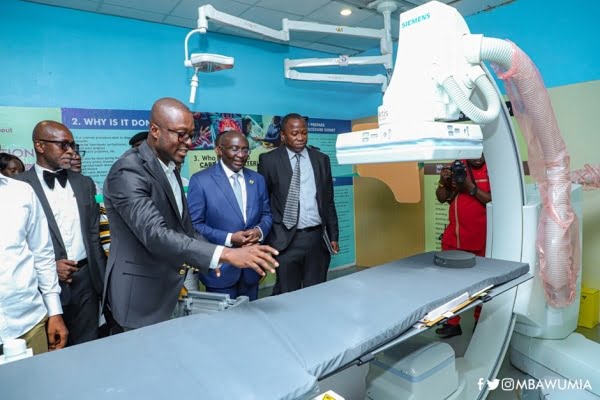
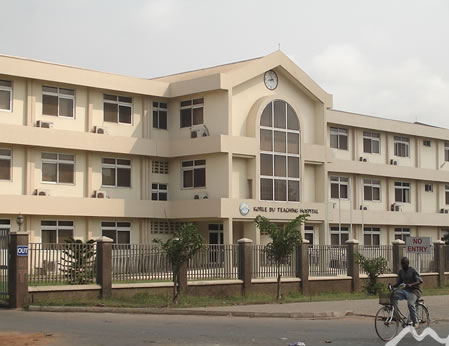
    Doctors of Korle-Bu began (Korle- Bu Doctors Association (KODA) industrial action yesterday, Monday, April 5, over unresolved operational concerns which they described as serious threats to patient safety and professional standards.

    The Association announced plans to strike on April 30, giving the management of the hospital until the close of that day to address their concerns of its members withdrawing their services with immediate effect after the deadline.

    The first meeting with hospital management ended in a stalemate, prompting the doctors to embark on a strike and withdraw all Outpatient Department (OPD) services. Following a second meeting, however, hospital authorities agreed to address their concerns, particularly what the doctors described as a critical issue: the ongoing disagreements between laboratory physicians and medical laboratory scientists.

    Consequently, KODA has called off the strike action. The Association announced this in a formal statement yesterday, Monday, April 4, in which it directed its members to resume work from Tuesday, May 5.

    The association emphasised that peaceful collaboration between the two groups is crucial to delivering quality healthcare at the hospital.

    KODA added that it remains committed to patient safety and upholding high professional standards at the hospital.

    What were their concerns?

    KODA asked the hospital management to reinstate Laboratory Physicians and trainees to the Central Laboratory, ensure all specialised laboratory results are validated by qualified Laboratory Physicians, guarantee unrestricted access to laboratory systems and equipment for clinical and academic work, investigate alleged threats against doctors, and halt the rollout of 24-hour specialist outpatient services until proper consultation and staffing are secured.

    Meanwhile, last month, the government announced plans to establish a National Command Centre as part of efforts to significantly reduce emergency response time and improve patient outcomes across Ghana’s healthcare system.

    Board Chairman of the Korle Bu Teaching Hospital, Prof. Titus Beyuo, said the proposed centre will enable real-time coordination of emergency cases, ensuring patients are directed to hospitals with available beds instead of overcrowded facilities.

    He disclosed the plan amid growing concerns about congestion at major referral hospitals, particularly Korle Bu Teaching Hospital, which continues to receive a high volume of emergency cases.

    Speaking on the Joy Super Morning Show on Tuesday, March 24, Prof. Beyuo explained that the command centre forms part of a broader emergency patient management system being developed to streamline care delivery nationwide.

    “We need the ambulance service to relocate their call centre to this national command centre. We need to get physicians and other people at the command centre who will do an online sorting of patients and redirect them,” he explained.

    The initiative is expected to transform how the National Ambulance Service operates, as ambulance teams will no longer send patients automatically to facilities like Korle Bu Teaching Hospital or Komfo Anokye Teaching Hospital without confirming bed availability.

    Instead, emergency cases will be routed based on real-time data from the command centre, a move expected to reduce delays that often worsen the condition of critically ill patients.

    A key challenge the system seeks to address is the lack of visibility on bed availability across hospitals, which frequently results in patients being taken to already overstretched facilities.

    Prof. Beyuo indicated that for the system to function effectively nationwide, all of Ghana’s over 200 ambulances must be integrated into the platform—an effort that is currently ongoing.

    He added that the command centre will help distribute emergency cases more efficiently across healthcare facilities, easing pressure on major hospitals while improving survival chances.

    Prof. Beyuo also credited the Minister of Health for driving the initiative forward, describing the minister as “very committed” to ensuring its implementation.

  • “Next season, we’ll be better” – Guardiola’s comments signals possible stay

    “Next season, we’ll be better” – Guardiola’s comments signals possible stay

    Rumours began to swirl over the future of Manchester City’s Pep Guardiola, with many speculating that, despite his contract running until 2027, he could part ways with the club as he nears a decade in charge.

    Pep Guardiola officially took charge of Manchester City FC in July 2016, ahead of the 2016/17 season, succeeding Manuel Pellegrini, who had managed City for 3 years.

    By July, he will have spent a decade in charge of Manchester City, sparking concerns about fatigue, given that Pep Guardiola has never stayed this long at a single club before, raising the possibility of his exit after this campaign.

    However, Pep’s recent remarks about his side coming back better next season have sparked a possible stay amid increasing speculation.

    Speaking to Sky  Sports, Guardiola struck a forward-looking tone, highlighting the team’s development and suggesting further progress lies ahead.

    ” The road that we have taken together this season, this year. And yeah, the job has been good. I’ve been, you know, new players.

    And I see the team, how it grew up, you know, through the month. And we are better than we were two or three months ago. And next season, we’ll be better,” he indicated.

    Guardiola also emphasised the importance of squad evolution, explaining how working with new players continues to motivate him despite the natural cycle of departures within the team, adding that the changes within the squad also help refresh the team.

    “Working with new players is like being involved in the club, yeah, and  I would love to have some players from many, many years, you know, that they had in the past.

    “But the people get old and change. So, it’s normal”, he added. 

    He also hinted that two more ‘old players’ will part ways with City at the end of this season.

    “Speaking of players moving on, getting a little bit older, two more will be leaving at the end of this season”, he hinted.

    Under his leadership this season, Manchester City have integrated several new players, with Guardiola noting a steady improvement in performances over recent months. He indicated that the team is now in a stronger position than earlier in the campaign.

    While no official decision has been announced regarding his future, Guardiola’s comments indicate continuity at a time when uncertainty had begun to grow.

    Pep’s achievements so far

    Pep Guardiola for nearly his 10 years stint with Man City has built one of the most successful eras in English football. So far, he has won six Premier League titles. He also guided them to two FA Cup triumphs, in 2019 and 2023, and five EFL/Carabao Cup victories, setting a record for the most wins by a manager in that competition.

    Beyond domestic success, Guardiola delivered City’s long‑awaited breakthrough in Europe by winning the UEFA Champions League in 2023, completing a historic treble that season. He followed that up with victories in the UEFA Super Cup and the FIFA Club World Cup later in 2023. His consistency has also been reflected in three Community Shield wins.

    Altogether, Guardiola has secured 18 major trophies with Manchester City between 2016 and 2026, contributing to his career tally of 40 trophies across Barcelona, Bayern Munich, and City. His decade at the Etihad has not only transformed the club’s trophy cabinet but also reshaped their identity into one of Europe’s most dominant teams.

  • Homowo: Month-long noise, drumming ban begins today 

    Homowo: Month-long noise, drumming ban begins today 

    The one-month noise ban announced ahead of the Homowo festival scheduled for August this year takes effect today, May 4. The ban forms part of a preparatory ritual ahead of the festival to uphold Ga Traditional customs and to ensure peace, harmony, and national security during the sacred observance.

    The ban was announced by the Accra Metropolitan Assembly (AMA) Head of Public Affairs, Gilbert Nii Ankrah, in a formal press release indicating that beginning Monday, May 4, and Thursday, June 4, noise-making has been banned across the Ga Traditional Area. This means that all activities, religious and social, must cease entirely for the duration of the period.

    Some areas covered by the ban include communities around the Accra Metropolitan Assembly Head Office, Gamashie, Ablekuma West and Kasoa.

    The Public Affairs head also warned that churches and mosques desist from using any musical instruments that produce noise, as well as ensure compliance on the part of their members.

    “Churches are required to conduct their activities strictly within their premises and are prohibited from using musical instruments. The use of external loudspeakers by churches, mosques and pubs has also been banned.“Roadside evangelism activities are expected to cease throughout the period,” parts of the statement noted.

    It continued that “Religious bodies and the Traditional Authorities must show respect for one another and restrain their followers from making derogatory and inflammatory remarks about the beliefs and practices of one another.”

    The AMA also mentioned that all funeral rites and other activities linked to it are prohibited.

    “In line with directives from the Ga Traditional Council, funeral rites and related activities are prohibited during the ban period.”

    In a strong appeal for interfaith restraint, the AMA urged religious bodies and traditional authorities to show mutual respect and prevent their followers from making derogatory or inflammatory remarks about the beliefs and practices of others. The notice stressed that such remarks could undermine the peace and harmony the ban seeks to protect.

    Enforcement, the Assembly clarified, rests solely with an identifiable joint task force comprising AMA personnel, the Ghana Police Service, and representatives of the Traditional Councils. All members of this team will wear tags. No private person or unauthorised group is allowed to enforce the noise abatement.

    Residents, towns, and villages within the Ga Traditional Area are expected to cooperate fully. The AMA described the period as the “Nmaa Dumo” observance and appealed for compliance to ensure an incident-free season. The release ended with the familiar civic call: “Accra, live in, love it!!!”

    “All are enjoined to abide by these guidelines,” the notice read. “For peace, harmony and national security.”

    Last year, some churches were invited by the AMA for flouting the noise ban rules.

    The leader of the task force set up by the Ga Mashie Traditional Council, Asafoatse Mankatta, revealed that 15 churches, including Lighthouse Chapel International and Calvary Baptist Church, were being questioned for allegedly flouting the ban on noise-making and drumming.

    The Accra Metropolitan Assembly (AMA) had imposed a ban on drumming and noise-making in the capital from Monday, May 12 to June 12, in observance of the Nmaa Dumɔ period, in line with the customs of the Ga Traditional Council.

    Leadership of the affected churches was expected to appear before the council on May 22. According to Mankatta, failure to honour the invitation could result in sanctions. He expressed disappointment over what he described as a disregard for Ga customs and traditions.

    “We have great respect for Calvary Baptist Church, but we were surprised to see them violating the orders of the Traditional Council; they were making noise as if there was nothing at stake,” he was quoted as saying.

    The AMA had also prohibited the use of loudspeakers outside churches, mosques, pubs, and other public spaces. The month-long restriction further affected funeral rites and related activities. A joint task force comprising AMA personnel, the Ghana Police Service, and representatives of the traditional councils was tasked with enforcing the directive.

    The Homowo Festival holds deep cultural significance for the Ga people, commemorating their triumph over famine and marking a season of abundance. The quiet period preceding the celebrations serves as a time for reflection ahead of the festivities.

    Over the years, the ban has intersected with the practices of Ghana’s religious communities, many of which incorporate music and drumming into worship. According to the Ghana Statistical Service 2021 census, 32% of the population are Pentecostal and Charismatic Christians, 17% Protestants, 10% Catholic, and 20% Muslim.

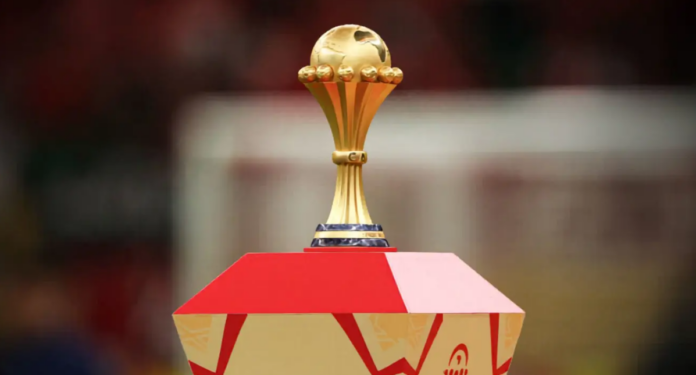
  • AFCON 2027: Draw for qualifiers slated for May 19 – CAF

    AFCON 2027: Draw for qualifiers slated for May 19 – CAF

    The Confederation of African Football (CAF) has confirmed that the draw for the  Africa Cup of Nations (AFCON) 2027 is scheduled for May 19, this year.

    The regional football governing body announced this in a formal statement, indicating that the draw will be the determining factor to know which groups will qualify for the tournament next year, which will be hosted across Kenya, Tanzania, and Uganda, under the banner “Pamoja”,  a Swahili word meaning “together.”

    A total of 48 national teams are expected to participate in the draw, with each team placed into one of 12 groups of four, where they will compete for spots in the final tournament.

     The format is expected to produce a highly competitive campaign, as traditional football powerhouses and emerging nations battle for continental slots.

    Ahead of the draw, CAF has already arranged fixtures scheduled for three international breaks. September to October 2026, November 2026, and March 2027. These periods will determine the final lineup of teams heading to East Africa for what is expected to be a historic edition of the tournament.

    As the countdown to the draw begins, attention now shifts to the group pairings, a moment that could shape the fortunes of several nations on their journey to AFCON 2027.

    Meanwhile, in an unrelated development, Ghana is set to host the 2027 U-20 Boys Africa Cup of Nations (AFCON).

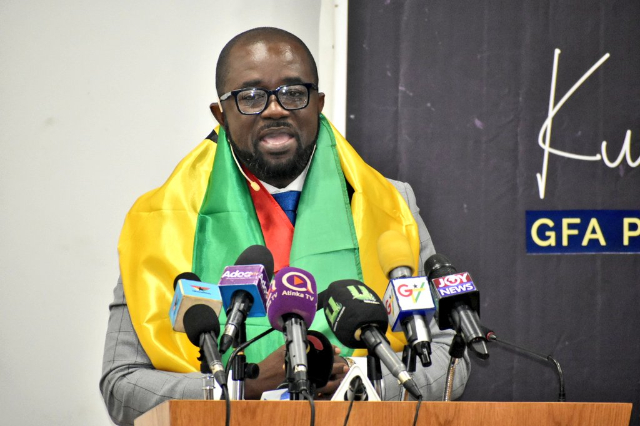
    This was confirmed by the President of the football governing body, Kurt Okraku, yesterday, Sunday, April 26, in a Facebook post.

    The post read, “ 2027 U-20 boys AFCON to be hosted by Ghana”.

    Ghana hosting the tournament again next year will mark the second time it has hosted since it last did in 1999, when it was known as the African Youth Championship, two decades after the tournament’s inception in 1979.

    On that occasion, the Black Satellites reached the final but finished as runners-up to Nigeria.

    Since then, Ghana has remained a strong force in the competition, most recently winning its fourth title in 2021. However, the country has not had the opportunity to host the tournament again until now.

    Meanwhile, in an unrelated development, the recent AFCON competition at the senior team level was plagued by several controversies, prompting the President of the Confederation of African Football (CAF), Patrice Motsepe, to travel to Senegal to meet the country’s president and football authorities over the disputed AFCON title.

    The 2025 AFCON final was played on 18 January 2026 at the Prince Moulay Abdellah Stadium in Rabat, Morocco, between Senegal and Morocco, where the former won by a goal.

    The game, which was plagued by several incidents, including disputed refereeing decisions, VAR controversies and crowd disturbances, was later appealed by Morocco. The North Africans won the case after CAF’s Appeals Committee controversially overturned the result, awarding Morocco a 3–0 victory and the title.

    The move was met with widespread disapproval and disappointment, with many slamming CAF’s credibility and calling it a“disgrace for Africa.” The Senegalese authorities openly defied the ruling by displaying the trophy in Paris.

    Following this, the CAF President Patrice Motsepe has arrived in Senegal in an attempt to quell tensions and clear any misconceptions of bias after the AFCON 2025 title strip.

    He is expected to meet the Senegalese Head of State, Bassirou Diomaye Faye, and the Fédération Sénégalaise de Football, Mr Abdoulaye Fall, on the working visit.

  • President Mahama proposes bill to punish employers demanding sex for jobs

    President Mahama proposes bill to punish employers demanding sex for jobs

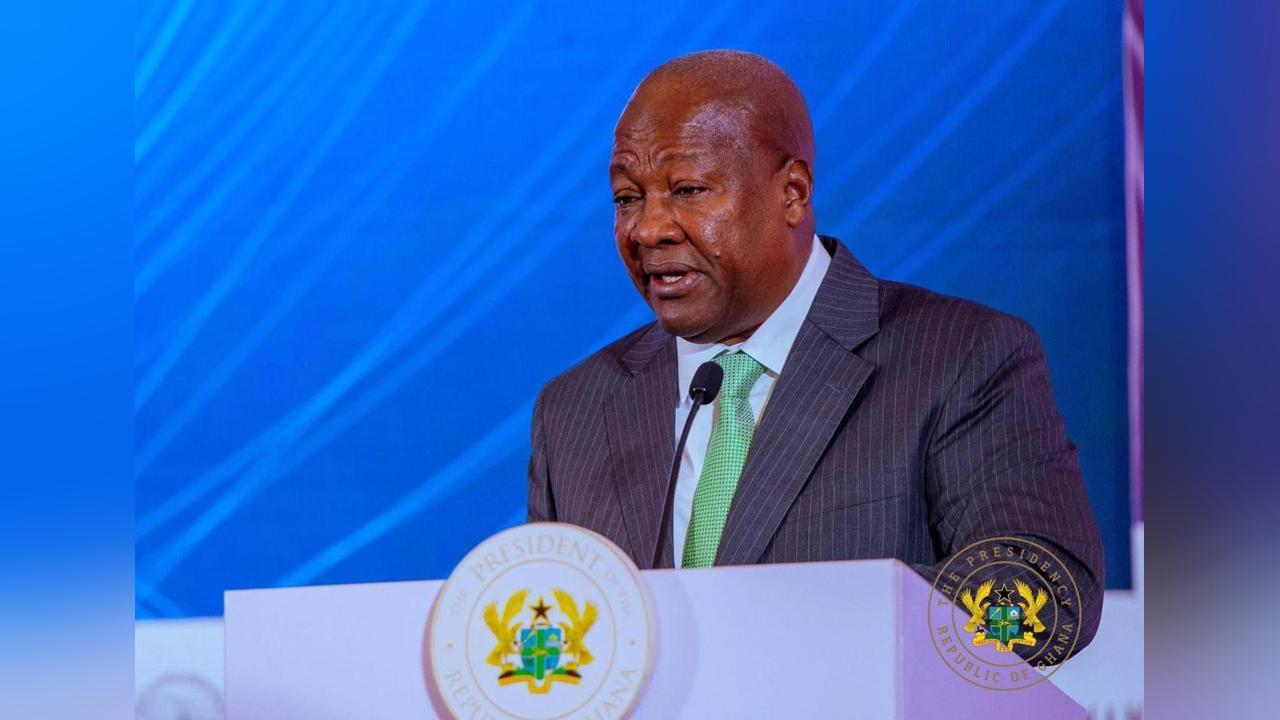
    President John Dramani Mahama has proposed that a bill be passed to criminalise sex for job demands by some employers, describing the act as “one of the worst things”, hence the need for it to be criminalised.

    The President made this call on Saturday (May 2, 2026), during a town hall engagement at Adweso in Koforidua, at the end of a two-day tour of the Eastern Region in response to a question by a student of the Ghana Senior High School in Koforidua student who had said women with equal qualifications are often sidelined in the job market.

    According to him, females (who are mostly victims) of such exchanges are denied roles which they qualify for when they refuse to give in to such advances.  As part of efforts to deal with these criminal acts, the President suggested that a law be passed and strictly enforced to eliminate demands for romantic or sexual relationships in exchange for jobs.

    “One of the worst things, and I think we should pass a bill to make it punishable, is that sometimes if the employer or the person responsible for employing is a male, they demand some romantic relationship before they give them jobs,” President Mahama said.

    “It is unacceptable. It must stop. And I think that we must take a firm line on that. I mean, if anybody does that, there should be a law that deals with them very strongly.”

    After the student cited Rita Akosua Adjei Awatey as an example of what women can achieve when given the opportunity, John Mahama backed her point, expressing his admiration for women in careers such as engineering and contracting, fields traditionally dominated by men.

    He continued that during visits to road construction sites under the Big Push programme, he had seen female engineers working as site engineers.

    “I find it very admirable when I see the girls doing those kinds of jobs,” he said, adding that he often takes photographs with them as a form of encouragement.

    President Mahama also said his government aims to achieve equal representation of men and women in public appointments by 2028.

    “We already have the Affirmative Action law, which we are trying to apply,” he said. “We are going to work to make sure that we achieve the targets. It says that in public appointments by the end of 2028, we should achieve 50-50 parity. It is a tough call, but we will work at it.”

    Sex for jobs in Ghana

    President Mahama’s call for a law to be passed to criminalise the act does not mean there aren’t laws in Ghana’s constitution that deals with them.

    Ghana’s Labour Act (2003) and Domestic Violence Act (2007) prohibit harassment and abuse, but they do not explicitly criminalise “sex‑for‑jobs” demands.

    This gap is why President Mahama and others are calling for a specific law to make such practices punishable, similar to how “sex‑for‑grades” in universities has been debated and addressed.

    Evidence of practice

    Over the years, women in Ghana have repeatedly reported being asked for sexual favours in exchange for employment opportunities, promotions, or even internships. Academic studies by Ghanaian universities and NGOs have also documented cases of workplace sexual harassment, including demands for sex before job offers.

    In addition, media investigations by local outlets have exposed instances where recruiters or managers exploit vulnerable job seekers, especially young women.

    The issue has further featured in policy debates, with discussions in Parliament and among advocacy groups highlighting concerns that existing labour and harassment laws do not adequately criminalise or deter “sex-for-jobs” exploitation.

  • BoG reports GHC 9.05bn loss from Gold Purchase Programme in 2025

    BoG reports GHC 9.05bn loss from Gold Purchase Programme in 2025

    The Bank of Ghana (BoG) has posted a GH¢9.05 billion loss from its Domestic Gold Purchase Programme in 2025. This was contained in the Central Bank’s 2025 Financial Report. 

    This compares to a loss of GH¢5.66 billion in 2024, representing an increase of GH¢3.39 billion, about 60%, in 2025. The total loss comprised net losses on gold held for reserves and gold used in the Gold-for-Oil programme.

    According to the report, under the Gold for Reserves Programme, the central bank purchased doré gold primarily to generate foreign exchange and typically sold it shortly after acquisition. The gold was not intended to be stored for long-term value increases or profit from price changes.

    The financial results of the programme were determined by comparing the selling price of the gold, after deducting related selling costs, with the original purchase cost, alongside any interest earned from gold deposits.

    In 2025, a total of 2,914,305 fine ounces of doré gold were acquired, a significant increase from 1,092,492 ounces in 2024. During the same period, 2,895,426 ounces were sold, compared to 1,076,125 ounces the previous year. By the end of December 2025, the remaining doré gold holdings stood at 9,283 fine ounces, up from 7,311 ounces recorded in 2024.

    The report explained that the overall financial outcome reflects the actual difference between the net proceeds from gold sales and the recorded value of the gold sold.

    Additionally, interest earned on gold deposits for the year totalled GH¢0.047 billion.

    Regarding the Gold for Oil Programme, the sale of gold, after accounting for costs and the value of gold sold, resulted in a net loss of GH¢0.544 billion, an improvement compared to the GH¢0.667 billion loss recorded in 2024.

    On the other hand, oil trading operations posted a net gain of GH¢0.341 billion, a turnaround from the GH¢1.155 billion loss reported the previous year.

    Overall, the programme’s performance was influenced by margins from both gold and oil trading, as well as operational expenses incurred while supporting foreign exchange stability and energy supply. The programme was eventually brought to an end in March 2025.

    Last year, BoG revealed setbacks recorded in the implementation of its Domestic Gold Purchase Programme (DGPP), highlighting that it cost far more than it earned.

    The DGPP is a policy launched by the Bank of Ghana in June 2021 to buy gold locally from small-scale miners and use it to build Ghana’s gold reserves to mitigate the growing pressure on the cedi due to increasing demand for forex for imports.

    Public discussion around the losses intensified after the International Monetary Fund (IMF) reportedly highlighted losses exceeding US$214 million in 2025.

    Given this, the BoG failed to declare the losses in its 2024 Annual Report, leaving a gap in public knowledge. Asempa FM’s Philip Osei Bonsu, in pursuance of Article 21(f) of the 1992 Constitution and the Right to Information Act, 2019 (Act 989), demanded a clear breakdown of the programme’s status.

    In response, the BoG issued a document on the programme’s performance over the last two years. It shows that the programme’s losses rose sharply from GH¢74 million in 2022 to GH¢1.37 billion in 2023, and then increased even more in 2024 to GH¢5.66 billion.

    The data show that GH¢1.82 billion of the losses stemmed from the Gold-for-Oil arrangement, while GH¢3.84 billion was linked to the Gold-for-Reserves and other segments.

    Net G40 losses, covering gold and oil transactions, and Net G4R losses, covering artisanal and small-scale mining (ASM) gold and other segments, accounted for the increases.

    Figures for 2025 indicate 100.6 tonnes of ASM gold and a total of 110.99 tonnes of gold purchased, valued at US$11.4 billion. However, these numbers are pending external audit confirmation, the Bank noted.

    Analysts have cautioned that while the DGPP supports reserves, the escalating losses underscore the challenges of managing large-scale gold operations alongside other financial instruments. The Bank has invited further queries for clarification.

    Amid the losses incurred, the BoG defended the programme as one that promotes currency stability.

    “The DGPP is a strategic programme that promotes currency stability, which is one of the Bank’s core mandates,” the Bank stated. Despite the losses, the institution insisted the programme remains a key stabilising tool.

  • BECE begins today, WAEC warns students against malpractice

    BECE begins today, WAEC warns students against malpractice

    The 2026 Basic Education Certificate Examination (BECE) is set to begin today, Monday, May 4, with a total of 619,985 candidates nationwide expected to sit the examination. The exams will run from Monday, May 4, to Monday, May 11, with two papers scheduled daily at 9:00 a.m. and 1:00 p.m.

    At the regional level, a total of 58,412 candidates are expected to sit the exams in the Bono, Bono East, and Ahafo Regions. The Bono Region recorded the highest number with 24,983 candidates, followed by Bono East with 20,865, and Ahafo with 12,564.

    Beyond these three regions, the Northern Region has 37,111 candidates, while the Western Region registered 45,116 candidates. Altogether, the Ghana Education Service confirmed a national total of 620,141 candidates, comprising 304,349 boys and 315,792 girls.

    The West African Examinations Council (WAEC) has issued a stern warning to candidates and stakeholders ahead of the 2026 BECE, declaring that any form of malpractice will attract severe consequences.

    According to WAEC, protecting the credibility of the examination remains the Council’s top priority.

    “Examination malpractice not only undermines academic integrity but also constitutes a direct violation of WAEC’s legal and regulatory framework,” Bono, Ahafo, and Bono East Regional Controller of WAEC, Daniel Nii Dodoo, told GBC News in an interview.

    Addressing longstanding concerns about irregularities in the former Brong Ahafo enclave, Mr. Dodoo declared an end to the era of “show and pour,” where candidates relied on external assistance during examinations. “We have moved away from the old days when someone could assist you with answers. This time, it will be your competence on the paper, not anybody else’s,” he said.

    He appealed directly to teachers and parents to uphold ethical standards, warning that paying money to facilitate cheating is unacceptable. WAEC confirmed that candidates found guilty of malpractice risk having their results cancelled, with serious offences potentially leading to legal action.

    As the examination begins, WAEC’s message is clear: success in the 2026 BECE must be earned through honesty, discipline, and individual merit.

    The Minister for Education, Haruna Iddrisu, has announced that, in the coming days, the BECE will be restricted to learners who have progressed to Junior High School (JHS) Form 3.

    Addressing the media on Thursday, April 2, he said the government’s intention is to overhaul the country’s basic education system and improve learning outcomes.

    The Minister explained that some non–JHS 3 students are insufficiently prepared for the demands of the examination, resulting in poor performance. He added, “We have also made a determination that there are students who leap early—not yet in JHS 3 but who attempt to write BECE. That is unacceptable per the GES and WAEC guidelines.”

    According to him, the West African Examinations Council (WAEC) and the Ghana Education Service (GES) frown upon allowing non–JHS 3 learners to sit for the final-year examination.

    “That is why we are seeing a reflection of poor quality, because the student is not up to the task but forces himself to write BECE even when he is in Primary Six or JHS 1 or 2,” he noted.

    Meanwhile, 483,800 candidates have been placed into various Senior High Schools across the country out of the 590,000 candidates.

    On Monday, September 1, 2025, the school placement portal was opened for new entrants to verify their school choices, biodata, and other relevant information ahead of final placement. The deadline for the fact-checking exercise closed on Monday, September 8.

    Of this figure, 248,038 are females (51.4%), while 234,783 are males (48.6%). However, 107,509 candidates (18.2%) could not be matched with their initial school choices due to high demand for certain Category A schools.

  • Work is killing 840,000 people a year, and stress is mainly the cause – UN report finds

    Work is killing 840,000 people a year, and stress is mainly the cause – UN report finds

    More than 840,000 people die every year from health conditions linked to psychosocial risks at work – including long working hours, job insecurity, and workplace harassment– according to a new report by the International Labour Organisation (ILO), a United Nations agency.

    Work-related psychosocial risks are mainly associated with cardiovascular diseases and mental health disorders, including suicide, the report noted.

    “Psychosocial risks are becoming one of the most significant challenges for occupational safety and health in the modern world of work,” said Manal Azzi, team lead on Occupational Safety and Health (OSH) policy and systems at the ILO.

    “Improving the psychosocial working environment is essential not only for protecting workers’ mental and physical health, but also for strengthening productivity, organisational performance, and sustainable economic development,” she added.

    Work shapes identity, social connection, and economic security, and its design and organisation determine whether it is coherent and adequately resourced, or whether excessive demands, role ambiguity, and perceived unfairness create harm.

    The heavy toll on health
    The report found that health hazards lead to nearly 45 million disability-adjusted life years (DALYs) lost each year, with the combined impact of cardiovascular disease and mental disorders estimated to result in 1.37 per cent of global GDP lost annually.

    In Europe alone, the ILO reported 112,333 deaths, close to six million DALYs, and 1.43% GDP loss.

    Cardiovascular diseases account for the majority of attributable deaths, yet the overall loss of healthy life years is greater for mental disorders, the authors wrote.

    According to the World Health Organisation (WHO), depression and anxiety account for approximately 12 billion lost workdays annually.

    The most common conditions include depression, anxiety disorders, burnout, sleep disturbances, and fatigue.

    Mental health struggles can also drive physical health harms through unhealthy coping mechanisms often adopted to manage stress and fatigue.

    Smoking, alcohol consumption, overeating, and physical inactivity due to problems in the workplace can lead to obesity, hypertension, and other chronic diseases.

    “Evidence also suggests that health-related behaviours and psychosocial risks interact over time, with unhealthy behaviours reinforcing and amplifying the adverse health effects associated with psychosocial stress exposure,” the authors wrote.

    What are the main causes of harm at work?
    The report identifies long working hours, bullying, job strain, effort–reward imbalance, job insecurity and violence and harassment as the main drivers of bad health among workers.

    “It is important to recall that long working hours, a critical psychosocial risk factor associated with increased risk of cardiovascular disease and stroke, remain widespread,” the authors noted.

    The ILO estimates that globally, 35% of workers work more than 48 hours per week.

    Research by the WHO found that working 55 or more hours per week is associated with an estimated 35% higher risk of a stroke and a 17% higher risk of dying from ischemic heart disease, compared to working 35 to 40 hours a week.

    Bullying and other forms of harassment and violence are also flagged as a major concern.

    The report noted that 23% of workers globally have experienced at least one form of violence or harassment in their working life, with psychological violence being the most prevalent at 18%.

    These should address how work is designed, organised, and managed, including workload management, role clarity, staffing level, and working hours.

    When prevention falls short, the ILO calls for timely, non-stigmatising support, such as access to support services, temporary work adjustments, occupational health input, and fair return-to-work processes.

  • Korle-Bu doctors to strike tomorrow, May 4, over unresolved operational concerns

    Korle-Bu doctors to strike tomorrow, May 4, over unresolved operational concerns

    The planned strike by the Korl- Bu Doctors Association (KODA) is set to come off tomorrow following failed negotiations with management of the medical facility.

    KODA on Thursday, April 30, issued a notice of an imminent strike if their concerns aren’t addressed by the close of that day.

    However, following the meeting with the authorities of the hospital, KODA is set to proceed with the industrial action tomorrow over longstanding operational and policy concerns.

    KODA asked the hospital management to reinstate Laboratory Physicians and trainees to the Central Laboratory, ensure all specialised laboratory results are validated by qualified Laboratory Physicians, guarantee unrestricted access to laboratory systems and equipment for clinical and academic work, investigate alleged threats against doctors, and halt the rollout of 24-hour specialist outpatient services until proper consultation and staffing are secured.

    Speaking on Eyewitness News on Thursday, April 30, Secretary of KODA, Dr Joojo Nyamekye-Baidoo, said the association had to resort to an industrial action.

    According to Dr Nyamekye, among the concerns that the association sought a redress, the most pressing is the exclusion of Laboratory Physicians from the hospital’s Central Laboratory, a situation KODA said has disrupted both clinical service delivery and specialist medical training.

    Also, doctors for years have been denied access to the facility for years, with reports of threats contributing to their continued absence.

    “Strike is the only option. I think we’ve engaged management enough, and I don’t think they have come back to us in good faith,” he lamented.

    According to him, the arrangement has also created operational inconsistencies, as the hospital still relies on external laboratories, including the University of Ghana Medical School facility, for diagnostic services.

    Dr Nyamekye-Baidoo said the strike, expected to begin on May 4, will be rolled out in phases, starting with outpatient services and potentially extending to emergency and inpatient care if unresolved. He also noted that the action has the backing of the Ghana Medical Association.

    Among KODA’s demands are the immediate reinstatement of Laboratory Physicians and trainees to the Central Laboratory, unrestricted access to clinical systems, and merit-based leadership of laboratory departments. It is also calling for independent validation of specialised test results and an investigation into alleged threats against its members.

    In addition, the Association has rejected a proposed 24-hour specialist outpatient service policy, arguing that existing services already meet that need and warning that expansion without additional staffing could overstretch personnel and affect patient care.

    Meanwhile, last month, the government announced plans to establish a National Command Centre as part of efforts to significantly reduce emergency response time and improve patient outcomes across Ghana’s healthcare system.

    Board Chairman of the Korle Bu Teaching Hospital, Prof. Titus Beyuo, said the proposed centre will enable real-time coordination of emergency cases, ensuring patients are directed to hospitals with available beds instead of overcrowded facilities.

    He disclosed the plan amid growing concerns about congestion at major referral hospitals, particularly Korle Bu Teaching Hospital, which continues to receive a high volume of emergency cases.

    Speaking on the Joy Super Morning Show on Tuesday, March 24, Prof. Beyuo explained that the command centre forms part of a broader emergency patient management system being developed to streamline care delivery nationwide.

    “We need the ambulance service to relocate their call centre to this national command centre. We need to get physicians and other people at the command centre who will do an online sorting of patients and redirect them,” he explained.

    The initiative is expected to transform how the National Ambulance Service operates, as ambulance teams will no longer send patients automatically to facilities like Korle Bu Teaching Hospital or Komfo Anokye Teaching Hospital without confirming bed availability.

    Instead, emergency cases will be routed based on real-time data from the command centre, a move expected to reduce delays that often worsen the condition of critically ill patients.

    A key challenge the system seeks to address is the lack of visibility on bed availability across hospitals, which frequently results in patients being taken to already overstretched facilities.

    Prof. Beyuo indicated that for the system to function effectively nationwide, all of Ghana’s over 200 ambulances must be integrated into the platform—an effort that is currently ongoing.

    He added that the command centre will help distribute emergency cases more efficiently across healthcare facilities, easing pressure on major hospitals while improving survival chances.

    Prof. Beyuo also credited the Minister of Health for driving the initiative forward, describing the minister as “very committed” to ensuring its implementation.
  • Ashanti Region: ECG announces 3-hour power outage in parts of Ashanti Region, see affected areas

    Ashanti Region: ECG announces 3-hour power outage in parts of Ashanti Region, see affected areas

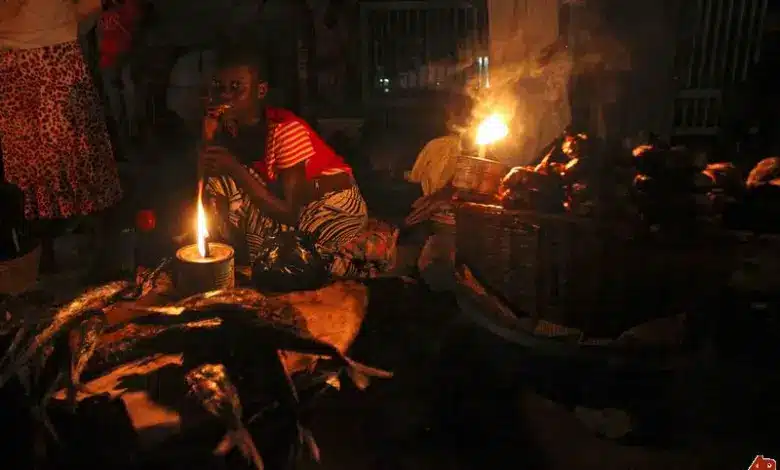
    Electricity Company of Ghana (ECG) has announced that some parts of the Ashanti Region will experience a 3-hour temporary power outage due to emergency maintenance works aimed at improving service delivery by the power supply company.

    In a schedule notice shared by the power supply company, the scheduled exercise is set for today, Sunday, May 3, from 12:00 p.m. to 3:00 p.m.

    The affected communities include Bantama, Kwadaso Nsoum, Prempeh College area, Brigade (Complex), Akropong, Nyankyerenease, Bokankye, parts of Kokosu, Kegasi Estate, Esaase, Daaba, Owabi, Kwadaso, Asuoyeboah, Sepaase, Nkawie, Edwenase, Hiawu-Besease, Old Offinso, Ahenkro, Kwamang, Akrowa, Kodie, Apagya, Akrofrom, Kwenkwe, Aduman, Aduamoah, Denase, as well as the Headworks and surrounding areas.

    Others expected to be affected are Akom and Barekese.

    ECG explained that the maintenance works are necessary to enhance reliability and efficiency within the power distribution network.

    ECG apologised to consumers for the inconvenience the power cuts may cause residents and businesses within the affected areas.

    Authorities have advised residents in the listed communities to take necessary precautions during the outage period, as restoration is expected immediately after the maintenance window closes.

  • Ghana to build a 1,200MW gas-fired power plant to boost electricity supply

    Ghana to build a 1,200MW gas-fired power plant to boost electricity supply

    Ghana’s power supply sector is set for a boost as President John Dramani Mahama announces the construction of a new 1,200-megawatt gas-fired power plant as part of efforts to meet rising demand.

    He announced this during the “Resetting Ghana” tour in the Eastern Region on Saturday, May 2, noting that his government will cut sod for works to start on the project.

    He continued that this forms part of a broader strategy to strengthen the country’s power sector by increasing generation and creating redundancy within the system.

    “Looking at how the country is growing, the consumption of electricity is increasing. When we came to power, consumption was about 3,500 megawatts, but currently peak demand has risen to about 4,300 megawatts,” he said.

    President Mahama stated that the surge in demand is to the hike in investment and economic activity, driving an expansion of generation capacity to ensure a stable and reliable power supply.

    “So it means we have to add more generation so that we can get redundancy,” President Mahama stated.

    He disclosed that the Ministries of Energy and Finance have already completed the design and roadmap for the project, paving the way for construction to begin.

    Beyond meeting domestic needs, the President noted that the additional capacity will position Ghana to export excess electricity to neighbouring countries, including Burkina Faso, to generate foreign exchange.

    “By God’s grace, this year we will cut sod for its commencement,” he added.

    The planned plant is expected to play a key role in stabilising Ghana’s power supply while supporting industrial growth and regional energy trade.

  • Homowo: AMA announces month-long noise ban effective May 4

    Homowo: AMA announces month-long noise ban effective May 4

    A one-month noise ban has been announced ahead of the Homowwo festival scheduled for August this year. The ban forms part of a preparatory ritual ahead of the festival to uphold Ga Traditional customs and to ensure peace, harmony, and national security during the sacred observance.

    The ban was announced by the Accra Metropolitan Assembly (AMA) Head of Public Affairs, Gilbert Nii Ankrah, in a formal press release indicating that beginning Monday, May 4, and Thursday, June 4, noise-making has been banned across the  Ga Traditional Area. This means that all activities, religious and social, must cease entirely for the duration of the period.

    Some areas covered by the ban include communities around the Accra Metropolitan Assembly Head Office, Gamashie, Ablekuma West and Kasoa.

    The Public Affairs head also warned that churches and mosques desist from using any musical instruments that produce noise, as well as ensure compliance on the part of their members.


    “Churches are required to conduct their activities strictly within their premises and are prohibited from using musical instruments. The use of external loudspeakers by churches, mosques and pubs has also been banned.“Roadside evangelism activities are expected to cease throughout the period,” parts of the statement noted.

    It continued that “Religious bodies and the Traditional Authorities must show respect for one another and restrain their followers from making derogatory and inflammatory remarks about the beliefs and practices of one another.”

    The AMA also mentioned that all funeral rites and other activities linked to it are prohibited.

    “In line with directives from the Ga Traditional Council, funeral rites and related activities are prohibited during the ban period.” 

    In a strong appeal for interfaith restraint, the AMA urged religious bodies and traditional authorities to show mutual respect and prevent their followers from making derogatory or inflammatory remarks about the beliefs and practices of others. The notice stressed that such remarks could undermine the peace and harmony the ban seeks to protect.

    Enforcement, the Assembly clarified, rests solely with an identifiable joint task force comprising AMA personnel, the Ghana Police Service, and representatives of the Traditional Councils. All members of this team will wear tags. No private person or unauthorised group is allowed to enforce the noise abatement.

    Residents, towns, and villages within the Ga Traditional Area are expected to cooperate fully. The AMA described the period as the “Nmaa Dumo” observance and appealed for compliance to ensure an incident-free season. The release ended with the familiar civic call: “Accra, live in, love it!!!”

    “All are enjoined to abide by these guidelines,” the notice read. “For peace, harmony and national security.”

    Last year, some churches were invited by the AMA for flouting the noise ban rules.

    The leader of the task force set up by the Ga Mashie Traditional Council, Asafoatse Mankatta, revealed that 15 churches, including Lighthouse Chapel International and Calvary Baptist Church, were being questioned for allegedly flouting the ban on noise-making and drumming.

    The Accra Metropolitan Assembly (AMA) had imposed a ban on drumming and noise-making in the capital from Monday, May 12 to June 12, in observance of the Nmaa Dumɔ period, in line with the customs of the Ga Traditional Council.

    Leadership of the affected churches was expected to appear before the council on May 22. According to Mankatta, failure to honour the invitation could result in sanctions. He expressed disappointment over what he described as a disregard for Ga customs and traditions.

    “We have great respect for Calvary Baptist Church, but we were surprised to see them violating the orders of the Traditional Council; they were making noise as if there was nothing at stake,” he was quoted as saying.

    The AMA had also prohibited the use of loudspeakers outside churches, mosques, pubs, and other public spaces. The month-long restriction further affected funeral rites and related activities. A joint task force comprising AMA personnel, the Ghana Police Service, and representatives of the traditional councils was tasked with enforcing the directive.

    The Homowo Festival holds deep cultural significance for the Ga people, commemorating their triumph over famine and marking a season of abundance. The quiet period preceding the celebrations serves as a time for reflection ahead of the festivities.

    Over the years, the ban has intersected with the practices of Ghana’s religious communities, many of which incorporate music and drumming into worship. According to the Ghana Statistical Service 2021 census, 32% of the population are Pentecostal and Charismatic Christians, 17% Protestants, 10% Catholic, and 20% Muslim.

    Tensions have occasionally arisen, particularly about two decades ago, when some churches defied the ban, leading to confrontations with sections of the Ga community. In some instances, this escalated into attacks on churches, underscoring a longstanding tension between the preservation of traditional customs and the constitutional right to religious freedom.

    Over the years, several churches have been sanctioned, with some fined and others having their musical equipment confiscated for violating the directive.

  • 2026 Hajj: 430 pilgrims depart for Saudi Arabia – Board confirms

    2026 Hajj: 430 pilgrims depart for Saudi Arabia – Board confirms

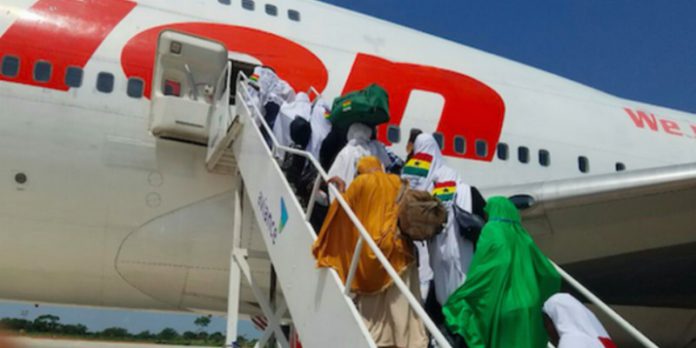
    The first batch of Ghanaian pilgrims has departed for the Kingdom of Saudi Arabia. Their departure was announced by the Communications Director of the Hajj Board, Alhaji Mohammed Amin Lamptey, in a media address on Friday, May 1.

    They departed on Friday, May 1, at around 11:30 GMT from Tamale Airport for this year’s Mecca trip, with an expected arrival time of 4:00 p.m. GMT.

    According to the Hajj Board, of the 6,000 Ghanaians expected to travel to Mecca this year, 430 have been airlifted, leaving 5,570 yet to depart for Saudi Arabia in 18 different flights from May 1 to May 18, 2026.

    Mr Amin Lamptey indicated that all measures have been put in place to ensure a successful pilgrimage for the pilgrims.

    For a smooth and successful stay in Saudi Arabia, the Board has deployed a team already waiting to receive the pilgrims. They will be there for three days in Medina (It’s one of the holiest cities in Islam, after Mecca) before proceeding to Mecca.

    He said, “This year, we have enhanced our communication systems to ensure that sensitive information is handled accurately and shared appropriately”.

    For his part, Mr John advised the would-be pilgrims to respect the laws of Saudi Arabia and conduct themselves in a manner that upholds Ghana’s image.

    “You are not only carrying your personal faith, but also the image of our nation. Let your conduct reflect the values of peace, tolerance and unity that Ghana is known for,” he said.

    Moments before the departure, the Northern Regional Minister, Ali Adolf John and officials of the Ghana Hajj Board interacted with the pilgrims and bid them farewell.

    Also, hundreds of families and well-wishers massed up at the airport to bid farewell to their relatives embarking on the spiritual journey.

    In February, the Board announced that it had closed all operational activities needed to prepare pilgrims for this year’s pilgrimage. The operational activities include completing key administrative processes, such as payments, documentation, and passport submissions.

    The pilgrimage coordinators, in a formal press release on Wednesday, February 18, with the title “Pilgrims Affairs Office of Ghana officially closes 2026 Hajj arrangements with immediate effect,” noted that the closure of the arrangements is to relieve organisers of pressure from the high volume of applications and operational demands, ensuring that all processes leading up to this year’s Hajj could be completed efficiently.

    Parts of the statement read, “The Administration of the Pilgrims Affairs Office of Ghana (PAOG) wishes to officially announce the closure of its activities regarding the 2026 Hajj arrangements to ease the immeasurable pressure on administrators.

    All operational processes leading to this year’s Hajj, including payments, documentation, and submissions, have been duly concluded, barring any unforeseen circumstances.”

    On visa arrangements and issuance, PAOG noted that only prospective pilgrims who submitted all required documents and passports on time will be considered, emphasising that early payment and medical screening are key to ensuring a smooth and efficient 2026 Hajj exercise.

    “We wish to emphasise that only prospective pilgrims who submitted their passports and all required documents within the stipulated time frame were considered for the visa process. Visa processing could not commence without full compliance with the documentation requirements. It is important to note that early payment, effective medical screening, and timely passport submission significantly contribute to a smoother, more efficient process for the 2026 Hajj exercise”, the statement added.

    PAOG also reminded pilgrims to complete all medical screening in the selected regions nationwide, noting that remaining screening for both Greater Accra and Kumasi is slated for the next three days. It also highlighted the lessons it has learned from this year’s travel arrangements and logistics handling, among other things, which they believe will help reshape and create a smooth run for the subsequent year’s processes.

    “Medical screening has been completed in the selected regions and centres. The remaining screenings for the Ashanti and Greater Accra Regions are scheduled for February 22 and 28, respectively. We further wish to state that lessons learned from this year’s operations will strengthen future Hajj arrangements to ensure greater efficiency, transparency, and improved service delivery”, the Hajj organisers said.

    Also, “…prospective pilgrims under special arrangements (Protocol) are reminded to submit their passports as soon as possible to complete the process. They are also required to participate in the medical screening in Kumasi or at the Hajj Village in Accra.

    Prospective pilgrims and stakeholders are advised to await further official communication regarding subsequent phases of the pilgrimage. The annual Hajj pilgrimage, one of the five pillars of Islam, attracts thousands of Ghanaian Muslims each year, with the Pilgrims Affairs Office overseeing coordination, documentation and travel arrangements.

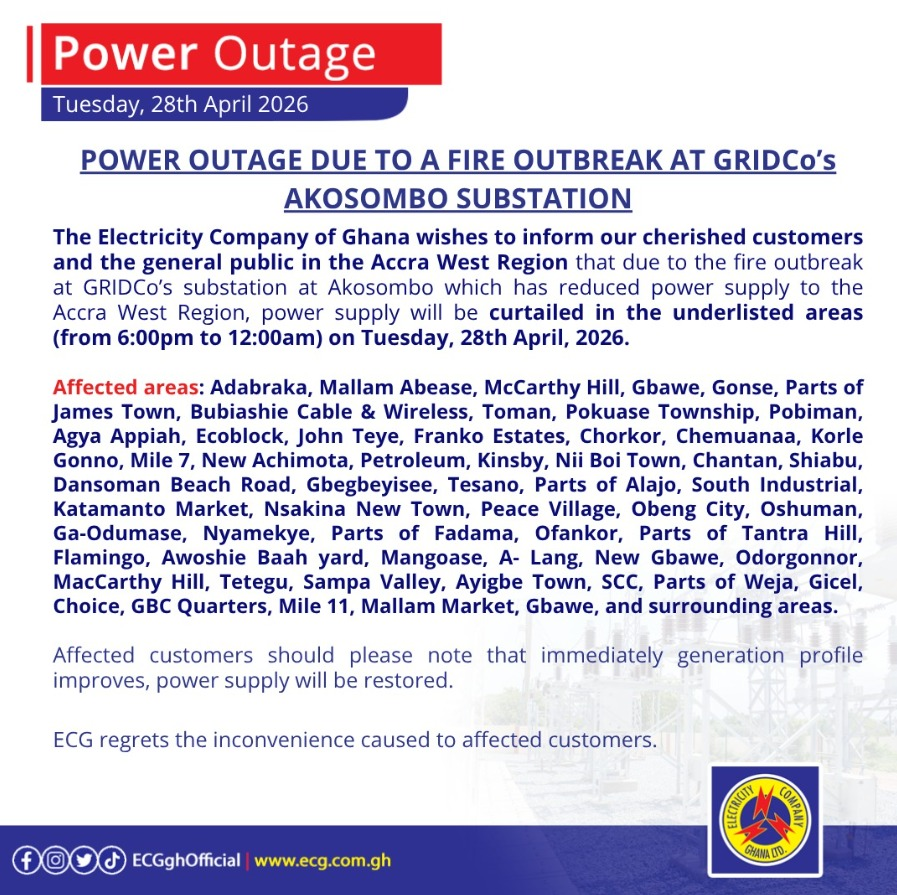
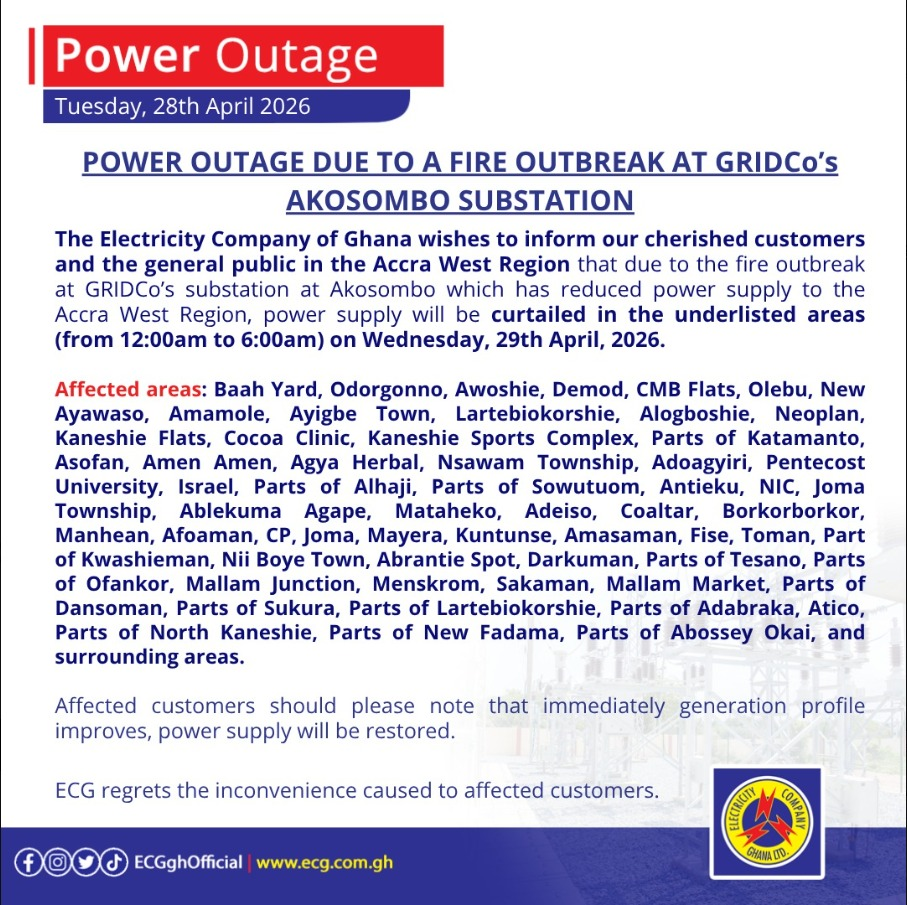
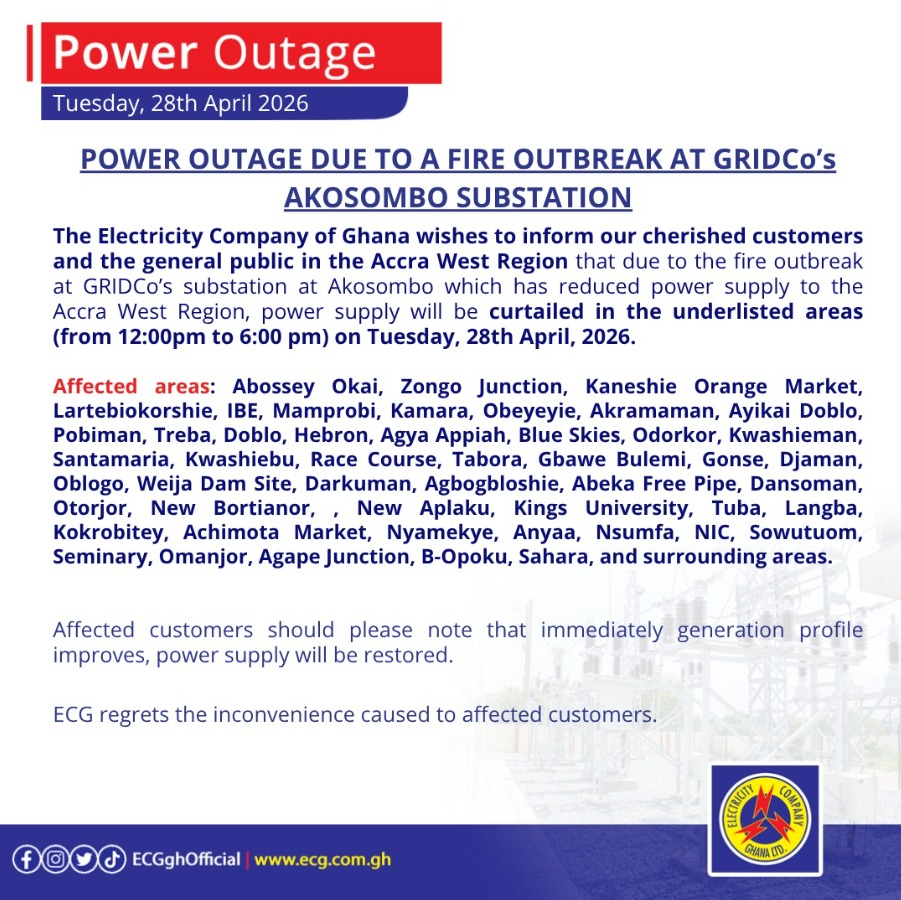
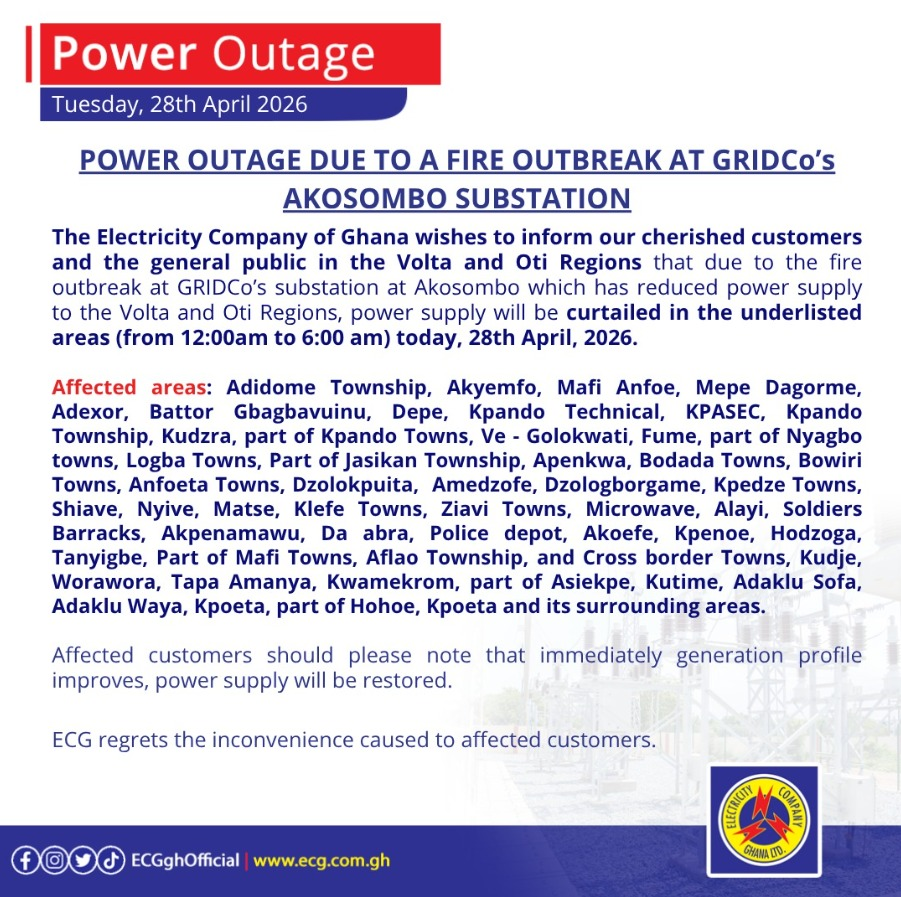
  • GRIDCo fire: All generation units are now back in service – Energy Minister

    GRIDCo fire: All generation units are now back in service – Energy Minister

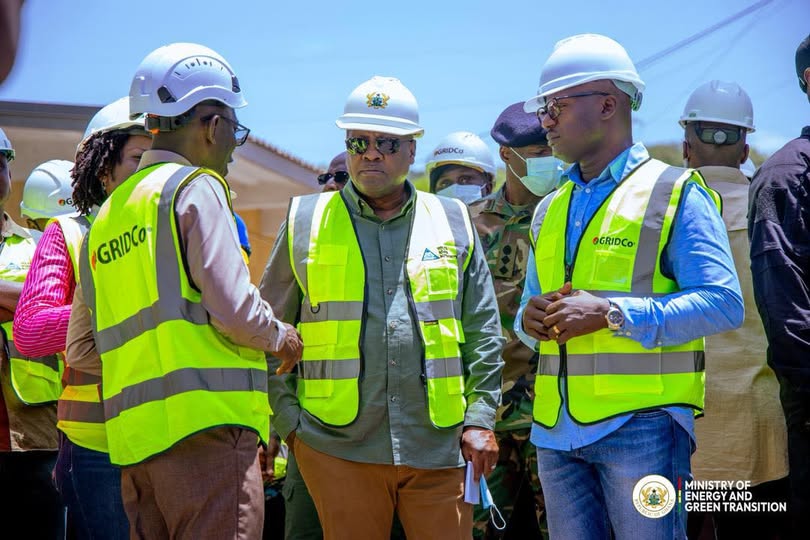
    All generation units at the Akosombo Dam have been restored, bringing the power station to normalcy to operate at full capacity to supply sufficient power to the national grid, the Energy Minister, John Jinapor, has announced.

    The Minister, in a Facebook post today, Friday, May 1, stated “Mission accomplished. All generation units are now back in service” while commending all team members who worked overtime to ensure restoration of power following the power outages nationwide.

    He said, “ In the face of a major system disruption, and against all odds, our engineers, technicians, and emergency teams worked around the clock to restore power and stabilise the grid.  Through their tireless work, discipline, and commitment to the country, power has been restored and system stability secured. May God bless our engineers, our energy sector, and our nation”

    Mr Jinapor went on to thank the “…leadership and staff of GRIDCo, VRA, ECG, and all supporting agencies whose coordination made this possible. This moment shows that even under pressure, Ghana can rely on the strength and skill of its people”.

    Why the power outages in the past few days 

    The outages began after a fire outbreak at the Akosombo GRIDCO substation on April 23, around 2 pm, which blocked about 1,000 megawatts of power.

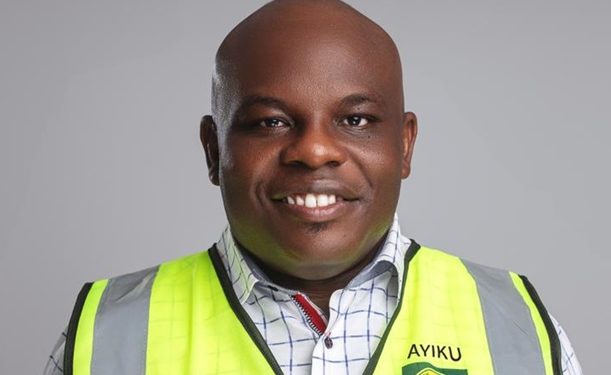
    Speaking on the situation on the Channel One Newsroom on Sunday, April 26, ECG’s General Manager for External Relations, Dr Charles Nii Ayiku Ayiku, apologised for the inconvenience caused, describing the incident as unexpected and significant.

    “I sincerely apologise for the inconvenience our cherished customers are facing. The incident wasn’t expected. It was a major incident which has rendered the entire control room affected and down, and we sincerely apologise to our customers.

    “After Akosombo, the fact is that it blocked about 1000 megawatts, but I am sure you also understand that even after losing 1000 megawatts, we have still been consistent with power supply within some parts of the country,” he said.

    Dr Ayiku cautioned against calls for a load-shedding timetable at this stage, describing it as premature.

    “So if we start talking about a load shedding timetable right now, don’t you think it is too early to call for a load shedding timetable?” he said.

    He added that ECG, GRIDCO and the Volta River Authority (VRA) are working together to restore full power supply across the country.

    Meanwhile, the Minister of Energy and Green Transition, John Abdulai Jinapor,  directed the Chief Executive Officer of the Ghana Grid Company Limited (GRIDCo) to step aside pending an investigation into a fire at the Akosombo Power Control Centre while taking steps to avert disruptions in Ghana’s power supply following a major fire incident at the Akosombo transmission network.

    As part of the measures, Ghana temporarily halted power supply to neighbouring countries. The Deputy Energy Minister, Richard Gyan-Mensah, disclosed this while engaging the press on Friday, April 24.

    Ghana primarily exported electricity to Togo, Benin and Burkina Faso through the 225kV Bolgatanga-Ouagadougou interconnection.

    However, these countries were left to temporarily cater for themselves as the fire outbreak damaged a transmission system with a capacity of about 720 megawatts at GRIDCo’s substation at Akosombo.

    He added, “The system that got affected was about 720 megawatts. That system transmits power to major parts of the country, so this is a significant hit. The Akosombo Dam generates a little over 1,000 megawatts.”

    “This is an emergency that has actually occasioned it. It is brief; it is not something that is going to last longer. I think they have also heard what has happened to us. In this situation, we need to take some actions, and this is one of them”.

  • Fuel  prices: GOIL, Star Oil reduce pump prices

    Fuel prices: GOIL, Star Oil reduce pump prices

    Some Oil Marketing Companies (OMCs), including state-owned GOIL and Star Oil, have started reducing ex-pump fuel prices at their outlets in the first pricing window of May, indicating a slight easing in Ghana’s downstream petroleum market.

    GOIL currently sell petrol at GH¢13.25 per litre, a 2 pesewas dip as against the GH¢13.27 recorded in the second pricing window of April; however, its premium grade, Super XP 95, remains unchanged at GH¢15.77 per litre.

    Diesel prices, on the other hand, have seen a steep dip, falling by 44 pesewas to GH¢15.66 per litre from GH¢16.10 previously.

    Star Oil has also revised its pump prices. Petrol is now selling at GH¢13.25 per litre, reflecting a 2 pesewas reduction from GH¢13.27 in the previous pricing window.

    Diesel has declined by 55 pesewas to GH¢15.55 per litre, down from GH¢16.10. Its RON 95 product remains unchanged at GH¢14.67 per litre.

    The adjustments broadly align with projections of modest price moderation for the May pricing window.

    The reductions in petrol and diesel prices are attributed to lower global benchmarks and the continued impact of a joint government–industry intervention aimed at cushioning consumers.

    More OMCs are expected to review their prices in the coming days as global oil trends and exchange rate movements continue to influence the local pricing outlook.

    Price floor

    The National Petroleum Authority (NPA) has slightly lowered the minimum prices for petrol and diesel for the first pricing window in May,  due to changes in global fuel prices.

    Petrol is expected to sell at a minimum of GH¢13.25 per litre, 2 pesewas down from GH¢13.27 per litre in the second pricing window of April.

    The diesel price floor has dropped by GH¢1.80 to GH¢14.30 per litre, down from GH¢16.10. In contrast, LPG has increased sharply to GH¢13.02 per kilogram, up from GH¢10.79, representing a rise of GH¢2.23 over the same period.

    The NPA has directed that all Oil Marketing Companies and LPG Marketing Companies must comply with the stipulated price floors under the Petroleum Products Pricing Guidelines.

    The regulator further notes that the announced price floors exclude premiums charged by international oil trading companies, as well as the operating margins of bulk import, distribution and export companies, in addition to marketers’ and dealers’ margins.

    These components remain variable and are determined independently by industry players within the framework of the pricing guidelines.

    Meanwhile, the cuts in fuel prices come at a time when the government has also been intervening to soften the impact on consumers by absorbing part of the pricing burden. From the April 16 window, it removed selected margins in the petroleum price build-up, including GH¢2.00 per litre on diesel and GH¢0.36 on petrol.

    It is, however, not immediately clear whether those subsidies will continue into the new pricing window or be adjusted ahead of the mid-year fiscal review.

    The NPA has reminded Oil Marketing Companies (OMCs) and LPG Marketing Companies (LPGMCs) that they are required to comply with the announced floors, although they are permitted to add their own margins, meaning actual pump prices may vary across stations.

    “As per the Petroleum Products Pricing Guidelines, all OMCs and LPGMCs are entreated to comply with the above price floors for the window under consideration,” the Authority added.

    Govt reportedly lost GHS200m due to fuel price drop earlier

    The Ministry of Energy, through spokesperson Richmond Rockson, disclosed that the government would have accrued an estimated GH¢200 million in revenue if fuel prices had remained unchanged.

    Addressing the media on Wednesday, April 15, he stated, “This will lead to a net loss of about GH¢200 million that could have accrued to the government, but it is a necessary sacrifice to bring relief to the people of Ghana”.

    During an emergency Cabinet meeting held on Thursday, April 9, President Mahama instructed the Minister for Finance, Dr. Cassiel Ato Forson, and the Minister for Energy to immediately begin the process of reviewing and removing the affected taxes.

    In view of that, the government absorbed GH¢2.00 per litre on diesel and GH¢0.36 per litre on petrol in the upcoming pricing window effective Thursday, April 16.

    At the time, two Oil Marketing Companies (OMCs), GOIL and Star Oil, had lowered their pump prices. The two companies were selling petrol at GH¢13.27 per litre, while diesel was going for GH¢16.10 per litre.

    President John Dramani Mahama said the decision was aimed at cushioning Ghanaians from rising fuel prices, which had been driven by global supply disruptions linked to tensions involving Iran, Israel, and the United States.

    The ongoing tension had led to the closure of the Strait of Hormuz, a critical global oil shipping route. The ongoing tensions between Iran, the U.S., and Israel had been linked to the death of Iran’s Supreme Leader, Ayatollah Ali Khamenei.

    Ayatollah Ali Khamenei was reportedly killed in strikes by the United States (U.S.) and Israel. This development was significantly impacting travellers from Ghana to Asia, Europe, and North America, as Dubai is a major transit hub connecting travellers through the United Arab Emirates.

    Before then, petrol and diesel were selling at GH¢13.30 and GH¢17.10 per litre, respectively, at the pumps. In a social media post on Tuesday, March 31, GOIL announced that it had increased petrol to GH¢13.30 per litre from GH¢12.24, and diesel from GH¢15.69 to GH¢17.10 per litre.

    Star Oil also increased petrol from GH¢12.19 to GH¢13.49 per litre. It also increased the price of diesel from GH¢14.25 to GH¢17.97. The adjustment followed a new price floor announced by the National Petroleum Authority (NPA) on March 30, directing Oil Marketing Companies (OMCs) to implement the changes from Wednesday, April 1.

    On Monday, March 16, petroleum products at the pumps saw an increase following an adjustment by the NPA for the second pricing window for the month.

    As a result, petrol priced at GHȼ10.46 per litre was sold at GHȼ11.57. The price floor for diesel had jumped from GH¢11.42 to GH¢14.35 per litre, and LPG had risen from GH¢9.38 to GH¢10.67 per kilogramme. Meanwhile, Ghana’s petroleum sector had recorded a decline in the second half of 2025.

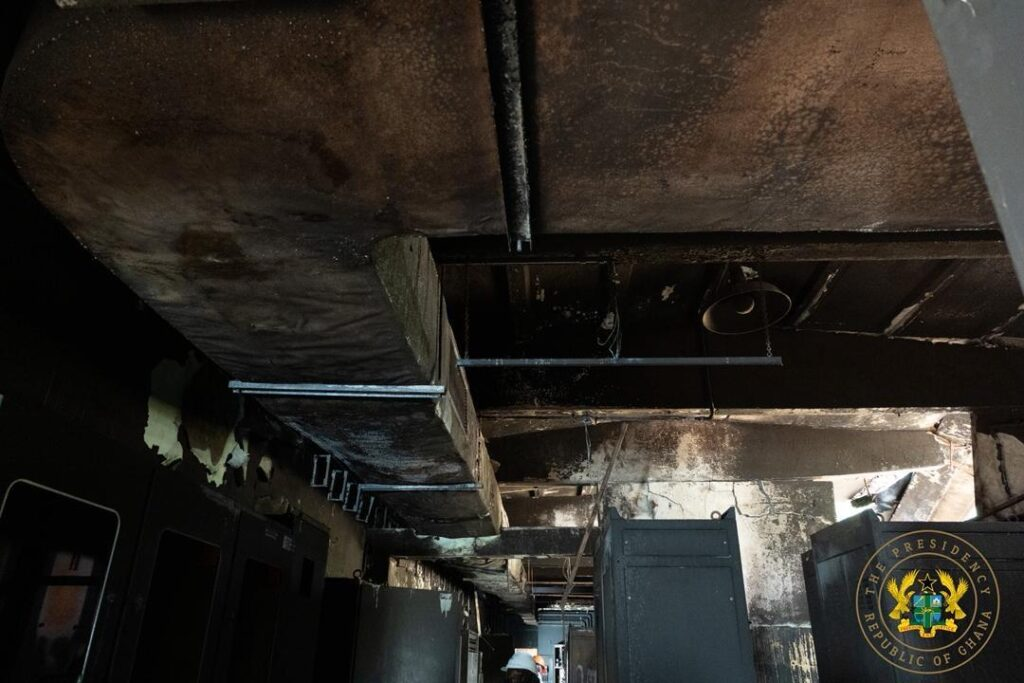
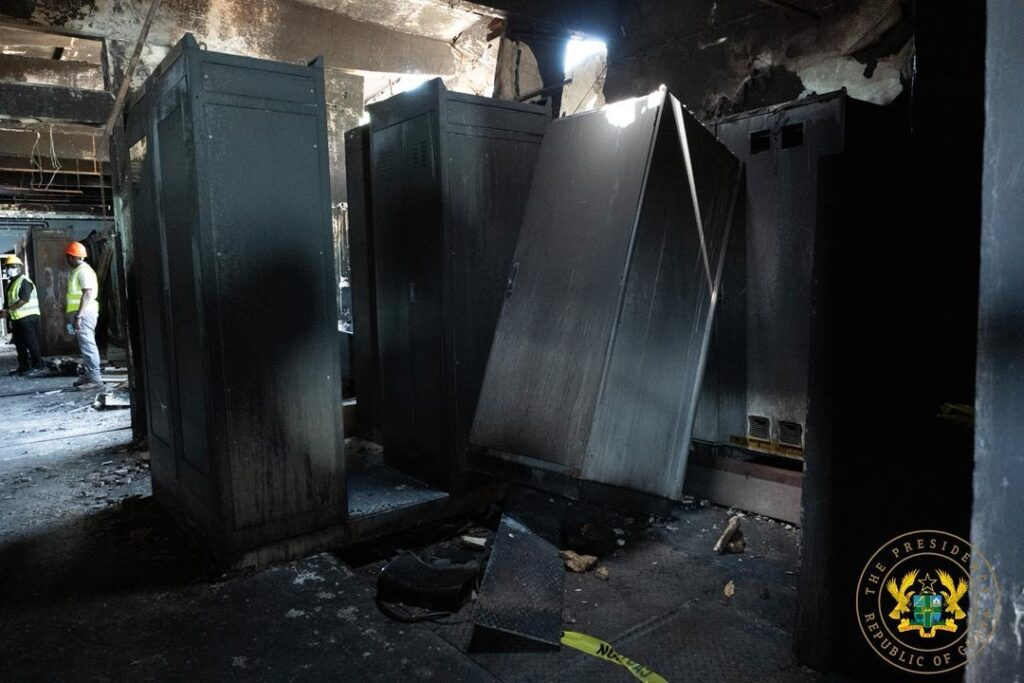
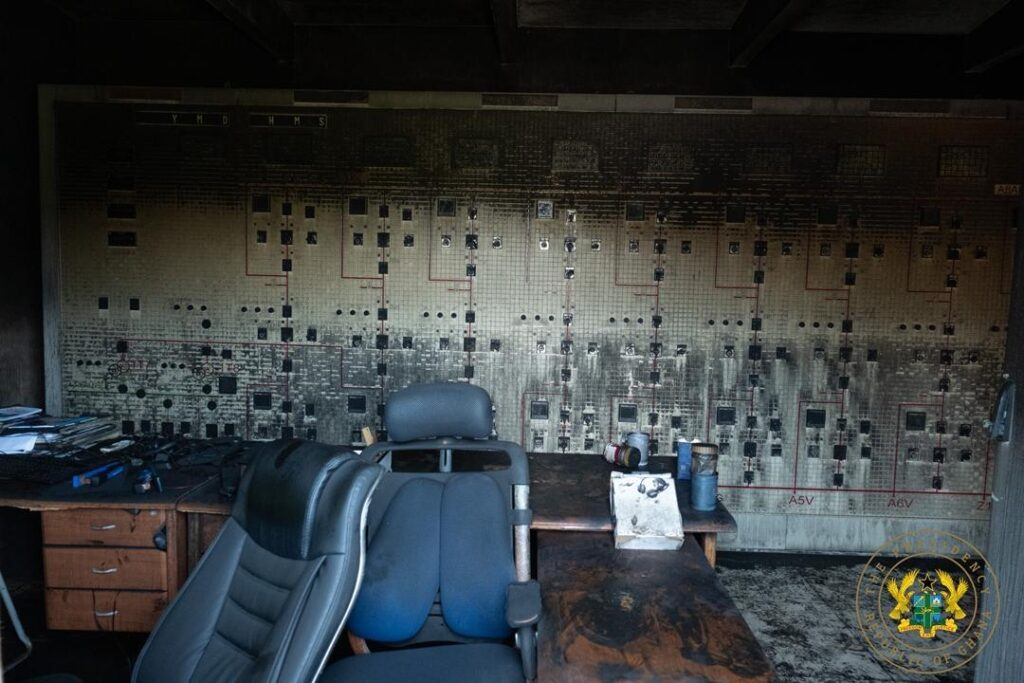
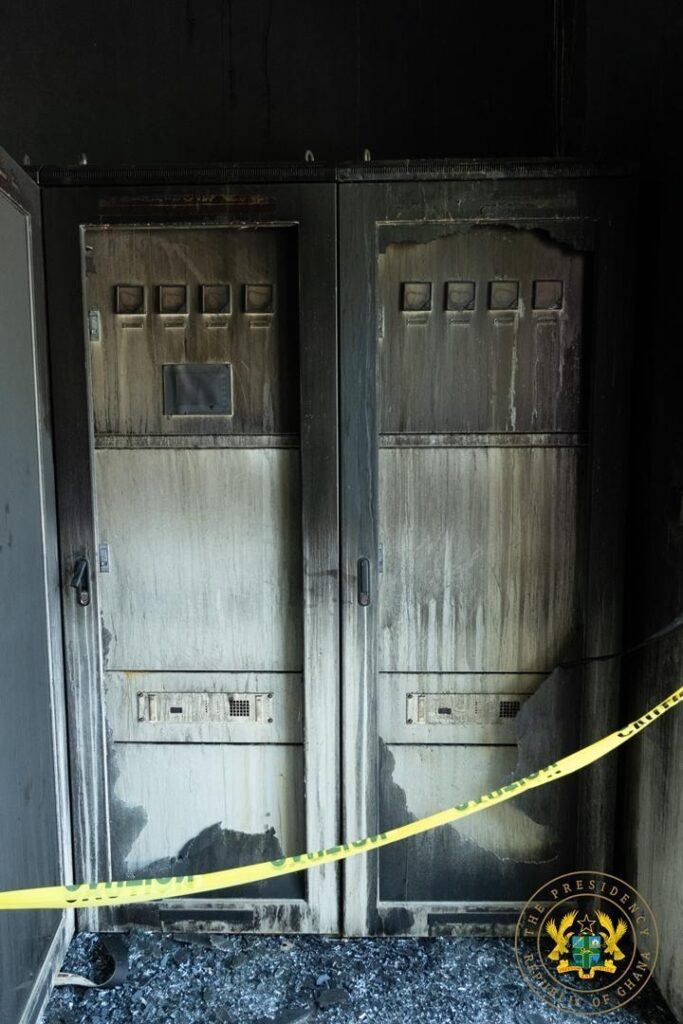
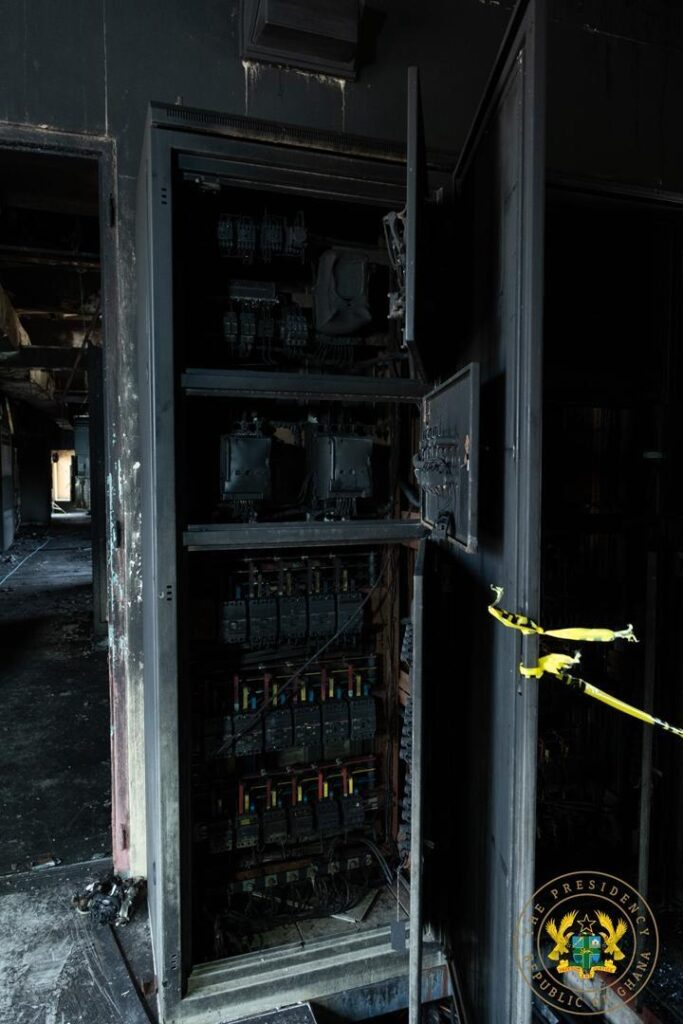
  • Photos: Burnt down Akosombo GRIDCo Substation control room

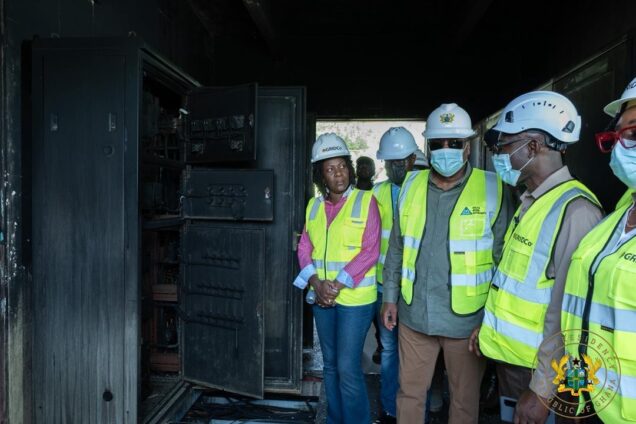
    Photos: Burnt down Akosombo GRIDCo Substation control room

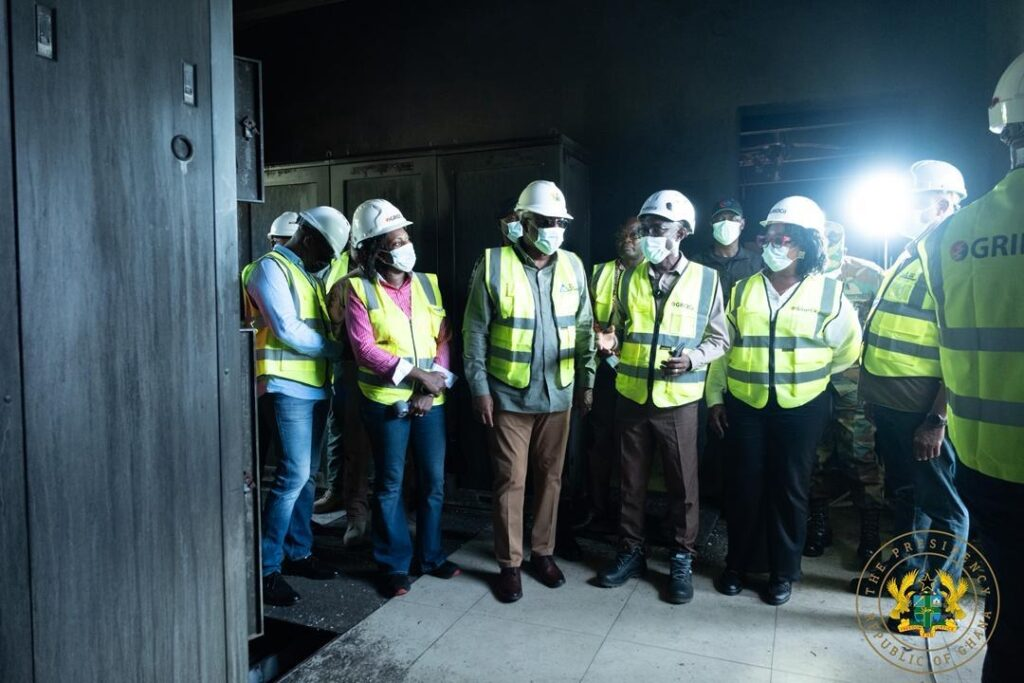
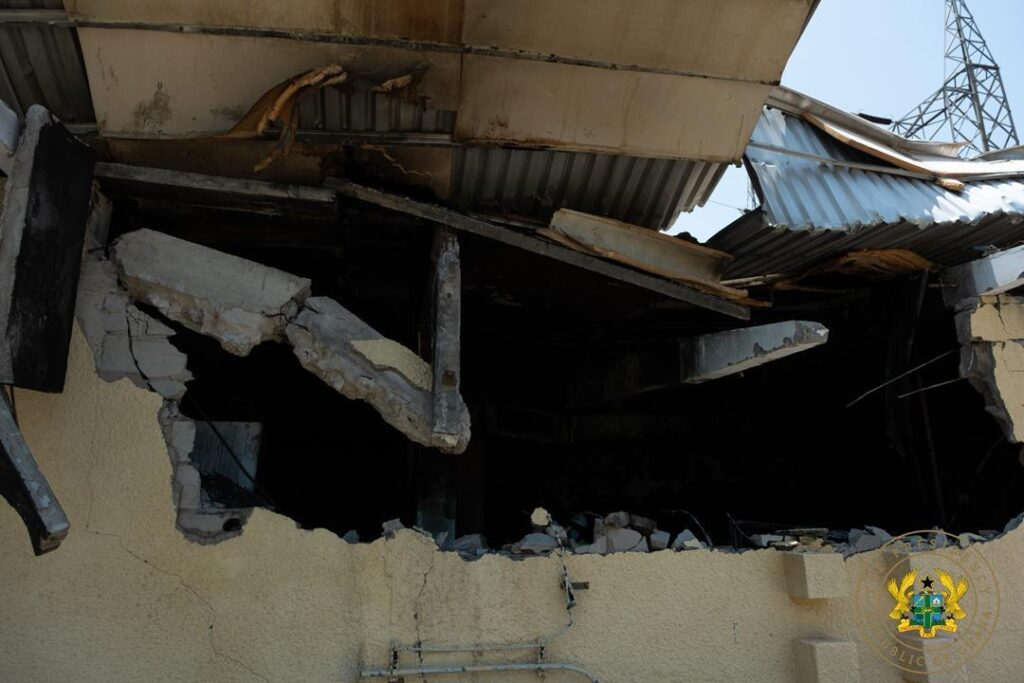
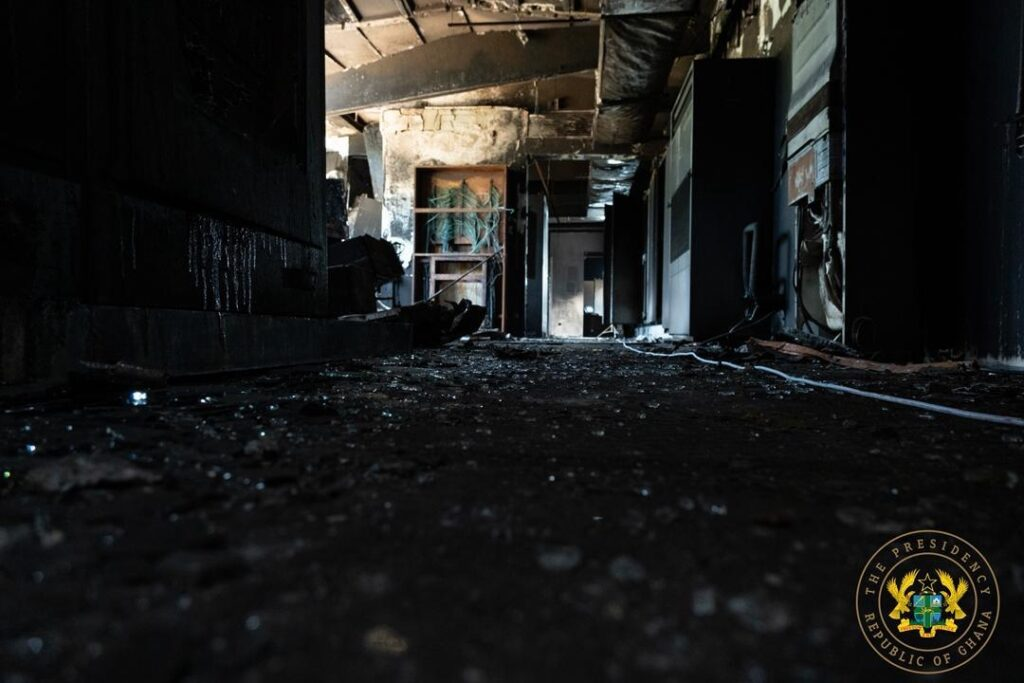
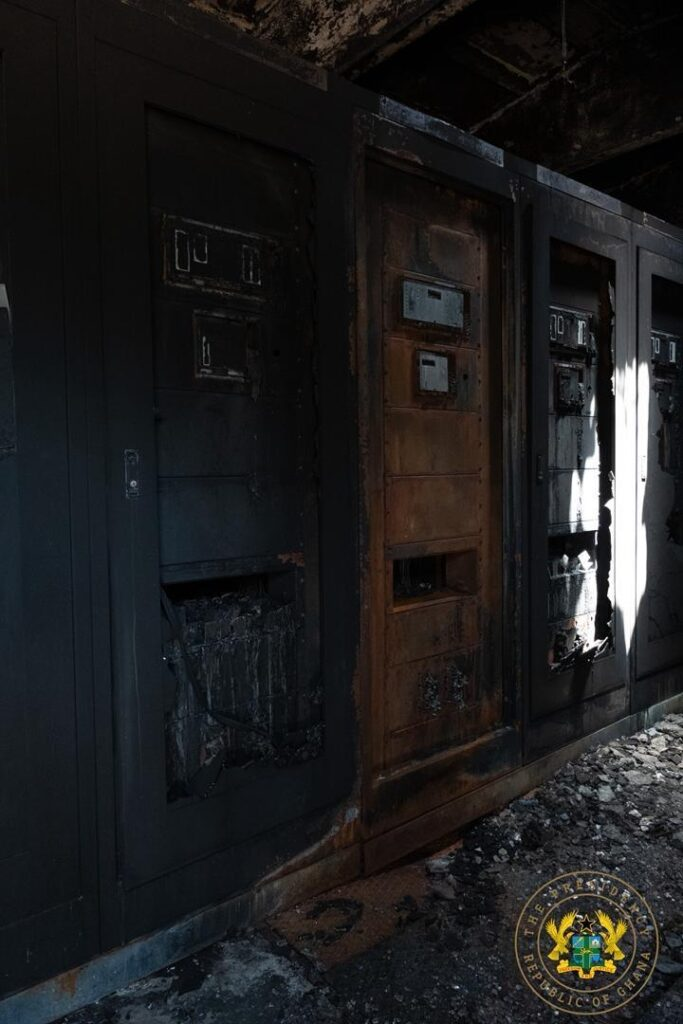
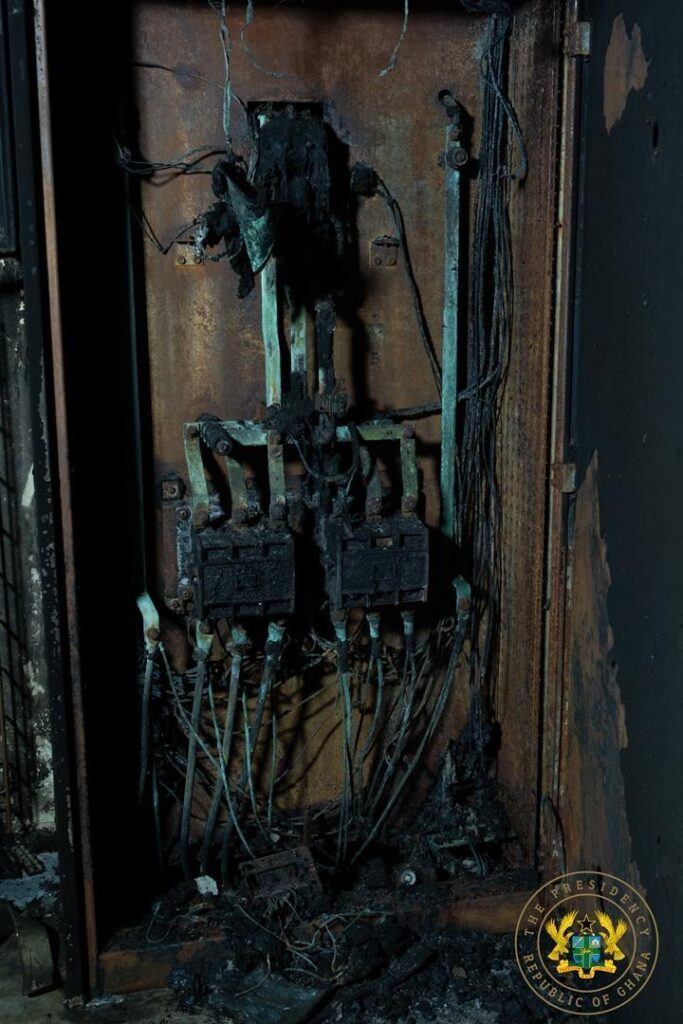
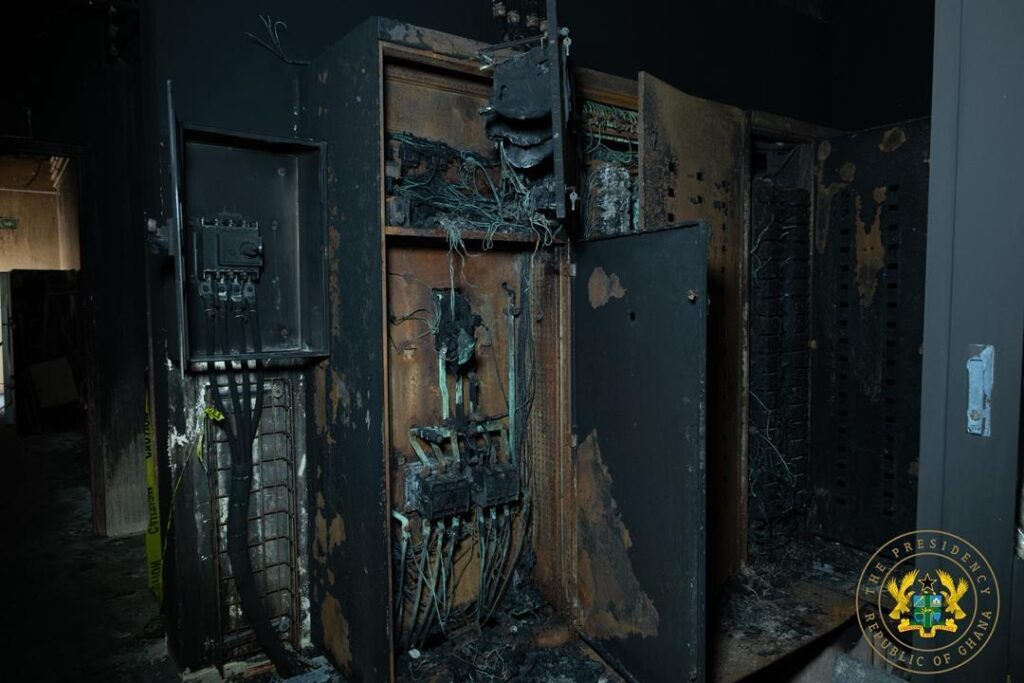
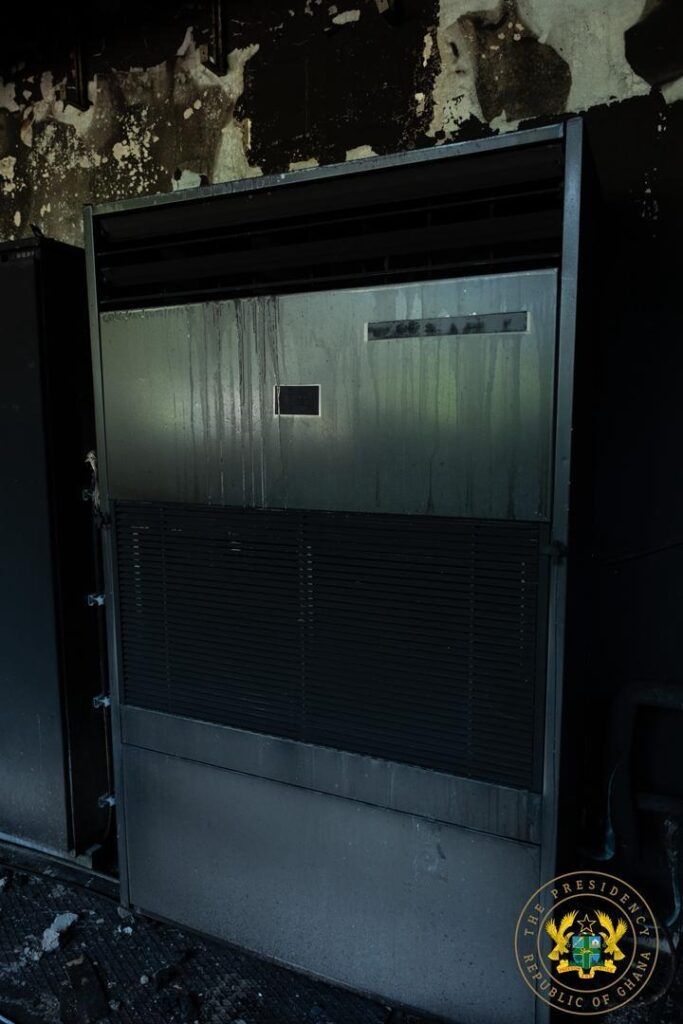
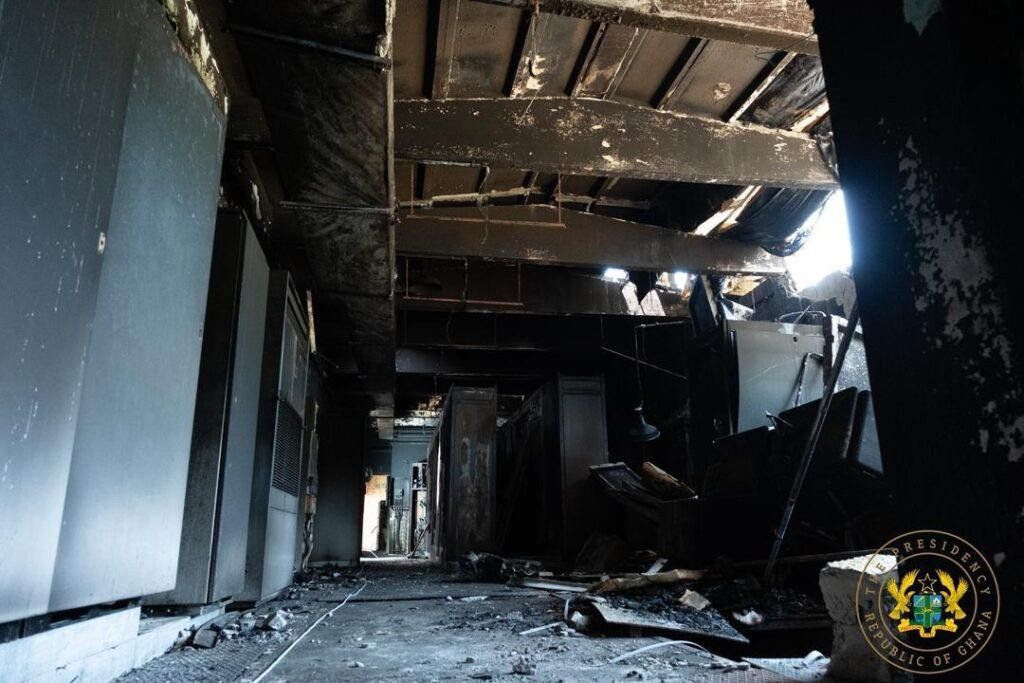
    President John Mahama has assured that his government will upgrade the ravaged GRIDCo substation at Akosombo to have a modern control room. He made this pledge during a visit to the site yesterday, Thursday April, 30, to personally check the damage that had been caused by the fire outbreak that occurred on  April 23.

    Speaking to the media on Friday, the Spokesperson and Head of Communications at the Ministry of Energy and Green Transition, Ghana, Richmond Rockson, disclosed that the blaze, which occurred on Thursday, April 23, damaged a transmission system with a capacity of about 720 megawatts.

    President Mahama added that the inferno, which destroyed the GRIDCo facility, offers Ghana a chance to construct a more advanced centre that will serve not just the current generation but future generations as well.

    Find below some images of the damage caused by the fire:

  • Govt engages Boeing on plans to revive national airline

    Govt engages Boeing on plans to revive national airline

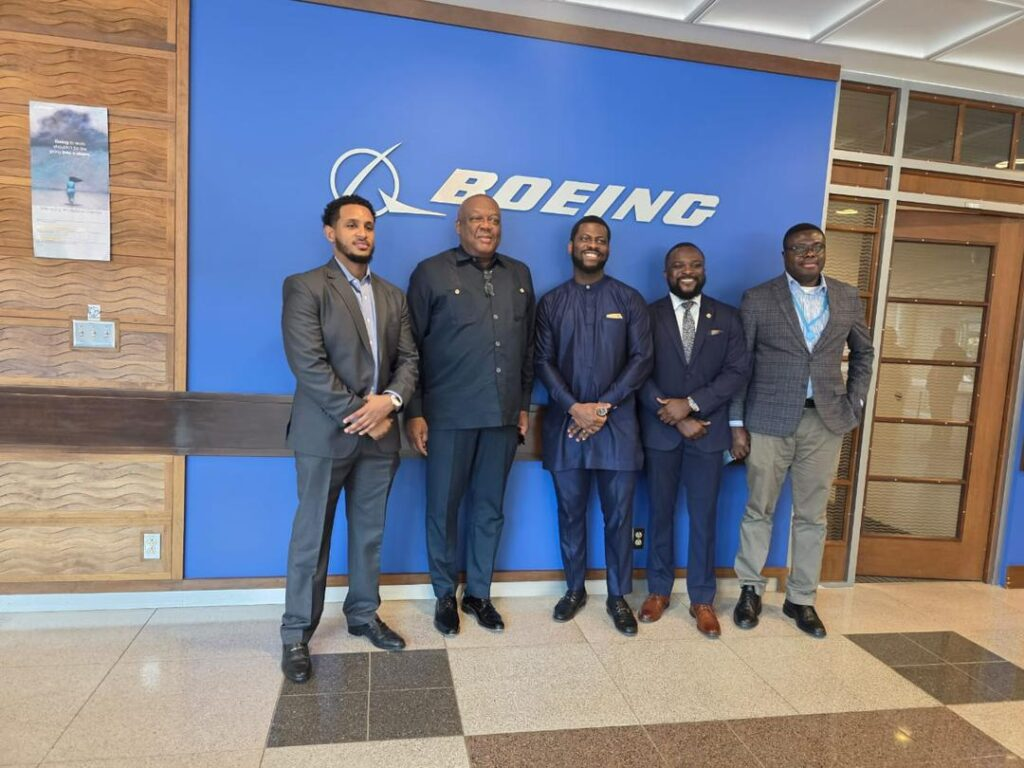
    The government has engaged a US-based aerospace company, Boeing, to collaborate with on Ghana’s bid to revive its national carrier.

    The meeting comes a few days after President Mahama revealed during the sword-cutting ceremony held on Tuesday, April 28, at Accra International Airport for the expansion of Gate C1 at Terminal 3 and the construction of a new concourse linking Terminals 2 and 3 that the National Airline Taskforce committee has been charged with presenting a roadmap for the re-establishment of the airline by the close of the week.

    “This week, I’m meeting the task force I set up to work towards the re‑establishment of our national airline. I’m looking forward to receiving their presentation outlining the concrete roadmap for Ghana’s flag to fly proudly across Africa and in the global aviation space once again,” he said.

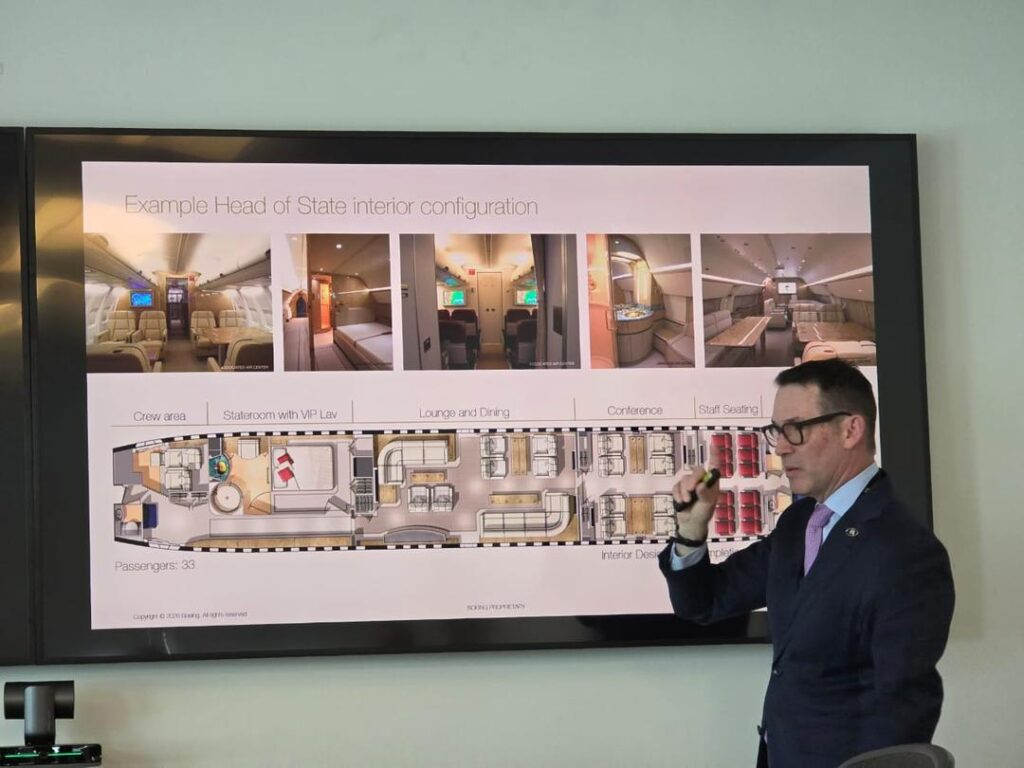
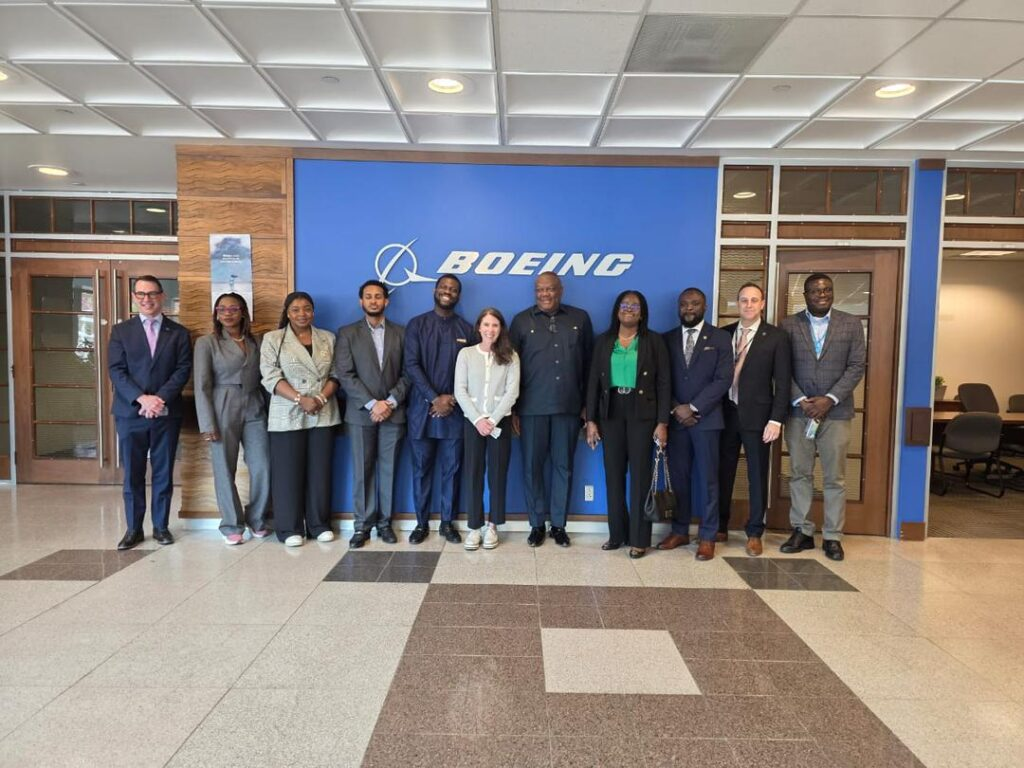
    Consequently, the Ambassador to the United States, Victor Emmanuel Smith, yesterday, Thursday, April 30, held high-level talks with executives of Boeing in Seattle to discuss how the government seeks to partner to secure the right aircraft and technical support needed to ensure the successful rebirth of the airline.

    The meeting forms part of broader efforts to secure strategic partnerships to support the long-discussed revival of a national airline, a key pillar in Ghana’s ambition to position itself as a leading aviation hub in West Africa.

    The Ambassador, speaking during the meeting with the Boeing team, highlighted the importance of a national carrier, noting that a reliable and efficient airline remains critical to advancing trade, tourism, investment, and international connectivity under Ghana’s economic transformation agenda.

    “We would appreciate a partnership with Boeing in securing appropriate equipment to ensure that the rebirth of a national carrier does not elude us,” he said.

    According to him, restoring a national airline would not only enhance Ghana’s global reach but also drive job creation, boost economic activity, and reinforce the country’s status as a gateway to the sub-region.

    Executives of Boeing welcomed the engagement, describing Ghana’s aviation sector as one with strong growth potential.

    Senior Manager Rachel Peterson noted that the company is optimistic about opportunities in the Ghanaian market and is open to further discussions.

    The talks explored several areas of possible collaboration, including fleet acquisition, maintenance support, aviation training, and broader capacity development within the sector.

    The engagement is part of a series of initiatives by Ghana’s embassy in Washington, D.C., aimed at attracting investment, strengthening ties with global industry leaders, and advancing the country’s long-term economic transformation agenda.

    The new Concourse

    The Minister said, “The New Concourse will have 5 new Passenger Boarding Bridges, 5 passenger holding areas, Bi-directional Travelators, 5 new escalators and elevators, 1 VIP Lounge, 4 Business Lounges, 4 New Retail/Duty Free Pods, among others”.

    Renovation works at the VVIP lounge of Accra International Airport

    The VVIP Lounge of the Accra International Airport (AIA) has been closed temporarily for renovation works aimed at improving the facility.

    This was announced by the Ministry of Foreign Affairs on Friday, April 3, 2026, in a public statement. The scheduled exercise is expected to last until Friday, April 10, to allow for renovation works.

  • Mahama didn’t need to be consulted before Otto Addo was sacked – Kofi Adams

    Mahama didn’t need to be consulted before Otto Addo was sacked – Kofi Adams

    Minister of Sports and Recreation Kofi Adams has addressed concerns raised regarding his office’s consulting President Mahama before dismissing former Black Stars headcoach Otto Addo despite his guiding the team to the World Cup for the second time and being the first coach to set such a record..

    The former Dortmund talent manager was sacked on March 30th following the Black Stars defeat against Germany in an international friendlies as part of the preparations towards the World Cup in summer (June).

    Before his dismissal on March 30, reports surfaced that, if his side lost to the Germans after suffering another defear in Austria friendlies days earlier, he will be sacked.

    Consequently, speaking during an interview with Accra-based radio station, Asempa FM’s Ekosii Sen show, the Buem Member of Parliament (MP) stated that, he didn’t President Mahama’s approval to sack Otto Addo, stressing the President’s confidence in his authority as the sector Minister to ake the right decisions for the betterment of the sector.

    “I don’t need to inform the President [John Mahama] before sacking coach Otto Addo. .He knows we are capable of doing the job; that’s why he appointed us to this position,” Adams added.

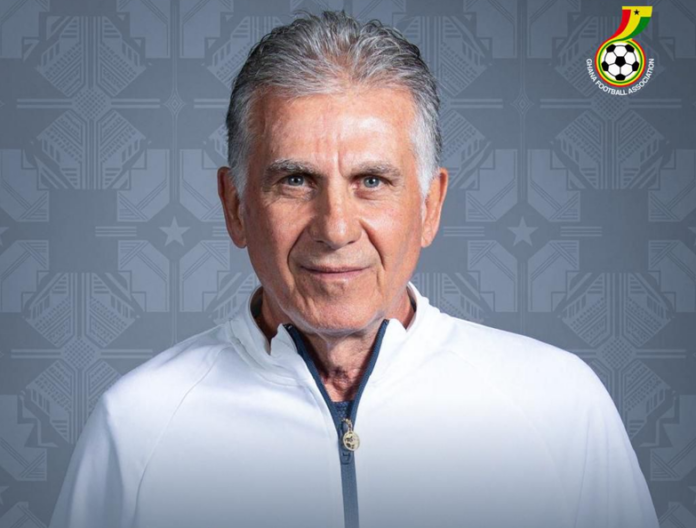
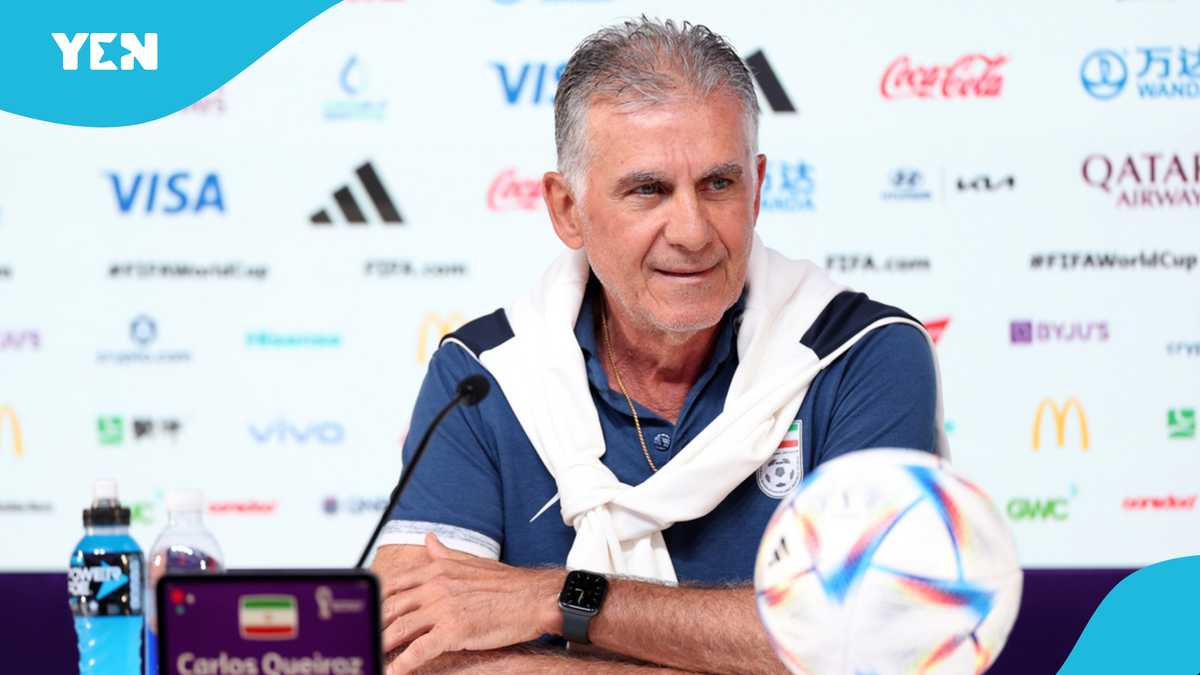
    Following Addo’s departure, the Ghana Football Association (GFA) appointed experienced Portuguese tactician Carlos Queiroz on a short-term four-month contract to lead the team into the tournament.

    The Minister also dispelled rumours that the Black Stars’ newly appointed head coach, Carlos Queiroz, earns a monthly salary of $100,000.

    His response comes shortly after his unveiling, where several media reports began to circulate that he is taking home a $100k, gaining traction over the Portuguese tactician’s salary.

    Disputing the rumour, Sports Minister Kofi Adams, speaking in an interview with Asempa FM, explained that “it’s not up to $100,000”.

    He explained that discussions on the coach’s remuneration are still ongoing between his outfit and relevant stakeholders, adding that the final figure has yet to be determined.

    “I will check the figures [of his salary] because we have not finalised and signed the full contract and everything, so I cannot give the exact figure, but it’s not up to $100,000. The condition we agreed was that we were going for a short-term contract, maximum four months, for the period of the World Cup, but the performance would determine any further agreement,” Mr Adams added.

    Otto Addo’s remarks before Germany clash

    Otto Addo admitted that his job was never secure, regardless of whatever results he achieves with the Black Stars.

    He made these remarks after his side suffered a wanton 5-1 defeat to Austria during the international friendly on Friday, March 27, in Vienna.

    The 50-year-old former Ghana international has faced mounting pressure since returning to the role, with concerns over the team’s inconsistent performances growing louder in recent months.

    Despite increasing calls for his dismissal, Addo insists he remains focused and undistracted by public criticism.

    “Even when we qualified for the World Cup, people were calling for me to step down. So, [my job] is always under threat, but I don’t really care,” the former Borussia Dortmund assistant coach said.

    On his part, his focus is to give his best for the team and make the best out of the squad as well.

    “For me, the most important thing is that I prepare my best for the team to the best,” he added.

    Govt host fundraiser to support Black Stars World Cup bid 

    Meanwhile, an amount of at $10m was raised at the launch of Black Stars’ fundraising campaign organised on Monday, March 23, ahead of the World Cup qualifiers.

    This information was disclosed by the Deputy Finance Minister and Chairman of the Fundraising Committee, Thomas Nyarko Ampem.

    “The fundraising target is $30 million, and if you listen to the pledges and donations, on day one of the launch, we got about $10 million. We are going to put together other events, and we believe that the contributions that are coming in from the short code as well,” he said.

    The launch event was attended by high-profile individuals, including President John Dramani Mahama, Sports Minister Kofi Adams, and Ghana Football Association President Kurt Okraku.

  • Korle-Bu doctors threaten to strike on May 2 over OPD services, restricted lab access

    Korle-Bu doctors threaten to strike on May 2 over OPD services, restricted lab access

    The Korle-Bu Doctors Association (KODA) has given the management the facility until Thursday, April 30, to address major concerns which it describes as serious threats to patient safety and professional standards or its members will embark on an industrial strike at the Korle-Bu Teaching Hospital from May.

    The assocation in a formal notice shared on Thursday, April 30, noted that, if by close of Thursday, April 30, their demands aren’t met all services rendered by its members will be withdrawn immediately.

    “The Korle-Bu Doctors Association (KODA) has resolved to embark on an industrial strike effective May 2, 2026, should management fail to address urgent concerns by close of Thursday, April 30, 2026. Members will withdraw services until the issues are resolved,” parts of the notice read.

    KODA asked the hospital management to reinstate Laboratory Physicians and trainees to the Central Laboratory, ensure all specialised laboratory results are validated by qualified Laboratory Physicians, guarantee unrestricted access to laboratory systems and equipment for clinical and academic work, investigate alleged threats against doctors, and halt the rollout of 24-hour specialist outpatient services until proper consultation and staffing are secured.

    On access to laboratory, KODA requested “We note with grave concern the exclusion of Laboratory Physicians from the Central Laboratory. This constitutes a serious threat to patient safety and professional standards. We demand immediate reinstatement of all Laboratory Physicians and trainees, and insist that leadership roles in laboratory departments be determined by professional merit and institutional standards.” 

    It also strongly, “…opposed the proposed rollout of 24-hour specialist outpatient services. The hospital already provides round-the-clock outpatient care through the Korle-Bu Polyclinic. The current framework does not distinguish between extending existing hours and engaging additional personnel, and risks undermining patient care.”

    Additionally, the Association is calling for a full investigation into alleged threats against its members, urging management to take disciplinary and protective measures where necessary to safeguard staff and maintain operational integrity.

    Another major concern of the association is the proposed 24-hour  specialist outpatient services, which they believe will not be effective due to inadequate staff, unclear policy and over-burdening of existing health personnel citing that the hospital already operates a 24-hour outpatient facility through the Korle-Bu Polyclinic.

    “KODA draws Management’s attention to the fact that the 24-Hour Economy Policy of His Excellency President John Dramani Mahama, which appears to inform this directive, contemplates the engagement of additional personnel to cover afternoon and night shifts, not the extension of existing working hours for the same employees.

    “The current implementation framework does not appear to reflect this distinction,” the statement added

    It further urged management to prioritise improving efficiency within existing outpatient services as a more immediate intervention.

    They warned that failure to meet these conditions by the stated deadline will trigger a full withdrawal of services from May 2, a move it says is intended to protect patient safety, uphold professional standards, and preserve the long-term functionality of the hospital.

    Meanwhile, last month, government announced plans to establish a National Command Centre as part of efforts to significantly reduce emergency response time and improve patient outcomes across Ghana’s healthcare system.

    Board Chairman of the Korle Bu Teaching Hospital, Prof. Titus Beyuo, said the proposed centre will enable real-time coordination of emergency cases, ensuring patients are directed to hospitals with available beds instead of overcrowded facilities.

    He disclosed the plan amid growing concerns about congestion at major referral hospitals, particularly Korle Bu Teaching Hospital, which continues to receive a high volume of emergency cases.

    Speaking on the Joy Super Morning Show on Tuesday, March 24, Prof. Beyuo explained that the command centre forms part of a broader emergency patient management system being developed to streamline care delivery nationwide.

    “We need the ambulance service to relocate their call centre to this national command centre. We need to get physicians and other people at the command centre who will do an online sorting of patients and redirect them,” he explained.

    The initiative is expected to transform how the National Ambulance Service operates, as ambulance teams will no longer send patients automatically to facilities like Korle Bu Teaching Hospital or Komfo Anokye Teaching Hospital without confirming bed availability.

    Instead, emergency cases will be routed based on real-time data from the command centre, a move expected to reduce delays that often worsen the condition of critically ill patients.

    A key challenge the system seeks to address is the lack of visibility on bed availability across hospitals, which frequently results in patients being taken to already overstretched facilities.

    Prof. Beyuo indicated that for the system to function effectively nationwide, all of Ghana’s over 200 ambulances must be integrated into the platform—an effort that is currently ongoing.

    He added that the command centre will help distribute emergency cases more efficiently across healthcare facilities, easing pressure on major hospitals while improving survival chances.

    Prof. Beyuo also credited the Minister of Health for driving the initiative forward, describing the minister as “very committed” to ensuring its implementation.

  • Inflation in emerging economies, including Ghana, to hit 5.1% in 2026 – World Bank

    Inflation in emerging economies, including Ghana, to hit 5.1% in 2026 – World Bank

    Ghana and other growing economies’ inflation have been projected to see a sharp increase in 2026, linked to higher global energy prices and supply disruptions caused largely by the Middle East tensions.

    This was contained in the World Bank’s Commodity Markets Outlook for April 2026. According to the report, “Consumer price inflation in emerging markets and developing economies is projected to rise to about 5.1 percent in 2026, reversing earlier expectations that inflation would ease this year.”

    Due to the Middle East tensions leading to shortfalls in both oil and gas supplies, this tends to largely affect prices of several other commodities, including food, fertilisers and metals. Citing the huge surge in Brent oil prices, which crossed $100 per barrel from about $65–$86 per barrel, marking an increase of nearly 20%, this has impacted the market, which is likely going to put pressure on households of a growing economy.

    “With both oil and natural gas prices having soared amid supply shortfalls, average energy prices are forecast to increase by 24 percent in 2026. The Brent oil price is expected to average $86 per barrel, an upward revision of $26 since January. However, the supply shocks brought about by the war are broad-based. Prices for fertilisers are projected to soar, and prices of food commodities and base metals are also projected to increase”, parts of the report said.

    The report also noted that average base metals like copper and gold are expected to record their highest price ever, with projections that they could rise even more than expected, rather than fall.

    “Average base metals and precious metals prices are both projected to reach all-time highs. Average base metals and precious metals prices are both projected to reach all-time highs. Risks to the commodity price projections are tilted firmly toward higher prices”, a citation of the report indicated.

    Under a scenario where oil prices rise sharply due to prolonged geopolitical tensions, inflation in emerging economies could climb to between 5.3 and 5.8 percent in 2026.

    Average base metals and precious metals prices are both projected to reach all-time highs.

    Higher energy costs are expected to slow real income growth and weaken consumer demand in many emerging economies, while also raising operational costs for businesses.

    The World Bank notes that central banks in many developing economies may respond to rising inflation by maintaining tighter monetary policy, which could further affect borrowing costs and investment activity.

    The outlook highlights the vulnerability of emerging markets to global commodity shocks, particularly for economies that rely heavily on energy imports.

    Assuming the most acute phase of commodity trade disruptions ends shortly, and shipping volumes gradually return to near prewar levels by October, average commodity prices are projected to rise by 16 percent in 2026, the first annual increase since 2022.


    BoG Governor earlier projections after Middle East tensions began

    The Governor of the Bank of Ghana (BoG), Dr Johnson Asiama, warned that despite recent improvements in the country’s macroeconomic indicators, Ghana could face economic pressures if tensions in the Middle East intensify.

    He gave the caution at the opening of the 129th meeting of the Monetary Policy Committee (MPC), Dr Asiama on Monday, March 16. Dr Johnson Asiama said the caution stems from tensions affecting key global energy and shipping routes, potentially causing volatility in global oil markets.

    He added, “Geopolitical uncertainty tends to support gold prices. Given the importance of gold in our export earnings, this could improve our trade balance”.

    The ongoing tensions began after the death of Iran’s Supreme Leader, Ayatollah Ali Khamenei. Ayatollah Ali Khamenei was reportedly killed in strikes by the United States (U.S.) and Israel. This development is significantly impacting travellers from Ghana to Asia, Europe, and North America, as Dubai is a major transit hub connecting travelers through the United Arab Emirates.

    Ghana, being one of the dependents of the global oil supply, stakeholders began to express concerns about a possible shortage of fuel across the country. However, the Corporate Affairs Officer of the Tema Oil Refinery (TOR), Godwin Mahama Ayaba, during an appearance on March 11, indicated that Ghana is unlikely to experience fuel shortages despite rising tensions in the Middle East, citing the country’s diversified sources of petroleum imports and growing local refining capacity.

    According to him, the NPA recently issued a statement indicating that the situation in the Middle East will not lead to shortages of petroleum products in the country.

    “The National Petroleum Authority, which is the regulator, some three to four hours ago issued an official statement assuring all of us that as for shortage, there is no way the Iran–Israel conflict is going to affect us,” he said.

  • No Ghanaian has died in xenophobic attacks in South Africa – Ghana High Commisioner refutes speculations

    No Ghanaian has died in xenophobic attacks in South Africa – Ghana High Commisioner refutes speculations

    Ghana’s High Commissioner to South Africa, Benjamin Quarshie, says no Ghanaian has lost his or her life in the ongoing xenophobic attacks.

    His remarks follow speculation that some Ghanaians may have been killed in ongoing attacks in parts of South Africa, after videos showing locals targeting foreigners went viral online around April 22-27.

    During an interview with Joy News PM Express Show with Evans Mensah on Wednesday, April 30, Mr Quarshie cited that according to official data presented to his outfit by South African authorities, no Ghanaian has lost their life.

    “So the current xenophobic actions that are going on, nobody has lost their lives. The statistics are there; they’ve given it to us,” he stated.

    He went on to further address a video which went viral, capturing a Ghanaian man who had been reportedly killed in East London. According to him, investigations conducted by his outfit showed that the man was attacked and fatally stabbed by armed robbers, stressing that his death was unrelated to a xenophobic violent attack.

    “In fact, there was a story going round about a Ghanaian who had lost his life in East London… We went there yesterday on the instructions of the Foreign Affairs Minister. We got to find out that the gentleman was stabbed to death by armed robbers, and it happened three weeks ago,” he said.

    He disclosed that the case came to the authorities’ attention only weeks later.

    “They just left his body there, and we only got to know after three weeks that the citizen had been stabbed to death,” he added.

    According to him, the Ghanian government has stepped in, calling for a thorough investigation into the fatal attack and halting an attempted mass burial until a full probe is completed.

    The envoy said the Ghanaian government has since intervened at the highest level. “The Foreign Affairs Minister has officially asked them to open an investigation. In fact, they wanted to mass-bury the gentleman, but the Minister again gave instructions that the gentleman should not be buried until a full investigation is completed,” he said.

    He stressed that authorities are seeking clarity and justice. “Until we know who killed him, why he was killed, and compensation given to his family,” he stated.

    Mr Quarshie confirmed that the victim’s family in Ghana has been identified and contacted. “We’ve spoken to them. It has been a difficult one for them, because this is the breadwinner in the family,” he said.

    Describing the circumstances of the killing, he added, “When you hear the story as to how they killed him, it’s really, really pathetic.”

    Despite the incident, he maintained that it should not be conflated with xenophobic violence.

    “But I’m sure that the era of Ghanaians or any other person being killed, and South African authorities just brushing it aside… that era is over,” he said while pledging government’s commitment to Ghana’s diplomatic mission.

    “We would ensure there’s accountability. Will account for every single individual, be it Ghanaian, be it any African person, Until justice is done, we will not stop,” he added.

    When the attacks started in SA and why ?

    News of the xenophobic attacks surfaced after videos of nationals were captured attacking foreign nationals showing harassment and intimidation of foreign nationals, including Ghanaians over economic strain including the over 40% unemployment, housing ptrssures, misinformation including reports of foreign nationals taking over SA markets while groups like Operation Dudula and “Put South Africa First” campaigns openly demand foreigners leave, documented or not.

    Is this the first time xenophobic attacks are happening in SA?

    The recent xenophobic attacks on foreigners by South AFrican nationas isn’t the first. SA has a history of violent xenophobic attacks dating as far back as 1998.

    In 1998, three foreign nationals were killed in Johannesburg. Two years later, seven more were killed in Cape Town.

    After a long quiet in the attacks, the worst in SA’s history happened in 2008 when sixty‑two (62) people lost their lives, 1,700 were injured, and about 100,000 were displaced nationwide cementing xenophobia as a recurring national crisis.

    In 2015, violence flared again after inflammatory remarks by the Zulu King. The unrest spread across the country, forcing the government to deploy the military to restore order.

    By 2019, riots erupted in Durban and Johannesburg, with Nigerian‑owned businesses being specifically targeted.

    More recently, between 2022 and 2025, smaller but persistent flare‑ups were linked to vigilante movements such as Operation Dudula. These included blocking foreigners from accessing health facilities in Gauteng and KwaZulu‑Natal, reflecting how xenophobia had become embedded in everyday life.

  • Carlos Queiroz not on $100k monthly salary – Sports Minister

    Carlos Queiroz not on $100k monthly salary – Sports Minister

    The Sports Ministry has dispelled rumours that the Black Stars’ newly appointed head coach, Carlos Queiroz, earns a monthly salary of $100,000.

    His response comes shortly after his unveiling, where several media reports began to circulate that he is taking home a $100k, gaining traction over the Portuguese tactician’s salary.

    Disputing the rumour, Sports Minister Kofi Adams, speaking in an interview with Asempa FM, explained that “it’s not up to $100,000”.

    He explained that discussions on the coach’s remuneration are still ongoing between his outfit and relevant stakeholders, adding that the final figure has yet to be determined.

    “I will check the figures [of his salary] because we have not finalised and signed the full contract and everything, so I cannot give the exact figure, but it’s not up to $100,000. The condition we agreed was that we were going for a short-term contract, maximum four months, for the period of the World Cup, but the performance would determine any further agreement,” Mr Adams added.

    Carlos takes over from former Dutch talent coach Otto Addo, who was dismissed after a poor run of form leading to defeats against Austria and Germany in the last international friendlies played on March 27 and Monday, March 30, respectively.

    Queirozis is set to guide the Black Stars to the World Cup in a four-month agreement after which an extension will be subject to his performance at the global tournament set to be hosted across Mexico, Canada and the USA in June (summer).

    Ghana, heading into their fifth World Cup appearance, have been drawn in Group L alongside England, Croatia and Panama. They will open their campaign against Panama on June 17, face England on June 23, and conclude the group stage against Croatia on June 27.

    After back-to-back early exits in 2014 and 2022, expectations are growing for a more competitive showing under the experienced leadership of Queiroz.

    Ghana, preparing for their fifth appearance at the World Cup, have been drawn in Group L. The Black Stars will open their campaign against Panama on June 17, before facing England on June 23 and Croatia on June 27.

    After successive group-stage exits in Brazil 2014 and Qatar 2022, Queiroz faces the challenge of restoring belief and guiding the team to a more competitive show on football’s biggest stage.

    Carlos Queiroz to arrive with a 5-member technical team

    Meanwhile, the coach is expected to arrive with five members of his technical team as preparations intensify for the 2026 FIFA World Cup. To make room for the new technical team, the technical advisor and director of football, Winfried Schäfer, has reportedly been relieved of his duties, and assistant coach John Paintsil.

    Also, several other existing staff members who served in roles during Otto Addo’s tenure have been dismissed to accommodate the new team of Queiroz’s new team.

    Carlos remarks during his unveiling

    Carlos Queiroz described his new role as his biggest challenge aside from the eight national teams he has worked with; however, he is “ready to deliver”.

    “It is an honour and a privilege to be here today,” Queiroz said at the unveiling. Since I arrived, I have started to feel it. This is the soul of the Black Stars. The soul of the Black Stars is huge, and that means our dreams and expectations are huge.

    “After eight national teams and important competitions, this is the biggest challenge of my life, and I am ready for that. I can promise and guarantee that I will bring 40 years of my experience [to the job],” he said.

    He made these remarks during his unveiling today at the Alisa hotel during a press conference.

  • Newly appointed Black Stars’ coach yet to sign full contract – Sports Minister

    Newly appointed Black Stars’ coach yet to sign full contract – Sports Minister

    The newly appointed Black Stars head coach is yet to sign his full contract despite his official unveiling last week, April 23, at the Alisa Hotel, the Sports Minister, Kofi Adams, has confirmed.

    The 73-year-old Portuguese tactician takes over from former Dutch talent coach Otto Addo, who was dismissed after a poor run of form leading to defeats against Austria and Germany in the last international friendlies played on March 27 and Monday, March 30, respectively.

    Queirozis is set to guide the Black Stars to the World Cup in a four-month agreement after which an extension will be subject to his performance at the global tournament set to be hosted across Mexico, Canada and the USA in June (summer).

    Speaking in an interview with Asempa FM, the Sports Minister dismissed reports that the coach earns a monthly salary of $100,000, describing the claims as untrue. He explained that discussions on the coach’s remuneration are still ongoing between his outfit and relevant stakeholders, adding that the final figure has yet to be determined.

    “I will check the figures [of his salary] because we have not finalised and signed the full contract and everything, so I cannot give the exact figure, but it’s not up to $100,000. The condition we agreed was that we were going for a short-term contract, maximum four months, for the period of the World Cup, but the performance would determine any further agreement,” Mr Adams added.

    Queiroz is expected to announce his World Cup squad in the coming weeks, with high-profile friendlies against Mexico and Wales lined up as part of Ghana’s final preparation phase. The Black Stars will wrap up their build-up with a clash against Wales on June 2.

    Ghana, heading into their fifth World Cup appearance, have been drawn in Group L alongside England, Croatia and Panama. They will open their campaign against Panama on June 17, face England on June 23, and conclude the group stage against Croatia on June 27.

    After back-to-back early exits in 2014 and 2022, expectations are growing for a more competitive showing under the experienced leadership of Queiroz.

    Ghana, preparing for their fifth appearance at the World Cup, have been drawn in Group L. The Black Stars will open their campaign against Panama on June 17, before facing England on June 23 and Croatia on June 27.

    After successive group-stage exits in Brazil 2014 and Qatar 2022, Queiroz faces the challenge of restoring belief and guiding the team to a more competitive show on football’s biggest stage.

    Carlos Queiroz to arrive with a 5-member technical team

    Meanwhile, the coach is expected to arrive with five members of his technical team as preparations intensify for the 2026 FIFA World Cup. To make room for the new technical team, the technical advisor and director of football, Winfried Schäfer, has reportedly been relieved of his duties, and assistant coach John Paintsil.

    Also, several other existing staff members who served in roles during Otto Addo’s tenure have been dismissed to accommodate the new team of Queiroz’s new team.

    Carlos remarks during his unveiling

    Carlos Queiroz described his new role as his biggest challenge aside from the eight national teams he has worked with; however, he is “ready to deliver”.

    “It is an honour and a privilege to be here today,” Queiroz said at the unveiling. Since I arrived, I have started to feel it. This is the soul of the Black Stars. The soul of the Black Stars is huge, and that means our dreams and expectations are huge.

    “After eight national teams and important competitions, this is the biggest challenge of my life, and I am ready for that. I can promise and guarantee that I will bring 40 years of my experience [to the job],” he said.

    He made these remarks during his unveiling today at the Alisa hotel during a press conference.

  • Why Ghana turned down a $109 million health aid from the Trump administration

    Why Ghana turned down a $109 million health aid from the Trump administration

    Fresh details are beginning to emerge about why Ghana took the bold step to reject a $109 million health aid package from the Trump administration, shedding light on concerns over sovereignty, data protection, legal control and the long-term implications of the proposed deal.

    At the centre of the issue is the “America First Global Health Strategy,” an initiative introduced under US President Donald Trump.

    The policy is designed to encourage lower-income countries to take greater responsibility for tackling diseases such as HIV/AIDS, malaria, tuberculosis and polio, with a gradual shift from aid dependence to self-reliance.

    A Deal Ghana Was Pressured to Sign
    According to multiple sources familiar with the negotiations, the process began in November 2025 when the US chargé d’affaires presented Ghana’s Ministry of Health with a Memorandum of Understanding (MoU) and requested that it be signed within one week.

    Sources say the document was drafted unilaterally by the US, without input from Ghanaian authorities. When officials raised concerns and requested a fresh, jointly negotiated process, the US side declined and continued to press for immediate signature.

    The chargé d’affaires is said to have insisted he had “instructions from the top,” while also referencing that several other countries had already signed similar agreements.

    Despite sustained pressure, described by insiders as at times unusually forceful, Ghanaian officials resisted and sought amendments.

    The Data Clause That Triggered Alarm

    One of the most controversial provisions is related to the handling of citizens’ health data.

    Under the proposed agreement, Ghana would have been required to share health records with the United States for a period of 25 years, even though the aid programme itself was designed to last only five years.

    More significantly, the agreement granted the US broad discretion over how that data could be used, including the possibility of sharing it with American pharmaceutical companies for research, product development and other commercial purposes.

    Officials who reviewed the document say this raised serious ethical, legal and national security concerns.

    Pharmaceutical Control and Regulatory Bypass
    Another major sticking point was the potential impact on Ghana’s pharmaceutical regulatory system.

    The MoU included provisions that would allow drugs approved by the U.S. Food and Drug Administration to enter the Ghanaian market without undergoing the country’s standard approval processes.

    This would effectively sideline the Ghana Food and Drugs Authority, which under Ghanaian law is required to independently assess and certify all medicines before they are distributed locally.
    Health officials viewed this as a direct threat to Ghana’s regulatory autonomy and patient safety standards.

    A Legal Framework Outside Ghana’s Control

    The agreement also stipulated that it would be governed by US law, another provision that raised red flags.

    For Ghanaian authorities, accepting such terms would mean that any disputes arising from the agreement could be interpreted and resolved under a foreign legal system, limiting Ghana’s control over enforcement and interpretation.

    Financial Terms That Raised Questions
    Beyond sovereignty and legal concerns, the financial structure of the deal also came under scrutiny.

    While the US pledged $109 million over five years, Ghana was required to commit $70 million in counterpart funding over the same period.

    Crucially, the US contribution was subject to the availability of funds and approval by Congress. Ghana’s obligation, however, was binding, with failure to meet its commitment potentially triggering termination of the agreement.

    Officials say this created an uneven arrangement, placing more certainty and risk on Ghana’s side.

    From Negotiation to Rejection

    Faced with these concerns, the Ministry of Health declined to proceed and escalated the matter to Cabinet.

    The Attorney-General reviewed the agreement and advised against signing it. Cabinet subsequently approved a full rejection of the aid package.

    A Pattern Emerging Elsewhere
    Ghana’s experience reflects a broader trend.
    As of this week, the US State Department has signed 32 agreements under the “America First Global Health Strategy,” representing a combined $20.6 billion in funding, $12.8 billion from the US and $7.8 billion from recipient countries.

    However, similar concerns are beginning to surface elsewhere. Reports indicate that negotiations have been disrupted in countries such as Zimbabwe, while Kenya’s agreement has also faced scrutiny and legal challenges from civil society groups.

    A Calculated Decision

    For Ghana, officials insist the decision was not about rejecting support for critical health programmes, but about the terms attached to that support.

    In weighing the immediate financial benefits against long-term implications for sovereignty, data protection and regulatory control, authorities concluded that the risks were too significant.

    Source: JoyNews Health Desk

    DISCLAIMER: Independentghana.com will not be liable for any inaccuracies contained in this article. The views expressed in the article are solely those of the author’s, and do not reflect those of The Independent Ghana

  • Govt to employ 16,000 health workers soon, secures financial clearance for about 8,000 – Health Ministry 

    Govt to employ 16,000 health workers soon, secures financial clearance for about 8,000 – Health Ministry 

    The Ministry of Health has announced that the government will recruit about 16,000 health workers this year, citing that clearance has been secured for about half the intended number while efforts are underway for the remainder.

    In compliance with public financial management laws and administrative practices designed to keep government spending within approved limits, the Finance Ministry is expected to give approval for the release of funds for recruitment and payment of salaries. 

    “The Ministry of Health wishes to inform the public that, as part of the government’s deliberate effort to absorb trained health professionals, plans are underway to recruit between 16,000 health workers this year. Financial clearance has been secured for about 8,000 so far, with efforts ongoing to obtain the remainder,” the Ministry noted in a formal statement shared on Wednesday, April 29. 

    According to the Ministry, the government will not recruit any health worker without a budgetary provision for their salaries.

    “No health worker will be engaged without financial provision”, it continued.

    Also, it announced the payment of two months’ arrears with a pledge to pay the next arrears covering three months, i.e., May to July 2026.

    The health authority expressed appreciation to affected nurses, highlighting the government’s commitment to strengthening the healthcare workforce and healthcare delivery nationwide.

    “The Ministry of Health is pleased to announce that, in line with its commitment, two-month arrears for newly recruited nurses have been duly paid. The Ministry further wishes to assure all affected personnel that the next payment will be made in 3 monthly instalments, from May to July 2026, as announced earlier. 

    “The Ministry appreciates the patience and cooperation of all stakeholders and remains committed to strengthening the health workforce for improved service delivery,” parts of the statement read. 

    It continued that “Individuals experiencing any form of challenges or requiring clarification are advised to contact the Human Resource for Health Development Directorate of the Ministry of Health for assistance”.

    “ The Ministry of Health wishes to inform the public that, as part of the government’s deliberate effort to absorb trained health professionals, plans are underway to recruit between 16,000 health workers this year. Financial clearance has been secured for about 8,000 so far, with efforts ongoing to obtain the remainder,” the Ministry continued.

    To avoid a recurrence of recruiting nurses and later owing them salaries, the Ministry said it will not employ any health worker without prior budget approval, adding that recruitment will be done in phases.

    “ No health worker will be engaged without financial provision. These clearances have been distributed across the various health cadres to facilitate the gradual absorption of personnel into the health system,” it noted.

    Reiterating its commitment to transparency and fairness, the Ministry said the official recruitment portal remains the only authorised channel for all recruitment processes.It acknowledged that the high number of applicants has placed pressure on the system, with some candidates experiencing difficulties accessing the portal.

    “The Ministry emphasises that the recruitment portal remains the sole and official channel for all recruitment processes; this measure is intended to promote transparency, fairness, and accountability. 

    “Due to the high volume of applicants, while many have successfully accessed the portal, others have experienced challenges, leading to understandable anxiety. The Ministry acknowledges these concerns and is actively working to secure additional clearances to accommodate more qualified applicants”, the Ministry stressed.

    About two months ago, the Coalition of Unpaid Nurses and Midwives in Ghana urged the government to immediately investigate and restore salary arrears, which it said had been removed from its members’ payment vouchers without being paid.

    In a statement signed by its Convener, Stephen Kwadwo Takyi, the coalition explained that several affected members had their salary arrears validated on the government payroll system each month, yet the monies were not paid.

    The group further noted that during the latest validation in February 2026, the accumulated arrears suddenly disappeared from their payment vouchers.

    “We call on the Government of Ghana to act swiftly to investigate this anomaly, restore and pay all unlawfully removed arrears without delay to avoid any action from us,” part of the statement read.

    The coalition further stated that when the matter was brought into the public domain, the Controller and Accountant-General’s Department denied the claims.

    It, however, maintained that its payroll validators and human resource officers across various health facilities have confirmed that the arrears were cleared from the payment vouchers of the affected nurses and midwives without any corresponding payment.

    “Our questions are: who authorized the removal of our legitimately earned arrears and on what legal or administrative basis were these arrears cleared?” the coalition queried in the statement.

  • Govt settles two months’ nurses’ arrears; next tranche to cover three months

    Govt settles two months’ nurses’ arrears; next tranche to cover three months

    Newly recruited nurses will see some financial relief as government announces payment of two months’ arrears with a pledge to pay the next arrears covering three months, i.e., May to July 2026.

    This was formally announced in a statement released today, Wednesday, April 29, by the Ministry of Health. The health authority expressed appreciation to affected nurses, highlighting the government’s commitment to strengthening the healthcare workforce and healthcare delivery nationwide.

    “The Ministry of Health is pleased to announce that, in line with its commitment, two-month arrears for newly recruited nurses have been duly paid. The Ministry further wishes to assure all affected personnel that the next payment will be made for 3 months each, from May to July 2026, as announced earlier. 

    “The Ministry appreciates the patience and cooperation of all stakeholders and remains committed to strengthening the health workforce for improved service delivery,” parts of the statement read. 

    It continued that “Individuals experiencing any form of challenges or requiring clarification are advised to contact the Human Resource for Health Development Directorate of the Ministry of Health for assistance”.

    Also, the Ministry revealed that about 16,000 health workers will be employed by the government as part of the government’s efforts to absorb the majority of the unemployed health workforce in the country. It also indicated that the Finance Ministry has already cleared about half of the intended number that the Ministry intends to absorb.

    “ The Ministry of Health wishes to inform the public that, as part of the government’s deliberate effort to absorb trained health professionals, plans are underway to recruit between 16,000 health workers this year. Financial clearance has been secured for about 8,000 so far, with efforts ongoing to obtain the remainder,” the Ministry continued.

    To avoid a recurrence of recruiting nurses and later owing them salaries, the Ministry said it will not employ any health worker without prior budget approval, adding that recruitment will be done in phases.

    “ No health worker will be engaged without financial provision. These clearances have been distributed across the various health cadres to facilitate the gradual absorption of personnel into the health system,” it noted.

    Reiterating its commitment to transparency and fairness, the Ministry said the official recruitment portal remains the only authorised channel for all recruitment processes.It acknowledged that the high number of applicants has placed pressure on the system, with some candidates experiencing difficulties accessing the portal.

    “The Ministry emphasises that the recruitment portal remains the sole and official channel for all recruitment processes; this measure is intended to promote transparency, fairness, and accountability.

    “Due to the high volume of applicants, while many have successfully accessed the portal, others have experienced challenges, leading to understandable anxiety. The Ministry acknowledges these concerns and is actively working to secure additional clearances to accommodate more qualified applicants”, the Ministry stressed.

    About two months ago, the Coalition of Unpaid Nurses and Midwives in Ghana urged the government to immediately investigate and restore salary arrears, which it said had been removed from its members’ payment vouchers without being paid.

    In a statement signed by its Convener, Stephen Kwadwo Takyi, the coalition explained that several affected members had their salary arrears validated on the government payroll system each month, yet the monies were not paid.

    The group further noted that during the latest validation in February 2026, the accumulated arrears suddenly disappeared from their payment vouchers.

    “We call on the Government of Ghana to act swiftly to investigate this anomaly, restore and pay all unlawfully removed arrears without delay to avoid any action from us,” part of the statement read.

    The coalition further stated that when the matter was brought into the public domain, the Controller and Accountant-General’s Department denied the claims.

    It, however, maintained that its payroll validators and human resource officers across various health facilities have confirmed that the arrears were cleared from the payment vouchers of the affected nurses and midwives without any corresponding payment.

    “Our questions are: who authorized the removal of our legitimately earned arrears and on what legal or administrative basis were these arrears cleared?” the coalition queried in the statement.

  • National Airline Taskforce to present revival roadmap by week’s end – President Mahama

    National Airline Taskforce to present revival roadmap by week’s end – President Mahama

    President Mahama says he has directed the National  Airline Taskforce to present to him a roadmap to revive Ghana’s national carrier by the close of this week.

    He made this revelation during his speech at the sword-cutting ceremony held yesterday, Tuesday, April 28, at Accra International Airport for the expansion of Gate C1 at Terminal 3 and the construction of a new concourse linking Terminals 2 and 3.

    “This week, I’m meeting the task force I set up to work towards the re‑establishment of our national airline. I’m looking forward to receiving their presentation outlining the concrete roadmap for Ghana’s flag to fly proudly across Africa and in the global aviation space once again,” he said. while emphasising how the re-establishment of the airline will go a long way to help salvage the growing unemployment the country is currently battling.

    He continued that “Reviving a national airline will not only rekindle national pride but also create employment opportunities for pilots, cabin crew, engineers, and other aviation professionals.”

    The project is set to reduce congestion and boost Ghana’s ambition of becoming a leading aviation hub in West Africa.

    The sword cutting ceremony comes a few weeks after the Minister of State in charge of Government Communications, Felix Ofosu Kwakye government’s plans for the project.

    The Minister shared this in a Twitter post on Saturday, April 5. According to the post, “The Ghana Airport Company Limited has an ambitious programme to expand and modernise facilities at the Accra International Airport. Work will begin this month on an ultra-modern Concourse connecting Terminals 2 and 3 to ease congestion and provide world-class, high-end facilities for the travelling public”

    According to him, the project forms part of a broader effort to provide world-class, high-end facilities for the travelling public while improving efficiency at the airport.

    The new Concourse

    The Minister said, “The New Concourse will have 5 new Passenger Boarding Bridges, 5 passenger holding areas, Bi-directional Travelators, 5 new escalators and elevators, 1 VIP Lounge, 4 Business Lounges, 4 New Retail/Duty Free Pods, among others”.

    Renovation works at the VVIP lounge of Accra International Airport

    The VVIP Lounge of the Accra International Airport (AIA) has been closed temporarily for renovation works aimed at improving the facility.

    This was announced by the Ministry of Foreign Affairs on Friday, April 3, 2026, in a public statement. The scheduled exercise is expected to last until Friday, April 10, to allow for renovation works.

    In a public announcement issued in Accra, officials said the refurbishment is intended to enhance the safety, comfort, and overall functionality of the facility used by high-level dignitaries and official guests.

    “The closure is to allow for scheduled renovation works aimed at enhancing the safety, comfort, and overall functionality of the facility,” the statement said.

    The ministry added that the exercise forms part of broader efforts to upgrade key national infrastructure and improve service delivery.

    Renaming of Accra International Airport

    Barely a week after the government announced the reversal of the International Airport to its original name, Accra International Airport, it formally announced the reversal in a statement  dated February 3.  The statement read,

    “The Ministry hereby informs the general public that the Government of Ghana has officially reverted the name of Kotoka International Airport to its original name, Accra International Airport. The facility was originally known as Accra International Airport before its redesignation. The government has considered it appropriate to restore the Airport to its former and internationally recognised name”.

    It continued that the name change would not affect operations or any existing travel arrangements; however, it will involve the systematic update of official documentation, statutory instruments where necessary, airport signage, digital platforms, aviation publications, and related communication materials.

    “This change will not affect airport operations, safety standards, or international travel arrangements. Notably, within the records of the International Civil Aviation Organisation (ICAO), the airport code has remained “ACC”.

    Consequently, the Minister urged the general public and all other stakeholders to comply with the relevant authorities for a seamless transition.

    “ The general public, stakeholders, and international partners are kindly requested to support and cooperate with the relevant authorities to ensure a smooth and seamless transition. The Ministry appreciates the continued cooperation of all stakeholders”, the statement noted.

    About Kotoka and the redesignation to Accra International Airport

    The renaming of Accra International Airport to Kotoka International Airport was done in 1969, after it was opened in 1961, when the then military government redesignated the facility in honour of Lieutenant General Emmanuel Kwasi Kotoka, a Ghanaian army officer who played a key role in the 1966 coup that overthrew President Kwame Nkrumah.

    The airport originally served as a military base for the British Royal Air Force during World War II before being handed over to civilian authorities. In 1956, under President Kwame Nkrumah, a project was launched to convert the site into a passenger terminal.

    The project was completed in 1958, transforming the former military installation into a civilian airport capable of handling about 500,000 passengers a year.

  • President Mahama cuts sod for new Airport concourse project to link terminal 2,3

    President Mahama cuts sod for new Airport concourse project to link terminal 2,3

    Construction works will soon begin at the Accra International Airport as President Mahama has cut the ribbon for the building of an interconnecting concourse linking Terminal 2 (arrival) and Terminal 3 (departure).

    The project is set to reduce congestion and boost Ghana’s ambition of becoming a leading aviation hub in West Africa.

    Speaking at the sword-cutting ceremony today, Tuesday, April 28, President Mahama stressed that it goes beyond mere ceremony, describing it as a critical investment aimed “at improving operational efficiency, enhancing passenger experience, and supporting Ghana’s long‑term economic growth.”

    He mentioned that passenger traffic had surged sharply over the past three years, rising by 700,000 between 2022 and 2025, a 39% increase,from 1.8 million passengers in 2022 to 2.5 million in 2025. On his part, this is evidence of Ghana’s expanding global connectivity and attractiveness as a destination; consequently, the need for expansion to safeguard efficiency and maintain service standards.

    President Mahama announced government plans to revive the country’s dead airline, with the National Airline Taskforce assigned to present a roadmap by the end of this week.

    “This week, I’m meeting the task force I set up to work towards the re‑establishment of our national airline. I’m looking forward to receiving their presentation outlining the concrete roadmap for Ghana’s flag to fly proudly across Africa and in the global aviation space once again,” he said while emphasising how the re-establishment of the airline will go a long way to help salvage the growing unemployment the country is currently battling.

    He said, “Reviving a national airline will not only rekindle national pride but also create employment opportunities for pilots, cabin crew, engineers, and other aviation professionals.”

    The sword cutting ceremony comes a few weeks after the Minister of State in charge of Government Communications, Felix Ofosu Kwakye government’s plans for the project.

    The Minister shared this in a Twitter post on Saturday, April 5. According to the post, “The Ghana Airport Company Limited has an ambitious programme to expand and modernise facilities at the Accra International Airport. Work will begin this month on an ultra-modern Concourse connecting Terminals 2 and 3 to ease congestion and provide world-class, high-end facilities for the travelling public”

    According to him, the project forms part of a broader effort to provide world-class, high-end facilities for the travelling public while improving efficiency at the airport.

    The new Concourse

    The Minister said, “The New Concourse will have 5 new Passenger Boarding Bridges, 5 passenger holding areas, Bi-directional Travelators, 5 new escalators and elevators, 1 VIP Lounge, 4 Business Lounges, 4 New Retail/Duty Free Pods, among others”.

    Renovation works at the VVIP lounge of Accra International Airport

    The VVIP Lounge of the Accra International Airport (AIA) has been closed temporarily for renovation works aimed at improving the facility.

    This was announced by the Ministry of Foreign Affairs on Friday, April 3, 2026, in a public statement. The scheduled exercise is expected to last until Friday, April 10, to allow for renovation works.

    In a public announcement issued in Accra, officials said the refurbishment is intended to enhance the safety, comfort, and overall functionality of the facility used by high-level dignitaries and official guests.

    “The closure is to allow for scheduled renovation works aimed at enhancing the safety, comfort, and overall functionality of the facility,” the statement said.

    The ministry added that the exercise forms part of broader efforts to upgrade key national infrastructure and improve service delivery.

  • Fuel prices: Diesel to drop by 11%, slight dip for petrol in May – NPA

    Fuel prices: Diesel to drop by 11%, slight dip for petrol in May – NPA

    The National Petroleum Authority (NPA) has announced an imminent reduction in fuel prices following the sharp drop in commodity prices in the recent pricing window.

    The Authority in a pricing notice dated April 28 indicated that, effective May 1, Ghanaians will see some relief after the recent increase in prices linked to the Middle East conflict.

    The NPA said the adjustment forms part of its bi-monthly review mechanism covering May 1 to May 15, reflecting shifts in global crude prices and exchange rate movements.

    “The National Petroleum Authority has set the ex-pump price floors for the May 1 to 15 window in line with the Petroleum Products Pricing Guidelines,” the statement indicated.

    Under the new rates, petrol has been set at GH¢13.25 per litre, while diesel now stands at GH¢14.30 per litre.

    Liquefied Petroleum Gas (LPG) is priced at GH¢13.02 per kilogramme, with kerosene and Marine Gas Oil Local set at GH¢16.13 and GH¢15.41 respectively.

    Compared to the previous pricing window in mid-April, petrol has seen a marginal reduction of 2 pesewas, while diesel has dropped significantly by GH¢1.80 per litre.

    The adjustment continues a gradual easing trend following sharp increases recorded earlier in April, when diesel peaked at GH¢17.10 per litre due to rising global crude oil prices and a weaker cedi.

    That earlier spike was driven in part by geopolitical tensions in the Middle East, which pushed Brent crude above $100 per barrel at the time, increasing import costs for fuel-importing countries like Ghana.

    By contrast, diesel prices have now dropped by GH¢2.80 from the early April peak, though they remain higher than levels recorded in February and early March.

    The government has also been intervening to soften the impact on consumers by absorbing part of the pricing burden. From the April 16 window, it removed selected margins in the petroleum price build-up, including GH¢2.00 per litre on diesel and GH¢0.36 on petrol.

    It is, however, not immediately clear whether those subsidies will continue into the new pricing window or be adjusted ahead of the mid-year fiscal review.

    The NPA has reminded Oil Marketing Companies (OMCs) and LPG Marketing Companies (LPGMCs) that they are required to comply with the announced floors, although they are permitted to add their own margins, meaning actual pump prices may vary across stations.

    “As per the Petroleum Products Pricing Guidelines, all OMCs and LPGMCs are entreated to comply with the above price floors for the window under consideration,” the Authority added.

    Govt reportedly lost GHS200m due to fuel price drop earlier  

    The Ministry of Energy, through spokesperson Richmond Rockson, disclosed that the government would have accrued an estimated GH¢200 million in revenue if fuel prices had remained unchanged.

    Addressing the media on Wednesday, April 15, he stated, “This will lead to a net loss of about GH¢200 million that could have accrued to the government, but it is a necessary sacrifice to bring relief to the people of Ghana”.

    During an emergency Cabinet meeting held on Thursday, April 9, President Mahama instructed the Minister for Finance, Dr. Cassiel Ato Forson, and the Minister for Energy to immediately begin the process of reviewing and removing the affected taxes.

    In view of that, the government absorbed GH¢2.00 per litre on diesel and GH¢0.36 per litre on petrol in the upcoming pricing window  effective Thursday, April 16.

    At the time, two Oil Marketing Companies (OMCs), GOIL and Star Oil, had lowered their pump prices. The two companies were selling petrol at GH¢13.27 per litre, while diesel was going for GH¢16.10 per litre.

    President John Dramani Mahama said the decision was aimed at cushioning Ghanaians from rising fuel prices, which had been driven by global supply disruptions linked to tensions involving Iran, Israel, and the United States.

    The ongoing tension had led to the closure of the Strait of Hormuz, a critical global oil shipping route. The ongoing tensions between Iran, the U.S., and Israel had been linked to the death of Iran’s Supreme Leader, Ayatollah Ali Khamenei.

    Ayatollah Ali Khamenei was reportedly killed in strikes by the United States (U.S.) and Israel. This development was significantly impacting travellers from Ghana to Asia, Europe, and North America, as Dubai is a major transit hub connecting travellers through the United Arab Emirates.

    Before then, petrol and diesel were selling at GH¢13.30 and GH¢17.10 per litre, respectively, at the pumps. In a social media post on Tuesday, March 31, GOIL announced that it had increased petrol to GH¢13.30 per litre from GH¢12.24, and diesel from GH¢15.69 to GH¢17.10 per litre.

    Star Oil also increased petrol from GH¢12.19 to GH¢13.49 per litre. It also increased the price of diesel from GH¢14.25 to GH¢17.97. The adjustment followed a new price floor announced by the National Petroleum Authority (NPA) on March 30, directing Oil Marketing Companies (OMCs) to implement the changes from Wednesday, April 1.

    On Monday, March 16, petroleum products at the pumps saw an increase following an adjustment by the NPA for the second pricing window for the month.

    As a result, petrol priced at GHȼ10.46 per litre was sold at GHȼ11.57. The price floor for diesel had jumped from GH¢11.42 to GH¢14.35 per litre, and LPG had risen from GH¢9.38 to GH¢10.67 per kilogramme. Meanwhile, Ghana’s petroleum sector had recorded a decline in the second half of 2025.

  • GTEC withdraws post-retirement contract ban after Education Ministry intervention

    GTEC withdraws post-retirement contract ban after Education Ministry intervention

    The Ghana Tertiary Education Commission (GTEC) has announced that it has withdrawn the policy directives on retirement and post-retirement contracts for academic senior members of public universities.

    The national tertiary education regulator made this known through a formal statement dated April 27, following a meeting with the Minister for Education, Haruna Iddrisu, and the leadership of the University Teachers Association of Ghana (UTAG).

    “Following a meeting between the Honourable Minister for Education and the leadership of the University Teachers Association of Ghana (UTAG), the Honourable Minister has issued a directive to GTEC to immediately withdraw its policy directive dated 1st October, 2025,” the Commission stated.

    The Commission went on to explain that the withdrawal was in accordance with the Minister’s instructions and is intended to allow for broader consultations with stakeholders in the tertiary education sector.

    “In compliance with the Minister’s directive, and pending further consultations with all relevant stakeholders to ensure broad consensus and institutional sustainability, GTEC hereby announces the immediate withdrawal of the attached policy directive,” the statement said, adding that it shall provide updates on new guidelines once consultations with the right stakeholders are consulted.

    “Further guidance will be communicated following the conclusion of stakeholder consultations,” it added.

    About the retirement directive by GTEC

    In October last year, GTEC released a statement which barred universities from offering post‑retirement contracts to retired lecturers or other senior members of the university community that is it ordered that, the institution could not legally re‑hire them in any teaching, supervisory, or advisory role.

    The letter, signed by Deputy Director-General Prof. Augustine Ocloo on behalf of the Director-General, was copied to key stakeholders, including vice chancellors of traditional and technical universities, the Ministry of Education, the Public Services Commission, and the leadership of UTAG and the Technical University Teachers Association of Ghana (TUTAG).

    This was vehemently rejected by UTAG, which cited a lack of consultation by GTEC boss Prof Abdulai and his deputies in taking such actions.

    UTAG earlier petition to govt to remove GTEC bosses

    The government was given a 14-day ultimatum by UTAG to dismiss the Director-General of the GTEC, Prof. Ahmed Jinapor Abdulai, and his deputy, Prof. Augustine Ocloo, from office, citing what it describes as a coercive administrative style.

    This was contained in a petition addressed to President John Dramani in a press briefing held on Monday 13, April.

    UTAG accused GTEC’s leadership of regulatory overreach, issuing unilateral directives, and adopting what it describes as a coercive administrative style.

    “UTAG respectfully calls on the President for the following reliefs. The Director-General and Deputy Director-General of GTEC must be relieved of their current roles in order to restore confidence in the tertiary education sector and reset regulatory posture.

    “Government must urgently operationalise the Education Regulatory Bodies Act, 2020 (Act 1023) through a clear and unambiguous Legislative Instrument (LI), including mandatory consultative rule-making, clear limits on interference in internal governance, and a transparent appeals mechanism against regulatory decisions.

    “GTEC circulars dated 30 September 2025 and 1 October 2025 should be withdrawn with immediate effect and subjected to structured stakeholder consultation and harmonisation with existing legal frameworks and negotiated Conditions of Service,” UTAG National President, Prof. Vera Fiador, said.

    Prof. Vera noted that a circular, which was released by GTEC on September 30, 2025 which discredited some tertiary institutions and blocked admissions into unaccredited programs, citing quality assurance issues.

    President of the University of Ghana chapter of UTAG, Dr Jerry Joe Harrison, warned that the association may withdraw its services to GTEC or embark on industrial action if their demands are not met.

    “We have several tools at our disposal, including withdrawing all services that we render to GTEC. Of course, to the extreme, industrial disharmony can be activated because if members of UTAG are not happy doing the jobs they are supposed to do, there is no point remaining in the classroom. This issue we talked about directly affects us, the students we teach as well,” he said.

    Meanwhile, it will be recalled that, in January this year, UG-UTAG threatened to embark on industrial action or petition the Office of the Chief of Staff if the Director-General of the Ghana Tertiary Education Commission (GTEC), Prof. Ahmed Jinapor Abdulai, and his Deputy, Prof. Augustine Ocloo, did not resign preemptively by January 31, 2026.

    The lecturers’ union made this demand in a strongly worded four-page document dated January 19, signed by its president and secretary, Dr Jerry Joe Harrison and Dr Godfred B. Hagan, respectively. The document accused the GTEC leadership of ignoring deep-rooted problems in universities, overstepping its legal authority, weakening university governance, and making harmful policy decisions.

    “UTAG-UG calls on the DG, Prof. Ahmed Jinapor Abdulai, DDG, Prof. Augustine Ocloo, to resign honourably by 31st of January 2026. Failure to do so will result in (a) a petition to the Chief-of-Staff for their removal (b) industrial action if necessary”, parts of the statement noted.

    According to the union, while the tertiary regulator was mandated to act in the interest of tertiary institutions in Ghana, it had instead shifted its focus to what it described as “tangential and sometimes frivolous actions,” including pursuing individuals with alleged fake degrees, while neglecting systemic challenges affecting public tertiary education.

  • See list of areas in Volta,Oti and Accra West to be affected by power outage today, tomorrow

    See list of areas in Volta,Oti and Accra West to be affected by power outage today, tomorrow

    The Electricity Company of Ghana (ECG) has released a list of areas set to suffer outages across some parts of the Volta Region and Accra.

    The national power supply company, in a power outage notice dated Tuesday, April 28, indicated that areas listed in the notice will have their power supply curtailed for 6 hours

    Residents of Pentecost University, Mallam Junction, New Fadama, and others will be without power for 6 hours tomorrow, Wednesday, April 29.

    And today, all underlisted areas, including Mile 7, New Achimota, Nyamekye and Mile 11, will be without power for 6 hours.

    See the rest of the list below:

    ECG explained that these outages are a result of the recent fire outbreak that occurred at the Akosombo substation, which has led to reduced power supply to parts of the country. However, they assured that efforts are currently underway to ensure that normalcy returns as soon as possible.

    It further went on to apologise to the public for any inconvinience.

    The outages began after a fire outbreak at the Akosombo GRIDCO substation on April 23, around 2 pm, which blocked about 1,000 megawatts of power.

    Speaking on the situation on the Channel One Newsroom on Sunday, April 26, ECG’s General Manager for External Relations, Dr Charles Nii Ayiku Ayiku, was sorry for the inconvenience caused, describing the incident as unexpected and significant.

    “I sincerely apologise for the inconvenience our cherished customers are facing. The incident wasn’t expected. It was a major incident which has rendered the entire control room affected and down, and we sincerely apologise to our customers.

    “After Akosombo, the fact is that it blocked about 1000 megawatts, but I am sure you also understand that even after losing 1000 megawatts, we have still been consistent with power supply within some parts of the country,” he said.

    Dr Ayiku cautioned against calls for a load-shedding timetable at this stage, describing it as premature.

    “So if we start talking about a load shedding timetable right now, don’t you think it is too early to call for a load shedding timetable?” he said.

    He added that ECG, GRIDCO and the Volta River Authority (VRA) are working together to restore full power supply across the country.

    Meanwhile, the Minister of Energy and Green Transition, John Abdulai Jinapor, has directed the Chief Executive Officer of the Ghana Grid Company Limited (GRIDCo) to step aside pending an investigation into a fire at the Akosombo Power Control Centre while taking steps to avert disruptions in Ghana’s power supply following a major fire incident at the Akosombo transmission network.

    As part of the measures, Ghana temporarily halted power supply to neighboring countries. The Deputy Energy Minister, Richard Gyan-Mensah disclosed this while engaging the press on Friday, April 24.

    Ghana primarily exported electricity to Togo, Benin and Burkina Faso through the 225kV Bolgatanga-Ouagadougou interconnection.

    However, these countries were left to temporarily cater for themselves as the fire outbreak damaged a transmission system with a capacity of about 720 megawatts at GRIDCo’s substation at Akosombo.

    He added, “The system that got affected was about 720 megawatts. That system transmits power to major parts of the country, so this is a significant hit. The Akosombo Dam generates a little over 1,000 megawatts.”

    “This is an emergency that has actually occasioned it. It is brief; it is not something that is going to last longer. I think they have also heard what has happened to us. In this situation, we need to take some actions and this is one of them”.

  • Black Stars coach accommodation: GFA nearly crippled Alisa Hotel with debt – George Afriyie

    Black Stars coach accommodation: GFA nearly crippled Alisa Hotel with debt – George Afriyie

    Debates about the newly appointed Black Stars head coach’s accommodation issue remain persistent following the Ghana Football Association (GFA)’s announcement that the 73-year-old tactician will be hosted in a hotel during his stay in Ghana.

    Given the recent economic pressures and the starin on government coffers, many have criticised the move with some calling it ‘unwise and unnecessary’ move when a formal residence was earlier designated for coaches.

    Adding to the voices of concern is former Vice President of GFA, George Afriyie. The former GFA presidential aspirant revealed that, under the leadership of former GFA president, Kwasi Nyantakyi, it nearly caused the collapse of Alisa Hotel due to the huge debts it owed the hotel from accommodating Black Stars coaches.

    “In the Kwesi Nyantakyi era, we were crippling the government with Black Stars coach accommodation expenses. To the extent that the GFA almost collapsed Alisa Hotel with debts from the Black Stars coach living at the hotel,” he stated while speaking on Adom FM’s Dwaso Nsem on Monday, April 27.

    The coach’s stay in a hotel was announced by the football governing authority’s Senior Manager, Communications, Sheikh Tophic Sienu, speaking during an appearance on Asempa FM’s Sports Nite on Monday, April 20, explained that the former 5-bedroom house located at the Airport residential which was handed over by the Sports Ministry in 2018 has now been converted into an office space hence while a decision is yet to be taken in relation to a permanent residence for Ghana Black Stars coaches, the Portugese tactician will be accommodate ina hotel.

    “The official house allocated for the Black Stars coach has been converted into office space. The decision will be taken in relation to that, but for his first time coming to Ghana, he will be accommodated in a hotel.”

    Initially, the residence was handed over by the Sports Ministry to reduce government spending on accommodation for national team coaches. According to reports, the original residence for national team coaches has been converted into a technical hub for the GFA.

    Responding to concerns about the high cost of the coach’s hotel stay, Sheikh Sienu defended the decision to convert the residence into an office complex, saying it would support efforts to strengthen football administration in Ghana.

    “We have had coaches who have Ghanaian lineages, who were already having accommodation in Ghana, so the building wasn’t in much use, but we needed to make proper use of the apartment. So we converted the spaces not in use for the Technical Hub. In a positive sphere, it was done because we wanted to help develop Ghana’s football and make it better, ” he said.

    Queiroz remarks after unveiling

    73-year-old tactician and newly appointed Black Stars head coach, Carlos Queiroz, described his new role as his biggest challenge aside from the eight national teams he has worked with; however, he is “ready to deliver”.

    “It is an honour and a privilege to be here today,” Queiroz said at the unveiling. Since I arrived, I have started to feel it. This is the soul of the Black Stars. The soul of the Black Stars is huge, and that means our dreams and expectations are huge.

    “After eight national teams and important competitions, this is the biggest challenge of my life, and I am ready for that. I can promise and guarantee that I will bring 40 years of my experience [to the job],” he said.

    He made these remarks during his unveiling today at the Alisa hotel during a press conference.

    With barely 50 days until the global tournament begins, the former Iran coach is tasked with stabilising the team after four successive defeats.

    His appointment comes after the dismissal of Otto Addo on Monday, March 30, following Ghana’s poor performance in the international friendlies against Austria and Germany.

    His first assignment, as a stop-gap appointment following his arrival in Ghana, will be to oversee the upcoming international friendly against Mexico. Preparations will then continue with a final test against Wales on June 2 as part of preparations for the 2026 FIFA World Cup.

    Ghana, preparing for their fifth appearance at the World Cup, have been drawn in Group L. The Black Stars will open their campaign against Panama on June 17, before facing England on June 23 and Croatia on June 27.

    After successive group-stage exits in Brazil 2014 and Qatar 2022, Queiroz faces the challenge of restoring belief and guiding the team to a more competitive show on football’s biggest stage.

  • World Cup 2026: The disgrace that still whispers Algeria’s name

    World Cup 2026: The disgrace that still whispers Algeria’s name

    On June 25, 1982, Algeria left the World Cup unbeaten — and still went home early.

    Four days earlier, they had stunned West Germany 2–1 in one of the greatest upsets in tournament history.

    The Desert Foxes became the first African and first Arab side to win two matches at a single World Cup. A draw or victory against Chile in their final group game would have sent them through.

    Instead, West Germany met Austria in Gijón.
    Horst Hrubesch scored in the 10th minute. After that, the match slowed to a walk.

    Passes were exchanged with no urgency, no tackles, no pretence. Algerian fans in the stands waved banknotes in disgust, a silent accusation of match-fixing.

    An Austrian commentator, sickened by what he was watching, told viewers to switch off and fell silent. The 1–0 result stood. Algeria was eliminated on goal difference.

    The outrage was immediate and universal. Fans, journalists, and even some players from other nations condemned the game as a sham. FIFA investigated but found no explicit rule broken at the time.

    The global backlash, however, was so intense that FIFA acted. From that day forward, all decisive final group matches at the World Cup would be played simultaneously, a direct response to what became known as the Disgrace of Gijón.

    Algerian pain rewrote the laws of the tournament forever.

    That is the quiet inheritance the Fennecs carry into 2026.

    A game forged by history

    Algeria joined FIFA in 1964, barely two years after gaining independence from France. Football quickly became a powerful arena to reclaim national pride and identity after colonial rule.

    The style that emerged was compact, technical, and ruthless on the counter, a reflection of a nation that had learned to fight for every inch.

    It gave the world Rabah Madjer’s audacious backheel goal against West Germany in 1982, Lakhdar Belloumi’s visionary passing, and later Islam Slimani’s tireless running and Riyad Mahrez’s elegance and leadership.

    The 2014 World Cup in Brazil marked a modern high point: Algeria pushed eventual champions Germany to extra time in Porto Alegre.

    Goalkeeper Rais M’Bolhi made ten saves, and Manuel Neuer was forced into emergency sweeping duties. Germany won 2–1, but they knew they had been in a real fight.

    Then came twelve long years of absence. No qualification for 2018 or 2022. The drought made the latest qualifying campaign feel heavier than most.

    The qualification that signaled change

    CAF Group G was competitive, but Algeria made it decisive. They finished with eight wins, one draw, and one defeat, scoring 24 goals and conceding eight, ending seven points clear of Uganda.

    Mohamed Amoura, the 25-year-old Wolfsburg striker, emerged as one of the breakout stars of the entire CAF qualifying cycle, finishing with ten goals.

    In the decisive 3–0 win over Somalia, captain Riyad Mahrez (now 34 and entering the final stretch of his international career) dropped deep, dictated play, scored, and assisted twice for Amoura.

    It felt like a symbolic handoff: experience guiding the next generation.

    Under coach Vladimir Petković, Algeria plays a practical 4-2-3-1, hard to break down and quick to exploit transitions, with Ismaël Bennacer shielding the defense with calm intelligence and Youcef Atal offering width and explosive runs from full-back.

    The system is built on discipline and organization, but it also carries the potential for moments of individual brilliance when space opens.

    The 2026 reckoning

    The December 2025 draw added an almost theatrical layer. Algeria was placed in Group J alongside Argentina, Austria, and Jordan. Austria, the same team that scored the only goal in Gijón and then helped kill the game while Algerian fans watched in disbelief, will meet them again on June 27 in Kansas City.

    On paper, it is just another group match. In truth, it feels like unfinished business 44 years in the making.

    Algeria arrives with a strong FIFA ranking, a captain chasing one last global stage, a breakout striker the continent is still discovering, and a coach who understands knockout football.

    Their squad reflects modern Algeria: European experience blended with homegrown resolve. But the deeper current runs beneath the tactics and the rankings. Some matches do not end when the final whistle blows.

    They settle into the memory of a football nation and wait.

    The Disgrace of Gijón did not merely wound Algeria. It changed how the world organizes its greatest tournament.

    On the night of June 27, 2026, when Algeria walks out against Austria in Kansas City, the record from 1982 will still read: Austria 1–0 Algeria (after the earlier 2–1 loss).

    Some results do not expire. They wait.

    Source: Richmond Danso MPA, PhD

    DISCLAIMER: Independentghana.com will not be liable for any inaccuracies contained in this article. The views expressed in the article are solely those of the author’s, and do not reflect those of The Independent Ghana

  • Ghana to host 2027 U-20 AFCON – GFA President Kurt Okraku confirms

    Ghana to host 2027 U-20 AFCON – GFA President Kurt Okraku confirms

    The Ghana Football Association (GFA) has announced Ghana as the host country for the 2027 U-20 Boys Africa Cup of Nations (AFCON).

    This was confirmed by the President of the football governing body, Kurt Okraku, yesterday, Sunday, April 26, in a Facebook post.

    The post read, “ 2027 U-20 boys AFCON to be hosted by Ghana”.

    Ghana hosting the tournament again next year will mark the second time it has hosted since it last did in 1999, when it was known as the African Youth Championship, two decades after the tournament’s inception in 1979.

    On that occasion, the Black Satellites reached the final but finished as runners-up to Nigeria.

    Since then, Ghana has remained a strong force in the competition, most recently winning its fourth title in 2021. However, the country has not had the opportunity to host the tournament again until now.

    Meanwhile, in an unrelated development, the recent AFCON competition on the senior team level was plagued with several controversies for which the President of the Confederation of African Football (CAF), Patrice Motsepe, went to Senegal to meet the country’s president and football authorities over the disputed AFCON title.

    The 2025 AFCON final was played on 18 January 2026 at the Prince Moulay Abdellah Stadium in Rabat, Morocco, between Senegal and Morocco, where the former won by a goal.

    The game, which was plagued by several incidents, including disputed refereeing decisions, VAR controversies and crowd disturbances, was later appealed by Morocco. The North Africans won the case after CAF’s Appeals Committee controversially overturned the result, awarding Morocco a 3–0 victory and the title.

    The move was met with widespread disapproval and disappointment, with many slamming CAF’s credibility and calling it a“disgrace for Africa.” The Senegalese authorities openly defied the ruling by displaying the trophy in Paris. 

    Following this, the CAF President Patrice Motsepe has arrived in Senegal in an attempt to quell tensions and clear any misconceptions of bias after the AFCON 2025 title strip.

    He is expected to meet the Senegalese Head of State, Bassirou Diomaye Faye, and the Fédération Sénégalaise de Football, Mr Abdoulaye Fall, on the working visit. 

    Meanwhile, CAF’s statement, which announced the new AFCON title winners, indicated that the reversal was on procedural grounds, with the governing body noting that Morocco’s right to be heard had not been respected during the initial proceedings.

    Senegal has since filed an appeal at the Court of Arbitration for Sports over the decision.

    What exactly happened at the AFCON final, detailed chronologically

    The final of the 2025 Africa Cup of Nations (AFCON) was nothing short of controversial, chaotic and tense; however, the side widely alleged to be at the centre of it all was Senegal.

    This followed Morocco being awarded a penalty after their player, Ayoub El Kaabi, tumbled in the box following contact with Senegal defender Abdou Diallo. The referee initially waved play on, but later intervened after a VAR review.

    Following the check, Morocco were awarded a penalty, which clearly upset Senegal’s players, who believed the contact was minimal and that El Kaabi had gone down too easily.

    Consequently, they staged a walk-off in protest on the pitch. During this time, some Senegalese supporters attempted to storm the pitch, with some captured throwing objects onto the field, including a chair.

  • Dumsor: It is too early to request for timetable – ECG

    Dumsor: It is too early to request for timetable – ECG

    The Electricity Company of Ghana (ECG) says it is too early for Ghanaians to request a power outage (‘dumsor’) timetable to help households, businesses and institutions, among others, to better prepare for the outages.

    His comments come after Ghanaians began asking for a schedule since the current wave of power outages in some parts of the country, following the power supply company’s announcement of both planned and emergency cuts across four regions following faults and a fire at GRIDCo’s Akosombo substation.

    Netizens took to social media over the weekend to complain about recurring power outages, with many demanding a schedule from ECG. 

    In response to this, General Manager for External Relations, Dr Charles Nii Ayiku Ayiku, during an interview on Channel One Newsroom on Sunday, April 26, acknowledged the inconvenience accompanying the persistent power outages; however, he indicated that demand for a timetable was premature.

    “So if we start talking about a load shedding timetable right now, don’t you think it is too early to call for a load shedding timetable?” he said.

    He went on to apologise for the inconvenience caused, describing the incident as unexpected and significant.

    “I sincerely apologise for the inconvenience our cherished customers are facing. The incident wasn’t expected. It was a major incident which has rendered the entire control room affected and down, and we sincerely apologise to our customers.

    “After Akosombo, the fact is that it blocked about 1000 megawatts, but I am sure you also understand that even after losing 1000 megawatts, we have still been consistent with power supply within some parts of the country,” he said.

    He assured that his outfit is making relentless efforts with restoration works currently underway across the transmission network, with full restoration imminent soon, hence he urged the public to remain calm amid the inconveniences being caused by the outages.

    “The question is, the current situation at the Akosombo GRIDCO substation is a work in progress. As I speak to you, there is a resolution; there are some of the issues that have been resolved, some parts of the country are back on full supply, pending other lines that will be restored.

    “The engineers have assured us that very soon we will get back on supply. I would once again urge the general public and our customers to remain calm and be assured that the situation is under control,” he stated.

    GRIDCo CEO suspended pending probe into Akosombo substation fire

    On April 24, a fire gutted some parts of the Akosombo substation switchyard, leading to a disruption in the power supply.

    Following this,

    The Minister for Energy and Green Transition, John Jinapor, on Sunday, April 26, ordered the Chief Executive Officer (CEO) of the Ghana Grid Company (GRIDCo), Ing. Mark Awuah Baah, to step aside while stakeholders probe the incident.

    The announcement of the CEO’s stepping down was made by the Minister of Government Communications, Felix Kwakye Ofosu, in a Facebook post on the same day, where he also revealed that a major overhaul had occurred in the leadership of the ECG in the Ashanti Region.

    Energy Minister takes measures to worsen ‘dumsor’ crisis

    Meanwhile, the Ministry of Energy and Green Transition has taken steps to avert disruptions in Ghana’s power supply following the fire incident at the Akosombo transmission network.

    As part of the measures, Ghana will temporarily halt power supply to neighboring countries. The Deputy Energy Minister, Richard Gyan-Mensah, disclosed this while engaging the press on Friday, April 24.

    Ghana primarily exports electricity to Togo, Benin and Burkina Faso through the 225kV Bolgatanga-Ouagadougou interconnection.

    However, these countries will be left to temporarily cater for themselves as the fire outbreak damaged a transmission system with a capacity of about 720 megawatts at GRIDCo’s substation at Akosombo.

    He added, “The system that got affected was about 720 megawatts. That system transmits power to major parts of the country, so this is a significant hit. The Akosombo Dam generates a little over 1,000 megawatts.”

    “This is an emergency that has actually occasioned it. It is brief; it is not something that is going to last longer. I think they have also heard what has happened to us. In this situation, we need to take some actions and this is one of them”.

    Meanwhile, the cause of the fire is yet to be determined by authorities. Recently, the country has been experiencing temporary power outages, locally known as ‘dumsor’, but President John Dramani Mahama insists they are part of ongoing system upgrades.

    While inspecting new transformers acquired for the Northern Electricity Distribution Company Limited (NEDCo), President Mahama noted that “The outages you are facing are not dumsor, it is to enable you to get better quality and stable power.”

  • We are sorry – ECG to Ghanaians after recent power outages,assures swift restoration

    We are sorry – ECG to Ghanaians after recent power outages,assures swift restoration

    The Electricity Company of Ghana (ECG) has apologised to Ghanaians over the recent power outages across the country.

    The outages began after a fire outbreak at the Akosombo GRIDCO substation, which blocked about 1,000 megawatts of power.

    Speaking on the situation on the Channel One Newsroom on Sunday, April 26, ECG’s General Manager for External Relations, Dr Charles Nii Ayiku Ayiku, was sorry for the inconvenience caused, describing the incident as unexpected and significant.

    “I sincerely apologise for the inconvenience our cherished customers are facing. The incident wasn’t expected. It was a major incident which has rendered the entire control room affected and down, and we sincerely apologise to our customers.

    “After Akosombo, the fact is that it blocked about 1000 megawatts, but I am sure you also understand that even after losing 1000 megawatts, we have still been consistent with power supply within some parts of the country,” he said.

    He assured that his outfit is making relentless efforts with restoration works currently underway across the transmission network, with full restoration imminent soon, hence he urged the public to remain calm amid the inconveniences being caused by the outages.

    “The question is, the current situation at the Akosombo GRIDCO substation is a work in progress. As I speak to you, there is a resolution; there are some of the issues that have been resolved, some parts of the country are back on full supply, pending other lines that will be restored.

    “The engineers have assured us that very soon we will get back on supply. I would once again urge the general public and our customers to remain calm and be assured that the situation is under control,” he stated.

    Dr Ayiku cautioned against calls for a load-shedding timetable at this stage, describing it as premature.

    “So if we start talking about a load shedding timetable right now, don’t you think it is too early to call for a load shedding timetable?” he said.

    He added that ECG, GRIDCO and the Volta River Authority (VRA) are working together to restore full power supply across the country.

    Meanwhile, the Minister of Energy and Green Transition, John Abdulai Jinapor, has directed the Chief Executive Officer of the Ghana Grid Company Limited (GRIDCo) to step aside pending an investigation into a fire at the Akosombo Power Control Centre while taking steps to avert disruptions in Ghana’s power supply following a major fire incident at the Akosombo transmission network.

    As part of the measures, Ghana temporarily halted power supply to neighboring countries. The Deputy Energy Minister, Richard Gyan-Mensah disclosed this while engaging the press on Friday, April 24.

    Ghana primarily exported electricity to Togo, Benin and Burkina Faso through the 225kV Bolgatanga-Ouagadougou interconnection.

    However, these countries were left to temporarily cater for themselves as the fire outbreak damaged a transmission system with a capacity of about 720 megawatts at GRIDCo’s substation at Akosombo.

    He added, “The system that got affected was about 720 megawatts. That system transmits power to major parts of the country, so this is a significant hit. The Akosombo Dam generates a little over 1,000 megawatts.”

    “This is an emergency that has actually occasioned it. It is brief; it is not something that is going to last longer. I think they have also heard what has happened to us. In this situation, we need to take some actions and this is one of them”.

    Meanwhile, the cause of the fire was yet to be determined by authorities. Recently, the country had been experiencing temporary power outages, locally known as ‘dumsor’, but President John Dramani Mahama insisted they were part of ongoing system upgrades.

    While inspecting new transformers acquired for the Northern Electricity Distribution Company Limited (NEDCo), President Mahama noted that “The outages you are facing are not dumsor, it is to enable you to get better quality and stable power.”

    As part of efforts to enhance revenue mobilisation in the energy sector and stabilise power supply, the Ministry of Energy and Green Transition said it would introduce standardised, accurate electricity meters from the following month to boost revenue mobilisation and stabilise power supply.

    The Minister disclosed this while answering questions on the floor of Parliament on Monday, March 16. According to him, all households will benefit from upgraded electricity infrastructure.

    “Next month, we will start the large-scale rollout of transformers. Within that same month, we should see a much more massive injection of new, standardised, and accurate meters. That is how we can make sure that there is guaranteed revenue for investment. All meters procured are tested. I can assure you that these meters are of high quality; they meet the standards, and they do the job they are supposed to do,” he said.

    His comments come amid growing concerns from sections of the public, who claim they are being overcharged and that their prepaid credit no longer lasts as long as before.

    Meanwhile, the Communications Director of the Electricity Company of Ghana (ECG), William Boateng, has asserted that heat conditions, wiring, and earthing are most likely contributing factors to excessive electricity consumption affecting its customers.

    This was in response to concerns from sections of the public who have made claims of being overcharged and that their prepaid credit no longer lasts as long as before.

    In an interview on Adom FM’s morning show Dwaso Nsem, Mr. Boateng advised customers to frequently check for possible electrical faults in their homes.

    “When the heat increases, someone can even double the use of cooling appliances. That alone can affect your consumption. Sometimes the issue may be with wiring or earthing. That is why we have certified electrical contractors who can check whether there is leakage or any fault affecting consumption,” he said.”

    Mr. Boateng urged customers who notice irregularities in their billing to report them directly to ECG for investigation, so that engineers can inspect the meter, review consumption patterns, and identify the cause of the problem.

    “We work with machines; it is not about defending anything. There could be a margin of error. If your bill exceeds what you expected or your credit finishes unusually fast, report it to ECG,” he urged, adding that, “When customers report, we can properly investigate, analyse the situation, and resolve it if there is a genuine problem,” he assured.

  • Video: Black Stars goalkeeper Ati-Zigi marries Turkish lover in private ceremony

    Video: Black Stars goalkeeper Ati-Zigi marries Turkish lover in private ceremony

    Ghana Black Stars goalkeeper, Lawrence Ati-Zigi, has married his long-time partner, Perihan Kirli, in an intimate and private waterfront ceremony at Kuşadası, in Turkey. The event, which was officiated by Kuşadası Mayor Ömer Günel and attended only by close family and select guests, happened on Thursday, April 23.

    While it is believed that the ceremony was expected to be kept low-key, images and videos have since surfaced online with many congratulating the Black Stars keeper.

    Ati-Zigi, who currently plays for FC St. Gallen and is regarded as one of Ghana’s top goalkeepers, looked elegant in a classic suit, while his bride, Perihan Kirli, stunned in a graceful wedding gown that reflected simplicity and sophistication.

    About Ati-Zigi and his wife
    Lawrence Ati‑Zigi is a Ghanaian professional goalkeeper, born on 29 November 1996 in Tamale, and is currently Ghana’s first-choice goalkeeper for the Black Stars. He plays for the Swiss side FC St. Gallen in Switzerland. He became Ghana’s starting keeper at the 2022 FIFA World Cup.

    He began playing locally before joining the Red Bull Soccer Academy in Sogakope (Volta Region) around 2013. About a year later, he progressed through Red Bull Ghana’s youth ranks and then left for Europe in late 2014.

    This move at age 18 placed him directly into Austria’s professional second division (2. Liga), giving him exposure to European football standards.

    He played 33 matches for FC Liefering between 2015 and 2017. During that same period, he was loaned to FC Liefering, where he gained valuable experience in Austria’s second division, making 33 appearances.

    In 2017, he moved to France to join FC Sochaux, where he featured in 23 Ligue 2 matches and developed further under coach Peter Zeidler. His breakthrough came in 2020 when he signed for FC St. Gallen in Switzerland, where he quickly became the first‑choice goalkeeper. Since then, he has made over 197 appearances for the club and secured a contract that runs until June 2027, cementing his role as a key figure in the Swiss Super League.

    About his wife, not much is known or has been said about the newly-wedded Turkish wife of Lawrence; however, it is reported that she has supported her now husband since his early days in Europe.

  • US rights groups warn World Cup visitors to clear phones, share whereabouts

    US rights groups warn World Cup visitors to clear phones, share whereabouts

    Some human rights groups in the USA have sent a cautionary message to all fans, journalists, players and others who will be travelling to the state for the World Cup this summer.

    The message was shared as a formal travel advisory via press releases with the consent of a coalition of over 120 human rights and civil liberties groups, led by the American Civil Liberties Union (ACLU) and Amnesty International, on Thursday, April 23.

    Parts of the statement told all fans and visitors to “exercise caution” if travelling to the United States amid an era they describe as “the Trump administration’s violent and abusive immigration crackdown”.

    Also, according to ACLU Human Rights Program Director Jamil Dakwar, FIFA’s relationship with the American President, who he says has little regard for human rights, shows it is preaching a commitment it is far from upholding.

    He said, “FIFA has been paying lip service to human rights while cosying up with the Trump administration, putting millions of people at risk of being harmed and their basic rights violated. The Trump administration’s rising authoritarianism and increasing violence pose serious risks to all.

    Also a member of one of the 120 coalition Jennifer Li (Dignity 2026 coalition) added that,  “We are still waiting for public commitments from FIFA and host city organisers about plans to protect residents, workers, and visitors.”

    The coalition, which includes the American Civil Liberties Union, has called on FIFA to put pressure on US authorities “to respect the fundamental human rights of every person visiting and attending the games”.

    The US government is yet to formally make any remarks on the coalition’s concerns, but FIFA has reacted, assuring the public of its commitment to protect human rights and protect the vulnerable in particular.

    FIFA said, it is “committed to respecting all internationally recognised human rights and shall strive to promote the protection of these rights”….. “commitment to human rights across all key activities and actors connected to the tournament”, citing several documents and advisory groups it has set up to address human rights issues”.

    Other warnings issued by rights groups to travellers to USA

    The rights group also cautioned travellers about the possibility of being arrested or even detained for no proper or fair reason, given the fact that  U.S. Customs and Border Protection officers reserve the right to use their discretion to deny/admit a person entry.

    “Arbitrary denial of entry and risk of arrest, detention and/or deportation of non‑U.S. nationals, even those with prior authorisation from the U.S. government. A visa or ESTA does not guarantee admission, and U.S. Customs and Border Protection officers have broad discretion to admit, detain, or deny entry at ports of entry,” the coalition noted in its message.

    They also warned of social media screening, racial profiling, and increased surveillance for the countries that have been affected by the US government’s ban, including Iran, Haiti, Senegal and the Ivory Coast, which have all qualified for the World Cup set for this June which the Trump led administration will co-host alongside Canada and Mexico.

    In December, Infantino awarded President Trump with FIFA’s inaugural Peace Prize.

    An immigration crackdown has been a key focus of the Trump administration, with Immigration and Customs Enforcement (ICE) having its scope and budget significantly expanded.

    ICE has faced criticism for its methods – especially following the fatal shooting of two US citizens who were protesting against the immigration crackdown.

    US officials have said ICE agents will be part of World Cup security. Earlier this year, fan group Football Supporters Europe (FSE) told BBC Sport it was “extremely concerned by the ongoing militarisation of police forces in the US”.

    Last month, a report from human rights campaign group Amnesty said the World Cup risked becoming “a stage for repression and a platform for authoritarian practices”.

    In response to that, the White House’s World Cup Task Force said that the tournament will be “the largest, safest, and most welcoming sporting event in history” and that it was working to deliver an event “that highlights America’s hospitality, commitment to security, and spirit of excellence”.

    It promised that fans “can look forward to a smooth, secure, and truly unforgettable tournament”.

    Anticipated attendance

    The FIFA World Cup scheduled for June-July 2026 is set to see approximately five to ten million people in attendance, as announced by the president of the football governing body, Gianni Infantino.

    Speaking at a joint press briefing with U.S. President Donald Trump at the White House in Washington, D.C., on 17 November, he noted that the tournament is expected to attract millions of people across the three countries set to host the games next year.

    “Millions of fans will be coming. One of the things I’ve observed in America is that the stadiums here are really built for people to have fun, to enjoy, to spend time. They don’t just watch the game and leave, they stay for hours, and I think that’s exactly what we need. We need occasions that bring people together from all over the world.”

    The USA is giving priority access to fans, the Whitehouse has announced.

    People from all over the World will travel to support their countries. Consequently, the Whitehouse has announced that fans set to travel for the tournament to the USA will be given the FIFA Prioritised Appointment Scheduling System (Pass), given that most of the matches will be played there.

    The FIFA Prioritised Appointment Scheduling System (FIFA PASS) is a special visa‑interview scheduling program created by the U.S. government and FIFA for the 2026 World Cup. It gives ticket holders priority access to U.S. visa appointments, ensuring fans can travel to matches in North America despite existing visa backlogs.

    Speaking during a joint press briefing with FIFA President Gianni Infantino at the White House in Washington, D.C., on 17 November, President Donald Trump mentioned that “I’ve directed my administration to do everything within their power to make the 2026 World Cup an unprecedented success.”

    Detailing how the ‘World’ will gain access into the US, the Secretary of State Marco Rubio noted that,
    ticket-holders for the tournament, set for next June and July in the US, Canada and Mexico, will not be automatically granted a tourist visa.

    But foreign nationals with tickets to World Cup football matches could get an interview at an embassy or consulate within six to eight weeks of applying, Rubio said.

    “Your ticket is not a visa; it doesn’t guarantee admission to the US. We’re going to do the same vetting as anybody else would get. The only difference here is we’re moving them up in the queue,” the Secretary noted.

  • 10 key takeaways from Black Stars’ newly appointed head coach  

    10 key takeaways from Black Stars’ newly appointed head coach  

    The 73-year-old, newly appointed head coach of Ghana’s national team, the Black Stars, addressed the media yesterday, Thursday, April 24, during his unveiling at Alisa Hotel in Accra at around 1 pm.
    His appointment comes after the dismissal of Otto Addo on Monday, March 30, following Ghana’s poor performance in the international friendlies against Austria and Germany.

    With barely 50 days to the World Cup, he has been handed a four-month contract to lead the Black Stars and his first assignment, as a stop-gap appointment following his arrival in Ghana, will be to oversee the upcoming international friendly against Mexico. Preparations will then continue with a final test against Wales on June 2 for the 2026 FIFA World Cup.

    See below some key notes he outlined while addressing the media,

    1. I am ready for the job as Black Stars head coach
    2. This will be the most challenging job in my career
    3. I am a winning coach who is not concerned about the style of play
    4. I want to see my players fight as a team without the ball and adapt with the ball
    5. My challenge is to win the next game and win the next game
    6. We have to bring in the right players and make the right decisions
    7. I cannot make promises, but I can assure you that we will be ready against Panama
    8. We will create fair opportunities for local players
    9. I will select players who are capable, experienced and fit
    10. Five new backroom staff will join the technical team, while John Pailtsil, Fatawu Dauda and Desmond Ofei will keep their respective roles.

    Ghana, preparing for their fifth appearance at the World Cup, have been drawn in Group L. The Black Stars will open their campaign against Panama on June 17, before facing England on June 23 and Croatia on June 27.

    After successive group-stage exits in Brazil 2014 and Qatar 2022, Queiroz faces the challenge of restoring belief and guiding the team to a more competitive show on football’s biggest stage.

    Queiroz has been tasked with steering Ghana beyond the group stage, following group-stage exits in 2014 and 2022, as expectations rise for a stronger showing on football’s biggest stage.

  • World Cup: I’m uncertain how far Black Stars will go under new coach – Ex-player Emmanuel Agyemang-Badu

    World Cup: I’m uncertain how far Black Stars will go under new coach – Ex-player Emmanuel Agyemang-Badu

    Former Ghana international Emmanuel Agyemang-Badu is uncertain about the fate of the Black Stars as they prepare for the 2026 FIFA World Cup.

    Speaking during an appearance on Sporty FM, following the unveiling of the newly appointed Black Stars coach, Carlos Queiroz, the former Bursaspor forward noted that, “For the World Cup, I have to be very frank; I don’t know where we will reach. Let’s see how he will build the team. The kind of players he will bring on board,” Agyemang-Badu said.

    The former U-20 World Cup winner continued that the fate of the Black Stars in the World Cup will only be defined by the strategy and tactics that will be adopted by the new coach.

    “The kind of identity we will have and the kind of defensive setup he will deploy. But from today, it will be very difficult for me to predict whether quarter-finals or semi-finals, whether we are going for the cup or evicted in the group stage. It will be very difficult for me,” he added.

    Meanwhile, Carlos Queiroz has described his new role as his biggest challenge since working with eight national teams; however, he is “ready to deliver”.

    “It is an honour and a privilege to be here today,” Queiroz said at the unveiling. Since I arrived, I have started to feel it. This is the soul of the Black Stars. The soul of the Black Stars is huge, and that means our dreams and expectations are huge.

    “After eight national teams and important competitions, this is the biggest challenge of my life, and I am ready for that. I can promise and guarantee that I will bring 40 years of my experience [to the job],” he said.

    He made these remarks during his unveiling today at the Alisa hotel during a press conference.

    With barely 50 days until the global tournament begins, the former Iran coach is tasked with stabilising the team after four successive defeats.

    His appointment comes after the dismissal of Otto Addo on Monday, March 30, following Ghana’s poor performance in the international friendlies against Austria and Germany.

    His first assignment, as a stop-gap appointment following his arrival in Ghana, will be to oversee the upcoming international friendly against Mexico. Preparations will then continue with a final test against Wales on June 2 as part of preparations for the 2026 FIFA World Cup.

    Ghana, preparing for their fifth appearance at the World Cup, have been drawn in Group L. The Black Stars will open their campaign against Panama on June 17, before facing England on June 23 and Croatia on June 27.

    After successive group-stage exits in Brazil 2014 and Qatar 2022, Queiroz faces the challenge of restoring belief and guiding the team to a more competitive show on football’s biggest stage.

    Meanwhile, coach Carlos Queiroz will lodge in a hotel as he has arrived in Ghana, the Ghana Football Association has confirmed.

    Speaking during an appearance on Asempa FM’s Sports Nite on Monday, April 20, the football governing authority’s Senior Manager, Communications, Sheikh Tophic Sienu, explained that the former 5-bedroom house located at the Airport residential which was handed over by the Sports Ministry in 2018 has now been converted into an office space hence while a decision is yet to be taken in relation to a permanent residence for Ghana Black Stars coaches, the Portugese tactician will be accommodate ina hotel.

    “The official house allocated for the Black Stars coach has been converted into office space. The decision will be taken in relation to that, but for his first time coming to Ghana, he will be accommodated in a hotel.”

  • About 33% of households face food pressure – GSS

    About 33% of households face food pressure – GSS

    Findings from the Ghana Statistical Service’s Mobile Vulnerability Analysis and Mapping (mVAM) survey indicate that one in three households in the country is facing food pressure.

    According to the survey, while most households appear food secure, many are increasingly struggling behind the scenes to cope.

    However, most people are managing to eat adequately. The report indicates that about 91 percent of Ghanaians maintain acceptable food consumption levels, citing overall stability in the country

    Consequently, “these patterns highlight the importance of looking beyond national averages to understand disparities and emerging risks,” the report stated.

    Households are increasingly reducing portion sizes, switching to cheaper foods, and borrowing are clear signs of pressure on livelihoods.

    Another call for concern stated in the report is that about 25% of households have set coping strategies, including selling productive assets and cutting spending on health and education.

    “Even where food consumption appears stable today, many households are under pressure and are drawing down their ability to cope tomorrow,” the report warned.

    The data also reveals sharp regional disparities, with the North East, Northern, Upper East and Upper West regions recording significantly higher levels of vulnerability compared to the southern parts of the country.

    Beyond geography, the report identifies education, livelihood type, and access to markets as key drivers of food insecurity.


    Also, social protection from the government is low, citing that only 1.5 percent of households reported receiving any form of assistance. The report emphasises that timely, targeted interventions are critical to prevent conditions from worsening.

    “This report is not just a presentation of data. It is a call to act,” the GSS stressed.

    It added that while many households are coping for now, the growing reliance on survival strategies could deepen vulnerability if left unaddressed.

    “Without timely and coordinated action, these pressures can deepen into more severe food insecurity,” the report cautioned.

    The Ghana Statistical Service is urging policymakers to prioritise vulnerable populations and ensure that data-driven interventions reach those most at risk.

    Meanwhile, in December last year, President John Dramani Mahama said the government was preparing to introduce a significant new policy called the School Agriculture Programme, designed to boost the nation’s food security by giving students hands-on training in agriculture.

    Addressing the National Farmers’ Day event in Ho, the Volta Regional capital, President Mahama explained that the initiative would mandate every secondary 

    and tertiary institution to run its own school farm.

    “We are asking all secondary schools and tertiary education institutions to have a school farm. They can produce their own chickens; they can raise livestock such as goats, sheep, and even larger animals like cattle. They can also grow vegetables like tomatoes, peppers, okra, and other crops they consume,” he said.

    The President noted that a National School Agriculture Coordinator had already been designated to lead the programme and oversee its nationwide rollout.

    He added that he was confident the initiative would improve hands-on learning for students while helping to boost the country’s overall food production.

    The School Agriculture Programme was expected to promote self-sufficiency in schools while encouraging young people to develop a greater interest in agriculture.

    Vice President Jane Naana Opoku-Agyeman revealed that the government would soon engage five thousand (5,000) graduates in agriculture and veterinary science to support farmers nationwide.

    The initiative was aimed at closing the gap between research findings and practical application in the agricultural sector.

    She made this known at the 2025 Asogli Yam Festival held in the Volta Region on October 4, 2025.

    The annual festival, also called Asogli Te Za, began on July 14 and concluded on October 5 under the theme, “Together in Honesty and Purpose, We Build a Just, Peaceful and Prosperous Nation.”

    The celebration highlighted the importance of unity, transparency, and national growth.

    It featured lively cultural performances, drumming, and traditional dances.

    It sought to foster peace and togetherness, preserve cultural values, and boost tourism and local business growth in the Volta Region.

    The festival brought the Asogli people together to honour the yam harvest and celebrate their enduring culture.

    A colourful durbar took place on October 4 to climax the festival.

    “Indeed, the Volta Region is showing her potential to be our agricultural backbone under the Feed Ghana Programme. With an irrigation system that is underutilised and ready to be rehabilitated, the region is ideally placed to scale up crop production, especially rice and yams.”

    The Agbogbomefia of the Asogli State, Togbe Afede XIV, urged leaders, including chiefs and politicians, to demonstrate commitment to national development. He described corruption as a major cause of the country’s underdevelopment and called for honesty to build a united Ghana.

    Meanwhile, in July 2025, the Minister for Foreign Affairs, Samuel Okudzeto Ablakwa, and the Ambassador of the Kingdom of Morocco, Imane Ouaadil, on July 28, handed over two thousand (2,000) tonnes of fertiliser, equivalent to 40,000 bags, to the Ministry of Food and Agriculture.

    According to the Ministry of Foreign Affairs, the fertiliser was donated by Morocco during Mr Ablakwa’s official visit, as part of both countries’ commitment to sustainable agriculture and enhanced food security.

  • This job is the biggest challenge of my life, but I’m ready – New Black Stars coach

    This job is the biggest challenge of my life, but I’m ready – New Black Stars coach

    73-year-old tactician and newly appointed Black Stars head coach, Carlos Queiroz, has described his new role as his biggest challenge aside from the eight national teams he has worked with; however, he is “ready to deliver”.

    “It is an honour and a privilege to be here today,” Queiroz said at the unveiling. Since I arrived, I have started to feel it. This is the soul of the Black Stars. The soul of the Black Stars is huge, and that means our dreams and expectations are huge.

    “After eight national teams and important competitions, this is the biggest challenge of my life, and I am ready for that. I can promise and guarantee that I will bring 40 years of my experience [to the job],” he said.

    He made these remarks during his unveiling today at the Alisa hotel during a press conference.

    With barely 50 days until the global tournament begins, the former Iran coach is tasked with stabilising the team after four successive defeats.

    His appointment comes after the dismissal of Otto Addo on Monday, March 30, following Ghana’s poor performance in the international friendlies against Austria and Germany.

    His first assignment, as a stop-gap appointment following his arrival in Ghana, will be to oversee the upcoming international friendly against Mexico. Preparations will then continue with a final test against Wales on June 2 as part of preparations for the 2026 FIFA World Cup.

    Ghana, preparing for their fifth appearance at the World Cup, have been drawn in Group L. The Black Stars will open their campaign against Panama on June 17, before facing England on June 23 and Croatia on June 27.

    After successive group-stage exits in Brazil 2014 and Qatar 2022, Queiroz faces the challenge of restoring belief and guiding the team to a more competitive show on football’s biggest stage.

    Meanwhile, coach Carlos Queiroz will lodge in a hotel as he has arrived in Ghana, the Ghana Football Association has confirmed.

    Speaking during an appearance on Asempa FM’s Sports Nite on Monday, April 20, the football governing authority’s Senior Manager, Communications, Sheikh Tophic Sienu, explained that the former 5-bedroom house located at the Airport residential which was handed over by the Sports Ministry in 2018 has now been converted into an office space hence while a decision is yet to be taken in relation to a permanent residence for Ghana Black Stars coaches, the Portugese tactician will be accommodate ina hotel.

    “The official house allocated for the Black Stars coach has been converted into office space. The decision will be taken in relation to that, but for his first time coming to Ghana, he will be accommodated in a hotel.”

    Initially, the residence was handed over by the Sports Ministry to reduce government spending on accommodation for national team coaches. According to reports, the original residence for national team coaches has been converted into a technical hub for the GFA.

    Responding to concerns about the high cost of the coach’s hotel stay, Sheikh Sienu defended the decision to convert the residence into an office complex, saying it would support efforts to strengthen football administration in Ghana.

    “We have had coaches who have Ghanaian lineages, who were already having accommodation in Ghana, so the building wasn’t in much use, but we needed to make proper use of the apartment. So we converted the spaces not in use for the Technical Hub. In a positive sphere, it was done because we wanted to help develop Ghana’s football and make it better, ” he said.

  • Accept rural postings or risk losing your placement – Health Minister warns doctors

    Accept rural postings or risk losing your placement – Health Minister warns doctors

    The Minister of Health, Kwabena Mintah Akandoh, has reiterated a warning to doctors who have refused to report to their stations in rural communities over conditions of service.

    This follows the failure of several doctors to report to their respective stations after postings made in late 2025.

    Following recent postings this month, the Minister, speaking in an interview on Citi TV on Wednesday, April 22, warned that doctors who fail to report to underserved districts risk forfeiting their placements as the government moves to address disparities in healthcare delivery.

    “We are going to state that those who have not accepted the postings will be deprived of that opportunity, and we will open it up. Even if you completed yesterday and you are a fully qualified medical doctor willing to go, we will give you that opportunity,” he said.

    He expressed concern over the persistent reluctance of some doctors to accept postings to deprived areas, noting that the trend continues to widen the gap in access to healthcare across the country.

    Highlighting key concerns, he noted that about 50% of doctors are stationed in Accra, and when those in the Ashanti Region are included, rural areas are left significantly underserved, posing a major challenge to the sector.

    He indicated that although only 12 doctors accepted postings to eight underserved regions in 2024, recent efforts have improved the situation, with about 100 doctors now taking up similar assignments.

    “Since they have legitimate concerns, they cannot deny people care by refusing to go to the districts,” he said.

    Mr Akandoh stressed that the government’s priority is to ensure equitable access to healthcare nationwide and that stricter measures would be implemented to enforce compliance.

    In February 2026, the Minister rejected claims that newly deployed doctors were being punished through postings to rural districts, explaining that such deployments are necessary to ensure equitable access to healthcare.

    “Since I took office as Minister responsible for the health sector, I have indicated that no health professional should see going to serve in rural areas as a punishment. For me, in my humble opinion, it’s a call to duty,” he said during a working visit to the Oti Region.

    During the visit, he revealed that although 25 medical doctors were posted to the Oti Region in 2025, only two had reported for duty.

    He further emphasised that the Ministry of Health would not change postings outside the approved process, stressing that doctors must serve where vacancies exist.

    “We are not going to change anybody’s posting. If you have been posted to Oti, you will go to Oti. That is where the government has a vacancy, and that is where you will go,” he stated.

    The Minister also raised concerns about health data from the region, noting that Oti remains one of the most deprived areas in terms of key health indicators.

    During the visit, he inspected the proposed site for the construction of the Oti Regional Hospital and disclosed that the government had made budgetary provision for the construction of three new regional hospitals in 2026 — in the Oti, Savannah and Western North regions.

    “In the 2026 budget, the government has made provision for the construction of three regional hospitals — Oti Region, Savannah Region and Western North Region,” he said.

    According to the Minister, Oti is among the first regions where construction will commence, subject to the completion of all land documentation and the resolution of any litigation issues.

    “The processes will start when we have full documentation on the land, devoid of litigation. If you bring your documents tomorrow, you will start your processes the next day. If you delay it, it’s your own issue,” he added.

    Mr Akandoh also called on stakeholders to support efforts to address the challenges.

    “A Member of Parliament, a Regional Minister, whoever you are, we must all put our heads together to find the solution,” he said.

    In early November 2025, the Ministry of Health announced the nationwide allocation of doctors, with about 80% earmarked for district health facilities.

    On November 5, the Minister revealed that the Ministry was processing about 700 junior medical doctors for posting.

    According to the statutes of the Ghana Health Service (GHS), newly posted medical officers are expected to report to their assigned facilities within two weeks of receiving their posting letters.

    However, a report dated November 28 showed that about 70% of newly posted doctors had yet to report to their new posts.

    A total of 305 doctors, representing 66%, had still not reported — meaning roughly seven out of ten failed to take up their postings.

    Data showed that urban facilities in Greater Accra, Kumasi and the Eastern Region recorded the highest turnout, accounting for over 60% of reported cases, to the neglect of rural centres.

    Out of 20 doctors allocated to Greater Accra, 16 reported (80%), while in the Ashanti Region, 25 out of 33 reported (76%). In the Eastern Region, 23 out of 36 reported (64%).

    In contrast, northern regions recorded very low turnout. The North East Region recorded zero turnout out of 19 allocations, while the Upper West Region also recorded none out of 32. The Oti Region saw only one out of 21 report (4.8%), Western North recorded two out of 31 (6.5%), and Savannah recorded seven out of 19 (36.8%).

    Other low-performing regions included Upper East, with seven out of 35 (20%), and the Northern Region, with seven out of 32 (21.9%).

    Following this, the GHS encouraged regions to intensify engagement with medical officers to improve reporting rates.

    The low turnout in rural areas, particularly in northern Ghana, is a long-standing challenge, largely due to poor infrastructure, lack of accommodation and limited career opportunities.

    Consequently, President John Dramani Mahama outlined reforms in his healthcare policy to make rural postings more attractive, including affordable accommodation, home ownership schemes and risk exposure insurance for health workers.

    Ghana’s doctor–patient ratio stands at about 1:10,450, with most doctors concentrated in Accra, Kumasi and other urban centres, leaving rural populations underserved.

    The postings also came amid concerns raised by the President of the Ghana Medical Association (GMA), Dr Frank Serebour, who disclosed that about 800 doctors were unemployed and awaiting posting.

    Speaking to Channel One TV in October 2025, he warned that delays in postings could push doctors to seek opportunities abroad.

    “We still have about 800 doctors who are at home who need to be posted. If we don’t post them, people begin to look for other opportunities.

    “If we are not careful, by the time we want to employ them, we won’t find them,” he said.

  • Sofoline Interchange: Prempeh College renews demand for over GHC1m land compensation

    Sofoline Interchange: Prempeh College renews demand for over GHC1m land compensation

    Prempeh College is demanding the GH¢1,053,230 in compensation promised by the government in 2013 for the use of part of its land during the construction of the Sofoline interchange.

    During an appearance before the Public Accounts Committee of Parliament (PAC) sitting in Kumasi on Wednesday, April 22, 2026, the school’s management appeared to respond to matters raised in the Auditor-General’s report.

    The Auditor General’s report flagged Prempeh College’s unresolved compensation claim of GH¢1,053,230 for land, noting that, despite several follow-ups over the past decade, the payment hadn’t been made.

    The Headmaster of the school, Louis Asare, told the Committee that the compensation promised remains unpaid despite several follow-ups, including four (4) formal letters to relevant institutions, Value Properties and the Department of Urban Roads, but has only received verbal assurances.

    “Repeated efforts to retrieve the funds have yielded no results,” he said.

    Responding to him, the Ashanti Regional Director of Education, William Kwame Amankrah, assured the Committee that the matter would be escalated to the Ashanti Regional Minister, Frank Amoakohene, to help facilitate payment for the school’s development needs.

    A member of the Committee and MP for Atwima Nwabiagya North, Frank Yeboah, who also disclosed he is an old student of the school, urged swift action.

    “Education Director, do something about it to make sure that Prempeh College gets its fair share,” he stressed.

    About Sofoline Interchange

    The Sofoline Interchange, located in the Ashanti Region, is Ghana’s largest interchange built to ease traffic congestion by the then New Patriotic Party (NPP) government under the leadership of ex-president John Agyekum Kuffour. The road contract was handled by China Geo-Engineering Corporation at an estimated cost of about $80 million. The project faced long delays due to funding shortages but has since been substantially completed.

    The project was initiated by ex-president Kuffour in 2007 but faced notable challenges in 2011 and 2016. Resumed in 2018 after the government settled GH¢30 million arrears to the contractor.

    Construction works on Phase II of the Obetsebi Lamptey Interchange in Accra have come to a halt following delays in government payments owed to the contractor, the project’s Chief Resident Engineer, Ing. Owusu Sekeyere Antwi, has confirmed.

    Ing. Owusu Sekeyere Antwi disclosed that despite being close to completion, progress on the project has stalled due to funding constraints. The government is yet to settle outstanding Interim Payment Certificates (IPCs) amounting to over €20 million.

    “We are left with a few things to be done, but the contractor has slowed down a little because of resources. In terms of outstanding IPCs, we have over 20 million euros to pay, but the Minister of Finance last year did some payments which were not paid out of the IPCs, so we need to balance all those things to be able to know how much we owe the contractor,” Ing. Antwi explained during a media engagement on Saturday, May 3.

    The Obetsebi Lamptey Interchange is a key transportation corridor in Accra’s urban road network, designed to reduce traffic congestion in the Greater Accra Region. The suspension of work has sparked public concern, especially as many commuters continue to grapple with long travel times in the area.

    Contractors on the project have since appealed to government authorities for swift financial intervention to prevent further disruptions.

    In response to the delays, a parliamentary oversight committee has assured the public that it will work closely with the relevant ministries to address the financial bottlenecks and facilitate the project’s completion.

    Meanwhile, another major road infrastructure—the Ofankor-Nsawam Road Project—has also hit a snag. Chief Resident Engineer Ing. Kwabena Bempong has confirmed that the project is facing a delay of over a year.

    Originally scheduled for completion in July 2024, the project’s timeline has now been extended, with expectations that it will be completed between mid-2025 and the end of that year.

    Ing. Bempong attributed the setback to two main challenges: “delays in compensating affected residents and difficulties in relocating utility infrastructure along the construction path.”

  • GFA to unveil new Black Stars coach today

    GFA to unveil new Black Stars coach today

    Newly appointed Black Stars head coach Carlos Queiroz has arrived in Ghana and is set to be unveiled today, Thursday, April 23, at the Alisa hotel.

    Carlos unveiling

    His unveiling was announced by the local football governing body, Ghana Football Association (GFA) in a formal statement on Tuesday, 21, revealing that the Portuguese national will address the media at 1:00 pm at the Alisa Hotel, where he is expected to outline his vision, technical philosophy, and immediate plans for the national team as well as his plan for the 2026 FIFA World Cup in June and July across Canada, Mexico and United States.

    His appointment comes after the dismissal of Otto Addo on Monday, March 30, following Ghana’s poor performance in the international friendlies against Austria and Germany.

    His first assignment, as a stop-gap appointment following his arrival in Ghana, will be to oversee the upcoming international friendly against Mexico. Preparations will then continue with a final test against Wales on June 2 as part of preparations for the 2026 FIFA World Cup.

    Ghana, preparing for their fifth appearance at the World Cup, have been drawn in Group L. The Black Stars will open their campaign against Panama on June 17, before facing England on June 23 and Croatia on June 27.

    After successive group-stage exits in Brazil 2014 and Qatar 2022, Queiroz faces the challenge of restoring belief and guiding the team to a more competitive show on football’s biggest stage.

    Carlos Queiroz to arrive with a 5-member technical team

    Meanwhile, the coach is expected to arrive with five members of his technical team as preparations intensify for the 2026 FIFA World Cup. To make room for the new technical team, the technical advisor and director of football, Winfried Schäfer, has reportedly been relieved of his duties, and assistant coach John Paintsil.

    Also, several other existing staff members who served in roles during Otto Addo’s tenure have been dismissed to accommodate the new team of Queiroz’s new team.

    Meanwhile, President John Dramani Mahama has announced that the government will not sponsor the travel of supporters to the 2026 FIFA World Cup to prevent unnecessary pressure on the already strained public purse.

    Meanwhile, President John Dramani Mahama has announced that the government will not sponsor the travel of supporters to the 2026 FIFA World Cup to prevent unnecessary pressure on the already strained public purse.

    Speaking at the Ghana World Cup fundraising campaign on Friday, March 20, at Kempinski Hotel Gold Coast City in Accra, the President noted that the decision has been informed by recommendations from the Dzamefe Report, which advised the government to discontinue sponsoring fans to such tournamnets using taxpayers’ money.

    “In consonance with the Dzamefe Report, the government has no plans to allocate public funds to fly supporters to the World Cup,” he said.

    It was an investigative report prepared by the Commission of Inquiry, chaired by Justice Senyo Dzamefe, set up in July 2014 by President John Mahama. Its purpose was to examine the scandals that unfolded during the tournament and recommend reforms for Ghana’s football administration.

    The President explained that not even a handful of supporters can be sponsored, citing that flying and accommodating just 200 supporters could cost close to $2 million, which would heavily impact the government’s purse.

    “The logistical support required to fly and accommodate even just 200 supporters is staggering,” he added, while acknowledging the importance of boosting the Black Stars’ morale during the tournament. However, he said the government must prioritise the prudent use of public resources.

    “We all want to see our fans in the stands, but we must be responsible in how we use public resources,” he added, stressing the need to channel funds into critical areas such as job creation.

    The decision means that supporters who wish to travel to the tournament in the United States, Canada, and Mexico will have to rely on private funding, sponsorships, or other fundraising efforts.

  • GIS apprehends 601 foreign nationals in Kumasi following residents’ complaints over street begging

    GIS apprehends 601 foreign nationals in Kumasi following residents’ complaints over street begging

    Over 600 undocumented migrants have been apprehended following a dawn raid on Tuesday, April 21, by the Ghana Immigration Service across parts of Kumasi in the Ashanti Region.

    The raid comes after complaints by residents over the persistent influx of foreign beggars in the area, which has raised concerns about public nuisance and poor sanitation.

    The 90-minute operation, led by the Ashanti Regional Commander of GIS, DCOI Fred Amankwa, began at 3:30 a.m. and ended at 5:00 a.m., covering Asawase, Alabar, Akwatia Line, Dagomba Line, Sabon Zongo, and Aboabo.

    After the raid, 606 individuals were picked up, including 381 children, 72 females, and 153 males.
    Residents in Kumasi and surrounding communities have for years called for the repatriation of foreign beggars, particularly Nigerien nationals, whose numbers have surged on the streets.

    This is not the first time such an exercise has been carried out by the GIS. Many of them were repatriated about two years ago but have since returned.

    Authorities say the presence of the beggars has not only created a nuisance but has also contributed to worsening sanitary conditions in affected communities.
    All apprehended individuals have been transported to Prampram for further screening to establish their identities.

    This is not the first time such an exercise has been carried out. Around May last year, a similar exercise was carried out in Accra, where a total of 2,241 foreign nationals were removed from the principal streets of Accra by the GIS after an intelligence-led operation on Friday, 16th May.

    Nine hundred and nine (909) adults and 1,322 children were taken from the streets. Out of the total, 961 were males and 1,280 were females, according to the GIS in a statement.

    The operation was to repatriate undocumented foreign nationals humanely and disrupt criminal networks that facilitate their operations in places such as Sabon Zongo, Nima, Abossey Okai, and Obetsebi Roundabout, among others.

    The Service assured all stakeholders and the general public that “the detainees will be handled with the highest professionalism, with respect for their human rights.”

    Meanwhile, the Minister for Interior, Muntaka Mubarak, urged all Ghanaians to remain calm and support this exercise.
    “Let us cooperate with the security teams as they work to protect our streets and uphold national safety,” he wrote in a Facebook post.

    In a related development, the Accra Metropolitan Assembly (AMA) cleared traders selling on the streets and pavements in Accra on Tuesday, May 20. Before the exercise, vehicular movement in the area was at a standstill, as some traders sold their items in the middle of the streets, preventing pedestrians and vehicles from moving freely.


    Meanwhile, transport operators in Ghana issued a stern warning to the government and the Ghana Police Service, demanding immediate enforcement of the Road Traffic Regulations, 2012 (L.I. 2180), particularly those relating to trading on roads and pavements. They gave authorities until Monday, May 19, to act or face a nationwide protest. According to the operators, the growing encroachment of roads and pavements by traders posed serious safety risks and disrupted the free flow of traffic.

    Under Ghana’s Road Traffic Regulations, 2012 (L.I. 2180), specific provisions prohibited trading activities that obstructed pedestrian and vehicular movement. These regulations were designed to ensure the safety and free flow of traffic on public roads and pavements.

    Under Regulation 117 of the Road Traffic Regulations, 2012 (L.I. 2180), it was an offence for any person to engage in trading activities in certain areas that posed a risk to public safety or obstructed the smooth flow of traffic.

    According to the law, a person shall not sell goods, display goods, offer goods for sale, or deliver goods as part of a sale on or alongside a road. A person shall also not sell or display goods on a pedestrian walkway. In addition, a person is prohibited from selling, displaying, offering for sale, or delivering goods within thirty metres of a railway level crossing.

    The law further prohibited such activities under a road traffic sign that indicated a blind corner or a rise. It was also an offence to engage in these trading activities within an intersection. Lastly, the law forbade trading on or alongside any road, including areas around a toll booth and a toll plaza.

    Any person who violated the above restrictions committed an offence. Upon summary conviction, the person was liable to pay a fine not exceeding fifty penalty units or serve a term of imprisonment not exceeding three months, or both.
    This regulation was designed to safeguard the safety of all road users and ensure that trading activities did not interfere with traffic or endanger lives.

  • Ghana’s domestic debt increased from GHC309.8bn to GHC 333.8bn in December 2025 – BoG

    Ghana’s domestic debt increased from GHC309.8bn to GHC 333.8bn in December 2025 – BoG

    Ghana’s domestic debt rose moderately from GH¢309.8 billion to GH¢333.8 billion by the end of 2025, according to the Bank of Ghana. However, despite the increase, the debt burden eased as a share of the economy due to strong growth in the country’s Gross Domestic Product, which led to a decline in the domestic debt-to-GDP ratio.

    According to the March 2026 Monetary Policy Report by the Bank of Ghana, the increase in domestic debt came largely from the short-term instruments, marking the government’s plan to borrow to build buffers to meet its financial obligations.

    Also, the external debt increased in foreign currency terms to reflect new loan disbursement.

    However, in local currency terms, it decreased from GH¢416.8 billion in December 2024 to GH¢307.2 billion in December 2025.

    The downturn was attributed to the appreciation of the cedi alongside servicing of Eurobond and multilateral obligations, resulting in a reduction in the external debt stock denominated in local currency by GH¢125.2 billion (9% of estimated GDP).

    Meanwhile, the provisional debt stock of the central government and guaranteed debt stood at GH¢640.99 billion (45.3% of GDP) at end-December 2025 from GH¢726.7 billion (61.8% of GDP) at end-December 2024.

    Out of the total public debt, external debt was GH¢307.2 billion (21.7% of GDP) and domestic debt totalled GH¢333.8 billion (23.6% of GDP).

    According to the Bank of Ghana, the sharp decline is reflected in both external and domestic debt-to-GDP ratios.

    The decline in public debt was largely driven by the appreciation of the cedi, increased amortisation, and prudent borrowing practices, alongside lower borrowing costs and improved fiscal discipline, which contributed to a higher primary surplus.

    Meanwhile, the International Monetary Fund (IMF) projected that Ghana’s total debt stock will decline to sixty percent (60%) of GDP by the end of 2025.
    The Bretton Woods institution attributed the anticipated improvement to the debt restructuring programme implemented by the erstwhile government, noting its positive impact in placing the country on a path toward debt sustainability.

    During the IMF press briefing held on September 11, 2025, in Washington, D.C., the Director of Communications, Julie Kozack, responded to a journalist’s question on Ghana’s debt sustainability and the impact of the restructuring agreement.

    She explained that Ghana’s “debt service indicators” have improved significantly because of the restructuring.

    According to her, this development provides the country with greater space to recover economically and channel resources into key investments.“The recent restructuring agreement has significantly improved debt service indicators for Ghana, and that has created more space for economic recovery and also much-needed investments in the economy,” she stated.

    Kozack added that IMF research indicates Ghana’s public debt will decline from about 82% of GDP in 2022 to around 60% in 2025, describing the trend as a “fairly steep reduction” that demonstrates progress toward fiscal stability.

    “According to our latest assessment, public debt is expected to fall fairly sharply from 82% in 2022. We estimate or project that it will reach 60% of GDP in 2025. That is a fairly steep reduction in public debt and marks a significant step toward durably restoring fiscal sustainability,” she said.

    She recommended that Ghana continue implementing reforms such as boosting domestic revenue, strengthening public financial management, and cutting unnecessary expenditure.

    “Now, to make this stick for the country, Ghana will need to continue on the path of reform. Some of the reforms needed to really entrench debt sustainability include boosting domestic revenue in the country, strengthening public financial management to ensure that expenditures are effective and efficient, and, of course, in a broader sense, maintaining overall fiscal discipline. These are all essential to lock in the recent gains,” she added.

    On the issue of cost-cutting and excessive spending, the current government has taken steps, including reducing the size of the Cabinet and scrapping DSTV subscription payments for diplomats and at the Jubilee House.

    In an unrelated development, President Mahama ordered the discontinuation of all DSTV and other satellite TV subscription payments at the Presidency. This forms part of the government’s reset agenda to cut costs and save taxpayers’ money, according to the Minister of State for Government Communications, Felix Ofosu Kwakye.

    “I can reveal to you that if you come to this house, there’s no office in this house that is allowed to subscribe to DSTV or any satellite television,” he said.

    Speaking on JoyNews, Mr Kwakye explained that the ban will eventually extend to all government agencies and institutions. While he admitted the decision may seem “trivial,” an internal review revealed that satellite TV subscriptions accounted for a notable share of operational expenses.“You would say that that is a trivial matter, but he has done that. Because when you computed the cost, it was a significant amount of money. You can turn on the television that you see here, and you will find that I’m limited to local television stations. It is something that will be extended to all government agencies to ensure that we don’t waste the taxpayers’ money,” he added.

    He further disclosed that more cost-cutting measures are under discussion and will soon be announced. President Mahama, he said, remains committed to accountability, transparency, and eliminating unnecessary government spending.

    “This is a man deeply committed to making savings for the Ghanaian people. Governance necessarily involves taking tough decisions… but the citizenry must see corresponding levels of modesty on the part of government officials, and that’s what President Mahama is committed to doing,” he stressed.


    Earlier in September, President Mahama also announced plans to end government funding for costly rental properties at Ghana’s diplomatic missions abroad. This measure, he said, will save the country $15 million annually.


    Speaking at the induction ceremony for 15 distinguished individuals, the President emphasised that Ghana can no longer afford the financial burden of renting expensive accommodation for its missions overseas. He described the practice as wasteful and incompatible with the ruling National Democratic Congress (NDC) Reset Agenda.

    He disclosed that the Cabinet has already approved a new policy, the Strategic Transition from Rental to Developing (STRIDE), which will shift foreign missions into state-owned properties. However, the Ministers of Foreign Affairs and Finance will review the policy to ensure smooth implementation.
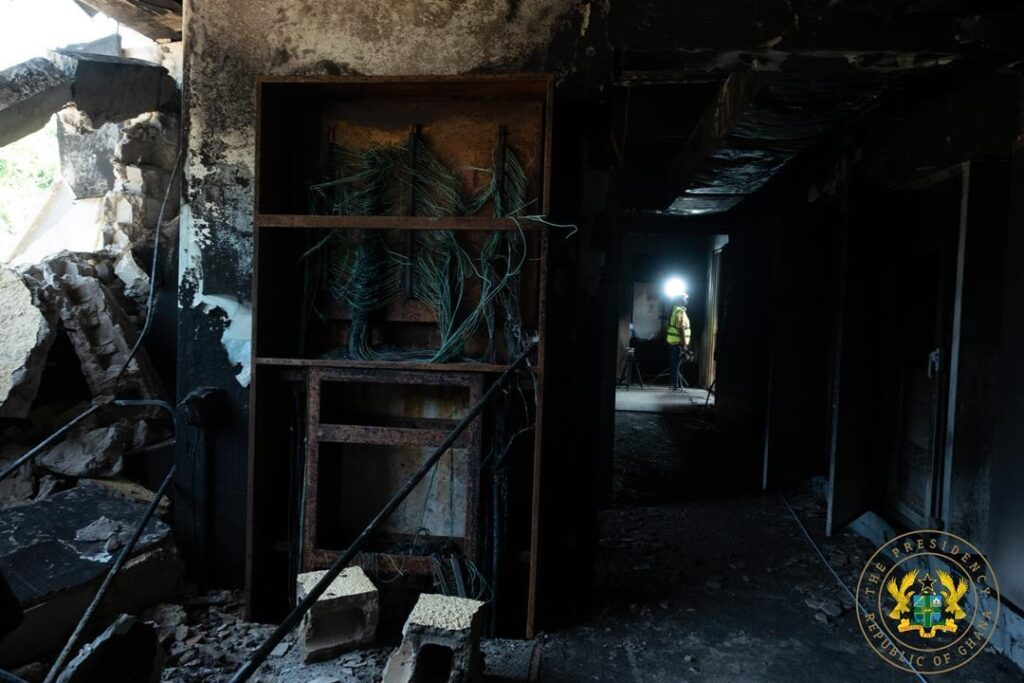
    The Mahama-led administration assumed office on what it describes as a “reset agenda”, an economic recovery and social transformation initiative designed to stabilise the economy and promote growth.


    Among the measures taken so far is a reduction in government size, with the President appointing 56 ministers, four fewer than his 60-minister cap. The STRIDE policy, in particular, is expected to eliminate the huge losses Ghana incurs annually on rent for diplomatic missions by securing permanent, state-owned accommodation.
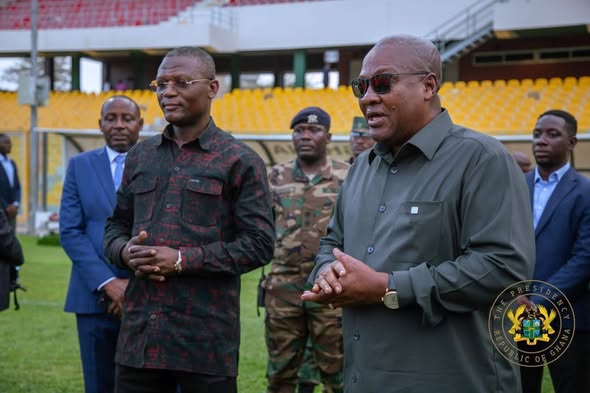
  • FIFA ranking: Black Queens moves 3 places up, from 59-62

    FIFA ranking: Black Queens moves 3 places up, from 59-62

    Ghana’s senior women’s national team, the Black Queens, have moved three places up in the latest FIFA Women’s World Rankings.

    This follows their strong performance at the 2024 Women’s Africa Cup of Nations, where they won bronze, as well as a dominant 7–0 aggregate victory over Egypt in the 2026 WAFCON qualifiers, and improved tactical organisation under coach Kim Björkegren.

    The Black Queens have now moved from 59th place to the 62nd position.
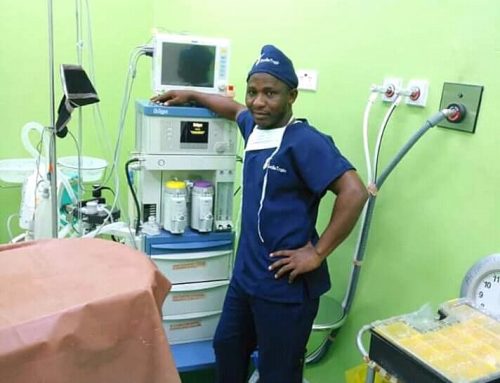
    On the continental front, the Black Queens rank third in the Confederation of African Football (CAF) standings out of the about thirty African nations listed in FIFA’s Women’s World Rankings, they sit just behind Nigeria (40th globally) and South Africa (45th globally) at 59th globally, followed by

    The upward movement reflects a string of encouraging performances in recent outings, underlining the team’s steady progress and growing confidence on the international stage.

    It also signals renewed momentum within the squad as efforts to rebuild and strengthen the team begin to yield results.

    FIFA rankings for men

    The last FIFA ranking in October 2025 placed Ghana a spot higher, moving them from 76th to 75th following the Black Stars’ matches against Mali and Chad. The team earned three additional points from those games.

    They subsequently moved two more places in the next FIFA World Ranking, following their performances in the qualifiers. The four-time African champions rose to 73rd in the world after a successful October international window.

    Despite this progress on the global stage, Ghana remained 14th in Africa. Earlier, in July, Ghana’s Black Stars had fallen about six places in FIFA’s rankings.

    This followed a loss to Angola and a 1–1 draw with Niger during the 2025 Africa Cup of Nations (AFCON) qualifiers in September.

    In the ranking released on July 10, Ghana was ranked 76th in the FIFA World Rankings. This left the former African giant outside the top 10 national teams as they continued their push to rejoin the continent’s elite.

    According to the July ranking, Argentina retained its position as number one, followed by Spain, France, and England, with Brazil occupying the fifth spot.

    In Africa, Morocco topped the rankings, sitting 12th globally with 1,698.72 points. Senegal also moved up a place from 19th. Egypt dropped to 34th globally but remained third in Africa, despite slipping from 32nd due to a quiet international window with no matches played since March.

    Meanwhile, other teams gained points through qualifiers and friendlies, allowing them to climb higher in the rankings.

    Algeria (36th), Nigeria (44th), and Ivory Coast (45th) followed closely, despite the latter’s recent AFCON success. Tunisia (49th), Cameroon (51st), Mali (54th), and South Africa (57th) rounded out the African top ten, with Ghana sitting just outside the group.

    Meanwhile, Ghana sealed their place at the 2026 World Cup with a hard-fought 1–0 victory over Comoros in their final Group I qualifier at the Accra Sports Stadium on Sunday, October 12, marking the country’s fifth appearance at football’s biggest tournament.

    As they looked forward to discovering their group-stage opponents during the official draw scheduled for December 5, the team also planned an Asian tour to face South Korea and Japan as part of their preparations for the tournament.

    This was announced by the Ghana Football Association (GFA) on October 9 in a press release following Ghana’s 5–0 victory over the Central African Republic.

    The first match was scheduled for November 14 in Toyota as part of the Kirin Cup against Japan, before the team travelled to Seoul to face South Korea three days later, on November 17.

    Both Japan and South Korea had already qualified for the 2026 World Cup and were expected to field full-strength squads, providing Ghana with a crucial test ahead of upcoming continental and global competitions.

    The Asian tour formed part of the GFA’s broader plan to give coach Otto Addo the platform to evaluate his squad and fine-tune tactics ahead of the global tournament.

  • IMF projects Ghana’s debt-to-GDP to rise by 17% by 2026

    IMF projects Ghana’s debt-to-GDP to rise by 17% by 2026

    The International Monetary Fund (IMF) has projected a 17% increase in Ghana’s debt-to-GDP ratio, rising from 45.3% recorded in 2025 to 53.0% by the end of 2026.

    The projection was included in the financial watchdog’s Fiscal Monitor Report, released on the sidelines of the 2026 Spring Meetings of the IMF and World Bank in Washington, DC.

    While the report did not indicate what drivers are likely to cause the projected increase, it noted that “Government debt and interest rate projections are based on a post-debt restructuring scenario.”

    A report by the Bank of Ghana (BoG) showed that Ghana’s debt-to-GDP ratio two years ago stood at 61.8% with total debt pegged at GH¢726.7 billion. By 2025, the ratio had eased to 45.3%, with total debt declining to GH¢641 billion.
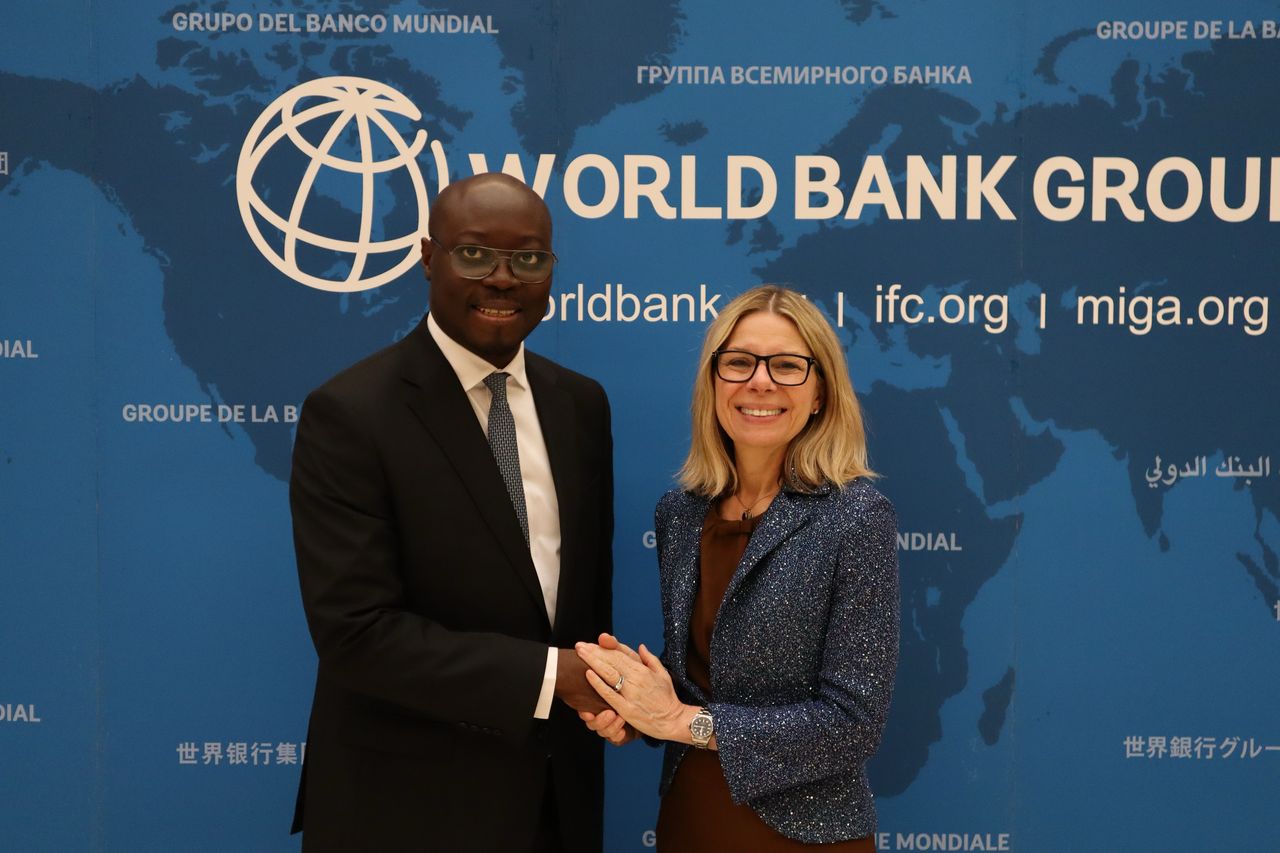
    Despite recent improvements, analysts say the outlook remains uncertain and could change depending on borrowing levels, exchange rate movements, and economic growth.

    Some market watchers argue that increased borrowing or further depreciation of the cedi could alter the debt trajectory, while slower economic growth could also weigh on the debt-to-GDP ratio.

    In April 2026, the government secured approximately GH¢2.7 billion through the issuance of a 7-year bond, marking a return to long-term domestic borrowing following the Debt Exchange Programme. The bond was issued at a coupon rate of 12.5% and is scheduled to mature on March 29, 2033.

    The International Monetary Fund (IMF) has projected that Ghana’s debt-to-GDP ratio will decline further to 50.7% in 2027.

    Data from the Ghana Statistical Service indicates that the size of the economy is now estimated at GH¢1.4 trillion, up from GH¢1.1 trillion in 2024.

    In the 2026 Budget Statement, Finance Minister Dr Cassiel Ato Forson outlined several measures aimed at sustaining debt stability. These include expanding access to concessional borrowing, rebuilding the Sinking Fund, implementing debt reprofiling and buyback programmes, and strengthening transparency in public debt reporting.

    He said the strategy is aimed at “managing debt, not being managed by it,” adding that Ghana’s goal is to return to a moderate risk of debt distress by 2028.

    Ghana remains classified as a debt-distressed country by the IMF, although recent improvements have been acknowledged. The Fund expects Ghana to reach a moderate risk status by 2028 if current reforms are sustained.

    Globally, the IMF warns that public debt pressures are rising, with worldwide debt projected to reach 100% of GDP by 2029, driven by higher spending needs and rising interest costs.

    The Fund has called for “credible, well-sequenced fiscal adjustment” across countries to address growing vulnerabilities in the global financial system.

    Meanwhile, Ghana’s domestic debt rose moderately from GH¢309.8 billion to GH¢333.8 billion by the end of 2025, according to the Bank of Ghana. However, despite the increase, the debt burden eased as a share of the economy due to strong growth in the country’s Gross Domestic Product, which led to a decline in the domestic debt-to-GDP ratio.

    According to the March 2026 Monetary Policy Report by the Bank of Ghana, the increase in domestic debt came largely from the short-term instruments marking the government’s plan to borrow to build buffers to meet its financial obligations.

    Also, the external debt increased in foreign currency terms to reflect new loan disbursement.

    However, in local currency terms, it decreased from GH¢416.8 billion in December 2024 to GH¢307.2 billion in December 2025.

    The downturn was attributed to the appreciation of the cedi alongside servicing of Eurobond and multilateral obligations, resulting in a reduction in the external debt stock denominated in local currency by GH¢125.2 billion (9% of estimated GDP).

    Meanwhile, the provisional debt stock of the central government and guaranteed debt stood at GH¢640.99 billion (45.3% of GDP) at end-December 2025 from GH¢726.7 billion (61.8% of GDP) at end-December 2024.

    Out of the total public debt, external debt was GH¢307.2 billion (21.7% of GDP) and domestic debt totalled GH¢333.8 billion (23.6% of GDP).

    According to the Bank of Ghana, the sharp decline is reflected in both external and domestic debt-to-GDP ratios.

  • Black Stars coach to stay in hotel after residence converted to office space – GFA

    Black Stars coach to stay in hotel after residence converted to office space – GFA

    The newly appointed Black Stars head coach Carlos Queiroz will lodge in a hotel when he arrives in Ghana, the Ghana Football Association has confirmed.

    Speaking during an appearance on Asempa FM’s Sports Nite on Monday, April 20, the football governing authority’s Senior Manager, Communications, Sheikh Tophic Sienu, explained that the former 5-bedroom house located at the Airport residential which was handed over by the Sports Ministry in 2018 has now been converted into an office space hence while a decision is yet to be taken in relation to a permanent residence for Ghana Black Stars coaches, the Portugese tactician will be accommodate ina hotel.

    “The official house allocated for the Black Stars coach has been converted into office space. The decision will be taken in relation to that, but for his first time coming to Ghana, he will be accommodated in a hotel.”

    Initially, the residence was handed over by the Sports Ministry to reduce government spending on accommodation for national team coaches. According to reports, the original residence for national team coaches has been converted into a technical hub for the GFA.

    Responding to concerns about the high cost of the coach’s hotel stay, Sheikh Sienu defended the decision to convert the residence into an office complex, saying it would support efforts to strengthen football administration in Ghana.

    “We have had coaches who have Ghanaian lineages, who were already having accommodation in Ghana, so the building wasn’t in much use, but we needed to make proper use of the apartment. So we converted the spaces not in use for the Technical Hub. In a positive sphere, it was done because we wanted to help develop Ghana’s football and make it better, ” he said.

    Meanwhile, Ghana Black Stars’ newly appointed coach, Carlos Queiroz, is set to be unveiled this Thursday, April 23, the Ghana Football Association has announced.

    This was announced by the local football governing body in a formal statement on Tuesday, 21, revealing that the Portuguese national will address the media at 1:00 pm at the Alisa Hotel, where he is expected to outline his vision, technical philosophy, and immediate plans for the national team as well as his plan for the 2026 FIFA World Cup in June and July across Canada, Mexico and United States.

    His appointment comes after the dismissal of Otto Addo on Monday, March 30, following Ghana’s poor performance in the international friendlies against Austria and Germany.

    His first assignment, as a stop-gap appointment following his arrival in Ghana, will be to oversee the upcoming international friendly against Mexico. Preparations will then continue with a final test against Wales on June 2 as part of preparations for the 2026 FIFA World Cup.

    Ghana, preparing for their fifth appearance at the World Cup, have been drawn in Group L. The Black Stars will open their campaign against Panama on June 17, before facing England on June 23 and Croatia on June 27.

    After successive group-stage exits in Brazil 2014 and Qatar 2022, Queiroz faces the challenge of restoring belief and guiding the team to a more competitive show on football’s biggest stage.

    Carlos Queiroz to arrive with a 5-member technical team

    The coach is expected to arrive with five members of his technical team as preparations intensify for the 2026 FIFA World Cup. To make room for the new technical team, the technical advisor and director of football, Winfried Schäfer, has reportedly been relieved of his duties, and assistant coach John Paintsil.

    Also, several other existing staff members who served in roles during Otto Addo’s tenure have been dismissed to accommodate the new team of Queiroz’s new team.

    Meanwhile, President John Dramani Mahama has announced that the government will not sponsor the travel of supporters to the 2026 FIFA World Cup to prevent unnecessary pressure on the already strained public purse.

    Meanwhile, President John Dramani Mahama has announced that the government will not sponsor the travel of supporters to the 2026 FIFA World Cup to prevent unnecessary pressure on the already strained public purse.

    Speaking at the Ghana World Cup fundraising campaign on Friday, March 20, at Kempinski Hotel Gold Coast City in Accra, the President noted that the decision has been informed by recommendations from the Dzamefe Report, which advised the government to discontinue sponsoring fans to such tournamnets using taxpayers’ money.

    “In consonance with the Dzamefe Report, the government has no plans to allocate public funds to fly supporters to the World Cup,” he said.

    It was an investigative report prepared by the Commission of Inquiry, chaired by Justice Senyo Dzamefe, set up in July 2014 by President John Mahama. Its purpose was to examine the scandals that unfolded during the tournament and recommend reforms for Ghana’s football administration.
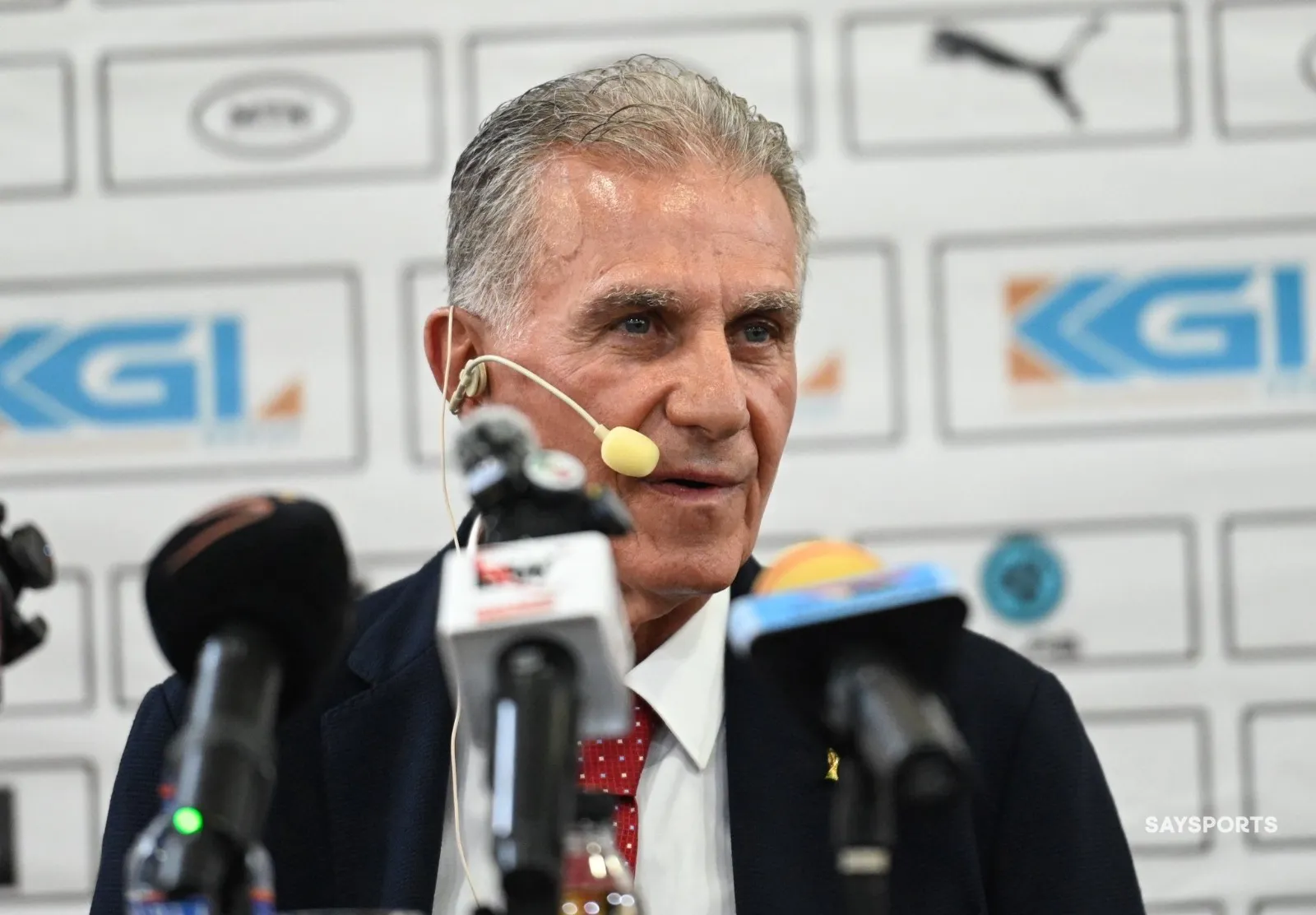
    The President explained that not even a handful of supporters can be sponsored, citing that flying and accommodating just 200 supporters could cost close to $2 million, which would heavily impact the government’s purse.
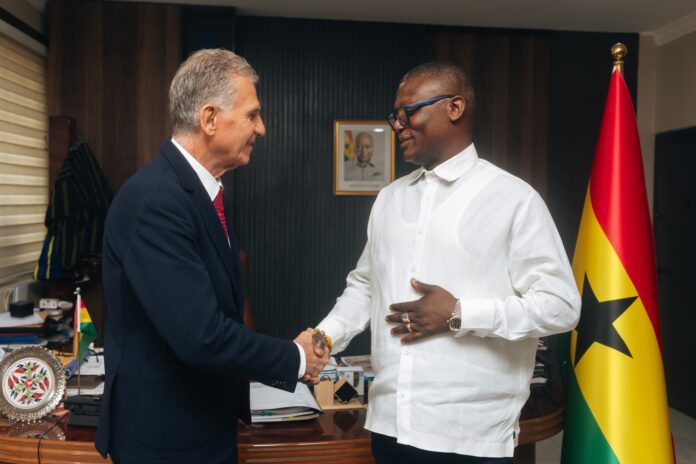
    “The logistical support required to fly and accommodate even just 200 supporters is staggering,” he added, while acknowledging the importance of boosting the Black Stars’ morale during the tournament. However, he said the government must prioritise the prudent use of public resources.

    “We all want to see our fans in the stands, but we must be responsible in how we use public resources,” he added, stressing the need to channel funds into critical areas such as job creation.

    The decision means that supporters who wish to travel to the tournament in the United States, Canada, and Mexico will have to rely on private funding, sponsorships, or other fundraising efforts.