Author: Abigail Ampofo

  • GFA to unveil new coach on Thursday, April 23

    GFA to unveil new coach on Thursday, April 23

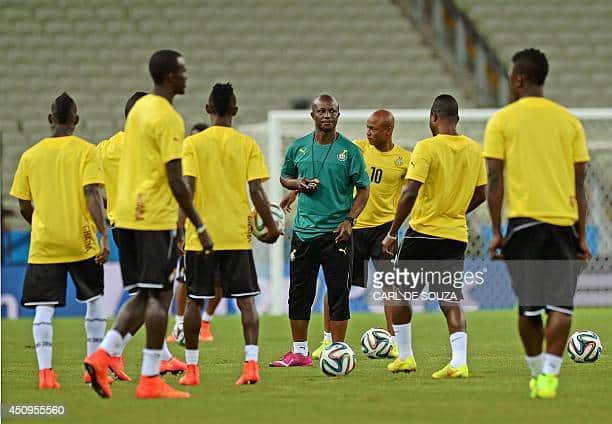
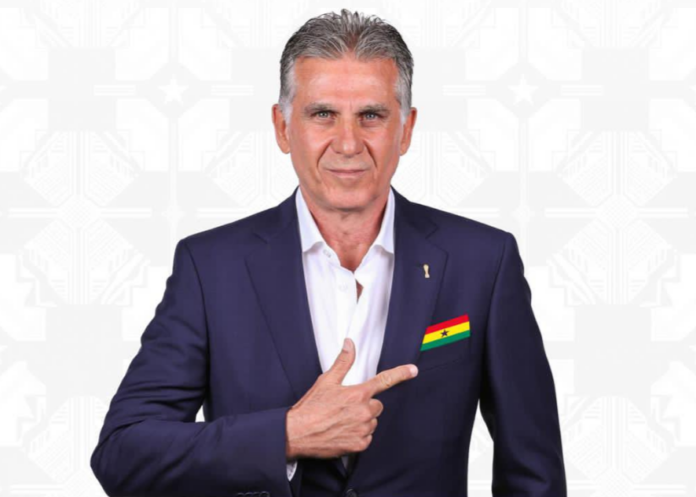
    Ghana Black Stars’ newly appointed coach, Carlos Queiroz is set to be unveiled this Thursday, April 23, the Ghana Football Association has announced.

    This was announced by the local football governing body in a formal statement on Tuesday, 21, revealing that the Portuguese national will address the media at 1:00 pm at the Alisa Hotel, where he is expected to outline his vision, technical philosophy, and immediate plans for the national team as well as his plan for the 2026 FIFA World Cup in June and July across Canada, Mexico and United States.

    His appointment comes after the dismissal of Otto Addo on Monday, March 30, following Ghana’s poor performance in the international friendlies against Austria and Germany.

    His first assignment, as a stop-gap appointment following his arrival in Ghana, will be to oversee the upcoming international friendly against Mexico. Preparations will then continue with a final test against Wales on June 2 as part of preparations for the 2026 FIFA World Cup.

    Ghana, preparing for their fifth appearance at the World Cup, have been drawn in Group L. The Black Stars will open their campaign against Panama on June 17, before facing England on June 23 and Croatia on June 27.

    After successive group-stage exits in Brazil 2014 and Qatar 2022, Queiroz faces the challenge of restoring belief and guiding the team to a more competitive show on football’s biggest stage.

    Carlos Queiroz to arrive with a 5-member technical  team

    Meanwhile, the coach is expected to arrive with five members of his technical team as preparations intensify for the 2026 FIFA World Cup. To make room for the new technical team, the technical advisor and director of football, Winfried Schäfer, has reportedly been relieved of his duties, and assistant coach John Paintsil.

    Also, several other existing staff members who served in roles during Otto Addo’s tenure have been dismissed to accommodate the new team of Queiroz’s new team.

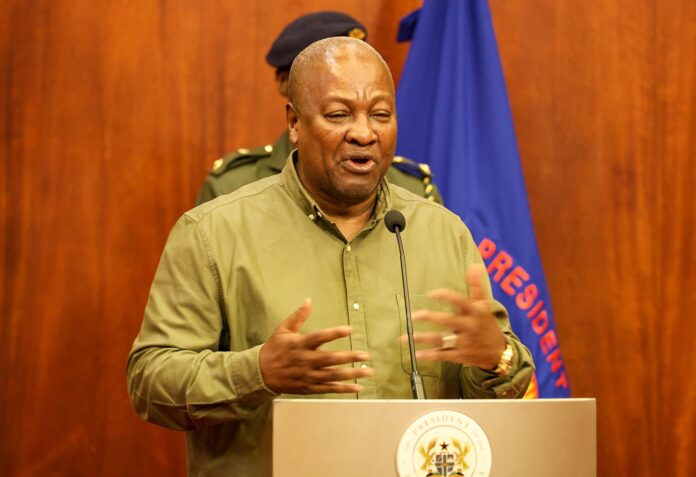
    Meanwhile, President John Dramani Mahama has announced that the government will not sponsor the travel of supporters to the 2026 FIFA World Cup to prevent unnecessary pressure on the already strained public purse.

    Meanwhile, President John Dramani Mahama has announced that the government will not sponsor the travel of supporters to the 2026 FIFA World Cup to prevent unnecessary pressure on the already strained public purse.

    Speaking at the Ghana World Cup fundraising campaign on Friday, March 20, at Kempinski Hotel Gold Coast City in Accra, the President noted that the decision has been informed by recommendations from the Dzamefe Report, which advised the government to discontinue sponsoring fans to such tournamnets using taxpayers’ money.

    “In consonance with the Dzamefe Report, the government has no plans to allocate public funds to fly supporters to the World Cup,” he said.

    It was an investigative report prepared by the Commission of Inquiry, chaired by Justice Senyo Dzamefe, set up in July 2014 by President John Mahama. Its purpose was to examine the scandals that unfolded during the tournament and recommend reforms for Ghana’s football administration.

    The President explained that not even a handful of supporters can be sponsored, citing that flying and accommodating just 200 supporters could cost close to $2 million, which would heavily impact the government’s purse.

    “The logistical support required to fly and accommodate even just 200 supporters is staggering,” he added, while acknowledging the importance of boosting the Black Stars’ morale during the tournament. However, he said the government must prioritise the prudent use of public resources.

    “We all want to see our fans in the stands, but we must be responsible in how we use public resources,” he added, stressing the need to channel funds into critical areas such as job creation.

    The decision means that supporters who wish to travel to the tournament in the United States, Canada, and Mexico will have to rely on private funding, sponsorships, or other fundraising efforts.

    Fundraiser to support Black Stars

    An amount of $10m was raised at the launch of Black Stars fundraising campaign organised on Monday, March 23, ahead of World Cup qualifiers.

    This information was disclosed by the Deputy Finance Minister and Chairman of the Fundraising Committee, Thomas Nyarko Ampem.

    “The fundraising target is $30 million, and if you listen to the pledges and donations, on day one of the launch, we got about $10 million. We are going to put together other events, and we believe that the contributions that are coming in from the short code as well,” he said.

    The launch event was attended by high-profile individuals, including President John Dramani Mahama, Sports Minister Kofi Adams, and Ghana Football Association President Kurt Okraku.
  • Finance Ministry approves payment of teachers’ salary arrears in instalments – GES

    Finance Ministry approves payment of teachers’ salary arrears in instalments – GES

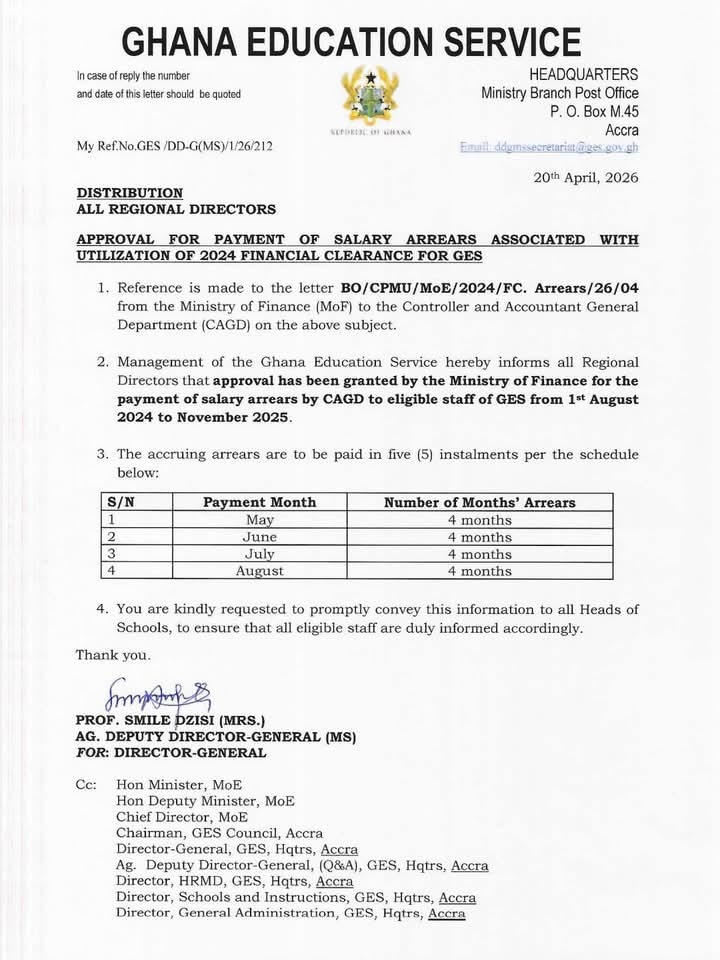
    The Finance Ministry has cleared the Ghana Education Service (GES) to pay the salary arrears of teachers covering August 1, 2024, to November 2025.

    However, the payment will be made in five instalments, GES has announced in a formal statement dated April 20, signed by the Acting Deputy Director-General (Management Services), Prof. Smile Dzisi, on behalf of the Director-General of GES. 

    “Management of the Ghana Education Service hereby informs all Regional Directors that approval has been granted by the Ministry of Finance for the payment of salary arrears by CAGD to eligible staff of GES from 1st August 2024 to November 2025”, parts of the statement read.

    The payment of the arrears is scheduled to begin in May 2026. The arrears will be paid over four months, with four months’ arrears to be settled in each of May, June, July and August.

    “The accruing arrears are to be paid in five (5) instalments…”, the statement added.

    This comes after the education regulatory body secured financial clearance from the Finance Ministry in 2024, following the posting of the teachers.

    The statement, addressed to all Regional Directors, indicated that the Ministry of Finance has authorised the Controller and Accountant-General’s Department (CAGD) to process the payments.  GES also directed all heads of schools to inform their eligible staff.

    The Service has directed Regional Directors to communicate the development to all Heads of Schools to ensure that affected staff are duly informed.

    The move is expected to bring relief to affected staff who have been awaiting payment of their outstanding salaries.

    Meanwhile, it will be recalled that the Ghana Education Service (GES) in a press statement dated 16th October, announced that it has received financial clearance to pay the salaries of 6,249 teachers recruited in 2024.

    These teachers had been working after their postings but hadn’t been placed on the government’s payroll, hence they were not receiving salaries for their services.

    However, after the Finance Ministry authorised that they can be paid, the education regulator announced that they can now start receiving salaries. In Ghana’s public sector, recruits cannot be paid until the Ministry of Finance issues financial clearance.

    Consequently, GES, in the statement, noted that “This approval allows the Ghana Education Service to complete all necessary processes to ensure the staff receive their salaries. Although this financial clearance expires on 31st December 2025, Management of GES will ensure that all staff are placed on the mechanised payroll in time for November 2025 payments.”

    The Service expressed appreciation to its staff for their dedication and reiterated its commitment to ensuring the timely and accurate disbursement of salaries.

    According to reports, these 6,249 newly recruited teachers mark the last set of recruits that have been cleared to receive a salary.

    The Education Minister in mid-October announced that the government will absorb six thousand two hundred teachers into the education system and settle all arrears owed them.

    This announcement came after a group of concerned and aggrieved teachers who had worked for months without salary petitioned the office of the Education Minister, he said.

    Addressing the petition, Education Minister Haruna Iddrisu, during a pre-event briefing and regional stakeholder meeting on October 13 ahead of the ADEA Triennale 2025 launch later this month, revealed that the government has earmarked about one million cedis for the payment of teachers’ salaries. He also urged them to give their best to promote academic excellence across the country’s educational institutions.

    “A few weeks ago, my Chief Director and I received a petition from some teachers who were unhappy with the government over their delayed salaries. They have worked for several months without pay. I’m happy to announce that the Cabinet has given approval for the 6,200 teachers to be absorbed, and the process will begin in due course. They will receive their staff IDs, and as I assured them, they will also get their back pay.

    “But having demonstrated goodwill by doing this, we expect something in return — that they remain committed and dedicated to academic work,” the Minister highlighted.

    He revealed that the government has approved one million dollars to absorb the teachers and a category of health workers.

    “So, those 6,200 teachers, I think I can speak for both ministries in this matter, the Cabinet has given the Minister of Finance approval to vary the budget and spend about GH₵1.1 billion to absorb a category of health workers and teachers,” the Minister noted.

  • New Black Stars to arrive with five-man backroom staff – GFA

    New Black Stars to arrive with five-man backroom staff – GFA

    Ghana is anticipating the arrival of Black Stars’ new head coach Carlos Queiroz in a few days. The appointment of the Portuguese coach comes after the dismissal of Otto Addo on Monday, March 30, following Ghana’s poor performance in the international friendlies against Austria and Germany.

    The coach is expected to arrive with five members of his technical team as preparations intensify for the 2026 FIFA World Cup. To make room for the new technical team, the technical advisor and director of football, Winfried Schäfer, has reportedly been relieved of his duties, and assistant coach John Paintsil.

    Also, several other existing staff members who served in roles during Otto Addo’s tenure have been dismissed to accommodate the new team of Queiroz’s new team.

    According to the Ghana Football Association’s (GFA) Communications Director, Asante Twum, speaking on Asempa FM’s Ultimate Sports Show on Tuesday, April 15, indicated that the association has begun making arrangements for the veteran tactician to formally present his vision for the senior national team after his official unveiling within the week. Following that, he will be taken to the Sports Minister Kofi Adams for a formal introduction as part of official protocol.

    His first assignment, as a stop-gap appointment following his arrival in Ghana, will be to oversee the upcoming international friendly against Mexico. Preparations will then continue with a final test against Wales on June 2 as part of preparations for the 2026 FIFA World Cup.

    Ghana, preparing for their fifth appearance at the World Cup, have been drawn in Group L. The Black Stars will open their campaign against Panama on June 17, before facing England on June 23 and Croatia on June 27.

    After successive group-stage exits in Brazil 2014 and Qatar 2022, Queiroz faces the challenge of restoring belief and guiding the team to a more competitive show on football’s biggest stage.

    With extensive World Cup experience, having led South Africa to qualification for the 2002 edition, guided Portugal to the Round of 16 in 2010, and managed Iran in 2014 and 2018, Queiroz is expected to bring stability and improved performance to a Ghana side seeking to avoid early exits after disappointing campaigns in 2014 and 2022.

    He has signed a short-term deal (four months) to lead the team through the 2026 FIFA World Cup campaign, after three high-profile coaches were interviewed on April 10, 2026, before he was selected.

    Meanwhile, President John Dramani Mahama has announced that the government will not sponsor the travel of supporters to the 2026 FIFA World Cup to prevent unnecessary pressure on the already strained public purse.

    Meanwhile, President John Dramani Mahama has announced that the government will not sponsor the travel of supporters to the 2026 FIFA World Cup to prevent unnecessary pressure on the already strained public purse.

    Speaking at the Ghana World Cup fundraising campaign on Friday, March 20, at Kempinski Hotel Gold Coast City in Accra, the President noted that the decision has been informed by recommendations from the Dzamefe Report, which advised the government to discontinue sponsoring fans to such tournamnets using taxpayers’ money.

    “In consonance with the Dzamefe Report, the government has no plans to allocate public funds to fly supporters to the World Cup,” he said.

    It was an investigative report prepared by the Commission of Inquiry, chaired by Justice Senyo Dzamefe, set up in July 2014 by President John Mahama. Its purpose was to examine the scandals that unfolded during the tournament and recommend reforms for Ghana’s football administration.

    The President explained that not even a handful of supporters can be sponsored, citing that flying and accommodating just 200 supporters could cost close to $2 million, which would heavily impact the government’s purse.

    “The logistical support required to fly and accommodate even just 200 supporters is staggering,” he added, while acknowledging the importance of boosting the Black Stars’ morale during the tournament. However, he said the government must prioritise the prudent use of public resources.

    “We all want to see our fans in the stands, but we must be responsible in how we use public resources,” he added, stressing the need to channel funds into critical areas such as job creation.

    The decision means that supporters who wish to travel to the tournament in the United States, Canada, and Mexico will have to rely on private funding, sponsorships, or other fundraising efforts.

    Fundraiser to support Black Stars

    An amount of $10m was raised at the launch of Black Stars fundraising campaign organised on Monday, March 23, ahead of World Cup qualifiers.

    This information was disclosed by the Deputy Finance Minister and Chairman of the Fundraising Committee, Thomas Nyarko Ampem.

    “The fundraising target is $30 million, and if you listen to the pledges and donations, on day one of the launch, we got about $10 million. We are going to put together other events, and we believe that the contributions that are coming in from the short code as well,” he said.

    The launch event was attended by high-profile individuals, including President John Dramani Mahama, Sports Minister Kofi Adams, and Ghana Football Association President Kurt Okraku.

  • School feeding: CHASS clarifies looming shutdown of schools over funding delays

    School feeding: CHASS clarifies looming shutdown of schools over funding delays

    Last week, the Conference of Heads of Assisted Secondary Schools warned of a potential shutdown of Senior High Schools (SHSs) in Ghana due to unresolved funding challenges in procuring perishable goods for second-cycle schools nationwide.

    This comes after the association’s meeting with the Education Minister on Friday ended in a stalemate after stakeholders failed to reach an agreement on what measures could be taken to address a worsening food-supply crisis in schools.

    However, during an appearance on JoyNews Desk, the National Secretary of  CHASS, Primus Baro, clarified that schools across the country have sufficient food stock to feed students, but are facing challenges due to a lack of funding for perishable items.

    He continued that his outfit’s concern isn’t with food shortage but the delays in financial support for essential perishable supplies. The Secretary revealed that these items have been in areas for over seven (7) months now, forcing them to engage the appropriate authorities to ensure students enjoy balanced and nutritious meals.

    His remarks come just a few days after the Conference of Heads of Assisted Secondary Schools meeting with the Ghana Education Service and key stakeholders, including the Ghana Education Trust Fund and the National Food Buffer Stock Company. He emphasised the need for the government to urgently release funds to address the backlog and ensure smooth feeding operations in schools.

    What happened at CHASS meeting with Edu Ministry

    The meeting saw the attendance of stakeholders such as CHASS, the National Food Buffer Stock Company, and the GETFund, with a focus on procurement of perishable food items such as vegetables, meat, and eggs, which have become difficult to source due to delays in funding.

    In an effort to resolve the issue, the minister proposed that GETFund maintain an arrangement allowing CHASS to independently procure perishable items. However, the parties were unable to reach a consensus.

    The deadlock follows a formal petition by CHASS and the Conference of Principals of Technical Institutions (COPTI), who have raised concerns over dwindling supplies from the National Food Buffer Stock Company and the impact of inflation on already constrained school budgets.

    Consequently, CHASS warned that failure by the government to provide immediate funding for the procurement of essential food supplies may compel schools to send students home, warning that such a move may disrupt the academic calendar and preparations for the West African Senior School Certificate Examination (WASSCE).

    Headteachers have reportedly resorted to using personal funds and relying on credit from local suppliers to ensure students continue to receive meals.

    With negotiations stalled, concerns are growing over the sustainability of the programme’s feeding component, which supports more than 1.2 million students nationwide.

    Stakeholders are expected to reconvene in the coming days as efforts continue to find a lasting solution to the crisis.

    About the Free SHS policy

    The Free Senior High School policy was introduced in 2017 by the Akufo-Addo-led government to make secondary education accessible to all eligible students without financial barriers.

    The policy was aimed at helping students who struggled to pay tuition, boarding, and other school-related expenses. However, the policy came with its challenges, such as overcrowding and congestion in schools, pressure on infrastructure and facilities, and increased pressure on teachers.

    This increased the number of enrollments in the senior high schools that were listed under the Free SHS policy. About 3.5 million students have benefited from the Free Senior High School (Free SHS) program since its launch.

    The immediate-past government revealed that it had spent over GH¢12 billion on the implementation of the Free SHS policy since its inception. Meanwhile, Asantehene Otumfuo Osei Tutu II has urged a reassessment of Ghana’s Free SHS initiative, recommending that households with sufficient means contribute financially so that government support can be directed toward students in real need.

    During a meeting with Education Minister Haruna Iddrisu, the Asantehene suggested a shared funding model, akin to previous arrangements where financial aid was granted to bright but disadvantaged students, while those with the ability to pay covered their own expenses.

    “Those who can afford to pay, let’s have a second look at the policy. If someone can afford it, let’s allow them to pay. In the old times, when you passed, the bursary would look for good but needy students and award them scholarships, and those who could afford to pay did so.”

    Otumfuo Osei Tutu II has recognised the positive impact of the Free SHS policy but stressed the importance of a national discussion to tackle its shortcomings and secure its future.

    “This Free SHS we are talking about, although we have implemented it, if we have a dialogue and find out that it will result in students coming home now and then because there is no food, then it is not fit for purpose.”

    He also pointed out several pressing concerns affecting secondary schools, including overcrowded dormitories, a lack of well-equipped science and ICT laboratories, irregular food supplies, and insufficient school buses.

    “Our dormitories are overcrowded and lack science and ICT labs. Sometimes, PTA makes contributions to support. The lack of school buses and the shortage of food should all be looked at. Let us implement it well so that students will stay in school and have enough to eat.”

  • Ibrahim Mahama promises airport, roads, hospitals for Damang residents after mine takeover

    Ibrahim Mahama promises airport, roads, hospitals for Damang residents after mine takeover

    Chief Executive Officer of Engineers and Planners (E&P), Planners, Ibrahim Mahama, has promised to reinvest in the Damang community following his company’s takeover of the Damang Mine in the Western Region of Ghana.

    In a speech delivered during the handover ceremony held at the mine site on Saturday, April 18, where the Minister for Lands and Natural Resources, Emmanuel Armah-Kofi Buah, performed the formal transfer, Mr Mahama, in response to a petition by the youth of the community, noted that he will construct two huge hospitals, concrete roads, and an airport in the community.

    “So what I want to say is that whatever money we make from here, we will reinvest it here. The transfer of the mine to EMP is for everybody. It’s not for me. I also want to build my own personal house here, so I will be living with you”, the CEO said.

    He said in two years the people of Damanag will drive on a good road network and in 6 months they will have an airport, pledging other development plans for the surrounding communities, adding that his promises aren’t political propaganda but “I beg you, this is not political talk. This is real talk”.

    He said, “I want to make a pledge for everybody to hear. I got a message from one of our young men saying we should build astro turfs for all the communities, which we are looking to do. We have applied for the area to have an airport, and within six months, there will be an airport, so that we can fly easily from here.

    In the next two years, we will be able to drive from here to Cape Coast on a proper road. Not here alone, we will also extend it to the surrounding communities. We are looking to build hospitals. I saw the youth, are the youth here? My youth. Thank you. You talked about hospitals. I’m looking to build two large hospitals here”.

    Mr Ibrahim Mahama pledged his commitment to demonstrating that Ghanaians are capable of investing in themselves, while promising major investments to benefit surrounding communities.

    “I would say that, look, if we all put our minds together, this is a success story. And the plan I have for Damang Mine is not a joke. I just want to prove that we can invest in ourselves in this country,” he said.

    Background to the takeover

    Discussions about the transition began about a year ago when the mining lease of Gold Fields Ghana Limited, under which it had operated for about two decades, expired.

    Government, as part of its commitment to boosting local participation, declined to renew the lease and ordered the start of a competitive tender process to identify a new operator. However, it granted a one-year extension to allow for an orderly transition ahead of the final handover, which occurred over the weekend.

    The bidding process

    As the mining lease for Gold Fields neared expiry, the Ministry of Lands and Natural Resources announced a competitive bidding process on March 24 to select a new operator for the Damang Mine.

    About four companies submitted bids before the March 31 deadline, which were reviewed by the Minerals Commission under the Minerals and Mining (Licensing) Regulations, 2012 (LI 2176).

    Following the evaluation, Engineers and Planners, owned by Ibrahim Mahama, emerged as the winning bidder after meeting all requirements, including technical, financial, and regulatory criteria.

    The Minister assured transparency and job protection during the process, following concerns raised by Gold Fields workers.

    Authorities indicated that bidders were required to demonstrate strong financial capacity, including access to at least $500 million in funding, as well as technical expertise and operational readiness. Engineers and Planners met these requirements and secured the highest evaluation score.

    The Damang Mine, located in Ghana’s Western Region, is one of the country’s major gold-producing assets and has played a significant role in the national mining industry for decades.

    Government officials said the tender process and eventual handover are intended to sustain operations, protect jobs, and strengthen local ownership in Ghana’s mining sector.

    Minority reacts to transition

    The Minority in Parliament has stated that the Damang Gold Mine now under the Engineers and Planners (E&P) Limited did not go through a “proper transparent and fair manner”.

    In an interview with the media on Tuesday, April 7, the Deputy Ranking Member on Parliament’s Lands and Natural Resources Committee, Akwasi Konadu, insisted that the process was rushed and failed to meet the necessary standards.

    “The same ministry goes ahead in doing that job on behalf of the President, sets up a committee with agencies appointed directly by the minister to oversee these processes and executes these processes just under four days. And you find this as going through a proper transparent and fair manner?

    “You see, local participation is something that we all encourage but the process must be above par. That is what we look for, not anything. It must be so open such that any other person could put in a fortified bid. In this one, the person and the object are so bad that they do not speak well of us,” he added.

    The Minority Caucus’ statement follows comments by the Acting Director of Legal Affairs at the Minerals Commission, Josef Iroko, who insisted that the handover of the Damang Mine to Engineers and Planners Limited (E&P) followed due process.

    His comment comes amid allegations of favouritism in the awarding of the Damang mining lease to Engineers and Planners Limited. On April 1, the government initiated the official process to transfer the Damang Gold Mine from Gold Fields to Engineers and Planners after months of dispute over ownership.

  • Black Stars fundraiser: Thursdays set aside for World Cup pledges

    Black Stars fundraiser: Thursdays set aside for World Cup pledges

    The government has announced that every Thursday is designated as a day for receiving pledges and informing the public about the fundraising drive to sponsor the Ghana Black Stars for the 2026 World Cup.

    “Every Thursday, we will meet here to receive contributions, allowing those who are yet to fulfil their pledges to do so,” Mr Ampem said.  

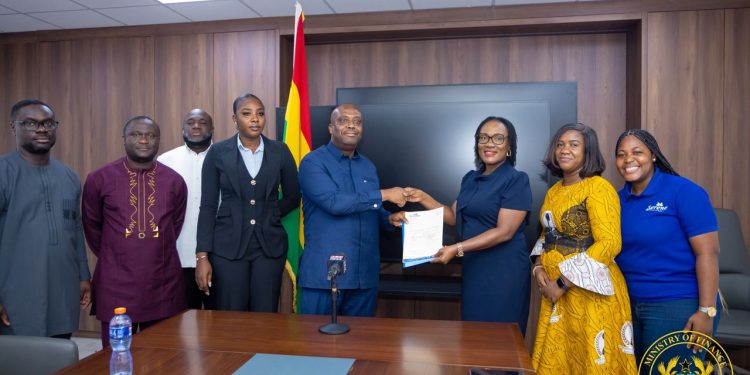
    Speaking at a brief ceremony held at the Ministry of Finance in Accra to acknowledge the contributions made toward Ghana’s official 2026 World Cup Fundraising Account and encourage more support from other bodies, Deputy Finance Minister Thomas Nyarko Ampem highlighted that the move forms part of the government’s commitment to ensuring transparency and accountability in the fundraising drive.

    Mr Thomas Nyarko Ampem indicated that all contributions were paid into the official 2026 World Cup Fundraising Account at the Bank of Ghana.   

    KGL Group contributed GHC5 million, representing half of its GHC10 million pledge.   Serene Insurance donated GHC2 million in cash and provided a GHC20 million insurance package.  

    Icon Energy and Jewel Energy each gave GHC1 million, while Erata Motors donated GHC200,000 and PayAngel contributed GHC100,000. Alex Okyere of KAF Company Limited made a personal donation of GHC240,000.  

    “We are grateful to all of you for your love for the Black Stars. Even though the first two friendly matches did not go well, we remain optimistic that the team will make us proud at the World Cup,” he said.  

    The fundraising initiative, launched in March 2026 by President John Dramani Mahama, seeks to raise $30 million for the tournament.  

    He urged corporate bodies and individuals to support the initiative.

    “We urge corporate bodies and individuals to support the initiative,” he added.

    An amount of  $10m was raised at the launch of Black Stars’ fundraising campaign organised on Monday, March 23, ahead of the World Cup qualifiers.

    This information was disclosed by the Deputy Finance Minister and Chairman of the Fundraising Committee, Thomas Nyarko Ampem.

    “The fundraising target is $30 million, and if you listen to the pledges and donations, on day one of the launch, we got about $10 million. We are going to put together other events, and we believe that the contributions that are coming in from the short code as well,” he said.

    The launch event was attended by high-profile individuals, including President John Dramani Mahama, Sports Minister Kofi Adams, and Ghana Football Association President Kurt Okraku.
    Meanwhile, President John Dramani Mahama has announced that the government will not sponsor the travel of supporters to the 2026 FIFA World Cup to prevent unnecessary pressure on the already strained public purse.
    Speaking at the Ghana World Cup fundraising campaign on Friday, March 20, at Kempinski Hotel Gold Coast City in Accra, the President noted that the decision has been informed by recommendations from the Dzamefe Report, which advised the government to discontinue sponsoring fans to such tournamnets using taxpayers’ money.

    “In consonance with the Dzamefe Report, the government has no plans to allocate public funds to fly supporters to the World Cup,” he said.

    It was an investigative report prepared by the Commission of Inquiry, chaired by Justice Senyo Dzamefe, set up in July 2014 by President John Mahama. Its purpose was to examine the scandals that unfolded during the tournament and recommend reforms for Ghana’s football administration.

    The President explained that not even a handful of supporters can be sponsored, citing that flying and accommodating just 200 supporters could cost close to $2 million, which would heavily impact the government’s purse.

    “The logistical support required to fly and accommodate even just 200 supporters is staggering,” he added, while acknowledging the importance of boosting the Black Stars’ morale during the tournament. However, he said the government must prioritise the prudent use of public resources.

    “We all want to see our fans in the stands, but we must be responsible in how we use public resources,” he added, stressing the need to channel funds into critical areas such as job creation.

    The decision means that supporters who wish to travel to the tournament in the United States, Canada, and Mexico will have to rely on private funding, sponsorships, or other fundraising efforts.

  • Driver found using forged, expired number plates to be arrested and prosecuted, effective May 4 – DVLA

    Driver found using forged, expired number plates to be arrested and prosecuted, effective May 4 – DVLA

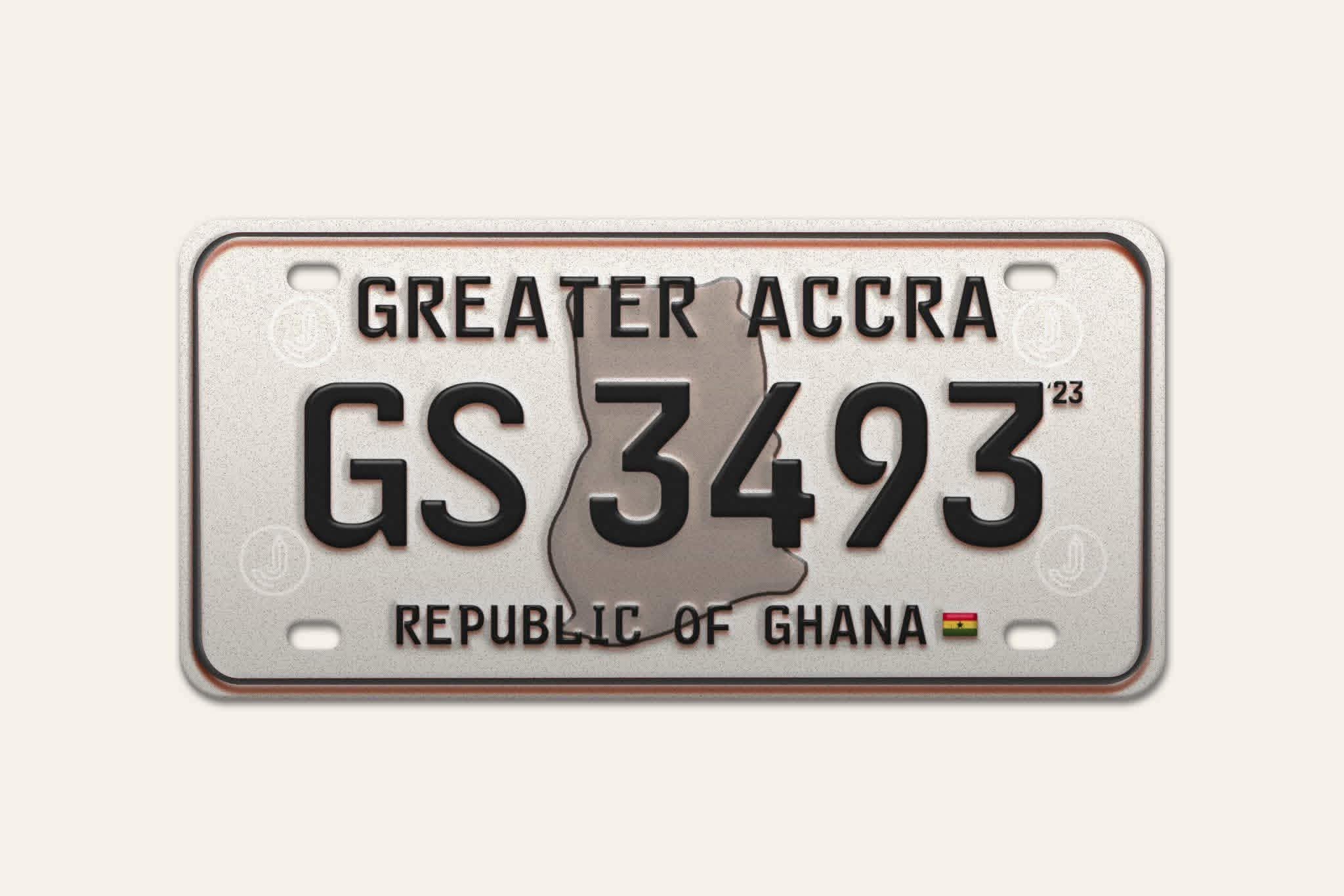
    The Driver and Vehicle Licensing Authority (DVLA) says it will begin the arrest and prosecution of individuals using fake, forged, or expired DV number plates and DP stickers from May 4, 2026.

    In a public notice issued on April 17, 2026, the authority warned that anyone found in possession of such illegal vehicle identification materials will face legal action in accordance with the law.

    The DVLA said the move forms part of intensified efforts to clamp down on non-compliance within the vehicle registration system. The action follows an earlier directive issued on March 19, 2026, which outlined plans to target the use of expired 2025 DV plates, forged 2026 DV plates, and expired DP stickers. Enforcement operations initially began on March 24, 2026.

    According to the authority, its compliance team, working in collaboration with the Motor Traffic and Transport Department (MTTD) of the Ghana Police Service, has already carried out targeted operations across various locations. These operations have largely focused on removing non-compliant plates and stickers from vehicles.

    However, despite these interventions, the DVLA said some motorists continue to flout the regulations.

    The authority reiterated that, under Regulation 23(11) of the Road Traffic Regulations, 2012 (L.I. 2180), it is unlawful to possess or use forged or fake trade licences, including DV and DP plates and stickers.

    “With effect from May 4, 2026, any individual found in violation will be arrested and prosecuted,” the DVLA said.

    The directive, the authority noted, is aimed at strengthening regulatory compliance, protecting the integrity of vehicle registration data, and enhancing public safety.

    The DVLA urged all vehicle users to comply fully with the regulations and support efforts to ensure a transparent, accountable, and efficient vehicle administration system.

    Meanwhile, in August 2025, the Driver and Vehicle Licensing Authority (DVLA) announced that it would embark on a massive overhaul in 2026, following the introduction of a new vehicle number plate system aimed at tackling smuggling and preventing the registration of vehicles that evade import duties.

    This move came in response to rising cases of car smuggling into West Africa, including Ghana. On August 26, the Economic and Organised Crime Office (EOCO) Head of Legal and Prosecutions, Leo Antony Siamah, revealed during a media engagement that 100 stolen luxury vehicles shipped into Ghana through dubious means had been recovered.

    Mr Siamah cautioned the public to exercise extreme vigilance when purchasing vehicles, particularly high-end ones, to avoid becoming unwitting accomplices in criminal activities. He further disclosed that the anti-graft agency was investigating about 300 additional cases of suspected stolen vehicles in collaboration with Interpol, the Federal Bureau of Investigation (FBI), and the Royal Canadian Mounted Police (RCMP).

    Earlier, in May 2025, an INTERPOL-led operation codenamed Safe Wheels dismantled a major vehicle trafficking network in West Africa. The exercise detected about 150 stolen vehicles and seized over 75 across 12 countries, including Ghana and Nigeria. The two-week operation also launched 18 new investigations and exposed two organised crime syndicates. Most of the stolen vehicles were trafficked from Canada, with others originating from France, Germany, and the Netherlands.

    In response, DVLA Chief Executive Officer Julius Neequaye Kotey, in a statement shared on Facebook on Monday, August 25, 2025, announced that the new plates would be fitted with Radio Frequency Identification (RFID) technology and linked directly to a central database. This innovation, he explained, would make it impossible to register “Togo cars” or vehicles smuggled into the country without proper documentation.

    “The new system will ensure that every vehicle can be authenticated against our database. This way, smuggled cars or those that have avoided the payment of duties cannot slip through the cracks,” he explained.

  • GUTA and freight forwarders suspend strike following concessions on Publican AI

    GUTA and freight forwarders suspend strike following concessions on Publican AI

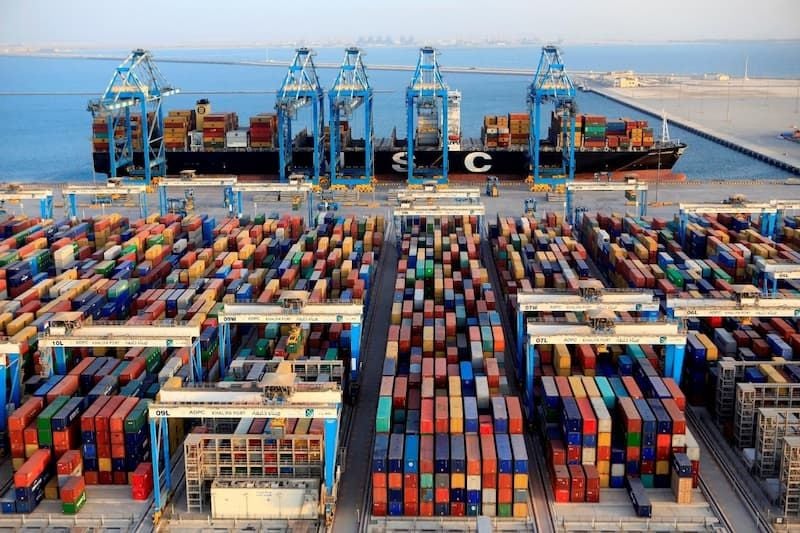
    The Ghana Union of Traders’ Association (GUTA), in collaboration with several freight forwarding and business advocacy groups, has formally suspended its planned industrial action targeted at protesting the new Publican AI trade valuation system.  

    The Publican AI trade valuation system is a new Ghana Revenue Authority (GRA) initiative that uses artificial intelligence to determine import duties and valuations at the ports.

    The Association and its partners announced in a formal statement on Sunday, April  12, directing freight forwarders and clearing agents to cease payment of duties and suspend operations starting the next day.

    However, following a high-level deliberation meeting with the government, it secured concessions which informed its decision to call off the strike.

    The resolution was reached on Thursday, April 16, 2026, during a critical meeting between the Joint Business Forum and top officials from the Ministry of Finance and the Ghana Revenue Authority (GRA). 

    Concerns about the AI at the ports before planned strike

    The meeting followed widespread concerns and anxiety over the sudden increases in payable duties compared to the previous manual system, eliminating the 24-hour appeals mechanism that traders relied on to contest valuation delays caused at ports by the AI introduction.

    Business groups also argued that they were not adequately engaged before the rollout of the system.

    The discussions were prompted by widespread industry anxiety about the impact of the Publican AI system on trade operations and customs valuations.

    During the session, the business coalition presented four primary demands: the immediate suspension of the Publican AI system, the restoration of the previous valuation appeals process with a 24-hour resolution guarantee, full transparency regarding the system’s technical operations, and clear participation in a proposed multi-party oversight committee.

    In a breakthrough, the government agreed to reinstate the earlier appeals framework, ensuring that all valuation disputes are resolved within a 24-hour window. To further bolster transparency, officials committed to expanding the appeals committee from six to twelve members. Furthermore, both parties agreed to meet on Monday, April 20, to jointly develop the terms of reference for a new multi-party committee.

    However, the government declined the request to suspend the Publican AI system, insisting that operational concerns be channelled through the new committee. Demands for full disclosure of the system’s contractual details were also resisted, though the government promised that trade representatives could interrogate the system and engage directly with its operators.

    While the Joint Business Forum acknowledged that some grievances remain, it described the engagement as a step forward. 

    The coalition, which includes GUTA, GIFF, TAGG, FABAG, and several others, emphasised that the suspension is temporary and subject to the outcome of future negotiations, warning that further action remains an option if dialogue fails.

    In an unrelated development, the Ghana Revenue Authority (GRA) and the Ghana Union of Traders Associations (GUTA) announced that, to ensure the effective rollout of the new VAT law (VAT Act, 2025, Act 1151), traders would continue to charge an effective 20 per cent Value Added Tax (VAT) in the first quarter of 2026.

    The new VAT law abolished the 2.5 per cent COVID-19 Health Recovery Levy, raised the VAT registration threshold for goods from GH¢200,000 to GH¢750,000, introduced digital invoicing and compliance systems, and set a unified effective VAT rate of 20 per cent, comprising VAT, the National Health Insurance Levy (NHIL), and the Ghana Education Trust Fund (GETFund) Levy.

    According to both institutions, the move was intended to allow room for feedback and adjustments while ensuring compliance with the law.

    GUTA and GRA held a meeting in Accra on Wednesday, January 7, 2026, following widespread concerns raised over the possible impact of the implementation of the new VAT regime on thousands of traders, particularly those who previously operated under the VAT Flat Rate Scheme. The scheme was a simplified method of VAT collection and accounting, mainly applied to retailers of taxable goods with annual turnover above GH¢200,000 but not exceeding GH¢500,000. Under the system, traders charged a flat 4 per cent VAT/NHIL (plus the COVID-19 levy when it existed) instead of using the standard VAT system.

    However, under the new interim arrangements, all eligible taxpayers, including GUTA members, were to charge and account for VAT at the applicable effective rate of 20 per cent until the end of the first quarter of implementation.

    Both GUTA and GRA also agreed to establish a collaborative technical team to address any potential challenges the new system might present. The team was to focus on sector-level concerns such as VAT record-keeping, input VAT claims, and calculation methods, and would make recommendations for possible reviews based on practical challenges encountered on the ground.

    Another effort to ensure the effective implementation of the new tax system, as proposed by the two groups, was the intensification of education and sensitisation programmes nationwide to enlighten traders and enable them to comply with the revised VAT framework.

    The GRA pledged its readiness to provide the necessary technical assistance to traders, especially those transitioning from the flat rate scheme, and to adopt a collaborative approach to ensure a smooth transition. GUTA, on its part, urged members to comply with the law while engaging constructively with the tax authority.

  • Govt officially hand over Damang Mine to Engineers and Planners

    Govt officially hand over Damang Mine to Engineers and Planners

    Government has formally handed over the Damang Mine, formerly operated by Gold Fields Ghana Limited, to Engineers and Planners Limited following the company’s successful bid for the concession on April 7, after the Minerals Commission reviewed submissions from several companies.

    The handover ceremony was held at the mine site on Saturday, April 18, where the Minister for Lands and Natural Resources, Emmanuel Armah-Kofi Buah, performed the formal transfer.

    Speaking after the ceremony, the Chief Executive Officer of Engineers and Planners, Ibrahim Mahama, pledged his commitment to demonstrating that Ghanaians are capable of investing in themselves, while promising major investments to benefit surrounding communities.

    “I would say that, look, if we all put our minds together, this is a success story. And the plan I have for Damang Mine is not a joke. I just want to prove that we can invest in ourselves in this country,” he said.

    Mr Mahama also outlined ambitious infrastructure plans, including the construction of a concrete road linking Damang to Cape Coast within two years, and the development of an airport within six months.

    He said the projects are intended to drive economic growth and demonstrate the capacity of local companies to manage large-scale mining operations.

    Background to the takeover

    Discussions about the transition began about a year ago when the mining lease of Gold Fields Ghana Limited, under which it had operated for about two decades, expired.

    Government, as part of its commitment to boosting local participation, declined to renew the lease and ordered the start of a competitive tender process to identify a new operator. However, it granted a one-year extension to allow for an orderly transition ahead of the final handover, which occurred over the weekend.

    The bidding process

    As the mining lease for Gold Fields neared expiry, the Ministry of Lands and Natural Resources announced a competitive bidding process on March 24 to select a new operator for the Damang Mine.

    About four companies submitted bids before the March 31 deadline, which were reviewed by the Minerals Commission under the Minerals and Mining (Licensing) Regulations, 2012 (LI 2176).

    Following the evaluation, Engineers and Planners, owned by Ibrahim Mahama, emerged as the winning bidder after meeting all requirements, including technical, financial, and regulatory criteria.

    The Minister assured transparency and job protection during the process, following concerns raised by Gold Fields workers.

    Authorities indicated that bidders were required to demonstrate strong financial capacity, including access to at least $500 million in funding, as well as technical expertise and operational readiness. Engineers and Planners met these requirements and secured the highest evaluation score.

    The Damang Mine, located in Ghana’s Western Region, is one of the country’s major gold-producing assets and has played a significant role in the national mining industry for decades.

    Government officials said the tender process and eventual handover are intended to sustain operations, protect jobs, and strengthen local ownership in Ghana’s mining sector.

    Minority reacts to transition

    The Minority in Parliament has stated that the Damang Gold Mine now under the Engineers and Planners (E&P) Limited did not go through a “proper transparent and fair manner”.

    In an interview with the media on Tuesday, April 7, the Deputy Ranking Member on Parliament’s Lands and Natural Resources Committee, Akwasi Konadu, insisted that the process was rushed and failed to meet the necessary standards.

    “The same ministry goes ahead in doing that job on behalf of the President, sets up a committee with agencies appointed directly by the minister to oversee these processes and executes these processes just under four days. And you find this as going through a proper transparent and fair manner?

    “You see, local participation is something that we all encourage but the process must be above par. That is what we look for, not anything. It must be so open such that any other person could put in a fortified bid. In this one, the person and the object are so bad that they do not speak well of us,” he added.

    The Minority Caucus’ statement follows comments by the Acting Director of Legal Affairs at the Minerals Commission, Josef Iroko, who insisted that the handover of the Damang Mine to Engineers and Planners Limited (E&P) followed due process.

    His comment comes amid allegations of favouritism in the awarding of the Damang mining lease to Engineers and Planners Limited. On April 1, the government initiated the official process to transfer the Damang Gold Mine from Gold Fields to Engineers and Planners after months of dispute over ownership

  • Over 3000 people living with haemophilia unknowingly – UGMC issues health alert

    Over 3000 people living with haemophilia unknowingly – UGMC issues health alert

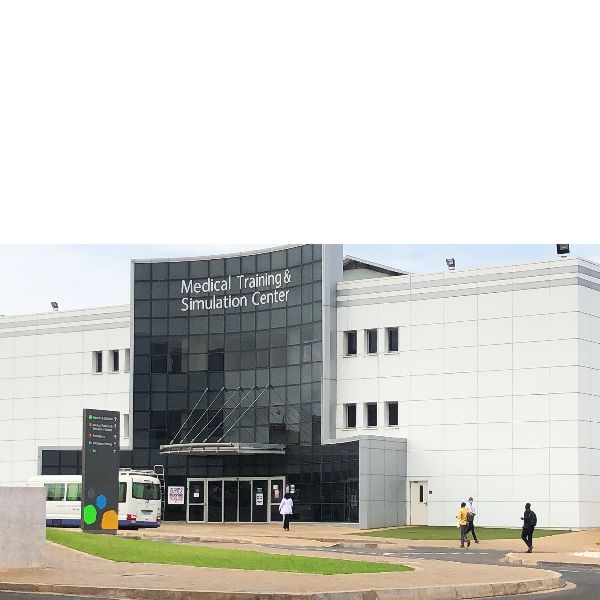
    The University of Ghana Medical Centre (UGMC) has issued a health alert, citing a significant diagnosis gap in haemophilia, a rare genetic bleeding disorder in which the blood does not clot properly, in Ghana.

    The facility raised the concern at a symposium held on Friday, April 17, at its premises in Accra to mark World Haemophilia Day under the theme “Diagnosis: First Step to Care.” It underscored the urgent need to close the diagnosis gap and ensure more patients receive timely and appropriate treatment, warning that thousands may be living with the condition unknowingly.

    According to experts at UGMC, more than 3,000 people may be living with the condition nationwide; however, only about 500 cases have been officially documented, leaving many undiagnosed and without access to care.

    They attributed the diagnosis gap to low awareness, limited diagnostic capacity and facilities, as well as widespread misconceptions about the condition.

    Senior Specialist Haematologist at UGMC, Nana Agyeiwah Awuku, said many people remain unaware of the disease, with some attributing symptoms to superstition rather than seeking medical care.

    “Many people do not even know the disease exists. Some attribute it to witchcraft or avoid medical care altogether,” she said, citing limited access to diagnostic facilities in the country.

    According to her, confirmatory tests are often conducted outside the country, making diagnosis costly. She also linked the challenge to the cost of care, noting that despite the availability of free clotting factor treatment through partnerships involving the Ghana Haemophilia Society, patients still bear costs related to hospital services and transportation.

    UGMC experts also highlighted the psychological and social burden associated with the condition, particularly for children and caregivers, who often face stigma and isolation.

    Senior Specialist in Bioethics and Palliative Care at UGMC, Ama Edwin, said misconceptions about haemophilia continue to fuel discrimination and emotional distress among affected families.

    “People are suffering, and beyond the physical challenges, there is a heavy psychological toll,” she said, noting that children living with the condition often struggle to participate in normal activities.

    She added that some mothers are stigmatized and blamed for passing on the condition, despite its genetic nature.

    Consequently, UGMC called for a coordinated national response focused on increasing awareness, expanding diagnostic services, and strengthening the health system to address the condition effectively. It also emphasized the importance of early diagnosis, timely treatment, and adequate support to help individuals living with haemophilia lead healthy and productive lives.

  • Microlight crash: Aircraft attempted emergency landing before the crash – AIB report

    Microlight crash: Aircraft attempted emergency landing before the crash – AIB report

    The Aircraft Accident and Incident Investigation Bureau (AIB Ghana) has revealed in its preliminary investigations into the fatal microlight aircraft crash which occurred on March 16 that the aircraft attempted an emergency landing before it later lost control and crashed.

    The authority made these revelations during a press briefing held in Accra on Friday, April 17, while it fulfilled both national law and International Civil Aviation Organisation requirements, which mandate that the Bureau update the public on the progress of an investigation if the final report is not ready within 30 days of an incident. 30 days.

    Speaking during the briefing, Captain Paul Forjoe, Investigator-in-Charge, said there was, however, no record that the pilot informed Air Traffic Control (ATC) of the said emergency.

    He continued that eyewitnesses observed the aircraft flying at a low altitude over Tema and attempting to signal children in a school park to vacate the area to enable an emergency landing.

    “During a subsequent attempt at landing, the aircraft was observed in a left bank attitude shortly before it lost control and impacted the ground,” he said.

    He also noted that investigative work is under steady progress, indicating that the final report will be due on May 29.

    He added that the initial phase of the investigation had been completed. Still, they were awaiting critical inputs, including autopsy results, to determine the exact causes and contributory factors of the accident.

    On the AIB’s part, the probe is not to point fingers at anyone but to identify shortfalls and propose safety recommendations to prevent future occurrences.

    The Investigator-in-Charge, Captain Paul Forjoe, also indicated that a formal team comprising five investigators and three observers had been constituted, with additional support from the Ghana Civil Aviation Authority, which assigned two focal persons to assist.

    Also, the manufacturers of the aircraft in Italy have sent two experts, an accredited representative and an adviser to participate in the investigation.

    Captain Forjoe said the team had relied on multiple data sources, including drone footage, eyewitness accounts, CCTV recordings, air traffic control transcripts, radar data, and technical records relating to the aircraft and its crew.

    Incidents before the crash, movements of the aircraft

    According to Captain Forjoe, the microlight departed Accra at 0645 UTC and landed safely at Ho Airport at 0757 UTC. The deceased, the pilot and his younger brother refuelled the aircraft with 20 litres of RON 95 fuel for the return journey after a brief stop.

    He said a local circuit flight was conducted with a third person occupying the pilot’s seat, after which “white smoke was observed emanating from the engine as the aircraft taxied to its parking position”.

    Just about 15 minutes later, the aircraft taxied again for take-off, this time, the pilot’s brother was the one who occupied the pilot’s seat. Shortly after departure, the pilot contacted Air Traffic Control (ATC) and requested clearance to return to Ho Airport due to technical concerns.

    The aircraft later landed and the pilot detected overheating as the issue and conducted a visual inspection of the engine.

    “The pilot indicated that the coolant reservoir level was satisfactory and no further defect was identified during this inspection,” Captain Forjoe said.

    Final moments before the crash

    Approximately 30 minutes later, the aircraft took off again at 1337 UTC for Accra. Radar data later showed it flying at varying altitudes between 3,400 feet and 100 feet as it approached the capital.

    Witnesses reported seeing the aircraft flying unusually low over Tema and attempting to signal children playing in the Oninku School Park to vacate the area for an emergency landing.

    The aircraft subsequently crashed, triggering a post-impact fire. Emergency responders quickly contained the flames, limiting damage to parts of the school grounds and the roof of a building. However, both occupants sustained fatal injuries.

    Captain Forjoe noted that there was no record of the crew declaring an emergency or informing ATC of plans to land in Tema.

    “We continue to pray for the families of those who lost their lives that fateful day. We trust that the final report and its safety recommendations will help prevent a recurrence,” he said.

    Aircraft history and maintenance

    The aircraft, registered as 9G-ADV, was first registered in Ghana in 1996 and initially operated by the Sankofa Aeroclub at Afienya. It was later transferred to the Ghana Armed Forces in 2001 before being returned to its owner in 2022.

    Since then, it has undergone several maintenance checks and inspections approved by the GCAA. Its engine was replaced in December 2022, followed by the issuance of a Permit to Fly.

    The most recent major maintenance check was conducted on December 31, 2025, with a subsequent GCAA inspection on January 14, 2026.

    Captain Forjoe said a Flight Test Permit (ADV230) issued in January 2026 expired on January 26, while subsequent permits (ADV235 and ADV236), issued on March 9, 2026, authorised the aircraft’s relocation from Accra to Ho and expired on March 21, 2026.

    About the victims of the crash

    The Ghana Civil Aviation Authority identified the bodies of the victims of the fatal helicopter crash at Tema.

    On Monday, 16, the two individuals lost their lives in a microlight helicopter with registration number 9G-ADV, which went down in Tema Community One, in the park of a school near the TMA Daycare.

    They are Captain Frank Amoaning Donkor, 36, a flight instructor, and 25-year-old Elijah Ofori Donkor, a university graduate.

    The deceased, who are two brothers, were the sons of a popular founder of Hebron Prayer Camp, Elder Frank Kwabena Donkor.

  • Free SHS: CHASS warns of potential nationwide SHS shutdown over funding delays

    Free SHS: CHASS warns of potential nationwide SHS shutdown over funding delays

    Senior high schools (SHS) nationwide risk a shutdown due to delays in funds for purchasing food, particularly perishables, to sustain feeding operations under the Free Senior High School (Free SHS) programme, the Conference of Heads of Assisted Secondary Schools (CHASS) has announced.

    This comes after the association’s meeting with the Education Minister on Friday ended in a stalemate after stakeholders failed to reach an agreement on what measures could be taken to address a worsening food-supply crisis in schools.

    The meeting saw the attendance of stakeholders such as CHASS, the National Food Buffer Stock Company, and the GETFund, with a focus on procurement of perishable food items such as vegetables, meat, and eggs, which have become difficult to source due to delays in funding.

    In an effort to resolve the issue, the minister proposed that GETFund maintain an arrangement allowing CHASS to independently procure perishable items. However, the parties were unable to reach a consensus.

    The deadlock follows a formal petition by CHASS and the Conference of Principals of Technical Institutions (COPTI), who have raised concerns over dwindling supplies from the National Food Buffer Stock Company and the impact of inflation on already constrained school budgets.

    Consequently, CHASS warned that failure by the government to provide immediate funding for the procurement of essential food supplies may compel schools to send students home, warning that such a move may disrupt the academic calendar and preparations for the West African Senior School Certificate Examination (WASSCE).

    Headteachers have reportedly resorted to using personal funds and relying on credit from local suppliers to ensure students continue to receive meals.

    With negotiations stalled, concerns are growing over the sustainability of the programme’s feeding component, which supports more than 1.2 million students nationwide.

    Stakeholders are expected to reconvene in the coming days as efforts continue to find a lasting solution to the crisis.

    About the Free SHS policy 

    The Free Senior High School policy was introduced in 2017 by the Akufo-Addo-led government to make secondary education accessible to all eligible students without financial barriers.

    The policy was aimed at helping students who struggled to pay tuition, boarding, and other school-related expenses. However, the policy came with its challenges, such as overcrowding and congestion in schools, pressure on infrastructure and facilities, and increased pressure on teachers.

    This increased the number of enrollments in the senior high schools that were listed under the Free SHS policy. About 3.5 million students have benefited from the Free Senior High School (Free SHS) program since its launch.

    The immediate-past government revealed that it had spent over GH¢12 billion on the implementation of the Free SHS policy since its inception. Meanwhile, Asantehene Otumfuo Osei Tutu II has urged a reassessment of Ghana’s Free SHS initiative, recommending that households with sufficient means contribute financially so that government support can be directed toward students in real need.

    During a meeting with Education Minister Haruna Iddrisu, the Asantehene suggested a shared funding model, akin to previous arrangements where financial aid was granted to bright but disadvantaged students, while those with the ability to pay covered their own expenses.

    “Those who can afford to pay, let’s have a second look at the policy. If someone can afford it, let’s allow them to pay. In the old times, when you passed, the bursary would look for good but needy students and award them scholarships, and those who could afford to pay did so.”

    Otumfuo Osei Tutu II has recognised the positive impact of the Free SHS policy but stressed the importance of a national discussion to tackle its shortcomings and secure its future.

    “This Free SHS we are talking about, although we have implemented it, if we have a dialogue and find out that it will result in students coming home now and then because there is no food, then it is not fit for purpose.”

    He also pointed out several pressing concerns affecting secondary schools, including overcrowded dormitories, a lack of well-equipped science and ICT laboratories, irregular food supplies, and insufficient school buses.

    “Our dormitories are overcrowded and lack science and ICT labs. Sometimes, PTA makes contributions to support. The lack of school buses and the shortage of food should all be looked at. Let us implement it well so that students will stay in school and have enough to eat.”

  • Final report on Tema microlight aircraft crash to be released on May 29

    Final report on Tema microlight aircraft crash to be released on May 29

    Authorities in charge of investigations into the fatal microlight aircraft crash at the Tema Metropolitan Assembly (TMA) Day Care School at Tema Community One say works are under steady progress, indicating that the final report will be due on May 29.

    This was announced by the Commissioner of the Aircraft Accident and Incident Investigation and Prevention Bureau (AIB) Ghana, John Wumborti, during a press briefing held in Accra on Friday, April 17. He explained that the briefing was in line with both national law and International Civil Aviation Organisation requirements, which mandate that the Bureau update the public on the progress of an investigation if the final report is not ready within 30 days of an incident.

    “This is not the final report. We are satisfying the requirement of our law that says that after 30 days, if the final report is not ready, we should make the progress known to the public,” he said.

    He added that the initial phase of the investigation had been completed. Still, they were awaiting critical inputs, including autopsy results, to determine the exact causes and contributory factors of the accident.

    On the AIB’s part, the probe is not to point fingers at anyone but to identify shortfalls and propose safety recommendations to prevent future occurrences.

    The Investigator-in-Charge, Captain Paul Forjoe, also indicated that a formal team comprising five investigators and three observers had been constituted, with additional support from the Ghana Civil Aviation Authority, which assigned two focal persons to assist.

    Also, the manufacturers of the aircraft in Italy have sent two experts, an accredited representative and an adviser to participate in the investigation.

    Captain Forjoe said the team had relied on multiple data sources, including drone footage, eyewitness accounts, CCTV recordings, air traffic control transcripts, radar data, and technical records relating to the aircraft and its crew.

    Incidents before the crash, movements of the aircraft

    According to Captain Forjoe, the microlight departed Accra at 0645 UTC and landed safely at Ho Airport at 0757 UTC. The deceased, the pilot and his younger brother refuelled the aircraft with 20 litres of RON 95 fuel for the return journey after a brief stop.

    He said a local circuit flight was conducted with a third person occupying the pilot’s seat, after which “white smoke was observed emanating from the engine as the aircraft taxied to its parking position”.

    Just about 15 minutes later, the aircraft taxied again for take-off, however this time, the pilot’s brother was the one who occupied the pilot’s seat. Shortly after departure, the pilot contacted Air Traffic Control (ATC) and requested clearance to return to Ho Airport due to technical concerns.

    The aircraft later landed and the pilot detected overheating as the issue and conducted a visual inspection of the engine.

    “The pilot indicated that the coolant reservoir level was satisfactory and no further defect was identified during this inspection,” Captain Forjoe said.

    Final moments before the crash

    Approximately 30 minutes later, the aircraft took off again at 1337 UTC for Accra. Radar data later showed it flying at varying altitudes between 3,400 feet and 100 feet as it approached the capital.

    Witnesses reported seeing the aircraft flying unusually low over Tema and attempting to signal children playing in the Oninku School Park to vacate the area for an emergency landing.

    The aircraft subsequently crashed, triggering a post-impact fire. Emergency responders quickly contained the flames, limiting damage to parts of the school grounds and the roof of a building. However, both occupants sustained fatal injuries.

    Captain Forjoe noted that there was no record of the crew declaring an emergency or informing ATC of plans to land in Tema.

    “We continue to pray for the families of those who lost their lives that fateful day. We trust that the final report and its safety recommendations will help prevent a recurrence,” he said.

    Aircraft history and maintenance

    The aircraft, registered as 9G-ADV, was first registered in Ghana in 1996 and initially operated by the Sankofa Aeroclub at Afienya. It was later transferred to the Ghana Armed Forces in 2001 before being returned to its owner in 2022.

    Since then, it has undergone several maintenance checks and inspections approved by the GCAA. Its engine was replaced in December 2022, followed by the issuance of a Permit to Fly.

    The most recent major maintenance check was conducted on December 31, 2025, with a subsequent GCAA inspection on January 14, 2026.

    Captain Forjoe said a Flight Test Permit (ADV230) issued in January 2026 expired on January 26, while subsequent permits (ADV235 and ADV236), issued on March 9, 2026, authorised the aircraft’s relocation from Accra to Ho and expired on March 21, 2026.

    About the victims of the crash 

    The Ghana Civil Aviation Authority identified the bodies of the victims of the fatal helicopter crash at Tema.

    On Monday, 16, the two individuals lost their lives in a microlight helicopter with registration number 9G-ADV, which went down in Tema Community One, in the park of a school near the TMA Daycare.

    They are Captain Frank Amoaning Donkor, 36, a flight instructor, and 25-year-old Elijah Ofori Donkor, a university graduate.

    The deceased, who are two brothers, were the sons of a popular founder of Hebron Prayer Camp, Elder Frank Kwabena Donkor.

  • Education Minister inaugurates 17-member panel to oversee establishment of 12 universities nationwide

    Education Minister inaugurates 17-member panel to oversee establishment of 12 universities nationwide

    Education Minister Haruna Iddrisu has constituted a 17-member committee to develop a roadmap for establishing 12 new public universities across Ghana as the government intensify efforts to expand access to higher education.

    The committee, chaired by former Education Minister Christiana Amoako-Nuama, has been tasked to develop a plan for the establishment of these universities and report directly to the Vice President, Prof. Naana Jane Opoku Agyemang, on developments related to it.

    Speaking at the inauguration held at the Ministry on Wednesday, April 15, Haruna Iddrisu said the initiative forms part of the government’s broader “reset” agenda for higher education, targeted at aligning tertiary education with Ghana’s development needs.

    He stressed that while expanding infrastructure remains important, the committee must ensure that the new universities are built on strong foundations of research, innovation, and relevance to industry and national manpower demands.

    “This is not just about numbers. It is about creating institutions that respond to Ghana’s development priorities and produce the human capital needed for the future,” he stated.

    See the list of proposed 12 universities to be established across all regions nationwide

    A Technical University in Kintampo (Bono Region), a Technical University in Jasikan (Oti Region), a Science and Technology University in Damango (Savannah Region), the University of Engineering and Agricultural Sciences at Bunso (Eastern Region), set to begin operations this year following parliamentary approval.

    The re-establishment of Ohawu Agricultural College in the Volta Region as a constituent college of the Bunso-based university, with plans to elevate it into a full university, a new college at Acherensua in the Ahafo Region under the same Bunso institution, a College of Mining and Agricultural Entrepreneurship at Kenyasi No. 2 to operate under the University of Mines and Technology, a College of Pharmacy and Biomedical Engineering in the Volta Region as part of the University of Health and Allied Sciences, the elevation of the Agriculture College at Kwadaso in the Ashanti Region into a fully-fledged university, the establishment of the “University of Mampong” in the Ashanti Region, a world-class business college in the Kwahu area of the Eastern Region, and a new institution at Jomoro Aseem in the Western Region.

    The minister noted that the committee’s recommendations will be submitted to the President through the Vice President, after which they are expected to be considered by Cabinet and Parliament.

  • Shatta Wale partners Ghana Education Service on 20th anniversary plans

    Shatta Wale partners Ghana Education Service on 20th anniversary plans

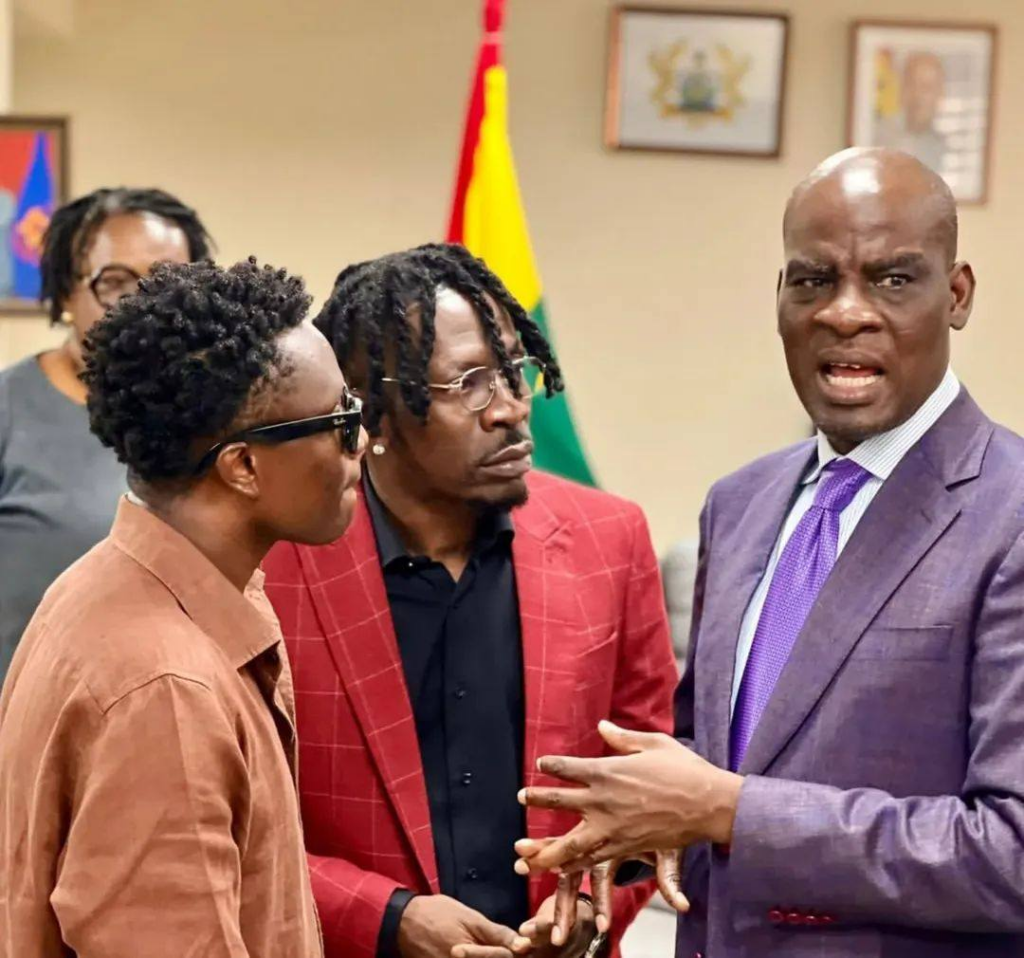
    Ghanaian dancehall artiste Shatta Wale is set to partner with the Education Ministry to promote tertiary education among the populace, particularly the youth.

    This forms part of the activities marking two decades since the introduction of the Student Loan Trust Fund (SLTF).

    The partnership was revealed during a courtesy call at the Ministry of Education in Accra, where the musician engaged with the Fund’s board and management to discuss the initiative.

    Speaking after the meeting, Shatta Wale expressed his excitement and enthusiasm about the collaboration, promising “something great” for students ahead of the celebration of the 20th anniversary, adding that the partnership with GES is an awesome opportunity to support education and positively impact students across the country.

    “Education is the key,” the  ‘Gringo’ hitmaker stated.

    The initiative is expected to form part of a broader campaign to raise awareness about the Fund’s work and expand access to financial support for students pursuing higher education.

    About SLTF

    The SLTF was established in December 2005 under the Trustee Incorporation Act 1962 (Act 106). It is dedicated to managing financial resources efficiently to support students while upholding national principles.

    Meanwhile, as part of a series of reforms being implemented under President John Dramani Mahama’s Reset Agenda, the Students Loan Trust Fund (SLTF) in early November last year announced a 50% increase in loan amounts available to tertiary students.

    In this regard, regular students will now receive between GHC2,250 and GHC4,500 each academic year, and they will get the funds directly from the SLTF.

    This was contained in a statement signed and dated Friday, November 7, by Dr. Saajida Shiraz, Chief Executive Officer of the SLTF. The Students Loan Trust Fund explained that the raise is to ensure that all groups of persons can pursue tertiary education without encountering financial challenges.

    “Following President Mahama’s directive, loan amounts have been reviewed upward to reflect current economic realities and to provide meaningful support to students,” the statement said.

    So far, beneficiaries amount to 35,608 across 130 public and private institutions nationwide. According to SLTF management, the latest disbursement reflects the John Mahama-led administration’s pledge to ensure inclusive access to education, regardless of students’ backgrounds.

    The SLTF, conversely, has reiterated its resolve to release funds on time to allow students to gain admission into their preferred tertiary institutions without financial hindrance.

    Interest on student loans slashed by 6%

    Students Loan Trust Fund (SLTF) saw a 50 percent increase in loan amounts, with beneficiaries now eligible to receive between GH¢2,250 and GH¢4,500 per academic year.

    The adjustment, which forms part of sweeping reforms unveiled in a press statement issued on Friday, November 7, is aimed at improving access to affordable tertiary education, following directives from President John Dramani Mahama.

    “Increased Loan Amounts for Regular Students Loan: Regular student loan amounts, disbursed directly to students, have been increased by 50%. Consequently, loan amounts now range from GHC 2,250.00 to GHC 4,500.00 per academic year,” part of the statement outlining the reforms said.

    The interest rate on student loans has also been slashed from 12 per cent compound interest to 6 per cent simple interest during the study and moratorium periods.

    “Interest Rate Reduction: The prevailing interest rate on student loans has been reduced from 12% annual compounded interest to 6% simple interest during the period of study and moratorium,”

    Government has introduced the “Student Loan Plus,” a flagship initiative under the No Fees, No Stress programme as one major highlight of the reforms.

    “Introduction of Students Loan Plus: Tertiary Students can now apply for the Students Loan Plus package, a component of the No Fees Stress Initiative, which provides tertiary students with full fee coverage loans disbursed directly to tertiary institutions,” other parts of the statement read.

    The Students Loan Trust Fund also unveiled  a streamlined application and disbursement process, concealing the long-standing E-zwich requirement.

    “Streamlined Application and Disbursement Process: The E-zwich requirement for loan application is no longer mandated. GCB Bank accounts for disbursement will now be created automatically within the No Fees Stress portal for all new applicants.”

  • President Mahama announces arrival of grandchild, shares photos

    President Mahama announces arrival of grandchild, shares photos

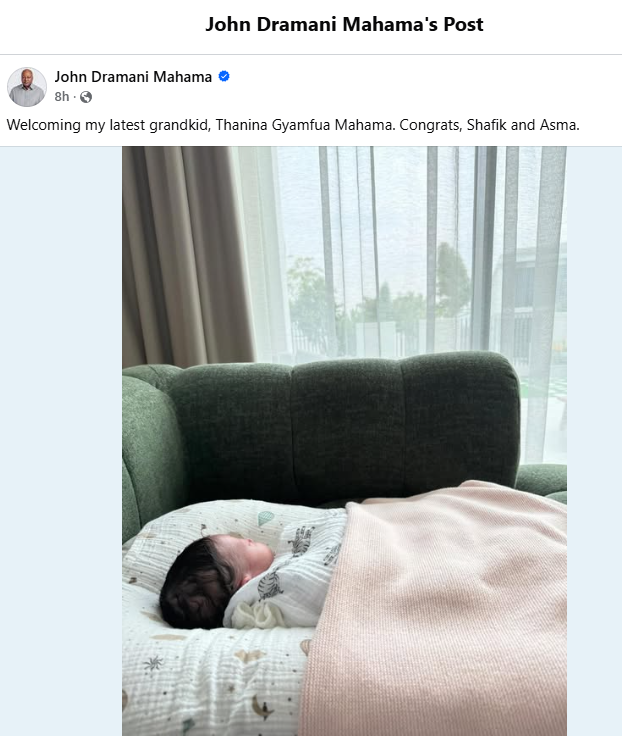
    Thanina Gyamfua Mahama is the new member of the Mahama family, following an announcement of her arrival by President John Dramani Mahama earlier today, Wednesday, April 15.

    Taking to his official Facebook handle,  President Mahama wrote, “Welcoming my latest grandkid, Thanina Gyamfua Mahama” under a photo of the new born.

    He further went on to congratulate his son . Congrats, Shafik Mahama and his Asma, who have been married since 2020”. 

    Although details on the date of birth are not immediately known, the President disclosed that Thanina is the daughter of his son and his wife.

    The newborn is a new addition to the Mahama family, which also welcomed their first daughter, Alyazia Frema Mahama, in December 2022, nearly three years after the couple’s marriage.

    The announcement was warmly received online, with the President’s brief message reflecting gratitude and family happiness over the latest arrival.

    Shafik tied the knot with Asma of Algerian descent in a privately held ceremony that took place in Dubai, United Arab Emirates, on Thursday, July 16, 2020.

  • New Black Stars coach to touch down in a few days – GFA confirms

    New Black Stars coach to touch down in a few days – GFA confirms

    Ghana national football team new coach, Carlos Queiroz, is set to arrive in Ghana in a few days for his unveiling, the Ghana Football Association (GFA) has confirmed.

    Speaking on Asempa FM’s Ultimate Sports Show on Tuesday, April 15, the GFA’s Communications Director, Asante Twum, indicated that the association has begun making arrangements for the veteran tactician to formally present his vision for the senior national team.

    “In the next few days, Carlos Queiroz will arrive in Ghana to be properly unveiled, where he will personally outline his plans, expectations, and ambitions for the team. We have only made his statement to us public, but he will be unveiled and made available to the press to answer questions, and then we will make progress from there,” Asante Twum said.

    His first assignment, as a stop-gap appointment following his arrival in Ghana, will be to oversee the upcoming international friendly against Mexico. Preparations will then continue with a final test against Wales on June 2 as part of preparations for the 2026 FIFA World Cup.

    Ghana, preparing for their fifth appearance at the World Cup, have been drawn in Group L. The Black Stars will open their campaign against Panama on June 17, before facing England on June 23 and Croatia on June 27.

    After successive group-stage exits in Brazil 2014 and Qatar 2022, Queiroz faces the challenge of restoring belief and guiding the team to a more competitive showing on football’s biggest stage.

    The Portuguese coach was announced as the senior national team coach after Otto Addo was sacked in early April following a poor run of form. Carlos Queiroz was officially named head coach of the Ghana Black Stars on Monday, April 13.

    He has signed a short-term deal (four months) to lead the team through the 2026 FIFA World Cup campaign, after three high-profile coaches were interviewed on April 10, 2026, before he was selected.

    Meanwhile, President John Dramani Mahama has announced that the government will not sponsor the travel of supporters to the 2026 FIFA World Cup to prevent unnecessary pressure on the already strained public purse.

    Speaking at the Ghana World Cup fundraising campaign on Friday, March 20, at Kempinski Hotel Gold Coast City in Accra, the President noted that the decision has been informed by recommendations from the Dzamefe Report, which advised the government to discontinue sponsoring fans to such tournamnets using taxpayers’ money.

    “In consonance with the Dzamefe Report, the government has no plans to allocate public funds to fly supporters to the World Cup,” he said.

    It was an investigative report prepared by the Commission of Inquiry, chaired by Justice Senyo Dzamefe, set up in July 2014 by President John Mahama. Its purpose was to examine the scandals that unfolded during the tournament and recommend reforms for Ghana’s football administration.

    The President explained that not even a handful of supporters can be sponsored, citing that flying and accommodating just 200 supporters could cost close to $2 million, which would heavily impact the government’s purse.

    “The logistical support required to fly and accommodate even just 200 supporters is staggering,” he added, while acknowledging the importance of boosting the Black Stars’ morale during the tournament. However, he said the government must prioritise the prudent use of public resources.

    “We all want to see our fans in the stands, but we must be responsible in how we use public resources,” he added, stressing the need to channel funds into critical areas such as job creation.

    The decision means that supporters who wish to travel to the tournament in the United States, Canada, and Mexico will have to rely on private funding, sponsorships, or other fundraising efforts.

  • It has started again – Semenyo speaks out over renewed racism abuse

    It has started again – Semenyo speaks out over renewed racism abuse

    Ghana international forward Antoine Semenyo has reported fresh racial abuse targetting him on social media. The Man City player showcased a stunning display during his side’s match against Chelsea at Stamford Bridge in London, on Sunday, April 12.

    The recent abuse marks the second time in the 2025/26 English Premier League season.

    Semenyo, who completed the full 90 minutes, later shared a post on Instagram celebrating the victory but was met with a racially abusive comment.

    Responding to the abuse, he wrote: “It’s started again…”, referencing a previous incident in December 2025 during his spell at AFC Bournemouth, when he was targeted following a 4-2 defeat to Liverpool.

    The incident has reignited concerns about the persistent problem of online racism in football, despite ongoing anti-discrimination campaigns across the sport.

    Meanwhile, the Ghana international was subjected to racist abuse during a clash on Friday, August 15, against Liverpool.

    During the first half of the Premier League opener, Semenyo was preparing to take a throw-in when a 47-year-old man made an offensive comment at him. According to reports, Semenyo asked the man to repeat what he said; he did and even threw gum at him.

    Semenyo immediately reported the incident to referee Anthony Taylor, who paused the match in the 28th minute. The suspect was subsequently seen leaving the stadium with police and was later held in custody for a racially aggravated public order offence, according to Merseyside Police on Monday.

    He was, however, granted bail on the condition that he does not attend any regulated football match in the UK and is prohibited from going within one mile of any designated football stadium. A police investigation into the incident is ongoing.

    Reacting to the incident, FIFA President Gianni Infantino, in an official statement issued on Sunday, August 17, said the sport has zero tolerance for discrimination and any form of abuse, praising Antoine’s resilience and strong display despite the emotional distress.

    “It is absolutely unacceptable to see the racist abuse aimed at AFC Bournemouth’s Antoine Semenyo, which led to a stoppage of their Premier League match against Liverpool FC at Anfield last night. Football has no place for racism or any form of discrimination. Antoine’s courage and performance on the pitch, despite such adversity, is a powerful example of strength and dignity for players worldwide,” parts of the statement read.

    Meanwhile, in May last year, FIFA announced that it had put forward a five-pillar plan aimed at addressing racist abuse in football.

    The global governing body stated that it had engaged in an extensive consultation process with current and former players who are committed to instigating change.

    One of the plan’s key suggestions involves implementing a standard crossed-hands gesture for players to signal racist incidents during matches.

    The first pillar of the proposal intends to make racism a specific offence which is included in all member associations’ disciplinary codes and has its own “specific and severe sanctions, including match forfeits”.

    Fifa said it will “pause, suspend and abandon games in cases of racism”.

    The crossed-hands gesture will be used by referees to signal an in-game procedure in which matches are paused twice and warnings are given, with the game to then be abandoned in the event of further racism.

    In pillar three – ‘criminal charges’ – Fifa called for racism to be recognised as a criminal offence in every country, and said it would push for severe sanctions in the countries where it is already an offence.

    Fifa also said it would promote education initiatives with schools and governments to “provide a future free of racism”, while an anti-racism panel made up of former players will be set up to review the progress of the proposal.

    In 2023, a FIFA report found almost 20,000 abusive social media posts were aimed at players, coaches and officials during the 2022 World Cup in Qatar.

    And in 2021, England manager Gareth Southgate called the racist abuse aimed at Marcus Rashford, Jadon Sancho and Bukayo Saka after the Euro 2020 final “unforgivable”.

  • Mpox: Ghana records 4 new cases – GHS

    Mpox: Ghana records 4 new cases – GHS

    The Ghana Health Service (GHS) has confirmed four new cases of Mpox, bringing the country’s total number of infections to 1,062.

    The public health body announced this in a statement on its official X handle on Tuesday, April 14.

    According to the GHS, the new cases add to the previously recorded 1,058 infections.

    “Four new cases recorded, bringing the total confirmed cases to 1,062,” the statement noted.

    The Service urged the public to protect themselves and others by maintaining good hygiene and promptly reporting symptoms such as fever, rash, headache, muscle aches, swollen lymph nodes, chills, and tiredness.

    “If you notice any of these symptoms, visit the nearest health facility immediately,” the statement added.

    In a related development, months earlier, the World Health Organization (WHO) supported Ghana’s response to the Mpox outbreak with a donation of essential medical supplies and public health materials to the Ministry of Health.

    During a brief ceremony, the WHO Regional Director for Africa, Mohamed Yakub Janabi, reaffirmed the organization’s commitment to supporting Ghana’s public health response and commended the country’s leadership in managing the outbreak.

    The donation, valued at $36,700, included personal protective equipment (PPE) for frontline health workers, 780 GeneXpert cartridges to enhance diagnostic capacity, and 9,000 risk communication posters along with 40 pull-up banners to support community sensitization.

    The PPE is expected to strengthen infection prevention and control measures, while the GeneXpert cartridges will enable faster and more accurate testing, especially at decentralized levels. The communication materials are aimed at improving public awareness and encouraging behavioural change.

    The Minister for Health, Kwabena Mintah Akandoh, who received the items on behalf of the government, expressed gratitude to the WHO for its continued support.

    He noted that Ghana is keen to incorporate vaccines into its response strategy and called on the WHO to expedite assistance in that regard.

    He also urged the public to maintain good hygiene practices and seek early medical attention if they experience symptoms such as fever, cough, headache, or skin rashes.

    Health officials explain that Mpox spreads mainly through direct contact with an infected person. Common symptoms include fever, skin rashes, and swollen lymph nodes.

    The GHS has advised the public to avoid close contact with symptomatic individuals, practice regular handwashing, avoid frequent face-touching, and use masks when caring for infected persons.

    The Service added that it is actively monitoring the outbreak, conducting contact tracing, and intensifying public education efforts with support from regional health directorates.

    Also, to strengthen the response, the WHO has also provided laboratory PCR reagents to boost Ghana’s diagnostic capacity. The supplies were handed over to the GHS at the National Public Health Reference Laboratory.

    Receiving the items, Acting Deputy Director-General, Caroline Reindorf Amissah, expressed appreciation for the continued support.

    “We will continue to collaborate and actively search for cases to ensure the outbreak is brought under control,” she said.

    WHO Country Representative, Fiona Braka, noted that the reagents will support rapid diagnosis and timely public health interventions.

    The supplies can test up to 3,400 suspected samples, while additional kits will allow clade determination for 625 confirmed cases.

    Historically, Mpox was first identified in 1958 in monkeys used for research in Denmark. The first human case was recorded in 1970 in the Democratic Republic of the Congo.

    According to the WHO, the disease has since remained endemic in parts of Central, East, and West Africa, with periodic outbreaks reported globally.

  • GES closes application for teacher recruitment , over 40k applications received

    GES closes application for teacher recruitment , over 40k applications received

    The Ghana Education Service (GES) has closed its teacher recruitment portal just three days after it opened.

    The portal, which was originally scheduled to remain open until Friday, April 17, was shut early due to a record number of applications from teachers.

    GES says, while it opened the recruitment portal for just 7,000 slots, about 40, 000 prospective applicants have submitted applications, informing their move to close the portal to manage the flow of submissions.

    Speaking at a news conference in Accra, the Minister for Education, Haruna Iddrisu, attributed the limited intake to budgetary constraints, despite the high demand for teaching jobs across the country.

    “If resources were available, we would have been recruiting up to 50,000 teachers nationwide, but owing to budgetary constraints, we are unable to do that,” he said.

    The Education Minister continued that,

    Mr Iddrisu noted that the recruitment process had been conducted in a transparent manner, with approval granted to hire a limited number of qualified candidates.

    “The Ministry of Education received clearance to recruit up to 7,000 teachers, both degree and diploma holders, and the process has been advertised in an open and transparent manner,” he explained.

    He further described the overwhelming number of applications as a reflection of the growing demand for employment in the education sector.

    “When the portal was opened for 7,000 teachers, we received over 40,000 applications. The Ghana Education Service subsequently closed it, and those who were fortunate to apply will be critically assessed based on their readiness, competence, and qualifications,” he added.

    The Minister assured applicants that the selection process would be fair and merit-based.

    Meanwhile, the government is currently making efforts to avert the looming unemployment crisis brooding in Ghana’s health sector.

    Consequently, it is collaborating with other international partners to employ some skilled nurses as well as teachers. On Monday, October 27, the Ghanaian government, represented by Ghana’s Minister of Special Initiatives, Emmanuel Agyekum with with support from Mr Nelson Ndebah Ndebugre from the Office of the President, signed a Memorandum of Understanding (MoU) during a high-level meeting with Bahamian officials, including Prime Minister Philip “Brave” Davis.

    The bilateral deal is to facilitate the recruitment of Ghanaian teachers and nurses for employment opportunities in the Caribbean nation.

    The signing of the MoU was announced in a communique, which highlighted that the new agreement is an important step forward in the partnership between the two countries, citing that Ghana is becoming a leader in sending skilled workers abroad and that the world has confidence in the talent and professionalism of the Ghanaian people.

    “At the heart of this MoU is a shared vision aimed at improving cooperation and relations between Ghana and The Bahamas through people-centred development and mutually beneficial cooperation. As part of the initial phase of this collaboration, the recruitment of experienced Ghanaian teachers and nurses to serve in the Bahamas has commenced. This initiative proves that the trust that our international partners have in the quality of Ghanaian educators and healthcare workers, who have consistently demonstrated excellence, discipline, and dedication in shaping minds and healing the nations,” the communique read.

    Under the initial phase of the collaboration, experienced Ghanaian teachers and nurses will be recruited to serve in the Bahamas.

    It added that the programme is “only the beginning,” noting that the broader agreement provides a framework for future cooperation in commerce, culture, tourism, and human capital exchange.

    “This initiative is a win-win for both countries. It opens new pathways for Ghana’s skilled professionals to share expertise and gain global exposure while earning decent livelihoods. For The Bahamas, it ensures access to competent teachers and nurses whose professionalism will enhance their education and health sectors.”

    It further assured stakeholders that the welfare and fair treatment of Ghanaian recruits will remain a top priority, adding that recruitment processes will be transparent and the rights and safety of participants fully safeguarded.

    “Though the conditions of the MoU remain confidential as part of diplomatic protocol, I would like to point out that its spirit and purpose are rooted in cooperation, respect, and shared prosperity.”

    This is not the first time the Bahamas has recruited Ghanaian nurses to work in their country. Last year, the Bahamas’ national broadcasting service, the ZNS Network, reported in 2024 that Ghanaian nurses were being recruited to help address staffing shortages in Bahamian hospitals.

    According to Health Minister Dr Michael Darville, 18 Ghanaian speciality nurses were expected to arrive in The Bahamas by the end of October 2024 to support facilities like Princess Margaret Hospital and Rand Memorial Hospital, citing that this early recruitment was part of a bilateral healthcare support initiative.

  • 10 die in fatal crash on Accra-Kumasi road after wrongful overtaking

    10 die in fatal crash on Accra-Kumasi road after wrongful overtaking

    Ten lives have been lost in a fatal collision between a VIP passenger bus and a diesel trailer at Mile 44 on the Accra–Kumasi highway in the early hours of Monday, April 13.

    The Ghana National Fire Service (GNFS) said it received a distress call around 4 a.m., after which it dispatched a seven-member team. This prompted a swift response from the Suhum Municipal Fire Station, which arrived within minutes to begin rescue operations.

    Preliminary investigations indicate that the crash was caused by wrongful overtaking by the bus driver, resulting in the collision.

    At the time of the incident, the bus was carrying 33 passengers. Ten people, nine males and one female, were confirmed dead.

    Accra-Kumasi highway to see facelift soon

    Roads Minister Governs Agbodza has revealed that the budget allocated for construction works on the Accra-Kumasi bypass has increased by 100% due to galamsey pits and swampy terrain discovered in the area.

    The revelation came at a time when the Roads Minister was debunking a report that President John Dramani Mahama had asked contractors to stop work on the bypass.

    Speaking to Parliament on the matter on Tuesday, November 25, Mr Agbogza indicated, “Mr Speaker, let me put it on record, “President Mahama’s government never asked any contractor working on the bypasses on the Accra–Kumasi road to stop work. Indeed, I called all the contractors and encouraged them to continue working.”

    “However, what they told me was that at the time they were asked to go to site, they were not shown details of the alignment, and this was said in the presence of the Finance Minister. They said they flew a drone and showed them the drone image of the alignment. When they got to the site and started working, they saw galamsey pits and swamp areas. So as we speak, Mr Speaker, almost all the contract prices have increased by more than a hundred percent,” Mr Agbodza clarified.

    Parliament on July 30 unanimously endorsed the government’s proposal to divert all royalties that will be received from oil revenues and mineral royalties to support the implementation of the Big Push Programme.

    This came after the government requested Parliament approve committing funds to assist in the construction of certain road projects. Chairman of the Parliament’s Finance Committee, Mr Isaac Adongo, while presenting the report by the Budget and Finance joint committee to the plenary, said, “The Committee has carefully considered the Referral, and it is of the opinion that the request is in the right direction.”

    The Committee also noted that Parliament had already approved the policy and the allocation to the “Big Push” Programme in the 2025 Budget Statement. Granting the request would enable the Government to enter into multi-year contracts to execute the road infrastructure projects under the Programme.

    “The Committee accordingly recommends to the House to approve the Request for the multi-year commitments for the selected road projects under the “Big Push” Programme contained in the Mid-Year Fiscal Policy Review of the 2025 Budget Statement and Economic Policy of the Government of Ghana, in accordance with Section 33 of the Public Financial Management Act, 2016, (Act 921),” Mr Adongo said.

    The initiative aimed at improving road infrastructure across the country is estimated at GHC13.8 billion, and it is expected to be completed by 2028 with support from the country’s own financial resources. According to the 2025 budget, the Road Fund owes GH¢5.75 billion, with an allocation of GH¢2.81 billion programmed for road maintenance.

  • Ghana records GHS 47.2bn trade surplus in Q4 2025 – GSS

    Ghana records GHS 47.2bn trade surplus in Q4 2025 – GSS

    Ghana recorded a 169.7% export trade flow surge in the fourth quarter (Q4) of 2025, according to the latest international trade newsletter from the Ghana Statistical Service. The surge, according to the report, can be attributed to a rise in prices of key exports (like gold, oil, and cocoa) and high patronage by Asian countries positioning Ghana to export more than it mostly import.

    Per the data, Ghana made GH₵108.6 billion from exports but spent GH₵61.4 billion on imports between October and December 2025, marking a GH₵47.2 billion surplus, which is much higher than the GH₵17.5 billion surplus it had in the previous quarter.

    “This represents a substantial increase from the GH₵17.5 billion surplus recorded in Q3 2025,” the report said, highlighting the scale of the improvement in Ghana’s external trade balance.

    In US dollar terms, Ghana’s total trade (exports and imports) was valued at US$15.1 billion, with exports contributing US$9.7 billion, marking about 64% of Ghana’s total trade, highlighting the significance of export flows in the country’s economic performance.

    The export boom was largely driven by commodity shipments, with gold bullion valued at GH₵72.7 billion, accounting for 66.9% of total exports.

    “Gold bullion was the top export product worth more than seven times the value of the second-highest export,” the report noted, underscoring Ghana’s continued dependence on the precious metal.

    Other significant products that contributed to the surge in trade surplus were cocoa beans and crude petroleum, though earnings from both commodities were not as much compared to gold, highlighting  Ghana’s heavy dependence on just a few major exports, especially gold.

    Most of Ghana’s exports went to Asia, which bought more than half (53.4%) of everything Ghana exported. This was more than twice what Europe bought, showing that Asia is Ghana’s biggest export destination.

    India and the United Arab Emirates were the biggest individual buyers of Ghana’s exports. Together, these two countries alone bought almost half of all Ghana’s export earnings.

    “Asia led with over half (53.4%) of total exports,” the report stated, highlighting the region’s dominance in Ghana’s trade network.

    Even though Ghana’s export earnings looked strong on paper, this was mostly because prices of goods (like gold and oil) were high, not because the country was actually exporting much more in quantity.

    When economists adjust the numbers to remove the effect of price increases (so they reflect real economic activity), Ghana actually spent more on imports than it earned from exports. This means the country recorded a real trade deficit, with exports at GH₵30.0 billion and imports at GH₵31.7 billion.

    “The growth in total export value is driven primarily by increases in the unit price rather than by higher quantities exported,” the report explained, particularly in relation to gold exports.

    In the fourth quarter, export prices with the export unit value index increasing by 23.2% quarter-on-quarter, largely reflecting higher gold prices, while import prices remained relatively stable.

    Regionally, Ghana continued to expand trade within Africa, maintaining a surplus with the continent since late 2024. Exports to African countries reached their highest level in Q4 2025, led by South Africa.

    “Ghana’s trade with African countries has expanded steadily,” the report noted, pointing to the impact of regional integration efforts such as the African Continental Free Trade Area (AfCFTA).

    However, the report cautioned that Ghana remains vulnerable to external shocks due to its heavy reliance on a narrow range of commodities and limited trading partners.

    It recommended stronger efforts to diversify exports, promote value addition, and deepen regional trade integration to sustain gains from the current export-led growth while reducing exposure to global commodity price swings.

  • Remove GTEC bosses within 14 days, or we will go on strike – UTAG to govt

    Remove GTEC bosses within 14 days, or we will go on strike – UTAG to govt

    The government has been given a 14-day ultimatum by the University Teachers Association of Ghana (UTAG) to dismiss the Director-General of the Ghana Tertiary Education Commission, Prof. Ahmed Jinapor Abdulai, and his deputy, Prof. Augustine Ocloo, from office, citing what it describes as a coercive administrative style.

    This was contained in a petition addressed to President John Dramani in a press briefing held yesterday, Monday 13, April.

    UTAG accused GTEC’s leadership of regulatory overreach, issuing unilateral directives, and adopting what it describes as a coercive administrative style.

    “UTAG respectfully calls on the President for the following reliefs. The Director-General and Deputy Director-General of GTEC must be relieved of their current roles in order to restore confidence in the tertiary education sector and reset regulatory posture.

    “Government must urgently operationalize the Education Regulatory Bodies Act, 2020 (Act 1023) through a clear and unambiguous Legislative Instrument (LI), including mandatory consultative rule-making, clear limits on interference in internal governance, and a transparent appeals mechanism against regulatory decisions.

    “GTEC circulars dated 30 September 2025 and 1 October 2025 should be withdrawn with immediate effect and subjected to structured stakeholder consultation and harmonisation with existing legal frameworks and negotiated Conditions of Service,” UTAG National President, Prof. Vera Fiador, said.

    Prof. Vera noted that a circular, which was released by GTEC on September 30, 2025 which discredited some tertiary institutions and blocked admissions into unaccredited programs, citing quality assurance issues.

    President of the University of Ghana chapter of UTAG, Dr Jerry Joe Harrison, warned that the association may withdraw its services to GTEC or embark on industrial action if their demands are not met.

    “We have several tools at our disposal, including withdrawing all services that we render to GTEC. Of course, to the extreme, industrial disharmony can be activated because if members of UTAG are not happy doing the jobs they are supposed to do, there is no point remaining in the classroom. This issue we talked about directly affects us, the students we teach as well,” he said.

    Meanwhile, it will be recalled that, in January this year, UG-UTAG threatened to embark on industrial action or petition the Office of the Chief of Staff if the Director-General of the Ghana Tertiary Education Commission (GTEC), Prof. Ahmed Jinapor Abdulai, and his Deputy, Prof. Augustine Ocloo, did not resign preemptively by January 31, 2026.

    The lecturers’ union made this demand in a strongly worded four-page document dated January 19, signed by its president and secretary, Dr Jerry Joe Harrison and Dr Godfred B. Hagan, respectively. The document accused the GTEC leadership of ignoring deep-rooted problems in universities, overstepping its legal authority, weakening university governance, and making harmful policy decisions.

    “UTAG-UG calls on the DG, Prof. Ahmed Jinapor Abdulai, DDG, Prof. Augustine Ocloo, to resign honourably by 31st of January 2026. Failure to do so will result in (a) a petition to the Chief-of-Staff for their removal (b) industrial action if necessary”, parts of the statement noted.

    According to the union, while the tertiary regulator was mandated to act in the interest of tertiary institutions in Ghana, it had instead shifted its focus to what it described as “tangential and sometimes frivolous actions,” including pursuing individuals with alleged fake degrees, while neglecting systemic challenges affecting public tertiary education.

    It also questioned GTEC’s legal mandate, particularly its involvement in the removal of the Vice-Chancellor of the University of Cape Coast, Prof. Johnson Nyarko Boampong. According to UG-UTAG, the conduct of the regulator had negatively affected the quality of education in Ghana.

    Consequently, the union sought to clarify GTEC’s mandate, noting that “GTEC appears to have lost its way and is now being used to settle scores. Instead of promoting good governance in public tertiary education institutions, it engages in actions that undermine it. For instance, under what legal mandate did GTEC remove the former Vice-Chancellor of the University of Cape Coast, Prof. Johnson Nyarko Boampong? If GTEC claims regulatory authority, which specific provision in Act 1023 empowers such an Intervention? There is clear confusion at GTEC’s leadership level regarding its advisory versus regulatory roles. Under the advisory role, GTEC is enjoined to ‘recommend standards and norms on governance, financing, academic programmes, staff costs, accommodation and time utilisation, for the approval of the Minister’.”

  • The Rise Continues: Sports Ministry praises Legacy Rise Sports for well-oganised boxing card

    The Rise Continues: Sports Ministry praises Legacy Rise Sports for well-oganised boxing card

    The Ministry for Sports and Recreation has commended the organisers of “The Legacy Continues”, and its partners, citing their “level of organisation, attention to detail and adherence to recognised international standards” in the just-ended card, which was held on Friday, April 10.

    In a statement dated April 11, and signed by the Sports Minister Kofi Adams, the Ministry lauded the boxing promoters for the level of professionalism displayed during the card, stating that it “reflects the direction the Ministry has been driving, to make boxing a safe, clean and properly regulated sport”.

    It added that “Legacy Rise is showing clear intent in how professional boxing should be structured and delivered in Ghana”.

    One of the key highlights from the Ministry’s remarks was the strong emphasis on discipline in event management, officiating, and safety protocols, elements described as essential to restoring trust and strengthening the credibility of boxing in Ghana.

    “What stood out was the discipline around event management, officiating and safety protocols. These are not optional. They are central to restoring trust and building a credible boxing environment that protects athletes while elevating competition”, parts of the statement noted.

    The Ministry also stressed that the boxing event gave Ghanaian fighters a good opportunity to fight serious, competitive matches in Ghana (at home) instead of always going abroad.

    The event also gave Ghanaian boxers a strong platform to compete in meaningful bouts at home. That exposure is critical for development and progression, and it is how we build fighters who can compete confidently on the continental and global stage.

  • Kalsoume Sinare officially takes role as Ghana’s Ambassador to Spain

    Kalsoume Sinare officially takes role as Ghana’s Ambassador to Spain

    Kalsoume Sinare Baffoe has formally assumed her role as Ghana’s Ambassador to Spain after presenting her Letters of Credence and Letter of Recall to the Director-General of Protocol of the Kingdom of Spain on Friday, April 11.

    This was formally communicated in a statement in which she affirmed of efforts to strengthen the historic friendship and cooperation between Ghana and Spain.

    The Protocol ceremony of the formal presentation of the Letters of Credence and Letter of Recall marked her formal commencement of her diplomatic duties, paving the way for her to represent Ghana’s interests and strengthen bilateral relations between the two countries.

    According to her, the moment marked a significant milestone and conveyed optimism about the journey ahead, highlighting her readiness to contribute to diplomatic and development engagements.

    The Director-General of Protocol, Adrián Martín Couce, received the credentials on behalf of the Spanish authorities.

    Ambassador Baffoe also expressed gratitude to supporters and colleagues, particularly those within her professional circles, for their encouragement as she embarks on her diplomatic assignment.

    Also, the Embassy of the Republic of Ghana in Madrid in a statement officially welcomed its newly appointed Ambassador, in a statement they said, “Her Excellency Kulsoume Sinare Baffoe, marking the beginning of a new chapter in Ghana–Spain relations.

    Her appointment reflects Ghana’s continued commitment to strengthening diplomatic ties with Spain, particularly in key areas such as trade, tourism and cultural exchange. The Embassy and members of the Ghanaian community in Spain have expressed optimism about the renewed direction of engagement under her leadership.

    In her remarks, Ambassador Sinare conveyed her gratitude for the opportunity to serve and reaffirmed her dedication to deepening bilateral cooperation. She also pledged to support the welfare and interests of Ghanaians living in Spain. Her tenure is expected to foster closer collaboration and further enhance the longstanding relationship between the two countries”.

    President Mahama swears Kalsoume into office

    Kalsoume Sinare Baffoe was formally sworn into office by President John Dramani Mahama as Ghana’s Ambassador-designate to the Kingdom of Spain.

    The swearing-in ceremony was held on Tuesday, March 17, at the Jubilee House. Her role was to ensure good relations with the Spanish government and to strengthen diplomatic, trade, and tourism relations between the two nations.

    Kalsoume succeeded H.E. Regina Appiah-Samacy, who holds a first degree in Public Service and Governance from the Ghana Institute of Management and Public Administration.

    In his remarks, President Mahama encouraged Mrs Baffoe to apply her skills and connections to build the best possible relationship with the Spanish government, fostering mutual growth and understanding between the two countries.

    Qualifications of Mrs Baffoe

    The 58-year-old former actress holds a master’s degree in International Relations and Diplomacy from the Ghana Institute of Management and Public Administration (GIMPA) and a first degree in Public Service and Governance from the same institution.

    The swearing ceremony saw the presence of some movie actors, such as Jackie Appiah and Anthony Baffoe.

  • Berekum sachet water producers defy directives, raise prices

    Berekum sachet water producers defy directives, raise prices

    Minister for Trade, Agribusiness and Industry, Elizabeth Ofosu-Adjare announced during a press briefing yesterday after a meeting with the producers yesterday that producers of sachet water have decided to “ cushion us for the next two months”despite the rising production costs amid the escalating Middle East crisis.

    However, a market survey by the Ghana News Agency suggests that, sachet water producers in Berekum in the Bono Region have defied government directives and increased the price of sachet water in the Municipality.

    Per the survey, a bag that was previously sold at a wholesale price of GH₵6 has been increased  to GH₵8 per bag, with retailers selling it at GH₵9 instead of GH₵7.

    Mr Kingsford Acquah, the General Secretary of the Berekum East Sachet Water Association, told the GNA that the Association made the increments because of the escalating costs of raw materials.

    He said the new price was necessary to save their businesses from collapse, despite the government’s recommendation to halt the increment insisting that the government’s directive to suspend the increment must also be followed by a gesture, that is a reduction in prices of raw materials.

    “Though the government has requested a temporary freeze on price adjustments on sachet water for some negotiations, we have to do the increment to meet production cost. If the government wants us to stop the increase, then they must also intervene to reduce the prices of our raw materials in the market. Without that, there isn’t any way our producers are going to decrease the prices,” he added.

    He also cited other factors like high electricity and utility bills, high regulatory fees, and high cost of packaging materials, as well as rising labour and distribution expenses as major contributors for the proposed cost.

    He urged consumers to adapt to the changes, saying that the Association had been forced to do so and called on the government to initiate measures to curb the sharp increment in the cost of raw materials.

    “Until the cost of doing the sachet water business is significantly reduced, the current rates will be in force to ensure the sustainability of our businesses in the Municipality,” Mr Acquah stated.

    When was the proposed increment announced?

    NASPAWAP announced the increase in a formal statement issued on Thursday, April 2 and signed by the association’s Director of Corporate Affairs, citing that the escalating Middle East tensions informed the hike.

    “The National Association of Sachet and Packaged Water Producers (NASPAWAP) regrets to announce an upward revision of the ex-factory and ex-truck prices of sachet water, effective Monday, April 6, 2026. These are recommended price reviews by the national body”, parts of the statement said.

    Adding that, “this decision follows the global shortage of polymers and the sharp increase in their prices, exacerbated by the ongoing conflict in Iran. The rising costs have significantly impacted production, making it challenging for manufacturers to maintain current prices”.

    The new prices are as follows: “Ex-factory price: GH¢8 per bag of 500ml x 30 sachets, Ex-truck price: GH¢10 per bag of 500ml x 30 sachets, Maximum retail price: GH¢15 per bag of 500ml x 30 sachets”

    “This adjustment is necessary to sustain production and ensure the continuous supply of safe drinking water,” the association added.

    Consequently, they urged “retailers and consumers to adhere to these prices to ensure fair trade practices. We appreciate your understanding and cooperation during this challenging time”.

    The last price increase in sachet water occurred about 4 years ago, i.e., in September 2022. NASPAWAP announced a price adjustment, raising the retail price of a bag of sachet water to around GHC 7–8, citing rising fuel and raw material costs.

    However, before the September increase, the retail price of a bag of sachet water in Ghana was generally around GHC 5–6, indicating that the price had seen about 33% to 40% increase.

    Barely a year later, another increase was announced by the association in April 2023, attributing the hike to continued cedi depreciation and higher polymer costs.

    This shot the prices to GHC 10 per bag of 30 sachets of 500ml.

    What is a polymer, and why is it affecting the pricing of sachet water in Ghana?

    Polymer is a plastic used to package water into sachets because they are strong, lightweight, and water-resistant. It is an essential material in the production processes, as without it, there will be no packaging; hence, if the prices of the material go up, producers increase the commodity prices to make up for it as they experience high production costs.

    These plastics are often made from petroleum-based chemicals and are essential for packaging because they are strong and lightweight.

  • Ofori-Atta granted bail – Frank Davies reacts to missing name on ICE detainees list

    Ofori-Atta granted bail – Frank Davies reacts to missing name on ICE detainees list

    On Wednesday, April 8, it was widely reported that Ghana’s former Finance Minister’s name no longer appears on the U.S. Immigration and Customs Enforcement (ICE) detainee list, raising questions about his current status in the United States.

    Responding to the reports, the former Minister’s lawyer, Frank Davs during an appearance on Citi Eyewitness News on Wednesday, April 8, Davies explained that Ofori-Atta had earlier appeared before an immigration court where a bond was posted for his release. However, proceedings were delayed due to the outstanding extradition request against him.

    However, Mr Ofori-Atta’s name is no longer on the immigration regulatory body’s website because he had been released on bail.

    According to him, the presiding judge directed U.S. federal lawyers to submit details of the extradition request by February 19. But on February 18, only a brief filing was made by the Department of Justice, which lacked the necessary details for the court to proceed.

    “As a result, the judge could not continue with the case because the full details of the extradition request were not before the court,” Davies said.

    He noted that the case had been adjourned, with the next court date initially set for April 27. However, in line with U.S. immigration procedures, Ofori-Atta has now been granted bail and released from detention.

    Ofori-Atta had been in ICE detention since January 2026 over issues related to his immigration status. His release follows confirmation by his legal team that he had reunited with his family after leaving custody.

    Earlier, the US judge who presided over the immigration hearing of Ghana’s former Finance Minister declined his bail application, citing an extradition request from Ghanaian authorities.

    Mr Ofori-Atta was tried on Tuesday, January 20, in a private hearing following a request for privacy by his lawyers.

    He had been in detention since his arrest on 6 January by the U.S. Immigration and Customs Enforcement (ICE).

    Consequently, his lawyers requested bail so that he could be released while his case is pending. However, this was rejected by the government lawyers over his extradition links, though the judge, David A. Gardey, didn’t make any final decision on the extradition but noted that no documents were shown in court to prove that an extradition request had actually been submitted.

    “The court cannot act on assertions without proof,” the judge indicated, directing the federal government to file any evidence of an extradition request on or before February 19, 2026.

    The case has been adjourned to Thursday, April 27, at 1 pm, where the tribunal is expected to hear both the bail application and any documents the government may submit. At the time, Mr Ofori-Atta had to remain in ICE detention.

    When his detention was first announced

    His detention was first announced on January 7 by his Ghanaian legal representatives, Minkah-Premo, Osei-Bonsu, Bruce-Cathline & Partners (MPOBB), who said he had been taken into custody a day earlier over concerns about his immigration status.

    “The United States Immigration and Customs Enforcement (ICE), as of January 6, 2026, detained the former Minister for Finance, Mr Ken Ofori-Atta, regarding the status of his current stay in the United States,” the firm said in a public notice signed by Justice Kusi-Minkah Premo, Esq.

    According to the lawyers, Mr Ofori-Atta has a pending petition for adjustment of status, a legal process that allows individuals to remain in the US beyond the validity of their visa.

    “Under US law, a change of status by this method is common,” the statement added, stressing that the former minister is “a law-abiding person” and is fully cooperating with ICE.

    Official records from the US Department of Homeland Security indicate that Mr Ofori-Atta is currently being held at the Caroline Detention Facility in Bowling Green, Virginia.

    The development has attracted attention in Ghana, especially given Mr Ofori-Atta’s recent legal and medical history.

    On January 7, Ken Ofori-Atta’s lawyers, Menka-Premo, Osei-Bonsu, Bruce-Cathline and Partners issued a statement confirming their client’s arrest by US Immigration and Customs Enforcement (ICE) over his immigration status.

    While it was widely reported that he had been detained for overstaying his visa term, the Attorney General’s Department has clarified that his visa was revoked in June last year and he was given up to November 29 to leave the USA; however, he ignored the order, leading to his detention by ICE.

    “ICE will not come for you unless you have visa issues; that is what has happened. In June 2025, his visa was revoked; it’s not an expiration of the Visa. The information we have is that his visa was revoked. So he has been living in America without a visa,” he said on the KeyPoints on TV3 Saturday, January 10.

  • Sachet water prices remain unchanged – Trades Minister says after meeting with producers

    Sachet water prices remain unchanged – Trades Minister says after meeting with producers

    Consumers are set to purchase sachet water at the same old price as producers agree to suspend proposed increases.

    This comes after the government stepped in to intervene and avert the increase. A meeting hosted by the Minister for Trade, Agribusiness and Industry, Elizabeth Ofosu-Adjare was held yesterday, Wednesday, April 8,for engagements on the industry’s challenges and to agree on a sustainable way forward.

    The meeting brought together the Plastic Manufacturers Association and the National Association of Sachet and Packaged Water Producers.

    Addressing the media on Wednesday, April 8 at the Ministry of Trade, Agribusiness and Industry in Accra, the Minister noted that producers have agreed to suspend the price increase for at least the next two months, while they anticipate a return to normalcy.

    According to her, the producers have decided to maintain current prices due to the recent economic gains they have also enjoyed, and are therefore willing to cushion Ghanaians for the time being.

    “Because the economy has been stable for a while we think that we have been cushioned so it is a good time for the industry to also cushion Ghanaians. They have agreed to do that so we continue to enjoy the stability that we have in the system. In any economy, there are gains and there are loses. Since we have enjoyed the gains for about 14 months, I am happy that they will cushion us for the next two months. We are hoping that things will come back to normal,” she said.

    When was the proposed increment announced?

    NASPAWAP announced the increase in a formal statement issued on Thursday, April 2 and signed by the association’s Director of Corporate Affairs, citing that the escalating Middle East tensions informed the hike.

    “The National Association of Sachet and Packaged Water Producers (NASPAWAP) regrets to announce an upward revision of the ex-factory and ex-truck prices of sachet water, effective Monday, April 6, 2026. These are recommended price reviews by the national body”, parts of the statement said.

    Adding that, “this decision follows the global shortage of polymers and the sharp increase in their prices, exacerbated by the ongoing conflict in Iran. The rising costs have significantly impacted production, making it challenging for manufacturers to maintain current prices”.

    The new prices are as follows: “Ex-factory price: GH¢8 per bag of 500ml x 30 sachets, Ex-truck price: GH¢10 per bag of 500ml x 30 sachets, Maximum retail price: GH¢15 per bag of 500ml x 30 sachets”

    “This adjustment is necessary to sustain production and ensure the continuous supply of safe drinking water,” the association added.

    Consequently, they urged “retailers and consumers to adhere to these prices to ensure fair trade practices. We appreciate your understanding and cooperation during this challenging time”.

    The last price increase in sachet water occurred about 4 years ago, i.e., in September 2022. NASPAWAP announced a price adjustment, raising the retail price of a bag of sachet water to around GHC 7–8, citing rising fuel and raw material costs.

    However, before the September increase, the retail price of a bag of sachet water in Ghana was generally around GHC 5–6, indicating that the price had seen about 33% to 40% increase.

    Barely a year later, another increase was announced by the association in April 2023, attributing the hike to continued cedi depreciation and higher polymer costs.

    This shot the prices to GHC 10 per bag of 30 sachets of 500ml.

    What is a polymer, and why is it affecting the pricing of sachet water in Ghana?

    Polymer is a plastic used to package water into sachets because they are strong, lightweight, and water-resistant. It is an essential material in the production processes, as without it, there will be no packaging; hence, if the prices of the material go up, producers increase the commodity prices to make up for it as they experience high production costs.

    These plastics are often made from petroleum-based chemicals and are essential for packaging because they are strong and lightweight.

  • Sachet water price increase: Govt to engage producers today over final resolution

    Sachet water price increase: Govt to engage producers today over final resolution

    The National Association of Sachet and Packaged Water Producers (NASPAWAP) suspended their proposed increase in prices of sachet water effective February 7.

    This comes after the government stepped in to intervene and avert the increase, indicating that a meeting with relevant stakeholders will be held today, Wednesday, April 8, for engagements on the industry’s challenges and to agree on a sustainable way forward.

    The engagement will bring together the Ghana Plastic Manufacturers Association and the National Association of Sachet and Packaged Water Producers as part of efforts to make the best out of the situation.

    The Ministry of Trade, Industry and Agribusiness yesterday indicated in a formal statement that the public is expected to continue purchasing sachet water at the old price, not the proposed maximum retail price of GH¢15 as earlier reported by the association.

    “The Ministry, hereby, assures the public that the price of sachet water will not increase today. Consumers can continue to purchase sachet water at the current price.”

    While the prices remain unchanged, the Trades Ministry has now added that his outfit would meet with members of the association to discuss the way forward.

    “On Wednesday, 8th April 2026, the Ministry will meet with the leadership of the Ghana Plastic Manufacturers Association (GPMA) and the National Association of Sachet and Packaged Water Producers (NASPAWAP) to urgently address challenges facing the sector.

    Speaking to Citi Business News, the Ministry’s Chief Commercial Officer, Kofi Addo, expressed optimism that the engagement will lead to a constructive outcome that reflects both industry realities and consumer interests.

    He noted that producers have held prices steady for several years despite rising operational costs. “For the past three to four years, they have not increased sale prices, but this was mainly due to the high cost of raw materials,” he explained, pointing to broader global developments that have disrupted supply chains and increased production expenses.

    Mr Addo added that the ministry only became fully aware of the extent of these challenges after the announcement of the intended price adjustment, prompting the decision to engage stakeholders more directly.

    “Given this information, and because the ministry was not aware, we felt it was important to engage them so that we can look at all the issues relating to the sector and find a balanced way forward,” he said.

    He also acknowledged the cooperation shown by manufacturers and producers in pausing the price increase to allow for dialogue.

    “We appreciate the manufacturers and the producers for cooperating with the ministry to halt the increment today, so that we can all meet and come up with a workable plan for the sector,” he added.

    When was the proposed increment announced?

    NASPAWAP announced the increase in a formal statement issued on Thursday, April 2 and signed by the association’s Director of Corporate Affairs, citing that the escalating Middle East tensions informed the hike.

    “The National Association of Sachet and Packaged Water Producers (NASPAWAP) regrets to announce an upward revision of the ex-factory and ex-truck prices of sachet water, effective Monday, April 6, 2026. These are recommended price reviews by the national body”, parts of the statement said.

    Adding that, “this decision follows the global shortage of polymers and the sharp increase in their prices, exacerbated by the ongoing conflict in Iran. The rising costs have significantly impacted production, making it challenging for manufacturers to maintain current prices”.

    The new prices are as follows: “Ex-factory price: GH¢8 per bag of 500ml x 30 sachets, Ex-truck price: GH¢10 per bag of 500ml x 30 sachets, Maximum retail price: GH¢15 per bag of 500ml x 30 sachets”

    “This adjustment is necessary to sustain production and ensure the continuous supply of safe drinking water,” the association added.


    Consequently, they urged “retailers and consumers to adhere to these prices to ensure fair trade practices. We appreciate your understanding and cooperation during this challenging time”.

    The last price increase in sachet water occurred about 4 years ago, i.e., in September 2022. NASPAWAP announced a price adjustment, raising the retail price of a bag of sachet water to around GHC 7–8, citing rising fuel and raw material costs.

    However, before the September increase, the retail price of a bag of sachet water in Ghana was generally around GHC 5–6, indicating that the price had seen about 33% to 40% increase.

    Barely a year later, another increase was announced by the association in April 2023, attributing the hike to continued cedi depreciation and higher polymer costs.

    This shot the prices to GHC 10 per bag of 30 sachets of 500ml.

    What is a polymer, and why is it affecting the pricing of sachet water in Ghana?

    Polymer is a plastic used to package water into sachets because they are strong, lightweight, and water-resistant. It is an essential material in the production processes, as without it, there will be no packaging; hence, if the prices of the material go up, producers increase the commodity prices to make up for it as they experience high production costs.

    These plastics are often made from petroleum-based chemicals and are essential for packaging because they are strong and lightweight.

  • GSS reports 7.5% economic growth in January

    GSS reports 7.5% economic growth in January

    The recent data from the Ghana Statistical Service (GSS) indicates that Ghana’s economy saw a 7.5% in January, showing a continued momentum at the start of the year, although it is 0.7% slower compared to last year’s growth, which was 8.2% in the same month of 2025.

    According to the latest Monthly Indicator of Economic Growth (MIEG) data, the services sector, including finance and banking, education, and healthcare, remained the main driver of growth, expanding by 9.6% and contributing 54.3% to overall economic growth.

    The industrial sector, which includes manufacturing, construction, mining and quarrying, utilities, comes after the services sector is the industrial sector. It followed with a 7.2% increase, accounting for 29.0%, while agriculture recorded the slowest growth at 4.5%, contributing 14.0%.

    The growth rate was announced by Government Statistician Dr Alhassan Iddrisu, who noted that the notable performance in services marks the sector’s significant role in the economy, highlighting Ghana’s gradual shift towards a service-led growth model.

    While some sectors are recording significant growth, the GSS report also shows a snail-paced growth rate in the Agriculture sector, which is worrying due to its role in granting employment opportunities to a great number of the public; however, adding that, there is still room to make more products and add more value.

    Experts say that to keep the economy growing through 2026, the country needs a clear plan. This plan should focus on improving the industry, making agriculture more productive, and continuing to grow the services sector so the economy becomes stronger and more balanced.

    Meanwhile, Ghana’s economic outlook for 2025 was slightly downgraded by the World Bank, with the institution forecasting a 3.9% Gross Domestic Product (GDP) growth, lower than both the government’s projection of 4.4% and the World Bank’s earlier forecast of 4.3%.

    The updated projection was contained in the April 2025 edition of the Africa Pulse Report, where the Bretton Woods institution also anticipated modest improvements in the country’s economic performance over the next two years, projecting a growth rate of 4.6% in 2026 and 4.8% in 2027.

    According to the World Bank, weather-related uncertainties remained a major concern, especially as they affected key export commodities such as cocoa in both Ghana and neighbouring Côte d’Ivoire. These climate disruptions also caused ripple effects on global cocoa stockpiles and pricing.

    The report noted: “On average, the response to extreme weather events such as droughts and floods has diverted up to 9.0% of African governments’ budgets and rendered losses of 2.0% to 5.0% of economic activity.”

    Despite the external challenges, Ghana had begun to show signs of economic rebound. The World Bank highlighted renewed optimism among businesses and improvements in sectors like manufacturing and services during the early months of 2025.

    “High-frequency indicators point to activity in manufacturing and services improving across countries in the region at the start of 2025. Business sentiment continues to expand in some countries (Kenya, Nigeria, and Zambia), while in others it has bounced back from contraction (Ghana and Mozambique) or remains subdued (South Africa and Uganda),” the report noted.

    Specifically, Ghana’s Purchasing Managers Index (PMI) rose from 47.9 in January to 50.6 in March 2025, indicating a return to growth territory. The World Bank attributed this recovery to improved demand conditions, fewer supply chain disruptions, and renewed business momentum following the December 2024 presidential elections.

    Elsewhere, Sub-Saharan Africa’s overall economic growth was projected to edge up slightly from 3.3% in 2024 to 3.5% in 2025, with further acceleration expected to reach 4.3% in 2026 and 2027. However, the region’s growth continued to be weighed down by sluggish performances in some of its largest economies—namely Angola, Nigeria, and South Africa.

    In March that year, the Ghana Statistical Service (GSS) attributed the country’s 5.7% economic growth in 2024 to the strong performance of the services sector, particularly the increased use of data and SMS under the Information and Communication Services category.

    Addressing Parliament on Wednesday, March 11, former Government Statistician Professor Samuel Kobina Anim emphasized that services contributed the most to the overall growth, surpassing other sectors.

    “Of the 5.7% growth rate that we saw in GDP, the services sector contributed the most, 2.51% of the 5.7% GDP growth rate that we saw for 2024.

    “Followed by the industry sector, which mining and quarrying is part of, which gold is part of, contributed to 2.24% of that.

    “Within the service sector, what is driving the service sector is information and communication. And in this case, it’s data and SMS messages that we are using,” he stated.

  • CAF President in Dakar to meet Senegalese president, football authorities over AFCON title dispute

    CAF President in Dakar to meet Senegalese president, football authorities over AFCON title dispute

    The President of the Confederation of African Football (CAF), Patrice Motsepe, has reportedly arrived in Senegal to meet the country’s president and football authorities over the disputed AFCON title.

    The 2025 AFCON final was played on 18 January 2026 at the Prince Moulay Abdellah Stadium in Rabat, Morocco, between Senegal and Morocco, where the former won by a goal.

    The game, which was plagued by several incidents, including disputed refereeing decisions, VAR controversies and crowd disturbances, was later appealed by Morocco. The North Africans won the case after CAF’s Appeals Committee controversially overturned the result, awarding Morocco a 3–0 victory and the title.

    The move was met with widespread disapproval and disappointment, with many slamming CAF’s credibility and calling it a“disgrace for Africa.” The Senegalese authorities openly defied the ruling by displaying the trophy in Paris. 

    Following this, the CAF President Patrice Motsepe has arrived in Senegal in an attempt to quell tensions and clear any misconceptions of bias after the AFCON 2025 title strip.

    He is expected to meet the Senegalese Head of State, Bassirou Diomaye Faye, and the Fédération Sénégalaise de Football, Mr Abdoulaye Fall, on the working visit. 

    Meanwhile, CAF’s statement, which announced the new AFCON title winners, indicated that the reversal was on procedural grounds, with the governing body noting that Morocco’s right to be heard had not been respected during the initial proceedings.

    Senegal has since filed an appeal at the Court of Arbitration for Sports over the decision.

    What exactly happened at the AFCON final, detailed chronologically

    The final of the 2025 Africa Cup of Nations (AFCON) was nothing short of controversial, chaotic and tense; however, the side widely alleged to be at the centre of it all was Senegal.

    This followed Morocco being awarded a penalty after their player, Ayoub El Kaabi, tumbled in the box following contact with Senegal defender Abdou Diallo. The referee initially waved play on, but later intervened after a VAR review.

    Following the check, Morocco were awarded a penalty, which clearly upset Senegal’s players, who believed the contact was minimal and that El Kaabi had gone down too easily.

    Consequently, they staged a walk-off in protest on the pitch. During this time, some Senegalese supporters attempted to storm the pitch, with some captured throwing objects onto the field, including a chair.

    Sadio Mane’s role in calming chaos

    Meanwhile, during the walk-off, the intervention of their captain, former Liverpool forward Sadio Mané, persuaded them to return and continue the game. However, many believe their return was not solely due to Mané’s intervention but also influenced by Morocco missing the penalty.

    Diaz missed the resulting penalty as he bizarrely clipped a Panenka effort down the middle and straight at Edouard Mendy.

    In an interesting turn of events, Pape Gueye notched a goal in stoppage time, giving Senegal a lead in the 94th minute, securing the team their second AFCON title.

    Sadio explains the motive behind his action

    Following their victory over Morocco, Mane, during an interview with the media, explained that even though the referee’s decision might have been wrong, the most important thing is to respect the game and keep playing, hence his decision to call his teammates back o the pitch to play as football is widely love globally and it will have been unfair to the people watching to see the game called off over one disputed call.

    He said, “When they decided to go out and not play, I stayed and asked some people, ‘What do you think about this? Is it a good idea or not?’ Then I decided to go and bring everyone back to the pitch. I think it is the best thing to do.

    “Because this is just football, I think the referee sometimes can make mistakes. People around the world are watching. It could be a penalty or not, but that is not the most important thing. What matters is respecting the game. It is not fair to stop a match like this.”

    Mané went on to reflect on the incident that generated headlines around the world, saying, “Football is something special. The world was watching, and the world loves football. I believe football is about enjoyment, so we must give the game a good image.”

    “I think it would be crazy not to play this game because what, the referee gave a penalty and we go out of the game? I think that would be the worst thing, especially in African football. I’d rather lose than have this kind of thing happen to our football.

    “I think it’s really bad. Football should not stop for even ten minutes, but what can we do? We have to accept that we did, but the good thing is that we came back and we played the game and what happened, happened.”

    19 soccer fans were sentenced to prison over charges of hooliganism at the Africa Cup of Nations (AFCON) final between Morocco and Senegal.

    The recently concluded regional tournament had been marred by chaos and extreme hooliganism, with players, coaches, and fans invading the pitch.

    Amid the chaos, some fans were arrested by the Moroccan police, 18 of whom were Senegalese and one French.

    After months of detention, they were arraigned before the court on Thursday, February 19. Following a hearing that lasted more than five hours, the presiding judge ruled that the fans, 18 Senegalese and a French national, were guilty of more than half a dozen charges, including damaging sporting facilities and committing violence during a sporting event.

    Out of the 19, 11 were sentenced to one year in prison and handed a $550 fine. Four were sentenced to six months and given a $218 fine. The remaining four were sentenced to three months and a $130 fine. These were disclosed by lawyer Naima El Guellaf while speaking to The Associated Press.

    According to reports, one of the defendants fainted after hearing the sentence, while the others sat unbothered and defiant after being ordered to rise from the defendant’s bench to make way through the small door leading to the holding cells. Family members, visibly shaken, insisted their relatives were innocent.

    Attorneys said they planned to appeal the decision, which they viewed as severe.

  • Police commander watched as I was assaulted without intervening – Ibrahim Mahama

    Police commander watched as I was assaulted without intervening – Ibrahim Mahama

    Renowned Ghanaian artist Ibrahim Mahama has made new revelations regarding his alleged assault by the police.

    On March 21, Mahama was returning from Eid-ul-Fitr prayers when his vehicle was stopped near the Mariam Hotel junction. He alleged that officers from the IGP’s Special Operations Team (Black Maria) entered his bus, forced him to unlock his phone, and deleted footage he had taken.

    In his recent revelation, he noted that the Commander of the Police Special Operations Team, DSP Bawah Abdul Jalil, was present during his alleged assault and could have stopped it, but failed to intervene.

    While noting that the DSP was not involved in the physical assault, he said the commander was right there from the beginning until they arrived at the police station.

    “He was not physically involved in the assault, but all the men were acting under his command because he was on the site from the very beginning until we went to the police station,” Mahama said.

    He recounted the events in detail, stating that the officer remained present throughout the incident.

    “…He was on the site, he was there at the scene, the Mariam Hotel, when the whole thing happened and when we went to the police station, we were in a police pickup behind his car, which we were driven to the police station,, and they asked us to take off our clothes because my clothes were covered in blood.

    “There, the officers continued to assault me because they wanted me to delete the video that they thought I was taking of them when they started hitting the car, and I started filming, and that was what they were actually annoyed by, that I was filming them.”

    Mahama maintained that the team’s commander was fully aware of the assault but did nothing to stop it.

    “For me, it wasn’t a matter of whether he hit us or not. Everything happened under his command. If he wanted it to stop or if he didn’t want it to transpire at all, that would have been the case, but that was not what happened. He did know [it was me] very well,” he stated in an interview with Citi FM.

    According to him, DSP Bawah Abdul Jalil was familiar with his family and even himself, expressing surprise as to why he left him to be assaulted by his men and watched on during the alleged assault.

    His account contradicts an earlier statement from the police team, which denied that any assault took place. The officers stated that the incident arose from a traffic enforcement operation that escalated after a driver allegedly blocked the road and failed to comply with instructions.

    According to the police, officers acted to prevent a possible mob attack and arrested those involved for offensive conduct, later releasing them into the custody of their father.

    IGP meets Ibrahim Mahama

    On March 26, the Inspector General of Police (IGP), Christian Tetteh Yohuno, alongside the Police Management Board, met the renowned Ghanaian artist as part of investigations into the incident.

    The Northern Regional Police Commander was also invited to assist with the probe.

    The case was transferred to CID Headquarters and the Police Professional Standards Bureau for independent investigation.

  • Fuel, high maintenance costs due to bad roads blamed for fare increase – VIP Transport

    Fuel, high maintenance costs due to bad roads blamed for fare increase – VIP Transport

    Management of VIP Jeoun Transport announced an increase in transport fares yesterday. In a statement shared on their official Facebook Page on Tuesday, April 7, the transport service indicated that the new fares will take effect today, Wednesday, April 8.

    “VIP JEOUN Transport announces fare increase effective Wednesday, April 8, 2026”, parts of the statement noted.

    While the management gave no reason for the increase yesterday, their Managing Director, Adakabre Frimpong Manso, later detailed reasons behind the upward adjustment of transport fares.

    The company said the decision follows months of maintaining existing fares despite mounting financial pressures, including increasing fuel prices, high spare parts costs and longer travel times on major routes.

    The increase in Jeoun’s fares comes at a time when GPRTU is still having discussions with the government regarding the next pricing of transport fares, given the recent increase in fuel prices.

    But the management of the transport company insists that they remain independent of any transport union, hence their solo increase without consultations with the government, and is not bound by decisions taken by transport unions.

    “VIP is a limited liability company, and we are not part of any union. The meeting we are led to believe is between the Transport Ministry, the GRTCC and the GPRTU. This is a purely private company, and we make our own assessments. Where we believe we need to plug some holes, we have to plug them,” he explained.

    He cited the worsening conditions of the Accra–Kumasi highway, one of the most heavily travelled routes by their buses, as a major factor driving up operational costs, according to the manager.

    “The buses spend a lot of time on the Accra-Kumasi route. Something that should have been six hours, we are spending up to 10 hours because of bottlenecks at Osino, Nkawkaw, Konongo, and sections of the road that are extremely bad,” he said.

    He noted that the prolonged travel times have led to higher fuel consumption and maintenance expenses.

    “That increases maintenance costs and also increases diesel consumption. Taking depreciation, wear and tear into consideration, it is even somewhat cheaper,” he added.

    Mr Manso revealed that the company had planned to increase fares earlier but postponed the move following engagements with government officials. He also ruled out the possibility of reducing fares under current conditions.

    “A reduction of prices does not come in at this stage. What in Ghana was 10 cedis two years ago that remains 10 cedis today? In March 2025, we were going to increase prices, but at the instance of the transport minister, we suspended those prices,” he stated.

    Meanwhile, some passengers have expressed concern that the increase comes at a difficult time, as many households continue to face rising living costs. Some criticised VIP over the hike, describing it as unfair, noting that the transport company did not reduce fares when fuel prices dropped significantly a few months ago.

    Others, however, acknowledged the company’s concerns but questioned the timing, pointing out that the increase is being introduced at a time when many people are already under financial strain.

    New fares

    Meanwhile, according to the statement, passengers travelling on standard services will pay Ghc120 from Accra to Kumasi, Ghc170 to Sunyani and Ghc290 to Tamale, among others. Fares to northern destinations such as Bolgatanga and Wa have been set at Ghc330 and Ghc320, respectively.

    Executive coach services have also seen upward adjustments, with fares from Accra to Kumasi increased to Ghc150, Sunyani to Ghc200, and Tamale to Ghc360.

    Longer-distance routes such as Accra to Navrongo and Bawku will now cost Ghc420 and Ghc430, respectively.

    The company also announced revised intercity fares from Kumasi, including Ghc210 from Kumasi to Tamale and Ghc250 to Bolgatanga.

    Difference between Standard and Executive coaches

    Standard Coaches have a regular seating arrangement, typically four seats per row (2+2), offering basic comfort, legroom, and ventilation. Standard amenities are minimal, usually with no onboard entertainment, and air-conditioning may vary depending on the bus. Fares are lower compared to Executive Coaches.

    For the Executive Coaches, passengers enjoy a more spacious seating layout, often three seats per row (2+1), giving extra legroom and wider seats with better comfort levels. Comfort levels are higher, with reclining seats and better suspension for smoother rides. Amenities include air-conditioning, onboard entertainment such as TV screens, and sometimes Wi-Fi and charging ports in newer fleets. Fares are higher due to the added comfort and services, making Executive Coaches suitable for passengers willing to pay more, especially on longer routes like Accra–Tamale or Accra–Bolgatanga.

    VIP Jeoun said the new fare structure was approved by management and applies across all its operational routes.

  • From perk to performance: Why employee wellness must be a core business strategy

    From perk to performance: Why employee wellness must be a core business strategy

    In today’s fast-evolving energy landscape, performance is often measured in megawatts generated, contracts delivered, and uptime achieved. Yet behind every operational milestone lies a far more powerful driver of success: people.

    The World Health Organisation defines wellness as a state of complete physical, mental, and social well-being, not merely the absence of disease. Within organisations, this expands into what we term employee wellbeing: a holistic state shaped by work environment, leadership, access to resources, financial stability, and overall life satisfaction.

    For too long, employee wellness has been treated as a “nice-to-have” benefit—gym memberships, fruit baskets, or occasional health talks. While these initiatives have their place, they barely scratch the surface of what wellness truly represents in a high-performance organisation.

    If organisations are to achieve sustainable performance, resilience, and innovation, employee wellness must move beyond being a perk and become a core business strategy.

    The Business Case for Wellness

    In high-pressure sectors such as power generation, where operational excellence, safety, and regulatory compliance are non-negotiable—employee well-being is directly linked to organisational outcomes.

    Research and practice consistently show that when employees are physically healthy, mentally resilient, and emotionally supported, they drive:

    • Higher productivity and job satisfaction
    • Lower healthcare costs
    • Reduced turnover
    • Stronger organisational culture
    • Increased creativity and innovation

    Conversely, burnout, stress, and disengagement quietly erode performance. Absenteeism increases, safety risks rise, collaboration declines, and talent attrition becomes costly.

    Wellness, therefore, is not merely an HR initiative; it is a business continuity imperative.

    Redefining Wellness in High-Performance Organisations

    Wellness is multidimensional. It extends beyond physical health to encompass:

    Psychological Safety
    Employees must feel safe speaking up, challenging ideas, and reporting risks without fear of retribution. In operational environments, this can mean the difference between proactive problem-solving and preventable incidents.

    Workload Sustainability
    High performance should not come at the cost of chronic exhaustion. Sustainable workloads, clear expectations, and realistic timelines are essential.

    Financial Wellbeing
    Financial stress significantly impacts focus and morale. Empowering employees through financial literacy strengthens both confidence and productivity.

    Purpose and Meaning
    In the energy sector, our work powers homes, hospitals, schools, and industries. Connecting employees to this broader impact strengthens engagement and pride.

    Beyond these, employee well-being is also influenced by key organisational factors such as company culture, leadership style, job design, access to healthcare, work-life balance, and the quality of communication and recognition systems.

    At Karpowership Ghana, we recognise that operational excellence begins with people excellence, and this philosophy shapes how we engage and support our workforce.

    From Reactive Support to Proactive Strategy

    Many organisations address wellness only after a crisis—a spike in sick leave, a safety incident, or rising turnover. A strategic approach is different. It is proactive, structured, and embedded in corporate decision-making.

    A comprehensive employee wellness programme should include:

    • Physical wellbeing initiatives that support health and energy levels
    • Mental health support systems and access to resources
    • Financial wellbeing programmes
    • Career development opportunities that enhance job satisfaction
    • Social and community engagement that fosters belonging

    To be effective, organisations must:

    • Identify employee needs through data and feedback
    • Set clear objectives and measurable outcomes
    • Allocate dedicated resources and budget
    • Partner with experts where necessary
    • Develop strong internal communication strategies to drive participation

    When wellness is approached in this structured way, it becomes a driver of performance, not just an employee benefit.

    Leadership’s Role: Setting the Tone

    Wellness cannot be delegated solely to HR; it must be championed at the executive level.

    Leaders set the tone through:

    • How they communicate under pressure
    • Whether they model work-life balance
    • How they respond to mistakes
    • The priority they give to employee feedback

    In high-stakes industries, leadership is not only about technical competence—it is equally about emotional intelligence and empathy. Resilient organisations are built by leaders who understand that people are their most critical asset.

    Measuring What Matters

    What gets measured gets managed. For wellness to be truly embedded as a strategy, it must be tracked and evaluated.

    Key indicators include:

    • Employee engagement survey results
    • Absenteeism and turnover rates
    • Health and wellness screening outcomes
    • Mental health assessments
    • Productivity and performance metrics

    These insights allow organisations to continuously refine their approach and ensure that wellness initiatives are delivering real impact.

    The Link Between Wellness and ESG

    Increasingly, investors and stakeholders are scrutinising Environmental, Social, and Governance (ESG) performance. While environmental efforts often take centre stage, the “Social” dimension is equally critical.

    Employee wellness reflects responsible governance, ethical workforce management, and sustainable organisational design.

    A company that neglects its people cannot credibly claim long-term sustainability.

    A Strategic Imperative for the Energy Sector

    The energy sector operates under intense scrutiny, tight regulatory frameworks, and 24/7 operational demands. Fatigue and stress are not abstract concepts—they have real operational consequences.

    Embedding wellness into business strategy leads to:

    • A stronger safety culture
    • Reduced operational risk
    • Greater workforce stability
    • An enhanced employer brand
    • Improved talent attraction and retention

    For Ghana’s growing energy ecosystem, prioritising employee wellbeing is not just progressive—it is strategic.

    The Way Forward

    The future of work demands agility, resilience, and innovation. These qualities cannot thrive in environments where employees are overwhelmed, unsupported, or disengaged.

    The question for leaders is no longer whether they can afford to invest in employee wellness—the real question is whether they can afford not to.

    Wellness is not about perks. It is about performance. It is about building organisations where people are equipped—physically, mentally, and emotionally—to consistently deliver excellence.

    At Karpowership Ghana, we believe that investing in our people’s well-being is a direct investment in operational success and long-term sustainability.

    Because sustainable power begins with empowered people.

    DISCLAIMER: Independentghana.com will not be liable for any inaccuracies contained in this article. The views expressed in the article are solely those of the author, and do not reflect those of The Independent Ghana

  • VIP Jeoun transport fares up, effective April 8

    VIP Jeoun transport fares up, effective April 8

    One of the country’s leading transport services, VIP Jeoun Transport, has announced an increase in its transport fares across its routes nationwide.

    In a statement shared on their official Facebook Page on Tuesday, April 7, the transport service indicated that the new fares are set to take effect tomorrow, Wednesday, April 8.

    “VIP JEOUN Transport announces fare increase effective Wednesday, April 8, 2026”, parts of the statement noted.

    While the company has yet to give the reason behind the increase, it is suspected to be a result of rising fuel prices linked to the Middle East tensions.

    The company said the adjustment affects both its standard tour and executive coach services, covering major routes from Accra to destinations across the country.

    “VIP JEOUN Transport last reviewed fares on April, 26,2024. The fares are categorised as EXECUTIVE and STANDARD TOUR”, adding that, “VIP JEOUN Transport first published this notice on 14/03/25 and SUSPENDED on 18/03/25”.

    According to the statement, passengers travelling on standard services will pay Ghc120 from Accra to Kumasi, Ghc170 to Sunyani and Ghc290 to Tamale, among others. Fares to northern destinations such as Bolgatanga and Wa have been set at Ghc330 and Ghc320, respectively.

    Executive coach services have also seen upward adjustments, with fares from Accra to Kumasi increased to Ghc150, Sunyani to Ghc200, and Tamale to Ghc360.

    Longer-distance routes such as Accra to Navrongo and Bawku will now cost Ghc420 and Ghc430, respectively.

    The company also announced revised intercity fares from Kumasi, including Ghc210 from Kumasi to Tamale and Ghc250 to Bolgatanga.

    Difference between Standard and Executive coaches

    Standard Coaches have a regular seating arrangement, typically four seats per row (2+2), offering basic comfort, legroom, and ventilation with standard amenities are minimal, usually with no onboard entertainment, and air-conditioning may vary depending on the bus. Fares are lower compared to Executive Coaches.

    For the Executive Coaches, passengers enjoy a more spacious seating layout, often three seats per row (2+1), giving extra legroom and wider seats with better comfort levels. Comfort levels are higher, with reclining seats and better suspension for smoother rides. Amenities include air-conditioning, onboard entertainment such as TV screens, and sometimes Wi-Fi and charging ports in newer fleets. Fares are higher due to the added comfort and services, making Executive Coaches suitable for passengers willing to pay more, especially on longer routes like Accra–Tamale or Accra–Bolgatanga.

    VIP Jeoun said the new fare structure was approved by management and applies across all its operational routes.

    GPRTU on fuel prices and transport fares

    The price of fuel jumped again last week, prompting calls for the government to cut fuel taxes. However, while the government had yet to respond to these calls, the Ghana Private Road Transport Union (GPRTU) hinted at a possible price increase in transport fares.

    The Deputy Secretary of the Union, Samuel Amoah, urged drivers to exercise patience, noting that discussions on transport fare adjustments were still ongoing.

    According to him, the Easter festivities and holidays had delayed their scheduled meeting with the Transport Ministry and other stakeholders to table concerns about transport rates.

    Speaking during an appearance on JoyNews’ The Pulse on Thursday, Mr. Amoah explained:

    “The Minister has scheduled a meeting for Tuesday to discuss the way forward. Until this meeting takes place, we have not reached a conclusion on whether there will be an increment or the percentage, if any, that will be applied,” he said.

    He went on to appeal for the patience of commercial drivers, urging them to desist from taking unilateral actions and stressing that the leadership intended to finalise discussions with the Ministry before any decisions on fare adjustments were announced.

    Mr. Amoah stated that the purpose of the upcoming meeting was to formally engage the Ministry before any official announcement was made, assuring members that new updates would be given as soon as possible.

    This came after the drivers’ association, on April 1, gave the government a forty-eight-hour (48) ultimatum to cut taxes on fuel, warning of a potential increase in transport fares.

    The ultimatum was announced by the Union’s Deputy Public Relations Officer during an interview on Joy News’ AM Show.

    He said,

    “We came up with this release and gave the government two days to do something about it.

    If they fail to do what this increment can, then we have no option but to organise ourselves to request an increment of transport fares for our members.”

  • Gov’t to provide 4,000 farm equipment to 50 Farmer Service Centres

    Gov’t to provide 4,000 farm equipment to 50 Farmer Service Centres

    Government has announced a list of 4,000 different agricultural machinery  to support that is set to be given the proposed 50 Farmer Services Centres nationwide.

    The 50 Farmer Services Centres were first announced in late 2025 under Ghana’s “Feed Ghana Programme,” with government pledging to equip them with more than 4,000 pieces of farm machinery.

    In a Facebook post on Monday, April 6, the Minister of State in charge of Government Communications, Felix Kwakye Ofosu, listed the machinery to be available at the centres detailing the equipment breakdown and deployment plan.

    The post read, “So, President Mahama promised to establish Farmer Services Centers in 50 agricultural Districts to provide agricultural services to farmers….He cut sod for work to begin on them a few weeks ago at Afram Plains and they will look like this when completed”.

    According to the breakdown, a total of 660 tractors, 200 tractor trailers, 200 mini tractors, 200 mini tractor trailers, 200 mini tractor tillers, 200 mini tractor cultivators, 200 mini tractor ploughs, 200 mini tractor harrows, 200 mini tractor cutter bars, and 200 mini tractor mowers will be provided.

    Additionally, the equipment includes 460 three-disc ploughs, 300 four-disc ploughs, 330 sixteen-disc harrows, 100 1,000kg mineral fertilizer spreaders, 100 four-row precision seed drills, 100 six-row precision seed drills, and 100 32-row pneumatic seed drills.

    The package also comprises 300 800-litre boom sprayers, 50 combine harvesters, 50 maize headers for combine harvesters, and 25 soy headers for combine harvesters.

    These centres would like one-stop shops for farmers. They will have different farming machines, like tractors and harvesters, that farmers can use instead of buying their own. Also, each centre will also have a repair and maintenance section, so if any machine breaks down, it can be fixed quickly and kept in good working condition.

    The centres will also be used as training hubs which will allow registered farmers to learn modern farming techniques and best practices to boost productivity and efficiency.

    President  Mahama, on March 23, broke ground for the construction of the first centre at Takoratwene in the Afram Plains.

    President John Dramani Mahama officially kicked off the Feed Ghana Programme (FGP) on Saturday, April 12.

    Although initially set for April 11, the launch was rescheduled to allow for other key government activities.

    The was held at the Methodist School Park in Techiman, in the Bono East Region.

    John Setor Dumelo, the Deputy Minister for Food and Agriculture, announced the new date on social media on April 8, stressing how important this programme is.

    The Feed Ghana Programme is aimed at tackling food security challenges and improving agricultural productivity nationwide.

    The launch will see the participation of policymakers, farmers, and development partners, as the government reaffirms its dedication to transforming Ghana’s agricultural landscape. The initiative is designed to provide critical support to farmers, enhance food systems, and contribute to the country’s economic development.

    Ghana Statistical Service on Ghana’s food security

    Government Statistician, Dr Alhassan Iddrisu, disclosed that the number of food-insecure persons had reduced significantly within the period, although he cautioned that the progress remained vulnerable to economic and seasonal changes.

    “Between 2022 Q1 and 2025 Q3, the number of food-insecure people in Ghana declined from about 16 Million to 12.5 Million, a reduction of nearly 22%. The incidence of food insecurity stood at 38.1% in 2025 Q3 down from 41.1% in 2025 Q2 and 38.7% in 2024 Q3 (a year earlier). Progress is real but remains fragile,” he stated.

    The latest data released by the Service showed that food insecurity levels had generally declined between the first quarter of 2022 and the third quarter of 2025, reflecting gradual improvements in household access to food across the country.

    The figures indicated that while the overall trend showed improvement, food insecurity levels experienced fluctuations within the period under review.

    Mr. Alhassan Iddrisu added that the report highlighted significant disparities in how food insecurity affected different household groups, stressing that household characteristics remained a critical factor.

    He explained that female-headed households, particularly those in rural areas, continued to experience higher levels of food insecurity. He noted that households with children, especially those caring for both children and elderly persons, faced the greatest vulnerability.

    Mr. Iddrisu further raised concern about the strong link between food insecurity and child nutrition, indicating that the data showed worrying trends across the country.

    He stated that households with underweight, wasted, or stunted children recorded food insecurity rates exceeding 44 percent nationally. He added that the situation was more severe among rural female-headed households with underweight children, where food insecurity levels exceeded 80 percent.

  • Sachet water prices unchanged; gov’t to meet NASPAWAP tomorrow

    Sachet water prices unchanged; gov’t to meet NASPAWAP tomorrow

    About five days ago, the National Association of Sachet and Packaged Water Producers (NASPAWAP) announced in a formal statement that prices of sachet water were set for an increase effective April 6 attributing the rise in the commodity’s price to have been influenced by the escalating Middle East tension.

    The announcement sparked widespread reaction from stakeholders such as the Minority caucus, civil society organisations and the general public. The Minority criticised NASPAWAP’s announcement, arguing that the hike would worsen the cost‑of‑living crisis, while analysts like Appiah Kusi Adomako (CUTS International) argued that the hike highlighted Ghana’s urgent need for a competition law to prevent price fixing and cartel conduct.

    Reacting to the backlash and discontent, the Ministry of Trade, Industry and Agribusiness stepped in to address the situation.

    The Ministry, in a statement, commended the association and the Ghana Plastic Manufacturers Association (GPMA) for their cooperation in averting the price increase, which was to take effect on Monday, April 6.

    “The Ministry of Trade, Agribusiness & Industry wishes to commend Ghana Plastic Manufacturers Association (GPMA) and the National Association of Sachet and Packaged Water Producers (NASPAWAP) for their cooperation and suspending the planned price adjustment that was to take effect today, Monday, 6th April 2026”, the statement noted.

    It continued that the “decision reflects our commitment to protecting consumers and ensuring market stability”.

    Consequently, the public is expected to continue purchasing sachet water at the old price, not the proposed maximum retail price of GH¢15 as earlier reported by the association.

    “The Ministry, hereby, assures the public that the price of sachet water will not increase today. Consumers can continue to purchase sachet water at the current price.”

    While the prices remain unchanged, the Trades Ministry has now added that his outfit would meet with members of the association to discuss the way forward.

    “On Wednesday, 8th April 2026, the Ministry will meet with the leadership of the Ghana Plastic Manufacturers Association (GPMA) and the National Association of Sachet and Packaged Water Producers (NASPAWAP) to urgently address challenges facing the sector.
    The Ministry remains steadfast in working with all Trade Associations to resolve issues swiftly and maintain stability in the market.”

    The last price increase in sachet water occurred about 4 years ago, i.e., in September 2022. NASPAWAP announced a price adjustment, raising the retail price of a bag of sachet water to around GHC 7–8, citing rising fuel and raw material costs.

    However, before the September increase, the retail price of a bag of sachet water in Ghana was generally around GHC 5–6, indicating that the price had seen about 33% to 40% increase.

    Barely a year later, another increase was announced by the association in April 2023, attributing the hike to continued cedi depreciation and higher polymer costs.

    This shot the prices to GHC 10 per bag of 30 sachets of 500ml.

    What is a polymer, and why is it affecting the pricing of sachet water in Ghana?

    Polymer is a plastic used to package water into sachets because they are strong, lightweight, and water-resistant. It is an essential material in the production processes, as without it, there will be no packaging; hence, if the prices of the material go up, producers increase the commodity prices to make up for it as they experience high production costs.

    These plastics are often made from petroleum-based chemicals and are essential for packaging because they are strong and lightweight.

    Meanwhile, not only has the Middle East crisis affected the price of sachet water, but Ghana also currently faces the risk of high economic pressures. Consequently, the Governor of the Bank of Ghana (BoG), Dr Johnson Asiama, has warned that despite recent improvements in the country’s macroeconomic indicators, Ghana could face economic pressures if tensions in the Middle East intensify.

    He gave the caution at the opening of the 129th meeting of the Monetary Policy Committee (MPC), Dr Asiama on Monday, March 16. Dr Johnson Asiama said the caution stems from tensions affecting key global energy and shipping routes, potentially causing volatility in global oil markets.

    He added “Geopolitical uncertainty tends to support gold prices. Given the importance of gold in our export earnings, this could improve our trade balance”.

    The ongoing tensions have been linked to the death of Iran’s Supreme Leader, Ayatollah Ali Khamenei. Ayatollah Ali Khamenei was reportedly killed in strikes by the United States (U.S.) and Israel. This development is significantly impacting travelers from Ghana to Asia, Europe, and North America, as Dubai is a major transit hub connecting travellers through the United Arab Emirates.

    Ghana, being one of the dependents of the global oil supply, stakeholders began to express concerns about a possible shortage of fuel across the country. However, the Corporate Affairs Officer of the Tema Oil Refinery (TOR), Godwin Mahama Ayaba, during an appearance on March 11, indicated that Ghana is unlikely to experience fuel shortages despite rising tensions in the Middle East, citing the country’s diversified sources of petroleum imports and growing local refining capacity.

    According to him, the NPA recently issued a statement indicating that the situation in the Middle East will not lead to shortages of petroleum products in the country.

    “The National Petroleum Authority, which is the regulator, some three to four hours ago issued an official statement assuring all of us that as for shortage, there is no way the Iran–Israel conflict is going to affect us,” he said.

    Mr Ayaba explained that Ghana’s fuel import structure significantly reduces the risk of supply disruption because the country imports most of its finished petroleum products from Europe.

    “Ghana largely imports from two different areas: Europe and the Arabian region. Where we import most is Europe,” he noted.

    “We import about 80 per cent of our finished petroleum products from Europe and about 20 per cent from the Arabian region, where this conflict may have an impact.”

  • FDA warns of fake HIV test kits, cites wrong manufacturers, expiry dates

    FDA warns of fake HIV test kits, cites wrong manufacturers, expiry dates

    A concerning health alert has prompted the Food and Drug Authority (FDA) to warn the public and urge vigilance.

    The Authority, in a statement dated April 2, indicated that it has discovered falsified HIV diagnostic kits being sold in the Ghanaian market, particularly the VISITECT CD4 Advanced Disease test kits used to measure CD4 cell counts in patients with advanced HIV disease.

    According to the FDA, there are some counterfeit test kits of the VISITECT CD4 Advanced Disease test kits with lot number 0001586. They do not meet the required safety standards, hence the need for the public to stay away from them.

    How to identify the fake kits

    The FDA also pointed out that the counterfeit kits wrongly list Omega Diagnostics Limited as the manufacturer, whereas the genuine VISITECT CD4 kits are produced by AccuBio Limited.

    In addition, authentic VISITECT kits have unique lot numbers, unlike the fake kits that show 0002172, and they include proper product details.

    The Authority also pointed out clear inconsistencies in the dates printed on the products. It said the falsified kits show incorrect manufacturing dates as well.

    “The Food and Drugs Authority has discovered falsified VISITECT CD4 Advanced Disease test kits on the Ghanaian market. These counterfeit products, bearing lot number 0001586 and wrongly listing Omega Diagnostics Limited as the manufacturer, pose a serious threat to public health. The genuine kits are produced by AccuBio Limited with lot number 0002172. The public and healthcare providers are advised to exercise vigilance and report suspicious products immediately,” the statement indicated.

    The FDA noted that such differences in manufacturer information and dates should serve as warning signs. It advised healthcare providers to pay close attention to these details when handling medical products.

    The FDA warned that the presence of these kits in our markets poses serious risks to public health, consequently warning that wrong results could delay treatment for people living with HIV or cause unnecessary fear for those who receive false-positive outcomes.

    “Your health is too important to risk,” the FDA stated, calling for increased vigilance across the health sector.

    FDA response

    As part of immediate measures, the Authority has directed all hospitals, laboratories, and testing centres to check their stock of VISITECT CD4 test kits. It warned that any kits with lot number 0001586 must be removed from use at once.

    The FDA further instructed that such products should be returned to the nearest FDA office for proper disposal.

    It also encouraged both health professionals and the public to report any suspected fake medical products through its official channels.

    The Authority said it has begun investigations to trace the source of the falsified kits and ensure those responsible are held accountable. It also urged the public to verify medical products before use to avoid potential harm.

    Meanwhile, statistics from the AIDS Commission revealed that over three hundred and thirty-four thousand (334,000) Ghanaians were living with Human Immunodeficiency Virus (HIV).

    According to a statement issued on Monday, December 1, Ghana recorded 12,600 AIDS-related deaths in 2024 and over 15,200 new infections.

    Last month, the Commission disclosed alarming statistics regarding the number of individuals living with HIV in the Bono Region. Speaking during the inauguration of the Bono Regional Committee of the Ghana AIDS Commission (RECCOM) in Sunyani on Thursday, November 20, the Regional Technical Coordinator, Ahmed Ibrahim Bambila, revealed that 19,979 residents in the Bono Region are living with HIV and AIDS.

    According to him, 875 new HIV infections have been recorded, highlighting an urgent need for attention and immediate action.

    44 persosn contract HIV daily

    The Ghana AIDS Commission revealed that an average of 42 new HIV (Human Immunodeficiency Virus) infections were recorded daily among adults and children across the country.

    According to the Commission’s 2024 National and Sub-National HIV Estimates and Projections, a total of 334,721 people were living with HIV in Ghana. Out of this figure, 105,460 were males, representing 31.5 percent, while 229,261 were females, accounting for 68.5 percent.

    The Bono, Bono East, and Ahafo Regional Technical Coordinator of the GAC, Mr. Ahmed Ibrahim Bimbilla, who disclosed this in an interview with the Ghana News Agency (GNA) in Sunyani, said the data provided crucial insight into the scale of the epidemic and guided effective planning.

    He revealed that 15,290 new HIV infections were recorded in the country, comprising 4,987 males, representing 32.6 percent, and 10,303 females, representing 67.4 percent.

    Mr. Bimbilla also noted that AIDS-related deaths stood at 12,614, consisting of 5,445 males and 7,159 females. He said approximately 229 deaths were prevented each week through the provision of Antiretroviral Therapy (ART) services.

    Providing a regional breakdown, he said the North East Region recorded the lowest HIV population with 1,717 cases, while Greater Accra, Ashanti, and Eastern recorded the highest figures of 77,821, 63,159, and 44,792, respectively.

    He added that seven regions, Ahafo, Upper East, Northern, Upper West, Oti, Savannah, and North East, each recorded HIV populations below 10,000.

    According to him, HIV prevalence was highest in the Bono Region with 2.22 percent, followed by the Eastern Region with 2.08 percent and Ahafo with 1.88 percent, while the North East Region recorded the lowest prevalence at 0.43 percent.

    He further indicated that five regions, Oti, Upper East, Savannah, Northern, and North East, recorded prevalence rates below 1.0 percent. Mr Bimbilla stated that the Greater Accra, Ashanti, and Eastern regions also recorded the highest number of new HIV infections, with 3,436, 2,997, and 2,019 cases, respectively. In comparison, the North East Region recorded the fewest cases, with 97.

    Eleven regions, including Bono, Volta, Bono East, Western North, Ahafo, Upper East, Northern, Upper West, Oti, Savannah, and North East, recorded fewer than 1,000 new infections.

    Commenting on the trend, Mr. Bimbilla described the decline in HIV prevalence, new infections, and AIDS-related deaths as a positive development, which he attributed to the growing uptake of ART services.

    He expressed optimism that the downward trend would help Ghana achieve epidemic control and urged continued efforts in public education, testing, and access to treatment to sustain progress toward eliminating HIV and AIDS.

  • TCDA denies under-invoicing allegations, describes them as unverified, paid propaganda

    TCDA denies under-invoicing allegations, describes them as unverified, paid propaganda

    Media reportage on a purported under-invoicing in the export of raw rubber last year, which surfaced on Wednesday, April 2, has been vehemently denied by the Tree Crops Development Authority (TCDA).

    Reports that surfaced indicated that within a year, Ghana lost about $70 million to under-declaration of export revenues and excess shipments beyond approved permits, according to a joint investigative audit conducted by the Ghana Revenue Authority (GRA) and the Tree Crops Development Authority (TCDA).

    In a rejoinder issued over the weekend, the TCDA described the claims as “unverified paid propaganda”.

    The Authority expressed its disappointment in media houses that carried the reportage without reaching out to it for verification.

    “A genuine investigation would have sought TCDA’s perspective. Its absence demonstrates a predetermined narrative,” the statement said.

    Clarifying reports on export volumes and permits, the TCDA noted that earlier reports comparing the number of permits issued in 2024 to those in 2025 were unfounded and misleading, as the permit system for raw rubber exports was only introduced on May 2, 2025.

    It added that newspapers and news outlets presented annual average rubber prices as evidence of under-invoicing. The TCDA clarified that monthly minimum producer prices reflect global market fluctuations, making annual averages an inaccurate measure.

    Financial Figures Unverified
    Claims citing figures of $49.6 million and $21 million were described by the TCDA as unverified. No official body, including the Ghana Revenue Authority (GRA) or the Ministry of Finance, has authenticated these amounts.

    Foreign Exchange Assertions
    The TCDA emphasised that only the Bank of Ghana (BoG) supervises the Letter of Commitment (LOC) regime under the Foreign Exchange Act.

    The TCDA also explained market access and legal compliance following suggestions in the reports that the rubber market be restricted to local processors. It noted that such suggestions were incorrect, highlighting that farmers have the legal right to sell to any TCDA-licensed actor, whether local or international.

    On processing capacity and production figures, the TCDA described the numbers as unsourced and “designed to provoke outrage.”

    It therefore urged a retraction of the reportage and called for its clarification, as provided in its rejoinder, to be given the same attention as the “unverified” report.

    The Authority concluded that these media reports failed multiple standards of responsible journalism. The TCDA requested that a rejoinder be published on the front page with the same prominence as the original articles, urging that this be done by April 10, 2026, to provide the public with a timely, balanced, and accurate account.

    Meanwhile, in 2022, the Management of the Ghana Rubber Estate Limited (GREL) said the current market arrangement on rubber continued to impact investment in the local rubber industry, as continuous exportation of the raw material derailed the chances of investors recovering their investments.

    The diversion of unprocessed rubber by some farmers, selling to persons who exported the commodity mostly to the Asian market, affected local financial institutions that had financed the plantations.

    Meanwhile, the development also denied the state some tax revenue from the commodity, given that there was no value addition.

    Managing Director of GREL, Lionel Barre, during the presentation of a cheque for €668,750 as dividend payment to the Ministry of Finance in Accra, observed that exportation of the raw material compelled GREL to import rubber for processing.

    This followed the company’s first phase of a €62 million rubber processing factory, which had started some two years earlier.

    Barre noted that they could have developed bigger and faster than they were at the time, and expressed regret that, after all those years, they were still focusing on supply chains instead of investing in value chains. He said this had encouraged more people to export raw material rather than add value to the product.

    He also highlighted that failing to ensure firm regulation of the rubber value chain could affect the future investment of GREL, especially since the situation was different in neighbouring countries.

    Barre emphasised that GREL had created a supply chain for rubber but not the value chain, and that developing the value chain would encourage value addition before exportation.

    GREL, a public-private initiative, was the leader in rubber production in Ghana, employing over 4,000 people directly, with a target to increase the number to 6,000 in the coming years.

    The company exported nearly 100 percent of its processed rubber produce abroad, earning millions of foreign exchange for the country.

    Deputy Finance Minister John Kumah, who received the payment, acknowledged the company’s challenges. He assured GREL management that the government would act on their concerns, while noting that policies were already being formulated to build a strong value chain in the rubber industry.

    He also commended GREL for the prompt and regular payments of its dividend.

  • One dead, six injured in chaotic land dispute at Krachi Nchumuru

    One dead, six injured in chaotic land dispute at Krachi Nchumuru

    A violent clash over farmland between members of the Kwadwoti and Macheri Konkonba communities in the Krachi Nchumuru District of the Oti Region has left one person dead and six others severely injured.

    Several houses belonging to the Nchumuru people in the communities of Wurenja and Beposo were also set ablaze, displacing residents and heightening tensions in the area.

    Reports indicate that the conflict stems from a long-standing dispute over the ownership and use of farmland between the two groups.

    Meanwhile, the identity of the deceased has yet to be formally confirmed. He is reported to have died from injuries sustained during the clash. The six injured persons are currently receiving treatment at nearby health facilities.

    Authorities have deployed security personnel to the affected communities to restore calm and prevent further escalation of violence.

    Investigations are underway to identify and prosecute those responsible.

    Meanwhile,In a similar development, violent clashes between residents and herdsmen in Gbeniyiri and surrounding communities in the Sawla-Tuna-Kalba District of the Savannah Region claimed the lives of four individuals and left five others injured.

    The injured were receiving treatment at various health facilities in the area.

    The violence erupted after a resident was killed during a robbery attack. In retaliation, some relatives of the deceased launched an attack on herdsmen suspected to be behind the crime.

    Last year, several properties were destroyed, with more than 50,000 individuals displaced due to tensions in the area. The conflict in Gbeniyiri stemmed from a land dispute between a resident and the chief’s son, which began on Saturday, August 23.

    The unresolved conflict spread to Kalba and other parts of the district. Despite the deployment of 400 police personnel to the area to maintain law and order, clashes between the rival groups persisted.

    Unknown assailants shot a middle-aged man to death near Kalba, a suburb of the Sawla-Tuna-Kalba District in the Savannah Region, on Sunday, September 7.

    The gunmen ambushed the deceased and opened fire as he rode his motorcycle. According to the police, the deceased, whose identity was yet to be revealed, had travelled from his community, Uro, to Kalba to charge his mobile phone due to the lack of electricity in his area.

    The body of the deceased was later deposited at St. Anne’s Catholic Hospital in Damongo by the Ghana Police Service. The incident occurred amid the protracted conflict in Gbeniyiri, which had claimed multiple lives.

    The latest death brought the official toll from the conflict to 32. Residents, however, expressed fear over the security situation. Speaking to the media, a resident noted, “With this killing, who do you think will trust the system again? Some of us suspected this to happen because the guys are still around in Kalba town, and if you deceive yourself and go there, they will just end your life like this farmer. To me, this reaffirms the fears and mistrust in the system. The authorities need to do more than just talk and go”.

    Meanwhile, a seven-member mediation committee was established by the Interior Ministry in response to the ongoing land conflict in Gbeniyiri in the Savannah Region.

    The committee was tasked with a one-month mandate to assist the government in finding a lasting solution to the tensions in the area.

    During the inauguration ceremony at the Interior Ministry in Accra, the sector Minister, Mubarak Mohammed Muntaka, noted that the establishment of the committee was a recommendation from the National Security Council.

    The Inspector General of Police (IGP), Christian Tetteh Yohunu, alongside senior officials from the Armed Forces, Prisons Service, and Immigration Service, had already visited Kalba, Sawla, and other affected communities in efforts to restore calm in the area.

    In a related development, President John Mahama initiated steps to restore peace in the Sawla-Bole area of the Savannah Region following renewed tensions between the Gonja and Brifor communities.


  • Asante Gold reports US$345million loss for 2025

    Asante Gold reports US$345million loss for 2025

    Asante Gold Corporation has reported a net loss of $345.44 million for the eleven months ended December 31, 2025, representing a more than 450% increase from the $62.18 million loss reported the previous year, according to the company’s audited consolidated financial statements released on March 31, 2026.

    The financial statements, signed by Directors Alex Heath and David Anthony, showed that revenue for the period increased to $482.59 million from $458.88 million, driven by higher gold prices, even as sales volumes declined to 143,138 ounces from 190,985 ounces in the previous year.

    Consequently, total comprehensive loss attributable to shareholders widened to $345.44 million from $62.18 million, while loss per share rose to $0.55 from $0.16.

    Gold equivalent production fell to 146,571 ounces in the period, down from 189,600 ounces a year earlier. At the Bibiani Gold Mine, output dropped to 50,497 ounces from 60,760 ounces, while Chirano produced 96,074 ounces, compared with 128,840 ounces previously.

    The company said the decline at Bibiani was due to lower-grade plant feed, as operations focused on reducing a backlog of waste stripping. At Chirano, lower ore grades and reduced recovery rates, caused by issues with intertank screens at the carbon-in-leach plant, were cited as the main factors.

    Consolidated all-in sustaining costs rose sharply to $3,902 per ounce for the eleven-month period, up from $2,168 per ounce in the previous financial year. The Bibiani Gold Mine reported the highest cost at $6,036 per ounce, while Chirano’s AISC came in at $2,877 per ounce.

    The surge at Bibiani was mainly driven by higher stripping requirements, processing of lower-grade ore from stockpiles, and increased sustaining capital expenditures. At Chirano, the rise in costs was largely due to reduced gold production, which spread fixed costs over fewer ounces.

    During the period, the company completed a financing package comprising a senior debt facility of $150 million, a mezzanine facility of $125 million, gold stream agreements totaling $50 million, and equity raisings of approximately $182 million.

    The company also restructured deferred payments owing to Kinross Gold Corporation, making a cash payment of $53.42 million, issuing 36.93 million common shares valued at $44.04 million, and issuing a secured convertible debenture of $77.46 million. The debenture was subsequently converted by Kinross in October 2025, resulting in the issuance of 61.74 million common shares and a loss on conversion of $28.38 million.

    The company’s auditors, PricewaterhouseCoopers LLP, drew attention to a material uncertainty that may cast significant doubt on Asante’s ability to continue as a going concern. As of December 31, 2025, the company had cash of $43.99 million and a working capital deficiency of $229.33 million.

    “These conditions indicate the existence of a material uncertainty that may cast significant doubt on the Company’s ability to continue as a going concern,” the auditor’s report stated.

    The company has since strengthened its liquidity position through a bought-deal private placement raising C$179.4 million in January 2026, a non-brokered private placement raising C$13.8 million, and an additional advance deposit of $100 million from Fujairah for gold deliveries scheduled to commence in March 2026.

    Meanwhile, in an unrelated development, the Ghana Gold Board (GoldBod) partnered with the Gold Coast Refinery to enhance Ghana’s gold processing capacity.

    GoldBod Chief Executive Officer Sammy Gyamfi, at the signing ceremony on Tuesday, January 20, 2026, indicated that the agreement would significantly enhance the implementation of a track-and-trace system across the gold sector.

    He added that instead of exporting raw gold, Ghana’s daily gold exports, estimated at one tonne, will now be refined to the highest industry standard of 99.9% purity before shipment.

    “This development marks a major milestone in Ghana’s gold trade and will help maximise national benefits from our mineral resources,” Mr. Gyamfi said.

    He further highlighted the economic benefits, noting: “The millions of dollars we pay as refinery charges to refineries in Dubai, Switzerland, India, Hong Kong, and other foreign countries will now stay in our banking sector. That money will now stay in our economy.”

    On job creation, he added: “What this agreement also means is that we are creating more direct and indirect jobs, particularly because Gold Coast Refinery has committed to operating 24/7 in line with the government’s 24-hour policy.”

    This major step was taken towards deepening value addition within Ghana’s gold sector to reduce the country’s long-standing reliance on exporting raw gold. This practice has historically led to significant revenue losses that could otherwise be captured through domestic refining and downstream processing.

    GoldBod explained that the partnership will strengthen local gold processing so Ghana can fully benefit from its status as Africa’s top gold producer.

    A technical, independent report recently presented to GoldBod by economists from the University of Ghana (UG) and the University of Ghana Business School (UGBS) — Professor Festus Ebo Turkson, Professor Agyapomaa Gyeke-Dako, and economist Peter Junior Dotse — indicated that artisanal and small-scale mining (ASM) gold exports rose by 39.4 tons, increasing from 63.6 tons in 2024 to 103 tons in 2025.

    According to the report, GoldBod has mitigated the rate at which gold was being smuggled out of Ghana; trading is now conducted officially through the correct channels, leading to an increase in foreign exchange entering the country. The benefits to the economy are much larger than the trading losses reported by the Bank of Ghana.

    The report explains that each ton of gold is worth about $96.5 million. Based on this value, the gold that was brought into the formal system is worth approximately $3.8 billion in foreign currency.

    This means the benefits are 18 times greater than the $214 million loss reported by the Bank of Ghana. In fact, the report notes that formalising just 2.2 tons of gold would be enough to cover that loss.

  • Govt to construct a 60-hectare irrigation facility for year-round tomato production – President Mahama 

    Govt to construct a 60-hectare irrigation facility for year-round tomato production – President Mahama 

    The government has announced plans to construct a 60-hectare irrigation facility to boost tomato production in the country, aiming to enable year-round tomato cultivation and address post-harvest losses in the sector.

    This comes after an acute shortage of tomato supply on Ghanaian markets, following Burkina Faso’s temporary ban on the export of fresh tomatoes on March 19.

    Speaking at the Kwahu Business Forum on Saturday, April 4, President Mahama indicated that his government is set to intentionally invest in the industry’s irrigation facilities, garnering both internal and local aid to strengthen agribusiness nationwide.

    He said the move also forms part of Mahama’s broader agenda to make agriculture and agribusiness central to Ghana’s development strategy.

    “We are going to select specific areas where the government is going to intentionally mobilise investment. We will intentionally invest with both local and regional partners to ensure year-round tomato cultivation, reduce post-harvest losses, and strengthen agribusiness as a pillar of our development agenda.”

    When did Burkina lift the ban?

    The ban, which was announced to be in effect until further notice, was lifted about two weeks later, following the Ghanaian government’s bilateral talks with the Burkina government, given the country’s heavy dependence on the military-led state’s tomato produce.

    Ghana imports about 75,000 tonnes annually, valued at roughly GH¢400 million, particularly during dry seasons.

    On April 2, in a press release issued on Thursday, April 2, the Ministry of Trade, Agribusiness and Industry said it had “taken note of the decision by the Government of Burkina Faso to lift the suspension on the issuance of Special Export Authorisations (ASE) for fresh tomatoes.”

    “The Government of Ghana has taken note of the decision by the Government of Burkina Faso to lift the suspension on the issuance of Special Export Authorisations (ASE) for fresh tomatoes,” the statement reiterated.

    Other govt measures to boost tomato production

    In March, the Minister of Food and Agriculture, Eric Opoku, assured Ghanaians that the government has stepped up measures to boost yields, cut post-harvest losses, and expand irrigation-backed production to stabilise supply.

    Among the measures are the drilling of over 200 boreholes across the Northern Region, securing more land for tomato cultivation, and improving irrigation systems, as well as introducing improved tomato seeds for better yields.

    “Collaboration with the West Africa Centre for Crop Improvement will deliver improved tomato seeds capable of raising yields to at least 15 metric tonnes per hectare within months. In addition, the government is expanding irrigation under the Vegetable Development Project, including cluster farming in Ahafo and Fanteakwa, drilling 250 boreholes across the northern regions, and securing hundreds of hectares under existing irrigation systems for immediate tomato cultivation,” he indicated.

    He continued, “We have been importing tomatoes from Burkina Faso to supplement local production… a clear indication that if we don’t put in place the right mechanisms to increase production, we are likely to run into challenges,” Mr Opoku noted.

    Ghana’s annual tomato demand stands at about 805,000 metric tonnes, while current production is estimated at 510,000 metric tonnes, leaving a deficit of nearly 300,000 metric tonnes.

    One of the major concerns raised by the Minister was a long-standing trend of post-harvest losses, citing the loss of about 30 percent of local production—approximately 153,000 metric tonnes.

    Reducing the losses could significantly close the supply gap, he said, adding that:

    “It is not about increasing the size of the land under cultivation. It is about developing the right variety and creating the conditions to maximise output.”

    Under the Vegetable Development Project, Mr Opoku said farmers were being supported with improved seeds, fertilisers, and technical guidance, alongside irrigation infrastructure to ensure year-round production.

    The Vegetable Development Project (VDP) is Ghana’s flagship agricultural initiative, launched in November 2025 in Kukuom, Ahafo Region, aimed at boosting local vegetable production, reducing reliance on imports, and creating jobs. It focuses on tomatoes, onions, peppers, and other key vegetables, with strong government support for farmers.

    He noted that 60 hectares each had been developed in Ahafo and Fanteakwa with mechanisation and water supply systems, while additional sites were being prepared for expansion.

    A rehabilitated irrigation scheme had made 500 hectares available for immediate tomato production after agreements were reached to connect farmers with buyers to guarantee off-take, he added.

    One hundred hectares had also been secured at Akumadan to further scale up production.

    The Minister said ongoing interventions to improve productivity, reduce waste, and strengthen market systems would stabilise supply and enhance food security in the long term.

  • Sudan willing to release Kwesi Appiah for temporary Black Stars role – Reports

    Sudan willing to release Kwesi Appiah for temporary Black Stars role – Reports

    Sudan is open to releasing its Ghanaian national team coach, Kwesi Appiah, to serve as a temporary coach for the Black Stars ahead of the 2026 FIFA World Cup.

    The national team is currently without a coach after the dismissal of former head coach Otto Addo, following a poor run that culminated in the Black Stars’ abysmal loss in the last pre-World Cup friendlies against Austria and Germany. They ended with a 5-1 thrashing by Austria in Vienna and a 2-1 loss to Germany in Stuttgart.

    While the search for Otto Addo’s replacement is still on, the Sudan Football Association (SFA), according to reports from  Adom FM and Asempa FM Sports, is prepared to allow Kwesi Appiah to take charge of Ghana’s national team for the upcoming 2026 FIFA World Cup.

    According to exclusive reports, Sudan says it will be no hindrance to Kwesi Appiah’s temporary return to his home country to guide them to the World Cup, with barely two months remaining in the lead-up to the global tournament.

    “Sudan are open to allowing Kwesi Appiah to coach the Black Stars at the World Cup,”@amoasi_ekow reveals an exclusive on the Black Stars coaching situation.#JoySports pic.twitter.com/pMyQHIpZpO”— #JoySports (@JoySportsGH) April 2, 2026

    However, as part of the release conditions, the coach will be paid by the GFA while serving in Ghana and not the Sudan Football Association.  With an agreement for him to resume his role as head coach of Sudan’s national team, the Falcons of Jediane, after the World Cup.

    Meanwhile, the GFA is also said to be considering other high-profile candidates, including Pitso Mosimane of South Africa, Tom Saintfiet of Belgium, and Hervé Renard of France.

    Kwesi Appiah’s coaching timeline record

    If Kwesi Appiah returns as Ghana’s temporary coach, it will mark his third (3rd) stint as the national team coach after his second stint in 2017. He served as head coach of the Black Stars from 2012 to 2014, becoming the first Ghanaian to lead the national team to a FIFA World Cup. He guided Ghana to the 2014 World Cup in Brazil, but the team exited at the group stage amid player disputes over bonuses. Following the tournament controversies, he was dismissed in September 2014.

    Appiah was reappointed in April 2017 for a second stint, which lasted until 2019. During this period, he led Ghana to the 2019 Africa Cup of Nations (AFCON) in Egypt, where the team was eliminated in the Round of 16 by Tunisia. The performance drew criticism over his tactics and squad management, and his contract was not renewed in December 2019, bringing his second tenure to an end.

    His record with Sudan, key achievements

    Meanwhile, Kwesi Appiah’s record with Sudan has been surprisingly strong since taking charge in 2023. Kwesi Appiah managed Sudan from 2023 to 2026, overseeing a total of 28 matches, recording 9 wins, 9 draws, and 10 losses, with an overall win percentage of approximately 32 percent.

    At the 2025 African Nations Championship (CHAN), Appiah guided Sudan to the semi-finals, a notable achievement given that the country’s domestic football structure had been disrupted by civil conflict. His leadership was widely praised for building a resilient and competitive squad under difficult conditions.

    In the 2026 FIFA World Cup qualifiers, Sudan went unbeaten in their first four matches, recording two wins and two draws. The team also averaged three points per game in the opening rounds, highlighting a strong start to the campaign.

    Meanwhile, preparations for the World Cup will intensify in the coming weeks, with the Black Stars scheduled to regroup in May. They will face Mexico in a preparatory fixture before concluding their warm-up campaign against Wales on June 2.

    Ghana, making their fifth appearance at the global showpiece, have been drawn in Group L. They will open their campaign against Panama on June 17, before taking on England on June 23, and wrapping up their group stage matches against Croatia on June 27.

    After suffering group-stage exits in both the 2014 and 2022 tournaments, the Black Stars will be aiming for a stronger showing at the 2026 World Cup, which will be co-hosted by the United States, Canada, and Mexico.

  • Accra Airport: Gov’t announces construction of new passenger area linking Terminals 2,3 this month

    Accra Airport: Gov’t announces construction of new passenger area linking Terminals 2,3 this month

    Modernisation and expansion works are set to begin at the Accra International Airport’s Terminal 2 (arrival) and Terminal 3 (departure) this month, April, according to the Minister of State in charge of Government Communications, Felix Ofosu Kwakye.

    The Minister shared this in a Twitter post on Saturday, April 5. According to the post, “The Ghana Airport Company Limited has an ambitious programme to expand and modernise facilities at the Accra International Airport. Work will begin this month on an ultra-modern Concourse connecting Terminals 2 and 3 to ease congestion and provide world-class, high-end facilities for the travelling public”

    According to him, the project forms part of a broader effort to provide world-class, high-end facilities for the travelling public while improving efficiency at the airport.

    The new Concourse

    The Minister said, “The New Concourse will have 5 new Passenger Boarding Bridges, 5 passenger holding areas, Bi-directional Travelators, 5 new escalators and elevators, 1 VIP Lounge, 4 Business Lounges, 4 New Retail/Duty Free Pods, among others”.

    Renovation works at the VVIP lounge of Accra International Airport

    The VVIP Lounge of the Accra International Airport (AIA) has been closed temporarily for renovation works aimed at improving the facility.

    This was announced by the Ministry of Foreign Affairs on Friday, April 3, 2026, in a public statement. The scheduled exercise is expected to last until Friday, April 10, to allow for renovation works.

    In a public announcement issued in Accra, officials said the refurbishment is intended to enhance the safety, comfort, and overall functionality of the facility used by high-level dignitaries and official guests.

    “The closure is to allow for scheduled renovation works aimed at enhancing the safety, comfort, and overall functionality of the facility,” the statement said.

    The ministry added that the exercise forms part of broader efforts to upgrade key national infrastructure and improve service delivery.

    It also reaffirmed its commitment to maintaining efficient and high-quality public service despite the temporary disruption.

    The VVIP Lounge at the airport is typically reserved for senior government officials, diplomats and other high-profile travellers.

    KIA changed to Accra International Airport

    Kotoka International Airport was officially renamed back to its original name, Accra International Airport, on February 24, 2026, following a government announcement and ceremony at the airport grounds.

    This was announced in a formal statement dated February 3 by the Transport Ministry and released on Monday, 23. The statement read,

    “The Ministry hereby informs the general public that the Government of Ghana has officially reverted the name of Kotoka International Airport to its original name, Accra International Airport. The facility was originally known as Accra International Airport before its redesignation. The government has considered it appropriate to restore the Airport to its former and internationally recognised name”.

    It continued that the name change would not affect operations or any existing travel arrangements; however, it will involve the systematic update of official documentation, statutory instruments where necessary, airport signage, digital platforms, aviation publications, and related communication materials.

    “This change will not affect airport operations, safety standards, or international travel arrangements. Notably, within the records of the International Civil Aviation Organisation (ICAO), the airport code has remained “ACC”.

    Consequently, the Minister urged the general public and all other stakeholders to comply with the relevant authorities for a seamless transition.

    “ The general public, stakeholders, and international partners are kindly requested to support and cooperate with the relevant authorities to ensure a smooth and seamless transition. The Ministry appreciates the continued cooperation of all stakeholders”, the statement noted.

    About Kotoka and the redesignation to Accra International Airport

    The renaming of Accra International Airport to Kotoka International Airport took place in 1969, after it opened in 1961, when the then-military government redesignated the facility in honour of Lieutenant General Emmanuel Kwasi Kotoka, a Ghanaian army officer who played a key role in the 1966 coup that overthrew President Kwame Nkrumah.

    The airport originally served as a military base for the British Royal Air Force during World War II, and was then handed over to civilian authorities. In 1956, under President Kwame Nkrumah, a project was launched to convert the site into a passenger terminal.

    The project was completed in 1958, transforming the former military installation into a civilian airport capable of handling about 500,000 passengers a year.

    The renaming was announced on February 3 by Majority Leader Mahama Ayariga during a parliamentary leadership briefing, noting that the Minister for Transport, Joseph Nikpe, was going to present a bill in Parliament to legally effect the name change.

  • Africans travelling to Ghana to receive e-visas online at no fee –  President Mahama

    Africans travelling to Ghana to receive e-visas online at no fee – President Mahama

    Trade, tourism, educational and cultural exchange across Africa is set for a boost following President John Mahama’s new visa policy.

    President John Dramani Mahama announced the policy on April 2, during bilateral talks with Zimbabwean President Emmerson Mnangagwa in Ghana’s Eastern Region at the Peduase Presidential Lodge. He said Ghana will introduce a visa-free regime for all African nationals starting May 25 to coincide with Africa Day.

    He said, “I am also pleased to announce that, effective 25th May, 2026, when we commemorate Africa Day, Ghana will commence a free visa regime for all Africans. Africans travelling to Ghana will receive their e-visas online free of charge,” President Mahama announced at the end of a bilateral meeting with his visiting Zimbabwean counterpart, President Emmerson Mnangagwa, at the Peduase Lodge in the Eastern Region.

    However, President Mahama noted that citizens of Ghana and Zimbabwe do not require visas to travel between the two countries.

    “But between Ghana and Zimbabwe are in-laws, have a visa-free environment already. We can travel to each other’s countries without needing a visa. You just hop onto the plane and arrive in each other’s country.”

    Ghana identifies as a cradle of Pan-Africanism, President Mahama said; consequently, it has a historic responsibility to remain open to Africans across the continent, adding that Ghanaians are firmly of the view that African governments must accelerate the integration agenda for which Osagyefo Dr Kwame Nkrumah toiled and sacrificed.

    He noted that the visa-free policy forms part of a broader e-visa reform programme to be rolled out in May this year.

    He, however, assured the safety of all tourists and visitors while ensuring that the security of Ghana remains uncompromised, adding that while it has announced free visas for all Africans, it shall continue to pursue visa waivers for Ghanaians as well as from other countries.

    “Let me assure the public that adequate systems have been put in place to protect prospective visitors and to ensure that the security of our nation is not compromised. At the same time, the Ministry of Foreign Affairs will continue to pursue additional visa waiver agreements for Ghanaians, holders of all kinds of Ghanaian passports,” he said.

    Visa waivers secured so far by govt

    According to President Mahama, his government, since assuming office in 2025, has signed 23 such visa waiver agreements, as part of efforts to enhance the value of the Ghanaian passport and ease travel for our citizens.

    President Mahama said the Government of Ghana and the Government of Zimbabwe were determined to ensure their full and effective implementation so that their people might derive measurable and lasting benefits from them.

    On continental and global issues, President Mahama said they affirmed their shared commitment to pan-Africanism, African solidarity and closer collaboration with the African Union, the United Nations and other multilateral platforms.

    He said they would continue to work to further advance their common positions and protect their shared interests in an increasingly complex international environment.

    “We also reviewed the current geopolitical situation marked by deepening conflict, supply chain disruptions and volatility in global energy markets,” he said.

    “We exchanged views on these developments and reiterated the importance of dialogue and diplomacy, respect for sovereignty and territorial integrity and adherence to international law in addressing current global challenges.”

    President Mahama said they remain committed to supporting a just and equitable international world order that fairly serves the interests of all nations.

    He noted that President Mnangagwa’s State visit had been productive, substantive and forward-looking.

    Adding that it had provided them with a clear roadmap, renewed political will and fresh momentum to deepen the relations between Ghana and Zimbabwe.

    “On behalf of the Government and people of Ghana, I wish to thank my brother, His Excellency President Mnangagwa, and his delegation for honouring us with this state visit and for the spirit of partnership that has characterised our discussions,” he said.

    He said the state visit had provided them with an important opportunity to elevate their bilateral relations to a higher strategic level.

    “We remain rooted in the shared ideals of Pan-Africanism, South-South cooperation, and a shared aspiration for African prosperity,” he said.

  • Police arrest woman for allegedly cutting daughter’s toe over her late return home

    Police arrest woman for allegedly cutting daughter’s toe over her late return home

    The police have apprehended a 31-year-old woman in the Western Region following her alleged severing of her 9-year-old daughter’s toe as punishment for returning home late.

    According to reports, the suspect, identified as Vivian Anto of Sefwi Proso, is currently assisting police with investigations into the incident, which has shocked residents of the Juaboso District.

    A situational report received by the police indicates that, at around 4:20 p.m. on April 3, a relative named Stephen Anto reported the incident, approximately seven hours after it occurred.

    Police said the suspect allegedly used a pair of scissors to sever the right index toe of the child, identified as Diana Boakye. The victim was quickly rushed to the Kofikrom SDA Hospital, where she is currently on admission and responding to treatment.

    Police officers confirmed the injury during an examination upon their visit to the facility.

    According to investigators, the severed toe was retrieved and is currently being kept as evidence as part of ongoing investigations.

    Police have indicated that the suspect will be arraigned before court after the Easter break, as further inquiries continue.

    Meanwhile, in November last year, the Criminal Investigations Department (CID) of the Ghana Police Service arrested a man captured in a viral Facebook video physically assaulting a woman believed to be his wife at their residence in Ofankor, in the Ga East Municipality.

    The suspect, identified as John Odartey Lamptey, was arrested on Monday, November 17, 2025, at the family residence.

    According to a statement signed by the Public Relations Officer, Chief Inspector Brigitte Babanawo, on November 18, two of the suspect’s siblings attempted to attack a female tenant due to their suspicion that she recorded the incident that drew the attention of authorities.

    “Following his arrest, two of his siblings, Grace Kushie Lamptey and Louis Odartey Lamptey, who attempted to attack a female tenant they suspected of recording and circulating the video, were also arrested, and the tenant was rescued to ensure her safety,” part of the statement said.

    The Ministry of Gender, Children, and Social Protection has strongly condemned the violent assault, describing it as an act that infringes on the victim’s rights and is highly punishable by law.

    In a statement, the Ministry stressed that no individual has the right to subject another person to any form of abuse under any circumstances.

    “The Minister has also reached out to the Ghana Police Service to ensure that a thorough investigation is conducted and justice is served. We also encourage eyewitnesses with vital information to assist law enforcement agencies immediately,” part of the statement read.

    Meanwhile, efforts are underway to locate and ensure the safety of the wife, who fled the scene before the police arrived.

    The Ghana Police Service emphasised that it remains committed to protecting victims of domestic violence and ensuring that perpetrators face the full rigour of the law.

    A disturbing video also surfaced last month, prompting the intervention of the military police. The CCTV footage showed a man of muscular build assaulting a young male pharmacist and a young woman in a pharmacy.

    The incident, which took place at Burma Camp in Accra, came to light late on Wednesday, October 29. In the widely circulated footage, the tall, dark-complexioned man was seen slapping the pharmacist.

    The suspect, identified as Warrant Officer Class One (WO1) Mensah Williams of the Ghana Air Force, was further seen attacking the woman with several blows to her head after she attempted to record the incident. Despite attempts by bystanders to intervene, he continued the assault.

    In response to the incident, the military police arrested Mensah Williams. He is currently in the custody of the Cantonments Police for further investigation and possible prosecution. The video has since sparked intense debate on social media, with many Ghanaians calling for swift and firm disciplinary action against the soldier.

    According to reports, the assaulted woman is the daughter of the former Provost Marshal of the Military Police. The Provost Marshal is a senior military officer responsible for law enforcement, discipline, and security within the armed forces and oversees investigations into crimes involving military personnel.

  • VVIP lounge of Accra International Airport closed temporarily for renovations, set to reopen on April 10th

    VVIP lounge of Accra International Airport closed temporarily for renovations, set to reopen on April 10th

    The VVIP Lounge of the Accra International Airport (AIA) has been closed temporarily for renovation works aimed at improving the facility.

    This was announced by the Ministry of Foreign Affairs on Friday, April 3, 2026, in a public statement. The scheduled exercise is expected to last until Friday, April 10, to allow for renovation works.

    In a public announcement issued in Accra, officials said the refurbishment is intended to enhance the safety, comfort, and overall functionality of the facility used by high-level dignitaries and official guests.

    “The closure is to allow for scheduled renovation works aimed at enhancing the safety, comfort, and overall functionality of the facility,” the statement said.

    The ministry added that the exercise forms part of broader efforts to upgrade key national infrastructure and improve service delivery.

    It also reaffirmed its commitment to maintaining efficient and high-quality public service despite the temporary disruption.

    https://twitter.com/FelixKwakyeOfo1/status/2040144260385718690/photo/3

    The VVIP Lounge at the airport is typically reserved for senior government officials, diplomats and other high-profile travellers.

    In a Twitter post shared by the Minister of Government Communications today, April 4, it noted that the Airport Authority project is set for an expansion and renovation. The project will include five new passenger boarding bridges, five passenger holding areas, bi-directional travelators, five new escalators and elevators, one VIP lounge, four business lounges, and four new retail/duty-free pods, among other facilities.

    KIA changed to Accra International Airport 

    Barely a week after the government announced the reversal of the International Airport to its original name, Accra International Airport, it has formally done so.

    This was announced in a formal statement dated February 3 by the Transport Ministry and released today, Monday, 23. The statement read, 

    “The Ministry hereby informs the general public that the Government of Ghana has officially reverted the name of Kotoka International Airport to its original name, Accra International Airport. The facility was originally known as Accra International Airport before its redesignation. The government has considered it appropriate to restore the Airport to its former and internationally recognised name”.

    It continued that the name change would not affect operations or any existing travel arrangements; however, it will involve the systematic update of official documentation, statutory instruments where necessary, airport signage, digital platforms, aviation publications, and related communication materials.

    “This change will not affect airport operations, safety standards, or international travel arrangements. Notably, within the records of the International Civil Aviation Organisation (ICAO), the airport code has remained “ACC”.

    Consequently, the Minister urged the general public and all other stakeholders to comply with the relevant authorities for a seamless transition.

    “ The general public, stakeholders, and international partners are kindly requested to support and cooperate with the relevant authorities to ensure a smooth and seamless transition. The Ministry appreciates the continued cooperation of all stakeholders”, the statement noted.

    About Kotoka and the redesignation to Accra International Airport

    The renaming of Accra International Airport to Kotoka International Airport was done in 1969, after it was opened in 1961, when the then military government redesignated the facility in honour of Lieutenant General Emmanuel Kwasi Kotoka, a Ghanaian army officer who played a key role in the 1966 coup that overthrew President Kwame Nkrumah.

    The airport originally served as a military base for the British Royal Air Force during World War II before being handed over to civilian authorities. In 1956, under President Kwame Nkrumah, a project was launched to convert the site into a passenger terminal.

    The project was completed in 1958, transforming the former military installation into a civilian airport capable of handling about 500,000 passengers a year.

    The renaming was announced on February 3 by Majority Leader Mahama Ayariga during a parliamentary leadership briefing, noting that the Minister for Transport, Joseph Nikpe, was going to present a bill in Parliament to legally effect the name change.

    The proposed name change is intended to honour the Ga people, reclaim Ghana’s historical identity, and reflect democratic values other than glorifying a coup leader, Lt. Gen. Emmanuel Kwasi Kotoka, a military officer who played a central role in the 1966 coup d’état that overthrew Ghana’s first president, Dr Kwame Nkrumah.

    He explained that the airport was originally called Accra International Airport, but its name was later changed.

    “It is not fair to the people of Accra that they gave out their land for the construction of an airport that was named after them, and the one who received the land changed it and named it with his name,” he said.

    “To honour the people who gave the land, government is going back to using it,” he added.

    Minority reacts to name change

    However, some members of the Minority Caucus in Parliament, including its leader, Afenyo-Markin. Speaking during a media engagement yesterday, February 3, he defended the current name of the airport and criticised the decision to rename it.

    On his part, the name “Kotoka” is among the very few names on national monuments, such as the airport, that celebrate the heroism of Voltarians; therefore, renaming it would deny the people of the Volta Region the recognition they deserve.

    He said, “All these years, we’ve had General Kotoka’s name on the airport, and suddenly it’s being changed. The name Kotoka International Airport, Accra, is already there, so you don’t need to remove Kotoka’s name.

    “How many prominent Voltarians have their names on national assets or monuments? This is the only thing the people of Volta can also see as something that recognises heroism from the Volta Region, and they’re being denied.”

    He added that successive governments had retained the name and accused current NDC leaders from the Volta Region of remaining silent on the issue.

    He described the move as an indictment of the National Democratic Congress (NDC) and urged key figures within the party, particularly those from the Volta Region, to oppose the proposal.

    “Majority Chief Whip Rockson-Nelson Dafeamekpor, NDC General Secretary Fifi Kwetey, Foreign Affairs Minister Okudzeto Ablakwa, First Deputy Speaker Bernard Ahiafor, they’re from Volta, they’re in government and are watching Volta lose its pride. It’s up to them,” he said.

    In February last year, the Democracy Hub, in partnership with the Convention People’s Party (CPP), took legal action at the Supreme Court to push for a change in the name of Ghana’s international airport, Kotoka.

    They asserted that associating the facility with Emmanuel Kwasi Kotoka goes against the country’s democratic values, as he was instrumental in the 1966 government takeover.

    “For 59 years, Ghana has lived with the contradiction of denouncing coups while honouring one of the architects of the first military overthrow of an elected government,” the group stated.

    The CPP and advocacy group Democracy Hub contended that the continued use of Kotoka’s name for the country’s main airport represents an official approval of military takeovers. They argue that renaming the facility would reinforce Ghana’s dedication to democratic governance.

    “It is time for Ghana to make a clear statement that it stands against unconstitutional rule, not just in rhetoric but in practice,” the statement added.

    This court case, initiated with the support of legal professionals from Merton & Everett LLP, follows in-depth historical and legal examinations.

    Democracy Hub appealed to civic organisations, youth movements, and champions of democracy to endorse the lawsuit, describing it as “more than a legal battle—this is about confronting our history.”

    Prominent among those calling for the airport’s name to be changed back is Samia Yaba Christina Nkrumah, daughter of Ghana’s first President, Osagyefo Dr Kwame Nkrumah. She has repeatedly suggested that the facility should return to its original name, Accra International Airport.

  • Govt announces nationwide health recruitment of health professionals effective April 16

    Govt announces nationwide health recruitment of health professionals effective April 16

    Thousands of health professionals who have been unemployed for years after graduating are set to be employed by the government after the Health Ministry announces the commencement of a nationwide recruitment of health professionals effective 16th April, following the granting of financial clearance.

    The Ministry announced this in a formal statement signed by the spokesperson for the Ministry of Health, Tony Goodman, shared on its official Twitter handle on Thursday, April 3.

    “The Ministry of Health announces the commencement of a nationwide recruitment of health professionals effective 16th April 2026, following the granting of financial clearance”, the statement said.

    The Ministry noted that, “Recruitment will be decentralised and conducted at the district level based on verified vacancies” adding that the exercise will be decentralised and conducted at the district level based on verified vacancies.

    It continued that it has outlined strict guidelines for its upcoming recruitment exercise, assuring fairness in selection while urging applicants to rely on official platforms for updates.

    “The process will be competitive, transparent, and guided by an approved quota system across all cadres and year groups. All recruitments will be undertaken within approved budgetary limits. Qualified health professionals are reminded to monitor official Ministry of Health and district health administration channels for vacancy announcements and application guidelines”, it noted.

    Interested applicants have until are expected to get all necessary documentation and paperwork intact ahead of the rollout in the next twelve (12) days, noting that the financial clearance is valid until the end of this year.

    “Applicants should prepare the required documentation and credentials ahead of the recruitment rollout. This financial clearance is valid until 31st December 2026. All recruitment activities must be completed within this period. The Ministry urges all eligible professionals to take advantage of this opportunity to contribute to strengthening healthcare delivery across Ghana.

    Meanwhile, in early November, the Health Ministry announced the allocation of doctors nationwide, with about 80% of the earmarked for district health facilities.

    Fast forward to November 5, Health Minister Kwabena Mintah Akandoh revealed that his outfit was processing about 700 junior medical doctors for posting.

    According to the statutes of the Ghana Health Service (GHS), newly posted medical officers are generally expected to report to their assigned health facility within two weeks of receiving their posting letter.

    However, a recent report dated November 28 released by the health authority shows that about 70% of the newly posted doctors have yet to report to their new posts.

    An overwhelming 305 doctors, or 66%, have still not shown up. This means that 7 out of 10 doctors failed to report to their assigned regions.

    According to the data, urban facilities in Greater Accra and Kumasi, as well as the Eastern region, are recording the highest turnout, with many doctors reporting to their posts, representing over 60% of the total turnout, to the neglect of rural centres. Several health centres in rural areas still wait in hopes of the appearance of medical officers deployed to their districts.

    Out of the 20 medical officers allocated to Greater Accra, 16 have reported, with only 4 left to show up. representing an 80 percent turnout. In the Ashanti Region, there were 33 allocations, and so far, 25 have reported, representing a 76 percent turnout. Also, the 36 allocations to the Eastern Region had 23, representing a 64 percent turnout.

    On the other hand, regions in the North have recorded an abysmal turnout. North East so far has recorded a zero turnout after a 19 medical officers’ allocation. The Upper West Region also had no reporting despite an allocation of 32. Oti, with 21 allocations, saw only one officer reporting (4.8%), Western North recorded two out of 31, representing a 6.5% turnout, and Savannah had seven officers reporting out of 19 allocated, representing a 36.8%. In the other low-performing regions, Upper East recorded seven reports out of 35 allocations, representing a 20% turnout, while the Northern Region saw seven out of 32 officers reporting, representing 21.9% percent.

    Following this, GHS have encouraged Regions to intensify engagements with the medical officers to improve the current numbers.

    The low turnout recorded in Ghana’s rural centres, particularly in the |Northern sectors, is nothing new as it is a long-standing challenge in Ghana’s health sector. Over the years, doctors have refused or delayed postings to rural and deprived areas, mainly due to poor infrastructure, lack of accommodation, and limited career opportunities.

    Consequently, President John Dramani Mahama announced in his healthcare manifesto and policy statements, some reforms his government intends to make in the health sector to make postings to these rural areas attractive. Part of these include providing affordable accommodation at health facilities, offering home ownership schemes, and introducing risk exposure insurance for health workers.

    The doctor–patient ratio in Ghana is about 1:10,450, with most doctors concentrated in Accra, Kumasi, and other urban centres, while areas like the Upper West and Northern regions have historically faced severe shortages, leaving rural populations underserved.

    The posting of these doctors came about a month after the President of the Ghana Medical Association (GMA), Dr Frank Serebour, disclosed that approximately 800 doctors are jobless because they are waiting to be posted to various institutions to commence work.

  • Be patient, new fares coming soon – GPRTU to members after fuel price hike

    Be patient, new fares coming soon – GPRTU to members after fuel price hike

    The price of fuel jumped again this week, prompting calls for the government to cut fuel taxes. However, while the government is yet to respond to these calls, the Ghana Private Road Transport Union GPRTU has hinted at a possible price increase in transport fares.

    But the Deputy Secretary of the Union, Samuel Amoah, has urged drivers to exercise patience as discussions on transport fare adjustments are still ongoing.

    According to him, the Easter festivities and holidays have delayed their scheduled meeting with the Transport Ministry and other stakeholders to table concerns about transport rates.

    Speaking during an appearance on JoyNews’ The Pulse on Thursday, Mr Amoah explained that

    “The Minister has scheduled a meeting for Tuesday to discuss the way forward. Until this meeting takes place, we have not reached a conclusion on whether there will be an increment or the percentage, if any, that will be applied,” he said.

    He went on to appeal to the patience of commercial drivers, urging them to desist from taking unilateral actions, stressing that the leadership intends to finalise discussions with the Ministry before any decisions on fare adjustments are announced.

    Mr Amoah stated that the purpose of the upcoming meeting is to formally engage the Ministry before any official announcement is made, assuring members that new updates will be given as soon as possible.

    This comes after the drivers’ association on April 1 gave the government a forty-eight-hour (48) ultimatum to cut taxes on fuel, warning of a potential increase in transport fares.

    The ultimatum was announced by the Union’s Deputy Public Relations Officer during an interview on Joy News’AM Show.

    He said, “We came up with this release and gave the government two days to do something about it.

    “If they fail to do what this increment can, then we have no option but to organise ourselves to request an increment of transport fares for our members.”

    The ultimatum comes as the National Petroleum Authority announced new ex-pump price floors for April 1 to April 15, setting petrol at a minimum of GHS 13.30 per litre and diesel at GHS 17.10 per litre.

    This increase in petroleum products has been linked to the escalating Middle East tensions involving Iran, the USA and Israel.

    Transport operators say any further increase at the pumps will inevitably be passed on to commuters, as operational costs surge. The GPRTU has indicated that while fares have remained unchanged for now, sustained fuel price hikes will force a review.

    Meanwhile, GPRTU’s commitment to increase fares comes just a few weeks after assuring commuters that it will not rush to adjust transport fares despite the recent increase in fuel prices.

    New prices of fuel took effect on Monday, March 17. As a result, petrol priced at GHȼ10.46 per litre moved to GHȼ11.57. The price floor for diesel has jumped from GH¢11.42 to GH¢14.35 per litre, and LPG rose from GH¢9.38 to GH¢10.67 per kilogramme.

    The assurance follows growing public concern that recent increases in fuel prices at the pumps could trigger a corresponding rise in transport fares across the country.

    Speaking on Channel One Newsroom, the Deputy Public Relations Officer of the GPRTU, Samuel Amoah, backed the Union’s Industrial Relations Officer, Abass Imoro, who earlier mentioned a possible upward adjustment of the fares following the fuel price hikes, citing fares were not determined solely by fuel prices but also by other operational costs, including spare parts, lubricants and taxes.

    “We all agreed that where it is now, we will not rush into making any decision but will wait to see what will happen next. We are going to maintain the fares we are taking for now because who knows, the fuel price may stabilise or there may be an increase or reduction in the next pricing window,” he said.

    According to him, authorities and other stakeholders met with the leadership of the Ghana Road Transport Coordinating Council and the Concerned Drivers Association of Ghana on Monday, March 16, and after the meeting, it was concluded that the current fares are to remain for the time being.

    According to Amoah, the unions rely on a technical team to monitor market conditions and provide guidance on when fare adjustments may be necessary.

    “We have a technical team that goes out to check all these things and reports. Per their report, there is a need for us to hold on to see what will happen in the next pricing window. We do not know where it will go. What if we increase, and then in the next pricing window, it goes up to where we can’t control the situation? We will not know what to tell our members, and we can’t come back to tell the public that we are coming in for another increment,” Amoah said.

  • GTEC announces new admission policy for mature students

    GTEC announces new admission policy for mature students

    Mature students admissions was initially designated for prospective students with a minimum year of 25 however a reported growing trend in some tertiary institutions where some applicants below the required were gaining admissions have informed revised rules from the country tertiary education regulator, Ghana Tertiary Education Commission (GTEC).

    In a formal statement issued on April 2, the regulator announced the new rules governing mature students admission in tertiary institutions nationwide.

    Earlier rules vs revised rules

    Earlier,applicants only needed to be at least 25 years old and sit for and pass an entrance examination organized by the institution with a documented proof of work experience of five (5) years not strictly required or enforced. Institutions also had considerable discretion in setting additional requirements, which led to inconsistencies across different schools.

    However, under the revised rules, the minimum age requirement of 25 years remains unchanged, and the entrance examination is still compulsory. However, the major shift is that applicants must now provide evidence of at least five years of verifiable work experience. This requirement is no longer optional but mandatory.

    Also, GTEC added tha applicants must have at least grade E in core and elective subjects under both the SSSCE and WASSCE systems, including English Language and Mathematics.

    It also noted that all prospective mature students must pass entrance examinations in English, Mathematics and an aptitude test, particularly for admission into chartered institutions. For mentored institutions, the exams must be moderated and vetted by the designated mentor institutions.

    Non-compliance consequences

    The directive, according to GTEC, is mandatory, and any deviation would lead to the admission of unqualified candidates, undermining academic standards warning that non-complianece by institutions could lead to revocation of accreditation.

    Meanwhile, in October last year, a list of 50 tertiary institutions was released by the Ghana Tertiary Education Commission (GTEC) for operating against approved standards. The Commission’s Director-General, Prof. Ahmed Jinapor Abdulai, through a statement dated October 20 cautioned the public against engaging with these institutions.

    “The Ghana Tertiary Education Commission (GTEC) wishes to formally notify all Heads of Tertiary Institutions that the institutions listed below are currently not recognised by the Commission due to various accreditation and quality assurance breaches.Treat this caution with the seriousness it deserves,” part of the statement read.

    Among the institutions are: University Azteca, Mexico, Indian School of Management and Studies, India, Breyer State Theology University, USA, Debest College of Science, Arts and Business, Ghana, Osiri University, USA, Atlantic International University, USA, Atlantic International University, USA, Faith University Seminary (FUS), Ghana, Christian University College, Monrovia, Liberia, Rhema Bible Training College (RBTC), USA, Universidad Empresarial deCosta Rica, Costa Rica, Selinus University of Science and Literature, Italy.

    In September, the GTEC closed down Some 149 institutions running open distance learning across the country without accreditation.According to the Director-General of GTEC, Professor Ahmed Abdulai Jinapor, the centres of such institutions are “unfit for purpose.”

    At a two-day workshop in Accra last week on implementing Ghana’s Open and Distance Learning (ODL) policy for quality assurance and tertiary education stakeholders, he noted that the operations of several institutions fall short of being recognized as legitimate distance learning.

    “Unfortunately, distance education seems to be replaced with distance education. Distancing education manifesting in institutions moving across this country to replicate what is happening in traditional classrooms cannot be deemed as distance education.”

    “In fact, as we speak, the Ghana Tertiary Education Commission has flagged some 149 distance learning centers that we think are not fit for purpose. These centers are found in second cycle institutions, institutions that are overstretched as a result of the double track”“We have centers being organized in churches, public services, public works departments, and electricity companies. In fact, we cannot allow this to happen,” he stated.

    He further emphasized that distance learning is not merely an alternative to conventional education but a central pillar for expanding access, promoting equity, and fostering innovation in tertiary education.Consequently, the Commission gave institutions a grace period to follow the proper procedures and secure authorization to run these programmes in approved facilities.

    “As a commission, we’ve issued a moratorium to all these institutions to teach our students in these centers and to seek accreditation for facilities that are fit for purpose. Today, we are launching this particular policy involving quality assurance.”

    “What we’ve realized as a commission is that quality assurance in most of these institutions becomes overly transactional. Institutions do what they are supposed to do to please us and once we leave, then it’s business as usual. We cannot allow that,” he noted.

    Commonwealth Consultant for the Open Distance Learning Policy, Professor Olugbemiro Jegede, stressed the need for Ghana to reach a consensus on the definition of open distance learning and provide clear guidance for its implementation.

    “What are you doing? Which is fantastic. However, we must begin from the beginning. And that’s where we think it’s better for us, not only to listen to aspects of the policy that has been put out, we should actually come to a concerted, a negotiated agreement as to what distance-learning means.”

    “What does distance-learning mean? If I ask everybody, we’ll have more than 40 different answers. But we want to have a single, negotiated understanding of what distance-learning means, as well as what open-learning means. There’s a difference between distance-learning and open-learning,” he added.

    Last month, operations at the Nyarkotey University College of Holistic Medicine and Technology were brought to a halt following a directive by GTEC.

    The order came after GTEC’s investigations uncovered that Nyarkotey University College had been operating against the standards for tertiary education in the country. The university college was said to be offering an unapproved Bachelor of Technology (BTech) programme in Naturopathy and Holistic Medicine with various specializations.

    According to GTEC, the university does not hold the required accreditation. The college had also been instructed to cease promoting the school through advertising until all regulatory requirements are fully met. The Authority has demanded that Nyarkotey University College fast-track the necessary processes to acquire the proper certification as a condition for resuming its academic services.