Exactly, a year today, Asante Kotoko lost an ardent follower, Francis Frimpong, known as “Nana Pooley” during a Premier League clash.
And today, February 2, marks exactly a year since his demise. Kotoko, in an official statement, marked the first anniversary of Nana Pooley, who was stabbed during a match between the Porcupines and Nsoatreman in Nsoatre, in Week 19 of Ghana’s Premier League.
He was spotted lying on the ground with blood oozing from his stomach.
In the statement, Kotoko attributed Pooley’s death to what they described as one “mindless hooliganism”, citing that even though his life was cut short, his memories dwell with them forever.
“We stand together to remember a fallen supporter whose life was cut short by mindless hooliganism; a tragedy that should never happen again
“The pain of his absence is still felt every day. Pooley lived for the beautiful game, and while some hooligans took his life, they can never take away his memories, the joy, and the love he brought to the stands.”
The tragic event led to seven arrests, including that of Nsoatreman FC financier Ignatius Baffour-Awuah.
However, to date, none of the arrested have been found guilty or prosecuted yet. The case still lingers.
“Today, we call for continued justice and recommit ourselves to ensuring our game centres remain a place of safety and unity, free from violence,” the club added.
The incident marred last season’s Premier League, with the competition halted for over a month to allow stakeholder discussions and the introduction of enhanced safety and security protocols.
Following the acts of hooliganism, Nsoatreman FC withdrew from the competition.
Otumfuo’s remarks after Pooley’s death
In a video shared on social media, Otumfuo Osei Tutu II, who is the owner and life patron of Asante Kotoko, called for the swift apprehension of Pooley’s killer.
“It is unfortunate that somebody was killed because of a football match. He was intentionally stabbed to death, this is unacceptable. So, I urge you to conduct a thorough investigation into the incident. Nobody can take the law into their own hands and kill another person. This death was needless, and the law must take its course.
“Whoever was responsible for the murder must be arrested and prosecuted. We live in a country governed by the rule of law. It is completely unacceptable that someone is killed just because of a football match. The person must be arrested immediately.
Whether it happened inside or outside the stadium, a human being has been killed, and the law must deal with the perpetrator.
A family has lost their loved one, who was the breadwinner. A thorough investigation must be carried out to get to the bottom of the case and ensure the culprit faces the full rigours of the law,” the Asantehene stated.
GFA presidenton Pooley’s death
In his first meeting with Kotoko’s management since the tragedy, Mr. Okraku urged anyone with information to comeforward and assist in the investigation.
“When that tragic act occurred in Nsoatre, there was someone present with the person who took Nana Pooley’s life. That person must be honest with football and reveal the killer’s identity. It’s a painful moment, but also an opportunity to make a positive impact on our game,” he said.
Acknowledging the current difficulties facing Ghanaian football, Okraku expressed confidence in overcoming the challenges.
“I have always said that the journey to transform our football is tough and rough, and right now, we are facing one of our toughest moments. But we will get through it,” he added.
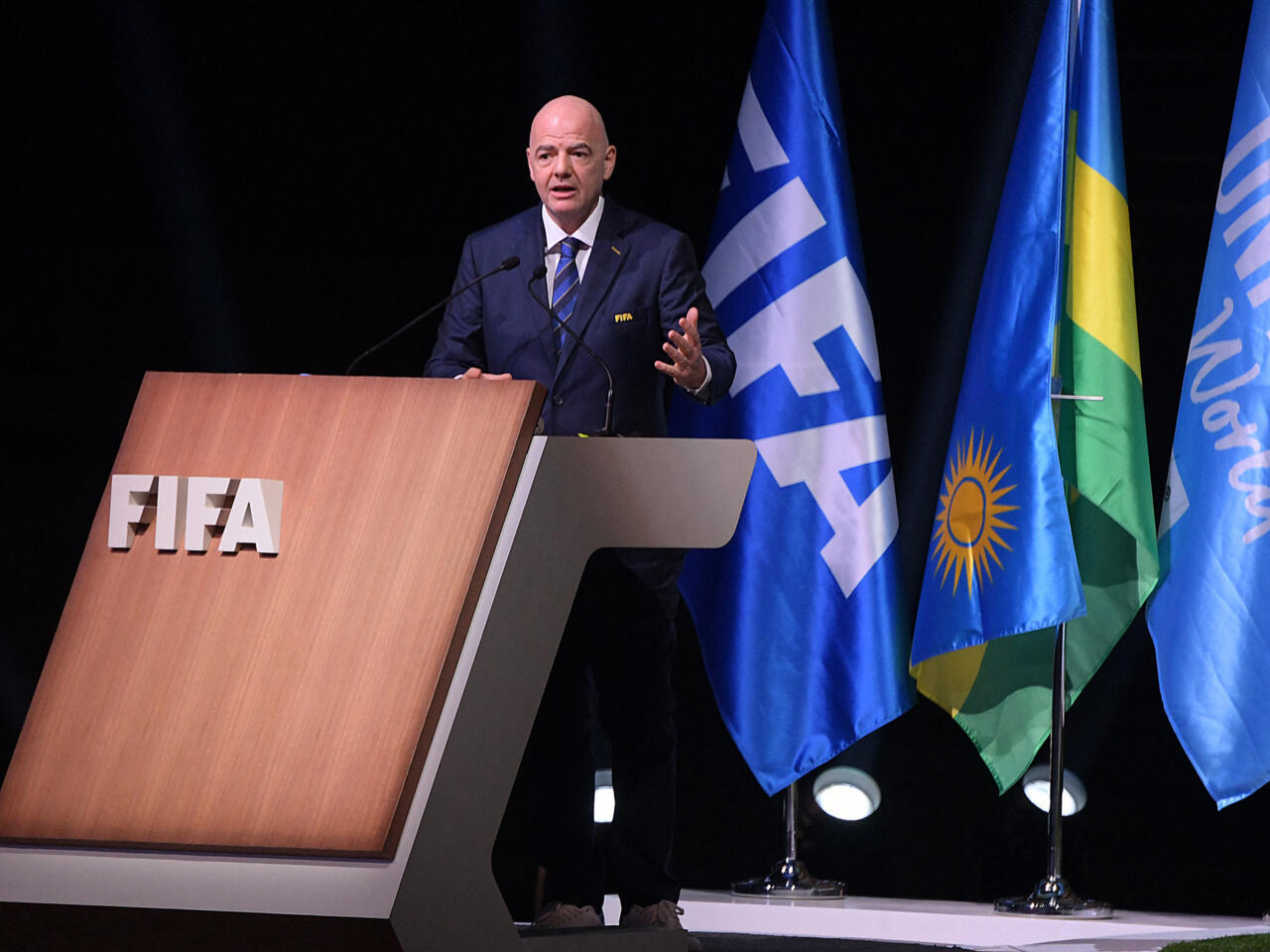
Also, FIFA held a mournful minute of silence in honour of Nana Pooley during the 75th FIFA Congress in Asunción, Paraguay, on May 15.
In a solidarity move, Bechem United, on the other hand, offered a GHC100,000 reward for information about the suspect who killed Asante Kotoko fan Francis Yaw Frimpong, also known as “Nana Pooley.”
In an official statement, it stated that,
“Bechem United FC takes bold stand against hooliganism, offers GHC100,000 reward for information leading to the arrest of the murderer of late Asante Kotoko fan Francis Yaw Frimpong (Nana Pooley),” the club stated.
A major decongestion exercise began yesterday, Sunday, February 1, in the Central Business District (CBD) in Accra by the Accra Metropolitan Assembly (AMA) as part of efforts to restore order, protect pedestrian safety, and regulate street trading.
The exercise, which began around 4:00 a.m., targeted particular zones, starting with the re-demarcation of approved areas under the Red Line Policy.
The Red Line Policy is a city management rule used by the Accra Metropolitan Assembly (AMA) to control street trading and pedestrian movement in the Central Business District.
Under the policy, a red line is drawn to create boundaries between permissible trading zones and no-trading areas on pavements and roads.
AMA officials marked sections around the Liberty House branch of GCB Bank PLC at Kantamanto, extending along the pavement toward the Greater Accra Regional Police Command, as no-trading zones.
The authorities also embarked on a cleaning exercise, during which gutters were cleared, stones and other obstructions on roads and walkways were removed, and piled-up trash at various points was cleared.
During a media engagement, the Mayor of Greater Accra, Michael Kpakpo Allotey, stated that his outfit had earlier engaged traders extensively ahead of the exercise.
He noted that although a decongestion exercise was carried out months before the current one, with demarcated areas set aside for traders, authorities allowed them to trade in unauthorised zones, including pavements, during the festive season to enable them to make the most of the period. However, now that the festivities are over, order has to be restored.
He explained that the city could no longer permit the sale of goods on roads and certain pavements, describing the situation as a major contributor to congestion and disorder in the business district.
“With the festive season over, we must restore order and ensure trading takes place in appropriate locations,” he said.
A major concern expressed by the Mayor was traders’ refusal to use spaces within designated market areas in the business centre, opting instead to move onto streets and walkways to sell their goods, which causes congestion and disorderliness in Accra.
“The Assembly has engaged traders extensively ahead of this exercise and has allocated approved spaces for them to operate. Unfortunately, many have refused to use these designated market spaces and have instead moved onto streets and walkways to sell their goods, which causes congestion and disorderliness in Accra’s Central Business District,” he expressed.
Mr Allotey stressed that the decongestion exercise was not a one-day operation but a sustained programme that would run throughout the year as part of efforts to make Accra cleaner and better organised.
The exercise follows the Mayor’s announcement on January 22, at a press conference in Accra and later affirmed by the Greater Accra Regional Minister, Linda Ocloo on January 27, followed by further warnings and demolitions on January 30, 2026.
This exercise marks about the third decongeation exercise conducted by the current Mayor and other stakeholders.
On May 20, 2025, the AMA launched a city-wide operation at 4:00 a.m. to clear unauthorised trading from pavements and streets in Accra’s CBD. Areas included Kinbu Street, Makola, CMB, Circle, and Kaneshie. Mayor Allotey stressed it was necessary to restore order and sanitation.
It followed through with a reintroduction of the Rd Line Policy a day after, that is, May 21, redrawing boundaries on pavements to restrict trading to designated areas, citing fairness, pedestrian safety, and sanitation.
The decongestion also happened in Kumasi within that same period, as announced by the Mayor of Kumasi.
Mayor Richard Ofori Agyeman made the announcement, emphasizing the importance of restoring order and accessibility to public spaces.
In a press briefing, Mayor Agyeman revealed that the operation will initially target key areas, including the Kejetia Roundabout, also known as the Otumfuo Roundabout, and the Adehyeman area near the Kumasi Zoo.
He assured the public that the Assembly would not tolerate any further occupation of these spaces.
“We will ensure that everyone occupying those spaces is removed. Any metallic object placed on the street will be cleared,” Mayor Agyeman said.
The Mayor also made it clear that previous announcements had been made regarding the exercise, and he stressed that the KMA would no longer entertain unauthorised activities in these areas.
“I will not make any more announcements. Everyone knows we will not entertain them there,” he stated firmly.
It is worth recalling that upon assuming office, Mayor Agyeman had issued a stern warning to traders operating on pavements within Kumasi’s central business district, urging them to vacate or risk facing sanctions, including the confiscation of goods.
However, the mayor acknowledged that the previous methods of dealing with the issue, such as confiscating goods and making arrests, had not been effective, as traders continued to return.
The mayor explained that these acts of indiscipline had contributed significantly to congestion in the city, further complicating the situation.
As a result, the mayor has warned that more severe measures, including lashing, may be used as a deterrent for traders who persist in selling on the pavements.
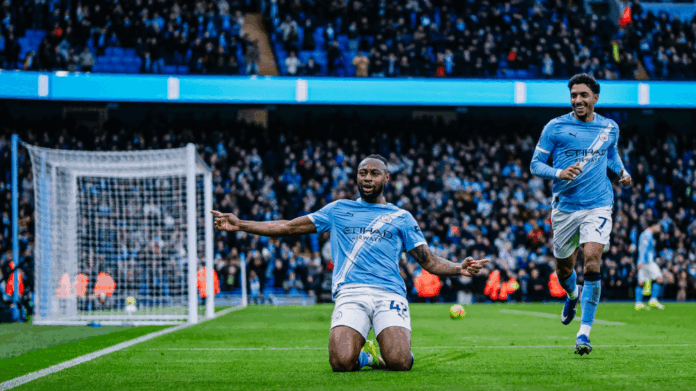
As often happens, players transferred to new clubs take some time to adjust to the style of play or settle in at their new clubs. Ghanaian prodigy Antione Semenyo has carved himself a new story by setting a record at Etihad.
Despite his impressive stint with Bournemouth, Man City activated his £65 million release clause from his former club, signing over half a half-decade contract with him. The money so far has paid off with an impressive 3-in-3 start.
In his debut appearance, he notched a goal and provided an assist during Man City’s FA Cup clash with Exeter City on January 10. He scored again in his second appearance on 21 Jan in the Premier League clash against Newcastle United. And his latest goal was on 24 January Premier League clash with Wolves at the 45+2 minute, making his mark in his new club.
After scoring his first Premier League goal for City in a 2-0 win over Wolverhampton Wanderers on Saturday, he earned the praise of Former England striker Jermain Defo, who described him as “unplayable”.
His goal cemented City’s lead against Wolves as his side had already taken control of the match with Omar Marmoush’s early opener in the 6th minute. Semenyo showed excellent awareness, drifting into space inside the penalty area as City pressed for a second goal before the interval.
Speaking on Premier League Productions, Defoe described the 26-year-old’s performance as “unplayable” and highlighted his all-round contribution.
“We have seen him do that a lot of times, but to do that, it was special. He scores goals and assists as well. He is just unplayable. He is dynamic,” Defoe said.
Reacting to his display, Guardiola, following the Wolves game, praised the Ghanaian forward for his energy and productivity since joining the club.
“Absolutely. They are set-up players. Last season, it was young players [who we brought in] except Omar. Semenyo made an incredible impact at Bournemouth. Antoine came with incredible energy, and strikers are about numbers. Since he arrived, he has been unbelievable. [It was an] incredible goal,” Pep said.
Semenyo will be hoping to sustain his strong start in City colours when they face Galatasaray in the UEFA Champions League on Wednesday.
Before his move to Man City, he had attracted the attention of several European clubs, including Man Utd, Liverpool and Real Madrid, whereas little to no news emerged about his move to Man City, he in the end moved there.
However, addressing these links during an interview with Sky Sports, which was aired on October 30, Antione mentioned that he has seen the reports but denied the purported links, saying he is enjoying his stay at Bournemouth.
“I don’t think about it too much,” he said. “I try to stay present as much as I can. You see the news all the time, I see it as well, I’m not oblivious, but I try to keep focused. I’m enjoying my football here. If I’m not scoring goals, all of that goes away. I try to stay present, do the best I can for the team, score goals, and whatever happens in the future happens,” he noted.
Semenyo explained that he was convinced to stay after being encouraged by the club’s vision and summer recruitment.
“When they all left in the summer, there was a lot of interest and back and forth with the club. But I knew in my head that the manager’s got something up his sleeve this year.
“How we finished off the season last year was so good, and we could continue, especially with the players we’ve brought in as well. I wasn’t too sure at the start, but we’ve kicked on like a house on fire. I’m glad I committed to staying here because I’m enjoying every moment,” he added.
Semenyo has scored six goals and provided three assists in just 10 Premier League matches. According to The Telegraph, AFC Bournemouth reportedly rejected £50 million offers from both clubs, Man Utd and Spurs, for Semenyo during the summer transfer window.
Antoine’s form has been consistent even during international games. Last season, he scored six goals in nine appearances and provided three assists. His only contender this season has been Man City’s Erling Haaland, who has a higher goal record ahead of Semenyo.
Despite interest from top clubs in Europe, he decided to stay at the Vitality Stadium, signing a new long-term contract that included a pay rise. His contract with Bournemouth’s expiry was set for 2026; however, in July, he extended his contract until 2030.
Meanwhile, the Ghana international was subjected to racism during a clash on Friday, August 15, against Liverpool.
During the first half of the Premier League opener, Semenyo was preparing to take a throw-in when a 47-year-old man passed some offensive comment at him. According to reports, Semenyo asked that the man repeat what he said; he did and even threw a gum at him.
He immediately reported it to referee Anthony Taylor, who paused the match in the 28th minute. Subsequently, he was seen leaving the stadium by the police and held in custody for a racially aggravated public order offence, according to the Merseyside Police on Monday.
He has, however, been granted bail on the following conditions that he not attend any regulated football match in the UK and be prohibited from going within one mile of any designated football stadium. A police investigation into the incident is ongoing.
Semenyo has won the hearts of City fans and management, including Manchester City manager Pep Guardiola. Antoine Semenyo joined Manchester City on 9 January 2026 from Bournemouth and has been in good form since.
In his debut appearance, he notched a goal and provided an assist during Man City’s FA Cup clash with Exeter City on January 10. He scored again in his second appearance on January 21 in the Premier League clash against Newcastle United. His latest goal came on January 24 in the Premier League clash with Wolves, scoring in the 45+2 minute to make his mark at his new club.
Reacting to his display, Guardiola, following the Wolves game, praised the Ghanaian forward for his energy and productivity since joining the club.
“Absolutely. They are set-up players. Last season, it was young players [who we brought in] except Omar. Semenyo made an incredible impact at Bournemouth. Antoine came with incredible energy, and strikers are about numbers. Since he arrived, he has been unbelievable. [It was an] incredible goal,” Pep said.
Semenyo will be hoping to sustain his strong start in City colours when they face Galatasaray in the UEFA Champions League on Wednesday.
Before his move to Man City, he had attracted the attention of several European clubs, including Man Utd, Liverpool and Real Madrid. However, little to no news emerged about his move to Man City, and he eventually moved there.
Addressing these links during an interview with Sky Sports, which aired on October 30, Antoine mentioned that he had seen the reports but denied the purported links, saying he was enjoying his stay at Bournemouth.
“I don’t think about it too much,” he said. “I try to stay present as much as I can. You see the news all the time; I see it as well. I’m not oblivious, but I try to keep focused. I’m enjoying my football here. If I’m not scoring goals, all of that goes away. I try to stay present, do the best I can for the team, score goals, and whatever happens in the future happens,” he noted.
Semenyo explained that he was convinced to stay after being encouraged by the club’s vision and summer recruitment.
“When they all left in the summer, there was a lot of interest and back and forth with the club. But I knew in my head that the manager had something up his sleeve this year.
“How we finished off the season last year was so good, and we could continue, especially with the players we brought in as well. I wasn’t too sure at the start, but we’ve kicked on like a house on fire. I’m glad I committed to staying here because I’m enjoying every moment,” he added.
Semenyo has scored six goals and provided three assists in just 10 Premier League matches. According to The Telegraph, AFC Bournemouth reportedly rejected £50 million offers from both Man Utd and Spurs for Semenyo during the summer transfer window.
Antoine’s form has been consistent even during international games. Last season, he scored six goals in nine appearances and provided three assists. His only contender this season has been Man City’s Erling Haaland, who has a higher goal tally than Semenyo.
Despite interest from top European clubs, he decided to stay at the Vitality Stadium, signing a new long-term contract that included a pay rise. His contract with Bournemouth was set to expire in 2026; however, in July, he extended it until 2030.
Meanwhile, the Ghana international was subjected to racist abuse during a clash on Friday, August 15, against Liverpool.
During the first half of the Premier League opener, Semenyo was preparing to take a throw-in when a 47-year-old man made an offensive comment at him. According to reports, Semenyo asked the man to repeat what he said; he did and even threw gum at him.
Semenyo immediately reported the incident to referee Anthony Taylor, who paused the match in the 28th minute. The suspect was subsequently seen leaving the stadium with police and was later held in custody for a racially aggravated public order offence, according to Merseyside Police on Monday.
He was, however, granted bail on the condition that he does not attend any regulated football match in the UK and is prohibited from going within one mile of any designated football stadium. A police investigation into the incident is ongoing.
Reacting to the incident, FIFA President Gianni Infantino, in an official statement issued on Sunday, August 17, said the sport has zero tolerance for discrimination and any form of abuse, praising Antoine’s resilience and strong display despite the emotional distress.
“It is absolutely unacceptable to see the racist abuse aimed at AFC Bournemouth’s Antoine Semenyo, which led to a stoppage of their Premier League match against Liverpool FC at Anfield last night. Football has no place for racism or any form of discrimination. Antoine’s courage and performance on the pitch, despite such adversity, is a powerful example of strength and dignity for players worldwide,” parts of the statement read.
Acting Executive Director of Kwame Nkrumah Memorial Park (KNMP), Dr Collins Nunyonameh, says the facility has targeted over 600,000 visitors this year, 2026.
He made this known during a media engagement on 24 January 2026. According to him, KNMP aimed to attract 600,000 visitors this year, saying, “We believe that with support from the public and the media, we can pull this off fairly easily”.
KNMP remains one of Ghana’s most visited tourist sites, making it a major source of government revenue. In 2025 Revenue from the site shot up by a significant 25%, marking approximately GHC 2 million in monetary value compared to 2023 and 2024, according to the acting Executive Director of the facility, Dr Collins Nunyonameh.
Mr Nunyonameh revealed that about 266,000 domestic and international tourists visited the Kwame Nkrumah Memorial Park in 2025.
Out of the over 26,000, local visitors make up seventy-five percent (75%) while foreigners account for the remaining twenty-five (25 %). This, he said, led to the generation of a total revenue of approximately GH¢10 million.
In 2023 and 2024, he said the total estimated visitor number for each year was 333,000, with the total revenue being slightly under GH¢8 million.
The acting Executive Director said the number indicated a steady increase in visitor numbers since the park reopened in July 2023.
He revealed that, even though they recorded fewer visits to the park in 2025 than they did in the previous year, they generated more revenue in 2025, citing the increase in revenue to foreigners visit to the site.
The Executive Director explained that this is because “the international tourists pay four times what the regular Ghanaian will pay. The distinction between domestic tourists and international tourists in this park is the price they pay.
“Even though we had fewer numbers in 2025 than we did in 2024, our revenue was approximately GH₵2 million more in 2025. We do not have 100 per cent retention of our internally generated funds. So, whatever we make, the government keeps 34 percent and we keep 66 percent”.
He stressed that KNMP will continue to highlight the enduring legacy of Ghana’s first President, emphasising his ideals while cementing its status as a key tourist destination in the country.
“The mission of the Kwame Nkrumah Memorial Park includes promoting the legacy of Dr Kwame Nkrumah and his ideals, which remain particularly relevant in the context of current global issues. The Park will continue to stand as the central pillar of tourist attraction sites in the country,” he stated.
Given the park’s relevance and the impact made by the former president of Ghana, Dr Nkrumah, Mr Nunyonameh revealed that a huge number of high-profile visitors sought to learn the ideals of a role model, citing a visitor from “Congo Brazzaville. He said he was a presidential candidate and looked up to Kwame Nkrumah for inspiration, which has helped in promoting the legacy and ideals of Dr Nkrumah, so he wanted to make it a point that to be fully ready for the election, he has to be here”.
Also, other high-profile visitors included the “Indian Prime Minister, Narendra Modi; the German President, Frank-Walter Steinmeier; the Prime Minister of Grenada, Dickon Mitchell; the Vice President of Colombia, Francia Márquez, and the Duke of Edinburgh, Prince Edward, ” he added.
Dr Nunyonameh pointed out that the KNMP aimed to attract 600,000 visitors this year, saying, “We believe that with support from the public and the media, we can pull this off fairly easily”.
To preserve Nkrumah’s heritage and consolidate a significant source of income for the government, the acting Executive Director said, the management of the facility has upped its game in terms of modernising payment systems, enhancing visitor amenities, and improving the park’s landscaping and attractions.
“We have introduced free Wi-Fi at the reception area, with plans to extend it to the entire park. In addition, there have been landscaping improvements, making the park one of the best-kept sites in the country. To add to the aesthetic beauty and improve the ambience, the musical fountain has also been restored, ”the Executive Director said, adding that the park now had a restaurant and a souvenir shop, which were expected to contribute significantly to its revenue.
He taunted his outfit’s efforts in improving the beauty of the site, saying,ying “We’ve tried to upgrade the park significantly. I think this is probably the best-kept place in the whole country,”
The acting Executive Director said it was important to maintain the park’s facilities to the highest standards, especially the mausoleum, where Dr Nkrumah’s body lay.
Security
Dr Nunyonameh said management was working to improve security at the park to protect its resources and relics, adding that the recruitment of a new security team for the park was underway.
He indicated plans to open a library by the end of the year, even if it was only partially equipped through a collaboration with foundations and interested parties from America, India and Europe.
The acting Executive Director called on corporate organisations and associations to organise their events at the Park, as it boasts a serene environment and a beautiful ambience.
Investor interest and confidence in government treasuries remain high as the treasury bill auction exceeds the target by over 60%.
In auction results posted by the Bank of Ghana, the government accepted GH¢12.8 billion in bids at the latest auction, above its GH¢9.8 billion target, although investors submitted bids worth GH¢15.9 billion.
The reports also show that the majority of investors preferred the 364-day (one-year) treasury bill, for which they offered about GH¢7.4 billion, making up nearly half of all the money investors offered.
Out of this amount, the government accepted just over GH¢5.0 billion.
Also, for the 182-day (six-month) treasury bill, investors offered about GH¢4.29 billion, and the government accepted almost all of it, around GH¢4.28 billion.
For the 91-day (three-month) bill, investors offered about GH¢4.1 billion, of which the government accepted about GH¢3.4 billion.
On the other hand, interest rates continued to rise at the longer end of the yield curve.
The yield on the 91-day bill remained at 11.19%.
That of the 182-day bill, however, went up to 12.66% from 12.64% the previous week.
Additionally, the yield on the 364-day bill increased by eight basis points to 13.06%.
Meanwhile, the iversubscription has been a trend in the last few months. Government saw another significant oversubscription in its primary T-bill auction, the Bank of Ghana (BoG) announced, following its August 1 auction last year.
This comes after demand surged 42.07 percent above the target.
Reports from the Bank of Ghana indicated that the latest figures showed the government had planned to raise GHS 3.86 billion through Treasury bills, but it, however, accepted a total of GHS 5.48 billion. This was a result of investor interest exceeding expectations.
Specifically, GHS 4.32 billion was taken from GHS 4.86 billion in bids for the 91-day bill, GHS 823 million from GHS 1.15 billion for the 182-day bill, and GHS 343 million out of GHS 774 million for the 364-day bill.
Experts say the high demand happened because big investors, like banks and companies, wanted to buy Treasury bills then, while the interest rates were still high. They believe that interest rates and inflation might go down soon, so they want to secure the good returns before that happens.
Interest rates on short-term government securities are still going down. The interest on the 91-day bill fell to 10.29%, which is 0.54% lower than before. The 182-day bill dropped from 13.22% to 12.35%, and the 364-day bill also went down by 1.06% to 13.24%.
According to reports, the Ghanaian government announced plans to borrow GHS 8.58 billion through treasury bills that month. This figure was cited in a Bank of Ghana issuance calendar for August 2025, which outlined the government’s short-term borrowing strategy.
This oversubscription adds to the recent oversubscription spree the government has recorded in the last three months consecutively.
T-bill auction on Friday, July 25, recorded a massive 160% oversubscription.
How was t-bill auction earlier in 2025?
In early 2025, when the government assumed office, T-bill auctions were struggling, with eight consecutive weeks of undersubscription. Among some of the reasons for the undersubscription were investor liquidity constraints, where financial institutions and investors faced cash flow challenges, diminishing their interest in investing in government securities.
Another reason for the undersubscription was other attractive competing investment options, such as the Bank of Ghana’s OMO bills, which were offering higher interest in comparison to T-bills and influencing institutions’ and the public’s preferences. The Bank of Ghana’s OMO bills were short-term debt instruments used in Open Market Operations (OMO), a key tool for managing money supply and interest rates in the economy.
Market uncertainty was another undersubscription challenge. Due to the previous government’s Domestic Debt Exchange Programme (DDEP) and other concerns about inflation and fiscal discipline, investors treaded cautiously, closely monitoring fiscal decisions by the new government.
Tight monetary conditions, with less money circulating in the system, also caused demand for short-term debt instruments to drop, accounting for the undersubscription.
In April, the government failed to meet its Treasury bill target for the third week in a row. It fell short by GH¢2.69 billion after rejecting GH¢2.37 billion worth of bids, likely because the interest rates offered by investors did not meet the government’s expectations.
According to Bank of Ghana data, the government aimed to raise GH¢4.39 billion through short-term borrowing but received only GH¢1.69 billion in bids. This represented a shortfall of 61.46%.
For the 91-day bill, the government received GH¢3.38 billion in bids but accepted only GH¢1.45 billion. For the 182-day bill, GH¢501.17 million was tendered, but only GH¢81.09 million was accepted.
The 364-day bill saw GH¢176.26 million in bids, with GH¢161.26 million accepted.
In less than 10 days, the New Patriotic Party (NPP) and its search for a candidate to lead it into the 2028 general elections will be over.
As D-Day gets closer, I don’t expect the intense rivalry and sharpened rhetoric to change.
In fact, I worry it may take a turn for the worse. In observing the cringeworthy moments of this primary season, I sometimes wonder if my judgments of the conduct of rival supporters are too harsh.
Perhaps since the advent of the Fourth Republic, all contests for party flag bearer have been this intense and sometimes the descent into unchartered waters using unfortunate rhetoric is just the nature of the game.
Maybe the era of the smartphone and its twin social media, where every word uttered and action taken goes viral within seconds, is only amplifying it.
Who knows, political observers may be worrying about inconsequential things.
I have been saying to myself that once a winner is declared, come January 31, “who said what to whom, when, and how” will all be forgotten. I hope so.
Before then, just as we witnessed during general elections where presidential candidates sign peace pacts, on January 22nd, the party convened a meeting at which all the flagbearer aspirants signed a peace pact.
The purpose of peace pacts during elections
Elections produce difficult moments and intense rivalry.
Candidates have a strong desire to win, and their supporters commit to ensuring that victory does not elude their preferred person.
However, our political passions can sometimes overtake the angels in us, leading to not just verbal altercations but also physical ones, including the use of violence.
When such incidents occur, it taints the contest and raises questions about its integrity.
This is where peace pacts prior to an election come in.
In my view, it serves four purposes.
First, it is a symbolic act for each aspirant to commit to the highest level of peace possible as an election draws closer.
It may come across as irony when the very contestants pledging to peace have sometimes engaged in rhetoric that is not necessarily peace advancing in nature.
However, to witness each contestant sign the pact forces them to publicly acknowledge that what is at stake is bigger than each of their own political ambitions and aspirations.
Second, it is an instrument of accountability.
The peace pact becomes the lens through which the actions of each candidate between now and January 31 will be evaluated.
Whatever a candidate says or does must be weighed against the dictates of the peace pact which they signed.
It should be easy to say to candidates, “This statement or action of yours betrays your commitment to the peace pact which you just signed.”
Adhering to peace pacts may not yield political dividends in terms of votes.
Alternatively, violating peace pacts may not hurt the political dividends of an aspirant.
However, it is my fervent hope that the extent to which a candidate upholds or violates the pact will have some political impact when delegates are weighing the crucial decision of which candidate best embodies the leadership values of the party.
But peace pacts are not for candidates alone. It places responsibilities on others in the political space too, which leads me to my third and final point.
Third, the signing of these peace pacts places a responsibility on the teeming supporters of candidates to make the same commitment.
Although they are not direct signatories of the peace pact, their preferred candidate’s commitment indirectly commits them too.
God forbid, but any acts that may mar the peace of election day will not be carried out by the candidate but by supporters on their behalf. I therefore hope their actions and inactions are shaped by this knowledge that they have also made a commitment to peace.
Finally, peace pacts are not only for candidates.
They are also for the institution, asking candidates to sign and commit to the terms of the pact.
In essence, the New Patriotic Party as a political organisation, through its leadership, has two critical responsibilities – a) if the terms of the pact are to be enforced, then it must be done without fear or favour to any of the candidates; and b) all decisions and actions between now and especially election day must reflect fairness, impartiality, and transparency.
The peace being demanded of the candidates is not a one-way street.
It equally demands that the party leadership take steps to ensure that candidates remain committed to peace.
Electoral integrity
When all is said and done, a free and fair election without any disturbances is what everyone hopes for.
And this is what I hope happens on January 31.
In the end, only one candidate can and will win this race.
The Kumasi Metropolitan Assembly (KMA) has decried the huge sums of money it spends daily on waste management, citing deficits in the cost of running the landfill site.
According to officials, the high cost of operating the landfill site does not match the revenue collected from waste management activities.
Speaking during an interview on Kumasi-based radio station Luv FM, the Head of Waste Management at the KMA, Prosper Kotoka, revealed that the city manages approximately 2,000 tonnes of refuse daily at a cost of between GHS 300,000 and GHS 320,000.
He noted that an amount of GHS 83 is required per tonne for waste management in the city.
“The GHS 83 per tonne is not the total cost of managing the waste. After collecting and transporting the waste to the landfill, that is the landfill cost alone,” Mr Kotoka explained.
He highlighted the intensive operations involved at the landfill site, including the deployment of two bulldozers, an excavator, a payloader, and a shift push constructor, all of which are fuelled daily.
These machines are responsible for compacting waste, transporting laterite to cover compacted refuse, and creating access roads for subsequent operations.
He continued that some of the measures taken by his outfit include odour control and the management of flies and rodents at the site. He emphasised that all these operations cost about GHS 150 to GHS 160 per tonne.
“On average, KMA spends GHS 150 to GHS 160 per tonne per day just on operations and maintenance, excluding capital costs such as cell construction,” he stated.
How KMA funds waste management
Among the ways KMA funds waste management, Mr Kotoka indicated that this is done through the collection of fees, property rates, and licences. He added that KMA is responsible for 50 per cent of the waste delivered to the site, while the remaining 50 per cent falls under the jurisdiction of another assembly.
Speaking on some of the challenges currently blocking effective sanitation, Mr Kotoka blamed public attitude.
“I would attribute it to attitudinal problems. We have done a lot of education and sensitisation,” he noted.
To address this, he announced the planned deployment of a dedicated task force, accompanied by military personnel, to enforce proper waste disposal and curb indiscriminate dumping.
“The Mayor plans to put a task force and a military escort to accompany the task force. They will be ensuring that the right things are done,” Mr Kotoka stated.
He acknowledged the challenges ahead but expressed optimism about the outcome.
“It’s not going to be very easy or quick, but we believe we will get there,” he assured.
A report shared by the Ghana Statistical Service (GSS) last year revealed a worrying statistic: about two million two hundred thousand households in the country face poor sanitation, overcrowding, and unsafe housing conditions.
Speaking at the launch of the report, the New Slums and Informal Settlements Thematic Report, on Monday, June 30, the Government Statistician, Dr Alhassan Iddrisu, noted that these individuals have established their homes in slums and informal settlements.
According to him, nearly one in three city dwellers in Ghana, representing about 4.8 million people, live in slums. He emphasised that other countries experience even higher rates of slum habitation, particularly within the sub-Saharan African region.
“Roughly 30.8 per cent of the urban population, or 4.8 million people, are living in slums, a ratio that exceeds the global average of 24.7 per cent but is lower than the sub-Saharan Africa average of 53.9 per cent,” he said.
“Additionally, 46.1 per cent of urban households, or over 2.2 million households, are living in slum conditions. That means nearly one in every two urban households is facing one or more of the four deprivations,” he added.
He indicated that many households in urban areas are living in environments that do not support proper housing and urban development.
The data revealed that the Greater Accra and Ashanti regions are heavily challenged by slum conditions, with Greater Accra recording 52.5 per cent and Ashanti Region 51.8 per cent. The report noted that most of these dwellers live in rented accommodation.
The other regions reported significantly lower proportions, highlighting a stark regional disparity.
“The Northern Region (4.2 per cent), followed by Savannah (3.6 per cent) and Oti (1.1 per cent), recorded the highest extreme slum intensities. By extreme slum intensity, we mean the proportion of neighbourhoods that exhibit all four slum characteristics in the region.
“But even in more developed regions like Greater Accra and Ashanti, over half of slum households live in rented accommodation,” parts of the report read.
The Service described the findings as alarming and called for a collaborative national effort to address the growing housing and sanitation challenges.
To check the rise in slum communities, the GSS called on local government authorities to implement targeted strategies within districts and municipalities.
In February this year, the Member of Parliament for Ahanta West, Mavis Kuukua Bissue, noted that sanitation issues, homelessness, and the proliferation of slums remain critical challenges undermining the health, dignity, and economic potential of citizens, particularly the youth.
She cited inadequate housing, economic hardship, unemployment, poverty, and rapid rural-urban migration as contributory factors to the expansion of slums, homelessness, and streetism. These challenges, she said, have also given rise to improper and indiscriminate waste disposal practices and the poor sanitation situation in the country.
“We cannot continue to downplay the severity of this challenge, seeing the very danger it poses to our survival as a people,” she noted.
Honourable Bissue proposed a national dialogue on rural-urban migration and economic empowerment, deliberations on housing and urbanisation strategies for rural communities, a national drive on proper waste segregation and disposal, public-private partnerships, the provision of labelled litter bins in designated areas and public spaces, and the strict enforcement of sanitation laws, among others.
Kwame Nkrumah Memorial Park (KNMP) remains one of Ghana’s most visited tourist sites, making it a major source of government revenue. Revenue from the site shot up by a significant 25% in 2025, marking approximately GHC 2 million in monetary value compared to 2023 and 2024, according to the acting Executive Director of the facility, Dr Collins Nunyonameh.
During a media engagement, Mr Nunyonameh revealed that about 266,000 domestic and international tourists visited the Kwame Nkrumah Memorial Park in 2025.
Out of the over 26,000, local visitors make up seventy-five percent (75%) while foreigners account for the remaining twenty-five (25 %). This, he said, led to the generation of a total revenue of approximately GH¢10 million.
In 2023 and 2024, he said the total estimated visitor number for each year was 333,000, with the total revenue being slightly under GH¢8 million.
The acting Executive Director said the number indicated a steady increase in visitor numbers since the park reopened in July 2023.
He revealed that, even though they recorded fewer visits to the park in 2025 than they did in the previous year, they generated more revenue in 2025 citing the increase in revenue to foreigners visit to the site.
The Executive Director explained that this is because “the international tourists pay four times what the regular Ghanaian will pay. The distinction between domestic tourists and international tourists in this park is the price they pay.
“Even though we had fewer numbers in 2025 than we did in 2024, our revenue was approximately GH₵2 million more in 2025. We do not have 100 per cent retention of our internally generated funds. So, whatever we make, the government keeps 34 percent and we keep 66 percent”.
He stressed that KNMP will continue to highlight the enduring legacy of Ghana’s first President, emphasising his ideals while cementing its status as a key tourist destination in the country.
“The mission of the Kwame Nkrumah Memorial Park includes promoting the legacy of Dr Kwame Nkrumah and his ideals, which remain particularly relevant in the context of current global issues. The Park will continue to stand as the central pillar of tourist attraction sites in the country,” he stated.
Given the park’s relevance and the impact made by the former president of Ghana, Dr Nkrumah, Mr Nunyonameh revealed that a huge number of high-profile visitors sought to learn the ideals of a role model, citing a visitor from “Congo Brazzaville. He said he was a presidential candidate and looked up to Kwame Nkrumah for inspiration, which has helped in promoting the legacy and ideals of Dr Nkrumah, so he wanted to make it a point that to be fully ready for the election, he has to be here”.
Also, other high-profile visitors included the “Indian Prime Minister, Narendra Modi; the German President, Frank-Walter Steinmeier; the Prime Minister of Grenada, Dickon Mitchell; the Vice President of Colombia, Francia Márquez, and the Duke of Edinburgh, Prince Edward, ” he added.
Dr Nunyonameh pointed out that the KNMP aimed to attract 600,000 visitors this year, saying, “We believe that with support from the public and the media, we can pull this off fairly easily”.
To preserve Nkrumah’s heritage and consolidate a significant source of income for the government, the acting Executive Director said, the management of the facility has upped its game in terms of modernising payment systems, enhancing visitor amenities, and improving the park’s landscaping and attractions.
“We have introduced free Wi-Fi at the reception area, with plans to extend it to the entire park. In addition, there have been landscaping improvements, making the park one of the best-kept sites in the country. To add to the aesthetic beauty and improve the ambience, the musical fountain has also been restored, ”the Executive Director said, adding that the park now had a restaurant and a souvenir shop, which were expected to contribute significantly to its revenue.
He taunted his outfit’s efforts in improving the beauty of the site, saying “We’ve tried to upgrade the park significantly. I think this is probably the best-kept place in the whole country,”
The acting Executive Director said it was important to maintain the park’s facilities to the highest standards, especially the mausoleum, where Dr Nkrumah’s body lay.
Security
Dr Nunyonameh said management was working to improve security at the park to protect its resources and relics, adding that the recruitment of a new security team for the park was underway.
He indicated plans to open a library by the end of the year, even if it was only partially equipped through a collaboration with foundations and interested parties from America, India and Europe.
The acting Executive Director called on corporate organisations and associations to organise their events at the Park, as it boasts a serene environment and a beautiful ambience.
In a related development, data released by the Ghana Statistical Service (GSS) indicated that Ghana generated an estimated GH₵6.6 billion in 2023 from more than 15 million domestic trips.
In a press statement, Government Statistician Dr. Alhassan Iddrisu disclosed that the revenue was generated mainly from domestic travel by adults aged 25 to 44, who are economically active and account for the majority of both same-day and overnight trips within the country.
He added, “This momentum has brought a powerful reminder that tourism is not only about international arrivals. It is also about Ghanaians discovering Ghana, investing in local experiences, and breathing economic life into the communities and sites they visit.”
In September, Ghana’s tourism industry embarked on a growth path, generating a whopping GH₵15.2 billion in revenue from inbound tourists between October 2022 and September 2023, marking a triple of the revenue generated during the pandemic era.
These statistics were contained in a recent report by the Ghana Statistical Service, titled “Ghana International Travellers’ Survey (GITS).” The report revealed that Q3 2023 alone saw a 61.6% surge in arrivals compared to Q4 2022.
Per the report, a total of 901,448 international visitors travelled to Ghana, with 888,584 of them being inbound overnight visitors.
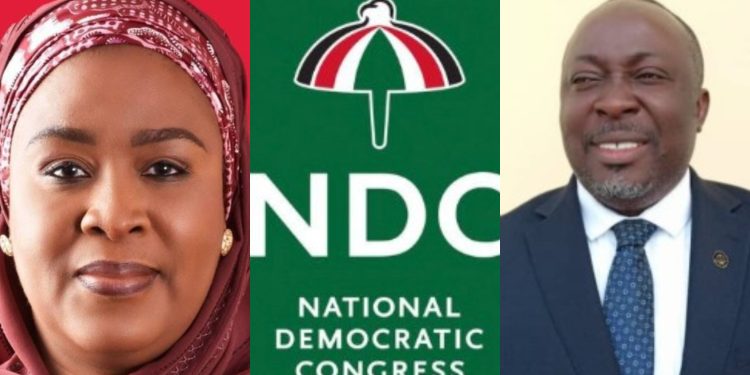
The National Democratic Congress (NDC) has confirmed that six aspirants have picked up nomination forms to contest the Ayawaso East seat ahead of the March 3 by-election.
Speaking during an appearance on Citi News Digest over the weekend, NDC’s Deputy Director of Elections and IT, Rashid Tanko Computer, detailed the activities leading up to the February 7 primary.
The filing closed with the wife of the late MP being the last to pick the forms, Mr. Tanko noted.
He said, “At the close of nominations today, six persons picked nomination forms to contest the upcoming primaries. The wife of the late MP was the last person to pick nominations today. It is going to be a very interesting contest.”
Mr. Tanko also revealed, “The filing will be on January 27, which is Tuesday. We are waiting to see how many of them will bring their forms.”
The people who have picked the forms include the party’s constituency chairman, Mohammed Ramme; Hajia Amina Adam, wife of the late Member of Parliament; Ghana’s High Commissioner to Nigeria, Baba Jamal; and Dr. Yakubu Azindow. The others are Najib Mohammed Sani and Salam Daru.
Why a by-election in Ayawaso East
The Ayawaso by-election comes after the demise of the Member of Parliament, Mahama Naser Toure, who passed away after a short illness on January 4, leaving the parliamentary seat vacant.
Subsequently, Parliament declared the seat vacant, prompting the Electoral Commission (EC) to set a parliamentary by-election for Tuesday, March 3, 2026, to fill the vacancy in accordance with the Constitution.
Late MP’s widow on seat contest
Explaining her decision in a statement issued on Thursday, January 22, Hajia Adam indicated that she is heeding calls from constituents, party grassroots members, and traditional elders, adding that these individuals want her to carry on the work of her late husband.
“There has been a clarion call from many quarters in my constituency and beyond for me to step into the shoes of my late husband. After deep reflection and consultations, particularly with elders and grassroots members, I have accepted the call to serve my people,” she stated.
According to her, after reflecting on the calls, she has decided to heed them, emphasising, “I want to assure them that I will not disappoint them.”
Meanwhile, individuals seeking to contest the Ayawaso East parliamentary primary in the Greater Accra Region are required to pay a filing fee of GH₵40,000.
The amount is intended to help the party cover the cost of organising the primaries, including administrative and logistical expenses. This was disclosed in a press release issued by the party on January 20, 2026.
Aspirants are also required to purchase nomination forms at a cost of GH₵5,000 and submit the completed forms to the party’s Greater Accra Regional Office. Meanwhile, female aspirants and persons living with disabilities (PLWDs) will benefit from a 50 per cent reduction in the filing fee.
This will be the third time the country has had a rerun of elections after the 2024 general polls. Ablekuma North had remained the only constituency in Ghana without a sitting MP due to unresolved disagreements over the outcome of the parliamentary vote.
In a statement dated January 16, 2026, and signed by the EC’s Deputy Chairman for Operations, Samuel Tettey, the Commission explained how interested persons can contest the election.
Nominations will be accepted at the EC’s Ayawaso East Municipal Office in North Ridge from Monday, February 9, to Wednesday, February 11, 2026. Submissions will be taken between 9:00 a.m. and 12:00 p.m., and from 2:00 p.m. to 5:00 p.m. each day.
Aspiring candidates can download nomination forms from the EC’s website, www.ec.gov.gh/forms, starting Friday, January 16, 2026. Completed forms must be submitted in four copies and can be presented by the candidate, or by their proposer or seconder, during the nomination period.
Each candidate must be supported by a proposer and a seconder who are registered voters in Ayawaso East, along with eighteen other registered voters from the constituency. Candidates are also required to submit two recent passport-size photographs with a red background.
A filing fee must be paid as part of the process. General candidates are to pay GH¢10,000, while female candidates and persons with disabilities will pay a reduced fee of GH¢7,500. The fee is non-refundable.
The EC stated that the by-election is being held in accordance with Article 112(5) of the 1992 Constitution, which mandates an election to be conducted when a parliamentary seat becomes vacant.
The Commission has called on the public to take note of the information as it works to ensure a free, fair, and transparent by-election.
Meanwhile, controversies surrounding the Kpandai parliamentary seat have received a reaction from the Supreme Court. On Tuesday, December 16, the Supreme Court ordered that the parliamentary rerun election in the area, scheduled for Tuesday, December 30, be suspended until further notice.
The legal team of New Patriotic Party (NPP) parliamentary candidate, Matthew Nyindam, has also been directed by the Supreme Court to follow due process in serving the National Democratic Congress (NDC) candidate, Daniel Nsala Wakpal. Meanwhile, the next hearing is scheduled for Tuesday, January 13, 2026.
A couple of months ago, the Member of Parliament (MP) for the Kpandai constituency, Mathew Nyindam, filed an application challenging the recent High Court ruling on the 2024 parliamentary elections in the area.
Earlier this year, the former Member of Parliament and NDC parliamentary candidate for Kpandai, Daniel Nsala Wakpal, submitted a petition to the Tamale High Court challenging the results of the 2024 parliamentary election in the constituency.
According to the petitioner, the Kpandai parliamentary election was marred by irregularities in the voting and collation processes. He argued that Pink Sheets from many polling stations were not accurate or consistent.
He stated: “The parliamentary election held in the Kpandai constituency on 7th December 2024 was not conducted in compliance with Regulations 39 of the Public Elections Regulations, 2020 (CI 127), and the principles laid down by Regulations 39, and that the said non-compliance affected the results of the elections.
“The declaration and publication of the parliamentary election results held in the Kpandai constituency on 7th December 2024 were not made in compliance with Regulations 43 of the Public Elections Regulations, 2020 (C.I 127), and the principles laid down by Regulations 43, and that the said non-compliance affected the entire results of the parliamentary elections in the Kpandai constituency.”
However, Mathew Nyindam has argued that, “The Parliamentary Election Petition filed by the 1st Interested Party on 25th January 2025, in respect of the Parliamentary Election held at the Kpandai Constituency on 7th December 2024, was invalid and could not have properly invoked the jurisdiction of the High Court, Commercial Division, Tamale.”
Stalwart of the New Patriotic Party (NPP), Gabby Asare Otchere-Darko, has hinted that embattled former Finance Minister, Mr Ken Ofori-Atta, will return to Ghana and is willing to return.
His expression of his hopeful return came amid protests demanding his extradition from the US by the authorities, as well as speculations of his intention not to return to Ghana to face prosecution for the charges levelled against him.
Speaking in response to these claims, Mr Otchere said, “Why would he not return to Ghana? I believe Ken will come to Ghana, and I know he wants to come to Ghana.” He made this known during an interview with GHOne on Friday, January 23.
Asked about his last conversation with the former minister and how Mr Ofori-Atta was faring in terms of health, he replied, “Not so long ago. He is doing well, from what I heard, because I haven’t spoken to him since his detention, but I am sure he is doing well”.
He continued by eulogising the former minister’s strong personality and mental resilience as he goes through his trial in the US, noting that, “He is a strong man mentally, so I am sure that will protect him.”
Meanwhile, the former minister’s bond hearing for his bail application will take place on February 19.
The US judge who presided over the immigration hearing of Ghana’s former Finance Minister has declined his bail application, citing an extradition request from Ghanaian authorities.
Mr Ofori-Atta was tried on Tuesday, January 20, in a private hearing following a request for privacy by his lawyers.
He has remained in detention since his arrest on 6 January by the U.S. Immigration and Customs Enforcement (ICE).
Consequently, his lawyers requested bail so that he could be released while his case is pending. However, this was rejected by the government lawyers over his extradition links, though the judge, David A. Gardey, didn’t make any final decision on the extradition but noted that no documents were shown in court to prove that an extradition request had actually been submitted.
“The court cannot act on assertions without proof,” the judge indicated, directing the federal government to file any evidence of an extradition request on or before February 19, 2026.
The case has been adjourned to Thursday, April 27, at 1 pm, when the tribunal is expected to hear both the bail application and any documents the government may submit. Until then, Mr Ofori-Atta will remain in ICE detention.
His detention was first announced on January 7 by his Ghanaian legal representatives, Minkah-Premo, Osei-Bonsu, Bruce-Cathline & Partners (MPOBB), who said he had been taken into custody a day earlier over concerns about his immigration status.
“The United States Immigration and Customs Enforcement (ICE), as of January 6, 2026, detained the former Minister for Finance, Mr Ken Ofori-Atta, regarding the status of his current stay in the United States,” the firm said in a public notice signed by Justice Kusi-Minkah Premo, Esq.
According to the lawyers, Mr Ofori-Atta has a pending petition for adjustment of status, a legal process that allows individuals to remain in the US beyond the validity of their visa.
“Under US law, a change of status by this method is common,” the statement added, stressing that the former minister is “a law-abiding person” and is fully cooperating with ICE.
Official records from the US Department of Homeland Security indicate that Mr Ofori-Atta is currently being held at the Caroline Detention Facility in Bowling Green, Virginia.
The development has attracted attention in Ghana, especially given Mr Ofori-Atta’s recent legal and medical history.
On January 7, Ken Ofori-Atta’s lawyers, Menka-Premo, Osei-Bonsu, Bruce-Cathline and Partners issued a statement confirming their client’s arrest by US Immigration and Customs Enforcement (ICE) over his immigration status.
While it was widely reported that he had been detained for overstaying his visa term, the Attorney General’s Department has clarified that his visa was revoked in June last year and he was given up to November 29 to leave the USA; however, he ignored the order, leading to his detention by ICE.
“ICE will not come for you unless you have visa issues; that is what has happened. In June 2025, his visa was revoked; it’s not an expiration of the Visa. The information we have is that his visa was revoked. So he has been living in America without a visa,” he said on the KeyPoints on TV3 Saturday, January 10.
According to reports, a US visa can be revoked if the holder becomes ineligible for it. This can happen if they violate their status, commit fraud, or otherwise fall under a ground of inadmissibility.
Dr Srem-Sai also mentioned that Ghanaian authorities collaborated with the US law enforcement agencies on Ken’s arrest.
“We are keenly involved in this matter. We collaborate with law enforcement agencies in this matter,” he said on the Key Points on TV3 Saturday, January 10.
Mr Ofori-Atta has been on Ghana’s wanted list for months now, and all efforts to bring him down to Ghana appear to have proven futile.
Ofori-Atta continues to be a central figure in a legal battle, despite his current health condition. He appeared on Interpol’s website for “using public office for profit” after being declared wanted by the Office of the Special Prosecutor (OSP). This followed his failure to appear before the OSP on Monday, June 2.
His lawyers are said to have formally communicated the development to the OSP and the Human Rights Court, submitting medical reports that detail his current condition and outline scheduled surgical procedures. The OSP, during an engagement with the press on Tuesday, June 3, noted the failure of the former minister to inform the OSP of changes in medical procedures that were to have happened in March of this year.
“He has failed to show any medical report that shows he is a medical risk. We want him physically, and we insist on it,” the OSP said, while noting that Mr Ofori-Atta cannot indicate the mode of investigation. “His conduct is totally unacceptable. We will no longer tolerate him,” the OSP noted.
Later, the legal representatives of the former finance minister informed the OSP that their client is currently undergoing medical treatment in the United States and is unable to honour an invitation for questioning. Ofori-Atta then assured the OSP of his commitment to appearing for questioning on a fixed date, which influenced the OSP’s decision to temporarily take his name off the wanted list in March.
However, the office stressed that he is legally obligated to show up on June 2. Failure to do so would result in an Interpol Red Notice being issued and extradition proceedings being initiated in any country where he may be located.
Ken Ofori-Atta then took legal steps to block the OSP from re-declaring him wanted. His lawsuit argues that the agency’s actions are baseless and unjustified. Ofori-Atta has dismissed allegations of financial misconduct and corruption, insisting that he has been cooperating with investigators through his legal representatives.
In his court filing, he contends that the OSP’s actions have inflicted serious harm on his reputation and personal life. He is seeking a legal injunction to prevent further declarations against him until the case is fully resolved.
The Human Rights Court adjourned to June 18 for a ruling on the motion filed by the former finance minister, seeking to restrain the OSP from declaring him wanted, among other reliefs. In February, the OSP declared Ofori-Atta wanted for causing financial loss to the state in several dealings.
These dealings include contractual arrangements between Strategic Mobilisation Ghana Limited (SML) and the Ghana Revenue Authority, aimed at enhancing revenue assurance in the downstream petroleum sector, upstream petroleum production, and the minerals and metals resource value chain.
They also include the termination of a distribution, loss reduction, and associated network improvement project contract between the Electricity Company of Ghana Limited and Beijing Xiao Chen Technology BXC. Other issues involve the procurement of contractors, materials, and activities, as well as payments related to the National Cathedral project.
At the heart of the international world order is a simple yet powerful rule. No state is permitted to use force against another except in self-defence or with the explicit authorisation of the United Nations (UN) Security Council.
Yet, for decades, the United States(US) has repeatedly violated this rule, often without meaningful consequences. The problem is not the absence of law, but the structural inability of the UN to enforce it against its most powerful members.
This article interrogates the legal and political architecture that has systematically disabled the United Nations from effectively responding to aggression by the United States and, by extension, other permanent members of the Security Council.
Prohibition of Aggression Article 2(4) of the UN Charter
The UN Charter is unequivocal in prohibiting the use of force in the conduct of international relations. Article 2(4) of the Charter proscribes the threat or use of force against the territorial integrity or political independence of any state. Additionally, the Charter forbids member states from acting in any manner inconsistent with the United Nations’ overarching aim of achieving and sustaining international peace and security, irrespective of the form or justification advanced.
The reference to the phrase “threat or use of force” extends beyond the actual employment of armed force, such as military invasions, aerial bombardments, or other combat operations. It also encompasses coercive conduct, including the demonstration or deployment of military capabilities, the massing of forces at land or maritime borders, or the issuance of ultimatums supported by military power, where such conduct is intended to compel another State or to interfere with its sovereign prerogatives. Use of force may manifest in attempts to seize territory, alter internationally recognised boundaries, occupy foreign territory, fragment an existing State, impose or remove governments, dictate political outcomes, or otherwise exercise control over another State’s internal or external affairs.
Exception to Article 2(4) of the UN Charter
The Charter recognises only two exceptions to Article 2(4). The first exemption, provided in Article 51, provides that states have the inherent right of individual or collective self-defence in the event of an armed attack, until the Security Council takes the steps necessary to restore peace and security.
Second exemption, under Chapter VII, is that the Security Council may, in response to an armed attack or threats of attack, impose sanctions such as complete or partial interruption of economic relations and of rail, sea, air, postal, telegraphic, radio, and other means of communication, and the severance of diplomatic relations under Article 41 of the Charter.
In instances where the Security Council considers the aforementioned measures inadequate, the Council may undertake action by air, sea, or land forces, including demonstrations, blockades, and other operations, by Members of the United Nations.
Such sanctions or actions by the Security Council, per Article 27 of the Charter, must have the concurrence of all permanent members of the Security Council, namely the People’s Republic of China, the United Kingdom, the United States of America, France and Russia, also known as the P5. In other words, if a member of the P5 does not concur or vetoes such a decision, neither a sanction nor an armed action can be taken by the Security Council.
In instances where the veto power of a member of the P5 is evoked to avoid sanctions or armed action on it or an ally, the General Assembly, under the 1950 General Assembly Resolution 377 A (V) also known as the “Uniting for Peace” Resolution, may convene an Emergency Special Session within 24 hours and recommend collective measures, including economic and diplomatic measures or, in extreme cases, recommend the use of armed force.
This is, however, not an authorisation for the use of arms. These recommendations are politically persuasive but legally non-binding, and enforcement still depends on voluntary action by Member States.
Outside these exceptions, unilateral military action is illegal.
US Armed Attack on Venezuela
The United States (US), on January 3, 2026, without the authorization from the United Nations, entered the airspace of Venezuela, launched an unprovoked attack on the country’s state security and subsequently captured Nicolas Maduro, essentially deposing him as President of Venezuela.
Weeks before this attack, the US had closed Venezuelan airspace, enforced a blockade on sanctioned oil tankers entering or departing Venezuela, a step designed to limit the country’s oil exports.
The development is the clearest example of a breach of all provisions under Article 2(4) in recent history. The US threatened and eventually used force to affect the territorial integrity and political independence, which was inconsistent with the spirit and letter of the UN Charter.
Admittedly, the US has genuine national security concerns about the actions and inactions of Venezuela over the past few years. However, per the dictates of international law, such concerns should have been addressed through recognised legal means, without resorting to armed attack.
Condemnation Without Enforcement: Structural Limits of UN Action
The United Nations and its affiliated bodies, in response to the US attack on Venezuela, have issued a number of statements expressing concern and condemnation. Notwithstanding these pronouncements, no binding sanctions have been imposed, nor has any collective enforcement action been authorised against the United States.
This outcome is largely attributable to the requirement for the concurrence of all P5 members on the adoption of substantive measures under Chapter VII of the Charter. Obviously, the US would veto any such sanction or action tabled by the Security Council.
Moreover, while the “Uniting for Peace” framework provides a procedural avenue for the General Assembly to recommend collective measures when the Security Council is unable to act, its effectiveness remains inherently limited. The General Assembly’s recommendations, though politically significant, lack binding legal force and depend entirely on the voluntary cooperation of Member States for their implementation.
The United Nations does not possess an independent enforcement capability and must rely on contributions of troops, financial resources, and logistical support from its members. In circumstances where the States whose cooperation is required are themselves implicated in, or closely aligned with, the conduct under scrutiny, the prospects for meaningful enforcement are correspondingly diminished.
This reality underscores a persistent structural tension within the international system: the divergence between the legal obligations articulated in the UN Charter and the power, strategic interest, and political feasibility constraints on their implementation.
Implication of Structural Defects in the UN Charter
The aforementioned structural limitations inherent in the current collective security architecture raise profound concerns regarding the capacity of the international system to restrain or deter future acts of aggression by other permanent members of the Security Council.
If a permanent member is able to employ armed force against another State while effectively insulating itself from collective accountability through the exercise of veto power, the normative authority of the United Nations Charter risks being progressively eroded.
The long-term implications of this trajectory are deeply concerning. Persistent inability to respond effectively to acts of aggression by powerful States risks normalising the erosion of collective security and replacing it with a return to power-based international relations. This continued weakening of multilateral constraints increases the risk of broader confrontations with potentially global consequences.
Absent meaningful reform or renewed political commitment to the Charter’s foundational principles, the international community may find itself confronting a gradual but consequential hollowing out of the United Nations’ authority.
Until the structural asymmetry within the Security Council is addressed, whether through restraint in the use of the veto, institutional reform, or strengthened alternative mechanisms, the promise of collective security envisioned by the Charter and the assurance of lasting international peace and security will remain elusive.
Conclusion
This analysis demonstrates that the prohibition of aggression under the United Nations Charter is neither ambiguous nor aspirational; it is a clear and foundational rule of the post-war international legal order. The Charter establishes a comprehensive framework that permits the use of force only in narrowly defined circumstances, self-defence in response to an armed attack or collective action authorised by the Security Council. Outside these exceptions, unilateral military action is unlawful, irrespective of the strategic, political, or moral justifications advanced.
The US armed attack on Venezuela, without substantial sanctions for the former, exposes a critical disjunction between the normative clarity of the Charter and the institutional realities of its enforcement. While the United Nations has articulated legal condemnation and expressed institutional concern, its capacity to translate legal norms into binding consequences has been fundamentally constrained by the structure of the Security Council, particularly the veto power of its permanent members. Where a permanent member is itself implicated, the mechanisms of collective security are rendered largely inoperative, and the promise of accountability is displaced by political stalemate.
This structural limitation carries consequences that extend well beyond any single incident or State. The repeated inability to enforce the Charter’s prohibition on the use of force against the most powerful actors risks normalising selective compliance with international law.
The future credibility of the United Nations as the central guarantor of international peace and security depends on confronting this structural imbalance.
Whether through restraint in the exercise of the veto, institutional reform, strengthened accountability mechanisms, or renewed political commitment to the Charter’s core principles, meaningful steps are required to realign power with law.
Without such efforts, the gap between legal obligation and political practice will continue to widen, undermining the collective security system and leaving the international community increasingly vulnerable to unilateral action, escalation, and instability.
ABOUT THE WRITER
Akua Serwaa Ampong is a Ghanaian lawyer with over eight years of professional experience. She holds a Master’s degree in Diplomatic Studies from the University of Oxford and a Master of Arts in Peace, Security and Intelligence Management from the University of Professional Studies, Accra.
Her work lies at the intersection of law, strategy, and policy, with a particular focus on security governance, intelligence accountability, and the legal dimensions of international cooperation.
DISCLAIMER: Independentghana.com will not be liable for any inaccuracies contained in this article. The views expressed in the article are solely those of the author, and do not reflect those of The Independent Ghana
The latest provisional statistics release by the National Road Safety Authority (NRSA) for road traffic crashes has confirmed an increase in road crashes nationwide over the last year, citing a hike in road crash fatalities.
The data also reports a 9.3 percent increase in nationwide incidents in 2025 compared to 2024.
A total of 14,743 crashes were recorded from January to December 2025, up from 13,489 the previous year, and the regions that recorded the most crashes are the Greater Accra and Ashanti regions.
Greater Accra recorded 4,533, and the Ashanti region recorded 4,430 incidents, respectively, representing increases of 11.2 percent and 11.1 percent over 2024.
The Eastern Region also recorded a significant increase in crashes by 19.8 percent from 1,832 to 2,195. Bono East and North East regions saw the sharpest percentage increases in crashes, climbing 40.4 percent and 50 percent respectively.
Ahafo and Western regions experienced more modest rises of 7.9 percent and 4 percent, while Central and Savannah regions saw almost no change, with increases of less than 2 percent.
In contrast, several northern regions experienced declines in crashes. Oti Region recorded 39 crashes in 2025, down from 55 in 2024, a 29.1 percent drop.
Northern, Bono, Upper East, and Upper West regions also reported reductions ranging from 17 to 27 percent. Western North and Volta regions had small declines of 7.1 percent and 4.3 percent respectively.
Also, alongside the rise in crashes was a corresponding growth in vehicle involvement, with 24,938 vehicles recorded in crashes during the year, up from 22,975 vehicles in 2024. This represents an 8.5 percent increase.
A major call for concern is the significant increase in fatalities recorded linked to road crashes. The data shows a rise in fatalities from 2,494 deaths in 2025 against the 2,949 deaths recorded in 2024. This shows that 455 more people lost their lives. This translates into an 18.2 percent rise in road traffic deaths, making fatalities the fastest-growing indicator among all road crash statistics for the year.
Injuries from road traffic crashes also increased during the period under review. A total of 16,714 people sustained injuries in 2025, compared with 15,607 in 2024. This reflects a 7.1 percent increase, further highlighting the growing burden of road traffic crashes on public health and emergency services.
Pedestrians remained among the most vulnerable road users. The data shows that 2,561 pedestrians were knocked down in traffic crashes between January and December 2025, up from 2,394 in the previous year. This represents a 7.0 percent increase, raising renewed concerns about pedestrian safety, especially in urban and high-traffic areas.
In a related development, 1,937 Ghanaians lost their lives while 10,957 were injured between January and August 2025, the National Road Safety Authority (NRSA) has announced. During the period, 16,348 vehicles were involved in road accidents.
Out of the 16,348 vehicles involved in accidents during the period, 5,515 were commercial vehicles, 6,647 were private vehicles, and 4,186 were motorcycles.
Ghana has recorded a series of road accidents this year. In just the past few weeks, a fatal accident at Wakrom Junction near Yamoransa on the Cape Coast–Accra Highway has killed five people and left twelve others injured. One critically injured victim is currently receiving treatment.
The unfortunate incident occurred on Monday, September 15, after a DAF truck loaded with 700 bags of rice, registration number AW 9548-13, collided with a Toyota Hiace passenger vehicle, registration number GC 9728-21.
A rescue team from the Ghana National Fire Service (GNFS) at the Central Regional Headquarters arrived promptly at the scene to assist the accident victims. An accident at Bechem in the Bono Region has claimed the lives of two individuals, including a church leader of the Seventh Day Adventist (SDA) Church.
The fatal crash, which occurred on Sunday, August 10, left several others sustaining injuries, including children. According to reports, the victims who were close to Aburaso were coming from a camp meeting they attended in Kumasi.
Reportedly, the tyre of the bus carrying the individuals had a fracture, leading to a burst, hence, causing the vehicle to somersault.
On Monday, July 28, a tragic road accident on the Atwedie stretch of the Kumasi–Accra Highway resulted in the deaths of sixteen members of the Saviour Church of Ghana. Days after, an accident at Asamankese in the Eastern Region on Wednesday, August 6, reportedly claimed the life of an individual. Officials have yet to confirm any casualties.
A rescue team from the Ghana National Fire Service (GNFS) at the Central Regional Headquarters arrived promptly at the scene to assist the accident victims. An accident at Bechem in the Bono Region has claimed the lives of two individuals, including a church leader of the Seventh Day Adventist (SDA) Church.
The fatal crash, which occurred on Sunday, August 10, left several others sustaining injuries, including children. According to reports, the victims who were close to Aburaso were coming from a camp meeting they attended in Kumasi.
Reportedly, the tyre of the bus carrying the individuals had a fracture, leading to a burst, hence, causing the vehicle to somersault.
On Monday, July 28, a tragic road accident on the Atwedie stretch of the Kumasi–Accra Highway resulted in the deaths of sixteen members of the Saviour Church of Ghana. Days after, an accident at Asamankese in the Eastern Region on Wednesday, August 6, reportedly claimed the life of an individual. Officials have yet to confirm any casualties.
National Road Safety Authority (NRSA) has reported that 14,743 road traffic crashes occurred nationwide last year, which claimed the lives of 2,949 people. This is a worrying trend as the fatalities recorded indicate a sharp rise in deaths compared to the previous year, 2024.
This was reported in provisional NRSA data. According to the report, crashes rose from 13,489 in 2024 to 14,743 in 2025, marking a 9.3 percent increase. Alongside the rise in crashes was a corresponding growth in vehicle involvement, with 24,938 vehicles recorded in crashes during the year, up from 22,975 vehicles in 2024. This represents an 8.5 percent increase.
A major call for concern is the significant increase in fatalities recorded linked to road crashes. The data shows a rise in fatalities from 2,494 deaths in 2025 against the 2,949 deaths recorded in 2024. This shows that, 455 more people lost their lives. This translates into an 18.2 percent rise in road traffic deaths, making fatalities the fastest-growing indicator among all road crash statistics for the year.
Injuries from road traffic crashes also increased during the period under review. A total of 16,714 people sustained injuries in 2025, compared with 15,607 in 2024. This reflects a 7.1 percent increase, further highlighting the growing burden of road traffic crashes on public health and emergency services.
Pedestrians remained among the most vulnerable road users. The data shows that 2,561 pedestrians were knocked down in traffic crashes between January and December 2025, up from 2,394 in the previous year. This represents a 7.0 percent increase, raising renewed concerns about pedestrian safety, especially in urban and high-traffic areas.
In a related development, 1,937 Ghanaians lost their lives while 10,957 were injured between January and August 2025, the National Road Safety Authority (NRSA) has announced. During the period, 16,348 vehicles were involved in road accidents.
Out of the 16,348 vehicles involved in accidents during the period, 5,515 were commercial vehicles, 6,647 were private vehicles, and 4,186 were motorcycles.
Ghana has recorded a series of road accidents this year. In just the past few weeks, a fatal accident at Wakrom Junction near Yamoransa on the Cape Coast–Accra Highway has killed five people and left twelve others injured. One critically injured victim is currently receiving treatment.
The unfortunate incident occurred on Monday, September 15, after a DAF truck loaded with 700 bags of rice, registration number AW 9548-13, collided with a Toyota Hiace passenger vehicle, registration number GC 9728-21.
A rescue team from the Ghana National Fire Service (GNFS) at the Central Regional Headquarters arrived promptly at the scene to assist the accident victims. An accident at Bechem in the Bono Region has claimed the lives of two individuals, including a church leader of the Seventh Day Adventist (SDA) Church.
The fatal crash, which occurred on Sunday, August 10, left several others sustaining injuries, including children. According to reports, the victims who were close to Aburaso were coming from a camp meeting they attended in Kumasi.
Reportedly, the tyre of the bus carrying the individuals had a fracture, leading to a burst, hence, causing the vehicle to somersault.
On Monday, July 28, a tragic road accident on the Atwedie stretch of the Kumasi–Accra Highway resulted in the deaths of sixteen members of the Saviour Church of Ghana. Days after, an accident at Asamankese in the Eastern Region on Wednesday, August 6, reportedly claimed the life of an individual. Officials have yet to confirm any casualties.
The unfortunate incident occurred after a tipper truck veered off its road, crashing into shops around the Dukes Filling Station. According to sources, many other individuals sustained injuries. Reports have it that the tipper truck was overspeeding when it veered off the road.
“It happened so fast—one moment the road was clear, the next, the truck was crashing into everything in its path,” an eyewitness recounted.
Following the incident, it is said that emergency services went to the scene to rescue individuals who were trapped. Medical assistance was also provided, according to reports. Per reports, the Police Service has commenced investigations into the accident, with the driver of the tipper truck providing assistance.
Local officials have reportedly given assurance of aiding the victims of the accident. The deceased were reportedly returning from the church’s annual programme in the Eastern Region. Their deaths were confirmed after their bus crashed with an oncoming fuel tanker.
All 16 victims were laid to rest in a single large grave on Thursday, July 31, by the Obogu community and church leadership. Ghana has reported a surge in the number of fatalities recorded due to road crashes. In the first half of 2025, the National Road Safety Authority (NRSA) reported one thousand, five hundred and four (1,504) deaths, compared to one thousand, two hundred and thirty-seven (1,237) fatalities reported in the corresponding period in 2024, representing a 21.58 per cent increase. According to provisional data released by the National Road Safety Authority in collaboration with the Police Motor Traffic and Transport Department (MTTD), a total of 7,289 road crashes were recorded between January and June this year.
Per the data, a total of twelve thousand, three hundred and fifty-four (12,354) vehicles were involved in the road crashes. Owing to the road accidents, a total of eight thousand three hundred (8,300) individuals sustained injuries.
Also, one thousand, three hundred and one (1,301) pedestrians were knocked down across the country. According to the recent data provided by the National Road Safety Authority, on average, eight (8) lives are lost every day due to road crashes.
Each day, forty (40) road crashes are recorded, and forty-six (46) individuals sustain injuries. Daily, sixty-nine (69) vehicles and motorcycles are involved in road crashes. To aid in combating road crashes, the National Road Safety Authority has called for stern enforcement of traffic regulations and public education.
Reviewing and rationalising the Black Stars’ budget has saved the country about $700,000, the Sports and Recreation Minister Kofi Adams has said.
According to him, the savings come after a directive from President Mahama that the budget for the national team be made public ahead of the resumption of the 2026 FIFA World Cup qualifiers.
In compliance, the Buem Constituency Member of Parliament (MP) made it public after the Black Stars’ recent doubleheader against Chad.
The decision by the Buem Member of Parliament drew criticism from sections of the football fraternity, who questioned the disclosure of the team’s financial details.
However, speaking to the media after Vice President Jane Naana Opoku Agyemang paid a working visit to the Ministry of Sports and Recreation, Mr Adams defended the policy, describing it as prudent and beneficial.
“We worked closely with the FA to rationalise the budgeting and disbursement processes, and this has saved close to $700,000 across two Black Stars matches,” he said.
Mr Adams stressed that the cost-cutting measures did not negatively affect the team, noting that players and the technical staff received all their entitlements.
“These measures have gone a long way to build confidence. The players did not suffer, and the technical team did not suffer. They continued to receive what was due them, even with the savings,” he added.
The Vice President’s visit saw the presence of Ghana Football Association (GFA) President Kurt Okraku, Deputy Directors of the National Sports Authority, Veronica Commey and Gideon Hammond, as well as Sports Ministry Chief Director Wilhelmina Asamoah.
Meanwhile, the Black Stars are expected to regroup in March for international friendlies against Austria and Germany.
Budget allocation for Black Stars earlier
Ghana Black Stars have booked their place in the 2026 FIFA World Cup set to be hosted in the US, Mexico and Canada.
Consequently, the government announced a (GHS 150million) hundred and fifty million ($13m) to fund the team’s preparations for the World’s biggest football tournament.
During the presentation of the 2026 Budget Statement by the Finance Minister, Dr Cassiel Ato Forson, on the floor of Parliament yesterday, he explained that,
“The government’s sustained investment in sports yielded impressive results, with the Black Stars qualifying for the 2026 FIFA World Cup. An amount of GH¢150 million has been allocated for the Black Stars to participate in the World Cup,” he stated.
Dr Forson explained that the funding underscores the government’s wider strategy to support national teams competing on the global stage and to strengthen sports development nationwide.
He added that the government remains committed to improving sports infrastructure and nurturing talent across the country, noting that plans are underway to build new stadiums in selected regions.
The Minister went on to commend the Black Stars for their hard work, which has led Ghana to secure its fifth qualification, cementing their place among Africa’s most consistent footballing nations.
“Mr Speaker. We also take this opportunity to acknowledge the resilience and commitment of our Black Stars, whose qualification for the World Cup continues to inspire the nation”, Dr Forson noted.
According to him, government commitment to the Sports sector has yielded what he describes as “impressive results”.
He said, “the Black Stars qualified for the 2026 FIFA World Cup, while the Black Queens won bronze at the Women’s AFCON. Ghana’s U-15 Girls won the CAF African Schools Championship, and the U-15 Boys placed third.
The Golden Palms defended their African Youth Baseball Championship, and the GRA Ladies Hockey Team retained their continental title. Athletes Anita Afrifa and Rose Yeboah set new national records, while para-athletes Zinabu Issah and Gilbert Ampiah won medals in Morocco. Abdul-Rasheed Saminu ranked among the world’s fastest 100m runners. 579.
Mr Speaker, Team Ghana won 55 medals at the African Arm-wrestling Championships and excelled across athletics, badminton, boxing, tennis, and wrestling. Ghana also hosted the 2025 CAA Region II Senior Championships, securing 23 medals”.
He also announced that the government has targeted more investments into the Sports sector, which includes the building of ultra-modern stadia in regions that do not have any, particularly the new regions which were created under the Akufo-Addo-led administration.
“In 2026, the Government will invest in athlete welfare, sports infrastructure, and talent development in preparation for the FIFA World Cup, Commonwealth Games, and other tournaments. The Anti-Doping Regulations will be finalised to enforce clean sports. 581.
Construction of modern stadia will begin in three of the eight regions without such facilities. The Ministry will also develop Bills for the National Sports College and Sports University, and organise inter-school, district, and regional sports competitions nationwide”, he added.
Over the years, past governments have mostly offered some form of financial support, be it full or partial, for supporters who travel to attend the World Cup. However, it has become a challenge over the years due to financial constraints.
With the current state of the country’s sports sector, Ghana’s Sports Minister, Kofi Adams, has revealed that, while it has been a long-standing act, he “doesn’t recommend” it.
Speaking during an interview with Peace FM, Mr Adams revealed that, while no allocation will be made for flying fans to the tournament, the government will offer other support, but not financial, citing that anyone who intends to go to the World Cup will have to find their own resources.
He said the country’s economic challenges as the main reason for the government’s decision not to finance fan travel.
“Well, there is no game or tournament we don’t go with supporters, but whether I will take them or someone else will take them is a different ball game,” he said.
Mr Adams said there is a need for the government to prioritise investment in the country’s sports infrastructure instead of spending it on fan sponsorship.
“We are in a period of austerity. We need money to build sports infrastructure in Ghana. If we are going to spend money to transport supporters all the way to America, that same amount can build five multipurpose parks in some communities,” he stated.
While confirming that government funding is off the table, Mr Adams encouraged individuals and corporate organisations to step in.
“I believe there are a lot of Ghanaians in those areas. Anyone who wants to go should find their own resources; we can facilitate their travel documents. Or we can mobilise support from corporate bodies — both private and public, to assist the fans.
“Government can collaborate with corporations to support, which would be a good idea, but putting government money into the budget to take supporters, I don’t think so,” he added.
The US has officially severed ties with the World Health Organisation (WHO), drawing the curtains on the about 78-year-old commitment to the health agency.
Their withdrawal follows Executive Order 14155, which formally initiated the process and was signed by President Donald Trump on January 20, 2025, just a few days after he assumed office.
On several occasions, he had announced his intention to break away from WHO, citing its close links with China, as part of a broader policy of withdrawing from international organisations that, he argued, did not serve U.S. interests.
As part of the rules governing the withdrawal from the health agency, a member is mandated to serve a year’s notice of intent to withdraw and last year, the White House began the process, which has officially been finalised.
White House announced its withdrawal in a joint statement shared by the US Secretary of State Marco Rubio and Health Secretary Robert F. Kennedy Jr., published Thursday.
“Today, the United States withdrew from the World Health Organisation (WHO), freeing itself from its constraints,” parts of the statement noted.
According to the statement, the US president cited the organisation’s alleged “mishandling of the COVID-19 pandemic” and “other global health crises” among reasons to quit the body.
“This action responds to the WHO’s failures during the COVID‑19 pandemic and seeks to rectify the harm from those failures inflicted on the American people,” the statement added. It also said that US membership in the organisation required “unfairly onerous payments.”
US leaving, but allegedly owes WHO
Despite the USA’s withdrawal, the WHO claims that Washington owes more than $130 million to the global health agency, but there is uncertainty and disagreement over it.
Trump administration officials acknowledge that they haven’t finished working out some issues, such as lost access to data from other countries that could give America an early warning of a potential pandemic in the near future.
Also, a WHO spokesperson has said that an engagement will be held concerning the US departure and other concerns addressed on how the health agency will operate without the global financier’s exit at the WHO’s executive board in February.
Following Trump’s announcement of his intention to exit the WHO, many health experts and other stakeholders urged him to reconsider, including most recently the WHO Director-General Tedros Adhanom Ghebreyesus.
Experts worry about weakened global health security
The greatest among the concerns raised by stakeholders regarding US exit is the financialimpact it stands to have on the agency and that of US’ ability to deal with disease outbreak and potential global health crisis.
The US has historically been the largest funder of the organisation. The specialised health agency is mandated to coordinate preparedness when it comes to disease outbreaks like mpox, Ebola and polio.
It also provides technical assistance to poorer countries, helps distribute scarce vaccines, and sets guidelines for hundreds of health conditions, including mental health and cancer.
“I hope the US will reconsider and rejoin WHO,” Ghebreyesus said at a press briefing earlier this month. “Withdrawing from the WHO is a loss for the United States, and it’s a loss for the rest of the world.”
The Ministry of Communication, Digital Technology and Innovation has announced a partnership with the Ministry of Education to roll out one of the government-led technology training programmes, the One Million Coders in 100 constituencies by Q1 (First Quarter) in 2026.
Sector Minister Samuel Nartey George made this known during a visit by Vice President Prof. Naana Jane Opoku-Agyemang to the ministry on Thursday, January 22. He said the partnership aims to train at least 400,000 young people in the targeted constituencies, with the initiative expected to be extended to selected tertiary institutions, enabling university students to benefit from digital skills training.
“We’re hopeful that this year, in partnership with the Ministry of Education, we’ll roll this out in 100 constituencies by the end of the first quarter, and in at least four of the traditional universities, so that our university students can also take advantage. The target is to train at least 400,000 people this year under the One Million Coders programme,” he said.
Given the financial cost involved and the state of the government’s coffers, the Prampram Member of Parliament (MP) revealed that he has engaged several technology companies to support the programme, particularly in funding and technical training.
“Given the financial constraints, we decided to reach out to Big Tech to support the President’s flagship programme, and it has been very well received,” he stated, adding that agreements have already been reached with companies including Google, MTN, Huawei, and Telecel, with discussions ongoing with Microsoft, Oracle, and Amazon.
According to the minister, the collaborations are intended to ensure that beneficiaries of the One Million Coders programme receive internationally certified training from leading global technology companies.
“We’ve signed partnership agreements with Google. We’ve signed partnership agreements with MTN, Huawei, and Telecel. As we speak, we are in conversations with Microsoft, Oracle, and Amazon to also sign technical training arrangements so that the beneficiaries of the 1 million coders program are undertaking these internationally certified programs by these Big Tech companies,” he added.
How many participants so far?
About 150,000 people have registered for the government’s One Million Coders youth development programme. This was confirmed by the CEO of the Ghana Investment Fund for Electronic Communications (GIFEC), who revealed that the One Million Coders programme has now attracted nearly 150,000 registered participants across the country.
The One Million Coders Programme is a Ghanaian government initiative launched in 2025 by President John Dramani Mahama to train one million Ghanaians in coding and digital skills by 2030.
The programme began as a pilot with approximately 290 participants; however, Rashid Tanko revealed during an appearance on Channel One’s Breakfast Daily on Thursday, January 8, that it has since recorded around 149,710 participants, marking an increase of over 50 percent.
Also, he mentioned that learners of all ages from 18 to 70 were currently enrolled on the programme.
Speaking on Channel One TV’s Breakfast Daily on Thursday, January 8, Rashid Tanko said the initiative has already provided 20,000 high-speed laptops to support training, ensuring participants are equipped to benefit from the programme fully.
Rashid also highlighted the renovation of community ICT centres, many of which had fallen into disrepair under the previous administration. The renovated centres, according to him, will be rolled out nationwide in the first quarter of this year, marking a major boost for digital learning infrastructure.
“We have brought in 20,000 high-speed laptops for the training. When I took over the office, the NPP had run down all the community information centres and ICT centres. Some of the computers were covered with dusty rags when I went for inspection as the GIFEC CEO.
“The centres are being renovated now. We have completed some, and we are going to roll them out in the first quarter of this year,” he said.
About the One Million Coders Programme
The Government of Ghana, on April 16, officially launched the One Million Coders Programme at the Kofi Annan ICT Centre in a bid to position young Ghanaians for the digital economy through skills development in coding and digital technology.
Interest in Ghana’s newly launched One Million Coders Programme surged beyond expectations, with over 91,000 applications received on that fateful day, far exceeding the initial target of 260 participants.
Samuel Nartey George revealed the figures during the official launch of the programme.
“We planned to do the pilot with 260 students, but within the first four hours of announcing, we had over 4,000 applications. We decided to do a double track and do 520. As of this morning, the number of applications we have received is 91,847,” he said.
“This speaks to the visionary nature of your [President’s] plan and vision to transform our digital ecosystem,” the minister added, addressing the president at the event.
The initiative began with a pilot phase across four regions-Greater Accra, Ashanti, Bono, and Upper East—bringing together over 500 participants from Accra, Kumasi, Sunyani, and Bolgatanga for the inaugural ceremony.
The One Million Coders Programme is designed to train one million youth across the country in critical digital skills that will make them competitive in emerging sectors such as business process outsourcing (BPO) and knowledge process outsourcing (KPO).
President John Dramani Mahama has encouraged young Ghanaians to take charge of the One Million Coders programme and use it as a stepping stone into the world of innovation, entrepreneurship, and digital opportunity.
Speaking at the national launch of the initiative on April 16, Mr Mahama called on the youth to embrace the programme as their own, underscoring its potential to open doors in the fast-evolving global digital space.
“To the youth of Ghana, I say this programme is for you. Take it and own it,” he urged. “Let this be your launchpad into innovation, entrepreneurship and global relevance. Let this be the bridge between your dreams and the opportunities of the digital age.”
“You are not just participants in this initiative, you are the architects of Ghana’s digital future. In the next phase, we will activate training centres at community information centres across all metropolitan, municipal and district assemblies,” he revealed.
Recent data from the Ghana Statistical Service (GSS) show a slight increase in producer prices in December 2025.
The year-on-year producer price inflation (PPI) stood at 1.9% in December, slightly higher than in November 2025 but significantly lower than in December 2024, indicating a sharp decline over the past year.
However, on a month-on-month basis, prices fell by 0.8% between November and December 2025, meaning producers charged less in December than in the previous month.
According to data from the Ghana Statistical Service (GSS), Mining and Quarrying, the largest sector with a weight of 43.7%, recorded a 1.0 percentage point increase in producer inflation. This was from 2.3% in November 2025 to 3.3% in December 2025.
On the other hand, the Manufacturing sector, which makes up 35% of the PPI weights, decreased from 0.5% in November 2025 to 0.1% December 2025, losing 0.4 percentage points.
Also, the producer inflation in the transport and storage sub-sector continued to fall, declining from -10.2% in November 2025 to -3.7% in December 2025.
GSS Recommendation
GSS advised consumers and households to compare prices during purchases and prioritise value for money. They also mentioned that households use price trends to decide on the times they make purchases by checking when prices of goods and services are more stable, so their income does not lose value.
For businesses, the GSS called for improved cost efficiency and productivity to sustain operations amid mixed sectoral price pressures.
It also wants them to reinvest savings from lower input costs, such as manufacturing, into technology, skills, and supply-chain resilience.
Regarding government, it called for a reduction in structural production costs by strengthening energy supply, transport infrastructure, and logistics systems.
Also, Ghana’s year-on-year Producer Price Inflation (PPI) for all goods and services saw a slight increase in September, marking a 0.2% point increase from the 3.0% recorded in August 2025, the Ghana Statistical
The Statistics Authority says the September PPI stood at 3.2%. Despite the slight increase, it marks a sharp decline of 27.3 percentage points compared to September 2024, when producer inflation was significantly higher.
On a month-on-month basis, producer prices rose by 0.9% between August and September 2025, meaning that on average, producers received 0.9% more for their goods and services than they did the previous month.
The Mining and Quarrying sector, which makes the greatest part of the index, with a 43.7%, saw a modest uptick in its inflation rate from 4.9% in August to 5.0% in September.
Similarly, Manufacturing, which accounts for 35% of the PPI weights, recorded a modest uptick from 1.6% to 1.7% over the same period, marking a 6.25% increase.
However, Transport and Storage prices continued to decline, with inflation in the sector dropping by 8.2% in September, compared to a fall of 8.0% in August 2025.
The GSS urged businesses to cut waste, improve efficiency, and reinvest savings in technology and skills development to stay competitive amid fluctuating prices. It further encouraged firms to transform inflationary pressures into productivity gains.
The agency also advised the government to prioritise tax reliefs, address energy and transport bottlenecks, and strengthen local supply chains to make production cheaper and more efficient.
For households, the GSS recommended smart spending habits, urging consumers to compare prices, buy wisely, and support businesses that pass on cost savings.
“Spend with intention to stretch income and reward fair pricing,” the Service advised.
Meanwhile, Ghana’s Producer Price Inflation (PPI) for June 2025 saw a sharp decline of 5.9%, marking the lowest level since November 2023, according to the Ghana Statistical Service (GSS).
Presenting the data in a press briefing held on Wednesday, July 16, in Accra, Government Statistician Dr. Alhassan Iddrisu indicated that for June alone, there was a deflation of 1.4%, meaning that, on average, producers earned less money for their products than they did in May.
This comes after a drop of 4.2 percentage points, given the 10.1% rate drop in May, indicating a significant drop of 19.7 percentage points compared to June 2024, when it was 25.6%, marking the fifth month in a row that the PPI has gone down.
“Ghana Producer Price inflation fell sharply to 5.9% in June 2025, down from 10.1% in May, a 42 percentage point dip in just a month, marking the fifth straight month of decline and the lowest rate since November 2023,” he announced.
Dr Alhassan Iddrisu attributed the decline to the mining and manufacturing sectors, along with the transport and hospitality sectors.
The mining and quarrying sector, Ghana’s largest contributor to the PPI with a 43.7% weight—saw inflation fall from 13.7% in May to 6.5% in June. Manufacturing, which contributes about 35% of the PPI basket, dipped from 9.8% to 7.6%.
Ghanaians are to brace themselves for more fees as the National Identification Authority (NIA) announces a hike in its service charges.
The NIA announced the hike in a flier shared on their official Facebook page on Wednesday, January 22.
The statement listed five crucial services that will see a price increase soon, though no timeline or specific amounts were provided.
The Authority said the price adjustments are necessary to support the sustainability and efficiency of its operations.
The statement noted that, We wish to respectfully inform the general public that there will be an adjustment in the prices of the following services: “First-time Registration, Personal Information Update, Replacement Service, Nationality Update, Non-Citizen Card Registration”.
Last year, the NIA announced that it was set to upgrade the Ghana Card into an electronic wallet, allowing holders to use it not only as a national ID but also for digital financial transactions.
Executive Secretary of the NIA, Yayra Korku Deku shared the news with Joy News’ James Avedzi, where he intimated that the initiative will help the authority generate revenue to support its activities. He is optimistic this will optimise the operations of the authority.
“What it means is that you can put money on your Ghana card and use it to do transactions. That is to pay for anything that you do. And we are hoping that that one will generate a huge sum of money for us,” she stated.
Adding that the e-wallet initiative will be a significant move that will reshape the NIA’s operations while boosting electronic money transfers in Ghana.
He noted that several financial institutions are eager to partner with the NIA to ensure the initiative succeeds
As of May this years, a total number of 648,862 Ghana cards printed by the National Identification Authority (NIA) were yet to be collected by their respective holders.
The NIA made this known on its Facebook platform when it released recent data on the national identification registration exercise as of May 9.
Per the data, a total of 18,713,474 individuals have been enrolled onto the National Identification System.
So far, some 18,197,477 Ghana cards have been printed, whereas 17,548,615 cards have been issued.
The NIA urged individuals who have yet to claim their Ghana Cards to do so.
“Still Haven’t Collected Your Ghana Card? Thousands of cards are ready and waiting! Check. Collect. Be Identified.”
“Visit your nearest NIA District Office today, we’re Open and Operational!” the NIA stated.
Last month, the Ghana Revenue Authority responded to claims that it had been disconnected from the National Identification Authority (NIA)’s Identity Verification System (IVS).
The NIA disconnected GRA from its Identity Verification Service (IVS) platform on Tuesday, August 5, 2025 due to the GRA’s failure to settle a GH₵376 million debt.
In a statement released on August 5, 2025, the GRA clarified that the current administration seemed to have inherited a legacy debt due to some services rendered to the GRA by the NIA prior to 2025.
However, “from the GRA’s present assessment, there were no regulatory and governance approvals for the transaction that created the purported debt. GRA’s principles of transparency, compliance and governance protocols do not permit enforcement of transactions that do not meet regulatory requirements, particularly as demanded by the reset vision of the President and the Government,” the statement read.
BoG makes Ghana Card sole identity document for banking, digital transactions nationwide
The Bank of Ghana (BoG) has issued a revised Supervisory Guidance Note on the use of the Ghana Card in banking and digital financial transactions across the country. In a 19-page document shared on January 8, the central bank announced the Ghana Card as the primary and, in most cases, sole form of identification for financial transactions nationwide.
The new directives replace the June 2022 guidance, which introduced the Ghana Card as the primary ID for financial transactions. The October/November 2025 revision, however, makes the Ghana Card mandatory and exclusive, requiring biometric verification through the National Identification Authority (NIA) database and removing alternative identification options. The 2025 directive takes immediate effect, fully replacing the 2022 framework.
BoG noted that, “This Guidance Note provides clarity to Bank of Ghana Notice Number BG/GOV/SEC/2025/36, issued 13th November 2025, and aims to ensure compliance with Know Your Customer (KYC) and Customer Due Diligence (CDD) requirements. This revised Supervisory Guidance Note on the use of the Ghana Card for Accountable Institutions, October 2025, comes into effect from the date of issue and replaces the Supervisory Guidance Note on the use of the Ghana Card for Accountable Institutions, June 2022.”
Under the new directive, Accountable Institutions (AIs) are required to use only the Ghana Card to identify and verify all customers, including Ghanaian citizens living in Ghana and abroad, permanent residents, and ECOWAS nationals who are residents during onboarding. Foreign directors, shareholders, and non-residents who are signatories to accounts must also be verified using the Ghana Card.
Institutions are required to verify customers biometrically using features embedded in the card and to update records directly from the NIA database. Any discrepancies in customer information must be handled carefully: primary data, such as name, date of birth, and nationality, must be corrected at the NIA, while secondary data, including phone numbers and addresses, may be updated through institutional procedures.
Kylian Mbappé has urged football fans, particularly Real Madrid supporters, to treat Brazilian star Vinicius Jr. kindly, noting that he performs best when given proper support.
Addressing the consistent jeers at Brazilian winger Vini Jr., who has been singled out across Real’s last three home games, Kylian noted that the team’s current form should not be blamed on a single player but on the entire team, stressing the need to stop targeting him for the team’s struggles.
He stressed that, “If he’s at his best, he’s one of the best in the world. It’s not Vini’s fault. It’s the fault of the entire squad. I’m not Vini. If you want, I’ll find him. I don’t have to give advice. I’m nobody to give advice. My only responsibility is to take care of him, to protect him… When he’s happy, it’s different. We have to protect him better. So he’s not alone against everyone. He’s not alone at Real Madrid. We’re all with him. If he’s at his best, he’s one of the best in the world.”
The Frenchman added on Vinicius getting emotional amid taunts from the crowd: “Vini, like you, like her, like everyone. He’s a human being. He’s a fantastic player. He’s an incredible guy, I’m lucky to know him, and I’m very fond of him.”
Kylian defends Jude Belligham and Vini
Real Madrid fans subjected Vinicius Junior and Jude Bellingham to brutal boos during their La Liga match against Levante, which was hosted on Saturday, 17 January 2026, at the Santiago Bernabéu Stadium in Madrid, Spain.
Per reports, the jeering was targeted at these individuals as it’s believed they became rivals with the past coach, Xabi Alonso. These jeers reportedly contributed to the manager’s dismissal, many believe.
However, Mbappe, who was spared the jeers, rose to defend his teammates, highlighting the need for them to be treated equally, noting that the team’s current form isn’t to be blamed on just a player if fans are dissatisfied. He, however, acknowledged the fans discontent about the team’s form and the players performance
He told reporters ahead of a Champions League reunion with his former employers at Monaco on Tuesday, with that contest also set to take place in the hostile surroundings of the Bernabeu: “The whistling… I think I understand it. I get it. Before I was a footballer, I was a young man, and when I wasn’t happy, I’d talk badly about the players, and if I was at the stadium, I’d whistle. I understand it because we’re not doing things right.
That’s all I have to say to the fans. Let them boo the whole team. We have to accept it, it’s our job. We know that. But we can’t single out a few and say it’s their fault. It’s everyone’s fault. At Real Madrid, there are moments like this, and we have to change that. What I didn’t like was that if they’re going to whistle, it should be the whole squad. You shouldn’t single out one player. We’re doing poorly as a team, and we have the character to change this on the pitch. I don’t see the Real Madrid fans as being against us. They’re angry, and I’m sure they’ll come back to support us.”
Mbappe speaks on relationship with Vini Jr
Kylian Mbappé has said he can’t picture Real Madrid without his teammate Vinícius Júnior, even though some people think it might be hard for both of them to play together in the same attack.
When Mbappé moved from Paris Saint-Germain to Madrid last summer, rumours began that Vinícius might leave the club. There was even reported interest from Saudi Arabia. However, ESPN has said that Vinícius is now more likely to sign a new contract with Real Madrid.
Mbappé talked about his bond with Vinícius during a detailed interview on Spanish TV station La Sexta on Sunday. It was his first personal interview since joining Real Madrid.
“The relationship [with Vini] is good,” Mbappé said. “It’s normal that people want to talk about us, because we’re two famous players who can make a difference, but I came to Real Madrid with the idea of playing with Vini.
“I can’t imagine Madrid without Vini, I always had the idea of playing with him. We play well together. We can always do better, the fans always expect more of us and it’s normal, but I think we play well together and now at this stage of the season we’re going to try to help Madrid as much as we can.”
The Bekwai Roundabout–Santasi Road is one of the major roads in Kumasi. It serves as a gateway for traffic from at least three southern regions of Ghana into the city, and as a single carriageway, it is often congested due to heavy commuter and commercial traffic.
Consequently, the erstwhile government began a dualisation project to ease congestion and improve safety. In late 2025, the Kumasi Metropolitan Assembly (KMA) evicted traders, mechanics, car dealers, and others operating along the stretch to make way for the project.
However, the project stalled for over six months due to the non-payment of certificates, after the contractor had laid the groundwork for bridge construction, grading, and road expansion. This left sections of the road incomplete and further worsened traffic conditions.
Nonetheless, the acting resident engineer for ABO Consult Limited, Francis Kofi Yankey, speaking during a media engagement, said his firm has resumed work, with priority given to completing the right lane of the road in the first quarter of the year.
On the full project, Mr Yankey said it is expected to be completed in the first half of the year.
“Last Friday, we officially resumed work. We are prioritising the right lane of the road. The plan is to asphalt this side from Santasi towards Bekwai. In three months, this section will be asphalted. Hopefully, by the end of July, both sides of the dual carriageway will be asphalted,” he noted.
After months of hardship endured by motorists, the government has made a significant payment to contractors to enable work to resume.
“We intervened to get the Ministry of Roads to release funds to complete this stretch. If an ambulance wants to use this road, it has to pass through Danyame, which makes access to KATH difficult. This is an important road for healthcare,” Kumasi Mayor Richard Ofori Agyemang Boadi said.
In a related development, traders operating along the Asokwa Interchange–Ahodwo Roundabout stretch in the Ashanti Region have been ordered by Kumasi Mayor Richard Ofori-Agyemang Boadi to vacate the premises by Saturday, January 4, 2026.
During a site visit, the Kumasi Mayor urged all affected traders to comply with the instructions or face strict sanctions.
“The contractor has started work, and we anticipate accelerated progress because we have given a limited timeline for completion. We do not expect any impediments, which is why we are asking them to move,” the Mayor stated.
The directive has become necessary to pave the way for the dualisation of the Ahodwo–Asokwa Interchange section of the Southern Bypass, a crucial road linking Kumasi to key parts of the Region.
The project is expected to ease traffic congestion, boost productivity, and enhance economic activities across the Ashanti Region. Last week, Parliament approved the government’s partnership with a private company to build, operate, and maintain the Accra–Kumasi Expressway.
The approval formalises the concession agreement collaboration between the Ministry of Roads and Highways and Accra–Kumasi Expressway Limited, which aims at maintaining the expressway.
The approval will pave the way for improvements to the existing road, which is plagued by potholes, uneven surfaces, and inadequate lighting, creating significant safety risks for drivers and commuters.
The expressway project is Government of Ghana (GoG)-funded through the Ghana Infrastructure Fund (GIF). Meanwhile, Roads Minister Kwame Governs Agbodza has revealed that the budget allocated for construction work on the Accra–Kumasi bypass has increased by 100% due to galamsey pits and swampy terrain discovered in the area.
The revelation comes as the Roads Minister was debunking reports that President John Dramani Mahama had asked contractors to stop work on the bypass. Speaking to Parliament on the matter on Tuesday, November 25, Mr. Agbodza stated, “Mr Speaker, let me put it on record.
President Mahama’s government never asked any contractor working on the bypasses on the Accra–Kumasi road to stop work. Indeed, I called all the contractors and encouraged them to continue working.”
He added, “However, what they told me was that at the time they were asked to go to site, they were not shown details of the alignment, and this was said in the presence of the Finance Minister. They said they flew a drone and showed them the drone image of the alignment. When they got to the site and started working, they saw galamsey pits and swamp areas. So as we speak, Mr Speaker, almost all the contract prices have increased by more than a hundred percent.”
On July 30, Parliament unanimously endorsed the government’s proposal to divert all royalties from oil revenues and mineral royalties to support the implementation of the Big Push Programme. This followed a government request for Parliament’s approval to commit funds to assist in the construction of certain road projects.
Chairman of Parliament’s Finance Committee, Mr. Isaac Adongo, while presenting the report by the Budget and Finance joint committee to the plenary, said, “The Committee has carefully considered the Referral, and it is of the opinion that the request is in the right direction.”
He added that Parliament had already approved the policy and allocation to the “Big Push” Programme in the 2025 Budget Statement. Granting the request would enable the government to enter into multi-year contracts to execute the road infrastructure projects under the programme.
“The Committee accordingly recommends to the House to approve the Request for the multi-year commitments for the selected road projects under the ‘Big Push’ Programme contained in the Mid-Year Fiscal Policy Review of the 2025 Budget Statement and Economic Policy of the Government of Ghana, in accordance with Section 33 of the Public Financial Management Act, 2016 (Act 921),” Mr. Adongo said.
The initiative, aimed at improving road infrastructure across the country, is estimated at GHC13.8 billion and is expected to be completed by 2028 using the country’s own financial resources.
According to the 2025 budget, GH¢5.75 billion is owed by the Road Fund, with GH¢2.81 billion programmed for road maintenance. This represents a 155.5% increase from the 2024 allocation of GH¢1.1 billion, underscoring the government’s emphasis on sustaining Ghana’s road network.
The Minister for Roads and Highways, Kwame Governs Agbodza, on Wednesday, July 30, revealed that his ministry has undertaken studies and prepared comprehensive engineering interventions and cost estimates for road projects under the Big Push Programme.
The White House on Tuesday, January 21, announced that World Cup ticket holders can now access the priority visa appointments to travel to the United States.
This forms part of the US government’s efforts to help ticket holders secure priority visa appointment dates, as citizens of some qualified countries may otherwise be unable to obtain visas in time for the 2026 World Cup.
The FIFA Prioritised Appointment Scheduling System (FIFA PASS) is a special visa‑interview scheduling program created by the U.S. government and FIFA for the 2026 World Cup. It gives ticket holders priority access to U.S. visa appointments, ensuring fans can travel to matches in North America despite existing visa backlogs.
Speaking during a joint press briefing with FIFA President Gianni Infantino at the White House in Washington, D.C., on 17 November,last year President Donald Trump mentioned that “I’ve directed my administration to do everything within their power to make the 2026 World Cup an unprecedented success.”
The WhiteHouse however, warned that, a ticket isn’t a visa. Detailing how the ‘World’ will gain access into the US, the Secretary of State Marco Rubio noted that, ticket-holders for the tournament, set for next June and July in the US, Canada and Mexico, will not be automatically granted a tourist visa.
But foreign nationals with tickets to World Cup football matches could get an interview at an embassy or consulate within six to eight weeks of applying, Rubio said.
“Your ticket is not a visa; it doesn’t guarantee admission to the US. We’re going to do the same vetting as anybody else would get. The only difference here is we’re moving them up in the queue,” the Secretary noted the first time the FIFA pass was announced in last year.
Roll out of the FIFA pass
The U.S. Department of State formally rolled out the system in January 2026, announcing its launch in Washington, D.C., and later detailed by the U.S. Department of State and FIFA.
US State Department has stressed that a Fifa Pass appointment does not guarantee a visa will be approved, with all ticket holders having to “undergo thorough security screening and vetting”.
Most citizens of countries under the US visa waiver programme, which covers much of Europe, including the UK, along with Japan, Australia and others, can ordinarily travel visa-free for up to 90 days, so do not need to use the Fifa Pass. Travellers from those countries would need to apply instead for an Esta – an Electronic System for Travel Authorisation.
A senior State Department official said the new Fifa Pass system will cut wait times, with applicants in “over 80%” of countries now able to schedule a visa appointment in “less than 60 days”.
It added: “At the visa appointment, the applicant must show they qualify for the visa and plan to follow our laws and leave at the end of the tournament. America’s safety and the security of our borders will always come first.”
What about countries affected by immigrant visa suspension?
Several concerns were raised, especially for countries affected by the US government’s suspension of immigrant visa issuance weeks ago. However, the WhiteHouse has clarified that football fans in countries affected will still be able to apply to travel to the country for this year’s World Cup.
The US said last Wednesday it will pause processing immigrant visas from 75 countries, 15 of which have qualified for the World Cup, including five-time winners Brazil.
A further seven nations on the list are still in contention to qualify for this year’s tournament, which will take place in the US, Canada and Mexico from 11 June to 19 July.
The State Department confirmed on Tuesday that the pause “applies to the issuance of immigrant visas only” and “does not apply to non-immigrant visas, such as those for tourists, athletes and their families, and media professionals”.
Qualified nations on the list of 75 countries: Algeria, Brazil, Cape Verde, Colombia, Egypt, Ghana, Haiti, Iran, Ivory Coast, Jordan, Morocco, Senegal, Tunisia, Uruguay, Uzbekistan.
Nations still in qualification contention on the list: Albania, Bosnia-Herzegovina, DR Congo, Iraq, Jamaica, Kosovo, North Macedonia.
What about countries on travel ban list?
The order to indefinitely pause the processing of immigrant visa applications from those 75 countries will take effect on Wednesday, 21 January.
Before this move, Trump expanded a travel ban that came into force on 1 January, which bars nationals of countries on that list from entering the US.
Haiti and Iran, who have both qualified for the 2026 World Cup, are on the list of countries with full restrictions.
Ivory Coast and Senegal, who have also qualified, are on the list of countries with partial restrictions.
The State Department said a Fifa Pass appointment does not allow people “who are otherwise not eligible” to be issued a visa, meaning fans from those four countries appear unlikely to be able to travel to the US for this summer’s tournament.
Guidance from the State Department specified there are exceptions for “any athlete or member of an athletic team, including coaches, persons performing a necessary support role, and immediate relatives” to the travel ban for the World Cup.
However, it added “the exception does not apply to fans or spectators”. They can still submit visa applications, but “they may be ineligible for visa issuance or admission to the United States”.
The US will host 78 of the 104 total matches at the World Cup, across 11 cities, including the final.
Black Stars head coach, Otto Addo’s second coming was met with mixed reactions. While some supported him as the most familiar to handle the team, others questioned his maturity, his tactical prowess, especially after the Black Stars’ group-stage exit at the Africa Cup of Nations (AFCON) 2022 under his leadership.
However, his recent record as the first coach in Ghana’s football history to oversee the team’s qualification to the world’s biggest football tournament, the 2026 FIFA World Cup, twice, has sparked some confidence from fans about his competency, as well as questions surrounding his ability to take Ghana past the group level due to the inconsistencies in performances.
However, the Ghana Football Association (GFA) spokesperson has risen to his defence, noting that he is better equipped to handle the pressures of the global showpiece.
“Otto Addo is now a mature coach, and I don’t think he will make mistakes at the World Cup,” he told Asempa FM.
The Black Stars will open their 2026 FIFA World Cup campaign against Panama on June 17 in Toronto, before facing England on June 23 in Boston. They will conclude the group stage against Croatia on June 27 in Philadelphia.
The group opponents were confirmed following the official draw held on Friday at the John F. Kennedy Centre for the Performing Arts in Washington, D.C. The high-profile ceremony was attended by notable figures, including U.S. President Donald Trump, entertainers Kevin Hart and Heidi Klum, and sports icons such as Tom Brady, Shaquille O’Neal, Rio Ferdinand, and Ghana football legend Asamoah Gyan.
The 2026 tournament will mark Ghana’s fifth appearance at football’s biggest stage, following previous participations in 2006, 2010, 2014, and 2022. The Black Stars’ most memorable World Cup performance came in 2010, when they reached the quarter-finals in South Africa.
Addo is expected to release the final squad list for the 2026 World Cup in June this year.
World Cup ticketing
A global statement shared by FIFA suggests that half a million requests for tickets have been made from across the world for tickets for the upcoming World Cup in June.
The statement shared on the football governing body on Wednesday, January 14, mentioned that, “more than half a billion ticket requests submitted during the Random Selection Draw ticket sales phase, which ran from Thursday, 11 December 2025 to Tuesday, 13 January 2026.
FIFA said it received approximately 15 million ticket requests daily over the about a month application window, marking a new record in the history of football.
Given the outstanding requests, FIFA President Gianni Infantino expressed his excitement and gratitude to fans all over the world for the massive response.
“Half a billion ticket requests in just over a month is more than demand – it’s a global statement. On behalf of FIFA, I would like to thank and congratulate football fans everywhere for this extraordinary response,” said FIFA President Gianni Infantino.
He continued, “Knowing how much this tournament means to people around the world, our only regret is that we cannot welcome every fan inside the stadiums. That is why we are committed to creating multiple ways for fans to be part of the FIFA World Cup 2026, through a wide range of fan experiences beyond the stadiums, both in person and online, so that as many people as possible can share in what will be the biggest sporting event ever staged.”
How FIFA will handle ticketing for the 2026 World Cup Following the closure of the application period, FIFA says it will check if all requests meet requirements and if they do and the requests exceeds the tickets available, it will randomly issue the tickets to ensure fairness.
“Following the closure of the Random Selection Draw application period, FIFA Ticketing will verify that ticket requests meet the application requirements and household limits before allocating tickets. Once this process is concluded, and where demand exceeds available inventory, tickets will be allocated via a random selection process to ensure fairness and equal opportunity for all applicants,” the statement noted.
For fans who qualify for the tickets, they will be emailed by February 5 noting that “fans will be notified of the outcome of their ticket applications by email no earlier than 5 February. All successful and partially successful ticket applicants will receive communications via email and subsequently will be automatically charged for their tickets. A partially successful application indicates that a fan will receive the number of tickets requested for a match, but not all matches requested.”
“With each application validated by unique credit card data, fans placed an average of 15 million ticket requests per day over the 33-day application window, setting a new benchmark for demand in the history of world sport”, parts of the statement said.
Out of the over 500 million ticket requests, the majority came from Germany, England, Brazil, Spain, Portugal, Argentina and Colombia, aside from the host countries; USA, Mexico and Canada.
It added that, “The most coveted match in this sales phase was Colombia v. Portugal on Saturday, 27 June in Miami. The top 5 was completed by Mexico v. Korea Republic in Guadalajara on Thursday, 18 June; the final in New York New Jersey on Sunday, 19 July; the tournament’s opening match between Mexico and South Africa in Mexico City on Thursday, 11 June; and the round-of-32 match in Toronto on Thursday, 2 July – highlighting the exceptional appeal of both marquee fixtures and knockout-stage encounters across all three host nations”.
The final funeral rites of veteran Ghanaian coach, Annor Walker is scheduled for Saturday january 24. He will be laid to rest in his hometown of Prampram in the Greater Accra Region.
The former Great Olympics head coach passed away on October 1, 2025, after a brief illness at his residence in Accra.
According to reports, the funeral rites for the coach will begin on Friday after his body is moved from the morgue to Mandela Park in Prampram. The body will then be laid in state at the same venue and made accessible to the public until Saturday, when the burial is scheduled.
Affectionately referred to as the ‘giant-killer’, the veteran coach who was Technical Advisor for Vision FC since last year till the time of his passing carved a reputation for his tactical discipline, keen eye for talent, and unwavering dedication to the development of Ghanaian football.
According to reports, between 2005 and 2010, Mr Walker earned his CAF License A while working with Nania. He began his career with Nania FC in the early 2000s until around 2012. His stint with Nania began with him in the role of an assistant, until later he climbed to become the head coach.
As head coach, he led the club to its historic 2011 MTN FA Cup victory over Asante Kotoko, a major display that cemented his reputation as a tactical mastermind.
He left Nania to continue his coaching work with Kpando Hearts of Lions around 2012, and during his tenure, he built a solid defensive and tactical squad which was hard to break. Walker’s time with Kpando wasn’t trophy-winning, but he managed to keep the team going and in a stable position rather than sinking.
His impressive record at Kpando opened more opportunities for him. He joined Berekum Chelsea as a technical team member during their 2012 CAF Champions League campaign.
His input helped the club set a record as the third Ghanaian club to reach the group stages of Africa’s premier club competition, i.e., CAF Champions League Group Stage qualification, following in the footsteps of Hearts of Oak and Asante Kotoko.
He joined Accra Great Olympics starting in 2020. His tenure ended around June 2023, after which he moved to FC Samartex for the 2022–23 season and later to Vision FC as Technical Director.
On the national level, Walker served as head coach of the Black Galaxies, Ghana’s home-based national team. Under his leadership, the team qualified for the 2023 African Nations Championship (CHAN) in Algeria, reaffirming his ability to compete at the highest level.
Walker is best remembered for his remarkable stint with Accra Great Olympics, where he transformed the club into one of the Ghana Premier League’s most competitive sides in recent years.
Meanwhile, Mr Walker’s Annor’s death came barely ten (10) days after the death of Ghanaian boxer, Ernest Akushey, widely known as ‘Bahubali’s’ death.
According to reports from James Town TV and Africabox Showup, Ernest Akushey gave up the ghost today, Tuesday, September 23, after he was rushed to the hospital following complaints of undisclosed symptoms on Monday.
The symptoms are said to have worsened, and around 2 am the following day he was confirmed dead.
Bahubali’s death comes barely a week after he suffered a thrashing defeat in a bout with rising opponent Jacob Dickson at the Bukom Boxing Arena, which took place on Saturday, September 13, 2025.
Fans braved early morning rain to attend the event at Bukom Boxing Arena, which was part of the “Monaco – The Night To Prove” boxing showcase.
According to reports, the bout appeared to have favoured Akishey’s opponent as he dominated right from the beginning until he clinched his victory when the final bell rang with an eighth-round technical knockout (TKO).
Widely circulated videos of the fight showed Akushey struggling under relentless pressure, sparking sympathy among fans even before the tragic news of his death.
Consequently, many have speculated that the heavy punches he received during his last fight might have caused him some internal injuries, which have led to his death. However, the family has presented no official autopsy report to support this claim.
Akushey, who rose through the ranks at the Wadada Gym in James Town, was once an undefeated prospect with a 6-0-0 record.
He earned his “Bahubali” moniker from his ferocious, crowd-pleasing style, likened to the warrior hero in the Indian blockbuster film.
“Bahubali’s” death marks the second case at Bukom. The first death linked to Bukom was that of a Nigerian, Segun “Success” Olanrewaju, who died after collapsing in the ring in the middle of a professional bout with a Ghanaian opponent, Jon Mbanug, at Fight Night 15 of the Ghana Professional Boxing League.
The tragic incident occurred on Saturday night, March 29, at the Bukom Boxing Arena in Accra, where the 40-year-old fighter Olanrewaju, a former holder of both the Nigerian and West African light-heavyweight titles, had been putting on a strong performance before suddenly losing consciousness mid-fight.
Spectators and officials watched in horror as medical personnel rushed in to provide emergency assistance.
The US judge who presided over the immigration hearing of Ghana’s former Finance Minister has declined his bail application, citing an extradition request from Ghanaian authorities.
Mr Ofori-Atta was tried yesterday, Tuesday, January 20, in a private hearing following a request for privacy by his lawyers.
He has remained in detention since his arrest on 6 January by the U.S. Immigration and Customs Enforcement (ICE).
Consequently, his lawyers requested bail so that he could be released while his case is pending. However, this was rejected by the government lawyers over his extradition links, though the judge, David A. Gardey, didn’t make any final decision on the extradition but noted that no documents were shown in court to prove that an extradition request had actually been submitted.
“The court cannot act on assertions without proof,” the judge indicated, directing the federal government to file any evidence of an extradition request on or before February 19, 2026.
The case has been adjourned to Thursday, April 27, at 1 pm, when the tribunal is expected to hear both the bail application and any documents the government may submit. Until then, Mr Ofori-Atta will remain in ICE detention.
His detention was first announced on January 7 by his Ghanaian legal representatives, Minkah-Premo, Osei-Bonsu, Bruce-Cathline & Partners (MPOBB), who said he had been taken into custody a day earlier over concerns about his immigration status.
“The United States Immigration and Customs Enforcement (ICE), as of January 6, 2026, detained the former Minister for Finance, Mr Ken Ofori-Atta, regarding the status of his current stay in the United States,” the firm said in a public notice signed by Justice Kusi-Minkah Premo, Esq.
According to the lawyers, Mr Ofori-Atta has a pending petition for adjustment of status, a legal process that allows individuals to remain in the US beyond the validity of their visa.
“Under US law, a change of status by this method is common,” the statement added, stressing that the former minister is “a law-abiding person” and is fully cooperating with ICE.
Official records from the US Department of Homeland Security indicate that Mr Ofori-Atta is currently being held at the Caroline Detention Facility in Bowling Green, Virginia.
The development has attracted attention in Ghana, especially given Mr Ofori-Atta’s recent legal and medical history.
On January 7, Ken Ofori-Atta’s lawyers, Menka-Premo, Osei-Bonsu, Bruce-Cathline and Partners issued a statement confirming their client’s arrest by US Immigration and Customs Enforcement (ICE) over his immigration status.
While it was widely reported that he had been detained for overstaying his visa term, the Attorney General’s Department has clarified that his visa was revoked in June last year and he was given up to November 29 to leave the USA; however, he ignored the order, leading to his detention by ICE.
“ICE will not come for you unless you have visa issues; that is what has happened. In June 2025, his visa was revoked; it’s not an expiration of the Visa. The information we have is that his visa was revoked. So he has been living in America without a visa,” he said on the KeyPoints on TV3 Saturday, January 10.
According to reports, a US visa can be revoked if the holder becomes ineligible for it. This can happen if they violate their status, commit fraud, or otherwise fall under a ground of inadmissibility.
Dr Srem-Sai also mentioned that Ghanaian authorities collaborated with the US law enforcement agencies on Ken’s arrest.
“We are keenly involved in this matter. We collaborate with law enforcement agencies in this matter,” he said on the Key Points on TV3 Saturday, January 10.
Mr Ofori-Atta has been on Ghana’s wanted list for months now, and all efforts to bring him down to Ghana appear to have proven futile.
Ofori-Atta continues to be a central figure in a legal battle, despite his current health condition. He appeared on Interpol’s website for “using public office for profit” after being declared wanted by the Office of the Special Prosecutor (OSP). This followed his failure to appear before the OSP on Monday, June 2.
His lawyers are said to have formally communicated the development to the OSP and the Human Rights Court, submitting medical reports that detail his current condition and outline scheduled surgical procedures. The OSP, during an engagement with the press on Tuesday, June 3, noted the failure of the former minister to inform the OSP of changes in medical procedures that were to have happened in March of this year.
“He has failed to show any medical report that shows he is a medical risk. We want him physically, and we insist on it,” the OSP said, while noting that Mr Ofori-Atta cannot indicate the mode of investigation. “His conduct is totally unacceptable. We will no longer tolerate him,” the OSP noted.
Later, the legal representatives of the former finance minister informed the OSP that their client is currently undergoing medical treatment in the United States and is unable to honour an invitation for questioning. Ofori-Atta then assured the OSP of his commitment to appearing for questioning on a fixed date, which influenced the OSP’s decision to temporarily take his name off the wanted list in March.
However, the office stressed that he is legally obligated to show up on June 2. Failure to do so would result in an Interpol Red Notice being issued and extradition proceedings being initiated in any country where he may be located.
Ken Ofori-Atta then took legal steps to block the OSP from re-declaring him wanted. His lawsuit argues that the agency’s actions are baseless and unjustified. Ofori-Atta has dismissed allegations of financial misconduct and corruption, insisting that he has been cooperating with investigators through his legal representatives.
In his court filing, he contends that the OSP’s actions have inflicted serious harm on his reputation and personal life. He is seeking a legal injunction to prevent further declarations against him until the case is fully resolved.
The Human Rights Court adjourned to June 18 for a ruling on the motion filed by the former finance minister, seeking to restrain the OSP from declaring him wanted, among other reliefs. In February, the OSP declared Ofori-Atta wanted for causing financial loss to the state in several dealings.
These dealings include contractual arrangements between Strategic Mobilisation Ghana Limited (SML) and the Ghana Revenue Authority, aimed at enhancing revenue assurance in the downstream petroleum sector, upstream petroleum production, and the minerals and metals resource value chain.
They also include the termination of a distribution, loss reduction, and associated network improvement project contract between the Electricity Company of Ghana Limited and Beijing Xiao Chen Technology BXC. Other issues involve the procurement of contractors, materials, and activities, as well as payments related to the National Cathedral project.
Additionally, activities and payments connected to a contract awarded by the Ministry of Health-initially commenced by the Ministry for Special Development Initiative -to service Ghana Auto Group Limited for the purchase, after-sales service, and maintenance of 307 Mercedes-Benz Sprinter 304 5 CDI ambulances for the National Ambulance Service are included.
Finally, payments from and utilisation of the tax refund account of the Ghana Revenue Authority were also cited.
Ghana’s downstream petroleum sector was fully deregulated in July 2015, transitioning from administered pump prices to a market-based system. However, deregulation was not absolute. To safeguard the market from instability, the National Petroleum Authority (NPA) retained a price floor mechanism, establishing a minimum ex-pump price below which Oil Marketing Companies (OMCs) could not sell. The objectives were clear: prevent predatory pricing in a capital-intensive industry, protect smaller and emerging OMCs from elimination by dominant incumbents, and preserve competition, supply stability, and consumer welfare in the long run. This policy has remained a core stabilizing instrument of Ghana’s deregulated petroleum market.
The Context of Star Oil’s Call
The recent call by Star Oil’s CEO, Mr. Philip Kwame Tieku, for the removal of the NPA’s price floor is strategically and economically inadvisable and must be firmly resisted. While Star Oil has emerged as the market leader, it is critical to recognize the historical context in which the price floor was introduced and the fundamental role this policy plays in ensuring market stability, fair competition, and consumer protection. Recent data from the NPA confirms a major shift in Ghana’s downstream petroleum sector. According to the 2025 third quarter NPA Statistical Bulletin, Star Oil Limited recorded 157,886 metric tons of total petroleum product sales, representing 10.42% market share, narrowly surpassing GOIL PLC, which posted 153,767 units (10.15%). This achievement underscores Star Oil’s operational strength and growth trajectory. However, this success story adds critical context to the company’s call for price floor removal. The top 20 OMCs account for 71.3% of total market volumes, while nearly 29% remains distributed among smaller operators—almost 200 in number. This indicates a still-competitive and diversified market, one that has flourished under regulatory safeguards.
The Price Floor’s Historical Role
When the price floor was instituted, Star Oil was not the dominant player it is today. The absence of a price floor would have exposed weaker players to predatory pricing by larger competitors seeking to capture market share through below-cost pricing strategies. The NPA’s price floor, calibrated to reflect reasonable distribution costs, import parity, and sustainable margins, prevented destructive undercutting that could drive firms out of business and erode market competition. Eliminating the price floor now would undermine the very conditions that allowed this diversified market to develop. Star Oil’s current position is partly a function of competing in a regulated environment that prevented price wars and ensured all players could operate viably.
Why Removing the Price Floor Would Be Damaging
Encourages Predatory Pricing and Market Dominance Without a minimum price benchmark, Star Oil—with its superior supply chain efficiencies, capital base, and economies of scale—could aggressively lower prices below competitors’ cost structures. This would pressure smaller, less capitalized marketers out of the market, ultimately reducing competition and leading to market consolidation under a single dominant entity.
Risks Market Instability and Supply Disruptions Price floors provide predictability and reduce volatility in retail pricing. Their removal could trigger erratic price movements, undermining consumer confidence and complicating planning for enterprises reliant on stable fuel costs, including transportation and manufacturing sectors.
Undermines Fair Competition and Long-Term Investment A stable and regulated price environment encourages investments in infrastructure, storage, distribution networks, and service stations. Removing the floor would shift the sector toward short-term price competition rather than long-term strategic investments that enhance capacity and service quality.
Compromises Consumer Welfare in the Long Run Lower prices might initially appear beneficial to consumers. However, once competition weakens and smaller firms exit the market, Star Oil’s dominance could enable it to dictate prices without countervailing competitive pressures, ultimately raising prices above levels that prevail under regulated competition. The Irony of Star Oil’s Position Notably, the same Star Oil CEO, in October 2025, attributed his company’s resilient growth to the deregulated downstream petroleum market—one in which the price floor is a significant component. His current argument is not without merit. Given Star Oil’s scale, logistics efficiency, and purchasing power, it could indeed lower pump prices in the short term, delighting “StarSavers” today. But in the long run, consumers may have nowhere to turn when significant competition has been eliminated.
The Way Forward The NPA’s price floor is not an arbitrary constraint on market forces; it is a corrective mechanism designed to ensure that competition is conducted on the basis of efficiency, service quality, and innovation—not on the basis of unsustainable price undercutting. It has been critical in protecting emerging and smaller firms, fostering a more diverse sector, and maintaining orderly market functioning. Any suggestion to abolish the price floor policy must be strongly rejected, as it would undermine fair competition and long-term consumer protection. Instead, efforts should be directed toward enhancing transparency in pricing, strengthening regulatory oversight, and promoting competitive practices that level the playing field without dismantling the safeguards that underpin a balanced downstream petroleum market. The price floor has served Ghana well. It should remain.
By Gabriel Nomotsu Teye-Ali About the Author The author is General Manager of a leading energy company in Ghana and a finance, economics, and natural resource analyst with extensive expertise in Ghana’s petroleum sector. He holds a Master of Science in Business Administration from the University of Northern British Columbia, Canada, and an MPhil from the University of Ghana Business School (UGBS), where he also served as a part-time lecturer in Finance. He has written extensively on ESG, minerals, oil, and gas, providing critical analysis on energy policy and market regulation in Ghana and beyond.
DISCLAIMER: Independentghana.com will not be liable for any inaccuracies contained in this article. The views expressed in the article are solely those of the author’s, and do not reflect those of The Independent Ghana
Morocco have moved three ranks higher according to the latest FIFA rankings. This was revealed in a statement shared by the global football governing body, FIFA, on Monday, January 19.
Morocco settled for second place at the 2025/26 AFCON after losing 1–0 to Senegal in the final. They fought hard and earned a penalty, which was, however, missed by Brahim Díaz after attempting a Panenka chip that was saved by Senegal’s goalkeeper, Édouard Mendy.
Senegal took the lead in the 94th minute after Pape Gueye found the back of the net in stoppage time, securing the team’s second AFCON title in five years.
Meanwhile, even though Morocco lost the title, they have earned a place in the top ten of the FIFA Men’s World Rankings, climbing from 12th position.
The 2022 World Cup semi-finalists’ previous best ranking was 10th, achieved in April 1998.
The highest ranking achieved by an African team was Nigeria’s fifth place in April 1994, while Egypt posted the best ranking among Arab nations, reaching ninth in July 2010.
Champions Senegal, who emerged victorious for a second time in the last three editions, moved up seven spots to reach their highest-ever ranking. Their previous best was 17th, achieved in 2024.
“The recently concluded CAF Africa Cup of Nations (AFCON) has made a significant impact on the January 2026 edition of the FIFA/Coca-Cola Men’s World Ranking, with both finalists, perhaps unsurprisingly, making significant strides. Despite suffering heartbreak in the final, hosts Morocco (8th, up 3) can take comfort from returning to the top 10 for the first time since April 1998, reaching their best-ever position. AFCON winners Senegal (12th, up 7) have been rewarded for reclaiming the continental crown by scaling unprecedented heights of their own,” FIFA said in a statement.
Bronze medallists Nigeria (26th) were the team that gained the most points, collecting 79.09 points to move up 12 spots, the same as Cameroon (45th), making them the biggest climbers.
Egypt, which reached the semi-finals of the Africa Cup of Nations, climbed four places to 31st, three spots behind Algeria.
Gabon, who were eliminated in the group stage, lost 44.97 points to become the team that lost the most points, dropping to 86th. Equatorial Guinea, meanwhile, suffered the biggest fall, sliding 10 spots to 107th.
European champions Spain kept top spot ahead of World Cup holders Argentina. France is third, followed by England, Brazil, Portugal and the Netherlands, with no change in the ranking of the top seven teams.
Chaos, drama and Sadio Mane’s intervention
The final of the 2025 Africa Cup of Nations (AFCON) was nothing short of controversial, chaotic and tense; however, the side widely alleged to be at the centre of it all was Senegal.
This followed Morocco being awarded a penalty after their player, Ayoub El Kaabi, tumbled in the box following contact with Senegal defender Abdou Diallo. The referee initially waved play on, but later intervened after a VAR review.
Following the check, Morocco were awarded a penalty, which clearly upset Senegal’s players, who believed the contact was minimal and that El Kaabi had gone down too easily.
Consequently, they staged a walk-off in protest on the pitch, but the intervention of their captain, former Liverpool forward Sadio Mané, persuaded them to continue the game. Their return, many believe, wasn’t just as a result of Mane’s intervention but also due to Morocco missing the penalty.
Diaz missed the resulting penalty as he bizarrely clipped a Panenka effort down the middle and straight at Edouard Mendy.
In an interesting turn of events, Pape Gueye notched a goal in stoppage time, giving Senegal a lead in the 94th-minute securing the team their second AFCON title.
Sadio explains the motive behind his actionFollowing their victory over Morocco, Mane, during an interview with the media, explained that even though the referee’s decision might have been wrong, the most important thing is to respect the game and keep playing, hence his decision to call his teammates back o the pitch to play as football is widely love globally and it will have been unfair to the people watching to see the game called off over one disputed call.
He said, “When they decided to go out and not play, I stayed and asked some people, ‘What do you think about this? Is it a good idea or not?’ Then I decided to go and bring everyone back to the pitch. I think it is the best thing to do.
“Because this is just football, I think the referee sometimes can make mistakes. People around the world are watching. It could be a penalty or not, but that is not the most important thing. What matters is respecting the game. It is not fair to stop a match like this.”
Transport Minister Hon. Joseph Bukari Nikpe has launched an investigation into the controversial sale of some 313 Metro Mass Transport buses under the leadership of the previous administration.
This comes after the Deputy Managing Director of Metro Mass Transit Limited, Haroun Apaw Wiredu, highlighted a questionable transaction by a committee set up by the erstwhile government, called the Board of Survey, in October 2020, involving buses owned by the state-owned public bus company.
Speaking during an interview with TV3 on Monday, January 19, Mr Wiredu highlighted inconsistencies uncovered by his outfit in the pricing of some buses, particularly the prices at which each of the 313 buses was sold. According to him, prices ranged from GH¢2,500 to GH¢6,000, with the lowest sale price being labelled as scrap.
However, Mr Wiredu disputes the “scrap” label, noting that:
“Yes. You see, surprisingly, on the face of the receipt, you could have some with bus registration numbers from 2017. My dear Metro Mass, we don’t purchase even home-use buses. All our buses are brand new. So, can you just imagine having a brand new bus in your fleet with a registration number from 2017? There couldn’t be any reason for you to sell the bus at the rate you see there.
“Even an ordinary Vitz, an ordinary Toyota Vitz, if a vehicle is so dilapidated, will you sell a Vitz at a cheaper rate of, say, GH¢5,000, less than GH¢10,000? Obviously, no. You never do that. So this is what we felt: that a serious crime has been perpetrated against the company.”
The sale was carried out in the run-up to the 2024 general elections, raising suspicions of political motives and cronyism.
I have instructed the management and board to investigate the sale of 313 unserviceable Metro Mass buses at GHS2,500 in 2020 – Transport Minister. #JoyNewspic.twitter.com/f1hBf6HQa8
Mr Joseph Bukari Nikpe addressed concerns raised by stakeholders regarding the sale of the buses, stating that he has charged management and the board to probe the matter. He noted that it would be premature to conclude whether the prices were justified or otherwise.
“As for the auctions, this was what we had, but the boards are going through whether or not they are of correct merit for that amount. It is not something that I can just say that it was over- or under-priced, but they were auctions. If we need to question and go into it, I have instructed management and the board to have a second look at it,” he said.
He continued that the questionable sales were among the many setbacks uncovered by his outfit and explained that, since assuming office, he has focused on sanitising the sector. Among the measures taken, he said:
“We are now telling our transport unions like STC and Metro Mass that, at all times, whatever you are doing, you must ensure that you renew your fleet. It will no longer be that you allow them to deteriorate to some stage and then auction them. We are looking at retooling them, and when we do that, it is now going to be a duty that, at all times, they will continuously replace whatever they are using every year, at least to start.”
Receipts of the sales
A number of official MMT receipts have circulated on social media and Ghanaian news platforms. Breaking down the details of the receipts, Mr Wiredu noted that:
“And if you check the receipts that you have, there’s a particular receipt where one amount was even quoted as GH¢2,500. If you check the face of the receipt, you could see GH¢2,200. So that is a vindication.
“The second aspect has to do with the condition of the buses at the time. They were at different degrees, so the rates also differ. You can properly situate or know the total cost of those buses by dividing the total cost by the number of fleets you see on the receipt.
“If you check, they deliberately decided to put about four or five together on one receipt and quoted GH¢13,000 on it. Let me run you through one or two of them. I have with me here one particular receipt that bears the name Wami J. Asante.
“On this particular receipt, you could observe that we have GH¢22,000. In that amount, we identify buses with fleet numbers 2676, 2680 and 2682. Those buses, you have to divide the GH¢22,000 by four or by three to give you about plus or minus GH¢6,000 for each one.”
Ghana’s embattled former Finance Minister, Ken Ofori-Atta, is set to appear before a U.S immigration court today over his visa status following his arrest and detention on 6 January 2026 in Washington, D.C., by U.S. Immigration and Customs Enforcement (ICE).
According to reports, ICE has reportedly determined that Mr Ofori-Atta no longer has lawful status to remain in the United States, a development many believe could help expedite Ghana’s extradition process of the former Minister to Ghana.
Ken Ofori-Atta left Ghana for the United States on January 4, 2025, according to investigative reporting detailing his departure timeline and visa use. As of today, January 8, 2026, that places his time in the U.S. at approximately 1 year and 12 days, following which he has been detained.
Deputy Attorney General, Dr Srem-Sai, clarified a widely reported narrative about the circumstances surrounding Ghana’s Former Finance Minister’s arrest and detainment by immigration authorities in the United States (US).
On January 7, Ken Ofori-Atta’s lawyers, Menka-Premo, Osei-Bonsu, Bruce-Cathline and Partners issued a statement confirming their client’s arrest by US Immigration and Customs Enforcement (ICE) over his immigration status.
While it was widely reported that he had been detained for overstaying his visa term, the Attorney General’s Department has clarified that his visa was revoked in June last year and he was given up to November 29 to leave the USA; however, he ignored the order, leading to his detention by ICE.
“ICE will not come for you unless you have visa issues; that is what has happened. In June 2025, his visa was revoked; it’s not an expiration of the Visa. The information we have is that his visa was revoked. So he has been living in America without a visa,” he said on the KeyPoints on TV3 Saturday, January 10.
According to reports, a US visa can be revoked if the holder becomes ineligible for it. This can happen if they violate their status, commit fraud, or otherwise fall under a ground of inadmissibility.
Dr Srem-Sai also mentioned that Ghanaian authorities collaborated with the US law enforcement agencies on Ken’s arrest.
“We are keenly involved in this matter. We collaborate with law enforcement agencies in this matter,” he said on the Key Points on TV3 Saturday, January 10.
Also, speaking on JoyNews’ Newsfile on Saturday, January 10, Attorney General, Dr Ayine explained that although Mr Ofori-Atta had initially been permitted to remain in the United States until November 29, he failed to depart within the stipulated period.
According to him, the revocation of the visa was intentional and tied to ongoing investigations, not standard immigration enforcement.
This is not simply an immigration issue. His visa did not expire; it was revoked. I state this on authority,” Dr Ayine said, adding that the visa was due to run until February before it was withdrawn.
While his lawyers didn’t explicitly state whether he had overstayed his visa time, they noted that “Mr Ofori-Atta has a pending petition for adjustment of status, which authorises a person to stay in the US legally past the period of validity of their visa. Under US law, a change of status by this method is common.”
This comes amid a legal tussle involving Ofori-Atta. The Special Prosecutor, for about eight months, has been making efforts to bring him to Ghana to face the law over some corruption-related issues.
Ofori-Atta, who served as Ghana’s Finance Minister from 2017 to 2023, steered fiscal policy during the COVID-19 pandemic, debt restructuring efforts and IMF negotiations.
His extended stay in the U.S. has coincided with ongoing legal proceedings in Ghana, including corruption-related charges filed by the Office of the Special Prosecutor in November 2025.
A few days after his arrest, the Embassy of Ghana in Washington proposed a meeting with him, but he declined.
The Embassy reported this in a formal statement shared by the Deputy Attorney General, Dr Srem-Sai, on his X (formerly Twitter) page on Sunday, January 11.
According to the Ghanaian Ambassador, Victor Emmanuel Smith, his outfit requested access to Mr Ofori-Atta after confirming his arrest and detention over his immigration status.
Their request for access to him was “to provide consular assistance in line with established diplomatic and international protocols”.
However, “The Embassy was informed by the facility that the detainee declined to engage with consular officials at that time without his lawyers present”.
However, “The Embassy of Ghana remains in contact with the appropriate United States authorities and will continue to follow the matter closely to ensure that Mr. Ofori Atta’s rights are totally respected.”
Meanwhile, investigative journalist Manasseh Azure Awuni has shed more light on the arrest and detention of Ghana’s former Finance Minister, Ken Ofori-Atta, by US Immigration and Customs Enforcement (ICE).
Speaking during an interview on TV3’s Key Points program on January 10, Manasseh revealed that Ofori-Atta’s arrest was a targeted operation by ICE and wasn’t part of a general swoop.
He mentioned that witnesses present at the scene claim that Mr Ofori-Atta was arrested right after he exited his residence, a luxury apartment complex in Washington DC, known as Westlight Apartments, located at 1111 24th Street, on the morning of Tuesday, January 6.
“This wasn’t like those organised raids by ICE in specific places. They got in specifically for him. As soon as he emerged from the entrance of the building, they moved in, surrounded him, got him into a car and drove him away,” Mr Azure said on January 10.
The University of Ghana (UG) branch of the University Teachers Association of Ghana (UTAG) have threatened to embark on an industrial action or petition the office of the Chief of Staff if the called Director-General of the Ghana Tertiary Education Commission (GTEC), Prof. Ahmed Jinapor Abdulai, and his Deputy, Prof. Augustine Ocloo, do not resign preemptively by January 31, 2026.
The lecturers’ union made this demand in a strongly worded 4-page document dated January 19, signed by its president and secretary, Dr Jerry Joe Harrison and Dr Godfred B. Hagan, respectively, accused the GTEC bosses of ignoring deep problems in universities, overstepping its legal authority, weakening university governance, and making harmful policy decisions.
“UTAG-UG calls on the DG, Prof. Ahmed Jinapor Abdulai, DDG, Prof. Augustine Ocloo, to resign honourably by 31st of January 2026. Failure to do so will result in (a) a petition to the Chief-of-Staff for their removal (b) industrial action if necessary”, parts of the statement noted.
According to them, while the tertiary regulator is mandated to seek the interest of tertiary schools in Ghana, it has rather shifted its focus to what the association described as “tangential and sometimes frivolous actions,” including pursuing individuals with alleged fake degrees, while ignoring systemic challenges affecting public tertiary education in Ghana.
It went on to question GTEC’s legal mandate, particularly its involvement in the removal of the Vice-Chancellor of the University of Cape Coast, Prof. Johnson Nyarko Boampong. According to UG-UTAG, the conduct of the public tertiary education regulator has severely affected the quality of education in Ghana.
Consequently, it went on to school GTEC on its mandate, noting that, “GTEC appears to have lost its way and is now being used to settle scores. Instead of promoting good governance in public tertiary education institutions, it engages in actions that undermine it. For instance, under what legal mandate did GTEC remove the former Vice-Chancellor of the University of Cape Coast, Prof. Johnson Nyarko Boampong? If GTEC claims regulatory authority, which specific provision in Act 1023 empowers such an Intervention? There is clear confusion at GTEC’s leadership level regarding its advisory versus regulatory roles. Under the advisory role, GTEC is enjoined to “recommend standards and norms on governance, financing, academic programmes, staff costs, accommodation and time utilisation, for the approval of the Minister”.
It went on to state that its reiteration of GETC’s mandate is not to undermine the authority of Governing Councils of public tertiary education institutions, but it has become necessary because under the leadership of the two Professors,
“Governing Councils of all the public tertiary universities, established by law, have effectively been rendered useless and powerless. Vice-Chancellors have been reduced to toothless bulldogs, nonentities and persona non grata on their various campuses. Decisions legally taken by Governing Councils of public tertiary institutions are reversed by GTEC without a clear legal basis. How is GTEC able to overturn the decisions of institutions whose Councils it sits on, and under what legal authority?”
UTAG raised critical questions regarding GTEC’s performance, asking: “What is the expected student-to-teacher ratio in our institutions, and what is the current ratio? What infrastructure requirements does GTEC prescribe, and how do current facilities measure up? What mechanisms are in place to ensure these standards are met?”
UTAG further pointed out that the government’s refusal to approve staff recruitment over the past three years has increased lecturers’ workloads, negatively impacted staff well-being, and reduced teaching quality. At the same time, bureaucratic adherence to procurement laws continues to hamper teaching and research, yet UTAG alleges that GTEC has failed to act as a strong advocate for public tertiary education.
UG-UTAG slams GTEC over university’s fee hike and how it was handled
UG-UTAG also slammed GTEC for overreacting, failing to verify facts, abusing its authority, leading to a heavy embarrassment of the university unnecessarily over how it handled media reports on an ‘alleged’ 25% hike in school fees .
It noted, “ For instance, when SRC and GRASAG levies were increased at the University of Ghana following due process, simply acting on a false media report, Prof. Ahmed Jinapor Abdulai,as DG of GTEC, wrote to the University of Ghana and leaked to the media, requesting that UG rescinds the 25% increment in school fees, threatening serious regulatory sanctions if such a decision was not reversed and refunds given to students by a certain date. This turned out to be a hoax as no such increment had been occasioned. He could have ascertained the veracity or otherwise of such a report through a phone call to the management of University of Ghana before misleading the public.”
On their part, “These recurring mishaps are not accidental – they represent a pattern of incompetent administration that undermines (a) academic freedom enshrined and protected in the 1992 constitution; (b) institutional autonomy essential to drive the national development agenda and (c) the vision and principles UTAG defended when opposing the now infamous Public Universities Bill. If these actions go unchecked, the consequences for Ghana’s tertiary education system will be dire.”
To address these concerns and prevent future occurrence, the lecturers Union have demanded an “Immediate enactment of a Legislative Instrument (LI) that will guide the implementation of Act 1023 to forestall future abuse of power by leadership of GTEC.”
The University of Ghana branch of the University Teachers’ Association of Ghana (UG-UTAG) has issued a strong ultimatum to the leadership of the Ghana Tertiary Education Commission (GTEC), warning of possible industrial action if its demands are not met.
In a statement dated January 19, 2026, UG-UTAG called on the Director-General of GTEC, Prof. Ahmed Jinapor Abdulai, and his Deputy, Prof. Augustine Ocloo, to resign by January 31. The association said failure to do so would compel it to either embark on strike action or petition the Office of the Chief of Staff.
Signed by the branch’s President, Dr Jerry Joe Harrison, and Secretary, Dr Godfred B. Hagan, the four-page document accuses the GTEC leadership of neglecting critical challenges confronting universities, exceeding their legal mandate, undermining established governance structures, and taking decisions that have negatively affected the tertiary education sector.
Real Madrid fans subjected Vinicius Junior and Jude Bellingham to brutal boos during their La Liga match against Levante, which was hosted on Saturday, 17 January 2026, at the Santiago Bernabéu Stadium in Madrid, Spain.
Per reports, the jeering was targeted at these individuals as it’s believed they became rivals with the past coach, Xabi Alonso. These jeers reportedly contributed to the manager’s dismissal, many believe.
However, Mbappe, who was spared the jeers, rose to defend his teammates, highlighting the need for them to be treated equally, noting that the team’s current form isn’t to be blamed on just a player if fans are dissatisfied. He, however, acknowledged the fans discontent about the team’s form and the players performance
He told reporters ahead of a Champions League reunion with his former employers at Monaco on Tuesday – with that contest also set to take place in the hostile surroundings of the Bernabeu: “The whistling… I think I understand it. I get it. Before I was a footballer, I was a young man, and when I wasn’t happy, I’d talk badly about the players, and if I was at the stadium, I’d whistle. I understand it because we’re not doing things right.
That’s all I have to say to the fans. Let them boo the whole team. We have to accept it, it’s our job. We know that. But we can’t single out a few and say it’s their fault. It’s everyone’s fault. At Real Madrid, there are moments like this, and we have to change that. What I didn’t like was that if they’re going to whistle, it should be the whole squad. You shouldn’t single out one player. We’re doing poorly as a team, and we have the character to change this on the pitch. I don’t see the Real Madrid fans as being against us. They’re angry, and I’m sure they’ll come back to support us.”
Vini seem to be getting more ‘heat’
Addressing the consistent jeers at Brazilian winger, Vini Jr., who has been singled out across Real’s last three home games, Kylian out said: “Of course, it’s not Vini’s fault. It’s the fault of the entire squad
“I’m not Vini. If you want, I’ll find him. I don’t have to give advice. I’m nobody to give advice. My only responsibility is to take care of him, to protect him… When he’s happy, it’s different.”
The Frenchman added on Vinicius getting emotional amid taunts from the crowd: “Vini, like you, like her, like everyone. He’s a human being. He’s a fantastic player. He’s an incredible guy, I’m lucky to know him, and I’m very fond of him. We have to protect him better. So he’s not alone against everyone. He’s not alone at Real Madrid. We’re all with him. If he’s at his best, he’s one of the best in the world.”
Kylian Mbappé has said he can’t picture Real Madrid without his teammate Vinícius Júnior, even though some people think it might be hard for both of them to play together in the same attack.
When Mbappé moved from Paris Saint-Germain to Madrid last summer, rumours began that Vinícius might leave the club. There was even reported interest from Saudi Arabia. However, ESPN has said that Vinícius is now more likely to sign a new contract with Real Madrid.
Mbappé talked about his bond with Vinícius during a detailed interview on Spanish TV station La Sexta on Sunday. It was his first personal interview since joining Real Madrid.
“The relationship [with Vini] is good,” Mbappé said. “It’s normal that people want to talk about us, because we’re two famous players who can make a difference, but I came to Real Madrid with the idea of playing with Vini.
“I can’t imagine Madrid without Vini, I always had the idea of playing with him. We play well together. We can always do better, the fans always expect more of us and it’s normal, but I think we play well together and now at this stage of the season we’re going to try to help Madrid as much as we can.”
Former Liverpool coach, Jürgen Klopp, has shot down swelling speculations linking him to Santiago Bernabeu. He was alleged to be the preferred candidate to replace Real Madrid’s immediate past manager Xabi Alonso, who the club parted ways with after their loss to Barcelona during the last El Clásico.
Setting the record straight, Klopp has ruled himself out for the vacant position, explicitly noting that he has no intention of returning to the dugout now. The 58-year-old, who has been at Red Bull for about a year, addressing the rumours from RB Leipzig’s headquarters, stated that Alonso’s exit “had nothing to do with me and hasn’t triggered anything in me either”.
He reaffirmed his ability to manage aclub again, however, shot down expectations of his return to football coaching; commending his current employer’s defining role, which has brought him ‘complete peace’.
“I know I can coach a football team, but that doesn’t mean I have to do it until my last day,” he explained. “I wanted to do something different. Red Bull allowed me to find a role which we have been defining together, step by step. I’m in a place as a person where I’m completely at peace with where I am. I don’t want to be somewhere else,” Klopp bluntly stated.
Since his appointment in early 2025, seven months after his emotional departure from Anfield, there has been widespread confusion regarding what Klopp’s new position actually entails. Overseeing a vast network that includes RB Leipzig, Red Bull Salzburg, New York Red Bulls, Red Bull Bragantino, and RB Omiya Ardija, his remit is broad but, he insists, clearly defined.
“That’s the last title I ever want to have,” Klopp asserted. “It’s an advisory role, but with power. But I’m not a person who shoots from far away. So that means I listen and rely a lot on the people at the clubs. I calm things down in some moments, and make decisions in others.”
His influence is already being felt in recruitment meetings, where his charisma remains a potent weapon. Marcel Schaefer, Leipzig’s sporting director, described Klopp as having a “god-given talent to capture people in just a few minutes”. This was evident in the acquisition of winger Johan Bakayoko from PSV, who was swayed not by a hard sell, but by a conversation with Klopp about footballing philosophy and personal development.
Klopp’s comments come just a weekafter Real Madrid announced that their contract with Xabi had ended. The 44-year-old Spaniard signed a three-year contract with the Madridistas; however, his stint was truncated after a Supercopa de España final defeat to Barcelona in Saudi Arabia.
During his eight-month spell, Alonso oversaw 34 matches, winning 24, drawing 4, and losing 6, a win rate of just over 70 percent. His side scored 41 goals in La Liga while conceding only 17, giving Madrid the best defensive record in Spain at the time. Despite a strong start, including a notable El Clásico victory, the team faltered in key fixtures.
The breaking point came with a 3–2 defeat to Barcelona in the Spanish Super Cup final, which compounded a run of inconsistent results in Europe and the league. Though Alonso’s Madrid remained second in La Liga with 45 points from 19 games, the lack of momentum and tactical clarity ultimately cost him his position.
Xabi replaced Madrid’s legendary coach, Carlo Ancelotti
In May last year, Real Madrid officially confirmed the departure of Carlo Ancelotti by the season’s end. The Italian coach was announced to bid farewell to fans and the club after their last game of the season against Real Sociedad on Saturday, May 24.
In a statement from the club shared on Friday, the Spanish giants expressed their gratitude to the coach, hailing him as one of the greatest the club has had in the over-a-century-old club.
“Real Madrid C. F. and Carlo Ancelotti have reached an agreement to end his time as Real Madrid coach. Our club would like to express its gratitude and affection to one of the great legends of Real Madrid and world football.
“Carlo Ancelotti has led our team through one of the most successful periods in our 123 years of existence and has become the coach with the most titles in our history: Three European Cups, three Club World Cups, three European Super Cups, two leagues, two Copa del Reys, and two Spanish Super Cups. In total, 15 titles during the six seasons in which he has belonged to our club,” parts of the statement read.
The club’s president, Florentino Perez, added, “Carlo Ancelotti will forever be part of the great Madridista family.
“We feel incredibly honoured to have had the chance to enjoy a coach who has helped us achieve so much success but who has also embodied our club’s values in such exemplary fashion.”
Reacting to the club’s official announcement, Ancelotti thanked all members of the club, highlighting the hard work and memories created together at Bernabeu, labeling it as now a part of “football history.
He, however, acknowledged that though a new journey begins, his “bond with Real Madrid is eternal. See you soon, Madridistas.”
He wrote in a social media post, “Today we part ways again. Once again I take in my heart every moment lived in this wonderful second spell as Real Madrid coach
“They have been unforgettable years, an incredible journey full of emotions, titles, and, above all, the pride of representing this badge.
“Thanks to the president, Florentino Perez, to the club, to my players, to my staff, and, above all, to this unique fan base that has always made me feel like one of them.
“What we have achieved together will remain forever in the memory of Real Madrid fans, not only for the triumphs, but for the way we achieved them. The magical nights of the Bernabeu are now football history.
“Now a new adventure begins, but my bond with Real Madrid is eternal. See you soon, Madridistas.”
The Confederation of African Football (CAF) has condemned the conduct of some players, match officials and even coaches during the 2025 AFCON final between Senegal and Morocco yesterday, Sunday, January 18.
In a statement dated January 19 and shared by the African Football governing body, it slammed the conduct of the players and all other parties involved in the chaos as “unacceptable”, stating that
It said, “The Confédération Africaine de Football (“CAF”) condemns the unacceptable behaviour of some players and officials during the TotalEnergies CAF Africa Cup of Nations Morocco 2025 Final between Morocco and Senegal in Rabat last night.”
It went on to register its displeasure about what it also labelled as inappropriate behaviour towards referees.
“CAF strongly condemns any inappropriate behaviour which occurs during matches, especially those targeting the refereeing team or match organisers”, parts of the statement noted, adding that it will review all footage from the game to exact the right penalties against offenders.
Events that happened during the game The final of the 2025 Africa Cup of Nations (AFCON) was nothing short of controversial, chaotic and tense; however, the side widely alleged to be at the centre of it all was Senegal.
This followed Morocco being awarded a penalty after their player, Ayoub El Kaabi, tumbled in the box following contact with Senegal defender Abdou Diallo. The referee initially waved play on, but later intervened after a VAR review.
Following the check, Morocco were awarded a penalty, which clearly upset Senegal’s players, who believed the contact was minimal and that El Kaabi had gone down too easily.
Consequently, they staged a walk-off in protest on the pitch, but the intervention of their captain, former Liverpool forward Sadio Mané, persuaded them to continue the game. Their return, many believe, wasn’t just as a result of Mane’s intervention but also due to Morocco missing the penalty.
Diaz missed the resulting penalty as he bizarrely clipped a Panenka effort down the middle and straight at Edouard Mendy.
In an interesting turn of events, Pape Gueye notched a goal in stoppage time, giving Senegal a lead in the 94th-minute securing the team their second AFCON title.
Sadio explains the motive behind his actionFollowing their victory over Morocco, Mane, during an interview with the media, explained that even though the referee’s decision might have been wrong, the most important thing is to respect the game and keep playing, hence his decision to call his teammates back o the pitch to play as football is widely love globally and it will have been unfair to the people watching to see the game called off over one disputed call.
He said, “When they decided to go out and not play, I stayed and asked some people, ‘What do you think about this? Is it a good idea or not?’ Then I decided to go and bring everyone back to the pitch. I think it is the best thing to do.
“Because this is just football, I think the referee sometimes can make mistakes. People around the world are watching. It could be a penalty or not, but that is not the most important thing. What matters is respecting the game. It is not fair to stop a match like this.”
Mane shows leadership skills in a tough situation
Mané went on to reflect on the incident that generated headlines around the world, saying: “Football is something special. The world was watching, and the world loves football. I believe football is about enjoyment, so we must give the game a good image.”
“I think it would be crazy not play this game because what, the referee gave a penalty and we go out of the game? I think that would be the worst thing, especially in African football. I’d rather lose than have this kind of thing happen to our football.
“I think it’s really bad. Football should not stop for even ten minutes, but what can we do? We have to accept that we did, but the good thing is that we came back and we played the game and what happened, happened.”
Thiaw stated on the part that he played in proceedings: “I didn’t appreciate at all that I told my players to leave the field. I apologise for football. After reflection, I had them come back. Sometimes, you can react in the heat of the moment. But we accept the referee’s mistakes. We offer our apologies to football.”
Mane praised for remarkable leadership skills
Former Morocco international Hassan Kachloul praised Mane’s behaviour while working as a pundit for Channel 4. He said: “What I like more than anything, the only player from the Senegalese team was Sadio Mane. That shows the great man he is. He went back to the dressing room and brought those players back. Mane was the man to bring them back on.”
Sadio to retire from continental football
Senegal striker Sadio Mané says his last continental tournament will be the AFCON 2025 final against Morocco, scheduled for Sunday, 18 January 2026 at the Prince Moulay Abdallah Stadium in Rabat.
Mané’s decisive second-half goal against Egypt in the semifinals secured a 1-0 victory, sending the Lions of Teranga through to the AFCON final. His performance earned him the Man of the Match award.
“I will be happy to play my last final in the Africa Cup of Nations,” Mané told RTS after the game, signalling the close of his AFCON career.
He further went on to commend his side for their resilience and team spirit, expressing optimism ahead of their final game.
“Even with difficulties, like losing Koulibaly, we stayed strong. That shows the spirit of this team. Morocco is a very good side, but we are ready. It will be a beautiful final.”
Sadio praised his former teammate from Liverpool, Mohammed Salah, saying, “Egypt fought hard, and Salah is a great player. I have huge respect for him and for their team.”
The game against Morocco is scheduled for 19:00 GMT. While stepping away from AFCON, the former Bayern Munich forward could continue representing Senegal until after the 2026 World Cup, set to be held across the USA, Canada, and Mexico.
Mané lifted his first AFCON trophy with Senegal in 2021, marking a historic milestone for the Lions of Teranga.
Right when the game started, Senegal dominated in possession, creating chances, but Egypt kept a compact defence.
The final of the 2025 Africa Cup of Nations (AFCON) was nothing short of controversial, chaotic and tense; however, the side widely alleged to be at the centre of it all was Senegal.
This followed Morocco being awarded a penalty after their player, Ayoub El Kaabi, tumbled in the box following contact with Senegal defender Abdou Diallo. The referee initially waved play on, but later intervened after a VAR review.
Following the check, Morocco were awarded a penalty, which clearly upset Senegal’s players, who believed the contact was minimal and that El Kaabi had gone down too easily.
Consequently, they staged a walk-off in protest on the pitch, but the intervention of their captain, former Liverpool forward Sadio Mané, persuaded them to continue the game. Their return, many believe, wasn’t just as a result of Mane’s intervention but also due to Morocco missing the penalty.
Diaz missed the resulting penalty as he bizarrely clipped a Panenka effort down the middle and straight at Edouard Mendy.
In an interesting turn of events, Pape Gueye notched a goal in stoppage time, giving Senegal a lead in the 94th-minute securing the team their second AFCON title.
Sadio explains the motive behind his action Following their victory over Morocco, Mane, during an interview with the media, explained that even though the referee’s decision might have been wrong, the most important thing is to respect the game and keep playing, hence his decision to call his teammates back o the pitch to play as football is widely love globally and it will have been unfair to the people watching to see the game called off over one disputed call.
He said, “When they decided to go out and not play, I stayed and asked some people, ‘What do you think about this? Is it a good idea or not?’ Then I decided to go and bring everyone back to the pitch. I think it is the best thing to do.
“Because this is just football, I think the referee sometimes can make mistakes. People around the world are watching. It could be a penalty or not, but that is not the most important thing. What matters is respecting the game. It is not fair to stop a match like this.”
Mane shows leadership skills in a tough situation
Mane went on to say of an incident that generated headlines around the world: “Football is something special, the world was watching, the world loves football, and I think football is a pleasure, so we have to give a good image for football.
“I think it would be crazy not play this game because what, the referee gave a penalty and we go out of the game? I think that would be the worst thing, especially in African football. I’d rather lose than have this kind of thing happen to our football.
“I think it’s really bad. Football should not stop for even ten minutes, but what can we do? We have to accept that we did, but the good thing is that we came back and we played the game and what happened, happened.”
Thiaw stated on the part that he played in proceedings: “I didn’t appreciate at all that I told my players to leave the field. I apologise for football. After reflection, I had them come back. Sometimes, you can react in the heat of the moment. But we accept the referee’s mistakes. We offer our apologies to football.”
Mane praised for remarkable leadership skills
Former Morocco international Hassan Kachloul praised Mane’s behaviour while working as a pundit for Channel 4. He said: “What I like more than anything, the only player from the Senegalese team was Sadio Mane. That shows the great man he is. He went back to the dressing room and brought those players back. Mane was the man to bring them back on.”
Sadio to retire from continental football
Senegal striker Sadio Mané says his last continental tournament will be the AFCON 2025 final against Morocco, scheduled for Sunday, 18 January 2026 at the Prince Moulay Abdallah Stadium in Rabat.
Mané’s decisive second-half goal against Egypt in the semifinals secured a 1-0 victory, sending the Lions of Teranga through to the AFCON final. His performance earned him the Man of the Match award.
“I will be happy to play my last final in the Africa Cup of Nations,” Mané told RTS after the game, signalling the close of his AFCON career.
He further went on to commend his side for their resilience and team spirit, expressing optimism ahead of their final game.
“Even with difficulties, like losing Koulibaly, we stayed strong. That shows the spirit of this team. Morocco is a very good side, but we are ready. It will be a beautiful final.”
Sadio praised his former teammate from Liverpool, Mohammed Salah, saying, “Egypt fought hard, and Salah is a great player. I have huge respect for him and for their team.”
The game against Morocco is scheduled for 19:00 GMT. While stepping away from AFCON, the former Bayern Munich forward could continue representing Senegal until after the 2026 World Cup, set to be held across the USA, Canada, and Mexico.
Mané lifted his first AFCON trophy with Senegal in 2021, marking a historic milestone for the Lions of Teranga.
Right when the game started, Senegal dominated in possession, creating chances, but Egypt kept a compact defence.
One of Egypt’s “goal machine”, Mohammed Salah, was closely marked, limiting his influence in the game. The first half ended in a stalemate with no goal from either of the teams.
During the second, Senegal continued pressing with Lamine Camara and Nicolas Jackson testing Egypt’s back line; however, after creating several chances with 5 shots on target, a blocked shot fell kindly to Mané. He controlled the ball with his chest and fired a low shot into the bottom corner, breaking the deadlock in the 78th minute.
Egypt finally registered their first shot in the 84th minute, but it was off target.
Their only shot on goal came in stoppage time (95th minute) from Omar Marmoush, but Senegal’s goalkeeper Edouard Mendy saved comfortably.
England’s current manager, Thomas Tuchel, has a record of not being afraid of sidelining some big names, such as Man City’s Phil Foden and Real Madrid’s Jude Bellingham, out of his squad.
His contract is set to expire at the end of this summer’s World Cup, and speaking on what qualities he’d consider in selecting the squad for the global tournament, he mentioned the need for the right social skills in players.
His comments come at a time when his side prepares for two friendlies in the next two months against Uruguay and Japan, before naming his squad for the finals, where England will face Croatia, Ghana and Panama in the group stages.
On his part, his goal is to attain the right balance in his squad, and not necessarily just the best players.
“When I speak to players who have been in World Cups, it has always made the difference when the connection was right, when the communication was right. When the players had the feeling that the right group was in camp, that they knew their role, why they were in camp, what was expected of them, and they had the feeling that the tournament could even go on for another four weeks, and they would be happy to be together, then they were successful.
“It will be very important that we don’t select just for talent, but also for what we need from a player. What are the social skills of a player? Is he a good team-mate? Can he support if his role is maybe the supporting role? So, this is where the focus is,” he said.
England have reached the past two Euros finals and were World Cup semi-finalists under Southgate in 2018. They face Croatia in Arlington, Texas, on 17 June, at the start of what could potentially be a long tournament.
“We will have a lot of players out there who hopefully play until May for international titles, they will play for national titles, and we will demand that the World Cup will demand a lot out of them. Then we will hopefully be six to eight weeks together if we make it until the very end. It will demand a lot of our social skills, how we are together as a group, and we need to get the nomination right”, Tuchel said.
A global statement shared by FIFA suggests that half a million requests for tickets have been made from across the world for tickets for the upcoming World Cup in June.
The statement shared on the football governing body on Wednesday, January 14, mentioned that, “more than half a billion ticket requests submitted during the Random Selection Draw ticket sales phase, which ran from Thursday, 11 December 2025 to Tuesday, 13 January 2026.
FIFA said it received approximately 15 million ticket requests daily over the about a month application window, marking a new record in the history of football.
“With each application validated by unique credit card data, fans placed an average of 15 million ticket requests per day over the 33-day application window, setting a new benchmark for demand in the history of world sport”, parts of the statement said.
Out of the over 500 million ticket requests, the majority came from Germany, England, Brazil, Spain, Portugal, Argentina and Colombia, aside from the host countries; USA, Mexico and Canada.
It added that, “The most coveted match in this sales phase was Colombia v. Portugal on Saturday, 27 June in Miami. The top 5 was completed by Mexico v. Korea Republic in Guadalajara on Thursday, 18 June; the final in New York New Jersey on Sunday, 19 July; the tournament’s opening match between Mexico and South Africa in Mexico City on Thursday, 11 June; and the round-of-32 match in Toronto on Thursday, 2 July – highlighting the exceptional appeal of both marquee fixtures and knockout-stage encounters across all three host nations”.
Given the outstanding requests, FIFA President Gianni Infantino expressed his excitement and gratitude to fans all over the world for the massive response.
“Half a billion ticket requests in just over a month is more than demand – it’s a global statement. On behalf of FIFA, I would like to thank and congratulate football fans everywhere for this extraordinary response,” said FIFA President Gianni Infantino.
He continued, “Knowing how much this tournament means to people around the world, our only regret is that we cannot welcome every fan inside the stadiums. That is why we are committed to creating multiple ways for fans to be part of the FIFA World Cup 2026, through a wide range of fan experiences beyond the stadiums, both in person and online, so that as many people as possible can share in what will be the biggest sporting event ever staged.”
US to prioritise visa appointments for 2026 FIFA World Cup ticket holders
In November last year, the White House announced that fans set to travel for the tournament to the USA will be given the FIFA Prioritised Appointment Scheduling System (Pass), given that most of the matches will be played there.
The FIFA Prioritised Appointment Scheduling System (FIFA PASS) is a special visa‑interview scheduling program created by the U.S. government and FIFA for the 2026 World Cup. It gives ticket holders priority access to U.S. visa appointments, ensuring fans can travel to matches in North America despite existing visa backlogs.
Speaking during a joint press briefing with FIFA President Gianni Infantino at the White House in Washington, D.C., on 17 November, President Donald Trump mentioned that “I’ve directed my administration to do everything within their power to make the 2026 World Cup an unprecedented success.”
Detailing how the ‘World’ will gain access into the US, the Secretary of State Marco Rubio noted that, ticket-holders for the tournament, set for next June and July in the US, Canada and Mexico, will not be automatically granted a tourist visa.
But foreign nationals with tickets to World Cup football matches could get an interview at an embassy or consulate within six to eight weeks of applying, Rubio said.
“Your ticket is not a visa; it doesn’t guarantee admission to the US. We’re going to do the same vetting as anybody else would get. The only difference here is we’re moving them up in the queue,” the Secretary noted.
The Union of European Football Associations (UEFA) has lost about $55 million if its finances are converted to dollars.
In early 2025, the value of the U.S. dollar fell by about 9% against other major currencies, a development economists linked to declining investor confidence in the U.S. economy following President Donald Trump’s return to office.
UEFA revealed this in its 52-page annual financial report, citing “economic, market and geopolitical dynamics” and a “sudden weakening of the U.S. dollar” for driving the foreign exchange losses, which accounted for the loss in its accounts for the 2024-25 football season.
“In the past few years, UEFA benefited from a strong U.S. dollar, leading to substantial gains on foreign exchange. In March 2025, however, the tides turned, and the U.S. dollar rapidly weakened by almost 9%, resulting in currency exchange losses of €47 million.”
According to reports, the loss UEFA recorded is valued at about $54.5 million using Thursday’s exchange rate, an equivalent of the federation’s total loss for the year, which was €46.2 million, which was sorted with money from their reserves.
Because of losses linked to the U.S. dollar, UEFA’s reserves dropped to €521.8 million by the end of June. This is only slightly above the €500 million minimum UEFA wants to keep so it can continue funding its 55 member associations and organise national team competitions at all levels, from youth to senior teams.
Despite UEFA organising several tournaments, including the Champions League, which rakes in billions every campaign, a huge chunk of the revenue is paid to the clubs as prize money, leading to little to no profits generated for Switzerland based organisation.
The four-yearly men’s European Championship, which earned about €2.5 billion for the 2024 edition in Germany, fuels UEFA’s reserves and the main funding program known as “HatTrick”, which pays members double what they get annually from FIFA.
UEFA said in the financial report it “needs to hold a big U.S. dollar position to back outstanding hedge transactions,” and so when the value started falling a year ago “, substantial losses were inevitable.”
“The foreign exchange result had been consistently positive for several years, but this unfortunately changed in spring 2025 when the U.S. dollar suddenly weakened for various reasons, including economic, market and geopolitical dynamics,” the UEFA document said.
UEFA acknowledged a “disappointing” outcome for its asset management last year compared to a “very exceptional 2023-24,” which was the last full financial year during the previous U.S. administration.
In a separate development, A global statement shared by FIFA suggests that half a million requests for tickets have been made from across the world for tickets for the upcoming World Cup in June.
The statement shared on the football governing body on Wednesday, January 14, mentioned that, “more than half a billion ticket requests submitted during the Random Selection Draw ticket sales phase, which ran from Thursday, 11 December 2025 to Tuesday, 13 January 2026.
FIFA said it received approximately 15 million ticket requests daily over the about a month application window, marking a new record in the history of football.
“With each application validated by unique credit card data, fans placed an average of 15 million ticket requests per day over the 33-day application window, setting a new benchmark for demand in the history of world sport”, parts of the statement said.
Out of the over 500 million ticket requests, the majority came from Germany, England, Brazil, Spain, Portugal, Argentina and Colombia, aside from the host countries; USA, Mexico and Canada.
It added that, “The most coveted match in this sales phase was Colombia v. Portugal on Saturday, 27 June in Miami. The top 5 was completed by Mexico v. Korea Republic in Guadalajara on Thursday, 18 June; the final in New York New Jersey on Sunday, 19 July; the tournament’s opening match between Mexico and South Africa in Mexico City on Thursday, 11 June; and the round-of-32 match in Toronto on Thursday, 2 July – highlighting the exceptional appeal of both marquee fixtures and knockout-stage encounters across all three host nations”.
Given the outstanding requests, FIFA President Gianni Infantino expressed his excitement and gratitude to fans all over the world for the massive response.
“Half a billion ticket requests in just over a month is more than demand – it’s a global statement. On behalf of FIFA, I would like to thank and congratulate football fans everywhere for this extraordinary response,” said FIFA President Gianni Infantino.
He continued, “Knowing how much this tournament means to people around the world, our only regret is that we cannot welcome every fan inside the stadiums. That is why we are committed to creating multiple ways for fans to be part of the FIFA World Cup 2026, through a wide range of fan experiences beyond the stadiums, both in person and online, so that as many people as possible can share in what will be the biggest sporting event ever staged.”
Who would be a football manager? Well, as it turns out, in the Premier League, the answer is an increasing number of head coaches.
The difference between the job titles of “manager” and “head coach” may seem mere semantics at first glance, but events at Manchester United and Chelsea this month point to deeper structural problems that many clubs are now grappling with.
Both Ruben Amorim and Enzo Maresca chose to go public with frustrations they deemed as unnecessary interference from the infrastructure around them.
Maresca went first. In mid-December, after a routine 2-0 home win over Everton, which should have calmed the mood around Stamford Bridge, Maresca opted instead to ignite a fire by declaring the buildup “the worst 48 hours” of his tenure due to “a lack of support.”
His working relationship with senior figures at the club quickly eroded, and Chelsea parted company with Maresca just 19 days later. We will never know for certain, but perhaps Amorim, increasingly disgruntled at United, was inspired by those events in west London.
The following day, Amorim hinted at internal issues at a pre-match news conference before facing Leeds United and, after that game, launched a full-scale assault on his bosses, insisting he joined United to “be the manager, not the head coach.” Amorim was sacked the following morning.
Chelsea have since doubled down on their existing head coach model by appointing Liam Rosenior as Maresca’s successor, not least because of his experience working for the club’s owners, BlueCo, at their sister team, Strasbourg of France’s Ligue 1.
United’s next move seems less certain after they installed Michael Carrick as an interim boss before making a permanent appointment in the summer.
The club still appears stuck at a crossroads created by legendary manager Sir Alex Ferguson’s departure in 2013, just as Arsenal were when Arsène Wenger left in 2018. They were the two most prominent exponents of the old model, which dictated that control comes at all costs for a manager. But what balance works best in 2026?
This isn’t a new problem. Ferguson and Wenger once sat on stage together at a League Managers’ Association meeting, opining on how the preeminence they enjoyed was founded on controlling all aspects of their respective clubs. They were becoming increasingly isolated cases.
“The manager is the most important man at the club,” Wenger said. “If not, why do you sack the manager if it doesn’t go well?”
“Very good,” said Ferguson, sitting alongside him, smiling.
Ferguson later praised then-Premier League bosses Alan Curbishley and Kevin Keegan for leaving their posts on “a point of principle,” specifically that West Ham and Newcastle United, respectively, were letting players leave against the wishes of their managers. That was in 2008.
The intervening 18 years have seen the power balance shift steadily away from autonomous managerial figures toward head coaches, who are expected to work within a structure which divides responsibilities, including scouting, recruitment, medical determinations and data analysis among several others. A manager is a visionary to whom everyone must answer. A head coach is more of a prominent cog within a larger machine.
In one clear example of the transformation in thinking, Arsenal appointed nine new department heads around the time of Wenger’s departure in 2018 and trebled the number of operations staff in three years.
Top Premier League clubs routinely arrive at away games with two team buses — the expanded support staff no longer fit onto one bus with the playing squad. Club doctors Stephen Lewis (Chelsea) and Zaf Iqbal (Arsenal) were even listed on the official teamsheet for Wednesday’s Carabao Cup semifinal first-leg clash at Stamford Bridge.
Where the boundaries are drawn for each member of this infrastructure is where the tension usually lies for a head coach.
Today, there are only five Premier League clubs employing someone whose official job title is ‘manager’: Arsenal, Everton, Manchester City, Crystal Palace and Leeds.
One of those is Mikel Arteta, but he is a unique case. He was appointed as Arsenal head coach in December 2019 — following Unai Emery’s unsuccessful attempt to operate within the club’s post-Wenger model — but then “promoted” to manager in September 2020 after winning the FA Cup a month earlier in a Covid-delayed season.
Arteta revealed last week that the plan to promote him was actually hatched before his Wembley triumph.
“It was in my house,” he said. “They came to me and started to propose the idea of what they thought and the way they wanted to structure the club. That was after probably five, six months in the job.
“They believed that and [I said] ‘this is where I think I can help, this is my vision, this is what I would do, this is how I see this project.’ I presented it, and from there we started all together to start to add value to those ideas.
“I didn’t demand it. I didn’t ask for it, and they believed it was the right thing to do. When you have a leader, which is ownership in this case — Stan [Kroenke] and Josh [Kroenke, representing owners Kroenke Sports Enterprises] — and Josh that is very close to us with clear alignment to all of us what he wants to do, how he wants to create that space for everybody, I think it is very easy to work like this.
“At the end, it is about the relationships and the people that we have from great teams with very different qualities. Sometimes, I have been more on certain things; when there is somebody who is much better than me on that, I let them do it. For me, the title doesn’t really reflect the way we operate daily.”
Although KSE is an American company, well-placed sources within football point to the increase in U.S. ownership — now 22 of the top 44 clubs comprising England’s top two leagues — as a contributing factor. They want their clubs to retain a stable, long-term identity of their own, impervious to the idiosyncrasies of the man in the dugout.
The modern-day trend certainly appears to be clubs seeking to establish an identity based on principles set by their own sporting infrastructure, rather than the shorter-term whims of a manager or head coach who is just passing through. The League Managers’ Association published data last year suggesting the average tenure of a sacked manager is 1.42 years.
But there are signs head coaches are pushing back against this transient existence. Amorim and Maresca took internal tensions public while Tottenham Hotspur captain Cristian Romero broke ranks with an Instagram post that suggested the Spurs hierarchy “only show up when things are going well, to tell a few lies.”
It doesn’t help advocates of the head coach model that Arsenal under Arteta lead the Premier League from Pep Guardiola’s Manchester City and Aston Villa, who named Emery as head coach but whose influence is widely acknowledged to extend far beyond the limitations that title would suggest.
Supporters have protested against Chelsea’s BlueCo owners, who completed their takeover in 2022 and whose methods have frustrated head coaches of high pedigree before Maresca, including Thomas Tuchel and Mauricio Pochettino.
The appointment of Rosenior has emboldened critics, suggesting the owners want a “yes man” as head coach, willing to acquiesce to the specialists who operate separately to his immediate coaching staff.
Predictably, Rosenior pushed back on any such notion when speaking at his first Chelsea news conference.
“Being a head coach, you talk about football systems and tactics,” he said. “[But] that’s 10% of the job. The job is to create spirit, energy, a culture. It doesn’t matter if you’re called a head coach, manager or anything else. The job is the same. My job is to have a team that runs, fights for each other, that plays with spirit and quality. That’s what I’m going to focus on.”
Whatever the rights and wrongs of Chelsea’s strategy — which includes employing five sporting directors, an independent medical team whose advice on player load must be followed and regular technical feedback sessions for the head coach after every game — they know exactly what they want.
Multiple sources told ESPN that BlueCo had quickly identified Rosenior as a leading candidate among a small pool of options, ruling out higher-profile names almost immediately. The belief in their model is resolute and clear.
If anything, control has been tightened. Maresca brought six staff with him from Leicester City. Rosenior has three from Strasbourg — assistant Justin Walker, first-team coach Kalifa Cissé and analyst Ben Warner — while Calum McFarlane was promoted from Chelsea’s under-21s and goalkeeper coach Ben Roberts remains in post. Set-piece coach Bernardo Cueva was appointed independently from Maresca and stayed on. All six of Maresca’s staff left.
There seems to be less clarity at United. Even caretaker boss Darren Fletcher admitting that he called Ferguson for “his blessing” before accepting the temporary position smacked of a club still struggling to emerge from the shadow of its past. They didn’t appoint a director of football and technical director until 2021, and Amorim was the first man in the club’s history to be appointed “head coach” rather than “manager.”
However, club sources have told ESPN that director of football Jason Wilcox sees recruitment falling within his sphere of influence and has said publicly that he can’t help but “interfere” in what the head coach is doing. It is, at least from the outside, a confused picture.
Carrick has brought in two staff members for his five-month stint: ex-England No. 2 Steve Holland and Jonathan Woodgate, who worked under Carrick at Middlesbrough.
‘Manager’ is a title that’s earned Recruitment is invariably a point of friction. Club sources told ESPN that Maresca wanted a center back last summer after Levi Colwill got injured but was told to find internal solutions.
Conversely, ESPN sources say Arteta fought hard and won a battle to sign Mikel Merino from Real Sociedad in 2024 despite others involved in recruitment casting doubt over his ability and transfer fee.
Tottenham are grappling with their own approach, appointing Fabio Paratici as co-sporting director alongside Johan Lange in October, only for Spurs to confirm on Wednesday that the former will leave next month to join Fiorentina.
Gone are the days when the chief scout — and wider scouting staff that followed — operated as close allies of the manager. Some head coaches now insist on bringing their own trusted recruitment staff, often as part of their initial appointment, because they want specialists who share their way of seeing the game. This guarantees the coach a voice early in the scouting process and keeps them closely involved in the club’s strategic thinking and player selection.
Sources working in recruitment say that even though power has gradually shifted away from the manager or head coach, cases where players are signed without that individual’s involvement remain extremely rare, to the point of being almost unheard of in a top-five league environment.
However, the level of power can change over time. If a sporting director signs off on a run of mediocre transfers, a head coach may use that to push for greater influence over recruitment. Equally, when a head coach is flavour of the month with successful results, some will take the opportunity to gain a greater say in squad building.
What matters initially are the job description and the powers laid out in the contract. Perhaps the conclusion is that head coaches who want to become managers have to go to great lengths to earn it.
Arsenal recognised they needed a cultural overhaul and believed in Arteta to deliver it. Guardiola earned it before he arrived as City’s whole football structure was tailored to lure him to the club. Emery has improved Villa to such a dramatic extent that the case for greater influence was almost impossible to ignore.
Maresca and Amorim chanced their arm and failed. They almost certainly won’t be the last.
DISCLAIMER: Independentghana.com will not be liable for any inaccuracies contained in this article. The views expressed in the article are solely those of the author’s, and do not reflect those of The Independent Ghana
IMF’s Resident Representative in Ghana, Dr Adrian Alter, has declared Ghana’s programme “solid and on track”.
His comments come nearly a month after the IMF Executive Board completed the fifth review of Ghana’s Extended Credit Facility (ECF) arrangement on 18 December 2025.
During an appearance on Joy News’ PM Express Business Edition on Thursday, January 15, Dr Alter mentioned disbursements and affirmed confidence in Ghana’s economic recovery path.
“Ghana’s program remains solid and on track, with the fifth review completed and the disbursement made at the end of December,” he said.
According to him, following a board meeting at which Ghana’s performance was assessed, it was concluded that “the IMF Board has met and approved the programme on December 17 and categorised the overall performance of Ghana as generally satisfactory,” with all indicative and performance criteria targets met and most of the reform agenda implemented.
He disclosed that total disbursements under the ECF programme had now reached about $2.8 billion.
“All indicative and performance criteria targets have been met,” Dr Alter said. “Most of the reform agenda has been concluded and implemented.”
His comments come amid public debate over whether Ghana’s performance under the programme reflects real economic progress or favourable treatment by the IMF.
Responding to that concern, Dr Alter said the assessment was grounded in measurable outcomes and recent policy actions by the authorities.
“The authorities implemented strong corrective actions in the aftermath of the 2024 fiscal slippages,” he said, adding that “the 2025 macroeconomic outcomes have been better than expected.”
He pointed to improvements across key economic indicators.
“Inflation came down faster than expected,” he said. “Growth exceeded expectations. Reserves have improved. The currency appreciated and stabilised.”
Dr Alter said the gains were occurring alongside progress on debt restructuring.
“There are many, many macroeconomic indicators that perform very well at the same time the debt restructuring progress has been advanced,” he said.
Meanwhile, in late December 2025, it was announced that the Extended Credit Facility (ECF) with the International Monetary Fund (IMF) risks an extension from its initial end date.
This follows a recent proposal from the IMF Board, which requested a three-month continuation before the programme concludes. Defending its proposal, the IMF Board noted that the extension would provide sufficient time for the implementation of reforms underpinning the sixth and final review of the programme.
Ghana’s programme with the global lender is scheduled to end in May 2026, following a final review slated for April 2026. However, should the IMF’s recommendations be approved, the programme would be extended through August 2026.
Part of the IMF report reads, “The extension through August 16, 2026, would help reach an understanding on the policies supporting completion of the 6th review, while allowing sufficient time to prepare and circulate Board documents.”
So far, Ghana has secured about US$2.8 billion following the successful completion of the fifth programme review. The new development is expected to trigger the release of a sixth tranche of US$380 million.Reacting to the approval, the Minister for Finance, Dr. Cassiel Ato Forson, noted that the approval represents meaningful progress in the country’s broader economic recovery agenda.
Recently, the government announced its fifth bilateral debt restructuring agreement, with the Kingdom of Spain as the latest partner. This was announced by the Finance Minister on Wednesday, October 8, after signing the agreement with Spain’s Ambassador to Ghana, H.E. Ángel Lossada Torres-Quevedo.
“On behalf of the Republic of Ghana, I signed a Bilateral Debt Restructuring Agreement with the Kingdom of Spain, represented by their Ambassador to Ghana, H.E. Ángel Lossada Torres-Quevedo. To date, we have concluded five bilateral restructuring agreements with France, Finland, the United Kingdom, China EXIM Bank, and now Spain,” he shared on his X page.
He added that the signing marks another important milestone in Ghana’s debt restructuring journey. Mr. Ato Forson expressed optimism that Ghana will complete the process and close this challenging chapter in its economic management history by the end of the year, considering the valuable lessons learned from the experience.He said the government is determined to maintain sound fiscal discipline and never again “allow ourselves to reach such unsustainable levels of debt.”
“I remain confident that the measures we are implementing will safeguard our recovery and strengthen Ghana’s resilience,” Ato Forson expressed.
On behalf of the government and people of Ghana, he expressed deep appreciation to Spain for its cooperation, understanding, and unwavering support throughout the process.
Meanwhile, the government also formally signed a bilateral debt restructuring agreement with the United Kingdom (UK) as part of efforts with the External Creditor Committee to unlock funds for ‘The Big Push’ initiative and other government programmes.
Taking to X on Wednesday, September 24, the Minister for Finance revealed that the US$256 million deal signed between the two countries is a key step in improving Ghana’s debt management.
“On behalf of the Republic of Ghana, I signed a Bilateral Debt Restructuring Agreement with the United Kingdom, represented by His Majesty’s Trade Commissioner for Africa, Mr. John Humphrey. The agreement covers about US$256 million and represents another important step in Ghana’s debt restructuring efforts,” he wrote.
According to the Finance Minister, the UK’s participation will motivate other lenders to act swiftly and finalise their respective parts of the debt restructuring process.
In addition, Ghana is working with UK Export Finance (UKEF) to reinstate financing for several priority projects, including the Bolgatanga–Bawku–Pulimakom Road Project; the modernisation of the Komfo Anokye Teaching Hospital (KATH); the Obetsebi Lamptey Interchange and Ancillary Works Project Phase II; the construction of Phase 1 of the Tema–Aflao Road Project; and the redevelopment and modernisation of the Kumasi Central Market.
The deal was sealed in Accra on Wednesday, September 24, after UK Export Finance and His Majesty’s Trade Commissioner for Africa, John Humphrey, paid an official visit to Ghana. Also present at the signing ceremony were the UK High Commissioner to Ghana, H.E. Christian Rogg; the Chief Director of the Ministry of Finance, Mr. Patrick Nomo; and other officials.
One of the government’s education policies, the ‘No-Fees-Stress’ policy, has increased enrollment in public universities, according to a Registrar at the University of Energy and Natural Resources (UENR).
The policy was launched in July 2025 under President John Dramani Mahama’s Reset Ghana agenda to remove upfront academic fees for first-year students in public tertiary institutions, making higher education more accessible and reducing financial burdens on families.
Speaking during an interview in Sunyani, the Registrar in charge of Dean Students Officer of the University of Energy and Natural Resources (UENR), James Clarke Hayford, mentioned that the policy has granted equal access to students, leading to an increase in enrolment due to the financial burden that has been lifted from guardians and parents.
The Institutional Advancement and Alumni Relations Officer of the UENR stated, “The No-stress-fees-Stress policy of President Mahama is making accessing university education easier for many Ghanaians,” and described the policy “as a substantial portion of tuition fees.”
Mr Hayford urged beneficiary students to justify the policy’s implementation by remaining studious and disciplined at their various campuses, saying that would determine its sustainability for more students to benefit.
The policy guarantees that the government fully covers all academic-related fees for first-year students at universities, technical institutions, colleges of education, and nursing training schools.
President John Dramani Mahama announced that fifteen thousand (15,000) students have received the alerts for payment under the government’s flagship initiative, the ‘No Fees Stress’ policy, launched on Friday, July 4, at Koforidua in the Eastern Region.
During the launch, President Mahama said he had been reliably informed that 150,000 students had accessed the portal, urging other students yet to access the portal to do so with immediate effect.
He further stated that, “Out of this, 34,500 have been validated and are awaiting payment. And out of that number, as of July 3, 15,000 students had received the alerts for payment.”
Emphasising that, “This is just the beginning and today (July 4), with our student educators, parents and development partners. I am pleased to declare the No Fees Stress policy officially launched.”
According to the president, the ‘No Fees Stress’ policy initiated by his administration is a demonstration of his belief that education is a right for all and not a luxury for the privileged.
“This policy is not about welfare. It is about fairness. It is about restoring dignity to the Ghanaian student. It is about affirming that the right to education is not a privilege for the wealthy, but a shared national inheritance,” His Excellency indicated.
The President also emphasised that the goal of the policy is to eliminate the financial roadblocks that have hindered many gifted students from entering universities and training colleges. Thus, financial hardship will no longer stand between Ghanaian students and a university education.
“Let it be known across this land that, from today, no Ghanaian child will be denied tertiary education simply because they cannot afford the academic fees,” President Mahama indicated.
The “No-Fee Stress” initiative was a major campaign promise by then-presidential candidate John Dramani Mahama, who pledged to absorb academic fees for all Level 100 students within the first 120 days of his administration.
To support the rollout of the “No-Fee Stress” policy, GH¢499.8 million was allocated under the 2025 national budget, which was presented to Parliament by Finance Minister Dr Cassiel Ato Forson on Tuesday, March 11.
The Ministry of Education has made accessible a registration portal to help first-year students at public tertiary institutions in Ghana apply for financial assistance under the government’s new No-Fees-Stress Policy.
Launching the portal on Monday, April 29, Education Minister Hon. Haruna Iddrisu described the policy as a bold and strategic move by the government to improve access to tertiary education and invest in the country’s future workforce.
The Students Loan Trust Fund (SLTF) explained that the new system will make it easier for eligible students to register, submit their details, and be assessed for financial support.
A total of 35,608 tertiary students across 130 public and private institutions nationwide have received financial support from the Students’ Loan Trust Fund (SLTF) for the 2024/2025 academic year.
The SLTF, conversely, has reiterated its resolve to release funds on time to allow students to gain admission into their preferred tertiary institutions without financial hindrance.
Education Minister Haruna Iddrisu has announced that the Ghana Education Trust Fund’s (GETFUND) allocation to the Students Loan Trust Fund (SLTF) will be doubled in 2026.
“Next year, the GETFUND will double its allocation to the Students Loan Trust from 70 million to 150 million to support students who may want to access it further,” the minister said.
Senegal striker Sadio Mané says his last continental tournament will be the AFCON 2025 final against Morocco, scheduled for Sunday, 18 January 2026 at the Prince Moulay Abdallah Stadium in Rabat.
Mané’s decisive second-half goal against Egypt in the semifinals secured a 1-0 victory, sending the Lions of Teranga through to the AFCON final. His performance earned him the Man of the Match award.
“I will be happy to play my last final in the Africa Cup of Nations,” Mané told RTS after the game, signalling the close of his AFCON career.
He further went on to commend his side for their resilience and team spirit, expressing optimism ahead of their final game.
“Even with difficulties, like losing Koulibaly, we stayed strong. That shows the spirit of this team. Morocco is a very good side, but we are ready. It will be a beautiful final.”
Sadio praised his former teammate from Liverpool, Mohammed Salah, saying, “Egypt fought hard, and Salah is a great player. I have huge respect for him and for their team.”
The game against Morocco is scheduled for 19:00 GMT. While stepping away from AFCON, the former Bayern Munich forward could continue representing Senegal until after the 2026 World Cup, set to be held across the USA, Canada, and Mexico.
Mané lifted his first AFCON trophy with Senegal in 2021, marking a historic milestone for the Lions of Teranga.
During the Senegal-Egypt game
Right when the game started, Senegal dominated in possession, creating chances, but Egypt kept a compact defence.
One of Egypt’s “goal machine”, Mohammed Salah, was closely marked, limiting his influence in the game. The first half ended in a stalemate with no goal from either of the teams.
During the second, Senegal continued pressing with Lamine Camara and Nicolas Jackson testing Egypt’s back line; however, after creating several chances with 5 shots on target, a blocked shot fell kindly to Mané. He controlled the ball with his chest and fired a low shot into the bottom corner, breaking the deadlock in the 78th minute.
Egypt finally registered their first shot in the 84th minute, but it was off target.
Their only shot on goal came in stoppage time (95th minute) from Omar Marmoush, but Senegal’s goalkeeper Edouard Mendy saved comfortably.
Cameroonian FA chief Samuel Eto’o has been slapped with a four-match ban and a $20,000 fine for misconduct during Cameroon’s Africa Cup of Nations AFCON defeat to Morocco.
This was confirmed in a statement by FECAFOOT stating that it had received a ruling from the Confederation of African Football’s disciplinary committee. However, FECAFOOT contends that the penalty “lacks any explicit justification.”
One major concern raised by FECAFOOT is thespeed with which CAF arrived at such a decision without giving the president a fair chance to respond, present evidence, or appeal before the sanction was imposed. According to reports, normally, CAF’s disciplinary procedures allow for investigation, hearings, and appeals, which can take several days to weeks, but Eto’o was given no such chance.
The federation said, “The expedited procedure that resulted in this sanction raises serious concerns about respecting the basic standards of due process”.
CAF’s response to Eto’os alleged misconduct
On Monday, 12 January, CAF announced that it had launched investigations into incidents arising from the quarter-final matches involving Cameroon against Morocco and Algeria against Nigeria.
Although it made no specification as to which of Eto’o’s actions attracted the sanctions, many believe they stemmed from his angry gesturing in the direction of Moroccan FA chief Fouzi Lekjaa, with CAF President Patrice Motsepe seated nearby.
Despite the ruling, FECAFOOT stated it remains firmly behind its leader.
The federation said, “FECAFOOT reiterates its unwavering support for its president and its commitment to fair and credible disciplinary justice”.
Despite the distractions, Cameroon showed resilience in moments. The Indomitable Lions progressed from the group stage and eliminated South Africa in the Round of 16. However, the quarter-final defeat to Morocco exposed limitations.
The team struggled to create chances, lacked cohesion, and appeared tactically uncertain, signs that preparation had not been optimal.
This is not the first time he has been penalised for misconduct as his country’s football federation president.
In February last year, he appealed against the sanctions placed on him by the Confederation of African Football (CAF), allowing him to run for a position on the CAF Executive Committee, AfricaSoccer.com reports.
Eto’o, who is the president of the Cameroon Football Federation (Fecafoot), was fined $200,000 and penalized for allegedly violating CAF’s ethical rules. Many believe this led to his disqualification from CAF’s elections in March.
However, after an eight-month legal battle, CAF’s Appeals Board ruled that the Disciplinary Board did not have the authority to handle the case, as such matters should be addressed by an independent Ethics Committee.
“The decision of 27 June 2024, which imposed a fine of USD 200,000 on Mr. Eto’o, was annulled,” read a statement from Eto’o’s legal team.
A global statement shared by FIFA suggests that half a million requests for tickets have been made from across the world for tickets for the upcoming World Cup in June.
The statement shared on the football governing body on Wednesday, January 14, mentioned that, “more than half a billion ticket requests submitted during the Random Selection Draw ticket sales phase, which ran from Thursday, 11 December 2025 to Tuesday, 13 January 2026.
FIFA said it received approximately 15 million ticket requests daily over the about a month application window, marking a new record in the history of football.
“With each application validated by unique credit card data, fans placed an average of 15 million ticket requests per day over the 33-day application window, setting a new benchmark for demand in the history of world sport”, parts of the statement said.
Out of the over 500 million ticket requests, the majority came from Germany, England, Brazil, Spain, Portugal, Argentina and Colombia, aside from the host countries; USA, Mexico and Canada.
It added that, “The most coveted match in this sales phase was Colombia v. Portugal on Saturday, 27 June in Miami. The top 5 was completed by Mexico v. Korea Republic in Guadalajara on Thursday, 18 June; the final in New York New Jersey on Sunday, 19 July; the tournament’s opening match between Mexico and South Africa in Mexico City on Thursday, 11 June; and the round-of-32 match in Toronto on Thursday, 2 July – highlighting the exceptional appeal of both marquee fixtures and knockout-stage encounters across all three host nations”.
Given the outstanding requests, FIFA President Gianni Infantino expressed his excitement and gratitude to fans all over the world for the massive response.
“Half a billion ticket requests in just over a month is more than demand – it’s a global statement. On behalf of FIFA, I would like to thank and congratulate football fans everywhere for this extraordinary response,” said FIFA President Gianni Infantino.
He continued, “Knowing how much this tournament means to people around the world, our only regret is that we cannot welcome every fan inside the stadiums. That is why we are committed to creating multiple ways for fans to be part of the FIFA World Cup 2026, through a wide range of fan experiences beyond the stadiums, both in person and online, so that as many people as possible can share in what will be the biggest sporting event ever staged.”
How FIFA will handle ticketing for the 2026 World Cup Following the closure of the application period, FIFA says it will check if all requests meet requirements and if they do and the requests exceeds the tickets available, it will randomly issue the tickets to ensure fairness.
“Following the closure of the Random Selection Draw application period, FIFA Ticketing will verify that ticket requests meet the application requirements and household limits before allocating tickets. Once this process is concluded, and where demand exceeds available inventory, tickets will be allocated via a random selection process to ensure fairness and equal opportunity for all applicants,” the statement noted.
For fans who qualify for the tickets, they will be emailed by February 5 noting that “fans will be notified of the outcome of their ticket applications by email no earlier than 5 February. All successful and partially successful ticket applicants will receive communications via email and subsequently will be automatically charged for their tickets. A partially successful application indicates that a fan will receive the number of tickets requested for a match, but not all matches requested.”
For those who are unable to make it in the first phase of the ticketing, FIFA said, they will “have another opportunity to purchase remaining inventory closer to the tournament, when the Last-Minute Sales phase opens. During this window, which runs until the end of the tournament, tickets will be sold on a first-come, first-served basis. Fans are reminded that FIFA.com/tickets is the official and preferred source for purchasing tickets for the FIFA World Cup 2026.”
Given the history of fans refusing to leave their home countries after gaining entry into countries hosting tournaments over the years, FIFA issued a stern warning that, “A match ticket does not guarantee admission to a host country, and fans should visit each host country’s government website today for entry requirements for Canada, Mexico and the United States.
Given the processing times involved, FIFA recommends submitting the visa application as early as possible. FIFA World Cup 2026 ticket holders travelling to the United States are eligible for the recently announced FIFA Priority Appointment Scheduling System (FIFA PASS) when it becomes available in the coming weeks.”
FIFA is asking for up to $8,680 per ticket. After criticism, FIFA said last month it would offer $60 tickets for every game to the 48 national federations in the tournament, and the federations will decide how to distribute them to their fans who attended their previous games.
US to prioritise visa appointments for 2026 FIFA World Cup ticket holders
In November last year, the White House announced that fans set to travel for the tournament to the USA will be given the FIFA Prioritised Appointment Scheduling System (Pass), given that most of the matches will be played there.
The FIFA Prioritised Appointment Scheduling System (FIFA PASS) is a special visa‑interview scheduling program created by the U.S. government and FIFA for the 2026 World Cup. It gives ticket holders priority access to U.S. visa appointments, ensuring fans can travel to matches in North America despite existing visa backlogs.
Speaking during a joint press briefing with FIFA President Gianni Infantino at the White House in Washington, D.C., on 17 November, President Donald Trump mentioned that “I’ve directed my administration to do everything within their power to make the 2026 World Cup an unprecedented success.”
Detailing how the ‘World’ will gain access into the US, the Secretary of State Marco Rubio noted that, ticket-holders for the tournament, set for next June and July in the US, Canada and Mexico, will not be automatically granted a tourist visa.
But foreign nationals with tickets to World Cup football matches could get an interview at an embassy or consulate within six to eight weeks of applying, Rubio said.
“Your ticket is not a visa; it doesn’t guarantee admission to the US. We’re going to do the same vetting as anybody else would get. The only difference here is we’re moving them up in the queue,” the Secretary noted.
At the same press briefing, FIFA President Gianni Infantino revealed that about 10 million people could come to the US to watch World Cup matches.
“With this FIFA Pass, we can make sure that those who buy a ticket, who are legitimate football fans or soccer fans, can come and attend the World Cup in the best conditions, starting from getting their visa,” he said.
The Social Security and National Insurance Trust (SSNIT) has announced a 13% increase in the maximum insurable earnings for contributors under its scheme, effective 1 January 2026.
The maximum insurable earnings represent the highest level of salary on which SSNIT contributions (social security deductions) are calculated.
This was stated in a communiqué issued on Wednesday, 14 January 2026, following consultation with the National Pensions Regulatory Authority (NPRA), which has raised the ceiling from GHS 61,000 to GHS 69,000, representing a significant adjustment for employers and workers on higher incomes.
According to SSNIT, “the upward adjustment is in accordance with Section 63(3) of the National Pensions Act, 2008 (Act 766).”
The Act mandates that the maximum and minimum contributions payable under the SSNIT scheme must be reviewed annually by the Board of the National Pensions Regulatory Authority (NPRA), in consultation with the Minister of Finance, to reflect changes in salaries and prevailing economic conditions.
Consequently, “Effective 1 January 2026, the maximum contribution payable to SSNIT will be GHS 9,315.00.” This will affect contributors whose earnings meet or exceed the new insurable limit.
SSNIT has urged employers and members of the scheme impacted by the change to take note of the revised ceiling and ensure that the correct pension contributions are paid from the effective date.
The adjustment is expected to enhance long-term pension benefits for contributors while increasing inflows into the national pension scheme.
This increase comes after the national pension fund approved a 10% increase in the overall pensions, with the biggest gains going to those on the lowest pensions
Speaking during a press conference in Accra, SSNIT’s Chief Actuary, Evelyn Adjei, highlighted, “SSNIT has also raised the minimum monthly pension for new retirees from GH¢300.00 to GH¢400.00, reinforcing the pension floor across the scheme.”
She explained that in determining the 2026 indexation, factors such as salary growth among active contributors, projected inflation of 8 ± 2 per cent by the end of 2025, and the long-term sustainability of the fund were carefully considered.
Every pensioner will automatically get a 6 per cent increase. The remaining 4 per cent will not be shared equally; instead, it will be used to give extra support to pensioners who currently receive lower amounts.
While higher-income pensioners will see increases closer to the full 10 per cent, Ms Adjei noted that lower-income retirees are expected to benefit most from the flat redistribution and the strengthened minimum pension.
However, the 10% overall indexation rate sparked discontent from a group called Concerned SSNIT Pensioners Forum (CSPF).
In a heavily worded statement, CSPF acknowledged SSNIT’s increase but stated that it barely caters for the basic needs of pensioners, with growing medical bills as they age, among others.
It stressed that “the annual percentage increase has become meaningless without a guaranteed minimum living pension.”
CSPF also stated that, despite the annual increase, “it fails to meet the specific vulnerabilities of the aged, as many pensioners still cannot afford food, medicine, or basic healthcare. The annual increments are detached from the lived reality of pensioners. The current debate, focused on percentage adjustments, overlooks the fundamental question of whether pension income can cover basic survival needs.”
The forum mentioned that it had earlier engaged SSNIT to urgently raise the minimum pension and review what it says are unfair annual pension adjustments; a petition which SSNIT agreed to, hence its surprised at their last increase. It said it requested that the minimum pension payment be pegged at GHC 600.
“In our petition, we requested SSNIT to ensure that the level of the 2026 adjustment pensions, aimed at restoring part of the significant erosion in the value of SSNIT pensions due to consistent annual adjustments being far below inflation and national minimum wage, by raising the minimum monthly pension to GHC600 and granting an average increase of 15-20% in pensions. We stated that the 2025 monthly minimum pension payment of GHC396.58 was woefully inadequate to even cover medication for pensioners receiving this amount, and that these pensioners have become a burden on others for their sustenance.”
Consequently, they recommended the enforcement of a national minimum pension policy, just as Ghana has for the minimum wage.
“We believe that just as Ghana enforces a national minimum wage policy, the country must adopt a national minimum pension policy that ensures retirees can survive with dignity,” parts of the statement read.
CSPF therefore called for what they described as an inclusive stakeholders’ meeting to seek redress and ensure a better livelihood for pensioners.
“An urgent, inclusive national dialogue involving SSNIT, policymakers, organised labour, pensioner associations, economic planners, and civil society is needed to establish a sustainable, livable pension framework and set a realistic minimum pension benchmark. Without this fundamental policy shift, the dignity and well-being of Ghana’s retirees will remain under threat, especially as healthcare costs continue to rise with age,” the statement continued.
While it looks forward to the stakeholders’ meeting, the pensioners noted that “we will continue to engage with SSNIT and relevant ministries and institutions to seek pension justice, equity, and policies that ensure a dignified life for all pensioners in Ghana.”
Also, a new pensioner certificate renewal policy will be implemented from April 2026.
The Social Security and National Insurance Trust (SSNIT) announced in a statement that the revised policy will introduce mandatory annual pensioner certificate renewal for all pensioners.
“Instructively, once an individual retires, whether at the compulsory retirement age of 60 or the voluntary age of 55, the pensioner must renew their Pensioner Certificate every year during their birth month to guarantee continuous payment of their pensions,” SSNIT added in a statement.
The new policy is designed to enhance the integrity of the SSNIT Pension Scheme by ensuring that pension payments go only to living and eligible beneficiaries.
It explained that pensioners may renew their certificates through several channels, including the SSNIT Mobile App using facial verification for both resident and non-resident pensioners, the SSNIT Virtual Branch, and SSNIT partner banks through their co-location points.
The state pension trust added that all SSNIT branches nationwide will assist in promoting accessibility and inclusion.
It further indicated that arrangements have been made for pensioners with mobility challenges to undergo verification at home. Pensioners may also contact the SSNIT Contact Centre or book a home visit to complete their pensioner certificate renewal.
“Pensioners will receive reminders at least one month before their birth month via SMS, email or other approved communication channels,” it stated.
In a related development, in October, SSNIT announced that it had made a payment of about five billion Ghana Cedis (GH¢5 billion) in pensions this year.
SSNIT, Ghana’s statutory public trust responsible for administering the country’s basic national pension scheme, mostly make payments on the 20th of every month.
The payment was confirmed by the Director-General of the Social Security and National Insurance Trust (SSNIT), Kwesi Afreh Biney, during an appearance on Citi TV’s Breakfast show on Thursday, October 30.
He made these remarks in response to affirming the viability, capacity and commitment of the scheme to meet its obligations.
The Ghana Tertiary Education Commission (GTEC) is insisting that the University of Ghana’s (UG) management comply with the fees and levies approved by the Ministry of Education for the 2025/2026 academic year.
This follows a statement dated January 13, issued and signed by its Vice-Chancellor, Professor Nana Aba Amfoh, in which the university raised objections to some approved fees, including GTEC’s directive to reduce the SRC levy (GH¢150 instead of GH¢200), lower the Telecel bundle (GH¢122 instead of GH¢312), and discontinue the 75th Anniversary levy in response to GTEC’s directive on data bundle prices and some levies.
In a rejoinder shared yesterday, Wednesday, January 14, GTEC explained that UG’s concerns that the approved fees by the Education Minister contradict what they all agreed on during the high-level stakeholder meeting they held earlier.
It noted that “As you may be aware, during the referenced meeting, it was stated unequivocally that the decisions reached therein were recommendations, subject to the final and explicit approval of the Honourable Minister of Education. In this instance, the approved variations were informed by the Minister’s assessment of the proposed adjustments and prevailing economic realities”.
GTEC further clarified that the Education Ministry wouldn’t have intervened but for how the University was charging the students, citing how management intends to continue charging students for the 75th anniversary when it is celebrating its 78th anniversary and also fresh students paying about 164% more than continuing students for the Telecel Broadband Levy.
“Please be advised that the Honourable Minister of Education would not have intervened to mitigate the fee adjustments proposed by your institution but for the following considerations:
Payment of levies being tied to students’ registration for academic activities. The payment of the 75th Anniversary Levy being made compulsory for students.Payment of the 75th Anniversary Levy despite the University marking its 78th Anniversary. Fresh students being made to pay Three Hundred and Twenty-two Ghana Cedis (GH¢322.00) Telecel Broadband Levy when their counterparts (continuing students) are paying One Hundred and Twenty-two Ghana Cedis (GH¢122.00)”, parts of the statement read.
Consequently, “in light of the foregoing, the Commission’s communiqué on the above subject dated 12th January, 2026, prescribing the fees and charges approved by the Honourable Minister of Education, remains valid and in force”, urging UG to adhere to the directive and send proof of compliance in the next 7 days.
“Accordingly, the University of Ghana is hereby directed to adhere strictly to the fees approved by the Ministry and to submit evidence of compliance to the Ghana Tertiary Education Commission (GTEC) not later than 22nd January, 2026”, GTEC noted.
Adding that, “Failure to do so will result in the withdrawal of all services by the Commission EXCEPT THE PROCESSING OF SALARY SUBVENTIONS.”
About the UG fees hike and management response
On January 2, last week, the university announced an over 25% upward adjustment in academic fees. Following the backlash faced by the school, the management, represented by Pro Vice Chancellor Gordon Awandare, attributed the hike to increased third-party fees during an interview with Citi TV.
He said management has limited control over third-party charges included in the overall academic fees.
He explained that these fees are imposed by student leadership bodies, namely the Students’ Representative Council (SRC) and the Graduate Students’ Association of Ghana (GRASAG), to support their programmes and activities.
According to him, the charges were approved through the students’ own governance structures and communicated to students more than two weeks ago.
“What is being reported as fee increases relates to third-party fees imposed by student leadership. University management did not impose these charges. If students have concerns, they should direct them to their SRC or GRASAG leadership,” he stated.
Professor Awandare further stressed that the university’s core academic fees remain modest and affordable, with no marginal increase, especially when viewed against current economic conditions.
“When you consider fees of about GH¢2,000 for an entire academic year at Ghana’s premier university, it is difficult to describe them as excessive. Utilities and operational costs have risen significantly, yet university fees have largely remained unchanged since 2022. Even students acknowledge that the previous fee levels were no longer sustainable, which is why they adjusted their own components to reflect the cost of running their activities,” he added.
Management maintains that the current adjustments reflect economic realities rather than unilateral decisions by the university.
The increase, according to the document shared by the school management, freshmen of the Humanities College will pay GH¢3,110 for the 2025/26 academic year, representing a 34% hike from the GH¢2,319 charged in the 2024/25 academic year, while continuing students at the college will pay GH¢2,253, marking a 27 percent increase from the previous GH¢1,777.
Similarly, at the University of Ghana School of Law, undergraduate freshers under the College of Humanities will pay GH¢3,226, a 33 percent increase from GH¢2,435 last academic year. Continuing law students will also see their fees rise from GH¢1,890 to GH¢2,396.
Other colleges, including Health Sciences, Basic and Applied Sciences, and Education, have also recorded fee hikes ranging between 25 and 35%.
According to management, one of the major drivers of the hike is a result of an increase in third-party fees. While third-party fees stood at GH¢255 during the 2024/25 academic year, they have increased to GH¢767 for freshmen and GH¢455 for continuing students for the 2025/26 academic year.
A breakdown of these charges includes an SRC Hostel Development Levy of GH¢300, a GH¢100 contribution towards the university’s 75th Anniversary Legacy Project, SRC welfare dues of GH¢50, and reprographic fees of GH¢5. Fresh Level 100 and diploma students are also required to pay GH¢312 for a Telecel data package, while continuing students may opt into a Telecel data and airtime package at GH¢10.22 per month.
Women, particularly those in the informal sector, are set for a boost as the government announces the establishment of the Women’s Development Bank this year.
This was revealed by the Minister of State in charge of Government Communication, Felix Kwakye Ofosu, while speaking at the Government Accountability Series on Wednesday, January 14.
He mentioned that work towards the establishment of the Women Development Bank is far advanced and is expected to be rolled out this year.
“I can assure you that under the auspices of the Vice President, work on the Women Development Bank is far advanced, and in all likelihood, it will be rolled out this year,” he said.
The bank aims to close the gender credit gap by offering low-interest loans, flexible collateral requirements, and specialised products for women-led businesses.
“During our campaign, we identified that women’s access to capital was a major challenge, and its resolution will capitalise on additional economic growth and enhance the welfare of Ghanaian women,” he said.
Mr Kwakye Ofosu explained that the 2025 Budget made a provision of GH¢51 million to support the preparatory work and institutional framework required to set up the bank.
“In the 2025 budget, GH¢51 million was allocated to help finance the structures that will lead to the establishment of the bank. In the 2026 budget, GH¢401 million was allocated,” he stated.
The Minister assured that the process is being led under the auspices of the Vice President and has reached an advanced stage.
A Finance professor and Dean of the University of Cape Coast School of Business, John Gartchie Gatsi, in July 2024, endorsed the National Democratic Congress flagbearer’s promise to create a Women’s Development Bank (WDB), calling it timely and insightful.
In a social media post, Professor Gatsi explained the differences between commercial banks and women’s development banks, emphasizing that the WDB aims to foster economic growth for women.
He noted that if the Mahama administration establishes the WDB upon winning the elections, it would be transformative in promoting economic empowerment and increasing productivity among women.
Read the full statement below:
The concept of a Women Development Bank is not new globally. It has been established in countries such as India to internationally support women entrepreneurs to create and sustain enterprises and to deal with poverty. It has been established that generally, micro, small, and medium-sized enterprises (MSMEs) established and managed by women have a higher chance of survival, growth, and job creation.
As part of growing the participation of women in enterprise and scaling up their contribution to economic growth and increasing job creation opportunities to tackle the security-laden unemployment, the promise by John Mahama and Jane Opoku Agyemang to establish a Women Development Bank is timely and thoughtful. A Women Development Bank is an intentional strategy to economically empower women in the country to get access to long-term credits at either zero interest or lower interest rates than commercial banks.
Development banks, in general, are different from commercial banks. The latter grants mostly short-term loans with high interest rates, putting a burden on recipients. This creates a great interest burden and difficulty for the growth of businesses.
The best way to reduce poverty drastically is through the provision of development credits to women entrepreneurs.
A Finance professor and Dean of the University of Cape Coast School of Business, John Gartchie Gatsi, has endorsed the National Democratic Congress flagbearer’s promise to create a Women’s Development Bank (WDB), calling it timely and insightful.
In a social media post, Professor Gatsi explained the differences between commercial banks and women’s development banks, emphasizing that the WDB aims to foster economic growth for women.
He noted that if the Mahama administration establishes the WDB upon winning the elections, it would be transformative in promoting economic empowerment and increasing productivity among women.
Read the full statement below:
The concept of a Women Development Bank is not new globally. It has been established in countries such as India to internationally support women entrepreneurs to create and sustain enterprises and to deal with poverty. It has been established that generally, micro, small, and medium-sized enterprises (MSMEs) established and managed by women have a higher chance of survival, growth, and job creation.
As part of growing the participation of women in enterprise and scaling up their contribution to economic growth and increasing job creation opportunities to tackle the security-laden unemployment, the promise by John Mahama and Jane Opoku Agyemang to establish a Women Development Bank is timely and thoughtful. A Women Development Bank is an intentional strategy to economically empower women in the country to get access to long-term credits at either zero interest or lower interest rates than commercial banks.
Development banks, in general, are different from commercial banks. The latter grants mostly short-term loans with high interest rates, putting a burden on recipients. This creates a great interest burden and difficulty for the growth of businesses.
The best way to reduce poverty drastically is through the provision of development credits to women entrepreneurs.
Normally, since a Women Development Bank is a special class of development bank, it receives seed money from international development and financial institutions, domestic governments, foreign governments, foundations, and NGOs. There are people who are concerned about the zero interest or low interest charge, indicating concern about the survival of the bank. We have even seen some on-lending development facilities in agriculture and other sectors through the normal commercial banks. In such cases, the interest rates are very low. So the setup and operation of a development bank are different from that of a commercial bank. The zero-interest loan portfolios of the development bank will attract interest from the Islamic Development Bank.
Some people also ask, why women? Is it not discriminatory? We have been dealing with women’s empowerment, equality, and inclusion in leadership for a long time. This was given a boost by Beijing 1995. Truth be told, we still have a long way to support our women to fight poverty and enhance their entrepreneurial opportunities. We do all these for ourselves. When a woman is able to develop an enterprise, she doesn’t use the benefit alone; children, husbands, and other family members are the real beneficiaries.
A Women Development Bank creates the opportunity to increase the productivity of women.
There is always uncertainty in the economy. Which is why, investors often seek safe haven assets to protect their wealth.
Historically, gold has served as a natural hedge against economic turbulence, and now, the Bank of Ghana (BoG) has a structured way for residents to tap into this market through the Ghana Gold Coin (GGC).
Understanding the nuances of this asset, from its purity to the specific steps required for acquisition and resale is important for making an informed decision as an investor.
What is the Ghana Gold Coin? The GGC is a financial asset manufactured from responsibly mined gold in Ghana, refined to a high purity of 99.99%. Unlike standard currency, the GGC is not legal tender. Rather, it is a specialised investment tool issued and guaranteed by the Bank of Ghana.
The coin is available in three distinct sizes to accommodate different budget levels:
1 oz Coin: 34mm in dimension
1/2 oz Coin: 27mm in dimension
1/4 oz Coin: 22mm in dimension
Each coin features the Ghana Coat of Arms on the front and the Independence Arch on the back. When you purchase a GGC, it comes in a wooden storage box with a transparent holder and a certificate of ownership.
How is the price determined? The price of the GGC is not fixed but fluctuates based on global market standards. It is determined by the previous day’s London Bullion Marketing Association (LBMA) Auction afternoon (PM) price.
To convert this to local currency, the United States Dollar rate against the Ghana Cedi is applied using the previous day’s Bloomberg REGN Mid-Rate.
The Bank of Ghana publishes the official price on its website daily by 9:00 am.
How to buy the Ghana Gold Coin For residents in Ghana, the process is handled entirely through the banking system to ensure security and transparency.
Where to go: You cannot buy coins directly from the Bank of Ghana. Instead, commercial banks serve as the primary channel for buying and selling.
Payment Method: Transactions must be conducted in Ghana Cedis. Notably, cash is not accepted; payments must be made through your bank account or mobile money.
The Process: You must place an order at your commercial bank specifying the desired weight and quantity. You must have sufficient funds in your account to cover the purchase. The bank then places a buy order with the BOG on your behalf.
Verification: To prevent money laundering, all buyers must undergo identity verification (KYC) and prove the source of their funds.
Can you buy the coin from abroad? Currently, the GGC is designed for investors resident in Ghana. While the BOG is working on distribution platforms to allow trading outside of Ghana, these channels are not yet available.
How to resell your Coin One of the most important aspects of any investment is liquidity. That’s how easily you can turn the asset back into cash.
Selling back to the bank: To sell, you must check the current price on the BOG website and place a sale order with your bank.
Authentication: Before the sale is finalised, the coin must be authenticated at the bank or a BOG-authorised institution.
Guaranteed Buyback: The Bank of Ghana guarantees the GGC. If a commercial bank is unable to buy it back, the BOG stands ready to buy it back, though some discounts may apply.
Fees: Be aware that commercial banks may charge a transaction fee for the resale of the coin.
Verifying Authenticity To protect investors from counterfeits, the GGC includes several security features. Investors can verify their coins through:
Physical Checks: Checking the specific dimensions, weight, and design details (the Coat of Arms and Independence Arch).
Magnet Test: Since pure gold is not magnetic, any attraction to a magnet indicates a counterfeit.
Veriscan Technology: The GGC uses Veriscan technology. Investors can download the “VERISCAN – Bullion Security” app (currently available on iPhone) to scan and authenticate the coin using the PAMP brand and Bank of Ghana design settings.
Storage and Security Once purchased, you may choose to keep the physical coin yourself or deposit it with your commercial bank for safekeeping for a marginal fee.
Because the BoG ensures the gold is sourced from traceable, responsibly mined locations, the GGC represents an ethically sound addition to a diversified financial portfolio.
DISCLAIMER: Independentghana.com will not be liable for any inaccuracies contained in this article. The views expressed in the article are solely those of the author’s, and do not reflect those of The Independent Ghana
Ghana’s Foreign Affairs Minister, Samuel Okudzeto Ablakwa, has disclosed that the United States government has given its word to Ghana that it will not impede the extradition of former Finance Minister Ken Ofori‑Atta and former MASLOC boss Sedina Tamakloe Attionu.
Mr Ablakwa disclosed after a bilateral meeting held yesterday in Accra with the acting USA Ambassador to Ghana, Rolf Olson and his entourage.
“The United States Government has assured that, without prejudice to judicial processes, it will not stand in the way of Ghana as regards the removal of Ken Ofori‑Atta and Sedina Tamakloe Attionu,” he said.
About Ken’s arrest
On January 7, Ken Ofori-Atta’s lawyers, Menka-Premo, Osei-Bonsu, Bruce-Cathline and Partners issued a statement confirming their client’s arrest by US Immigration and Customs Enforcement (ICE) over his immigration status.
It explained that, “The United States Immigration and Customs Enforcement (ICE), as of yesterday, detained the former Minister for Finance, Mr Ken Ofori-Atta, regarding the status of his current stay in the United States. His US legal team is in contact with ICE and expects the matter to be resolved expeditiously.”
Ken Ofori-Atta left Ghana for the United States on January 4, 2025, according to investigative reporting detailing his departure timeline and visa use. As of today, January 8, 2026, that places his time in the U.S. at approximately 1 year and 4 days, following which he has been detained.
While his lawyers didn’t explicitly state whether he had overstayed his visa time, they noted that “Mr Ofori-Atta has a pending petition for adjustment of status, which authorises a person to stay in the US legally past the period of validity of their visa. Under US law, a change of status by this method is common.”
This comes amid a legal tussle involving Ofori-Atta. The Special Prosecutor, for about eight months, has been making efforts to bring him to Ghana to face the law over some corruption-related issues.
Ofori-Atta, who served as Ghana’s Finance Minister from 2017 to 2023, steered fiscal policy during the COVID-19 pandemic, debt restructuring efforts and IMF negotiations.
His extended stay in the U.S. has coincided with ongoing legal proceedings in Ghana, including corruption-related charges filed by the Office of the Special Prosecutor in November 2025, currently at the case-management stage.
Meanwhile, a request for Ken Ofori-Atta and an alleged accomplice, Ernest Darko Kore, from the United States has formally been submitted by the Attorney General (A-G), Dr Dominic Ayine.
Speaking at the government’s Accountability Series held on Thursday, December 18, Minister for Justice and Attorney General, Dr. Dominic Ayine, said the duo’s extradition processes were initiated by the Office of the Special Prosecutor (OSP) on November 19.
He added that the Attorney General’s Department initially examined the documents related to the case; however, the International Cooperation Unit found that some parts of the paperwork were incomplete.
Dr. Ayine added, “As a result, we communicated our observations to the Office of the Special Prosecutor in a letter dated November 25 and requested additional documentation to ensure completeness.”
He noted that, in response, the OSP finalized the extradition request package on December 9 by providing supplementary documents and addressing the issues raised by the International Cooperation Unit.
The Attorney-General (A-G), Dr Dominic Ayine, would have a difficult time in getting former Finance Minister Ken Ofori-Atta back in Ghana to face corruption charges, private legal practitioner Austin Brako-Powers has noted.
Sedinam case, her prosecution and extradition
Ex-MASLOC CEO Sedinam Tamakloe-Attionu, who was convicted of causing financial loss to the state and sentenced in Ghana in April 2024, has also been a subject of ongoing extradition efforts. She was tried in absentia and has since then been in the USA for nearly two years since her sentence.
The Attorney General said the formal request sent to the US Department of Justice in mid‑2024 remains under review, with authorities awaiting procedural completion.
US Ambassador’s earlier comments on his country’s extradition process
Chargé d’Affaires at the U.S. Embassy in Accra, Rolf Olson, during a media roundtable conversation with visiting Deputy Assistant Secretary for West Africa in the U.S. Department of State’s Bureau of African Affairs, William B. Stevens, on Friday, December 12, 2025, at the U.S. Embassy in Accra, emphasised that, the US government is always open to extradition requests from Ghana however, because the process is structured, and judicially driven, it usually takes time to complete.
“We are always open to receiving extradition requests. That is an important part of any good bilateral relationship, and certainly of ours. The process of evaluating an extradition request on the American side is very well established, but it is not generally very quick. Once we receive a request, it goes through the various mechanisms we have in place,” he said.
As of Monday, December 8, 2025, more than 3,100 people had signed a public petition addressed to the US Embassy in Accra demanding the extradition of former Finance Minister Ken Ofori-Atta.
US-based Ghanaian Professor Stephen Kwaku Asare, also known as Kwaku Azar, started a petition on December 2, asking American authorities to work with the Ghanaian government to help extradite Mr Ofori-Atta, who has been officially charged with economic crimes and corruption-related offences.
However, commenting on whether or not the American government was willing to cooperate with local authorities to trigger any process in the US, Rolf Olson explained that processes for evaluating an extradition request on the American side are “very well-established and it is generally not very quick.”
He added that if the US receives a request, it goes through the various mechanisms. “But the door is always open to requests. There is no individual case that can be prejudged because US judges make the decisions, so they can approve or disapprove a request.”
Mr Rolf Olson revealed that, since President Mahama took office this year, the US government has extradited nine Ghanaians, with the majority of the cases linked to romance scams or what is recently described as “elder crime”.
“Since President Mahama took office at the beginning of the year, Ghana has extradited nine individuals to the United States. Most of them have been involved in cybercrime, or what is commonly referred to as elder crime. These individuals can victimise anyone, and perhaps they already have, though that remains to be established. If proven in court, they are the kind of people who should be in prison, not free to take advantage of others, particularly older persons.
Although anyone could fall victim to such crimes, the idea of being targeted in this way is understandably horrifying,” he stressed.
Ghana’s former Minister of Environment, Science, Technology and Innovation, and stalwart New Patriotic Party (NPP), Professor Kwabena Frimpong, has hit back at the party following its announcement of an impending expulsion of the cardiothoracic surgeon for alleging the 2023 primaries were rigged in favour of Dr Bawumia, calling the party fake during an interview on The Point of View with Bernard Avle on Channel One TV yesterday, Monday, 12th January.
Speaking during an interview on Asempa FM’s Ekosiisen on Tuesday, January 13, the former Minister reiterated his remarks in a defiant response that he will not leave.
This was after he was asked if he would save himself the embarrassment of being forced out by preemptively resigning.
However, he said, “No! I’m not leaving the party; they should leave the party [because] they are the fake ones,” he declared. “They should go away, and the true party will stand.”
He then went on to call his imminent invitation by the party’s NEC in an attempt for him to defend himself against the penalties of his actions as one that will be a waste of his time, hence he will decline.
“I will not honour any invitation from the NEC to waste my time,” he added.
He argued that the party is currently in a state of terminal decline that can only be reversed by a complete purge of the “fake” elements at the top.
“We must accept that the NPP is destroyed; this was not how the party was in years past,” he lamented. “They should exit so that the young men and women with love for the party will rebuild.”
Meanwhile, not only did the Professor make accusations against the party, but also suggested that the selection of the former vice President, Dr Bawumia, as flagbearer for the party will be a shipwreck.
NPP’s response to the Prof’s claims
In reaction to this, NPP, in a statement signed by its General Secretary, Justin Kodua Frimpong, denied and described the Professor’s remarks as “baseless and unsubstantiated allegations”, noting that the results duly reflect the will of both the party and its delegates.
The statement said, “The Party unequivocally rejects Professor Frimpong Boateng’s unfortunate characterisation of the NPP and firmly denies his baseless and unsubstantiated allegations regarding the conduct of the 2023 Presidential Primary.”
It further described Prof. Frimpong-Boateng’s comments and conduct as highly reprehensible and damaging to the unity, values, and integrity of the party.
Consequently, the statement said the party has invoked the relevant provisions of its constitution to commence the necessary processes to expel him, stressing that all steps will be carried out strictly in accordance with due process.
“The said primary has been widely acknowledged by all candidates who participated, as well as by well-meaning members of the Party, as having been conducted in a free, fair, transparent, and credible manner, faithfully reflecting the will of Party Delegates,” parts of the statement read.
It went on to further condemn the views and conduct of Professor Frimpong, saying, “the New Patriotic Party views the conduct and utterances of Professor Kwabena Frimpong Boateng as highly reprehensible and inimical to the values, unity, and integrity of the Party.”
Meanwhile, Professor Frimpong isn’t the only party member who has been suspended in the last decade.
In 2015, the then National Chairman, Paul Afoko was suspended for allegedly undermining Nana Akufo-Addo’s leadership, showing arrogance, and defying party elders.
Sammy Crabbe, who was then the vice to Paul Afoko, was suspended for openly defying party decisions, refusing to appear before the disciplinary committee, and supporting Afoko against NEC directives.
In the same year, NPP also suspended Kwabena Agyapong, the then General Secretary, for gross misconduct, disrespect, and conspiring with Afoko to act against party orders.
NPP Amnesty for suspended members
Last year, members of the NPP who were suspended were reinstated, and all charges against those who were facing the disciplinary committee were dropped, the party announced.
The decision was taken by the National Council during an emergency meeting held on July 25.
In a statement dated August 16 and signed by the Acting National Chairman of the Party, Mr. Danquah Smith Buttey, the party informed members that, as part of measures to ensure unity and cooperation, all those who were banned from the party had been given the right to return.
“This measure reflects the Party’s unwavering commitment to fostering internal cohesion, strengthening solidarity, and preparing collectively for the political tasks ahead.”
“I write to inform you that the National Council, at its emergency meeting held on Friday, July 25, 2025, resolved, in the interest of unity and reconciliation, to grant a General Amnesty to all Party members who have been suspended or whose disciplinary cases are currently pending before the appropriate disciplinary bodies,” parts of the statement read.
In light of this, it urged all concerned bodies, i.e., the Regional Executive Committee and the Constituency Executive Committee, to duly reinstate all suspended members in accordance with laid-down rules and guiding principles to that effect.
“We hereby serve notice that this directive lifts all such suspensions and nullifies any ongoing proceedings against affected members,” it continued.
However, the party explained that this recall does not cover members who wilfully forfeited their membership. In any case where such members desire to return, they are expected to submit a formal reinstatement request to the party’s secretariat.
Following their acceptance, a two-year ban shall be placed on them from contesting in any internal elections.
The University of Ghana (UG) has responded to the Ghana Tertiary Education Commission’s (GTEC) published fees, which they noted had been approved for the upcoming academic year.
On Monday, January 12, the tertiary universities regulator released a statement detailing a list of approved fees and levies for University of Ghana students, following high-level stakeholder meeting chaired by the Deputy Education Minister, Dr Clement Apaak, with the management of the University of Ghana made up of the Vice Chancellor, Professor Nana Aba Appiah Amfo, Pro VC Prof. Gordon Awandare, Governing Council Chair Marrita Brew, student leaders, and GTEC officials.
GTEC’s in the statement noted that, “Academic Facility User fee to be pegged at the 2024/2025 rate. Student Representative Council (SRC) dues: 50gh. SRC Development Levy: 150gh. Graduate Students (GRASAG) Development levy: 250gh…”
GTEC also mentioned that the Telecel broadband levy, which is pegged at GHS122, should be optional, and students should be properly educated about it so they know they have the right to opt out whenever they deem fit. Also, they ordered that the 75th Anniversary levy could not be charged beyond this academic year.
“Telecel broadband Levy: 122gh across all levels for undergraduate students, including Freshmen. This should be treated as optional, and students must be properly educated about their right to opt out if they so decide.75th Anniversary levy: 100gh (this fee cannot be charged beyond this academic year)”, the statement continued, expressing hope that “this resolves the issues surrounding the 2025/2026 fee schedule for your institution.”
In a rejoinder dated January 13, UG has highlighted some contradictions in the GTEC’s fees, stating that they differ from what they agreed on during their meeting with the Education Minister and other stakeholders earlier.
They listed three contradictions; however, raised no objections on the academic facility user fees, general tuition and statutory charges, optional nature of the Telecel bundle.
“Having noted the contents of your letter, I would like to draw your attention to a number of items that differ from the decisions reached at the consultative meeting held on Thursday, 8th January 2026, at the Ministry of Education”.
According to UG, “the agreed rate for the University of Ghana Students’ Representative Council’s Development Levy was GH¢200. The Telecel bundle was agreed at the originally stated price of GH¢312, with emphasis on the fact that this is an optional service. Students were expected to enhance communication to that effect among their constituents. It was also noted that this bundle provides an enhanced data package, which was arrived at following a survey conducted by the students.”
Ug also explained thatthe 75th Anniversary Levy. Prof. Amfo’s letter clarified that this levy, which funds a legacy Student Experience Centre project, was not discussed for discontinuation.
“Additionally, there was no discussion or decision at the meeting regarding the 75th Anniversary Levy, which is not a new line item. This contribution is towards the legacy project for the University’s 75th anniversary, a Student Experience Centre for various student services. We are therefore unclear on the basis for the request to discontinue this levy after the current academic year.”
About the UG fees hike and management response
On January 2, last week, the university announced an over 25% upward adjustment in academic fees. Following the backlash faced by the school, the management, represented by Pro Vice Chancellor Gordon Awandare, attributed the hike to increased third-party fees during an interview with Citi TV.
He said management has limited control over third-party charges included in the overall academic fees.
He explained that these fees are imposed by student leadership bodies, namely the Students’ Representative Council (SRC) and the Graduate Students’ Association of Ghana (GRASAG), to support their programmes and activities.
According to him, the charges were approved through the students’ own governance structures and communicated to students more than two weeks ago.
“What is being reported as fee increases relates to third-party fees imposed by student leadership. University management did not impose these charges. If students have concerns, they should direct them to their SRC or GRASAG leadership,” he stated.
Professor Awandare further stressed that the university’s core academic fees remain modest and affordable, with no marginal increase, especially when viewed against current economic conditions.
“When you consider fees of about GH¢2,000 for an entire academic year at Ghana’s premier university, it is difficult to describe them as excessive. Utilities and operational costs have risen significantly, yet university fees have largely remained unchanged since 2022. Even students acknowledge that the previous fee levels were no longer sustainable, which is why they adjusted their own components to reflect the cost of running their activities,” he added.
Management maintains that the current adjustments reflect economic realities rather than unilateral decisions by the university.
The increase, according to the document shared by the school management, freshmen of the Humanities College will pay GH¢3,110 for the 2025/26 academic year, representing a 34% hike from the GH¢2,319 charged in the 2024/25 academic year, while continuing students at the college will pay GH¢2,253, marking a 27 percent increase from the previous GH¢1,777.
Similarly, at the University of Ghana School of Law, undergraduate freshers under the College of Humanities will pay GH¢3,226, a 33 percent increase from GH¢2,435 last academic year. Continuing law students will also see their fees rise from GH¢1,890 to GH¢2,396.
Other colleges, including Health Sciences, Basic and Applied Sciences, and Education, have also recorded fee hikes ranging between 25 and 35%.
According to management, one of the major drivers of the hike is a result of an increase in third-party fees. While third-party fees stood at GH¢255 during the 2024/25 academic year, they have increased to GH¢767 for freshmen and GH¢455 for continuing students for the 2025/26 academic year.
A breakdown of these charges includes an SRC Hostel Development Levy of GH¢300, a GH¢100 contribution towards the university’s 75th Anniversary Legacy Project, SRC welfare dues of GH¢50, and reprographic fees of GH¢5. Fresh Level 100 and diploma students are also required to pay GH¢312 for a Telecel data package, while continuing students may opt into a Telecel data and airtime package at GH¢10.22 per month.