Author: Amanda Cartey

  • Register as many as are qualified under the law – NPP tells EC

    Register as many as are qualified under the law – NPP tells EC

    The ruling New Patriotic Party (NPP) has announced that an upcoming leadership meeting will determine whether the party will push for an extension of the limited voter registration period.

    This decision will hinge on a review of the registrations conducted by the Electoral Commission (EC) up to now.

    Various political parties and civil society organizations have called for extending the limited voter registration exercise, scheduled to end on Monday, May 27, 2024.

    However, the EC has stated that extending the registration period is not feasible.

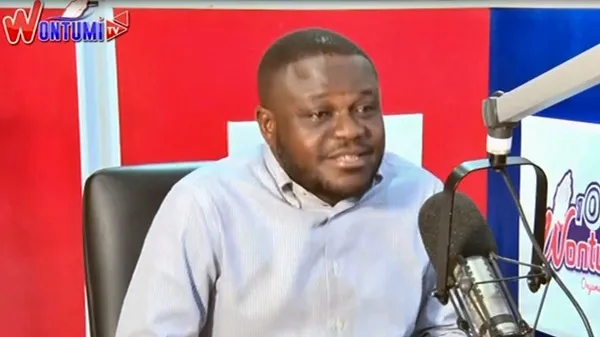
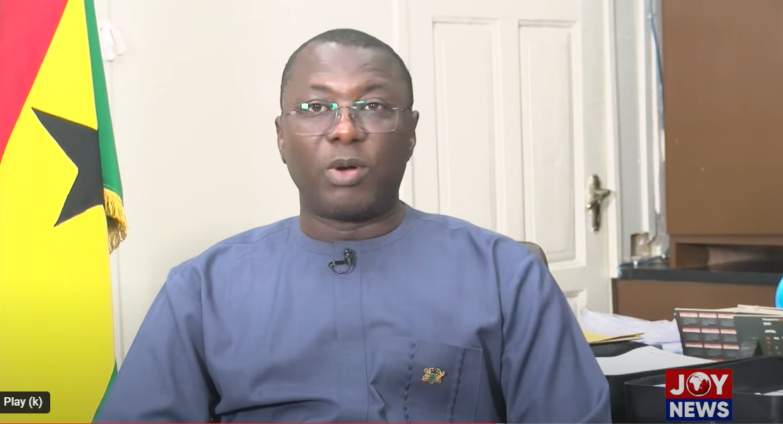
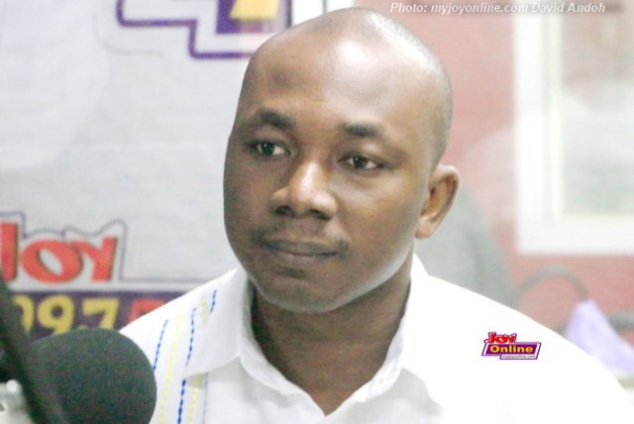
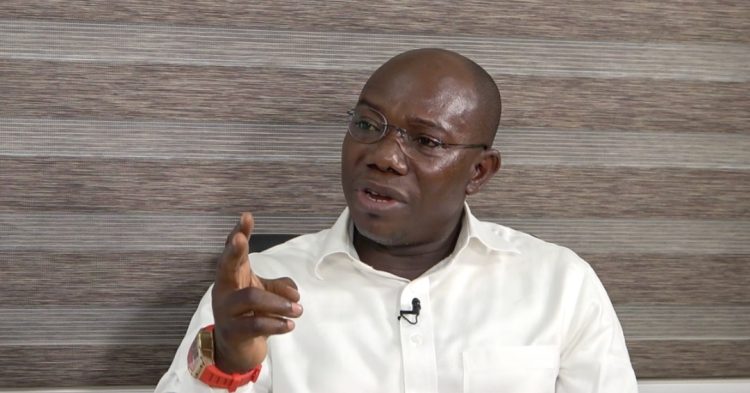
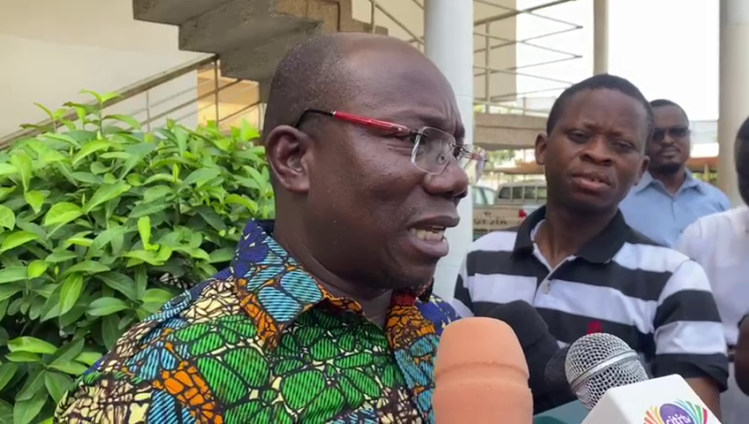
    Evans Nimako, the Director of Elections and Research for the NPP, expressed the party’s contentment with the registration process in an interview with Citi TV.

    He emphasized that the party will thoroughly evaluate the current registration figures before making any further decisions.

    “Our position is that as many as people are qualified under the law, they should be given the opportunity to register.”

    “So if we are saying that they [EC] are expecting 632,000 and at the end of the day, 700,000 people come out, does it mean that the excess of 77,000, they are not going to register them?”

    “Our position is that as many as people are qualified under the law, they should be given the opportunity to register.”

    “So if we are saying that they [EC] are expecting 632,000 and at the end of the day, 700,000 people come out, does it mean that the excess of 77,000, they are not going to register them?”

  • NPP considering an extension of voter registration period

    NPP considering an extension of voter registration period

    The ruling New Patriotic Party (NPP) has announced that an upcoming leadership meeting will determine whether the party will push for an extension of the limited voter registration period.

    This decision will hinge on a review of the registrations conducted by the Electoral Commission (EC) up to now.

    Various political parties and civil society organizations have called for extending the limited voter registration exercise, scheduled to end on Monday, May 27, 2024.

    However, the EC has stated that extending the registration period is not feasible.

    Evans Nimako, the Director of Elections and Research for the NPP, expressed the party’s contentment with the registration process in an interview with Citi TV.

    He emphasized that the party will thoroughly evaluate the current registration figures before making any further decisions.

    “Our position is that as many as people are qualified under the law, they should be given the opportunity to register.”

    “So if we are saying that they [EC] are expecting 632,000 and at the end of the day, 700,000 people come out, does it mean that the excess of 77,000, they are not going to register them?”

    “Our position is that as many as people are qualified under the law, they should be given the opportunity to register.”

    “So if we are saying that they [EC] are expecting 632,000 and at the end of the day, 700,000 people come out, does it mean that the excess of 77,000, they are not going to register them?”

  • Purchase of SSNIT hotels illegal – Ken Agyapong’s brother tells Bryan Acheampong

    Purchase of SSNIT hotels illegal – Ken Agyapong’s brother tells Bryan Acheampong

    Lawyer Ralph Agyapong, a New Patriotic Party (NPP) member, shared legal insights on radio regarding sections of the Companies Act and company registration procedures.

    Ralph, brother to Assin Central Member of Parliament Kennedy Agyapong, addressed recent controversies concerning the planned sale of hotels owned by the Social Security and National Insurance Trust (SSNIT).

    The news this week has been dominated by SSNIT’s decision to sell its shares in four hotels to a company owned by Agriculture Minister Bryan Acheampong.

    Ralph emphasized the legal concerns surrounding Acheampong’s continued directorship at Rock City Hotels Limited while attempting to purchase shares, given his simultaneous role as minister.

    He highlighted that issues of conflict of interest, despite being politically charged, could be based on perceptions rather than concrete evidence.

    “Legally, he didn’t need to buy it. There is now the issue of whether the sale had gotten parliamentary approval and whether the TUC was involved in this sale at all.

    “For the benefit of law students, as a director so registered at the Registrar General, the appointed person and yourself will be called when an issue arises because a minimum of two directors are needed to register a limited liability company.

    “In law, you (as a director) are deemed as a directing mind of the business interest,” he explained stating the the minister’s continued designation as a director needed to be abrogated once he took public office.

    “Joe Ghartey and Godfred Dame are well versed in this basic company law issues and they should be educating NPP communicators,” he stressed in an interview on Okay FM on May 23.

  • Krobo Nkwanta residents in fear over discovery of 2 headless bodies

    Krobo Nkwanta residents in fear over discovery of 2 headless bodies


    Two bodies, believed to be those of nomadic herders, were found at Maame Krobo Nkwanta, also known as Takoratwene, in the Eastern Region.

    This shocking discovery has caused fear among the local residents.

    Kugbesika, a former Assembly member of the area, confirmed the incident, revealing that the heads of the two individuals had been severed.

    He also mentioned that other body parts were removed by the attackers.

    Kugbesika noted that the victims had wounds on their backs, likely from gunshots.

    He shared that one of the herdsmen had reported his two brothers missing and had gone searching for them.

    Sadly, it was later confirmed that the found bodies were those of his brothers.

    Upon being informed, the police visited the crime scene and have started an investigation into the matter.

  • Your reckless borrowing has weakened banks in Ghana – Banking consultant

    Your reckless borrowing has weakened banks in Ghana – Banking consultant

    A renowned banking consultant, Dr. Richmond Atuahene, has expressed concern about the government’s current borrowing strategies, warning that they are pushing many banks toward financial distress and possible bankruptcy.

    During an appearance on the Citi Breakfast Show, Dr. Atuahene criticized the government’s domestic debt exchange program, claiming it has opened the door to irresponsible borrowing.

    He contends that this practice is placing excessive pressure on local banks and adversely affecting the stability of the Cedi.

    “Ever since we went through the domestic debt exchange programme, the government has borrowed as if it’s nobody’s business,” Dr Atuahene remarked. He expressed concern that the government’s borrowing strategy—using short-term funds to finance long-term projects—is unsustainable. “The way we are going, if we continue the trajectory that we are taking, the banks are going to be in trouble because the government is out of the financial market and it is not paying its outstanding debts.”

    Dr. Atuahene further highlighted that the government’s borrowing spree is depriving the private sector of essential capital, thereby stunting economic growth. He refuted claims of economic growth, suggesting that the figures do not reflect reality. 

    “When I hear them say the economy is growing, from the figures available, I don’t see the growth anywhere because it is the private sector that grows the economy and not the government sector. Unfortunately, the private sector is deprived of capital and cannot expand business,” he added.

    Dr. Atuahene further highlighted that the government’s borrowing spree is depriving the private sector of essential capital, thereby stunting economic growth. He refuted claims of economic growth, suggesting that the figures do not reflect reality. 

    “When I hear them say the economy is growing, from the figures available, I don’t see the growth anywhere because it is the private sector that grows the economy and not the government sector. Unfortunately, the private sector is deprived of capital and cannot expand business,” he noted.

  • Information Minister urges media to support advocacy on Broadcasting Bill 

    Information Minister urges media to support advocacy on Broadcasting Bill 

    Minister for Information, has appealed to the media to assist the Ministry in advocating for the passage of the Broadcasting Bill into law.

    She emphasized that the bill has received significant attention under the current administration and requires support to prevent any delays in its enactment.

    “I believe you are aware that over the past few years, we’ve invited stakeholders on the draft broadcasting bill. We’ve done validation exercises, we’ve been going to the AG back, and we’ve called for input among others. Earlier this year, we got a final draft, which we sent back to the AG’s office for their comments. We’ve received the comments, but looking at the scope of work, that is what I must say, so far as the draft is concerned, we are about 90% through with the scope of work, based on the inputs that have come from our stakeholders. That being said, we know that in terms of the draft we are at the final stage,” she emphasised.

    Progressing through various stages, the draft Bill is now poised for its final stage, awaiting presentation before parliament.

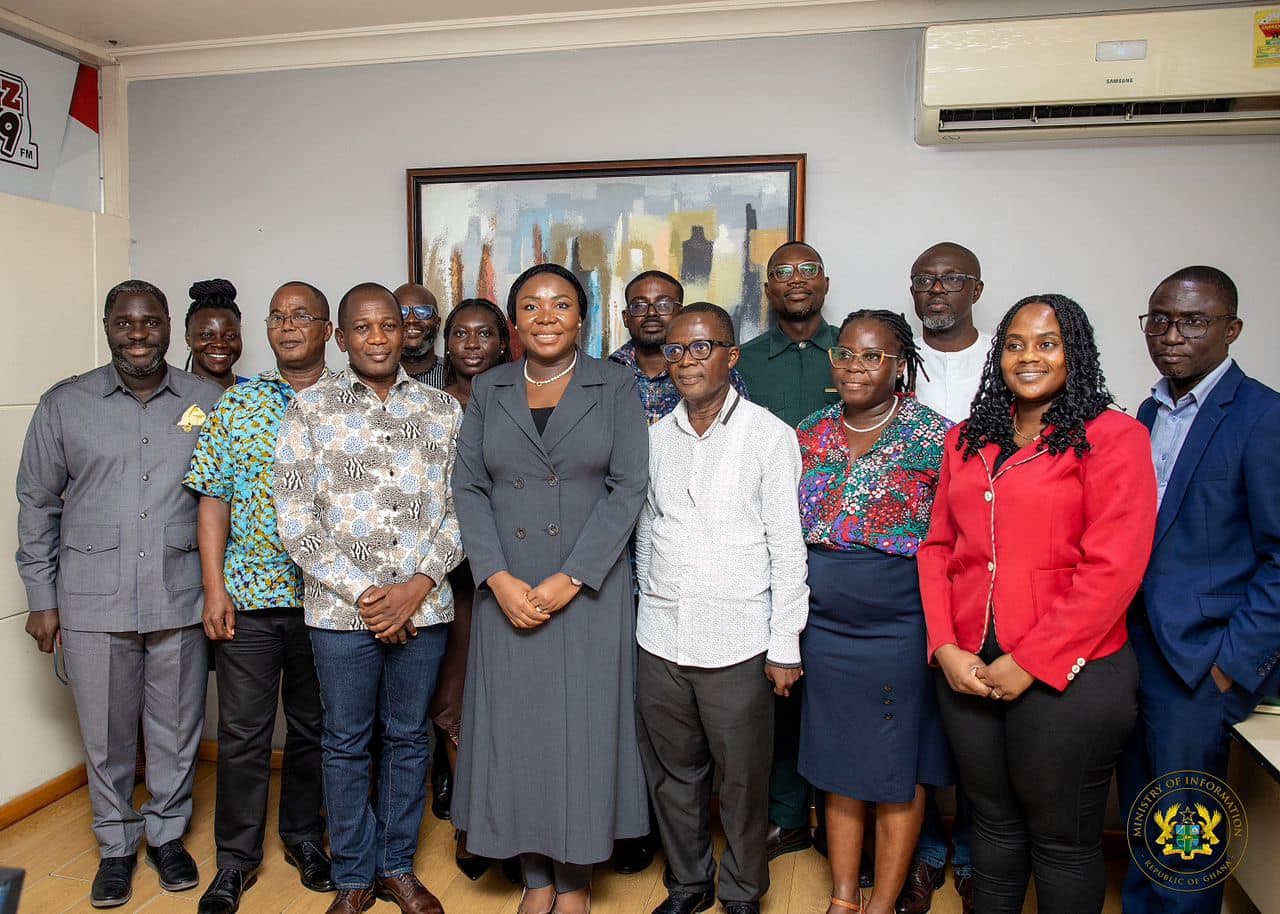
    During her visit to the Multimedia Group Limited in Accra, Fatimatu Abubakar emphasized the significance of the Broadcasting Bill’s advancement.

    The Minister encouraged the management to engage in the 3rd Cohort of the Media Capacity Enhancement Programme, aimed at training 100 journalists nationwide.

    Highlighting other media support initiatives like the International Fund for Public Interest Media (IFPIM), Fatimatu Abubakar stressed the government’s dedication to fostering a conducive environment for journalists.

    Emphasizing collaboration between the media and government, the Minister reiterated the government’s commitment to upholding press freedom and supporting media operations.

    CEO Ken Ansah underscored the need for regulation in the media space, expressing concerns about declining standards.

    The Multimedia Group expressed gratitude for the support from IFPIM and assured the Minister of their commitment to fulfilling their mandate.

    1. African companies lag in digitalization beyond mobile, digital payment systems – IFC

      African companies lag in digitalization beyond mobile, digital payment systems – IFC

      The International Finance Corporation (IFC) of the World Bank has reported that African firms are slow to digitalize beyond mobile and digital payments.

      Nearly two-thirds of firms in the region that have adopted advanced digital payment systems have yet to implement a second advanced digital technology for business functions.

      In a discussion on “Digital Opportunities in African Business,” the IFC noted that while digital payments are widely adopted, they are not the most frequently used payment method. Only 7.0% of firms using digital payment methods report intensive use.

      The IFC also highlighted that although mobile phones and digital payments are crucial entry points to digitalization, they do not necessarily lead to the digitalization of other business functions.

      “As many as 86% of firms use mobile phones for business operations, and 61% have adopted advanced digital technologies for payment. These are by far the most common uses of digital technology by African firms. However, these firms are slow to digitalise beyond mobile and digital payments. Almost two-thirds of firms that adopted advanced digital payment systems in the region have not yet adopted a second advanced digital technology to perform business functions”, it pointed out.

      Progressing through various stages, the draft Bill is now poised for its final stage, awaiting presentation before parliament.

      During her visit to the Multimedia Group Limited in Accra, Fatimatu Abubakar emphasized the significance of the Broadcasting Bill’s advancement.

      The Minister encouraged the management to engage in the 3rd Cohort of the Media Capacity Enhancement Programme, aimed at training 100 journalists nationwide.

      Highlighting other media support initiatives like the International Fund for Public Interest Media (IFPIM), Fatimatu Abubakar stressed the government’s dedication to fostering a conducive environment for journalists.

      Emphasizing collaboration between the media and government, the Minister reiterated the government’s commitment to upholding press freedom and supporting media operations.

      CEO Ken Ansah underscored the need for regulation in the media space, expressing concerns about declining standards.

      The Multimedia Group expressed gratitude for the support from IFPIM and assured the Minister of their commitment to fulfilling their mandate.

    2. New GRA Board Chair, Joe Ghartey, vows to enhance revenue

      New GRA Board Chair, Joe Ghartey, vows to enhance revenue


      Joe Ghartey, the newly appointed Board Chair of the Ghana Revenue Authority (GRA), has committed to enhancing the government’s revenue goals while preserving the Authority’s business-friendly ethos.

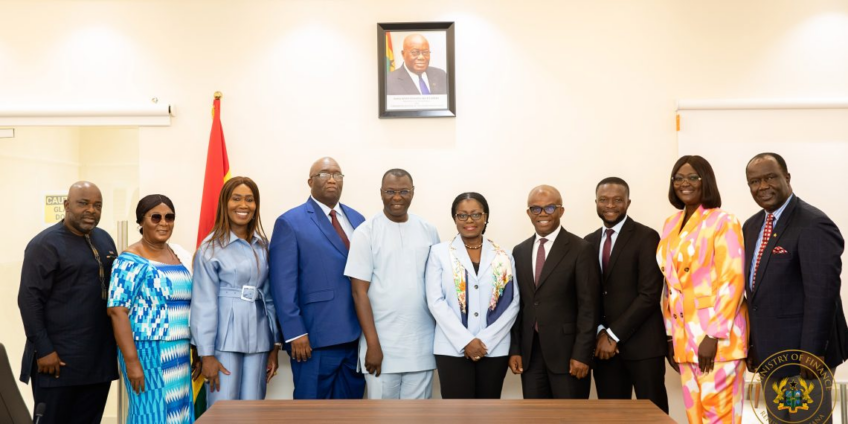
      President Nana Akufo-Addo appointed Ghartey to this role on Wednesday, May 22, and during a brief inaugural ceremony overseen by the Finance Minister, Ghartey, who also serves as the current Member of Parliament for Essikado-Ketan, underscored the urgency of meeting GRA’s targets in a timely manner.

      During a concise inaugural event overseen by the Finance Minister, Mr. Ghartey, who concurrently holds the position of Essikado-Ketan MP, emphasized the critical need to promptly achieve GRA’s targets.

      “The GRA is very crucial in the life of our nation, especially at this time and to say the level of revenue we collect in this country in percentage wise needs much to be desired is a gross understatement,” he said.

      Mr Ghartey added: “The Minister in his speech has clearly given us his thinking about where we should be going. The balance is to increase the revenue and at the same time to be business-friendly to try to keep up with the target.”

      He assumes the position previously held by Dr. Oteng-Gyasi, who stepped down on March 26, 2024, resulting in the dissolution of the GRA Board.

      As part of the restructuring, Rev. Dr. Amishaddai Owusu-Amoah, the former Commissioner General, has been replaced by Miss Julie Essiam. Mr. Ghartey, embracing this change, stressed the importance of adaptability and innovation in navigating the evolving tax landscape.

      Prioritizing digital solutions, the GRA aims to improve efficiency, transparency, and the taxpayer experience, fostering a more dynamic and responsive revenue ecosystem.

      Other board members include former Deputy Minister for Finance, Dr. Alex Ampaabeng; Commissioner-General for GRA, Julie Essiam; Deputy Minister for Trade, Michael Okyere Baafi; and 2nd Deputy Governor for the Bank of Ghana, Elsie Addo Awadzi.

      Additionally, Susan Akomea, Immediate Past Municipal Chief Executive of Asante Akyim Central and co-founding member of CENAB UK; Araba Bosomtwe, an MPA holder with international administrative experience; and Kwabena Abankwah Yeboah, a fellow of the Ghana College of Pharmacists and board member of ADB Bank, also serve on the board.

    3. Election construction: Work on Greda Roundabout to Krowor road begins

      Election construction: Work on Greda Roundabout to Krowor road begins

      Member of Parliament for Ledzokuku and Deputy Minister of Health, Dr. Bernard Okoe Boye, has announced that construction work has commenced on the Greda roundabout to Krowor road.

      This development marks a significant step in improving transportation infrastructure in the area, promising smoother travel and reduced congestion for residents and commuters.

      Dr. Okoe Boye expressed optimism about the project’s positive impact on the community’s development.

      On his X page he wrote, “The road from Greda Roundabout to Krowor aka Fertilizer Road is receiving attention. It’s all about development.”

      Read the post below:

    4. Video: Adenta MP carries school children to cross flooded road after Wednesday’s rainfall

      Video: Adenta MP carries school children to cross flooded road after Wednesday’s rainfall

      Member of Parliament for Adenta Constituency, Mohammed Adamu Ramadan, has been spotted carrying school children in a bid to assist them cross a flooded road.

      This kind act by the MP is believed to have occurred in his constituency, ensuring the safe journey home of school children after heavy rainfall caused severe flooding yesterday.

      He has further received applause from many on social media for this action.

      Here is the video below:

    5. Asantehene is richer than anyone in Ghana – Proud Asante man argues

      Asantehene is richer than anyone in Ghana – Proud Asante man argues

      A proud Ashanti man has confidently asserted that Asantehene, Otumfuo Osei Tutu II, is the wealthiest figure in Ghana.

      According to him, Otumfuo may not publicly display his wealth due to constitutional regulations, but he possesses vast riches and has the potential to transform the Ashanti region if he chooses.

      “No one in Ghana is richer than Otumfuo. He literally sits on money. For instance, if someone claims to be a chairman and has obtained land for gold mining, whose land is it? It’s Otumfuo’s,” an unidentified voice responded. “So, if you’re mining gold on Otumfuo’s land, whose money are you really sitting on?” Another voice in the video asked, “So Otumfuo is wealthier than everyone in Ghana?” The response was, “Who else could it be?”

      Asantehene Otumfour Osei Tutu recently celebrated his birthday.

      Otumfour Osei Tutu II turned 74 years old on May 6th 2024.

      The king threw a mega party for himself where he made merry with friends and loved ones.

      According to a report, the party saw great people from all walks of life including the Ga Mantse who flew all the way from Accra for the party in Kumasi.

    6. Collaborate effectively with relevant institutions to block revenue leakages – Amin Adam to incoming GRA Board

      Collaborate effectively with relevant institutions to block revenue leakages – Amin Adam to incoming GRA Board

      The Minister of Finance, Dr. Mohammed Amin Adam, has urged the newly constituted Ghana Revenue Authority Board to collaborate closely with relevant institutions and stakeholders to combat tax non-compliance and prevent revenue leakages.

      Dr. Adam emphasized the importance of the revenue-generating institution achieving its medium-term revenue targets, aiming for an 18%-20% tax/GDP ratio, and meeting all indicative targets and structural benchmarks related to revenue under the IMF program.

      These remarks were made during the inauguration of the nine-member board of the Authority, chaired by Hon. Joe Ghartey, a former Minister for Railway Development. Other members include Deputy Minister for Finance, Dr. Alex Ampaabeng; Commissioner-General for GRA, Ms. Julie Essiam; Deputy Minister for Trade, Hon. Micheal Okyere Baafi; and 2nd Deputy Governor for the Bank of Ghana, Mrs. Elsie Addo Awadzi.

      Madam Susan Akomea, Immediate Past Municipal Chief Executive of Asante Akyim Central and Co-founding member of CENAB UK, Mrs. Araba Bosomtwe, a Master of Public Administration (MPA) holder with international experience in high-level administrative duties, and Mr. Kwabena Abankwah Yeboah, a fellow of the Ghana College of Pharmacists and a board member of the ADB bank, are among the new members.

      Dr. Amin Adam highlighted that, through close collaboration with other relevant stakeholders, the new Board could effectively address issues such as alleged harassment of business owners, employ digitalization drives to streamline tax administration, and reduce heavy dependence on “human interventions.”

      These measures, the MP for Karaga observed, could help enhance the confidence that Ghanaians have in the GRA, ultimately leading to the generation of the necessary revenue for development.

      ‘Over the next few days I will be holding stakeholder meetings with institutions involved with GRA to address issues of alleged harassment of businesses and discuss how we can work to improve the business climate in order for investors to feel confident about investing and doing business in Ghana’ he disclosed.

      The MP for Karaga again entreated the Board to ‘Prioritize necessary improvements and additions to GRA’s physical infrastructure; Augment ongoing efforts aimed at fully implementing the Integrated Tax Administration System (ITAS); Build the capacity of our officers; and Improve the quality of our data analysis for informed decision making’.

      After assuring the Board of his unflinching support and commitment to lead the staff to drive the GRA to new heights, he added ‘We must leave this inauguration with a dedicated resolve to change the narrative and eclipse a 20% threshold of revenue to GDP within the shortest possible time’.

      The Finance Minister also commended the previous Board for effective revenue mobilization and noted that, ‘By the numbers, the Authority has consistently met its revenue targets, and I believe strong leadership and dedicated staff have been pivotal in these achievements’.

      On behalf of the Board, Hon. Joe Ghartey, Chairperson, said that the Ghana Revenue Authority’s performance was critical, especially at this juncture in the nation’s history, and that it was a unique opportunity to serve the nation.

      ‘The balance is to increase the revenue and at the same time remain business-friendly and improve the ease of doing business in Ghana, so we thank the President for his confidence in us and assure him of our commitment to bring the needed positive changes at GRA ’’  he stated.

    7. It’s better to borrow from loan sharks than from banks in Ghana – Franklin Cudjoe

      It’s better to borrow from loan sharks than from banks in Ghana – Franklin Cudjoe

      The savings culture of most Ghanaians has taken a hit due to ongoing economic challenges such as a depreciating local currency, high interest rates, and surging inflation.

      These challenges are impacting Ghanaians of all age groups, severely limiting investment opportunities due to steep interest rates for borrowing in both the public and private sectors.

      In response to the high interest rates, the Founding President of the policy think-tank, IMANI Africa, has proposed an unconventional solution.

      He suggests that borrowing from loan sharks may be a more viable option than borrowing from banks with excessively high interest rates.

      Franklin Cudjoe, in a post shared on X on May 22, also criticized President Akufo-Addo’s recent remarks about his legacy, suggesting that it falls short of being enviable during his 7-and-a-half-year tenure in office.

      “Borrowing from loan sharks may be more favorable than borrowing from banks in Ghana. 55% interest rates and Nana Addo says he has left an enviable legacy?” Franklin Cudjoe wrote.

      Businesses, particularly in the private sector, have expressed concern over the high interest rates and have constantly asked the government and Central Bank to enact policies aimed at lowering lending interest rates.

      The private sector, which frequently depends on loans for business operations, has been pushed out as a result of this circumstance.

    8. Environmental degradation costs Ghana US$54bn annually – EPA

      Environmental degradation costs Ghana US$54bn annually – EPA

      Executive Director of the Environmental Protection Agency, Dr. Kingsley Krugu, has revealed that an economic evaluation of environmental degradation in Ghana amounts to US$54 billion annually.

      The degradation activities encompass illegal mining, pollution of water bodies with chemicals such as mercury, degradation of coastal habitats, and climate change-induced phenomena like erosion and displacement of coastal communities.

      Speaking at a ceremony marking this year’s World Biodiversity Day (WBD) in Accra, Dr. Krugu suggested that the assessed value might even be higher.

      World Biodiversity Day (WBD) is designated by the United Nations to enhance awareness and understanding of biological diversity.

      The theme for this year, “Be Part of the Plan,” serves as a reminder of human responsibility toward the environment, as enshrined in Article 41 (k) of the 1992 Constitution of the Republic of Ghana.

      It urges action from all stakeholders and the public to halt and reverse the loss of biodiversity by supporting the implementation of the Kunming-Montreal Global Biodiversity Framework (KMGBF).

      Dr. Kurugu highlighted that in the 20th Century, Ghana could boast approximately 145,000 square kilometers of closed forest reserves, but presently, it has less than 15,000 square kilometers remaining.

      “We have lost and still losing this important biodiversity due to uncontrolled anthropogenic activities coupled with over exploitation of resources for economic gains without recourse to the regeneration capacity of the forest,” he said, and urged the public to contribute to protection of nature.

      He observed that despite numerous ongoing programs and initiatives in the country aimed at ensuring the sustainable management of biodiversity for national development, the anticipated outcomes have not yet been achieved.

      Ophelia Mensah Hayford, the Minister of Environment, Science, Technology, and Innovation, emphasized that the natural heritage supports unique species of plants and animals, many of which are exclusive to Ghana.

      “As custodians of this invaluable biodiversity, we are responsible for ensuring its protection, conservation, and sustainable utilisation for the benefit of present and future generations,” she said.

      She stated that the Ministry was dedicated to creating plans that combine the preservation of biodiversity with sustainable use in all areas, such as urban planning, forestry, agriculture, and fisheries.

      “We will continue to sstrengthen capacity-building initiatives, environmental education, and public awareness campaigns to empower individuals, communities, and stakeholders to actively participate in biodiversity conservation efforts at all levels to foster a culture of environmental stewardship,” she stated.

      MESTI, she added, would collaborate with government agencies, civil society organisations, academia, private sector entities, and development partners to mobilise resources, share knowledge, and implement coordinated actions for biodiversity conservation.

    9. Ghana targets 10% increase in Green Energy by 2030 – Deputy Energy Minister

      Ghana targets 10% increase in Green Energy by 2030 – Deputy Energy Minister

      Deputy Energy Minister, Collins Adomako-Mensah, highlights the substantial potential and challenges of green hydrogen development in sub-Saharan Africa.

      Speaking at a symposium themed “The Future of Green Hydrogen in Sub-Saharan Africa: The Role of Communication Technology and Higher Educational Institutions,” 

      Mr. Adomako-Mensah underscored the strategic significance of green hydrogen for the continent’s clean energy future.

      The symposium shed light on the interplay of crucial factors shaping the future of clean energy, especially in Africa.

      “Green hydrogen, produced from renewable energy sources like solar power, presents a transformative opportunity,” he said.

      Mr. Adomako-Mensah recognized the economic production hurdles associated with green hydrogen but emphasized its vast potential for regions like Africa.

      “The potential for producing green hydrogen in high-sunbelt regions, including Africa, is enormous, and the benefits are multiple,” he stated.

      The Deputy Energy Minister highlighted that the emerging green hydrogen industry is poised to advance the development of renewable energy sectors such as wind, solar, and hydropower.

      He noted that this advancement would effectively address power access challenges, attract investments, and significantly contribute to meeting emission reduction targets.

      Mr. Adomako-Mensah underscored Ghana’s commitment to a strategic framework for a gradual energy transition, notwithstanding its limited resources compared to developed nations.

      He emphasized Ghana’s dedication to exploring various sources for economically harnessing hydrogen for both domestic development and export.

      By 2030, Ghana aims to achieve a 10% increase in renewable energy installed capacity within its national energy mix, aligning with commitments under the Paris Agreement.

      The Deputy Minister showcased ongoing projects, including the 106 MW installed solar capacity and the VRA Kaleo Phase II project, which has augmented the total installed capacity to 13 MW.

      Additional initiatives encompass a 200 MW solar park by the Volta River Authority and the Scaling Up Renewable Energy Programme, targeting an additional 68 MW by 2025.

      He also acknowledged collaboration with the German government under the Ghana Go Solar project, with the aim of delivering 22 MW of installed solar capacity to public buildings, thereby reducing national grid consumption and public sector debt to power utilities.

      Adomako-Mensah emphasized the broader implications of green hydrogen, referencing the 2027 launch of a $562 billion energy transition framework at Sharm El Sheikh.

      This framework sets ambitious goals for renewable energy capacity and the electrification of road vehicles by 2045, with the objective of significantly reducing carbon emissions.

      He called for sustained partnerships in research and development, particularly in green hydrogen production, while highlighting the pivotal role of higher educational institutions and research centers in driving these efforts.

      The P-Plant Centre for Industrial Research and Innovation at the Ghana Communication Technology University (GCTU) received commendation for its pioneering work in green hydrogen technologies, encompassing electrolysis, renewable energy integration, and hydrogen storage.

      In conclusion, Adomako-Mensah expressed gratitude for the ongoing support from development partners like GIC of Germany and called for stronger capacity development and investment ties to achieve a climate-resilient, sustainable future.

      He expressed confidence that the shared knowledge from the symposium would fuel innovation and promote the green hydrogen sector in Ghana and beyond.

      Prof. Amevi Acakpovi, the Acting Vice-Chancellor of Accra Technical University, delivered a compelling address on the opportunities and challenges of green hydrogen at the symposium.

    10. Ghana officially bankrupt – Mahama’s comment on external debt default in 2022

      Ghana officially bankrupt – Mahama’s comment on external debt default in 2022

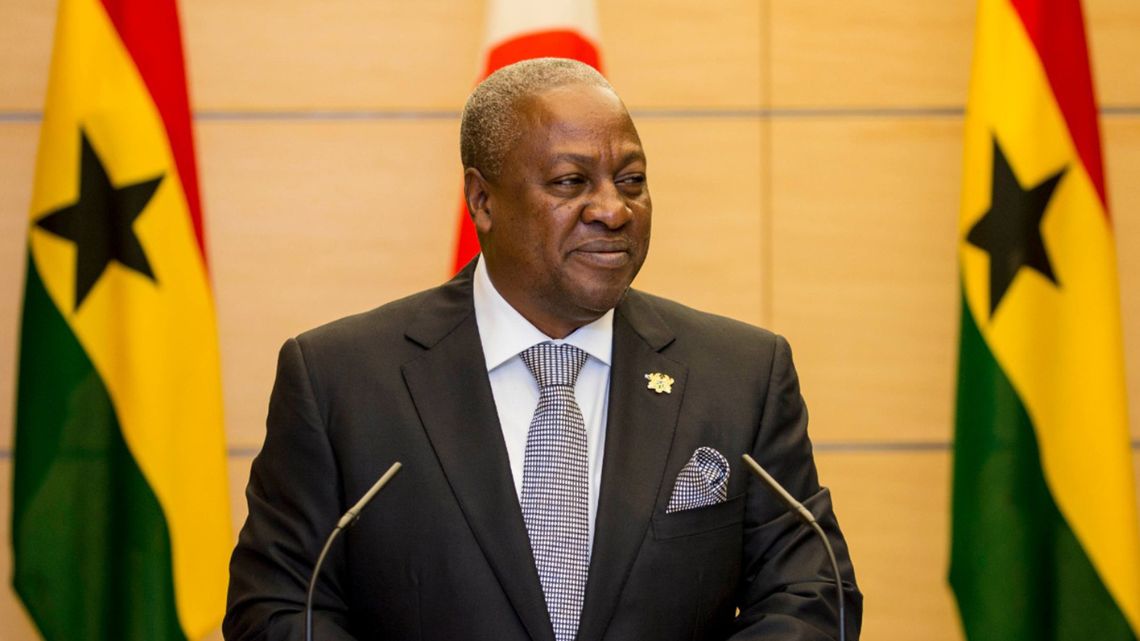
      On December 20, 2022, former President John Dramani Mahama declared Ghana as bankrupt.

      His statement came after the government announced its inability to fulfill certain categories of its external debt repayments as per the agreed terms.

      Former President John Dramani Mahama responded to the government’s announcement regarding its inability to fulfill certain categories of its external debt repayments.

      In a statement dated Monday, December 19, the Ministry of Finance announced the suspension of all debt service payments under specific categories of the country’s external debt component.

      The government stated that this move is an interim emergency measure pending further agreements with the relevant creditors, while some analysts have described it as Ghana effectively defaulting on its external debt.

      Former President Mahama’s response was conveyed through a tweet posted on his official handle, consisting of just four words, “Tragic! Ghana officially bankrupt.”

      What else the Finance Ministry statement said:

      GhanaWeb Business was able to obtain a copy of the Ministry’s announcement, which stated that the decision is subject to an orderly restructuring of the relevant debt obligations.

      It clarified that payments on Ghana’s commercial term loans, Eurobonds, and a sizable amount of its bilateral debt will all be suspended.

      “This suspension will not include the payments of our multilateral debt, new debts (whether multilateral or otherwise) contracted after 19th December 2022 or debts related to certain short-term trade facilities,” the statement noted.

      “We are also evaluating certain specific debts related to projects with the highest socio-economic impact for Ghana which may have to be excluded. This suspension is an interim emergency measure pending future agreements with all relevant creditors,” it added.

      However, the Finance Ministry emphasized that the government is committed to engaging with its external creditors to conduct a transparent, equitable, and comprehensive debt restructuring process in accordance with international standards.

      Additionally, it stated that the Ministry of Finance will host an investor presentation at a date to be announced in the near future.

    11. You need GHC150,300 to get $10k yet gov’t tells us nothing is going on – NPP supporter laments

      You need GHC150,300 to get $10k yet gov’t tells us nothing is going on – NPP supporter laments

      Amidst the ongoing economic challenges in the country, certain disgruntled traders and members of the Ghana Union of Traders Association (GUTA) have voiced their frustration, particularly highlighting the crippling exchange rate and soaring import duties as major concerns.

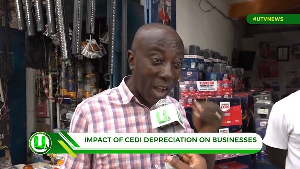
      During an interview with Accra-based UTV, one trader, who identifies as a supporter of the New Patriotic Party (NPP), criticized the government for neglecting the plight of citizens despite the nation’s wealth of natural resources.

      The trader specifically highlighted the alarming exchange rate of 150,300 cedis to 10,000 dollars, which has significantly complicated the process of importing goods.

      “Right now, if you want to exchange cedis for dollars, you need 150,300 to get 10,000 dollars.

      “Yet those in power tell us that nothing is going on, the country is doing great.

      “I’m an NPP supporter, yet when you’re trying to tell the government the truth, they pretend they aren’t hearing anything.

      “Why is it that we are suffering in this tiny country like Ghana?” he lamented.

      The trader reminisced about the economic stability experienced during former President Agyekum Kufuor’s tenure, noting that the exchange rate remained relatively stable at 1 dollar to 4 cedis.

      They questioned why Kufuor wasn’t being consulted regarding the current economic challenges.

      “Kufuor did a good job with the economy when the exchange rate was 1 dollar to 4 cedis. He is still alive.

      “Why aren’t they [the government] going to consult him? Why are they allowing us to suffer like this,” he quizzed.

      In a hilarious moment, the trader’s frustration boiled over as he addressed the journalist, “You’re questioning me, have you eaten this morning? Have you?”

      This conversation arises amidst demands for the government to intervene and mitigate the escalating depreciation of the cedi, along with its economic repercussions.

    12. Speeding bus kills 3 at Offinso-Anyinasusu

      Speeding bus kills 3 at Offinso-Anyinasusu

      In an accident at Anyinasusu in the Offinso South Municipality of the Ashanti Region, at least three people have lost their lives, with several others sustaining injuries.

      The tragic incident unfolded on Tuesday, May 21, shortly after 11 p.m., involving a collision between a Yutong bus traveling from Kumasi to Gaaru and a Rhino vehicle.

      The three fatalities were pronounced dead at the scene.

      Ibrahim Yogo, the Assemblyman for Anyinasusu, confirmed the incident to the media, attributing the cause to the absence of speed bumps on the road. He emphasized that the presence of speed bumps could have compelled drivers to reduce speed, potentially preventing the accident.

      Mr. Yogo further reported that the bodies of the deceased have been taken to a nearby hospital for preservation and identification.

      Currently, survivors of the accident are undergoing medical treatment for their injuries.

      “The speeding bus embarked on an overtaking, colliding with the truck which was carrying mangoes at the time. The three victims were discovered dead during a rescue mission while the others survived with various degrees of injury.”

      “They are currently receiving treatment at the St. Patrick’s Government Hospital. The bodies of the deceased have also been deposited at the same hospital for preservation and identification,” Mr Yogo narrated.

      “The accident occurred in a neighbouring town close to my electoral area. Our road in recent times has now become a death trap due to a lack of speed ramps. And so, we plead with authorities to build speed ramps on the adjoining communities to avoid such crashes”, he added.

    13. Freemasons to visit Otumfuo to commemorate Golden Stool anniversary

      Freemasons to visit Otumfuo to commemorate Golden Stool anniversary

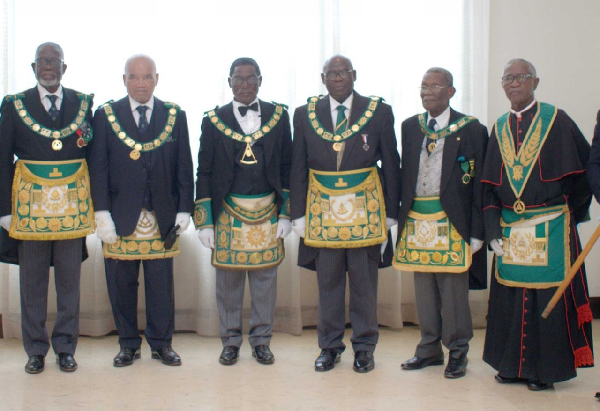
      Freemasons from across Ghana and beyond are set to convene in Kumasi this weekend to commemorate two significant milestones for Otumfuo Osei Tutu II: his 25th anniversary on the Golden Stool and his 25th anniversary as a Freemason.

      Additionally, the event will mark the 15th anniversary of the Grand Lodge of Ghana.

      The celebration, scheduled to be held at the Sir Agyemang Prempeh II Masonic Hall, will honor Otumfuo Osei Tutu II, who serves as the Grand Patron of the Grand Lodge of Ghana.

      Otumfuo Osei Tutu II ascended to the Golden Stool in 1999 and has been a steadfast supporter of Freemasonry throughout his reign. Following the formal Masonic ceremony, festivities will continue at the Jubilee Hall in Manhyia, fostering a sense of unity and brotherhood among attendees.

      Established on January 24, 2009, the Grand Lodge of Ghana serves as a “Sovereign Masonic Body.”

      The Grand Lodge of Ghana oversees a significant number of subordinate lodges and is organized into four provincial Grand Lodges: South West (Cape Coast), South East (Accra), North (Kumasi), and East (Lome & Volta). The United Grand Lodge of England was the first to recognize the newly constituted Grand Lodge of Ghana.

      Most Worshipful Brother Charles William Stanley-Pierre was installed as the inaugural Grand Master, succeeded by Most Worshipful Brother Otwasuom Osae Nyampong VI in 2013, and Most Worshipful Brother N/Capt Kwadjo Adunkwa Butah in 2017.

    14. Tanker drivers and AOMCs to hold urgent meeting today to avert looming fuel shortage

      Tanker drivers and AOMCs to hold urgent meeting today to avert looming fuel shortage

      The Association of Oil Marketing Companies (AOMC) has announced plans to convene a crucial meeting with the Ghana National Petroleum Tanker Drivers Union (GNPTDU) today in order to prevent a potential shortage of petroleum products in the market.

      The union declared a strike on Monday, May 19, 2024, citing dissatisfaction with their remuneration.

      In an interview with Joy Business, Dr. Riverson Oppong, the Chief Executive Officer of the AOMC, revealed that some service stations are already facing stock shortages.

      He emphasized that the association is taking proactive measures by holding discussions with both the vehicle owners and the tanker drivers today.

      “We are going to sit down with the tanker union. We will meet both the owners and the drivers to make sure that we come to a consensus as on how to go about it”, he said.

      Dr. Oppong denied assertions that the oil marketing corporations don’t care about drivers’ conditions.

      “I don’t want people to think that we don’t care about the drivers. We care about the drivers. We do care about our drivers. We are against the fact that some of our members are owing the tanker owners who in turn also owe the drivers”.  

      According to him, the discussion will result in a constructive proposal that would aid in putting an end to the strike.

      AOMC express fear of fuel shortage

      The AOMC previously voiced profound concern over the strike initiated by the GNPTDU concerning the proposed remuneration framework for Drivers and Mates.

      It cautioned that if the deadlock is not swiftly resolved, it could escalate into a severe crisis, potentially leading to fuel shortages.

      The association noted its ongoing efforts to address the GNPTDU’s grievances, recognizing the pivotal role tanker drivers play in the petroleum supply chain.

      “However, repeated efforts by the AOMC to engage with the leadership of GNPTDU to address their concerns have unfortunately been unsuccessful. The extensive efforts made to amicably address the issues, including seeking the intervention of the Trades Union Congress (TUC) have been unsuccessful”, a statement signed by the Chief Executive of the AOMC, Dr. Riverson Oppong said earlier.

      It explained that AOMC members, who operate a significant portion of the tanker fleet are heavily reliant on the drivers.

      “Therefore, if the remuneration issue remains unresolved, a strike action could disproportionally impact our members who own and operate about 50% of the country’s tankers. The scenario could compel them to defect from the Drivers Union altogether”, it said.

    15. Recently renovated UG hostels worth $16m floods after heavy rainstorm

      Recently renovated UG hostels worth $16m floods after heavy rainstorm

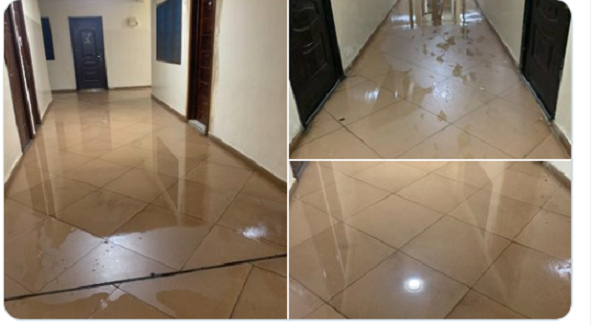
      After a heavy downpour on May 22, 2024, the recently renovated hostels managed by the University of Ghana Enterprise Limited (UGEL) on the University of Ghana campus experienced flooding.

      Video footage shared by Radio Univers, a campus-based station, depicted extensive flooding in several corridors and some rooms within the hostels.

      These images have brought attention to the state of the UGEL halls, which underwent renovation with a US$16 million budget allocated by the government to serve as a Game Village for the recent African Games.

      In another report by TV3, students residing in the diaspora halls voiced their dissatisfaction with the current conditions of the halls.

      Despite the refurbishment efforts, certain parts of the halls are leaking, the reading rooms and kitchens are in poor condition, and students are grappling with inadequate Wi-Fi connectivity.

      “When we saw the renovation, we thought by the time we come back, life in the diaspora halls would be very good. But, when we came, we saw otherwise,” one student told TV3.

      “Currently, most of the rooms lack tables and chairs,” another student lamented.

      Watch video below:

    16. Residents of Jirapa express displeasure as Wa High Court transfers murder case to Kumasi

      Residents of Jirapa express displeasure as Wa High Court transfers murder case to Kumasi

      Residents of Jirapa in the Upper West Region have expressed dissatisfaction with the recent decision of the Wa High Court to suspend the murder trial proceedings of Eric Johnson, the CEO of the Royal Cosy Hills Hotel.

      The court announced the suspension of the trial following claims made by the lawyers representing the accused that the Chief Justice had ordered the case to be transferred to Kumasi.

      This decision has been met with disapproval from members of the Jirapa community, many of whom were present in court to observe the proceedings.

      Mr. Johnson, the former CEO of the Royal Cosy Hills Hotel, was brutally murdered, and three individuals are currently on trial for his killing.

      State prosecutors, led by Saed Abdul Shakuur, along with the defence team, were prepared to commence the hearing when the lead counsel for the accused, Clement Eledi, presented a letter claiming that Chief Justice Gertrude Torkornoo had directed the case to be relocated to Kumasi in the Ashanti Region.

      Consequently, the court decided to pause the proceedings to authenticate the letter from the Chief Justice’s office.

      Principal State Attorney Saed Abdul Shakuur expressed astonishment at this turn of events, highlighting that the prosecution was ready to proceed with 11 witnesses, seven of whom are located in Wa, and three are officers at the regional police headquarters.

      “When we entered the court, the lawyer for the accused gave us a letter, purporting to be a letter from the CJ…instructing the district court to immediately transfer the matter to the high court in Kumasi. But I think that there’s more. We have 11 witnesses. Seven of them are in Wa.”

      “Three are officers at the police regional headquarters. So, we intended to start the trial next week with the lawyers and we have since had conferences with everybody, we have filed witness cases and everything and so the case was about to start until this happened.”

      Several residents from Jirapa, present at the court, voiced their opposition to the decision to relocate the case to Kumasi.

      One resident questioned the authenticity of the petition that led to the Chief Justice’s directive. They suggested that if the petition originated from the accused’s mother, it might indicate a biased interest, making it equally pertinent for the local community of Jirapa.

      The residents are worried that transferring the case to Kumasi would be unfair, considering that the murder occurred in Jirapa. They argued that traveling to Kumasi for every hearing would be inconvenient and costly. Consequently, they are urging that the trial be conducted in Wa, where the crime was committed.

    17. Hopeson Adorye arrested by police over claims of detonating dynamite

      A prominent member of the Movement for Change, Hopeson Adorye, has been arrested by the police for claiming that he detonated dynamites in the Volta Region during the 2016 General Elections.

      Mr. Adorye made this assertion during a radio interview in Accra, which has since gone viral. He stated that the dynamite was detonated to aid the NPP in winning the 2016 elections.

      He is currently in custody and is expected to appear in court on Thursday, according to sources.

    18. Akufo-Addo publishes complete KPMG report on GRA-SML deal

      Akufo-Addo publishes complete KPMG report on GRA-SML deal

      President Nana Akufo-Addo has released the KPMG audit report on the controversial contract between the Ghana Revenue Authority (GRA) and Strategic Mobilisation Limited (SML).

      This release comes after weeks of increasing pressure from the public and civil society organizations calling for transparency due to reported issues with the contract.

      The President commissioned KPMG to audit the contract on January 2, 2024, with an initial deadline of January 16, 2024, which was later extended to February 23, 2024.

      The audit revealed that SML received GH¢1,061,054,778.00 from 2018 to the present while only partially fulfilling its obligations.

      It also noted that SML’s efforts had contributed to increased revenue in the downstream petroleum sector.

      However, SML disputes the audit’s claim of receiving GH¢1,061,054,778.00, arguing that KPMG cited the figure “without reference to the investments made and the taxes paid” during the review period.

      On May 8, the Presidency denied a Right to Information (RTI) request from the Media Foundation for West Africa (MFWA) for the full KPMG audit report.

      However, the Presidency has now reversed its stance and released the report.

    19. Bawumia’s initiative to equip ‘Kayayei’ with driving skills unveiled

      Bawumia’s initiative to equip ‘Kayayei’ with driving skills unveiled

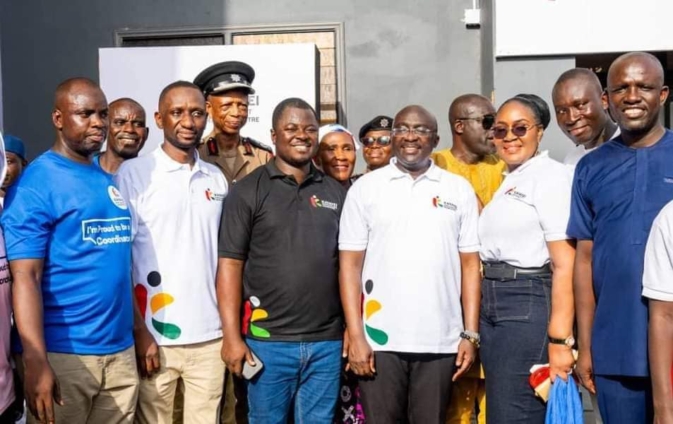
      Flagbearer of the New Patriotic Party (NPP), Dr. Mahamudu Bawumia, has unveiled a plan to teach driving skills to head porters, known as “kayayei.” This initiative was announced during the launch of the “Kayayei Empowerment Programme” in Madina on Tuesday, May 21.

      In his speech, Dr. Bawumia expressed his commitment to generating opportunities for marginalized groups. He underscored the importance of this program in offering practical skills that can pave the way to sustainable employment for the kayayei.

      “In addition to the strides already made, I am thrilled to announce that discussions are ongoing with Metro mass and Ayalolo to teach them (kayayei) driving.”

      The program, launched by the Youth Employment Agency (YEA), features a three-story facility with additional amenities, serving as both a residence and a training center for the kayayei.

      This facility is designed to provide a supportive environment for head porters as they acquire new skills.

      The Kayayei Empowerment Programme aims to train 5,000 young women from May to November 2024, with 600 participants in each monthly cohort.

      The training will focus on providing practical skills and knowledge to prepare the participants for various trades and occupations, including driving.

      During the three-week training period, participants will receive startup kits, stipends, and free accommodation.

      This comprehensive support is intended to ensure that the kayayei fully benefit from the training and transition smoothly into their new roles.

    20. Majority accuses minority of blocking incentives for businesses

      Majority accuses minority of blocking incentives for businesses

      Parliament of Ghana is still to grant tax exemptions for 42 selected companies under the One District, One Factory (1D1F) programme, due to delays by the Parliament’s Finance Committee in scrutinizing these firms.

      Mr Alexander Afenyo-Markin, the Majority Leader, has condemned this delay as a deliberate move by the Minority to impede the government’s efforts to attract investment into the country.

      In 2021, the government sought Parliament’s approval for tax exemptions for various businesses participating in the flagship 1D1F industrialization policy.

      This initiative aimed to signal to the international investor community that Ghana offers a conducive environment for business, thereby boosting economic contributions.

      However, the process has been hampered by extensive parliamentary delays, primarily due to demands for further deliberation and scrutiny by members of the Minority caucus.

      Mr Cassiel Ato Forson, a prominent figure in the Minority, has strongly opposed advancing the entire list of exemptions from the committee stage, citing irregularities with some listed companies and their requested tax exemption amounts.

      The Minority also rejected a proposal to present 15 companies, deemed free of irregularities, to the floor of Parliament, leaving the Majority Leader visibly frustrated. While some arguments against presenting the list may have merit, the prolonged delay—now in its fourth year—raises concerns about an intentional effort to obstruct the government’s agenda.

      These delays pose a threat to industrial growth.

      The exemptions are intended to lower operational costs, making it more enticing for businesses to establish and expand their operations.

      Without these incentives, affected companies may scale back their plans, leading to slower industrialization and fewer job opportunities, thereby undermining the objectives of the 1D1F programme.

      Moreover, the ongoing impasse could negatively impact investor confidence in Ghana.

      International investors seek stability and predictability in economic policies.

      The perception of political gridlock and uncertainty surrounding the tax exemption process may deter potential investors, who fear similar bureaucratic hurdles and a lack of policy consistency in the future.

      It is imperative for Parliament to leverage its unique numerical composition to foster strong bipartisan relations for the benefit of Ghana.

      Healthy bipartisan collaborations invariably create more stable environments that favor businesses, irrespective of the government in power.

      Ensuring the timely approval of these tax exemptions could enhance Ghana’s industrialization efforts and signal to the global investor community the country’s commitment to creating a conducive business environment.

      As the situation unfolds, the focus remains on whether Parliament can resolve these delays and move forward with the necessary approvals to support the 1D1F programme and the broader economic goals of the nation.

    21. Initiate audit on 1V1D projects in Northern Ghana – CSOs petition Auditor-General 

      Initiate audit on 1V1D projects in Northern Ghana – CSOs petition Auditor-General 

      Members of Civil Society Organisations (CSOs) in Northern Ghana have submitted a petition to the Auditor-General, requesting an audit of all the One Village One Dam (1V1D) projects in the region.

      The petition, copied to the Ghana News Agency, was sent by Bismark Adongo Ayorogo, Executive Director of the Northern Patriots in Research and Advocacy (NORPRA), on behalf of the CSOs and the beneficiary communities.

      The petition emphasizes the need for transparency and accountability in public resource management and seeks to ensure value for money.

      “we are invoking your constitutional mandate of auditing all public accounts to conduct an audit on all the 1V1D projects in Northern Ghana.”

      The petition stated; “We were pleased and inspired by a policy statement in the 2018 Budget Statement and Economic Policy of the Government (Page 61, Parag. 276) that the Audit Service was increasing its audit coverage on government’s new policies such as One Village One Dam among others to ascertain value for money.

      “However, we have since not sighted any audit report from your Service on these 1V1D projects.”

      The petitioners noted that the 1V1D projects were funded by the Annual Budget Funding Amount (ABFA) from Ghana’s oil revenue. These projects aim to promote double cropping within a year (2018 Budget, Paragraph 394), increase agricultural productivity, enhance food security, and reduce the food import bill (2017 Budget, Paragraph 496), thereby improving the livelihoods of the people.

      They urged the Audit Service to prioritize this petition, citing its longstanding commitment to promoting good governance, transparency, accountability, and probity in Ghana’s public financial management system.

    22. 1,000 people in Mozambique have died over strike by health workers

      1,000 people in Mozambique have died over strike by health workers

      More than 1,000 people in Mozambique have died due to a lack of care amid a health workers’ strike, a union leader told the BBC.

      The strike, involving 50,000 union members, began three weeks ago after negotiations over working conditions broke down.

      Doctors are not participating in the strike, but union leader Anselmo Muchave noted that many health facilities do not employ doctors.

      He reported that most of the deaths occurred in the provinces of Inhambane and Sofala. The BBC has not been able to independently verify these figures.

      The health ministry has previously accused the Association of United Health Professionals of Mozambique (APSUSM) of exaggeration. The ministry has not responded to a BBC request for comment.

      “We receive information every day about deaths,” said Mr Muchave, the chairperson of APSUSM.

      “The worst-affected facilities are those staffed only by health workers and not doctors.”

      Nurses, psychologists, drivers and cleaners are among those striking for overtime allowances and better medical equipment.

      Mr Muchave said the workers were forced to strike because they faced such dire conditions, which the government was refusing to confront.

      “There is little to no surgical material, food for patients [or] petrol for ambulances. Workers haven’t received uniforms for years. Something needs to change. Sometimes in the maternity [wards] you will find women sharing beds. It’s very dangerous,” he said.

      One woman in the capital, Maputo, confirmed that patients were suffering because of the strike.

      “My grandmother was sick and [when] I took her to the public hospital she was only attended to the following day. She was really sick. She said others were also really sick but were not being attended to,” the woman who gave her first name as Sheila told the BBC.

      Health infrastructure is limited across Mozambique, with fewer than three doctors per 100,000 people, making it one of the lowest doctor-to-population ratios in the world.

      According to the US Agency for International Development (USAID), more than half of Mozambicans walk an hour or more to reach their nearest health facility, and it is common for medicines to be out of stock or in short supply.

      Nurses, psychologists, drivers, and cleaners are among those striking for overtime allowances and better medical equipment.

      Mr. Muchave stated that the workers were compelled to strike due to the dire conditions they faced, which the government was refusing to address.

    23. Delay on tax exemptions for 42 companies, a deliberate attempt to discourage investors – Majority

      Delay on tax exemptions for 42 companies, a deliberate attempt to discourage investors – Majority

      The Parliament of Ghana is still pending tax exemptions for 42 selected companies under the One District, One Factory (1D1F) programme, owing to delays by the Parliament’s Finance Committee in completing the scrutiny of these firms.

      Mr Alexander Afenyo-Markin, the Majority Leader, has condemned this delay as a deliberate tactic by the Minority to obstruct the government’s initiatives aimed at attracting investment into the nation.

      In 2021, the government sought Parliament’s approval for tax exemptions for various businesses involved in the flagship 1D1F industrialization policy, aiming to signal Ghana’s business-friendly environment to the international investor community and boost economic contributions.

      However, extensive parliamentary delays, primarily due to demands for additional deliberation and scrutiny by members of the Minority caucus, have hindered the process. Mr Cassiel Ato Forson, a prominent figure in the Minority, strongly opposes advancing the entire list of exemptions from the committee stage, citing irregularities with some listed companies and their requested tax exemption amounts.

      Despite proposals to present 15 companies, deemed free of irregularities, to Parliament for approval, the Minority’s rejection has left the Majority Leader visibly frustrated.

      The prolonged delay, now in its fourth year, raises concerns about a deliberate effort to impede the government’s agenda, threatening to stifle industrial growth.

      These exemptions are intended to reduce operational costs, making it more attractive for businesses to establish and expand their operations. Without these incentives, affected companies may scale back their plans, leading to slower industrialization and fewer job opportunities, undermining the objectives of the 1D1F programme.

      Moreover, the ongoing impasse could negatively impact investor confidence in Ghana, as international investors seek stability and predictability in economic policies.

      The perception of political gridlock and uncertainty surrounding the tax exemption process may deter potential investors, fearing similar bureaucratic hurdles and a lack of policy consistency in the future. Parliament must leverage its unique numerical composition to foster strong bipartisan relations, creating a stable environment that favors businesses, regardless of the ruling government.

      Ensuring the timely approval of these tax exemptions could enhance Ghana’s industrialization efforts and signal to the global investor community the nation’s commitment to creating a conducive business environment.

      As the situation evolves, attention remains on whether Parliament can resolve these delays and proceed with the necessary approvals to support the 1D1F programme and the broader economic objectives of the nation.

    24. Nigerian students expelled from UK universities due to currency crisis

      Nigerian students expelled from UK universities due to currency crisis

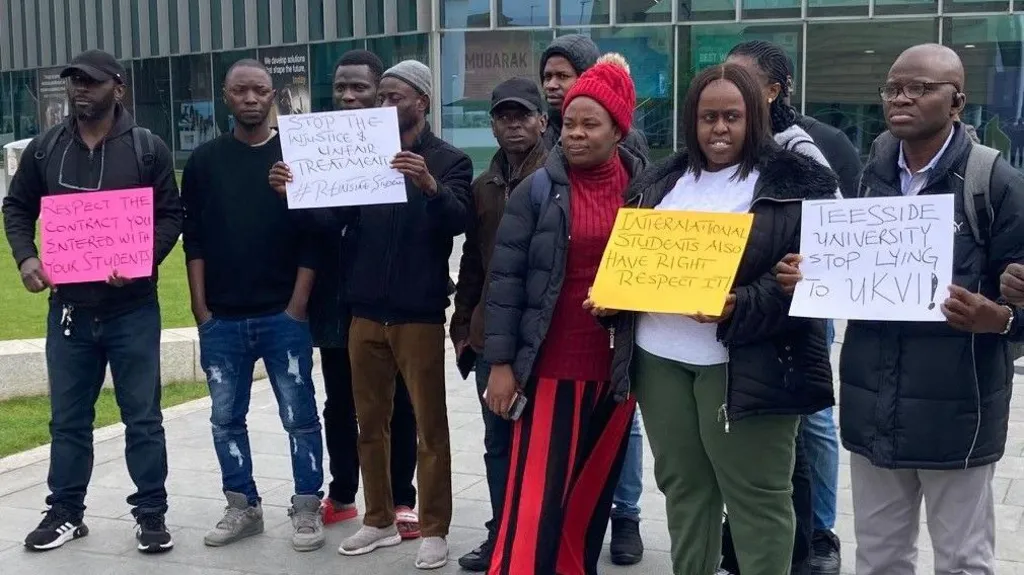
      Nigerian students have been expelled from university courses and ordered to leave the UK after a currency crisis left them unable to pay tuition fees on time.

      Students at Teesside University were blocked from their studies and reported to the Home Office after the value of Nigeria’s naira plummeted, depleting their savings.

      Some students told the BBC they felt suicidal, accusing the university of taking a “heartless” approach to those who fell into arrears due to the crisis.

      A university spokesman stated that failure to pay was a breach of visa sponsorship requirements, leaving them “no choice” but to alert the Home Office.

      The Home Office responded that visa sponsorship decisions were the responsibility of the institution.

      Nigeria is facing its worst economic crisis in a generation, significantly affecting Nigerian students at some UK universities.

      Average inflation is nearly 34%, and the situation worsened when the country’s president attempted to replace old currency with new.

      As a result, the currency depreciated by over 100% against the dollar within a year.

      Before starting their studies at Teesside, affected students were required to show proof of sufficient funds to cover tuition fees and living expenses.

      However, those funds were significantly depleted due to the currency crisis in their home country.

      This crisis exacerbated the financial problems students were already facing because the university changed the tuition fee payment plans from seven installments to three.

      A group of students, 60 of whom shared their names with the BBC, began pressing the university for support after several individuals who defaulted on payments were locked out of their university accounts and involuntarily withdrawn from their courses.

      Some students were also reportedly contacted by debt collection agencies contracted by the university.

      Adenike Ibrahim was close to handing in her dissertation at the end of two years of study when she missed one payment and was then kicked off her course and reported to the Home Office.

      She subsequently paid the outstanding fees, but said she had not been re-enrolled and was told she must leave the country, along with her young son.

      “I did default [on payments], but I’d already paid 90% of my tuition fees and I went to all of my classes,” she said.

      “I called them and asked to reach an agreement, but they do not care what happens to their students.”

      She said the experience was “horrendous” and she did not know what was happening with her qualification.

      “It has been heartbreaking for my son especially, he has been in so much distress since I told him,” Ms Ibrahim added.

      No right of appeal

      The Home Office told students, including Ms Ibrahim, that their permission to enter the UK had been cancelled because they stopped studying at the university.

      The letters, seen by the BBC, offer a date by which the student must leave the country and say they do not have a “right of appeal or administrative review against the decision”.

      Since receiving his letter, one masters degree student – who did not want to be named – said he had seriously considered suicide and was not eating or drinking.

      The university said it had made “every effort” to support affected students, who had now been offered individual meetings with specialist staff and bespoke payment plans where requested.

      Esther Obigwe said she repeatedly tried to speak to the university about her financial struggles but received no response, until she too was blocked from her studies and received notice to leave the country.

      “I attended all of my classes and seminars, I’m a hell of an active student,” she said.

      “It is disheartening, I am now on antidepressants and being here alone, I have nobody to talk to.

      “For over two months, I’ve barely eaten or slept and I don’t understand why this is being meted at us, we didn’t do anything wrong.”

      She added that most of the students had “spent a lot of money to be here”.

      Jude Salubi, who was studying to be a social worker, was midway through a placement when he was told his access to the university was suspended and he would have to leave the country.

      Prior to that, he travelled from Teesside to Liverpool each weekend to work 18 hours in an attempt to pay off the outstanding fees.

      “As of now I have paid £14,000 and have a balance of £14,000,” he said.

      “I am willing to come to an agreement as to how I will make this payment, but I need guarantees that I will be re enrolled into school and my visa restored.”

      Some affected students have managed to pay off outstanding fees, but the university is now unable to intervene in the Home Office process, the BBC understands.

      A university spokesman said: “Teesside University is proud to be a global institution with a diverse student population but is also very aware of its obligations regarding visa issuance and compliance.

      “These strict external regulations ensure that the university fully supports a robust immigration system and is outside of the university’s control.”

      The spokesman added it was “aware of the challenging financial situation faced by some students” and had “actively offered bespoke payment plans where requested”. 

      “This option has been taken up by many of our international students; however, some students have still defaulted on these revised payment plans,” he said.

      The Home Office said a decision to offer or withdraw visa sponsorship rested with the sponsoring institution.

      A spokesman said wherever a visa was shortened or cancelled, individuals should “take steps to regularise their stay or make arrangements to leave the UK”.
    25. 3 trucks of smuggled cooking oil impounded at Tetteh Quarshie roundabout

      3 trucks of smuggled cooking oil impounded at Tetteh Quarshie roundabout

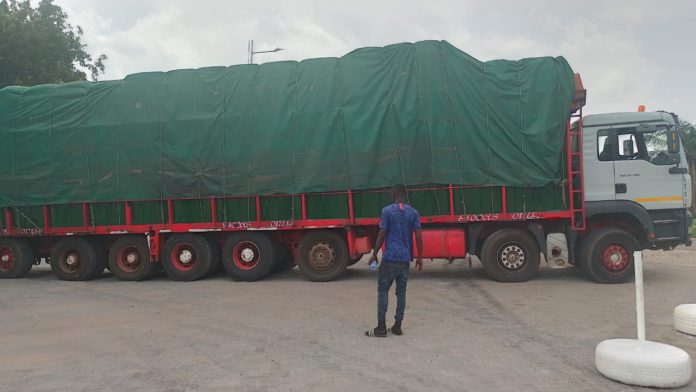
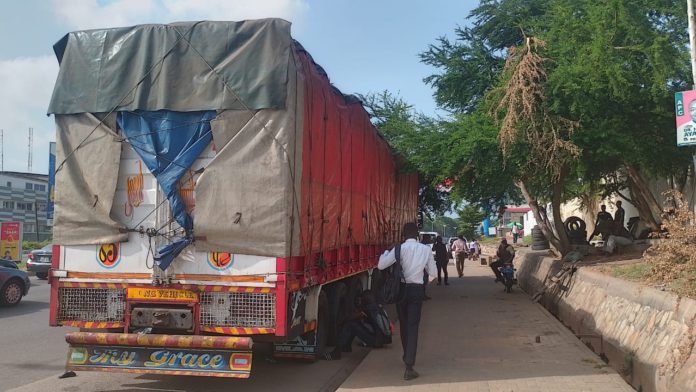
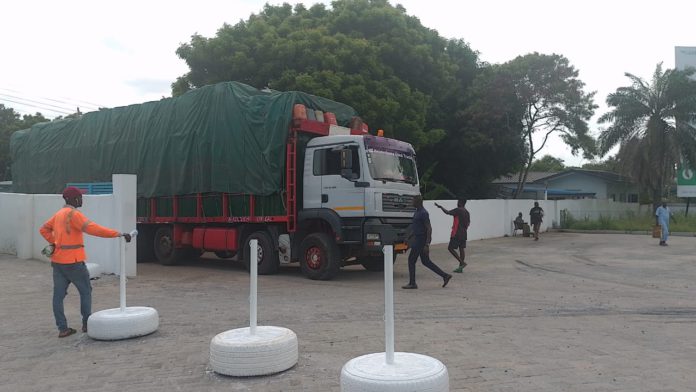
      A collaborative effort, spearheaded by the Tree Crop Development Authority (TCDA), has seized three Man Diesel cargo trucks carrying smuggled cooking oil at the Tetteh Quarshie roundabout in Accra.

      This task force consists of representatives from the TCDA, the Oil Palm Development Association of Ghana (OPDAG), the Ghana Revenue Authority—Customs Division, and National Security.

      Dr. Paul Amaning, the leader of this operation, briefed the media, stating that National Security operatives had received intelligence regarding the smuggling of vegetable oil from Togo into Ghana.

      The intercepted oil had been brought in through unauthorized routes in an attempt to evade taxes and import duties.

      Dr. Amaning stressed that smuggling activities lead to substantial losses for criminal networks attempting to circumvent legal procedures.

      He clarified that the task force’s objective is to ensure that locally produced cooking oils dominate the market, thereby bolstering the economy and generating employment opportunities throughout the supply chain.

      He additionally cautioned the public, especially market women, against engaging in the smuggling of vegetable oil across land borders into the nation.

      The task force, accompanied by personnel from the Customs Preventive Division, escorted the three trucks to the Airport branch for an official inspection.

    26. Spare parts prices at Abossey Okai to increase over cedi fall

      The Abossey Okai Spare Parts Dealers Association has indicated a potential price increase set to take effect next week, attributed to the depreciation of the cedi.

      Customers are advised to anticipate higher costs for spare parts and associated services.

      This decision to raise prices comes amidst the continued volatility of the local currency, prompting significant apprehension within the business community.

      Speaking anonymously to Citi Business News, some importers of spare parts noted that they now face the challenge of paying more cash to import the same quantity of goods.

      Consequently, they find themselves compelled to raise prices accordingly.

      Takyi Addo, the Head of Communications for the Association, conveyed that the prices of spare parts are projected to climb in the forthcoming week.

      He noted that, while prices are expected to rise, the Association lacks the authority to set prices for spare parts; this responsibility rests with the dealers.

      The challenges facing the Ghana cedi may persist, with analysts projecting it to reach between 15 and 16 Ghana cedis per dollar by year-end.

      Bloomberg, a reputable financial and media entity, has forecasted further depreciation of the Ghana cedi by year-end.

      This forecast aligns with Bloomberg’s prediction that the cedi could reach GH¢15.98 against the dollar.

      A survey of several forex bureaus on Wednesday, May 15, revealed that the dollar is trading between ¢14.90 and ¢15.00 in the forex market.

    27. Ghana cedi going for GHS15.30 to a $1

      Ghana cedi going for GHS15.30 to a $1

      Today, May 22, 2024, the Interbank forex rates provided by the Bank of Ghana reveal that the Ghana Cedi is currently valued against the dollar at a buying rate of GH13.8687 and a selling rate of GH13.8825.

      At a forex bureau located in Accra, the dollar is being purchased at a rate of GH15.00 and sold at GH15.30.

      Against the Pound Sterling, the Cedi stands at a buying rate of GH17.6437 and a selling rate of GH17.6628.

      In another forex bureau in Accra, the pound sterling is bought at GH18.50 and sold at GH19.20.

      For the Euro, the current rates show a buying price of GH15.0608 and a selling price of GH15.0745.

      At a different forex bureau in Accra, the Euro is acquired at GH15.85 and sold at GH16.45.

      As for the South African Rand, it is trading at a buying rate of GH0.7679 and a selling rate of GH0.7687.

      In yet another forex bureau in Accra, the South African Rand is bought at GH0.40 and sold at GH1.20.

      The Nigerian Naira is valued at a buying rate of GH105.0239 and a selling rate of GH108.5791.

      At a forex bureau in Accra, the Nigerian Naira is exchanged at 9.00 Naira per 1 Cedi for buying and 13.00 Naira per 1 Cedi for selling.

      Lastly, the CFA Franc is priced at a buying rate of 43.5143 and a selling rate of 43.5539.

      In a different forex bureau in Accra, the CFA Franc is acquired at 23.00 CFA per 1 Cedi for buying and sold at 25.50 CFA per 1 Cedi.

      Note that these rates may differ at a forex bureau near you. Our forex bureau rates are provided by Afriswap Bureau De Change in Osu, Accra.

      Our forex bureau rates are provided by Afriswap Bureau De Change in Osu, Accra.

    28. It is an abuse of power! – Ablakwa on sale of 60% stake in SSNIT hotels to Rock City Hotel

      It is an abuse of power! – Ablakwa on sale of 60% stake in SSNIT hotels to Rock City Hotel

      North Tongu MP Samuel Okudzeto Ablakwa has accused Agriculture Minister Bryan Acheampong of violating the constitution and abusing his power as a state official.

      He argues that state officials should not be permitted to acquire any state assets.

      This accusation stems from revelations that Mr. Acheampong’s business, Rock City Hotel, is in the process of acquiring a 60% stake in four hotels owned by SSNIT.

      Mr. Ablakwa contends that this constitutes unethical behavior and a violation of Articles 78(3) and 98(2) of the 1992 Constitution, which aim to prevent MPs and Ministers from using their positions for personal gain and to avoid conflicts of interest.

      Speaking on PM Express on JoyNews, he noted that although the Agriculture Minister claims he is not involved in the daily operations of Rock City Hotel, he is the sole beneficiary owner of the company and its profits.

      “You (Bryan Acheampong) are sitting in the Cabinet privy to insider information. Nobody can convince me that SNIT, taking such a major decision, would not go to Cabinet for approval.

      “There will be discussions at Cabinet. You have your colleague ministers and government appointees on the SSNIT board. Look, it’s untidy. This is a conflict of interest. This doesn’t happen anywhere else,” Mr Ablakwa said.

      Mr. Ablakwa further pointed out that Rock City Hotel has abandoned its pursuit of ownership in two underperforming hotels while continuing to show interest in the lucrative ones, and is now only focused on making money.

      “It is a conflict of interest. It is an abuse of power, unethical and reprehensible, and I have always maintained this. Remember 16 years ago, I took Jake Obetsebi Lamptey to court when I discovered he was in the process of purchasing his official bungalow, my position has not changed.”

      “No Minister of State or state official The attempt to say that he is not involved in day-to-day management, the issue is about the profits, the proceeds, it is not going to do to workers of Ghana or MPs, he is the sole beneficiary owner.”

      Background

      Last week, the North Tongu MP formally petitioned the Commission on Human Rights and Administrative Justice (CHRAJ) to investigate allegations regarding the sale of six hotels to Rock City Hotel, owned by Bryan Acheampong.

      The hotels under scrutiny in the petition are Labadi Beach Hotel, La Palm Royal Beach Resort, Elmina Beach Resort, Ridge Royal Hotel, Busua Beach Resort, and the Trust Lodge Hotel.

      Mr. Ablakwa’s petition seeks an investigation into several allegations, including conflict of interest, abuse of power, lack of due process, procurement breaches, cronyism, and graft.

      The Social Security and National Insurance Trust (SSNIT) denied any wrongdoing in its decision to sell a 60% stake in its hotels to Rock City Hotel.

      “You are just adding things together and trying to destroy me and trying to destroy Rock City. It is most unfair, it is ‘un-Ghanaian’ and you should stop it,” he told Mr Ablakwa who was also on the Super Morning Show.

      The next step

      The next step

      Mr. Ablakwa isn’t giving up, though. He informed Evens Mensah that he will bring up the matter with the Speaker of Parliament in a petition.

      “I have obtained the full list of 47 ministers and MPs diligently and I know for a fact that indeed, Bryan Acheampong confirmed this morning that he has not complied with the provisions of the Constitution. So I certainly will bring this to the attention of the Speaker as soon as the house resumes.”

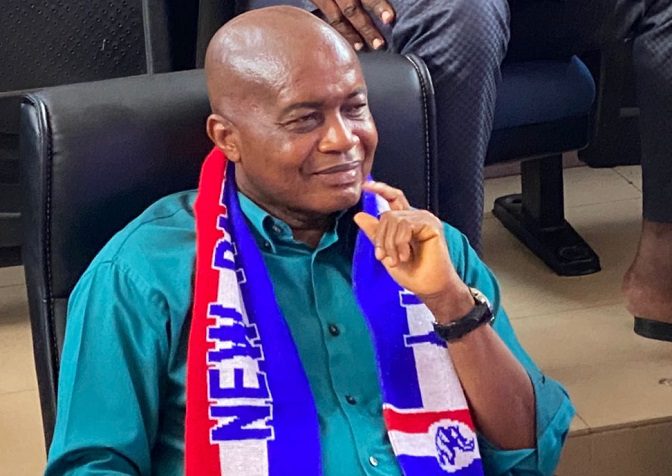
    29. NPP’s Stephen Ayensu Ntim made Board Chair of NPA

      NPP’s Stephen Ayensu Ntim made Board Chair of NPA

      National Chairman of the ruling New Patriotic Party, Stephen Ayensu Ntim, has been appointed as the Board Chairman of the National Petroleum Authority.

      Ntim succeeds Joe Addo-Yobo, who has held the position of NPA board chairman since 2017.

      The NPP Chairman was inaugurated into office on Tuesday, May 21, 2024, by the Minister of Energy, Dr. Matthew Opoku Prempeh, during a brief ceremony at the ministry.

      After the ceremony, the Energy Minister took to his Facebook and said, “I charged the new chairman of the downstream regulator to focus on key priorities; strengthening regulatory frameworks, enhancing operational efficiencies, and ensuring that the NPA operates with the highest standards of integrity and accountability.”

      “The National Chairman of my beloved New Patriotic Party, Mr. Ntim, is not new to leadership, and therefore, I have no doubt that he has what it takes to steer the NPA to achieve its objectives for the benefit of all Ghanaians,” Opoku Prempeh added.

      Stephen Ntim assumed the role of National Chairman of the New Patriotic Party following his successful election, marking his fifth attempt. He succeeded John Boadu, who was unsuccessful in his reelection bid in July 2022.

    30. IEA urges BoG to implement currency board instead of Central Bank system

      IEA urges BoG to implement currency board instead of Central Bank system

      The Institute of Economic Affairs (IEA) suggests that the Bank of Ghana (BoG) should consider adopting a currency board instead of the current central bank system.

      According to the IEA, this change would help ensure the stability of the Cedi as a legal tender by ensuring that circulating Cedis are fully supported by Forex reserves.

      In a statement issued on Monday, May 20, the IEA put forward several proposals for the government to address the declining value of the Cedi.

      One of these proposals from the IEA is that the currency board should refrain from providing loans to the government or banks.

      The IEA is hopeful that implementing these measures will lead to a reduction in Cedi depreciation and inflation.

      “An alternative to full dollarization is to adopt a currency board system in place of the central bank system. In that case, the cedi would be maintained as legal tender. However, the currency board would ensure that cedis in circulation are fully backed by FX. The cedi would also be pegged to the dollar at a fixed rate. Further, the currency board would not lend to the Government or banks.

      “With these conditions in place, cedi depreciation and inflation would be minimised. However, the currency board has limitations, including the potential loss of independent monetary policy and loss of lender-of-last-resort function.”

      The IEA emphasized that stabilizing the Cedi is a multifaceted endeavor, necessitating unified efforts to accomplish this formidable objective.

      “Some of the measures may reinforce others while some may preclude others. We are proposing them for consideration by our economic managers and to prompt debate on what is obviously one of the most important national challenges.

      “We do not believe that stabilising the cedi is rocket science. We only need to take concerted actions to achieve that ever-elusive goal. Not acting while the cedi continues to bleed is not an option!.”

    31. Prioritize pruning to help increase crop yield – Cocoa farmers urged

      Prioritize pruning to help increase crop yield – Cocoa farmers urged

      Cocoa farmers have received a call to prioritize the pruning of their farms to boost cocoa tree yields.

      Niikoe Kotey, Atwima Nwabiagya Cocoa Officer, emphasized that pruning is essential to prevent diseases, pests, and parasites that could weaken cocoa trees.

      Therefore, farmers need to regularly undertake pruning activities to ensure optimal growth and fruit-bearing.

      Mr. Kotey delivered this message during a training workshop for selected cocoa farmers at Anyinamso, near Nyinahin in the Atwima Mponua district of the Ashanti region.

      The workshop was organized by the Atwima Nwabiagya Municipal Office of the Cocoa Health and Extension Division of COCOBOD in collaboration with FEDCO Ghana Limited, a licensed Cocoa Buying company in the area.

      Its objective was to equip farmers with the necessary skills to prune cocoa trees effectively, aiming for increased crop yields.

      Mr. Kotey emphasized that proper and timely tree pruning leads to higher bean production, increased profits, and improved livelihoods for farmers.

      He encouraged farmers to apply the knowledge gained and to share it with their peers who did not attend the training.

      Similar training sessions were conducted for farmers in Nweneso in the Amansei West district.

    32. Banks urged to partner and invest in modern technologies

      Banks urged to partner and invest in modern technologies

      Head of Digital and Innovation at Stanbic Bank, Estelle Jacqueline Asare, has urged banks to collaborate with service providers and embrace modern technologies to enhance digital banking services.

      She emphasized that such partnerships would foster customer loyalty by delivering “more personalized experiences.”

      Ms. Asare made these remarks during a panel discussion on digital banking trends at the West Africa Digital Leaders’ Summit hosted at the Kempinski Hotel Gold Coast City, Accra.

      Sharing insights on the topic: “Making End-to-End Digital Banking a Reality”, she highlighted the importance of banks adopting “a customer-centric approach, learning from Fintechs’ agility and innovation”.

      “Customer centricity and agility is what is driving fintech growth. They focus on customer needs and pain points…It is important that banks learn from them to enable the provision of better digital services.”
      “If banks want to innovate and survive, we must look at how to partner complementary service providers and leverage each other’s strengths… “Integrating with platforms that enable us harness data, allows us to provide hyper customization to our customers and that is what makes them stick to us…,” Ms Asare stated.

      She urged the “securing of [banking] systems through enhanced biometric verification” and cybersecurity as digital banking evolved.

      “The growth of digital banking and AI calls for heightened focus on cybersecurity. If we don’t keep our eyes on the risks and ensure that the bank is secure, we will end up losing more than our digitally active customers. We will lose the bank itself,” she noted.

      The technology company Temenos was in charge of organizing the West Africa Digital Leaders’ Summit. It brought professionals, authorities, and business executives together to discuss a range of subjects.

      The discussions focused on digital banking trends, “leveraging cloud banking, opportunities and trends in the payments sector”, and “how digital transformation can increase revenue and grow a bank’s customer base”.

    33. Abolish Special Prosecutor’s Office – Nana Ntow

      Abolish Special Prosecutor’s Office – Nana Ntow

      Former National Organizer of the Peoples National Convention (PNC), Desmond Nana Ntow Amirekyi, has advocated for the abolition of the Special Prosecutor’s Office.

      Amirekyi contends that the office, initially set up to tackle corruption and other criminal activities, has not met its objectives, resulting in a squandering of public funds.

      During a panel discussion on Neat FM on May 21, 2024, he voiced his discontent with the Special Prosecutor’s Office’s performance, highlighting its incapacity to prosecute offenders effectively.

      “The earlier we scrap it off, the better because we are making a lot of noise in this office. Meanwhile, the office is not delivering what we expect.

      “We are providing them with cars and offices and paying their workers, which burdens the public purse. So, what I am saying is that the Office of the Special Prosecutor is not performing, and the earlier we scrap it off the better,” he said.

      In the meantime, President Nana Addo Dankwa Akufo-Addo has submitted a petition to the Chief Justice seeking the dismissal of Special Prosecutor Kissi Agyebeng.

      According to the report, the petition was lodged by the former Special Prosecutor, Martin Amidu, who accuses Agyebeng of procurement violations and misconduct in office.

      Agyebeng took over from Amidu as Special Prosecutor in 2021.

      During the past three years, he has faced significant criticism from Amidu regarding his leadership approach and various operational matters.

    34. 56-year-old caregiver jailed for 5 years over force-feeding baby to death at Agbogba school

      56-year-old caregiver jailed for 5 years over force-feeding baby to death at Agbogba school

      A 56-year-old professional nurse, Clara Yanyi-Ampah, who served as a caregiver at Happy Bloomers School in Agbogba, has been sentenced to five years in prison for the death of an 11-month-old baby.

      Yanyi-Ampah pleaded guilty to manslaughter following plea bargaining negotiations with the office of the Attorney-General.

      According to the plea agreement, the manslaughter charge was upheld, and both parties recommended a sentence of five years of hard labor to the Court.

      In accordance with Section 162 (h) of the Plea-Bargaining Act 1079, the Court sought confirmation from the accused before sentencing.

      Both the prosecution, represented by Senior State Attorney Mercy Arthur, and defense lawyer Richard Asare Baffour, affirmed the agreement to the court.

      Yanyi-Ampah, who had initially pleaded not guilty, changed her plea as part of the agreement.

      Her plea was formally retaken after Justice Marie-Louise Simmons confirmed the details of the agreement with her.

      By Court

      Justice Marie-Louise Simmons after listening to the parties said “On the basis of the plea of guilty of the offence of manslaughter, the accused is convicted on her own plea and sentenced to five (5) years imprisonment.

      In sentencing, “the Court has considered the eight months the accused spent in custody upon her arrest in May 2021 till she was granted bail.

      “I have also considered the benefit of the plea deal which has shortened the trial and reduced the burden on both the Prosecution and the Court.”

      The court noted that the convict has no prior criminal record and appeared to demonstrate genuine remorse.

      However, the Court said, “her reckless act of neglect of the baby and non-chantant attitude after feeding her until another teacher found the baby unresponsive was indeed a reckless disregard for human life, hence the sentence meted out.”

      Brief facts

      According to the case’s brief facts, Randy and Patricia Ackah-Mensah, a married couple, are the parents of Allegra Camille Yaba Ackah-Mensah, an 11-month-old baby girl attending Happy Bloomers School in North Legon, Accra.

      The facts state that the child was enrolled at the school on April 6, 2021.

      The accused, Clara Yanyi-Ampah, a 56-year-old purported professional nurse, worked as a caregiver at Happy Bloomers School.

      The prosecution noted that the accused was responsible for the care of baby Allegra and two other children at the school.

      “On May 18, 2021, baby Allegra who had turned 11 months old that morning, went to school in good health.

      “At about 2:50 pm Madam Gladys Osei, a teacher at the school passed through the changing room and tried playing with Allegra whilst the accused was changing her clothes, but she found her to be unresponsive,” the Prosecution stated.

      It said she asked the accused person who was attending to Allegra if the baby was asleep, and she responded in the negative.

      It said, Gladys quickly informed the administrator of the school who rushed Allegra to the North Legon Hospital.

      The Prosecution said, that at about 3:07 pm, Randy (father) was called by the school administrator that his daughter had been taken ill and had been rushed to the North Legon Hospital for medical attention, so he called his wife and they went to the hospital.

      “The medical report indicated that Allegra was unresponsive with no heartbeat or pulse and all efforts to resuscitate her proved futile, so she was pronounced clinically dead.

      “Prior to changing Allegra’s clothes, the accused person had fed her,” it said.

      “A CCTV footage obtained from the school after Allegra’s death showed that the accused person pulled the hands of Allegra to her back and poured food down her throat with a cup.

      “According to the school’s policy on feeding, toddlers Allegra’s age are fed with spoons.

      “The school indicated that the cup the accused used in feeding baby Allegra belonged to the accused.”

      Post mortem

      “The post-mortem report indicated that Allegra’s trachea and bronchi and left lungs were filled with food particles. The pathologist concluded that the cause of death was asphyxiation due to aspiration of food following forced feeding.

      The accused person was charged with manslaughter contrary to section 50 of the Criminal Offences Act, 1960, Act 29 and arraigned before the High Court, Criminal Division, Accra, for trial.

    35. Qualified Ghanaians were recruited into security services – Henry Quartey on NPP, NDC protocol list

      Qualified Ghanaians were recruited into security services – Henry Quartey on NPP, NDC protocol list


      Interior Minister Henry Quartey has responded to allegations of partisan bias in the recruitment processes of Ghana’s security services.

      He stated that the selections are made based on merit and qualifications, rather than party affiliations.

      Addressing claims by Minority Leader Ato Forson, who asserted that the recruitment process was influenced by party lines, Quartey stressed that merit is the primary criterion for recruitment.

      Forson had accused the ruling New Patriotic Party (NPP) of allocating 30 recruitment slots to each of its Members of Parliament, raising concerns about potential unfairness in the selection process.

      “Over the time that President Akufo-Addo came for us to do recruitment, I can tell you on authority that NDC MPs and NDC party people have all found a way to push their people into the service.

      “We did not recruit them for being NDC, they were recruited because they met the eligibility criteria. We recruited them because they are Ghanaians and they are citizens of this country.

      “If they go on like this, we will start mentioning names one by one,” he said in an interview on Okay FM on May 21, 2024.

      He explained that individuals recommended by both the NPP and the National Democratic Congress (NDC) were chosen only if they met the required criteria.

      “If the minority does not keep mute on their allegations, I will publish the names of all NDC Protocol lists, both the MPs and the security personnel who have benefitted,” Quartey warned.

      The Minority has officially challenged the Minister to publish his list.

      In a statement dated May 21, 2024, and shared on his social media platforms, Minority Leader Cassiel Ato Forson described the minister’s stance as alarming and unfounded.

      “His insinuation that members of the National Democratic Congress (NDC) have participated in improper recruitment practices without providing any evidence is a clear attempt to divert attention from the substantive issues at hand,” the statement read in part.

      It added that Quartey’s views were “a hollow threat intended to intimidate and silence legitimate criticism from the Minority Caucus,” but that they won’t be cowed.

    36. BoG Governor named chair of COCOBOD’s educational trust fund

      BoG Governor named chair of COCOBOD’s educational trust fund

      Governor of the Bank of Ghana, Dr. Ernest Addison, has been appointed as the chairman of a newly formed five-member committee tasked with overseeing COCOBOD’s educational trust fund.

      The committee comprises key figures such as Dr. Eric Nkansah, Director General of the Ghana Education Service (GES), Bismarck Fuachie, the 2022 National Best Cocoa Farmer, and officials from COCOBOD including Dr. Emmanuel A. Opoku, Ray Ankrah, and Francis Opoku.

      The primary objective of the committee is to enhance primary educational infrastructure in cocoa-growing regions, aiming to benefit the children of cocoa farmers in underserved areas.

      During the committee’s inauguration in Accra on Monday, May 20, Dr. Addison emphasized their commitment to making a meaningful difference in the lives of cocoa farmers and their communities through education.

      “I acknowledge the calibre of individuals chosen to serve with me on the trust, their collective experience and expertise will undoubtedly enrich our effort and lead us towards success.

      “I have every confidence that their dedication and insights will be invaluable in advancing the goals of the trust. Having previously served as the chairman of the COCOBOD scholarship scheme for a few years now, I am deeply humbled once again to be entrusted with a leadership role this time with the COCOBOD educational trust fund.”

    37. Don’t destroy my reputation and that of Rock City like you did to Jake Obetsebi-Lamptey – Bryan Acheampong to Ablakwa

      Don’t destroy my reputation and that of Rock City like you did to Jake Obetsebi-Lamptey – Bryan Acheampong to Ablakwa

      Minister of Agriculture Bryan Acheampong has cautioned North Tongu Member of Parliament Samuel Okudzeto Ablakwa over allegations that Acheampong’s company, Rock City, was improperly benefiting from the sale of state-owned hotels.

      During an exchange on Joy FM’s Super Morning Show on May 21, 2024, Ablakwa argued for the validity of his claims regarding the SSNIT-Rock City hotel acquisition controversy.

      Ablakwa maintained that Acheampong’s role as owner of Rock City suggested a potential conflict of interest. He referenced a 2012 case where he and Edward Omane Boamah challenged the acquisition of a government bungalow by the late Jake Obetsebi Lamptey, a former information minister.

      Although they lost the case, Ablakwa pointed out that the Supreme Court commended their initiative to bring the matter forward.

      Acheampong countered Ablakwa’s argument, asserting that the MP’s actions were damaging his reputation with incorrect information.

      “I agree with you, except to say that even though the Supreme Court commended the action that you had taken, you lost the case at the Supreme Court, you always leave that out in your conclusion.

      “What you had succeeded in doing is that you had tarnished Jake Obetsebi-Lamptey’s image. Throughout the process, you spoke on the matter that tarnished his image and even now, you are speaking about it…

      “You failed to add that you lost the case in the Supreme Court and you tarnished the man’s image, you went on and on and on and destroyed the man and in the end the law backed him,” Acheampong added.

      He stressed that as a colleague MP, Ablakwa could have reached out instead: “This is what I am trying to tell you. Sometimes you need to consult, and get the facts and you would not destroy people.

      “It is not easy trying to repair an image that you have destroyed with facts that are not true. That is why I asked you that if you had spoken with me, you wouldn’t have gone this far to the extent that you want to damage my reputation and that of Rock City,” he added.

    38. Prof Bokpin urges govt to provide regular economic updates

      Prof Bokpin urges govt to provide regular economic updates

      Finance professor at the University of Ghana, Godfred Bokpin, has called on the government to provide regular updates on the state of the economy to the public.

      Prof. Bokpin, who is also an economist, believes that such transparency would boost confidence in the economy and mitigate the “wait and see” approach often taken by investors during election years.

      He made these remarks in an interview with the Ghana News Agency, addressing concerns from industry and the trading community about the ongoing depreciation of the Cedi against major currencies, especially the Dollar.

      “We’re in a crisis; COVID-19 was a pandemic, but we saw a certain level of leadership that recognises that we face some kind of existential threat, therefore, the President mobilised,” he said.

      For instance, the Ghana Union of Traders Association (GUTA) has reported that its members have experienced a loss of approximately 20 percent of their capital due to the Cedi’s depreciation against the Dollar since the start of 2024.

      At the beginning of the year, the Cedi was trading at about GHS11.98 against the Dollar, but it is now hovering around GHS14.85 in many forex bureaus in Accra.

      According to Prof. Bokpin, the government, under President Akufo-Addo’s leadership, may have limited control over the structural challenges facing the economy. However, instilling confidence could play a significant role in stabilizing the depreciating Cedi, which he describes as “the pulse of the economy.”

      “If there’s anything that the President can do right now, it is to begin to update regularly Ghanaians. Where we are now requires regular updates from the government, and that update will entail what they are doing on a daily basis and results,” he said.

      He explained that such regular updates from the government on the state of the economy and actions being taken to address the challenges could be the starting point of instilling confidence and restoring hope in the economy.

      That, Prof Bokpin said, would also be a way of the President telling Ghanaians that though there is limited time left for him to leave office, he is determined to ensure that he would “leave a legacy that we will all be proud of.”

      He urged businesses and households to be moderate in their expectations about the fall of the Cedi before the year ends, saying, “There’s no significant inflows or supply of foreign exchange that will help to offer the kind of stability needed.”

    39. Sentuo Oil Refinery granted tax exemptions exceeding $164m under 1D1F

      Sentuo Oil Refinery granted tax exemptions exceeding $164m under 1D1F

      The newly established Sentuo Oil Refinery Limited is poised to receive the highest amount of tax exemptions, totaling $164,633,012.00, pending parliamentary approval.

      This refinery is among 42 companies listed in a document submitted to Parliament seeking approval for approximately $335,072,712.13 in tax exemptions under the government’s One District One Factory (1D1F) initiative.

      Initially presented to Parliament in 2022 by former Finance Minister Ken Ofori-Atta under The Exemptions Act, 2022 (Act 1083), the proposal faced a deadlock due to disagreements.

      The Minority in Parliament claimed the exemptions were a cover for corruption, suggesting they benefited the ruling party’s allies. However, proponents argued that these tax breaks are essential for the success of businesses within the 1D1F initiative, promising economic growth and attracting investments.

      On May 17, 2024, the Majority revisited the request for parliamentary consideration. Sentuo Oil Refinery, commissioned by President Nana Addo Dankwa Akufo-Addo on January 26, 2024, represents Ghana’s first private oil refinery.

      Built by the Chinese conglomerate Sentuo Group in the Tema Industrial Area, the facility cost $2 billion and has an initial processing capacity of 40,000 barrels per day, scalable to 100,000 barrels.

      Despite these advancements, the Institute of Energy Security and the Chamber of Petroleum Consumers have urged the National Petroleum Authority to shut down Sentuo Oil Refinery due to licensing issues related to fuel distribution in the Ghanaian market.

    40. Kabale district police arrest 2 officers for alleged murder of local resident

      Kabale district police arrest 2 officers for alleged murder of local resident

      The Kigezi regional police spokesperson, Mr. Elly Maate, has confirmed the arrests of Sgt. John Tumwesigye, in charge of Nyanja police post, and his subordinate, PC James Owomuhangi.

      Preliminary investigations by the police suggest that the two officers, during an early morning patrol on Tuesday, shot and killed Chris Twinomujuni, a resident of Rujongoma village in Kaharo sub-county, Kabale District.

      “While on an early morning patrol on Tuesday at Nyanja trading centre at around 3AM, the accused police officers encountered a group of individuals drinking alcohol and smoking bangi. A scuffle broke out, and Sgt Tumwesigye fired shots to disperse the crowd. A stray bullet hit Twinomujuni in the leg, causing him to bleed to death. The police apprehended three suspects, while others escaped,” Mr Maate said.

      He clarified that the police officers and the suspected criminals were arrested to assist in investigating the case.

      Ms Anah Twebaze and Jonan Kamuntu, both relatives to the deceased, asked the government to incur all burial expenses and later take care of the financial needs of the deceased’s family members.

      “The deceased has been the sole breadwinner for his family and now that his life has been terminated by a government worker, the government should take care of all the financial needs of his wife and his two children,” they said.

      The former LCIII chairman for Kaharo Sub County in Kabale District, Mr. Dustan Muhereza, described the deceased as a humble and hardworking resident who earned a respectable income from farming.

      “I was surprised to learn that a police officer shot and killed the suspect yet he had other alternative means of handling the matter other than taking the law in his hands. It is my prayer that the accused police officer gets the punishment he deserves for the offence he committed,” he said.

    41. Ugandan woman in fatally stabs sleeping husband, Keeps body hidden for 2 days

      Ugandan woman in fatally stabs sleeping husband, Keeps body hidden for 2 days

      Police in Mukono District, central Uganda, have detained a 30-year-old woman on murder charges after she allegedly stabbed her husband to death while he was sleeping and kept his body in their house for two days.

      Ruth Musimenta, an employee at NJ Business Solutions, is accused of killing James Nsubuga in the early hours of May 18, 2024, at their home in Katikamu village, Mpoma Parish, Nama sub-county, Mukono District.

      “Nsubuga was stabbed by his wife in the neck area while he was asleep, leading to his death. The suspect kept the body in the bedroom for two days until it was discovered by police,” said Police spokesperson Mr. Fred Enanga.

      According to SCP Enanga, the police’s Criminal Intelligence task team gathered information suggesting that the suspect had planned to bury the body in a shallow grave near a toilet.

      “The murder weapon, a knife, was recovered. Two army shoes and a toy pistol belonging to the deceased were also found in the house,” Mr. Enanga stated.

      Police did not provide details about the toy pistol and the army shoes, but Mr. Enanga condemned the violence and brutality in domestic settings.

      “This tragic incident ended an abusive relationship between the couple. During interrogation, the suspect admitted to pre-meditated murder, having hidden the knife in the bedroom,” he added.

      Musimenta will face murder charges in court.

    42. Crude oil production dwindled from 71.44m to 48.25m in 2023 – PIAC Report

      Crude oil production dwindled from 71.44m to 48.25m in 2023 – PIAC Report

      Ghana’s crude oil production witnessed a downturn for the fourth consecutive year in 2023, as highlighted in the report by the Public Interest and Accountability Committee.

      Delving into the dynamics of the upstream petroleum sector, the report underscored that crude oil production dwindled “from a high of 71.44 million barrels in 2019 to 48.25 million barrels in 2023.”

      This signifies an annual average reduction of 9.2%.

      Out of the 48 million barrels, the Jubilee Fields contributed 63%, SGN contributed 23%, and TEN contributed 14%.

      “For the year 2023, a total of 48,247,036.61 barrels (bbls) was produced from the three producing fields; Jubilee – 30,444,217 bbls (63%); TEN – 6,716,278 bbls (14%) and SGN 11,086,541.61 bbls (23%).”

      For raw gas, a total of 255,171.97 MMSCF was produced in 2023 from the SGN Field (127,203.02 MMSCF, 50%), Jubilee (77,900.05 MMSCF, 30%) and TEN Fields (50,068.90 MMSCF, 20%). The average achieved price by the Ghana Group for all three (3) producing fields during the period under review was US$78.067/bbl.

      As a result, the committee suggested that the government and pertinent regulatory agencies should initiate necessary measures to counteract the decline in production in current fields and facilitate investments in untapped fields.

      The 2023 Annual Report fulfills PIAC’s mandate under the Petroleum Revenue Management Act, 2011 (Act 815), as amended by Act 893, to issue Semi-Annual and Annual Reports.

    43. Competing firms vie for contract to construct Ghana’s first nuclear power plant

      Competing firms vie for contract to construct Ghana’s first nuclear power plant

      France’s EDF, U.S.-based NuScale Power, Regnum Technology Group, China National Nuclear Corporation, South Korea’s Kepco and its subsidiary Korea Hydro Nuclear Power Corporation, along with Russia’s ROSATOM, are all vying for the contract to construct Ghana’s first nuclear power plant within the next decade.

      According to a report by Reuters, referenced by GhanaWeb Business, the Ghanaian government is set to choose an energy firm for the project by December 2024.

      “Cabinet will approve the final choice. It can be one vendor or two nations; it will depend on the financial model and the technical details,” Deputy Director for Power in charge of Nuclear and Alternative Energy, Robert Sogbadji told Reuters.

      Sogbadji stated that although 16 countries and companies initially responded to the government’s request for vendors, a technical team led by state agencies within the Energy Ministry has since narrowed it down to the current five nations.

      Ghana’s aspiration to develop a nuclear power plant can be traced back to the early 1960s, but progress was hindered by a series of coups that disrupted democratic processes.

      The plan was revived in 2006 with support from the International Atomic Energy Association following a severe power crisis that year.

    44. Mobile Money accounts surge to GHS18.69b with commercial banks for March 2024

      Mobile Money accounts surge to GHS18.69b with commercial banks for March 2024

      The 2024 Fintech Sector Report unveiled by the Bank of Ghana indicates that the collective value of mobile money accounts held with commercial banks by March 2024 soared to GH¢18.69 billion cedis.

      This amount, as stated in the report, is referred to as the Balance on Float.

      The statistic reflects a 7.5 percent increase compared to the figures recorded in February 2024.

      Additionally, the report indicates that since February 2023, the GH¢18.69 billion represents the highest Balance on Float observed over the past 14 months.

      The Balance on Float encompasses the amalgamation of customer, agent, partner banks, and the service provider’s own cash deposit, which serves as the foundation for Electronic Money provision.

      It serves as a potent tool for mobilizing funds outside the traditional banking system.

      Other Transactions on the mobile money platform for first quarter

      The report additionally revealed that the aggregate value of mobile money transactions surged to GH¢576 billion during the initial three months of 2024.

      This marks a 33.4 percent surge compared to the GH¢431 billion recorded during the corresponding period in 2023.

      Conversely, the total transaction volume for the first quarter of 2024 amounted to GH¢1.86 billion, reflecting a 21.6 percent increase over the figures recorded for the same period in 2023.

      As of March 2024, the total registered customer accounts reached GH¢67.3 million, while the number of registered mobile money agents stood at 835,000.