Author: Amanda Cartey

  • We decide who comes on our show – TV3’s Alfred Ocansey tells Richard Ahiagbah

    We decide who comes on our show – TV3’s Alfred Ocansey tells Richard Ahiagbah

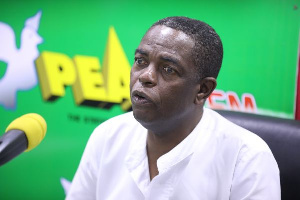
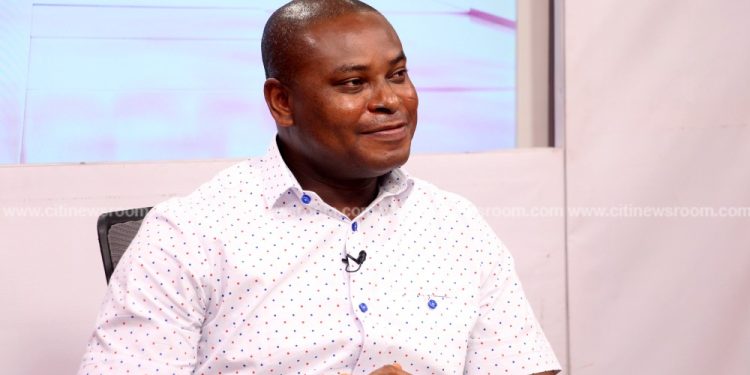
    An attempt by the New Patriotic Party’s Communications Director, Richard Ahiagbah, to have private legal practitioner Martin Kpebu removed from TV3’s ‘The Keypoints’ program was unsuccessful as the show’s host, Alfred Ocansey, pushed back.

    During the September 16, 2023 episode, Ahiagbah expressed dissatisfaction with Kpebu’s allegations of corruption against President Nana Addo Dankwa Akufo-Addo and some government officials.

    He insisted that TV3 should address Kpebu’s behavior, which the NPP finds intolerable.

    “My senior brother, Martin Kpebu, I think TV3 and Media General… I’m the Director of Communication of the New Patriotic Party. As the party of the president, I believe I reserve the right to talk about this”

    “I think that Media General will have to exercise some responsibility to its viewers and listeners and take a decision on Martin Kpebu’s continued presence on the show and his propensity to insult the president and government at will. It is completely unacceptable!. I think we need to have a decision from Media General on this matter,” Ahiagbah suggested.

    In a swift retort, the show’s host, Alfred Ocansey, reminded Richard Ahiagbah of his political role and emphasized that Ahiagbah had no authority to dictate the show’s panel composition.

    Ocansey stressed that it was solely the prerogative of the show’s producers and TV3 staff to determine the panelists, and they would not permit political interference in their selection process.

    He also pointed out that when it had been necessary to rein in Martin Kpebu’s comments, he had already taken appropriate action, rendering Ahiagbah’s comment irrelevant and baseless.

    “For us here, we exercise that editorial right to decide on who comes on this platform or otherwise. It is that editorial right that we consistently exercise in bringing Martin Kpebu on this platform. For us as a political party, you cannot dictate or decide who comes on this platform and what the person says,” Alfred Ocansey maintained.

    Click on link below for the interview:

    https://www.facebook.com/TV3GH/videos/211286921741512
  • Create a ministry for cocoa –  Nana Yaa Jantuah tells Govt

    Create a ministry for cocoa – Nana Yaa Jantuah tells Govt


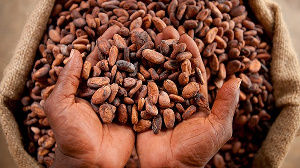
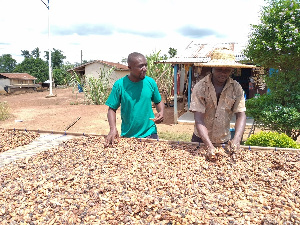
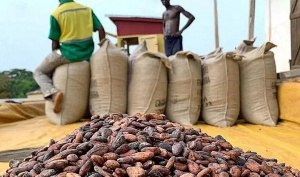
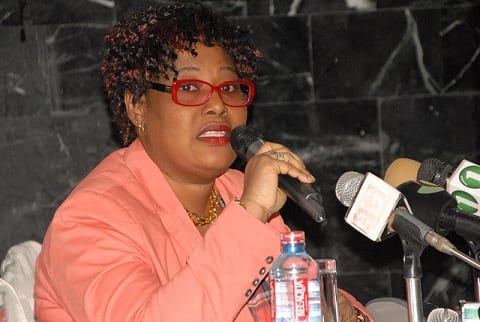
    General Secretary of the Convention People’s Party, Nana Yaa Jantuah, has urged the government to establish a dedicated Ministry of Cocoa to oversee all aspects of the cocoa industry.

    She believes that having the cocoa sector under the Agricultural Ministry limits its economic potential, even though cocoa is one of Ghana’s top-earning exports, generating around $2 billion in foreign currency and providing employment to approximately 800,000 households nationwide.

    “We believe that there should be a ministry for Cocoa, instead of putting it under the ministry of Agriculture. Cocoa has a big market, we have the ministry for Land and Natural Resources, why didn’t we put it under the ministry of environment

    In an interview with www.247newsgh.com-monitored TV3 New Day, Nana Yaa Jantuah emphasized the importance of the government taking its obligations towards cocoa farmers seriously and ensuring fair treatment.

    She begged with the government to put more effort into enhancing the lives of cocoa farmers rather than politicizing cocoa bean farm gate prices, ending the hullabaloo, and senseless fighting.

    “So why is it always a funfair when there is an increment in Cocoa prices? There shouldn’t be, it’s government’s responsibility, if you pay your Childs’s school fees, do you always go round with the receipt?

  • Pastors arrested for assaulting priestess over refusal to give up her gods

    Pastors arrested for assaulting priestess over refusal to give up her gods

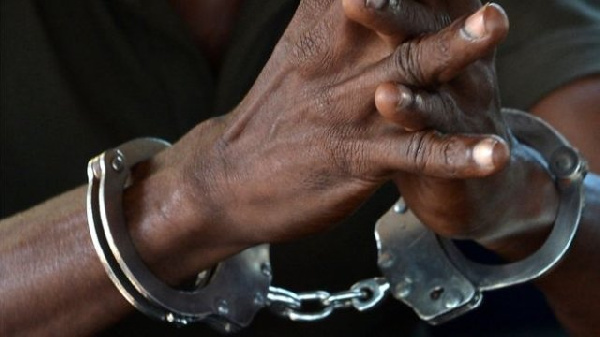
    The police have arrested three pastors who physically assaulted a priestess of the indigenous Traditional Religion in Wiaga, located in the Builsa North Municipality of the Upper East Region.

    The incident occurred when the pastors from the Jesus Family Church in Sandema attempted to forcibly convert the priestess to Christianity and take away her gods.

    The victim, Sakinatu Issahaku, who resides in the Sichaasa community of Wiaga, was brutally beaten by the pastors when she refused to surrender her deities and convert to Christianity. The assault left her hospitalized with injuries to her face, knees, and a dislocated arm.

    According to the victim, the pastors, led by Pastor Donatus Asekabta, initially offered to pray for her and convert her to Christianity, but she declined the offer. When she resisted their attempts to take her deities away, the pastors became enraged and resorted to physical violence. One of the pastors even brandished a pistol and threatened to kill her.

    The police took action following a complaint filed at the Sandema Police Station. The victim is seeking justice and hopes that the perpetrators will be punished for their violent actions.

    The incident has shocked local residents, who find it surprising that individuals claiming to be men of God would resort to unprovoked violence and threats.

  • Prof Gatsi urges govt to be open about Ghana’s financial position

    Prof Gatsi urges govt to be open about Ghana’s financial position

    Professor John Gatsi, the Dean of Cape Coast University Business School, has called upon the government to provide a comprehensive account of Ghana’s financial situation.

    This request comes in light of the government’s decision to reopen the Domestic Debt Exchange Programme (DDEP).

    The Ministry of Finance issued a statement explaining that the reopening of the program aims to accommodate holders who were unable to participate in the February 2023 exercise.

    Professor Gatsi, speaking on the matter during an interview on Morning Starr with Francis Abban, suggested that the reopening of the program might be due to the government’s failure to achieve its targeted debt level.

    He emphasized that the key issue is not how the DDEP was conducted but whether the government has fully disclosed the fiscal state of the country.

    Professor Gatsi expressed skepticism, stating that even with a 100 percent successful debt exchange program, it wouldn’t be sufficient to resolve the country’s problems because Ghana’s financial situation is deeply troubled.

    Furthermore, he accused the government of not being transparent about the true economic condition of Ghana.

  • Disconnections in value chain of agriculture must be addressed – World Vision say

    Disconnections in value chain of agriculture must be addressed – World Vision say

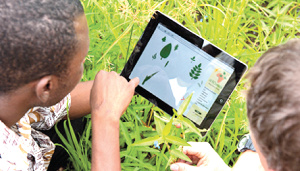
    World Vision Ghana, a faith-based organization, has called for collaborative efforts to bridge the gaps among stakeholders in the agricultural value chain. This collaboration aims to enhance food productivity and increase the income levels of smallholder farmers.

    Mr. Sergious Before, the Acting Northern Regional Operations Manager at World Vision Ghana, highlighted a disconnect among various players in the agriculture value chain, including farmers, input dealers, service providers, processors, and consumers. This disconnect adversely affects farmers, making it challenging for them to access products, services, and favorable market conditions.

    Mr. Before made these remarks during a market linkage fair organized by World Vision Ghana in Paga, located in the Kassena-Nankana West District of the Upper East Region. The fair was part of the Landscape and Environmental Agility Across the Nation (LEAN) project, funded by the European Union’s Global Climate Change Alliance Plus (GCCA+) initiative. The project operates in the Kassena-Nankana West and Damongo districts.

    The fair aimed to promote the visibility of value chain activities, encourage business-to-business opportunities, build networks supporting sustainable market access and service provision, and facilitate direct linkages between local value chain actors and potential buyers and service providers.

    Mr. Before emphasized the importance of linking smallholder farmers effectively within the value chain to increase production, income, and poverty reduction. He explained that World Vision Ghana employs the Local Value Chain Development approach to create partnerships between producers, processors, and marketers, ultimately improving product quality, efficiency, and market access.

    The fair sought to enhance inclusive and efficient food systems by better integrating smallholder farmers and agribusinesses into value chains. Additionally, it aimed to conserve biodiversity, enhance climate resilience, reduce emissions from land-use changes, and improve livelihoods for local farmers, including creating job opportunities for youth and promoting gender-inclusive activities in the agriculture sector.

    Through the project, 600 small ruminants have been distributed to farmers, and 41,000 tree seedlings have been provided. The project aligns with the government’s Planting for Food and Jobs program, particularly in addressing market linkage challenges, and contributes to agricultural development in the region.

  • Govt advised to use new agricultural equipment to maximize productivity

    Govt advised to use new agricultural equipment to maximize productivity

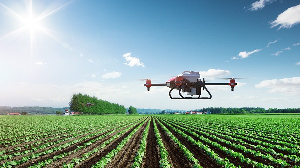
    A four-member Pakistani business delegation, led by Mr. Zafar Yab Anjum, Director of Sales and Marketing at KNZ Enterprise Ghana Limited, has called on the government to promote agriculture by implementing machinery.

    They believe that this approach would support the government’s agricultural flagship policies, increase production, and enable farmers to achieve higher yields through mechanization.

    The delegation shared their advice during an interview with the Ghana News Agency after meeting with the Pakistan High Commissioner to Ghana, Farhat Ayesha.

    They discussed the establishment of KNZ Enterprise Ghana Limited, a company specializing in the competitive sale of various modern agricultural machinery.

    Mr. Anjum encouraged both the government and Ghanaian businesses to explore economic opportunities in Pakistan, fostering mutual cooperation in trade and business.

    He emphasized that Pakistan, an agrarian country with advanced agricultural knowledge and resources, could significantly benefit Ghana by sharing its expertise in areas such as irrigation, mechanization, and crop management.

    The delegation also highlighted the potential for collaborative research projects, leading to improved agricultural techniques and crop varieties suitable for both countries’ conditions.

    They called on the government to reduce taxes on agricultural machinery to encourage purchases and boost productivity. Additionally, they emphasized the importance of processing agricultural products to add value and contribute to economic growth.

    Ambassador Ayesha expressed her commitment to strengthening the business relationship between Pakistan and Ghana, highlighting the potential for trade in light machinery, surgical instruments, sports goods, textiles, and more. She also mentioned scholarship programs for Ghanaian students interested in Mechanical and Electrical Engineering.

    Mr. Ali Nuhu Abeka, the Chief Executive Officer of KNZ Enterprises, who received part of his education in Pakistan, praised the country’s hospitality and economic opportunities.

    He emphasized the need for Ghana to embrace mechanization to increase agricultural productivity and encouraged coordination among agricultural institutions to achieve this goal.

    Overall, the delegation’s visit aimed to foster stronger economic ties and knowledge-sharing between Pakistan and Ghana in the field of agriculture and machinery.

  • Kwesi Pratt questions usefulness of anti-money laundering laws

    Kwesi Pratt questions usefulness of anti-money laundering laws

    Experienced journalist and Managing Editor of the Insight newspaper, Kwesi Pratt Jnr., has raised questions regarding the significance of anti-money laundering laws in Ghana.

    During his participation in the Friday segment of Peace FM’s “Kokrokoo” morning show, he expressed concerns about the way individuals suspected of money laundering into the country are treated.

    He pointed out that there is no prohibition when a Ghanaian sends a substantial amount of foreign currency to a foreign country. However, if the same individual brings a similar amount into Ghana, they may be accused of violating the law.

    Kwesi Pratt cited the ease with which a person can transfer, for example, 5 million dollars from Ghana to Switzerland without facing any obstacles. But when the same individual attempts to bring such a substantial amount of money into Ghana, they may be at risk of arrest and prosecution.

    He further noted the disheartening aspect of Ghanaian authorities sometimes encouraging the extradition of money launderers for prosecution by foreign authorities.

    ” . . these foreign countries are exploiting Ghanaians to enrich their nations and instead of Ghana doing same, the authorities are busily arresting people for hoarding money which they have legitimately acquired and want to transfer such funds to Ghana which would be of enormous benefit to the growth of the nation.

    “What is the sense in our anti-money laundering laws?”, he queried as he could not wrap his head around such financial restrictive acts in Ghana.

  • Contact us over any illicit split transactions involving mobile money – MTN

    Contact us over any illicit split transactions involving mobile money – MTN

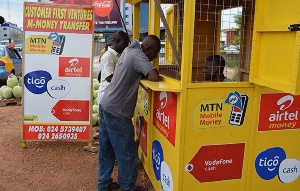
    Telecommunications company MTN has declared the practice of splitting cash transactions as illegal, and it encourages its customers to report any Mobile Money (MoMo) agent involved in such unlawful activities for appropriate action.

    MTN charges a fixed rate of GH¢10 for mobile money cash transactions on amounts of GH¢1000 and above for cash withdrawals at its service centers.

    However, some unscrupulous agents and merchants engage in split cash transactions, where every GH¢1000 withdrawal incurs a GH¢10 charge. This results in clients paying higher fees.

    According to the company, when a customer wishes to withdraw GH¢3000, they are advised to split it into three separate transactions, each incurring a GH¢10 fee, rather than a single GH¢10 fee for the entire GH¢3000 withdrawal.

    Mr. Mawuena Agogo, the Retail Experience Manager for the Eastern, Volta, and Oti regions, emphasized that this practice is illegal and urged customers to report any instances of it to any MTN office or dial 100 to file a complaint.

    He noted that both agents and merchants are aware that their actions are unlawful but, unfortunately, engage in these illicit practices on behalf of the company.

    “Because such transactions are personal encounters, the system could not capture them, which is why we are urging clients to report them, so the necessary action is taken,” he said.

    He said that a few agents who had been complained about had been prohibited and ordered to refund the extra fees to the owners quickly after the complaints were made.

    Mr. Agogo was discussing fraud prevention and other unpleasant situations MTN consumers have during a meeting with informal sector clients at Akyem Tafo.

    The conference was held in response to complaints that transaction costs were excessive and that it was common practice to split cash transactions in order to increase transaction fees.

    “I had to pay GH¢40.00 charges on GH¢4,000.00 withdrawal because I was asked by the agent to split and withdraw GH¢1000 at every transaction,” a trader said.

    During the forum, various complaints and concerns were raised, including issues related to poor network and internet connectivity and fraudulent activities on the Momo platforms, among others.

    Mrs. Georgina Asare-Fiagbenu, Senior Corporate Communications Manager at MTN, urged customers to remain vigilant and avoid responding to any offers or requests that they did not initiate or apply for. She also dispelled speculations that some MTN agents were involved in fraudulent activities, emphasizing that “we have more customers than all others, so our customers are easily targeted.”

    Customers were advised to exercise caution because fraudsters could only succeed when customers complied with their demands and instructions.

    The forum also covered topics such as mobile money education, Ayo insurance, network challenges, and other MTN services aimed at enhancing customers’ understanding and addressing their concerns.

  • GREDA unhappy about high cost of building materials on the market

    GREDA unhappy about high cost of building materials on the market

    The President of the Ghana Real Estate Developers Association (GREDA), Mr. Patrick Ebo Bonful, has expressed concern over the escalating cost of construction materials, which is posing a significant challenge to the provision of affordable housing for the people of Ghana.

    Mr. Bonful noted that GREDA, which has contributed to the development of approximately 50,000 units of affordable housing in partnership with the government, is currently grappling with several issues, including taxation and land disputes.

    Speaking at the media launch of GREDA’s 35th-anniversary celebration and the 2022 awards ceremony in Accra, Mr. Bonful emphasized that while its members were managing the situation, the government needed to swiftly implement sustainable measures to address their concerns.

    He proposed that, if possible, the government should consider offering tax incentives to businesses, including those in the real estate industry, in order to lower production costs, as these businesses are currently facing financial difficulties.

    “As for increasing in building materials, is adversely affecting our business but we are coping somehow, and just hoping that there will be some form of sta­bility to keep our prizes as low as possible.

    These are the reasons GREDA is calling for a stronger collab­oration with government to look at areas that can help both government and industry players to provide cheaper buildings for Ghanaians,” Mr Bonful said.

    There are approximately 29 categories of awards that will be given out, according to Madam Doris Adabasu Kuwornu, a Director of Oakfirm Limited.

    She emphasized that letters will be sent out asking people and organizations to nominate candidates for the various award categories and that the award dinner dance would take place on November 25, 2023.

    “Nominated candidates will be required to complete a very detailed questionnaire to justify why they should be the preferred choice.

    The completed questionnaires and supporting evidence are to be reviewed with the support of a focus groups of evaluators drawn from housing and construction sectors who will award marks per an approved marking scheme,” Madam Kuwornu said.

  • New cocoa prices would provide farmers with a reliable source of income – NPP

    New cocoa prices would provide farmers with a reliable source of income – NPP

    The New Patriotic Party (NPP) has stated that the significant increase in the producer price of cocoa for the upcoming 2023/2024 cocoa season will provide farmers with a stable and secure source of income.

    The party highlighted that the 63.5% raise in the farm-gate price represents the highest increase in 50 years among the West African sub-regional cocoa-producing nations. The NPP encouraged farmers to disregard critics who attempt to diminish the importance of this substantial increase.

    During a press conference held in Accra, Mr. Richard Ahiagbah, the Director of Communications for the NPP, asserted that this price hike would serve as a motivator for cocoa farmers to increase their cultivation efforts and could also entice new entrants into the industry.

    He further emphasized that an increase in cocoa production would generate employment opportunities across the entire value chain and contribute to the long-term sustainability of the cocoa sector.

    “Cocoa farmers will receive a higher price for their cocoa beans, increasing their income. Farmers can use the extra income to improve their living standards, invest in their farms, and meet other financial needs.

    “It reduces their vulnerability to economic shocks, leading to a more stable and secure livelihood,” he said.

    On Saturday, September 9, President Nana Addo Dankwa Akufo-Addo announced a revised cocoa price during the launch of the 2023/2024 cocoa season at an event in Tepa, located in the Ashanti Region.

    The new cocoa price has been increased from GHC 12,800.00 per tonne to GHC 20,943.00 per tonne, representing a substantial 63.5% increase. This new price marks the highest in the sub-region over the past 15 years and aims to enhance the living standards of cocoa farmers by providing them with a fair compensation for their efforts.

    Mr. Ahiagbah refuted allegations made by the National Democratic Congress (NDC) that the government had unfairly compensated farmers with a “meager fraction” of what it could earn on the international market. He clarified that the calculations for the new price were based on the achieved Free-On-Board (FoB) Price of $2,600 per tonne from the forward sales of cocoa, using an exchange rate of GH₵11.50 to a dollar.

    Furthermore, he explained that the country had engaged in forward sales of substantial cocoa volumes to secure a syndicated loan for farmer payments.

    As a result, the determination of the Producer Price considered the achieved FoB Price obtained over several months of sales. Since prices in the forward sales market differed significantly from spot sale prices, the most recent FoB Price of $2,600 per tonne served as the foundation for calculating the new Producer Prices.

  • Keta Port provides many job opportunities for indigenes – GPHA

    Keta Port provides many job opportunities for indigenes – GPHA

    The Ghana Ports and Harbours Authority (GPHA) has given assurance to residents in the Keta area that it will fully adhere to the country’s local content policy during the implementation of the Keta Port project.

    Mr. Sam Dzackah, the Project Coordinator for Coastal Ports Development at GPHA, affirmed that the Authority would employ a similar approach to the local content law in the oil and gas sector when engaging local residents for the project. He stated that “Keta is a place of experts.”

    The Petroleum (Local Content and Local Participation) Regulations of 2013 emphasize the prioritization of local residents in terms of employment in the petroleum industry and ensuring that they benefit from the country’s natural resources.

    Mr. Dzackah provided this reassurance during a public engagement focused on the Environmental and Social Impact Assessment (ESIA). The event was organized by GPHA in collaboration with Coastal and Reclamation Engineering Services (CARES) Ghana Limited, the consultants responsible for the ESIA of the Keta Port project. This engagement is part of the process leading to the construction of the Keta Port.

    The separate engagements took place in Dzelukope, Kedzi, and Havedzi and aimed to allow local residents to voice concerns about potential adverse social and environmental impacts of the proposed port. The goal was to identify suitable mitigation measures.

    Residents from various communities, including Keta, Adzido, Vodza, Kedzi Agorta, Havedzi, Horvi, Blekusu, and Anlo-Afiadenyigba, attended the forum.

    Among the concerns raised were compensation for families that would need to relocate to accommodate the project, the preservation of livelihoods for fishing-dependent communities, the safeguarding of cultural heritage, and the promotion of tourism.

    Mr. Dzackah highlighted that the Keta area (Anlo) has a reputation for producing some of Ghana’s best human resources. Therefore, the project would create numerous opportunities to benefit the local population.

    “Put yourselves in readiness for the project. The Keta Port, which will have a port city and industrial enclave, will incorporate the tourism aspect,” he said.

    “There will be proposal for measures of safeguarding the communities in terms of alternative livelihood including opportunities for people to own businesses. For local content, indigenes will be recruited for manual labour, semi-skilled and at expert levels.”

    Mr. Mathew Baker, the Technical Manager at CARES Ghana Ltd, emphasized the importance of stakeholder engagement, highlighting its critical role in evaluating the project’s potential positive and negative effects on local communities.

    The Ghana Ports and Harbours Authority (GPHA) has outlined the project as a commercial harbor that will encompass a container terminal, fishing harbor, tourism hub, and other pertinent facilities.

    The Social and Environmental Impact Assessment, constituting the project’s second phase following the completion of the feasibility study, is expected to extend over a period of six months. Subsequently, construction will commence.

  • Dodgy, corrupt KIA officials exposed by Ugandan activist

    Dodgy, corrupt KIA officials exposed by Ugandan activist

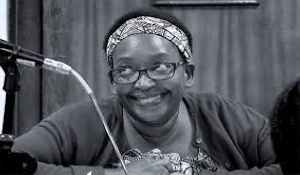
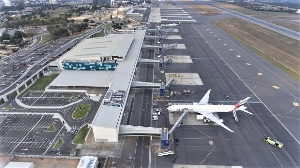
    Controversial Ugandan academic and activist, Stella Nyanzi, has criticized what she perceives as unscrupulous and corrupt airport officials.

    Nyanzi, who recently visited Ghana, shared her encounter with certain individuals at Kotoko International Airport (KIA) while departing after her stay in Ghana.

    Her dissatisfaction with these officials arose from what she described as their exploitation of “vulnerable, economically disadvantaged travelers with slightly overweight luggage on KLM flights.”

    She expressed frustration at having to pay a fee of US$150 for the excess weight in her checked luggage. Furthermore, she mentioned that the officials had offered to reduce the fee by US$50 if she accepted their unofficial proposition.

    In a Facebook post dated September 9, Nyanzi described her interaction with a specific officer who issued her a seemingly irrelevant receipt for USD$150 regarding the excess baggage.

    In a subsequent post, she revealed that she had paid the equivalent amount in cedis.

    Read her full post below:

    There is a dodgy ring of Ghanaians at Kotoka International Airport who rip off gullible poor travelers with slightly overweight bags aboard KLM.

    Comprising all sorts of diverse humans, they wear the airport staff uniform of royal blue skirt or trousers, and white shirts. Some wear royal blue jackets, too.

    All of them wear name tags attached to woven string onto which is repeatedly embroidered the word Debill in bright red letters.

    An elderly bespectacled woman with a wicked crooked smile exposing foul brown teeth pulled me aside and ordered me to redistribute my luggage by repacking my one piece of checked-in bag and my one piece of hand luggage.

    Her skin reminded me of dying crocodiles. Her counterpart is a big lipped man with those biggish flat Ghanaian heads. He wrote for me an ugly meaningless invoice/ receipt of USD$ 150 for the three excess kilos in my checked-in luggage.

    I said fine, stepped outside the side of the queue for checking in and repacked my bags. As I pulled my last zip, the same old shameless crook of a ring leader, came and whispered to me that I could pay only USD$ 100 and yet check in both pieces.

    “Why?” I asked her.

    “Akwaaba,” she responded with another dirty-brown toothed smile.

    “But there are valuable documents in my hand luggage,” I said.

    “Yes, I know-oh. Mummy, I understand-oh. I will even buy you a padlock to lock your bag very well-oh if you pay the less amount for two bags,” she replied.

    This suspicious behavior irked me to the core. I hate blatant corruption.
    “Will I get a receipt?” I asked.

    “You pay only 100 dollars but check in two bags instead of paying 150 dollars for checking in only one bag,” she replied.

  • Kiir meets with President Museveni, speaks about commerce and security

    Kiir meets with President Museveni, speaks about commerce and security

    Uganda’s President Yoweri Museveni and his South Sudanese counterpart, Salva Kiir, convened for a closed-door meeting on Thursday to discuss shared interests and border security matters between their two nations.

    While the details of the private meeting were not disclosed, the President’s Senior Press Secretary, Sandor Walusimbi, revealed that the discussions revolved around regional issues, border security concerns, and the ongoing conflict in South Sudan.

    The leaders also addressed common interests shared by Uganda and South Sudan.

    Tensions at the border between the two countries escalated last week when South Sudanese forces allegedly raided over 20 villages in Yumbe District, Uganda, claiming the territory as part of their own. Such cross-border clashes have occurred in the past, with a notable incident in 2020 resulting in casualties on both sides.

    Uganda, under President Museveni’s leadership, has played a significant role in regional security for over three decades. Museveni has actively worked towards ending the conflict in South Sudan by facilitating talks between Salva Kiir and his rival, Riek Machar.

    Since gaining independence in 2011, South Sudan has faced persistent challenges, including armed conflict, natural disasters, food shortages, ethnic violence, and political disputes. Despite having substantial oil reserves, it remains one of the world’s poorest nations.

    Although the Revitalised Peace Agreement called for elections in South Sudan this year, the ongoing power struggle between Kiir and Machar has hindered progress. The United Nations Security Council imposed an arms embargo on South Sudan in 2018.

    In February 2020, South Sudan established the Revitalised Transitional Government of National Unity (RTGoNU) as part of the peace agreement provisions. In August 2022, South Sudan extended the transitional government for two more years to prevent a return to war.

    To enhance bilateral relations, Uganda and South Sudan signed a Power Sales Agreement in June and an agreement on joint border security management in February 2023. These agreements aim to boost power trade and facilitate socio-economic development in border towns while addressing security concerns and facilitating the free movement of people, goods, and services as per the East African Community protocol.

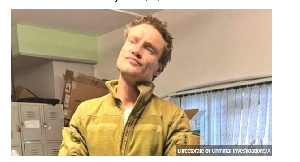
  • Polish man apprehended in Kenya in possession of heroin valued at $22,000

    Polish man apprehended in Kenya in possession of heroin valued at $22,000

    Kenyan detectives have apprehended a Polish individual suspected of drug trafficking at the main airport in the capital, Nairobi.

    The suspect, identified as Arkadiusz Stanislaw, was taken into custody with heroin worth $22,000 (£18,000) just moments before attempting to board an Egypt-bound Hungarian airline at Jomo Kenyatta International Airport.

    The police have detained Stanislaw, and he is currently awaiting court arraignment.

    Margaret Karanja, the Director of Kenya’s Anti-Narcotics Directorate, has issued a stern warning, stating that all individuals involved in drug-related activities will face the full force of the law, regardless of their role in the trade.

    It’s important to note that East Africa is a significant transit point for the trafficking of drugs from the Middle East to the West.

  • Growth in intra-African travel will spur demand for more planes – Boeing

    Growth in intra-African travel will spur demand for more planes – Boeing

    The most recent Boeing Commercial Market Outlook for 2023 anticipates a 7.4% growth in African air traffic, primarily fueled by the rapid expansion of intra-regional and domestic networks.

    Boeing, the American aircraft manufacturer, predicts that this growth trend will result in a significant increase in Africa’s commercial jet fleet over the next two decades, with the number of aircraft doubling to reach 1,550.

    Randy Heisey, Managing Director of Commercial Marketing for Middle East and Africa at Boeing noted that: “African carriers are well-positioned to support intra-regional traffic growth and capture market share by offering services that efficiently connect passengers and enable commerce within the continent.”

    “We forecast an increase in the average aircraft size and seats per aircraft for the African fleet, as single aisles, like the Boeing 737 MAX, will be the most in demand for the continent,” he added.

    In 2023, African aviation traffic has made a robust recovery, primarily propelled by pent-up demand and an upswing in economic activity driven by elevated global commodity prices. Currently, African airline flights have surpassed pre-pandemic levels by 8%. Boeing forecasts that Africa’s above-global-average, long-term annual economic growth of 3.4%, along with the increasing rates of urbanization and the expanding middle-class population, will continue to fuel sustained demand for air traffic in Africa.

    Furthermore, economic and growth initiatives like the African Continental Free Trade Area and the Single African Air Transport Market are poised to further enhance trade and intra-regional connectivity in the continent.

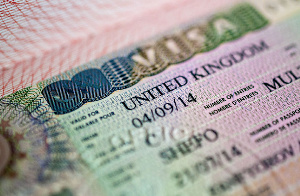
  • Cost of visa increased from £15 to £115 by UK govt, student visa now costs £490

    Cost of visa increased from £15 to £115 by UK govt, student visa now costs £490

    The UK government has declared an upcoming adjustment in immigration and nationality fees, set to take effect on October 4, 2023, for essential services.

    Under the new fee structure, the cost of a visitor visa for stays of less than six months will rise from £15 to £115, while the fee for applying for a student visa from outside the UK will increase by £127 to £490.

    This modification aligns the fees for out-of-country applications with the charges applied for in-country applications. A bill related to these fee changes has already been presented to the UK Parliament on September 15, 2023, awaiting approval.

    “In July, the government announced a 15% increase in the cost of most work and visit visas, and an increase of at least 20% in the cost of priority visas, study visas and certificates of sponsorship,” the UK government said its on official website; gov.uk

    “Income from fees charged plays a vital role in the Home Office’s ability to run a sustainable immigration and nationality system,” it added.

    The UK government however pointed out that “careful consideration is given when setting fees to help reduce the funding contribution from British taxpayers, whilst continuing to provide a service that remains attractive to those wishing to work in the UK and support broader prosperity for all.”

    Additionally, it was emphasized that the adjustments do not include the anticipated rise in the Immigration Health Surcharge (IHS), which is expected to go into effect later this autumn.

    Meanwhile the fee changes will include the following below:

    • Fees for up to 6 months, 2, 5 and 10 year visit visas.

    • The majority of fees for entry clearance and certain applications for leave to remain in the UK including those for work and study.

    • Fees for indefinite leave to enter and indefinite leave to remain.

    • Convention travel document and stateless person’s travel document.

    • Health and Care visa.

    • Fees in relation to certificates of sponsorship and confirmation of acceptance for studies.

    • The in and out of country fee for the super priority service and the out of country fee for the priority service. The settlement priority service will reduce so it is aligned with the cost of using the priority service.

    • Applications to Register and Naturalise as a British Citizen.

    • The fee for the User Pays Visa Application service.

  • Moroccan teacher shares traumatic experience of loosing 32 pupils to earthquake

    Moroccan teacher shares traumatic experience of loosing 32 pupils to earthquake


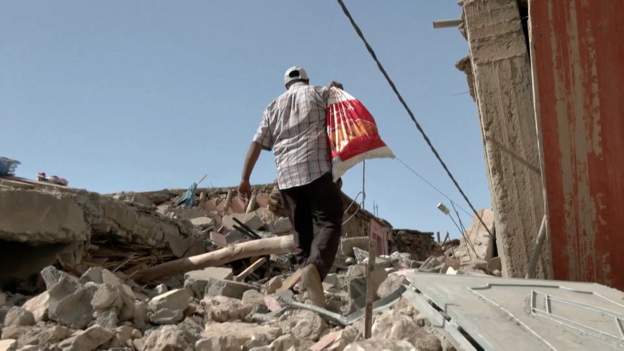
    One Moroccan schoolteacher’s immediate concern was for her students when she experienced the 6.8-magnitude earthquake that struck a week ago. Although Nesreen Abu ElFadel was in Marrakesh at the time, her school and pupils were located in Adaseel, a mountain village much closer to the epicenter.

    Upon hearing the news, she rushed back to Adaseel in search of the children, but the devastating truth soon became clear: all 32 of her students, aged six to twelve, had perished in the earthquake.

    She recounted her painful experience, saying, “I imagined holding my class’s attendance sheet and putting a line through one student’s name after another, until I had scratched off 32 names; they are all now dead.”

    The earthquake, the strongest ever recorded in Morocco, struck on the evening of September 8 and claimed nearly 3,000 lives. Many mountain villages, including Adaseel, were completely destroyed.

    Ms. ElFadel recalled the heartbreaking discovery of six-year-old Khadija’s body, along with her brother Mohamed and her two sisters, Mena and Hanan. They had all been in bed, likely asleep, during the quake. Khadija was her favorite student, known for being bright, active, and fond of singing.

    Despite facing poverty and a high cost of living, the children and their families considered attending school the most important thing in the world.

    Ms. ElFadel, who loved teaching Arabic and French to the Amazigh-speaking children of Adaseel, plans to continue her teaching career. She hopes that the authorities will rebuild the school, which collapsed during the earthquake.

    A total of 530 educational institutions have been damaged to varying degrees, with some completely collapsed or severely structurally damaged, according to official statements. The Moroccan government has temporarily suspended classes in the hardest-hit areas.

    Ms. ElFadel said, “Maybe one day when they rebuild the school and classes are back in session, we can commemorate those 32 kids and tell their story.”

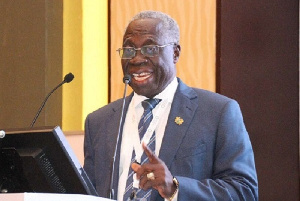
  • Osafo-Maafo calls for improved working conditions for internal auditors

    Osafo-Maafo calls for improved working conditions for internal auditors

    Senior Presidential Advisor, Yaw Osafo-Maafo, has called on the Ministry of Finance to consider enhancing and aligning the terms of service for Internal Audit Agency (IAA) staff with those of their counterparts in the revenue and accounting class. He argued that such a move would promote fairness and equity among professionals with similar backgrounds and address the challenge of attracting top professionals to join the Internal Audit Agency.

    Osafo-Maafo emphasized the importance of adequately compensating those responsible for preventing the misuse of resources.

    He made these remarks during the opening of the 2023 Annual Internal Audit Conference, held under the theme: “20 years of Internal Audit Practice in Ghana: Achievements, Challenges, and Way Forward.”

    Osafo-Maafo also highlighted the need for a revised Internal Audit Agency Law, as two out of the three public financial management laws passed in 2003 had either been repealed or amended over the past two decades. He believed that amending the IAA Act would enhance the objectivity of internal auditors and provide the agency with the necessary protection and independence to carry out its mandate.

    He stressed that neglecting the role of those ensuring compliance with rules and regulations could endanger the system.

    Furthermore, Osafo-Maafo noted that some government appointees had been in conflict with internal auditors for too long, viewing them as fault-finders. He encouraged the IAA to regularly educate government appointees on corporate governance, risk management, and internal control processes.

    Dr. Oduro Osae, the Director-General of the IAA, highlighted the agency’s achievements, including a significant reduction in financial infractions across various public institutions. However, he noted a 48 percent increase in financial infractions by Metropolitan, Municipal, and District Assemblies (MMDCEs) between 2021 and 2022, primarily due to direct supervision by the internal audit committees of the MMDCEs. He suggested that passing the Act would make these committees more independent and empower them to identify infractions in public institutions.

    Dr. Janet Ampadu Fofie, the immediate Past Chairperson of the Public Service Commission, urged internal auditors to proactively identify financial infractions in the public sector and be the “security blanket” ensuring adherence to the Public Financial Management Act (PFMA) to combat corruption.

    Professor John Kwaku Mensah Mawutor, Pro Vice-Chancellor of the University of Professional Studies Accra (UPSA), cautioned internal auditors about the threat of Artificial Intelligence (AI) to their profession’s relevance. He advised them to adapt to the contemporary world of work, emphasizing the importance of Information Technology (IT) skills.

    He also suggested that training institutions and professional bodies incorporate IT into their training modules to keep internal auditors up to date with the evolving world of work.

  • French Ambassador held captive’ by Niger junta – Macron

    French Ambassador held captive’ by Niger junta – Macron

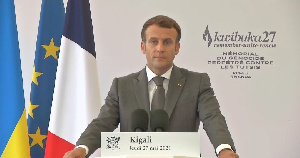
    The French Ambassador to Niger is allegedly living in captivity in the French embassy, according to President Emmanuel Macron, who also charged military leaders with obstructing food deliveries to the mission.

    According to Macron, the ambassador is surviving solely on “military rations” and was speaking to media in the eastern town of Semur-en-Auxois on Friday.

    “As we speak, we have an ambassador and diplomatic staff who are literally being held hostage in the French embassy,” he said.

    “They are preventing food deliveries,” he said, in an apparent reference to Niger’s new military rulers. “He is eating military rations.”

    Niger’s military leaders had initially instructed French ambassador Sylvain Itte to leave the country following the overthrow of President Mohamed Bazoum on July 26. However, despite a 48-hour ultimatum issued in August, the French government refused to comply and did not recognize the legitimacy of the military government.

    France, along with most of Niger’s neighbors, condemned the coup.

    President Emmanuel Macron stated that the French ambassador “cannot go out, he is persona non grata, and he is being refused food.” When asked whether France would consider recalling the ambassador, Macron indicated that any decision would be made in coordination with President Bazoum, whom he considers the legitimate authority and communicates with daily.

    France maintains approximately 1,500 troops in Niger and has emphasized that any redeployment would need to be negotiated with President Bazoum.

    The new leaders of Niger have terminated military cooperation agreements with France and have requested the swift departure of French troops.

    Macron has consistently rejected calls to withdraw the French ambassador, a position supported by the European Union (EU), which has described the demand as “a provocation.” Like France, the EU does not recognize the authorities that took power in Niger.

    The Sahel region, located south of the Sahara, has experienced a series of coups in recent years, with military regimes replacing elected governments in countries such as Mali, Burkina Faso, Guinea, and Niger, prompting concerns and responses from regional and international actors.

    Last week, Colonel Amadou Abdramane, a spokesperson for Niger’s coup leaders, accused France of amassing forces and equipment in West African countries, potentially for a “military intervention” against Niamey.

    Niger is also in a standoff with the Economic Community of West African States (ECOWAS), which has threatened military intervention if diplomatic efforts to reinstate President Bazoum are unsuccessful.

  • ‘Subversive’ French embassy top official ordered to leave by the Burkina Faso junta

    ‘Subversive’ French embassy top official ordered to leave by the Burkina Faso junta

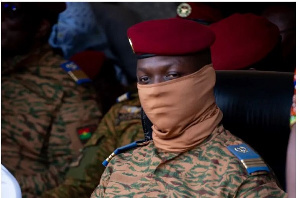
    The military junta in Burkina Faso has issued an order for the French embassy’s defense attaché to leave the country, citing “subversive” behavior, as revealed in a leaked letter obtained by Reuters on Friday.

    This expulsion of Attaché Emmanuel Pasquier marks another sign of escalating tensions between Burkina Faso and its former colonial power, France, since the military government came to power through two coups last year.

    France has maintained strong ties with its former colonies and has a military presence across West Africa. However, resentment towards France’s presence has grown following a series of military coups, with some critics perceiving it as interference.

    The letter, dated September 14 and confirmed by Reuters, stipulated that Pasquier and his staff had two weeks to depart from Burkina Faso. As of the time of the report, the French embassy in Ouagadougou could not be reached, but a diplomatic source indicated that Pasquier was still in the country.

    France’s foreign ministry stated it was investigating reports of the expulsion and could not provide immediate comments.

    The letter did not provide specific details regarding the reasons for Pasquier’s expulsion. It did, however, mention the immediate closure of the defense section of the Burkina Faso embassy in Paris.

    Burkina Faso’s self-appointed transitional government had previously ordered the departure of France’s ambassador and that of senior United Nations official Barbara Manzi. Additionally, there has been a crackdown on French media.

    Anti-French sentiment has been on the rise since Burkina Faso first came under military rule in January 2022. Several protests against the French military presence have occurred, partly linked to the perception that France has not done enough to address the jihadist insurgency that has spread from neighboring Mali in recent years.

    The prolonged insecurity has contributed to political instability and has prompted two military coups in Mali, two in Burkina Faso, and one in Niger since 2020. Niger’s junta, which seized power at the end of July, expelled the French ambassador last month.

  • 47 SME’s in the western region considered for MTN Enterprise Support Programme

    47 SME’s in the western region considered for MTN Enterprise Support Programme

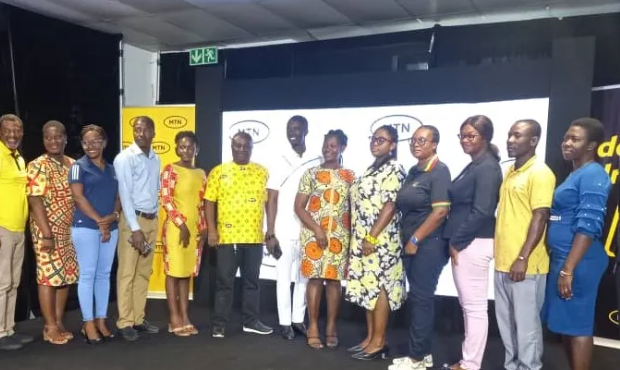
    The MTN Ghana Foundation’s Enterprise Support Programme has selected a total of 47 Small and Medium Enterprises (SMEs) from the Western Region as beneficiaries.

    These 47 SMEs are part of the initial group of 140 businesses chosen from the Western, Greater Accra, and Ashanti regions for the first year of this five-year initiative.

    The selected beneficiaries will participate in a month-long business development training program, after which they will each receive seed funds amounting to GHC10,000 to facilitate the expansion of their enterprises.

    Implemented in collaboration with Innohub, the Enterprise Support Programme aims to assist approximately 500 Micro, Small, and Medium Enterprises (MSMEs) across Ghana over the next five years. It specifically targets businesses led by youth, women, and Persons with Disabilities (PWDs).

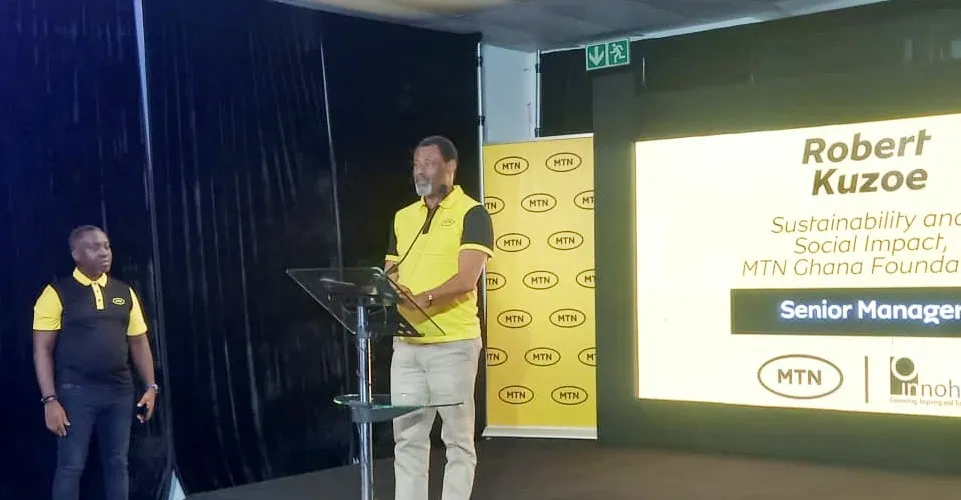
    Mr. Robert Kuzoe, the Acting Chief Corporate Services and Sustainability Officer of MTN Ghana Foundation, announced the first group of beneficiaries during a ceremony held in Takoradi. He explained that the inaugural year of the programme serves as a pilot phase to assess its sustainability and provide insights for policy directions over the subsequent years.

    Mr. Kuzoe emphasized MTN Ghana Foundation’s commitment to the project, citing economic empowerment as a key driver of development. He pointed out that SMEs play a significant role in job creation and contribute substantially to Ghana’s economic growth. However, SMEs face challenges such as limited access to credit facilities, technology, and managerial expertise. To address these challenges, MTN Ghana Foundation launched the Enterprise Support Programme.

    Regarding the selection procedure, Mr. Kuzoe stated that they received applications from a number of SMEs, and that candidates were then shortlisted after being reviewed and invited to present their case to a panel.

    “In line with our diversity and inclusion drive, we made a conscious effort to select businesses that have clear social and environmental impact and aligned with our sustainability objectives and the United Nations Sustainable Development Goals (SDGs).   

    “We are also interested in businesses with digital components since we are now pushing for digital inclusion,” he added.  

    He asked the beneficiaries to ensure that they put the support they would receive to good use, saying; “We hope that you will work hard to build sustainable businesses that provide opportunities for our rapidly growing labour force, especially women and youth so that others will also benefit from the opportunity offered to you.”  

    Mr David Woasey, Acting South-Western Regional Sales Manager of MTN, said: “We understand the everyday challenge of funding businesses, no matter how small, in Ghana and this is why the Enterprise Support Programme is timely and useful.”  

    Speaking on behalf of her coworkers, a beneficiary named Madam Hannah Boakye Asiamah thanked the MTN Ghana Foundation and its partners for their support and pledged that they would use the program to grow their businesses and provide long-term employment for others in their communities.

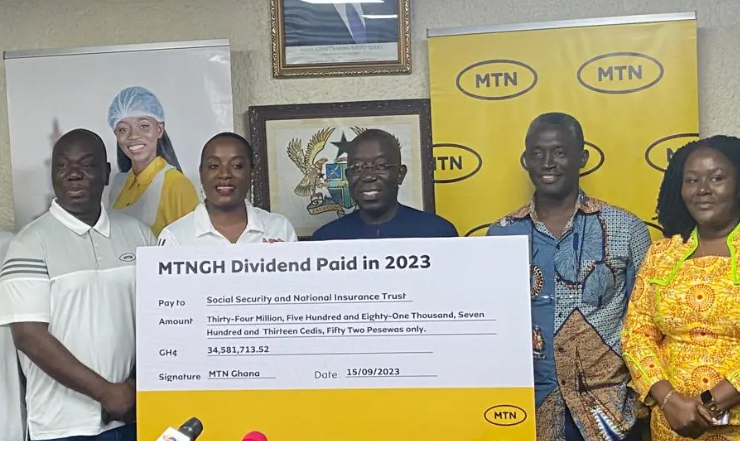
  • SSNIT receives a GHS34,581,713.52 dividend from MTN Ghana

    SSNIT receives a GHS34,581,713.52 dividend from MTN Ghana

    MTN Ghana has handed over a cheque amounting to GH₵34,581,713.52 to the Social Security and National Insurance Trust (SSNIT) as the interim dividend for 2022 and 2023.

    The dividend for 2023 amounted to GH₵9.9 million, while that for 2022 stood at GH₵24 million. SSNIT holds the position of the largest Ghanaian shareholder in MTN Ghana.

    During the presentation ceremony in Accra, Mrs. Antoinette Kwofie, the Chief Financial Officer of MTN, highlighted that “the final dividend for 2022 was 12.4 pesewas per share, bringing the total dividend for 2022 to 16.4 pesewas for every share held by a shareholder in MTN Ghana. Additionally, we are paying 5 pesewas per share as the interim dividend for 2023.”

    She noted that this engagement between MTN and their key investor aimed to encourage them to retain their investments within the MTN family and potentially increase their investment to further enhance localization efforts.

    “For our final dividend for 2022, MTN Ghana gave all shareholders an option to opt for scrip dividend which was to take their dividend in shares all in cash,” she added.

    It was implied that it was only for institutional investors when she added that they had individual investors who agreed to receive their dividend in shares, so increasing their interest in the company.

    MTN Ghana, according to Mrs. Kwofie, is dedicated to creating a sustainable business and offering stakeholders and customers sustainable solutions.

    “Shareholders should expect its pledge by growing investor communication to the market, grow revenues and protect its margins to maintain our dividend payout ratio above 60 per cent.

    She emphasized, “This is our commitment to the market, and we will strive to fulfill it.”

    Dr. John Ofori-Tenkorang, the Director-General of SSNIT, praised MTN Ghana for this achievement and expressed expectations of even higher dividends in the years to come. He stressed that “for us as investors, returns are one of the vital tools we rely on to ensure lifelong pension payments to our stakeholders.”

    Dr. Ofori-Tenkorang affirmed SSNIT’s commitment to its mandate of collecting contributions from workers and prudently investing to ensure the sustained payment of benefits. He emphasized the importance of companies registering their employees with SSNIT to enhance their operations and secure adequate contributions for the benefit of their customers.

    He further conveyed his organization’s eagerness to foster a mutually beneficial relationship with MTN.

  • Fitch asserts govt won’t include T-bills in DDEP

    Fitch asserts govt won’t include T-bills in DDEP

    International ratings agency, Fitch Ratings, has confirmed the government’s stance regarding the involvement of treasury bills in its debt restructuring plan.

    Fitch Ratings has stated that it does not anticipate the inclusion of treasury bills in the restructuring plan in the immediate future. The UK-based firm has emphasized that treasury bills have become the primary financing tool for the government, and therefore, incorporating them into the exchange program would have detrimental effects on its financial stability.

    Toby Illes, Senior Director of Emerging Market and African Sovereign Ratings at Fitch Ratings, made these remarks during the Africa Webinar Series titled “Reform and New Challenges in Western Africa.” He projected that the government is unlikely to restructure treasury bills.

    “We don’t expect T-bills to be restructured. Just given the need for that financing tool, we wouldn’t expect that to be included.

    “In Ghana’s case, it is generally very complicated to include that in domestic debt restructuring. I guess the main question is that domestic debt restructuring we would have now is about that the domestic debt restructuring is more about medium-term when actually you move a lot of these maturities down the line,” he said.

    Tony Illes expressed concern about the enormous domestic debt servicing anticipated in 2027 and 2028, respectively.

    He said: “The policy adjustment from now till then is a downward trend. However, as I said when we get to 2027-2028, we would have a huge hung of domestic debt service.”

  • Ghana engaging official creditors on cut-off date for debt restructuring – Sources

    Ghana engaging official creditors on cut-off date for debt restructuring – Sources

    Ghana is currently in negotiations with its official creditors to establish cut-off dates for the exclusion of new loans from the restructuring of the country’s foreign debt, according to two sources with knowledge of the matter who preferred to remain anonymous due to the confidential nature of the discussions.

    Recent meetings of the official creditor committee, co-chaired by France and China, have considered December 2022 and March 2020 as potential cut-off dates. These dates are significant as Ghana is undergoing debt restructuring within the framework of the G20 Common Framework platform after defaulting in early 2022 following a series of credit rating downgrades. The country faced rising borrowing costs and debt servicing expenses, exacerbating an economic crisis characterized by currency devaluation and soaring inflation.

    While December 31, 2022, aligns closely with Ghana’s default date, March 24, 2020, is also under consideration as a cut-off date. This is because it corresponds with the introduction of the G20 Debt Service Suspension Initiative (DSSI), designed to assist the world’s poorest countries in coping with the impact of the COVID-19 crisis. However, Ghana did not apply for the DSSI, which was utilized by 48 countries and had the support of the International Monetary Fund (IMF) and the World Bank.

    The sources revealed that there is no definitive decision yet, with Ghana and the IMF favoring December 2022 due to the Debt Sustainability Analysis (DSA) being based on that date.

    If a March 2020 cut-off date is chosen, it could result in the exclusion of loans such as Afreximbank’s $750 million commercial loan due in July 2022.

    The sources did not provide specific estimates for the different debt relief scenarios related to the cut-off dates.

    In discussions with bilateral creditors, Ghana has presented a “priority list of projects” that it wishes to exclude from the restructuring. However, the source did not disclose the details or the value of these projects. Removing these projects would align with the March 2020 cut-off date since most of them were signed after that time.

    Ghana is in the process of restructuring both its domestic and external debt following a $3 billion bailout from the IMF secured in May. The country is aiming for $10.5 billion in external debt service relief from 2023 to 2026 as it negotiates the restructuring of $20 billion of its foreign debt with bilateral creditors, including China, Paris Club members, and overseas bondholders.

    Ghana is in the process of restructuring both its domestic and external debt following a $3 billion bailout from the IMF secured in May. The country is aiming for $10.5 billion in external debt service relief from 2023 to 2026 as it negotiates the restructuring of $20 billion of its foreign debt with bilateral creditors, including China, Paris Club members, and overseas bondholders.

  • Govt paying cocoa farmers meager amount amidst high world market price – NDC

    Govt paying cocoa farmers meager amount amidst high world market price – NDC

    The primary opposition party, the National Democratic Congress (NDC), has accused the government of exploiting cocoa farmers by undervaluing their produce throughout the country.

    According to the NDC, cocoa is presently commanding a price of $3,600 per bag on the international market. However, the government is compensating Ghanaian farmers only GHS 1,308.00 per bag, a situation that the NDC deems unfair.

    At the commencement of the 2023/2024 cocoa season, the government declared a new cocoa price. The price per bag was raised from GH¢800.00 to GH¢1,308.00, and the per-ton price surged from GH¢12,800.00 to GH¢20,943.00. This represented a substantial 63.5 percent increase compared to the previous price.

    The NDC asserts that this price adjustment is insufficient and amounts to exploitation of hardworking cocoa farmers.

    Mr. Eric Opoku, the Ranking Member on the Food and Beverages Committee of Parliament, expressed his concerns about the government’s offer during an interview on The Citizens Show on Accra 100.5 FM, hosted by Nana Ama Agyarko on September 14, 2023.

    Mr. Opoku pointed out that there is a scarcity of cocoa on the international market, a fact acknowledged by the International Cocoa Organization (ICO). This shortage has driven cocoa demand to unprecedented levels. He further explained that such a significant price surge has not been witnessed since 1970, primarily due to production shortages in premium cocoa from Ghana and Ivory Coast.

    Under normal circumstances, Mr. Opoku argued, cocoa farmers should be reaping significant benefits from the high cocoa prices spurred by the global shortage. However, he believes that the government’s actions are unjust, as it is providing farmers with a meager sum while profiting immensely from the unprecedented cocoa prices.

    According to Mr. Opoku, this situation represents a clear case of the government taking advantage of ordinary farmers at the expense of their rightful earnings.

  • Create a suitable economy for us first – Ablakwa goes hard on ‘BoG defender’ Ofori-Atta

    Create a suitable economy for us first – Ablakwa goes hard on ‘BoG defender’ Ofori-Atta

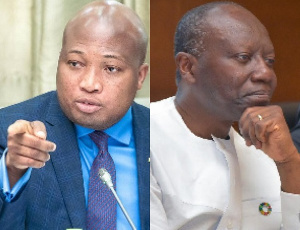
    Member of Parliament for North Tongu, Samuel Okudzeto Ablakwa, has criticized Finance Minister Ken Ofori-Atta’s call for Ghanaians to rally behind the Bank of Ghana (BoG) instead of subjecting it to criticism.

    The central bank has faced severe scrutiny, particularly from opposition voices, following substantial losses recorded in its 2022 annual report. This has led to calls for the governor and his two deputies to step down, with the Minority in Parliament and various pressure groups planning a protest campaign known as #OccupyBoG to emphasize their demands.

    Amid these losses, concerns have arisen about the bank’s ongoing construction of a new head office, which is alleged to cost taxpayers US$250 million. This has further intensified the pressure on the bank.

    In response to these challenges, Ken Ofori-Atta penned an article this week in defense of the bank, addressing all the criticisms. One of the notable quotes from the article pertains to the new head office building.

    In response to this quote, Ablakwa posted on Facebook: “Why not build a befitting economy for all of us first? This is the self-acclaimed Solid Team!”

  • VISA restrictions against Nigerians still in force – UAE official

    VISA restrictions against Nigerians still in force – UAE official

    The Nigerian government’s claim that the United Arab Emirates (UAE) is poised to lift its year-long visa ban on Nigerian travelers has been contradicted by an official from the Gulf state.

    An anonymous source from the UAE informed CNN that “There are no changes on the Nigeria/UAE travel status so far.” The source clarified that they were not authorized to speak to the media.

    Last October, the UAE announced that it would no longer issue visas to citizens from Nigeria and 19 other African countries, though it did not provide specific details. Obtaining a 30-day tourist visa had been relatively straightforward until the UAE abruptly halted the issuance of visas to Nigerian nationals.

    Flight operations between the two countries were also suspended last year after Dubai’s Emirates airline stopped its operations in Nigeria, citing difficulties in accessing and repatriating its funds totaling $85 million, which were held in Nigeria.

    Recently, Nigeria’s President Bola Tinubu held a meeting with UAE leader Mohamed bin Zayed Al Nahyan in Abu Dhabi, where they reportedly “finalized a historic agreement,” as stated by the Nigerian government. The government’s statement indicated that the agreement would lead to the lifting of the visa ban and the immediate resumption of flights between the two countries, with both Etihad Airlines and Emirates Airlines mentioned.

    However, a subsequent statement from the UAE government did not confirm the lifting of the visa ban or the resumption of flights. Instead, it mentioned that the leaders had explored opportunities for further bilateral collaboration and hoped to reinforce ties between the two nations.

    In a follow-up statement, the Nigerian government spokesperson clarified that officials from both countries required more time to finalize the details of the agreement, contradicting the earlier statement. He emphasized the need to allow cabinet officials from both sides to work out the finer points and cross-sectoral agreements. He urged everyone to allow the process to proceed naturally, without speculation.

    An elite’s playground

    The announcement of the visa ban being lifted sparked great excitement among Nigerians, leading to widespread jubilation.

    Dubai has long been a favored destination for thousands of Nigerian tourists, and it has also served as a haven for real estate investors from Nigeria. Prior to the pandemic, Nigerians were among the largest foreign investors in Dubai’s real estate market, with investments totaling nearly $2 billion, as reported by local media, citing information from the Dubai Land Department.

    Before the ban was imposed, Emirates Airlines operated two daily flights from Lagos, Nigeria, to Dubai, as well as one daily flight from the capital, Abuja, to Dubai.

  • Isaac Adongo alleges conflict of interest with ADB-NIB acquisition by BoG

    Isaac Adongo alleges conflict of interest with ADB-NIB acquisition by BoG

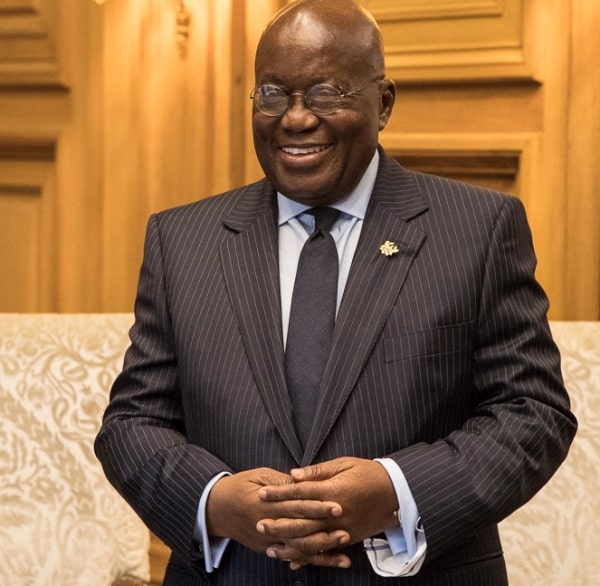
    Ranking member of the Finance Committee in Parliament, Isaac Adongo, has raised allegations of a conflict of interest against Dr. Ernest Addison, the Governor of the Bank of Ghana (BoG), in connection to the reported proposal of allowing the Agricultural Development Bank (ADB) to acquire the National Investment Bank (NIB).

    Dr. Addison has cited the liquidity challenges faced by NIB, making it increasingly difficult for the bank to sustain its operations based on its current financial status. Consequently, the Central Bank Governor has revealed that, as part of the conditions associated with the IMF facility, various options are being explored to address the challenges confronting NIB.

    There are widespread reports suggesting that the government has settled on a decision to permit ADB to take over NIB.

    Isaac Adongo contends that the Bank of Ghana, which owns a 64% stake in ADB through its 100% owned Financial Investment Trust, is thus potentially conflicted in this matter. Transferring NIB to ADB, in his view, would constitute a conflict of interest.

    The Member of Parliament representing Bolgatanga Central is opposed to this proposed move and advocates for the Central Bank to inject capital into NIB and ensure its independent operation.

    In an interview with Starr News, Mr. Adongo argued that, according to section 22 of Act 612 of 1963, which established NIB, the Bank of Ghana cannot unilaterally liquidate the bank without seeking approval from Parliament.
    “The Bank shall not be placed in liquidation except pursuant to an Act passed in that behalf and then only in such a manner as the Act shall direct” the Act states.

    Mr. Adongo has therefore warned any attempt to liquidate NIB through the backdoor will be illegal and that will be heavily resisted.

  • Young individuals eager to pursue careers in agriculture,  TVET – Study

    Young individuals eager to pursue careers in agriculture, TVET – Study

    A recent study has unveiled that a significant majority of young individuals hold a favorable outlook on agriculture and Technical and Vocational Education and Training (TVET).

    According to the study, over 91 percent of the respondents expressed their willingness to work in these sectors provided they receive the requisite training and acquire the necessary skills.

    This research was commissioned as a part of the Ghana Grows Programme, a collaborative effort involving the Mastercard Foundation, the Springboard Road Show Foundation, and Lyme Haus. Its primary objective is to alter the negative perceptions surrounding agriculture and TVET.

    During the program’s launch, Mrs. Comfort Ocran, the Executive Director of the Springboard Road Show Foundation, explained, “Ghana Grows is a three-year initiative encompassing a series of comprehensive interventions designed to inspire young people aged 15 to 35, particularly young women, to explore opportunities and actively pursue rewarding careers in agriculture, agribusiness, and TVET.”

    The survey, which gathered the opinions of more than 1,100 randomly selected young individuals aged 15 to 35 from all 16 regions of Ghana, revealed that 46 percent of those surveyed were currently unemployed, with 36 percent holding tertiary degrees.

    Mrs. Ocran highlighted that the findings showcased the commendable awareness among young people about the agriculture and ATVET sectors. Over 80 percent of them recognized that these fields encompassed professions beyond traditional farming, including economists, scientists, and engineers. However, only 40 percent were aware of the programs and opportunities available to youth, 33 percent were informed about initiatives for women, and 24 percent were aware of programs for individuals with disabilities.

    She emphasized that the Ghana Grows Programme was focused on reshaping young people’s perceptions of agriculture, agribusiness, and TVET. It also aimed to engage with policymakers in these sectors.

    Recognizing the positive attitude young individuals hold toward these sectors, the organizers stressed the importance of leveraging this positivity, improving their perceptions, and establishing an enabling environment with clear pathways for their participation in agriculture and ATVET.

  • Terrible 1998 deaths of two valiant police policemen, Kwaku Ninja and Taller

    Terrible 1998 deaths of two valiant police policemen, Kwaku Ninja and Taller

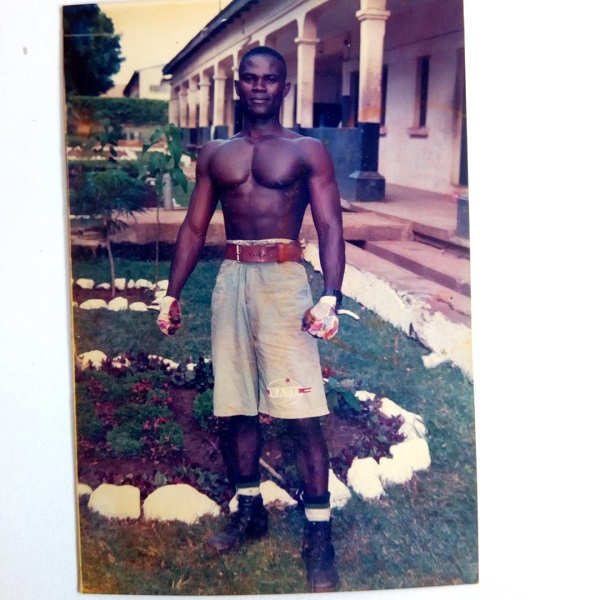
    They were two prominent officers within the Ghana Police Service, their names etched into the annals of the force’s history until the cold grip of death claimed them in November 1998. The sheer shock, disbelief, and heartache that swept through the Service and the entire nation were palpable.

    Owusu Sekyere, affectionately known as ‘Kwaku Ninja,’ and Jerry Wornu, also recognized as ‘Taller,’ met a gruesome end while carrying out their duty. Reports unveiled a grim truth – these two officers had been brutally murdered by land guards in the suburbs of Accra, specifically in the area of Ablekuma, all over an alleged dispute concerning a piece of land.

    Both police constables were part of the Striking Force Unit of the Ghana Police Service, renowned for their unwavering dedication to fighting crime and apprehending some of the most notorious criminals.

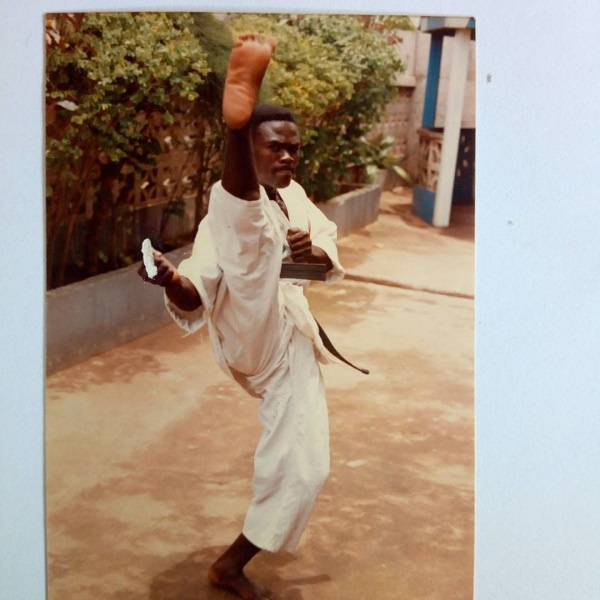
    Kwaku Ninja, in particular, had earned a reputation as a mixed martial artist, lending his expertise to train fellow cadets and officers within the police force. His exceptional commitment to self-defense earned him a spot on the renowned ‘Sport Highlights’ show, a Monday night staple on GTV.

    Owusu Sekyere’s segment on the show gained immense popularity, offering viewers invaluable insights into self-defense techniques. Over time, many viewers grew deeply attached to his unique style and teachings whenever the program aired.

    As years passed, Kwaku Ninja and Taller became the embodiment of strength and power in the ongoing battle against crime within the Ghana Police Service. Their unit, the Striking Force, struck fear into the hearts of criminals across the nation.

    Tragically, their lives were cut short when reports surfaced that they had been lynched by an angry mob, allegedly with the support of some land guards in Accra. While the exact motive behind their murder remains shrouded in conflicting accounts, the prevailing narrative suggests that they were on a mission to inspect a piece of land supposedly owned by Kwaku Ninja.

    Upon arriving at the site, tensions flared between the officers and the land guards due to their relentless efforts in combating illegal activities in the area. This confrontation escalated into a physical clash, with the land guards reportedly outnumbering the officers, resulting in the tragic demise of Constable Wornu (Taller). Kwaku Ninja, in a desperate bid to escape, was said to have clung to the side of a moving truck but tragically fell, meeting his end on the spot.

    One of the individuals involved in the confrontation was identified as Kwasi Kwei, known as ‘Kwei-Kwei.’ He, along with another accomplice named ‘Terminator,’ was apprehended by the police in connection with the deaths of Constable Wornu and Owusu Sekyere.

    Both suspects eventually confessed to their involvement in the murders of the two police constables. They also admitted to preparing a burial site for Kwaku Ninja and Taller.

    The police administration later exhumed the remains of Kwaku Ninja and Taller, which had been buried in different locations within the community, including an unfinished building. The suspects, along with others, were subsequently arrested and convicted for their heinous crimes.

    Kwaku Ninja left behind a daughter, who currently resides in the United States of America, bearing the legacy of her father’s bravery and sacrifice.

  • Interest rates at 31%, Treasury bills oversubscribed by GHS343m

    Interest rates at 31%, Treasury bills oversubscribed by GHS343m

    In the most recent treasury bill auction held on September 8, 2023, the government exceeded its set target.

    The government was able to raise GH¢2.94 billion, surpassing the initial goal of GH¢2.601 billion, as interest rates continue to surge.

    There is growing concern over the recent spike in interest rates because it implies that the government will need to allocate more resources to meet its financial obligations when the bills mature.

    According to data from the Bank of Ghana, all bids submitted in this week’s auction were oversubscribed, exceeding the target by GH¢343.71 million.

    Currently, interest rates are fluctuating between 27.78% and 31.97%.

    The 91-day and 182-day bills carry interest rates of 27.78% and 29.11%, respectively.

    The interest rate for the 364-day bills has risen to 31.97%.

    The 91-day bill received total subscriptions amounting to GH¢2.20 billion, with GH¢289.19 billion accepted for the 182-day bill, and GH¢415.78 million accepted for the 364-day bills.

    For the upcoming auction, the government has set a target of GH¢3.75 billion.

  • Anglican Bishop urges Christians to pay taxes

    Anglican Bishop urges Christians to pay taxes

    Bishop of the Anglican Diocese of Tamale, the Right Reverend Dennis Debukari Tong, has urged Christians to consistently pay taxes as a way of upholding their civic duties.

    He said, “If the church wants to be a voice for the voiceless to demand for the rights of the vulnerable, then we must contribute towards the development of the nation by paying our taxes.”

    He issued this call during his sermon in Tamale, with the theme being “Those in Authority.”

    Reverend Tong emphasized that government and state authorities, as outlined in the book of Romans chapter 13:1, were instituted by God and should be obeyed by Christians.

    He further asserted that Christians should actively contribute to the nation’s development by advocating for job opportunities for the youth, advocating for improved schools and hospitals, and calling for reduced utility tariffs.

    Reverend Tong also encouraged Christians to actively participate in the electoral process and seek leadership positions.

    He stressed the need to change the prevailing mindset that views politics as a tainted field, suggesting that the involvement of righteous Christians in partisan politics could bring about positive transformation and integrity in the political arena.

  • GHS393,315 paid to 59 deceased pensioners – CAGD confirms

    GHS393,315 paid to 59 deceased pensioners – CAGD confirms

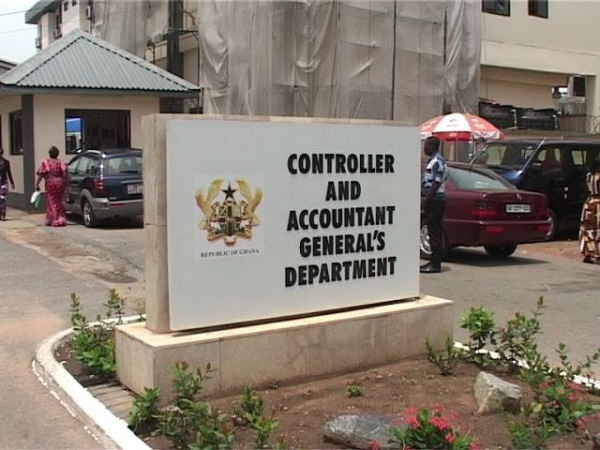
    Head of Public Relations at the Controller and Accountant General’s Department (CAGD), Cephas Dodoo, has clarified that the Department did not disburse payments to 59 deceased pensioners, contrary to what was suggested in the Auditor-General’s Report.

    Mr. Dodoo explained that the pensions of these deceased pensioners had already been stopped upon receiving notification of their passing, even before the audit was carried out.

    In response to the Auditor-General’s Report, which implicated CAGD in unauthorized payments to deceased pensioners, Mr. Dodoo, during an interview with the GNA, clarified that the report in question referenced a section of management’s communication concerning military pensioners who had passed away.

    However, he noted that information about the deaths of these individuals had not been promptly conveyed to the Department for the necessary removal of their names from the payment list.

    Mr. Dodoo further mentioned that, although the widows of the deceased military personnel were entitled to widows’ pensions, the Department had taken steps to remove the names of the deceased individuals from the payroll.

    Furthermore, a recovery process had been initiated to reclaim any overpayments by adjusting the monthly benefits paid to the widows. Mr. Dodoo added that this recovery process from the widows was currently underway.

    Mr. Dodoo also highlighted that the pension payroll administration business process required CAP 30 institutions to provide inputs to CAGD for the disbursement of benefits to pensioners.

    “When a pensioner dies, the institution or families of the deceased equally have the responsibility of informing CAGD, unfortunately, information about the death of the 59 pensioners were delayed,” he said.

    Even though the management letter on the subject admitted that CAGD found it difficult to suspend benefit payments due to late reporting of the deceased, Mr. Dodoo claimed that the publication neglected to highlight this fact together with CAGD comments to the observation.

    “When a pensioner dies, the institution or families of the deceased equally have the responsibility of informing CAGD, unfortunately, information about the death of the 59 pensioners were delayed,” he said.

    Mr. Dodoo emphasized that as part of several internal control measures to improve payroll integrity, CAGD had started the CAP 30 Pensioners Biometiric Data Verification effort in July 2023. This would allow them to link the NIA numbers to the pension database.

  • Earthquake recalls to mind 1960’s catastrophic Agadir tremor

    Earthquake recalls to mind 1960’s catastrophic Agadir tremor

    The earthquake that struck central Morocco had a magnitude of 6.8, making it the largest to strike the region since before 1900.

    But a lot of people were instantly brought back to mind the terrible earthquake that devastated Agadir in 1960.

    A third of the city’s inhabitants, or at least 12,000 people, were killed when the earthquake, which had a magnitude of 5.7 on the Richter scale, struck the southern Moroccan city on February 29. It continues to be the country’s deadliest earthquake in recorded history.

    Thousands of people were left buried beneath concrete and thousands of hotels, restaurants, stores, and the central market were devastated.

  • Spanish deploys rescue team to Morocco

    Spanish deploys rescue team to Morocco

    The defense ministry of Spain has released photographs featuring one of the Spanish search and rescue teams currently deployed in Morocco.

    In addition to their primary mission of locating earthquake victims, this unit will also play a crucial role in coordinating the international aid response alongside other teams, as stated in an official statement on the social media platform X, previously known as Twitter.

    As previously mentioned, Spain is among the four nations from which Morocco has accepted offers of assistance.

  • National Integrated Maritime Strategy launched by Akufo-Addo

    National Integrated Maritime Strategy launched by Akufo-Addo

    The launch of the National Integrated Maritime Strategy, aimed at addressing challenges within the maritime industry, has been announced.

    One of the primary objectives of this strategy is to cultivate a robust blue economy that not only contributes significantly to the national income but also enhances the quality of life for the people.

    President Nana Addo Dankwa Akufo-Addo unveiled this initiative during the inauguration of the third International Maritime Defence Exhibition and Conference (IMDEC) 2023, which took place at Burma Camp in Accra.

    The comprehensive six-point strategy encompasses the following key elements: enhancing the framework for maritime governance, ensuring the safety and security of Ghana’s maritime domain, fostering the growth of a robust blue economy, safeguarding the marine and coastal environment, promoting capacity-building, research, awareness, and knowledge-sharing within the maritime sector, Cultivating dynamic and diversified regional and international cooperation.

    Kwaku Ofori Asiamah, the Minister for Transport, emphasized that the collaborative efforts of the government, industry stakeholders, civil society organizations, and academia in implementing this strategy reflect a shared commitment to elevating Ghana’s maritime sector to unprecedented levels of success.

    He said, “The Ministries of Transport and National Security commends the development of the National Integrated Maritime Strategy with an overreaching goal of contributing to the growth of Ghana’s blue economy, Working through various technical committees, NIMS has been carefully crafted through collaborative effort, drawing up the expertise of various stakeholders including government agencies, industry leaders and civil society organizations.”

    President of the Republic of Ghana, Nana Akufo Addo doubled up on calls for maritime agencies to leverage technology for the development of the sector.

    “I believe the maritime security agencies attending this program would engage the same spirit of collaboration in the conference deliberations to tackle the high cases of SAIKO and illegal, unregulated, and unreported fishing in this region. It is important to indicate that IUU fishing for instance is linked to piracy, human trafficking, and illicit drug and weapon smuggling. I thus urge the maritime law enforcers to consider using technology to break the vital link between these crimes and criminal syndicates.”

    He expressed worry over inaccurate reportage damaging Ghana’s reputation so far as maritime security is concerned.

    “The fact that some ship owners reported a few unverified petty theft incidents at anchorages could not be equated to piracy in the context of international maritime law definition. As much as maritime rating stakeholder organizations contribute towards international shipping, they should be mindful of the implications of inaccurate reportage on the nation’s ability to participate in global trade.”

  • Importers, shipping companies, and agents conspiring to avoid taxes – GRA

    Importers, shipping companies, and agents conspiring to avoid taxes – GRA

    The Ghana Revenue Authority (GRA) has observed an alarming increase in the fraudulent activity by importers, shipping companies, and agents conspiring to avoid taxes. The activity is said to be causing financial losses to the state.

    Consequently, the authority is collaborating with various agencies to ensure that those responsible for these crimes are identified and held accountable.

    The GRA has announced its intensified efforts to apprehend importers involved in the falsification of trade documents to evade taxes.

    This initiative follows an intelligence report from February 2023, which uncovered instances where two companies and importers had manipulated trade documents on their bills of lading while clearing goods at the Tema Port.

    Alhadji Seidu Idrisu Iddisa, the Commissioner of Customs at the GRA, expressed concern, stating, “The Ghana Revenue Authority has noted with great concern an emerging practice where some customs house agents and importers collude with certain shipping lines to falsify trade documents, particularly invoices, and misrepresent the nature of goods to expedite clearance and reduce duties payable to the state.”

    “We are currently conducting investigations into the activities of both the shipping lines and the agents and importers to ascertain the extent of their collaboration,” he added.

  • State of emergency declared in Libya as 150 die from Storm Daniel

    State of emergency declared in Libya as 150 die from Storm Daniel

    A powerful storm, named Daniel, has resulted in the tragic loss of at least 150 lives due to severe flooding in eastern Libya, as confirmed by an official statement.

    Storm Daniel made landfall in the North African nation over the weekend, prompting the declaration of a state of extreme emergency by the authorities. In the preceding week, this storm had already claimed the lives of a dozen people in Europe.

    During the ongoing rescue operations, seven Libyan army personnel have gone missing.

    In response to the crisis, officials in eastern Libya have imposed a curfew, and the closure of schools and shops has been mandated.

    Mohamed Massoud, a spokesman for the Benghazi-based administration in Libya, informed the French news agency AFP that “at least 150 people were killed as a result of flooding and torrential rains left by storm Daniel in Derna, the Jabal al-Akhdar region, and the suburbs of Al-Marj.”

    The impact of Storm Daniel has been felt in eastern cities such as Benghazi and Sousse, along with Derna and Al-Marj. Even the western city of Misrata has not been spared from the floods.

    Unverified videos of the storm, including one showing a man being swept away by torrents of floodwater and another depicting trapped drivers on the roofs of their cars, have been circulating online.

    The storm has also led to the closure of four major oil ports in the affected areas.

    Prime Minister Abdulhamid Dbeiba of the internationally recognized government in the capital, Tripoli, announced on Sunday that he had directed all state agencies to respond immediately to the damage and flooding. The United Nations in Libya stated that it was closely monitoring the situation and would provide urgent relief assistance to support local and national response efforts.

    Libya has been divided between two rival administrations since 2014, following the death of long-time leader Muammar Gaddafi in 2011.

    Storm Daniel had previously struck Greece, Turkey, and Bulgaria last week, resulting in the loss of over a dozen lives. It is expected to reach western Egypt on Monday.

    Climate scientists have warned that global warming is causing increased evaporation of water during the summer, leading to more intense storms.

  • Increased cocoa prices will reduce farmers’ reliance on govt – Analyst

    Increased cocoa prices will reduce farmers’ reliance on govt – Analyst

    The government’s plan to raise cocoa farm gate prices from GH800 to GH1308 for the new cocoa season has the support of financial analyst Toma Imirhe.

    He claims that because of the rise, cocoa growers will no longer be dependent on the government to help them pay for fertilizer and other agricultural products.

    The producer price of cocoa will increase by 63.6% on September 9, 2023, from GH12,800 per metric tonne (GH800 per bag) to GH20,943 per metric tonne.

    “I see it as a major step towards enabling cocoa farmers to be financially independent without relying on state interventions for fertilizer and insecticides. Over the past seven years, the increase in productivity has been the main focus of COCOBOD, now increasing the actual price is a major incentive for farmers,” he was quoted by asaaseradio.com.

    “I think we are gradually getting to the stage, where Ghana’s cocoa farmers will be able to buy fertilizer and other inputs at market price and still make a profit, so it’s a win-win for everybody,” Imirhe added.

  • BOST expects its sales to reach GHC 10 billion in 2023

    BOST expects its sales to reach GHC 10 billion in 2023

    Managing Director of the Bulk Oil Storage and Transportation Company Limited (BOST), Edwin Provencal, has outlined the company’s ambitious goal of generating approximately GH¢10 billion in revenue ($871 million) for the 2023 financial year.

    He attributes this target to the significant increase in sales, primarily driven by the high demand for affordable fuel products in the Ghanaian market and landlocked neighboring countries like Mali and Burkina Faso.

    During an interview at the APSCA awards ceremony with kenyatopstories.co.ke, Provencal also mentioned BOST’s intention to expand its pipeline network twofold through a public-private partnership (PPP) model.

    “The firm is planning to partner with private investors to build about 360 km additional pipeline network at a cost of circa US$400 million,” Edwin Provencal said in Nairobi, Kenya.

    “We are going to float a competitive tender bid in the last quarter of this year. Actual construction of the pipeline is set to begin and will be completed after 24 to 36 months,” he added.
    He additionally emphasized the efficiency of BOST’s processes, claiming that it had now become the foremost choice for procuring refined petroleum products.

    In the recent Annual General Meeting (AGM) held in Accra, Ekow Hackman, the Chairman of BOST’s Board, pointed out a remarkable increase in the company’s net profit margin, soaring from GH¢161 million in 2021 to GH¢342 million in 2022.

    BOST presently operates six depots across the nation, strategically situated in the Accra Plains, Mami Water, Akosombo, Kumasi, Buipe, and Bolgatanga, alongside an extensive pipeline network spanning approximately 360 kilometers.

    The 4th Africa Public Sector Conference & Awards (APSCA), hosted in Nairobi, Kenya, aimed to recognize excellence in public policy innovation and exceptional leadership across various levels of governance.

    In recognition of its achievements, BOST received the prestigious award for the most transformed public enterprise in Africa, while its Managing Director, Edwin Provencal, received a personal accolade as the best public sector CEO in Africa.

  • My wife and children do not know I am in prison – Inmate who was jailed because of a bag of charcoal

    My wife and children do not know I am in prison – Inmate who was jailed because of a bag of charcoal

    An inmate at the Afram planes in the Eastern Region, Kwesi Donkor, has disclosed that his wife and children are not aware of his imprisonment.

    He explained that he had traveled from another village to visit his friend, Baba Iddrisu, who was involved in the charcoal trade.

    During his visit, he found his friend accused of charcoal theft and joined him at the police station to offer support.

    Unfortunately, both he and his friend were implicated and detained for 18 months despite their efforts to prove their innocence.

    Remarkably, none of the people he resides with or his immediate family members are aware of his imprisonment.

    “They are not aware at all that I am in prison. Even the people living in my neighbourhood currently are not aware of my whereabout. My wife and children living far away from me are also not aware that i am in prison,” Kwesi Donkor told host, Mr. Ibrahim Oppong Kwarteng, on Crime Check Tv’s “Time with the prisoner show.”

    Crime Check Foundation was incorporated on 6th November, 2015 under the Companies Act 1963, Act 179 as a company limited by guarantee.

    A crime prevention advocacy organization that uses Life in Prison Documentaries to sensitize the public to the dangers of crime.

    “Time with the prisoner show” over the years has not only served as a crime deterrent tool, but has been instrumental in highlighting major infractions of the law in Ghana’s Justice Delivery System, abuse of the rights of Prisoners, deplorable conditions in Ghana’s forty two prisons and the need for a review of Ghana’s Criminal Justice System.

    Source: The Independent Ghana | Amanda Cartey

  • Sad story of how these two were jailed because one bag of charcoal

    Sad story of how these two were jailed because one bag of charcoal

    In a heartbreaking tale of injustice, two individuals found themselves behind bars over a single bag of charcoal.

    Recounting the incident, 36-year-old Baba Iddrisu explained that he had left the forest with two bags of charcoal to sell to a customer.

    Unfortunately, he managed to sell only one bag and left the remaining bag in front of a shop while he went to another location.

    Upon his return, he was shocked to discover that a woman had unloaded over 100 bags of charcoal in the same area where he had left his single bag.

    When he tried to retrieve his bag from among the many, the woman accused him of stealing her charcoal.

    At that time, his business partner in the charcoal trade had also come to visit him, and they both ended up at the police station after the woman refused to believe their side of the story..

    “So she insisted that we go to the police station. Unfortunately I didn’t ask that we count the number of bags of charcoal assembled in front of the chop. So we ended up at the police station. We were interrogated by the officers. But i guess our explanation did not prove our innocence. We could not hire a lawyer to defend us,” Baba explained to the police officers including a CID.

    Adding that, the CID asked him and his partner to pay an amount a little over GHS600.00 as demanded by the woman who reported them to the police.

    “To get my sister to come over and pay the money, I thus asked the officers to lend me their phones so I could call her. I even had some bags of charcoal that I could have sold to help her raise the money, but the officers prevented me from doing so.”

    Baba said that they were later taken to court, but the legal bickering nevertheless resulted in an 18-month term for each of them.

  • Ethiopia announce completion of filling Grand Renaissance Dam on the Nile 

    Ethiopia announce completion of filling Grand Renaissance Dam on the Nile 

    Ethiopia has declared that it has initiated the filling of the Grand Ethiopian Renaissance Dam (GERD) on the Nile, a development that has sparked a prolonged water dispute with downstream nations Egypt and Sudan.

    This announcement, made on Sunday, follows a two-week hiatus in negotiations among the three countries, aimed at forging an agreement that considers the water requirements of all parties involved.

    Egypt and Sudan have expressed concerns that the colossal $4.2 billion GERD project could substantially diminish their allocation of Nile water. They have consistently urged Addis Ababa to halt the filling process until a mutually acceptable agreement is reached concerning the dam’s operations.

    “It is with great pleasure that I announce the successful completion of the fourth and final filling of the Renaissance Dam,” Ethiopia’s Prime Minister Abiy Ahmed said on X, formerly known as Twitter.

    “There was a lot of challenge. We were many times dragged to go backwards. We had an internal challenge and external pressure. We’ve reached [this stage] by coping together with God,” Abiy said.

    The Ethiopian government’s communications service said on X that GERD, arguably the largest dam in Africa, was “a gift to generations”.

    “Today’s heroic generation will build tomorrow’s strong Ethiopia on a solid foundation,” it continued.

    At full capacity, the huge hydroelectric dam – 1.8 kilometres (1.1 miles) long and 145 metres (476 feet) high – could generate more than 5,000 megawatts.

    That would double Ethiopia’s production of electricity, to which only half the country’s population of 120 million currently has access.

    ‘Illegal announcement’

    The Egyptian foreign ministry condemned as “illegal” Ethiopia’s announcement that it had filled the dam on the Nile.

    The “unilateral” measure by Addis Ababa to complete the mega-dam’s filling would “weigh on” negotiations with downstream Egypt and Sudan, which were suspended in 2021 but resumed last month, the foreign ministry said in a statement.

    The government of Sudan has yet to comment.

    The dam has been at the centre of a regional dispute ever since Ethiopia launched the project in 2011.

    Negotiations between the three governments, which resumed in Cairo on August 27 after nearly two and a half years of stalemate, aim to reach an agreement that “takes into account the interests and concerns of the three countries”, Egyptian Water Resources and Irrigation Minister Hani Sewilam said at the time.

    He called for “an end to unilateral measures”.

    Egypt, which is already suffering from severe water scarcity, sees the dam as an existential threat because it relies on the Nile for 97 percent of its water needs.

    The position of fragile Sudan, which is currently mired in a civil war, has fluctuated in recent years.

    Ethiopia has said the GERD, which is in the northwest of the country around 30km (19 miles) from the border with Sudan, will not reduce the volume of water flowing downstream.

    The United Nations says Egypt could “run out of water by 2025” and parts of Sudan, where the Darfur conflict was essentially a war over access to water, are increasingly vulnerable to drought as a result of climate change.

  • Morocco earthquake: Numerous schools damaged, 7 teachers killed

    Morocco earthquake: Numerous schools damaged, 7 teachers killed

    Morocco’s Ministry of Education has decided to temporarily halt student learning in the areas most severely affected by the earthquake.

    The ministry announced on Sunday that it is actively exploring alternative methods to ensure students can continue their education while the affected regions undergo recovery efforts.

    Additionally, the ministry reported that seven teachers have tragically lost their lives, and 39 others have suffered injuries.

    The earthquake has also inflicted damage on 585 schools, potentially necessitating the transfer of some students to different educational facilities.

  • Young boy loses his life while attempting to retrieve knife during family dinner

    Young boy loses his life while attempting to retrieve knife during family dinner

    Hamid ben Henna was having a family dinner on Friday when he requested his young son to fetch a knife from the kitchen for slicing a melon.

    Marouane, his son, went into the kitchen, but suddenly, the room started shaking, and the lights went out. Debris began falling from the ceiling in their family home in the High Atlas Mountains.

    According to Ben Henna, he recounted to Reuters news agency, “Everything began at around 11 pm or 11:30 pm. Marouane couldn’t bring the knife because the earthquake struck as soon as he left the kitchen.”

    He explained that his eight-year-old son became trapped under 1.5 to 2 meters of rubble.

    Fatima, Marouane’s mother, shared her experience, saying, “There was complete darkness. We were enveloped in darkness and covered in dust. We heard the tremors, rocks, and walls collapsing. Initially, we didn’t comprehend what was happening.”

    As their house crumbled, Ben Henna and his other son, Mouad, managed to open the door leading to the alleyway, freeing his wife and young daughter.

    However, as the dust settled, they realized that Marouane had not made it. His body was recovered on Saturday.

  • Here are details on Morocco’s earthquake epicenter

    Here are details on Morocco’s earthquake epicenter

    The earthquake’s epicenter was located in the High Atlas Mountains, approximately 71 kilometers (44 miles) southwest of Marrakesh, as reported by the US Geological Survey.

    The affected region is characterized by small farming villages, many of which have been severely impacted by the earthquake. The al-Haouz province is among the hardest-hit areas.

    Significant damage was also observed in some parts of Marrakesh’s historic medina, a UNESCO heritage site, and its intricate network of alleyways.

    This earthquake represents the most significant seismic event in the area in over a century, making it quite unusual for Morocco.

    Rémy Bossu, the director of the European-Mediterranean Seismological Centre, indicated that aftershocks are expected to persist for several days, possibly even weeks, as he shared with the BBC.

  • Arrested opposition leader in Tanzania Lissu released

    Arrested opposition leader in Tanzania Lissu released

    One of Tanzania’s prominent opposition leaders and former presidential candidate, Tundu Lissu, has been granted bail shortly after his arrest by police for allegedly participating in an unauthorized gathering.

    Lissu, who serves as the vice chairman of Tanzania’s largest opposition party, CHADEMA, was apprehended, along with other party leaders, at a hotel in the northern region of Arusha on Sunday. He was later released the same evening, as reported by Lissu’s party on the social media platform X.

    Since his return from exile in January, Lissu has been conducting political rallies across the country, criticizing President Samia Suluhu Hassan’s administration for its human rights record and its handling of a contentious ports management agreement.

    His return from exile followed Hassan’s decision to lift a six-year ban on political rallies. Lissu had been residing in Belgium since his departure in 2020 after losing the presidential election to John Magufuli.

    In June 2016, Magufuli imposed restrictions on elected officials holding rallies outside their constituencies, arguing that the election season had concluded and that rallies were an impediment to development. This evolved into a blanket ban on political gatherings, with the police rejecting opposition requests to organize rallies. In some instances, even internal party meetings were disrupted, with leaders and their followers facing harassment and arrests.

    Magufuli himself continued to hold rallies and toured the country extensively by road, making numerous impromptu stops to engage with locals and make unscripted decisions.

    Hassan, his successor, has taken steps to reconcile with the opposition, including lifting the ban. However, she has also been criticized for continuing some of her predecessor’s authoritarian policies, including the seven-month imprisonment of Chadema leader Freeman Mbowe on charges of “terrorism financing.”

    On Sunday, the police stated that Lissu and three other individuals were detained for questioning regarding allegations of participating in an unlawful assembly and obstructing the police from performing their duties.

    In a brief video shared on X, Lissu and other party members were seen making a V-for-victory hand gesture, a common symbol used by CHADEMA.

  • Morocco earthquake: Many residence lack insurance coverage – Reinsurer say

    Morocco earthquake: Many residence lack insurance coverage – Reinsurer say

    The disparity between the extensive damage caused by the devastating earthquake in Morocco and the amount of property that is actually insured is expected to be significant, as many residences lack insurance coverage, according to the reinsurer Scor, which declared this on Sunday.

    The human toll in the country, which experienced a powerful earthquake during the night from Friday to Saturday, has already reached at least 2,500 fatalities.

    This catastrophe is made even more “tragic,” as stated by Thierry Léger, the CEO of Scor, a company that provides insurance for insurers in the event of large-scale disasters. In addition to the loss of numerous lives, many homes were not constructed to withstand earthquakes, making them challenging to insure against this risk.

    According to Jean-Paul Conoscente, the CEO of the group’s property damage division, the percentage of insured individuals is lower than that in Turkey, which suffered an earthquake last February, and “the gap between economic damages and insured property should be more substantial.”

    According to a preliminary estimate by the World Bank, the economic losses resulting from the disaster in Turkey and Syria are estimated at $34 billion.

    However, Swiss Re, the reinsurer, has estimated the costs for insurance companies at $5.3 billion.

    In Morocco , “the losses for insurers will be much lower than in Turkey” , underlined Mr. Conoscente, without providing a precise figure.

  • Leaders in business, politics support reevaluating Africa’s GDP

    Leaders in business, politics support reevaluating Africa’s GDP

    Prominent business and political figures from across the continent have stressed the urgency of reevaluating Africa’s Gross Domestic Product (GDP) by conducting a comprehensive assessment of its natural capital and ecosystem services. This includes the continent’s vast forests, which play a critical role in carbon absorption and contribute significantly to Africa’s overall wealth.

    This call for revaluation is rooted in the belief that by accurately accounting for Africa’s abundant natural resources, the continent can provide a more precise representation of its production levels. This, in turn, will enhance Africa’s appeal as an investment destination and address existing economic disparities.

    During the inaugural Africa Climate Summit (ACS) held in Nairobi, Kenya, from September 4 to 6, 2023, where the Nairobi Declaration on Climate Change and Call to Action was adopted, these leaders argued that “Africa possesses immense natural wealth, from its lush forests to its diverse ecosystems, and we must recognize their value. By incorporating natural resource accounting and establishing national accounting standards, we can better assess our true economic potential.”

    One key issue discussed at the summit was the significant discrepancy in borrowing costs faced by developing African countries compared to wealthier nations, commonly referred to as the ‘great financial divide.’ Leaders underscored that this financial gap has been a major contributor to recurrent debt crises in the region, hindering investment in development and climate-related initiatives.

    In response, they emphasized the need for responsible sovereign lending practices, enhanced accountability, comprehensive credit rating systems, risk analysis, and debt sustainability assessment frameworks. The leaders called on financial markets to eliminate this disparity by 2025.

    In addition to addressing the financial divide, leaders discussed the importance of establishing global and regional trade mechanisms that allow African products to compete fairly in international markets. They stressed the importance of building resilience to climate-related shocks and leveraging Special Drawing Rights (SDRs) to bolster climate adaptation efforts, suggesting the reallocation of at least US$100 billion of SDRs to Africa.

    The summit also proposed considering a new issuance of SDRs dedicated to responding to the climate crisis, similar in magnitude to the COVID-19 response. Leaders emphasized the need to better utilize the balance sheets of multilateral development banks (MDBs) to scale up concessional finance and enhance debt management.

    Regarding international tax cooperation, leaders urged action to reduce Africa’s annual loss of US$27 billion in corporate tax revenue due to profit-shifting. They called for measures to attract private capital, such as blended finance instruments, purchase commitments, and foreign exchange guarantees, while also advocating for the redesign of MDBs’ governance for greater inclusivity.

    Energy

    In the realm of energy, leaders have set ambitious objectives to boost Africa’s renewable generation capacity from 56 GW in 2022 to a minimum of 300 GW by 2030. They underscored the significance of relocating energy-intensive primary processing activities back to Africa, aligning with renewable energy development objectives and contributing to global emissions reduction. Furthermore, leaders emphasized the critical need for accessing and disseminating environmentally-friendly technologies to foster green industrialization across the continent.

    The summit also reaffirmed the global shift toward a low-carbon economy, calling for annual investments ranging from at least US$4 trillion to US$6 trillion. They urged world leaders to contemplate the establishment of a global carbon taxation framework, which includes a carbon tax on fossil fuel trade, maritime transport, and aviation, along with a global financial transaction tax (FTT) to finance climate-positive investments.

    Leaders welcomed pledges and commitments totaling US$26 billion from development partners to bolster Africa’s renewable energy initiatives and adaptation endeavors. They view this as a significant stride towards realizing a sustainable and equitable future for the continent.

  • Ghana’s power security depends on gas-rich TEN field – Akufo-Addo

    Ghana’s power security depends on gas-rich TEN field – Akufo-Addo

    President Nana Addo Dankwa Akufo-Addo has emphasized the significance of the TEN field, which holds “significant gas reserves,” stating that it plays a crucial role in Ghana’s natural gas production and the stability of the nation’s power sector in the years ahead.

    The President also highlighted that the success of the Jubilee South East Project aligns with the broader plan for the Jubilee field, aimed at enhancing overall production from the eastern side of the field.

    President Akufo-Addo expressed the government’s determination to attract further investments from partners involved in the TEN field project. He made these remarks during the commissioning of the First Oil from the JSE project on Friday, September 8, 2023, underscoring how this expansion will solidify the government’s accomplishments in the oil and gas sector.

    President Nana Addo Dankwa Akufo-Addo has emphasized the significance of the TEN field, which holds “significant gas reserves,” stating that it plays a crucial role in Ghana’s natural gas production and the stability of the nation’s power sector in the years ahead.

    The President also highlighted that the success of the Jubilee South East Project aligns with the broader plan for the Jubilee field, aimed at enhancing overall production from the eastern side of the field.

    President Akufo-Addo expressed the government’s determination to attract further investments from partners involved in the TEN field project. He made these remarks during the commissioning of the First Oil from the JSE project on Friday, September 8, 2023, underscoring how this expansion will solidify the government’s accomplishments in the oil and gas sector.

    In cooperation with the Ghana National Petroleum Company (GNPC), Kosmos Energy, Jubilee Oil Holdings Limited, and Petro SA, Tullow is managing the JSE.

    President Akufo-Addo spoke about local content and Ghanaian involvement in upstream petroleum activities and said that the government’s attitude on local content is not just about providing ancillary services to the sector, but also having a stake in the resources as well.

    “We must collectively endeavour to train our people to get to a level where they have the capacity to be able to participate fully in the industry, and our position is to strengthen all training vehicles in the various industries of the energy sector, like the Accelerated Oil and Gas Capacity Building Programme, to ensure that Ghanaians have the relevant certification to become competitive, and play a fuller role in the industry”.

    “That fuller role will be most effectively anchored when we ensure Ghanaian equity participation in the upstream development of our oil and gas resources”, he stated.

    President Akufo-Addo stated that it has become essential for Ghana to develop plans and strategies toward the creation of a net-zero energy sector because the country is a signatory to the Paris Agreement, which obliges it to cut its carbon dioxide emission levels.

    However, he pointed out, “as I have reiterated on previous occasions, whilst working hard to combat the effects of climate change, it is also important to protect our development by making sure that our oil reserves do not become stranded assets, but, rather, a catalyst for our economic growth. Our position remains unchanged”.

    The president reaffirmed that Ghana has a stable political system, a strong legal system, a workable fiscal regime, a good telecommunications system, a dedicated, talented labor force, and a friendly, welcoming populace, making it an ideal location for investment.

    “I wish to assure the investor community of our continued support to ensure that their investments are safe in law and in fact, and that they are able to flourish in our country within the context of our relevant laws. Our doors are always open for conversations on your presence in Ghana, and I hope the good, warm relations we have fostered over the years will continue to endure in the times ahead”, he added.