Tuesday, July 18, marks Nelson Mandela Day, an annual commemoration of the South African leader’s extraordinary achievements on his birth anniversary.
Established by the United Nations in 2009, this day serves as a tribute to Mandela’s life and lasting legacy.
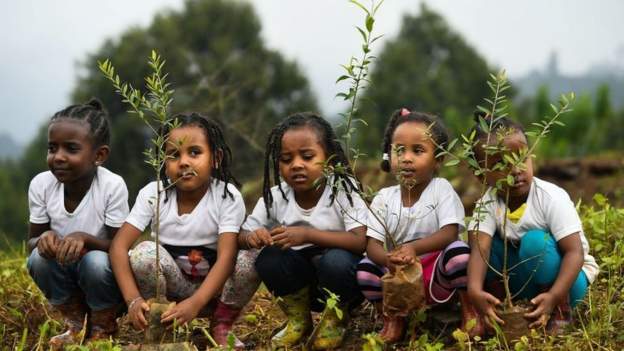
The theme for Nelson Mandela Day 2023 is “It’s in your hands,” emphasizing the connection between food and climate change. The aim is to raise awareness and encourage individuals to contribute by planting trees and cultivating food in their communities.
The organizers have set a goal of planting one million trees globally, highlighting the significance of environmental sustainability.
Nelson Mandela was a renowned global figure who left an indelible impact on the 20th century and continues to shape the 21st century. He dedicated his life to effecting profound change and improving the lives of countless South Africans.
To delve deeper into the inspiring life story of Nelson Mandela, keep reading.
Why was Nelson Mandela important?
WATCH: A look back at Nelson Mandela’s life (December 2013)
Nelson Mandela became the first black president of South Africa in the country’s first democratic elections in 1994, but it wasn’t an easy road to get there.
When Nelson Mandela was a young man, white and black people in South Africa were not allowed to do things together and had to live separate lives under a system called apartheid.
White people, who were a small proportion of the population, were in charge of everything in South Africa.
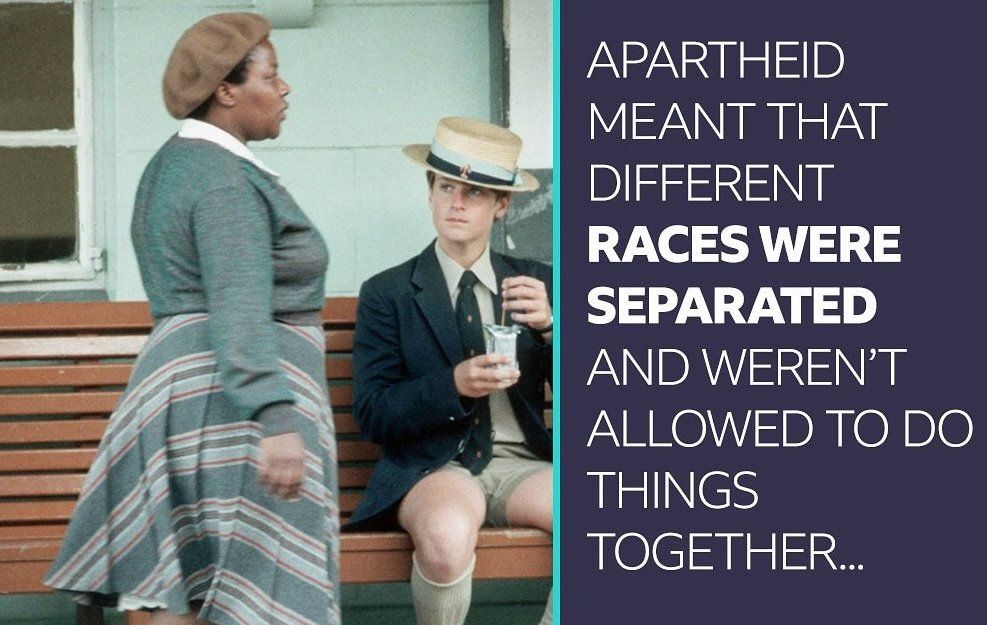
Black people had fewer rights and couldn’t vote and white people controlled which jobs black people could have, and even where they lived. They also had access to better schools and hospitals.
Nelson Mandela wanted South African apartheid to end and protested against it.
Mandela sent to prison
During this time, some anti-apartheid demonstrations in South Africa turned violent, prompting Mandela’s detractors to brand him and his supporters as terrorists.
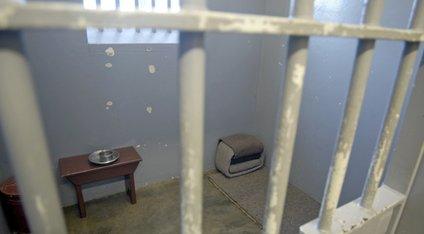
Mandela spent time on Robben Island while serving a life sentence in jail after being found guilty of treason and attempting to undermine the government in 1964.
For 300 years, a jail operated on the island off the South African city of Cape Town. The majority of prisoners, including Nelson Mandela, were black men who had committed political crimes.
In spite of this, a large number of individuals supported Nelson Mandela’s cause and worked to secure his release.
2020: Children discuss what Nelson Mandela means to them.
Mandela released from prison
Finally in 1990, after being in prison for 27 years, the South African President FW de Klerk – a white man – allowed Mandela to go free, signalling a new era in the country.
Mandela had become a symbol of resistance against apartheid and his release saw celebrations not only in South Africa but across the world.
Remembering the day Nelson Mandela was released from prison (2020)
Apartheid in South Africa ended a year later in 1991, and three years after that, South Africa held its first fully-democratic elections in which black people, as well as white, were allowed to vote.
Nelson Mandela was elected president and set about trying to bring people of different races together.
In 1993, he was awarded the Nobel Peace Prize – the highest honour of its kind – for his work.
YouTuber Caspar Lee speaks to Newsround about South Africa, Rugby and Nelson Mandela
In 1995, South Africa held its first major sports competition – the Rugby World Cup.
Mandela gave his support to the South African rugby team, made up mostly of white men, so that it would unite the country. The team, known as the Springboks went on to lift the trophy.
Mandela has gone down in history as one of the most famous world leaders ever and is remembered by many for promoting a message of forgiveness and equality.