The International Energy Agency (IEA) has reported that the ongoing energy crisis and economic downturn are likely to result in a deceleration of global power demand growth in 2023. The projected growth rate for energy consumption in 2023 is expected to be slightly less than 2%, down from 2.3% in 2022 and the five-year pre-COVID 19 average of 2.4%.
Nevertheless, the IEA anticipates a rebound in 2024, with the growth rate projected to rise to 3.3% as the global economic outlook improves.
To address the increasing energy demands in the future, the IEA emphasizes the necessity of developing more renewable energy capacity. The agency foresees that renewable energy sources will play a vital role in covering the expected growth in energy consumption for both 2023 and 2024. In fact, renewable energy is set to surpass one-third of the total global power supply for the first time in the upcoming year.
However, one concern highlighted by the IEA is the decline in hydropower. Between 2020 and 2022, hydropower has fallen by approximately 2% compared to figures from 1990 to 2016. This decrease represents a significant drop of around 240 terawatt-hours, which is equivalent to the annual energy consumption of Spain.
This decline underscores the importance of diversifying renewable energy sources and investing in their development to meet the increasing power demand while mitigating environmental impacts.
“Anticipating challenges on hydropower related to climate change, and planning accordingly, will be crucial for the efficient and sustainable use of hydro resources,” the IEA said.
According to the International Energy Agency (IEA), the growth of renewable energy is expected to play a crucial role in reducing global emissions. The increase in emissions observed in countries like China and India is likely to be balanced out by emission declines in other nations due to the expanding deployment of renewable energy and the ongoing shift from coal to natural gas.
Notably, the European Union (EU) has made significant progress in reducing emissions from power generation, accounting for 40% of the total global decline, as per data from the IEA. In the first half of the current year, the EU witnessed a notable 6% decrease in power demand. This reduction was attributed to energy-intensive industries, such as aluminum, steel, paper, and chemical industries, cutting back their energy usage in response to higher prices. Additionally, a relatively mild winter had a limited impact on demand reduction, as stated by the IEA.
While wholesale electricity prices have substantially dropped from the records set in the previous year due to the disruption caused by Russia’s invasion of Ukraine, average prices in Europe are still more than double their 2019 levels. India’s average prices have surged by 80%, and Japan’s by more than 30%, showcasing the continuing challenges faced by these regions in managing energy costs.
Overall, the IEA’s findings underscore the importance of the continued growth of renewable energy sources to combat emissions and stabilize electricity prices in different parts of the world.
Prices in the United States, however, have retreated almost to 2019 levels. The country’s demand is expected to decline by 1.7% in 2023 due to slowing economic growth, and to rebound in 2024 to 2%, down from the 2.6% recorded in 2022.
In China, demand is expected to grow 5.3% in 2023 and 5.1% in 2024, after a moderate 3.7% rise in 2022, the IEA data showed. Increased use of cooling to cope with summer heatwaves is expected to drive the demand growth there this year.
India’s consumption is expected to rise by 6.8% in 2023 and 6.1% in 2024 – when it is expected to surpass that of Japan and Korea combined – but down from the 8.4% rise recorded in 2022.
The growth is expected to come from increased use of household appliances, a rise in electrical machinery usage, an increase in electric vehicles, and greater demand for cooling.
The 12th official language of South Africa is now sign language.
During a ceremony in Pretoria, President Cyril Ramaphosa legally signed the Sign Language Bill into law.
Other languages spoken in the nation include English, Xhosa, Zulu, and Afrikaans.
After Kenya, Zimbabwe, and Uganda, South Africa is the fourth nation on the continent to recognize signing as an official language.
The law was deemed “long overdue” by the South African National Deaf Association. There are 1.4 million people with hearing loss and 600,000 people who are deaf in South Africa, according to estimates.
The founder of Sudan Animal Rescue has told the BBC that fighters from the Rapid Support Forces (RSF) were responsible for stealing a camel and three gazelles from the refuge and killing them for sustenance.
In Sudan’s ongoing civil war, the RSF represents one side.
The rescue center reported that one camel and four gazelles were shot on three consecutive occasions.
The sanctuary claimed that the RSF fighters have threatened to come back and steal additional animals.
It has been impossible for the BBC to independently confirm these instances.
The founder and director of the center referred to the actions as “savage” in a statement to the BBC Africa live page team.
“These acts of violence are putting our animals and our staff in danger. We have been working tirelessly for years protecting these wild animals and during this difficult time of war,” Osman Salih said.
Mr Salih added that warring sides should not bomb the sanctuary because the wild animals pose a potential “risk” to the public if they break out.
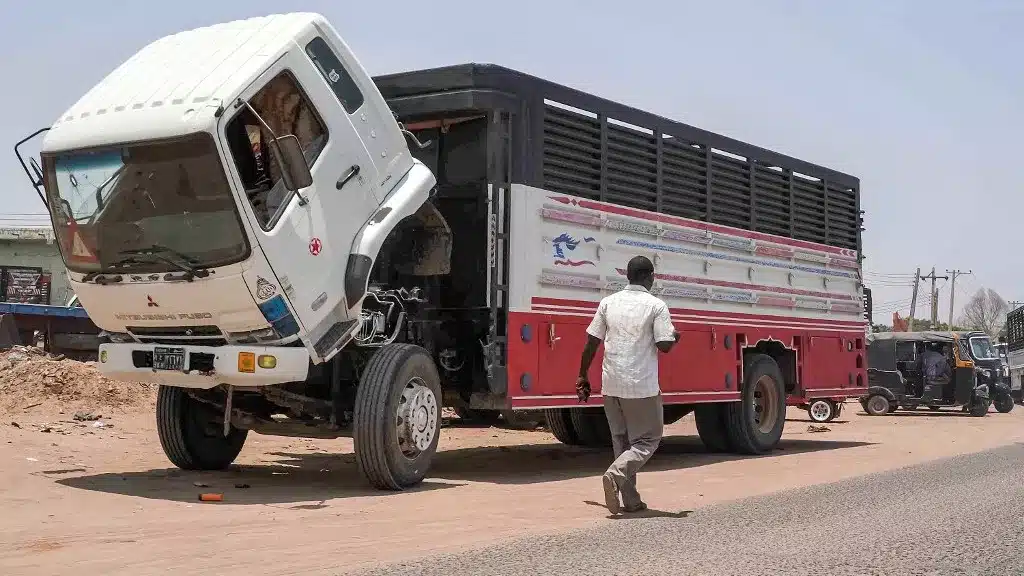
Mahanna Abderrahmane used to drive his truck to the Red Sea ports four times per month to load cargo for distribution to Sudan’s many regional states, but since the war tore through his nation, he hasn’t done anything.
He is 200 kilometers south of Khartoum‘s capital, in a café near Wad Madani, where he is enjoying coffee and hookah after hookah.
A truck driver for 20 years, he told AFP he had “never seen anything like this”. “I haven’t made a single load in three weeks”, he says.
And he’s far from the only one. All around, hundreds of trucks are parked and their drivers are trying to kill time. Some are playing cards, while others are recommending a cup of tea or coffee to the women who run the small roadside cafés in al-Jazira state, which has probably received the most displaced people from the war.
Since Khartoum was bombed, more than one and a half million people have fled the capital. The easiest destination for most of them has been due south, towards Wad Madani and its vast fertile expanses wedged between the Blue and White Niles.
According to the Sudanese Chamber of Transport, since the army led by General Abdel Fattah al-Burhane and the Rapid Support Forces (RSF) of General Mohamed Hamdane Daglo went to war on 15 April, 90% of road transport traffic has disappeared.
According to the Sudan Ports Authority, total exports since January have peaked at 282 million dollars, compared with 2.5 billion dollars in the first half of 2021.
– Khartoum inaccessible –
Mohammed al-Tijani, who is also a truck driver, has suffered the combined effects of the war and soaring prices.
Since the start of the conflict, “our journeys to the ports have been extended by at least 400 km”, says this man in his fifties, because he now has to bypass Khartoum under a deluge of fire from artillery and fighter planes and checkpoints manned by the various forces deployed.
And at the same time, the price of petrol – if there is any at the pumps – has increased twenty-fold.
Supplies of goods for export have virtually come to a halt: most factories, mainly in Khartoum, have been shelled and storage silos looted.
Passenger coaches have also stopped reaching the capital.
However, as driver Hussein Abdelqader told AFP, “70% of journeys were to and from Khartoum”. “Today, we only travel between the country’s other cities, so we have far fewer journeys.
Moataz Omar has managed to maintain a certain level of activity, as he used to make the 1,000 km journey between Khartoum and the Egyptian border before the war.
For several weeks, he transported hundreds of fleeing families, who preferred exile to being trapped by the fighting.
“But when the fighting became more intense in Khartoum, it became impossible to get in,” he says.
So we had to bypass the capital, but the highly centralised road network meant that journeys between states took longer and longer.
– No pay –
“Now we travel 2,600 km (…). We have to go through the east: the Red Sea state, then the states of Kassala, Gedaref”, in the south-east bordering Ethiopia, “then al-Jazira” further north, forming a long loop, explains Mr Omar.
Passengers are therefore becoming scarce: “sometimes I wait two days before I have people who want to go from Wad Madani to Kassala or Gedaref or even Damazine, in the state of Blue Nile”, which borders Ethiopia, he continues.
“We’re really afraid of losing everything,” laments Mr Tijani, “because our companies won’t pay us if they don’t have any money coming in.
There used to be an alternative to buses: the train. But on 15 April, as the first shots rang out in Khartoum, the trains from Atbara, further north, or from Wad Madani, turned back. Since then, they have not left their stations.
As for the freight wagons, they too have come to a standstill.
Before, they all converged on Khartoum and especially its industrial suburb, Khartoum-North,” says a railway employee.
Today, Khartoum-North is a ghost town with no water or electricity.
And most of its inhabitants miss it. To Wad Madani or Egypt.
In August, Zimbabwe will vote amid allegations of a stepped-up crackdown on the opposition and one of the highest rates of inflation in the world.
Despite the removal of longtime leader Robert Mugabe in 2017, many claim that not much has changed.
There are concerns in the lead-up to the election about how free and fair the voting will be in a nation that is attempting to repair its reputation.
When are the elections?
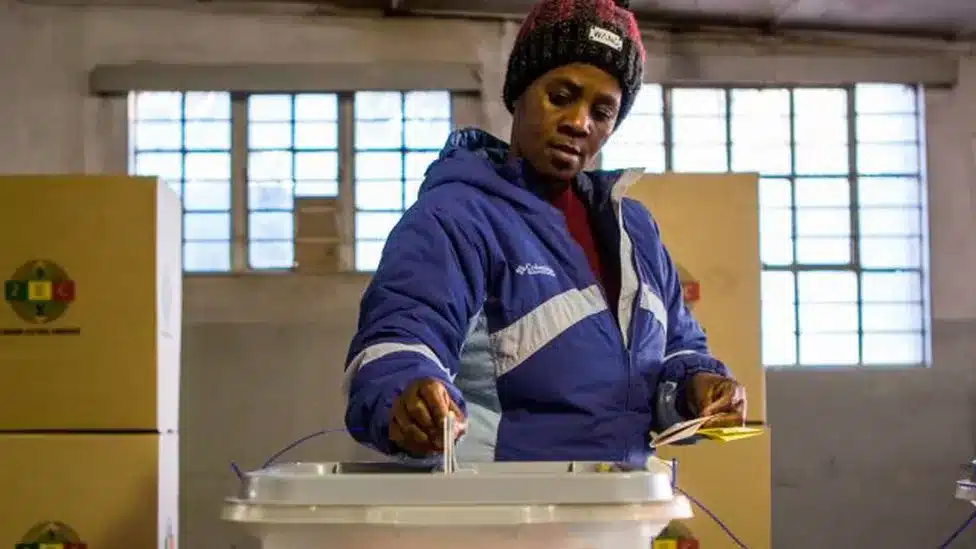
On August 23, Zimbabweans will cast ballots to choose a president, council members, and members of parliament. If there is no clear winner in the presidential election, a run-off will be held on October 2nd, six weeks from now.
Who is running for president?
Twelve candidates have been approved by the Zimbabwe Electoral Commission.
This is far less than the 23 who ran in the previous election in 2018, no doubt as a result of the candidates’ increased expenses, which have gone from $1,000 (£800) to $20,000 (£16,000).
But two men are most likely to compete:
Current PresidentEmmerson Mnangagwa of the ruling Zanu-PF party Leader of the opposition Nelson Chamisa of the Citizen’s Coalition for Change Since Robert Mugabe was forced to step down by the military in 2017, Mr. Mnangagwa, 80, has been in charge of Zimbabwe. A year later, he won a contentious election. Before their breakup, he was Mugabe’s longtime ally.
Mr Chamisa, 45, came second in 2018, winning 44% of the vote. A 2020 court ruling stripped him of the leadership of the main opposition Movement for Democratic Change (MDC) and he subsequently lost access to party assets and state funding.
He formed the CCC in 2022, remains hugely popular in urban areas and is the main face of the opposition.
Other contenders include Douglas Mwonzora, the MDC’s new leader and Elisabeth Valerio, the only female candidate.
She had been disqualified but successfully challenged the Zimbabwe Electoral Commission’s decision to reject her nomination papers.
Saviour Kasukuwere, an exiled former Mugabe ally, has been barred from standing on the basis that he has been living outside the country for more than 18 months – a decision he is also challenging.
Who will win?
Zanu-PF has the advantage of incumbency, state power and access to state resources. The party, which has been in power since independence in 1980, also retains strong support in rural areas.
However with the economy in such a mess, many people, especially those in urban areas and the youth, think it is time for a change.
Rural voters normally turn out in huge numbers, unlike urban and youth voters, which could work against the opposition. The government has also refused to allow Zimbabweans living abroad to vote – which could also work against Mr Chamisa.
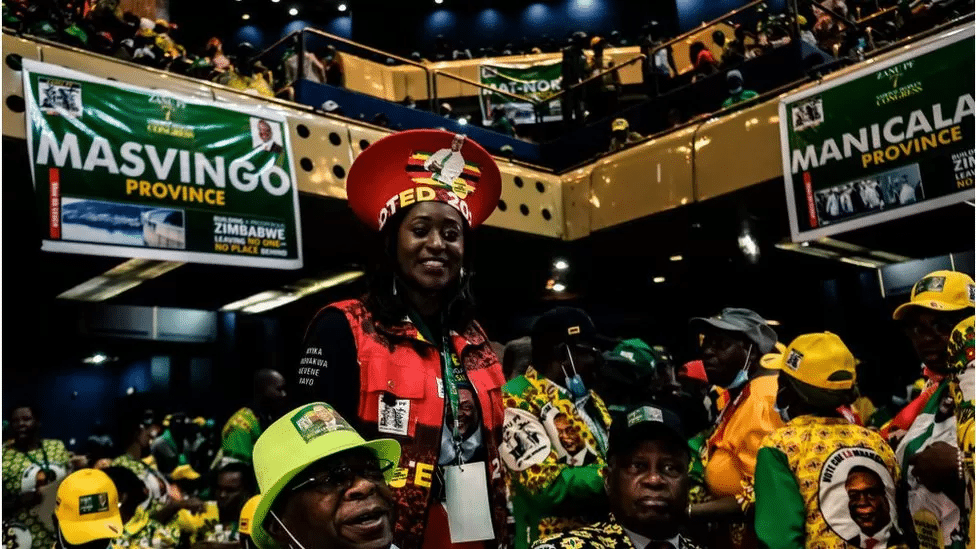
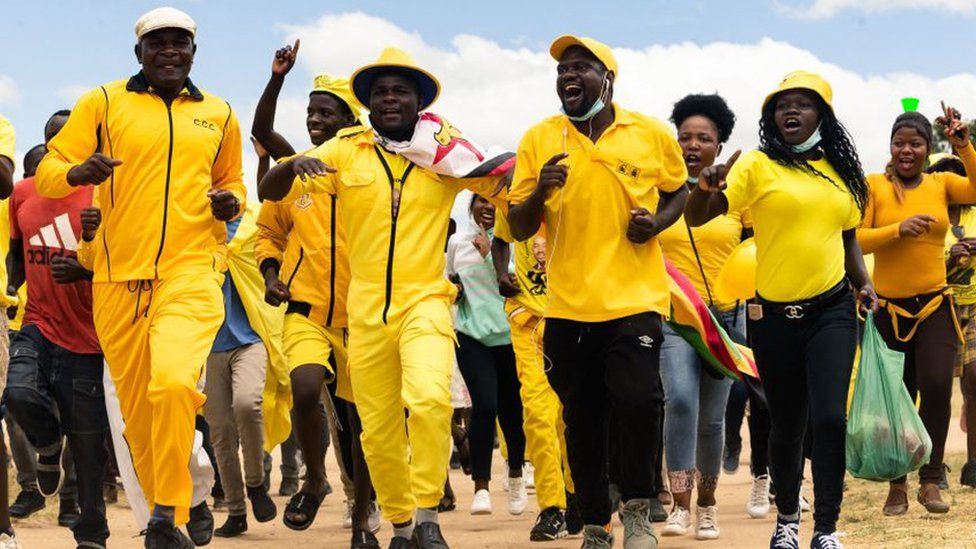
Image caption,This is the first general election that the CCC will be contesting
Polling so far has predicted different results, so it is hard to use that as a guide as to who may end up president.
Furthermore, human rights activists say that in the past Zanu-PF has used various tactics to stay in power, including violence and intimidation, state-media blackouts and negative coverage of the opposition. Zanu-PF has previously denied using dirty tricks against its opponents.
What are the main issues?
The cost-of-living crisis continues to be at the core of voters’ concerns, with the last three years having been some of the worst in a decade. In the 12 months leading up to May this year, prices rose by 86.5%, one of the highest annual inflation rates in the world.
Meanwhile, businesses are struggling to cope with crippling power outages and an unstable local currency, which lost 86% of its value between January and early June.
Allegations of corruption also remain a source of frustration, with a very low rate of prosecution. During the Covid pandemic, equipment was allegedly procured at inflated prices – the health minister was fired but then exonerated by the courts.
How do the elections work?
For members of parliament and council candidates, the election is won on a first-past-the-post basis – in other words the person who has the most votes.
In the presidential race, however, a candidate needs more than 50% of the vote to be declared the winner, otherwise there will be a run-off election between the top two.
When will we get the results?
By law the presidential election results must be announced within five days after voting ends.
Will they be free and fair?
Civil society groups and the opposition doubt that polls will be free or fair. They cite what they say has been a systemic crackdown on government critics.
The arrests and convictions of opposition figures and government critics has intensified over the last two years.
The electoral reforms that the opposition have demanded for years – to level the playing field, provide access to public media and remove ex-military personnel from the electoral body – have not happened.
CCC leader Mr Chamisa says more than 60 of the party’s meetings were banned, or disrupted by police during by-elections last year, prompting fears it will happen again.
As former Zimbabwean politician Jonathan Moyo put it, Zanu-PF will not “reform itself out of power”.
What happened in the last election in 2018?
This will be the second time Mr Mnangagwa and Mr Chamisa face each other.
Five years ago, the president won in the first round with 50.8% of the vote, but violence followed polling day in which six people were killed when security forces opened fire on protesters.
Observers generally commended the freedom of movement during the campaign period and relative peace on voting day, but the EU for example noted major shortcomings including state resources being misused in favour of the incumbent.
The EU said the final results as announced by the Electoral Commission contained numerous errors.
Mr Chamisa’s party failed in its legal challenge to have the result overturned after arguing that the presidential and parliamentary vote tallies were off by tens of thousands.
The sole female presidential candidate in Zimbabwe’s election has been added to the ballot after an appeal that barred her participation was successful.
The Zimbabwe Electoral Commission’s decision to reject Elisabeth Valerio’s candidacy papers was successfully contested.
She allegedly neglected to pay the $20,000 (£15,000) nomination fee, according to officials.
Ms. Valerio contended that she had presented evidence of a bank transfer in her legal challenge.
She claimed that women in Zimbabwewere “denied the opportunity to participate” earlier this month.
The election for president will be held on August 23 and there are now 12 contenders.
Ethiopia has lifted its ban on accessing popular social media platforms including Facebook, Telegram, TikTok, and YouTube after a period of over five months,
The blackout was initially implemented on February 9th of this year following tensions between the Ethiopian Orthodox Church and the government.
During the blackout, only individuals who had access to virtual private network (VPN) software were able to bypass the restrictions, albeit at the cost of additional data usage.
The conflict within the Orthodox Church emerged when certain archbishops from the Oromia region expressed their desire to establish a new synod, allowing services to be conducted in the Oromo language. This development resulted in violent clashes. However, a mediation effort by the government has helped to ease the tensions and restore stability.
As of now, there has been no official statement from the authorities regarding the decision to lift the ban.
The move to lift the ban comes after a period of mediation and efforts to address the underlying issues that led to the conflict.
With the restoration of access to these social media platforms, individuals in Ethiopia can once again engage with online communities, share content, and connect with others across the globe.
A prominent Nigerian athlete Amusan, and current world record holder in the 100m hurdles, has disclosed that she is facing charges for breaking anti-doping rules.
The Athletics Integrity Unit accused her of missing three drugs tests within a 12-month period, which could potentially lead to a two-year suspension from the sport.
Taking to Instagram, the 26-year-old athlete asserted her identity as a clean competitor and expressed her determination to contest the charges. Her goal is to clear her name and remain eligible to compete at the World Championships scheduled for August.
Head of the Ashanti Regional Office of the Registrar of Companies (ORC), Ama Akyia Prempeh, has revealed a remarkable growth in business and company registrations in the region. Since 2019, business registrations have seen a significant increase of 394%, while company registrations have soared by 327%.
Prempeh attributes this success to the department’s effective sensitization campaigns, which include the strategic relocation of its offices to Adum, the central business district of Kumasi.
The decision to relocate to an ORC-owned office complex in Adum was prompted by a previous incident in 2012 when the landlady of their rented private building in Dadiesoaba, a suburb of Kumasi, threatened to evict the then Registrar-General’s Department (RGD).
Recognizing the importance of Kumasi as the region’s commercial hub, the Chief State Attorney in charge of the RGD at that time, Joseph Kofi Harlley, led efforts to find a suitable site or building for the office’s permanent accommodation.
Their search led them to a suitable piece of land next to St. George’s Church, opposite the Catering Rest House along Fuller Road in Adum. The current Registrar of Companies, Jemima Oware, supervised the construction of the new building, which was completed and handed over in June 2022.
During the opening ceremony of the ORC’s first office building complex in Adum, Ms. Prempeh revealed that the facility was funded with internally generated funds from both the Registrar-General’s Department (RGD) and ORC, at a cost of GH¢8 million. The impressive building boasts 34 offices, two conference halls, four kitchenettes, 21 lavatories, two large car parks, a janitor’s office, a pantry and canteen, a reception area, and a security office.
The newly inaugurated building is expected to serve not only the people of Ashanti but also parts of the Western, Oti, and Eastern Regions.
Furthermore, Attorney General and Minister of Justice, Godfred Dame Yeboah, announced that an amount of US$3.5 million has been paid for two acres of land at the University of Ghana, Legon, for the construction of the ORC headquarters. This significant step forward was made possible through the collaborative efforts of the Ministry of Finance, Registrar of Companies Jemima Oware, and the Attorney-General and Minister of Justice.
“We have made progress in acquiring a two-acre piece of land near the University of Ghana at Legon to construct the ORC headquarters, Accra.
“The ORC, with the assistance of myself (AG), the finance minister and Attorney-General’s Department, have succeeded in paying-off the required consideration for acquiring the land; which is US$3.5million. I am informed that the architectural drawings for the ORC headquarters will be ready by September 2023, and the process of selecting a contractor will begin,” he said.
“The insightful leadership of Mrs. Oware and guidance of ORC’s board have been very instrumental in propelling it to steadily become one of the most important modern institutions in Ghana’s quest to promote good governance and accountability,” he added.
Former Registrar-General for Ashanti Region, Kofi Harlley; Ashanti Regional Head-ORC, Ama Akyia Prempeh; and the Registrar of Companies, Jemima Oware, were given awards for their contributions to successfully completing the building-land acquisition.
The initial investment of capital is essential for the development and sustainability of any business enterprise.
Due to financial limitations, issues with company continuity, and other urgent concerns, many start-ups in Ghana frequently fail to survive past the two- to three-year mark.
But Violet Amoabeng’s decision to try her hand at creating skincare products ultimately paid off. She claims that she started her company in 2014 with just $45 and that it now generates $200,000 in revenue every year.
Amoabeng recalled that her late uncle gave her the cash boost because her father, a prosperous businessman, refused to give her the money to start.
Amoabeng recounted that she received the capital injection from her late uncle, because her father, who was a successful businessman, would not loan her the money to start.
“My dad would not give me the money to do any business because he believed that if you don’t do business the hard way, you will not be able to survive when you hit hard times and no one will help you.
“I created Skin Gourmet with $45 in 2014 with help from my family (Like, My Uncle Kwame – he passed away, but I wish he could see how grateful I am for just knowing him),” Violet is quoted by face2faceafrica.com.
Labour unions in Nigeria are expressing strong discontent over the recent surge in fuel prices throughout the country and have issued a warning to withdraw from negotiations with the government unless the prices are reversed.
Both the Nigeria Labour Congress and the Trade Union Congress are accusing the government of unjustly favoring the wealthy at the expense of the poor, leading to immense suffering, hardship, and sorrow for the Nigerian people.
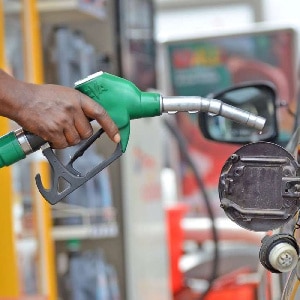
On Tuesday, petrol prices reached an all-time high of around 640 naira ($0.82; £0.64) per litre, triggering widespread outrage across the nation. As a result of this sharp increase in petrol prices since May, after President Bola Tinubu’s announcement ending fuel subsidies during his inauguration speech, transport costs and food prices have continued to escalate.
The state-owned Nigeria National Petroleum Corporation Limited has attributed the new price increase to market forces.
In response to the public outcry and rising costs, President Tinubu has ordered a review of the $10 (£8) his government had planned to pay 12 million poor households to mitigate the impact of removing the fuel subsidy. The proposed payment, lasting for six months, aimed to provide relief to those affected by the subsidy removal.
However, there has been widespread criticism and concern that the money could potentially end up benefiting government cronies rather than reaching those genuinely in need.
A well-known National Democratic Congress (NDC) member named Felix Ofosu Kwakye has asserted that Alan Kyerematen, who wants to lead the New Patriotic Party (NPP), has lost touch with the political realities.
He disclosed that, in terms of his campaign, the candidate running to lead the New Patriotic Party (NPP) in the impending 2024 elections is not making a sufficient contribution or performing to the necessary standards.
“It’s regrettable, but Bawumia is currently leading the contenders. Unfortunately, Alan Kyerematen seems to be lacking in significant influence. From my perspective, and with utmost respect for him, it appears that he may be out of touch with the present times. Perhaps his best opportunity was back in 2007, and he might have achieved better results if he had put in more effort then.
I don’t foresee Konadu Apraku and other candidates making a considerable impact. The most captivating candidate, in terms of rhetoric, is Kwabena Agyepong. However, it’s important to note that the average delegate isn’t receptive to internal criticism; their primary concern is the party’s external success. Hence, any actions that potentially arm the opposition could work against the candidate when the delegates ultimately decide.”
The Ghana Statistical Service (GSS) has announced that the Producer Price Inflation for June of this year stood at 29.9.
The Producer Price Index (PPI) measures the average change over time in the prices received by domestic producers for their goods and services.
Comparing the latest figures to the rate recorded in May 2023, which was 30.3 percent, there was a 1.1 percentage point decrease in the PPI.
Government Statistician, Prof. Kobina Annim, provided insights during a press briefing in Accra on July 19. He explained that the month-on-month change in the PPI between May and June 2023 was 0.6 percent.
Among the key sectors of the economy, the PPI for Construction decreased from 32.5 percent in May 2023 to 31.3 percent in June 2023. Additionally, the rate for the Services sector decreased from 18.1 percent in May to 17.6 percent in June 2023.
Notably, the Electricity and gas sector (70.6%), Transportation and storage (49.2%), Water supply, sewerage, and waste management (38.5%), Accommodation and food service activities (37.9%), and Mining and quarrying (31.0%) all recorded rates above the national average. Conversely, the Information and communication activity recorded the lowest rate of 11.1 percent in June 2023.
The European Investment Bank (EIB) has expressed its intention to expand its investment portfolio in Tanzania beyond the current value of Sh1.8 trillion. According to senior officials, this decision is in response to the Tanzanian government’s strategic plan to enhance the business climate and create a more favorable investment environment.
During a recent visit by the EIB team to Tanzania to assess ongoing projects, EIB Vice President Thomas Östros announced the potential increase in support. The delegation also held meetings with government officials from the Ministry of Finance and representatives from other multilateral institutions based in Tanzania. The EIB’s Eastern Africa hub office in Nairobi facilitated these discussions.
As the European Union’s long-term financing institution, owned by its member states, the EIB has already funded 28 projects in Tanzania, totaling Sh1.8 trillion (equivalent to 680 million euros). Additionally, the EIB has extended credit lines to commercial banks and microfinance institutions in Tanzania to support lending to the private sector, with a particular focus on Small and Medium Enterprises (SMEs).
Some notable projects that the EIB has supported in Tanzania include the Lake Victoria Water and Sanitation Programme in Mwanza, the Tanesco Power Project, the modernization of Dar es Salaam port, and the Kihansi hydroelectric power plant. The EIB’s continued commitment to Tanzania’s development underscores its dedication to fostering economic growth and sustainable progress in the country.
“I am pleased that the EIB team from the regional hub in Nairobi is following up on a pipeline of projects that we wish to support the government in actualising,” Mr Ostros said, according to a statement availed to The Citizen yesterday.
According to the statement, the EIB is currently preparing several new projects, including a solid waste management project in Tanga that is currently in a pre-feasibility study stage.
The project is under the EIB’s Clean Oceans Project Identification and Preparation (COPIP), which aims at reducing the amount of plastic waste ending up in oceans in the coastal cities of Sub-Saharan Africa. Other examples are direct investments in ICT companies to boost digitalisation.
Speaking during the visit, Tanzania’s Deputy Permanent Secretary for Public Finance Management, Amina K. Shaaban, said they were thrilled with the EIB visit.
“The fruitful discussions we have had on their support for development projects we can cooperate on with them. Their current visit is happening at the right time, as Tanzania is currently updating its Development Vision 2050 from the current one, which will end in 2025.”
She also lauded the work EIB Global is doing around providing investment support to women-led and/or women-owned projects with EU support.
Mr Ostros said he was pleased that the EIB team from the regional hub in Nairobi is following up on a pipeline of projects that they wish to support the government in actualizing.
“Our business model looks at ensuring that we work with the government to achieve shared development goals, which are also government priorities that improve citizens’ lives,” said Mr Östros.
He added: Having invested in over 28 projects to date, EIB has already signed over Sh1.8 trillion (680 million EUR) of support to the Government’s public sector initiatives, as well as offering credit lines (loans) to the country’s commercial banks and microfinance institutions for on-lending to private companies, especially SMEs, as well as to individuals in the private sector.
According to him, the bank has already disbursed Sh1.34 trillion, with more set to be released as projects kick-off.
EIB Global finances projects alongside other African and international development partners. In Tanzania, the bank works closely with the government to support investment in public sector infrastructure, back private sector business investment through local and international banks, and cooperate with large-scale corporate partners.
EIB Global’s growing interest in Tanzania has been showcased in various initiatives, including the EU-Tanzania business forum in February 2023, which brought together government officials, development partners, and business people from Europe and Tanzania, highlighting the various opportunities for economic partnership.
It was during this forum that EIB Global announced a Sh721 billion (270 million EUR) investment in the country, which included the bank’s largest-ever support to the Blue Economy anywhere in the world through a Sh267 billion (100 million EUR) financing initiative that is being implemented through partnering local commercial banks.
A satellite internet company invented by Elon Musk, Starlink, has been officially launched in the Kenyan market, intensifying competition with local players such as Safaricom, Jamii Telecommunications Limited, and Zuku.
The multinational firm, which is a subsidiary of Musk’s space technology company SpaceX, has appointed local internet provider Karibu Connect as its first authorized reseller in Kenya. Starlink promises to deliver impressive download speeds of up to 250 Mbps and upload speeds of up to 35 Mbps.
According to a notification displayed on Starlink’s website, Kenyan home users can purchase a terminal to enable connections at a cost of Ksh89,000 ($628), along with a shipping fee of Ksh3,100 ($21.88). The monthly subscription charge for residential use will be Ksh6,500 ($45.89).
For businesses, the hardware purchase comes at a cost of Ksh349,106 ($2,465) plus a shipping charge of Ksh7,500. The monthly subscription payment for business use has been set at Ksh13,572 ($95.81). With Starlink’s entry into the Kenyan market, users can look forward to improved internet connectivity and options.
“Starlink is currently available in your area using inter-satellite links. You can expect Starlink’s typical high-speed internet with brief periods of intermittent service and high latency,” states the firm in a web notification.
“Users will be able to engage in common internet activity like email, online shopping or streaming a movie, but they won’t be able to engage in activities like online gaming or video calls. Service will improve dramatically over the next year.”
A recent spot check by Business Daily reveals that Starlink’s pricing for internet services falls in the middle range compared to other providers in the market.
For home use, Safaricom, the market leader, offers a bronze fibre package with a speed of 8 Mbps for Ksh2,999 ($21.17) per month, while the silver bundle with speeds of 20 Mbps is priced at Ksh4,100 ($28.94).
Safaricom’s office-use packages include the gold package with a speed of 40 Mbps, priced at Ksh6,299 ($44.47), and the diamond package with a speed of 100 Mbps, priced at Ksh12,499 ($88.24).
On the other hand, JTL offers packages with different speeds: 40 Mbps at Ksh5,250 ($37) per month, 65 Mbps at Ksh10,500 ($74.13), 90 Mbps at Ksh15,750 ($111.19), and 140 Mbps at Ksh21,000 ($148.25).
Starlink’s technology, however, supports services that traditional terrestrial communications solutions cannot provide, enabling unmodified smartphones to connect to satellites in areas with coverage gaps.
The Starlink services cater to both fixed and mobile applications, including vehicle-mounted solutions for on-the-go use and connectivity on boats and ships operating both inland and offshore.
Safaricom has also planned to offer satellite internet services in partnership with Starlink’s Texas-based competitor, AST SpaceMobile. This move could potentially revolutionize traditional telecoms services, especially in areas where infrastructure has left many regions without internet coverage, particularly in rural parts of the country.
Director General of the West African Monetary Institute (WAMI), Dr. Olorunsola Olowofeso, has emphasized that the successful implementation of the West African Capital Market Integration (WACMI) initiative could significantly boost the ECOWAS economy. He mentioned that the integration has the potential to increase the ECOWAS economy from $777 billion to approximately $900 billion.
The WACMI initiative, spearheaded by the West African Monetary Institute, aims to create an open platform for the listing, trading, and settlement of capital market securities, as well as facilitate transactions for West African countries.
During a capacity-building session for financial market operatives, Dr. Olowofeso highlighted the numerous benefits of a fully integrated capital market. He emphasized that such integration would enhance liquidity access, strengthen economies, and streamline capital access for businesses within the West African economic bloc. By fostering cooperation and collaboration among participating countries, the initiative aims to unlock the region’s economic potential and promote sustainable growth and development.
“By the time we integrate the capital market, it will increase the GDP of West Africa from $777 billion to over $800 billion to $900 billion and that would be a plus to Africa in terms of job, liquidity and infrastructure development“
Additionally, he expressed that the institute is actively collaborating with other member countries, namely Gambia, Guinea, Liberia, and Sierra Leone, to develop a robust capital market infrastructure. This effort is aimed at ensuring the seamless functioning of the program and promoting economic growth across the region.
Regarding concerns about whether an open capital market platform in the West African Economic block might hinder Ghana’s securities market growth, Rev. Daniel Ogbarmey Tetteh, the Director General of the Securities and Exchanges Commission, reassured that the integration would have a positive impact.
Instead of derailing Ghana’s capital market, the integration would actually deepen and enhance it, fostering healthy competition within the market. This alignment with other West African countries would open up new opportunities and strengthen Ghana’s position within the broader regional context.
“So within the contest of an integrated market, it means that we will be exposing the benefits of the Ghana market to other practitioners. So I think that we shouldn’t be worried about the integration, rather it will open up to better opportunities which will make us competitive”.
He added that the Securities and Exchanges Commission is embarking on a capital market master plan which will tie into the West African initiative to strengthen the local market.
Abena Amoah, Chief Executive Officer of the Ghana Stock Exchange also stated that the move will offer improved diversification of funds which could reduce risk.
“It will enable fund managers to structure a fund which will enable you to diversify portfolios in different markets. This improves diversification and concentrated risk management tools.”
As stated in the 2023 budget announcement, Ghana’s debt levels have reached unsustainable levels, posing challenges for the country to secure a bailout from the International Monetary Fund (IMF), leading to the necessity for debt restructuring.
In December 2022, the government initiated a domestic debt exchange program, inviting bondholders to exchange their existing bonds for new ones with revised maturity dates. Despite facing strong opposition, a remarkable 85% of bondholders agreed to participate in the Invitation to Exchange.
This accomplishment was crucial as it fulfilled one of the requirements set by the IMF. However, to secure the first tranche of the $3 billion loan from the IMF, the government needed to meet other conditions, including securing assurances from external creditors.
Upon receiving the necessary assurance, the IMF’s Executive Board approved the first tranche of the loan in May.
Now, in preparation for the second tranche, expected in November, the government has launched two additional debt restructuring programs, aiming to restructure bonds worth up to GH¢809 million.
The domestic debt exchange program enables the government to call for bondholders to swap their current bonds for new ones with extended maturity dates. This approach is taken because the government faces challenges in meeting both principal and interest payments for bonds that have matured or are scheduled to mature this year.
By extending the maturity dates and adjusting the interest rates for the new bonds, the government seeks to create a manageable repayment schedule and provide some breathing space to meet its payment obligations.
The two new “haircuts” are for holders of dollar bonds and holders of COCOBOD’s short-term securities i.e., cocoa bills.
See the invitations sent out by the government for the new haircuts below:
COCOBOD’S INVITATION
The Ghana Cocoa Board (COCOBOD) has, today, launched a debt securities exchange programme (the Exchange Programme) under which it is inviting holders of its short-term debt securities (the Cocoa Bills) to voluntarily offer to exchange their Cocoa Bills (representing an aggregate principal of approximately GHS 7.93 billion) for longer-term debt securities with averagely lower coupon rates to be issued by COCOBOD (the Bonds).
The Bonds will be issued pursuant to the terms of (the Programme Documents): (a) an exchange memorandum dated 14 July 2023 (the Exchange Memorandum); (b) a trust deed dated 14 July 2023 and entered into between COCOBOD (as issuer) and Consolidated Bank Ghana Limited (CBG) (as trustee for the holders of the Bonds); and (c) an agency agreement dated 14 July 2023 and entered into by COCOBOD (as issuer), CBG (as bond trustee and paying bank), and the Central Securities Depository (GH) LTD (as transfer agent, calculation agent, and registrar in respect of the Bonds).
Holders of the Cocoa Bills whose offers are accepted by COCOBOD will receive five (5) different Bonds with an aggregate principal amount (rounded down to the nearest GHS 1.00) equal to the principal amount of Cocoa Bills tendered (in addition to any accrued and unpaid interest due on such Cocoa Bills). The five (5) Bonds will mature on a one-per-year basis consecutively from (and including) 2024 to (and including) 2028. The reasons for undertaking the Exchange Programme have been explained by the chief executive of COCOBOD in a letter dated 11 July 2023 from the chief executive to all holders of the Cocoa Bills. A copy of the letter has been included in the Exchange Memorandum.
For further details regarding the Exchange Programme, all holders of the Cocoa Bills are advised to read the contents of the Programme Documents carefully and consult a dealer, investment adviser or other professional for appropriate advice before making an investment decision. Copies of the Programme Documents are available at https://projects.morrowsodali.com/CocobodDDE, https://calbank.net/CocobodDDE and the website of COCOBOD (i.e. https://cocobod.gh/CocobodDDE).
Offers may be submitted from today (i.e. 14 July 2023) until 4pm on 31 July 2023 (unless otherwise extended by COCOBOD in its sole discretion and with the prior approval of the Securities and Exchange Commission). An offer (once made) cannot be revoked or withdrawn at any time except in the limited circumstances described in the Exchange Memorandum.
This announcement is for informational purposes only and is not an invitation to exchange to any holders of the Cocoa Bills. The invitation to exchange the Cocoa Bills is only being made pursuant to the Exchange Memorandum.
COCOBOD has appointed CalBank Plc (CAL) as arrangers for the Exchange Programme.
In the course of the trial at the Financial and Economic Division of the High Court in Accra, it came to light that the Investigator assigned to the case involving the founder of the defunct Beige Bank lacks awareness of crucial details regarding a Share Purchase agreement. This agreement was between the Beige Group and First Africa Group (FAG) for the acquisition of First Africa Savings and Loans (FASL) by Beige Group.
FAG, being the parent organization of FASL, had reached an agreement with Beige Group for the latter to take control of FASL. However, despite being tasked with investigating the matter, Assistant Superintendent of Police (ASP) Joseph Abednego Atsah, the investigator, admitted to not being informed about the specifics explicitly outlined in the share purchase agreement.
ASP Abednego Atsah, who serves as the Fifth Prosecution Witness in the ongoing trial, had his Witness Statement recorded on December 8, 2022, and subsequently adopted by the Court as his evidence-in-chief, along with various exhibits, on July 7.
The purpose of his testimony in the Court, presided over by Justice Afia Serwah Asare-Botwe, a Justice of the Court of Appeal sitting as an additional High Court judge, is to support the Prosecution’s charges leveled against Mr. Michael Nyinaku.
Mr. Michael Nyinaku, the founder and Chief Executive Officer of the defunct bank, is facing allegations of siphoning customers’ funds and stands accused of stealing GH¢2.1 billion of depositors’ money from the bank.
He has entered a plea of not guilty to 43 charges, including stealing, fraudulent breach of trust, and money laundering, and has been granted bail during the legal proceedings.
Beige Group & FASL Purchase agreement
According to the Share Purchase agreement between The BEIGE Group and FAG, both parties agreed that Beige Group would assume complete control and management of FASL within 90 days from the effective date of the agreement.
The agreement laid out a structured three-stage process for the takeover: the Commencement date, the transitional period, and the Cut-off date. All these significant milestones were expected to occur within the 90-day timeframe, after which Beige Group would assume full responsibility for FASL.
During the negotiation process, FAG, jointly represented by Kwesi Tetteh Dadzie and Gifty Affenyi Dadzie, made representations to BEIGE, assuring them that they had obtained all the necessary approvals from the Bank of Ghana (BoG) for the share sale transaction. However, it later came to light that these representations were not accurate.
Under cross-examination by Defence Lawyers, led by Lawyer Thaddeus Sory, ASP Abednego Atsah, who has served at the Criminal Investigation Department of the Ghana Police Service for 21 years, admitted that he was not fully aware of the specific details of the agreement despite being involved in the investigation of the matter.
Cross-Examination
ASP Abednego Atsah, who had worked with the Police for the past 21 years, had made reference to the share purchase agreement in paragraph 9 of his witness.
But did not attach a copy of the said agreement as stated to his statement to the Court.
Shown a copy of the share purchase agreement by Lawyer ThaddeusSory, (Marked as Exhibit 20) between two entities one known as First African Group (FAG) and the Beige Group who are seller and buyer respectively, he confirmed to the court that the Share Purchase Agreement.
Asked by Mr. Sory, that from the parties to the agreement per exhibit 20, it is clear that contrary to what he had said in paragraph 9 of his witness statement, the purchaser of those shares is the Beige Group and not the Beige Bank.
“That is correct. I suppose there was a typographical error in the statement, it should have read ‘Beige Group’, ASP Atsah, the Investigator answered.
When it was put to him by Mr Sory that, “contrary to what you say in paragraph 11 of your witness statement, the signatories to the FASL account were representatives of the two parties stated in Exhibit 20 who are the First Africa Group (FAG) and the Beige Group and not the Beige Bank,”
The Witness in his response agreed, before explaining that, “I can recall that Counsel said that the Beige Bank is part of the Beige Group.”
Mr Sory again put to him that, the Beige Bank and the Beige Group are different, the Witness also agreed with Counsel, saying , “that is correct.”
Asked by Mr Sory if he had made any findings on Exhibit 20 as part of his investigation on the management of FASL, the Witness instead offered explanation.
“My lady because of the share purchase agreement, Beige Group had sent its representatives to work with FASL so the representatives had the opportunity to work with FASL as a result of the share purchase agreement,” the Investigator noted.
I’m not aware of Agreement details
Counsel for the accused had put to the Investigator that, “by that Share Purchase Agreement, there were three crucial dates in the Share Purchase Agreement, there was the commencement date, the transitional period and a cut-off date.”
But, the Witness in his response said, “My lady I do not know how counsel segregated it but all I know is that, there was a share purchase agreement between FAG and the Beige Group.”
Below are excerpts of the cross-examination conducted by Lawyer Thaddeus Sory
CROSS EXAMINATION OF PW5 BY MR. SORY
Q: Do you have any training in accounting?
A: No my lady. I have never done accounting.
Q: And apart from this case in which you were involved in the investigations, have you investigated any other matter that raised accounting related issues?
A: I have. In fact, I did financial analysis and reporting at the MSC Level.
Q: Can you tell the court what investigations you have conducted that raised accounting-related matters apart from this one?
A: I investigated a case involving a construction company’s account. I cannot recollect the name off head. It was constructing road awarded by the Ministry of Roads and Highways at the Effiduase Area in the Ashanti Region. The then Managing Director, one Kwasi Asare had embezzled several funds from the company’s account. The company’s accounts were at Ecobank Headquarters, Accra.
Q: Do you have any banking experience?
A: No my lady.
Q: But have you conducted any banking-related investigations apart from this particular one in which you were involved?
A: The only time I conducted banking-related investigations was when I went to Ecobank in respect of the case involving Akwasi Asare.
Q: Do you have any auditing background or experience
A: No I have never studied auditing before.
Q: And have you conducted any auditing related investigations apart from this case which you are involved?
A: Yes, I have conducted investigations in which we had to call for auditors reports when those cases were reported.
Q: As in “those cases”, do you mean this case or some other case?
A: In other cases.
Q: From your witness statement, your investigations covered a number of areas such as the supposed suspicious accounts opened in the name of First African Savings and Loans (FASL), the transfer of customer deposits from the Beige Bank to Beige Capital Assets and Management (BCAM), the transfer of funds from BCAM to the supposed suspicious FASL account, related third party transactions and other individual transactions involving the bank, is that correct?
A: That is correct.
Q: For purposes of your investigations, you not only interviewed and interacted with all individuals involved in the transactions as well as officials of the affected institutions but also collected documents from them, is that correct?
A: That is correct.
Q: And so in the course of your investigations, where a person made a statement which could be supported by a document, you called for it in order to authenticate or prove what the person is saying in their statement, is that correct?
A: That is correct.
Q: When you concluded your investigation, you wrote a report indicating your findings, is that correct?
A: That is correct.
Q: That report has not been attached to your witness statement, is that correct?
A: That is correct my lady. The cases were in segments. As and when the Receiver brings a particular aspect of the case, when I finish with that, report was written with findings. That is how it ran through all the cases until they were finally consolidated.
Q: Can you make the reports available to us before the next adjourned date?
A: Yes my lady.
BY COURT
The prosecution is directed to file further disclosures in respect of reports authored by PW5 in connection with Beige Bank/Beige Group investigations by Tuesday 11th July, 2023.
Q: In paragraph 9 of your witness statement, you make reference to a share purchase agreement which is not attached to your witness statement, is that correct?
A: That is correct?
Q: Take a look at Exhibit 20, that is a share purchase agreement between two entities one known as First African Group (FAG) and the Beige Group who are seller and buyer respectively, is that correct?
A: That is correct.
Q: Is that the Share Purchase Agreement you are referring to or there is another one?
A: This is the Share Purchase Agreement.
Q: From the parties to the agreement you are looking at which is Exhibit 20, it is clear that contrary to what you say in paragraph 9 of your witness statement, the purchaser of those shares is the Beige Group and not the Beige Bank?
A: That is correct. I suppose there was a typographical error in the statement, it should have read “Beige Group”.
Q: I am putting it to you that contrary to what you say in paragraph 11 of your witness statement, the signatories to the FASL account were representatives of the two parties stated in Exhibit 20 who are the First Africa Group (FAG) and the Beige Group and not the Beige Bank.
A: That is correct. I can recall that Counsel said that the Beige Bank is part of the Beige Group.
Q: I am putting it to you that the Beige Bank and the Beige Group are different.
A: That is correct.
Q: As part of your investigations into Exhibit 20 that you are holding, did you make any findings regarding the effect of Exhibit 20 on the management of FASL?
A: My lady because of the share purchase agreement, Beige Group had sent its representatives to work with FASL so the representatives had the opportunity to work with FASL as a result of the share purchase agreement.
Q: I am putting it to you that by that Share Purchase Agreement, there were three crucial dates in the Share Purchase Agreement, there was the commencement date, the transitional period and a cut-off date.
A: My lady I do not know how counsel segregated it but all I know is that, there was a share purchase agreement between FAG and the Beige Group.
Q: I am further putting it to you that from the transitional period which started from the commencement date up to the cut-off date, officials of the Beige Group (TBG) were to commence taking over full responsibility of FASL.
A: What I know is that the share purchase was 90% which part was paid for and for that matter, it could not have been full responsibility of FASL if it was 90% share agreement.
Q: I am further putting it to you that the transitional period as per Exhibit 20 was not to last beyond 90 days from the date of commencement.
A: That I am not aware of.
Q: I am also putting it to you that after the transitional period of 90 days from the date of commencement, there was then a cut-off date at which time officials of TBG now took over full control of FASL and that is what Exhibit 20.
A: That I am not aware of.
Q: I am finally putting it to you that at least by December 2017, the transitional period was over and officials of the BEIGE Group in accordance with the provisions of Exhibit 20 took over full control of FASL all of its operations and management.
A: I knew they were waiting for Bank of Ghana’s approval but I do not know if they had taken full control as at December 2017.
Q: You referred to the suspicious FASL account, can you tell the court when it was opened?
A: If I could refer to my statement.
By Court: The witness is granted permission to refresh his memory on his statement.
Q: You referred to the suspicious FASL account, can you tell the court when it was opened?
A: The specific date is not mentioned but the account number is captured here but the specific date is not here.
Q: So in other words, you do not know the date when that suspicious account was opened?
A: If I refer back to Susana Philip’s statement, she is the official who opened the account so I can get the actual date.
By Court:
The witness is granted permission to refresh his memory on the statement of Susana Philips.
Q: What is the date?
A: Susana indicated that she had instruction from Vanessa Akorfa Atsu on 14th March, 2018 to open the account.
Q: The Susana Philips’ statement you are looking at, it is dated 12th September, 2018, is that correct?
A: That is correct.
Q: And it was made to the Commercial Crime Unit of the CID, is that correct?
A: Yes my lady
Mr. Sory: My lady we wish to tender the document through the witness.
By Court: Any objection.
Mrs. Keelson: My lady we have no objection
BY COURT
The document is admitted without objection as Exhibit 26.
Q: If you look at the second page of that statement starting from about the 10th or 11th line, Susana told the Commercial Crime Unit (CCU) of the CID that the account was opened after all proper procedures of the bank were followed, is that correct?
A: My lady if I may read that portion. Witness reads the 10th and 11th lines to the hearing of the court.
Q: Take a look at the third line, it says that, that account was directly linked to the FASL operational account, is that correct?
A: That is correct my lady.
Q: She also made another statement to the Special Investigations Team (SIT) dated 18th January, 2019, do you have a copy of it?
A: Yes my lady, I do have a copy.
Mr. Sory: My lady we pray to tender that statement through the witness
By Court: Any objection.
Mrs. Keelson: My lady we have no objection.
BY COURT
The document is admitted without objection as Exhibit 27.
Q: If you look at the second page of that statement, from about the 7th line onwards, Susana explains to the Special Investigations Team (SIT) where you work that the purpose of that account which you call suspicious was to receive placements from BCAM, is that correct?
A: It was a reported speech from Yvonne Philips. If my lady will permit me to read.
By Court: The witness reads from the 7th line to the hearing of the court.
Q: It is clear what the purpose of the account you call suspicious was opened for, it was for BCAM placements, I am putting that to you.
A: Per the assertion of Susana Philips who opened the account, that is correct.
Q: Take a look at your statement again, there is one written by Yvonne Philips dated 7th September, 2018 written to the Commercial Crime Unit (CCU) of the CID, do you have it?
A: Yes my lady.
Mr. Sory: My lady we pray to tender that statement through the witness
By Court: Any objection.
Mrs. Keelson: My lady we have no objection.
BY COURT
The document is admitted without objection as Exhibit 28.
Q: If you read from line 17 to about line 25 on the second page, Yvonne Philips explains how this second account was opened.
A: Witness reads line 17 to line 25 of Exhibit 28 to the hearing of the court.
Q: I am putting it to you that the procedure was duly followed.
A: This is the account of Yvonne Philips to the police.
Q: From line 28 of that same statement, Yvonne Philips again tells the police that she became aware that BCAM made placements into that account.
A: Witness reads line 28 of Exhibit 28 to the hearing of the court.
Q: It is correct that BCAM placed funds with FASL into that second account which you call suspicious.
A: Per the statement of Yvonne Philips, that is so.
Q: I am putting it to you that from Exhibits 26 to 28, it is clear that when you say in paragraph 12 of your witness statement that the second account without the knowledge and consent of FASL management is not correct.
A: These accounts as read out are accounts from personnel who worked with Beige and they gave these accounts to the police both at the CCU and SIT
Q: So these personnel were also personnel from FASL and that is clear from paragraph 11 of your witness statement.
A: I did state that Vanessa Akorfa Atsu was at FASL representing the interest of Beige Group.
An officer of the Ghana Education Service (GES) reportedly recommended teachers to apply for loans to buy computers to teach their children, shocking the group of educators who had come for a session on innovative methods of teaching several topics, including Information and Communication Technology (ICT).
This comment from the GES official reportedly came up when teachers attended a session on new ways to teach ICT in schools, according to a former ICT teacher at the Akrofuom District Assembly Primary School in the Ashanti Region.
On Tuesday, July 18, 2023, Teacher Kwadwo, a guest on the Kokoase portion of the Angel Morning Show, claimed that because their classrooms lacked computers, his fellow educators insisted on knowing how to teach the course.
“That was when the GES officer at the workshop replied that we can go for loans to buy at least one laptop to teach the kids.…,” Teacher Kwadwo said.
A shocked Teacher Kwadwo who was also present at the workshop asked whether the GES official was indeed serious with his comment to which he responded “Don’t we even go for loans to acquire plots of land…?”
This and other factors, according to Teacher Kwadwo, helped him organize a movement to save the country’s education system.
However, he was expelled in December 2021 for taking a total of 55 unapproved absences from the classroom.
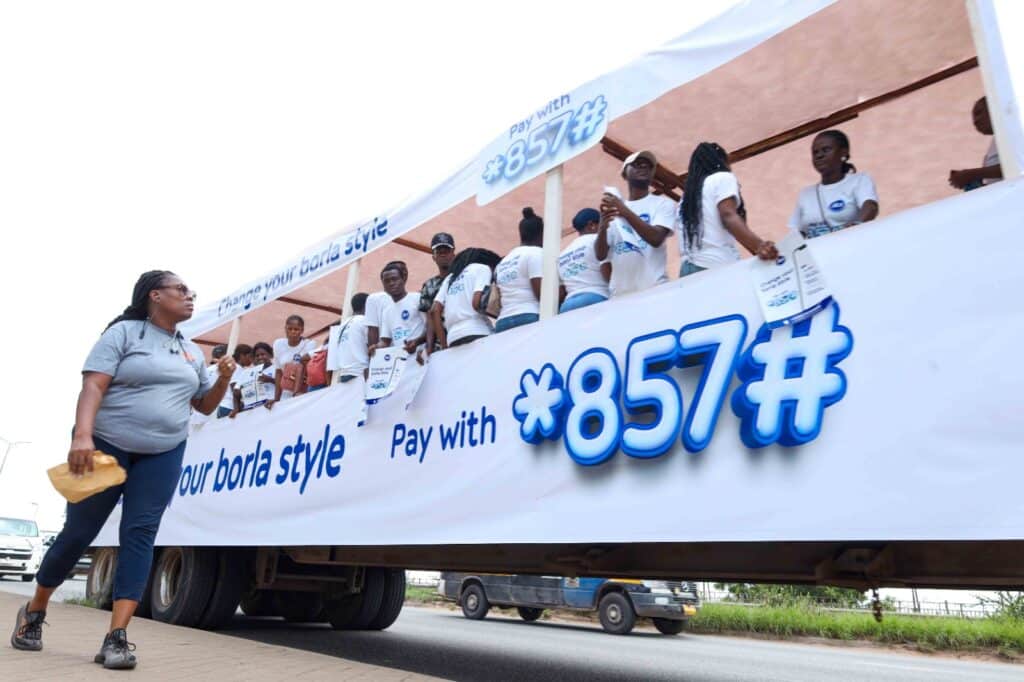
Zoomlion – Private Services Limited, a prominent waste management company in Sub-Saharan Africa, has introduced a cutting-edge digital payment platform to streamline business transactions with its customers, eliminating the need for cash transactions.
The implementation of these digital payment options is strategically designed to enhance convenience for customers while harnessing the power of technology to deliver improved services tailored to the specific needs of clients across the country.
Furthermore, the platform’s primary focus is to promote responsible waste management practices within communities in Ghana.
The launch event commenced in Accra, starting at Madina Zongo Junction and proceeding through Atomic Junction, Legon, Okponglo, Shiashie Dzorwulu Junction, Apenkwa, Tesano, Abeka Junction, and eventually reaching Kwame Nkrumah Circle before culminating at Accra Central (AMA office). This initiative marks a significant step forward for Zoomlion in embracing innovation and advancing waste management practices in the region.
“To meet the digital drive and agenda, Zoomlion, has therefore, introduced an innovative suite of digital payment solutions tailored to meet the unique needs of modern businesses, whilst addressing the needs of the average customer across the nation”.
“We do this through a bouquet of digital solutions available via, USSD code *857#, Zoomlion Application and Borla Taxi App found on Apple IOS and Google play Store,” he stated.
Mr. Amoako said the new App will bring ease, convenience and peace of mind to clients and customers who hitherto, had limited avenues for payment.
“For the next few months, both new and existing clients of Zoomlion who use any of our digital platforms to pay for their residential and corporate waste management services in advance will enjoy many benefits including discounts and other added value services (T&Cs Apply)”.
He urged Ghanaians to look out for more alliances with other payment portals and services all in the bid to serve clients better.
As a result of this digitalization drive, new and existing clients of Zoomlion will now enjoy real-time data analytics to track and monitor payments and back, multiple platforms to make payments (Smart Phone, analog, IOS or Android), on-demand waste management services (Terms and conditions apply) and easy and instant access to Zoomlion for complaints, requests, suggestions and feedback.
The launch of this digital payment services reaffirms Zoomlion’s position as a leader in the end to end integrated environmental sanitation space, committed to providing exceptional services to its clients.
“We will continue the relentless pursuit of innovation, combined with our vast experience in waste management in the country to build a better and cleaner Ghana for our generation and the ones after us,” he maintained.
He said Zoomlion will continue to improve people’s lives and their environment at all cost through the use of environmentally sustainable means.
The Mayor of Accra, Elizabeth Sackey lauded Zoomlion for the initiative and said that Ghana will be a better place if we all welcome the new digital platform form dubbed “twea na yenfa wo borla.”
I’m here today to applaud this exercise by Zoomlion because borla is destroying our society.
This is in line with the ongoing digital agenda,” she stated.
Mrs. Sackey said when she took over as a mayor, the Accra Metropolitan Assembly started an initiative to stop Ghanaians from dumping garbage into drains ‘so pay for us to pick your borla is a laudable idea’.
The price of cocoa, a crucial raw material for chocolate production, has surged to its highest levels in over a decade. On Tuesday, cocoa prices reached a peak in New York, just weeks after hitting a 46-year high in London. This surge comes as traders and chocolate manufacturers grapple with limited supplies.
The benchmark cocoa contract at the Intercontinental Exchange in New York soared to $3,429 per metric ton during the trading session, marking the highest level since mid-March 2011. It eventually closed at $3,407, reflecting a 1.4% increase.
Cocoa has emerged as one of the hottest agricultural commodities, primarily due to a significant decrease in production in the western part of Africa, which serves as a major supplier of raw cocoa to chocolate makers worldwide. Additionally, concerns about potentially adverse weather conditions in the future have also contributed to the price surge.
Analysts have pointed out that regions like Ghana, Ivory Coast, Nigeria, and Cameroon are susceptible to drier-than-normal weather in the coming months due to the development of the El Niño pattern. As a result, the supply of cocoa from these regions may face further challenges, leading to the current price hike in the cocoa market.
“Cocoa production is usually weaker in an El Nino year. We don’t know how strong this current El Nino will be, but forecasters say it will probably be strong,” said Rabobank cocoa analyst Paul Joules.
“The 2023/24 mid crop could be affected, as well as the 2024/25 main crop,” he added, referring to the two annual cocoa crops African countries harvest.
The amount of cocoa arriving at ports to be exported in number one grower Ivory Coast is down 4% in the season compared with the previous year, exporters estimated on Monday, indicating smaller production.
London cocoa futures settled up 18 pounds, or 0.7%, at 2,532 pounds per metric ton.
Among other commodities, raw sugar settled up 0.3%, at 23.86 cents per pound, still trading in a recent narrow range, below the 11-year peak above 27 cents hit late in April.
Arabica coffee rose 0.3%, to $1.563 per pound, while robusta coffee settled down $20, or 0.8%, at $2,532 a metric ton.
The Interbank forex rates from the Bank of Ghana today, July 19, 2023, have shown that the Ghana Cedi is trading against the dollar at a buying price of 10.9975 and a selling price of 11.0085.
At a Forex bureau in Accra, the dollar is being bought at a rate of 11.50 and sold at a rate of 11.75.
Against the Pound Sterling, the Cedi is trading at a buying price of 14.3847 and a selling price of 14.4002.
At a forex bureau in Accra, the pound sterling is being bought at a rate of 15.00 and sold at a rate of 15.60.
The Euro is trading at a buying price of 12.3570 and a selling price of 12.3681.
At a forex bureau in Accra, the Euro is being bought at a rate of 12.50 and sold at a rate of 13.10.
The South African Rand is trading at a buying price of 0.6160 and a selling price of 0.6166.
At a forex bureau in Accra, the South African Rand is being bought at a rate of 0.30 and sold at a rate of 0.90.
The Nigerian Naira is trading at a buying price of 71.7504 and a selling price of 71.7677.
At a forex bureau in Accra, Nigerian Naira is being bought at a rate of 12.00 Naira for every 1 Cedi and sold at a rate of 18.00.
For the CFA, it is trading at a buying price of 53.0362 and a selling price of 53.0838.
At a forex bureau in Accra, CFA is being bought at a rate of 17.00 CFA for every 1 Cedi and sold at a rate of 21.00 CFA for every 1 Cedi.
Multichoice has indicated that Ghana’s inflation rates should be held accountable for the rise in DSTV and GoTV membership costs.
This follows complaints from DSTV and GOTV subscribers over the ongoing rise in subscription costs in recent years.
According to MultiChoice, the new prices for DSTV beginning August 1 2023 are as follows: Access: 10 cedis (60–70), Family: 20 cedis (110–130), Compact: 35 cedis (220–255), and Compact Plus: 55 cedis (325–380). Premium: between 515 and 600 cedis.
However, the cost of a Padi subscription remains the same.
The prices have increased, according to Nii Armah Dagadu, the corporate affairs manager for Multichoice Ghana, who said as much on Tuesday’s episode of Morning Starr with Francis Abban.
“One of the big differentiators is the cost of operation in your country, the incident of inflation, the stability of your local currency. Those are some of the big differentiators for us. If some of these indicators change we should see some level of parity between Ghana and Nigeria.
“The inflation here versus Nigeria is quite a big one as well. The stability of our currency is quite an issue but remember that this particular increase is heavily driven by the cost of inflation,” Mr. Dagadu stated.
He added that unfortunately the incident of taxes on subscription between Ghana and Nigeria gap is quite huge.
“At this point if we are to touch the price by dropping it. What happens is we are taking the shocks and it is only a matter of time that you might not be able to enjoy the quality entertainment that comes on DSTV and GoTV. We have seen this with other players who have had to market and tried some of the things that didn’t work ten, twenty years ago that didn’t work in this market.
“I don’t just want to mention the name of some of these players, in recent times how many players have come into Ghana and collapsed not just Ghana but across the Africa continent. We have sustained this for thirty years because we have consistently had a sustainable price in the system. That is why you continue to enjoy all the fourteen leagues, the great movies, local and international series.”
In the Western Region’s Sekondi-Takoradi area, a man identified as the leader of a notorious robbery gang faced a stroke of misfortune on Monday, July 17, 2023, as vigilant residents managed to apprehend him in the act.
As reported by 3news.com, this man, known as Nii Addo, had been on the police’s wanted list for some time due to his involvement in snatching phones from innocent residents.
In a recent incident caught on CCTV, Nii Addo was seen snatching mobile phones from unsuspecting residents along the main Adientem route, near Sycamore Hospital, during the night. The gang, riding on motorbikes, targeted their victims, operating with swift and audacious tactics.
However, while carrying out a robbery at the Takoradi Market Circle on Monday, luck ran out for Nii Addo as alert residents managed to apprehend him.
One of his victims, whose mobile phone was stolen, turned out to be a Kumasi-based radio presenter and film producer. This presenter had parked his car around the YOU 84 area at the Market Circle in the evening when the robbers struck, snatching his iPhone 11 Promax near the Kojokrom Trotro Station.
Reacting swiftly, the victim-presenter promptly got into his car and, with the assistance of some kind-hearted individuals, gave chase to the robbers until he successfully caught up with them.
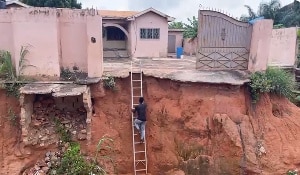
A road that was washed away has left behind a deep gully, creating a challenging situation for the residents of a house located nearby. As a result, they have resorted to improvising ways to access their residence.
To navigate the gully, the residents ingeniously constructed two wooden ladders. One smaller ladder was placed on the other side of the gully, while a much longer one was positioned in front of the house.
The concerning state of affairs was captured in a video seen by GhanaWeb, and the incident occurred in Bortianor, within the Ngleshie Amanfro Constituency of the Greater Accra Region.
Accompanying the video was a commentary that circulated on various social media platforms, urging the relevant authorities, especially at the local government level, to come to the aid of these vulnerable residents.
GhanaWeb cannot independently verify the duration for which the residents have been facing this challenging situation, nor can it confirm whether the disaster is a recent occurrence or has been persisting for some time.
Tragedy struck at the Kwame Nkrumah University of Science and Technology (KNUST) Hospital in Kumasi, as a 10-day-old baby named Faraj Mohammed passed away due to a suspected case of medical negligence.
The infant had been brought to the hospital for a routine male circumcision procedure. Unfortunately, during the course of the procedure, Faraj Mohammed experienced a cardiac arrest, leading to a critical medical emergency.
Despite the immediate care provided by the medical team, the baby could not be saved, and he tragically passed away a few minutes after the cardiac arrest.
This heart-wrenching incident has left the baby’s parents in deep anguish and sorrow over the loss of their beloved child.
On April 3, fashion designer Halimatu Adams, 27, and private security officer Mohammed Jamal, 36, brought their son to the KNUST Hospital for a quick male circumcision treatment.
A nurse welcomed Faraj Mohammed and then led him to the operating room.
“The baby was 10 days old so we decided to send him to hospital for circumcision. Whilst at the hospital, they showed us the theatre. We met a nurse who examined the baby, undressed him and took off his diapers and told us everything was okay,” says Mr Jamal.
The parents sitting in the theater’s waiting area heard the baby’s shrill cries for the final time.
Then, some senior nurses and physicians could be seen running into the theater, which is when the parents started to become upset.
The baby’s mother, Halimatu Adams, knew something bad had happened to the baby, but had to endure a long wait to hear news about her son.
“I became restless a few minutes later. A woman who spoke to me in Hausa tried to calm me down but it was impossible. I felt like attending nature’s call.”
The inconsistencies in communicating the situation to the parents fuelled speculations about the condition of the baby.
Whilst the couple were asked to get a hospital attendance card to prepare for admission of the baby, an ambulance was brought in a few minutes later to transport him to the Komfo Anokye Teaching Hospital for further treatment.
Then came the time to break the news of the death of the baby to the parents.
“I didn’t allow the doctor to finish what he was saying…I told him I think my child was dead…I felt something bad had happened to my son,” Halimatu recounted to JoyNews.
Parent’s nightmarish experience of being denied a male child
The Jamals are traumatised
The thought of losing their only male child under bizarre circumstances has left the couple traumatized.
“The feeling or the pain that you go through; unless you experience it because it’s something you cannot even express,” says Mr. Jamal.
Beyond the trauma, the parents would have to endure the nightmarish experience of the cry of their baby echoing in their minds every now and then, especially at night.
“The psychological pains, the trauma that you go through in the night when you hear the cry of the baby,” Mr, Jamal has opened up.
The Jamals take solace in video and pictures of late baby
As Muslims, having a male child is not only a privilege but an honour from the Almighty Allah for the parents, especially Mrs Jamal whose wish is to have all male children.
Though the couple is blessed with a two-year-old daughter from their three-year-old marriage, it has been the desire of the Jamals to have a male child.
But their joy has been cut short in a more bizarre tragic manner as expressed by Mr Jamal who has been assigned the extra responsibility of consoling the wife.
“Any night, when you hear the cry of the child, you can’t do anything. You can’t focus.”
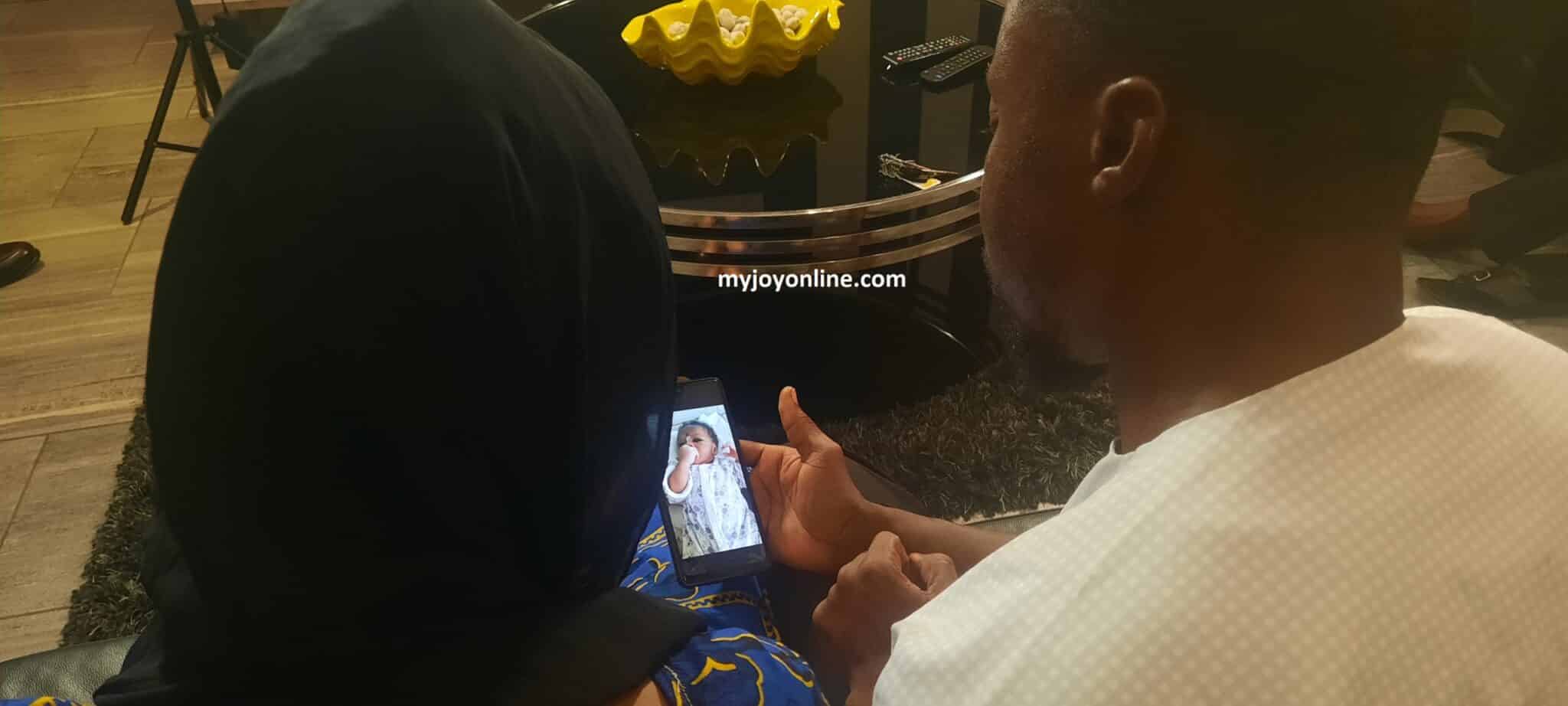
The couple has been reduced to watching videos and pictures of their son on their phones on a daily basis.
‘No comment’
Baby Faraj Mohammed moments before he left home for the circumcision
Authorities at the KNUST Hospital have declined comments on the matter.
The University Relations Officer says the matter has been referred to the legal department for settlement.
But a patient-centred non-governmental group is leading a campaign to bring justice to the Jamals.
The Advocacy for Medical Malpractice Victims says it can establish a prima facie case against the KNUST Hospital.
“From all indications, the hospital was negligent in the conduct of the circumcision,” Kwame Brobbey Appiah the Executive Secretary said.
“We believe strongly that we would be happy to establish a prima facie case,” he added.
Checks at the Health Ministry indicate that medico-legal cases are on the rise in the country.
In recent times, at least two medico-legal cases are received every week, a development which has left Health Minister, Kwaku Agyemang Manu, worried.
“What I am seeing of late at the ministry is the issue of litigation. For the past four weeks or so, almost every week, we get at least one letter from the Attorney-General’s office.
“Somebody has sued somebody with problems with care, service delivery and they want us to come with information to go to court with.”
That was a concern the minister raised at this year’s senior managers meeting of the Ghana Health Service in Kumasi recently.
Numerous men find themselves in difficult relationships where their most significant emotional needs – respect, intimacy, an attractive partner, and domestic care – remain unfulfilled by their partners.
Moreover, their partners exhibit selfish tendencies and focus solely on their personal desires, sometimes displaying critical, controlling, and abusive behavior. Deception becomes a part of the relationship, with lies used to conceal inappropriate actions. Some partners display intolerance and fail to prioritize their relationships, leaving their significant others feeling neglected.
When a man’s emotional needs are consistently unmet, his self-esteem can suffer, leading to a sense of emotional detachment. In response, some men choose to end the relationship, while others work tirelessly to mend it, and some simply endure the challenging situation.
Interestingly, despite clear signs that the relationship has lost its spark, many men opt to remain in these troubled partnerships. Even in the past, there have been stories, like one published six years ago in The Mirror, revealing that some men openly admitted to experiencing continuous abuse from their female partners.
However, these men often remain silent about their experiences, fearing ridicule or dismissing the abuse, which can be sexual, emotional, mental, social, or even physical. It becomes evident that numerous men face abuse within their relationships.
Environment The kind of family environment you grew in has profound effect on your marriage. If you grew in a good marriage, chances are you will also have a good marriage. Unfortunately, some men grew up in bad marriages in which they were abused in many ways.
Their parents lived in constant hostility, criticism and had poor communication.
They, therefore, grew up in pain and when they grow up, select partners who help to make up for their past hurts by creating the same difficult situation they grew up in. By loving such women they attempt to heal their past emotional pains.
Such men are, therefore, comfortable with women who create problems for them. Some call it repetitive repulsive disorder. These men move from one bad relationship to another.
Sadly, they believe it is their destiny to be in bad relationships because all their relationships are equally bad. In Akan, it is common for people to say ‘me ti nye aware mu’ to wit, I am unlucky in marriage. And they get into bad relationships and stay in it.
Ego: Women are other-focused and have great attachment to friends and relationships because they get great emotional fulfillment sharing their problems. As they talk about their problems they boost their energy and feel their problems lightened. They share their problems in marriage because they are sure their friends and colleagues will listen with empathy and give support.
On the other hand, men see talking about their problems in marriage as a sign of weakness. For example, if a man tells friends that his wife abuses him emotionally and socially, he will get no sympathy. In fact his friends will laugh at him and label him as weak. Many men are, therefore, too embarrassed to talk about their problems because nobody will believe them or show support.
Shame, therefore, makes some men stay in bad relationships. It becomes easier when their women give them occasional good times like sex to make up for their bad behaviour.
Some men stay because they simply pity their women and children. They, therefore, deny they are in bad relationships even when there are tell-tale signs that the relationship is bad. Again men have great emotional fulfillment as they solve their problems and help their women. They see a bad relationship as a challenge to prove their efficiency, competence and power.
They will do all it takes to hold on to it because giving up is a sign of failure. A man fears failure because it threatens his self-esteem. He is reluctant to give up and has hopes to get over his personal problems someday.
Personal benefits: Some men will stay in bad relationships, if their women will take care of their personal needs. They have comfortable homes, good cars and go on trips abroad courtesy of their ‘loaded’ women.
Some have joint investment with their partners and leaving could mean leaving everything they have worked for in their lives. They feel powerless and trapped in bad relationships. Again, for some men, a bad relationship is a good excuse to pursue their personal goals.
They have all the time to focus on their life goals and the more they succeed, the more they focus on their goals at the cost of their bad relationships. This happens because for men, a relationship is really not very important but success in business is.
Being in a good or bad relationship does not really count for some men as it does for women. For some men, what really counts is what you have and can do.
Social status: Some men stay in bad relationships to enhance their social status. In Ghana, every adult is expected to marry. An adult who is single is assumed to be irresponsible and unworthy of respect. Many men, therefore, stay in bad relationships to meet family honour, social and religious expectations. Today, we see ‘big’ men in lifeless marriages holding on to their marriage to boost their social or political image.
Are you in a bad relationship? Take a close look at your relationship. If it is bad you know it. Put your ego aside and do all it takes to restore it. Happily, studies show that in bad relationships, it takes one committed partner to turn it around because your woman will merely respond to what you do. Another good thing is that it is easy to please your lover because for a woman, the little things are the big things. Her greatest emotional needs are affection and companionship.
Show affection; send gifts often, no matter how small, because your woman will mark you equally for small and big gifts. Therefore, let your giving be regular without waiting for any special occasion because gifts are signs of love and goodwill and dispel hurts
Speak words of love and appreciation. Do acts of kindness and support. Make time for your love and share simple activities. Make her feel honoured treasured and special. Show appreciation for everything she does, no matter how big or small. If there is anything your woman wants, as far as possible, just do it because what may seem trivial to you may be a big deal to your woman.
Your relationship is your greatest asset and human investment. But it is hard work; If you work at it, it will work. Therefore, be your own magic formula and accept nothing less so that you can enjoy the amazing benefits of a relationship.
DISCLAIMER: Independentghana.com will not be liable for any inaccuracies contained in this article. The views expressed in the article are solely those of the author’s, and do not reflect those of The Independent Ghana
A former representative for Tamale Central, Inusah Fuseini, has stated that he agrees with proposals to abolish the death penalty in Ghana.
He thinks that since the current law is already unnecessary, getting rid of it is the best course of action.
The former MP argued that the death penalty’s original purpose no longer applied in an interview with Citi TV because those caught in such webs now need to be treated with compassion.
“I stand for the abolition of the death penalty. Evidence abound that many people have been subjected that penal punishment when subsequent evidence exonerates them. That is number one. Number two, that is the old law where it says death for death, an eye for an eye. No.
“You should look at the Bentham Theory. There must be utility for a punishment. Why are we punishing a person? We punish the person to reform, so if we kill that person, we deny that person the opportunity to reform. The reformative aspect of punishment is something that should engage our thinking and our understanding. People have committed grievous offenses need compassion; need our love; need empathy and so you sentence them to death, they are hanged or shot, and then is that compassion?”
“Thirdly, I don’t know the last time anyone who was sentenced to death was ever killed. So, the language at the Nsawam is under debilitating conditions, we treat them in an inhuman way. The constitution says that the dignity of a human being is invaluable, meanwhile, go and see them,” he stated.
MPs divided over a proposal to replace the death penalty with life imprisonment
The media covered a noteworthy event on Friday, July 14, 2023, where Members of Parliament (MPs) in Ghana found themselves in disagreement over the report presented by the Constitutional, Legal, and Parliamentary Affairs Committee regarding an amendment to the Criminal Offences Act.
The proposed amendment seeks to replace the death penalty with life imprisonment as a punitive measure.
Historically, the death penalty was inherited from the colonial era, serving as a punishment for crimes such as murder, attempted murder, genocide, piracy, and smuggling of precious minerals like gold or diamonds. However, Ghana has abstained from executing offenders since 1993.
During the parliamentary debate on the amendment bill, MPs voiced diverse opinions regarding the abolition of the death penalty.
Cletus Avoka, the MP for Zebilla Constituency, voiced his concerns, stating, “I first submit that the arguments they have advanced in terms of the motion are very scary and have no measures at all. Arguments in favor of the motion are unmeritorious.”
On the other hand, Francis-Xavier Sosu, the MP for Madina and a proponent of the amendment, emphasized Ghana’s current stance, saying, “the current position of Ghana is that we are abolitionists in practice. This is so because, since 1993 to date, Ghana has not signed a death warrant to execute anyone, and that is very commendable.”
During the debate, James Agalga, the Builsa North MP, and Habib Iddrisu, the Second Deputy Majority Whip, pointed out a correction, stating, “We cannot count universal declaration on human rights as part of our treaty obligations with the greatest of respect. The universal declarations on human rights are declarations; they are non-binding, and so they do not qualify as a treaty.”
A member of parliament for Nsawam Adoagyiri and the majority chief whip, Frank Annoh-Dompreh, has attacked a Nigerian investigative journalist who claimed that a lobby group in northern Nigeria was funding Vice President Mahamudu Bawumia’s presidential campaign.
Annoh-Dompreh criticized David Hundeyin’s assertion, calling it a dishonorable conduct and a huge trap that the Bawumia campaign would not fall into.
“An anxious posture & strategy planned to smear the DMB. campaign. We love Dr.Bawumia and appreciate his relevance. We cannot be “fooled” into your gaping “trap”. A shameful antic! The support he has comes from the vast population of Ghanaians who believe in visionary leadership,” his tweet read.
A controversial investigative journalist named Hundeyin claimed in a tweet that the Arewa Consultative Forum (ACF) is financing Bawumia’s presidential campaign.
The purpose of Hundeyin’s allegation was to emphasize a point he was making about how far lobbying and other deceptive tactics may be used to influence political results and further lobbyist interests.
He cited the case of UK government backing groups in Nigeria’s north to buttress his point stating in one of his tweets: “Have you ever wondered how the UK government always seems to be aligned politically with the northern establishment? Yes there is historical context, Harold Wilson, bla bla bla but what else is the reason?
“It’s because of several organisations like the Arewa Consultative Forum,” his tweet read.
The part on Bawumia and the ACF was by way of an example to back up his earlier tweet, it read: “These think tanks and lobby groups spend *millions* of dollars annually on local and foreign political astroturfing on a scale you cannot begin to comprehend.
“For example, the ACF is funding a Muslim candidate (Mahamudu Bawumia) in Ghana’s 2024 election. You already know why.”
In the meantime, the tweet has received a lot of response from Ghanaians who are either rejecting his assertions or calling for clarification from the Bawumia campaign, which is currently in full force ahead of the New Patriotic Party (NPP) presidential primaries.
Frank Annoh-Dompreh, a pro-Bawumia politician and majority chief whip, has rejected the claim, calling it among other things a “shameful antic.”
A former member of parliament for Tamale Central, has attested to the innocence of his son Abdul Fuseini, who was given a two-year prison sentence by a US court.
The former minister for environment, science, and technology claimed during an appearance on Citi TV’s Face to Face that he knows Abdul Inusah too well to think that he is guilty of indulging in fraud.
“I support my son 110%, I know him. I know Abdul Hamid, I know he can be boisterous but I don’t know him to be somebody who will be interested in other people’s things,” he said.
According to him, the circumstance around the issue makes him believe that Abdul was caught up in stupidity by seeking to enter into a business while schooling in the US.
“Well, it is a difficult thing, it is very difficult. I mean you train your child, bring up your child to be a useful and responsible person. You sit down with him at night and in the day to talk about what decent life is, you try to infuse in him what hard work can do but we are of different generations.
“It is difficult to talk about him because deep inside me, deep inside me I think he was just caught by stupidity and nothing or some level of invincibility. As a student he had his document so he decided to register a company. I never sanctioned that, I believe that if you are sent to school to learn you must concentrate on your studies and I told him that. Now that obviously as a young man he thought he could make quick bucks so he registered a company and he was actually buying cars for people. I know many people in Ghana that he bought cars for. In this particular case, he bought a car for some guys from Nigeria who were fellow students, colleague students and it turned out that the money used to buy the car was obtained fraudulently and that was his offense,” he said.
32-year-old Abdul Inusah has been sentenced to a two-year prison term following his conviction in connection with a fraudulent scheme based in Huntington. This scheme involved deceiving individuals across multiple states through the use of deceptive online personas.
According to information obtained by Ghana Web, Abdul Inusah has also been mandated to pay $128,000 in restitution.
The trial, which lasted for three days, was concluded by a federal jury as stated in a press release from the US Attorney’s Office Southern District of West Virginia, dated Thursday, March 23, 2023. The release outlined that Abdul Inusah was found guilty for his involvement in a conspiracy that exploited victims through fabricated identities via email, text messaging, online dating websites, and social media platforms.
Despite the conviction, Abdul Inusah’s father, Inusah Fuseini, a private legal practitioner, stands firm in his belief in his son’s innocence and extends unwavering support. He has revealed that an appeal has already been filed against the sentence.
A former member of parliament for Tamale Central, Inusah Fuseini, has spoken out against the conviction of his son, Abdul Inusah, for fraud by a US court.
The former MP admitted that, as a parent who had raised his son well, he found it difficult to discuss the subject in an interview with Umaru Sanda for Citi TV’s Face to Face show on July 18.
He claims that given the situation, he thinks Abdul was being foolish when he tried to start a business while attending school in the US.
“Well, it is a difficult thing, it is difficult. I mean you train your child, bring up your child to be a useful and responsible person. You sit down with him at night and in the day to talk about what decent life is, you try to infuse in him what hard work can do but we are of different generations.
“It is difficult to talk about him because deep inside me, deep inside me I think he was just caught by stupidity and nothing or some level of invincibility. As a student he had his document so he decided to register a company. I never sanctioned that, I believe that if you are sent to school to learn you must concentrate on your studies and I told him that. Now that obviously as a young man he thought he could make quick bucks so he registered a company and he was actually buying cars for people. I know many people in Ghana that he bought cars for. In this particular case, he bought a car for some guys from Nigeria who were fellow students, colleague students and it turned out that the money used to buy the car was obtained fraudulently and that was his offense,” he said.
Abdul Inusah, 32, was found guilty and given a two-year prison sentence for his part in a conspiracy based in Huntington that used bogus internet personas to swindle people across several states.
On Saturday, July 8, 2023, YouTuber Hello Frank broke the news that Inusah had also been sentenced to pay $128,000 in restitution.
According to information taken from a statement by the US Attorney’s Office for the Southern District of West Virginia, the trial took three days to complete before a federal jury rendered a verdict.
The statement from the United State’s Attorney, dated Thursday, March 23, 2023, added that Abdul Inusah was found guilty for being part of a “conspiracy that targeted victims using false personas via email, text messaging, online dating websites and social media platforms.
But according to his father, he can still vouch for his son’s innocence.
“I support my son 110%, I know him. I know Abdul Hamid, I know he can be boisterous but I don’t know him to be somebody who will be interested in other people’s things,” he stated.
The former minister of environment science and technology who is also a private legal practitioner revealed that his son has since commenced an appeal of his sentence.
Tunisia, a country where about one-third of its land is covered by the Sahara Desert, was expected to experience some of the highest temperatures today. Despite being one of the most hostile regions on Earth, migrants often brave the Sahara in the hopes of reaching Europe via the Mediterranean Sea.
In response to a surge of racist violence in Sfax, Tunisia, a number of sub-Saharan Africans have sought refuge in a heavily fortified buffer zone along the Tunisian-Libyan border. Allegations have emerged that Tunisia has been forcibly pushing hundreds of migrants over the border into the desert, leaving them without food, water, or shelter.
Both Libya and the United Nations claim to have rescued migrants from the border area. Meanwhile, Tunisia, which recently entered into a migration agreement with the European Union, has refrained from addressing Libya’s accusations.
The Congolese presidency, has stated that the Democratic Republic of the Congo (DRC) has entered into a $1.9 billion agreement with a state mining company from the United Arab Emirates (UAE) to develop a minimum of four mines in the volatile eastern region of the African country.
The partnership was signed in Kinshasa, the capital, by a delegation representing the Emirati government and the Societe Aurifere du Kivu et du Maniema (Sakima), as announced by President Felix Tshisekedi’s office on Monday.
The statement revealed that the deal would involve the establishment of “more than four industrial mines” in the provinces of South Kivu and Maniema. Sakima, a state-owned entity, already holds mining concessions for various minerals, including tin, tantalum, tungsten, and gold, in that particular region of the DRC.
However, specific information about the minerals to be extracted was not disclosed in the statement.
This agreement comes after the DRC signed a 25-year contract in December with Primera Group, a UAE firm, granting export rights for certain ores obtained through artisanal mining. Artisanal mining refers to the extraction of metals by independent miners who are not employed by mining companies.
Under the contract, Primera Group acquired a majority stake in two joint ventures, namely Primera Gold and Primera Metals. These ventures secured favorable export rates for artisanally mined gold, coltan, tin, tantalum, and tungsten.
The DRC has positioned this initiative as a means to counteract mineral smugglers and improve the livelihoods of informal miners, who have long been affected by the presence of militias in the eastern region. The area has been plagued by up to 120 such groups, as estimated by the United Nations, sustained in part by the illicit trade of minerals.
The longstanding conflict there has continued despite deployments of a regional peacekeeping force and a UN military contingent. At least 5 million people are internally displaced and one million more have fled abroad since the latest iteration of the conflict broke out in May 2021, according to the Norwegian Refugee Council.
Primera Gold began operations in South Kivu province in January and by May had shipped 1 tonne of certified gold, according to the Congolese finance ministry.
More than 100 current and former UK employees of the fast-food business McDonald’s have made allegations about a poisonous culture of sexual assault, harassment, racism, and bullying.
The BBC was informed that groping and harassment of employees, some of whom are as young as 17, occurs frequently.
The UK equality watchdog announced the opening of a new email hotline after expressing “concerned” over the BBC’s results.
McDonald’s said it had “fallen short” and it “deeply apologised”.
The importance of a safe, respectful, and inclusive workplace for all employees was emphasized.
In February, the BBC initiated an investigation into the working conditions at McDonald’s following the company’s commitment to protect its staff from sexual harassment through a legally binding agreement with the Equality and Human Rights Commission (EHRC).
Despite McDonald’s previous claims of having a strong track record in this area, our investigation has uncovered a starkly contrasting reality.
Over a period of five months, we reached out to McDonald’s employees to gather information about their experiences working there. Among the more than 100 allegations brought forth by the employees we spoke to, 31 were related to sexual assault, and 78 were related to sexual harassment.
Furthermore, we received reports of 18 allegations of racism and six instances of homophobia.
Claims the BBC has heard include:
A 17-year-old current employee in Cheshire who says a colleague 20 years older than her called her a racial slur word and asked to show her his penis, and said he wanted to make a “black and white” baby with her
A former worker who was 17 when a senior manager at a Plymouth restaurant choked her and grabbed her bottom. A shift manager also sent her sexually explicit images
A manager in Hampshire who suggested a 16-year-old male worker perform sexual acts in exchange for vapes A manager who preyed on 16-year-old new female starters in a Cheshire restaurant, trying to pressurise them into having sex
A woman who said she was called a slur word and subject to racist jokes at an Aberdeen branch
A current worker in Essex who says she faced antisemitic abuse
A current worker in Oxfordshire, originally from India, who says crew members spoke in “gibberish” to imitate her and called a Pakistani colleague a terrorist
Male managers and crew members at a branch in Wales making jokes about putting cash bets on which of them could sleep with a new recruit first
An outbreak of gonorrhoea at a branch in Northern Ireland where sexual relationships between staff members were commonplace
Multiple workers told us that McDonald’s managers at the outlets across the UK were responsible for the harassment and assaults.
All too often, senior managers are said to have failed to act on complaints.
Staff have also told the BBC of sexual relationships between managers and more junior members of staff, which is against company policy.
Young women have described feeling constantly judged about how they looked.
One current worker said she was seen by her male colleagues as “fresh meat” when she started at her branch in Nottingham. Other female workers told us they were forced by managers to wear uniforms that were too tight for them.
“There is a saying at McDonald’s, “tits on tills” – boys in the kitchen, girls on the counter. The idea is to put attractive people at the front,” said Lucy, who’s 22 and worked in Norwich.
“It’s the expectation that if you work at McDonald’s, you will be harassed,” added Emily, who’s 20. She left her branch in Brighton last year, after a male colleague in his 60s kept stroking her hair in a sexually suggestive way and making her feel uncomfortable.
McDonald’s is one of the UK’s largest private sector employers. The fast food giant has more than 170,000 people working in 1,450 restaurants.
Its staff are also one of the country’s youngest workforces. Three quarters of its employees are aged between 16 and 25. For many, it is their first job.
Most workers are not directly employed by the company as McDonald’s uses a franchise system, which means individual operators are licensed to run the outlets and employ the staff.
‘I went to work in fear’ Shelby was just 16 when she started working at a McDonald’s restaurant in Berkshire last year.
She said older male colleagues would use the cramped layout in the kitchen as an excuse to touch junior female staff inappropriately.
“They’d grope stomach, waists, bums,” she said. “Every shift I worked, there would be at least a comment being made, or I’d be brushed, a hand brushed across me, or it would be a more severe thing, like having my bum grabbed, hips grabbed.”
There was one man in his 50s, in particular, that managers “warned” young staff members to stay away from, Shelby said.
Would you report or try to stop sexual harassment? One day last summer, she said she was standing at the front counter when he came up behind her and grabbed her onto him, pulling her onto his groin.
“I just froze,” she said. “I felt disgusted.”
Shelby says she told senior management about what was going on in the store, but nothing was done. In her resignation email, she said it was a “toxic work environment”.
McDonald’s said it was “deeply sorry” to hear about what Shelby went through. It added that it was investigating why any issues that she raised were not formally escalated at the time.
Managers turning a blind eye
We do not know how many of the workers we spoke to made formal complaints. But a number of them told us they did – only for them to be ignored.
Chinyere says she was harassed by a much older male colleague.
In the case of 17-year-old Chinyere in Cheshire, who was sexually and racially harassed by a much older man, she initially raised it with a female colleague who was responsible for staff wellbeing. She told her to ignore the man’s behaviour and go back to work. After months of harassment, Chinyere confided in her stepfather who wrote to the franchise, to corporate headquarters and the police.
The man was then fired. Chinyere believes if her stepfather hadn’t intervened, nothing would have happened. McDonald’s described her experiences as “abhorrent and unacceptable” and apologised unreservedly. It said it took swift action as soon as the issue came to its attention and that the man was dismissed within three days. They added: “It takes a great deal of courage to speak up and as soon as we were made aware of the situation the individual in question was offered both internal and independent external support.”
Another worker in Birmingham, who says she was smacked on the bottom by a male colleague when she was 19, reported it immediately to her manager. But despite it being caught on camera and her having a visible bruise, she was forced to continue working with him, which made her so uncomfortable that she eventually quit.
Several workers also said that when complaints were made about managers, they were then moved from one McDonald’s restaurant within the franchise to another, rather than being fired.
Other employees said they didn’t complain as they couldn’t risk losing work. Young staff at McDonald’s are often on zero hours contracts – it means their hours are flexible, but also that they are at the mercy of shift managers who decide their rotas.
Rice farmer groups in the Greater Accra and Volta regions are advocating for the adoption of new rice varieties to improve access to enhanced rice seeds.
The groups include the Dawhenya Rice Irrigation project, Kpong Irrigation Scheme, Aveyime Rice project, and Ashaiman rice irrigation project.
Their call comes in response to the development of 12 rice varieties by the Crop Research Institute of the Centre for Scientific and Industrial Research (CSIR) in collaboration with the Korea Programme for International Cooperation in Agricultural Technology (KOPIA). These varieties include Jasmine-85, CRI-Enapa, CRI-Dartey, CRI-Amankwatia, CRI-Agyapa, CRI-Korea Mo, Legon-1, CRI-Onuapa, CRI-AgraRice, CRI-Kantinka, ISRIZ-6, and ISRIZ-7.
During a tour of the demonstration fields for these new rice varieties in Dawhenya near Tema, representatives from the farmer groups expressed their support for the new varieties. Richard Martey Adler, Chairman of Dawhenya Local Rice Farmers, highlighted the unique characteristics of the new varieties that ensure high yield and grain quality. He cited CRI-Agyapa as an example, emphasizing its disease resistance and grain quality that meets the preferences of Ghanaian consumers.
Joseph Kofi Akpafu, an Executive Member of the Water Users Association operating at the Kpong Irrigation Scheme, emphasized the relief these new varieties bring to rice farmers who previously struggled to access improved rice seeds. He noted that some farmers were at risk of losing their businesses due to disease and pest infestation.
With Ghana’s goal of reducing rice importation and achieving rice self-sufficiency, these new rice varieties are considered crucial for the country to attain its objectives within the next five years.
“These new varieties will inure to the benefits of farmers because we are assured of quality rice grains that is in demand and gives us an opportunity to expand production to meet the demand,” he added.
Samuel Debrah, Project Manager of Aveyime Irrigation Scheme, said the new varieties would help to address limited rice seed varieties in Ghana, and allow farmers to cultivate various rice varieties depending on the nature of farmland.
He explained that, the ready-made information about the rice varieties would also enable farmers to make informed decisions, and serve as advice to farmers on rice cultivation
Catherine Norvi Sogbadzic, Rice Aggregator and Processor at Akuse, said the new varieties were easy to mill, adding that the growing demand for it could serve as the catalyst to reduce rice importation.
On his part, Dr Maxwell Darko Asante, Deputy Director, CSIR-Crop Research Institute, said the new varieties had qualities such as early maturing, high yielding, good grain quality and aroma as preferred by most Ghanaian rice consumers.
Also, he noted that, the new rice varieties were disease and pest resistant and had short maturity period of 105 to 115 days.
Dr Kim Choong-Hoe, Director of KOPIA Ghana Centre, said, the centre was working towards providing 5,200 tonnes of improved rice seeds to Ghanaian farmers to enhance rice cultivation.
He noted that, the centre had acquired about 100 hectares of farmland to cultivate the rice seeds of the new varieties.
A recent study conducted by Swedish researchers has revealed a link between high salt consumption and an increased risk of heart attacks and strokes.
The study suggests that salt may cause significant damage to the body, even before the onset of high blood pressure.
Published in the European Heart Journal Open, the study found that individuals with high salt intake have a higher likelihood of developing calcifications in the heart and neck arteries.
Calcification occurs when calcium accumulates in body tissues, blood vessels, or organs, resulting in hardening and disruption of the body’s natural processes, as explained by Healthline, an online medical portal.
The World Health Organization has also emphasized the significance of dietary salt (sodium chloride) intake, stating that it plays a crucial role in determining blood pressure levels, hypertension, and overall cardiovascular risk.
The global health organisation recommended the intake of less than five grams (approximately 2g sodium) per person per day.
To ascertain how much damage a high intake of salt can cause in the body, the researchers from Sweden included 10,778 adults ages 50 to 64 and measured the amount of salt found in their urine to estimate their salt consumption.
The team then captured images of arteries in the heart to check for calcium and blockages or stenosis, and ultrasound to detect blockages in the carotid arteries in the neck.
They found that the more salt people consumed, the higher their risk of calcifications in the heart and neck arteries.
The researchers found that too much salt in the diet is a risk factor for clogged arteries in the neck and heart, increasing the risk of heart attacks and strokes even if the person does not have high blood pressure.
These findings were seen even after the researchers excluded people with high blood pressure.
The lead study author, Jonas Wuopio, said the findings raise the possibility that salt could cause damage even before someone develops high blood pressure.
“Salt is bad for heart health because of its link to high blood pressure, also known as hypertension but the role salt plays in the development of plaque in the arteries has not been examined.
“Ours is the first study to examine the association between a high salt intake and hardening of the arteries in both the head and neck. The association was linear, meaning that each rise in salt intake was linked with more atherosclerosis.
“This means that it’s not just patients with high blood pressure or heart disease who need to watch their salt intake.
“It can be hard to estimate how much salt we eat, so I advise patients to limit the use of table salt, or to replace salt with a salt substitute.”
Reacting to the study, a dietician at Ogun State General Hospital, Dr. Adeola Adeleye said the findings have confirmed how dangerous high salt intake can affect the body.
He said, “When people consume large amounts of salt over an extended period of time, significant negative effects happen. Because the kidneys are less able to eliminate water as a result of the blood’s increased sodium content, the body’s blood vessels are under more strain as a result of the increased blood volume.
“Strokes and congestive heart failure can eventually result from high blood pressure. Kidney disease can result from the kidneys’ chronic overwork to remove excess salt.
“Long-term excessive salt consumption can also cause fluid to accumulate in the body’s tissues and cavities. Furthermore, eating a lot of sodium can make the body excrete calcium in little amounts, which might eventually induce osteoporosis.
“Knowing which foods are high in sodium is the first step in maintaining a healthy amount of salt consumption. This enables you to decide how much and how frequently you should eat meals high in salt.”
The Chief Executive Officer of Ashanti Ports Services Limited (APSL), Isaac Afum, has revealed that the Boankra Integrated Logistics Terminal (BILT), also known as the Boankra Inland Port project in the Ashanti region, will be completed and handed over to the government in November 2024.
During a visit to the project site, Mr. Isaac Afum, accompanied by APSL officials, expressed satisfaction with the progress of work on the $330 million project, which had faced numerous challenges over the past two decades.
Mr. Afum confirmed that the Ghanaian contractors, Justmoh Construction Limited, were on track with the project timeline. He anticipated that, barring any unforeseen obstacles, the project would be delivered as scheduled.
During the visit, earth-moving machinery was seen actively working on the terminal area, with approximately 80 percent of the filling already completed.
Once finished, the Boankra Inland Port will feature various facilities including an inland clearance depot, customs bonded and unbonded estates, commercial areas such as banks, offices, and trading facilities, vehicle parking and light industrial areas, as well as an administration block complex.
The project aims to provide services for importers and exporters in the middle and northern parts of the country, while also serving as a crucial transportation route for transit traffic to and from landlocked neighboring countries such as Burkina Faso, Mali, and Niger.
Mr. Afum expressed optimism that the completion of the project would not only enhance business opportunities in the region but also generate employment for the youth through direct and indirect means.
He commended President Nana Addo Dankwa Akufo-Addo for his support and confidence in selecting a local concessionaire for the development of the Boankra Inland Port.
“My gratitude also goes to the Minister of Transport, Kwaku Ofori Asiamah and the Shippers Authority for their continuous support and the Asantehene, Otumfuo Osei Tutu II, for his role, advice, and unflinching support to the progress of the project,” he added.
According to the CEO, additional funding for the project has been secured, with Africa Export-Import Bank (Afeximbank) committing $280 million and an Italian financier providing an additional $100 million.
The Ghana Shippers Authority is the client for the project, and the concessionaire is Ashanti Ports Services Limited, a joint venture involving Afum Quality Limited of Ghana.
The Project Manager of the Boankra Inland Port, Jarrar Saddique, provided an update on the progress of work, stating that once the surfacing and drainage system were completed, the construction of structures would commence.
The Board Chairman of Ashanti Ports Services Limited, Nana Bugyei, expressed their commitment to supporting the successful completion of the project.
Furthermore, the project is expected to generate significant employment opportunities for both skilled and unskilled labor.
At several gas stations run by the Nigerian National Petroleum Company Limited in Abuja, the price of Premium Motor Spirit, also known as gasoline, was increased from N537 to N617 per liter on Tuesday.
Independent oil marketers attested to the rise in the cost of the good since they claimed that any change in price by NNPCL stations was a sign that the pump price of PMS had increased.
“This is because NNPCL is still the major importer of petrol into Nigeria currently, though other marketers are gradually importing the commodity. The price this (Tuesday) morning at some NNPCL stations is N617/litre,” the Secretary, Independent Petroleum Marketers Association of Nigeria, Abuja-Suleja, Mohammed Shuaibu, told our correspondent.
Following President Bola Tinubu’s announcement on May 29 that petrol subsidies had ended, the price of the commodity surged from N198/litre to over N500/litre on May 30, 2023.
Since the removal of petrol subsidies and the floating of the naira against the dollar, marketers have warned that the cost of Premium Motor Spirit (PMS) could potentially reach as high as N700/litre.
Moreover, the increase in the global crude oil prices has also contributed to the further hike in petrol prices, given that crude oil is the raw material from which PMS and other refined petroleum products are derived.
In Abuja, on Tuesday morning, motorists flocked to filling stations that were still selling petrol at N540/litre.
However, with the news of the price hike by NNPCL stations spreading, many independent outlets either closed their stations or promptly adjusted their fuel pumps to reflect the new price.
As of now, there has been no official statement from the NNPCL or the downstream oil sector regulator regarding this development.
On Tuesday, the Presidents of Benin, Niger, and Guinea-Bissau paid a visit to their Nigerian counterpart, Bola Tinubu, at the Aso Rock Villa.
President Patrice Talon of Benin, Mohamed Bazoum of Niger, and Umaro Embaló of Guinea-Bissau were warmly received by Tinubu at the forecourt of the Presidential Villa in Abuja.
Shortly after, they were led by Tinubu into a private session at his office.
While the specific agenda of the meeting has not been disclosed to the public, it takes place just nine days after President Tinubu assumed the Chairmanship of the Authority of Heads of State of the Economic Community of West African States (ECOWAS).
The leaders are expected to engage in discussions regarding security and economic development within the sub-region.
Given the recent occurrences of coups in the region, Tinubu is likely to reiterate his commitment to defending democracy in West Africa.
Guinea-Bissau survived an attempted coup in February 2022, while Guinea, Mali, and Burkina Faso witnessed the toppling of civilian governments between 2019 and 2022.
The Premium Bread Makers Association, representing bakers, has disputed the claim made by flour millers that the price of flour has remained unchanged in the past year. This disagreement arises as the Association of Master Bakers and Caterers of Nigeria announced a nationwide 15 percent increase in bread prices starting from July 24.
Emmanuel Onuorah, the President of the Premium Bread Makers Association, stated in an interview with The PUNCH that flour millers had implemented a price increase for flour following the devaluation of the Nigerian currency.
He emphasized that rising input costs in recent months have further compounded the challenges faced by bakers, who are already grappling with various macroeconomic difficulties.
Onuorah also highlighted that many of their members have been forced to exit the breadmaking business due to the numerous challenges prevailing in the operating environment.
Onuorah said, “They are gouging price. They just do whatever they want, they were telling us before now that they source their forex from the black market. Now that the government has taken away the official window we have discovered that they were getting forex from the banks.
“They’re going to implement the increase in the price of flour in tranches. They have added N2,000, with the possibility of adding another N3,000. I don’t know when, but that’s their plan. In the last three months, they have added N10,000 to the price of sugar. 150kg bag of sugar has gone up by N10,000.”
He claimed that the recent elimination of fuel subsidies and devaluation of the naira had significantly increased the overhead expenses of breadmakers, forcing them to produce at less than full capacity.
He added, “Many of our distributors are using fuel. If they were using N4,000, today if they buy N4,000 fuel it doesn’t go anywhere. So it is affecting distribution. Most of them are leaving this business.”
Onuorah said the leadership of the union had already instructed the members to adjust prices in light of the recent developments in order to keep up with production costs.
“We have started doing it individually without necessarily giving any percentage adjustment. If any bakery does not adjust price, they will close down.
“Mind you, PBAN members are not increasing price, but making marginal adjustments to be able to match escalating costs with revenue, which by the way is disproportionate in terms of revenue.”
Reacting, the Corporate Communications Manager at Flour Mills of Nigeria, Modupe Thani, denied the claim by PBAN that the price of flour had been increased
“The price of four has not gone up, and it hasn’t gone up in recent times. I’m not sure where that story is coming from. I also spoke with my people in-house and they said nothing like that has happened. The price of flour has not been increased for more than one year.”
The General Secretary of the Flour Mills Association of Nigeria, Saliu Olalekan, refused to comment on the matter on the ground that the association would not get involved in matters revolving around the price of the product.
A data released on Monday by the National Bureau of Statistics, says that Nigeria’s headline inflation rate continued to rise for the sixth consecutive time, reaching 22.79 percent in June 2023. This marks a new 17-year high, surpassing the previous month’s rate of 22.41 percent.
The report from the NBS stated that the June 2023 headline inflation rate showed an increase of 0.38 percentage points compared to the May 2023 headline inflation rate, which stood at 22.41 percent.
“On a year-on-year basis, the headline inflation rate was 4.19 percentage points higher compared to the rate recorded in June 2022, which was 18.60 per cent.
“This shows that the headline inflation rate (year-on-year basis) increased in June 2023 when compared to the same month in the preceding year (i.e., June 2022).”
It noted that food and non-alcoholic beverages (11.81 per cent) led the list of items that contributed to the rising inflation figure.
Economists had, however, said inflation needed to be tackled holistically.
A former President and Chairman of Council, Institute of Chartered Institute of Bankers of Nigeria, Prof Segun Ajibola, said Nigeria’s surging inflation needed to be curbed holistically.
Ajibola, who is also a professor of economics at Babcock University, said, “The fundamental problems are still with us. We have to face the issues squarely to address the problem of inflation.
“It requires a holistic approach. So many things have to be harmonised and so many things have to be tackled. Especially things that push costs of production and those that affect agriculture.”
Expressing optimism in the new administration to fight inflation, Ajibola said, “I believe things will be better going by the little we have seen. More expertise and more strategic policies will be initiated.”
Partner and Chief Economist at KPMG Nigeria, Dr Yemi Kale, recently said the net benefits of the subsidy removal were positive, but noted that there would be disruptions arising from a direct increase in energy prices, inflation rate, and transportation fares.
He said, “This disruption has an indirect impact on the increase in food prices and consumer demand. This is so because their purchasing power is weakened; consumer demand also shrinks unless the government provides some kind of relief to cushion the effect.
“In addition, households would begin to cut their expenditures, leading to businesses recording decreases in demand amid rising costs of operation increases. This is particularly going to affect the Micro-Small and Medium-sized Enterprises, and this would eventually birth lay-offs, hence increasing unemployment rate and insecurities.”
KPMG Nigeria said the removal of fuel subsidies in Nigeria could lead to a significant rise in the country’s inflation rate, potentially reaching 30 per cent in June 2023.
A report by KPMG said the removal, whether implemented entirely or partially, would cause a temporary inflationary surge.
The NBS, on its Twitter page, noted that the impact of the fuel subsidy removal and unification of exchange rates had yet to reflect on the country’s headline inflation, which justified the marginal increase.
“The June Consumer Price Index numbers may not fully capture the impact of the fuel subsidy removal and the unification of the exchange rate.
“This is because the data collection for computing the rate for the reference month typically stops around the middle of the month, meaning that the June numbers only reflect approximately two weeks of the policy impact on consumer prices.
“The full effect of the policy as relates to prices can, therefore, not be reflected in June only, but also in subsequent months, based on actual prices collected in market outlets across the country.”
The Egyptian musicians‘ union has issued a ban on the upcoming concert of American rapper Travis Scott, which was scheduled to take place on July 28 at the Giza pyramids. The union argued that the concert violated the respect for the “traditions of the Egyptian people.”
It is common for international pop stars to hold large concerts at the iconic pyramids in Cairo, such as the American hip-hop group Black Eyed Peas did in October 2021.
Although the musicians’ union rarely opposes such events, it has long been critical of Egyptian urban music, particularly rap.
Egypt is currently engaged in a campaign against what it perceives as a “reimagining” of its history, particularly in relation to African-American movements that claim connections to the Pharaohs.
In a press release, the musicians’ union, which has authority over concerts and music broadcasts in Egypt, stated that it welcomes concerts as long as they do not undermine the customs and ancestral traditions of the Egyptian people.
“After examining the opinions expressed on social networks and the positions of the artist, the union has found images and documented information about the strange rituals he performs which go against our traditions”, continues the text.
The statement, however, never defines these “rituals” which it attributes to Travis Scott, American hip-hop heavyweight, currently on a world tour.
The Ghana Union of Traders Association (GUTA) has expressed concern about the high expenses associated with conducting business in the country.
Dr. Joseph Obeng, the President of the Association, discussed the issue in an exclusive interview with GhanaWeb Business. He attributed the recent rise in inflation to cost-push inflation, where increasing production costs prompt businesses to pass on those costs to customers in order to maintain profitability or break even.
During the interview with GhanaWeb’s Ernestina Serwaa Asante, Dr. Obeng highlighted the significant customs duties paid at ports, high interest rates on loans, and various taxes as contributing factors to the increased prices of goods and services.
Dr Joseph Obeng said, “The inflation we are experiencing if everybody wants to know is a cost-push inflation. The fact that there are too many cost items. The taxes, the duties that we pay, the interest rate and all that have made the prices go up so until we are able to tone down this cost of doing business, prices will keep on going up.”
In June 2023, there was a slight uptick in inflation, with the rate increasing to 42.5 percent compared to the 42.2 percent recorded in May.
Professor Samuel Kobina Annim, the government Statistician, has identified food and non-food items as the primary contributors to this inflationary trend, accounting for 54.2 percent and 33.4 percent respectively.
Within the local market, the inflation rate for domestically produced items stood at 35.9 percent, while imported items experienced a higher inflation rate of 44.5 percent.
In a study that examined global digital habits, it was revealed that South Africans have emerged as the most avid internet users, spending an astonishing average of at least 9.5 hours online per day in 2022. This figure exceeded the global average by a significant three hours, as reported by Atlas VPN, a virtual private network (VPN) platform based in Delaware.
The study, which analyzed internet usage patterns among individuals aged 16 to 64 in 46 countries, sourced its data from reputable sources such as social media research firm We Are Social and social media intelligence platform Meltwater.
One of the key factors driving South Africa’s high internet usage is the increasing accessibility of the internet across the country and the African continent. In 2020, approximately 70% of South Africans had internet access, a figure that has likely increased since then.
By 2023, the country had reached 43.48 million internet users, representing an impressive penetration rate of 72.3% among its population of 60.14 million. The South African government aims to achieve universal internet access for all households in the country by 2024, further contributing to the surge in digital activity.
Although South Africa’s internet speed lags behind the global average, the nation has been making progress in improving connectivity. In 2021, the country ranked 68th globally for its digital quality of life. Additionally, South Africa stands out for mobile and broadband internet affordability within Africa, as well as commendable mobile internet stability.
Globally, mobile internet usage has become the primary mode of connectivity, particularly in sub-Saharan Africa, where smartphones have become the primary means of accessing the internet.
The study by Atlas VPN highlighted the top reasons why South Africans spend their time online, including seeking information, staying connected with friends and family, staying updated on news and events, watching videos, and acquiring knowledge on various subjects.
In addition to South Africa, several other countries exhibited significant internet usage. Brazil topped the list, with an average daily internet usage of 9 hours and 32 minutes, followed closely by the Philippines (9 hours and 14 minutes), Argentina, and Colombia, both tied at 9 hours and 1 minute.
Notably, the United States and Singapore were also recognized for dedicating an above-average amount of time to internet browsing, with a daily average of 419 minutes (6 hours and 59 minutes).
On the other hand, some European countries, such as Denmark, Austria, and Germany, spent less time online compared to the global average. East Asian countries like China and Japan also had lower daily internet usage, with figures of five hours and 25 minutes and three hours and 45 minutes, respectively.
Globally, the overall average time spent online has gradually declined, decreasing by 20 minutes (4.8%) compared to 2021. This shift is likely attributed to the world moving beyond the COVID-19 phase, where internet usage saw a significant surge due to lockdowns and restrictions.
As technology continues to advance and internet infrastructure improves worldwide, the global internet landscape will undergo further transformations, influencing how people interact and engage with the online world.
Nigeria may have reported index instances of anthrax, a bacterial disease that may infect humans and afflict both domestic and wild animals.
The Chief Veterinary Officer of Nigeria, Columba Vakuru, signed a statement on Monday from the Federal Ministry of Agriculture and Rural Development, according to the News Agency of Nigeria (NAN).
Animals exhibiting symptoms of a potential case of anthrax on a farm in Suleja, Niger State, were reportedly reported to Mr. Vakuru’s office on July 14.
“The case was in a multi-specie animal farm comprising of cattle, sheep and goats located at Gajiri, along Abuja-Kaduna expressway in Suleja Local Government Area, Niger State, where some of the animals had symptoms including oozing of blood from their body openings – anus, nose, eyes and ears.” Part of the statement read.
About Anthrax and how it spreads to humans and livestock
Experts have highlighted that anthrax outbreaks are relatively common worldwide and tend to predominantly affect agricultural workers.
Human contraction of the disease occurs through the handling of animal products, such as wool, hide, or bone, from animals infected with the anthrax bacterium, as reported by NAN.
Anthrax is an infectious disease caused by the bacterium Bacillus anthracis. The bacteria typically reside in the soil and primarily infect wild and domestic animals, including goats, cattle, and sheep.
According to the Centre for Disease Control and Prevention (CDC), individuals with pulmonary anthrax are at high risk of experiencing respiratory collapse and have the highest mortality rate among all anthrax cases, with 92 percent resulting in death.
The CDC also states that the gastrointestinal form of anthrax, which occurs when a person consumes the meat of an animal infected with anthrax, represents a third manifestation of the disease.
“This is the rarest form of anthrax in the United States, but it can be deadly: Between 20 and 60 per cent of all gastrointestinal-anthrax cases result in death,” it said.
According to information provided by the U.S. National Library of Medicine, the most prevalent form of anthrax, known as cutaneous anthrax, is typically acquired when bacterial spores enter the body through a cut or abrasion in the skin.
Among the three forms of anthrax—cutaneous, pulmonary, and gastrointestinal—cutaneous anthrax is considered the easiest to treat using antibiotics.
Anthrax can also be contracted by inhaling the bacteria into the respiratory tract, a method known as pulmonary infection. This type of infection is more common among individuals involved in the processing of wool and animal hides.
The United States experienced an anthrax scare in September 2001 when letters containing anthrax spores were sent to various news media offices and politicians, resulting in five deaths and 17 additional infections.
Additionally, in October 2014, an outbreak of gastrointestinal and cutaneous anthrax in a village in Jharkhand, India, reportedly claimed the lives of seven individuals. In July 2016, nearly 100 people from nomadic communities in northern Siberia were hospitalized with the disease.
Ghana is preparing for the launch of the Chartered Institute of Realtors (CIR), an organization dedicated to providing top-notch training and learning opportunities for real estate professionals within the dynamic global real estate industry.
The launch event is expected to attract a diverse audience comprising policymakers, international property developers, lawyers, arbitrators, politicians, clergy, key government stakeholders, academia, and property investors, among others.
The primary goal of the institute is to promote unity among the various fields within the built environment on a global scale, aiming to become a recognized certification body in the real estate industry worldwide.
Currently, there are several recognized professional bodies that offer specialized skills and services, each making significant contributions to the industry. These include state institutions like the Lands Commission and other associations, all operating according to recognized standards.
Taking inspiration from established professional bodies in fields such as Accountancy, Law, and Banking, where institutions provide education on professional standards, ethics, and quality training, the Chartered Institute of Realtors seeks to harmonize the skills, experiences, and services of all stakeholders and key players. It aims to provide high-quality education, training, and certifications to its members, partners, and individuals seeking to establish themselves in the industry.
To achieve its objectives, the CIR has developed a comprehensive training program consisting of requisite training, seminars, and workshops offered in progressive stages. This systematic approach enables a thorough understanding of concepts and conventions in the field.
The institute plans to collaborate with realtors and professional associations worldwide, leveraging available resources to promote professionalism, quality, and excellence across the industry. As the global real estate industry expands, addressing diverse issues related to land acquisition, property fraud, property pricing, broker management services, and facility and property management becomes crucial. Safeguarding the industry’s integrity will restore or enhance confidence and provide valuable insights for navigating the various situations experienced by individuals worldwide.
Former Minister of Railways Development and presidential aspirant for the New Patriotic Party (NPP), Joe Ghartey, has firmly denied any involvement in paying money to AI Sky or authorizing a US$2 million payment for the Accra Sky Train Project.
During an interview on Citi FM, as reported by GhanaWeb Business, Ghartey clarified the matter and stated that he had consistently made it clear to the project promoters that his ministry did not have the necessary budget for the proposed project.
However, Ghartey expressed his support for the project as a Build, Operate and Transfer (BOT) initiative.
According to Ghartey, who also serves as the Member of Parliament for Essikado-Ketan, the Ministry of Railways Development signed a Memorandum of Understanding in February 2018 and subsequently entered into another agreement with the project promoters in November 2018.
He further explained that in 2019, the ministry signed a concession agreement with the promoters, which included various conditions that needed to be fulfilled prior to the project’s implementation.
“It is the Ghana Infrastructure Investment Fund that paid the money and the Fund is mandated to make such payments and so if the Minority wants anyone to refund the money, they should tell the Auditor General to ask the Fund to refund the money,” he said.
Joe Ghartey also mentioned that the South African business that was supposed to carry out the project was supposed to return to Ghana, but that this was rendered difficult due to the COVID-19 epidemic.
He emphasized that after that, the ongoing relationship with the corporation came to an end.
“I went to South Africa in 2018 to make the presentation because the quality of life is affected by heavy traffic and then the South Africans came. The company went back and said they wanted a concession agreement of thirty years and I said it was not possible. The company went away and was supposed to come in 2020 and then there was COVID-19.
“And so as far as my Ministry is concerned, we did not give them any money. I didn’t have any money and I didn’t have the power to pay any money and I did not pay any money. I don’t have the power to write for payment to the company in Mauritius. GIIF [Ghana Infrastructure Investment Fund] is the statutory corporation that has the power to make such payments and so you can ask them,” he explained.
The Ghana Infrastructure Investment Fund was established to mobilize, manage, coordinate and provide financial resources for investment in a diversified portfolio of infrastructure projects in Ghana.
It has invested over US$300m in various infrastructure projects although the Ghana Infrastructure Investment Fund is not an agency or statutory body.
The much-anticipated ninth edition of the FIFA Women’s World Cup has arrived, with Australia and New Zealand serving as the hosts for this unique event.
Nigeria, a nine-time African champion, is determined to change their fortunes in the World Cup. They kick off their campaign against Olympic champions Canada in their opening match on Friday at the Melbourne Rectangular Stadium.
In Group B, they will also face the co-hosts Australia and Ireland, making it a challenging group for them.
Making history as the first country from the Arab region to qualify for a FIFA Women’s World Cup, Morocco is eager to leave a lasting impression in Australia and New Zealand 2023. Meanwhile, Zambia faces a tough task in their Group C opener against the 2011 World Champions Japan, followed by matches against Spain and Costa Rica.
South Africa, the reigning Africa Cup of Nations champions, is prepared to make their second appearance in the Women’s World Cup.
They will aim to secure a victory in their first match against Sweden on July 23.
Morocco’s remaining group stage fixtures include a match against South Korea on July 30, followed by a final group stage encounter against Colombia on August 3.
As Kenya prepares to introduce anti-LGBT legislation in parliament, advocacy groups in the United States are urging a pause in trade negotiations between the two nations.
The proposed bill, spearheaded by MP George Peter Kaluma from Raila Odinga’s Orange Democratic Movement, aims to further criminalize same-sex acts. The penalties outlined in the bill include a suggested minimum sentence of ten years in prison and even the death penalty for cases of “aggravated homosexuality,” which encompasses engaging in homosexual acts with a minor or disabled person and transmitting a terminal disease through sexual means.
Additionally, the proposed Family Protection Act seeks to impose a complete ban on any activities that promote homosexuality, such as displaying LGBTQ flags or symbols.
It is important to note that Kenya already criminalizes same-sex acts with penalties of up to 14 years of imprisonment.
The campaign led by Kaluma has deeply troubled advocacy groups, including coalitions in the United States, who are now urging President Biden to suspend trade talks in response to the proposed legislation.
U.S. concern
The coalition, comprising a number of LGBTQI+, labor, trade, HIV, and human rights groups, on Monday sent a letter to the US Trade Representative Katherine Tai, timed to coincide with her visit to Kenya for the launch of the United States-Kenya Strategic Trade and Investment Partnership (STIP).
In their letter, the groups called on Ambassador Tai to “pause STIP negotiation until President Ruto commits to vetoing this bill”.
Members of US Congress also wrote to the ambassador in June to express their concern, saying “The United States must make clear to both Kenya and other countries considering similar legislation that we will not stand idly by as they move to criminalize or further criminalize people for being LGBTQI+.”
Growing anti-LGBTQ sentiment
The proposed bill in Kenya comes following Uganda’s new Anti-Homosexuality Bill passed into law in May by President Yoweri Museveni. Considered one of the world’s harshest anti-LGBTQ laws, it fully criminalises same-sex acts, with possible penalties of life imprisonment or death penalty.
In Ghana, lawmakers are in the process of amending the country’s own anti-LGBTQ legislation with propositions of a three-year prison sentence for anyone who identifies as LGBTQ and a 10-year sentence for anyone who promotes homosexuality.
In Kenya, the Nairobi-based National Gay and Lesbian Human Rights Commission have reported a surge in number of attacks against the community. Calls it has received reporting abuse, including assaults, threats and discrimination, rose from 78 in January to 117 in February and 367 in March, the commission said.
COCOBOD’s invitation to holders to voluntarily exchange their short-term cocoa bills for fresh ones is just another haircut, according to Director of Business Operations at Dalex Finance, Joe Jackson.
This, in his opinion, is yet another example of the government’s inability to cover its expenses.
He clarified that the government is using the call to exchange as a means of spreading out the maturities that are due in August over a five-year period because it is unable to pay them off by the due dates.
“Just like we did with domestic bonds, the government and COCOBOD have come up to say, we can’t pay our bills. Remember that the last Cocoa Bill was issued in February 2023 at a rate of 32.22 percent per annum and this was supposed to have been paid in August, but it will not be paid and any interest and the principal will be rolled up into one figure,” he was quoted by citinewsroom.com.
The payment of both principal and interest will be done starting in 2024 through to 2028.
“Let’s say you have Cocoa Bills worth GH¢68 and interest worth about GH¢32 which adds up to GH¢100, 5 percent of that will be paid in 2024, 20 percent in 2025, 25 percent in 2026, 25 percent in 2027, and 25 percent in 2028 which means that the monies that you should have received this year plus interest, will be spread over the five years starting in 2024. This is another haircut,” he elaborated.
Joe Jackson however blamed the Ghana COCOBOD for the default of its bills. “This is truly a COCOBOD problem. COCOBOD has badly managed its affairs, and it hasn’t even published its accounts since 2020, and it is the one that took the money supposedly to purchase cocoa but unfortunately doing other things that are not in its original remit,” he lamented.
While many have bemoaned COCOBOD’s high employee size, the organization’s operations have received a number of critiques.
The corporation invited owners of its short-term debt securities (cocoa bills) to swap them for longer-term debt securities on July 14, 2023.
“COCOBOD is offering Eligible Holders accrued and unpaid interest (“Accrued Interest Payable”) on their Eligible Bills validly tendered and accepted by the COCOBOD, calculated from and including the last interest payment date up to, but excluding, the Settlement Date, which amount will be paid to such Eligible Holders in the form of capitalized interest (rounded down to the nearest GHS1.00) added to the principal amount of the New Bonds and distributed across the New Bonds in the same proportion as the Exchange Consideration Ratios (as defined),” parts of the release read.