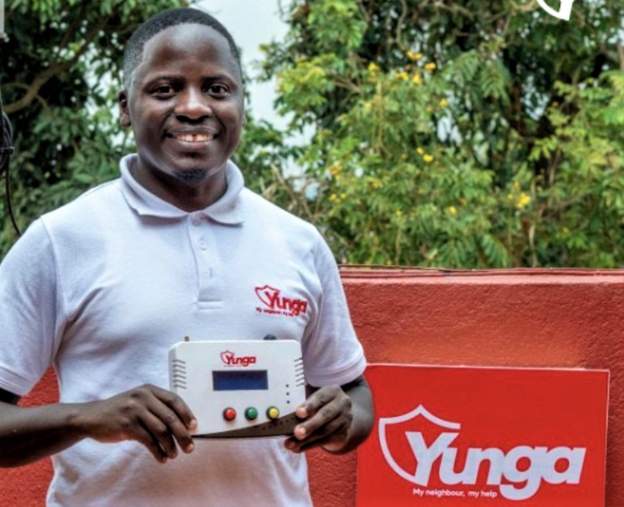
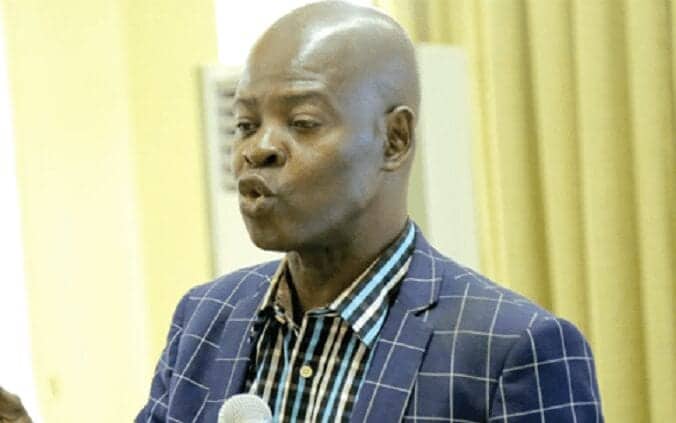
The CEO and founder of Yunga, a neighborhood digital security network that improves neighbor-to-neighbour safety, is the Ugandan Anatoli Kirigwajjo. He just received “The Africa Prize for Engineering Innovation,” which is intended to foster the innovation of Africans.
Through a physical gadget, smartphone app, or SMS service, Yunga connects neighbors to one another and to police within a 20-kilometer radius, offering security at a reasonable price.
The Royal Academy of Engineering in the UK established the award, which is given following an eight-month training and mentoring period.
“I developed Yunga after losing $1,300 worth of assets in a break-in, with little chance of the thieves being caught. We hope that with our household networks, communities will become harder targets for criminals. This will ensure safety, which in turn will create the space for economic activities to thrive,” says Mr Kirigwajjo.
Over 180 instances of neighborhood crime have already been stopped because to Yunga, and they intend to expand to other African markets including Ghana, Kenya, and Nigeria.
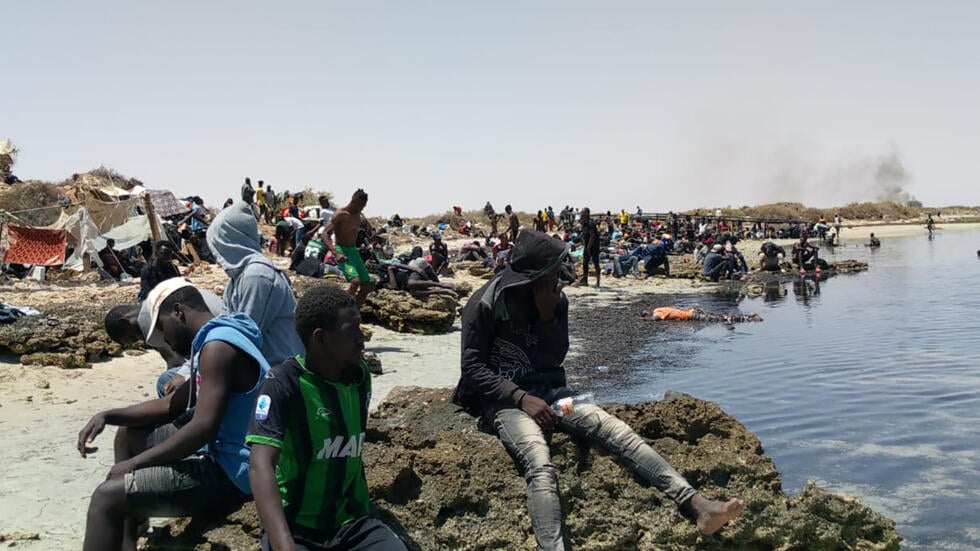
A local rights group reported on Tuesday that Tunisia has relocated hundreds of migrants to shelters in two cities after complaints about the circumstances in a lonely military base in the Sahara near the Libyan border, where the government had sent them last week.
President Kais Saied has reacted to the large number of migrants, mostly from sub-Saharan Africa, trying to leave the country in north Africa for Europe with measures that local and international rights organizations claim risk lives.
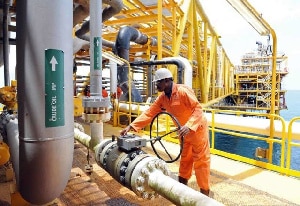
An oil tanker traveling to Cameroon with 800,000 liters of stolen crude, according to the state-owned oil firm of Nigeria, was stopped offshore.
It declared that the ship will be scuttled as a warning.
Nigeria’s state-owned oil company said that the oil had been stolen from a well in the state of Ondo in the country’s southwest.
The Nigerian economy suffers greatly from oil theft from pipelines and wells in the Niger Delta, which deprives it of much-needed cash.
The oil business claimed that the tanker, which was registered in Nigeria, had been operating for the previous 12 years in what it dubbed stealth mode.
Paramount Chief of Asante Mampong, Daasebre Osei Bonsu II, has praised Vice President Dr. Mahamudu Bawumia’s efforts to assist President Nana Addo Dankwa Akufo-Addo in leading the country.
The Chief emphasized that Dr. Bawumia has a difficult job and that Chiefs in the Asante Region respect and value the work he performs to advance the nation.
“The yeoman’s job you’re doing and undertaking for and on behalf of the head of state, it’s no joke, it’s no mean task at all, and I can confirm to you over here that Nananom in the Ashanti Region, those of us in the Ashanti Regional House of Chiefs we do appreciate and admire you.”
“Anytime we see you on TV, immediately what comes to mind is “yes here comes the chief exponent and proponent of governmental economic policies and principles,” he said.
The Chief continued by saying that Dr. Bawumia is especially highly valued for his ability to convert abstract concepts into real-world applications and for speaking at several national and international fora and seminars on economic topics.
The Paramount Chief’s support comes at a time when Dr. Bawumia is competing for the party’s flagbearership against strong opponents including Alan Kyeremanten and unconventional Member of Parliament for Assin Central Kennedy Ohene Agyapong.
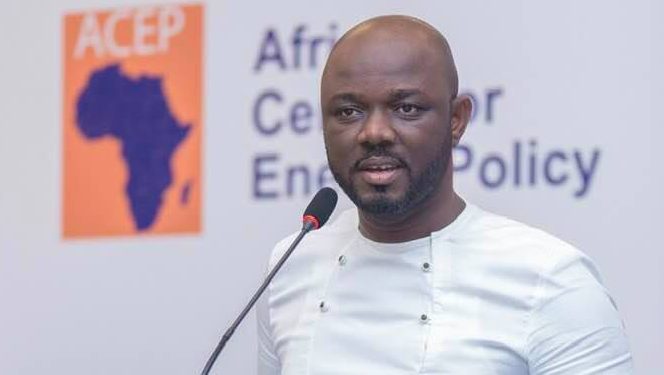
The Africa Centre for Energy Policy (ACEP) is seeking clarification regarding the Electricity Company of Ghana’s (ECG) GH¢540 million discretionary spending, despite the power sector facing tight liquidity concerns.
In a statement, ACEP expressed concern that the power distribution company had spent GH¢540 million out of the GH¢1.1 billion it recovered from consumers in March and April this year, as part of the ongoing debt recovery exercise. ACEP criticized the lack of justification for such discretionary spending, especially considering the financial challenges faced by the power sector.
The power sector has been grappling with well-documented challenges, including the government’s struggle to settle a debt of GH¢1.9 billion to Independent Power Producers (IPPs) by the end of June. This difficulty arises from the ECG’s inability to effectively collect revenues from the power it supplies to consumers.
ACEP noted that there has been no noticeable improvement in liquidity within the sector, particularly through the Cash Waterfall Mechanism (CMW). The CMW serves as the established framework for tracking collections and payments along the power sector value chain.
“There has been no discernible improvement in liquidity, at least through the Cash Waterfall Mechanism (CMW) – the established mechanism for tracking collections and payments along the power sector value chain.
“ACEP’s analysis of the CWM data indicates that ‘substantial portions of ECG’s collections were not directed toward paying off the value chain or making any substantial impact on the continually escalating debt owed to the Independent Power Producers (IPPs) and the rest of stakeholders’,” the energy think-tank statement read.
The Electricity Company of Ghana (ECG), a state-owned entity, initiated a debt recovery campaign to collect an estimated GH¢5.7 billion owed by power consumers. However, the company only managed to recover approximately GH¢3.1 billion.
The civil society organization emphasizes that according to the Cash Waterfall Mechanism (CWM), all revenues should be properly accounted for, and distributions should be carried out based on approved proportions determined by the CWM committee.
Reports from the CWM reveal that the ECG’s earnings for the two months amount to GH¢1.1 billion, which represents approximately 35 percent of the GH¢3.1 billion claimed to have been recovered by the ECG.
ACEP asserts that more than 50 percent of the reported revenue is allegedly allocated for discretionary spending by the ECG, leaving a balance of only about 11 percent of the revenue required for the sector under the CWM for March and April 2023.
According to ACEP’s recent report on the power sector, the ECG has stated that it utilized GH¢540 million to procure liquid fuel for certain power plants during periods of gas supply shortages, while refusing to pay the gas suppliers through the Ghana National Petroleum Corporation (GNPC).
However, based on the Cash Waterfall Mechanism (CWM) formula, the ECG was entitled to 26.37 percent of the revenue, which should have amounted to approximately GH¢113.5 million out of the reported revenue of about GH¢430 million for March and April.
Surprisingly, the ECG allocated around GH¢256 million (roughly 59 percent of the CWM revenue) to itself, deviating significantly from the prescribed allocation formula. The GH¢256 million acquired by the ECG represents about 78.4 percent of its billed invoices for March and April.
In contrast, the ECG paid only between 3.1 percent and 12.4 percent of the invoices billed by other entities within the power value chain.
ACEP’s report highlights that beyond the 78.4 percent disbursement, the ECG’s claim of improved revenue collection suggests that a substantial portion of the collected revenues is not being reported under the CWM.
“The non-payment to gas sector companies compelled the West Africa Pipeline Company Limited (WAPCO) to reduce Reverse Flow gas volumes from the West to the East to the contracted volume of 60mmscfd. On July 1, 2023, WAPCO curtailed the reverse flow of gas for hours because of the outstanding payments.
“Out of the prior agreed scheduled payment of US$15.236million due for June 2023, GNPC could pay only US$1.246million – attracting the activation of contractual clauses to cut supply. Subsequently, gas supply has been restored on condition that government pays half the outstanding balance of US$20million by July 7, 2023,” ACEP said.
Additionally, there are outstanding gas supply payments from the Sankofa Gye Nyame (SGN) field, totaling nearly US$600 million. This amount includes approximately US$380 million for letter of credit (LC) drawdowns and additional invoices of about US$207 million.
Furthermore, it has been revealed that the government has already disbursed over US$1 billion for gas consumed by the power sector since 2018, although these costs are incorporated in the tariff.
In light of these facts, ACEP has concluded that the ECG’s decision to prioritize the payment for liquid fuel while undermining gas supply demonstrates a lack of concern for the financial damage it inflicts on the public purse.
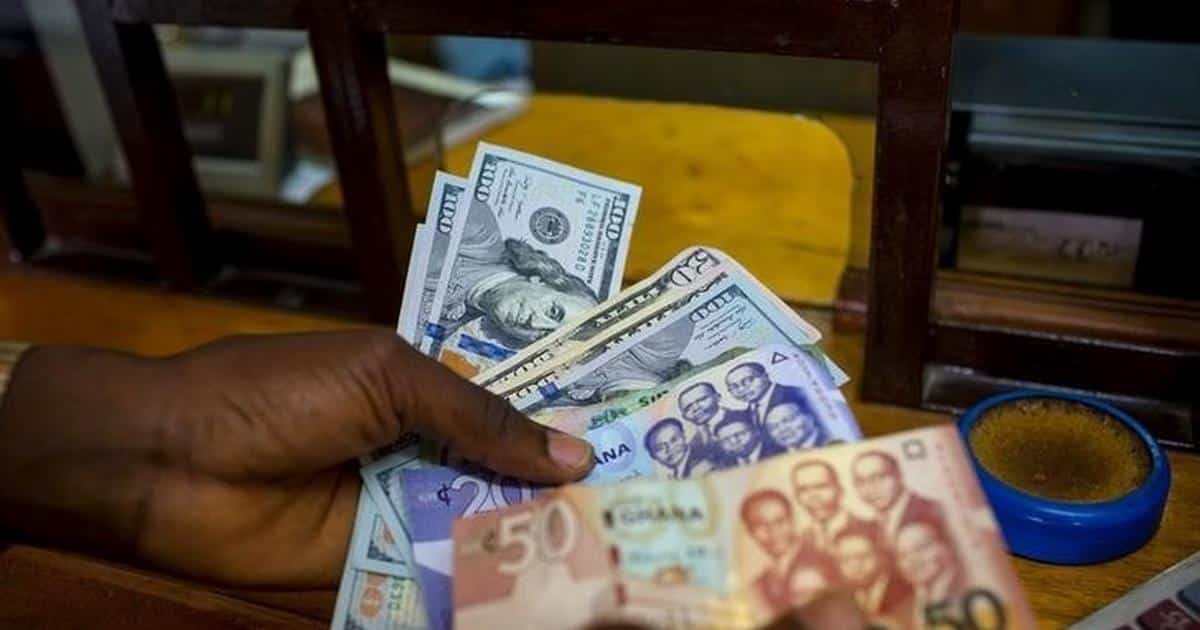
Bank of Ghana’s interbank exchange rates indicates the Ghana Cedi is now trading against the dollar at a purchasing price of 10.9951 and a selling price of 11.0061 as of today, July 11, 2023.
The exchange rate for buying and selling the dollar in Accra at a Forex bureau is 11.50 to 11.90.
Ghana’s Cedi is now trading with the Pound Sterling at a purchasing price of 14.1034 and a selling price of 14.1186.
The price to buy and sell the pound sterling at a forex bureau in Accra is 14.70 and 15.40, respectively.
Against the Pound Sterling, the Cedi is trading at a buying price of 14.1034 and a selling price of 14.1186.
Exchange rate for buying and selling the pound sterling in Accra is 14.70 and 15.40, respectively.
Nigerian Naira is being purchased and sold at a forex bureau in Accra at a rate of 13.00 Naira for every 1 Cedi.
The buying and selling prices for the CFA are respectively 54.2656 and 54.3150.
CFA is being purchased and sold at a forex bureau in Accra at a rate of 1 Cedi = 17.00 CFA and 1 Cedi = 21.00 CFA, respectively.
Note that these rates may be different at a forex bureau near you. Our forex bureau rates are provided by Afriswap Bureau De Change in Osu, Accra.
Our forex bureau rates are provided by Afriswap Bureau De Change in Osu, Accra.
MinorityLeader Cassiel Ato Forson has cautioned his friend and Minister for Food and Agriculture, Bryan Acheampong, against what he terms ‘personal attacks’ towards him.
Late last week, the minister and Ato Forson got into a fight over the Buffer Stock Company’s failure to pay its suppliers, who had been picketing outside the company’s offices.
A half-dozen Minority MPs confront the minister in a video that the media has access to, and he responds by telling them that they don’t need to bring the press to meet with him and that their picket is “inorganic.”
The minister’s exchange with Ato Forson is produced below
Bryan Acheampong: Don’t bring press to the reception
Bryan Acheampong: You are a leader, you are a Minority Leader….
Ato Forson: You like attacking me anytime you speak, that should stop. That should stop, let me address him…you like attacking people stop that. Stop attacking me, anytime you speak, you try to attack me. Stop that thing, stop that attitude of yours.
In the last public exchange between Ato Forson and Bryan Acheampong, the Minority Leader fired questions at the minister at the appointment’s committee sitting leading the minister to exclaim “Ei Ato! But you are my friend,” adding that he should be vouching for him not interrogating him.
A series of covert recordings obtained by GhanaWeb reveal details of a scheme by some senior members of the government’s New Patriotic Party and the Ghana Police Service to remove Dr. George Akuffo Dampare, the incumbent inspector general of police, before the 2024 elections.
The group, who were captured in a secret meeting, came to the conclusion that Dampare’s leadership style and purported membership in the opposition National Democratic Congress would make the NPP’s “Breaking the 8” goal difficult.
“Alhaji, my only problem… this current IGP if we do a mistake and take him to the elections, it will not help us. It will not help us at all and I will not mind if the position is not given to me but that man is changed; because he will not help us, he will not help us at all… he won’t help the party at all.
“I know there are others who are also good for this position, if I don’t get and this man is changed and those people that we think they are our men get I (it is ok)t… Because we need to break this 8. That is important, we need to break the 8… Because I wouldn’t want doctor to become the flagbearer and then we lose the elections… ” one of the senior officers told the senior NPP members who is believed to be a former regional chairman of the party and now a traditional ruler.
The senior police official continued by acknowledging that sometimes elections call for dirty tricks to win, but does not mind losing as long as a pro-NPP IGP is placed.
“This IGP is not correct, he won’t help us. Alhaji you have done politics, you know elections is not… sometimes elections mafia work is inside,” he stated to which the party guru concurred saying “not just sometimes, mafia work is inside. As for elections mafia work is involved.”
The senior officer expressed vehement criticism of Dr. Dampare’s security plan, pointing out how it was biased against the NPP and using the recent by-election in Assin North as evidence.
He said that Dr. Dampare is an NDC member who had advancements under NDC administrations and worked as the late President John Evans Atta Mills’ aide-de-camp.
“Alhaji whatever we need to do to get somebody else to supervise these elections (2024) we need to do. Because as we speak, this IGP is not fine with the military, he is fighting with the army. You find out, if any army officer is your friend, you call him and ask him that how do you see this IGP. He has been arresting military cars; commanders’ cars,” he said.
He further disclosed that the vice president Dr. Mahamudu Bawumia and a candidate for the NPP’s presidential nomination, was not in favor of Dr. Dampare being the IGP and that the two had a tense relationship.
“If you find out yourself, he is not in good terms with Dr Bawumia… find out if you are close to Dr Bawumia because he knows that Dr Bawumia did not recommend him as IGP… Dr Bawumia knows that if we take him to elections we’ll have difficulties,” he stated.
The concerned senior party member expressed worry over the lack of awareness among leading members of the party and the government regarding the matter. However, they were informed by a senior officer that previous attempts to bring attention to the issue had been unsuccessful.
Additionally, it was revealed that Dr. Dampare has garnered support from close relatives of the president, including his executive secretary, Nana Asante Bediatuo, and Gabby Asare Otchere-Darko.
The party official, taken aback by this information, emphasized the significance of having a favorable security service in order to win elections, stating that “without them, we can’t do anything.”
Sources within the security sector, as reported by GhanaWeb, disclosed that the secret recordings, including videos that touch on critical national security matters, have been brought to the attention of those in power.
“There are even video recordings but due to national security issues they are being withheld,” the source disclosed.
Other parts of the video detail the cabal’s plans to further their goals through a variety of channels, including spiritual ones.
At one occasion, the former NPP party chairman received a call that he identified to his guests as coming from the president.
A member of parliament for Assin North, James Gyakye Quayson, wants the MP for Adansi Asokwa, K.T Hammond arrested for contempt of court for implying that Quayson would face jail time in a criminal prosecution that was still pending.
In an Accra High Court, Gyakye Quayson filed a contempt petition on July 7, 2023, with Kobina Tahir Hammond (NPP, Adansi Asokwa MP) as the respondent.
Quayson’s attorney, Justin Pwavra Teriwajah, outlined a variety of reasons why KT Hammond, who doubles as the trade minister, must be imprisoned in an affidavit supporting the application for contempt of court.
The relevant portions were as follows:
10. That by the words of the Respondent which have been widely publicized nationally and internationally, the Respondent is violating the right of the Accused/Applicant to be presumed innocent as well as the right of the accused to a fair trial.
11. That the said words of the Respondent are also in contempt of this Honourable Court as they are extremely prejudicial to the lawful process of this Honourable Court.
12. That such prejudice undermines the lawful judicial process and may even bring the said judicial process into disrepute as it will create in the minds of members of the public that no other conclusion other than that pronounced by the Respondent can occur.
13. That the Respondent is brazenly usurping the function of Her Ladyship, the trial judge, in this court.
14. That by virtue of Article 126(2) of the Constitution, this court has the power to commit the Respondent and people of his ilk for contempt of itself in order to keep the streams of justice pure.
15. That the Respondent has no respect for the judicial process and the interview granted by the Respondent, in its totality, is in egregious contempt of this Honourable court.
The final paragraph said the application was for the minister to “be brought before this Honourable Court and tried for contempt of court and sentenced to prison if found guilty.”
Processed meats, fast food, fries, salty snacks, and sugary beverages should not be consumed after exercising, according to Dr. Zuleila Fuseini, a physician specialist at the International Maritime Hospital (IMaH) in Tema.
Dr. Fuseini emphasized that the goal of exercising for health was to burn calories, which needed to be matched with an appropriate amount of food and a healthy diet to maintain a healthy body.
She recommended the preservation of the idea of fitness centers as a way to maintain physical health and lose weight, highlighting the need of forgoing junk food afterwards.
Her comment came during the weekly “Your Health! Our Collective Responsibility! program by the media aimed at encouraging health-related communication and creating a forum for the transmission of health information to impact individuals’ personal health decisions through better health literacy.
Many of the negative effects of fast food were not noticed until it was too late, according to Dr. Fuseini. Inflammatory and blood pressure issues, which are frequently found in hospitals, have been linked to belly obesity, which is fueled by junk food and sugary beverages.
Dr. Fuseini highlighted the negative health consequences of consuming such diets, including an increased risk of heart disease, diabetes, and obesity.
The IMaH Physician Specialist recommended a reverse eating plan, which involves consuming heavier meals earlier in the day and reducing food intake as the day progresses.
During her talk on “Diabetes Mellitus,” Dr. Fuseini emphasized that diabetes is a chronic metabolic disease characterized by elevated levels of blood glucose (or blood sugar), resulting in significant damage to the heart, blood vessels, eyes, kidneys, and nerves over time.
She noted that the most prevalent form of diabetes is type 2 diabetes, which occurs when the body becomes resistant to insulin or fails to produce enough insulin.
Over the past three decades, the prevalence of type 2 diabetes has rapidly increased in countries across all income levels.
According to the IMaH Physician Specialist, type one diabetes, commonly referred to as juvenile diabetes or insulin-dependent diabetes, is a chronic condition in which the pancreas produces little to no insulin on its own.
“Access to affordable treatment, including insulin, is critical for people living with diabetes.” “By 2025, there will be a global agreement to halt the rise in diabetes and obesity,” she stated.
She continued by mentioning preventative measures like healthy diets, regular exercise, abstaining from alcohol, stopping smoking, and maintaining weight, with the ideal Body Mass Index (BMI) range being between 18 and 25.
While type one was common among children and type two was prominent among adults, type two was also becoming more popular among youngsters, which worried Dr. Fuseini.
A former Chief Justice, Georgina Theodora Wood, made some observations about the 2024 federal elections.
She is worried that the process will be dominated by misinformation or that politicians would put policies and development concerns first.
When she spoke during the inauguration of a new District Governor for Rotary Club’s District 9104, she advised participants to prioritize development issues as a means of advancing.
“Only a year more, we will be preparing to go to the polls, once again to elect national leaders for this beautiful country. Do we wish to create hope for the future by channelling our energies and other resources to developmental issues?
“Or is it going to be another unending trend of pure propaganda as usual? It bears emphasis that deliberate falsehoods, misinformation and dishonesty have destroyed the reputation and homes of many,” she stressed.
Distinguished leaders and prominent dignitaries, including former President John Agyekum-Kufuor and Rotary International Director Patrick Chisanga, attended the investiture ceremony.
Former chair of the Public Interest and Accountability Committee (PIAC), Dr. Stephen Manteaw, has raised serious allegations of a cover-up attempt surrounding the recent events unfolding within the power sector of the country.
In an interview with JoyNews, Dr. Manteaw discussed a recent power outage that affected several areas of the nation. He claimed that the way the event was communicated suggests that “there is a cover-up to the real challenge.”
He questioned why the Electricity Company of Ghana would make a statement following the incident, which has since sparked a blame contest among the nation’s power sector companies.
“ECG in the value chain is responsible for power distribution. So, if there is any challenge arising out of the distribution network, then, of course, you hold on ECG to provide the explanation. If the challenge comes from transmission, then of course, GRIDCo provides the explanation, and if the challenge has to do with power generation and associated shortfall, then of course, the generation companies including VRA ought to provide the explanation.”
“So, when you have a distribution company providing an explanation as to a challenge in the generation side of things, it becomes mind-boggling. And this is clear indication that something is not just working right,” he explained.
The recent power outage that plunged multiple areas of the country into darkness has sparked a blame game among various power sector companies, raising allegations of a cover-up. This situation has brought transparency and accountability within the industry into question.
In response to the power outage, the Ghana Gas Company issued a statement on July 10, asserting that the problem had been resolved and refuting claims that they had failed to take action to mitigate the impact on power-generating companies. However, the West African Gas Pipeline Company (WAPCo) challenged the assertions made by the Ghana Grid Company Ltd (GRIDCo), denying any gas shortage and disclaiming responsibility for the power outages.
Dr. Manteaw has emphasized the need for all players in the energy sector to take responsibility and provide explanations whenever challenges arise. He criticized the Public Utilities Regulatory Commission (PURC) for its silence regarding the recent power outage, accusing the Commission of neglecting its duty to protect consumers’ interests. According to him, this lackadaisical attitude is highly undesirable for consumers and must be addressed promptly.
The ongoing blame game and lack of clear communication regarding the power outage only deepen public concerns about the power sector’s transparency and accountability. Dr. Manteaw’s statements highlight the urgent need for industry stakeholders to fulfill their obligations, engage in open dialogue, and prioritize the interests of consumers. Only through a collaborative effort and a commitment to transparency can the power sector regain public trust and effectively address the challenges it faces.
“For me, what is most disappointing in all of these is the silence of the PURC on this matter. We are yet to hear from PURC on this matter. Let me put on record that the PURC is an independent arbiter responsible for the protection of consumers’ interest and to ensure that we get the best of service.”
“So, if there has been this major challenge in the power sector and for many hours now, they are yet to tell us anything, then for the want of a better expression, PURC is sleeping on the job.”
The Ghana National Gas Company Limited has announced the successful resolution of the unplanned reduction in natural gas supply to power generation companies that occurred on Friday, July 7, 2023.
According to a press release obtained by GhanaWeb, Ernest Owusu Bempah-Bonsu, the Head of Corporate Communications, clarified that the unfortunate incident was caused by an issue with their on-site power generation system.
This, in turn, led to a temporary shutdown of the Atuabo Gas Processing Plant.
As a result of the shutdown, there was a reduction of approximately 30% in the gas intended for delivery to both power and non-power customers downstream.
“The unfortunate situation was caused by an upset of our on-site power generation system, causing a temporary shutdown of the Atuabo Gas Processing Plant on Friday, 7th July, 2023 from 10:00AM to 5:30PM. This resulted in about 30% reduction in the gas we deliver to our downstream power and non-power customers,” part of the release read.
The Atuabo Gas Processing Plant has been reactivated and is operating normally with no interruptions, it was nonetheless observed.
Official figures released on Monday revealed that annual inflation in Egypt reached a record high of 36.8 percent in June. This marks a significant milestone for the country as it grapples with a severeeconomic crisis.
The previous record of 34.2 percent, set in July 2017, was also linked to a sharp currency devaluation associated with a bailout loan from the International Monetary Fund.
The Egyptian pound has depreciated by half against the US dollar since early last year, leading to a surge in prices and further burdening families struggling to meet their needs in this import-dependent nation.
The latest figures indicate an almost 37 percent increase compared to June of the previous year. Additionally, there was a two percent month-on-month rise from May of this year.
While official data had previously shown some signs of easing inflation in recent months, the new figures highlight a staggering 64.9 percent increase in food and drink prices alone compared to June 2022, as announced by the state statistics agency CAPMAS.
The economic crisis has been exacerbated by Russia’s invasion of Ukraine last year, which disrupted crucial food imports. Even before this, the World Bank reported that 30 percent of Egyptians were living below the poverty line.
The invasion’s impact on global markets prompted investors to withdraw billions of dollars from Cairo’s foreign reserves. While reserves have shown a slight increase this year, reaching $34.8 billion in March (up $500 million since February), they are still $7 billion lower than pre-war levels.
Of the total reserves, approximately $28 billion consists of deposits from wealthy Gulf allies, whose plans to purchase Egyptian state assets have experienced delays in recent months.
Egypt, the most populous country in the Arab world, has relied on bailouts from both Gulf allies and the IMF in recent years to address its economic challenges.
The Federal Competition and Consumer Protection Commission (FCCPC) has declared its intention to remove any loan application that engages in customer harassment and request that Google permanently delete such apps from its app store.
This decision comes as a response to the ongoing harassment and defamation faced by Nigerians at the hands of these digital lenders. It represents the latest measure implemented by the Federal Government to safeguard Nigerians from the activities of these lenders.
Earlier this year, the FCCPC mandated loan apps to register with the commission. To date, 180 apps have received full or conditional approval from the FCCPC to operate in the country.
Additionally, Google recently announced that loan apps would not be permitted on its app store without regulatory approval.
In April, Google further announced that loan apps on the Play Store would lose their ability to access users’ contacts or photos starting from May 31, 2023.
Despite these measures, loan apps have persisted in their harassment of customers.
Babatunde Irukera, the Chief Executive Officer of the FCCPC, emphasized that the commission is prepared to permanently shut down the operations of these apps.
An innovation and research firm FITC, has reported that fraudulent activities has cost Nigerian bank customers N472 million in the first three months of 2023.
Additionally, it was revealed that 12,553 fraud incidents in total were reported throughout this time.
This was according to the Q1 report that The PUNCH downloaded from the FITC website.
The Central Bank of Nigeria, the Nigeria Deposit Insurance Corporation, and all licensed banks in Nigeria are members of the Nigerian Banker’s Committee, which also includes FITC’s institutional members.
FITC’s data indicates a significant decrease in losses when compared to fraudulent banking activities in Q4 2022. In that quarter, a total of N3.18 billion was lost to fraudsters across banking platforms. However, in Q1 2023, the losses reduced by 85.13 percent.
The report from FITC also highlights a considerable decrease in the total amount involved in fraud cases in Q1 2023 compared to the previous quarter. The amount decreased by 79.44 percent, declining from N12.58 billion to N2.59 billion.
Furthermore, the total number of reported fraud cases in Q1 2023 decreased by 14.07 percent. A total of 12,553 cases were reported in the first quarter of the year, compared to 14,609 cases in the preceding quarter.
The report also notes that the most common avenues for fraud were mobile, computer/web, and Point of Sale (PoS) transactions. This trend aligns with the pattern observed in the previous quarter.
“For Q1 2023 under review, an analysis of the magnitude-based ranking of fraud categories shows that mobile fraud has the highest ranking which accounts for N1.1bn (42.72 per cent), and this is followed by the computer/web fraud category at N646m (24.99 per cent). This was followed by PoS fraud at N450m (17.41 per cent) and fraudulent withdrawals at N139m (5.36 per cent),” the report indicated.
The statistics also showed that, of the total amount lost in Q1, 2023, mobile fraud accounted for 34.07 percent at N161 million, followed by computer/web fraud at N130 million and fraudulent withdrawals at N116 million.
In the third quarter of 2023,Bank of Ghana(BoG) has announced its plan to sell $120 million to Bulk Oil Distribution Companies (BDCs) through the FX Forward Auction Calendar.
As per the schedule outlined in the calendar, $40 million will be auctioned in July, August, and September 2023 respectively. In July, $20 million will be sold on both the 14th and 28th. In August, $20 million will be sold on both the 15th and 30th. Lastly, in September, $40 million will be sold, with $20 million each being sold on the 14th and 29th.
The aim of this FX support to the BDCs is to alleviate the dollar liquidity constraints faced by oil importers, which will help enhance the supply of petroleum products and stabilize prices at fuel stations.
Bank of Ghana (BoG)
The Bank of Ghana emphasizes that the BDCs Forex Forward Auction will be governed by guidelines published and available on its official website.
Interested parties are invited to submit bids in the prescribed format to purchase United States Dollars against Ghana cedis, separately on each auction date, via the dedicated email bogforwards@bog.gov.gh.
It is important to note that the International Monetary Fund (IMF) has previously advised the Central Bank to consider suspending the program due to concerns over the emergence of multiple exchange rates resulting from the BoG’s occasional provision of forex support at rates that differ from those prevailing in the market.
The IMF expects the BoG to ensure that its forex liquidity is provided at market exchange rates and to implement measures supporting the unification of exchange rates across the board.
In response to widespread protests by education staff across Tunisia, the authorities have taken action by suspending salary payments for 17,000 teachers and terminating the positions of 350 school principals.
This decision directly impacts almost one-third of the nation’s primary school teachers and comes after recent demonstrations by education personnel.
As part of these protests, teachers have refused to submit students’ grades.
The Tunisian government has justified its actions by citing the country’s dire economic situation, asserting that the teachers’ salary demands are unfeasible given the current circumstances.
Tunisia is grappling with high inflation, escalating unemployment rates, and severe shortages of certain essential food items.
These economic challenges have created significant difficulties for the country.
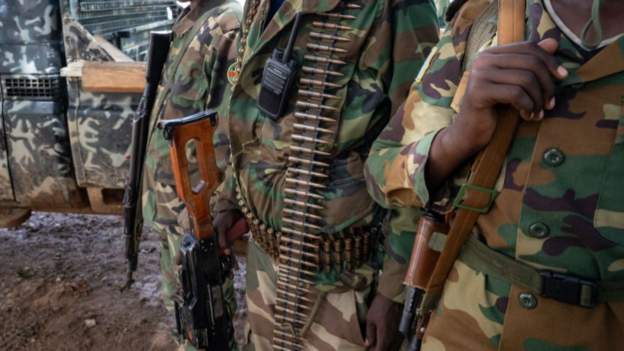
Recent military operations conducted by joint Somali special forces, supported by foreign troops, have resulted in the reported deaths of at least 40 members of the al-Shabab militant group, which is affiliated with al-Qaeda.
These operations involved ground and air strikes in Somalia’s Lower Jubba region.
According to Somali state media, the operations occurred in Welmarow village near Afmadow town.
The Somali National News Agency, a state-run outlet, stated that the army successfully seized control of Welmarow village and Hagar town after eliminating al-Shabab hideouts and a weapons depot.
However, media outlets sympathetic to al-Shabab have reported that the group has subsequently regained control of Hagar town.
The operations involved the participation of Kenyan forces, as part of the African Union Transition Mission in Somalia (Atmis), as reported by Kenya’s Star newspaper.
Al-Shabab currently holds significant territories in Lower Jubba and the entire Middle Jubba region in southern Somalia.
In August 2022, the Somali federal government announced a major offensive aimed at retaking control of territories from al-Shabab. These recent operations reflect the ongoing efforts to combat the presence of the militant group in the region.
The Kenyan government has suffered a setback as a court has rejected its appeal to lift the suspension on a recently enacted finance law, which would result in substantial tax increases.
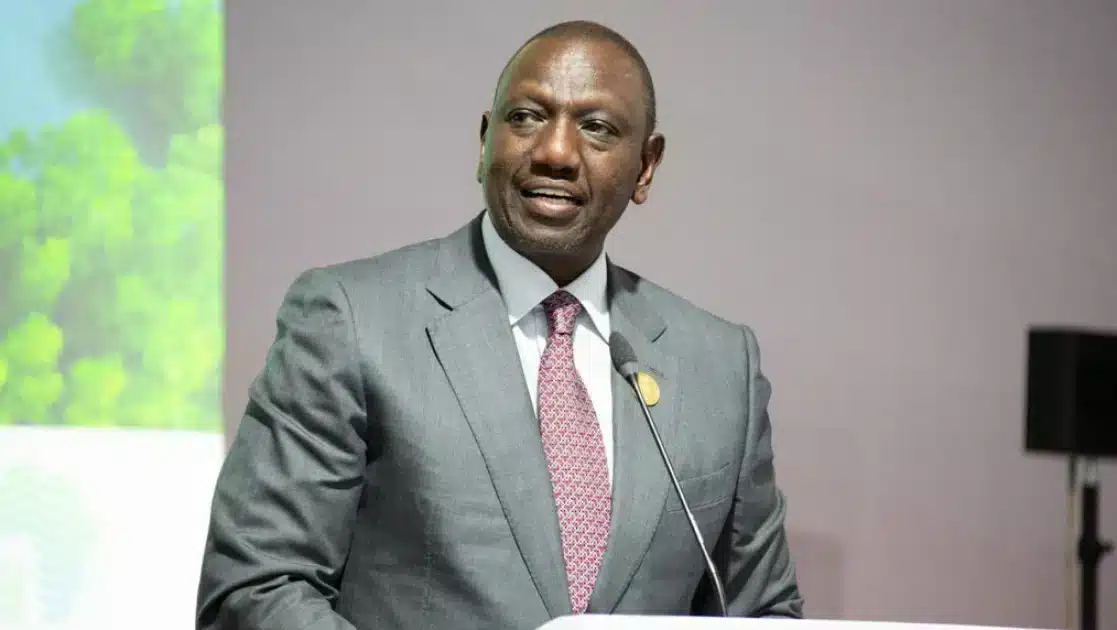
President William Ruto’s administration intended to double the fuel tax and introduce additional levies to generate more revenue for debt payments and funding various projects.
The government had expressed concerns about a budgetary crisis after a Nairobi high court effectively halted the implementation of the tax hikes ten days ago.
In response to the proposed taxes, the opposition called for nationwide protests. Unfortunately, on Friday, three individuals lost their lives, and numerous arrests were made as the police intervened to disperse demonstrations taking place across the country.
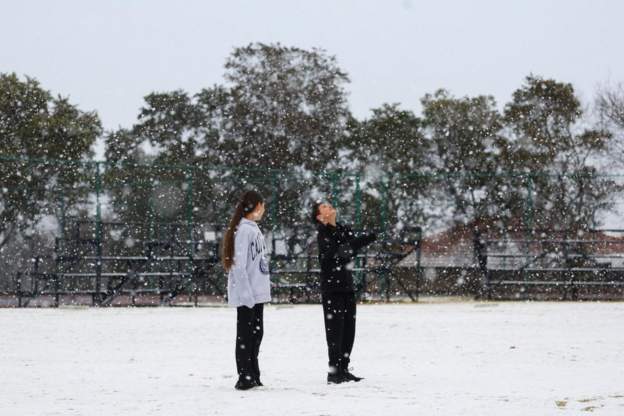
The first snowfall in Johannesburg since 2012 has occurred as the nation as a whole experiences frigid weather. Farmers are urged to shelter cattle, and locals are urged to take extra care to stay warm.
Eastern Cape and Mpumalanga have also been reported to have snow, according to South Africa’s weather service.
“The public is advised to keep warm during these conditions,” said the South African Weather Service (Saws) in a statement.
Weather experts have also urged initiation schools in the Eastern Cape to exercise increased caution over the coming week as they keep an eye on hundreds of teenage boys who will be having traditional circumcision rites performed on remote mountaintops throughout the province. The Xhosa ethnic group views this ritual as a rite of passage into manhood.
Throughout the week, the chilly weather is anticipated to last.
“No major disruptions have been caused by the snowfall at this stage,” Saws spokesperson Hannelee Doubell told the BBC.
Amid rising interest rates, inflation, and commodity shocks, the probability of simultaneous debt crises in Africa has increased.
The International Monetary Fund (IMF) estimates that approximately 30 percent of emerging markets and 60 percent of low-income countries may encounter challenges in meeting their debt obligations.
Furthermore, there has been a noticeable transformation in the global credit landscape over the past decade. China and private bondholders have emerged as the primary creditors for low-income economies, rendering traditional debt structures less effective in addressing present-day debt issues.
In light of these circumstances, African countries face the task of navigating these challenges while simultaneously seeking to enhance domestic resources, develop robust capital markets, and secure access to affordable international private capital.
During the Shareholders General Meeting of Africa50, an infrastructure lender, held recently in Lome, Togo, African financial and political leaders explored various approaches to improve financial and credit accessibility.
They unanimously agreed on the need for a fundamental shift and advocated for a re-engineering of the global financial architecture that better suits the unique needs of the continent.
The seas off the Canary Islands is being searched by Spanish police for a boat that vanished more than a week ago carrying at least 200 African migrants.
Other ships in the region have been instructed to keep an eye out for the missing ship, and a search plane is currently probing the waters south of the Spanish islands.
A seaside village in southern Senegal called Kafountine is 1,700 kilometers (or around 1,000 miles) from the Canaries, where the boat left from.
Many children are on board, according to aid workers.
Also reported missing are two smaller boats from the same region that were carrying numerous people.
Gabon’s President Ali Bongo Ondimba has made an announcement stating his intention to run for a third term in the upcoming presidential elections scheduled for August.
The Bongo family has already held power in Gabon for a remarkable span of 55 years. Ali Bongo assumed office in 2009 following the presidency of his father, Omar Bongo, who had himself governed the country for over four decades.
The previous elections, held in 2016, were overshadowed by allegations of electoral fraud. Despite winning by a margin of less than 6,000 votes, Mr. Bongo faced opposition from candidate Jean Ping, who declared himself the rightful winner and contested the election results.
Mr. Ping encountered various challenges in the aftermath of the election. His passport was confiscated, and he faced a five-year travel ban, only being permitted to leave the country earlier this year.
As President Ali Bongo Ondimba seeks a third term, the upcoming elections in Gabon hold significant importance for the country’s political landscape. The aftermath of the previous elections and the involvement of opposition candidates continue to shape the discourse around the electoral process in Gabon.
Womanizing and rapid unplanned child birth has been cited as part of reasons majority of Ghanaian businesses fail, according to the founder of the A&C mall Andrew Asamoah.
He claims that because business owners typically don’t plan well, their companies don’t survive their deaths.
Mr. Asamoah asserted that having children with numerous women frequently jeopardizes the viability of businesses.
Speaking in an interview on Odana TV, he said: “Because we don’t plan, you must have a vision, you must have a plan. You go some places, someone is a top-class tailor in England, and he makes sure that his son who went to a top-class school comes in, it’s planning.”
“We don’t plan. And then you are doing business, and you start making money then you start doing women, too many women, having too many children then when you die it becomes a contention. I’ve seen it so much.”
Business owners should make sure that their families or other relatives are actively involved in their companies, advised Dr. Asamoah.
Adding that, this will keep businesses should they pass away or become physically unable to manage the affairs of the organization.
Governance Lecturer at the Central University, Dr. Benjamin Otchere-Ankrah has entreated Members of Parliament who wholeheartedly fought for the approval anti-gay bill to extend same energy in fighting corruption in the country.
The bill, which aims to uphold Ghanaian family values and ensure appropriate human sexual rights, was unanimously accepted by the Members of Parliament on Wednesday.
It is currently undergoing the final stages of approval before it can be enacted into law.
Once in effect, individuals found engaging in homosexual acts or openly expressing support for the LGBTQ+ community and their activities will be subject to criminal charges, including imprisonment, fines, or both.
Discussing the matter during a media engagement,Dr. Benjamin Otchere-Ankrah noted that LGBTQ+ was said to be a “mental disorder” but the forces that be have managed to convince the World Health Organization to revise their documents in support of them.
To him, those who practice homosexuality are “mad people”.
He, therefore, commended the MPs for fully supporting the bill and also advised them to display the same energy in fighting corruption.
“The way they have all unanimously accepted this with one voice, I am expecting that they will also, with one voice, fight against corruption,” he said.
In the Ofoase Ayirebi constituency in the Eastern region, a hundred teenage mothers are facing difficulties in finding fathers for their children, as the men believed to be responsible for their pregnancies have denied any responsibility.
The Ark Development Organization, a non-profit organization implementing a UNICEF-funded intervention called “Safe and Protective Environment for Adolescent Development (SPREAD),” is actively working to combat the issue of teenage pregnancy in the area. According to their findings, they identified 153 teenage mothers in the district in 2022.
However, out of this number, a hundred children do not have any knowledge of their fathers.
During a sensitization program held in the Abenase community, David Kwaning, the Project Officer for the Ark Development Organization, shared concerning information with Starr News. He stated that they had identified 153 adolescent mothers, and the number continues to rise, with over 70 teenage mothers identified at the time of speaking. The most disheartening aspect of this situation is that a majority of the men responsible for impregnating these girls have refused to accept their responsibilities.
In one particular community, a girl claimed that three men were responsible for her pregnancy, but she couldn’t identify the specific person who impregnated her. This situation is deeply troubling, as it indicates that in the future, there may be over 100 children who do not know their fathers.
The Ofoase Ayirebi constituency in the Akyemansa District of the Eastern Region has been experiencing pervasive sexual and gender-based violence against minors. The alarming rates of early pregnancy are a direct result of many teenage girls falling victim to sexual abuse.
Starr News Eastern Regional Correspondent Kojo Ansah has uncovered numerous horrifying stories of these victims, who have suffered at the hands of perpetrators who roam freely.
One of these tragic stories involves a 14-year-old from Akyem Anyinase, whose identity is protected due to her status as a school-aged child. Her life took a nightmarish turn when a 60-year-old farmer exploited her vulnerability and subjected her to unspeakable abuse. The victim, who is now six months pregnant, revealed that the cousin of her abuser had initially impregnated her, but the abuser and his wife forced her to undergo an abortion. Tragically, the man later engaged in non-consensual sexual intercourse with her, resulting in her current pregnancy.
“I relocated from Akyem Anyinase to stay with him(abuser) at Akwatia when my father died. I stopped schooling and went to the farm with him. His cousin impregnated me but they aborted it. He sent me to a Clinic and they gave him some medicine so I drank one tablet and the wife inserted another into my vagina. Then later the man slept with me at Adwobie community when we go to farm and impregnated me. He threatened me not to tell anyone that if I do, he will send me to the shrine in his hometown to kill me. He brought me back to Akyem Anyinase and abandoned me that he is not responsible for the pregnancy because the baby doesn’t look like him.”
Rejected by her mother, a widow, she found a lifeline in the form of a compassionate woman, Abena Ampomaa, who is demanding justice for her.
“I want him to be arrested. How can a 60-year-old man do this to this innocent girl? You have also abandoned her and the baby,” Abena Ampomaa insisted.
Another victim, also 14 years old and in class six, had her future abruptly halted by a 20-year-old man who left her with a child at the tender age of 12.
Education became an unattainable dream as she faced the harsh realities of early motherhood.
“Things were difficult for me. My father couldn’t provide what I needed. So, I met a certain guy who said he wants us to date so he supports me. I agreed but I ruled out sexual intercourse. One day he lured me into his room and had sex with me which got me pregnant. I was 14 to 15 years. The baby is now 2 years. I want to continue my education outside this community because of stigma but it is difficult for me now the guy is unable to take care of us,” said Awurama.
These stories echo the pain endured by young girls in Kwaboadi No. 1 Junior High School, where this 17-year-old aspiring nurse who is nine months pregnant, fights to preserve her ambitions.
“I was Impregnated by a man who decided to take care of me because my mother couldn’t provide my needs. I am now nine months pregnant. I want to be a nurse. I am not happy with my situation. I won’t marry the man.”
In the Bontodiase community, two siblings were subjected to the horrifying ordeal of sexual abuse and subsequently impregnated by their abusers. The victims, a 17-year-old third-year junior high school student, and her 18-year-old sister in her first year in senior high school have had their lives forever altered.
The 18-year-old first-year Home Economics student of Ofoase Senior High School is facing expulsion from the school as a result of the pregnancy.
“They said they can’t allow a pregnant form one student to be in the school that if I were in form 2 or 3 they would have managed. So, I am in the house but after delivery, I will continue my education. I want to become a military officer.”
Kwadwo Kwaning, their distressed father, chose not to report the abuse, instead accepting money as an out of court settlement, unknowingly perpetuating the cycle of injustice.
In Akyem Akokoaso, two siblings, 15 and 12-year-old girls were abducted by a group of men riding motorcycles, commonly known as okada riders, and subjected to horrifying acts of gang rape within the confines of a single room.
Sadly, the 12-year-old girl, just a child herself, now carries the burden of a five-month pregnancy.
The grandmother of the victims is demanding justice.
“Their mother travelled to Saudi Arabia but suffered stroke before returning to Ghana. So, I have been taking care of her two daughters. So, it is painful what these Okada people have done to my daughter. Sadly, the mother of the guy is threatening to invoke curses on my daughter if he insists the boy is responsible for the pregnancy,” Madam Hagan told Starr News.
Dreams shattered, education abandoned, and futures left hanging by a thread. These girls, once full of hope, now battle against overwhelming odds.
Stephania Amissah Brikorang, in charge of Girl Child Education in the Akyemansa District Education Directorate, said most of the abusers are Okada riders. She cited an instance where an Okada rider impregnated three students in same school.
Currently only nine (9) of the BECE candidates are pregnant in the district a marginal success attributed to the SPREAD Project.
“The rate of teenage pregnancy in our district was very high but due to this intervention, the rate has reduced so we are praying that the message that we have sent across the children will inculcate so it helps them abstain to reduce teenage pregnancy and then help them in their education. Last year I had 10 BECE candidates pregnant and this year around 8 or 9. The form two students pregnant is very high; about 12 in the district,” Stephania Amissah Birikorang said.
The District Education Director, Akua Ayisi said the rising sexual assault incidence points to a deep-rooted issue—poverty which makes girls vulnerable to manipulative abusers.
She said the inability of teenage girls to afford things as basic as sanitary pads can lead to desperate measures that make them vulnerable to abuse and exploitation.
According to the WHO, girls who give birth before adulthood are likely to bear increased health risks, social stigma, and adverse economic impacts for the rest of their lives.
The SDG Target 3.7, therefore, seeks to ensure universal access to sexual and reproductive healthcare services, including family planning, information and education, and the integration of reproductive health into national strategies and programmes of countries
Ark Development Organization, in collaboration with UNICEF, has been actively implementing a two-year initiative named “Safe and Protective Environment for Adolescent Development (SPREAD)” in the Akyemansa District. This project has achieved significant progress over the past two years in combating the widespread issue of sexual and gender-based violence.
David Kwaning, the Project Officer of Ark Development Organization, shared that a total of 207 teenage mothers were identified from the previous year until the first quarter of 2023. Encouragingly, seven of these teenage mothers received support and were able to return to school. Kwaning remains optimistic that as the project concludes this year, there will be further reductions in teenage pregnancy cases.
Emmanuel Kwarfo Minta, the Executive Director of Ark Development Organization, highlighted the success of raising public awareness regarding the detrimental impact of teenage pregnancy and sexual abuse on adolescent girls and the wider community. Minta also indicated ongoing efforts to engage the Domestic Violence and Victims Support Unit (DOVSSU) in seeking justice for the victims.
Through the joint efforts of Ark Development Organization, UNICEF, and their partners, the SPREAD project is playing a vital role in addressing the pressing issue of sexual and gender-based violence in the Akyemansa District. By providing support to teenage mothers, raising awareness, and pursuing justice, they are making a positive impact on the lives of adolescent girls and the community as a whole.
The Accra High Court will announce its decision on Tuesday, July 11, regarding the application for a stay of proceedings in the case involving James Gyakye Quayson, the Member of Parliament (MP) for Assin North.
Mr. Quayson is currently facing charges of forgery and perjury, with his trial taking place at the High Court in Accra.
The legal team representing the MP has submitted an application to the court, requesting a stay of proceedings to allow the Court of Appeal to review the trial judge’s decision to conduct the case on a day-to-day basis.
Tsatsu Tsikata, the lead counsel for Quayson, argued that denying the stay of proceedings would prejudice the pending appeal.
On the other hand, the prosecution, led by Godfred Dame, has opposed the application.
During the court proceedings, the Attorney-General, Godfred Yeboah Dame, addressed the Accra High Court and stated that Tsatsu Tsikata’s application was based on irrelevant matters, factual distortions, and confusion.
Opposing the application, the AG emphasized that there were no exceptional circumstances presented that would justify a stay of proceedings in a criminal trial.
He further argued that the application appeared to be a deliberate attempt to impede the ongoing criminal trial of the Assin North MP.
Bank of Ghana’s interbank exchange rates, indicates that the Ghana Cedi is now trading against thedollar at a purchasing price of 10.9954 and a selling price of 11.0064 as of today, July 10, 2023.
The exchange rate for the dollar at a forex bureau in Accra is 11.50 for buying and 11.90 for selling.
The Cedi is now trading with the Pound Sterling at a purchasing price of 14.1115 and a selling price of 14.1267.
Buying price to sell pound sterling at a forex bureau in Accra is 14.70 and 15.40, respectively.
The purchasing and selling prices for the euro are 12.0446 and 12.0566 respectively.
At a forex bureau in Accra, the euro is being bought at a rate of 12.30 and sold at a rate of 12.90.
The South African Rand is trading at a buying price of 0.5847 and a selling price of 0.5852.
At a forex bureau in Accra, the South African Rand is being bought at a rate of 0.30 and sold at a rate of 0.90.
The Nigerian Naira is trading at a buying price of 71.8805 and a selling price of 71.9714.
At a forex bureau in Accra, Nigerian Naira is being bought at a rate of 13.00 Naira for every 1 Cedi and sold at a rate of 19.00.
For the CFA, it is trading at a buying price of 54.4065 and a selling price of 54.4607.
At a forex bureau in Accra, CFA is being bought at a rate of 17.00 CFA for every 1 Cedi and sold at a rate of 21.00 CFA for every 1 Cedi.
Our forex bureau rates are provided by Afriswap Bureau De Change in Osu, Accra.
Note that these rates may be different at a forex bureau near you. Our forex bureau rates are provided by Afriswap Bureau De Change in Osu, Accra.
In the first half of 2023 (H1 2023), the Treasury issued new short-term debt for GHC 13.64 billion successfully while using GHC 30.55 billion to refinance maturing debt.
More significantly, it exceeded its funding goal for the first half of 2023 by over GHC12.39 billion, resulting in a total issuance of GHC44.19 billion throughout the period, out of GHC47.30 billion offered by investors.
With a focus on the money market, the Treasury chose a frontloading approach for its issuance requirement in H1. This strategy was motivated by the few investment possibilities that were available to investors, especially in Q1. As a result, short-term securities were in greater demand during this time.
The B&FT’s analysis revealed that Q1 2023 saw a considerable increase in the demand for T-bills. This was primarily caused by the market’s enticing yield levels and ongoing unpredictability, which drove investors to look for safe investment possibilities. It is important to note, nevertheless, that T-bill demand decreased in Q2.
During Q1 2023, the Treasury successfully issued approximately GH¢36.41 billion in short-term bills ranging from 91 days to 364 days. This amount exceeded the target size of GH¢28.16 billion, as investors submitted bids totaling GH¢39.46 billion. In Q2, the issuance decreased to GH¢32.33 billion, slightly below the investors’ tender of GH¢32.39 billion. Nonetheless, this figure still surpassed the target size of GH¢32.11 billion.
The Treasury’s ability to surpass its financing targets, both in issuing new debts and refinancing maturing debts, demonstrates the confidence investors have in the country’s economic prospects and the appeal of short-term securities. It is crucial to remain vigilant and closely monitor market conditions and the investment landscape to evaluate potential implications of future debt issuances.
To ensure ongoing success in financing government operations while maintaining market stability, the Treasury may need to adapt its strategy accordingly.
By carefully assessing market dynamics and investor preferences, the Treasury can continue to secure necessary funds while fostering investor confidence in Ghana’s financial market.
Easing Treasury-bill demand
Nonetheless, in a concerning trend the demand for Treasury-bills on the primary market has continued to decline for the second consecutive month this year. The reduced momentum in investors’ demand for 91-to 364-day bills raises legitimate concerns about the Treasury’s ability to meet its debt obligations going forward, particularly amid tighter liquidity conditions in the market.
During May 2023, investors tendered GH¢14.04billion for the 91- to 364-day bills, resulting in a 4.2 percent under-subscription compared to the Treasury’s target of GH¢14.66billion. Despite falling short of the target, the Treasury was still able to issue the amount tendered. Similarly, in June 2023 investors tendered GH¢10.51billion for the 91- to 364-day bills – reflecting a 1.79 percent under-subscription, which although insignificant deviated from the Treasury’s target of GH¢10.70billion.
The market believes that lingering effects from the domestic debt exchange programme have played a significant role in stifling demand for Treasury-bills. The programme’s impact seems to be lingering longer than expected, affecting investor sentiment and reducing the attractiveness of Treasury-bills.
May 2023 stood out as the month with the highest targetted issuance by the Treasury, aiming to reach GH¢14.66billion in issuance compared to GH¢8.1billion, GH¢8.78billion, GH¢11.19billion, GH¢6.75billion and GH¢10.70billion for January to April and June, respectively. However, it is evident that the market conditions and investor sentiment did not align with those ambitious targets.
It is essential to emphasise the potential implications of this trend if it continues. The Treasury’s ability to meet its debt obligations relies heavily on investor demand for Treasury-bills. The recent decline in demand signals a need for the Treasury to reassess its debt management strategies and consider measures to stimulate investor interest.
Moreover, tighter liquidity conditions in the market could pose challenges for the Treasury in raising necessary funds through debt issuances. It will be crucial to closely monitor the market’s dynamics, including liquidity levels, investor sentiment and the effectiveness of debt management measures, to gauge the Treasury’s ability to navigate these challenges.
Yields’ uptrend sustained
Yields on Treasury-bills resumed an upward trend throughout Q2, presenting a significant risk to government’s debt sustainability. This follows the Treasury’s implementation of cost-cutting measures in Q1-2023 to address escalating Treasury yields, reducing bids and capitalising on strong demand for bills to lower the cost of borrowing. These efforts resulted in a significant drop in yields during that period.
To provide more context, in Q1-2023 the yield on the 91-day bill decreased from 35.36 percent in Q4-2022 to 19.39 percent. The yield on the 182-day bill declined from 35.98 percent to 21.44 percent, and the yield on the 364-day bill fell from 35.89 percent to 25.66 percent. These decreases in yields were encouraging and reflected the Treasury’s successful attempt to manage borrowing costs.
However, the Treasury failed to sustain this momentum as yields resumed an upward trend in Q2-2023. Yields on Treasury-bill auctions experienced marginal increases as anticipated: the 91-day bill rose by 410 basis points (bps) to 22.97 percent while the 182-day bill increased by 400 bps to 25.44 percent from 21.44 percent. The 364-day bill also jumped, by 359 bps to 29.25 percent from 25.66 percent.
These rising borrowing costs for government due to higher yields on Treasury-bills add a further strain to an already burdened fiscal position. As the cost of government borrowing increases, it becomes increasingly challenging to manage the existing debt burden and fulfil future financial commitments.
Outlook
Market expectations suggest that yields on Treasury-bills will continue to fluctuate in the near-term, with potential for further increases.
However, it is crucial to note that the real return on Treasury-bills will remain negative until inflation returns to a single-digit figure or drops below 20 percent. The projected range for Treasury yields in the near-term is around 20 percent to 25 percent.
Despite initial anticipation of a significant drop in yields to a range of 15 percent to 18 percent by end of Q3-2023, the current trend suggests a persistent rise in yields even amid the secured IMF bailout. This poses additional challenges for government’s financial management and debt sustainability.
In light of these developments, it becomes crucial for government to reassess its debt management strategies and explore measures to address the rising borrowing costs. It may be necessary to implement policies that attract investors, enhance fiscal discipline and promote economic growth to alleviate the strain on government’s financial position.
Minister for food and agriculture, Bryan Acheampong has recently revealed that President Nana Addo Dankwa Akufo-Addo is poised to announce series of measures aimed at benefiting cocoa farmers. This eagerly anticipated announcement is expected to deter farmers from resorting to illegal mining activities by presenting them with compelling alternatives.
While the Minister refrained from providing specific details in advance of the President’s announcement, he expressed his confidence that the forthcoming measures will offer significant incentives to cocoa farmers.
“I don’t want to take the wind out of the president’s sail. There’s a big announcement coming for Cocoa farmers in this country. It is unprecedented. There’s going to be a big, big, big announcement for cocoa farmers,” he was quoted by myjoyonlline.com.
“Cocoa farming is going to change in this country because we know it is an important crop, and we know the toils of farmers,” he added.
The Minister further added that the benefits of leasing cocoa lands to illegal miners may be juicy in the interim but cannot match the benefits that cocoa farming will bring in the long run.
“I don’t think the money the ‘galamsey'[illegal miner] person will give you if you aggregate it over ten years, it will beat what cocoa will give you,” he argued.
“Yes, if you compare what you will get from Cocoa to that of what the galamsey person will give you, maybe the galamsayers money will be so much for this year, but what happens next year, next five years, and next ten years? You may be coerced to give out your property but in the long term, you will lose,” he explained.
Flagbearer hopeful of the New Patriotic Party (NPP), Dr. Owusu Afriyie Akoto, has revealed that he personally approached the World Bank to secure funding for the Tree Crop Development Authority (TCDA). Recognizing the immense potential of the TCDA’s revenue base and its potential to positively impact Ghana’s economy, Dr. Afriyie Akoto took the initiative to seek external financial support.
He explained that his proactive approach was motivated by the slow pace at which the government was disbursing the allocated seed money of $5 million per year for the first three years of the TCDA’s establishment, resulting in a total of $15 million.
However, during the initial three-year period, only $3 million had been disbursed to the Authority, which proved to be insufficient for its operational needs.
The TCDA was established under the Act of Parliament, 2019 (Act 1010), with the mandate to develop and regulate the tree crop sub-sector and address related matters. As part of this mission, the TCDA is driving the Tree Crop Diversification Project (TCDP).
“As we speak, only US$ 3 million has been disbursed to promote the objectives of the Tree Crop Development Authority. While the slow disbursement of the seed money was going on, I engaged the World Bank to see how best they can assist us. So, they saw my vision that this is something that can easily make Ghana a prosperous country if we just took care of that particular Authority. So, the engagement went on and I am glad that only a few months that I left office, the World Bank itself has put up a statement that they are prepared to support the Authority with US$200 million. It is just a relief for me,” he noted.
The combined growth of these six tree crops is projected to earn Ghana between US$ 6 billion to US$12 billion annually after six or seven years of implementation.
The financing of the Tree Crop Diversification Project will further support demand-driven research and enhance on-farm productivity and resilience to improve productivity, profitability, and climate resilience in the cocoa, cashew, coconut, and rubber value chains.
Commenting further on the facility, Dr. Akoto who is a former two-term Member of Parliament (MP) for Kwadaso, lauded the International Development Association for extending the financial support for the Tree Crop Diversification Project.
He expressed the belief that the US$200 million injected into the TCDP would speed up the activities of the TCDA, an action, he underscored, was the surest way to salvage the country’s economic woes.
Dr. Akoto emphasized the significance of agriculture, particularly the tree crop sector, for the economic transformation of Ghana.
Drawing attention to the success of Ivory Coast, he highlighted that the combined annual export earnings from five cash crops including cashew, cocoa, coffee, rubber, and oil palm, amounted to approximately US$8 billion annually.
Dr. Akoto underscored Ghana’s advantageous position compared to Ivory Coast due to its abundant arable land, ample water resources, and favorable rainfall patterns.
Expressing confidence in the impact of the recently secured financing, he stated that the Tree Crop Development Authority’s (TCDA) Board and Management would now be well-equipped to pursue the Authority’s objectives and drive positive economic turnaround in Ghana.
“I am very confident now that with the capable Management and Board of the Authority, they will be able to implement and make this a very unique contribution to the transformation of Ghana and that is the vision I am bringing to the Presidency of Ghana if I am elected first as the flagbearer of the NPP and subsequently as President come 7th December 2024 if the people of Ghana are convinced of this vision, this will be my central contribution in terms of promoting development in Ghana by transforming the economy”, he noted.
He commended farmers in the country for their commitment to feeding Ghanaians, stressing that the smallholder farmers were ready to support the government to turn the economic fortunes of Ghana around using agriculture.
Dr. Akoto also commended the current Minister of Food and Agriculture, Dr. Bryan Acheampong for continuing from where he left over with the introduction of the second phase of the Planting for Food and Jobs (PFJ).
Prior to the NPPparty’s presidential primaries on November 4, Alex Blankson, the member of parliament for Akrofuom in the Ashanti Region, has endorsed Vice President Dr. Mahamudu Bawumia.
Speaking during the vice president’s campaign stop in the area, Mr. Blankson promised to personally see to it that every delegate from his district casts a ballot for Bawumia.
“Everyone contesting in the presidential race is deserving and I have love for each of them but my heart is with Dr Mahamudu Bawumia. When the time comes for the election, I will straightforward march everyone to vote and when a person fails to vote, I will personally change their vote and ensure their choice is Dr Bawumia,” he stated.
Dr. Mahamudu Bawumia, the current Vice President, is among the ten contenders competing for the flagbearer position of the New Patriotic Party (NPP).
In preparation for the congress scheduled for November 4, 2023, the party will conduct a special vote to narrow down the number of candidates to five.
The ten individuals participating in this closely watched race include Vice President Dr. Mahamudu Bawumia, Alan Kwadwo Kyerematen, a former Minister of Trade and Industry, Kennedy Ohene Agyapong, Member of Parliament for Assin Central, Joe Ghartey, a businessman and energy expert Kwadwo Poku, Boakye Agyarko, a former Minister of Energy, Kwabena Agyei Agyepong, a former Member of Parliament for Mampong, Francis Addai-Nimoh, a former Minister of State, Dr. Kofi Konadu Apraku, and Dr. Owusu Afriyie Akoto, a former Minister of Food and Agriculture.
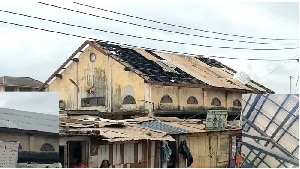
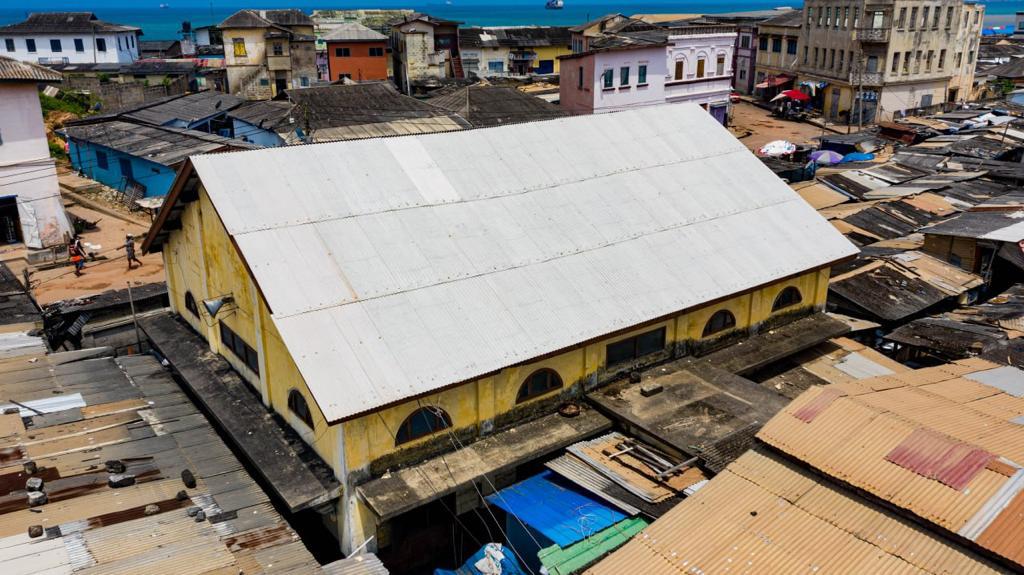
Member of Parliament for Sekondi, Andrew Egyapa Mercer has fixed the roofing challenges of the controversial Sekondi Market.
The Deputy Minister for Energy solved the problem following appeals from the traders of the market.
According to the traders, the dilapidated nature of the market was affecting their business and threatening their lives.
Speaking to the media after the work, the lawmaker said this is not the first time he is solving such a problem in the constituency.
He disclosed that the roofing was fixed with his social investment fund.
“The traders will attest to the fact that the roofing was bad in the past and I used my resources to fix it when the NDC PC was nowhere to be found,” he said.
It would be recalled the National Democratic Congress (NDC) Parliamentary Candidate for Sekondi, Nyameke Blay Armah, was blocked by authorities of the Sekondi-Takoradi Metropolitan Assembly after he attempted to fix the roofing.
The Assembly indicated at the time that a budget allocation has been made for a new public market to be constructed and that it would not be prudent for the NDC PC to fix the roofing.
New Patriotic Party (NPP) presidential hopeful, Boakye Agyarko, has recounted a horrifying shooting incident which almost claimed his life in 1983.
According to him, he was shot six times but all the bullets came out through his back after he was seized by some soldiers amidst the confusion of an attempted coup.
The gunshot he said left a deep wound injury in his back, a scar from the incident which he still has.
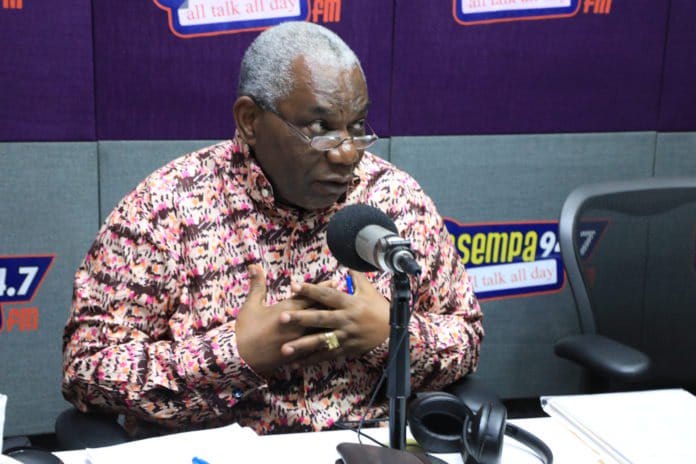
The former Energy Minister opened up on his harrowing experience on Asempa FM’s Ekosii Sen as he shared his political struggles and experiences ahead of the NPP presidential primary.
“I have been in the NPP tradition for 42 years. I was shot and nearly died because of politics and the NPP tradition.
“Aside from being a coordinator of the National Students Union, I was deeply involved in politics and criticised the military rule, which made me a target,” he said.
Mr Agyarko said on that fateful day, he was shot alongside 48 others but divinely was the only survivor who was even released after their bodies were deposited at the 37 Military Hospital.
“A nurse on duty at the time who gave me her name as Lily Tamakloe was the one who detected I was still alive. So she informed the doctors and I was immediately rushed for surgery. I was not put on any anaesthesia because the doctor told me that could have killed me,” he recounted.
Mr Agyarko stated he stayed in the hospital for almost three months and had to flee the country upon the advice of a high-ranked soldier surgeon, Dr Akpaloo.
“I had to undergo some surgeries in the US to ensure my full recovery and for two years, I was leaving but dead and from those experiences, I just learned to keep mute about certain things,” he noted.
Woman from Cameroon, Danny Zara has recently revealed her ambitious plan to break the current Guinness World Record for the Longest Sex Marathon, which currently stands at 15 hours, 7 minutes, and 23 seconds. Zara, a Cameroonian woman, is determined to make her mark by organizing a 200-hour sexathon, surpassing the existing record.
Making an unexpected and controversial announcement on Facebook, Zara expressed her intention to enter the Guinness Book of Records and called for support from her fellow Cameroonians.
In her Facebook post, she confidently stated, “Ladies and gentlemen, I am thrilled to announce that after confirming with the Guinness Book of Records, I have set my sights on breaking the record for the Longest Sex Marathon (Sexathon). We have meticulously planned for this event for quite some time now, and today we are excited to release the official flyer.”
An award-winning Ethiopian startup, Kubik, takes pride in its groundbreaking and environmentally friendly technology that transforms plastic waste, a global environmental issue, into construction blocks.
However, achieving success has been a formidable challenge for the youthful leader of the company, as they have had to persevere and struggle to secure funding.
The process at Kubik involves collecting bundles of discarded plastic and organizing them into different categories.
Specifically chosen plastics are then mixed, melted, combined with additives, and molded into the desired shapes.
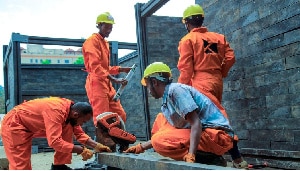
The result: black beams and interlocking blocks which today are being assembled in a pilot project — the building of a daycare center in the capital Addis Ababa.
The site has no cranes or cement mixer, just a concrete floor on which four workers make a wall by fitting the blocks together like Lego, tapping them with a mallet to ensure a good fit. There’s no glue or cement.
The beams, bolted together on all four sides of the walls, hold the structure up.
“The idea’s for it to be super simple,” said overseer Hayat Hassen Bedane, a 34-year-old structural engineer.
“You have a manual, and the whole point is to get it done with inexperienced workers, obviously under supervision.
“You can build 50 square metres (540 square feet) of a building in just five days, so that’s super-fast compared to other forms of construction,” she said.
“We’ve done tests, tension-stress tests and compressive tests, so it’s durable and very strong.”
Speed and the smart use of unwanted plastic aren’t the only benefits.
The recycling generates just a fifth of the carbon from cement making. If Kubik’s plant processes 45 tonnes of ditched plastic each day, that’s 100,000 tonnes of carbon dioxide (CO2) averted each year, the company says.
There’s a trickledown socially, too, boosting the country’s many informal waste pickers, many of whom are women.
Funding challenge But Kubik’s CEO, Kidus Asfaw, 36, said he battled to get seed money for his company.
He received a lot of knock-backs from wary investors, he says, before catching a break.
He has just completed a round of funding for several million dollars to scale up production — a success that coincided with the prestigious AfricaTech award for the company, which boosted visibility.
The Ethiopian previously worked for Google, the World Bank and Unicef after studying in the United States.
“He then took the plunge to become an entrepreneur,” he said.
“There’s a really large network that I already had within my professional sphere that I could tap into in the beginning,” he told AFP last month in Paris, where he went to pick up the award.
Even so, “having that did not make it any easier” to raise funds.
“I’ve met over 600 people in two years. Out of those 600 people, about 20 of them have become investors.”
Startups in Africa face myriad hurdles, from laws and regulations and lack of infrastructure to a fragmented continental market.
But funding, in a continent that lacks intrepid individual investors to provide support, is a persistent and major headache.
“There are very few ‘business angels’ in Africa,” said Sergio Pimenta, Vice President for Africa at the Societe Financiere Internationale (SFI), a private-sector unit of the World Bank that has just launched a $180-million fund to help provide a financing source.
“Out of $415 billion in risk capital deployed around the world, just over one percent of $5.4 billion goes to Africa,” he said.
And of this sum, 80 percent goes to just four countries: South Africa, Kenya, Nigeria and Egypt.
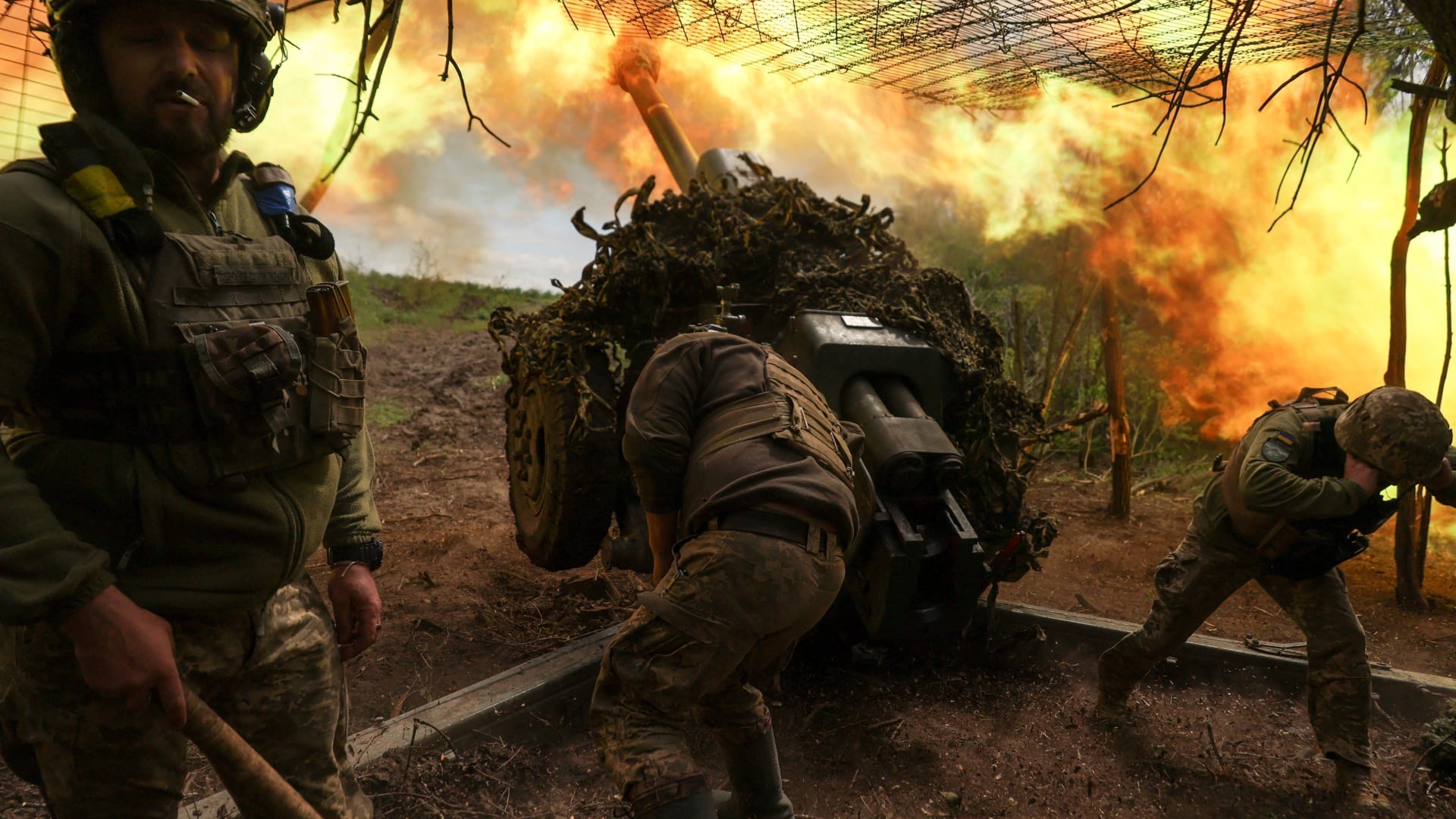
On Friday, it is anticipated that theUnited States will announce its intention to provide Ukraine with cluster munitions, which are widely banned, as part of a security package worth $800 million.
Ukraine has stated that this move would have an “extraordinary psycho-emotional impact” on the occupying Russian forces. Cluster munitions are prohibited by over 100 countries due to their indiscriminate nature, as they release numerous smaller bomblets that can cause casualties over a wide area.
Unexploded ordnance from cluster munitions can pose a threat for many years after a conflict concludes. Whilehuman rights organizations oppose the decision made by Washington, these munitions could potentially bolster Ukraine’s efforts to launch a counteroffensive and regain control over territories that have been seized by Russian forces since their invasion in February 2022.
Minister of Transport, Kwaku Ofori Asiamah, stated that the establishment of the Dedicated Container Terminal (MPS Terminal 3) has significantly increased the capacity of Tema Port to handle the largest vessels in the industry effectively.
He emphasized that the presence of the DCT has positively impacted the reputation of Tema Port as a rapidly growing hub on the West Coast of Africa.
The minister also revealed that the construction of a Dry Terminal, along with other infrastructure enhancement projects, has enhanced the overall efficiency of Ghana’s seaports.
This was announced during the 14th edition of the Maritime Law Seminar for Judges of the Superior Courts of Judicature.
“This is in addition to many other service improvement initiatives including but not limited to the Paperless Ports; Ghana Single Window (ICUMS); Deployment of Unmanned Aerial Vehicles (UAV); Rollout of Electronic Data Interchange (EDI); Deployment of e-payment solution among others”
He emphasized that government will continue to implement strategies to ensure that stakeholders in the maritime industry can seamlessly conduct business and reduce the cost of business operations at the ports.
“For the foreseeable future, the maritime industry will remain the primary engine of domestic and foreign trade which will in turn stimulate economic growth and development.
Government will continue to make the necessary investment to ensure the maritime sector is projected to attract stakeholders and investments to position Ghana as the preferred business destination within the sub-region,” Ofori-Asiamah concluded.
Human Rights Watch called on Tunisia on Friday to halt what it described as “collective expulsions” of Black African migrants, who are being relocated to a desert area near the Libyan border.
Over the past week, hundreds of migrants from Sub-Saharan Africa have been forced out of the port city of Sfax and left stranded in extremely poor conditions in southern Tunisia.
These expulsions have occurred amidst a backdrop of violence following the funeral of a 41-year-old Tunisian man who was fatally stabbed in Sfax during a clash between Tunisians and migrants.
Sfax, the second-largest city in the North African country, serves as a departure point for many migrants aiming to reach Europe via sea, often with the Italian island of Lampedusa located approximately 130 kilometers (80 miles) away.
“Tunisian security forces have collectively expelled several hundred Black African migrants and asylum seekers, including children and pregnant women, since July 2, to a remote, militarised buffer zone at the Tunisia-Libya border,” HRW said.
“Many reported violence by authorities during arrest or expulsion,” the New York-based watchdog said in a statement.
HRW’s Lauren Seibert urged Tunisia’s government to “halt collective expulsions and urgently enable humanitarian access to the African migrants and asylum seekers already expelled to a dangerous area”.
The group said migrants it interviewed alleged “several people died or were killed at the border area” between Sunday and Wednesday, “some shot, and others beaten” by Tunisian security forces.
“They also said that Libyan men carrying machetes or other weapons had robbed some people and raped several women,” HRW reported, adding it was unable to independently confirm the accounts.
HRW called on the government in Tunis to “investigate and hold to account security forces implicated in abuses”.”African migrants and asylum seekers, including children, are desperate to get out of the dangerous border zone and find food, medical care, and safety,” Seibert said. “There is no time to waste.”
Tunisia has seen a rise in racially motivated attacks after President Kais Saied in February accused “hordes” of undocumented migrants of bringing violence and alleging a “criminal plot” to change the country’s demographic make-up.
The Tigrayan people have received an apology from the Holy Synod of the Ethiopian Orthodox Church for their part in the terrible conflict that raged there.
They synod apologized in a statement issued on Thursday for failing to protect the security of church leaders and members throughout the crisis.
The church has come under fire for failing to denounce the bloody conflict that claimed hundreds of thousands of lives. The Tigray bishops even stated earlier this year that they intended to create a separate church from the synod.
The Holy Synod has been actively working toward reconciliation with the Orthodox authorities in Tigray ever since the war came to an end in late 2022. They have officially apologized for delaying the distribution of aid after the conflict.
While some see this as a beginning in the right direction, a Tigray bishop condemned the apology, claiming that it fails to adequately acknowledge the scope of the wrongs perpetrated.
His Holiness Abune Matthias continues to be recognized by the church as the patriarch, and any intentions to elect a new patriarch have been refuted.
On Thursday, a calf of the critically endangered African Wild Ass was introduced to the Chilean public, just 17 days after its birth.
African Wild Asses are classified as “Critically Endangered” by the International Union for Conservation of Nature (IUCN), emphasizing the urgent need for conservation efforts.
The recent calf was born at Buin Zoo in Chile as part of an international program aimed at preventing the extinction of this African species.
Named Juniana, the new addition to the family is seen as a significant contribution to a species that has faced severe population decline. Juniana will soon join a family in Mexico, where the opportunity for multiplying this remarkable but dwindling wild species exists.
While African Wild Asses bear a resemblance to donkeys in terms of body structure, they possess distinct white and striped legs similar to those of a zebra, despite not being a hybrid between the two species.
Estimates suggest that there are currently between 23 and 200 adult African Wild Ass specimens remaining in the wild, underscoring the critical state of their population.
Senegal’s prominent opposition leader, Ousmane Sonko, expressed concerns about potential “unimaginable chaos” if he is prevented from participating in the upcoming February elections.
These remarks came in response to President Macky Sall’s confirmation that he will not seek another term in office.
In a virtual interview with France 24, Sonko warned that if President Sall resorts to legal maneuvers to obstruct his candidacy, it would lead to a state of disorder and jeopardize the conduct of elections in the country.
Sonko, known for his outspoken and confrontational style, recently received a two-year prison sentence on charges of morally corrupting a young woman. This conviction renders him ineligible to run for office.
The ruling triggered significant unrest in Senegal, resulting in clashes that claimed the lives of 16 people, according to official figures, or around 30 people, as claimed by the opposition.
President Sall, who is nearing the end of his second term, announced on Monday in a nationwide address that he would not seek a controversial third term in the forthcoming election. Although some of Sall’s supporters argued that a 2016 constitutional revision reset the term limit to zero, the constitution states that a president cannot serve more than two terms.
In recent months, he had remained coy about a third term, stoking ambiguity exploited by the opposition.
On Thursday, Sonko said the president had made the decision not to run, “not because he is a democrat,” but because of “popular and international pressure.”
He said there is no reason to congratulate him for it.
Though he said those in power are determined to eliminate him from the presidential race, Sonko flagged that he was “ready to forgive” and even to “forget” if permitted to run.
Calling for free, transparent and inclusive elections, Sonko said he hoped Sall ended his term well “and that he and his family will be able to leave in peace.”
Additionally, Sonko mentioned that he is currently not in communication with President Sall.
Since May 28, a few days before the court’s ruling, security forces have maintained a blockade around Sonko’s residence in the capital city of Dakar, effectively confining him to his home.
In a statement from President Cyril Ramaphosa’s office, it has been announced that Essop Pahad, a revered anti-apartheid veteran and former Minister in the Presidency of South Africa, has passed away at the age of 84.
“We mourn the passing of a veteran of our struggle,” President Ramaphosa said, citing Mr Pahad’s contribution to South African democracy.
“Security crackdowns, banning and exile shaped Essop Pahad’s contribution over decades to our struggle and, as Parliamentary Counsellor to President Thabo Mbeki and Minister in the Presidency, to the early design and impact of our democratic state.”
Described as a visionary and strategist, Essop Pahad embarked on his remarkable political journey 65 years ago when he joined the Transvaal Indian Congress, an organization that actively opposed white-minority rule during apartheid in South Africa.
He subsequently became a member of the African National Congress (ANC), the party led by President Ramaphosa. Pahad’s activism led to his arrest and subsequent exile in the 1960s, but even in exile, he continued to contribute to the cause of the banned ANC.
In 1990, coinciding with the lifting of the ban on the ANC and the dawn of a new era for South Africa, Pahad returned to his homeland. This pivotal year marked the end of apartheid and the birth of a democratic government.
Later, during the presidency of Thabo Mbeki from 1999 to 2008, Mr. Pahad served as Minister in the Presidency, further solidifying his dedication and service to the nation.
CEO of Junior Achievement Africa (JA Africa), a non-governmental organization (NGO), Simi Nwogugu, has been honored with the prestigious Africa Education Medal in recognition of her efforts to enhance youth education.
JA Africa, an NGO that focuses on equipping young individuals with entrepreneurial skills, currently impacts over 300,000 young people each year, preparing them for the evolving landscape of work.
The Africa Education Medal, established in collaboration with T4 Education, HP technology company, and Microsoft, is regarded as a highly esteemed accolade in the field of education.
“I am so honoured to receive this accolade, but it is not just about me. This award is for all the fantastic staff at JA Africa, and for all the inspirational young people they have worked with, helping to pave the way to a brighter future for our continent’s young,” Nwogugu told the BBC.
Several of the Junior Achievement Africa alumni have gone on to have successful careers in business.
The NGO currently has a presence in 16 sub-Saharan African countries according to its website.
Indian authorities have recently entered into an agreement with Tanzania to establish a worldwide branch of the esteemed Indian Institute of Technology (IIT) in Zanzibar.
This initiative marks the first international expansion of the IIT Madras campus.
The institute is scheduled to commence operations in October of this year, initially accommodating 50 graduate students and 20 Master’s students.
Indian Foreign Minister Subrahmanyam Jaishankar hailed this development as a momentous milestone.
The IIT, renowned for its academic excellence, boasts multiple campuses throughout India and is widely recognized as one of the country’s leading educational institutions.
A recent study has provided insights into the potential dangers linked to men’s preoccupation with attaining the ideal set of abdominal muscles, highlighting a significantly elevated risk of depression among such individuals.
Some researchers from the Norwegian University of Science and Technology, in partnership with Harvard University, conducted an extensive examination of male body image disorder and its correlation with mental health, offering valuable understanding of this concerning phenomenon.
The study’s results indicate that men who are excessively concerned about their physical appearance are at a higher risk not only of experiencing depression but also of engaging in detrimental behaviors like binge drinking on weekends and using illegal supplements such as anabolic steroids.
Remarkably, the research uncovered that approximately 10% of men suffer from body image disorder, perceiving themselves as overweight and desiring a thinner physique.
To arrive at these conclusions, researchers interviewed 2,460 men aged 18-32, delving into their gym habits and mindsets.
Common statements emerging from these interviews included sentiments like feeling guilty for missing a workout, dissatisfaction with chest muscularity, and contemplation of using anabolic steroids.
“The problem arises when the bodies of professional athletes like Ronaldo become the ideal for regular young men who have regular young men who have jobs, studies and family,” Dr. Trine Tetlie Eik-Nes, the lead researcher revealed,
Unrealistic Body Ideals:
Dr. Eik-Nes highlighted the unrealistic expectations placed on men and women in terms of body image.
“Training has to be your full-time job if you want to look like Ronaldo,” he underscored.
Dr. Eik-Nes emphasized that achieving the physique of an athlete like Ronaldo is unrealistic for regular individuals with diverse responsibilities.
“He belongs to one in a thousand of the world’s population who make their living from sports. Some people train as if they were on the national team, but they’re only exercisers.
He also pointed out that narrow ideals, prevalent in today’s society, present challenges for individuals of both genders, perpetuating unrealistic body standards.
“Girls are supposed to be thin and have small waistlines. Boys should have wide shoulders. Those are the narrow ideals that that people grow up with today. This unrealistic body image is challenging for men and women,” he added.
In a media engagement, the Nigerian music star and former boyfriend of Ghanaian actress and author Iyanya, has opened up about their past relationship, expressing fond memories despite its end.
Iyanya shared that his connection with Yvonne was deep, and he cherishes the moments they shared together. He mentioned having a tattoo of her name on his wrist as a symbolic gesture to signify that a part of her is always with him. He made it clear that he doesn’t harbor any hatred towards her.
Reflecting on their relationship, Iyanya admitted that he loved Yvonne and expressed his regrets about not being fully honest with her. He confessed that during that time, his career took precedence, causing him to prioritize his professional life over their relationship. However, he expressed a desire to have focused more on her if given another chance.
“I just shot to fame. Sometimes I had to lie. Yvonne would be in the room and I’ll lie to her that I am going out to get something meanwhile I was travelling to play a gig”
He added that currently, he is at a point where he can control things to a certain level and the fame is not overwhelming now. ”Maybe if I had met her now, things would be different”
Iyanya also cleared that, his popular song, ‘Your waist’ wasn’t influenced by only Yvonne Nelson but was a shoutout for some special hardworking women who he had had in his life.
Speaking about Yvonne’s new book, he said, “When I heard about the book for the first time, I was hurt.”
Film is essential in helping to decolonize African mentality, according to veteran actress Akofa Edjeani.
The lasting impacts of colonialism and slavery, she claimed, may be powerfully challenged through the medium of film.
“…and again, if the colonial masters used film as part of their weapons in colonizing us, I think that the honor is on us to do the same, by using film to decolonize ourselves, the mental slavery is still there… we are not independent, we are still begging for things and so many things.”
In a recent interview with Pan African TV on July 1, 2023, Edjeani emphasized the historical role of film in sustaining colonial dominance and stressed the importance of African governments prioritizing and backing their local film industries.
Edjeani highlighted the transformative power of film, stating that with adequate attention and investment, it has the capacity to bring about significant positive change and create numerous opportunities.
She compared the investment to the financial support given to sports to emphasize worries about the investment’s return on investment in terms of job creation and revenue production.
Edjeani went on to say that given the immense potential of the film industry, the advantages connected with sports might be surpassed, emphasizing the importance of understanding and utilizing its advantages.
“Look at how much money we pump into sports and most times we go and, we don’t really win, …so if we can pump all that money into sports, the bonuses that they get…but the film can even do better so they should pay equal attention to film as well.
“Sports yes, but how many jobs can it create and how much money is it bringing compared to if you give the necessary push to film, so, there are so many reasons.
“The job creation and the fact that it is education as well. You know it is that medium that you can use to showcase your heritage… film is that powerful tool to create that identity, we use film to change policies, we use film to change perceptions.
“Film is a tool that can attract tourists, so when you are talking about tourism, the best tool is to showcase your tourist attraction, and your heritage in film, and that will make people flood to your country just to see those places,” she added.