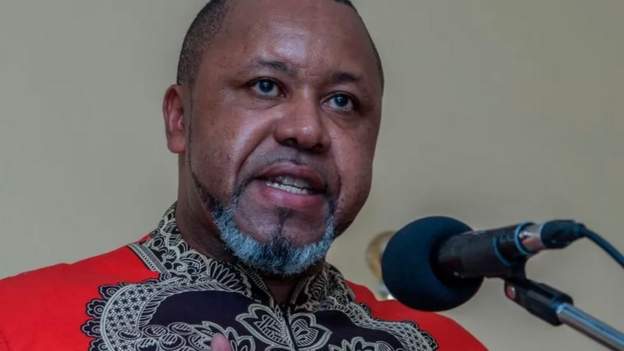
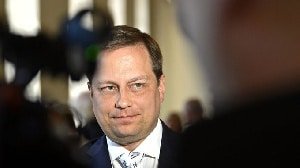
Malawi Financial Crimes Court has granted Vice-President Saulos Chilima additional time to review his charge sheet before entering a plea in his ongoing corruption case.
The Anti-Corruption Bureau (ACB) accuses Dr. Chilima of accepting $280,000 and other undisclosed items from a British businessman. Dr. Chilima, who was arrested in November and subsequently released on bail, maintains that the charges against him are politically motivated.
In response to the court’s ruling, Judge Redson Kapindu has ordered the ACB to provide all case details to Dr. Chilima within seven days.
The ACB requested additional time, and the court has set 1 August as the deadline for the disclosures and plea submission.
A hearing on bail conditions will be held on 19 July, as requested by the defense to waive the current conditions, which include reporting to the ACB every three months and surrendering Dr. Chilima’s passport to the court.
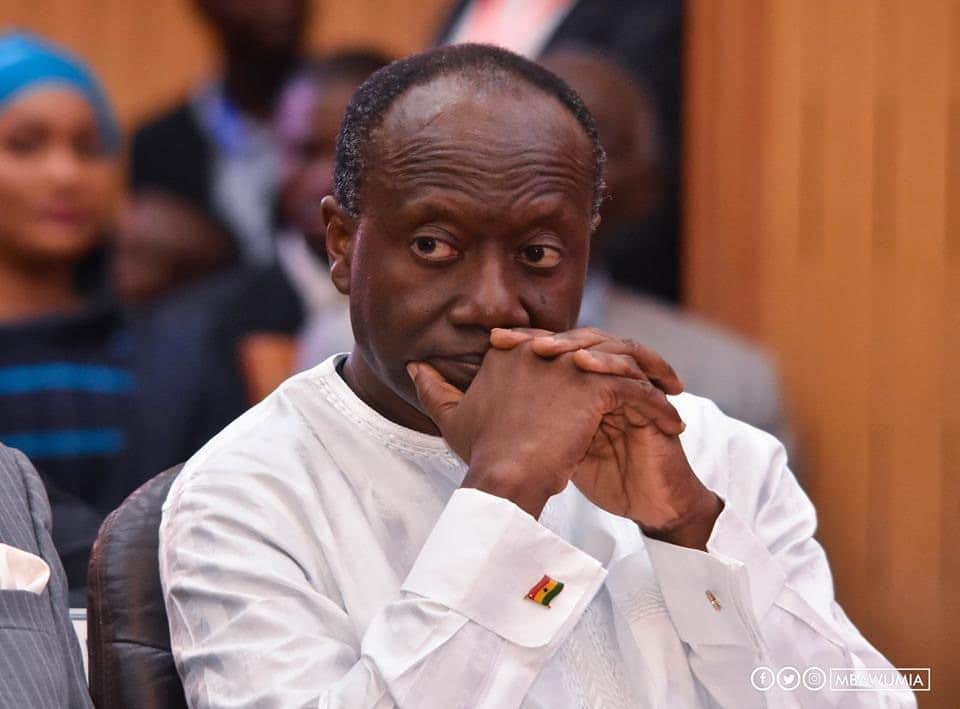
Since 2017, the Ghanaian government has allocated over GH¢800 million to bolster and foster the growth of the micro, small, and medium enterprise (MSME) sector, as disclosed by the Chief Executive Officer (CEO) of the Ghana Enterprises Agency (GEA), Kosi Yankey-Ayeh.
This significant investment has positively impacted more than 900,000 MSMEs nationwide, playing a vital role in driving the country’s economic progress and prosperity, especially during the challenging times of the global economic downturn triggered by the COVID-19 pandemic and the Russia-Ukraine conflict.
“Beneficiaries have seen their businesses develop and their communities benefit from the positive impact they have had. These successes mean that we cannot rest on our oars; we must work harder to make many more dreams come to life,” Mrs. Yankey-Ayeh said.
She mentioned this at the 2023 MSME Day, which was under the theme ‘Building resilient and sustainable MSMEs to create one million jobs’.
Commenting on the theme, Mrs. Yankey-Ayeh assured that GEA will not relent in its quest to strengthen the capacity and competitiveness of MSMEs and maximise their contributions to the country’s economicand social development.
“As the apex government Agency mandated to promote and develop the MSME sector, we are proud of the role we play in supporting the MSME sector to grow; and we take pride in the fact that businesses are embracing and utilising all the support services we churn out for their continuous improvement and growth,” she stated.
“Your relentless efforts, entrepreneurial spirit and unwavering dedication have played a crucial role in driving Ghana’s economic growth and prosperity; and we ought to recognise and celebrate the immense contributions made by you, our MSMEs, in shaping our nation’s economic landscape,” Yankey-Ayeh added.
Over the years, the Agency through government has embarked on a number of initiatives with the objective of fostering an enabling environment for MSMEs to thrive. She stated that training and capacity-building programmes, business advisory and financial assistance have equipped MSMEs with the right tools to put them on a trajectory of growth.
“We will continue to do so to help them succeed long-term,” Yankey-Ayeh assured.
Thanks to partnerships with institutions including the Food and Drugs Authority and other regulatory bodies, the GEA said it has streamlined bureaucratic processes and reduced the constraints MSMEs face in mainstreaming and formalising their operations.
“We have always believed in helping MSMEs to thrive,” Mrs. Yankey-Ayeh said. “We understand the essence of providing them with access to financing, mentorship, training and networking opportunities. These are the building blocks of President Akufo-Addo’s entrepreneurial vision, and we believe by making these our guiding policies we will be able to help many entrepreneurs move from ideas to thriving businesses,” she added.
Government’s latest treasury bill auction results indicate that it fell short of its auction target by GH¢519.76 million.
The auction generated GH¢2.39 billion, which was 17% below the target of GH¢2.93 billion. The target included a sell buy-back of GH¢1.01 billion, set to mature and be rolled over on July 6, 2023, according to the Bank of Ghana.
Also, the auction held on June 30 only involved the 91-day and 182-day bills. Interest rates have been on the rise in recent weeks, reaching 23.95% for the 91-day bill and 25.79% for the 182-day bill.
The majority of the subscriptions came from the 91-day bill, with all bids tendered being received by the government. The 91-day bill received bids totaling GH¢1.90 billion, while the 182-day bill received bids amounting to GH¢486.73 billion.
In the upcoming auction, the government aims to raise GH¢1.57 billion from the 91-day, 182-day, and 364-day bills.
Prior to the implementation of the Electronic Transfer Levy (E-Levy), the Speaker of Parliament, Alban Bagbin, engaged in discussions with the Minister of Finance, Ken Ofori-Atta, regarding his strategy to include the informal sector in the country’s tax system.
According to Bagbin, the E-Levy was not the most optimal approach for ensuring tax compliance from the informal sector.
However, he suggested a tax rate below zero percent, as the majority of individuals in this category were the specific target of the finance minister.
During a meeting with Media General’s management in Accra on June 29, 2023, the Speaker of Parliament expressed that implementing a lottery tax could be an alternative method for the government to generate additional revenue for the state.
He elaborated that the lottery tax would involve customers using tax receipt numbers to participate in lotto games.
“I made it known to the Finance Minister long ago that there are so many areas where we can raise revenue, not E-Levy. But if you wanted to use e-levy, let us start from zero point something percent and then go up. You have an informal economy where a large percentage of the people are outside the tax net. Because of no documentation, you will never know their income, there are things that you have to do to bring them to the formal sector. I suggested to him the lottery tax,” Alban Bagbin said.
He added that, “The lottery tax is very simple, you use tax receipt numbers to play the lotto and every week, one tax receipt number will win and you can give a pickup to the person. So everybody now comes in because the person wants to win a pickup and so they start issuing receipts.”
“And so they formalize the informal businesses. Countries have done it, Malaysia and the rest and they jumped over 500 percent increase in revenue. I discussed this with the Minister,” the Speaker of Parliament highlighted.
Additionally, Bagbin pointed out that the government could explore other revenue-generating areas such as insurance and narcotics.
The government introduced the E-Levy as part of its efforts to enhance domestic revenue mobilization. However, in response to various criticisms, the E-Levy tax rate was reduced from 1.5% to 1%.
As per data from the Ghana Revenue Authority (GRA), the Electronic Transfer Levy generated GH¢246.9 million in revenue, contributing 11 percent to the projected GH¢2.24 billion for the year.
Since its implementation in May 2022, the E-Levy had accumulated a total revenue of GH¢861.47 million by March 2023.
The Food and Drugs Authority (FDA) has issued a warning to food vendors, urging them to ensure the safety of the food they sell for human consumption.
During an interview with Citi News, John Laryea Odai Tettey, the Ashanti Regional Head of the FDA, emphasized the importance of food vendors registering their businesses and keeping records of all their purchases.
To ensure compliance, the FDA has joined forces with the environmental health units of the Metropolitan Municipal and District Assemblies (MMDAs) to conduct regular inspections at the vending points of food vendors.
“We have collaborated with the environmental health unit of the Metropolitan Municipal and District Assemblies (MMDAs) and inspected the vending points as well as the food preparation points of these street food vendors. The advice for the vendors is that you will have to ensure that whatever you put out there for sale is safe for human consumption,” Mr Tettey said.
He added, “If it’s the process of food, then you have to make sure that it has to be registered, and you must always take the receipts or purchase documents from wherever you get it from,” the Ashanti Regional Head of the Food and Drugs Authority entreated.”
Compliance with the given directives is crucial, as emphasized by him, and failure to adhere to them by food vendors will lead to sanctions imposed by the FDA.
In the first pricing window of July, the Institute of Energy Security (IES) has forecasted a minor decrease in the prices of diesel and Liquefied Petroleum Gas (LPG).
The IES attributes this slight reduction to the decline in the prices of gasoline and LPG. However, petrol prices will remain unaffected.
Over the past month, gasoline and LPG have experienced a 2.6% and 3.09% decrease in their prices.
However, due to the depreciation of the cedi, the price decline does not significantly impact the overall pump prices.
“The various changes in the price of the commodities on the international fuel market are expected to affect local market prices in Ghana. For the first two weeks in July, following a price decrease of 2.64%, 3.09% for Gasoil and LPG,” the IES projects.
According to the data provided by the Global Standard & Poor (S&P) Platt platform, the Institute of Energy Security (IES) has reported the closing prices for Gasoline, Gasoil, and LPG in the second pricing window of June 2023. The prices per metric tonne are as follows: Gasoline – $811.80, Gasoil – $709.84, and LPG – $306.25.
In comparison to the previous pricing window, there was a slight increase of 0.95% in Gasoline prices, while Gasoil and LPG experienced decreases of 2.64% and 3.09% respectively.
It is worth noting that the current crude oil prices remain significantly below the projections made by analysts at the end of June 2023.
Mansa Musa I, also known as Musa Keita I, was the tenth emperor of the Mali Empire, which was among the most prominent empires in West Africa. He is widely regarded as the richest person in history, with an estimated wealth exceeding $400 billion. His reign spanned from 1312 to 1337, and his opulence has earned him a place among the wealthiest individuals in recorded history.
Early Life and Rise to Power:
Mansa Musa I, born in 1280 in the town of Niani (now in Guinea), had a notable lineage as the son of Faga Laye, a revered leader of the Mandinka people and the founder of the Mali Empire. Additionally, he was the brother of Sundiata Keita, the renowned founder of the Mali Empire.
Mansa Musa I ascended to power following the expedition of Abu-Bakr II, who is said to have ventured across the Atlantic Ocean. Due to his immense wealth and military strength, Mansa Musa I was chosen as Abu-Bakr II’s successor.
Wealth and Achievements:
Mansa Musa I was known for his immense wealth and generosity. He was a devout Muslim who went on a pilgrimage to Mecca in 1324 accompanied by a caravan of thousands of people and carrying a vast amount of gold, which he distributed along the way. This pilgrimage made him famous throughout the Middle East and Europe, where his wealth and power were widely noted.
During his reign, Mansa Musa I helped to expand the Mali Empire by annexing new territories and establishing diplomatic relations with neighboring states. He also encouraged the spread of Islam throughout the empire and built many mosques and Islamic schools.
Mansa Musa I was also a patron of the arts and commissioned the construction of many impressive buildings, including the Djinguereber Mosque in Timbuktu, which is still standing today.
Death and Legacy:
Mansa Musa I died in 1337 and was succeeded by his son, Maghan I. He is remembered as one of the most influential and powerful African rulers in history and his legacy lives on today in many ways.
His pilgrimage to Mecca and the immense wealth he displayed during his journey inspired many leaders and traders across the world, and his legacy helped to establish the Mali Empire as one of the most prosperous and influential in the region.
His patronage of the arts and architecture also helped to establish a rich cultural heritage in West Africa that continues to flourish today.
On Friday June 30, Finland’s Minister for Economic Affairs, Vilhelm Junnila, announced his resignation just over a week after assuming office, following a series of scandals associating him with neo-Nazi ideology.
The far-right Finns Party member stepped down amid a fresh controversy sparked by his remarks in parliament, where he suggested that a solution to the climate crisis would be to provide more abortions to African women.
He describes the concept “climate abortions”.
Junnila made the speech in parliament in 2019 when he was a freshman MP.
“It would be justified for Finland to shoulder its responsibility by promoting climate abortions. Climate abortion would be a small step for a person, but a giant leap for humanity,” he said at the time.
When the parliamentary documents resurfaced, Päivi Räsänen, a member of the Christian Democrat party who has gained attention from the Evangelical right-wing for her unwavering position on abortion and LGBTQ issues, also voiced her disapproval of Junnila.
“The concept of climate abortion is eco-fascist anyway without the racist connection. And eco-fascism is also an extremist movement,” said Räsänen, a former interior minister.
Junnila said he was resigning to spare Finland’s reputation, “despite the trust of the party and my parliamentary group.”
Current education minister, and leader of the Swedish People’s Party, Anna-Maja Henriksson, said it was a “wise decision” that Junnila quit his post.
On Friday, Finland’s public broadcaster Yle revealed in an investigation that Junnila had never taken any political science classes at university, despite claiming to be studying the subject.
Yle also found no proof of Junnila’s claim that he started, then sold, a tech company in Poland.
The new minister also appeared to have lost the confidence of Finnish President Sauli Niinistö who said during a Friday morning interview the situation was “very embarrassing, to say the least.”
What were Vilhelm Junnila’s other controversies? Last week Euronews highlighted how Junnila had given a speech at an event in the southwestern city of Turku in 2019.
The event was organised by the Coalition of Nationalists, an umbrella group formed in 2017 for those on the far-right including the Finns Party, the now-banned Nordic Resistance Movement militia, and the Soldiers of Odin vigilante movement.
Experts say the event Junnila attended was a “who’s who of neo-Nazis in Finland”, with members of these shadowy extreme right-wing organisations seen in photographs standing behind Junnila as he spoke, albeit on the opposite riverbank.
The revelations caused an outcry in Finland, prompting Junnila to issue an apology for attending the event.
He also apologised for joking about the number 88, which was randomly assigned by the Finnish Election Commission as his candidate number in the 2019 parliamentary elections.
For neo-Nazis, 88 is coded shorthand for Heil Hitler, as H is the eighth letter of the alphabet.
He described his actions as “stupid and childish”, and said, “I have done something wrong and I am sorry for my actions.”
New issues come to light
On Wednesday, Junnila survived a vote of confidence in parliament even as new and problematic issues about him were being raised on an almost-daily basis.
Earlier this week social media posts from Junnila to his parliamentary assistant were unearthed, which included a picture of a snowman taken from the internet which resembled a Ku Klux Klan member holding a noose, with the comment “I made a snowman according to your instructions.”
There was also a birthday video message featuring Adolf Hitler sent in 2013, and in 2014 he posted a picture of a gate with a swastika, writing how much he liked the design.
Junnila’s election campaign has also featured the word “get gassed” which is the same wording as Germany’s far-right AfD had used in a previous campaign.
Analysts say it sends an innocuous message on the surface to potential voters, but gives another, darker, meaning to other far-right supporters about Junnila’s thoughts on the Holocaust.
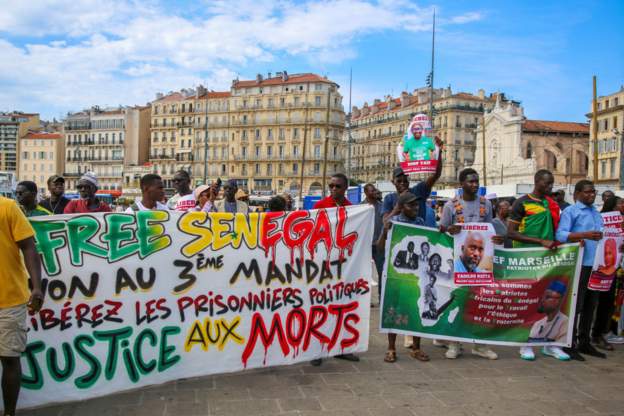
The opposition leader of Senegal, Ousmane Sonko, has urged the public to participate in large-scale protests against President Macky Sall’s bid for a third term in office.
President Sall is expected to deliver a speech later to announce whether he intends to run for president in 2024, a move that most legal experts argue would violate the Senegalese constitution.
Last month, widespread demonstrations took place in various cities across Senegal following Sonko’s conviction and subsequent sentencing to two years in prison on charges of “corrupting youth.” Sonko’s supporters and some political observers believe that the case was politically motivated, aiming to prevent him from running in the upcoming presidential election.
These clashes marked the deadliest and most significant unrest in recent history.
Sonko also said on Sunday that if the president announces a third-term bid it was “incumbent on all the Senegalese people to stand up, to face him”.
The constitution limits presidents to two terms in office but Mr Sall’s supporters argue that this should be reset because a new constitution was adopted in 2016.
An attempted third-term bid by then President Abdoulaye Wade in 2012 plunged the country into violence, leading to 12 deaths.
The United Nations Security Council has concluded the peacekeeping mission in Mali, following a request from the ruling military to withdraw the international force involved in combating an armed rebellion.
The mission, known as MINUSMA, has faced challenges and government restrictions in recent years, particularly after Mali collaborated with Russia’s Wagner mercenary group in 2021.
In a resolution drafted by France, the 15-member Council unanimously called for the mission to begin the process of ending its operations, transferring its tasks, and safely withdrawing its personnel. The objective is to complete this process by December 31, 2023.
UN peacekeepers have played a crucial role in protecting civilians from the violence of the armed rebellion, which has resulted in the loss of many lives. Concerns have been raised about the security situation deteriorating once the mission leaves, as Mali’s under-equipped army will be left to face fighters who control significant portions of territory in the desert regions of the north and center, along with around 1,000 Wagner fighters.
The Security Council resolution grants MINUSMA the authority to respond to imminent threats of violence against civilians in its immediate vicinity and contribute to the safe delivery of humanitarian assistance, with civilian leadership, until September 30.
It asked UN Secretary-General Antonio Guterres to work with the Malian authorities on a plan to transfer MINUSMA’s tasks and present it to the Security Council by August 15. It called on Mali to cooperate fully with the UN during MINUSMA’s withdrawal.
When asking for MINUSMA to leave, Malian Foreign Minister Abdoulaye Diop told the Security Council earlier this month there was a “crisis of confidence” between the UN operation and the Malian authorities.
Until December 31, MINUSMA is also authorised to provide security for UN personnel, facilities, convoys, installations and equipment and associated personnel, and execute operations to extract UN personnel and humanitarian workers in danger and provide medical evacuations.
International reaction
The United States deputy ambassador, Jeffrey DeLaurentis, expressed regret at the military government’s decision to abandon the UN mission. He also said “some domestic actors” in Mali are calling for harassment of peacekeepers and urged the mission to ensure the safe and orderly transfer of UN facilities and equipment to UN-designated places.
“The UN has a responsibility to minimise the risk that its assets fall into the hands of those looking to destabilise Mali, or bring harm to its people, including violent extremist organisations and the Wagner Group,” he said.
The United Kingdom’s Ambassador to the United Nations, Barbara Woodward, expressed her disappointment that Mali requested the departure of peacekeepers during a period when the region is experiencing escalating instability and humanitarian challenges.
On the other hand, Russia’s Foreign Minister, Sergey Lavrov, reaffirmed his country’s unwavering support for Mali, both in terms of military-technical assistance and humanitarian and economic aid.
Mali has been grappling with an armed rebellion since a revolt in 2012. In response, the UN Security Council deployed MINUSMA in 2013 to assist in the restoration of stability through international and local efforts.
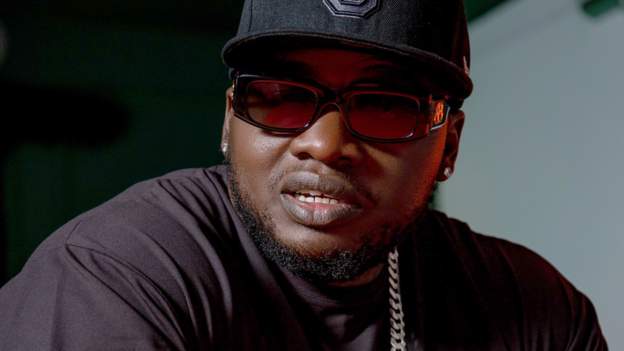
Khaligraph Jones, a renowned rapper from Kenya, has stayed true to his genre amidst the rise of other musical trends across the continent, and his dedication has yielded fruitful results.
Born Brian Ouko Omollo and raised in Nairobi’s Kayole neighborhood, Khaligraph was drawn to hip hop music from a young age. However, achieving success was not a simple journey for him.
Many questioned why he didn’t switch and pursue different styles of music, but Khaligraph remained steadfast in his passion for hip hop.
“I don’t know what kind of a sound they thought I was fit for, but consistency is key and we kept on pushing until they finally accepted me,” he says.
He first came to people’s attention by winning a high-profile freestyle competition.
He says his development as an artist has been a gradual process. He began building his reputation by featuring on tracks by other artists such as Kristoff and Stella Mwangi.
At the time he was also working as a bouncer because he couldn’t depend on music to sustain himself. In 2013 he quit bouncing “because people started to recognise my face”.
In 2018 he released his first solo album entitled Testimony 1990, a reference to the year of his birth. That same year he won best rap act of the year at the Afrimma Awards, and in 2020 he won best hip hop artist.
His second album Invisible Currency was released last year and achieved one million streams in six days.
Khaligraph Jones now feels he has paved the way for other rappers to come to the fore.
“After I did it I’ve seen dozens of others being able to also rise and also do their thing.”
So how did he come up with his stage name Khaligraph Jones?
“I used to do graffiti when I was in school, but graffiti with calligraphy. And I was also a big fan of the WWE (World Wrestling Entertainment). There was this big guy who used to go by the name of The Great Khali from India.
“He was a big, tall guy. I used to like The Great Khali. And because I was doing graffiti with calligraphy, I thought let me put this together and remove the y. Khaligraph! And I added Jones to it”.
Khaligraph Jones believes he has finished with phase one of his development as an artist.
“The first phase was take over Kenya, take over East Africa and get that continental recognition. Now the mission is to get more cross over collaborations and that’s what we’re working on right now.”
President of Kenya, William Ruto has decided to lift the six-year ban on logging that was imposed.
The president expressed that this decision was long overdue, while he emphasized on the importance of job creation and economic growth in sectors reliant on forest products.
The initial ban was implemented in 2018 due to concerns surrounding the environmental impact and contribution to climate change caused by logging activities.
However, during a speech in Molo, in the Rift Valley region, President Ruto defended the lifting of the ban, referring to the previous moratorium on logging as a misguided approach.
“Trees are decaying in the forest while people are struggling to get timber. Do you see the foolishness?” he asked.
According to him, in the recent budget, the government had implemented taxes on the importation of timber and furniture to promote local production by the Kenyan people.
The ban on logging has had adverse effects on certain regions, as many individuals relied on logging as their means of livelihood.
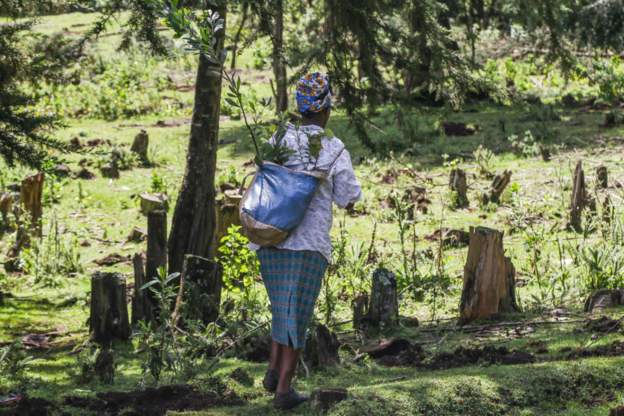
The decision to lift the ban aligns with the government’s ongoing initiative to plant 15 billion trees within a decade in order to enhance the country’s tree cover.
Reports have revealed that one of the surviving sons of the late Libyan leader Muammar Gaddafi has been transferred from a Lebanese prison, where he had been on a hunger strike, to a hospital in critical condition.
The Dubai-based Al-Hadath TV, cited by Reuters news agency, stated that Hannibal Gaddafi experienced a significant drop in his blood sugar level.
Hannibal Gaddafi has been held in detention in Lebanon for over eight years.
In the month of June, he initiated a hunger strike to protest against his prolonged detention without trial.
He has been held in the country since his capture in Syria, where he had sought refuge following the assassination of his father by rebels in 2011.
On Friday June 30, the UN Security Council unanimously approved the request from Bamako to withdraw its peacekeeping mission, MINUSMA, from Mali.
The mission was established by the Security Council in 2013 with the aim of promoting peace and stability in the country. Mali expressed its satisfaction with the decision and welcomed the adoption of the resolution, which was drafted by France.
“MINUSMA has certainly not achieved its fundamental goal of supporting the efforts of the government in securing the country,” Issa Konfourou, Mali’s ambassador to UN, said following the vote
“Nevertheless the people and the government of Mali will like to applaud its contribution in other areas in particular in the area of humanitarian and social assistance,” Konfourou said.
The mission, consisting of 17,430 personnel, was established in 2012 in response to the political instability and armed conflict that engulfed Mali. During that period, rebels and fighters associated with al-Qaeda seized significant portions of northern Mali.
On June 16, Mali’s Foreign Minister, Abdoulaye Diop, expressed the country’s desire for the Blue Helmets (UN peacekeeping forces) to leave the country once their mandate expires on June 30th.
“The government of Mali calls for the withdrawal without delay of MINUSMA,” Diop said, adding that Bamako “is willing to cooperate with the United Nations on this issue.”
What is in the draft?
The resolution effectively ends the mandate of the peacekeeping mission on June 30th and instructs the mission to begin withdrawing its personnel starting from July 1st.
According to the resolution, the withdrawal process is expected to be finalized by the end of the year.
Mali has made it clear that there will be no extension to the specified timeframe.
“The government of Mali will be vigilant in ensuring compliance with this engagement,” Konfourou said.
“As a responsible government, the Malian authorities are committed to closely cooperating with the Secretariat of the United Nations and MINUSMA in the framework of the prompt implementation of this resolution within the established time frame,” he added.
Where possible and with the permission of Mali, the resolution allows MINUSMA to respond to “imminent threat of violence to civilians.”
According to the resolution, MINUSMA is also authorised to assist in the safe civilian-led delivery of humanitarian assistance in its immediate vicinity.
Why Mali wants troops out
In recent times, there has been a rise in tensions between Mali and the United Nations. Bamako has leveled accusations against the long-standing mission, claiming that it has worsened the situation in the country, which is home to a population of over 20 million.
“MINUSMA seems to have become part of the problem by fuelling community tensions exacerbated by extremely serious allegations which are highly detrimental to peace, reconciliation and national cohesion in Mali,” Diop said.
“This situation generates a feeling of distrust among the populations with regard to MINUSMA,” he added.
Meanwhile, MINUSMA has repeatedly complained about restrictions on troop and aircraft movements.
The mission claims that these restrictions have prevented it from fulfilling its mandate, including investigating alleged human rights abuses by the mercenary group Wagner and Mali’s army.
Both Bamako and Wagner deny these allegations.
Analyst say the withdrawal of the peacekeepers could have a profound impact on the stability of the country.
“The withdrawal of the UN peacekeepers will undermine prospects for keeping alive the 2015 peace agreement between the government and the Tuareg separatists who had rebelled in the North but then settled for decentralisation within a united Mali,” Paul Melly, a researcher at Chatham House, a London-based think tank told Al Jazeera.
“It will leave many communities across the North of the country with reduced protection from the risk of jihadist attacks and it will underline the basic public administration and welfare and humanitarian programmes that the UN has been supporting,” Melly said.
Deadly, expensive mission
MINUSMA has suffered more than 300 fatalities, making it the deadliest UN peacekeeping operation. With a budget of $1.2bn, MINUSMA is also the most expensive mission of the organisation.
Following the passage of the resolution, UN chief Antonio Guterres expressed his “profound respect to the memory of the 309 MINUSMA personnel who lost their lives in the service of peace during 10 years the mission was deployed in Mali,” Farhan Haq, deputy spokesperson for the Secretary-General said in a statement.
What’s the government’s plan?
Without elaborating, Bamako stated that it is able to guarantee the safety of all its citizens, wherever they may be in the vast landlocked country.
“I would like to reassure you of the full engagement of the government of Mali to continue working tirelessly to fulfil its primary mission of protecting the civilian population and their property over all our national territory,” Konfourou said.
In 2021, Mali’s military rulers signed a deal with the Russian mercenary group Wagner to assist in its fight against armed groups.
This move drew strong condemnation from Western countries, who argued that the presence of the mercenary group threatens the stability of Mali.
Moscow and Bamako have stated that the Russian fighters in Mali are not mercenaries but trainers who are aiding local troops in combating rebel groups.
Wagner fighters have been accused of involvement in an incident last year in Moura, central Mali – where local troops and suspected Russian fighters allegedly killed hundreds of civilians.
“Wagner does not have the military resources of the UN, nor the same commitment to community mediation, human rights and ‘hearts and minds’ initiatives,” Melly said.
On Friday, Washington accused Wagner of destabilising Mali, further stating that the group collaborated with Bamako to facilitate the withdrawal of UN peacekeepers from the country.
“We know that senior Malian officials worked directly with Yevgeny Prighozin employees to inform the UN secretary-general that Mali had revoked consent for the MINUSMA mission,” US National Security Council spokesman John Kirby told reporters.
Dire humanitarian situation
According to the UN, at least 7.5 million Malians are in need of humanitarian assistance. The UN also reports that one in four Malians is food insecure due to insecurity and the impacts of climate change.
Analysts warn that with UN troops fully withdrawing by the end of December, the humanitarian situation in the country could worsen.
“The humanitarian situation will probably get worse. We may see more displaced populations and greater problems in ensuring the safe and reliable delivery of aid to vulnerable people,” Melly said.
As MINUSMA’s time in Mali comes to an end, analysts say that the mission has had a tangible effect on the country.
“MINUSMA has played a valuable role in providing some stability and security protection for communities across the north of Mali,” he added.
“It has also underpinned the provision of public basic services and administration in some areas where government officials or humanitarian agencies would have found it difficult to operate without some underpinning security backup.”
South Africa’s primary opposition party, the Democratic Alliance (DA), along with six other political parties, has announced their intention to engage in discussions to establish a pact aimed at removing the ANC from government in the upcoming elections next year.
Notably absent from this group is the Economic Freedom Fighters, the country’s third largest political party, which holds a more progressive position compared to the ANC.
The ANC, which played a pivotal role in the fight against apartheid and has held power for nearly three decades, has experienced a gradual decline in its level of support in recent years.
In the last municipal elections held in 2021, which is the most recent nationwide vote, the ANC secured a vote share of less than 50%.
The seven opposition parties hoping to agree on a pact have said in a joint statement that “the incumbent governing party is set to lose its majority when voters go to the polls next year”.
Taking this into consideration, their objective is to present a cohesive and robust alliance that is characterized by stability, viability, and effectiveness. To achieve this, they have scheduled a two-day meeting next month to negotiate and finalize an agreement.
However, the absence of the EFF, which garnered a 10% share in the 2019 general election, poses a significant challenge in their quest to secure over 50% of the votes in the upcoming elections.
In a long-standing ritual for prosperity, the Mayor of a small Mexican town has married a crocodile bride. A video shows him kissing the reptile, whose mouth is tied shut.
Reports state that the seven-year-old crocodile, nicknamed ‘little princess,’ represents a deity associated with mother earth. Her marriage to the local leader symbolizes the unity between humans and the divine.
This tradition likely dates back centuries ago to the Oaxaca state Chontal and Huave indigenous communities.
“It is the union of two cultures. The union of the Huaves and the Chontales,” Mayor Victor Hugo Sosa told reporters.
In the video, the crocodile is dressed in a white ‘bridal gown’ as it is presented to its ‘groom.’ Its mouth is tied shut as the mayor kisses it.
People gather at the celebration, dancing and enjoying themselves.
Olivia Perez, in charge of dressing up the crocodile, said that for them, she represents a lot because she is “the Queen, the Princess who brings water, a good harvest, and rain.”
The mayor of Mexico’s San Pedro Huamelula married a crocodile as part of a ritual to usher in a good harvest pic.twitter.com/JYByIWYbRb
Later in the video, the crocodile is dressed in another outfit with decorations all over it, and the groom dances with it as everyone celebrates joyfully.
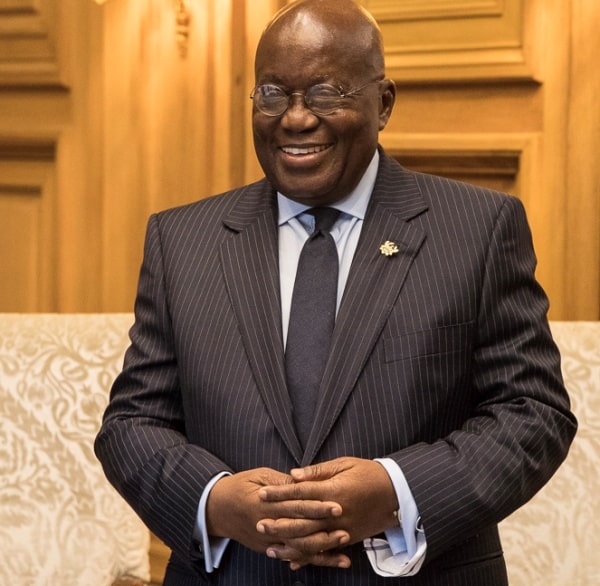
President Akufo Addo has provided reassurance that the IMF extended credit facility program with Ghana will not impact the nursing and teacher training allowance.
In mid-May 2023, the IMF approved a 36-month arrangement worth US$3 billion for Ghana. The initial tranche of US$600 million was disbursed promptly.
However, the IMF bailout package for Ghana comes with certain conditions aimed at addressing economic challenges, ensuring fiscal discipline, and promoting sustainable economic growth.
Despite suggestions from some economists to cancel the payment of nursing and teacher trainee allowances for fiscal reasons, Senior Presidential Advisor Yaw Osafo-Maafo, speaking on behalf of President Akufo-Addo, affirmed during the 175th Anniversary and Prize Giving Day of the Presbyterian College of Education that the government had strongly safeguarded the nursing and teacher trainees allowance as a social intervention program during negotiations with the IMF.
“Teacher trainees present, I know that the difficulty in the economic landscape which has resulted in government’s signing up for a program with International Monitory Fund IMF may cause you some concern. But none of the allowances of the teaching profession will be affected with our program with IMF. There were certain things which are not to be touched and the teacher allowances was on of such protected allowance. The difficulty in prompt payment is coming from our own mobilization of resources and not the IMF once you have it you can be sure that teachers allowances and the rest of it will be honoured appropriately”.
The president reaffirmed government’s dedication to teacher education and the teaching profession, emphasizing the importance of ensuring quality education.
He also highlighted the implementation of licensing for teachers as a significant measure taken to restore dignity and enhance professionalism within the teaching profession
“The introduction of licensing examination for teachers for example was done in the utmost good fate. It is aimed at lifting the image of the profession and avoiding situation where unqualified persons could pose as teachers and in the process bring the profession into disrepute”.
He added that “it is my expectation that interventions such as the distribution of laptops and payment of continuous professional development allowance to teachers will systematically improve the capacity and morale among the teaching profession and our teachers”.
The Ghana National Chamber of Commerce and Industry (GNCCI) is calling on the government to consider incorporating tax reliefs in the upcoming mid-year budget review.
This measure is believed to provide much-needed relief for businesses and contribute to their recovery.
According to the Chamber, the austerity measures introduced in the 2023 budget as part of the IMF bailout program have had a significant negative impact on local businesses. With the current improvements in macroeconomic conditions, the Chamber argues that the government should remove some of these burdensome taxes.
Clement Osei-Amoako, the President of GNCCI, emphasized the importance of the mid-year budget review in demonstrating the government’s commitment to alleviating the challenges faced by businesses. As the Minister of Finance prepares to present the review, the Chamber hopes to see measures that will ease the suffering of businesses and support their growth.
“Government sought assistance from the IMF, and through that implemented a series of reforms. These reforms included tightening monetary policy, raising taxes and implementing automatic adjustments to utility tariffs among others. While these actions were intended to rectify fiscal imbalances and promote economic stability, they have resulted in higher operational costs for businesses operating in the country. Regrettably, numerous local businesses are collapsing while others are relocating in response to these challenges.
“It is crucial that government swiftly reconsiders its tax policies and streamlines the tax structure to ensure fairness, reasonableness and support for business development without any delay,” he fumed.
GNCCI tax
He spoke at an event dubbed ‘Chamber Bazaar’ in Accra, and lamented that tax measures such as the Excise Duty, Growth and Sustainability Levy, as well as high utility tariffs, currency depreciation and high fuel prices are having a negative impact on businesses.
While calling for some tax policies such as the COVID-19 Levy, Growth and Sustainability Levy among others to be relaxed or revised downward, Mr. Osei-Amoako said government must also consider innovative ways to widen the tax net.
The GNCCI is of the firm belief that by creating a favourable business environment, government can unlock the private sector’s true potential and drive resilient economic growth, leading to a prosperous Ghana.
Expensive ports thwarting growth prospects
Another area the Chamber believes needs a rethink is the country’s ports. It bemoaned the huge fees and charges producers pay when importing raw materials for onward production.
It said the current high import duties on raw materials and machinery meant for local production is not the way if government is serious about promoting industrialisation and supporting domestic businesses to be competitive within the African Continental Free Trade Area (AfCFTA).
Chamber Bazaar
The Chamber’s president made these strong requests on the sidelines of the three-day Chamber Bazaar launch in Accra, under the theme ‘Harnessing business potentials through trade fairs and exhibitions’. The Bazaar aims to provide a platform for businesses to showcase their products, services and innovative ideas to a diverse audience.
“The ‘Chamber Bazaar’ is yet another initiative by the GNCCI to support local businesses and contribute to overall economic growth of the country. The GNCCI remains fully committed to fulfilling its legislative mandate of promoting and protecting the commercial and industrial interests of our country,” he said.
Vice President of the Liberia National Chamber of Commerce, Natty Davis – a guest at the launch, expressed admiration for the GNCCI and its continuous efforts to introduce innovative initiatives that promote business growth in the country. He commended their commitment to supporting the business community.
Davis also mentioned that the Liberian Chamber is actively engaging with its counterparts in Ghana to foster collaboration, create synergies, and leverage each other’s competitive advantages. The goal is to enhance intra-African trade and strengthen economic ties between the two countries.
The exhibition featured various brands, including Extra Fashion, Salem Upholstery, African Diamond Cable Co. Ltd., Amalena Children’s Haven, T.T. Brothers Ltd., and others, showcasing their products and services.
The latest Interbank forex rates provided by the Bank of Ghana on July 3, 2023, indicates that the Ghana Cedi is being traded against the US dollar at a buying price of 10.9917 and a selling price of 11.0027.
In Accra, at a Forex bureau, the dollar is being bought at a rate of 11.40 and sold at a rate of 11.90.
Against the Pound Sterling, the Cedi has a buying price of 13.9803 and a selling price of 13.9954.
At a forex bureau in Accra, the pound sterling is being bought at a rate of 14.50 and sold at a rate of 15.30.
As for the Euro, it is being traded at a buying price of 12.0013 and a selling price of 12.0132.
At a forex bureau in Accra, the euro is being bought at a rate of 12.10 and sold at a rate of 12.80.
The South African Rand is trading at a buying price of 0.5836 and a selling price of 0.5839.
At a forex bureau in Accra, the South African Rand is being bought at a rate of 0.30 and sold at a rate of 0.90.
The Nigerian Naira is trading at a buying price of 68.7639 and a selling price of 68.8575.
At a forex bureau in Accra, Nigerian Naira is being bought at a rate of 12.00 Naira for every 1 Cedi and sold at a rate of 19.00.
For the CFA, it is trading at a buying price of 54.6030 and a selling price of 54.6572.
At a forex bureau in Accra, CFA is being bought at a rate of 17.00 CFA for every 1 Cedi and sold at a rate of 21.00 CFA for every 1 Cedi.
Our forex bureau rates are provided by Afriswap Bureau De Change in Osu, Accra.
Note that these rates may be different at a forex bureau near you. Our forex bureau rates are provided by Afriswap Bureau De Change in Osu, Accra.
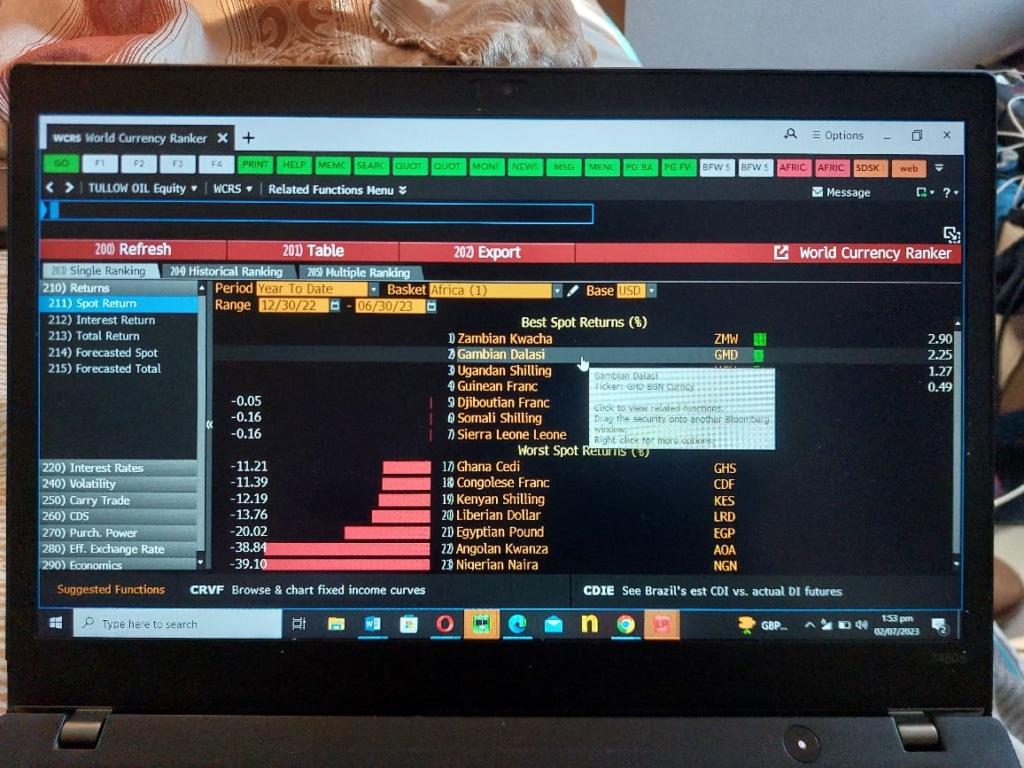
Ghana’s cedi has been ranked as one of the worst-performing African currencies against the US dollar, according toBloomberg‘s World Currency Ranker.
The cedi ranked 17th on the list, with a year-to-date depreciation of 11.21 percent as of July 3, 2023. The Zambian kwacha topped the list as the best-performing African currency, with a year-to-date appreciation of 9.62 percent.
The cedi’s performance was slightly better in the first half of 2023 compared to the same period in 2022, when it lost about 20 percent of its value on the interbank exchange market, according to the Bank of Ghana.
On the retail market, the cedi was selling at GH¢11.90 to the US dollar on July 3, 2023, while the Bank of Ghana quoted GH¢11.00 as of 8:00 am on Monday.
The cedi has made some gains against the US dollar in the past three months of 2023, following the approval of Ghana’s IMF-supported program, the Extended Credit Facility of $3 billion, aimed at restoring macroeconomic stability and growth.
The program was approved by the IMF board on May 17, 2023, after months of negotiations and delays. Since then, the cedi has appreciated by about 9 percent on the retail market.
However, the cedi’s recovery may be short-lived, as the Economist Intelligence Unit (EIU) has projected that it will depreciate by 22 percent in 2023, making it the third weakest performing currency on the continent.
The EIU cited Ghana’s high public debt, large fiscal deficit, and low foreign exchange reserves as some of the factors that will weigh on the cedi’s outlook.
Meanwhile, the Nigerian naira was identified as the worst-performing African currency by Bloomberg, having lost about 39 percent of its value against the US dollar.
The Angolan kwanza and the Egyptian pound also ranked among the worst performers, with year-to-date losses of 38.8 percent and 20 percent, respectively.
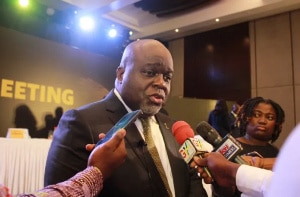
Shareholders of the state-owned bank, GCB, have given their approval to the board to raise GHS1 billion in a bid to strengthen the bank’s capital amid a challenging operating environment.
The decision was made during the bank’s 29th Annual General Meeting, where shareholders expressed confidence in the management’s efforts.
The resolution passed by the shareholders allows for the raising of GHS750 million in common equity and GHS250 million in preference shares.
This move will enable the bank to meet regulatory capital adequacy ratio requirements, enhance its ability to pursue deals, seize opportunities in the market, and maintain its core strengths. Additionally, it will help the bank access funding markets more effectively and instill confidence among stakeholders.
The capital raise will also support targeted investments in digital transformation, driving the bank’s business strategy, and boosting its Capital Adequacy Ratio (CAR) from 7.59% as of December 2022 to 14% by the end of the year.
Managing Director of GCB, Mr. Kofi Adomakoh, described the approval from shareholders as a vote of confidence in the board’s efforts to navigate the challenges faced by the industry. It signifies the bank’s commitment to executing its four-year strategy, focused on revenue growth, operational excellence, and talent development.
Despite the challenging economic environment, GCB experienced a 24% growth in Total Operating Revenue in 2022, reaching GHS3.0 billion. This growth was observed across all key revenue lines, with net interest income increasing by 11%, fees and commissions growing by 7%, and trading income surging by 208% to GHS487 million. Operating costs rose by 29% to GHS1.6 billion, mainly due to inflationary factors and currency depreciation.
Although GCB achieved a pre-provision profit growth of 22% to reach GHS1.4 billion, the bank recorded a loss before tax of GHS743.5 million. This was primarily attributed to an impairment charge of GHS2.1 billion, resulting from the impact of the Domestic Debt Exchange Programme on the bank’s investments in government securities.
Despite the headwinds, GCB Bank’s total assets saw a remarkable growth, surging from GHS 18.4 billion in 2021 to GHS 21.5 billion in 2022, bolstered by customer deposits, which saw a substantial increase of 28%, reaching GHS 17.8 billion.
Total loans and advances also experienced robust expansion, growing by 27% to GHS 5.5 billion.
Commenting on GCB’s performance, Mr. Jude Arthur, Chairman of the Board of Directors, acknowledged the challenging economic backdrop.
He highlighted the bank’s strong fundamentals, significant growth potential, and competitive advantages in the marketplace. Despite the impact
of the DDEP, Mr. Arthur assured stakeholders that GCB Bank remained a viable business, well-positioned for future growth and value creation.
The bank acknowledged the importance of implementing prudent cost management measures going forward.
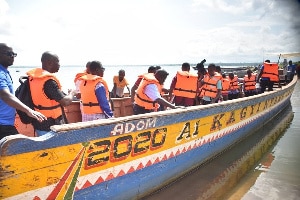
In a proactive move to address the concerning frequency of teacher drownings in the Volta Lake, the Ghana National Association of Teachers (GNAT) has provided 251 life jackets to teachers stationed in communities along the lake in the Oti Region.
The initiative aims to enforce a vital safety precaution for teachers traveling to their schools across the lake on a daily basis.
General Secretary of GNAT, Thomas Musah, in an interview with GhanaWeb, emphasized that the allocation of life jackets would benefit teachers in approximately 36 community basic schools in the Krachi East and West districts of the region.
He stated, “it is crucial for teachers to wear life jackets during their daily trips across the lake to ensure their safety.”
This effort follows a previous distribution of life jackets in 2022, during which members expressed concerns about inadequate supplies.
Mr. Thomas Musah highlighted a recent incident in May where a teacher tragically drowned on the lake when the boat he was traveling on capsized while returning from school on Agamkope Island.
Teacher Prosper K Addo shared his near-death experience during a six-hour journey on the Volta Lake to an island community in the Krachi West District, recounting, “At the time, I wasn’t wearing a life jacket, meaning I would have needlessly lost my life.”
Ransford Appiah, Assistant Headteacher of Kudorkope D/A Primary School, also emphasized the risks teachers face while commuting across the lake from Dambai to Kudorkope on weekdays to fulfill their duty of providing quality education to deserving children.
Many teachers across the country endure similar ordeals, with some losing their lives due to the lack of protective gear.
To address the safety concerns of teachers commuting to riverine communities, GNAT has procured 251 life jackets, which will be distributed in the Krachi East and West Districts. GNAT National President, Rev Isaac Owusu, expressed his concern over the challenges faced by teachers in underserved communities, urging the government to take decisive action.
General Secretary Thomas Musah was alarmed to discover that “approximately half of the island communities in the Krachi East District lack schools,” questioning the government’s commitment to providing equal access to education.
The distribution of life jackets will extend to other high-risk areas where teachers work, including parts of the Ashanti, Eastern, and Greater Accra Regions, aiming to protect teachers who cross water bodies like the Volta Lake daily to fulfill their teaching responsibilities.
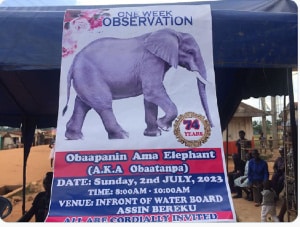
On the back of the recent by-election in the Assin North constituency, some residents believed to be affiliated with the opposition National Democratic Congress (NDC) have organized a one-week observation to mock the ruling New Patriotic Party (NPP) over their defeat.
A video circulating on social media shows a gathering of people engaged in a lighthearted demonstration to express their sentiments. The video, shared on Twitter by GHOne TV, captures the scene of what appears to be a typical funeral ground with several individuals seen taking part in the mock observance and engaging in symbolic gestures to express their sorrow, joy, and mockery of the election outcome.
Participants can be seen in the footage, engaging in traditional funeral customs. Some were dancing to funeral songs while others pretended to cry, mimicking the mourning rituals typically observed during funeral ceremonies.
Flyers were prominently displayed on canopies throughout the gathering, featuring an image of an elephant aged 74 years, a direct reference to the NPP’s symbol.
The flyer was titled “One Week Observation” with the inscription ‘Obaapanin Ama Elephant’ (also known as Obaatanpa), indicating that it was a one-week observation in honor of the NPP’s loss in the by-election.
The event details included the date, Sunday, July 2, 2023, the time, 8:00 am, and the venue, being Assin Breku in front of the Water Board.
The NPP lost Assin North by-election to NDC’s James Gyakye Quayson who has been sworn in as Member of Parliament for the constituency after the Electoral Commission declared him a winner in the election held on June 27, 2023, following the conclusion of the by-election.
According to the Electoral Commission’s announcement, James Gyakye Quayson garnered a total of 17,245 votes, representing 57.56% of the total votes cast.
His closest contender, Charles Opoku of the New Patriotic Party (NPP), received 12,630 votes, accounting for 42.15% of the votes. Bernice Enyonam Sefenu of the Liberal Party Ghana (LPG) secured 87 votes, which represented 0.29% of the overall tally.
The by-election in Assin North was held to fill the parliamentary vacancy following a legal battle that questioned Quayson’s eligibility to hold office due to dual citizenship concerns.
The Traditional ruler of the Dormaa Traditional Area, and President of the Bono Regional House of Chiefs, Osagyefo Oseadeeyo Agyemang Badu II, has publicly expressed his opposition to the Supreme Court’s decision to remove James Gyakye Quayson from his position as a Member of Parliament in May.
During the 10th Atta Mills Anniversary lecture held over the weekend, Osagyefo Oseadeeyo Agyemang Badu II openly disagreed with the initial ruling made by the Supreme Court, which nullified Gyakye Quayson’s parliamentary mandate due to his dual citizenship status.
The Dormaahene made it evident that had he been a member of the panel, he would have taken a different stance on the matter.
“I will like to talk about an Honourable person who was a citizen of Canada. He said he was not willing to stay in Canada, he dropped his citizenship and returned to Ghana to help. When he got here, he had a bit of a challenge and the Supreme Court ruled that his mandate as an MP should be nullified,” he said.
“Some of us were not happy with that. If I were on the Supreme Court, I would have taken a left position and not the right. The reason why I will opt for the left will raise another issue so I will not say it,” he added.
The traditional ruler appealed to both the President and the Attorney General, urging them to withdraw the charges leveled against the Member of Parliament (MP) in the high court. Osagyefo Oseadeeyo Agyemang Badu II put forth the argument that James Gyakye Quayson’s resounding victory in the Assin North elections should be duly considered.
Emphasizing Quayson’s impressive achievement of securing 57.56% of the votes, the Dormaahene pointed out that the subsequent by-election, in which the MP was re-elected by a significant majority, serves as a clear indication of the strong support he enjoys from his constituents.
“But I am pleading with the Attorney General of Ghana. As we know the constitution permits him to discontinue any case in the interest of the public.
“When the man [Gyakye Quayson] had his name expunged from parliament, didn’t they go to vote again? Was he voted for or not? Didn’t he get an overwhelming majority, 57.56%, is that a mere victory?” he asked.
The New Patriotic Party (NPP) suffered a defeat in the Assin North by-election, with James Gyakye Quayson of the National Democratic Congress (NDC) being sworn in as the Member of Parliament for the constituency. This followed the Electoral Commission’s declaration of Quayson as the winner of the election held on June 27, 2023.
According to the Electoral Commission’s announcement, Quayson secured a total of 17,245 votes, representing 57.56% of the overall vote count. The NPP’s candidate, Charles Opoku, came in second place with 12,630 votes, accounting for 42.15% of the votes. Bernice Enyonam Sefenu of the Liberal Party Ghana (LPG) received 87 votes, equivalent to 0.29% of the total tally.
The by-election in Assin North was conducted to fill the parliamentary seat left vacant due to a legal dispute over Quayson’s eligibility to hold office, as concerns were raised regarding his dual citizenship.
However, Gyakye Quayson now faces charges including perjury and deceiving a public official. These charges are related to allegations that he provided false information during the filing processes for the 2020 parliamentary elections, where he was said to have held dual citizenship in both Ghana and Canada.
he traditional ruler of the Dormaa Traditional Area and President of the Bono Regional House of Chiefs, Osagyefo Oseadeeyo Agyemang Badu II, reflected on his memories of the late President John Evans Atta Mills.
During the 10th Atta Mills Anniversary Lecture held recently, Agyemang Badu II paid tribute to Mills and specifically recalled his firm stance on the issue of same-sex relationships during his presidency.
The Dormaahene emphasized the importance for politicians to draw lessons from Mills’ exemplary conduct and leadership style while serving as the Head of State.
“I remember when there was this debate, very strong at the time about LGBTQ (an it’s being added on) and he was asked his views on it and he was emphatic.
“Because he needed help from any powers, he will not kowtow, so that LGBTQ will be passed, this is the man that we are talking about today,” he stressed.
In recent years, the topic of LGBTQ rights has gained significant attention, and the issue of Lesbians, Gays, Bisexual, Transgender, Queer (LGBTQ) individuals has become a matter of great importance. Currently, the Parliament is deliberating on legislation aimed at addressing this matter.
What did Mills say about it?
For John Evans Atta Mills, his was an emphatic “No” statement on the subject of LGBTQ+.
In an interaction with the media during his presidency, and in reaction to comments by the then British Prime Minister David Cameron that the UK may consider cutting aid to Ghana should the country not legalize gay rights, the late former president was forthright, ruling out any possibility of the legalization of same.
He added that Cameron was entitled to opinions, stressing that laws must take into account the cultures and histories of a given people.
“Let me make one thing very clear: no one can deny Prime Minister Cameron his right to make policies, take initiatives or make statements that reflect his societal norms and ideals but he does not have the right to direct other sovereign nations as to what they should do especially when their societal norms and ideals are different from those which exist in Prime Minister Cameron’s society.
“I, as president of this nation, will never initiate or support any attempts to legalize homosexuality in Ghana. As a government, we will adhere by the principles enshrined in our constitution which is supreme.
“Let me also say, that while we acknowledge all the financial assistance and all the aid which have been given to us by our development partners, we will not accept any aid with strings attached if that aid will not inure to our interest or the implementation of the utilization of that aid with strings attached would rather worsen our plight as a nation, or, destroy the very society we want to use the money to improve,” he said.
The police have apprehended the Safohen of Amosima, located in the Abura Asebu Kwamankese District of the Central Region, following an incident where he shot his 40-year-old niece during the coronation of Ebusuapanin in Amosima.
As per customary practice during such ceremonies, the chief fired a gun, but unfortunately, he accidentally shot his niece, who was present at the event on Saturday, July 1, 2023, in the afternoon.
According to reports from Kasapa News Yaw Boagyan, the victim, known as Maame, sustained a deep gunshot wound to her leg. The shocking incident led to the suspension of the ceremony, leaving attendees frightened and startled.
The injured woman, who is a mother of two, was swiftly taken to the Cape Coast Teaching Hospital for medical treatment. Meanwhile, the chief was arrested by the police.
In his statement to the authorities, the chief expressed his shock at mistakenly shooting his own niece. He explained that he had pointed the gun upwards when firing and emphasized that the act was purely accidental, not intentional.
The suspect is presently in police custody, assisting with the ongoing investigation.
In the aftermath of the recent Assin North by-election, certain individuals have taken to social media to mock Charles Opoku, the New Patriotic Party’s (NPP) parliamentary candidate.
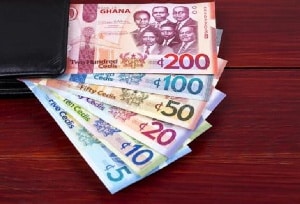
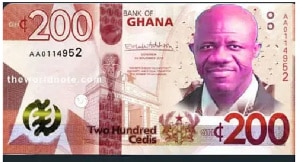
Netizens, particularly Twitter trolls, have humorously dubbed the Two Hundred Ghana Cedi (GH¢200) banknote as “Charles Opoku” in light of allegations of vote-buying by the NPP, despite their candidate’s defeat.
Evangelist Richard Prah, a National Democratic Congress (NDC) communicator in the Ashanti Region, went on the radio to claim that the GH¢200 note has now become synonymous with Charles Opoku.
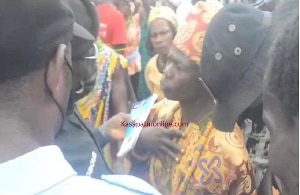
In a viral video, some voters from the area alleged that they were given 200 cedis in exchange for voting for the NPP candidate. They even composed songs in Twi, referring to the money as “Charles Opoku,” with lyrics that loosely translate to “I received money from Charles Opoku.”
Speaking on Ultimate FM in Kumasi, Prah said “Let me tell you something interesting about the Assin North elections, the NPP thought they could buy the elections, so they went with money but the people rejected them”
“In their minds, they thought they were buying the elections so they were going to buy it with money but this was rather a by-election as in By-Election, not a purchase as in going to buy something oo. They got it wrong. Now in Assin they call the 200 Cedis Charles Opoku because they gave money to sway the votes and it didn’t work. They were seen portraying the monies they got saying they were going to spend Charles Opoku’s monies” he added.
Accusations of vote-buying have surfaced from both the New Patriotic Party (NPP) and the National Democratic Congress (NDC) following the recently concluded elections.
According to reports, the ruling NPP allegedly provided some voters with 200 cedis, while the opposition NDC was said to be distributing 100 cedis per voter.
In the end, James Gyakye Quayson of the NDC emerged as the winner of the elections. He will once again represent the Assin North constituency, following the annulment of the 2020 elections by the Supreme Court due to allegations of dual citizenship held by him at the time of the elections.
A Deputy Minister of Energy, Andrew Egyapa Mercer, has launched the 7th edition of the Ghana Energy Awards (GEA), in Accra.
The launch of the 2023 GEA event, which officially opened nominations for prospective candidates to submit entries, also unveiled the theme for this year, which is “Ghana’s Energy Transition Framework: Sector Institutions as Building Blocks for the 2030-2040 Targets.”
In its 7th year, the Awards Scheme, organized by the Energy Media Group (EMG), aims to recognize the excellence and innovation of individuals, institutions and organizations in the country’s energy sector.
Speaking at unveiling, Deputy Minister of Energy, Andrew Egyapa Mercer said “the government’s vision for a just and equitable transition framework aspires to discharge the country’s international obligations on climate change”.
He noted that across the value chain of the petroleum industry, the agencies and institutions are critical to the energy transition. “This is because almost invariably, their activities and operations impact on climate change or are affected by it. We simply cannot have a discussion on energy transition without institutions that are focused with the right leadership to implement the policy,” he said.
Andrew Egyapa Mercer called for a collaboration with the sector’s agencies and other relevant stakeholders to ensure that the country’s goals are aligned to the conversation on the future of the energy sector, and the national industrialization agenda.
Chairman of the Awards Panel, Lawyer Kwame Jantuah, indicated that this year’s event seeks to recognize the various interventions and innovations being pioneered and introduced by players in the energy sector towards achieving the transition’s targets.
“We believe at the GEA, that every institution operating in the Energy Sector, both Petroleum and Electricity Power with the support of the Ghanaian Public should contribute its quota in the national quest to make the country one that is providing clean, affordable and reliable transitional energy for electricity power” and called for all to join hands with one mind and work together to achieve this goal.
The 2023 Ghana Energy Awards features 23 competitive categories, and four (4) non-competitive categories.
The competitive categories include the Energy Personality of the Year (Male and Female), Chief Executive of the Year (Power and Petroleum), Rising Star (Individual and Company), the Energy Signature Award, Visionary Leadership Award, Green Chief Trailblazer Award, Energy Reporter of the Year, among others.
The non-competitive categories are the Lifetime Achievement Award, Women In Energy Excellence Award, Osagyefo Young Leadership Award, and the Exemplary Leadership Award.
The 7th GEA launch also introduced the GEA Hall of Fame, which will honor outstanding winners of the Ghana Energy Awards community whose contributions to the country’s energy sector are substantial and longstanding.
The Ghana Energy Awards is an initiative backed by the Ministry of Energy and the World Energy Council, Ghana.
Nominations into the 2023 Ghana Energy Awards are open from June 27 until September 29. Prospective candidates can apply at www.ghanaenergyawards.com
The dynamics of the global black tea market are shifting, and Kenya’s long-held reputation as the top producer is facing increased competition.
In Ghana, Mazia Co Enterprise is leading the charge in transforming the local tea production landscape.
Mazia Co Enterprise, under the leadership of its Chief Executive Officer, Florence Tomazia Cossou, has been actively engaged in tea production for the past four years.
However, their operations go beyond tea, as they also specialize in the production of honey and dried fruits. With a strong commitment to utilizing locally sourced raw materials, Mazia Co Enterprise supports the growth of Ghana’s agricultural sector.
Notably, Mazia Co Enterprise is a registered and tax-compliant agribusiness. They have obtained a certificate of origin from the Africa Continental Free Trade Area Secretariat in Accra, enabling them to participate in regional trade activities.
Demonstrating the potential of the African Continental Free Trade Agreement (AfCFTA), Mazia Co Enterprise successfully conducted trade with Cameroon, receiving their first consignment without encountering any significant challenges.
With their dedication to quality, compliance, and regional trade integration, Mazia Co Enterprise is positioning itself as a leading player in Ghana’s tea, honey, and dried fruits industry.
“Last year, I had a partner from Cameroun. We did the first consignment with the trade guided initiative, so we really wanted to show the whole world that AfCFTA is possible. We can make it with AfCFTA,” She told host of BizTech, Ernestina Serwaa Asante.
She indicated that the process was smooth and entreated all Micro, Small and Medium Enterprises (MSMEs) to take advantage of AfCFTA to sell their products.
The UN Security Council is expected to vote on Friday regarding the conclusion of its peacekeeping mission in Mali and the conditions for withdrawal.
The government of Mali issued a sudden demand two weeks ago for the 13,000-strong force to leave the country immediately. The mission was initially deployed a decade ago to address the deteriorating security situation caused by an increasing Islamist insurgency.
In recent years, Mali has sought military assistance from Russia and its Wagner mercenaries, following longstanding tensions between the UN and Mali’s military government.
Mali’s leadership justified their decision to expel the peacekeepers by expressing a lack of confidence in the force’s ability to effectively counter the violence perpetrated by the Islamist insurgency.
The peacekeeping mission has played a crucial role in safeguarding civilians and providing transportation for government officials in conflict zones. Their departure will create a security and logistical gap, and it remains uncertain whether the presence of Wagner mercenaries alone will be sufficient to fill this void.
Mali made the decision to expel the UN peacekeepers before the Wagner group’s unsuccessful rebellion against the Kremlin, which has raised uncertainties regarding the future involvement of Wagner in Africa.
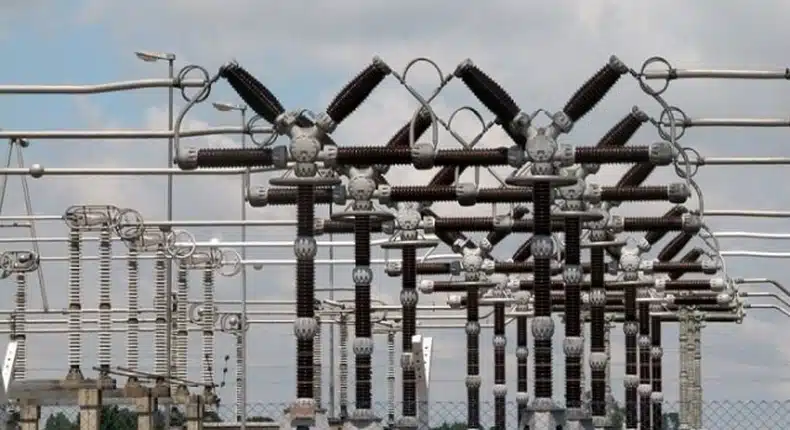
Energy analyst, Kwadwo Poku, has stated that if the Independent Power Producers (IPPs) proceed with their planned shutdown, it would constitute a breach of their contract agreement with the government, potentially leading to significant legal consequences for the IPPs involved.
Poku highlighted that IPPs operate within a legal framework and adhere to specific procedures. In the event of a potential shutdown, the IPPs would need to invoke the guarantees outlined in their agreements. He expressed skepticism that all IPPs would actually proceed with the shutdown, considering the legal ramifications associated with the Power Purchase Agreements (PPAs) they have in place.
The analyst emphasized that the situation calls for a resolution through negotiations and mutual agreement between the government and the IPPs. By engaging in constructive dialogue, both parties can work towards finding a satisfactory solution that respects contractual obligations, avoids legal disputes, and ensures the continued supply of power to the country.
“There is what is called PPA –for you to basically shut down your supply and not supply anything to government, there is a process that you need to follow. One – there is a guarantee that you have. If you feel that you are indebted, you can call on that guarantee.
“When you call on that guarantee within 30 days, government has to replenish the guarantee. If government doesn’t replace the guarantee, the PPA is terminated. Now, do the IPPs want to terminate the PPAs? No! I don’t think so… if they shut down their plants without calling on the guarantees it means government can sue them,” he explained.
But, Research, Policy and Programmes Officer of the Institute of Energy Security, Adams Yakubu says, although government can take steps to prevent the IPPs from shutting down, a legal action will not be in the interest of the government at this point.
He explained that IPPs did not take this decision overnight to shut down but had engaged the government for several days before the deadline given.
“.. the problem goes beyond legal battles because at the end of the day, the economy needs to run so that government can get whatever monies they need from the different actors of the economy to be able to meet some of its commitments with the IMF. So even that conversation of legal options available to the government, let’s not even get there,” he said.
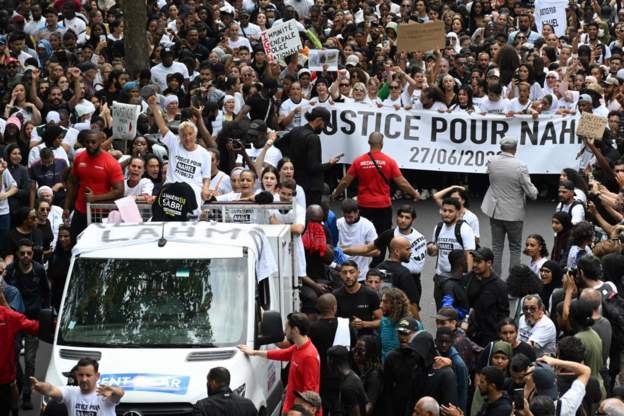
The United Nations has urged France to address deep-rooted issues of racism within its law enforcement following the fatal shooting of a 17-year-old boy of Algerian descent.
The teenager, identified as Nahel M, was killed by the police during a traffic stop in a Paris suburb three days ago.
In response to the ongoing riots that have erupted across the country, resulting in widespread destruction of property and violence, President Macron is convening a crisis meeting to address the situation.
The French government is actively exploring various measures to restore calm, including the suspension or restriction of public transportation in major cities such as Paris, Marseille, and Lyon starting from Friday evening.
The authorities have made nearly 900 arrests, while approximately 250 police officers have been injured in the unrest. The turmoil has also extended to the French overseas territory of Réunion located in the Indian Ocean.
The UN’s call to address systemic racism within law enforcement highlights the need for France to confront these underlying issues in order to achieve lasting peace and social harmony.
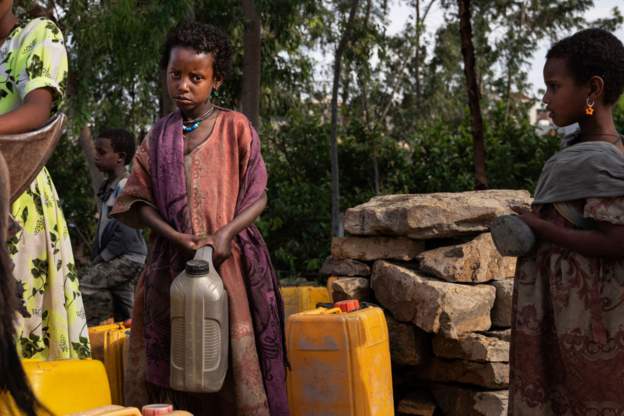
Over the past two months, the regional government of Tigray has reported that at least 728 people have lost their lives following the suspension of food aid by the US and the UN to the war-torn region in Ethiopia.
According to an official from Tigray’s Disaster Risk Management Commission, Gebrehiwot Gebregziaher, the majority of the victims were children, pregnant mothers, and individuals with pre-existing health conditions.
Although USAid and the UN World Food Programme (WFP) officially halted aid in April due to concerns over theft and resale of the shipments, in reality, many Tigrayans had been deprived of assistance long before the formal suspension. This prolonged period without aid has exacerbated the humanitarian crisis in the region.
The situation highlights the urgent need for sustained humanitarian support and a robust mechanism to ensure the effective delivery of aid to the vulnerable population in Tigray. Addressing the challenges of theft and ensuring that aid reaches those in dire need is crucial to prevent further loss of life and alleviate the suffering of the affected communities.
People feel they are “dying of famine in the dark even though it is declared to the world [that] peace is flourished,” said Dr Gebrehiwot, referring to a peace deal made in Pretoria in November last year between Ethiopia’s government and TPLF rebels after two years of civil war.
The future of agreements made between several African nations and the Wagner mercenary group, according to Russian Foreign Minister Sergey Lavrov, is a problem for the respective governments of those nations.
On the basis of contracts negotiated directly with the relevant governments, Wagner worked in the Central African Republic (CAR) and other nations, according to Lavrov, who was speaking at a news conference on Friday.
He also said Russia’s defence ministry had long had “several hundred” military advisers working in the CAR.
Wagner mercenaries, known for their involvement in the Ukraine conflict, staged a brief mutiny last Saturday, seizing control of the southern Russian city of Rostov-on-Don and marching towards Moscow before a deal ended their revolt. This incident has raised questions about the presence of Wagner operatives in the Central African Republic (CAR) and other parts of Africa, as well as Moscow’s level of engagement with the group’s activities on the continent.
Russian President Vladimir Putin revealed on Tuesday that Wagner was fully financed by the state, with approximately 86 billion rubles (around $940 million) being allocated to the group between May 2022 and May 2023.
In Mali, where military coups occurred in 2020 and 2021, the country is engaged in a long-standing battle against armed groups linked to ISIL (ISIS) and al-Qaeda. The authorities in Mali have stated that the Russian forces present there are not Wagner mercenaries but rather trainers assisting local troops with equipment acquired from Russia.
Wagner mercenaries have faced accusations of human rights abuses, notably the March 2022 incident in Moura, central Mali, where local troops and suspected Russian fighters allegedly killed hundreds of civilians.
In neighboring Mauritania, thousands of Malians have sought refuge in the M’bera camp since 2021, according to United Nations officials managing the camp. The camp recorded nearly 7,000 new arrivals between March and April 2022 alone.
French President Emmanuel Macron, in February, described the deployment of Wagner troops in Africa as a support system for failing regimes that only brings suffering and misery.
A prominent South African tennis player, Hoosen Bobat, who experienced exclusion from competing at Wimbledon in the 1970s due to apartheid, is now requesting a public apology from the tournament organizers and the sport’s international governing body.
Bobat had qualified for the junior tournament in 1971, a significant achievement during a period when apartheid was severely enforced in South Africa. However, his invitation to participate was unexpectedly revoked merely one week prior to the event, leaving him deeply disappointed.
“After all those years of training and practice, I had the opportunity to play in the greatest stage in the world. When my entry was accepted – there was great joy in Africa among black players… It would have been a gateway to my future tennis career,” he tells BBC Newsday.
He firmly believes that racism was the underlying reason for his exclusion from participating in Wimbledon when the British government continued to support the apartheid regime despite growing international opposition.
In that era, non-white players in South Africa were prohibited from competing against their white counterparts. Matches held at all-white tennis centers were segregated, with non-white spectators confined to caged sections, symbolizing the deep racial divisions and discrimination of the time.
This week, two British Members of Parliament and anti-apartheid activists, Peter Hain and Jeremy Corbyn, raised Mr. Bobat’s case in parliament, lending their support to his demand for an apology.
Both the All England Lawn Tennis Club (AELTC), the organizers of Wimbledon, and the International Tennis Federation (ITF), the sport’s international governing body, have stated that they are currently reviewing the information provided by Mr. Bobat. This suggests a willingness to address the matter and assess the historical context surrounding his exclusion.
The involvement of British MPs and the growing recognition of past injustices in the sporting world indicate a shift towards acknowledging the impact of racism and discrimination. The responses from the AELTC and ITF will be closely watched to see if they lead to a formal apology and further action to rectify the harm caused during that period.
Mr Bobat says the sport still has a long way to go in South Africa, telling The Guardian: “Even now, nothing much has changed. There are less black – which we define as Indian, coloured and black – tennis players now than then.”
The Independent Electoral Commission (CEI) in the Ivory Coast has rejected the appeal of former Ivorian president Laurent Gbagbo to be included on the electoral roll, according to a statement released by his party on Friday.
On June 8, Gbagbo filed an appeal with the CEI seeking inclusion on the electoral roll.
“The claim by His Excellency Laurent Gbagbo, president of the African Peoples’ Party – Côte d’Ivoire (PPA-CI), has been rejected,” the statement said. Having been struck off the electoral roll, Mr. Gbagbo had lodged an appeal with the IEC on June 8.
The former president was acquitted by international justice of crimes against humanity committed during the 2010-2011 post-election crisis, but is still facing a 20-year prison sentence for the robbery of funds from Abidjan’s central bank in 2011.
Gbagbo was convicted in 2018 leading to the loss of civic and political rights and his removal from the electoral roll.
According to the press release, the former president “considers this non-registration [on the electoral roll] as a political manoeuvre aimed at removing him from political life” and “diminishing the ardor and mobilization of PPA-CI militants and supporters for the upcoming local elections” on September 2. His party considers “that the CEI is under the control of the Head of State”, Alassane Ouattara, “and his regime”.
However, the document adds that Laurent Gbagbo “is not affected by this situation” and “intends to fight”.
In September, eight million voters are due to go to the polls in the country to re-elect municipal and regional councils, while a presidential election is scheduled for 2025.
Former coach of Eritrean cyclist Biniam Girmay, Jean-Jacques Henry, has said that Girmay has the potential to promote cycling across every single country in Africa.
Girmay, who made history as the first black African to win a stage in a Grand Tour during the Giro d’Italia last year, has continued to achieve success in his cycling career. In June, he secured a victory in the second stage of the Tour de Suisse.
As an official of the International Cycling Union (UCI), Jean-Jacques Henry, who previously coached Girmay when he first arrived in Europe, holds the belief that further accomplishments await Girmay at the upcoming Tour de France, which is scheduled to begin on July 1st in Bilbao.
“The general classification, I don’t think he can (win) but he has a chance to win a stage,” Henry told BBC World Service.
“The Tour de France will be an even bigger event and he’ll bring (a win) to every single country in Africa.
“He is already very popular everywhere in Africa. All the people who love cycling will watch the tour and, if he wins, I think all Africans people will be proud.”
Giro d’Italia to Tour de France
Girmay, racing for Team Intermarche, beat Dutchman Mathieu van der Poel in a sprint for the line to win stage 10 of the Giro d’Italia – the victory providing an iconic image.
The fact it was his debut year on the Grand Tour increased the magnitude of the achievement.
Indeed foreshadowing the moment, Girmay said that winning a tour stage would be one of cycling’s “best moments”.
“I think he’s opening a lot of people’s eyes,” Maude le Roux, 26, told the BBC. The South African along with Ethiopian, Selam Amha Gerefiel, is part of the UCI’s World Cycling Centre (WCC) team in Aigle, Switzerland, where Girmay first rode in Europe.
“There are cyclists in Africa that need help to come to Europe. Cycling is not just a European sport and, being a rider from Africa, it’s hard to come into Europe.
“Binyam is shedding some light on that. The teams are starting to look for riders in Africa, which is amazing.
“Just the fact that he was on this team, obviously now we have a woman’s team, but that he was in the centre – I think I speak for me and Salaam saying that gives us hope for the future that we can make it and we’re here for a reason.”
Gerefiel, 26, added: “He’s a teacher for us so I’m looking to be better and work hard like him. For me he is a model.”
Girmay became the first black African to win a stage of the Grand Tour when he claimed victory at the Giro de Italia in 2022
Cycling’s World Championships will be held in Africa for the first time in 2025 in Kigali, Rwanda.
Both the east African event in two years and Giray’s prominence mark the rise of the sport on the continent.
“Cycling is Eritrea’s number one sport,” Henry continued. “They have the same potential as Kenyans who are champions in athletics.
“If you transfer this potential – endurance potential on the bicycle – they can be the best in the world.”
So what of the man that Henry coached who would go on to put Eritea and African cycling on the map.
Would he feel the weight of a continent on his shoulders?
“When he was with us he was not stressed at all – quite shy – but the good thing is that he was happy with everybody. Just enjoying life – smiling all the time to everybody,” Henry said.
“This is something very important for high level athletes just to enjoy life and without any stress.
“Many riders are stressed by the results, by not having the right performance at the right moment – not achieving the goals. But for him – he didn’t have that kind of choice.”
Pastries and cobblestones
Among the choices that Girmay did have related to adapting to life in Europe and the new training regimes.
“He was a junior in 2018 when he came here for the first time,” Henry said. “We had him in July, August and September, to prepare for the World Championship in Innsbruck. It was too cold for him. It was 4 July – it was warm – but it was too cold for him.
“So it was quite tough to prepare him because we had to change a lot of things, his lifestyle, his routines. You can eat just vegetables or pastries and ‘OK, it’s good’ but you need to have a great balance between these kinds of foods with some carbohydrates or with some proteins.”
The next challenge for Girmay was the surfaces in Europe, something he would eventually overcome when wining the 78th edition of the Gent-Wevelgem one-day classic on the famous cobbled streets of Belgium.
“He didn’t like the cobblestones,” said Henry. “He always told us: ‘I don’t like that. I don’t want to race on cobblestones.’ Now he can win those races in the world tour.
“Now he has changed his mind. he enjoyed it. To win these kinds of races, you have to enjoy those cobblestone sections.”
Girmay claimed the second stage of June’s Tour de Suisse – this after recovering from a horror crash at the Tour of Flanders which wiped out most of the peloton.
Henry still keeps a close eye on his protege, who he says is a “special rider and sprinter” but is “not a pure climber, he will not be so efficient in big mountains”.
Beyond the rider, however, Henry believes Girmay’s impact on the sport is only just at the start line.
“After his career he can be someone who can help to develop cycling in Africa and in Eritrea, and give his experience.
“He can turn into a symbol, as African athletes can succeed in Europe and in the best races in the world.”
A source from the military has revealed that an air base in eastern Libya, suspected to house mercenaries from the Russian paramilitary group Wagner, was targeted by drone strikes of unknown origin on Thursday night. Fortunately, the attacks did not result in any casualties.
The source, who requested anonymity, told AFP that drones “of unknown origin struck the al-Kharrouba air base, located 150 km south-east of Benghazi (east), where elements of the Wagner group are believed to be based”.
“The strikes caused no casualties”, she added.
Libya has been in the grip of a major political crisis since the fall of Muammar Gaddafi’s regime in 2011, undermined by divisions between east and west and foreign interference.
From April 2019 to June 2020, Khalifa Haftar, the strongman of eastern Libya, used Chadian, Sudanese, Nigerian and Syrian fighters, but above all mercenaries from Wagner, in his failed attempt to seize the capital Tripoli.
Since then, hundreds of Wagner members have remained active in the east, in the area of the oil terminals, and in the south of Libya after some of their troops left for Mali or Ukraine to fight alongside the Russian army.
The governor of North Darfur state in Sudan has expressed the success of a mediation team established in the city, as they have effectively facilitated a ceasefire among the warring parties and have started providing essential services.
Nimir Abdel Rahman, in an interview with Sudan Lifeline radio station, stated that although occasional violations have occurred in the state, all parties involved are now fully committed to the ceasefire and are determined to avoid any resumption of hostilities.
Collaborating with the state government, the Mediation and Elders Committee has begun the provision of basic services such as water, electricity, and healthcare. Additionally, public markets have been reopened under the protection of joint security forces.
Efforts are underway to ensure the arrival of medical missions and the arrangements for providing food and shelter to civilians are being made.
As part of an agreement between the elders’ committee and the warring forces, all humanitarian convoys traveling from the eastern state of the White Nile through North Kordofan, North Darfur, and other Sudanese states will receive protection.
However, the governor acknowledges that there are no guarantees regarding the forces’ compliance with the agreement, highlighting the ongoing challenges in maintaining the agreed-upon terms.
“The only guarantee we have is their respect for citizens, public utilities and the state institutions, which will be all destroyed if the fighting is resumed. Only civilians will be harmed in case the fighting is resumed.”
The United Nations Human Rights Commissioner has called on the British government to reconsider its proposed policy of deporting asylum seekers to Rwanda.
This comes after the Court of Appeal in London ruled on Thursday that the policy is unlawful.
Commissioner for UN Human Rights, Volker Türk, expressed grave concerns about the British government’s plans, stating that they raise serious issues regarding international human rights and refugee laws.
The UN Refugee Agency also welcomed the court’s decision and suggested that the UK should explore alternative measures, including collaborating with its European counterparts.
Despite the ruling, the British government intends to pursue further appeals, emphasizing its determination to prevent the arrival of migrants via small boats.
Conservationist Naude Dreyer has told the international media that the killing of seals in Namibia lacks justification.
Namibia remains the sole country in the southern hemisphere that continues the practice of seal harvesting, and its annual culling is scheduled to commence on Saturday.
Seal fur is primarily exported, and the government argues that culling the seal population is necessary to safeguard fish stocks. Certain East Asian countries also import seal penises, which some individuals consume in the belief that it enhances their virility.
Quote Message: It’s 80,000 pups and 6,000 bulls every year.
It’s 80,000 pups and 6,000 bulls every year.
Quote Message: It was always sold to the fur trade but a few years ago the EU blocked the import of furs, so this market has crashed out completely.
It was always sold to the fur trade but a few years ago the EU blocked the import of furs, so this market has crashed out completely.
Quote Message: But the bulls are still being harvested, mainly for their genitalia which is being transported to the East.
But the bulls are still being harvested, mainly for their genitalia which is being transported to the East.
Quote Message: The market has changed completely but the [cull] quota still says the same every year.
The market has changed completely but the [cull] quota still says the same every year.
Mr Dreyer argues that some of the methods are cruel, and says the income from seal tourism would be far greater than the income from seal body parts:
Quote Message: The practice itself is brutal and archaic. That is a very big part of the opposition – the fact that the pups are still being clubbed. But, that being said, the number of pups being killed in this practice are completely reduced – they are targeting a fraction of the number the quote has allocated.
The practice itself is brutal and archaic. That is a very big part of the opposition – the fact that the pups are still being clubbed. But, that being said, the number of pups being killed in this practice are completely reduced – they are targeting a fraction of the number the quote has allocated.
Quote Message: [Namibia’s coast] is one of the few places in the world were you can get so close to so many wild animals… You can come in and see 100,000 seals at one time.
[Namibia’s coast] is one of the few places in the world were you can get so close to so many wild animals… You can come in and see 100,000 seals at one time.
Quote Message: I do believe the economic benefit from the tourism aspect would be much huger than the actual harvest.”
I do believe the economic benefit from the tourism aspect would be much huger than the actual harvest.”
Rwanda has strongly asserted its commitment to providing care for refugees and expressed its disagreement with a recent legal ruling in the UK that deemed it unlawful to deport asylum seekers to Rwanda.
According to Rwandan government spokeswoman Yvonne Makolo, the judges’ assertion that there were insufficient guarantees against the return of refugees to their home countries was an overly narrow perspective on the issue.
Makolo emphasized that Rwanda, as a signatory to the UN refugee convention, adheres to policies and practices that ensure refugees are not sent back to perilous situations.
Makolo further highlighted Rwanda’s track record in refugee care, pointing out that the country is currently hosting approximately 140,000 refugees.
Additionally, Rwanda has been actively collaborating with the UN refugee agency since 2019 to evacuate migrants facing danger in Libya.
“We know what it is to flee and seek safety. Many of us have lived outside the country, we’ve been forced to leave… and come back. So we empathise with those in this situation,” she said.
She said the information being given about Rwanda was “not sufficient or has been misunderstood”, adding that the country had been ranked one of the safest in the world.
“If there are issues that come up in this [asylum] programme and on the distorted views of what Rwanda is and how we govern this country, we are happy to explain – a lot of it is unjustified”.
Uganda and South Sudan have come together to strengthen their energy ties and promote socioeconomic development in the border towns of Oraba, Elegu, Kaya, and Nimule through the signing of a crucial power sales agreement (PSA).
The power sales agreement aims to boost electrical commerce between the two neighboring nations and foster economic growth in the region. The Olwiyo substation in northern Uganda, which is already operational at 132kV, will serve as the electricity source for the 400kV Olwiyo-Juba transmission line, facilitating the distribution of power to Juba, the capital city of South Sudan.
The initiative stems from a Memorandum of Understanding (MoU) established in December 2015, focusing on developing transmission and distribution infrastructure to connect Uganda and South Sudan under the Nile Equatorial Lakes Subsidiary Action Plan (Nelsap). To ensure effective implementation, a joint technical committee has been set up to plan and coordinate the project’s development.
As per the agreement, the priority lies in the construction of the 308 km power transmission line, with 138 km located in South Sudan and 170 km in Uganda. Additionally, the substations at Juba, Olwiyo, and Bibia (near the Elegu border post in Uganda) will undergo expansion to facilitate smooth electricity flow.
The momentous power sales agreement was officially signed in Juba on Tuesday by Irene Bateebe, the Permanent Secretary of the Ugandan Energy Ministry, and Beck Awan Deng, the General Manager of the South Sudan Electricity Corporation (SSEC). This collaboration represents a significant step forward in strengthening energy ties and promoting socioeconomic progress between Uganda and South Sudan.
“Today’s signing ceremony marks the beginning of serious cooperation in power trade between Uganda and South Sudan,” energy minister Dr Ruth Nankabirwa Ssentamu, who led the Ugandan delegation said.
Peter Marcello Jelenge, South Sudan representative, added, “We would like to see projects that benefit both the people of Uganda and South Sudan…We will take power from small towns in Uganda, such as Elegu and Oraba.”
The feasibility study, which started in March 2023 and is anticipated to be finished in February of the following year, is being carried out by a consortium made up of the Italian companies CESI S.p.A., ELC Electro Consult S.p.A., Colenco Consulting Ltd., and Colenco Consulting Ltd. of Nigeria.
The African Development Bank (AfDB) has decided to donate money to South Sudan and Uganda for feasibility studies with additional funding by the AfDB.
In the aftermath of several decades, Tanzania has decided to lift the long-standing ban on night-time upcountry bus travel.
The government’s decision took into account input from stakeholders in the transport sector, as well as improvements in infrastructure and security.
During the announcement in parliament, Prime Minister Kassim Majaliwa stated that the ban had been implemented in the 1990s due to an increase in road accidents and incidents of bus hijackings.
He has now directed the relevant authorities to work to “establish a procedure to be followed by the owners and drivers of passenger buses who intend to transport passengers at night”.
The association of Tanzanian bus owners has welcomed the lifting of the ban, recognizing its potential to stimulate growth in the transport sector.
Approximately 20 innovative young entrepreneurs in the country have successfully completed the United Nations International Children’s Emergency Fund (UNICEF) StartUp Lab program.
This intensive six-month accelerator program focused on business and product development aimed to support businesses dedicated to advancing the United Nations Sustainable Development Goals (SDGs) for children and young people.
Led by UNICEF in Ghana and supported by KOICA through the “KOICA-UNICEF Accelerating Entrepreneurship and Innovation in Ghana” initiative, the program aimed to enhance the skills and capabilities of participating entrepreneurs, strengthen their products and businesses, and amplify their social impact.
During the graduation ceremony held in Accra, Fiachra McAsey, the Deputy Representative of UNICEF in Ghana, commended the talented startups for their dedication and innovative use of digital technology and business acumen to address the pressing challenges faced by young people in Ghana.
McAsey emphasized that UNICEF will continue to be inspired by this new cohort of entrepreneurs and their commitment to creating new products and services that contribute to positive change. The 20 startups represent a group of resourceful, dedicated, and talented individuals from various regions of the country.
“It has been our pleasure to accompany them over the past six months through the UNICEF StartUp Lab Accelerator Programme, and we look forward to supporting them further, as they join our Alumni network, and continue to make a difference for children and young people in Ghana, and beyond,” he said.
Transformative power
The Acting Country Director of KOICA Ghana, Seungmin Oh, said KOICA firmly believes in the transformative power of entrepreneurship and innovation.
He said KOICA recognise the importance of creating an enabling environment that fosters creativity, provides necessary resources, and encourages collaboration.
He said KOICA was proud to have been a part of the journey of the 20 startups, and for that reason remain committed to supporting the growth of entrepreneurship and innovation in Ghana.
“We will continue to invest in programs that empower young entrepreneurs and equip them with the skills, resources, and networks needed to thrive in today’s competitive landscape,” he said.
Nurturing entrepreneurs
The Korea Ambassador to Ghana, Lim Jung-Taek, said Korea was honoured to have been a part of this transformative initiative, which has nurtured the seeds of entrepreneurship and paved the way for a brighter future for these talented individuals.
He said, “Korea has long been a testament to the power of technology-driven progress which has seen it invest more than four per cent of its GDP in research and development, fuelling groundbreaking discoveries and fostering an environment that thrives on innovation.”
He added that this commitment to technological advancement has yielded incredible results, giving rise to global companies that have left an indelible mark on various industries.
Significant guidance
The startups also gained valuable access to a network of experts from UNICEF, KOICA, and MEST, offering significant guidance and fostering networking and investment opportunities.
Moreover, qualified companies were given dedicated assistance towards achieving recognition as an UN-recognized Digital Public Good.
Throughout the programme, each selected startup was provided with up to GH¢25,000 in prototyping funding, in addition to immersive and hands-on business acceleration support.
Now in its third year, the UNICEF StartUp Lab has accelerated over 50 startups from across Ghana, including by investing over $100,000 in prototyping funding to support the development and impact of these businesses.
The UNICEF StartUp Lab has been instrumental in equipping Ghanaian startups with the necessary skills, resources, and support to address pressing challenges faced by children and young people in the country.
The United Nations rights office has expressed concern over the fatal shooting of a teenager by police, which has sparked unrest throughout France.
However, the office also sees this situation as a potential opportunity for addressing underlying issues.
“This is a moment for the country to seriously address the deep issues of racism and racial discrimination in law enforcement,” spokesperson Ravina Shamdasani said.
“We also emphasize the importance of peaceful assembly. We call on the authorities to ensure use of force by police to address violent elements in demonstrations always respects the principles of legality, necessity, proportionality, non-discrimination, precaution and accountability.”
The death toll from floods in South Africa’s Kwazulu-Natal province has reached at least seven, and it is anticipated to increase further.
Several regions in the southeastern parts of the province are currently undergoing recovery efforts following severe rains and storms earlier this week.
The bodies of a woman in her 20s and a teenage girl were recently recovered from a canal in the city of Durban.
According to provincial authorities, at least 70 homes have been destroyed, leaving over 150 individuals without shelter.
Disaster management teams are continuing to assess the extent of the damage caused by the floods.
Media regulator in Burkina Faso has imposed a three-month ban on a French television news channel, alleging the dissemination of false information regarding jihadist violence.
The high council for communication (CSC) accused LCI of making misleading statements, claiming that jihadists were making significant progress while government troops were using local defense force volunteers as cannon fodder to shield themselves from the attacks.
Earlier in April, the government of Ouagadougou expelled journalists from French newspapers Le Monde and Liberation.
Additionally, two other broadcasters, France 24 and Radio France International, have been indefinitely suspended in response to their actions in the country.
French President Emmanuel Macron will hold a second crisis meeting in response to the ongoing rioting that occurred overnight in various cities across France. The protests erupted following the death of a teenager at the hands of a police officer.
Violence occurred in Marseille, Lyon, Pau, Toulouse, Lille, and parts of Paris, including the suburb of Nanterre where a 17-year-old named Nahel M was tragically killed during a traffic stop on Tuesday.
Interior Agenda 111: 88 hospitals currently under construction – Information Minister Gerald Darmanin reported that 667 individuals were arrested during the night, which he described as a period of “unusual violence.”
In light of these developments, President Macron has called for the crisis meeting to address the situation.
Director and Head of the Payment Systems Department at the Bank of Ghana (BoG), Dr. Amediku Settor, has urged Ghanaian commercial banks to collaborate with the Pan African Payment Settlement System (PAPSS) to enhance cross-border payments and promote intra-Africa trade.
Dr. Settor encouraged the banks to take the necessary steps to join the platform, as it would provide them with additional sources of income. He emphasized that banks play a crucial role in facilitating trade by offering financial services to businesses, and therefore, they should adopt initiatives that streamline cross-border transactions.
PAPSS is a financial market infrastructure that enables payment transactions across Africa. Dr. Settor highlighted the importance of diversifying revenue sources for banks beyond corporate and retail banking.
He urged banks that have not yet joined PAPSS to submit their requests to the payment system department for review and approval.
Monica Oraro, the Head of Product and Business Development at PAPSS, explained that customers would benefit from lower costs, faster transactions, and efficient validation of client information when using the system. She emphasized that PAPSS offers competitive pricing and quick payment processing, with transactions often taking between 7 and 20 seconds.
Oraro noted that PAPSS has primarily facilitated trade and capital market transactions, including investors from Nigeria making payments for investments in the Ghana Stock Exchange through the system.
Mr. Mike Ogbalu III, the Chief Executive Officer of PAPSS, highlighted the necessity for a payment system that supports Africa’s trade and is governed by Africans. The introduction of PAPSS aims to address the existing gaps and align with the African Continental Free Trade Area initiative.