Author: Amanda Cartey

  • Prof. Ahwoi calls for 7.5% DACF allocation to boost local development

    Prof. Ahwoi calls for 7.5% DACF allocation to boost local development

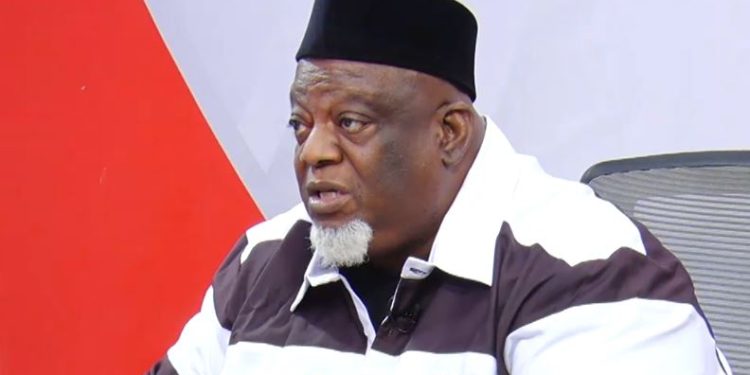
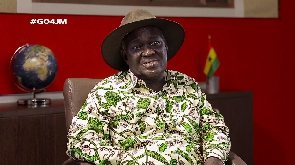
    A politician and academic, Professor Kwamena Ahwoi, has called for the restoration of the District Assemblies Common Fund (DACF) to 7.5 percent of total national revenue.

    He argued that the current cap on the DACF has impeded fiscal decentralization efforts at the local level, emphasizing the need to lift the cap, with the goal of eventually allowing the Fund to exceed 10 percent of national revenue.

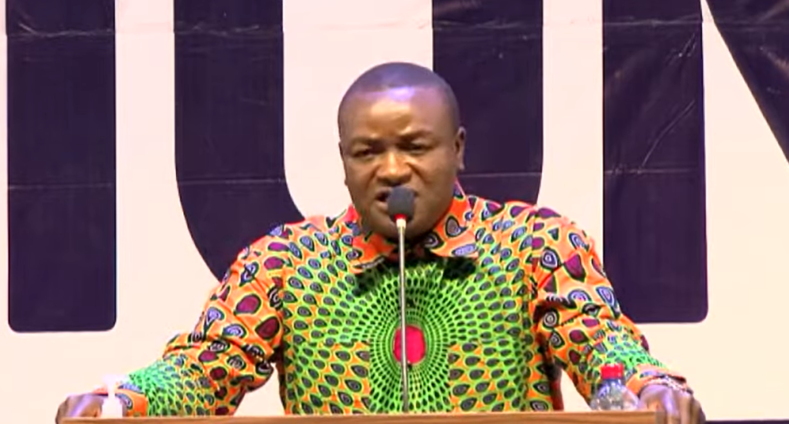
    Dr. Ahwoi shared this viewpoint at an inaugural lecture held by the Chamber for Local Governance (ChaLoG) in Accra, where he outlined his 15-point proposal on decentralization. “Professor Kwamena Ahwoi’s Back to the Future Fifteen-Point Programme of Action for the Future of Democratic Decentralization for Development in Ghana.”

    He stressed the importance of broadening revenue streams for Metropolitan, Municipal, and District Assemblies (MMDAs) by implementing “Revenue Improvement Action Plans” tailored to local needs.

    The lecture, themed “Decentralisation, Local Governance, and Local Development in Ghana: The Past, Present, and Future,” also saw Prof. Ahwoi reflecting on Ghana’s decentralisation journey across various administrations. He highlighted the need for consensus on key issues like the election of MMDCEs as part of his advocacy for increased funding allocations.

    “Making the MMDAs, Urban, Zonal and Town and Area Councils (UZTACs) and Unit partisan is another conversation that we must have…

    “At the heart of that conversation must be the issue of how to prevent extreme polarization and partisanship that characterise our national level politics from affecting our local level politics,” he stated.

    Prof. Ahwoi, a former Minister of Local Government and Decentralisation, also proposed a “constitutional definition” of decentralisation, highlighting that the two main political parties, the New Patriotic Party (NPP) and National Democratic Congress (NDC), often interpreted the concept differently.

    He noted that the establishment of 45 new districts between 2018 and 2021 had complicated the management and administrative structures of MMDAs, making them “dysfunctional.”

    To address this, he recommended that previous suggestions from a 2015-2016 study sponsored by the International Development Association (IDA) on reviewing these structures should be “updated and implemented.”

    Prof. Ahwoi, who was honored with a Lifetime Achievement Award by ChaLog at the event, said there was need for a “National Stakeholder Conference on Decentralisation” in the future, regardless of which political party won the 2024 general elections.

    He said such a conference would foster discussions and proposals that would establish the “desired” decentralisation and local government system for the country.

    “We should have a local government system that is in charge of local affairs and that calls the shots locally; a local government system that is a local government for the people, by the local people, and for the local people,” he stated.

    Dr. Richard Fiadomor, President of ChaLoG, commended Prof. Ahwoi for his significant contributions to decentralisation in Ghana, noting that the lecture was designed to be an annual event aimed at fostering “constructive dialogue” about decentralisation and local governance while providing recommendations for policymakers.

    Dr. Alfred Oko Vanderpuje, MP for Ablekuma South and chair of the occasion, emphasised the need for “a sense of responsibility” regarding the country’s decentralisation efforts, stating that Prof. Ahwoi deserved recognition both in Ghana and internationally for his enduring impact.

    Dr. Francis Alhassan Adom, a UN Sustainable Development Goal (SDG) Policy Expert, highlighted the importance of preserving Prof. Ahwoi’s legacy for future generations, sharing his excitement about meeting the elder statesman after years of studying his work.

    Emeila Arthur, former District Chief Executive for Shamaa and the 2024 NDC Parliamentary Candidate for the area, discussed various initiatives from her tenure and the positive influence of Prof. Ahwoi’s guidance.

  • Expert recommend Ghana’s mineral resources as collateral to settle energy sector debt

    Expert recommend Ghana’s mineral resources as collateral to settle energy sector debt

    Power systems economist Dr. Elikplim Kwabla Apetorgbor has introduced an ambitious strategy for managing the country’s growing energy sector debt by using mineral resources to facilitate debt-swaps.

    This approach seeks to settle over US$2.3 billion owed to Independent Power Producers (IPPs) while curbing the government’s annual idle capacity payments, currently surpassing US$500 million.

    “The mineral-backed debt-swap offers a sustainable solution to stabilise the energy sector and reduce the financial burden on government,” Dr. Apetorgbor said. “By using future mineral revenues to settle debts, Ghana can improve liquidity without adding to public debt.”

    At the moment, Ghana’s installed electricity capacity stands at about 5,400 MW – far exceeding peak demand of 3,000 MW and forcing government to make ‘idle capacity’ payments for unused power under long-term Power Purchase Agreements (PPAs) with IPPs.

    The strain from these payments, coupled with the country’s foreign currency-denominated contracts, has left the sector vulnerable to exchange rate fluctuations and financial instability, according to Dr. Apetorgbor.

    The proposed swap would use revenues from natural resources – including gold, bauxite, manganese and lithium – to clear energy sector arrears and cover IPP payments. This approach mirrors strategies adopted by other resource-rich countries such as Angola, which used oil as collateral to secure loans; and Zambia, which explored mineral-backed loans to ease fiscal pressures.

    “With rising global demand for critical minerals like lithium, Ghana is well-positioned to harness its mineral wealth to stabilise both the energy and public finance sectors,” Dr. Apetorgbor noted.

    By using mineral resources as collateral, this approach will reduce the state’s immediate fiscal burden and improve the financial position of IPPs – ensuring that they receive timely payments without exacerbating the country’s debt levels.

    Meanwhile, he also maintains that by pegging future mineral revenues (denominated in U.S. dollars) to these payments, Ghana can significantly reduce its exposure to exchange rate fluctuations – thereby stabilising energy sector finances.

    “Mineral-backed financial instruments can also serve as a platform to attract international investment into both the energy and mining sectors. Foreign investors may be more willing to provide concessional financing for infrastructure projects, knowing that their returns are secured by Ghana’s mineral wealth,” he stated.

    This could additionally create opportunities to invest in renewable energy projects, grid expansion and improved transmission infrastructure, which are crucial for long-term energy sector sustainability.

    However, he noted that while the concept of using natural resources for debt-swaps presents a viable solution, it must be approached with caution. Several critical factors must be considered to ensure successful implementation.

    For instance, he said, the success of a mineral-backed debt-swap hinges on transparency in both the mineral and energy sectors’ management.

    “Government must ensure that mineral revenues are well-accounted for; and that agreements with IPGs and creditors are transparent and mutually beneficial. Strengthening institutions such as the Minerals Commission and Ghana’s Sovereign Wealth Fund (the Ghana Infrastructure Investment Fund) could help in effectively managing these resources.”

    Also, he contended that the country will need a robust legal and regulatory framework that governs mineral-backed transactions, ensuring these arrangements do not exacerbate future debt risks.

    “Proper valuation of mineral assets and careful negotiation with creditors will be critical to avoiding resource misallocation or loss of sovereign control over key assets.”

    Essentially, he further recommended that International financial institutions – such as the World Bank and the International Monetary Fund (IMF) – be engaged to provide technical assistance and advisory support in structuring mineral-backed financial instruments. Their involvement, he noted, can help bolster investor confidence and ensure the arrangement aligns with Ghana’s broader economic and fiscal reform agenda.

    Furthermore, Ghana’s energy sector reform must take into account lessons from countries that have restructured their energy debt through innovative financial instruments.

    “Nigeria, for example, successfully restructured its power sector debts through power bonds backed by future electricity tariffs, easing financial strain on the sector while maintaining investor confidence.”

    Leveraging the country’s natural mineral resources through a strategic debt-swap represents a viable, innovative solution to the country’s energy sector arrears and ‘idle capacity’ payments.

    By deploying this mechanism, he concluded that government can reduce its immediate fiscal burden, stabilise the energy sector’s financial position and create a platform for long-term energy sustainability.

  • Finance Ministry, 9 other institutions identified as fiscally irresponsible in Ghana – Report

    Finance Ministry, 9 other institutions identified as fiscally irresponsible in Ghana – Report

    A collaborative report from IMANI-Africa and Oxfam Ghana has indicated that Ghana incurred a loss of roughly GH¢4.9 billion due to financial misconduct between 2021 and 2023.

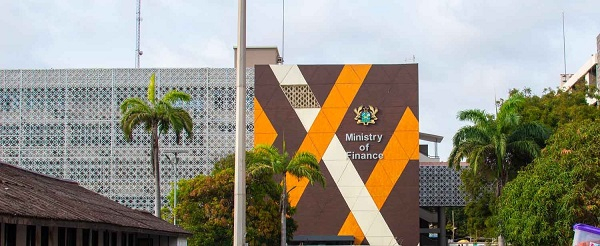
    The Fiscal Recklessness Index, compiled by these policy think tanks, identified the Ministry of Finance as the most fiscally irresponsible institution among various ministries, departments, and agencies in the country.

    Dennis Asare, a Senior Research Associate at IMANI-Africa, pointed out that the Ministry of Finance oversees other institutions and departments, such as the Ghana Revenue Authority, which significantly contributed to its high ranking on the fiscal recklessness index.

    “The aim of the report was to examine the financial irregularities of ministries, departments, and agencies between 2021 and 2023. This figure is around GH¢4.9 billion cedis, equivalent to 2.3% of our GDP in 2023, which is very significant,” he told journalists at the report’s launch on October 23, 2024.

    The report emphasized that approximately 90% of fiscal irregularities in Ghana are due to tax-related issues. It noted that this situation can be largely blamed on Oil Marketing Companies, which not only delay tax payments but also neglect to settle their dues even when granted extensions.

    List of top 10 institutions that are financially irresponsible in Ghana per the report:

    1. Ministry of Finance

    2. Ministry of Food and Agriculture

    3. Ministry of Communications

    4. Ministry of Roads and Highways

    5. Ministry of Health

    6. Justice and Attorney General

    7. Ministry of Education

    8. Ministry of Fisheries and Aquaculture

    9. Ministry of Lands and Natural Resources

    10. Ministry of Interior

  • World Bank pledges to support the agribusiness sector with US$9bn

    World Bank pledges to support the agribusiness sector with US$9bn

    The World Bank has pledged US$9 billion towards agribusiness investments, urging the establishment of a robust global ecosystem in light of anticipated food demand growth of up to 60 percent.

    This appeal comes after the Bank identified four emerging trends that could transform the agribusiness sector: enhancing productivity, building climate resilience, and securing employment for the world’s 1.2 billion young people in the coming decade.

    Ajay Banga, President of the World Bank Group, emphasized the importance of global leaders and development partners working together to ensure that the benefits of the agribusiness sector are accessible to all.

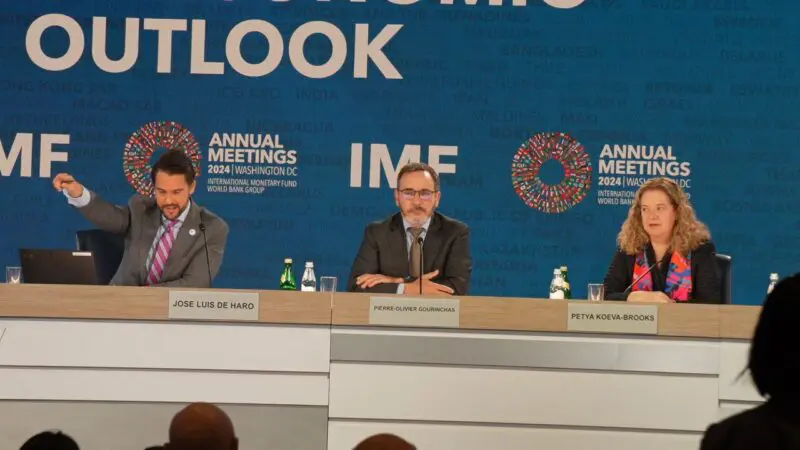
    He spoke on “Agriculture and food as an engine for sustainable growth and jobs,” on Wednesday, October 23, at the 2024 International Monetary Fund (IMF)/WBG Annual Meetings in Washington, DC (USA).

    He stated that the four crucial changes—climate finance, the flow of private capital, advancements in digital technology, and the connection between smallholder farmers and large food companies and traders—offer significant opportunities for transforming agribusiness.

    “We are combining a new way of working with a new level of investment – doubling our agri-finance and agribusiness commitments to $9 billion annually by 2030,” Mr Banga said.

    “Taking advantage of this opportunity will not happen without a new approach. For us, that change begins today with the goal to create a comprehensive ecosystem for agribusiness,” he said.

    Mr. Banga highlighted that over the last 16 months, the Bank has thoroughly investigated the challenges related to increasing food production, enhancing productivity, and addressing concerns surrounding water scarcity, fertilizers, infrastructure, and financing.

    “It moves us beyond fragmented efforts to a constellation of solutions that includes everything from warehousing to logistics to production, but with smallholder farmers and producer organizations at the centre,” he said.

    He stated that with the Bank’s newly simplified Guarantee Platform, there would be a boost in agric and agribusiness transformation, making it easier to deliver tailored solutions to meet the diverse demands of various partners.

    “The effort to transform agribusiness is not only about securing the food systems of tomorrow—it is fundamentally a jobs initiative… delivering quality of life and job opportunities,” Mr Banga said.

    The provision of jobs, he said had become necessary as in the next 10 years, 1.2 billion young people in developing countries would enter the workforce, with only 420 million jobs projected to be available, leaving nearly 800 million without a clear path to employment.

    “We stand at a crossroads, and the path we choose today will determine the future. By transforming agriculture and agribusiness, we can create the food system of tomorrow, raise living standards, and create jobs,” he stated.

    “The increase in agricultural productivity—and incomes—will help create jobs, boost revenues, and improve the quality of food and nutrition. Climate-smart production practices will mean fewer emissions and cleaner air and water. Overall, a better quality of life,” the World Bank President said.

  • PURC rakes GH411.4m from consumers on behalf of ECG

    PURC rakes GH411.4m from consumers on behalf of ECG

    Greater Accra Regional Manager of Public Utilities Regulatory Commission (PURC), Gifty Bruce-Nelson, has disclosed that an amount of GH¢11,441,875.55 has been re­covered from consumers indebted to the Electricity Com­pany of Ghana (ECG) between January and September this year,

    The disclosure follows complaints lodged by ECG to PURC regarding consumer bill payments.

    Mrs Bruce-Nelson made this announcement during a training workshop for Assembly members and Unit Committee members in Accra yesterday, which aimed to engage the public through participants on PURC operations.

    The programme, organised by the Greater Accra Region PURC, brought together 50 participants from the Agbogba electoral area and Ga East Municipal.

    Mrs Bruce-Nelson reported that the region received a total of 1,126 complaints against regulated utilities by September this year.

    Of these, she stated that, 876 complaints (74.3 per cent) were tools.

    He said, the programme was a livelihood empowerment one, and that, “the GNPC is respon­sible for giving out the start-up tools, but the examination and certification is conducted and done by NVTI.”

    The initiative, he point­ed out, was geared towards empowering 2,135 individuals across the country.

    He stressed that, “the programme is aimed at empow­ering the dreams and impact lives which targets the informal sector for its beneficiaries.”

    Mr Benefo advised benefi­ciaries not to sell the start-up tools when given to them upon graduation but work with them to the benefits of their de­pendents and Ghana as whole towards the reduction of un­employment, especially among the youth in the country.

    The SAP is a livelihood empowerment programme that trains and equips young artisans with vocational skills and tools.

    It includes proficiency ex­amination from the NVTI.

    lodged against ECG, while Ghana Water Company recorded 153 complaints (12.98 per cent).

    The Regional Manager listed various types of complaints, including damaged property, unlawful disconnection, payment issues, quality of service con­cerns, metering problems, billing disputes, and consumer service delivery matters.

    She further explained that PURC is an independent body established under the Public Regulatory Commission Act 1997 (Act 538) to regulate and oversee the provision of utility services in the country.

    “The regulator provides guide­lines for rates to be charged for utility services, examines and ap­proves utility rates, among other responsibilities,” she added.

    Mrs Bruce-Nelson said the training was designed to educate participants about PURC opera­tions and related issues.

    Moreover, she mentioned that similar training would be replicat­ed in other communities across the region to help consumers better understand the Commis­sion’s work.

    She also noted that PURC conducted public education programmes in schools and communities to inform the public about “best practices” and their activities.

    The Director of Regional Op­erations and Consumer Services at PURC, Alhaji Jabaru Abukari, emphasised that assembly mem­bers and unit committee members were important stakeholders in ensuring consumers receive quali­ty service from utility companies.

    Alhaji Abukari urged con­sumers to report activities that affected utility companies’ operations and advised them to conserve energy.

    He also encouraged the public to contact certified ECG personnel whenever they experi­enced service problems, warning that those who violated regula­tions would face sanctions.

    The Assembly Woman of Ga East Municipal at Abokobi, Ms Vida Tangwam, speaking on behalf of the participants, commended the Commission for the initiative and called for more such collaborations.

    She described the training as timely and assured that partici­pants would share their acquired knowledge in order to ensure consumers receive quality ser­vice from utility companies.

  • Govt extracted $12bn from citizens, not saved through DDEP – Joe Jackson

    Govt extracted $12bn from citizens, not saved through DDEP – Joe Jackson

    Chief Executive Officer of Dalex Finance, Joe Jackson, has disputed Finance Minister Dr Amin Adam’s statement that the Domestic Debt Exchange Programme (DDEP) saved Ghana an impressive $12 billion.

    In a social media post responding to the Finance Minister’s claim, Jackson contended, “DDEP did not save us $12bn. The govt took $12bn from its citizens by force! Set the record straight.”

    During a panel discussion at the 2024 Annual Meetings of the International Monetary Fund (IMF) and the World Bank Group on Wednesday, October 23, the Finance Minister highlighted the Domestic Debt Exchange Programme (DDEP) as a crucial policy move in tackling Ghana’s financial challenges and easing its debt burden, thereby fostering a more sustainable fiscal framework.

    Dr. Amin Adam described the DDEP, which was introduced in December 2022, as a significant achievement that set the stage for comprehensive debt restructuring efforts.

    “The DDEP was a great success, and we followed that with the restructuring of our bilateral debt, which was also very successful. This led to significant savings of about $2.8 billion. Following this, the restructuring of our Eurobonds, which is about $13 billion, was concluded in the first week of this month, marking another great success.

    “The benefits we have derived from this so far include an outright debt cancellation of about $5 billion and another debt service relief of about $4.3 billion. So, between the bilateral creditors and the Eurobonds, we are talking about savings of about $12 billion. We think this is a great success, and we are still working on restructuring our commercial creditors involving about $2.7 billion, which we are working very hard to conclude,” he said.

  • PIAC calls for urgent attention to dip in crude oil production 

    PIAC calls for urgent attention to dip in crude oil production 

    The Public Interest and Accountability Committee (PIAC) has warned that Ghana must act quickly to address the steady decline in crude oil production.

    According to them, crude oil production has been declining since 2020, by an average of 9.2 per cent annually, largely due to technical and operational challenges in mature fields.

    To address this, PIAC member Mr Constantine K. M. Kudzedi said the government should adopt a multi-pronged strategy focused on economic diversification, sustainable exploitation of petroleum resources, and the promotion of renewable energy.

    “We need urgent action from all stakeholders in terms of innovation and collaboration. Ghana’s oil production began in 2010, with the Jubilee field being a major contributor to the country’s oil output. However, after 14 years of production, Jubilee is now showing signs of natural decline; production peaked in the first nine years but has since been on a downward trend,” he explained.

    He spoke at PIAC’s Technical Consultative Workshop in Accra yesterday, dubbed “Addressing the Declining Crude Oil Production in Ghana,” on the theme “Overview of Crude Oil Production in Ghana: The Journey So Far.”

    Also a law lecturer at the University of Cape Coast, Mr Kudzedi, noted that the Tweneboa-Enyenra-Ntomme (TEN) and Sankofa fields, which previously contributed significantly to overall production, are now experiencing similar declines.

    He attributed this decrease in output primarily to technical problems such as equipment failures and maintenance delays, along with infrastructure issues. 

    He emphasised that deficiencies in infrastructure, especially in oil and gas processing, transportation, and storage, have restricted the country’s production capabilities.

    He also highlighted stalled projects, including the expansion of gas processing facilities, as contributing factors to the production slowdown. 

    Furtherance to this, he mentioned that global energy transition trends are shifting focus from fossil fuels to renewable energy, creating uncertainty regarding the future demand for crude oil.

    As a result, he indicated that investors have become more reluctant to engage in long-term oil exploration projects in Ghana, which has had a ripple effect on the economy, considering that oil is a significant driver of the country’s economic growth.

    “With total production consistently declining, investor confidence in Ghana’s upstream oil sector is weakening, and this could lead to the risk of ‘stranded assets,’ where oil reserves and infrastructure become less valuable as the world moves towards renewable energy,” he stated.

  • Illegal miner from Togo sentenced to 18 years in prison with 5 others released on bail

    Illegal miner from Togo sentenced to 18 years in prison with 5 others released on bail

    The Koforidua Circuit Court A has handed an 18-year prison sentence with hard labour to Shaibu Yaw, a Togolese national, for his involvement in unlawful mining activities at Akyem Mouso, located in the Atewa West District of the Eastern Region.

    Shaibu’s sentencing follows his arrest as part of an ongoing crackdown on illegal mining, a significant problem in Ghana’s battle against environmental destruction caused by “galamsey.”

    The court, under the authority of High Court Judge Her Lordship Abigail Animah Asare, who was acting in a supplementary capacity at the circuit court, found Shaibu guilty of conspiring to engage in illegal mining and conducting mining operations without a valid license. In addition to his prison term, Shaibu was also slapped with a fine of 10,000 penalty units for both offences.

    His 18-year sentence will run concurrently, meaning Shaibu will serve both sentences at once. However, the financial penalties, totalling 20,000 penalty units, are to be paid consecutively, which means each fine must be paid separately.

    Before his sentencing, Shaibu pleaded with the court for leniency, asking to be sent back to Togo with a vow never to return to Ghana to engage in illegal mining. However, the judge explained that while he had the right to appeal, the gravity of his offence, considering its severe environmental impact, warranted a stern punishment.

    In her ruling, Her Lordship Animah Asare stressed the destructive nature of illegal mining on Ghana’s environment, urging those involved to cease their activities immediately. She requested that the ruling be clearly interpreted for the audience, emphasizing the need for deterrence.

    In addition to Shaibu’s case, the court also considered the situations of five other individuals arrested for allegedly engaging in illegal mining at Akyem Adasawase. The individuals—Eric Niko, David Kodza, Robert Mawuli, Awuli David, and Nana Kojo Ayimadu—had been apprehended on October 16, 2024, by the Ghana National Association of Small-Scale Miners Taskforce. After much consideration, the court granted them bail.

    Eric Niko and David Kodza were each granted bail of GH¢250,000 with two sureties, who are required to justify their property to secure the bail. All documents related to the sureties’ property must be authenticated by the court.

    On the other hand, Robert Mawuli and Awuli David were given bail set at GH¢50,000 each, with the condition that their sureties must be individuals of reputable standing within the community.

    Nana Kojo Ayimadu’s bail was set lower at GH¢20,000, but his conditions were more stringent. He must provide three sureties, all of whom must reside within the court’s jurisdiction, and they are required to leave copies of their Ghana Cards with the court for added accountability.

    The state prosecution sought additional time to amend certain details on the charge sheets for the five accused individuals, leading the court to adjourn the case until November 4, 2024.

    Following the court’s decision, the Chairman of the Ghana National Association of Small-Scale Miners in Akim Oda, Mohammad Amao, expressed satisfaction with the verdict. He reaffirmed the association’s dedication to continuing its efforts against illegal mining, particularly in areas where water bodies and the environment have been severely affected.

    The court’s firm stance serves as a strong message against illegal mining, a key issue in Ghana’s efforts to safeguard its natural resources and protect its environment from further harm.

  • Mozambique: Frelimo secures landslide victory in contested election

    Mozambique: Frelimo secures landslide victory in contested election

    Mozambique’s ruling party, Frelimo, has secured victory in a contentious and violence-stricken election, extending its 49-year dominance in the southern African country, as per official results.

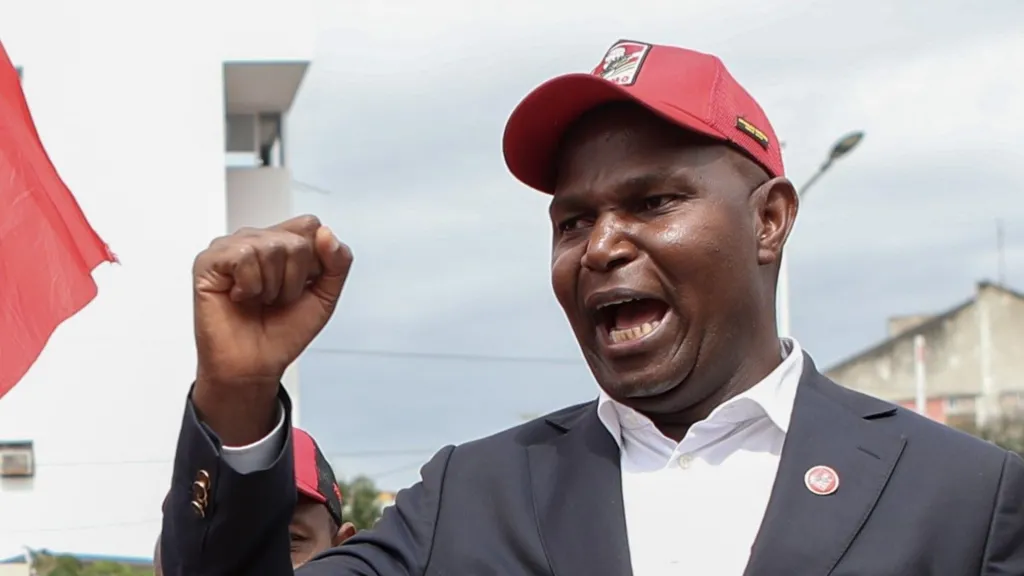
    Frelimo’s relatively obscure presidential candidate, Daniel Chapo, viewed as a reformist figure, is set to succeed Filipe Nyusi, who has completed two terms in office.

    Chapo, 47, who garnered 71% of the vote, will become the first president born after Mozambique’s independence in 1975. His nearest competitor, Venancio Mondlane, secured 20% of the vote.

    Chapo said in his victory speech: “We remained silent all this time, for respecting the law. We are an organised party that prepares its victories.”

    Following the announcement of the results, violent protests have erupted in several towns, resulting in multiple deaths. Heavy police presence has been reported in some areas.

    The election has been tainted by accusations of vote rigging and the killing of opposition supporters, sparking nationwide demonstrations.

    Zimbabwean President Mnangagwa, who has faced similar allegations of election fraud in the past, prematurely congratulated Chapo on his “overwhelming victory,” even before the official results were declared.

    Ossufo Momade, the candidate for former rebel group Renamo, which was once the main opposition party, finished third with 6%.

    Political analyst Tomas Viera Mario told the BBC that Renamo has lost its “historic status” as Momade, 68, failed to appeal to younger voters.

    The declared numbers surprised many, including some within Frelimo and its supporters, particularly due to the party’s overwhelming win.

    The deputy chairperson of the electoral commission Fernando Mazanga, who was appointed by Renamo, said the “results are against electoral justice”.

    “These results do not represent the reality,” he said.

    The electoral commission says 43% of the more than 17 million registered voters took part in the poll.

    Parliamentary and provincial elections were held at the same time as the presidential vote.

    Frelimo won 195 of the 250 seats in parliament. The opposition Podemos, which backed Mondlane for president, got 31 seats and Renamo secured 20 seats.

    Frelimo also won all the provincial elections.

    President Nyusi followed the election results with a jubilant television address to the nation.

    “With more than 70% of the votes, I don’t see any teacher failing a student,” he said.

    The election had been seen as a turning-point for the resource-rich country which is wracked by economic problems, corruption, and poverty.

    Mondlane had called for a national strike on Thursday in protest at the alleged rigging.

    He said that the protests would honour his lawyer and a party official who were shot dead last week in what he described as politically motivated killings.

    He claimed that he won the election despite preliminary polls showing that Chapo was well ahead.

    Mondlane now has until December to contest the results.

    On Monday, he organised nationwide demonstrations, which were dispersed by police firing live rounds and tear gas.

    The election has also been criticised by EU election observers, who said some results may have been doctored.

    They said there were “irregularities during counting and unjustified alteration of election results”.

    Political analyst Adriano Nuvunga criticised what he described as a recurring trend of fraudulent elections in Mozambique.

    The electoral commission has refused to address the vote-rigging accusations, Reuters reported.

    Chapo is set to be inaugurated in January.

  • Coconut sector touted for employment gains as export demand rises

    Coconut sector touted for employment gains as export demand rises

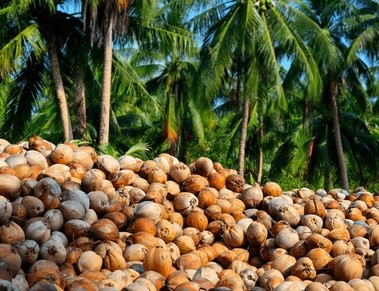
    Ghana’s coconut sector has been praised for its significant contributions to employment, with over 350,000 jobs created in the past seven and a half years as global demand for coconut products continues to rise. 

    According to the Chief Executive Officer (CEO) of the Ghana Exports Promotion Authority (GEPA), Dr Afua Asabea Asare, the government, through the GEPA, has so far distributed over one million seedlings covering 15,625 acres to farmers, generating approximately 350,000 jobs within the value chain.

    Speaking at the 4th International Coconut Festival Ghana, held at the Accra International Conference Centre under the theme “Empowering Lives Through Coconut — Innovation, Employment, and Sustainable Livelihoods,” Madam Afua indicated that these employment opportunities were created through a focused effort to revitalise the coconut sub-sector. 

    The initiative was primarily carried out by distributing disease-tolerant coconut seedlings to farmers across major coconut-growing regions, including Volta, Eastern, Western, Central, and Ashanti.

    “GEPA has made a modest but quite significant investment in the sector since 2017 by procuring and distributing disease-tolerant coconut seedlings to coconut farmers across the major coconut-growing regions of Volta, Eastern, Western, Central, and Asante. So far, we have distributed over a million seedlings covering fifteen thousand six hundred and twenty-five acres, generating about three hundred and fifty thousand (350,000) jobs within the coconut value chain,” the GEPA CEO said during the opening of the International Coconut Festival Ghana in Accra last Monday.

    She clarified that the coconut revitalisation initiative was introduced to revive the struggling coconut industry, with the aim of enhancing the supply capacity within the value chain in response to the increasing global demand for coconut products.

    The International Coconut Festival Ghana is an annual festival that brings together stakeholders in the coconut value chain, including growers, exporters, and researchers, primarily from academia, to discuss issues that can support the development of the industry. 

    The fourth edition, which was held between October 21 and 23, 2024, hosted speakers and panellists, including the Country Director of Solidaridad, Eric Agyare; the CEO of the Tree Crop Development Authority (TCDA), William A. Quaittoo; the President of the Ghana Union of Traders Association (GUTA), Dr Joseph Obeng; and the Chief Director of the Ministry of Food and Agriculture (MoFA), Paul Siameh.

    Dr Afua Asabea Asare is committed to fostering this innovative spirit by providing platforms for capacity building, research, and technological advancement to ensure that Ghanaian coconut products remain competitive and sustainable.

  • NPP Caucus petitions Speaker to reconvene Parliament as a matter of “national importance”

    NPP Caucus petitions Speaker to reconvene Parliament as a matter of “national importance”

    The Majority Caucus in Parliament has submitted a formal memo to the Speaker, Alban Bagbin, calling for an urgent meeting of the House. 

    Speaker of Parliament, Alban Bagbin, announced the indefinite adjournment of parliamentary proceedings on Tuesday, October 22, after a tumultuous day in the Chamber, characterised by heated disputes between Members of Parliament (MPs) from the New Patriotic Party (NPP) and the National Democratic Congress (NDC) over the question of which caucus holds the Majority.

    In the memo issued in accordance with Article 112(3) of the 1992 Constitution and Order 53 of the Standing Orders of Parliament, the Caucus underscores the necessity of reconvening to tackle pressing national matters that demand immediate action. 

    The memo states: “Respectfully, on behalf of myself (Habib Iddrisu) and the requisite number of Members of Parliament from the Majority Caucus, I have the honour to address you on a matter of utmost national importance.”

    Citing Article 112(3) of the Constitution, the letter highlights that “notwithstanding any other provision of this article, fifteen percent of Members of Parliament may request a meeting of Parliament; and the Speaker shall, within seven days after the receipt of the request, summon Parliament. Despite any other provision, 15% of the Members of Parliament may request a meeting of Parliament, and the Speaker shall, within seven days after the receipt of the request, summon Parliament,”

    The Caucus outlined three key matters to be addressed, prompting them to invoke Article 112(3):

    “We respectfully request that, upon the House’s recall, the following urgent government business be discussed and acted upon, including any other matters that may arise…” including tax exemptions for eligible beneficiaries under the One District, One Factory Programme and the approval of the Ghana Financial Stability Fund, a $250 million facility from the International Development Association.

    Additionally, the Caucus outlined several bills for deliberation, such as the Environmental Protection Agency Bill, 2024, the Social Protection Bill, 2023, the Customs (Amendment) Bill, 2024, the Budget Bill, 2023, the Ghana Boundary Commission Bill, 2023, and the Intestate Succession Bill, 2022.

  • Vote for competence, not family ties – Asiedu Nketia to Asunafo constituents

    Vote for competence, not family ties – Asiedu Nketia to Asunafo constituents

    The National Chairman of the National Democratic Congress (NDC), Asiedu Nketia, has urged residents of Asunafo South and North to prioritise competence over familial connections when casting their votes in the upcoming elections.

    His remarks highlight a growing concern within the party and among voters regarding the importance of choosing capable leaders who can effectively serve the community and address its pressing issues.

    Speaking at a recent gathering in the region, Nketia emphasised the necessity of evaluating candidates based on their qualifications, track record, and ability to deliver on promises, rather than personal relationships.

    “If we were to base things on family connections, I could have easily become the National Chairman of the NPP. The party originated in Wenchi, and all of you had the chance to be part of it. Today, the Busia-led party that we started in Wenchi, where Busia himself was born, has seen the Wenchi district split into three constituencies: Banda, Tain, and Wenchi East. By the grace of God, all these constituencies have shifted, and we now have NDC MPs representing them,” Asiedu Nketia expressed.

    In less than 50 days, Ghana will be heading to the polls. However there is a palpable sense of tension as political parties ramp up their campaigns and strategies.

    The stakes are higher than ever, with both major parties—the National Democratic Congress (NDC) and the New Patriotic Party (NPP)— vying for the public’s trust amidst economic challenges, social unrest, and a highly divided electorate.

    With each side working to consolidate their bases and win over undecided voters, the atmosphere is charged. The NPP, led by its flagbearer Dr Mahamadu Bawumia, is keen to defend its policies, while the NDC represented by John Dramani Mahama is pressing hard on issues such as governance, corruption, and the high cost of living, aiming to sway public sentiment in their favour.

  • IEA Director calls on all economists to provide solutions each to rescue cedi

    IEA Director calls on all economists to provide solutions each to rescue cedi

    Director of Research at the Institute of Economic Affairs (IEA), Dr. John Kwakye, has called on all economists to contribute ideas for resolving the challenges facing the local currency.

    Expressing his frustration, Dr. Kwakye questioned why, despite the abundance of economists in Ghana, the Cedi continues to face difficulties.

    In a series of posts on his X page, he said “As economists, we have a duty to rescue the vanishing cedi. I am inviting all economists to offer one solution each. I will then pass them on to our economic managers. If they didn’t act on them, at least we would have done our part. So, as economists, we don’t have a solution to the extinguishing cedi? What did we go to school for? We must be ashamed of ourselves.

    “How much more cedi depreciation can we tolerate? Why are we all sitting down while our currency is being extinguished? The cedi depreciation should be embarrassing to all economists. We seem to have failed Ghanaians. We need a national dialogue to save the cedi. It seems it has been completely abandoned to find its own level.”

    The cedi is going for GH¢16.40 to one American greenback at the Forex Bureau or the retail market.

    The local currency lost a marginal value to the US dollar increasing its year-to-date loss to about 26%. This was due to the heightening of corporate demand and the recent Eurobond coupon payments. The Central Bank held a 7-day FX auction, accepting all the $51.4 million bids submitted on the day.

    The auction failed to keep the local unit stable as the local unit shed 0.15% week-on-week against the US dollar to close the week’s trading at a mid-rate of GH¢16.38/$. It also depreciated by 0.24% and 0.70% week-on-week vs the pound and euro.

  • NPP Caucus want Speaker to recall parliament due to $250m loan, tax exemptions bills

    NPP Caucus want Speaker to recall parliament due to $250m loan, tax exemptions bills

    The New Patriotic Party (NPP) Caucus in Ghana’s Parliament, on Wednesday, October 23, 2024, formally requested the Speaker of Parliament to reconvene the House to address pressing matters.

    In their letter, the Caucus outlined three critical issues that prompted them to invoke Article 112(3) of the 1992 Constitution and Standing Order 53 of Ghana’s Parliament.

    The NPP Caucus emphasized the urgency and national significance of the matters, including tax exemptions for beneficiaries of the One District, One Factory initiative, the approval of a $250 million Ghana Financial Stability Fund to strengthen the financial sector, and several bills that need the House’s attention upon reconvening.

    “We respectfully request that, upon recall of the House, the following urgent government business be deliberated upon and transacted, including any other business that comes before the House:

    1; Request for tax exemptions for designated beneficiaries under the One District, One Factory Programme.

    2. Ghana Financial Stability Fund, an International Development Association facility of Two Hundred and Fifty Million United States Dollars ($250,000,000).

    3. Bills:

    i. Environmental Protection Agency Bill, 2024

    ii. Social Protection Bill, 2023

    iii. Customs (Amendment) Bill, 2024

    iv. Budget Bill, 2023

    v. Ghana Boundary Commission Bill, 2023

    vi. Intestate Succession Bill, 2022

    The trigger for an urgent recall by the NPP Caucus comes on the back of the Speaker’s indefinite suspension of the House on Tuesday.

    Background

    On Tuesday, October 22, 2024, the Speaker of Parliament, Alban Bagbin, adjourned the sitting of the House sine die (indefinitely), just a week after Members of Parliament reconvened following a long recess.

    Speaker Bagbin, before suspending the proceedings of Parliament, indicated that even though the House had the numbers to form a quorum for a meeting, it did not have the numbers to make decisions per the Standing Orders of the House.

    The House did not have the numbers for decision-making because New Patriotic Party Members of Parliament had boycotted the sitting over the brouhaha on which political party should form the Majority Caucus.

    The Speaker mentioned the directive by the Supreme Court asking him to stay his declaration of four seats in the House vacant, which has made MPs of the National Democratic Congress (NDC) the Majority Caucus.

    Bagbin did not indicate whether he was going to adhere to the order of the court and went on to adjourn the House indefinitely.

    The Supreme Court of Ghana on October 18, 2024, stayed the ruling of Speaker of Parliament, Alban Bagbin, in the matter of the vacation of some four seats.

    This occurred as the highest court in the land, led by Chief Justice Gertrude Torkornoo, considered an application from the New Patriotic Party (NPP) Members of Parliament.

    The decision by the apex court effectively suspends the implementation of the Speaker’s ruling on October 17, 2024, pending further legal review and final determination.

    Bagbin had granted a motion by the Leader of the NDC caucus in Parliament, Dr Cassiel Ato Forson to declare some four seats vacant, making the NDC the party with majority members in Parliament.

    Delivering his ruling, the Speaker noted that the decision by the affected MPs to contest in the December 7, 2024, election as independent or on the ticket of a party different from the party on whose ticket they currently serve contravened Article 97(g) and (h) of the 1992 Constitution.

    He noted that the motive and operational effect of Article 97(g) and (h) was to cure the issues of cross-carpeting and defection as witnessed in parliaments of old.

    He stated that the intent of Article 97(g)(i) was to cure party loyalty throughout the stay of an MP in Parliament.

    He emphasised that the affected MPs, by their decision and the Notice of Polls issued by the Electoral Commission for the December 7, 2024, parliamentary elections, have vacated their seats.

    The affected seats and their MPs included Cynthia Morrison (Agona West), Kwadjo Asante (Suhum), Andrew Amoako Asiamah (Fomena), and Peter Kwakye Ackah (Amenfi Central).

    The NDC is upholding the Speaker’s ruling, while the NPP is supporting the Supreme Court’s decision.

  • Hassan Ayariga promises no meter for water, electricity when he becomes president

    Hassan Ayariga promises no meter for water, electricity when he becomes president

    Hassan Ayariga, the presidential candidate for the All People’s Congress (APC), outlined his policy proposals during a meeting with the Ghana Union of Traders Associations (GUTA) on Tuesday, October 22, 2024.

    A central aspect of his policies is the introduction of a flat-rate billing system for electricity and water, which would replace the current meter-based system.

    Under this new approach, the type of property one owns will determine the amount landlords are required to pay.

    He has said, “there will be no meter for water and electricity in an APC government. The metering system is not effective and short-changing Ghanaians”.

    Hassan Ayariga also emphasized the need for a change in mindset, asserting that it is the responsibility of Ghanaians to build their own country. He also stressed the importance of transparency in the presidency and the need to prioritize Ghanaian citizens and businesses.

    Ayariga’s policy proposals also include building a national data system, implementing a national development plan, and introducing an economic lockdown to improve local productivity.

    He also promised to reduce the number of taxes from 32 to 5, stabilize the Ghana cedi, and increase the minimum daily wage from 18 to 300 cedis. Additionally, he plans to introduce a two-week salary payment cycle to curb corruption and establish a free port policy with duty-free importation.

    Ayariga’s policies aim to address the challenges faced by Ghanaians, including the struggles of local businesses, the burden of taxes, and the need for economic growth.

    Speaking at the event, Dr. Joseph Obeng the president of GUTA bemoaned the infiltration of foreigners in the local retailing space, stressing the need for intervention to contain the situation.

    He also touched on galamsey, emphasizing on the need to find the right methodology to mining. He said galamsey is not a new thing but the approach and the chemicals that are used for mining is what is not appropriate.

  • Ghana suffered financial losses exceeding GHS4.9 b in 2023 – IMANI Africa

    Ghana suffered financial losses exceeding GHS4.9 b in 2023 – IMANI Africa

    Ghana suffered financial losses exceeding Gillion in 2023 due to irregularities in public institutions, according to a report by IMANI Africa and Oxfam Ghana.

    The report, part of the Fiscal Recklessness Index, sheds light on ongoing financial mismanagement in several Ministries, Departments, and Agencies (MDAs), with the Ministry of Finance (MoF) cited as the primary offender.

    While presenting the findings, Dennis Asare, Senior Research Associate at IMANI Africa, noted that these irregularities are a sign of inadequate oversight and poor fiscal responsibility within government institutions.

    He added that the significant losses could have been better utilized to fund vital social programs.

    “With over GH₵4.9 billion lost, initiatives like the Livelihood Empowerment Against Poverty (LEAP) and the Ghana School Feeding Programme could have been significantly strengthened to alleviate poverty and hunger,” Mr Asare stated during a media briefing.

    The Ministry of Finance was singled out for being responsible for nearly 90% of the irregularities, according to the report.

    Mr. Asare explained that as a central agency with oversight functions, the Ministry’s financial misconduct influences broader inefficiencies in other public institutions.

    With the report identifying tax discrepancies and ineffective revenue mobilization as key contributors to the financial losses, Mr Asare warned that unless urgent reforms are implemented, the country risks further fiscal instability.

    “We need a legally-backed fiscal council with real authority to provide effective oversight. Past attempts have been insufficient, and political consensus now exists to establish a more robust structure. This is an opportunity we must cease,” he recommended.

  • 2 key processing plants in Ashanti Region on the brink of closure over raw materials shortage

    2 key processing plants in Ashanti Region on the brink of closure over raw materials shortage

    Two major soybean processing plants in the Ashanti Region are on the brink of closure due to a severe shortage of raw materials, exacerbated by large-scale exports despite government-imposed restrictions.

    Vester Oil Mills Limited, located in Kuntanase-Deduako, and Thomas W. Bello Enterprise, operating in the Bosomtwe District and Asokwa Municipality, have significantly downsized their workforce as a result.

    The shortage has had a far-reaching impact on several sectors, especially the poultry, aquaculture, and livestock industries, which rely heavily on soybean products for animal feed.

    During a visit by The Ghanaian Times on Monday, Vester Oil Mills was found operating with only 30 of its regular 150 workers, while Thomas W. Bello Enterprise had reduced its workforce from 120 to 40.

    Speaking to the press, Kwasi Nyamekye, Chief Executive Officer (CEO) of Vester Oil Mills Limited, explained that their primary product is soybean oil, with soya cake as a byproduct for the poultry industry.

    He noted, however, that production had been halted for nearly four months due to the raw material shortage, forcing them to lay off staff.

    Mr. Nyamekye, who also serves as the Zonal Chairman (Ashanti, Bono, Ahafo) of the Association of Ghana Industries (AGI), attributed the soybean shortage to increased exports by foreign traders.

    Thomas Bello, CEO of Thomas W. Bello Enterprise, blamed the situation on what he termed an “unrestrained export push” by Chinese and Indian traders.

    He explained that his company’s primary product is soya cake for the poultry industry, with oil production being a secondary output.

    Mr Bello, who is also the President of the Soya Value Chain Association of Ghana, admitted that the government’s Planting for Food and Jobs Initiative assisted members in producing soyabeans in abundance for the last two years, “but it is a surprise the initiative has taken a nosedive.”

    In his view, there should not have been any shortage, even though the Planting for Food and Jobs Initiative was not as suc­cessful as expected, attributing the current situation to crop exportation, especially by foreigners.

    The two CEOs have, therefore, urged the government to reinforce the ban and particularly monitor the borders, claiming that the produce is being smuggled to neighbouring countries, especially Togo, for export.

    They expressed worry about the ongo­ing exportation despite the ban but were hopeful the government would stem the tide to help sustain the industry.

    The Export and Import Restriction of Soybeans Regulation was passed by Parliament in October 2020 to regulate the export of soyabeans, and it came into effect on December 22, 2020.

    In August 2024, the government again announced a ban on the export of grains, including soyabeans, to ensure food securi­ty in the country.

    The ban was also to ensure the avail­ability of soyabeans for domestic use and to meet local processing requirements for animal production.

    The country’s soyabean production potential stands at an impressive 700,000 tonnes per year, but currently, only about 26 per cent of this potential is being realised.

  • Govt strengthens public-private partnerships to combat cybersecurity threats

    Govt strengthens public-private partnerships to combat cybersecurity threats

    The Minister for Communications and Digitalisation, Ursula Owusu-Ekuful, affirmed the government’s continued dedication to promoting Public-Private Partnerships (PPP), which have proven effective in tackling the complex challenges posed by cybersecurity threats.

    Given the ever-evolving nature of these threats, the government has introduced several key intervention programs to address the issues.

    Speaking at the launch of the Cybersecurity Industry Forum and the inauguration of the Independent Assessors in Accra, she highlighted notable initiatives such as the Safer Digital Ghana campaign, the passage of the Cybersecurity Act, the ratification of relevant conventions, and the establishment of the Cyber Security Agency (CSA).

    The Independent Assessors consist of 18 highly accredited cybersecurity professionals who have volunteered to support the regulatory efforts of the Cyber Security Authority (CSA).

    According to the minister, Ghana’s recent ranking as a Tier 1 country in licensing and accreditation by the International Telecommunication Union (ITU) underscores the government’s commitment to creating a resilient digital ecosystem.

    However, she acknowledged that more work remains in addressing cybersecurity threats and emphasized the need for deeper collaboration with industry stakeholders.

    “Getting there is not the prob­lem, staying there is; the Industry Forum, in essence, is to work with the CSA to develop Ghana’s cybersecurity within a collabora­tive regulatory framework. Such collaboration among diverse stakeholders across the public and private sectors has proven effective in addressing the multi­faceted challenges posed by cyber threats,” Mrs Owusu –Ekuful said.

    “I am confident that the launch of the Industry Forum will serve as a critical platform to enhance collaboration between the public and private sectors, share knowl­edge experiences, promote inno­vation, build a skilled workforce and strengthen national resilience against cyber threats,” she added.

    Mrs Owusu-Ekuful acknowl­edged the work of the facilitating committee led by the Chief Exec­utive Officer (CEO) of the Ghana Chamber of Telecommunications, Dr Kenneth Edem Ashigbey, on the establishment of the forum and the drafting of a constitution and an industry code to guide its operations.

    The Director-General of the CSA, Dr Albert Antwi-Boasiako, said the forum was meant to bring together thought leaders, prac­titioners and innovators across the country to share experiences, exchange ideas, and build indus­try-wide consensus on cybersecu­rity matters.

    He noted that the forum would serve as a bridge between the CSA as a regulator and its stakeholders, while the industry through the forum would have the opportu­nity to nominate three persons to represent its interest on the governing board of the CSA.

    “This inside approach is a clear signal of our commitment to transparency, participation, and collaboration. It is only by work­ing together that we can achieve our common goal of fostering a resilient cybersecurity ecosystem,” Dr Antwi-Boasiako said.

  • I was removed from NPP WhatsApp platform immediately I filed my nomination – Kwadjo Asante

    I was removed from NPP WhatsApp platform immediately I filed my nomination – Kwadjo Asante

    The Member of Parliament for the Suhum Constituency, Kwadjo Asante, has disclosed that he was removed from the WhatsApp platform of the New Patriotic Party (NPP) Caucus immediately after he filed his nomination to contest as an independent candidate in the 2024 parliamentary election.

    The Suhum legislator, one of four members whose seat was declared vacant by the Speaker of Parliament, Alban Bagbin, indicated that it was the Chief Whip of the NPP MPs, Frank Annoh-Dompreh, who removed him from the NPP MPs platform.

    “The moment I filed my documents to contest as independent, they took me off the NPP MPs platform. Annoh-Dompreh, the Chief Whip, took me off but the same person has added me back. That was about two or three days ago,” 3news.com quotes Asante to have said.

    Mr Asante shared that he was eventually added back to the platform, but he chose not to ask why he was initially removed, as no explanation had been provided.

    He noted that he stayed quiet on the group until rumors emerged suggesting he had withdrawn his decision to run as an independent candidate. At that point, he stepped in to clear the air, confirming the rumors were untrue.

    “I haven’t spoken since they added me back and when I saw the publication of me rescinding my decision yesterday, I wrote that it was fake when it appeared on the page. It’s about me so I needed to clarify things to them.

    “When he took me off he didn’t tell me so I don’t know why he added me back. Maybe my removal was a mistake,” he said.

    Kwadjo Asante also clarified that he was no longer an NPP MP but an MP for the good people of Suhum. He said: “If I go to Parliament now, my tenure hasn’t ended. To the best of my knowledge, I’m serving Ghanaians. I’m not an NPP MP, I’m Suhum MP.”

  • Municipal Assembly office complex commissioned by Bawumia in HO

    Municipal Assembly office complex commissioned by Bawumia in HO

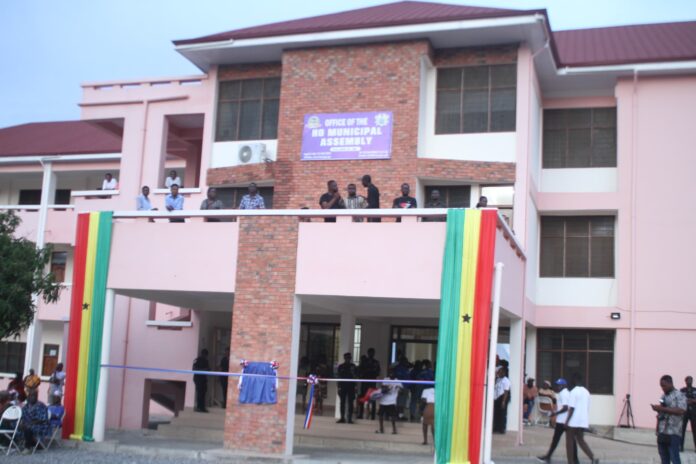
    New Patriotic Party (NPP) flagbearer, Dr. Mahamudu Bawumia recently inaugurated a multi-million cedi ultramodern Municipal Assembly Complex in Ho Central.

    The event attracted a large crowd, including traditional chiefs, queen mothers, party executives, and supporters, showcasing the NPP’s commitment to infrastructure development in the region.

    In his speech, Dr. Bawumia praised the Municipal Chief Executive (MCE) and NPP parliamentary candidate, Bosson R.K Divine, for his significant contributions to the development of Ho Central Municipality.

    He urged the constituents to support his bid for the presidency and vote for Mr. Divine on December 7, promising further development projects.

    Mr. Divine expressed his deep gratitude and joy, calling the commissioning a historic moment for the municipality.

    “This moment marks a significant milestone in the development of our beloved municipality, as it provides a fitting home for the administration that will drive our collective progress for many years to come.

    “But, just like the crave for a municipal status for the then Ho District Assembly, and which only become a reality during the reign of the NPP under the gentle giant President J.A Kufuor, the quest for a befitting office space as predestined also become a reality under an NPP administration of Akufo-Addo and Dr Bawumia,” he said.

    He also commended his predecessors for their diverse roles to acquire a befitting office accommodation for this Assembly, albeit without success.

    “Indeed, these two episodes I have mentioned cannot be mere coincidence! It just goes to show the government that truly cares about the affairs of the municipality, and who should be entrusted with the management of the affairs of this country.”

    “Togbe Chairman, I am so grateful for the support I have received from the executives, members and teeming supporters of the NPP at the National, regional and constituency levels. Their sense of patriotism, energy and industry is highly appreciated. At this point, let me mention also the tremendous support and fatherly advice I always receive from my father the Hon. Regional Minister (Dr. Yao Archibald Letsa). Daddy, I am most grateful,” he added.

  • Govt to cut sod for $450m manganese processing plant in Nsuta

    Govt to cut sod for $450m manganese processing plant in Nsuta

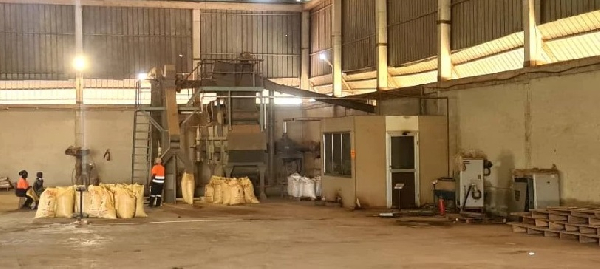
    President Nana Addo Dankwa Akufo-Addo is set to initiate the construction of a $450 million manganese processing plant at Nsuta in the Western Region on Thursday, November 21, 2024.

    This announcement came from the Minister for Lands and Natural Resources, Samuel Abu Jinapor, MP, who noted that preparations for the project are nearing completion, with all stakeholders optimistic about its launch before the year’s end.

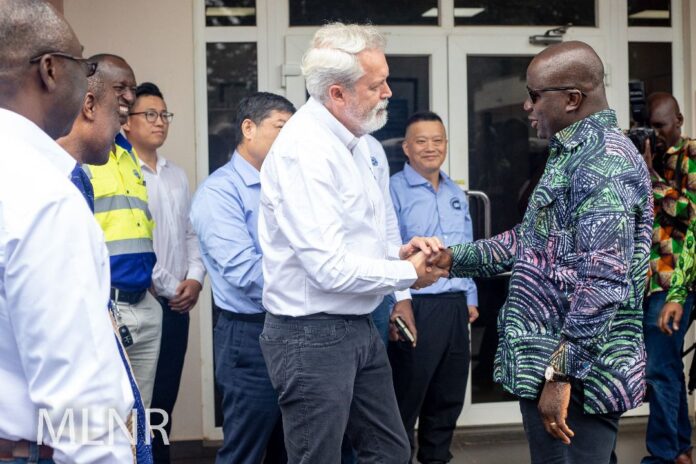
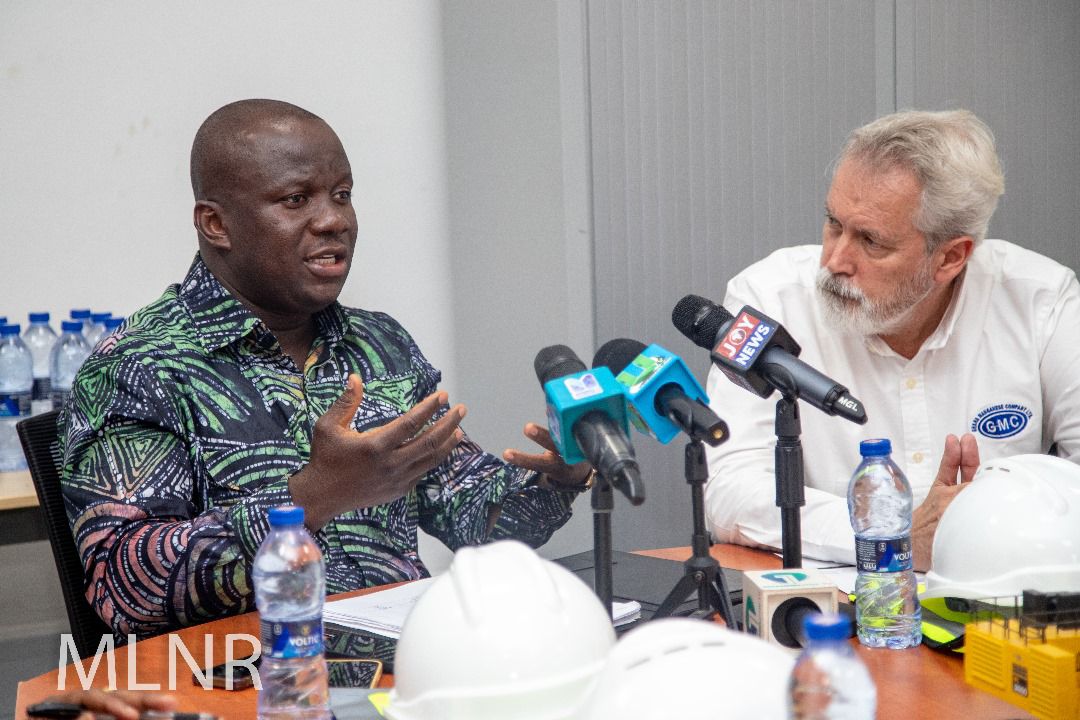
    During his visit to the Ghana Manganese Company (GMC) in the Western Region on Wednesday, October 23, 2024, Abu Jinapor praised the management and staff for their commitment to the nation.

    He added that the GMC’s contributions to the economy are poised to increase significantly with the establishment of the refinery plant, a central aspect of President Akufo-Addo’s vision for Ghana’s natural resources.

    Mr. Jinapor emphasized that the country is on the brink of significant progress regarding the refinery’s construction, marking a vital achievement for the government, which has been steadfast in fulfilling its promises.

    He described this development as a ‘big deal’ and a ‘major breakthrough,’ asserting that the refinery’s construction will transform the country’s approach to resource management by shifting from raw material exports to value addition, ultimately leading to enhanced employment opportunities and increased revenue from the manganese sector.

    Akufo-Addo to cut sod for construction of Manganese refinery - Lands Minister announces

    “The company is working to get its next strategic phase done and far advanced. ” I am happy to report that we are currently at the concluding phase of beginning the construction of a refinery here in Nsuta”.

    “This will mean that products of this company, which have been shipped in their raw form for many years, will now have value addition in Ghana. A lot of work has been done on this matter. Teams from Ghana and China have visited both countries, and there has been a lot of work. At this stage, we are left with a few issues and getting parliamentary approval for the fiscal regime.

    “Thereafter, we will be very much on the highway in terms of getting the refinery constructed and commissioned. This will mean that the centuries of exporting raw manganese will be a thing of the past. We are now going to have value addition and retain the reasonably highest end of the value chain of the manganese industry here in Ghana.

    “It will have positive implications on employment and have several linkages, in terms of downstream industry and its economic effects. It forms part of President Akufo-Addo’s vision for the mining sector of this country. The president’s vision has been value addition for all our natural resources,” he said.

    Jurgen Eijgendaal, Managing Director of GMC, praised Abu Jinapor for his visit and acknowledged the substantial support the company has received during his tenure as sector minister.

    He further stated that the company is preparing for the refinery project and that several areas will see significant investment and upgrades to ensure they can supply the necessary natural resources for the refinery.

  • Persons who attempt suicide will be cared for and not prosecuted – Office of Judicial Secretary

    Persons who attempt suicide will be cared for and not prosecuted – Office of Judicial Secretary

    In a landmark legal shift, Ghana has officially decriminalized attempted suicide following the passage of the Criminal Offences Amendment Act, 2023 (Act 1092).

    This key development was announced through a notice from the Office of the Judicial Secretary, under the directive of Chief Justice Justice Gertrude Torkonoo, and circulated to all Circuit Court Judges and Magistrates nationwide.

    The notice, signed by Judicial Secretary Justice Cyra Pamela G.A. Koranteng (JA), clarifies that changes to Section 57 of the Criminal Offences Act, 1960 (Act 29), and Section 95 of the Mental Health Act, 2012 (Act 846) now ensure that individuals who attempt suicide will not face prosecution or legal penalties. This reform marks a clear departure from the previous law, which treated attempted suicide as a criminal offense.

    The communication emphasizes that the new legal framework takes a health-centered approach to suicide attempts, aligning with international trends in mental health advocacy.

    Those who attempt suicide will now be viewed as requiring medical and psychological intervention rather than legal punishment.

    Circuit Court Judges and Magistrates are instructed to enforce this directive immediately, reflecting the nation’s shift in addressing mental health and legal issues.

    This reform has been widely praised by mental health advocates and human rights groups, who have long argued that criminalizing suicide attempts discourages individuals from seeking help.

    The Chief Justice also extended her appreciation to the judiciary for ensuring adherence to this new law.

  • NDC MPs ready to return if Speaker issues recall – Mahama Ayariga

    NDC MPs ready to return if Speaker issues recall – Mahama Ayariga

    Bawku Central MP, Mahama Ayariga, has confirmed that National Democratic Congress (NDC) Members of Parliament are ready to resume parliamentary duties should Speaker Alban Bagbin call for a recall of parliamentary sessions.

    This assurance comes after Parliament was indefinitely adjourned on Tuesday, October 22, following a heated dispute between the National Democratic Congress (NDC) and the New Patriotic Party (NPP) regarding which party holds the majority in the House.

    But Mr. Ayariga stresses the NDC’s readiness to promptly respond to any summons from the Speaker even though most NDC MPs are leveraging the time to campaign in their constituencies

    “Many of them [the NPP MPs] are in their constituencies campaigning and so anytime the Speaker calls us, we will come and anytime the Speaker says we are the Minority, we will listen to him, but he hasn’t said that,” Mr Ayariga said.

    He emphasized that despite the ongoing political tensions and divisions between the two parties, NDC MPs remain committed to carrying out their legislative duties.

    Mr. Ayariga pointed out that the readiness of NDC MPs to return to the Chamber shows their determination to maintain the continuity of Ghana’s governance.
    He underscored that, regardless of the impasse, they are prepared to swiftly resume their roles upon the Speaker’s directive, reaffirming their dedication to serving the nation.

  • Illegal mining is harming the economy beyond repair – UN Resident Coordinator

    Illegal mining is harming the economy beyond repair – UN Resident Coordinator

    The United Nations (UN) Resident Coordinator for Ghana, Mr. Charles Abani, has emphasized that tackling illegal mining, commonly known as galamsey, is vital for creating a sustainable economy.

    He pointed out that illegal mining has harmful effects on various aspects, including people, poverty, employment, child labor, the environment, and water resources, while also facilitating illicit financial flows.

    Mr. Abani made these remarks during his keynote address at the launch of the Institute of Sustainability Professionals Ghana (ISPG).

    To reinforce his argument, he noted that a UN study estimates that the minimum impact of illicit financial flows in the region amounts to US$3 billion annually.

    “Per our estimate in the UN, based on proxy figures from other countries in the sub-region where we have done this study, the minimum Illicit Financial Flows (IFFs) impact in the region is US$3billion a year.”

    “That is the size of money you borrowed from the IMF for three years to survive. So, if you address galamsey you will have a sustainable economy,” he stated.

    Supporting UN statistics, a study conducted by the Africa Centre for Energy Policy (ACEP) regarding illicit financial flows (IFFs) and the extractive industry in Ghana revealed that in 2013, illegal mining alone resulted in losses of US$1.7 billion for the country.

    In light of this, Mr. Abani encouraged citizens to actively engage in discussions about illegal and unregulated mining, highlighting its potential as a transformative issue that could lead to a sustainable economy.

    The Institute of Sustainability Professionals Ghana (ISPG) is committed to promoting sustainable practices and enhancing professional development in Environmental, Social, and Governance (ESG) standards within the country.

    It aims to serve as a hub for knowledge exchange, capacity building, and strategic partnerships, providing a platform for professionals and organizations to establish a comprehensive sustainability framework.

    Professor Mathew Tsamenyi, President of ISPG, stated that the institute seeks to create a unified platform for sustainability discussions, ensure standardization, and empower businesses and SMEs to adopt sustainability practices for growth while protecting the environment for future generations.

    Indeed, galamsey has become a significant topic of conversation in Ghana, marked by its association with environmental degradation, depletion of land and water resources, health risks for miners, and various social and economic repercussions.

    This has prompted concerned citizens and organizations to intensify their efforts to guide the country toward a path of environmental integrity.

    However, in combatting illegal methods of mining it is important that the extractive sector plays a critical role in economic development.

    This is exemplified by the fact that the mining sector contributed a record GH₵11.55billion (US$980million) in taxes in 2023, an 81.1 percent increase from GH₵6.38billion in 2022 – making it the largest source of domestic tax revenue.

    Thus, the sector accounted for 22.7 percent of all direct taxes; highlighting its significant role in the economy.

    Obviously, this surge in tax revenues is expected to provide a significant boost to government coffers as Ghana works to reduce its public debt and stabilise the local currency, the cedi.

    Additionally, mineral exports reached US$7.8billion during the year under review – a 15 percent rise from the previous year’s US$6.8billion. The sector accounted for 47 percent of the country’s gross merchandise exports.

    Consequently, it places the sector ahead of cocoa and oil – traditionally the economy’s main export drivers, solidifying mining’s dominance in the country’s trade portfolio. Meanwhile, US$4.2billion (71.3 percent) was returned to the economy, data from the Ghana Chamber of Mines indicate.

    In addition to foreign exchange contributions, mining companies spent some US$5.4billion on local products, services and community projects – with US$3.146billion dedicated to local procurement.

    This development aligns with the country’s efforts to promote local content and enhance Ghanaian businesses’ participation in the mining value chain.

    The sector also allocated US$31.53million toward corporate social responsibility initiatives in host communities: including investments in education, healthcare and infrastructure development.

    The mining sector’s robust performance provides crucial fiscal relief as government seeks to balance its budget and implement austerity measures.

    Despite these positive contributions, concerns about environmental degradation linked to illegal mining remain significant…. with the Chamber severally indicating the danger it poses to investments of member-companies.

    Consequently, recent times have seen environmental groups, Civil Society Organisations (CSOs) and organised labour calling for stronger regulation to protect forest reserves and water-bodies.

  • GSS to collect data on accommodation across the country from Nov 1

    GSS to collect data on accommodation across the country from Nov 1

    The Ghana Statistical Service (GSS) will launch its inaugural Accommodation Unit Survey (AUS) on November 1, 2024, as part of its initiative to gather detailed information about commercial accommodation facilities throughout the nation.

    Dr. Ebenezer Kojo Ocran, the AUS Coordinator, announced this during a stakeholder engagement event in Accra designed to prepare key industry stakeholders for the upcoming data collection.

    The survey will encompass all 16 regions and 261 districts, aiming to deliver in-depth insights into the accommodation sector, a crucial element of Ghana’s tourism industry.

    This initiative is part of the larger Tourism Satellite Account (TSA) framework, which seeks to accurately reflect the economic contributions of the tourism sector.

    “The AUS is designed to collect data from commercial accommodation units that provide short-stay accommodation for domestic and foreign guests.

    “This is the first time that a sample survey with a longitudinal design which provides information about short-term commercial accommodation activity at national, regional and district levels is being conducted in the country. This survey is crucial for understanding the real impact of tourism on Ghana’s economy, particularly regarding its contribution to GDP,” Dr. Ocran said.

    He added that the survey will collect data from over 1,000 licenced and unlicenced accommodation facilities, ranging from guesthouses to hotels.

    Information gathered will include revenue, employment figures, occupancy rates, operating costs and taxes paid by the businesses.

    Dr. Ocran emphasised the need for full cooperation by accommodation operators, noting that accurate and comprehensive data is critical for sector growth and development. “If operators fail to provide the needed data, it will impact the quality of information used to guide national policies,” he said.

    To execute the project, GSS is deploying 113 field workers – made up of 90 interviewers and 23 supervisors who will use both electronic and manual data collection methods to work in 1077 accommodation units across the country.

    The survey is expected to provide real-time insights into the performance of Ghana’s accommodation sector, with data collected on a daily, monthly and annual basis.

    One of the AUS’s main objectives is to address existing gaps in tourism data, particularly regarding unlicenced accommodation units. A previous survey by the Ghana Tourism Authority recorded just 550 licenced units out of the 9,602 units identified in the Integrated Business Establishment Survey (IBES) – revealing the need for more inclusive data.

    The AUS, which follows other major surveys like the Ghana International Travel Survey and Domestic and Outbound Tourism Surveys, will offer a more holistic view of the tourism industry’s impact on the economy.

    As such, Dr. Ocran urged stakeholders to actively participate in the process; highlighting the survey’s benefits for accommodation businesses. “The data collected will not only support national planning but also help individual businesses understand market trends and enhance their operations,” he said.

    Comments from stakeholders

    Chairman -National Technical Advisory Committee, Tourism Satellite Account (TSA) Project, Prof. Kwaku Boakye underscored the tourism sector’s critical role in the economy, noting its potential to be a major driver of economic growth.

    However, he acknowledged the sector’s challenges – including a lack of credible data – which have hindered proper policy formulation and intervention.

    “This engagement marks a crucial step toward addressing the tourism industry’s data gap and providing an accurate understanding of its contribution to GDP,” he remarked.

    President-Ghana Hotels Association, Dr. Edward Ackah-Nyamike reiterated the lack of detailed data and how it has historically weakened the industry’s ability to advocate for policy changes – particularly regarding taxes and operational costs.

    “We need a clear picture of our contribution to the economy, and this survey will provide the necessary facts and figures for us to make informed decisions and protect our industry,” he stated.

    “With this collaboration, we are confident that data collected will give us a better understanding of our impact and enable us to speak with authority on the industry’s contributions,” added President of the Ghana Progressive Hotels Association, Rev. Emmanuel Geadda-Asando.

    Dr. Spencer Doku, Director-Research, Monitoring and Evaluation, Ghana Tourism Authority (GTA), also noted that: “This baseline survey will provide comprehensive insights into key variables such as employment, revenue and length of stay, allowing Ghana to benchmark its performance against global standards”.

  • Global warming exacerbating deadly flooding across Africa

    Global warming exacerbating deadly flooding across Africa

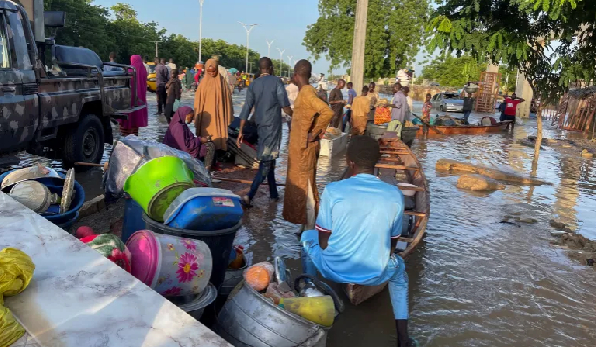
    Flood victims are seen standing beside their belongings, which were recently unloaded from a canoe that helped them escape to safety.

    According to scientists, global warming has significantly intensified the rainy season in several African countries in 2024, resulting in catastrophic flooding. The World Weather Attribution (WWA) network announced on Wednesday that human-induced climate change, primarily due to fossil fuel usage, has worsened seasonal downpours across the Niger and Lake Chad basins by 5-20 percent this year.

    This increase in rainfall has led to a humanitarian crisis, displacing thousands and threatening livelihoods across the affected regions. Local authorities and relief organizations are struggling to provide adequate support to those impacted, as the situation continues to evolve amid ongoing climate challenges.

    “These results are incredibly concerning,” said Izidine Pinto, a researcher at the Royal Netherlands Meteorological Institute and one of the study’s authors.

    He pointed out that “spells of heavy summer rainfall” had become the “new normal” in Sudan, Nigeria, Niger, Cameroon and Chad.

    “With every fraction of a degree of warming, the risk of extreme floods will keep increasing,” Pinto added, calling for the United Nations COP29 climate summit to “accelerate the transition away from fossil fuels” when it meets in Azerbaijan next month.

    Floods have claimed the lives of approximately 1,500 individuals and forced over one million people to flee their homes in West and Central Africa this year, as reported by the UN aid agency OCHA. The heavy rainfall has also put immense pressure on dams in Nigeria and Sudan, leading to further challenges in those regions.

    Such downpours “could happen every year” if global temperatures increase to 2 degrees Celsius (3.6 degrees Fahrenheit) above pre-industrial levels, warned WWA. It forecasts that this could happen as early as the 2050s.

    The network’s scientists focused on war-torn Sudan, where millions of displaced people have been uprooted by conflict and driven into flood-prone areas.

    They used modelling to analyse current weather trends, comparing them with patterns in a world without human-induced warming, finding that monthlong spells of intense rainfall in parts of Sudan had become heavier as a likely result of climate change.

    “Africa has contributed a tiny amount of carbon emissions globally, but is being hit the hardest by extreme weather,” said Joyce Kimutai, researcher at the Centre for Environmental Policy at Imperial College in London.

    The role of climate change in the floods was compounded by other human-made problems, said scientists, calling for better maintenance of dams and investment in early warning systems.

    “This is only going to keep getting worse if we keep burning fossil fuels,” said Clair Barnes from the Centre for Environmental Policy.

  • Zambian President dismisses High Court judges who ruled in favor of opponent

    Zambian President dismisses High Court judges who ruled in favor of opponent

    Zambia’s President Hakainde Hichilema has dismissed three high-ranking judges he had previously suspended for alleged judicial misconduct, leading to renewed allegations of political interference in the judiciary.

    These judges from the Constitutional Court were involved in a presidential petition in 2016, where they rejected Hichilema’s challenge against the election victory of former President Edgar Lungu. They also participated in a contentious ruling that permitted Lungu to run in the 2021 elections, even though he had already served two terms as Zambia’s president.

    Their removal follows their unsuccessful attempt to appeal a judicial panel’s recommendation for their suspension.

    On Sunday evening, a statement released by the presidency said they had been “removed with immediate effect” following a recommendation by the Judicial Complaints Commission (JCC).

    “The removal of the judges is in exercise of the powers vested in the President under [the Zambian constitution],” it said.

    The three judges – Justice Annie Sitali, Justice Mungeni Mulenga, and Justice Palan Mulonda – have not publicly commented on the matter.

    *I’m facing consequences of returning to politics – Lungu

    *Zambia corruption: President Hichilema fires entire anti-graft board

    The JCC had investigated them over allegations of gross misconduct following a complaint by Moses Kalonde, a private citizen.

    Last year, the JCC rejected a complaint from lawyer Joseph Busenga, who had petitioned for the removal of the three judges, alleging that they had mishandled the 2016 election petition.

    There has been mixed reactions to the dismissal of the judges.

    Political tensions have been in rising in Zambia ahead of elections in 2026, when Hichilema and Lungu are expected to face each other for a fourth time.

    Social and political commentator Laura Miti says informed Zambians are split between those who feel this is a legal but self-serving move by the president and others who back him.

    “My view is that the judges misbehaved spectacularly in the presidential petition in 2016. That being true this comes across as the president exacting revenge for their judgment which is highly concerning,” she told the BBC.

    But Makebi Zulu, Lungu’s lawyer in the case, termed the move an “illegality” telling the BBC that “it was executive overreach aimed at interfering with the independence of the judiciary”.

    “No judge should be disciplined for carrying out their judicial function,” he said.

    Under Zambia’s constitution, all judges, including the chief justice, are appointed by the president upon the recommendation of the Judicial Service Commission and with the approval of the National Assembly.

    Academic Sishuwa Sishuwa says the “reality is that we will always have the problem of incompetent and unqualified judges as long as the process of appointment is led by the executive.

    “It does not matter who is in power,” he posted on X, adding that a “structured and broad-minded approach” is more beneficial than “targeted and individual changes”.

    Responding to the debate on Monday evening, the presidency said the decision was in “no way a political decision”, adding that the president was “bound by the constitution to follow” the JCC recommendations.

    “The JCC found evidence of gross misconduct by the justices and President Hichilema followed all due process in removing them,” State House Chief Communication Strategist Whitney Mulobela said in a statement.

  • EU observers claim Mozambique election results manipulated

    EU observers claim Mozambique election results manipulated

    Election monitors from the European Union (EU) have reported that certain voting results in Mozambique appear to have been tampered with, amid escalating unrest in the nation.

    On Monday, thousands of individuals participated in opposition protests organized by independent presidential candidate Venâncio Mondlane.

    Mondlane accuses security forces of fatally shooting his lawyer, Elvino Dias, along with another political official, Paulo Guambe, who were in the same vehicle last Friday. The security forces, however, deny any misconduct.

    Official results from the general election, which took place on October 9, are expected to be announced by Friday.

    Evidence has been found of “irregularities during counting and unjustified alteration of election results at polling station and district level”, said the EU observer mission in a statement on Tuesday.

    It is now urging “the electoral bodies to conduct the tabulation process in a transparent and credible manner, ensuring the traceability of polling station results”.

    Vote-buying, inflated voter rolls in strongholds of the governing Frelimo party and voter intimidation have all been reported by the US-based International Republican Institute, which also sent a multinational election observer mission to the southern African nation.

    Mozambique’s national results are meant to be published on the electoral commission’s website for all to see, but last month the body said its website had suffered a cyber-attack. The website remains inactive.

    Fifty-year-old presidential hopeful Venâncio Mondlane, who has the backing of f opposition party Podemos, has already claimed victory and alleges that the killing of his aides on Friday night was politically motivated.

    “This was a crime committed by the defence and security forces. There’s no doubt about it. The special forces killed Elvino [Dias],” he has said.

    Mondlane urged citizens in various cities throughout Mozambique to protest against the killings and what he claims is electoral fraud.

    On Monday, police responded with live ammunition, tear gas, armored vehicles, and police dogs to disperse demonstrators at the site in the capital, Maputo, where Dias and Guambe were killed.

    Protesters also blocked roads using burning tires and makeshift barricades.

    Videos captured moments when Mondlane and journalists sought cover after gunfire erupted in their direction.

    Local media outlets reported numerous arrests and at least 16 injuries requiring hospitalization across the cities of Maputo, Beira, and Nampula.

    While shops and businesses were closed on Monday, many began reopening on Tuesday.

    The funeral for Dias is scheduled for Wednesday, and Mondlane has called for additional protests on Thursday and Friday.

    There is mounting pressure on Mozambican authorities to identify and prosecute those responsible for the killings, following strong denunciations from former President Armando Guebuza, as well as the UN, US, and EU.

    4o mini

    Celebrated Mozambican author Mia Couto has called the killings a “crime against the nation”.

    Mozambique has only ever been governed by one party – Frelimo – which has ruled since independence from Portugal.

    The country is guaranteed a new president because President Filipe Nyusi is stepping down after serving the two-term limit.

    The Frelimo candidate is 47-year-old Daniel Chapo.

    His rivals in this election are Mondlane, Ossufo Momade – the former rebel commander-turned-leader of the main opposition party Renamo – and Lutero Simango from the Mozambique Democratic Movement.

  • Several deaths recorded in Kigogwa fuel tanker explosion

    Several deaths recorded in Kigogwa fuel tanker explosion

    Several people are reported dead and many others injured after a fuel tanker overturned and erupted in flames at Kigogwa Town on the Kampala-Bombo road in Kasangati, Wakiso District.

    Police announced on Tuesday that a multi-agency response team swiftly arrived at the scene following the explosion, which occurred around 3 PM.

    Eyewitnesses indicated that some residents lost their lives in the blaze while attempting to siphon fuel from the tanker.

    The fire also resulted in the destruction of several buildings and vehicles in the vicinity.

    “The response team include fire brigade trucks, four 999 Patrol Cars, police Ambulances, Red Cross Ambulances, sister security forces. Rescue efforts are currently underway. Updates will be provided as more information becomes available,” said Kampala Metropolitan police spokesperson, Patrick Onyango.

    Nansana RDC, Mr Charles Lwanga said more than 10 people died and several were injured.

    According to him, the driver lost control of the tanker before it overturned.

    “He (driver) fled the scene after the tanker overturned. That was before it exploded,” he said.

    By the time of filing this story, police response team were seen evacuating bodies of the deceased.

  • South African Siya Kolisi and wife announce divorce after 10years

    South African Siya Kolisi and wife announce divorce after 10years

    South African rugby star Siya Kolisi and his wife Rachel have announced their divorce after more than ten years of marriage, leaving their fans devastated.

    The couple frequently shared their affection for each other and their family on social media, earning admiration from many South Africans who regarded them as one of the nation’s power couples.

    The announcement of their separation has sparked a wave of reactions on social media, with fans expressing disbelief at the end of their celebrated union.

    The pair have asked for respect and privacy as they try to “navigate this transition”.

    Siya Kolisi served as the captain of the national rugby team that clinched the World Cup in 2019, while Rachel has been a strong advocate for women’s empowerment and social justice in South Africa.

    He made history as the first Black captain of the Springboks, a sport traditionally associated with South Africa’s white minority.

    Many South Africans viewed the mixed-race couple as a representation of the “rainbow nation,” highlighting the ongoing racial tensions that persist 30 years after apartheid.

    In a previous interview with the BBC, Kolisi spoke about the “horrible” social media abuse they have faced as a couple.

    The pair wed in 2016 after dating for four years and share two children together. They also adopted Kolisi’s younger sister and brother following their mother’s passing in 2009.

    On Tuesday, the couple released a joint statement on Instagram, expressing that their decision to part ways was mutual and amicable.

    “This decision comes from a place of love, respect and understanding that this is the best path forward for both of us,” they said.

    They did not give reasons for their split but acknowledged the challenges they have faced as a couple.

    The pair said they would still co-parent their four children and continue to work together on their foundation that they have set up.

    The Kolisis had just returned to South Africa, with Siya re-joining the Sharks in September, after he cancelled his one-year contract with French side Racing.

    The pair was arguably one of South Africa’s most loved couples, with Siya often describing Rachel as his rock and biggest supporter.

    Many South Africans have taken to social media to express their heartbreak over the split, with others expressing support for the duo.

    “We need to take family responsibility leave tomorrow as a country. We are shattered with this news of Siya and Rachel with this divorce,” one fan posted on X.

    “Their legacy as a power couple will endure, inspiring future generations,” the Times Live website reported.

  • Idris Elba plans to stay in Ghana for close to 10 years to bolster Africa’s film business

    Idris Elba plans to stay in Ghana for close to 10 years to bolster Africa’s film business

    British actor Idris Elba has revealed his intention to relocate to Africa within the next decade to help develop the continent’s film industry.

    In an interview with the BBC, the 52-year-old actor, known for his role in The Wire, shared his involvement in projects aimed at establishing film studios in both Zanzibar, Tanzania, and Accra, Ghana.

    Elba, born in London to a Ghanaian mother and a Sierra Leonean father, has strong ties to Africa and is eager to use his influence to support its growing film sector.

    He emphasized the importance of Africans being able to tell their own stories, saying it is crucial for the continent’s narrative.

    “I would certainly consider settling down here; not even consider, it’s going to happen,” he said in an interview on the sidelines of an industry meeting in Accra.

    “I think [I’ll move] in the next five, 10 years, God willing. I’m here to bolster the film industry – that is a 10-year process – I won’t be able to do that from overseas. I need to be in-country, on the continent.”

    However, in the spirit of Pan-Africanism, he has chosen not to commit to residing in any particular location.

    “I’m going to live in Accra, I’m going to live in Freetown [Sierra Leone’s capital], I’m going to live in Zanzibar. I’m going to try and go where they’re telling stories – that’s really important.”

    One goal he does have is to make a film in his studio in Accra one day.

    ‘Own those stories’

    Mr Elba, who portrayed South African anti-apartheid leader Nelson Mandela in the 2013 film Long Walk to Freedom, believes it is essential for Africans to play a central role in the entire filmmaking process. This includes not only those in front of the camera but also those behind it, as well as in financing, distribution, marketing, and showcasing the final product.

    He envisions a future where global movie audiences possess a deeper understanding of Africa, similar to how they recognize the distinct characteristics of New York and Los Angeles, even if they have never visited those cities.

    “This sector is a soft power, not just across Ghana but across Africa.

    “If you watch any film or anything that has got to do with Africa, all you’re going to see is trauma, how we were slaves, how we were colonised, how it’s just war and when you come to Africa, you will realise that it’s not true.

    “So, it’s really important that we own those stories of our tradition, of our culture, of our languages, of the differences between one language and another. The world doesn’t know that.”

    With Nigeria’s Nollywood producing hundreds of movies a year, films are arguably one of the country’s most successful exports. There is also a tradition, especially in parts of Francophone Africa, of making high-quality films.

    Elba has previously recognised the talent in Africa’s film industry, but said the facilities were “lacking”.

    A 2022 report from Unesco backed up the actor.

    The UN’s cultural agency said that despite “significant growth in production”, the business of film-making across the continent was hindered by issues such as piracy, insubstantial training opportunities and a lack of official film institutions.

    Elba believes with the right momentum and involvement of governments willing to create an enabling environment, a virtuous circle can be established.

    “We have to invest in our story-telling because when you see me, you see a little version of yourself and that encourages us.”

  • We almost won battle against inflation – IMF

    We almost won battle against inflation – IMF

    The International Monetary Fund (IMF) has stated that the world is nearing victory in the fight against inflation, which peaked at 9.4 percent during the third quarter of 2022.

    “The battle against inflation is almost won; after peaking at 9.4 per cent year-on-year in the third quarter of 2022, we now project global headline inflation will fall to 3.5 per cent by the end of next year.”

    These remarks were made by Pierre-Olivier Gourinchas, the IMF’s Chief Economist, who also observed that inflation rates in many countries are now aligning with central bank targets.

    The IMF forecasts a 3.5% decline in inflation for 2025, which is lower compared to the 5.8% expected in 2024.

    Mr. Gourinchas shared these insights during the release of the World Economic Outlook on Tuesday, October 22, at the 2024 IMF/World Bank Group Annual Meetings in Washington, D.C.

    He credited the reduction in inflation without a significant recession to the resilience of the global economy, which is projected to maintain steady growth at 3.2% for both 2024 and 2025.

    This achievement of curbing inflation without triggering a major recession is notable, and much of the disinflation is attributed to the easing of the unique supply and demand shocks experienced earlier.

    Other contributing factors were improvements in labour supply, driven by immigration in many advanced countries, he said, adding that, “monetary policy played a decisive role in keeping inflation expectations.”

    However, the IMF Chief Economist cautioned that risk remained going forward because of escalation in regional conflicts, which he said could be a serious setback to the commodity markets.

    Again, undesirable trade and industrial policy shifts could also lower economic output, he said, noting that such risks could force tightening of global financial conditions, derailing the gains made.

    “To mitigate these downside risks and to strengthen growth, policymakers now need to shift gears and implement a policy-triple-pivot,” Mr Gourinchas recommended.

    The policy-triple-pivot included a careful easing of monetary policy rate, stabilisation of debt dynamics through fiscal policy and building buffers, and growth enhancing reforms.

    He called for increased efforts in building trust between governments and citizens as well as corporate conversations, while further improving international collaborations to sustain the momentum on inflation easing and economic growth.

  • Ghanaians traveling abroad not due to poverty – Head of Ghanaian-European Centre

    Ghanaians traveling abroad not due to poverty – Head of Ghanaian-European Centre

    Head of the Ghanaian-European Centre for Jobs, Andreas Berding, Migration and Development, has rejected the belief that people who travel abroad for work are driven mainly by poverty.

    He explained that this view is misleading, as many individuals seek to experience new environments and pursue fresh opportunities.

    “It’s not about poverty. It really depends on individual decisions. For example, I’m German, working in Ghana now, and I’ll eventually return to Germany. I’m happy working in both countries,” he explained during an interview at the 2024 Ghana Career and Migration Fair in Kumasi.

    The fair, which linked thousands of job seekers with international employers, was organized to tackle the issue of youth unemployment in Ghana. Andreas Berding highlighted that the event aimed to support the ambitions of Ghanaians both at home and overseas by offering essential job-related insights.

    “The fair is intended to offer insights into Ghana’s labour market, guiding individuals, especially those acquiring new technical skills, on how to find jobs and build careers. This not only empowers individuals but also strengthens families and communities,” he added.

    He highlighted that the fair acts as a direct bridge between employers and job seekers, fostering opportunities for meaningful professional connections.

    The event attracted a wide range of stakeholders, including chiefs, government officials, professionals, and both employed and unemployed youth.

    Deputy Minister Dr. Festus Awuah Kwofie, speaking on behalf of the Minister for Employment and Labour Relations, emphasized the government’s responsibility to equip the youth with the necessary tools, resources, and opportunities. He underscored the importance of providing young Ghanaians with diverse experiences in different labour markets to enhance their personal and professional development.

    Nana Prof. Oheneba Boachie-Adjei Woahene II, Hiahene of Asanteman and Board Chair of the Otumfuo Foundation, spoke about the Foundation’s efforts in promoting digital literacy programs to prepare young people for participation in the digital economy.

    However, he pointed out that more work remains and urged collaboration between the public and private sectors to support the growth of the informal economy and encourage skills-based migration.

  • Ghana’s economy to grow by 3% at the end of 2024 – IMF

    Ghana’s economy to grow by 3% at the end of 2024 – IMF

    The IMF has forecasted a 3% growth rate for Ghana by the end of 2024, as highlighted in the World Economic Outlook Report released during the IMF/World Bank meetings in Washington, D.C., on Tuesday.

    This projection closely matches the Ghanaian government’s own estimate of a 3.1% GDP growth rate, as outlined in the 2024 Budget.

    IMF’s Growth Projections for Ghana

    However, some IMF officials informed JoyBusiness that these growth projections could be updated before the year concludes, as the World Economic Outlook did not fully factor in recent economic events.

    A senior IMF official stated, “We are optimistic that Ghana will perform better in terms of growth by the end of the year than we previously estimated.”

    World Bank’s Projections for Ghana’s Growth

    In its Africa Pulse Report published earlier this month, the World Bank projected that Ghana’s growth rate might reach 4% by the end of 2024, driven by an increase in economic activity during the final two quarters of the year.

    Originally, the World Bank had estimated a growth rate of 3.1% for Ghana in 2024, but recent developments prompted a revision of its forecast.

    IMF’s Inflation Outlook for Ghana

    In the same report, the IMF projected that Ghana’s inflation rate will reach 19.5% by the end of the year. This figure is considerably above the Bank of Ghana’s target range of 13-17%.

    Nonetheless, the IMF forecasts that inflation may decrease to 11.5% by the end of 2025, suggesting a move toward single-digit inflation. Similarly, the World Bank’s Africa Pulse Report anticipates that inflation will also reach 11.5% by the end of 2025.

  • Impact of agric exports on Ghana’s economy and the threat of Galamsey

    Impact of agric exports on Ghana’s economy and the threat of Galamsey

    Agricultural exports play a crucial role in Ghana’s economy. Data from the Ghana Statistical Service (2023) reveals that agri-food products valued at US$3.4 billion were exported from the country between 2022 and 2023.

    Leading Ghana’s agricultural exports are Cocoa and Cocoa preparations (US$1.09 billion), Edible fruits, nuts, citrus peels, and melons (US$387.29 million), and Animal and vegetable fats, oils, and related products (US$191.31 million) (Trading Economics, 2023).

    Non-traditional exports (NTEs) of agricultural products reached US$511.27 million in 2022, but saw a decline to approximately US$494 million in 2023.

    The top 10 NTEs in agricultural products include Cashew nuts, Bananas, Fresh or chilled tunas, Shea nuts, Soya beans, Yams, Flowers, Catfish and squid, Onions and shallots, and Medicinal plants. These products are primarily exported to the EU, USA, UK, Canada, UAE, and various Asian and African countries (GEPA, 2023).

    However, Ghana risks a drop in the volume and value of these exports if the issue of illegal mining (Galamsey) is not addressed. The country’s economy could face severe consequences if these export earnings are lost.

    Galamsey activities threaten the quality of agricultural exports, potentially leading to bans or rejections due to non-compliance with Sanitary and Phytosanitary standards.

    The Galamsey effect

    Illegal miners pollute the water, air, and soil through the release of toxic chemicals. Heavy metals such as Lead (Pb), Cadmium (Cd), Copper (Cu), Mercury (Hg), Iron (Fe), Nickel (Ni), Arsenic (As) and Zinc (Zn) in water can pollute the environment as a result of illegal mining.

    Data from the US Centre for Disease Control and Prevention (CDC) shows that chemicals including mercury and cyanide pollute water, air, and soil through natural processes and industrial activities, thereby posing potentially deadly threat to humans.

    Contamination of crops can arise from the presence of heavy metals. This is particularly true if farms are located in areas where illegal mining activities (galamsey) take place.
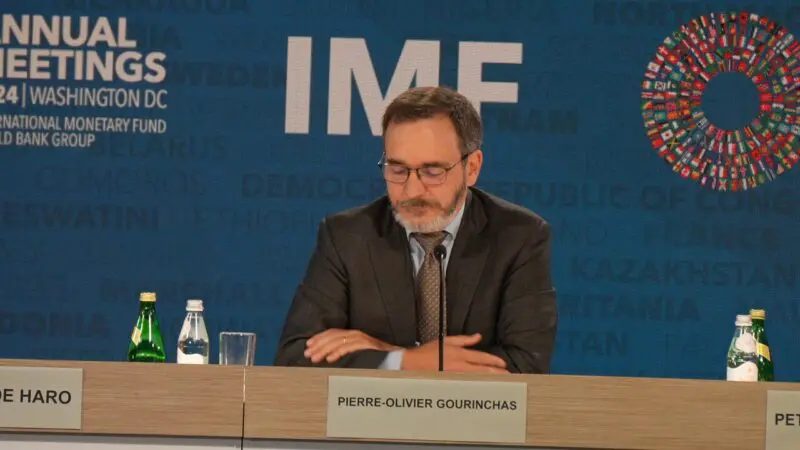
    The heavy metals contaminate the soil, water and environment and thus pose food safety problems. (EPA Act, 1994, Act 490). Even contaminated water used to spray crops can well also have a poisonous effect on them.

    To avoid contaminants such as cadmium, products such as cocoa and derived products inter alia should come from good trees (genetics) and be well cared for and grown in a suitable environment.

    Exporters also need to check contaminants that enter fish products like Tuna/Skipjack/Bonito during the various levels in the process or environmental contamination. These contaminants are restricted by the Commission Regulation (EU) 2023/915.

    Possible Impact on Trade

    For the agri-food sector, food safety is extremely important. As such, meeting SPS requirements builds trust and gives assurance to buyers, consumers and markets that a product is safe to consume.
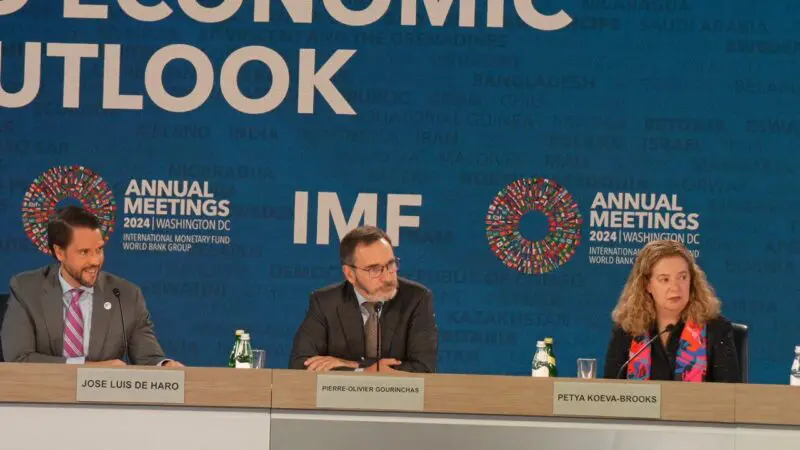
    The possible consequences of contamination resulting from illegal mining activity include financial losses, legal pursuit, detention or rejection of products at the border. Additional testing and loss of reputation.
    A Call to Action

    There is a clarion call on duty bearers to put measures in place to mitigate the phenomenon. The bell is already ringing in both in the domestic and the international world regarding the danger that galamsey is posing or likely pose to not only human health but also the quality of food crops produced in the areas where such activities are taken place.

    Former Chief Executive Officer of the Environmental Protection Agency (EPA), Dr. Henry Kwabena Kokofu, at a public lecture held at the Kumasi Technical University, is quoted to have sent a strong warning on the issue: “It is important to note that the cocoa industry which has been the backbone of our economy is in dire straits because of illegal mining.

    Apart from depriving the farmlands and making it unavailable for farming, cocoa is being contaminated and very soon, the world market will come after us and cite contamination in our cocoa beans and that will be a very bad story for us as a people.”

    The Importers and Exporters Association of Ghana has already cautioned about the potential threat posed by galamsey to the country’s agricultural exports.

    Its concern emanates from reports showing that exported food products from Ghana, including staple commodities like cocoa, yams, and vegetables, have been found to contain traces of harmful heavy metals.

    Should Ghana’s agro-export be foreclosed in the international market, what it means is that the economy will lose all the foreign exchange that accrues from our exports. This could decimate the agric sector and could lead to an explosive situation.

    Starting next year, Ghana would need more forex to pay for its maturing external debt and with dwindling foreign reserves at the Bank of Ghana, the cedi could face its severe adversity. Such pressure on the cedi could threaten the foundation of the economy, jobs, food security, and even national security.

    One does not need to be a prophet or a Nobel Laureate in Economics to be able to predict the existential threat that Galamsey has on the economy.

    Source: Ghanaweb

  • Springfield begins Afina Well appraisal to strengthen oil field unitisation efforts

    Springfield begins Afina Well appraisal to strengthen oil field unitisation efforts

    The CEO of Springfield E&P, an indigenous oil exploration and production company, has revealed that the appraisal of the Afina-1x Well, located in the West Cape Three Points (WCTP) Block 2 offshore Ghana, is now underway.

    This follows an international tribunal’s directive for the Ghanaian government to permit Springfield to proceed with the completion of the long-pending Afina-Sankofa unitisation process.

    In an interview with the Daily Graphic, Okyere stated that the company’s ongoing well test and appraisal, valued at US$60 million, is part of its commitment to assess the Afina-1x well within three months of the tribunal’s ruling, highlighting Springfield’s dedication to deepwater operations.

    He also mentioned that the Deepsea Bollsta Rig, which arrived at the Ghanaian oil field on October 17, 2024, was contracted by Springfield from Northern Ocean, a well-established Norwegian firm.

    “We have a clear understanding of what being an upstream operator entails, so we have hired the best possible team with over 60 years of collective experience working for all the super-majors and majors of the world, and we work with all the best blue-chip companies to execute all technical works, studies, and drilling programs,” he is quoted by graphic.com.gh.

    He added that, “Being a smaller operator but working with the same expertise and diligence as the big operators, we can make decisions swiftly to benefit all our stakeholders, including the government and people of Ghana.”

    The Springfield CEO pointed out that significant challenges have affected the energy sector, which prompted the company to act swiftly in securing the Deepsea Bollsta Rig in record time.

    “Our research has shown that during this busy time in the drilling industry, rigs would not be available for another year, and yet Springfield managed to find one, and drilling commenced. This has all happened within a space of three months,” he explained.

    He mentioned that, despite previous obstacles, the company’s persistence and determination have allowed it to recover and successfully find a solution.

    “We are upbeat about the outcome of the appraisal, and the data before us is very positive,” he stated.

    On July 8, 2024, the International Court of Arbitration ruled that the Ghanaian government acted lawfully in issuing a unitisation directive in the case involving Eni Ghana Exploration and Production and Vitol Energy.

    The court further ordered Springfield to complete the unitisation process within three months, prompting the company to secure a rig and fulfill all technical requirements to conduct a well test and appraise the Afina-1x well.

  • Ghana’s industrial PPI falls to 43% in September 2024

    Ghana’s industrial PPI falls to 43% in September 2024

    Ghana saw a slight decline in the Industrial Producer Price Inflation (I-PPI) rate in September 2024, which fell from 44.6 percent in August to 43.0 percent. This marks a year-on-year decrease of 1.6 percentage points.

    The most substantial reduction in inflation occurred in the mining and quarrying sub-sector, which decreased from 54.2 percent in August to 48.7 percent in September.

    Similarly, the manufacturing sub-sector also experienced a modest drop, with inflation decreasing from 22.9 percent to 21.8 percent. Within this sub-sector, four major groups reported inflation rates above the average for manufacturing. The manufacture of basic metals topped the list with an inflation rate of 52.0 percent, followed by beverages at 44.5 percent.

    On the other hand, the electricity and gas sub-sector saw a more gradual decline, falling to 10.4 percent in September from 12.4 percent in August. The water supply, sewerage, and waste management sub-sector remained relatively stable, maintaining an inflation rate of 4.0 percent.

    Conversely, the waste collection, treatment, and disposal activities, along with materials recovery, experienced a significant increase in inflation, rising from 2.9 percent in August to 6.8 percent in September.

    The reduction in industrial producer inflation may indicate a moderation in production costs, which could be beneficial for both businesses and consumers. However, the persistent fluctuations in inflation rates across different sectors highlight the necessity for ongoing monitoring and strategic planning.

  • Suspend Edelmetallum Mining Resources Limited over assault on journalists – GJA

    Suspend Edelmetallum Mining Resources Limited over assault on journalists – GJA

    The Ghana Journalists Association (GJA) has called for the suspension of Edelmetallum Mining Resources Limited following the brutal assault on journalist Erastus Asare Donkor and his crew by armed thugs while covering environmental destruction caused by mining activities in Asumenya.

    The GJA demands that the Environmental Protection Agency (EPA) and the Minerals Commission suspend the company’s permit and license to allow for investigations into both the assault and the adverse environmental impact of the mining operations​.

    “…the GJA calls on the Environmental Protection Agency (EPA) and the Minerals Commission (MC) to suspend the permit and license of Edelmetallum Mining Resources Limited to allow for investigations into the operations of the mining company, particularly the adverse impact of the mining operations on the environment,” a statement signed by the GJA geral secretary read.

    While commending the police for arresting three suspects regarding the matter, the “GJA encourages the police to demonstrate, in all circumstances, that they are in control of internal security, including the protection of the environment.”

    On the other hand, the GJA also condemned assault on a court correspondent for EIB Network, Murtala Inusah, by sympathizers of Bishop Elisha Salifu Amoako.

    Mr Inusah was assaulted at the Accra High Court on Wednesday, October 16, 2024, while reporting on the case involving Bishop Amoako’s 16-year-old son, Elrad Amoako, who was implicated in a fatal car accident at East Legon that claimed two lives.

    The GJA labeled the attack as “evil” and called on the police to act quickly in apprehending and prosecuting those responsible.

    According to a statement released by the GJA on Thursday, the unprovoked assault left Inusah with finger injuries and severe body pain. A court warrant officer who intervened to help him was also attacked.

    The GJA demanded swift intervention from the Ghana Police Service, insisting that the attackers be arrested and prosecuted. The Association further urged the Judiciary to impose harsh penalties on the culprits if found guilty.

  • No military officer was deployed to interfere with Tuesday Parliamentary proceedings – GAF

    No military officer was deployed to interfere with Tuesday Parliamentary proceedings – GAF

    The Ghana Armed Forces (GAF) has denied claims circulating in the media that military personnel were sent to the Grand Arena of the Accra International Conference Centre (AICC) to disrupt parliamentary proceedings during the Fifth Meeting of the Fourth Session on Tuesday, 22 October 2024.

    In a statement released by the Director-General of Public Relations, GAF firmly labelled these reports as “false” and called on the public to regard them with significant scepticism.

    “Such misinformation, among other things, tarnishes the reputation of GAF,” part of the statement read.

    This follows the sighting of military personnel at the AICC premises on Tuesday morning during Parliament’s Fifth Meeting. An earlier announcement from Parliament noted that the security forces were present at the request of the Speaker, Alban Bagbin, following comments he made on the floor on Thursday, 17 October 2024, where the Minority Leader called for four parliamentary seats to be declared vacant.

    However, the Supreme Court issued a stay of execution on the Speaker’s announcement, permitting the affected MPs to keep their seats and engage in parliamentary activities until a final decision is reached.

    This situation has led to a leadership crisis within Parliament, unsettling the existing power dynamics.

    In response to this controversy, the Speaker officially asked GAF to conduct specialised security checks, including canine units and bomb sweeps, prior to the start of each Tuesday’s sessions.

    “On Monday, 21 October 2024, the Speaker of Parliament, Right Honourable Alban Kingsford Sumana Bagbin, through the Clerk of Parliament, formally requested security assistance from GAF for routine canine and bomb sweeps of the Chamber. This standard procedure is conducted on the first sitting day of the week—typically Tuesdays—whenever Members of Parliament convene outside the traditional Parliament House,” GAF stated.

    GAF clarified that the military personnel stationed at the Grand Arena were not present to disrupt parliamentary proceedings but were there exclusively to carry out security sweeps to guarantee the venue’s safety.

    “Their role was exclusively to perform these routine checks, ensuring the safety and security of the facility by searching for any explosive devices or harmful substances,” the statement continued.

    GAF reaffirmed its dedication to protecting the welfare of all citizens and assured the public that it will persist in undertaking missions focused on ensuring security and safety.

    “We also urge media outlets to refrain from disseminating false information and to report responsibly on matters of public interest,” GAF added.

  • Concerned Drivers Association appeals for 20% surge in transport fares

    Concerned Drivers Association appeals for 20% surge in transport fares

    The Regional Executives of the Concerned Drivers Association of Ghana (C-DAG) have called on their national leadership and the Ghana Private Road Transport Union (GPRTU) to implement a 20% increase in transport fares.

    This request is in response to the financial strain drivers are facing from the steep rise in fuel and spare parts prices.

    In a statement, the C-DAG regional executives expressed serious concern about the worsening financial struggles their members are enduring.

    They noted that many drivers have been pushed out of work, as vehicle owners can no longer afford repairs due to the skyrocketing costs.

    The Association pointed out that the rising prices of fuel and spare parts have severely impacted drivers’ earnings, leading some to park their vehicles and lose their main source of income.

    “Most drivers can no longer maintain their vehicles, forcing them to park their cars, which has led to a loss of income and livelihoods,” the statement reads.

    Despite repeated appeals for intervention, the situation has reportedly continued to worsen.

    The C-DAG is now urging their national leadership and the GPRTU to act swiftly in addressing these concerns by pushing for a fare increment to ease the burden on drivers.

    According to the Association, a 20% increase in transport fares is both necessary and urgent to ensure drivers can continue providing reliable transportation services.

    The regional executives warned that if the national leadership fails to address these issues, they may be forced to take matters into their own hands by implementing fare hikes at the regional level to sustain their operations.

    “We trust that our leadership and the GPRTU will heed this call for immediate action to prevent further disruptions to transportation services and ensure the livelihoods of thousands of drivers across the country,” the statement concluded.

    GhanaWeb is hosting a space on what Ghanaians should expect ahead of today’s sitting in Parliament. Kindly join and invite others to join.

  • Cedi depreciation worsens as it trades at GHS16.55 to the dollar

    Cedi depreciation worsens as it trades at GHS16.55 to the dollar

    Ghana’s local currency continues to struggle, consistently losing value against key trading currencies, particularly the US dollar, pound sterling, and Euro.

    Although the cedi experienced some stability in July, after being under pressure for most of the year, inflation has steadily declined during that period.

    As of October 22, 2024, at 8:18 AM, a check on cedirates.com by GhanaWeb Business shows the cedi is trading at GH¢16.55 to the dollar at certain forex bureaus. This means you’ll need GH¢1655 to exchange for $100 and about GH¢1700 for online purchases.

    The pound is currently trading at GH¢21.60 at major forex bureaus, while the Euro is at GH¢18.10 on the retail market.

    Additionally, Bloomberg recently reported that the cedi weakened by 0.1%, now trading at GH¢15.67 per dollar. This development is expected to further strain the Ghanaian economy, as businesses adjust their pricing strategies.

    In the past month, the cedi has dropped almost 1% against the dollar, contributing to a 24% decline in its value over the year, according to Bloomberg. The same report also noted that Ghana’s dollar bonds due in 2032 rose by 0.2 cents, reaching 52.36 cents on the dollar as of September 11, 2024, in London.

  • SMEs, startups advised to pursue sustainable, adaptable financing options

    SMEs, startups advised to pursue sustainable, adaptable financing options

    Small and medium-sized businesses, particularly those in Science, Technology, Innovation, and Research (STIR), have been encouraged to explore affordable, long-term funding options like venture capital and angel investors instead of relying on traditional bank loans to support and grow their operations.

    This was the key message from speakers at an online conference organized by Heritors Labs in partnership with the RISA Fund, aimed at connecting startups and researchers to alternative sources of funding for their projects and research results.

    The virtual event, which was part of the Women in Innovation and Research Conclave (WIRC) activities, provided participants with a better understanding of how venture capitalists, angel investors, crowdfunding, and seed funding operate.

    Derrydean Dadzie, the CEO of Heritors Labs Limited, shared his thoughts in a brief speech: “Women innovators and researchers are often disenfranchised from accessing funds for their research and innovations, and in most cases, they do not have the opportunities that are available on the market to enable them to thrive in the ecosystem.”

    He explained that the purpose of the online conference was to foster partnerships, collaborations, and investments in profitable innovations and research outcomes within the SME and startup sectors.

    Barbara Aidoo, Programme Lead at Heritors Labs, delivered an impactful address during the Meet the Money Pathway webinar, a key feature of the Women in Innovation and Research Conclave (WIRC).

    “Women innovators frequently encounter barriers when it comes to securing funds. Our aim with Meet the Money Pathway is to explore alternative finance models—like crowdfunding and angel investment, and partnerships with institutions like Impact Investing Ghana and Calbank Ghana—that offer women-led ventures the support they need,” said Barbara.

    Mr. Daniel Appiah, Head of Commercial Banking at Calbank Ghana, clarified that banks are more inclined to lend their limited resources to well-established companies rather than SMEs and startups, as they perceive the sector to carry higher risks.

    “The debt exchange programme has wiped out a substantial portion of banks capital, and they are now looking at where the little money left could be deployed to get immediate returns to shore up their capital, which is challenging for SMEs and startups,” he noted.

    However, he stressed that most banks have deployed solutions that enable them to support budding enterprises right from the start, including the offering of technical support in the form of financial education to groom such businesses to be ready for funding.

    “Banks know the exact funding sources for SMEs and startups as well as the peculiar interests of these investors. It’s therefore about how we can prepare such businesses to be ready and qualified for these funds, which are largely available, and that’s what most banks are doing now. At Calbank, we’re providing such assistance through our Calbank SMEs Academy,” he explained.

    Ms. Justina Mensah, a program officer at Impact Investing Ghana, pointed out the current absence of dedicated funding for researchers in the country. However, she noted that with proper positioning, innovators and researchers have the potential to tap into crowdfunding, angel investors, and other forms of long-term financing to support their ventures.

    “The reality is that in Ghana at the moment, there is no specific funding vehicle for research but it’s not impossible. Angel investing is one great area that startups can look to; we also have venture capitalists and crowdfunding, which have become options for startups and SMEs, especially those in research and innovation,” she noted.

    She added: “But the caveat is that the research or innovation must be viable and of value to these investors. This means that researchers and innovation startups have to be well-positioned to secure funding, including examining the funding positions and requirements of these investors.

    On her part, Ms. Eunice Asantewaa Ankomah, a certified digital financial services consultant, encouraged participants to leverage digital tools to build business records to attract investment from the banks and other potential investors.

    “There are several digital technologies that can be used for bookkeeping, which makes it easier for startups and SMEs to present attractive financial records that would entice banks to invest in their business,” she advised.

    The financial consultant further encouraged innovators, researchers and tech startups to forge strong partnerships with banks that can track the growth of the business based on their financial transactions to enable them secure loans when the need arises.

  • Transactions conducted through mobile money services surpasses GHS1.9tr – BoG

    Transactions conducted through mobile money services surpasses GHS1.9tr – BoG

    The Bank of Ghana’s (BoG) 2023 FinTech Sector Report indicates substantial advancements in the nation’s digital financial sector, with mobile money accounts exceeding 65 million and total transaction values surpassing GH¢1.9 trillion.

    This development represents a significant achievement in Ghana’s pursuit of a more inclusive and cashless economy.

    The surge in this sector is fueled by the growing acceptance of mobile financial services, which offer a dependable and efficient way for millions of Ghanaians, particularly in underserved and rural regions, to obtain financial services.

    According to the report, mobile money has established itself as a prominent player in Ghana’s financial framework, with transaction volumes growing exponentially each year.

    The Bank of Ghana emphasizes the vital contribution of Rural and Community Banks (RCBs) to the national financial inclusion strategy.

    The central bank has pointed out that RCBs, which act as crucial financial service providers for rural communities, have a unique chance to utilize technology and digitalization in their operations.

    By implementing digital solutions, RCBs could effectively narrow the financial access divide in rural areas, delivering more customized services tailored to the needs of local populations.

    At the 23rd Annual Chief Executive Officers’ Conference held in Ho, Mrs. Elsie Addo Awadzi, the BoG’s Second Deputy Governor, stressed the significance of digital transformation for the rural banking sector through remarks made by Mr. Yaw Sapong, Director of the Other Financial Institutions Supervision Department.

    She emphasized that RCBs should capitalize on technology to broaden their reach and enhance the quality of their service offerings.

    Mrs. Awadzi highlighted the BoG’s dedication to promoting financial inclusion through digital initiatives, referencing the success of the Ghanapay initiative, which serves as a national digital payments platform aimed at improving financial service access, particularly in rural regions.

    She encouraged RCBs to adopt this platform and build collaborations with FinTech companies via the ARB Apex Bank to foster innovation and tailor their offerings to customer needs.

    Furthermore, she emphasized the necessity for RCBs to move beyond standard financial products, asserting that to effectively assist rural communities, they must create specialized financial solutions that address the specific requirements of local populations.

    This entails comprehending the financial rhythms of farmers, small-scale traders—particularly women and individuals with disabilities—and local enterprises.

    By providing services such as savings and loan products that align with agricultural and business cycles, RCBs could ensure that their offerings remain relevant and accessible to their intended clients, she stated.

    She noted that this strategy would not only bolster the financial well-being of rural communities but also position RCBs as the primary source for financial services in those areas.

    To maintain this progress, Mrs. Awadzi urged RCBs to invest in capacity building and effective corporate governance practices, suggesting that enhancing staff skills would enable RCBs to adapt to changing financial needs, while robust governance structures would promote accountability and long-term stability.

    Mr. Alex Kwesi Awuah, Managing Director of ARB Apex Bank, also praised the successful rollout of the Financial Sector Development Project (FSDP).

    With support from the Government of Ghana and the World Bank, the FSDP has played a crucial role in implementing digital banking platforms for RCBs, facilitating seamless and secure digital financial services for their clients.

    Mr. Awuah pointed out that the digital transformation of RCBs has not only enhanced their operational effectiveness but also allowed them to broaden their customer base, integrating more Ghanaians into the formal financial system.

    The 23rd Annual CEOs Conference convened 147 CEOs from RCBs nationwide, offering a forum for rural banking leaders to explore challenges, opportunities, and the future of the sector.

    Held on the theme: “Positioning Rural Banking at the Centre of the National Financial Inclusion Agenda,” the event also featured representatives from the Bank of Ghana, executives from the Association of Rural Banks, and the Board Chairman of ARB Apex Bank, Dr Toni Aubyn.

    As the rural banking sector continues to play a pivotal role in Ghana’s financial landscape, the adoption of technology and a customer-centric approach will be essential in ensuring sustainable growth and widespread financial inclusion across the country.

  • NHIA clears outstanding GHS800m debts owed to healthcare providers

    NHIA clears outstanding GHS800m debts owed to healthcare providers

    The National Health Insurance Authority (NHIA) has announced that it has cleared the outstanding debts owed to healthcare providers under the Scheme.

    According to the Chief Executive Officer of NHIA, Dr. Da-costa Aboagye, payments have been made to cover claims up to August 2024, with some further disbursements made in October 2024.

    He shared this update during the inauguration of the Authority’s new district office in Juaboso, Western North Region, on Thursday.

    “In 2017, the NHIA struggled with a staggering debt of 1.2 billion Ghana cedis, reflecting its entire annual budget and which hindered timely payments to healthcare facilities and adversely affected access to care,” he pointed out.

    “Today, the NHIA boasts an unprecedented payment of claims, having disbursed over GHS 800 million cedis in just the past month, with additional over GHS300 million payments made in October.

    “We have now paid claims up to August 2024 and we currently have no outstanding claims.

    “We are actually calling on facilities to submit their claims for payment,” he stated in a release copied to Ghana News Agency.

    Addressing the Chiefs’ durbar in Juaboso, Dr. Aboagye highlighted the government’s dedication to making healthcare more accessible to the public.

    He noted that the newly established district office reflects the Authority’s effort to broaden its reach and enhance service quality. The physical office will also provide support to individuals who face difficulties in registering or renewing their health insurance due to restricted access to digital platforms.

    “The NHIA recognises that many residents in rural areas face challenges when trying to access health insurance services, especially those who may struggle with digital tools like the “MyNHISapp” or the USSD short code *929#.

    “Our aim is to ensure that no Ghanaian is left behind in accessing quality healthcare…By making services more accessible through district offices, the NHIA hopes to increase coverage under the NHIS, a crucial component of achieving universal healthcare in Ghana,” he said.

    Dr. Aboagye noted that the number of active members on the National Health Insurance Scheme had grown from 10 million in 2015 to 17.8 million by December 2023.

    He also emphasized that the Authority is committed to sustaining a strong healthcare system and putting an end to the practice where healthcare facilities bill patients for services already covered by the NHIS.

    Other initiatives, he noted, were the introduction of the “E-pharmacy policy” which would allow pharmacies to manage prescriptions more effectively, and ensure “patients have better access to necessary medications.”

    The Chief Executive praised the recent inclusion of mental health conditions such as depression, bipolar disorder, anxiety disorder, and others on the NHIS.

    Mr Kwabena Mintah Akandoh, Member of Parliament for Juaboso, urged the public to “protect and sustain” the NHIS which remained “a vital social intervention that has benefited countless individuals.”

    Deputy Minister of Finance and the New Patriotic Party’s parliamentary candidate for Juaboso, Dr. Alex Ampabeng, stressed the significance of digital tools in simplifying the NHIA registration process, encouraging citizens to enroll in the scheme.

    A similar office has also been launched in Suaman, within the same region, with additional offices slated to open in the West Gonja, Kpandai, and Savelugu districts soon.

  • Ghana, Nigeria are expected to experience significant budget shortfalls

    Ghana, Nigeria are expected to experience significant budget shortfalls

    Fitch Solutions has revealed that Ghana, Uganda, and Nigeria are projected to face substantial budget shortfalls.

    In an article titled “Return To International Capital Markets Belies Persistence Of Fiscal Risks In Sub-Saharan Africa,” the UK-based firm noted that many governments in the region will continue to rely on domestic and external borrowing to cover these deficits by 2025.

    This projection comes at a time when fiscal consolidation efforts across Sub-Saharan Africa show mixed results.

    “Elevated debt servicing costs, a symptom of tight external and domestic financial conditions since 2022, will continue to exert upward pressure on government spending, while structural constraints on revenue generation will limit the effectiveness of tax-driven deficit reduction measures”.

    Meanwhile, domestic yields remain elevated despite a gradual regional pivot towards monetary easing.

    According to a quarterly Gross Domestic Product-weighted average of SSA 10-year government bonds, yields reached 12.63% in Q2 2024, above the previous peak of 12.62% seen in Q4 2022 following Russia’s invasion of Ukraine and the subsequent rapid tightening of global financial conditions.

    The spread with 10-year US Treasuries also widened, reflecting various domestic pressures, including monetary tightening in Nigeria and election-induced volatility in South Africa.

    Yields remained high even into quarter four, especially in Nigeria and Kenya, reflecting ongoing monetary tightening and elevated political risks respectively.

  • We don’t want to see anything awkward in parliament – Peace Council to MPs

    We don’t want to see anything awkward in parliament – Peace Council to MPs

    An emergency meeting has been convened by the National Peace Council ahead of what promises to be a tense parliamentary session on Tuesday, October 22.

    The purpose of the meeting is to avert any disruptions following the Supreme Court’s decision to overturn Speaker Alban Bagbin’s previous ruling that declared four parliamentary seats vacant.

    Rising tensions in Parliament have been fueled by the Minority’s decision to occupy the Majority side of the chamber until the Speaker addresses the issue again.

    This development has further complicated the ongoing political uncertainty regarding which party maintains control in the legislature.

    To address this situation, the National Peace Council is working with important stakeholders, including parliamentary leaders, executives from the New Patriotic Party (NPP), the National Democratic Congress (NDC), and other relevant entities, to foster peace and stability.

    The council aims to ensure that Tuesday’s parliamentary session proceeds without any disruptions or conflicts.

    Sheikh Armiyawo Shaibu, a spokesperson for the National Chief Imam and a member of the Peace Council, stressed the importance of all parties acting with care and responsibility.

    He pointed out that the current situation calls for calmness to prevent worsening already strained relationships.

    The intervention of the Peace Council is focused on preventing the political deadlock from spiraling into chaos, as both sides in Parliament navigate the consequences of the Supreme Court’s stay on the Speaker’s ruling.

    “We don’t want to see anything untoward happen tomorrow. There have even been suggestions that military personnel might be deployed, though there is no solid basis for that. Still, we must prepare for any outcome.”

    “This moment is not about one party or the other. It is about reaching a point in our democratic journey where crucial decisions must be made for the betterment of our future,” he said.

  • We will use our new majority to remove betting tax, other nuisance taxes – NDC

    We will use our new majority to remove betting tax, other nuisance taxes – NDC

    The National Democratic Congress (NDC) has committed to utilizing its recently announced “majority status” in Parliament to reduce the tax burden on Ghanaians.

    Dr. Ato Forson, the Minority Leader, stated that contentious taxes, including the Electronic Transfers Levy (E-Levy) and betting taxes, will be eliminated.

    During a press conference on Sunday, following Speaker Alban Bagbin’s ruling that declared four parliamentary seats vacant, Dr. Cassiel Ato Forson, the NDC caucus leader, reaffirmed the party’s dedication to eliminating what he termed “nuisance taxes.”

    He emphasized that “the NDC’s majority status” will be instrumental in alleviating the economic difficulties stemming from the policies of the ruling New Patriotic Party (NPP) government.

    Dr. Ato Forson promised the public that the NDC’s primary goal would be to abolish taxes that have led to widespread discontent.

    “It is indeed true that we will use our new majority numbers to benefit Ghanaians by introducing private members’ bills to remove the e-Levy to reduce the suffering of the people.

    “It is also true that we will use our new majority to remove the betting tax and other nuisance taxes.”

    The e-Levy, launched by the NPP government, has sparked significant public discontent since its rollout, as numerous citizens and businesses have voiced concerns about its negative effects on transactions and economic activity.

    Likewise, the recent implementation of a tax on betting and gaming has generated controversy, especially among young people who depend on these platforms for income.

    Dr. Forson also lambasted the NPP government for establishing a “high tax regime” that he claims has hindered businesses and driven many Ghanaians to the brink of financial collapse.

    He reassured both the business community and the general populace that the NDC’s majority would advocate for their interests.

    “Already, this NPP government has made Ghana a high tax regime, and that is affecting the survival of businesses and the people. We assure you that we will use our new majority to protect businesses and the people of Ghana, as we have always maintained,” he added.

    In the meantime, the Supreme Court’s decision to suspend the execution of Speaker Bagbin’s ruling— which had previously declared four seats vacant— has momentarily stalled changes in parliamentary dynamics.

    However, the NDC maintains its commitment to uphold its majority status and intends to leverage its power to implement legislative reforms designed to lessen the financial strain on Ghanaians.

    Parliament is set to reconvene on Tuesday, October 22, with considerable anticipation surrounding the Speaker’s reaction to the Supreme Court ruling.

  • Allow Supreme Court to come to a firm determination on Speaker’s ruling – Afenyo-Markin

    Allow Supreme Court to come to a firm determination on Speaker’s ruling – Afenyo-Markin

    The MP for Efutu, Alexander Kwamina Afenyo-Markin, has urged that the Supreme Court should be given the space to resolve the case regarding the Speaker of Parliament’s recent declaration of four parliamentary seats as vacant.

    His remarks were made during a forum organized by Asaase Radio, where he stressed the urgency for a timely verdict, citing growing concerns over speculation related to Article 97(3) of the Constitution.

    “The court must expedite its actions to achieve a swift determination on this matter. These are serious constitutional issues, and we cannot let them linger. There’s a lot of speculation and varying opinions surrounding Article 97(3). It’s crucial for the Supreme Court to deliver a definitive ruling on this issue once and for all. We must prioritize legal clarity over political debates,” he stated.

    On October 17, 2024, Speaker Alban Bagbin declared the parliamentary seats for Amenfi Central, Fomena, Suhum, and Agona West vacant. This announcement followed a motion from Minority Leader Dr. Cassiel Ato Forson, invoking constitutional provisions that mandate MPs who change political parties or run as independents to forfeit their seats.

    However, the Supreme Court intervened on October 18, 2024, suspending Bagbin’s ruling by granting a stay of execution.

  • Parliament receives Supreme Court ruling halting Bagbin’s declaration of four vacant seats

    Parliament receives Supreme Court ruling halting Bagbin’s declaration of four vacant seats

    A true copy of the Supreme Court order, which freezes Speaker Alban Bagbin’s declaration of four vacant seats in the House, has reportedly been received by the Legal Department of Ghana’s Parliament.

    Court officials reportedly executed the serving on Monday, October 21, 2024.

    On October 18, 2024, the Supreme Court of Ghana issued a stay on Speaker Alban Bagbin’s ruling regarding the vacation of four seats.

    This ruling followed the Supreme Court’s hearing of an application submitted by Members of Parliament from the New Patriotic Party (NPP), led by Chief Justice Gertrude Torkornoo.

    The apex court’s decision effectively pauses the enforcement of the Speaker’s ruling made on October 17, 2024, until further legal review and final determination.

    The court emphasized that the Speaker’s decision was depriving the four constituencies of their representation in Parliament.

    Additionally, it noted that Bagbin’s ruling could potentially disrupt government business in Parliament and lead to significant disturbances in the management of national affairs.

    The declaration by the Speaker raises important questions about constitutional interpretation and the application of fundamental democratic rights for Ghanaians, specifically the right to representation through elected officials.

    Speaker Bagbin had accepted a motion from Minority Leader Dr. Cassiel Ato Forson to declare four seats vacant.

    In his ruling, the Speaker highlighted that the affected MPs’ choices to run as independents or under different party tickets for the December 7, 2024, elections violated Article 97 (g) and (h) of the 1992 Constitution.

    He explained that the purpose and effect of Article 97 (g) and (h) are to address issues related to cross carpeting and defection, which were prominent in past parliaments.

    According to Bagbin, Article 97 (g) (i) aims to ensure party loyalty throughout an MP’s term in Parliament.

    He asserted that the actions of the affected MPs, along with the Notice of Polls issued by the Electoral Commission for the upcoming parliamentary elections on December 7, 2024, have resulted in the vacancy of their seats.

    The seats impacted, along with their respective MPs, include Cynthia Morrison (Agona West), Kwadjo Asante (Suhum), Andrew Amoako Asiamah (Fomena), and Peter Kwakye Ackah (Amenfi Central).

  • IEA highlights legal issues regarding Newmont’s intended sale of Akyem Gold Mine

    IEA highlights legal issues regarding Newmont’s intended sale of Akyem Gold Mine

    The Institute of Economic Affairs (IEA) has expressed disapproval of the $1.0 billion sale of Newmont’s Akyem Gold Mine Project in Ghana to China’s Zijin Mining Group, labeling the transaction as ‘problematic’ and ‘harmful’ to the interests of Ghana.

    The Institute advocates for a revised strategy concerning mineral contracts in Ghana, arguing that national ownership is essential for generating jobs, wealth, and enhancing technical capabilities for Ghanaians.

    “The IEA notes that the project lease was signed between the Ghana Government and Newmont on January 19, 2010, and has an expiry period of 15 years, valid until January 19, 2025. According to the terms, the lease is transferable within the duration period, subject to mutual agreement between the Government and Newmont.

    “The lease is also subject to extension after its expiry date by mutual agreement. The lease has not yet expired, and therefore, any decision by Newmont to sell the mine must be on a transfer basis and must be for the unexpired term only and subject to Government agreement,” the IEA claimed in a statement sighted by GhanaWeb Business.

    The IEA also pointed out that Newmont must return the mine to the government at the end of the lease.

    “At the end of the expiry period, Newmont is obliged to hand over the mine back to the Government, the rightful owner of the gold under the assigned land. Any company that wants to operate the mine after the expiry date of the lease must sign a new agreement with the Government,” it added.

    The IEA also noted that no agreement has been reached for the transfer of the mine to Zijin for the unexpired term of the lease, nor has there been an extension of the lease agreed upon by the government.

    The institute further revealed that some Ghanaian companies made respective bids for the mine but were outbid by Zijin.

    This decision, it said, contradicts the President’s earlier statement in his State of the Nation Address, where he emphasised prioritizing Ghanaian investors for such acquisitions.

    The IEA therefore questioned why the President’s stance has changed, favoring a foreign company over local investors.

    The institute further noted that even Canada, where Zijin is seeking to invest, has limited Zijin’s stake in its critical minerals sector for national security reasons.

    The IEA stressed that Ghana’s natural resources are crucial for the country’s development and poverty eradication.

    “The usual excuse given by Ghanaian officials that the country lacks the requisite capital and expertise locally for exploiting its natural resources and, therefore, has to depend on foreign investors and compensate them accordingly is no longer tenable. Other countries with similar conditions as Ghana’s have been able to negotiate much better terms for the exploitation of their natural resources,” it alluded.

    The IEA proposed two recommendations to improve the governance of Ghana’s natural resources and reduce corruption.

    First, amend Article 257(6) of the Constitution, which vests natural resources in the President, to prevent unilateral decisions.

    Second, introduce a provision in the Constitution or the Minerals and Mining Act, 2006 (Act 703), to prohibit the government from signing high-value contracts six months before the end of their term, preventing last-minute deals for personal gain.