Author: Amanda Cartey

  • Kenya’s parliament begins trial for impeachment of Rigathi Gachagua

    Kenya’s parliament begins trial for impeachment of Rigathi Gachagua

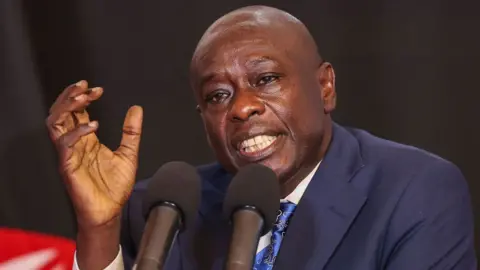
    Kenya’s parliament has initiated the final phase to remove Deputy President Rigathi Gachagua from office.

    Last week, a large majority in the National Assembly voted in favor of his impeachment, paving the way for a two-day trial in the Senate that will determine whether he will be ousted.

    Gachagua is facing 11 charges, including corruption, inciting ethnic tensions, and undermining the government, all of which he denies.

    This situation stems from his recent falling out with President William Ruto, who has remained silent on the issue.

    The Senate trial is taking place before the entire chamber after plans to establish an 11-member committee to investigate the charges were dropped.

    The deputy president appeared before the Senate, where the charges were formally presented to him. He pleaded not guilty to each count as the trial began.

    Political analysts anticipate that the impeachment will be upheld, as ruling party senators are expected to be supported by opposition lawmakers, similar to how the National Assembly voted in favor of the case.

    Later on Wednesday, the National Assembly’s evidence against Gachagua, along with any witnesses, will be presented and examined for three hours, followed by two hours allocated for cross-examination.

    The trial will resume on Thursday, focusing on Gachagua’s evidence and witnesses, and is expected to continue into the late afternoon.

    Once the proceedings conclude in the evening, senators will engage in a two-hour debate on the motion before casting their vote, which is set for Thursday night at 20:30 local time.

    The Senate has the option to extend the process into Friday, which is the legal deadline for concluding the matter.

    For Gachagua to be removed from office, at least two-thirds of the 67 Senate members must vote in favor of the motion.

    If the vote results in his impeachment, Gachagua would be permanently barred from holding public office.

    He is likely to challenge the impeachment in court if it passes.

    Despite numerous attempts to halt the process, Gachagua has been unsuccessful, having filed at least 26 court cases so far.

    A judge ruled on Tuesday that the court would not interfere, allowing the Senate to proceed with its constitutional duties.

    Just before Wednesday’s proceedings began, a three-judge bench also rejected a similar request.

    One of the key allegations in Gachagua’s impeachment is that he amassed assets worth 5.2 billion Kenyan shillings ($40 million; £31 million) over two years, allegedly through corrupt practices.

    He has argued, including during his trial in the National Assembly, that much of the property in question came from his late brother’s estate.

    The deputy president, a wealthy businessman from central Kenya’s politically influential Mount Kenya region, has seen a rapid rise.

    In just five years, he went from being a first-term MP to becoming Kenya’s deputy president after being chosen as William Ruto’s running mate in the August 2022 election.

    At the time of his selection, he was already facing corruption charges in court, which were later dropped after he assumed the role of deputy president.

    Gachagua’s impeachment trial has dominated national discourse and media coverage in recent weeks.

    Many view the intense political drama surrounding the trial as diverting attention from the economic hardships facing ordinary Kenyans, particularly the high cost of living.

    In June, widespread protests erupted over unpopular tax increases, leading to deadly clashes that exposed a growing rift between Ruto and Gachagua.

    Gachagua is now accused of undermining security agencies after making remarks during the protests, in which he blamed the intelligence agency.


  • Akyem gold mine to be acquired by Chinese mining company in a $1bn deal

    Akyem gold mine to be acquired by Chinese mining company in a $1bn deal

    China’s Zijin Mining Group is poised to acquire the Akyem gold mine project in Ghana from US-based Newmont Corporation in a $1 billion transaction.

    The deal includes an upfront payment of $900 million upon completion, with an additional $100 million subject to certain conditions. The transaction is expected to close by the end of the fourth quarter in 2024.

    Zijin, through its subsidiary Gold Source International, will take over Newmont’s subsidiary that operates the Akyem open-pit mine. By December, the mine held reserves of 34.6 tons of gold. Zijin has outlined plans to commence underground mining at the site by 2028, extending the mine’s operational life to 2042 and raising annual production to 5.8 tons of gold.

    The company also stated that several Ghanaian groups have expressed interest in purchasing a minority stake in the mine, and Zijin is open to exploring these opportunities.In a statement, Zijin highlighted the “significant potential” of the project, especially considering both current and anticipated gold prices.

    This acquisition is in line with Zijin’s ambitious growth strategy, which aims to raise its gold production from 68 tons in 2023 to 85 tons by 2025 and 110 tons by 2028.

    Newmont’s commitment to Ghana  

    Although Newmont is divesting from the Akyem project, the company reaffirmed its strong commitment to Ghana. Tom Palmer, Newmont’s President and CEO, stated that the sale fits within the company’s goal of delivering value to shareholders while also securing lasting benefits for the local community.

    He also pointed to Newmont’s ongoing investments in the country, particularly the Ahafo North project, where the company plans to invest up to $1.05 billion.

    “The successful completion of this transaction will strengthen our confidence in Ghana as a favourable mining jurisdiction,” Palmer added, underscoring Newmont’s plans to support the region’s growth.

  • Ghana’s new dollar bonds are rated CCC+ by Fitch

    Ghana’s new dollar bonds are rated CCC+ by Fitch

    Fitch Ratings has assigned a ‘CCC+’ rating to Ghana’s new US dollar bonds, which were issued on October 9, 2024.

    Additionally, Fitch has upgraded Ghana’s Long-Term Local-Currency (LTLC) Issuer Default Rating (IDR) from ‘CCC’ to ‘CCC+’.

    The agency has affirmed Ghana’s Long-Term Foreign-Currency (LTFC) IDR at ‘RD’, noting that it typically does not provide Outlooks for sovereign ratings of ‘CCC+’ or below.

    Furthermore, Fitch has upheld the ‘CC’ rating on Ghana’s US dollar-denominated notes, which are partially guaranteed by the International Development Association (IDA) of the World Bank Group, set to mature in October 2030, before subsequently withdrawing the rating.

    The issue rating for the IDA-partially guaranteed note due in 2030 has been withdrawn due to the note’s restructuring.

    Eurobond Exchange Concluded

    Ghana has successfully concluded a debt exchange for its 15 outstanding non-performing Eurobonds, including the IDA-partially guaranteed notes. This follows consent reached on 98.58% of the total outstanding amount, and each series has received consent representing more than 92% of outstanding principal, meeting the respective collective action clause thresholds.

    As a result, the 15 Eurobonds have been exchanged for five new bonds and distribution to eligible holders was completed on 10 October 2024. The assignment of a ‘CCC+’ rating to these five bonds reflects our assessment of Ghana’s expected credit profile after completion of the whole debt restructuring, with a declining debt supported by ongoing fiscal consolidation, and elevated liquidity risks with interest spending relative to revenue which is still high.

    Significant Reduction in Terms

    In exchange for the 15 outstanding Eurobonds with a total face value of USD13.1 billion, investors were offered a set of new bonds, with two options. Under the ‘disco’ option, a nominal haircut of 37% applies on all claims, which then is restructured into two new notes – a step-up coupon amortising note due 2029 and a step-up coupon amortising note due 2035. The step-up coupon rates range from 5% to 6%.

    Under the ‘par’ option there is no nominal haircut but claims are restructured to a 1.5% amortising note due 2037. Both the ‘disco’ option and ‘par’ option receive a zero-coupon amortising note due 2026 and a zero-coupon note due 2030 in exchange of past-due interests. The restructuring does not provide for value-recovery instruments. Tenders representing a total of USD994.8 million opted for the par option (below the cap of USD1.6 billion).

    Substantial Debt Relief

    The Eurobond exchange entails a reduction in Ghana’s FC debt stock (including PDIs) of around 6% of estimated 2024 GDP. FC debt service is reduced by USD3.5 billion over 2024-2026. Interest payments are reduced by 1.3% of GDP in 2024, 0.9% in 2025 and 0.6% in 2026 compared with interest payments due under the original terms of the bonds. These estimates do not factor in the cost of rolling over bonds (at increased coupon rates, given market conditions) that would have matured in 2023-2026, implying larger actual debt relief.

    Declining Debt

    Assuming similar treatment is applied to foreign currency commercial debt still requiring restructuring, the reduction in debt stock could reach 7% of the estimated GDP for 2024. Coupled with a robust medium-term growth outlook and ongoing fiscal consolidation, this will contribute to a decrease in central government debt, projecting 70% of GDP in 2024 and 68% in both 2025 and 2026, down from 77% of GDP in 2023.

    Official Treatment Adds to Relief

    The Eurobond restructuring was designed to align in scale with official sector treatment, although the specific terms for the June 2024 memorandum of understanding have not been disclosed. Incorporating the official treatment would lead to an additional reduction in the debt-service burden.

    Remaining FC Debt in Default

    The affirmation of the LTFC IDR at ‘RD’ indicates that Ghana remains in default on some external commercial debt while awaiting restructuring. The Eurobond exchange covenants include a most-favored creditor clause, restricting the country from offering more favorable restructuring terms to remaining creditors without providing equivalent value to noteholders. We estimate that Ghana will finalize its external debt restructuring by early 2025.

    LTLC IDR Upgraded

    The upgrade of Ghana’s LTLC IDR to ‘CCC+’ reflects enhanced confidence that the likelihood of another default on Ghana’s local currency debt is diminishing with the successful completion of the Eurobond restructuring, as this further facilitates access to concessional international finance. On October 4, 2024, Ghana and the IMF reached a staff-level agreement on the third review of the extended credit facility, unlocking USD 360 million once approved by the IMF board.

  • Ghana’s cedi depreciates to GHS16.55 against dollar

    Ghana’s cedi depreciates to GHS16.55 against dollar

    Ghana’s local currency continues to face ongoing depreciation against major foreign currencies like the US dollar.

    The cedi has been under significant pressure throughout the year but showed some relative stability in July, even as inflationary pressures continued to ease.

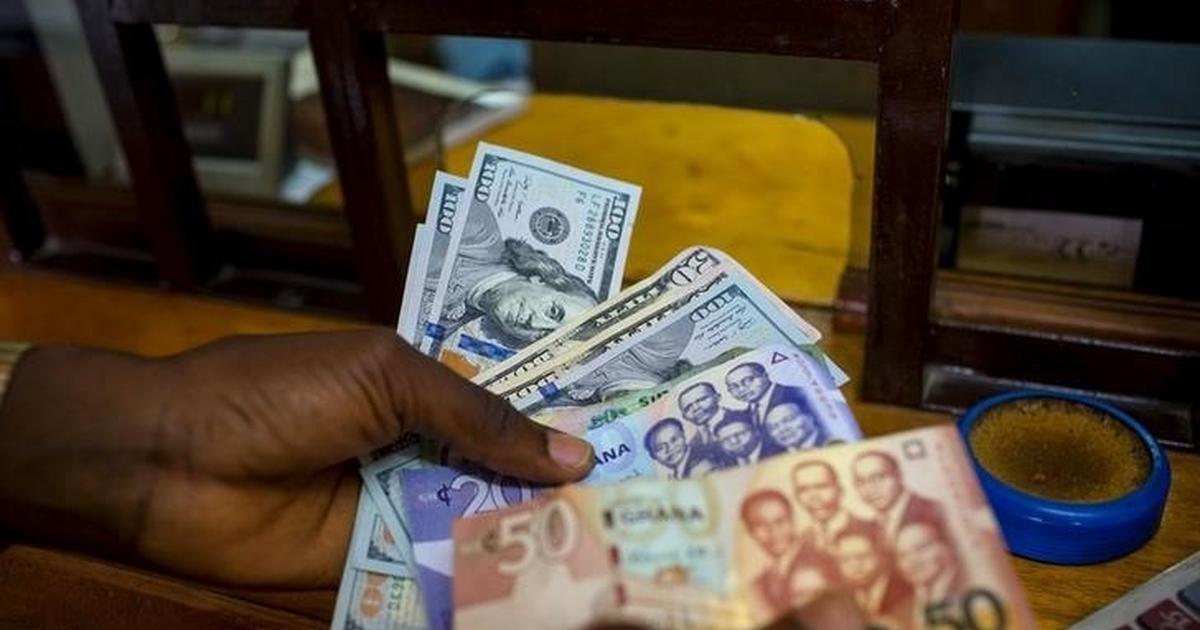
    However, as of October 16, 2024, at 10:00 AM, checks by GhanaWeb Business reveal that the cedi is trading at GH¢16.55 per dollar, while the pound is priced at GH¢21.39 at several major forex bureaus nationwide.

    Furthermore, the Euro is trading at GH¢17.92 in the retail market.

    In the meantime, Bloomberg recently reported a 0.1% weakening of the cedi, which now trades at GH¢15.67 per dollar, a situation that could exacerbate the challenges facing the Ghanaian economy amid current business pricing behaviors.

    According to Bloomberg, the cedi has fallen nearly 1% against the dollar in the past month, following a nearly 24% decline in value this year.

    The portal also noted that Ghana’s dollar bonds maturing in 2032 increased by 0.2 cents to 52.36 cents on the dollar at 11:38 AM on September 11, 2024, in London.

  • IMF projects global public debt to reach $100tr by end of 2024

    IMF projects global public debt to reach $100tr by end of 2024

    A new analysis by the International Monetary Fund, has it that global public debt is projected to reach $100 trillion by the end of this year, equivalent to 93% of the world’s gross domestic product, primarily driven by the economic activities of the US and China.

    In its latest Fiscal Monitor, which provides an overview of global public finance trends, the IMF anticipates that debt levels could approach 100% of GDP by 2030. The report cautions that governments will face challenging decisions to stabilize their borrowing practices.

    The IMF also highlights that debt is expected to rise in countries such as the US, Brazil, France, Italy, South Africa, and the UK, urging governments to take measures to control their debt levels.

    “Waiting is risky: country experiences show that high debt can trigger adverse market reactions and constrains room for budgetary maneuver in the face of negative shocks,” it said.

    With little political appetite to cut spending amid pressures to fund cleaner energy, support aging populations and bolster security, the “risks to the debt outlook are heavily tilted to the upside,” the IMF said.

    Nations where debt stabilization is not anticipated account for more than half of the world’s total debt and approximately two-thirds of global GDP.

    Using a “debt-at-risk” framework, the IMF found that the level of future debt in an extreme adverse scenario could reach 115% of GDP in three years, almost 20 percentage points higher than in the baseline projections.

    “This is because high debt levels today amplify the effects of weaker growth or tighter financial conditions and higher spreads on future debt levels,” it said.

    The debt-at-risk metric for advanced economies has decreased from its pandemic highs and is currently estimated at 134% of GDP, while it has increased to 88% for emerging market and developing economies.

    Although slowing inflation and declining interest rates provide governments with an opportunity to improve their fiscal situations, the IMF noted that there is little indication of any urgency to take action.

    “Current fiscal adjustment plans fall far short of what is needed to ensure that debt is stabilized (or reduced) with high probability,” it said.

  • 5 SHS students involved in gang-rape on the run at Mpraeso

    5 SHS students involved in gang-rape on the run at Mpraeso

    A 16-year-old female student at Mpraeso Senior High School (SHS) in the Eastern area is allegedly the victim of gang rape, leading to the arrest of five pupils.

    Currently on the run are three additional students who participated in the act.

    The victim described her encounter, saying that a male student called her as she was leaving the canteen with her buddy to get lunch.

    While approaching him, she saw seven other male students also walk towards them.

    According to her, she is not aware of the conversation the suspects had with her friend but she abandoned her as the suspects forcibly had sex with her.

    The incident she said occurred on Sunday and there was nobody around to offer help.

    “I have been to the hospital for the necessary check up and I want the suspects to face the full rigorous of the law,” she stated.

    The headmaster, James Affadu, verified the incident during an interview with Adom News.

    Mr. Affadu stated that the disciplinary committee has expelled all eight boys and referred the case to the police for further investigation and appropriate measures.

    In the meantime, the Nkwatia Divisional Police Command has not yet processed the suspects for court prosecution.

  • Pru East MP criticizes govt’s lack of interest in Newmont’s Akyem Mine sale

    Pru East MP criticizes govt’s lack of interest in Newmont’s Akyem Mine sale

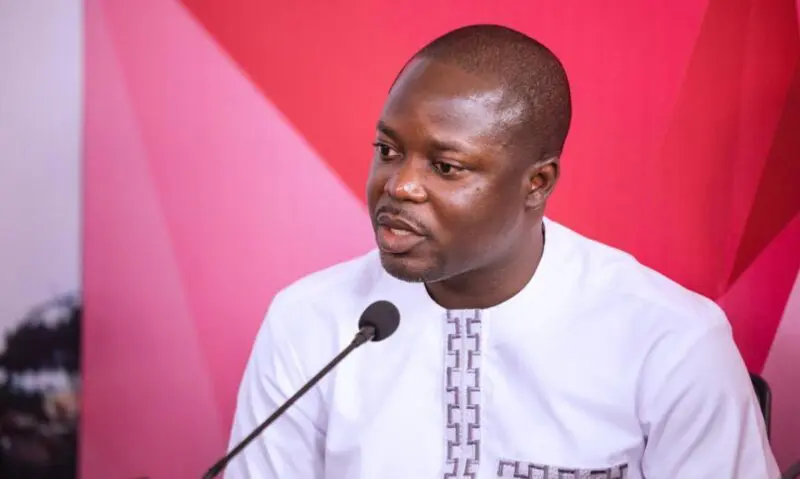
    Chairman of the Committee on Public Administration and State Interests, Dr. Kwabena Donkor, has criticized the government for not showing interest in the sale of Newmont Corporation’s Akyem operations.

    Newmont had announced its intention to sell the Akyem mine to the Chinese firm, Zijin Mining Group, in a deal worth up to $1 billion in cash.

    During a press briefing, the former Power Minister called on President Akufo-Addo to secure a stake in the mine for the state, emphasizing its long-term productivity with a lifespan exceeding 20 years.

    “This is a very healthy mine with good cash flows. Newmont is disposing of because they are taking a global policy to dispose of all their gold mines except their Tier 1 gold mine,” he explained.

    Dr. Donkor who tied the proposed purchase to the president’s ‘Ghana beyond aid’ aspiration said such an acquisition will make the country better off. He said it was not too late for government to hijack the sale.

    “So this was an excellent opportunity for Ghanaian and Ghanaian companies to take a major stake in this mine, if not a 100% stake, a major stake,” he stated. “Unfortunately this has not happened, and I want to call on the government to take a second look. It is not too late in the day because Newmont is already enjoying privileges that other mines do not enjoy.”

    Dr. Kwabena Donkor, who represents the people of Pru East in Parliament, urged local businesses to consider acquiring stakes in the “very profitable mine.”

    Newmont, a multi-billion-dollar company, stated that the sale of its Akyem mining operation “represents continued progress on the non-core asset divestiture program announced in February.”

    If all goes as planned, the sale is expected to be finalized by the end of the year.

  • Seth Terkper warns govt against populist borrowing, urges prudent debt management

    Seth Terkper warns govt against populist borrowing, urges prudent debt management

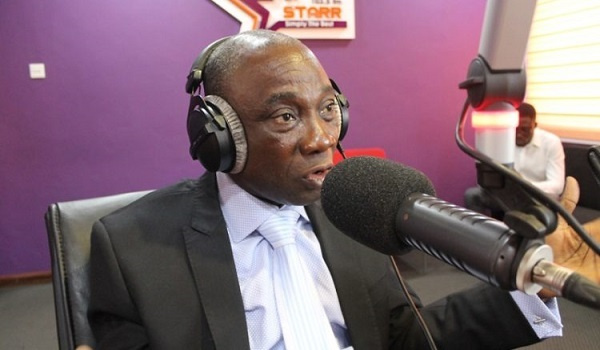
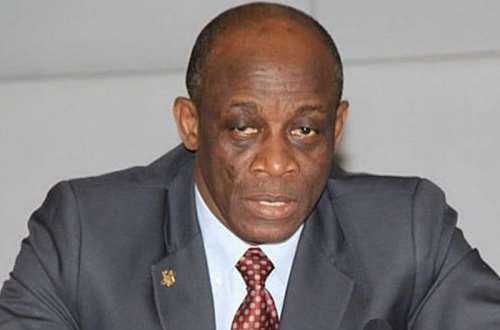
    Former Finance Minister Seth Terkper has urged the government to avoid borrowing for populist agendas that leave the country burdened with debt.

    Instead, he emphasized the importance of prudent borrowing, which involves securing manageable loan terms, favorable interest rates, and ensuring that borrowed funds are invested to yield strong returns. He also called for building financial buffers to enable timely loan repayment.

    Populist agendas often focus on implementing social and economic policies aimed at stimulating growth and benefiting the poor, particularly during election periods, but Terkper warned that such practices are often unsustainable.

    Speaking at a virtual press briefing on Tuesday, October 15, following Ghana’s Staff Level Agreement on the third review of the International Monetary Fund (IMF) loan-support program, Mr. Terkper pointed out the difficulty for countries, including Ghana, to fund major infrastructure projects solely through their own resources on an annual basis. He noted that a single project can consume a large portion of the country’s total revenue.

    While borrowing may be necessary, Mr Terkper cautioned against excessive borrowing that leads to unsustainable debt accumulation. “We must consider debt in terms of borrowing to fulfill populist agendas, which often do not generate sufficient revenue,” said Terkper, who now serves as Executive Director of the Public Financial Management (PFM) Tax Africa Network.

    He also advocated for reforms to boost domestic revenue mobilization, stressing the need for lowering taxes and removing “nuisance” taxes to encourage greater compliance from individuals and businesses. According to Terkper, Ghana’s current revenue levels are insufficient to finance major infrastructure projects like roads, railways, and airports, which are critical for delivering quality public services.

    Terkper emphasized the need for prudent financial management, stating, “We need to borrow, but with caution—raise enough revenue, implement expenditure control measures, and use electronic means to manage spending.”

    Additionally, he called for accelerated debt repayment by addressing arrears and deficits, encouraging the country to live within its means and set aside surplus revenue when commodity prices rise.

    “The government should approach debt and financial buffers like households do. Having experienced the Highly Indebted Poor Countries (HIPC) initiative, debt forgiveness, and now debt suspension, we must establish structures to prevent repeating the same mistakes,” Terkper concluded.

  • ADB retrieves over GHS500m in non-performing loans within 9 months

    ADB retrieves over GHS500m in non-performing loans within 9 months

    The Agricultural Development Bank (ADB) PLC, as part of its two-year corporate strategy, undertook an assertive loan recovery initiative, successfully retrieving over 500 million Ghana cedis in non-performing loans (NPLs) within just nine months.

    From January to September 2024, the total recovered amount reached Five Hundred and Fourteen Million, Nine Hundred and Ninety-Nine Thousand Ghana Cedis (GHS514.99 Million).

    A significant portion of the Bank’s NPL portfolio consists of long-standing bad legacy loans. To tackle this issue, management empowered the Bank’s Recovery Department to aggressively pursue all non-performing loans, aligning with its comprehensive recapitalization plan.

    This accomplishment, credited to the Management and Staff, reflects the Bank’s strong commitment to cleaning up its balance sheet, promoting responsible lending, implementing robust risk management, and safeguarding its clients while adhering to industry best practices.

    Alhassan Yakubu-Tali, Managing Director of ADB, with less than two years in office, attributed the impressive outcome to the Bank’s strategic recovery efforts and the skill and determination of the Recovery Department, which have boosted shareholder value.

    The Bank’s enhanced risk management practices have also played a key role in reducing non-performing loans, building confidence, and strengthening its financial stability.

    “Our proactive approach to loan recovery has paid off. We will continue to work closely with regulatory bodies to ensure the integrity of our loan portfolio and maintain the highest standards of risk management,” said the MD. The aggressive recovery exercise so far has greatly impacted the Bank’s operations, augmented our comprehensive recapitalization agenda, and has put the Bank on the path of sustained growth and profitability. He emphasized.

    Sylvia Nyante, the General Manager (GM) responsible for recoveries, noted that the impressive recovery rate demonstrates the dedication of all stakeholders in realizing the Bank’s recovery goals.

    “Management took a bold decision as part of the strategy to focus on recovery which is yielding significant results,” Madam Sylvia said. “The objective of this exercise is to ensure total recovery of all historical NPLs, and so we want to thank all our stakeholders and customers for their support in this process so far,” she added. “We will continue to intensify our collaborative efforts with all stakeholders for a successful exercise,” Madam Sylvia further added.

    The Agricultural Development Bank PLC stands as one of the largest universal banks in the country and a frontrunner in agribusiness financing.

    The Bank has delivered solid financial results across various metrics, including deposits, profitability, and asset growth.

    Additionally, it secured multiple five-star awards at the recent CIMG Customer Satisfaction Index Report Launch and Awards Night.

  • Police launch manhunt for armed suspect after violent NPP-NDC clash in Mamobi

    Police launch manhunt for armed suspect after violent NPP-NDC clash in Mamobi

    The Ghana Police Service has launched a manhunt for a suspect who was involved in a violent clash between  supporters of the New Patriotic Party (NPP) and the National Democratic Congress (NDC) in the capital Accra’s Mamobi area over the weekend. 

    According to the police, the  suspect goes by the alias “Fatau Motorway”. Now on the run from the law and declared wanted, he was captured on video wielding a weapon during the reported disturbance. 

    The clash between the rival supporters escalated into bitter violence and led to the arrest of one person, with others suspects, including the said Fatau Motorway, are still being hunted by the security service.

    In a statement released by  the police, in which the suspects photos were attached, they appealed to the public to assist with his arrest stating: “ [the  suspect is] identified by his pseudonym as Fatau Motorway…and we urge members of the public to support us with credible information as we continue our intelligence-led operation to get him and other perpetrators arrested to face justice.”

    The incident has raised concerns about political tensions between the two major parties ahead of the December general  elections. 

    However, the police are calling for calm and encouraging the public to cooperate with their intelligence-led operations in tracking down the suspect and any other involved parties. The latest development follows a commitment by law enforcement to ensure that those responsible for the disturbances face justice.

  • Otumfuo destools Denyasehemaa for violating sacred great oath of Ashanti kingdom

    Otumfuo destools Denyasehemaa for violating sacred great oath of Ashanti kingdom

    The Asantehene Otumfuo Osei Tutu II has destooled Nana Adutwumwaa Bonin II –  the Queen of Denyase Traditional Council in the Ashanti region.

    This move comes following  allegations that the Queen Mother had violated the sacred great oath of the Ashanti kingdom through treacherous invocation. The ruling was handed down during a meeting of the Asanteman Council on October 14.

    “In safeguarding the Golden Stool and the great oath entrusted to me, I must ensure fidelity to our traditions,” the Otumfuo Osei Tutu II declared in his ruling adding:

    “As the elders have said that we don’t invoke the great oath in vain, when I became the Asantehene I was told I did not have a mother, a brother, or anybody, and the only thing I have is the Golden Stool and the Great Oath to protect.”

    He further stated: “I really like the Queen…I call her my old lady, but going against the great oath, I have to go by what the tradition says. If I forgive her, then who should I punish if the person does the same? We have to tell the truth to people. She is at fault; she is a family member. If she doesn’t have the money, she can come, and I will give her money, but to violate the great oath, no, she can’t sit on the throne anymore.”

    During the proceedings, Nana Adutwumwaa Bonin II appealed for clemency. However, the majority of the council members opposed her plea.
    “Nana, we cannot forgive her because the great oath must be paramount in all our dealings, so violating the terms of the oath is unacceptable,” one of the chiefs said.

    Adding his voice on the matter, the Goasomanhene opined: “My biggest fear here is the oath that is involved, so pleading on her behalf will be difficult because the sacred oath is involved.”

    “Otumfuo linguist, all the chiefs have said that they cannot work with her, so she must go,” another affirmed.

    Otumfuo Osei Tutu II emphasized the sanctity of the great oath and the imperative to uphold Asante customs without exception.

    The controversy surrounding Nana Adutwumwaa Bonin II’s royal lineage came to a head after a committee was set up to investigate her royalty status after she was challenged by Achiasebaapanin Nana Akua Afriyie, who invoked the Great Oath in support of her stance.

    Nana Akua Afriyie’s accusation of challenging the royalty of Nana Adutwumwaa Bonin II was rebutted by her in a counter-invocation of the Great Oath.

    Whereas Nana Afriyie denied having any blood relations with Denyasehemaa, the latter said otherwise. The parties were therefore charged to make available their traditional family trees for review by the committee.

    Upon further checks, the committee found out that Denyasehemaa was indeed not a royal and not related to Achiase.

    After the committee presented the report to Otumfuo, he noted that Denyasehemaa could have saved herself by avoiding a counter-invocation.

    “Denyasehemaa could have used peace to her advantage, but she chose quite the opposite. And since the investigation has brought this to light, I have no choice but to put the stool where it truly belongs.”

    Denyasehemaa was therefore fined four rams for the counter-invocation of the Great Oath in vain during the committee’s sitting.

  • Stop blaming galamsey on any political party – Afenyo-Markin to Minority Leader

    Stop blaming galamsey on any political party – Afenyo-Markin to Minority Leader

    Majority Leader, Alexander Afenyo-Markin, has warned Minority Leader, Dr. Cassiel Ato Forson, against blaming illegal mining, commonly referred to as galamsey on a political party.

    This remark was prompted by Forson’s criticism of the government’s alleged lack of commitment to addressing the galamsey crisis.

    During his speech in Parliament on October 15, Afenyo-Markin highlighted that the problem cannot be solely blamed on the Akufo-Addo administration, as it existed before his time in office.

    “We cannot, as a political class blame game on galamsey and say a particular political party – in this case, the Akufo-Addo administration has failed in its fight against galamsey and leave out what happened preceding the administration of Akufo-Addo,” he said.

    Mr Afenyo-Markin cited an example from 2015, during the Mahama administration, when then-Finance Minister Seth Terkper appeared before Parliament’s Finance Committee and warned about the negative impact of galamsey on the cocoa sector.

    “He [Terkper] highlighted how galamsey was destroying cocoa farms, and farmers were cutting down their cocoa trees to engage in illegal mining activities,” Afenyo-Markin recalled.

  • Secondary bond trading drops from 62.45% to GHS229m

    Secondary bond trading drops from 62.45% to GHS229m

    Secondary bond market activities remained sluggish, with total trading volume dropping by 62.45% to GH¢229 million.

    The primary focus of trading was on the February 2027 maturity, which constituted 51.8% of the total trades and yielded an average yield to maturity (YTM) of 23.37%, a slight decline from the previous week’s 23.72%.

    Nearly all trading activity was concentrated at the shorter end of the yield curve, averaging a YTM of 24.28%. Analysts anticipate continued subdued trading, with Treasury bills likely dominating the market.

  • Rock blast deaths at Gomoa Buduburam an “unfortunate” accident – Roads Ministry

    Rock blast deaths at Gomoa Buduburam an “unfortunate” accident – Roads Ministry

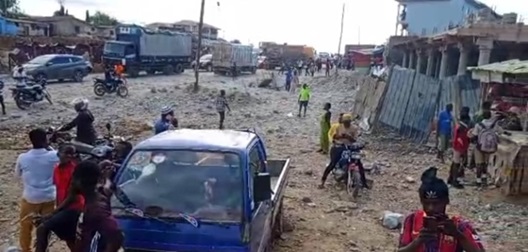
    The Ministry of Roads and Highways Authority has stated that the stone blasting incident at Gomoa Buduburam that resulted in the death of three people and 39 injuries on Monday afternoon was an “unfortunate” accident.

    Reports indicate that a tunnel similar to what is at the Legon Police Station that connects the Okponglo traffic light to the Presec traffic light was being constructed at the location.

    However, the Head of Public Relations of the Ministry, Nasir Ahmad Yartey, told the media that preliminary indications point to the stone blasting  incident  by the contractor working on the Kasoa to Winneba highway,  as an “unfortunate”. 

    Out of 39 others who sustained various injuries in the tragedy, four of them were referred to the 37 Military Hospital in Accra and the Winneba Specialist Trauma Centre.

    Two women and a man died in the tragedy.  It is reported that during the construction works, the contractor encountered in the ground a huge rock, known as the hardpan rock, 45 metres deep and 20 metres wide, which needed to be blasted.

    As of Monday [October 14], the contractor had undertaken 21 controlled blasting at the location, the public relations officer of the ministry told Graphic Online. 

    Each time, it is done in collaboration with the National Disaster Management Organisation (NADMO) and the police,  Mr Yartey explained.

    The protocol was for NADMO to undertake prior sensitisation before the blasting took place. 

    “We send condolences to all affected persons. We are still verifying the facts and casualties and we are working with the police, NADMO and all relevant state institutions”, he explained.

  • Finance Ministry partners UK to improve tax analysis

    Finance Ministry partners UK to improve tax analysis

    The Ministry of Finance (MoF) has revealed its partnership with the Ghana Revenue Authority (GRA) and the UK Foreign, Commonwealth, and Development Office (FCDO) to analyze various tax policy issues and enhance long-term analytical skills for evaluating tax policy impacts in collaboration with the Institute for Fiscal Studies (IFS) in the UK.

    The researchers from the IFS are working alongside MoF and GRA as part of the FCDO-supported Centre for Tax Analysis in Developing Countries (TaxDev).

    This Tax System Survey represents a segment of this ongoing collaboration that commenced in 2016 and will continue until 2030.

    The MoF issued this statement following the release of an updated Survey of the Ghanaian Tax System, developed in partnership with TaxDev researchers from the IFS.

    The Survey, providing insights into Ghana’s tax system as of January 2024, serves as a vital resource for researchers, policymakers, and the public, updating the previous version published in 2021.

    In addition to detailing the main characteristics of the various taxes in Ghana, it analyzes recent policy trends, administration, revenue, and benchmarks tax rates and revenues against those of other countries.

    The key findings of the report include:

    At 13.8% in 2022, Ghana’s tax-to-GDP ratio remains below the government’s target of 18-20% by 2027. Though this ratio is almost 6 percentage points higher than in 2000, it continues to fluctuate and has made minimal gains since 2017.

    Much of the growth in Ghana’s tax revenues since 2000 has come from increased corporate and personal income tax takes, and VAT and similar taxes, though revenue growth from the PIT and VAT-type taxes has stagnated more recently. These three types of tax made up nearly 70% of total collections in 2022 – up from 57% in 2000.

    Tax collections from international trade have become far less important in the revenue mix, though they remain significant: 33% of overall tax revenues were collected on imported goods in 2022 (including VAT on imported products), compared with 54% in 2000. The contribution of import duties specifically to total tax revenue declined from 18% in 2000 to 13% in 2022.

    Ghana’s tax-to-GDP ratio is fairly typical of countries in sub-Saharan Africa. However, considering countries of a similar income level across the world, Ghana’s tax revenue collections are slightly below average: out of 28 lower middle-income countries with available data, Ghana ranked 16th in 2022.

    Analysis of tax rates and revenues across countries suggests differences in relative revenue mobilisation by tax type in Ghana. While recent growth in corporate income tax revenues means that they exceed revenues in other countries using similar tax rates, personal income tax and general sales tax revenues are lower than would be expected, all else being equal.

      In a  statement, the Finance Ministry said that “The Government of Ghana is committed to both evidence-based and transparent tax policymaking, with the Survey of the Tax System, alongside the Medium-Term Revenue Strategy, being a key part of this approach.”

      It added “The Ministry of Finance and the Ghana Revenue Authority  with the support of the UK Foreign, Commonwealth and Development Office (FCDO) have been collaborating with the Institute for Fiscal Studies (IFS) UK  to jointly conduct analysis of some tax policy issues and build long term analytical capacity in evaluating the impacts of tax policies. The work the researchers from the IFS undertake with the team from MoF and GRA falls under broader work being undertaken at the FCDO-funded Centre for Tax Analysis in Developing Countries (TaxDev). This Survey of the Tax System is just one part of this collaborative programme of work, which began in 2016 and is set to continue until 2030.”

    1. Kenya restricts raw gold and mineral exports

      Kenya restricts raw gold and mineral exports

      Kenya is planning to limit the export of valuable minerals in their unprocessed forms.

      This move coincides with the construction of a significant gold processing plant valued at approximately Sh5.8 billion, indicating a major policy change aimed at boosting government revenue.

      Elijah Mwangi, Kenya’s Principal Secretary for Mining, stated that the gold and granite plants are expected to be completed by mid-next year.

      He mentioned that gold, gemstones, and granite will be the first minerals processed and exported from the facility.

      The gold refining plant, a multibillion-shilling partnership between Kenya and private investors, will be located in Kakamega, while a Sh2.5 billion granite processing plant will be established in Vihiga County.

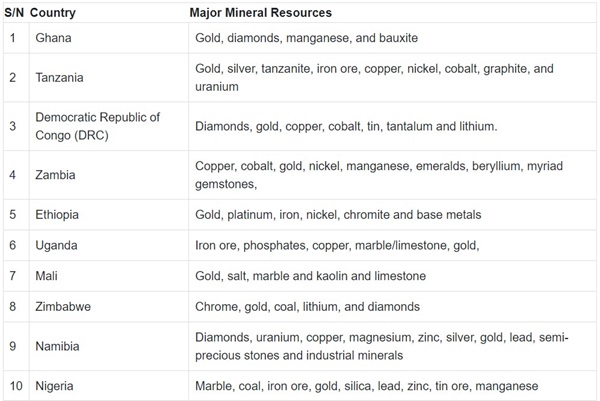
      With this initiative, Kenya joins around ten other African nations that have implemented restrictions or stricter regulations on the export of precious minerals.

      The trend of exporting raw minerals has been criticized for causing significant financial losses for the continent, as processing often occurs elsewhere.

      McKinsey reports that Africa could potentially generate an additional USD 200 million to USD 2 billion annually by 2030 and create up to 3.8 million jobs through the establishment of a competitive, low-carbon manufacturing sector.

      Africa holds a significant portion of the world’s mineral reserves, including 92% of platinum, 56% of cobalt, 54% of manganese, and 36% of chromium, which are essential for green technologies like electric vehicle batteries and wind turbines.

      Currently, these minerals are mostly exported unrefined from Africa to be processed abroad, highlighting the need for the continent to enhance its processing capabilities for value addition.

      Experts suggest that developing this capacity will promote economic growth, generate jobs, and increase tax and income revenues.

      According to Reuters, Africa exported approximately $15.1 billion worth of gold to the UAE in 2016, a significant increase from $1.3 billion in 2006.

      Reuters also noted a lack of official records regarding gold exports from African nations, suggesting a large volume of gold leaves the continent without tax revenue being collected for the producing countries.

      Some African countries that have implemented policies to restrict the export of raw gold and other minerals, in an effort to promote local processing and value addition, include:

      Stakeholders have however, called for caution as Africa takes this dire step towards protecting its natural resources. The calls comes amid the continent’s high infrastructural deficits .

      According to Benedikt Sobotka, CEO of the Eurasian Resources Group (ERG), there were no automatic benefits from the export bans placed on the raw minerals following the number of African countries that have almost immediately abandoned the policy soon after implementation.

    2. GOIL, TotalEnergies losing out market shares on fuel retail over surge in prices – CEMSE

      GOIL, TotalEnergies losing out market shares on fuel retail over surge in prices – CEMSE

      GOIL, TotalEnergies, and Shell, once dominant in Ghana’s downstream petroleum sector, have experienced a decline in market share over the past few months, according to data from the National Petroleum Authority (NPA).

      The NPA reported a decrease in petrol and diesel sales for these companies in August 2024 compared to January 2024.

      GOIL’s sales dropped from 56,281,500 liters in January to 52,886,500 liters in August, reflecting a 6% decline.

      TotalEnergies saw a decrease from 31,302,000 liters to 30,294,000 liters, a 3% drop, while Shell’s sales fell from 38,651,600 liters to 37,004,700 liters, indicating a 4% decline.

      In response to the findings, Benjamin Nsiah, Energy Analyst and Executive Director of the Center for Environmental Management and Sustainable Energy (CEMSE), emphasized the need for the three dealers to reassess their pricing strategies.

      He urged them to adopt competitive pricing that would facilitate the growth of petrol and diesel retailing and prevent further market share losses.

      “These companies should also relook the margins they offer their dealers in order to attract and retain the dealers”, he said.

      The three companies are reportedly paying their employees low salaries due to reduced volumes and narrow profit margins.

      Mr. Nsiah urged the oil marketing companies (OMCs) to allocate at least 50% of the margin to the dealers; otherwise, they risk losing many to competitors offering better contracts.

      “The 6% decline by GOIL, 3% decline by TotalEnergies and 4% decline by Shell imply that, revenues of dealers of each of the listed OMCs have declined respectively although their costs structures remain constant or seen an upsurge. These constant costs include compensations including SSNIT, Cost on credits (Interests payments), Utility Bills, Sanitation and Hygiene bills, and localized payments to their operational districts.

      A comparative analysis of NPA data reveals that dealers associated with GOIL generated revenues between GH₵23,000 and GH₵38,000 in January, but these figures fell to GH₵21,000 to GH₵36,000 in August. Meanwhile, Shell dealers saw their revenues drop from GH₵28,000 to GH₵60,000 in January to GH₵26,000 to GH₵27,000 in August. Similarly, TOTAL Energy dealers’ revenues decreased from GH₵20,000 to GH₵35,000 in January to GH₵18,000 to GH₵32,000 in August.

      An observational study by CEMSE indicated that dealers struggle to cover costs due to shrinking margins and declining sales.

    3. Eurobond payment by govt resumes after successful debt restructuring

      Eurobond payment by govt resumes after successful debt restructuring

      In the aftermath of the successful completion of its debt exchange program with bondholders, the government of Ghana has officially resumed payments on its Eurobond debts.

      A total of $520 million has been paid by the Ministry of Finance, which includes a $120 million consent fee for bondholders who agreed to the exchange terms.

      The resumed debt servicing, which commenced last Friday, also covered $320 million in coupon payments that were frozen after the government suspended debt servicing in 2022.

      With 98% participation from bondholders, Ghana was able to restructure $13 billion in Eurobond debt, paving the way for the continuation of payments.

      Regular coupon payments will restart in January 2025, with the next payment set for July 2025.

      The Bank of Ghana has confirmed that adequate dollar reserves are available to support these obligations.

      Finance Minister Dr. Mohammed Amin Adam also announced the creation of a Sinking Fund to alleviate the fiscal pressure of the repayments.

      Ghana will start servicing its debts to bilateral creditors in 2026.

    4. President of Ivory Coast pushing for implementation of common regional currency by 2026

      President of Ivory Coast pushing for implementation of common regional currency by 2026

      Ivory Coast President, Alassane Ouattara, is urging members of the Economic Community of West African States (ECOWAS) to launch a common currency one year ahead of the scheduled timeline.

      “I want this common currency to be available by 2026 at the latest,” Ouattara said following a meeting with Ghanaian President Nana Akufo-Addo in Ivory Coast’s commercial capital, Abidjan.

      “Ivory Coast has made significant efforts and from next year, it will be ready to meet the required convergence criteria,” Ouattara said.

      The 15-member ECOWAS, which has been working on a common currency initiative for over 20 years, agreed in 2021 to implement a new roadmap aiming to launch the eco currency by 2027.

      The primary challenge has been the failure of member nations to meet four key convergence criteria: reducing budget deficits, maintaining single-digit inflation, building sufficient foreign reserves, and cutting down on central bank funding for governments.

      The two heads of state reaffirmed their commitment to collaborate with other West African nations to enhance regional economic and financial integration, with the goal of establishing a monetary union.

    5. Aliko Dangote’s meeting with marketers may drop fuel price – Report

      Aliko Dangote’s meeting with marketers may drop fuel price – Report

      The Dangote refinery is scheduled to meet with the Independent Petroleum Marketers Association of Nigeria (IPMAN) on Tuesday to address a key issue that has drawn the attention of concerned Nigerians.

      The discussions will focus on the potential for lowering Dangote’s fuel prices compared to the current market rates across the country.

      Both IPMAN and the Dangote refinery are expected to finalize agreements regarding the cost of lifting petrol from the refinery, with IPMAN expressing optimism that this could help stabilize and improve the efficiency of Nigeria’s fuel supply chain.

      This follows the government’s decision to allow Dangote refinery and marketers the flexibility to set their own fuel prices.

      Just last week, the Nigerian National Petroleum Company Limited (NNPC) withdrew from managing the operations of the Dangote refinery, enabling market forces to influence fuel pricing.

      According to Punch newspaper, IPMAN’s National Publicity Secretary, Chinedu Ukadike, provided an update on Sunday, stating that IPMAN is eager to establish a positive working relationship with the Dangote refinery and is seeking a meeting with the refinery’s executives for further discussions.

      “We hope to sit down with Dangote maybe Tuesday or Wednesday and if they give us a template or price, we will move to Dangote. I want to reassure you that we have all it takes to off-take whatever Dangote will give to us. I don’t know why they are dragging their legs to discuss with marketers, maybe it is politics,” the publicity secretary stated.

      “The more we take action in terms of distribution lines, the price will come down, we are not afraid of this competition, we have organized ourselves and are ready to compete because this is the survival of the fittest,” he added.

      Petrol pricing

      In response to a question about the future price of petrol, Billy Gillis-Harry, President of the Petroleum Products Retail Outlets Owners Association of Nigeria (PETROAN), suggested that the price could decrease to N700.

      At present, petrol prices in Nigeria range between N1000 and N1500, following a recent spike in costs.

      “The price can be knocked down to N700/litre; it depends on the volatility of the market and this does not always mean upward prices, it could also mean prices coming down,” the PETROAN boss stated.

      “If we have massive supply and there are a lot of products in Nigeria, obviously everybody will be looking for just minimal profit. Our business is focused on turnover, so people may cut prices down,” he added.

      Last week, it was reported that fuel stations owned by independent marketers were adjusting their prices, with many crossing the N1,000 per litre threshold.

      In the country’s capital; Abuja, the petrol pump price rose to N1,030 per litre at various NNPC outlets, while in the commercial center Lagos, the price increased to N998 per litre.

    6. Wontumi’s claim that I anointed Bawumia to be President is false – Owusu Bempah

      Wontumi’s claim that I anointed Bawumia to be President is false – Owusu Bempah

      Reverend Isaac Owusu Bempah, founder and leader of Glorious Word Power Ministries International, has denied Chairman Wontumi’s recent allegation that he anointed Vice President Dr. Mahamudu Bawumia as the next President.

      Bernard Antwi Boasiako, the Ashanti Regional Chairman of the New Patriotic Party (NPP), popularly known as Chairman Wontumi, claimed that he was present when Dr. Bawumia visited Owusu Bempah’s residence, where the pastor supposedly anointed him to win the presidency.

      Chairman Wontumi made this claim last week on his radio station, Wontumi FM, based in Kumasi.

      In response, Owusu Bempah strongly refuted the claim, calling it false and dismissing it as an untrue account.

      During a sermon on Sunday, October 13, he told his congregation that such a meeting never occurred.

      “He claims he came to my house with the Vice President and that I anointed Bawumia and said he was going to be the next President, but that is completely false. Even Bawumia himself knows Wontumi is not telling the truth,” he told the congregation.

      Owusu Bempah also responded to Wontumi’s claim, disputing the challenge that he cannot step foot in Kumasi following his recent prophecy that former President John Mahama will be the next President.

      “I am a Bantama boy so the other day Chairman Wontumi said I couldn’t step foot in Kumasi, he was very funny to me. When I was living in Kumasi, Wontumi was just a young boy.”

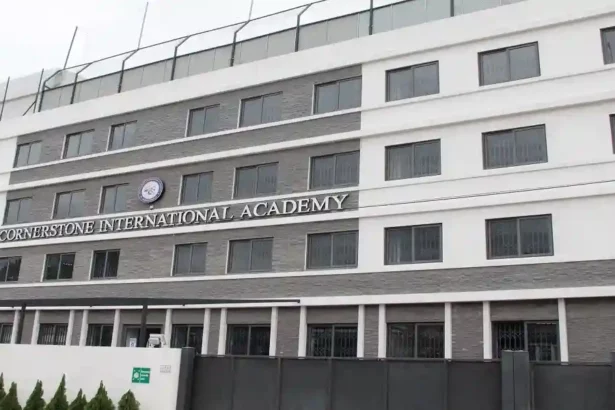
    7. Cornerstone International Academy mourns death of 2 students involved in East Legon accident

      Cornerstone International Academy mourns death of 2 students involved in East Legon accident

      Cornerstone International Academy has confirmed the tragic loss of two students in a recent car accident in East Legon involving a collision between two vehicles.

      The institution also reported that two additional students are currently receiving medical care in the hospital.

      The crash resulted in a fire that consumed both vehicles, leaving them unrecognizable, and led to the fatalities of two individuals, along with injuries to three others.

      In an official statement, the school expressed its sorrow over the passing of its students due to the incident. To support the grieving families, Cornerstone International Academy has decided to suspend academic activities starting October 15, 2024.

      The school will observe a mid-term break and is set to resume classes on October 21, 2024.

      “As we mourn the loss of our beloved students, our thoughts and prayers remain with the affected families. In this difficult time, we have decided to close school early for the mid-term break, effective tomorrow, October 15, 2024,” excerpts of the statement read.

      “This adjustment demonstrates solidarity with grieving families and allows students and staff to process their emotions.”

      “May the departed souls rest in peace. We wish those hospitalised a speedy recovery.”

    8. Maintain spending reductions to sustain positive credit rating – Joe Jackson tells govt

      Maintain spending reductions to sustain positive credit rating – Joe Jackson tells govt

      Chief Executive Officer of Dalex Finance, Joe Jackson, has emphasized the need for the government to persist with its spending reductions to uphold and enhance the recent positive credit ratings assigned by Moody’s.

      The credit rating agency has recently upgraded Ghana’s long-term issuer ratings for both local and foreign currencies, showcasing the country’s progress in debt restructuring and efforts toward fiscal consolidation. The local currency rating increased from “Caa3” to “Caa2,” and the foreign currency rating also saw an upgrade from “Ca” to “Caa2.”

      This positive adjustment is largely due to Ghana’s successful completion of a comprehensive external debt restructuring, which has eased significant financial burdens on the government.

      Jackson has urged the government to exercise fiscal prudence to sustain this favorable rating.

      ‘‘All we call for is this, that this government, the power that be, those doing the right thing, curbing expenditure, staying within budget, will continue to do so even though this is an election year, so that we can continue to maintain the gains we have made and move forward’’, Joe Jackson advised.

      Approximately 98 percent of Euro Bondholders endorsed a $13 billion debt restructuring plan, marking a significant move toward resolving the nearly $30 billion debt default that occurred in 2022.

      According to Moody’s, this debt resolution has been pivotal in bolstering the nation’s financial stability.

      The rating agency highlighted improvements in fiscal management, such as enhanced discipline, reduced budget deficits, and strengthened debt sustainability.

      Additionally, it pointed to resilience amid economic challenges, positive policy reforms aimed at boosting business competitiveness, attracting investment, and a robust financial sector.

      Joe Jackson remarked that with Moody’s upgrade of Ghana’s credit rating from Caa3 to Caa2, the country stands to gain from lower interest rates in international capital markets, increased foreign direct investment, greater confidence in its economy, and improved access to financing.

      ‘‘The upgrade signals that Ghana is taking steps to come out of the pit that we were in, in 2022. When we were downgraded, failed to pay our debts, unable to negotiate and the country was in a really bad economic crisis. The Moody’s upgrade signals that we are taking the baby steps out. We have renegotiated with all creditors, we have started on the road to recovery’’, Joe Jackson said.

      An improved credit rating will provide Ghana with enhanced access to international capital markets and additional financing options.

    9. LI 2642 will be repealed once the NDC attains power – Mahama

      LI 2642 will be repealed once the NDC attains power – Mahama

      Presidential candidate for the National Democratic Congress, John Mahama, has declared that if the current government under Akufo-Addo does not take action, a future NDC administration will work to repeal LI 2642, which permits mining in forest reserves.

      During a meeting with members of the Upper West Regional House of Chiefs on Monday, October 14, he criticized the amended LI 2642, stating that it has worsened the mining crisis in forest reserves.

      Mahama expressed optimism that the government would repeal the LI before the NDC comes into power.

      “Until they amended the LI, you couldn’t go and mine in forest reserves. Once this government came and amended the LI that is what has resulted in the free-for-all in all forest reserves. And you should see the desecration of these reserves. So I believe that we must the LI.

      “With the pressure from Organised Labour, government has agreed to repeal that LI and replace it and so I hope that it will be done before we come into office, if it is done, that is it, if it is not done, we come, we will repeal that LI so that we can stop mining in forest reserves,” he said.

      Mr. Mahama advocated for a halt to mining activities in forest reserves and water bodies, highlighting the significant pollution resulting from such practices.

      He stressed the importance of finding safer alternatives to dangerous substances like mercury, suggesting borax as a more environmentally friendly option. Furthermore, he mentioned that small-scale miners could benefit from modern technologies, such as centrifugal machines, which enable gold extraction without the use of harmful chemicals.

      “Small-scale mining is not illegal. It is recognized by law, but we must regulate it properly and adopt safer practices,” he stated.

      Mr. Mahama stated that none of his appointed officials would be permitted to engage in mining, insisting they must decide between pursuing mining activities or serving in government positions.

      He added that the current administration cannot effectively address the issue due to the involvement of their own appointees in mining operations.

      Additionally, Mr. Mahama suggested implementing audits of mining concessions to ensure accountability among owners. He cautioned that if concession holders allow illegal mining (galamsey) on their properties, their concessions will be revoked.

    10. No amount of prayers will make Mahama President again – Actor David Osei

      No amount of prayers will make Mahama President again – Actor David Osei

      Ghanaian actor and New Patriotic Party (NPP) member Prince David Osei has shared his skepticism on Twitter regarding former President John Dramani Mahama’s prospects of regaining power.

      Even with possible endorsements from prominent pastors in the nation, Osei remains unconvinced that Mahama, the National Democratic Congress (NDC) flagbearer, can secure the presidency.
      In his remarks, Osei also addressed the “propaganda” and allegations directed at the ruling NPP, emphasizing that the issue of illegal mining, commonly referred to as Galamsey, is not limited to a single political party.
      He pointed out that individuals from both the NPP and NDC, along with other influential figures, are implicated in this illicit practice. This intricate issue has plagued Ghana for years, with studies indicating that efforts to combat illegal mining have faltered due to its deeply entrenched political connections.
      The participation of influential stakeholders, including chiefs, politicians, and business leaders, has perpetuated the problem of illegal mining, complicating the enforcement of existing laws and regulations.

      He wrote, “Let me share a brief perspective. Even if all the pastors were to pray and anoint Ex-President Mahama, he would not regain the presidency. The ongoing propaganda tactics against the NPP, including accusations of involvement in illegal mining, will not succeed. The issue of illegal mining involves individuals from both NDC and NPP, politicians, pastors, and the public. Some of us are not mere observers; our prayers are impactful,” Prince David Osei wrote.

      The issue of illegal mining has become a focal point in Ghana’s upcoming elections, leading to political parties exchanging accusations. The ruling New Patriotic Party (NPP) has been criticized for not effectively addressing the problem, despite President Nana Addo Dankwa Akufo-Addo’s promises to confront it.

      Nonetheless, David Osei argues that illegal mining is a multifaceted national challenge that goes beyond partisan divides, involving a range of stakeholders throughout society.

    11. Guidelines to check voter registration details online

      Guidelines to check voter registration details online

      The Electoral Commission of Ghana (EC) will launch an online voter exhibition exercise on Tuesday, October 15, 2024.

      Registered voters can verify their information using two available methods:

      1. Mobile Short Code:

      The commission has announced that registered voters can access their information by dialing the short code 71151# across all mobile networks in Ghana.

      Once voters input the short code, they will need to provide their 10-digit Voter ID number to obtain their registration details.

      According to the commission, this service will be free of charge for voters.

      2. EC Website:

      The commission has also made available a second option for checking registration details through its website – https://ec.gov.gh.

      To use this service, registered voters should click on the pop-up link located in the bottom-right corner of the homepage.

      Once the pop-up is activated, voters will need to input their 10-digit Voter ID number to access their registration information.

      3. Political party template:

      The EC has also supplied political parties with a template designed for reporting any discrepancies they discover in the register.

      Deadline:

      The commission has announced that the deadline for the exhibition is Saturday, October 19, 2024.

      The EC encourages voters to bring any issues they notice in the register to the district offices where they registered, so that necessary actions can be taken.

      Additionally, it emphasized that all discrepancies regarding voters’ details in the register should be reported during the designated period for the re-exhibition exercise.

      “The Public should note that any discrepancies identified must be reported to the District Office of the Commission where they are registered voters for correction. Once the Re-Exhibition Exercise ends on Saturday, 19th October, voters will still be able to check their details Online but CANNOT request for correction of their details,” it cautioned.

    12. Investor confidence to soar as Moody’s positive outlook for Ghana upgrades – Financial Analyst

      Investor confidence to soar as Moody’s positive outlook for Ghana upgrades – Financial Analyst

      Financial analyst Patrick Abankwa Baah has suggested that Ghana’s recent positive outlook from Moody’s could significantly enhance investor confidence and attract more foreign direct investment.

      His remarks follow Moody’s decision to upgrade Ghana’s outlook from stable to positive, citing reduced liquidity risks, bolstered by fiscal reforms under the $3-billion IMF Extended Credit Facility (ECF) programme.

      This development coincides with the third review of the ECF programme, where IMF staff and Ghana reached a new agreement. Moody’s attributed the upgrade to factors such as robust economic growth, improved fiscal management, a stronger financial sector, and a favorable policy environment.

      Baah highlighted that the ongoing IMF-backed reforms demonstrate the country’s efforts to overcome economic challenges and stabilize its financial landscape.

      ‘‘I think that the implication of this positive outlook is far reaching. It is going to increase investor confidence. If the investor confidence is improved, then with time, the fact that Ghana is now in the positive outlook means that, it will now have borrower cost going down because government will now have avenue to raise funds from other sources than the local Treasury Bill Market. It will also lead to improved credit rating for the country’’, Patrick Abankwa Baah said.

      In the meantime, the financial analyst has urged the government to maintain its commitment to the IMF bailout programme, emphasizing that the country has not yet fully recovered.

      While the positive outlook is a hopeful sign, he stressed the importance of recognizing ongoing challenges and the need for the government to diligently pursue necessary reforms to uphold the progress being made.

      Abankwa Baah pointed out that factors such as global economic conditions, fluctuations in commodity prices, and political instability could still pose risks to the observed economic growth.

      ‘‘Moody’s decision to shift Ghana’s outlook to positive is a testament of the country putting in place efforts to address its economic challenges. I think the continuous implementation of sound policies and ability to still maintain fiscal discipline should help Ghana to move up the ladder eventually in terms of ratings’’, Abankwa Baah noted.

      That statement came from financial analyst Patrick Abankwa Baah regarding Moody’s upgrade of Ghana’s outlook to positive, which is expected to enhance investor confidence. He also emphasized the importance of the government maintaining its focus on the IMF programme.

    13. SMEs contributes 70% to the country’s GDP – Dr Amin Adam

      SMEs contributes 70% to the country’s GDP – Dr Amin Adam

      Finance Minister, Dr. Mohammed Amin Adam, has indicated that the impressive 5.8% economic growth recorded in the first half of the year, the highest in five years, was largely fueled by the resilience and innovation of Small and Medium Enterprises (SMEs) and supported by the government’s economic reform initiatives.

      “I want to emphasize that SMEs are the backbone of our economy, contributing 70 percent to our GDP and constituting 92 percent of businesses”.

      Citing data from the Ghana Statistical Service, Dr. Mohammed Amin Adam emphasized that the entrepreneurial strength of businesses has been a key factor in the impressive rebound of economic growth.

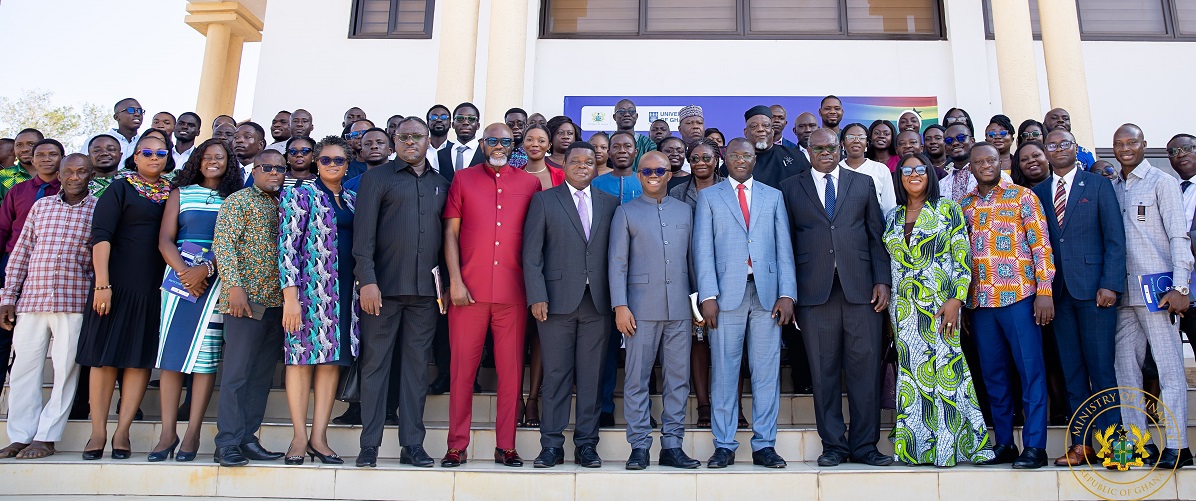
      He made these remarks during the 2nd Quarterly Economic Roundtable (QER) held at the University of Ghana, under the theme, “Driving Economic Growth Through Small and Medium Enterprises (SMES)”.

      SMEs behind Strong Half-Year Economic Growth
      SMEs behind Strong Half-Year Economic Growth – Dr Amin Adam

      He noted further that the economy was back on track, an indication that government policies to support the private sector are yielding positive results.

      “However, we know that future stellar growth is not guaranteed. To manifest our growth prospects, we need to mitigate key risks. Managing these risks require us to reconsider policies and reinforce strong partnerships with stakeholders, especially with the SME sector.”

      He said the round table on SMEs was therefore a step in the right direction as the discussions will focus on how to address challenges faced by SMEs and how to mitigate them to optimize the gains from SME for job creation, income generation and economic expansion.

      “Ladies and Gentlemen, as we engage today, it is my sincere expectation that we are guided by our unity of purpose on SMEs. As demonstrated in our remarkable recovery story, there is nothing that purposeful partnerships and focused leadership cannot achieve. The strides we have made in fiscal consolidation, debt restructuring, and economic reforms are a testament to our collective will to succeed.”

      Dr Amin Adam noted that government is already implementing a number of programmes in that sector. These include the 8.2 billion SME-Go programme to support SMEs to leverage regional and global opportunities; the US$200 million Ghana Jobs and Skills Project and the US$200 million Ghana Economic Transformation Project being implemented with the World Bank.

      In addition to the above, government has put in place measures to strengthen Ghana Enterprises Agency, Ghana Commodity Exchange, MASLOC, National Entrepreneurship and Innovation Programmes and Venture Capital Trust Fund to provide timely and comprehensive support to SMEs.

      “To the SMEs that continue to strive, I say to you: we are here in your name. You are not alone or lonely. You are priority of the Ghanaian society and this Government. We will not fail you. The outcome of this Roundtable is expected to benefit your current operations and future growth prospects.”

      The Vice Chancellor of the University of Ghana, Prof. Nana Aba Appiah Amfo said the QER was in line with the University’s vision and mission saying “Through the Quarterly Economic Roundtable, University of Ghana strengthens it position not only as a knowledge generation hub but also to influence public policy, provide informed insights, foster innovation and promote collaboration with key stakeholders for national development”

      The focus on SMEs she noted was also very critical as it will provide job opportunities for the thousands of students who churn out of the universities annually.

      “As Vice Chancellor, who is involved in the training of young people, this is an area of interest for me, as it is obvious that the formal public and private sectors cannot absorb the tens of thousands students that we graduate every year, and who are out there in search of jobs. SMEs should be a viable option for consideration for many of them”.

      Mr. Kyle Kelhofer, Senior Country Manager, International Finance Corporation (IFC) welcomed the initiative noting that the collaboration between academia, government and financial institutions was essential for driving innovation and creating sustainable solutions for SME financing.

      “Academia provides valuable research, data, and insights that can inform financial products and services tailored to the needs of SMEs. By working together, we can develop innovative financing models, leverage technology, and create an enabling environment for SMEs to thrive.”

      The Quarterly Economic Roundtable is organized by the Ministry of Finance and the Institute of Statistical, Social and Economic Research of the University of Ghana and was supported by the International Finance Corporation of the World Bank.

      The main objective of the second roundtable was to provide critical analysis and discussions around policy strategies that can catalyze innovation and promote sustainable growth in SMEs

    14. Moody’s upgrade demonstrated the NPP’s capability to restore the economy – Ahiagbah

      Moody’s upgrade demonstrated the NPP’s capability to restore the economy – Ahiagbah

      Communications Director for the New Patriotic Party (NPP), Richard Ahiagbah, views Moody’s recent upgrade of Ghana’s outlook as evidence of the economy’s recovery.

      According to Ahiagbah, this reflects the NPP government’s capability to restore economic stability.

      In a post on X, he responded to Moody’s upgrade of Ghana’s outlook from ‘stable’ to ‘positive,’ stressing the significance of this achievement.

      He also called on former President John Dramani Mahama to recognize the progress made and give due acknowledgment to the government’s efforts.

      Read his post below:

      Moody’s has raised Ghana’s credit rating to Caa2, with a positive outlook signaling future fiscal stability. This encouraging update validates the ongoing economic recovery, highlighted by the stronger-than-expected growth rate of 5.8% on average during the first and second quarters of 2024.

    15. Ethiopia, Ghana, Nigeria among 2024 worst performing currencies in Sub Saharan Africa – World Bank

      Ethiopia, Ghana, Nigeria among 2024 worst performing currencies in Sub Saharan Africa – World Bank

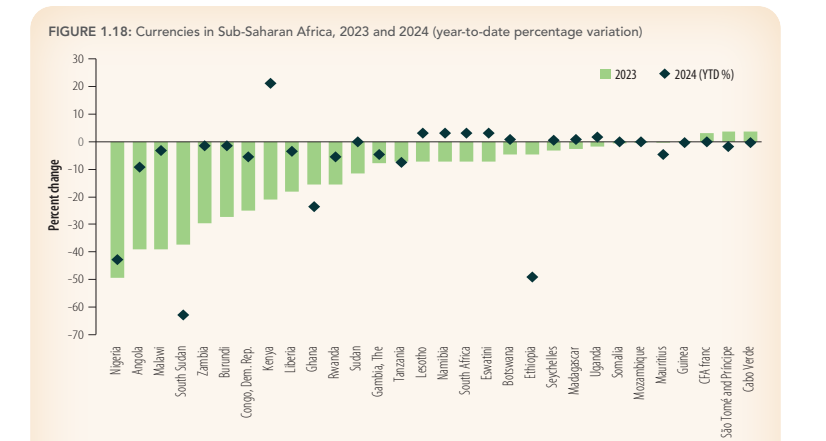
      The Ghana cedi, along with three other currencies, ranks among the poorest performers in Sub-Saharan Africa (SSA) for 2024, according to the World Bank’s October 2024 Africa Pulse Report.

      The report highlights that the cedi has depreciated approximately 24% against the US dollar, making it the fourth weakest currency in the region.

      The most poorly performing currencies in SSA this year include South Sudan’s pound (over 60% decline), Ethiopia’s birr (51%), and Nigeria’s naira (over 40%).

      In contrast, the Kenyan shilling has emerged as the top-performing currency in Africa, boasting a year-to-date increase of around 21% as of August 2024.

      “Ethiopia, Ghana, and Nigeria are among the worst performing in Africa this year, and their currencies continue weakening while demand for foreign exchange remains pressing”, the report said.

      It added “By end-August 2024, the Ethiopian birr, Nigerian naira, and South Sudanese pound were among the worst performers in the region. The Nigerian naira continued losing value, with a year-to-date depreciation of about 43% as of the end of August. Surges in demand for US dollars in the parallel market, driven by financial institutions, money managers, and non-financial end-users, combined with limited dollar inflows and slow foreign exchange disbursements to currency exchange bureaus by the central bank explain the weakening of the naira”.

      In contrast, the report said some currencies that weakened in 2023 have stabilised or strengthened this year.

      “The Kenyan shilling is the best-performing currency in Sub-Saharan Africa this year: it appreciated by 21 per cent year-to-date by end-August 2024. The South African rand and currencies pegged to it have strengthened by 3.1% so far this year, after losing value in the past year”.

      While many currencies are stabilizing, the October 2024 Africa Pulse Report highlighted that African policymakers still face challenges with exchange rate pressures and foreign currency shortages.

      “From a sample of 30 countries and two currency unions (the Economic and Monetary Community of Central Africa and WAEMU), more than one-third of the countries in the region are set to have less than three months of imports in international reserves by end-2024”.

    16. Ghana’s cedi trades at GHS16.50 to dollar

      Ghana’s cedi trades at GHS16.50 to dollar

      Ghana’s currency continues to face challenges, with the cedi persistently losing value against key foreign currencies like the US dollar.

      After experiencing some stability in July, coupled with easing inflationary pressures, the cedi has resumed its downward trend.

      As of October 14, 2024, at 10:00 AM, checks by GhanaWeb Business indicate that the cedi is trading at GH¢16.50 to the dollar, while the pound is priced at GH¢21.38 in various forex bureaus across the country.

      The Euro, meanwhile, is trading at GH¢17.93 on the retail market.

      Recent reports by Bloomberg reveal that the cedi has weakened by 0.1% to trade at GH¢15.67 per dollar, a development expected to exacerbate the economic struggles faced by Ghanaians, particularly in light of businesses’ pricing practices.

      Over the past month, the cedi has depreciated by nearly 1% against the dollar and has lost nearly 24% of its value in 2024 alone, according to Bloomberg.

      Additionally, Ghana’s dollar bonds set to mature in 2032 rose slightly by 0.2 cent to 52.36 cents on the dollar in London trading on September 11, 2024.

    17. What Commercial drivers spend their profits on amidst economic hardship

      What Commercial drivers spend their profits on amidst economic hardship

      Amid the continuous increase in inflation and fuel prices, many commercial drivers have voiced concerns about the soaring cost of fuel and its effect on their livelihoods.

      In an interview on BizTech on GhanaWeb TV, a commercial driver expressed his frustration, explaining how he often ends up using his day’s earnings to cover fuel expenses.

      He described the situation as discouraging and urged the government to step in and offer support.

      “If I need to fill my car tank, it will cost me GH¢500. Any increase in fuel prices affects us (drivers) because even though it shows that we have worked, all the money goes back into buying fuel,” he explained.

      A different Ford Transit driver, who disclosed that it costs him GH¢400 to fill his tank, also expressed his frustrations regarding the steep fuel prices in the country.

      “I spend GH¢400 to fill my tank, and before you know it, they increase the fuel prices again. It’s concerning,” he stated.

      Watch the latest edition of BizTech below:

    18. Handheld ultrasound devices transform maternal healthcare in Kenya

      Handheld ultrasound devices transform maternal healthcare in Kenya

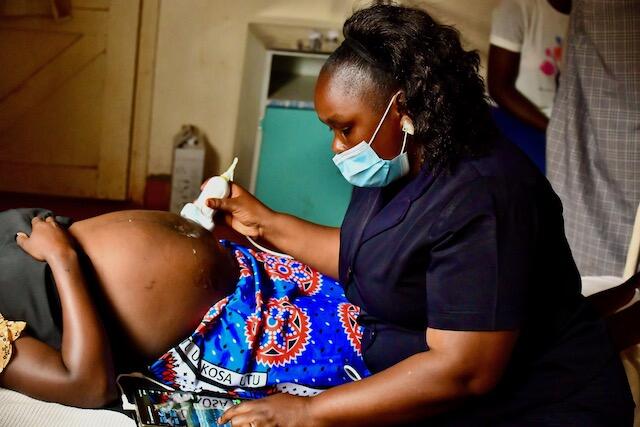
      Portable ultrasound devices are transforming maternal healthcare in Kenya’s rural areas by enabling earlier detection of pregnancy complications.

      This vital technology is enhancing the health outcomes for both mothers and infants, bringing renewed hope to underserved communities.

      Namunyak Tajiri, a 37-year-old mother of nine from a remote village in Namanga, has struggled to access healthcare facilities.

      Now expecting twins, she feels more hopeful than ever, as she can utilize prenatal services with the assistance of a portable ultrasound device.

      In her previous pregnancies, she encountered difficulties, with her third resulting in heartbreak when she lost one of her twins.

      Since its launch in November 2020, the UNFPA mobile ultrasound program has trained numerous midwives and screened over 2,500 women across Kajiado, Migori, Homabay, and Kisii counties.

      The devices are provided free of charge, enabling midwives to detect pregnancy complications early and significantly lowering the risks of maternal and infant mortality.

      Dorothy Kwamboka, a nurse at Namanga Health Centre, expresses concern, stating, “We have women who travel long distances, making transportation a significant challenge. This often necessitates taking the portable machine to them, and when we do get there, power outages can prevent us from performing many scans. Additionally, some women face financial constraints and feel unable to pay.”

      The introduction of portable ultrasound technology offers critical medical support, particularly in areas where healthcare is scarce and cultural beliefs may deter pregnant women from visiting hospitals for prenatal care.

      Kwamboka highlights that community health volunteers have been instrumental in shifting attitudes among pregnant women.

      Thanks to its portable nature, the device has significantly enhanced midwifery services, allowing practitioners to reach remote locations and provide essential care to women far from medical facilities.

      They emphasize the significance of scans and the advantages of early planning to prevent complications.

      According to Pilar Molina, who specializes in Sexual and Reproductive Health and serves as the UNFPA Deputy Representative for Kenya, Africa is struggling to meet maternal mortality targets for several reasons.

      She points out the critical issues of adolescent pregnancy and child marriage.

      The introduction of new technology can be highly beneficial, as it aids in detecting complications in likely high-risk pregnancies, allowing for timely referrals and the necessary level of care.

      An ultrasound scan costs Ksh 500 ($3) for patients, identical to the price in public hospitals, while private hospitals charge about Ksh 1500.

      The facility is capable of performing up to three scans per day when adequately staffed.

      Pregnant women are given information regarding the positions of the baby and placenta, which assists in deciding between a normal delivery and a caesarean section.

      Additionally, medics can spot issues like breech positions early and identify the baby’s gender.

      Ongoing education for women, men, and children about the significance of prenatal care enhances maternal and infant health outcomes in these communities.

      The UNFPA indicates that in Kenya, 355 women die from pregnancy-related causes for every 100,000 live births.

      This results in approximately 5,000 women and girls losing their lives each year from complications related to pregnancy and childbirth.

    19. GOIL fuel attendants allegedly selling less than GHS500 worth of fuel for GHS1K

      GOIL fuel attendants allegedly selling less than GHS500 worth of fuel for GHS1K

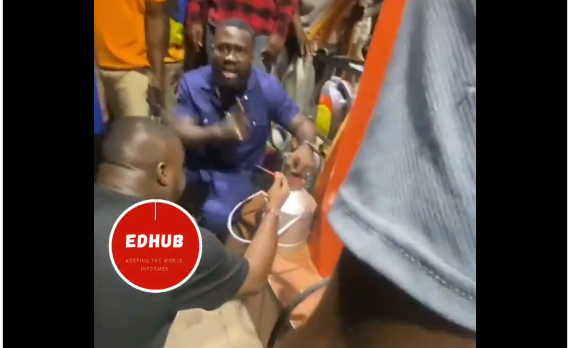
      Journalist Okatakyie Afrifa-Mensah has exposed what appears to be a fuel pump tampering scheme at a GOIL filling station in Atimpoku, Eastern Region, accusing attendants of shortchanging customers by dispensing far less fuel than they pay for.

      According to Okatakyie, the station’s attendants have manipulated the fuel pumps to give customers significantly less fuel than what is shown on the dispenser.

      To demonstrate this, he asked an attendant to pump 10 litres of fuel into a calibrated container.

      After examining the container, Okatakyie pointed out that the fuel level was much lower than what 10 litres should be.

      “If you buy 10 litres of fuel, this is where it should get to. But look at where the 10-litre mark on the board reached—it’s theft on a massive scale,” he claimed.

      He further added, “This isn’t even 5 litres. If you buy fuel worth GH¢1,000, they’re actually giving you less than GH¢500 worth of fuel.”

    20. Marburg Outbreak in Rwanda under control – Health Minister says

      Marburg Outbreak in Rwanda under control – Health Minister says

      In the aftermath of Rwanda’s announcement of a Marburg virus disease outbreak on September 27th, the Minister of Health has reassured the public that the situation is being effectively managed.

      In a briefing with diplomats and development partners, Minister Nsanzimana outlined the vaccination efforts aimed at combating the virus.

      Rwanda recently acquired 700 doses of an experimental vaccine, which has been administered to healthcare workers and individuals who have had contact with confirmed cases.

      “We had been communicated that the vaccines are available. I think we took it as a great opportunity to have it and to boost our immune system,” said Augustin Sendegeya, Chief Medical Officer at King Faisal Hospital.

      Although the vaccine is still under trial, Sendegeya said he believes it is safe and could be invaluable for those who are at risk of becoming infected.

      Some doctors have also insisted that they have seen no major side effects from the vaccine. “I don’t even expect much because I saw people who took the vaccine yesterday and they did not have many symptoms,” said Blaise Dushimiyimana, a Gynecologist at the University Teaching Hospital of Kigali.

      To date, over 200 individuals in the country have received the vaccine.

      Marburg virus disease is a severe and often fatal illness in humans. Since the outbreak was declared, Rwanda has reported 13 fatalities linked to the virus.

    21. Okatakyie Afrifa exposes robbery at fuel station

      Okatakyie Afrifa exposes robbery at fuel station

      Journalist Okatakyie Afrifa-Mensah has brought attention to a potential fuel pump tampering scam at a GOIL filling station in Atimpoku, Eastern Region, putting the station’s attendants under the spotlight.

      He accused the attendants of altering the pump to deliver less fuel than customers paid for, despite the displayed quantity on the fuel dispenser.

      To substantiate his claim, Okatakyie asked an attendant to pump 10 litres of fuel into a calibrated container.

      Upon inspecting the container, he argued that the fuel level was significantly lower than it should have been for 10 litres.

      “If you buy 10 litres of fuel, this is where it should get to. But see where the 10-litre fuel showing on the board reached. Look at the amount of theft these people are committing.

      “Look at the volume of fuel they are stealing… This isn’t even up to 5 litres. This means the amount of fuel they are stealing is shocking. If you buy fuel worth GH¢1,000, they’re actually giving you fuel worth less than GH¢500,” he said.

      Watch a video from the scene of the incident below:

    22. Oil prices dip amid China’s weak demand, Middle East uncertainties

      Oil prices dip amid China’s weak demand, Middle East uncertainties

      Oil prices started lower this morning, with both benchmarks dropping over 1% after a policy briefing in China over the weekend failed to introduce new measures to stimulate domestic consumption.

      Brent crude slipped to $77.50 per barrel early Monday, while U.S. benchmark West Texas Intermediate (WTI) fell to $73.65 per barrel.

      In China, the Consumer Price Index (CPI) increased by 0.4% year-on-year, while the Producer Price Index (PPI) fell by 2.8%.

      The deflationary trend persisted in September, with stagnant consumer prices and declining producer prices.

      This data contributed to the decline in oil prices, offsetting concerns that conflicts in the Middle East could disrupt global supply in a region that holds a significant portion of the world’s oil reserves.

      At the same time, growing expectations that inflation pressures in the U.S., the world’s largest oil consumer, are easing have kept oil prices from falling further.

      In the U.S., the PPI remained steady on a monthly basis in September, falling short of predictions, while it rose by 1.8% annually, exceeding expectations.

      Core PPI, excluding volatile food and energy prices, increased by 0.2% month-on-month, meeting forecasts, and rose by 2.8% year-on-year, surpassing expectations.

      However, the potential for escalation in the Middle East conflict has led hedge funds to unwind bearish positions in ICE Brent at the fastest rate in nearly eight years, according to a note from ING commodities strategists.

      Analysts pointed out that recent positioning data shows significant speculative buying in ICE Brent over the past week.

      According to ING, speculators added 123,226 lots to their net long position, marking the fourth consecutive week of long builds, bringing their net long position to 165,008 lots as of last Tuesday.

      Meanwhile, Iraq’s state oil company, SOMO, reported that the country reduced oil output by 260,000 barrels per day (bbls/d) to 3.94 million barrels per day in September, 60,000 barrels below its OPEC+ production quota, as part of efforts to comply with the group’s strategy to stabilize global crude markets.

      Earlier, OPEC+ urged members like Iraq, Kazakhstan, and Russia to fully implement the output cuts agreed upon at the start of the year. OPEC is set to release its monthly oil market report, with the IEA also scheduled to publish its monthly report tomorrow and its World Energy Outlook the following day.

    23. Gov’t sees oversubscription in its treasury bill sales

      Gov’t sees oversubscription in its treasury bill sales

      The government achieved a slight oversubscription in its treasury bill sales after failing to meet its target for three consecutive weeks.

      This follows the International Monetary Fund’s approval of the third review of Ghana’s Extended Credit Facility (ECF) Programme, which came after the restructuring of Eurobonds was completed.

      The government raised 1.08% above its target of GH¢4.565 billion.

      All submitted bids were accepted.

      Around GH¢3.88 billion, or 84% of the total bids, were for the 91-day bill.

      For the 182-day bill, approximately GH¢500.68 million was tendered, while the 364-day bill saw bids amounting to GH¢225.96 million from investors.

      At the same time, interest rates saw a slight uptick across the yield curve.

      The yield on the 91-day bill rose by 16 basis points to 25.61%, while the 182-day bill rate increased to 26.90%, up from 26.80% the previous week.

      However, the 364-day bill rate dropped by 7.0 basis points to 28.58%.

      SECURITIESBIDS TENDERED (GH¢)BIDS ACCEPTED (GH¢)
      91-Day Bill3.887bn3.887bn
      182 Day Bill500.68m500.68m
      364 Day Bill         225.96m225.96m
         
      Total4614.47bn 
      Target4.565bn 
    24. Would he have prophesied Mahama’s victory if he was still affiliated to NPP? – Yaa Yeboah

      Would he have prophesied Mahama’s victory if he was still affiliated to NPP? – Yaa Yeboah

      Entertainment pundit, Yaa Yeboah, has indicated that the Founder and Leader of Glorious Word Power Ministries International, Rev. Isaac Owusu-Bempah, has not been consistent in his prophecies.

      Speaking in an interview on United Showbiz, Yaa Yeboah expressed concerns over what she describes as confusing prophecies from the pastor.

      According to her, such prophecies from pastors tarnish the image of Christianity and make it difficult to convince non-believers to join the faith.

      “Is God not a direct God? When I listen to these prophecies, it is mind-boggling. It becomes challenging to convince non-believers to embrace Christianity. From 2016 to now, Owusu-Bempah has not been consistent in his prophecies,” she said.

      Yaa Yeboah further noted that Rev. Owusu-Bempah would not have prophesied the victory of the National Democratic Congress (NDC) Flagbearer, John Dramani Mahama, in the December 7 elections if he was still affiliated with the NPP.

      “We’ve known Owusu-Bempah’s political affiliation all these years. I want to ask, assuming he was still with the NPP, would he have prophesied Mahama’s victory in this year’s elections? Sometimes, we shouldn’t make these things too obvious,” she noted.

      She further called on pastors to allow church members to make their own decisions.

      “When a prophet makes such declarations, church members who hold these pastors in high esteem sometimes vote for political parties based on these prophecies. I think these pastors should allow people to make their own decisions,” she added.

      Her comments come in response to recent attacks from some Ghanaians towards Rev. Isaac Owusu-Bempah after he prophesied Mahama’s victory in the 2024 election when the latter recently met with some clergymen in the country.

      Watch the video below:

    25. Video: Kwesi Arthur eats ‘gari soakings’ during stage performance at 2024 Tidal Rave

      Video: Kwesi Arthur eats ‘gari soakings’ during stage performance at 2024 Tidal Rave

      Rapper Kwesi Arthur was one of the performers at the just ended 2024 edition of Tidal Rave.

      It took place on Saturday, October 12, at prime locations, including Alora Beach Resort, Rehab Beach Club, and Garage Lounge and Bar, featuring vibrant atmospheres with mixology demonstrations and live entertainment.

      In a post shared by SIKAOFFICIAL on X, Kwesi Arthur was spotted on stage with a plain plastic bowl, into which he poured gari and its toppings before adding water.

      As he performed one of his songs, he stirred the mixture, took two spoonfuls of the gari soakings, handed the bowl to a crew member, and then picked up the microphone to kick off his performance.

      The crowd erupted with excitement, singing along and capturing the moment on their phones.

      Social media has since been abuzz with reactions to the musician’s unique act.

      Watch a video of Kwesi Arthur at Tidal Rave here:

    26. Video: LilWin throws money at launch  of Prophet Adom Kyei-Duah’s daughter’s EP

      Video: LilWin throws money at launch of Prophet Adom Kyei-Duah’s daughter’s EP

      Last week, Naa Jacque, daughter of the Believers Worship Center’s “Philadelphia Movement,” released her EP titled Tears of Joy.

      Ghanaian actor Kwadwo Nkansah, widely known as LilWin, was among the invited guests who attended Naa Jacque’s EP launch titled “Tears of Joy”

      Naa Jacque is teh daughter of the Believers Worship Center’s “Philadelphia Movement, Prophet Adom Kyei-Duah.

      In a video sited by The Independent Ghana, the actor is seen approaching the singer and showering him with bundles of cash.

      After his generous display, LilWin enthusiastically joined others in dancing.

      While Naa Jacque performed songs from her EP, LilWin stepped forward and tossed another bundle of cash her way.

      Earlier in October, LilWin was also seen offering ten bundles of cash to Prophet Adom Kyei-Duah, leader of the Philadelphia Movement, as a token of gratitude for the prophet’s support during difficult times.

      Watch video below:

    27. Rev. Owusu-Bempah is facing God’s wrath for supporting NPP – A Plus

      Rev. Owusu-Bempah is facing God’s wrath for supporting NPP – A Plus

      Ghanaian musician and politician, Kwame Asare Obeng, popularly known as Kwame A Plus, has asserted with confidence that Reverend Isaac Owusu-Bempah is facing God’s wrath for supporting the New Patriotic Party(NPP).

      He mentioned that he had warned Reverend Owusu-Bempah against aligning himself with the party, with the believe that the NPP was not the right choice for him.

      Nevertheless, the respected clergyman disregarded his warning and maintained his support for the party.

      A-Plus is now convinced that God has punished him for the challenges he’s currently facing, which may explain why the man of God has distanced himself from the NPP at this time.

      He claims that Owusu-Bempah has realized the truth after he was arrested and remanded into police custody.

      “The truth is that Rev. Owusu-Bempah is my big brother, but it is God who has punished him for whatever is going on in his life. I warned him against these people (NPP), that they are not good. But he sat me down and lectured me on the best government for this country. When he was arrested, he realized that… I told my brother not to follow these people; I prophesied to him that these people are not good, but he still insisted. The day he was remanded into police custody, I wanted to call him and congratulate him that my prophecy had come to pass,” A Plus said.

      A-Plus voiced his approval of the recent prophecy by the man of God, forecasting that National Democratic Congress flagbearer John Dramani Mahama will emerge victorious in the December 7 elections.

      “As for that prophecy, I believe it. He should keep giving that prophecy. I won’t believe any other prophecy apart from a prophecy that is about John Mahama,” he emphasized on the October 12 edition of United Showbiz.

      Watch his comments below:

    28. East Legon crash claims 2 lives as vehicles burst into flames

      East Legon crash claims 2 lives as vehicles burst into flames

      Two young women tragically lost their lives following a fatal car accident in East Legon, Accra, on Saturday.

      Their Acura collided head-on with a Jaguar, igniting a fire that engulfed both cars.

      The crash also caused a wooden electric pole to topple, with live wires fueling the flames.

      Three others, including both drivers, suffered serious injuries and are currently in critical condition, receiving urgent medical care.

      Emergency responders arrived promptly, but the heartbreaking deaths of the two women have left the local community in mourning.

      Due to the graphic nature of the event, viewer discretion is advised.

    29. I was constantly repairing and wearing one brassiere – Delay on her journey to success

      I was constantly repairing and wearing one brassiere – Delay on her journey to success

      Celebrated Ghanaian media figure Deloris Frimpong Manso, widely recognized as Delay, has candidly discussed her journey to success and the challenges she faced along the way.

      In a video circulated online, Delay, the host of the well-known Delay Show, which has aired for 16 years, shared that she started from humble beginnings and faced significant difficulties before achieving her current status.

      Reflecting on her early life in Tema, the accomplished television presenter and entrepreneur recounted the severe financial struggles she experienced.

      She recalled times when she had to go without meals, depending on friends coming home from work to share their food with her.

      “The friend would then go and buy ‘check check’ (fried rice), which we shared,” Delay recalled.

      To illustrate the gravity of her circumstances, Delay, who recently dismissed rumors about dating Amerado, revealed that she owned just one bra, which she had to “repair” repeatedly due to regular use.

      “At a point, I had only one brassiere. One hand would get torn, and I would sew it and use it again,” she said while laughing.

      This revelation highlights the dramatic contrast between her past and her current status as one of Ghana’s top media figures. Today, Delay is recognized for her sophisticated look and thriving business endeavors, yet she often reminisces about the hardships she faced on her path to success.

    30. Watch a kindergarten teacher’s creative dance captivating students in a classroom

      Watch a kindergarten teacher’s creative dance captivating students in a classroom

      A heartwarming video featuring a dedicated female teacher in her early 40s has captured widespread attention online.

      In this short clip, she is seen engaging kindergarten students with infectious enthusiasm, acting out scenarios and visually illustrating her lessons.

      Clocking in at under a minute, the footage, shared by the media, showcases the joyful interaction between the teacher and her delighted young pupils, who respond eagerly to her soothing teaching style.

      Reactions from netizens have poured in, with many sharing their thoughts on the inspiring video.

      Watch the video below

    31. Ga is my identity – Perez Musik on featuring Ga lyrics in his songs

      Ga is my identity – Perez Musik on featuring Ga lyrics in his songs

      Award-winning artist Perez Musik has revealed the motivation for incorporating the Ga language into his music.

      During an interview with Andy Dosty on Hitz FM, he explained that this choice allows him to connect with a broader audience that can relate to his songs.

      “I find it essential to use Ga because it’s a part of who I am,” Perez shared. “While my popular tracks are primarily in Ga, I also sprinkle in English. This blend helps me reach a wider audience while staying true to my roots.”

      Recognized for his thought-provoking inquiries, Andy Dosty brought up an important issue: “Given that Twi is the most widely spoken language in Ghana, do fans express concerns about your use of Ga? Is it a barrier for them?”

      Perez took a moment to reflect before answering. “I have created songs in Twi, but I was discouraged by some feedback about my strong Ga accent in those tracks. So, I decided to focus more on Ga because I can convey my message better in my native language,” he explained, emphasizing the importance of authenticity in his work.

      The discussion deepened when Andy Dosty inquired whether Perez sought the input of those fluent in Twi prior to launching his songs. “I’d say my songwriting skills in Twi are strong,” Perez replied confidently.

      “The real challenge for me is how I deliver those lyrics vocally. Luckily, my entire team speaks Akan, which helps me with the proper syntax and grammar. They ensure that the lyrics are correct, so I can focus on my performance.”

      Although he recognizes the widespread appeal of Twi, he is committed to expressing himself in a manner that feels authentic to him.

      “I want my fans to feel my passion and my story,” he added, his voice filled with conviction. “Using Ga allows me to do that. It’s about creating a genuine connection.”

    32. Nana Akua Addo shows off dance moves with Wendy Shay’s Vivienne remix

      Nana Akua Addo shows off dance moves with Wendy Shay’s Vivienne remix

      Recently, Nana Akua Addo displayed her impressive dance skills while enjoying Wendy Shay’s new remix of the viral Vivienne soundbite.

      The soundbite has seen over a million submissions on TikTok, showcasing its widespread popularity in various creative contexts.

      In a video circulated by the media, the socialite captivates fans with her lively dance moves and radiant no-makeup look while grooving to Wendy Shay’s rendition.

      Joining the trend, Ghanaian singer Wendy Shay has unofficially released her version of the popular TikTok soundbite, aligning herself with many artists who have embraced the Vivienne craze.

      Quickly gaining traction on social media, this version features relatable lyrics that resonate with a wide audience in Ghana.

      Originally from Cameroonian artist Prince Aime’s 2015 track Vivienne, the soundbite has become a sensation, driving considerable engagement across social platforms.

      Watch the video below:

      https://www.tiktok.com/@nanaakuaaddo1/video/7423800704902515974?is_from_webapp=1&sender_device=pc

    33. Ghanaian artist Deon Boakye introduces ‘DeeBee’ as his new stage name to followers

      Ghanaian artist Deon Boakye introduces ‘DeeBee’ as his new stage name to followers

      Ghanaian music sensation Deon Boakye has made a splash on Instagram with a captivating photo from the recent “Swimming Competition in Ghana,” delighting his fans and followers.

      In this post, he revealed his new stage name—DeeBee, which is a catchy shorthand for Deon Boakye.

      Having released two successful EPs, Legendary Journey EP Vol. 2 and SadNation, DeeBee is far from complacent.

      He aims to produce an impressive 200 songs by his birthday on March 9, 2025. With over 20 tracks already out, he is demonstrating his commitment and creativity in the music scene.

      Listeners can look forward to a flurry of new releases from DeeBee in the upcoming months as he embarks on this exciting endeavor.

      With his vibrant energy and deep love for music, DeeBee is making significant strides in the Ghanaian music industry. Keep an eye out for more updates on this rising talent!

    34. Absence of most industry players at Africa Cinema Summit embarrassing – Gloria Sarfo

      Absence of most industry players at Africa Cinema Summit embarrassing – Gloria Sarfo

      Ghanaian actress Gloria Sarfo has voiced her disappointment over the lack of attendance from certain stakeholders at the second Africa Cinema Summit held in Accra.

      In an interview with TV3, Sarfo called the situation “disheartening,” noting that it is unfortunate for industry professionals to miss an event aimed at advancing the African film sector.

      She acknowledged that while some actors and producers may be busy filming, they could have made time for such a crucial gathering.

      “We’ve really learnt a lot. Like I said, it’s all about Africa, projecting our local languages and also our cinema markets. It’s really disheartening, I think it’s a better word, to realize that most of our industry players were not here.

      “You remember yesterday when Kule was talking, and he was asking where are your movie producers? Where are the actors? And it was so embarrassing that there was silence in the entire auditorium.

      “It’s possible that most of them maybe filming, maybe on set at the moment, but trust me, we could have also made some time for this, for the industry,” she bemoaned.

      Idris Elba is presently in Ghana for the second Africa Cinema Summit, which began on October 7 and will conclude on Thursday, October 10.

      Taking place at the Movenpick Ambassador Hotel in Accra, the summit was organized by the National Film Authority.

      The purpose of this second edition of the Africa Cinema Summit is to promote collaboration, innovation, and sustainable development within the African film industry.

    35. We have to win our developing market in Africa – Idris Elba tells African filmmakers

      We have to win our developing market in Africa – Idris Elba tells African filmmakers

      Acclaimed British actor and producer Idris Elba has urged African filmmakers to focus on winning over the continent’s developing market, emphasizing the importance of cultivating local talent and enhancing distribution channels to capture a wider audience.

      The star of Beast of No Nation recognized that although these platforms are valuable for promoting African content worldwide, genuine success depends on developing local capacity and infrastructure.

      During his address at the Africa Cinema Summit (ACS), which kicked off in Accra on Monday, October 7, Idris Elba, a strong advocate for strengthening Africa’s film industry, expressed his desire for a thriving sector that can sustain itself with a distribution network independent of Western influences.

      “The lifespan of African cinema is endless. We need to talk about distribution, we need to talk about how to grow the industry. For instance, filmmaking in Ghana is growing and we have seen fantastic stories and creative talents, not to mention the fantastic wealth of tourism.

      “We have to win our developing market in Africa. Inasmuch as we want to appeal to the international market, we have to win our own first. When you watch American box hit movies, usually, they make box offices in America before other countries,” he stated.

      He believes the focus should be on enhancing visibility by improving infrastructure, establishing effective distribution channels, and connecting filmmakers with audiences both on the continent and worldwide.

      “The future relies on us, our own distribution. We must fill the cinemas with our people first.

      “So it’s important not to always focus internationally but focus on home. Also, we need to build films that get to the standard of the rest of the world. There’s no excuse because we all need to adhere to the democratisation of equipment, which means that we can all shoot with good cameras and microphones.“We have to be committed to quality, which means that we need education or to educate one another and make sure that the standard raises,” he added.

      Idris Elba’s dedication to African cinema extends well beyond mere rhetoric. Through his production companies, IE7 and The Akuna Group, he is actively investing in the continent’s creative capabilities while nurturing local talent.

      He emphasized that African storytellers need to find a balance between staying true to their roots and appealing to international audiences, ensuring that their narratives resonate and captivate a global viewership.

      “Remember that when we tell a story, we want everyone to pay attention to them, so we have to tell stories that are familiar to the international market.

      “And with the combination of all that, with distribution and other relevant elements, we can bolster our fortunes and set our foot further,” he said.

      The second Africa Cinema Summit (ACS) commenced on Monday, October 7, and will conclude today, October 10, 2024.

      Building on the success of its inaugural edition last year, the 2024 summit has broadened its focus, bringing together industry leaders and film enthusiasts from across the globe to discuss innovative strategies for the cinematic advancement of the continent.

      Additionally, a Legacy Awards ceremony took place at the Movenpick Ambassador Hotel in Accra on Wednesday, October 9, recognizing individuals who have made significant contributions to the growth and development of Africa’s film industry.

      The summit officially wrapped up yesterday with the filming of selected movies.