Author: Amanda Cartey

  • Govt sees slight oversubscription in T-bills auction amid rising interest rates

    Govt sees slight oversubscription in T-bills auction amid rising interest rates

    The government saw a slight oversubscription in its latest treasury bills auction, but this came with a rise in interest rates.

    According to the Bank of Ghana’s auction results, the government raised GH¢4.195 billion from the sale of short-term securities, surpassing its target of GH¢4.035 billion.

    All submitted bids were accepted.

    Around 83% of the bids, or about GH¢3.52 billion, were for the 91-day treasury bill.

    The 182-day bill attracted bids worth GH¢545.83 million, while GH¢128.52 million was offered for the 364-day bill.

    At the same time, interest rates on the yield curve continued to climb for the second week in a row.

    The yield on the 91-day bill increased by 33 basis points to 25.94%.

    The rate for the 182-day bill rose to 27.03%, up from 26.90% the previous week.

    The 364-day bill yield also grew by 15 basis points to 28.73%.

    SECURITIESBIDS TENDERED (GH¢)BIDS ACCEPTED (GH¢)
    91 Day Bill  3.520 billion3.520 billion
    182 Day Bill545.83 million545.83 million
    364 Day Bill128.52 million128.52 million
       
    Total4195.32 billion 
    Target4.035 billion 
       

  • We can’t achieve much if Customs works in isolation – GRA boss

    We can’t achieve much if Customs works in isolation – GRA boss

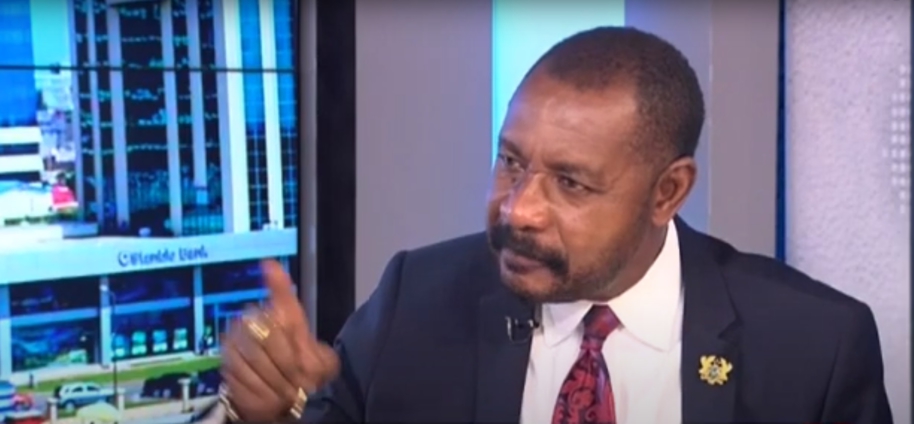
    Chief Revenue Officer of the Ghana Revenue Authority (GRA), Jonathan Dabrah, has recognized that although Customs plays a key role in enforcing trade regulations, its success heavily relies on close cooperation with private sector stakeholders.

    Speaking on the Eye on Port television program, Dabrah stressed the importance of Customs in facilitating trade under the African Continental Free Trade Area (AfCFTA). He urged for enhanced collaboration between the Customs Division, Customs House Brokers, and the private sector to ensure the seamless application of the rules of origin under the agreement.

    “The success of AfCFTA lies in collective efforts. We can’t achieve much if Customs works in isolation. It’s crucial that brokers, traders, and manufacturers all align with the standards and expectations under the agreement,” Mr. Dabrah stressed.

    He called on all stakeholders to strengthen their engagement with Customs, highlighting the ongoing capacity-building initiatives aimed at equipping brokers and other key players with the necessary skills to adhere to the new trade protocols.

    The conversation focused on the Rules of Origin, a critical component of AfCFTA, which determines the economic nationality of goods, ensuring that only eligible products benefit from preferential tariff rates.

    CRO Dabrah explained that the rules of origin are designed to distinguish products genuinely produced within AfCFTA member countries, preventing those from non-member states from wrongfully claiming these benefits. He elaborated on the concept of “substantial transformation,” which requires raw materials to undergo significant processing before being classified as originating from a particular country. Key factors like changes in tariff classification, value addition, and specific manufacturing processes are used to assess origin. As an example, Dabrah referenced Ghanaian cocoa being processed into chocolate to meet origin criteria.

    He stressed the importance of customs brokers fully understanding these rules, as they serve as a crucial link between Customs and the business community. To support this, the Customs Division has ramped up training efforts, ensuring that brokers are well-equipped to navigate the complexities of the rules of origin.

    Dabrah also mentioned the upcoming establishment of an AfCFTA Academy by the AfCFTA Secretariat, which will empower customs brokers and trade professionals across Africa. In Ghana, Customs officers have already received advanced training on the rules of origin to ensure compliance with AfCFTA requirements. This, he noted, will help prevent documentation errors and speed up processing at the country’s ports and border points.

    Additionally, he pointed to the creation of a specialized Tariff and Trade Unit within the GRA, which has been tasked with overseeing the implementation of free trade agreements, including AfCFTA.

    “Management has shown strong commitment by establishing this unit to ensure that we are adequately prepared to handle AfCFTA, alongside other trade agreements like the ECOWAS Trade Liberalisation Scheme (ETLS), the Ghana-EU Partnership Agreement, and the Ghana-UK Partnership Agreement,” Mr. Dabrah added.

    In reinforcing the role of Customs in facilitating trade, Mr. Dabrah said his outfit will continue to strictly enforce the division’s risk management approach, which includes selective inspections of goods and post-clearance audits. He assured that while Customs would maintain its focus on trade facilitation, it would not compromise on the necessary controls to ensure compliance with the rules of origin.

    “Our systems are designed to detect irregularities, but at the same time, we are working to make the process smoother for compliant traders,” he said.
    Mr. Dabrah praised the over 60 Ghanaian companies that have been approved to trade under AfCFTA, noting Ghana’s participation in the first guided trade under the agreement as a milestone.

    The Customs Division, as the designated competent authority, is responsible for inspecting and certifying goods manufactured in Ghana before issuing certificates of origin, ensuring that they meet AfCFTA strict standards.

    The Acting Head of Tariff and Trade Unit at the Customs Division of the Ghana Revenue Authority (GRA), CRO Jonathan Dabrah stressed the importance of collaboration between customs administrations, customs brokers, and the private sector across AfCFTA member states.

    He said his outfit will continue to champion the cause for increased collaboration and continuous training of key players in order to foster a robust and thriving trade environment for Ghana and its trading partners under the agreement.

  • Newmont and Zijin agreement detrimental to Ghana’s interests – IEA

    Newmont and Zijin agreement detrimental to Ghana’s interests – IEA

    The Institute of Economic Affairs (IEA) has voiced concerns over the $1.0 billion sale of Newmont’s Akyem Gold Mine Project in Ghana to China’s Zijin Mining Group, labeling the deal as flawed in various ways, harmful to Ghana’s interests, and unacceptable.

    The institute stressed the need for Ghana to overhaul its approach to mineral contracts, advocating for greater ownership of its resources to generate jobs, wealth, and technical capacity for Ghanaians.

    “The IEA notes that the project lease was signed between the Ghana Government and Newmont on 19th January 2010 and has an expiry period of 15 years, that is valid until 19th January 2025. According to the terms, the lease is transferable within the duration period, subject to mutual agreement between the Government and Newmont. The lease is also subject to extension after its expiry date by mutual agreement. The lease has not yet expired and therefore, any decision by Newmont to sell the mine must be on a transfer basis and must be for the unexpired term only and subject to Government agreement”, it said in a statement.

    “At the end of the expiry period, Newmont is obliged to hand over the mine back to Government, the truthful owner of the gold under the assigned land. Any company that wants to operate the mine after the expiry date of the lease must sign a new agreement with Government”, it added. 

    The IEA also highlighted that no agreement has been finalized between Newmont and the government regarding the transfer of the mine to Zijin for the remaining duration of the lease, which ends on January 19, 2025.

    Furthermore, it stated that it has no knowledge of Newmont triggering the extension clause or of any government approval for such an extension.

    “The IEA wishes to point out that apart from Newmont, no other company has an original locus or right in the extension of the Lease”.

     Ghanaian Firms that Bid for Mine were Rejected

    “The IEA has learned that some Ghanaian entities also bid for the mine, but were allegedly outbid by Zijin. Allowing a foreign company to take over the mine would, however, be contrary to the President’s own position as he stated in his State of the Nation Address (SONA) in February this year: “We will engage with Newmont to give priority to Ghanaian investors who will want to acquire this mine to ensure that our mineral resources better benefit the Ghanaian people.”

    The question that the IEA asked is “What has changed now for the President to set aside his own principle and reject Ghanaian investors in favour of a foreign company?”

    Again, it said even Canada, where Zijin is also seeking to invest in the domestic critical minerals sector, and planning initially to buy a 15% stake in Canadian copper company, Solaris Resources, has decided to limit Zijin’s stake in the interest of Canadian national security.

    The IEA also emphasised that Ghana’s natural resources represent the low-hanging fruits for the acceleration of the country’s development and eradication of its endemic poverty.

    Therefore, to achieve these goals, Ghana should maximise the benefits from these natural resources and this can only be done by jettisoning colonial-type mineral contracts skewed in favour of foreign companies.

    The IEA reiterated that Ghana cannot afford to continue to sell its birthright cheaply to foreign companies—as it has been doing its entire history—only to descend on the companies’ capitals to beg for aid.

    “The usual excuse given by Ghanaian officials that the country lacks the requisite capital and expertise locally for exploiting its natural resources and, therefore, has to depend on foreign investors and compensate them accordingly is no longer tenable. Other countries with similar conditions as Ghana’s have been able to negotiate much better terms for the exploitation of their natural resources”, it alluded.

    IEA proposes 2 recommendations

    Finally, it proposed two fundamental proposals to help introduce sanity into the governance of Ghana’s natural resources and to reduce corruption.

    The first is to amend Article 257(6) of the Constitution that vests Ghana’s natural resources in the President on behalf of, and in trust for, the people, which seems to give him a carte blanche to sign the resources away at will.

    The second is to introduce in the Constitution or the Minerals and Mining Act, 2006 (Act 703) a provision that prohibits the government from signing contracts above a specified monetary value six months to the end of their four-year term. This will prevent incumbent administrations from signing eleventh-hour contracts in favour of their families, friends or cohorts, or for personal gain.

  • Shipping lines deny shipping exploitation claims, emphasizes transparency, collaboration

    Shipping lines deny shipping exploitation claims, emphasizes transparency, collaboration

    The Shipowners and Agents Association of Ghana (SOAAG) has dismissed claims that shipping lines in the country are taking advantage of Ghanaians.

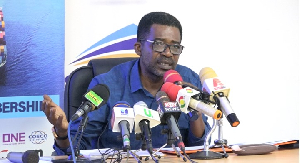
    During a media briefing, Adam Imoru-Ayarna, an executive member of SOAAG, stressed that shipping is an ethical business, with no intent to cheat shippers.

    He explained that all charges reflect services provided and that shipping lines are not imposing any illegal fees.

    Imoru-Ayarna further highlighted that shipping companies prioritize their customers and would never intentionally overcharge them.

    “Everything all companies do, the customer is the center,” he stressed.
    He explained that shipping lines have stopped charging cleaning fees, except for one, and steps are being taken to address this.

    He emphasized the need for transparency in shipping costs, pushing for the adoption of terminal handling charges to clearly identify cost drivers and promote clarity.

    Imoru-Ayarna noted that shipping plays a vital role in global commerce and that shipping lines operate in accordance with the laws of each country.

    He also highlighted the significant contribution of shipping lines to Ghana’s economy, revealing that in 2022, nine shipping lines paid $9.3 million to the Ghana Maritime Authority and the Ghana Shippers Authority, along with $12.9 million in corporate taxes.

    He urged for open communication and cooperation to resolve industry challenges and improve the business environment in Ghana.

    “Shipping creates opportunity for global commerce. Without that, where will we be, so it’s imperative and it’s important that we all appreciate and understand this industry because no matter what we do, it will have an impact on our very being. It could be negative and it could be positive. That said, I’m not saying shipping lines are saints just like all businesses, there will be challenges but these challenges have to be dealt with.” he said.

  • Meridian Port Services calls for reduction in 100% examination of containers at Terminal 3

    Meridian Port Services calls for reduction in 100% examination of containers at Terminal 3

    The Chief Executive Officer of Meridian Port Services (MPS), Mohamed Samara, has appealed to stakeholders in the cargo clearance chain to optimize it processes to allow for increased efficiency.

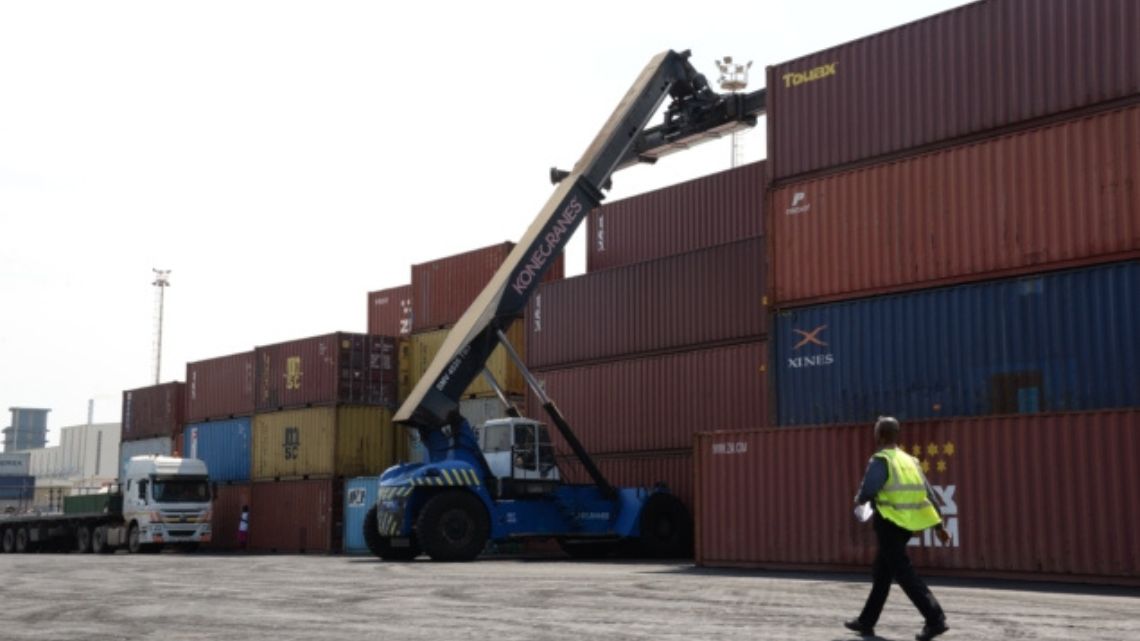
    Mr. Samara advocated for a reduction in the 100% physical inspection of cargo at Terminal 3, while reminding customers to adhere strictly to the terminal’s truck appointment system to avoid delays and ensure smooth operations.

    “The experience that a customer gets is not just from GPHA or MPS, it’s also from the statutory services and we are really hoping that they can upgrade their kind of approach to business to the speed of trade and the logistics chain in the same manner that the expectations or people are growing. The level of inspection is quite high and we would like to see a more emphasis on the risk engine that the Customs has developed to identify risky trade from non-risky trade and give the non-risky trade the facility it deserves because this is the norm in any other port,” the MPS Boss urged.

    He made these remarks during the Company’s Customer Service Week celebrations.

    He emphasized the importance of effective collaboration between stakeholders and customers, urging them to offer constructive feedback to help improve the company’s service delivery.

    “In a service environment, we really need to measure and gauge the service that we’re providing to our customers and the best way to gauge it is through these forums you know where we can listen to them and understand what challenge they have and what they expect from us to do better,” he said.

    Some customers shared feedback on the Company’s operations, highlighting some operational challenges, to which the Chief Financial Officer for MPS, Steen Larsen assured of a speedy resolution of the identified challenges.

  • We have made progress with Moody’s upgrade but challenges remain – Prof Bokpin

    We have made progress with Moody’s upgrade but challenges remain – Prof Bokpin

    Professor Godfred Bokpin from the University of Ghana Business School views Moody’s recent credit rating upgrade for Ghana as a step in the right direction, though he believes there is still much work to be done.

    “Yes, it lifts us one notch, but it doesn’t mean we are out of the woods,” Prof. Bokpin said in a radio interview with Joy FM on Monday [October 14, 2024]. He was responding to Moody’s decision to raise Ghana’s rating from “Caa3” to “Caa2.”

    He stated that the upgrade was due to the country’s successful external debt restructuring, especially with commercial creditors.

    “China’s early debt restructuring announcement played a part, and Moody’s recognised this,” he said.

    “The market expected the completion of the debt restructuring process, so this outcome is in line with those expectations.”

    Nonetheless, Prof. Bokpin emphasized that the upgraded rating does not indicate that Ghana’s economic challenges have been resolved.

    “The road to securing favourable borrowing terms is still long. For our bonds to be well-received and borrowing costs to come down, there’s more work to be done.”

    He added that while the market tends to respond to good news, it reacts more strongly to bad news.
    “If this announcement had been negative, the market reaction would’ve been more severe. Even now, government instruments like treasury bills are viewed with a certain level of risk.”

    Prof. Bokpin also noted that Ghana has been unable to access international financial markets since the third quarter of 2021. “We lost market access earlier than many think, and the government could have acted sooner, like engaging the IMF.”

    Despite the upgrade, Prof. Bokpin urged caution, reminding listeners that Ghana is still in a vulnerable position. “We’re still deep in junk status, and while this rating change is a positive step, it doesn’t mean we’re free from risk or ready to fully return to the capital markets.”

    He emphasised the need for continued fiscal discipline and economic reforms to sustain investor confidence and further improve Ghana’s financial standing. “There’s still work to be done if we want to ensure a sustainable future,” he added.

  • Cedi is currently trading at GHS16.55 per dollar at several forex bureaus

    Cedi is currently trading at GHS16.55 per dollar at several forex bureaus

    Ghana’s cedi continues its steady decline against key international currencies, including the US dollar, pound sterling, and Euro.

    Despite showing some stability in July amid decreasing inflationary pressures, the cedi has struggled throughout the year. Latest data from cedirates.com, as checked by GhanaWeb Business on October 21, 2024, at 8:50 AM, indicate the cedi is selling at GH¢16.55 per dollar at various forex bureaus.

    This translates to GH¢1655 for $100 and GH¢1700 for online transactions.

    The pound sterling is trading at GH¢21.70 at several major forex bureaus, while the Euro is going for GH¢18.10 in the retail market.

    Moreover, Bloomberg reported a 0.1% drop in the cedi’s value, with the currency now trading at GH¢15.67 to the dollar, exacerbating economic difficulties as businesses adjust prices in response.

    Over the past month, the cedi has weakened by nearly 1% against the dollar, bringing its total decline this year to nearly 24%, according to Bloomberg.

    Additionally, Ghana’s dollar bonds set to mature in 2032 rose by 0.2 cents to 52.36 cents on the dollar at 11:38 a.m. in London on September 11, 2024.

  • Govt settles GHS2.5bn debt to SSNIT with bonds

    Govt settles GHS2.5bn debt to SSNIT with bonds

    Approximately 2.5 billion cedis of the government’s GH₵5 billion debt to the Social Security and National Insurance Trust (SSNIT) has been settled through the issuance of bonds.

    This information was disclosed by Kofi Osafo-Maafo, the Director-General of SSNIT, who noted that the payment followed extensive negotiations with the government to enhance the financial stability of the scheme.

    An independent actuarial assessment indicated that the government’s delays in addressing its debts adversely affected SSNIT’s investment potential.

    As of December 31, 2021, SSNIT reported a total debt of GH₵9.3 billion, with the government responsible for a significant GH₵6.9 billion, accounting for about 75% of the Trust’s total indebtedness, which includes overdue contributions and accrued interest.

    This considerable government debt places Ghana’s pension fund in a precarious situation, resulting in an annual decline of 1.3% in SSNIT’s investment returns.

    However, during a stakeholder meeting with pensioners in Kumasi, the SSNIT Director-General confirmed that the government has made progress in settling approximately GH₵2.5 billion of its debts

    “The government owes SSNIT and this is not a new thing. It’s probably span way over 10 years. Overtime and continuously we need to engage government and negotiate with them. And what we have had recently is that we’ve made some successes with that. The government most recently defrayed approximately 2.5 million cedis of the arrears in the form of bonds,” he said.

    The trust is on a positive trajectory after making a net surplus of GH¢864million in 2023 from an initial deficit in 2021.

    Mr. Osafo-Maafo explains the Trust anticipates similar results by the end of year, influenced by improvements in contributions collection, investment income and cost control.

    “We are striving very hard to improve the net contributions, we are working hard to improve the net investment income and as well managing the business better,” he said. 

    Chief Actuary, Joseph Poku says the trust is working to ensure more contributions are generated to run the scheme in perpetuity. 

    “We are doing everything that we are suppose to do to ensure that we bring in new funds, have excess funds after paying the benefits put them in investments and make sure we manage those investments prudently to get more returns and add to the funds that are coming in,” he said.

    Ashanti regional chair of the Pensioners’ Association, Adarkwa Tuffour emphasized on strengthening, safeguarding and improving it.

    “SSNIT has been and continue to be the lifeline of thousands of Ghanaians, therefore we must safeguard, strengthen and improve the scheme. We must recognize and appreciate its value,” he said.

  • Queenmother at Sokoman seeks support from authorities to rehabilitate basic school

    Queenmother at Sokoman seeks support from authorities to rehabilitate basic school

    Queen Mother of Soko in the Afigya Kwabre North district of the Ashanti region, Nana Ama Achiaa, is seeking support to restore the community’s basic school infrastructure, which has remained damaged for four years after a rainstorm ripped off its roof.

    She noted that the destruction has significantly hindered teaching and learning since the incident.

    “We have informed the assembly several times, but we have not received any fruitful response,” she noted.

    In an interview with Adom News, she mentioned that two classes have been combined, while the kindergarten children are now studying in the headmaster’s office.

    “Basic one and two are merged in one classroom; basic three and four are also in one classroom; how can learning be effective?” she queried.

    Nana Achiaa appealed to Sokoman natives living abroad, as well as non-governmental organizations, to assist in providing improved educational resources for the community.

    “There are a lot of successful people who come from our community, and we are counting on them to come to our aid,” she said.

    Mr. Solomon Acheampong, headmaster of Soko D/A Basic and JHS, highlighted that the deteriorating condition of their school building has significantly hindered access to quality education.

    “The Parent Teacher Association supported us by roofing some of the buildings, but they ran out of funds, which has left the building uncompleted,” she said.

    He mentioned that despite the authorities being aware of the situation, no action has been taken yet.

    This issue was brought to attention during a visit by the Otumfuo Osei Tutu II Foundation Mobile Learning team to the Sokoman community, where students were introduced to ICT education.

  • Every political actor should have the peace of the country at heart – National Imam PA

    Every political actor should have the peace of the country at heart – National Imam PA

    The Personal Assistant to the Chief Imam, Dr. Mohammed Marzuq Abubakari, has urged voters to recognize that “it’s not a battle but rather a celebration of unity in diversity.”

    He emphasized, as highlighted in Article 21 of the 1992 Constitution, that every citizen has the right to back any political party they align with.

    However, “every political actor, every member of every political party, every sympathiser, every supporter, should have one interest – the interest of peace for mother Ghana,” he advocated.

    Speaking on the theme: ‘Championing peaceful elections: The role of all Ghanaians in ensuring true leadership for democratic stability and advancement in Ghana’, the lecturer and researcher posited election 2024 was “another opportunity for all Ghanaians to reaffirm our commitment to the core foundation of constitution and order, and good governance”.

    He appealed to the electorate to see the peaceful conduct of the December 7 presidential and parliamentary elections as “a civic responsibility and patriotic duty”.

    He stressed that ensuring peace and stability in Ghana’s Fourth Republic is not solely the responsibility of leaders.

    “We [citizens] would have to contribute our quota and hold the leadership responsible for them to do what is expected of the Republic of Ghana,” he said.

    As “Ghana remains a multiparty democratic state,” he said the peaceful transfer of power must be the heartfelt concern of all citizens “political or apolitical”.

    “We want an election that will leave Ghana in peace for sound governance, not in pieces for conflict management and that calls for a collective responsibility,” he doubled down, praying: “Peace be unto all of us.”

  • Mind your words to protect our unity – Nana Serwah Brakatuo admonishes politicians

    Mind your words to protect our unity – Nana Serwah Brakatuo admonishes politicians

    Nana Serwah Brakatuo, Abakomahemaa of Abetifi-Kwahu and representative of the Ghana Queen Mothers Foundation, has urged the public to use respectful and considerate language as the elections draw near.

    “Words can build bridges, understanding and cooperation, but they can also destroy the very fabric of our society, divide communities, incite violence and erode the democratic values we all hold dear,” she warned.

    She appealed to the public to avoid the “trap of spreading false information, or using language that could inflame tensions”.

    She underlined while “elections come and go,” what “must endure long after the ballots are cast” was “our relationships and the bond we share as Ghanaians”.

    Nana Serwah Brakatuo spoke at the Championing Peaceful Elections 2024: The Role of All Ghanaians programme by the Centre for Africa Development & Progress (CADeP).

    Considering the theme: ‘Ensuring true leadership for democratic stability and advancement in Ghana’, she asked presidential and parliamentary candidates to be mindful “of the words you use on the campaigns” avoiding words that would incite destructive “hatred or division”.

    While “we understand elections are competitive,” she emphasised, “no election is worth the cost of our national unity”.

    She called on traditional media and “online platforms to be vigilant and responsible in the dissemination of information”.

    “The media must play its crucial role in countering hate speech and fake news, ensuring that the public is informed with facts not rumours or inflammatory rhetoric,” she stressed.

    With the December 7 elections drawing near, she challenged all to commit to rejecting hate speech in all forms, embracing peaceful dialogue and to acting as ambassadors of unity “for our beloved country”.

    The 2024 elections must “strengthen our democracy rather than divide our people,” Nana Serwah Brakatuo concluded.

  • CSOs call for collective action against devastating impact of surface mining in Ghana

    CSOs call for collective action against devastating impact of surface mining in Ghana

    Three civil society organizations (CSOs) – Wacam, the Centre for Public Interest Law (CEPIL), and the Centre for Environmental Impact Analysis (CEIA) – have called for unified action to combat the severe impacts of surface mining, including illegal mining (galamsey), in Ghana.

    They emphasized that this effort should involve a wide range of stakeholders, including clergy, churches, workers, traders, media, and traditional leaders, in holding governments accountable for addressing the issue.

    In a joint statement signed by their Executive Directors – Augustine Niber of CEPIL, Dr. Samuel Obiri of CEIA, and Kwaku Afari, Technical Director of Wacam – the organizations underscored the destructive consequences of Ghana’s ongoing “Third Jungle Boom” in mining, which has devastated indigenous lands, displacing farmers and pushing them into illegal mining activities.

    The statement noted that these farmers are often exposed to dangerous chemicals, such as cyanide, through their involvement in illicit mining.

    In response, the CSOs proposed a non-partisan approach to tackling the crisis, urging an immediate moratorium on mining licenses across all categories of mining.

    They also pointed out that since 2002, they have raised concerns about the harmful effects of mining in forest reserves, particularly regarding the impact of mine wastewater on forests and water bodies that serve as vital sources of drinking water for local communities.

    4o

    “Mining in forest reserves constitutes an insult to the dignity of our nation for anybody who would allow local or foreign companies to mine in forest reserves,” the groups stated. With the increasing demand for cocoa, destroying cocoa trees for surface mining is alarming.

    It added that the consequences of such actions are dire, as seen in the case of Newmont Ghana Gold Limited, which discharged massive amounts of mine waste into River Subri on two separate occasions: December 26, 2010, and December 20-24, 2011. River Subri, which flows from Bono and Ahafo regions to the Western Region, is a vital source of drinking water for millions of Ghanaians.

    The CSOs also identified weak laws and their ineffective enforcement, as well as a lack of political will among governments to make tough decisions to address mining problems, as key challenges facing the mining sector.

    This lack of political will is often due to connections between miners and political parties, it said.

    To address these issues, Wacam, CEIA, and CEPIL emphasised the urgent need for a comprehensive review of laws and regulations governing mining operations, prioritising robust environmental safeguards to prevent ecological damage and ensure sustainable practices.

    The statement concluded by stressing the need for collective action to protect Ghana’s natural resources and ensure a sustainable future for its citizens.

  • Industrial Production Index grows by 8.2% in Q2 2024 – GSS Report

    Industrial Production Index grows by 8.2% in Q2 2024 – GSS Report

    The Index of Industrial Production (IIP) recorded a Year-on-Year growth of 8.2 percent for the second quarter (Q2) of 2024, according to data from the Ghana Statistical Service (GSS).

    This indicates that industrial production saw an average increase of 8.2 percent in 2024 compared to the same period in 2023.

    The IIP tracks the fluctuation in production volumes within the industry sector over time.

    The GSS report highlighted that the Manufacturing sub-sector experienced an 8.3 percent growth in Q2 2024, while Mining and Quarrying increased by 9.2 percent. In contrast, Electricity and Gas dropped by 1.4 percent, with Water Supply, Sewage, and Waste Management showing a 1.2 percent rise.

    On a Quarter-on-Quarter basis, the industry sector posted a 0.3 percent growth in Q2 2024 compared to Q1 2024, signaling a modest rise in production over that period.

    Mining and Quarrying Sub-sector

    The year-on-year change in the Index of Industrial Production (IIP) for the mining and quarrying sub-sector recorded a growth of 9.2 percent.

    In other words, production within the sub-sector increased by an average of 9.2 percent in the second quarter of 2024 compared to the same period in 2023. The quarter-on-quarter change in IIP for this sub-sector stood at 0.3 percent.

    This indicates that production in the mining and quarrying sub-sector grew by an average of 0.3 percent in Q2 of 2024 compared to the first quarter of the same year.

    Manufacturing Sub-sector

    The year-on-year change in the Index of Industrial Production (IIP) for the manufacturing sector saw an 8.3 percent increase.

    This means that, on average, production in the manufacturing sub-sector grew by 8.3 percent in the second quarter of 2024 compared to the same quarter in 2023.

    The manufacture of other transport equipment showed the strongest growth at 20.9 percent, while the production of coke and refined petroleum products dropped by 1.8 percent.

    Quarter-on-quarter, the IIP for manufacturing rose by 0.7 percent, reflecting an average production growth of 0.7 percent from Q1 to Q2 of 2024.

    Basic metals manufacturing recorded the highest quarterly growth at 18.5 percent, while the production of food products saw the largest decline at 12.3 percent.

    Electricity and Gas Sub-sector

    The Year-on-Year change in the IIP for Electricity and Gas is -1.4%. Thus, production for this sub[1]sector declined by 1.4 percent in Q2 of 2024 compared to Q2 of 2023 The Quarter-on-Quarter change in the IIP for this sector is -4.3 percent. This means that, on average, production in the Electricity and gas sub-sector declined by 4.3 percent in Q2 compared to Q1 of 2024.

    Water Supply, Sewerage and Waste Management Sub-sector

    The Year-on-Year change in the IIP for the Water Supply, Sewage, and Waste Management is 1.2%. Thus, production in the Water Supply, Sewage, and Waste Management sub-sector on average, grew by 1.2 percent in Q2 of 2024 as compared to Q2 of 2023. The Q-Q change in the IIP for this sub-sector is 2.8 %. Thus, relative to Q1 of 2024, the IIP in this sub-sector increased by 2.8 percent in Q2. Waste collection experienced a drop in Q2 production (-4.8%) compared to the last quarter (0.9%).

  • Ghana Association of Banks outdoors new strategies to combat rising fraud

    Ghana Association of Banks outdoors new strategies to combat rising fraud

    In the aftermath of the the release of the Bank of Ghana’s (BoG) latest Fraud Report, covering trends from 2019 to 2023, the Ghana Association of Banks (GAB) has implemented a series of strategies aimed at strengthening the banking sector’s defenses against increasingly sophisticated fraud schemes.

    At the core of GAB’s strategy is the use of advanced technologies such as artificial intelligence (AI) and machine learning.

    These innovative tools can process large volumes of data in real-time, enabling early detection of suspicious activities and preventing fraud before it happens.

    GAB is also promoting the implementation of a “zero-trust” security model, which requires ongoing verification of users and devices within the system.

    This approach reduces the risk of insider threats by ensuring no automatic trust is granted to any user or device, thereby strengthening security.

    Another key proposal from GAB is the adoption of blockchain technology, which offers a secure and transparent system for recording transactions.

    This can help prevent document fraud and improve overall transparency in banking processes.

    Beyond technological solutions, GAB advocates for stricter staff vetting procedures and the cultivation of a strong ethical culture within banks.

    Training programs to encourage ethical behavior, alongside whistleblowing systems, are essential in combating internal fraud.

    Whistleblowing frameworks would empower employees to report suspicious activities without fear of retaliation.

    Customer education is also a major focus, especially with the increasing reliance on mobile and online banking.

    GAB calls on banks to equip customers with the knowledge and tools necessary to protect themselves from digital fraud and cyberattacks.

    Additionally, GAB stresses the importance of supporting employee well-being, recognizing that financial strain on staff can contribute to internal fraud.

    By fostering a positive work environment and addressing employees’ financial challenges, banks can reduce the likelihood of fraud caused by economic pressure.

    These initiatives, according to GAB, aim to strengthen the banking sector’s resilience to fraud, aligning with BoG’s broader objectives of ensuring a more secure and stable financial system.

  • Tanzania gains access to additional loans from IMF

    Tanzania gains access to additional loans from IMF

    Tanzania has secured access to additional loans from the International Monetary Fund (IMF) following the completion of its fourth review, according to an official announcement.

    The Tanzanian government and the IMF reached a staff-level agreement on the fourth review under the Extended Credit Facility (ECF) and the initial review under the Resilience and Sustainability Facility (RSF).

    The IMF noted that Tanzania’s economic growth is gaining momentum in 2024, with improved external and fiscal balances and low inflation rates.

    The government’s policy priorities remain focused on increasing exchange rate flexibility, enhancing the monetary policy framework, maintaining growth-friendly fiscal consolidation, boosting domestic revenue generation, and accelerating the implementation of structural reforms.

    The multilateral lender highlighted that the RSF is aiding the government in advancing structural reforms and investments aimed at adapting to and mitigating the risks associated with climate change.

    Pending approval from the IMF Executive Board, the review will provide approximately US$265.78 million, raising the total IMF financial support under the ECF arrangement to around US$758.11 million and approximately US$114.07 million under the RSF, as stated in the official announcement.

    Charalambos Tsangarides, IMF mission chief for Tanzania said, “The momentum in Tanzania’s economy is continuing in 2024 with economic activity growing at about 5.4 percent in the first half of 2024 after an annual growth of 5.1 percent in 2023. Inflation in September remained stable at 3.1 percent (yoy), well within the Bank of Tanzania (BoT) target.

    “Earlier headwinds to the economy have subsided, and improved liquidity in the foreign exchange market has alleviated some of the shortage in the formal market, although pressures remain.

    “The outlook is favorable, with growth expected to pick up to 5.4 percent in 2024; however, risks are tilted to the downside as intensification of regional conflicts, increased commodity price volatility, a global slowdown, reemergence of FX pressures in the first half of 2025, and climate related disasters, could weigh negatively on the economy.

    “The current account deficit improved markedly to about 3.1 percent of GDP in FY2023/24 from 6.5 percent of GDP the previous year, on the back of strong service exports growth and a slowdown in imports of goods and services helped by lower commodity prices.

    “Improvements in the current account balance year-on-year, a 13 percent exchange rate depreciation over the same period, and the seasonal inflows of dollars in the second half of the year have helped ease some of the foreign exchange market pressures.

    “The BoT remains committed to continue to allow exchange rate flexibility to ensure a market determined exchange rate, while limiting FX interventions to avoid disorderly market conditions, in line with its intervention policy. Maintaining a moderately tight monetary policy stance will complement efforts to ease pressures in the FX market, while preserving price stability.

    “Fiscal consolidation in FY2023/24 was achieved through improvements in tax revenue collections and adjustments in current spending. The FY2024/25 budget envisages continued growth-friendly consolidation, supported by tax policy and revenue administration efforts.

    ‘The government is committed to increase priority social spending to protect the most vulnerable. The authorities’ structural reform agenda aims to support a resilient, sustainable, and inclusive growth through improving the business environment and strengthening governance.

    “At its meeting in October, the BoT Monetary Policy Committee maintained the policy rate, the Central Bank Rate, at 6 percent, to contain emerging inflationary pressures.

    “The BoT will continue to calibrate its monetary policy to maintain low and stable prices, while safeguarding the recovery of economic activities from the impacts of global economic shocks and unfavorable weather conditions.

    “Supported by the RSF, the authorities are implementing their climate reform agenda to address climate policy challenges and enhance the resilience and sustainability of the Tanzanian economy.

    “Efforts are underway to clearly define the institutional framework for climate change related policies and strengthen public investment management in line with climate impacts and risks. Progress on the implementation of the RSF reforms continues, and the authorities are mobilizing technical and financial assistance from development partners”.

  • NPA establishes price floor of GHS12.73 for petrol, GHS13.43 for diesel

    NPA establishes price floor of GHS12.73 for petrol, GHS13.43 for diesel

    The National Petroleum Authority (NPA) has declared a new price floor for the upcoming pricing window from October 16 to 31, 2024. The authority has established a price of GH₵12.73 for petrol and GH₵13.43 for diesel.

    This means that no oil marketing company is permitted to sell below these specified prices.

    In its communication to Oil Marketing Companies (OMCs) and Liquefied Petroleum Gas (LPG) marketers, the NPA urged all stakeholders to adhere to these price floors for the designated period.

    It clarified that these price floors do not include the premiums set by International Oil Trading Companies (IOTCs) or the operating margins of Bulk Oil Import and Distribution Companies (BIDECs), as well as the margins for Marketers and Dealers of OMCs and LPGMCs. These will be determined independently by the companies in accordance with the Price Deregulation Policy.

    The NPA implemented the price floor system to prevent price undercutting within the industry, warning that unchecked practices could jeopardize the sector’s stability.

    Recently, the NPA announced the suspension of the Price Floor program for Bulk Oil Distribution Companies due to concerns raised by participants in that sector. However, it will proceed with the program for oil marketing companies.

    The initiative has faced criticism from some industry players, who have labeled the policy as anti-free market. Nonetheless, the NPA maintains that the introduction of the price floor policy was based on consultations with industry stakeholders and recommendations regarding necessary actions to combat price undercutting.

  • Ghana Association of Banks presents 7 proposals to combat fraud in financial sector

    Ghana Association of Banks presents 7 proposals to combat fraud in financial sector

    The Ghana Association of Banks (GAB) has introduced a series of initiatives aimed at strengthening the banking industry’s defenses against increasingly sophisticated fraud schemes.

    This follows the release of the Bank of Ghana’s (BoG) Fraud Report, which analyzed trends from 2019 to 2023 and highlighted urgent areas for improvement.

    At the heart of GAB’s proposals is the implementation of advanced technologies such as artificial intelligence (AI) and machine learning to improve fraud detection capabilities. These tools can analyze vast amounts of data in real-time, identifying suspicious activities and stopping fraud before it occurs.

    GAB is also advocating for the adoption of a “zero-trust” security model, which ensures ongoing user and device verification. This approach minimizes insider threats by eliminating automatic trust within the system.

    Another significant recommendation involves leveraging blockchain technology to securely track and verify transactions. This would prevent document tampering and enhance transparency within the financial sector.

    Beyond technological advancements, GAB emphasizes the need for stricter employee vetting processes and fostering an ethical work environment through training initiatives. Promoting whistleblowing is also encouraged, empowering staff to report any suspicious activities without fear of repercussions.

    GAB also underscores the importance of educating customers on cybersecurity, especially as mobile and online banking become more prevalent. This awareness is key to protecting them from potential cyber threats.

    Additionally, the association highlights the value of supporting employees’ financial well-being, acknowledging that personal financial struggles can sometimes contribute to fraudulent behavior. By creating a supportive workplace, banks can mitigate fraud risks linked to financial strain.

    These measures are intended to bolster the sector’s anti-fraud efforts, in line with the BoG’s broader mission of fostering a more secure and resilient financial system.

    4o

  • Fuel prices increased by 10% to 17% in Egypt

    Fuel prices increased by 10% to 17% in Egypt

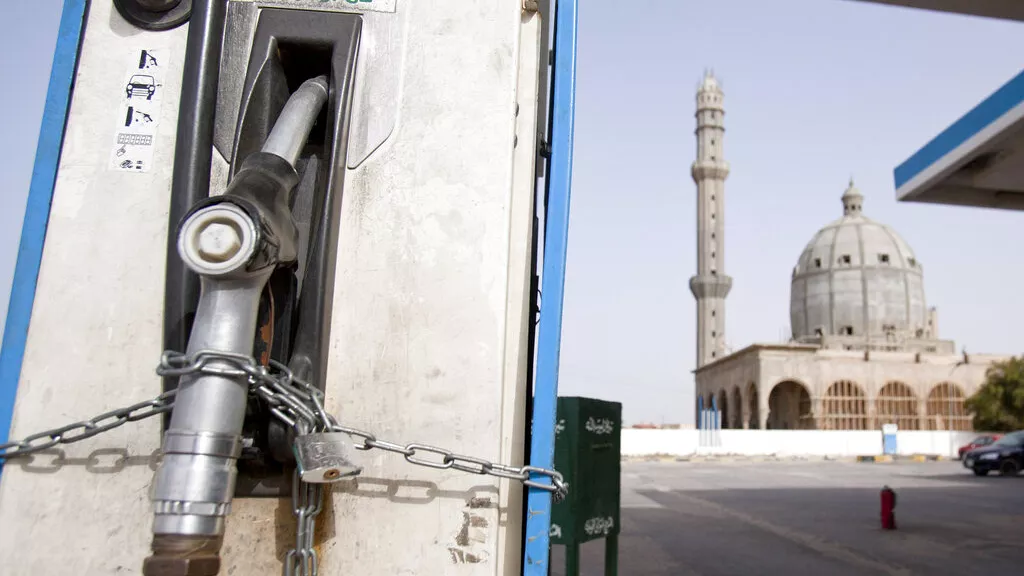
    Egypt implemented a fuel price hike on Friday, increasing rates by 10% to 17%, a decision expected to affect the prices of goods and services.

    The Egyptian government said in a statement on Facebook that the decision was made in order to “reduce the gap between the selling prices of petroleum products and their high production and import costs.”

    Egyptians continue to face skyrocketing inflation, grappling with rising daily expenses, which hit new highs over the summer. This includes a 10% rise in fuel prices, increased subway fares, and a weakening local currency against foreign counterparts.

    As of Friday, new fuel prices took effect, with the cost of a litre of diesel, widely used in public transport, rising from 11.5 pounds ($0.23) to 13.50 pounds ($0.25). Meanwhile, the price of 92-octane gasoline increased from 13.75 pounds ($0.28) to 15.25 pounds ($0.31).

    The previous fuel hike occurred on July 25, following an earlier increase in March, which the government attributed to rising import costs due to the depreciation of the Egyptian pound and the global fuel price surge, particularly amid tensions in the Red Sea region.

    Earlier this year, Egypt secured a deal with the International Monetary Fund (IMF) to expand its bailout package to $8 billion. The fuel price hikes have been seen as necessary steps to comply with the IMF’s conditions for continued financial support.

  • Coconut industry offers greater profitability than Galamsey – Africa Coconut Group

    Coconut industry offers greater profitability than Galamsey – Africa Coconut Group

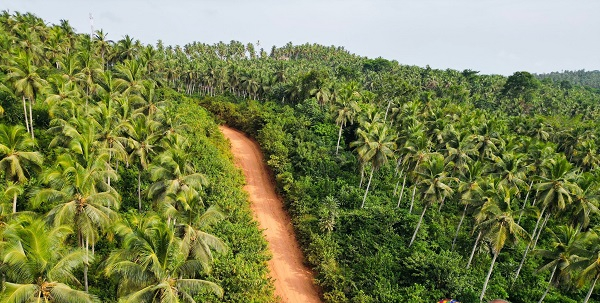
    President of the African Coconut Group (ACG), Davies Korboe, has urged business leaders to tap into Ghana’s coconut industry, highlighting its immense potential as a sustainable investment and a future top export commodity.

    In a discussion with journalists ahead of the 2024 International Coconut Festival Ghana, Mr. Korboe underscored that investing in coconut farming and processing brings numerous advantages, including substantial returns, job creation, and the diversification of Ghana’s export economy.

    With the country’s favorable climate and extensive arable land, the coconut sector is well-positioned to become a key player on the global stage.

    He also pointed out that the benefits of the coconut industry far outweigh those of illegal mining, commonly known as galamsey.

    Mr. Korboe urged entrepreneurs to take advantage of the opportunity, noting that coconut could potentially surpass traditional export commodities while offering an eco-friendly solution to Ghana’s unemployment challenges.

    “We’re calling on entrepreneurs to join forces with us to harness the nation’s coconut sector to boost our economy and secure a brighter future for Ghana.”

    The 4th edition of the International Coconut Festival Ghana, themed, “Empowering Lives Through Coconut — Innovation, Employment, and Sustainable Livelihoods.” will be held at the Accra International Conference Centre from Monday 21 October 2024 to Wednesday 23 October 2024.

    The Ghana Export Promotion Authority (GEPA) and the Western Regional Coordinating Council (WRCC) are partnering with the African Coconut Group (ACG) to support the upcoming event.

    The ACG hosted Ghana’s first-ever International Coconut Festival in 2019, bringing together key stakeholders in the coconut value chain to promote the industry.

    In 2019, the government of Ghana incorporated coconut into the Tree Crop Development Authority (TCDA), which is responsible for overseeing the cultivation, processing, marketing, and export of selected crops.

    According to 2022 non-traditional export data, the coconut industry made a significant economic impact, with earnings from fresh coconuts reaching $6.3 million and processed coconut products generating $6 million.

  • Kithure Kindiki nominated as Kenya’s new deputy President after Gachagua’s ouster

    Kithure Kindiki nominated as Kenya’s new deputy President after Gachagua’s ouster

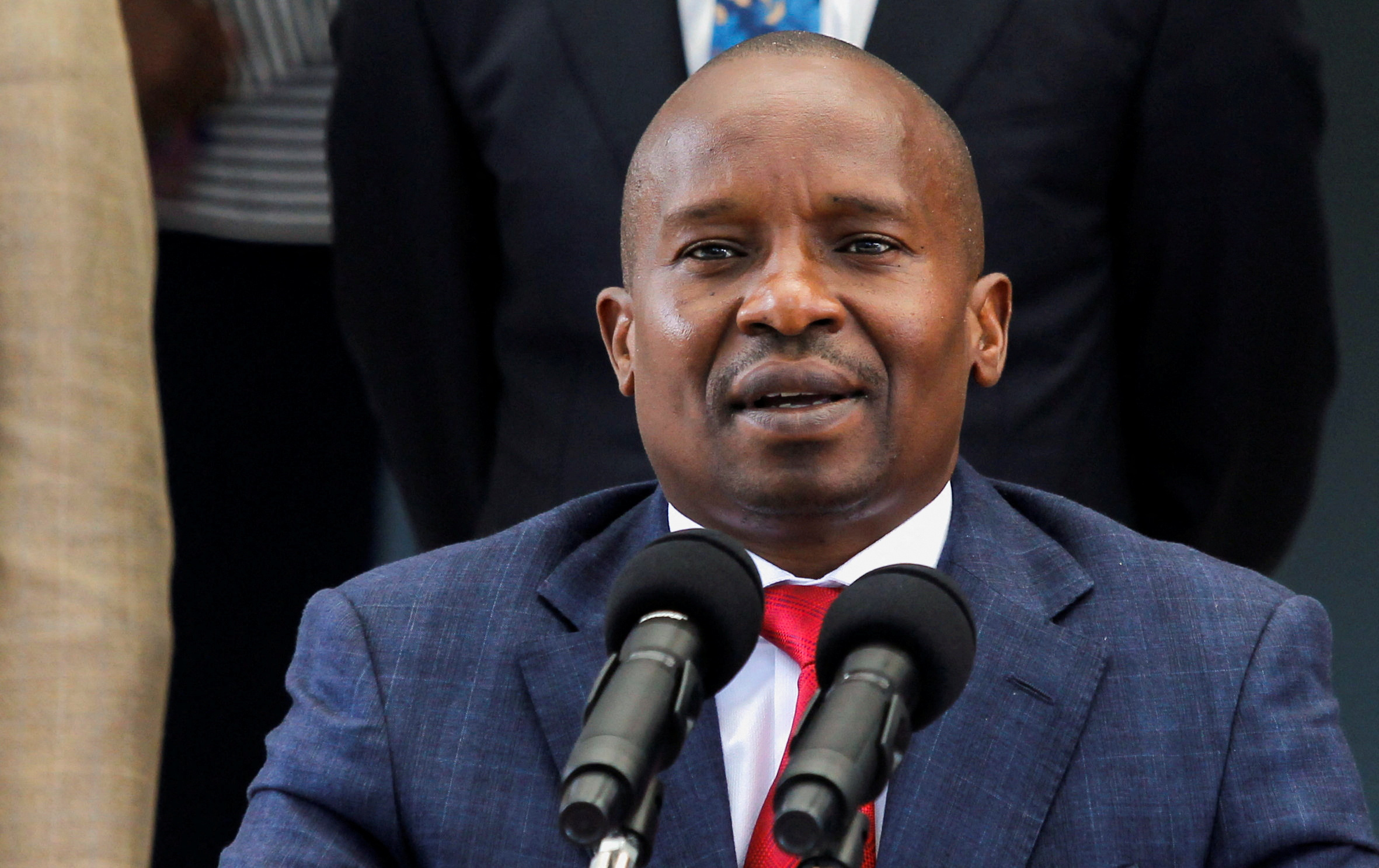
    Just hours after Rigathi Gachagua was ousted from his position, Kenya’s President William Ruto has put forward Interior Minister Kithure Kindiki as his new deputy president.

    A close associate of Ruto, Kindiki was a leading candidate to serve as his running mate in the 2022 elections.

    This appointment is pending parliamentary approval.

    On Thursday, Kenyan senators voted to impeach Gachagua on 5 out of 11 charges, including significant constitutional violations.

    Gachagua has denied these allegations, claiming they are politically motivated.

    He did not appear before the senators to defend himself, opting instead to request a postponement after being hospitalized with chest pains.

    However, the senators declined to delay the proceedings, indicating their commitment to removing him from office, particularly after his recent fallout with Ruto.

  • Akufo-Addo receives 1st copy of Oxford Business Group’s “The Report: Ghana 2024

    Akufo-Addo receives 1st copy of Oxford Business Group’s “The Report: Ghana 2024

    Ghana’s President Nana Addo Dankwa Akufo-Addo has officially received the inaugural copy of Oxford Business Group’s (OBG) annual economic report titled “The Report: Ghana 2024.”

    The report was presented during a meeting involving the President, the Oxford Business Group, and the Ghana Investment Promotion Centre (GIPC) in Accra on Tuesday, August 27, 2024.

    This publication delves into the factors contributing to Ghana’s positive economic growth trajectory, noting that the IMF has revised its 2024 GDP growth forecast to 3.1% due to favorable fiscal and structural reforms and sound monetary policies.

    It also examines the effects of these policy changes and offers insights into how Ghanaian businesses are leveraging efforts to enhance regional economic growth and integration in the emerging African Continental Free Trade Area.

    Presenting the first copy to President Akufo-Addo underscores the report’s significance as a valuable resource for the country’s leadership and economic strategists.

    The report delivers a detailed analysis of Ghana’s economic landscape, highlighting growth drivers, investment prospects, and the overall economic outlook. It also assesses the influence of government policies on the business climate and Ghana’s role in regional economic integration.

    Notably, the report addresses recent advancements in infrastructure development and their effects on Ghana’s economic productivity and export capabilities.

    Ramona Tarta, OBG’s Country Director for Ghana, emphasized the importance of the report and the collaborative efforts with the Ghanaian government and the Ghana Investment Promotion Centre (GIPC).

    “The Report: Ghana has long been a reference for decision-makers both in Ghana and around the world. It is therefore fitting that we were able to present the President himself with the first copy of this important and detailed economic research on Ghana’s economy, along with our partners GIPC, who were instrumental in all our research activities in Ghana,” Tarta said.

    “The report is distributed directly to Oxford Business Group subscribers via the OBG terminal, and through its partners: Dow Jones Factiva, Bloomberg Professional Services, Refinitiv Eikon, among others. GIPC is distributing the digital report to their entire database of over 10,000 entrepreneurs, businesses, diplomats in Ghana and around the world.” She added.

    President Akufo-Addo acknowledged the report’s importance, stating, “FDI inflows are a critical pillar of Ghana’s economic development, as our dynamic growth is simply not possible without the presence of international investors. Business leaders’ access to accurate information and analysis is a key driver of the global interest in our economy. Therefore, we thank Oxford Business Group for including Ghana in your portfolio of countries and offer you warm congratulations on completing another annual report on our economy.”

    “The GIPC takes great pride in its ongoing partnership with the Oxford Business Group (OBG) in producing the very informative Ghana Report.” said Yaw Amoateng Afriyie, Deputy CEO of GIPC, who was also in attendance at the meeting. “It is packed with reliable insights on the Ghanaian economy across various sectors, the OBG Report has become an essential tool for promoting Ghana. It serves as a trusted reference guide for both international and domestic businesses, attracting new investors and empowering those already established here.”

    “Ghana is at a pivotal moment in its economic trajectory. A number of key international actors are creating continent-wide cross-border payment systems to boost economic integration and growth in Ghana and across Africa more widely, with a longer-term commitment to boosting prosperity for all.” Mike Ogbalu, Mike Ogbalu, CEO of PAPSS.

    As Ghana continues to pursue ambitious economic goals aimed at sustainable development and attracting foreign investment, The Report: Ghana 2024 serves as an essential tool for investors, policymakers, and businesses looking to navigate the evolving market dynamics.

    Produced in partnership with GIPC, the report is expected to contribute to informed decision-making among business and political leaders. Oxford Business Group would also like to thank its partners: Afreximbank, Africa Prosperity Network, Minerals Income Investment Fund, Association of Ghana Industries, PwC, and Koranteng & Koranteng for their important contributions to The Report.

  • Business leaders urged to shape economic policies for Ghana’s future

    Business leaders urged to shape economic policies for Ghana’s future

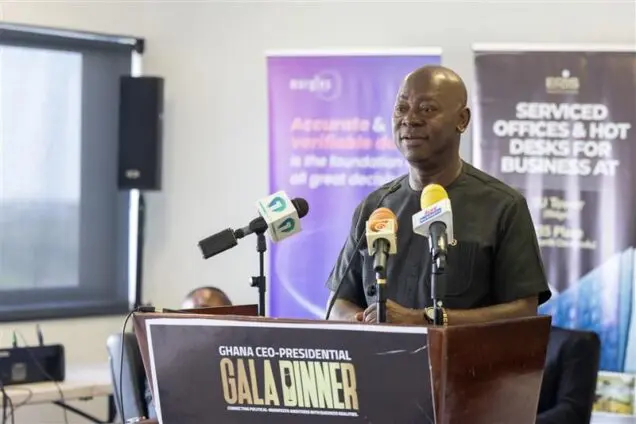
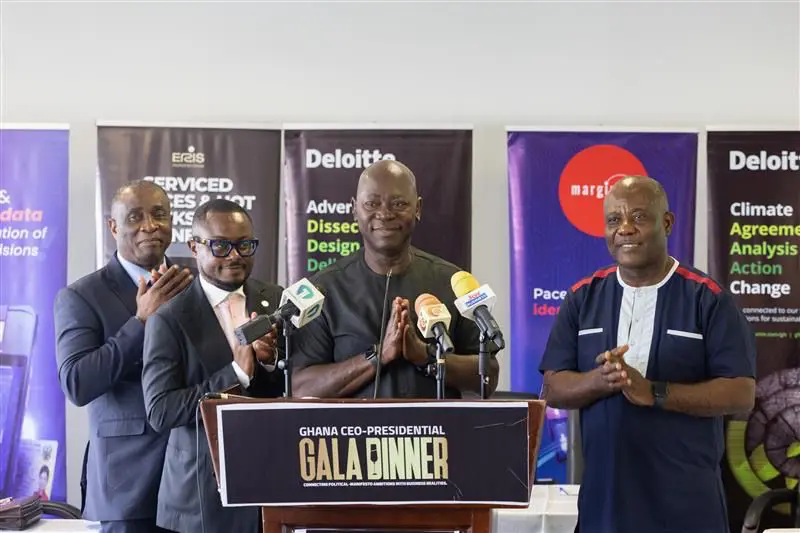
    Mr. Moses Kwesi Baiden Jnr, CEO of Margins ID Group, has urged business leaders to take an active role in shaping policies that foster economic growth and promote political transparency.

    He stressed that the future Ghana aspires to achieve will come not by chance but through intentional design.

    “It will happen because we choose to stand up, engage, and demand more from ourselves and those in leadership,” Mr Baiden stated at the launch of the “1st Ghana CEO-Presidential Manifesto Gala Dinner” in Accra.

    A beacon of progress and call to action Baiden described the Gala Dinner as a beacon of progress, a call to action, and a defining moment for Ghana’s business and political landscape.

    He stressed that the event provides business leaders with a unique opportunity to voice their concerns and collaborate closely with political leadership to chart a course towards sustainable economic progress.

    Engaging directly with political leadership According to Baiden, the Gala presents a unique opportunity for business leaders to engage directly with the nation’s political leadership at the highest level.

    He emphasised that this is a bold step toward building a future where business thrives alongside good governance.

    Setting the agenda for a collaborative future Mr Baiden highlighted that this gathering is more than just a platform to be heard—it’s about setting the agenda for a future built on partnership.

    The business community plans to challenge political leaders to deliver on their promises, foster an environment that encourages innovation and entrepreneurship, and ensure Ghana remains a hub of opportunity for future generations.

    Strategic recommendations for sustainable growth Baiden noted that sustainable development is achieved through collaboration, action, and accountability.

    He highlighted Ghana’s incredible potential, not only in resources like gold, oil, and cocoa but in its people, entrepreneurs, and capacity for innovation.

    “We need a governance system that aligns with this potential, removes barriers to growth, and empowers our businesses to compete on the global stage,” Mr Baiden stressed.

    He outlined several strategic recommendations, including the establishment of a Permanent Business Advisory Council to drive policy reform, the overhaul of the regulatory environment, the strengthening of the digital economy, and the prioritisation of evidence-based policymaking.

    These, he noted, are essential building blocks for a future where Ghana’s economy is strong, resilient, and inclusive.

    A platform for change and accountability Baiden described the Gala as not just an event but a movement—a platform where the business community and political leadership can come together to forge a new path toward economic progress and political accountability.

    Reigniting the business economy for growth Touching on the theme of the event, “Reigniting the Business Economy and Social Contract for Growth: A Business Manifesto for Political Accountability and Sustainable Development,” Mr Baiden emphasized the urgent need for business leaders to participate in shaping policies that drive economic growth and ensure political transparency.

    Commitments for a prosperous future He stated that the commitments emerging from this platform—whether through the Social Contract Signing or the promotion of Public-Private Partnerships (PPPs)—would be vital in creating an enabling environment for businesses and securing Ghana’s future.

    He urged business leaders to take up the mantle of leadership and actively participate in this historic dialogue.

    Emphasising economic potential and accountability Ernest De-Graft Egyir, Founding CEO of Chief Executives Network Ghana, echoed these sentiments, stressing Ghana’s untapped economic potential despite challenges such as economic instability and the need for greater political transparency.

    Egyir noted that a key feature of the Gala will be the signing of a social contract by the flagbearers of the National Democratic Congress (NDC) and the New Patriotic Party (NPP), where they will publicly commit to good governance and economic collaboration.

    A Call for Collaboration George Ankomah, Lead Tax Partner of Deloitte, in a keynote address on behalf of Daniel Kwadwo Owusu, Country Managing Partner of Deloitte Ghana, urged both business and political leaders to align their efforts for sustainable growth.

    He emphasised that while political manifestos offer glimpses into the future, collaborative action between the private sector and political leadership is key to realising Ghana’s prosperity.

    Gala as a platform for future growth The Gala, organised by the Chief Executives Network Ghana in collaboration with Deloitte, PwC, the University of Ghana, UPSA Law School, and the Multimedia Group, will serve as a platform for CEOs and political leaders to align strategies for economic growth and social responsibility beyond 2025.

  • Nana Osei Bonsu emphasizes need to rely on private sector for economic recovery

    Nana Osei Bonsu emphasizes need to rely on private sector for economic recovery


    Nana Osei Bonsu, CEO of the Private Enterprise Foundation, believes that the key to revitalizing Ghana’s economy is for the private sector to take the initiative.

    In an interview on Joy News’ PM Express Business Edition, Mr. Bonsu shared his vision for recovery, stressing the significance of investing in local businesses to generate wealth and employment opportunities.

    “People set up businesses to make money, not to create jobs. But when they make money, that’s when they can hire more people,” Mr. Bonsu explained.

    He emphasized that for businesses to succeed and effectively contribute to job creation, there needs to be a supportive environment that enables them to recoup their investments and grow sustainably.

    Mr. Bonsu indicated that supporting infrastructure development and fostering a more favorable business climate are essential for economic recovery.

    He criticized the existing policies, highlighting that Ghana tends to prioritize attracting foreign investments while overlooking the needs of the local private sector.

    “We go around the world enticing big players and giving them tax breaks, but what about the small potatoes—the local businesses? They are the ones who can drive the recovery.”

    He also emphasized the significance of developing future policy frameworks that prioritize the private sector.

    As Ghana prepares for a new government administration in 2025, Bonsu urged officials to better align their policies with the needs of local businesses.

    “We should be asking, what do we want to do, and who do we rely on? The private sector is the vehicle to ensure Ghana’s economy prospers,” he stated.

    Looking forward, he emphasized the necessity of better collaboration between the private sector and the government.

    “Hang your coat on the private sector,” he advised, adding that the sector holds the potential to create wealth and increase government revenue through sustainable business growth.

  • We have not recovered from high cost of doing business and high interest rates – CEO

    We have not recovered from high cost of doing business and high interest rates – CEO

    CEO of the Private Enterprise Foundation, Nana Osei Bonsu, has stated that Ghana’s business community is still grappling with the effects of the Domestic Debt Exchange Programme (DDEP).

    Speaking on Joy News’ PM Express Business Edition, he emphasized that the private sector, in particular, continues to bear the weight of the debt restructuring, and the country has yet to fully recover from its impact.4o

    “We haven’t recovered,” Mr. Bonsu said plainly.

    “We’re still reeling from the high cost of doing business and high interest rates. To the authorities, it might seem like recovery because we’re in the process, but for businesses, we are not there yet. We are still stumbling.”

    The CEO pointed out that businesses are still struggling, especially when it comes to competing on the international stage.

    He emphasized that interest rates and the cost of operating in Ghana remain significantly higher compared to global counterparts.

    “We’re competing in an international arena where others have interest costs at less than 8%, while ours is still very high. So how can we say we’ve recovered?” he questioned.

    Mr. Bonsu expressed concerns about Ghana’s involvement in the African Continental Free Trade Area (AfCFTA), noting that while the country has welcomed international competitors, local businesses continue to face significant disadvantages.

    “Our taste buds always prefer non-local products. The international players come in and we dangle tax exemptions at them. What are we benefiting from this? What are we doing to boost local businesses?” he lamented.

    The domestic debt exchange, which deprived private businesses of much-needed income, is still casting a shadow over Ghana’s economic landscape.

    According to Bonsu, the situation has resulted in significant job losses and reduced productivity, with many businesses still unable to bounce back.

    “We didn’t approve of the debt exchange wholeheartedly because we had no alternative. Our hard-earned interest and income were taken away,” he said, adding that the recovery process is ongoing but far from complete.

  • Cedi is currently valued at GHS16.55 against the US dollar

    Cedi is currently valued at GHS16.55 against the US dollar

    Ghana’s local currency continues to depreciate steadily against major trading currencies like the US dollar.

    After facing pressure throughout the year, the cedi saw some relative stability in July, while inflation showed signs of easing.

    However, as of 10:00 AM on October 17, 2024, checks by GhanaWeb Business indicate that the cedi is now trading at GH¢16.55 to the dollar, with the pound at GH¢21.37 at major forex bureaus across the country.

    Additionally, the Euro is selling at GH¢17.90 on the retail market.

    In a recent report, Bloomberg highlighted that the cedi had depreciated by 0.1%, trading at GH¢15.67 per dollar, which could further strain the Ghanaian economy as businesses adjust their pricing strategies.

    According to Bloomberg, the cedi has fallen nearly 1% against the dollar in the past month, after losing almost 24% of its value this year.

    The report also noted that Ghana’s dollar bonds, due to mature in 2032, gained 0.2 cent to 52.36 cents on the dollar as of 11:38 a.m. on September 11, 2024, in London.

  • 7 killed in Mogadishu café bombing carried out by a suicide attacker

    7 killed in Mogadishu café bombing carried out by a suicide attacker

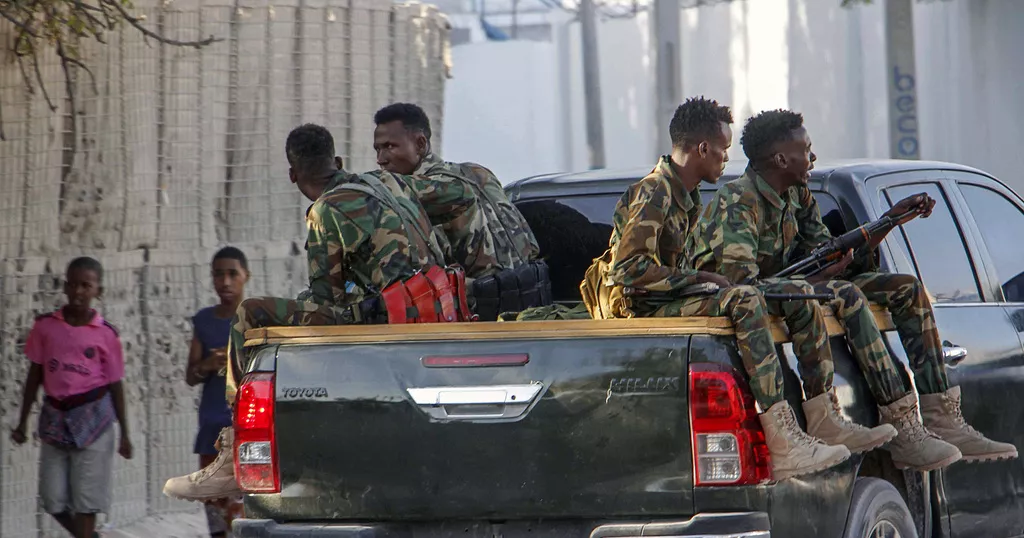
    A blast struck a restaurant across from the camp, where Somali soldiers and police officers were stationed.

    At least seven people lost their lives, and six others were injured at a café near a police training facility in Mogadishu, Somalia, after a suicide bomber detonated an unidentified device, according to police on Thursday.

    Authorities reported that the victims included both officers and civilians who were having tea outside the General Kaahiye Police Academy.

    Deeqsan Ahmed, eyewitness and attack survivor said, “There were people who found the suicide bomber suspicious due to the item he was carrying, questioning his intentions. After they voiced their worries, he blew himself up.”

    Al-Shabab, an al-Qaeda-linked group, claimed responsibility for the attack in a statement published on its affiliated website.

    The Thursday assault came two months after an attack on a public beach in Mogadishu that claimed 37 lives.

  • Ghana Gas takes over Ghana Cylinder Manufacturing Company following GHS4m loss

    Ghana Gas takes over Ghana Cylinder Manufacturing Company following GHS4m loss

    The Ghana National Gas Company Limited has taken ownership of the Ghana Cylinder Manufacturing Company Limited following substantial financial losses, including a GH¢4 million deficit in 2021.

    The government explained that the acquisition is intended to boost the cylinder company’s production capacity to better serve customer demands.

    During a ceremony in Accra, Minister of State at the Ministry of Energy, Herbert Krapa, hailed the move as an important milestone.4o

    “What we are celebrating here today, I believe is the culmination of different milestones. Starting with the President approving the acquisition of cylinder manufacturing by the Ghana National Gas Company and I think the President deserves all our applause for that.

    “I think we also need to acknowledge the Ghana National Gas Company for stepping up and taking the responsibility of acquiring the Ghana Cylinder Manufacturing Company. I joined the Ministry of Energy at a time when the conversation about the acquisition was ongoing.

    “… It was not only Ghana Gas who was interested in this acquisition, there were other interested parties and Ghana Gas put on such a compelling case that it was just impossible to ignore the benefit and the future that cylinder manufacturing partnership with Ghana Gas,” he stated.

    In the meantime, Genevieve Sackey, Managing Director of the Ghana Cylinder Manufacturing Company Limited, highlighted that this move aligns with the nation’s objective of shifting towards a low-carbon economy.

    “Launching the new GCMC represents not just a local change. It demonstrates Ghana’s dedication to upholding global environmental, social and governance standards. By adopting sustainable production methods and advocating for clean energy, we are positioning Ghana as a pioneer in a shape to a low carbon economy,” she added.

  • 4 MPs lose their Parliamentary seats after Speaker’s ruling

    4 MPs lose their Parliamentary seats after Speaker’s ruling

    In a notable turn of events on Thursday, October 17, Speaker Alban Bagbin declared four parliamentary seats vacant, reshaping the political dynamics in the legislature.

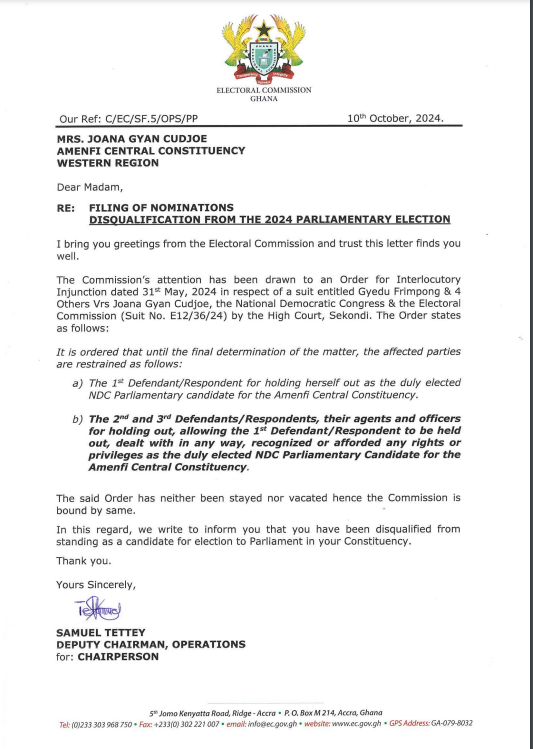
    The MPs affected—Cynthia Morrison (Agona West), Kojo Asante (Suhum), Andrew Asiamah (Fomena), and Peter Kwakye Ackah (Amenfi Central)—had filed as independent candidates for the 2024 general election.

    This decision has shifted the balance of power, positioning the National Democratic Congress (NDC) as the majority in Parliament, while the New Patriotic Party (NPP) now holds the minority.

    The move is expected to significantly impact parliamentary operations and decisions as the 2024 elections approach.4o

    Bagbin’s decision has affected the following four MPs.

    Cynthia Morrison – Agona West

    On August 22, the former Minister for Gender, Children, and Social Protection announced her intention to run as an independent candidate in the 2024 parliamentary elections.

    Addressing her constituents, she stated, “God willing, I would be contesting the parliamentary election as an independent candidate. It is not about the NDC, and it is not about the NPP. It is about the development of Agona.”

    Her decision follows her loss in the NPP parliamentary primary on Saturday, April 13, where she garnered 152 votes, while Christopher Arthur secured the nomination with 240 votes.

    Undeterred by this outcome, Morrison, who remains committed to Agona West’s progress, called on her constituents to back her independent campaign.

    Boafo Kwadjo Asante – Suhum

    The current MP for Suhum, Kwadjo Asante, revealed on September 2 that he will also be running as an independent candidate in the 2024 elections.

    In January 2024, he was defeated in the NPP parliamentary primary by Frank Asiedu Bekoe, widely known as Protozoa, who won by a margin of 179 votes.

    Protozoa secured 496 votes, while Asante received 320 from the total valid ballots, making Frank Asiedu Bekoe the new NPP parliamentary candidate for Suhum.

    Peter Kwakye Ackah – Amenfi Central

    Kwakye-Ackah, who has chosen to run as an independent candidate in the upcoming parliamentary elections, stated that his decision was a result of what he views as unfair treatment by the National Democratic Congress (NDC).

    He cited the party’s endorsement of his opponent as the NDC’s parliamentary candidate for Amenfi Central as a major factor in his departure from the party.

    Andrew Amoako Asiamah – Fomena

    Andrew Amoako Asiamah, who joined Parliament in January 2021 as an independent candidate, has declared his intention to run in the 2024 general election under the New Patriotic Party (NPP) banner.

    On October 13, 2020, the NPP formally requested the Speaker of Parliament to invoke Article 97(1)g, calling for Asiamah’s seat to be declared vacant.

    The Speaker ruled on the matter during a parliamentary session held on a Saturday, just before the chairperson of the Electoral Commission briefed MPs on preparations for the 2020 elections.

  • Speaker’s declaration of 4 vacant seats begins process to reset Ghana – Ato Forson

    Speaker’s declaration of 4 vacant seats begins process to reset Ghana – Ato Forson

    The newly appointed Majority Leader, Ato Cassiel Hayford, has praised Speaker Alban Bagbin for formally announcing the vacancy of four parliamentary seats.

    While addressing Parliament, he remarked, “you have done what is right, It is in the national interest. Permit me to congratulate the NDC. This is the beginning of the process to reset Ghana. Beginning the next sitting, we will take over. The new minority have just walked out; that does not stop us. Mr Speaker, we thank you very much.”

    The MPs impacted by the ruling are Peter Yaw Kwakye Ackah, NDC MP for Amenfi Central, Andrew Amoakoh Asiamah, Independent MP for Fomena, Kojo Asante, NPP MP for Suhum, and Cynthia Morrison, NPP MP for Agona West.

    In his decision, the Speaker explained that if Article 97(1)(g) of the 1992 Constitution were meant only for a future parliament, there would have been no reason for its inclusion, as the MPs in question would have already finished their term.

    He further pointed out that the previous case, in which former Speaker Prof. Mike Oquaye removed the Fomena MP from Parliament after the NPP notified him of the MP’s decision to run as an independent, did not set a precedent for him or any other Speaker.4o

  • This is a sign of victory for NDC – Mahama on NPP losing 3 Parliamentary seats

    This is a sign of victory for NDC – Mahama on NPP losing 3 Parliamentary seats

    The National Democratic Congress (NDC) flagbearer, John Dramani Mahama, has viewed Speaker Alban Bagbin’s decision to declare four parliamentary seats vacant as a positive indication of the NDC’s upcoming success in the December 2024 elections.

    On Thursday, October 17, 2024, Bagbin approved a motion submitted by former Minority Leader Haruna Iddrisu.

    The motion argued that four MPs—Cynthia Morrison (Agona West), Kojo Asante (Suhum), Andrew Asiamah (Fomena), and Peter Kwakye Ackah (Amenfi Central)—had lost their seats due to their decision to run as independent candidates in the upcoming elections, an act considered a violation of constitutional rules governing parliamentary membership.

    The NDC views this ruling as a favorable turn of events, with Mahama addressing supporters during a rally in Ningo-Prampram on Thursday, October 17, suggesting that the vacancies are a divine sign pointing to the party’s electoral victory.

    He encouraged NDC members to remain united and focused in the final stretch leading to the elections to secure the party’s success.

    “If the report I am hearing from parliament is true, then something historic has just happened. The report I am hearing is that the speaker has declared 4 seats vacant. Of the 4 seats, 3 are from the NPP and one is from the NDC.

    “So if those seats have been declared vacant, then it means in the life of one parliament, the minority has turned to the majority and the majority has turned to the minority. So for me, God is even showing a sign of what is going to happen, but we have to make it a reality on 7th December 2024.

  • Nigerians in Diaspora Ghana repatriates 36 stranded citizens

    Nigerians in Diaspora Ghana repatriates 36 stranded citizens

    The Nigerians in Diaspora Organization (NIDO) Ghana chapter, in partnership with the Nigerian High Commission, has successfully facilitated the rescue and repatriation of 36 stranded Northern Nigerian nationals back to Sokoto State, Nigeria.

    NIDO Ghana President, Prince Olayemi, confirmed the news in a video shared with the media, as the bus transporting the individuals departed from Ghana.

    The group, consisting of construction workers, had traveled through various West African countries, including Ivory Coast, Ghana, and Niger, seeking employment opportunities.

    Their journey took a difficult turn when the contract they were working on in Abidjan, Ivory Coast, ended, and their handler abandoned them. While attempting to return to Nigeria, they found themselves stranded in Ghana, where NIDO stepped in to assist.

    “They are site engineer workers, they’re all Northerners. You can see it, 36 Northern citizens, Nigerian Northern citizens, all are Hausas,” Olayemi told MyNigeria.

    “They used to travel from the West Coast and go through Ivory Coast, Ghana and all that, go to Niger and all that. They used to go and work, they are builders. So, they became stranded because their contract expired and the individual responsible for them had dumped them”

    “So, they only managed to get to Ghana and they became stranded and couldn’t go further,” he said.

    According to Olayemi, the workers have been in their care after being stranded for 10 days.

    “They have been around in the last two weeks and we’ve been attending to them in the last 10 days. We finally secured a bus going to Sokoto state for them yesterday and they’ve departed.”

    The President extended his appreciation to Ghana’s High Commissioner, Ambassador Moses Ifedayo Adeoye, for his generous financial assistance and help in securing the necessary clearance for the stranded workers.

    He highlighted that the High Commission also facilitated the registration of the vehicle used to transport the workers, ensuring they encountered no administrative hurdles during their journey. Furthermore, the workers were given funds to assist them once they arrived in Nigeria.

    The President also praised the Arewa community in Ghana for their immense support, noting their crucial role in offering shelter and food to the workers throughout their stay.

  • First-year SHS students to resume on October 30th – GES

    First-year SHS students to resume on October 30th – GES

    The Ghana Education Service (GES) has issued the academic calendar for both Basic and Senior High Schools nationwide for the 2024/2025 school year.

    According to a statement released by the service, all first-year students in single track and transitional schools, along with returning students in single track institutions, are scheduled to return on Wednesday, October 30, 2024.

    This indicates that incoming students, who are awaiting their Basic Education Certificate Examination (BECE) results and SHS placements, are expected to commence school on the same date.

    GES further explained that the adjustment in reopening dates is aimed at aligning the school calendar to begin in September 2024.

    “The academic year begins on Wednesday, 30th October, 2024 for all Senior High Schools. Please note that the current first-year students in transitional calendar schools will end their 2023/2024 academic year on Monday, 28th October, 2024 and be promoted to Form Two (2) to continue with the new academic year immediately.

    “Incoming first-year students for single track and transitional schools will also begin school on Wednesday, 30th October, 2024. Additionally, all continuing students in single track schools will re-open for the new academic year on Wednesday, 30th October, 2024,” part of the statement read.

    It added, “This re-opening date aims to ensure that the school calendar starts in September next year and paves the way for our final year students to write their 2025/2026 WASSCE in May/June.”

    Read the statement plus the full academic calendar for both basic schools and SHSs below:

  • 91-year-old Paul Biya continually battling death rumors

    91-year-old Paul Biya continually battling death rumors

    Rumors surrounding the health and whereabouts of Cameroon’s 91-year-old President, Paul Biya, have sparked widespread discussion across Africa this week.

    While it wasn’t surprising that he skipped the UN General Assembly in New York after attending the China-Africa summit in Beijing in early September, his absence from the recent summit of French-speaking countries (La Francophonie) in Viller Cotterêts, France, raised eyebrows.

    This marked nearly a month since his last public appearance, fueling speculation.

    Cameroon’s ambassador to France assured that Biya was “in good health” and staying in Geneva, his usual retreat when abroad.

    However, other reports hinted that he might be resting under medical supervision following an intense diplomatic agenda in July and August.

    As Africa’s oldest head of state and the second longest-serving leader—just behind President Teodoro Obiang Nguema of Equatorial Guinea—such explanations did little to curb speculation in media and political circles across the continent.

    So finally the government spokesman, René Sadi, issued a formal denial of the rumours, adding that the president would return home “in the next few days”.

    And the head of the president’s private office, with him in Geneva, also said he was “in excellent health”.

    Cameroon occupies a key strategic location, as the gateway to landlocked Chad and the Central African Republic (CAR).

    Apart from struggling to fully suppress jihadist violence around Lake Chad, it also wrestles with a complex and often violent crisis in its English-speaking regions.

    In leading the response to these challenges, Biya has brought an unusual personal style that often eschews the front of the stage, without any apparent personal need to engage in diplomatic presenteeism or performative summitry.

    He is a habitual non-attendee at many gatherings of African leaders.

    Even back home, with his measured speech and cautious tone, Biya has for many years spaced his personal interventions, largely delegating the day-to-day running of the government, and handling of technical dossiers, to a succession of prime ministers.

    Unexplained absences from public view have been nothing out of the ordinary for this most enigmatic of presidents.

    Rumours that he has died do surface from time to time, largely because of these unannounced disappearances from the scene.

    But this low-key style belies the determination with which he contrived his arrival in power in 1982, elbowing aside his patron and predecessor Ahmadou Ahidjo, promising liberalising change before entrenching a hold on the presidency that no subsequent challenger or campaign of protest has managed to shift.

    As a wave of multi-party democratising change swept across much of Africa at the beginning of the 1990s, Biya was one of several incumbent leaders to shrewdly adapt, allowing sufficient reform to take the heat out of mass protest while nevertheless firmly keeping control.

    Since one narrow election victory back in 1992, he has shrugged off subsequent political challenges, helped perhaps by manipulation of the polls and certainly by the divisions among often tactically inept opponents.

    Now, with Biya’s current seven-year term drawing to an end in November 2025, supporters have even been pressing the 91-year-old to stand again.

    Critics feel that it is long past time for Cameroon’s national leadership to pass to a younger generation who could tackle national problems and explore opportunities for development and progress with more speed and dynamism.

    In 2016 teachers and lawyers in the two mainly English-speaking regions, South-West and North-West, protested over the failure to properly resource English language rights and public services.

    If Biya had responded more rapidly and with a more assertively generous and loudly touted reform package, perhaps he could have assuaged discontent early on – and thus averted the eventual slide into violent confrontation between the security forces and armed militants demanding outright secession.

    Biya did later bring forward reforms – to meet the grievances of the English-speaking regions and, nationwide, to decentralise power to regional councils.

    But sometimes citizens have faced long waits before the regime addresses their concerns – decentralised structures were not set up until many years after the original framework legislation had been passed.

    Some Cameroonians are, however, comfortable with Biya’s restrained approach to leadership and his readiness to leave successive prime ministers to handle routine decisions.

    They see his role as more symbolic and distant, akin almost to a constitutional monarch.

    Certainly, this representational role is a dimension of the presidency with which he has seemed at ease.

    On 15 August, for example, he was at Boulouris, on the Côte d’Azur in France, where he gave a detailed 12-minute address at the commemoration of the 1944 Allied landings to liberate southern France from the Nazis – an operation in which many troops from the French African territories took part.

    And in fact, despite frequent absences from the Cameroonian capital Yaoundé – usually retreating either to his home village in the forested south or to his preferred international base, Geneva’s Intercontinental Hotel – Biya has continued to take the key sensitive political and strategic decisions.

    The main gatekeeper to the heart of power at the Étoudi presidential palace is the Secretary General of the Presidency, Ferdinand Ngoh Ngoh.

    A power system where Biya, as the head of state, keeps his cards so close to his chest inevitably generates gossip about his own intentions for the 2025 election and about potential successors.

    But some of the senior regime figures most frequently tipped, such as Laurent Esso and René Sadi, are by now themselves far from youthful.

    Support groups have also appeared to promote a passing of the torch to the president’s elder son Franck Biya, a businessman – although Franck himself has never shown any interest in politics or given any hint of such ambitions.

    But in today’s Africa, where disenchantment with the political establishment runs deep, particularly among young urban populations, establishment attempts to secure the continuation of power can carry risks.

    In neighbouring Gabon, President Ali Bongo was deposed by the army last year after the regime manipulated the 2023 election to deliver him a further seven-year term despite his fragile state of health.

    And when Senegal’s President Macky Sall lined up his Prime Minister Amadou Ba as his successor, he was decisively rebuffed by the voters who opted instead for the young reformist opponent Bassirou Diomaye Faye.

    Biya and his inner circle may feel confident of avoiding such scenarios. But that will require a shrewd reading of popular sentiment, especially among youth and the middle-class in big cities such as Yaoundé and Douala.

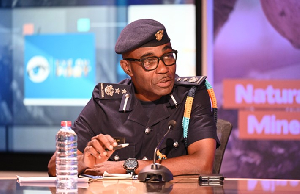
  • US$8bn approved by IMF to combat poverty, spur growth in poor countries

    US$8bn approved by IMF to combat poverty, spur growth in poor countries

    The Executive Board of the International Monetary Fund (IMF) has concluded its review of the Poverty Reduction and Growth Trust (PRGT) facilities and financing, which serves as the IMF’s platform for offering concessional loans to low-income member countries.

    In a statement issued on October 15, 2024, the Fund’s Managing Director, Ms. Kristalina Georgieva, announced:

    “Our membership today has adopted a comprehensive reform and financing package for the Poverty Reduction and Growth Trust (PRGT) to bolster the IMF’s support to low-income countries.”

    “The package includes a framework to deploy IMF net income and/or reserves to generate about US$8 billion in additional subsidy resources for the PRGT over the next five years,” she noted.

    She said: “Combined with other reform measures and last year’s successful bilateral fundraising, this would increase the PRGT’s long-term annual lending envelope to about US$3.6 billion, more than twice the pre-pandemic level, and help catalyse significant additional flows from public and private sources.”

    This agreement, the IMF MD noted, “comes at a critical time as low-income countries have suffered a series of unprecedented shocks and face substantial financing needs.”

    “With exceptionally high demand for PRGT financing, the approved package will generate the concessional resources necessary to ensure that the Fund can continue supporting low-income countries to implement sound policies and build strong institutions,” explained Ms Goeigieva.
    These reforms, she highlighted, “will help tailor IMF support to country-specific needs, recognising the increasing economic heterogeneity of low-income countries.”

    To ensure that scarce concessional resources are targeted to those most in need, she mentioned that, “A new interest rate mechanism will maintain interest-free lending for the poorest countries while ensuring that lending terms for others have a sufficient degree of concessionality.”

    Access policies, she added, “Will allow for flexibility in calibrating Fund support, and safeguards will be strengthened and streamlined.”

    “Our global membership has demonstrated once again its shared commitment to support our low-income members in challenging economic times,” she said.
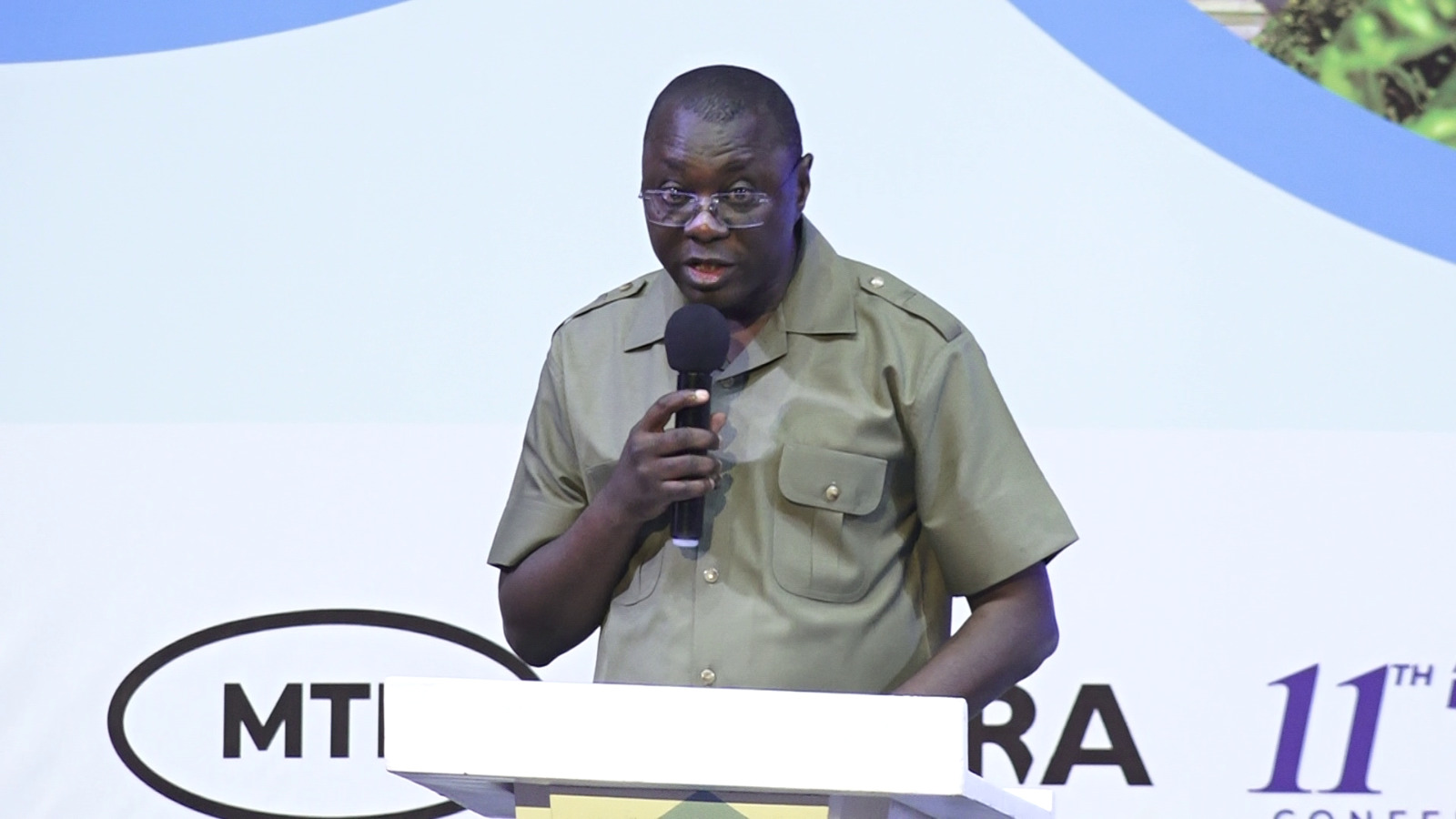
  • NAPO renders apology to bondholders for inconveniences caused by DDEP

    NAPO renders apology to bondholders for inconveniences caused by DDEP

    The vice-presidential candidate for the New Patriotic Party (NPP), Dr. Matthew Opoku Prempeh, has issued a formal apology to bondholders affected by the government’s Domestic Debt Exchange Programme (DDEP).

    In an interview on Accra-based Peace FM on October 16, he acknowledged the significant sacrifices bondholders made to support the stabilization of Ghana’s economy during a difficult time.

    Dr. Opoku Prempeh expressed heartfelt appreciation to the bondholders, emphasizing their crucial role in the nation’s economic recovery efforts. He noted that their cooperation in the DDEP was instrumental in helping the government restructure its debt, especially in negotiations with the International Monetary Fund (IMF) and foreign creditors.

    He further explained that the DDEP was a necessary measure to address Ghana’s pressing economic challenges, and bondholders’ acceptance of the programme’s terms played a critical role in restoring financial stability for the benefit of both the government and citizens.

    Dr. Opoku Prempeh stressed the importance of maintaining open communication with stakeholders to ensure their concerns are addressed as the country moves forward.

    “What we have to know is that if we hadn’t met the DDEP bondholders, our economy that has now picked up wouldn’t have been possible.”

    “If they hadn’t agreed for us to exchange their 95% bonds, we couldn’t have gone through the restructuring process with the IMF, and the foreign bondholders would have not followed for us to achieve this result.”

    “They saw that the average Ghanaian has suffered, so they felt compelled to support Ghana’s economy,” he said.

  • EC to announce presidential results at all 16 regional collation centres ahead of final declaration

    EC to announce presidential results at all 16 regional collation centres ahead of final declaration

    The Electoral Commission (EC) has revealed that results from the December 2024 presidential election will be announced first at the 16 regional collation centres before a final declaration is made at the EC’s national headquarters.

    This information was provided by the Commission’s Deputy Chairman for Corporate Services, Dr. Bossman Asare, during the launch of the Coalition of Domestic Election Observers (CODEO) 2024 Election Day observation and post-election activities.

    Dr. Asare emphasized that all political parties have accepted this new procedure, with their agents stationed at polling stations and collation centres.

    He explained, “For every constituency, there will be someone assisting with the collation process, and the same applies at the regional level. Under CI 127, regional collation is part of the structure for presidential elections. After results are compiled at polling stations, they will be sent to constituency collation centres, and from there, forwarded to the regional collation centres. At each regional centre, we will announce the presidential results.”

    He highlighted that the purpose of this change is to boost transparency, enabling voters to follow the results on a region-by-region basis throughout the process.

    Dr. Asare also pointed out that a similar method was effectively used during the 2020 elections.

    He went on to express confidence in the 2024 election process, stating that the collation centres will be spacious and will strictly admit accredited observers and media personnel.

  • Ghana’s cedi hits GHS16.55 against US dollar amid ongoing depreciation

    Ghana’s cedi hits GHS16.55 against US dollar amid ongoing depreciation

    Ghana’s currency continues to face ongoing depreciation against key international currencies, including the US dollar.

    Despite experiencing a brief period of relative stability in July, when inflationary pressures showed signs of easing, the cedi has struggled throughout the year.

    As of October 17, 2024, at 10:00 AM, recent checks by GhanaWeb Business indicate that the cedi is trading at GH¢16.55 per dollar. Meanwhile, the British pound is valued at GH¢21.37 at various forex bureaus across the nation, and the Euro stands at GH¢17.90 in the retail market.

    According to a report from Bloomberg, the cedi has seen a slight weakening of 0.1%, trading at GH¢15.67 per dollar. This decline adds to the challenges facing Ghana’s economy, particularly concerning business pricing strategies.

    In the past month, the cedi has dropped nearly 1% against the dollar, contributing to a significant depreciation of about 24% for the year, as reported by Bloomberg.

    Additionally, the news portal noted that Ghana’s dollar bonds set to mature in 2032 increased by 0.2 cents, reaching 52.36 cents on the dollar as of 11:38 AM on September 11, 2024, in London.

  • 4 reasons parents face prosecution for crimes committed by underage children

    4 reasons parents face prosecution for crimes committed by underage children

    In a growing trend across various jurisdictions, parents and guardians are increasingly facing legal consequences for the actions of their underage children.

    This shift comes as various countries grapple with rising juvenile crime rates, leading to renewed attention on laws that hold parents accountable. One high-profile case currently under scrutiny in Ghana involves Prophet Elisha Salifu Amoako, founder and General Overseer of Alive Chapel International, and his wife, Mouha Amoako.

    The couple is facing trial following a tragic car crash in East Legon, Accra, that resulted in the deaths of two young girls, identified as 12-year-olds Justine Agbenu and Maame Dwomoh. The heart-wrenching incident, which has drawn national outrage, occurred on the evening of 12 October 2024, when their 16-year-old son, Erald Amoako, was reportedly driving recklessly at high speeds. CCTV footage captured him speeding moments before the crash, during which his Jaguar collided with an Acura, causing both vehicles to burst into flames. The victims were tragically burned beyond recognition.

    Legal Accountability Under Parental Responsibility Laws

    This case highlights the implications of parental responsibility laws, which dictate that parents can be held liable for the criminal acts of their minors. These laws are predicated on the belief that parents have a duty to supervise and control their children’s behaviour, particularly as youth crime rates continue to rise. Authorities argue that negligence or recklessness on the part of parents, such as failing to monitor their child’s activities or ignoring troubling behaviours, should not go unpunished.

    Recent incidents have underscored the seriousness of these laws. For instance, a parent was prosecuted after their child was found in possession of illegal substances, raising questions about parental oversight and responsibility.

    Deterrence or Disproportionate Punishment?

    While the prosecution of parents is often viewed as a necessary deterrent to prevent further incidents, critics argue that this approach can be unjust. Many contend that not all parents have the same resources or support systems to effectively manage their children’s behaviour and that systemic issues contribute to juvenile crime. This could disproportionately affect low-income families, exacerbating existing social inequalities.

    Broader Implications of Parental Accountability

    In addition to parental responsibility laws, other factors are contributing to this trend. Truancy laws hold parents accountable for their children’s education, with legal repercussions for failing to ensure regular school attendance. Similarly, parents can face prosecution if their children cause property damage or engage in criminal activities, placing additional pressure on families to monitor their children closely.

    The Balancing Act of Responsibility and Support

    As discussions about juvenile crime and parental accountability evolve, countries are left to ponder the balance between parental responsibility and support. The question remains: how can society ensure that parents are equipped to guide their children while also holding them accountable for their actions?

    With ongoing discussions about legal reforms and community support initiatives, one thing is clear: the implications of juvenile crime extend beyond the individual, highlighting the critical role of family dynamics in shaping behaviour and ensuring community safety. The case of Prophet Elisha Salifu Amoako and his family serves as a poignant reminder of the complex interplay between youth behaviour, parental oversight, and legal accountability.

    Source: Pulse.com.gh

  • Sunon Asogli Power Ltd ‘cries out’ to govt for intervention to resume operations

    Sunon Asogli Power Ltd ‘cries out’ to govt for intervention to resume operations

    The management of Sunon Asogli Power (Ghana) Limited is crying to the Ministry of Finance to step in to facilitate their swift return to operations.

    The company stated that they were forced to halt operations on Tuesday, October 8, 2024 due to debt owned them by Electricity Company of Ghana (ECG)

    This information was shared in a press release issued on October 16.

    The company explained that their decision to suspend operations was driven by the Electricity Company of Ghana’s outstanding debt to them.

    “The shutdown happened at 5 PM that day. This difficult decision was necessitated by our inability to fund our operations because of the failure of the Electricity Company of Ghana to honour their overdue payment obligations and their various promises to that effect,” Chairman of the company Qun Yang wrote

    ”Sunon Asogli Power (Ghana) has over the years been very considerate in its dealings with ECG and the government, and, unlike other independent power producers, has not even invoiced ECG for accrued idle capacity charges. Despite this, ECG owes Sunon Asogli a net (excluding fuel) receivable amount of $259 million as at the end of September 2024,” he added.

    The Chairman lamented “Our debt has grown by 23% on the net balance, between January 2024 and September 2024 and only 22.6% of the invoices for period has been paid by ECG from the Cash Waterfall Mechanism.”

    He expressed regret over the impact of this decision on the national power supply.

    ”We expect the Ministry of Finance to intervene for us to return to operations as soon as possible,” Mr. Yang urged.

    Speaking in an interview on 3FM’s Hot Edition, a former Minister of Power, Dr Kwabena Donkor said, “this will affect power supply. Sunon Asogli is the largest single Independent Power Supplier.”

    Read statement below:

  • Ghana, Cote d’Ivoire in talks to sign advanced energy cooperation deal

    Ghana, Cote d’Ivoire in talks to sign advanced energy cooperation deal

    Negotiations are underway to finalize and sign, at a later date, a cooperation agreement between the Ministry of Energy of Ghana and the Ministry of Energy of Cote d’Ivoire, focusing on the development of energy resources.

    This was revealed when, as part of the bilateral cooperation between the two nations, Ghana’s President, H.E. Nana Addo Dankwa Akufo-Addo, was invited by H.E. Alassane Ouattara, President of Cote d’Ivoire, to attend the inaugural summit of the Strategic Partnership Agreement between Ghana and Cote d’Ivoire, held in Abidjan from 8th to 11th October, 2024.

    The discussions also covered other areas of collaboration, including animal, fisheries, and aquaculture resources, cross-border land and maritime cooperation, mining and energy, environmental concerns, the economy, trade and industry, transport, road infrastructure, and maintenance.

    On October 10, 2024, the Minister for Foreign Affairs and Regional Integration, Shirley Ayorkor Botchwey, and her Ivorian counterpart, Léon Kacou ADOM, co-chaired a Joint Implementation and Monitoring Committee Meeting.

    This meeting followed a Joint Technical Committee Meeting, co-chaired by the Coordinating Director of Political and Economic Affairs at Ghana’s Ministry of Foreign Affairs and Regional Integration, Ambassador Jennifer Lartey, and her Ivorian counterpart, which took place from 8th to 9th October, 2024.

  • Rev Owusu Bempah threatens to beat, pull out intestines of Afrifa-Mensah

    Rev Owusu Bempah threatens to beat, pull out intestines of Afrifa-Mensah

    An alarming audio recording has emerged on social media, featuring Angel FM presenter Okatakyie Afrifa-Mensah, who claims that Rev. Isaac Owusu Bempah issued life-threatening remarks during a phone call.

    In the audio, shared by Afrifa-Mensah, Rev. Owusu Bempah is allegedly heard delivering disturbing threats, including stating that he would hire thugs to physically attack the journalist and even going as far as to threaten disemboweling him.

    ‘’You’re a small boy. My lawyer is supposed to give you a court document and I will have people beat you up and pull out your intestines. I am not holy’’. Bempah said

    Bempah also challenged Afrifa-Mensah to disclose his whereabouts, suggesting they resolve their conflict through a violent encounter.

    The feud between them seems to have intensified after Afrifa-Mensah criticized Rev. Owusu Bempah on his morning show.

    Dangers for Journalists in Ghana: Rising Threats from Intimidation to Murder

    Journalists in Ghana face significant threats, especially when reporting on sensitive topics such as corruption, politics, and illegal activities. These threats can range from intimidation and harassment to physical violence and, in some cases, murder. Ghana has long been considered a beacon of press freedom in West Africa, but recent developments suggest that the situation is becoming increasingly precarious for media professionals.

    One of the most notable cases is the murder of investigative journalist Ahmed Hussein-Suale in January 2019. Hussein-Suale was a key member of the investigative team at Tiger Eye Private Investigations, led by renowned journalist Anas Aremeyaw Anas. He was gunned down in broad daylight after his identity was revealed by a sitting Member of Parliament, who publicly incited violence against him. Hussein-Suale had been involved in exposing high-level corruption within the Ghana Football Association, and his death shocked the nation and drew widespread condemnation internationally.

    Other journalists in Ghana have reported being harassed, detained, or threatened while covering political events or exposing misconduct. For instance, investigative reporters like Manasseh Azure Awuni have faced threats after uncovering corruption scandals involving government officials. Awuni fled the country in 2019 due to safety concerns following his exposé on militia groups allegedly linked to the ruling party.

    The case of Latif Iddrisu, a journalist from Joy News, also highlights the dangers journalists face. He was severely beaten by police officers in 2018 while covering a protest outside the police headquarters in Accra. Despite the public outcry, such incidents have contributed to a growing sense of fear among journalists, making it harder to hold power to account.

    These threats undermine the role of the media in Ghana’s democracy, posing a serious challenge to press freedom. While Ghana ranked high on the World Press Freedom Index in previous years, there have been concerns about the country’s downward trend in maintaining journalist safety and media independence.

    Efforts to protect journalists remain critical, especially with the Ghana Journalists Association and civil society groups advocating for stronger protections and accountability for crimes committed against media professionals.

  • Gabby Otchere-Darko mocks NDC over 24-hour bank transaction ad

    Gabby Otchere-Darko mocks NDC over 24-hour bank transaction ad

    A prominent figure in the New Patriotic Party (NPP), Gabby Asare Otchere-Darko, has criticized the National Democratic Congress (NDC) regarding their advertisement promoting the 24-Hour Economy policy, which is a key aspect of their agenda for the upcoming 2024 general election.

    The advertisement suggested that banks would operate around the clock, allowing customers to cash their checks as late as 2:00 a.m.

    Skeptical of the claim that banks could conduct transactions at such an hour, Gabby expressed disbelief and initially assumed the advertisement was a hoax.

    He questioned the rationale behind banks being open at 2:00 a.m. during the 4th Industrial Revolution.

    “I saw this ad on air of a party promising to have commercial banks opening 24hrs to allow people to go to the bank at 2am to transact business.

    “I was assuming it was fake. But, apparently, it is not! This is the 4th Industrial Revolution, for crying out loud! Please ask bankers,” Gabby wrote.

    The advertisement showcased popular Ghanaian comedian DKB, who reassured his partner, who was nagging him for money, that cashing a check at 2:00 a.m. would be feasible in a 24-hour economy.

    After a restful sleep, DKB woke up in the middle of the night to cash the check, much to the delight of his wife.

    See Gabby’s post plus the advertisement below:

  • NPP will emerge victorious if elections are held today – Confident Dr Ayew Afriye

    NPP will emerge victorious if elections are held today – Confident Dr Ayew Afriye

    The Member of Parliament for Effiduase-Asokore, Dr. Nana Ayew Afriye, is confident the governing New Patriotic Party (NPP) will win the pending elections even if it is held today.

    According to him, every study that has been conducted on the elections shows that the NPP is winning the elections and the major opposition party, the National Democratic Congress (NDC), is aware of this fact.

    “As for the election, if it is held today, we would win… All the research that has been conducted shows that the NPP is winning and the NDC is aware of this,” he said in Twi.

    The legislator, serving as the Chairman of the Health Committee in Parliament, dismissed claims that these studies were influenced by the NPP.

    He pointed out that research conducted by foreign missions in the country indicated that the NPP would secure 148 seats in Ghana’s Parliament, a figure he believes is actually an underestimate.

    “It is not true and NDC members know this… the Whites who give us visas have conducted an independent research which found that if we voted in September, the NPP would get 148 seats (+/- 3),” he said.

    Dr Ayew Afriye, who is the NPP Campaign Coordinator for the Middle Belt, added, “I’m saying that what the Whites are saying is even small. Are they saying that we are going to add only 11 seats to the 137 seats? That can’t be true. Because in the middle belt alone, we are adding more than 11.”

  • Court allegedly charges Salifu and wife, for “permitting an unlicensed person to drive’

    Court allegedly charges Salifu and wife, for “permitting an unlicensed person to drive’

    Prophet Elisha Salifu Amoako, along with his wife, Mouha Amoako, and another individual, Linda Bonsu Bempah, have been charged with “permitting an unlicensed person to drive.”

    All three defendants entered not guilty pleas during their court appearance on Wednesday, October 16, as reported by GHOne TV.

    In a video shared by the media outlet on X, it was reported that some supporters of the pastor assaulted police officers and a journalist following the hearing.

    The police later confirmed the arrest of Bishop Elisha Salifu Amoako and Mouha Amoako, the parents of the driver involved in a fatal road accident that resulted in two fatalities in East Legon on Saturday, October 12, 2024.

    The crash involved their 16-year-old son, Elrad Salifu Amoako, who was driving a Jaguar SUV (GN 7801-20) when he collided with a 4×4 Acura vehicle (GR 2542-23) operated by Joseph Ackah, who had four passengers.

    The well-known pastor and his wife were taken into custody on Tuesday, October 15, 2024.

  • Court restrains NDC’s Joana Gyan from Amenfi Central parliamentary race

    Court restrains NDC’s Joana Gyan from Amenfi Central parliamentary race

    The Sekondi High Court has approved an interlocutory injunction to prevent the National Democratic Congress (NDC) parliamentary candidate for the Amenfi Central Constituency, Joana Gyan Cudjoe, from contesting in the 2024 general elections.

    In a letter signed by the Deputy Chairman of Operations at the EC, Samuel Tettey, the Commission stated that the injunction was filed in a suit brought against Joana Gyan Cudjoe, the NDC, and the EC by Gyedu Frimpong and four others.

    The court order restrains Gyan Cudjoe from holding herself as the duly elected NDC parliamentary candidate for Amenfi Central, pending the final determination of the case.

    The injunction further prevents the NDC and the EC from recognizing or dealing with her as the official NDC candidate.

    As the court order has neither been stayed nor vacated, the EC is compelled to comply, resulting in Joana Gyan’s disqualification from the upcoming elections.

    The case in question, titled Gyedu Frimpong & 4 Others v. Joana Gyan Cudjoe, the NDC & the Electoral Commission (Suit No. E12/36/24), has raised legal disputes over Gyan Cudjoe’s candidacy. The injunction remains in effect until the court delivers its final ruling.

    This development significantly impacts the NDC’s preparations for the 2024 parliamentary elections in the Amenfi Central Constituency, as they now face the task of resolving the legal issues surrounding their candidate.

  • NAPO confident of NPP retaining Ayensuano seat

    NAPO confident of NPP retaining Ayensuano seat

    The vice presidential candidate for the ruling New Patriotic Party (NPP), Dr. Matthew Opoku Prempeh, has expressed confidence in the party’s ability to secure the Ayensuano seat in the upcoming December 7 election.

    He emphasized that while the ultimate outcome lies in God’s hands, he is optimistic that Ghanaians will choose to retain the NPP in power, citing the party’s track record of fulfilling its promises.

    During a constituency campaign tour in Anum Apapam, situated in the Ayensuano constituency of the Eastern Region, he delivered a hopeful message to chiefs and party supporters.

    “The Ayensuano seat is coming back home,” he declared, underscoring the community’s determination to protect the achievements made in initiatives such as Free Senior High School (SHS), stable electricity, the construction of additional schools, and the Agenda 111 healthcare project.

    He asserted that the people are unwavering in their belief that Dr. Mahamudu Bawumia is the leader Ghana needs during this critical period.

    “They are not only committed to campaigning for him, but they will also vote overwhelmingly in his favor,” he said, adding that hard work will ensure that Ida Adjoa Asiedu secures a seat in Parliament on the NPP’s ticket. Dr. Opoku Prempeh believes that Ayensuano, beyond the party’s traditional strongholds, could play a vital role in clinching victory for the NPP.

    The vice presidential candidate also emphasized that Dr. Bawumia will be ready to implement his vision for the country if the party is re-elected.

    He urged Ghanaians to consider the track records of both the NPP and the National Democratic Congress (NDC) before making their electoral decision, pointing out that both parties have experienced governance and should be compared on their achievements.

    Reflecting on the current administration’s performance, Dr. Opoku Prempeh noted that the NPP has established a solid foundation for national transformation over the past seven and a half years—an accomplishment that the NDC, under former President John Dramani Mahama, has struggled to match. He highlighted the NPP’s introduction of social intervention policies like the Capitation Grant and the School Feeding Programme, which address the basic needs of Ghanaians.

    In support of the NPP’s parliamentary candidate, Ida Adwoa Asiedu, Kennedy Agyepong called for unity and encouraged constituents to rally behind her, praising the previous contributions of former MP Ayeh-Paye to the community.

  • EC disqualifies NDC’s Joana Gyan from Amenfi Central Parliamentary race

    EC disqualifies NDC’s Joana Gyan from Amenfi Central Parliamentary race

    The Electoral Commission (EC) has officially disqualified Joana Gyan Cudjoe, the National Democratic Congress (NDC) parliamentary candidate for the Amenfi Central Constituency, from contesting in the 2024 general elections.

    This decision follows an Order for Interlocutory Injunction issued by the High Court in Sekondi, dated May 31, 2024.

    In a letter signed by Samuel Tettey, the Deputy Chairman of Operations at the EC, the Commission stated that the injunction was filed in a suit brought against Joana Gyan Cudjoe, the NDC, and the EC by Gyedu Frimpong and four others.

    The court order restrains Gyan Cudjoe from holding herself as the duly elected NDC parliamentary candidate for Amenfi Central, pending the final determination of the case.

    The injunction further prevents the NDC and the EC from recognizing or dealing with her as the official NDC candidate. As the court order has neither been stayed nor vacated, the EC is compelled to comply, resulting in Joana Gyan’s disqualification from the upcoming elections.

    The case in question, titled Gyedu Frimpong & 4 Others v. Joana Gyan Cudjoe, the NDC & the Electoral Commission (Suit No. E12/36/24), has raised legal disputes over Gyan Cudjoe’s candidacy. The injunction remains in effect until the court delivers its final ruling.

    This development significantly impacts the NDC’s preparations for the 2024 parliamentary elections in the Amenfi Central Constituency, as they now face the task of resolving the legal issues surrounding their candidate.

  • McDan Group signs MoU with Kenya to facilitate trading under AfCFTA

    McDan Group signs MoU with Kenya to facilitate trading under AfCFTA

    Dr. Daniel McKorley, Executive Chairman of the McDan Group, is confident that the Memorandum of Understanding (MoU) signed between McDan Group and the Kenyan government will bring substantial progress in advancing the AfCFTA.

    He anticipates that this initiative could generate approximately $1 billion in revenue, as his company positions itself to play a major role in facilitating smooth trade across the continent under the free trade agreement.

    Speaking to CNBC Africa, Dr. McKorley highlighted their strategic investments in port infrastructure and logistics in Kenya, aimed at closing trade gaps and overcoming barriers, particularly between Ghana and Kenya, as part of a broader effort to enhance trade between West and East Africa.

    “The MoU is intended to facilitate business between the countries, and it is quite comprehensive. We are moving almost 100 containers with an annual turnover of about US$1 billion. However, it involves more support services for each country, which is why it is bilateral,” he said.

    He underscored that infrastructure is essential for facilitating trade activities under the AfCFTA, stressing that investing in these areas is vital for the effective movement of goods and services throughout the continent.

    Serving as a free trade zone for 1.3 billion people across 55 nations, the AfCFTA, based in Ghana, offers significant new market potential, boosts industrialization, and opens up new investment opportunities, all backed by a combined Gross Domestic Product (GDP) of US$3.4 trillion.

  • 1D1F: Over 14,000 indirect jobs recorded in Central Region – Minister

    1D1F: Over 14,000 indirect jobs recorded in Central Region – Minister

    Central Regional Minister, Justina Marigold Assan, has announced that the One District One Factory (1D1F) initiative has generated 1,095 direct jobs and 14,750 indirect jobs within the Central Region.

    She noted that 11 of the projects are operational, while 13 others are currently under construction.

    These comments were made during the Central Regional Town Hall Meeting and Exhibition.

    Additionally, the Minister for Fisheries and Aquaculture emphasized the significant impact of the fisheries sector, which has provided over 3 million jobs.

    Dr. Anthony Nsiah-Asare, the Presidential Advisor on Health, reiterated that the completion of the Agenda 111 and Euroget Hospital projects will help fill gaps in healthcare infrastructure and enhance access to medical services.

    In her introductory remarks, Fatimatu Abubakar, the Minister for Information, explained that the meetings aim to strengthen the connection between the government and the public, promoting trust and transparency.

    The event also included exhibitions highlighting government initiatives and projects across various sectors, including infrastructure, roads, healthcare, and education.

  • Interest rates rise despite slight oversubscription

    Interest rates rise despite slight oversubscription

    The latest treasury auction recorded a marginal oversubscription, marking the first time in three weeks the government met its target.

    This follows the IMF’s staff-level agreement on the third review of Ghana’s Economic Facility Programme, which came after the successful restructuring of Eurobonds.

    At the close of the auction, the government surpassed its 4.565 billion cedis target by just over 1 percent. All bids were accepted, with the majority coming from the 91-day bill, bringing in about 3.88 billion cedis, which accounted for 84 percent of the total bids.

    For the 182-day bill, about 500.68 million cedis were submitted, while the one-year bill saw bids totaling 225.96 million cedis.

    Interest rates, however, continued their upward trend, with marginal increases on the yield curve.

    The 91-day bill rate rose by 16 basis points to 25.61 percent, while the 182-day bill increased slightly to 26.90 percent, up from 26.8 percent. The interest rate on the 364-day bill, however, fell by 7 basis points to 28.58 percent.

    Looking ahead, the government aims to raise 4.03 billion cedis in its next Treasury Bill auction, focusing on 91-day, 182-day, and 364-day maturities, as part of its strategy to address market conditions and secure short-term funding.