Author: Amanda Cartey

  • Matthew Perry’s death: 5 charged and 1 arrested

    Matthew Perry’s death: 5 charged and 1 arrested

    Five people were charged and at least one person was arrested Thursday in connection with the death of “Friends” star Matthew Perry, multiple outlets reported, months after an autopsy revealed the 54-year-old died from a ketamine overdose, spurring law enforcement to relaunch an investigation.

    Prosecutors charged Jasveen Sangha and Salvador Plasencia with conspiracy to distribute ketamine, distribution of ketamine resulting in death, possession with intent to distribute methamphetamine and altering and falsifying records related to a federal investigation, among others, according to an indictment obtained by The New York Times.

    Kenneth Iwamasa, Perry’s personal assistant, was charged separately, along with Mark Chavez and Erik Fleming, who each face charges of conspiracy to distribute ketamine, a person with knowledge of the situation told the Times.

    The Los Angeles Police Department launched a joint investigation into Perry’s death with the Drug Enforcement Administration and the U.S. Postal Inspection Service in May, after an autopsy determined Perry died of “acute effects of ketamine.”

    Prosecutors allege Sangha—who they reportedly referred to as “the Ketamine Queen”—contacted Chavez, a physician, about purchasing ketamine to sell to Perry and later sold 25 vials of ketamine to Fleming, a friend of Perry’s who delivered them to Iwamasa.

    Plasencia, another physician, sold thousands of dollars worth of ketamine to Iwamasa and personally injected Perry with the drug at Perry’s home in the weeks leading up to his death, including one dose that caused Perry to “freeze up,” prosecutors allege.

    An arrest was made in southern California on Thursday morning, though the person was not identified, according to NBC News, which cited anonymous law enforcement officials.

  • Kaneshie market vendors worried about frequent price fluctuations

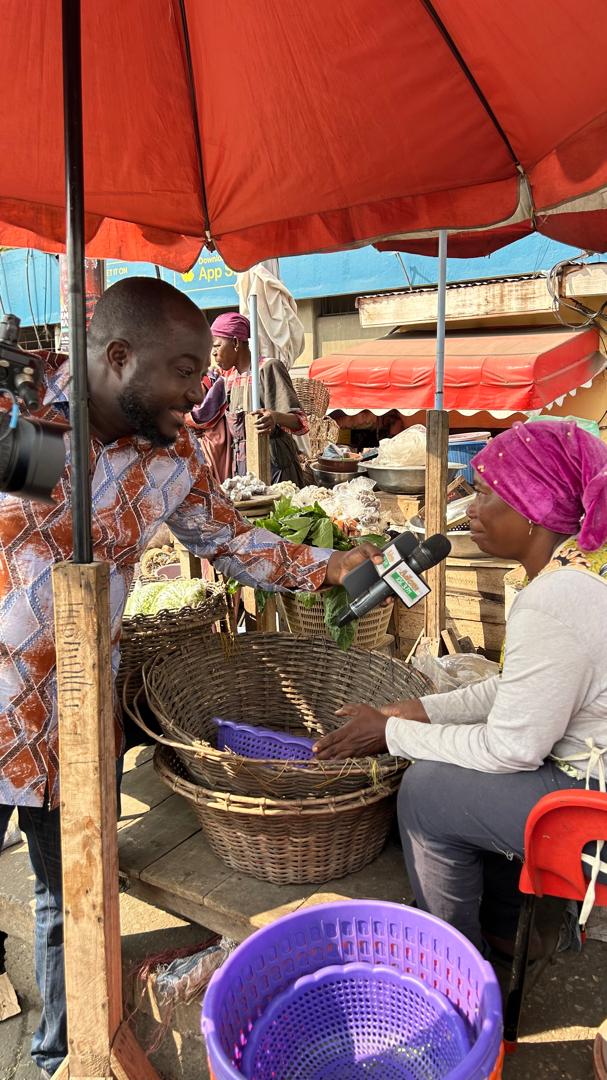
    Kaneshie market vendors worried about frequent price fluctuations

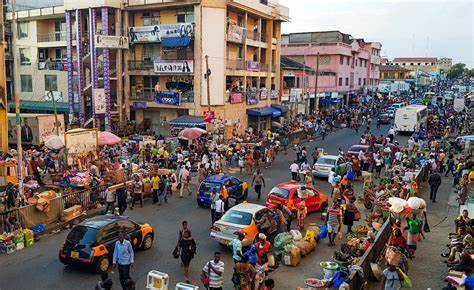
    Traders and shoppers at the Kaneshie Market in Accra have voiced their frustration over the ongoing increase in food prices, attributing it to factors beyond their influence.

    In an appearance on People’s Forum, a segment of Adom FM’s morning show Dwaso Nsem on Thursday, vendors stated that while buyers often hold them responsible for the high prices, they argue that the real issue stems from rising costs at the wholesale level.

    “The prices are always increasing, and buyers think it’s from us, but it’s not our fault,” one seller explained.

    People forum

    A fish vendor pointed out that the price of a box of fish has increased from GH¢700 to GH¢920, underscoring the deteriorating market conditions.

    Another seller linked these price changes to the escalating cost of fuel, noting that a bag of tomatoes is now GH¢1,700 despite being in season, while a bag of onions costs GH¢1,800.

    “Initially, a box of fish was 700 cedis, but now it has increased to 920 cedis. The market conditions are tough. I believe it’s due to the high petrol prices, causing the prices to fluctuate. Now a bag of tomatoes costs 1700 cedis, even though it’s the tomato season. It’s still expensive. A bag of onions is now 1800 cedis.”

    The traders are urging authorities to regulate and stabilize prices, as the current conditions are significantly impacting their businesses and livelihoods.

    “We need the authorities to monitor or regulate the pricing as it’s severely affecting us,” they urged.

  • West Hills Mall, Accra Mall sold to South African company in over $200m deal

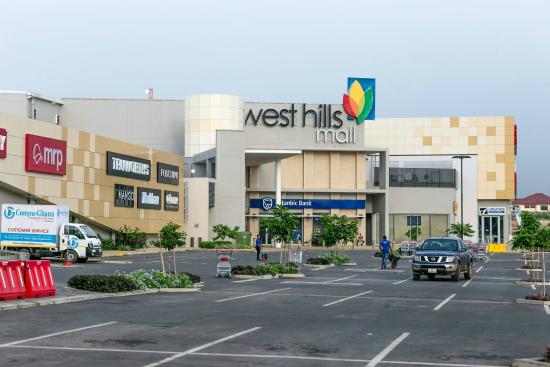
    West Hills Mall, Accra Mall sold to South African company in over $200m deal

    South African real estate investment firm, Lango, has completed a landmark deal worth over US$200 million, acquiring prominent retail properties including the Accra Mall, West Hills Mall, and Kumasi City Mall in Ghana.

    This strategic move is part of Lango’s broader initiative to expand its footprint across African markets with a focus on retail real estate.

    The transaction significantly boosts Lango’s portfolio, which now spans high-quality commercial assets across four African countries: Ghana, Zambia, Nigeria, and Angola.

    In Ghana, Lango already holds key properties such as the Achimota Retail Centre, Accra Financial Centre, and the headquarters of both Stanbic and Standard Chartered Banks.

    The company’s holdings also extend beyond Ghana, including Manda Hill Shopping Centre in Zambia and The Wings office complex on Victoria Island in Lagos, Nigeria. Additionally, Lango is set to strengthen its position in Africa with acquisitions like the Ikeja City Mall in Lagos and further investment in the Kumasi City Mall.

    Thomas Reilly, CEO of Lango, highlighted the importance of this transaction in solidifying the company’s status as a dominant player in the real estate sector across Sub-Saharan Africa.

    “This transaction is a significant milestone for Lango and not only fits squarely into our growth strategy, but is also highly accretive. The scale achieved by Lango undoubtedly positions it as a leading Sub-Saharan African firm in the industry. Lango will now have US$875 million of assets under management across four countries, with arguably some of the best-performing landmark commercial properties across both the retail and office sectors in select growth cities,” Reilly stated.

    Lango, which commenced operations in March 2018, has rapidly established itself as a leading name in African real estate, with assets now exceeding US$600 million.

    Focused on acquiring prime commercial properties in key gateway cities, Lango continues to seek opportunities that deliver compelling and sustainable returns for its investors while bolstering its presence in major markets across the continent.

    The firm’s latest acquisitions are expected to enhance synergies across its diverse portfolio, enabling sustained growth and resilience amid varying market conditions.

  • 29% benchmark rate essential for controlling inflation

    29% benchmark rate essential for controlling inflation

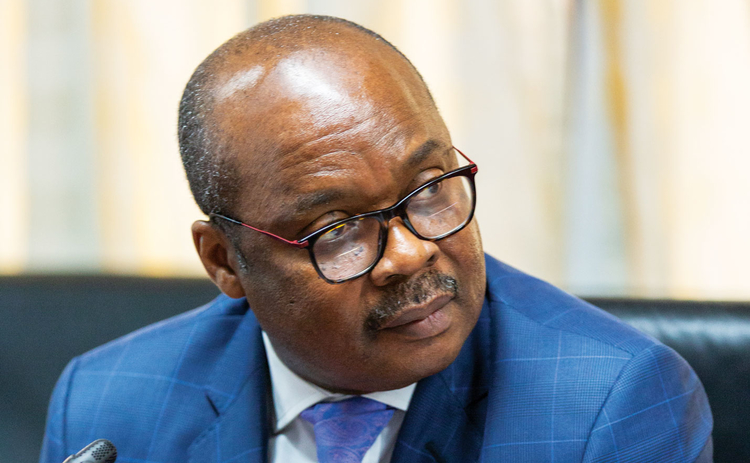
    The Bank of Ghana’s Monetary Policy Committee has decided to keep the benchmark interest rate at 29 percent, a deliberate strategy to address inflationary challenges driven by currency fluctuations, utility tariff hikes, and rising fuel costs.

    Economic analysts have described this decision as a prudent approach to managing the nation’s economy amid challenging circumstances.

    In an interview with CNBC Africa, Karen Judy Kwarteng, Head of Global Market Sales at Stanbic Bank Ghana, discussed the impact of the central bank’s decision to maintain the benchmark rate at 29%. She pointed out that, despite a previous 100-basis point rate cut, holding the current rate is considered essential to control inflation and support disinflation efforts in the latter half of the year. The Bank of Ghana aims to bring inflation down to between 13 and 17 percent by the end of the year, in line with the government’s target of 15 percent.

    Karen Kwarteng also emphasized the importance of strong fiscal consolidation as a complement to monetary policy.

    She mentioned that “For fiscal consolidation, it is critical for government to increase revenue generation and reduce expenditure to mitigate inflationary pressures. Key government initiatives such as the Ghana.gov platform and the Ghana Integrated Financial Management Information System are pivotal in these efforts.”

    The Standard Bank Executive also conveyed optimism about the local currency’s appreciation in the near future, crediting this to the restructuring of the €13.1 billion euro bonds and the expected IMF disbursements in November.

    She noted that “These factors are expected to provide much-needed support to the currency despite ongoing challenges such as declining cocoa earnings, which have hampered the regulator’s capacity to intervene in the forex market.”

    Recently, high lending rates, driven by increased reference rates, have continued to be a barrier for businesses in Ghana seeking affordable credit. Nonetheless, Karen Kwarteng commended the Ghanaian banking sector’s resilience, highlighting its stability after the domestic debt restructuring program.

    She also acknowledged that “Support from regulatory and governmental bodies has been instrumental in this recovery, enabling banks to navigate the post-restructuring landscape effectively.”

    As Ghana addresses inflation and aims for economic stability, effective collaboration between monetary and fiscal authorities will be crucial.

    A focus on fiscal consolidation, prudent financial management, and targeted monetary policy is designed to address present economic challenges and set the stage for a more resilient and sustainable future.

    The Bank of Ghana’s decision to keep the benchmark rate at 29% reflects a strategic move to manage inflation and maintain economic stability.

    With continued fiscal consolidation efforts and supportive monetary policies, the country is positioned to overcome current economic difficulties and achieve sustainable growth.

    The resilience of the banking sector and hopeful outlook on currency appreciation further enhance a cautiously optimistic view of the country’s future.

  • Pamper taxpayers, they play pivotal role in gov’t business – Dep Trade Minister to GRA

    Pamper taxpayers, they play pivotal role in gov’t business – Dep Trade Minister to GRA

    Deputy Minister for Trade and Industry, has called on the Ghana Revenue Authority (GRA) to handle taxpayers with care to enhance state revenue.

    He emphasized that the government’s revenue department should recognize taxpayers as key contributors to government operations and, therefore, should provide them with the necessary attention.

    Michael Okyere Baafi firmly stated that by following this strategic approach, more revenue can be generated to support national development.

    The Deputy Minister shared these remarks at the National Sales Leaders Conference in Accra on Wednesday, August 14.

    “One of the board meetings that I attended at the Ghana Revenue Authority, I was sharing a view with the board members that it is high time the GRA as an institution moved away from enforcement to being part and parcel of the system.”

    “So that they can see the taxpayer as somebody who is important to government business, they have to pamper them and get their attention to get more. By doing so, we are sure we will be able to generate or get a lot of revenue for the state,” he added.

    His remarks follow allegations of discrimination against members of the Ghana Union of Traders Association (GUTA) by certain officials within the Customs Division of the Ghana Revenue Authority.

    The trading community has also expressed concerns about the intimidation they experience from the GRA during tax collection.

  • Global investor interest in listed securities surges in first half of 2024

    Global investor interest in listed securities surges in first half of 2024

    Global investor interest in listed securities grew in the first half of 2024, according to new data released by the World Federation of Exchanges (WFE), the global association for exchanges and central clearing counterparties.

    The report noted that trading value rose by 11.7%, while volumes increased by 9.6%, as markets remained highly liquid worldwide despite economic and geopolitical challenges.

    Additionally, global equity market capitalization expanded by 5% in the first half of this year compared to the second half of 2023, reaching $116.16 trillion, with over $5 trillion added to stock markets globally.

    “While markets in the Americas region grew the most (+9.4 per cent), APAC markets increased 1.4 per cent, while EMEA markets were flat. When compared with H1 2023, there was an increase of 9.36 per cent globally, mainly driven by the Americas region (15.82 per cent),” WFE stated.

    In the six months to July 2024, the WFE indicated that global eq­uity market capitalisation was up by 5 per cent, driven largely by the Americas, whilst the rapid growth in the Asia Pacific (APAC) region reported at the end of 2023 slowed, while Europe, Middle East and Africa (EMEA’s) market capitalisation was flat.

    Compared to the previous half, WFE said Initial Public Of­fers (IPOs) fell 24.2 per cent.

    “The number of IPOs in the Americas rose by 36.4 per cent, whilst both APAC and EMEA registered decreases, down -30.8 per cent and -31.7 per cent re­spectively. The number of listed companies is down marginally by 0.3 per cent globally, though the number of listings in the Ameri­cas fell less than the same period the prior year. The EMEA region saw the sharpest decrease in the number of listings, and APAC listings grew by 0.48 per cent,” WFE explained.

    Furthermore, the report highlighted that although there was an overall decrease in capital raised through IPOs, the average IPO size increased by 18.8% compared to the second half of 2023. This rise was partly attributed to the listing of seven unicorn companies.

    Notably, the largest of these, Puig Brands, was listed on SIX Group’s BME Spanish Exchanges, while the second-largest unicorn, the pharmaceutical company Galderma Group, was listed on SIX Group’s Swiss Exchange.

    Commenting on the Global Securities Market performance, the Chief Executive Officer of WFE, Nandini Sukumar said, “Investor demand for ex­change-traded securities continue to grow, reflecting the fundamen­tal stability of public markets in times of uncertainty. The data shows that investors are here and are looking for capital allocation opportunities. Exchanges call on governments and regulators to pull the necessary policy levers to encourage businesses to float and benefit from public finance. Without a strong pipeline of companies coming to market, the whole economy suffers.”

    The Head of Research at the WFE, Dr Pedro Gurrola-Perez, added that, “For the second half of the year a decline in infla­tionary pressures and an ease in monetary policy may support the positive trends we observed in the first half of 2024. The persistent geopolitical tensions, a potential slowdown in the U.S. economy coupled with the uncertainty de­rived from the U.S election, and could inhibit market growth. If that’s the case, it will be hard on companies looking for capital, investors looking for attractive assets and savers looking to maximise their savings.”

  • Why BoG vows to maintain tight monetary policy

    Why BoG vows to maintain tight monetary policy

    The Bank of Ghana has affirmed its dedication to sustaining a stringent monetary policy until inflation shows a consistent downward trend.

    In a statement to the International Monetary Fund, the Central Bank emphasized that its monetary policy is focused on returning inflation to its medium-term target of 8% ± 2%.

    “Our policy decisions will continue to be data-dependent to ensure a fast-paced and orderly disinflation path towards the inflation target; the BoG stands ready to adjust the policy stance to ensure inflation evolves as envisaged under our monetary policy consultation clause (TMU Section II)”.

    “We are committed to continue absorbing excess liquidity and making sure our policy rate is fully transmitted to the market. In doing so, we will review the increased reliance on reserve requirements and the new tiering framework to ensure they deliver on their objectives”, it further explained.

    The Central Bank stated that it aims to strengthen its inflation targeting framework by upgrading its Forecast and Policy Analysis System (FPAS), improving macroeconomic data collection, including the BoG inflation expectations survey, enhancing analytical capabilities, and refining its monetary policy communication.

    The Bank also plans to restore official international reserves to a minimum of three months of import cover by the end of the program.

    “As the difficulties affecting the cocoa sector hamper its ability to accumulate reserves and that payments to IPPs [Independent Power Producers] are larger than previously expected, coupled with the uncertainty about the timing of the debt restructuring, we are also requesting a modification of the QPC to add an asymmetric adjustor on debt service on instruments arising from the restructuring of bondholders’ and commercial creditor’s claims”.

    In light of the reserve accumulation goal and existing challenges, the Bank will stick to a gross foreign exchange intervention budget.

    In July 2024, the Monetary Policy Committee of the Bank of Ghana maintained the policy rate at 29.0% for the third consecutive time.

  • Light fishing continues despite closed season enforcement

    Light fishing continues despite closed season enforcement

    Using light for fishing is considered an illegal and unregulated practice under Ghanaian law.

    According to Section 11 of the Fisheries Regulations 2010 (L.I.1968), employing artificial lights to attract fish is explicitly prohibited.

    The Fisheries Regulation Act 625 details penalties for those who breach these regulations, highlighting the gravity of the offense.

    This year, Ghana implemented a mandatory one-month fishing ban from July 1 to August 1 to protect marine life. While industrial trawlers are required to observe the ban until September 1, the government’s closed season aims to support the spawning of aquatic species and replenish fish populations affected by overfishing.

    The Ministry of Fisheries and Aquaculture Development (MOFAD) and the Fisheries Commission (FC) are currently in the third year of their five-year Ghana Fisheries Recovery Activity (GFRA) project, which is supported by the United States Agency for International Development (USAID).

    This initiative focuses on addressing the near-collapse of Ghana’s small pelagic fisheries, including sardines, mackerel, and anchovies, and aims to lay the groundwork for their ecological recovery.

    Despite the recent reopening of fishing areas, inspections at various landing sites—such as Half-Assini and Takoradi in the Western Region, and Tema and other locations in the Greater Accra Region—reveal that fishermen are still practicing light fishing, disregarding its detrimental effects on the pelagic sector and contravening existing regulations.

    At the reopening ceremony in Akplabanya, Ada District, Sector Minister Hawa Koomson commended the fisherfolk for their adherence to the closed-season measures.

    She stated, “The success of this year’s closed season is a testament to the dedication and cooperation of all stakeholders, including our hardworking fisherfolk, traditional leaders, and security services. We commend everyone for their unwavering support and commitment to preserving our marine resources for future generations.”

    The Minister also called on fishermen to practice responsible fishing methods as they resume their activities, emphasizing the importance of sustainable practices for the long-term benefit of the industry and the nation.

    “As we resume fishing activities let’s celebrate our unity and shared responsibility that has brought us this far, together we can ensure a sustainable and prosperous fishing industry that benefits all Ghanaians,” she noted.

    Despite the Minister’s appeal, fishermen have reverted to harmful practices that continue to deplete our fish stocks.

  • Mpox outbreak in Africa a global health emergency – WHO declares

    Mpox outbreak in Africa a global health emergency – WHO declares

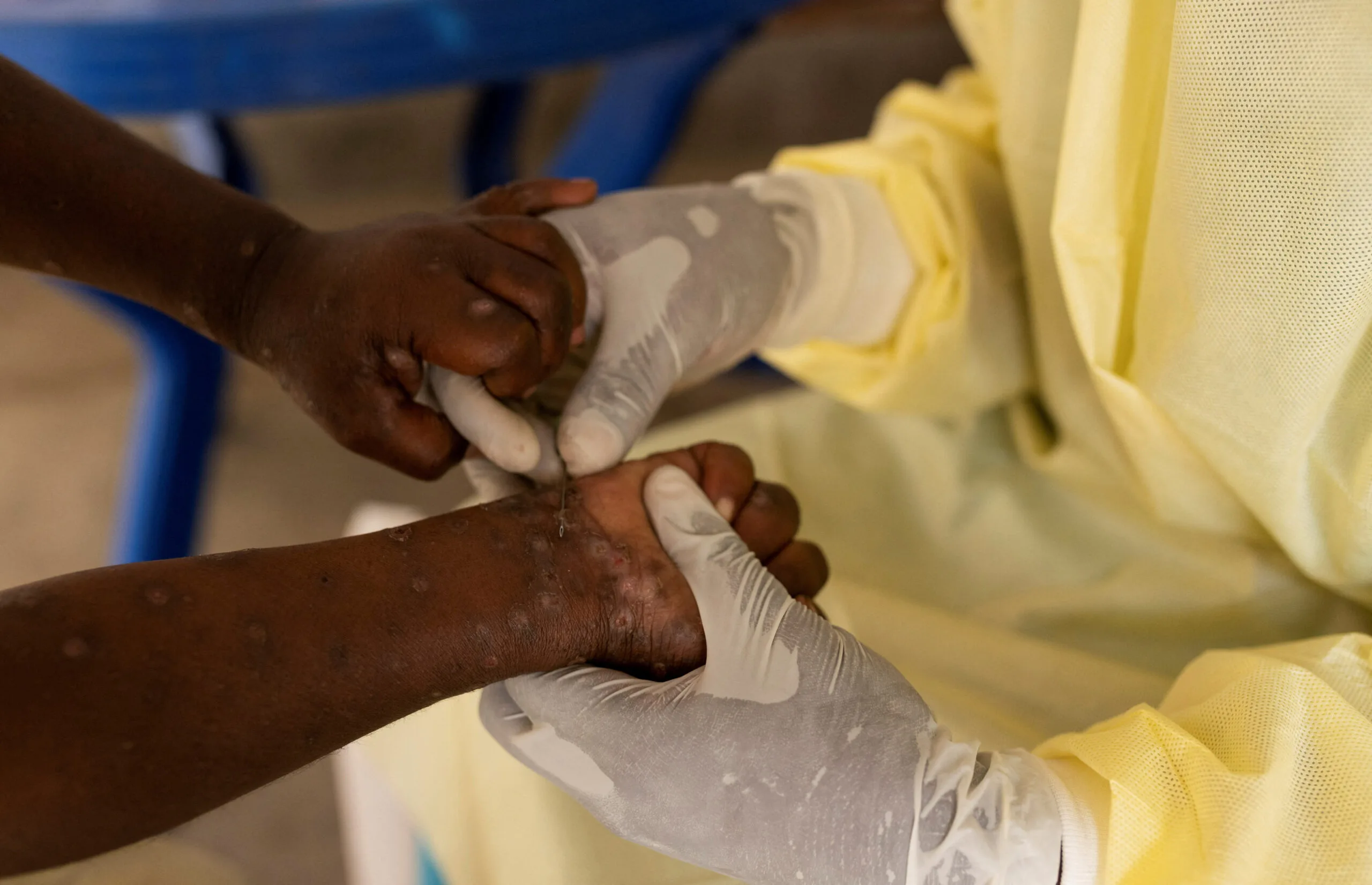
    The World Health Organization (WHO) has declared the ongoing mpox outbreak in Africa a global health emergency.

    On August 14, 2024, the WHO convened its emergency mpox committee in response to concerns that a more virulent strain of the virus, clade Ib, had spread to four previously unaffected provinces in Africa. This strain had previously been limited to the Democratic Republic of Congo.

    The independent experts on the committee held a virtual meeting to assess the severity of the outbreak and provide advice to WHO Director-General Tedros Adhanom Ghebreyesus. Following their recommendations, Ghebreyesus announced that a public health emergency of international concern— the highest level of alert under international health regulations— had been declared.

    Also known as PHEIC, this is a status given by WHO to “extraordinary events” that pose a public health risk to other countries through the international spread of disease. These outbreaks may require a coordinated international response, according to the organization.

    The Africa Centres for Disease Control and Prevention declared the outbreak a public health emergency of continental security the day before — the first such declaration by the agency since its inception in 2017.

    Since the beginning of this year, more than 17,000 cases and more than 500 deaths have been reported in 13 countries in Africa, according to the Africa Centers for Disease Control and Prevention, which classifies the outbreak as a “very high risk event.” The highest number of cases — more than 14,000 — is in the DRC, which reported 96% of confirmed cases this month.

    Mpox, formerly known as monkeypox, is a viral disease that can spread easily between people and from infected animals. It can spread through close contact such as touching, kissing or sex, as well as through contaminated materials like sheets, clothing and needles, according to WHO. Symptoms include a fever, a painful rash, headache, muscle and back pain, low energy and enlarged lymph nodes.

    For decades, the disease had largely been found in Central and West Africa, but it also began spreading in Europe and North America in 2022. WHO previously declared the spread of mpox a global health emergency in July 2022 and ended it in May 2023.

    Mpox is characterized by two genetic clades, I and II. A clade is a broad grouping of viruses that has evolved over decades and is a genetic and clinically distinct group. Clade Ib is more transmissible and causes more severe disease.

    WHO officials previously said the virus could be contained “quite straightforwardly, if we do the right things at the right time.” They are further calling for international cooperation in financing and organizing efforts to quell the outbreak.

    The organization has approved the Emergency Use Listing for mpox vaccines and put together a regional response plan that needs $15 million, with $1.45 million already drawn from the WHO Contingency Fund for Emergencies.

  • Ghana School of Law referred to Attorney General for Procurement Act violations

    Ghana School of Law referred to Attorney General for Procurement Act violations

    The Ghana School of Law has been referred to the Attorney General for potential prosecution following alleged violations.

    The Auditor General’s report highlighted that the school breached the Procurement Act in acquiring items worth over GH₵300,000 from 17 different entities in 2021 and 2022.

    This issue was raised at the Public Accounts Committee meeting on Wednesday, August 14, 2024.

    Despite the school’s attempt to justify bypassing legal procedures in their procurement process, PAC Chairman James Klutse Avedzi dismissed their explanations.

    “You have admitted that you have flouted so we will recommend you for prosecution,” he said.

    Despite the School’s request for pardon, the Chairman indicated that “what we can do is to refer you to the court that the court will set you free.”

    “We don’t have that power here to do it. We can only recommend you, then the one that has the power will listen to your plea, go home free and don’t do it again” he added.

  • It is not against the law to appoint a dual citizen to Supreme Court – Deputy A-G

    It is not against the law to appoint a dual citizen to Supreme Court – Deputy A-G

    The Deputy Attorney-General and Minister for Justice, Alfred Tuah-Yeboah, has stated that appointing a dual citizen to the Supreme Court does not breach Ghanaian laws.

    He explained that the Supreme Court has previously ruled on the Citizenship Act, permitting dual citizens to occupy significant positions.

    In an interview with JoyNews on Wednesday, August 13, the Deputy AG remarked that “It’s very clear that under our laws, you can be a dual citizen, but still be a judge of the Supreme Court. In April this year, a judgment was delivered to that effect. 

    “So the nominee who came yesterday is qualified under our laws, not to the fact that he owes a Canadian citizenship, but for the judgment in April, he would have qualified to be a Supreme Court judge in Ghana.” 

    His remarks follow criticism from Minority Leader Dr. Cassiel Ato Forson, who voiced strong opposition to the nomination of Professor Richard Frimpong Oppong, a dual citizen, for the Supreme Court position.

    Dr. Forson argued that dual citizens should not be eligible for high government roles, particularly as Supreme Court judges.

    During the vetting session on Tuesday, August 12, Dr. Forson, a member of the Parliamentary Appointments Committee, contended that Professor Oppong’s dual citizenship disqualifies him from the role. He insisted that Professor Oppong must renounce his foreign citizenship before his nomination can be endorsed.

    “The Constitution, in Article 156(1), is clear that you would have to take an oath of allegiance, and the same Supreme Court has equated allegiance to nationality,” Dr Forson stated.

    “In my view, you do not qualify, and I believe that you would need to renounce your citizenship to be eligible for the role of a Supreme Court judge.”

    When questioned about the assurance that the Supreme Court nominee will uphold justice if appointed, Mr. Tuah-Yeboah affirmed his confidence in Prof. Oppong’s capabilities.

    He noted that despite Prof. Oppong’s lack of practical legal experience, he possesses extensive knowledge and is well-equipped to fulfill the responsibilities of a judge effectively.

    “Yesterday you listened to him, watched him – an excellent professor. He knows his stuff, in fact, we were in the law school together, even though he’s one year behind me, and I know his worth. 

    “In terms of his ability to deliver as a judge, I can assure you he has every quality that any judge should possess in the dispensation of justice, and I trust him that he will do his job as a judge,” he added.

  • Cocoa Farmers oppose pension scheme modalities

    Cocoa Farmers oppose pension scheme modalities

    Members of the Assinman Co-operative Cocoa Farmers and Marketing Limited have voiced strong objections to the current structure of the Cocoa Farmers Pension Scheme, which is currently being piloted in the Assin Fosu Cocoa District.

    Kwabena Assan Mends, speaking on behalf of the farmers, questioned why the government’s contribution to the farmers’ pension scheme is set at just 1%, compared to the standard 13.5% typically allocated to government employees.

    The Ghana Cocoa Board (COCOBOD) began the pilot phase of the pension scheme’s deduction process on August 6, 2024. This trial is designed to test real-time deductions before the scheme’s full implementation, which is scheduled to start on October 1, 2024, during the peak crop season.

    The farmers are requesting increased stakeholder consultation prior to the scheme’s nationwide launch, urging COCOBOD to address their issues and provide more detailed information.

    Additionally, Robert Enyan, the 2015 Central Regional Best Farmer, along with other farmers, has called for more transparency on key aspects of the scheme, including the process for selecting next of kin and other personal details.

  • Ghana ranked 8th African country with stable economic and investment climate

    Ghana ranked 8th African country with stable economic and investment climate

    Ghana has achieved the 8th position for economic stability and investment climate in Africa, as reported by the 2024 Rand Merchant Bank (RMB) “Where to Invest in Africa” report.

    The report underscores Ghana’s notable performance among 31 African countries, highlighting its strengths in forex stability and liquidity, economic freedom, inflation management, and political stability.

    The RMB report evaluates countries based on four primary pillars: economic performance and potential, market accessibility and innovation, economic stability and investment climate, and social and human development.

    Ghana also excels in other areas, ranking 3rd in social and human development, 6th in market accessibility and innovation, and 15th in economic performance and potential.

    Overall, Ghana is identified as the 6th most investable country on the continent, with an index score of 0.24, behind Seychelles, Mauritius, Egypt, South Africa, and Morocco.

    However, when excluding smaller economies like Seychelles and Mauritius, Ghana ranks as the 4th most attractive investment destination, following Egypt, South Africa, and Morocco.

    With a GDP of $76 billion and a population of 33.5 million, Ghana is a significant market, placing among the top ten in urbanization, innovation, political stability, personal freedom, and employment.

    The country also performs well in corruption control and leads in import concentration.

    Despite these strengths, the report emphasizes the need to address Ghana’s high public debt and inflation to sustain macroeconomic stability, particularly under the ongoing $3 billion IMF extended credit facility program (2023-2026).

    Encouragingly, fiscal consolidation is underway, with the fiscal deficit expected to decrease to 4.6% of GDP by the end of 2023, down from 10.7% in 2022. Despite reduced oil revenues, total revenues and grants have remained steady at 15.7% of GDP in 2023.

    Looking forward, the report forecasts accelerated growth for Ghana by 2027, driven by increased gold and oil exports from new projects.

    The RMB report is based on 20 metrics across its four pillars, using data from global institutions such as the World Bank, IMF, African Development Bank, United Nations, and International Labour Organisation.

  • Don’t spearhead 1D1F, leave that for the private sector – McDan to gov’t

    Don’t spearhead 1D1F, leave that for the private sector – McDan to gov’t

    Executive Chairman of the McDan Group of Companies, Dr. Daniel McKorley, has expressed concerns about the execution of the government’s flagship initiative, One District One Factory (1D1F).

    He believes that while the program is a commendable idea, it would have been more effective if the private sector had been given full responsibility to ensure its long-term sustainability and success.

    “One District One Factory (1D1F) is one of the brilliant ideas that this government came up with, but the implementation was wrong and I questioned it,” he said on Joy FM’s Super Morning Show on Wednesday.

    He emphasized the vital role of industry in any economy, pointing out that it creates significant employment opportunities.

    Dr. McKorley stated that for the One District One Factory (1D1F) program to achieve real success, it should be managed as a business venture, led by private sector skills and entrepreneurial spirit.

    “If you look at our economy, what we need is industries. Industry is a whole chain that creates lots of jobs,” he said, emphasizing the importance of industrial development.

    Dr McKorley suggested that the government should establish an Advisory Board composed of seasoned entrepreneurs who can provide valuable guidance on the viability of proposed projects under the policy.

    This board, he believes, could offer crucial advice to prevent failures and ensure the success of the initiative.

    “With the 1D1F, it is supposed to be left for the private sector, and an Advisory Board of people who have made it can advise and say ‘If you go here, you will fail,’” he proposed.

    He further argued that private sector involvement is essential for protecting and sustaining the businesses created under the 1D1F policy.

    Dr McKorley stressed that entrepreneurs with a vested interest in the industry would be more motivated to ensure the long-term success of these factories.

    “1D1F needs to be run as a business. So put it in the hands of the private sector and they would protect the business.”

    The One District One Factory (1D1F) initiative, introduced by President Akufo-Addo, aims to shift Ghana’s economy from reliance on raw material imports and exports to a focus on manufacturing, value addition, and the export of processed goods.

    The policy also seeks to assist the private sector in establishing at least one industrial enterprise in each administrative district across the country.

    As part of the government’s broader strategy, the One District One Factory (1D1F) initiative is intended to revitalize the country’s industrial sector and enhance the capabilities of local businesses to produce high-quality products and services for both domestic and international markets.

    However, the impact of this policy on the industry and the general population has yet to be fully realized.

  • Ghana’s inflation plummets to 20.9% in July

    Ghana’s inflation plummets to 20.9% in July

    Ghana’s consumer inflation has continued its downward trend, falling to 20.9% year-on-year in July, marking the fourth consecutive month of decline.

    This represents a 2.1 percentage point decrease from June’s 23.0%, indicating a gradual relief from the economic pressures that escalated throughout 2023.

    In July, food inflation was reported at 21.5%, slightly above the 20.5% recorded for non-food inflation.

    Interestingly, the inflation rate for imported goods was 15.6%, significantly lower than the 23.3% observed for locally produced items.

    The ongoing decline in inflation, which started in March 2024 at 25.8%, signals a steady moderation in price increases.

    Over the past five months, this consistent reduction in inflation has offered some relief to consumers and businesses after a period of intense economic strain.

    On a month-to-month basis, the growth of inflation also slowed, with a 2.1% increase from June to July 2024, down from 3.2% in May. This two-month trend indicates that inflationary pressures are beginning to subside.

    Year-on-year data reveals a significant reduction in food inflation, now about 2.4 times lower than in August 2023, although food prices remain slightly higher than non-food items.

    Moreover, there is a clear difference between the inflation rates for locally produced and imported goods, with locally produced items experiencing a higher rate of 23.3% compared to 15.6% for imported ones.

    Government Statistician, Professor Samuel Kobina Annim, attributed the overall decline in inflation to decreases in both food and non-food categories, underscoring the broader economic impact of these reductions.

  • Come to my office next week, I will give you jobs – McDan promises street hawkers

    Come to my office next week, I will give you jobs – McDan promises street hawkers

    Ghanaian business mogul Dr Daniel McKorley, popularly known as McDan, has extended an invitation to street hawkers in Accra to leave the streets and visit his office for job opportunities.

    In a video sighted on X by The Independent Ghana, the founder, chairman, and CEO of the McDan Group of Companies, discussed his efforts to offer stable employment to some street hawkers.

    However, out of the many young boys he guided toward learning a trade, only two stayed committed to his offer.

    He encouraged the hawkers to visit his office, emphasizing that he would no longer hand out money by the roadside but was willing to help them secure jobs instead.

    “Come, I’ll give you jobs. The last time, I took you people to go and learn jobs, but only two people stayed over there. Very soon, I’ll stop giving you money. I need all of you out of the street. Come to my office next week,” McDan said in a video circulating on social media.

    Watch the video below:

  • IMF, World Bank funds to stabilize cedi amid seasonal and economic pressures

    IMF, World Bank funds to stabilize cedi amid seasonal and economic pressures

    As the third-quarter demand season approaches in less than six weeks, there are growing concerns about its potential effects on the cedi, which has experienced fluctuations against major trading partners.

    Although the cedi has demonstrated relative stability in recent months, partly due to central bank interventions, analysts caution that the currency is still susceptible to shocks.

    The approaching elections and the expected rise in government spending present notable risks.

    “It is important to note that the IMF Programme, while serving as a check on government’s expenditure also provides opportunity to boost Ghana’s foreign reserves.

    “This, together with other inflows expected from the World Bank Development Policy Operation (DPO), might help absorb some of the FX shocks associated with the December festivities Deloitte said in its commentary on the 2024 mid-year budget.

    The cedi depreciated by 18.6 percent, 17.9 percent and 16 percent against the dollar, pound and euro as at end-June 2024, according to official data.

    The cedi’s depreciation was largely on account of the dollar strengthening against major trading currencies, high demand for foreign exchange from businesses, coupon payments on bonds issued in February 2024 and speculative activities, Deloitte noted.

    Nonetheless, corporate demand for dollars, particularly in the run-up to the festive season, continues to be a challenge despite the cedi remaining stable for the most part of last week, buoyed by a US$10mn Bank of Ghana’s spot market support.

    However, persistent corporate demand pressures put the cedi on the back-foot at the tail end of the week’s trading.

    Consequently, the local unit shed 0.47 percent against the American greenback over the week to end trades at GH¢15.95 to US$1 on the retail market.

    “The GBPGHS and EURGHS also dipped by 0.25 percent and 1.31 percent week-on-week respectively on the retail market,” Databank Research said in a note.

    Analysts emphasize the need for the government to focus on export diversification and trade finance strategies to mitigate the cedi’s susceptibility to external shocks.

    Earlier this month, the Bank of Ghana’s new centralized foreign exchange trading platform was implemented. This system mandates that individuals wishing to buy or sell foreign currencies must present a valid national ID, such as a Ghana Card or passport for foreigners, and undergo biometric verification.

    In addition, the Bank of Ghana plans to sell US$20 million to Bulk Oil Distributing Companies in this week’s foreign exchange auction.

    “We expect the auction to help tame some corporate demand pressures on the market and slow the cedi’s depreciation,” Databank added.

  • Extended drought sparks concerns of food shortages and price hikes

    Extended drought sparks concerns of food shortages and price hikes

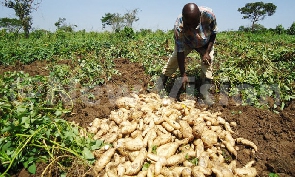
    The absence of rainfall in certain parts of the country for several weeks is impacting farming and raising concerns about potential food shortages and price increases for agricultural products.

    Despite being the farming season, the northern regions and the middle belt have experienced little to no rainfall over the past two months, causing significant damage to crops and leaving farmers deeply troubled.

    In the Bono area, affected farming communities include Techiman, Kintampo, and Nkoranza, while the southern Volta Region and the Greater Accra Region are also facing similar challenges.

    In some of these regions, farmers have been waiting for rain to plant their crops, but the anticipated rainfall has not occurred, while those who have already planted are seeing their crops fail.

    The situation has become so dire that some Imams have turned to prayer, seeking divine intervention for the much-needed rainfall to ensure a successful farming season, which began in April.

    Mahama Sintaro, the Chief Executive Officer of Tibzaa Farms in Sakoya, Northern Region, expressed his frustration in an interview, stating that his maize and rice farms, spanning nearly 2,000 hectares, are drying up due to the lack of rain.

    Another farmer Ayass Gazalle, conveyed worry about repaying his bank loan, saying, “I would be in bad business if we don’t get rain now.”

    An Agriculture Extension Officer from the Tigo community, Laar Emmanuel, described the current situation as unprecedented, citing the unpredictability of rainfall and the drying up of water bodies as key factors.

    In an interview, Dr. Charles Nyaaba, a board member and former Executive Director of the Peasant Farmers Association of Ghana (PFAG), confirmed the concerns expressed by farmers.

    He noted that the drought’s effects in the middle belt are even more severe than in the north, resulting in widespread crop failures and forcing many farmers to either replant or abandon their fields.

    Farmers in the middle belt, who should have been harvesting by now, are facing total losses, with maize crops in the north completely scorched, according to Dr. Nyaaba.

    To address these issues, Dr. Nyaaba recommended adopting water storage and irrigation practices used in other countries, such as building dams and dugouts to store water during irregular rainfall periods.

    He called for immediate government intervention to support affected farmers and stressed the importance of long-term strategies, including sustainable agricultural practices and environmental protection to combat desertification.

    Dr. Nyaaba also warned of potential food security challenges, predicting limited food supplies and rising food inflation, which could increase dependence on imports.

    Anthony Morrison, CEO of the Chamber of Agribusiness, stated that the drought has led to reduced tomato and watermelon yields in the southern Volta Region.

    He predicted that the widespread agricultural losses could lead to increased food imports in the coming years, and the poultry sector might also suffer due to a shortage of grains.

    Morrison called for a strategic response involving government agencies, improved infrastructure, better data management, and the establishment of a National Agricultural Risk Management Agency to handle such emergencies.

    When contacted, Joseph Portuphy, Deputy Director in charge of Synoptic Meteorology and Forecasting at the Ghana Meteorological Authority (GMet), clarified that the current situation is not yet classified as a drought but rather a dry spell affecting the coastal and middle belt regions.

    Portuphy attributed the current weather challenges to “climate variability” rather than long-term climate change, pointing out that local factors like deforestation and river degradation contribute to unpredictable weather patterns.

    He assured that the situation is expected to improve in the coming weeks.

    Attempts to get a response from the sector ministry through the Public Relations Office were unsuccessful. However, sources at the Ministry informed the Ghanaian Times that a critical meeting was held yesterday to address the situation.

  • Improve taxpayer education, clean-up tax register – Deloitte’s measures to expand Ghana’s tax base

    Improve taxpayer education, clean-up tax register – Deloitte’s measures to expand Ghana’s tax base

    Deloitte Ghana has proposed several strategies to the government aimed at broadening the country’s tax base.

    First, in its review of the 2024 Mid-Year Budget, it recommends that the government streamline business operations at the ports, enhance taxpayer education, and ensure the Ghana Revenue Authority (GRA) website is consistently updated to address taxpayer concerns.

    Second, the firm advocates for the ongoing refinement of the tax register and the implementation of electronic systems to expand the taxpayer base and improve their overall experience.

    Additional suggestions include establishing guidelines for the Emissions Levy and environmental excise duty on plastics, enhancing data sharing and information exchange with other jurisdictions to boost revenue collection, launching a simplified digital solution and electronic bookkeeping system for the informal sector’s modified taxation regime, and integrating 2,000 new taxpayers into the electronic Value Added Tax (VAT) invoicing system by the end of 2024.

    Regarding tax incentives, Deloitte recommends finalizing the regulations for the Exemptions Act, 2022 (Act 1083); amending the VAT regulations, 2017 (L.I. 2255) to extend exemptions for active pharmaceutical inputs, excipients, and other finished pharmaceutical products; revising existing tax laws to align with modern tax requirements; and completing draft regulations to operationalize the Independent Tax Appeals Board (ITAB).

    For revenue mobilization policies, Deloitte suggests developing a framework to reintroduce road and bridge tolls through an efficient, modern tolling system by the end of 2024, reinstating the integrated property tax system to ensure effective property tax assessment and collection, and creating legislation and a strategic framework for mobilizing and managing non-tax revenue.

  • World Bank hails Ghana for generous tax treatment of retirement funds

    World Bank hails Ghana for generous tax treatment of retirement funds

    The World Bank, in its eighth Ghana Economic Update, revealed that Ghana’s tax treatment of retirement funds is among the most generous globally, resulting in a significant loss of revenue for the government.

    The report notes that, on an international scale, pension taxation policy typically revolves around three key decisions: whether to Exempt (E) or tax (T) contributions to a retirement fund, whether to Exempt (E) or tax the interest or gains earned from these funds, and whether to Exempt (E) or tax withdrawals from the funds upon retirement.

    In Ghana, contributions to retirement or pension schemes, as well as the benefits received from them, are entirely tax-exempt.

    “Withdrawals of accrued benefits from a provident fund or personal pension scheme are tax exempt. Benefits from the Social Security and National Insurance Trust are also tax exempt.”

    “As a result, Ghana runs a generous EEE model. In addition, employer contributions are tax deductible, and additional contributions up to a maximum of 16.5 %t of a contributor’s monthly income are tax deductible for the purposes of determining the income of the contributor or their employer effectively lowering the taxable income”, it added.

    Several investments are tax exempts

    Additionally, the World Bank report highlighted that several forms of investment income, typically benefiting high-income individuals, are exempt from taxes. This exemption diminishes both the progressivity and effectiveness of the personal income tax (PIT) system.

    “Investment income that is exempt from taxation includes interest paid to an individual by financial institutions; interest on Ghanaian sovereign bonds; and interest or dividends paid to members of approved unit trusts or mutual funds. Moreover, an extensive withholding tax regime applies to payments from transactions made by business entities, simplifying tax management but also opening up opportunities for potential abuse: for example, rent derived from residential properties attracts a lower withholding rate (8.0%) than that from commercial properties (15%)”.

    This it said creates an incentive to misclassify commercial properties as residential.

  • Govt’s decision to maintain current tax levels applauded by Deloitte

    Govt’s decision to maintain current tax levels applauded by Deloitte

    Deloitte Ghana’s analysis of the 2024 Mid-Year Budget Review acknowledges that the government’s decision to maintain current tax levels offers some relief to businesses and individuals.

    The audit and tax services firm cautions, however, that any additional tax increases could negatively affect private sector productivity, especially given the challenges of high inflation and currency depreciation.

    The analysis underscores that debt restructuring and the International Monetary Fund (IMF) programme have significantly reduced the country’s interest payments from GH₵55.9 billion—previously the largest expenditure item—to GH₵48.0 billion, now the second-largest.

    This reduction, according to Deloitte, provides the fiscal space needed for the government to implement key programmes aimed at revitalizing and transforming the economy.

    Furthermore, the Government of Ghana has projected an increase in capital expenditure from 2.5% of GDP in 2023 to 2.8% in 2024.

    Deloitte interprets this forecast as a strong focus on improving social infrastructure and essential services, potentially driving robust economic performance in the medium to long term.

    The firm also highlights that the reduction in total expenditure in the 2024 mid-year budget review largely results from savings on interest payments, which have decreased following the completion of external debt restructuring, including bilateral, multilateral, and Eurobond debts.

  • No “chop money”, no farm – Cocoa farmer turned galamseyer tells Akufo-Addo

    No “chop money”, no farm – Cocoa farmer turned galamseyer tells Akufo-Addo

    A cocoa farmer has shifted from being a cocoa farmer to participating in illegal mining (galamsey).

    In a video sited by The Independent Ghana, the farmer expresses frustration over the lack of financial benefits (“chop money”) they receive from cocoa farming.

    A voice in the video is heard urging the farmer to stop destroying the farmland, warning that the authorities might pursue him.

    In response, the farmer stated, “authorities? Don’t they eat too? We’re trying to get into galamsey to make a living, and you’re worried about the authorities.”

    “While the farmer proceeded to destroy the cocoa farm, he is heard responding to the voice saying, “What am I supposed to feed on if I stop?”

    “Who are the authorities to arrest me? Well… if we have to stop, then he should provide us with ‘chop money’ so we can quit. If you’re talking about Akufo-Addo, he already has a source of livelihood,”the farmer said this while cutting down some cocoa trees relentlessly.

    Watch video below:

  • Pambros Salt Factory employees rally against suspected land transfer to Chinese

    Pambros Salt Factory employees rally against suspected land transfer to Chinese

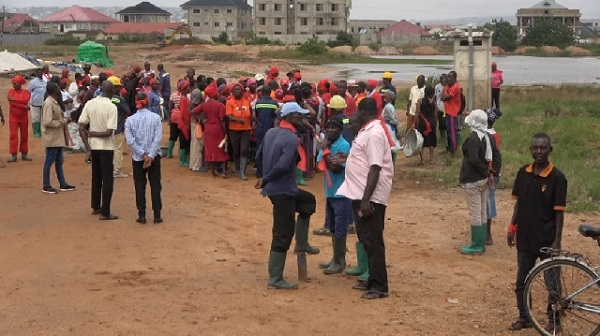
    Employees of the Pambros Salt Factory near Weija Junction in the Greater Accra Region have staged a protest against what they claim is an effort by certain traditional authorities to hand over portions of the salt mining area to Chinese business interests.

    Adorned in red and black, the workers vehemently opposed the move, fearing it could result in significant job losses.

    It has been reported that more than 1,000 workers might lose their jobs if the land transfer goes through.

    Many workers voiced concerns about the threat to their livelihoods, calling for urgent action to halt the takeover.

    “We’ve noticed that the Chinese have started encroaching on our land. They are destroying it, and we won’t agree to this because we have nowhere else to go. Pambros produces salt, just like Sege, and we are contributing our quota.”

    The worker also highlighted the importance of the salt industry to the nation, saying, “We even learned that the Jubilee House spends a lot on salt. If our jobs are destroyed, how can we support the country as local producers? President Akufo-Addo must take action on this. They have even employed the services of land guards, and it is scary.”

    Another worker voiced similar worries, demanding fairness in the situation.

    “We must not sit as a country and watch ordinary Ghanaians suffer. It is unfair to give our land to the Chinese. I want to beg the traditional authorities to ensure justice is served. They just came to take over our land without our knowledge,” he said.

  • I am “afraid” of leaving my position for ‘incompetent’ person – Dampare

    I am “afraid” of leaving my position for ‘incompetent’ person – Dampare

    Inspector General of the Ghana Police Service (IGP), George Akuffo Dampare, has disclosed his deepest concern regarding his career.

    He fears about the qualifications and capabilities of his potential successor once he departs from his current role.

    Dampare is concerned that his successor should not only uphold but also enhance the achievements and legacy established by him and his team, rather than undermine them.

    Speaking at an event hosted by the Methodist Church, Dampare expressed his thoughts on the matter saying, “When it comes to life and the job that I do, my biggest fear is walking out of the position that I find myself in today and not getting someone who is better than me to continue.”

    “My colleagues will tell you, and I’m saying that for a divine reason, I keep telling God all the time that if all I’m doing with my colleagues as a team is that you cannot get somebody who is better than us to come and continue by maintaining what we have achieved and building upon it, then why are you allowing us to do it because somebody who is not better than us will come and destroy it anyway? So that is my biggest fear,” he said.

    “So pray for us. So that it doesn’t become that when we are no more, we are used as a reference to judge the people who come after us. We would rather have come to do our work as God has destined, and the next person will do their work. But we want them to be better so that they will build upon what we left behind so that it will be unto the benefit of everybody and to the glory of God,” he added.

  • Ghana’s justice delivery system must be digitalized – Justice Sophia Essah

    Ghana’s justice delivery system must be digitalized – Justice Sophia Essah

    Supreme Court nominee Justice Sophia Essah has underscored the importance of digitizing the country’s justice system.

    She believes that while reforms are in place to promote fair and impartial justice, embracing digital technology is essential to avoid any potential biases in the judicial process.

    “We do need a lot of reforms—some are already underway. Given the issues which arise as a result of the lack of digitisation, it will be important that as much as possible, we digitise the whole judicial justice delivery system in all aspects to reduce the face-to-face between litigants, parties and members of the judiciary and the judicial service,” she stated.

    Justice Sophia Essah made these comments during her vetting before the Appointments Committee of Parliament for her Supreme Court nomination on Tuesday, August 13.

    She also highlighted that, despite the presence of numerous courts, there is a need for additional ones to help alleviate delays in the adjudication process.

    “Honourable chair, we also in my view need to step up alternative dispute resolution as a form of resolving conflicts and disputes between parties,” she added.

    The Supreme Court nominee underscored the importance of enhancing transparency in the justice system.

    She pointed out that the use of English in legal proceedings can exclude individuals who are not proficient in the language or legal jargon, thereby creating barriers to accessing justice.

    “I would suggest that we do a lot of sensitisation about what we do and how we go about adjudicating and delivering justice so that it will be transparent to as many people as possible. It can be done in the local languages or sign languages,” Justice Essah recommended.

  • Majority of pastors who support NPP disliked Rawlings’ history – A-Plus

    Majority of pastors who support NPP disliked Rawlings’ history – A-Plus

    Independent candidate for Gomoa Central, Kwame Asare Obeng, known as A-Plus has leveled accusations against the New Patriotic Party (NPP).

    During an August 12, 2024 interview on Hitz FM, A Plus asserted that many members of the NPP are primarily those who opposed former President Jerry John Rawlings, rather than individuals who truly embrace the party’s ideology.

    A Plus argued that Rawlings sought to reform the system but was often viewed as an adversary by many.

    He pointed out that while Rawlings supported certain churches, he was critical of exploitative practices in others.

    A Plus claimed that some Kumasi pastors engaged in expensive funeral practices opposed by Rawlings, which contributed to their antagonism towards him.

    “Rawlings supported Action Chapel; he supported Archbishop Agyinasare’s church; he supported them and ensured that he got rid of this; go and bring your underwear and let’s burn it churches,” he said.

    This, according to him, led to many pastors being NPP supporters, not because they understood the party’s ideology, but because they disliked Rawlings.

    “So all these pastors, the majority of them, are NPP, and it is not because they understand the ideology; no, they just don’t like Rawlings,” he said.

    A Plus further alleged that numerous NPP members’ parents were implicated in corrupt practices, leading to their arrest or reprimand by Rawlings.

    While reflecting on Rawlings’ legacy, A Plus praised him as a staunch Nkrumahist, drawing a parallel between his charisma and that of Kwame Nkrumah.

    However, A Plus expressed regret that Rawlings ultimately abandoned his original objectives.

    “Rawlings is part of the problem that we are facing now because he gave up. Rawlings was the only person who could tell everybody in Ghana to sleep, and everybody will sleep, so he had the opportunity to do a lot, but at a point he was tired,” he said.

  • Africa public health body declares mpox emergency

    Africa public health body declares mpox emergency

    Africa’s top public health body declared what it termed a “public health emergency of continental security” on Tuesday over an outbreak of mpox that has spread from the Democratic Republic of Congo to neighbouring countries.

    The Africa Centres for Disease Control and Prevention (Africa CDC) had warned last week of an alarming rate of spread of the viral infection, which is transmitted through close contact and causes flu-like symptoms and pus-filled lesions.

    Most cases are mild but it can kill.

    “We declare today this public health emergency of continental security to mobilize our institutions, our collective will, and our resources to act swiftly and decisively,” Director General Jean Kaseya said in a briefing that was live-streamed on Zoom.

    The outbreak in Congo began with the spread of an endemic strain, known as Clade I. But the new variant, known as Clade Ib, appears to spread more easily through routine close contact, particularly among children.

    Kaseya said in the briefing that the continent needs more than 10 million doses of the vaccine, but only about 200,000 are available. He promised that Africa CDC would work to quickly increase the supply to the continent.

    “We have a clear plan to secure more than 10 million doses in Africa, starting with 3 million doses in 2024,” he added, without saying where the vaccines would be sourced.

    The health body said that more than 15,000 mpox cases and 461 deaths were reported on the continent this year so far, representing a 160% increase from the same period last year. A total of 18 countries have reported cases.

    Mpox has been endemic in parts of Africa for decades after it was first detected in humans in the Democratic Republic of Congo in 1970.

    A milder version of the virus spread to more than a hundred countries in 2022, largely through sexual contact, prompting the World Health Organization (WHO) to declare a public health emergency of international concern, its highest level of alert.

    The WHO ended the emergency 10 months later, saying the health crisis had come under control.

    The U.S. Centers for Disease Control and Prevention (CDC) issued a second health alert last week to notify clinicians and health departments about the deadly new strain.

    Also last week, Africa CDC said it had been granted $10.4 million in emergency funding from the Africa Union for its mpox response.

    WHO chief Tedros Adhanom Ghebreyesus has promised to convene an emergency committee to discuss whether the outbreak in Congo represents a public health emergency of international concern.

    Source: Reuters

  • Watch cocoa farmers destroy cocoa farm for galamsey

    Watch cocoa farmers destroy cocoa farm for galamsey

    An alleged group of small-scale miners has posted a video showing themselves uprooting cocoa plants to make way for their illegal mining operations.

    In the footage the that the financial returns from cocoa farming are insufficient compared to the potential profits from galamsey activities.

    They argue that their actions are driven by economic necessity, as the cocoa industry no longer offers the same level of financial security.

    The video highlights a troubling trend where agricultural lands are being sacrificed for more lucrative, albeit illegal, ventures.

    This shift raises concerns about the long-term impacts on both the environment and the local economy.

    Watch video below:

  • Clement Apaak promises to reallocate Funds for education if NDC wins 2024 election

    Clement Apaak promises to reallocate Funds for education if NDC wins 2024 election

    The Member of Parliament for Builsa South and Deputy Ranking Member on the Education Committee of Parliament, Dr Clement Apaak, has stated that should the National Democratic Congress (NDC) win the 2024 election, it will reallocate and reduce government spending to enhance education.

    According to him, over the past three to four years, the Office of Government Machinery has consistently received no less than GH₵1 billion annually, with this year’s allocation exceeding GH₵2 billion.

    Dr Apaak emphasised that a future NDC government would redirect and reduce this budget to finance the education of first-year students.

    During the NDC’s manifesto presentation on August 12, the party’s flagbearer, John Mahama, announced that first-year tertiary students would be exempt from paying academic fees.

    Mr Mahama explained that this initiative is part of a broader effort by the NDC to alleviate the financial burden on parents supporting their children’s education.

    Speaking on JoyNews AM Show, Mr Apaak said, “We will cut expenditure because, if you look at the Office of Government Machinery – this is essentially the Presidency – indeed up to today, the Minority has never fully appreciated and we do not believe that the quantum of money that goes to the Office of the President is needed.”

    The Builsa South MP criticized the current NPP government for requesting inflated funds for the Office of Government Machinery, alleging that these resources are being used to support partisan activities.

    He contrasted this with the NDC’s approach, pointing out that during their time in office, the NDC never requested anywhere near GH₵1 billion for the same office.

    Dr. Apaak contended that these excessive allocations could be trimmed and redirected to cover the expenses of first-year students’ fees.

    “There is a lot of waste in the system. Obviously, we would not be spending some GH₵339,000,000 to finance the construction of a cathedral. We would not be paying a CEO and a staff for an inland port, a port in Keta, so to speak, for almost eight years with no work done. “

  • Over-billing in Ketu South caused by expired meters, recent tariff increases – ECG

    Over-billing in Ketu South caused by expired meters, recent tariff increases – ECG

    The Electricity Company of Ghana (ECG) has attributed incidents of over-billing in Ketu South to expired meters and recent tariff hikes.

    The clarification comes days after residents of Ketu South Municipality in the Volta Region hit the street to voice their outrage and frustration over what they describe as unacceptable billing practices by the Electricity Company of Ghana (ECG).

    These practices, they claim, have caused significant psychological distress and financial burdens.

    Already, there are widespread allegations of over-billing made by some customers of ECG in some other parts of the country.

    Touching on this when the Electricity Company of Ghana appeared before the Public Accounts Committee on Monday, the Member of Parliament for Ketu South, Abla Dzifa Gomashie said something must be done.

    “On Wednesday, my constituents were on the street demonstrating in Ketu South because of the hikes in cost of electricity now. I think the installation of the new system that you are using must have a problem because a small house with a fan and a television and phone can get a bill of 1000gh or almost 2000gh. Those things are happening,” she stressed.

    In response to the concerns, ECG Managing Director Samuel Dubik Mahama stated that the issue may be due to expired meters.

    “What we are realizing now is that most people don’t know that meters do expire. Meters don’t have a long life span, so they do expire. This is something that is not the fault of the customer.

    “So this is something that we have to go out there and educate everybody very well,” he explained.

    Mr. Mahama added that, “let’s also not forget that the PURC has increased tariff over the period to a total of almost 75%, so it is a conversation that has to be looked at in a holistic form”.

  • Ghana’s secondary bond market trading volumes fall by 41.77%

    Ghana’s secondary bond market trading volumes fall by 41.77%

    Trading volumes in Ghana’s secondary bond market dropped by 41.77% to GH¢881 million during the week under review, down from GH¢1.5 billion in the previous week.

    This decline was mainly due to smaller trades compared to the prior week.

    Moderate trading activity in the February 2031 and February 2032 bonds made up 74.9% of the total volume in the midsection of the yield curve.

    Meanwhile, trades in the February 2027 and February 2028 bonds contributed 25.1%, bolstering the shorter end of the local currency yield curve.

    Analysts anticipate that these modest trading levels will persist as investors seek to improve short-term liquidity while awaiting the GH¢6.1 billion coupon payment scheduled for August 2024.

  • Bawumia assures roll out of credit scoring system by end of 2024

    Bawumia assures roll out of credit scoring system by end of 2024

    Flagbearer of the governing New Patriotic Party (NPP), Dr. Mahamudu Bawumia, announced that individualized credit scoring will be introduced in Ghana before the end of the year, aiming to simplify life for Ghanaians who wish to make purchases on credit and pay over time.

    The Vice President noted that this initiative will shift the country away from a cash-based system and foster the growth of young businesses.

    During a ceremony marking International Youth Day at the Pentecost Convention Center in the Central Region on Monday, Dr. Bawumia highlighted the transformative potential of this upcoming credit system.

    “This system will open up new opportunities for individuals and small businesses to access credit, which in turn will drive economic growth and job creation.

    “We are shifting from a cash-based system to a credit-based one, where credit scoring will enable lenders to make informed decisions. This means that someone, like a hairdresser who has just completed training, can purchase equipment on credit and pay in small installments over time. The same applies to carpenters and other professionals.”

    The Vice President also vowed to offer digital training to one million youths if he is elected President in the upcoming elections.

    “One of the areas that I am going to be very keen on is training one million youth in digital skills. This is because without the skills the youth cannot have the opportunity to participate fully in the fourth industrial revolution. There are many job opportunities, both inside and outside Ghana if you have the skills and training the youth in digital skills can be done without the youth necessarily having a university degree or going to a polytechnic.”

    Based on the available information, a credit-scoring system is a statistical tool used by financial institutions and lenders to evaluate a borrower’s creditworthiness.

    This system assists lenders in identifying whether a borrower poses a high or low risk, and an individual’s credit score can influence both the maximum loan amount they can obtain and the applicable interest rate.

    In countries without personalized credit-scoring systems, all borrowers are typically viewed as high-risk, leading to generally higher interest rates across the board.

  • BoG maintains benchmark rate at 29% to combat inflation pressures

    BoG maintains benchmark rate at 29% to combat inflation pressures

    The Bank of Ghana’s Monetary Policy Committee has decided to keep the benchmark interest rate at 29 percent, a strategic choice intended to address inflation uncertainties caused by currency pressures, changes in utility tariffs, and increasing fuel prices.

    Economic analysts have characterized this decision as a cautious approach to managing the economy during these challenging times.

    In an interview with CNBC Africa, Karen Kwarteng, Head of Global Market Sales at Stanbic Bank Ghana, examined the effects of the central bank’s decision to maintain the benchmark rate at 29 percent.

    She pointed out that although there was a previous 100-basis point rate cut, keeping the current rate is seen as essential to temper inflation and support disinflation efforts in the latter part of the year.

    The Bank of Ghana has set an inflation target of 13 to 17 percent by the end of the year, in line with the government’s 15 percent goal.

    Karen Kwarteng also emphasized the importance of strong fiscal consolidation as a complementary measure to monetary policy.

    “Key government initiatives such as the Ghana.gov platform and the Ghana Integrated Financial Management Information System are pivotal in these efforts.”

    The Standard Bank Executive further expressed optimism about the appreciation of the local currency in the near term, attributing this to the restructuring of the €13.1 billion bonds and anticipated IMF disbursements in November.

    She noted that “These factors are expected to provide much-needed support to the currency despite ongoing challenges such as declining cocoa earnings, which have hampered the regulator’s capacity to intervene in the forex market.”

    In recent times, high lending rates, driven by elevated reference rates, have continued to pose challenges for businesses in Ghana seeking affordable credit.

    Nevertheless, Karen Kwarteng commended the resilience of Ghana’s banking sector, which has shown stability following the domestic debt restructuring program.

    She also acknowledged that “Support from regulatory and governmental bodies has been instrumental in this recovery, enabling banks to navigate the post-restructuring landscape effectively.”

    As Ghana navigates the challenges of inflation management and strives for economic stability, the collaboration between monetary and fiscal authorities will be crucial.

    The focus on fiscal consolidation, prudent financial management, and strategic monetary policy is aimed at addressing current economic challenges and paving the way for a more resilient and sustainable future for the country.

    The Bank of Ghana’s decision to hold the benchmark rate at 29%, therefore, reflects a strategic approach to managing inflation and economic stability.

    With continued efforts in fiscal consolidation and supportive monetary policies, the country will likely overcome current economic challenges and achieve sustainable growth.

    The resilience of the banking sector and optimism about currency appreciation further contribute to a cautiously positive outlook for the country going forward.

  • We give out more than we receive – SSNIT bemoans benefit-contribution gap

    We give out more than we receive – SSNIT bemoans benefit-contribution gap

    The Social Security and National Insurance Trust (SSNIT) is facing a pivotal challenge due to the widening gap between benefit payouts and contributions.

    This issue was highlighted by SSNIT Director-General Kofi Osafo Maafo during the 2024 Operations and Benefits Conference at Elmina Beach Resort.

    Over the past decade, benefit payments under the SSNIT scheme have surged significantly, climbing from GH¢941.27 million in 2014 to over GH¢5.4 billion in 2023. In contrast, contribution collections have increased more slowly, rising from GH¢1.7 billion to just over GH¢6 billion during the same period.

    Mr. Maafo pointed out that this growing disparity, where benefit payments are outstripping contributions, represents a major challenge for the Trust.

    “This situation in which the Trust pays out more than it collects should be a source of great concern to all of us,” Mr. Maafo warned.

    He attributed the growing disparity to multiple factors, including the maturing phase of the SSNIT Fund and the rising number of retirees accessing benefits. He also noted that changes brought about by the National Pensions Act 2008 (Act 766) have intensified the Trust’s challenges.

    Mr. Maafo highlighted that the reduction in the scheme’s funding rate from 17.5 percent to 11 percent, coupled with a shorter vesting period and enhanced benefits, has contributed to the financial strain on SSNIT.

    While acknowledging these legislative adjustments, he emphasized the need for innovative strategies to mitigate their effects until the law can be revised.

    Mr. Maafo identified one of the immediate challenges as the inconsistent payment of contributions by public sector workers, particularly those under the Controller and Accountant General’s Department. As the government is the largest employer, delays in this sector’s contribution payments put considerable pressure on SSNIT’s resources.

    He warned that unless this problem is promptly addressed, it could impair the Trust’s capacity to fulfill its future obligations.

    To tackle these challenges, Mr. Maafo proposed a strategic approach focusing on three main areas: broadening the coverage of the SSNIT scheme, enforcing compliance, and implementing advanced technology to manage the Trust’s operations.

    He underscored the importance of increasing active membership to boost contribution collections and ensure the scheme’s long-term viability.

    The SEED (Self-Employed Enrollment Drive) initiative, aimed at incorporating more workers into the scheme, was highlighted as a crucial strategy. However, Mr. Maafo raised concerns about current enrollment numbers falling short of targets.

    SSNIT is focusing significantly on technology to address sustainability issues within the scheme.

    The Director-General announced that SSNIT management, supported by the operations team, will soon introduce a digital solution called the ‘SSNIT Digital Bouquet’.

    This initiative will feature a new website, portal, an upgraded USSD platform, and the much-anticipated SSNIT Mobile App.

    He expressed hope that these digital advancements will enhance service delivery and facilitate more convenient, regular contributions from members and employers.

  • Cedi weakens due to corporate demand, relatively stable with $10m support from BoG

    Cedi weakens due to corporate demand, relatively stable with $10m support from BoG

    The Ghana cedi experienced relative stability for most of last week, supported by a $10 million intervention from the Bank of Ghana in the spot market.

    Despite this, ongoing pressures from corporate demand caused the cedi to weaken towards the end of the week’s trading.

    As a result, the cedi declined slightly by 0.47% week-on-week against the US dollar, finishing at GH¢15.95/$ on the retail market.

    The cedi also depreciated by 0.25% against the pound and by 1.31% against the euro on a week-on-week basis in the retail market.

    Currently, the cedi is trading at GH¢15.87 per US dollar on the retail market and has depreciated by 23.11% against the dollar since January 1, 2024.

    Looking ahead, the Central Bank plans to auction $20 million to Bulk Oil Distributing Companies this week.

    Analysts anticipate that this auction will help alleviate some of the corporate demand pressures and slow the cedi’s depreciation.
  • Ghana’s cocoa sector to go extinct by 2029 – Association of Cocoa Farmers

    Ghana’s cocoa sector to go extinct by 2029 – Association of Cocoa Farmers

    The National Association of Cocoa Farmers has issued a warning that the cocoa sector could collapse within five to ten years if current challenges are not addressed by authorities.
    Stephenson Anane Boateng, President of the Association, highlighted the severe impact of illegal mining, known as galamsey, in cocoa-growing regions. He noted that this has led to significant issues such as water pollution, competition for land with illegal miners, and a decline in cocoa production.

    Boateng expressed concern that cocoa farmers are struggling to manage aging cocoa trees, weeds, pests, diseases, and falling yields, all of which have negatively affected their income and livelihoods.

    According to data from the 2022/23 season released by COCOBOD, approximately 150,000 metric tonnes of cocoa were lost due to smuggling and illegal gold mining activities. Additionally, the cocoa-swollen shoot virus devastated around 500,000 hectares of cocoa farmland.

    He criticized national leaders for failing to implement effective initiatives to tackle these challenges, questioning why cocoa farmers are not being empowered to help resolve the crisis.

    Although the government claims to have introduced measures to address production issues, such as a farm rehabilitation program and collaborations with security agencies to combat smuggling, the Association insists that successive governments have not adequately addressed their concerns.

    “All the various sectors get the needed support and resources to enhance their work. However, the cocoa sector has been ignored. The situation has made cocoa farming unattractive, and our young people are not interested in the sector. They accuse us of selling our lands to illegal miners, but that is false.

    “The cocoa sector is no longer thriving. My prediction is that in the next five years, we will have no cocoa sector to boast of. If we are lucky, it will last for the next ten years.

    “The youth of today have all joined galamsey activities. When we raise these issues, the CEO of COCOBOD, Joseph Boahen Aidoo, will rubbish them. We have a crisis at hand, and it is our collective duty as Ghanaians to talk and have the issues addressed.”

    On the investment of Ghc942 million on farms, he shot it down, stressing that “COCOBOD keeps making losses. Read the Auditor General’s report and let me know if, indeed, they have made any investments in farms, as he claimed.”

    He told host Kwabena Agyapong on Frontline on Rainbow Radio 87.5FM that “”Ghana is now controlled by politicians, and when important issues are raised, they are not addressed.”

    “They come in to make money, and when they leave, they and their families enjoy themselves and create problems for us. But as Ghanaians, we have to rise and speak up and have them resolve these challenges.”

  • Tobinco Pharmaceuticals to receive over GHS93m unlawful destruction of it drugs by FDA

    Tobinco Pharmaceuticals to receive over GHS93m unlawful destruction of it drugs by FDA

    The High Court in Accra (General Jurisdiction) issued a ruling on July 29, 2024, ordering the Food and Drugs Authority (FDA) to compensate Tobinco Pharmaceuticals Ltd with GH¢93,905,760.79 for the illegal destruction of the company’s unexpired drugs.

    In 2014, the FDA seized pharmaceutical products imported by Tobinco, claiming that they were unfit for consumption.

    Tobinco filed a lawsuit against the FDA in 2019, seeking damages and a declaration that the FDA’s actions were unlawful.

    Represented by Mr. Philip Addison of Addison Bright Sloane, Barristers, Solicitors, and Consultants in Accra, Tobinco, the plaintiff and judgment creditor, argued the case.

    The court, under the leadership of Justice Audrey Kocuvie-Tay, concluded that the FDA’s destruction of Tobinco’s unexpired products without a court order was illegal.

    The court again declared that “the unlawful lockup of Tobinco’s warehouses by the FDA and bad media publicity by the FDA re­sulted in the massive expiration of Tobinco’s products between June 2014 and August 2015.”

    Justice Kocuvie-Tay also ruled that the FDA’s directive prohibiting the sale of Tobinco’s products without an Executive Instrument from the Minister of Health was unlawful.

    She further stated that the actions taken by the FDA and its CEO to ban Bliss GVS Pharma Limited from importing drugs into Ghana without the issuance of an Executive Instrument (E.I.) by the Minister were also illegal.

    The judge affirmed that Tobinco did not import counterfeit drugs into the Ghanaian market.

    She declared that the FDA and its CEO’s unlawful actions inflicted significant harm and financial loss on Tobinco’s business.

    The court determined that the FDA’s refusal to register Tobinco’s drugs, the confiscation of Tobinco’s products from customers, the order for the arrest of Tobinco’s CEO, and the detention of Tobinco’s imported drugs at Tema Port constituted an abuse of the FDA’s statutory authority.

    As a result of these actions, which caused Tobinco to suffer losses, the court ordered the FDA to pay special damages amounting to GH¢24,003,157.20, representing the total cost of Tobinco’s products that expired in warehouses.

    Additionally, the court ordered the FDA to pay special damages of GH¢511,414.35 to cover the demurrage costs incurred by the plaintiff.

    The court also awarded special damages of GH¢67,300 to cover expenses related to bonded warehouses, along with interest on the aforementioned amounts at prevailing bank rates.

    Although Tobinco did not specify the start dates for calculating interest on the various awarded amounts, the evidence presented indicated the dates when the infractions or losses occurred. The court awarded GH¢24,003,157.20 from January 2015, GH¢511,414.35 from November 2015, and GH¢67,300 from January 2015, all accruing interest at the prevailing bank rate until final payment.

    In addition to general damages of GH¢5 million for misfeasance, the court ordered the FDA to pay Tobinco GH¢1 million in costs.

    These amounts include the recovery of special damages totaling GH¢24,003,157.20, GH¢511,414.35, and GH¢67,300.

  • Galamsey represents a collective failure; we all witness it, yet we feel powerless – Kwame Gyan

    Galamsey represents a collective failure; we all witness it, yet we feel powerless – Kwame Gyan

    Land Law expert Kwame Gyan has sounded the alarm about the widespread indiscipline and lawlessness that continue to hinder Ghana’s fight against illegal mining, commonly referred to as “galamsey.”

    He cautions that the nation’s inability to enforce the law is not only worsening environmental degradation but also weakening the country’s social fabric.

    Mr. Gyan’s concerns follow recent remarks by Daasebre Asumadu Appiah, the Chief of Akyem Wenchi and Oseawuohene in the Eastern Region, who openly acknowledged that the youth in Wenchi and nearby areas are unlikely to stop engaging in galamsey, despite government crackdowns.

    The chief highlighted that galamsey has become the main source of income for many in the region, making it nearly impossible to end the practice without providing alternative job opportunities. He urged the government to consider creating a more regulated community mining scheme as a feasible solution.

    During an appearance on the Super Morning Show on Monday, Mr. Gyan described a troubling scenario of a nation where lawlessness has become a widespread issue.

    Speaking on the Super Morning Show on Monday, Mr Gyan painted a grim picture of a nation where lawlessness has become the norm.

    “There are some scholars who argue that this thing about impunity and indiscipline was one of the legacies of the many revolutions that we have been through, and all those things brought us to a point where gradually we decided not to respect authority and not to respect law and order. It’s the general atmosphere of indiscipline and impurity”he said.

    Mr. Gyan emphasized that this widespread culture of indiscipline has become a collective failure, impacting all sectors of society. He pointed to the blatant illegal mining activities taking place along the main Accra-Kumasi road as a prime example.

    “The main Accra-Kumasi road in the clear eyes of everyone because that road president, speakers, military and the police everybody uses that road. Just inside Osino town about 20 meters from the main Accra-Kumasi road mining is happening there.

    Mr. Gyan noted that the pervasive sense of helplessness has crippled the nation’s ability to effectively address the galamsey crisis. “We all see what’s happening, but we feel powerless to act. Politicians, security forces, the media, and even academia—we’ve all failed to address this issue. We should have acted much sooner.”

    Mr Gyan also touched on the possible involvement of political figures in illegal mining, suggesting that their complicity might explain the government’s inability to effectively curb galamsey. “We need to ask ourselves whether political actors are involved. If they aren’t, why can’t they stop it?”

    He added that, “All of us we see it and walk away because everybody is helpless, the politicians are helpless, the police, soldiers are helpless, the media is also helpless. We in academia are also helpless , that is why I’m saying that this is our collective failure. It’s all of us who have failed, we saw things coming, we should have taken steps earlier.

    While acknowledging the economic importance of mining, Mr Gyan called for a more balanced approach that safeguards the environment while still providing livelihoods. “I’m not advocating for an end to mining; it has its benefits. But we must find ways to minimize environmental damage and ensure that people can still earn a living.”

    Mr. Gyan also pointed out the increasing number of foreign miners, which he argues worsens the issue.

    He urged their immediate expulsion and stressed the importance of collaboration among local communities, traditional leaders, and state authorities to develop lasting solutions.

  • First-year university students to enjoy free tuition if NDC wins 2024 elections

    First-year university students to enjoy free tuition if NDC wins 2024 elections

    The National Democratic Congress (NDC) has vowed to make the first year of university education tuition-free for all students attending public institutions if they win the December 7 election.

    Additionally, the NDC has committed to offering certification for artisans across the country.

    Festus Mwingsong Akyuuro, a Public Relations consultant and member of the NDC Youth Manifesto team, made this announcement during the manifesto launch at the University of Professional Studies, Accra (UPSA) on Monday.

    According to the NDC, this policy aims to alleviate the financial strain on parents and ensure that higher education is more accessible.

    “No academic fees for first-year students. We’ve heard countless stories of students who finished school with 7As, and we had to start crowdfunding for them. All of that will be a thing of the past under the next NDC administration,” he added.

    Festus Mwingsong Akyuuro, a Public Relations consultant and a member of the NDC Youth Manifesto team

    With a focus to empower artisans, the NDC will implement a “Step-Up Certification Policy.”

    The initiative will enable artisans, including seamstresses, hairdressers, carpenters, mechanics, and masons, to attend technical universities, refine their skills, and obtain certifications in their respective trades.

    Moreover, a national apprenticeship program will be introduced, providing every apprentice with the essential support to launch their trade upon completion.

  • Stop illegal sale of portions of Achimota Forest – Osu Traditional Council to govt

    Stop illegal sale of portions of Achimota Forest – Osu Traditional Council to govt

    Residents of Osu have staged a peaceful protest demanding an end to the illegal sale of sections of the Achimota Forest.

    In an interview with GH One TV on Monday, August 12, 2024, Nii Tempong Sarpei III, the Dzaase Asafoatse of Osu, expressed his frustration over the widespread sale of land within the Achimota Forest to certain individuals.

    He noted that numerous properties within the Osu traditional area and neighboring communities have been sold to private developers, which he argues warrants protest.

    The demonstration followed the sighting of heavy machinery being used to grade land by unauthorized individuals.

    Additionally, Nii Tempong Sarpei III revealed that a petition has been submitted to the Forestry Commission to address their concerns.

    “This morning, we are here about Achimota Forest… Today the Dzaase Asafoatse and Asafo people are here to make sure we put things in order. Last week we saw people grading the place (Achimota Forest), so we came here to see the forestry chairman to present our petition to him, but unfortunately, when we came, he is not here, but the deputy is here so we just delivered the message to him, and they have accepted it and they say they are going to take care of it”, he stated.

    Nii Tempong Sarpei also claimed that certain individuals are exploiting chieftaincy disputes in Osu to unlawfully acquire land.

    He urged a united effort among all traditional regions to combat and oppose the illegal sale of properties within the community.

    “I want to tell Osu people that we are not here fighting over chieftaincy anything, we are here about our properties. Osu properties are going just like that; if you check our bungalows, lands, everything is going and the youth too we don’t know anything about it. Now we have woken up, we just want to make sure things are put in order.  We are calling all areas in Osu to all come together to fight one fight”, he pleaded.

  • Geological Survey Authority to receive GHS10m funding annually from Bawumia

    Geological Survey Authority to receive GHS10m funding annually from Bawumia

    Dr. Mahamudu Bawumia, the New Patriotic Party (NPP) flagbearer, has committed to dedicating a minimum of GH¢10 million each year to the Geological Survey Authority.

    This pledge is part of the party’s plan to enhance the exploration of Ghana’s mineral resources.

    During his campaign in the Akwatia constituency, Dr. Bawumia voiced his concerns about the current practices in mineral exploration.

    He criticized the common ‘trial and error’ approach used by companies with prospecting licenses, noting that it frequently results in considerable environmental damage.

    “To prevent the trial-and-error process of exploring minerals, which destroys the environment, we intend to resource the Geological Survey Department with at least GH¢10 million every year, to accurately locate the minerals,” citinewsroom.com quoted Dr. Bawumia.

    He highlighted that the Geological Survey Authority has pinpointed exact sites of mineral deposits, which will facilitate mining operations and minimize environmental harm.

    Expanding on this, Dr. Bawumia presented plans to launch a community mining initiative backed by a shared user facility, allowing local communities to participate in eco-friendly mining practices.

    “We will initiate the community mining scheme and provide them with a common user facility for them to mine,” he said.

    Alongside financial support and community engagement, Dr. Bawumia emphasized the need to include traditional leaders in the mineral licensing process. He contends that giving chiefs an equity share in small-scale mining ventures will promote a fairer distribution of mining benefits and better protect the nation’s interests.

    “In the mining licensing process, we have to involve the chiefs; otherwise, it will not end well for the country. We also have to provide for an equity stake of the chiefs in the concessions,” Dr. Bawumia added.

  • Mahama details plans to enhance Free SHS and tackle educational challenges

    Mahama details plans to enhance Free SHS and tackle educational challenges

    Flagbearer of the National Democratic Congress (NDC), John Mahama, has unveiled extensive plans to upgrade the Free Senior High School (SHS) program if he wins the election.

    His proposed enhancements encompass upgrading infrastructure, securing reliable funding, and tackling existing challenges within the program.

    He shared these details during the NDC manifesto presentation on August 12.

    “We shall decentralize the procurement of food and other supplies to the headmaster’s school basis. In order to improve the quality of food and also boost the local economies in the district where the schools are located. We shall expand access by building more infrastructure in existing secondary schools, and we shall dedicate funding to completing the E blocks in order that more children can have the opportunity to go to school.”

    “We will abolish the double track system so that all our children can go to school at the same time and vacate at the same time. Our kids will not come and stay at home for four months and go to school, having forgotten everything they learnt in the previous term,” he said.

    To tackle financial obstacles for tertiary students, Mr. Mahama revealed plans to collaborate with the private sector to create affordable on-campus housing.

    “My government will partner with the private sector to demarcate a portion of the vast tracts of land that the universities are holding to construct hostels for students on campus at reasonable rates and thereby address the accommodation challenges that students are facing.”

    “The professional institutions of architects and engineers will be engaged to provide uniform design and the costing of the hostels that will be built on all campuses, and that will be under our programme of “bed for all” for all students to be able to stay on campus.”

    To provide additional assistance to students, Mr. Mahama introduced the ‘No Fee Stress Initiative,’ aimed at providing financial support through the Student Loan Trust Fund (STLF).

    Moreover, he criticized the current administration’s inconsistent recruitment methods and pledged to establish ongoing recruitment for teachers and nurses, especially in underserved regions.

    “We deplore the Akufo-Addo/Bawumia administration’s practice of opening recruitment portals only when elections are due. We will implement a policy of continuously recruiting teachers and nurses, especially in underserved areas.”

    Regarding teacher training, Mahama announced his intention to eliminate the Teacher Licensure Examination.

    “We will make teacher licensing a part of the final year programme in the college of education. The John and Jane administration will implement strategies to address teacher accommodation challenges in rural areas, offering incentives to encourage them to accept postings in these underserved regions,” he said.

  • Bobrisky returns to Instagram with stunning photos after prison release

    Bobrisky returns to Instagram with stunning photos after prison release

    Crossdresser Bobrisky has made a remarkable return to Instagram, posting a collection of dazzling new photos just days after his release from incarceration.

    Referred to as the “Mummy of Lagos,” Bobrisky was released from prison on August 4, 2024, following a four-month sentence.

    Although he was sentenced to six months for Naira abuse, he was spotted enjoying a boat cruise with friends soon after his release.

    A few days later, Bobrisky shared photos on his Instagram, featuring himself in lingerie and embellished with “angelic” wings.

    He captioned the post with “she’s back” and added a fire emoji.

    The images swiftly attracted numerous comments from fans thrilled to see his return.

  • God challenged me to curate Christian songs at events – DJ Cuppy

    God challenged me to curate Christian songs at events – DJ Cuppy

    Nigerian DJ and billionaire Aliko Dangote’s daughter, DJ Cuppy, has revealed her shift to exclusively playing gospel music.

    The artist, who was recently baptized, admitted that she initially felt nervous about curating a list of entirely Christian songs, but felt guided by divine support throughout the process.

    Cuppy posted on her Instagram, sharing images from one of her performances and expressing gratitude to God for allowing her to use her music as a form of worship.

    She wrote: “I had the RARE opportunity to do the two things I love most: DJing AND Serving God. What a blessing! Thank you for having me @HTBfocus”.

    DJ Cuppy clarified that, contrary to popular belief, Christian music is both upbeat and positive.

    She added, “I was really nervous about curating a performance with ONLY Christian music, but God challenged and guided me through it. And please DO NOT get it twisted— Christian music is LIT! Genuinely grateful for this journey and for the chance to share my faith through music!”

  • Davido’s wedding song ‘Ogechi Remix’ removed from YouTube due to copyright dispute

    Davido’s wedding song ‘Ogechi Remix’ removed from YouTube due to copyright dispute

    The popular wedding song ‘Ogechi Remix’ by renowned Nigerian singer Davido Adeleke has been taken down from YouTube due to copyright disputes.

    Performed live at Davido’s opulent wedding to Chioma on June 25, 2024, the song quickly became a highlight of the year.

    Released on the wedding day, “Ogechi Remix,” featuring BoyPee, Hyce, and Brown Joel, gained significant popularity among fans.

    The music video, uploaded on July 19, 2024, highlighted Davido’s deep love for Chioma through the lyrics.

    However, recent events have stirred controversy online, as the music video for “Ogechi Remix” has been removed from Davido’s YouTube channel due to copyright issues.

    While the audio remains accessible on BoyPee’s official YouTube channel, the video is no longer available.

    Further confusion has arisen as Davido is not listed as the official artist on the YouTube page for the song. It seems that the original version of “Ogechi,” which was remixed by BoyPee and his team, was created by a different artist before the remix.

  • Minister Yvonne nominated for 2024 Ghana Music Awards Europe

    Minister Yvonne nominated for 2024 Ghana Music Awards Europe

    UK-based Ghanaian Gospel artist Yvonne Asamoah-Tawiah, widely known as Minister Yvonne, has been shortlisted for the 2024 Ghana Music Awards Europe.

    She has received nominations for the ‘Gospel Song of the Year’ in the “Best Diaspora” category.

    As the 2021 Ghana Music Awards-UK Gospel Artiste of the Year, Minister Yvonne has been active in the Gospel music scene for four years and is undoubtedly one of Ghana’s most successful gospel artists living abroad.

    Her distinctive sound and consecutive hit songs earned her the distinction of being the first Ghanaian to be featured on the prestigious BBC Music Introducing.

    The Ghana Music Awards Europe is a highly esteemed awards program that celebrates exceptional Ghanaian music talent both in the country and abroad. This nomination acknowledges Minister Yvonne’s remarkable contributions to the Gospel music industry and her influence on the global music stage.

    Minister Yvonne reacted to the nomination: “this nomination could only have come through the Spirit of God and not man. As I have said before, this song was born from the Spirit and it is soaring on the wings of the Holy Ghost.”

    “I am grateful to everyone who has supported us, the media, the churches, the ministers who have taken this song to the ends of the earth, and the many people it continues to be a blessing to,” she added.

    The winners will be revealed in Amsterdam on September 7 during the 2024 Ghana Music Awards Europe. The event will feature live musical performances and acceptance speeches.

    To see Minister Yvonne win the award, dial *447*714# and input her nomination code, VD74.

  • Blakk Rasta meets McDan after alleging he is struck with paralysis

    Blakk Rasta meets McDan after alleging he is struck with paralysis

    Reggae musician and radio host Blakk Rasta, has had a meeting with Ghanaian business mogul Daniel McKorley, popularly known as McDan.

    This meeting comes after Black Rasta made claims by Ada chiefs that McDan is suffering from paralysis due to A

    In an attempt to confirm the paralysis claim, Blakk Rasta had the opportunity to meet with McDan himself and they took a photo together showing that McDan is in perfect health condition.

    On this note, Blakk Rasta made a few disclosures McDabn shared with him…”the people of Ada are coming to him one after the other and right now almost all of Ada is with him except the Ada Songor Lagoon Association (ASLA) – A salt association in Ada. He said the Dange East Salt Producers Association (DESPA), came to him and spoke to him and that everything is okay. After fighting in court they have decided that they will come to him and deal with the issue. He told me, In fact, Blakk “Rasta, I want all of us to sit down and be able to sort this thing out. I do not want anybody to go hungry. It is for us to come together and deal with this issue. I do not want my people to die because of salt. But anyone who tries me will die.”

    Blakk Rasta visited McDan’s hometown days ago to inquire about his whereabouts after noticing his unusual absence from the public scene.

    To his utter dismay, Blakk Rasta claimed, “The chiefs were jubilating over an enchantment cast against McDan, which has led the gods to paralyze him for allegedly stealing the salt land from them.”

    Blakk Rasta further explained that some people in Ada have been unhappy with McDan, accusing him of being a bully. “So they have gone underground to pray and consult their gods… When I arrived in Ada just yesterday, they told me that McDan is paralyzed and that the gods have struck him.”

    However, the new development from McDan is rather expressing confidence that no one can put his life in jeopardy.

    Watch video below:

    https://www.tiktok.com/@blakk_empire_media/video/7400874406639193350?_r=1&_t=8on4B1JTbEb
  • Anyone who tries me will die – What McDan allegedly told Blakk Rasta

    Anyone who tries me will die – What McDan allegedly told Blakk Rasta

    Reggae musician and radio host Blakk Rasta has shared surprising remarks made by Ghanaian business mogul Daniel McKorley, popularly known as McDan, during a recent visit to check on his well-being.

    Blakk Rasta recounted that he visited McDan after hearing rumors from some Chiefs in Ada that McDan was paralyzed.

    However, during the visit, McDan showed no signs of paralysis.

    Blakk Rasta mentioned that McDan asked him to verify any information with him before sharing it publicly.

    According to Blakk Rasta, McDan told him, “Blakk Rasta, please, next time I would appreciate it if you speak to me first before you put out anything they say.”

    Blakk Rasta also added that McDan explained that ” the people of Ada are coming to him one after the other and right now almost all of Ada is with him except the Ada Songor Lagoon Association (ASLA) – A salt association in Ada. He said the Dange East Salt Producers Association (DESPA), came to him and spoke to him and that everything is okay. After fighting in court they have decided that they will come to him and deal with the issue.

    He further revealed that McDan said anyone who attempts an action to cause him harm will be found wanting.

    “He told me, in fact, Blakk Rasta, I want all of us to sit down and be able to sort this thing out. I do not want anybody to go hungry. It is for us to come together and deal with this issue. I do not want my people to die because of salt. But anyone who tries me will die.”

    Blakk Rasta visited McDan’s hometown days ago to inquire about his whereabouts after noticing his unusual absence from the public scene.

    To his utter dismay, Blakk Rasta claimed, “The chiefs were jubilating over an enchantment cast against McDan, which has led the gods to paralyze him for allegedly stealing the salt land from them.”

    Blakk Rasta further explained that some people in Ada have been unhappy with McDan, accusing him of being a bully. “So they have gone underground to pray and consult their gods… When I arrived in Ada just yesterday, they told me that McDan is paralyzed and that the gods have struck him.”

    However, the new development from McDan is rather expressing confidence that no one can put his life in jeopardy.

    Watch video below:

    https://www.tiktok.com/@blakk_empire_media/video/7400874406639193350?_r=1&_t=8on4B1JTbEb
  • Akufo-Addo made Kwabena Kwabena popular – Okraku Mantey

    Despite the common belief that political affiliations can harm the careers of creatives, Deputy Minister of Tourism, Arts, and Culture, Mark Okraku-Mantey, argues that the impact depends on the individual.

    In an interview with Kwame Dadzie on Joy FM’s Showbiz A-Z, Mark explained that some individuals who have publicly supported political parties have still thrived in their professional fields.

    He pointed to Kwabena Kwabena as an example, noting that the singer’s career continued to flourish even after he endorsed Nana Akufo-Addo as the presidential candidate for the New Patriotic Party (NPP).

    “Kwabena Kwabena became a bigger artiste after ‘NPP Wo Soro’ [song]. Yea, Kwabena Kwabena became more popular after endorsing Candidate Akufo-Addo. So if you have your issues don’t blame them on the political parties. If you manage yourself well, position yourself well as a brand, [you will thrive].

    The Deputy Minister, who participated in the conversation about the influence of partisan politics on creatives, was examining the effects of political involvement on their careers.

    He also noted that a company he previously worked with remains open to conducting business with him despite his shift into politics.

    “I spoke with some companies that I used to work with. I said you guys because I am now in politics you wouldn’t want to work with me. They said when I am done with politics, I should come and that they are ready to still do business with me,” he said.

    Kwabena Kwabena first supported Akufo-Addo in 2008 by endorsing him through the song “Number One,” which became a campaign anthem for the NPP.

    He maintained his support for Akufo-Addo in both the 2012 and 2016 elections.

    However, Kwabena Kwabena has since declared his departure from politics. In an interview with TV3, he expressed his desire to stay away from political involvement in the future.

    “I am completely out of politics. I am Ghanaian,” he said when asked if he would campaign for the New Patriotic Party (NPP) in this year’s general election.

    Kwabena Kwabena is currently out with a song titled ‘Fakye Me’ featuring Obaapa Christy. This is taken off his upcoming gospel EP titled ‘God of Restoration.”

  • Lord Kenya’s father honored in dignified funeral at Kumasi Sports Stadium

    Lord Kenya’s father honored in dignified funeral at Kumasi Sports Stadium

    The funeral for Evangelist Lord Kenya’s father was held on Saturday, August 10, 2024, at Hero’s Park, Kumasi Sports Stadium, drawing numerous well-wishers who came to show their support.

    Nana Akpor Kainya, who died at 78, was buried in Apemso, Ashanti Region.

    Lord Kenya shared several TikTok posts from the ceremony, highlighting the dignified farewell he arranged for his father.

    The event was a celebration of life, with Lord Kenya describing it as a tribute to honor his father.

    Attendees included chiefs, elders, and notable figures from the entertainment industry.

    As a special homage, Lord Kenya wore a black and red funeral outfit with his father’s image engraved on it.

    Lord Kenya’s father was a respected Chief of the Nzema Community in Ashanti and Brong Ahafo.

    He passed away on November 5, 2023, at the Okomfo Anokye Teaching Hospital.

    Check out the posts below: