Author: Phoebe Martekie Doku

  • Galamseyers attack EPA team at Obuasi, two journalists sustain injuries

    Galamseyers attack EPA team at Obuasi, two journalists sustain injuries

    Two journalists have sustained severe injuries following an alleged violent attack by a group of miners at Dadwene, a community near Obuasi in the Ashanti Region.


    The victims were among a team of journalists who had accompanied the Environmental Protection Agency (EPA) on an anti-illegal mining operation at Dadwene.

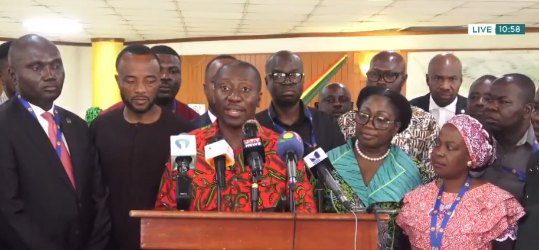
    The operation resulted in the closure of many shops at Anhwia Nkwanta. Speaking to the media, the EPA’s Chief Executive Officer (CEO), Professor Nana Ama Klutse, noted that as a result of the violent incident, the EPA officers and journalists were forced to retreat for safety, heading toward their vehicles.

    However, one of the vehicles was involved in a collision after the team made their way through Afari. Giving further details, the EPA’s CEO disclosed that they were unable to retreat despite being accompanied by a military escort. She explained that the army officers could not retaliate due to the intensity of the situation.


    According to her, the military escort advised them to flee the scene because their opponents were heavily armed illegal miners.


    She added, “So we closed down many shops at Anhwia Nkwanta, and today (Thursday, November 6) we were on another route to close down some other shops. On our way near Obuasi, we saw galamsey happening on the ground, so we decided to have a look at what they were doing. When we stopped and walked into the area, as we were getting closer, they were running away, and all of them had left by the time we got there.


    “So we looked around for what we could pick, and we did pick. While leaving, we saw that there were actually more of the excavators—three—that were inside a river body; they had mined in the river and blocked it in such a way that it had taken different tributaries around the area and flooded some places. It was messy. It was really a bad situation. So we had actually gone to the car and used another route to the place, and while we were there, the people also ran. We called them to come, and just before we could have a conversation, they sent news around, and soon we saw built men; a number of them came with guns.


    “We had the military with us, and the national security was also with us, but then we saw that we couldn’t exchange fire or fight them, so we had to run for our lives. In the course of running and speeding on the road, we encountered this accident.


    “One of the cars, which had some EPA staff and some of the journalists, had a head-on collision with a truck that was actually carrying some pipes for galamsey operations. Some of the heavily built men were dressed in black with ‘CID’ written at the back. The soldiers and the national security men asked them for their ID cards, but it became confrontational, and so we had to leave because they said they could not overpower them, so we had to leave.


    “While they were having the confrontation, we got intel from Accra that we should leave immediately—where we were—and that even the route we planned to take, we should not use it again, and we should not return on the same route we came from Kumasi to Obuasi. So we had to use another route altogether, much longer, through the Western Region and the Central Region to Kumasi. But just before we reached Kumasi, that’s when we had the head-on collision.”

    The Ashanti Regional Correspondent for Media General, Ibrahim Abubakar, reportedly escaped the incident. Adom News reporter and Channel One TV’s Ashanti Regional Correspondent, Doris Lonta, were also part of the team.

    On Saturday, November 1, the Director of Operations at NAIMOS and his team narrowly escaped death in a mob assault at Hwidiem in the Ahafo Region. The officials came under violent attack while carrying out their day-to-day activities as part of efforts to crack down on illegal mining in the region.

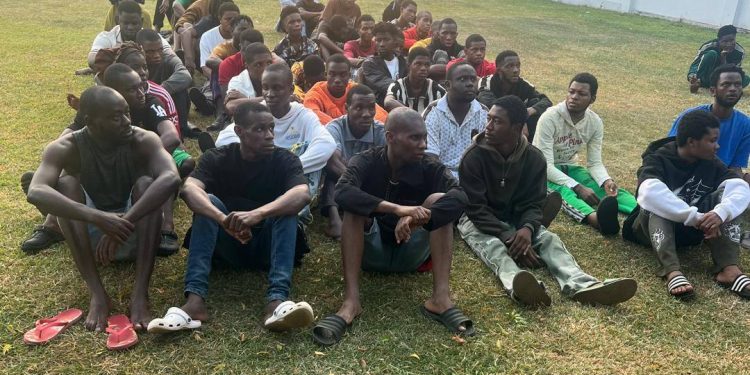
    Exhibits retrieved from the scene included a side-hand bag containing one (1) Smith & Wesson pistol, two (2) pistol magazines, twenty-one (21) rounds of 9mm ammunition, an unregistered Range Rover vehicle, an unregistered Toyota RAV4 vehicle, and several mobile phones. The operation also resulted in the arrest of several miners, including a Burkinabe national.

    However, locals were seen in a video that has since gone viral, confronting the anti-mining task force and calling for the release of those arrested during the operation. Speaking to the media, NAIMOS spokesperson Paa Kwesi Schandorf described the attack as “extremely and profoundly disappointing,” adding, “It was a huge surprise that the locals became agitated, demanding the release of those arrested, and then began attacking the NAIMOS team.”

    On Monday, November 3, the Inspector-General of Police (IGP), Mr. Christian Tetteh Yohuno, ordered an investigation into the incident.“The Inspector-General of Police (IGP), Mr. Christian Tetteh Yohuno, has directed the Criminal Investigations Department (CID) Headquarters to take over investigations into the attack on the Director of Operations of the National Anti-Illegal Mining Operations Secretariat (NAIMOS) and his team by thugs at Hwidiem in the Ahafo Region. The Member of Parliament for Asutifi North, Hon. Ebenezer Kwaku Addo, who is alleged to have incited the mob and obstructed the NAIMOS team, has been invited to assist in the ongoing investigation into the incident,” part of the statement read.

    The John Dramani Mahama-led government established the National Anti-Illegal Mining Operations Secretariat in July as part of efforts to curb illegal mining activities in the country.

    Speaking during an update on Wednesday, July 23, the Minister for Lands and Natural Resources, Emmanuel Armah-Kofi Buah, disclosed that the newly established Secretariat would act as the brain of Ghana’s anti-illegal mining operations.

    “To coordinate the efforts of the military, police, and other security agencies, the ministry has established the National Anti-Illegal Mining Operations Secretariat (NAIMOS) as the operational nerve-centre for Ghana’s fight against illegal small-scale mining,” he stated.

    The Secretariat’s responsibility is to collaborate with other key institutions such as the Ministry of Transport, the Ministry of Finance (GRA–Customs Division), and the Ghana Ports and Harbours Authority as part of its mandate.

    This collaboration is expected to ensure that excavators and other earth-moving equipment entering the country are not diverted for illegal mining activities.

    “In collaboration with the Ministry of Transport and the Ministry of Finance (GRA–Customs Division), and the Ports and Harbours Authority, we have initiated a proactive tracking of all imports of excavators and earth-moving equipment from the point of entry,” he added.

    Illegal mining activities continue to pose a major challenge to the country. Several Chinese nationals have been involved in such illegal operations, leading to multiple arrests.

    Meanwhile, President John Dramani Mahama has disclosed that scientific tests are being carried out on new chemicals that could help restore polluted water bodies and rivers affected by illegal mining, popularly known as galamsey.

    Speaking at a high-level stakeholder engagement on galamsey in Accra on Friday, October 3, with members of Civil Society Organisations (CSOs), President Mahama said, “There are new chemicals that have come that allow you to treat water and take out the toxins and the heavy metals. One of them is called dowtine. The people came, and we sent them there. They took samples, tested. We are waiting for them to bring the results back.”

    He has asked Ghanaians to exercise patience in the ongoing battle against illegal mining (galamsey). During a meeting with Civil Society Organisations (CSOs), President Mahama said declaring a state of emergency would not end the menace.

    According to him, government advisors believe the country can overcome galamsey by adopting best practices in small-scale mining, including technologies that help neutralize or remove harmful chemicals from water bodies.

    Additionally, the President pledged to honour the calls of many Ghanaians by declaring a state of emergency when his advisors give him the nod to do so.

    President Mahama believes that the country can eradicate the long-term canker if it deploys more troops and invests additional resources in the fight. He concluded that the battle seems to be a long one, but his administration is committed to ending it.

    “While we are fighting the menace, I am also saying we should uptake technology in order to protect the environment. So yes, let’s fight the illegal mining but at the same time, let’s bring the new technology that will help us protect our environment.

    “Now with the elephant in the room, state of emergency, yes, I have the power to do it, but the president acts on the advice of the National Security Authority, and as at now, this moment, the National Security Authority believes that we can win the fight against galamsey without declaring a state of emergency. I want to assure you that the day they advise me otherwise, that boss, now we need a state of emergency, I won’t hesitate,” he added.

  • Encroachers, land guards invade Sunyani Technical University lands

    Encroachers, land guards invade Sunyani Technical University lands

    Encroachers and land guards have invaded portions of the 35-hectare land owned by the management of Sunyani Technical University (STU), according to the Pro Vice-Chancellor of the University, Professor Kwadwo Adinkra Appiah.

    Professor Adinkra Appiah, who appeared before the Public Accounts Committee (PAC) on Thursday, November 6, indicated that efforts made by the institution to reclaim the land have proven futile.

    As part of measures to recover the land, the Pro Vice-Chancellor mentioned that management constructed a fence wall in an attempt to keep the armed land guards off the university’s property. He added that anyone who goes to the land is confronted by individuals wielding machetes.

    “We have built almost across, but unfortunately, on the other side, we didn’t have any presence, and that is where they started. It has been very difficult for us. We attempted to build a fence wall there, but they demolished it. Anything we put there, they demolish it. We even placed two metal containers there, thinking they would not touch them. But they have sold the lands around the container. If you attempt to go there, you will find people with machetes waiting to harm you,” Professor Appiah told the Committee.

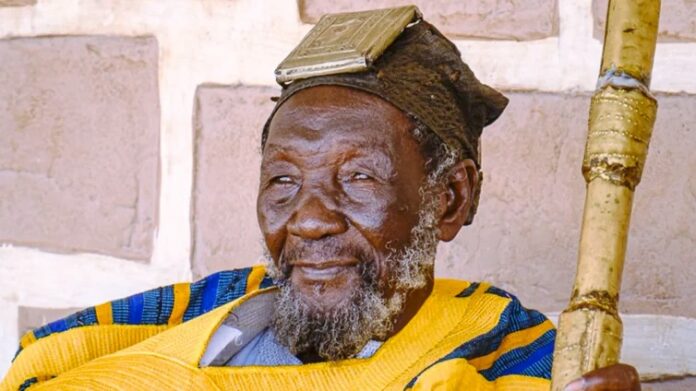
    This development comes at a time when chiefs within the enclave of the Ashanti Kingdom will have their titles stripped off if they employ the services of individuals who use threats or violence to protect lands under their care, the Asantehene, Otumfuo Osei Tutu II, has warned.

    The Asantehene gave the stern warning on Wednesday, November 5, at the Manhyia Palace when the newly appointed Ashanti Regional Police Commander, DCOP Arthur Osei Akoto, visited the palace. Otumfuo Osei Tutu II fumed at the actions of these land guards, adding that such conduct was against the traditional governance system of Asanteman.

    Otumfuo Osei Tutu II further called on individuals or chiefs involved in land disputes to seek amicable resolution through proper channels rather than resorting to violence or unauthorised security arrangements.

    “I will destool any chief who engages the services of land guards. They know very well that they have no such authority. When those lands were entrusted to them upon their enstoolment, I never instructed them to hire land guards to protect them. I did not grant them the power to employ people to use guns and harm others.

    “If you have any land disputes with anyone, bring it before me, and we will resolve it amicably, for peace to prevail,” the Asantehene said.

    In July, the Asantehene issued a similar warning, declaring his readiness to destool any chief found harbouring or condoning the illegal activities of land guards within their jurisdictions. The Asantehene’s declaration came during the first Asanteman Council meeting following the culmination of the Silver Jubilee celebrations at the Manhyia Palace in Kumasi on Thursday, July 4, 2024.

    Addressing the gathering, Otumfuo highlighted the alarming emergence of land guards in Asanteman, a phenomenon previously uncommon in the region. “A practice that didn’t have any place in Asanteman has started gaining roots — land guards,” Otumfuo remarked, expressing deep concern over the growing presence of these illegal operatives involved in land disputes. He disclosed that a committee comprising security agencies had been established to investigate and root out this unlawful practice.

    The Asantehene minced no words in his threat, stating, “The police and the military will inform me about the locations where these practices are occurring. Any chief implicated in the report will face destoolment. Let us await the findings of the committee.”

    Emphasizing the sanctity of land and the traditional methods for resolving disputes, Otumfuo questioned the necessity of resorting to land guards. “Lands do not move and cannot be taken anywhere. When I allocated land to you, I did not authorize the use of land guards,” he affirmed, underscoring the traditional principles guiding land ownership and dispute resolution in Asanteman.

    In addition to addressing the menace of land guards, Otumfuo also touched on the issue of illegal mining within Asanteman, pointing out that some traditional leaders are complicit in these illicit activities. He pledged to investigate any chief implicated in reports of illegal mining and vowed swift destoolment for those found guilty.

    The Asanteman Council, comprising traditional leaders and stakeholders, has expressed support for Otumfuo’s measures to safeguard the region against these emerging security threats. The Ashanti Regional Security Council has previously acknowledged the historical absence of land guards in the region due to the effective stewardship of stool lands vested in Otumfuo Osei Tutu II and his chiefs.

    They reiterated the importance of utilizing accepted channels for resolving land disputes and called upon all parties involved to adhere to established protocols.

    Ghana’s Land Act, 2020 (Act 1036), governs all categories of land—customary, public, and private—and aims to streamline land administration, reduce disputes, and enhance tenure security. The Act codifies various land interests, including allodial title, customary freehold, leasehold, and usufructuary rights, while also introducing reforms such as electronic conveyancing and protections for spousal property rights.

    In 2024, the Ashanti Regional Coordinating Council (ARCC) advised individuals to follow legal procedures to settle their land issues. The ARCC emphasized that those who engage the services of land guards will face severe consequences.

    In a statement, it wrote, “Any person found to engage the services of land guards will be apprehended, prosecuted, and arraigned before court.” The Council also warned that the land guards themselves would not be spared and would face the full force of the law.

    The ARCC stressed the importance of using appropriate legal channels to address land disputes, noting that the activities of land guards often result in violence and pose a threat to law-abiding citizens.

    “Based on this fact, the Ashanti Regional Security Council requests all citizens in the region to use the right procedures to address their land disputes rather than employ the use of land guards, whose activities always threaten law-abiding citizens and result in violence,” the statement read.

    The Council urged the public to adhere strictly to this directive to ensure peace and stability in the region.

    “It is the expectation of the Regional Security Council that the public will accept the above directives for strict compliance to ensure peace in the region,” the ARCC concluded.

    The rule of law in some communities in the country has been sidelined when it comes to land disputes. Land guards are often contracted by individuals who do not believe in the legal system or who seek to capture lands belonging to others. These land guards frequently inflict pain on individuals and, in some cases, push them to their early graves. The Police Service is working assiduously to nip the activities of land guards in the bud.

  • AMA to clamp down on revenue defaulters from Nov. 10

    AMA to clamp down on revenue defaulters from Nov. 10

    Effective Monday, November 10, a special task force from the Accra Metropolitan Assembly (AMA) will visit businesses, shop owners, and property owners in Accra to recover all outstanding revenue owed to the Assembly.

    The exercise forms part of efforts to improve revenue generation and enhance service delivery across the city. According to the Head of Public Affairs for the AMA, Gilbert Nii Ankrah, in a statement, all businesses, property owners, and outdoor advertising firms operating in Accra that are yet to settle their debts are urged to do so before the stated timeline. He further called on business owners to comply with the directive to avoid any inconveniences.

    The statement added, “The Assembly urges all ratepayers to support this important exercise, as the funds collected will enable the AMA to continue delivering essential services such as sanitation, infrastructure development, and public safety for the benefit of all residents of Accra.”

    It concluded, “For any clarification or reconciliation of bills, ratepayers may also contact the Metro Director of Finance at the AMA Head Office.”

    Ratepayers who may not be available during the exercise have been directed by the Authority to leave behind valid receipts of payment covering Business Operating Permits (BOPs), Property Rates, and Outdoor Advertising Fees and Rents for verification by their caretakers. The Authority emphasised that individuals who flout the instruction will be penalised, adding that, “no excuses will be accepted from defaulters or their agents.”

    The operation will also crack down on unauthorised outdoor advertisements. The task force has been mandated to remove all illegal billboards, with the offending companies bearing the cost of removal. “Companies found to have erected such billboards without the requisite permits will be surcharged with the cost of removal,” the Assembly stated.

    AMA is one of the Two Hundred and Sixty-One (261) Metropolitan, Municipal and District Assemblies (MMDAs) in Ghana and among the Twenty-Nine (29) MMDAs in the Greater Accra Region. 

    It was established in 1898 but has undergone several changes in terms of name, size and number of Sub-Metros. When Ghana returned to constitutional rule in 1993, it derived its legal basis from Local Government Act, 1993, (Act 462) which currently has been amended as the Local Governance Act, 2016 (ACT 936), and under Legislative Instrument (L.I) 2034.

    Earlier today, the AMA undertook an exercise to remove unauthorised structures along the Korle Bu stretch, including canopies, wooden and metal sheds, shipping containers, kiosks, and tables, as well as illegal signage and banners. These were mounted along road shoulders and pedestrian walkways. The operation, which began from the Mamprobi Plaza through to the Korle Bu Teaching Hospital on the Guggisberg Avenue, follows an earlier directive for traders to relocate to the designated Korle Bu New Lorry Station Market.

    The exercise saw the removal of unauthorised structures, including canopies, wooden and metal sheds, shipping containers, kiosks, and tables, as well as illegal signage and banners that had been mounted along road shoulders and pedestrian walkways.

    Similarly, the Electricity Company of Ghana (ECG) launched a similar “Operation All Must Pay” initiative to facilitate the retrieval of outstanding debts owed by customers across the nation and to prosecute offenders involved in illegal connections. The exercise, which came to a close on September 30 after it began on September 9, targeted residential, commercial, industrial, and government institutions such as Ministries, Departments, and Agencies (MDAs).

    ECG further advised customers with arrears to pay their bills immediately to avoid disconnection and the payment of reconnection fees. It added that customers who are unable to access their bills should visit the nearest ECG office for assistance. Customers have been entreated to use their regular channels, including the ECG Mobile App, to pay their bills. Persons who do not have the App were directed to download it from the Google Play Store or call the ECG contact centre on 0302611611, or reach out through social media handles for assistance.

    In May, the AMA launched an exercise targeting areas around the AMA Head Office, including Kinbu Road to Railways, ECG Junction to the King Tackie Tawiah Statue, and Opera Square to Adabraka. Prior to the decongestion exercise, the Accra Mayor engaged traders, urging them to leave the streets voluntarily.

    The issue of congestion compelled transport operators to threaten strike action against the government and the Ghana Police Service. They gave authorities until Monday, May 19, to act or face a nationwide protest. However, the strike action was not executed.

    According to the operators, the growing encroachment of roads and pavements by traders poses serious safety risks and disrupts the free flow of traffic. They are demanding the immediate enforcement of the Road Traffic Regulations, 2012 (L.I. 2180), particularly those relating to trading on roads and pavements.

    Under Ghana’s Road Traffic Regulations, 2012 (L.I. 2180), specific provisions prohibit trading activities that obstruct pedestrian and vehicular movement. These regulations are designed to ensure the safety and free flow of traffic on public roads and pavements.

  • I’ll destool any chief who promotes violence over land – Asantehene warns

    I’ll destool any chief who promotes violence over land – Asantehene warns

    Chiefs within the enclave of the Ashanti Kingdom will have their titles stripped off if they employ the services of individuals who use threats or violence to protect lands under their care, the Asantehene, Otumfuo Osei Tutu II, has warned.

    The Asantehene gave the stern warning on Wednesday, November 5, at the Manhyia Palace when the newly appointed Ashanti Regional Police Commander, DCOP Arthur Osei Akoto, visited the palace. Otumfuo Osei Tutu II fumed at the actions of these land guards, adding that such conduct was against the traditional governance system of Asanteman.

    Otumfuo Osei Tutu II further called on individuals or chiefs involved in land disputes to seek amicable resolution through proper channels rather than resorting to violence or unauthorised security arrangements.

    “I will destool any chief who engages the services of land guards. They know very well that they have no such authority. When those lands were entrusted to them upon their enstoolment, I never instructed them to hire land guards to protect them. I did not grant them the power to employ people to use guns and harm others.

    “If you have any land disputes with anyone, bring it before me, and we will resolve it amicably, for peace to prevail,” the Asantehene said.

    In July, the Asantehene issued a similar warning, declaring his readiness to destool any chief found harbouring or condoning the illegal activities of land guards within their jurisdictions. The Asantehene’s declaration came during the first Asanteman Council meeting following the culmination of the Silver Jubilee celebrations at the Manhyia Palace in Kumasi on Thursday, July 4, 2024.

    Addressing the gathering, Otumfuo highlighted the alarming emergence of land guards in Asanteman, a phenomenon previously uncommon in the region. “A practice that didn’t have any place in Asanteman has started gaining roots — land guards,” Otumfuo remarked, expressing deep concern over the growing presence of these illegal operatives involved in land disputes. He disclosed that a committee comprising security agencies had been established to investigate and root out this unlawful practice.

    The Asantehene minced no words in his threat, stating, “The police and the military will inform me about the locations where these practices are occurring. Any chief implicated in the report will face destoolment. Let us await the findings of the committee.”

    Emphasizing the sanctity of land and the traditional methods for resolving disputes, Otumfuo questioned the necessity of resorting to land guards. “Lands do not move and cannot be taken anywhere. When I allocated land to you, I did not authorize the use of land guards,” he affirmed, underscoring the traditional principles guiding land ownership and dispute resolution in Asanteman.

    In addition to addressing the menace of land guards, Otumfuo also touched on the issue of illegal mining within Asanteman, pointing out that some traditional leaders are complicit in these illicit activities. He pledged to investigate any chief implicated in reports of illegal mining and vowed swift destoolment for those found guilty.

    The Asanteman Council, comprising traditional leaders and stakeholders, has expressed support for Otumfuo’s measures to safeguard the region against these emerging security threats. The Ashanti Regional Security Council has previously acknowledged the historical absence of land guards in the region due to the effective stewardship of stool lands vested in Otumfuo Osei Tutu II and his chiefs.

    They reiterated the importance of utilizing accepted channels for resolving land disputes and called upon all parties involved to adhere to established protocols.

    Ghana’s Land Act, 2020 (Act 1036), governs all categories of land—customary, public, and private—and aims to streamline land administration, reduce disputes, and enhance tenure security. The Act codifies various land interests, including allodial title, customary freehold, leasehold, and usufructuary rights, while also introducing reforms such as electronic conveyancing and protections for spousal property rights.

    In 2024, the Ashanti Regional Coordinating Council (ARCC) advised individuals to follow legal procedures to settle their land issues. The ARCC emphasized that those who engage the services of land guards will face severe consequences.

    In a statement, it wrote, “Any person found to engage the services of land guards will be apprehended, prosecuted, and arraigned before court.” The Council also warned that the land guards themselves would not be spared and would face the full force of the law.

    The ARCC stressed the importance of using appropriate legal channels to address land disputes, noting that the activities of land guards often result in violence and pose a threat to law-abiding citizens.

    “Based on this fact, the Ashanti Regional Security Council requests all citizens in the region to use the right procedures to address their land disputes rather than employ the use of land guards, whose activities always threaten law-abiding citizens and result in violence,” the statement read.

    The Council urged the public to adhere strictly to this directive to ensure peace and stability in the region.

    “It is the expectation of the Regional Security Council that the public will accept the above directives for strict compliance to ensure peace in the region,” the ARCC concluded.

    The rule of law in some communities in the country has been sidelined when it comes to land disputes. Land guards are often contracted by individuals who do not believe in the legal system or who seek to capture lands belonging to others. These land guards frequently inflict pain on individuals and, in some cases, push them to their early graves. The Police Service is working assiduously to nip the activities of land guards in the bud.

  • PLAYBACK: PAC probes financial operations of govt agencies

    PLAYBACK: PAC probes financial operations of govt agencies

    Heads of state institutions cited for financial irregularities in the 2024 Auditor-General’s (A-G) Report appeared before the Public Accounts Committee (PAC) of Parliament for interrogation on Wednesday, November 5.

    PAC’s sessions, which began weeks ago form part of efforts to promote accountability and transparency in the management of public funds.

    The committee is probing the audited financial statements of various government ministries, departments, and agencies (MDAs).

    So far, the Ministry of Education, the National Service Scheme, and several other ministries have appeared before the committee.

    The Public Accounts Committee (PAC) of Ghana was established under Article 103 of the 1992 Constitution and formally constituted as part of Parliament’s Standing Committees. It has existed since the First Parliament of the Fourth Republic, which began in January 1993.

    Its mandate is to review reports presented by the Auditor-General on the public accounts of Ghana, summon ministries, departments, and agencies (MDAs), as well as state-owned enterprises (SOEs), to explain financial infractions and irregularities, and in some cases, recommend sanctions, recoveries, or referrals for prosecution.

    However, since its establishment, PAC has reportedly had no documented record of ensuring prosecution or imprisonment of culprits, though its recommendations can trigger EOCO investigations or action by the Attorney-General.

    Watch the livestream below:

    Over the years, the Committee has engaged several public institutions and their heads over reported financial irregularities, but little to no documentation of penalties has been recorded to serve as a deterrent. It will be recalled that in 2017, PAC recommended the prosecution of officials at the National Sports Authority for misappropriating funds, but no confirmed convictions followed.

    Similarly, in 2021, the Committee traced non-existent staff under GETFund and MASLOC, yet no jail terms were recorded. In 2023, PAC recovered GH₵12.9 million, but this was through repayments rather than criminal penalties.

    Meanwhile, more than GH¢12.9 billion in misappropriated public funds has been retrieved following collaboration between the Public Accounts Committee (PAC) and the Auditor-General’s Department.Addressing the media on Wednesday, October 1, Chairperson of PAC, Abena Osei-Asare, attributed the remarkable recovery to the collective efforts of the Auditor-General’s Department.

    “One thing I am clear about is that what we are doing is yielding positive results. We have a report we will look at. Per the work of the Public Accounts Committee, and with the support of the Auditor-General, we have been able to retrieve GH¢12.9 billion. There is a whole report on that which we will be sharing with the public at the right time,” she said.

    According to her, the Committee will make the report’s details public at the appropriate time. The Committee is scheduled to resume its sittings on Monday, October 27. Various ministries, departments, and agencies have been interrogated by PAC in recent weeks to address infractions highlighted in the 2024 Auditor-General’s Report.

    On Monday, September 29, the Tamale Teaching Hospital (TTH) Director of Administration, Dr. Emmanuel Sena Kwasi Donkor, appeared before the Public Accounts Committee following a recent claim by the Auditor-General’s (A-G) Report revealing financial irregularities at the hospital.

    The report suggests that the hospital paid salaries amounting to GHS 1,449,000 to a deceased staff member for a period of 26 months. Dr. Emmanuel Sena Kwasi Donkor affirmed the report, adding that the hospital has so far recovered GHS 303,558.68 of the total amount.

    He explained that the banks previously handling the transactions had, through a letter, indicated that they had ceased processing them.

    “We were able to recover some amounts. Before we got here, we had received letters from some banks stating that they had stopped transferring the funds to the government chest,” Dr. Donkor told the Committee.

    He further urged Parliament to intervene and help the hospital recover the remaining funds.

    “Maybe at the end of this session, we will make a prayer to this House for the House to make an order directing those banks to transfer,” he said.Dr. Donkor revealed that his outfit has submitted the names of the individuals implicated in the act to the Economic and Organised Crime Office (EOCO) for recovery.

    “EOCO has written back requesting the files of the people involved, and we have submitted them,” he added.

    Meanwhile, Ranking Member Samuel Atta-Mills raised serious concerns regarding the issue. “Habib Napare – date of separation was 2022. This guy had died. Didn’t you go to the funeral? And you validated this dead person for 26 months? And now you are coming to tell Parliament to do what?” Atta-Mills asked sharply.

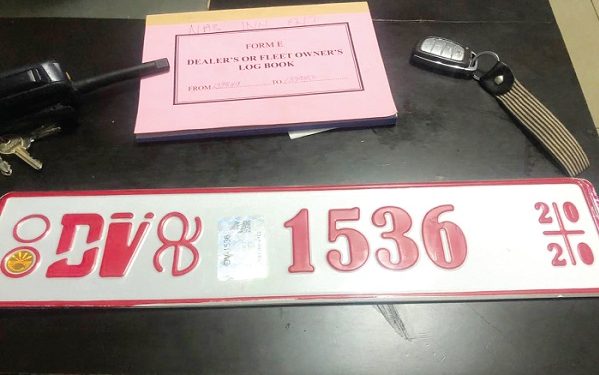
    Just a few days ago, a tense moment erupted during a Public Accounts Committee sitting when Chairperson Abena Osei-Asare sharply confronted the DVLA boss over privacy concerns tied to the authority’s proposed digital number plate system.

    The exchange followed Mr. Kotey’s explanation that the new plates would contain Radio Frequency Identification (RFID) chips to enhance security and make it difficult for outsiders to tamper with or duplicate.

    Mrs. Osei-Asare, however, raised concerns about whether the new plates would display vehicle owners’ surnames, warning that such information could expose personal data.

    In response, Mr. Kotey said the DVLA would comply with Ghana’s Data Protection Law, noting that the system would only digitalize existing information without altering its basic format. When pressed for a clear answer on whether names would appear, he replied, “It depends on what the law says; we’ll go by it.”

    That response immediately drew a sharp reaction from the PAC Chair, who retorted, “You don’t tell me it depends on what the law says. You are doing it, so you should be able to tell us what the law says. I’m asking a specific question: is it going to have the user’s surname on the number plate?”

    Mr. Kotey later clarified that names do not appear on standard number plates, explaining that only personalized plates bear such identifiers. The Chair, however, maintained that the Committee’s inquiries were in the public interest and aimed at ensuring transparency and accountability in the rollout of the new digital number plate system.

  • Galamsey claimed 17 lives between Jan-June 2025 – Minority

    Galamsey claimed 17 lives between Jan-June 2025 – Minority

    Illegal mining activities, popularly known as galamsey, have claimed at least 17 lives between January and July 2025, according to the Minority in Parliament.

    The Deputy Ranking Member on the Lands and Natural Resources Committee, Akwasi Konadu, in a statement on the floor of Parliament on Wednesday, November 5, noted that the deaths resulting from galamsey operations stem from the government’s failure to adopt strategic and effective measures to curb the menace.

    He further urged the government to take decisive action and implement long-lasting solutions, as the challenge continues to threaten both lives and the environment.

    He added, “From January to July 2025, Ghana recorded at least 17 deaths linked directly to galamsey activities. These are not mere statistics; these are Ghanaian lives — breadwinners, mothers, sons, and daughters lost to the reckless pursuit of unregulated mineral wealth.”

    In October, a pit collapse at an illegal mining site at Kasotie in the Atwima Mponua District of the Ashanti Region on Wednesday night, October 1, claimed the lives of seven illegal miners who were trapped underground.

    According to reports, the pit collapse, which occurred on Wednesday night, October 1, also left four injured, while several miners were feared trapped. Meanwhile, rescue efforts were undertaken by the National Disaster Management Organisation (NADMO) in collaboration with emergency services and local volunteers.

    For years, the country’s efforts to nip the canker in the bud have not yielded the needed results. Among the recent measures taken to protect water bodies from illegal miners is the deployment of the National Anti-Illegal Mining Operations Secretariat (NAIMOS).

    The Secretariat includes the Ghana Armed Forces, the Ghana Police Service, the Ghana Immigration Service, the National Intelligence Bureau (NIB), the Narcotics Control Commission, and the National Security Secretariat.

    Addressing the security forces, the Minister for Lands and Natural Resources, Emmanuel Amarh Kofi-Buah, directed the team to ruthlessly counter the activities of galamsey operators as they are the enemies of the state.

    “Any recalcitrant entering into these zones is not merely a trespasser. They are an enemy of the state. You are to be firm. You are to be resolute. You are to be ruthless.

    “And please, take it from me, you will take no obstructionist instruction from any big man. Remember, the biggest man in Ghana is the President of the Republic, and he’s the one who has sent you,” Mr. Kofi-Buah charged.

    The Ministry of Lands and Natural Resources on the other hand has reported that the government made over 500 arrests were made from January to May this year in response to efforts to combat illegal mining.

    The sector minister, Emmanuel Armah-Kofi Buah, attributed the achievement to the government’s renewed efforts.According to him, the previous government faced challenges due to its inability to convict the suspects.

    “From 2022 to 2024, out of 845 arrests we made, we couldn’t even prosecute. Only 35 were prosecuted, and that is 4%, and that is really the challenge we had to face,” he noted.

    The John Dramani Mahama led government established the National Anti-Illegal Mining Operations Secretariat in July as part of efforts to curb illegal mining activities in the country. Speaking during an update on Wednesday, July 23, the Minister for Lands and Natural Resources, Emmanuel Armah-Kofi Buah, disclosed that the newly established Secretariat will act as the brain of Ghana’s anti-illegal mining operations.

    “To coordinate the efforts of the military, police, and other security agencies, the ministry has established the National Anti-Illegal Mining Operations Secretariat (NAIMOS) as the operational nerve-centre for Ghana’s fight against illegal small-scale mining,” he stated.

    The Secretariat’s responsibility is to collaborate with other key institutions such as the Ministry of Transport, the Ministry of Finance (GRA–Customs Division), and the Ghana Ports and Harbours Authority as part of its mandate.This collaboration is expected to ensure that excavators and other earth-moving equipment entering the country are not diverted for illegal mining activities.

    “In collaboration with the Ministry of Transport and the Ministry of Finance (GRA–Customs Division), and the Ports and Harbours Authority, we have initiated a proactive tracking of all imports of excavators and earth-moving equipment from the point of entry,” he added.

    Illegal mining activities continue to pose a major challenge to the country. Several Chinese nationals have been involved in such illegal operations, leading to multiple arrests.

    Meanwhile, President John Dramani Mahama has disclosed that scientific tests are being carried out on new chemicals that could help restore polluted water bodies and rivers affected by illegal mining, popularly known as galamsey.

    Speaking at a high-level stakeholder engagement on galamsey in Accra on Friday, October 3, with members of Civil Society Organisations (CSOs), President Mahama said, “There are new chemicals that have come that allow you to treat water and take out the toxins and the heavy metals. One of them is called dowtine. The people came, and we sent them there. They took samples, tested. We are waiting for them to bring the results back.”

    He has asked Ghanaians to exercise patience regarding the longstanding battle against illegal mining (galamsey) activities. During a meeting with Civil Society Organisations (CSOs), President Mahama said declaring a state of emergency will not end the menace.

    According to him, government advisors believe the country can overcome galamsey by adopting best practices in small-scale mining, including technologies that help neutralize or remove harmful chemicals from water bodies.

    Additionally, the President pledged to honor the calls of many Ghanaians by declaring a state of emergency when his advisors give him the nod to do so.

    President Mahama believes that the country can eradicate the long-term canker if it deploys more troops and invests additional resources in the fight. He concluded that the battle seems to be a long one, but his administration is committed to ending it.

    “While we are fighting the menace, I am also saying we should uptake technology in order to protect the environment. So yes, let’s fight the illegal mining but at the same time, let’s bring the new technology that will help us protect our environment.

    “Now with the elephant in the room, state of emergency, yes, I have the power to do it, but the president acts on the advice of the National Security Authority, and as at now, this moment, the National Security Authority believes that we can win the fight against galamsey without declaring a state of emergency. I want to assure you that the day they advise me otherwise, that boss, now we need a state of emergency, I won’t hesitate,” he added.

  • GRA vehicle procurement was fair, followed due process – Lawyer to CHRAJ

    GRA vehicle procurement was fair, followed due process – Lawyer to CHRAJ

    The lawyer for the companies involved in the Ghana Revenue Authority (GRA) vehicle procurement has stated that the prices of vehicles supplied to the Authority were not inflated, contrary to the assertion by the Commission on Human Rights and Administrative Justice (CHRAJ).


    According to him, since the vehicle companies are business entities, they cannot buy the vehicles at a particular price and sell them to the GRA at the same cost. As such, they added normal business costs and profit to the initial price they bought them at before selling to the GRA.


    “What CHRAJ is saying is that when they check the prices of the said vehicles at Toyota Ghana, they realise that the prices have been inflated by a certain amount by the various companies. But this is where they get it all wrong and completely mislead the public.


    “So when they applied for sole sourcing, they went to Toyota and bought the vehicles and I cannot buy a vehicle from Toyota at GHS100 and sell it at GHS100. So what they did was that they procured these vehicles from Toyota, calculated all their cost margins and added their profit margins and sold it to GRA.


    “That is what happened. Unless CHRAJ wants to say that from now every Ghanaian who wants a car by any state institution must go to Toyota to buy,” he added.


    His clarification comes swiftly after the former GRA Commissioner-General, Dr. Ammishaddai Owusu-Amoah, was accused by CHRAJ of his alleged involvement in fraudulent and irregular contract awards to three vehicle companies, causing the state a financial loss of about USD 826,551, equivalent to GHS 9 million.


    The companies he signed the deals with include Ronor Motors Ghana Limited, Telinno Ghana Limited, and Sajel Motors and Trading Company Limited.

    The anti-corruption watchdog’s findings followed an investigation into a 2022 petition filed by the Movement for Truth and Accountability (MFTA).

    According to CHRAJ, the contracts involved non-existent contractors, fraudulent duplication, and inflated prices. “The respondent, being the Entity Head, cannot escape liability,” the report stated.


    Meanwhile, the Commissioner-General of the Ghana Revenue Authority, Anthony Sarpong, together with other top officials, has been summoned by the Office of the Special Prosecutor (OSP) for questioning over the controversial GRA–Strategic Mobilisation Ghana Limited (SML) revenue assurance contract.


    The other GRA officials include the Assistant Commissioner in charge of Finance, Celestine Annan, and the Technical Assistant to the Commissioner-General, Kenneth Agyei-Duah.

    Their invitation follows the recent arrest of the Acting Head of Legal Affairs at the GRA, Freeman Sarbah, for his alleged involvement in the controversial deal and for attempting to interfere with justice.


    Strategic Mobilisation Limited has been operating in Ghana for the past five years to monitor revenue in the oil (upstream) and mining (minerals) sectors. In 2024, the government’s revenue arm discontinued two contract transactions — the Audit and External Verification Service Contract (AEVS) with SML — and halted portions of the contract.


    The GRA also suspended SML’s Upstream Petroleum and Minerals Revenue Audit until further notice. The suspension came after the then-President, Nana Addo Dankwa Akufo-Addo, received a report from KPMG on SML’s deals.

    Last week, President John Dramani Mahama ordered the termination of the SML deal following a comprehensive investigation conducted by the Office of the Special Prosecutor, led by Mr. Kissi Agyebeng.

    The President issued the termination through a letter to the Finance Minister, Dr. Cassiel Ato Forson. Following the investigations, the anti-corruption agency discovered procurement breaches and irregularities in contract awards, contractual overreach beyond SML’s original mandate, lack of value for money due to inflated costs and questionable service delivery, as well as legal concerns.


    The SML contracts included several components: a Transaction Audit and External Price Verification Service Agreement, a Measurement Audit for Downstream Petroleum Products Contract, and later agreements for Upstream Petroleum and Minerals & Metals Audit Services.


    On May 3, 2024, the GRA terminated two of those contracts — the Transaction Audit and External Price Verification — and suspended the Upstream Petroleum and Minerals Audit portion under the erstwhile government.


    In June this year, following the OSP’s findings, the Measurement Audit for Downstream Petroleum Products (the main SML contract) was completely terminated, saving Ghana over GHS 1.2 billion.


    In an addendum shared on its X (formerly Twitter) handle, the OSP noted that additional savings had been made aside from the GHS 1.2 billion. The OSP announced that Ghana has saved more than GHS 2.6 billion and US$173 million.


    The additional savings, it said, arose from avoiding payments tied to crude oil and gold export monitoring services that were never implemented.


    “Following the earlier announcement that Ghana saved over GHS 1.2 billion from the cancellation of the main SML revenue assurance contract, there are additional savings from the upstream and mineral sector components of the agreement.

    These contracts, which were based on a variable fee structure linked to exports of crude oil and gold, would have cost the State approximately US$173 million for crude oil and GHS 2.6 billion for gold exports over five years.


    SML did not commence work as the arrangement coincided with the KPMG audit. Owing to the criminal investigations by the Office of the Special Prosecutor (OSP) and the subsequent cancellation by the President, Ghana has now avoided these further costs,” the OSP noted in its statement.


    In a highly detailed press briefing following a comprehensive investigation, the OSP mentioned critical findings that exposed systemic breaches of public financial regulations and a clear misuse of authority that caused the state to lose money.


    “There was no genuine need for contracting SML for the obligations it’s purported to perform,” the Special Prosecutor declared.


    Mr. Agyebeng has solidified the case against the contentious Strategic Mobilisation Ghana Limited (SML) contract, alleging that former Finance Minister Ken Ofori-Atta approved payments without any technical or operational justification.


    According to the OSP, Ofori-Atta failed to intervene even though SML openly lacked the necessary capacity, expertise, and tools to execute its contract. Instead, he allegedly remained complicit, approving payments from the Consolidated Fund, the Petroleum Revenue Account, and the Tax Refund Account.


    The OSP’s investigation concluded, “Had he not been personally benefiting from SML’s unlawfully procured contracts, the openly displayed lack of capacity, expertise, and tools by SML would have immediately triggered his intervention to halt payments to SML and demand accountability. Instead, he looked on conspiratorially in silence while endorsing and approving payments to SML from the Consolidated Fund, Petroleum Revenue Account, and Tax Refund Account with no technical or operational basis”.


    The OSP’s findings expose SML’s clear inability to perform the revenue assurance services it was contracted for, which included key responsibilities such as transaction audits and external price verification.


    According to the investigation, the continuous “troubleshooting displayed during this period was born of the unlawful imposition of SML in the space and the still lingering reality of SML’s lack of capacity to carry out transaction audits and external price verification.”


    Even after 15 months of engagement, SML reportedly “had no system in place to receive CCVRs” (customs control and valuation records), the essential data needed to execute its tasks. Additionally, the existing data provider, West Blue, was under “no legal obligation to release the vital data” to SML.


    As a result, the assigned work remained uncompleted, yet the company “continued to be paid,” reinforcing the OSP’s conclusion that the situation led to a financial loss to the state.


    It is important to note that former Finance Minister Ken Ofori-Atta has been declared wanted by the OSP for causing financial loss to the state in several dealings, including the contractual arrangement between Strategic Mobilisation Ghana Limited and the Ghana Revenue Authority for the stated objective of enhancing revenue assurance in the downstream petroleum sector, upstream petroleum production, and the minerals and metals resource value chain.


    The activities of SML came to light years ago after Manasseh Azure Awuni raised concerns over contractual breaches in a deal involving the Ghana Revenue Authority (GRA) and Strategic Mobilisation Limited (SML).


    The original purpose of the GRA–SML contract was to boost revenue assurance in vital sectors of Ghana’s economy, including the downstream petroleum sector, upstream petroleum production, and the minerals and metals value chain. The goal was to streamline revenue collection, ensuring greater transparency and efficiency in these high-revenue sectors.


    Following these concerns, an in-depth audit was carried out by international firm KPMG, commissioned by former President Nana Addo Dankwa Akufo-Addo. The audit was launched to examine the contractual agreements between the Ghana Revenue Authority (GRA) and SML, with a particular focus on the procedures and approvals related to the contract.


    The KPMG audit uncovered significant procedural errors and regulatory violations in awarding the contract. Specifically, the GRA did not obtain the required approvals from the Public Procurement Authority (PPA) and failed to seek parliamentary oversight before finalising the agreement with SML.


    The Ghana Revenue Authority (GRA) entered into six service agreements with Strategic Mobilisation Ghana Limited (SML) using the single-source procurement method without obtaining approval from the Public Procurement Authority (PPA).


    The first agreement, covering Transaction Audit Services, was signed on June 1, 2018. This was followed by a Contract Extension on January 1, 2019. On April 1, 2019, the GRA entered into another agreement with SML for External Price Verification Services.

    Subsequently, on October 3, 2019, the two parties signed a Consolidation Services Agreement, which combined the Transaction Audit and External Verification Services.


    That same day, a separate agreement was also signed for the Measurement Audit of Downstream Petroleum Products. Later, on July 29, 2020, an Addendum to the Measurement Audit for Downstream Petroleum Products Agreement was executed. The audit report also revealed that SML owes the government over GHS 31 million in taxes.

  • Three-storey building collapses at Klagon

    Three-storey building collapses at Klagon

    Workers and nearby residents at Klagon in the Tema West Municipality have been thrown into a state of panic after a three-storey building under construction collapsed today, Wednesday, November 5. The incident caused part of a nearby house to cave in, leaving a mother and her three children with serious injuries.

    They are currently receiving treatment at the hospital.
    Meanwhile, excavators have been deployed to the scene by the Municipal Chief Executive (MCE) for Tema West, Ludwig Teye Totimeh, to clear the debris.

    Speaking to the media after the unfortunate incident, the MCE noted that the building owner initiated the project without t without securing the necessary documentation.

    “We want to let the general public know that once you start the permit process, it doesn’t mean you have the permit to start building. Whatever permit you apply for, engineers must assess the kind of structure you would want to construct and the location.


    Last week, fourteen (14) construction workers were in critical condition after a three-storey building under construction at the Roman Ridge Engineering Centre in Accra collapsed. The incident, which occurred on Tuesday, October 28, sent workers and nearby residents into panic.


    Earlier, the Ghana National Fire Service (GNFS) reported on Facebook that several individuals were trapped following the unfortunate incident. It noted that efforts were underway to rescue those trapped beneath the rubble.


    “Happening Now… The building has collapsed at the Architectural Engineering Group, Roman Ridge. People trapped inside. Rescue team from GNFS Headquarters are putting up their best to rescue the victims. More details soon,” the GNFS wrote.


    However, in a latest update, the Ghana National Fire Service (GNFS) reported that the 14 male construction workers were currently receiving treatment at the 37 Military Hospital and the Ridge Hospital.


    Meanwhile, authorities are expected to launch an investigation to ascertain what caused the building’s collapse. Ghana has witnessed multiple fatalities and severe injuries resulting from devastating building collapses.


    These incidents have raised significant concerns among professionals in the built environment about construction standards, prompting calls for immediate action.

    In 2024, four individuals lost their lives after a three-storey building at Kasoa New Market in the Awutu Senya East Municipality in the Central Region collapsed.


    Eyewitnesses described the tragic event, noting that the victims included young workers and trainees. “The sad incident happened at Kasoa. This three-storey building collapsed, and four people have died; may their souls rest in peace. This is so sad. Some are young girls learning a trade as well as workers. This happened at the Kasoa New Market.”


    According to eyewitnesses, the three-storey building caved in while workers were on the second floor. Among the deceased was a carpenter who died on the spot. The other deceased persons lost their lives while being transported to the hospital.


    A mason in his early forties lost his life on July 17, 2024, while working on a two-storey building in Sewua in the Ashanti Region. The deceased, Kwaku Gyemfi, was the lead constructor at the site. Witnesses reported that Gyemfi was attempting to reinforce collapsing pillars when the structure failed. His assistant had warned him of the impending collapse, but he was trapped before he could escape.


    A school building in Adeiso in the Upper West Akim District of the Eastern Region collapsed on February 15, 2024, during a rainstorm. The collapse injured 10 out of 50 students present, with four suffering severe injuries.

    Despite ongoing concerns about the building’s deteriorating condition, no preventive measures were taken. The incident occurred as students and teachers sought shelter during a sports event.


    In West Legon, Accra, a two-storey shop complex collapsed during a fire incident, injuring four firefighters from the Legon Fire Station. The fire service had responded to a distress call about a blaze at the location.

    The collapse occurred as they were working to extinguish the fire. Two of the injured firefighters were treated at the University of Ghana Medical Centre for their critical conditions.


    Earlier this month, the Ghana National Fire Service (GNFS) spent more than two hours rescuing a construction worker trapped under a collapsed building at the Kasoa New Market in the Central Region. The old residential structure was reportedly undergoing renovation by masons hired by the building’s owner.


    In a similar development, a pit collapse at an illegal mining site at Kasotie in the Atwima Mponua District of the Ashanti Region on Wednesday night, October 1, claimed the lives of seven illegal miners who were trapped underground.


    According to reports, the pit collapse, which occurred on Wednesday night, October 1, also left four injured, while several miners were feared trapped. Meanwhile, rescue efforts were carried out by the National Disaster Management Organization (NADMO) in collaboration with emergency services and local volunteers.


    For years, the country’s efforts to nip the canker in the bud have not yielded the needed results. Among recent measures taken to protect water bodies from illegal miners is the deployment of the National Anti-Illegal Mining Operations Secretariat (NAIMOS).


    The Secretariat includes the Ghana Armed Forces, the Ghana Police Service, the Ghana Immigration Service, the National Intelligence Bureau (NIB), the Narcotics Control Commission, and the National Security Secretariat.


    Addressing the security forces, the Minister for Lands and Natural Resources, Emmanuel Amarh Kofi-Buah, directed the team to ruthlessly counter the activities of galamsey operators as they are the enemies of the state.

    “Any recalcitrant entering into these zones is not merely a trespasser. They are an enemy of the state. You are to be firm. You are to be resolute. You are to be ruthless.


    “And please, take it from me, you will take no obstructionist instruction from any big man. Remember, the biggest man in Ghana is the President of the Republic, and he’s the one who has sent you,” Mr. Kofi-Buah charged.

  • Ghana’s inflation rate falls sharply to 8% in October

    Ghana’s inflation rate falls sharply to 8% in October

    The Ghana Statistical Service (GSS) has announced an 8.0% inflation rate for October 2025, down from 9.4% recorded in September.

    This represents a 1.4 percentage point drop from the previous month and marks the lowest level since June 2021, sustaining ten consecutive months of consistent decline.

    It also indicates a sharp improvement from the 23.8% recorded in December 2024. Addressing the media in Accra, Government Statistician, Dr. Iddrisu Alhassan, attributed the continuous drop in inflation to the stringent fiscal measures adopted in efforts to stabilize Ghana’s economy.


    “For the first time since June 2021, Ghana has achieved single-digit inflation. This means that the rate at which prices of goods and services are increasing has slowed significantly. We’ve seen improvements across food, transport, and housing categories — key indicators of household welfare,” Dr. Alhassan noted.


    Last month, a report by the Bank of Ghana (BoG) indicated that the government spent less than budgeted between January and July. According to the Bank of Ghana’s September 2025 Monetary Policy Report, the government spent GH¢131.1 billion, which is below the planned amount of GH¢152.6 billion.

    Thus, government spending accounted for 9.4% of GDP, falling short of the target of 10.9%. The report noted that government spending was 14.1% below target but 9.3% higher than during the same period the previous year. The BoG attributed the gains to tighter fiscal discipline and improved expenditure control.

    It further stated that, except for compensation of employees, all major spending categories came in below target. Salaries and wages for public sector workers recorded GH¢44.9 billion from the projected amount, while spending on infrastructure and development projects stood at GH¢10 billion, much lower than expected.


    In September, Ghana’s public debt stock rose by GH¢15.8 billion in July 2025, bringing the overall debt to GH¢628.8 billion, equivalent to $59.9 billion. According to the BoG, this represents 44.9% of the country’s total economic output.

    This increase followed three consecutive months of decline and was partly attributed to the earlier appreciation of the Ghanaian cedi. Ghana recorded GH¢613 billion in June and GH¢769.4 billion in March.


    The fluctuations in the figures during that period were largely influenced by changes in the cedi’s exchange rate. Ghana’s external debt remained mostly unchanged in July at $29.0 billion. However, domestic debt climbed to GH¢323.7 billion, or 23.1% of GDP, from GH¢312.7 billion the previous month.


    The Bank of Ghana also announced a 6.3% Gross Domestic Product (GDP) growth in the second quarter of 2025. While acknowledging global financial pressures at the 126th Monetary Policy Committee (MPC) meeting held on September 15, BoG Governor, Dr. Johnson Pandit Asiama, stated that Ghana recorded a 1.0% increase in GDP from the 5.3% growth in the first quarter.


    “Ghana’s recovery is gaining momentum even as the global environment remains uncertain. Worldwide, growth is easing, and financial conditions are still tight amid trade tensions and geopolitical risks; yet domestically, improved fundamentals have strengthened confidence in our outlook. Real activity has firmed. Provisional data show GDP growth accelerated to 6.3 percent in Q2 2025, led by services and agriculture, with non-oil GDP expanding by 7.8 percent,” Dr. Asiama stated.


    According to him, some short-term economic measurements, also known as high-frequency indicators, show that the economy is still growing. Among these, the Bank of Ghana’s Composite Index of Economic Activity was 6.1% higher in July than a year earlier.


    “High-frequency indicators confirm this momentum: the Bank’s Composite Index of Economic Activity was up 6.1 percent year-on-year in July, and recent PMI readings alongside our business and consumer surveys point to improving sentiment,” he added.


    In his update, he also touched on inflation, stating that it fell from 12.1% in July to 11.5% in August, marking a 0.6 percentage point drop in just one month — the eighth consecutive month of decline — and the lowest inflation rate since October 2021.


    He added that, even though there was a decline in remittance inflows, the cedi remains one of the strongest-performing currencies globally. “On the price front, headline inflation fell further to 11.5 percent in August, its lowest since October 2021, supported by a tight monetary stance, fiscal consolidation, and better food supplies; core measures and expectations continue to re-anchor.


    “External buffers have strengthened. For the first eight months of the year, Ghana recorded a trade surplus of US$6.2 billion, underpinned by robust gold exports and higher cocoa receipts. Gross international reserves stood at US$10.7 billion in August, covering about 4½ months of imports.


    “Despite seasonal pressures and a moderation in remittance inflows in recent weeks, the cedi remains among the strongest currencies globally year-to-date, appreciating by about 21 per cent as of September 12. It now ranks alongside high performers such as the Russian ruble, Swedish krona, Norwegian krone, Swiss franc, euro, and British pound. This outperformance reflects prudent monetary policy, effective liquidity management, fiscal consolidation, and increased foreign exchange inflows,” he stressed.


    The Bank of Ghana in late July projected that inflation was likely to decline further and fall within the medium-term target range of 6 to 10 percent during the third quarter of 2025, ahead of earlier expectations.


    According to a statement released by the Chairman of the Monetary Policy Committee (MPC) and Governor of the Bank of Ghana, Dr. Johnson Asiama, on July 30, 2025, macroeconomic conditions had significantly improved, inflation expectations were broadly anchored, external buffers were strengthened, and confidence in the economy was returning.


    “The July forecast also shows that headline inflation is expected to decline further in the third quarter of 2025 and trend within the medium-term target of 8±2 percent by the end of 2025, earlier than initial projections,” the statement indicated.


    It further explained that the external sector outlook was positive, anchored on favourable commodity prices and improved remittance inflows, despite the resumption of external debt service. The statement added that the cedi has further strengthened against major trading currencies on the back of strong external sector performance and increased reserve accumulation.


    Meanwhile, the BoG cautioned that there are upside risks to the inflation outlook, including potential supply chain challenges from global trade tensions and upward adjustments in utility tariffs.

    Nonetheless, the central bank maintained that the impact of these risks on inflation is expected to be offset by an appropriately tight monetary policy stance and continued fiscal consolidation.


    The International Monetary Fund (IMF) has projected a decrease in global inflation while predicting slower 2025 economic growth in the U.S. and other regions.

    The Bretton Woods institution attributed this anticipated improvement to the debt restructuring programme implemented by the previous government, noting its positive impact in placing the country on a path toward debt sustainability.


    During an IMF press briefing held on September 11 in Washington, D.C., Director of Communications, Julie Kozack, responded to a journalist’s question on Ghana’s debt sustainability and the impact of the restructuring agreement.

    She explained that Ghana’s “debt service indicators” have improved significantly because of the restructuring. According to her, this development provides the country with greater space to recover economically and channel resources into key investments.


    “The recent restructuring agreement has significantly improved debt service indicators for Ghana, and that has created more space for economic recovery and also much-needed investments in the economy,” she stated.


    Kozack added that IMF research indicates Ghana’s public debt will decline from 82% of GDP in 2022 to around 60% in 2025, describing the trend as a “fairly steep reduction” that demonstrates progress toward fiscal stability.


    “According to our latest assessment, public debt is expected to fall fairly sharply from 82% in 2022. We estimate or project that it will reach 60% of GDP in 2025. That is a fairly steep reduction in public debt and marks a significant step toward durably restoring fiscal sustainability,” she said.

  • CHRAJ refers ex-GRA boss to A-G for causing GHC 8.97m loss to the state

    CHRAJ refers ex-GRA boss to A-G for causing GHC 8.97m loss to the state

    The Commission on Human Rights and Administrative Justice (CHRAJ) has referred former GRA boss, Ammishaddai Owusu-Amoah, to the Attorney-General (A-G), Dr Dominic Ayine, for prosecution over procurement breaches and administrative lapses during his tenure.

    In a 157-page report signed by Commissioner Dr. Joseph Whittal and dated October 28, CHRAJ based its judgment on Owusu-Amoah’s involvement in fraudulent and irregular contract awards to three vehicle companies, causing the state a financial loss of about USD 826,551, equivalent to GHS 9 million.

    The companies he signed the deals with include Ronor Motors Ghana Limited, Telinno Ghana Limited, and Sajel Motors and Trading Company Limited. The anti-corruption watchdog’s findings followed an investigation into a 2022 petition filed by the Movement for Truth and Accountability (MFTA). According to CHRAJ, the contracts involved nonexistent contractors, fraudulent duplication, and inflated prices. “The respondent, being the Entity Head, cannot escape liability,” the report stated.

    This development comes at a time when the Commissioner-General of the Ghana Revenue Authority (GRA), Anthony Sarpong, together with other top officials, has been summoned by the Office of the Special Prosecutor (OSP) for questioning over the controversial GRA–Strategic Mobilisation Ghana Limited (SML) revenue assurance contract.

    The other GRA officials include the Assistant Commissioner in charge of Finance, Celestine Annan, and the Technical Assistant to the Commissioner-General, Kenneth Agyei-Duah. Their invitation follows the recent arrest of the Acting Head of Legal Affairs at the GRA, Freeman Sarbah, for his alleged involvement in the controversial deal, as well as for attempting to interfere with justice.

    Strategic Mobilisation Limited has been operating in Ghana for the past five years to monitor revenue in the oil (upstream) and mining (minerals) sectors. In 2024, the revenue arm of the government discontinued two contract transactions — the Audit and External Verification Service Contract (AEVS) with SML — and halted portions of the contract agreement.

    The GRA also suspended SML’s Upstream Petroleum and Minerals Revenue Audit until further notice. The suspension came after the then-President, Nana Addo Dankwa Akufo-Addo, received a report from KPMG on SML’s deals. Last week, President John Dramani Mahama ordered the termination of the SML deal following a comprehensive investigation conducted by the Office of the Special Prosecutor, led by Mr. Kissi Agyebeng. The President issued the termination through a letter to the Finance Minister, Dr. Cassiel Ato Forson.

    Following the investigations, the anti-corruption agency discovered procurement breaches and irregularities in contract awards, contractual overreach beyond SML’s original mandate, lack of value for money due to inflated costs and questionable service delivery, as well as legal concerns.

    The SML contracts included several components: a Transaction Audit and External Price Verification service agreement, a Measurement Audit for Downstream Petroleum Products contract, and later agreements for Upstream Petroleum and Minerals & Metals audit services.

    On May 3, 2024, the GRA terminated two of those contracts — the Transaction Audit and External Price Verification — and suspended the Upstream Petroleum and Minerals Audit portion under the erstwhile government.

    In June this year, following the OSP’s findings, the Measurement Audit for Downstream Petroleum Products (the main SML contract) was completely terminated, saving Ghana over GHS 1.2 billion.

    In an addendum shared on its X (formerly Twitter) handle, the OSP noted that additional savings had been made aside from the GHS 1.2 billion. The OSP announced that Ghana has saved more than GHS 2.6 billion and US$173 million.

    The additional savings, it said, arose from avoiding payments tied to crude oil and gold export monitoring services that were never implemented.

    “Following the earlier announcement that Ghana saved over GHS 1.2 billion from the cancellation of the main SML revenue assurance contract, there are additional savings from the upstream and mineral sector components of the agreement. These contracts, which were based on a variable fee structure linked to exports of crude oil and gold, would have cost the State approximately US$173 million for crude oil and GHS 2.6 billion for gold exports over five years.

    SML did not commence work as the arrangement coincided with the KPMG audit. Owing to the criminal investigations by the Office of the Special Prosecutor (OSP) and the subsequent cancellation by the President, Ghana has now avoided these further costs,” the OSP noted in its statement.

    In a highly detailed press briefing following a comprehensive investigation, the OSP mentioned critical findings that exposed systemic breaches of public financial regulations and a clear misuse of authority that caused the state to lose money.

    “There was no genuine need for contracting SML for the obligations it’s purported to perform,” the Special Prosecutor declared.

    Mr. Agyebeng has solidified the case against the contentious Strategic Mobilisation Ghana Limited (SML) contract, alleging that former Finance Minister Ken Ofori-Atta approved payments without any technical or operational justification.

    According to the OSP, Ofori-Atta failed to intervene even though SML openly lacked the necessary capacity, expertise, and tools to execute its contract. Instead, he allegedly remained complicit, approving payments from the Consolidated Fund, the Petroleum Revenue Account, and the Tax Refund Account.

    The OSP’s investigation concluded, “Had he not been personally benefiting from the SML’s unlawfully procured contracts, the openly displayed by SML of a lack of capacity’s expertise and tools would have immediately triggered his intervention to halt payments to SML and demand accountability. Instead, he looked on conspiratorially in silence, while endorsing and approving payments to SML from the Consolidated Fund, Petroleum Revenue Account, and Tax Refund Account with no technical or operational basis,” the OSP said during a press conference on Thursday, October 30.

    The OSP’s findings expose SML’s clear inability to perform the revenue assurance services it was contracted for, which included key responsibilities such as transaction audits and external price verification.

    According to the investigation, the continuous “troubleshooting displayed during this period was born of the unlawful imposition of SML in the space and the still lingering reality of SML’s lack of capacity to carry out transaction audits and external price verification.”

    Even after 15 months of engagement, SML reportedly “had no system in place to receive CCVRs” (customs control and valuation records), the essential data needed to execute its tasks. Additionally, the existing data provider, West Blue, was under “no legal obligation to release the vital data” to SML.

    As a result, the assigned work remained uncompleted, yet the company “continued to be paid,” reinforcing the OSP’s conclusion that the situation led to a financial loss to the state.

    It is important to note that former Finance Minister Ken Ofori-Atta has been declared wanted by the OSP for causing financial loss to the state in several dealings, including the contractual arrangement between Strategic Mobilisation Ghana Limited and the Ghana Revenue Authority for the stated objective of enhancing revenue assurance in the downstream petroleum sector, upstream petroleum production, and the minerals and metals resource value chain.

    The activities of SML came to light years ago after Manasseh Azure Awuni raised concerns over contractual breaches in a deal involving the Ghana Revenue Authority (GRA) and Strategic Mobilisation Limited (SML).

    The original purpose of the GRA-SML contract was to boost revenue assurance in vital sectors of Ghana’s economy, including the downstream petroleum sector, upstream petroleum production, and the minerals and metals value chain. The goal was to streamline revenue collection, ensuring greater transparency and efficiency in these high-revenue sectors.

    Following these concerns, an in-depth audit was carried out by international firm KPMG, commissioned by former President Nana Addo Dankwa Akufo-Addo. The audit was launched to examine the contractual agreements between the Ghana Revenue Authority (GRA) and SML, with a particular focus on the procedures and approvals related to the contract.

    The KPMG audit uncovered significant procedural errors and regulatory violations in awarding the contract. Specifically, the GRA did not obtain the required approvals from the Public Procurement Authority (PPA) and failed to seek parliamentary oversight before finalising the agreement with SML.

    The Ghana Revenue Authority (GRA) entered into six service agreements with Strategic Mobilisation Ghana Limited (SML) using the single-source procurement method without obtaining approval from the Public Procurement Authority (PPA).

    The first agreement, covering Transaction Audit Services, was signed on June 1, 2018. This was followed by a Contract Extension on January 1, 2019. On April 1, 2019, the GRA entered into another agreement with SML for External Price Verification Services. Subsequently, on October 3, 2019, the two parties signed a Consolidation Services Agreement, which combined the Transaction Audit and External Verification Services.

    That same day, a separate agreement was also signed for the Measurement Audit of Downstream Petroleum Products. Later, on July 29, 2020, an Addendum to the Measurement Audit for Downstream Petroleum Products Agreement was executed. The audit report also revealed that SML owes the government over GHS 31 million in taxes.

  • PLAYBACK: PAC probes financial operations of govt agencies

    PLAYBACK: PAC probes financial operations of govt agencies

    Heads of state institutions cited for financial irregularities in the 2024 Auditor-General’s (A-G) Report appeared before the Public Accounts Committee (PAC) of Parliament for interrogation on Wednesday, November 5.

    PAC’s sessions, which began weeks ago form part of efforts to promote accountability and transparency in the management of public funds.

    The committee is probing the audited financial statements of various government ministries, departments, and agencies (MDAs).

    So far, the Ministry of Education, the National Service Scheme, and several other ministries have appeared before the committee.

    The Public Accounts Committee (PAC) of Ghana was established under Article 103 of the 1992 Constitution and formally constituted as part of Parliament’s Standing Committees. It has existed since the First Parliament of the Fourth Republic, which began in January 1993.

    Its mandate is to review reports presented by the Auditor-General on the public accounts of Ghana, summon ministries, departments, and agencies (MDAs), as well as state-owned enterprises (SOEs), to explain financial infractions and irregularities, and in some cases, recommend sanctions, recoveries, or referrals for prosecution.

    However, since its establishment, PAC has reportedly had no documented record of ensuring prosecution or imprisonment of culprits, though its recommendations can trigger EOCO investigations or action by the Attorney-General.

    Watch the livestream below:

    Over the years, the Committee has engaged several public institutions and their heads over reported financial irregularities, but little to no documentation of penalties has been recorded to serve as a deterrent. It will be recalled that in 2017, PAC recommended the prosecution of officials at the National Sports Authority for misappropriating funds, but no confirmed convictions followed.

    Similarly, in 2021, the Committee traced non-existent staff under GETFund and MASLOC, yet no jail terms were recorded. In 2023, PAC recovered GH₵12.9 million, but this was through repayments rather than criminal penalties.

    Meanwhile, more than GH¢12.9 billion in misappropriated public funds has been retrieved following collaboration between the Public Accounts Committee (PAC) and the Auditor-General’s Department.Addressing the media on Wednesday, October 1, Chairperson of PAC, Abena Osei-Asare, attributed the remarkable recovery to the collective efforts of the Auditor-General’s Department.

    “One thing I am clear about is that what we are doing is yielding positive results. We have a report we will look at. Per the work of the Public Accounts Committee, and with the support of the Auditor-General, we have been able to retrieve GH¢12.9 billion. There is a whole report on that which we will be sharing with the public at the right time,” she said.

    According to her, the Committee will make the report’s details public at the appropriate time. The Committee is scheduled to resume its sittings on Monday, October 27. Various ministries, departments, and agencies have been interrogated by PAC in recent weeks to address infractions highlighted in the 2024 Auditor-General’s Report.

    On Monday, September 29, the Tamale Teaching Hospital (TTH) Director of Administration, Dr. Emmanuel Sena Kwasi Donkor, appeared before the Public Accounts Committee following a recent claim by the Auditor-General’s (A-G) Report revealing financial irregularities at the hospital.

    The report suggests that the hospital paid salaries amounting to GHS 1,449,000 to a deceased staff member for a period of 26 months. Dr. Emmanuel Sena Kwasi Donkor affirmed the report, adding that the hospital has so far recovered GHS 303,558.68 of the total amount.

    He explained that the banks previously handling the transactions had, through a letter, indicated that they had ceased processing them.

    “We were able to recover some amounts. Before we got here, we had received letters from some banks stating that they had stopped transferring the funds to the government chest,” Dr. Donkor told the Committee.

    He further urged Parliament to intervene and help the hospital recover the remaining funds.

    “Maybe at the end of this session, we will make a prayer to this House for the House to make an order directing those banks to transfer,” he said.Dr. Donkor revealed that his outfit has submitted the names of the individuals implicated in the act to the Economic and Organised Crime Office (EOCO) for recovery.

    “EOCO has written back requesting the files of the people involved, and we have submitted them,” he added.

    Meanwhile, Ranking Member Samuel Atta-Mills raised serious concerns regarding the issue. “Habib Napare – date of separation was 2022. This guy had died. Didn’t you go to the funeral? And you validated this dead person for 26 months? And now you are coming to tell Parliament to do what?” Atta-Mills asked sharply.

    Just a few days ago, a tense moment erupted during a Public Accounts Committee sitting when Chairperson Abena Osei-Asare sharply confronted the DVLA boss over privacy concerns tied to the authority’s proposed digital number plate system.

    The exchange followed Mr. Kotey’s explanation that the new plates would contain Radio Frequency Identification (RFID) chips to enhance security and make it difficult for outsiders to tamper with or duplicate.

    Mrs. Osei-Asare, however, raised concerns about whether the new plates would display vehicle owners’ surnames, warning that such information could expose personal data.

    In response, Mr. Kotey said the DVLA would comply with Ghana’s Data Protection Law, noting that the system would only digitalize existing information without altering its basic format. When pressed for a clear answer on whether names would appear, he replied, “It depends on what the law says; we’ll go by it.”

    That response immediately drew a sharp reaction from the PAC Chair, who retorted, “You don’t tell me it depends on what the law says. You are doing it, so you should be able to tell us what the law says. I’m asking a specific question: is it going to have the user’s surname on the number plate?”

    Mr. Kotey later clarified that names do not appear on standard number plates, explaining that only personalized plates bear such identifiers. The Chair, however, maintained that the Committee’s inquiries were in the public interest and aimed at ensuring transparency and accountability in the rollout of the new digital number plate system.

  • NIB, others sabotaged our efforts to stop Ofori-Atta from leaving Ghana – OSP

    NIB, others sabotaged our efforts to stop Ofori-Atta from leaving Ghana – OSP

    The Special Prosecutor, Kissi Agyebeng, has assured that efforts are ongoing in an attempt to bring the former Finance Minister, Ken Ofori-Atta, back to Ghana to face charges levelled against him despite the hurdles currently facing his office .


    Addressing the media, Kissi Agyebeng indicated that the process to bring the former Finance Minister to book seems slow due to the actions of other state security agencies prior to the former Minister’s exit from the country in 2024.


    He mentioned that state agencies, including the National Security, National Signals Bureau, and the National Intelligence Bureau (NIB), which were under the then Akufo-Addo administration, did not collaborate with his office.

    “When he left, the President was Nana Addo Danquah Akufo-Addo at the time he left. We were not getting the cooperation at the time from other security agencies. National Security, no (cooperation at the time), situation is different now, National Signal Bureau, no, at the time, the situation is different now, National Intelligence Bureau, zero, at the time, the situation is different now, I mean the security set up was against the OSP, so we will not be able to perform our job, this was the situation,” he disclosed.


    According to him, “We don’t control the airport, we don’t control the exit point. Let’s face facts, before John Dramani Mahama was sworn in on 7th January, Nana Akufo-Addo was the president, that was his cousin”.


    In October, Attorney General (A-G), Dr. Dominic Ayine, indicated that extraditing Ken Ofori-Atta to Ghana cannot be done solely based on a formal request.

    Speaking at the Government Accountability Series in Accra on Wednesday, October 22, Dr. Ayine emphasized that one of the key requirements for extradition is a comprehensive docket containing documents, evidence, and details related to the charges against the former Finance Minister.


    The Attorney-General, who also serves as the Minister for Justice, noted that his office is yet to receive the docket from the Special Prosecutor, Kissi Agyebeng.


    However, he added that the Office of the Attorney-General has already begun the formal processes and will conclude arrangements for Ofori-Atta’s return to Ghana once the Office of the Special Prosecutor finalizes its part.


    “Without the docket, we cannot make a request, so we’re still waiting for the docket. I have read everything said by the Special Prosecutor [Kissi Agyebeng] and his office. I respect his office and the autonomy of the office. But we in the Attorney General’s department cannot begin an extradition request with a letter. We need the evidence to do so. So, the formal processes have started,” he stated.


    The clarification comes at a time when there are speculations that the Office of the Special Prosecutor and the Attorney General are dragging their feet on the matter. In June, Prof. Mrs. Angela Ofori-Atta, wife of the former Finance Minister, Ken Ofori-Atta, indicated that her husband will return to Ghana after his doctor’s approval.


    Speaking to Joy News, she noted that Ofori-Atta’s absence is not an attempt to escape scrutiny, but a result of his current health condition.
    “He has never not been accountable. This is not Ken Ofori-Atta, who runs away from accountability. I don’t think there is any other home but Ghana, no, Ghana is home,” she stated. “So why are we holding back on the investigation? Why would he [the OSP] not give the video?” she added.


    Ofori-Atta continues to be a central figure in a legal battle, despite his current health condition. Ofori-Atta appeared on Interpol’s website for “using public office for profit” after being declared wanted by the OSP.


    This was after he failed to appear before the Office of Special Prosecutor (OSP) on Monday, June 2. His lawyers are said to have formally communicated the development to the OSP and the Human Rights Court, submitting medical reports that detail his current condition and outline scheduled surgical procedures.


    The OSP during an engagement with the press on Tuesday, June 3, noted the failure of the former minister to inform the OSP of changes in medical procedure that were to have happened in March of this year.
    “He has failed to show any medical report that shows he is a medical risk.We want him physically, and we insist on it,” the OSP said, while noting that Mr Ofori-Atta cannot indicate the mode of investigation. His conduct is totally unacceptable. We will no longer tolerate him,” the OSP noted.


    In February, the OSP declared Ofori-Atta wanted for causing financial loss to the state in several dealings, which include the following:
    Contractual arrangement between Strategic Mobilisation Ghana Limited and the Ghana Revenue Authority for the stated objective of the enhancement of revenue assurance in the downstream petroleum sector, upstream petroleum production, and minerals and metals resource value chain.


    Termination of a distribution, loss reduction, and associated network improvement project contract between the Electricity Company of Ghana Limited and Beijing Xhao Chen Technology BXC.
    Procurement of contractors and materials and activities and payments in respect of the National Cathedral project.

    Activities and payments in respect of a contract awarded by the Ministry of Health, initially commenced by the Ministry for Special Development Initiative to service Ghana Auto Group Limited for purchases and after-sales service and maintenance of 307 Mercedes-Benz Sprinter 304 5 CDI Ambulances for the National Ambulance Service.


    Payments out of and utilization of the tax refund account of the Ghana Revenue Authority. Later, the legal representatives of the former finance minister informed the OSP that their client is currently undergoing medical treatment in the United States and is unable to honor an invitation for questioning.


    Ofori-Atta then assured the OSP of its commitment to appearing for questioning on a fixed date, which influenced the OSP’s decision to temporarily take his name off the list in March.


    However, the office stressed that he is legally obligated to show up on June 2. Failure to do so, an Interpol Red Notice would be issued and extradition proceedings would be initiated in any country where he may be located.


    Ken Ofori-Atta then took legal steps to block the OSP from re-declaring him wanted. His lawsuit argues that the agency’s actions are baseless and unjustified.


    Ofori-Atta has dismissed allegations of financial misconduct and corruption, insisting that he has been cooperating with investigators through his legal representatives.


    In his court filing, he contends that the OSP’s actions have inflicted serious harm on his reputation and personal life. He is seeking a legal injunction to prevent further declarations against him until the case is fully resolved.


    The Human Rights Court has adjourned to June 18 for a ruling on the motion filed by the former Finance Minister, seeking to restrain the OSP from declaring him wanted, among other reliefs.


    INTERPOL Red Notice


    A Red Notice is a request to law enforcement worldwide to locate and provisionally arrest a person pending extradition, surrender, or similar legal action.


    It is based on an arrest warrant or court order issued by the judicial authorities in the requesting country. Member countries apply their own laws in deciding whether to arrest a person.


    INTERPOL cannot compel the law enforcement authorities in any country to arrest someone who is the subject of a Red Notice.

  • 8 injured after bus veers off Buipe–Kintampo highway

    8 injured after bus veers off Buipe–Kintampo highway

    A road accident that occurred at Alhassan Kura along the Buipe–Kintampo Highway on Tuesday, November 4, has left eight persons injured. The victims of the incident were in a Sprinter bus traveling from Dormaa Ahenkro in the Bono East Region to the Buipe market.

    Unfortunately, the Sprinter bus, with registration number AS-9104-12 and driven by Mr. John Maccarthy, overturned on its side. This information was made public by the Ghana National Fire Service (GNFS) on its official Facebook page on Tuesday.

    According to the Service, at 0944 hours, the Buipe Fire Station received a distress call reporting an accident at Alhassan Kura.
    “It added that the fire personnel promptly arrived at the scene at 1000 hours to find a Sprinter bus with registration number AS-9104-12, driven by Mr. John Maccarthy, overturned on its side.

    The bus was traveling from Dormaa Ahenkro in the Bono East Region to the Buipe market with ten passengers on board.


    “The crew successfully rescued eight injured persons and two unhurt victims at 1020 hours. During the operation, both victims and rescuers were attacked by bees, briefly hindering progress.

    However, the officers acted professionally and ensured all victims were safely rescued and handed over to the ambulance team. The cause of the accident is currently under investigation,” it added.


    Ghana has reported a surge in the number of fatalities recorded due to road crashes this year. A fatal accident at Asikuma Junction in the Asuogyaman District of the Eastern Region left five individuals dead and four others injured.

    The unfortunate incident occurred after a grey Toyota Noah with registration number GX 422-25 collided with a tipper truck with registration number GT 725-19.


    This was revealed by the Ghana National Fire Service (GNFS) on Tuesday, November 4. According to the post, a rescue team led by AstnO Fred Aganu was dispatched to the scene after receiving a distress call. With the help of the rescue team, out of a total of nine (9) casualties, four (4), including a minor, are receiving treatment at the Peki Government Hospital.


    Last week, a tragic accident near the Anyinam Health Line on the Accra–Kumasi Highway left one person dead and three others injured. The incident occurred when a Toyota Hilux with registration number ER 2956-20 collided with a Howo trailer numbered GM 592-21.


    On Saturday, October 25, a fatal crash involving a stationary tipper truck and a Sprinter bus at Atwedie, near Konongo on the Kumasi–Accra Highway, left at least 14 people severely injured.

    The Sprinter bus, with registration number GR 6626-22, reportedly rammed into the stationary truck, causing the unfortunate incident. Less than forty-eight hours later, several individuals reportedly died in a road crash that occurred near the Kasoa tollbooth in the Central Region.


    En route to Kasoa, the fully loaded minibus somersaulted multiple times after colliding with a Jeep 4×4, registration number GR 7673. The number of casualties is yet to be made public by authorities.
    Meanwhile, three individuals lost their lives in a fatal crash that occurred on Friday night, October 24, on the Tatale–Zabzugu road in the Northern Region.

    More than ten others were injured in the aftermath of the incident. The victims in the crash were traders returning from the Kukpalgu market.


    They encountered the unfortunate incident when the Kia truck, with registration number GW-5828-17, carrying them, collided with an abandoned motorking tricycle on the road.

    The bodies of the deceased have been deposited at the Tatale District Hospital, while the injured are receiving treatment at the same facility.


    In a similar development, the Founder and Leader of the All People’s Congress (APC), Hassan Ayariga, was involved in an accident after his Toyota V8 reportedly crashed into a commercial vehicle with registration number GS 3642-12 at the Ashaiman overhead in Accra. The near-fatal road accident, which occurred on Friday, October 24, left one individual injured.


    According to eyewitnesses, Hassan Ayariga’s driver hit the commercial vehicle, causing the V8 to lose control and veer off the road into a gutter. Ghana has recorded a series of road accidents this year.

    Some months ago, an accident at Bechem in the Bono Region claimed the lives of two individuals, including a church leader of the Seventh Day Adventist (SDA) Church. The fatal crash, which occurred on Sunday, August 10, left several others injured, including children.


    According to reports, the victims, who were close to Aburaso, were returning from a camp meeting they attended in Kumasi. Reportedly, the tire of the bus carrying the individuals burst, causing the vehicle to somersault.


    On Monday, July 28, a tragic road accident on the Atwedie stretch of the Kumasi–Accra Highway resulted in the deaths of sixteen members of the Saviour Church of Ghana. Days later, an accident at Asamankese in the Eastern Region on Wednesday, August 6, reportedly claimed the life of an individual. Officials have yet to confirm the casualties.


    The unfortunate incident occurred after a tipper truck veered off the road, crashing into shops around the Dukes Filling Station. According to sources, several other individuals sustained injuries. Reports indicate that the tipper truck was overspeeding when it veered off the road. “It happened so fast—one moment the road was clear, the next, the truck was crashing into everything in its path,” an eyewitness recounted.


    Following the incident, emergency services rushed to the scene to rescue individuals who were trapped. Medical assistance was also provided, according to reports.


    Per reports, the Police Service has commenced investigations into the accident, with the driver of the tipper truck assisting. Local officials have reportedly assured support for the victims of the accident.


    The deceased were reportedly returning from the church’s annual programme in the Eastern Region. Their deaths were confirmed after their bus collided with an oncoming fuel tanker. All 16 victims were laid to rest in a single large grave on Thursday, July 31, by the Obogu community and church leadership.


    In the first half of 2025, the National Road Safety Authority (NRSA) reported one thousand five hundred and four (1,504) deaths, compared to one thousand two hundred and thirty-seven (1,237) fatalities recorded in the corresponding period in 2024, representing a 21.58 percent increase.


    According to provisional data released by the National Road Safety Authority in collaboration with the Police Motor Traffic and Transport Department (MTTD), a total of 7,289 road crashes were recorded between January and June this year.

    Per the data, a total of twelve thousand three hundred and fifty-four (12,354) vehicles were involved in the crashes. As a result, eight thousand three hundred (8,300) individuals sustained injuries.


    Also, one thousand three hundred and one (1,301) pedestrians were knocked down across the country. According to recent data provided by the National Road Safety Authority, on average, eight (8) lives are lost every day due to road crashes. Each day, forty (40) road crashes are recorded, and forty-six (46) individuals sustain injuries. Daily, sixty-nine (69) vehicles and motorcycles are involved in crashes.


    To aid in combating road crashes, the National Road Safety Authority has called for strict enforcement of traffic regulations and intensified public education. The Road Traffic Act, 2004, which consolidates and revises the Road Traffic Ordinance, 1952 (No. 55), provides for comprehensive regulation of road traffic and use to ensure safety and related matters.


    A person who drives a motor vehicle dangerously on a road commits an offence and is liable on summary conviction:

    (a) where (i) a bodily injury does not occur, or (ii) a minor bodily injury occurs to a person other than the driver, to a fine of not less than one hundred penalty units and not exceeding two hundred penalty units, or to imprisonment not exceeding nine months, or to both;


    (b) where bodily injury of an aggravated nature occurs to a person other than the driver, to a fine of not less than two hundred penalty units and not exceeding five hundred penalty units, or to imprisonment of not less than twelve months and not exceeding two years, or to both;


    (c) where death occurs, to imprisonment for not less than three years; and

    (d) where there is damage to state property, to a fine of not less than one hundred penalty units and payment for the damage caused in an amount determined by the Court.


    The Court may, on conviction, (a) order the payment of compensation to an injured person or the estate of that person, or (b) order the withdrawal of the license for a period of not less than three years and not more than five years.


    A person who drives a motor vehicle on a road without due care and attention, or without reasonable consideration for other persons using the road, commits an offence and is liable on summary conviction to a fine not exceeding two thousand penalty units or imprisonment not exceeding five years, or to both.


    A person commits an offence if, without lawful authority or reasonable excuse, that person (a) causes anything to be on or over a road, (b) interferes with a motor vehicle, trailer, or cycle, or (c) interferes, directly or indirectly, with traffic equipment where it would be obvious to a reasonable person that doing so would be dangerous.


    A person who commits an offence under subsection (1) is liable on summary conviction to a fine not exceeding two hundred and fifty penalty units or to imprisonment not exceeding twelve months, or to both.

  • Asutifi North MP granted GHS150k bail, barred from leaving Accra

    Asutifi North MP granted GHS150k bail, barred from leaving Accra

    The court has granted a GH¢150,000 bail to the Member of Parliament for Asutifi North, Ebenezer Kwaku Addo, for his alleged involvement in a violent confrontation between thugs at Hwidiem in the Ahafo Region and the Director of Operations of the National Anti-Illegal Mining Operations Secretariat (NAIMOS).

    As part of his bail conditions, he is required to obtain permission or give prior notice to the authorities handling his case before travelling outside the Greater Accra Region. He has been directed by the court to report to investigators once every two weeks until the order is reversed or the trial begins.


    This development comes after Ebenezer Kwaku Addo, on Tuesday, November 4, appeared before the Criminal Investigations Department (CID) of the Ghana Police Service for questioning. Mr. Addo provided answers regarding the incident.


    The MP has been accused of conspiring with some of his constituents to attack officials and obstruct the operations of the NAIMOS team. He has been provisionally charged with three offences: assault on a public officer, unlawful damage, and rioting with weapons.

    However, Mr. Addo has debunked these allegations, emphasizing that he was only at the center of the recent confrontation between residents of his constituency because he chose to intervene to calm tensions.

    The case has been adjourned to December 1. Meanwhile, authorities are on a manhunt for Zakaria Yakubu, one Alex, and others who are said to have played a role in the incident.


    On Saturday, November 1, the Director of Operations at NAIMOS and his team narrowly escaped death in a mob assault at Hwidiem in the Ahafo Region. The officials came under violent attack while carrying out their day-to-day activities as part of efforts to crack down on illegal mining in the region.


    Exhibits retrieved from the scene included a side-hand bag containing one (1) Smith & Wesson pistol, two (2) pistol magazines, twenty-one (21) rounds of 9mm ammunition, an unregistered Range Rover vehicle, an unregistered Toyota RAV4 vehicle, and several mobile phones. The operation also resulted in the arrest of several miners, including a Burkinabe national.


    However, locals were seen in a video that has since gone viral, confronting the anti-mining task force and calling for the release of those arrested during the operation. Speaking to the media, NAIMOS spokesperson Paa Kwesi Schandorf described the attack as “extremely and profoundly disappointing,” adding, “It was a huge surprise that the locals became agitated, demanding the release of those arrested, and then began attacking the NAIMOS team.”


    On Monday, November 3, the Inspector-General of Police (IGP), Mr. Christian Tetteh Yohuno, ordered an investigation into the incident.
    “The Inspector-General of Police (IGP), Mr. Christian Tetteh Yohuno, has directed the Criminal Investigations Department (CID) Headquarters to take over investigations into the attack on the Director of Operations of the National Anti-Illegal Mining Operations Secretariat (NAIMOS) and his team by thugs at Hwidiem in the Ahafo Region. The Member of Parliament for Asutifi North, Hon. Ebenezer Kwaku Addo, who is alleged to have incited the mob and obstructed the NAIMOS team, has been invited to assist in the ongoing investigation into the incident,” part of the statement read.


    The John Dramani Mahama-led government established the National Anti-Illegal Mining Operations Secretariat in July as part of efforts to curb illegal mining activities in the country.


    Speaking during an update on Wednesday, July 23, the Minister for Lands and Natural Resources, Emmanuel Armah-Kofi Buah, disclosed that the newly established Secretariat would act as the brain of Ghana’s anti-illegal mining operations.


    “To coordinate the efforts of the military, police, and other security agencies, the ministry has established the National Anti-Illegal Mining Operations Secretariat (NAIMOS) as the operational nerve-centre for Ghana’s fight against illegal small-scale mining,” he stated.


    The Secretariat’s responsibility is to collaborate with other key institutions such as the Ministry of Transport, the Ministry of Finance (GRA–Customs Division), and the Ghana Ports and Harbours Authority as part of its mandate.


    This collaboration is expected to ensure that excavators and other earth-moving equipment entering the country are not diverted for illegal mining activities.


    “In collaboration with the Ministry of Transport and the Ministry of Finance (GRA–Customs Division), and the Ports and Harbours Authority, we have initiated a proactive tracking of all imports of excavators and earth-moving equipment from the point of entry,” he added.


    Illegal mining activities continue to pose a major challenge to the country. Several Chinese nationals have been involved in such illegal operations, leading to multiple arrests.


    Meanwhile, President John Dramani Mahama has disclosed that scientific tests are being carried out on new chemicals that could help restore polluted water bodies and rivers affected by illegal mining, popularly known as galamsey.


    Speaking at a high-level stakeholder engagement on galamsey in Accra on Friday, October 3, with members of Civil Society Organisations (CSOs), President Mahama said, “There are new chemicals that have come that allow you to treat water and take out the toxins and the heavy metals. One of them is called dowtine. The people came, and we sent them there. They took samples, tested. We are waiting for them to bring the results back.”


    He has asked Ghanaians to exercise patience in the ongoing battle against illegal mining (galamsey). During a meeting with Civil Society Organisations (CSOs), President Mahama said declaring a state of emergency would not end the menace.


    According to him, government advisors believe the country can overcome galamsey by adopting best practices in small-scale mining, including technologies that help neutralize or remove harmful chemicals from water bodies.


    Additionally, the President pledged to honour the calls of many Ghanaians by declaring a state of emergency when his advisors give him the nod to do so.


    President Mahama believes that the country can eradicate the long-term canker if it deploys more troops and invests additional resources in the fight. He concluded that the battle seems to be a long one, but his administration is committed to ending it.


    “While we are fighting the menace, I am also saying we should uptake technology in order to protect the environment. So yes, let’s fight the illegal mining but at the same time, let’s bring the new technology that will help us protect our environment.


    “Now with the elephant in the room, state of emergency, yes, I have the power to do it, but the president acts on the advice of the National Security Authority, and as at now, this moment, the National Security Authority believes that we can win the fight against galamsey without declaring a state of emergency. I want to assure you that the day they advise me otherwise, that boss, now we need a state of emergency, I won’t hesitate,” he added.

  • Bono East, Ahafo, and Ashanti dominate list of WASSCE exam malpractice hotspots

    Bono East, Ahafo, and Ashanti dominate list of WASSCE exam malpractice hotspots

    The West African Examinations Council (WAEC) has, for years, been battling exam malpractice among students and teachers despite stringent measures put in place by the Service.

    In a recent interview, the Head of Public Affairs at WAEC, John Kapi, identified the Bono, Bono East, Ahafo, and Ashanti Regions as the leading hotspots for malpractice in the West African Senior School Certificate Examination (WASSCE).

    High cases of exam irregularities have persistently been recorded in these regions, according to the Head of Public Affairs at WAEC. He added that the Central Region has also begun showing an alarming rise in recent times.

    At least 14 individuals have been arrested across the country for their involvement in malpractice during the 2025 West African Senior School Certificate Examination (WASSCE) in September.

    The suspects include teachers, students, and invigilators. Speaking to the media on Friday, September 5, the Head of Public Affairs at the West African Examinations Council, John Kapi, noted, “As part of our commitment to upholding the integrity and credibility of our examination, we have deployed… we had to employ a number of staff, as well as our own specialized personnel, to monitor the examination centres. Our monitoring teams have… of irregular activity at a number of the examination centres.”

    Three of the suspects will spend a combined 20 months behind bars, the Kasoa-Ofaakor District Magistrate Court has ruled.

    The convicts include a teacher at Ghana College SHS, Samuel Armah, and two university students, Kwame Oteng Nkansah and Amedeka James.
    Armah, who was an invigilator, has been sentenced to eight months in prison with a fine of 80 penalty units. He was caught dictating answers from his mobile phone to candidates during the Social Studies Paper 1.


    Nkansah, who is a Level 100 student at Accra Technical University, impersonated one Quayson Francis Atta of Ghana College SHS. He therefore received a jail term of six months with a fine of 80 penalty units.


    A Level 100 student of the University of Ghana, James, was sentenced to six months in prison after attempting to write the exam in place of his twin brother, Amedeka Justice.

    On Monday, August 25, authorities caught an invigilator at the Forces SHTS with a phone loaded with exam questions during the ongoing WASSCE. His phone contained exam questions on Picture Making and Oral English.


    On Wednesday, August 20, the West African Examinations Council commenced the 2025 WASSCE. A total of 461,640 candidates sat for the Oral English exam.


    The practical papers commenced on August 4. The number of students who sat for this year’s exams saw a 0.22 percent increase compared to 2024, when a total of 460,611 candidates sat for the WASSCE. This year’s candidates comprise 207,381 males and 254,259 females.

    Ahead of the exams, the Ghana Education Service (GES) released funds to cater for the 2025 WASSCE practical examinations for all Senior High Schools (SHSs) and Senior High Technical Schools (SHTSs) across the country.


    An amount of GH¢15,849,920 was released, according to reports. In a statement issued on Saturday, July 27, and signed by the Head of Public Relations, Daniel Fenyi, the GES indicated that the funds were to provide all necessary materials and supplies for the practical exams.

    “The Management of the Ghana Education Service (GES) announces that funds have been released to all Senior High Schools (SHS) and Senior High Technical Schools (SHTS) across the country to cover the fees for the 2025 WASSCE practicals.


    “This payment ensures that all practical examinations scheduled for the 2025 WASSCE are fully supported, including the provision of the required materials and other essential resources,” the Service noted.

    Additionally, the Service explained that the move is intended to shield guardians and parents from extra costs and create a conducive environment to ensure that students excel in the upcoming exams.


    “With the release of the funds, GES seeks to facilitate a smooth and well-coordinated examination process that enables students to focus on their academic work while relieving parents and guardians of any such financial burden,” it stated.

    The GES cautioned school authorities against diverting the funds from their intended purpose, warning that any misappropriation would attract strict sanctions in accordance with existing financial regulations and disciplinary procedures.


    “Regional, district, and school authorities are, therefore, strongly urged to ensure the due application of the funds for their intended purpose to guarantee efficiency and accountability. Management will continue to monitor the utilization processes to ensure compliance and to maintain high standards in the administration of the examination.


    “The Ghana Education Service appreciates the cooperation of all stakeholders in advancing quality education and remains dedicated to creating an enabling environment for the success of all students,” part of the release read.

    In an unrelated event, the West African Examinations Council has cancelled and withheld the subject results and entire results of some two thousand, two hundred and twenty-eight (2,228) candidates who sat for the 2025 Basic Education Certificate Examination (BECE).


    The Council made this known after revealing that it had released provisional results of candidates who sat for the BECE for School Candidates, 2025.


    Following the completion of investigations into cases of irregularity detected during the conduct of the examination and marking of scripts, the 36th Meeting of the Final Awards and Examiners’ Appointment Committee for the BECE, held on Friday, August 15, 2025, approved the cancellation of the subject results of 718 candidates and the entire results of 177 candidates.

    The committee also withheld the subject results of 1,240 candidates and the entire results of 93 candidates. Meanwhile, the subject results of some candidates from 119 schools have been cancelled. In addition, the subject results of some candidates from 87 schools have been withheld for further scrutiny.


    The withheld results may be cancelled or released based on the outcome of investigations by September 6, 2025. WAEC has indicated that candidates whose results have been cancelled or withheld should visit their website for details and reasons for withholding or cancelling the results.


    Meanwhile, the Council will dispatch the results of school candidates to their respective schools through the Metropolitan, Municipal, and District Directors of Education.


    The results are also available on the Council’s official website, www.waecgh.org , for candidates who wish to access them online.

    A total of 603,328 candidates, comprising 297,250 males and 306,078 females from 20,395 participating schools, entered for the school examination that commenced on June 11.


    This includes 72 candidates with visual impairment, 239 with hearing impairment, and 161 candidates with other test accommodation needs. The examination was conducted at 2,237 centres across the country. Out of the total number, 2,526 candidates were absent.

    Ahead of the exams, the Minister for Education, Haruna Iddrisu, entreated the candidates to remain focused and stay away from exam malpractices.


    Barely 72 hours after the commencement of the exams, the West African Examinations Council announced that 10 individuals had been caught engaging in exam malpractice.
    “These 10 culprits have been handed over to law enforcement agencies. Their actions are criminal under WAEC law, and the police will now work to prosecute them in court.
    “There was one supervisor who had a mobile phone. He had taken smart shots of the questions and posted them on social media. In addition, six other invigilators were found with mobile phones containing pictures of the examination questions,” Head of Public Affairs John Kapi told JoyNews.

    Two months ago, four persons were handed a 30-day prison sentence by the Kintampo Circuit Court in the Bono East Region for their involvement in examination malpractices during the recent BECE.


    Presiding Judge Lily Amoah Kankan issued the ruling on Tuesday, June 17. Two others were fined, while three were remanded into police custody for further investigation. Diana Tii, a teacher at Krabonso D/A School, was caught distributing photocopied materials to candidates in the exam hall. In addition to her 30-day sentence, she signed a two-year bond to be of good behaviour.


    Sylvester, also a teacher, was found to have aided one Diana, a candidate, in sneaking the photocopies into the exam hall. He received the same 30-day sentence.


    Paul Busi, a student of Kintampo College of Health, was caught with Computing questions on his phone. After pleading guilty with remorse, he was fined 100 penalty units, equivalent to GHS1,200.


    Edmond Merrato Boi, a teacher at Just Love International School in Kintampo, was caught solving Computing questions at the school’s dining hall. He pleaded guilty with explanation and was sentenced to 30 days in prison with hard labour.


    Samuel Waabero, an administrator at the same school, was also caught solving Computing questions in the dining hall. He received the same sentence after pleading guilty with explanation.


    Three other suspects are to reappear in court on July 2, 2025.
    Belinda Yaa Adjeiwaa, a fashion designer from Techiman, was found with photocopied answers to the Computing Paper 2. She has been remanded into police custody.


    Haruna Mohammed, a teacher at Kintampo SHS, was caught with a mobile phone containing Social Studies questions during the exam. He is also on remand.


    Sadique Abubakar, another teacher, was caught with answers to the Computing Paper 1 Objective Test. He was granted court bail of GHS10,000 with two sureties and is expected back in court on the same date.

    The proprietor of The Big Six Educational Complex, located at Meduma in the Kwabre East Municipality, Afoakwa Sarpong, was also apprehended over an alleged case of assault and imprisonment.


    On Monday, June 17, the Educational Director for Kwabre East Municipal, Nana Adu Mensah Asare, accompanied by Ms. Mavis Okyere Anane, Public Relations Officer of the Education Directorate, effected the arrest of Mr. Sarpong.


    The arrest stemmed from a disturbing incident that occurred on June 16 during the just-ended BECE. Mr. Sarpong is said to have unlawfully prevented two Junior High School (JHS) candidates, whose names have been withheld, from writing the Mathematics paper, citing their failure to pay registration fees.


    Preliminary reports indicate that the suspect confined the two candidates in a separate room at the examination centre and released them only after the examination had concluded. He has been handed over to the Mamponteng District Police Command.The number of candidates that registered for this year’s BECE (SC) is 5.99% higher than the 2024 entry figure.


    Overall, 569,236 candidates participated in the 2024 BECE, comprising 282,703 boys and 286,533 girls from 19,505 schools. Special accommodations were provided for 59 visually impaired candidates, 263 with hearing impairments, and 161 others requiring specific assistance.
    The exam took place at 2,123 centres nationwide, though 3,845 candidates were marked as absent.


    The BECE for Private Candidates had 1,390 participants—750 males and 640 females—taking the exam at 15 centres across the country’s regional capitals. Among them, 57 candidates did not show up for the exam.
    Some 33 school candidates and three private candidates had their results withheld due to investigations into possible irregularities. WAEC also flagged subject results from 149 schools, pending further investigations into reported malpractices.


    Following thorough investigations, the Final Awards and Examiners’ Appointment Committee, at its 35th meeting on October 16, 2024, decided to nullify the subject results for 377 school candidates and three private candidates.


    Also, two teachers were arrested in Jachie-Pramso, Ashanti Region, over alleged examination malpractice, following the earlier arrest of three teachers and two residents in Bekwai.

  • PLAYBACK: Interior Minister updates public on 2020, 2024 election violence

    PLAYBACK: Interior Minister updates public on 2020, 2024 election violence

    The Minister for the Interior, Muntaka Mubarak, today, Tuesday, November 4, addressed the public on the progress made so far regarding the violent incidents recorded during the 2020 and 2024 elections.

    He outlined the measures taken by the government and provided updates on ongoing interventions to support victims, as well as measures adopted to deal with the perpetrators of the violence.

    The 2020 and 2024 general elections were marred by shootings and clashes between political party supporters and security forces, leading to multiple fatalities and injuries.

    Watch live stream here:

    2020 and 2024 polls reportedly claimed the lives of eight and three, respectively.

    In response, President Mahama tasked the IGP earlier this year, to follow up on these events for accountability and transparency.

    Justice is expected to be served on perpetrators whose activities resulted in chaos during this period.

    Electoral violence in Ghana has since been a challenge to the country. On Friday, July, the Electoral Commission (EC) held an election in 19 polling stations of the Ablekuma North to provide its constituents with a representative after the 2024 parliamentary elections.

    However, the election, which was intended to be peaceful, turned chaotic a few hours in.

    In a viral video, it is unknown what exactly transpired between the reporter and a group of police officers that led to him being slapped.

    In line with internal disciplinary procedures, he was interdicted and referred to the Police Professional Standards Bureau (PPSB) for investigation.

    The Police officer’s action has been condemned by all, including the mayor of Accra, Michael Kpakpo Allotey, who witnessed the unfortunate incident.

    Engaging the media after the assault, Banahene Agyekum expressed distress and pain.

    “Yes, (I won’t be able to continue work today) because my right eye is shaking and I don’t know what happened to my forehead. I have to go for a medical checkup,” he stated.

    In line with internal disciplinary procedures, he was interdicted and referred to the Police Professional Standards Bureau (PPSB) for investigation.

    The officer concerned has been withdrawn from the ongoing election duty at Ablekuma North.

    The Police have assured the public that a thorough investigation will be conducted into the matter and further updates will be communicated.

    It is unknown what exactly transpired between the reporter and a group of police officers that led to him being slapped.

    The Police officer’s action has been condemned by all, including the mayor of Accra, Michael Kpakpo Allotey, who witnessed the unfortunate incident.

    Engaging the media after the assault, Banahene Agyekum expressed distress and pain.

    “Yes, (I won’t be able to continue work today) because my right eye is shaking and I don’t know what happened to my forehead. I have to go for a medical checkup,” he stated.

    After the 2024 polls, Ablekuma North remained the only constituency in Ghana without a sitting MP, due to unresolved disagreements over the outcome of the parliamentary vote.

    On December 10, 2024, three days after the national polls, the EC declared Ewurabena Aubynn of the NDC the winner of the Ablekuma North parliamentary seat, defeating the New Patriotic Party’s (NPP) Nana Akua Owusu Afriyieh.

    However, the EC later revoked the announcement, revealing that results from 62 of the 281 polling stations had not been included in the initial collation.

    Efforts to restart the collation in January 2025 were disrupted by multiple challenges.

    These included interruptions due to the submission of unverified pink sheets and a violent intrusion at the collation centre that heightened security concerns.

    The Electoral Commission (EC), after extensive deliberations, in July noted that it will hold the rerun election because the 19 scanned polling station results used for the collation, though approved by agents of both political parties, were not verified by the presiding officers responsible for those polling stations.

    The EC arrived at this decision after it met with the representatives of the National Democratic Congress (NDC) and New Patriotic Party (NPP) on Tuesday, July 1.

    Ahead of today’s election, the EC called on the Ghana Police Service to provide the needed security to ensure a safe environment for the conduct of the election.

    Meanwhile, the Minister for the Interior, Mubarak Muntaka, has vowed to go after individuals who contributed to chaos during the Parliamentary rerun in the Ablekuma North constituency.

    According to him, justice will be served regardless of the perpetrators’ political affiliation. He pledged while addressing the media on Monday, July 14, as part of the ‘Government Accountability Series’ programme.

    “I can assure you that not my party, not any group, will we sit and allow to see the resurgence of vigilantism. I have spoken to the IGP firmly about the happenings in the Ablekuma North. Videos have been forwarded to him, and we have instructed him to act swiftly to bring the perpetrators to book.

    “We’re not going to condone any actions by individuals within or outside our party going around to do the untoward. I can assure the public that we will ensure that under the leadership of H.E. John Dramani Mahama, no such group will be allowed to form,” he assured.

    He urged security personnel who will be deployed to oversee the upcoming by-election in Akwatia constituency, Eastern Region, to remain alert while executing their duties.

    The Minister for the Interior advised that they reflect on the recent violence that occurred during the parliamentary election rerun in the Ablekuma North constituency and work proactively to prevent a recurrence.

    According to him, the government will work to ensure that such dramatic events do not repeat themselves in future elections.

    “This is also a wake-up call for our security agencies to know that probably what happened [in Ablekuma North]…gives our security agencies the opportunity to even plan better towards Akwatia.

    “All I can assure the people of Akwatia is that we will use Ablekuma North as a case study to review how we operate in Akwatia—to make sure that the citizens are free to cast their votes and express their will without fear or favour,” Muntaka added.

  • Fatal crash at Asikuma Junction leaves five dead, four injured

    Fatal crash at Asikuma Junction leaves five dead, four injured

    A fatal accident at Asikuma Junction in the Asuogyaman District of the Eastern Region has left five individuals dead and four injured. The unfortunate incident occurred after a grey Toyota Noah with registration number GX 422-25 collided with a tipper truck with registration number GT 725-19.


    This was revealed by the Ghana National Fire Service (GNFS) on Tuesday, November 4. According to the post, a rescue team led by AstnO Fred Aganu was dispatched to the scene after receiving a distress call.

    With the help of the rescue team, out of a total of nine (9) casualties, four (4), including a minor, are receiving treatment at the Peki Government Hospital. Ghana has reported a surge in the number of fatalities recorded due to road crashes.


    Last week, a tragic accident near the Anyinam Health Line on the Accra-Kumasi Highway left one person dead and three others injured. The incident occurred when a Toyota Hilux with registration number ER 2956-20 collided with a Howo trailer numbered GM 592-21.

    Ghana has recorded a series of road accidents this year.
    On Saturday, October 25, a fatal crash involving a stationary tipper truck and a Sprinter bus at Atwedie, near Konongo on the Kumasi–Accra Highway, left at least 14 people severely injured.

    The Sprinter bus, with registration number GR 6626-22, reportedly rammed into the stationary truck, causing the unfortunate incident.
    Less than forty-eight hours later, several individuals reportedly died in a road crash that occurred near the Kasoa tollbooth in the Central Region.

    En route to Kasoa, the fully loaded minibus somersaulted multiple times after colliding with a Jeep 4×4, registration number GR 7673. The number of casualties is yet to be made public by authorities.


    Meanwhile, three individuals lost their lives in a fatal crash that occurred on Friday night, October 24, on the Tatale–Zabzugu road in the Northern Region. More than ten others were injured in the aftermath of the incident. The victims in the crash were traders returning from the Kukpalgu market.

    They encountered the unfortunate incident when the Kia truck, with registration number GW-5828-17, carrying them collided with an abandoned motorking tricycle on the road. The bodies of the deceased have been deposited at the Tatale District Hospital, while the injured are receiving treatment at the same facility.


    In a similar development, the Founder and Leader of the All People’s Congress (APC), Hassan Ayariga, was involved in an accident after his Toyota V8 reportedly crashed into a commercial vehicle with registration number GS 3642-12 at the Ashaiman overhead in Accra. The near-fatal road accident, which occurred on Friday, October 24, left one individual injured.


    According to eyewitnesses, Hassan Ayariga’s driver hit the commercial vehicle, causing the V8 to lose control and veer off the road into a gutter. Ghana has recorded a series of road accidents this year. Some months ago, an accident at Bechem in the Bono Region claimed the lives of two individuals, including a church leader of the Seventh Day Adventist (SDA) Church.
    The fatal crash, which occurred on Sunday, August 10, left several others injured, including children.

    According to reports, the victims, who were close to Aburaso, were returning from a camp meeting they attended in Kumasi. Reportedly, the tire of the bus carrying the individuals had a fracture, leading to a burst and causing the vehicle to somersault.


    On Monday, July 28, a tragic road accident on the Atwedie stretch of the Kumasi–Accra Highway resulted in the deaths of sixteen members of the Saviour Church of Ghana. Days later, an accident at Asamankese in the Eastern Region on Wednesday, August 6, reportedly claimed the life of an individual. Officials have yet to confirm the casualties.


    The unfortunate incident occurred after a tipper truck veered off the road, crashing into shops around the Dukes Filling Station. According to sources, several other individuals sustained injuries. Reports indicate that the tipper truck was overspeeding when it veered off the road.
    “It happened so fast—one moment the road was clear, the next, the truck was crashing into everything in its path,” an eyewitness recounted.

    Following the incident, emergency services rushed to the scene to rescue individuals who were trapped. Medical assistance was also provided, according to reports.


    Per reports, the Police Service has commenced investigations into the accident, with the driver of the tipper truck assisting. Local officials have reportedly assured support for the victims of the accident.

    The deceased were reportedly returning from the church’s annual programme in the Eastern Region. Their deaths were confirmed after their bus collided with an oncoming fuel tanker. All 16 victims were laid to rest in a single large grave on Thursday, July 31, by the Obogu community and church leadership.


    In the first half of 2025, the National Road Safety Authority (NRSA) reported one thousand, five hundred and four (1,504) deaths, compared to one thousand, two hundred and thirty-seven (1,237) fatalities recorded in the corresponding period in 2024, representing a 21.58 percent increase.


    According to provisional data released by the National Road Safety Authority in collaboration with the Police Motor Traffic and Transport Department (MTTD), a total of 7,289 road crashes were recorded between January and June this year. Per the data, a total of twelve thousand, three hundred and fifty-four (12,354) vehicles were involved in the road crashes. As a result, a total of eight thousand, three hundred (8,300) individuals sustained injuries.


    Also, one thousand, three hundred and one (1,301) pedestrians were knocked down across the country. According to recent data provided by the National Road Safety Authority, on average, eight (8) lives are lost every day due to road crashes. Each day, forty (40) road crashes are recorded, and forty-six (46) individuals sustain injuries. Daily, sixty-nine (69) vehicles and motorcycles are involved in road crashes.


    To aid in combating road crashes, the National Road Safety Authority has called for strict enforcement of traffic regulations and intensified public education. The Road Traffic Act, 2004, an Act to consolidate and revise the Road Traffic Ordinance, 1952 (No. 55), provides for a more comprehensive regulation of road traffic and road use to ensure safety on the roads and to provide for related matters.


    A person who drives a motor vehicle dangerously on a road commits an offence and is liable on summary conviction:
    (a) where (i) a bodily injury does not occur, or (ii) a minor bodily injury does occur to a person, other than the driver, to a fine not less than one hundred penalty units and not exceeding two hundred penalty units, or to a term of imprisonment not exceeding nine months, or to both the fine and imprisonment;
    (b) where bodily injury of an aggravated nature occurs to a person, other than the driver, to a minimum fine of two hundred penalty units and not exceeding five hundred penalty units, or to a term of imprisonment of not less than twelve months and not exceeding two years, or to both the fine and imprisonment;
    (c) where death occurs, to imprisonment for a term of not less than three years; and
    (d) where there is damage to state property, to a fine of not less than one hundred penalty units and payment for the damage caused in an amount determined by the Court.


    The Court may, on the conviction of a person under subsection (1), (a) order the payment of appropriate compensation to an injured person or to the estate of that person, or (b) order the withdrawal of the license for a period of not less than three years and not more than five years.


    A person who drives a motor vehicle on a road without due care and attention, or without reasonable consideration for other persons using the road, commits an offence and is liable on summary conviction to a fine not exceeding two thousand penalty units or to a term of imprisonment not exceeding five years, or to both the fine and imprisonment.


    A person commits an offence if, without lawful authority or reasonable excuse, that person (a) causes anything to be on or over a road, (b) interferes with a motor vehicle, trailer, or cycle, or (c) interferes, directly or indirectly, with traffic equipment, where it would be obvious to a reasonable person that doing so would be dangerous.

    A person who commits an offence under subsection (1) is liable on summary conviction to a fine not exceeding two hundred and fifty penalty units or to a term of imprisonment not exceeding twelve months, or to both the fine and imprisonment.

    https://www.facebook.com/share/p/1Ct5r1iKpz

  • PLAYBACK: PAC probes audited accounts of govt agencies

    PLAYBACK: PAC probes audited accounts of govt agencies

    The Public Accounts Committee (PAC) of Parliament began hearings weeks ago to interrogate heads of state institutions cited for financial irregularities in the 2024 Auditor-General’s (A-G) Report. The interrogations forms part of efforts to promote accountability and transparency in the management of public funds. 

    The committee is probing the audited financial statements of various government ministries, departments, and agencies (MDAs).

    Yesterday, Monday, November 3, the Ministry of Education and the National Service Scheme appeared before the committee and other ministries.

    The Public Accounts Committee (PAC) of Ghana was established under Article 103 of the 1992 Constitution and formally constituted as part of Parliament’s Standing Committees. It has existed since the First Parliament of the Fourth Republic, which began in January 1993.

    Its mandate is to review reports presented by the Auditor-General on the public accounts of Ghana, summon ministries, departments, and agencies (MDAs), as well as state-owned enterprises (SOEs), to explain financial infractions and irregularities, and in some cases, recommend sanctions, recoveries, or referrals for prosecution.

    However, since its establishment, PAC has reportedly had no documented record of ensuring prosecution or imprisonment of culprits, though its recommendations can trigger EOCO investigations or action by the Attorney-General.

    Watch the livestream below:

    Over the years, the Committee has engaged several public institutions and their heads over reported financial irregularities, but little to no documentation of penalties has been recorded to serve as a deterrent. It will be recalled that in 2017, PAC recommended the prosecution of officials at the National Sports Authority for misappropriating funds, but no confirmed convictions followed.

    Similarly, in 2021, the Committee traced non-existent staff under GETFund and MASLOC, yet no jail terms were recorded. In 2023, PAC recovered GH₵12.9 million, but this was through repayments rather than criminal penalties.

    Meanwhile, more than GH¢12.9 billion in misappropriated public funds has been retrieved following collaboration between the Public Accounts Committee (PAC) and the Auditor-General’s Department.Addressing the media on Wednesday, October 1, Chairperson of PAC, Abena Osei-Asare, attributed the remarkable recovery to the collective efforts of the Auditor-General’s Department.

    “One thing I am clear about is that what we are doing is yielding positive results. We have a report we will look at. Per the work of the Public Accounts Committee, and with the support of the Auditor-General, we have been able to retrieve GH¢12.9 billion. There is a whole report on that which we will be sharing with the public at the right time,” she said.

    According to her, the Committee will make the report’s details public at the appropriate time. The Committee is scheduled to resume its sittings on Monday, October 27. Various ministries, departments, and agencies have been interrogated by PAC in recent weeks to address infractions highlighted in the 2024 Auditor-General’s Report.

    On Monday, September 29, the Tamale Teaching Hospital (TTH) Director of Administration, Dr. Emmanuel Sena Kwasi Donkor, appeared before the Public Accounts Committee following a recent claim by the Auditor-General’s (A-G) Report revealing financial irregularities at the hospital.

    The report suggests that the hospital paid salaries amounting to GHS 1,449,000 to a deceased staff member for a period of 26 months. Dr. Emmanuel Sena Kwasi Donkor affirmed the report, adding that the hospital has so far recovered GHS 303,558.68 of the total amount.

    He explained that the banks previously handling the transactions had, through a letter, indicated that they had ceased processing them.

    “We were able to recover some amounts. Before we got here, we had received letters from some banks stating that they had stopped transferring the funds to the government chest,” Dr. Donkor told the Committee.

    He further urged Parliament to intervene and help the hospital recover the remaining funds.

    “Maybe at the end of this session, we will make a prayer to this House for the House to make an order directing those banks to transfer,” he said.Dr. Donkor revealed that his outfit has submitted the names of the individuals implicated in the act to the Economic and Organised Crime Office (EOCO) for recovery.

    “EOCO has written back requesting the files of the people involved, and we have submitted them,” he added.

    Meanwhile, Ranking Member Samuel Atta-Mills raised serious concerns regarding the issue. “Habib Napare – date of separation was 2022. This guy had died. Didn’t you go to the funeral? And you validated this dead person for 26 months? And now you are coming to tell Parliament to do what?” Atta-Mills asked sharply.

    Just a few days ago, a tense moment erupted during a Public Accounts Committee sitting when Chairperson Abena Osei-Asare sharply confronted the DVLA boss over privacy concerns tied to the authority’s proposed digital number plate system.

    The exchange followed Mr. Kotey’s explanation that the new plates would contain Radio Frequency Identification (RFID) chips to enhance security and make it difficult for outsiders to tamper with or duplicate.

    Mrs. Osei-Asare, however, raised concerns about whether the new plates would display vehicle owners’ surnames, warning that such information could expose personal data.

    In response, Mr. Kotey said the DVLA would comply with Ghana’s Data Protection Law, noting that the system would only digitalize existing information without altering its basic format. When pressed for a clear answer on whether names would appear, he replied, “It depends on what the law says; we’ll go by it.”

    That response immediately drew a sharp reaction from the PAC Chair, who retorted, “You don’t tell me it depends on what the law says. You are doing it, so you should be able to tell us what the law says. I’m asking a specific question: is it going to have the user’s surname on the number plate?”

    Mr. Kotey later clarified that names do not appear on standard number plates, explaining that only personalized plates bear such identifiers. The Chair, however, maintained that the Committee’s inquiries were in the public interest and aimed at ensuring transparency and accountability in the rollout of the new digital number plate system.

  • Attack on NAIMOS: Asutifi North MP to be questioned by CID today

    Attack on NAIMOS: Asutifi North MP to be questioned by CID today

    The Criminal Investigations Department (CID) of the Ghana Police Service is expected to interrogate the Member of Parliament (MP) for Asutifi North, Ebenezer Kwaku Addo, today, Tuesday, November 4.


    Ebenezer Kwaku Addo is to provide answers regarding a violent confrontation between thugs at Hwidiem in the Ahafo Region and the Director of Operations of the National Anti-Illegal Mining Operations Secretariat (NAIMOS).

    The MP has been accused of conspiring with some of his constituents to attack officials and obstruct the operations of the NAIMOS team. However, Mr. Addo has debunked these allegations, emphasizing that he only found himself at the center of the recent confrontation between residents of his constituency because he decided to intervene to calm tensions.


    On Saturday, November 1, the Director of Operations at NAIMOS and his team narrowly escaped death in a mob assault at Hwidiem in the Ahafo Region. The officials came under violent attack while carrying out their day-to-day activities as part of efforts to crack down on illegal mining in the region.


    Exhibits retrieved from the scene include a side-hand bag containing one (1) Smith & Wesson pistol, two (2) pistol magazines, twenty-one (21) rounds of 9mm ammunition, an unregistered Range Rover vehicle, an unregistered Toyota RAV4 vehicle, and several mobile phones. The operation also resulted in the arrest of several miners, including a Burkinabe national.


    However, locals were seen in a video that has since gone viral confronting the anti-mining task force and calling for the release of those arrested during the operation. Speaking to the media, NAIMOS spokesperson Paa Kwesi Schandorf described the attack as “extremely and profoundly disappointing,” adding, “It was a huge surprise that the locals became agitated, demanding the release of those arrested, and then began attacking the NAIMOS team.”


    On Monday, November 3, the Inspector-General of Police (IGP), Mr. Christian Tetteh Yohuno, ordered an investigation into the incident.


    “The Inspector-General of Police (IGP), Mr. Christian Tetteh Yohuno, has directed the Criminal Investigations Department (CID) Headquarters to take over investigations into the attack on the Director of Operations of the National Anti-Illegal Mining Operations Secretariat (NAIMOS) and his team by thugs at Hwidiem in the Ahafo Region. The Member of Parliament for Asutifi North, Hon. Ebenezer Kwaku Addo, who is alleged to have incited the mob and obstructed the NAIMOS team, has been invited to assist in the ongoing investigation into the incident,” part of the statement read.


    The John Dramani Mahama-led government established the National Anti-Illegal Mining Operations Secretariat in July as part of efforts to curb illegal mining activities in the country.

    Speaking during an update on Wednesday, July 23, the Minister for Lands and Natural Resources, Emmanuel Armah-Kofi Buah, disclosed that the newly established Secretariat would act as the brain of Ghana’s anti-illegal mining operations.


    “To coordinate the efforts of the military, police, and other security agencies, the ministry has established the National Anti-Illegal Mining Operations Secretariat (NAIMOS) as the operational nerve-centre for Ghana’s fight against illegal small-scale mining,” he stated.


    The Secretariat’s responsibility is to collaborate with other key institutions such as the Ministry of Transport, the Ministry of Finance (GRA–Customs Division), and the Ghana Ports and Harbours Authority as part of its mandate.

    This collaboration is expected to ensure that excavators and other earth-moving equipment entering the country are not diverted for illegal mining activities.


    “In collaboration with the Ministry of Transport and the Ministry of Finance (GRA–Customs Division), and the Ports and Harbours Authority, we have initiated a proactive tracking of all imports of excavators and earth-moving equipment from the point of entry,” he added.


    Illegal mining activities continue to pose a major challenge to the country. Several Chinese nationals have been involved in such illegal operations, leading to multiple arrests.


    Meanwhile, President John Dramani Mahama has disclosed that scientific tests are being carried out on new chemicals that could help restore polluted water bodies and rivers affected by illegal mining, popularly known as galamsey.


    Speaking at a high-level stakeholder engagement on galamsey in Accra on Friday, October 3, with members of Civil Society Organisations (CSOs), President Mahama said, “There are new chemicals that have come that allow you to treat water and take out the toxins and the heavy metals. One of them is called dowtine. The people came, and we sent them there. They took samples, tested. We are waiting for them to bring the results back.”


    He has asked Ghanaians to exercise patience regarding the longstanding battle against illegal mining (galamsey) activities. During a meeting with Civil Society Organisations (CSOs), President Mahama said declaring a state of emergency will not end the menace.


    According to him, government advisors believe the country can overcome galamsey by adopting best practices in small-scale mining, including technologies that help neutralize or remove harmful chemicals from water bodies.


    Additionally, the President pledged to honor the calls of many Ghanaians by declaring a state of emergency when his advisors give him the nod to do so.


    President Mahama believes that the country can eradicate the long-term canker if it deploys more troops and invests additional resources in the fight. He concluded that the battle seems to be a long one, but his administration is committed to ending it.


    “While we are fighting the menace, I am also saying we should uptake technology in order to protect the environment. So yes, let’s fight the illegal mining but at the same time, let’s bring the new technology that will help us protect our environment.


    “Now with the elephant in the room, state of emergency, yes, I have the power to do it, but the president acts on the advice of the National Security Authority, and as at now, this moment, the National Security Authority believes that we can win the fight against galamsey without declaring a state of emergency. I want to assure you that the day they advise me otherwise, that boss, now we need a state of emergency, I won’t hesitate,” he added.

  • Cybersecurity Bill could stifle investigative journalism – GJA President

    Cybersecurity Bill could stifle investigative journalism – GJA President

    The President of the Ghana Journalists Association (GJA), Albert Kwabena Dwumfuor, has raised concerns about some aspects of the Cybersecurity (Amendment) Bill, 2025, which has been laid before Parliament for consideration. It seeks to update the existing Cybersecurity Act, 2020 (Act 1038).

    The Bill is currently in a public consultation phase, led by the Cyber Security Authority (CSA), and has not yet been passed into law. Speaking at an event to mark the International Day to End Impunity for Crimes Against Journalists on Monday, November 3, Mr. Dwumfuor stressed the need for broader consultation to avert future challenges that could threaten media freedom and democratic governance.

    “We call for broad engagement, public consultation, and education to fine-tune the bill to ensure that every sector directly impacted understands and makes the needed input in the public interest. If what the amendment seeks to cure will worsen the cyber ecosystem, then we must tread cautiously,” he added.

    Vice President for Innovation and Technology at IMANI Africa, Selorm Branttie, has criticised the 2025 Cybersecurity (Amendment) Bill, describing it as ambiguous and potentially oppressive.


    In an interview with Joy FM, he observed that several sections of the draft law are vaguely written and overly broad, making it challenging to separate minor online infractions from serious cyber offences.


    Mr. Branttie warned that such lack of clarity could lead to misinterpretation and abuse, allowing ordinary digital activities to be unfairly criminalised.


    “A lot of the lettering for the Cybersecurity Bill, for example, is ambiguous in terms of the kinds of offenses that are being discussed and the ramifications for you being seen as contravening some of these offences makes them draconian, makes it unsuitable for the current day and age and society that we have.

    “You are looking at things that could either be minor or major, and bottling it up into just one category and then criminalising all of it,” he added.

    Mr. Branttie noted that several Ghanaians maintain additional social media profiles or alternative online identities for valid purposes such as protecting their privacy or adhering to workplace policies.


    He explained that, as the bill currently stands, such practices could easily be misconstrued as dishonest or unlawful. According to him, the absence of precise definitions and a clear categorisation of offences could give authorities undue power, potentially paving the way for the harassment of individuals, journalists, or political critics under the pretext of enforcing cybersecurity measures.


    “It’s a dangerous to have laws like this, or some of the stipulations in laws like this dictating the what should be the government’s response or the security aparatus’ response to some of these things that happen digitally because in the wrong hands, this could be used to abuse the personal rights of many indivuduals and could be used to target people percieved as political opponents or people perceived as not liked by anybody who is in authority,” he explained.


    Mr. Branttie called on Parliament to carefully revise the language of the bill before its approval to ensure it maintains a fair balance between strengthening national cybersecurity and upholding citizens’ online rights.


    He recommended that legislators work closely with technical professionals, civil society groups, and private sector stakeholders to refine the scope of offences, classify their severity, and establish transparent oversight systems.


    IMANI Africa, a policy think tank recognised for its advocacy in governance and technology, has long championed openness and fairness in the formulation of Ghana’s digital regulations.


    The 2025 Cybersecurity (Amendment) Bill aims to update the Cybersecurity Act, 2020 (Act 1038) by addressing new digital threats, reinforcing the country’s online security systems, and expanding enforcement authority for state institutions.


    Nonetheless, sections of the public and digital rights organisations caution that certain provisions, if not properly clarified, could threaten privacy, restrict free speech, and compromise data protection.


    The draft legislation is presently under review by Parliament’s Communications Committee, with stakeholder engagements expected to continue in the coming weeks.


    Ghana has witnessed a sharp rise in financial damage caused by online sextortion and blackmail, with losses hitting GH¢499,044 within the first four months of 2025.As per data by the Cyber Security Authority (CSA) this is nearly five times the GH¢103,663 recorded over the same period in 2024, pointing to an alarming trend in digital exploitation.


    In its recent advisory, the Authority revealed a slight uptick in the number of reported incidents from January to April 2025, surpassing the 155 cases logged during the comparable period last year.


    These schemes are typically launched through fake social media profiles—often using attractive images to entice users into romantic exchanges.


    Once trust is established, victims are coerced into sharing intimate visuals, which are then weaponized to extort money.
    Perpetrators usually demand mobile money payments under threat of publishing the explicit material. But paying doesn’t always end the torment—victims often face continued harassment even after fulfilling ransom demands.


    To cover their tracks, scammers frequently move chats to encrypted apps like WhatsApp, Telegram, or Signal, making detection more difficult.


    The CSA has advised the public to exercise caution by avoiding interactions with unknown digital identities, refraining from sharing any explicit content online, and reporting any suspicious encounters through its round-the-clock support services.


    Since the start of January 2023, victims targeted by online impersonation have incurred substantial losses amounting to GH¢49.5 million, as reported by the Cyber Security Authority (CSA).


    Online impersonation, also known as identity theft, involves malicious actors adopting the persona of notable figures such as politicians, businesspeople, government officials, diplomats, or reputable brands.

    This is done either for financial gain or to subject victims to harassment, intimidation, or threats. The CSA recently issued an official public warning, revealing that between January and July of 2023, they received a total of 58 reports regarding online impersonation cases. These incidents have resulted in victims collectively losing an alarming sum of GH¢49.5 million.


    This development follows a joint operation carried out by the Economic and Organised Crime Office (EOCO), the Bank of Ghana (BoG), and the Cyber Security Authority (CSA). This operation involved raids on illicit lending applications at three separate locations in Accra, which led to the arrest of 422 suspects.

    The task force’s investigations encompassed 270 cases involving cyberbullying, fraud, extortion, and the misuse of customer data.
    These investigations unveiled 150 unlicensed digital loan application platforms.

    The operators of these platforms were found to be engaged in disconcerting practices, including issuing death threats and unauthorized sharing of private messages, images, and videos. These actions were made possible by exploiting permissions unwittingly granted by unsuspecting victims on their digital platforms.


    Modus operandi


    As detailed in the alert, impostors employ deceptive strategies by fabricating false profiles or accounts that mimic legitimate individuals or well-known brands. They use coercive techniques to push their unsuspecting victims, including associates and business partners, into making impulsive decisions without thorough consideration.


    Online impersonation can manifest in various forms, such as job and recruitment scams. In these scenarios, scammers pretend to be government agencies or reputable employers, offering attractive job opportunities that demand victims to part with money or reveal personal information.


    Another common scheme is advance fee fraud, where scammers pose as wealthy businesspeople, representatives of respected companies, government entities, or distant relatives. They convince victims to make upfront payments for goods, services, or financial gains that ultimately never materialize.


    Furthermore, the investment scam involves impostors presenting themselves as investment service providers, financial advisors, or fund managers. They make alluring pledges of substantial profits with minimal risk, which ultimately serve as tactics to defraud victims.


    Lastly, contract scams involve scammers impersonating entities responsible for awarding contracts, often masquerading as representatives of government agencies. They dangle the promise of non-existent contracts, demanding fees in exchange for these fictitious opportunities.


    Recommendations


    Consequently, the CSA strongly advises the general public to exercise caution when it comes to unsolicited communications, particularly those originating from unknown sources or individuals.


    “Be suspicious of any promise of jobs, protocol advantage for recruitment slots, financial gains, gifts or lucrative opportunities. Genuine government officials would not contact anyone via social media to offer them a job or contract,” it said in the alert.


    The public is strongly encouraged to exercise careful consideration and carry out thorough investigations to confirm the authenticity of both individuals and organizations before participating in any financial dealings.


    Furthermore, individuals are advised to promptly report any suspicions regarding impersonators or scammers to the appropriate law enforcement authorities within the country.

    Alternatively, they can report such incidents to the Cyber Security Authority’s (CSA) 24-hour cybersecurity incident-reporting contact points. These avenues can be used to report cybercrimes, as well as to seek guidance and support for online activities.

  • GRA boss and top officials to appear before OSP over SML scandal

    GRA boss and top officials to appear before OSP over SML scandal

    The Commissioner-General of the Ghana Revenue Authority (GRA), Anthony Sarpong, together with other top officials, have been summoned by the Office of the Special Prosecutor (OSP) for questioning over the controversial GRA–Strategic Mobilisation Ghana Limited (SML) revenue assurance contract.

     The other GRA officials include  the Assistant Commissioner in charge of Finance, Celestine Annan; and the Technical Assistant to theCommissioner-General, Kenneth Agyei-Duah. Their invitation follows the recent arrest of the Acting Head of Legal Affairs at the GRA,  Freeman Sarbah for his alleged involvement in the controversial deal as well as trying to interfere with justice. 

    The Strategic Mobilization Limited has been operating in Ghana for the past five years to check revenue in the oil (upstream) and mining (mineral) sectors.  In 2024, the revenue arm of the government discontinued two contract transactions (the Audit and External Verification Service Contract (AEVS) with SML, as well as halting portions of the contract agreement.

    The GRA also suspended the SML’s Upstream Petroleum and Minerals Revenue Audit until further notice. The suspension came after the then-President, Akufo-Addo received a report from KPMG against SML’s deals. Last week, President John Dramani Mahama ordered the  termination of the SML deal following a comprehensive investigation conducted by the Office of the Special Prosecutor, led by Mr Kissi Agyebeng. The President issued the termination through a letter to  the Finance Minister Dr Cassiel Ato Forson. 

    Following the investigations, the anti-corruption agency discovered procurement breaches and irregularities in contract awards, contractual overreach beyond SML’s original mandate, lack of value for money due to inflated costs and questionable service delivery, and legal concerns.

    The SML contracts included several components, thus a Transaction Audit and External Price Verification service agreement, a Measurement Audit for Downstream Petroleum Products contract, and later agreements for Upstream Petroleum and Minerals & Metals audit services.

    On 3 May 2024, GRA terminated two of those contracts (the Transaction Audit & External Price Verification) and suspended the Upstream Petroleum & Minerals Audit portion under the erstwhile government.

    In June this year, following the OSP’s findings, the Measurement Audit for Downstream Petroleum Products (the main SML contract) was completely terminated, saving Ghana over GHS 1.2 billion.

    In an addendum shared on its X (formerly Twitter) handle, the OSP noted that more has been saved in finances aside from the GHC 1.2billion. The OSP announced that Ghana has saved more than GHS 2.6 billion and US$173 million.

    The additional savings, it said, arose from avoiding payments tied to crude oil and gold export monitoring services that were never implemented.

    “Following the earlier announcement that Ghana saved over GHS 1.2 billion from the cancellation of the main SML revenue assurance contract, there an additional savings from the upstream and mineral sector components of the agreement. These contracts, which were based on a variable fee structure linked to exports of crude oil and gold, would have cost the State approximately US$173 million for crude oil and GHS 2.6 billion for gold exports over five years.

    SML did not commence work as the arrangement coincided with the KPMG audit. Owing to the criminal investigations by the Office of the Special Prosecutor (OSP) and the subsequent cancellation by the President, Ghana has now avoided these further costs,” the OSP noted in its statement.

    In a highly detailed press briefing following a comprehensive investigation, the OSP mentioned critical findings that exposed systemic breaches of public financial regulations and a clear misuse of authority that caused the state to lose money.

    “There was no genuine need for contracting SML for the obligations it’s purported to perform,” the Special Prosecutor declared.

    Mr Agyebeng has solidified the case against the contentious Strategic Mobilisation Ghana Limited (SML) contract, alleging that former Finance Minister Ken Ofori-Atta approved payments without any technical or operational justification.

    According to the OSP, Ofori-Atta failed to intervene even though SML openly lacked the necessary capacity, expertise, and tools to execute its contract. Instead, he allegedly remained complicit, approving payments from the Consolidated Fund, the Petroleum Revenue Account, and the Tax Refund Account.

    The OSP’s investigation concluded, “Had he not been personally benefiting from the SML’s unlawfully procured contracts, the openly displayed by SML of a lack of capacity’s expertise and tools would have immediately triggered his intervention to halt payments to SML and demand accountability. Instead, he looked on conspiratorially in silence, while endorsing and approving payments to SML from the Consolidated Fund, Petroleum Revenue Account, and Tax Refund Account with no technical or operational basis,” the OSP said during a press conference on Thursday, October 30.

    The OSP’s findings expose SML’s clear inability to perform the revenue assurance services it was contracted for, which included key responsibilities such as transaction audits and external price verification.

    According to the investigation, the continuous “troubleshooting displayed during this period was born of the unlawful imposition of SML in the space and the still lingering reality of SML’s lack of capacity to carry out transaction audits and external price verification.”

    Even after 15 months of engagement, SML reportedly “had no system in place to receive CCVRs” (customs control and valuation records), the essential data needed to execute its tasks. Additionally, the existing data provider, West Blue, was under “no legal obligation to release the vital data” to SML.

    As a result, the assigned work remained uncompleted, yet the company “continued to be paid,” reinforcing the OSP’s conclusion that the situation led to a financial loss to the state.

    It is important to note that former Finance Minister Ken Ofori-Atta has been declared wanted by the OSP for causing financial loss to the state in several dealings, including the contractual arrangement between Strategic Mobilisation Ghana Limited and the Ghana Revenue Authority for the stated objective of enhancing revenue assurance in the downstream petroleum sector, upstream petroleum production, and minerals and metals resource value chain.

    The activities of SML came to light years ago after Manasseh Azure Awuni raised contractual breaches in a deal involving the Ghana Revenue Authority (GRA) and Strategic Mobilisation Limited (SML).

    The original purpose of the GRA-SML contract was to boost revenue assurance in vital sectors of Ghana’s economy, including the downstream petroleum sector, upstream petroleum production, and the minerals and metals value chain. The goal was to streamline revenue collection, ensuring greater transparency and efficiency in these high-revenue sectors.

    Following concerns, an in-depth audit was carried out by international firm KPMG, commissioned by former President Nana Addo Dankwa Akufo-Addo. The audit was launched to examine the contractual agreements between the Ghana Revenue Authority (GRA) and SML, with a particular focus on the procedures and approvals related to the contract.

    The KPMG audit uncovered significant procedural errors and regulatory violations in awarding the contract. Specifically, the GRA did not obtain the required approvals from the Public Procurement Authority (PPA) and failed to seek parliamentary oversight before finalising the agreement with SML.

    The Ghana Revenue Authority (GRA) entered into six service agreements with Strategic Mobilisation Ghana Limited (SML) using the single-source procurement method without obtaining approval from the Public Procurement Authority (PPA).

    The first agreement, covering Transaction Audit Services, was signed on June 1, 2018. This was followed by a Contract Extension on January 1, 2019. On April 1, 2019, the GRA entered into another agreement with SML for External Price Verification Services. Subsequently, on October 3, 2019, the two parties signed a Consolidation Services Agreement, which combined the Transaction Audit and External Verification Services.

    That same day, a separate agreement was also signed for the Measurement Audit of Downstream Petroleum Products. Later, on July 29, 2020, an Addendum to the Measurement Audit for Downstream Petroleum Products Agreement was executed.

    The audit report also revealed that SML owes the government over GHC31 million in taxes.

  • Police probe attack on NAIMOS officials at Hwidiem

    Police probe attack on NAIMOS officials at Hwidiem

    The Criminal Investigations Department (CID) Headquarters has been directed by the Inspector-General of Police (IGP), Mr. Christian Tetteh Yohuno, to probe the violent attack by thugs at Hwidiem in the Ahafo Region on the Director of Operations of the National Anti-Illegal Mining Operations Secretariat (NAIMOS).

    On Saturday, November 1, the Director of Operations at NAIMOS and his team narrowly escaped death in a mob assault at Hwidiem in the Ahafo Region. The officials came under violent attack while carrying out their day-to-day activities as part of efforts to crack down on illegal mining in the region.

    Exhibits retrieved from the scene include a side-hand bag containing one (1) Smith & Wesson pistol, two (2) pistol magazines, twenty-one (21) rounds of 9mm ammunition, an unregistered Range Rover vehicle, an unregistered Toyota RAV4 vehicle, and several mobile phones. The operation also resulted in the arrest of several miners, including a Burkinabe national.

    However, locals were seen in a video that has since gone viral confronting the anti-mining task force and calling for the release of those arrested during the operation. Speaking to the media, NAIMOS spokesperson, Paa Kwesi Schandorf, described the attack as “extremely and profoundly disappointing,” adding, “It was a huge surprise that the locals became agitated, demanding the release of those arrested, and then began attacking the NAIMOS team.”

    The Member of Parliament (MP) for Asutifi North, Ebenezer Kwaku Addo, has been accused of conspiring with his constituents to attack the officials and obstruct the operations of the NAIMOS team. However, the MP has debunked these allegations, emphasizing that he only found himself at the center of the recent confrontation between residents of his constituency because he decided to intervene to calm tensions.

    But a statement issued by the Public Affairs Directorate on Monday, November 3, disclosed that the MP has been invited to assist in the ongoing investigation into the incident.

    “The Inspector-General of Police (IGP), Mr. Christian Tetteh Yohuno, has directed the Criminal Investigations Department (CID) Headquarters to take over investigations into the attack on the Director of Operations of the National Anti-Illegal Mining Operations Secretariat (NAIMOS) and his team by thugs at Hwidiem in the Ahafo Region. The Member of Parliament for Asutifi North, Hon. Ebenezer Kwaku Addo, who is alleged to have incited the mob and obstructed the NAIMOS team, has been invited to assist in the ongoing investigation into the incident,” part of the statement read.

    The John Dramani Mahama led government established the National Anti-Illegal Mining Operations Secretariat in July as part of efforts to curb illegal mining activities in the country. Speaking during an update on Wednesday, July 23, the Minister for Lands and Natural Resources, Emmanuel Armah-Kofi Buah, disclosed that the newly established Secretariat will act as the brain of Ghana’s anti-illegal mining operations.

    “To coordinate the efforts of the military, police, and other security agencies, the ministry has established the National Anti-Illegal Mining Operations Secretariat (NAIMOS) as the operational nerve-centre for Ghana’s fight against illegal small-scale mining,” he stated.

    The Secretariat’s responsibility is to collaborate with other key institutions such as the Ministry of Transport, the Ministry of Finance (GRA–Customs Division), and the Ghana Ports and Harbours Authority as part of its mandate.This collaboration is expected to ensure that excavators and other earth-moving equipment entering the country are not diverted for illegal mining activities.

    “In collaboration with the Ministry of Transport and the Ministry of Finance (GRA–Customs Division), and the Ports and Harbours Authority, we have initiated a proactive tracking of all imports of excavators and earth-moving equipment from the point of entry,” he added.

    Illegal mining activities continue to pose a major challenge to the country. Several Chinese nationals have been involved in such illegal operations, leading to multiple arrests.

    Meanwhile, President John Dramani Mahama has disclosed that scientific tests are being carried out on new chemicals that could help restore polluted water bodies and rivers affected by illegal mining, popularly known as galamsey.

    Speaking at a high-level stakeholder engagement on galamsey in Accra on Friday, October 3, with members of Civil Society Organisations (CSOs), President Mahama said, “There are new chemicals that have come that allow you to treat water and take out the toxins and the heavy metals. One of them is called dowtine. The people came, and we sent them there. They took samples, tested. We are waiting for them to bring the results back.”

    He has asked Ghanaians to exercise patience regarding the longstanding battle against illegal mining (galamsey) activities. During a meeting with Civil Society Organisations (CSOs), President Mahama said declaring a state of emergency will not end the menace.

    According to him, government advisors believe the country can overcome galamsey by adopting best practices in small-scale mining, including technologies that help neutralize or remove harmful chemicals from water bodies.

    Additionally, the President pledged to honor the calls of many Ghanaians by declaring a state of emergency when his advisors give him the nod to do so.

    President Mahama believes that the country can eradicate the long-term canker if it deploys more troops and invests additional resources in the fight. He concluded that the battle seems to be a long one, but his administration is committed to ending it.

    “While we are fighting the menace, I am also saying we should uptake technology in order to protect the environment. So yes, let’s fight the illegal mining but at the same time, let’s bring the new technology that will help us protect our environment.

    “Now with the elephant in the room, state of emergency, yes, I have the power to do it, but the president acts on the advice of the National Security Authority, and as at now, this moment, the National Security Authority believes that we can win the fight against galamsey without declaring a state of emergency. I want to assure you that the day they advise me otherwise, that boss, now we need a state of emergency, I won’t hesitate,” he added.

  • I never incited the mob against NAIMOS – Asutifi North MP on Hwidiem incident

    I never incited the mob against NAIMOS – Asutifi North MP on Hwidiem incident

    The Member of Parliament (MP) for Asutifi North, Ebenezer Kwaku Addo, has distanced himself from allegations of inciting residents of his constituency against members of the National Anti-Illegal Mining Operations Secretariat (NAIMOS) task force at Hwidiem in the Ahafo Region.

    His clarification comes in response to claims that the MP conspired with his constituents to attack the officials and obstruct the operations of the NAIMOS team.

    However, the Member of Parliament for Asutifi North has debunked these allegations, emphasizing that he only found himself at the center of the recent confrontation between residents of his constituency because he decided to intervene to calm tensions.

    According to his statement, “I am compelled to address the recent unfortunate incident between some residents of Asutifi South and the Military Taskforce deployed on National Assignment (NAIMOS). Chronology of what transpired: On 1st November, 2025, whiles en route to a funeral at Acherensua in the Asutifi South Constituency”.

    “I inquired from Hon. Collins Dauda, the MP for the Asutifi South Constituency whether he was available so we could move together. Hon. Dauda indicated that he is currently not in the country so I could represent him. Upon reaching Hwidiem I realized there was tension in town so I inquired and was told there was a Military Operations going on at a gold extraction site. I quickly called back Hon. Dauda to inform him of the development”.

    On Saturday, November 1, Officials of the National Anti-Illegal Mining Operations Secretariat (NAIMOS) narrowly escaped death in a mob assault at Hwediem in the Ahafo Region.

    The officials came under violent attack while carrying out their day-to-day activities as part of efforts to crack down on illegal mining in the Ahafo Region.The operation resulted in the arrest of several miners, including a Burkinabe national.

    Locals were seen in a video that has since gone viral confronting the anti-mining task force and calling for the release of those arrested during the operation.

    Speaking to the media, NAIMOS spokesperson, Paa Kwesi Schandorf, described the attack as “extremely and profoundly disappointing,” adding, “It was a huge surprise that the locals became agitated, demanding the release of those arrested, and then began attacking the NAIMOS team.”

    Read the full statement of the MP below: 

    OFFICE OF THE MEMBER OF PARLIAMENT

    HON. EBENEZER KWAKU ADDO

    ASUTIFI NORTH CONSTITUENCY

    E-Mail: ebenezerkwaku57@gmail.com

    Tel: +233-547631870/0534068635

    Date: 3rd November,2025

    PARLIAMENT x

    OF GHANA

    PRESS RELEASE

    TO THE GOOD PEOPLE OF ASUTIFI NORTH AND THE GENERAL PUBLIC

    I am compelled to address the recent unfortunate incident between some residents of Asutifi South and the Military Taskforce deployed on National Assignment (NAIMOS).

    Chronology of what transpired: On 1st November, 2025, whiles en route to a funeral at Acherensua in the Asutifi South Constituency, I inquired from Hon. Collins Dauda, the MP for the Asutifi South Constituency whether he was available so we could move together. Hon. Dauda indicated that he is currently not in the country so I could represent him. Upon reaching Hwidiem I realized there was tension in town so I inquired and was told there was a Military Operations going on at a gold extraction site. I quickly called back Hon. Dauda to inform him of the development.

     He asked me to go to the site to enable him speak with the Team to ascertain what was going on because one of the Assembly members who he sent wasn’t spoke to by the Military team.

    Upon reaching the site with my constituency Vice Chairman and driver, I introduced myself to the leader and asked that he speaks to the person on the phone.

    Having arrived at the place I saw some youth at the site whiles others gradually massed up. The only advise I could give was for us to move to the police station to officially make a statement and subsequently hand over items and suspects to the police to calm tensions

    Upon reaching the police station, it was seen that the major road had been blocked preventing vehicular movement. 

    Together with the Military, Regional Police Crime Officer, NIB operatives, Kenyasi Police Commander, we all remained in the police charge office whiles statements were being taking. I went further to call in the Zongo Chief of Hwidiem to assist us in calming the situation and he came.

     Having finalized the handing over of items to the Regional Crime Officer, the Zongo Chief volunteered to pick the Military officers into his Toyota Sequoia vehicle because the pick up of the military had been tampered with 

    The Toyota vehicle of the Zongo Chief had its glasses smashed at the back, by then I had left to attend other funerals in Ntotroso,Gyedu and Wamahinso.

    I wish to state that under no circumstance will I incite the youth against security officers and any government planned agenda.

    As a responsible lawmaker, I offered my support to ensure there is calmness in the area and will always work together with every security agency to maintain law and order.

    It is quite unfortunate that the police in their sitrep failed to acknowledge my contribution towards ensuring that calmness prevail.

    I urge the public to disregard the false narratives aimed at tarnishing my reputation and undermining my efforts to serve my constituents.

    As your Member of Parliament, I want to assure you that I remain committed to the welfare and safety of the Ghanaian citizens and other State Institutions.

    SIGNED

    EBENEZER KWAKU ADDO (MP)

    END

    The John Dramani Mahama led government established the National Anti-Illegal Mining Operations Secretariat in July as part of efforts to curb illegal mining activities in the country. Speaking during an update on Wednesday, July 23, the Minister for Lands and Natural Resources, Emmanuel Armah-Kofi Buah, disclosed that the newly established Secretariat will act as the brain of Ghana’s anti-illegal mining operations.

    “To coordinate the efforts of the military, police, and other security agencies, the ministry has established the National Anti-Illegal Mining Operations Secretariat (NAIMOS) as the operational nerve-centre for Ghana’s fight against illegal small-scale mining,” he stated.

    The Secretariat’s responsibility is to collaborate with other key institutions such as the Ministry of Transport, the Ministry of Finance (GRA–Customs Division), and the Ghana Ports and Harbours Authority as part of its mandate.This collaboration is expected to ensure that excavators and other earth-moving equipment entering the country are not diverted for illegal mining activities.

    “In collaboration with the Ministry of Transport and the Ministry of Finance (GRA–Customs Division), and the Ports and Harbours Authority, we have initiated a proactive tracking of all imports of excavators and earth-moving equipment from the point of entry,” he added.

    Illegal mining activities continue to pose a major challenge to the country. Several Chinese nationals have been involved in such illegal operations, leading to multiple arrests.

    Meanwhile, President John Dramani Mahama has disclosed that scientific tests are being carried out on new chemicals that could help restore polluted water bodies and rivers affected by illegal mining, popularly known as galamsey.

    Speaking at a high-level stakeholder engagement on galamsey in Accra on Friday, October 3, with members of Civil Society Organisations (CSOs), President Mahama said, “There are new chemicals that have come that allow you to treat water and take out the toxins and the heavy metals. One of them is called dowtine. The people came, and we sent them there. They took samples, tested. We are waiting for them to bring the results back.”

    He has asked Ghanaians to exercise patience regarding the longstanding battle against illegal mining (galamsey) activities. During a meeting with Civil Society Organisations (CSOs), President Mahama said declaring a state of emergency will not end the menace.

    According to him, government advisors believe the country can overcome galamsey by adopting best practices in small-scale mining, including technologies that help neutralize or remove harmful chemicals from water bodies.

    Additionally, the President pledged to honor the calls of many Ghanaians by declaring a state of emergency when his advisors give him the nod to do so.

    President Mahama believes that the country can eradicate the long-term canker if it deploys more troops and invests additional resources in the fight. He concluded that the battle seems to be a long one, but his administration is committed to ending it.

    “While we are fighting the menace, I am also saying we should uptake technology in order to protect the environment. So yes, let’s fight the illegal mining but at the same time, let’s bring the new technology that will help us protect our environment.

    “Now with the elephant in the room, state of emergency, yes, I have the power to do it, but the president acts on the advice of the National Security Authority, and as at now, this moment, the National Security Authority believes that we can win the fight against galamsey without declaring a state of emergency. I want to assure you that the day they advise me otherwise, that boss, now we need a state of emergency, I won’t hesitate,” he added.

  • Video: Angry mob assaults NAIMOS officials at Hwediem

    Video: Angry mob assaults NAIMOS officials at Hwediem

    Officials of the National Anti-Illegal Mining Operations Secretariat (NAIMOS) narrowly escaped death in a mob assault at Hwediem in the Ahafo Region on Saturday, November 1.

    The officials came under violent attack while carrying out their day-to-day activities as part of efforts to crack down on illegal mining in the Ahafo Region.The operation resulted in the arrest of several miners, including a Burkinabe national.


    Locals were seen in a video that has since gone viral confronting the anti-mining task force and calling for the release of those arrested during the operation.


    Speaking to the media, NAIMOS spokesperson, Paa Kwesi Schandorf, described the attack as “extremely and profoundly disappointing,” adding, “It was a huge surprise that the locals became agitated, demanding the release of those arrested, and then began attacking the NAIMOS team.”


    According to him, the officials “survived clearly by the mercy of God. If you look at how they were charged, the rest of the team could have lost their lives.”

    Meanwhile, the Member of Parliament (MP) for Asutifi North, Ebenezer Kwaku Addo, has been accused of inciting the mob against the NAIMOS team.


    Last month, NAIMOS stormed the Offin Shelterbelt Forest Reserve in the Ashanti Region, where it targeted and destroyed makeshift camps set up in the forest. Recently, the task force also carried out several raids in the Apemkro and Anwiafutu areas, pulling down mining camps that were damaging the forest in the hunt for gold.


    In their latest mission at Ataso, the team seized two excavators and destroyed water pumps and other tools used for illegal mining activities. Unfortunately, the illegal miners managed to flee the area before their arrest.


    NAIMOS has also destroyed a well-known illegal mining base at Aboso in the Western Region, referred to as ‘Gunway.’ ‘Gunway’ is a neighbourhood known for harboring hardened illegal miners. It was raided through an intense intelligence-led operation on Monday, October 5, 2025.


    The operation resulted in the demolition of several makeshift structures that served as drug dens and hideouts within the crime-infested enclave at Aboso in the Prestea-Huni Valley District.


    Beyond the demolition, the task force confiscated multiple pieces of mining equipment used for illicit operations that have been destroying the environment.


    During the raid, some residents engaged in illegal mining, gambling, drug use, and narcotics trading surrendered to NAIMOS officers on site. Authorities also recovered quantities of hard drugs from the suspects, including seven parcels of Indian hemp.


    A similar operation was conducted by NAIMOS in June this year, during which criminal groups were warned to vacate the galamsey areas. However, despite persistent appeals from traditional leaders and locals, the offenders continued their illegal activities.


    Weeks ago, the Commanding Officer in charge of Ghana’s National Anti-Illegal Mining Operations Secretariat (NAIMOS), Colonel Dominic Buah, signaled an imminent and aggressive crackdown on illegal miners in the country.According to him, they are among the most wanted offenders in the country. Therefore, his outfit will support efforts to expose individuals destroying Ghana’s water bodies.


    “I would like to send this warning to illegal miners, their assignees and financiers that they are the first or prime enemies of the state, and they will be dealt with as such.”There will be no room for them to escape or to hide. NAIMOS will smoke them out very soon. There’s no resting place for them,” he said at a stakeholder engagement with Civil Society Organisations (CSOs) at the Jubilee House on Friday, October 3, 2025.


    The government established the National Anti-Illegal Mining Operations Secretariat in July as part of efforts to curb illegal mining activities in the country. Speaking during an update on Wednesday, July 23, the Minister for Lands and Natural Resources, Emmanuel Armah-Kofi Buah, disclosed that the newly established Secretariat will act as the brain of Ghana’s anti-illegal mining operations.


    “To coordinate the efforts of the military, police, and other security agencies, the ministry has established the National Anti-Illegal Mining Operations Secretariat (NAIMOS) as the operational nerve-centre for Ghana’s fight against illegal small-scale mining,” he stated.


    The Secretariat’s responsibility is to collaborate with other key institutions such as the Ministry of Transport, the Ministry of Finance (GRA–Customs Division), and the Ghana Ports and Harbours Authority as part of its mandate.This collaboration is expected to ensure that excavators and other earth-moving equipment entering the country are not diverted for illegal mining activities.


    “In collaboration with the Ministry of Transport and the Ministry of Finance (GRA–Customs Division), and the Ports and Harbours Authority, we have initiated a proactive tracking of all imports of excavators and earth-moving equipment from the point of entry,” he added.


    Illegal mining activities continue to pose a major challenge to the country. Several Chinese nationals have been involved in such illegal operations, leading to multiple arrests.


    Meanwhile, President John Dramani Mahama has disclosed that scientific tests are being carried out on new chemicals that could help restore polluted water bodies and rivers affected by illegal mining, popularly known as galamsey.

    Speaking at a high-level stakeholder engagement on galamsey in Accra on Friday, October 3, with members of Civil Society Organisations (CSOs), President Mahama said, “There are new chemicals that have come that allow you to treat water and take out the toxins and the heavy metals. One of them is called dowtine. The people came, and we sent them there. They took samples, tested. We are waiting for them to bring the results back.”


    He has asked Ghanaians to exercise patience regarding the longstanding battle against illegal mining (galamsey) activities. During a meeting with Civil Society Organisations (CSOs), President Mahama said declaring a state of emergency will not end the menace.


    According to him, government advisors believe the country can overcome galamsey by adopting best practices in small-scale mining, including technologies that help neutralize or remove harmful chemicals from water bodies.


    Additionally, the President pledged to honor the calls of many Ghanaians by declaring a state of emergency when his advisors give him the nod to do so.


    President Mahama believes that the country can eradicate the long-term canker if it deploys more troops and invests additional resources in the fight. He concluded that the battle seems to be a long one, but his administration is committed to ending it.


    “While we are fighting the menace, I am also saying we should uptake technology in order to protect the environment. So yes, let’s fight the illegal mining but at the same time, let’s bring the new technology that will help us protect our environment.


    “Now with the elephant in the room, state of emergency, yes, I have the power to do it, but the president acts on the advice of the National Security Authority, and as at now, this moment, the National Security Authority believes that we can win the fight against galamsey without declaring a state of emergency. I want to assure you that the day they advise me otherwise, that boss, now we need a state of emergency, I won’t hesitate,” he added.

  • Playback: PAC probes audited accounts of govt agencies

    Playback: PAC probes audited accounts of govt agencies

    The Public Accounts Committee (PAC) of Parliament has resumed hearings as part of efforts to promote accountability and transparency in the management of public funds. The committee is probing the audited financial statements of various government ministries, departments, and agencies (MDAs).


    Today, Monday, November 3, the Ministry of Education and the National Service Scheme appeared before the committee, with other ministries following suit.


    The committee began hearings weeks ago in Parliament to interrogate heads of state institutions cited for financial irregularities in the 2024 Auditor-General’s (A-G) Report.


    The Public Accounts Committee (PAC) of Ghana was established under Article 103 of the 1992 Constitution and formally constituted as part of Parliament’s Standing Committees. It has existed since the First Parliament of the Fourth Republic, which began in January 1993.


    Its mandate is to review reports presented by the Auditor-General on the public accounts of Ghana, summon ministries, departments, and agencies (MDAs), as well as state-owned enterprises (SOEs), to explain financial infractions and irregularities, and in some cases, recommend sanctions, recoveries, or referrals for prosecution.


    However, since its establishment, PAC has reportedly had no documented record of ensuring prosecution or imprisonment of culprits, though its recommendations can trigger EOCO investigations or action by the Attorney-General.


    Over the years, the Committee has engaged several public institutions and their heads over reported financial irregularities, but little to no documentation of penalties has been recorded to serve as a deterrent. It will be recalled that in 2017, PAC recommended the prosecution of officials at the National Sports Authority for misappropriating funds, but no confirmed convictions followed.


    Similarly, in 2021, the Committee traced non-existent staff under GETFund and MASLOC, yet no jail terms were recorded. In 2023, PAC recovered GH₵12.9 million, but this was through repayments rather than criminal penalties.


    Meanwhile, more than GH¢12.9 billion in misappropriated public funds has been retrieved following collaboration between the Public Accounts Committee (PAC) and the Auditor-General’s Department.
    Addressing the media on Wednesday, October 1, Chairperson of PAC, Abena Osei-Asare, attributed the remarkable recovery to the collective efforts of the Auditor-General’s Department.


    “One thing I am clear about is that what we are doing is yielding positive results. We have a report we will look at. Per the work of the Public Accounts Committee, and with the support of the Auditor-General, we have been able to retrieve GH¢12.9 billion. There is a whole report on that which we will be sharing with the public at the right time,” she said.


    According to her, the Committee will make the report’s details public at the appropriate time. The Committee is scheduled to resume its sittings on Monday, October 27. Various ministries, departments, and agencies have been interrogated by PAC in recent weeks to address infractions highlighted in the 2024 Auditor-General’s Report.


    On Monday, September 29, the Tamale Teaching Hospital (TTH) Director of Administration, Dr. Emmanuel Sena Kwasi Donkor, appeared before the Public Accounts Committee following a recent claim by the Auditor-General’s (A-G) Report revealing financial irregularities at the hospital.


    The report suggests that the hospital paid salaries amounting to GHS 1,449,000 to a deceased staff member for a period of 26 months. Dr. Emmanuel Sena Kwasi Donkor affirmed the report, adding that the hospital has so far recovered GHS 303,558.68 of the total amount.


    He explained that the banks previously handling the transactions had, through a letter, indicated that they had ceased processing them.


    “We were able to recover some amounts. Before we got here, we had received letters from some banks stating that they had stopped transferring the funds to the government chest,” Dr. Donkor told the Committee.


    He further urged Parliament to intervene and help the hospital recover the remaining funds.


    “Maybe at the end of this session, we will make a prayer to this House for the House to make an order directing those banks to transfer,” he said.
    Dr. Donkor revealed that his outfit has submitted the names of the individuals implicated in the act to the Economic and Organised Crime Office (EOCO) for recovery.


    “EOCO has written back requesting the files of the people involved, and we have submitted them,” he added.


    Meanwhile, Ranking Member Samuel Atta-Mills raised serious concerns regarding the issue. “Habib Napare – date of separation was 2022. This guy had died. Didn’t you go to the funeral? And you validated this dead person for 26 months? And now you are coming to tell Parliament to do what?” Atta-Mills asked sharply.

    Just a few days ago, a tense moment erupted during a Public Accounts Committee sitting when Chairperson Abena Osei-Asare sharply confronted the DVLA boss over privacy concerns tied to the authority’s proposed digital number plate system.


    The exchange followed Mr. Kotey’s explanation that the new plates would contain Radio Frequency Identification (RFID) chips to enhance security and make it difficult for outsiders to tamper with or duplicate.

    Mrs. Osei-Asare, however, raised concerns about whether the new plates would display vehicle owners’ surnames, warning that such information could expose personal data.


    In response, Mr. Kotey said the DVLA would comply with Ghana’s Data Protection Law, noting that the system would only digitalize existing information without altering its basic format. When pressed for a clear answer on whether names would appear, he replied, “It depends on what the law says; we’ll go by it.”


    That response immediately drew a sharp reaction from the PAC Chair, who retorted, “You don’t tell me it depends on what the law says. You are doing it, so you should be able to tell us what the law says. I’m asking a specific question: is it going to have the user’s surname on the number plate?”


    Mr. Kotey later clarified that names do not appear on standard number plates, explaining that only personalized plates bear such identifiers. The Chair, however, maintained that the Committee’s inquiries were in the public interest and aimed at ensuring transparency and accountability in the rollout of the new digital number plate system.

  • U/E: Two immigration officers shot by unknown men in Tempane district

    U/E: Two immigration officers shot by unknown men in Tempane district

    Two officers of the Ghana Immigration Service (GIS) have sustained serious injuries after unknown gunmen ambushed and opened fire on them. The unfortunate incident occurred at Nagani in the Tempane District of the Upper East Region late Sunday night, November 2.

    According to reports, the unidentified assailants opened fire on them when the officers were returning from their duties on a motorbike late that night. The victims are receiving emergency medical treatment at the Upper East Regional Hospital in Bolgatanga.

    A source reportedly within the regional command said, “The attackers laid an ambush and shot at the unsuspecting officers”. The victims were rushed to the Upper East Regional Hospital in Bolgatanga, where they are receiving emergency medical treatment.

    This update follows a similar tragedy that occurred last month, when an armed attack at the Gbintri inland checkpoint in the East Mamprusi Municipality of the North East Region reportedly left an Assistant Immigration Control Officer II (AICOII), Rafiq Mohammed, dead and another officer, AICOII Oppong Daniel, injured. The details of the attack remain unclear.

    Last week, the Binduri District in the Upper East Region was thrown into mourning after a shooting incident left three people dead and five others injured, following an invasion of the victims’ residence and indiscriminate gunfire. Among the deceased was a five-year-old child. The incident has been linked to the long-running Bawku conflict, which resurfaced in 2021 and has since claimed multiple lives and displaced several families.

    In July this year, the Ghana Armed Forces (GAF) deployed soldiers to conflict-prone areas such as Bawku, Binduri, Nalerigu, and Zebilla.

    This update comes less than a week after four individuals lost their lives in a deadly daylight attack at the district office of the National Health Insurance Authority (NHIA) in the region. The incident also left several others injured. The deceased included a bystander, an NHIA staff member, a mentally unstable man and Yahaya Bukari, headmaster of Garu D/A Junior High School.

    According to eyewitness accounts, the Garu District Office of the NHIA was invaded by four armed men on two motorbikes, who subsequently fired shots wildly. Two of the gunmen are said to have been masked.

    “Around 10am there about, we heard gunshots. Initially, we thought it was coming from the rural bank area, but later we found out that the attackers had gone to the health insurance office,” a witness stated.

    Speaking to the media, former Presiding Member of the Garu District Assembly and now Assembly Member for Kugri, Edward Ndebugri, recounted that the gunmen later targeted bystanders and fleeing residents.

    “There is a public school close to the health insurance office, and when the shooting started, the teachers and pupils began running helter-skelter. The gunmen chased them in the direction they fled, and when one of the teachers fell, they shot him dead,” he added.

    The assailants reportedly left the NHIA office with nothing. In response to the incident, heavily armed police and military personnel thronged key areas, including the District Health Insurance Office and the Presbyterian Hospital as of 2 p.m. on Monday.

    “The whole town is in shock. This is the first time we are witnessing such an incident. People are living in fear, and we are pleading with the security agencies to investigate and bring the perpetrators to justice,” the Assembly Member for Kugri appealed.

    The injured individuals are receiving treatment for gunshot wounds at the Garu Presbyterian Hospital. Meanwhile, police have launched investigations into the incident to determine the motive behind the attack.

    Earlier this month, an armed attack at the Gbintri inland checkpoint in the East Mamprusi Municipality of the North East Region reportedly left an Assistant Immigration Control Officer II (AICOII), Rafiq Mohammed, dead and another officer, AICOII Oppong Daniel, injured.

    While details of the attack remain unclear, reports suggest the incident took place at about 1:30 a.m. on Friday, October 3. AK-47 shell casings used by the attackers during the operation have been retrieved by the joint response team, led by Superintendent Francis Brobbey, Gambaga Municipal Police Commander, and DIS Moro Tanko Mohammed, North Regional Intelligence Officer of the GIS.

    Meanwhile, AICOII Oppong Daniel is receiving treatment at the Baptist Medical Centre in Nalerigu after sustaining multiple gunshot wounds in the incident.

    In July this year, the lifeless body of an immigration officer identified as Stephen King Amoah, also known as Nana Kofi, was discovered in a drainage system near GBC Satellite, opposite Comet Estate, Accra. The deceased is said to have gone missing five days earlier (since July 3) before his tragic death. This was contained in a press statement by the Ghana Police Service on Thursday, July 10.

    Providing more details about the tragic incident, the police noted that the murderer(s) of the 38-year-old also set his body on fire. The deceased’s remains have been conveyed to the Police Hospital morgue after relatives positively identified the body as Stephen.

    The police have disclosed that their preliminary investigations indicate the deceased had gone to meet his debtor, one Bright Aweh, who had promised to pay the outstanding debt on Thursday, July 3, in the evening. The victim never returned home that night, and his phone remained switched off throughout, raising concerns among family and friends who later reported him missing.

    “Investigations revealed that on 3rd July 2025, at about 8:00 p.m., the deceased left his residence at Ashongman Estate after receiving WhatsApp images of cash bundles from one Bright Aweh, who requested to meet him at a spot at Ashongman Estate to settle an outstanding amount.
    “According to the complainant, the deceased never returned home that night, and his phone remained switched off thereafter,” the police said.

    After the deceased’s family filed a complaint at the police station, Bright Aweh was arrested to assist with the investigation. He admitted that he met with the deceased and alleged that he gave a cash of GHS500,000 to the deceased, instructing him “to use part of the money to pay off some debts and hold the remaining amount for later collection.” But the police in their statement noted that “the suspect could not clearly explain the source of the funds and gave conflicting statements.”

    Meanwhile, the police pledged to get to the bottom of the case and ensure justice is served to the perpetrators.

    “The Regional Police Command strongly condemns such violent and criminal acts and assures the public that it is working diligently to uncover the full circumstances surrounding this incident and bring all responsible persons to justice,” it added.

    Subsequently, the Ghana Police announced the arrest of the prime suspect in the gruesome murder of immigration officer Stephen King Amoah, also known as Nana Kofi, on August 4. This follows the discovery of weapons believed to have been used in the murder of Immigration Officer Stephen Amoah.

    During a press briefing on Monday, August 4, the Director-General of the CID, COP Lydia Yaako Donkor, revealed that bloodstains were found in the living room, on a burnt, blood-soaked carpet, and on a fufu pestle suspected to have been used in the murder by the suspect. According to the Police, the forensic inspection conducted on Thursday, July 24, also exposed freshly sprayed walls, hinting at an attempted cleanup by the suspect.

    “The Kwabenya Teshie Police visited the suspect’s residence, and the forensic inspection revealed the following bloodstains in the living room and evidence of attempted cleanup, freshly sprayed walls, and an empty can of spray paint. A search of a secondary crime scene near the GBC satellite area also uncovered a burnt woolen carpet and partially burnt camouflage fabric.”
    “These items were photographed, retrieved and photocopied for forensic analysis. On 24th July, the police received a warrant to search a particular room in the suspect’s house. A search in the room revealed more bloodstains, which were photographed and samples collected for forensic analysis. A further search in the bushes about 100 metres from the suspect’s house also led to the retrieval of the…” the Police said.

    The Service noted that, in the coming days, it will undertake a DNA exercise on the bloodstains with samples from the deceased mother and son to aid the process.

    “I wish to say that the initial blood sample collected was positive for human blood. To aid the investigations, the deceased mother and son has provided sample for DNA profiling. In the face of these pieces of evidence the suspect who was initially charged with kidnapping has since been rearrested and formally charged with murder. He is currently on remand following his appearance with the Adabraka District Court and is scheduled to reappear on 8th August 2025.
    “A special operation is currently underway to identify and arrest his accomplices and we are following other vital leads to gather all necessary evidence against the suspect and his accomplices. The Ghana Police Service wishes to assure the public that the investigations is ongoing and every effort is being made to ensure that all the perpetrators are prosecuted,” she added.

    Meanwhile, recent reports suggested that the third suspect involved in the murder of Stephen King Amoah, an Immigration Officer, has succumbed to an illness. According to sources, the victim’s brother, Kwasi Amoako, revealed this information to the media. “Yesterday we went to court and I can confirm that the third suspect has passed on. I was told by the Police CID, the one who is in charge of the case. We thank God that our brother has started seeking justice for himself,” he is quoted to have said by MyJoyOnline. The police are yet to issue a formal statement on the suspect’s death.

    The Adabraka District Court on August 22 continued hearing the case after remanding the prime suspect into police custody for two weeks. The court adjourned the case involving the murder of immigration officer Stephen King Amoah to October 9 following the police’s request for more time to gather the due evidence against the accused parties.

    The adjournment of the case was announced during the court hearing at the Adabraka District Court on Thursday, September 4, where the prosecutors said the Ghana Police Service needed more time and specialised gadgets to advance investigations. According to them, a court order had been secured to facilitate the process and they prayed that the suspects, Bright Aweh and Thomas Ziggah, remain in custody.

    However, Counsel for the suspects, Gordon Aboagye, expressed concerns about the state of his clients, who appeared visibly distressed, suggesting that they may have been held under harsh conditions while in custody. Referring to the need to uphold democratic principles, he prayed that the court reveal the detention location of the suspects in order for their families to visit them and check their well-being while in custody.

    “In line with democratic principles, families of the suspects should be aware of their location to enable visitation”
    “My Lord, my client has appeared in court limping and with bloodshot eyes. He has already been treated twice at the Police Hospital without improvement. We respectfully request that he be sent to Korle Bu Teaching Hospital for independent medical attention,” he argued.

    However, the prosecution objected, urging the defence to formally apply if it insists on the transfer of its client. He further appealed to the bereaved family to remain calm and allow the law to take its course. He commiserated with them for their loss.

    “We sympathise with the family of the deceased and plead with them to remain calm and allow the law to take its course,” he added.

    The court, on the other hand, admonished the bereaved family to stay patient, assuring them that justice would be duly served.

    Meanwhile, a dramatic scene unfolded at the court when the aunt of the late officer performed rituals, breaking eggs and invoking curses on those she believes are responsible for his death. She reportedly said, “Anyone responsible for his death should also suffer the same fate. All your generation will suffer the same fate; the gods should deal ruthlessly with anyone responsible for his murder. The gods shouldn’t spare anyone involved.”

  • NAIMOS storms Hwediem galamsey site, arrests Burkinabe

    NAIMOS storms Hwediem galamsey site, arrests Burkinabe

    A fresh crackdown on illegal mining, popularly known as galamsey, in the Ahafo Region, specifically the Bronikrom–Hwediem area, has resulted in the arrest of several miners, including a Burkinabe national.

    The operation was carried out by the National Anti-Illegal Mining Operations Secretariat (NAIMOS) on Sunday, November 2.

    Last month, NAIMOS stormed the Offin Shelterbelt Forest Reserve in the Ashanti Region, where it targeted and destroyed makeshift camps set up in the forest. Recently, the task force also carried out several raids in the Apemkro and Anwiafutu areas, pulling down mining camps that were damaging the forest in the hunt for gold.

    In their latest mission at Ataso, the team seized two excavators and destroyed water pumps and other tools used for illegal mining activities. Unfortunately, the illegal miners managed to flee the area before their arrest.

    NAIMOS has also destroyed a well-known illegal mining base at Aboso in the Western Region, referred to as ‘Gunway.’
    ‘Gunway’ is a neighbourhood known for harboring hardened illegal miners. It was raided through an intense intelligence-led operation on Monday, October 5, 2025.

    The operation resulted in the demolition of several makeshift structures that served as drug dens and hideouts within the crime-infested enclave at Aboso in the Prestea-Huni Valley District.

    Beyond the demolition, the task force confiscated multiple pieces of mining equipment used for illicit operations that have been destroying the environment.

    During the raid, some residents engaged in illegal mining, gambling, drug use, and narcotics trading surrendered to NAIMOS officers on site. Authorities also recovered quantities of hard drugs from the suspects, including seven parcels of Indian hemp.

    A similar operation was conducted by NAIMOS in June this year, during which criminal groups were warned to vacate the galamsey areas. However, despite persistent appeals from traditional leaders and locals, the offenders continued their illegal activities.

    Weeks ago, the Commanding Officer in charge of Ghana’s National Anti-Illegal Mining Operations Secretariat (NAIMOS), Colonel Dominic Buah, signaled an imminent and aggressive crackdown on illegal miners in the country.
    According to him, they are among the most wanted offenders in the country. Therefore, his outfit will support efforts to expose individuals destroying Ghana’s water bodies.

    “I would like to send this warning to illegal miners, their assignees and financiers that they are the first or prime enemies of the state, and they will be dealt with as such.
    “There will be no room for them to escape or to hide. NAIMOS will smoke them out very soon. There’s no resting place for them,” he said at a stakeholder engagement with Civil Society Organisations (CSOs) at the Jubilee House on Friday, October 3, 2025.

    The government established the National Anti-Illegal Mining Operations Secretariat in July as part of efforts to curb illegal mining activities in the country. Speaking during an update on Wednesday, July 23, the Minister for Lands and Natural Resources, Emmanuel Armah-Kofi Buah, disclosed that the newly established Secretariat will act as the brain of Ghana’s anti-illegal mining operations.

    “To coordinate the efforts of the military, police, and other security agencies, the ministry has established the National Anti-Illegal Mining Operations Secretariat (NAIMOS) as the operational nerve-centre for Ghana’s fight against illegal small-scale mining,” he stated.

    The Secretariat’s responsibility is to collaborate with other key institutions such as the Ministry of Transport, the Ministry of Finance (GRA–Customs Division), and the Ghana Ports and Harbours Authority as part of its mandate.
    This collaboration is expected to ensure that excavators and other earth-moving equipment entering the country are not diverted for illegal mining activities.

    “In collaboration with the Ministry of Transport and the Ministry of Finance (GRA–Customs Division), and the Ports and Harbours Authority, we have initiated a proactive tracking of all imports of excavators and earth-moving equipment from the point of entry,” he added.

    Illegal mining activities continue to pose a major challenge to the country. Several Chinese nationals have been involved in such illegal operations, leading to multiple arrests.

    Meanwhile, President John Dramani Mahama has disclosed that scientific tests are being carried out on new chemicals that could help restore polluted water bodies and rivers affected by illegal mining, popularly known as galamsey.
    Speaking at a high-level stakeholder engagement on galamsey in Accra on Friday, October 3, with members of Civil Society Organisations (CSOs), President Mahama said, “There are new chemicals that have come that allow you to treat water and take out the toxins and the heavy metals. One of them is called dowtine. The people came, and we sent them there. They took samples, tested. We are waiting for them to bring the results back.”

    He has asked Ghanaians to exercise patience regarding the longstanding battle against illegal mining (galamsey) activities. During a meeting with Civil Society Organisations (CSOs), President Mahama said declaring a state of emergency will not end the menace.

    According to him, government advisors believe the country can overcome galamsey by adopting best practices in small-scale mining, including technologies that help neutralize or remove harmful chemicals from water bodies.

    Additionally, the President pledged to honor the calls of many Ghanaians by declaring a state of emergency when his advisors give him the nod to do so.

    President Mahama believes that the country can eradicate the long-term canker if it deploys more troops and invests additional resources in the fight. He concluded that the battle seems to be a long one, but his administration is committed to ending it.

    “While we are fighting the menace, I am also saying we should uptake technology in order to protect the environment. So yes, let’s fight the illegal mining but at the same time, let’s bring the new technology that will help us protect our environment.


    “Now with the elephant in the room, state of emergency, yes, I have the power to do it, but the president acts on the advice of the National Security Authority, and as at now, this moment, the National Security Authority believes that we can win the fight against galamsey without declaring a state of emergency. I want to assure you that the day they advise me otherwise, that boss, now we need a state of emergency, I won’t hesitate,” he added.

  • Nominations for District Level Elections reopens today

    Nominations for District Level Elections reopens today

    Nominations have been reopened in Electoral Areas and Units where no nominations were filed for the upcoming District Level Elections. The extension spans from Monday, November 3, to Thursday, November 13. This information was contained in a press statement issued by the Electoral Commission(EC).


    According to the statement signed by Mr. Samuel Tettey, Deputy Chairman, Operations, the EC directed applicants to visit the Commission’s website for Nomination Forms or pick them up at their District Offices at no cost.


    “Personally or by the Proposer or Seconder to the Returning Officer of the Electoral Area / Unit for which the Candidate seeks election, from Monday, November 10 to Thursday, November 13, 2025, between the hours of 9:00 am and 12:00 pm and 2:00 pm to 5:00 pm,” parts of the statement read.


    By-elections in selected Electoral Areas and Unit Committees nationwide will be conducted by the Electoral Commission (EC) on Tuesday, November 11. The elections will take place in over 1,500 polling stations across multiple regions, including Greater Accra, Ashanti, Volta, Central, Eastern, Bono, Ahafo, Western, Western North, and others.

    This information was contained in a separate press statement signed by the Chairperson, Jean Mensa.


    According to the Commission, the nomination process will commence on Monday, October 6, and end on Thursday, October 16. Submission times are from 9:00 a.m. to 12:00 p.m. and from 2:00 p.m. to 5:00 p.m. daily. Individuals who wish to contest must submit completed nomination forms in quadruplicate, accompanied by two recent passport-sized photographs with a red background.


    “In accordance with the Local Governance Act, 2016 (Act 936) with Amendment (Act 940), the Electoral Commission will on Tuesday, 11th November, 2025, conduct By-Elections for vacant Electoral Areas and Units arising as a result of the deaths or resignations of a number of Assembly and Unit Committee Members.


    “Nomination Forms may be obtained free of charge at the District Offices of the Electoral Commission or downloaded from the Electoral Commission’s website (www.ec.gov.gh/forms from Monday, 6th October to Thursday, 16th October, 2025,” parts of the statement read.


    It added that qualified individuals will be those whose nominations have been endorsed by a certain number of residents. The upcoming elections are in line with the Local Governance Act, 2016 (Act 936), as amended by Act 940, to fill vacancies created by the resignation or death of Assembly Members and Unit Committee Members.


    “Completed Nomination Forms must be delivered in quadruplicate by the Candidate personally or by the Proposer or Seconder, together with two (2) copies of a recent bust-sized photograph against a RED background, to the Returning Officer of the Electoral Area for which the Candidate seeks election from Monday, 13th October to Thursday, 16th October, 2025, between the hours of 9:00 a.m. and 12:00 p.m. and 2:00 p.m. to 5:00 p.m. on each day,” it added.


    Some of the notable districts and communities where elections will take place include Ablekuma Central, Weija-Gbawe, La-Nkwantanang, Adenta, Cape Coast, Komenda-Edina-Eguafo-Abirem, Mfantseman, Jomoro, Ellembelle, Nzema East, and Sekondi-Takoradi.


    The others are Asuogyaman, Yilo Krobo, Suhum, New Juaben, Adansi South, Obuasi Municipal, Bosomtwe, Offinso North, Keta, Ketu South, Ho, and Afadjato South.


    Find the list of all vacant Electoral Areas and Units with the corresponding number of polling stations below:


    Ghana recently witnessed a by-election this year on Tuesday, September 2. The National Democratic Congress’ (NDC) Bernard Bediako Baidoo was declared Member of Parliament (MP)-elect for the Akwatia Constituency.

    He polled 18,199 votes to beat the New Patriotic Party’s (NPP) Solomon Kwame Asumadu, who secured 15,235 votes. According to the Returning Officer of the Electoral Commission (EC), the total votes cast were 33,819, with 33,516 valid votes and 303 ballots rejected.


    The EC, on Tuesday, September 2, held a by-election in 119 polling stations within the Akwatia Constituency to provide constituents with a representative following the sudden passing of their former MP, Ernest Yaw Kumi. Ernest Kumi was confirmed dead on Monday, July 7, 2025. At the time of his passing, he had served the constituency for only six months.


    On Tuesday, September 2, more than 50,000 registered constituents in Akwatia cast their ballots to select an MP to represent the constituency in Parliament.

    The NDC elected legal practitioner Bernard Bediako Baidoo to contest the election. At the same time, the New Patriotic Party (NPP) selected the Chief Executive of Owuo Mining Company, Solomon Kwame Asumadu, as its parliamentary candidate for the by-election.


    However, David Ankomah, who sought to contest on the ticket of the Action People’s Party (APP), was disqualified by the Electoral Commission (EC) for failing to submit his tax clearance certificate. As a result, the disqualified candidate filed a lawsuit against the Electoral Commission. He has challenged the EC at the High Court for excluding him for failing to submit his tax clearance certificate.

    Ankomah argued that the Commission gave him too short a notice to produce the certificate through the Akwatia District Electoral Officer, which caused the delay in providing the required document.


    Additionally, he maintains that he completed all the necessary processes needed to participate in the race. He further prayed the Court to suspend the by-election until the case is determined.


    Meanwhile, over 5,500 police personnel were deployed to Akwatia to ensure law and order during the by-election. The police grouped the constituency into nine security zones to ensure effective coverage. About 600 officers were fully armed to swiftly respond to any disturbances that might occur during the exercise.


    Prior to the election, the National Democratic Congress and the New Patriotic Party allegedly refrained from signing a peace pact. This followed claims by the NPP that the NDC’s representatives presented constituency executives instead of national-level executives to sign the agreement.


    NPP National Organizer Henry Nana Boakye told reporters that the NDC had shown reluctance to commit to the peace declaration, accusing the party of deliberately stalling the process.

    Speaking to the media after the failed engagement, a Board Member of the Peace Council, Sheikh Armeyaw Shaibu, said, “In the spirit of mutual dialogue and mutual respect, the two parties agreed that we should suspend the meeting.”


    The by-election did not witness much chaos, unlike the Ablekuma North rerun election. In the coming days, constituents of Tamale Central will vote to elect a representative to Parliament.

  • Tricycle driver dies after head-on collision at Achimota Forest roundabout

    Tricycle driver dies after head-on collision at Achimota Forest roundabout

    A collision involving a Benz car and a tricycle loaded with refuse at the downside section of the Achimota Forest Roundabout, near the DSTV bus stop, has resulted in the death of one individual. The unfortunate incident occurred today, Friday, October 31.

    According to eyewitnesses, the tricycle driver reportedly died on the spot due to the severe impact of the crash.

    Meanwhile, the driver of the Benz is in police custody assisting with investigations. In a related development, one person was confirmed dead and three others injured following a tragic accident near the Anyinam Health Line on the Accra-Kumasi Highway on Sunday, October 27.

    The incident occurred when a Toyota Hilux with registration number ER 2956-20 collided with a Howo trailer numbered GM 592-21. The victims are receiving medical attention at the Enyiresi Government Hospital. Ghana has recorded a series of road accidents this year.

    On Saturday, October 25, a fatal crash involving a stationary tipper truck and a Sprinter bus at Atwedie, near Konongo on the Kumasi–Accra Highway, left at least 14 people severely injured. The Sprinter bus, with registration number GR 6626-22, reportedly rammed into the stationary truck, causing the unfortunate incident.

    Less than forty-eight hours later, several individuals reportedly died in a road crash that occurred near the Kasoa tollbooth in the Central Region. En route to Kasoa, the fully loaded minibus somersaulted multiple times after colliding with a Jeep 4×4, registration number GR 7673. Meanwhile, the number of casualties is yet to be made public by authorities.

    Furthermore, three individuals lost their lives in a fatal crash that occurred on Friday night, October 24, on the Tatale–Zabzugu road in the Northern Region. More than ten others were injured in the aftermath of the incident. The victims in the crash were traders returning from the Kukpalgu market.

    They encountered the unfortunate incident when the Kia truck, with registration number GW-5828-17, carrying them collided with an abandoned motorking tricycle on the road. The bodies of the deceased have been deposited at the Tatale District Hospital, while the injured are receiving treatment at the same facility.

    In a similar development, the Founder and Leader of the All People’s Congress (APC), Hassan Ayariga’s Toyota V8, reportedly crashed into a commercial vehicle with registration number GS 3642-12 at the Ashaiman overhead in Accra. The near-fatal road accident, which occurred on Friday, October 24, left one individual injured.

    According to eyewitnesses, Hassan Ayariga’s driver hit the commercial vehicle, causing the V8 to lose control and veer off the road into a gutter. Ghana has recorded a series of road accidents this year. Some months ago, an accident at Bechem in the Bono Region claimed the lives of two individuals, including a church leader of the Seventh Day Adventist (SDA) Church.

    The fatal crash, which occurred on Sunday, August 10, left several others with injuries, including children. According to reports, the victims, who were close to Aburaso, were returning from a camp meeting they attended in Kumasi. Reportedly, the tire of the bus carrying the individuals had a fracture, leading to a burst, which caused the vehicle to somersault.

    On Monday, July 28, a tragic road accident on the Atwedie stretch of the Kumasi–Accra Highway resulted in the deaths of sixteen members of the Saviour Church of Ghana. Days later, an accident at Asamankese in the Eastern Region, on Wednesday, August 6, reportedly claimed the life of an individual. Officials have yet to confirm any additional casualties.

    The unfortunate incident occurred after a tipper truck veered off the road, crashing into shops around the Dukes Filling Station. According to sources, many other individuals sustained injuries. Reports indicate that the tipper truck was overspeeding when it veered off the road.

    “It happened so fast—one moment the road was clear, the next, the truck was crashing into everything in its path,” an eyewitness recounted. Following the incident, emergency services reportedly arrived at the scene to rescue trapped individuals. Medical assistance was also provided, according to reports.

    Per reports, the Police Service has commenced investigations into the accident, with the driver of the tipper truck assisting. Local officials have reportedly given assurances of aiding the victims of the accident. The deceased were reportedly returning from the church’s annual programme in the Eastern Region.

    Their deaths were confirmed after their bus crashed into an oncoming fuel tanker. All sixteen victims were laid to rest in a single large grave on Thursday, July 31, by the Obogu community and church leadership.

    Ghana has reported a surge in the number of fatalities resulting from road crashes. In the first half of 2025, the National Road Safety Authority (NRSA) reported one thousand, five hundred and four (1,504) deaths, compared to one thousand, two hundred and thirty-seven (1,237) fatalities recorded in the corresponding period in 2024, representing a 21.58 percent increase.

    According to provisional data released by the National Road Safety Authority in collaboration with the Police Motor Traffic and Transport Department (MTTD), a total of 7,289 road crashes were recorded between January and June this year.

    Per the data, a total of twelve thousand, three hundred and fifty-four (12,354) vehicles were involved in these road crashes. As a result of the accidents, eight thousand, three hundred (8,300) individuals sustained injuries.

    Also, one thousand, three hundred and one (1,301) pedestrians were knocked down across the country. According to the recent data provided by the National Road Safety Authority, on average, eight (8) lives are lost every day due to road crashes.

    Each day, forty (40) road crashes are recorded, and forty-six (46) individuals sustain injuries. Daily, sixty-nine (69) vehicles and motorcycles are involved in road crashes. To help combat this growing menace, the National Road Safety Authority has called for the strict enforcement of traffic regulations and increased public education.

    The NRSA has emphasized the need for stricter enforcement of traffic laws and sustained public awareness campaigns to help curb the rising number of road accidents across the country.

    The Road Traffic Act, 2004 (Act 683), which consolidates and revises the Road Traffic Ordinance, 1952 (No. 55), provides for comprehensive regulation of road traffic and road use to ensure safety and related matters.

    A person who drives a motor vehicle dangerously on a road commits an offence and is liable on summary conviction:
    (a) where (i) no bodily injury occurs, or (ii) a minor bodily injury occurs to a person other than the driver, to a fine of not less than one hundred penalty units and not exceeding two hundred penalty units, or to a term of imprisonment not exceeding nine months, or to both;
    (b) where a bodily injury of an aggravated nature occurs to a person other than the driver, to a fine of not less than two hundred penalty units and not exceeding five hundred penalty units, or to a term of imprisonment of not less than twelve months and not exceeding two years, or to both;
    (c) where death occurs, to a term of imprisonment of not less than three years; and
    (d) where there is damage to state property, to a fine of not less than one hundred penalty units and payment for the damage caused in an amount determined by the Court.

    The Court may, upon conviction, (a) order the payment of appropriate compensation to an injured person or to the estate of that person, or (b) order the withdrawal of the driver’s license for a period of not less than three years and not more than five years.

    A person who drives a motor vehicle on a road without due care and attention, or without reasonable consideration for other road users, commits an offence and is liable on summary conviction to a fine not exceeding two thousand penalty units, or to a term of imprisonment not exceeding five years, or to both.

    A person commits an offence if, without lawful authority or reasonable excuse, that person:
    (a) causes anything to be on or over a road;
    (b) interferes with a motor vehicle, trailer, or cycle; or
    (c) interferes, directly or indirectly, with traffic equipment, in circumstances where it would be obvious to a reasonable person that such conduct would be dangerous.

    A person who commits an offence under subsection (1) is liable on summary conviction to a fine not exceeding two hundred and fifty penalty units or to a term of imprisonment not exceeding twelve months, or to both.

  • PLAYBACK: PAC probes audited accounts of govt agencies

    PLAYBACK: PAC probes audited accounts of govt agencies

    As part of efforts to promote accountability and transparency in the management of public funds, the Public Accounts Committee (PAC) of Parliament has begun probing the audited financial statements of various government ministries, departments, and agencies (MDAs).

    The committee began hearings weeks ago in Parliament to interrogate heads of state institutions cited for financial irregularities in the 2024 Auditor-General’s (A-G) Report.

    The Public Accounts Committee (PAC) of Ghana was established under Article 103 of the 1992 Constitution and formally constituted as part of Parliament’s Standing Committees. It has existed since the First Parliament of the Fourth Republic, which began in January 1993.

    Its mandate is to review reports presented by the Auditor-General on the public accounts of Ghana, summon ministries, departments, and agencies (MDAs), as well as state-owned enterprises (SOEs), to explain financial infractions and irregularities, and in some cases, recommend sanctions, recoveries, or referrals for prosecution.

    Watch the livestream here:

    However, since its establishment, PAC has reportedly had no documented record of ensuring prosecution or imprisonment of culprits, though its recommendations can trigger EOCO investigations or action by the Attorney-General.

    Over the years, the Committee has engaged several public institutions and their heads over reported financial irregularities, but little to no documentation of penalties has been recorded to serve as a deterrent. It will be recalled that in 2017, PAC recommended the prosecution of officials at the National Sports Authority for misappropriating funds, but no confirmed convictions followed.

    Similarly, in 2021, the Committee traced non-existent staff under GETFund and MASLOC, yet no jail terms were recorded. In 2023, PAC recovered GH₵12.9 million, but this was through repayments rather than criminal penalties.

    Meanwhile, more than GH¢12.9 billion in misappropriated public funds has been retrieved following collaboration between the Public Accounts Committee (PAC) and the Auditor-General’s Department.

    Addressing the media on Wednesday, October 1, Chairperson of PAC, Abena Osei-Asare, attributed the remarkable recovery to the collective efforts of the Auditor-General’s Department.

    “One thing I am clear about is that what we are doing is yielding positive results. We have a report we will look at. Per the work of the Public Accounts Committee, and with the support of the Auditor-General, we have been able to retrieve GH¢12.9 billion. There is a whole report on that which we will be sharing with the public at the right time,” she said.

    According to her, the Committee will make the report’s details public at the appropriate time. The Committee is scheduled to resume its sittings on Monday, October 27. Various ministries, departments, and agencies have been interrogated by PAC in recent weeks to address infractions highlighted in the 2024 Auditor-General’s Report.

    On Monday, September 29, the Tamale Teaching Hospital (TTH) Director of Administration, Dr. Emmanuel Sena Kwasi Donkor, appeared before the Public Accounts Committee following a recent claim by the Auditor-General’s (A-G) report, revealing financial irregularities at the hospital.

    The report suggests that the hospital paid salaries amounting to GHS 1,449,000 to a deceased staff member for a period of 26 months. Dr. Emmanuel Sena Kwasi Donkor, affirmed the report, adding that the hospital has so far recovered GHS303,558.68 of the total amount.

    He explained that the banks previously handling the transactions had, through a letter, indicated that they have ceased processing them.

    “We were able to recover some amounts. Before we got here, we had received letters from some banks stating that they had stopped transferring the funds to the government chest,” Dr. Donkor told the Committee.

    He further urged Parliament to intervene and help the hospital recover the remaining funds.

    “Maybe at the end of this session, we will make a prayer to this House for the House to make an order directing those banks to transfer,” he said.

    Dr. Donkor revealed that his outfit has submitted the names of the individuals implicated in the act to the Economic and Organised Crime Office (EOCO)for recovery.

    “EOCO has written back requesting the files of the people involved, and we have submitted them,” he added.

    Meanwhile, Ranking Member Samuel Atta-Mills raised serious concerns regarding the issue.“Habib Napare – date of separation was 2022. This guy had died. Didn’t you go to the funeral? And you validated this dead person for 26 months? And now you are coming to tell Parliament to do what?” Atta-Mills asked sharply,” he added.

    Just few days ago, a tense moment erupted during a Public Accounts Committee sitting when Chairperson Abena Osei-Asare sharply confronted the DVLA boss over privacy concerns tied to the authority’s proposed digital number plate system.

    The exchange followed Mr. Kotey’s explanation that the new plates would contain Radio Frequency Identification (RFID) chips to enhance security and make it difficult for outsiders to tamper with or duplicate. Mrs. Osei-Asare, however, raised concerns about whether the new plates would display vehicle owners’ surnames, warning that such information could expose personal data.

    In response, Mr. Kotey said the DVLA would comply with Ghana’s Data Protection Law, noting that the system would only digitalize existing information without altering its basic format. When pressed for a clear answer on whether names would appear, he replied, “It depends on what the law says; we’ll go by it.”

    That response immediately drew a sharp reaction from the PAC Chair, who retorted, “You don’t tell me it depends on what the law says. You are doing it, so you should be able to tell us what the law says. I’m asking a specific question: is it going to have the user’s surname on the number plate?”

    Mr. Kotey later clarified that names do not appear on standard number plates, explaining that only personalized plates bear such identifiers. The Chair, however, maintained that the Committee’s inquiries were in the public interest and aimed at ensuring transparency and accountability in the rollout of the new digital number plate system.

  • Tragic accident on Accra-Kumasi Highway leaves one dead, others hospitalised

    Tragic accident on Accra-Kumasi Highway leaves one dead, others hospitalised

    A tragic accident near the Anyinam Health Line on the Accra-Kumasi Highway on Sunday, October 27, has left one person dead and three others injured. The incident occurred when a Toyota Hilux with registration number ER 2956-20 collided with a Howo trailer numbered GM 592-21.

    The victims are receiving medical attention at the Enyiresi Government Hospital. Ghana has recorded a series of road accidents this year.

    On Saturday, October 25, a fatal crash involving a stationary tipper truck and a Sprinter bus at Atwedie, near Konongo on the Kumasi–Accra Highway, left at least 14 people severely injured.The Sprinter bus, with registration number GR 6626-22, reportedly rammed into the stationary truck, causing the unfortunate incident.

    Less than forty-eight hours later, several individuals reportedly died in a recent road crash that occurred near the Kasoa tollbooth in the Central Region. En route to Kasoa, the fully loaded minibus somersaulted multiple times after colliding with a Jeep 4×4, registration number GR 7673. Meanwhile, the number of casualties is yet to be made public by authorities.

    Meanwhile, three individuals lost their lives in a fatal crash that occurred on Friday night, October 24, on the Tatale–Zabzugu road in the Northern Region. More than ten others were injured in the aftermath of the incident. The victims in the crash were traders returning from the Kukpalgu market.


    They encountered the unfortunate incident when the Kia truck, with registration number GW-5828-17, carrying them collided with an abandoned motorking tricycle on the road.The bodies of the deceased have been deposited at the Tatale District Hospital, while the injured are receiving treatment at the same facility.


    In a similar development, the Founder and leader of the All People’s Congress (APC), Hassan Ayariga’s Toyota V8 has reportedly crashed with a commercial vehicle with registration number GS 3642-12 at the Ashaiman overhead in Accra. The near-fatal road accident that occurred on Friday, October 24, has left one individual injured.


    According to eyewitnesses, Hassan Ayariga’s driver hit the commercial vehicle, causing the V8 to lose control and veer off the road into a gutter.
    Ghana has recorded a series of road accidents this year. Some months ago, an accident at Bechem in the Bono Region claimed the lives of two individuals, including a church leader of the Seventh Day Adventist (SDA) Church.


    The fatal crash, which occurred on Sunday, August 10, left several others sustaining injuries, including children. According to reports, the victims who were close to Aburaso were coming from a camp meeting they attended in Kumasi. Reportedly, the tire of the bus carrying the individuals had a fracture, leading to a burst, hence, causing the vehicle to somersault.


    On Monday, July 28, a tragic road accident on the Atwedie stretch of the Kumasi–Accra Highway resulted in the deaths of sixteen members of the Saviour Church of Ghana. Days after, an accident at Asamankese in the Eastern Region on Wednesday, August 6, reportedly claimed the life of an individual. Officials have yet to confirm any casualties.


    The unfortunate incident occurred after a tipper truck veered off its road, crashing into shops around the Dukes Filling Station. According to sources, many other individuals sustained injuries. Reports have it that the tipper truck was overspeeding when it veered off the road.


    “It happened so fast—one moment the road was clear, the next, the truck was crashing into everything in its path,” an eyewitness recounted.
    Following the incident, it is said that emergency services went to the scene to rescue individuals who were trapped. Medical assistance was also provided, according to reports.

    Per reports, the Police Service has commenced investigations into the accident, with the driver of the tipper truck assisting. Local officials have reportedly given assurance of aiding the victims of the accident. The deceased were reportedly returning from the church’s annual programme in the Eastern Region.


    Their deaths were confirmed after their bus crashed with an oncoming fuel tanker. All 16 victims were laid to rest in a single large grave on Thursday, July 31, by the Obogu community and church leadership.


    Ghana has reported a surge in the number of fatalities recorded due to road crashes. In the first half of 2025, the National Road Safety Authority (NRSA) reported one thousand, five hundred and four (1,504) deaths, compared to one thousand, two hundred and thirty-seven (1,237) fatalities reported in the corresponding period in 2024, representing a 21.58 percent increase.


    According to provisional data released by the National Road Safety Authority in collaboration with the Police Motor Traffic and Transport Department (MTTD), a total of 7,289 road crashes were recorded between January and June this year.


    Per the data, a total of twelve thousand, three hundred and fifty-four (12,354) vehicles were involved in the road crashes. Owing to the road accidents, a total of eight thousand three hundred (8,300) individuals sustained injuries.


    Also, one thousand, three hundred and one (1,301) pedestrians were knocked down across the country. According to the recent data provided by the National Road Safety Authority, on average, eight (8) lives are lost every day due to road crashes.


    Each day, forty (40) road crashes are recorded, and forty-six (46) individuals sustain injuries. Daily, sixty-nine (69) vehicles and motorcycles are involved in road crashes. To aid in combating road crashes, the National Road Safety Authority has called for stern enforcement of traffic regulations and public education.


    The NRSA has called for stricter enforcement of traffic regulations and increased public education to help curb the rising number of road accidents across the country. The Road Traffic Act 2004, an Act to consolidate and revise the Road Traffic Ordinance, 1952 (No. 55), provides for a more comprehensive regulation of road traffic and road use, to ensure safety on the roads and to provide for related matters.


    A person who drives a motor vehicle dangerously on a road commits an offence and is liable on summary conviction, (a) where (i) a bodily injury does not occur, or (ii) a minor bodily injury does occur, to a person, other than the driver, to a fine not less than one hundred penalty units and not exceeding two hundred penalty units or to a term of imprisonment not exceeding nine months or to both the fine and imprisonment.


    (b) Where bodily injury of an aggravated nature occurs to a person, other than the driver, to a minimum fine of two hundred penalty units and not exceeding five hundred penalty units or to a term of imprisonment of not less than twelve months and not exceeding two years or to both the fine and the imprisonment; or (c) where death occurs, to a term of imprisonment for a term of not less than three years.


    (d) Where there is damage to state property, to a fine of not less than one hundred penalty units and payment for the damage caused in an amount determined by the Court.


    The Court may, on the conviction of a person under subsection (1), (a) order the payment of appropriate compensation to an injured person or to the estate of that person, or (b) order the withdrawal of the license for a period of not less than three years and not more than five years.


    A person who drives a motor vehicle on a road without due care and attention, or without reasonable consideration for other persons using the road, commits an offense and is liable on summary conviction to a fine not exceeding two thousand penalty units or to a term of imprisonment not exceeding five years or to both the fine and the imprisonment.


    A person commits an offense if without lawful authority or reasonable excuse, that person, (a) causes anything to be on or over a road, (b) interferes with a motor vehicle, trailer or cycle, or (c) interferes, directly or indirectly, with traffic equipment, where that it would be obvious to a reasonable person that to do so would be dangerous.


    A person who commits an offense under subsection (1) is liable on summary conviction to a fine not exceeding two hundred and fifty penalty units or to a term of imprisonment not exceeding twelve months or to both the fine and the imprisonment.

  • OSP probes DVLA boss over claims of rejecting GHS4m bribe to halt DP initiative

    OSP probes DVLA boss over claims of rejecting GHS4m bribe to halt DP initiative

    The Chief Executive Officer of the Driver and Vehicle Licensing Authority (DVLA), Julius Neequaye Kotey, has met with the Office of the Special Prosecutor (OSP).

    He appeared before the committee today, Friday, October 31, to defend a recent claim that he turned down a GH¢4 million bribe offer from some powerful individuals who sought to block the government’s new Digitalised Vehicle Registration Plate (DP) initiative.

    In an interview Mr Kotey revealed “… When I started this thing [car registration initiative], let me say that a gentleman called me. I don’t even know where that gentleman is from, whether it was a trap or not. He brought GH¢4 million to my office (sic)…

    “They came to my office saying that they do not want the DP sticker to be introduced since it would not help them benefit monies in any way. They know they are stealing from the county. They brought cash, and my security can attest to that… I just said I can’t take it”.


    The DVLA boss was spotted leaving the OSP premises; however, what transpired during the meeting is yet to be made public. The Digitalised Vehicle Registration Plate (DP) initiative forms part of the government’s effort to improve road safety and curb vehicle-related fraud.

    On Monday, October 27, a tense moment erupted during a Public Accounts Committee (PAC) sitting when Chairperson Abena Osei-Asare sharply confronted the DVLA boss over privacy concerns tied to the authority’s proposed digital number plate system.


    The exchange followed Mr. Kotey’s explanation that the new plates would contain Radio Frequency Identification (RFID) chips to enhance security and make it difficult for outsiders to tamper with or duplicate. Mrs. Osei-Asare, however, raised concerns about whether the new plates would display vehicle owners’ surnames, warning that such information could expose personal data.


    In response, Mr. Kotey said the DVLA would comply with Ghana’s Data Protection Law, noting that the system would only digitalize existing information without altering its basic format. When pressed for a clear answer on whether names would appear, he replied, “It depends on what the law says; we’ll go by it.”


    That response immediately drew a sharp reaction from the PAC Chair, who retorted, “You don’t tell me it depends on what the law says. You are doing it, so you should be able to tell us what the law says. I’m asking a specific question: is it going to have the user’s surname on the number plate?”


    Mr. Kotey later clarified that names do not appear on standard number plates, explaining that only personalized plates bear such identifiers. The Chair, however, maintained that the Committee’s inquiries were in the public interest and aimed at ensuring transparency and accountability in the rollout of the new digital number plate system.


    The Public Accounts Committee (PAC) of Ghana was established under Article 103 of the 1992 Constitution and formally constituted as part of Parliament’s Standing Committees. It has existed since the First Parliament of the Fourth Republic, which began in January 1993.


    Its mandate is to review reports presented by the Auditor-General on the public accounts of Ghana, summon ministries, departments, and agencies (MDAs), as well as state-owned enterprises (SOEs), to explain financial infractions and irregularities, and in some cases, recommend sanctions, recoveries, or referrals for prosecution.


    However, since its establishment, PAC has reportedly had no documented record of ensuring prosecution or imprisonment of culprits, though its recommendations can trigger EOCO investigations or action by the Attorney-General.


    Over the years, the Committee has engaged several public institutions and their heads over reported financial irregularities, but little to no documentation of penalties has been recorded to serve as a deterrent. It will be recalled that in 2017, PAC recommended the prosecution of officials at the National Sports Authority for misappropriating funds, but no confirmed convictions followed.


    Similarly, in 2021, the Committee traced non-existent staff under GETFund and MASLOC, yet no jail terms were recorded. In 2023, PAC recovered GH₵12.9 million, but this was through repayments rather than criminal penalties.


    Meanwhile, more than GH¢12.9 billion in misappropriated public funds has been retrieved following collaboration between the Public Accounts Committee (PAC) and the Auditor-General’s Department.


    Addressing the media on Wednesday, October 1, Chairperson of PAC, Abena Osei-Asare, attributed the remarkable recovery to the collective efforts of the Auditor-General’s Department.


    “One thing I am clear about is that what we are doing is yielding positive results. We have a report we will look at. Per the work of the Public Accounts Committee, and with the support of the Auditor-General, we have been able to retrieve GH¢12.9 billion. There is a whole report on that which we will be sharing with the public at the right time,” she said.


    According to her, the Committee will make the report’s details public at the appropriate time. The Committee is scheduled to resume its sittings on Monday, October 27. Various ministries, departments, and agencies have been interrogated by PAC in recent weeks to address infractions highlighted in the 2024 Auditor-General’s Report.


    Recently, the Director of Administration at Tamale Teaching Hospital (TTH), Dr. Emmanuel Sena Kwasi Donkor, appeared before the Public Accounts Committee after the Auditor-General’s report indicated that the hospital paid salaries amounting to GH¢1,449,000 to a deceased staff member over a period of 26 months.


    Dr. Donkor affirmed the report, adding that the hospital has so far recovered GH¢303,558.68 of the total amount. He explained that the banks previously handling the transactions had, through a letter, indicated that they had ceased processing them.


    “We were able to recover some amounts. Before we got here, we had received letters from some banks stating that they had stopped transferring the funds to the government chest,” Dr. Donkor told the Committee.


    He further urged Parliament to intervene and help the hospital recover the remaining funds. “Maybe at the end of this session, we will make a prayer to this House for the House to make an order directing those banks to transfer,” he said.


    Dr. Donkor revealed that his office has submitted the names of the individuals implicated in the act to the Economic and Organised Crime Office (EOCO) for recovery. “EOCO has written back requesting the files of the people involved, and we have submitted them,” he added.

    Meanwhile, Ranking Member Samuel Atta-Mills raised serious concerns regarding the issue. “Habib Napare – date of separation was 2022. This guy had died. Didn’t you go to the funeral? And you validated this dead person for 26 months? And now you are coming to tell Parliament to do what?” Atta-Mills asked sharply.


    In the meantime, the Office of the Special Prosecutor (OSP) has released a fifty-page report covering investigations and prosecutions carried out between January 1 and July 31 this year.

  • Kwapong Nursing Training College destroyed by fire

    Kwapong Nursing Training College destroyed by fire

    The Kwapong Nursing Training College in the Asunafo South District of the Ahafo Region has been destroyed by a fire incident. The incident, which occurred on Friday, October 31, saw students rushing to safety. Meanwhile, authorities are working to ascertain the cause of the fire.

    This development comes barely twenty-four (24) hours after the newly opened China City Mall at Santasi in Kumasi, the Ashanti Regional capital, was destroyed by fire. Inaugurated in May 2025, the mall was left with no items to be recovered. No casualties have been recorded in the aftermath of the incident. Meanwhile, the cause of the fire is yet to be made known to the public.

    Earlier this month, a fire incident ravaged Kantamanto at the Tazani Lane section in Accra. Several shops selling wooden planks and hardware were razed after a fire broke out near Aayalolo School at 1:17 a.m. on Saturday, September 13. The GNFS confirmed in an update on its official page on Sunday, September 14: “The flames were confined at 6:26 a.m., brought under control by 6:37 a.m., and fully extinguished by 11:44 a.m.”

    The Service added, “Two firefighters sustained injuries in the operation, one from an electric shock and another from burns to the left arm. Both were treated and discharged, and are reported to be in stable condition.”

    In a related development, several houses at Darkuman Kokompe in Accra were destroyed following a fire incident in the early hours of Sunday, August 31. Reports indicated that victims were unable to salvage their belongings while awaiting emergency response. The cause of that fire is yet to be established.

    Earlier this month, another fire destroyed a Benz cargo truck transporting over 2,500 bags of rice from Côte d’Ivoire to Kumasi on the Adugyama–Bechem highway, near the Star Oil Filling Station, on Monday, August 25.

    Similarly, a popular pub and food joint at Nogora Junction, near the Ho Technical University, was reduced to ashes following a fire outbreak on Wednesday, August 13.

    On August 4, a fire ravaged the first floor of the Accra Tourist Information Centre at Cantonments. According to the GNFS, the blaze destroyed the contents of the first floor, though the ground floor and about eight offices, including the East Wing section, were salvaged.

    The first fire engine from the GNFS Headquarters arrived at 01:04 hours to find a fully developed fire spreading rapidly in all directions, aided by strong winds. Five additional appliances from Flagstaff House, Circle, Accra City, and Ministries fire stations, as well as the Rapid Intervention Vehicle (RIV) from Headquarters, were swiftly mobilized to support firefighting operations.

    Although the blaze was brought under control at 03:32 hours, firefighting efforts continued until 06:35 hours to suppress the flames and prevent further spread to adjoining properties. No injuries were recorded, but the Service has launched an investigation into the cause.

    Another inferno destroyed several makeshift wooden and metal structures at the Madina Washing Bay near Redco Flats on Sunday, August 3. The blaze consumed utility poles, traders’ wares, personal belongings, and structures worth several thousand cedis.

    The GNFS reported that while battling the fire, one firefighter sustained a minor leg injury. The Service received the distress call at 12:36 hours, and the first crew from the Madina Fire Station arrived within four minutes. Four additional fire engines from Legon, Abelemkpe, and GNFS Headquarters later joined to contain the blaze.

    Thanks to the swift response, the fire was confined at 13:42 hours and fully brought under control at 13:54 hours. Overhaul operations continued until 20:50 hours. An investigation into the cause is ongoing.

    Last month, a fire broke out at Madina Ritz Junction. Initial reports claimed that a two-month-old baby died in the incident, but the GNFS later clarified otherwise.

    “A verification team was dispatched to the scene this morning, and after engaging affected residents, particularly the women, and a Unit Committee Member of the area, the Service can confirm that no lives were lost. The Service has thus entreated the public and media outlets to disregard any reports suggesting otherwise, as they are inaccurate and misleading,” the GNFS posted on Facebook.

    The Service explained that the fire began after a gas explosion in one of the shops and quickly spread to adjacent containers. Firefighters from the Madina, Legon, and Abelemkpe stations responded promptly and contained the blaze.

    In April this year, another fire ripped through the Madina Redco Flats area, destroying more than 150 structures and claiming the life of a young Nigerian woman known as Beauty. The inferno, which started around 11:15 p.m., spread rapidly across 140 wooden kiosks and 20 metal containers. Although firefighters arrived within minutes, the victim was trapped and could not escape. Her remains were handed over to the Madina Police.

    Last year, about 50 stalls were reduced to ashes after the Madina Market in Accra caught fire. Deputy Director of Operations at GNFS, D.O.I. Kofi Forson, recounted the challenges they faced: “It was not easy for us, and there was a lack of access to where the fire was spreading, and because it happened in the night, the shops were closed, and we had to break through, and that made it tedious.”

    The GNFS has provided statistics on fire outbreaks in the first half of 2025, showing a slight increase compared to the same period in 2024. Ghana recorded 3,595 fire cases between January and June this year, compared with 3,576 cases during the same period last year — an increase of 19 cases, representing a 0.53% rise. The monthly breakdown is as follows: January (964), February (678), March (619), April (483), May (457), and June (394).

    The Greater Accra Region recorded the highest number of incidents (628), followed by Ashanti (581) and Central (408). The North East Region had the lowest number, with just 10 cases. In an interview on Tuesday, July 8, the Head of Public Relations at GNFS, Desmond Ackah, revealed that due to their improved and swift response, the Service saved over GH¢203 million worth of property in the last two quarters of 2025.

    The GNFS listed the main causes of fire incidents as electrical faults from illegal connections, poor wiring, and overloaded circuits; improper use of appliances such as overused extension cords and unattended devices; unattended cooking with gas, electric, or coal stoves; careless use of naked flames like candles, mosquito coils, lighters, and matches; gas leakages and poor handling of LPG cylinders; bush burning, especially in the dry season; vehicle fires due to poor maintenance or accidents; unsafe welding and other hot-work practices; and deliberate acts of arson.

    Meanwhile, the Service reported a significant improvement in its fight against prank calls. It recorded a 34.77% reduction, from 364,020 prank calls in the first half of 2024 to 237,470 in 2025. The GNFS attributed the decline to consistent public education campaigns and heightened awareness of the legal consequences of misusing emergency lines.

  • Gold industry injected GHS88bn into Ghana’s GDP in 2024 – Vice President

    Gold industry injected GHS88bn into Ghana’s GDP in 2024 – Vice President

    Ghana’s gold industry made a significant contribution to the country’s Gross Domestic Product (GDP), recording GH¢88 billion in 2024, according to Vice President Professor Naana Jane Opoku-Agyemang.

    She made this revelation during the inauguration of the Newmont Ahafo North Mine on Thursday, October 30. According to her, Ghana’s gold exports stood at US$11.2 billion as of August 2025.

    “The opening of the Ahafo North Mine is an act of partnership and progress, and the fruit of mutual respect and collaboration. Last year, Ghana’s gold industry contributed GH¢88.1 billion to our GDP. Also, this year, our gold exports reached a record of US$11.2 billion. These figures demonstrate and encourage more confidence in our economy, governance, and national potential,” she added.

    Small-scale gold exports carried out by the Ghana Gold Board (GoldBod) and the Bank of Ghana between January and August 2025 totaled 66.7 tonnes, with an estimated export value of approximately US$6.3 billion. This was revealed by the Chief Executive Officer (CEO) of GoldBod, Sammy Gyamfi, while delivering a speech at the Mining and Minerals Convention on Tuesday, September 9.

    “Since January up to the end of August 2025, small-scale gold exports undertaken by or through the GoldBod, working closely with the BoG, have hit a record high of 66.7 tonnes with an export value of approximately US$6.3 billion.”

    “What this means is that the volume and value of small-scale gold exports from January to August 2025 alone have exceeded the total small-scale exports outturn for the whole of 2024 — which stood at 63 tonnes with a value of about US$4.6 billion,” he added.

    Additionally, Sammy Gyamfi disclosed that effective October, the Ghana Gold Board will process raw gold within Ghana instead of exporting it in its unrefined form. He explained that the move is part of a new collaboration with the Bank of Ghana and local refineries.

    “It is a national shame that, as a long-standing continental leader in production, Ghana continues to export doré, that is, raw gold, instead of bullion. The Ghana Gold Board, which I lead, is determined to change this narrative as a matter of urgency.

    “As part of the reset agenda of President Mahama, the GoldBod, in conjunction with the BoG, is partnering with local refineries such as the Gold Coast Refinery to begin the local refining of gold purchased and exported by the GoldBod, and this will begin next month, October 2025,” he added.

    In August this year, GoldBod offered a special temporary bonus scheme to miners operating under valid mining licenses. In its announcement, GoldBod emphasised that licensed miners would enjoy an additional GH¢832 per pound of gold sold through the Ghana Gold Board. This information was contained in a statement issued by GoldBod on Wednesday, August 27.

    “This novelty is in response to legitimate complaints from licensed miners about the significant reduction in the local price of gold in the last few months due to the continuous appreciation of the Ghana cedi.

    “The special bonus will ensure that licensed miners who have contributed immensely to the country’s increased gold output and foreign exchange earnings do not indirectly suffer as a result of the significant appreciation of the Ghana cedi that they have helped the country achieve,” the statement read.

    According to GoldBod, the recent development has been made possible due to the continuous appreciation of the Ghana cedi. On July 7, a task force was inaugurated with a special mandate and specific powers as police officers to combat smuggling and all forms of illegal gold trading activities in the country. Sammy Gyamfi noted that this will save the government from revenue leakages in the sector, helping to generate and invest revenue for economic development.

    “(This will) help the state combat and defeat the phenomenon of gold smuggling, the canker of illegal gold trading, and price disruptions that deprive the state of the needed revenue, profit, and foreign exchange for our economy and the development of our country,” he announced.

    Earlier this month, GoldBod reported significant revenue accrued from small-scale gold exports between January and October 15. The sector earned US$8 billion in foreign exchange within ten months, according to data from the Ghana Gold Board (GoldBod) and the Precious Minerals Marketing Company (PMMC).

    The data shows that small-scale miners exported 81,719.23 kilograms of gold during the period, valued at US$8.06 billion. This marks a sharp increase from US$4.61 billion recorded in 2024 and nearly quadruples the US$2.19 billion achieved in 2023.

    Additionally, the data shows that gold exports increased by 29% between 2024 and 2025, rising from 63,647 kilograms to 81,719 kilograms. When compared to 2023, GoldBod’s earnings have grown more than threefold.

    The data highlights a consistent upward trend in both gold volume and export value over the three years, reflecting improved regulation, transparency, and compliance within Ghana’s small-scale mining sector.

    It also shows robust month-on-month growth in the second quarter of the year, with revenue of US$1.17 billion recorded in May, US$957.9 million in June, and US$897.6 million in April.

    The country’s official gold buying and distribution authority has linked its significant gains to its partnership with PMMC and strengthened oversight of small-scale gold exports and other related gold-purchasing regulations. The GoldBod-PMMC collaboration has proved efficient since mid-April 2025, when GoldBod began absorbing the functions of PMMC.

    The collaboration has been instrumental in curbing illicit trade and ensuring that proceeds from gold sales are properly repatriated into the Ghanaian economy.

  • Fire destroys Santasi China Mall

    Fire destroys Santasi China Mall

    The newly opened China City Mall at Santasi, in the Ashanti Regional capital, Kumasi, was destroyed by fire on Thursday, October 30.

    The mall, which was inaugurated in May 2025, was left with no items to be recovered. No casualties have been recorded in the aftermath of the incident. Meanwhile, the cause of the fire is yet to be made known to the public.


    Earlier this month, a fire incident ravaged Kantamanto at the Tazani Lane section in Accra. Several shops selling wooden planks and hardware were razed after a fire broke out near Aayalolo School at 1:17 a.m. on Saturday, September 13.

    The GNFS confirmed in an update on its official page on Sunday, September 14: “The flames were confined at 6:26 a.m., brought under control by 6:37 a.m., and fully extinguished by 11:44 a.m.”


    The Service added, “Two firefighters sustained injuries in the operation, one from an electric shock and another from burns to the left arm. Both were treated and discharged, and are reported to be in stable condition.”
    In a related development, several houses at Darkuman Kokompe in Accra were destroyed following a fire incident in the early hours of Sunday, August 31.

    Reports indicated that victims were unable to salvage their belongings while awaiting emergency response. The cause of that fire is yet to be established.


    Earlier this month, another fire destroyed a Benz cargo truck transporting over 2,500 bags of rice from Côte d’Ivoire to Kumasi on the Adugyama–Bechem highway, near the Star Oil Filling Station, on Monday, August 25.

    Similarly, a popular pub and food joint at Nogora Junction, near the Ho Technical University, was reduced to ashes following a fire outbreak on Wednesday, August 13.


    On August 4, a fire ravaged the first floor of the Accra Tourist Information Centre at Cantonments. According to the GNFS, the blaze destroyed the contents of the first floor, though the ground floor and about eight offices, including the East Wing section, were salvaged.


    The first fire engine from the GNFS Headquarters arrived at 01:04 hours to find a fully developed fire spreading rapidly in all directions, aided by strong winds. Five additional appliances from Flagstaff House, Circle, Accra City, and Ministries fire stations, as well as the Rapid Intervention Vehicle (RIV) from Headquarters, were swiftly mobilized to support firefighting operations.

    Although the blaze was brought under control at 03:32 hours, firefighting efforts continued until 06:35 hours to suppress the flames and prevent further spread to adjoining properties. No injuries were recorded, but the Service has launched an investigation into the cause.


    Another inferno destroyed several makeshift wooden and metal structures at the Madina Washing Bay near Redco Flats on Sunday, August 3. The blaze consumed utility poles, traders’ wares, personal belongings, and structures worth several thousand cedis.

    The GNFS reported that while battling the fire, one firefighter sustained a minor leg injury. The Service received the distress call at 12:36 hours, and the first crew from the Madina Fire Station arrived within four minutes. Four additional fire engines from Legon, Abelemkpe, and GNFS Headquarters later joined to contain the blaze.

    Thanks to the swift response, the fire was confined at 13:42 hours and fully brought under control at 13:54 hours. Overhaul operations continued until 20:50 hours. An investigation into the cause is ongoing.
    Last month, a fire broke out at Madina Ritz Junction. Initial reports claimed that a two-month-old baby died in the incident, but the GNFS later clarified otherwise.

    “A verification team was dispatched to the scene this morning, and after engaging affected residents, particularly the women, and a Unit Committee Member of the area, the Service can confirm that no lives were lost. The Service has thus entreated the public and media outlets to disregard any reports suggesting otherwise, as they are inaccurate and misleading,” the GNFS posted on Facebook.


    The Service explained that the fire began after a gas explosion in one of the shops and quickly spread to adjacent containers. Firefighters from the Madina, Legon, and Abelemkpe stations responded promptly and contained the blaze.


    In April this year, another fire ripped through the Madina Redco Flats area, destroying more than 150 structures and claiming the life of a young Nigerian woman known as Beauty. The inferno, which started around 11:15 p.m., spread rapidly across 140 wooden kiosks and 20 metal containers. Although firefighters arrived within minutes, the victim was trapped and could not escape. Her remains were handed over to the Madina Police.


    Last year, about 50 stalls were reduced to ashes after the Madina Market in Accra caught fire. Deputy Director of Operations at GNFS, D.O.I. Kofi Forson recounted the challenges they faced, “It was not easy for us, and there was a lack of access to where the fire was spreading, and because it happened in the night, the shops were closed, and we had to break through, and that made it tedious”.


    The GNFS has provided statistics on fire outbreaks in the first half of 2025, showing a slight increase compared to the same period in 2024. Ghana recorded 3,595 fire cases between January and June this year, compared with 3,576 cases during the same period last year—an increase of 19 cases, representing a 0.53% rise. The monthly breakdown is as follows: January (964), February (678), March (619), April (483), May (457), and June (394).


    The Greater Accra Region recorded the highest number of incidents (628), followed by Ashanti (581) and Central (408). The North East Region had the lowest number, with just 10 cases. In an interview on Tuesday, July 8, the Head of Public Relations at GNFS, Desmond Ackah, revealed that due to their improved and swift response, the Service saved over GH¢203 million worth of property in the last two quarters of 2025.


    The GNFS listed the main causes of fire incidents as electrical faults from illegal connections, poor wiring, and overloaded circuits; improper use of appliances such as overused extension cords and unattended devices; unattended cooking with gas, electric, or coal stoves; careless use of naked flames like candles, mosquito coils, lighters, and matches; gas leakages and poor handling of LPG cylinders; bush burning, especially in the dry season; vehicle fires due to poor maintenance or accidents; unsafe welding and other hot-work practices; and deliberate acts of arson.


    Meanwhile, the Service reported a significant improvement in its fight against prank calls. It recorded a 34.77% reduction, from 364,020 prank calls in the first half of 2024 to 237,470 in 2025. The GNFS attributed the decline to consistent public education campaigns and heightened awareness of the legal consequences of misusing emergency lines.

  • Govt has not banned English in basic schools – Education Ministry

    Govt has not banned English in basic schools – Education Ministry

    English has not been scrapped as a language of instruction in Ghanaian basic schools, the Ministry of Education has clarified. This was contained in a statement signed and issued by the Deputy Minister for Education, Dr. Clement Apaak, on Thursday, October 30.

    The clarification comes at a time when the Ministry has directed the compulsory teaching of Ghanaian languages in basic schools, specifically for pupils from Kindergarten to Primary Three.

    However, Dr. Clement Apaak explained that the new policy is to ensure that children are not only fluent in the English language but also in their home languages. He emphasized that the initiative is also intended to strengthen learning outcomes across all subjects.

    “Teaching in a language the child does not understand or speak well creates major barriers to literacy acquisition. So, we are committing to revisit the policy, based on global evidence, to ensure that we are teaching effectively from KG to Basic Year Three to improve learning outcomes.

    “This includes looking at how we can draw upon the success of Ghanaian programmes such as Complementary Basic Education to involve communities and extend early grade teaching beyond our 12 official languages,” he added.

    According to the statement, “As evidence has shown, the practice in countries such as China, Finland, Japan and Malaysia indicates that proficiency in a home language or playground language is key to learning other languages effectively.

    “It also helps in developing in young learners, national identity and appreciation of cultural values,” the statement said, adding that the Ministry of Education was keen to ensure that no learner was left behind in receiving the quality education they deserve. “It is their right. We respect their right. At the end, we are nurturing individuals into responsible national adults and global citizens.”

    In 2023, Ghanaian historian, Nana Osei-Bonsu Sarfo-Kantanka, called on managers of educational institutions across the country to desist from punishing students who speak local languages while in school.

    He said students should be encouraged to speak local languages to better understand the culture and heritage of the country.

    The historian attributed his point to the fact that some foreign countries prioritize their local languages, thereby requiring that a person, upon arrival in the country, speak and understand the language.

    Speaking to KMJ on Prime Morning, he said, “If you go to school, it is written ‘Speak English.’ If you spoke the local dialect, you would be spanked. All these things must be removed.”

    “If you go to India, you have to learn Hindi to be able to study at the university. Why can’t we learn from them?” he quizzed.

    Despite the fact that English is an international language that cannot be abolished, Nana Osei-Bonsu opined that it could be blended with local languages to activate the country’s heritage.

    He also believes that Ghanaian languages are likely to fade out as generations pass if parents do not insist on speaking local dialects with their children.

    Nana Osei-Bonsu encouraged people to make efforts to speak their local languages at all levels to maintain the cultural heritage of the country and its relevance.

    “Even if just twenty people are speaking the language, it should be encouraged at all levels. If we’re able to do that, gradually ours will take over the so-called international language. In our houses, parents should be serious and speak our local languages with their children,” he entreated.

    The country celebrates Ghana Month throughout March every year to commemorate her independence. The historian believes that people’s enthusiasm for the celebration is depleting as the years go by.

    He attributes the dwindling interest partly to the trend of designers incorporating foreign products into their designs. The historian also indicated that opinion leaders can be blamed for the low interest among the public, as they have failed to insist on the inclusion of local languages in the school curriculum.

    As to whether the late Osagyefo Dr. Kwame Nkrumah would have maintained the country’s heritage if he were alive, Nana Osei-Bonsu said, “Who knows that he would have kept doing what he was doing because politicians are dictated to.”

    However, Ghanaians are encouraged to project their culture globally by wearing locally made designs, eating Ghanaian food, and speaking local languages, among others, throughout March.

    Earlier this year, Member of Parliament for Atwima Nwabiagya North, Frank Yeboah, urged Ghanaians to protect and preserve their indigenous languages. According to him, the country’s indigenous languages play a crucial role in national identity and cultural heritage.

    He made this statement during the commemoration of International Mother Language Day in February.

    Addressing Parliament, he urged all citizens to recognize the value of their native tongues and take proactive steps to safeguard them. Mr. Yeboah highlighted the importance of community-driven efforts in language preservation, stressing that initiatives such as storytelling, oral history documentation, and intergenerational language transmission programmes must be actively promoted.

    He encouraged schools, traditional authorities, and cultural institutions to collaborate to ensure that local languages remain relevant in contemporary Ghanaian society.

    “Mr Speaker, we cannot afford to lose our indigenous languages, for in them lies the heart and soul of our identity as Ghanaians,” he stated. “Let us act now to protect and promote them, ensuring that future generations inherit not just the words, but the history, values, and wisdom they carry.”

    He further called on policymakers to incorporate indigenous language education into the national curriculum and promote its usage in both public and private sectors.

    The MP also emphasized the need for media platforms to dedicate more airtime to local languages, ensuring that they remain widely spoken and appreciated.

    He concluded by urging all Ghanaians to take pride in their linguistic heritage, noting that preserving mother languages is not merely about communication but about protecting a rich legacy of knowledge and identity.

  • High Court grants GHS150m bail to ex-CEO of Buffer Stock Company and wife

    High Court grants GHS150m bail to ex-CEO of Buffer Stock Company and wife

    Former Chief Executive Officer of the National Food and Buffer Stock Company Limited (NAFCO), Hanan Abdul-Wahab Aludiba, and his wife, Faiza Seidu Wuni, have been granted bail totaling GHS150 million by the High Court in Accra. Hanan has a share of GHS100 million in the bail and is to provide six sureties, four of whom must prove ownership of landed property.


    His wife, on the other hand, has been granted bail in the sum of GHS50 million with four sureties, three of whom must own property within the jurisdiction of the court.

    The duo have pleaded not guilty in the National Food and Buffer Stock Company case. They stand accused of 24 counts, including stealing, defrauding by false pretences, willful misuse of public funds, money laundering, and exploiting public office for personal benefit. The court has directed that the sureties submit copies of their Ghana Cards.

    The court has also ordered that the names of the accused persons be added to a stop-list at all entry and exit points in the country, including airports, seaports, and border crossings. Until the final determination of the case, Hanan Abdul-Wahab Aludiba and Faiza Seidu Wuni are required to report to the investigator every Wednesday.

    Abdul-Wahab is standing trial over allegations of large-scale financial misconduct during his time in office. He was arrested on June 25, along with his wife. EOCO granted a GHS30 million bail to his wife, while her husband remained in custody pending the fulfillment of his GHS60 million bail condition.

    The arrest, which took place simultaneously in Accra and Tamale, also led to the detention of a third, unnamed individual believed to be linked to the investigation.

    On Tuesday, July 8, the former NAFCO boss was released from the custody of the Economic and Organised Crime Office (EOCO) after being detained for 14 days. Abdul-Wahab was released after meeting a GHS60 million bail condition backed by two guarantors. 

    On June 25, Hanan and his spouse were taken into custody over suspected mismanagement of funds while he led the government agency. His wife was granted bail earlier, set at GHS30 million. 

    Earlier reports indicated that Mr. Hanan had met the bail terms; however, he remained in the custody of EOCO, a situation that drew backlash from the opposition New Patriotic Party (NPP), which described the terms as harsh and unfair.
    A third suspect, an unnamed individual believed to be linked to the investigation, has also been detained.

    Meanwhile, a list of luxury assets belonging to Hanan Abdul-Wahab has been made public by the Attorney General (A-G) and Minister for Justice, Dr. Dominic Ayine.
    His assets include a five-bedroom house at Chain Homes valued at $1.625 million, a three-bedroom house at Cantonments purchased for $600,000, and multiple plots of land at the Airport Development Area worth $750,000.
    Other properties include a 17-bedroom boutique hotel in Gumani, Tamale, acquired for $250,000; a four-bedroom bungalow at Dzorwulu, Accra, valued at over GHS4.14 million; and a 0.32-acre parcel of government land purchased for GHS307,200.

    The Attorney General made the disclosure while addressing journalists at a press briefing in Accra on Wednesday, October 22, as part of the Government Accountability Series. He added that the recent development was made possible through collaboration with the Economic and Organised Crime Office (EOCO), after several properties and bank transactions were traced to Abdul-Wahab.

    But Abdul-Wahab has denied all allegations leveled against him by the Attorney General. In a statement issued on Wednesday, October 22, Mr. Aludiba noted that he has instructed his lawyers to follow up on the allegations.
    “I wish to state, respectfully, that these claims are untrue and do not reflect the facts of the matter. I have no involvement in the issues being referred to, and I find the comments deeply unfortunate.
    “I look forward to the opportunity to present my side and to have my day in court, where I am confident that the truth will be made clear,” the statement added.

    Meanwhile, the Office of the Special Prosecutor (OSP) has released a fifty-page report covering investigations and prosecutions carried out between January 1 and July 31 this year.
    The OSP’s Seventh Half-Yearly Report is pursuant to Section 3(3) of the Office of the Special Prosecutor Act, 2017 (Act 959). The document also outlines key developments in the Office’s operations.

    According to the OSP, despite resistance from powerful interests, it stayed focused on executing its mandate during this period. As such, the Office successfully progressed significant corruption-related investigations to the stage of court proceedings while also initiating new inquiries into suspected acts of corruption.
    “Then again, the Office, as one of three implementing partners of the new National Ethics and Anti-Corruption Strategy and Implementing Plan, is fashioning and moulding anti-corruption structures that would stand the test of time. The task ahead remains formidable. Much more so is our resolve to perform.

    “This reporting period was characterised by intensification of the Office’s prosecutorial mandate. We advanced high-profile investigations to court and initiated bold inquiries into suspected corruption, often in the face of deep-seated resistance from entrenched interests.
    “Notwithstanding these expected challenges, the Office remains resolute and guided by the rule of law, fairness, firmness, evidence-based action, and the interest of the public. We recognise that the fight against corruption cannot be waged and won only through punitive action and incarceration,” parts of the report read.

    The legislative framework of the Office of the Special Prosecutor mandates the Authority to crack down on corruption, recover assets, and confiscate illicit property.
    “Indeed, the legislative set-up of the Office leans heavily on corruption prevention and asset recovery and disgorgement of tainted property. Consequently, we proceed on sustainable anti-corruption outcomes by pairing enforcement with robust prevention and asset recovery, especially founded on our unique plea bargaining regime.

    “In this spirit, the Office scaled up its preventive mandate through active engagement with public institutions, private sector actors, and civil society, and secured convictions and asset recovery through impactful plea bargaining. We also reckon that the nation’s anti-corruption legal framework requires re-imagination, modernisation, and retooling to address the immense scale and complexity of modern corruption in the context of our social, economic, and political constructs.

    “On this score, the Office has proposed the inclusion of a new chapter in the Constitution dedicated to the fight against corruption through definitive constitutional expression by the institution of proposed concrete measures to effectively and comprehensively suppress and repress corruption in public life as well as in the private sector, chief among which include lifestyle audits, non-conviction-based asset recovery, enhanced asset declaration and verification regime, and reverse onus presumption of corruption as the foundation of both anti-corruption criminal proceedings and civil asset recovery proceedings,” parts of the report added.
    The Office is also leading the charge in respect of the passage of a comprehensive Corrupt Practices Act and Conduct of Public Officers Act. Currently, sixty-seven (67) cases are being handled by the Office, all of which are undergoing comprehensive review.The corruption cases being investigated by the OSP include: the Minerals Income Investment Fund, Ghana Airports Company Limited, Ghana Education Service, National Commission on Culture, Ghana Revenue Authority/Tata Consulting Services, National Service Authority, Ministry of Health/Service Ghana Auto Group Limited, and the National Cathedral.

    The others are: Tema Oil Refinery and Tema Energy and Processing Limited, the Electricity Company of Ghana Limited, State lands, Stool lands, and other vested lands, Illegal Mining, the National Sports Authority, Customs Division of Ghana Revenue Authority, Bank of Ghana, and the Estate of Kwadwo Owusu-Afriyie, alias Sir John.

  • Off-duty soldier caught on CCTV assaulting woman in pharmacy arrested

    Off-duty soldier caught on CCTV assaulting woman in pharmacy arrested

    A disturbing video making the airwaves has prompted the intervention of the military police. The CCTV footage, which has since gone viral, shows a man of muscular build assaulting a young male pharmacist and a young woman in a pharmacy.

    The incident, which took place at Burma Camp in Accra earlier this week, came to light late Wednesday. In the widely circulated video footage, the tall, dark-complexioned, angry man was seen slapping the pharmacist.

    The abuser, whose name has been given as Warrant Officer Class One (WO1) Mensah Williams of the Ghana Air Force, was further seen attacking the woman with several blows to her head after she attempted to record the incident. Despite attempts by bystanders to intervene, Mensah Williams continued the assault.

    In response to the appalling incident, the military police have arrested Mensah Williams. He is in the custody of the Cantonments Police for further investigation and possible prosecution. The video has since sparked intense debate on social media, with scores of Ghanaians calling for swift and firm disciplinary action against the soldier.

    According to reports, the assaulted lady is the daughter of the former Provost Marshal of the Military Police. The Provost is essentially a senior military officer responsible for law enforcement, discipline, and security within the armed forces. He coordinates and oversees all investigations into crimes involving military personnel.

    Meanwhile, the Ghana Armed Forces (GAF) has condemned the act, assuring “the general public that it will not condone any acts of assault on civilians and will not shield any soldier engaged in such.”

    In recent years, Ghana has recorded several assaults by security personnel, particularly those affiliated with the military. Earlier this month, residents of Bawku in the Upper East Region recounted terrifying encounters with military personnel, accusing them of using guns, stones, and metal objects to assault civilians during a late-night operation.

    On the night of Tuesday, March 18, heavily armed soldiers reportedly stormed homes in Bawku, conducting forced searches and physically assaulting residents. This military action is said to have been triggered by the fatal shooting of a Ghana Armed Forces officer on Monday, March 17. Reports indicate that the officer was ambushed and killed by unidentified gunmen while walking on foot.

    In July, the statue of the Bawku Naba, Naba Asigri Abugrago Azoka II, was allegedly destroyed by some members of the Ghana Armed Forces (GAF) during a confrontation with locals in Bawku, Upper East Region.

    The statue, which was erected in 2024 in honour of the Zugraan (Overlord) of the Kusaug Traditional Area, Asigri Abugrago Azoka II—a culturally revered figure in Bawku—served as a strong emblem of tradition and communal pride.

    The reconstruction of the statue is expected to begin in the coming days following a directive from His Excellency, President John Dramani Mahama. Then Minister of Defence, Dr. Edward Omane Boamah, in collaboration with other security agencies, was tasked with overseeing the process as well as restoring calm in the area.

    This information was made known by the then Minister of Defence, Dr. Edward Omane Boamah, at a durbar with all ranks of the Ghana Armed Forces (GAF) at the Burma Camp on Wednesday, July 17.

    “To assure that His Excellency President John Dramani Mahama, the Commander-in-Chief of the Ghana Armed Forces (GAF), remains committed to bringing an end to decades-old conflict.

    “To address the recent happenings, the National Security Coordinator, myself, the Minister for the Interior, the Chief of the Defence Staff, and the IGP have all been tasked to play coordinated but differentiated roles to ensure that peace and calm are restored immediately, and this includes the restoration of the statue of the Zugraan of the Kusasis Traditional Area,” he added.

    The recent altercation in Bawku has reportedly led to the deaths of five locals. On Tuesday, July 15, some Members of Parliament in the Upper East area called for the prosecution of the soldiers involved and compensation for the victims.

  • Over 120k National Service Personnel were paid beyond their service term – A-G

    Over 120k National Service Personnel were paid beyond their service term – A-G

    Over 120,000 National Service Personnel were paid beyond their mandated 12-month service term by the National Service Authority (NSA), a forensic audit by the Auditor-General has revealed. According to the Technical and Forensic Audit Report presented to Parliament on October 1, the total payments amounted to GH¢1.01 billion.


    The Authority was privy to the information after it examined the payroll data of National Service Personnel who served between 2018 and 2024. Additionally, these individuals also received one extra month’s payment to cover travel and transport (T&T) allowance at the end of the service.


    This revelation comes at a time when the former Deputy of the National Service Authority (NSA), Gifty Oware-Mensah, has pleaded not guilty to charges of causing a financial loss of over GH¢38 million to the state.

    She has been granted GH¢10 million bail by the Accra High Court on Wednesday, October 22. Mrs. Oware-Mensah has been slapped with five counts, while her former boss, the Executive Director of the National Service Authority (NSA), Osei Assibey Antwi, faces fourteen charges.

    In total, the alleged offenses connected to Mr. Antwi are valued at approximately GH¢615,117,744.02.


    Weeks ago, the court indefinitely adjourned the case after the duo failed to appear before it for a hearing. Explaining their absence, Mr. Assibey Antwi’s legal counsel noted that his client was busy cooperating with the police on a separate matter in Kumasi.


    Mrs. Oware-Mensah’s lawyers disclosed that their client is unwell and unable to attend proceedings. Their charges include willfully causing financial loss to the state, stealing, money laundering, and using public office for profit.


    The accusations include causing financial loss to the Republic, with the main charge suggesting that he approved payments of allowances to over 60,000 ghost national service personnel, leading to a total loss of GH¢500,861,744.02.


    He is additionally charged with several counts of theft amounting to GH¢8,256,000, which allegedly occurred between August 2023 and May 2024. Prosecutors say Mr. Antwi diverted project funds, authorizing the withdrawal of GH¢106 million from the NSA’s Kumawu Farm Project account on five different occasions without using any of it for the intended purpose.


    The state also contends that he engaged in money laundering by transferring GH¢8.26 million into his personal e-zwich account and taking control of the funds despite knowing they were criminal proceeds.

    Court documents indicate that Oware-Mensah, who managed the Finance and Procurement units of the NSA, allegedly masterminded a sophisticated scheme centered on the Authority’s “marketplace” platform, a system intended to offer hire-purchase services to national service personnel.


    Prosecutors claim she gained control of a private entity, Blocks of Life Consult, and created a list of 9,934 fictitious names within the NSA database. She is said to have then approached the Agricultural Development Bank (ADB), falsely asserting that her company had supplied goods to those ghost beneficiaries and required a loan, using their fake allowances as collateral.


    This deception allegedly led to a loan arrangement between ADB and the NSA, which resulted in GH¢31.5 million being paid directly into her company’s account. Of that amount, she is accused of transferring over GH¢22.9 million to another company where she also served as a director.

    Investigations revealed that no goods were ever delivered to any service personnel. Her actions, with interest included, are alleged to have cost the state a total of GH¢38,458,248.87.


    A couple of months ago, Attorney-General (A-G) and Minister for Justice, Dr. Dominic Ayine, revealed that eight individuals, including three former officers of the National Service Authority (NSA), had admitted to their involvement in the misappropriation of funds at the National Service Scheme (NSS).

    Providing an update on the case as part of the Government Accountability Series on Monday, July 28, Dr. Ayine disclosed that eight individuals want to plead guilty in exchange for lighter punishment in this regard.


    He explained that the office intended to file formal charges last week; however, this was postponed following new revelations regarding the ongoing case. The new evidence, he noted, is tied to a Bank of Ghana account linked to former NSA Director-General, Mr. Osei Assibey, suggesting potential embezzlement involving public funds.

    According to him, a total of GH¢189 million was deposited into the account of Mr. Osei Assibey; however, GH¢80 million cannot be accounted for. Furthermore, nearly GH¢2 million was allegedly withdrawn using two cheques that carried Mr. Assibey’s name and account information.

    The A-G has stated that the office has reached out to the Bank of Ghana, the Ministry of Finance, and the Controller and Accountant-General’s Department for further information and documentation.


    “The National Service Authority scandal case was due to be filed last week. However, we stumbled upon evidence of malfeasance involving an account at the Bank of Ghana. Out of the GH¢189 million transferred, GH¢80 million cannot be traced. Two cheques linked to the former Director-General were used to withdraw just under GH¢2 million,” Dr. Ayine stated.


    He added that some of the accused have shown readiness to provide testimony against their fellow accused, with several vendors and service providers also reportedly willing to support the prosecution as witnesses.


    Earlier this year, a non-profit investigative body, The Fourth Estate, released a report into the payroll records from 2017 to 2023 and the 2024 National Service Year.

    The findings revealed serious irregularities within the NSA, uncovering how a 72-year-old Kenyan, Kwame Donkor, was wrongly listed as a beneficiary. Mr. Donkor was enlisted on the payroll with a photo and not an official ID card, which is unusual.
    However, the photo belonged to Emmanuel Mutio, a Human Resource Manager at a private IT company in Kenya.

    The 72-year-old Kenyan had his name appear on the payroll 226 times as a registered beneficiary. The Fourth Estate initially uncovered the issue in November 2024, but the NSA obtained a court order preventing them from publishing the findings.
    After the court lifted the injunction, the report was finally released.

    In response, President John Dramani Mahama ordered a probe into the matter. The NIB, upon the President’s directive, interrogated the former Deputy Director of the National Service Authority (NSA), Gifty Oware-Mensah, and Kwaku Ohene Djan, who is also a former Deputy Executive Director of the National Service Authority.


    The payroll fraud reportedly costs Ghana GH¢50 million monthly. In May, the Authority interdicted two of its officials in the Birim North District, Eastern Region.

  • 49-year-old fisherman gets 10 years imprisonment for defiling 13-year-old girl

    49-year-old fisherman gets 10 years imprisonment for defiling 13-year-old girl

    The 49-year-old fisherman, Samuel Armah, also known as ‘Kofi Nyan’, who recently made headlines for defiling a 13-year-old girl, has been sentenced to 10 years’ imprisonment with hard labour. The Circuit Court Two, Cape Coast, awarded the sentence after ‘Kofi Nyan’ pleaded guilty to defiling a 13-year-old girl.

    This information was contained in a press release issued by the Central Regional Police Command on Wednesday, October 29.

    “The Circuit Court Two, Cape Coast, has sentenced the accused person, Samuel Armah, to ten (10) years’ imprisonment in hard labour. On 28/10/2025, the defilement case involving the accused person, Samuel Armah a.k.a. Kofi Nyan, which occurred on October 16, 2025, was called at Circuit Court Two, Cape Coast, presided over by Her Honour Nana Aba Quiba Nunoo.

    The accused person pleaded guilty to the charge of defilement, and he was convicted on his own plea and sentenced to serve ten (10) years’ imprisonment in hard labour. He has since been sent to Ankaful Prison to begin his sentence,” parts of the statement read.

    On October 22, the Central Regional Police Command arrested ‘Kofi Nyan’ for defiling the 13-year-old girl in Apam, the Central Region.

    His arrest followed a video that went viral on social media capturing the man engaged in the unscrupulous act.

    A statement shared by the police stated that, “On October 17, 2025, about 1300 hours, the Apam District Police Command received information that on October 16, 2025, a 49-year-old fisherman by the name Samuel Armah, a.k.a Kofi Nyan, had defiled a 13-year-old girl at Mumford, a suburb of Apam. That the suspect lured the survivor into a ghetto at Mumford and defiled her.Police on receipt of information proceeded to the area, and with the assistance of Mumford, task force arrested the suspect.”

    The survivor was hospitalised at St. Luke Catholic Hospital for examination and treatment.

    The statement further explained that after the matter was reported, the case docket was forwarded to the Central Regional office of the Domestic Violence and Victim Support Unit (DOVVSU) for further investigation.

    Upon interrogation at the Unit, the suspect admitted to committing the offence. He was then taken into custody by the police to assist with ongoing investigations.

    The statement added that the accused person will be formally charged and brought before the court for prosecution on 23 October 2025.

    The command assured the general public that justice will be served in the matter. It also appealed to residents of Mumford and its surrounding communities to support efforts to arrest the four accomplices identified as Agoogo, Edina, Kwesi Abbam, and Agya Ankoto, who are currently on the run.

    The command further urged anyone with credible information about the whereabouts of these suspects to contact them on 18555 or 0299205854, or to report to the nearest police station.

    In 2022, the Central Regional Police Command recorded more than 200 defilement cases within 18 months.

    Of the total number, about 147 males were arrested with some absconding and are being pursued to face the law.

    A police source told the Ghana News Agency that about 101 cases had been taken to court, and 25 suspects had been charged and convicted.

    It blamed the disparities in reporting, arresting, and prosecution of cases on the lack of incriminating evidence, cooperation from victims and families, and legal complexities.

    The source condemned the act and attributed the rise in defilement cases to poverty and lack of parental guidance and protection of children, which pushed the victims into the hands of pedophiles.

    The source encouraged parents to strictly monitor their children in their usage of  mobile phones, including the sites they visited and their relationships.

    Some children get paedophiles online asking them to snap half or full naked pictures of themselves and innocently, some of the children fall prey to such antics.

    Parents must, however, devise stringent measures to protect children from smartphones, social media, and paedophiles as the police continued to put in all efforts to ensure that criminal activities were reduced across the region, the source said.

    A report by the Domestic Violence and Victim Support Unit said a lot of cases on sexual-based violence were reported to the Unit, but only about five percent was convicted.

    That was because some families later received compensations from the perpetrators and decided to settle the matter at home without considering the physical and psychological effects on the victims.

    The practice had derailed the fortunes of many girls in terms of reproductive health and socio-economic well-being, the source said.

    Earlier this year, the Ministry of Gender, Children, and Social Protection (MoGCSP), through its Domestic Violence Secretariat, convened a stakeholders’ meeting to assess existing laws and introduce new strategies aimed at strengthening protections for survivors of domestic violence.

    The event, which took place on February 26, 2025, brought together legal experts, social workers, civil society groups, development partners, and other key stakeholders to examine the effectiveness of current domestic violence legislation.

    Speaking at the meeting, Gender Minister Dr. Agnes Naa Momo Lartey highlighted the different forms of domestic violence, including physical, emotional, sexual, and financial abuse.

    She pointed out that while these issues were once regarded as private matters, legal advancements have encouraged public discussions and established structured intervention measures.

    The Minister pointed out the necessity of incorporating modern technology, including AI and digital tools, into strategies aimed at tackling domestic violence.

    At the meeting, legal expert Sheila Minkah-Premo provided an in-depth breakdown of domestic violence legislation, covering Act 732, the Legislative Instrument (L.I.), and the National Plan of Action. She examined the legal structure, detailing its provisions and how they impact survivors and service providers.

    Conversations also focused on improving assistance systems for those affected.

    As part of this initiative, the Ministry introduced an upgraded Boame SGBV Mobile Application, designed to offer quick support and essential resources to victims of sexual and gender-based violence.

    The event reaffirmed the Ministry’s resolve to enhance legal protections and improve the support framework for survivors.

    “The advocacy from you as stakeholders cannot be overemphasized, and the Ministry is grateful for your input,” the Minister stated.

  • Petrol to sell at GHS12.92, diesel at GHS13.10 from Nov 1 – COMAC predicts

    Petrol to sell at GHS12.92, diesel at GHS13.10 from Nov 1 – COMAC predicts

    The Chamber of Oil Marketing Companies (COMAC) has predicted a dip in petroleum prices at the pumps beginning November 1. According to its latest outlook report, petrol prices at the pumps will sell at GH¢12.92 per litre, representing a 5.21% decrease from the previous GH¢13.93.

    Diesel prices are projected to sell at GH¢13.10 per litre, down from GH¢14.56, reflecting a decline of between 6.03% and 8.13%. Meanwhile, Liquefied Petroleum Gas (LPG) is expected to sell at GH¢13.60 per kilogram, also decreasing by between 6.03% and 8.13%. In Septemebr, Petroleum product prices at the pumps are being adjusted by several major Oil Marketing Companies (OMCs). The price of petrol is now selling at GH¢12.90 per litre from GH¢12.88; a litre of diesel, which was sold for GH¢14.30, is now selling at GH¢13.90 at Goil fuel stations.

    At Shell fuel stations, a litre of petrol is selling at GH¢13.59 from GH¢12.89.  Market leader, Star Oil, is selling petrol at GH¢12.77 per litre and diesel at GH¢13.35. However, Star Oil has declared its intention not to change the prices of its fuel products until September 15.

    Meanwhile, market leader Star Oil says its prices will remain unchanged until September 15, 2025. Currently, Star Oil is selling petrol at GH¢12.77 per litre and diesel at GH¢13.35.The Chamber of Oil Marketing Companies (COAMC) had projected a decline in diesel and petrol prices, with Liquefied Petroleum Gas (LPG) expected to increase at the pumps on Saturday, August 16.

    According to a report by the Chamber of Oil Marketing Companies, petrol at the pumps will increase by between 0.39% and 2.71% per liter.

    On the other hand, diesel and LPG prices have been projected to increase by up to 0.15% to 2.34% per litre.

    “Following the slight dip in crude prices, diesel fell sharply by 5.22%, while petrol and LPG rose marginally by 1.89% and 2.87%, likely due to product-specific demand and supply factors.

    “For 1st August 2025 pricing window (based on average exchange rates from 27th July to 12th Aug), the Ghanaian cedi experienced a slight depreciation against the US dollar. The rate shifted from GHS 10.68 to GHS 10.77, reflecting a 0.87% decline,” part of the statement read.

    However, over the weekend, some major Oil Marketing Companies kept prices unchanged to stay competitive and attract customers.

    COMAC has attributed the adjustment to the depreciation of the local currency, the cedi, against major foreign currencies, especially the US dollar.

    Some Oil Marketing Companies (OMCs) in June, reduced prices of petroleum products at the pumps. Fuel prices have now dropped for the second time this week under the current pricing window for June.

    Leading the trend, Star Oil announced on June 19, 2025, that it had slashed its petrol price from GHS10.99 per litre to GHS10.80. Diesel prices at the same outlets have also been cut, moving from GHS12.77 to GHS12.13 per litre.

    Looking ahead, Allied Oil has indicated it will implement further reductions beginning June 20. Earlier this month, on June 16, Allied was selling petrol at GHS10.97 per litre, but the new price stands at GHS10.75.

    Joining the trend, Zen Petroleum has also reduced its petrol price to GHS10.75. Reports indicate that the reduction in petrol prices is being driven by heightened competition among major OMCs, sparking a price war in the sector.

    Introduced in 2015, the government’s Price Deregulation Policy aimed to encourage competition and help bring prices down, beyond global oil market dynamics.

    Meanwhile, some OMCs have hinted that pump prices could increase from July 1, 2025, if the conflict between Israel and Iran in the Middle East continues.

    Since tensions escalated in the region, crude oil prices have surged from $66 to about $76 per barrel.

    Despite this, some industry insiders argue that if the Ghanaian cedi strengthens further in the coming days, it could help absorb the projected 5 percent or more rise in crude prices.

    So far, petroleum prices have seen over six reductions this year, with industry data attributing much of the decline to the cedi’s appreciation.

    The escalating missile exchanges between Israel and Iran are contributing to rising global crude oil prices, posing a potential threat to Ghana’s fuel costs and overall economic stability.

    President John Dramani Mahama has directed the Ministers for Finance and Energy, Dr Cassiel Ato Forson and John Abdulai Jinapor, respectively, to closely monitor the unfolding conflict between Israel and Iran and provide proactive measures to safeguard the country’s recent economic gains from external shocks.

    However, the Chamber of Oil Marketing Companies (COMAC) has assured that the escalating geopolitical tensions between Iran and Israel will not affect the oil market.

    Speaking to the media, the Chief Executive Officer (CEO) of COMAC, Dr. Riverson Oppong, noted that when prices go up or down in the world market, it takes some time before those changes are seen in local prices.

    A week-old air war escalated with no sign yet of an exit strategy from either side as Israel bombed nuclear targets in Iran on Thursday and Iran fired missiles and drones at Israel after hitting an Israeli hospital overnight.

    The White House said President Trump would make a decision as to whether the United States will join the war or not in the next two weeks.

    “Based on the fact that there’s a substantial chance of negotiations that may or may not take place with Iran in the near future, I will make my decision whether or not to go within the next two weeks,” Press Secretary Karoline Leavitt told reporters on Thursday.

    Government has launched new GHS1 Energy Sector Shortfall and Debt Repayment Levy on petroleum products.

    This move is to settle energy sector shortfalls, reduce legacy debts, and stabilize power supply across the country, following parliamentary approval.

    President John Dramani Mahama assented to the levy on June 5, under the Energy Sector Levies (Amendment) Act, 2025 (Act 1141). GRA had announced earlier implementation of the levy; however, it was postponed after strong opposition from oil marketing companies and transport operators.

    Initially set to take effect on Monday, June 9, it was rescheduled to start on Monday, June 16. It was then rescheduled again due to the tensions between Iran and Israel.

    According to Tariff Interpretation Order (TIO) No. 2025/003, issued by the GRA, the new levy affects several key fuel products. The levy on petrol (motor spirit, super) and diesel (gas oil) will rise from GHS0.95 and GHS0.93, respectively, to GHS1.95 and GHS1.93 per litre.

    Marine gas oil (local) will increase from 0.3 to 0.23, marine gas oil (foreign) from 0.93 to 1.93, and heavy fuel oil by 0.04. However, all cash-and-carry transactions where products are lifted on or after the effective date will attract the revised levies.

  • Govt to restore E-healthcare system in four weeks

    Govt to restore E-healthcare system in four weeks

    Several public health facilities in the Ashanti region recently experienced a breakdown of the electronic health platform, the Lightwave Health Information Management System (LHIMS), thereby disrupting the delivery of medical services.

    However, the Health Minister, Kwabena Mintah Akandoh, has disclosed that his outfit is putting in place measures to prevent a future recurrence. To avert such issues, the Minister noted that the ministry has launched the Ghana Healthcare Information Management System (GHIMS) to replace the current system, LHIMS.

    During the Government Accountability Series on Wednesday, October 29, the Health Minister said his ministry will use a four-week timeframe to restore full functionality to the country’s electronic healthcare management system across health facilities nationwide.

    “The plan going forward is that in the next one week, we are going to begin with the teaching hospitals, the regional hospitals, and the highly populated district hospitals — to roll them over onto the system.

    “In the second week, we’ll be looking at the rest of the district hospitals. And then in the third week, we’ll be looking at the clinics, the health centers, and the CHPS compounds.

    “So, I am confidently announcing to the good people of this country that we have a four-week plan that will get us out of this mess,” Mr. Akandoh stated.

    The LHIMS, which is a web-based software platform, has been designed to ensure faster healthcare delivery and improved administrative functions at the country’s medical facilities.

    A few days ago, the LHIMS shutdown delayed medical care delivery in most facilities, putting patients’ lives at risk and placing extra pressure on doctors and nurses.

    Due to the breakdown in the system, affected hospitals have turned to manual operations, causing prolonged waiting times at government medical facilities. Recently, individuals who visited the Ejisu Government Hospital for treatment were seen in long queues holding folders.

    A patient said, “I came here around 7 a.m. and after waiting in long queues, I have now been served. If I knew this was the situation, I would have gone to a private facility.”

    Healthcare officers were reportedly busily filling out documents by hand in exercise books. Komfo Anokye Teaching Hospital and Suntreso Government Hospital reported similar experiences.

    But the Minister has blamed the vendor for deliberately causing the system to fail as a way to blackmail the government into removing key clauses from a new agreement. The details of the contract, according to the Minister, require the vendor to allow the state to manage, monitor, and make changes to the system without depending entirely on the vendor.

    “To avoid this disruption and the shutdown we are experiencing, although we didn’t have any contract with the vendor at the time we took over, we indicated to them that the Ministry was ready to sign a service maintenance agreement covering the 450 health facilities.

    “Don’t forget that the software is and was not for the state, that is why it is called LHIMS. In the agreement, we indicated that before we sign such an agreement with you, you have to hand over the data to the state and you must give us administrative access to the service. The vendor insisted that those clauses must be removed from the agreement,” the sector minister said.

    He added that the government couldn’t exempt those clauses from the new agreement due to the need to ensure transparency and accountability to the public.

    Mr Akandoh further noted that the government’s refusal to remove the clauses prompted the vendor to intentionally disrupt the system.

    “We cannot expunge those clauses from the agreement because it is the state that must take charge of this data. So the vendor decided to switch the system off as and when he desired, and demanded what he wanted. This has gone on for more than two months, and for the past two weeks or so, the system has been completely down. If this is not blackmail, I don’t know what it is,” he stated.

    Meanwhile, the Project Manager of LHIMS has attributed the disruption to unresolved administrative and contractual issues. Speaking to the media on Monday, October 27, he indicated that the contract had ended and had not yet been renewed.


    According to him, in 2024, the Akufo-Addo government wanted the system to be integrated with the Birth and Death Registry. However, the integration could not be completed because the government was close to handing over to the current administration.


    He added that the company later requested an extension to complete the integration from the current government, but the Health Ministry has yet to respond to their request.

    “We wrote for an extension which didn’t materialise … we didn’t hear anything until a new government came into office.

    “We made efforts to engage the Minister of Health or the ministry … because it’s been close to six months and nobody has called to get to know anything about the system” — a project he described as “one of the novel systems that the ministry is running.”

  • Stella Gyimaah Larbi: Hair freedom must consider infrastructure, not just Ideals

    Stella Gyimaah Larbi: Hair freedom must consider infrastructure, not just Ideals

    The global movement for hair equality has rightly challenged discriminatory grooming policies targeting Black girls. In the UK, the Equality and Human Rights Commission (EHRC) now recognizes bans on Afro hairstyles, such as braids, locs, and natural curls, as racial discrimination under the Equality Act 2010 (EHRC, 2022).

    Scholars have highlighted how colonial legacies influence school rules that suppress identity and self-expression (Bhana & Rizvi, 2025). These are important victories, but they should be viewed within a broader context.


    In Ghana, with more than 70% of secondary students attending boarding schools (Essel, 2023), hair issues go beyond ideology; they are infrastructural. Unlike UK day schools, Ghanaian boarding schools often lack access to hair salons, stylists, and on-campus grooming support.

    The real question is not about girls’ right to wear long hair; it is whether the system can accommodate it without sacrificing dignity, hygiene, or fairness.


    Boarding Realities: Hygiene and Uniformity


    Boarding schools are shared spaces where students live together in dorms, sharing bathrooms and daily routines. In these environments, grooming rules should prioritise practicality. Long hair, particularly when braided or styled, needs regular maintenance.

    Without salons or trained personnel nearby, maintaining this becomes difficult. Girls might experience ridicule, scalp issues, or emotional upset when their hair is neglected, not due to a lack of pride, but because they lack adequate support (Caluza, 2025).

    Ghana’s overall best teacher 2022, Stella Gyimaah Larbi


    As Caluza (2025) reflects on her experience in South African schools, “teachers discouraged us from wearing our hair long, claiming that our hair did not look ‘clean, ’” often forcing girls to use chemical straighteners that caused scalp damage. This reveals a broader tension between identity and practicality in under-resourced environments.


    Choice and Privilege: Private Schools Offer Alternatives
    The case for hair freedom is valid, but it must be supported with adequate infrastructure. In Ghana, private day schools and some boarding institutions offer flexibility.

    They have access to stylists, grooming budgets, and parental oversight. Girls who wish to keep their hair long can choose these environments. However, public boarding schools, which serve the majority, must prioritize practicality over aspiration.


    Essel (2023) observes that grooming standards in Ghanaian Senior High Schools are often enforced “in the name of good grooming and hygiene,” prohibiting Afrocentric hairstyles without recognising cultural relevance or practical support.

    These policies, though problematic in origin, have become ingrained in systems that lack the resources to support alternatives.


    Saying “let girls wear their hair long” without addressing the systemic issues means providing freedom without support. It could turn a rights-based debate into a class division, where only the privileged can access dignity.


    Toward Contextual Reform


    This is not a call to reject hair equality; it is a call to localize it. Ghanaian educators, policymakers, and parents must ask: What reforms are possible within our infrastructure? Can we train staff in basic hair care?

    Can we budget for grooming support? Can we offer phased flexibility? Until then, short hair remains a practical safeguard, not a colonial relic.

    REFERENCES
    Bhana, D., & Rizvi, R. (2025). Gendered bodies and school discipline in South Africa. Journal of Gender Studies.
    Caluza, N. D. (2025). Hair discrimination and cultural bias in South Africa’s education sector. Worlds of Education. Retrieved from https://www.ei-ie.org/en/item/29609:hair-discrimination-and-cultural-bias-in-south-africas-education-sector
    Equality and Human Rights Commission. (2022). Guidance on school uniform policies and race discrimination. Equality and Human Rights Commission.


    Essel, O. Q. (2023). Conflicting tensions in decolonising proscribed Afrocentric hair beauty culture standards in Ghanaian senior high schools. Explore VC. Retrieved from https://www.explore-vc.org/en/objects/conflicting-tensions-in-decolonising-proscribed-afrocentric-hair-beauty-culture-standards-in-ghanaian-senior-high-schools.html

    About the writer

    Stella Gyimaah Larbi was adjudged winner of the Ghana Teacher Prize in 2022. She is also the founder of Out International and a researcher in Teacher Education and ESL Pedagogy.

  • Roman Ridge building collapse: Majority of victims discharged from hospital

    Roman Ridge building collapse: Majority of victims discharged from hospital

    A majority of the construction workers injured after a three-storey building under construction at the Roman Ridge Engineering Centre in Accra collapsed have been treated and discharged from the hospital, the Ghana National Fire Service (GNFS) has disclosed.


    Speaking to the media on Wednesday, October 29, Head of Public Relations for the Service, Desmond Ackah, revealed, “As of yesterday around 9:00 p.m., we had information that some of them had been discharged from the hospital, except a few whose conditions were critical. But we were assured that they were all out of danger.”


    On Tuesday, October 28, the GNFS reported that about fourteen (14) construction workers were in critical condition after the three-storey building collapsed.


    Earlier, the Ghana National Fire Service reported on Facebook that several individuals were trapped following the unfortunate incident. It noted that efforts were underway to rescue those trapped beneath the rubble.


    A few hours later on Tuesday, the Service revealed that it had been able to rescue the individuals and sent them to the 37 Military Hospital and the Ridge Hospital for treatment.


    Authorities are expected to launch an investigation to ascertain what caused the building’s collapse. Ghana has witnessed multiple fatalities and severe injuries resulting from devastating building collapses.


    These incidents have raised significant concerns among professionals in the built environment about construction standards, prompting calls for immediate action. In 2024, four individuals lost their lives after a three-storey building at Kasoa New Market in the Awutu Senya East Municipality in the Central Region collapsed.


    Eyewitnesses described the tragic event, noting that the victims included young workers and trainees. “The sad incident happened at Kasoa. This three-storey building collapsed and four people have died; may their souls rest in peace. This is so sad. Some are young girls learning trade as well as workers. This happened at the Kasoa New Market,” they said.


    According to eyewitnesses, the three-storey building caved in while workers were on the second floor. Among the deceased was a carpenter who died on the spot. The other deceased lost their lives while being transported to the hospital.


    A mason in his early forties lost his life on July 17, 2024, while working on a two-storey building in Sewua, Ashanti Region. The deceased, Kwaku Gyemfi, was the lead constructor at the site.

    Witnesses reported that Gyemfi was attempting to reinforce collapsing pillars when the structure failed. His assistant had warned him of the impending collapse, but he was trapped before he could escape.


    A school building in Adeiso, Upper West Akim District, Eastern Region, collapsed on February 15, 2024, during a rainstorm. The collapse injured 10 out of 50 students present, with four suffering severe injuries.

    Despite ongoing concerns about the building’s deteriorating condition, no preventive measures were taken. The incident occurred as students and teachers sought shelter during a sports event.


    In West Legon, Accra, a two-storey shop complex collapsed during a fire incident, injuring four firefighters from the Legon Fire Station. The fire service had responded to a distress call about a blaze at the location.

    The collapse occurred as they were working to extinguish the fire. Two of the injured firefighters were treated at the University of Ghana Medical Centre for their critical conditions.


    Earlier this month, the Ghana National Fire Service spent more than two hours rescuing a construction worker trapped under a collapsed building at the Kasoa New Market in the Central Region.

    The old residential structure was reportedly undergoing renovation by masons hired by the building’s owner.
    In a similar development, a pit collapse at an illegal mining site at Kasotie in the Atwima Mponua District of the Ashanti Region on Wednesday night, October 1, claimed the lives of seven illegal miners who were trapped underground.


    According to reports, the pit collapse also left four injured, while several miners were feared trapped. Meanwhile, rescue efforts were carried out by the National Disaster Management Organization (NADMO) in collaboration with emergency services and local volunteers.


    For years, the country’s efforts to nip the canker in the bud have not yielded the needed results. Among recent measures taken to protect water bodies from illegal miners is the deployment of the National Anti-Illegal Mining Operations Secretariat (NAIMOS).


    The Secretariat includes the Ghana Armed Forces, the Ghana Police Service, the Ghana Immigration Service, the National Intelligence Bureau (NIB), the Narcotics Control Commission, and the National Security Secretariat.


    Addressing the security forces, the Minister for Lands and Natural Resources, Emmanuel Amarh Kofi-Buah, directed the team to ruthlessly counter the activities of galamsey operators, calling them enemies of the state.

    “Any recalcitrant entering into these zones is not merely a trespasser. They are an enemy of the state. You are to be firm. You are to be resolute. You are to be ruthless.
    “And please, take it from me, you will take no obstructionist instruction from any big man. Remember, the biggest man in Ghana is the President of the Republic, and he’s the one who has sent you,” Mr. Kofi-Buah charged.

  • Ghana to hold State burial for Nana Konadu – President Mahama

    Ghana to hold State burial for Nana Konadu – President Mahama

    Ghana will hold a state burial for the late former First Lady, Nana Konadu Agyeman-Rawlings, President John Dramani Mahama has ordered. The President made the announcement during a commiseration visit to the bereaved family in Accra on Tuesday, October 28.

    He acknowledged her contributions to women’s empowerment and assured the family of the government’s support in this difficult time.

    “She took women’s empowerment as her focus. When you go around the country, you see evidence of her work. On behalf of the people of Ghana, the government, I want to extend our condolences and sympathy to the family. And to say that we will work closely with the family. We’re waiting for the family to meet and tell us their desire.

    “But I just want to announce as President that we shall give her a state funeral. The family can do the traditional funeral after the state funeral. Once we know what the dates are, we will do the programme and the state will give her the full honours that she deserves,” he said.

    Nana Konadu Agyeman-Rawlings passed away at the age of 76 on Thursday, October 23. Reports suggest that she died at the Ridge Hospital in Accra in the early hours of Thursday.

    Born on November 17, 1948, in Cape Coast to the late J.O.T. Agyeman and his wife, Nana Konadu Agyeman-Rawlings served as the First Lady of Ghana from June 4, 1979, to September 24, 1979, during the presidency of Jerry John Rawlings.

    She held the same position again from December 31, 1981, to January 7, 2001. She earned a Bachelor’s degree in Graphic Design at the University of Science and Technology (now KNUST), after specializing in Textiles. She furthered her education at the London College of Arts, where she obtained a Diploma in Interior Design.

    Nana Konadu Agyeman-Rawlings did not stop there; she went on to pursue a Diploma in Advanced Personnel Management from Ghana’s Management Development and Productivity Institute in 1979. At GIMPA, she received a Certificate in Development. She later attended Johns Hopkins University in Maryland, USA, where she pursued a Senior Fellow Diploma in Policy Studies.

    Prior to her involvement in politics and social activism, she worked with the Ghana Tourist Board, the Union Trading Company (UTC) in Accra, and several other organizations.

    As a formidable advocate for women’s rights and social justice, she founded the 31st December Women’s Movement in 1982. The influential non-governmental movement aimed to promote women’s education, economic empowerment, and legal reforms.

    Through Nana Konadu Agyeman-Rawlings’ efforts, the Intestate Succession Law (PNDCL 111) was enacted to protect the inheritance rights of widows and children.

    In Ghanaian politics, she is recognized as the founder of the National Democratic Party (NDP), through which she ran for president in 2016. She was succeeded by Mohammed Frimpong, who led the party after she stepped down in 2024.

    She parted ways with the National Democratic Congress (NDC) in 2012 following her defeat to the late President John Atta Mills in the party’s 2011 flagbearer race. She was elected as the NDC’s First Vice Chairperson in 2009.

    In 2018, she launched her book titled It Takes a Woman, which captures her journey in politics and advocacy. Scores of Ghanaians have poured in with their tributes following her passing.

    Recently, she was seen at the Forecourt of the Jubilee House to honour the eight public servants who passed away following the helicopter crash that occurred on August 6 at Adansi in the Ashanti Region. She was also spotted during the Dote Yie funeral rites for the late Asantehemaa, Nana Konadu Yiadom III.

    Nana Konadu Agyeman-Rawlings got married to the late Jerry John Rawlings in 1977 after they both met at Achimota School. The couple had four children — three daughters and one son.

    Their children include Zanetor Agyeman-Rawlings, a medical doctor and Member of Parliament for the Klottey Korle Constituency; Kimathi Rawlings; Yaa Asantewaa Rawlings; and Amina Rawlings. Unfortunately, Jerry John Rawlings passed away in November 2020 at the age of 73. He was confirmed dead after a short illness at the Korle Bu Teaching Hospital.

    Mrs. Nana Konadu Rawlings’ death comes at a time when the country is still recovering from the loss of eight victims in the tragic military helicopter crash.

    The deceased included Dr. Edward Kofi Omane Boamah, Minister for Defence; Minister for Environment, Science, Technology and Innovation, Dr. Ibrahim Murtala Mohammed; Acting Deputy National Security Coordinator in charge of Human Security, Alhaji Muniru Limuna Mohammed; Vice Chairman of the National Democratic Congress, Samuel Sarpong; and Deputy Director-General of NADMO, Samuel Aboagye.

    Others included Squadron Leader Peter Analaa of the Ghana Air Force, Flying Officer Tsum Ampadu of the Ghana Air Force, and Sergeant Ernest Addo of the Ghana Air Force.

    Meanwhile, investigations into the Z-9 helicopter crash have officially begun following the establishment of an investigative board, as announced by the Ministry of Defence.

    The board is chaired by the National Security Coordinator, with members drawn from the Ghana Air Force and the Aircraft Accident and Incident Investigation and Prevention Bureau of the Ghana Civil Aviation Authority (GCAA).

    President John Mahama earlier disclosed that the flight data and cockpit voice recorders of the Z-9 Air Force helicopter had been retrieved. He made this announcement during his national address on Thursday, August 7, a day after the incident.

    In the United States, the authority responsible for investigating aircraft accidents is the National Transportation Safety Board (NTSB). The NTSB is an independent federal agency mandated by Congress to investigate every civil aviation accident in the U.S., as well as significant incidents in other modes of transportation, including railroad, transit, highway, marine, pipeline, and commercial space.

    Since its establishment in 1967, the NTSB has investigated more than 153,000 aviation accidents and thousands of surface transportation events. Its mission is to determine probable causes, examine safety issues, and develop recommendations to prevent similar accidents in the future.

    To date, the Board has issued more than 15,500 safety recommendations to over 2,470 recipients, with an implementation rate of 82 percent for the more than 12,700 recommendations that have been closed.

    In Ghana, the Aircraft Accident and Incident Investigation and Prevention Bureau (AIB) is responsible for investigating plane crashes. On July 6, 2020, former President Nana Akufo-Addo granted executive approval for the laying before Parliament of the Aircraft Accident Investigation and Prevention Bureau Bill, 2020.

    The bill sought to establish an autonomous Bureau to conduct investigations into aircraft accidents and incidents in line with International Civil Aviation Organization (ICAO) Standards and Recommended Practices (SARPs).

  • DVLA boss to appear before OSP over GHS4m bribe claim

    DVLA boss to appear before OSP over GHS4m bribe claim

    The Chief Executive Officer (CEO) of the Driver and Vehicle Licensing Authority (DVLA), Julius Neequaye Kotey, is expected to appear before the Office of the Special Prosecutor (OSP) for questioning in the coming days.


    He is to defend allegations suggesting that he rejected a GH¢4 million bribe offered by some powerful individuals to block the government’s new Digitalised Vehicle Registration Plate (DP) initiative.

    The policy is part of the government’s effort to improve road safety and curb vehicle-related fraud. On Monday, October 27, a tense moment erupted during the Public Accounts Committee (PAC) sitting when Chairperson Abena Osei Asare sharply confronted the DVLA boss over privacy concerns tied to the authority’s proposed digital number plate system.


    The exchange followed Mr. Kotey’s explanation that the new plates would contain Radio Frequency Identification (RFID) chips to boost security and make it difficult for outsiders to tamper with or duplicate.


    Mrs. Osei Asare, however, raised concerns about whether the new plates would display vehicle owners’ surnames, warning that such information could expose personal data.


    In response, Mr. Kotey said the DVLA would comply with Ghana’s Data Protection Law, noting that the system would only digitalize existing information without changing its basic format.


    When pressed for a clear answer on whether names would appear, he replied, “It depends on what the law says; we’ll go by it.”
    That response immediately drew a sharp reaction from the PAC Chair, who retorted, “You don’t tell me it depends on what the law says. You are doing it, so you should be able to tell us what the law says. I’m asking a specific question: is it going to have the user’s surname on the number plate?”

    Mr. Kotey later clarified that names do not appear on standard number plates, explaining that only personalized plates bear such identifiers.
    The Chair, however, maintained that the Committee’s inquiries were in the public interest and aimed at ensuring transparency and accountability in the rollout of the new digital number plate system.


    The Public Accounts Committee (PAC) of Ghana was established under Article 103 of the 1992 Constitution and formally constituted as part of Parliament’s Standing Committees. It has existed since the First Parliament of the Fourth Republic, which began in January 1993.


    Its mandate is to review reports presented by the Auditor-General on public accounts of Ghana, summon ministries, departments, and agencies (MDAs) as well as state-owned enterprises (SOEs) to explain financial infractions and irregularities, and sometimes suggest sanctions, recoveries, and referrals for prosecution.


    However, since its establishment, PAC has reportedly had no documented record of ensuring the prosecution, and in other cases, the imprisonment of culprits, though its recommendations can trigger EOCO investigations or action by the Attorney-General.


    Over the years, the Committee has engaged several public institutions and heads of these institutions over reported financial irregularities in their respective operations, but little to no documentation of penalties has been recorded, particularly to serve as a deterrent. It will be recalled that in 2017, PAC recommended the prosecution of officials at the National Sports Authority for misappropriating funds, but no confirmed convictions followed.


    Similarly, in 2021, the Committee traced non-existent staff under GETFund and MASLOC, yet no jail terms were recorded.
    In 2023, PAC recovered GH₵12.9 million, but this was through repayments rather than criminal penalties.


    Meanwhile, more than GH¢12.9 billion in misappropriated public funds has been retrieved following collaboration between the Public Accounts Committee (PAC) and the Auditor-General’s (A-G) Department.


    Addressing the media on Wednesday, October 1, Chairperson of PAC, Abena Osei-Asare, attributed the groundbreaking development to the collective efforts of the Auditor-General’s Department.


    “One thing I am clear about is that what we are doing is yielding positive results. We have a report we will look at. Per the work of the Public Accounts Committee, and with the support of the Auditor-General, we have been able to retrieve GH¢12.9 billion. There is a whole report on that which we will be sharing with the public at the right time,” she said.


    According to her, the Committee will make the report’s details public at the appropriate time. The Committee is scheduled to resume its sittings on Monday, October 27. Various ministries, departments, and agencies have been interrogated by PAC in recent weeks to address infractions highlighted in the 2024 Auditor-General’s Report.


    Recently, the Director of Administration at Tamale Teaching Hospital (TTH), Dr. Emmanuel Sena Kwasi Donkor, appeared before the Public Accounts Committee after the A-G’s report suggested that the hospital paid salaries amounting to GHS 1,449,000 to a deceased staff member over a period of 26 months.


    Dr. Donkor affirmed the report, adding that the hospital has so far recovered GHS 303,558.68 of the total amount. He explained that the banks previously handling the transactions had, through a letter, indicated that they had ceased processing them.


    “We were able to recover some amounts. Before we got here, we had received letters from some banks stating that they had stopped transferring the funds to the government chest,” Dr. Donkor told the Committee.


    He further urged Parliament to intervene and help the hospital recover the remaining funds. “Maybe at the end of this session, we will make a prayer to this House for the House to make an order directing those banks to transfer,” he said.


    Dr. Donkor revealed that his office has submitted the names of the individuals implicated in the act to the Economic and Organised Crime Office (EOCO) for recovery. “EOCO has written back requesting the files of the people involved, and we have submitted them,” he added.
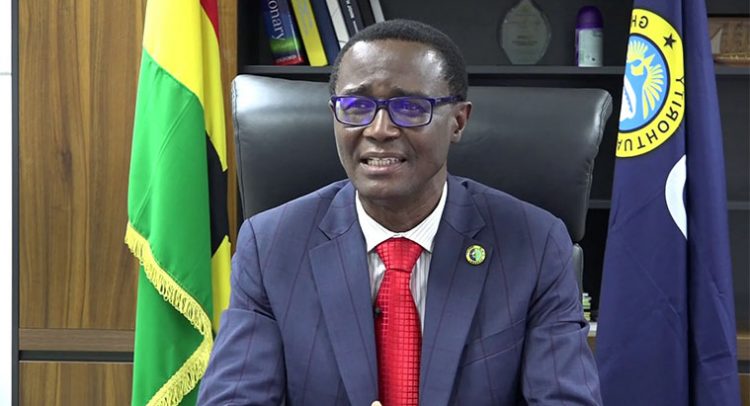

    Meanwhile, Ranking Member Samuel Atta-Mills raised serious concerns regarding the issue. “Habib Napare – date of separation was 2022. This guy had died. Didn’t you go to the funeral? And you validated this dead person for 26 months? And now you are coming to tell Parliament to do what?” Atta-Mills asked sharply.


    In the meantime, the Office of the Special Prosecutor (OSP) has released a fifty-page report covering investigations and prosecutions carried out between January 1 and July 31 this year.

  • Three-storey building collapses at Roman Ridge; 14 workers rescued

    Three-storey building collapses at Roman Ridge; 14 workers rescued

    Fourteen (14) construction workers are in critical condition after a three-storey building under construction at the Roman Ridge Engineering Centre in Accra collapsed.

    The incident, which occurred today, Tuesday, October 28, has sent workers and nearby residents into panic. Earlier, the Ghana National Fire Service (GNFS) reported on Facebook that several individuals were trapped following the unfortunate incident. It noted that efforts were underway to rescue those trapped beneath the rubble.

    “Happening Now… The building has collapsed at the Architectural Engineering Group, Roman Ridge. People trapped inside. Rescue team from GNFS Headquarters are putting up their best to rescue the victims. More details soon,” the GNFS wrote.

    However, in a latest update, the Ghana National Fire Service (GNFS) has reported that the 14 male construction workers are currently receiving treatment at the 37 Military Hospital and the Ridge Hospital.

    Meanwhile, authorities are expected to launch an investigation to ascertain what caused the building’s collapse. Ghana has witnessed multiple fatalities and severe injuries resulting from devastating building collapses.

    These incidents have raised significant concerns among professionals in the built environment about construction standards, prompting calls for immediate action. In 2024, four individuals lost their lives after a three-storey building at Kasoa New Market in the Awutu Senya East Municipality in the Central Region collapsed.

    Eyewitnesses described the tragic event, noting that the victims included young workers and trainees. “The sad incident happened at Kasoa. This three-storey building collapsed and four people have died; may their souls rest in peace. This is so sad. Some are young girls learning trade as well as workers. This happened at the Kasoa New Market.”

    According to eyewitnesses, the three-storey building caved in while workers were on the second floor. Among the deceased was a carpenter who died on the spot. The other deceased lost their lives while being transported to the hospital.

    A mason in his early forties lost his life on July 17, 2024, while working on a two-storey building in Sewua, Ashanti Region. The deceased, Kwaku Gyemfi, was the lead constructor at the site. Witnesses reported that Gyemfi was attempting to reinforce collapsing pillars when the structure failed. His assistant had warned him of the impending collapse, but he was trapped before he could escape.

    A school building in Adeiso, Upper West Akim District, Eastern Region, collapsed on February 15, 2024, during a rainstorm. The collapse injured 10 out of 50 students present, with four suffering severe injuries. Despite ongoing concerns about the building’s deteriorating condition, no preventive measures were taken. The incident occurred as students and teachers sought shelter during a sports event.

    In West Legon, Accra, a two-storey shop complex collapsed during a fire incident, injuring four firefighters from the Legon Fire Station. The fire service had responded to a distress call about a blaze at the location. The collapse occurred as they were working to extinguish the fire. Two of the injured firefighters were treated at the University of Ghana Medical Centre for their critical conditions.

    Earlier this month, the Ghana National Fire Service (GNFS) spent more than two hours rescuing a construction worker trapped under a collapsed building at the Kasoa New Market in the Central Region. The old residential structure was reportedly undergoing renovation by masons hired by the owner of the building.

    In a similar development, a pit collapse at an illegal mining site at Kasotie in the Atwima Mponua District of the Ashanti Region on Wednesday night, October 1, claimed the lives of seven illegal miners who were trapped underground.

    According to reports, the pit collapse, which occurred on Wednesday night, October 1, also left four injured, while several miners were feared trapped. Meanwhile, rescue efforts were carried out by the National Disaster Management Organization (NADMO) in collaboration with emergency services and local volunteers.

    For years, the country’s efforts to nip the canker in the bud have not yielded the needed results. Among recent measures taken to protect water bodies from illegal miners is the deployment of the National Anti-Illegal Mining Operations Secretariat (NAIMOS).

    The Secretariat includes the Ghana Armed Forces, the Ghana Police Service, the Ghana Immigration Service, the National Intelligence Bureau (NIB), the Narcotics Control Commission, and the National Security Secretariat.

    Addressing the security forces, the Minister for Lands and Natural Resources, Emmanuel Amarh Kofi-Buah, directed the team to ruthlessly counter the activities of galamsey operators as they are the enemies of the state. “Any recalcitrant entering into these zones is not merely a trespasser. They are an enemy of the state. You are to be firm. You are to be resolute. You are to be ruthless.

    “And please, take it from me, you will take no obstructionist instruction from any big man. Remember, the biggest man in Ghana is the President of the Republic, and he’s the one who has sent you,” Mr Kofi-Buah charged.

  • Several feared trapped as building at Roman Ridge caves in

    Several feared trapped as building at Roman Ridge caves in

    Several individuals have reportedly been trapped after the collapse of a building under construction at the premises of the Architectural Engineering Group at Roman Ridge in Accra.

    The incident, which occurred today, Tuesday, October 28, has sent workers and nearby residents into panic. This was contained in a post by the Ghana National Fire Service (GNFS) on Facebook. Efforts are currently underway to rescue those trapped beneath the rubble.

    “Happening Now… The building has collapsed at the Architectural Engineering Group, Roman Ridge. People trapped inside. Rescue team from GNFS Headquarters are putting up their best to rescue the victims. More details soon,” the GNFS wrote.

    Meanwhile, authorities are expected to launch an investigation to ascertain what caused the building’s collapse. Ghana has witnessed multiple fatalities and severe injuries resulting from devastating building collapses. These incidents have raised significant concerns among professionals in the built environment about construction standards, prompting calls for immediate action. In 2024, four individuals lost their lives after a three-storey building at Kasoa New Market in the Awutu Senya East Municipality in the Central Region collapsed.

    Eyewitnesses described the tragic event, noting that the victims included young workers and trainees. “The sad incident happened at Kasoa. This three-storey building collapsed and four people have died; may their souls rest in peace. This is so sad. Some are young girls learning trade as well as workers. This happened at the Kasoa New Market.”

    According to eyewitnesses, the three-storey building caved in while workers were on the second floor. Among the deceased was a carpenter who died on the spot. The other deceased lost their lives while being transported to the hospital.

    A mason in his early forties lost his life on July 17, 2024, while working on a two-storey building in Sewua, Ashanti Region. The deceased, Kwaku Gyemfi, was the lead constructor at the site. Witnesses reported that Gyemfi was attempting to reinforce collapsing pillars when the structure failed. His assistant had warned him of the impending collapse, but he was trapped before he could escape.

    A school building in Adeiso, Upper West Akim District, Eastern Region, collapsed on February 15, 2024, during a rainstorm. The collapse injured 10 out of 50 students present, with four suffering severe injuries. Despite ongoing concerns about the building’s deteriorating condition, no preventive measures were taken. The incident occurred as students and teachers sought shelter during a sports event.

    In West Legon, Accra, a two-storey shop complex collapsed during a fire incident, injuring four firefighters from the Legon Fire Station. The fire service had responded to a distress call about a blaze at the location. The collapse occurred as they were working to extinguish the fire. Two of the injured firefighters were treated at the University of Ghana Medical Centre for their critical conditions.

    Earlier this month, the Ghana National Fire Service (GNFS) spent more than two hours rescuing a construction worker trapped under a collapsed building at the Kasoa New Market in the Central Region. The old residential structure was reportedly undergoing renovation by masons hired by the owner of the building.

    In a similar development, pit collapse at an illegal mining site at Kasotie in the Atwima Mponua District of the Ashanti Region on Wednesday night, October 1, claimed the lives of seven illegal miners who were trapped underground.

    According to reports, the pit collapse, which occurred on Wednesday night, October 1, also left four injured, while several miners were feared trapped. Meanwhile, rescue efforts were carried out by the National Disaster Management Organization (NADMO) in collaboration with emergency services and local volunteers.

    For years, the country’s efforts to nip the canker in the bud have not yielded the needed results. Among recent measures taken to protect water bodies from illegal miners is the deployment of the National Anti-Illegal Mining Operations Secretariat (NAIMOS).

    The Secretariat includes the Ghana Armed Forces, the Ghana Police Service, the Ghana Immigration Service, the National Intelligence Bureau (NIB), the Narcotics Control Commission, and the National Security Secretariat.

    Addressing the security forces, the Minister for Lands and Natural Resources, Emmanuel Amarh Kofi-Buah, directed the team to ruthlessly counter the activities of galamsey operators as they are the enemies of the state. “Any recalcitrant entering into these zones is not merely a trespasser. They are an enemy of the state. You are to be firm. You are to be resolute. You are to be ruthless.

    “And please, take it from me, you will take no obstructionist instruction from any big man. Remember, the biggest man in Ghana is the President of the Republic, and he’s the one who has sent you,” Mr Kofi-Buah charged.

  • Bench warrant issued for Chairman Wontumi’s arrest after court no-show

    Bench warrant issued for Chairman Wontumi’s arrest after court no-show

    The Ashanti Regional Chairman of the New Patriotic Party (NPP), Bernard Antwi Boasiako, popularly known as Chairman Wontumi, is making headlines again after failing to appear for a scheduled court proceeding without permission.

    According to reports, Chairman Wontumi, alongside his team of lawyers, was expected to appear before the court today, Tuesday, October 28, at 9:40 a.m.

    However, they made no appearance in court despite being duly informed of the sitting. In response, the presiding judge, Justice Audrey Kocuvi-Tay, issued a bench warrant for his arrest, arguing that Chairman Wontumi and his team offered “no excuse of any sort to the court.”

    Chairman Wontumi, who is the owner of Akonta Mining Company Limited in the Western Region, is standing trial for allegedly aiding individuals to conduct unlicensed mining operations at the Samreboi concession.

    He is on bail of GHC15 million with three sureties granted by the High Court in Accra. During his first court appearance, Justice Audrey Kocuvie-Tay directed that two out of the three guarantors must justify their bail with ownership of land or property within the court’s jurisdiction.

    Prosecutors have accused Chairman Wontumi, who doubles as the owner of Akonta Mining, and his co-director, Kwame Antwi, of illegally authorizing mining operations without the necessary licenses. The case relates to activities that took place in 2024. Meanwhile, Wontumi has pleaded not guilty to the charges.

    Deputy Attorney-General, Dr. Srem-Sai, has asked the court to impose stringent bail conditions to prevent him from fleeing.

    “Gold mining is a capital-intensive business, and by their own admission, the accused is a man of substance. It is common knowledge that persons of substance are often greater flight risks,” Dr. Srem-Sai argued.

    On Monday, October 6, Chairman Wontumi appeared at the CID with his lawyer, Andy Appiah-Kubi, following an order from the Attorney-General (A-G), Dr. Dominic Ayine. On Friday, October 3, Dr. Ayine had threatened to arrest him if he failed to surrender to the CID.

    According to the Attorney-General, little progress had been made in investigating the allegations, as key documents were withheld by some officials of the previous administration.

    In April, the Minister for Lands and Natural Resources, Emmanuel Armah-Kofi Buah, revoked Akonta Mining’s license for illegally mining within the Tano Nimiri Forest Reserve in the Western North Region.

    The Minister noted that the company had extended its illegal activities to both the Aboi and Tano Nimiri Forest Reserves, despite possessing a valid license to operate outside forest reserves.

    In response, the company refuted the claims, stating in a press release: “We are not responsible for the activities in the Tano Nimiri Forest Reserve. That responsibility lies solely with the Forestry Commission and the Ministry of Lands and Natural Resources.”

    The company added that the accusations were “a deliberate attempt by the Minister to tarnish the reputation of the company. The decision by the Minister to publicly accuse us and call for the revocation of our license without any investigation or hearing is not just unfair, it is a clear breach of natural justice and a politically motivated act.”

    Chairman Wontumi’s expected reappearance comes amid mounting pressure on the Mahama-led administration to end illegal mining activities in the country. The menace continues to threaten Ghana’s water bodies, food crops, forest reserves, and energy infrastructure.

    In a meeting with Civil Society Organisations (CSOs) on Friday, October 3, President John Dramani Mahama noted that he can only declare a state of emergency over the issue when his government’s advisors approve it.

    According to him, the advisors believe the country can overcome galamsey by adopting best practices in small-scale mining, including technologies that help neutralize or remove harmful chemicals from water bodies.

    President Mahama added that the country could eradicate the long-term problem if it deployed more troops and invested more resources in the fight. “While we are fighting the menace, I am also saying we should uptake technology in order to protect the environment. So yes, let’s fight illegal mining, but at the same time, let’s bring the new technology that will help us protect our environment.

    “Now with the elephant in the room, state of emergency, yes, I have the power to do it, but the president acts on the advice of the National Security Council. As of now, this moment, the National Security Council believes that we can win the fight against galamsey. Declaring a state of emergency… I want to assure you that the day they advise me otherwise, that boss, now we need a state of emergency, I won’t hesitate,” he said.

    Meanwhile, the Parliamentary Select Committee on Energy has issued a stern warning about the potential future repercussions of galamsey if the country fails to find a lasting solution. During a visit to the Anwomaso Thermal Power Station in Kumasi on Wednesday, October 1, Deputy Ranking Member Collins Adomako-Mensah revealed how Ghana’s power installations are being tampered with by illegal miners.

    According to him, electricity generation authorities—including the Ghana Grid Company (GRIDCo), the Bui Power Authority (BPA), WAPCO Gas Pipeline, and the Volta River Authority—risk shutting down due to attacks on their infrastructure.

    “When we were engaging the other participants, two things came up—one has to do with galamsey, and it is having a heavy, heavy toll on the energy sector, not just about water. GRIDCo complained about galamsey.

    “Their pylons, people are digging where they have a lot of their pylons. Yesterday we were at Bui, and the Bui water situation is deteriorating because of the galamsey situation surrounding their water bodies,” he said.

    In September, GRIDCo expressed grave concern over the encroachment on its transmission tower sites by galamsey operators, who are digging dangerously close to the foundations.

    Acting Deputy Chief Executive Officer of Engineering and Operations, Frank Otchere, stated that maintenance teams now face attacks when attempting to access certain areas.

    “Unfortunately, there are some areas that even when our maintenance teams go there, they get shot at. And some of them have had to run away,” he disclosed, adding that the situation has made it impossible for GRIDCo to operate in certain locations without security support.

    He added that galamseyers are weakening the towers, which are carefully engineered to withstand immense weight and pressure, and appealed for urgent assistance from national security agencies to protect transmission corridors and avert potential collapses.

    “This engagement aims to provide a platform for frank and constructive dialogue between the Government and civil society on the menace of illegal mining, with a view to harnessing collective expertise, perspectives, and solutions to address this national challenge,” the letter stated.

    Ongoing research by a forensic histopathologist and former Head of Pathology at KNUST and Komfo Anokye Teaching Hospital (KATH), Prof. Dr. Paul Poku Sampene Ossei, has revealed alarming trends in rising cases of spontaneous abortions among pregnant women in Ghana.

    Approximately 500 cases have been recorded, linked to severe contamination of placentas and the presence of heavy metals such as lead and mercury, resulting from galamsey activities. A spontaneous abortion is the unintentional expulsion of an embryo or fetus from the uterus before it is viable.

    Speaking on JoyNews’ Newsfile on Saturday, September 27, Prof. Sampene warned that galamsey is poisoning unborn babies and endangering mothers. “I have about 500 cases where women go to the hospital and abort their babies because of the concentration of these heavy metals in their placenta,” he disclosed.

    According to him, his research involved over 4,000 placentas examined from different regions across Ghana. The results showed dangerous levels of heavy metal contamination on both the maternal and fetal sides. “The placentas are all contaminated, polluted with heavy metals,” he said.

    The dangers extend beyond pregnancy losses. Another effect of galamsey is the excessive use of alum to address the increasing turbidity of water. Ghana Water Company Limited, the nation’s largest water supplier, has resorted to using higher concentrations of alum. Prof. Sampene cautioned that high levels of aluminium hydroxide pose serious health risks.

    “One of the consequences of excessive alum use is kidney disease, which is already on the rise. Of course, people are talking about turbidity, and then the Water Company is saying that they are using more alum.

    “Alum is aluminium hydroxide. When taken at higher concentrations over a long period, it can cause kidney problems, irritate the respiratory tract, and lead to neurological defects. All these things have been proven, and we have to be very careful about them now. This goes apart from the effects we are seeing around,” he explained.

    Among recent measures to protect water bodies from illegal miners is the deployment of the National Anti-Illegal Mining Operations Secretariat (NAIMOS).

    The Secretariat includes the Ghana Armed Forces, the Ghana Police Service, the Ghana Immigration Service, the National Intelligence Bureau (NIB), the Narcotics Control Commission, and the National Security Secretariat.

    Addressing the security forces, the Minister for Lands and Natural Resources, Emmanuel Armah Kofi-Buah, directed the team to ruthlessly counter galamsey operators as they are enemies of the state.

    “Any recalcitrant entering into these zones is not merely a trespasser. They are an enemy of the state. You are to be firm. You are to be resolute. You are to be ruthless. And please, take it from me, you will take no obstructionist instruction from any big man. Remember, the biggest man in Ghana is the President of the Republic, and he’s the one who has sent you,” Mr. Kofi-Buah charged.

  • Govt to launch ‘voluntary surrender of illegal guns without prosecution’ initiative

    Govt to launch ‘voluntary surrender of illegal guns without prosecution’ initiative

    The government plans to launch an initiative in the coming days that will allow persons in possession of unlicensed weapons to willingly surrender them to authorities without facing prosecution.

    This initiative will be overseen by the Ministry of the Interior and the National Commission on Small Arms and Light Weapons (NACSA).

    The upcoming Gun Amnesty Programme aims to address the persistent gun-related violence across the country.
    According to a statement released by NACSA dated Monday, October 27, the initiative “is not a witch hunt or a move to prosecute anyone; it is about saving lives, preventing tragedy, and giving Ghanaians a chance to choose peace over violence.”

    The illegal possession of small arms remains a pressing challenge in the country. In September this year, Ghana strengthened its global stance against nuclear weapons. Ghana joined sixty-nine (69) other nations in efforts to reduce and ultimately eradicate dangerous weapons, particularly atomic bombs, from the world.


    Announcing the development on Saturday, September 27, via the X platform, the Minister for Foreign Affairs, Samuel Okudzeto Ablakwa, stated that Ghana has officially ratified the Treaty on the Prohibition of Nuclear Weapons (TPNW).

    The move, according to the Minister, reflects Ghana’s commitment to supporting global peace and stable security for the world. The Minister further applauded both the Cabinet and Parliament for their unanimous approval of the treaty.


    He also recalled how Ghana’s first president, Osagyefo Dr. Kwame Nkrumah, was a strong advocate of disarmament in 1962, adding that the late President would be proud of this groundbreaking step.


    “Yesterday, Ghana boldly demonstrated to the world that we shall be a Nuclear-Weapon-Free State by depositing our instrument of ratification on the Treaty on the Prohibition of Nuclear Weapons (TPNW) at the UN. I commend the Ghanaian Cabinet and Parliament for the unanimous ratification.

    “As I indicated in my UN address, Ghana has been consistent across all political parties in advocating for total disarmament and creating a new world without nuclear weapons.

    “Ghana’s Founder, Osagyefo Kwame Nkrumah, who convened the 1962 World Without the Bomb conference in Accra, would be absolutely proud of this moment. It was an honor to meet with the inspiring Melissa Parke and Seth Shelden of the International Campaign to Abolish Nuclear Weapons (ICAN). ICAN won the 2017 Nobel Peace Prize for its groundbreaking work to attain a world without nuclear weapons. We shall triumph and end global impunity,” he wrote.


    Ghana’s final ratification of the TPNW was signed in 2017 and approved by Parliament in July 2025. The country has been instrumental in promoting Africa’s stance as a nuclear-free continent.


    The sixty-nine (69) countries that have ratified the treaty are Antigua and Barbuda, Austria, Bangladesh, Barbados, Belize, Benin, Bolivia, Botswana, Brazil, Cabo Verde, Cambodia, Central African Republic, Chile, Colombia, Comoros, Congo, Cook Islands, Costa Rica, Côte d’Ivoire, Cuba, Democratic Republic of the Congo, Dominica, Dominican Republic, Ecuador, El Salvador, Fiji, Gambia, Ghana, Grenada, Guatemala, Guyana, Honduras, Indonesia, Ireland, Jamaica, Kazakhstan, Kenya, Kiribati, Laos, Lesotho, Liberia, Liechtenstein, and Madagascar.


    The others include Malawi, Malaysia, Maldives, Mali, Malta, Mexico, Mongolia, Namibia, Nauru, Nepal, New Zealand, Nicaragua, Nigeria, Niue, Panama, Paraguay, Peru, Philippines, Saint Kitts and Nevis, Saint Lucia, Saint Vincent and the Grenadines, Samoa, San Marino, Seychelles, South Africa, Sri Lanka, the State of Palestine, Sudan, Thailand, Timor-Leste, Togo, Trinidad and Tobago, Tunisia, Uruguay, Venezuela, Vietnam, Zambia, and Zimbabwe.


    Earlier this year, U.S. Army Major Kojo Owusu Dartey was sentenced to 70 months in prison and three years of supervised release for smuggling firearms to Ghana and making false statements to federal authorities.


    The 42-year-old, based at Fort Liberty, was found guilty by a jury on April 23, 2024, on charges including conspiracy, illegal firearm dealing, false declarations in court, and exporting firearms without a license.


    According to court records and trial evidence, Dartey orchestrated a firearms smuggling operation by purchasing seven firearms in North Carolina and instructing a U.S. Army Staff Sergeant at Fort Campbell, Kentucky, to buy three more and send them to him.


    He then concealed the weapons inside blue barrels filled with rice and household goods before working with an Army Chief Warrant Officer to smuggle them through the Port of Baltimore, Maryland. The barrels were shipped to the Port of Tema, Ghana, where Ghanaian authorities later seized them and alerted the DEA attaché in Ghana and the ATF Baltimore Field Division.


    Dartey was also linked to a 16-defendant marriage fraud scheme involving soldiers at Fort Liberty and foreign nationals from Ghana. He provided information that led to its prosecution but later lied to federal law enforcement and under oath in court about his relationship with a defense witness during the U.S. v. Agyapong trial between June 28 and July 2, 2021.


    His sentencing was announced by Acting U.S. Attorney for the Eastern District of North Carolina, Daniel Bubar, following an investigation by the Bureau of Alcohol, Tobacco, Firearms, and Explosives (ATF), the Army Criminal Investigation Division (CID), and the Department of Commerce’s Office of Export Enforcement. Assistant U.S. Attorney Gabriel J. Diaz prosecuted the case.
    In Ghana, institutions such as the National Commission on Small Arms and Light Weapons (NACSA) have called on the judiciary to impose stricter punishments on individuals found in possession of unlicensed firearms.
    In 2024, NACSA reported one million illicit pump-action guns, AK-47s, pistols, and locally manufactured arms in circulation in Ghana. The Commission described these figures as a threat to national security.
    The Head of the National Arms Marking Programme at the time, Mr. Frank Boateng Asumani, stated: “Currently, we have 2.3 million small and light weapons in circulation, out of which 1.2 million are legally registered and the remaining 1.1 million cannot be accounted for.”


    Speaking to The Independent Ghana, the Deputy Director of Policy, Planning, Monitoring, and Evaluation (PPME) at NACSA, Gyebi Asante, stressed the urgent need to review existing laws governing firearms possession to better counter current security challenges.


    “We are advocating for the law to be reviewed to suit the current situation and also be able to align with our current dispensation. It is something we have taken steps to do. Already, we have a proposed Bill, the National Arms Bill, at the Ministry of Interior to look at the document and endorse it.


    “For example, the penal sanction, when you have a law that regulates the possession of arms that can kill, you must have a strong penal sanction that can deter people from going behind the law to buy these weapons, so the law as it is now is not deterrent enough,” he added.


    He emphasized that the current penal sanctions are insufficient to deter illegal arms possession. According to him, the existing law stipulates a maximum jail term of five years or a fine of up to 1,000 penalty units, equating to 12,000 Ghana cedis.


    He added that there is no minimum penalty established, allowing judges to exercise discretion in sentencing. This loophole, he indicated, has led to situations where individuals found guilty of illegal gun possession could potentially pay as little as 100 Ghana cedis or serve a mere two weeks in jail.


    “For example, it says that you can be jailed for not more than five years and you can also be fined for not more than 1,000 penalty units. A penalty unit is 12 Ghana cedis, which makes it 12,000 Ghana cedis, not beyond, but it doesn’t give a minimum.


    “If you are arrested for illegally possessing a gun, the judge uses his discretion and he can decide that go and pay 100 cedis and if you don’t pay you will go to jail for two weeks because the law does not give you any minimum requirement. We see that as a serious challenge and a gap in the law that must be addressed,” he added.
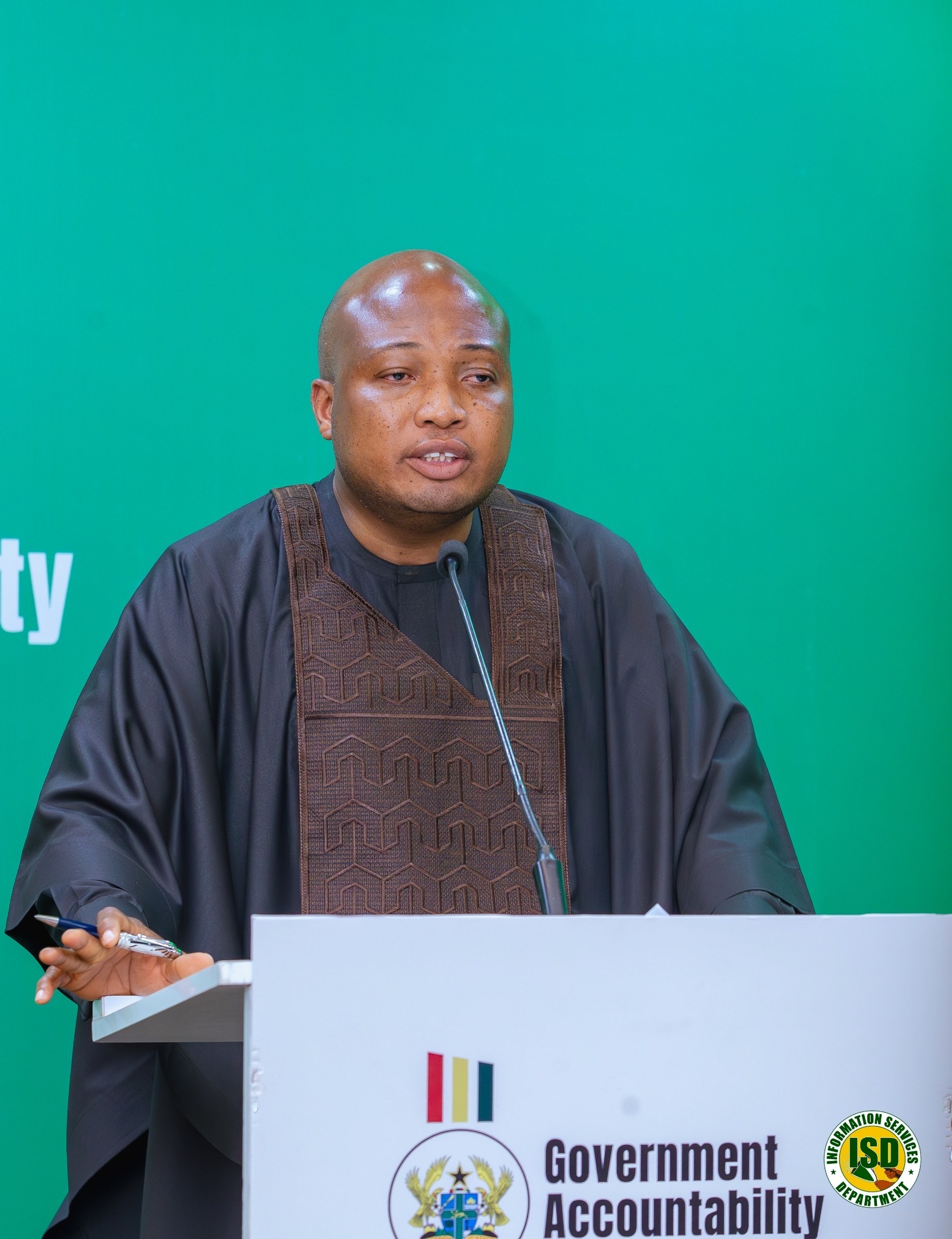

    Mr. Asante revealed that the Commission has submitted to the Ministry of Interior a proposal to amend the current Arms and Ammunition (Amendment) Act, 1972 (Act 604).


    The National Arms Bill aims to close existing gaps in the law, ultimately working towards a safer environment for all Ghanaians. Additionally, he emphasized the urgent need for the bill to be enacted into law to ensure effective control and regulation of small arms and light weapons (SALW).

    Established by an Act of Parliament in 2007, NACSA’s mandate includes regulating the possession and control of small arms and light weapons, with a particular focus on curbing illegal production, trade, transfer, and cross-border movement of such weapons that contribute to crime and insecurity.