Tag: Economy

  • Gov’t is not to blame for recent economic challenges – Akufo-Addo

    Gov’t is not to blame for recent economic challenges – Akufo-Addo

    President Akufo-Addo has asserted that Ghana’s recent economic difficulties were not the result of mismanagement by the government but rather stemmed from factors beyond its control, notably the COVID-19 pandemic.

    He recalled that prior to the pandemic, Ghana’s economy was among the world’s fastest-growing, attributing this success to the measures implemented by his administration during his first term in office.

    Addressing the Workers’ Day gathering in Accra on Wednesday, he said “Ghana’s recent economic challenges were not self-inflicted.

    Until the pandemic, we were, year-on-year during my first term, one of the fastest-growing economies in the entire world. The global landscape was subsequently severely impacted by external factors beyond our control, foremost amongst them being the COVID-19 pandemic.

    “Moreover, the escalation of tensions following the Russian invasion of Ukraine further exacerbated these difficulties leading to increased volatility in global markets and heightened uncertainties.”

    During the May Day celebration, President Akufo-Addo pledged to address labor concerns to enhance a favorable environment.

    He praised workers for their contributions to the nation’s growth and emphasized their importance in national affairs. Additionally, he reiterated his government’s dedication to ensuring peace and security in the country.

    “Securing peace is not only necessary for the electioneering campaign but also vital for the stability of the labour front. The peaceful and stable labour front will create a conducive environment for government to implement its policies and programmes and for the economy to grow.”

    “Government hereby reiterates its resolve to address the concerns of labour in the interest of national development,” said President Akufo-Addo, adding that “the upward adjustment of the base pay by 23 percent in the first half of the year and by 25 percent in the second half of the year is a demonstration of the government’s commitment to improving and protecting public sector incomes.”

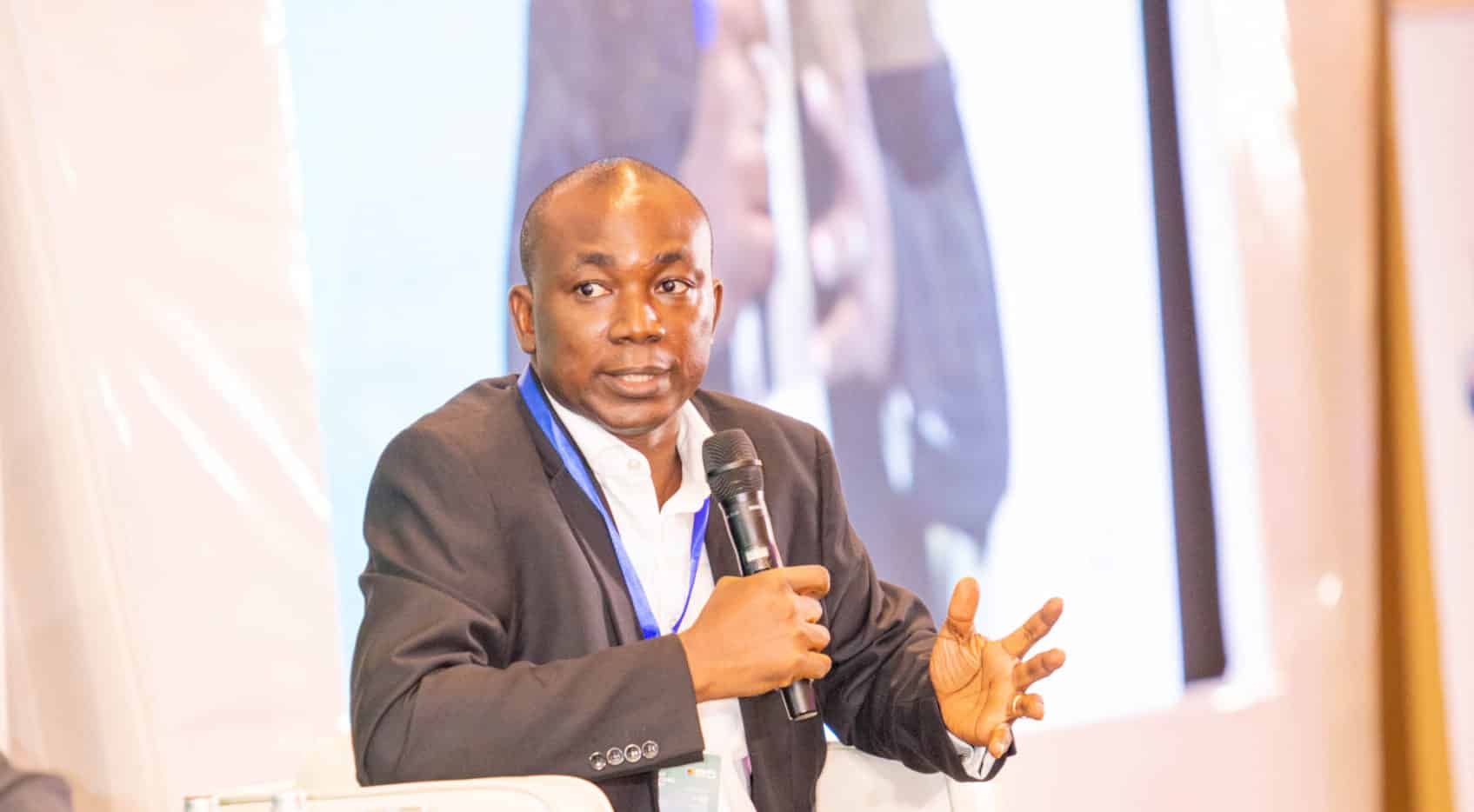
    Dr. Yaw Baah, the Secretary General of the Trades Union Congress (TUC), used his address to urge the Electoral Commission to ensure free, fair, and transparent elections.

    He also called on the Police and the Judiciary to fulfill their roles effectively to guarantee credible polls.

    Dr. Baah expressed concerns about the economic hardships, noting that the IMF program has not produced the expected results for workers. He expressed skepticism about the economic situation, suggesting that there may be no immediate relief in sight.

    “It appears there is no end in sight for the challenges, we were told that an IMF bailout will help but we know that an IMF bailout can’t be the solution to the economic hardship…We have a lot to do to protect the workers of Ghana,” he said.

    Dr. Yaw Baah highlighted the need to reduce importation as a means to address the depreciation of the Cedi. He emphasized that this step is crucial in tackling the currency’s challenges.

    Internationally, May Day is celebrated as a tribute to laborers and the working classes, promoted by the international labor movement. It falls on May 1st each year.

    In Ghana, this year’s May Day was themed “Elections 2024: The Role of Workers and Social Partners in Securing Peaceful Elections for National Development.”
  • Debt service likely to affect Ghana’s economic growth – Economist

    Debt service likely to affect Ghana’s economic growth – Economist

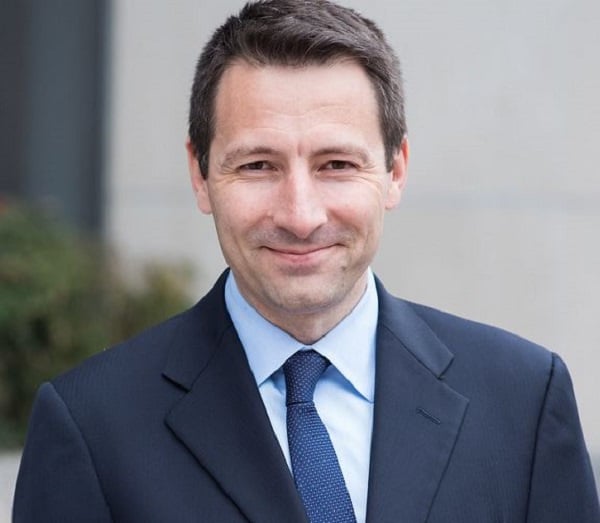
    An economist at the University of Ghana Business School, Professor Lord Mensah, says the Finance Minister-designate, Dr Mohammed Amin Adam should have exercised caution before assuring Ghanaians that the economy was rebounding.

    At the IMF and World Bank Spring Meetings in Washington on April 21, Dr. Mohammed Amin Adam announced that Ghana’s economy was moving towards stability, citing robust economic progress and strong recovery as key factors.

    Dr. Adam emphasized the significant improvement in Ghana’s economic indicators, noting that the primary deficit, which was 4.3% of GDP at the end of 2022, had decreased substantially.

    He highlighted that by the end of 2023, the primary deficit had reduced to just 0.3%, marking a remarkable four-percentage point decrease.

    However, according to Professor Mensah, a comprehensive assessment of the economy should consider all indicators, including full-scale external debt service. Therefore, it might be premature to assert that the economy is rebounding without considering these factors.

    In an interview on Joy FM’s Midday News on April 22, he said “The economy may be rebounding but then we have to also take into perspective (that) this is an economy that is not in full scale of its external debt service. We have suspended our external debt service and whatever the case may be, external debt service will require dollar so there will be more demand on the dollar which will call for a high price for the dollar and as a result we get the currency reacting to it.

    “So effectively I would have waited to get the government fully in its debt service before I can comment on some of these indicators because you know these indicators are related.”

    “When you talk about inflation the first true effect of the exchange rate is inflation. Obviously, once you are not servicing your debt and there is no full-scale demand of dollar on the market, we can’t comment that much on the exchange rate and then the inflation that we are recording,” he added.

    The Finance Minister-designate expressed optimism about Ghana’s ability to secure IMF board approval by June for a much-awaited $360 million release.

    According to Professor Mensah, this achievement is feasible because the government has reached a level of understanding with external creditors, making the June timeline realistic.

  • “Ghana is overperforming under the IMF programme” – Stéphane Roudet

    “Ghana is overperforming under the IMF programme” – Stéphane Roudet

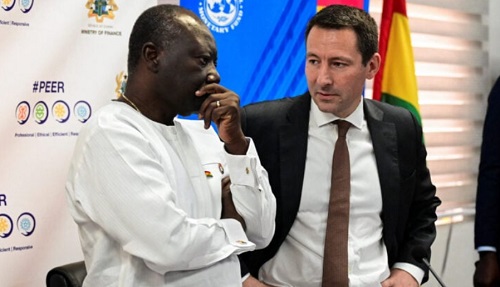
    The International Monetary Fund (IMF) Mission Chief for Ghana, Stéphane Roudet, has noted that Ghana is exceeding the expectations and targets set by the IMF within the framework of the programme.

    He indicated that Ghana’s economy has reached its lowest point and is now poised for full recovery.

    However, he noted that this projection hinges on the government’s continued implementation of the IMF program as it has been done over the past year.

    “Ghana’s programme is delivering on its promises, and in fact, it is overdelivering,” the Mission Chief added.

    “Growth is also doing better than what we have forecasted, and that is also influencing our decision to review our forecast,” he noted.

    Mr Roudet made the comments while responding to questions in Washington DC, USA, posed by JOYBUSINESS about concerns regarding potential economic shocks due to global developments.

    He stated that this development would prompt the IMF to review Ghana’s growth forecast for 2024, noting that inflation ended last year better than their projections.

    “We are also surprised as to how growth has performed under Ghana’s programme” the Mission Chief added.

    He said this was never evident, at the beginning of Ghana’s programme.

    “The required revenue is being raised, the Bank of Ghana is also doing its part to ensure that, and inflation is brought under control and that is good for the programme”, he noted.

    The Mission Chief for Ghana also added that “the external position has also been doing very well; fiscal position is also adjusting in line with the programme working and delivering on its promises.”

    “Everything is moving in the right direction and this is something that was not considered at the beginning of the IMF programme.”

    Mr. Roudet further explained that Ghana’s performance has been influenced by its commitment and seriousness in implementing the program. He emphasized that to fully restore confidence in Ghana’s economy, it will be crucial for various actors such as rating agencies and development partners to see continued full implementation of the IMF program.

    “If the macroeconomic development unfolds as we planned in the IMF programme, then definitely we should expect them to respond as well as all agencies” the Mission Chief added.

    “We are not only looking at the rating agencies responding, Ghanaians as well, domestic stakeholders, then everyone will realize and that will boost confidence in the economy.”

    On growth and other projections captured in reports released during the IMF/World Bank spring meetings, Stéphane Roudet noted that those were based on “old assumptions.”

    He indicated that the country should anticipate revised figures when they unveil the Regional Economic Outlook.

    “We believe that the economy will perform better than had been projected” Ghana Stephan Roude reiterated.

    He added, “Ghana has a growth potential average of 5 per cent going forward in the medium term.”

    “Gradually, Ghana will be able to get back to its growth potential going forward” the Head of Mission concluded.

  • Ghana’s economy to grow by 2.9% in 2024 – World Bank

    Ghana’s economy to grow by 2.9% in 2024 – World Bank

    The April 2024 World Bank Africa Pulse Report indicates that Ghana’s economy is expected to experience a slowdown in growth in 2024, despite anticipated improved economic activity.

    The report forecasts a Gross Domestic Product (GDP) growth of about 2.9% for Ghana in 2024, a decrease from nearly 5.0% in 2023 and an expected increase to 5.0% in 2025.

    Ghana, along with 14 other African countries, is projected to record a deceleration in growth in 2024. The country is also expected to contribute 0.10% to the regional GDP growth by the largest economies in the region.

    In contrast, growth in Sub-Saharan Africa is expected to accelerate to 3.4% in 2024 and further to an average rate of 3.9% in 2025–26.

    This rebound in growth is attributed to large countries in the region recording growth rates lower than their performance in the first two decades of the century.

    The report highlights that in 2024, growth is anticipated to accelerate in nearly 70% of Sub-Saharan African countries (32 countries). However, growth rates in about half of these countries (17 countries) are projected to be below their average growth in 2000–19.

    Ghana’s economy recorded a 2.9% GDP growth in 2023, surpassing the revised 1.5% forecast by the Finance Ministry but slower than the 3.1% growth recorded in 2022. The Industry sector contracted by 1.2% in 2023, compared to 0.6% GDP growth in 2022, though it remains the largest sector of the economy. The decline in the Industry sector’s GDP was primarily due to the 10.9% and 9.9% contractions in the Electricity and Construction subsectors, respectively, in 2023, with Mining and Quarrying being the only subsector that experienced growth (2.5%).

  • Africa’s economic growth is dependent on human capital development – Mahama

    Africa’s economic growth is dependent on human capital development – Mahama

    Flagbearer of the National Democratic Congress, John Dramani Mahama, has urged African leaders to prioritize the development of human capital to drive economic growth.

    Addressing students at the London School of Economics (LSE), Mahama highlighted the rapid changes in the digital landscape and the emergence of new job roles in Africa over the past decade.

    In a Facebook post, the former president emphasized the need for education systems in Africa to evolve beyond traditional academic learning.

    He called for the inclusion of vocational and technical training to align with the technological advancements of the modern era.

    “Africa needs to develop the human capital required to propel our economies forward. The digital landscape, for example, was vastly different when I last spoke at the LSE a decade ago. Many job roles we see today were non-existent or just emerging in Africa. The job market is rapidly evolving, and it is imperative that our education systems evolve as well.

    “We must embrace technology and innovation and expand beyond academic learning to emphasise vocational and technical training.

    “The career aspirations of our children today reflect this technological evolution, and it is our responsibility to ensure that they are prepared for the future job market,” the former president said.

  • There will be no economy for Ghana if anti-LGBTQ bill is made law – Stanford University Professor

    There will be no economy for Ghana if anti-LGBTQ bill is made law – Stanford University Professor

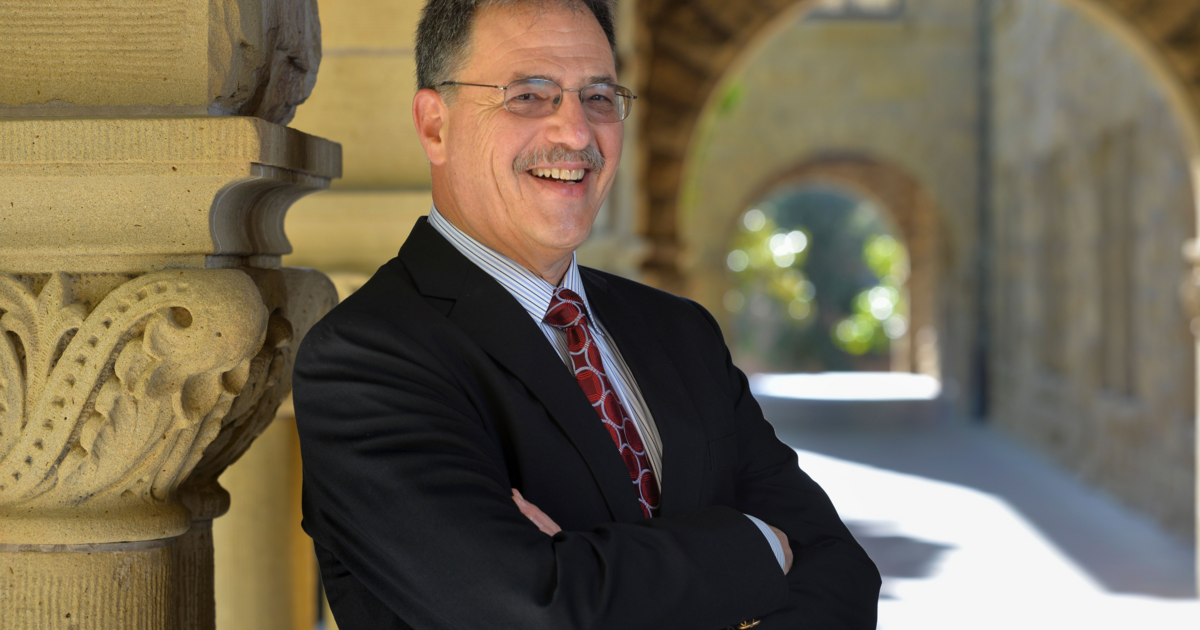
    A Democracy Scholar at the Hoover Institute and Stanford University, Professor Larry Diamond, has cautioned Ghana about the potential consequences of passing the controversial anti-gay bill into law.

    The Ministry of Finance has advised President Akufo-Addo to refrain from approving the anti-LGBTQ+ bill recently endorsed by Parliament. The Ministry has cautioned that the bill’s enactment could result in significant financial repercussions for Ghana.

    According to the Ministry, Ghana stands to lose a substantial amount of World Bank funding, estimating a potential loss of USD$3.8 billion over the next five to six years.

    During an interview with Bernard Avle on Citi TV’s The Point of View, Professor Diamond argued that passing the bill would have severe economic implications for Ghana. He highlighted the restrictions that foreign investors might impose on a country seen as violating the rights of a minority group.

    Professor Diamond further asserted that Western nations are primarily driving the anti-gay agenda in Africa.

    “I would remind people of what some friends of Ghana have been saying. This act will be a disaster for Ghana economically [if passed into law]. Because Western companies are not going to come and invest in a country that is pummeling minority rights.

    “The extreme religious rights have failed to achieve this religious agenda in the United States. And so now they are coming to Africa to try and push the agenda. People who complain about neo-colonialism? Shouldn’t they be asking questions about this? he asked.

    The Presidency halted the transmission of the anti-LGBTQ+ Bill for assent to Parliament on March 18, citing legal issues.

    Speaker of Parliament Alban Bagbin criticized President Akufo-Addo for this decision.

  • Brace yourself, economic reforms will be painful – IMF urges Ghanaians

    Brace yourself, economic reforms will be painful – IMF urges Ghanaians

    The International Monetary Fund (IMF) has indicated that Ghana’s journey to economic stability will be challenging but remains hopeful about the country’s ability to overcome current difficulties.

    The IMF has advised Ghanaians to manage their expectations of the government and continue to make sacrifices as the country implements its US$3 billion loan-support program.

    Following the COVID-19 pandemic, Ghana’s economy has faced challenges, leading the government to introduce several taxes and levies, including a COVID-19 Health Recovery levy, Electronic Transactions Levy (E-levy), and Sanitation and Pollution levy.

    Recently, the government announced a 15 percent Value Added Tax (VAT) on residential electricity consumption and an emissions levy as part of its revenue generation efforts.

    However, the announcement sparked public outrage, prompting the government to suspend the taxes for discussions with the IMF on the way forward.

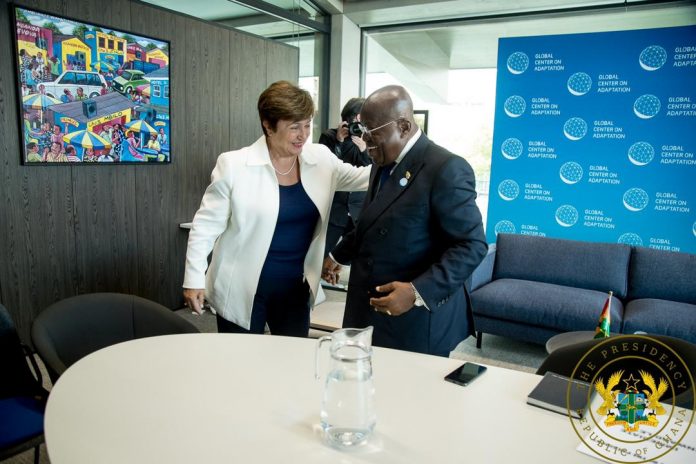
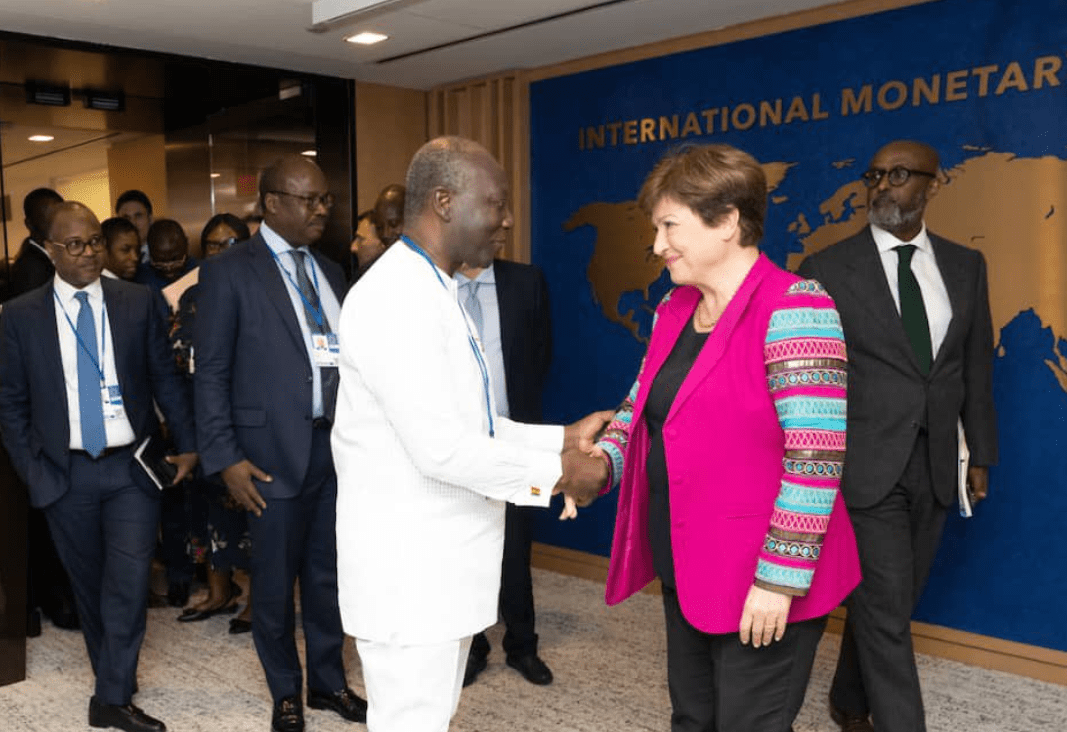
    During a media engagement as part of her first visit to Ghana, Ms. Kristalina Georgieva, Managing Director of the IMF, urged Ghanaians to support the government’s “painful reforms.”

    She expressed optimism that Ghana’s ongoing reforms would ultimately benefit its citizens.

    Recounting the experience of her country some three decades ago, Ms Georgieva said, “My own country [Bulgaria] in the 90s went through a much more severe collapse.

    “Here [in Ghana], we’re talking about inflation of about 54 per cent. Inflation in Bulgaria was over 1000 per cent, and the measures to bring back macroeconomic measures were extremely painful,” she said.

    She mentioned that she was in discussions with the government to ensure that the implemented policies are beneficial and aid in reducing the country’s debt levels while solidifying macroeconomic gains.

    “We understand that the people in Ghana have been impacted and for the low-income household, any additional cost is a problem that is very difficult to bear. We have to look at the fiscal position of government, there are different measures that we can adopt to achieve this,” Ms Georgieva stated.

    She observed that Ghana’s current economic challenges, while not dramatic, necessitated the government’s steadfast focus on implementing the loan-support program.

    The IMF Managing Director emphasized that with strong economic fundamentals, sound macroeconomic policies, good governance, and minimal corruption, Ghana could achieve a resilient economy and a high standard of living.

    She urged the government to prioritize reducing expenditure, increasing revenue generation, and investing more in education and infrastructure development nationwide.

    “What we know is that the government cannot spend more than it generates, and it’s much better to spend money on education and infrastructure than for debt service,” Ms Georgieva said.

    Ghana is currently executing a three-year US$3 billion Extended Credit Facility (ECF) program with the IMF as part of the country’s Post-COVID-19 Programme for Economic Growth (PC-PEG).

    The program’s objectives include restoring macroeconomic stability and debt sustainability, enhancing resilience, and establishing a basis for more robust and inclusive growth.

    To date, Ghana has received US$1.2 billion in two installments from the IMF and is slated to conduct a second review of the program’s implementation in April 2024.

  • Ghana is on the verge of breakthrough in its economic fortunes – Akufo-Addo

    Ghana is on the verge of breakthrough in its economic fortunes – Akufo-Addo

    President Akufo-Addo has expressed confidence that Ghana is on the brink of a significant improvement in its economic prospects.

    During his address at the Independence Day Parade, he highlighted various government initiatives aimed at driving the country’s transformation.

    President Akufo-Addo said: “I refer to the successful selection of strategic partners that will work with the Ghana Integrated Aluminium Development Corporation (GIADEC) to build a new alumina refinery and develop mines at Nyinahin-Mpasaaso as three of four projects being executed under the Integrated Aluminium Industry (IAI) projects.”

    “I have witnessed the signing of two separate agreements in Accra recently, firstly, between GIADEC, a wholly-owned public entity, and Rocksure International, a wholly-owned private Ghanaian company, selected, after a rigorous process, as a strategic partner to develop a mine at Nyinahin-Mpassaso; and, secondly, between GIADEC and Mytilineos SA, a leading global industrial and energy company, which entails the development of a second mine at Nyinahin-Mpasaaso, and the establishment of a refinery,” he added.

    President Akufo-Addo has outlined plans to end the export of raw bauxite from Ghana. Instead, the country will refine its mined bauxite to produce alumina, which will supply the VALCO smelter and the wider aluminium industry. This move is expected to significantly boost Ghana’s industrialization efforts, enabling the production of parts for vehicles, aircraft, roofing sheets, and household utensils domestically.

    This will also “deliver employment and high-paying jobs for our people and also ensure integration and value addition across the bauxite/aluminium value chain,” he said.

    President Akufo-Addo also highlighted the Ada Songhor Salt project, led by Electrochem Salt Mine Ltd, as a key initiative that will positively impact Ghana’s economy and its people.

    “After many years of disputes, which prevented the exploitation of salt at the site, work has finally started and salt will be mined on a large commercial scale. With its initial ability to produce some 650,000 metric tonnes of salt per annum, and expanding its productive capacity to one million metric tonnes this year, and to two million metric tonnes by 2027, at 99.99% purity, the Electrochem Salt Mine will be the biggest salt producing facility in Africa.”

    President Akufo-Addo is confident that these initiatives will bring about significant economic transformation and uplift the spirits of Ghanaians.

    “It has taken a long time for us to get to this stage, but we have taken the trouble to make sure that we get it right. I am optimistic that, together with other initiatives of this Government, we are on the verge of a breakthrough in our economic fortunes,” he added.

    Ghana has received the first and second tranches of a bailout from the IMF, which has been seeking to assist the country following an economic downturn.

    The International Monetary Fund (IMF) has stressed the importance of Ghana staying committed to its bailout program to fully realize its benefits.

    The IMF has emphasized the need for effective implementation of structural reforms, particularly following the disbursement of the $600 million second tranche to the government.

    However, Ghana must engage with the IMF to reach a consensus on anticipated revenue shortfalls due to the planned suspension of the VAT on electricity, which has faced opposition from the Trades Union Congress (TUC).

    Despite these challenges, the IMF’s Director of the African Department, Abebe Selassie, has emphasized the necessity for Ghana to strictly adhere to the agreed-upon austerity measures to navigate its way out of the economic crisis.

    Mr. Selassie, speaking from Washington DC in a webinar on February 5, stated that these measures are crucial for Ghana’s economic prosperity.

  • Flashback: We are in difficult times, things are hard – Otabil

    Flashback: We are in difficult times, things are hard – Otabil

    In 2016, General Overseer of the International Central Gospel Church (ICGC), Rev. Mensah Otabil, expressed deep concern over the severe hardships plaguing the country at that time.

    He lamented that citizens were experiencing difficult circumstances in every aspect of their lives due to the unstable Ghanaian economy.

    “I believe that we are living in tough times in Ghana. Ghana is hard and that is not a political statement. It’s a statement of reality that people are going through very difficult circumstances in their private lives, in their businesses, and people are struggling with certain necessities of life and sometimes when you go through these tough times, you need encouragement. So, I am bringing you a word in that direction, and I trust that at the end of this service, something in you will lift you up. Sometimes, when you look at life in this country, you feel as if not only is life hard, but we want to make it impossible for us to live our life. I was telling my wife yesterday, I said: ‘We are not nice to ourselves. Ghana is not nice to itself, let’s treat ourselves well; just make life better for ourselves, but it looks like there is a deliberate effort to keep you down and subservient and to make you never lift up your head…’” Dr Otabil lamented during church service.

    The difficulties notwithstanding, Dr Otabil added:“You are going to win and that is not a political statement either, but you are going to win. In Ghana now, everything is politics, you know. You say: ‘You’re going to win’ and they say: ‘Which party is Otabil talking about?’ I say you as an individual, as a person, you will win in life, you will win in your marriage, you’ll win in your business, you’ll not be a disgrace, you’ll not be a disappointment, you’ll not be cast out, you are coming from below, you’re coming from
    behind, you’re coming from beyond, but you’ll win it. Your branches will run over the wall.

    “The economy of Ghana may not change; I have no control over that. The guys messing it up, that’s their problem, they have to fix it, but I’m here to tell you that no matter the walls, no matter the mess, no matter the difficulty, people may collapse all around you, people may not survive the arrow, people may not survive the wars, but you will win this one, I said you will win this one. Somebody will say: ‘Pastor how will I win?’ I don’t know. I don’t know how Joseph won,” he continued.

  • The economy cannot be sustained on T-Bills – Former Finance Minister warns gov’t

    The economy cannot be sustained on T-Bills – Former Finance Minister warns gov’t

    Former Finance Minister, Seth Terkper, has urged the government to prioritize responsible debt management and seek alternative funding sources beyond short-term treasury bills.

    He expressed concern that the country is at risk by heavily relying on T-bills for financing. Terkper made these comments during a media dialogue on Ghana’s International Monetary Fund program.

    “We cannot sustain the economy on treasury bills because treasury bills are for three months. So, at the end of the three months, we must pay”.

    “Inadvertently, we are increasing the public debt because we do not have a payment mechanism since the sinking fund is no more.”

    He also warned the government about the consequences of not including the nation’s arrears as part of the total debt stock.

    “The fact that we are doing well may not mean if our primary balance were good at indicating that we were doing well. I can assure you that we would have settled our domestic debt and would have started issuing three-year bonds.”

    He added that” the tendency to leave out arrears has hurt us before, and we should be very mindful it doesn’t hurt us again.”

    Mr. Terkper called for the abolition of the Electronic Transaction Levy, arguing that it has failed to achieve its intended goals. He expressed stronger support for the implementation of a digitalized tax system by the Ghana Revenue Authority, believing it would enhance efficiency and increase domestic revenue collection.

    The media dialogue, organized by PFM Tax Africa Network, provided a platform for open discussions on national economic issues with media professionals and experts.

  • Bawumia is part of the team that caused current economic mess – Prof Adei

    Bawumia is part of the team that caused current economic mess – Prof Adei

    Former Rector of the Ghana Institute of Management and Public Administration (GIMPA), Professor Stephen Adei, insists that Vice President Dr. Mahamudu Bawumia cannot evade accountability for the economic challenges faced during President Akufo-Addo’s tenure.

    Prof. Adei asserts that as the head of the Economic Management Team, Dr. Bawumia played a crucial role in the country’s economy and therefore cannot absolve himself of responsibility.

    He emphasizes that accountability and taking ownership of shortcomings are essential qualities of good leadership, and Dr. Bawumia must embody these traits.

    Speaking on JoyNews’ AM Show on Thursday, February 29, the economist highlighted that the state of the economy would be a significant issue in the upcoming December 2024 elections.

    He stated that any attempt by Dr. Bawumia and his associates to justify his “driver and mate analogy” would be perceived as an insult to the intelligence of the Ghanaian people.

    “I think it’s actually insulting the intelligence of Ghanaians to say now that ‘I wasn’t part of it’. Was he the one who was claiming the wonderful things they achieved before COVID-19 and the Russia-Ukraine War? At the time was he a mate or a second driver? I think that politicians don’t take us seriously, but I will not hold him accountable solely for what has happened, I think that he played a critical role in the economy of Ghana, and he cannot say now Ken Ofori-Atta was the Finance Minister, because he is the Head of Economic Management Team,” he said, according to JoyNews.

    Amid recent criticisms aimed at Vice President and New Patriotic Party flagbearer, Dr. Mahamudu Bawumia, regarding his portrayal of serving as a mere advisor to the President in governance, Dr. Bawumia reaffirmed his commitment to leading Ghana towards economic recovery at a conference in Accra.

    In parallel, President Akufo-Addo reiterated that he bears ultimate responsibility for the administration he has overseen.

    During his State of the Nation Address to Parliament on Tuesday, February 27, President Akufo-Addo emphasized the collaborative role of cabinet members and ministers in providing advisory support.

    “Under the Constitution, the executive power of the state is vested in the President of the Republic. He or she is the Executive. There is no ambiguity about where the buck stops when it comes to responsibility for what happens in the government. It stops with the President, he or she has ultimate responsibility. It would be an unwise President that would pretend to have all the answers, and refuse the advice of his officials, but the fact remains that the President holds the executive power.”

    “The Cabinet, the Ministers of State all act in an advisory manner. Of course, a member of the government might take an idea, be it generated by the President or the official or a committee, and turn it into a huge success, and the honour would be claimed or shared where public perception falls. But, ultimately, the President is responsible, and, therefore, takes the credit or the blame for whatever happens in his or her government.”
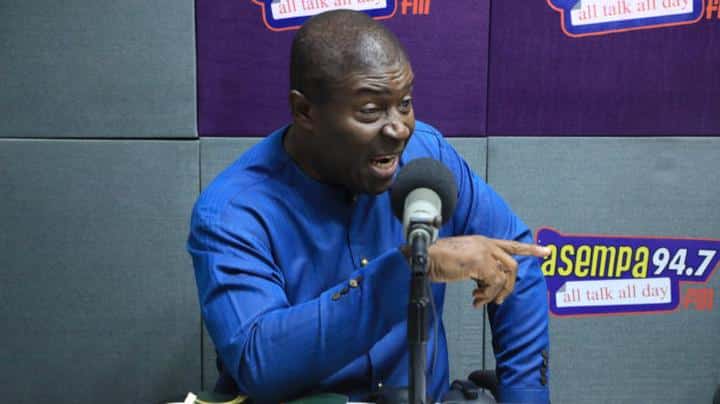
  • Govt is behaving like there is no problem but we have a lot – Brigadier Joseph Nunoo-Mensah

    Former Chief of Staff of the Ghana Armed Forces, Brigadier Joseph Nunoo-Mensah, has urged the current government to learn from the experiences of neighboring countries to prevent any uprising from the citizenry.

    He cautioned that neighboring countries had experienced coups due to their failure to address the concerns of their citizens. Brigadier Nunoo-Mensah highlighted the leaders’ disregard for the economic challenges faced by citizens, treating them as if they did not exist.

    He made these remarks during an interview on JoyNews’ Upfront on February 28.

    “Let’s look at the nations that have had coup d’etat in recent times in the ECOWAS sub-region, let’s look at ourselves. We have to be honest with ourselves.

    “Today in Ghana, we are facing serious economic and social problems; very serious ones but our governments are behaving as if there is no problem.

    “When you look at the ordinary people in this country, how they are facing life it is hard, it is rough, but we don’t even want to accept that times are hard,” he told host, Raymond Acquah.

    “When my good old friend, our president spoke I was looking forward to answers to these problems that we are facing especially with food. You cannot buy local food cheaply. If at my level, I cannot buy simple food like gari, cassava, or yam cheaply then there is a problem.

    “The problem is going to get even harder and when we don’t want to accept that it is going to get pretty rough if we don’t take care, we are going to have a massive food crisis that might lead to all kinds of problems,” he added.

    The former Chief of Staff acknowledged that while he may not be the wisest person on earth, he hoped that leaders would at least invite senior citizens to the table to discuss important economic issues and find lasting solutions.

    “At the age of 80 getting to 88, I don’t have too much time to live. I don’t like the Ghana I am leaving behind. We are looking for answers to our political, and socioeconomic problems.

    “We need to find a solution. The NPP, NDC thing it is not working and one must be honest about it,” he added.

  • Anti-LGBTQ bill passage will be detrimental to valuable public health, media, economy – US warns Ghanaians

    Anti-LGBTQ bill passage will be detrimental to valuable public health, media, economy – US warns Ghanaians

    The United States has expressed deep concern over the passage of stringent anti-LGBTQ+ legislation in Ghana, stating that it threatens constitutional freedoms.

    The new bill, passed on Wednesday, imposes a prison sentence of up to three years for anyone convicted of identifying as LGBTQ+. It also imposes a maximum five-year jail term for forming or funding LGBTQ+ groups.

    The passage of the bill has been criticized by rights organizations and other groups.

    “The bill would also undermine Ghana’s valuable public health, media and civic spaces, and economy,” the US State Department spokesperson Matthew Miller said in a statement.

    It has called for the “review of the constitutionality of the bill”.

    Meanwhile, Rightify Ghana has strongly condemned “this regressive legislation, which poses a grave threat to the rights and freedoms of LGBTQ+ individuals in the country”.

    UNAids executive director Winnie Byanyima said the bill, if it becomes law, could incite violence by Ghanaians against their fellow citizens.

    She said that it will “obstruct access to life-saving services, undercut social protection, and jeopardise Ghana’s development success.”

    The bill will be presented to President Nana Akufo-Addo after which he’ll have seven days to sign it into law or refuse to assent to it, according to Ghana’s constitution.

  • Sudan’s economy shrinks by 40% amid ongoing conflict

    Sudan’s economy shrinks by 40% amid ongoing conflict

    Sudan’s Finance Minister, Gibril Ibrahim, revealed on Monday that the country’s economy contracted by 40 percent last year due to widespread armed conflicts, with a further 28 percent contraction predicted for 2024.

    Speaking at a press conference in Port Sudan, Ibrahim described the current state of Sudan’s economy as the most severe in its history, attributing the downturn to extensive damage caused by conflicts to infrastructure, public facilities, and private property nationwide.

    He noted a significant decline of over 80 percent in state revenue, prompting the government to explore the possibility of establishing an alternative capital due to the severe damage inflicted on Khartoum, the current capital city.

    “As the backbone of Sudan’s economy, the industrial sector has been severely damaged by the conflict. Infrastructure like roads and supply chains have been damaged which impeded foreign trade and export. Bilateral trade between Sudan and neighboring countries such as Libya and Chad has slumped dramatically. But the financial system was worst hit which caused a liquidity crunch in banks and triggered systemic risks,” said Rasheed Ibrahim, a Sudanese economist.

    A civil war broke out on April 15 last year in Khartoum between two military factions: the Sudanese army and the Rapid Support Forces. This conflict wreaked havoc on Sudan’s economy, infrastructure, and healthcare system, displacing hundreds of thousands of people.

    According to the latest update from the UN Office for the Coordination of Humanitarian Affairs, approximately 8.1 million individuals have been displaced since the outbreak began. Of these, around 6.3 million remain within Sudan, while another 1.8 million have sought refuge in neighboring countries.

    UN figures indicate that approximately 13,900 individuals have lost their lives as a result of the conflict.

  • ‘Incompetent’ Ofori-Atta should be nowhere close to the economy – Economist

    ‘Incompetent’ Ofori-Atta should be nowhere close to the economy – Economist

    Economist and Professor of Finance, Prof. Godfred Bokpin, has criticized the appointment of former Minister of Finance, Ken Ofori-Atta, as Senior Presidential Advisor and Special Envoy for International Finance and Private Sector Investments.

    Prof. Bokpin expressed disappointment, stating that Ofori-Atta’s track record does not merit a promotion to a higher position.

    In an interview on JoyFM’s Top Story on February 26, Prof. Bokpin explained that while he initially supported Ofori-Atta’s appointment as Finance Minister due to his qualifications, he believes Ofori-Atta has not lived up to expectations in recent years and has left behind a disappointing legacy.

    “I respect Honourable Ken Ofori-Atta. Look, when he was appointed I supported his appointment looking at his performance in the private sector, we couldn’t have gotten it better, right? But overall let me tell you, what we see right now really does not give a compelling reason for him to be given another responsibility in the government,” he said.

    “Ghana and Kenya exited Covid-19 with similar economic fundamentals, similar challenges. The difference between Kenya and Ghana, as we speak right now, was simply because Kenya was a bit more proactive in reaching out to the IMF for fund-supported programmes right after Covid-19.

    “But Ghana, that is where I think that Honourable Ken Ofori-Atta failed Ghanaians because part of leadership is to recognise the signs and the magnitude before the average Ghanaian gets to know.

    “And the failure on the part of the Finance Minister then and the government overall in being proactive in reaching out to the IMF actually brought so much hardship on Ghanaians and I have said it, I won’t run away from that,” he added.

    President Akufo-Addo appointed the former Finance Minister as Senior Presidential Advisor and Special Envoy for International Finance and Private Sector Investments on February 15. However, this move has sparked concerns among many, questioning the need for his elevation to a new position.

    In response, individuals and grassroots organization, the Alliance for Foot Soldiers and Advocacy, have called for the revocation of the appointment.

  • BoG, Development Bank Ghana join forces for innovative MSME financing study

    BoG, Development Bank Ghana join forces for innovative MSME financing study


    The Bank of Ghana and the Development Bank Ghana have joined hands in a Memorandum of Understanding (MoU) to delve into the realm of “Innovative Financing for Micro, Small, and Medium Enterprises (MSMEs) in Ghana.”

    Their mission is clear: to unravel the financing hurdles that MSMEs encounter in Ghana, pinpoint the gaping holes in funding, and craft innovative remedies to bridge this divide.

    Dr. Maxwell Opoku-Afari, the First Deputy Governor of the Bank of Ghana, underscored the pivotal role of credit in driving economic growth, especially in burgeoning economies like Ghana.

    While keeping price stability at the forefront, he stressed the significance of policies influencing the real sector, fostering economic expansion through amplified lending.

    This study, a collaborative venture between the Bank of Ghana, DBG, and the University of Ghana Business School (UGBS), holds promise to shed light on the financial tribulations of MSMEs.

    Its findings will serve as a compass for regulators, guiding them towards inventive approaches to tackle the funding void, with a keen eye on harnessing financial technology firms to funnel resources to MSMEs.

    Dr. Opoku-Afari radiated enthusiasm about this collaboration and the potential ripple effects of the study. He reaffirmed the Bank of Ghana’s unwavering commitment to honor the MoU in earnest and throw its weight behind the project to fulfill its aims.

    This partnership is hailed as a noteworthy endeavor that could chart the course for future collaborations aimed at tackling hurdles within the financial sector and the wider economy.

  • Watch your needs and how you spend – Hawa Koomson tells Ghanaians

    Watch your needs and how you spend – Hawa Koomson tells Ghanaians

    Ghanaians are being urged to prioritize their needs and be mindful of how they spend their money, particularly in light of rising food prices.

    Minister of Fisheries and Aquaculture, Mavis Hawa Koomson, emphasized the importance of adapting to changing economic circumstances, noting that what may have been affordable in the past may not be the case today.

    Hawa Koomson highlighted that while food prices have increased, food remains available. She cautioned against expecting to spend the same amount as in previous years, pointing out that as people’s tastes change and the economy evolves, the cost of living naturally rises.

    During a recent interview on Onua FM’s morning show, Yɛn Nsɛmpa, she cited the instance where Gh50 might have been sufficient to prepare a meal like fufu with fish last year, adding beef or goat meat to the dish this year would come with an additional cost.

    “Food is expensive but it is available. Don’t expect that last year you were able to purchase cassava for Gh50, you can do same this year. No, that is not how it works. The world is progressing.

    “So what you were spending 2 or 3 years ago, you should not expect to be spending the same thing this year. This shows that you are not progressing. Because your taste has changed. So if 50gh could help you prepare fufu with some fish last year, now you want to add some beef or goat meat. Is that not coming with an additional cost.

    “We need to look at our lives,” she said.

  • “Trotro mates” furious with Bawumia for identifying as one to ‘escape’ public scrutiny over economic crisis

    “Trotro mates” furious with Bawumia for identifying as one to ‘escape’ public scrutiny over economic crisis

    Vice President, Dr. Mahamudu Bawumia’s recent analogy involving drivers’ mates has stirred discontent among some in the profession, leading to preparations for a substantial demonstration.

    Reports indicate that these drivers’ mates are displeased with Dr. Bawumia’s use of their role as an example.

    Alhaji Amadu Bukari Sorogho, former Member of Parliament for Madina, disclosed this on Adom FM’s morning show, Dwaso Nsem, on Monday.

    According to Sorogho, these drivers’ mates are planning a protest to distance themselves from Dr. Bawumia, who also serves as the flagbearer of the New Patriotic Party (NPP).

    The drivers’ mates feel that Dr. Bawumia’s analogy is damaging their reputation, prompting them to take action.

    Despite their anger, Sorogho urged them to remain calm.

    “Are you aware that mates in the country are angry at Bawumia and want to protest because he used them to set an example? They claim he is destroying their names but we are pleading with them to calm down” the NDC man asserted.

    “A typical mate doesn’t qualify to drive even if your master travels for years but Bawumia acts as a President anytime Akufo-Addo is out of the country and so you see the confusion he has brought” he quizzed.

    Furthermore, Alhaji Sorogho argued that if the Vice President considers himself a mate, then he is not qualified to be a driver.

    He pointed out that a typical conductor does not meet the qualifications to drive, questioning Dr. Bawumia’s role as an acting president whenever President Akufo-Addo is out of the country, suggesting it has led to confusion.

  • Jack Toronto and all his small brothers in cabinet caused Ghana’s economic mess – Mahama

    Jack Toronto and all his small brothers in cabinet caused Ghana’s economic mess – Mahama

    Former President John Mahama asserts that none of the members of the ruling New Patriotic Party (NPP) can evade responsibility for Ghana’s current economic difficulties.

    He claims that those who played a role in creating the nation’s current predicament are now attempting to disassociate themselves from the situation.

    Addressing attendees at a town hall meeting in Tamale as part of his “Building Ghana Tour” on Thursday, the opposition National Democratic Congress (NDC) flagbearer noted that some individuals are now asserting they lacked the authority to enact solutions to the economic challenges.

    “All of them they inside, Jack Toronto and all his small brothers are part of the mess that we are going through.

    “None of them can escape responsibility, none of them because they have all been a part of this. They all sat in cabinet together, they all took those decisions together. Anytime they were going to borrow from the Eurobond market, they approved it in cabinet.

    “They sat in cabinet and approved it. In six years, you went and borrowed 13.5 billion dollars and you did nothing with it so today, you can’t come and tell us you are not part of it,” he said.

    Mr. Mahama emphasized that every member of the NPP bears responsibility for Ghana’s economic challenges, and the populace will hold them answerable for the adversity and debts accumulated.

    He pledged that should the NDC win the forthcoming 2024 general elections, the subsequent administration would endeavor to reverse the economic trajectory and implement measures to improve the situation.

    “They must go home and learn their lessons. NDC is coming back by winning this election and we have the men and women that are going to restore this country’s economy and finances to a healthy condition,” he said.

    The NDC flagbearer for the 2024 elections emphasised that the NPP administration inherited a thriving economy and criticised Vice President Dr Mahamudu Bawumiah for attempting to avoid responsibility for his role in the mismanagement of the economy.

    “You inherited an economy that was doing well; it is you, by your mismanagement, your clueless Finance Minister, and your clueless head of the Economic Management Team who now want to run away from economic issues to become the champion of digitalisation; it is they who have created this mess,” Mr Mahama stressed.

    He refuted the NPP’s claim that the country is turning the corner, stating that the International Monetary Fund (IMF) has declared Ghana’s debt as unsustainable and in a distress situation.

    “The good thing that our friends in the NPP have is that they know how to talk, they are very good talkers, they are good at sowing propaganda and they believe that at any time they can talk and convince the good people of Ghana.

    “But we are wiser now, all the things they did, the promises they made, they have not kept even one of them,” he said.

  • Bawumia’s address gave me a good sleep – Economist

    Bawumia’s address gave me a good sleep – Economist


    Economist Dr. Adu Owusu Sarkodie has expressed satisfaction with a speech by New Patriotic Party (NPP) flagbearer Dr. Mahamudu Bawumia, stating that it left him feeling well-rested.

    In an interview on Adom FM’s morning show, Dwaso Nsem Thursday, Dr. Sarkodie acknowledged Bawumia‘s digitization initiatives as a positive step forward, emphasizing that the presented ideas weren’t new to experts like him who had extensively discussed tax-related matters.

    “I slept well after listening to Bawumia. He shouldn’t be blamed for everything” he said in an interview on Adom FM’s morning show, Dwaso Nsem Thursday.

    In the address titled ‘Bawumia Speaks,’ the Vice President pledged to remove certain tax policies, including the controversial E-Levy, Emission Tax, and the 15% VAT on electricity.

    While some praise these commitments, skeptics question why these taxes are proposed for removal when implemented by President Nana Addo Dankwa Akufo-Addo.

    As an economist, Dr. Sarkodie believes Dr. Bawumia is prepared to address tax regimes to prevent adverse effects on the economy.

    He considers the Vice President’s decision to abolish the E-Levy and other taxes, if elected President, as a divine blessing and commends Bawumia’s vision for a modern system. Dr. Sarkodie reiterates that the proposed tax regime reforms will contribute to economic recovery.

  • Bawumia ‘confesses’ to the economic mess

    Bawumia ‘confesses’ to the economic mess

    Vice President Dr. Mahamudu Bawumia has made a candid acknowledgment of the economic challenges that have plagued Ghana in recent years.

    Speaking at the University of Professional Studies (UPSA) in Accra, he openly confessed to the hardships faced by Ghanaians across various sectors.

    Dr. Bawumia acknowledged the struggles experienced by citizens, including rising food prices, increased exchange rate depreciation, escalating fuel costs, and higher transport fares.

    He also highlighted the adverse impact on bond holders, who witnessed a significant decline in their net worth due to the painful debt restructuring program.

    “Indeed, Ghanaians were hit by rising food prices, increased exchange rate depreciation, rising fuel prices, and rising transport fares. Bond holders also saw a sharp decline in their net worth following the painful debt restructuring programme.”

    “We faced very challenging times,” he added.

    The Vice President’s admission underscores the gravity of the economic crisis and the severity of its effects on the populace.

    It reflects a recognition of the challenges faced by ordinary Ghanaians and the need for decisive action to address these issues.

    Meanwhile, Dr Mahamudu Bawumia says Ghana is on a recovery path following such decisive decisions taken by the government.

  • Nigerians pray “extra” over country’s struggling economy

    Nigerians pray “extra” over country’s struggling economy

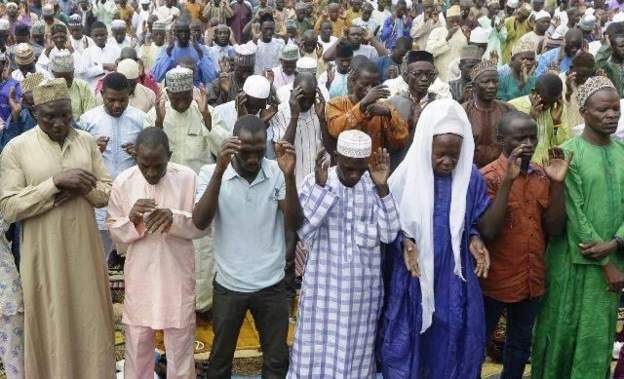
    Some people from Nigeria prayed for their country because they think that the economy is getting worse.

    Muslim traders in Nigeria’s largest textile market, Kantin Kwari, in Kano state, left their shops to pray on the streets because they want God to help the economy.

    One shop owner, Hamisu Sani, said to the media that many people are struggling because they can’t afford to buy enough food.

    “We asked God for help because we don’t know what our leaders are doing to fix the economy. ”

    “A poor person can’t afford a bag of rice and sugar anymore. We need God’s help,” he said.

    In the last few years, the cost of food has been going up in Nigeria.

    The government’s decision to remove subsidies on petrol made the situation even worse.

  • Your salary can only be safe when the economy is stable  – Mahama tells public

    Your salary can only be safe when the economy is stable – Mahama tells public

    Flagbearer of the National Democratic Congress (NDC), John Mahama, has stated that the economic downturn is a significant factor contributing to the constant calls for improved remuneration.

    During the ‘Building Ghana Tour,’ where he engaged with organized labor, various unions have advocated for increased market premiums in the event of the NDC’s success in the 2024 election.

    Some unions have even resorted to strikes to underscore their demands.

    The former president anticipates that these demands will persist until there is an improvement in the overall economic conditions.

    “They can giver you whatever market premium, they can give you whatever money but if the economic deterioration does not stop, you will continue to demand more allowances and more money. Not because you are not being paid more but your money is being eroded by inflation,” he said.

    According to Mr Mahama, the “NDC has the men and the women to sort out this economic mess.”

    Mr Mahama emphasized that if elected as President, the NDC would proactively engage with labor unions and stakeholders to chart a path towards economic recovery.

    Meanwhile, he urged the electorate not to be swayed by gifts aimed at influencing them in the upcoming elections, advising them to vote against such politicians. The former President encouraged voters to consider the prevailing economic challenges in the country and use that as a guide to vote out the current government.

  • Ghana’s economic recovery hangs in the balance as cedi faces further depreciation – Financial Expert

    Ghana’s economic recovery hangs in the balance as cedi faces further depreciation – Financial Expert

    The ongoing struggle of the cedi to sustain its value over the long term is prompting concerns about the economy’s prospects for enduring transformation, according to financial expert Adjei Boateng.

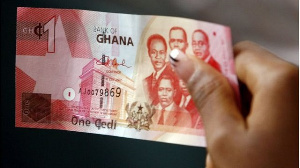
    Mr. Boateng, a chartered financial analyst (CFA), underscored the significant devaluation of the cedi, which has lost 91.6 percent of its value since the 2007 redenomination of the currency. This devaluation is primarily attributed to inflation, fueled by excessive money supply and exchange rate volatility.

    He highlighted that the domestic broad money supply has experienced an alarming average annual increase of 29.4 percent for over two decades. This contrasts sharply with the less than four percent average growth observed in advanced economies and the less than 10 percent average in stable developing countries.

    Addressing the audience at the 2nd Annual Forecast Dinner and Recognition Ceremony by CFA Society, Ghana in Accra, he remarked:“In the last 23 years, the cedi has not appreciated once; it is almost as inevitable as the laws of physics that the currency will depreciate.”

    He added that holding cash without saving or investing over this period would render a certain amount of cedi practically worthless today.

    Illustrating the impact of these factors on the local unit, he analyzed hypothetical pension contributions primarily invested in Treasury bills. While nominal returns over 10 years, starting in January 1994, would reach a seemingly impressive 1,451 percent, adjusting for inflation – which averaged 29 percent during the period – paints a different picture, a meager 3.2 percent real appreciation.

    This pattern persists over longer periods, highlighting the illusion of high nominal returns.

    According to his analysis, while nominal returns would reach 7,036.5 percent and 44,411.1 percent over 20 and 30 years, respectively, the real returns would have been a negligible 48.3 percent and 65.3 percent.

    “We would pat ourselves on the back for the nominal returns to investors; but really, the needle has barely moved in real value terms,” he added, urging diversification of investment vehicles.

    Similarly, Nana Wiafe Boamah, President of the CFA Society, Ghana, expressed concern over the diminishing investor confidence resulting from recent challenges within the ecosystem in a candid address. He emphasized the adverse impact on the investment industry.

    Despite the setbacks, he highlighted the prospect of recovery and cited examples from other nations that successfully rebounded from similar crises.

    Drawing parallels with the United States’ historical financial challenges, such as the S&L and housing crisis, as well as more recent scandals involving Bernard Madoff and Alan Stanford, Mr. Boamah expressed confidence in the resilience of the local finance and investment sectors.

    He underscored that Ghana, too, can “build back better” through a concerted effort from all stakeholders.

    “We can restore the broken wall of trust within our industry if we will all, our regulators included, commit ourselves to excellence, professionalism and integrity in our dealings. In today’s rapidly evolving economic landscape, the need for astute finance professionals has never been more pronounced. The challenges we face require collective sharing of ideas, knowledge and a commitment to staying ahead of the curve,” he remarked.

    Despite the cedi’s relative stability since mid-2023 following its plunge in 2022, concerns persist. While the recent approval of the International Monetary Fund (IMF) loan program and debt restructuring offer temporary relief, the renewed depreciation against major currencies last week, driven by a stronger US dollar, underscores underlying vulnerabilities.

    During the previous week, the cedi weakened against major currencies as a surging US dollar outpaced the central bank’s efforts to support it. The dollar’s strength originated from robust US economic data, sparking speculation that the Federal Reserve would refrain from cutting interest rates in the foreseeable future.

    This led to the greenback rallying against various currencies, including the cedi. Even a US$11.6 million intervention by the Bank of Ghana in the spot market provided little restraint, resulting in the cedi losing 1.60 percent against the dollar to close the week at a mid-rate of GH¢12.53 per dollar on the retail market. The local currency also depreciated against the euro and pound, losing 1.12 percent and 1.11 percent, respectively, on the retail market.

    Nevertheless, analysts at Databank express near-term optimism despite these challenges.

    “Despite the prevalence of corporate demand, we expect FX market sentiment to improve as the deal’s inflow should help increase supply-side intervention and cushion the cedi in the near term,” Databank added in its forecast following last week’s development with the Bretton Woods institutions.

  • January 2024 inflation to hit to 22.4% – Report

    January 2024 inflation to hit to 22.4% – Report

    In its latest report, IC Research predicts a decline in inflation to 22.4% in January 2024 from the December 2023 figure of 23.4%.

    The research firm attributes this anticipated decrease to improved foreign exchange outcomes in late December 2023 and early January 2024, which are expected to mitigate upward price pressures.

    “Our forecast shows a modest decline in the annual inflation rate to 22.4% y/y in January 2024 as the improved FX outturn in late December 2023 into early January 2024 sustains the lid on price pressures”.

    The report notes that domestic energy prices exhibited stability with a downward bias during the January 2024 Consumer Price Index window compared to the same period in 2023.

    Additionally, IC Research expects the lagged impact of the recently implemented lower electricity tariff to contribute to the disinflation trend in January 2024.

    However, the report cautions that the introduction of Value Added Tax (VAT) on residential electricity usage above the lifeline threshold (>30kWh) from January 1, 2024, coupled with new taxes outlined in the 2024 budget, may weaken the pace of disinflation in early 2024.

    This, in turn, could make the Bank of Ghana exercise caution in deciding when to initiate cuts in the policy rate.

    The report highlights a significant drop in headline inflation to 23.2% in December 2023, marking a 320 basis points decrease.

    This outcome surpassed market expectations and the 25.4% outer band of the lower limit specified in the International Monetary Fund (IMF) program target.

    The report acknowledges that the end-2023 annual inflation rate significantly outperformed projections, experiencing a cumulative decline of 30.9 percentage points within a 12-month cycle, following its peak at 54.1% in December 2022.

  • Ghana’s share of the African economy has dropped from 4.54% to 2.35% – Report

    Ghana’s share of the African economy has dropped from 4.54% to 2.35% – Report

    Vice President of think-thank IMANI Centre for Policy and Education, Bright Simons, has highlighted a drop in Ghana’s share of the African economy.

    He noted that as 1960, Ghana’s share of the African economy was about 4.54% but by 2023, the figure has dropped to 2.35%.

    “Something seems to have happened in 1960 – call it the “1960 cliff” – Ghana seemed to have lost some edge thereafter. Recovery in 90s not enough,” he opined.

    According to him, Ghana’s longest & highest growth hike was from 2004 to 2013, when Eurobonds and oil were discovered during the same period, but, “once again, I think there is something we are missing.”

    In response, Economist, Cadman Atta Mills noted that he fail to grasp what is perplexing about the decline in Ghana’s share of the African economy.

    “First, Ghana’s growth rate diminished spectacularly in the 1970s. Also, even during 1960 – 1965 the most populous and biggest economies (Egypt, Nigeria, South Africa, etc.) grew faster. Thus, drop in Ghana’s share (1960 – 2023) is logical,” he explained.

    Bright Simons replied saying, “The 1970s collapse is very well known. However, for the 60s, the conventional thinking usually is that the dip happened in 1964 & then recovered in 67. Only by comparative analysis can one make the claim that there was a secular decline in competitiveness from 1960 onwards.”

    “Worst growth lull was between 1971 and 1984. Lowest troughs in that period: 1975 (worst ever) -12.43%, 1976 -3.53%; and 1981 to 1983 (when the avg GDP growth rates was roughly -5% per year). You might note that the 70s collapse occurred around the same time as the Arab oil shocks,” Mr Simons added.

  • Ghana’s economy has turned the corner, we are positioned for sustainable growth – John Kumah

    Ghana’s economy has turned the corner, we are positioned for sustainable growth – John Kumah

    Deputy Finance Minister Dr. John Kumah has asserted that Ghana’s economy has successfully overcome recent challenges, positioning itself for sustainable growth to benefit its citizens.

    In a Facebook post dated January 19, Dr. Kumah highlighted the unanimous approval of Ghana’s request for debt treatment under the G-20 Common Framework.

    He believes this approval forms the foundation for his positive outlook on the nation’s economic trajectory. Expressing gratitude, Dr. Kumah commended the people of Ghana for their unwavering support of the government’s measures and policies.

    He specifically acknowledged their role in mitigating the adverse impacts brought about by the COVID-19 outbreak and the Russia-Ukraine war.

    With optimism, the Member of Parliament for Ejisu anticipates a brighter future for the country. He emphasized that the approved debt treatment sets the stage for sustained economic progress, ultimately benefiting the citizens of Ghana.

    “An essential prerequisite for the IMF Programme was a confirmation that Ghana’s public debt was on a sustainable trajectory. Subsequently, Ghana embarked on the restructuring of both domestic and external debt. The Domestic Debt Exchange Programme (DDEP) launched on 5th December 2022 has successfully been completed with over 90 percent participation. The OCC’s approval of bilateral debt treatment is expected to provide the impetus for the ongoing commercial debt (Eurobonds) negotiations,” a portion of his Facebook post said.

    Dr Kumah added that “the past week was marked by a significant development in the public debt trajectory following the unanimous approval of Ghana’s request for debt treatment under the G-20 Common Framework for Debt Treatment Beyond the Debt Service Suspension Initiative (CF-DSSI).”

    “The government has been combining both fiscal prudence and debt restructuring measures to contain growth in public debt with the view of bringing the debt levels to moderate debt level from high risk of debt distress. The Official Creditor Committee (OCC) decision to support the grand efforts of government is commendable, refreshing and worth celebrating. We, however, do so with caution given that more work needs to be done going forward.”

    The Managing Director of the International Monetary Fund (IMF), Kristalina Georgieva, has stated that Ghana’s economic policies under its programme are beginning to yield the desired outcomes.

    She emphasised that the policy and reform commitments outlined in Ghana’s deal with the Bretton Woods Institution are in the best interest of the Ghanaian people.

    In a post on X (formerly Twitter) on Tuesday, January 16, she expressed the satisfaction of the IMF board with the assurances received from Ghana’s external creditors.

    “Wonderful to see President Nana Addo Dankwa Akufo-Addo and Ghana’s Finance Minister, Ken Ofori-Atta at #WEF24. The policy and reform commitments under Ghana’s economic program are starting to bear fruit,” she posted.

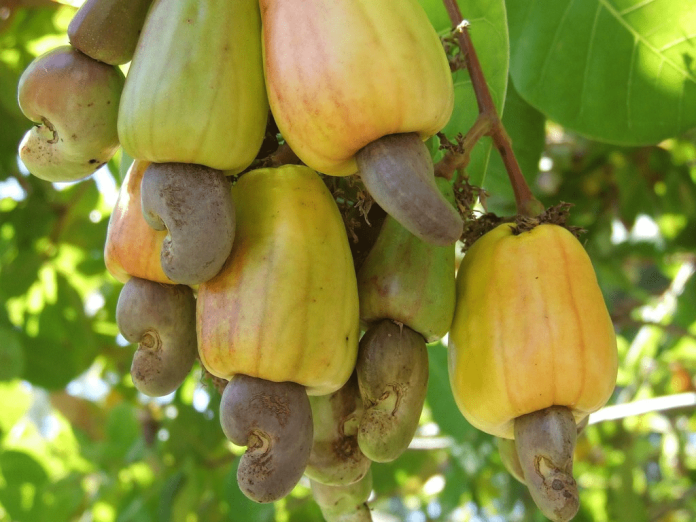
  • Cashew quality deterioration leads to decrease in market prices 

    Cashew quality deterioration leads to decrease in market prices 

    In a significant development, the international market has devalued the quality of Ghanaian cashew, resulting in a consequential reduction in the commodity’s prices both domestically and globally. 

    This shift in market dynamics poses challenges for stakeholders in the cashew industry, raising concerns about the economic impact on producers and the overall trade outlook. 

    The Chief Executive Officer of the Tree Crop Development Authority (TCDA), William Agyapong Quaittoo, states that this phenomenon has consequently led to the country’s decline from the second position in West Africa in terms of cashew quality to the third position.

    Mr. Quaittoo attributes the downgrade to a decrease in the country’s cashew price per tonne, plummeting from US$1,080 to US$880.

    Ideally, nuts of premium quality should exhibit a firm and crunchy texture, avoiding any undesirable softness or mushiness. This is crucial as the texture of the nut plays a significant role in shaping the overall eating experience.

    Nevertheless, this is the prevailing scenario in the local cashew market. A majority of nuts available are reported to be excessively soft, indicating suboptimal storage conditions, potentially resulting in a loss of flavor and nutritional value.

    Remedy and mitigation strategies

    As part of processes to retrieve quality cashew production and encourage farmers to pursue best practices, government through the TCDA, as a short-term strategy, has set a GH¢7 price per kilo for all cashew purchases across the country.

    The price, which is for the 2024 crop season, is a downward review from the GH¢8.5 per kilogramme at which the commodity was sold in the previous year.

    Mr. Quaittoo made the announcement at a meeting with cashew farmers and buyers in Bono East Region about the price drop, and said the downward review of price is part of plans to create a market for farmers and producers despite current challenges.

    “Per calculations using the current formula, a kilo this year is supposed to be sold at GH¢6.76; but government has decided to round the figure up to GH¢7,” he disclosed.

    Other factors for the price drop

    The Ghanaian currency’s value, according to the TCDA CEO, also played a significant role in the downward review of price.

    However, the Authority maintains there are indications that the price could see an upward adjustment within the first quarter of this year – but only if the quality of cashew improves.

    Meanwhile, the TCDA is finalising processes to train farmers and other stakeholders, as well as regulating traders in the cashew industry to improve quality.

    Ghana is among the top exporters of cashew in West Africa, with about 350, 000 metric tonnes of Raw Cashew Nut (RCN) expected to be exported in 2024.

    Last year, the TCDA confirmed that the World Bank has granted a US$100million facility to boost production and improve the value chains of cashew, coconut and rubber.

    The facility is a partnership with the government under a six-year funding initiative known as the Tree Crop Diversification Project.

  • ‘The economy is broke’ – Mahama backs down from making further promises

    ‘The economy is broke’ – Mahama backs down from making further promises

    Flagbearer of the opposition National Democratic Congress (NDC), John Dramani Mahama, has emphasized a measured approach in making promises ahead of the 2024 general elections.

    Mahama acknowledged that the existing economic conditions impose constraints on his ability to put forward extravagant commitments.

    These remarks were delivered during his address to NDC supporters in Hohoe, situated in the Volta Region. He was ay Hohoe to climax his two-day tour dubbed “Building the Ghana we want together”.

    “…I am being very measured in the promises that I make because we all know the crisis in which this country has been plunged [into]. We will show you the books and finances of this country, and you will realise the harm that the New Patriotic Party administration has done this country, the economy is broke.”

    Additionally, he announced that, if elected, the next NDC government would institute a policy to provide monthly allowances of GH¢1,000 to all Assembly members.

    Mahama estimated that the implementation of this allowance program would amount to GH¢80 million annually for the nation.

    He added: “The office of the President’s budget alone is more than GH¢2 billion. We are going to reduce the President’s office expenditure to pay the Assembly members.”

  • ICU-Ghana calls on gov’t to provide relief for workers

    ICU-Ghana calls on gov’t to provide relief for workers

    The Industrial and Commercial Workers’ Union (ICU-Ghana) has emphasized the need for renewed commitment from the government and workers to tackle New Year challenges.

    In a New Year message conveyed by the Leadership, Management, and Staff of ICU-Ghana, the union underscored its conviction that an enhanced economy will bring positive implications for the welfare of workers and employers in both public and private sectors.

    In a statement signed by the General Secretary of the Union, Morgan Ayawine, Ghanaians are encouraged to actively contribute to peaceful elections this year, aiming to uphold investor confidence in the economy.

    The ICU message said that the overall goal of workers leaders’ is to continue to collaborate with other social partners to ensure a conducive working environment that will engender increased productivity, which will result in higher profits for organisations and better remuneration for workers.

    It is in this vein that the ICU-Ghana reiterates the need for workers to be guided by the union maxim “the Employer’s Vision, Our Union’s Concern.”

    In upholding the union’s maxim, it is expected that Ghanaian workers will commit to sacrifice and re-dedicate themselves to working assiduously to help employers realise their organisational goals, for the mutual benefit of all.

    The ICU-Ghana, having expressed worry over the years regarding the country’s increasing unemployment situation and the attendant rising poverty levels, will like to call on government to pay serious attention to some strategic State-owned institutions in this new year, 2024, by injecting the needed financial resources into such institutions to revive and sustain them.

    This, the Union believes, is one progressive way to help those whose jobs are on the line in such organisations and also goes a long way towards creating sustainable employment opportunities for the teaming young people.

    ICU-Ghana therefore reiterates its special appeal to social partners, especially Government, to extend the needed support to the following State-Owned Enterprises Aluworks Ghana Limited, Neoplan Ghana Limited, PBC Limited, and Volta Star Textiles Limited, since the potential of the huge economic contributions from these institutions to attainment of the country’s rapid socio-economic goals cannot be overemphasised.

    The union is hopeful that the bailout to the National Investment Bank, upon appeal by the Union (ICU-Ghana), will see magnificent results in this new year 2024 and beyond. This will surely be a testament to the belief of the union that, with dedicated central government support, strategic State-Owned Enterprises, SOEs can play their rightful roles in national development efforts.

    It will also give meaning to the advocacy by labour unions for the necessary conditions to be created for sustainable employment opportunities. For employers whose goal is to bend the rules against workers, thereby jeopardising their future, ICU-Ghana urges such employers to reposition themselves so that the labour terrain can be peaceful and engender higher productivity.

    On election 2024, ICU-Ghana reminds Ghanaians that peaceful environment is critical for accelerated growth, and it is the expectation of the union that all stakeholders will unite and strive at all times to sustain national peace and stability. This is because no amount of increased productivity can take place in an atmosphere of violence.

    The union urges all political actors to conduct their activities devoid of rancour and acrimony, mindful of the fact that working people can only give their best in a peaceful society.

    It added that the gallant workers of Ghana have over the years sacrificed for the national interest, but it behooves other social partners to play their roles responsibly, for the greater good of the country.

  • Ghana to record 3.5% GDP growth rate during ‘recovery phase’ in 2024 – Fitch

    Ghana to record 3.5% GDP growth rate during ‘recovery phase’ in 2024 – Fitch

    Fitch Solutions has adjusted Ghana’s GDP growth rate projection for 2024 to 3.5%, down from the previous estimate of 3.7%.

    While this forecast is an improvement over the anticipated 2.7% growth rate in 2023, it remains below the pre-COVID-19 pandemic average of 5.0%.

    The UK-based firm anticipates a recovery phase in the Ghanaian economy for 2024, primarily propelled by increased private consumption.

    “We expect that the Ghanaian economy will enter a recovery phase in 2024, driven by stronger private consumption”.

    Soaring consumer price inflation over 2022-23 – due to the sharp sell-off of the Ghanaian cedi – weakened purchasing power of households and weighed on domestic consumption. However, we expect that price growth will moderate from an average of 40.3% in 2023 to 17.8% in 2024, driven by statistical base effects and more favourable exchange rate dynamics,” it pointed out.

    Fitch Solutions notes that the Ghanaian government is expected to make progress in restructuring external debt under the G20 Common Framework in the upcoming quarters.

    The forecast includes a more expansionary fiscal stance, injecting additional demand into the economy. However, growth in the final quarter of 2023 is expected to remain subdued.

    The Purchasing Managers’ Index (PMI) for October and November indicates only a slight expansion in the manufacturing sector. Both consumer and business confidence remain subdued, suggesting a notable recovery in domestic demand is unlikely by the end of 2023. National accounts data reveals a sharp deceleration in economic growth to 2.0% year-on-year in Q3 2023.

    The slowdown is attributed to a deeper contraction in the secondary sector, particularly in the oil and gas industry, along with weaker conditions in the services industry.

  • We have finally turned the corner after 3 years – Akufo-Addo

    We have finally turned the corner after 3 years – Akufo-Addo

    President Akufo-Addo has expressed confidence that Ghana has turned the corner in its economic situation.

    Currently under a three-year IMF program injecting $3 billion into the economy, Ghana faced economic challenges with its public debt reaching 92.4% of GDP in 2022.

    The government attributed the economic downturn to the Covid-19 pandemic and the Russia-Ukraine war.

    In his Christmas Day message, the President acknowledged the challenges but stated that the situation is improving, expressing hope that with sustained hard work, the country will overcome the difficulties.

    “Fellow Ghanaians, I’m particularly glad that our nation has turned the corner following three difficult years we, and indeed the world, have faced. Inflation is being reined in, we’re experiencing a relatively stable exchange rate and growth and our economy is rebounding.”

    “We continue to attract investments, domestic and foreign, reinforcing our position as the gateway to Africa and will remain a beacon of democracy, peace and stability in Africa.”

    “The country is not yet completely out of the woods, but there is a growing sense of confidence that with hard work and determination, Ghana will make it, and collectively, we will secure our futures,” he said.

    President Akufo-Addo has encouraged Ghanaians to reflect on the fundamental principles of Christianity during the festive season and beyond.

    “The cardinal principles of Christianity, charity, faith, humility, love and reconciliation should guide us in this festive season and beyond,” he said.

  • Reach agreement on debt treatment soon to aid completion of review – IMF tells Ghana

    Reach agreement on debt treatment soon to aid completion of review – IMF tells Ghana


    The International Monetary Fund (IMF) has conveyed optimism regarding the ongoing negotiations between the Ghanaian government and the Official Creditor Committee.

    The successful resolution of these discussions is seen as a crucial step toward convening the Board of the Fund to review Ghana’s program.

    Once an agreement is reached, it would pave the way for unlocking the $600 million bailout package, which constitutes the second tranche of the $3 billion Extended Credit Facility.

    “Discussions between the Ghanaian authorities and the Official Creditor Committee are ongoing, and we certainly hope that an agreement can be reached soon so that we can rapidly bring the programme to the Board, said at a press conference.

    “To ensure timely completion of the review, official creditors and the Ghanaian authorities will need to reach agreement on a debt treatment, consistent with the objectives of the programme, and in line with the financing assurances that creditors provided in May of 2023”, she added.

    She also stated that the government’s robust policy and reform commitments, as outlined in the three-year, $3 billion program with the IMF are beginning to yield positive results.

    “On Ghana, the authorities’ strong policy and reform commitments under the three-year, $3 billion program with the IMF is starting to bear fruit. There are signs of economic stabilization. Growth in 2023 has proven more resilient than initially envisaged, inflation has come down, and the fiscal and external positions have improved”.

    “Moreover, exchange rate volatility has declined. On October 6, 2023, our IMF team reached a staff-level agreement on the first review under the program, and once this review was completed by the Board, Ghana would have access to $600 million in financing”, she alluded.

    “To ensure timely completion of the review, official creditors and the Ghanaian authorities will need to reach agreement on a debt treatment, consistent with the objectives of the programme, and in line with the financing assurances that creditors provided in May of 2023”, she added.

    In December 2022, Ghana sought assistance from the IMF to address economic challenges, particularly related to public finances and debt management.

  • Bank of Ghana Governor optimistic about Ghana’s external payment position

    Bank of Ghana Governor optimistic about Ghana’s external payment position

    Bank of Ghana Governor, Dr. Ernest Addison, expresses optimism regarding the improvement of Ghana’s external payment position.

    He attributes this positive outlook to the ongoing implementation of the IMF-supported program and initiatives such as the Gold for Reserves program.

    Dr. Addison emphasizes that the early completion and favorable settlement terms with bilateral creditors and commercial bondholders will enhance confidence and stimulate resource flows in the domestic economy.

    Speaking at the 115th MPC press briefing in Accra, Dr Addison added that, “The strong build up in reserves have provided cushion against external vulnerabilities, including the delay in the cocoa syndicated loan.”

    “Reserve build-up will even be stronger by the end of the year on receipt of the cocoa loan and disbursement of the IMF second tranche,” he added.

    However, Dr. Addison stated that in order to firmly set the economy on the path of disinflation and economic growth, ongoing fiscal consolidation will be required.

    In the meantime, the BoG has maintained the policy rate at 30% for the second time in a row, citing easing core inflation measures.

  • Our economy is improving and we are about to turn the corner – Akufo-Addo

    Our economy is improving and we are about to turn the corner – Akufo-Addo


    President Nana Addo Dankwa Akufo-Addo has affirmed that Ghana’s economy is on the path to recovery, signaling a turnaround for growth and development.

    These remarks were made during his address at the Valedictory Service for the outgoing Moderator of the Presbyterian Church of Ghana on Sunday.

    “I want to assure you that the Akufo-Addo government is working hard to return the economy to a high rate of growth and characterize the management of the economy in the years preceding the COVID outbreak in 2020, which made the economy one of the fastest-growing in the world at the time.

    “We can only do so if we forge ahead in unity and faith and have the belief that by the grace of Almighty God, the fortunes of Ghana under the presidency of Nana Akufo-Addo will be restored. I know times have been bad, but it is clear that our economy is rebounding back, and we are turning back the corner to growth and development,” he said.

    He added “To get here, we had to take some difficult and hard decisions. The policies and programs we are implementing are meant to address the challenges, and it is evident that they are doing so.

    “Nevertheless, I will continue to need your understanding and active cooperation. We can make it if all of us work at it.”

    Finance Minister Ken Ofori-Atta has expressed the government’s commitment to uphold discipline for the sake of economic stability.

    He noted that the government has navigated through economic challenges and successfully concluded the first review of the 3-year, 3 billion International Monetary Fund External Credit Facility (IMF-ECF) program.

    He further assured that the government is poised to “maintain stability and keep growing.  and ensure increased growth, currency stability”

    “We turned the corner when inflation started declining from 54 1 in December to 35.2 in October 2023, he added.

    “The recovery is indeed real and is here to stay,” he further assured.

    Mr. Ofori-Atta went on to say that the ongoing economic recovery is primarily due to the swift implementation of aggressive fiscal and monetary policy measures during the past year and in the first half of 2023.

    “So far, growth in 2023 has been more resilient than expected, inflation has declined in line with the fundamentals, the fiscal and external balances have improved, and the exchange rate has stabilised,” he said.

  • There is no time limit for Ghana’s economy – Nana Akomea to Mahama

    There is no time limit for Ghana’s economy – Nana Akomea to Mahama

    A member of the communications team of the governing New Patriotic Party (NPP), Nana Akomea, has noted that Ghana’s economy has no time limit.

    During an appearance on JoyNews’ Newsfile on Saturday, November 25, in response to former President Mahama’s idea of a 24-hour economy, Nana Akomea stated that there is no legal or social barrier preventing any business from operating for 24 hours.

    He added that it depends on the presence of opportunity or demand rather than any inherent restrictions.

    “As we speak, our economy has no time limit. Businesses operate up to 6 pm, some operate up to 10 pm, some operate up to 6 am depending on the opportunities that are available,” he said.

    Nana Akomea’s comments came in response to former President John Mahama’s promise to establish a 24-hour economy as a central part of his campaign for the 2024 presidential election.

    While Mahama argued that such a policy would boost economic growth and create jobs, there have been mixed reactions to the proposal.

    Dr. Mahamudu Bawumia, the NPP flagbearer, downplayed the idea, and Nana Akomea suggested that a 24-hour economy already exists, emphasizing the need to enhance public services and improve street lighting for businesses to operate more efficiently around the clock.

  • President of Malawi forbids himself from travelling abroad over bad economy

    President of Malawi forbids himself from travelling abroad over bad economy

    Malawi’s President Lazarus Chakwera has stopped all government officials and himself from traveling outside the country to save money.

    Malawi’s money lost a lot of value, so they borrowed money from the IMF to help their economy.

    Mr Chakwera has told all ministers who are in other countries to come back home.

    Senior government officials will now receive half the amount of money for fuel that they used to get.

    Malawi’s economy has been going through tough times, with not enough petrol and diesel, and prices for things going up a lot.

    On TV, Mr. Chakwera said the rules will stay until March 2024.

    Some steps to save money were introduced during the Covid-19 pandemic, but they didn’t have much impact because they weren’t strictly enforced.

    To help with the high cost of living, the president wants the finance minister to plan for a fair pay raise for all government workers in the next budget review.

    He has decided to reduce the amount of income tax that people have to pay in the next budget. This will help workers who are earning less money.

    Experts believe that lowering the value of the country’s money may have been necessary to get a loan from the IMF.

    Some people are worried that if the currency loses value, prices will go up and make the financial situation in Malawi even worse than it was ten years ago.

    Officials say that the bad economy is because of things outside of the country, like a really bad storm and the war in Ukraine.

  • John Awuni criticizes high taxes, inflation’s impact on Ghana’s economy

    John Awuni criticizes high taxes, inflation’s impact on Ghana’s economy

    Executive Chairman of the Food and Beverage Association of Ghana, John Awuni, expresses concern over high taxes and inflation’s impact on cost of living”

    “In a press release addressing the escalating concerns, John Awuni, the Executive Chairman of the Food and Beverage Association of Ghana, criticized the high taxes levied on goods and services within the country.

    With the current inflation rate reaching 38.1% for September, the cost of living has become increasingly burdensome for the majority of Ghanaians.

    Awuni emphasized that imposing excessive taxes on the citizens is not the solution to the current economic challenges.

    He argued that if higher taxation were the key to Ghana’s economic development, the nation would have achieved progress with lower living costs and other benefits for its citizens.

    “If higher taxes were the key to our economic development, Ghana would have been really developed with citizens enjoying a lower cost of living among others,” Executive Chairman of the Food and Beverage Association of Ghana, John Awuni stated.

    In 2020, the local economy faced a severe downturn following the outbreak of the coronavirus pandemic, which left it in a precarious state. The situation persisted for some time, and it was further exacerbated by the Russia-Ukraine war.

    To address high inflation and stabilize the economy, the government decided on July 1, 2022, to seek a $3 billion financial bailout program from the International Monetary Fund (IMF).

    Subsequently, an IMF team arrived in the country between July 6 and July 13, 2022, to engage with Ghanaian authorities regarding potential economic support.

    A staff-level agreement between the Government of Ghana and the IMF was reached in December 2022. On May 17, 2023, the IMF’s executive board approved Ghana’s $3 billion loan facility.

    The first installment of $600 million was received by the Bank of Ghana (BoG) on Friday, May 19, 2023.

    The government has stated that the IMF program is designed to restore macroeconomic stability and ensure debt sustainability, among other objectives.

  • 1.2% growth rate was based on older data, not recent positive economic performance – IMF on Ghana’s economic growth

    1.2% growth rate was based on older data, not recent positive economic performance – IMF on Ghana’s economic growth

    The IMF’s Resident Representative in Ghana, Dr. Leandro Medina, has clarified that Ghana’s economic growth projection for 2023 has not been reduced to 1.2%, contrary to previous reports.

    Dr. Medina explained that the 1.2% figure relied on older data and did not consider recent positive economic performance, where the country has achieved an average growth rate of 3.2% in the first two quarters of the year.

    He further pointed out that based on the findings of the IMF’s first ECF review mission, the growth projection for 2023 is anticipated to be revised upwards from the previous assumption of 1.5%.

    “The latest IMF World Economic Outlook projection (1.2 percent growth for 2023) is based on an old vintage of Fund staff projections. In particular, it does not take into account the recent data releases that showed a higher growth rate than expected at the beginning of the program (averaging 3.2 percent for the first two quarters).

    “At the current juncture, and based on the findings of the first ECF review mission that just ended last week, the IMF staff assessment is that the growth projection for 2023 will be revised up from the 1.5 percent previously assumed,” he said.

    During an interview with Bernard Avle on CitiTV’s Point of View on October 9, Stéphane Roudet, the IMF’s Mission Chief to Ghana, praised Ghana’s strong economic recovery.

    Initially, the IMF had projected Ghana’s economy to achieve a growth rate of 1.5% by the end of 2023. However, data from the first half of the year suggests that the country’s economy is expanding at a significantly higher rate, approximately 3%.

    Roudet noted that this substantial outperformance is encouraging and is likely to facilitate the smooth disbursement of the second tranche of the $3 billion credit facility from the IMF to Ghana.

    “Ghana’s economic activities, I have to say, have surprised us on the outside. You will remember that in the programme, we were projecting economic growth of 1.5 percent for this year, and now we have the outcome for the first half of the year, and we are about 3 percent, so you can see that there are signs that are encouraging,” he said.

  • Ghana’s economic activities have surprised us on the outside – IMF

    Ghana’s economic activities have surprised us on the outside – IMF

    The International Monetary Fund’s (IMF) Mission Chief for Ghana, Stéphane Roudet, has commended Ghana’s economic growth.

    During an interview on Citi TV’s “The Point of View,” Mr. Roudet expressed that Ghana’s rapid economic recovery is both remarkable and heartening, as the country has exceeded the IMF’s projections for the year 2023.

    He noted that the IMF’s initial projection for Ghana’s economic growth in 2023 was 1.5 percent. However, the first-half report indicates that the country’s economy is expanding at a 3 percent rate, a development he finds highly encouraging. This positive trend is expected to facilitate the smooth release of the second tranche of the $3 billion credit facility from the IMF.

    “Ghana’s economic activities, I have to say, have surprised us on the outside. You will remember that in the programme, we were projecting economic growth of 1.5 percent for this year, and now we have the outcome for the first half of the year, and we are about 3 percent and so you can see that there are signs that are encouraging.”

    “We were assessing that growth will be above 1.5 percent for this year and what we are seeing now is above that, so we will have to revise our growth projection in the context of this review and this is very good news because it means that in spite of the challenges that the Ghanaian economy has faced; the high inflation, the loss of market access for the government, in spite of that, the economy is resilient and growth is still around 3 percent and that very good news.“

    The Ghanaian economy has attained much-needed stability as major economic indices such as inflation and the exchange rate continue to fall, restoring investor confidence, Minister for Finance, Ken Ofori-Atta, has said.

    He said this at a joint press conference with the IMF on attaining a Staff Level Agreement (SLA) after the first review of the IMF-Supported Post-Covid-19 Programme for Economic Growth.

    Sounding optimistic about the future of the economy, he among other things enumerated that, the GDP Growth had rebounded strongly averaging 3.2% in first two quarters compared to 3.0% in same period in 2022 mainly on the back of growth in services (avg. 6.3%) and in Agriculture (avg. 6.2%).

    ‘’Latest Price development in August 2023 indicated a fall in headline inflation, after consecutive upward trends since May 2023. Headline inflation dropped to 40.1 percent, from 43.1 percent in July and 42.5 percent in June 2023, respectively,” he revealed.

    ‘’I am pleased to announce that the progress we sought to achieve is very much on course; the stability that the Ghanaian Economy was very much in need of has been achieved. We said we have ‘Turned the Corner’ and the major economic indicators such as inflation and exchange rate continues to drop and stabilise, and there is confidence returning in the economy,’’ Mr. Ofori-Atta added.

  • The economy is recovering – Amin Adam

    The economy is recovering – Amin Adam

    Ghana’s economic growth rate, according to the Minister of State at the Finance Ministry, Dr. Mohammed Amin Adam, signals a swift recovery.

    He substantiated his statement by referencing the growth rates of 3.3% and 3.2% achieved in the first and second quarters of 2023.

    Dr. Adam conveyed these observations during an interview with Bernard Avle on The Point of View, which aired on Citi TV on Wednesday.

    “As far as recovery is concerned, I think that the figures show clearly that we are recovering, and we are recovering so fast. We offloaded the IMF fiscal adjustment into the 2023 budget which was presented in November 2022. So from that point even though we hadn’t gotten the approval of the IMF program which happened in May this year the government had decided through a program that we put in place the Post COVID Programme for Economic Growth (PCPEG) that outlined a number of policy measures that the government wanted to implement.”
    “And this is why in the first quarter, growth for example grew by 3.3%. In the second quarter, it grew by 3.2%. And so half into the year growth rebound has been strong averaging 3.2% against 3% same time last year,” Mr Adam explained.

    Since 2021, Ghana has been battling an economic crisis. Currently, assistance from the International Monetary Fund (IMF) and debt restructuring are intended to help the economy stand on its feet.

    Meanwhile, some financial experts, such as Joe Jackson, have denied claims that the economy has turned around the corner.

  • Fitch projects 3.7% growth for Ghana’s economy in 2024

    Fitch projects 3.7% growth for Ghana’s economy in 2024

    Ghana’s economy is showing signs of recovery, with Fitch Solutions forecasting an acceleration in economic growth to reach 3.7 percent in 2024.

    According to a report by Fitch, this potential increase in the growth rate is expected to alleviate price pressures, thanks to more favorable exchange rate dynamics driven by strengthening consumer activity.

    However, Fitch Solutions has maintained its earlier projection that the Ghanaian economy will expand by 3.0 percent in the 2023 fiscal year.

    This is primarily due to high inflation and fiscal prudence associated with the country’s International Monetary Fund (IMF) program, which has an impact on domestic demand.

    The report suggests that an uptick in the demand for imported goods and services will ultimately lead to stronger economic activity in 2024.

    Nevertheless, the report cautions that this increased economic activity may narrow the country’s trade surplus and potentially hinder overall economic growth.

    In terms of other economic indicators, Fitch Solutions anticipates a moderate outlook, with inflation expected to drop to 18.9 percent in 2024, down from 40.5 percent in 2023.

    This moderate outlook is attributed to various factors, including statistical base effects, prior monetary tightening measures, and more favorable exchange rate dynamics. Fitch Solutions also projects a roughly one percent strengthening of the exchange rate in 2024.

    On the other hand, the World Bank’s projection suggests a slowdown in economic growth to 2.8 percent in 2024. However, it anticipates a return to potential growth by 2025 as the economy continues to recover.

  • Ghana’s first review of $3bn bailout concluded, approved by IMF

    Ghana’s first review of $3bn bailout concluded, approved by IMF

    The International Monetary Fund (IMF) has reached a staff-level agreement with Ghanaian authorities after conducting comprehensive discussions in Accra from September 25 to October 6, 2023.

    The discussions centered on assessing progress in implementing reforms and policy priorities as part of Ghana’s economic program under the Extended Credit Facility.

    This agreement, which is subject to approval by IMF Management and consideration by the Executive Board following the receipt of necessary financing assurances, marks a significant milestone in Ghana’s efforts to stabilize its economy.

    Following the Executive Board’s review, Ghana is poised to access approximately US$600 million, augmenting the total financial support provided by the IMF to around US$1.2 billion since May 2023.

    In the face of a severe economic and financial crisis, Ghanaian authorities have undertaken critical macroeconomic adjustments, successfully concluded a domestic debt restructuring operation, and initiated extensive reforms. These efforts have yielded positive results, including stronger-than-expected economic growth, reduced inflation, improved fiscal and external positions, and stabilization of exchange rates in 2023.

    In line with commitments under the Fund-supported program, Ghana has demonstrated robust fiscal performance, working towards a significant reduction in the fiscal primary deficit by approximately 4 percentage points of GDP in 2023. Fiscal spending has adhered to program limits, with a focus on expanding social protection programs to support the most vulnerable segments of the population. Ghana has also met its non-oil revenue mobilization target.

    To sustain these achievements, the next critical step involves securing an agreement with official creditors on debt treatment terms consistent with the IMF Executive Board-approved program parameters and debt targets. The IMF calls on official creditors to expedite this process, aligning it with the financing assurances provided in May 2023.

    Throughout the discussions, meetings were held with key figures, including Vice President Bawumia, Finance Minister Ofori-Atta, and Bank of Ghana Governor Addison, along with their respective teams. The IMF team also engaged with various government agencies and stakeholders, expressing gratitude for their cooperative and transparent collaboration.

  • IMF hopeful of disbursing second tranche of $3bn deal by November

    IMF hopeful of disbursing second tranche of $3bn deal by November

    The Managing Director of the International Monetary Fund (IMF), Kristalina Georgieva, has expressed her strong anticipation of the upcoming disbursement of a $600 million second tranche of IMF funds, scheduled for November.

    She emphasized the importance of this disbursement in instilling confidence in Ghana’s economic stability.

    Georgieva acknowledged a favorable outlook for Ghana’s economy, noting significant improvements in the country’s economic performance over the past month.

    “Ghana is doing actually quite well. You have seen that their position has improved over the last month, and the economy is in a much better place. I would very much hope that we can have the disbursement,” she said referring to a $600 million tranche of IMF money.

    Ghana recently secured a $3 billion IMF support package and is currently undergoing its first program review, with the conclusion of the review expected in November.

    During an interview, Georgieva also touched upon the advancements achieved by Zambia and Ghana, both of which experienced debt defaults but are currently making notable progress under their respective IMF programs.

    Furthermore, she offered guidance to Tunisia, suggesting that although immediate restructuring may not be imperative, the country should swiftly implement measures to strengthen its economy.

  • Govt to employ “warlike” strategies to address economic challenges effectively – Prof Bokpin

    Finance Professor at the University of Ghana, Professor Godfred A. Bokpin, has suggested that government should consider employing a strategy similar to what is done during wartime to tackle the economic difficulties currently affecting the nation.

    He emphasized that issues such as corruption, low tax revenues, public spending, and other economic obstacles need to be tackled deliberately.

    Professor Bokpin made these remarks during a roundtable dialogue organized by Caritas Ghana in Accra, which focused on examining the impact of Economic Recovery Programs on social protection in Ghana.

    The purpose of the dialogue was to highlight best practices, identify deficiencies and challenges, and propose recommendations and collaborative actions to ensure that Economic Recovery Programs in Ghana align with social protection objectives.

    The event brought together participants from academia, civil society groups, faith-based organizations, and policymakers.

    Professor Bokpin also highlighted the success of developed countries like Malaysia and South Korea, attributing their achievements to their aggressive efforts in combating corruption, intentionality, and consistency in addressing economic issues.

    ‘‘If we were efficient and prudent, less corrupt in utilising the tax revenues, the development outcome should be higher and better than what we have right now, and the reason we are in this sitaution cannot and should not simply be because we have nort taxed ourselves enough,’’ he stated.

    Professor Bokpin pointed out that Ghana’s Value Added Tax (VAT) is one of the highest in Africa, standing at approximately 21.9 percent, which he considered excessive. He mentioned that having such a system makes it challenging for the population to save and make proper investments to capitalize on the limited economic opportunities available.

    Reverend Sister Professor Eugenia Amporfu, an economist and professor at Kwame Nkrumah University of Science and Technology, urged the government to adopt a strategic approach to revenue collection.

    She attributed the high unemployment rate to the country’s inability to expand its industrial sector to accommodate the growing youth population.

    Professor Amporfu also called on Faith-Based Organizations and civil society groups to take the lead in promoting quality leadership and governance while demanding accountability from the government.

    Father Clement Kwasi Adjei, Secretary General of the National Catholic Secretariat, emphasized the importance of ensuring that the benefits of economic recovery are distributed equitably, reaching the most vulnerable segments of society.

    He stressed the critical role of social protection in ensuring that the needy, especially the poor and marginalized, have access to essential services, resources, and opportunities.

    Fr. Adjei further emphasized the need for stakeholders to engage in substantial discussions and knowledge sharing to generate actionable recommendations.

    These recommendations can guide policymakers and practitioners in designing and implementing comprehensive approaches to social protection that complement recovery programs.

  • UAW strike gets worse, clouding US economy

    The United Auto Workers (UAW) union is extending its strike at major American car companies, entering its third week of protests over pay and benefits.

    Union leader Shawn Fain announced that an additional 7,000 employees at Ford and General Motors factories will join the strike, bringing the total number of striking workers to about 18,000. Notably, this action does not include Stellantis, indicating progress in those negotiations.

    The dispute has cast a shadow over the US economy, drawing attention from both President Joe Biden and former President Donald Trump, who is seeking re-election.

    Both leaders visited the Detroit area this week to address the ongoing labor tensions, which are reflective of broader worker unrest in the country.

    The union’s demands include a substantial 40% pay increase over four years and an end to practices that result in lower pay and reduced benefits for newer employees.

    In response, the companies argue that these demands would impede their long-term investments and have offered a 20% pay raise along with other concessions.

    On the picket lines in Michigan, many workers expressed their readiness for a prolonged battle.

    “People are fed up. We want there to be a middle class,” said Emily Yettaw, who has worked at GM for 17 years. “They’re making billions in profit and we deserve better.”
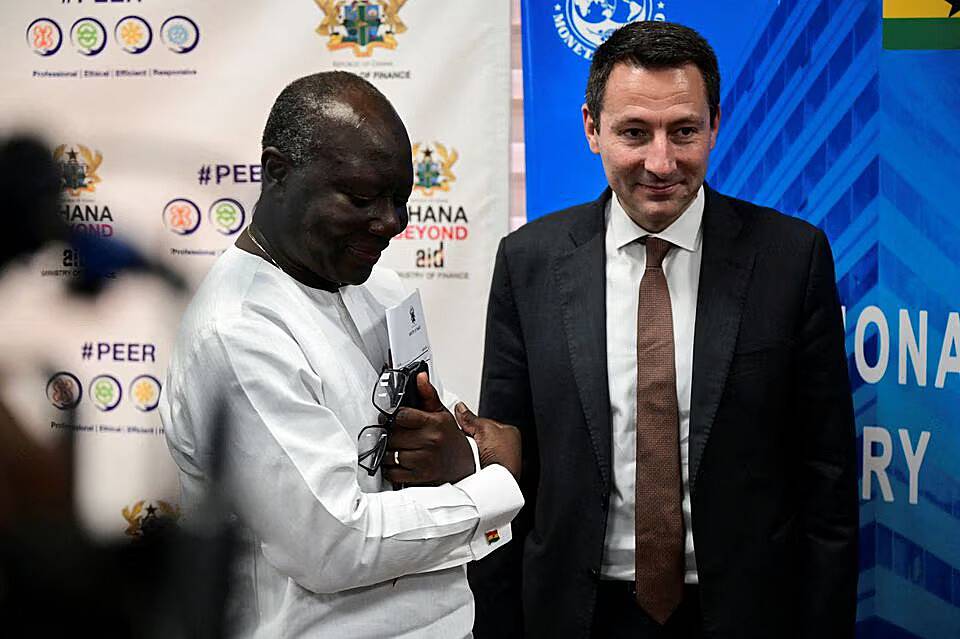
    UAW
    Image caption,Emily Yettaw, right, is among the GM workers on strike in Ypsilanti Michigan

    The union, which represents 146,000 workers at the three companies, has been slowly ratcheting up pressure on the car makers to strike a deal since labour contracts expired on 14 September.

    The latest action expands the work stoppages to a Ford factory in Chicago that makes Explorers, and a GM factory in Michigan which makes large crossover SUVs such as the Chevrolet Traverse and Buick Enclave.

    The union’s prior targets included 38 facilities that distribute parts to dealers and three factories – one at each company.

    In a message to employees, General Motors said “calling more strikes is just for the headlines, not real progress”.

    The company said it had not received a “comprehensive” reply since it put forward a proposal on 21 September. It said that offer provided workers with “historic wage increases and job security while not jeopardizing our future”.
    “We continue to stand ready and willing to negotiate in good faith to reach an agreement that benefits you and doesn’t let the non-union manufacturers win,” said Gerald Johnson, executive vice president for global manufacturing.

    The economic impact of the action remains limited, but is building. In just its first week, the stand-off had led to an estimated $1.6bn (£1.3bn) in economic losses, including more than $100m (£81m) in lost wages – a cost that is weighing on local economies.

    Jennifer Romero owns the Karma Coffee & Kitchen in Wayne, Michigan. Her shop, with a flier in the window supporting the strike, is located just down the road from a closed Ford factory. Jennifer says sales have been noticeably slow at her store.

    Business has slowed
    Image caption,Jennifer and David Romero said they supported the workers but could see the economic hit from the strike

    “Our neighbourhood is mostly blue collar workers,” she said. “If they’re not working, they’re not spending money and if they’re not spending money, we’re not making money.”

    For the car companies, which are facing heavy investment costs and intense competition as the industry ramps up production of electric cars, the timing of the dispute “could not be worse”, said Wall Street analyst Dan Ives of Wedbush Securities.

    “This UAW debacle strike trajectory is like watching a slow moving car crash take place on black ice,” he wrote in a note on Friday.

    “This is a defining period for Detroit and the future of the auto industry as we firmly believe that if GM, Ford, Stellantis accept anything close to the deal on the table the future will be very bleak for the US auto industry.”

    For now, workers on the picket line in the Detroit area this week said they remained committed to the fight, despite the loss of income for many that will come from receiving just $500 (£410) in strike pay a week.

    “It’s ramen noodles and mac and cheese time,” GM workers in Ypsilanti joked. “No more Red Lobster.”

    “I don’t think anybody is scared to be out here,” added Kemi Hooker, 53, who has worked for GM for 24 years. “We’ll do what it takes”.

  • Video: Ghana’s economy sinking like The Titanic

    Over the past two years, the government of Ghana has grappled with salvaging its economy from a crisis characterized by the worsening of the local currency against foreign counterparts such as the dollar and pound.

    The weakening of the cedi has exacerbated the country’s inflation, interest rate, price of fuel products, among others.

    This article analyses a visual representation on the current state of Ghana’s economy. The video shows the Ghana map, all cracked up and being dragged down by the dollar, pound and euro (serving as the anchor), sinking close to what looks like The Titanic ship.

    Individuals try to save their lives by staying on the ship while others hold on to a rope. Others seek safety from an aeroplane. Unfortunately, some fall and drown.

    A character that looks like President Akufo-Addo stands at the very top of the Ghana map with two others to receive assistance from the International Monetary Fund (IMF).

    An animated Dr Kwame Nkrumah, Ghana’s first President, looks at the situation with so much pain from above. He is disheartened by the current conditions.

    Below is the video in question:

  • Alan Kyerematen faults Ofori-Atta for Ghana’s economic woes

    Former Minister of Trade and Industry, Alan Kyerematen, has shifted blame for the country’s current economic challenges to the Minister of Finance, Ken Ofori Attah.

    Alan, who resigned as Trade Minister earlier this year to vie for the NPP’s flagbearership, recently left the NPP to run as an independent candidate.

    During an interview on UTV on Tuesday, September 26, Alan, a former member of the government’s Economic Management Team, sought to distance himself from responsibility for the country’s current economic difficulties. He emphasized that the Finance Minister has the ultimate authority to make decisions on economic matters.

    “The Minister of Finance is the one who oversees the economy,” said Alan Kyerematen.

    “He is in charge and he takes the final decision. I can only make contributions but he makes the final decision,” Alan said, as he rebuffed suggestions that as a member of the EMT, he should share in the blame

    “I cannot take responsibility for decisions made by the finance minister. Is that what you are asking me to do?” he noted.

  • Akufo-Addo is the epitome of economic incompetence – Steve Hanke

    Akufo-Addo is the epitome of economic incompetence – Steve Hanke

    Akufo-Addo’s economic management of Ghana has been criticised by Professor Steve Hanke, an economist and professor of Applied Economics at Johns Hopkins University in the United States.

    In a string of tweets, he called the president a “masterclass in economic incompetence” and offered his support for the recent #OccupyJulorbiHouse protest led by the advocacy group Democracy Hub and concerned people.

    In one of his tweets, Hanke stated, “Ghanaians took to the streets against Pres. Akufo-Addo’s CORRUPT & INCOMPETENT gov’t, as the money supply explodes and Ghana remains in an inflationary doom loop.”

    In another tweet, he reinforced his position, saying, “The #OccupyJulorbiHouse protests in Ghana are rolling right along. Ghanaians have completely blocked off the 37 Roundabout, also known as the Akuafo Intersection, in Accra. PRESIDENT AKUFO-ADDO = A MASTERCLASS IN ECONOMIC INCOMPETENCE.”

    On the concluding day of the three-day #OccupyJulorbiHouse protests, demonstrators made an attempt to breach a police barricade well into the night and march toward the presidential residence.

    This effort persisted despite the unlawful detentions and heavy-handed tactics employed by the police on Day 1, during which they apprehended 49 protesters, detaining them for an extended period on charges of unlawful assembly. All of them were subsequently released on bail.

    Days 2 and 3 unfolded without any significant incidents as the police had cordoned off the main road leading to the presidential residence, Jubilee House, even before the protesters initiated their march towards the location.

    While Day 2 witnessed the closure of one section of the 37-Accra road, the final day saw both sides blocked, resulting in substantial vehicular traffic disruptions for the majority of the day.

  • Ghana’s economy yet to see a recovery – Prof Mensah

    Ghana’s economy yet to see a recovery – Prof Mensah

    Financial Economist, Professor Lord Mensah, believes that Ghana’s economy has not fully rebounded from the various challenges it has been facing.

    Professor Mensah’s viewpoint is based on his analysis of the government’s macroeconomic objectives, which, in his assessment, indicate that the country’s economic recovery is yet to materialize.

    His comments come in response to arguments suggesting that the Ghanaian economy can be considered to have recovered, following a reported growth rate of 3.2 percent in the second quarter of 2023.

    “What we are seeing now is that government’s spending is driving this expansion, for the second quarter of this year and not real economic activities undertaking by businesses,” Prof. Mensah said on PM Express Business Edition on September 21, 2023 with host George Wiafe on the Topic: “Ghana’s IMF Programme Review and impact on the economy”.

    Data recently released by the Ghana Statistical Service, covering economic activities in the second quarter of 2023, revealed that the economy experienced a growth rate of 3.2 percent.

    It’s worth noting that the Ghana Statistical Service (GSS) also revised the economic data for the first quarter, reducing it from 4.2 percent to 3.3 percent.

    While some economic analysts view this slower growth as an indicator of Ghana’s economic recovery, Professor Mensah challenges this perspective. He argues that the growth primarily reflects government spending rather than genuine expansion within the business sector.

    “A lot more needs to be done. Government’s spending is driving this expansion, and not real economic activities undertaking by business”, he stressed.

    Professor Mensah highlighted that genuine economic growth would have had a positive impact on government revenue.

    The International Monetary Fund (IMF) is preparing to conduct Ghana’s initial review under its Fund Program. The IMF Mission, led by Chief Stephane Roudet, will assess the qualitative and quantitative targets established within the IMF program, using data from June 2023. There have been concerns about whether the government will successfully navigate this evaluation.

    Professor Mensah expressed optimism that Ghana will indeed pass this initial IMF program review and subsequently receive the second tranche of funding amounting to $600 million. He believes this step will help restore confidence in Ghana’s economy.

    Following the program review, the IMF staff will submit their report to the IMF board. A successful review will pave the way for Ghana to receive the funds by November 2023.

    In the same discussion, Seth Twum Akwaboah, the Chief Executive of the Association of Ghana Industries (AGI), emphasized the need for the program to be adjusted to better represent the interests of the industrial sector.

    Successfully passing this IMF program review may trigger additional financial support from organizations such as the World Bank, the African Development Bank, and other donor partners. The World Bank has indicated that Ghana could receive over $300 million by the end of the year to support the budget and the Ghana Financial Stability Fund.

    Professor Mensah advised the government to utilize the additional funding to influence interest rates, particularly for short-term papers, in order to impact the interest curve in the country.

    “Because of these funds that are coming in, government can reduce its borrowing from the treasury bills market and that could help change the dynamics”.

    “Reducing the Treasury Bills Rate, could help change the interest rates dynamics going forward”, he said.

    He proposed that the government has the potential to lower interest rates by introducing new bills with different interest rates.

    Professor Mensah further elaborated that if the government decreases its borrowing in the short-term market, commercial banks might be encouraged to extend loans to businesses.

    The government has declared its intention to reopen the Domestic Debt Exchange Programme, permitting investors who did not participate when it closed in February 2023 to do so.

    Nevertheless, Professor Mensah expresses concerns that this move may not bolster investor confidence and could potentially generate uncertainty within the economy.