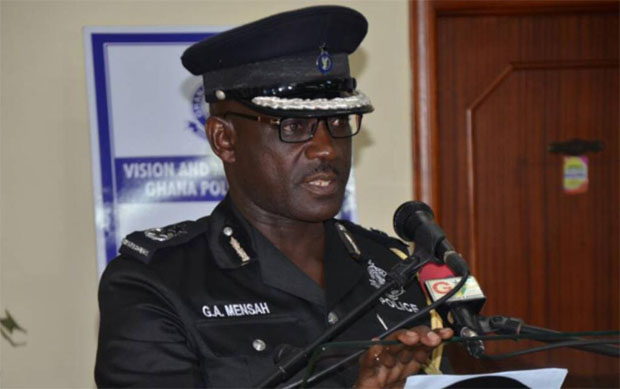
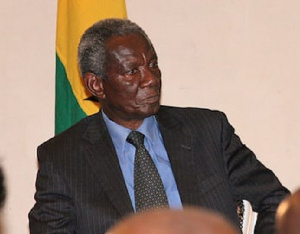
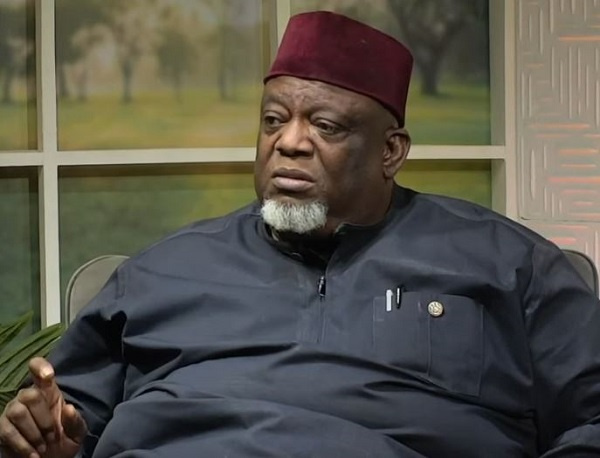
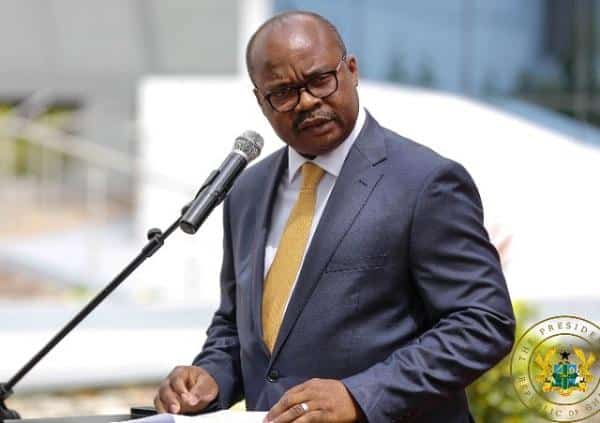
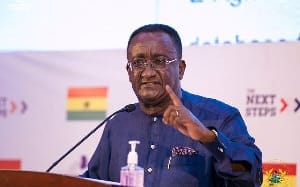
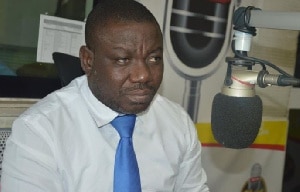
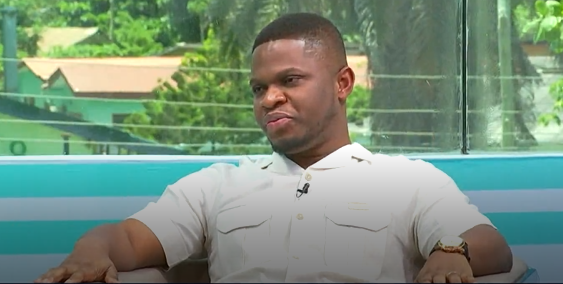
Former Commissioner of Police (COP), George Alex Mensah, has expressed his content with regards to how the Akufo-Addo-led government is running the country’s economy.
In an interview with Accra-based Asaase Radio on Wednesday, September 20, the retired police officer stated he is happy as those in charge of the country have the interest of the citizens at heart.
When asked if he was happy about how the current administration has run the country, he said, “Yes, I am. I am very happy”.
“I am happy because I know those in charge now want the best for this country,” he added.
Also, when quizzed if it is possible for the NPP to break the 8, he said “Everything is possible. We will break the 8. We must break the 8 to push Ghana forward”.
He therefore urged the people of Ghana to consider retaining the ruling New Patriotic Party (NPP) in the upcoming 2024 general election.
The retired officer believes that the Akufo-Addo administration has delivered commendable performance, making a case for the NPP’s continuation in power.
“I see the NPP as the best party that can help the country. The whole world knows what is happening. And we know what this government is doing to make sure that Ghana will be able to overcome all these problems. At least we still have free SHS, don’t we?,” Mr Mensah asked.
Alex Mensah has already disclosed his intention to contest the Asante Bekwai parliamentary seat in the Ashanti Region.
“I have been thinking about it. I will run, I will run,” he said.
Mr. Mensah, who is currently embroiled in a controversial leaked audio recording outlining a plot to remove Inspector General of Police (IGP) Dr. George Akuffo Dampare, recently appeared before a Parliamentary Committee investigating the matter.
The Accra-based civil society group, Democracy Hub, are currently protesting to call on “the President and members of the Economic Management Team to #FixTheCountry in light of the level of economic mismanagement.”
📹—Breaking ‘The 8’: We can break ‘the 8’ because we have the men and we have the capabilities to transform this country.
🎙️[COP George Alex Mensah, Fmr. Dir. Gen. Tech.- @GhPoliceService]
According to provisional estimates from the Ghana Statistical Service (GSS), the country’s economy expanded by 3.2 percent in the second quarter of 2023 (April to June) compared to the same period in 2022.
When adjusted for seasonal variations, the real GDP in the second quarter of 2023 increased by 0.7 percent, which is 0.1 percentage point lower than the growth recorded in the first quarter of 2022.
The Services sector exhibited the highest growth at 6.3 percent, followed by the Agriculture sector with a growth rate of 6.0 percent, while the Industry sector contracted by -1.9 percent.
The GDP growth rate, excluding oil and gas (Non-Oil GDP), for the second quarter of 2023 stood at 3.2 percent, compared to a growth rate of 4.8 percent for the same period in 2022.
The Country Representative of the United Nations Population Fund (UNFPA), Dr. Wilfred Ochan, has called on the public to support the local economy by purchasing domestically produced goods.
During the Fashion Expressions Project event, Dr. Wilfred Ochan emphasized the importance of buying clothing designed and manufactured by Ghanaians. This, he believes, will provide significant support to small and medium enterprises within the fashion industry.
“In this meeting we brought a vast group of stakeholders to draw attention to these new entrants in the fashion industry. Our intention is to increase local patronage of clothes designed and made by Ghanaians. I would suggest that institutions that wear uniforms contact small and medium businesses like these people to help grow their businesses,” he said.
International Needs Ghana, in collaboration with UNFPA (the United Nations sexual and reproductive health agency) and the PRADA Group, a prominent fashion industry player, launched the Fashion Expressions Project. As part of this initiative, International Needs Ghana organized a fashion show to mark the culmination of a one-year intensive fashion training program for 18 young women.
Cromwell Awadey, the Executive Director of International Needs Ghana, expressed optimism that the beneficiaries of this program would be able to secure a sustainable livelihood with the skills they have acquired.
“I believe the lives of these ladies have been transformed with the intensive training we gave them. Trainees of the Project spent first six months acquiring theoretical knowledge in Fashion and some minor elements of practicals. The second part of the training is industrial attachment with eight local Fashion Houses. The Fashion Show climaxes their industrial attachment,” he stated.
The project represents a distinctive Fashion Training Program designed to empower and mentor aspiring fashion professionals, providing them with the essential skills and resources needed for success. Several beneficiaries expressed their enthusiasm and gratitude for the opportunity.
One of the beneficiaries, Ruby Buah, said, “being part of such an initiative to make women employable is great. I am happy to be a part of it and do my bit in making sure that we have quite a percentage of women who can have a business of theirs, employ people and go ahead to train others”.
Another beneficiary, Pamela Afatsawo said “I am very excited because it has given me the opportunity to become the fashion designer I have always dreamed of”.
The Fashion Expressions Project, currently in its pilot phase in Ghana and Kenya, is dedicated to harnessing the socio-economic potential of the fashion industry as a means to advance women’s empowerment.
Former Finance Minister, Seth Terkper, is advising the government to exercise caution when it comes to celebrating the accomplishment of the first phase of the International Monetary Fund (IMF) Programme.
Terkper has emphasized that despite progress, significant economic challenges still persist, including elevated levels of inflation and interest rates. Consequently, he believes that the government should refrain from lauding the narrowing of the primary balance as it falls short of the IMF’s intended targets.
In his discussion with Joy Business, Mr. Terkper emphasized the importance of the government not becoming complacent but rather continuing to put in efforts to rejuvenate the economy, with a particular focus on ensuring the sustainability of the country’s debt.
“If you consider when [inflation] it cross 40% that is another three fold, and you looking at debt at 57% of Gross Domestic Product, now closely to 100%. Even when you take out the contingent liabilities and others, if we are in the 90% right from 57% of GDP that is doubling of the debt to GDP ratio. I granted an interview and wrote a short article which said that we should not be made complacent by those who are in the position to know were Ghana’s economy is in at the moment”.
“I think it is particularly after the debacle of the BoG [Bank of Ghana] showing the extent to which the deficit [fiscal] was monetize, the economy was monetize which is the course of the inflation that we talking about. I think it is a bit too early especially for our friends from the international community to be singing our praises”, he added.
The former Finance Minister elaborated that while there is evidence of economic recovery, potential risks to the economic outlook still exist.
“I am not saying there hasn’t been any success so far in terms of the injection of foreign exchange by the multilateral institutions in particular into the economy to try and stabilise the situation, particularly significant flows of COVID-19 funds. During the COVID-19 period, about ¢60 billion which is six times what we have always use to turn around the economy was injected into the economy”.
“Remember no government has done a turnaround of the economy using more than $1 billion”, he added.
A delegation of International Monetary Fund (IMF) staff members is set to visit Ghana starting on September 25 and continuing into the first week of October. Their purpose is to assess the advancements made in Ghana’s Economic Recovery Programme.
This visit signifies the second evaluation conducted by the IMF following the approval of Ghana’s financial assistance program on May 17. The review will assess the achievements of the targets established under the $3 billion three-year extended credit facility.
Finance Minister Ken Ofori-Atta has expressed the government’s optimism regarding the receipt of the second installment of IMF bailout funds in December. This infusion of funds is expected to strengthen the government’s balance of payments.
Speaking at the 3rd GIPC CEO’s Breakfast Meeting in Accra, Ofori-Atta stated, “The IMF team will be in Ghana from September 25th through the beginning of October. Hopefully, we will achieve a staff-level agreement during their visit, paving the way for a board meeting in November this year.”
He continued, “I believe that the mission in September will allow us to reach a successful staff-level agreement, strengthening our negotiating position.”
Additionally, Ofori-Atta has reconfirmed that Ghana is poised to receive the second installment of the IMF bailout funds in December. This disbursement will serve as vital support for the government’s balance of payments throughout 2023 and 2024.
According to the June 2023 summary of the Economic and Financial Stability Report by the Bank of Ghana, the balance of payments exhibited a deficit of $107.8 million at the end of June 2023, approximately 0.1% of GDP. It is noteworthy that this deficit is markedly lower than the one recorded during the same period in 2022.
Our forex bureau rates are provided by Afriswap Bureau De Change in Osu, Accra.
A financial analyst, Courage Boti, has explained that the increasing subscriptions being witnessed on the primary markets and secondary markets may just be an indication of growing confidence in theeconomy.
According to him, the oversubscription of treasury bills witnessed in the last few weeks may continue.
He explained that this is due to the successful completion of the second round of the government’s debt exchange programme including pension funds, dollar-denominated bonds, and cocoa bills.
Even though the government’s recent treasury bill target seemed ambitious due to the high interest rates currently, it has witnessed oversubscriptions.
Courage Boti was quoted by citinewsroom.com saying, “Now the government has paid coupons on the first DDEP bonds. It is the first step towards restoring confidence. We also know that the government succeeded in rolling out pension funds into the DDEP and that settlement has begun; what this may mean is that there could be more activities on the secondary bonds market and evaluations turn out to favorable, you may witness some gradual activities returning to that segment of the market.”
Overall, the government’s second round of debt restructuring saw an average success rate of about 92%.
The government announced this last week while noting that “this result is a significant achievement for the Government to implement fully the economic strategies in the post-COVID-19 Programme for Economic Growth (PC-PEG) during this current economic crisis.”
This week, the government surpassed the target of GH¢3.064 billion to raise GH¢3.53 billion as interest rates continue to surge.
For the past two weeks, the government has managed to surpass its treasury bill targets even though they were ambitious.
According to the results, the target was oversubscribed by GH¢462.83 million. Interest rates are currently hovering between 27.36 to 31.65%.
However, the continuous increase in the interest rate will make maturities expensive for the government to fulfill.
In response to concerns raised by the Ghana Hotels Association and the Ghana Progressive Hotels Association regarding the tariff adjustments implemented by the Public Regulatory and Utilities Commission (PURC) in February, the Minister of Tourism, Arts and Culture, Dr. Ibrahim Awal, has stated that the price increase was preferable to experiencing a power crisis, commonly known as “dumsor.”
He clarified that the tariff adjustment was aimed at aiding the restoration of the country’s macroeconomic stability.
Dr. Awal, while urging participants in the hospitality industry to understand the situation, said,
“For four years, we did not increase tariffs. It is only now that we are facing some economic challenges and working to restore macroeconomic stability. Once we do that, it will be better than dumsor’.”
“Let’s not forget what happened before we came to power. Before 2017, we know what happened. We don’t want to go back to dumsor. Dumsor is devastating. Bear with us, we know that slowly we will stabilize the economy and this tariff adjustment will abate,” he added.
In February of this year, water and energy rates increased by 167%.
The Ghana Hotels Association and the Ghana Progressive Hotels Association petitioned PURC as a result of the increase.
In a similar spirit, Akwasi Agyeman, CEO of the Ghana Tourism Authority, announced that a meeting with hoteliers would be convened to address their concerns.
However, he asserted that some of these tariffs need to be reviewed if hotels are to run properly and efficiently.
“But we are also mindful of the fact that they say an expensive electricity is better than no electricity. So let’s see how we work together to resolve it,” the GTA CEO stated.
In 2017, President Nana Addo Dankwa Akufo-Addo made a commitment that he would prevent the Ghanaian economy from collapsing during his tenure.
During his address to parliament on February 21, 2017, as part of the State of the Nation, President Akufo-Addo affirmed that his administration would substantially decrease the fiscal deficit within that year.
However, looking ahead to 2023, the governing New Patriotic Party, led by President Akufo-Addo, has encountered significant censure concerning the handling of the economy. The economy is presently operating under an International Monetary Fund (IMF) Program.
While the government has occasionally attributed the economic difficulties to external factors like the Russia-Ukraine War and the COVID-19 pandemic, a segment of the public has contested these explanations. They accuse the government of mismanaging public funds and presiding over ineffective institutions.
A tweet shared by Akufo-Addo on the social media platform X (formerly Twitter) in 2017 has resurfaced, sparking agitation among some users due to the unfulfilled promise.
“I will not allow this economy to collapse under my watch. We will reduce significantly the fiscal deficit this year,” the 2017 tweet read.
Meanwhile, President Nana Addo Dankwa Akufo-Addo has acknowledged the current challenging circumstances and expressed empathy towards Ghanaians. He further noted that brighter days are on the horizon if a new leader from the New Patriotic Party (NPP) is able to succeed him.
Following his participation in the NPP super delegates conference on August 26, where he cast his vote at the party headquarters, Akufo-Addo addressed the media. He openly acknowledged the difficulty of the situation, asserting that he is the first to recognize the hardships being faced.
“Ghanaians say they are not happy with the way conditions are, they are tired, they are suffering,” a journalist asked the president who was departing from the premises after casting his ballot.
He replied: “It is difficult. I am the first to admit it, I have said it several times, I am the first to admit it. But at the end of the day, believe that when the moment comes, Ghanaians will refer to a good person and get us out of these difficulties and take us to the next stage. That is the New Patriotic Party.”
I will not allow this economy to collapse under my watch. We will reduce significantly the fiscal deficit this year. #SONA2017
The Central Bank Governor, Dr. Ernest Addison, and his two deputy governors have been the subject of recent calls for their resignation, according to renowned economist Dr. Kwame Pianim. He has stated that these requests are unwarranted.
He stated that the BoG Governor and his deputies had done nothing wrong by lending support for the struggling economy and taking haircuts in relation to the government’s Domestic Debt Exchange Programme.
In an interview with Accra-based TV3, Kwame Pianim claimed that the BoG Governor and his team had not engaged in any fraud or criminal activity and that accusations of poor management and ineptitude are unsupportable.
“Resignation does not solve any problem. If the Governor resigns now, what happens, the same Minister of Finance [Ken Ofori-Atta] who is at the core of the economic crises recommends to the same president [Akufo-Addo] a new person? They appoint somebody who doesn’t know the terrain, who hasn’t gone through this experience to be able to solve the problem, No”.
“What I am saying is that was it through incompetence, No. Not incompetence. Was it through fraud? Did the Governor benefit? Did any of his company benefit from what he did? No,” the renowned economistpointed out.
Dr. Pianim continued by saying that there was nothing improper about the Central Bank’s decision to boost the nation’s economy without first consulting Parliament, and that the BoG did not require parliamentary authorization to do so.
“I don’t recall that they [BoG] need parliamentary approval. Remember, we suspended the Fiscal Responsibility Act. When the fiscal responsibility was removed it was saying in effect, we cannot obey the regulations that we have governing the fiscal so we are suspending it”.
“When the Minister of Finance went to parliament and they agreed to suspend the Fiscal Responsibility Act, parliament should have asked, what happens to the equivalent that is the Monetary Policy Act which is Article 36 of the Amendment BoG Act which says that if there is an emergency and BoG needs to be able to suspend the rules surrounding monetary policy what they do is to inform the Minister of Finance”, Pianim explained.
He did, however, point out that the Finance Minister is in charge of informing the Parliament of such topics.
“We didn’t make BoG responsible to go to parliament. So, when the Minister of Finance went to parliament to suspend the Fiscal Responsibility Act, somebody from the opposition should have asked, what happened to Article 36 of the Banking Act…and the Minister should have said concurrently that part is also suspended because you cannot suspend the Fiscal Responsibility Act and leave the complimentary dimensions on the monetary policy side,” the economist said.
The country’s economy has consistently been poor under the National Democratic Congress’ (NDC) rule, according to Richard Ahiagbah, national communications director of the government’s New Patriotic Party (NPP).
He noted that the NDC took over a rising economy in 2009, but failed to manage it well, which resulted in a slowdown in the country’s development.
On Sunday, August 20, 2023, Ahiagbah brought up this subject in Ho while speaking with the media over breakfast.
Richard said, “In 2009 when they (NDC) came to office they inherited a growing economy what were they able to do with that? They will tell you in 2011 they’ve achieved 14 percent GDP (Gross Domestic Product) growth yes that was on the back of the oil discovery that started production in 2010”.
The communications director further explained that “2012,2013,2014 and 2015 the economy of 14 percent deteriorated to 13.6 percent, no other point after 2011 was the NDC able to grow past 40 percent which was on the back of oil”.
Richard Ahiagbah, however, pronounced that “Any time the NDC is in power Ghana’s economy does worse and anytime NPP is in power the economy grows”.
He made references to the economy before the 2016 elections, saying “From 2011 to 2016 they (NDC) never grew the economy above what they’ve achieved but then immediately the management of the economy changed in 2017 this economy grew 8.2 percent from 3.4, just by merely changing those who are in charge from 2016 to 2017, we had almost about 5 percent growth”.
On Friday, the 18th of August 2023, a recognition event was held by President Akufo-Addo to honor a group of enterprising young men and women.
This event celebrated their accomplishments through the Presidential Pitch initiative.
President Akufo-Addo commended these youthful entrepreneurs for defying challenges and embarking on entrepreneurial endeavors, resulting in the creation of job opportunities for themselves and fellow Ghanaians.
Since its inception in 2017, the Presidential Pitch initiative has successfully conducted three editions.
Through these editions, a total of thirty young entrepreneurs have been bestowed with monetary rewards aimed at facilitating the establishment and expansion of their businesses.
Addressing the importance of entrepreneurship in fostering economic growth and development, President Akufo-Addo emphasized its global recognition as a significant catalyst for economic transformation.
He firmly believed that the convergence of technology, entrepreneurship, and business represents the most effective approach to addressing economic hurdles and the concerning levels of unemployment.
Furthermore, President Akufo-Addo underlined that governments worldwide acknowledge youth entrepreneurship as a potent solution to contemporary unemployment issues.
He went on to highlight the positive impact of the Presidential Pitch initiative.
Under its first three seasons, a notable achievement of 702 direct jobs and numerous indirect job opportunities have been generated by the initiative’s winners.
Most notably, these employment opportunities have been established primarily within rural communities, contributing to their development.
President Akufo-Addo expressed special commendation for Christian Boakye Yiadom, the Chief Executive Officer of Pizzaman Chickenman, who secured the tenth place in Season Two of the competition.
Christian’s pizza enterprise, launched on the premises of Kwame Nkrumah University of Science and Technology in Kumasi, was awarded twenty-five thousand cedis (25,000) through the initiative.
This capital infusion facilitated the expansion of his business, culminating in the opening of the first Pizzaman Chickenman branch on the KNUST campus on January 17th, 2020, six months following the competition.
Today, Pizzaman Chickenman stands as a prominent and beloved culinary brand, widely recognized and enjoyed by many.
The previously optimistic indicators that pointed towards an upward trajectory for U.S. stocks in the current year have undergone a shift towards a more neutral stance, potentially exposing equities to instability arising from recent surges in bond yields and concerns surrounding China’s economic situation, according to assessments from investors.
Certain investors pay attention to contrarian indicators, which help gauge the prevailing sentiment in the market. In this context, extreme pessimism is often viewed as a signal to buy, and conversely, extreme optimism as a signal to sell.
At the beginning of the year, various metrics such as stock positioning and cash allocations demonstrated significant bearish sentiment, reflecting investors’ bleak expectations due to a severe market downturn in 2022 and anticipated economic contraction in the latter half of the ongoing year.
However, as the year progressed, signs of a resilient economy and a moderation in inflation prompted investors to become more active and willing to take on risk.
This momentum led to an almost 14% increase in the S&P 500 index throughout the year.
Consequently, some experts contend that the outcome of this shift is a reduction in the amount of idle cash available to propel further market gains and a decrease in the number of skeptical investors who can be won over to a more positive stance.
While bearish positioning was a “strong tailwind” for risk assets in the first half of 2023, that’s “not the case” in the second half, strategists at BofA Global Research wrote in a report earlier this week.
The bank’s survey of fund managers showed cash allocations dropped to 4.8% in August, the lowest level in 21 months. That shifted its “cash rule” indicator – which stands at “buy” when allocations are above 5%, to “neutral.” The survey also showed fund managers the least bearish since February 2022.
Bearishness among retail investors, meanwhile, is at half the levels seen in September 2022, according to the AAII Sentiment Survey.
“There was plenty of pessimism in the market earlier this year and that shift from pessimism to optimism was fuel for a rally,” said Willie Delwiche, strategist at Hi Mount Research. “We saw it quickly go from too much pessimism to excessive optimism, and now we are starting to see that roll over.”
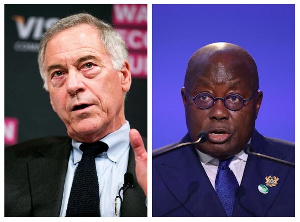
Expressing apprehension about Ghana’s economic condition during President Nana Addo Dankwa Akufo-Addo’s tenure, Professor Steve Hanke, an economist at Johns Hopkins University in the United States, has raised his concerns.
Hanke highlights that the president’s limited grasp of economic principles has played a role in the nation’s challenges with inflation, a matter that had initially aimed for an 8% target.
Hanke posted his views on Twitter, stating, “Pres. Akufo-Addo is quite unfamiliar with the science behind economics. No surprise that Ghana is MILES from its 8% inflation target.”
Furthermore, he put forth an alternative remedy to tackle the prevailing economic difficulties.
Highlighting Ghana’s past implementation of a currency board between 1912 and 1958, he recommended that the nation contemplate reintroducing a currency board system as a means to navigate the current situation.
The currency board system involves the rigorous pegging of a country’s currency to that of a prominent and stable currency. This linkage typically relies on a substantial reserve of foreign currency.
This mechanism is designed to establish a dependable commitment to maintaining price stability and restraining inflation.
#GhanaWatch: Pres. Akufo-Addo is quite unfamiliar with the science behind economics. No surprise that Ghana is MILES from its 8% inflation target. It’s time for Ghana to install a currency board, like the one it had from 1912-58. pic.twitter.com/ZTNNdOn8KB
Fleeing hunger and economic hardship, a growing number of unemployed young individuals are departing the country in pursuit of domestic jobs in the Middle East. The Observer has discovered that this trend has surged, with an estimated 2,000 youths leaving each month. This adds up to approximately 24,000 migrants annually.
“These are sad statistics but true… There was a time, before the outbreak of Covid-19 when we would take about 3,000 domestic workers monthly to the Middle East. Now that travel restrictions are relaxed, the numbers have picked up. Between 1,500 and 2,000 migrant workers are leaving the country every month,” Lawrence Egulu, the commissioner in charge of Employment Services at the Ministry of Gender, Labour, and Social Development (MGLSD) said in a recent interview.
It is “unfortunate,” he said that the bulk of migrant workers is female, making up to 75 percent of housemaids in the Middle East. They make up the long queues at Entebbe International Airport every day enroute to the Middle East. Most of the unflattering images and videos on social media capture youths desperately walking to unknown territory in search of employment at all costs.
According to statistics provided by the MGLSD, from 2016 until now, a total of 223,102 migrant workers, both domestic and professional, have left the country for opportunities in the Middle East. These figures don’t encompass Ugandans who have been trafficked into the Middle East. Among these workers, only 32,876 are engaged in professional roles. Out of the remaining 190,226 domestic migrant workers, Saudi Arabia employs the largest portion with 131,970 workers, followed by the UAE with 45,636 and Qatar with 12,620 workers.
Domestic workers earn between Shs 900,000 and Shs 1.2m. Despite the rising instances of abuse against migrant workers, the numbers continue to rise due to the lack of sufficient employment opportunities for both skilled and unskilled youth within the country. Public outcry over the mistreatment of Ugandan workers in the Middle East has prompted government intervention.
In response to inquiries about reports of Ugandan worker deaths in the Middle East, Dr. Chris Baryomunsi, the Minister for ICT and National Guidance, stated that the cabinet has directed the Ministry of Gender to release a comprehensive report on the state of migrant workers in the Middle East. Commissioner Egulu, in a recent interview, noted that most Ugandans struggle to secure professional jobs, as the offers in the Middle East or Gulf Cooperation countries are primarily for domestic positions.
For Ugandan professionals like teachers, drivers, security experts, and plumbers seeking work, Commissioner Egulu explained that they often need to pay significant amounts to secure such positions. This includes expenses for airfare, passports, medical exams, and visas. Some Ugandan companies are charging as much as Shs 7 million for professional job placements in the Middle East. Domestic workers, on the other hand, do not need to pay anything, as long as they are willing to work as housemaids.
“To get domestic workers, a Ugandan recruitment company instead gets paid to look for workers. If a company in Saudi Arabia demands about 100 workers, they can pay between $1,000 and $1,300 depending on one’s negotiation. Since most Ugandan companies have no cash up front and the Saudi company is providing it, the business becomes more attractive – a reason why most Ugandans go for domestic jobs,” Egulu said.
Allan Asiimwe, the managing director of Alastar Company (U) Ltd, a labour recruitment agency, said it is less tedious to find casual jobs for Ugandans. Whereas professional jobs are always available, he said, the slots are often limited compared to jobs for unskilled and semi-skilled people. Without signed job contracts from external recruitment agencies, Ugandan companies can’t advertise any jobs.
“Uganda exports few professionals because we lack accreditation centers that meet the standards of most foreign countries. If we are to externalize professional nurses, teachers, or engineers, they need to travel to Nairobi (Kenya) for accreditation. This process requires some money, which many Ugandans cannot afford. Also, the professional jobs come once in a while and need a lot of patience yet Ugandans are hungry for work and money,” Asiimwe said.
“As a businessman, you will choose what works fast; whether you are taking graduates as housemaids, it’s business as long as they are comfortable with the job,” he added.
Saudi Arabia takes mainly drivers, housemaids, cleaners, teaching assistants, waiters, and waitresses while Qatar employs labourers, security guards, carpenters, cleaners, personal assistants, administrators, and waiters and waitresses. In the UAE, the most significant chunk are security guards, labourers, loaders and cleaners. It’s worth noting that the UAE, Qatar, Kuwait, Bahrain and Somalia don’t employ domestic workers.
GOVT TO BLAME
Commenting on the low uptake of professionals abroad, Egulu said the government is not aggressive.
“I think Ugandans have gone to school and the onus is on the government to be able to make deals with foreign countries. It is difficult for a Ugandan recruitment company to negotiate better for such big professional jobs. We, maybe, have government officials [meant to negotiate for these jobs] that have not been so much exposed to big labour markets in countries like Brazil, Japan, and Russia,” he said.
Egulu added: “The doors to foreign nations can be opened by the government through the ministry of Foreign Affairs. We are not doing great there with the existing bilateral relations with these countries.”
He insisted that there’s a need to expand the skills base beyond the Middle East because Uganda is not a country that prides itself on “exporting” domestic workers.
“We have been to school and one of the best countries in the region. A situation of war in the Middle East can wipe out every gain. Look…the USA has pulled out of Afghanistan and Iraq, something that fizzled out Ugandan employment opportunities in security. So, Ugandan ex-combatants who were running out lost just like that yet they had other skills,” he said.
Egulu also took a swipe at Ugandan envoys for not tapping into meaningful professional employment opportunities abroad.
“Our diplomats should not just go and shake hands in high-level meetings. Whenever an opportunity knocks, they must sit down and compare notes about job opportunities for professional Ugandans,” he said.
According to the 2020 World Bank second report on the state of the job market in Uganda, around 700,000 young people reach working age every year. This figure is expected to rise to an average of one million in the decade from 2030 to 2040.
“It is estimated that an additional 13 million workers will enter the job market by 2030. This and Uganda’s high dependence rate of 1:42 dependants per employed person mean Uganda has to raise labour productivity whilst increasing the number of jobs created to match the per capita income growth of other economies with low dependency,” reads the World Bank report.
In the Middle East, many Ugandan professionals get jobs without government assistance. The few who go through companies are employed as agricultural workers, administrators, teaching assistants, and technicians. Nurses, most of whom work in homes, provide palliative care to people who are terminally ill but not attached to major hospitals. On teaching jobs, a source who preferred anonymity, said people in the Middle East believe Ugandans are not skilled enough to teach their children.
“Our teachers are good but most schools in the Middle East have people from France, the Philippines, Kenyans, and West Africans. In Dubai alone, you must bribe human resource officers and agents to get professional jobs. For instance, you may be a graduate teacher in Uganda but end up as a kindergarten teacher or school bus/van attendant with a salary ranging from Shs 1.5m to Shs 2m,” the source said.
The source added that some recruitment companies in Uganda can scout for better professional jobs but fear being arrested. For instance, if a professional job goes for Shs 8m, clients can be asked to make initial deposits as they process their travel documents.
“However, some impatient clients end up reporting us to authorities if their visas take long or are rejected. Yet, this is the shortcut being used lately to get better jobs. You pay half and clear the balance when you reach your final destination,” the source said.
In this arrangement, some untrustworthy clients also fleece companies when they eventually settle on the job.According to a source at Uganda’s embassy in the UAE, the majority of Ugandans are into unskilled labour and professional jobs are typically taken up by Europeans and a few individuals from African countries like South Africa.
“Professional jobs are always available because we have IT experts working both here in Abu Dhabi and Dubai, nurses, and engineers working in the oil and gas industry. Ugandans have to position themselves and take up these opportunities whenever they come up,” the source said.
Currently, Uganda has one signed Bilateral Relations Agreement with the Kingdom of Saudi Arabia for domestic workers. For Qatar, the agreement is in the final review stages for signing while that of the UAE is still under review. In Turkey, Oman, Bahrain, and Kuwait, negotiations to sign agreements are still ongoing yet an unknown number of Ugandans are employed in these countries. In Somalia, Afghanistan, and Iraq, there are no signed agreements.
The agreements cover the working conditions of migrant workers including the provision of medical insurance, standard employment contracts, and agreeing to implement Ugandan laws in their countries. Uganda was also sending domestic workers to Jordan [about 30%] but the arrangement was suspended three years ago because of the incessant mistreatment of workers with limited remedial measures from authorities there.
HUGE REMITTANCES
As of June 13, 2022, there were 235 licensed private recruitment companies. Every two years, each company pays Shs 2m in license fees. Last year, the ministry of Gender suspended operations of 11 companies in line with Regulation 13 of The Employment (Recruitment of Uganda Migrant Workers) Regulations 2021. Some directors of the suspended companies have since unsuccessfully made efforts to appeal the ministry’s orders.
“When we listed the companies, they came back trying to appeal but they have not fulfilled the ministry requirements to date. For now, their operations remain illegal in Uganda until they put in place what was required of them. We don’t know about their existence,” a source at the ministry said.
The companies were found with forged training reports, renewal documents, accumulated refund claims from clients, forged Covid-19 results, and trafficking people, among others. From migrant workers, the government annually collects US$1.2bn globally – the Middle East alone sends in $600m. This money, wired directly to the Uganda Revenue Authority accounts, is collected from the Middle East-based recruitment companies that are charged $30 [about Shs 110,000] for each worker.
Egulu was concerned that whereas the Gender ministry brings in lots of remittances and non-tax revenue, funding remains a hindrance to the sector.
“We know how to generate this money for the government but we don’t see it. I would have loved to keep track of the girls and boys in the Middle East by establishing labour attaches in all those countries and distress centers, among others, but we are cash-strapped. This money goes to the treasury and we must negotiate to get it,” he said.
Egulu added: “We need to talk more with people in the ministry of Finance that the money you are using to fund other government projects, we contributed to it and deserve a share as the source. We must be entitled to 40 percent of the remittances because we know best how to generate more for you. These have been long proposals and discussions that have not yet materialized. These are dynamics in government and that’s where we are.”
With inadequate funds to support migrant workers, the distressed ones in Saudi Arabia can either report to the Ugandan embassy based in Riyadh or report to the Gender ministry through its recently developed online system. Alternatively, a worker can complain through a relative based in Uganda who in turn logins into the system to file a complaint or manually write the ministry through the permanent secretary.
Deaths/injuries
From 2019 to date, Uganda has registered 88 deaths of migrant workers, according to the Gender ministry. Of these, Saudi Arabia has the highest number at 69. It is followed by the UAE and Jordan with five deaths each; Somalia with three, and Qatar, Kuwait, and Bahrain with two deaths each. Following the suspension of Jordan, the ministry no longer tracks the illegal trafficking of migrant workers and deaths in that country. On work-related injuries, only seven have been registered since 2019 in Saudi Arabia (five) and Iraq (two).
Some of the licensing requirements
• Company must be registered with URSB • All shareholders and directors shall be Ugandans • The company shall have a minimum authorized share capital of Shs 50m • A Ugandan-based commercial bank guarantee of Shs 100m • Non-refundable application fee of Shs 100,000 • Interpol certificates of good conduct for staff, directors, and shareholders • License fee of Shs 2m every two years • Individual income tax returns for the past year and tax clearance certificate • Staff or board members must not be engaged in the travel or sales agency of an airline company
Climate change! Global warming, food insecurity, rising temperatures, melting glaciers, sea-level rise, more frequent, severe weather events (hurricanes, droughts, and heatwaves), and disruptions to ecosystems and biodiversity – I bet you thought of these too.
The discourse on climate change has rightly captured global attention, but the changing dynamics of our economic and political landscapes demand some attention. Previously, it would be herdsmen and migratory animals seeking greener fields to feed on, but today, the nation grapples with the challenge of losing skilled graduates, particularly nurses, to foreign lands in search of greener pastures. This development brings forward the need for the need for innovative strategies that encompass labor export, technological integration, and human security considerations.
Conversations are rife on traditional and social media about the many – both young and old – relocating to settle abroad. Everybody dey japa! The average young person today is thinking of “japaing”, an adopted term from our Nigerian neighbours that speaks of travelling to a Western country for greener pastures. Climate change enthusiasts speak passionately about the deletion of the earth, but after we have saved the earth and our environments, who will tend to it?
In my usual moments of reflection, my racing thoughts converged at the epicentre of developing a globally competitive workforce as a counter-mechanism for brain drain. After all, aren’t we taught to make good use of both the good and bad times.
It is worth noting that while the brain drain challenge is multifaceted, solutions that are likely to be proffered may in themselves be nuanced. cannot be discounted. For instance, despite the government’s investment in nursing and teacher trainee allowances, the allure of “greener pastures” overseas persists – moreso when these trainees have to struggle for jobs after studies. I’d want to reserve the discussion on the payment of allowances for another time. Meanwhile, there is the need to adopt a strategy that capitalizes on the global demand for skilled labor while addressing the root causes of emigration.
Labour export can become a strategic asset for Ghana. By identifying sectors with surpluses of trained professionals and forging partnerships with countries experiencing shortages, the country can create a virtuous cycle of economic growth and talent retention. Collaborative agreements can include skills development, mutual recognition of qualifications, and ethical labour migration policies.
We must not lose sight, however, of the fact that technology rules the world today. The globally-competitive workforce we seek to build must be tech-savvy. Experts and relevant stakeholders in education must begin to look at ways of incorporating AI and technological education through AI literacy, sector-specific AI applications, and hands-on projects that foster innovation and problem-solving skills to train students. Ghana could be known as a hub for cutting-edge skills and innovation.
Also, policymakers need to consider the broader implications of labour export and technological integration in education on citizens’ well-being, social cohesion, and access to basic services. We can begin to gather comprehensive data on emigration patterns, skills shortages, and global labour demands, and tailor our cultural and educational systems to suit them. While cultural integrity must be upheld, we cannot stand in deep waters and die thirsty. Isn’t culture in itself, dynamic?
Investment in skill development programs that align with both domestic needs and international labour demands is needed for this cause. There have been numerous concerns about the harsh conditions under which some Ghanaian migrant workers in some advanced countries work. Government must begin to think of crafting ethical migration policies that protect workers’ rights, ensure fair wages, and provide social support systems. A collaboration with destination countries can ensure migrants’ wellbeing, and give government the power to request taxes from migrant workers.
With the prevailing economic crisis, it’s about time our social justice advocates began raising awareness about the broader impact of talent migration and technological shifts on society. We must not, again, lose sight of the few patriotic ones who would want to stay and till the motherland, that it may bear fruits for all its citizens, home and abroad. A review of the current minimum wage, the establishment of robust social safety nets, and the regulatory mechanisms that ensure that businesses engage in ethical labour practices and responsible technological innovation that prioritize people’s well-being over profit could be useful in this regard.
We cannot stop young people from leaving, especially when they suffer hunger while at home. We can create an opportunity out of it though, for maximum benefit. Where are our leaders? Arise and do something.
DISCLAIMER: Independentghana.com will not be liable for any inaccuracies contained in this article. The views expressed in the article are solely those of the author’s, and do not reflect those of The Independent Ghana
The digital revolution has transformed industries, spawning internet enterprises and remote labor, among other things.
However, with the emergence of the gig economy and freelancing revolution, the traditional borders of employment have blurred, enabling agile, project-based engagements and empowering individuals to diversify income streams through platforms such as Uber, Airbnb, and Upwork.
According to Akenten Appiah-Menka University of Skills Training and Entrepreneurial Development (AAMUSTED) Financial Economist lecturer, the environment of disruption is not without its facilitators and enigmas.
Dr Evans Duah stated that, while automation and AI improve efficiency, they have spurred discussions about the significance of upskilling and adaptability in the face of potential job displacement.
“Concomitantly, the COVID-19 pandemic has accelerated the adoption of remote work and virtual collaboration tools, prompting us to reconsider company culture, work-life balance, and office space utilization,” he said.
In a gig economy, the labor market is characterized by the prevalence of independent contractors and freelancers who take on temporary and part-time roles rather than traditional full-time permanent positions. While gig workers enjoy flexibility and independence in their work arrangements, they often sacrifice job security.
The term “gig economy” originates from the music industry, where performers schedule individual or short-term commitments, known as “gigs,” at various locations.
Within this gig economy, many individuals engage in part-time or temporary jobs, or operate as independent contractors. This economic model has led to the emergence of cheaper and more efficient services, exemplified by platforms like Uber or Airbnb, which are embraced by those seeking such benefits.
Dr. Duah has observed that entrepreneurship and startups are driving their own narratives of change in this dynamic gig economy.
“Entrepreneurship has become more accessible, with lowered barriers for startups and an influx of venture capital and incubators fostering innovation.”
Dr. Duah was speaking at Innovation, Creativity and Entrepreneurship Seminar at the Beulah SDA Church at Kwadaso Estate near Kumasi in the Ashanti Region.
Franklin Karikari, the Director of Business Support NEIP, spearheaded a three-day conference that attracted more than 300 daily participants. The attendees gathered with the aim of acquiring knowledge and devising plans for their future financial freedom endeavors.
In the United States, a significant gig economy is already taking shape, with forecasts indicating that as much as a third of the working population engages in some form of gig work.
Experts, including Dr. Duah, project that the number of gig workers in Ghana will rise as these types of jobs foster independent contracting opportunities, with many not requiring freelancers to work from a traditional office setting. This trend makes gig workers more inclined to take up part-time roles and work from the comfort of their homes.
“Gig work is one of the catalyst to unemployment reduction. Ghana should maximize this opportunity as we are well positioned to leverage this. I expect an incremental change but I would prefer the government to accelerate it for an exponential increase,” he further explained.
“…. a wave of creative minds and innovators are taking center stage, fueling disruptions across sectors, from E-commerce and Retail to Healthcare Innovation. The vanguard of young professionals is weaving Sustainability and Energy Innovation into the fabric of their pursuits, redefining industries with renewable energy sources, electric vehicles, and groundbreaking health tech,” he indicated.
In the midst of these changes, he explained that the emphasis on social entrepreneurship and sustainability has paved the way for enterprises that have a positive societal impact while also making a profit.
“In this orchestra of change, Lifelong Learning and Upskilling underscore the urgent need for continuous education to remain relevant in a rapidly evolving landscape. Concurrently, Blockchain and Cryptocurrencies emerge as the quintessential disruptors in the arena of digital identity, as the discourse surrounding Data Privacy and Security serves to underscore the paramount importance of safeguarding sensitive information.”
Dr. Duah urged young professionals to be visionary as well as adaptable.
The Economist and Director of Operations at Dalex Finance, Joe Jackson, has rejected assertions made by the Finance Minister, Ken Ofori-Atta, regarding the country’s economic upturn and its trajectory toward recovery.
Jackson contends that the country’s economy remains critically unwell and likened it to being in the “Intensive Care Unit.”
He criticized Ofori-Atta for not being candid about the state of the economy during his presentation on the Mid-Year Budget review in Parliament.
Ofori-Atta had informed Parliament that Ghana was gradually achieving progress in reversing the economic challenges faced in 2022.
“Mr. Speaker, we have turned the corner and, more importantly, we are determined to continue down that path. Soon, we expect the measures taken to result in economic activity greater than anything experienced in the history of the Fourth Republic. Our plans and programmes should soon lead to a sustained increase in domestic production, including manufacturing and farming, replacing many of the products that we are used to importing,” the Finance Minister stated.
He highlighted the government’s efforts and their positive outcomes, urging the nation to acknowledge the strides made over the past three years.
However, Joe Jackson, speaking to the media, outlined several ongoing issues affecting Ghana’s economy. He pointed out persistent problems in revenue generation, a mounting public debt, and insufficient substantial economic growth necessary for meaningful development.
Jackson remarked, “I would say we’ve turned the corner when we’re out of the critical phase, but as of now, the economy is still in the ICU. It’s a disservice to the people to claim otherwise.”
The economist emphasized the urgency of curbing unnecessary government expenditures to address the fiscal deficit.
“I will say that we have turned the corner when we have moved to the recovery ward but at this moment this economy is still in the ICU and I think it is a disservice to the people of this country to say that we have turned the corner,” Mr Jackson said.
He called for a reduction in the size of the government, streamlining bureaucratic structures, and prioritizing essential sectors for sustainable financial management.
Minority Leader, Dr Cassiel Ato Forson has stated that the Ghanaian economy is contracting following a revision of government’s macro economic projections.
He made the statement during a presser on Monday, July 31, following the presentation of the 2023 Mid Year Budget Review by Finance Minister Ken Ofori-Atta.
Addressing Parliament, Mr Ofori-Atta indicated that total revenue generated and grants for the first half of 2023 was GH¢59.3 billion, representing 7.4% of GDP. This, he said, was 8.4 percent below the target of GH¢64.7 billion (8.1% of GDP).
Also, total expenditure of GH¢68.5 billion, which is 8.6% of GDP, was 26.3 percent below the programmed expenditure of GH¢92.9 billion (11.6% of GDP). This implies that government spent less.
“All other expenditure lines were contained within their respective targets for the period except for Compensation of Employees and Expenditure on Goods and Services.
The higher-than-programmed Compensation of Employees outturn stems from higher payments for wage and salaries from the implementation of the 30 percent Base Pay increase for Public Sector Workers which was agreed to after the 2023 Budget was presented and approved by this august House last year. We need to protect our workers,” the minister added.
In view of this, the Finance Minister noted that the overall Real GDP growth for 2023 has been revised to 1.5 percent from 2.8 percent.
Also, non-oil Real GDP growth has also been revised to 1.5 percent from 3.0 percent.
“The downward revision in projected growth for 2023 is an indication of a broad slowdown in the three sectors of the economy as a result of factors such as the fiscal consolidation plan and difficult global conditions,” the Minister explained.
Reacting to the Minister’s statement, the Minority leader stated: “It is wrong for him to say he has successfully turned the corner. That can never be the case.
“What he has successfully done is to deepen the woes of the ordinary Ghanaian.
“I say this for a simple reason. He has revised economic growth from 2.8 per cent of GDP to 1.5 per cent of GDP. This clearly shows that the economy is contracting and it is declining. And obviously it is going to affect jobs and the welfare of the ordinary Ghanaian.”
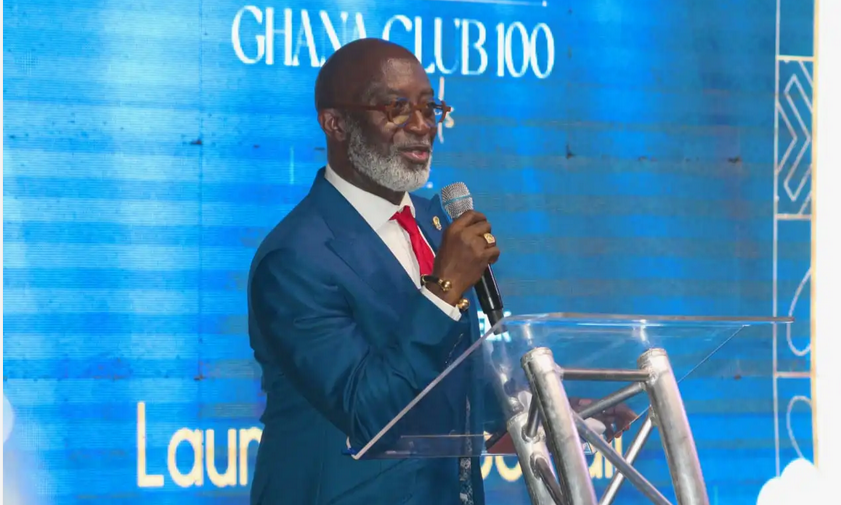
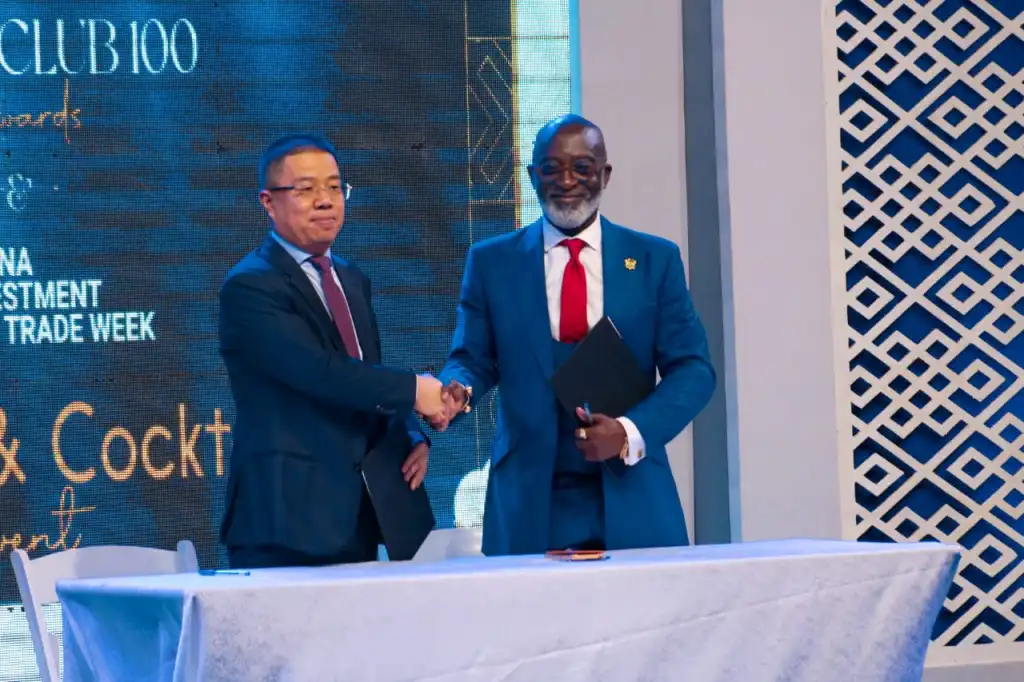
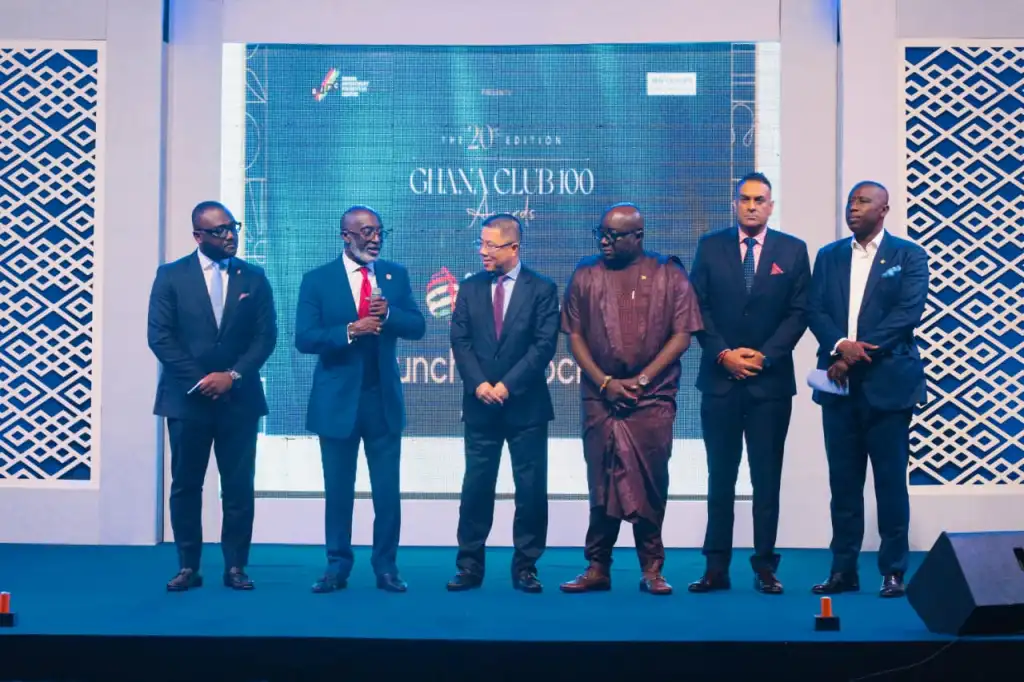
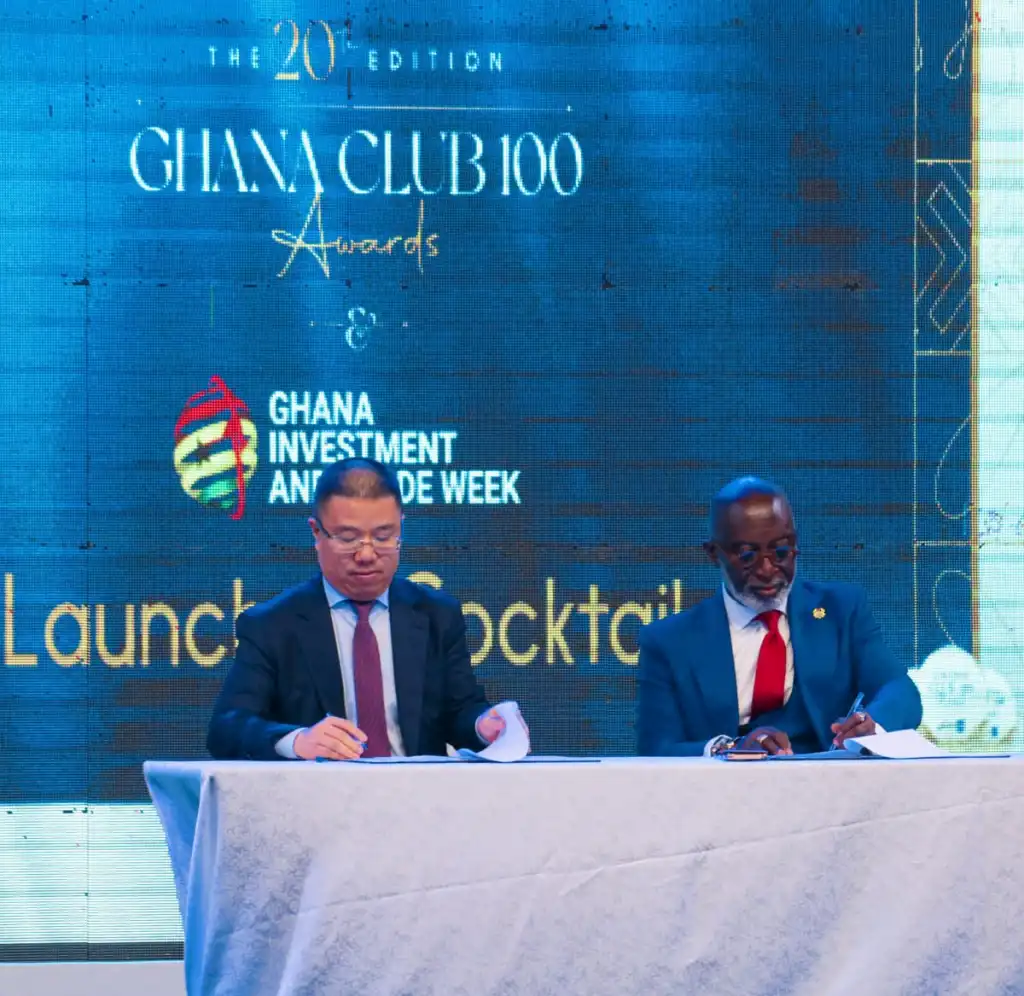
The CEO of Ghana Investment Promotion Centre (GIPC), Mr. Yofi Grant, has emphasized the pivotal role played by Ghana’s private sector in driving sustainable economic growth and development.
Despite facing challenges, primarily from external factors, the government is committed to partnering with the private sector to address the economic issues.
Speaking at the launch of the Centre’s Ghana Club 100 Awards and the inaugural Ghana Investment and Trade Week in Accra, Mr. Grant highlighted the importance of establishing a strong foundation for the private sector to thrive in an investment-friendly environment.
He expressed confidence that through a robust partnership, the economy would exceed expectations.
This year’s Ghana Club 100, themed “Accelerating Economic Growth: Amplifying Ghana’s Global Market Footprint through AFCFTA,” aims to provide a significant platform for promoting investment, trade, and knowledge exchange.
The event includes a series of exhibitions and an investment summit, culminating in the highly anticipated Ghana Club 100 Awards ceremony on Friday, 27th October 2023, all hosted at the Accra International Conference Centre.
Mr. Grant stressed the significance of private sector companies in international trade and investment, as their involvement can boost economic growth by creating export opportunities and attracting Foreign Direct Investment (FDI).
He lauded the collaboration with the MIE Group, organizers of the Ghana Investment and Trade Week, as it would help showcase Ghana and Africa’s potential to a wider audience of potential investors from around the world, fostering valuable partnerships to accelerate development and economic growth in the country.
Regarding the government’s efforts, Mr. Grant mentioned the Ghana Cares (Obaatampa) Programme, aimed at revitalizing enterprises with a capital injection of GH₵100 billion, 70 per cent of which comes from the private sector.
Despite the challenges posed by the pandemic and the Russia-Ukraine war, he applauded the private sector’s commitment and the expected investment it would bring to the economy.
Mr. Joshua Mortoti, the Executive Vice President and Head of the West Africa Region of Goldfields, praised the GIPC’s initiative and aligned Goldfields with Ghana Club 100 and other activities to promote Ghana as an investment destination of choice.
He also commended the introduction of the Ghana Investment and Trade Week, emphasizing its role in fostering strategic partnerships, promoting investment opportunities, and showcasing Ghana’s potential for trade and investment.
Mr. Mortoti emphasized the need for GIPC to intensify its advocacy efforts to ensure robust protection for both local and foreign investments in the country.
He recognized the importance of a stable macroeconomic environment and predictable fiscal regime for businesses to thrive.
Additionally, he urged the GIPC to advocate actively for safeguarding businesses that have already invested in Ghana, particularly in industries like mining that significantly contribute to the country’s economic development.
In conclusion, Mr. Mortoti hoped that future Ghana Club 100 rankings would come with physical and other incentives to encourage flourishing businesses and further contribute to the nation’s development.
“There should be more intentional efforts to give fuller expression to Ghana’s more friendly business accolade and I hope in future a Ghana Club 100 ranking will come with physical and other incentives to make business flourish and continue to contribute towards the building of our nation Ghana. ”
The Bank of Ghana (BoG) has indicated signs of recovery in the country’s economic activity, albeit at a slower pace.
According to the Central Bank, the updated real Composite Index of Economic Activity (CIEA) contracted by 3.7% in May 2023, compared to a contraction of 5.4% in April 2023, and a growth rate of 1.7% in the corresponding period of last year.
The Central Bank’s high-frequency real sector indicators showed that the main indicators that weighed down the index during the period were port activity, cement sales, credit to the private sector and imports.
Domestic Value Added Tax (VAT) collections, industrial consumption of electricity and exports, however, improved in the review period. Also, results from the Central Bank’s latest confidence surveys conducted in June 2023 reflected mixed sentiments.
While consumer confidence softened on account of an uptick in prices of goods and services, which also led to some concerns about future economic conditions, business sentiments, on the other hand, remained largely unchanged.
Businesses’ optimism about the impact of stable macroeconomic conditions on their operations was offset by concerns about the cost implications of recent tax and utility tariff increases.
Similarly, Ghana’s Purchasing Managers’ Index (PMI) dipped to 50.4 in June 2023 from 51.3 in the previous month. The index however remained above the 50.0 mark for the fifth successive month, signaling stable business conditions.
From 4.7% in 2022 to above 5.3% in 2023, Senegal’s growth is projected to pick up, in part due of a growing oil and gas industry. But the country faces many challenges, including an economic fallout from the Ukraine crisis, stricter financial regulations, and growing political upheaval in the region. Two major problems are growing fiscal imbalance and rising government debt.
The strong post-pandemic recovery of Senegal has been impeded, according to Edward Gemayel, IMF Mission Chief for Senegal. As a result, GDP predictions have been reduced, and inflation has increased, worsening the fiscal and current account deficits. Additionally, the national debt now accounts for nearly 76% of GDP.
However, the nation has bright prospects, which are supported by the production of oil and gas, which will stimulate the economy for the foreseeable future. With the assumption that the IMF-supported programs’ cautious macroeconomic policies and resolute structural reforms are carried out, growth is forecast to pick up to 10.6% in 2024 and 7.4% in 2025, with non-hydrocarbon growth anticipated to reach about 6%.
“Inflation hit a multi-decade high of 9.7 percent in 2022, driven largely by the surge in food prices, which account for almost half of the CPI basket in Senegal. Inflation has since eased to around 9 percent and is projected to fall to around 5 percent by year-end but could potentially increase again if commodity prices remain high,” he disclosed during an interview.
The Senegalese government responded by raising public sector pay by almost 20% and increasing gasoline and energy subsidies, which have risen to about 4% of GDP.
However, in order to address the budget deficit, public investments were decreased. Future important actions, such as cutting tax exemptions and gradually eliminating energy subsidies while better focusing on social spending to mitigate the consequences of falling real wages, will be required to maintain debt sustainability and help contain inflation.
According to Senegal’s Nationally Determined Contribution (NDC), which outlines the country’s projected climate actions between 2023 and 2030, the nation will need funds equivalent to almost 7% of its GDP year until 2030 to achieve its mitigation and adaptation goals.
An oil tanker traveling to Cameroon with 800,000 liters of stolen crude, according to the state-owned oil firm of Nigeria, was stopped offshore.
It declared that the ship will be scuttled as a warning.
Nigeria’s state-owned oil company said that the oil had been stolen from a well in the state of Ondo in the country’s southwest.
The Nigerian economy suffers greatly from oil theft from pipelines and wells in the Niger Delta, which deprives it of much-needed cash.
The oil business claimed that the tanker, which was registered in Nigeria, had been operating for the previous 12 years in what it dubbed stealth mode.
Flagbearer hopeful of the New Patriotic Party (NPP), Dr. Owusu Afriyie Akoto, has revealed that he personally approached the World Bank to secure funding for the Tree Crop Development Authority (TCDA). Recognizing the immense potential of the TCDA’s revenue base and its potential to positively impact Ghana’s economy, Dr. Afriyie Akoto took the initiative to seek external financial support.
He explained that his proactive approach was motivated by the slow pace at which the government was disbursing the allocated seed money of $5 million per year for the first three years of the TCDA’s establishment, resulting in a total of $15 million.
However, during the initial three-year period, only $3 million had been disbursed to the Authority, which proved to be insufficient for its operational needs.
The TCDA was established under the Act of Parliament, 2019 (Act 1010), with the mandate to develop and regulate the tree crop sub-sector and address related matters. As part of this mission, the TCDA is driving the Tree Crop Diversification Project (TCDP).
“As we speak, only US$ 3 million has been disbursed to promote the objectives of the Tree Crop Development Authority. While the slow disbursement of the seed money was going on, I engaged the World Bank to see how best they can assist us. So, they saw my vision that this is something that can easily make Ghana a prosperous country if we just took care of that particular Authority. So, the engagement went on and I am glad that only a few months that I left office, the World Bank itself has put up a statement that they are prepared to support the Authority with US$200 million. It is just a relief for me,” he noted.
The combined growth of these six tree crops is projected to earn Ghana between US$ 6 billion to US$12 billion annually after six or seven years of implementation.
The financing of the Tree Crop Diversification Project will further support demand-driven research and enhance on-farm productivity and resilience to improve productivity, profitability, and climate resilience in the cocoa, cashew, coconut, and rubber value chains.
Commenting further on the facility, Dr. Akoto who is a former two-term Member of Parliament (MP) for Kwadaso, lauded the International Development Association for extending the financial support for the Tree Crop Diversification Project.
He expressed the belief that the US$200 million injected into the TCDP would speed up the activities of the TCDA, an action, he underscored, was the surest way to salvage the country’s economic woes.
Dr. Akoto emphasized the significance of agriculture, particularly the tree crop sector, for the economic transformation of Ghana.
Drawing attention to the success of Ivory Coast, he highlighted that the combined annual export earnings from five cash crops including cashew, cocoa, coffee, rubber, and oil palm, amounted to approximately US$8 billion annually.
Dr. Akoto underscored Ghana’s advantageous position compared to Ivory Coast due to its abundant arable land, ample water resources, and favorable rainfall patterns.
Expressing confidence in the impact of the recently secured financing, he stated that the Tree Crop Development Authority’s (TCDA) Board and Management would now be well-equipped to pursue the Authority’s objectives and drive positive economic turnaround in Ghana.
“I am very confident now that with the capable Management and Board of the Authority, they will be able to implement and make this a very unique contribution to the transformation of Ghana and that is the vision I am bringing to the Presidency of Ghana if I am elected first as the flagbearer of the NPP and subsequently as President come 7th December 2024 if the people of Ghana are convinced of this vision, this will be my central contribution in terms of promoting development in Ghana by transforming the economy”, he noted.
He commended farmers in the country for their commitment to feeding Ghanaians, stressing that the smallholder farmers were ready to support the government to turn the economic fortunes of Ghana around using agriculture.
Dr. Akoto also commended the current Minister of Food and Agriculture, Dr. Bryan Acheampong for continuing from where he left over with the introduction of the second phase of the Planting for Food and Jobs (PFJ).
To meet their climate pledges, countries must raise $4.2 billion (34%) domestically and $8.29 billion (66%) from international sources, as outlined in their Nationally Determined Contributions (NDCs) under the Paris Agreement.
The Minister of Finance, Ken Ofori-Atta, highlighted the need for innovative climate financing mechanisms to implement adaptation plans within the specified timeframe.
The Minister of Finance, made these statements at the inaugural workshop on the Global Shield against Climate Risks and Global Risk Modelling Alliance held in Accra yesterday.
A workshop was held to engage key stakeholders on climate change issues, informing them about the Global Shield initiative and the Global Risk Modelling Alliance, which aim to provide increased protection and financing against climate risks.
Africa has suffered significant economic losses of over $200 billion due to climate change, underscoring the importance of reliable data for informed decision-making towards a climate-resilient economy and low-carbon development.
Ghana’s Finance Minister emphasized the benefits of joining the Global Shield (GS) and Global Risk Modelling Alliance (GRMA), stating that it would enhance the country’s understanding of climate risks, assess vulnerabilities, and provide access to crucial data and expertise for informed decision-making.
The minister highlighted that participating in these initiatives demonstrated Ghana’s proactive approach in protecting the environment, economy, and the well-being of its people.
He stressed the importance of establishing mechanisms for pre-arranged and trigger-based financing to swiftly respond to climate-related emergencies.
Additionally, the minister emphasized the need to strengthen social protection programs to assist those most affected by climate change, including vulnerable communities, smallholder farmers, and informal sector workers.
The Minister of Environment, Science, Technology, and Innovation urged developed countries to fulfill their commitment to mobilize $100 billion annually in climate finance for developing countries.
Without the necessary resources, Ghana would struggle to reduce emissions, build resilience in priority sectors, and address challenges in water, agriculture, biodiversity restoration, and health.
The German Ambassador, the Development Director of the British High Commission, and the Head of Cooperation of the European Union Delegation all expressed their commitment to support Ghana in implementing its climate change plans.
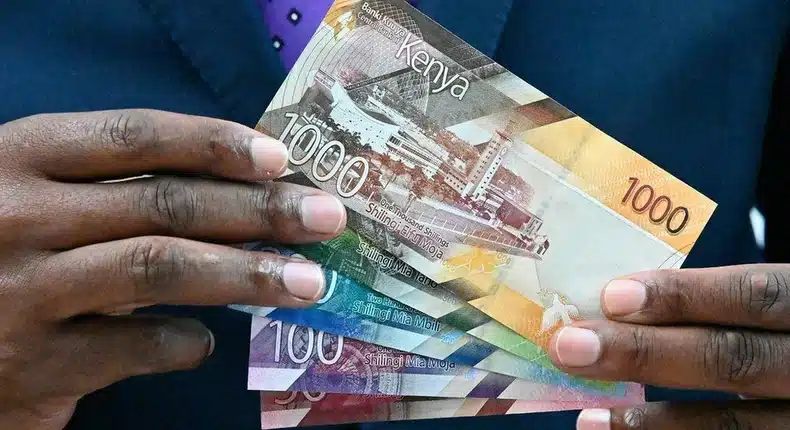
Growing concerns have been raised regarding the impact of the weakening shilling on Kenya’s debt profile, particularly as foreign debt accounts for 52.9% of the country’s total debt.
During the first half of the fiscal year 2022-23, the devaluation of the shilling against the US dollar resulted in Kenya borrowing Sh3.43 billion to cover the budget deficit in foreign debt service commitments, as reported by the Auditor-General.
To safeguard taxpayers from increased debt service requirements caused by foreign exchange exposure in the public debt stock, the Auditor-General has urged the Treasury to consider adopting hedging strategies.
Based on information provided by the Controller of Budget, the Auditor-General highlighted that Sh3.43 billion was allocated in the first half of 2022-23 to cover deficits in payments on external debt resulting from fluctuations in foreign currency rates.
These concerns arise at a time when recent data from the Central Bank of Kenya (CBK) reveals that Kenya’s public debt stock stood at Sh9.63 trillion as of April 2023, with foreign debt accounting for 52.9% of the total debt. This percentage has increased from 50.9% in January, reflecting the impact of the weakening shilling on the country’s debt profile.
According to CBK statistics, the shilling has depreciated by 13.9% against the US dollar since the beginning of 2023, with the exchange rate currently at 140.52 units.
In an attempt to alleviate pressure on the local currency, the government announced a credit agreement in March to purchase petroleum products from Saudi Aramco and the Abu Dhabi National Oil Company over a six-month period.
Additionally, the Office of the Auditor General has raised concerns over the payment of commitment fees amounting to Sh680 million for unused loans during the first half of the fiscal year 2022-23. The Auditor-General has emphasized the need for greater transparency and criticized the lack of clarity in recording liabilities at both the national and local government levels.
“There is the non-disclosure of loans and overdrafts held by other national and county government entities as well as other government liabilities such as pending bills and pension arrears. The government continues to pay commitment fees on undrawn amounts in respect of loans signed between the government of Kenya and foreign lenders. Within the first half of 2022/23, the National Treasury paid commitment fees worth Sh680 million,” the audit office reports.
Businesses and investors are being urged to have hope that Ghana’s economy will recover by Yaw Amoateng Afriyie, the Deputy Chief Executive Officer of the Ghana Investment Promotion Centre.
He stated, government has initiated steps to ensure the current economic crisis is resolved.
According to him, the political environment and peace in the country should still attract the interest of investors to see Ghana as the destination for investment.
‘’Ghana has consistently been ranked as the safest place in the sub-region and the second most peaceful country in Africa. This means, in the midst of volatile region, Ghana is the beacon of hope for investors.’’
Speaking at the second edition of the Financial Economic Seminar, Mr. Afriyie indicated, the focus of GIPC post covid-19 and Russia-Ukraine war is to position the country to attract direct foreign investment to help restore the economy.
He stressed the need for investors to look at the vast opportunities in the country especially in the area of agriculture and the manufacturing sectors among others.
‘’We in GIPC view our current state of affairs with optimism and maintain that there is no better place to do business than here in Ghana because we see prospect for global and local businesses to benefit’’.
The second edition of the Financial Economic Seminar was put together to deliberate on impact of state policies on trade and industries.
It brought together experts from the banking sector, trade and industry as well as academia.
Since 2017, government dedicated GH¢800 million to foster the growth and progress of micro, small, and medium-scale enterprises (MSMEs) in Ghana.
Chief Executive Officer of the Ghana Enterprises Agency (GEA), Kosi Yankey-Ayeh, disclosed that over 900,000 businesses have received assistance during this period to enhance their expansion and development.
The support provided encompasses financial aid, training, capacity-building, and business advisory services, among other forms of assistance. These details were shared during the commemoration of World MSMEs Day in Accra.
Organised by the GEA, the event was on the theme “Building resilient and sustainable MSMEs to create one million jobs.”
Mrs Yankey-Ayeh said the supports were designed to equip MSMEs with the right tools that would put them on a trajectory of growth, and help them succeed in the long term.
The Agency, he noted, had embarked on several initiatives aimed at fostering an enabling environment for MSMEs to thrive.
She said, through its partnerships with institutions including the Food and Drugs Authority (FDA) and other regulatory bodies, the Agency had streamlined bureaucratic processes and reduced the constraints MSMEs face in mainstreaming and formalising their businesses.
In this regard, she noted that more than 1,000 products have been given regulatory approval within the past six years.
Mrs. Yankey-Ayeh noted that MSMEs exist to drive economy and it was the focus of the Agency to do all it could by providing the necessary support for them to maximise their contributions to national development.
The celebration of the World MSME Day, she said, provides an opportunity for MSMEs, regulators and supportive institutions to take stock of what has been, challenges and how they could be addressed as well as create the platform for networks and stronger relationships in creating sustainable jobs.
The Deputy Minister of Trade and Industry, Dr Stephen Amoah, advised businesses to ensure proper bookkeeping for effective records of financial transactions.
This, he said, was critical to the sustainability of the business as well as enabling entrepreneurs to identify new areas of investment.
“I want to take this opportunity to advise business owners to undertake proper bookkeeping at all times. A business can only be successful if records are intact and it is managed like a business.
There is the need for businesses to set up annual budgets and separate ownership from control. This is a vital factor in making a sustainable business and achieving growth,” Dr. Amoah added.
The Ministry, he noted, would in the coming months undertake a capacity-building exercise on bookkeeping for trade unions to enhance their skill in that area.
President Nana Addo Dankwa Akufo-Addo has reaffirmed the commitment of his administration to revitalizing the struggling economy.
He emphasized that his government is diligently working towards restoring the economy to a robust state.
In recent times, the economy has faced significant challenges, including rising prices of goods and services, an unsustainable debt burden, and a fluctuating currency, leading the government to seek a $3 million bailout from the International Monetary Fund (IMF).
During the Eid-Ul-Adha celebration on Wednesday, June 28, the President addressed Muslims and attributed the stability in petroleum product prices and the local currency to a decrease in inflation.
“I said at the height of the COVID-19 pandemicthat we do not know how to bring back lives, but we know how to bring back an economy. I stand by those words. Insha Allah, we are working to restore the economy to full health, and, Insha Allah, we shall do so”.
“The currency has seen some stability lately, and, through the Gold for Oil Programme, we have seen the stability in the prices of petroleum products as well, all of which are bringing inflation down. Things are getting better, and will get better, I can assure you. Things are getting better and will get better”.
He assured his commitment to implementing policies such as the 1-District-1-Factory, Planting for Food and Jobs, and Free Senior High School, among others.
“We have continued to keep the lights on. We have continued to provide free SHS education. We have continued to ensure drone delivery of critical medicines to needy and remote communities. We have continued to keep the Zongo Development Fund. We have continued to build new roads and repair old ones. We have continued with our 1 -District-1 -Factory policy, and the Programme for Planting for Food and Jobs.
The Deputy Ranking Member of the Financial Committee in Parliament, Isaac Adongo, has criticized President Akufo-Addo for blaming rating agencies for contributing to the country’s economic woes.
The Member of Parliament for Bolgatanga Central is of the view that the ratings of these international rating agencies have a great deal in borrowing from developed countries.
Isaac Adongo further described President Akufo-Addo as a dishonest man for enjoying the benefits of high financial ratings but having a problem with low ratings from the same bodies when their findings are nothing but the truth.
“You see the dishonesty, when the rating agencies were rating us high and we were going to the capital markets and showing them the rating of Ghana and collecting the $3 billion, were we in bed with them to deceive the investors? What have the rating agencies said that is not true?
“They should tell that man [Akufo-Addo] that rating is not a diplomatic manoeuvre, he should stop going around his peers and telling them stories. The rating agencies and the capital market predates his own life, and it is part of the global financial system that has come to be accepted. He has been a beneficiary of it,” Adongo said.
President Akufo-Addo during the 30th Africa Export and Import Bank annual meetings, took a swipe at rating agencies for their “reckless” downgrades of African economies during the COVID-19 pandemic and the Russia-Ukraine conflict.
He noted that these downgrades have led to countries, especially Ghana being shut out of the international capital market.
“I can comfortably and convincingly say this as the AU champion for African financial institutions and leader of a country, which recently had to deal with one of the most difficult periods in his post-independence history, difficulties which were exacerbated by the reckless behaviour of rating agencies that engaged in pro-cyclical downgrades shutting Ghana out of capital markets and turning it liquidity crisis into a solvency crisis.
“The country which had become the favourite child of bondholders, and had successfully gone to market at the height of the pre-Covid downturn was suddenly shut out of international capital markets,” Akufo-Addo said during his speech at the 30th annual meetings of Afreximbank.
From June 8 to 15, an IMF staff team led by Stéphane Roudet visited Ghana as part of its regular interaction with Ghanaian authorities and other stakeholders.
The discussions focused on recent economic developments and implementation of the Fund-supported programme approved on May 17, 2023.
At the conclusion of the visit, Mr Roudet issued a statement saying: “During the visit, we discussed recent macroeconomic developments”.
“Against a complex global economic backdrop, the Ghanaian economy is showing signs of stabilisation, with softening inflation, an increase in international reserves, and a less volatile exchange rate”, he observed.
He reported: “We also took stock of the authorities’ progress in meeting key commitments under the Fund-supported programme“, noting: “These will be formally assessed in the context of the first review of the Extended Credit Facility arrangement, which is expected to be undertaken in the Autumn”.
Mr Roudet pointed out that in discussing the progress on the debt restructuring operations, “we reiterated that timely restructuring agreements with creditors are essential to secure the expected benefits of the Fund-supported programme”.
He said: “IMF staff held meetings with President Akufo-Addo, Vice President Bawumia, Finance Minister Ofori-Atta, and Bank of Ghana Governor Addison, and their teams, as well as representatives from various government agencies, the Parliament’s Finance Committee, the private sector, and civil society”.
He said the staff “would like to express their gratitude to the Ghanaian authorities and other stakeholders for their constructive engagement and support during this mission”.
Government is rolling out significant incentives to drive interest in commercial agriculture with the ultimate aim of revamping the ailing economy.
Under the Novel Agricultural Focus Economic Enclave, the government is making available suitable lands fitted with power supply, irrigation, warehousing, and other inputs to enable stress-free farming across the country.
To address bureaucracy, the government has tasked the Millennium Development Authority to implement the agenda.
The President also provided the fine details on the Novel Agricultural Focus Economic Enclave.
According to him, under the Novel EEP, “government is facilitating the availability of suitable and well-prepared land fitted with farm roads, power supply, irrigated water, some farming equipment and much-needed infrastructure for trainee farmers’ accommodation, grain processing import and equipment storage and warehousing.”
The 8-point agenda highlighted by President Akufo-Addo are:
Supporting commercial farming and attracting educated youth into commercial farming.
Building the country’s life manufacturing sector
Developing engineering machine tools in ICT digital economy industry
Fast-tracking digitisation
Developing Ghana’s Housing and Construction Industry
Establishing Ghana’s regional hub
Reviewing optimising implementation of government’s flagship and key programmes
Creating jobs for young people and expanding opportunities to the vulnerable in society including physically challenged persons
Emphasizing the need for immediate action, economist Prof Godfred Bokpin has underscored the urgency for the government to implement strategic measures aimed at rebuilding trust in the nation’s financial system.
During an interview on JoyNews’ PM Express, the professor emphasized the significance of a credible plan, especially concerning government bond payments.
He highlighted that such a plan is crucial for instilling confidence in investors and fostering reinvestment.
“There is so much pain in the system, and with the IMF programme, the government needs to sit down and calm the market. Part of that will be having a credible plan of paying government bonds predictably. You just can’t restore confidence by mere words,” he said on Monday.
Acknowledging the challenges facing Ghana’s financial landscape, Professor Bokpin emphasised that restoring confidence required tangible actions, especially concerning the payment of government bonds.
He emphasised the need for a clear and predictable plan that would assure investors of the government’s commitment to meeting its financial obligations.
To address the current situation, Professor Bokpin urged the government to look beyond the banking sector and focus on the broader financial market, including the capital market and investment opportunities.
He indicated that addressing all areas of concern to create an environment that would attract both local and international investors.
“The focus should not only be the banking sector; we need to look at the capital market, investment, and others. So let’s iron all these out. When people see that the government is honoring bonds, etc., people will plow back the money. Because right now, people are withdrawing their money and looking at other ways to keep the money other than plowing it into the system.”
The call for a comprehensive approach to restoring confidence come after the International Monetary Fund (IMF) approved Ghana’s request for a $3 billion bailout.
On Wednesday, May 17, the first tranche – $600 million – of the $3 billion was credited to Ghana’s bank account.
The funds will be used for the balance of payment and budget support, as well as to stabilize the foreign exchange rate and control inflation.
Another tranche of funds is expected to be disbursed by June 2023 when IMF Mission will visit Ghana to review the country’s program considerations. Another review is scheduled for December 2023 before the final disbursement.
President Akufo-Addo has indicated that he has no objections to Chinese engagement and involvement in country’s economy.
According to him, China has, through the years, become a reliable partner that has supported Ghana’s economy in very difficult and trying times.
He made the remarks following a recent IMF country report that indicated that Ghana will likely lose its mineral resources and electricity revenues to China should the country default on paying a $1.9 billion debt.
Speaking during a panel discussion at the Qatar Economic Forum in Doha, President Akufo-Addo said investments from China has been vital to Ghana’s economy growth and development.
“Well, I don’t have any criticisms about Chinese involvement in the Ghanaian economy. They have been very helpful, it’s a matter of controversy in the West. For us, they have been friends and in terms of difficulty they have proven to be a strong partner,” President Akufo-Addo said.
Since 2000, Ghana has been a major recipient of Chinese loans with the country borrowing close to $5 billion from the Asian country which has been spent on major infrastructure projects.
While majority of these loans have been expended on these projects, there are concerns that the terms of the loan have not been unfavourable to Ghana, leaving the country highly indebted.
Currently, the external debt component of Ghana has surpassed $30 billion, which has been described as unsustainable debt levels.
An adjustment to growth figures shows that persistent inflation helped push Germany into recession in the first three months of the year.
Europe’s largest economy was also badly affected when Russian gas supplies dried up after the invasion of Ukraine, analysts said.
The economy contracted by 0.3% between January and March, the statistics office said.
That followed a 0.5% contraction in the last three months of last year.
A country is deemed to be in recession when its economy shrinks for two consecutive three-month periods, or quarters.
“Under the weight of immense inflation, the German consumer has fallen to his knees, dragging the entire economy down with him,” said Andreas Scheuerle, an analyst at DekaBank.
Germany’s inflation rate stood at 7.2% in April, above the euro area’s average but below the UK’s 8.7%.
Higher prices have weighed on household spending on things such as food, clothing and furniture. Industrial orders are also weaker, reflecting the impact of higher energy prices on businesses.
“The persistence of high price increases continued to be a burden on the German economy at the start of the year,” the federal statistics agency Destatis said in a statement.
Originally, the agency had estimated zero growth for the first quarter of this year, suggesting Germany would side-step a recession.
However, the revised figures showed household spending was 1.2% lower than in the previous quarter.
Government spending was 4.9% lower, and car sales also fell after government grants for electric and hybrid cars were scaled back.
The recession was less severe than some had predicted, given Germany’s heavy reliance on Russian energy. A mild winter and the reopening of China’s economy, helped ease the impact of higher energy prices.
Private sector investment and exports rose, but that was not enough to get Germany out of the “danger zone” for recession, analysts said.
“The early indicators suggest that things will continue to be similarly weak in the second quarter [of 2023],” said LBBW bank analyst Jens-Oliver Niklasch.
However, the German central bank, the Bundesbank, expects the economy to grow modestly in the April to June quarter, with a rebound in industry offsetting stagnating consumer spending.
The IMF has predicted that Germany will be the weakest of the world’s advanced economies, shrinking 0.1% this year, after it upgraded its forecast for the UK from minus 0.3% to growth of 0.4%.
Founder Ashesi University’s, Dr. Patrick Awuah, has urged for collaboration among African business schools in higher education to aid graduates in reflecting on other people’s experiences to address economic problems.
He admonished African business schools to have well-written case studies of local companies and national economic crises, failures, challenges, and successes to learn from the experiences and develop comprehensive measures to address crises in the financial sector.
Dr. Awuah made the call at a conference of the Association of African Business Schools in Accra on the topic: “Are Business Schools Relevant in Africa,” hosted by the Ghana Institute of Management and Public Administration (GIMPA).
He said one of the best ways to learn was from experience, stressing that it was much better to learn from the bad experiences of others to develop better options to address the situation.
Using Ghana as a case study, he said the country’s banking crises between August 2027 and the end of 2018 contributed significantly to the current economic crises faced by the country.
The crisis led to the collapse of 23 banks, 25 savings and loans, and 137 microfinance institutions, with two banks taken over by the GCB, and five banks merging as the Consolidated Bank of Ghana.
He said the major reasons cited for the collapse of the financial institutions were poor corporate governance on the part of the management of the banks and financial institutions, conflicts of interest in the awards of loans, failure to oversee proper auditing, among others.
“Other countries adopted different measures to address their banking crises. Kenya, for instance, addressed its challenges quietly, where depositor funds were secured and the cost involved was less than Ghana’s own,” he said.
“What if the current managers of our economy had had the benefit of reading and reflecting on cases that were locally relevant 30 years ago when they were in business school.
“And if we write the right cases now for this crisis, for example, and hopefully 30 years from now, the errors that we made in 2017 and 2018, will not be repeated in our country,” he said.
He said what the country, especially Business Schools had done was write and publish articles in international journals that only other academia could have access to and that were mostly written in “dry” language that the media, politicians, and business people could not comprehend.
“This is happening because publishing in those international journals is what will get the lecturers promoted,” he said.
He urged Universities to have broader discussions with the Ghana Tertiary Education Commission on issues of what cases or journals to publish for promotion, adding that, the primary focus of every business school was to ensure good governance and deal with corruption.
“We need to address the challenge of high integrity leadership at every University business school in Africa to shape the future and enhance the pace of development on the continent,” he said.
Prof Samuel Bonsu, Rector of GIMPA, called on young graduates to work hard to achieve their career aspirations, stressing that success was not achieved on a silver platter.
Professor Famiyie, Dean of GIMPA Business School, said the conference would study the complexities in the system and adjust its teaching contents to correspond to the needs of society.
Prof Jonathan Foster-Pedley, Chair, Association of African Business School urged African universities to take the lead and provide ideas and principles to create a better ethical structure.
Chief Director of the Ministry of Finance (MoF), Eva Mends, has stated that her organization believes in transparency and the necessity for Ghanaians to be informed about the US$3 billion loan approved by the International Monetary Fund (IMF).
According to her, the availability of data and information from the finance ministry would help squash false information and fake news within the public domain.
Addressing journalists during a technical briefing session on Ghana’s IMF programme in Accra Thursday, May 18, 2023, Eva Mends said, “Today, we are commencing the first in the series of updates to Ghanaians on our US$3 billion Extended Credit Facility with the International Monetary Fund (IMF). We expect to sustain this partnership with the Ghanaian people and you as you prove timely and accurate information on this new path toward economic stability and building a resilient economy.”
She further said, “We are fully aligned with the Ministry of Information’s #Verifyfirst campaign, recognizing the potential harm that false information can cause to the public and the overall development of our nation. By providing you with accurate and verified information, we aim to ensure that Ghanaians have access to reliable sources of news and updates.”
“We understand the power of transparency and believe that by working together, we can achieve our shared goals of economic growth, financial stability, and improved living standards for all Ghanaians,” the Chief Director of the Ministry of Finance stated.
On Wednesday, May 17, 2023, the IMF Executive Board approved Ghana’s US$3 billion bailout programme.
The US$3 billion programme which translates to SDR 2.242 billion is a 36-month ECF arrangement for Ghana.
According to IMF, the approval will enable an immediate disbursement equivalent to SDR 451.4 million – about US$600 million.
The IMF financial bailout programme is aimed at restoring Ghana’s macroeconomic stability and debt sustainability.
The International Monetary Fund forecasts that economic growth will gradually return to its long-term potential of roughly 5% beginning in 2026.
In its country report after the board approval of an economic recovery programme of $3 billion, the fund stated that growth is expected to remain subdued in the coming years, while inflation gradually returns to target.
It noted that the implementation of the IMF program should help return inflation to single digits by 2025. The current account deficit would reach around 3 percent of GDP over the medium term.
“The current crisis, the envisaged fiscal consolidation path and domestic debt restructuring, as well as the difficult external environment is expected to lower growth to around 1.5 percent in 2023.
“This assumes expansion of 6.1 percent in extractive sectors (primarily oil, gas, and gold) supported by buoyant commodity prices, and 0.7 percent in non-extractive sectors—the lowest values since the 1980s,” parts of the report read.
On the other hand, the current growth in the country’s population which currently stands at more than 2% would imply a recession in per capita terms.
“The relatively strong performance in extractive activities (about 6 percent annual growth in 2023-26) reflects the opening of large new gold mines, the ongoing recovery in small-scale gold mines, as well as the planned expansion in oil and gas production,” the report said.
Former Minority leader, Haruna Iddrisu, has claimed that the government will need to raise about $10.5 billion by the end of the year to save the economy from collapsing.
Giving a breakdown, he explained that the government plans to receive $3 billion from the International Monetary Fund (IMF) and bilateral or multilateral donors each.
However, he noted that the government is currently unable to determine where exactly it would raise the remaining $4.5 billion to ensure full recovery.
“The expectation is that 3 billion (dollars) will come from the IMF. Another 3 billion (dollars) from bilateral and multilateral donors. The other 4.6bn (4.5bn) sic. Government has no clue where that will come from. We are in distress, major economic distress. We have gone beyond an economic crisis,” he told JoyNews.
With respect to receiving support from the IMF, the Member of Parliament for Tamale South, asserted that Ghana would only be able to access the money in July of this year.
He did not provide reasons for this assertion, however, he said “I do not foresee an IMF closing until July 2023.”
Government has failed to meet the deadlines it has provided to receive assistance from the Fund. Government had predicted March but failed to see to it.
The Fund is currently unable to release the funds to Ghana due to the country’s inability to receive financial assurance from creditors who are to provide assurances they will restructure its debt as a condition of signing off on the loan.
According to the IMF, until this is done, it would not be able to provide the credit facility.
In view of this, economic experts are projecting that Ghana would receive assistance from the IMF by May this year.
Meanwhile, Finance Minister Ken Ofori-Atta has said a memorandum of understanding with official creditors and an agreement in principle on Eurobond restructuring are expected by July, with a 2030 Eurobond partially guaranteed by the World Bank included in the restructuring.
Ghana began formal engagements with the IMF in July 2022 and reached a staff agreement in December of that year.
The opposition National Democratic Congress (NDC) claims that the government is not doing enough to improve the situation of Ghanaians in its national communications officer.
Sammy Gyamfi claimed that the current economic crisis is unfairly affecting the populace.
He claimed that as a result, anyone who asserts that the economy is recovering has no regard for Ghanaians and their suffering.
On Thursday, April 27, Mr. Gyamfi encouraged the government to focus on saving the economy rather than obtaining unauthorized credit during an appearance on Asempa FM’s Ekosii Sen program.
He claimed that, rather than using catchphrases, that was the government’s current most essential responsibility.
“We must speak the truth which reflects the hardship the country faces. Today, if anyone tells you that all is well, it means the person is insulting you and that the person does not respect you.
“To say that things are getting better is to insult the insensibilities of suffering Ghanaians whose living conditions keep worsening by the day.”
National Communications Officer of the National Democratic Congress (NDC), Sammy Gyamfi
Ghana is currently before the Bretton Woods Institution for a $3 billion bailout.
As a result, government has renegotiated its domestic debt and is on course with foreign partners as well.
However, critics of government have argued that the government went to the International Monetary Fund (IMF) late.
As a result, the country which is struggling with its worst economic crisis in a generation, secured a staff-level agreement with the International Monetary Fund (IMF) in December for a $3 billion loan, though asking lenders to provide financing assurances is a condition for the IMF’s board to sign off the programme.
Meanwhile, the Chinese government has given a strong indication that it is willing to help Ghana secure the balance of payments bailout from the IMF.
According to the Chinese government, it has an obligation to ensure the Ghanaian economy does not collapse.
Institutions in the banking sector have been entreated by the Central Bank to focus on strategies such as risk management, innovation, stakeholder engagement, transparency and disclosure and collaboration.
This is to ensure they remain resilient in times of uncertainty. The Bank of Ghana holds the assertion that sustainable banking is a crucial tool for addressing challenges of uncertainty and volatility in the global economy.
Deputy Director of Banking Supervision, Ismail Adam, said by integrating Environmental, social, and governance (ESG) criteria into banks’ decision-making processes, banks can create long-term value for both society and investors, while promoting a more sustainable and equitable future.
Deputy Director of Banking Supervision, Ismail Adam
Speaking at the launch the Integrated Environmental, Social and Governance (IESG) programme for Ghana, he said one of the key challenges facing banking business is uncertainty and volatility of markets and economies, but sustainable banking can help address these challenges by promoting risk management with a forward-looking view, as well as helping to build more resilient and sustainable economies.
He further that the Bank of Ghana has undertaken a number of activities towards the implementation of the SBPs and therefore it is his expectation that this project would complement the efforts of the Central Bank and leads to the full implementation of the SBPs across the banking industry as well as within Bank of Ghana itself.
Some key activities undertaken by BOG include building the capacity of staff on the SBPs as well as getting a dedicated office within the bank to oversee the full implementation SBPs, developing a road map to ensure banking industry training on all the principles by the end of 2023 and analysing four rounds of reports received from the banks, beginning March 2021 to September 2022.
Mr. Adam said the reporting templates received from the banks suggest a steady progress with the implementation of the SBPs with average compliance rate at 53.37% as of September 2022.
The programme builds on two previous IFC initiatives in collaboration with the Bank of Ghana that culminated in the launch of Ghana’s Sustainable Banking Principles, in 2019.
All Ghanaian banks have now signed on to the principles, thereby recognizing that a holistic approach to risk management must include ESG considerations.
A member of the Communications Team of the opposition National Democratic Congress (NDC), Dr Sammy Ayeh, has said that has no hand in current economic recovery of the country.
Inflation for the month of March lowered to 45 percent from 52.8 percent in February, earning the praise of the Ghana Union of Traders’ Association (GUTA).
The country is also nearing its negotiations with the International Monetary Fund (IMF) for the Executive Board’s approval of the $3 billion being sought.
Speaking on TV3‘s New Day on Wednesday, April 19, Dr Ayeh said the marginal improvement in economic conditions in the country has nothing to do with any policies of the government.
There is no ingenuity on the part of the government for what is being witnessed, he insisted.
“They have no hand in it,” he added.
He said no policy by government can take Ghana out of the current economic “mess” created by the Akufo-Addo-led government.
Dr Ayeh cited how the President had been flying in luxurious jets at the expense of the tax payer while government expenditure ballooned within a short spate of time.
He expressed doubt that the current alternative proposal to roll out another debt restructuring programme will yield any positive result.
British Chancellor Jeremy Hunt claims that the country’s economy is “back” and that the Washington meeting of the International Monetary Fund (IMF) has praised his growth strategy.
Following a barrage of criticism, his predecessor Kwasi Kwarteng departed the previous IMF meeting in October early.
According to Mr. Hunt, the international lending organization noticed that he was “putting the British economy back on the right track”.
The UK economy, according to the most recent data, did not expand in February.
The IMF predicted on Wednesday that the UK economy will contract by 0.3% in 2023, ranking it among the worst-performing of the world’s major countries.
When challenged over whether the UK’s current performance undermined his positive message, Mr Hunt said: “It’s other finance ministers who are telling me Britain is back”.
Britain’s economy has only just recovered to the size it was prior to the pandemic, following months of industrial action, rapidly rising prices and labour shortages.
On Friday nurses in the RCN union rejected the offer of a 5% pay rise and said they planned to strike again at the start of May. Meanwhile, NHS junior doctors in England are currently staging a four-day walkout over pay, ending at 07:00 on Saturday.
The wave of industrial action affecting the UK in recent months has contributed to its lack of growth, the Office of National Statistics said this week.
However, Mr Hunt said it was important to avoid fuelling further inflation through pay rises. He said Britain had avoided recession this year “so far”, and that he hoped to see faster growth and falling inflation in the months ahead.
Measures in his March Budget to help businesses recruit more staff and to increase investment, including an increase in childcare funding, should stimulate growth, he added.
Investor confidence in the UK was shaken last year during the short-lived government of prime minister Liz Truss, which saw Mr Kwarteng present an economic strategy that included major tax cuts without an explanation of how they would be funded.
The outlook for the UK, which relies heavily on financial services, could be clouded by current uncertainty in the banking sector, following the collapse of three US banks and UBS’s emergency takeover of Credit Suisse.
However, Mr Hunt said the UK had “a very robust, resilient banking system”, which was now in a much better position than it was before the 2008 financial crisis.
“Am I confident in the resilience of our banking system, the second largest financial services centre in the world?’ Yes, I am,” he said.
While the government is considering reforming some of the rules governing financial services, put in place after 2008, Mr Hunt said the plan was “absolutely not to unlearn the lessons of the financial crisis”.
“We are looking at all of these things, but we’re not going to do it in a way that rows back on any of the very important protections that we have in place,” he said.
But he said the growth of the UK’s tech and life sciences industries meant regulations needed to adapt.
“We have a lot of high growth companies in the UK, and they need to have banking services that suit their needs. And that’s a difference from a decade ago,” he said.
One of Africa’s most prominent businessmen, Sir Sam Esson Jonah, has entreated government to put into consideration the livelihoods of citizens when drafting policies meant to assist the recovery of the economy.
Addressing the fifth session of the 55th graduation of the University of Cape Coast (UCC), the Chancellor of the institution, Sir Sam said citizens are not being shielded but rather government is playing the blame game.
According to him, “this is not the time for blame game.”
“We are facing unprecedented times against the backdrop of complex, volatile and uncertain economic and geopolitical developments.
“This situation has fostered a growing sense of hopelessness and helplessness, particularly among our youth, a development which has the potential to undermine the security and stability of our nation,” the UCC chancellor said.
Sir Sam Jonah described the economic situation as “very challenging,” with interest rates and inflation at intolerably high levels.
With the local currency also volatile, the business executive, who chairs the boards of a number of companies across the world, said it made for “a dangerous cocktail.”
“As we have been witnessing, there are no pretty policy choices for dealing with this situation,” he said.
In his opinion, the way forward is to take “our decisions with empathy and a keen understanding of the impact of our actions on the lives of our citizens.”
“My advice to key policymakers is that the times we live in call for a healthy dose of humility in decision making as we navigate the difficult path of economic restructuring,” he added.
The ceremony was for persons who completed various postgraduate programmes of study in the 2021/2022 academic year.
It was graced by the Paramount Chief of the Oguaa traditional area, Osabarimba Kwesi Atta II, some Members of Parliament (MPs) and the academic community.
Make challenges opportunities
Turning his attention to the graduates, Sir Sam said they must view the challenging times as an opportunity for growth, innovation and change.
He said their UCC journey had given them the essential skills needed to weather the current storm and they must now be versatile, innovative and adaptable.
“You have also learnt that in life, success in any endeavour is a product of hard work, commitment, dedication, discipline and of course, the right attitude.
“Let me remind all of you that it is during the most trying moments in history that true leaders emerge and your education has provided you with the tools to become those leaders,” he said.
Sir Sam urged them to be creative and passionate as that would help them to make a positive impact on society.
He further encouraged them to stay curious, never stop learning and should not shy away from challenges.
“Your journey may not always be smooth but persevere because it is through adversity that we grow stronger and wiser.
The future of our nation lies in your hands,” he added.
The President of the Arab Republic of Egypt Abdel Fattah El-Sisi has praised the African Development Bank Group’s efforts to assist the continent in coping with the effects of global economic issues.
The Egyptian leader on Tuesday received the President of the African Development Bank Group Dr Akinwumi Adesina in the capital Cairo.
Dr Adesina was accompanied by the bank’s Chief Economist and Vice President Professor Kevin Urama and the Secretary General Professor Vincent Nmehielle. Others at the meeting included the Governor of the Central Bank of Egypt Hassan
Abdallah, Deputy Governor for Monetary Stability Rami Aboul Naja and Deputy Governor for External Affairs Mannullah Farid.
Dr Adesina was in Egypt to familiarise himself with preparations ahead of the Bank Group’s 2023 Annual Meetings scheduled for 22-26 May in the resort city of Sharm El-Sheikh.
Up to 13 heads of state and government are expected to join the bank’s Governors, executive directors, development partners and management at the meetings to discuss Mobilizing Private Sector Financing for Climate and Green Growth in Africa.
President El-Sisi said Egypt looked forward to continuing and increasing cooperation with the bank in various development sectors.
The bank is closely working with Egypt to mobilise international climate financing to address the country’s climate challenges, building resilience of vulnerable systems and promoting sustainable development.
The Just Green Transition (JGT) initiative has a pipeline of investment-ready projects worth $14.8 billion to tackle the Nexus on Water, Food and Energy.
The African Development Bank was asked to lead mobilisation of financing for the water pillar projects.
Dr Adesina said, “The bank has mobilised $2.3 billion exceeding the initial target of $1.4 billion.”
In addition, the bank is supporting water desalination projects in the country.
The African Development Bank Group head praised Egypt’s bold efforts to tap into private sector finance for green growth initiatives.
The government of Egypt plans to issue a green bond in the Chinese capital markets by end of June this year. The Green Panda Bond with a face value of $500 million will be issued in Chinese Renminbi.
Dr Adesina said, “This will be the first time for an African country to issue a bond in the Chinese capital markets.”
The bank’s Board of Directors will in the next couple of months discuss Egypt’s request to provide a partial credit guarantee of $345 million to support the issuance of the bond.
The Green Panda Bond will be the latest among several other bonds that Egypt has issued since 2020 when it launched its Green Financing Framework.
Adesina also commended Egypt for its commitment to increasing the role of the private sector in the economy.
Egypt launched early this year the privatisation of 32 state-owned entities worth $40 billion over the next four years to reduce the footprint of the public sector in the economy and give more room to private sector to grow.
In terms of additional financial support to Egypt in 2023, the bank plans to provide the country $133 million to deal with macroeconomic instability caused by the continuing global compounded crisis.
Last year, the bank provided $272 million policy-based operation in supporting Egypt’s efforts to tackle the impact of the crisis.
On Wednesday, Dr Adesina met with the Governor of South Sinai Governorate, Major General (Rt) Khaled Fouda who said the city of Sharm El Sheikh was ready to host more than 2,000 delegates who will be attending the bank’s Annual Meetings in May.
Adesina said the bank was impressed by the infrastructure and facilities the Egyptian government had established in Sharm El-Sheikh, which successfully hosted last year’s COP 27.
“The infrastructure you have developed in Sharm El-Sheikh is amazing. It’s world class. The city is constantly changing, putting green growth at the heart of its development. It’s an example of how
successful financing of municipalities and other sub-national entities can deliver impactful social economic development,” the bank chief said. “Other African countries can learn from Sharm El-Sheikh.”
Adesina also met with diplomats representing the bank’s shareholders and development partners in Egypt. He said the bank was committed to supporting countries across Africa achieve accelerated development despite the recent economic shocks and geopolitical tensions affecting them.
“It is a very difficult world to be dealing with, and so as African Development Bank, our role is to support the accelerated development of African countries in financing their economic and social development agenda, and also building the resilience of their economies. We help African countries to be able to deal with the series of shocks—whether it is climate, whether it is debt, whether it is recovering from the Covid-19 situation, or whether it is investing in the things they need for structural transformation of their economies,” Adesina reaffirmed.
Present at the event were Egypt’s Minister for International Cooperation Rania Al-Mashat; Deputy Assistant Minister for Regional Economic Organizations Ebtisam Rakha; the Acting Central Bank Governor of Egypt, Mr Hassan Abdallah, who is also the Governor for Egypt of the African Development Bank; Dr Mohamadou Labarang, Cameroon Ambassador and dean of African Ambassadors in Egypt; and the bank’s Executive Director Nomoto Takaaki.
Ghana has lost its status as an agricultural nation to service, according to Godfred Bokpin, a professor at the University of Ghana Business School.
Even with the service status, he said, it is only based on retail and wholesale thereby relying heavily on importation.
Once the country imports heavily, it creates jobs for others countries and creates unemployment domestically, he added.
Speaking at the 3Business Economic SustainabilitySummit held in Accra on Tuesday April 4, Prof Bokpin said “Ghana, from independence, was known for agriculture but today Ghana is not known for agriculture. Ghana is known for service but the question is, is Ghana really a service-based economy?
“The answer is no. Typically, if you look at the economic transformation when a country begins from agriculture and suddenly service is leading it tells you that that economy is matured so it has gone through that process but in the case of Ghana we started off agriculture being the leading contributor to the GDP and then we skipped industry, that is what the data is telling us and then we jumped straight to service.
“That service sector is actually not quality service, it is the sector that is driven by retail and wholesale, largely import. Once your service sector is leading particularly in the area of retail and wholesale, once your industry isn’t doing well then it means the bulk of what is happening is going to be important, typically once you import, you are important unemployment.”
The U.S. vice president’s week-long journey through Africa is now over. On her three-leg trip, Kamala Harris met with the leaders of Tanzania, Ghana, and Zambia.
She made an effort to strengthen and recast American relations with the continent if the influence of other foreign powers was a concern during her tour.
On Saturday April 1 2023, she emphasized significant advances made in that direction.
“My visit has convinced me more than ever, that we must all around the globe appreciate and understand the importance of investing in African ingenuity and creativity. The type I have seen during the course of this trip,” she said.
“In my meetings with the presidents of Ghana and Tanzania, and here in Zambia, we have launched new initiatives to strengthen our business ties. We have also advanced our work to support democracy and good governance on the continent, which will invariably create greater stability, predictability, the type that businesses require and need to invest,” she added.
“In each of these engagements. It has been clear there was a strong desire from leaders on this continent, from young entrepreneurs on this continent to increase investments on this continent.”
Digital access to Africa’s economy
If Harris acknowledged some places on the continent lead the world in digital solutions, she laid out an agenda for partnerships in digital solutions as she pointed to discrepancies across Africa. For these, she vowed U.S support.
“[…] In other places on the continent, we see that there is a lag and that there are many who lag behind and we must be clear about the challenges presented to close these gaps and then commit to take action because solutions are within sight and within reach.”
The United States have ramped up efforts to reengage with African countries after last year’s US-Africa summit. President Joe Biden said he intends to visit this year as well.
“President Biden, through these initiatives, has pledged to work with the United States Congress to invest $350 million and to facilitate nearly half a billion dollars in development financing, to make sure that people across the continent can participate in the digital and global economy.”
After speaking during a roundtable discussion with business and philanthropic leaders in Lusaka, Kamala Harris departed for Washington.
Harris’ visit is the latest in a string of visits to Africa by high profile U.S officials.
Ghana’s first president of,Dr. Kwame Nkrumah, had his image engraved on a Guinean coin.
Dr. Kwame is said to have been close friends with Guinea’s first president, Sekou Toure as during his reign as president of Ghana, he sent £10 million to Guinea when its economy was being destroyed for voting for independence from France.
During Dr. Kwame Nkrumah’s overthrow in 1966, Sekou Toure said “Ghanaian traitors have been mistaken in thinking that Nkrumah is simply a Ghanaian. He is a universal man.”
Ghana’s first president went into exile in Guinea after a coup to overthrow him in 1966 and was made a co-president of thecountry by his friend, Sekou Toure.
Sekou Toure revered and loved his friend so much that even in death, he honoured Dr. Kwame Nkrumah by embossing his face on the 5 sylis note and coin of Guinea.
This syli currency was Guinea’s legal tender between 1971 and 1985 and the word means elephant.
The National Communications Officer for the National Democratic Congress (NDC), Sammy Gyamfi, has alleged that President Akufo-Addo is responsible for corruption in the country.
He again accused President Akufo-Addo of promoting corruption to the extent of going ahead with investigations to exonerate his appointees accused of engaging in corruption-related cases.
Sammy Gyamfi further slammed government officials for engaging in corruption which he said has taken a toll on the economy.
In an interview with Umaru Sanda Amadu, on Face to Face on Citi TV, Sammy Gyamfi claimed, “they have come to promote corruption.President Akufo-Addocame to enable corruption, if corruption was a human being, its name would have been President Akufo-Addo. If you wanted to see corruption, and you saw President Akufo-Addo you would have found your answers”.
He stressed, “no President in the history of this country has promoted corruption than President Akufo-Addo. This President engages in corruption, his Vice President engages in corruption, and their officials engage in corruption. When they are caught by state agencies, they either fight them or even before investigations are done, the President comes out to whitewash himself and sometimes his corrupt officials”.
He wondered why the President conferred a national award on the Health Minister, Kwaku Agyemang-Manu, who has been indicted by the Auditor General for misusing COVID-19 funds.
“As I speak with you, the Health Minister Kwaku Agyemang -Manu has been indicted by the Auditor General for paying $81 million for vaccines not supplied. Instead of sacking this man, President Akufo-Addo conferred a national award [Order of the Volta-Companion] on him. He also engaged in procurement breaches of Sputnik V vaccines,” he said.
President Akufo-Addo has pledged to revive theeconomy before leaving office.
He made this known when speaking at the 66th Independence Dap Parade at Adaklu-Tserefe near Ho on March 6, 2023.
According to him, the country saw significant economic growth prior to COVID-19 and the Russia-Ukraine War, which is why it is currently experiencing difficulties.
Despite this, he reaffirmed his commitment to making reforms throughout his short time in office.
“The next 22 months of my mandate will be focused on restoring the economy we had beforeCOVID-19 and the Russian invasion of Ukraine to the period of rapid growth. It is a solemn pledge I am making to you my fellow Ghanaians, and one which I am determined to fulfil,” he stated.
Speaking on the theme for this years celebration, “Our Unity, Our purpose, Our Purpose” the president said that the nation had not fully realised the potential, dreams, and aspirations of its forebears, who fought for its independence.
Ghana’s Minister of Finance, Ken Ofori-Atta, has implored a delegation from the China Exim Bank to assist Ghana in overcoming its current economic challenges.
China Exim Bank bears more than 40% of Ghana’s debt to China. The Chinese delegation was in Ghana before Ghanaian officials traveled there to negotiate debt reduction.
The Finance Minister made the plea at a farewell dinner for the Chinese delegation from the China Exim Bank, which was in Accra to work with the government on efforts to restructure an estimated $1.9 billion in debt owing to China.
Ghana’s current condition is “difficult,” according to Mr. Ofori-Atta.
“What Ghana needs as we go through our current challenging economic and financial circumstances is strong support from our lasting partners, including China, to restore lasting growth and support the vulnerable,” he said.
A report on the Ministry of Finance website stated that the delegation is in Accra on a three- day mission, ahead of Ghana’s upcoming mission to China, all in line with ongoing negotiations for a sovereign debt treatment.
Ken Ofori Atta will lead a high-powered government delegation to China to plead for the acceptance of the country’s proposal for debt cancellation.
Ghana is hoping to restructure $5. 7 billion with China holding a third of it amounting to $1.7 billion dollars.
Ghana is currently restructuring its debt both domestically and externally in order to access support from the IMF.
China is Ghana’s single biggest bilateral creditor with $1.7 billion of debt, while Ghana owes $1.9 billion to Paris Club members, according to data from the Institute of International Finance (IIF).