Tag: IMF

  • Maintain economic discipline after IMF exit to avoid return – GNCCI to government

    Maintain economic discipline after IMF exit to avoid return – GNCCI to government

    The government has been urged to manage the country’s finances carefully and stick to good economic decisions as it targets an exit from its current International Monetary Fund (IMF) programme-supported programme this year.

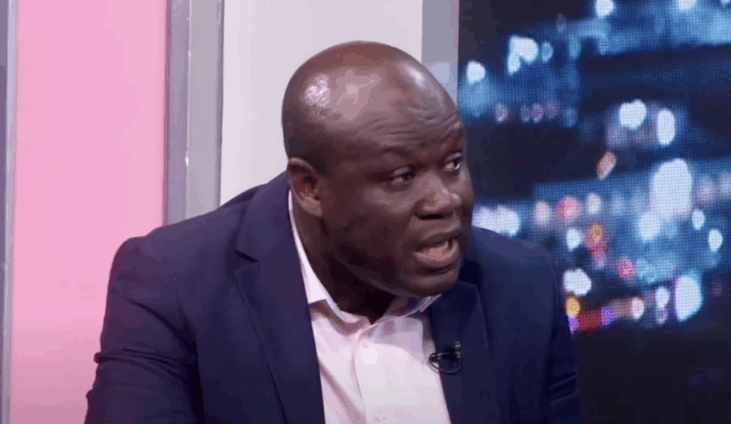
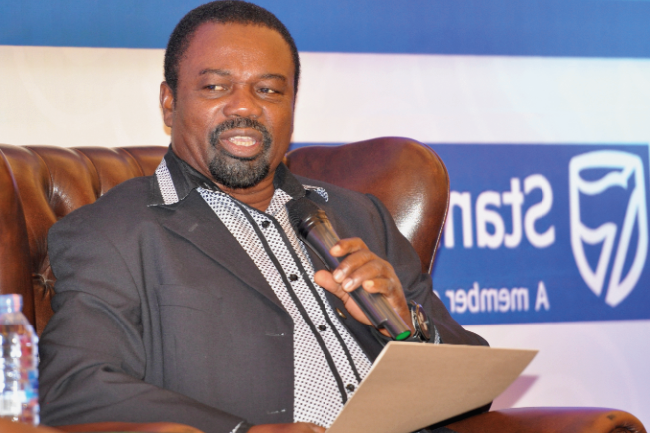
    According to the Ghana National Chamber of Commerce and Industry (GNCCI) CEO, Mark Badu-Aboagye, on Joy News’ PM Express Business Edition on Thursday, February 5, 2025, “If after the exit of the IMF, we cannot manage our economy, then the IMF should bring their head office here and control us.”

    He explained that Ghana usually follows the IMF’s financial guidelines while under the programme, but often returns to poor spending habits once it ends, which pushes the country back to seek help again.

    “There shouldn’t be any reason why we should deviate for these important fundamental changes that the IMF have brought to us; that is why we keep going there.”

    “If after the exit of the IMF, we cannot manage our economy, then the IMF should bring their head office here and control us,” he stated.

    Mr Badu-Aboagye said Ghana’s frequent return to the IMF has become a pattern that needs to stop, emphasising that the changes and financial reforms introduced during IMF programmes are long-term measures the country must continue to follow, not just short-term fixes.

    He warned that failure to manage the economy independently would make the country a permanent client of the Fund.

    He said Ghana will be judged on how it manages its economy after the IMF programme ends, stressing that the country must prove it can control spending, carry out reforms, and keep the economy stable without relying on outside monitoring.

    He said Ghana cannot continue to blame the IMF while still going back to them for help. He explained that the country must take responsibility for the economic changes and treat them as important national plans.

    Mr. Badu-Aboagye’s comments show that many business leaders want Ghana to keep the economy stable and restore investor trust, especially after the challenges the country has faced in recent years.

    He also stressed that leaving the IMF programme should not be seen as the final goal. Instead, he said it should push the country to stay disciplined, manage the economy better and continue the changes that have already been made.

    Meanwhile, a renowned economist at the University of Ghana Business School, Professor Godfred Bokpin, has warned that ending Ghana’s participation in the International Monetary Fund (IMF) programme in 2026 could have serious repercussions for the country.

    He expressed deep concerns, saying that such a decision could be disastrous, remarking, “I find it difficult to see how Ghana will survive after the programme.”

    At an event hosted by the Canada Ghana Chamber of Commerce, Professor Bokpin shared his views on the “2025 Budget in Perspective” and explained that if the government chooses to exit the IMF programme, the country would likely face considerable fiscal challenges. He stressed the importance of being prepared for these challenges.

    He also linked the recent increase in utility costs to IMF-required adjustments, clarifying that the IMF Board made it clear that these measures must be implemented for Ghana to access the vital $360 million balance of payment support.

    Addressing the issue of the IMF programme’s potential end, Bokpin referred to the previous administration’s suggestion not to renew the agreement, despite the economy still facing difficulties. He noted that after 2026, Ghana will begin paying back loans, which could place tremendous strain on the national budget.

    Reflecting on Ghana’s economic history, Professor Bokpin mentioned that despite the country’s initial advantage over nations like Malaysia and Singapore, its economy has never fully taken off since independence.

    He observed, “Since 1992, every budget has talked about macroeconomic stability, which is not an end in itself but a means to an end. Ghana’s economy is still struggling, despite initially performing better than Malaysia and Singapore, which are now far ahead.”

    He highlighted the fact that while Malaysia has never needed the IMF’s help, Ghana has sought IMF bailouts 17 times. He pointed out that although Ghana has invested similar amounts in development as Malaysia and Singapore, it continues to lag behind, attributing this to poor use of fiscal policy to foster economic growth.

    Joe Jackson, the CEO of Dalex, also weighed in, attributing the country’s economic woes to over-borrowing by the previous administration. He noted, “Our difficulties were triggered by over-borrowing. It was alarming to see the government spend 47% of its tax revenue just on debt servicing.” Jackson revealed that in 2020, Ghana’s public debt stood at GH¢ 291 billion, or 76.1% of GDP, and that interest payments consumed 47% of government revenue, which he described as a dire situation.

    Jackson also emphasized that the country’s exchange rate problems stemmed from the high interest payments on external debt and the repatriation of dividends by foreign investors, rather than any issues with the trade balance. “Our exchange rate struggles are not due to our trade balance, as we’ve had a trade surplus for some time. The real issue is the money we’re sending out to service debt and repatriate dividends,” he stated.

    In her opening speech, Linda Vasinani, President of CANCHAM, urged business leaders to take a more active interest in understanding the performance of the economy to better navigate future challenges.

    The session offered an in-depth look at the 2025 Budget and discussed the future of the IMF-supported programme, as well as its implications for the private sector.

  • Cedi depreciates by 4% against major trading currencies

    Cedi depreciates by 4% against major trading currencies

    Ghana’s cedi has recorded a 4% depreciation against major trading currencies, according to data from the Bank of Ghana’s January 2026 Summary of Economic and Financial Data.

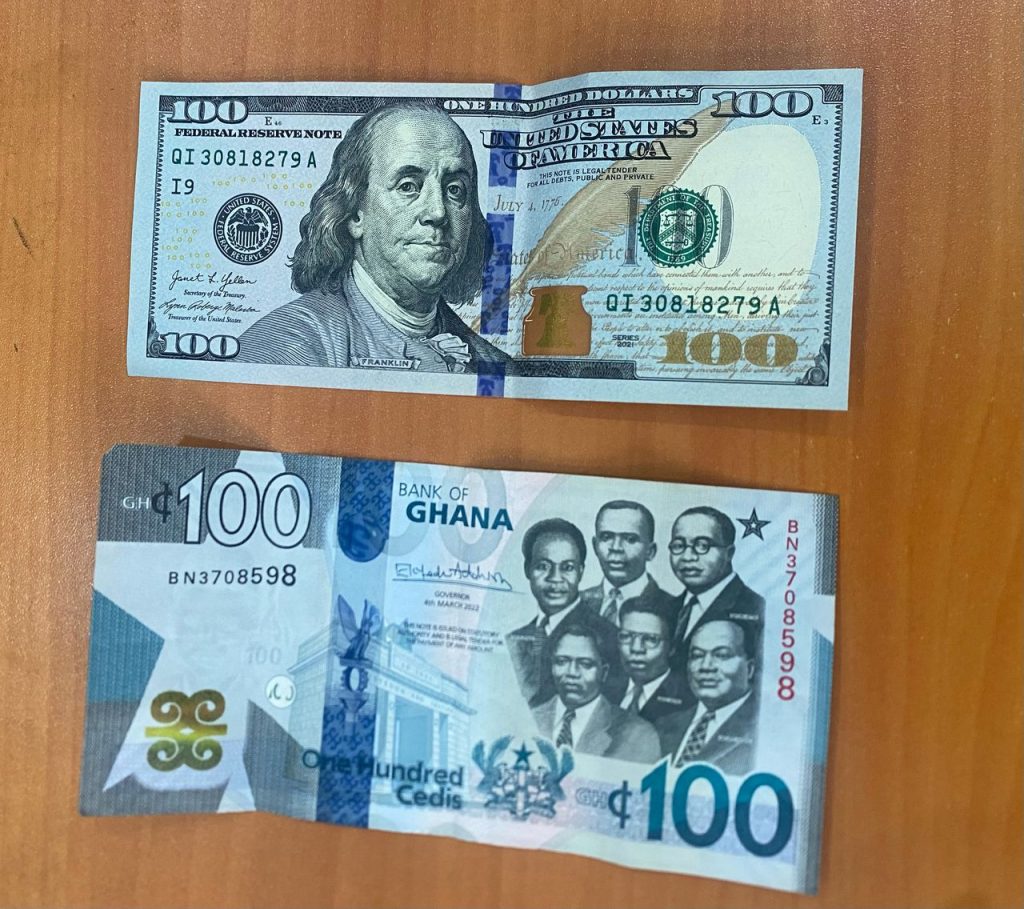
    The cedi is now trading at GH¢10.88 to the US dollar on the interbank market, compared with GH¢10.45 at the end of December 2025.

    The cedi is trading at GH¢14.77 to the pound and GH¢12.80 to the euro, representing losses of 4.9% and 4.1% respectively.


    Meanwhile, Data from the International Monetary Fund (IMF) analysed across more than 20 major economies on the continent has disclosed that Ghana’s cedi emerged as Africa’s best-performing currency in 2025.


    According to the report, the cedi strengthened by more than 40% against the US dollar in 2025, ranking it as the top-performing currency in Africa compared to over 20 other currencies.


    Ghana’s forex reserves have seen a significant increase under the Mahama-led administration, the Bank of Ghana has announced.


    Between December 2024 to October 2025, the country’s reserve has seen a 33.63% increase, marking $ 3.02 billion in value. As of October 2025, the country’s reserves have hit $12billion.


    Speaking at the launch of the 60th anniversary of the Ghana Cedi in Accra on Tuesday, October 28, which was held at the Accra International Conference Centre (AICC), Governor of the Bank of Ghana (BoG) Dr Asiama, lauded the government for its tough, difficult, but well-coordinated policy measures, which have produced the required fiscal results.


    He noted that Ghana has made a decisive economic turnaround, which has been reflected in our forex reserves, boosting investor confidence and cushioning the local currency against the shocks of the market.


    Speaking at the launch of the 60th anniversary of the Ghana Cedi in Accra on Tuesday, October 28, Dr Asiama highlighted that coordinated and difficult policy measures have yielded tangible results for the country.


    “Under the leadership of His Excellency John Dramani Mahama, and Her Excellency the Vice President, and through coordinated, difficult but necessary policy actions, I am happy to say that Ghana has turned a decisive corner, and indeed the evidence is compelling. Our gross international reserves are currently around $12 billion, which is providing a robust cushion against external volatility and restoring our investor confidence”, he stated.


    The BoG Governor also cited key indicators of the country’s improved economic position. He noted that headline inflation, which has been a major concern in recent years, stood at 9.4 percent as of September 2025, with expectations that it will fall even further by the end of the year.


    “Headline inflation now at 9.4% as of September 2025, and we expect it to end the year even further lower”, he continued, adding that the cedi, which was ranked as one of the worst-performing currencies in 2022 under the Akufo-Addo-led administration, has seen significant appreciation by 37% under the current government, serving as evidence of the positive impact of the fiscal policies implemented.


    The national currency, the cedi, Dr Asiama said, has also strengthened significantly, appreciating by 37 percent as of October 17.


    “The cedi has appreciated by 37% as of October 17, and according to the World Bank, it is the best-performing currency in sub-Saharan Africa for the first eight months of 2025. As of November 2022, the Cedi depreciated by over 50% becoming the World’s worst-performing currency in the world according to a Bloomberg report. Headline inflation spiralled to 54.1% and food inflation soared to an alarming 59.7% year-on-year in December 2022, distorting household budgets, shrinking incomes, and feeding public anxiety.


    “These were not just numbers; they were lived experiences. They meant rising transport fares, shrinking working capital, unaffordable school meals, and sleepless nights for small business owners and salary earners alike. But they were not the end of our story,” he added.


    Dr Asiamah also announced a year-long programme of nationwide activities designed to educate, engage, and celebrate the Cedi’s history, resilience, and role in Ghana’s economic journey.


    He said, “As we officially launch the Cedi@60 anniversary, allow me to share a preview of what lies ahead. This celebration will not be confined to this hall. Over the next 12 months, we will embark on a nationwide and inclusive programme of activities, including:

    “Currency exhibitions that tell the story of our monetary journey, from pounds to pesewas, from coins to QR codes, public lectures and school tours to engage students, professionals, and communities on the importance of monetary sovereignty.
    Diaspora engagements, highlighting the role of remittances and international trust in supporting the Cedi’s strength. And special publications and legacy projects to ensure this milestone leaves a lasting educational footprint”.


    Also, at the same event, Ghana’s Finance Minister and acting Defence Minister, Cassiel Ato Forson, urged business and consumers to end the widespread practice of quoting prices in dollars, highlighting that it undermines the cedi’s role as legal tender.


    Dr Forson declared, “The U.S. dollar isn’t our currency, let’s stop it now.” He charged all to help maintain the sanctity of the cedi, noting that it is a collective responsibility, urging citizens to “preserve it with dignity and protect it jealously.”


    Meanwhile, not only has the country’s forex reserves seen a significant increase, but also its revenue in gold trading (small scale).


    Ghana GoldBoard (GoldBod) in mid-October reported a significant revenue accrued from small-scale gold export between January and October 15.


    The sector earned US$8 billion in foreign exchange within ten months, according to data from the Ghana Gold Board (GoldBod) and the Precious Minerals Marketing Company (PMMC).


    The data also reported that small-scale miners exported 81,719.23 kilograms of gold during the period, valued at US$8.06 billion. This marks a sharp increase from US$4.61 billion recorded in 2024 and nearly quadruples the US$2.19 billion achieved in 2023.


    Also, the data shows that gold export increased by 29% between 2024 and 2025, thus from 63,647 kilograms to 81,719 kilograms. When compared to 2023, GoldBod’s earnings have grown more than threefold.


    The data highlights a consistent upward trend in both gold volume and export value over the three years, reflecting improved regulation, transparency, and compliance within Ghana’s small-scale mining sector.


    The data also showed a robust month-on-month growth in the second quarter of the year, with a revenue of US$1.17 billion recorded in May, US$957.9 million in June, and US$897.6 million in April.


    The country’s official gold buying and distribution authority has linked its significant gains to its partnership with PMMC and strengthened oversight of small-scale gold exports and other related gold-purchasing and regulations.


    The GoldBod-PMMC collaboration has proved efficient since mid-April 2025, when the former began operations, absorbing the functions of the latter.


    The collaboration has been instrumental in curbing illicit trade and ensuring that proceeds from gold sales are properly repatriated into the Ghanaian economy.


    Meanwhile, GoldBod has been quite instrumental in dealing with leakages in Ghana’s gold trading by regulating the affairs of licensed traders.

  • Ghana Cedi emerges Africa’s leading currency in 2025 – IMF

    Ghana Cedi emerges Africa’s leading currency in 2025 – IMF

    Data from the International Monetary Fund (IMF) analysed across more than 20 major economies on the continent has disclosed that Ghana’s cedi emerged as Africa’s best-performing currency in 2025.

    According to the report, the cedi strengthened by more than 40% against the US dollar in 2025, ranking it as the top-performing currency in Africa compared to over 20 other currencies.

    Ghana’s forex reserves have seen a significant increase under the Mahama-led administration, the Bank of Ghana has announced.

    Between December 2024 to October 2025, the country’s reserve has seen a 33.63% increase, marking $ 3.02 billion in value. As of October 2025, the country’s reserves have hit $12billion.

    Speaking at the launch of the 60th anniversary of the Ghana Cedi in Accra on Tuesday, October 28, which was held at the Accra International Conference Centre (AICC), Governor of the Bank of Ghana (BoG) Dr Asiama, lauded the government for its tough, difficult, but well-coordinated policy measures, which have produced the required fiscal results.

    He noted that Ghana has made a decisive economic turnaround, which has been reflected in our forex reserves, boosting investor confidence and cushioning the local currency against the shocks of the market.

    Speaking at the launch of the 60th anniversary of the Ghana Cedi in Accra on Tuesday, October 28, Dr Asiama highlighted that coordinated and difficult policy measures have yielded tangible results for the country

    “Under the leadership of His Excellency John Dramani Mahama, and Her Excellency the Vice President, and through coordinated, difficult but necessary policy actions, I am happy to say that Ghana has turned a decisive corner, and indeed the evidence is compelling. Our gross international reserves are currently around $12 billion, which is providing a robust cushion against external volatility and restoring our investor confidence”, he stated.

    The BoG Governor also cited key indicators of the country’s improved economic position. He noted that headline inflation, which has been a major concern in recent years, stood at 9.4 percent as of September 2025, with expectations that it will fall even further by the end of the year.

    “Headline inflation now at 9.4% as of September 2025, and we expect it to end the year even further lower”, he continued, adding that the cedi, which was ranked as one of the worst-performing currencies in 2022 under the Akufo-Addo-led administration, has seen significant appreciation by 37% under the current government, serving as evidence of the positive impact of the fiscal policies implemented.

    The national currency, the cedi, Dr Asiama said, has also strengthened significantly, appreciating by 37 percent as of October 17.

    “The cedi has appreciated by 37% as of October 17, and according to the World Bank, it is the best-performing currency in sub-Saharan Africa for the first eight months of 2025. As of November 2022, the Cedi depreciated by over 50% becoming the World’s worst-performing currency in the world according to a Bloomberg report. Headline inflation spiralled to 54.1% and food inflation soared to an alarming 59.7% year-on-year in December 2022, distorting household budgets, shrinking incomes, and feeding public anxiety.

    “These were not just numbers; they were lived experiences. They meant rising transport fares, shrinking working capital, unaffordable school meals, and sleepless nights for small business owners and salary earners alike. But they were not the end of our story,” he added.

    Dr Asiamah also announced a year-long programme of nationwide activities designed to educate, engage, and celebrate the Cedi’s history, resilience, and role in Ghana’s economic journey.

    He said, “As we officially launch the Cedi@60 anniversary, allow me to share a preview of what lies ahead. This celebration will not be confined to this hall. Over the next 12 months, we will embark on a nationwide and inclusive programme of activities, including:

    “Currency exhibitions that tell the story of our monetary journey, from pounds to pesewas, from coins to QR codes, public lectures and school tours to engage students, professionals, and communities on the importance of monetary sovereignty.

    Diaspora engagements, highlighting the role of remittances and international trust in supporting the Cedi’s strength. And special publications and legacy projects to ensure this milestone leaves a lasting educational footprint,” he continued.

    Also, at the same event, Ghana’s Finance Minister and acting Defence Minister, Cassiel Ato Forson, urged business and consumers to end the widespread practice of quoting prices in dollars, highlighting that it undermines the cedi’s role as legal tender.

    Dr Forson declared, “The U.S. dollar isn’t our currency, let’s stop it now.” He charged all to help maintain the sanctity of the cedi, noting that it is a collective responsibility, urging citizens to “preserve it with dignity and protect it jealously.”

    Meanwhile, not only has the country’s forex reserves seen a significant increase, but also its revenue in gold trading (small scale).

    Ghana GoldBoard (GoldBod) in mid-October reported a significant revenue accrued from small-scale gold export between January and October 15.

    The sector earned US$8 billion in foreign exchange within ten months, according to data from the Ghana Gold Board (GoldBod) and the Precious Minerals Marketing Company (PMMC).

    The data also reported that small-scale miners exported 81,719.23 kilograms of gold during the period, valued at US$8.06 billion. This marks a sharp increase from US$4.61 billion recorded in 2024 and nearly quadruples the US$2.19 billion achieved in 2023.

    Also, the data shows that gold export increased by 29% between 2024 and 2025, thus from 63,647 kilograms to 81,719 kilograms. When compared to 2023, GoldBod’s earnings have grown more than threefold.

    The data highlights a consistent upward trend in both gold volume and export value over the three years, reflecting improved regulation, transparency, and compliance within Ghana’s small-scale mining sector.

    The data also showed a robust month-on-month growth in the second quarter of the year, with a revenue of US$1.17 billion recorded in May, US$957.9 million in June, and US$897.6 million in April.

    The country’s official gold buying and distribution authority has linked its significant gains to its partnership with PMMC and strengthened oversight of small-scale gold exports and other related gold-purchasing and regulations.

    The GoldBod-PMMC collaboration has proved efficient since mid-April 2025, when the former began operations, absorbing the functions of the latter.

    The collaboration has been instrumental in curbing illicit trade and ensuring that proceeds from gold sales are properly repatriated into the Ghanaian economy.

    Meanwhile, GoldBod has been quite instrumental in dealing with leakages in Ghana’s gold trading by regulating the affairs of licensed traders.

  • Ghana is solidly on track – IMF Resident Rep on Programme

    Ghana is solidly on track – IMF Resident Rep on Programme

     IMF’s Resident Representative in Ghana, Dr Adrian Alter, has declared Ghana’s programme “solid and on track”. 

    His comments come nearly a month after the IMF Executive Board completed the fifth review of Ghana’s Extended Credit Facility (ECF) arrangement on 18 December 2025.

    During an appearance on Joy News’ PM Express Business Edition on Thursday, January 15, Dr Alter mentioned disbursements and affirmed confidence in Ghana’s economic recovery path.

    “Ghana’s program remains solid and on track, with the fifth review completed and the disbursement made at the end of December,” he said.

    According to him, following a board meeting at which Ghana’s performance was assessed, it was concluded that “the IMF Board has met and approved the programme on December 17 and categorised the overall performance of Ghana as generally satisfactory,” with all indicative and performance criteria targets met and most of the reform agenda implemented.

    He disclosed that total disbursements under the ECF programme had now reached about $2.8 billion.

    “All indicative and performance criteria targets have been met,” Dr Alter said. “Most of the reform agenda has been concluded and implemented.”

    His comments come amid public debate over whether Ghana’s performance under the programme reflects real economic progress or favourable treatment by the IMF.

    Responding to that concern, Dr Alter said the assessment was grounded in measurable outcomes and recent policy actions by the authorities.

    “The authorities implemented strong corrective actions in the aftermath of the 2024 fiscal slippages,” he said, adding that “the 2025 macroeconomic outcomes have been better than expected.”

    He pointed to improvements across key economic indicators.

    “Inflation came down faster than expected,” he said. “Growth exceeded expectations. Reserves have improved. The currency appreciated and stabilised.”

    Dr Alter said the gains were occurring alongside progress on debt restructuring.

    “There are many, many macroeconomic indicators that perform very well at the same time the debt restructuring progress has been advanced,” he said.

    Meanwhile, in late December 2025, it was announced that the Extended Credit Facility (ECF) with the International Monetary Fund (IMF) risks an extension from its initial end date.

    This follows a recent proposal from the IMF Board, which requested a three-month continuation before the programme concludes. Defending its proposal, the IMF Board noted that the extension would provide sufficient time for the implementation of reforms underpinning the sixth and final review of the programme.

    Ghana’s programme with the global lender is scheduled to end in May 2026, following a final review slated for April 2026. However, should the IMF’s recommendations be approved, the programme would be extended through August 2026.

    Part of the IMF report reads, “The extension through August 16, 2026, would help reach an understanding on the policies supporting completion of the 6th review, while allowing sufficient time to prepare and circulate Board documents.”

    So far, Ghana has secured about US$2.8 billion following the successful completion of the fifth programme review. The new development is expected to trigger the release of a sixth tranche of US$380 million.Reacting to the approval, the Minister for Finance, Dr. Cassiel Ato Forson, noted that the approval represents meaningful progress in the country’s broader economic recovery agenda.

    Recently, the government announced its fifth bilateral debt restructuring agreement, with the Kingdom of Spain as the latest partner. This was announced by the Finance Minister on Wednesday, October 8, after signing the agreement with Spain’s Ambassador to Ghana, H.E. Ángel Lossada Torres-Quevedo.

    “On behalf of the Republic of Ghana, I signed a Bilateral Debt Restructuring Agreement with the Kingdom of Spain, represented by their Ambassador to Ghana, H.E. Ángel Lossada Torres-Quevedo. To date, we have concluded five bilateral restructuring agreements with France, Finland, the United Kingdom, China EXIM Bank, and now Spain,” he shared on his X page.

    He added that the signing marks another important milestone in Ghana’s debt restructuring journey. Mr. Ato Forson expressed optimism that Ghana will complete the process and close this challenging chapter in its economic management history by the end of the year, considering the valuable lessons learned from the experience.He said the government is determined to maintain sound fiscal discipline and never again “allow ourselves to reach such unsustainable levels of debt.”

    “I remain confident that the measures we are implementing will safeguard our recovery and strengthen Ghana’s resilience,” Ato Forson expressed.

    On behalf of the government and people of Ghana, he expressed deep appreciation to Spain for its cooperation, understanding, and unwavering support throughout the process.

    Meanwhile, the government also formally signed a bilateral debt restructuring agreement with the United Kingdom (UK) as part of efforts with the External Creditor Committee to unlock funds for ‘The Big Push’ initiative and other government programmes.

    Taking to X on Wednesday, September 24, the Minister for Finance revealed that the US$256 million deal signed between the two countries is a key step in improving Ghana’s debt management.

    “On behalf of the Republic of Ghana, I signed a Bilateral Debt Restructuring Agreement with the United Kingdom, represented by His Majesty’s Trade Commissioner for Africa, Mr. John Humphrey. The agreement covers about US$256 million and represents another important step in Ghana’s debt restructuring efforts,” he wrote.

    According to the Finance Minister, the UK’s participation will motivate other lenders to act swiftly and finalise their respective parts of the debt restructuring process.

    In addition, Ghana is working with UK Export Finance (UKEF) to reinstate financing for several priority projects, including the Bolgatanga–Bawku–Pulimakom Road Project; the modernisation of the Komfo Anokye Teaching Hospital (KATH); the Obetsebi Lamptey Interchange and Ancillary Works Project Phase II; the construction of Phase 1 of the Tema–Aflao Road Project; and the redevelopment and modernisation of the Kumasi Central Market.

    The deal was sealed in Accra on Wednesday, September 24, after UK Export Finance and His Majesty’s Trade Commissioner for Africa, John Humphrey, paid an official visit to Ghana. Also present at the signing ceremony were the UK High Commissioner to Ghana, H.E. Christian Rogg; the Chief Director of the Ministry of Finance, Mr. Patrick Nomo; and other officials.

  • Ghana’s Extended Credit Facility could be extended to August 2026 – IMF

    Ghana’s Extended Credit Facility could be extended to August 2026 – IMF

    Ghana’s current financial support programme, the Extended Credit Facility (ECF) with the International Monetary Fund (IMF), risks an extension from its initial end date.

    This follows a recent proposal from the IMF Board, which requested a three-month continuation before the programme concludes. Defending its proposal, the IMF Board noted that the extension would provide sufficient time for the implementation of reforms underpinning the sixth and final review of the programme.


    Ghana’s programme with the global lender is scheduled to end in May 2026, following the final review slated for April 2026. However, should the IMF’s recommendations be approved, the programme would be extended through August 2026.


    Part of the IMF report reads, “The extension through August 16, 2026, would help reach an understanding on the policies supporting completion of the 6th review, while allowing sufficient time to prepare and circulate Board documents.”


    So far, Ghana has secured about US$2.8 billion following the successful completion of the fifth programme review. The new development is expected to trigger the release of a sixth tranche of US$380 million.
    Reacting to the approval, the Minister for Finance, Dr. Cassiel Ato Forson, noted that the approval represents meaningful progress in the country’s broader economic recovery agenda.


    Recently, the government announced its fifth bilateral debt restructuring agreement, with the Kingdom of Spain as the latest partner. This was announced by the Finance Minister on Wednesday, October 8, after signing the agreement with Spain’s Ambassador to Ghana, H.E. Ángel Lossada Torres-Quevedo.


    “On behalf of the Republic of Ghana, I signed a Bilateral Debt Restructuring Agreement with the Kingdom of Spain, represented by their Ambassador to Ghana, H.E. Ángel Lossada Torres-Quevedo. To date, we have concluded five bilateral restructuring agreements with France, Finland, the United Kingdom, China EXIM Bank, and now Spain,” he shared on his X page.


    He added that the signing marks another important milestone in Ghana’s debt restructuring journey. Mr. Ato Forson expressed optimism that Ghana will complete the process and close this challenging chapter in its economic management history by the end of the year, considering the valuable lessons learned from the experience.
    He said the government is determined to maintain sound fiscal discipline and never again “allow ourselves to reach such unsustainable levels of debt.”


    “I remain confident that the measures we are implementing will safeguard our recovery and strengthen Ghana’s resilience,” Ato Forson expressed.


    On behalf of the government and people of Ghana, he expressed deep appreciation to Spain for its cooperation, understanding, and unwavering support throughout the process.


    Meanwhile, the government also formally signed a bilateral debt restructuring agreement with the United Kingdom (UK) as part of efforts with the External Creditor Committee to unlock funds for ‘The Big Push’ initiative and other government programmes.


    Taking to X on Wednesday, September 24, the Minister for Finance revealed that the US$256 million deal signed between the two countries is a key step in improving Ghana’s debt management.


    “On behalf of the Republic of Ghana, I signed a Bilateral Debt Restructuring Agreement with the United Kingdom, represented by His Majesty’s Trade Commissioner for Africa, Mr. John Humphrey. The agreement covers about US$256 million and represents another important step in Ghana’s debt restructuring efforts,” he wrote.


    According to the Finance Minister, the UK’s participation will motivate other lenders to act swiftly and finalise their respective parts of the debt restructuring process.


    In addition, Ghana is working with UK Export Finance (UKEF) to reinstate financing for several priority projects, including the Bolgatanga–Bawku–Pulimakom Road Project; the modernisation of the Komfo Anokye Teaching Hospital (KATH); the Obetsebi Lamptey Interchange and Ancillary Works Project Phase II; the construction of Phase 1 of the Tema–Aflao Road Project; and the redevelopment and modernisation of the Kumasi Central Market.


    The deal was sealed in Accra on Wednesday, September 24, after UK Export Finance and His Majesty’s Trade Commissioner for Africa, John Humphrey, paid an official visit to Ghana. Also present at the signing ceremony were the UK High Commissioner to Ghana, H.E. Christian Rogg; the Chief Director of the Ministry of Finance, Mr. Patrick Nomo; and other officials.


    A couple of months ago, the government concluded a series of engagements with China aimed at enhancing debt restructuring efforts. The Minister for Finance, Dr. Cassiel Ato Forson, described the meetings as helpful and a major step forward in addressing the country’s debt challenges, disclosing this in a social media post on Tuesday, July 1.


    According to him, the discussions form part of the government’s broader efforts to fix the economy, reduce the country’s debt burden, and protect the livelihoods of ordinary Ghanaians. Dr. Forson added that the progress made in China has placed Ghana in a stronger position to complete the difficult process and build a more stable and inclusive economy.


    In April this year, the sector minister announced Ghana’s readiness to conclude bilateral agreements for the restructuring of its US$5.1 billion official bilateral debt by June, a target the Finance Minister described as “ambitious.” This followed the signing of a Memorandum of Understanding (MoU) with the Official Creditor Committee (OCC) on January 28.


    These details are outlined in the 2025 Budget Statement and Economic Policy, which highlights Ghana’s fiscal strategies, including debt restructuring measures aimed at stabilising the economy. Highlighting the importance of the process, the Finance Minister stated, “We look forward to the support of this august House in achieving this objective within the established timeframe.”


    The agreement formalises the key terms of the restructuring, which were outlined in an Agreement in Principle (AIP) reached on January 12, 2024. It includes an extension of debt service repayments and provides approximately US$2.8 billion in debt relief.

    Additionally, the MoU establishes a cut-off date of December 31, 2022, and imposes limits on disbursements during Ghana’s IMF-supported programme from 2023 to 2026.


    The signing of the MoU paves the way for negotiations with individual OCC member countries. As part of the process, Ghana has commenced data reconciliation and validation exercises with several creditors in preparation for bilateral agreements.


    Beyond official bilateral debt restructuring, the government is also engaging commercial creditors, including Chinese commercial lenders, plurilateral institutions, and private banks, to restructure approximately US$2.7 billion in commercial debt. Discussions on draft Non-Disclosure Agreements (NDAs) are already underway, with a financial proposal for the restructuring expected to be presented soon.


    Furthermore, Ghana’s Domestic Debt Exchange Programme (DDEP), launched in December 2022, has significantly influenced the domestic debt market. The government has relied on short-term securities to finance the budget, raising GH¢45.4 billion in net proceeds from treasury bill issuance.


    The government remains committed to honouring its debt obligations, having successfully paid GH¢19.0 billion in DDEP bond coupons in 2024 and an additional GH¢9.5 billion in February 2025.


    The Ministry of Finance believes these efforts, combined with effective engagement with market participants, will enhance transparency, restore investor confidence, and stabilise the financial market.

  • IMF to release $380m after approving Ghana’s fifth review

    IMF to release $380m after approving Ghana’s fifth review

    The Fifth Review of Ghana’s International Monetary Fund (IMF)-supported programme received approval from the IMF’s Executive Board on Wednesday, December 17.

    The new development will trigger the release of a sixth tranche of US$380 million, reflecting Ghana’s strong performance under the Extended Credit Facility (ECF) programme.

    Reacting to the approval, the Minister for Finance, Dr. Cassiel Ato Forson, noted that the approval represents meaningful progress in the country’s broader economic recovery agenda.

    Recently, the government announced its fifth bilateral restructuring agreement, with the Kingdom of Spain as the latest partner.

    This was announced by the Finance Minister, Dr. Cassiel Ato Forson, on Wednesday, October 8, after signing the agreement with Spain’s Ambassador to Ghana, H.E. Ángel Lossada Torres-Quevedo.

    “On behalf of the Republic of Ghana, I signed a Bilateral Debt Restructuring Agreement with the Kingdom of Spain, represented by their Ambassador to Ghana, H.E. Ángel Lossada Torres-Quevedo. To date, we have concluded five bilateral restructuring agreements with France, Finland, the United Kingdom, China EXIM Bank, and now Spain,” he shared on his X page.

    He added that the signing marks another important milestone in Ghana’s debt restructuring journey.

    Mr. Ato Forson is optimistic that Ghana will complete the process and close this challenging chapter in its economic management history by the end of the year, considering the valuable lessons learned from the experience.

    He said the government is determined to maintain sound fiscal discipline and never again “allow ourselves to reach such unsustainable levels of debt.”

    “I remain confident that the measures we are implementing will safeguard our recovery and strengthen Ghana’s resilience,” Ato Forson expressed.

    On behalf of the government and people of Ghana, Ato Forson expressed deep appreciation to Spain for its cooperation, understanding, and unwavering support throughout the process.

    Meanwhile, the government formally signed a bilateral debt restructuring agreement with the United Kingdom (UK) as part of efforts with the External Creditor Committee to unlock funds for ‘The Big Push’ initiative and other government programmes.

    Taking to the X platform on Wednesday, September 24, the Minister for Finance, Dr. Cassiel Ato Forson, revealed that the US$256 million deal signed between the two countries is a key step in improving Ghana’s debt management.

    “On behalf of the Republic of Ghana, I signed a Bilateral Debt Restructuring Agreement with the United Kingdom, represented by His Majesty’s Trade Commissioner for Africa, Mr. John Humphrey. The agreement covers about US$256 million and represents another important step in Ghana’s debt restructuring efforts,” he wrote.

    According to the Finance Minister, the UK’s participation will motivate other lenders to act swiftly and finalise their respective parts of the debt restructuring process.

    In addition, Ghana is working with UK Export Finance (UKEF) to reinstate financing for several priority projects, including the Bolgatanga–Bawku–Pulimakom Road Project; the modernisation of the Komfo Anokye Teaching Hospital (KATH); the Obetsebi Lamptey Interchange and Ancillary Works Project Phase II; the construction of Phase 1 of the Tema–Aflao Road Project; and the redevelopment and modernisation of the Kumasi Central Market.

    The deal was sealed in Accra on Wednesday, September 24, after UK Export Finance and His Majesty’s Trade Commissioner for Africa, John Humphrey, paid an official visit to Ghana. Also present at the signing ceremony were the UK High Commissioner to Ghana, H.E. Christian Rogg; the Chief Director of the Ministry of Finance, Mr. Patrick Nomo; and other officials.

    A couple of months ago, the government also brought to an end a series of engagements with China aimed at enhancing the debt restructuring efforts.

    The Minister for Finance, Dr. Cassiel Ato Forson, who described the meetings as helpful and a major step forward in addressing the country’s debt challenges, disclosed this in a social media post on Tuesday, July 1.

    According to him, the discussions form part of the government’s broader efforts to fix the economy, reduce the country’s debt burden, and protect the livelihoods of ordinary Ghanaians.

    Dr. Forson added that the progress made in China has placed Ghana in a stronger position to complete the difficult process and build a more stable and inclusive economy.

    In April this year, the sector minister announced Ghana’s readiness to conclude bilateral agreements for the restructuring of its US$5.1 billion official bilateral debt by June, a target the Finance Minister, Dr. Cassiel Ato Forson, described as “ambitious.”

    This followed the signing of a Memorandum of Understanding (MoU) with the Official Creditor Committee (OCC) on January 28.

    These details are outlined in the 2025 Budget Statement and Economic Policy, which highlights Ghana’s fiscal strategies, including debt restructuring measures aimed at stabilising the economy.

    Highlighting the importance of the process, the Finance Minister stated, “We look forward to the support of this august House in achieving this objective within the established timeframe.”

    The agreement formalises the key terms of the restructuring, which were outlined in an Agreement in Principle (AIP) reached on January 12, 2024. It includes an extension of debt service repayments and provides approximately US$2.8 billion in debt relief. Additionally, the MoU establishes a cut-off date of December 31, 2022, and imposes limits on disbursements during Ghana’s IMF-supported programme from 2023 to 2026.

    The signing of the MoU paves the way for negotiations with individual OCC member countries. As part of the process, Ghana has commenced data reconciliation and validation exercises with several creditors in preparation for bilateral agreements.

    Beyond official bilateral debt restructuring, the government is also engaging commercial creditors, including Chinese commercial lenders, plurilateral institutions, and private banks, to restructure approximately US$2.7 billion in commercial debt. Discussions on draft Non-Disclosure Agreements (NDAs) are already underway, with a financial proposal for the restructuring expected to be presented soon.

    Furthermore, Ghana’s Domestic Debt Exchange Programme (DDEP), launched in December 2022, has significantly influenced the domestic debt market. The government has relied on short-term securities to finance the budget, raising GH¢45.4 billion in net proceeds from treasury bill issuances.

    The government remains committed to honouring its debt obligations, having successfully paid GH¢19.0 billion in DDEP bond coupons in 2024 and an additional GH¢9.5 billion in February 2025.

    The Ministry of Finance believes these efforts, combined with effective engagement with market participants, will enhance transparency, restore investor confidence, and stabilise the financial market.

  • At 6.3% inflation, it’s clear: IMF projections don’t deliver results; competent economic management does

    At 6.3% inflation, it’s clear: IMF projections don’t deliver results; competent economic management does

    I’ve read from our friends in the NPP, a suggestion that Ghana’s present single-digit inflation is not necessarily an achievement of the current administration because the IMF had already projected that the country would reach around 8% inflation by 2025. The argument seems to imply that the steep decline in inflation was automatic, a predetermined outcome of external forecasts, not the product of deliberate economic management. But a closer look at Ghana’s economic performance between 2017 and 2024, especially the large gaps between IMF projections and actual results, as well as the many missed targets under the previous government, shows clearly that forecasts on paper rarely deliver themselves. Ghana’s economic history demonstrates that projections do not guarantee results; only disciplined management and credible policymaking can turn forecasts into reality.

    To understand this better, it is important to examine the nature of IMF projections. They are not prophecies. They are conditional forecasts, indicative of what might happen if governments implement policies decisively, maintain fiscal discipline, and if external conditions remain stable. Ghana’s experience demonstrates just how fragile these assumptions can be. For example, IMF debt sustainability assessments consistently underestimated Ghana’s debt path. By 2022, Ghana’s actual public debt had exceeded earlier IMF projections by tens of percentage points of GDP. The IMF itself admitted that it underestimated the pace of debt accumulation due to the rapid depreciation of the cedi, rising interest costs, rollover pressures, and persistent fiscal overruns between 2018 and 2022. These were not minor deviations; they were massive miscalculations that ultimately pushed Ghana into another IMF programme.

    The same pattern is seen in inflation forecasts. In 2019, the IMF projected that Ghana’s inflation would steadily decline toward 6% in the medium term. Yet by 2022, inflation spiralled past 30%, then beyond 40%, and eventually above 50%. Clearly, no IMF model anticipated the scale of Ghana’s inflation crisis. This drastic variance shows that projections can be completely derailed by policy slippages, global shocks, and structural weaknesses in the economy. If IMF projections were self-fulfilling, Ghana would never have experienced inflation anywhere near 50%.

    In fact, as recently as last month, the IMF projected that Ghana would end 2025 with inflation at around 12%, not 8%, citing global uncertainties and vulnerabilities in emerging markets. This was reported widely in the media. But this is where the argument collapses for those claiming the IMF “predicted” our current performance: the IMF forecasted 12% inflation, yet Ghana’s actual inflation has already fallen to 6.3%, the lowest level in many years. The Ghana Statistical Service reported an 11-month consecutive decline, reaching 6.3% in November 2025, far outperforming IMF expectations.

    This alone proves the point: projections are not destiny. Policy is. The IMF forecasted 12%, but deliberate policy implementation delivered 6%. I anticipate, Ghana’s year-end inflation will not be more than 9%, contrary to the projections of the IMF.
    That gap between forecast and outcome is the clearest evidence that the current macroeconomic results came from real work, not from any prediction in Washington.

    The same story is reflected in growth projections. Before COVID-19, the IMF repeatedly projected that Ghana’s economy would continue growing strongly at 5–7%. Yet in 2020, real GDP growth collapsed to nearly zero. These forecasts assumed a stable fiscal environment and strong buffers, assumptions that did not hold. Later growth outcomes were similarly weaker than projected, which reinforces the central argument: projections only hold when governments act with discipline, consistency, and competence.

    It was not only the IMF that missed targets. The previous NPP government repeatedly missed its own projections across growth, revenue, inflation, deficits, and debt. In 2018, it projected growth of over 6.8%, but the outturn was lower. In 2020, it projected a growth of 6.8%, but the final figure was around 0.5%. The 2020 deficit target was 4.7% of GDP, yet the actual deficit ballooned to more than 11%. In 2022, the government projected a deficit of about 7%, revised it down to 6.6% mid-year, and still ended the year with a deficit closer to 10%. Revenue targets were also missed consistently, and the revenue-to-GDP ratio actually declined between 2017 and 2021. These failures, led to Ghana’s return to the IMF in 2023, debt restructuring, loss of market access, and macroeconomic instability.

    Taken together, these examples point to a single unmissable conclusion: projections do not produce results. They are hopes and not achievements. Ghana’s economic history shows that without disciplined fiscal management, effective monetary coordination, and credible structural reforms, projections collapse under the weight of reality. Ghana missed IMF projections. Ghana missed government projections. Ghana missed medium-term fiscal and debt targets. And Ghana missed revenue mobilisation plans. The problem was never the forecasts; it was the failure to implement the policies required to meet them.

    It is, therefore, misleading, even intellectually dishonest, to claim that Ghana’s return to single-digit inflation can be dismissed simply because the IMF once wrote a projection on paper. The only time a forecast becomes reality is when policymakers take the necessary steps to make it happen.

    That is why the real debate should not be about who predicted what. It should be about who delivered results despite the predictions. Ghana’s economic past proves this truth. And Ghana’s economic future will depend on it even more.

    Richmond Eduku
    Finance & Energy Policy Analyst

    DISCLAIMER: Independentghana.com will not be liable for any inaccuracies contained in this article. The views expressed in the article are solely those of the author, and do not reflect those of The Independent Ghana

  • World Bank declares cedi as Africa’s best-performing currency in 2025

    World Bank declares cedi as Africa’s best-performing currency in 2025

    World Bank’s latest Africa Pulse Report has ranked the Ghana cedi as the best-performing currency since January until the eighth month of the year.

    Per the report, the cedi’s current status is a result of the gains in value since the beginning of the year, citing a twenty percent (20%)gain, making it the strongest performance among African currencies.

    The World Bank says the current performance of the cedi can be attributed to the government’s disciplined fiscal management, prudent monetary policy, rising export receipts, and renewed investor confidence following Ghana’s successful debt restructuring.

    The cedi’s appreciation, according to some analysts, has been remarkable given its heavy depreciation in the previous years. The pace of its recovery underscores the effectiveness of Ghana’s economic reforms and improved external conditions.

    While the cedi leads, the Zambian kwacha followed as the second-best performer, appreciating by 16 percent, strengthened by ongoing debt resolution efforts, lower oil import costs, and an improved supply of U.S. dollars.

    Currencies in Kenya, Tanzania, and Uganda also posted moderate gains, supported by stronger export growth and recovering capital inflows.

    According to the World Bank, the current performance of African currencies is a result of the weakening of the dollar, an increase in global commodity prices, and improved financial conditions. These factors have helped reduce inflation and brought more stability to markets across Africa.

    Despite the cedi’s current ranking by the global financial institution, it suffered a steep depreciation pressure in recent weeks, as businesses increased imports ahead of the festive season and election-related spending expectations rose.

    In response, the Bank of Ghana has announced plans to inject about $1.15 billion into the foreign exchange market to ease demand pressures and keep the cedi stable.

    It also announced that, effective October, it will begin selling portions of its gold reserves in exchange for foreign currency to banks and other market participants under its Domestic Gold Purchase Programme. This move is aimed at pumping some forex into the Ghanaian markets to salvage the fast-depreciating cedi.

    According to the BoG, only approved banks will be permitted to participate in the auctions, which are scheduled to take place every week.

    Speaking at a meeting with heads of commercial banks in Accra, the Governor of the Bank of Ghana, Dr. Johnson Asiama, said the exercise will be fair and transparent to ensure equal access for all market participants.

    “Beginning October 2025, the Bank of Ghana will commence foreign exchange (FX) intermediation under the Domestic Gold Purchase Programme, with plans to sell up to US$1.15 billion for the month. These sales will be conducted on a spot basis through twice-weekly, price-competitive auctions open to all licensed banks,” he said.

    This comes after the central bank recorded the biggest sale of dollars since the start of 2025, with $243m FX forward auction, as reported by Joy Business.

    Consequently, banks predicted a stronger cedi. The Central Bank, about three weeks ago, sold its largest amount of U.S. dollars so far this year, $243 million, to commercial banks through a (7) seven-day FX forward auction.

    According to the data, BoG offered US$300 million; however, the commercial banks just accepted US$243 million, with a price range of GHC 12.15-12.40.

    Market watchers, however, warn that sustaining the currency’s gains will depend on Ghana’s continued commitment to fiscal discipline, export diversification, and structural reforms aimed at consolidating macroeconomic stability.

    Ghana’s total foreign exchange interventions since the height of its economic crisis in 2022 have exceeded $7.4 billion, according to International Monetary Fund (IMF) data analysed by JoyNews Research.

    The data reveal that the Bank of Ghana (BoG) injected about $1.9 billion into the forex market in 2022, the year of the crisis. Interventions fell to $1.1 billion in 2023 but surged again to $3 billion in 2024.

    In just the first quarter of 2025, the Central Bank added another $1.4 billion, signalling continued efforts to stabilise the local currency.

    Earlier this month, the BoG announced plans to inject $1.15 billion through its Domestic Gold Purchase Programme (DGPP). The move, aimed at easing pressure on the cedi, will bring this year’s total forex support to over $2 billion. The Bank said the funds would be disbursed through twice-weekly, price-competitive spot auctions accessible to all licensed banks.

    Following the announcement, the cedi appreciated by 2.5%, reflecting renewed investor confidence in the Central Bank’s strategy.

    Analysts expect the local currency to maintain its strength against the US dollar through the final quarter of 2025, as offshore FX inflows and a liquid interbank market offset high dollar demand from the energy, services, and manufacturing sectors.

    Dollar interventions have surged sharply in the past two fiscal years, accounting for more than 60% of total injections over the last four years. These interventions have supported one of the strongest performances of the Ghana cedi in recent memory.

  • Energy sector at risk if tariffs are not increased – IMF cautions Ghana

    Energy sector at risk if tariffs are not increased – IMF cautions Ghana

    The International Monetary Fund (IMF) has backed calls proposing a significant increase in Ghana’s tariffs.

    Addressing journalists in Washington, D.C., on Thursday, September 11, 2025, the IMF’s Director of Communications, Julie Kozack, described the proposed adjustments vital to saving Ghana’s energy sector.


    “What is essential from our perspective is that any tariff adjustments in the electricity sector aim to address longstanding inefficiencies in the sector, importantly, that they support much-needed investment in the electricity sector, and also that they are aimed at preventing the accumulation of arrears in the energy sector.

    “More generally, we are continuing to support broader sector reforms, including private sector participation in ECG operations,” she noted.

    On Tuesday, September 9, the Public Utilities Regulatory Commission (PURC) received proposals from eight utility companies calling for a significant adjustment in utility tariffs to ensure they can fully operate at their capacities.


    Proposals from the electricity distributors and the water provider for the 2025–2029 tariff period cite rising operational costs and the need to maintain efficient service delivery.


    The eight companies include the Electricity Company of Ghana (ECG), Volta River Authority (VRA), Northern Electricity Distribution Company (NEDCo), Ghana Water Limited (GWL), and the Ghana Grid Company (GRIDCo), Ghana National Gas Limited, among others.


    ECG is pushing for a massive 225% hike in its distribution service charge. For instance, a household consuming 150 kWh monthly would pay an additional GHS64, while a residence using 100 kWh per month would pay about GHS43 more in distribution charges.


    As part of ECG’s request, the current Distribution Service Charge (DSC) of 19 pesewas per kilowatt-hour should be raised to nearly 62 pesewas per kilowatt-hour.


    “The PURC will undertake the major adjustment in the 4th quarter of 2025 to reflect capacity charges, additional liquid fuel usage, and additional capex. The current charge is below industry benchmarks, and cedi depreciation has reduced its value. US$408m spent on network upgrades and smart meters,” parts of ECG’s petition read.


    ECG has emphasised that the adjustment has long been overdue, noting that in 2022 it proposed 39.95 pesewas, but only 19.04 pesewas was approved.


    According to ECG, it has invested $48 million in network upgrades and smart metering systems to enhance power reliability, reduce outages, and align tariffs with international industry standards, yet these efforts have not yielded the expected cost recovery.


    Furthermore, ECG has projected an annual revenue of GHS9.5 billion between 2025 and 2029 if the new charges are approved. The proceeds, according to the utility company, would be allocated to cover operational costs, depreciation of assets, staff salaries, and the recovery of recent capital expenditures.


    VRA is seeking a 59% increase to cover rising costs of producing electricity. If approved, the current tariff of 45.0892 Ghana pesewas per kilowatt-hour will be increased to 71.8862 pesewas per kilowatt-hour for the Bulk Generation Charge.


    Speaking during a public hearing on Tuesday, September 9, Senior Economic Analyst at VRA, Evans Somuah Mensah, said, “Over the years, VRA has not been compensated for doing this work to assist the national connectivity system. We are saying that on an annual basis, VRA should be given compensation $30.49 million for Akosombo power generation, and Kpone Thermal plant, a little bit of $30,000.


    “Justification for tariff increase, we are saying that we want to recover the cost of our power supply to the distribution companies, and recover the cost of transmission and also be compensated for the provisions of ancillary services. We are requesting the PURC to increase the existing tariff of BGC from 45.0892 Ghana pesewas per kilowatt-hour to 71.8862 Ghana pesewas per kilowatt-hour.”


    VRA has justified the increase as necessary to fully recover the cost of power generation supplied to distribution companies (DISCOs). It has noted that sustaining reliable electricity generation and meeting its operational and financial obligations will become increasingly difficult if its proposal is rejected.


    Ghana Water Limited has proposed a jump from GH¢5.28 per cubic metre to GH¢20.09 per cubic metre, seeking regulatory approval for a 281% increase in its water tariff.


    NEDCo has also called for its tariff to be increased to 153.03 pesewas per kilowatt-hour from the current 56.474 pesewas, representing a 171% rise. GRIDCo, meanwhile, is demanding that the current 5.6422 pesewas per kilowatt-hour on its transmission service tariff be raised to 12.9768 pesewas per kilowatt-hour.


    Ghana National Gas Limited is proposing to increase its tariff from US$1.10 to US$2.10 per million metric British thermal units (MMBtu)
    However, the onus lies on PURC to carefully review the requests, assess whether the increases are justified, and determine how the costs will be distributed.

    In July this year, electricity tariffs increased by 2.45% across the board, with no increase in water tariffs. The adjustments, according to PURC, were carried out in line with the Commission’s Quarterly Tariff Review Mechanism, which tracks and incorporates movements in key factors beyond the control of the Utility Service Providers (USPs).


    These factors include the exchange rate between the US dollar and the Ghana Cedi, the domestic inflation rate, the electricity generation mix, and the cost of fuel, mainly natural gas.


    According to the Commission, additional factors considered before concluding the hike in tariffs include outstanding debt of GHS488 million carried over from the previous three quarters, reserve capacity for grid stability and reliability, and the inclusion of 27% of the cost of alternative fuels such as Distillate Fuel Oil (DFO), Heavy Fuel Oil (HFO), and Light Crude Oil (LCO).


    The Commission expressed gratitude to stakeholders for their support as it continues to implement the Quarterly Tariff Reviews in accordance with its Rate Setting Guidelines to address changes in operational conditions of the service providers.

    Majority Leader Mahama Ayariga justified PURC’s decision to increase electricity tariffs. Speaking on the floor of Parliament on Friday, June 27, he noted that there is a need for ECG to be able to settle its growing debt.

    “You all know that the whole of last year and before that, there was an effort to prevent the PURC from adjusting the tariffs. So that whole period, there was no adjustment, and you know very well that bills were accruing; payments had to be made. ECG is accumulating huge [debt] and it has to be paid, so who is supposed to pay? Is it not the consumer?” he questioned.


    According to him, failure to address ECG’s indebtedness would render the company powerless in supplying power to its consumers.

    “And if you are not adjusting the tariffs to enable ECG to pay, ECG is going to collapse. They are no longer able to buy the input needed to keep the generators on, and we are going to have a power outage; the bills have to be paid.”


    “The bill has to be paid. So if PURC is doing its work, I do not think there is a basis for saying that because we have improved the economy, it doesn’t mean that the debt at ECG will just be whisked away. The bill has to be paid partly by consumers,” he asserted.

  • Returning to IMF would erode your legacy – IEA Fellow to President Mahama

    Returning to IMF would erode your legacy – IEA Fellow to President Mahama

    A senior fellow at the Institute of Economic Affairs (IEA), Dr. Vladimir Antwi-Danso, has urged President John Dramani Mahama to implement strategies that will prevent the country from depending on the International Monetary Fund (IMF).

    Engaging the media, he emphasized that President Mahama must adopt bold and corrective measures if he hopes to leave a long-term legacy.

    “The president has given indication that it is a legacy term. If it’s a legacy term then I suspect he must put things right so we don’t go back. It is a routine ritual, this is the 17th and there is no indication that this is going to be the end. It is because of the spending spree especially during election years,” he said.

    He has advised the government to prioritize local production as a strategy to boost economic growth.

    He warned that failure to adopt this approach could lead to further depreciation of the local currency in December.

    Speaking at a press briefing in Accra on Tuesday, May 27, he noted that the appreciation of the Ghanaian cedi could be temporary.

    “Our forex appreciating and the cedi also appreciating is not the answer; you must do more. You must try and be an export economy. That is the only way you stabilize your economy. That is the only way you make the other currency lower.

    “What we are doing is that we are not stablising permanently. We will relapse. By December I believe that we will relapse. And this is coming from a technical point of view and not political. What I am saying is that it is not yet hurray,” he stated.

    Meanwhile, President John Dramani Mahama has revealed that the cedi’s continuous appreciation is having a positive impact on the government’s efforts to settle its colossal debt.

    Speaking at a high-level presidential session at the 60th Annual Meeting of the African Development Bank (AfDB) and the 51st Annual Meeting of the African Development Fund (ADF) in Abidjan, the President indicated that about GH₵150 billion has been slashed as a result of the local currency appreciating.

    “Also, increasingly, one of the push factors for the debt is the value of the local currency; our debts continue to multiply because the cedi continues to grow weaker, and so we need more cedi because our public debt is stated in cedis, the weaker the cedi becomes against the foreign currencies, the higher it pushes up the debt.”

    “Fortunately, some measures we put in place have recently begun to show results, and the cedi has been strengthening, and so we have reduced our total debt over the last five months by almost 150 billion Ghana cedis,” he noted.

    In April and May this year, the local currency has appreciated by 19% as per information released by the Bank of Ghana (BoG).

    As of Friday, May 26, the average interbank rates used by commercial banks for transactions at the close of business showed the US dollar buying at GH₵10.39 and selling at GH₵10.40.

    The British pound is buying at GH₵14.09 and selling at GH₵14.11. The euro is currently being bought at GH₵11.82 and sold at GH₵11.83.

  • Tariff measures threaten global outlook at a time of sluggish growth – IMF to US, trading partners

    Tariff measures threaten global outlook at a time of sluggish growth – IMF to US, trading partners

    The International Monetary Fund (IMF) has raised concerns over the potential macroeconomic consequences of recent tariff measures, warning that they pose significant risks to the global economy, which is already struggling with slow growth.

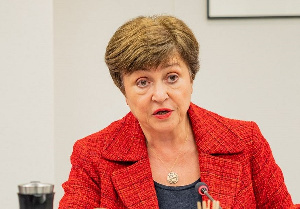
    IMF Managing Director Kristalina Georgieva emphasized that while the organization is still assessing the full implications of the new tariffs, they undoubtedly represent a considerable threat.

    “We are still assessing the macroeconomic implications of the announced tariff measures, but they clearly represent a significant risk to the global outlook at a time of sluggish growth. It is important to avoid steps that could further harm the world economy. We appeal to the United States and its trading partners to work constructively to resolve trade tensions and reduce uncertainty,” Georgieva said.

    The tariffs, which include a 10% duty on Ghanaian goods entering the U.S., are part of a wider protectionist strategy that also targets Chinese imports with a 34% levy and a 20% tax on European Union products. These measures were announced by President Donald Trump in the White House Rose Garden, where he defended the tariffs as a necessary step to address what he described as long-standing economic imbalances. “Our country has been looted, pillaged, raped, and plundered by other nations. Taxpayers have been ripped off for more than 50 years. But that will not happen anymore,” Trump declared.
    The new tariffs have ignited backlash from multiple global trading partners, including China, which responded with additional 34% tariffs on U.S. goods, heightening the trade war between the world’s two largest economies. China’s retaliation also included restrictions on rare earth exports and a formal complaint to the World Trade Organization.
    As a result of these escalating trade disputes, many countries, including the European Union, are preparing their own retaliatory measures. The European Union’s trade commissioner, Maros Sefcovic, expressed a measured approach, stating, “We will not shoot from the hip – we want to give negotiations every chance to succeed to find a fair deal, to the benefit of both sides.” However, internal divisions within the EU have surfaced, with differing views on how to handle Trump’s tariffs and whether to invoke the bloc’s “Anti-Coercion Instrument” to counter economic pressure from the U.S.

    The intensifying trade war has already caused significant disruptions in global financial markets, with fears of a looming recession growing stronger. Investment bank JP Morgan revised its forecast, now predicting a 60% chance of global recession by the end of the year, up from 40% previously.

    As tensions continue to rise, the IMF is expected to provide a detailed assessment of the global economic outlook in its World Economic Outlook report, which will be released during the upcoming IMF/World Bank Spring Meetings.

  • Ghana, IMF begin 4th review mission amid economic reforms

    Ghana, IMF begin 4th review mission amid economic reforms

    The International Monetary Fund (IMF) has commenced its fourth review mission in Ghana as part of the country’s Extended Credit Facility (ECF) program for 2023–2026.

    According to the Finance Ministry, running from April 2 to April 15, the two-week mission will assess Ghana’s economic performance and progress on structural reforms under the IMF-backed program.

    The review began with key discussions at the Ministry of Finance and the Bank of Ghana, focusing on Ghana’s fiscal performance in 2024.

    Over the coming days, the IMF delegation will engage with senior government officials, Central Bank executives, and key stakeholders to assess critical economic indicators, including inflation control, monetary policy, and structural reforms.

    The review will also evaluate Ghana’s progress in meeting IMF targets related to fiscal discipline, economic stabilization, and debt restructuring.

    The outcome of this mission will determine whether Ghana qualifies for the next tranche of IMF financial support, essential for maintaining macroeconomic stability and investor confidence.

    Finance Minister, Dr. Cassiel Ato Forson, highlighted key measures, including the passage of transformative tax amendment bills, significant reforms in public procurement, and other policies outlined in the 2025 Budget as proof of the administration’s commitment to building a resilient and dynamic economy.

    Dr. Forson expressed confidence that, with macroeconomic indicators trending positively, Ghana’s economy could stabilize by May 2025. He also stressed the importance of concluding the review on schedule.

    A previous IMF mission, led by Stéphane Roudet, visited Ghana from February 10-14 to engage government officials and assess macroeconomic developments. Following the visit, Roudet noted that discussions had begun on key policies that would shape the 2025 budget while also reviewing the government’s adherence to the IMF-supported economic framework.

    “The mission team engaged the Ghanaian authorities on recent macroeconomic developments. It also started discussions on the policies that will underpin the 2025 budget. This dialogue is set to continue over the coming weeks.

    “We also took stock of the authorities’ progress in meeting key commitments under the Fund-supported program. These will be formally assessed in the context of the fourth review of the Extended Credit Facility arrangement, which is expected to be undertaken in April 2025,” Roudet stated.

    Additional meetings and technical discussions are planned over the next two weeks, culminating in a final statement from the IMF on April 15.

    The Extended Credit Facility agreement, approved by the IMF Executive Board for Ghana, spans 36 months with a total allocation of $3 billion. The initiative aligns with the government’s Post COVID-19 Program for Economic Growth (PC-PEG), which aims to stabilize the economy, manage debt, and implement structural reforms to foster long-term resilience.

    So far, Ghana has received approximately $1.9 billion from the IMF, with the most recent disbursement of about $360 million following the completion of the third review in December 2024. The outcome of the fourth review will determine the country’s eligibility for additional financial support under the program.

  • Ghana, IMF commence fourth review mission

    Ghana, IMF commence fourth review mission

    Ghana has begun its fourth review under the International Monetary Fund’s (IMF) Extended Credit Facility (ECF) programme, marking another crucial step in the country’s economic recovery efforts.

    The review, which runs from 2 April to 15 April, will evaluate Ghana’s progress in meeting key fiscal and monetary targets set under the agreement.

    The IMF team commenced discussions with officials from the Ministry of Finance and the Bank of Ghana, focusing on the nation’s financial health and economic outlook for 2024. The assessment will examine Ghana’s fiscal discipline, debt management strategies, and structural reforms aimed at stabilising the economy.

    Throughout the two-week period, IMF representatives will engage with policymakers, financial regulators, and other stakeholders to assess macroeconomic performance, including inflation trends, monetary policy effectiveness, and public sector expenditure controls.

    A critical aspect of the review will be Ghana’s ability to meet IMF benchmarks related to economic stability and debt sustainability. The outcome will determine the disbursement of the next tranche of financial support, which is essential to the country’s ongoing economic restructuring efforts.

    Government officials remain optimistic about Ghana’s ability to meet its commitments under the programme, citing ongoing policy adjustments and fiscal reforms as key drivers of economic stability.

    The IMF’s final assessment, expected on 15 April, will outline Ghana’s progress and the next steps in its financial support programme.

  • Ghana’s recovery is possible, but not guaranteed – Joe Jackson

    Ghana’s recovery is possible, but not guaranteed – Joe Jackson


    CEO of Dalex Finance, Joe Jackson, has described the 2025 Budget, presented by Finance Minister Dr. Cassiel Ato Forson, as a vital measure to support Ghana’s economic recovery.

    However, he warned that its success depends on whether key financial projections are realized.

    He pointed out that the government’s fiscal strategy is built on ambitious revenue targets, enhancements to the tax refund system, and strengthened economic confidence.

    Nonetheless, he cautioned that external factors—such as a sharp depreciation of the Cedi, difficulties in the cocoa sector, or a decline in gold prices—could undermine the recovery efforts.

    His observations followed the Finance Minister’s budget presentation in Parliament on March 11, where Dr. Forson outlined strategies to address the prevailing economic crisis, which some have attributed to the previous administration.

    Speaking on The Big Issues on Channel One TV on March 15, Jackson acknowledged the government’s ongoing efforts to stabilize the economy under the IMF program but stressed that the budget carries significant uncertainties.

    “Given where we are with the economy, the IMF programme and as a nation, I think this was an essential budget. It was a good enough budget. Have they taken some really big bets, yes; some bets have been taken.

    “The first bet is that our revenues will meet up with the level expected. Some interesting things have been done, for example with the tax refund regime. There is also a huge bet that there can be the optimism as we are seeing in the nation now will translate into good things. But those are bets.

    “Any external shock and we are down. If the Cedi dives, we are in trouble. If we cannot revive the cocoa sector, we are in trouble, and if the gold, which has held us up, doesn’t hold up, we are in trouble.

  • Govt to pay $8.7bn, GHC150.3bn to service external, domestic debt by 2027

    Govt to pay $8.7bn, GHC150.3bn to service external, domestic debt by 2027

    Government is set to pay a staggering $8.7 billion in external debt and GHC 150.3 billion in domestic debt service obligations by in the next 2 years, according to Finance Minister Cassiel Ato Forson.

    Speaking during the presentation of the 2025 fiscal budget in Parliament on Tuesday, March 11, the Minister highlighted the heavy debt repayment burden Ghana faces in the coming years, with 2027 and 2028 expected to be the most challenging.

    “Mr. Speaker, the Domestic Debt Exchange Programme has resulted in huge domestic debt service payments. Over the next four years, the country is expected to pay about GH¢150.3 billion, representing 11.6% of GDP in domestic debt service obligation alone, of which 73.3% is due in 2027 (GH¢57.6 billion) and 2028 (GH¢52.5 billion),” he revealed.

    Dr. Forson described the debt repayment spikes in 2027 and 2028 as a serious economic challenge.

    “The debt service obligations of 2027 and 2028 are major humps. These humps are cancerous and pose significant risks to the economy” he noted.

    Beyond domestic liabilities, Ghana is also expected to service $8.7 billion in external debt over the next four years, which accounts for 10.9% of GDP. A large portion of this—$2.5 billion in 2027 and $2.4 billion in 2028—will fall due within the same critical period.

    “Mr. Speaker, beyond domestic maturities, Ghana faces significant external debt service obligations over the next four years totaling US$8.7 billion, representing 10.9% of GDP, with heavy concentration in 2027 and 2028. Again, 55% of the total external debt service of US$8.7 billion is due to be serviced in 2027 (US$2.5 billion) and 2028 (US$2.4 billion),” he stated.

    Despite these fiscal challenges, the Finance Minister noted that projected revenue for 2025 is expected to increase by 20.0%, while projected government expenditure is set to decline by 3.6% compared to 2024.

    These heavy debts anticipated to be settled in 2027\2028 have been blamed on the careless implementation of the Domestic Debt Exchange Programme (DDEP) implemented by the former government. He believes the debt restructuring was deliberately “It seems the debt restructuring undertaken by the previous administration was designed to be 2027/2028-heavy”.

    This he says is as a result of the former government’s failure to build buffers to cushion these debt service burdens.
    “Mr. Speaker, in spite of all these upcoming domestic and external debt service obligations, no buffers were built to cushion these unprecedented debt service burdens.

    Amid all of these challenges the Dr Forson assured that steps will be taken to address these debt challenges and stabilize the economy in the coming years.

    “We shall fix it!” a major slogan used by the Finance Minister during his budget presentation yesterday.

    About DDEP

    The Domestic Debt Exchange Program (DDEP) was initiated by the Akufo-Addo government in 2023 as part of Ghana’s broader debt restructuring strategy under an International Monetary Fund (IMF) program. The primary goal of the DDEP was to address the country’s economic challenges and restore fiscal stability. 

    The program involved restructuring domestic debts, which included issuing new bonds with different terms to replace existing ones. This move aimed to reduce the debt burden and create a more sustainable debt profile for the country.

  • Proper management of buffers for all sectors will end IMF-dependence – Economist

    Proper management of buffers for all sectors will end IMF-dependence – Economist

    Economist and member of the National Economic Dialogue Planning Committee, Professor John Gatsi, has underscored the importance of financial buffers across all sectors of the economy to break Ghana’s reliance on International Monetary Fund (IMF) support.

    He argues that repeated IMF bailouts stem from poor economic management, stressing that long-term financial stability hinges on building strong economic safeguards.

    “It is not magical for anybody to say we will not go to the IMF again. What has been leading us to the IMF is poor management. If we are able to build the correct buffers for all the sectors, I believe we will be solid,” Professor Gatsi stated in an interview with Citi Business News.

    Despite gaining independence 68 years ago, Ghana’s economy remains prone to crises, with frequent reliance on external financial aid. The country has sought IMF assistance 17 times, the latest being a $3 billion Extended Credit Facility (ECF) secured in 2022 to address fiscal challenges.

    While the IMF-backed program aims to restore economic stability and ensure debt sustainability, questions remain about Ghana’s ability to maintain financial independence in the long run.

    Professor Gatsi, who also serves as the Dean of the University of Cape Coast Business School, insists that Ghana must move away from this cycle by implementing proactive measures to shield the economy from shocks.

    “We will not be drifting towards the IMF at the least financial distortions or at the least threat that is directed towards the finances of this country. We will be robust, solid, and we will be relying on the buffers that we build rather than going to the IMF,” he added.

    He further emphasized that achieving this goal requires disciplined fiscal policies, stronger domestic revenue mobilization, prudent debt management, and strategic investments in productive sectors to sustain economic growth.

  • IMF Executive Board expected to approve Ghana’s 4th review of facility in June

    IMF Executive Board expected to approve Ghana’s 4th review of facility in June

    Ghana’s economic program under the International Monetary Fund (IMF) is set for another critical evaluation, with the fourth review of the Extended Credit Facility (ECF) scheduled to take place from April 2 to April 15.

    President John Dramani Mahama, delivering the 2025 State of the Nation Address in Parliament, indicated that the IMF Executive Board is expected to approve the review in June.

    “The (fourth) review is scheduled from April 2 to April 15, and the IMF Executive Board is expected to approve it in June of this year,” Mahama stated.

    The upcoming assessment will be pivotal in determining Ghana’s progress under the $3 billion IMF-backed program and could influence further financial support.

    A previous IMF mission, led by Stéphane Roudet, visited Ghana from February 10-14 to engage government officials and assess macroeconomic developments. Following the visit, Roudet noted that discussions had begun on key policies that would shape the 2025 budget while also reviewing the government’s adherence to the IMF-supported economic framework.

    “The mission team engaged the Ghanaian authorities on recent macroeconomic developments. It also started discussions on the policies that will underpin the 2025 budget. This dialogue is set to continue over the coming weeks.

    “We also took stock of the authorities’ progress in meeting key commitments under the Fund-supported program. These will be formally assessed in the context of the fourth review of the Extended Credit Facility arrangement, which is expected to be undertaken in April 2025,” Roudet stated.

    The IMF acknowledged the cooperation of Ghanaian authorities and stakeholders, expressing appreciation for the engagement during their mission.

    “IMF staff held meetings with H.E. President Mahama, Finance Minister Forson, and Bank of Ghana Acting Governor Asiama, and their teams, as well as representatives from various government agencies, and other key stakeholders. Staff would like to express their gratitude to the Ghanaian authorities and other stakeholders for their constructive engagement and support during this mission.”

    The Extended Credit Facility agreement, approved by the IMF Executive Board for Ghana, spans 36 months with a total allocation of $3 billion. The initiative aligns with the government’s Post COVID-19 Program for Economic Growth (PC-PEG), which aims to stabilize the economy, manage debt, and implement structural reforms to foster long-term resilience.

    So far, Ghana has received approximately $1.9 billion from the IMF, with the most recent disbursement of about $360 million following the completion of the third review in December 2024. The outcome of the fourth review will determine the country’s eligibility for additional financial support under the program.

  • We’ve not talked about an extension of IMF program -Mahama

    We’ve not talked about an extension of IMF program -Mahama

    President John Dramani Mahama has dismissed any immediate plans to extend Ghana’s $3 billion Extended Credit Facility (ECF) with the International Monetary Fund (IMF), stating that his administration remains focused on implementing the current program.

    In an interview with Bloomberg TV at the Munich Security Conference on Monday, President Mahama clarified that while a possible extension could be considered in the future, there are no active discussions in that regard.

    “We’ve not talked about an extension of the program. We are determined to continue with this program,” he stated. “If it’s necessary to look at additional funds or to extend the program, we’ll look at it, but for now we are determined to continue on this trajectory.”

    His remarks come amid ongoing engagements between Ghana and the IMF, with discussions centering on economic recovery strategies, debt restructuring, and tax reforms.

    A key issue under review is Ghana’s tax system, which Mahama believes needs restructuring to enhance revenue generation. He criticized the previous administration’s approach of imposing excessive taxes, arguing that it had backfired by discouraging compliance and reducing overall revenue.

    “Because of the target of achieving 24 percent revenue to GDP by 2028, the program required that revenue should continue increasing at a certain rate,” he explained.

    “Unfortunately, what the previous government had done was just to slap on more taxes, and we had gotten to a stage where the more taxes that were put on, the less revenue that came in. And so it’s necessary for us to look at the whole tax handle, rationalize them, make them more transparent, easy to understand, so that we can have better compliance.”

    To address this, Mahama revealed that the IMF has agreed to provide technical support in restructuring Ghana’s tax policies, ensuring greater efficiency and compliance for businesses and individuals.

    Tackling Ghana’s debt obligations remains a priority for the government, especially with domestic debt repayments exceeding $15 billion in 2025. Mahama assured that proactive steps are being taken to manage these obligations, including reactivating the country’s sinking fund to ease repayment pressures.

    “We also have the issue of the debt restructuring and humps that have been created this year, we have to pay in excess of 15 billion (dollars) on the domestic debt exchange,” he noted. “So what we’ve done is to reactivate the sinking fund and put more resources into it to take care of the repayments that have to be made this year.”

    Beyond debt repayment, Mahama stressed the need for fiscal discipline, emphasizing that government spending must be streamlined to eliminate waste and prioritize essential programs.

    “We must be more prudent in our handling of our finances, we must also look on the expenditure side and see how we can cut waste and also shift resources to more priority programmes,” he stated.

    With Ghana’s next budget presentation set for March, Mahama highlighted that it will incorporate recommendations from the IMF’s ongoing staff review. The fourth IMF review is expected in April, and the government is aligning its fiscal policies with insights from the assessment.

    “The next review, which will be the fourth review, is due in April, but before that, we’ll present the budget in March,” he explained. “So the budget will take into focus some of the issues that have come out from the staff mission. We’re hoping to receive the aid memoir today or tomorrow, and looking at the issues that IMF raises, we will incorporate them in the budget.”

    Despite economic hurdles, Mahama expressed confidence in Ghana’s working relationship with the IMF, describing it as “cordial.” He reiterated his administration’s commitment to implementing the ECF program successfully while ensuring economic stability and growth.

  • IMF to review Ghana’s Credit Facility program in April

    IMF to review Ghana’s Credit Facility program in April

    The International Monetary Fund (IMF) is set to assess Ghana’s progress under the Extended Credit Facility (ECF) program in April.

    The review will determine the country’s compliance with key economic commitments and influence future financial support.

    A mission from the International Monetary Fund (IMF), led by Stéphane Roudet, visited Ghana from February 10-14 to hold discussions with government officials and key stakeholders regarding the country’s economic strategy.

    Following the visit, Mr. Roudet stated that the team assessed Ghana’s progress in fulfilling essential requirements under the IMF-backed initiative.

    He also mentioned that these obligations will undergo an official evaluation during the fourth review of the Extended Credit Facility framework, planned for April 2025.

    “The mission team engaged the Ghanaian authorities on recent macroeconomic developments. It also started discussions on the policies that will underpin the 2025 budget. This dialogue is set to continue over the coming weeks.

    “We also took stock of the authorities’ progress in meeting key commitments under the Fund-supported program. These will be formally assessed in the context of the fourth review of the Extended Credit Facility arrangement, which is expected to be undertaken in April 2025.”

    The IMF acknowledged Ghanaian authorities and stakeholders for their meaningful collaboration and unwavering support during the mission.

    “IMF staff held meetings with H.E. President Mahama, Finance Minister Forson, and Bank of Ghana Acting Governor Asiama, and their teams, as well as representatives from various government agencies, and other key stakeholders. Staff would like to express their gratitude to the Ghanaian authorities and other stakeholders for their constructive engagement and support during this mission.”

  • IMF team to conclude discussions on 2025 budget, revenue reforms with Ghana on Feb 14

    IMF team to conclude discussions on 2025 budget, revenue reforms with Ghana on Feb 14

    The International Monetary Fund (IMF) team, led by Mission Chief for Ghana Stephane Roudet, is set to wrap up discussions with the Government of Ghana on February 14.

    The talks, which began on Monday, February 10, have focused on Ghana’s progress under the IMF-supported programme and the government’s policy framework for the 2025 budget.

    Key areas under review include revenue administration reforms, energy sector adjustments, expenditure rationalization, and monetary and exchange rate policy. The Bank of Ghana (BoG), Ghana Revenue Authority (GRA), the Controller and Accountant General’s Department (CAGD), and other relevant institutions have been actively engaged in the discussions.

    The government has reiterated its commitment to sustaining macroeconomic stability, fostering job creation, and enhancing livelihoods. A successful review could pave the way for the IMF to release another tranche of financial support to the Bank of Ghana by June 2025.

    Additionally, the IMF team is scrutinizing the 2025 budget to ensure alignment with the ongoing programme, with particular focus on revenue mobilization and debt reduction. A significant point of contention is how the government plans to offset potential revenue losses should Finance Minister Dr. Ato Forson move forward with tax cuts, including the removal of the Betting Tax, Covid-19 Levy, and E-Levy.

    Sources indicate that eliminating these taxes could lead to an annual revenue shortfall of approximately GH₵10 billion, raising concerns about alternative fiscal measures to sustain economic stability.

    Dr. Forson has recently suggested the possibility of extending Ghana’s IMF programme to secure additional financial assistance for economic stabilization. The ongoing discussions serve as a platform for both parties to explore this option and finalize any necessary agreements.

    While the IMF remains open to adjustments in Ghana’s economic programme, it has stressed that any modifications must align with broader stabilization objectives. Since Ghana joined the IMF programme in May 2023, the country has received an estimated $1.9 billion in financial support.

  • Gov’t-IMF discussions to focus on tax reductions, energy sector debt, exchange rate stability

    Gov’t-IMF discussions to focus on tax reductions, energy sector debt, exchange rate stability

    The government is in talks with the International Monetary Fund (IMF) to discuss key economic issues, including tax cuts, revenue reforms, managing energy sector debt, controlling spending, and stabilizing the exchange rate.

    These discussions, which run from February 10 to February 14, will focus on Ghana’s economic future and the policies shaping the 2025 budget.

    As part of efforts to ease financial strain, the government plans to remove certain taxes, such as the E-Levy, betting tax, and COVID-19 levy, while also reducing the country’s dependence on imports.

    IMF Mission Chief for Ghana, Stéphane Roudet, is leading the talks, working closely with government officials to refine fiscal strategies.

    Key institutions involved include the Bank of Ghana, the Ghana Revenue Authority, and the Controller and Accountant General’s Department.

    The outcome of these negotiations is expected to have a major impact on Ghana’s economic policies.

    Analysts have urged the government to focus on cutting unnecessary spending to reduce the budget deficit, which is expected to drop to 4.2% in 2025.

    To support these efforts, the government has already taken steps such as reducing the number of ministers to 60 and restricting non-essential foreign travel for officials.

  • IMF probes Ghana’s fiscal policies as govt seeks programme extension

    IMF probes Ghana’s fiscal policies as govt seeks programme extension

    International Monetary Fund (IMF) delegation is set to commence discussions with the government today, February 10, 2025, focusing on the state of the economy.

    The engagements will revolve around the economy and the 2025 Budget, which, according to sources, is expected to be presented in Parliament by March 2025.

    During the five-day visit, the team will also evaluate the government’s progress in negotiations with External Commercial Creditors and efforts to address debts within the Energy Sector.

    Additionally, the IMF will seek clarity on the government’s approach to managing the country’s energy challenges and explore discussions on the possible privatization of sections of the Electricity Company of Ghana (ECG).

    Fourth Review and IMF Visit

    JOYBUSINESS sources indicate that this engagement is not part of a formal Review Mission but will primarily focus on the economy and the 2025 Budget.

    The IMF is scheduled to conduct Ghana’s fourth programme review later in the year.

    This assessment will be based on fiscal data covering the economy up to December 2024.

    2025 Budget and Economic Discussions

    As part of its evaluation, the IMF will examine whether the 2025 Budget aligns with its programme for Ghana, particularly regarding revenue generation.

    Ghana’s IMF-supported programme is centered on boosting revenue collection and reducing national debt to sustainable levels.

    Reports indicate that the IMF team will seek clarity on how the government plans to address revenue shortfalls should Finance Minister Dr. Ato Forson proceed with plans to eliminate taxes such as the Betting Tax, Covid-19 Levy, and E-Levy.

    Projections suggest that Ghana could lose approximately 10 billion cedis annually if these tax cuts are implemented.

    The delegation will also request further details on strategies for economic recovery and their broader impact on the programme.

    Programme Extension and Additional IMF Support

    Dr. Forson has recently revealed intentions to push for an extension of the IMF programme to secure additional financial support for economic stabilization.

    The visit presents an opportunity for both the government and the IMF to conclude discussions on this proposal.

    While the IMF remains open to programme adjustments, it insists that any modifications must align with the overall objectives of the agreement.

    Ghana’s IMF Programme

    Since Ghana entered into an agreement with the IMF in May 2023, the country has received approximately US$1.9 billion in financial assistance.

    Following the completion of the third review, the IMF described Ghana’s programme performance as generally satisfactory, highlighting significant progress in debt restructuring.

    4o

    “Economic growth in the first half of 2024 exceeded expectations, inflation has continued to decline, and the fiscal and external positions have showed marked improvements”, it added.

  • Govt-IMF set to discuss 2025 budget amid proposed scrapping of key taxes

    Govt-IMF set to discuss 2025 budget amid proposed scrapping of key taxes

    The International Monetary Fund (IMF) is set to engage in crucial discussions with the government this week as Ghana prepares its 2025 budget, slated for presentation in March.

    The deliberations come at a significant juncture, with authorities planning to eliminate several key taxes, including the controversial E-levy, betting tax, and COVID-19 levy.

    These revenue measures, implemented by the previous administration to bolster domestic finances, have been widely criticized by businesses and the general public.

    Given Ghana’s participation in a $3 billion Extended Credit Facility (ECF) program, the IMF is expected to assess the fiscal implications of these proposed tax cuts.

    The Fund will likely seek assurances that the removal of these levies will not compromise revenue targets or hinder the country’s economic recovery.

    Apart from revising tax policies, the government faces significant pressure to resolve the escalating debt crisis in the energy sector, which poses a major challenge to public finances.

    With the sector’s liabilities surpassing $2 billion, its instability remains a substantial risk to power producers and the wider economy.

    Independent Power Producers (IPPs) have frequently warned of possible power supply disruptions if the government fails to settle the outstanding arrears.

    The financial difficulties within the energy sector have contributed to the depreciation of the cedi, as the government needs a significant amount of foreign exchange to meet its payment obligations to power producers.

    The IMF will be advocating for robust measures to address structural inefficiencies in the energy sector, enhance cost recovery, and establish a sustainable financial framework for the country’s energy industry.

    The government is expected to present a comprehensive roadmap to the IMF, detailing how it plans to offset revenue losses, settle energy sector debts, and maintain macroeconomic stability while implementing these tax reforms.

    The outcome of these discussions will be closely monitored by investors, businesses, and international partners as Ghana strives to balance fiscal responsibility, economic growth, and stability within the energy sector.

  • Lesotho, Comors, others rank in top 10 African countries with lowest debt to the IMF at the start of 2025

    Lesotho, Comors, others rank in top 10 African countries with lowest debt to the IMF at the start of 2025

    Starting the year with a lighter debt burden eases economic pressures and provides governments with greater flexibility to tackle pressing national issues.

    Countries that have steered clear of substantial IMF debt have managed to lower economic vulnerabilities, support sustainable growth, and safeguard their national autonomy.

    By avoiding strict loan conditions, these nations can allocate more resources to critical sectors like infrastructure, healthcare, education, and social protection.

    Moreover, nations with minimal debt are spared from the harsh austerity measures often tied to large IMF loans.

    Unlike heavily indebted countries, they do not face the challenges of tax increases, budget cuts, or subsidy removals—policies that may offer short-term stability but often hinder long-term economic growth and development.

    The ability of these low-debt countries to focus on investments that drive sustainable development and reduce poverty reflects their economic strength. This approach not only lays the foundation for broader economic opportunities but also fosters a cycle of positive, sustained growth.

    “Africa’s external debt has grown substantially during the last decade, reaching a record level of $656 billion in 2022,” according to the Unpacking Africa’s Debt report by the UN states.

    Despite these challenges, many African nations have successfully maintained low levels of external borrowing, focusing primarily on domestic economic strategies.

    As of January 20, 2025, here are the 10 African countries with the highest debt to the IMF.

    Notably, Burundi now holds less debt to the IMF than Seychelles, moving into the tenth position. This shift pushes Seychelles—previously ranked 10th last month—out of the top ten.

  • IMF forecasts lackluster global growth at 3.3% for 2025 and 2026

    IMF forecasts lackluster global growth at 3.3% for 2025 and 2026

    The January 2025 World Economic Outlook Update by the International Monetary Fund, has it that global growth is projected to remain steady but underwhelming in 2025.

    With growth forecasts of 3.3% for both 2025 and 2026, the projections fall short of the historical average of 3.7% (2000–2019) and are largely consistent with October’s outlook.

    However, the report highlights that this global stability masks varying growth trajectories across different economies, presenting a fragile global growth scenario.

    In advanced economies, growth projections have been revised in contrasting directions.

    The IMF reports that in the United States, strong underlying demand continues, driven by significant wealth effects, a more relaxed monetary policy, and favorable financial conditions.

    Growth is projected to reach 2.7% in 2025, 0.5 percentage points higher than previously forecasted in October. This increase is partly due to momentum from 2024, along with a strong labor market and rising investments. However, growth is expected to slow to its potential level in 2026.

    Eurozone

    In the euro area, economic growth is expected to improve, but it will happen more slowly than originally thought in October 2024. Ongoing political and global tensions are still affecting confidence and slowing down progress.

    “Weaker-than-expected momentum at the end of 2024, especially in manufacturing, and heightened political and policy uncertainty explain a downward revision of 0.2 percentage point to 1.0% in 2025. In 2026, growth is set to rise to 1.4%, helped by stronger domestic demand, as financial conditions loosen, confidence improves, and uncertainty recedes somewhat”, it said.

    Other Advanced Economies

    In other developed economies, the IMF says that two opposite factors are balancing out the growth predictions.

    On one side, improving incomes are likely to boost spending. On the other side, challenges in trade and growing uncertainty around trade policies are expected to hold back investment.

    Emerging Markets/Developing Economies

    In developing countries, the IMF says that growth in 2025 and 2026 will likely stay similar to what it was in 2024.

    For China, growth in 2025 has been slightly increased to 4.6%, mainly because of positive effects from 2024 and new government policies that are helping balance out challenges like trade issues and a slow property market.

    In 2026, growth is expected to stay around 4.5% as trade problems ease and a higher retirement age helps slow down the drop in the working population.

    In sub-Saharan Africa, growth is expected to improve in 2025, while in emerging and developing Europe, it’s forecasted to slow down.

  • Global economy expected to expand by 3.3% in 2025 – IMF

    Global economy expected to expand by 3.3% in 2025 – IMF

    The International Monetary Fund (IMF) has slightly upgraded its global growth projection for 2025 to 3.3%, according to the latest update of its World Economic Outlook (WEO) in January 2025.

    This forecast still falls short of the historical growth average of 3.7% recorded between 2000 and 2019.

    The modest increase in growth expectations is driven by a more favorable outlook for the United States, which offset downward adjustments for other major economies.

    However, the outlook still emphasizes ongoing economic headwinds, including tightening financial conditions, geopolitical uncertainties, and persistent inflationary pressures.

    Global inflation is expected to continue its downward trend, reaching 4.2% in 2025 and 3.5% in 2026.

    “Global growth is projected at 3.3 percent both in 2025 and 2026, below the historical (2000–19) average of 3.7 percent. The forecast for 2025 is broadly unchanged from that in the October 2024 World Economic Outlook (WEO), primarily on account of an upward revision in the United States offsetting downward revisions in other major economies. Global headline inflation is expected to decline to 4.2 percent in 2025 and to 3.5 percent in 2026, converging back to target earlier in advanced economies than in emerging market and developing economies”, the report said.

    The IMF pointed out that developed economies are expected to achieve their inflation targets sooner than emerging markets and developing economies, indicating differing paths to economic recovery.

    The report stresses the importance for policymakers to strike a balance between controlling inflation and fostering growth as global economies continue to adjust in the post-pandemic era.

    “Medium-term risks to the baseline are tilted to the downside, while the near-term outlook is characterized by divergent risks. Upside risks could lift already-robust growth in the United States in the short run, whereas risks in other countries are on the downside amid elevated policy uncertainty.”

    “Policy-generated disruptions to the ongoing disinflation process could interrupt the pivot to easing monetary policy, with implications for fiscal sustainability and financial stability. Managing these risks requires a keen policy focus on balancing trade-offs between inflation and real activity, rebuilding buffers, and lifting medium-term growth prospects through stepped-up structural reforms as well as stronger multilateral rules and cooperation”, the outlook added.

  • Ato Forson clarifies ‘IMF additional funding’ comment

    Ato Forson clarifies ‘IMF additional funding’ comment

    Dr. Cassiel Ato Forson, the Finance Minister-designate, has clarified that he never stated an intention to seek additional funding from the International Monetary Fund (IMF), refuting claims made in recent media reports.

    During his vetting session before the Appointments Committee of Parliament on Monday, January 13, Forson addressed the misrepresentation of his earlier comments.

    “I didn’t say I was going to request additional finance from the IMF,” he stated. “It’s inaccurate reportage. What I said was that we could request additional finance if the need arises.”

    Forson emphasized that his remarks were speculative, with no immediate plans to approach the IMF for additional support. He explained that the intention behind his statement was to highlight the importance of maintaining flexibility in managing the nation’s economic matters.

    He further clarified that seeking additional IMF funding should not be entirely dismissed but would only be considered if circumstances demanded such action.

    The Minister-designate urged the media to report his statements accurately to prevent any misunderstandings or misinterpretations. Forson reiterated his commitment to prudent financial management, assuring the public that all options would be explored to ensure the nation’s economic stability.

    Regarding Ghana’s recent financial situation, Forson confirmed that the government is focused on finalizing agreements with non-Eurobond commercial creditors as part of the ongoing debt restructuring process, which began after Ghana defaulted on most of its external debt in 2022.

    While former President John Dramani Mahama, who served from 2012 to 2017, campaigned on renegotiating Ghana’s IMF bailout terms, market analysts suggest limited room for altering the current programme. Mahama’s stance mirrors that of other reform-minded leaders elected in emerging markets, such as Sri Lanka’s Anura Kumara Dissanayake, who has also called for a reassessment of IMF terms.

  • Ghana likely to seek more funds from IMF due to poor T-bills performance – Ato Forson

    Ghana likely to seek more funds from IMF due to poor T-bills performance – Ato Forson

    The government could seek additional funding from the International Monetary Fund (IMF) during its ongoing three-year programme to stabilize the economy.

    Finance Minister-designate Dr Cassiel Ato Forson disclosed this on Thursday, emphasizing the government’s commitment to working with the IMF while seeking further financial support.

    “We are committed to work with the IMF, but we also want to ensure that we can raise financing; additional finance, working with IMF and other domestic, international partners,” Forson said ahead of a meeting with an IMF team currently in Accra.

    “The reliance on Treasury bills and others has not been very helpful,” added Forson, who previously served as deputy finance minister.

    The IMF has yet to comment on this development.

    The 46-year-old chartered accountant also outlined plans to cut public spending to reduce inflation further.

    “There is a lot of wastage in the system and we will cut them,” he said, noting that the measures would help the government resume domestic bond issuance by mid-year.

    Ghana defaulted on most of its external debt in 2022, leading to a restructuring process nearing its conclusion. Forson confirmed that the government aims to finalize agreements with non-Eurobond commercial creditors.

    President Mahama, who previously led the country from 2012 to 2017, had campaigned on renegotiating the terms of Ghana’s IMF bailout. However, market analysts suggest limited flexibility in altering the current programme.

    Mahama’s commitment mirrors similar pledges by reformist leaders elected in emerging markets last year, such as Sri Lanka’s Anura Kumara Dissanayake, who vowed to reassess IMF terms.

    The president has moved swiftly to form a government, appointing John Abdulai Jinapor as Energy Minister and Dominic Akuritinga Ayine as Attorney General and Justice Minister. Ministerial nominees must receive approval from Parliament, where the NDC holds a two-thirds majority.

    Forson also highlighted plans to overhaul the cocoa sector, which has faced significant challenges.

    “We need to look at the issues of funding, diseased crops, and production very well. The whole sector needs an overhaul,” he stated.

  • Govt likely to seek more funding from IMF – Ato Forson hints

    Govt likely to seek more funding from IMF – Ato Forson hints

    The Mahama administration may request additional financial support from the International Monetary Fund (IMF) under its ongoing three-year programme to strengthen the economy.

    Finance Minister-designate Dr. Cassiel Ato Forson revealed this on Thursday.

    President John Mahama, who was inaugurated this week after defeating the ruling party’s candidate in the December elections, has appointed the former minority leader in Parliament to take on the crucial role of Finance Minister.

    “We are committed to work with the IMF, but we also want to ensure that we can raise financing; additional finance, working with IMF and other domestic, international partners,” Forson, told reporters, ahead of a meeting with an IMF team that is currently visiting Accra.

    “The reliance on Treasury bills and others has not been very helpful,” said Forson, who also served as a deputy finance minister before.

    The IMF has yet to respond to requests for comment.

    Dr. Cassiel Ato Forson, 46, a chartered accountant with a master’s degree in taxation from Oxford and a doctorate in finance from a local university, stated that the new government plans to reduce public spending as part of efforts to bring down inflation.

    “There is a lot of wastage in the system and we will cut them,” he said, adding that the move will also help the government to restart domestic bond issuance by mid-year.

    Ghana, a major producer of gold and cocoa in West Africa, defaulted on most of its external debt in 2022, resulting in a difficult restructuring process that is now nearing completion.

    Finance Minister-designate Dr. Cassiel Ato Forson stated that Mahama’s administration plans to finalize the process by reaching an agreement with the country’s non-Eurobond commercial creditors.

    REVISITING IMF DEAL
    President John Mahama, who previously served as Ghana’s leader from 2012 to 2017, had promised during his campaign to renegotiate the terms of Ghana’s bailout deal with the IMF.

    However, many market analysts believe he has little flexibility and is unlikely to abandon the current IMF programme despite his campaign statements.

    His pledge is similar to promises made by other reformist leaders elected last year in emerging markets, such as Sri Lanka’s Anura Kumara Dissanayake, who also vowed to revisit the terms of an IMF programme and debt restructuring.

    Mahama has committed to quickly forming a government capable of addressing public dissatisfaction by strengthening the economy and creating more job opportunities.

  • Focus, track remittances to save you from begging and borrowing – Dr Atuahene to Mahama’s govt

    Focus, track remittances to save you from begging and borrowing – Dr Atuahene to Mahama’s govt

    Banking consultant, Dr. Richmond Atuahene, has advised the incoming administration to monitor the foreign remittance sector closely to prevent the need for borrowing $3 billion from the World Bank or seeking aid from the International Monetary Fund (IMF).

    He further emphasized that the President should gather skilled professionals to come up with effective plans to address the country’s large debts, particularly those owed to contractors.

    “He must appoint people who understand microeconomic issues to help him; that will be a significant advantage.

    The next step will be financing the debts, specifically the 31 million contractors’ debts and energy-related debts,” Dr. Atuahene explained.

    “His Excellency must form a team like the one in place in 2010. They need a credible arrears repayment plan so that, maybe within three or four years, the debts will be cleared, and not a new one will be created.

    If this is done, the challenge becomes surmountable. With the right brains and technical people, they can achieve a lot in four years if they are allowed to help,” he stated on GHOne TV.

    He continued, “Even remittances alone will surpass the IMF loan. If we are able to track them properly, we will not need to beg for US$3 billion.”

    Dr. Richmond Atuahene also recommended that upon taking office, Mr. John Dramani Mahama should create a dedicated unit within the Central Bank to monitor and manage remittances.

    He pointed out that while Ghana receives significant foreign remittances, only a small portion flows through the banking system, making it harder to track and manage these funds efficiently.

    “The first thing I want to advise the incoming President is to strengthen the remittance system or even create a new unit at the Central Bank, as Bangladesh does, where 95% of remittances go through the banking system.

    In Ghana, we only track about 50%, so the other 50% doesn’t enter the banking system.”

    “In 2023, the World Bank reported US$4.7 billion in remittances, but we only tracked US$2.8 billion, so US$1.9 billion is unaccounted for. Previously, we tracked only half of the US$4.2 billion remitted. But if we implement a strong system, we will be able to track more,” Dr. Atuahene added.

    “Once we are able to track remittances properly, it will help manage the economy, stabilize the cedi, and reduce inflation.”

  • Ghana makes top 10 list of African countries with largest IMF debts

    Ghana makes top 10 list of African countries with largest IMF debts

    Numerous African nations have developed a deep dependence on the International Monetary Fund (IMF) as they attempt to address significant economic challenges.

    When these countries accumulate large amounts of debt with the IMF, they are often compelled to implement stringent economic reforms, known as Structural Adjustment Programs (SAPs), aimed at restoring fiscal stability but often leading to economic hardship.

    The role of the IMF in Africa has long sparked debate, with many questioning whether the assistance provided by the institution ultimately does more harm than good. Although the IMF offers essential financial support to countries grappling with economic crises, the mounting debt owed by several African nations to the institution remains a growing concern.

    While these loans are designed to stabilize economies, they often create persistent difficulties that impede long-term growth and development. The rising debt levels lead to a cycle of borrowing and repayment that perpetuates financial instability.

    A significant portion of national resources is redirected to debt servicing, often at the expense of critical investments in sectors such as education, healthcare, and infrastructure. As a result, governments face limited financial flexibility and struggle to address external challenges, such as fluctuating commodity prices, natural disasters, or global economic shocks.

    Without the financial resources to buffer against such challenges, these countries become more susceptible to economic setbacks, exacerbating their difficulties.

    In light of this ongoing issue, here are the top 10 African countries with the highest outstanding IMF credit as of December 2024. The list, last updated on December 23, 2024, reveals that Ghana now ranks just below Côte d’Ivoire, while Senegal has fallen out of the top 10, with Morocco now taking its place.

  • IMF’s strict recommendations led to revocation of UT, Capital Bank licenses – BoG Governor

    IMF’s strict recommendations led to revocation of UT, Capital Bank licenses – BoG Governor


    The Governor of the Bank of Ghana, Dr. Ernest Addison, has revealed that the revocation of UT Bank and Capital Bank’s licenses was a direct result of strict recommendations from the International Monetary Fund (IMF) aimed at stabilizing Ghana’s financial sector.

    He revealed that he took charge of the Central Bank during a turbulent period marked by severe financial instability.

    At the time, the IMF had insisted on immediate and stringent measures to restore stability in the country’s banking sector.

    Dr. Addison disclosed that the IMF had recommended sweeping reforms, including the closure of UT Bank and Capital Bank, among other critical steps.

    Speaking at the Governor’s Day dinner organized by the Chartered Institute of Bankers, Dr. Addison emphasized that the Bank of Ghana had no choice but to implement these drastic actions to safeguard the financial system.

    “There are a few requirements which the IMF calls the prior actions, you have to do this, you have to do that otherwise they are not even going to organize a board meeting to discuss Ghana and disburse any funds to you,” he said.

    His tenure was marked by extensive clean-up initiatives in the banking sector, which involved shutting down several troubled banks and implementing structural reforms designed to rebuild public confidence and ensure the sector’s long-term health.

    Dr. Addison also reflected on the severity of Ghana’s financial crisis, raising important concerns about the influence of external pressure on national economic decisions.

    “This was one of the prior actions—to dissolve UT and Capital Bank. Ghanaians had not witnessed such actions in a long time. Many were shocked when the licenses of the two banks were revoked,” he stated.

    The closure of UT and Capital Bank in August 2017, among the first actions taken during his tenure, shocked many.

    Following this, the Bank of Ghana also revoked the licenses of Beige Bank, uniBank, Sovereign Bank, Construction Bank, and Royal Bank due to significant regulatory breaches.

  • Weak cocoa harvests impacting COCOBOD’s ability to fulfill financial obligations – IMF

    Weak cocoa harvests impacting COCOBOD’s ability to fulfill financial obligations – IMF

    The International Monetary Fund (IMF) has projected a challenging financial outlook for the Ghana Cocoa Board (COCOBOD) in 2024, despite some positive results in 2023.

    Although global cocoa prices reached record levels, COCOBOD has faced significant obstacles due to lower-than-expected production during the 2023/2024 cocoa season.

    This production shortfall has impaired the board’s ability to meet its obligations under existing forward sales contracts.

    According to the Ghana Statistical Service, the cocoa industry continues to experience severe setbacks, with a 26% reduction in output in the third quarter of 2024, marking the fifth consecutive quarter of contraction.

    These figures highlight the difficulties faced by the sector in sustaining production levels that would allow it to take full advantage of favorable global market conditions.

    The IMF further noted that Ghana’s forward sales agreements have hindered the country’s capacity to capitalize on rising international cocoa prices.

    This missed opportunity has contributed to the sector’s ongoing struggles.

    In response, the government has taken steps to address these challenges by increasing the farmgate price for cocoa by 50% for the 2024/2025 season.

    This move is intended to reduce the illegal export of cocoa and prevent the conversion of cocoa farms into illegal mining sites.

    The IMF’s latest report also acknowledged the government’s ongoing efforts to stabilize the cocoa sector, including the establishment of a dedicated cocoa desk within the Ministry of Finance.

    This initiative is part of a broader strategy aimed at restoring COCOBOD’s financial sustainability and ensuring the long-term viability of the cocoa industry in Ghana.

  • Ghana to end 2024 with 18% inflation rate – IMF

    Ghana to end 2024 with 18% inflation rate – IMF

    Ghana’s inflation rate is projected to reach 18% by the end of 2024, the International Monetary Fund (IMF) has revealed in its latest Country Report. This marks an upward revision from its earlier estimate of 15%, reflecting persistent price pressures caused by a weaker cedi and the ongoing dry spell.

    The IMF noted that despite these challenges, Ghana’s macroeconomic outlook remains positive, buoyed by stronger-than-expected GDP growth in the second quarter of 2024. The Fund has consequently revised its 2024 growth projection upward to 4.0% from the earlier forecast of 3.1%, made during the second Economic Credit Facility (ECF) review.

    “Continued tight monetary policy will bring inflation back to the Bank of Ghana’s target band (8±2 percent) by end-2025,” the IMF stated, underlining the importance of maintaining fiscal discipline to curb inflationary pressures.

    The IMF’s analysis also highlighted ongoing fiscal consolidation efforts and the anticipated completion of Ghana’s debt restructuring as critical measures for ensuring public debt sustainability. It further projected that the country’s current account deficit would remain balanced until 2026, with international reserves expected to reach three months of import coverage.

    Despite the improved outlook, the IMF cautioned that significant downside risks remain. Externally, heightened geopolitical tensions in regions such as Ukraine and the Middle East, coupled with commodity price volatility, could adversely affect Ghana’s economy. These factors may lead to higher imported inflation and increased investor risk aversion.

    On the domestic front, the IMF warned of potential policy slippages ahead of the 2024 general elections or during the political transition period. Such setbacks, it said, could undermine macroeconomic stability, complicate debt restructuring discussions, and worsen domestic financing conditions.

    “If protracted, weak cocoa harvests could affect exports and growth prospects. More generally, Ghana is subject to risks related to climate shocks,” the IMF added.

    The Fund also expressed concerns that the disinflationary process is progressing at a slower pace than anticipated in the first half of 2024, while exchange rate volatility remains elevated.

    Former Finance Minister Seth Terkper has weighed in on the IMF’s latest assessment, describing it as a positive signal for Ghana’s economy.

    However, he emphasised that these improvements do not imply that all sectors of the economy are performing well.

    Ghana’s inflation outlook remains central to its economic recovery strategy, with policymakers expected to maintain tight monetary policies to steer inflation back to target levels. As the year progresses, the government’s ability to navigate risks and implement prudent economic policies will determine the resilience of Ghana’s recovery.

  • IMF sets condition to review Ghana’s high debt distress classification

    IMF sets condition to review Ghana’s high debt distress classification

    The International Monetary Fund (IMF) has set conditions that Ghana must meet before they will reconsider or change the country’s classification as being in high debt distress

    In a released Staff Report, the IMF noted that Ghana still has the tag due to the near-term breach of the Debt Sustainability Analysis(DSA) Threshold.

    Thus, Ghana will reach a Moderate Risk of debt distress by 2028, when all the targets have been met.

    “In the baseline, Ghana is at high risk of debt distress due to near-term breaches of the DSA thresholds but is expected to reach moderate risk of debt distress in the medium term with all DSA sustainability targets met by 2028. Ghana’s exceptional financing gap is closed with international reserves reaching 3 months of imports at the end of the program.”

    Ghana is expected to lower its total debt compared to the country’s economy and reduce the amount it spends on paying foreign debts by 2028. This will involve improving how the government collects money and spends it.

    The IMF also wants Ghana to strengthen support systems for its people, make changes to help the country better manage its currency, build a more varied economy, and encourage stronger economic growth.

    The IMF’s announcement comes as the government says it has nearly completed restructuring the country’s debts, with about 90% of the process done.

    A recent report from the Bank of Ghana shows that Ghana’s total debt has slightly reduced due to progress in restructuring foreign debts. 

    The data reveals that Ghana’s debt dropped by more than 46 billion cedis from September to reach 761 billion cedis by the end of October 2024.

  • Tourist influx, IMF support to stabilize cedi by year end – IMF

    Tourist influx, IMF support to stabilize cedi by year end – IMF

    The cedi is expected to remain stable due to an expected increase in foreign currency from tourists, recent funding from the International Monetary Fund (IMF), and the successful conclusion of peaceful elections.

    Over the past month, the cedi has gained value against major international currencies, thanks largely to efforts by the Bank of Ghana (BoG).

    Last week, the cedi held steady against key currencies, with the exchange rate staying at GH¢16.25 to US$1. This stability is partly due to the central bank injecting US$240.4 million into the market to meet demand.

    “The FX market appeared quite balanced last week,” financial analysts at Databank said in a recent note to investors.

    The recent approval of the third review of its loan program by the IMF has boosted confidence in the market. The IMF has released US$360 million immediately, raising the total amount disbursed under the program to US$1.96 billion.

    Experts think this will have a positive effect on the market.

    “We believe the successful third review would bolster investor confidence and help tame speculative demand for FX,” Databank said.

    Along with these developments, the extra foreign currency coming in during the festive season is expected to support the central bank’s efforts to stabilize the market.

    The Ghana Tourism Authority (GTA) and the Ministry of Tourism, Culture, and Arts have predicted that around two million international tourists will visit Ghana in 2024.

    This influx is expected to bring in over US$3 billion in revenue, thanks to the ‘Beyond the Return’ initiative. By mid-2024, tourism officials reported that 600,000 international visitors had already arrived, with another 1.3 million expected in the second half of the year.

    “We envisage the tranche disbursement, coupled with seasonal FX liquidity as we approach the festive seasons, will augment the central bank’s market intervention and help stabilise the local unit,” Databank predicted.

    Adding to the positive economic narrative, the recent peaceful elections have further strengthened market confidence. The resounding victory by President-elect, John Dramani Mahama, and the swift concession by Vice President Dr. Mahamudu Bawumia have driven positive market sentiments.

    “We believe this will continue to boost market confidence and help stabilise the cedi.”

    Some experts are worried about the central bank’s recent actions in the foreign exchange market.

    They’ve noticed that the bank didn’t provide details on its reserves for November 2024 in its latest report, even though it mentioned the cedi’s improvement during that time.

    There are also concerns that the cedi could come under pressure in the first part of 2025 when investors typically take profits.

  • Ghana to receive additional $360m as IMF completes third review, lauds economy’s stabilisation

    Ghana to receive additional $360m as IMF completes third review, lauds economy’s stabilisation

    The Executive Board of the International Monetary Fund (IMF) has successfully completed the third review of Ghana’s $3 billion Extended Credit Facility (ECF) program, which began in May 2023.

    This review clears the way for Ghana to receive an additional Special Drawing Rights (SDR) of 269.1 million, equivalent to about $360 million. With this latest disbursement, the total amount Ghana has received under the program now stands at approximately $1.9 billion.

    The IMF acknowledged that Ghana’s efforts at economic reform and policy adjustments are yielding positive results. Deputy Managing Director Bo Li highlighted that the country’s economic plan is meeting its targets, with improvements noted in areas such as economic growth and fiscal management.

    “The economy is showing clear signs of stabilisation,” Li said.

    The program has provided a framework for macroeconomic policy adjustments and significant reforms aimed at restoring stability, ensuring debt sustainability, and fostering inclusive growth. Key achievements highlighted include:

    • Macroeconomic Recovery: Despite challenges, Ghana has seen rapid growth recovery, declining inflation (albeit slower than anticipated), and improved fiscal and external positions.
    • Public Debt Restructuring: Ghana successfully restructured its domestic debt and Eurobonds in line with program parameters. Engagements with external creditors for further restructuring remain ongoing.
    • Fiscal discipline: The government has achieved a primary surplus of 0.5% of GDP and is targeting a 1.5% surplus by 2025. These goals will rely on domestic revenue mobilisation, rationalising non-priority expenditures, and expanding social support programs for vulnerable groups.

    The Bank of Ghana’s careful approach to monetary policy has helped lower inflation and rebuild the country’s international reserves.

    To strengthen the financial sector, steps have been taken to support the recapitalisation of banks and improve the stability of both state-owned and private financial institutions.

    Deputy Managing Director Bo Li stressed the need for Ghana to continue implementing reforms to address key challenges, particularly in areas like energy and cocoa. He also highlighted the importance of reinforcing the country’s fiscal policies for long-term stability.

    “Staying the course of fiscal policy adjustment before and after the elections is paramount,” Li stressed, adding that this would support social programs and enhance the country’s economic resilience.

  • Ghana set to receive fourth tranche US$360m from IMF

    Ghana set to receive fourth tranche US$360m from IMF

    Ghana is poised to receive an additional US$360 million from the IMF, with the Bank’s Executive Board scheduled to review and approve the country’s third programme review on December 2, 2024

    According to the IMF Executive Board’s calendar, a meeting will take place in December to assess Ghana’s third review under its US$3 billion Extended Credit Facility (ECF).

    IMF Communications Director Julie Kozack confirmed to the Ghana News Agency that staff are currently preparing for the upcoming meeting.

    Since the initiation of the ECF arrangement, Ghana has consistently met the required indicators, resulting in the approval of all previous reviews.

    “Once the review is approved by the IMF Executive Board, Ghana will have access to about US$360 million in terms of disbursement,” Ms. Kozack said during a press briefing.

    This follows the staff-level agreement reached between Ghana and the IMF Mission team in October 2024, where it was acknowledged that Ghana’s performance under the ECF program has been deemed “satisfactory.”

    The approval of the third review will lead to the release of US$360 million, bringing the total disbursements since May 2023 to SDR 1,441 million, which is roughly equivalent to US$1.92 billion.

    Commenting on the country’s execution of the ongoing loan-supported agreement, Ms. Kozack stated, “The programme performance has been good. There has been remarkable progress on debt restructuring.”

    She said that economic growth in the first half of 2024 surpassed expectations, inflation had decreased, fiscal improvements were seen, and the country’s external positions had strengthened, reflecting the country’s positive performance.

    “Looking ahead, what will be important for Ghana is the continued implementation of the policy and reform agendas, especially given the difficult situation that many countries in the region and globally face,” she said.

    Ms. Kozack highlighted that maintaining these efforts is vital for achieving complete macroeconomic stability and ensuring long-term debt sustainability, which are the core objectives of the three-year program.

    “We will, of course, have further updates on Ghana when we release the staff report after the board meeting takes place,” she said.

  • IMF to greenlight $360M disbursement to Ghana after review

    IMF to greenlight $360M disbursement to Ghana after review

    The International Monetary Fund (IMF) Board is scheduled to meet in early December to assess and possibly approve a $360 million disbursement for Ghana.

    If the disbursement is granted, Ghana’s total disbursements under the IMF’s $3 billion Extended Credit Facility will reach $1.92 billion.

    This decision comes after a two-week review of Ghana’s fiscal data, which culminated in a staff-level agreement between the IMF and Ghana on October 4, as part of the third program review.

    Julie Kozack, the IMF’s Director of Communications, provided this update during a press briefing in Washington, D.C. on November 21.

    “Once the review is completed by the IMF’s executive board, Ghana would have access to about $360 million in terms of disbursement.

    “We are working, our staff are working toward a board meeting in early December and will provide additional details on the precise date when we have them,” she added.

    Kozack also noted that staff are aiming for a board meeting in early December and promised to provide additional details once a date is set.

    She highlighted the positive performance of the program, particularly in relation to Ghana’s debt restructuring efforts.

    Looking ahead, she emphasized the need for continued implementation of policy reforms, stressing that ensuring macroeconomic stability and debt sustainability will be key, especially in light of global challenges.

    Kozack concluded by saying that further updates on Ghana’s progress would be shared after the board meeting, following the release of the staff report.

    “What I can say in addition is that the programme performance has been good. There has been in particular remarkable progress on debt restructuring,” she said.

    “Economic growth in the first half of 2024 exceeded our expectations, exceeded our projections. Inflation has declined and the fiscal and external positions have shown marked improvement.

    “Looking ahead, what will be important for Ghana will be the continued implementation of the policy and reform agendas, especially given the difficult situation that many countries in the region and globally face. And it remains essential to fully restore macroeconomic stability and debt sustainability.

    “And we will, of course, have further updates on Ghana when we release the staff report, when we publish the staff report after the board meeting takes place. And we are just about out of time,” she added.

  • Our commitment to supporting Ghana’s recovery remains strong – IMF

    Our commitment to supporting Ghana’s recovery remains strong – IMF

    The Managing Director of the International Monetary Fund (IMF), Kristalina Georgieva, has reaffirmed the Fund’s dedication to supporting Ghana’s robust economic recovery.

    She praised the Ghanaian government for its achievements in debt restructuring.

    This statement was made in a post on her X page following the 2024 Annual Meetings of the IMF and the World Bank Group, which took place last week.

    she said “Great meeting with Finance Minister Adam (@oofmghana) & @BankOfGhana  Governor Addison.

    “I applauded Ghana’s remarkable progress on debt restructuring and the recent staff-level agreement on the third programme review. Our commitment to supporting Ghana’s recovery remains strong.”

    Finance Minister Dr. Mohammed Amin Adam announced that the Domestic Debt Exchange Programme (DDEP) has saved Ghana an impressive $12 billion.

    During a panel discussion at the 2024 Annual Meetings on Wednesday, October 23, he highlighted that the DDEP has been a crucial policy tool in tackling Ghana’s financial challenges and reducing its debt burden, thereby fostering a more sustainable fiscal environment.

    Dr. Amin Adam emphasized that the DDEP, initiated in December 2022, was a significant success that established a foundation for more extensive debt restructuring initiatives.

    “The DDEP was a great success, and we followed that with the restructuring of our bilateral debt, which was also very successful. This led to significant savings of about $2.8 billion. Following this, the restructuring of our Eurobonds, which is about $13 billion, was concluded in the first week of this month, marking another great success.

    “The benefits we have derived from this so far include an outright debt cancellation of about $5 billion and another debt service relief of about $4.3 billion. So, between the bilateral creditors and the Eurobonds, we are talking about savings of about $12 billion. We think this is a great success, and we are still working on restructuring our commercial creditors involving about $2.7 billion, which we are working very hard to conclude,” he said.

  • Disbursement of IMF’s $360m to BoG to be reviewed on Dec 2 – Finance Minister

    Disbursement of IMF’s $360m to BoG to be reviewed on Dec 2 – Finance Minister

    Finance Minister Dr. Mohammed Amin Adam has announced that the International Monetary Fund (IMF) Board is set to meet on December 2, 2024, to assess Ghana’s Third Programme Review.

    A successful review could see the release of $360 million to the Bank of Ghana, aiding the Government’s budget and balance of payment needs.

    This upcoming board discussion follows a staff-level agreement reached with the Ghanaian government earlier this month after an IMF team visited to evaluate data up to June 2024. “This disbursement by the IMF Board will bring the total funds received since Ghana signed up for the IMF programme to $1.92 billion,” Dr. Amin Adam stated at a press briefing in Washington, DC, during the Annual IMF/World Bank Meetings.

    The Finance Minister confirmed that Ghana has met all the necessary criteria for approvals and disbursements under the IMF programme.

    Dr. Amin Adam expressed optimism regarding the $360 million from the IMF and an additional $300 million anticipated from the World Bank, highlighting that these funds would boost Ghana’s reserves and contribute to the stability of the Ghanaian cedi in the coming year. “We must remember that the Bank of Ghana already has strong reserves, and these additional inflows will put the Central Bank in a solid position to stabilize the Ghana cedi,” he remarked.

    He reassured the business community, “There is no need for businesses to panic regarding the availability of foreign exchange to meet their demands.” For Dr. Amin Adam, the importance of the IMF funds lies not just in the financial support but in the positive signal it sends to investors, reflecting the government’s efforts to stabilize the economy.

    Investor sentiment was a key topic during the Annual IMF/World Bank meetings in Washington, DC, with Dr. Amin Adam noting a favorable response to Ghana’s economic reforms. “Some investors are considering re-entering the domestic bond market, but we are still reviewing those requests,” he revealed.

    Responding to concerns about economic management, the Finance Minister highlighted Ghana’s progress: “Ghana’s economy has strongly recovered compared to two years ago. We’ve seen tremendous progress in growth, exchange rate stability, and inflation,” he asserted. He emphasized, “We have performed exceptionally well in managing the economy.”

    The IMF recently adjusted its 2024 growth projection for Ghana from 3 percent to 4 percent, a move welcomed by Dr. Amin Adam. “We appreciate the IMF’s explanation that their latest World Economic Outlook was based on data as of mid-April 2024, and they expect improvements by the end of the year,” he noted.

    Confident in the country’s trajectory, Dr. Amin Adam added, “We believe Ghana will outperform the revised 4 percent target based on recent investments that are starting to yield results.” Nonetheless, the government plans to maintain the initial 3 percent growth projection in the upcoming 2024 Budget.

  • IMF projects 3% growth rate for Ghana despite economic challenges

    IMF projects 3% growth rate for Ghana despite economic challenges

    The International Monetary Fund (IMF) has projected a 3% growth rate for Ghana in 2024, as highlighted in the World Economic Outlook Report released in Washington D.C. on Tuesday. This forecast coincides with the government’s own estimate of a 3.1% GDP growth rate mentioned in the 2024 Budget.

    However, some IMF officials have suggested that these growth projections may be subject to revision by year-end, as recent economic events have not been fully reflected in the report.

    A senior official from the IMF remarked, “We are optimistic that Ghana will perform better in terms of growth by the end of the year than we previously estimated.”

    Meanwhile, the World Bank’s Africa Pulse Report, issued earlier this month, has set a more optimistic growth forecast for Ghana, predicting a potential increase to 4% by the end of 2024.

    This revision comes in light of a notable boost in economic activity observed in the latter half of the year.

    The World Bank had initially anticipated a growth rate of 3.1% for Ghana, but has adjusted its outlook based on the latest developments.

    In terms of inflation, the IMF’s report anticipates a rate of 19.5% for Ghana by the end of this year, which exceeds the Bank of Ghana’s target range of 13-17%.

    Nevertheless, the IMF forecasts a decline in inflation to 11.5% by the end of 2025, indicating a potential move towards single-digit inflation rates. Similarly, the World Bank’s Africa Pulse Report aligns with this projection, expecting inflation to also reach 11.5% by the close of 2025.

  • IMF anticipates a 3% growth rate for Ghana by year-end

    IMF anticipates a 3% growth rate for Ghana by year-end

    The International Monetary Fund projects that Ghana’s economy will grow by 3 percent by the end of 2024, according to the World Economic Outlook Report released in Washington, D.C., on Tuesday.

    This forecast, shared during the IMF and World Bank meetings, is close to the government’s own projection of 3.1 percent GDP growth as outlined in the 2024 Budget.

    Nonetheless, some IMF representatives hinted that these figures might be updated before year-end, as the World Economic Outlook had not entirely factored in recent economic changes.

    A senior IMF official stated that, “We are optimistic that Ghana will perform better in terms of growth by the end of the year than we previously estimated.”

    In its Africa Pulse Report released earlier this month, the World Bank estimated that Ghana’s growth rate may hit 4 percent by the end of 2024.

    This expected growth is linked to an increase in economic activities observed in the last two quarters of the year.

    Initially, the World Bank had anticipated a growth rate of 3.1 percent for Ghana in 2024, but recent events prompted a revision of this forecast.

    According to the same report, the IMF projected that Ghana’s inflation rate would reach 19.5 percent by year-end, which is notably above the Bank of Ghana’s target range of 13-17 percent.

    Nevertheless, the IMF forecasts a decrease in inflation to 11.5 percent by the close of 2025, suggesting a move towards achieving single-digit inflation.

    The World Bank’s Africa Pulse Report also predicts that inflation will reach 11.5 percent by the end of 2025.

  • Hope for Ghana as IMF projects 4.2% economic growth for Sub-Saharan Africa by 2025

    Hope for Ghana as IMF projects 4.2% economic growth for Sub-Saharan Africa by 2025

    The International Monetary Fund (IMF) has forecasted a 4.2% economic growth for Sub-Saharan Africa by 2025, suggesting a brighter outlook for Ghana.

    This projection was detailed in the IMF’s October 2024 World Economic Outlook, released during the ongoing Annual Meetings in Washington, DC.

    According to the report, the region’s growth is expected to rise from a steady 3.6% in 2023 to 4.2% by the end of 2025.

    IMF Chief Economist Pierre-Olivier Gourinchas stated, “The Sub-Saharan African region is one that is seeing growth rates that are fairly steady this year, compared to last year, at about 3.6 per cent, and then expected to increase to about 4.2 per cent next year”.


    “We’re seeing some pickup in growth from this year to next year. But now, this is certainly a region that’s been adversely impacted by weather shocks and, in some cases, conflict. So, the growth remains subdued and somewhat uneven, and that’s certainly something that we are concerned about”.

    However, he also highlighted ongoing challenges, such as weather-related disruptions and conflicts, that could hinder more robust growth.


    Division Chief of the IMF’s Research Department, Jean-Marc Natal, echoed these sentiments, noting that while there has been some progress, growth remains “uneven and too low.”

    He pointed out that inflation is stabilising in some areas but continues to pose challenges for many countries.

    “Inflation [is] stabilising in some countries… and reaching levels close to the target, but half of them are still at a large distance from the target, and a third of them are still having double digit inflation,” he said.  

    Additionally, high debt levels in the region were flagged, with Natal urging countries to adopt tighter monetary policies and pursue fiscal consolidation, particularly where inflation remains elevated.

    The IMF emphasised the need for targeted support for vulnerable populations during these consolidations.
    On a global scale, the IMF forecasts steady economic growth of 3.2% for 2024 and 2025, with advanced economies showing signs of recovery while emerging markets, including Sub-Saharan Africa, slowly rebound from previous shocks.


    As Ghana aligns itself with these regional trends, the IMF’s optimistic growth projection could herald a period of economic recovery and development in the years ahead.

  • IMF reduces annual borrowing expenses by $1.2bn, offering financial relief to member nations

    IMF reduces annual borrowing expenses by $1.2bn, offering financial relief to member nations

    IMF’s Executive Board has completed a review of its surcharge and lending policies, resulting in a reduction in borrowing costs.

    In a statement, IMF Managing Director Kristalina Georgieva highlighted that, amidst the current global economic challenges and rising interest rates, member countries have agreed on a comprehensive plan to significantly lower borrowing costs.

    This initiative aims to maintain the IMF’s ability to assist countries in need while offering relief to borrowers by reducing financial pressures.

    She said: “The approved measures will lower IMF borrowing costs for members by 36 percent, or about US$1.2 billion annually,” explaining: “The expected number of countries subject to surcharges in fiscal year 2026 will fall from 20 to 13.”

    “This is achieved by reducing the margin over the SDR interest rate, raising the threshold for level-based surcharges, lowering the rate for time-based surcharges, and increasing the thresholds for commitment fees,” Ms Georgieva noted.

    The approved package will take effect on November 1, 2024.

    “While substantially lowered, charges and surcharges remain an essential part of the IMF’s cooperative lending and risk management framework, where all members contribute and all can benefit from support when needed,” she pointed out.

    She said: “Together, charges and surcharges cover lending intermediation expenses, help accumulate reserves to protect against financial risks, and provide incentives for prudent borrowing.”

    “This provides a strong financial foundation that allows the IMF to extend vital balance of payments support on affordable terms to member countries when they need it most,” explained the MD.

    “This reform helps ensure that the IMF can continue serving our members in a changing world,” she mentioned.

  • IMF projects global public debt to reach $100tr by end of 2024

    IMF projects global public debt to reach $100tr by end of 2024

    A new analysis by the International Monetary Fund, has it that global public debt is projected to reach $100 trillion by the end of this year, equivalent to 93% of the world’s gross domestic product, primarily driven by the economic activities of the US and China.

    In its latest Fiscal Monitor, which provides an overview of global public finance trends, the IMF anticipates that debt levels could approach 100% of GDP by 2030. The report cautions that governments will face challenging decisions to stabilize their borrowing practices.

    The IMF also highlights that debt is expected to rise in countries such as the US, Brazil, France, Italy, South Africa, and the UK, urging governments to take measures to control their debt levels.

    “Waiting is risky: country experiences show that high debt can trigger adverse market reactions and constrains room for budgetary maneuver in the face of negative shocks,” it said.

    With little political appetite to cut spending amid pressures to fund cleaner energy, support aging populations and bolster security, the “risks to the debt outlook are heavily tilted to the upside,” the IMF said.

    Nations where debt stabilization is not anticipated account for more than half of the world’s total debt and approximately two-thirds of global GDP.

    Using a “debt-at-risk” framework, the IMF found that the level of future debt in an extreme adverse scenario could reach 115% of GDP in three years, almost 20 percentage points higher than in the baseline projections.

    “This is because high debt levels today amplify the effects of weaker growth or tighter financial conditions and higher spreads on future debt levels,” it said.

    The debt-at-risk metric for advanced economies has decreased from its pandemic highs and is currently estimated at 134% of GDP, while it has increased to 88% for emerging market and developing economies.

    Although slowing inflation and declining interest rates provide governments with an opportunity to improve their fiscal situations, the IMF noted that there is little indication of any urgency to take action.

    “Current fiscal adjustment plans fall far short of what is needed to ensure that debt is stabilized (or reduced) with high probability,” it said.

  • IMF slashes borrowing fees by 36% for debt-laden countries

    IMF slashes borrowing fees by 36% for debt-laden countries

    The International Monetary Fund (IMF) has reduced borrowing costs for some of the world’s most debt-burdened countries, following mounting criticism that its fees were overly harsh amid rising global interest rates.

    The IMF’s executive board approved a cut to surcharges, which are additional fees levied on top of regular interest for countries borrowing beyond their quota or taking longer to repay. This decision primarily affects major borrowers like Argentina, Egypt, Ukraine, and Ecuador, who have borne the brunt of these fees.

    Kristalina Georgieva, the IMF’s Managing Director, announced on Friday that the reform would lower IMF borrowing costs by 36%, saving countries $1.2 billion annually. The number of nations paying surcharges is expected to drop from 20 to 13 by fiscal year 2026.

    However, it’s uncertain whether this concession will satisfy critics. Leaders from countries like Argentina and Brazil have called for a complete suspension of surcharges, arguing that the relief is minimal compared to the broader $1.62 trillion of dollar-denominated debt in emerging markets, with $132 billion due next year.

    Georgieva, ahead of hosting global financial leaders in Washington this month, emphasized the need to address the concerns of indebted nations. The reform includes raising the threshold for surcharge imposition and lowering the margin over the prevailing interest rate.

    The IMF has traditionally used surcharges to deter excessive dependence on its financial assistance. Despite calls to eliminate them entirely, the executive board upheld the fees, with Georgieva stressing that they are essential to encouraging responsible borrowing.

    The surcharges have contributed to the IMF’s precautionary reserves, which are meant to safeguard against potential losses. With the fund reaching its $34 billion target for these reserves earlier this year, the need for continued surcharge collection has diminished.

  • Ghana’s credit rating climbs to Caa2

    Ghana’s credit rating climbs to Caa2

    Moody’s Ratings has upgraded Ghana’s long-term issuer ratings in both local and foreign currencies from Caa3 and Ca to Caa2, while also changing the outlook from stable to positive.

    The upgrade to Caa2 reflects significant progress in Ghana’s debt treatment, which has alleviated the government’s financial strain.

    “Since seeking relief through the G20 common framework for debt treatment in 2022, the government of Ghana restructured local currency debt and debt owed to bilateral official-sector creditors and concluded the exchange of Eurobonds on 9 October rating”, the rating note said.

    Moody’s highlighted that since seeking assistance through the G20 common framework for debt treatment in 2022, the Ghanaian government has successfully restructured its local currency debt and the debt owed to bilateral official-sector creditors. This restructuring included an exchange of Eurobonds completed on October 9.

    According to Moody’s, the government’s debt burden has decreased from a peak of 93% of GDP in 2022 to an anticipated 81% in 2024. However, the agency cautioned that challenges remain, such as the resumption of debt service payments, fiscal risks leading up to the December elections, and reliance on costly short-term debt, which contribute to ongoing liquidity risks that constrain the rating.

    The positive outlook indicates potential for an easing of liquidity risk, bolstered by ongoing fiscal consolidation efforts supported by an International Monetary Fund (IMF) program. Analysts suggest that if the identified risk factors diminish, Ghana’s rating could further improve. Despite setbacks in institutional credibility due to financial difficulties, the country’s remaining institutional capacity presents opportunities for a relatively rapid recovery in credit trends. The IMF program is expected to enhance policy credibility and improve Ghana’s access to affordable funding from official sources.

    Moody’s has also upgraded Ghana’s local and foreign currency senior unsecured Medium-Term Note (MTN) program ratings to (P)Caa2 from (P)Caa3 and (P)Ca, respectively. Additionally, a Caa2 rating was assigned to senior unsecured instruments issued as part of the recent debt exchange.

    No changes were made to outstanding debt instruments; however, Moody’s plans to withdraw ratings for these obligations once they are settled. Furthermore, the agency raised Ghana’s local currency (LC) and foreign currency (FC) country ceilings by one notch to B2 and B3, respectively, reflecting the upgrade of the sovereign local currency ratings.

    Moody’s notes that non-diversifiable risks are incorporated in the LC ceiling, which stands three notches above the sovereign rating. This assessment considers factors such as predictable institutions and government actions, limited domestic political risk, and low geopolitical risk, balanced against a significant government presence in the economy and financial system, as well as external imbalances.

    The FC country ceiling, which is one notch below the LC ceiling, takes into account the authorities’ historical access to foreign exchange, despite limitations on capital account openness and ineffective policy measures.

    Moody’s emphasizes that Ghana’s comprehensive debt restructuring has considerably alleviated the government’s financial burdens, which was a key reason for the ratings upgrade. Since the debt treatment began in December 2022 under the Common Framework, it has addressed 55% of the total outstanding debt, including a 37% principal haircut on most Eurobonds, representing 20% of total debt. Local currency debt (excluding Treasury Bills) and bilateral official-sector debt were also restructured through extended maturities and reduced coupon rates.

    To enhance financial stability, the government utilized a Financial Stability Fund to support local financial institutions involved in the debt exchange. Analysts project that, following the restructuring and the debt service moratorium, the government’s debt will drop to an estimated 81% of GDP in 2024, down from 93% in 2022.

    Despite this positive trajectory, foreign exchange risks remain significant, with nearly half of the government debt denominated in foreign currencies. The fiscal outlook is contingent on the government’s ability to maintain its consolidation efforts, ensuring continued access to funding. With the upcoming elections in December 2024, the possibility of fiscal arrears accumulating poses a risk.

    Assuming no significant arrears occur, Moody’s forecasts a balanced primary budget for 2024 and a return to a primary surplus of approximately 1.3% of GDP in 2025, similar to the surplus achieved in 2023. The government primarily relies on issuing Treasury Bills, with rates closely aligned to the central bank’s policy rate of 27%, which is notably higher than the inflation rate of 21%. Consequently, elevated liquidity risks continue to constrain the rating.

    The positive outlook indicates that liquidity risk may decrease as ongoing fiscal consolidation progresses under the IMF program. The combination of significant fiscal risks ahead of the December elections, resumption of debt service payments, reliance on costly short-term debt, and downward currency pressures represent ongoing challenges. Should these risks dissipate, Ghana’s rating could be elevated.

    Moody’s anticipates that gradual disinflation and fiscal improvements will pave the way for a normalization of interest rates on local currency debt, which is the primary borrowing source for the government. This shift would address Ghana’s debt affordability issues and alleviate liquidity risks.

    Additionally, with the IMF program in place, official-sector funding may improve, and recent robust gold exports could contribute to a more stable currency, according to the rating note.

    Despite Ghana’s recent default undermining institutional credibility, the country’s institutional capacity remains strong enough to potentially reverse the credit trend quickly. The prompt and transparent management of the debt restructuring has bolstered the authorities’ credibility. Current fiscal data for 2024 indicate improved revenue and spending performance compared to the years preceding the restructuring.

    Overall, Ghana’s rankings under the Worldwide Governance Indicators for policy effectiveness, rule of law, and control of corruption continue to be relatively strong. Moody’s asserts that the IMF program will help strengthen policy credibility and facilitate Ghana’s access to affordable funding from official-sector sources, thereby mitigating liquidity risks that are constraining the rating.

  • Ghana must stick to reform agenda – IMF cautions as elections approach

    Ghana must stick to reform agenda – IMF cautions as elections approach

    The International Monetary Fund (IMF) has urged the Ghanaian government to continue implementing its reform agenda to fully restore macroeconomic stability and debt sustainability, especially in light of the upcoming 2024 elections. The IMF has recognized Ghana’s progress in restructuring its debt but emphasized that the country must stay on course with the reforms.

    The IMF’s remarks were made after a staff team, led by Mission Chief Stéphane Roudet, visited Accra from September 24 to October 4, 2024. The visit was part of discussions around the third review of Ghana’s three-year program under the Extended Credit Facility (ECF), which was approved by the IMF Executive Board in May 2023, amounting to SDR 2.242 billion (US$3 billion).

    Roudet noted, “The IMF staff and Ghanaian authorities have reached a staff-level agreement on the third review of Ghana’s economic program under the Extended Credit Facility arrangement. This staff-level agreement is subject to IMF Management approval and Executive Board consideration.”

    Should the IMF’s Executive Board approve the agreement, Ghana will receive an additional SDR 269.1 million (US$360 million), bringing the total disbursement under the program to SDR 1,441 million (US$1.92 billion).

    The IMF acknowledged that Ghana’s economic performance has been satisfactory so far, meeting key targets by the end of June 2024. Economic growth in the first half of 2024 was higher than anticipated, driven by sectors such as mining, construction, and information and communication. However, Roudet highlighted concerns over the ongoing drought in the northern regions, which could negatively affect agricultural output and put pressure on food prices.

    Despite these challenges, the Bank of Ghana has pledged to maintain a tight monetary policy to curb inflation. “Inflation has continued to decline,” Roudet confirmed, while acknowledging that the dry spell could impact price stability in the second half of the year.

    The Ghanaian government has made significant strides in restructuring its debt. Following a successful domestic debt restructuring in 2023, the country is now preparing to restructure its Eurobonds. Additionally, Ghana reached an agreement with its Official Creditors Committee under the G20 Common Framework in June 2024.

    The IMF emphasized that the government must continue its efforts to secure agreements with external commercial creditors to ensure consistency with the program’s parameters. “The authorities are committed to pursuing good-faith efforts to reach an agreement with other commercial external creditors,” Roudet said.

    The mission also focused on discussions around enhancing the sustainability of the energy sector, as well as measures to strengthen revenue collection and expenditure controls, particularly as the December 2024 elections approach. The IMF highlighted the importance of protecting the most vulnerable groups through social protection programs amid the country’s economic challenges.

    “The government’s policy response should help mitigate these risks,” Roudet added, referring to the impact of the drought and the pressures on food prices.

    Despite some emerging risks, the IMF remains optimistic about Ghana’s fiscal outlook. The country is expected to achieve a primary surplus of 0.5% of GDP by the end of the year, despite the spending pressures caused by the drought and the energy sector challenges.

    The external sector has also seen improvements, with strong exports—particularly gold and oil—and higher remittances contributing to the accumulation of international reserves beyond program targets.

    IMF staff met with key officials, including Finance Minister Dr. Mohammed Amin Adam and Bank of Ghana Governor Dr. Ernest Addison, as well as representatives from various government agencies. The team also engaged with other stakeholders to discuss the country’s progress and challenges in implementing the reform agenda.

  • IMF, Ghana reaches staff-level agreement on 3 review of credit facility

    IMF, Ghana reaches staff-level agreement on 3 review of credit facility

    The International Monetary Fund (IMF) and Ghana have finalized a staff-level agreement concerning the third review of Ghana’s US$3 billion extended credit facility.

    This agreement follows Ghana’s recent achievement of 98% participation and consent from Eurobond holders in the restructuring of the country’s external debt.

    Stéphane Roudet, the IMF Mission Chief for Ghana, stated that overall performance under the IMF-supported program has been satisfactory.

    Furthermore, all quantitative targets set for the end of June 2024 have been met, and progress on essential structural reforms has continued, despite some delays in specific areas.

    Addressing the press on Friday, October 4, 2024, Stéphane Roudet said, “The IMF staff and Ghanaian authorities have reached a staff-level agreement on the third review of Ghana’s economic program under the Extended Credit Facility arrangement.”

    “Performance under the IMF-supported program has been generally satisfactory. All end-June 2024 quantitative targets were met, and progress on key structural reforms has continued notwithstanding delays in a few areas. The authorities’ policy and reform efforts under the program have continued to deliver encouraging results,” he added.

    To stabilize the economy and curb soaring inflation, the government announced its decision on July 1, 2022, to seek a $3 billion financial bailout from the International Monetary Fund (IMF).

    Following this, an IMF team visited Ghana from July 6 to July 13, 2022, to discuss a potential economic support program with Ghanaian authorities.

    In December 2022, a staff-level agreement was reached between the Government of Ghana and the IMF.

    On May 17, 2023, the IMF’s executive board approved Ghana’s $3 billion loan facility, with the first $600 million tranche disbursed to the Bank of Ghana (BoG) on May 19, 2023.

    In January 2024, the second tranche of $600 million was released after Ghana reached a debt restructuring agreement with bilateral creditors.

    By July 2024, the government received an additional $360 million as part of the third tranche, credited to the Central Bank’s account on July 2, 2024, following the IMF Executive Board’s approval of the second review.

    So far, Ghana has received a total of $1.56 billion from the $3 billion IMF bailout, aimed at restoring macroeconomic stability, safeguarding debt sustainability, and achieving broader economic goals.