Kenyan President William Ruto has guarded his various visits overseas, saying they have profited the nation financially.
Mr Ruto has been scrutinized for having made the most noteworthy number of remote trips in a year compared to any of his forerunners. Neighborhood media say he has been to 38 nations since coming to control in September 2022.
But in an address on Sunday, Mr Ruto said that through the trips, he had been able to secure employments for Kenyans and packed away a few reciprocal bargains pointed at opening up markets for nearby deliver.
“There are individuals on my case as to why I am making outside trips. That’s my command as the president. I am the chief specialist of Kenya and envoy who will arrange on how the nation will move forward,” Mr Ruto said at a church gathering.
The president said he secured 350,000 occupations and venture openings for Kenyans amid later visits to Saudi Arabia and China.
The secretly claimed Standard daily paper has depicted Mr Ruto as “the flying president”.
Tag: Kenya
-
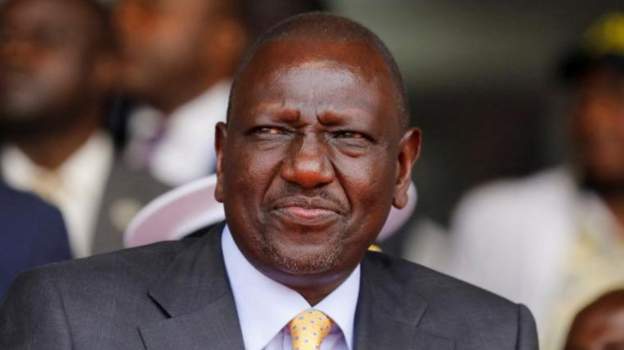
Part of my work is to be travelling – President of Kenya
-
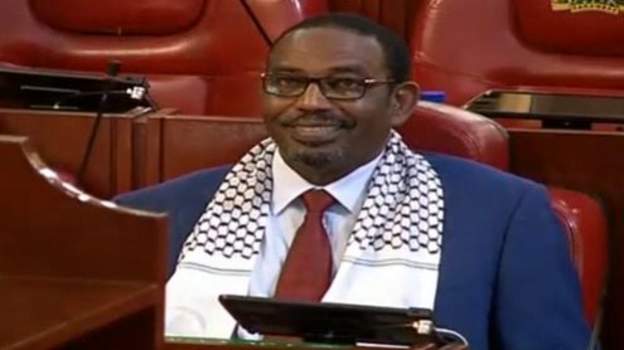
MP from Kenya chastised for donning a Palestinian scarf
A member of parliament from Kenya was told to take off a traditional scarf from Palestine that he was wearing during a meeting at the parliament.
Farah Maalim said he wore the scarf to show support to the Palestinians in Gaza during the conflict between Israel and Hamas.
He said Kenya should support Palestine.
But the person in charge of the National Assembly told the MP to take off the scarf because it went against the rules of the parliament.
Other Members of Parliament also criticized the lawmaker for not following the rules of the House and showing a lack of respect.
It happened a few days after the police in Kenya briefly held three people who were involved in a meeting supporting Palestine in the capital city, Nairobi.
President William Ruto has said that his government fully supports Israel in the current conflict. -
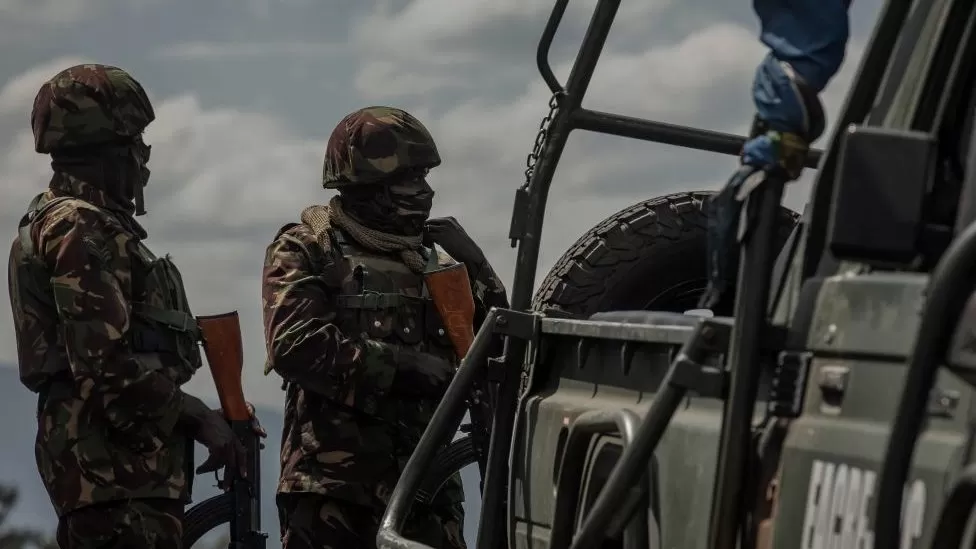
One of Kenya’s soldiers killed in DR Congo mortar strike
A soldier from Kenya who was part of a group of soldiers in eastern Democratic Republic of Congo was killed when rebels unexpectedly attacked them.
The spokesperson of DR Congo, Patrick Muyaya, informed the BBC that a soldier died on Tuesday in a fight between the regional forces and M23 rebels in the Kibumba area.
The Kenyan authorities did not comment right away.
This is the first time a Kenyan soldier has died since they joined the military group last year.
The army in the Democratic Republic of Congo expressed their disapproval of the killing and said that the M23 group is responsible for it.
It was reported that the rebels shot a mortar at the East African Community Regional Force (EACRF) positions.
The military in the Democratic Republic of Congo said that the attack had the intention of causing confusion between them and the EACRF.
The M23 rebels did not respond right away to the accusation, but they said in a statement that the government forces have broken the ceasefire.
DR Congo’s government has been very unhappy with the local military for not being able to prevent the violence.
The Democratic Republic of Congo has announced that it will not extend the EACRF agreement, which is set to expire in December.
Kenya has sent over 1,000 soldiers to the mission, along with troops from Uganda, South Sudan, and Burundi.
More information provided by Ian Wafula in Nairobi and Emery Makumeno in Kinshasa. -

Catholic priest from Kenya gets married
A Catholic priest from Kenya got married, which is not common.
In the Catholic Church, priests are normally expected to stay single and not get married. However, Reverend Father Edwin Gathang’i Waiguru has decided to join a different group called the Catholic Charismatic church.
Bishop Patrick Mulau from the Kirinyaga Charismatic Church performed a wedding ceremony last Sunday in Kiambu, which is located just north of Nairobi, the capital city.
Standing next to his wife, Margaret Wanjira Githui, Father Waiguru said “you can serve God and have a family and a wonderful wife”.
God made man and woman on purpose and said it’s not good for someone to be alone.
According to NTV, many people from the couple’s family and friends attended the unique ceremony. -

Kenyan police arrest pro-Palestine demonstrators
Kenyan police have set free three individuals who were detained for attending a meeting in Nairobi supporting Palestine.
The three people were released on Sunday without being accused of any wrongdoing. This happened because many Kenyans, politicians, and human rights groups criticized their arrest.
They said they were having a “meeting to show support and unity”.
Kenyan Member of Parliament Yusuf Hassan strongly criticized the arrests.
Irũngũ Houghton, who leads Amnesty International in Kenya, said that the disturbance of the meeting was against the law and very troubling.
The Kenya Palestinian Solidarity Committee arranged it after the police stopped a previous protest the group planned outside the US embassy.
President William Ruto has said his government fully backs Israel in the current conflict. -
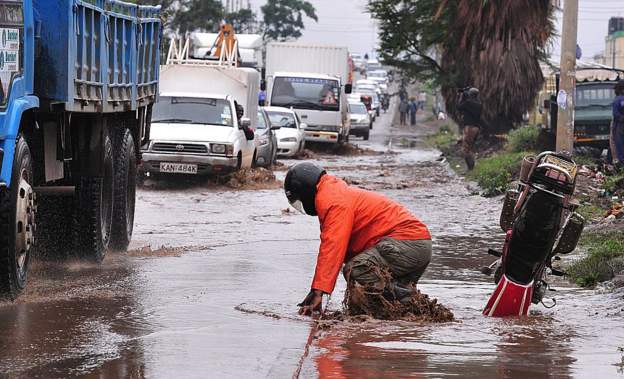
Kenyan president downgrades El Nio warning, citing met office
The Kenyan President, William Ruto, said that the country will not have heavy rainfall called El Niño, which was predicted. He mentioned that this was according to a forecast made by Kenya’s weather department.
The weather department has announced that there will not be an El Niño. Ruto said on Sunday that we will have strong rains, but they will not become very destructive.
He encouraged Kenyans to take advantage of the prediction of lots of rain and grow more food to make sure the country has enough to eat.
El Niño is a weather event that happens when the ocean water in the eastern Pacific gets warmer than usual by about 0. 5C This ultimately makes the air become wetter and warmer by releasing more heat into the atmosphere.
Experts had said that Kenya and other East African countries could get a lot of rain because of El Niño starting in mid-October.
The government of Kenya is warning that heavy rain could cause flooding, damage to buildings, and potentially lead to deaths. As a precaution, the military has been put on standby to help in case of any emergencies.
Kenya had heavy El Niño rains in 1997 that caused a lot of damage, particularly to the roads. -
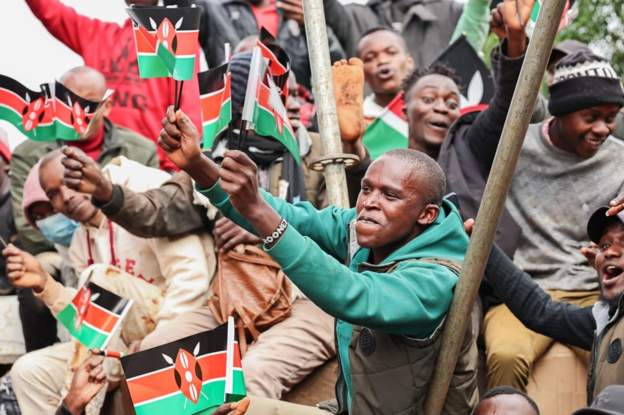
Four people perish in crush at Kenya’s Heroes Day festivities
Four women have lost their lives and 13 other people are badly hurt in Kenya after a crowd was pushed and squashed just before a gathering to honor Heroes, or Mashujaa, Day.
The crash happened outside a sports arena in Kericho County, which is located in Kenya’s Rift Valley area.
Thousands of people from Kenya were waiting outside a place. They were waiting for security officers to let them in. Suddenly, a big crowd rushed forward and caused a dangerous situation.
The police say that the accident happened at 6 o’clock in the morning on Friday. A woman who was selling tea outside the stadium accidentally dropped her tea, which scared the crowd.
According to the police, the spill made the crowd scared because they thought it was teargas. This was reported by the Daily Nation newspaper.
President William Ruto and other political leaders went to the event a few hours later.
Mashujaa Day is a special day to honor the people who fought for freedom from British control. -
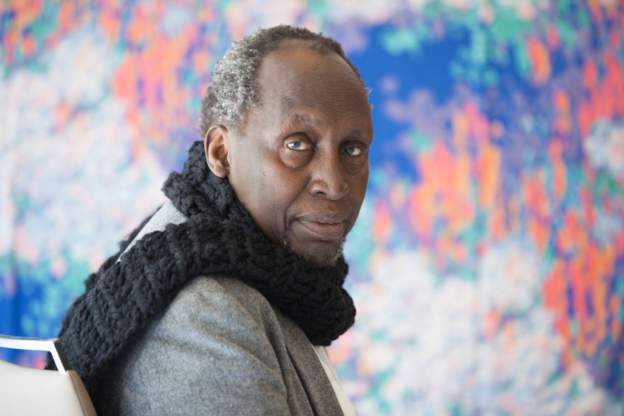
Kenya’s intention to send troops to Haiti criticised by Ngugi Wa Thiong’o
A video is circulating online that shows Ngũgĩ wa Thiong’o, a famous Kenyan writer,appearing up set as he criticizes the government’s decision to send police officers to Haiti.
Kenya is planning to send 1,000 officers to lead a team from different countries to stop gang violence in Haiti.
But in the video, Prof Thiong’o is upset that the Kenyan government made such a decision – “this current government in Kenya is really unbelievable”.
They have said yes to bring 1,000 police officers to Haiti. Do you know about Haiti’s past. If you know any history of Haiti, any black person would not behave that way,” he says.
I am crying. I cannot believe Kenya is doing this. He said that the current government has a leader with a problem in their mind.
It is uncertain where or in what situation Prof Thiong’o was speaking in the video. The video was first posted on Monday and has been shared on different social media platforms since then.
“[President William Ruto] is acting like a people-pleaser,even though there are more important issues to address. Haiti shouldn’t be a priority,” a person on X (formerly Twitter) commented.
We should respect the wisdom of Ngũgĩ wa Thiong’o. The British people started the police force in Kenya. “Kenya and other African countries have really bad cases of harsh treatment by the police,”someone else said. -
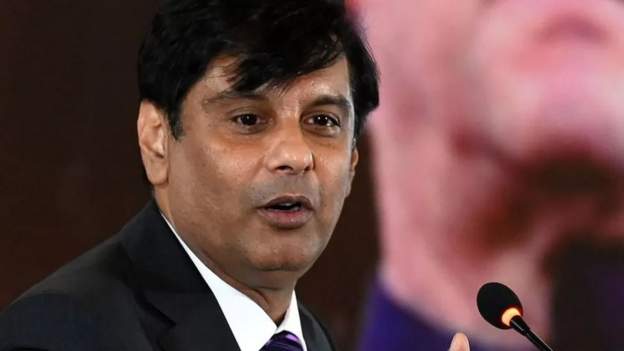
Kenya sued by widow of Pakistani journalist over husband’s death
The wife of a well-known Pakistani journalist is taking legal action against the Kenyan government for purposely killing her husband, according to AP news agency.
Javeria Siddique took legal action in Nairobi on Wednesday, claiming that Arshad Sharif was unjustly killed.
A journalist was shot and died one year ago by officers from Kenya’s special police group called the General Service Unit (GSU).
The police officers involved in the situation said they thought they had arrested the wrong person, but the wife of the deceased person disagrees with the police’s statement.
She told the Associated Press that her husband was killed on purpose because he criticized the Pakistani military.
Sharif went to Kenya in August 2022 to avoid being arrested for several crimes and charges related to trying to overthrow the government.
According to AP, Ms Siddique said that the Kenyan government never reached out to her and never showed any kindness. She also said that it is really cruel for a government to be so insensitive.
The lawsuit says that Ms Siddique wants the police officers who killed her husband to be punished and prosecuted by the police, attorney general, and director of public prosecutions.
Ms Siddique also wants the attorney general to say sorry publicly, admit the truth, and take responsibility for Sharif’s death.
In simpler terms, last year, investigators from Pakistan wrote a very long report after Sharif was killed. They found that the Kenyan police gave different and conflicting information about the case.
The Islamabad authorities accused two Pakistani businessmen who live in Kenya of being involved in a murder that happened in December 2022.
Pakistan’s military has said that they were not involved in this. -
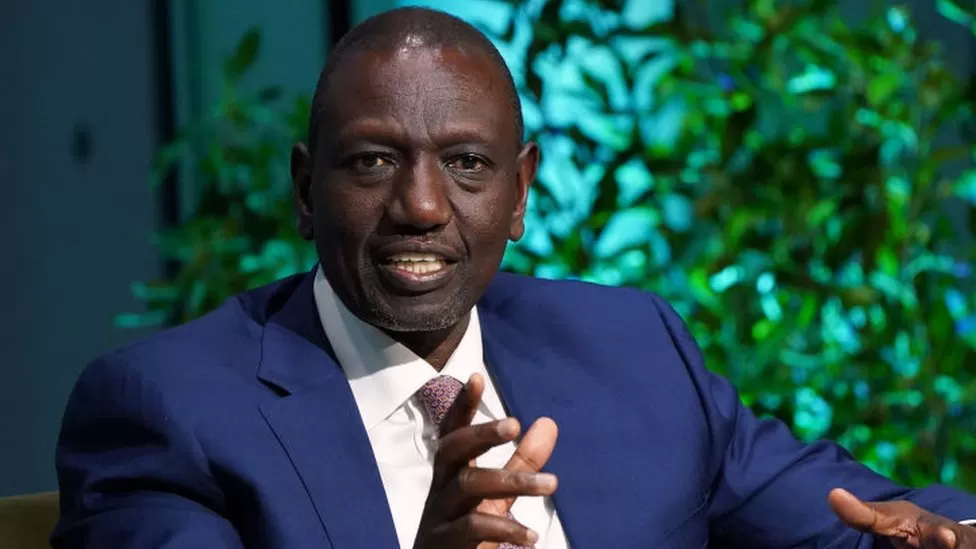
Kenya’s president signs contentious healthcare law
Kenya’s President William Ruto has given permission for a new law that will bring major changes to the country’s health sector. This is the most significant update in over 20 years.
His plan is centered on making sure everyone gets healthcare. It means that everyone who works has to give 2. 75% of their pay to a special fund for health.
The government promises to make healthcare cheaper and easier to get for poor Kenyans.
However, many Kenyans do not like it because they think of it as a new tax.
They are saying that Mr. Ruto has introduced more measures that are making the cost of living crisis worse. This is despite the fact that he won elections last year by promising to help families with their financial difficulties.
Some people are worried that the new healthcare fund will be corrupted, just like the current one. This means that they might not be able to get the healthcare services that they should be getting.
However, parliament has supported Mr Ruto by approving the Social Health Insurance Bill, along with three other bills related to health, on Tuesday.
Right now, people in Kenya have to give an amount of money every month to a health insurance program called NHIF. The amount they have to pay can be anywhere from 150 Kenyan shillings to 1,700 shillings.
It will be changed to a new fund, where you need to give at least twice the amount of money, and most people with jobs will give a greater percentage of their earnings.
Susan Nakhumicha, Kenya’s Health Minister, said that the new plan is good because it will let people in Kenya from all backgrounds give money based on how much they earn.
She said that people who earn less money have to pay a larger portion of their income compared to those who are wealthier.
Employers, who have to add money to their employees’ contributions, disagree with the 2. 75% deduction because they think it is too much.
They are saying that this will harm businesses and make the cost of living even worse. This caused people in Kenya to protest earlier this year.
In June, Mr. Ruto approved the Finance Act, a new law that made employers and employees pay a 1. 5% This money will help the government create affordable housing because prices are very high, and many city-dwelling Kenyans cannot afford to buy homes.
Some groups that focus on health and society have also criticized the health plan, stating that the 2. 75% deduction is significant. This is especially concerning because fuel prices and living costs have recently increased.
In September, the Kenya Faith Based Health Services Consortium stated that this rate burdens struggling individuals who earn a fixed income and have the responsibility of supporting big families and various services.
Kenyan people must sign up for the National Social Health Insurance Fund to use public health services. If they don’t register, they won’t be able to get these services.
The government will support Kenyans who cannot give money to the fund by providing 26 billion shillings.
The new fund will replace the current NHIF. The NHIF has lost a lot of money due to corruption, which means many people who have been paying for healthcare cannot access it.
Some people in Kenya are worried that the new fund will have more money, and this could lead to more corruption. They are also concerned that they will still not receive healthcare from the government.
Critics are worried that the new social healthcare organization will use most of the money it collects on things like paperwork and staff salaries, instead of putting it towards actual medical care. -
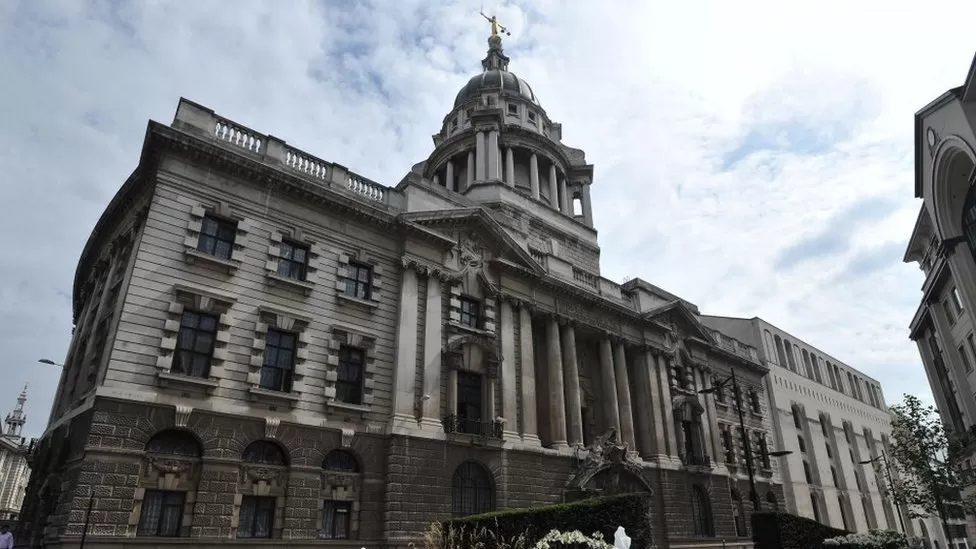
FGM: Three-year-old British girl mutilated in Kenya causes outrage
A woman appeared in court for allegedly giving a three-year-old British girl to someone who would perform female genital mutilation (FGM) on her in Kenya.
Amina Noor, who is 39 years old, has been accused of helping someone from outside of the UK to harm a girl’s genitalia in 2006.
The supposed crime became known when the person who reported it, who is now 21 years old, told her English teacher at school when she was 16.
Ms Noor, who lives in Harrow, which is in the north-west part of London, says she did not do what she is being accused of.
At the beginning of the trial, prosecutor Deanna Heer KC informed the court that when they questioned Ms. Noor about what had happened, she explained that the procedure included giving an injection and the girl was happy and able to freely move and play afterwards.
But in 2019, when the person who made the complaint was checked, it was found that her clitoris had been completely taken away, according to Ms.
During the court session, it was explained that Ms Noor initially told the story of going to a “clinic” with another woman. In that clinic, a girl was taken to a room for a certain procedure.
The person on trial said that she was asked to come inside, but she didn’t because she felt frightened and anxious.
The jurors were informed that Ms. Noor said the girl was silent, cried all night, and said she was in pain.‘Supported and helped’
During a later interview with the police, Ms Noor said that nobody had threatened her before the FGM was done to her.
When the defendant was asked if she ever didn’t want the FGM to happen, she said that she had thought about it but ultimately went ahead with it.
Ms Noor said that the things done to the girl were called “Sunnah” in Arabic, which means “tradition” or “way”. She also said that this practice had been happening for a long time because of cultural reasons.
The person in charge of proving the crime in court said that Ms. Noor supported and helped in the offense. They also questioned her statement that she only thought the girl would be slightly hurt to get some blood.
Ms Heer said in court that the defendant talked about the exact type of female genital mutilation before taking the girl to the clinic.
She did not ask if the people were doctors or if they were qualified to do their job.
She didn’t ask the Kenyan lady what would happen during the procedure. After the event, she didn’t look at the girl’s wound and said she didn’t seem to be hurting.
Ms Heer then said, “Considering the harm that was done to the girl, can we really believe that. Or is the defendant trying to downplay her own involvement. ”
Ms Heer told the court that there was no argument about the fact that the girl had undergone FGM (female genital mutilation) outside of the UK by a woman from Kenya, and it was also not disputed that the girl was a citizen of the UK.
The jurors learned that Ms Noor was born in Somalia and went to Kenya when she was eight because of the war in her country. She then came to the UK when she was 16 and became a British citizen.
The trial is still going on. -

‘Fake lawyer’ from Kenya enters a not-guilty plea
A man in Kenya has been accused of pretending to be a lawyer even though he doesn’t have the proper qualifications. He has told the court that he is innocent.
A person named Brian Mwenda Njagi was taken to court in Nairobi, Kenya’s capital, on Wednesday. This comes after he was arrested on Tuesday.
He is accused of creating fake legal papers to work as a lawyer and stealing others’ identities.
He is called the “fake lawyer” by local news outlets. They say he has won many court cases even though he is not trained as a lawyer.
However, the Law Society of Kenya (LSK) disagrees with this. “From what we know, Mr. Mwendwa has been going to court for about eight or nine months. It seems unlikely that he could have completed that many cases unless they were small claims courts that finish within 60 days,” said Eric Theuri, the LSK chairman, in an interview with the BBC.
Our investigations have revealed that he does not actually have a real law degree from Strathmore University. Additionally, we have discovered that the bar admission letter he possesses, which grants him permission to practice law, has a forged signature of the former chief justice Evans Gicheru, who served between 2003 and 2011.
But, the Central Organisation of Trade Unions (COTU) in Kenya has praised him as a smart young person who has achieved success without traditional qualifications.
Mike Sonko, who has caused much disagreement during his time as governor of Nairobi, supports him as well.
Mr Mwenda, who is out of jail until his trial, says he did not do anything wrong and plans to run for office in the 2027 elections. -
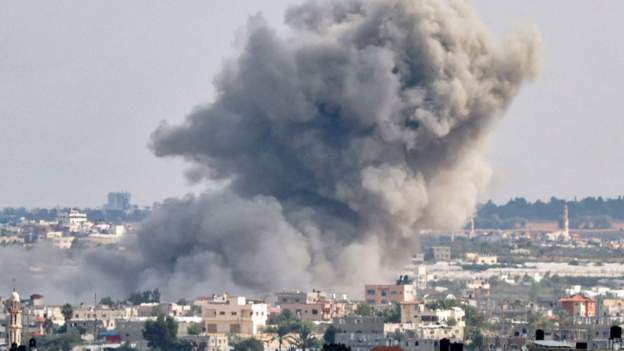
Kenya begins to pull its residents out of Israel
Kenya has started to bring back its people from Israel after the war began 10 days ago.
The first group of 11 people who are being moved to a safer place is expected to come today, as shared by Roseline Njogu, a senior person responsible for helping Kenyan citizens living abroad.
Right now, more than 500 Kenyan citizens are registered with the Kenyan embassy in Israel. Many of them live in places that are safe and not affected by the fighting happening there.
On 7 October, Palestinian Hamas militants attacked Israeli communities near the Gaza Strip in a way that had never happened before. Israel has responded with attacks on Gaza, and they are likely going to send troops into the area as well.
At the start of the conflict, some people from Kenya left on their own.
According to the East African newspaper, most Kenyans in Israel are students, people on religious trips, or those doing short scientific research programs. -

Kenyan land sale sparks controversy as homes are destroyed
A Kenyan company that is mostly owned by the government has faced backlash for wanting to sell some of its land. This land used to have homes where people lived for a long time, but these homes were destroyed.
Many expensive homes, churches, and a mosque were destroyed over the weekend because a court decided that East African Portland Cement (EAPC) is the rightful owner of the land.
The court said that EAPC can remove the people who had come to live in a portion of the 17. 40 square kilometers (4,300 acres) of land, which has been causing a legal argument for a long time.
The demolitions made many Kenyans very angry, especially the people who lived there. They felt it was very mean because they had spent a lot of money buying the land and building on it.
They said they were not sure why the EAPC did not talk to them instead of tearing down the buildings.
They mentioned that the destruction occurred before they had a chance to challenge the court’s decision. Some people accused President William Ruto of saying that residents would be forced to leave in order to make room for the growth of an industrial area.
EAPC let people know that they want to sell something by putting an announcement in newspapers on Tuesday. The regularisation model is used to refer to specific pieces of land.
It means that parties who are currently using the land will be given priority. They have been given 14 days to stake their claim. If they don’t, the plots will be sold to the public. The sale will be done by people who want to sell and people who want to buy.
The company has stated that the part of the land for sale is not the same as the area where buildings were destroyed.
However, people are asking why the buildings had to be destroyed. “Why did they let buildings get destroyed if this was their plan from the beginning. ” Adam Maina, a popular figure on social media in Kenya, questioned on X platform.
“This is what happens when dishonest people who are also not capable run the government,” stated Nairobi Senator Edwin Sifuna.
It is quite common for buildings that were constructed unlawfully on public land to be destroyed in Kenya. Sometimes people believe that they have political reasons behind their actions. -

Meta not been conducting sincere negotiations -Facebook moderators based in Kenya alleging
The attorney for 184 former Facebook content moderators stationed in Kenya who sued the parent business of the website, Meta, over salary and working conditions, claimed Monday that Meta has not been honest in trying to achieve a settlement outside of court as promised in the previous court session.
The former moderators want to move on with a contempt of court case against Meta, according to lawyer Mercy Mutemi, who claimed that the talks have broken down.
“The petitioners gave it their best effort. They attended every mediation. The respondents asked for information which we gave them. They kept saying they would get back to us by a certain date but only got back to us at the end of last week with a very small amount that cannot even take care of the petitioners’ mental health,” she told the court. She described Meta as “not genuine.”
The moderators were hired through Sama, a San Francisco subcontractor, which presents itself as an ethical AI company, to work at its Nairobi hub. Their role involved reviewing user-generated content in 12 different African languages and removing any uploads that violated Facebook’s community standards and terms of service.
According to some of the individuals petitioning the case, their job required them to watch distressing content for eight hours a day, which took a significant toll on them, all while being compensated at 60,000 Kenyan shillings, equivalent to $414 per month. They accused Sama of inadequately addressing the need for post-traumatic professional counseling. Their demand is for $1.6 billion in compensation.
Meta and Sama’s legal teams had initially believed that the mediation was progressing well and required extensive hours, until the moderators’ attorney expressed objections.
Justice Nduma Nderi characterized the breakdown in negotiations as a “missed opportunity” for the parties to reach a mutually acceptable resolution, rather than the court having to issue an order.
The parties will reconvene for a hearing on October 31st regarding the moderators’ application to hold Meta and Sama in contempt of court.
This lawsuit marks the first publicly known legal challenge against Facebook outside of the United States. In 2020, Facebook agreed to a $52 million settlement with U.S. content moderators who had filed a class action lawsuit due to repeated exposure to graphic and disturbing content, including beheadings, child abuse, animal cruelty, terrorism, and more.
Both Facebook and Sama have defended their employment practices.
-
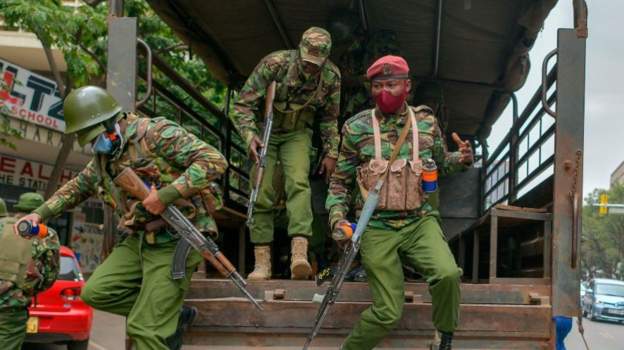
Kenya to send officials to Haiti for risk assessment before police deployment
Kenya’s minister in charge of internal affairs stated that they will first send groups of officials to evaluate the situation in Haiti before sending police officers to deal with gang violence.
Interior Minister Kithure Kindiki said that before our officers go to Haiti, other people will visit there for their mission.
In August, Kenya sent a group of people to go to Haiti and gather facts.
Mr Kindiki also said that the police officers are prepared to tackle the gangs in Haiti because they have experience in dealing with similar situations in other countries like Namibia, Cambodia, the former Yugoslavia, Bosnia and Herzegovina, Croatia, and Sierra Leone.
He said that Kenyan police are currently in Congo, Somalia, and South Sudan as part of the security forces there.
However, he said that the deployment will happen after meeting all the necessary legal rules, such as getting approval from both the parliament and the senate.
Last week, the United Nations (UN) agreed to send Kenyan police officers to Haiti. However, on Monday, a court temporarily halted this action until a decision can be made on whether it is allowed by the country’s constitution. -

Environmental court in Kenya blocks removal of prohibition on logging
On Thursday, a Nairobi court temporarily halted Kenyan President William Ruto’s decision to reopen state forests for logging, ending a ban that had been in effect for over five years.
The ban was initially instituted by the previous government in 2018 to combat illegal logging and increase Kenya’s tree cover to 10%.
However, in July, President Ruto lifted the ban, citing job creation and economic development in sectors reliant on forest products as the reasons behind the decision.
Nonetheless, the Environment and Land Court ruled on Thursday that the decision was “null and void” due to the absence of public deliberation on the matter. The judge emphasized that petitioners and the public had the right to participate in shaping the legislation, regulations, and guidelines related to forestry activities.
Legal representatives for environmental conservation organizations argued that the government did not seek input from the scientific community regarding the environmental consequences of resuming logging. They contended that this lack of consultation was in “complete disregard for the critical role forests play in mitigating climate change, preserving biodiversity, and safeguarding essential ecosystems.”
During his presidential campaign in 2022, Ruto had identified the planting of 15 billion trees as a crucial component of his climate change mitigation agenda.
Official statistics indicate that the forestry industry contributed 1.6 percent to Kenya’s GDP last year.
-
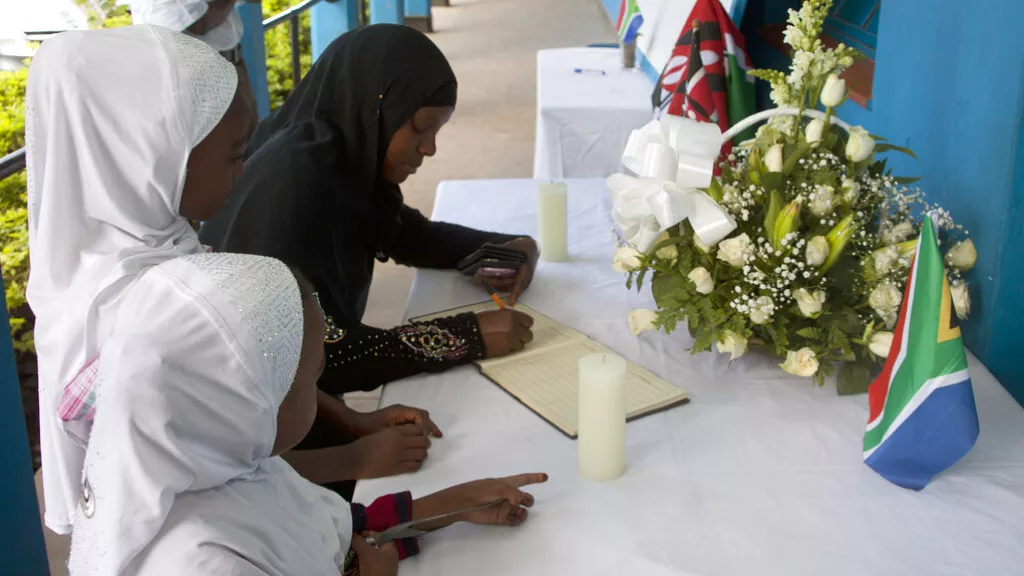
Kenyan publisher pulls down contentious textbook featuring Muhammad
A Kenyan publishing company has taken the decision to recall a textbook that featured an image of Prophet Muhammad following protests by Muslim leaders and parents.
The Muslim community expressed concerns about the blasphemous nature of depicting the Prophet and the request for students to color in the illustration.
Mentor Publishing Company acknowledged the gravity of their mistake and expressed regret over the inclusion of the controversial drawing in their book on Islamic studies designed for second-year primary school pupils.
In Kenya, where approximately 11% of the population adheres to Islam, this move carries significant importance as it addresses a sensitive religious matter.
Depictions of the Prophet Muhammad are a deeply sensitive issue for Muslims, as they contravene traditional Islamic beliefs that explicitly forbid visual representations of both the Prophet and Allah (God).
Sheikh Rishard Rajab Ramadhan, a Muslim scholar from the coastal city of Mombasa, described the book’s content as “dangerous” for young children and emphasized that such depictions could even lead to conflict.
In a letter addressed to the Muslim community, Mentor Publishing Company acknowledged the sacrilegious nature of the content in their book, known as the “Mentor Encyclopedia Grade 2.” The drawing in question had been inadvertently inserted into the book and mistakenly identified as an image of Prophet Muhammad.
Josephine Wanjuki, the director of Mentor, offered a sincere and wholehearted apology for this error and pledged to prevent such mistakes from recurring. Additionally, the publisher confirmed that the offensive drawing would be removed from all future editions, and they have committed to collaborating with the Muslim Education Council to review their entire catalog of books.
All teachers, students, and school administrators in possession of the book have been advised to return it to the publisher. Sheikh Ramadhan praised this decision to recall the books but urged publishers to consult with Muslim leaders before releasing any materials related to Islamic studies.
-
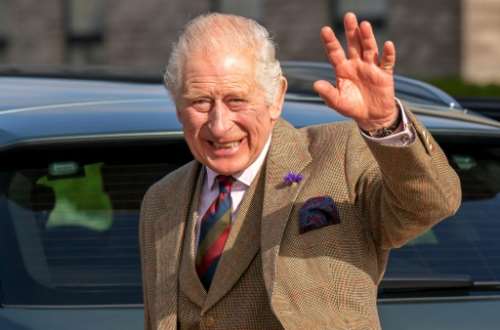
Kenya to receive state visit from King Charles in November
King Charles is set to address the “painful aspects” of the UK’s historical relationship with Kenya during an upcoming state visit to the East African nation next month.
His office has confirmed that Camilla will be accompanying him on this visit, which comes in response to an invitation from President William Ruto.
The occasion for the visit is Kenya’s celebration of the 60th anniversary of its independence from Britain.
Kenya gained independence from the UK in 1963, and the two countries have maintained a strong and cooperative relationship ever since.
However, the historical legacy of the violent colonial era, particularly the Mau Mau uprising and the subsequent Emergency period, continues to be a significant part of their shared history.
Chris Fitzgerald, the deputy private secretary to the King, shared this information: “The King and Queen’s programme will celebrate the close links between the British and Kenyan people in areas such as the creative arts, technology, enterprise, education and innovation.
“The visit will also acknowledge the more painful aspects of the UK and Kenya’s shared history, including the Emergency (1952-1960).
“His Majesty will take time during the visit to deepen his understanding of the wrongs suffered in this period by the people of Kenya.”
-

Elephant killed in Kenya bus crash
As reported by local media, a bus struck an elephant that was crossing a major highway alongside a national park in Kenya, injuring several passengers.
The injured people were transferred to a neighbouring hospital for treatment, but the elephant died there and then.
On Saturday night, the accident is alleged to have occurred along the Tsavo National Park, which spans both sides of the highway, when the bus was en route from the coastal city of Mombasa to the capital, Nairobi.
Following the catastrophe, locals are alleged to have scurried for the elephant meat, causing panic, according to the Nation newspaper.
Later, Kenya Wildlife Service rangers and officials arrived at the location to diffuse the tension.
-
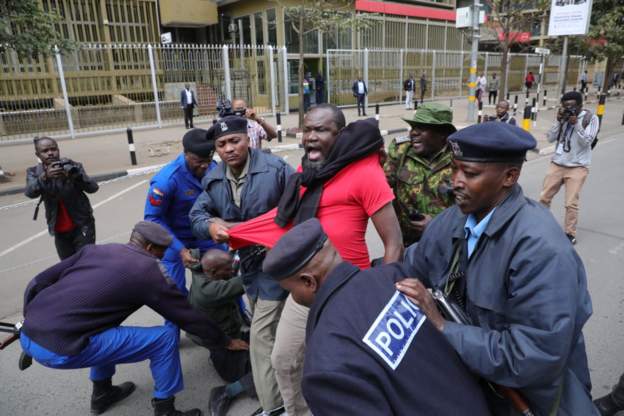
Kenya’s vice president supports police in their journey to Haiti
Kenya’s Vice President, Rigathi Gachagua, supports the country’s police despite criticism of their decision to send them to Haiti to control gang violence.
On Friday, Mr. Gachagua said that the police in Kenya are highly regarded worldwide.
Even though it was not clear which tasks or assignments he was talking about.
Many human rights organizations in Kenya and around the world are concerned that the police might bring their human rights violations to Haiti.
In August, Amnesty International, a group that defends human rights, wrote a letter to the UN Security Council. They were worried about the deployment of Kenyan police because they have a history of using too much force when responding to situations.
It also mentioned that this year alone, they have recorded over 30 instances of Kenyan police killing protesters.
Mr Gachagua said that the UN Security Council approved Kenyan police to lead the multinational force in Haiti after checking the performance of the officers.
He wrote on social media that the UN said Kenyan police officers are the best at calming chaos and bringing order. -

Kenya to approach China for an additional $1 billion loan
Kenyan President William Ruto is going to China this month to ask for a loan of $1 billion to pay for road projects that have stopped.
Mr Gachagua said on Inooro FM radio that lots of contractors stopped working on projects all over the country because they weren’t being paid for their work.
He mentioned that Kenya already owes a lot of money to China, but the president wants to ask for an additional $1 billion. The president also wants more time to pay back the money that Kenya already owes.
He said the president will tell the Chinese that “we agree that we owe you money. Can we discuss adding more time to repay it, paying at a slower pace, and possibly receiving additional funds to complete our road construction. ”
Kenya has borrowed more than $8 billion from China, mostly during President Uhuru Kenyatta’s time in office, to fund infrastructure projects.
The second-in-command addressed the problem of government officials being too wasteful, saying it was the reason the president had ordered a limit on traveling to other countries.
This week, the government decided that public officials cannot take unnecessary trips overseas to save money. They also told all government departments that they must reduce their budget for the next year by 10%.
The government has been blamed for spending money without a good reason, and many Kenyans are upset about the high cost of living and increased taxes imposed by the government. -
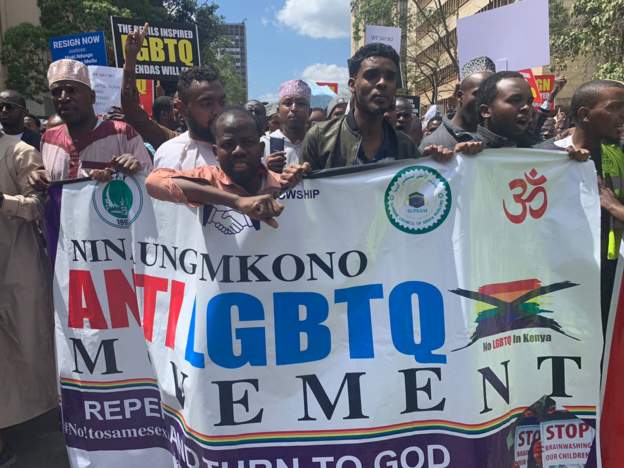
Anti-gay demonstrators demand that Kenya’s justices be fired
There is currently a protest against homosexuality happening outside the Supreme Court in Nairobi, which is the capital city of Kenya.
Many organizations and religious groups are upset about a recent decision that allows gay and lesbian groups to officially register in the country.
Some people are protesting and holding signs asking the judges of the Supreme Court to quit their positions.
Ten years ago, a government-funded organization rejected the registration of an LGBTQ rights group because they believed it encouraged same-sex activities, which are illegal in their country.
But this year, a different group of judges disagreed and changed the decision.
Kenya’s President William Ruto wants religious leaders to support and spread traditional beliefs and values. -

Kenya to request an additional $1b loan from China
Kenyan President William Ruto is scheduled to embark on a trip to China later this month with the aim of securing a $1 billion (£820 million) loan to fund road projects that have come to a standstill, as revealed by his deputy, Rigathi Gachagua.
Gachagua conveyed this information during an interview on Inooro FM radio in a local language. He highlighted that numerous construction contractors across the country had halted their projects due to non-payment for their work.
Despite Kenya’s already substantial debt to China, President Ruto intends to request an additional $1 billion, simultaneously seeking an extension of the repayment period for existing debts. The essence of the request to China is essentially, “We acknowledge our existing debt; can we engage in discussions to extend the repayment schedule, allowing for a more gradual repayment, and could you consider providing additional funds to facilitate the completion of our road infrastructure?”
Currently, Kenya owes China over $8 billion, with most of the loans having been acquired during the tenure of former President Uhuru Kenyatta to finance various infrastructure projects.
Deputy President Gachagua also addressed concerns related to the extravagant spending of government officials. He explained that this was one of the primary reasons why the President had initiated measures to restrict foreign trips.
Earlier in the week, the Kenyan presidency issued a directive prohibiting public officials from undertaking non-essential foreign trips in an effort to reduce government expenditure. Additionally, all ministries have been instructed to reduce their budgets for the upcoming fiscal year by 10%.
These austerity measures have been introduced in response to widespread complaints from Kenyan citizens regarding the escalating cost of living and the imposition of tax hikes by the government, with accusations of excessive government spending playing a central role in the discontent.
-
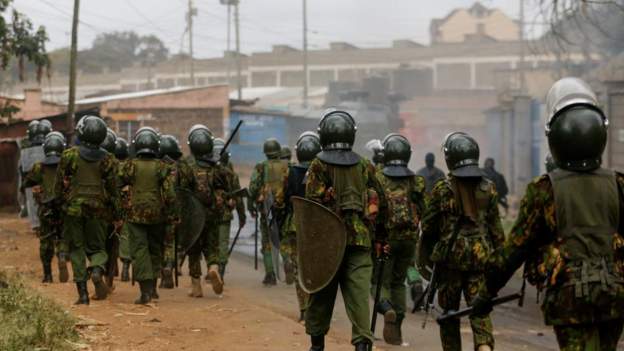
Kenya sends out its police forces following fatal ethnic riots
Kenya has sent a group of special police teams to try to stop the growing conflicts between different groups of people in Sondu, a town in the western part of the country near the border of Kericho and Kisumu counties.
On Wednesday, fighting broke out again and seven people have died and many others had to leave their homes.
The Interior Minister, Kithure Kindiki, announced that the security leaders in Kisumu and Kericho will be moved to different positions because of the conflicts.
“During the last two days, people have died, things have been destroyed, and the proper functioning of society has been greatly disturbed,” Mr Kindiki explained.
Local leaders are asking for a quick solution to a problem about the border between two fighting communities.
Three people died in similar attacks last month.
Sondu town has a past of very dangerous fighting between different groups of people because of elections. -
Kenyan legislators demand a prohibition on nicotine pouch brands
Kenyan MPs are urging the government to prohibit the sale of a popular brand of imported nicotine pouches in the country.
According to Health Minister Susan Nakhumicha, Velo is a rebrand of a British American Tobacco (BAT) nicotine pouch called as Lyft, which was deemed unlawful in 2022 by then-Health Minister Mutahi Kagwe.
Mr Kagwe ordered Lyft’s deregistration on allegations that it was licensed and registered illegally.
“Velo is imported from Hungary and distributed in the country by BAT Kenya Limited. No local manufacturer of nicotine pouches exists in the country therefore all nicotine pouches are imported,” Ms Nakhumicha said.
The BBC has reached out to BAT for a statement but has not received a response.
Health experts have noted a resurgence of highly addictive nicotine products in Kenya, despite a previous ban imposed by the Ministry of Health.
The Kenya Tobacco Control and Health Promotion Alliance, a civil society organization, emphasized in a statement that prohibiting nicotine pouches could save an entire generation from the risks of death, disease, and disability.
Kenya currently bases its decisions on tobacco products on a 2007 tobacco law. The health minister has announced that a technical team will assess the law and provide additional recommendations.
-
Kenyan MPs demand ban on brand of nicotine pouches
Kenyan lawmakers want the government to stop selling a type of nicotine pouches that are popular in the country.
Health Minister Susan Nakhumicha said in parliament that Velo is a new name for a nicotine product made by British American Tobacco (BAT). The product used to be called Lyft, but it was declared illegal in 2022 by the previous Health Minister Mutahi Kagwe.
Mr Kagwe decided to remove Lyft from its registered status because there were allegations that it obtained its license and registration unlawfully.
There are no nicotine pouches made in our country, so we have to import all of them. Miss Nakhumicha said this.
The BBC has reached out to BAT for a comment, but they have not received a response.
Health experts say Kenya is seeing a comeback of really addictive nicotine products that were banned by the Ministry of Health.
The Kenya Tobacco Control and Health Promotion Alliance, which is a group from society, stated that stopping the sale of nicotine pouches would save a whole generation from dying, getting sick, or being disabled.
Kenya uses a law from 2007 to help make decisions about tobacco products.
The person in charge of health said a group of experts will examine the rule and give more suggestions. -
Haiti situation not a top priority for Kenya – Odinga
Raila Odinga, Kenya’s opposition leader, has spoken out against the country’s plan to lead a peacekeeping mission in Haiti to tackle gang violence, calling it a “wrong move.”
In an interview with a local TV station on Thursday, Mr. Odinga stated that deploying Kenyan police to Haiti was not a top priority for Kenya, emphasizing that the East African region already faced significant challenges.
He questioned the rationale behind selecting Kenya to lead a multinational force in Haiti, which is geographically closer to the United States, the world’s most powerful nation.
Mr. Odinga expressed concern about the dangerous situation in Haiti, warning that the planned deployment could put the lives of Kenyan police officers at risk. He argued that the crisis in Haiti was primarily political and required diplomatic negotiations rather than a military response.
On Monday, the United Nations Security Council approved the deployment of Kenyan police for a year, subject to a review after nine months. President William Ruto of Kenya pledged not to let down the people of Haiti. However, there have been critics who doubt the capacity of Kenyan police to address the challenges posed by Haiti’s gangs.
-
Kenyan infant thief sentenced to 25 years in prison after BBC Africa Eye exposé
A person who works at a hospital in Kenya was caught by the BBC while trying to sell a baby. They have been given a punishment of being in jail for 25 years.
Fred Leparan, who was employed at Mama Lucy Kibaki hospital in Nairobi, was caught on camera receiving $2,500 (£2,000) for illegally selling a baby boy who was under the hospital’s protection.
He got caught in 2020 and was found guilty of selling children, not taking care of them, and planning to do more bad things together.
Selina Adundo, the person involved in the crime with him, was given a punishment of either six years in prison or a $2,000 payment.
An Africa Eye journalist pretended to be interested in buying something from Leparan. The reporter had heard from someone that Leparan, who works at the hospital, was involved in illegally taking children.
Leparan talked to the undercover reporter who was having trouble getting pregnant. Leparan didn’t ask many questions before agreeing to sell them a baby boy.
On that day, a baby boy and two more kids were supposed to move from the hospital to a government-run children’s home. However, Leparan was caught on camera changing the transfer documents to make it seem like only two children were coming instead of three.
A Kenyan court decided that Leparan will go to jail for 25 years. After that, he will be on probation for 10 years.
Adundo, who also worked at the hospital, was found guilty of not taking care of three children, but he was not found guilty of illegally taking children.
The court warned that Leparan and Adundo should not be allowed to deal with anything involving children.
This situation has continued for over two years even though there is really solid proof against Leparan.
He had one of the best legal defenses in Kenya, but he admitted in the secret video by the BBC that it was him.
There is not a lot of trustworthy information on how many children are being trafficked in Kenya.
Between July 2022 and May 2023, over 6,000 kids were reported as missing, as stated by the Minister of Labour and Social Protection, Florence Bore.
This week, Ms Bore announced that the government plans to get rid of all orphanages and children’s homes that are owned by individuals. This is because they want to stop child trafficking. They want to complete this process in the next eight years. -
Hundreds of Kenyan schoolgirls suffer from strange sickness
Health officials in Kenya are currently looking into a sickness that they cannot identify. This sickness has caused over 90 schoolgirls to be taken to the hospital.
The students from Eregi Girls High School, which is in the west of the country, had trouble walking and felt pain in their knees.
A high-ranking official from the Ministry of Education visited the school on Tuesday and reassured concerned parents that everything was okay and being handled well.
He said that other students would continue having classes as normal.
Jared Obiero, the regional director of education, said that the education department, county government, and public health department have promised to take care of the children.
Samples of blood, urine, and stool from the sick students were sent to labs in Kisumu, a nearby city, and the capital, Nairobi.
Final results to find out the reason for the sickness are expected later today. -
Netflix discontinues its free membership promotion in Kenya
Netflix, a company that lets you watch movies and shows online, will stop offering its service for free in Kenya next month. They want to find ways to make more money because there are other companies they are competing with in the market.
In 2021, Netflix let people in East Africa watch some shows and movies without having to pay for a subscription. This was an effort to enter Kenya’s booming streaming market.
Netflix says they will no longer have a free plan starting from 1 November.
“We will cancel your membership automatically when the free plan ends, so you don’t need to do anything,” the company stated.
It told its customers to switch to better plans that cost more money.
Netflix has decided to lower the prices for its subscribers in Kenya due to tough competition. -
‘We won’t let people of Haiti down’ – Kenya’s president
Kenya’s President William Ruto is happy that the UN Security Council has agreed to send a group of Kenyan police to help in Haiti.
He said they promised to help the people of Haiti and added that the mission was very important and urgent for Kenya.
On Monday, the UN agreed to a plan that allows them to help the police in Haiti fight against dangerous gangs. These gangs have taken over many areas of the country and are causing fear among the people living there. They have also caused the deaths of many people.
Mr Ruto believes that the situation in Haiti needs to be addressed with compassion and cooperation from everyone.
During our difficult times, we did not have many powerful allies, but we did have friends who were true, loyal, and determined. The people of Haiti, who are our close friends, currently require assistance. We have a basic moral duty to truly be their friend and support them,” he said.
However, some people who disagree or have negative thoughts have spoken out against the mission and the capability of Kenyan police to fight against Haiti’s gangs.
The former chief justice of Kenya, Willy Mutunga, said on a BBC radio show that it was against the law to send officers without asking the Kenyan people first about an important issue.
Amnesty International wants a careful review of the human rights and humanitarian consequences of the mission before it is sent. -
Kenya forbids government officials from taking non-essential trips
The government of Kenya has prohibited public officials from going on unnecessary trips to other countries in order to save money.
On Monday, Felix Koskei, who is in charge of the country’s public service, announced that certain types of trips are not allowed. These include trips for learning, visiting other places to learn from them, trainings, and trips for research, improving skills, and academic events.
Conferences, meetings that anyone can attend, additional events, and events organized by small groups are also considered non-essential.
Mr Koskei told government officials to either join events online or have diplomats from their respective countries attend them.
According to news sources, people working for President William Ruto’s government spent a total of Sh14 billion Kenyan shillings.
Mr Ruto spent a total of $94 million and £78 million on travel during the first nine months of his time in office. In other words, he used this large amount of money for transportation and related expenses during that period.
Mr Koskei said that people will only be allowed to travel abroad for official government-related activities or important decisions that affect the country’s position.
He also limited the number of ministers and governors allowed to go abroad to three people. He stated that they can only stay outside the country for a maximum of seven days per trip and 45 days per year.
He said that only the people who have a direct part in planned activities will be included in the president, vice president, and first lady’s groups. -
Kenya records 860 million cyberattacks in one year
Kenya’s communications regulator recently reported that the country faced a huge number of 860 million cyber-attacks in the past year.
The regulator said that the number, complexity, and size of cyber-threats targeting Kenya’s important information systems have greatly increased.
In 2017, Kenya had 7. 7 million cyber attacks.
In July, a big cyber attack by a group called Anonymous Sudan happened. They stopped people from using over 5,000 online government services in Sudan. These services included things like applying for visas, passports, and driver’s licenses.
The attack made it so that people couldn’t book train tickets or use their phones to send money.
The Communications Authority of Kenya said that in the past year, 79% of attacks were carried out by cyber criminals who hacked into the computer systems of organizations.
The regulator also mentioned that 14% of the attacks involved harmful software, 6. 5% involved cybercriminals overwhelming servers with excessive traffic to overwhelm their systems, and the rest of the attacks focused on targeting web applications.
The people in charge say that Kenya is now the third most targeted country by cyber criminals in Africa, after Nigeria and South Africa. -
UN advises Kenya on job opportunities in solar power business
A greater investment in skill development in solar market technology, according to a United Nations organization, might help create jobs in nations such as Kenya through collaborations with multinational businesses that control the industry.
The United Nations Conference on Trade and Development (UNCTAD) has urged governments to create skills that will enable young people to find work and to promote local enterprises’ participation in solar panel supply chains.
“Growth in the solar panel market provides a vast opportunity for the economy through private sector development and job creation. However, much of the market is held by internationally owned companies,” UNCTAD said in a new report.
“Most domestic companies operate in services, offering project-development services, consultancy, and after-sales services.”
A greater investment in skill development in solar market technology, according to a United Nations organization, might help create jobs in nations such as Kenya through collaborations with multinational businesses that control the industry.
The United Nations Conference on Trade and Development (UNCTAD) has urged governments to create skills that will enable young people to find work and to promote local enterprises’ participation in solar panel supply chains.
“Future expansion in industrial parks promises to grow business opportunities for domestic companies and employment in the solar panel supply chain,” UNCTAD states.
-
Dog held responsible for preventing Kenyan marathon runner victory
A Kenyan senator has expressed strong criticism towards sports organizations for their lack of action following an incident in which a dog chased Robert Kimutai Ng’eno during the Buenos Aires marathon in Argentina last week.
Reports indicate that Ng’eno, a Kenyan runner who was leading the race with just 4km (2.5 miles) to go, was unexpectedly pursued by the canine.
Despite attempts by some spectators to chase the dog away, the encounter reportedly disrupted Ng’eno’s concentration, ultimately causing him to finish in third place.
His compatriots, Cornelius Kiplagat and Paul Kipngetich Tanui, claimed the first and second positions.
A widely shared photo of the dog chasing Ng’eno has ignited discussions on social media, with some questioning why more wasn’t done to protect the athlete.
Kenyan Senator Samson Cherargei voiced his concerns, stating, “The athlete was stripped of his dignity and subjected to unwarranted ridicule.”
He further argued that both Kenya’s Sports Minister, Ababu Namwamba, and Athletics Kenya had let the runner down, emphasizing their failure to advocate for an investigation by Argentine authorities.
-
Kenya anticipate an end to gang war in Haiti by it security force
Kenya says it is confident the deployment of hundreds of its police to Haiti by January will end gang warfare there.
Last year Haiti’s government appealed for help because of the spiralling gang violence.
Gangs have largely overpowered the police and now control more than three-quarters of the capital.
Initially Kenyan officials spoke of around 1,000 officers going to Haiti to train local police and help protect key installations there.
But Kenya’s Foreign Minister Alfred Mutua says it will be an intervention force to disarm what he called the ‘thugs and the gangs’.
In a BBC interview Alfred Mutua said the Kenyan police would free Haitians who had been kidnapped and free women who were being raped.
He said he did not expect there to be much violence.
Some have expressed scepticism about sending officers 12,000km (7,500 miles) away to Haiti.
Especially as there are lots of law and order challenges in Kenya and rights groups have long accused the police of atrocities including killings and torture.
-
Kenya to commence nuclear power plant construction in 2027 – CEO
Kenya is set to commence the construction of a nuclear power plant in 2027, according to recent assurances from authorities.The planned 1,000MW facility, a long-standing project, aligns with Kenya’s goals to transition to cleaner energy sources and boost energy production.
Similar announcements regarding the imminent start of this venture have been made in the past.
The acting CEO of the Nuclear Power and Energy Agency, Justus Wabuyabo, informed Kenya’s Business Daily newspaper that the agency is presently engaged in site evaluations and finalizing preparations to initiate the bidding process for the plant’s construction.
Mr. Wabuyabo stated that the plant’s construction is slated for Kenya’s coastal region and is expected to span six to ten years, with the earliest operations of the first plant anticipated by 2034.
However, some Kenyans have expressed concerns, contending that a nuclear plant is unnecessary, citing doubts about the country’s capacity to manage nuclear waste.
“We have enough resources for hydro, geothermal, solar, and wind power. Worse, I do not think we have the capacity to ensure the safety of a nuclear power plant or clean-up when a disaster strikes,” one X, formerly Twitter, user said.
Currently, South Africa stands as the sole African nation engaged in commercial nuclear power production. Several other African countries, including Rwanda and Egypt, have initiated plans to embrace nuclear energy, with Egypt currently in the process of constructing a $30 billion (£24 billion) nuclear power plant.
-

Kenyan senator faces suspension for alleging bullying
A Kenyan female senator who identifies as a whistleblower has been suspended for a period of six months by a parliamentary committee.
Gloria Orwoba was summoned before the Powers and Privileges Committee due to statements she made in Senate WhatsApp groups and during a press briefing.
In these statements, she alleged the existence of a culture in parliament characterized by favoritism, ethnic discrimination, bullying, and sexual harassment. She also suggested that behind-the-scenes, the only way to achieve one’s goals was by offering kickbacks or sexual favors, which she refused to do.
Her messages and complaints to colleagues often included the hashtag #NoSexForWork.
However, the committee concluded that her accusations lacked substantiation, and they mandated that, following her suspension, she would need to issue an apology for her comments before being permitted to resume her duties.
In response to her suspension, Ms. Orwoba, who is currently on a work trip attending the Clinton Global Initiative in New York, expressed her discontent.
She argued that the committee had issued its report despite her having filed a legal case on the matter. She believed that she would not receive a fair hearing and alleged that the committee had rushed to publish its report due to her recent request for the disclosure of senators’ and staff members’ travel expenses from October 2022 to September 2023.
Ms Orwoba said her request had brought about “panic and anxiety in high offices in parliament”.
“Swiftly after this request, the motion to suspend me, which was earlier adjourned was reintroduced while I was away,” she alleged.
This isn’t the first instance of the 37-year-old politician, who is also an advocate for ending period-related stigma, encountering issues with her fellow parliamentarians.
Back in February, she was requested to exit parliament due to her non-compliance with the house’s dress code, owing to an apparent period blood stain on her white trouser suit. During that incident, she brushed off criticism from those who accused her of being disrespectful, asserting that accidents can occur.
“Since I am always advocating against period shame, I thought I should go ahead and walk the talk.”
-
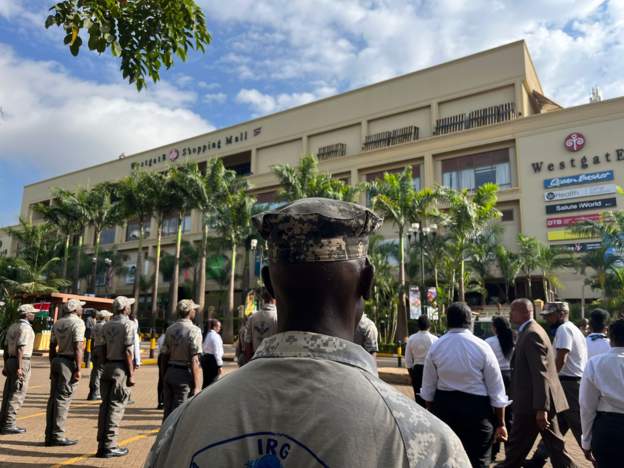
Kenya commemorated Westgate mall incident for ten years
On the 10th anniversary of a terror attack in Kenya’s Westgate Mall, a moment of silence was observed in the capital city, Nairobi, to honor the 67 people who lost their lives.
Four heavily armed terrorists from a group called al-Shabab took over a fancy shopping center for four days on September 13, 2013.
The attack showed that the different security teams from different agencies did not work well together in responding to terror attacks.
The attack stopped when the four attackers were shot and killed by security officers.
We don’t have much information about the attackers yet, but four people have been charged with helping the militants.
The government has just revealed a new plan to protect against terrorism by using private security guards.
The goal is to teach over 900,000 people and give them a special number for security purposes. This number will be stored in a central database. -

Haiti and Kenya build diplomatic relations
The countries Haiti and Kenya have made an agreement to become friends and work together. This was announced in a statement that they both released together.
The paper signed by both Haiti and Kenya’s government officials states that they will send ambassadors to each other’s countries.
Kenya wants to send 1,000 police officers to Haiti to help with international support.
The government of Haiti asked for assistance from other countries last year to deal with a lot of gang violence happening.
The United States is leading the United Nations in arranging a mission to rescue people.
A proposal is being written. -
Infamous Kenyan murderer executed in US prison
A well-known Kenyan murderer, who was in prison for life for killing two old women, was murdered by his fellow prisoner.
Prison guards discovered that a man named Billy Chemirmir, who was 50 years old, had died while he was in his prison cell at the Coffield Unit prison in Texas on Tuesday morning.
The Texas Department of Criminal Justice said that Chemirmir was murdered by his cellmate on Monday night.
In 2022, an American court gave Chemirmir a life sentence for murdering an 81-year-old named Lu Thi Harris and an 87-year-old named Mary Brooks.
He was accused of killing 20 old people in north Texas for two years.
Officials said that Chemirmir pretended to be a caregiver or maintenance worker to enter care homes in north Texas.
He focused on older women at the places they live, and would often steal valuable things like jewelry from them before causing them harm.
Chemirmir got arrested in March 2018 because a 91-year-old lady who lives in her own apartment told the police about him. -
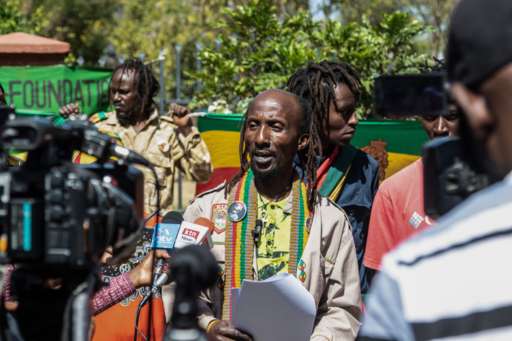
The proposed 50-year prison penalty in Kenya’s anti-gay law
A proposed legislation in Kenya, known as the Family Protection Bill 2023, is advocating for severe penalties, including 50 years of imprisonment, for non-consensual sexual acts involving gays and lesbians. The draft law, introduced by Homa Bay Town legislator Peter Kaluma, aims to outlaw homosexuality, same-sex unions, and all LGBTQ-related activities and advocacy.
Additionally, the bill seeks to prohibit gay parades, gatherings, and demonstrations in public spaces, as well as cross-dressing in public.
“A person who engages in sexual act with a person of the same sex without the consent of the other person shall upon conviction be sentenced to imprisonment for a term of not less than 10 years and not exceeding 50 years,” says the bill.
If the bill is enacted, individuals who own properties used for same-sex activities will be subject to a fine of $14,000 (£11,000) or could potentially face a seven-year prison sentence.
Last week, religious leaders and certain civil society organizations organized anti-LGBTQ demonstrations in the coastal city of Mombasa.
This protest followed a reaffirmation by Kenya’s Supreme Court of a decision made in mid-September to permit the registration of LGBTQ non-governmental organizations (NGOs).
The Kenya NGO Coordinating Board had previously refused to register the National Gay and Lesbian Rights Commission, citing its promotion of same-sex behavior and dragging the case for a decade.
However, earlier this year, the Supreme Court deemed this action discriminatory and unconstitutional, thereby granting LGBTQ organizations the right to register in a groundbreaking ruling.
-

Kenya: 87-year-old British folk singer Roger Whittaker dead
British folk singer of Kenyan descent, Roger Whittaker, known for his 1982 hit song My Land is Kenya and skilled whistling, has passed away at the age of 87.
“It is with great sadness we share the news of Roger’s passing at age 87. His life, artistry and legacy has meant so much to so many all over the world,” his friend, Jesse Waggoner, posted on Whittaker’s Facebook pageon Monday.
“We are thankful that the gift of his music remains with us.”
The multilingual singer passed away on September 13, 2023 at a hospital in southern France, where he settled after an outstanding career spanning more than 50 years, according to a statement from his family and his official website, rogerwhittaker.com.
“Roger was an iconic artiste, a wonderful husband and father. He touched so many hearts with his music throughout his life and will always live on in our memories,” the family statement said.
His passing occurred just a month after his Facebook page had announced his illness, and he had been under medical care in a hospital. It is reported that Whittaker, recognized for his distinctive Henri Quatre beard, suffered a stroke from which he did not recover. On his final day, medical efforts to save his life were unfortunately unsuccessful, as reported by German media.
In his later years, the pop icon faced various health challenges, including heart and stomach issues, necessitating multiple surgeries. Whittaker’s legacy endures among Kenya’s enthusiasts of folk and country music, primarily due to his iconic work “My Land is Kenya.”
In this touching tribute to Kenya, Whittaker expressed his profound affection and connection to his homeland. He celebrated its natural beauty, its people, their diverse cultures, and historical heritage, including their valiant struggle for independence against British colonial rule.
“This melodious masterpiece captures the heart and soul of Kenya, evoking a sense of pride and unity among its listeners,” Jennifer Bell writes in The Meaning Behind The Song.
“The lyrics paint a vivid picture of Kenya’s breathtaking landscapes… It encapsulates the rich diversity of wildlife, highlighting Kenya’s position as a jewel of natural beauty. Whittaker’s smooth vocals bring to life the imagery of roaring lions, graceful giraffes, and shimmering.”
One line in the chorus, “you’ll always stay with me here in my heart,” repeated after each stanza, serves as a reminder to the Kenyan diaspora that wherever they go, Kenya is undoubtedly their home.
“The song’s uplifting melody and heartfelt lyrics inspire a sense of unity and pride among Kenyans, reinforcing the idea that Kenya is not just a land but a deeply cherished home,” says Bell.
The artist, who also performed in German and French, had several other chart-topping hits, including “Indian Lady,” “Durham Town,” “The Last Farewell,” “New World In The Morning,” and his rendition of “Wind Beneath My Wings.”
According to his website, he sold nearly 50 million records worldwide and received 250 platinum, gold, and silver awards during his illustrious career before retiring to France in 2012.
Born in Nairobi, Kenya, in 1936 to English parents Viola and Edward Whittaker from Staffordshire, England, Roger Whittaker initially pursued higher education in South Africa after completing two years of national service in Kenya. Later, he began a medical course in the UK but decided to drop out after a year, opting to concentrate on his musical career, which took him to various European countries, including France and Germany.
Roger Whittaker was laid to rest in a private ceremony on Saturday, as reported by the German news outlet Bild.de. He is survived by his wife Natalie O’Brien and their five children: Emily, Lauren, Jessica, Guy, and Alexander Whittaker.
-

Army helicopter from Kenya crashes while on a night patrol
An overnight military helicopter crash occurred in Kenya during a patrol mission in the coastal county of Lamu, resulting in the tragic loss of all crew members on board.
The crash took place within the Boni forest, an area that spans the border with Somalia and has been a location from which the Somali militant group al-Shabab has carried out deadly attacks.
The Kenya Defence Forces (KDF) has not disclosed the exact number of individuals aboard the helicopter at the time of the accident.
Nevertheless, some media reports suggest that at least eight people lost their lives in the incident.
According to the KDF statement, “The crew and other military personnel onboard were part of an air surveillance squadron intensifying day and night patrols and surveillance for the ongoing Operation Amani Boni.”
A board of inquiry has been dispatched to the Boni forest to investigate the cause of the crash.
-
Polish man apprehended in Kenya in possession of heroin valued at $22,000
Kenyan detectives have apprehended a Polish individual suspected of drug trafficking at the main airport in the capital, Nairobi.
The suspect, identified as Arkadiusz Stanislaw, was taken into custody with heroin worth $22,000 (£18,000) just moments before attempting to board an Egypt-bound Hungarian airline at Jomo Kenyatta International Airport.
The police have detained Stanislaw, and he is currently awaiting court arraignment.
Margaret Karanja, the Director of Kenya’s Anti-Narcotics Directorate, has issued a stern warning, stating that all individuals involved in drug-related activities will face the full force of the law, regardless of their role in the trade.
It’s important to note that East Africa is a significant transit point for the trafficking of drugs from the Middle East to the West.
-

Kenya concerned about drug addicts using tranquillizers made for animals
Kenya’s organization against drug abuse, Nacada, is worried that drug addicts are using animal calming drugs instead of heroin by injecting them into themselves.
This means that there are videos going viral on social media showing people near the coast who appear to be under the influence of drugs and behaving strangely.
Nacada mentioned on Sunday that they did not find any fentanyl in the samples they collected. Fentanyl is a very strong and dangerous synthetic drug, often thought to be stronger than heroin.
They discovered that the symptoms were caused by a large amount of heroin and a mix of heroin with other drugs, like a veterinarian tranquilizer called xylazine, prescribed medications, and other substances.
Nacada stated that the misuse of veterinary drugs could lead to a serious problem in managing cases of drug overdoses, which could affect the health of the general public.
“The statement says that we urgently need to put in place measures to control and regulate the use of veterinary drugs for non-medical purposes, to prevent them from being sold illegally. “ -

Presidents of Kenya, Tanzania clash over language skills
Kenyans and Tanzanians on social media have playfully bantered over recent remarks made by their respective presidents regarding their proficiency in speaking Swahili.
Swahili serves as the primary language in both East African nations, yet Kenyans have often faced jests for their perceived challenges in using standard Swahili, while Tanzanians have similarly endured teasing for their English language skills.
During a recent agriculture and food summit in Tanzania, President Samia Hassan light-heartedly chided her Kenyan counterpart, William Ruto, for not employing proper Swahili greetings. She remarked, “The other day [Mr] Ruto came here and taught us to say ‘jambo,’ but the correct term is ‘habari ya mchana.’ These Kenyans…we should enroll them in Swahili lessons.”
CNN correspondent Larry Madowo, who hails from Kenya and was hosting the forum, came to the defense of his president, saying, “I must stand up for my president… because Kenyans and Tanzanians are like siblings; we converse with Tanzanians in imperfect Swahili, and Tanzanians respond to us in less-than-perfect English. We carry on like that, as if it’s gospel,” he humorously declared in Swahili, evoking laughter from the audience.
This exchange underlines the warm relationship and shared cultural bonds between these neighboring nations.
-
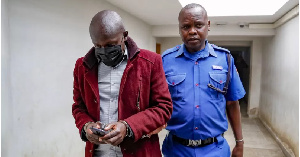
Baby thief from Kenya indicted after exposé by BBC
A Kenyan hospital employee, Fred Leparan, who was exposed by the BBC for selling a baby on the black market, has been found guilty of child trafficking. Leparan, employed at Nairobi’s Mama Lucy Kibaki hospital, was captured on film accepting $2,050 (£1,600) to facilitate the sale of a baby boy under the hospital’s care. This arrest occurred in 2020 following an investigation by BBC Africa Eye.
Leparan faced charges alongside another hospital employee, Selina Awour, relating to child theft. While Awuor was convicted on three counts of child neglect, she was acquitted of child trafficking. Both individuals are scheduled for sentencing on September 26.
The BBC’s Africa Eye investigative team initiated contact with Leparan, posing as potential buyers after receiving information from a source suggesting his involvement in illegal child trafficking at the government-run hospital. A meeting was arranged at the hospital, during which Leparan showed minimal interest in the undercover reporter’s situation before agreeing to sell the baby boy.
On the day when the baby boy was meant to be transferred from the hospital to a government-run children’s home, along with two other children, Leparan was caught on camera falsifying the transfer paperwork to make it appear that the home should expect only two children instead of three. The BBC ensured that all three children were safely delivered to the children’s home but recorded Leparan altering the paperwork and informing them that the child was now theirs to take away.
Despite overwhelming evidence, the legal proceedings lasted for more than two years. Leparan secured strong legal representation in Kenya, but his testimony during the trial was inconsistent and evasive. He initially denied his involvement, attempting to claim that the voice in the undercover footage belonged to someone else, even though his mouth moved in sync with the words. Later, he admitted that some of the words were indeed his own.
Leparan also claimed not to recognize various parts of the hospital where he had worked for three years, despite the court being presented with footage showing him secretly arranging the theft and transfer of the baby boy.
While the BBC’s investigation exposed the illegal sale of one child from Mama Lucy, a former hospital employee who spoke to Africa Eye anonymously revealed knowledge of 12 missing children under the hospital’s care in just two months.
“So many people are corrupt. Once they are given something small they keep quiet and never talk,” he said, referring to bribes given to staff.
In Kenya, the demand for stolen children remains distressingly high, driven by a combination of cultural stigma surrounding infertility and adoption, along with a cumbersome legal adoption process.
The hospital scam orchestrated by Leparan is just one facet of this multifaceted issue. Africa Eye’s investigations have also captured traffickers organizing the illicit buying and selling of infants in clandestine street clinics. Moreover, the audacious abduction and sale of babies from vulnerable, homeless mothers living on Nairobi’s streets have been documented.
Mary Auma, who operated a clinic where vulnerable mothers gave birth and sold their babies for subsequent resale at a profit, disappeared after being exposed by our undercover team. Upon returning to Nairobi recently, we found no trace of Auma, and her clinic had been shut down.
However, the heartbreaking reality persists: babies continue to be abducted in Nairobi. Near the site of the closed clinic, a woman approached us, clutching a flyer featuring the image of her five-year-old granddaughter, Chelsea Akinye. According to Chelsea’s grandmother, Rosemary, the young girl was abducted from the street a year and six days prior. Rosemary has tirelessly searched for Chelsea every day since her disappearance, distributing flyers throughout the neighborhood and beyond. She described Chelsea as a joyful child with immense potential in her studies.
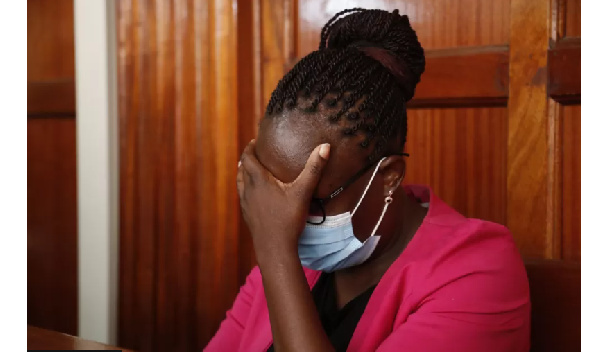
“When she came from school, she would get anyone close to her to help her with homework before she would go out to play,” Rosemary said.
“I have searched for Chelsea all the way to Busia. Since that day, I leave very early in the morning, sometimes at 4am, to search for her.”
Like other parents or grandparents who have been subjected to the terrible ordeal of having a child being snatched, Rosemary sometimes longs for closure in any form.
“I imagine someone would have abandoned her somewhere, or she has been killed and left somewhere. And I go and bury her, and it leaves my heart,” she said.
Reliable statistics regarding the extent of child trafficking in Kenya are scarce. According to Florence Bore, the Cabinet Secretary for Labour and Social Protection in the country, there were 6,841 reported cases of missing children between July 2022 and May 2023, with only 1,296 successfully reunited with their families.
Mueni Mutisya, representing the Directorate of Criminal Investigations Child Trafficking Unit, informed the BBC that the unit now deals with an average of approximately five new cases of child abduction each week. These cases disproportionately impact families with the lowest incomes, according to Ms. Mueni.
In 2020, the day after our initial investigation was published, Kenya’s then Minister for Labour and Social Protection, Simon Chelugui, made a commitment to take stringent government actions to combat the trade in stolen children. He vowed that those responsible would face the full weight of the law.
While new laws aimed at strengthening child protections came into effect in the past year in Kenya, Ms. Mueni emphasizes that there is still much work to be done. She advocates for new legislation that would mandate members of the public to report any suspicions of child abuse or abduction, further enhancing child protection measures.
“Let us have a common goal of protecting children,” she said.
The most vulnerable children are still those being raised by the poorest families, according to Maryana Munyendo, the head of charity Missing Child Kenya, which operates a toll-free line for people to report abductions.
“Within Nairobi, we still get a lot of cases from the slum areas,” Ms. Munyendo said. She said her phone line still received three missing child reports every day on average.
-

Kenyans no longer need visas to enter Democratic Republic of the Congo
Democratic Republic of Congo has eliminated visa requirement for Kenyan travelers.
This decision was announced by DR Congo’s Director General of Migration, Roland Kashwantale Chihoza, in a statement issued on Wednesday.
This reciprocal action comes in response to Kenya’s recent announcement that it would also be waiving visa requirements for Congolese visitors to the country. Kenya’s decision is aimed at reducing barriers to facilitate the free movement of people and promote trade within the East African Community (EAC).
It’s worth noting that the Democratic Republic of Congo joined the East African Community as its seventh member last year.