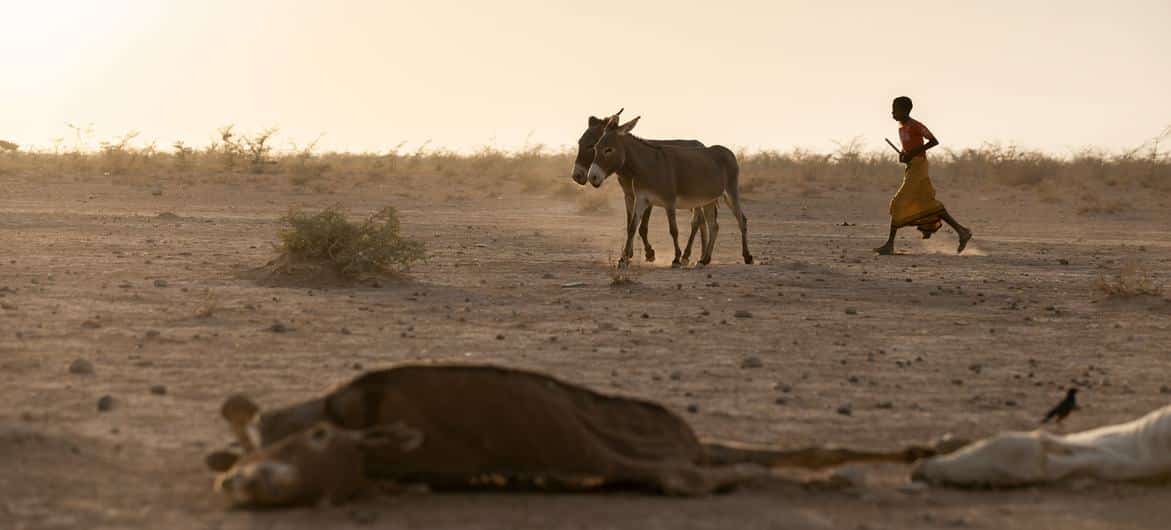
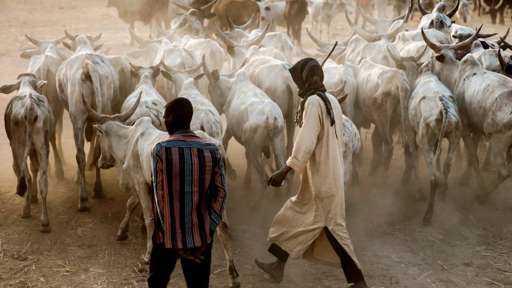
Nigeria is facing a serious challenge of feeding its growing population, as millions of people are at risk of hunger due to conflict, climate change, inflation and rising food prices.
The COVID-19 pandemic has worsened the situation, as it has disrupted the food value chain and affected the livelihoods of farmers and consumers.
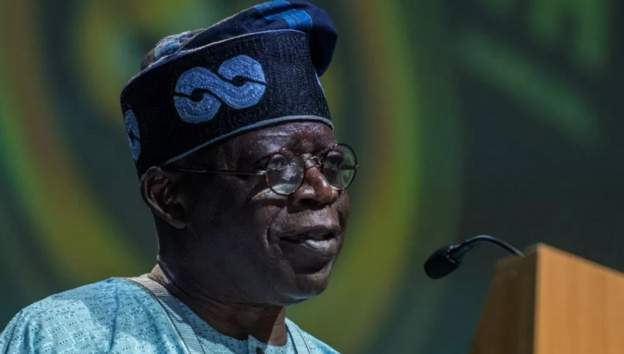
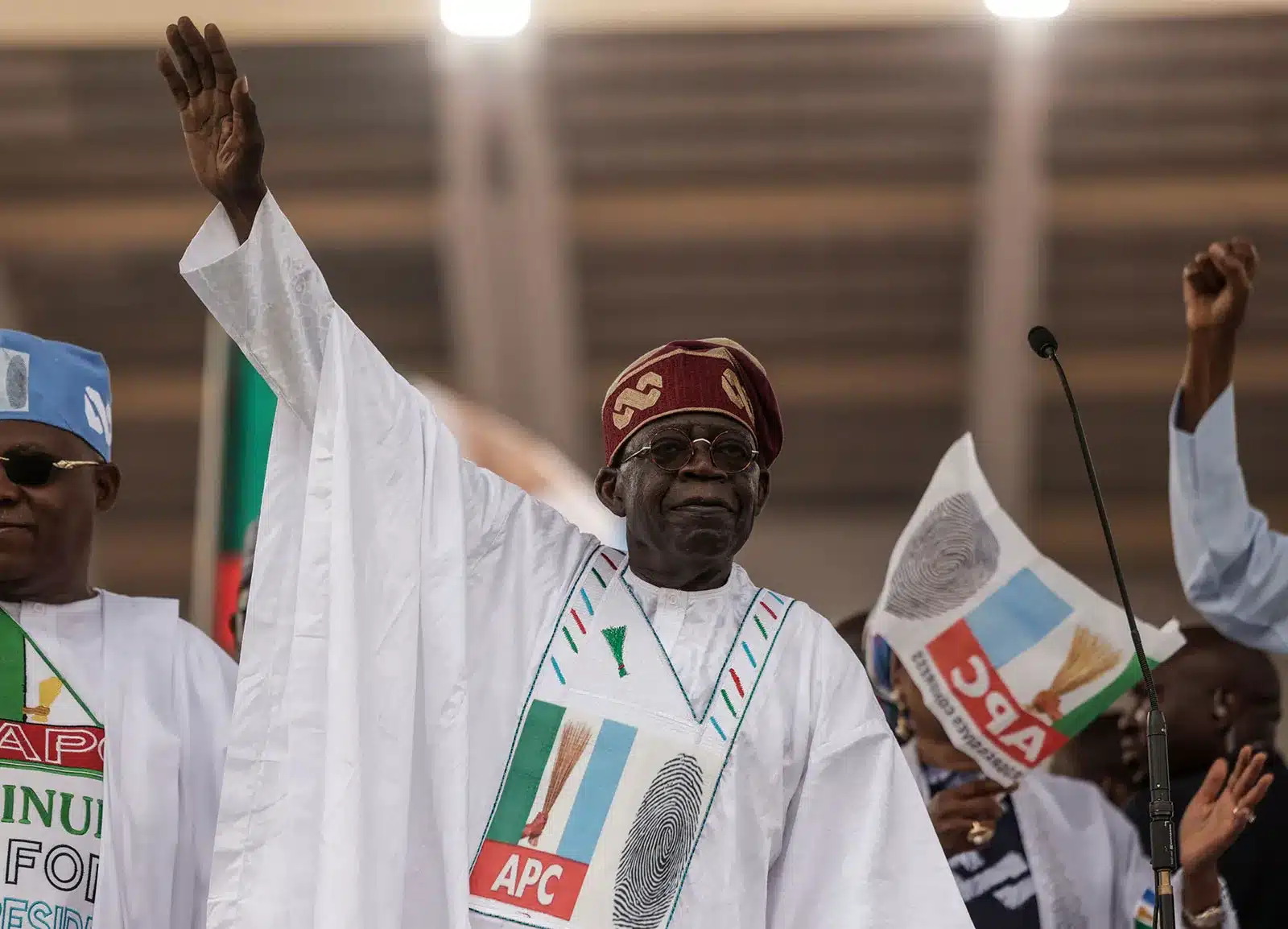
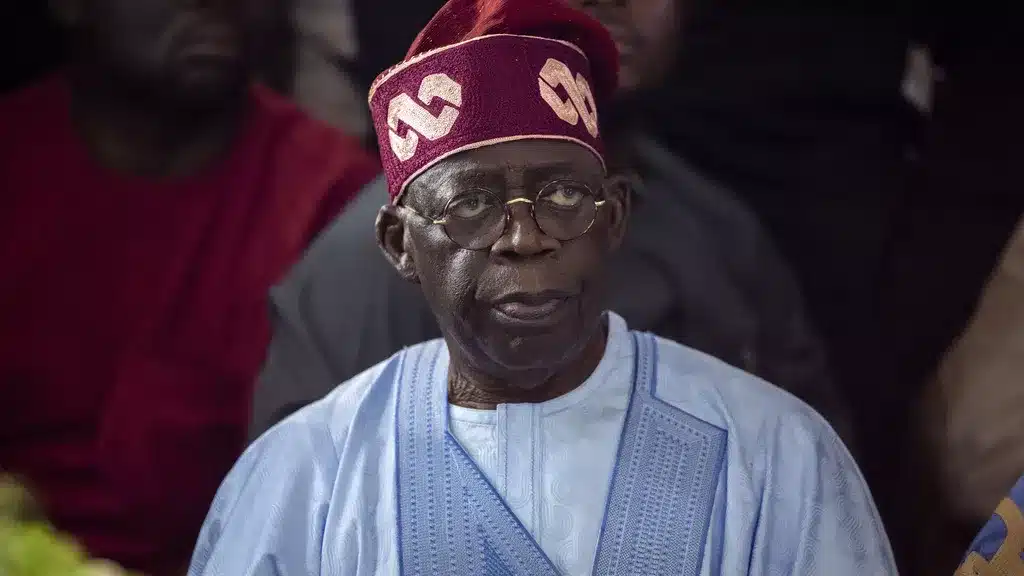
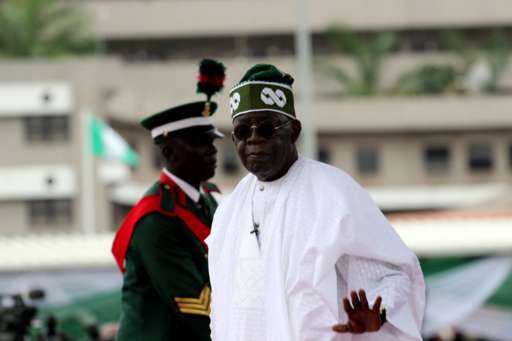
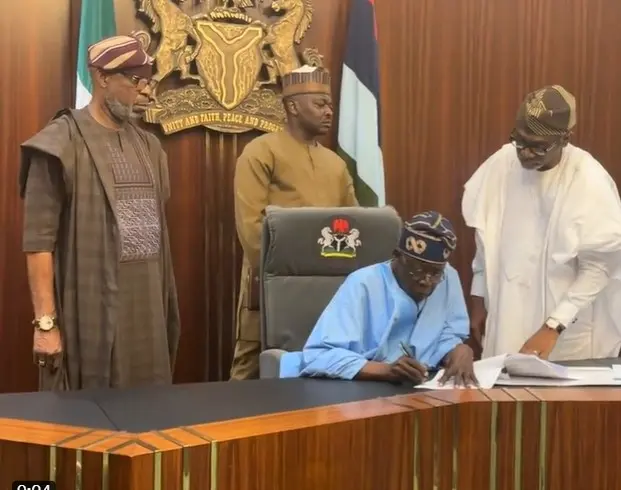
To address this urgent issue, President Bola Tinubu on Thursday, July 13, declared a state of emergency on food security and announced a series of interventions to boost food production and distribution, as well as to stabilize food prices and create jobs.
Today, we declared a state of emergency and unveiled a comprehensive intervention plan on food security, affordability, and sustainability, taking decisive action to tackle food inflation. These are steps towards a more food secure Nigeria for all. Our new initiatives will tackle… pic.twitter.com/DBb81p1jd2
The government has outlined the following measures to improve the food security situation in the country:
Providing fertilizers and grains to farmers and households to increase crop yields and reduce food shortages.
Assigning the National Security Council to oversee the food and water distribution across the country, especially in areas affected by insecurity and banditry.
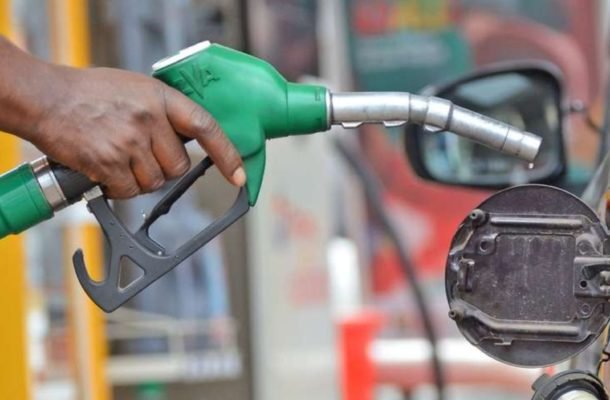
Redirecting funds from fuel subsidies to support the agricultural sector, which employs about 70% of the labour force in Nigeria.
Establishing a National Commodity Board to regulate and stabilize food prices, which have increased by more than 20% in 2022, according to the National Bureau of Statistics.
Enhancing agricultural practices and technologies to improve productivity and resilience to climate change and pests.
What are the objectives?
The benefits of government’s interventions include;
Reducing the cost of food for consumers, especially the poor and vulnerable who spend more than half of their income on food.
Promoting agricultural development and diversification, which are key to achieving economic growth and reducing poverty.
Creating employment opportunities for young people, women and rural dwellers, who are often excluded from the formal economy.
President Tinubu has assured of fairness, noting that no one would be overlooked in the government’s pursuit of ensuring affordable and abundant food for all.
And how does he plan to achieve this?
A National Commodity Board will be established to regulate and stabilize food prices, thereby fostering a more sustainable agricultural environment.
Also, government intends to allocate funds previously dedicated to fuel subsidies towards supporting the agricultural sector.
A Nigerian man playfully teased his wife upon his return from a two-week trip, finding his clothes missing from his drawers.
In a humorous video, he showcased the empty compartments where his joggers, hoodie, boxers, polo, and socks were supposed to be stored.
As he called out to his wife to explain the missing clothing, she acted surprised alongside him.
Seeing his clothes on her, the man jokingly lamented, questioning whether he made a mistake by marrying her and wondering why she continuously wore his clothes.
In her defense, the wife playfully stated that everyone does it and praised the comfort and appeal of his garments.
In response, the man amusingly threatened to involve his mother in the matter, expressing his reluctance to continue in such a manner. The wife, appealingly, assured him that his clothes would soon be dry as she had already taken care of them.
Labour unions in Nigeria are expressing strong discontent over the recent surge in fuel prices throughout the country and have issued a warning to withdraw from negotiations with the government unless the prices are reversed.
Both the Nigeria Labour Congress and the Trade Union Congress are accusing the government of unjustly favoring the wealthy at the expense of the poor, leading to immense suffering, hardship, and sorrow for the Nigerian people.
On Tuesday, petrol prices reached an all-time high of around 640 naira ($0.82; £0.64) per litre, triggering widespread outrage across the nation. As a result of this sharp increase in petrol prices since May, after President Bola Tinubu’s announcement ending fuel subsidies during his inauguration speech, transport costs and food prices have continued to escalate.
The state-owned Nigeria National Petroleum Corporation Limited has attributed the new price increase to market forces.
In response to the public outcry and rising costs, President Tinubu has ordered a review of the $10 (£8) his government had planned to pay 12 million poor households to mitigate the impact of removing the fuel subsidy. The proposed payment, lasting for six months, aimed to provide relief to those affected by the subsidy removal.
However, there has been widespread criticism and concern that the money could potentially end up benefiting government cronies rather than reaching those genuinely in need.
A member of parliament for Nsawam Adoagyiri and the majority chief whip, Frank Annoh-Dompreh, has attacked a Nigerian investigative journalist who claimed that a lobby group in northern Nigeria was funding Vice President Mahamudu Bawumia’s presidential campaign.
Annoh-Dompreh criticized David Hundeyin’s assertion, calling it a dishonorable conduct and a huge trap that the Bawumia campaign would not fall into.
“An anxious posture & strategy planned to smear the DMB. campaign. We love Dr.Bawumia and appreciate his relevance. We cannot be “fooled” into your gaping “trap”. A shameful antic! The support he has comes from the vast population of Ghanaians who believe in visionary leadership,” his tweet read.
A controversial investigative journalist named Hundeyin claimed in a tweet that the Arewa Consultative Forum (ACF) is financing Bawumia’s presidential campaign.
The purpose of Hundeyin’s allegation was to emphasize a point he was making about how far lobbying and other deceptive tactics may be used to influence political results and further lobbyist interests.
He cited the case of UK government backing groups in Nigeria’s north to buttress his point stating in one of his tweets: “Have you ever wondered how the UK government always seems to be aligned politically with the northern establishment? Yes there is historical context, Harold Wilson, bla bla bla but what else is the reason?
“It’s because of several organisations like the Arewa Consultative Forum,” his tweet read.
The part on Bawumia and the ACF was by way of an example to back up his earlier tweet, it read: “These think tanks and lobby groups spend *millions* of dollars annually on local and foreign political astroturfing on a scale you cannot begin to comprehend.
“For example, the ACF is funding a Muslim candidate (Mahamudu Bawumia) in Ghana’s 2024 election. You already know why.”
In the meantime, the tweet has received a lot of response from Ghanaians who are either rejecting his assertions or calling for clarification from the Bawumia campaign, which is currently in full force ahead of the New Patriotic Party (NPP) presidential primaries.
Frank Annoh-Dompreh, a pro-Bawumia politician and majority chief whip, has rejected the claim, calling it among other things a “shameful antic.”
Nigeria is taking measures to contain the spread of anthrax following reported cases at a livestock farm located north-west of the capital, Abuja.
The Ministry of Agriculture confirmed the outbreak after symptoms of the disease were detected at a farm in Gajiri, situated along the Abuja-Kaduna motorway in Niger state.
The affected farm, which houses cattle, sheep, goats, and poultry, has been placed under quarantine, and 50,000 doses of anthrax vaccine have been dispatched to the area.
Anthrax primarily affects livestock animals, although humans can also become infected through direct contact with contaminated animals or consumption of their products.
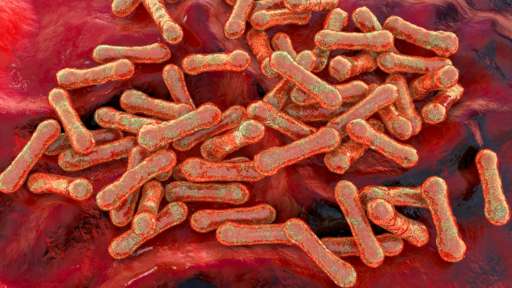
The disease is caused by Bacillus anthracis and typically survives in the form of spores that can remain dormant in the soil for several years before entering an animal’s body through a cut or wound.
Clinical signs of anthrax in animals include sudden death and bleeding from the nose, mouth, and anal region.
The government is urging livestock owners, farmers, and the public to stay vigilant and report any suspected cases. It also advises farmers to refrain from slaughtering sick animals to prevent exposure to anthrax spores.
Anthrax can be treated with antibiotics, but prompt treatment is crucial following infection. No cases of human exposure have been reported thus far.
Livestock farming and herding are vital sources of livelihood for many communities in northern Nigeria, as they supply meat to other parts of the country.
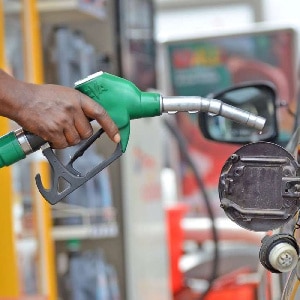
At several gas stations run by the Nigerian National Petroleum Company Limited in Abuja, the price of Premium Motor Spirit, also known as gasoline, was increased from N537 to N617 per liter on Tuesday.
Independent oil marketers attested to the rise in the cost of the good since they claimed that any change in price by NNPCL stations was a sign that the pump price of PMS had increased.
“This is because NNPCL is still the major importer of petrol into Nigeria currently, though other marketers are gradually importing the commodity. The price this (Tuesday) morning at some NNPCL stations is N617/litre,” the Secretary, Independent Petroleum Marketers Association of Nigeria, Abuja-Suleja, Mohammed Shuaibu, told our correspondent.
Following President Bola Tinubu’s announcement on May 29 that petrol subsidies had ended, the price of the commodity surged from N198/litre to over N500/litre on May 30, 2023.
Since the removal of petrol subsidies and the floating of the naira against the dollar, marketers have warned that the cost of Premium Motor Spirit (PMS) could potentially reach as high as N700/litre.
Moreover, the increase in the global crude oil prices has also contributed to the further hike in petrol prices, given that crude oil is the raw material from which PMS and other refined petroleum products are derived.
In Abuja, on Tuesday morning, motorists flocked to filling stations that were still selling petrol at N540/litre.
However, with the news of the price hike by NNPCL stations spreading, many independent outlets either closed their stations or promptly adjusted their fuel pumps to reflect the new price.
As of now, there has been no official statement from the NNPCL or the downstream oil sector regulator regarding this development.
A data released on Monday by the National Bureau of Statistics, says that Nigeria’s headline inflation rate continued to rise for the sixth consecutive time, reaching 22.79 percent in June 2023. This marks a new 17-year high, surpassing the previous month’s rate of 22.41 percent.
The report from the NBS stated that the June 2023 headline inflation rate showed an increase of 0.38 percentage points compared to the May 2023 headline inflation rate, which stood at 22.41 percent.
“On a year-on-year basis, the headline inflation rate was 4.19 percentage points higher compared to the rate recorded in June 2022, which was 18.60 per cent.
“This shows that the headline inflation rate (year-on-year basis) increased in June 2023 when compared to the same month in the preceding year (i.e., June 2022).”
It noted that food and non-alcoholic beverages (11.81 per cent) led the list of items that contributed to the rising inflation figure.
Economists had, however, said inflation needed to be tackled holistically.
A former President and Chairman of Council, Institute of Chartered Institute of Bankers of Nigeria, Prof Segun Ajibola, said Nigeria’s surging inflation needed to be curbed holistically.
Ajibola, who is also a professor of economics at Babcock University, said, “The fundamental problems are still with us. We have to face the issues squarely to address the problem of inflation.
“It requires a holistic approach. So many things have to be harmonised and so many things have to be tackled. Especially things that push costs of production and those that affect agriculture.”
Expressing optimism in the new administration to fight inflation, Ajibola said, “I believe things will be better going by the little we have seen. More expertise and more strategic policies will be initiated.”
Partner and Chief Economist at KPMG Nigeria, Dr Yemi Kale, recently said the net benefits of the subsidy removal were positive, but noted that there would be disruptions arising from a direct increase in energy prices, inflation rate, and transportation fares.
He said, “This disruption has an indirect impact on the increase in food prices and consumer demand. This is so because their purchasing power is weakened; consumer demand also shrinks unless the government provides some kind of relief to cushion the effect.
“In addition, households would begin to cut their expenditures, leading to businesses recording decreases in demand amid rising costs of operation increases. This is particularly going to affect the Micro-Small and Medium-sized Enterprises, and this would eventually birth lay-offs, hence increasing unemployment rate and insecurities.”
KPMG Nigeria said the removal of fuel subsidies in Nigeria could lead to a significant rise in the country’s inflation rate, potentially reaching 30 per cent in June 2023.
A report by KPMG said the removal, whether implemented entirely or partially, would cause a temporary inflationary surge.
The NBS, on its Twitter page, noted that the impact of the fuel subsidy removal and unification of exchange rates had yet to reflect on the country’s headline inflation, which justified the marginal increase.
“The June Consumer Price Index numbers may not fully capture the impact of the fuel subsidy removal and the unification of the exchange rate.
“This is because the data collection for computing the rate for the reference month typically stops around the middle of the month, meaning that the June numbers only reflect approximately two weeks of the policy impact on consumer prices.
“The full effect of the policy as relates to prices can, therefore, not be reflected in June only, but also in subsequent months, based on actual prices collected in market outlets across the country.”
Nigeria may have reported index instances of anthrax, a bacterial disease that may infect humans and afflict both domestic and wild animals.
The Chief Veterinary Officer of Nigeria, Columba Vakuru, signed a statement on Monday from the Federal Ministry of Agriculture and Rural Development, according to the News Agency of Nigeria (NAN).
Animals exhibiting symptoms of a potential case of anthrax on a farm in Suleja, Niger State, were reportedly reported to Mr. Vakuru’s office on July 14.
“The case was in a multi-specie animal farm comprising of cattle, sheep and goats located at Gajiri, along Abuja-Kaduna expressway in Suleja Local Government Area, Niger State, where some of the animals had symptoms including oozing of blood from their body openings – anus, nose, eyes and ears.” Part of the statement read.
About Anthrax and how it spreads to humans and livestock
Experts have highlighted that anthrax outbreaks are relatively common worldwide and tend to predominantly affect agricultural workers.
Human contraction of the disease occurs through the handling of animal products, such as wool, hide, or bone, from animals infected with the anthrax bacterium, as reported by NAN.
Anthrax is an infectious disease caused by the bacterium Bacillus anthracis. The bacteria typically reside in the soil and primarily infect wild and domestic animals, including goats, cattle, and sheep.
According to the Centre for Disease Control and Prevention (CDC), individuals with pulmonary anthrax are at high risk of experiencing respiratory collapse and have the highest mortality rate among all anthrax cases, with 92 percent resulting in death.
The CDC also states that the gastrointestinal form of anthrax, which occurs when a person consumes the meat of an animal infected with anthrax, represents a third manifestation of the disease.
“This is the rarest form of anthrax in the United States, but it can be deadly: Between 20 and 60 per cent of all gastrointestinal-anthrax cases result in death,” it said.
According to information provided by the U.S. National Library of Medicine, the most prevalent form of anthrax, known as cutaneous anthrax, is typically acquired when bacterial spores enter the body through a cut or abrasion in the skin.
Among the three forms of anthrax—cutaneous, pulmonary, and gastrointestinal—cutaneous anthrax is considered the easiest to treat using antibiotics.
Anthrax can also be contracted by inhaling the bacteria into the respiratory tract, a method known as pulmonary infection. This type of infection is more common among individuals involved in the processing of wool and animal hides.
The United States experienced an anthrax scare in September 2001 when letters containing anthrax spores were sent to various news media offices and politicians, resulting in five deaths and 17 additional infections.
Additionally, in October 2014, an outbreak of gastrointestinal and cutaneous anthrax in a village in Jharkhand, India, reportedly claimed the lives of seven individuals. In July 2016, nearly 100 people from nomadic communities in northern Siberia were hospitalized with the disease.
The much-anticipated ninth edition of the FIFA Women’s World Cup has arrived, with Australia and New Zealand serving as the hosts for this unique event.
Nigeria, a nine-time African champion, is determined to change their fortunes in the World Cup. They kick off their campaign against Olympic champions Canada in their opening match on Friday at the Melbourne Rectangular Stadium.
In Group B, they will also face the co-hosts Australia and Ireland, making it a challenging group for them.
Making history as the first country from the Arab region to qualify for a FIFA Women’s World Cup, Morocco is eager to leave a lasting impression in Australia and New Zealand 2023. Meanwhile, Zambia faces a tough task in their Group C opener against the 2011 World Champions Japan, followed by matches against Spain and Costa Rica.
South Africa, the reigning Africa Cup of Nations champions, is prepared to make their second appearance in the Women’s World Cup.
They will aim to secure a victory in their first match against Sweden on July 23.
Morocco’s remaining group stage fixtures include a match against South Korea on July 30, followed by a final group stage encounter against Colombia on August 3.
Dangote Sugar Refinery Plc, a major integrated sugar business predominantly owned by Nigerian billionaire Aliko Dangote, has announced its intention to merge with Nascon Allied Industries Plc and Dangote Rice Limited, both of which fall under the umbrella of the Dangote Group.
Should the merger receive approval, it has the potential to bring about a significant transformation in the Nigerian food and consumer goods industry. The consolidation of these businesses is anticipated to reshape the market landscape and open up new avenues for growth.
The proposed merger, involving Dangote Sugar, Nascon (a salt-processing company), and Dangote Rice, will be a focal point of discussion during the upcoming Board of Directors meeting scheduled for Friday, July 28.
The objective of this merger is to establish a colossal food conglomerate with a diverse range of products, including sugar, rice, salt, vegetable oil, tomato paste, seasoning, and other savory items.
The board of directors will review the terms and potential benefits of the merger, anticipating a significant impact on the Nigerian sugar industry and the overall market.
The strategic move aims to consolidate the resources and operations of the three companies, enhancing market position, operational efficiency, and profitability.
Dangote Sugar and Nascon recently reported impressive financial results for the first quarter of 2023. Dangote Sugar’s profit rose from N8.87 billion ($11.4 million) in Q1 2022 to N12.8 billion ($16.5 million) in the corresponding period of 2023. Similarly, Nascon witnessed a 325.28 percent increase in profit, from N386.37 million ($498,600) in Q1 2022 to N1.64 billion ($2.11 million).
Investors on the Nigerian Exchange have reacted positively to the planned merger, with shares of bothDangote Sugar and Nascon experiencing a surge in demand.
As of the time of reporting, shares of Dangote Sugar and Nascon were trading at N29.85 ($0.0385) and N25.5 ($0.0329), respectively, representing a 9.94 percent and 9.91 percent increase from their opening prices this morning.
This surge in share prices has resulted in a market capitalization of N330 billion ($425.7 million) for Dangote Sugar and N61.5 billion ($79.3 million) for Nascon.
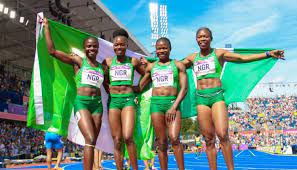
The gold medal won by Nigeria’s women’s 4x100m athletics team at last year’sCommonwealth Games has been revoked due to a doping violation, and it has been awarded to England instead.
The Nigerian team, comprised of Tobi Amusan, Favour Ofili, Rosemary Chukwuma, and Grace Nwokocha, had made history by securing the gold medal at the Alexander Stadium in Birmingham, becoming the first Nigerian women’s relay team to accomplish such a feat.
However, the celebration was short-lived as it was later discovered that Grace Nwokocha had tested positive for banned anabolic steroids. This revelation raised doubts about the legitimacy of Nigeria’s achievement, which was accomplished with an impressive time of 42.10 seconds, setting a new African record.
Consequently, the Commonwealth Games Federation officially disqualified the Nigerian team, resulting in the elevation of the English quartet as the new gold medalists.
The English team, comprising Asha Philip, Imani-Lara Lansiquot, Bianca Williams, and Daryll Neita, had originally finished second in the final but now ascend to the top of the podium.
The decision to disqualify Nigeria and award the gold medal to England was made after the confirmation of Nwokocha’s positive doping test, which revealed the presence of two banned anabolic agents in her sample.
Consequently, Nwokocha’s results from the 100m, 200m, and sprint relay have all been nullified.
The matter has been referred to the Athletics Integrity Unit for further investigation and potential sanctions.
This development serves as a reminder of the ongoing efforts to maintain fairness and integrity in sports, as doping violations tarnish the achievements of athletes and undermine the principles of fair competition.
President Bola Tinubu has announced a state of emergency on food security in response to the persistent issue of food inflation in Nigeria.
The government has developed immediate, medium, and long-term interventions to tackle food shortages.
These measures include providing fertilizers and grains to farmers and households, as well as assigning responsibility for food and water to the National Security Council.
To support the agricultural sector, funds from the removal of fuel subsidies will be allocated, and a National Commodity Board will be established to regulate and stabilize food prices.
President Tinubu emphasized that the primary objectives of these initiatives are to reduce food costs, promote agricultural development, and generate employment opportunities.
In a post on his Twitter handle, President Tinubu said that the “new initiatives will tackle rising food costs, enhance agriculture, and boost job creation”.
“No-one will be left behind in our efforts to ensure affordable, plentiful food for every Nigerian,” he tweeted.
6. Creation of a National Commodity Board to review food prices and maintain a strategic food reserve.
7. Engagement of security architecture to protect farms and farmers.
8. Role of the Central Bank in funding the agricultural value chain.
A former governor from northern Nigeria recently voiced concerns about the country potentially facing a food crisis as a result of the ongoing banditry in the region.
The International Monetary Fund (IMF) has also issued a warning about the potential rise in food prices and associated risks due to factors such as floods and the high cost of fertilizers.
These developments highlight the growing apprehension regarding Nigeria’s food security and the need for concerted efforts to address the challenges posed by insecurity, natural disasters, and the affordability of agricultural inputs.
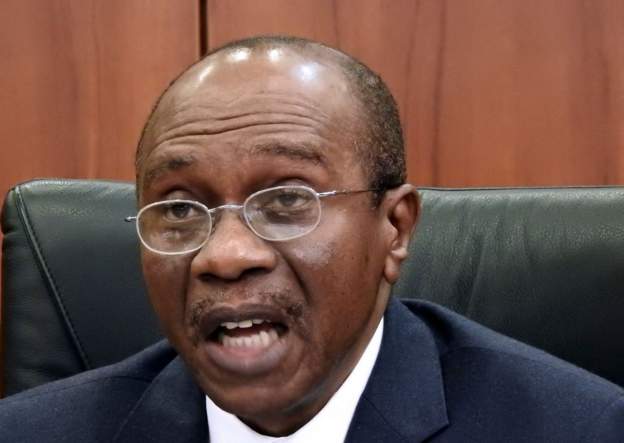
Godwin Emefiele, recently suspended as head of Nigeria’s central bank, has sued the Department of State Services (DSS), the nation’s secret police, over his incarceration.
The newly elected President Bola Tinubu suspended the 61-year-old on June 10; a day later, he was arrested. The man has not yet been officially charged.
At the time the president’s office said it was part of an “ongoing investigation of his office and the planned reforms in the financial sector”.
When Mr. Emefiele was absent from the Abuja High Court on Tuesday for the hearing, his attorney claimed that the continued imprisonment of the politician violated his constitutional rights.
According to DSS lawyers, a lower court had authorized the agency to keep the banker while inquiries are made.
It was decided to adjourn the case until July 13th.
Only 10% of Nigerians have access to pension plans, according to managing director of Norrenberger Pensions Limited. Mr. Hamisu Bala Idris,
Idris stated this at a retirement planning session in Abuja aimed at preparing retirees and those who have already retired for a financially secure future after retirement. He also stated that 80% of retirees in Nigeria rely completely on their monthly pension for survival.
Idris said: “80 per cent of Nigerian retirees depend solely on their monthly pension for survival, many of whom live in constant fear of financial crisis based on delayed payments. This highlights the crucial role pension plays in their livelihoods. Moreso, only 10 per cent of the Nigerian population has access to pension schemes.”
A comprehensive financial literacy workshop addressing important topics like financial planning, insurance, lifestyle modification, legal issues, and estate preparation was a highlight of the program. Participants had the chance to interact with subject matter experts from Norrenberger on various retirement planning topics and also examine other topics related to the success of their pension funds.
Speaking further, Idris said: “In line with our mission to unlock opportunities in the society, we established this event to embolden individuals with the necessary knowledge to maximize the profitability of their pension savings and ultimately secure a comfortable retirement.”
Business Head, Asset Management of Norrenberger Pensions, Abigail Utomi, , expressed her enthusiasm about the initiative and its multiple benefits to the attendees and the wider society. She emphasized the critical role events of this nature play in piloting financial literacy and security for senior citizens in Nigeria and positively impacting the country’s capital market and economy.
She said: “We continue to seek ways to deepen the market, grow our reach and expand our contribution to Nigeria’s GDP.”
While the current federal administration is implementing significant economic changes, it is estimated that Nigeria‘s public debt would reach N70 trillion and that inflationary pressures will continue through the second half of 2023 (H2’23).
However, it is anticipated that the GDP will slightly increase at 2.94 percent.
Giving information during a webinar yesterday, analysts at Meristem Securities Limited, a Lagos-based investment firm, blamed the securitization of the N22 trillion ways and means balances among other factors for the increase in the public debt portfolio in H2’23.
Increased non-oil sector activity and higher oil output as a result of the new administration’s policies were key factors in the expected 2.94 percent GDP growth.
The ongoing increase in the MPR, or monetary policy rate, formed the foundation for the persistent inflationary pressure.
Presenting the Macro economic outlook for H2’23 at the webinar themed: “Tough start, bumpy road, propitious end”, aimed to provide guidance on strategies for investment positioning for H2’23, Investment Research Analyst at Meristem, Mr. Sodiq Safiriyu, said: “When we are looking at the fiscal policy, we talked about the revenue base as well as the debt structure or the debt stock of the country. We see that these are still increasing for a while now even in H1’23 we see our debt stock rise to an unprecedented level and we still expect this to go higher amidst the securitized ways and means that will accumulate the debt stock and will make it rise over N70 trillion.
“Again, our expectation is that while the government continues to implement important reforms to increase its revenue base, to try to finance its promises, through borrowings so we expect the debt stock to continue to trend upwards.”
On GDP growth he said: “What we expect in H2’23 is that the GDP growth will be higher and this hinges on the improvement in business activities in the non oil sector. As well we expect that policies from the administration of President Bola Ahmed Tinubu will help to increase oil production volume during the period.
“Cumulatively, we have revised our 2023 GDP forecast upward to 2.94 percent (from an initial estimate of 2.7 percent). As I said earlier, this is lower than what was recorded in 2022.”
Safariyu added that the Monetary Policy Committee, MPC, will increase rates by 100 basis points as a result of the expectation that inflation will continue to be high due to rising food costs.
“For us, we expect that the MPC will still hike rates but at this point it will be less aggressive from what we experienced in the half part of the year. “For the end of 2023 our forecast for the naira for the year to end date is between N779 to N786 per dollar.”
The International Money Transfer Operators (IMTOs) have been ordered by the Central Bank of Nigeria (CBN) to start sending beneficiaries remittances in Naira in addition to foreign currency.
Additionally, it has mandated that the rate for such Naira payouts be determined using the Investors and Exporters’ Window foreign currency rate.
The Director of Trade and Exchange issued a CBN circular with the following reference: FED/FEM/PUB/FPC/001/004. Ozoemena Nnaji, M.D.
According to CBN, the new circular, issued July 10, 2023, was a continuation of an earlier circular, dated November 30, 2022, with reference number: FED/FEM/FPC/01/011 which set forth rules on the payout policy of beneficiaries receiving remittances from the diaspora.
The payment of dollars to recipients of diaspora remittances through international money transfer operators (IMTO) through the selected bank of their choosing and with unlimited access to their funds was made official by that November 30, 2022 circular.
The Naira payment was only one of three options for receiving remittances from the diaspora, along with US dollars and E-Naira, according to the latest circular.
“Further to the circular referenced FED/FEM/FPC/01/011 dated November 30, 2022 in respect of the foregoing subject, the Central Bank of Nigeria hereby announces Naira as a payout option for receipts of proceeds of International Money Transfers,” the circular’s complete text reads.
“Accordingly, all recipients of Diaspora remittances through the CBN-approved International Money Transfer Operators (IMTOs) on the attached list shall henceforth have the option of receiving Naira payment in addition to USD and e-Naira as payout options.
“For the avoidance of doubt, IMTOs are required to pau out the proceeds using the Investors’ & Exporters’ window rate as the anchor rate on the date of the transaction.
“The regulation takes effect immediately.”
Recall that the CBN announced the consolidation of all forex market segments in Nigeria by merging all windows into the Investors & Exporters (I&E) window in the middle of last month.
The action was seen as a part of the new administration’s initiatives to increase market stability and liquidity by luring foreign capital into the Nigerian economy.
The RT200 program and the Naira4dollar remittance plan were both discontinued by the apex bank last month.
Recall that the CBN announced the consolidation of all forex market segments in Nigeria by merging all windows into the Investors & Exporters (I&E) window in the middle of last month.
The action was seen as a part of the new administration’s initiatives to increase market stability and liquidity by luring foreign capital into the Nigerian economy.
The RT200 program and the Naira4dollar remittance plan were both discontinued by the apex bank last month.
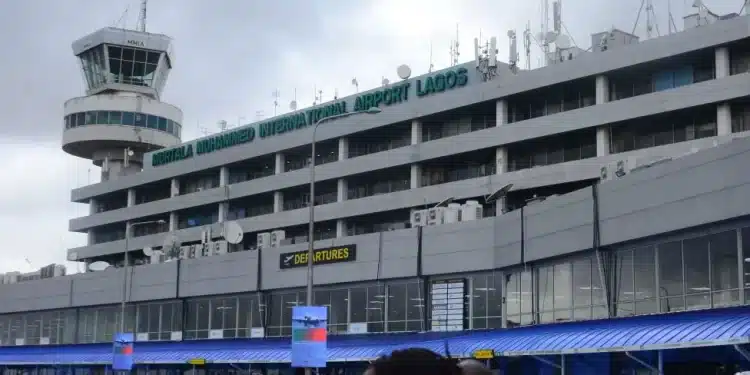
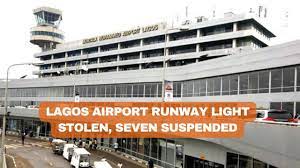
Speaking to the BBC a representative for Lagos’ Murtala Muhammed International Airport revealed that thieves have stolen the lighting equipment for one of the runways at the airport only a few months after it was installed.
In order to “arrest the criminals [and] recover what’s missing,” Yakubu Funtua stated, an investigation has now been started.
When the system was removed from the Airport is unclear.
However, local media outlets said that the theft implicated airport employees.
After years of limitations on landing on that airport wing after dusk, the ground lights were erected in November.
Flight disruptions resulted from domestic carriers being forced to detour to the international area and taxi back to the proper terminal after traveling roughly 4 km (2.5 miles).
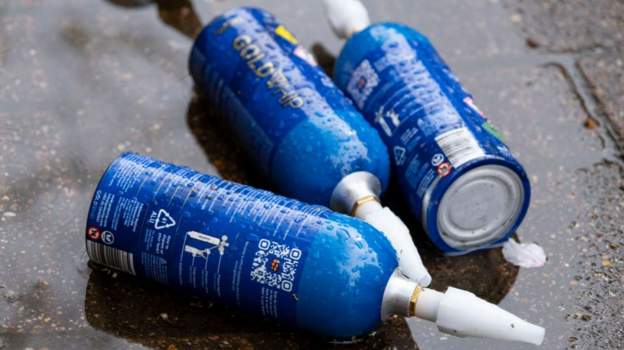
An immediate crackdown on the unlawful sale and use of nitrous oxide, often known as laughing gas, has been ordered by Nigeria’s drug law enforcement agency.
The National Drug Law Enforcement Agency’s, NDLEA’s, Gen. Mohamed Marwa said in a statement on their website that the tough decision “follows analysis of the effects on those who abuse the substance”
Nitrous oxide is commonly used as an anaesthetic in medicine and dentistry, and in whipped cream cannisters.
The gas can make the user relaxed, giggly, light-headed or dizzy.
However, there are some serious health effects associated with the continued use of the gas such as headaches and in more serious cases fainting.
The organization warned parents and guardians that failing to watch over their children’s behavior “poses threats to their mental and general wellbeing.”
From a recent security assessment, attacks took place across Nigeria in June 2023 and left more than 800 people dead.
Beacon Consulting, a security risk management and intelligence organization, produced a report that included 460 occurrences, including 239 kidnappings.
The attacks reportedly took place in 234 local government areas throughout Nigeria’s 36 states, including Abuja, the nation’s capital.
Although President Bola Tinubu pledged to give national security first priority, the country has already seen a significant number of attacks in the first month of his government.
Despite the hiring of new security chiefs, the government is still unable to stop attacks by Islamist organizations, bandits, and other criminal gangs.
In separate assaults on towns in central Benue and Plateau states on Saturday, almost to 40 people were slain.
More bodies are continually being found, the police in Benue state informed the BBC.
The freshly replaced airfield lighting systems at the domestic runway 18/36L of Murtala Muhammad Airport are purportedly gone.
The PUNCH learned that the security situation at Nigeria’s largest airports has deteriorated due to the removal of the approach lighting systems.
A source who requested anonymity said those who removed the lighting systems profited from the runway being closed for more than three months.
According to the report, several FAAN employees colluded with outsiders to steal the airport lighting equipment.
“The criminal took advantage of the closure to commit the crime. I cannot give the actual worth of the theft, but almost all the lighting was removed. The permanent secretary came around to see for himself the huge damage done. A lot of FAAN officials have been suspended,” the source confirmed.
According to information obtained by The PUNCH, Dr. Emmanuel Meribole, Permanent Secretary of the Ministry of Aviation, ordered the suspension of some FAAN department heads due to missing lighting equipment.
The insider also said that inquiries had started in order to identify people in charge of the missing safety equipment.
The insider claims that a syndicate made up of some agency employees with access to the restricted areas and collaborators from the outside often breaches airport security and steals safety components.
A senior FAAN employee who did not want his name published claimed that Mr. Kabir Yusuf, the agency’s managing director, was unhappy with the development.
The FAAN MD, according to him, also ordered the suspension of the security staff in charge of manning the most important airport facilities.
Reacting to the latest development, a former Military Commandant at the Murtala Muhammed International Airport, Lagos, Group Capt. John Ojikutu (retd.), said, “This is not new at MMA. I wish the FAAN management could go back to 1990 when similar things happened in the airport. I was convinced that it was an ‘insiders threats’. What did I do? I positioned soldiers on the runways and ensured that no FAAN maintenance staff went near the runways for anything without my approval; otherwise, it was shoot at first sight. It stopped completely. Runway lightings were being stolen and my conclusion then was that runway lightings can only be useful for runways and not roads or houses.
“Those stolen were being sold to FAAN by the same workers. That is why I am not in support of the unions carrying the picketing of their employers to the airport’s security controlled areas.”
The Director of Public Affairs and Consumer Protection, FAAN, Mr Yakubu Funtua, told The PUNCH stated that investigations had been launched and that the agency would do all within its powers to avoid a reoccurrence.
He said, “FAAN is doing all it can to get to the bottom of this. You are very aware that there are many agencies within the airport, including the different ones that are supposed to be taking care of security there. So, it would be unfair to put this (the theft) on our (members of) staff and I don’t think there is any FAAN (member of) staff that wants the agency to crash.
“Note that most of our revenue comes from Lagos. So, what kind of staff will ‘kill the goose that lays the egg?’ However, we can’t say exactly who did it, but we are doing all that we can to recover what is lost. We are going to recover it because we are going to find out those people who did it and then block all those loopholes.”
Due to a lack of airfield illumination, the domestic runway 18L at Lagos Airport was closed to night operations for 15 years.
Domestic aircraft were compelled to use runway 19 at the international airport, a longer route that uses more fuel.
The apparatus was built on the 2.7-kilometer runway in November and helps aircraft take off and land at the domestic airport during the night.
An oil tanker traveling to Cameroon with 800,000 liters of stolen crude, according to the state-owned oil firm of Nigeria, was stopped offshore.
It declared that the ship will be scuttled as a warning.
Nigeria’s state-owned oil company said that the oil had been stolen from a well in the state of Ondo in the country’s southwest.
The Nigerian economy suffers greatly from oil theft from pipelines and wells in the Niger Delta, which deprives it of much-needed cash.
The oil business claimed that the tanker, which was registered in Nigeria, had been operating for the previous 12 years in what it dubbed stealth mode.
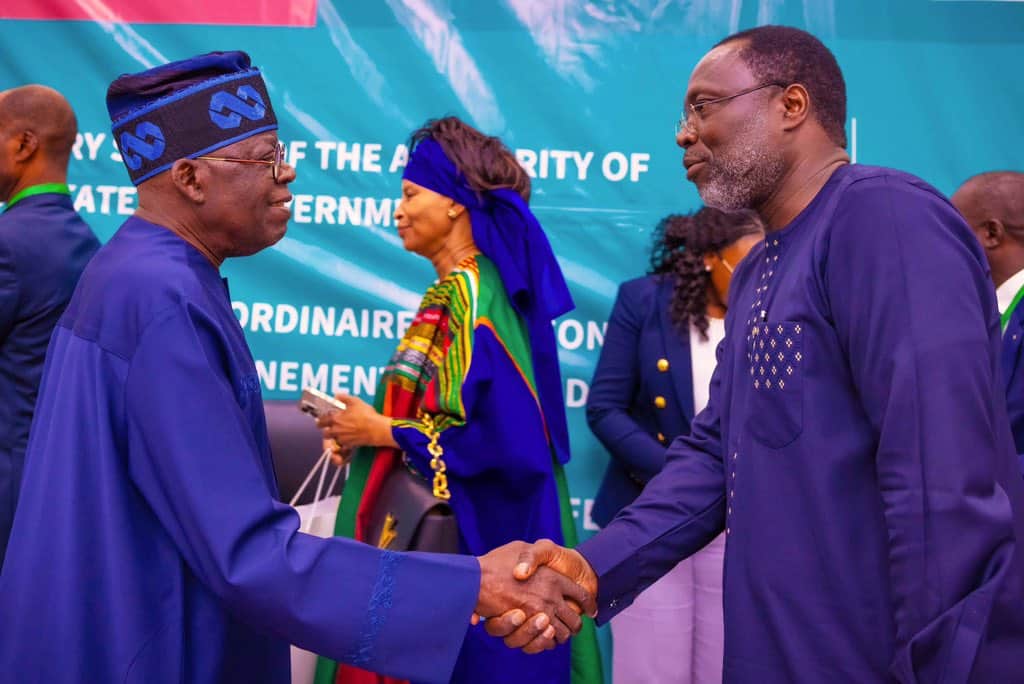
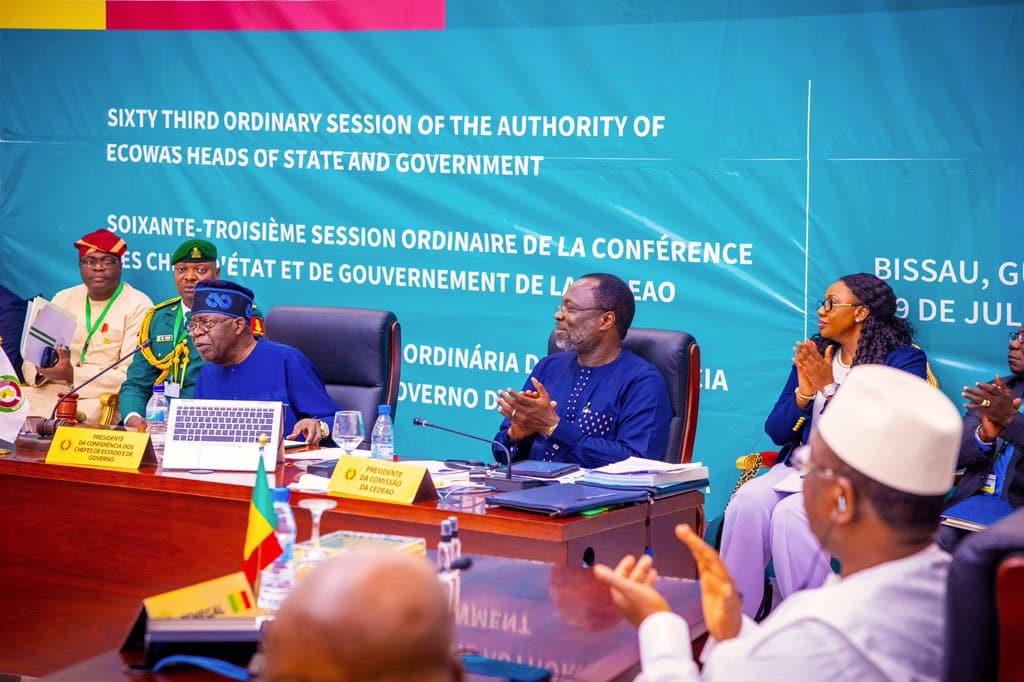
President Bola Ahmed Tinubu of Nigeria is now Chairman of the Economic Community of West African States (ECOWAS).
This was announced at the 63rd Ordinary Session of the Authority of Heads of State and Government of ECOWAS on July 9.
Tinubu takes over from President Umaro Embalo of Guinea Bissau as ECOWAS chair.
President Tinubu in his acceptance speech pledged to ensure democracy in African states that form part of ECOWAS.
“We will take democracy seriously. Democracy is very tough but it is the best form of government,” he said.
In a Twitter post, Tinubu described the development as a noteworthy affirmation of Nigeria’s continued leadership in the sub-region and the African continent.
I’m grateful to my distinguished colleagues for the honour of being elected as the Chairman of the Authority of Heads of State and Government of the Economic Community of West African States (ECOWAS) at the 63rd Ordinary Session that took place today in Bissau, Guinea-Bissau.… pic.twitter.com/o7uuqME2Kh
“As Chairman of the important coalition, I renew my dedication and that of our nation to the cause of peace and progress as we foster the collaboration and commitment required to tackle trans-border issues of security, economic growth and sustainable development,” he added.
Considered one of the pillars of the African Economic Community, ECOWAS was set up to foster the ideal of collective self-sufficiency for its member states namely Benin, Burkina Faso, Cabo Verde, Côte d’Ivoire, The Gambia, Ghana, Guinea, Guinea Bissau, Liberia, Mali, Niger, Nigeria, Sierra Leone, Sénégal and Togo.
Source: The Independent Ghana | Andy Ogbarmey-Tettey
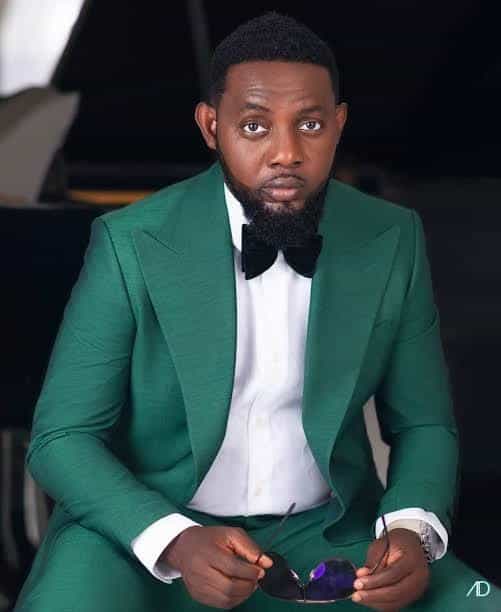
Ayo Makun, a well-known comedian in Nigeria also known by his stage name AY, has admitted that his mother’s dying words had a profound impact on his life.
On the Nancy Isime Show, the comedian recalled his last encounter with his late mother and the sage advice she gave him, telling him to be responsible and look out for his younger siblings.
According to AY, after their parents passed away, he saw himself and his siblings, including well-known event designer Yomi “Casual” Makun and renowned event planner Lanre Makun, through school.
“I came home to ask for money that I needed for school, and the money wasn’t available. And then, we had lost my dad. So, she [my mum] was seeing me off, she was practically walking me on the street and encouraging me. She said, ‘You know Yomi is looking up to you, Lanre is looking up to you. Your younger ones are looking up to you. Don’t go and do anything funny, don’t be a part of any cult.’
“But the money dem never give me o wey I find come o but dem dey encourage me. ‘I know that it’s difficult, but then, just know that your younger ones are looking up to you. Don’t go and do anything stupid. God will do it at the right time.’
“Do you know how touching it will be getting all that messages from your mum, and then you get a call while in school that you’ve lost your mum?
“So, all of that moulded me like, okay, this is going to make me live a certain way of life. That was what gave me the boost to work extra hard to see myself through school, see my younger ones through school.
“It was her message. Her message was more like, ‘Your younger ones are looking up to you.’ That message was what gave me the foundation of everything that makes me stand out today.”
In a demonstration of their commitment to promoting rehabilitation and repentance, the Kano State Commissioner of Police (CP), Muhammed Usaini Gumel, announced plans to organize a football match between the police team and reformed individuals previously involved in criminal activities.
The CP made this statement during the parade of 108 suspects who were arrested for various crimes during the recent Sallah celebration.
He said, “We will develop a different approach to make sure these thugs are changing their lives and becoming better people. We will even organise sports competitions with them. We will play a football match, and we will play an indoor match.
“Our eyes are now focusing on the emerging thuggery (daba) activities, especially within the Kano metropolis. Going forward on this, we have set out operational strategies with robust intelligence gathering on the early warning signs and our assets are already in place towards surmounting all forms of the underlying crimes and criminality around the state.
“Already, the following identified suspected thugs (‘yan daba) kingpins are by this press conference invited to report at the nearest police station or else will be declared wanted and we will get them arrested at all costs and get them prepared for the full wrath of the law: they are Burakita of Dorayi Karama Quarters; Messi of Kan Tudun Dala; Dan Boss of Dala Makabarta; Ado Runto of Tudun Fulani; Baffa Killer of Mazaunar Tanko Quarters and Kamilu Duna of Adakawa Quarters. “Others are Chile Mai Doki of Tudun Fulani; Uzaifa of Unguwar Yola Quarters; Hantar Daba of Kwanar Disu Quarters; Bahago of Makabarta Kuka Bulukiya Quarters; Nasiru Naso of Kofar Wambai Quarters; Nazifi Nanaso of Zango Quarters; Sharu Gambo of Sharifai Quarters; Sharu Ali of Sharifai Quarters; Ma’aruf Goma of Hanga Quarters and Zubairu Mai Dala of Yalwa Quarters, Dala.”
Nigeria’s President Bola Tinubu has taken action to alleviate business costs in the country by ordering the suspension of certain taxes and duties.
One of the measures suspended is a newly introduced 10% tax on single-use plastics, including plastic containers and bottles.
This tax aimed to address Nigeria’s significant plastic pollution issue, as the country contributes around 2.5 million tonnes of plastic waste annually, some of which ends up in the ocean.
Additionally, the executive orders signed by President Tinubu suspended the implementation of a 5% telecoms tax that was initially proposed by the previous government.
Furthermore, an increase in car import duty and excise duty on specific locally manufactured goods was halted.
The intention behind these measures is to reduce business costs in Africa’s largest economy.
“As a listening leader, the president issued these orders to ameliorate the negative impacts of the tax adjustments on businesses and chokehold on households across affected sectors,” Alake told reporters.
Tinubu, who took office in May, has embarked on Nigeria’s boldest reform agenda in decades, including the removal of a popular petrol subsidy and restrictions on foreign exchange trading, as he seeks to boost sluggish growth.
There would be no further tax rises without wider consultations, Alake said, adding that Tinubu would pursue business-friendly policies.
Nigeria is currently facing an outbreak of diphtheria in its capital city, Abuja, following the tragic death of a four-year-old child.
This highly contagious infection poses a significant threat, especially to children, as it can lead to severe breathing difficulties and heart complications that may prove fatal.
Since late last year, multiple outbreaks of diphtheria have occurred throughout the country, resulting in nearly 800 confirmed cases and at least 80 deaths, according to the Nigeria Centre for Disease Control and Prevention (NCDC).
Alarmingly, the majority of these cases involve individuals who have not received the necessary vaccination, despite diphtheria being included in Nigeria’s routine childhood immunisation program.
In response to this concerning situation, the NCDC is urging the public to remain vigilant and promptly report any symptoms to healthcare facilities.
Early diagnosis and treatment are crucial in combating diphtheria. It is essential for individuals to recognize the signs of the disease and seek medical attention without delay.
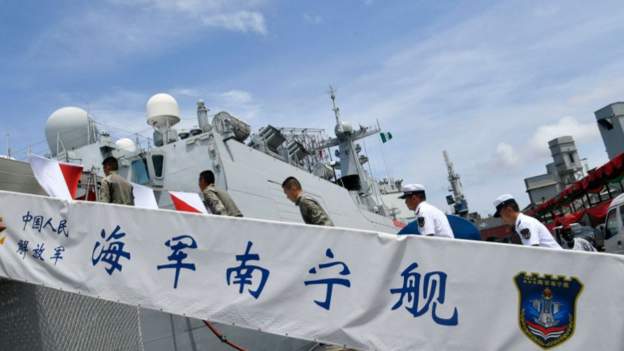
The visit of a Chinese naval squadron to Lagos, according to China’s envoy to Nigeria, is intended to increase security in the waters off of West Africa and East Africa, which are notorious for piracy and oil theft.
“Peace is not free, peace should be defended. So I think that we need military security collaboration, so Africa-China, Nigeria-China can do things to not only safeguard the peace, but to protect the vessels in the Gulf of Aden and also here in the Gulf of Guinea,” Cui Jianchun said.
For a rare four-day visit, three Chinese navy ships docked in Nigeria on Sunday.
Nigeria is a significant source of oil to China, and in Lagos, China just completed a deep sea port at a cost of $1 billion (£787 million).
“The Nigerian navy can benefit from the Chinese partners. First they can exchange technology and also experiences,” the ambassador said, adding that they could also build trust between the two sides.
He said he also believed the two countries could collaborate more when it came to infrastructure, technology and other areas.
In 2017, China opened its first overseas naval base in Djibouti and there has been speculation it may also want to set up a military base on Africa’s Atlantic coast.
Last year, US defence officials expressed concern about such ambitions.
But the Chinese ambassador sought to play down such fears: “We are working not to only serve Chinese nation… we are also working to do something for human progress and also harmony of the world.”
Before arriving in Nigeria, the Chinese naval fleet made four-day visits to Ivory Coast and Ghana.
They will be continuing to Gabon and the Democratic Republic of Congo before heading home.
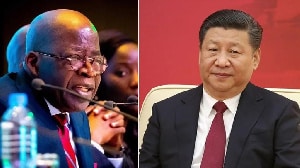
Chinese Ambassador to Nigeria, Cui Jianchun, has expressed his country’s commitment to providing necessary support to the Bola-led administration to facilitate the development of Nigeria.
This assurance was conveyed during a meeting with the Secretary to the Government of the Federation, George Akume, on Monday, July 4.
Jianchun assured that China would assist Nigeria with proven development strategies that would enhance the well-being of its citizens. As a gesture of their commitment, the Chinese Ambassador presented three documents containing developmental strategies that Nigeria could consider adopting.
According to a statement from the Director of Information at the Office of the Secretary to the Government of the Federation, Willie Bassey, the meeting served as a platform for discussing potential avenues of collaboration between China and Nigeria in achieving sustainable development.
The statement partly read, “The Chinese Ambassador to Nigeria, Cui Jianchun, while presenting three documents to the SGF, assured Nigeria of the commitment of the government of the People’s Republic of China to support the administration of Bola Tinubu with the workable development strategies that would turn around the nation’s fortune.
“According to him, the documents contain a developmental strategy that serves as a blueprint for the development of the country. He emphasised the strategies would cover the following areas: Infrastructure, ICT, industrialisation investment, security, technology, and agriculture, among others.
“He expressed his readiness and commitment to work with the present administration and further deepen the bilateral relations between the two nations.”
In response, Akume, representing the Federal Government, reaffirmed Nigeria’s dedication to maintaining strong bilateral relations with China to foster development. He highlighted the existing robust cooperation between the two nations in infrastructure, trade, agriculture, and various other sectors.
Akume also urged the Chinese government to increase its investments in Nigeria, emphasizing that such support would aid the current administration in accomplishing its agenda for national progress.
Akume said, “We want to thank your country for the massive investment in the areas of infrastructure in this country. Nigeria got a soft loan from your country and carefully invested in rail transportation and road transportation. The differences are becoming quite clear.
“And we expect more investments and I believe that is why you are here with your businessmen as well. Any assistance you are giving us, we will step up because of the desire of the present government to do a lot. We will be expecting support from you from time to time.”
He appreciated the Chinese government for granting young Nigerians scholarships to study in their country. He also used the opportunity to appeal for more scholarships to enable more Nigerians to study in China.
“You won’t regret it; before you know it, you will find many Nigerians speaking your language. We look forward to the time we will also establish faculties in Nigerian universities where the Chinese language would be taught to students,” Akume said.
Oil marketers have reported that, the Federal Government of Nigeria has saved over N400 billion since May 31, 2023, as a result of eliminating the subsidy on Premium Motor Spirit (PMS), commonly known as gasoline.
In addition, these oil traders anticipate a likely increase in gasoline prices in July due to the recent decision by the Federal Government to allow the naira to float against the US dollar.
Following the Central Bank of Nigeria’s decision on June 14, 2023, to unify the country’s currency rates in the investors and exporters’ window, market forces now determine the exchange rate.
Operators in the downstream oil sector confirmed that Nigeria has achieved substantial savings since the removal of the subsidy regime in May, based on the information provided by the Nigerian National Petroleum Company Limited regarding the previous monthly expenditure on subsidies.
The National President of the Independent Petroleum Marketers Association of Nigeria, Chinedu Okonkwo, stated to the Punch Newspaper that the removal of fuel subsidies has been beneficial and aligned with its intended purpose.
He stated: “Right now they (the government) are making money. At least with this removal of subsidy, the government has racked in hundreds of billions, whether in naira or dollars. This is because every month we know how much they lose before.”
Referring to statements made by the company’s Group Chief Executive Officer, Mele Kyari, during a meeting with oil sector operators in February, the statement claimed that marketers had been informed of the amount of money the NNPCL spent on subsidies on a monthly basis.
At the meeting, Kyari had said, “Today, by law and the provisions of the Appropriation Act, there is a subsidy on the supply of petroleum products, particularly PMS imports into our country. In current data terms, three days ago, the landing cost was around N315/liter,” Okonkwo stated.
“Our customers are here; we are transferring to each of them at N113/liter. That means there is a difference of close to N202 for every liter of PMS we import into this country. In computation, N202 multiplied by 66.5 million liters, multiplied by 30 will give you over N400bn of subsidy every month,” he added.
Also, following the elimination of the subsidy on Premium Motor Spirit, which has continued to put a strain on Nigerians, organized labor has urged the population to be patient as it engages in negotiations with federal government representatives.
In the aftermath of an intense nine months of competition with their respective European clubs, many players take the opportunity to visit the continent of Africa for their summer holidays.
Several of these players have ancestral ties to countries such as Ghana, Mali, Tanzania, the Central African Republic, Congo, and Nigeria.
For some of these players, their visits to Africa serve as a chance to reconnect with their families and friends whom they may have left behind at a young age after their birth.
Others use their time in Africa to support charitable causes and give back to their communities through their ancestral connections.
Additionally, some players take advantage of their holiday to explore the breathtaking tourist sites that Africa has to offer and create lasting memories with their fans.
GhanaWeb highlights five players who embarked on trips to various African countries during their off-season break in Europe, immersing themselves in the rich culture and warmth of the continent.
Memphis Depay
The Dutch-born Ghanaian arrived with Holland teammate and AS Roma star Georginio Wijnaldum on Sunday, June 25.
Depay and Wijnaldum visited a boxing gym in Accra, where the duo interacted with aspiring boxers and young children in the area.
The former Manchester United attacker donated funds to the gym for renovation after spending some good time at the arena.
The former Liverpool midfielder was born to Surinamese parents in Holland but was raised by a Ghanaian father.
Kingsley Coman Tanzania
Bayern Munich winger Kingsley Coman has been spotted on a beach in the Eastern African nation of Tanzania as he enjoys his holiday.
Coman, who narrowly missed out on winning the 2022 FIFA World Cup, played a vital role in securing Bayern’s 11th consecutive Bundesliga title during the 2022-23 season.
Following the conclusion of the campaign, the versatile winger has taken the opportunity to relax and recharge before the upcoming season.
Additionally, the Frenchman generously gifted Bayern jerseys to the locals during his visit.
Bukayo Saka
The Arsenal star of Nigeria descent, Bukayo Saka arrived at the Murtala Muhammed International Airport, Lagos, Nigeria on Wednesday, May 31 for holidays.
Saka played an integral for the Gunners as they finished second in the Premier League behind eventual winners Manchester City and was eventually named London Football Awards Men’s Young Player of the Year 2023.
Born to Nigerian immigrants in the United Kingdom, Saka’s visit isn’t just a casual holiday but reports said he met with Lagos State Governor, Babajide Sanwo-Olu.
Alejandro Balde
The FC Barcelona youngster is on holiday with his brother Edi Balde visiting the country of his father’s origin (Guinea-Bissau). There he was given a hero’s welcome at the airport,on Monday, June 26 as he visits his family.
Balde was catapulted to global stardom this season, winning a starting spot in the Barcelona line-up in late 2022. His rise has been dramatic, and he made his debut for Spain at the 2022 World Cup in Qatar.
He also met with the President of Guinea-Bissau Umaro Sissoco Embalo where he presented the leader with a Barcelona jersey.
Kehrer
West Ham United star Thilo Kehrer paid a visit to his mother’s village in Burundi as footballers continue to enjoy their break. The 26-year-old defender was born in Tubingen, Germany, to a German father and a Burundian mother.
Kehrer was impressive for the Hammers as he featured in 27 league games, helping the team to avoid relegation from the Premier League.
He has the Kehrer Foundation in Burundi which supports the less fortunate in the country.
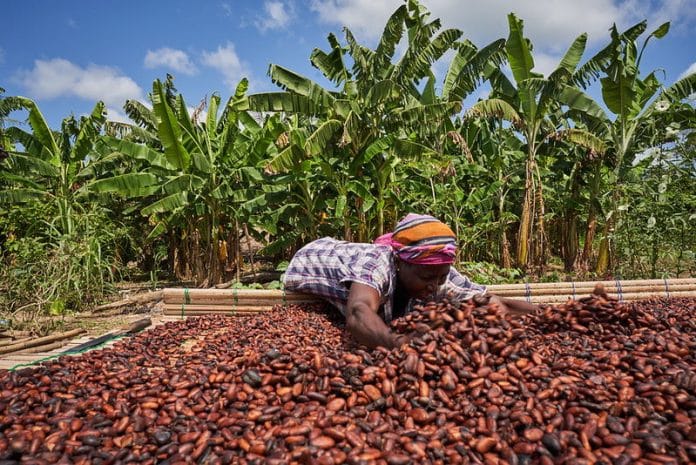
Cocoa prices have surged to a 13-year high due to heavy rainfall across West Africa, which has accelerated the spread of a rot-causing disease, posing a threat to cocoa output in major producing countries.
Farmers in Ivory Coast, Ghana, and Nigeria have reported the presence of blackpod disease, causing cocoa pods to blacken and rot. This disease can have a significant impact on the quality and quantity of cocoa beans, potentially disrupting the supply chain. According to Fuad Mohammed Abubakar, the head of Ghana Cocoa Marketing Co., the disease can be devastating for cocoa production.
Farmers in Ivory Coast are concerned about the mid-crop’s output and quality, expecting it to be disappointing compared to the previous year. This raises worries that the smaller harvest may not be sufficient to offset any shortfall from the main crop.
Cocoa is harvested twice a year, with the main crop harvested mostly from October to March and the mid-crop from May to August.
London cocoa futures have experienced a remarkable surge of over 20% this year. On Monday, the most active futures reached £2,544 per ton, marking the highest level since mid-2010.
In Nigeria, farmer Sola Ogunsola reported significant damage to cocoa farms in coastal areas, resulting in the loss of developing pods. Additionally, heavy rainfall has made roads impassable, hindering the application of chemical treatments in plantations and the transportation of cocoa to ports.
Ivory Coast farmers have sent 2.24 million tons of cocoa to ports during the current season, slightly below the estimated 2.29 million tons from the previous year.
Furthermore, the return of El Niño conditions is adding support to cocoa prices, as the weather phenomenon typically brings hot and dry conditions to West Africa, increasing the risk of a potential 10% drop in output, according to Bloomberg Intelligence estimates.
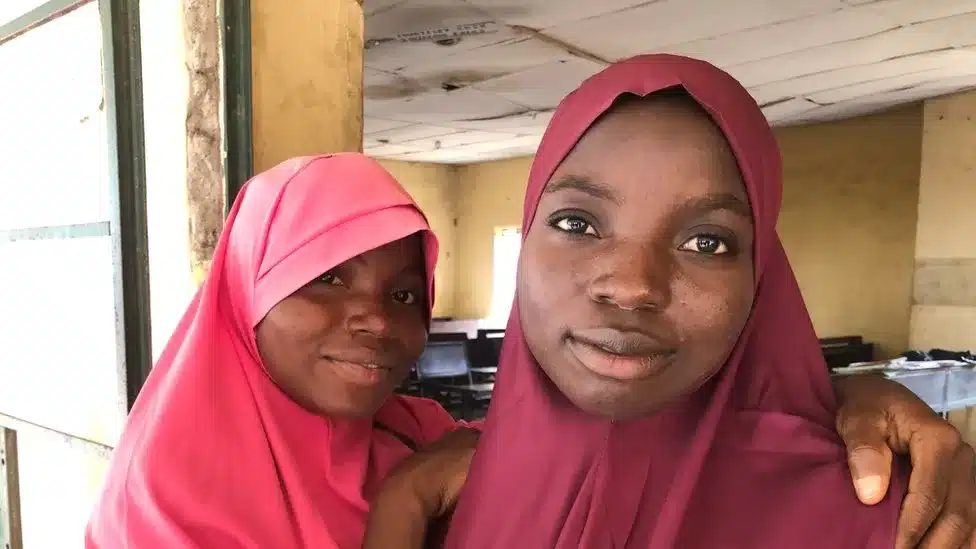
Excitement fills the household of Esther Abu as she and her daughters learn about an upcoming law that aims to assist impoverished Nigerian families by providing loans to send their children to university.
Mrs. Abu’s youngest daughter, a spirited teenager with a knack for rap, is set to graduate from secondary school next month. She harbors a deep passion for computer engineering but understands that her mother, a single parent working as a street sweeper, struggles to provide enough food for the family with her meager salary.
The family often relies on charitable donations from their church to make ends meet. As for her elder sister, she completed secondary school two years ago and immediately took up a job as a hair stylist to contribute to the family’s well-being.
Together, they reside in Mararaba, a densely populated suburb on the outskirts of Abuja.
“As a girl I dreamed of working as a doctor,” says 21-year-old Eunice.
Both now have a chance, albeit slim, of reviving their dreams, as the government says it will provide loans to pay the tuition fees for people from such poor backgrounds. However many questions have been raised about the scheme.
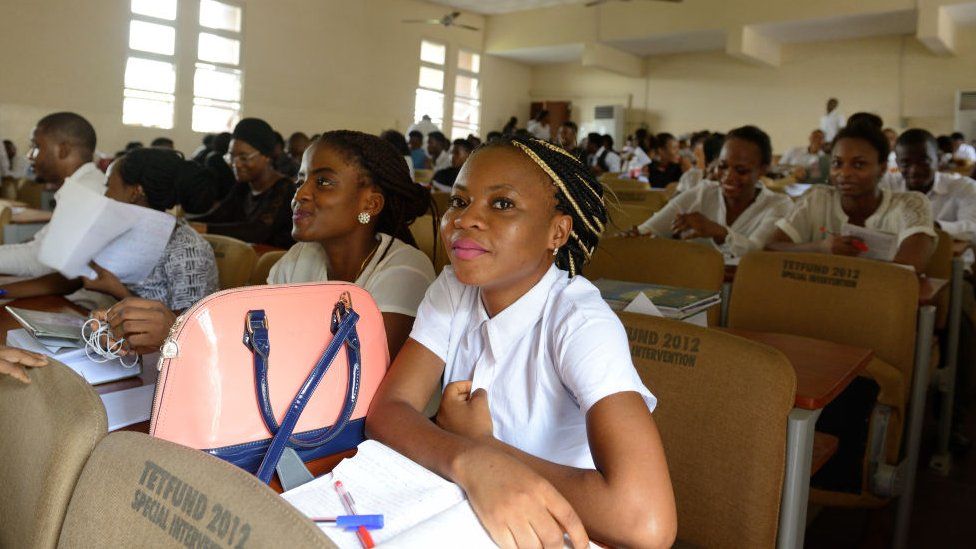
Since coming into office at the end of May, President Bola Tinubu has carried out a raft of reforms at lightning pace – ending fuel subsidies, devaluing the naira, sacking the head of the central bank and security chiefs – and his latest aims to revamp Nigeria’s ailing tertiary education sector.
For decades, fees have been kept low by the government to encourage enrolment in a country where many are poor and there is a high level of illiteracy.
While medicine students at the University of Lagos in Nigeria’s richest state pay just 25,000 naira (£32; $26) per year, their peers at the University of Ghana in Accra pay 3,500 cedis (£242, $308).
But such low fees have not been matched by government funding over time which has led to schools with obsolete equipment, overcrowded classrooms, and poor remuneration for lecturers and other staff.
An average Nigerian university professor takes home less than 500,000 naira (£570; $725) a month, while a graduate assistant gets 160,000.
These conditions have led to incessant strikes, which saw universities closed for eight months last year – the ninth stoppage in 13 years.
The strikes and lack of adequate funding have eroded confidence in Nigeria’s public universities, leaving people to enrol at expensive private establishments or to study abroad, especially in Eastern Europe.
By introducing the loans, President Tinubu has given universities a free rein to increase tuition fees, which the government reckons students from poor families can now afford.
The president says the scheme “will expand access to education to all Nigerians regardless of their backgrounds”.
The zero-interest loan will be paid back as monthly deductions of 10% of the salaries of beneficiaries two years after they complete a mandatory post-graduate paramilitary service.
“But what if they finish school and don’t get a job?” asks Mrs Abu in a low voice that hushed the room.
It is a question has been repeated across Nigeria by students and their parents since the scheme was announced two weeks ago.
Every year, huge numbers of graduates are pumped into Nigeria’s labour market but only a few find a job.
In the last survey, in 2020, one in three of those who wanted to work were unemployed, and millions of graduates were doing jobs below their skillset such as working as hair stylists.
Image caption,Ayuba Mayah thinks the loan will be a burden when he leaves school
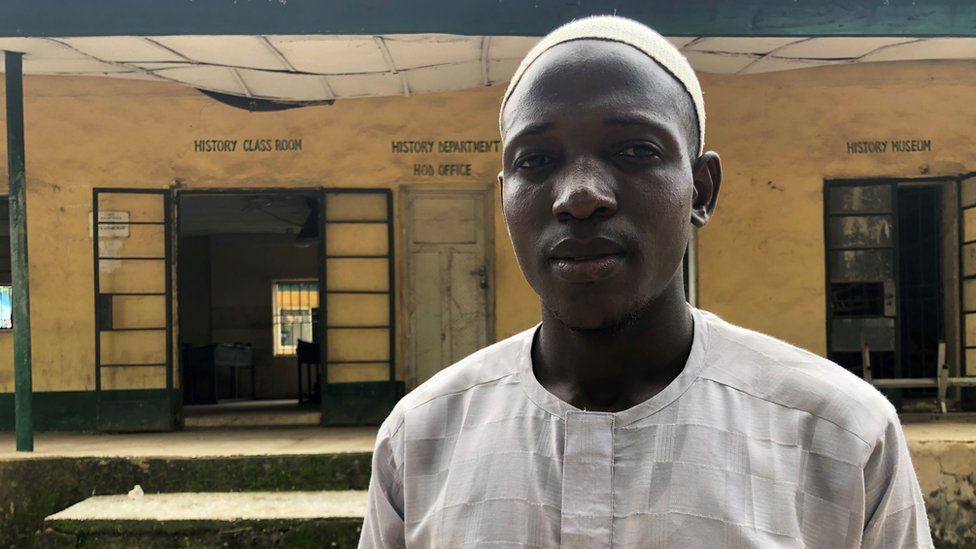
“I know at least 200 graduates in my village who returned to farming after going to school because of no jobs,” says Ayuba Mayah, a student at the College of Education in Zuba, Abuja.
He is not going to take the loan, he says, to avoid that burden hanging around his neck while job-hunting after graduating. Instead, he is working to pay for his education.
Aminu Sadiya and Mercy Sunday, who are both studying economics at the same college, agree that getting a job is their main concern about taking the loan.
“My parents did not think of a loan before they sent me to school, they will find a way to pay the fees,” says Ms Sunday, whose parents are farmers.
Though Mr Tinubu has promised to halve the unemployment rate in three years by creating millions of jobs for young people, the new law is mute about graduates who can’t repay the loan because they are unemployed.
However, those who become self-employed risk a two-year jail term or fine if they refuse to pay back the loan as 10% of their monthly profits.
But the loan is not available to all – it is specifically for students that come from homes with an income of less than 500,000 naira annually.
In theory, millions could benefit, but the conditions for acquiring a loan are stringent.
Poor families will have to prove they earn that little, which means they will have to provide bank statements which many of them are unlikely to have.
Applicants are also required to provide at least two guarantors:
a senior civil servant
lawyer with at least 10 years experience
judicial officer or justice of peace
It has been pointed out that poor Nigerians are unlikely to know such people, and where they do, have a slim chance of such a person standing as a guarantor for a loan.
Even after meeting the requirements, applicants are not guaranteed the loan as it is subject to the availability of funds.
“They should just say they don’t want anyone to access the loan,” says Vanessa Macaulay, a third-year Mass Communication student at the Yaba College of Technology in Lagos.
The president of the universities lecturers’ union also describes the loan conditions as “not practicable”, adding that more than 90% of students won’t meet the “requirements”.
But other academics such as Professor Mudashiru Mohammed, who heads the Education Management department at state-owned Lagos state university, says despite tuition fees of just 30,000 naira (£34, $43) per semester, many of his students cannot pay.
Image caption,Funding for education has improved recently but it still falls short of the UN-recommended 15-20% of the annual national budget
He says the conditions were necessary to ensure people paid up, in a country where most see government loans as free money.
While it is hard to measure the financial background of students in public tertiary schools, many at the University of Abuja tell the BBC they are from low-income homes.
Their education is funded by parents and guardians who are junior civil servants, private security guards and company drivers.
Combined earnings in such families are often just above the threshold, putting the loan out of reach, even though they are not well-off by Nigerian standards.
These families have already taken hits from transport fares that have doubled, while the cost of food has also soared recently.
Now, they will have to deal with tuition fees which have gone up in some universities – which have been mulling increases since last year – by as much as 200%.
The loan is strictly for tuition and excludes other fees such as accommodation and food, which usually account for a higher proportion of the total cost of university.
“If they are not paying for everything, then what is the point of it? Who will buy books, pay for hostel, feeding,” asks Mrs Abu, the chatter long extinguished in her home.
“They should have made the loans available to every student,” says Caleb Issac a self-sponsored part-time student at the National Open University in Abuja.
In his spare time he works as a marketer for a transport company and fears a hike in fees will be hard on him.
This is not Nigeria’s first attempt at a students’ loan – an initial plan in 1972 by the military government crumbled because beneficiaries refused to repay, says Prof Mohammed.
“Maybe the president should have first concentrated on creating jobs,” says Mrs Abu.
The lack of jobs, other fees involved and a lack of clarity about what will happen to employees who default on repayments, mean the loan does not work for her family, she says.
“Better if my daughters learn trades and get small jobs than go to school and face jail,” she says.
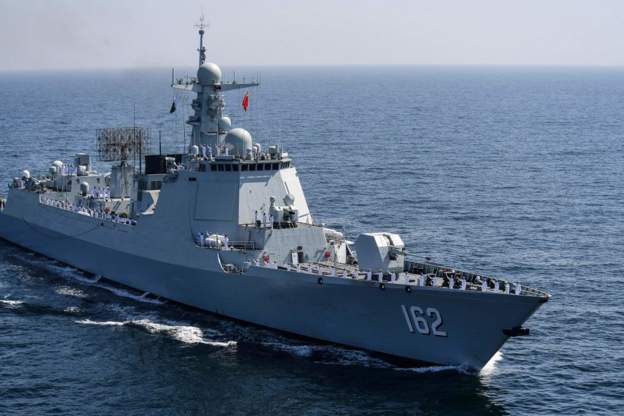
A rare visit by three Chinese military ships to Nigeria is intended to enhance maritime security, according to officials.
The fleet, led by a destroyer, arrived in the country six months after the opening of a billion-dollar deep sea port in Lagos, which was constructed by China and is operated by a company in which China holds a majority share.
This visit, along with the establishment of the port, underscores China’s increasing influence in Africa, with Nigeria being a significant oil supplier to China.
In a statement, China’s ambassador in Nigeria Cui Jianchun described the event as a major move in China-Nigeria relations saying it “demonstrates the high degree of political mutual trust between the two countries which will have a profound impact on development”.
The Nigerian navy led by Rear Admiral JD Akpan expressed “willingness to work with China to tackle maritime security threats and maintain stability in the Gulf of Guinea”.
US defense officials raised alarm last year about the potential risk to America’s national security if China were to establish a military base along the West African coastline.
China’s first overseas naval base was inaugurated in Djibouti on the East African coast in 2017.
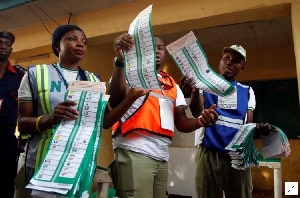
The European Union has debunked claims that the Nigerian 2023 election was free and fair, saying the elections were marred by violence and bloodshed, with at least 74 persons killed in 101 violent incidents.
This was stated in the EU’s final report titled “Election Observation Mission Nigeria 2023.”
“The EU EOM recorded 101 violent incidents during the campaign, including at least 74 fatalities,” the EU reported.
“EU EOM observers received reports of and saw the widespread distribution of goods and vote buying. Several state agencies tried to tackle corrupt practices, yet their results were modest. This is evidencing that political will, enhanced institutional capacity, and robust enforcement synergy are needed to ensure transparency and genuine accountability,” the report stated.
The Independent National Electoral Commission (INEC), on March 1, declared President Bola Tinubu of the All Progressives Congress, winner of the February 25th presidential election.
However, Tinubu’s victory has been rejected by leading opposition figures, Atiku Abubakar of the Peoples Democratic Party and Peter Obi of the Labour Party.
Both have challenged Tinubu’s victory before the presidential election petition court (PEPC).
The European Union observers stated in a final assessment seen by Reuters news agency on Wednesday that the Nigerian elections held early this year were hampered by issues that decreased public faith in electoral procedures and that reforms to increase transparency and accountability are needed.
President Bola Tinubu won the disputed February election, with 37 percent of the vote. The result is being challenged in court by his two main rivals, the People’s Democratic Party’s Atiku Abubakar and Peter Obi of the Labour Party.
There were multiple reports of voter intimidation by supporters of the ruling All Progressives Congress and results were barely uploaded on a new electronic portal introduced to improve transparency, in real-time.
The EU mission said the Independent National Electoral Commission (INEC) should improve in six priority areas, including removing ambiguities in electoral law, ensuring the real-time publication of and access to election results and clamping down on electoral offences.
“Shortcomings in law and electoral administration hindered the conduct of well-run and inclusive elections and damaged trust in INEC,” said the report.
“A lack of transparency and operational failures reduced trust in the process and challenged the right to vote.”
The February presidential vote was marked by the lowest voter turnout since the end of military rule in 1999.
An INEC spokesman told local TV that the EU mission report was “unfair”, adding that INEC’s failure to upload presidential election results on time was caused by a glitch in its system.
The recent suspension of Nigeria’s Central Bank Governor, Godwin Emefiele, by President Bola Tinubu has been followed by his subsequent arrest and placement in custody for interrogation, as confirmed by Nigeria’s secret police.
The charges have not been made public, but a government press release cited “an ongoing investigation of his office and planned reforms in the financial sector of the economy” as reasons for the suspension.
This caps the fall of arguably one of the most powerful men in the Nigerian government.
Appointed in 2014 by then-President Goodluck Johnathan to head the central bank of Africa’s biggest economy, Emefiele became the second-longest-serving governor of the bank after his tenure was renewed by former President Muhammadu Buhari.
Buhari’s administration between 2015 and 2023 led Nigeria into two recessions. Inflation hit an 18-year record high of 22.22 percent, and the country’s debt profile soared to more than $150bn, also a record and more than three times the debt left by the previous government, according to the Debt Management Office.
Emefiele served under Buhari for eight years, overseeing Nigeria’s biggest economic downturn.
“He had no vision for the monetary policy of the country. He had risen to the top of his career as a yes-man to those who put him in position,” Cheta Nwanze, lead partner at SBM Intelligence, a geo-political consultancy, told Al Jazeera.
‘Emperor Meffy’
By convention, central bank governors operate in the shadows, maintaining a distance from politics. But analysts say Emefiele played an outsized role in both politics and the economy as the governor of the apex bank.
“The phrase I will use to characterise the CBN [Central Bank of Nigeria] in this period is all-powerful,” said Michael Famoroti, the head of intelligence at business and economic insights firm Stears and former chief economist at Vetiva Capital. “For the first time in Nigeria’s economic history, we have a central bank that was essentially the most powerful form of economic authority in the country … That [power] is normally between the Ministry of Finance, the budget office or the presidential economic council.”
But Nigeria’s economic fortunes would put the country on a precipice, and Emefiele’s status would become stratospheric.
In 2015, as foreign reserves took a hit, the CBN placed 41 items including staple commodities like rice, cement and clothes on foreign exchange restriction. The idea was not only to encourage local production of these products, but also to prevent the importers of these commodities from accessing the increasingly scarce United States dollars in the official market.
But the move backfired as it precipitated a black market for US dollars and multiple exchange rates, which analysts say has wrecked the naira and pushed ordinary Nigerians to buy the greenback at higher rates while the sellers enjoy the arbitrage.
“This was a critical point. There was so much pressure on the system and [the black market] started operating as a separate market with a life of its own,” said Wilson Erumebor, senior economist at Nigeria Economic Summit Group.
To arrest the slump of the naira, Emefiele took several unorthodox steps. He ordered the cutting of trees where black market vendors worked in the capital; placed a ban on cryptocurrency trading, a burgeoning alternative initiative popular among young people hedging their money against rising inflation; and banned a website that reported the value of the dollar in the black market, among several other measures.
CBN’s weekly circulars over the years became prominent among Nigerians as more items were banned or tighter restrictions were imposed on financial transactions, earning the governor the moniker “Emperor Meffy”, a corruption of his name.
“People were not sure of what the policy direction would be on the exchange rate. What is the next policy that would come out tomorrow? What will be banned tomorrow? All of those inconsistencies created panic in the market and people started moving to the unofficial market,” Erumebor said.
Inflation kept rising year after year and with the naira losing value, statistics show Nigerians became poorer. Some 133 million of the country’s 220 million people now live in multidimensional poverty – where they are not just monetarily poor, but also have less access to education and basic infrastructure services, according to a 2022 report from the National Bureau of Statistics.
External factors like the COVID-19 pandemic and the war in Ukraine have no doubt impacted the economy and contributed to inflation, but experts argue that the direction of the monetary policies from the central bank also led inflation to rise from single-digit increases (between 6 percent and 9 percent in 2014) to permanent double-digit increases of 22 percent and higher so far this year.
‘Destruction of the independence of the central bank’
Emefiele’s CBN lent the government 22.7 trillion naira ($49bn) under the Ways and Means Advances clause that can be activated only if the government has a temporary revenue deficiency. The move led local media to dub the apex bank as a “printing press” for the government.
Moreover, the CBN Act only allowed for a loan of five percent of the government’s previous year’s revenue, but the bank illegally exceeded the benchmark every year, sometimes up to 30 percent. This contributed to inflation, experts say.
At the end of President Buhari’s tenure, the country’s parliament changed the law to allow the loan to the government to be up to 15 percent and converted the loan into a 40-year bond.
“When we cut things down to the basic level, the central bank has been funding the government for the last couple of years to the point that without that central bank financing the government would not have been able to meet its liabilities,” said Stears’s Famoroti.
But Emefiele’s reputation would go beyond his monetary policies. As Nigeria’s economy hit new lows in the past six years, it became difficult to separate Emefiele from politics as he became more prominent.
When thousands of youth took to the streets to protest police brutality in October 2020, the central bank ordered the freezing of the bank accounts of select protest leaders without a court order.
But the arc of Emefiele’s ambition would lead to a squashed, unprecedented attempt for the presidency in May 2022 in contravention of the country’s constitution, which states that a central bank governor, to protect the independence of the central bank, cannot participate in partisan politics.
“I think that the real disaster of Emefiele was not necessarily in monetary policy, but in the destruction of the independence of the central bank,” said SBM Intelligence’s Nwanze. “In the foreseeable future, the office will be a political tool and that really is Emefiele’s legacy.”
His biggest undoing turned out to be a widely criticised currency redesign.
Earlier this year, the governor changed the design of the higher denominations in the build-up to the general elections, invalidating the old currency within a period of six weeks. The official reasons were to bring excess cash back into the banking system and institute a cashless system in line with the introduction of the ill-fated eNaira, its digital currency, in 2021.
“The argument was not really clear. The complaint was that too much was outside the banking system. But why should we be so worried that we have cash outside the banking system when cash in circulation against the GDP [gross domestic product] appears to be the lowest when compared with other countries that have made so much progress with cashless policies?” Erumebor asked.
With elections around the corner, the currency redesign was deemed political. Government officials said the move would void stockpiles of money believed to be in the custody of politicians to be used to sway voters.
The plan backfired and led to a naira black market. The policy was later suspended, but not before it had spurred crises within the banking system. According to an SBM report, the cashless policy had a widespread impact as people and businesses could not access cash coupled with several internet downtimes.
Prices of goods and services shot up in urban centres between December 2022, when the policy kicked in, and the time of national elections in March 2023. The consequences were especially severe in rural areas, where people without access to banks could not buy basic items.
With Emefiele suspended and an acting governor appointed in his stead, there are hopes that the apex bank charts a new course.
“I would expect that going forward in this new administration, we see things go a little bit back to normal,” Famoroti said. “I don’t expect a full reversion, but I would be surprised [if] whoever comes after [Emefiele] will wield the same sort of power and influence over the economy as he has done over the last four to six years because that was an aberration.”
Nigerian music sensation,Joeboy has disclosed that he his fond of vibrant women.
The ‘Body & Soul’ crooner said this in a recent interview with Stand Out TV.
Joeboy, however, clarified that he did not mean evil women but “hot energy” women.
He said, “There is this thing I say, I say I like wicked women. When I say wicked, I don’t mean like the person has to be evil. But there’s a certain… I don’t know how to describe it.
“Me saying wicked women is just like… I love women that have this hot energyaround them.”
The singer stressed that reassurance and words of affirmation are important in a relationship.
SPEECH: KEYNOTE PRESENTATION BY HE JOHN DRAMANI MAHAMA ON ASSET VALUATION AS A GLOBAL ANTI-CORRUPTION TOOL AT THE 53RD ANNUAL CONFERENCE OF THE NIGERIAN INSTITUTION OF ESTATE SURVEYORS & VALUERS, ILORIN- KWARA STATE.
Mr President, the Governing Council, and the entire membership of the NIESV, please accept my sincere gratitude for this invitation. I am also grateful to the Governor of Kwara State and my brother Abdul-Rahman Abdul-Razaq, for graciously acting as my host and landlord.
Let me also compliment you, members of the Institution, for your immense contribution to Nigeria’s national development, policy advocacy and formulation on housing, land compensation payment, property rating, land administration, and management.
I am impressed with the twenty-five (25) Professional Groupings under the Institution (NIESV) and the existence of fifty-nine (59) Branches across the country. I admire the vibrancy and discipline of the NIESV.
Ladies and gentlemen, corruption can be described as an instrument of murder because its effects can lead to loss of citizens lives due to deprivation of critical public infrastructure and services. Surveyors, Architects, and Engineers who sign-off on poorly constructed or shoddy infrastructure projects like roads, bridges, buildings, and railways can lead to loss of lives due to fatal accidents.
Because corruption is a global challenge, its scope and seriousness have led to calls for a worldwide response and cooperation in the fight against it. Corruption is an economic malady. It means different things in different contexts, but, my brothers and sisters, whichever form it takes and no matter the context, corruption is a feature of poor governance and ethics in both public and private sectors.
And we all know why. Graft thrives due to the layered irresponsibility of institutions and state actors that must fight it. The World Bank explains corruption as the abuse of public office for private gain in the public sector. On the other hand, Transparency International (TI) says corruption within the private sector is the misuse of entrusted power for personal gain.
Whichever way you visualise it, corruption must be fought whether it occurs in the public or private sector.
Your Excellency Governor, distinguished guests, there are at least three elements required for corruption to occur. First, someone must have discretionary power, which includes the ability to influence the formulation of regulations and administer them. Second, economic rent must be associated with discretionary power, primarily when higher rents are related to the misuse of discretionary power. Third, when the governance or legal system offers a sufficiently low probability of detection or sanction for wrongdoing.
The World Economic Forum estimates suggest that the global cost of corruption is at least US$2.6 trillion. This equals 5 per cent of the global gross domestic product (GDP). The World Bank has also disclosed that businesses and individuals pay more than $1 trillion in bribes yearly.
This being the case, the international community, and I am talking about development partners, international organisations, non-governmental organisations, academic experts, and professional bodies, continue to advocate an integrated and comprehensive approach to fighting corruption worldwide.
Among the approaches and initiatives adopted by the international community are the United Nations Convention Against Corruption, the United Nations Convention against Transnational Organized Crime, the United Nations Declaration against Corruption and Bribery in International Commercial Transactions, the International Code of Conduct for Public Officials and Nationals, as well as International Codes of Conduct for Professionals. The African Union Convention on Preventing and Combating Corruption is another germane instrument.
While these initiatives have had a variable impact at stopping illicit financial flows, definitely more needs to be done using all instruments available to the international community and individual nations in the fight against corruption. The advocacy of these international agencies and initiatives is highly commendable, especially as it relates to the pervasive and negative impact of corruption on economic growth and development of nations.
Empirical evidence shows that because of its secrecy, corruption distorts incentives and market signals and aggravates economic distortions. This is because enormous productive resources, such as human talent, which should be channelled to constructive engagements, are diverted into rent-seeking activities for financial rewards and further into escaping detection and punishment.
Mr Chairman, corruption hinders economic development, diverts investments from infrastructure, institutions, and social services, and undermines efforts to achieve other country-specific development goals and targets. Corruption also retards growth because bribes paid by investors to secure investment licenses, including building permits, increase the cost of doing business and, consequently, reduces the incentive to invest in a country.
Corruption also has adverse effects on productivity. If the permits and licenses needed by innovators or new producers are obtained by paying bribes, that could impede the entry of new goods or technology onto the markets of many economies.
Specifically, the impact of corruption in our nation states show that high corruption rates contribute to high inflation rates. Corruption-induced inflation contributes to high cash and unproductive capital inflows into an economy and leads to macroeconomic instability. These eventually impact microeconomic activities as prices of goods and services and the cost of living in general increase, culminating in labour agitation for commensurate increases in wages and salaries.
The Central Bank is then compelled to respond with policies to help reduce inflation and achieve price stability. Some of these policies include monetary measures that increase the primary lending rates of banks through the base rates to induce low lending till the excess cash is mopped up from the system. This is certainly inimical to the growth of businesses that rely on credit to survive. This relates to SMEs in particular.
Also, because of our current interconnectedness, we have open economies that allow the easy transfer of funds, which often could include financial rewards from corruption related activities. Corruption, therefore, has the negative effect of robbing a country of productive capital gained from graft because the proceeds may be transferred to foreign bank accounts.
The practice of capital flight from corruption will worsen the growth of developing countries if the international community does not enforce the Conventions and Declarations against corruption.
Mr Chairman, the international community has embarked on a global anti-corruption fight across several sectors, including real estate. We all admit, without question, that the real estate sector remains a very vibrant sector whose economic health impacts every sector of an economy.
Real estate is a factor of production in the same light as labour and capital. Real estate provides unique, tangible, and intangible benefits that attract investors. Compared to other asset classes, real estate investment, studies have shown, is a store of value, a hedge against inflation, and a good portfolio for investment diversification. Real estate investment serves as a cash flow stream from tenant’s rent payments.
In 2022, a Real Estate Market Size Report revealed that the size of the professionally managed global real estate investment market increased from US$10.5 trillion in 2020 to US$11.4 trillion in 2021. The estimates were from 37 markets in America, Europe, the Middle East, Africa, and Asia Pacific. Keep in mind that COVID-19 was ravaging the world between 2020 and 2021.
Therefore, real estate asset and property valuation are a critical factor in asset investment decision-making and a vital tool for the global fight against corruption. Asset valuation is an exercise conducted by professionals in public agencies, private companies, organisations, and individual professionals.
Considering the heavy reliance on physical asset collateralisation by our financial intermediation systems, including government-required performance bonds, the mechanisms deployed for asset valuation must be scientific, transparent, and credible.
Unfortunately, despite the good aspirational intents, African countries have frequently been bedevilled with the ripple effects of skewed valuations driven by the wilful narrow ends of a few.
Considering the enormity of the consequences of perversely attributed values to assets, asset valuation deservedly demands and requires increased attention from critical actors, such as the Nigerian Institution of Estate Surveyors and Valuers. Similar attention is also needed from your counterparts in my country, Ghana, and across the globe.
I dare say that among several vices, dubious valuation for assets that are used as collateral deposited with financial institutions or for business valuations during Initial Public Offering (IPOs), mergers and acquisitions are at the top of the list of potential dangers to the growth of the private sector.
Our fragile financial intermediation systems’ security and growth face significant risks from poorly done asset valuation. To remain relevant in pursuing economic and social progress and distributive justice and equity, you as professionals must rise to the occasion and create a more responsive regime to aid Africa’s renaissance and growth.
You must work to build Africa as a centre of excellence in the asset valuation space. It is possible for Africa to offer global leadership in this sector, the same way we have done in leading the world in the deployment of mobile and e-money.
A multifaceted interventionist approach is required to improve the asset and business valuation environment to restore credibility in the operational mechanisms deployed by professionals in this regard.
To achieve this aspiration, Africa needs to offer contextually relevant solutions and valuation mechanisms that are fit for purpose, consider the peculiarity of our building systems and the comparable higher durability. We must also anticipate future economic, social, and geographic occurrences and their impact on asset values.
In Africa, assets, especially houses, offer more than a monetary value. Assets may have ancestral relevance, must never be flipped in an economic exchange or sale, and are often appreciated beyond monetary value.
I suggest that professionals such as yourselves reinforce the unique value proposition of Africa and espouse cherished and touted African values in valuation mechanisms. Professionals must measure their relevance beyond a mere regulatory anchor that insists people use their services.
Do not get me wrong – regulation is critical to promote sustainable cohesion, growth, and development. However, professionals must always ask if people will voluntarily request their services if there is no regulatory requirement.
I am encouraging your Institution to take up the challenge and embark on a massive outreach to engage Nigerians. Professionals have often assumed that being technically competent is enough to sustain their relevance.
Well, it is not. For instance, the number of technical jargons in your reports can be reconsidered, especially from the end user’s perspective. Ultimately, your service is to your clients, who may not always be as technically apt as you are.
Related to this is the number of disclaimers that accompany most of your reports, almost absolving valuers from significant professional misconduct and abuse. This may require a critical reconsideration.
Asset valuation service users may require asset valuation for several reasons. At the very minimum, asset valuation must identify the right price for an asset so that the purchaser does not mistakenly overpay for the acquisition, nor does the seller erroneously accept a discounted price. This means all parties, without any moral hazard, can determine the actual value of the business in the event two companies merge or one firm acquires another. Mr Chairman, we must agree that if we are to improve asset valuation in the quest to tackle corruption globally, there must be a limit to using arbitrary powers for asset valuation. Instead, we should amplify tried and tested distinct methods that rely on valuation standards.
Overstating the assets and understating their liabilities has led to the crash of some multinational corporations and had reverberating effect on the whole world economy. In the United States, as recent as the late 2000s, the failure of real estate appraisers to abide by standards led to overvalued properties that are perceived to have contributed to significant mortgage defaults, which impaired the capital reserves and operating ability of many financial institutions and led to a crisis in the world financial system that spread beyond the borders of the US.
As a person who has served in public office at the highest level, let me tease your minds by raising the issue of the requirement for public officers to declare their assets prior to taking office and upon exit from office. This regime of declaration of assets is a useful tool in the fight against corruption, but in many cases is not utilized to maximum effect.
The assets declaration forms must be filled by the individual prospective public office holder. In Ghana, the individual is asked to list all assets and properties they own. Examples are houses, farms, vehicles, jewellery etc. You are also required to assign values to each of these assets.
How will physical examination of assets and valuation assist to strengthen the assets declaration regime to assist the fight against corruption? What role can the determination of the net worth of a public officer before and after office assist in curbing the canker of corruption.
It is good practice that valuation or appraisal organisations require their members to adhere to a particular set of standards. The American Society of Appraisers (ASA) and the Royal Institute of Chartered Surveyors (RICS) insist on standards and performance measurements partly because they wish to avoid the mistakes of their past.
Performance measurement is not an exact science, but I urge you to allow these indices to guide your noble efforts borne out of your intrinsic motivation to right the wrongs of the past. The Lagos State Real Estate Regulatory Authority, beneficial ownership legislation, and the development of an online portal for planning applications have brought more clarity for example. Through transparency, Nigeria can better tackle corruption in the real estate sector.
Mr Chairman, Surveyor President, Distinguished Ladies and Gentlemen, my speech has mapped out asset valuation as a vital tool for national development. We are yet to maximise the potential of asset valuation as a tool for nation-building and anti-corruption. Let us constantly strive to improve and enforce existing global anti-corruption conventions designed to curtail the negative impacts of corruption on national economies.
In addition to the Institution’s efforts, Estate Surveying and Valuation Companies must adhere to laws and standards and take internal steps to prevent corruption in asset valuation. Please also partner with government to implement global standards and national professional codes of conduct and standards.
Finally, the Nigerian Institution of Estate Surveyors and Valuers must champion efforts to enhance real-time data availability, improve technology adoption for land and real estate services online, and formulate relevant legislation for property management.
With the leadership and commitment of the NIESV, asset valuation as a global anti-corruption tool will take firm roots in Nigeria with the hope that the giant of West Africa will rise again and soar like the eagle that calls its compatriots to obey.
Former President John Dramani Mahama was in Ilorin in the Kwara State of Nigeria on Thursday as a Special Guest of the Nigerian Institution of Estate Surveyors and Valuers.
Mr Mahama addressed the Institution’s 53rd annual national conference, which started on June 19, 2023.
Speaking at the Conference on “Asset Valuation as a global anti-corruption Tool”, the statesman entreated Nigerian Institution of Estate Surveyors and Valuers to reinforce the unique value proposition of Africa and espouse cherished and touted African values in valuation mechanisms.
“Professionals must measure their relevance beyond a mere regulatory anchor that insists people use their services.
“Do not get me wrong – regulation is critical to promote sustainable cohesion, growth, and development. However, professionals must always ask if people will voluntarily request their services if there is no regulatory requirement.
“I am encouraging your Institution to take up the challenge and embark on a massive outreach to engage Nigerians. Professionals have often assumed that being technically competent is enough to sustain their relevance,” he added.
Efforts to address corruption in Nigeria have been ongoing. The country has established anti-corruption agencies, including the Economic and Financial Crimes Commission (EFCC) and the Independent Corrupt Practices and Other Related Offences Commission (ICPC), to investigate and prosecute corruption cases.
Additionally, Nigeria has signed and ratified international anti-corruption conventions and implemented domestic legislation to combat corruption.
However, despite these measures, the fight against corruption in Nigeria remains challenging.
Factors such as weak institutional frameworks, lack of transparency, political interference, and inadequate enforcement have hampered progress in combating corruption effectively.
Former President John Dramani Mahama has been extended a special invitation to the 53rd annual national conference of the Nigerian Institution of Estate Surveyors and Valuers, held in Ilorin, Kwara State.
The conference, which commenced on June 19, 2023, will feature Mr. Mahama as a keynote speaker on Thursday, June 22, 2023.
During his address titled “Asset Valuation as a Global Anti-Corruption Tool,” Mr. Mahama will leverage his extensive experience as Ghana’s former president to shed light on the detrimental impact of corruption on economies.
Focusing on various forms of corruption, he will emphasize how it hampers economic growth and development.
Additionally, Mr. Mahama will offer valuable insights and recommendations on effectively utilizing valuation and professional standards to combat corruption.
The aim is to inspire innovative approaches within the real estate sector and provide fresh perspectives to conference attendees.
This participation by Mr. Mahama is viewed as a significant contribution to ongoing anti-corruption efforts and the promotion of transparency, not only in Nigeria but globally as well. The Nigerian Institution of Estate Surveyors and Valuers has a strong commitment to upholding ethical standards and professionalism in the real estate industry.
By inviting influential figures like Mr. Mahama, the institution seeks to foster collaboration, knowledge sharing, and ultimately strengthen the fight against corruption while promoting good governance in the sector.
A Nigerian fraudster, whose name has been withheld, has confessed to killing two virgins and eating their hearts as part of a money ritual.
The shocking revelation came to light during an interaction with a pastor, where the fraudster disclosed the details of his involvement.
According to him, a friend introduced him to a herbalist in Kumasi who promised to help them attain wealth. However, the herbalist instructed him to bring two virgins to be sacrificed on an altar.
“A friend took me to a herbalist in Kumasi. He gave me a ring and asked me to bring two virgins. When I brought them, he asked me to kill them and I did so with my bare hands. After I killed them, he asked me to take out their hearts and eat them, which I did because I wanted quick money. I ate the hearts alongside some alcohol,“ he confessed.
He further revealed that he was also asked to consume uncooked goat meat as part of the ritual, which marked the beginning of his wealth. He claimed to have made billions after making these sacrifices, gaining access to many Ghanaian celebrities and achieving fame. However, his prosperity was short-lived as he eventually started experiencing mental instability.
“I was going mad about a year ago. I even walked from Lagos to Warri (a distance of about 428.7 km), barefooted,” he said.
His confession confirms the practice of occult internet fraud or ritual killings, popularly known as Sakawa or Yahoo plus, which is reportedly one of the many illegal activities that some young people engage in to get quick money.
These activities have been on the rise in Ghana and Nigeria in recent years.
Unemployment has been cited as the major challenge which most Ghanaian youth face, which in turn creates economic hardships for young people who then decide to explore quick schemes to escape poverty.
Reports from Nigeria also indicate that the increase in the activity is “only a reflection of desperation for wealth and security amid creeping collapse of law and order.”
However, the act has been described as a threat to national security and the laws of both countries frown upon it.
In a comprehensive overhaul, President Bola Ahmed Tinubu of Nigeria took decisive action on Monday by removing the country’s security chiefs and the head of police from their positions.
The defence chief, as well as the heads of the army, navy, and air force, were retired from their roles, making way for the appointment of new officers to assume these important positions.
An official statement said Mr Tinubu had “approved the immediate retirement of all service chiefs and the inspector-general of police, advisers, comptroller-general of customs from service … with immediate effect”.
In addition, Mr. Tinubu has taken the decision to dissolve the boards of all federal government institutions, although certain bodies such as the judicial council, electoral body, and police service commission have been exempted from this action.
These security changes come after Mr. Tinubu’s meeting with the security chiefs two weeks ago, during which he directed them to collaborate in addressing the various challenges posed by terrorism, insurgency, banditry, oil theft, and piracy.
Nigeria has been grappling with an alarming surge in attacks attributed to jihadist groups and other criminal organizations, particularly bandits who primarily engage in kidnapping for ransom.
During the previous administration, there were persistent demands from civil society groups for the replacement of the security chiefs due to their perceived inability to effectively address the situation.
Ghana’s remand prison population has shrinked significantly, decreasing from 33% in 2017 to 9.8% in 2023.
This was disclosed by Mr Johnathan Osei Owusu, the Executive Director of the Perfector for Sentiments (POS) Foundation, implementers of the “Justice for All Programme” (JFAP) on Friday, at the opening session of a day’s workshop for Judges and magistrates on the new Narcotics Control Commission Act 2020 (Act 1019) in Sunyani.
Describing it as a remarkable achievement, he said the feat was attained partly due to the implementation of the JFAP, and commended the judiciary, Police and Prisons Services as well as all stakeholders for supporting the programme.
Mr Owusu explained that the JFAP was a state-led intervention, established in 2007 to alleviate prisons of overcrowding, by setting up Mobile In-prison Special Courts, to adjudicate remand and pre-trial cases in prisons nationwide.
This initiative enjoyed the collective efforts of the Judicial Service of Ghana, Office of the Attorney-General, Ghana Prisons and Police Service, Commission on Human Rights and Administrative Justice (CHRAJ), and the POS Foundation, a civil society body that served as facilitators.
The workshop, jointly organised by the Judicial Training Institute, POS Foundation, and the Open Society Initiative for West Africa (OSIWA), a non-governmental organisation was on the theme: “the Narcotics Control Commission Act 2020 (Act 1019): effective implementation of the Act, and the role of judges and magistrates in handling people who use drugs”.
It seeks to equip the judges and magistrates with the requisite knowledge of changes that had been introduced by the Act, and the jurisdiction conferred on the trial Court by Act 1019.
Mr Owusu, said the nation’s judicial system was performing better compared to that of other neighbouring countries like Nigeria whose remand prison population was pegged at 69 per cent, Liberia 48 per cent and Kenya 42 per cent.
Justice Patrick Bayeh, a Supervising High Court Judge in Sunyani described the workshop as essential and timely, saying judges and magistrates were only used to the old narcotic control law.
He lauded the new Act 1019, saying it had introduced fairness into the judicial system in prosecuting cases relating to narcotics and expressed the hope participants would be well abreast with the new law.
Justice Tanko Amadu, the Director of the Judicial Training Institute and a Justice of the Supreme Court, and Mr Yaw Akrasi-Sarpong, a former boss of the then Narcotic Control Board (NACOB) attended.
The participants would be taken through the Act 1019, the role of judges in its application in line with best practices and drug use and dependence as public health issues.
Other topics to be treated include ‘Ghana’s commitment to international and regional drug reform and how to effectively meet these commitments’, as well as ‘thinking outside the box’, ‘cannabis governance, the international and national perspectives.
The Narcotics Control Commission Act, 2020, Act 1019 was passed on 20th March 2020, and received Presidential assent on 11th May 2020.
It had come after a prolonged period of searching for more effective responses by law enforcement authorities.
The overcrowded boat that overturned early on Monday on the Niger River in the Pategi region of Kwara state, is still being searched for by locals and police, according to police spokesperson Okasanmi Ajayi.
He said 100 people had been rescued so far.
Most of those who drowned were relatives from several villages who attended the wedding together and partied late into the night, according to Abdul Gana Lukpada, a local chief. They arrived at the ceremony on motorcycles but had to leave on the locally made boat after a downpour flooded the road, he said.
“The boat was overloaded and close to 300 persons were in it. While they were coming, the boat hit a big log inside the water and split into two,” said Lukpada.
The wedding was held in the village of Egboti in the neighboring Niger state, said Usman Ibrahim, a resident. Because the accident happened at 3 a.m., it was hours before many people knew what had happened, he said.
As the passengers drowned, villagers nearby rushed to the scene and managed to rescue about 50 at first, Lukpada said, describing early efforts to rescue the passengers as slow and “very difficult.”
As of Tuesday afternoon, officials and locals were still searching for more bodies in the river, which is one of Nigeria’s largest. Police spokesman Ajayi said the rescue operation would continue through the night until Wednesday.
Locals said it was the deadliest boat accident they have seen in many years.
By Tuesday evening, all the bodies recovered so far had been buried, most near the river, in accordance with local customs, Lukpada said.
Kwara Gov. Abdulrahman Abdulrazaq’s office issued a statement expressing sadness for the families of those killed and saying that he “continues to monitor the rescue efforts already mounted since Monday night in search of possible survivors.”
Boat accidents are common in many remote communities across Nigeria, where locally made vessels are commonly used for transport. Most accidents are attributed to overloading and the use of poorly maintained boats.
On Thursday, Prof. Mahmoud Yakubu, the Chairman of the Independent National Electoral Commission (INEC), is scheduled to appear before the Presidential Election Petition Court.
This information was disclosed by Chris Uche, SAN, the lead counsel representing Atiku Abubakar and the Peoples Democratic Party (PDP) in their ongoing petition.
The petition, registered as CA/PEPC/05/2023, challenges the outcome of the presidential election held on February 25, which declared President Bola Tinubu as the winner. The respondents in the case include the Independent National Electoral Commission (INEC), President Bola Tinubu, and the All Progressives Congress (APC).
During the hearing, Uche informed the court that the INEC chairman would testify about the conduct of the disputed presidential election. Uche also expressed his desire for the respondents, particularly Tinubu and the APC, to be prepared and not caught off guard.
Before Prof. Yakubu’s appearance, the petitioners presented their 19th witness, Alex Ter, who is a lawyer, politician, and the National Coordinator of the PDP’s National Situation Room.
However, Abubakar Mahmoud, SAN, representing INEC, objected when the witness was about to adopt multiple statements. Mahmoud argued that the petitioners’ reply on the additional statements was not pleaded in accordance with the provisions of the law. He requested the court to dismiss it and uphold the objection. Mahmoud also stated that their detailed reasons for the objections would be communicated during the final addresses.
In response, Uche, representing the petitioners, informed the court that the objections raised by INEC had been argued, and the ruling on them was reserved by the court.
“Whatever objection that INEC has should be kept aside, “ Uche said.
He therefore, urged the court to overrule the objection and allow the process go on.
He told the court that they are tendering Manual for the conduct of the 2023 election.
He said he will be tendering video clips of broadcast, by the chairman of INEC on the preparation for the election and that of Festus Okoye National Commissioner and Chairman of the Information and Voter Education Committee of INEC on the election.
The also said that he will be tendering European Union (EU) election observers mission broadcast alongside the transcripts and the certificates of authenticity of the three videos.
He said this was pursuant to Section 84 of the Evidence Act.
He also tendered INEC I-reV screen shots of the portal as of March 18 and March 19.
Also tendered was I-reV results portal at the pulling units of March 1 and the transcripts and certificates of authenticity.
INEC did not object but Tinubu and APC objected, but all the respondents reserved their responses until their final written addresses.
Under cross examination by INEC’s lawyer, Mahmoud, the witness admitted that he was not at the National Collation Center but was at the PDP situation room in the Federal Capital Territory (FCT).
He also admitted not being an ICT experts but that he based his report from information obtained from agents of the PDP at the collation centers.
The witness faulted INEC for not transmitting presidential election results electronically, adding that calculation errors led the electoral body into grave errors .
Also cross examined by Akin Olujimi SAN, counsel for Tinubu, the witness said that he came to the conclusion that the presidential election was invalid by reason of corrupt electoral practices as related to him by PDP agents.
Testifying as the petitioners ‘ 20th witness (PW20) was Olutunji Shelle.
He alleged during cross examination by INEC counsel that there were some secret pulling units set up by APC in Lagos.
He however said he did not visit any.
The News Agency of Nigeria (NAN) reports that the petitioners have called 20 witnesses so far out of 100 the told the court their would call.
Meanwhile, the five-man panel led by Justice Haruna Tsammani adjourned until tomorrow for further hearing of the petition.
The National Association of Nigerian Students (NANS) has appealed to President Bola Tinubu to remove the Nigerian Bar Association (NBA) and the Academic Staff Union of Universities (ASUU) from the board of the Nigerian Education Loan Fund.
This request comes in response to the recently signed students’ loan bill, which includes provisions for the composition of the board.
During a visit to the State House on Tuesday, the NANS delegation, led by the body’s National President, Umar Barambu, revealed that they urged him to review the constitution of the special committee that will oversee the new Nigerian Education Loan Fund to include student representatives.
The NANS President said, “We thank the President for the Students Loan Bill. We have outlined the clauses that we are not too comfortable with.
“And part of them is the issue of that board that we mentioned to the President, which we said at least students’ representatives should be captured and there are some organisations that they put there, which to us, they don’t need to be there.
“We gave him an example, most especially the Nigerian Bar Association, ASUU. ASUU has its own microfinance bank running its own affairs without students on its board. So, I don’t think it’s wise for us to allow them to be inside our own board because it is purely students.
“We are the major stakeholders of that bank. So I don’t think allowing them to be there is good. Not only them, but we also mentioned a lot of people that they should remove and put more of student-oriented organisation.”
In response, President Tinubu assured the NANS leaders that he would carefully consider their requests. However, he also emphasized the importance of unity among the student body nationwide, highlighting that greater achievements could be attained through collective efforts.
“You have to promote unity and stability among each other. You have to employ democratic means in your programmes and elections. I have to say, anyone who is unable to accept and celebrate a free and fair election, does not deserve the joy of victory,” Tinubu said.
The President stressed that poverty should not prevent any Nigerian from obtaining quality education at the highest levels.
He promised that his administration would commit more resources to the education sector to ensure that every Nigerian child, regardless of their background, has access to quality education.
“Poverty should not prevent anybody, any child, including the daughter or son of a wood seller, ‘boli’ (plantain) seller or yam seller from attaining their highest standard of education, to eliminate poverty.
“If we all believe that education is the greatest weapon against poverty, then we have to invest in it. If you eliminate poverty from one family, you can carry the rest of the weight,” the President said.
He thanked the students for supporting the removal of subsidy on petrol, explaining the reasons behind the decision and the need to curb smuggling.
“I’m glad you understand the reason for the subsidy removal. We were at a point where Nigeria tried to draw water from a dry well and that is no longer acceptable we equally must not continue to service the smugglers because they used to take our tankers and Premium Motor Spirit across the borders. We will put our money where our mouth is,” he said.
Tragedy struck as a boat carrying numerous individuals capsized on the River Niger, leading to an estimated loss of dozens of lives and leaving several others missing.
Reports indicate that the passengers were returning from a wedding celebration when the incident occurred.
The ill-fated vessel had been en route from Niger state to Kwara state on Monday, as confirmed by local authorities. The exact cause of the accident remains unknown at this time.
Governor AbdulRahman AbdulRazaq of Kwara state released a statement expressing deep concern, stating that numerous casualties were feared and many individuals were still unaccounted for.
The Emir of Pategi, the area where the incident transpired, has sadly confirmed the deaths of over 150 people.
Governor AbdulRazaq extended his sincere condolences to the families and loved ones of the victims and emphasized that search and rescue efforts were ongoing to locate any possible survivors.
Regrettably, such tragic accidents are not uncommon in Nigeria. Just last month, 14 individuals lost their lives when a boat capsized in the nearby Sokoto state.
A boat capsized in Nigeria, killing over one hundred passengers.
Following the tragedy on the River Niger early yesterday, according to police, the hunt for survivors has become more active.
Okasanmi Ajayi, spokesman for the Kwara state police, reported that incident took place near to the adjoining Niger state.
According to the Nigerian Tribune, it’s believed that the boat was momentarily overwhelmed by the river’s waves before colliding with a tree.
The victims, including women and children, were returning from an overnight wedding ceremony in the village of Egboti in Niger state, said local resident Usman Ibrahim.
It was not clear if there were any survivors.
Mr Ibrahim said: ‘People in the boat were to take their bikes to their various communities (upon disembarking). The boat was carrying more than 100 people when it sank.’
He said that many drowned because the accident happened at around 3am and not many knew of it until hours later.
He added: ‘Up until now, some dead bodies are still being searched (for).’
On Tuesday, officials and local people were still searching for bodies in the river, which is one of Nigeria’s largest.
Boat accidents are common in many remote communities across Nigeria where locally made vessels are commonly used for transport.
Most accidents are attributed to overloading and the use of poorly maintained boats.