Christian Atsu’s body was discovered in a position that implies he was asleep when the earthquake struck, according to former Black Stars player Augustine Arhinful.
He claimed that a concrete block struck the deceased Ghanaian international forward, who was struck by the devastating earthquake that hit Turkey on February 6, 2023.
Atsu is believed to have died a day after the incident, according to hearsay, as Augustine Arhinful noted.
“When they found Atsu, according to what I heard, he had slept, and the concrete came to hit him. “By the first day, he was gone, and it took that long to find him,” Arhinful said on Max TV.
“When the earth shakes like that and you want to use excavators, you might kill someone who is not dead, so the rescue is a process to dig with your hands,” he added.
On Saturday, February 18, 2023, Christian Atsu’s body was recovered from the rubble of a building where he had been trapped for over 12 days.
Following the arrival of the body on Sunday, February 19, the family has disclosed that a one-week ceremony for the late footballer will be held on March 4, 2023.
Kurt Okraku, says that the introduction of e-ticketing was a factor in the low attendance atGhana Premier League games.
The low patronage ranks highly on the list of difficulties that the 2022–2023 betPawa Ghana Premier League season has faced.
Kurt Okraku thinks that the introduction of e-ticketing has created a significant issue, despite the fact that many have blamed the calibre of pitches, officiating, and level of competition for the decline in attendance.
Kurt Okraku thinks the Ghana Premier League should have gradually implemented the e-ticketing system, which was implemented for the Black Stars’ FIFA World Cup playoff match against Nigeria in March 2022.
“I see a lot of fans go to the stadiums like Bechem, Bibiani, Dawu, and Aduana but the venues where fans are not patronising the league are the Accra Sports Stadium and the Baba Yara Sports Stadium.”
“Deployment of electronic ticketing system has been a major problem. I believe the football people needed a lot of education before it was introduced. So since the introduction of the e-ticketing patronage of the league at the Accra Sports Stadium and Baba Yara has been low,” he said on Asempa FM.
He added that the GFA will meet with the National Sports Authority to review the e-ticketing system being used in the Ghana Premier League.
Multibillionaire financier and investor, Thomas H. Lee was discovered dead at his Manhattan office on Thursday morning from a self-inflicted gunshot wound, according to police sources.
Around 11:10 a.m., according to the sources, police responded to a 911 call at 767 Fifth Avenue, where Thomas H. Lee Capital, LLC is situated on the sixth floor.
The 78-year-old businessman was pronounced dead at the scene by EMTs.
The official cause of death will be established by the Office of the Chief Medical Examiner.
“The family is extremely saddened by Tom’s death. “While the world knew him as one of the pioneers in the private equity business and a successful businessman, we knew him as a devoted husband, father, grandfather, sibling, friend, and philanthropist who always put others’ needs before his own,” Lee family friend and spokesperson Michael Sitrick said in a statement.
“Our hearts are broken. We ask that our privacy be respected and that we be allowed to grieve.”
A front desk worker at Lee’s office building was told there was an “emergency,” on the sixth floor, but was unaware of Lee’s death.
“They don’t want anyone going to that space right now, not even the building staff,” the man said.
The Harvard graduate founded Thomas H. Lee Partners, L.P. in 1974, serving as the chairman and CEO of the company and its predecessors.
In 1992, the private equity pioneer bought Snapple and sold it two years later for $1.7 billion, making 32 times his money.
But not everything always went according to plan.
PMC
Michael Milken, Thomas Lee, Peter Thoren and Cliff Robbins attend Dinner At Daniel Benefitting The Prostate Cancer Foundation (PCF) at Daniel in Nov. 2022.Thomas Lee and Jane Holzer attend Double Vision Curated By Jane Holzer at Leila Heller Gallery in May 2019.Thomas H. Lee and Amanda Waldron attend the Lincoln Center Fall Gala Honoring John E. Waldron in Nov. 2019.Lee is credited with developing the leveraged buyout.
In 1999, Lee led a deal for what was renamed Vertis Communications, the fifth-largestNorth American printer. By 2006, when many peers had expanded to offer other services, such as marketing, it dropped to ninth since it did not have the money to do the same. Vertis filed for bankruptcy in 2008.
Lee and his longtime partners split in 2005 with Thomas H. Lee Partners being run by Scott Sperling, and Lee left to form Lee Equity Partners in 2006, where he served as chairman until his death Thursday.
At the time of his death, Lee’s net worth was estimated to be $2 billion, according to Forbes.
Lee with his wife of 27 years, Ann Tennenbaum.An oceanfront mansion in the Hamptons owned by Lee in 2008.
Lee was a known philanthropist, particularly for the arts and education. He sat as a trustee for several Big Apple art organizations, including the Lincoln Center for the Performing Arts, the Museum of Modern Art, and the Whitney Museum of American Art.
“I’ve been lucky to make some money. I’m more than happy to give some of it back,” Lee said in 1996 after donating $22 million to his alma mater Harvard University, one of the school’s largest gifts ever from a living alumnus.
For his lifetime of philanthropy, he received the UJA-Federation’s award — named after Jack Nash, a financier who helped create the modern hedge fund business — in 2014.
Lee once owned Snapple and made 32 times his investment.
Lee leaves behind his wife of 27 years, Ann Tennenbaum. He is survived by his children Jesse, Zach, Nathan, Robbie, and Rosalie, as well as two grandchildren.
In an effort to avoid unrest leading up to the February 25 elections, the 18 presidential candidates in Nigeria’s general election have signed a second peace accord in the nation’s capital, Abuja.
The agreement is to “place national interest above personal and partisan concerns” and to “ensure the conduct of free, fair, credible, transparent, and verifiable elections, cognizant of the need to maintain a peaceful environment before, during, and after the 2023 general elections.”
Former military head of state and retired general Abdusalam Abubakar claimed that a prior agreement, which was signed in September 2022, had been broken numerous times.
National Peace Committee and the Kukah Leadership Centre, an Abuja-based think tank, organised the signing on Tuesday night, which was attended by President Muhammadu Buhari and other African and international leaders and diplomats.
Committee officials said the accord was meant to bind political parties, candidates, and their supporters to resort to constitutional means if they are dissatisfied with electoral outcomes.
Abubakar, the chairperson of the National Peace Committee, said 44 percent of the September accord’s violations “were carried out by the spokespersons for political parties, 26 percent by party members, 19 percent by the presidential candidates themselves, 11 percent by the hardcore supporters and four percent by the chairmen of the parties”.
“As a nation, we’ve got to put a stop to all this,” he said, without providing further details about the incidents.
Saturday’s race to succeed Buhari is being keenly contested.
Among the 18 candidates, four are generally accepted to be top contenders.
The ruling All Progressives Congress (APC) candidate, former Lagos governor Bola Tinubu, faces his former associate and Nigeria’s former vice president, Atiku Abubakar, of the main opposition People’s Democratic Party (PDP).
The Labour Party’s Peter Obi, has, however, emerged as a surprise third candidate to challenge a traditional dichotomy in Nigeria’s political landscape. A fourth candidate, Rabiu Kwankwaso of the New Nigeria People’s Party (NNPP), is seen as a wild card in the race.
Tuesday’s signing was held in the presence of domestic and international stakeholders to monitor for potential violence – a common feature in Nigerian elections.
Along with the presidential candidates, members of observer missions from the African Union, European Union and the Commonwealth, and other diplomats were present at the signing.
Also present were Thabo Mbeki, Joyce Banda, Uhuru Kenyatta, John Mahama and Ernest Bai Koroma, the former presidents of South Africa, Malawi, Kenya, Ghana and Sierra Leone respectively who are heading foreign observer missions.
Africa’s richest man, Aliko Dangote, another member of the committee also attended, as was Patricia Scott, secretary-general of the Commonwealth and a representative of the United Nations secretary-general.
President Buhari urged all the contestants to have the “confidence to trust our legal systems”.
”Let me remind all Nigerians not for the first time that this is the only country we have and we must do everything to keep it safe, united and peaceful,” he said. “There should be no riots or acts of violence after the announcement of the election results. All grievances, personal or institutional, should be channelled to the relevant courts.”
Mahmood Yakubu, the chairman of the Independent National Electoral Commission, said election preparations were well under way, with ballot papers and other materials being moved to polling units nationwide.
“By Friday, we will activate the registration area centres so that at first light on Saturday, polling units will open on time.”
Nigerians will head to the polls Saturday in a fiercely-contested presidential vote that analysts say is too close to call.
It will be the largest democratic exercise on the continent as Africa’s most populous nation picks a new president.
The crucial electioncomes as the country battles myriad economic and security problems that range from fuel and cash shortages to rising terror attacks, high inflation, and a plummeting local currency.
For the first time since the country’s return to democratic rule in 1999, none of the candidates is an incumbent or a former military leader.
Outgoing President Muhammadu Buhari is term-limited and will step down amid a patchy legacy that has brought “a lot of frustration and anger” to Nigerian voters, analysts say.
Who are the candidates?
Eighteen candidates are in the running for Nigeria’s highest office, each confident they can turn the country’s fortunes around if voted into power, but opinion polls suggest three are leading the race for the popular vote.
Nigeria’s presidential elections have typically been two-horse races between the ruling and opposition parties, but this year’s vote has a third strong contender, Peter Obi, who is running under the lesser known Labour Party.
Tinubu, 70, a former governor of Nigeria’s wealthy Lagos State, wields significant influence in the southwestern region where he is acclaimed as a political godfather and kingmaker.
The affluent political veteran, boasts of aiding the election of Buhari to the presidency on his fourth attempt in 2015, after three previous unsuccessful bids.
Bola Ahmed Tinubu, foreground right, presidential candidate of the All Progressives Congress, Nigeria ruling party, during an election campaign rally.Joshua Olatunji/AP
After decades as a political puppet master, Tinubu declares it is now his turn to emerge from the shadows into the presidency; his campaign slogan is “Emi Lokan,” which translates to “it is my turn,” in his native Yoruba language.
The ruling party candidate has, however, been dogged by allegations of graft, which he strongly denies. Critics say he has also not convincingly addressed concerns about his health, and has, at times, appeared confused and incoherent on the campaign trail. He has also made gaffes that have made him the butt of jokes and viral memes on social media.
Tinubu has also come under criticism for abstaining from presidential debates and delegating questions about his manifesto to members of his team during a recent outing at the UK think tank Chatham House.
One of Tinubu’s main challengers is the opposition party’s Abubakar, who is running for the sixth time following five previous losses.
Abubakar, 76, who served as vice president from 1999 to 2007, is a staunch capitalist who made his fortune investing in various sectors in the country. The tycoon has been investigated for corruption in the past. However, he denies any wrongdoing.
Many believe Abubakar’s presidential ambition might usurp an unofficial arrangement to rotate the presidency between Nigeria’s northern and southern regions, since he is from the same northern region as the outgoing leader, Buhari.
Peter Obi is a two-time former governor of Anambra State who is being touted as a credible alternative to the two major candidates.
Obi eschews the excesses of the typical ‘African Big Man’ leader He shuns a large entourage, flies economy class and carries his own luggage. His “no frills” approach has attracted hordes of supporters, mostly young Nigerians who call themselves ‘Obidients.’
Citizens have also been disrupted by an attempt to curb vote buying by making the old currency notes useless to prevent rogue politicians from stockpiling cash. But there are fears shortage of the new naira notes could disrupt the elections itself.
Electoral body INEC reportedly warned that the inability of banks to distribute enough of the new cash could make it difficult to pay temporary staff and security guards needed to operate thousands of polling stations for presidential and parliamentary elections on Feb. 25.
As it is, voting will not take place in more than 200 polling units across Nigeria, in places such as Imo and Taraba (two of Nigeria’s conflict-prone states) says INEC, because of concerns over security.
Separatist gangs and marauding gunmen known locally as bandits have terrorized parts of the country through kidnappings for ransom.
Elsewhere,other impediments threaten voter turnout as some Nigerians are yet to collect their permanent voter’s card (PVC) with less than a week to the poll.
“Nigerians fall under two buckets: One is insecurity. However, overall, the main issue that Nigerians agree needs to be dealt with is the economy,” he said, with concerns ranging from poverty to unemployment and policy.
“The cash crunch, petrol scarcity … are issues that are likely going to be top of mind for those who make it to the polls and arguably could sway the votes,” Famoroti says.
Fuel shortages and scarcity of the newly redesigned local currency have stirred violent protests in parts of Nigeria as millions of people struggle to get their hands on new versions of bank notes.
Nigerians expect the eventual winner of the presidential poll to hit the ground running in finding solutions to those problems, including tackling the country’s burgeoning debt profile, oil theft, and a controversial petrol subsidy that deprivesthe country of major oil revenue.
The top three candidates have made promises to tackle some of these issues. The ruling party’s Tinubu vows to create jobs, grow the economy, and “obliterate terror, kidnapping, banditry, and violent crime from the face of our nation.”
Touting a “recover Nigeria” mantra, the PDP’s Abubakar says he wants to “block government wastages” by first running a small government, weaning the country off the petrol subsidy, and making it “the hub of crude oil refining in Africa.”
The Labour Party’s Obi says his government will be keen to shift Nigeria’s focus “from consumption to production” while also being determined “to fight and significantly reduce corruption” and create systems to reduce unemployment, insecurity, and inflation.
Who is tipped to win?
A predictive poll by Stears puts Obi ahead of the two main challengers in a large voter turnout scenario. A lesser turnout will favor Tinubu, according to the Stears’ poll.
“There was a scenario where we only considered voters who had picked up their PVC … based on that scenario, the Labour Party candidate is the most likely winner,” Famoroti told CNN.
“However, we then also estimated a low turnout scenario. The idea is that these are the harder than hardcore voters and those that most likely will turn up to vote on the day. Under that scenario, the APC candidate … emerges victorious,” he added.
Another poll by Lagos-based SBM Intelligence does not foresee a frontrunner but suggests that Obi and Abubakar could garner a sufficient number of ballots to meet the 25% vote spread in 24 of Nigeria’s 36 states required by law to win.
The forecast is different for the Political Africa Initiative (POLAF) whose survey polled three million people and predicts a close race between the opposition PDP (38%) and the ruling APC (29%).
Obi’s Labour Party is projected to occupy third place with 27% of the votes.
“This election is extremely difficult to predict,” Moghalu, the political economist, told CNN.
“That’s because of the ‘Third Force’ factor of Labor Party candidate Peter Obi, which has scrambled the projections of the two traditionally dominant parties, APC and PDP.
“While many still believe one of the two will come out on top ultimately, the fact that several scientific opinion polls have put Obi in the lead means that the possibility of an upset clearly exists,” says Moghalu.
Moghalu believes Nigerians may vote largely along ethnic and religious lines, as well as traditional party lines.
“The only major factor that is an ‘issue’, and will influence many votes, is the hunger for a change in direction which millions of young and middle-aged voters have, and for that reason support Obi. Will that be enough to propel him to victory? That’s the X-factor.”
On the first anniversary of Russia’s invasion, theUnited States announced a new $2 billion package of long-term security assistance for Ukraine.
More ammunition and a variety of small, sophisticated drones will be part of the assistance, according to a statement from the Pentagon.
The F-16 fighter jets that Ukraine has repeatedly asked for will not be part of the package.
Additionally, Washington unveiled new export restrictions, tariffs, and sanctions against Russia and its allies in an effort to limit Moscow’s capacity to wage war.
The sanctions are aimed at targets in Russia and “third-country actors” across Europe, Asia, and the Middle East that are supporting Russia’s war effort, the White House said in a fact sheet.
King Charles III has praised Ukrainians for their resilience in fight againstRussia.
The Monarch in a tweet expressed his support for Ukraine and encourage global unity and solidarity.
“It has now been a year that the people of Ukraine have suffered unimaginably from an unprovoked full-scale attack on their nation,” the British monarch said in a statement.
“They have shown truly remarkable courage and resilience in the face of such human tragedy,” he added.
“The world has watched in horror at all the unnecessary suffering inflicted upon Ukrainians … I can only hope the outpouring of solidarity from across the globe may bring not only practical aid, but also strength from the knowledge that, together,we stand united.”
"I can only hope the outpouring of solidarity from across the globe may bring not only practical aid, but also strength from the knowledge that, together, we stand united."
A message from His Majesty The King marking one year of conflict in Ukraine:
Dr. Nyaho Nyaho-Tamakloe, a board memberof Hearts of Oak, has taken a shot at the club’s supporters, saying they can leave in peace if they are sick of supporting the team because the club is bigger than them.
His remarks come after a recording surfaced accusing the management of pressuring Slavko Matic, the head coach, by imposing players.
Fans have urged the club hierarchy to fire management, which consists of Vincent Sowah Odotei and Alhaji Akanbi, due to their interference and the club’s patchy performance.
However, Dr Nyaho reacting to the demands of fans insisted the club is bigger than any fan adding that the club is even bigger than their rivals, Asante Kotoko.
According to him, the fans must focus on the positives rather than the negatives, but he reiterated that the fans can stop supporting the club if they’re tired.
“Look at the project the club is working on. Asante Kotoko does not come close to what we are doing, but all their fans are calm,” he told Asempa FM, as monitored by Footballghana.com.
“You don’t hear their fans agitating and demanding for the sack of a management member but Hearts of Oak fans are fond of doing that.
“Hearts of Oak is a bigger club compared to Asante Kotoko and the records are there.
“What stops them from writing to the board to express their worries? The board are always ready to welcome their suggestions and criticisms from the fans but not to go on the radio to demand the sacking of a management member.
“Any supporter who is tired of supporting can leave,” he added.
Footballers rarely work in politics after they retire because the field hasn’t historically been known as a place where footballers could thrive.
They frequently have a tendency to stick with the game that made them, so immediately following retirement, they begin a new football-related career.
But while some have tried their hand at politics and were successful, others are still looking for a way to make a bigger difference in how their nation develops.
Here are five footballers who turned politicians after retirement
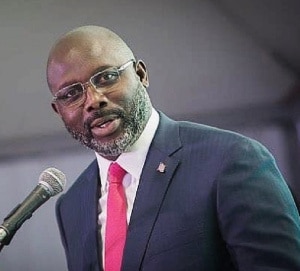
George Weah
George Weah is arguably the greatest African player ever, considering the career he had playing for some great clubs like AC Milan, Chelsea, Paris Saint-German, and a few others.
He is a three-time African player of the year and the only African footballer to have won the Balon d’Or.
George Weah announced his intention to run for President in 2005, two years after his retirement.
The AC Milan Hall of Famer engaged in several humanitarian activities during his playing career.
“Baby in the woods” Weah lost on his first attempt in 2005 to the experienced Johnson Sirleaf.
He went on to beat Sirleaf’s son Robert to become Liberian Senate from Montserrado County in 2014.
He finally landed his desired presidential seat in 2017 when he amassed 61.54% of the vote to defeat Joseph Boakai in a run-off on the ticket of Coalition for Democratic Change.
George Weah is now the 25th Liberian President in the country’s history.
Pele
Widely touted as the King of Football, Edson Ariantes Edson Arantes do Nascimento has a great legacy in football.
He won three World Cup trophies, the most by a footballer and is the youngest player to score in the tournament as well as the first player to score a hat-trick in a World Cup final.
After retirement, he served as UNESCO Goodwill Ambassador and a UN ambassador for ecology and the environment before becoming Brazil’s Extraordinary Minister for Sport. He left office in 2021.
Pele passed on in 2022 at age 82.
Sol Campbell
Sol Campbell after retirement joined the United Kingdom’s Conservative Party in 2014. He immediately announced his intention to run for office in hopes of securing ‘black votes’ for his party.
He was up for the party’s nomination for Mayor of London for the election in 2016 to replace Boris Johnson.
Campbell, however, failed to make the shortlist.
Sol Campbell was a highly-rated defender who spent all his career in England. He played for Tottenham, Arsenal, Newcastle United, Portsmouth, and Notts County.
He also played for the Three Lions, making 73 appearances in his 11 years international career.
Roman Pavlyuchenko
Former Tottenham Hotspur, unlike the other players on the list, tried to juggle politics and football.
A year before he secured his move to Tottenham in 2008, he helped current Russian president Vladimir Putin’s party secure a seat in his hometown Stavropol.
Romario
Romario de Souza Faria is a Brazilian great who had a successful career winning the World Cup, Copa America, FIFA Confederations Cup, and a host of club trophies playing for Barcelona, PSV, Flamengo, Vasco Da Gama, and a few others.
Just like his career in football, the ex-striker has had a successful career path in politics.
While in office, he lobbied against Brazil’s hosting of the 2014 World Cup, claiming that an event is an event for corruption and money laundering. In 2014, he was elected to the Brazilian senate after accumulating the most votes ever by a candidate.
He switched parties to contest for governor of Rio de Janeiro during the general elections in 2018 but came fourth.
A magnitude 6.8 earthquake struck early on Thursday near China’s far western Xinjiang region in a sparsely populated, remote area of Tajikistan, according to officials . There were no reported accidents or losses.
According to the U.S. Geological Survey, the epicentre was 20 kilometres (12 miles) below ground and located 67 kilometres (41 miles) west of Murghob, Tajikistan.
High in the Pamir Mountains, Mughrob—which has a population of a few thousand—is the district capital.
In some areas of Kashgar prefecture and Kizilsu Kyrgyz autonomous prefecture in Xinjiang, the quake was felt strongly across the border, but no injuries or property damage have yet been reported, according to state media CCTV, which cited local information officers.
China’s Earthquake Networks Center said the quake was magnitude 7.2 and 10 kilometers (6 miles) deep. Measurements by different agencies often differ.
Five aftershocks ranging from magnitude 4.6 to 5 followed later on Thursday morning, with their epicenters likewise located west of Murghob, Tajikistan’s state Khovar agency reported.
A further magnitude 5 quake was recorded in the early afternoon 86 kilometers (53 miles) west of the city, Tajik State Emergencies Committee spokeswoman Umeda Yusufi said. Neither referenced any injuries or damage.
In his Los Angeles case, Harvey Weinstein received a sentence of 16 years in prison.
Two months after he was found guilty in Los Angeles of one count of rape and two counts of sexual assault, the sentence was revealed during a hearing on Thursday, February 23.
The motion for a new trial made by Weinstein’s defence team was denied by Superior Court Judge Lisa B. Lench, who then moved to sentence the former movie producer.
He could have spent up to 18 years behind bars.
In the months leading up to the 2013 Academy Awards, Weinstein was found guilty in Los Angeles in December of one count of rape and two counts of sexual assault against an Italian model and actor. The incidents occurred during a film festival.
The jury acquitted him of the sexual battery of a massage therapist and failed to reach verdicts on counts involving two other women.
The Los Angeles trial was the second time Weinstein faced criminal charges for alleged sex crimes. His first criminal trial took place in New York City in early 2020.
Weinstein’s New York trial ended with his conviction on charges of third-degree rape and a criminal sex act. He was sentenced to 23 years in that case, and was serving that sentence when he was extradited to California to face more charges.
During Thursday’s hearing, Weinstein told Judge Lench: “I maintain that I’m innocent. I never raped or sexually assaulted Jane Doe 1,” in reference to the woman whose testimony led to his conviction, according to The Associated Press.
“Before that night I was a very happy and confident woman. I valued myself and the relationship I had with God,” she saud. “I was excited about my future. Everything changed after the defendant brutally assaulted me. There is no prison sentence long enough to undo the damage.”
Legal uncertainties will remain on both coasts for Weinstein.
New York’s highest court has agreed to hear his appeal in his rape and sexual assault convictions there. And prosecutors in Los Angeles have yet to say whether they will retry Weinstein on counts they were unable to reach a verdict on.
It is not yet clear where he will serve his time while these issues are decided.His New York sentence would be served before a California prison term, though a retrial or other issues could keep him from being sent back there soon.
Weinstein will become eligible for parole in New York in 2039.
If I’m being honest, I can’t see him riding out this rough period, which is a shame because I really wanted him to succeed at Stamford Bridge.
That’s not to say I don’t think he’s capable of turning things around, but I just think time is against him when it comes to halting this woeful run the Blues are on.
Losing the first leg of their Champions League last-16 tie at Borussia Dortmund was no disaster. Losing at home to Southampton is a different matter entirely, though.
Todd Boehly has seemed keen to stand by his man but is he willing to give him until the end of the season to continue implementing his ideas without fear of the sack?
That’s not easy for any owner to do. But when you’ve spent the money the Blues have, there’s an even greater need to see some improvement.
Tough to unpick
It’s tough to pinpoint exactly where things are going wrong for the former Brighton boss.
Some may point to him giving the players days off after the Saints loss as a strange move but I’m almost certain that will have been pre-planned.
Potter is an intelligent coach who will be fully aware of player workloads and it’s crucial to manage those properly, even when results aren’t great.
After all, the last thing he needs is more injuries.
With new signings often needing time to bed in, it may be up to some of Chelsea’s more established stars to dig them out of this hole — but look at Mason Mount’s current position off the pitch.
Mason Mount’s contract is another ongoing problem for Chelsea
Talks over his new contract have stalled and it’s a shame someone who has come through the club’s academy and is long established as a first-team regular finds himself in such a position.
Although we can see he’s a valuable player as football fans, the club haven’t paid a fee for him, so he gets treated differently to a new signing.
It’s bizarre, but it’s always been the way in top-level football.
Sadly, I doubt we’ll see any kind of resolution to Mason’s situation until the summer, when there could yet be a new man in charge. Time will tell!
Reds misery
Another side likely to be low on confidence this weekend are Liverpool following their midweek humbling at the hands of Real Madrid.
Facing the European champions is always going to be tough and there’s no shame in losing to the current Madrid side — just look at the teams they had to beat last season in order to lift the trophy.
But we expect the Reds to be able to go toe-to-toe with any side, especially at Anfield, so the manner of the defeat will definitely have knocked the players.
Prior to Tuesday, Jurgen Klopp’s men had managed back-to-back wins over Everton and Newcastle, though those victories weren’t exactly backed up by dominant performances.
The side just looks a long way away from where they have been for so long, so you’d have to expect a busy summer on the transfer front.
I said it at the start of the season and have said it a few times since, but the loss of Sadio Mane has had a huge impact on Liverpool.
Even when he wasn’t playing at his best or scoring goals, Mane set the tone with his pressing and understood what Klopp wanted from his forwards.
In hindsight, you’d have to say not strengthening the midfield last summer was a mistake on the Germans’ part—tthough I don’t think just signing a new midfielder solves their problems.
Joleon Lescott believes Jude Bellingham will overlook Liverpool this summer if they miss out on Champions League qualification
In fairness, if you bring in someone of Jude Bellingham’s calibre, perhaps that does have a telling impact. But would Jude want to join if they miss out on the top four?
I see Bellingham as a potential Ballon d’Or winner, but you have to be playing in the Champions League if you want to win those kinds of accolades.
The top four isn’t out of reach for the Reds just yet, but games like Saturday’s trip to Crystal Palace are becoming must-win fixtures.
DISCLAIMER: Independentghana.com will not be liable for any inaccuracies contained in this article. The views expressed in the article are solely those of the author’s, and do not reflect those of The Independent Ghana
Christian Atsu’s success at the 2015 Africa Cup of Nations in Equatorial Guinea has been discussed by former Ghana coach Avram Grant.
Prior to the competition, Atsu had been dealing with injuries, and his selection for the team caused some controversy because of the limited playing time he had received at the club level.
Grant mentioned Atsu’s outstanding play at the competition, where he was honoured with the best player and goal of the tournament awards.
After losing on penalties to Ivory Coast, Ghana came in second.
Grant praised Atsu’s mental strength and character, saying, “It’s a story that also shows his character and how strong he is mentally because I received the team very short time before the AFCON after the crisis in the World Cup in 2014 and he was not even on the list because he didn’t play half a year. The first half of the year he didn’t play, he didn’t find a team, partly because of injury.”
Grant had taken notice of Atsu’s talent during his time playing for Chelsea and in the Netherlands. Despite scepticism from others, he decided to include Atsu in the team and worked with Jamie Lawrence, the fitness coach, to prepare him for the tournament.
“So, we put him in a special program with Jamie Lawrence, the fitness coach, to prepare him, and I remember that I had a conversation with him; he said to me if you decide to take me, I don’t care if I play one minute, five minutes, or 10 minutes. I’m a Ghanaian. I’m proud of my team, and after what happened at the World Cup, the supporters don’t believe in us. I want to give my contribution.
Godwill Yogusuk Simon Sabio, a goalkeeper for South Sudan, age 18, has generated a lot of buzz online after helping his nation earn its first-ever victory in a CAF competition.
Godwill Yogusuk Simon Sabio’s appearance, which some Twitter users believe makes him appear much older than his actual age, has put him in the top trends rather than his performance.
Godwill Yogusuk Simon Sabio was born in 2004, making him 18 years old, according to the records.
One of the tournament’s talented players is Simon Sabio, who is competing in the U-20 Africa Cup of Nations, which is currently taking place in Egypt.
The teenage goalkeeper was in the post to help South Sudan record their first-ever win at the tournament.
Godwill Yogusuk Simon Sabio inspired the Bright Stars of South Sudan to beat the Central African Republic 1-0 in their Group B encounter.
The 18-year-old was instrumental for South Sudan as he made a couple of saves to ensure that his side keeps a clean sheet.
He was awarded the Man of The Match award for his top performance in the game.
Following his performance in the game, many football fans have been wondering if Simon Sabio is indeed 18 years old because of his matured looks.
Brendan Rodgers saluted “game changers” Gabriel Jesus and Oleksandr Zinchenko ahead of Leicester’sPremier League clash with leaders Arsenal.
The Gunners are two points clear at the summit with a game in hand on second-place Manchester City heading into their final 15 matches of the campaign.
Their quest for a first domestic title in 19 years has been boosted by the performances of former Manchester City duo Jesus and Zinchenko, who arrived at the Emirates Stadium in pre-season.
Jesus scored twice and provided two assists in Arsenal’s 4-2 win over Leicester in August, though the Brazil international will miss the return fixture at the King Power Stadium on Saturday as he continues his recovery from a knee injury.
Meanwhile, the versatile Zinchenko has played 20 times under Mikel Arteta this term, and Rodgers praised the impact of both players.
“I think [Arsenal have] had a fantastic season up until now,” the Foxes head coach said. “I think that you sensed right at the very beginning of the season when we played [them], they’d signed the two players that were a game changer for them in terms of mentality.
“When you’ve got the likes of Kieran Tierney on the bench – who’s an outstanding player – because of Zinchenko playing, then it really shows you the quality of the squad that they have.
“But I think Zinchenko and Jesus coming in really will have helped, and given [them] that mindset. [William] Saliba coming in at the back and obviously the other players then improve, and so I think that they played very well on that day.
“Whenever we got close to them, we made mistakes, which gave them a cushion in the game. But you could see in that early part of the season that there was a good feeling around the place and that’s continued through the season.
Asamoah Gyan, a former captain of the Black Stars, thinks that Christian Atsu’s untimely departure will humanise football and help Ghanaians understand that, at the end of the day, athletes are just regular people.
According to Asamoah Gyan, people often forget that football players are regular people and hold them to a higher standard of moral behaviour due to the wealth and luxury that come with the profession.
In a Peace FM interview, the legendary footballers expressed their opinion that Atsu’s passing provides a chance for people to reconsider their opinions of footballers and stop giving them a bad rap.
After Atsu’s passing, according to Gyan, the criticism of football players should stop because Ghanaians now understand the sacrifice that players make.
“This is the time for some Ghanaians to respect our jobs. We’ve been criticised for all these years for taking the tax payer’s money, but they forget that every professional gets paid for what they do. They don’t know the risk we go through. People only see us on TV with our flashy lifestyle, but we put our lives on the line.
“This was someone people depended on; now he is gone. This is the time for people to respect us. The disrespect is too much. I’m sure people are now beginning to understand what we go through. Sometimes we play in war-torn countries. We deserve the pay we get. This is an example for everyone. I’m in pain, but it’s a natural disaster. We will do all we can to support the family,” he said.
Asamoah Gyan also paid tribute to Christian Atsu and hinted at plans to organize a farewell match for the former Newcastle star.
“I’m planning to organize a game to raise money for the family. I believe when that day comes, everyone including the stars will come on board to support us so that we can raise funds for the family of Christian Atsu,” he said.
Asamoah Gyan was a close pal of Atsu and has already visited the family to commiserate with them following the passing of their beloved.
A powerful earthquake struck South-eastern Turkey, near the Syrian border, killing more than 40,000 people as they slept and trapping many others in the early hours of Monday.
The US Geological Survey said the 7.8 magnitude tremor struck at 04:17 local time (01:17 GMT) at a depth of 17.9km (11 miles) near the city of Gaziantep.
Hours later, a second quake, which had a magnitude of 7.5, hit the Elbistan district of Kahramanmaras province.
Hatayspor winger Christian Atsu was one of the club’s seven employees who lost their lives after the disaster.
After a thrilling 2-2 draw in the first leg at Camp Nou, Robert Lewandowski scored from the spot after Bruno Fernandes brought down Alejandro Balde to give Barcelona the lead in the second leg.
However, Fred equalised soon after the break, and Antony scored with less than 20 minutes remaining to send United through 4-3 on the overall score and eliminate Xavi’s team.
Barca lost to the Red Devils for the first time since 2008 and in 38 matches overall in the competition.
Xavi believes his players’ efforts at Old Trafford warranted more than they received, telling Movistar+ after the match: “In such evenly matched knockout matches, details are important. I think we deserved something more.
“The goal of making it 1-1 hurt us. We lost a ball, and they equalised. They played with more intensity, and we lost more duels in the second half.
“It has been an even tie. There have even been moments in which we have been very comfortable.
“This is a big disappointment, but we have to focus on the competitions we have left. We had a great rival in front of us.”
1 – #Barcelona 🔵🔴 have just won one of their last 15 games in Europe against teams from the top 5 European leagues (D5 L9), as many defeats as in their 50 previous such games (W31 D10 L9). Fall. pic.twitter.com/6BCmCIBpYM
Despite Barca having now been knocked out of both the Europa League and Champions League this season, Xavi says this season’s continental efforts have been an improvement on last campaign, when they were again knocked out of Europe’s premier competition before succumbing to Eintracht Frankfurt in the Europa League final eight.
“We have been better than last year,” Xavi explained. “The message is a bit like when they eliminated us in the Champions League. This year we have competed against Bayern [Munich], against Inter.
“We have been better. We have competed in this tie.
“You have to be very self-critical and think about what needs to be improved. We may not be satisfied, but there has been an exponential change compared to last year.
Asked whether new signings are needed for Barca to compete at the top level again, Xavi replied: “Soon we’ll see if we can sign [players]. What is clear is that we haven’t competed for two years.”
The Red Devils trailed on aggregate after last week’s thrilling 2-2 draw at Camp Nou thanks to Robert Lewandowski’s opening-half penalty at Old Trafford.
After the break, however, Ten Hag’s team completely reversed the situation, with goals from substitute Antony and Fred sending the hosts through to the round of 16.
Additionally, it was the first time the Blaugrana had lost after leading at halftime since their defeat by Granada in April 2021.
When asked if this was his biggest win since taking charge, the Dutchman told BT Sport: “Yes, I think so. We’ve had some good wins – Liverpool, Arsenal at home. Barcelona is the leader of LaLiga, eight points ahead of Real Madrid. To beat them, it’s a big win.
“I think we have some great personalities on the team, like Rapha [Varane] and Licha [Lisandro Martinez], who don’t fear anyone. Even when you get setbacks, they move on, they carry on, and they are resilient. They want to get a result.
“Even when you concede a penalty, you have to go on; you can turn around such games. When you win a big game like this after [being] 1-0 down in a difficult situation, I think this is a good bit of motivation for the season.”
Following Antony’s winner, United have now had 19 goals scored by substitutes in all competitions this season, the most by any side from the big five European leagues.
Alejandro Garnacho also looked dangerous following his introduction, his blocked effort leading to the decisive strike, and Ten Hag hailed the impact of both players.
“We know if we can bring Antony and Garnacho on and get over in the right areas, you get speed, you get running behind, you get dribbles, and you get belief,” the manager added.
On Fred, who levelled the tie, he said: “What he does really well is make the runs behind in the right moment, he has good timing. Getting behind the Barcelona midfielders was part of our game plan. I think it was really effective.”
Sergio Busquets said that Barcelona is “angry” about losing to Manchester United in the Europa League semifinals, but he insisted that it won’t affect their performance at home.
After giving up a one-goal lead to the Premier League team at Old Trafford and losing 2-1, Xavi’s team’s European exploits for the year came to an end.
The Blaugrana’s European campaign comes to a disappointing end as Erik ten Hag’s team wins 4-3 on aggregate after the two legs.
Although Busquets touched on the sting of defeat, he was adamant that Barca would be fine. Barca remains at the top of La Liga and is still vying for the Copa del Rey.
“In terms of spirit, it does take its toll,” he told Movistar+. “We are angry, but the team is aware of where that comes from.”
“We are good in the league, but in Europe, we lack that little point. We must aspire to win everything. We are on the right path, and I’m sure [this] won’t take its toll on the team.”
Defeat in the Europa League marked a second exit from a continental competition this season, with Barca having dropped into the second-tier competition from the Champions League.
In a group that also included Bayern Munich and Inter, they only managed a pair of wins over Viktoria Plzen, but Busquets shut down suggestions this latest result represents a similar failure.
“They have been different eliminations,” he added. “In the Champions League, a lot of things happened that were incredible. We weren’t good in some games.
Kim Min-jae of Napoli has gained prominence quickly, andManchester United is reportedly looking into a possible transfer for the end of the season.
Kim, 26, played until he was 24 years old in China and Korea before being noticed by Fenerbahce, who paid €3 million to acquire him.
He spent one season in Turkey before being signed by Napoli for €18 million. He was a key component of their best season in the twenty-first century. He has participated in 22 of defending champions Napoli’s 23 Serie A games this season, starting every one of them.
The strong-built defender has established himself as one of the league’s top players, but unfortunately for Napoli, his contract has a surprisingly reasonable release clause.
According to Calciomercato, United have been targeting Kim for months and have been in contact with his agents to gauge his interest in a potential Premier League move.
Kim reportedly has a £44m (€50m) release clause in his contract, but Napoli officials are desperate to award him a new contract to at least raise that figure to their valuation of £61m (€70m).
Football London is reporting Arsenal have made 24-year-old West Ham midfielder Declan Rice their top target after acknowledging they will not be in the running for Borussia Dortmund’s Jude Bellingham.
According to the Evening Standard, Arsenalwill have to battle Juventus, Borussia Dortmund, and Newcastle United to secure 18-year-old Real Valladolid full-back Ivan Fresnedain the next transfer window, with his £26.5 million (€30 million) release clause drawing plenty of interest.
Chelsea will allow midfielder Mason Mountto leave before the beginning of next season if he does not agree to a new contract, per The Athletic.
Sport Witness is reporting Everton had a £22 million (€25 million) offer for 25-year-old Udinese forwardBetorejected late in the January window, and it is believed they could return with an improved bid.
According to Football Insider, Tottenham are viewed as the favourites to land 26-year-oldLeicester City midfielder James Maddison, who will be allowed to leave the club if he does not sign an extension.
Bruno Fernandes put Manchester United’s 2-1 comeback win over Barcelona down to a “bouncing” Old Trafford on Thursday.
Due to the Portuguese midfielder’s tug on Alejandro Balde, the hosts fell behind in the first half. Robert Lewandowski converted the penalty for Barcelona.
But after the break, United turned things around to win 4-3 on the whole and advance to the round of 16, thanks to goals from Fred and Antony.
A boisterous Old Trafford supported Erik ten Hag’s team the entire time, and Fernandes was quick to acknowledge the support afterward.
“The belief in the team is always there,” he told BT Sport. “The belief from the fans, for us, is amazing. They [have] pushed us through difficult moments this season.
“They’ve been with us in the toughest moments. This season, we have been good, really good. This is something different, between them and us.
“We have something special, because they can see we are doing all we can to win games for them.Old Trafford was bouncing, and that’s why we got the result.”
For United, there is limited time to dwell on such a momentous result — their first win over Barcelona since April 2008 — as they turn focus towards Sunday’s EFL Cup final against Newcastle United.
With a chance to end the club’s six-year silverware drought this weekend, fellow midfielder Fred acknowledges they must refocus quickly to stay on track.
“[It was a] good game today,” he added. “[But] we need to keep going. We have a final on Sunday. We need to change our mind [ahead] of the final.”
Before their inspired comeback againstBarcelona at Old Trafford,Erik ten Hag urged Manchester United to exude more confidence and bravery.
In a thrilling comeback, the Red Devils defeated the undisputed LaLiga leaders 4-3 overall to advance to the round of 16 of the competition.
United struggled in the first half, trailing 1-0 thanks to a Robert Lewandowski penalty and managing just two shots on goal. If Casemiro hadn’t stopped Sergi Roberto and Franck Kessie just before halftime, United might have been down 2-0 for the game.
Ten Hag made a substitution at the break for a second successive match, having also done so against Leicester City on Sunday, introducing Antony in favour of Wout Weghorst.
It proved an inspired move, as the hosts appeared invigorated upon the contest’s resumption. Fred levelled the tie before Antony struck out the winner 17 minutes from time.
“I emphasised the belief. It was too flat [in the] first half,” Ten Hag told reporters his post-match press conference. “We had our spare man Casemiro [who] we didn’t use enough. Aaron Wan-Bissaka had a lot of space on the right side, we didn’t use [him] enough.
“I think in the pressing, we could be more brave. So, that is what we emphasised. The second was to make the sub with Antony, who brought more speed in the play and who brings belief on the pitch.
“In the squad, you need different types and profiles and when your time is there, you have to be ready and contribute with the team. You can’t win trophies with 11 [players], especially not nowadays. You need that squad and rotation.
“This is another step because when you can beat Barcelona – one of the best teams in this moment in Europe – your belief can be really strong, because then I think you are able to beat anyone.
“It was a magnificent night. I think it is brilliant when you can beat Barcelona – eight points ahead of Real Madrid in LaLiga – and we have seen this week Real Madrid playing [in their 5-2 win [over Liverpool]. We did a magnificent performance.”
As he announced his retirement from international football, World Cup winner Sergio Ramos fired a parting shot at Luis de la Fuente, the manager of Spain.
Ramos, 36, earned a record 180 caps for his nation, helping La Roja win the European Championship in 2008 and 2012 in addition to the 2010 World Cup victory.
But the Paris Saint-Germain defender has decided to call it quits after going without a match since March 2021, capping a glittering international career.
“The time has come to say goodbye to the national team,” he wrote in a post on Instagram.
“This morning I received the call from the current coach who told me that he doesn’t count and that he won’t count on me, regardless of the level I can show or how I continue my sporting career.
“With great regret, it is the end of a journey that I had hoped would be longer and that would end with a better taste in the mouth at the height of all the successes we have achieved.”
“Humbly, I think that career deserved to end because of a personal decision or because my performance was not up to what our national team deserves, but not because of age or other reasons that, without having heard them, I have felt.”
Luis de la Fuente replaced Luis Enrique as Spain manager last December
Ramos continued: “Being young or less young is not a virtue or a defect, it is only a temporary trait that is not necessarily related to performance or ability.
“I look with admiration and envy at [Luka] Modric, [Lionel] Messi, Pepe.
“Unfortunately, it won’t be like that for me, because football is not always fair and football is never just football.
“Through it all, I take it with this sadness that I want to share with you, but also with my head very high and very grateful for all these years and for all your support.
“I take back indelible memories, all the titles we have fought and celebrated all together and the tremendous pride.
“All of you have made me happy. I will continue to cheer on my country from home with the thrill of the privileged who has been able to proudly represent it 180 times.
National Democratic Congress members visited the family home of Christian Atsu, the late Black Stars winger.
For the family’s one-week preparation for the observation, the NDC gave them 30 cartons of water and GHC 2000 during their visit.
Osman Ayariga, Ruth Dela Sedoh, Amos Blessing Amorse, Gideon Hammond,Mohammed Judah, Nath Tetteh, and a large number of other members of the delegation were led by the party’s National Youth Organiser, George Oppare Addo.
After expressing their condolences in the book set up in Christian Atsu’s honour, NDC representatives promised to assist the family in making funeral arrangements.
The NDC officials, after signing the book of condolence, opened it for Christian Atsu pledged to support the family in planning the funeral.
Christian Atsu was found dead on the morning of Saturday, February 18, 2022, at the site of his collapsed apartment more than a week after a devastating earthquake hit parts of Turkey and Syria.
Christian Atsu played in the 2014 FIFA World Cup in Brazil and four other African Cup of Nations tournaments.
In all, Christian Atsu made 65 appearances and scored 10 goals for the Black Stars from 2012-2019.
Meanwhile,Christian Atsu’s one-week observation has been scheduled for Saturday, March 4, 2023, in Accra.
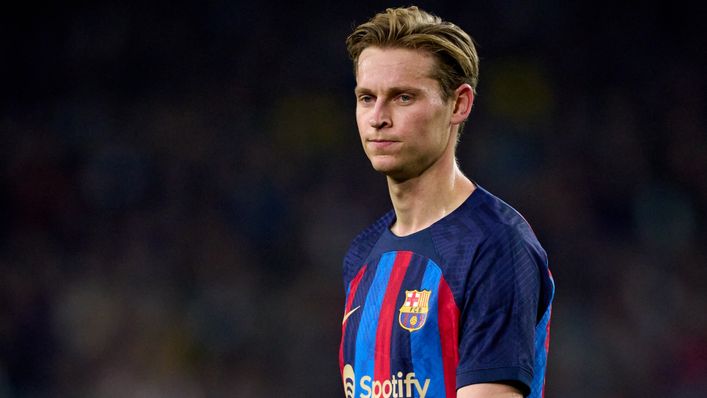
Last summer, Frenkie de Jong turned downManchester United in favour of competing for a spot at Barcelona, and so far, that move is looking wise.
The classy Dutchman has since become a focal point of Xavi’s midfield for the LaLiga leaders, despite the fact that United manager Erik ten Hag was eager to reunite with his former Ajax charge at Old Trafford.
We highlight the Blaugrana playmaker’s impressive season as he gets ready to take on the Red Devils in the second leg of their Europa League knockout round play-off.
Summer saga
United’s pursuit of De Jong was one of the sagas of last summer, with Ten Hag identifying the 25-year-old as the ideal addition to implement a transformation of the Red Devils’ fortunes.
The midfielder was at the heart of Ajax’s sensational run to the Champions League semi-finals in 2019 under the 53-year-old, and a reunion seemed to be a smart move on both sides.
De Jong had been in and out of Xavi’s starting XI last term, and the LaLiga giants’ financial plight meant they were willing to part with the player they handed a five-year contract to in 2019.
But rather than succumbing to pressure to make the move, the talented creator stood firm and insisted he was happy in Catalonia.
Focal point
United eventually turned their attentions elsewhere by signing Christian Eriksen and Casemiro, moves that have both proved successful, but it is unlikely De Jong has been watching on with any sort of envy.
The Blaugrana have raced eight points clear at the top of LaLiga and the Oranje ace has been a regular presence, starting 16 of their 22 league games and missing out only once through injury.
Finding a natural heir to legendary midfield pivot Sergio Busquets has been an issue to solve for some time at the Camp Nou and De Jong has been a surprise revelation in that role.
Switching between that deeper position and a more advanced one, he has expertly dictated proceedings in the engine room and allowed burgeoning youngsters Pedri and Gavi to flourish.
No Barca player has completed more passes than the technically-gifted Dutchman in LaLiga this term, with only three beating his total of 1,076 in the division overall.
Suitable system
De Jong has also thrived alongside Busquets of late, with Xavi’s deployment of four midfielders, including shifting Gavi across to the right, proving effective in overloading the opposition.
A similar system was used in the first leg against United, with De Jong selected alongside Franck Kessie, and Xavi believes the tactics are getting the best out of his No21 in particular.
Xavi, 43, said: “We feel comfortable in any system. We’ve also played great games with two wingers.
“Actually, we never change much. Maybe with Frenkie and Busquets together, with four midfielders, we lose fewer balls.
“We have found the perfect position for Frenkie. I see he is happy.”
That certainly looked to be the case, particularly in the first half, against the Red Devils last week.
De Jong completed 40 passes, took 50 touches, and won possession more times in the middle third (five) than anyone else on the field.
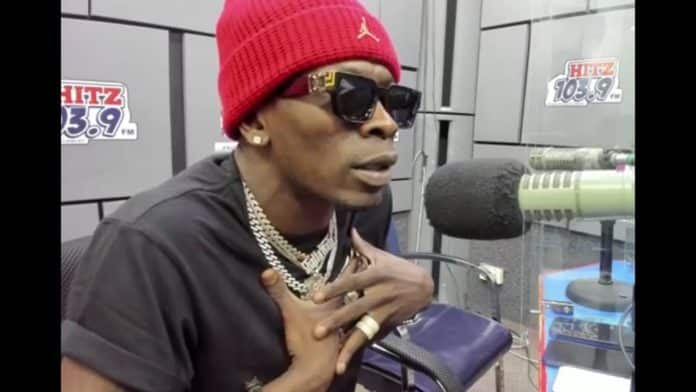
Shatta Wale, a Ghanaian dancehall musician, has explained why, despite their friendship, he has yet to record a song in Christian Atsu’s honour. Atsu was a winger for the Black Stars.
Shatta Wale claims that his ability to write and create a song to honour Christian Atsu’s memory was hampered by the loss of the musician.
He admitted that despite their friendship not being as close as it was with Asamoah Gyan, he was always proud of Christian Atsu’s perseverance in achieving success in life.
“I have heard people ask why I haven’t done a song for Christian Atsu as I have done in the past. I know I have done songs to honour some personalities in the past, including the late Major Mahama.”
“I haven’t been able to do it for Atsu because his death has hit me so hard and it has affected my ability to write a song for him,” Shatta Wale said.
He also criticised the media for waiting for Christian Atsu to die before publicising his good deeds and the charity work he was doing while he was alive.
“God will punish you media people for waiting for him to die before making Ghanaians aware of the good deeds that he was doing. All the charity work he did, you couldn’t talk about it but now you are doing it because he is dead,” Shatta Wale ended.
Background
Christian Atsu was found dead on the morning of Saturday, February 18, 2022, at the site of his collapsed apartment twelve days after a devastating earthquake hit parts of Turkey and Syria.
The one-week observation of Christian Atsu has been scheduled for Saturday, March 4, 2023, in Accra.
Christian Atsu played in the 2014 FIFA World Cup in Brazil and four other African Cup of Nations tournaments.
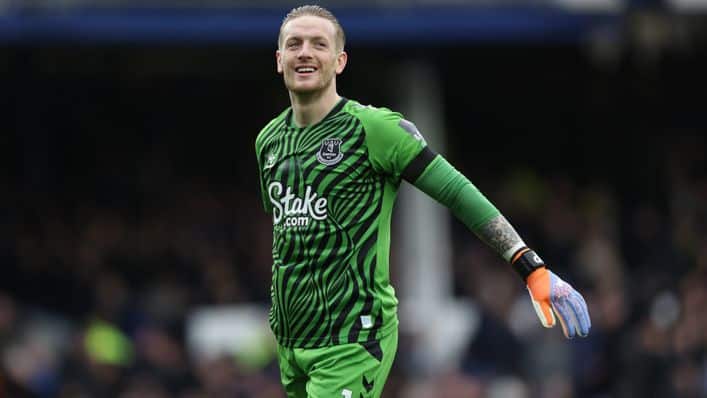
In an effort to put an end to rumours of a transfer to aPremier League rival, Englandgoalkeeper Jordan Pickford has agreed to a new contract with Everton.
The 28-year-old, whose current contract was set to expire in the summer, had been linked to a move to Tottenham among other clubs.
Although the contract has not yet been signed, the England goalkeeper has now decided to remain at Goodison Park despite their precarious position near the bottom of the table.
Pickford, a 2017 £30 million acquisition from Sunderland, has played in 222 games for the Toffees, and manager Sean Dyche thinks he can get better.
Dyche, 51, said: “He’s a very, very good player, a good servant to this football club so far and he’s going to continue to be that for sure.
“I think it’s a sign that he’s enjoying our new regime and that he’s accepting of what we’re looking to offer. He’s been a fantastic player, so we want that to continue.
Guardiola ‘sad and disappointed’ as Man City drop points in title race
“Any way we can rub off on him and help him continue his development will be great if he feels there is stuff, and I think there is.”
Dyche, who has taken six points from nine since replacing Frank Lampard at the end of January, said the club were continuing to look at the contract situations of several players.
The likes of Alex Iwobi and Conor Coady are thought to be next in line for new deals.
He said: “I’m three weeks in. It feels like 17 months, but I’m still new to it.
“We’re assessing every situation. Some have been ongoing like Jordan’s but I’ve been put in line with that and asked my opinion quite obviously.
“But we’re looking at all situations because we’ve got to make sure all the good players we want to be here are still here.”
Dyche has won both of his home games in charge so far — either side of defeat in the Merseyside derby at Liverpool — and will look to make it three in a row when Aston Villa visit on Saturday.
The Toffees sit 16th in the table, ahead of Unai Emery’s men,a point from safety.
President Volodymyr Zelensky reportedly discussed his country’s peace initiatives at the UN, according to a tweet.
He claimed that they also talked about the potential for expanding their mutual relations.
Zelensky stated that he anticipated close collaboration, particularly in enhancing food security.
It happened as the 193-member UN General Assembly was debating a motion supported by Ukraine that called for a vote on a resolution to bring about peace in that country.
The assembly has voted on three resolutions opposing the Russian invasion in the past year, receiving between 140 and 143 votes in favour.
The latest vote comes just ahead of the anniversary of Russia’s invasion of Ukraine.
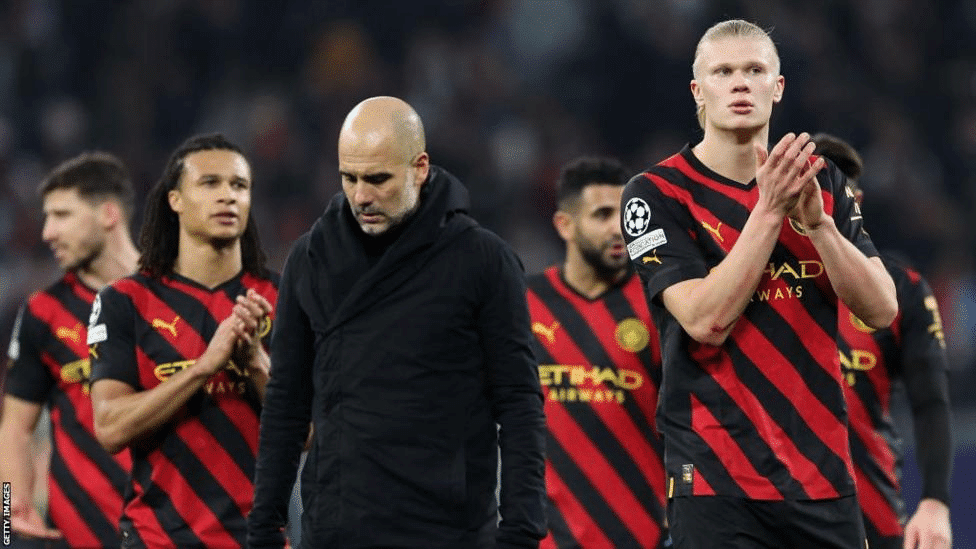
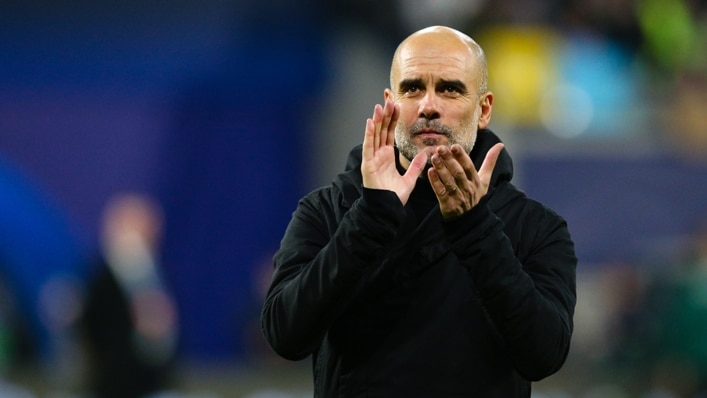
Manager of Manchester City, Pep Guardiola, offered a novel solution to RB Leipzig’s struggles to score more after watching his team hold them to a second consecutive 1-1 draw, this time in the first leg of their Champions League last-16 match.
“Maybe in the second leg I will be crazy and play with nine strikers,” he joked.
Even though Guardiola seemed upbeat following the match in Germany, and a draw on the road in a European knockout match is certainly not a result to be sniffed at, he will likely still be frustrated that his team has not converted their recent dominance into more goals.
The same thing happened at RB Leipzig as it did at the weekend, costing them two points in the Premier League title race after Manchester City’s first-half goal was cancelled out by Nottingham Forest’s equaliser.
Riyad Mahrez’s goal was the only result of City’s complete dominance in the first half.
“You expect us to come here and win 0-5? That is not a reality,” Guardiola told BT Sport after the game.
“This is a competition where, in the group stage, many important teams are out. It is difficult. We are a good team, and we do many, many good things. We continued to do this.
“People expect us to come here and win 4-0; I am sorry we are not able to do this.”
A quiet night for Haaland
City’s hopes of scoring more than one goal were not helped by a quiet display from Erling Haaland.
The striker, who missed a number of chances at Forest, had just seven touches of the ball in the first half and none of those were in the opposition penalty box.
Haaland, usually so deadly with the few chances he gets, had a real opportunity to add a second for City after the break but dragged his shot well wide.
The Norway international has five goals in five Champions League games for Guardiola’s side this season and has 32 overall, so of course the odd quiet game is allowed, but this was a particularly anonymous one.
By the end he had had 20 touches of the ball and just one shot on goal.
Mahrez, who scored his 20th goal in the Champions League, defended the work of his team-mate.
“He is a fast, powerful attacker and we know his qualities,” he said.
“It’s not up to him to win, to go get the ball. He’s not there to have 70 touches every game.”
Former Arsenal defender Matthew Upson, who was watching the game for BBC Radio 5 Live, said: “You can’t say he doesn’t do his job when you look at the numbers. I know he didn’t score tonight, but that’s his role; that’s how they play.
“His manager seems happy with it and he seems happy that he’s scoring loads of goals and going to be breaking records in terms of that.”
‘Trust the process’ as Guardiola opts not to turn to his bench
As the game wore on and a winner for City – who were unfortunate not to have been awarded a late penalty for handball – looked increasingly unlikely, it seemed unusual that Guardiola did not turn to his bench.
With a number of attacking options available to him including Phil Foden and Julian Alvarez, Guardiola had players who could make a difference, but he didn’t see the need to mix things up.
“I saw the team was good, especially in the middle,” he added. “In the end I decided to continue with what I had.”
Former Manchester United defender Rio Ferdinand said on BT Sport: “You want to get on the pitch and play football, especially when you think you are the person who can affect this game, unlock this team.
“But at the same time you have to respect Pep. All of the players, especially in the attacking areas of the pitch, have these moments – so you have to be patient, trust the process.”
‘We will adjust some things to try and go through’
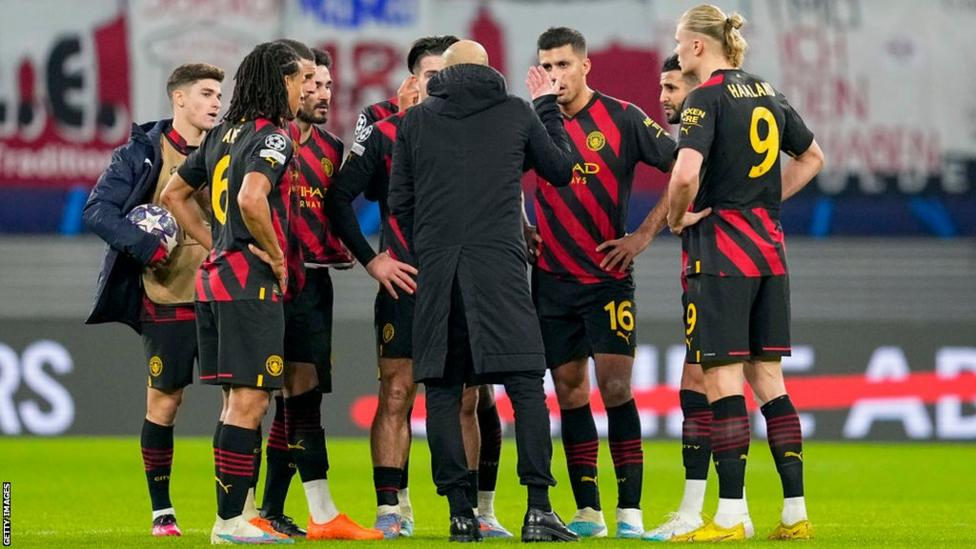
Pep Guardiola debriefed his players on the pitch at full time
Given City’s formidable record on home soil — they have won 17 of 19 games at the Etihad Stadium this season — they will rightly feel confident of getting the job done in the return leg on Tuesday, March 14.
At full-time on Wednesday, Guardiola gathered his players in a huddle to remind them they had plenty to be positive about.
“I said ‘why you have your heads down? Heads up, it was good’,” Guardiola said of that moment.
“Hopefully, in three weeks, we will arrive in good condition. We can do better. We have to adjust some things and find a way to go through.”
The struggling South African government has announced that it will assume nearly two-thirds of the $23 billion (£19 billion) total debt of the state power company.
This occurs at a time when malfunctions at Eskom’s power plants have caused unheard-of power outages that are harming the nation’s economy.
The national treasury’s decision should release funds for distribution, transmission, and maintenance.
This month,President Cyril Ramaphosa declared a state of disaster due to the energy crisis, enabling the government to take immediate action.
Eskom has been plagued by corruption and mismanagement. It has received more than $14 billion worth of bailouts since 2008.
The latest move by the government comes as the outgoing Eskom chief executive, who was due to exit the company next month, leaves with immediate effect.
The firm’s board resolved on Wednesday that Andre de Ruyter would not be required to serve the balance of his notice period.
In an interview with a local TV station on Monday, Mr De Ruyter questioned the government’s ability to deal with the corruption at the utility firm.
A Nigerian senatorial candidate was on Wednesday shot dead and his body burned by attackers while on his way from a campaign rally in the southern state of Enugu.
Three days prior to Saturday’s general elections, which are being hailed as the most competitive in 24 years, Labour Party member Oyibo Chukwu passed away.
Local media reports that his aides were also shot dead before their car was set on fire with their bodies inside.
“Our party members are being targeted for assassination by political parties that feel threatened by the rise of the Labour Party in the state and are afraid they may lose Saturday’s election,” said Chijioke Edeoga, a candidate for the governor’s seat in the state.
The Labour Party has not commented on the attack, but its presidential candidate,Peter Obi, has been urging supporters to vote “correctly, peacefully, and hopefully.”
Vice president of Equatorial Guinea,Teodoro Nguema Obiang Mangue, has rejected a European Parliament resolution that blames Equatorial Guinean authorities for the death of opposition leader Julio Obama Mefuman.
“The government of Equatorial Guinea vehemently rejects and dismisses the unfounded accusations made by the European Parliament regarding the alleged human rights violations in our country, through its unfortunate resolution,” said Obiang Mangue, in a post on his Twitter account.
In a series of posts, Obiang Mangue, who is also the son of President Teodoro Obiang Nguema Mbasogo, accused the European Parliament of resorting to a “colonial and paternalistic discourse” and of disparaging Equatoguinean institutions and its representatives.
Mr Mefuman, a Spanish national and member of the opposition Movement for the Liberation of the Third Republic of Equatorial Guinea (MLGE3R), was accused by the authorities of plotting to overthrow the government.
According to the MLGE3R, Mr Mefuman and three other dissidents were lured to South Sudan under false pretences and then forcibly flown to Equatorial Guinea where they were tortured over an alleged coup plot.
On 16 January, Equatorial Guinea’s Foreign Minister, Simeon Oyono, stated that Mr Mefuman had died in a hospital in the eastern town of Mongomo in Wele-Nzas province, as a result of an illness he had been suffering from.
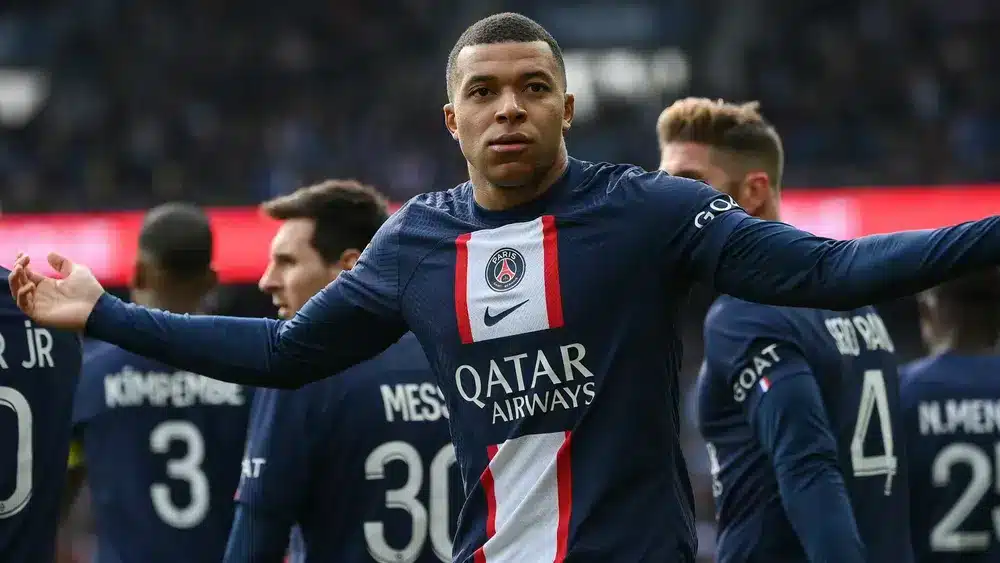
Football Insider claims that Kylian Mbappe’s situation is being watched by Manchester United, Liverpool, and Chelsea.
The 24-year-old is allegedly dissatisfied at Paris Saint-Germain, and the Premier League trio is said to be aware that any potential deal will be difficult to execute.
The difficulties the triumvirate faces in trying to sign the forward this summer are highlighted by the French superstar’s contract with PSG, which runs through 2025, and his reported salary of more than £1.2 million per week.
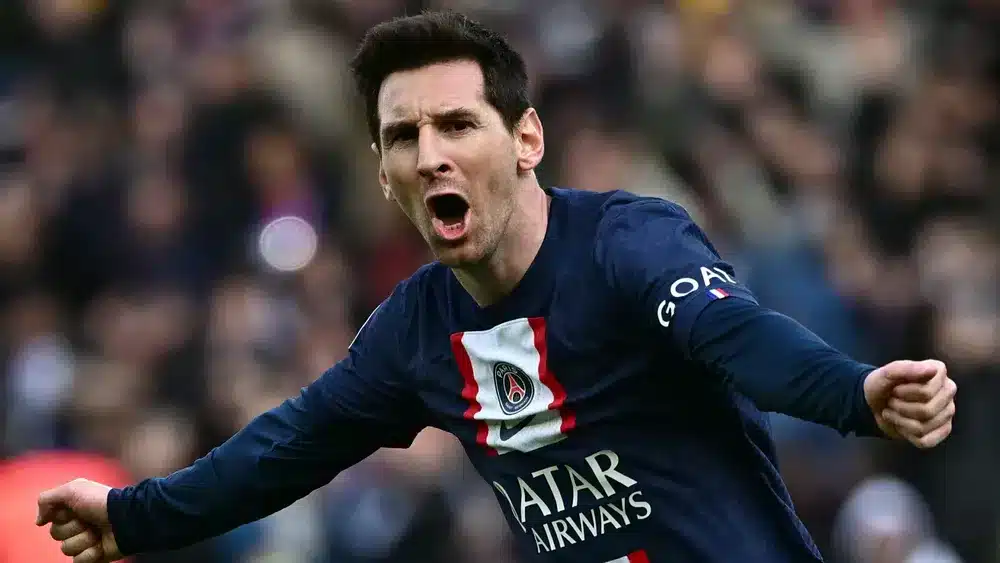
The seven-time Ballon d’Or winner’s current deal at PSG expires in June, and he has not yet agreed to a new one. Inter Miami has been mentioned as a potential next stop for the seven-time Ballon d’Or winner, who has also been linked with a return to Barcelona, even though talks over a new contract are believed to be ongoing.
Inter Miami manager Neville weighed in on what could the move mean for his club in an interview with The Athletic, stating: “I think it goes bigger than Inter Miami. I think it’s in MLS. It’s big for the MLS. I think this would be probably the biggest signing ever in American sports.”
Pressed on whether Inter Miami would be prepared for the media circus that follows Messi, Neville added: “The trees might have to be bigger (around the training ground.) The security might have to be tighter. The walk that the players have today over to that stadium; that might have to be different. The travel might be different. The hotels we stay in might have to be different. But really, that might be what we’re aspiring to be like anyways. It’s exciting, but I think it’d be a massive challenge.”
Messi is gradually getting back to his best at club level after guiding Argentina to their third global crown in Qatar. In his last outing with PSG against Lille, he scored a stunning free-kick in the 95th minute to maintain their five-point lead at the top of Ligue 1. However, Barca are said to be eager to bring Messi back to Camp Nou, and he is also being linked with a move to Saudi Pro League side Al-Hilal on a mammoth $300 million (£247.4m) annual salary.
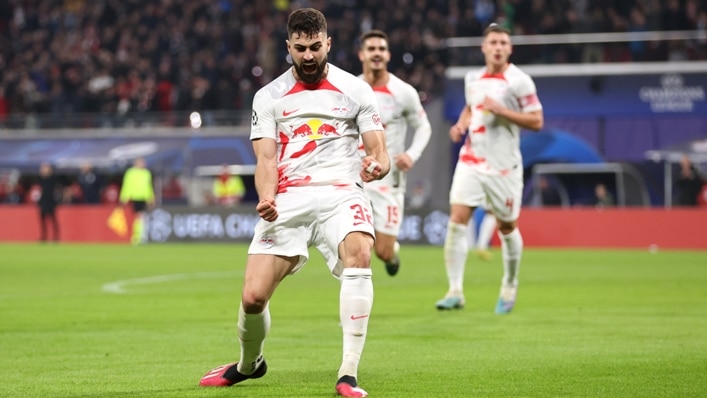
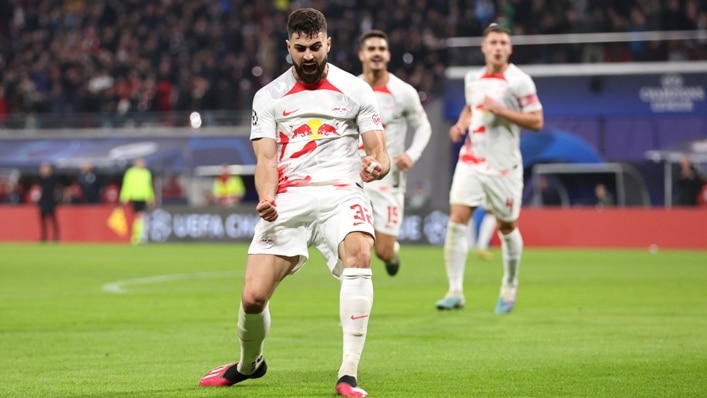
Josko Gvardiol, a sought-after player across Europe, increased his profile on Wednesday by scoring the equaliser in RB Leipzig’s 1-1 draw with Manchester City.
The 21-year-old centre back is under contract with Leipzig until 2027, but his contract reportedly includes a €110 million exit clause.
Following Wednesday’s game, Leipzig head coach Marco Rose was adamant that Gvardiol would play for the team again the following year.
Fabrizio Romano claims that Liverpool will try to improve their defensive options by bringing in Gvardiol.
The Croatian international has been targetted byChelsea, and he only enhanced his reputation during the 2022 World Cup. He has also been linked with City and Real Madrid.
Gvardiol has previously indicated he would love to join the Reds, potentially offering Jurgen Klopp’s side an edge in the race to sign him.
ROUND-UP
– Chelsea, Liverpool, and Manchester United are all keeping tabs on Kylian Mbappe’s situation at Paris Saint-Germain, claims Football Insider. Speculation continues to swirl that Mbappe, who is contracted through the end of the 2024–25 season, is unhappy at PSG.
–Chelsea are interested in a move for Dinamo Moscow’s 19-year-old midfielder Arsen Zakharyan, according to CaughtOffside.
– According to Fichajes, Juventus is considering a move for Real Betis forward Borja Iglesias, amid concerns that Dusan Vlahovic may leave at the end of the season.
– Napoliwill challenge PSG in the race to sign Eintracht Frankfurt forward Randal Kolo Muani, according to CalcioMercato.
–Manchester Unitedare plotting a double swoop for Leicester City midfield duo James Maddison and Youri Tielemans, according to Football Transfers.
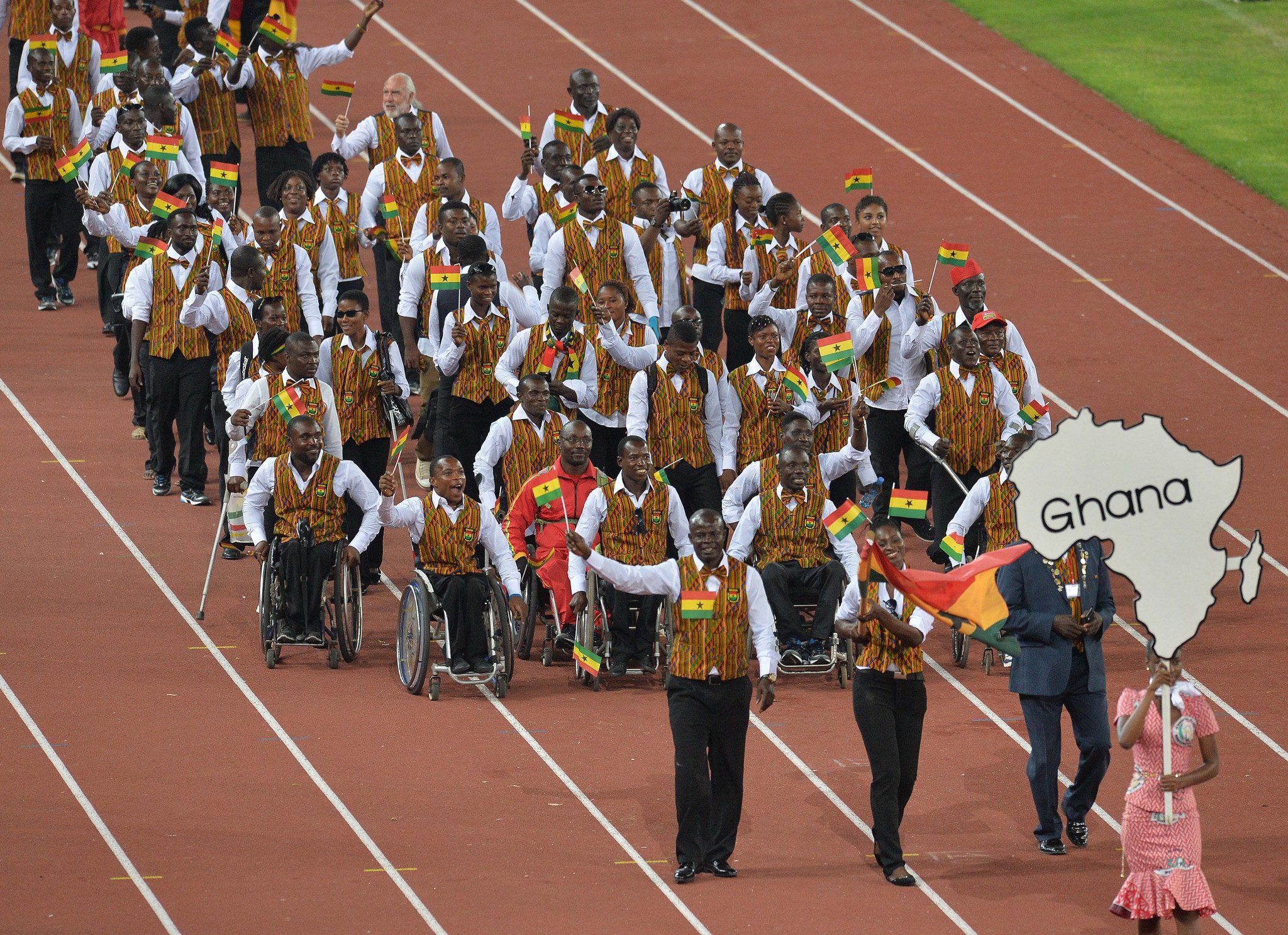
The 2023 African Games have been moved to 2024, according to the Local Organising Committee (LOC), which made the announcement at a press conference on Tuesday in Accra.
The rescheduled event’s dates were not specified by the committee. Initially, the games were slated to run from Friday, August 4, 2023, to Saturday, August 19, 2023.
Due to disagreements with the African Union over the marketing rights of the games, African sporting federations had threatened the games.
But after a new protocol agreement was signed last week in Addis Abeba on the sidelines of the AU Heads of State Summit, these problems were resolved.
Ghana has had difficulty getting the event’s necessary hosting facilities ready.
Construction works at the Borteyman Sports Complex, earmarked to host the swimming, boxing, and indoor sporting events, are notoriously behind schedule, while organizers also face a race against time to complete the University of Ghana Stadium.
Work on the games village has also faced complications from the University of Ghana academic calendar, with the continuous presence of students at the Diaspora Halls making it difficult for refurbishment works to progress at the required pace.
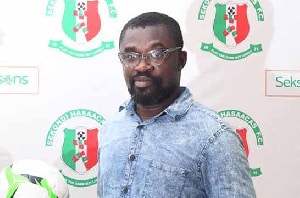
Paapa Kwesi Esson Arbuah, the CEO of Sekondi Hasaacas, has offered his perspective on how Ghanaian football can advance.
According to him, club administrators will play a significant part in the development of football in the nation.
He advised club administrators not to solicit donations from GFA presidential candidates prior to an election in a statement to Spemso FM.
“If clubs administrators want football to progress, they should not collect money from aspirants prior to an election,” Paapa Kwesi Esson Arbuah.
Ghana football has been on a drastic decline in the last few years.
While the Ghanaian top-flight league, the Ghana Premier League is not ranked among the best on the continent, there is a lack of recognition when it comes to global ranking.
Oftentimes, corruption has been tagged on the football administration with the FA administration in place at the moment often lambasted for the alleged running of the sport in the country.
Pep Guardiola hits back at speculation thatManchester City would easily defeat RB Leipzig following a discouraging 1-1 draw in their Champions League last-16 match.
Wednesday at the Red Bull Arena, Riyad Mahrez gave City a 27th-minute lead after City had completely dominated the first half of the first leg in Germany.
Guardiola’s visitors had the upper hand, but Leipzig rallied after the break, and Josko Gvardiol secured a point for Leipzig ahead of the rematch on March 14 at Etihad Stadium.
Guardiola refuted Marco Rose’s claim that a convincing victory at Leipzig was always likely despite the fact that his team is currently fifth in the Bundesliga and had failed to score in three previous Champions League quarterfinal matches.
The City manager told BT Sport: “People expect we are going to win 5-0, that’s not a reality. It is past the group stage in a very competitive competition and many important teams around.
“It is difficult, we knew this, our fourth game in 10 days, the away games, the travels and the people expect [wins]…
“I know we are a good team, and we continue to do good things. But people expect we come here and win 4 or 5-0, we are not able to do this.”
The opening 45 minutes were in stark contrast for what was to follow, with City boasting 74 per cent possession and only conceding one shot on target in the first half – a timid Timo Werner effort at Ederson.
Guardiola’s side managed just a 49.2 percent share of the ball in the second half, facing six shots, as substitute Benjamin Henrichs spurned a pair of glorious opportunities.
RB Leipzig 1-1 Man City: Man City looked comfortable at half-time, but a poor second half means that this #UCL tie is level heading into the second leg at the Etihad Stadium next month. pic.twitter.com/QyINoab9tr
Former Bayern Munich and Barcelona boss Guardiola insisted he was “happy” with the entire performance, however.
“They make a step forward, they pressed everyone high up, more problems in the build-up,” he said when asked about the second half.
“After the goal we conceded, we came back – we made a good last 15, 20 minutes. We had good chances, both sides in both halves, and now we go back to Manchester to decide it.”
Pressed on the drop in performance levels, a somewhat irked Guardiola added: “I’m happy for the whole game, not just the first half. What do you expect? We play a friendly game here?”
Despite Leipzig growing in confidence as the final whistle drew closer, Guardiola opted to make no substitutions throughout.
George Oppong Weah, the president of Liberia, has made a $10,000 donation to the family of the lateChristian Atsu, a former winger for Newcastle United and Chelsea.
Former Black Stars player Kwame Ayew made the donation on behalf of George Weah, the only African footballer to have won the Ballon d’Or award.
On February 22, 2023, Kwame Ayew made a donation on behalf of George Weah while accompanying some members of the Ghanaian Liberian Community to the home of Christian Atsu.
Christian Atsu’s body, which was found in the ruins after an earthquake in Turkey on February 6, arrived in Ghana in the wee hours of Sunday.
The 31-year-old got trapped in his destroyed apartment for over a week before he was found dead.
The family is yet to announce plans for the burial and funeral of the winger, who was crowned best player at the 2015 AFCON.
Gvardiol, a rumoured Chelsea target, helped Leipzig hold Manchester City to a 1-1 draw in their Champions League round of 16 match on Wednesday at Red Bull Arena.
After performing admirably at the World Cup alongside former Red Dejan Lovren, the Croatian defender also previously mentioned Liverpool as his “dream” destination.
But Rose insisted the 21-year-old will remain with Leipzig, despite a credible performance in a potential Premier League audition against Pep Guardiola’s side.
“Josko Gvardiol will be an RB Leipzig player next season as well,” he told TV 2 Sport after Leipzig’s first-leg clash with City.
“I am the coach, and I am asking for that. He is happy here. He said he wants to play in the Premier League, but he didn’t say when.
RB Leipzig 1-1 Man City: Man City looked comfortable at half-time, but a poor second half means that this #UCL tie is level heading into the second leg at the Etihad Stadium next month. pic.twitter.com/QyINoab9tr
Rose joked Gvardiol “should play basketball” after his towering headed equaliser in the 70th minute, though he was left unimpressed with Leipzig’s first-half showing.
Chelsea fans saying I’m the problem are wrong – Potter
“We should start to play and fight. It was a really difficult first half, 26 per cent possession isn’t enough,” Rose told BT Sport.
“We were too passive in every situation. They moved the ball and they moved us. We had no power.”
However, another impressive outing forGvardiol against one of Europe’s elite secured a share of the spoils and left it all to play for in the March 14 return leg at Etihad Stadium.
“The second half was totally different. Better late than never.”
Automatic participation spots have been given to the three host countries.
Along with Mexico and Canada, the men’s national team of the United States will automatically qualify for the 2026 World Cup.
In a joint North American bid, the three nations were successful in winning the right to host the World Cup. Although this is the first time FIFA has had to reserve three host bids, FIFA has historically granted host nations the right to compete in the World Cup without first participating in the customary qualification competitions.
The tournament is set to expand from 32 teams to 48 in 2026. Another three berths will be awarded to CONCACAF nations via qualifying.
FIFA released a statement Tuesday saying, “In addition, the FIFA Council confirmed that, in line with the long-standing tradition of having all hosts competing at the FIFA World Cup, as well as sporting and operational considerations, the hosts of the FIFA World Cup 2026, namely Canada, Mexico and the USA, will qualify automatically for the final round of the competition, with their slots, therefore, being deducted from the overall allocation of six assigned to CONCACAF.”
While the U.S. and Mexico tend to qualify for most World Cups, it was good news for Canada, whose men’s national team broke a 36-year drought between World Cup appearances when it qualified for Qatar in 2022. Canada lost all three of its group-stage matches.
The FIFA Council also determined its timetable for bidding for the right to host the 2030 World Cup, saying it will make its decision next year.
That meeting will be separate from FIFA’s meeting to select a host for the 2027 Women’s World Cup, which will be held first, earlier in 2024.
There are three confirmed bids for 2030 hosting duties: a South American joint bid featuring Uruguay, Argentina, Paraguay and Chile; a Spain-Portugal joint bid that added war-torn Ukraine last year; and Morocco.
Home teams are anticipated to release the match rates by Friday, February 24, 2023, at the latest.
The MTN FA Cup Round of 16 games this weekend will be held at various venues, and theFA Cup Committee has announced that women and children under the age of 15 will be admitted free of charge.
Fans who do not fit into this category must, however, buy match tickets at very low prices at the match locations.
The GFA, for its part, has also urged clubs to create a fun atmosphere at their match locations prior to kickoff, during halftime, and following the games.
The matchrates are anticipated to be released by the home teams no later than Friday, February 24, 2023.
Romelu Lukaku, who came on as a substitute and scored the game’s winning goal late, helped Inter escape Porto with a 1-0 victory at San Siro in the first leg of their Champions League round of 16 matchup.
The team of Simone Inzaghi appeared to be destined for a disappointing goalless draw, which might have given Porto the upper hand going into the return match, but Lukaku saved Inter.
The Nerazzurri had been wasteful during a tense first half, with Lautaro Martinez spurning a great opportunity and Alessandro Bastoni forcing Diogo Costa into a brilliant save.
They then struggled to make the most of their dominance in the second half but shortly after Porto midfielder Otavio was sent off, Lukaku turned home to score for the second time in less than a week.
Martinez would have been frustrated to miss the target with an unchallenged header from Federico Dimarco’s 13th-minute cross.
That chance punctuated the largely dull early exchanges but the contest showed signs of life in the final eight minutes of the half.
Marko Grujic’s fierce strike hit Andre Onana’s knee and Galeno nodded the follow-up wide, before a remarkable reflex save from Costa kept Bastoni’s header out.
Inter then owed a debt of gratitude to Onana just before the hour. He made a fine save to deny Zaidu Sanusi and then somehow kept Mehdi Taremi’s rebound out on the line with the Iranian seemingly destined to score.
Otavio’s dismissal for a lunge on Hakan Calhanoglu 12 minutes from time gave Inter a numerical advantage, and they duly made the most of it.
Substitute Lukaku headed Nicolo Barella’s cross against the post but was on hand to slam the rebound beyond Costa.
What does it mean? Inter go to Portugal with something to protect
This certainly was not a classic and Inter were underwhelming for much of the game. There would have been few arguments about a draw being a fair result.
But Inter finished the match really well and deserve praise for getting the win over the line when they had previously looked unconvincing.
There was a flashpoint in the first half when Onana and Edin Dzeko appeared to be engaged in a heated argument. While it was unclear what that was about, there was little about the goalkeeper’s performance that could be criticised.
He made four saves in total, but among them were the fine block from Grujic’s piledriver and the double stop to deny Sanusi and Taremi in the second half, the latter essentially denying Porto a certain goal.
Otavio’s petulance proves costly
There was no doubt about the booking for his second yellow as Otavio caught Calhanoglu with a nasty challenge.
However, that would not have led to a red had he not made the bizarre decision to rile Inter in the first half. The hosts had put the ball out of play to allow a player to get medical treatment — when Porto restarted with a throw-in, Otavio started darting towards the Inter goal when he knew the protocol was to give possession back.
A melee ensued and he was booked — he must feel a little silly now.
Key Opta Facts
Inter have won consecutive games in the knockout stages of the Champions League without conceding a goal (1-0 v Liverpool in March 2022 and 1-0 v Porto) – only under Jose Mourinho in 2009-10 had they previously won consecutive knockout stage matches without conceding (a run of three).
Porto have failed to progress from six of their previous seven knockout ties in the Champions League when losing the first leg, with their only progression coming against Roma in the round of 16 in 2018-19.
Inter have won three consecutive home games in the Champions League for the first time since November 2010 in a run of seven, during which time they lifted the trophy in the 2009-10 campaign.
Lukaku’s strike was the first winning goal scored by a substitute for Inter in a Champions League game since Giampaolo Pazzini in March 2012 (v Marseille, also in the round of 16).
Otavio’s dismissal was the 22nd red card Porto have been shown in the Champions League, with only Juventus (27) having been handed more. Otavio was the first Portuguese player to be sent off for Porto in the Champions League since Secretario in March 2002 (v Panathinaikos).
Neymar may not play against Bayern Munich for Paris Saint-Germain in the Champions League due to ankle ligament damage.
On a stretcher, the 31-year-old was removed from the field during PSG’s thrilling 4-3 victory over Lille on Sunday.
Neymar scored PSG’s second goal after setting up Kylian Mbappe for the first, but he injured his right ankle in a collision with Benjamin André early in the second half.
Later, PSG declared that Neymar had sustained a sprain rather than a fracture.
On Tuesday, they announced further scans had indicated ligament damage, and Neymar must now wait until next week for a firmer timescale to be put on his recovery.
According to the United Kingdom’s National Health Service, the standard recovery time for such an injury is between six and eight weeks, which would rule him out of the second leg of PSG’s last-16 tie with Bayern on March 8.
17 – Neymar has delivered 17 assists to Kylian Mbappé in Ligue 1, the joint highest tally of assists from one player to another since Opta collect the data (2006/07), along with Angel Di Maria to Edinson Cavani. Bromance. #PSGLOSCpic.twitter.com/3mnpcwajw1
After taking over for Lloyd Pierce shortly after the All-Star break in the 2020–21 season, McMillan was gearing up for his second full season in charge, so Atlanta was expecting an exciting season.
The Hawks finished that season with a scorching 27-11 record under McMillan’s leadership, earning the fifth seed in the East and advancing to the Eastern Conference Finals after winning series against the Philadelphia 76ers and the New York Knicks.
The following year, they made a step backwards, finishing eighth in the East and losing in the first round of the playoffs, and they kept going in the wrong direction this time around.
At least with last season’s disappointing end, the team could point to the fact that they had the league’s second-best offence in the regular season but were just weighed down by the fifth-worst defence.
Now the Hawks sit 16th in offence and 21st in defence, lacking any kind of identity.With the trade deadline having already passed, this is the group Atlanta will have to win with down the home stretch, and ultimately the franchise decided McMillan had run out of ideas on how to right the ship.
It was announced today that Nate McMillan has been relieved of his head coaching duties.https://t.co/Scq6G3Rg5W
According to ESPN’s Adrian Wojnarowski, assistant coach Joe Prunty will take over as interim head coach while they conduct a “wide-ranging” search for a permanent solution.
Wojnarowski claims the Hawks are looking for a coach who has shown an ability to develop players, produce a top-10 offense and defense, and take accountability.
He states former Utah Jazz head coach Quin Snyder is viewed as a top candidate, while The Athletic’s Shams Charania adds Milwaukee Bucks associate head coach Charles Lee – who spent four seasons as a Hawks assistant before following Mike Budenholzer to Milwaukee – is also a “serious candidate”.
Other names mentioned as potential hires were Golden State Warriors assistant and former Brooklyn Nets head coach Kenny Atkinson, Sacramento Kings assistant coach Jordi Fernandez, San Antonio Spurs assistant coach Mitch Johnson andG-League head coach Miles Simon.
Prior to this weekend’s derby match against Real Madrid,Atletico Madrid’s midfielder Rodrigo De Paul has been sidelined for an unknown period of time due to a thigh injury.
The Argentina international was taken off the field just before the hour mark of his team’s LaLiga victory over Athletic Bilbao on Sunday.
It is now known that De Paul, a member of La Albiceleste’s World Cup-winning team in Qatar 2022, had a thigh injury.
“Rodrigo De Paul is suffering from a thigh injury, according to the medical tests he has undergone after ending up with muscular problems in the match against Athletic Bilbao,” read an official statement.
“The midfielder will begin to receive physiotherapy sessions, rehabilitation training and is pending evolution.”
Though no timeframe has been given for De Paul’s potential return, Atletico will hope he is not sidelined for a prolonged period as Diego Simeone’s side fight for a top-four finish in LaLiga.
However, it would seem unlikely De Paul will be fit for Saturday’s trip to theSantiago Bernabeu.
Due to their outstanding accomplishments in 2022, the two renowned sports figures have both been nominated for the award.
While acknowledging his nomination, Nadal claimed in an Instagram post that Messi was more deserving of the prize.
“An honour to be nominated again for the Laureus Sportsman of the Year award… but this year, come on Lionel Messi, you deserve it,” wrote Nadal on Instagram.
Messi in response wrote: “That such a great sportsman like you thinks of me like that leaves me speechless.
“Thank you so much, Rafael Nadal; you too deserve everything for the way you compete every time you step on the court.”
“You are a winner; everyone [the nominees] deserves the Laureus Sport this year!”
Nadal has previously spoken about how happy he was to see Messi win the World Cup.
“That someone so great reaches the culmination with a title that was missing, of this calibre, with all that it means for Argentina, it seemed fair to me, I enjoyed it and I was moved,” he told AS in December.
“Without supporting Argentina, when Messi scored the third goal, tears came to my eyes because of the emotion of seeing someone so great achieve what they were missing and someone who had suffered so much to achieve it.”
Nadal and Messi have been nominated for the award alongside Kylian Mbappe, Max Verstappen, Armand Duplantis, and Steph Curry.
Nadal won Australian Open and French Open and finished 2022 as World number 2 while Messi’s landmark achievement was leading Argentina to win the World Cup.
Liverpool’s chances of reaching the quarterfinals of the Champions League are over after a shocking 5-2 home loss to Real Madrid.
The Reds watched a two-goal lead vanish in front of a boisterous home crowd as the defending champions went on the rampage.
Here, we examine the Merseysiders’ six worst losses at Anfield.
2010 Liverpool-Northampton draw (2-2 overall, 2-4 on penalties) This was one of Liverpool’s darkest days, even taking into account how awful Roy Hodgson’s miserable brief tenure at the club was.
Visitors Northampton, who are currently 17th in League Two, outplayed the hosts, who fielded a depleted team, and prevailed in this Carling Cup third-round match.
David Ngog thought he had saved the Merseysiders’ blushes when he notched a 116th-minute equaliser, before the Frenchman and teenage substitute Nathan Eccleston missed their penalties in the shootout.
Liverpool were knocked out of the Carling Cup by Northampton in 2010 Liverpool were knocked out of the Carling Cup by Northampton in 2010 Liverpool 0-6 Sunderland, 1930 Division One strugglers Sunderland arrived at Anfield but never looked back from Bobby Gurney opening the scoring in the first minute.
The former miner went on to score four and was disappointed he did not make it five after putting a close-range finish over the crossbar.
George Lawley and Albert Wood scored the others in a result that remains Liverpool’s heaviest home defeat.
Liverpool 3-6 Arsenal, 2007 Julio Baptista scored four goals to silence Anfield in 2007 Julio Baptista scored four goals to silence Anfield in 2007 Seventy-seven years later, Arsenal striker Julio Baptista repeated Gurney’s feat with two goals in each half of this Carling Cup quarterfinal.
The hosts were 4-1 down at the break thanks to other goals from Jeremie Aliadiere and Alex Song and only late consolations from Steven Gerrard and Sami Hyypia prevented a heavier loss.
A stunned boss Rafael Benitez said after the game: “It is a bad night for us and all we can say is sorry to the supporters.
“Now is not the time to point the finger or look to blame people. We win together and we lose together.”
Liverpool 0-0 Grimsby (1-2 aet), 2001 Grimsby recorded an extra-time victory over Liverpool in 2001 Grimsby recorded an extra-time victory over Liverpool in 2001 League Cup holders Liverpool were knocked out by Championship strugglers Grimsby thanks to former Evertonian Phil Jevons’ 30-yard strike seconds from the end of extra-time.
Gary McAllister’s 101st-minute penalty broke the deadlock but Marlon Broomes’ equaliser set up the visitors’ first win at the ground in 24 visits.
The shock result brought to an end Liverpool’s unbeaten run in cup competitions since January 2000, having secured a League Cup, FA Cup and UEFA Cup treble in the 2000-01 season.
Liverpool 0-1 Bristol City, 1994 With their first meeting at Ashton Gate ending in a 1-1 draw after an abandonment and rearrangement due to floodlight failure, Liverpool welcomed Bristol City to Anfield for a FA Cup third-round replay in 1994.
Brian Tinnion’s 66th-minute strike for the second-tier opposition not only knocked out a Reds team featuring the likes of John Barnes, Ian Rush, Steve McManaman and Jamie Redknapp but also prompted the resignation of manager Graeme Souness days later.
The game epitomised a difficult season for the Anfield faithful, with their team finishing eighth in the Premier League, their lowest league position since the 1962-63 campaign.
Brian Tinnion was Bristol City’s hero at Anfield in 1994 Brian Tinnion was Bristol City’s hero at Anfield in 1994 Liverpool 2-5 Real Madrid (2023) Fresh from 2-0 victories over Everton and Newcastle, Liverpool came into this Champions League last-16 tie buoyed by renewed optimism.
But braces from Vinicius Junior and Karim Benzema either side of Eder Militao’s goal resulted in a 5-2 scoreline and a humbling loss for the 2019 champions.
Christian Atsu was found dead on the morning of Saturday, February 18, 2022, at the site of his collapsed apartment after being trapped under the rubble for 12 days following the earthquake that hit parts of Turkey and Syria.
The demise of the player has led to many people revealing the good deeds of the player.
Popularly known as Sports Obama, the 2022 SWAG Journalist of the Year explained that the reason they didn’t publicise most of Christian Atsu’s charity works frequently was because the player told them not to make them public.
“People are asking why we didn’t talk about his charity works when he was alive. We would have loved to talk about it but when you do, he will text you and say, Alhaji me I don’t like that ohh. Lets keep it private.”
“What people are saying about him is nothing but the truth; he just wanted them to be private.” The last time he left Ghana, I saw him briefly a day before at the airport, and I was supposed to see him the day he was leaving on the 22nd of July 2022, but I forgot I had a meeting with him,” Saddick Adams said.
Christian Atsu also played in the 2014 FIFA World Cup in Brazil and four other African Cup of Nations tournaments. From 2012 to 2019, he made 65 appearances and scored nine goals for the Black Stars.
The knockout round of the 2022–23 Champions League tournament has begun, and the top teams in Europe are competing for a place in the quarterfinals.
Real Madrid advanced significantly to the round of eight with a 5-2 victory over Liverpool at Anfield, while Napoli, the undisputed Serie A champion, now leads by a score of 2-0 after defeating Eintracht Frankfurt.
To defeat Borussia Dortmund, Chelsea must overturn a 1-0 deficit, and Tottenham must do the same after losing to AC Milan.
In other matches, Bayern Munich will try to hold onto its 1-0 lead against Paris Saint-Germain in the second leg, and Benfica should eliminate Club Brugge with a two-goal cushion.
We tell you everything you need to know about the 2023 final as the teams strive to get one step closer to the prestigious continental trophy.
When is the 2023 Champions League final?
The 2023 Champions League final will take place on Saturday, June 10.
This date is later than last season’s showpiece, held on May 28, due to the change in the domestic football calendar thanks to the World Cup held last November and December in Qatar.
For supporters at the stadium, the game will kick off at 10 p.m. local time. For fans watching in the UK, the match will start at 8 p.m.
Where is the 2023 Champions League final?
Turkey will host the 2023 Champions League final, with the game held at the Ataturk Olympic Stadium in Istanbul.
The venue was opened in 2002, initially built for the country’s attempt to host the 2008 Olympics, which was ultimately awarded to Beijing, China.
Home to the Turkish national team, it will be the second time the ground has held the Champions League final, having been the location for the epic 2005 encounter between AC Milan and Liverpool.
Istanbul had been scheduled to host the 2020 showpiece, before the coronavirus pandemic resulted in the match being played at the Estadio da Luz in Lisbon, Portugal.
Then in 2021, the marquee fixture was once again moved to Portugal, this time to the Estadio do Dragao in Porto.
According to UEFA, the stadium has a capacity of over 75,000 people and is named after Turkey’s first president, Mustafa Kemal Ataturk.


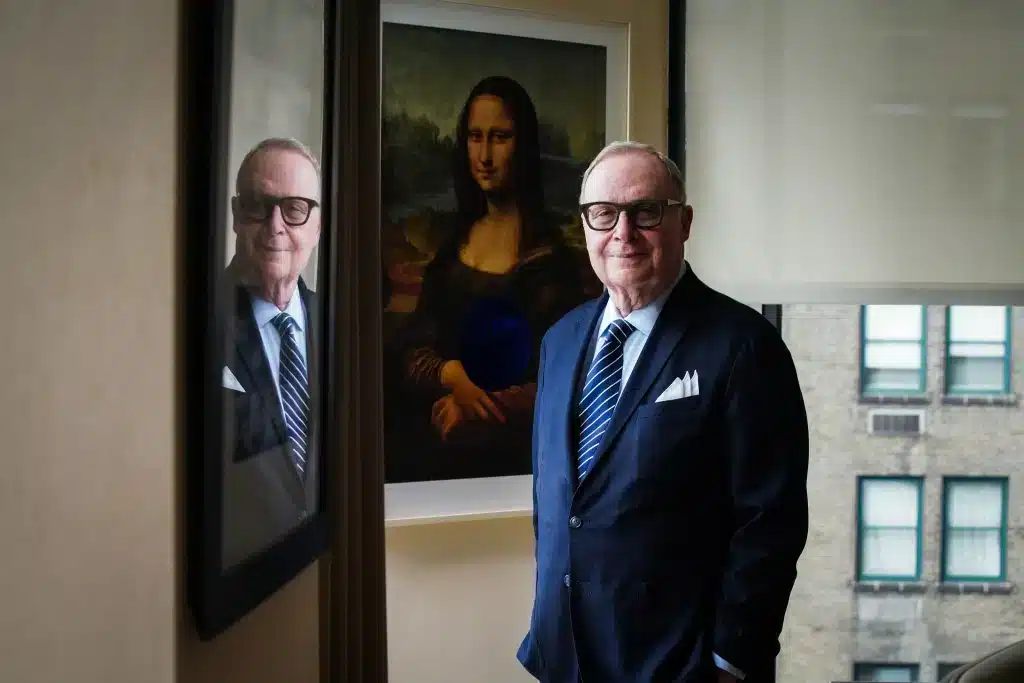


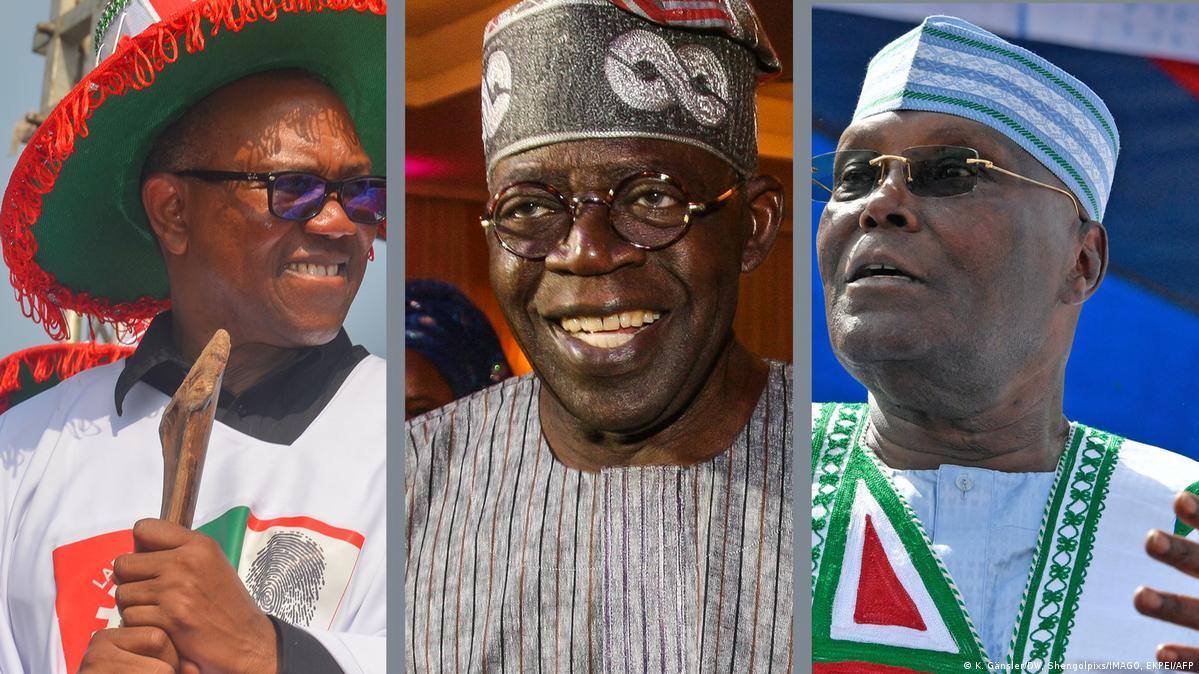
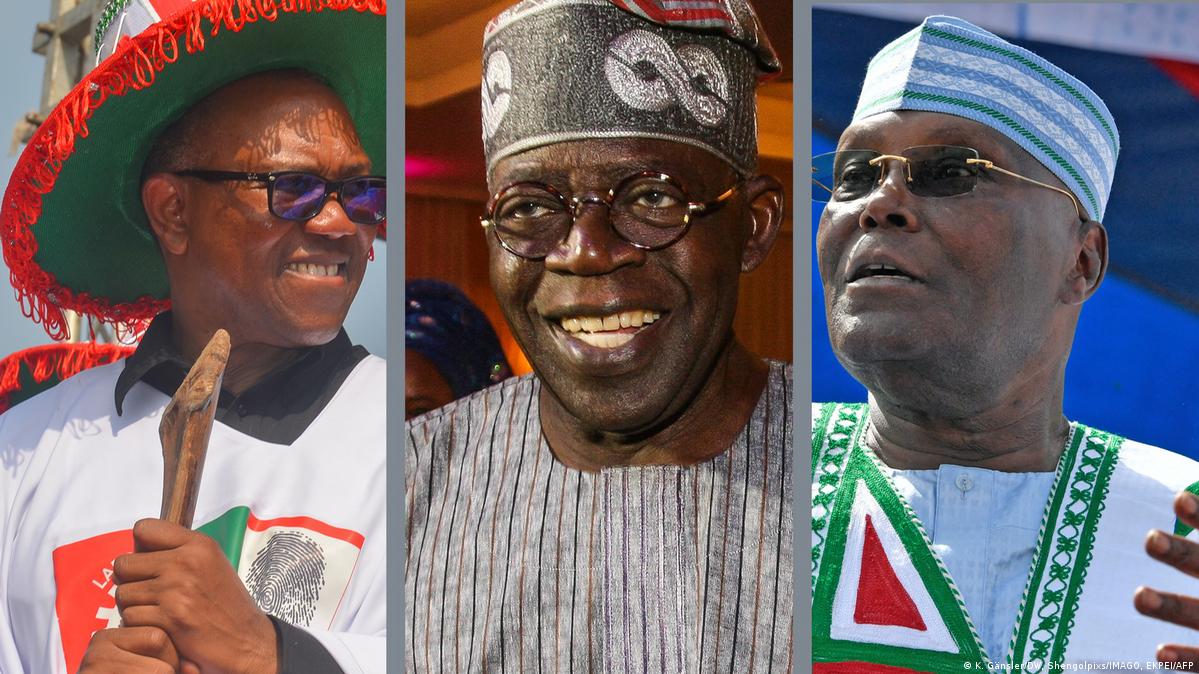
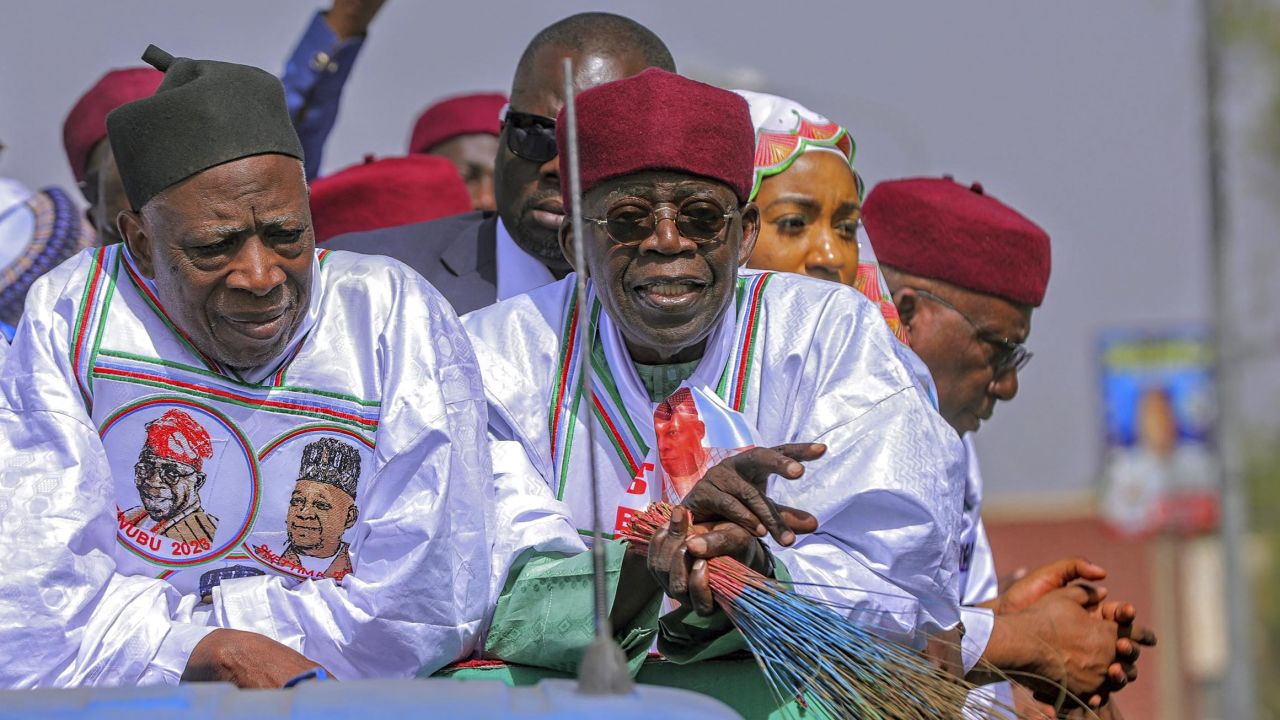
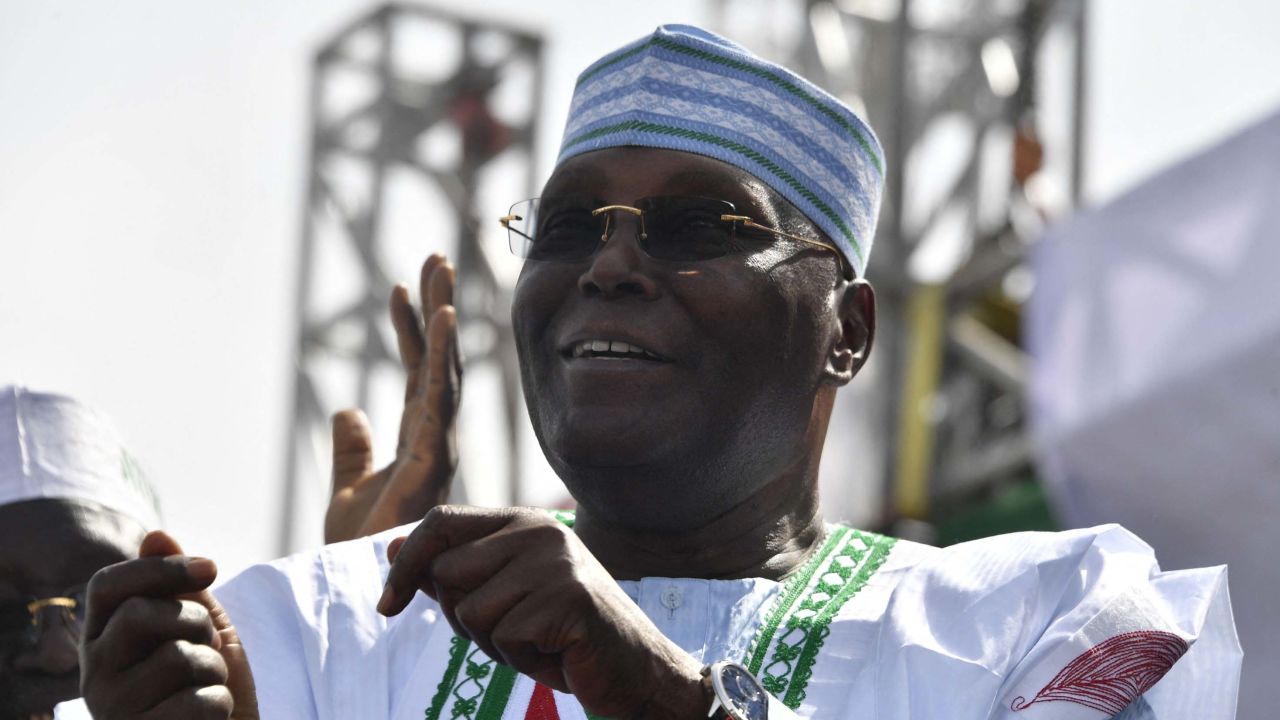




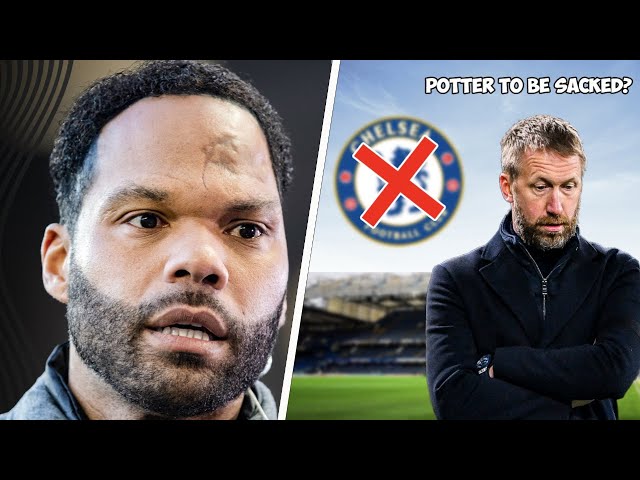
&w=707&quality=100)
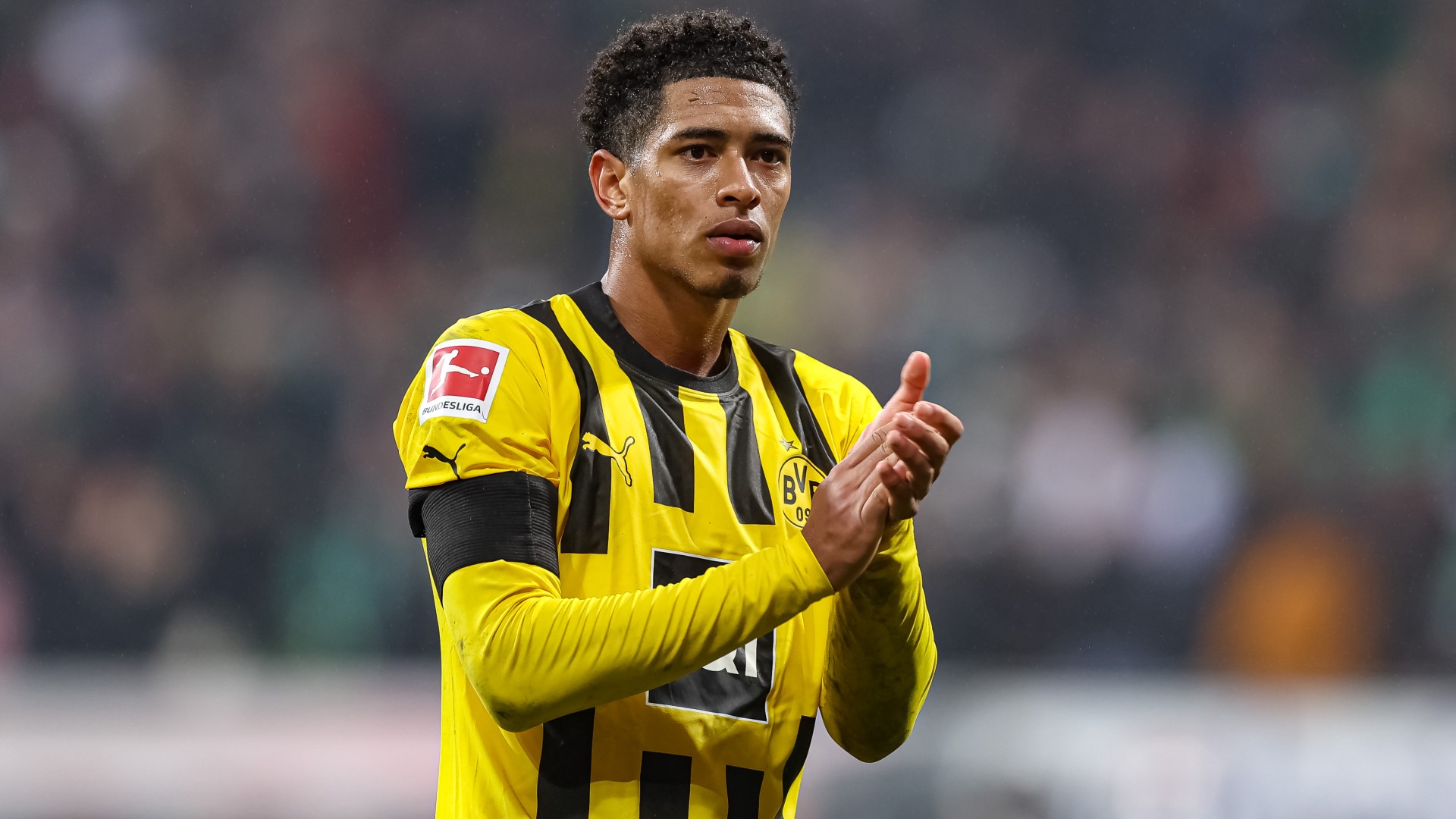&w=707&quality=100)
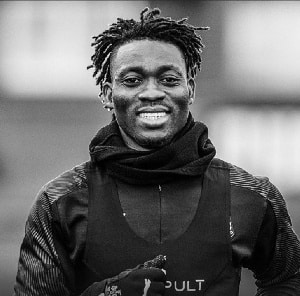

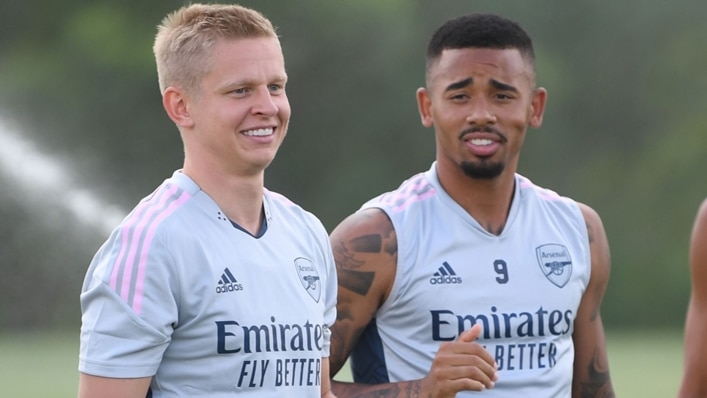

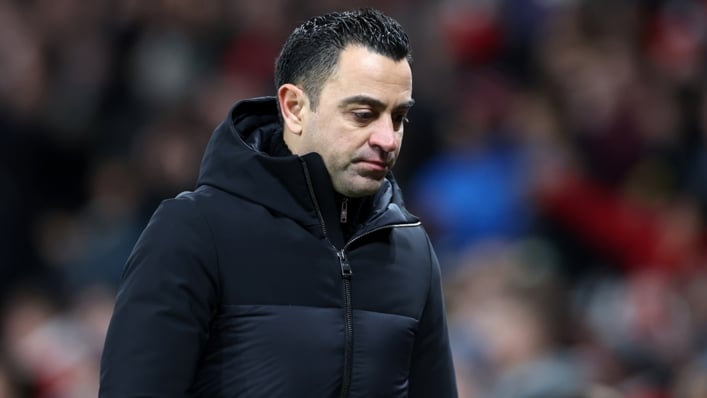
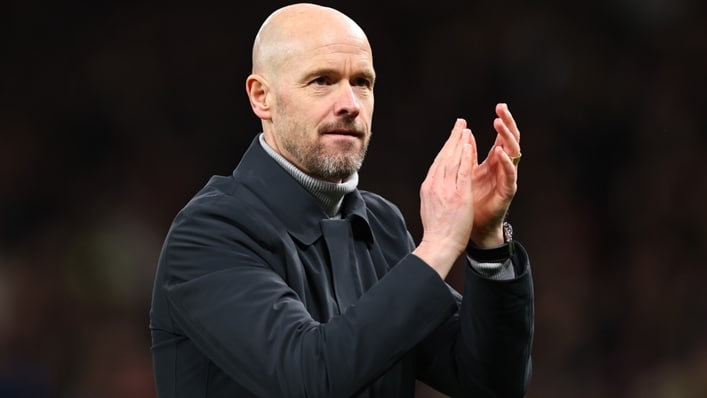
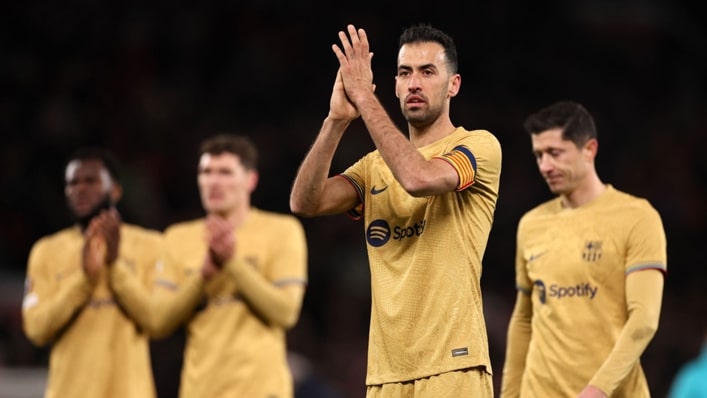


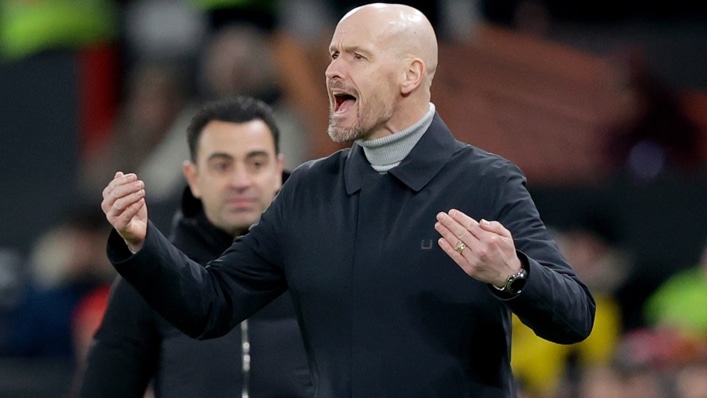
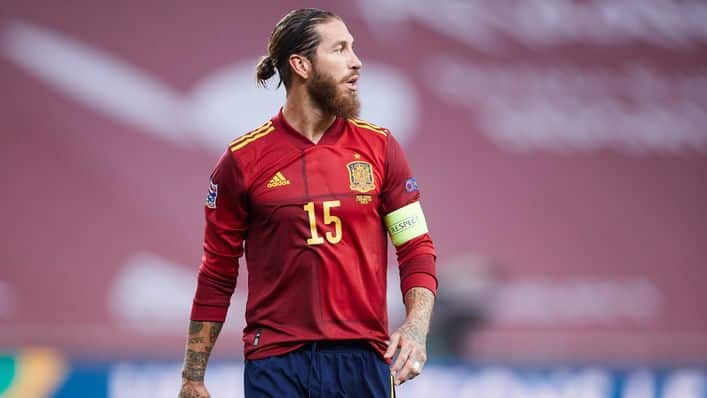
&w=707&quality=100)