Ghanaian social media influencer and musician Hajia4Reall, who was extradited to the United States after her arrest in the UK on November 11, 2022, has recently made a significant court revelation.
During her appearance on June 20, she requested a three-month jail sentence followed by deportation to Ghana.
In a surprising twist, Hajia4Reall identified Loveman Allison as the person who allegedly introduced her to internet fraud.
She testified that she met Loveman Allison in 2015, and through him, she became involved in internet fraud and romance scams.
Hajia4Reall’s lawyer argued that she was unaware of internet fraud until she met Allison.
The two dated from 2015 to 2019, and Loveman Allison is also the father of Hajia4Reall’s child.
As the case progresses, Loveman Allison is expected to appear in court soon to respond to the serious accusations made by Hajia4Reall.
This development adds another layer of complexity to an already high-profile case.
Stay tuned for more updates on this evolving story.
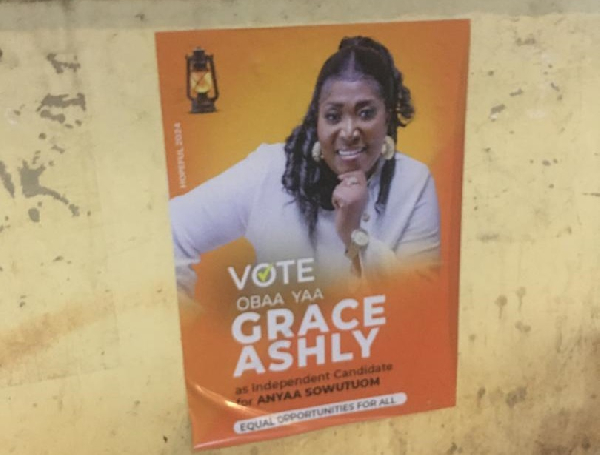
Photos show posters circulating for an independent parliamentary bid by a major figure in the gospel music industry.
Madam Grace Ashly, known for her public support of the governing New Patriotic Party (NPP), is rumored to be seeking to become the lawmaker for the Anyaa-Sowutuom Constituency in the Greater Accra Region.
Bright posters featuring her face have been placed at strategic locations in the constituency, which is currently represented by outgoing NPP MP Dickson Adomako-Kissi.
The posters display her name prominently, along with the tagline “Opportunities for All.” Her emblem, a local lantern, appears in the top left corner of the poster, set against a dominant orange background.
Ashly’s last known political affiliation was with the Movement For Change, led by former NPP minister Alan Kyerematen.
If her candidacy is confirmed, she will join two other showbiz industry figures running for Parliament as independent candidates: Kwame Asare Obeng, also known as A Plus, for the Gomoa East seat in the Central Region, and Kwadwo Nkansah, also known as LilWin, for the Afigya Kwabre South seat in the Ashanti Region.
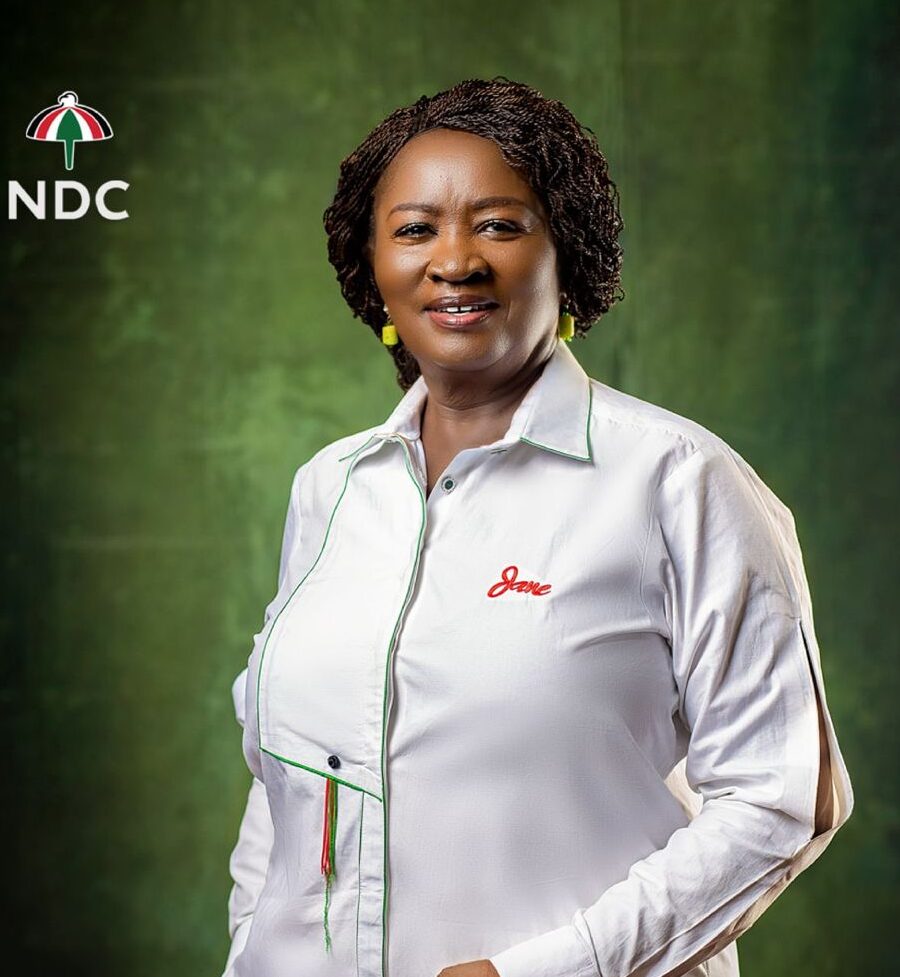
Professor Jane Naana Opoku-Agyemang, the Vice Presidential Candidate of the National Democratic Congress (NDC), has urged female journalists to spotlight women’s issues in the media.
She emphasized that female journalists possess significant power and influence, which can be harnessed to shape policies and champion the rights of women and children, particularly girls.
According to a statement from the Office of the NDC Vice Presidential Candidate, circulated to the Ghana News Agency, Prof. Opoku-Agyemang made these remarks during an interaction with female journalists in Accra.
This meeting is part of the John Mahama 2024 campaign’s engagement with professionals and identifiable groups to understand their concerns and enable the NDC to develop policies to address them.
Speaking to the female journalists, Prof. Opoku-Agyemang recognized the invaluable contributions of women to the economy’s growth and urged journalists to utilize their expertise to empower women.
She emphasized that female journalists should not only portray the stories and perspectives of accomplished women but also highlight the voices of ordinary women, including those of young girls aspiring to achieve their dreams.
Highlighting the diverse nature of women’s issues, Prof. Opoku-Agyemang stressed the importance of sharing stories of women’s potential and possibilities to inspire others.
She said we need to change the under representation of women as well as the lack of opportunities for women; adding that, “if women refuse to take the space or opportunity, women will not go anywhere”.
Chief Executive Officer of the Ghana Tourism Authority, Akwasi Agyeman, has praised the Second Lady of Ghana, Samira Bawumia, for her influential fashion sense, which he says is driving growth in the fashion industry.
He noted that her stylish outfits have been widely admired, inspiring many Ghanaians.
Agyeman believes her style has become a benchmark for many Ghanaians, with designers receiving numerous requests to replicate her outfits.
Speaking at the launch of the West Africa Music and Arts Festival, he remarked, “We were at a recent program where some designers presented a citation to the Second Lady.
They mentioned that people are now patronizing them because they want to wear what the Second Lady wears. They request exact replicas of her outfits.”
He commended the Second Lady’s fashion sense, describing it as laudable and a significant contributor to the growth of Ghana’s fashion industry.
MusicThe West Africa Music and Arts Festival, currently underway, aims to celebrate West African music, arts, and culture. The event features performances by renowned artists, panel discussions, workshops, and art installations.
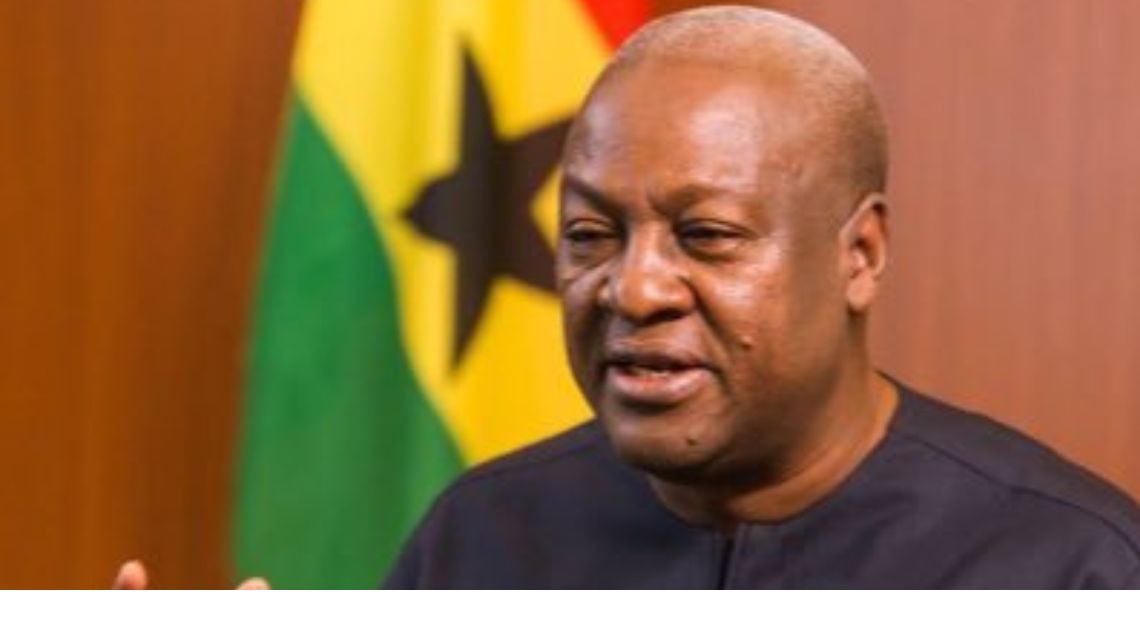
Former President John Dramani Mahama has hinted that the National Democratic Congress (NDC) aims to allocate $3 billion towards generating more digital jobs for the youth through its One Million Coders Programme.
“The One Million Coders Programme will be aimed at creating additional digital jobs for our youth and we intend to spend $3 billion investments in Information and Communication Technology (ICT),” he told audience at a public lecture at the Christian Service University in Kumasi.
Addressing as the Guest Speaker at the lecture hosted by the Christian Service University as a part of its 50th anniversary celebrations, the Former President emphasized that Ghana would witness the establishment of sound and prudent economic management, grounded in extensive governance and economic reforms, under the new leadership of the NDC.
He emphasized that his primary focus would be on stabilizing the economy, halting the depreciation of the cedi, and restoring its value against other currencies.
“Our economic policy would be geared towards sustainable growth with an equitable distribution of the proceeds of growth amongst our citizens,” the Former President assured.
He further indicated that, “The basic structure of our economy reliant on raw material export with little or no value addition is no longer tenable.”
He expressed that substantial growth and wealth generation would remain unattainable, leading to the government’s failure to cater to the needs of the populace if the current situation persisted.
Mr. Mahama stated that the upcoming NDC administration would endeavor to revive the nation’s traditional export sectors to their former prominence. Additionally, providing incentives to cocoa farmers to boost exports and revitalizing the sector to capitalize on enhanced world market prices would be a key focus for the NDC.
“We will also increase production in our oil and gas sector.
The last eight years have been wasted without one single oil well brought on stream,” he bemoaned.
He noted that the oil and gas industry was undergoing a transitional phase as the world moved towards green energy. Consequently, countries with oil resources were rushing to extract them. However, Ghana had squandered eight years without expanding its oil wells.
“If we don’t bring these producers back on stream and take advantage of our oil and gas sector, the world would make the transition, and our gas and oil will become stranded assets,” he cautioned.
He assured that his administration would strive to enhance Ghana’s sovereignty over its natural resources and shift towards processing them locally. Simultaneously, efforts would be made to attract investments in sectors like agriculture, industry, and agribusiness.
“This will increase our export potentials and bring in foreign exchange so that it can lead to a stable currency,” he opined.
Approximately 10% of Ghanaians experience common mental health conditions, while severe mental health conditions like schizophrenia affect only 1–3% of the population.
Yet, merely 2% of individuals with such conditions will access treatment.
As Ghana contends with the alarming rate of road accidents, one glaring reality emerges: the emphasis placed by the Driver and Vehicle Licensing Authority (DVLA) on eye tests poses a significant risk. It’s imperative to prioritize brain assessments to ensure road safety for all.
While eyes may reveal the soul, it’s the brain that dictates road safety. The DVLA must acknowledge this fact and prioritize comprehensive brain evaluations to prevent accidents and preserve lives.
Traditionally, the Ghanaian Driver and Vehicle Licensing Authority (DVLA) has prioritized eye tests for driver’s licenses. However, mounting evidence suggests that mental capabilities significantly impact driving competence and accident rates in Ghana.
This discrepancy raises serious concerns about the DVLA’s approach to road safety. In this analysis, I will delve into relevant data, explore the primary causes of road accidents, and advocate for a shift from eye tests to comprehensive brain assessments.
According to the National Road Safety Authority, the leading causes of road accidents in Ghana include speeding, reckless driving, driver error, fatigue, and vehicle defects.
These findings underscore the pivotal role of mental faculties in driving safety, challenging the DVLA’s focus on eye tests alone. It’s perplexing that the DVLA persists with eye tests despite overwhelming evidence pointing to the primacy of brain function in ensuring road safety.
1. Speeding and reckless driving require a lapse in judgment and decision-making, which are cognitive processes.
2. Driver error often results from a lack of attention, poor judgment, or inadequate knowledge, all of which are brain-related functions.
3. Fatigue impairs cognitive abilities, leading to decreased reaction time and poor decision-making.
4. Vehicle defects, while a physical issue, can often be traced back to cognitive lapses, such as neglect or a lack of maintenance.
Given the evidence, it is crucial for the DVLA to redirect its attention from eye tests to comprehensive brain assessments. Brain evaluations can assess a driver’s cognitive capabilities, knowledge, and expertise, offering a more thorough assessment of their suitability to drive.
This strategy would aid in identifying potential risks and dangers on the roads, ultimately lowering accident rates and fostering safer driving habits in Ghana.
The DVLA’s disproportionate focus on eye tests rather than brain assessments is a misguided priority that overlooks the underlying causes of road accidents in Ghana.
By pivoting towards brain-based evaluations, the DVLA can more effectively gauge drivers’ cognitive capacities, decision-making abilities, and overall driving proficiency, leading to a notable decrease in road collisions and a culture of safer driving in Ghana.
It is high time for the DVLA to reevaluate its priorities and embrace a more inclusive approach to driver licensing, one that prioritizes brain functionality over eye health. Only then can we ensure the safety of all road users.
Quick Credit, after 15 years of providing loan facilities to Ghanaians, will now officially operate under the name Bills Micro-Credit Limited.
On Thursday, May 20, at the Kempinski Gold Coast Hotel, all rebranding processes were completed, and the new name was formally unveiled.
The prestigious event was graced by esteemed dignitaries, including Special Guest of Honour HRM King Tackie Teiko Tsuru ll, National Chief Imam Sheikh Osman Nuhu Sharubutu, along with board members, management staff, and clients of Bills.
Also in attendance at the dinner were Fidelity Bank MD Julian Opuni, Businessman Prince Kofi Amoabeng, Special Advisor to President of Rwanda Andrew Mwenda, Minister of State from Liberia Hon. Reginald Nagbe, Vice Chancellor of UPSA Prof. Kwaku Mensah Mawutor, GBC Director-General Professor Amin Alhassan, and many other distinguished guests.
The event commenced with an opening prayer and was followed by speeches from Bills CEO Romeo Richlove Kwaku Seshie, Board Director Kobby Awuah, Founder & Board Chairman Richard Nii-Armah Quaye, and the Special Guest of Honour.
The evening was further enriched with performances by Amakye Dede, KiDi, Joyce Blessing, Nana Asaase, Bernard The Magician, and Bethel Revival Choir, accompanied by inspirational words from Dr. Lawrence Tetteh.
The excitement reached its peak at the well-organized dinner when loyal customers and long-serving staff were rewarded with brand new cars, cash prizes, and TV sets.
The overall best staff, Charles Sampson, was presented with a brand new Hyundai Tucson vehicle and a cash prize of GH¢200,000 by Bills Board Chairman Richard Nii-Armah Quaye for his outstanding service and dedication.
Fourteen other employees of Bills Micro-Credit, formerly Quick Credit, each received a brand new Toyota Vitz vehicle, while 5 selected staff members were specially rewarded with GH¢200,000 cash prize each.
Fifteen devoted customers of Bills were awarded 55-inch TV sets each along with interest-free loans of up to GH¢100,000 for every customer.
Leading member of the Movement for Change Party, Hopeson Adorye has expressed regret over supporting the NPP’s decision to block Ibrahim Mahama from mining bauxite in Atiwa, Eastern Region, years ago.
He revealed that the NPP’s opposition at the time was primarily driven by their political stance and dissatisfaction with an opponent’s close relative managing such a significant project.
As a result, a foreign entity was allowed to mine the bauxite instead, which has ultimately impacted the economy negatively by depreciating the cedi.
“I won’t exempt myself. I was involved. We criticized the initiative and refused to let him secure the contract. We questioned why it should be the president’s son. And now, look where it has brought us. Today, this is partly why our cedi has depreciated,” Hopeson Adorye revealed.
Watch video below:
Hmm 🤔 Hopeson ADORYE on how NPP stopped Ibrahim Mahama from mining Bauxite in Atiwa because of political expediency. pic.twitter.com/M5usZ54A6q
Speculation regarding internal unrest within Burkina Faso’s security forces has intensified following an attack on an army base, allegedly resulting in the deaths of over 100 soldiers.
This comes as the country remains under military rule since 2022. The leader of the military junta has made an appearance on state television to dispel these rumors.
Burkina Faso has been grappling with Islamist insurgency for years, with approximately half of the nation beyond government control.
The jihadist group Jamaat Nusrat al-Islam wal-Muslimin (JNIM) has claimed responsibility for the attack in the northern town of Mansila, which occurred last Tuesday.
The day after the assault, there was an explosion near the state television headquarters.
In a groundbreaking decision for gay rights advocates, Namibia has declared laws prohibiting same-sex acts between men unconstitutional.
Convictions for colonial-era offenses such as “sodomy” and “unnatural sexual offenses” were infrequent but contributed to discrimination against gay men, who lived in constant fear of arrest.
Namibia does not have laws explicitly banning sexual activity between women.
Marriage between individuals of the same sex remains illegal in the southern African nation.
However, if a same-sex couple marries abroad and one partner is not a Namibian citizen, their marriage is legally recognized.
Following the announcement of the judgment at a high court in the capital city of Windhoek on Friday, campaigners from the LGBTQ group Equal Namibia shared photos of people embracing in court.
“Welcome to a new Namibia. A born-free Namibia,” the group said on social media.
The term “born-free” gained prominence in neighboring South Africa to depict the inaugural generation of children coming of age in the early days of democracy following the abolition of white-minority rule in 1994
The permit of a French fuel producer to operate at one of the world’s largest uranium mines in Niger has been revoked by the country’s military government, according to the company.
Orano had been granted permission to operate at the Imouraren mine in northern Niger, which holds an estimated 200,000 tonnes of the metal crucial for nuclear energy production.
Due to persistent delays in production, the West African nation had cautioned that Orano’s license would expire unless work resumed at the site.
Around a week before the deadline on June 11th, Orano announced the commencement of work.
However, Orano disclosed on Thursday that its permit had been revoked, amidst growing tensions between France and Niger’s ruling junta.
Since seizing power in last year’s coup, Niger’s military has been scaling back its connections with France while forging closer ties with Russia.
Relations with France reached a low point in December when the junta expelled French troops deployed to combat Islamist militants in the region.
The military government also pledged to reassess foreign mining concessions in the country following its rise to power.
“Orano fears that this decision to withdraw the mining permit for the deposit will have a negative impact on the economic, social and societal development of the region,” the company said in a statement.
It reserved the right to take legal measures against the withdrawal and “remains willing to keep all channels of communication open with the Niger authorities on this subject”, Orano added.
The government of Niger, one of the largest uranium producers globally, has not responded to Orano’s statement.
However, it had previously issued a warning that it would revoke Orano’s license if development work had not commenced at Imouraren by June 19.
Mining operations were scheduled to start there in 2015, but production was suspended following a decline in world uranium prices after the 2011 Japanese nuclear disaster.
The French company has maintained a presence in Niger for over 50 years.
A uranium mine in Akokan has been shut down since 2021, but Orano operates another one in the northern region of Arlit.
The Ghana Revenue Authority (GRA) has authorized Strategic Mobilisation Limited (SML) to resume operations, despite an earlier directive from the president for SML to suspend its activities.
Although the decision for SML to recommence operations has not been publicly announced, two statements from the GRA to the Ministry of Energy and the Ghana Chamber of Bulk Oil Distributors indicate that SML is back in business following an audit report issued by KPMG Ghana.
These statements were shared on X by the Executive Director of the African Centre for Energy Policy (ACEP), Benjamin Boakye.
In the letters, the GRA informed the Ghana Chamber of Bulk Oil Distributors (CBOD) and the Ministry of Energy that SML has been directed to resume its operations.
Parts of the statement from the GRA to the Ghana Chamber of Bulk Oil Distributors read, “We wish to inform you that Strategic Mobilisation Limited (SML) has been directed to resume its monitoring operations of the Downstream Petroleum sector with effect from 14th June 2024 in accordance with the Presidential Directives on the KPMG report.”
The statement added, “SML is expected to ensure that all systems are fully operational and compliant with the relevant standards and regulations to deliver accurate, reliable, and timely monitoring services to support our revenue assurance.”
An investigative report by Fourth Estate recently raised concerns about irregularities in a multi-million dollar contract awarded to Strategic Mobilisation Limited (SML) by the Ghana Revenue Authority (GRA).
Despite these accusations, both entities have adamantly denied any wrongdoing.
In response, SML has filed a defamation suit against Fourth Estate.
Amid the controversy, President Akufo-Addo commissioned KPMG to audit the matter.
After the audit, the president directed the GRA to revise specific sections of its agreement with SML.
In the quest to ceaselessly milk consumers of petroleum products disguised as quality and revenue assurance, a new war front opens. Africa will move quicker to EVs cos of politicians and their “illicit tax” on the pple, not climate. @BBSimons @Manasseh_Azure pic.twitter.com/TQudl1VFEl
Owner of Rock City Hotel, Bryan Acheampong, has strongly denied the allegations made by the NDC Member of Parliament for North Tongu that his renowned luxury hotel is suffering financial losses.
Samuel Okudzeto Ablakwa, the NDC MP for North Tongu, and Sammy Gyamfi, the National Communication Director of the party, suggested that the hotel in Kwahu is not profitable, referencing a document they claim to have obtained.
In response, Mr. Bryan Acheampong, who is also the Minister for Food and Agriculture, told Media General journalist Nana Yaa Brefo that these accusations are false, calling the two politicians ‘liars.’
He also challenged Mr. Ablakwa to publicly share the document that supposedly supports his claims.
“Rock City is not making losses. No one anywhere can say that Rock City is incurring losses. I saw Okudzeto and Sammy Gyamfi in the studio making noise. Okudzeto, wearing a smock, exaggerated that Rock City is making losses and that he has intercepted documents from the GRA.”
“He has not intercepted any documents. Everything he is saying is lies. There is nothing truthful about what Okudzeto said concerning that matter. In the first place, Rock City has informed me, and I have checked with the GRA, that they have not even filed their 2023 taxes yet.
“So, they have not filed yet. Rock City has not even gone to the GRA; they plan to file at the end of the month. So where did he get the document from? What he is saying is fabricated and a lie.
“Rock City has not even filed its 2023 taxes. They are due by the end of June. So where did he get it from? Today, I am daring him,” Mr. Bryan Acheampong said.
He further mentioned that he possesses a property in Trassaco, purchased in 2014, which he doesn’t utilize, along with a hotel situated in his electoral district, the Akosombo Intercontinental Hotel.
He pledged to donate the latter to the NDC Member of Parliament should all the accusations against him be verified.
“He should prove it, and I will gift it to him or any orphanage of his choice,” he dared Okudzeto Ablakwa.
Board Chairman of Bills Micro-credit Limited, Richard Nii-Armah Quaye, has recognized Captain Prince Kofi Amoabeng, the founder of the now-defunct UT Bank.
Mr Quaye stated that Prince Kofi Amoabeng and his UT Financial Services granted him a loan of GH¢7,000 during the early phase of his business.
In his speech at the 15th anniversary celebration of Bills Micro-credit, previously known as Quick Credit, Richard Nii-Armah Quaye expressed his gratitude to Amoabeng for the financial support provided to his company.
“Captain, thank you so much. I want everyone to know that the first loan our company took was GH¢7,000 and it was from UT Financial Services”, he said, attracting applause from the audience.
Bills Micro-credit marked its 15th Anniversary on Thursday, May 20, with an elegant dinner at the Kempinski Gold Coast Hotel in Accra.
Charles Sampson, the overall best staff, was awarded a brand new Hyundai Tucson vehicle and a cash prize of GH¢200,000 by Bills Board Chairman, Richard Nii-Armah Quaye, in recognition of his long service and dedication.
Fourteen other employees of Bills Micro-credit, formerly Quick Credit, each received a brand new Toyota Vitz vehicle, while five selected workers were specially rewarded with a GH¢200,000 cash prize each.
Fifteen loyal customers of Bills were given 55-inch TV sets and interest-free loans of up to GH¢100,000 each.
Ghana is facing a significant financing gap hindering its efforts to meet its nationally determined contributions (NDCs) for combating climate change.
The estimated total cost for Ghana to meet its NDCs between 2020 and 2030, as part of the Paris Agreement, is US$22 billion.
Speaking at the Citizens’ Convention organized by the African Centre for Economic Transformation (ACET) to discuss the Ghana Compact’s themes, Senior Fellow John Asafu-Adjaye highlighted that the country can only raise US$5.5 billion of the total required climate financing for the period.
“This basically means that we are able to meet only 25 percent of climate financing cost from domestic sources, with a deficit of some US$16.6billion. This deficit and financing gap must be met from external sources,” he said.
Meanwhile, stakeholders have blamed the financing gap on poor domestic revenue mobilisation and improper streamlining.
Mr Asafu-Adjaye said in order to help consolidate the social contract on climate change mitigation, farmers must be assisted in adapting to climate smart agriculture – while government and the private sector must accelerate financing as well as developing gender-sensitive climate mitigation measures.
“There is a need to scale up climate smart agriculture practices, accelerate financing through bankable projects and pass the Affirmative Action bill to empower women in agriculture and climate action,” he noted.
The World Bank has estimated that the number of hotter days and nights in Ghana is likely to increase by 18-59 percent by 2050.
These trends, according to climate watchers, imply that the country is expected to be hotter and drier over the long-term if critical steps are not taken to address climate risks.
But Mr Asafu-Adjaye said the situation could be more worrying because Ghana’s agriculture is primarily rain-fed.
“The consequences of these will be a reduction of critical food staples such as plantain, maize, beans and rice which thrive in cool climate,” he indicated.
Given that 52 percent of the population is involved in agriculture, the climate crisis seriously threatens livelihoods as its impacts could affect soil quality and lead to destructive rainfall patterns among others.
Data from ACET have indicated that despite a surge in global cocoa prices since last year, high temperatures and heavy rains caused a significant decline in cocoa production during the 2023 crop season. This affected has the country’s ability to meet its targets.
Indeed, Ghana has been promoting climate smart agriculture for well over a decade; however, experts have agreed that appropriate new technologies need to be identified and scaled up.
There are persistent challenges of farmers facing low or no access to credit, land tenure insecurities, limited access to land and inadequate infrastructure such as irrigation, rural roads and storage facilities.
Some female students of the University of Ghana, Legon have hauled praises on the MP for Ayawaso West, Hon. Lydia Seyram Alhassan, for her presence on campus, supporting students, and socializing with them, compared to her top contender, John Dumelo.
In a video monitored by The Independent Ghana (TIGpost), one of the students indicated that she expected John Dumelo, an alumnus of the university, to make significant impact in their lives but they have no track record of him in that regard.
They said Mr Dumelo always disappoint them when he promises to show up in the school.
For them, Madam Lydia Seyram Alhassan has proven that she is a leader who can take care of the people in her constituency.
Thus, Madam Lydia has won their votes and trust as much as 2024electionsare concerned.
“If you ask most the students, they are all gearing up for Ma Lydia because we are seeing her works. As for John Dumelo he is a full NDC candidate but we are not seeing his show. Ma Lydia has the features of a parliamentarian, such that she is easy to communicate with, she is visible and sociable. But for Dumelo we don’t see what he is doing. I saw Dumelo just once at an Awards Night. Even when he came for Pent Hall we did not feel the vibe. Anytime he promises to be somewhere he does not show up. But for Ma Lydia she is really trying because she does whatever she says she will do,” the three students confidently expressed.
Watch full details below:
Some female students of the University of Ghana, Legon hauled praises on the MP for Ayawaso West, Hon. Lydia Seyram Alhassan, for her presence on campus, supporting students, and socializing with them, compared to her top contender, John Dumelo.
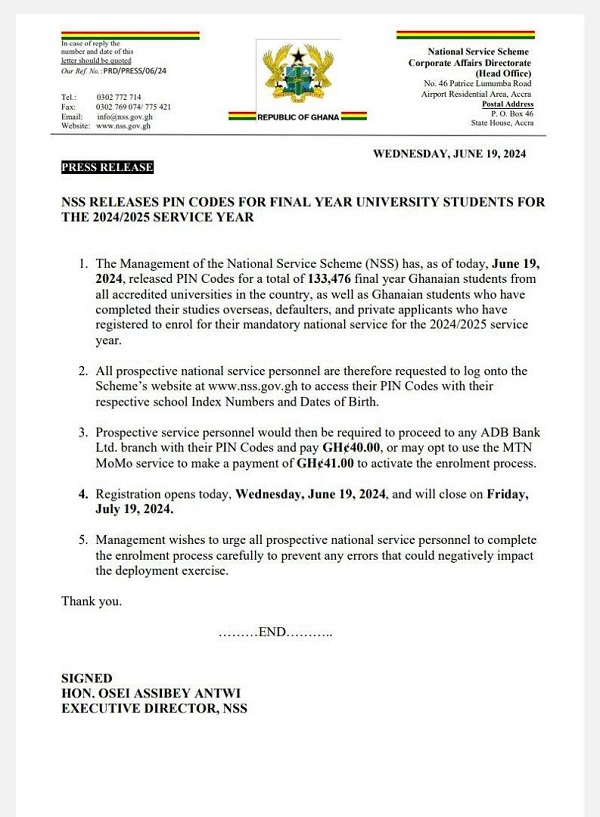
Prospective National Service Personnel for the 2024/2025 service year have been asked to pay GH¢40 in order to start their enrolment processes.
The management of the National Service Scheme (NSS), in a statement announcing the release of registration PIN codes for the incoming personnel, indicated that the payment of GH¢40 is mandatory for the enrolment process to commence.
It directed that after the incoming personnel access their PIN codes on their portals, they should proceed to make the payment of GH¢40 to activate their enrolment.
“The Management of the National Service Scheme (NSS) has, as of today, June 19, 2024, released PIN Codes for a total of 133,476 final year Ghanaian students from all accredited universities in the country, as well as Ghanaian students who have completed their studies overseas, defaulters, and private applicants who have registered to enrol for their mandatory National Service for the 2024/2025 service year.
“All prospective National Service Personnel are therefore requested to log onto the Scheme’s website at www.nss.gov.gh to access their PIN Codes with their respective school Index Numbers and Dates of Birth,” part of the statement reads.
It added, “Prospective service personnel would then be required to proceed to any ADB Bank Ltd. branch with their PIN Codes and pay GH¢40.00, or may opt to use the MTN MoMo service to make a payment of GH¢41.00 to activate the enrolment process.”
The management also mentioned that the incoming personnel must finish their registration by Friday, July 19, 2024.
If all applicants pay the specified fee, the scheme is expected to collect over 5.3 million Ghana cedis. On social media, there’s been mostly negative feedback, with current and former personnel sharing strong opinions about the administrative decision.
Ghana’s rating in the World Bank’s Supreme Audit Institutions Independence (SAIs) Index for 2023 fell to a D (6.5), down from the C (8.0-8.5/10) it achieved in 2021.
This indicates a moderate level of SAI independence, suggesting that while some independence indicators were met, there is still room for improvement.
The SAIs Independence Index, launched by the World Bank in July 2021, assesses the independence of supreme audit institutions worldwide across 10 indicators, including legal, financial, mandate, and coverage aspects.
The assessment is based on international standards and practices, offering recommendations for reforms to enhance Ghana’s SAI independence.
Policy recommendations include reinforcing existing policies, incorporating INTOSAI principles into the legal framework, and establishing clear Standard Operating Procedures (SOPs) for audit recommendation follow-up processes.
Additionally, the government is urged to promote stakeholder dialogues to enhance collaboration between relevant bodies and ensure effective implementation of SOPs.
Furthermore, attention is needed to refocus on various audit types as mandated by Ghanaian laws to uphold probity and accountability in governance.
Despite legal requirements outlined in the PFM Act, 2016 (Act 921), audit recommendations are often not effectively followed up on or tracked.
Spending Officers are advised to conduct root cause analyses of audit issues and communicate them clearly to facilitate resolution of identified infractions and irregularities.
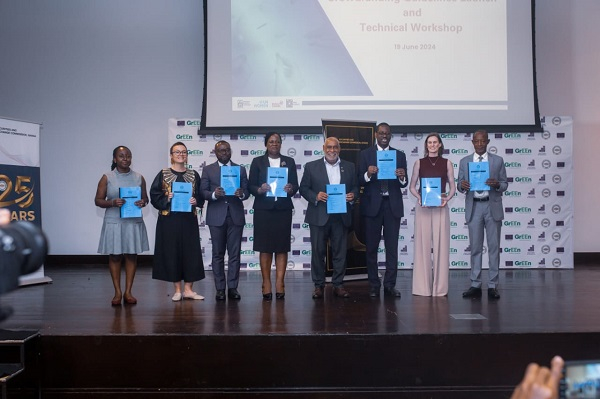
A comprehensive guidelines for equity and investment-based crowdfunding has been introduced in Ghana by the Securities and Exchange Commission of Ghana (SEC) and the United Nations Capital Development Fund (UNCDF).
This initiative aims to enhance the development of small and medium-sized enterprises.
These guidelines were crafted through collaborative efforts with various stakeholders and involved extensive consultations and technical assistance from Lelapa African FinTech Advisory. Feedback from sector participants also contributed to their development.
The main objective of these guidelines is to unleash the potential of crowdfunding as a viable financing option for Micro, Small, and Medium Enterprises (MSMEs) and startups in Ghana.
Additionally, they prioritize investor protection, establish a regulatory framework, and address crucial gaps that have hindered the growth of the entrepreneurial community.
During the launch, Rev. Daniel Ogbamey Tetteh, the Director-General of the SEC, highlighted the significance of these guidelines. He described them as a significant milestone in Ghana’s financial and investment landscapes, particularly within the capital market.
“This marks a significant step towards democratizing finance and empowering our Micro, Small, and Medium Enterprises (MSMEs) and startups. By providing an alternative avenue for capital raising, we are not only fostering innovation and entrepreneurship but also injecting vitality into the real sector of our economy,” he said.
“This initiative has the potential to stimulate job creation, enhance productivity, and ultimately contribute to our GDP growth,” he added.
“As we unveil these Guidelines, we are not only addressing the financing gap faced by MSMEs and startups but also ushering in a new era of financial inclusion and investment opportunities. By integrating crowdfunding into our financial ecosystem, we are aligning with the National Financial Inclusion and Development Strategy, making capital markets more accessible to all Ghanaians,” Mr Tetteh said
He emphasized that the initiative formed a vital aspect of the Capital Market Master Plan (CMMP), designed to establish a stronger and more inclusive capital market.
“Slowly but surely, we are making progress to implement the sixty-three initiatives under the four pillars in our CMMP and I am thrilled about the fact that we are very well on our way to achieve the vision of the CMMP which is to achieve a deep, efficient, diversified and well-regulated capital market with a full range of products attractive to both domestic and international investors,” he said.
Crowdfunding acts as a link, bringing together individual investors and the tangible economy, pooling local resources for economic advancement. It additionally offers a space for financial technology innovation, harnessing technology to simplify investment procedures and broaden outreach.
The lack of a defined regulatory structure has hindered the complete realization of this innovative funding approach thus far. Yet, with the introduction of these Guidelines, we are creating a safe and transparent atmosphere for crowdfunding to thrive, guaranteeing investor security while fostering financial inclusivity and economic progress.
“We expect the launch these Guidelines to provide incentive to MSMEs and startups by facilitating access to much needed capital and paving e the way for a new era of investment opportunities. Crowdfunding, as a concept, has the power to democratize finance, allowing individuals and businesses to connect directly, bypassing traditional barriers.”
He expressed that these Guidelines were crafted to offer a transparent pathway for businesses to secure funding, for investors to engage in potential ventures, and for our economy to prosper.
“With our eye on the future, we envision Ghana emerging as a hub for crowdfunding in Africa and we see a vibrant ecosystem where entrepreneurs can easily access the capital they need to grow, where investors can confidently support innovative projects, and where our economy can benefit from the collective wisdom and resources of the crowd.”
The guidelines cover various entities, including crowdfunding intermediaries, companies seeking funding, and foreign entities looking to operate crowdfunding platforms in Ghana.
“However, the absence of a clear regulatory framework has limited the full potential of this innovative financing model. The guidelines we launched today are designed to change that. They provide a robust framework that protects investors, ensures transparency, and fosters trust in the crowdfunding ecosystem. By establishing clear rules and standards, we are creating an environment where both investors and fundraisers can thrive.”
Charles Abani, the UN Resident Coordinator in Ghana, highlighted Ghana’s pioneering role in financial innovation within the region and continent.
He emphasized that the launch of crowdfunding guidelines reflects Ghana’s vision and ambitions in this regard. Abani noted that crowdfunding has been instrumental in other countries by facilitating connections between individuals seeking investment opportunities and those requiring financing to grow their businesses.
“Ghana’s estimated finance gap is 43 billion a year between now and 2030. We must explore this innovative mechanism that mobilises resources from a broader base crowdfunding with its ability to democratise finance and empower individuals to contribute to courses they believe in. Crowdfunding is one such mechanism as it can help finance projects that drive economic growth, social inclusion and environmental sustainability,” he said.
Technical Lead, UNCDF, Arianna Gasparri, remarked, “On behalf of UNCDF, we are very happy to have worked with SEC in contributing to the future of investments and innovative channels for supporting MSMEs in Ghana. UNCDF is indeed meant to work with government and government agencies to assist with the favourable conditions to crowd-in private capital.”
Through the GrEEn Project, supported by the European Union Trust Fund for Africa-EUTF, UNCDF has been leading the way in introducing crowdfunding initiatives in Ghana, acknowledging its capacity to facilitate investments for groups traditionally excluded from conventional financial services.
The guidelines cover a broad spectrum of entities, including intermediaries in crowdfunding, businesses seeking funding, and foreign entities keen on establishing crowdfunding platforms in Ghana. These guidelines prioritize safeguarding investors while promoting crowdfunding for projects with social and environmental impacts.
They will stimulate innovation and protect investors by mandating crowdfunding platforms to furnish clear and detailed information on investment risks and potential returns. Additionally, a stringent licensing process will be in place to evaluate crowdfunding platforms based on their business model, governance structure, and financial viability.
These guidelines will encourage partnerships among crowdfunding platforms, banks, microfinance institutions, and investment funds, fostering a seamless financial environment.
The introduction of these guidelines holds the potential to unlock significant growth prospects and empower Ghanaian enterprises by improving access to finance, enhancing financial inclusivity, and promoting sustainable financial practices. It also positions Ghana as a center for innovation and investment in the digital era. UNCDF and SEC will continue their close collaboration to ensure the effective implementation of these guidelines, ensuring tangible benefits for entrepreneurs and investors.
Former President John Mahama has linked the resurgence of unpredictable power supply, known locally as “dumsor,” to the government’s failure to secure fuel for energy generation, citing debts owed to power companies as the root cause.
Recently, GRIDCo and ECG revealed a three-week plan for load management because of maintenance carried out by a Nigerian gas supplier.
Mahama emphasized that the accumulated debt of close to $2 billion owed to energy suppliers has caused a decrease in fuel availability, leading to the current electricity shortages.
He condemned the government’s lack of openness in dealing with the energy sector issues, accusing them of not being transparent with the Ghanaian
“Despite our best efforts to revitalise the energy sector by ramping up our capacity and the setting up of the Energy Sector Levy Act, nearly two billion is still owed to the various energy companies and this has resulted in a return of what is popularly known as ‘dumsor’ and this is due to the government’s inability to buy the needed fuel for electricity generation,” he stated.
Mr. Mahama also expressed sorrow over the worsening power crisis, which is worsening unfavorable business conditions and prompting businesses to contemplate moving out of Ghana.
He stressed that these difficulties are made worse by what he perceives as unnecessary economic measures like high interest rates and taxes, leading Ghanaian businesses into financial hardship.
“Ghanaian businesses are also collapsing as their operations are becoming unsustainable and buffeted by the rapidly depreciating currency, soaring interest rates and tariffs. The millions of educated people is a ticking time bomb,” he added.
Minister for Trade and Industry, Kobina Tahir Hammond, has urged Chinese investors to forge partnerships with Ghana to expand their investment activities across Africa.
He emphasized Ghana’s strategic location as the hub of the African Continental Free Trade Area Secretariat, positioning it as the prime destination for investments and a gateway to accessing markets in Africa, the EU, the US, and beyond.
Hammond advocated for enhanced economic collaboration between Ghana and China to bolster their commercial ties, proposing exploration of new avenues for cooperation.
During an official visit to China, the Minister highlighted Ghana’s cohesive policies aimed at optimizing entrepreneurial opportunities for both local and foreign investors.
He emphasized that “Ghana is driven by a renewed sense of urgency and purpose, and we more prepared than ever to collaborate for mutual prosperity. With the commencement of trading under the African Continental Free Trade Area, Ghana is well-positioned as a gateway to the broader African market.”
The Minister urged Chinese investors to explore Ghana’s dynamic sectors, including manufacturing, textiles, automotive, industrial parks, e-commerce, ICT, mining, energy, agriculture, real estate, road construction, and financial services. He highlighted these sectors as bolstered by an assertive industrialization initiative fostering a business-friendly climate.
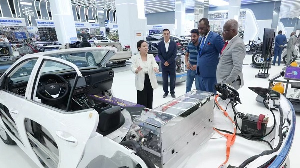
During their stay in Beijing, the Minister and the delegation toured prominent institutions like the Beifang International Teaching Aids R&D Institute, renowned for its extensive national patents and tailored solutions for automobile industry training facilities.
Beifang, boasting 100 branches nationwide and partnerships with major corporations, expressed interest in collaborating with Ghanaian entities to provide technical training for the local automotive sector. Joining the delegation were Minister for Energy, Dr. Matthew Opoku Prempeh, and other Ghanaian dignitaries.
Encouraged by the delegation, Beifang expressed readiness to establish a training center in Ghana, aligning with Technical Universities in the country to establish similar facilities.
Moreover, the delegation visited Zhejiang Free Trade Zone National Lead Import and Export Co. Ltd to explore potential involvement in Ghana’s oil industry.
The company signaled interest in funding the development of an industrial complex in Ghana, potentially attracting Chinese firms as primary tenants. Encouraging feedback was received regarding their engagement in the Greater Kumasi project, prompting further direct discussions.
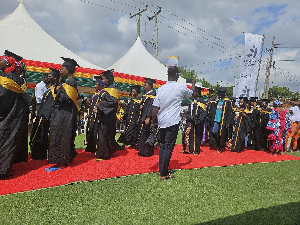
The inaugural graduation ceremony of the Kayayei Empowerment Programme, launched by Vice President Mahamudu Bawumia, saw a vibrant red carpet welcome.
Hosted under the National Entrepreneurship and Innovation Programme (NEIP), the ceremony took place in Accra on June 20, 2024, at one of the program’s premises.
Kofi Ofosu Nkansah, CEO of NEIP, highlighted that beneficiaries received training in various skills, including soap and detergent making, baking, pedicure and manicure, beading, decor, and makeup artistry.
“Beneficiaries were also given Financial Management and Business Development skills. We are giving them starter packs and Micro grants to start their own businesses,” he added.
Each graduate donned full academic regalia, with several receiving accolades for exceptional performance throughout the month-long training program.
Ofosu Nkansah also wrote in a Facebook post about the curriculum being run: The ladies he said were “accommodated for a month (3 weeks for Vocational skills and 1 week for Financial Mgt, BDS and general Life skills)”
“We will train 600 Kayayeis from the two Hostels each month,” he emphasized.
The center was inaugurated by Bawumia in May of this year.
A former presidential spokesperson, Samuel Koku Anyidoho, has urged President Nana Addo Dankwa Akufo-Addo to decline a statutory office and residence once his term ends in January 2025.
Anyidoho described the practice of providing retired presidents with such facilities as a “despicable culture” that must be discontinued.
On June 20, 2024, he announced on X that he would contemplate organizing a protest to reinforce the demand that retired presidents should not receive state property or be supported by the state in their retirement.
“This despicable culture must stop. I will also organize a demonstration to stop all Presidents from acquiring state property after they enjoy all the largesse of state while in office. It is extremely disgraceful. Prez Akufo-Addo must ask for nothing to set a precedent,” he captioned his post.
Accompanying the post was a letter dated 2016 from the outgoing President at the time, John Dramani Mahama, wherein he requested specific buildings designated as his office and residence, as provided for by law for former presidents.
Read post below:
This despicable culture must stop. I will also organize a demonstration to stop all Presidents from acquiring state property after they enjoy all the largesse of state while in office. It is extremely disgraceful. Prez Akufo-Addo must ask for nothing to set a precedent🇬🇭 pic.twitter.com/lvNo0BDio2
— Samuel Koku Anyidoho🇬🇭 (@KokuAnyidoho) June 20, 2024
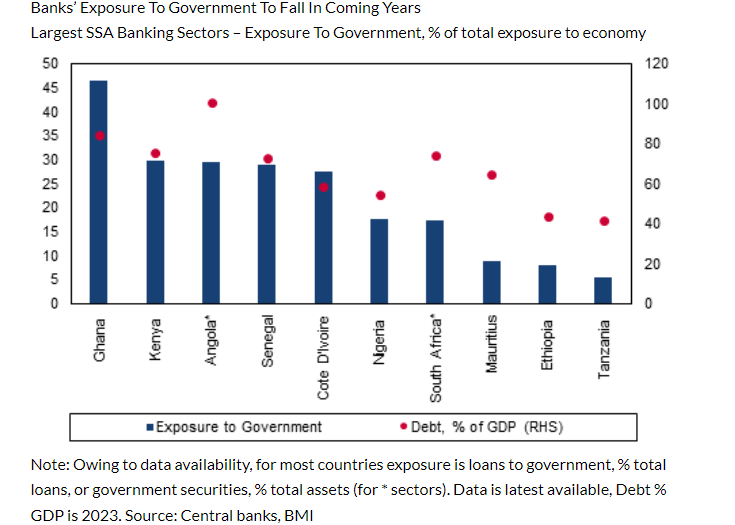
Ghana had the highest banks’ holdings of government debt in Sub-Saharan Africa in 2023, according to Fitch Solutions.
Regarding government debt to Gross Domestic Product (GDP), Ghana ranked second, just behind Angola.
Kenya, South Africa, and Senegal followed in third, fourth, and fifth places respectively.
The report highlighted that banks in Sub-Saharan Africa, including Ghana, will continue to face risks related to sovereign exposure throughout the forecast period. However, these risks are anticipated to decrease over time.
During the Covid-19 pandemic, banks’ holdings of government debt and claims on the public sector surged as governments increased borrowing to cover additional expenditures.
With limited access to international markets due to high costs, domestic banks became the primary financiers. This reliance poses significant risks to banks, particularly when government finances are under strain.
“This dependence poses significant risks to banks, particularly when government finances are strained. For instance, Ghana’s default on its domestic and external debt in December 2022 led to considerable losses for banks participating in its domestic debt exchange programme”.
“As can be seen in the chart below, banking sectors in markets with elevated levels of government debt typically have the highest exposure to the government through loans or government securities holdings. We expect that the average debt-to-GDP ratio for the region will fall in the coming years, after peaking in 2023, boding well for our view that banks will reduce exposure to the sovereign”, it stressed.
Reopening of Africa’s Eurobond market in 2024 marks positive shift
The report noted that the reopening of Africa’s Eurobond market in 2024, after more than a year of inactivity, signifies a positive development, with successful and oversubscribed bond issuances from countries like Côte d’Ivoire, Benin, and Kenya.
This revival, it stated, gives governments an alternative financing source beyond banks, allowing banks to reduce their exposure to sovereign debt and potentially free up resources for more lending to the private sector. However, this shift is anticipated to be gradual, given ongoing concerns about loan quality and the higher risk profiles of private sectors compared to sovereigns.
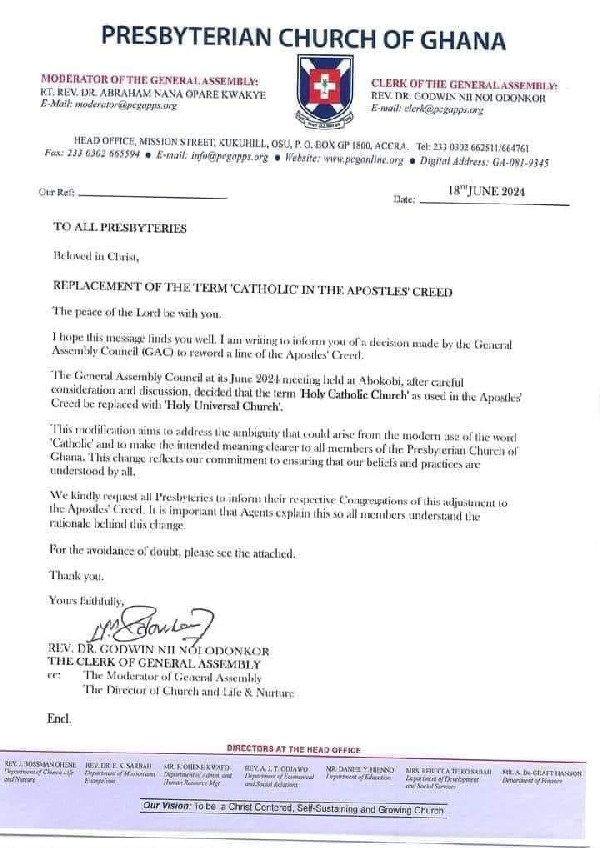
The Presbyterian Church of Ghana has instructed its members to substitute “Holy Catholic Church” in the Apostles’ Creed prayer with “Holy Universal Church.”
In a statement dated June 18, 2024, signed by the Clerk of the General Assembly, Dr. Godwin Nii Noi Odonkor, the church explained that the modification aims to eliminate any potential ambiguity associated with the term “Catholic” in the affirmation of faith prayer.
“The General Assembly Council at its June 2024 meeting held in Abokobi, after careful consideration and discussion, decided that the term ‘Holy Catholic Church’ as used in the Apostles’ Creed be replaced with ‘Holy Universal Church.’
“This modification aims to address the ambiguity that could arise from the modern use of the word ‘Catholic’ and to make the intended meaning clearer to all members of the Presbyterian Church of Ghana. The change reflects our commitment to ensuring that our belief and practices are understood by all,” the statement said.
The statement urged church leaders to communicate the revision to their congregations and provide a clear explanation to help members grasp the reasons for the modification.
Read the full statement below:
GA/SARA
Watch the latest episode of Everyday People on GhanaWeb TV below:
Kwame Blay, son of former National Chairman of the New Patriotic Party (NPP) Freddie Blay, has threatened legal action against Samuel Okudzeto Ablakwa, Member of Parliament for North Tongu, over allegations of unlawful land acquisition made by the MP.
Ablakwa’s allegations pertain to the Blay family’s purported attempt to acquire prime land from the state-owned Labadi Beach Hotel in Accra.
This has ignited a heated dispute, with Freddie Blay demanding an apology from Ablakwa, journalist Johnnie Hughes, and Media General’s management, while also hinting at potential legal recourse.
In an interview with Umaru Sanda Amadu on Eyewitness News on Citi FM, Kwame Blay expressed astonishment at Ablakwa’s claims and underscored their damaging impact on his family’s reputation.
“…It is so preposterous as a learned gentleman like Ablakwa himself will come and spew such utter rubbish. It is unfair that you drag our good name.,” he remarked.
“By the middle of next week, he will hear from our lawyers very strongly and in different [batches]. Mind you sir he has mentioned three individuals so he should be very careful,” Kwame Blay warned.
In the midst of the controversy, Ablakwa has stood firm, encouraging Freddie Blay to pursue legal action and hinting that he might disclose further details regarding the purported state capture.
The National Democratic Congress’s 2024 Flagbearer, John Dramani Mahama, has strongly emphasized the gravity of the presidential role, insisting it should only be entrusted to capable leaders.
He pointed out the urgent challenges facing Ghana and emphasized that the upcoming election should not be trivialized with jokes or comedy.
Mahama criticized the use of trivial gestures, such as the symbolic handover of a mythical steer, in political campaigns. He argued that the presidency demands serious attention, especially given the current issues in Ghana.
Additionally, Mahama questioned Vice President Dr. Bawumia’s habit of taking credit for positive outcomes while shirking responsibility for governance failures.
He stressed that outdated slogans and deceptive practices have no place in Ghana’s current political environment, and such behavior will not be accepted by Ghanaian voters.
“Ghanaians are in dire straits and this is not the time for comedy. This is not for a concert party about passing the mythical steer to somebody. There is no space for stale falsehoods and gas lighting. It is unimaginable the narrative by some people that they have championed everything under this government, and at the same time are not responsible for anything under the same government because they were a self-styled driver’s mate.”
“It is simply not tenable and an insult to the intelligence of the electorates and the presidency cannot be presented to those who present themselves as the future when they have been at the epicentre of our disastrous present,”he stated.
Despite a directive from the National Labour Commission (NLC) to return to the negotiation table, the Colleges of Education Teachers Association of Ghana (CETAG) persists with its strike action.
The Commission issued this directive during a hearing on Thursday, announcing its intent to take legal action against the government to enforce the arbitral award orders in favour of CETAG.
Since Friday, June 14, 2024, CETAG members have been on strike due to the government’s delay in implementing the agreed arbitral award and negotiated service conditions, including the payment of an additional month’s salary for duties performed in 2022.
During the hearing, the NLC stressed the urgency of resolving the matter and informed CETAG of its plan to take the government to court on June 26 to ensure compliance with the arbitral award.
The objective of this legal action is to enforce the Commission’s previous ruling and address the grievances of CETAG members.
Labour Consultant Austin Garmey, speaking to the media after the NLC’s directive, acknowledged that CETAG’s concerns had been heard and urged them to consult with their advisors and make a decision in light of the NLC’s directive to call off the strike.
“We cannot deny the fact that the Commission listened to the issues we raised, and we can say that they have directed the employer to go and fully implement this particular directive.”
“Therefore, CETAG would have to go and meet with their constituents between today and tomorrow and finalise the decision to return to work. That is the way to go because we will be back to the Commission on the 27th.”
“Because the employer is expected to begin fully implementing the award on or before the 26th of this month, and more so when they are in court as well. So, we strongly believe that we must see them respecting the orders as well, and we will go and meet our constituents and talk to them, and then we will put this matter behind us,” he said.
Later in an interview with Joy News, CETGA President, Prince Obeng Himang, said, “To be very fair to the NLC’s comment, they said that it was a piece of advice and that we should take steps to call off the action because of the actions they have taken. And we are saying that this is not the first time we have heard that from the Commission. So, merely saying they have taken ABC and D actions, so we should call off the action we are unable to do that. We are going to meet our council so that we look at the advice, look at our interests and then we can make a determination from there. So, not until then, the strike is still in force.”
He maintained that meeting their demands was the only thing that would compel them to call off the strike.
“We are simply asking the Employer to fully implement the arbitral orders given by the NLC which the Commission even now sees that the employer has not been forthcoming and that they are even going to court to seek an injunction to compel the employer to comply with.”
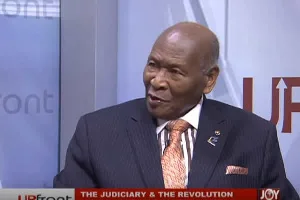
Council of State member, Sam Okudzeto, has stated that Article 78 (1) of the 1992 Constitution is the ultimate cause of problems in Ghana.
This article mandates the appointment of Members of Parliament (MPs) as ministers of state.
He contends that this practice impedes the ability of the legislative branch to effectively check the executive branch, as mandated by the Constitution.
According to him, serving as both an MP and a minister of state undermines the necessary separation of powers between the legislative and executive arms of government.
The media reports that he emphasized that parliamentary duties demand full-time commitment and should not be combined with any other role.
“How do you check something when you have one foot here and another foot there; which one is checking which? This is the problem that we have as a country,” he stated.
“Being an MP in my time from 1969 was a part-time job, but now Parliament is a full-time job, and that is all the more reason why they even say that if you are a lawyer and an MP and want to go to court, you must seek permission from the Speaker because you are supposed to represent the people and be present in the House,” he is quoted as saying.
He added, “You are supposed to make contributions to debates and vote on every issue that comes before the House. So, I think we are getting ourselves a little confused on every issue.”
He emphasized that without amending Article 78 (1) of the 1992 Constitution, Ghana will struggle to make progress in its development journey.
The legal expert also highlighted that due to the fundamental flaws in the constitution, Ghana, once seen as a leader on the African continent, is now lagging behind many countries.
“We can talk and talk, and we will not get anywhere. So, let us understand the fundamental principles since we want a constitution to govern the country. We are supposed to have set the standard for the rest of the continent.
“But I am afraid much of the continent is way ahead of us, and it is time for us to now sit down and evaluate the situation and do something which is reasonable; otherwise, I am afraid, we will be wasting our time,” he said.
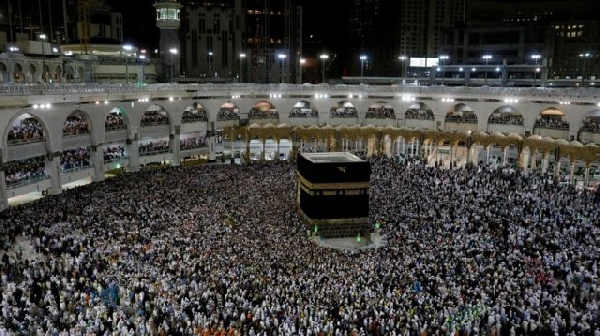
Six additional Ghanaian pilgrims have died due to the severe heat wave in Mecca, raising the total number of Ghanaian fatalities during this year’s Hajj to eight.
The Hajj Board’s spokesperson, Abdul Rahman Alhassan Gomda, confirmed this news during an interview with Umaru Sanda on Eyewitness News.
He explained that the pilgrims, who were in Madina, were exposed to extreme heat with temperatures exceeding 41 degrees Celsius.
To safeguard the pilgrims from the intense heat, Saudi authorities mandated that all pilgrims remain in their tents during the peak heat hours from noon to 4 p.m. local time.
Initially, deaths were reported among Georgian nationals, but it soon became evident that Ghanaian pilgrims were also affected by the extreme heat.
According to Sky News, the overall death toll for this year’s Hajj pilgrimage has surpassed 1,000.
“The heat was unbearable, reaching temperatures higher than 41 degrees Celsius,” stated A.R Gomda.
“We were confined to our camps during the critical hours. Unfortunately, we later learned that not only Georgians but also Ghanaians had lost their lives due to the heat wave.”
Gomda revealed that there was a rumor of 13 Ghanaian deaths within their camp. However, these individuals were not registered with the Hajj Board and were suspected of travelling on non-Hajj visas.
“The forensic team at the morgue has been working tirelessly, using fingerprints to identify the deceased,” Gomda explained.
“So far, they have confirmed six Ghanaians among the casualties. It will take some time to determine the full extent of the losses suffered by our community.”
Chairman of the Hajj Board, Ben Abdallah Banda, verified the deaths of two Ghanaian pilgrims last week.
The pilgrims, originating from Damongo in the Savannah region, died on different dates, with one passing away on Sunday, June 9, and the other on Wednesday, June 12.
Mr. Banda also acknowledged the birth of a boy by a Ghanaian pilgrim.
With this update, the total number of Ghanaian deaths has risen to 8.
Sales of SNIIT hotels: Cease targeting Bryan Acheampong the business man and direct your criticism towards SNIIT instead – Hon David T D Vondee#EKOSIISEN
Former Central Regional Chairman of the National Democratic Congress (NDC), Bernard Allotey Jacobs, has declared his intention to retire from active politics after the 2024 general elections.
He stated that he is awaiting the opportunity to vote for the ruling New Patriotic Party’s (NPP) presidential candidate, Vice President Dr. Mahamudu Bawumia, on December 7 before stepping away from active political involvement.
“For me, I am going on retirement. Getting to the elections I will go on retirement; I will no longer engage in politics,” he disclosed during the Thursday, June 20, 2024, edition of Peace FM’s Kokrokoo morning show.
“Before the elections; after voting I have retired. Once I give this my thumb to Dr Bawumia, I am done. I am going home on retirement be it speaking on radio or whatever,” he added.
While stepping back from politics, Allotey Jacobs plans to dedicate his time to raising chickens and pigs.
Allotey Jacobs has frequently expressed his support for Dr. Bawumia as Ghana’s next president.
The 2024 presidential race features Vice President Dr. Bawumia and NDC flagbearer, former President John Dramani Mahama, as the leading candidates.
National Democratic Congress (NDC) Member of Parliament for Twifo Atti Morkwa, David Vondee, has come to the defense of embattled Agriculture Minister Bryan Acheampong.
The minister has faced widespread criticism for the planned acquisition of a major stake in several hotels owned by the state-run pensions organization, SSNIT.
Samuel Okudzeto Ablakwa, NDC MP for North Tongu, has led the charge, accusing Acheampong of a conflict of interest through his Rock City Hotel company, which is seeking to buy the SSNIT shares.
While Ablakwa and the Minority Caucus in parliament are calling for the deal to be canceled, the Twifo Atti Morkwa MP argues that their focus is misplaced. He believes the NDC and other critics should target SSNIT, the entity selling the state asset, and not businessman Bryan Acheampong.
“I am very differing on the Bryan issue. Bryan is my friend so I talk about it differently. If you are selling something and I seek to buy it legally, under normal circumstances, I will buy it.
“So why is SSNIT that is seeking to sell our property being excused? And I don’t know how the NDC will understand me. Why is SSNIT being left off the hook and Bryan is being attacked frontally?
“By all standards, Bryan is a businessman, I am a businessman, if you think you don’t want to sell the hotels, stop the deal. The fact is that it is not good for the young man’s business,” he submitted on Accra-based Asempa FM on June 19.
Sales of SNIIT hotels: Cease targeting Bryan Acheampong the business man and direct your criticism towards SNIIT instead – Hon David T D Vondee#EKOSIISEN
The businessman involved in the trial of the Minority Leader, Richard Jakpa, testified in the Accra High Court that he decided to confront the Attorney-General head-on after the court ruled against his submission of no case.
During cross-examination by the Director of Public Prosecutions (DPP), Jakpa stated that he felt betrayed and angered by the court’s decision to reject his submission and order him to present his defense.
He expressed disappointment, claiming that the Attorney-General had not assured him of this outcome, especially after he had offered to be a prosecution witness for the state and added that after that ruling, I (Jakpa) said, ”There is a war between the two of us whether I am jailed or acquitted because you (A-G) are trying to jail me and take my liberty as an innocent citizen.”
He expressed that the Attorney-General had inflicted significant harm on him by causing him pain, ruining his business, damaging his international business connections, and tarnishing his reputation, undoing all his years of hard work.
Jakpa recounted confronting the Attorney-General at Justice Kulendi’s residence after the court ruling, telling him that he felt unjustly deprived of his freedom by the Attorney-General’s legal maneuvers.
He warned the Attorney-General that he would retaliate using his own methods. Following Jakpa’s testimony, the DPP asked, “So all that you did with recording the A-G and bringing it out in the open was in furtherance of your declaration of war on him?.”
Mr. Jakpa disagreed with the Director of Public Prosecutions (DPP) but noted that if the Attorney-General had remained within the secure premises of Justice Kulendi’s residence, where they usually met, such recordings would not have occurred.
“Because I cannot engage in any recording in my cousins (Justice Kulendi’s house, it will be a mark of disrespect and betrayal of family values,” he said.
Executive Secretary of the Ghana Refugee Board, Tetteh Paddie, reported the successful relocation of more than 100 refugees after the demolition at Buduburam.
The demolition resulted in the destruction of many homes, prompting residents to hastily collect their belongings.
During an interview with Citi News on Thursday, Mr. Paddie elaborated that the relocated individuals have been transferred to different refugee camps throughout the country.
He clarified that the remaining individuals are predominantly former refugees who chose to remain in Ghana and are now recognized as Liberian nationals, no longer under the care of the Ghana Refugee Board.
“Most of the Liberians, a large majority of Liberians who are at Buduburam are not refugees. The few of them who are refugees approached us and they are still under our care. We relocated them to a refugee camp in the Western region, and they numbered about 150 that we relocated to the western region.
“The rest of them are largely former refugees who chose to remain in Ghana, and so they are no longer under, the care of the Ghana refugee board. They’re simply Liberian nationals,” he stated.
Mr Paddie also mentioned ongoing efforts to assist the repatriation of the remaining Liberian refugees to their homeland.
“The first batch of Liberians as we all know, have left. The Liberian governments have indicated that they will come and continue with the repatriation for those who want to return voluntarily. I cannot give you a date, but, we can confirm with the Liberian government when the next movement will be,” he added.
Council of State member, Sam Okudzeto, has stated that Article 78 (1) of the 1992 Constitution is the ultimate cause of problems in Ghana.
This article mandates the appointment of Members of Parliament (MPs) as ministers of state.
He contends that this practice impedes the ability of the legislative branch to effectively check the executive branch, as mandated by the Constitution.
According to him, serving as both an MP and a minister of state undermines the necessary separation of powers between the legislative and executive arms of government.
The media reports that he emphasized that parliamentary duties demand full-time commitment and should not be combined with any other role.
“How do you check something when you have one foot here and another foot there; which one is checking which? This is the problem that we have as a country,” he stated.
“Being an MP in my time from 1969 was a part-time job, but now Parliament is a full-time job, and that is all the more reason why they even say that if you are a lawyer and an MP and want to go to court, you must seek permission from the Speaker because you are supposed to represent the people and be present in the House,” he is quoted as saying.
He added, “You are supposed to make contributions to debates and vote on every issue that comes before the House. So, I think we are getting ourselves a little confused on every issue.”
He emphasized that without amending Article 78 (1) of the 1992 Constitution, Ghana will struggle to make progress in its development journey.
The legal expert also highlighted that due to the fundamental flaws in the constitution, Ghana, once seen as a leader on the African continent, is now lagging behind many countries.
“We can talk and talk, and we will not get anywhere. So, let us understand the fundamental principles since we want a constitution to govern the country. We are supposed to have set the standard for the rest of the continent.
“But I am afraid much of the continent is way ahead of us, and it is time for us to now sit down and evaluate the situation and do something which is reasonable; otherwise, I am afraid, we will be wasting our time,” he said.
An influential figure within the National Democratic Congress (NDC) and a prominent business magnate in the Ashanti Region, Dr. William Atta Owusu, has delivered a letter to the former president and NDC flagbearer, John Dramani Mahama.
Within the letter, the esteemed party member reaffirms his unwavering dedication to the NDC, dispelling recent widespread speculations regarding his purported resignation from the party.
“This afternoon, I submitted an official letter to the incoming President stating that I, Dr. William Atta Owusu, have not resigned from the NDC party. I still remain a staunch member of the party and I promise to do my best to help bring the party to power,” he told this reporter after submitting the letter to the former president at the CSUC in Kumasi on Wednesday.
During the presentation, the radiant smiles captured in a photo unmistakably conveyed the positive reception of the business mogul’s letter.
Dr. William Atta Owusu, exuding happiness over the NDC leader’s acceptance of his letter, expressed his commitment to working tirelessly for the unity and triumph of the NDC in the impending election.
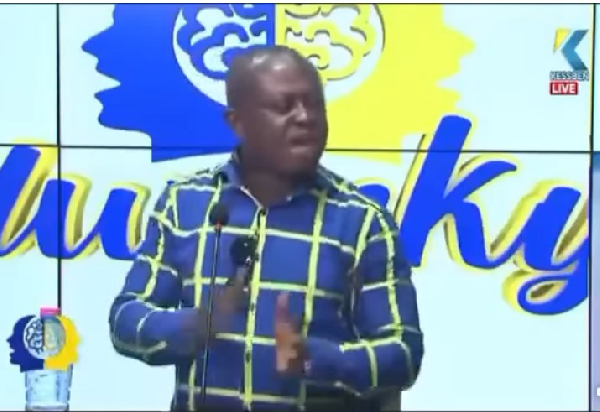
Dr. William Atta Owusu sparked widespread debate across various media platforms following his contentious explanation of the NDC’s 24-Hour Economy policy on Kumasi-based Kessben media.
The situation escalated after the NDC’s regional communications leadership distanced itself from Dr. William Atta Owusu, asserting that he held no position within the communication team or as a Parliamentary Candidate.
Subsequently, widespread media reports speculated about the resignation of the steadfast NDC member, prompted by what was perceived as unfair treatment from the NDC regional communications leadership.
However, he later clarified that he had not resigned, putting an end to the speculation.
His recent letter to the former president reaffirms his steadfast dedication to the party.
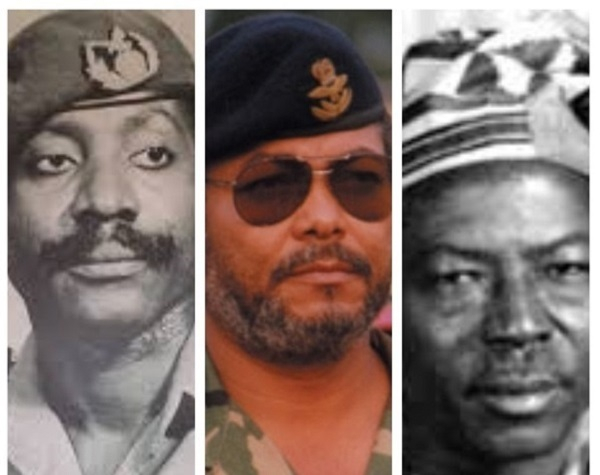
The year 1979 was a landmark period in Ghana’s political history where the country experienced extraordinary political upheavals, characterized by multiple Heads of State, coup attempts, executions of top military leaders, and the eventual transition to civilian rule.
It was also the year that the name Flt. Lt. Jerry John Rawlings – who will go on to give Ghana its current republic; the most stable, become a household name.
Here’s a detailed account of the significant events that unfolded during this tumultuous year:
General Fred Akuffo
At the beginning of 1979, Ghana was under the military rule of General Fred Akuffo, who had come to power in a palace coup in July 1978, ousting General Ignatius Kutu Acheampong.
Akuffo’s regime faced widespread dissatisfaction due to economic decline and corruption.
He was Chief of the Defence Staff of the Ghana Armed Forces from 1976 to 1978, and Chairman of the ruling Supreme Military Council in Ghana from 1978 to 1979.
He became leader of the government in a palace coup against General Kutu Acheampong, but was overthrown and executed in another military coup less than a year later.
Fred Akuffo was born at Akropong in the Eastern Region of Ghana.
He completed his secondary education in 1955 at the Presbyterian Boys’ Secondary School at Odumase Krobo.
He then enlisted in the Ghana Army in 1957 and trained at the Royal Military Academy, Sandhurst, UK, among others, receiving his commission in 1960.
He was married to Emily Akuffo. He also attended the National Defence College in India in 1973.
He was executed along with other senior military officers on June 26, 1979, at the Teshie Military Range.
Flight Lieutenant Jerry John Rawlings
On June 4, 1979, Flight Lieutenant Jerry John Rawlings led a successful coup that overthrew General Akuffo’s regime.
Rawlings came to power in Ghana as a Flight Lieutenant of the Ghana Air Force following a coup d’état in 1979.
Prior to that, he led an unsuccessful coup attempt against the ruling military government on Tuesday, May 15, 1979, just five weeks before scheduled democratic elections were due to take place.
After handing power over to a civilian government, he overthrew the democratically elected government through a military coup on Thursday, December 31, 1981, as the Chairman of the Provisional National Defence Council (PNDC).
In 1992, Rawlings resigned from the military, founded the National Democratic Congress (NDC), and became the first president of the Fourth Republic. He was re-elected in 1996 for four more years.
After two terms in office, the limit according to the Ghanaian constitution, Jerry John Rawlings endorsed his vice-president John Atta Mills as a presidential candidate in 2000.
Dr Hilla Limann
Following the coup and a brief period of military rule under Rawlings and the Armed Forces Revolutionary Council (AFRC), Ghana transitioned to civilian rule.
Dr Hilla Limann was elected president in the general elections held later that year and was inaugurated on September 24, 1979.
He stood for the elections following the disqualification of Alhaji Imoru Egala by the then-ruling Supreme Military Council and won 62% of the popular vote in the second round of voting.
Dr. Limann assumed office as president on September 24, 1979. He was an economist and supported democratic values and Pan-Africanism.
He was, however, deposed in another coup by JJ Rawlings on December 31, 1981.
He, thus, was the only president of the third republic of Ghana.
In 1992, at the end of the PNDC military rule that overthrew him, Dr. Limann once again found himself involved in politics and stood as the candidate of the People’s National Convention, a new party he founded, in the presidential election that year.
He received 6.7% of the popular vote in the elections, coming third. He remained active among the Nkrumahist political movement in Ghana until his death.
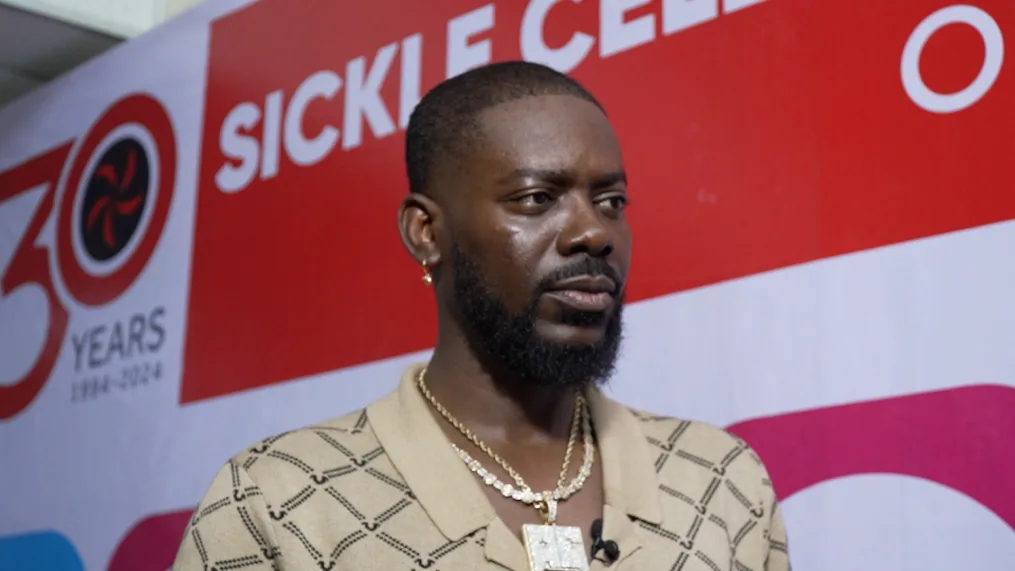
Nigerian musician gained international recognition when his debut album “Gold” reached the seventh spot on the Billboard World Charts.
Since then, the 37-year-old artist has released four additional albums, accumulating hundreds of millions of streams globally.
However, away from the spotlight, Adekunle Gold has been quietly contending with sickle cell disease, an inherited blood disorder characterized by abnormally shaped red blood cells.
This condition causes intense pain, anemia, and potentially life-threatening complications. It primarily affects children who inherit two copies of the sickle cell gene, one from each parent.
Sickle cell disease is most prevalent in Africa, accounting for 66% of cases worldwide, as reported by the World Health Organization.
Nigeria bears the highest burden, with up to 150,000 babies born with sickle cell disease annually – the highest number in any single country.
In 2022, Adekunle Gold candidly addressed his struggles with sickle cell disease in his song “5 Star.” Now, he is preparing to embark on a long-term journey of advocacy, having announced the establishment of the Adekunle Gold Foundation.
This foundation aims to address the specific needs of children battling sickle cell disease across Africa.
Recently, Adekunle Gold sat down with CNN’s Larry Madowo for his inaugural in-depth interview discussing his experiences living with sickle cell disease.
Larry Madowo: Why are you speaking up about sickle cell disease now and especially being very aggressive about this awareness?
Adekunle Gold: I just really got the courage to come out and speak about it. You know, a lot of people can’t share their stories like I can. I was writing the song “5 Star” and reflecting on my life, the journey, and how I’m a miracle. I was reflecting on that song, and I thought, maybe it’s time to learn my voice. People are dying, people are going through it. People can’t afford basic things that they need to sustain their health, and if the international organizations are not doing anything about it, it’s time to force their hands to do it.
Larry Madowo: What challenges have you had to overcome while living with sickle cell?
Adekunle Gold: I constantly put myself in situations that made me sick as a child. For example, doing strenuous activities as a child that I was not supposed to do and there were always consequences, you know? But I always knew that I didn’t want this thing to define me. So, if it means that I need to exercise more, take my drugs, eat well, rest well, and take more water, then I need to do that always.
Larry Madowo: Are there any memorable things that you’ve come through during your advocacy work when people are not even aware of what they’re facing?
Adekunle Gold: Just speaking up about it on social, I realized that a lot of people are ignorant about it. This is something that I inherited, and you’re trolling me for it. So, you realize people don’t even know these things. I just need more people to be aware.
Larry Madowo: What are some of the barriers to receiving proper care for sickle cell patients in West Africa? In Nigeria?
Adekunle Gold: Listen, people don’t have money, bro. The last outreach I did people came to Lagos to take drugs, to check their BP (blood pressure), to check their children all the way from Ilorin [300 kilometers away from Lagos]. And I’m like, this is insane. We don’t have facilities where you can just be in your place.Other countries like the UK and Canada have policies for sickle cell. Where it affects us the most, we don’t have (accessible care). People can’t afford to buy folic acid and folic acid is the smallest of things that you should be able to get.
Ilorin is approximately 300 kilometers from Lagos, Nigeria
Larry Madowo: What do you hope to achieve by adding your voice to this, by speaking up publicly?
Adekunle Gold: I want everybody to, first of all, be aware of it and know how to treat people that have it. I also want people to understand that it is important to check your genotype.
Larry Madowo: You’re the embodiment that you can live with sickle cell and have a full, healthy, and powerful life. Will you keep talking about this in your music and your public appearances with your shows?
Adekunle Gold: I started the foundation, so you know it’s real. It’s game time from now on. So, I am constantly learning my voice, constantly doing outreach, and constantly fighting for it. I want the international community to pay attention just like they do to other diseases. Sickle cell is a big one. It affects my people the most, and I want the world to do something about it.
The recently released Ghana Multidimensional Poverty Report by the Ghana Statistical Service (GSS) highlights the significant impact of employment and living conditions on poverty levels nationwide.
In most regions, employment and living conditions are the largest contributors to multidimensional poverty, with contributions ranging from 47.8 percent to 12.7 percent and 35.9 percent to 15.5 percent respectively.
Omar Seidu, Director of Social Statistics at the GSS, noted that the primary causes of this complex poverty are frequently connected to the educational attainment of household heads.
“Four out of ten households where the head of household has no education, then that household is multidimensionally poor,” he explained.
Key Findings: Widespread Poverty
The report revealed that 7.3 million Ghanaians, comprising 24.3% of the household population, are classified as multidimensionally poor.
Multidimensional poverty encompasses deprivation across various dimensions such as education, health, and living standards. Among these individuals, 43.8% are facing severe poverty.
Rural vs. Urban
Multidimensional poverty affects a significant portion of the rural population, with 36.7% of rural residents falling below the poverty threshold. The severity of poverty is nearly identical in rural (44.0%) and urban (43.4%) areas.
Regional Disparities
The Savannah Region stands out with the highest proportion of households experiencing multidimensional poverty, at 49.5%, nearly double the national average of 24.3%.
Despite this, the Ashanti Region has the largest number of individuals living in multidimensional poverty, totaling 959,031.
Seidu emphasized, “However, in terms of the actual number of multidimensionally poor individuals, the Ashanti Region ranks the highest (18%) due to its large population. This exceeds that of most other regions.”
According to the Multidimensional Poverty report, nine regions exhibit concerning poverty levels, with over a quarter of their populations facing multiple deprivations. These regions include Savannah (49.5%), North East (48.1%), Upper East (43.0%), Oti (40.8%), Northern (38.4%), Upper West (37.4%), Volta (27.3%), Western North (27.0%), and Western (25.7%).
Employment and Living Conditions
Employment contributes 32.6% and living conditions 27.9% to multidimensional poverty, making them the primary factors. Health insurance also plays a critical role, accounting for 21.5% of the poverty indicators.
Demographic Insights
Poverty is notably more prevalent among female-headed households, with a rate of 27.0%, compared to male-headed households, which have a rate of 23.0%. Additionally, younger household heads below 25 years and older heads above 60 years are also more vulnerable to poverty.
Educational Disparities
Educational attainment significantly affects poverty levels. “Four in ten multidimensionally poor persons have never attended school,” the report indicates. Households whose heads have only basic education have a poverty incidence of 20.0%, which is 12.9 percentage points higher than those with tertiary education (7.1%).
Sectoral Impact
Households led by individuals engaged in agriculture experience the highest poverty rates, at 34.3%, compared to those in the services sector, who are over 5.5 times better off, and those in the industry sector, who are 3.8 times better off.
These findings emphasize the necessity of focused interventions to tackle the underlying causes of multidimensional poverty. Improving educational access, enhancing living standards, and establishing sustainable employment opportunities are essential steps toward reducing poverty and promoting equitable development in Ghana.
The leadership of the Abossey Okai Spare Parts Dealers’ Association has firmly cautioned politicians against using their business hub for political activities.
The Association emphasized that the Abossey Okai area is strictly a commercial zone, dedicated to business operations, and should not be exploited for political maneuvering.
The Association noted a trend where politicians frequent the premises without formal communication or consent from its leaders. They argue that these actions are transforming the space into a political stage, which deviates from its intended purpose as a commercial center.
In a statement issued on Wednesday, June 19, 2024, by Takyi Addo, the Public Relations Officer of the Association, it was declared that any attempts by political parties to dominate the area for political events would be prevented.
Read the full statement by the association below:
The Abossey Okai Spares Dealers Association wishes to inform all political actors that the Abossey Okai area is primarily a business center and not a political arena.
In recent times, it has come to our notice that politicians have been using the area as a campaign ground without prior notice to the Association. As we approach the December 7 elections, the leadership of the Association wants to clearly state that such behaviours will no longer be tolerated.
We urge all political parties and their representatives to seek permission from the Association before engaging with our members or using the area for political activities.
This protocol is necessary to ensure that the leadership is informed and prepared to manage any issues that may arise.
The Abossey Okai area is not to be monopolized by any political party. We emphasize that this is a business center, and it is crucial to maintain its primary purpose. We are therefore calling on all political actors to respect this directive and do the needful by seeking permission from the leadership.
This statement serves as a clear message: Abossey Okai is a business center, not a political arena. We expect all political parties to adhere to this guidelines.
Minister of Food and Agriculture, Bryan Acheampong, expressed frustration, defending his hotel’s involvement in a public bid amid pressing issues like soaring tomato prices.
He faced public scrutiny over conflict of interest claims regarding Rock City Hotel’s bid to acquire a 60% stake in four state-owned hotels, owned by SSNIT.
A massive demonstration, led by MP Samuel Okudzeto Ablakwa, protested SSNIT’s decision to select Rock City Hotel as the preferred bidder.
The protest accused the Akufo-Addo administration of favoring politically connected individuals and party members in allocating state assets.
Ablakwa questioned Rock City Hotel’s capability to win the bid, citing its reported losses of 1.7 million cedis against the profitable SSNIT Hotels.
In response, Bryan Acheampong dismissed the allegations as baseless distractions from addressing the pressing issue of rising food prices.
“The last thing I want to do is in the face of rising tomato prices, my voice is on the radio talking about hotels.
“I stayed away from it but when the young man was now moving into the realms of lies, and more lies and more lies, hoping that Ghanaians will believe him, then we have to stop him in his tracks,” he stated.
True to the minister’s difficulties; tomato prices have shot through the roof with four going for as high as twenty cedis in some markets.
Rock City Losses
Challenging documents Okudzeto Ablakwa purported to have intercepted from the Ghana Revenue Authority as proof of Rock City’s losses, Dr. Bryan Acheampong insisted that managers of Rock City Hotel were yet to file its 2023 annual return with the GRA.
He indicated that auditors Deloitte & Touche had not yet concluded the audit of the company’s accounts which he divulged would be filed before a June 30th deadline.
He described the North Tongu legislator’s over-concentration on interpreting the profits and losses of companies as ignorant insisting the prospects of businesses go beyond the mere face value of such accounts.
“If the sponsors of Rock City decide that they will put their money behind Rock City to acquire other interests, what does it mean? When you go into that realm, you are exposing yourself as someone who has not done business before?”
Conflict of Interest
Bryan Acheampong maintained that since assuming the role of Member of Parliament, he had avoided any involvement in profit-making positions within his private enterprises and abstained from seeking government contracts.
He asserted that allegations of conflict of interest lacked merit, pointing out that the bid was submitted in February 2022, prior to his appointment as a cabinet minister.
“I make sure I stay away, I am not a manager, I don’t occupy any office of profit, I know those lines and I walk them. I will not behave like that,” he noted.
Meanwhile, organized labour has sent a clear message to government to halt the planned sale of 60% of SSNIT’s interests in the four hotels – Labadi Beach Hotel, La Palm Royal Beach Resort, Elmina Beach Resort and Ridge Royal Hotel.
Anti-corruption advocate, Vitus Azeem, has raised objections regarding President Akufo-Addo‘s decision to prolong the tenure of Auditor-General, Johnson Akuamoah Asiedu, by an additional two years.
The extension, announced in a notice from the Audit Service dated July 19, permits Mr. Asiedu to continue in his role past his original retirement date of August 1, 2024.
However, during an interview on JoyNews’ News Desk on Thursday, June 20, Mr. Azeem voiced concerns that this action undermines the perceived independence of the Auditor-General.
He contended that such an extension might raise suspicions that the Auditor-General could be inclined to favor the president and his appointees.
“People will go out with the perception that the current man is playing ball with the president and his appointees .. and that he is going to please the president and his appointees,” he stressed.
Mr. Azeem also emphasized the contentious exit of former Auditor-General Dr. Daniel Yao Domelevo in 2020, which was associated with disagreements regarding his date of birth, as a comparison to highlight the controversial nature of such appointments.
He further criticised the extension as a strategy by President Akufo-Addo in “a way to protect his future immediately after leaving office so the Auditor–General will not come after him and his appointees.”
He recognized that although the constitution allows for extensions for certain officials, the circumstances and ramifications of this particular extension raise doubts about the dedication to upholding an independent and efficient anti-corruption framework.
In May 2024, the year-on-year inflation rate at ex-factory prices for all goods and services stood at 23.6%, significantly higher than the 16.8% recorded in April 2024.
The month-on-month producer inflation rate was 3.0%.
According to the Ghana Statistical Service, the producer price inflation in the industry sector excluding the construction sector surged to 29.2% in May 2024 from 20.2% in April 2024. Similarly, the rate in the construction sector rose to 54.7% in May 2024.
In the Services sector, the rate also increased from 9.4% in April 2024 to 11.4% in May 2024.
Certain sectors such as Construction (54.7%), Mining and Quarrying (40.6%), Accommodation and Food Services Activities (25.9%), and Electricity and Gas (25.4%) recorded inflation rates above the national average of 25.3%.
Conversely, the Water Supply, Sewerage, and Waste Management activity had the lowest rate of 7.4% in May 2024.
A respected economist, Dr. Nii Moi Thompson, has voiced criticism against the Akufo-Addo administration, alleging mismanagement of COVID-19 funds.
He pointed out that during the COVID-19 pandemic, the government unexpectedly experienced a boost in its financial standing, with Ghana seeing significant financial gains.
Dr. Thompson highlighted that Ghana received a $1 billion grant from the International Monetary Fund (IMF) without conditions due to the pandemic.
During an interview with Channel One TV on Wednesday, June 19, Dr. Thompson noted that Ghana obtained an additional $1 billion from the IMF in 2021. This amount, however, was conspicuously absent from the Auditor General’s report on COVID-19 expenditures, suggesting a potential oversight.
Additionally, Dr. Moi Thompson disclosed that Ghana received a total of GHC27 billion in COVID-19-related funds.
Nevertheless, he criticized the government for allocating only 42% of this amount for direct COVID-19 expenses, leaving a significant portion unaccounted for.
“We turn to look at COVID-19 purely in economic terms, but it was a financial bonanza for the government. You may recall that they actually even said that they exceeded the revenue targets in 2020, despite what everyone else thinks. Even though, revenue went down in certain sectors… the ICT, the telcos and others, they boomed.”
“But, as a result of COVID-19, the IMF also gave us a billion dollars in cash in 2020, pretty much, no conditions attached. The significance of that is that in 2015 when we went to the IMF, they pledged, I think, $940 million spread over three years,” he said.
Spokesperson on Governance and Security for the government, Palgrave Boakye-Danquah, has provided clarity regarding the intentions of the President Akufo-Addo-led administration concerning the sale of Social Security and National Insurance Trust (SSNIT) hotels.
During an appearance on Joy Prime’s Prime Morning show, he emphasized that the government aims to issue shares to enhance revenue and involve private sector expertise.
Mr. Boakye-Danquah’s remarks come in response to mounting concerns from certain political critics, which prompted a protest led by Samuel Okudzeto Ablakwa, the Member of Parliament for North Tongu.
The demonstration, backed by organized labor and various civil society organizations, aimed to exert pressure on the government to halt the transaction.
“Ghanaians must know that there is no sale of hotels; it is floating of shares. Stop misleading Ghanaians; we are not selling any hotel; it’s the floating of shares; 60% of the shares,” he stressed.
The NPP spokesperson rebuffed allegations of “state capture” made by opposing parties, underscoring that the government’s plan to issue shares in state-owned hotels does not constitute capitalism.
He further stated that the Minority’s claims are unfounded, attributing them to their misunderstanding of the decision’s true essence.
“There is no ‘state capture’, unless, of course, the NDC does not understand what is going on with the investment of SSNIT; they should look at the investments of SSNIT in a value chain,” he told the host.
He added that “the fact that Rock City has not made as much profit as they expected doesn’t mean that they cannot go ahead and purchase hotels; it doesn’t mean that the investment Rock City has made and the level of financial muscle they have will not give them the capacity to purchase more. The hotel industry is like the aircraft industry; it’s got its very peak season and its very low season.”
In May, Samuel Okudzeto Ablakwa, the Member of Parliament for North Tongu, exposed the deal and voiced concerns over SSNIT’s decision to sell 60% of its stake in the hotels to a government minister.
Despite calls from the Minority and a petition to the Commission on Human Rights and Administrative Justice (CHRAJ) urging the president to halt the hotel sale, the Ghana Federation of Labour has claimed that SSNIT is continuing negotiations to sell its stake in four hotels to Rock City Hotel, owned by Minister of Agriculture, Bryan Acheampong.
As Ghana’s economy continues to grow, a troubling trend is emerging – a large portion of the country’s youth remain either unemployed or trapped in low-paying, informal jobs.
A new digital tool called the Africa Youth Employment Clock, launched this week by World Data Lab (WDL) and the Mastercard Foundation, paints a concerning picture of the youth employment landscape in the West African nation.
According to the Clock’s data, while 6 million Ghanaian youth between the ages of 15 and 35 are employed, a significant number of these jobs are in the informal sector or in low-productivity agriculture and services.
Dr. Reshma Sheoraj, Vice President of Strategic Engagements at WDL, highlighted this issue:
“It’s not a question of unemployment, it’s a question of people getting more dignified, fulfilling jobs, and higher wages.”
The data reveals that approximately 1.2 million Ghanaian youth live in extreme poverty, defined as earning less than $2.15 per day. “We saw a lot of informality, and people are actually not taking home substantial income. So they’re living in what we call working poverty,” Dr. Sheoraj explained. “It goes back to the quality of the jobs, the higher paying jobs, and how do we boost more productivity in the sectors to kind of deal with the issue of low wages in an economy.”
The situation is particularly dire for young women, with the Clock showing low labor force participation rates among this demographic. “Women’s participation in the labor force is important in most economies, and I think there’s more that can actually be done to improve women’s labor force participation and get them into real employment in Ghana, because I think the economic benefits of women contributing would be enormous as well,” said Dr. Sheoraj.
She proposed that offering incentives and support systems, like childcare assistance, could help reduce the burden of household responsibilities, allowing more women to participate meaningfully in the workforce.
The Africa Youth Employment Clock, available at www.africayouthjobs.io, is designed to provide policymakers, development actors, and other stakeholders with real-time data and projections on youth employment trends across Africa. This tool is a collaborative initiative between WDL and the Mastercard Foundation, which aims to enable 30 million young Africans to secure dignified and fulfilling employment by 2030.
“This tool will play a key role in delivering precise labor market insights to support our youth empowerment efforts,” said Rica Rwigamba, Country Director for Ghana at the Mastercard Foundation. “As we witness unparalleled growth in the continent’s youth population this decade, we recognize young women and men of Africa as the dynamic workforce and leaders capable of solving local and global problems.”
Experts contend that tackling the youth employment crisis in Ghana and throughout Africa demands a comprehensive strategy, encompassing investments in education, skills training, and job creation endeavors, especially in sectors with promising growth prospects. Enhancing access to finance and offering entrepreneurship support to young individuals could also prove instrumental in nurturing sustainable livelihoods.
With Ghana’s population on the rise, neglecting to confront the youth employment dilemma could lead to significant social and economic ramifications. The Africa Youth Employment Clock offers a data-driven instrument to assist policymakers and stakeholders in unleashing the potential of the continent’s burgeoning workforce.
In a move to strengthen ties between Kenya and Ghana, the Ministry of Foreign Affairs and Regional Integration has announced that Ghanaian travelers will no longer need to pay fees for Electronic Travel Authorisation (ETA) when visiting Kenya.
This decision honors the visa-free agreement between the two nations.
An ETA, which is electronically linked to the traveler’s passport, is a crucial document for visa-exempt foreign nationals traveling by air. It serves as a pre-screening tool for the destination country, ensuring increased security and streamlined entry upon arrival.
A travel advisory from the ministry, dated June 19, 2024, advises Ghanaians planning to visit Kenya to apply for their complimentary ETA through the official portal before departure to ensure a smooth and cost-free travel experience.
This gesture is expected to encourage more Ghanaians to explore Kenya, fostering greater cultural and economic exchanges between the countries.
Members of the Locked Up Investment Holders Forums have declared their determination to stage protests against the government every Wednesday until their demands are addressed.
Their resolve stems from their investments, totaling millions of Ghana cedis, being trapped in distressed financial institutions regulated by the Bank of Ghana.
Financial institutions such as NDK Financial Services, SIC Savings and Loans, Bond Savings and Loans, and SDC Financial Services have failed to repay either the principal or dividends to their customers for the past six years, despite numerous appeals at their respective offices.
Many members of the forum, some of whom are at retirement age, express their hardship, unable to live comfortably due to this situation.
They urge the government, particularly the Ministry of Finance, to declare the affected institutions insolvent and reimburse their trapped funds.
Dr. Adu Anane Antwi, the group’s Convener, stated in an interview that they will persist with their protests until their funds are recovered, showing unwavering determination.
“We’ll keep on doing it [picketing]until government pays up. Government will listen, we will continue picketing until government listens and the Ministry of Finance makes a financial provision. Regardless of our ages we have to continue picketing every week. Our defendants and family are supporting us.”
Seventy-seven percent of Ghanaians are experiencing substantial stress on their livelihoods due to the escalating cost of living, affecting their daily lives and consumer behavior.
Recent data from Maverick Research and Kasi Insights highlights this concerning trend for consumers and the Fast-Moving Consumer Goods (FMCG) industry.
This figure illustrates the profound pressure inflation is exerting on households, diminishing purchasing power and forcing challenging spending decisions.
“The new data indicate that Ghana and Nigeria are at the forefront of this economic stress. With a staggering 81% of respondents in Nigeria and 77% in Ghana reporting significant stress due to rising costs of living, the impact on daily life and consumer behavior is profound. This statistic underscores the severe strain that inflation is placing on households, eroding purchasing power and compelling difficult choices in spending”.
Economic Strain and Consumer Behavior
The report indicated that consumer feedback gathered since the start of the year underscores a noticeable anxiety among retail owners and customers, now substantiated by this recent research.
“The financial squeeze is not merely anecdotal but a widespread reality affecting a vast majority of the population. In Ghana and Nigeria, where inflation rates are particularly high, the stress manifests in reduced disposable income and altered consumption patterns. Consumers are forced to prioritize essentials, often cutting back on non-essential goods and services”, it mentioned.
“This shift in consumer behavior has significant implications for the FMCG industry. Companies operating within this sector are finding it increasingly challenging to maintain sales volumes and profitability”, it added.
The report further noted that the pressure on household budgets necessitates that brands innovate to stay relevant and accessible to their customers.
It added that pricing strategies, product sizes, and promotional tactics are all being reevaluated as businesses strive to adapt to the new economic realities their consumers are facing.
The Regional Perspective
Beyond Ghana and Nigeria, the impact of inflation is being felt to varying degrees across other African nations.
In Kenya, 61% of respondents report high stress levels, while in Tanzania, the figure is 59%. Although these percentages are slightly lower, they still indicate that a significant portion of the population is grappling with economic pressures.
Countries like Tunisia and Uganda show similar trends, with over half of their populations reporting substantial stress.
Interestingly, the data revealed that regions less affected by extreme inflationary pressures, such as South Africa and Egypt, report relatively lower stress levels at 2% and 7%, respectively. This disparity highlights the uneven economic landscape of the continent, where some nations are more resilient or have better mechanisms to manage inflation and its impacts.