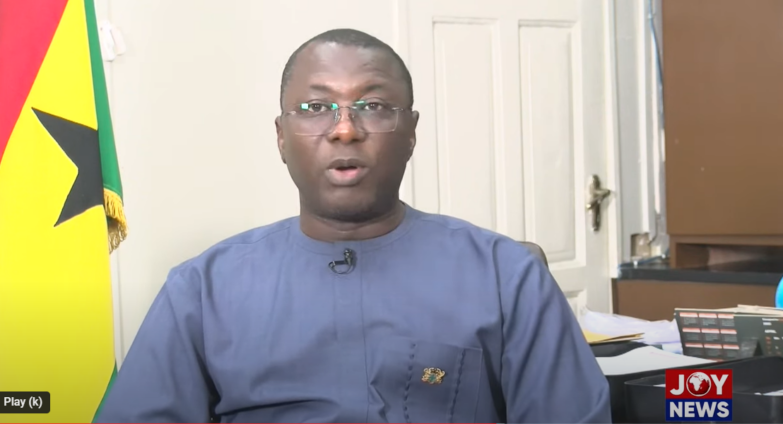
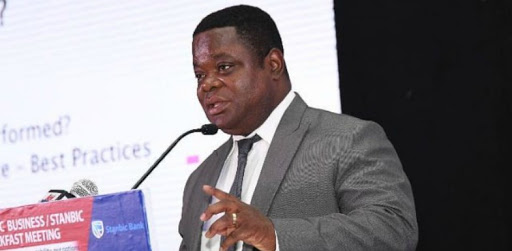
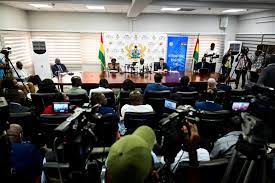
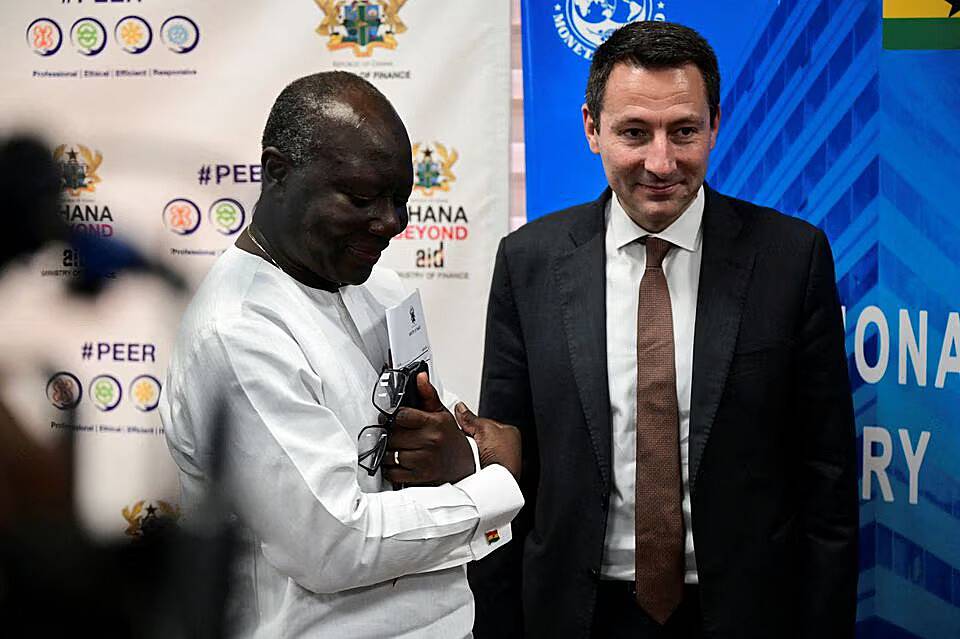
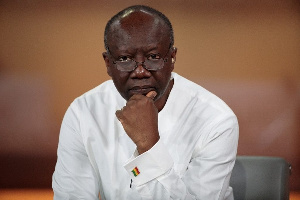
Finance Minister-designate, Dr Mohammed Amin Adam, has underscored the government’s unwavering dedication to the ongoing programme with the International Monetary Fund (IMF), emphasizing continuity and adherence to established policies.
In the aftermath of a recent ministerial reshuffle, Dr Amin Adam, assuming the role of Finance Minister, has emphasized the importance of maintaining collaboration with the IMF and ensuring consistency in economic strategies.
Addressing concerns regarding potential deviations from existing fiscal paths, Dr. Amin Adam assured stakeholders of the government’s commitment to pro-poor initiatives outlined in the budget. “If you look at the budget that was presented this year, there were a number of pro-poor initiatives, and I do not intend to depart from those pro-poor initiatives,” he affirmed during an interview on Citi FM.
Furthermore, Dr. Amin Adam highlighted the significance of expediting the implementation of tax reliefs outlined in the budget and safeguarding the interests of vulnerable populations. “I will ensure that business follows as usual as it should. We will make sure that we move faster to implement the tax reliefs that were made in the budget, and I am going to make sure the poor are insulated,” he stated.
Acknowledging the importance of maintaining adherence to the IMF programme, Dr. Amin Adam emphasized the government’s commitment to ensuring the programme remains on track. “It is important to note that we are under an IMF programme, and I want to assure the IMF and the business community that I will ensure that the programme remains on track. I will work to ensure that the programme does not suffer,” he affirmed.
The ongoing programme signifies a strategic partnership aimed at addressing economic challenges and promoting fiscal responsibility in Ghana. Dr. Amin Adam’s reaffirmation of commitment to the IMF programme underscores the government’s dedication to fostering economic stability and sustainable growth.
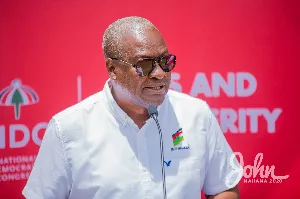
Former President John Dramani Mahama, the Flagbearer of the National Democratic Congress (NDC), has emphatically rejected assertions by the New Patriotic Party (NPP) that his previous administration left behind an economic mess.
Addressing a town hall meeting in Tamale on Tuesday as part of his Building Ghana Tour in the Northern Region, Mahama asserted that the NPP inherited a stabilized economy upon assuming office.
Mahama refuted claims of economic mismanagement by providing comparative data on key economic indicators.
He highlighted that when he left office, the debt-to-Gross Domestic Product (GDP) ratio stood at 57%, which was below the recommended threshold for middle-income countries by the International Monetary Fund (IMF).
However, under the current administration, this ratio has soared to over 100%.
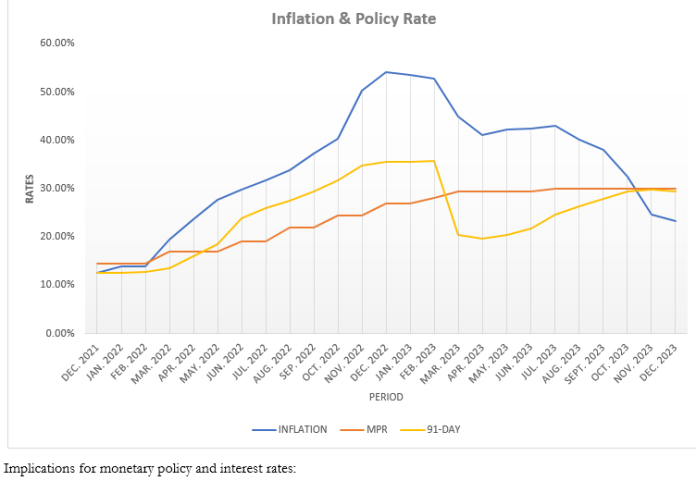
Moreover, Mahama cited inflation rates, noting that during his tenure, inflation stood at 15.5%, while it surged to 54% under the NPP-led government before dropping to 30%. He also criticized the decline in cocoa production, indicating a drastic reduction from 960,000 metric tonnes under the NDC administration to under 500,000 metric tonnes under the current government.
“When I left office, the debt to Gross Domestic Product (GDP) was 57 per cent and the optimum GDP for middle income countries as recommended by the International Monetary Fund (IMF) is 60 per cent,” he stated.
“My administration was under the recommended debt to GDP but today, the debt to GDP is more than 100 percent,” he said.
Highlighting achievements of his administration, Mahama emphasized the establishment of key financial instruments such as the Stabilisation Fund, crucial for navigating economic challenges like the COVID-19 pandemic, and the Ghana Infrastructural Investment Fund, which supported infrastructure development projects such as the Agenda 111 hospital initiative.
Mahama underscored the strategic acquisition of two new oil fields during his tenure, aimed at tripling oil revenue for the nation. He contrasted this with the NDC’s accomplishments, achieved with only one oil field, the Jubilee field.
“With all these, how did I leave a mess? The constant talk of Mahama left us a mess is a myth and not true. They created the mess themselves,” Mahama asserted, challenging the narrative propagated by the NPP regarding his administration’s economic legacy.
The former President’s remarks at the town hall meeting aimed to provide clarity on his administration’s economic record and counter criticisms leveled against him by political opponents.
As Ghana gears up for the 2024 elections, Mahama’s defense of his economic stewardship sets the stage for a spirited debate on competing visions for the nation’s future.
The International Monetary Fund (IMF) has emphasized the significance of Ghana adhering to the support program it is currently implementing over the next three years.
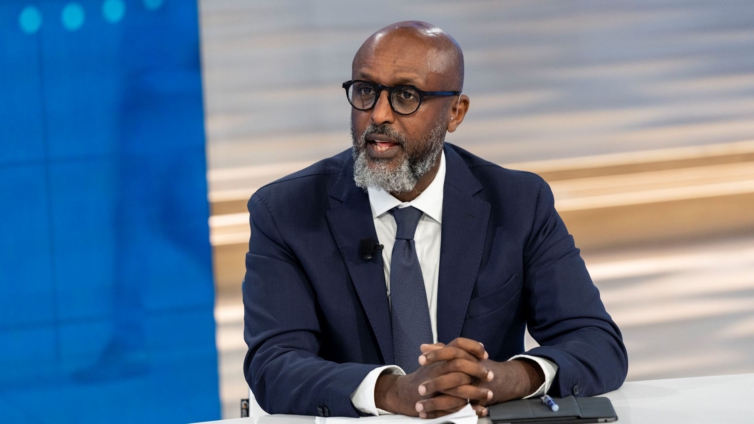
Director of the African Regional Department at the IMF, Abebe Aemro Selassie, stressed the importance of Ghana’s full implementation of the program while addressing the press.
Selassie highlighted the necessity for Ghana to fully implement the program, indicating that the IMF will maintain its support for the country only in alignment with the implementation of the program.
“What I can say is that going forward would be really really important that Ghana continues to implement the programme that they have developed as envisaged. That is really critical”.
“These programmes are designed to be implemented over three to four years. And it is important that you stick…Ghana’s sticks the course and see the programme being implemented over the next three years. So, we look forward to continuing to support Ghana, consistent with program implementation”, he explained.
He emphasized that official creditors have indicated their willingness to provide debt relief in line with Ghana’s requirements. He assured support from his organization to ensure that Ghana avoids prolonged negotiations with external creditors due to their insistence on equal terms.
The government is actively engaged in negotiations to finalize a deal with bilateral and commercial creditors for debt restructuring. However, there are concerns that the insistence on equal treatment for all creditors could prolong the process and have adverse effects on Ghana’s program and economy.
Ghana has already received a $1.2 billion bailout package from the IMF as part of the three-year program.
Tax Partner at PwC Ghana, Abeku Gyan-Quansah, has expressed concern about the excessive tax burden faced by Ghanaian businesses.
He noted that, as a result of the high taxes, some multinational companies are opting to relocate their core operations outside of Ghana to address the challenge.
Gyan-Quansah disclosed, “What we have picked up based on our work is that some of these firms have changed their business models by moving core operations outside Ghana to deal with the challenge [high taxes],” he added.
He emphasized that these businesses are relocating to produce goods or services abroad and then exporting them back to Ghana.
Highlighting the origin of the tax policies, he clarified that the elevated taxes are not imposed by the International Monetary Fund (IMF) but are part of the Ghanaian government’s own program submitted to the IMF.
Gyan-Quansah pointed out that, according to the Article IV consultation report by the IMF, there are approximately 27 tax measures outlined by the government to enhance Ghana’s revenue situation.
UK’s Minister of State for Development and Africa, Andrew Mitchell, expressed happiness about Ghana’s successful review of the International Monetary Fund (IMF) bailout program.
He is pleased with the disbursement of a second tranche of US$600 million, seeing it as a sign of resilience and progress in steering the economy back to a path of growth despite challenges.
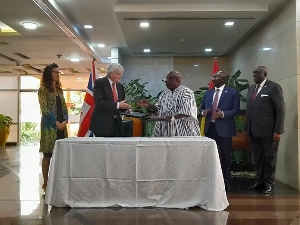
During a meeting with Vice President Dr. Mahamudu Bawumia as part of the 9th UK-Ghana Business Council in Accra, Mr. Mitchell praised Ghana’s efforts. He also encouraged the government to closely follow the conditions outlined in the IMF program.
“The UK-GBC is the foundation of our economic trade and investment partnership with Ghana. Since its establishment in 2018, we’ve witnessed a commendable boost in trade, investment and the forging of stronger partnerships, laying a robust foundation for growth,” he said.
Acknowledging the difficulties faced by Ghana’s government in adhering to the conditions of the IMF programme, he conveyed the UK’s support for the programme’s reforms, saying: “We understand it has not been easy, which is why we are backing you to stick with the conditions of the IMF programme this year. By doing so, Ghana can continue to alleviate the economic pressures its citizens face.”.
He mentioned various ways the British government can contribute to economic growth, citing the longstanding partnership between the central banks, tax authorities, and statistical agencies of both countries.
Mr. Mitchell also revealed that the UK is currently developing a new program to aid Ghana’s long-term economic and financial stability. As part of this collaboration, officials from both countries have already been in discussions.
In the UK’s recent roadmap for international development white paper, he highlighted the importance of modern equal partnerships that extend beyond aid to bring about mutual benefits.
“Here in Ghana, with these partnerships and the UK-GBC, I believe we are ahead of others.
“The economic context of our discussions has been challenging over the last few years. But let me assure you that Britain will continue to support Ghana. We will deepen mutual trade and investment opportunities, creating more jobs and prosperity,” he added.
He further said the value of trade between the two countries currently stands at £2.1 billion, representing a £647million increase compared to the previous year.
For his part, Vice President Dr. Bawumia acknowledged the growing cooperation in mutually beneficial areas of trade and investment between Ghana and the UK.
He envisioned that the 9th UK-GBC meeting would further enhance bilateral and economic relations as well as strengthen strategic partnerships in various areas. “A platform such as this aims at boosting economic and commercial relations between our two countries and is most encouraging,” he added.
Given these circumstances, he is optimistic about the future of trade relations between the two countries. He mentioned significant improvements in various areas of cooperation, such as agro-processing, garments and textiles, pharmaceuticals, roads, and airport infrastructure, since the inception of the UK-Ghana Business Council.
Dr. Bawumia acknowledged the support received through UK-GBC in identifying new investment opportunities and assisting the country’s economic recovery plan.
He emphasised that Ghana remains an attractive business destination in Africa for foreign direct investment (FDI). With the AfricanContinental Free Trade Agreement (AfCFTA) now in effect, trade activities are expected to increase, contributing to economic growth, with Ghana serving as the gateway to a population of 1.3 billion Africans.
Despite economic challenges, he stated that Ghana’s positive growth projections can facilitate the expansion of trade and investment activities with strategic partners.
Therefore, he anticipates that UK businesses and the investor community can capitalise on Ghana’s favourable environment and foundation to enhance the momentum of such exchanges.
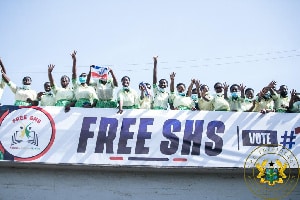
The government of Nana Addo Dankwa Akufo-Addo, in a significant development, has unequivocally announced its intention to review the flagship Free Senior High School (Free SHS) program. This revelation is outlined in the latest report from the International Monetary Fund (IMF) regarding Ghana’s US$3 billion bailout programme.
Contained on page 76 of the comprehensive 155-page report under the section titled ‘PUBLIC SPENDING EFFICIENCY,’ the government discussed recalibrating the expenditure portfolio of Municipal and District Assemblies (MDAs) responsible for social spending.
Specifically addressing education, the report states: “In the education sector, we will review and rationalize the Free Senior High School (SHS) program.”
This move is part of a broader strategy to shift the spending composition of MDAs towards targeted and well-designed interventions.
The report, dated December 18, 2023, titled “STAFF REPORT FOR THE 2023 ARTICLE IV CONSULTATION, FIRST REVIEW UNDER THE ARRANGEMENT UNDER THE EXTENDED CREDIT FACILITY, REQUEST FOR MODIFICATION OF PERFORMANCE CRITERIA, AND FINANCING ASSURANCES REVIEW,” sheds light on the government’s commitment to a thorough assessment of public sector wages, with a focus on the education and health sectors.
Contrary to previous assertions, the government, led by the education minister, has now acknowledged the need for a review of the Free SHS program.
The report emphasizes the objective of improving overall learning outcomes, including targeted measures to enhance foundational learning and continued support for tertiary education.
This announcement comes amid recent exchanges between the government and former president John Dramani Mahama, who had pledged to review the Free SHS if elected in 2025. While the government has previously argued against the need for a review, the latest stance signals a shift towards recognizing the necessity for improvements in the Free SHS policy.
In a significant development, the Nana Addo Dankwa Akufo-Addo government has officially declared its intention to review the flagship Free Senior High School (Free SHS) program.
This revelation comes as part of the information presented in the International Monetary Fund’s (IMF) latest report on Ghana’s US$3 billion bailout programme.
The pertinent details of this policy shift are outlined on page 76 of the comprehensive 155-page report, falling under the section titled ‘PUBLIC SPENDING EFFICIENCY.’
Within this segment, the government articulates its plans, which extend beyond the Free SHS program to include recalibrating the expenditure portfolio of Municipal and District Assemblies (MDAs) responsible for social spending.
This strategic move suggests a broader commitment to enhancing public spending efficiency and highlights the government’s proactive stance in evaluating and adjusting key initiatives for the overall benefit of the nation.
The decision to review the Free SHS program, a cornerstone of the government’s education policy, is likely to spark discussions and debates on the potential implications and desired outcomes.
The relevant portion on education read: “The key objective is to shift the composition of spending by these MDAs towards targeted and well-designed interventions.
“In addition to functional review of relevant MDAs, we will carry out a comprehensive assessment of public sector wages, including in education and health sectors.
Just weeks ago, the government found itself embroiled in a verbal exchange with former President John Dramani Mahama, who pledged to review the Free Senior High School (Free SHS) program if elected in 2025.
Despite the government’s staunch defense, led by the education minister, asserting that the program requires improvements rather than a review, the debate surrounding the Free SHS policy remains contentious.
The Free SHS policy, a cornerstone of the government’s education initiatives, focuses on eliminating financial barriers by absorbing fees approved by the GES council. Its objectives include not only enhancing accessibility by removing cost constraints but also improving educational quality. This is achieved through measures such as providing core textbooks and supplementary readers, implementing teacher rationalization and deployment strategies, and other impactful initiatives.
Furthermore, the policy aspires to address the anticipated surge in enrollment by expanding physical school infrastructure and facilities. As the government and former President Mahama lock horns over the future of the Free SHS program, the debate underscores the significance of this education policy and its potential impact on the nation’s educational landscape.
“In the education sector, we will review and rationalize the Free Senior High School (SHS) program. We will continue our support to tertiary education, take targeted measures to improve foundational learning (e.g., increasing capitation grants) and introduce reforms with the help of development partners to improve overall learning outcomes.”
The December 18, 2023 report was titled: “STAFF REPORT FOR THE 2023 ARTICLE IV CONSULTATION, FIRST REVIEW UNDER THE ARRANGEMENT UNDER THE EXTENDED CREDIT FACILITY, REQUEST FOR MODIFICATION OF PERFORMANCE CRITERIA, AND FINANCING ASSURANCES REVIEW.”
The International Monetary Fund (IMF) has acknowledged that the Ghana Cocoa Board (COCOBOD) has implemented a turnaround strategy aimed at enhancing transparency, efficiency, and financial sustainability.
COCOBOD, responsible for facilitating cocoa production and holding an export monopoly, has historically faced losses due to a lack of systematic mechanisms for setting producer purchase prices (PPPs), significant quasi-fiscal activities (such as road construction and input subsidy programs), and substantial administrative costs.
The accumulated debt of COCOBOD in recent years became burdensome, necessitating a restructuring.
The IMF reports that COCOBOD’s turnaround strategy primarily focuses on streamlining development spending, aligning the PPP setting process with the Board’s financial constraints, and improving oversight.
The IMF finds these efforts broadly consistent with its own recommendations.
Quasi-fiscal Initiatives
The document stated that COCOBOD has assessed current cocoa road contracts with the intention of substantial rationalization, taking into account factors such as their progress, performance, and termination expenses.
“Additional rationalisation may be pursued in case of financing pressures. The board also intends to scale down fertilizer and pesticide subsidy programmes”.
Price setting
The IMF announced that the government and COCOBOD will initiate the implementation of a designated range for Producer Purchase Price (PPP) as a percentage of the Free on Board (FOB) export price.
This range, subject to biennial reviews, aims to ensure an equitable distribution of export proceeds among farmers and various stakeholders in the value chain. Additionally, it is designed to secure a reliable revenue stream for COCOBOD, covering both operational and financial costs.
For the upcoming 2024 and 2025 seasons, the authorities have established the minimum and maximum PPP (inclusive of Living Income Differential cost) at 60% and 70% of the contract FOB price.
Oversight
The document clarified that the government will enhance the Ministry of Finance’s supervision of COCOBOD’s finances, which includes the establishment of a specialized cocoa desk within the Ministry of Finance.
The International Monetary Fund’s (IMF) “2023 Article IV Consultation” Staff Report reveals that the Bank of Ghana has given approval to the recapitalization proposals submitted by undercapitalized banks.
These banks are mandated to inject a minimum of one-third of the required capital annually over the next three years, concluding in 2025, to achieve a 13.0% Capital Adequacy Ratio without regulatory forbearance.
Currently, a majority of banks have already submitted their recapitalization plans.
“The BoG [Bank of Ghana] will initiate corrective measures by end-March 2024 against banks that fail to uphold these recapitalisation requirements (new structural benchmark). In the short term, the BoG [Bank of Ghana] stands ready to deploy contingency measures if needed to ensure financial sector stability.
The Bretton Wood said this move will ensure that banks’ capital needs have been estimated based on reasonable forward-looking assessments of losses from government debt restructuring and increases in Non-Performing Loans.
NIB’s insolvency plan to be addressed by end-2024
“The authorities [government, BoG] also aim to address the legacy issues of the financial sector and strengthen the governance of state-owned banks. The remaining tasks from the earlier sector cleanup include addressing the challenges of NIB and long-standing undercapitalization of several special deposit taking institutions (SDIs)”.
The report states that both the Bank of Ghana (BoG) and the Ministry of Finance will collaboratively formulate and initiate, by the end of March 2024, a credible, comprehensive, and cost-effective plan aimed at addressing the insolvency challenges of the National Investment Bank (NIB) by the end of 2024.
In order to mitigate the accrual of additional risks until the completion of this plan, the Staff Report of the Fund indicates that the BoG is dedicated to strengthening the monitoring of NIB and imposing appropriate constraints on critical risk areas.
The report emphasizes that the systematic resolution of other Specialized Deposit Taking Institutions and fund management firms, along with the settlement of outstanding payouts to clients of Securities and Exchange Commission (SEC)-licensed fund management companies, will be concluded by the conclusion of 2024. The government’s payouts will be executed through a burden-sharing approach to minimize fiscal costs.
Furthermore, the authorities are committed to developing a strategy ensuring that state-owned banks adopt sound governance principles, effective business models, and robust risk management systems to secure their long-term viability and facilitate an organized government exit.
Former Deputy Minister for Roads and Highways, Isaac Adjei Mensah, has advised Ghanaians not to anticipate new road projects this year under the Akufo-Addo administration.
He explained that the government’s primary focus is to utilise the International Monetary Fund (IMF) bailout to effectively stabilise the country’s economy, which has been struggling for at least two years.
This statement comes in the wake of the approval of a second tranche of US$600 million as part of Ghana’s bailout package from the International Monetary Fund (IMF).
While Finance Minister Ken Ofori-Atta has indicated that the funds will be used for various programs outlined in the 2024 Budget, the Ranking Member on the Roads and Highways Committee of Parliament contends that the budgetary allocation for roads is not noteworthy.
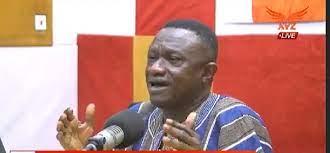
“The roads sector is very bad yet this government lacks maintenance culture and is unable to fix the roads the erstwhile NDC government left behind,” the MP for Wassa East said on Dwaboase programme on TV XYZ.
The legislator went on to say the government has failed to maintain existing roads, which has led to most highways deteriorating across the country.
“This government has received more revenue than any government in the history of this country but if you as President Akufo-Addo to tell you what his administration has done with the huge funds and loans, he would not be able to tell you,” he added.
To him, the government is not willing to rehabilitate roads anytime soon, adding that “the IMF fundswill be pumped into the economy but not roads.”
“If the government does not misuse the IMF cash, the economy can be stabilised, but speaking of roads, all major flagship projects have been suspended,” he stated.
The International Monetary Fund (IMF) has disclosed in its Staff Report on Ghana, titled “2023 Article IV Consultation,” that Ghana is still in debt distress, with the current position assessed as unsustainable.
“Pending completion of the debt restructuring, the attached Debt Sustainability Analysis (DSA) continues to show large and protracted breaches to the standard thresholds”, the IMF said.
As part of the ongoing debt restructuring efforts and in light of substantial and prolonged breaches to the Debt Sustainability Analysis (DSA) thresholds, the International Monetary Fund (IMF) stated in its Staff Report submitted to the Executive Board that Ghana remains in debt distress. The DSA assessment indicates that the debt remains unsustainable and has not changed since the publication in May 2023.
A meeting between a team from the IMF and the Government of Ghana took place on October 6, 2023, to discuss policies supporting the IMF arrangement under the Extended Credit Facility (ECF) program.
In 2023, the Ghanaian government initiated a debt restructuring program to bring the country’s debt to sustainable levels, a prerequisite for securing the IMF program. The comprehensive debt restructuring strategy aimed to restore a “moderate” risk of debt distress within the IMF-World Bank Debt Sustainability Framework for low-income countries (LIC-DSF).
The restructuring efforts targeted external debt service relief during the program from 2023 to 2026 to address the external financing gap, and domestic debt restructuring was designed to significantly reduce domestic financing pressures.
The International Monetary Fund (IMF) emphasized that the macroeconomic framework serves as the foundation for the Debt Sustainability Analysis. The staff baseline scenario is aligned with the macroeconomic trajectory outlined in the Fund-supported program, aimed at reinstating macroeconomic stability and ensuring debt sustainability in the medium term.
Ghana experienced significant deterioration in its fiscal and external positions due to the impacts of the Covid-19 pandemic, global financial tightening, and the conflict in Ukraine. These external shocks, coupled with existing fiscal and debt vulnerabilities, resulted in a notable increase in both public and external debt. Consequently, Ghana faced challenges accessing international markets in late 2021, and the macroeconomic situation further complicated in 2022, marked by substantial losses.
The Fund highlighted that the large fiscal deficits and the economic slowdown induced by the pandemic led to a surge in public debt from 63.0% of Gross Domestic Product (GDP) in 2019 to 93.3% of GDP by the end of 2022. Domestic debt also reached 50% of GDP in 2022, with 16.0% of GDP held by the Bank of Ghana, while public external debt stood at 43.3% of GDP.
To address these challenges, the authorities have been implementing a comprehensive debt restructuring strategy. The objective is to achieve debt sustainability and a moderate risk of debt distress under the LIC-DSF framework by bringing down both debt stock and flow ratios to their respective thresholds.
This includes “reduction in the PV of total debt-to-GDP and external debt service-to-revenue ratios to 55% and 18%, respectively, by 2028”.
The report was also of the view that the Ministry of Finance should increase its surveillance of debt issuance by State Owned Enterprises and other public entities “Monitor and prevent over collateralization of debt issuance”.
The International Monetary Fund (IMF) has cautioned the Ghanaian government to strictly restrict borrowing on non-concessional terms and ensure timely debt payments.
The Fund also suggested that the authorities should formulate and disclose a medium-term debt management strategy and an annual borrowing plan following the completion of external debt restructuring.
In its 2023 Article IV Consultation, the IMF acknowledged the government’s commitment to the fiscal objectives of the program and its readiness to implement contingency measures if necessary.
“Specifically, on the revenue side, some of the measures identified in our MTRS could be brought forward in case of unexpected underperformance,” the IMF added.
On the spending side, the IMF noted that the budget allocations for Ministries, Departments, and Agencies (MDAs) would be reduced during the year if necessary.
Despite expressing concerns, the IMF acknowledged that Ghana’s program has remained on track, with all indicative targets being met.
“All quantitative performance criteria for the first review and almost all indicative targets and structural benchmarks were met”.
The staff report added that Ghana is on track to reduce the fiscal primary deficit on a commitment basis by approximately 4 percentage points of Gross Domestic Product in 2023, aligning with the authorities’ commitments under the Fund-supported program.
It further stated that spending has remained within program limits, and on the revenue side, Ghana has achieved its non-oil revenue mobilization target.
It said sound policies and reforms should foster recovery and further reduce inflation over the medium term, adding, “downside risks include slippages in programme execution, delays in restructuring debt, and a deterioration in the external environment.”
“The authorities have reoriented their macroeconomic policies, made progress in restructuring their debt, and initiated wide-ranging reforms,” the IMF concluded.
Former President John Dramani Mahama has called upon the minority caucus to closely scrutinize the activities of the Bank of Ghana concerning the recent release of the second tranche amounting to $600 million by the International Monetary Fund (IMF).
This disbursement follows the successful completion of the first review of the $3-billion three-year extended credit facility, approved by the Bretton Woods institution in May 2023.
In his appeal to the minority caucus for prudent utilization of the IMF funds by the government, Mr Mahama didn’t mince words as he criticized the Bank of Ghana, alleging that it has worsened Ghana’s economic challenges by introducing a surplus of newly-printed banknotes into the financial system.
While emphasizing the need for the government to exercise responsibility in handling the recently acquired IMF funds, Mahama directed a pointed critique at the central bank.
According to him, the alleged flooding of the system with freshly minted currency by the Bank of Ghana has contributed to the exacerbation of the economic difficulties faced by the nation.
Mr Mahama said “under normal circumstances, the release of $600 million by the International Monetary Fund (IMF) to the government of Ghana should provide relief to the already-overburdened and suffering Ghanaian.”
“It is, however, evident that Ghanaians will continue to suffer as long as Akufo-Addo, Bawumia and the NPP remain in office”, he posted on Facebook.
Mr Mahama urged “the outgoing NPP government to be cautious, responsible and judicious in utilising the IMF $600 million and other funds that may be made available to Ghana from the World Bank and other development partners”.
The former President declared that his party will closely monitor the government’s handling of the recently acquired funds.
“I have already encouraged the NDC minority in parliament to ensure strict oversight on both the government and not to take their eyes off the Bank of Ghana that illegally printed billions of cedis and aggravated our economic situation”.
“On my part, I will, from time to time, continue to engage the Ghanaian public about my vision to build the Ghana we want and how we will work together to create well-paying jobs through my 24-hour economy policy and other pragmatic initiatives”.
Last year, the Cassiel Ato Forson-led minority caucus marched in demand for the resignation of the Governor of the Bank of Ghana, Dr Ernest Addison as well as his two deputies.
“The purpose of this protest is to express our revulsion at the illegal printing of money (about GHS80 billion) between 2021 and 2022 by the BoG for the corrupt Akufo-Addo/Bawumia/NPP government which led to a hyperinflation rate of 54.1 per cent in December 2022”, Dr Ato Forson said in a statement at the time.
The caucus claimed GHC22.04bn of that amount was used by the BoG to support the government’s budget without parliamentary approval.
“This singular act of BoG”, he emphasised, “has negatively impacted livelihoods and businesses and pushed about 850,000 Ghanaians into poverty in the year 2022 alone”.
The caucus said as representatives of the people, it was “totally disgusted by the crass mismanagement and reckless mishandling of the affairs of the Bank of Ghana,which resulted in a gargantuan loss of GHS60.8 billion and a negative equity of GHS55.1 in 2022 with its attendant hardships on Ghanaians”.
The Bank of Ghana, however, denied the allegations.
In a statement issued on Tuesday, 26 July 2022, the central bank said Dr Forson’s claim could not be farther from the truth.
The bank observed that Dr Forson’s reaction was in response to the 2022 mid-year fiscal policy review which was presented to parliament by the Minister of Finance on Monday, 25 July 2022.
It explained: “In Appendix 2A of the Mid-Year Fiscal Policy Review document, under Financing, out of the total financing of GHC28.12 billion, an amount of GHC22.04 billion was captured under BoG”, adding: “This is the amount being referred to by the Ranking Member as BoG’s printing of currency to support the budget”.
Concerning the loss and negative equity posted by the central bank, Governor Addison later explained at a press conference that it was important for Ghanaians to appreciate that the GHS60.8 billion loss recorded by the nank in 2022 “were technical losses arising from the haircut and the application of accounting standards (in particular, IFRS 9) to estimate expected credit losses over the tenor of the Government debt held by Bank of Ghana”.
He told journalists on Monday, 21 August 2023: “It is not money lost by the Bank of Ghana through its operations in 2022”.
Rather, he said “one should look at this as a reflection of the total cost of the economic and social crisis the country faced over the years and an attempt to resolve a major structural problem of the Ghanaian economy.”
Also, Dr Addison said this is not the first time the central bank has recorded negative equity.
“I must also add that, if one takes time to go through historical financial statements of the Bank of Ghana, you will realise that this is not the first time that the Bank has gone into negative equity”, he stated.
He reported: “During the early years of structural adjustment, very large exchange rate depreciations led to revaluation lossesthat drove the Bank into negative equity”.
Indeed, Dr Addison mentioned, “anytime the economy faces major challenges, the Bank of Ghana balance sheet suffers, and the equity position moves into negative territories”.
“You will recall that in 2017 and 2018, the Bank of Ghana incurred similar negative equity from the impairment of legacy liquidity support loans granted in 2015 and 2016 to insolvent banks, which our external auditors impaired due to the doubtful prospects of recovering from those insolvent banks”.
“The Bank of Ghana, however, recovered and generated profits throughout the period 2019 to 2021”, he pointed out.
“It is worth noting that Central Banks are not commercial banks”, he highlighted, stressing: “Bank of Ghana’s current financial condition will not impact negatively on the operations of the Bank”.
He said the IMF Technical Assistance mission validated this conclusion before the necessary decisions were taken.
“In their opinion, the Bank of Ghana was policy solvent and would remain so, as it had enough income to cover monetary policy operational costs”, Dr Addison said.
The Bank of Ghana, he indicated, “had sufficient capital amounting to about 15 per cent of its total liabilities”, noting: “Its recommendation was for the Bank to retain all profits and a reassessment should be made in the year 2027”.
“The Bank will also manage to reduce its operational costs during this period”, he promised.
In all these, Dr Addison said the Bank of Ghana has “acted within the applicable laws”. He also denied claims that the central bank has been bankrolling the government annually.
“It is not true that Bank of Ghana has been providing financing for the Government every year. There has been zero-financing in 2017, 2018, 2019 and 2021. The Bank of Ghana has only had to support in the pandemic year of 2020 and the crisis year of 2022. The Bank of Ghana Act (612), as amended, limits financing of Government to 5 per cent of previous year’s tax revenue”, Dr Addison reiterated.
“This provision in the law has been adhered to since I took office in April 2017. Between 2017 and 2019, in addition to the requirements of the Bank of Ghana Act (612), as amended, the Bank signed a Memorandum of Understanding (MOU) with the Ministry of Finance to even impose a tighter restriction of zero-central bank-financing, and this was observed strictly, even though MOUs are not legally binding. Between 2012 and 2015, the Bank of Ghana provided overdraft to finance government and COCOBOD every year. And there was neither a pandemic nor a global economic crisis”.
“When Ghana was hit with the COVID-19 in 2020, Section 30(6) of the Bank of Ghana Act (612), as amended, was triggered, and as indicated earlier, the Bank purchased GHC10 billion worth of Covid-19 bonds to support the economy through the pandemic”.
“This was done within the applicable laws governing the Bank of Ghana. When section 30 (6) of the Bank of Ghana Act (612), as amended, is triggered, it, allows the Governor, the Minister for Finance and the Controller and Accountant General to agree on a new limit of central bank financing”.
“The law further says that the Minister of Finance will then have to inform parliament and the Minister has since informed parliament as part of his briefing to update Parliament on the IMF programme and status of the Domestic Debt Exchange”.
Prominent South African politician Julius Malema has expressed deep concerns about the integrity of Ghana’s democracy, citing corruption as a significant and imminent threat.
His remarks, delivered with a sense of urgency, highlight the pressing need for collective action to safeguard democratic principles in the West African nation.
Speaking to Ghanaian Youth at an AriseGhana Event, Founder of Economic Freedom Fighters, a South African Political Party, highlighted corruption as impeding Ghana’s ability to repay international debts to institutions such as the IMF.
“The democracy of Ghana is threatened by democracy. Today, because of democracy Ghana cannot pay its international debt.”
Bank of Ghana has confirmed the receipt of US$600 million as the second installment of Ghana’s bailout package with theInternational Monetary Fund (IMF).
This financial injection, designated for budget support and stabilisation of the local currency, was officially credited to the Central Bank’s account on Tuesday, January 23, 2023.
With this, Ghana has now received a total of US$1.2 billion out of the approved $3 billion under the three-year extended credit facility initiated in May of the previous year.
Unlike the first tranche, which aimed to address Ghana’s balance of payment issues, the entirety of the second tranche will be used to fund projects and programs outlined in the 2024 budget.
The IMF approved the second tranche last Friday, following Ghana’s successful negotiations with bilateral lenders, including China and France, a crucial step that triggered the disbursement.
The IMF highlighted Ghana’s positive performance under the program, with implemented reforms yielding positive outcomes and signs of economic stabilisation becoming apparent.
Barring unforeseen circumstances, the next IMF program review for the third tranche of US$720 million is scheduled in six months.
In addition to the funds from the IMF, the second tranche has facilitated additional financial support from other international donors. The World Bank’s Executive Board is set to provide approximately $300 million in budget support for Ghana, following an agreement in principle on the key parameters of the proposed debt restructuring reached by the Official Creditors’ Committee under the G20 Common Framework.
This disbursement aims to aid Ghana’s recovery, attract investments, and restore a sustainable growth path while addressing the country’sdebt sustainability.
The Board’s approval on January 23, 2023, will be followed by the World Bank’s disbursement of $250 million as part of its contribution to the Ghana Financial Stability Fund. This contribution is expected to assist banks significantly affected by the Domestic Debt Exchange Programme.
International Monetary Fund (IMF) has acknowledged Ghana’s robust performance under the Fund programme, revealing that the country has successfully met all quantitative performance criteria for the first review, along with almost all indicative targets and structural benchmarks.
Following the Executive Board’s conclusion of the 2023 Article IV Consultation with Ghana and the First Review under the Extended Credit Facility Arrangement, the IMF stated that Ghana’s commitment to the Fund-supported programme is evident in its progress toward reducing the fiscal primary deficit by approximately 4 percentage points of GDP in 2023.
The IMF highlighted several key achievements, emphasizing that spending has remained within program limits. Additionally, the authorities, comprising the Ministry of Finance and the Bank of Ghana, have significantly expanded social protection programs to mitigate the impact of the crisis on the most vulnerable populations. On the revenue front, Ghana has successfully met its non-oil revenue mobilization target.
The statement further noted that the Ghanaian authorities are making substantial headway in their debt restructuring strategy. The domestic debt restructuring was completed in the summer, and an agreement with the Official Creditor Committee (OCC) under the G20’s Common Framework was reached on January 12, 2024, aligning with Fund program parameters.
Ambitious structural fiscal reforms are contributing to the positive trajectory, enhancing domestic revenues, improving spending efficiency, strengthening public financial and debt management, ensuring financial sector stability, fostering governance and transparency, and creating an environment conducive to private sector investment.
The IMF acknowledged the tangible results of these reform efforts, citing signs of economic stabilization, resilient growth in 2023, declining inflation, and improved fiscal and external positions.
Looking ahead, the IMF stressed the importance of steadfast policy and reform implementation to fully and durably restore macroeconomic stability and debt sustainability, fostering higher and more inclusive growth. The government’s plans to reduce deficits, mobilize additional domestic revenue, streamline expenditure, and finalize comprehensive debt restructuring were highlighted as critical steps.
The IMF emphasized the need for continued efforts to protect the vulnerable and create space for higher social and development spending. Reforms in tax administration, expenditure control, management of arrears, fiscal rules, institutions, and state-owned enterprises (SOEs) management were identified as crucial for lasting adjustment.
The Deputy Managing Director and Acting Chair, Bo Li, concluded by highlighting the government’s decisive steps to rein in inflation, rebuild foreign reserve buffers, and mitigate the impact of domestic debt restructuring on financial institutions. The IMF encouraged maintaining an appropriately tight monetary stance and enhancing exchange rate flexibility to achieve the program’s objectives. Reforms to create a conducive environment for private investment and promote a green recovery were also emphasized.
Ghana’s exposure to climate shocks was acknowledged, and promoting a green recovery by advancing adaptation and mitigation agendas was underscored as a priority. The IMF affirmed its commitment to supporting Ghana’s economic recovery and sustainability.
World Bank Group tentatively embraced the agreement outlining essential parameters for Ghana’s proposed debt restructuring, as brokered by the Official Creditors’ Committee within the G20 Common Framework.
This accord, aligned with the Joint World Bank-International Monetary Fund (WB-IMF) Debt Sustainability Framework, marks a significant achievement in the journey towards reinstating debt sustainability in Ghana.
In principle, the World Bank Group expressed its approval of the parameters outlined in the debt restructuring agreement for Ghana, which were reached by the Official Creditors’ Committee under the G20 Common Framework. This pivotal agreement, consistent with the Joint WB-IMF Debt Sustainability Framework, represents a crucial step in restoring debt sustainability within the country.
“This agreement will help unlock financial support by international financial institutions, including a US$300 million budget support operation supported by IDA that will be considered by the World Bank’s Board of Executive Directors next week.
“This will help Ghana in its recovery by attracting investments and restoring a sustainable growth path,” said Ousmane Diagana, World Bank Vice President for Western and Central Africa.
The Resilient Recovery Development Policy Operation is the first in a series of three operations totaling US$900 million and part of a broad World Bank engagement in support of crisis response and resilience in Ghana.
The country implements US$4.3 billion in commitments from the World Bank through national and regional projects focused on private sector development and jobs, inclusive service delivery and sustainable, resilient development.
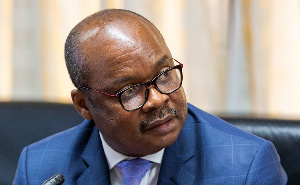
Governor of the Bank of Ghana, Dr Ernest Addison, has conveyed optimism regarding a substantial reduction in inflation as the Central Bank remains steadfast in its efforts to implement sound policies. Dr Addison expressed confidence that the Bank’s measures will lead to a drastic decline in inflation, with the ultimate goal of anchoring expectations toward a single-digit target.
Speaking at a recent meeting involving the Country Representative of the International Monetary Fund (IMF) and the Minister of Finance, Ken Ofori-Atta, Dr. Addison highlighted the commitment of all stakeholders in achieving price and financial stability. He emphasized the importance of continuous monitoring of both domestic and external developments to sustain the observed downward trajectory in inflation without compromising economic growth.
Reflecting on the economic landscape in 2023, Dr. Addison noted a robust reduction in inflation and stronger growth, citing it as an instructive experience. A year ago, inflation stood at a daunting 54% (January 2023). Through rigorous policies, tight monetary conditions, and exchange rate stability, the Governor revealed that inflation has been more than halved by the end of 2023, currently reported at 23.0%.
Several factors contributed to this disinflation process, including the monetary policy stance throughout 2023, stability in crude oil prices leading to favorable impacts on transportation costs, a relatively stable exchange rate environment, increased foreign exchange reserve accumulation from the gold for reserve program, and favorable climatic conditions benefiting the food supply chain process.
Looking ahead, Dr. Addison addressed the successful conclusion of the first review of the IMF Programme, urging consideration for the second review and beyond. While tentative indications suggest sound policy implementation through December 2023, the Governor emphasized the need for vigilance and commitment in 2024 to execute all structural reforms envisioned under the program. He concluded by underscoring the critical role of implementing these reforms to ensure the effective functioning of the economy.
The Governor’s positive outlook and commitment to economic stability signal potential resilience and recovery for Ghana’s economy in the coming years.
The International Monetary Fund (IMF) has forecasted a 15% year-end inflation rate for 2024, signaling potential economic dynamics and challenges ahead.
The IMF is extending its forecast, foreseeing an 8.0% year-end inflation rate not only for 2025 but also for the subsequent years 2026 and 2027. This outlook shapes expectations for the medium-term economic landscape, guiding attention to potential trends and considerations.
This implies a deceleration in the upward trajectory of prices for goods and services, with a notable slowdown expected in the current year and a more significant reduction anticipated over the next three years.
The revelation was captured in the Fund’s latest document dubbed “Ghana: Selected Economic and Financial Indicators, 2022–28”.
Year-on-year inflation fell significantly by 30.4 percentage points in 2023 to 23.2% in December 2023. In January 2023, Ghana’s inflation rate stood at 53.6%.
According to the figures from the Ghana Statistical Service, food inflation drove down the overall inflation with a rate of 28.7% in December 2023, compared with 32.2% in November 2023. The non-food inflation also went down to 18.7% in December 2023 from 21.7% in November 2023.
Inflation for locally produced items stood at 23.8% in December 2023, whilst inflation for imported items was 21.9%.
Six divisions recorded inflation rates higher than the national average.
They were Alcoholic Beverages, Tobacco and Narcotics (38.2%); Personal Care, Social Protection and Miscellaneous Goods and Services (31.1%); Food and Non-Alcoholic Beverages (28.7%); Restaurants and Accommodation Services (28.0%); Furnishings, Household Equipment and Routine Household Maintenance (26.9%) and Recreation, Sports and Culture (24.9%).
The International Monetary Fund (IMF) has revealed that Ghana’s performance under the Fund program has been robust, with all quantitative performance criteria for the first review and nearly all indicative targets and structural benchmarks being met.
In a statement following the Executive Board Concluding of the 2023 Article IV Consultation with Ghana and First Review under the Extended Credit Facility Arrangement, the Fund commended Ghana for being on track to lower the fiscal primary deficit by about 4 percentage points of GDP in 2023.
The statement highlighted that spending remained within program limits, and the authorities (Ministry of Finance, Bank of Ghana) significantly expanded social protection programs to mitigate the impact of the crisis on the most vulnerable population. Ghana also met its non-oil revenue mobilization target on the revenue side.
“Spending has remained within program limits. To help mitigate the impact of the crisis on the most vulnerable population, the authorities [Ministry of Finance, Bank of Ghana] have significantly expanded social protection programmes. On the revenue side, Ghana has met its non-oil revenue mobilization target”, the statement pointed out.
Moreover, the statement acknowledged Ghanaian authorities’ progress on their debt restructuring strategy, emphasizing the completion of domestic debt restructuring and an agreement with the Official Creditor Committee (OCC) under the G20’s Common Framework. This agreement paved the way for the Executive Board review to be completed.
The IMF noted that ambitious structural fiscal reforms in Ghana are enhancing domestic revenues, improving spending efficiency, strengthening public financial and debt management, preserving financial sector stability, enhancing governance and transparency, and creating a more conducive environment for private sector investment.
The statement pointed out that the authorities’ reform efforts are yielding positive results, with signs of economic stabilization such as resilient growth in 2023, declining inflation, and improvements in the fiscal and external positions.
Looking ahead, the IMF stressed the importance of steadfast policy and reform implementation for fully restoring macroeconomic stability, debt sustainability, and fostering sustainable economic growth and poverty reduction.
Deputy Managing Director and Acting Chair, Bo Li, acknowledged Ghana’s economic performance amid significant volatility. He emphasized the positive results of the authorities’ efforts to reorient macroeconomic policies, restructure debt, and implement wide-ranging reforms. Bo Li highlighted the need for continued efforts, including reducing deficits, finalizing comprehensive debt restructuring, protecting the vulnerable, and implementing reforms to improve tax administration, fiscal rules, institutions, and SOEs management.
He also emphasized the importance of maintaining an appropriately tight monetary stance, enhancing exchange rate flexibility, and addressing issues in the financial sector to achieve the program’s objectives. Bo Li concluded by stressing the need for reforms to create a conducive environment for private investment and promoting a green recovery to address Ghana’s exposure to climate shocks.
The International Monetary Fund (IMF) has lauded Ghana’s successful attainment of all targets outlined for the $3 billion three-year extended credit facility.
In a statement released on Friday, January 19, 2024, the IMF emphasized, “Ghana’s performance under the program has been strong,” highlighting the fulfillment of quantitative performance criteria and nearly all indicative targets and structural benchmarks during the first review.
The IMF acknowledged the positive outcomes of the authorities’ reform efforts, noting emerging signs of economic stabilization.
The growth in 2023 was resilient, inflation declined, and both fiscal and external positions improved.
Additionally, the IMF disclosed that Ghana is progressing to “lower the fiscal primary deficit on a commitment basis by about 4 percentage points of GDP in 2023.” The government’s adherence to spending limits throughout the program was also noted.
To address the crisis’s impact on vulnerable populations, the Ghanaian authorities expanded social protection programs significantly. In terms of revenue, Ghana achieved its non-oil revenue mobilization target.
The statement highlighted the country’s advancements in debt restructuring, including the completion of domestic debt restructuring.
On January 12, 2024, an agreement was reached with the Official Creditor Committee (OCC) under the G20’s Common Framework, aligning with Fund program parameters. This agreement facilitated the necessary financing assurances for the completion of the Executive Board review.
The IMF’s positive remarks followed the approval of the second tranche of the bailout program, providing Ghana with an immediate disbursement of $600 million, constituting the second part of the $3 billion extended facility.
Below is the full press statement from the IMF
IMF Executive Board Concludes 2023 Article IV Consultation with Ghana and Completes First Review under the Extended Credit Facility Arrangement
The Executive Board of the International Monetary Fund (IMF) completed today the First review of the $3 billion, 36-month Extended Credit Facility (ECF) Arrangement, which was approved by the Board on May, 17, 2023 , as well as the 2023 Article IV Consultation with Ghana. The completion of the first ECF review allows for an immediate disbursement of SDR 451.4 million (about US$600 million), bringing Ghana’s total disbursements under the arrangement to about US$1.2 billion.
Ghana’s economic performance has been marked by significant volatility over the years. Episodes of strong growth and overall macroeconomic stability were undermined by rising inflation, exchange rate depreciation, and loss of external buffers, in turn largely reflecting overly accommodative fiscal policies. Most recently, severe external shocks compounded pre-existing fiscal and debt vulnerabilities, exacerbating such volatility and leading to acute economic and financial pressures in 2022.
The authorities’ reform program has been designed to respond to immediate pressures and pave the way for a more resilient and prosperous economy. The ECF arrangement has provided a framework to implement the authorities’ policy and reform strategy to restore macroeconomic stability and debt sustainability, address long standing vulnerabilities, and lay the foundations for higher and more inclusive growth.
Ghana’s performance under the program has been strong. All quantitative performance criteria for the first review and almost all indicative targets and structural benchmarks were met.
Consistent with the authorities’ commitments under the Fund-supported program, Ghana is on track to lower the fiscal primary deficit on a commitment basis by about 4 percentage points of GDP in 2023. Spending has remained within program limits. To help mitigate the impact of the crisis on the most vulnerable population, the authorities have significantly expanded social protection programs. On the revenue side, Ghana has met its non-oil revenue mobilization target.
The Ghanaian authorities are also making good progress on their debt restructuring strategy. Their domestic debt restructuring was completed over the summer. On January 12, 2024, the authorities reached an agreement with the Official Creditor Committee (OCC) under the G20’s Common Framework on a debt treatment that is in line with Fund program parameters. This agreement provided the financing assurances necessary for the Executive Board review to be completed.
Ambitious structural fiscal reforms are bolstering domestic revenues, improving spending efficiency, strengthening public financial and debt management, preserving financial sector stability, enhancing governance and transparency, and helping create an environment more conducive to private sector investment.
The authorities’ reform efforts are bearing fruit, and signs of economic stabilization are emerging. Growth in 2023 has proven resilient, inflation has declined, and the fiscal and external positions have improved.
Looking ahead, fully and durably restoring macroeconomic stability and debt sustainability and fostering a sustainable increase in economic growth and poverty reduction will require steadfast policy and reform implementation.
At the conclusion of the Executive Board’s discussion, Mr. Bo Li, Deputy Managing Director and Acting Chair, issued the following statement:
“Ghana’s economic performance has been marked by significant volatility over the years. Most recently, severe external shocks compounded pre existing fiscal and debt vulnerabilities, leading to acute economic and financial pressures in 2022. The authorities’ efforts to reorient macroeconomic policies, restructure debt, and initiate wide ranging reforms are already generating positive results, with growth more resilient than initially envisaged, inflation declining, the fiscal and external positions improving, and international reserves increasing.
“Fully and durably restoring macroeconomic stability and debt sustainability and fostering higher and more inclusive growth require steadfast policy and reform implementation. The government’s plans to further reduce deficits by mobilizing additional domestic revenue and streamlining expenditure and to finalize its comprehensive debt restructuring are critical to underpin debt sustainability and ease financing constraints. Continued efforts to protect the vulnerable and to create space for higher social and development spending are also key. Reforms to improve tax administration, strengthen expenditure control and management of arrears, enhance fiscal rules and institutions, and improve SOEs management are needed to ensure lasting adjustment.
“The authorities took decisive steps to rein in inflation and rebuild foreign reserve buffers. Maintaining an appropriately tight monetary stance and enhancing exchange rate flexibility are key to achieving the program’s objectives.
“Bank of Ghana had deployed its regulatory and supervisory tools to mitigate the impact of the domestic debt restructuring on financial institutions. The authorities’ strategy aimed at maintaining a sound financial sector, drawing on new resources from the private sector, government, and multilaterals to rapidly rebuild financial buffers, is welcome. Ensuring full implementation of bank recapitalization plans and addressing legacy issues in the financial sector will be important.
“Reforms to create an environment more conducive to private investment are needed to enhance the economy’s potential and underpin sustainable job creation. Given Ghana’s exposure to climate shocks, promoting a green recovery by further advancing the adaptation and mitigation agendas should also remain a priority.”
The International Monetary Fund (IMF) has praised Ghana for successfully meeting all targets set for the $3 billion three-year extended credit facility.
In a statement released on January 19, 2024, the IMF acknowledged Ghana’s strong performance, with all quantitative performance criteria for the first review met, along with almost all indicative targets and structural benchmarks.
The IMF noted positive outcomes such as economic stabilization, resilient growth in 2023, a decline in inflation, and improved fiscal and external positions.
“The authorities’ reform efforts are bearing fruit, and signs of economic stabilization are emerging. Growth in 2023 has proven resilient, inflation has declined, and the fiscal and external positions have improved.”
Ghana is on track to reduce the fiscal primary deficit by about 4 percentage points of GDP in 2023, according to the IMF.
The government’s adherence to spending limits and efforts to expand social protection programs were also commended.
“To help mitigate the impact of the crisis on the most vulnerable population, the authorities have significantly expanded social protection programmes. On the revenue side, Ghana has met its non-oil revenue mobilization target.”
“The Ghanaian authorities are also making good progress on their debt restructuring strategy. Their domestic debt restructuring was completed over the summer. On January 12, 2024, the authorities reached an agreement with the Official Creditor Committee (OCC) under the G20’s Common Framework on a debt treatment that is in line with Fund program parameters. This agreement provided the financing assurances necessary for the Executive Board review to be completed.”
Additionally, Ghana has made progress in its debt restructuring strategy, completing domestic debt restructuring and reaching an agreement with the Official Creditor Committee under the G20’s Common Framework.
The IMF’s remarks followed the approval of the second tranche of the $3 billion extended facility, providing Ghana with $600 million immediately.
Below is the full press statement from the IMF
IMF Executive Board Concludes 2023 Article IV Consultation with Ghana and Completes First Review under the Extended Credit Facility Arrangement
The Executive Board of the International Monetary Fund (IMF) completed today the First review of the $3 billion, 36-month Extended Credit Facility (ECF) Arrangement, which was approved by the Board on May, 17, 2023 , as well as the 2023 Article IV Consultation with Ghana. The completion of the first ECF review allows for an immediate disbursement of SDR 451.4 million (about US$600 million), bringing Ghana’s total disbursements under the arrangement to about US$1.2 billion.
Ghana’s economic performance has been marked by significant volatility over the years. Episodes of strong growth and overall macroeconomic stability were undermined by rising inflation, exchange rate depreciation, and loss of external buffers, in turn largely reflecting overly accommodative fiscal policies. Most recently, severe external shocks compounded pre-existing fiscal and debt vulnerabilities, exacerbating such volatility and leading to acute economic and financial pressures in 2022.
The authorities’ reform program has been designed to respond to immediate pressures and pave the way for a more resilient and prosperous economy. The ECF arrangement has provided a framework to implement the authorities’ policy and reform strategy to restore macroeconomic stability and debt sustainability, address long standing vulnerabilities, and lay the foundations for higher and more inclusive growth.
Ghana’s performance under the program has been strong. All quantitative performance criteria for the first review and almost all indicative targets and structural benchmarks were met.
Consistent with the authorities’ commitments under the Fund-supported program, Ghana is on track to lower the fiscal primary deficit on a commitment basis by about 4 percentage points of GDP in 2023. Spending has remained within program limits. To help mitigate the impact of the crisis on the most vulnerable population, the authorities have significantly expanded social protection programs. On the revenue side, Ghana has met its non-oil revenue mobilization target.
The Ghanaian authorities are also making good progress on their debt restructuring strategy. Their domestic debt restructuring was completed over the summer. On January 12, 2024, the authorities reached an agreement with the Official Creditor Committee (OCC) under the G20’s Common Framework on a debt treatment that is in line with Fund program parameters. This agreement provided the financing assurances necessary for the Executive Board review to be completed.
Ambitious structural fiscal reforms are bolstering domestic revenues, improving spending efficiency, strengthening public financial and debt management, preserving financial sector stability, enhancing governance and transparency, and helping create an environment more conducive to private sector investment.
The authorities’ reform efforts are bearing fruit, and signs of economic stabilization are emerging. Growth in 2023 has proven resilient, inflation has declined, and the fiscal and external positions have improved.
Looking ahead, fully and durably restoring macroeconomic stability and debt sustainability and fostering a sustainable increase in economic growth and poverty reduction will require steadfast policy and reform implementation.
At the conclusion of the Executive Board’s discussion, Mr. Bo Li, Deputy Managing Director and Acting Chair, issued the following statement:
“Ghana’s economic performance has been marked by significant volatility over the years. Most recently, severe external shocks compounded pre existing fiscal and debt vulnerabilities, leading to acute economic and financial pressures in 2022. The authorities’ efforts to reorient macroeconomic policies, restructure debt, and initiate wide ranging reforms are already generating positive results, with growth more resilient than initially envisaged, inflation declining, the fiscal and external positions improving, and international reserves increasing.
“Fully and durably restoring macroeconomic stability and debt sustainability and fostering higher and more inclusive growth require steadfast policy and reform implementation. The government’s plans to further reduce deficits by mobilizing additional domestic revenue and streamlining expenditure and to finalize its comprehensive debt restructuring are critical to underpin debt sustainability and ease financing constraints. Continued efforts to protect the vulnerable and to create space for higher social and development spending are also key. Reforms to improve tax administration, strengthen expenditure control and management of arrears, enhance fiscal rules and institutions, and improve SOEs management are needed to ensure lasting adjustment.
“The authorities took decisive steps to rein in inflation and rebuild foreign reserve buffers. Maintaining an appropriately tight monetary stance and enhancing exchange rate flexibility are key to achieving the program’s objectives.
“Bank of Ghana had deployed its regulatory and supervisory tools to mitigate the impact of the domestic debt restructuring on financial institutions. The authorities’ strategy aimed at maintaining a sound financial sector, drawing on new resources from the private sector, government, and multilaterals to rapidly rebuild financial buffers, is welcome. Ensuring full implementation of bank recapitalization plans and addressing legacy issues in the financial sector will be important.
“Reforms to create an environment more conducive to private investment are needed to enhance the economy’s potential and underpin sustainable job creation. Given Ghana’s exposure to climate shocks, promoting a green recovery by further advancing the adaptation and mitigation agendas should also remain a priority.”
Finance Minister Ken Ofori-Atta stated that the IMF has granted approval for all necessary financing assurances from Ghana’s Official Creditors.
The minister clarified that the IMF board’s endorsement of the initial review of Ghana’s loan programme would facilitate the prompt disbursement of approximately $600 million as part of its $3 billion bailout programme.
“It is with great honour that I can announce to you that earlier today, the International Monetary Fund endorsed the first review of our programme. This is a resounding affirmation that the programme is advancing steadily and our reform trajectory remains steadfast”.
“Consequently, the endorsement has unlocked a $600 million disbursement from the IMF and will pave the way for an additional $300 million disbursement from the World Bank under the development policy operation financing,” he said.
Mr Ken Ofori-Atta, addressed a joint press conference with the IMF, the Finance Ministry, and the Bank of Ghana on January 19, 2024, where he shared updates on Ghana’s financial situation.
In addition, Mr Ofori-Atta is scheduled to meet with the World Bank on Tuesday, January 23, to engage in discussions regarding the possibility of securing an additional $250 million. This funding is intended to further support and boost the country’s economy.
“The World Bank will meet on Tuesday, January 23. In addition, we expect the World Bank to approve $250 million to support the Ghana Financial Stability Fund. These resources, in total $1.15 billion, will significantly booster our economic recovery effort,” he added.
In 2023, Ghana encountered a delay in receiving the second tranche of the $3 billion bailout package from the International Monetary Fund (IMF) due to ongoing debt rework negotiations with external creditors. The country had set a November 1 deadline in line with the IMF program, but negotiations hampered the timeline.
Ghana was actively engaged in talks with external creditors, seeking debt relief totaling $10.5 billion. Proposals had been submitted to commercial creditors, aiming for a potential haircut of up to 40%. Additionally, negotiations for additional debt restructuring were underway with bilateral creditors, including China and the Paris Club.
This announcement was made in a statement on Friday, January 19, 2024, following Ghana’s successful negotiation with bilateral lenders, including China and France, the previous week. This crucial step paved the way for the release of the second disbursement.
Ghana’s achievement of passing its first review under the Fund program, initiated with the initial tranche in May of the preceding year, underscores the country’s commitment to meeting program targets. The government has outlined plans to allocate the newly acquired funds to support activities outlined in the 2024 budget.
The details of this development were shared during a joint press conference on Friday, January 19, 2024, involving representatives from the government, the IMF, and the Bank of Ghana.
In addition to securing the IMF funds, Ghana has successfully negotiated a moratorium with official creditors, extending debt payments until May 2026. The country anticipates finalising an agreement with Eurobond investors to restructure a $13 billion debt by the end of March.
Finance Minister Ken Ofori-Atta has announced a structured approach to bilateral obligations, with payments totaling $5.4 billion scheduled over two installments spanning 16 and 17 years. This move aligns with the optimistic outlook expressed by the Finance Minister regarding IMF funding, anchored in financial assurance under the G20 Common Framework.
In parallel, the World Bank hassignaled its readiness to provide Ghana with $300 million in budgetary support to aid the country’s economic recovery. The release of this financial support is pending the convening of the World Bank’s Board of Executive Directors next week, following the agreement in principle by the Official Creditors’ Committee on the key criteria for Ghana’s planned debt restructuring.
Below is the full press statement from the IMF
IMF Executive Board Concludes 2023 Article IV Consultation with Ghana and Completes First Review under the Extended Credit Facility Arrangement
The Executive Board of the International Monetary Fund (IMF) completed today the first review of the $3 billion, 36-month Extended Credit Facility (ECF) Arrangement, which was approved by the Board on May 17, 2023 , as well as the 2023 Article IV Consultation with Ghana. The completion of the first ECF review allows for an immediate disbursement of SDR 451.4 million (about US$600 million), bringing Ghana’s total disbursements under the arrangement to about US$1.2 billion.
Ghana’s economic performance has been marked by significant volatility over the years. Episodes of strong growth and overall macroeconomic stability were undermined by rising inflation, exchange rate depreciation, and the loss of external buffers, in turn largely reflecting overly accommodative fiscal policies. Most recently, severe external shocks compounded pre-existing fiscal and debt vulnerabilities, exacerbating such volatility and leading to acute economic and financial pressures in 2022.
The authorities’ reform program has been designed to respond to immediate pressures and pave the way for a more resilient and prosperous economy. The ECF arrangement has provided a framework to implement the authorities’ policy and reform strategy to restore macroeconomic stability and debt sustainability, address long-standing vulnerabilities, and lay the foundations for higher and more inclusive growth.
Ghana’s performance under the program has been strong. All quantitative performance criteria for the first review and almost all indicative targets and structural benchmarks were met.
Consistent with the authorities’ commitments under the Fund-supported program, Ghana is on track to lower the fiscal primary deficit on a commitment basis by about 4 percentage points of GDP in 2023. Spending has remained within program limits. To help mitigate the impact of the crisis on the most vulnerable population, the authorities have significantly expanded social protection programs. On the revenue side, Ghana has met its non-oil revenue mobilization target.
The Ghanaian authorities are also making good progress on their debt restructuring strategy. Their domestic debt restructuring was completed over the summer. On January 12, 2024, the authorities reached an agreement with the Official Creditor Committee (OCC) under the G20’s Common Framework on a debt treatment that is in line with Fund program parameters. This agreement provided the financing assurances necessary for the Executive Board review to be completed.
Ambitious structural fiscal reforms are bolstering domestic revenues, improving spending efficiency, strengthening public financial and debt management, preserving financial sector stability, enhancing governance and transparency, and helping create an environment more conducive to private sector investment.
The authorities’ reform efforts are bearing fruit, and signs of economic stabilization are emerging. Growth in 2023 has proven resilient, inflation has declined, and the fiscal and external positions have improved.
Looking ahead, fully and durably restoring macroeconomic stability and debt sustainability and fostering a sustainable increase in economic growth and poverty reduction will require steadfast policy and reform implementation.
At the conclusion of the Executive Board’s discussion, Mr. Bo Li, Deputy Managing Director and Acting Chair, issued the following statement:
“Ghana’s economic performance has been marked by significant volatility over the years. Most recently, severe external shocks compounded pre existing fiscal and debt vulnerabilities, leading to acute economic and financial pressures in 2022. The authorities’ efforts to reorient macroeconomic policies, restructure debt, and initiate wide ranging reforms are already generating positive results, with growth more resilient than initially envisaged, inflation declining, the fiscal and external positions improving, and international reserves increasing.
“Fully and durably restoring macroeconomic stability and debt sustainability and fostering higher and more inclusive growth require steadfast policy and reform implementation. The government’s plans to further reduce deficits by mobilizing additional domestic revenue and streamlining expenditure and to finalize its comprehensive debt restructuring are critical to underpin debt sustainability and ease financing constraints. Continued efforts to protect the vulnerable and to create space for higher social and development spending are also key. Reforms to improve tax administration, strengthen expenditure control and management of arrears, enhance fiscal rules and institutions, and improve SOEs management are needed to ensure lasting adjustment.
“The authorities took decisive steps to rein in inflation and rebuild foreign reserve buffers. Maintaining an appropriately tight monetary stance and enhancing exchange rate flexibility are key to achieving the program’s objectives.
“Bank of Ghana had deployed its regulatory and supervisory tools to mitigate the impact of the domestic debt restructuring on financial institutions. The authorities’ strategy aimed at maintaining a sound financial sector, drawing on new resources from the private sector, government, and multilaterals to rapidly rebuild financial buffers, is welcome. Ensuring full implementation of bank recapitalization plans and addressing legacy issues in the financial sector will be important.
“Reforms to create an environment more conducive to private investment are needed to enhance the economy’s potential and underpin sustainable job creation. Given Ghana’s exposure to climate shocks, promoting a green recovery by further advancing the adaptation and mitigation agendas should also remain a priority.”
World Bank Group has commended the Official Creditors’ Committee under the G20 Common Framework for reaching an agreement in principle on the fundamental terms of the proposed debt restructuring for Ghana.
In a released statement, the World Bank noted that the agreement, aligning with the Joint World Bank-International Monetary Fund Debt Sustainability Framework, marks a significant milestone in the journey towards re-establishing debt sustainability in Ghana.
“This agreement will help unlock financial support by international financial institutions, including a $300 million budget support operation supported by IDA, which will be considered by the World Bank’s Board of Executive Directors next week.
This will help Ghana in its recovery, attracting investments and restoring a sustainable growth path,”said Ousmane Diagana, World Bank Vice President for Western and Central Africa.
The Resilient Recovery Development Policy Operation constitutes the initial phase of a comprehensive series of three operations, amounting to $900 million. This initiative is a crucial aspect of the broader World Bank commitment to assist Ghana in crisis response and enhance resilience.
Ghana is set to actualize $4.3 billion in commitments from the World Bank, channeling these funds into national and regional projects aimed at fostering private sector development, job creation, inclusive service delivery, and sustainable resilient development.
Director of the Institute of Statistical, Social, and Economic Research (ISSER), Professor Peter Quartey, has emphasized the significance of strategically investing funds obtained from the International Monetary Fund (IMF) into productive sectors.
During an interview on JoyNews’ PM Express, Prof Quartey emphasized that the funds received from the IMF should not be considered as “free money.” Instead, he stressed the importance of directing investments towards sectors that would spur economic growth and generate sustainable income.
Prof. Quartey underscored the importance of steering clear from using the resources for consumptive purposes, as such an approach could impede the country’s capacity to fulfill repayment obligations in the future.
The Director emphasized that top priority should be accorded to infrastructure development, specifically highlighting the significance of investing in roads. These road investments should focus on facilitating the efficient transportation of goods from production areas to consumption centers and ports for export.
He argued that well-maintained roads would not only reduce travel time but also enhance productivity, particularly in key production areas like Kumasi.
Prof Quartey advocated for diversifying the use of funds into areas such as agricultural support, credit, and agricultural insurance.
He also mentioned the significance of adding value to production and supporting initiatives like “Planting for Food and Jobs 2.0.”
However, he stressed the importance of ensuring that these funds are allocated judiciously to the right individuals and sectors that contribute positively to the country’s Gross Domestic Product (GDP).
“Some of the funds can go into that but we should make sure that they go into the right areas and be dispersed to the right kind of people who will produce and add to our GDP. And also add value to whatever we produce,” he said on Thursday.
Vice President of think-thank IMANI Centre for Policy and Education, Bright Simons, has questioned government over its celebration of an International Monetary Fund (IMF) agreement when the consequences will be damning on the ordinary citizen.
Mr Simons expressed concern following what he describes as “feel-good story” by the Finance Ministry and a report by Blomberg on Ghana’s debt restructure situation.
A portion of a recent Bloomberg report that spoke of a moratorium won by Ghana with official creditors on debt payments read “Ghana’s pact, finalized in just over a year, has been hailed as one of the quickest under the Group-of-20 Common Framework for Debt Treatment.”
In an opinionated article, he noted that while the Finance Minister continues to laud himself outside the shores of the country, in Ghana, Mr Ofori-Atta’s resignation has become topical again.
“Ghana’s Finance Ministry has been on a roll lately. Hardly a day goes by without them releasing another feel-good story about the country’s protracted debt restructuring effort or its three-year IMF program, now in its eighth month. The latest is this big Davos splash by Bloomberg.
At home, people seem to have tuned off. The trending Finance Ministry story is a ruling party grandee expressing the age-old hope in his circles that the Finance Minister will resign soon to lift the party’s image among the public, and, obviously, his party’s chances in the upcoming general elections (December 7th, 2024),” he wrote.
Mr Simons believes there is a disparity between international engagements and the tangible positive effects or celebrations within Ghana.
Shedding more light on this assertion, Mr Simons explained that “The IMF is desperate to hoist Ghana as evidence of the effectiveness of its treatments. The “international system” needs some success stories for development multilateralism, to vindicate programs like the Common Framework, which Ghana initially rejected (just as it earlier, flatly, refused to enter another IMF program) before jumping on board; Western powers, whose favour Ghana has curried more aggressively of late, need Ghana to preserve its “West African oasis” narrative; and global investors exposed to Ghana, such as Eurobond holders, are keen to see the value of their assets recover.”
“At home, on the other hand, the citizenry demands more than a “turnaround” story. Those abreast with the technical details are much too aware of the spin. Whilst the ordinary masses simply can’t square these jamborees about “moratoriums” and “IMF Board reviews” with their daily reality of a high cost of living, corruption scandals, and a clear turn for the worse on the basic infrastructure front,” he added.
In a tweet in reaction to his views on the matter, he asked Ghanaians in which part of the country will they be celebrating the IMF and debt restructuring initiatives which is to help save the dying economy.
“Ghana people, government heavyweights are being toasted in Davos for all the great news about the IMF program being churned out. And much lip-smacking is happening on account of another $600m tranche due. But at home, where the party at?” he quizzed.
President Akufo-Addo together with Minister for Foreign Affairs, Shirley Ayorkor Botchway; Minister for Finance, Ken Ofori-Atta; along with officials from the Foreign Ministry and the Presidency is in Davos for the 2024 World Economic Forum Annual Meetings scheduled from Tuesday, January 16, to Friday, January 19.
Ghana people, government heavyweights are being toasted in Davos for all the great news about the IMF program being churned out. And much lip-smacking is happening on account of another $600m tranche due. But at home, where the party at? 😉https://t.co/V9aExS39vi
Finance Minister Ken Ofori-Atta has announced that the anticipated $600 million second tranche of the International Monetary Fund (IMF) bailout package, expected next week, will be allocated for specific programs outlined in the 2024 Budget.
The IMF’s Executive Board is scheduled to convene on January 19, 2024, in Washington DC, USA, to conduct Ghana’s first review under the Fund program.
Upon approval by the board, the $600 million is set to be disbursed to Ghana within the following three working days. Mr Ofori-Atta emphasized that Ghana has fulfilled all the necessary requirements to secure the funding.
“We are very optimistic that Ghana will pass this review when the Executive Board of the IMF meets on January 19, 2024”, he expressed hope in an engagement with Joy Business.
The initially scheduled meeting for Friday, January 19, 2024, faced postponements due to challenges in Ghana securing necessary “financing assurance” from bilateral creditors via the official creditor committee on debt restructuring.
The board had rescheduled the meeting multiple times since November 2023, and it was eventually moved from January 18 to January 19, 2024. This adjustment allowed the board three working days to review documents submitted by the IMF staff.
Despite the earlier hurdles, the board proceeded with the meeting after Ghana reached an agreement with bilateral creditors on restructuring approximately $5.4 billion in debts. The board is expected to release a staff report detailing Ghana’s program status and government performance over the past month.
Finance Minister Ofori-Atta is optimistic that the “possible disbursement” of funds will unlock additional support from Ghana’s donors.
The World Bank Board is set to convene on January 25, 2024, to approve the disbursement of around $550 million. Of this, $300 million will be allocated to various projects in the budget, while $250 million will contribute to the Ghana Stability Fund, supporting institutions affected by the Domestic Debt Exchange Programme.
By the end of January 2024, Ghana anticipates securing over $1.1 billion from the IMF and World Bank to bolster its economy.
Ghana’s Finance Ministry has been on a roll lately. Hardly a day goes by without them releasing another feel-good story about the country’s protracted debt restructuring effort or its three-year IMF program, now in its eighth month.
The latest is this big Davos splash by Bloomberg:
At home, people seem to have tuned off. The trending Finance Ministry story is a ruling party grandee expressing the age-old hope in his circles that the Finance Minister will resign soon to lift the party’s image among the public, and, obviously, his party’s chances in the upcoming general elections (December 7th, 2024).
Ghana’s international goodwill is still understandably strong
It is not too difficult understanding this gap in sentiments between home and abroad. Ghanaian governments, especially the current one, tend to worry more about national image overseas than at home. Most international stakeholders share the government’s compulsive need for a good story.
The IMF is desperate to hoist Ghana as evidence of the effectiveness of its treatments. The “international system” needs some success stories for development multilateralism, to vindicate programs like the Common Framework, which Ghana initially rejected (just as it earlier, flatly, refused to enter another IMF program) before jumping on board; Western powers, whose favour Ghana has curried more aggressively of late, need Ghana to preserve its “West African oasis” narrative; and global investors exposed to Ghana, such as Eurobond holders, are keen to see the value of their assets recover.
Citizens are bored stiff of the talk
At home, on the other hand, the citizenry demands more than a “turnaround” story. Those abreast with the technical details are much too aware of the spin. Whilst the ordinary masses simply can’t square these jamborees about “moratoriums” and “IMF Board reviews” with their daily reality of a high cost of living, corruption scandals, and a clear turn for the worse on the basic infrastructure front.
Just about the time the Finance Ministry’s spin was winding through Davos, operators of Ghana’s under-pressure “public” transport system, composed (like much of Africa) of private mini-buses and saloons, announced an imminent rise in fares by 30%. The electricity utility in the populous urban south of the country (ECG) is about to add Value Added Tax (VAT) to bills, effectively hiking tariffs by up to 22%, depending on how the increasingly complicated VAT computation works out for a consumer (a small segment of the urban population consuming less than about $4 per month are exempted). Whilst inflation is falling, prices are still rising by more than 23% per annum. A sluggish rebound in growth has not fed through into the incomes of the vast majority of citizens, who ply various trades in the large informal economy.
Then, there are the scandals.
Just before 2023 closed out, word came that the government is dramatically expanding an opaque contract signed with a mushroom firm set up by a timber merchant in 2019 to audit tax compliance among distributors and marketers of refined fuel products, like gasoline and diesel. The company, SML, was entitled to receive 0.05 local currency units (5 GHP) for every litre of fuel sold. In 2019, that amounted to about $4 million a month.
The expansion of the contract in 2023 to cover the upstream petroleum and minerals sector now meant it would be entitled to 0.75% of all the country’s mineral proceeds and $0.75 for each barrel of oil exported by Ghana. The mind-boggling arrangement implies earnings for the company of nearly a billion dollars over the contract term under various reasonable scenarios. Not only was this contract awarded non-competitively to a company with zero track record in such a highly sensitive and technically complex domain as revenue assurance, but it has now come to light that the company’s interventions duplicate other revenue assurance programs set up at a considerable cost to the country. Worse, the evidence shows that no tax evasion whatsoever is being blocked by this upstart entity.
Growing disappointment
Taking all these together, the coolness at home towards the Finance Ministry’s efforts to ramp up enthusiasm becomes self-explanatory, but there is a need to return to the earlier point about why those technically abreast with the IMF and debt restructuring processes are also increasingly disinterested. Doing that requires a bit of a recap.
Repeating an earlier point, the Ghanaian government was totally opposed to an IMF program just two years ago. The political opposition and some elites strongly championed a return to the IMF. Within that group were some who felt that an IMF program will massively rein in certain conduct long blamed for the country’s economic woes. Some of us felt obliged to counsel caution by pointing to persistent governance lapses despite successive IMF programs (this being Ghana’s 17th program).
Eight months after the IMF program commenced, disappointment is growing. Much of the ennui stems from the arcaneness, opaqueness and seeming arbitrariness in the whole setup of IMF crisis resolution, as well as its accompanying macroeconomic reforms and debt management framework.
At the domestic level, it is not just that schemes like the SML deal continue to proliferate under the ostensible supervision of the Fund, it is also that spin often overtakes any serious reckoning with the facts of reform, seemingly with the IMF’s blessings.
Take the recent announcements about a major deal with bilateral creditors, for instance.
The recent announcement is the foundation of an upcoming meeting of the IMF’s board in two days during which Ghana’s performance so far will be reviewed, and the next $600 million tranche released.
Yet, everyone knows that the supposed “progress” is illusory and the facts of progress concerning the broader program do not relate seriously to the benchmarks in Ghana’s IMF program in terms of actual macroeconomic impact. Let us dive into the weeds.
When one compares the above Ghanaian announcement with the Zambian version issued in the middle of last year, some subtle differences emerge.
In simple terms, by the time the Zambian announcement was made, an actual “agreement in principle” was in place with bilateral creditors. So, Zambia could explain clearly what exactly was on offer. The resulting IMF “endorsing statement” echoed these details by mentioning the baseline and contingent elements agreed upon.
Nothing like that could be found in the Ghanaian case.
Why?
True, much of this is about ritual display. As we now know from the Zambian episode, the announcement was far from a conclusive agreement reached among creditors. However, in the case of Zambia, there was at least a holistic set of terms that had been agreed upon in principle and based on which macroeconomic projections could be made as part of, at least, a rigorous attempt at reviewing the pace of the IMF bailout program. In Ghana’s case, what existed was a draft term sheet.
Anticipating some of the pitfalls in the Zambian negotiations, the government of Ghana and the IMF had decided that a board review must be based on open-ended commitments rather than definite economic projections awaiting legal drafting. Considering that even after the MOU is signed, bilateral agreements are required with each creditor country, there is nothing conclusive about the current milestone. The “assurances” represented by the draft term sheet do not fundamentally change any calculus regarding the bilateral component of Ghana’s external debt.
The real issue in this whole dance would be the comparability of treatment analysis, through which the rich countries and China will ensure that private creditors, such as Eurobond investors, do not get a far nicer deal than they secure. Based on recent developments, it is safe to say that scaling that hurdle is the only one that matters as far as the official creditor committee process in the Common Framework is concerned.
Debt Relief is the real deal
At any rate, as everyone knows, Ghana’s bilateral debt constitutes just 4.2% of the total external debt stock. Servicing this small fraction of the country’s total debt is negligible. In fact, following the country’s default, external debt servicing has now fallen to ~5.4% of the total debt service burden, down from 12.3% in the pre-crisis period (looking at interest payments alone, the domestic component was 93.5% of the total between January and August).
And, as is evident from the charts above and below, the bilateral debt service burden was about 5% of 4% of the quarterly external debt service burden or roughly 0.2% of the total quarterly public debt service in Q2 2024. For rigour’s sake, we must acknowledge the historical practice of Ghana, like so many other African countries, piling up bilateral debt payment arrears, which probably explains why the IMF’s estimate of bilateral debt service for 2022 amounted to 20% of total external debt service (separately, the IMF is also more stringent in accounting for amortisation costs, a very important factor, for instance, in the case of Ghana’s China debt).
No reader can miss the serious dominance of domestic debt in all these calculations. Even in the second quarter of 2023, after the government announced the end of what it claimed was a highly successful domestic debt restructuring exercise, the domestic debt service burden was still 50% higher than a year ago (when, in relative terms, it constituted 81% of total debt service).
In typical fashion, most public macroeconomic statistics are now between 3 and 6 months behind schedule, but it is still possible to piece together a somewhat concerning picture.
In September 2023, total domestic debt stock stood at about $20 billion. The effective cost of local debt is climbing towards 25%, due to the government’s switch to the short end of the domestic debt market after being shut out of the international capital markets. And notwithstanding the coupon rate haircuts suffered by holders of restructured bonds. Meanwhile, annual domestic debt service, including amortisation, can be extrapolated at over 130 billion GHS presently (with cocoa bills alone racking up 15 billion GHS of this amount in 2023), in line with IMF projections. The focus on interest payments alone (about 25 billion GHS in 2023) in the budget could be falsely reassuring.
Clearly, in absolute terms, the debt servicing pressure has not truly abated, even though domestic debt restructuring is estimated to have shaved off about 60 billion GHS in 2023. In nominal terms, domestic debt service is effectively climbing higher at a faster rate today than it did in the pre-crisis period, after adjusting for the effect of the one-off restructuring episode. This is why even after a string of domestic debt treatments, the country is still refusing to pay holders of some domestic bonds, such as the old series of the benighted cocoa bills.
In these circumstances, the only real relief one can expect from even a successful conclusion later this year of negotiations to restructure the Eurobond debt, easily 75% of the total external debt service burden had Ghana not defaulted, is a continuance of the current lowering of pressure on the exchange rate. A welcome development for the country’s economic managers, but not the absolute game-changer some assume it is.
Honestly speaking, the bilateral debt relief does not even register in the actual budgetary scheme of things.
It bears emphasising that from a pure relief point of view, Ghana’s current situation is the most relieving: most obligations have simply been frozen. Any Eurobond deal, for instance, that does not result in a substantial moratorium will lead to an uptick in external debt service. Hence, the only real incentive for a government with just eleven months left in government to persist with the tough Eurobond negotiations towards a definite conclusion is the linkage to IMF disbursements.
This is why looseness in how progress is measured in triggering disbursements constitutes complicity of the IMF in efforts to keep postponing the real macroeconomic reckoning that Ghana must face.
When loose draft term sheets are branded as definitive, the ever-essential comparability of treatment tango is pushed farther away, into the future. Disbursements are consequently made based on illusory progress. Future governments are saddled with the fallout. But without the fat, juicy, carrots of bailout disbursements. If the current government realises its ambition of collecting 80% of the total IMF bailout package and continues to be successful in skirting around the tougher reforms, the next government will almost certainly relapse on key aspects of the program. How serious is this threat to the country’s near future?
We can start by looking at the key quantitative performance criteria in the IMF program.
Net International Reserves
Under the terms of the IMF program, Ghana’s Net International Reserves (a measure of foreign exchange held by the central bank) should have increased by at least $270 million in September of 2023, then a further increase by $655 million by December of the same year, and by March 2024, the net cumulative increase should have hit $107 million.
As usual, the public data of the Bank of Ghana is four months old so analysts can only draw inferences from projections based on the trend. From $6.25 billion at the end of December 2022, Ghana’s Gross International Reserves dropped to $5.15 billion in October 2023. By the end of the year, it was hovering a little above $4.7 billion. However, the government then came up with a nifty trick. It ramped up purchases of gold on the domestic market, so that even though reserves excluding pledged petroleum funds and other encumbered reserves, would have fallen to less than $1.5 billion by the end of 2023, and, when netted against current government forex liabilities, would have breached the program floor, the government is now happily announcing gross reserves (excluding pledged funds) of $2.5 billion, up from the $2.1 billion it reported in August 2023.
Given these acrobatics, the government does not need to cite the failure of expected funds from the World Bank and the IMF (which would not have counted towards the floor calculation anyway) as an excuse.
The thing though is that none of these acrobatics matter very much to Ghana’s ongoing inability to meet critical forex-denominated liabilities. It has defaulted on its Africa Trade Insurance Agency obligations, has resorted to pawn-shop arrangements to stave off action by independent power producers, to whom it owes more than $2 billion, and is trying to grab money belonging to the national oil company to sustain its candidacy to host the Afreximbank-promoted Africa Energy Bank. The irony is that the national oil company (GNPC) itself has become a persistent defaulter of its obligations. In fact, the street wisdom in Accra nowadays is that unless you have something to threaten the government in a pretty strong way, forget about getting paid.
Non-accumulation of external debt arrears
Under the IMF agreement, the government is to flat-out halt the fresh accumulation of external debt payment arrears (obviously excluding the Eurobond and export credit payments which the IMF advised the government to default on, as it is doing now in Ethiopia).
Since this measure is on a commitment basis, it is unclear how exactly the government has been winging it, given that the Ghanaian parliament has continued to approve various new foreign-financed commitments. Arrears continue to pile up on effectively restructured obligations arising from the infrastructure financing boom that attracted the likes of Commerzbank, Deutsche Bank and a raft of other European banks to Ghana in the very recent past.
On this scorecard measure, independent analysts are heavily constrained in their ability to track the government’s compliance due to the complete opacity of many arrangements. Since the reports the government shares with the IMF are not available to even the people’s representatives in Parliament, analysts have to rely on deep insider sources to keep abreast of developments. Moreover, even though the brackets in the IMF program related to this indicator are quite broad, capturing most of the key state-owned enterprises and public agencies, considerable room still exists for lax interpretation.
For example, the political opposition accused the government of sponsoring GNPC to pursue debt deals with Russian energy companies like Lukoil and was met with an aloof silence. Eventually, the government promised to bring the loan to Parliament. The country continues to pursue a $3.2 billion facility through Thelo DB of South Africa to revamp the western rail corridor even though it is clear that no tranche can be released without sovereign guarantees. Delays and operational challenges with the Indian EXIM – Afcons Infrastructure rail project mean that arrears on a commitment basis are already mounting.
It is hard to see how exactly the IMF and the government justify all the many such arrangements underway given the plain wording of the terms of the agreement.
Some targets have been met.
The program’s inflation target (central rate) for end-December 2023 was 29.4%. The rate recorded for the period was 23.2%.
The primary fiscal balance (cumulative floor) target, a measure highly sensitive to debt servicing, and which is the key fiscal anchor for the whole IMF deal, was set in the program document for December 2023 at 4.6 billion Ghana Cedis (cf. the comparative annual figures at end-2021 was 8.8 billion and 4.8 billion in 2022). By August 2023, the overall fiscal deficit had declined to 3% of GDP (compared to an annual figure of 3.6% of GDP for 2022), significantly better than the 4.6% target. The corresponding primary balance was a deficit of 0.7% (versus the -0.9% target). The provisional figures for December 2023 are a 0.5% primary balance and an overall 6% budget deficit (against the government’s projected 5.3% deficit).
The central bank’s zero financing of central government pledge also appears to be holding, except for a curious 3.85 billion GHS payment with a missing footnote in the public accounts. The picture is further complicated by the Gold for Oil program, where transactional losses could be interpreted as implicit financing of the state-owned fuel trading companies participating in the scheme.
The non-oil revenue floor of 116 billion GHS by end-December was met when after some back and forth, the Ghana Revenue Authority (GRA) demonstrated that the target of 122 billion GHS was more or less hit.
Deft handling of the political economy of the crisis
Credit must also go to the government for its skilled management of the IMF relationship and the strategic alignment with certain large countries with outsized influence on the IMF Board. The Ghanaian president’s consistent re-echoing of the western hemisphere’s talking points is unlikely to have been missed in Washington.
Shifting the pain
Above all else, though, it is the masterful shifting of as much pain as possible from the central government to diffused private interests that has done the most to contrive the current semblance of normalcy in Accra.
Unlike the previous government, the government has refused to accept some of the key hallmarks of austerity as part of the ongoing IMF program. At least, nothing that could reduce its patronage power. There has been no public sector hiring freeze or ceiling on wage increments. The Ministry of National Security, for instance, spent nearly 24% more on employees in 2023 than originally budgeted (at a time when the government intends to increase the VAT burden on consumers by 133% in 2024). Even more egregious is the case of the Ministry of Local Government, which saw its initial 2023 compensation budget revised upwards by nearly 100%. In the event, despite disbursement hiccups, it ended up spending 44% more than the original budget.
As deals like SML and planned expansions to the scope of government contracts with favoured Information Technology (IT) companies, like the operator of the vaunted Ghana Card, show, the government is not averse to spending hundreds of millions of dollars on politically beloved contractors, however dubious the merits.
Favouritism?
In previous commentary, this author has pointed out that the scorecard of this IMF program has been watered down, in comparison with previous programs, to downplay the criticality of structural reforms to any lasting recovery from the crisis.
The discrepancy between a strong, early, focus on such matters as public procurement, tax exemptions, auditing enhancements, and the like in some of Ghana’s previous programs, and in the programs of some of Ghana’s peers (like Zambia and Mozambique), on the one hand, and the relatively narrower emphasis on certain macroeconomic targets in the country’s current program, on the other hand, can raise charges of favouritism.
In respect of structural benchmarks, Zambia’s first review was stacked with eleven highly consequential reforms including a full legislative review of public procurement and wide-ranging public financial management shifts.
In comparison, Ghana’s seven structural benchmarks do not go as deep.
A charge of favouritism would, however, not amount to breaking any new ground. The IMF, like any tutor, is allowed to have teacher’s pets. Researchers like Princeton’s Grigore Pop-Eleches have long examined how such a situation might arise. After conducting a detailed examination of the issue of IMF favouritism in a 2009 survey of Latin American and East European programs, he concluded that the ideal of “technocratic impartiality” is routinely trumped by more powerful geopolitical and systemic factors.
He said, “[T]he Fund’s deviations from technocratic impartiality are no longer limited to severe crises as the Fund’s main shareholders have greater leeway to use IMF resources for narrower economic or political objectives.”
Ahead of Friday’s meeting of the IMF Board, some of Professor Pop-Eleches’ findings readily come to mind.
But his caution not to overegg the geopolitical dimension of the IMF’s crisis intervention is also important. In the end, there are operational reasons why an institution like the IMF would like to keep programs compact and super-focused, especially in the first year. After years of over-promising, some humility on the part of the IMF regarding how far its ability to change state conduct can go without resurrecting the old bogeys of neo-colonialist conditionality and imperialist paternalism is perhaps warranted.
The perils of short-term focus
It is of course not only the IMF that is narrowly incentivised in this matter, commercial creditors at home and abroad are too. It is in their interest for momentum to build behind the narrative of recovery as this directly affects the recovery rate they can hope to see when Ghana eventually exits the default. Even if, as some creditors do acknowledge, the post-exchange performance of the bonds they hold will be shaped by the credibility of Ghana’s new promises to pay when due.
Right now, too large a portion of the good narrative is a bit circular. Defaulting on debt will certainly improve the primary balance, for instance, which can help with central bank financing, and thus inflation, currency depreciation, and so on. At least, in the short term.
But cutting the budget deficit by failing to release committed funds is contingent on its real effects. For example, in 2023, the Ghana Audit Service decided not to audit Ghana’s overseas diplomatic missions. That is surely savings made (though one can speculate what that means for Public Financial Management (PFM) compliance down the line in the Foreign Ministry). Conversely, having local banks discount interim payment certificates for contractors and using the phantom fiscal space created to initiate more projects does not amount to savings. It is just kicking the can down the road. Or to the next government.
In a similar vein, powering ahead with a large number of new hospitals using declining oil revenue (even as current ones struggle under a tottering national health insurance scheme) that will require fresh budgetary commitments for operationalisation down the line, can be reconciled with freezing capex in the health budget. But only until the equipment bills for the brand new facilities come due.
In short
The IMF, Davos attendants at the receiving end of the Finance Ministry’s charm, and external creditors, all of whom can and will exit the Ghana story at various points in the years ahead, can be allowed some joy in light of the modest successes chalked under Ghana’s IMF program so far, and because of the impending IMF disbursements and bilateral creditor MOUs.
Citizens and domestic observers, on the other hand, have to be more real and less impressionable.
DISCLAIMER: Independentghana.com will not be liable for any inaccuracies contained in this article. The views expressed in the article are solely those of the author’s, and do not reflect those of The Independent Ghana
Ghana’s Finance Minister, Ken Ofori-Atta, announced on Monday the country’s plans to resume discussions with its international bondholders starting next week.
This move comes in the wake of a recent successful deal to restructure $5.4 billion of official creditor debt, as Ghana aims to further enhance its financial position.
Ghana, with approximately $13 billion in outstanding Eurobonds, plans to pursue ongoing discussions with bondholders following a meeting held in Marrakech in October.
Finance Minister Ken Ofori-Atta revealed this intention during an interview at the World Economic Forum (WEF) annual meeting.
Additionally, officials are scheduled to visit China on January 23, according to Ofori-Atta. The co-chairing responsibilities of Ghana’s Official Creditor Committee by China and France played a pivotal role in the agreement, unlocking further funding from a $3 billion International Monetary Fund (IMF) rescue loan.
Ghana defaulted on most of its overseas debt in December 2022 after debt servicing costs soared. It is looking to restructure $20 billion of external debt, which totaled about $30 billion at the end of 2022, and has already restructured most local debt.
Restructuring negotiations last year were a “very difficult, painful process,” but Ghana has “built pretty good momentum”, Ofori-Atta said.
The IMF board is due to meet on Friday to decide on a $600 million disbursement from Ghana’s bailout program. Getting approval is usually seen as a formality once a meeting has been scheduled and would unlock funding from other multilateral lenders.
The World Bank was expected to decide on $550 million of “sorely needed” funding on Jan. 25, Ofori-Atta added.
Ghana is reworking its debts under the Common Framework, a restructuring process set up by the G20 countries during the COVID-19 pandemic that has been criticized for slow results.
Ofori-Atta said the 2022 macroeconomic situation had been “cage rattling”, but was improving, and he pointed to a rise in revenue and a decline in inflation.
The latest data showed consumer inflation had slowed to 23.2% year-on-year in December compared to the more than 50% when the country tipped into default.
Meanwhile growth was running at 3%, more than twice the IMF’s projected rate of 1.2%, Ofori-Atta said.
The Managing Director of the International Monetary Fund (IMF), Kristalina Georgieva, has lauded the positive outcomes emerging from Ghana’s economic policies under the IMF-supported program.
In a recent post on X (formerly Twitter), she expressed not only her contentment but also emphasized the significance of the policy and reform commitments outlined in Ghana’s agreement with the IMF, asserting that they are crafted in the best interest of the Ghanaian populace.
President Akufo-Addo and Ghana’s Finance Minister, Ken Ofori-Atta, were commended for their commitment during the World Economic Forum (#WEF24).
“Wonderful to see President Nana Addo Dankwa Akufo-Addo and Ghana’s Finance Minister, Ken Ofori-Atta at #WEF24. The policy and reform commitments under Ghana’s economic program are starting to bear fruit,” She posted.
Georgieva’s statement indicated that the economic program’s policy and reform commitments are beginning to bear fruit, signaling progress and positive shifts.
Furthermore, she extended appreciation for the debt treatment agreement between Ghana and the Official Creditor Committee, describing it as consistent with the objectives of the IMF-supported program.
The Managing Director reiterated that the program aims to achieve macroeconomic stability, ensure debt sustainability, build resilience, and lay the foundations for stronger and more inclusive growth.
In a detailed statement, Georgieva specifically thanked the Official Creditor Committee, with special mention to the co-chairs, China and France, for their dedicated efforts in reaching the debt treatment agreement.
She highlighted this agreement as a substantial milestone for the G20 Common Framework, wherein G20 creditors collaborated to provide debt relief for Ghana.
The Managing Director’s comprehensive remarks underscored the intricate yet crucial steps being taken to support Ghana’s economic trajectory and promote resilience and growth.
In response to escalating geopolitical tensions impacting oil prices and a year-end consumer inflation rate of 23.2 percent, the Bank of Ghana Monetary Policy Committee (MPC) is poised to maintain its ‘tighter-for-longer’ policy stance until inflation is securely anchored.
This strategic move reflects the central bank’s commitment to navigating economic uncertainties and fostering stability in the face of external pressures.
In the year 2023, consumer inflation witnessed a significant decline, registering a notable drop from 30.4 percent to close the year at 23.2 percent.
This surpassed both the government’s target of 31.3 percent and the IMF‘s central forecast of 29.4 percent.
Despite this positive trend, inflation persists at elevated levels when compared to the medium-term target of 8±2 percent.
The most recent projections from the central bank signal an ongoing disinflationary process, backed by a resilient monetary policy, a stable exchange rate, and the effects of base drift.
The central bank underscores its dedication to vigilance in closely monitoring potential risks that could impact the ongoing disinflation process.
Addressing recent occurrences since the last committee meeting, increased tensions in the Middle East and disruptions in the Suez Canal present additional challenges. According to a Reuters report, air and sea strikes by the United States and Britain on Houthi targets in Yemen led to a 3 percent surge in oil prices.
The Suez Canal, responsible for approximately 12 percent of global trade, has already experienced weeks of disruptions, causing a 1.3 percent decline in global trade from November to December 2023 and impacting businesses worldwide.
Brent crude futures were up US$2.21, or 2.9 percent, at US$79.62 a barrel at 13.50 GMT; while U.S. West Texas Intermediate crude futures climbed US$2.13, or 3 percent, to US$74.15.
The main transmission conduits for these global uncertainties will be through energy prices, exchange rates, inflation and interest rates, especially if the Middle East conflict expands to involve Iran.
Gita Gopinath, First Managing Director-IMF, warns central banks about the potential challenges in addressing inflation trajectories, especially in the face of financial stresses. She emphasises the need for vigilance and preparedness in navigating the complex economic landscape, considering the possibility of a stagflationary environment.
“If inflation proves to be stubborn or escalates due to unforeseen shocks, it may necessitate higher interest rates for an extended period – or even lead to rate increases. This could result in a situation where there is an inflation problem while simultaneously experiencing a significant slowdown in economic growth. Such a scenario is known as a stagflationary environment, and it should not be dismissed as a possibility. Therefore, there is a need for vigilance and preparedness in addressing potential challenges in this complex economic landscape,” she said.
Dean of the University of Cape Coast Business School (UCCBS), Professor John Gatsi, has cast doubt on Finance Minister Ken Ofori-Atta’s understanding of the economy he manages.
This revelation follows the Finance Minister’s recent statement asserting that the decline in inflation figures indicates Ghana’s economic recovery.
During an interview on the Morning Starr with Francis Abban, Professor Gatsi highlighted that the root causes of the economic challenges in the country remain unaddressed.
He questioned the Finance Minister’s optimism, stating, “The Finance Minister, when he was presenting his economic indicators, will want to compare it to about 10 years ago, about 15 years ago. Why are we turning the corner just because we are comparing inflation figures, which are not responsive to policy rate and not responsive to the cost of doing business in the country?”
Professor Gatsi emphasized that key issues such as corruption, unemployment, and a high cost of doing business persist, with no significant improvements.
He expressed skepticism about attributing the supposed economic turnaround solely to declining inflation figures, which he argued do not reflect the challenges faced by businesses and the actual policy effectiveness.
He concluded by remarking, “Our problem is corruption, unemployment, and people selling jobs at the government departments, which people are saying all around. So I wonder how somebody will just look at the inflation figures and then say that we have turned the corner. It means that person doesn’t appreciate the economy he is managing.”
Chief Executive Officer (CEO) of FBNBank, Victor Yaw Asante, has urged the Bank of Ghana (BoG) to undertake a comprehensive review of certain trade and documentation regulations.
As the financial sector continues to evolve rapidly, Mr Asante emphasized the need for these rules to be adapted to stay relevant in the dynamic financial landscape.
Identifying particular regulations requiring reconsideration, he specifically pointed to the trade threshold.
He stressed that certain rules, including this one, were established many years ago and should be recalibrated to align with present-day demands and trends.
“With the trade threshold, for example, you can’t transfer more than US$50,000 without full documentation and so on. Things have changed. I think the central bank has squeezed us a little bit. What it needs to do is to re-examine the rules around trade and trade documentation, because it is becoming a big issue. Some of the rules were set many years ago and we think it is time for the threshold to be re-examined, and that will be key,” he suggested.
Victor Yaw Asante
He made these remarks in response to a question from B&FT about the reforms he envisions for the sector in 2024, during the bank’s annual health workshop in Accra.
He additionally pointed out that alterations to the primary reserve rules, allowing a banking institution to hold primary reserve in the currency it possesses, carry implications for the sector.
Mr. Asante noted that while the central bank is implementing some strategies to put people in check, those same changes are forcing others to try things outside the banking system.
“The central bank is doing very well to try and put a firm grip on how people misbehave, but sometimes in doing that people are also driven underground. So, rather, people try to do things outside the banking system, and that is not what we want,” he added.
While calling for reforms, he commended the BoG – regulator of the financial sector – for the good work done so far and the constant dialogue with regulated institutions, adding that: “We will continue working with the central bank and other relevant bodies to have a better 2024”.
Additionally, he stated that despite challenges faced by the financial sector in 2023 it remains largely sound – with most banks recording growth.
“For starters, government has done a pretty good job of managing the challenges, although other issues are still pending. I think the big one was to try and get the IMF emergency facility. Once those things were managed, it meant that the macros became slightly more predictable; and therefore, we were able to return to normal business,” he explained.
Mr. Asante concluded that the sector’s prospects for 2024 are better than in the previous year: “I expect to see a return to growth for most businesses in 2024, and banks in particular – a bit more confidence in our ability to lend and support our customers”.
Away from the central bank, Mr. Asante advocated a paradigm-shift in the economy’s structure, emphasising the importance of prioritising domestic production over imports. This, he explained, is very key to strengthening the cedi and creating job opportunities for the country’s youth.
The International Monetary Fund (IMF) has forecasted a significant transformation in the global job market caused by Artificial Intelligence (AI).
IMF is foreseeing a 40% reduction in employment worldwide due to the rapid advancement of AI.
As technology continues to evolve at an unprecedented pace, the IMF’s latest report sheds light on the potential impact of AI on various industries and occupations, raising concerns about the future of work for millions around the world.
The IMF underscores that the integration of AI technologies into diverse sectors, ranging from manufacturing to service industries, is poised to bring about substantial changes in labor dynamics.
Almost 40.0% of global employment is exposed to Artificial Intelligence, the International Monetary Fund has stated in its new analysis.
Historically, it said, automation and information technology have tended to affect routine tasks, but one of the things that sets AI apart is its ability to impact high-skilled jobs.
As a result, advanced economies face greater risks from AI—but also more opportunities to leverage its benefits—compared with emerging market and developing economies.
In advanced economies, about 60% of jobs may be impacted by AI. Roughly half the exposed jobs may benefit from AI integration, enhancing productivity.
For the other half, AI applications may execute key tasks currently performed by humans, which could lower labor demand, leading to lower wages and reduced hiring. In the most extreme cases, some of these jobs may disappear.
In emerging markets and low-income countries, by contrast, AI exposure is expected to be 40 percent and 26 percent, respectively. These findings suggest emerging markets and developing economies face fewer immediate disruptions from AI.
At the same time, the report said, many of these countries don’t have the infrastructure or skilled workforces to harness the benefits of AI, raising the risk that over time the technology could worsen inequality among nations.
The International Monetary Fund (IMF) has reported that almost 40.0% of global employment is exposed to Artificial Intelligence (AI), according to its recent analysis.
Unlike previous technological shifts, AI has the potential to impact high-skilled jobs as well. The IMF notes that advanced economies face both greater risks and opportunities from AI compared to emerging market and developing economies.
In advanced economies, around 60% of jobs may be impacted by AI, with roughly half benefiting from its integration to enhance productivity.
The other half, however, may see lower labor demand, leading to reduced wages and hiring.
In contrast, emerging markets and low-income countries have lower immediate disruptions from AI, but they may lack the infrastructure and skilled workforces to harness its benefits, potentially exacerbating global inequality over time.
Ghana has successfully concluded negotiations with the Paris Club on debt treatment, clearing the path for theInternational Monetary Fund (IMF) to disburse the upcoming tranche of $600 million to Ghana.
An insider familiar with the talks revealed to Graphic Business that the approval and disbursement of this tranche would also activate an additional $500 million in support from the World Bank, aimed at providing economic relief for Ghana.
The Ministry of Finance is expected to issue an official statement confirming these developments. This agreement with Ghana’s official creditors sets the stage for the IMF Executive Board to greenlight the release of $600 million as part of its $3 billion bailout program.
Additional details reported by Reuters reveal that discussions surrounding the “cut-off date,” indicating the point beyond which new loans with bilateral creditors won’t undergo restructuring, recently became a point of contention in the negotiations.
Bilateral lenders, including China and France, which co-chair the Official Creditor Committee (OCC), hold approximately 25% of Ghana’s $20 billion external debt slated for restructuring.
There were divergent views among creditors, with some favouring December 31, 2022, as the cut-off date, considering Ghana’s default earlier that month.
Others advocated for March 24, 2020, the initiation of the Group of 20’s debt service suspension initiative (DSSI), designed to aid the world’s poorest nations amid the challenges posed by the COVID crisis. Ghana didn’t participate in the DSSI.
No immediate responses were received from China’s central bank, finance ministry, and the Export-Import Bank of China to Reuters’ requests for comment.
Formal acceptance of the proposal by Ghana is still pending.
As per one source, the OCC plan envisions no reduction in principal or interest rates overall. However, Ghana is expected to abstain from payments for the next four years, with regular payments resuming thereafter.
After their meeting on Monday, official creditors reportedly shared the term sheet of their proposal with Ghana, as per media reports and insider sources.
Speaking about a possible deal with official creditors, Finance Minister Ken Ofori-Atta told Bloomberg he hoped to finish reviewing the draft term sheet by Friday and that “in terms of the broad framework, all parties are in agreement,” which he said would allow the IMF to sign off on the disbursement.
Ghana is poised to secure approximately $1.15 billion in funding from theInternational Monetary Fund (IMF) and the World Bank by the end of February.
This development coincides with ongoing negotiations among bilateral creditors to finalise the country’s debt restructuring terms.
The Minister of Finance expressed confidence in reaching a memorandum of understanding with official creditors during a meeting scheduled for January 8.
Ghana awaits an agreement with bilateral creditors, which is crucial for the IMF executive board to assess Ghana’s performance under the PC-PEG program.
The IMF program, initiated in May with the approval of the first $600 million tranche, anticipates the arrival of the second tranche from the $3 billion bailout.
Despite delays, the board is expected to convene on January 18, with the second tranche likely reaching Ghana’s account after initial expectations for the end of 2023.
“A board approval will also “trigger” the process for two World Bank disbursements totaling $550 million, said Ofori-Atta. The Bank has committed $300 million inbudgetary support and another $250 million towards Ghana’s Financial Stability Fund, so “we are in good shape,” Bloomberg said.
Ghana has maintained the top position for the highest interest rates in Africa over the last two years.
Despite a decline in rates after receiving the first tranche of the IMF loan and completing the debt exchange program, recent reports indicate that rates for the 91-day and 182-day Treasury bills remain relatively high at about 29.24% and 31.88%, respectively.
Even with decreases of 6.12% and 4.10% in yields for the 91-day and 182-day bills in 2023, current interest rates hover around 32%, placing Ghana at the forefront of African countries with the highest rates.
Egypt closely follows as the second-highest, with rates of 25.68% for the 91-day bill and 25.95% for the 182-day bill.
Ghana’s official creditors are scheduled to convene on Monday, January 8, to deliberate on the restructuring of approximately $5.4 billion in loans to the country, according to Reuters.
This meeting holds significant importance for Ghana’s ability to secure its next tranche of funding from the International Monetary Fund (IMF).
The Official Creditor Committee (OCC), co-chaired by the governments of the People’s Republic of China and France, will be central to these discussions. Collectively, these two countries, among other bilateral lenders, account for about 25% of Ghana’s $20 billion external debt slated for restructuring.
The Reuters report suggests that the meeting will primarily focus on reaching a consensus regarding a ‘cut-off date.’ This date is pivotal in determining when new loans from bilateral creditors will no longer be subject to restructuring.
The definition of this date has become a key challenge in Ghana’s debt restructuring efforts.
The report indicates that the external creditors are divided on the exact cut-off date. One group advocates for December 31, 2022, as the cut-off date, citing Ghana’s default earlier in that month.
Conversely, another group pushes for March 24, 2020, the date when the Group of 20 introduced the debt service suspension initiative (DSSI) to assist the world’s poorest countries during the COVID-19 crisis.
The divergence of opinions on the cut-off date underscores the complexities involved in Ghana’s debt rework and highlights the challenges in reaching a unified approach among the country’s official creditors.
The outcome of this meeting will not only impact Ghana’s debt restructuring process but will also have broader implications for its financial standing and international support from institutions like the IMF.
“Ghana is still about cut-off date, but creditors haven’t agreed yet,” a source from Reuters said. “If the cut-off date is agreed upon, that means an agreement on debt restructuring is close.”
In preparation for the OCC meeting on January 8, the Paris Club, consisting ofmajor creditor nations (excluding China), will convene on Friday, according to two sources.
The International Monetary Fund (IMF) has cautioned that while Central Bank Digital Currencies (CBDCs) hold the potential for enhanced payment systems efficiency and financial inclusion, there exists a looming risk and potential complications if these technologies are not meticulously designed and subject to appropriate regulations.
This warning underscores the IMF’s recognition of both the benefits and the necessity for careful governance to avert potential threats associated with the implementation of CBDCs.
The cautionary message from the Fund is rooted in the research discoveries of three prominent researchers affiliated with the organization: Tobias Adrian, Dong He, and Tommaso Mancini-Griffoli.
“Benefits are more likely to come in time, following the policies pursued by countries and the private sector’s response, as well as the evolution of technology. In most cases, it would be useful for countries to continue exploring CBDC, carefully and systematically, as IMF Managing Director Kristalina Georgieva noted in her recent speech at the Singapore Fintech Festival,” they said in a publication on the IMF Blog.
In Ghana, Dr Ernest Addison, the Governor of the Bank of Ghana (BoG) is of the view that, year in year out new financial technologies are developed with the promise of revolutionizing the financial sector, and although most of thses technology may come with their own threats, it is a force for good and a key determinant of the development trajectory.
He said, “Therefore, our ability to appreciate, adopt, and adapt to technology will help position the financial services industry to drive national development efforts.”
He added that for a while now, the BoG has created an enabling environment for the digital delivery of financial services.
“Currently, the financial sector can boast of a variety of digital financial services, including payment, credit, savings, and investment products that are offered by banks and FinTechs. New business models have emerged through FinTech channels and removed barriers to micro-credit as well as paved the way for affordable and convenient inward remittance services.
“These interventions have fostered financial inclusion in the country, evidenced by the phenomenal improvement in financial access from 41% in 2014 to 68% in 2021, according to the Global Findex Report of the World Bank,” Dr Addison said.
The International Monetary Fund (IMF) researchers, including Tobias Adrian, Dong He, Tommaso Mancini-Griffoli, and Tao Sun, have asserted that Central Bank Digital Currencies (CBDC) hold the potential to enhance payment systems and financial inclusion if appropriately designed, though poorly designed CBDCs may pose risks.
The researchers recommend that countries carefully and systematically explore CBDCs, emphasizing that benefits are likely to emerge over time based on policy decisions, private sector responses, and technological evolution.
In Ghana, Bank of Ghana Governor Dr. Ernest Addison acknowledged the rapid changes in information and communication technology and its impact on global activities.
He highlighted the central role of technology in national development and noted the Bank’s efforts in fostering a conducive environment for digital financial services.
“Benefits are more likely to come in time, following the policies pursued by countries and the private sector’s response, as well as the evolution of technology.
“In most cases, it would be useful for countries to continue exploring CBDC, carefully and systematically, as IMF Managing Director Kristalina Georgieva noted in her recent speech at the Singapore Fintech Festival,” they said in a publication on the IMF Blog.
Dr. Addison emphasized the emergence of various digital financial services, attributing the significant improvement in financial access from 41% in 2014 to 68% in 2021 to interventions supporting financial inclusion.
He expressed optimism about the potential of a central bank digital currency (CBDC) to further advance financial inclusiveness in the country, grounded in policy imperatives such as financial inclusion, payment safety, efficiency, and the digitalization of the Ghanaian economy.
“Therefore, our ability to appreciate, adopt, and adapt to technology will help position the financial services industry to drive national development efforts,” he stated.
“Currently, the financial sector can boast of a variety of digital financial services, including payment, credit, savings, and investment products that are offered by banks and FinTechs. New business models have emerged through FinTech channels and removed barriers to micro-credit as well as paved way for affordable and convenient inward remittance services.
“These interventions have fostered financial inclusion in the country, evidenced by the phenomenal improvement in financial access from 41% in 2014 to 68% in 2021, according to the Global Findex Report of the World Bank,” Dr Addison said.
The Governor mentioned the publication of a design paper and solicitation of public input as steps taken by the Bank of Ghana to communicate its CBDC concepts, paving the way for a pilot project aligned with the needs and aspirations of Ghanaians. Dr. Addison shared these insights at the eCedi Hackathon awards dinner in Accra on December 14.
“Despite the progress made, much remains to be done to meet the financial service needs of every citizen in meaningful ways. This therefore calls for an innovative mindset, creativity, and collaboration in exploring novel solutions of which a central bank digital currency is promising. It is therefore our belief that the Bank’s CBDC will further push the frontiers of financial inclusiveness in the country.
“Indeed, Bank of Ghana’s CBDC exploration journey is grounded on several policy imperatives, including financial inclusion, safety and efficiency of payments, and the growing digitalisation of the Ghanaian economy. Beginning with the publication of a design paper, the Bank of Ghana communicated in clear terms its concepts of CBDC and solicited comments on how to proceed with a CBDC pilot project that will meet the needs and aspirations of Ghanaians,” he said while speaking at the eCedi Hackathon awards dinner in Accra, last Thursday, December 14.
Ethiopia has now joined the ranks of African nations facing default, as it failed to meet interest payments following the expiration of a grace period on Monday.
Finance Minister Ahmed Shide revealed that Ethiopia was obligated to pay a $33 million coupon on December 11, but the government opted not to make the payment, citing its desire to treat all creditors equally.
This decision places Ethiopia in the company of other developing countries such as Zambia, Ghana, and Sri Lanka that have struggled with Eurobond defaults in recent times.
Senior Reforms Adviser at the Finance Ministry, Hinjat Shamil, confirmed on Monday that the payment had not been made and would not be fulfilled.
Ethiopia had previously reached an agreement with bilateral creditors to temporarily suspend debt payments, reflecting the economic challenges exacerbated by the civil war in the northern Tigray region.
In its restructuring proposal, Ethiopia has called on bondholders to extend the amortization maturity period from July 2028 to January 2032 and reduce the coupon rate from the current 6.625% to 5.5%.
Notably, the face value of the debt will remain at $1 billion, implying that creditors will not face reductions on their holdings, a move designed to avoid what is commonly known as a “haircut.”
Earlier this month, an ad hoc committee of bondholders expressed disappointment, deeming Ethiopia’s decision not to pay as both unnecessary and unfortunate.
The country has expressed its intention to renegotiate its financial obligations through the Group of 20’s Common Framework, a mechanism gaining traction following successful debt restructuring efforts by Zambia and Ghana.
The Common Framework allows for coordinated debt relief from both public and private lenders, establishing standards for debt treatment.
As Ethiopia grapples with the economic fallout of the civil conflict in Tigray, which has adversely affected investor sentiment and economic growth, its approach to debt restructuring is being closely monitored.
In response to substantial economic challenges faced in 2022, the Government of Ghana sought financial support from the IMF on July 1, 2022.
The objective was to restore macroeconomic stability and address balance of payments issues, among other priorities.
After fulfilling all necessary conditions, Ghana successfully secured the first tranche of the $3 billion loan on May 17, 2023.
The government is presently awaiting approval for the second tranche amounting to $600 million from the Executive Board, with a decision expected in January 2024.
Despite committing to a three-year IMF program, Ghana is obligated to meet specific conditions outlined in the agreement.
During the almost one-year duration of the 17th IMF bailout program, the Bretton Wood institution has highlighted several concerns, resulting in the imposition of four major restrictions on the government:
No imposition or intensification of restrictions on making payments and transfers for current international transactions.
No introduction or modification of multiple currency practices.
No conclusion of bilateral payments agreements inconsistent with Article VIII of the IMF Articles of Arrangement.
No imposition or intensification of import restrictions for balance of payments reasons.
One notable restriction relates to a proposed Legislative Instrument (L.I.) in November, aiming to restrict the importation of 22 selected strategic products into Ghana.
However, the IMF emphasized that Ghana cannot impose import restrictions during the program’s implementation.
Additionally, the Gold-for-Oil program, introduced in December 2022 to stabilize fuel prices and the local currency, has faced scrutiny from the IMF.
The institution called for amendments to the BoG Act, introducing stricter limits for monetary financing and mechanisms to monitor and enforce compliance.
Consequently, the Gold-for-Oil policy is expected to be phased out. Central Bank Governor Dr. Ernest Addison recently stated that the program has served its purpose and is no longer deemed necessary.
Minister of Finance, Ken Ofori-Atta, has quashed rumors of his resignation from the position within the governing New Patriotic Party (NPP) administration.
Speculations circulated on Monday, December 18, suggesting his departure from the role of Minister of Finance and Economic Planning.
In a tweet shared via the X handle of the Office of the Finance Minister, Ofori-Atta, who participated in a thanksgiving event with ministry staff, hinted at his readiness to continue leading the Ministry of Finance into 2024.
“I am assured that the Lord will continue to lead and guide us in 2024. Our testimony is indeed victory on every side! Humbled to be leading the brilliant and resilient TeamMoF,” read the post.
Ken Ofori-Atta, who recently presented the last budget of the Akufo-Addo administration in November, received a guard of honor from Ministry of Finance staff.
As the longest-serving finance minister in the 4th Republic of Ghana, he has faced criticism from members of the governing NPP and the public for the management of the Ghanaian economy, currently under an IMF program.
“Today I joined the staff of @MoF_Ghana in thanksgiving for God’s mercy & preservation in 2023. I am assured that the Lord will continue to lead and guide us in 2024. Our testimony is indeed victory on every side! Humbled to be leading the brilliant and resilient #TeamMoF #Nissi.”
Today I joined the staff of @MoF_Ghana in thanksgiving for God’s mercy & preservation in 2023. I am assured that the Lord will continue to lead and guide us in 2024. Our testimony is indeed victory on every side! Humbled to be leading the brilliant and resilient #TeamMoF#Nissipic.twitter.com/hQb652Whbh
— Office of the Finance Minister-Ghana (@oofmghana) December 19, 2023
Ghana has adjusted its timeline for securing the second tranche of the IMF bailout to January 11, 2024, as reported by Joy Business.
The shift comes as the nation engages in negotiations with the Official Creditor Committee (OCC) to finalize terms for a debt exchange program with its external creditors.
Insiders familiar with the OCC negotiations reveal significant headway, especially in discussions with key player China regarding the debt swap.
Originally, Ghana was slated to meet with the IMF Executive Board in November 2023 to finalize an agreement with external creditors, paving the way for the disbursement of the $600 million second tranche loan facility.
Ghana had sought financial assistance from the IMF on July 1, 2022, in response to significant economic challenges in 2022. The primary goals were to restore macroeconomic stability and provide support for the balance of payments.
The first tranche of the $3 billion IMF Extended Credit Facility, amounting to $600 million, was successfully secured on May 17, 2023, after meeting all stipulated conditions.
Ghana is anticipated to remain under the IMF program for a three-year period as it addresses economic challenges and works toward sustained stability.
The International Monetary Fund (IMF) has reportedly rescheduled the board meeting to review Ghana’s second review under the Fund program and consider the disbursement of $600 million to January 11, 2024.
This decision follows significant progress made by Ghana with its external bilateral creditors, particularly with China, regarding the terms of restructuring the bilateral debt.
Negotiations with China, one of the Co-Chairs of the Official Creditor Committee (OCC), have advanced, leading to optimism that all outstanding issues will be addressed before the new board meeting date.
A draft Memorandum of Understanding (MoU) from the Official Creditor Committee would have been issued by now, but a concern from one of the members reportedly caused a delay.
Earlier challenges in reaching an agreement with China had led to the rescheduling of the IMF board meeting dates, with the latest being January 11, 2024.
The rescheduled date is expected to provide sufficient time for the resolution of any remaining issues and for the Official Creditor Committee to issue the necessary MoU on Ghana’s debt restructuring.
Speaker, Alban Bagbin, has raised concerns regarding the recurring reliance on the International Monetary Fund (IMF) by successive governments during economic crises.
Addressing an event in the Volta Region over the weekend, Bagbin pointed out that Ghana’s economic challenges stem from development plans influenced by political motives. This tendency has led to the discontinuation of projects when a new party assumes power.
Bagbin emphasized the need for a comprehensive national development plan and vision. He urged all political parties to unite around this common plan to prevent fragmented strategies and the subsequent abandonment of crucial projects.
“We leave a lot of uncompleted projects, wasting a lot of national resources and going to beg the IMF to salvage us when we know that the IMF has never supported any society to develop.
“No society in the world has been developed through the support of the IMF. So, we have been there 17 times and we are worse off, yet we are going again. Cap in hand, begging for salvation,” he stressed.
His remarks come at a time when the government led by Nana Addo Dankwa Akufo-Ado is currently operating under a $3 billion IMF program, with only the initial installment of $600 million disbursed thus far.
The state of the Ghanaian economy has been a prominent subject of discussion in recent months, marked by challenges such as soaring inflation, a weakening currency, a general decline in the quality of life, and the overall high cost of living.
The government has consistently attributed these economic difficulties to the aftermath of COVID-19 and the Russia-Ukraine war. Last year, in response to the challenges, the government sought and secured a $3 billion IMF loan, with the first tranche of $600 million having been deposited into the government’s account.
The International Monetary Fund (IMF) Executive Board has decided to temporarily increase the limits for accessing the Poverty Reduction and Growth Trust (PRGT).
The normal annual access limit, which dictates how much a country can borrow in a single year, has been raised to 200% of quota.
Additionally, the normal cumulative access limit, which is the total amount a country can borrow over time, has been increased to 600% of quota.
These adjustments are in effect until the end of 2024. This is a measure aimed at providing more financial support to countries facing economic challenges during this specific time frame.
The mentioned changes aim to provide enhanced assistance to the Fund’s low-income members, like Ghana, amid a difficult and unpredictable global economic situation.
The goal is to offer improved support tailored to the specific challenges these countries face.
The PRGT (Poverty Reduction and Growth Trust) serves as the concessional lending arm of the International Monetary Fund (IMF).
Concessional means that the loans provided have favorable terms, and currently, they come with zero percent interest rates. This is designed to make financial assistance more accessible and affordable for countries facing economic challenges, especially those with lower income levels.
The zero percent interest rates aim to alleviate the financial burden on these countries as they work towards poverty reduction and sustainable economic growth.
In March 2023, the IMF Executive Board made a decision to conduct an interim review of the PRGT (Poverty Reduction and Growth Trust) access limits.
The review was contingent on achieving substantial progress toward the PRGT’s first stage fundraising target of SDR 2.3 billion. This fundraising goal was successfully met in October 2023, thanks to the contributions of over 40 countries.
The accomplishment of this target paved the way for the planned interim review, which likely involves assessing the effectiveness of the PRGT and potentially adjusting access limits based on the achieved funding levels and the evolving needs of member countries.
The concessional lending through the Poverty Reduction and Growth Trust (PRGT) by the International Monetary Fund (IMF) is governed by specific access limits. These limits were last reviewed in July 2021, establishing normal annual and cumulative access limits at 145% and 435% of quota, respectively. Quota refers to a member country’s financial commitment to the IMF.
However, in March 2023, the General Resources Account (GRA) access limits, which are applicable to non-concessional lending, were temporarily increased to 200% and 600% of quota.
This adjustment in GRA access limits reflects changes in the global economic landscape. The mention of aligning PRGT access limits with the prevailing GRA access limits indicates a coordination between concessional and non-concessional lending frameworks within the IMF.
This alignment ensures a coherent and responsive approach to the diverse financial needs of member countries in varying economic conditions.
The temporary increase in PRGT access limits provides greater flexibility for the International Monetary Fund (IMF) to offer support to countries facing substantial balance of payments challenges.
This flexibility enables the Fund to assist these countries in implementing robust economic programs aimed at either maintaining or restoring sustainable economic positions.
The emphasis on “inclusive growth” suggests that the programs supported by the increased access limits aim not only for economic stability but also for fostering broader social and economic development that benefits a wide range of the population.
Essentially, the adjustment in access limits is a tool to better address the unique needs of countries with significant economic challenges, promoting both stability and inclusivity.
The upcoming Review of the Fund’s Concessional Facilities and Financing, set to be finalized in the Fall of 2024, will encompass an assessment of various aspects. Firstly, it will cover a review of concessional facilities, which includes an examination of access limits. This involves evaluating how much financial support member countries can receive through these facilities.
Additionally, the review will extend to the financing of the Poverty Reduction and Growth Trust (PRGT). This entails assessing the resources available to the PRGT, focusing on measures to ensure its long-term financial sustainability.
This broader review aims to optimize the effectiveness of concessional support provided by the International Monetary Fund (IMF) to member countries, aligning it with evolving global economic conditions and the diverse needs of these nations.
The International Monetary Fund (IMF) has disclosed that discussions are currently underway between Ghanaian authorities and the Official Creditor Committee.
The focal point of these discussions is the release of the second $600 million tranche as part of the three-year $3-billion Extended Credit Facility program. This development holds significance for Ghana‘s economic trajectory and underscores the collaborative efforts required to navigate the challenges and opportunities outlined in the program.
“We certainly hope that an agreement can be reached soon so that we can rapidly bring the programme to the Board”, Director of the IMF’s Communications Department, Julie Kozack, said at a recent press conference.
She pointed out that the Ghanaian authorities’ “strong policy and reform commitments under the three-year, $3-billion programme with the IMF is starting to bear fruit”.
“There are signs of economic stabilisation”, she observed, adding: “Growth in 2023 has proven more resilient than initially envisaged” while “inflation has come down, and the fiscal and external positions have improved”.
“Moreover, exchange rate volatility has declined”, Ms Kozack added.
She said on October 6, 2023, “our IMF team reached a staff-level agreement on the first review under the programme, and once this review was completed by the Board, Ghana would have access to $600 million in financing.
“To ensure timely completion of the review, official creditors and the Ghanaian authorities will need to reach agreement on a debt treatment, consistent with the objectives of the programme, and in line with the financing assurances that creditors provided in May of 2023”, she mentioned.